Irving Publications, LLC reserves the right to edit and/or reject any advertising. Irving Publications, LLC is not responsible for the validity of any claims made by its advertisers. Nothing that appears in Giggle Magazine may be reproduced in any way, without written permission. Opinions expressed by Giggle Magazine writers are their own and do not necessarily reflect the publisher’s opinion. Giggle Magazine will consider all never before published outside editorial submissions. Irving Publications, LLC reserves the right to edit and/or reject all outside editorial submissions and makes no guarantees regarding publication dates.
ADVERTISING
For more information on advertising with Giggle Magazine, please visit irvingpublications.com, call 352.505.5821 or email shaneirving@irvingpublications.com.
10 days
10 days. I have been secretly (or not so secretly, to those closest to me) holding in an ocean full of tears that will be unleashed in 10 days.
In 10 days, my youngest son will walk across the stage to graduate from high school.
In 10 days, my heart will skip a beat as he takes one step closer to his next chapter, which will be hours away from home.
In 10 days, I will have to succumb to my new role in his life (and officially accept that same role in his brothers’ lives).
In 10 days, my heart will have to know that we did our job — we got him (and his brothers) to the finish line. We gave them all the skills and tools they would need for their next chapters as self-sufficient young men, with their whole lives ahead of them. In the thick of raising them, this day seemed a lifetime away. Now, it’s just 10 days.
Over the last 18 years, I have mentioned many times in these pages that the days of
raising kids are so long and the years beyond short. From breakfast to bedtime, it is a race to the finish line when they are young. And, once we cross that finish line, we know we have to do it all over again the next day. While we are in the thick of those days, the years begin to race by … milestones and birthdays are now in the rearview mirror, as the days are sprinkled with homework, practices, girlfriends, broken hearts and college applications. In the blink of an eye, the days start to get shorter, and we begin to cling to each and every moment we have left with them. But mostly, we hold on to the memories of their childhood and the role we played in their lives. With the crossing of that stage, our roles will have changed.
And, while I am NOT prepared with enough tissues to get me through that day, I only hope that I have prepared him to take on every adventure and opportunity with an open mind and heart. I hope I have given him the tools he needs to live the next chapter of his life with intention, purpose, joy and gratitude. And, of course, to have the most fun living it up during the college years.
So, for the next 10 days, I will assume my role as an overbearing, overemotional momma who is admittedly having a hard time letting go. For the next 10 days, I give myself grace to cry while celebrating his successes and accomplishments. Because on day 11, my new role as a mom to three college students begins! A whole new level of fun is here, and I plan on embracing it with every bone in my body. Let the care packages commence!
Is Your Toddler’s Biting a Sign of a Bigger Problem? Learn What’s Normal and What’s Not
to Talk to Kids About Strangers This Summer
Screen Time: How Much Is Too Much for Teens?
Packing Checklist: Everything You Need for Move-In Day
Cruising with Confidence
BY CRYSTAL LADWIG, PH.D.
Vacations are meant to be relaxing — a time to reconnect with friends and family. Yet vacations can also feel overwhelming, especially when traveling with someone with a disability. Thankfully, a little planning can help you cruise with confidence.
The Benefits
Cruising offers unique opportunities for families to vacation together while catering to individual preferences. The all-in-one environment, including lodging, dining and entertainment, along with reduced transportation logistics eases parents’ burden coordinating family vacations. Many cruise lines also offer added accessibility services and accommodations.
Physical Accessibility
Careful planning ensures that your child’s physical needs are met. A limited number of staterooms include wider doorways, roll-in showers and grab bars. When booking your cruise, discuss your family’s physical needs with a cruise line representative. Most ships have mini fridges in the room to store any medications requiring refrigeration. Note, however, that there are few accessible rooms on each ship, so you may need to book your cruise well in advance to ensure that your child’s physical needs are met.
Navigating the Ship
Some ships are much more accessible than others. For example, some are designed so that you can simply use the elevator to go to the desired floor and activity area. Others are more complicated, requiring you to take multiple elevators and indirect routes to get where you
want to go. Major cruise lines post online maps of their ships to help you evaluate how to navigate the ship based on your child's needs. Look closely at the deck layouts, elevator locations and distances between activities.
Shore Excursions
When in port, shore excursions give you the chance to explore new places and try new things. Excursion descriptions typically state potential accessibility issues. Research these in advance, looking specifically for “accessible” or “low mobility” excursion labels. When ports or excursions are not accessible, consider staying onboard and take advantage of less crowded activity times. Some excursions require passengers to take a smaller boat to get from the ship to shore. While accessible options are available, there may not be accessible spots on each boat. In these cases, plan extra time to get ashore.
Onboard Activities
Cruise ships have endless schedules for families, including kids’ clubs with trained staff, adaptive activities, flexible participation options and family-friendly shows and movies. Seek activities in quieter areas or during less crowded times to ease accessibility issues and sensory stimulation. Notify the cruise line in advance of any dietary, mobility or support needs. Then meet with guest services early in the trip to clarify all needs and accessible areas.
Managing Sensory Sensitivities
Cruises are full of crowds, noise, announcements and bright lights. Busy dining areas and embarkation/ disembarkation periods can further add to the potential for sensory overload. Plan to support your child’s needs. Bring sensory supports like noise-cancelling headphones or comfort items and request quieter dining times or locations. Create or find a calm space like your cabin, a library or less crowded decks.
Many families love the flexibility, excitement and all-inclusive nature of cruises. With proper planning and a little homework, your family can enjoy the cruise of your dreams this summer.
Sun, Heat & Hydration: Your Summer Safety Questions
— Answered by a Pediatrician
As the summer heat intensifies, families may want to start thinking more about how to keep their little ones safe in the sun. Rising temperatures can increase the risk of dehydration, heat exhaustion, sunburn and heat stroke.
To better understand how parents can prepare, we spoke with Dr. Jacquelyn Crews, a pediatrician and clinic assistant professor in the University of Florida Department of Pediatrics, to answer common questions about summer safety.
Are children more vulnerable to heat-related illnesses (heat stroke, heat exhaustion, high-intensity sunburns, dehydration, etc.) compared to adults, and if so, why?
So kids in general tend to prioritize fun over safety, so they may continue to play hard and be outside without drinking as much as they should or even noticing their thirst levels. And, in addition, younger kids have slightly thinner skin, so they could be more at risk for sunburn. So it's important that their adults are keeping an eye on how much they're drinking, and preferably keeping them out of the sun during the hottest part of the day.
What are the key warning signs of heat exhaustion and heat stroke that parents should watch for? When should a parent seek immediate medical attention?
Some signs would be excessive sweating, and certainly lack of sweating if they stop sweating, [if they] start complaining of nausea and confusion … If they have any of those symptoms that I just mentioned — if they're acting confused, or if they pass out, if they're feeling nauseous and they're still sweating, then they [parents] can try offering drinks. But if the child is unable to start drinking to catch up, then they should be evaluated.
How much water should children drink on hot summer days, and does that amount vary by age?
I don't want to set a hard and fast rule, but generally, the 9- to 12-year-olds would be drinking about half a liter per hour … and then the adolescents would be drinking about a liter or a liter and a half per hour.
What do you advise regarding sports drinks versus water for hydration?
Water is usually fine for the first about hour of physical activity if they're going to be doing intense physical activity out in the sun. If it's going to last longer than an hour, then they can consider those sports drinks like electrolyte-containing drinks. We do recommend avoiding caffeine or energy drinks in general, but especially in hot conditions.
If a child refuses to drink water, what are some practical strategies parents can use to keep them hydrated?
We consider popsicles as a form of hydration for the younger kids … they could [also] flavor their water with sugarfree sweeteners … Although, it wouldn’t be my first recommendation. If they’re not going to drink anything else, they could have sports drinks and even consider just diluting the sports drinks with water.
Are there any general signs for parents to tell if their child is dehydrated?
You can monitor how much they urinate and drink to quench their thirst. You can also look at the inside of their mouth, and it should always look wet … [They should also be] crying real tears — if they’re crying, there should be tears produced.
When should a parent seek medical attention for dehydration in their child?
Decreased urination, feeling like their heart is racing and then not sweating. So if you don't have water coming out of you somewhere, that's a sign that you don't have enough water in you.
How can parents tell the difference between a mild sunburn and one that needs medical attention?
A mild sunburn would just be redness of the skin … it should be a light pink, a light red or pink coloration of the skin … If it's deep red or blistering, that would require medical attention, which could just be with their pediatrician.
Is there a specific SPF level that you would recommend for kids? How often should it be applied?
SPF minimum should be 30, applied every two hours, and in kids under 6 months old, we don't recommend sunscreen. We
recommend avoiding direct sun exposure and using clothing and hats to protect their skin … lightweight, breathable, light-colored fabrics tend to help prevent overheating.
How long should a child wait before entering the water after applying sunscreen?
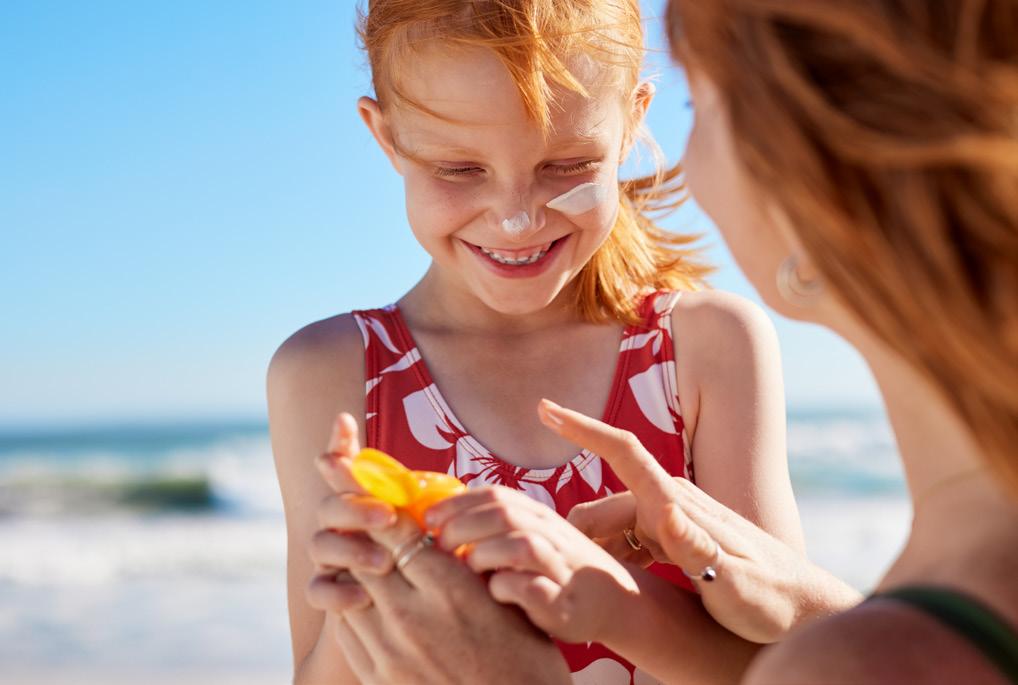
It's best to apply the sunscreen before you get into sun exposure, at least 20 minutes before you're exposed to the sun. If you apply it once you get there, I would wait at least 15 to 20 minutes before you go in the water.
I also want to make a note about if you're somewhere where you need insect repellent. Insect repellent does not get reapplied every few hours, and we would recommend putting on the sunscreen first and the bug repellent on top of it.
Are there any myths about summer safety (heat, hydration, sunburns, etc.) for children that you wish parents understood better? I've heard one of them being the belief that if it’s very cloudy out, you can’t get sunburned.
That's a great one … UV rays can absolutely still get through the clouds. So we do still recommend sunscreen and all of these protective measures on cloudy days. Also, remember that sunlight can reflect off of water. So if they're in the pool or in the river or at the beach, even if they're wearing a hat, they should still wear sunscreen because the rays can still reflect off the water and get to their face and skin.
Is there a piece of advice you would give parents to keep their kids safe in the summer, especially in hot environments?
I think it helps to plan your day ahead so that you can have lots of outdoors time but while avoiding the hottest parts of the day, which is [the] middle of the afternoon. As long as they follow some general precautions, you should still be able to have very fun summer days.
Is there anything else you’d like to share with parents? If kids are on medication that can make them use water, so like stimulants for ADHD, or if they're on medications that make them pee more frequently, they might be at higher risk for dehydration.
There are some antibiotics and skin creams that can cause you to be more sensitive to the sun. Those people in particular should wear sunscreen and avoid the hottest parts of the day.
Jacquelyn F. Crews
Dr. Crews is a pediatrician and clinical assistant professor in the University of Florida Department of Pediatrics.
She completed her pediatric residency at Johns Hopkins All Children’s Hospital in St. Petersburg, Florida, and is interested in areas including asthma, breastfeeding, conjunctivitis, sports injuries in young children and well-child visits.
From May 17 to September 27
parenting & guidance | mental health
Recognizing the Signs of Bullying and How to Stop It in Its Tracks
BY ZAKKARY PARKER
One in five children reports experiencing bullying. Here’s how to spot the hidden signs and stop it in its tracks, whether your child is the victim or the aggressor.
Bullying is an increasingly common problem in schools and has been shown to have serious, or at times, devastating short and long-term impacts on children involved, including anxiety, depression or even thoughts of suicide, the National Center for Biotechnology Information says. But when it comes to bullying, many children suffer in silence. According to Mental Health America, research has shown that only a small percentage of children who are being bullied actually report it, often out of fear that adults won’t help or even make the situation worse.
Bullying can be distressing for both you as a parent or caregiver and the child involved, but there are things you can do to intervene and help, whether they are the one being hurt or the one doing the hurting.
The Warning Signs
Not all children will explicitly use the word “bullying” to describe their situation, if they even choose to share it at all. According to stopbullying.gov, additional warning signs to recognize that may indicate your child is being bullied include:
• Difficulty sleeping or nightmares
• Frequent headaches or stomach aches, or even faking illness
Difficult Truths: When Your Child Is the Bully
• Decrease in self-esteem or feelings of helplessness
• Avoidance of social situations or loss of friends
• Sudden changes in eating habits, such as binge eating or skipping meals
• Loss of interest in schoolwork, declining grades or not wanting to attend school
• Frequently “losing” possessions or coming home with destroyed clothing, books, etc.
• Self-destructive behaviors, such as thoughts of harming others or self-harming behaviors
Pediatric psychologist Melissa Anne Faith, Ph.D., of Johns Hopkins All Children’s Hospital, notes that chronic bullying typically has three components: a power difference between the child and aggressor, repeated bullying and a social structure that maintains the victim’s status. If your child seems socially isolated, lonely or is avoiding the playground, it may be a sign to start digging deeper.
When your child is the aggressor, it can be a difficult conversation. However, putting a stop to bullying requires looking at both parties involved.
Signs Your Child May Be Bullying Others Include:
• Acting increasingly aggressive
• Getting into physical or verbal fights
• Blaming others for problems or not accepting responsibility
• Having friends who bully others
• Acting overly worried about their reputation or popularity, or overly competitive
Experts at the Momentous Institute suggest that instead of labeling the child as “bad,” label the behavior. Ensuring that they understand that what they did is different from who they are as a person can help prevent a sense of injustice or frustration with the child. Work with them to practice self-regulation and impulse control, and help them build self-awareness and empathy.
How to Support Your Child and Stop Bullying in Its Tracks
1. Listen and keep a record: Listen to your child's experience in a safe, judgment-free environment where they can tell their story. Remind them that part of your job as a parent or caregiver is to keep them safe. Start logging incidents they share with you.
2. Coach the bystander: Over 70% of students and teachers have reported witnessing bullying in schools. Teach your child to overcome the bystander effect, even if it's simply saying, “That’s not okay.”
3. Foster friendships and involvement: Encourage your child to participate in activities that build their self-esteem and help them form friendships outside of school or wherever the bullying is taking place.
4. Inform yourself: Educate yourself on your school’s antibullying policies to understand how the school addresses and confronts the issue.
4. Make contact with the school: Discuss the situation with your child’s teacher and/or principal. You can make a written request for an investigation and a plan of action. In Florida, schools are legally required to adopt an official policy to prevent bullying and work to protect students.
What Parents Need to Know About Driving and Driver’s Ed
BY JENNA DOLCH
From state requirements to local programs, here’s how to help your teen get started safely.
Learning to drive is a major milestone, but it’s also one of the biggest responsibilities teens take on. That’s why driver’s education is more important than ever.
For families in Jupiter and Palm Beach Gardens, enrolling in a structured driver’s ed program can help teens build confidence, learn safe driving habits and better understand the rules of the road before they ever take the wheel alone.
Here’s what to know from why it matters to where to enroll.
Why Driver's Education Matters for Teens
Driver’s ed isn’t just about passing a test; it’s about building lifelong road-safety skills.
Structured programs teach teens how to react in real-world situations, from handling distractions to navigating busy roads. They also provide supervised, hands-on experiences that many parents may not feel comfortable teaching on their own.
Beyond safety, driver’s ed can help teens feel more confident and prepared, which often leads to better decision making behind the wheel.
What Florida Requires for Teen Drivers
Florida has specific steps teens must complete before getting their license, and recent updates have made driver’s ed even more important.
• Teens must be at least 15 years old to apply for a learner’s permit.
• They must complete a state-approved driver education course (six hours) before getting a permit.
• They must pass a vision, hearing and knowledge test.
• Before getting a full license, teens must complete 50 hours of supervised driving (including 10 hours at night).
• They must hold a learner’s permit for at least 12 months or reach age 18 before advancing.
These requirements are designed to make sure teens gain both classroom knowledge and real driving experience before driving independently.
Driver's Ed Programs in Jupiter
Here are some of the top driver’s ed options for teens in the Jupiter area:
Safety Council of Palm Beach
Florida Safety Council provides a variety of driver education programs, including beginner and advanced courses. The organization focuses on safety and responsible driving habits for all ages. Teens can benefit from structured instruction and experienced educators. It’s a trusted option for families looking for a more formal program.
• ADDRESS: 4152 Blue Heron Blvd., Riviera Beach
• HOURS: Varies by course
• PHONE: (561) 845-8233
First Class Driving School
First Class Driving School offers personalized, behind-the-wheel instruction designed to help teens build confidence and real-world driving skills. The program is led by experienced instructors, many with law enforcement backgrounds, and focuses heavily on safety, awareness and defensive driving.
• ADDRESS: 601 Heritage Drive, No. 510, Jupiter
• HOURS: Scheduled sessions
• PHONE: (561) 600-3831
Cantor’s Driving School
Cantor’s Driving School offers private, one-on-one driving lessons designed to help teens build confidence and real-world driving skills. The program emphasizes defensive driving and hands-on experience, with instructors who are state-certified and highly experienced. Students benefit from door-to-door service and personalized lessons tailored to their skill level.
• ADDRESS: 601 Heritage Drive, Ste 130, Jupiter
• HOURS: 8:30 a.m. - 5 p.m. Monday to Friday
• PHONE: (954) 740-1103
Affordable Driving Traffic School
Affordable Driving Traffic School has been helping teens and new drivers build confidence behind the wheel for over 25 years. The program offers both behind-the-wheel instruction and DMV-approved courses, making it a comprehensive option for driver education.
• ADDRESS: Main office (service locations in Palm Beach Gardens) 3167 Forest Hill Blvd., West Palm Beach
• HOURS: 8 a.m. - 9 p.m. Monday to Saturday
• PHONE: (561) 969-0150
Frequently Asked Questions
What Age Can My Teen Start Learning to Drive?
Teens can apply for a learner’s permit at age 15 after completing the required driver’s ed course.
Should My Teen Still Take Driving Lessons If I Can Teach Them Myself?
Even if parents plan to teach their teen, professional instruction can provide structured training, safety techniques and real-world experience that’s hard to replicate.
What’s the Difference Between Classroom and Behind-The-Wheel Training?
Classroom courses teach rules of the road and safety concepts, while behind-the-wheel lessons give teens hands-on driving experience with an instructor.
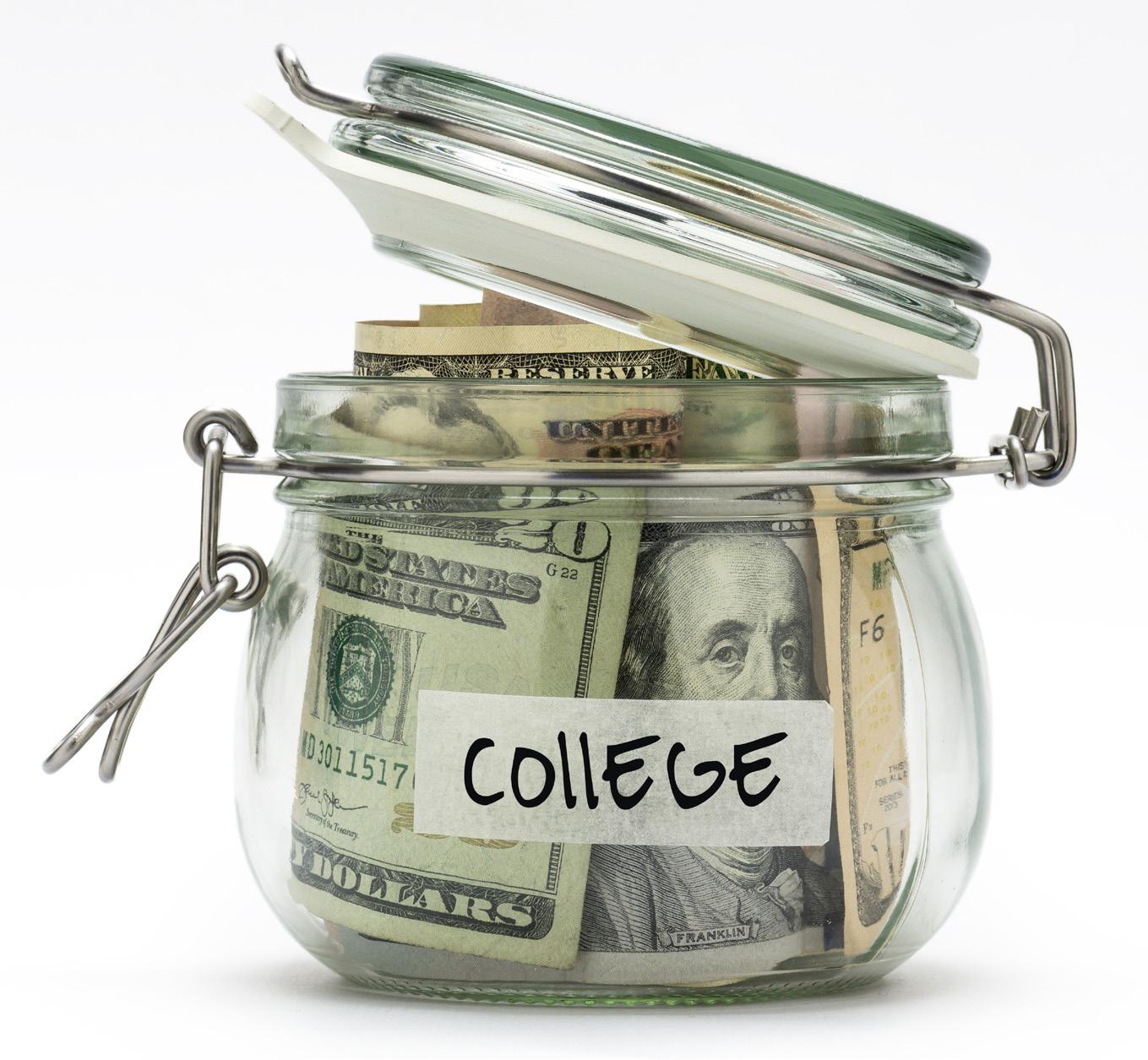
Understanding 529 Plans: What Parents Need to Know About Saving for College
BY COLE PURVIS
For many parents, the thought of paying for college can feel overwhelming long before their child ever fills out an application. With tuition costs continuing to rise, it’s no surprise families often start looking for smart ways to save early. One of the most talkedabout options is the 529 plan. However, while it can be a powerful financial tool, it’s not automatically the right fit for everyone.
Here’s what parents should know.
What Exactly Is a 529 Plan?
A 529 plan is a tax-advantaged savings account specifically designed to help families save for future education expenses. Named after Section 529 of the Internal Revenue Code, these plans are typically sponsored by states or educational institutions.
According to the U.S. Securities and Exchange Commission, there are two primary types: education savings plans and prepaid tuition plans. The most common is the education savings plan, which allows families to invest money over time, similar to a retirement account, for future qualified education costs.
Those qualified expenses can include tuition, fees, books, certain room and board costs and in some cases, K-12 tuition or student loan repayment, depending on plan rules and federal law.
The Biggest Benefit: Tax Advantages
One of the primary reasons families choose a 529 plan is the tax break.
Earnings in a 529 grow tax-deferred, and withdrawals for qualified education expenses are generally tax-free. According to the IRS, this can make a substantial difference over time, particularly when savings begin early.
Some states also offer additional tax deductions or credits for contributions, though Florida does not currently have a state income tax deduction for 529 contributions.
For many families, the long-term tax advantages are what make these plans especially appealing.
Flexibility Has Improved
One common fear is, “What if my child doesn’t go to college?”
While that concern used to discourage some parents, 529 plans have become more flexible. Beneficiaries can often be changed to another qualifying family member, including siblings. Recent federal changes also allow certain unused 529 funds to roll into a Roth IRA for the beneficiary under specific conditions, according to the U.S. Department of the Treasury.
That flexibility has helped reduce the fear of overcommitting.
Are There Downsides?
529 plans are not perfect for every household.
Because funds are intended for education, non-qualified withdrawals may face taxes and penalties on earnings. Investment options can also be more limited than traditional brokerage accounts.
Additionally, families dealing with more immediate financial priorities — such as high-interest debt, inadequate emergency savings or retirement shortfalls — may need to balance college savings against other pressing goals.
Financial experts often caution that while helping children with college is valuable, parents generally should not sacrifice retirement security to do it.
Is It Right for Everyone?
Not necessarily.
For families who are financially stable, have long-term planning horizons and want tax-advantaged education savings, a 529 can be an excellent tool. According to FINRA, the earlier contributions begin, the more time investments have to potentially grow.
But for families with uncertain income, multiple competing financial goals or children whose educational paths may vary widely, other savings or investment strategies may also deserve consideration.
The Bottom Line
A 529 plan can be a smart, strategic way to prepare for future education costs — but like most financial tools, it works best when it fits into a broader financial plan.
The goal is not simply saving for college at all costs. It’s understanding your options, weighing flexibility and making decisions that support both your child’s future and your family’s overall financial health.
When used thoughtfully, a 529 plan can offer something many parents are really looking for: a little more peace of mind about what comes next.
Jake Roarke Morrison 1/10/11 - 11/30/13
Jake Roarke Morrison 1/10/11 11/30/13
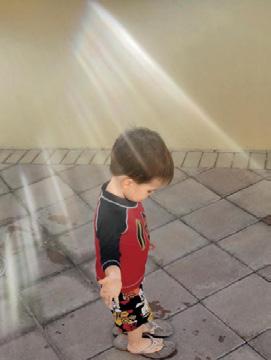
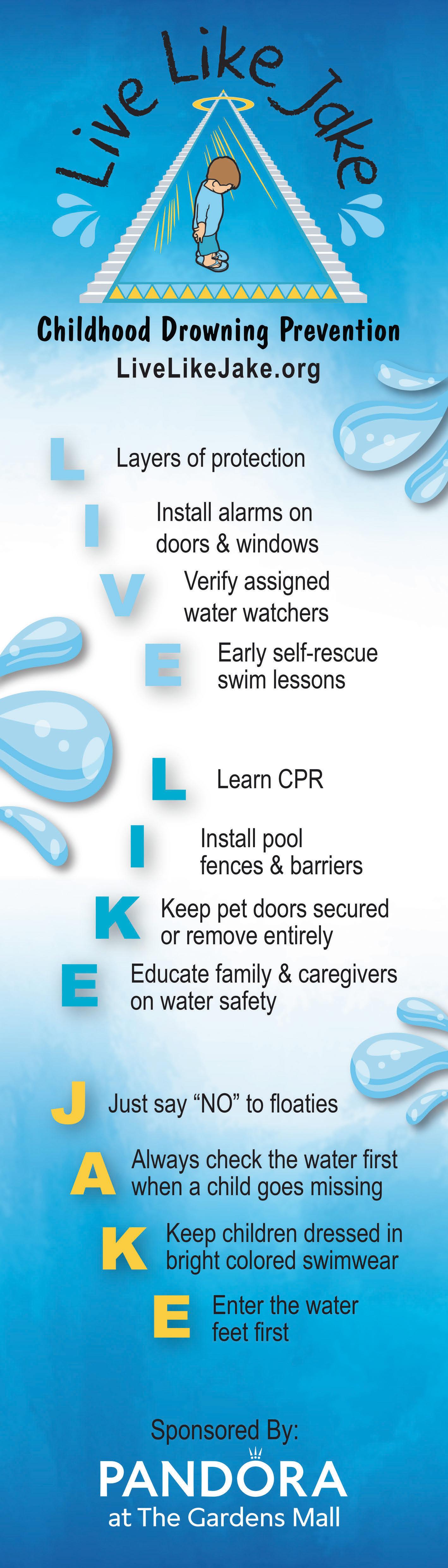
The Live Like Jake Foundation was created in memory of twoyear-old Jake Roarke Morrison, who tragically drowned while on vacation in November 2013. In the face of unimaginable loss, Jake’s parents, Keri and Roarke Morrison, turned grief into purpose, determined to prevent other families from experiencing the same heartbreak. What began as a way to honor their son has grown into a life-saving movement dedicated to ending childhood drowning.
Drowning is the leading cause of death for children ages 1–4 and remains one of the top causes of accidental death for children overall. These tragedies happen quickly and silently, but they are preventable with proper layers of protection, education, and access to life-saving skills.
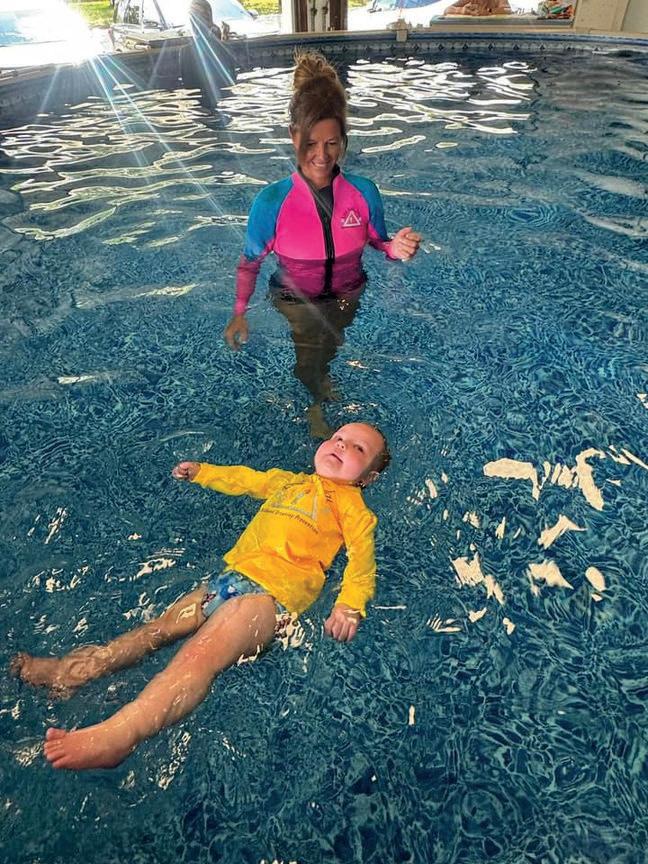
Through the Live Like Jake Foundation, thousands of children across the nation have received ISR self-rescue swim lesson scholarships, equipping them with the skills to float and survive in the water. In addition, hundreds of families affected by drowning incidents have been supported through critical care grants and assistance with funeral expenses during their most difficult moments. The foundation also delivers thousands of water safety materials to hospitals, pediatric offices, daycares, and community organizations, helping raise awareness and promote prevention efforts year-round.
LIVE LIKE JAKE
Jake’s life was short, but his impact continues to grow. Every scholarship awarded, every family supported, and every child who gains life-saving water skills carries his light forward. Together, we are working toward one goal: not one more child lost to drowning.
In 2020, the Live Like Jake Foundation opened an indoor heated pool in Palm Beach Gardens for yearround ISR self-rescue swim lessons where thousands of local children have learned to survive in the water.
Drowning
so
With a proven track record across a wide range of properties and communities, I bring a well-rounded, client-first approach to every transaction. Serving Hobe Sound and Jupiter to Palm Beach Gardens and West Palm Beach and beyond, I work with buyers, sellers, and renters alike, from primary residences to investment properties, including annual and seasonal rentals. No matter the property or goal, clients can expect knowledgeable guidance, strong negotiation, and a seamless experience from start to
diy & crafts | crafting with katie
CRAFTING with Katie
Fly Catching Frog
BY KATIE OSTERHOUT
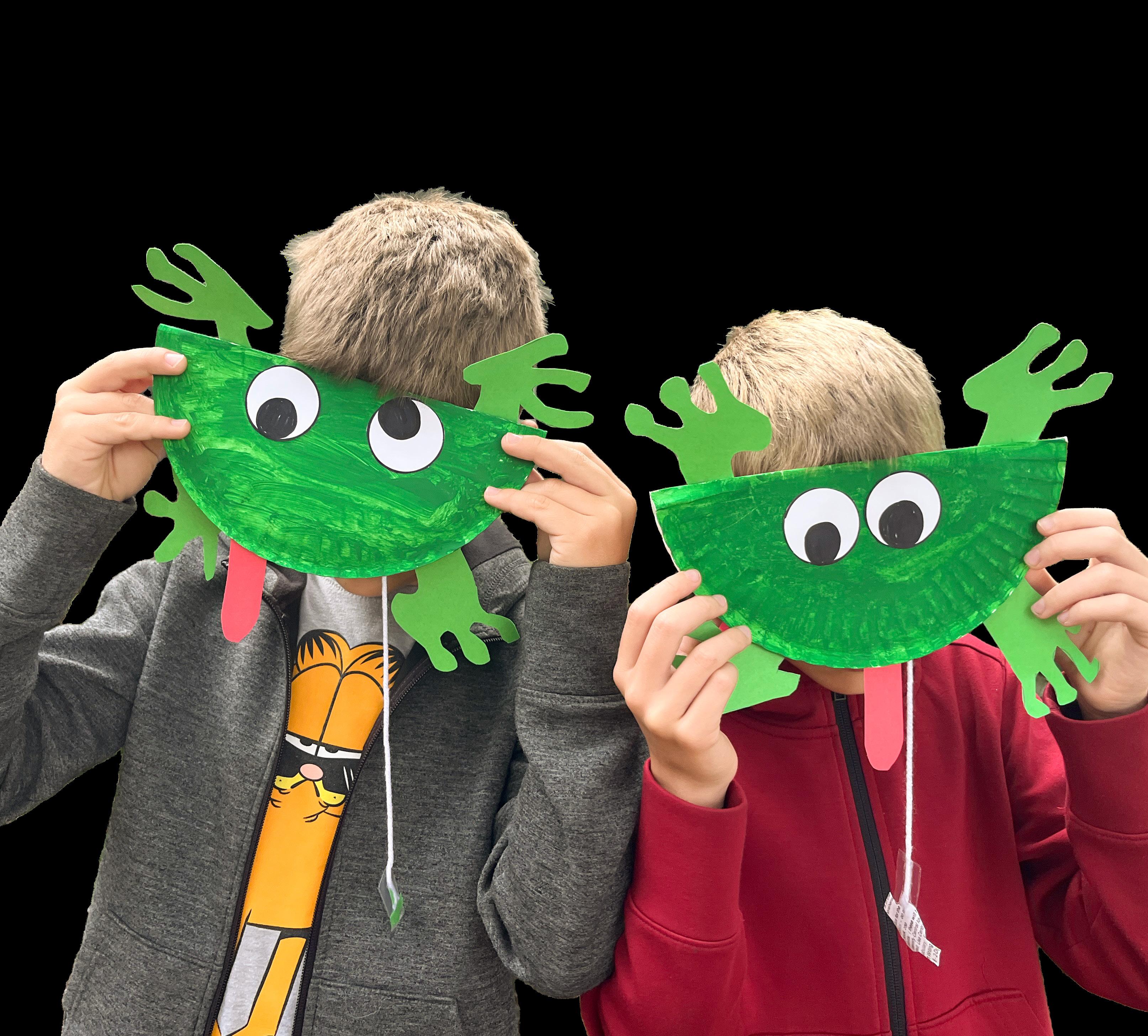
Warm summer nights are upon us and all the creatures are ready to have some fun! Join us in making this playful frog craft, and help her catch some yummy bugs for lunch!
Photos courtesy of Katie Osterhout
Materials
• Large white paper plate
• Green craft paint and a brush (or green markers)
• Green, red and white construction paper
• Glue stick
• Yarn
• Tape
• Craft scissors
• Black markers
Instructions
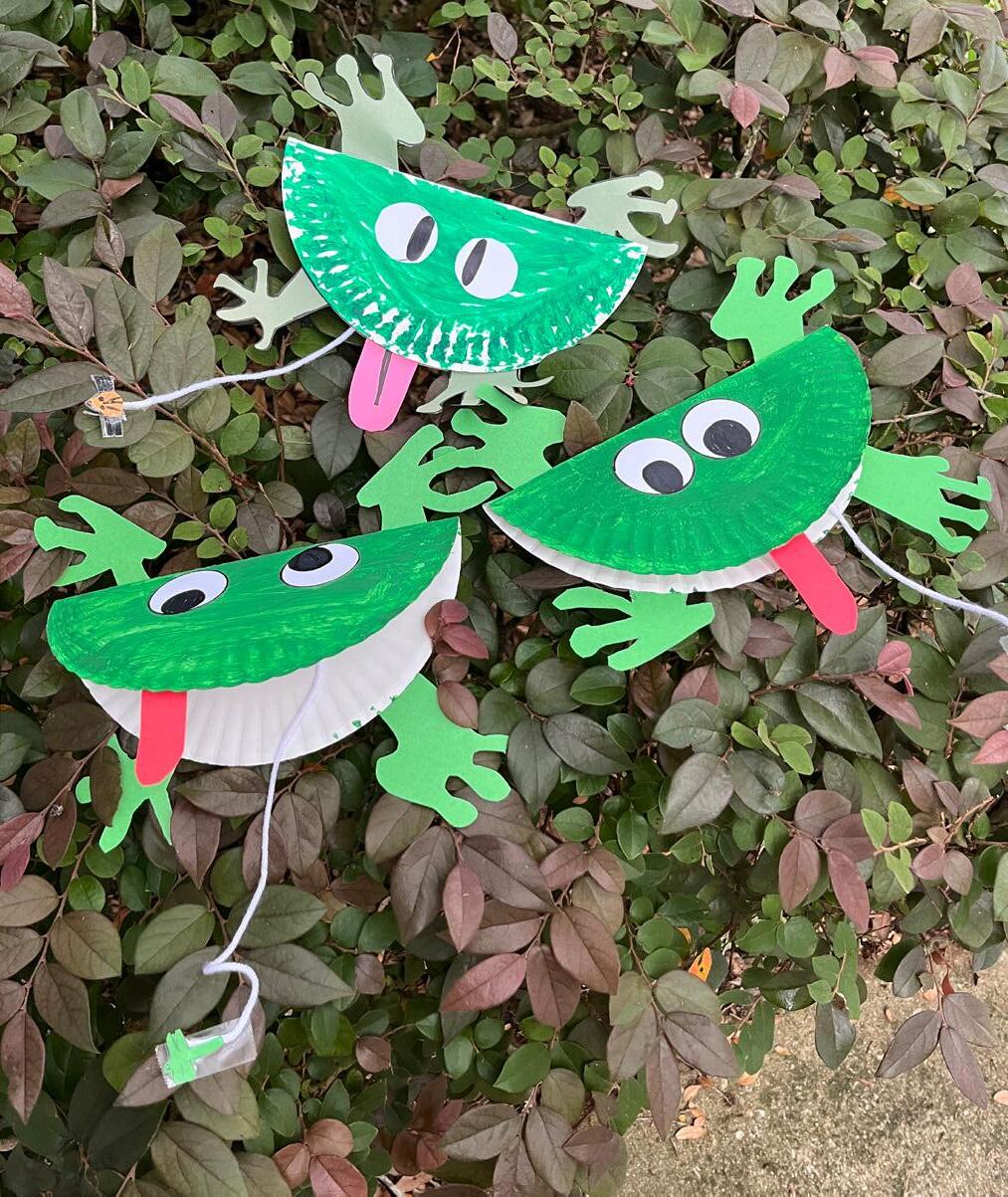
1. Start by folding one large plate in half to make the body of your frog.
2. Paint the top half green and let it dry (or use markers for a bit less mess).
3. For the eyes, cut out two large circles from the white paper. Color a smaller black circle inside the white for the pupil. Glue these to the top of the plate (green side).
4. Cut frog legs out of green construction paper and attach them in two locations. Two on the top and two on the bottom. These can be simple or complex — you can’t go wrong! Lots of inspiration can be found online, or make a style similar to Connor and Harrison’s.
5. Use red (or pink) construction paper to cut out a long tongue and glue it down on the inside of the frog’s mouth.
6. The final and most fun part is the bug! Draw any bug that makes you smile. A fly, ladybug, dragon fly, beetle …. artist’s choice! Be sure to make it at least an inch tall so it’s not too hard to cut out.
7. Once the bug is drawn, colored and cut out, cut a piece of yarn about 10 to 12 inches long.
8. Tape the bug to one end of the yarn, then tape the other end into the TOP part of the mouth.
9. Now you have a happy frog!
We’d love to see your frog crafts! Share with us and tag creative_household or post #creativehouseholdfl to show off your fun!
Here
is one of our family’s favorite jokes:
A chicken walked into a public library, marched up to the desk and said, “Book, book, book, book.”
So, the librarian handed the bird a book, the chicken accepted it and then left.
Ten minutes later, the chicken returned, threw the book on the desk and said, “Book, book, book, book.”
Once again the librarian handed the chicken a book, the chicken accepted it and then left.
Ten minutes later, the chicken was back again! It marched up to the librarian, threw the book on the desk, then said, “Book, book, book, book.”
The librarian handed the chicken a third book, but this time decided to follow the bird. She watched the chicken hurry down the street and stop at a pond, where there was a frog sitting on a lily pad.
The chicken showed the book to the frog, but the frog just shook its head and said, “Read it, read it, read it, read it.”
Roadschooling Made Simple
BY CRYSTAL LADWIG, PH.D.
Summer is upon us, opening the door to endless possibilities for fun and travel. Summer offers homeschooling families a unique opportunity to learn beyond the home. Traveling naturally combines fun, exploration and education.
Travel as a Learning Tool
Experiential learning depends on understanding as children explore to new places, cultures and environments. There is a natural integration of multiple subjects, independence observation and critical thinking.
Planning With Purpose
Many vacations naturally lend themselves to learning. National parks, historical landmarks, museums and cultural sites are among the most obvious. Align these and other vacation destinations loosely with topics your child has studied or will study. This helps reinforce learning while enjoying family time. If you want a bit more structure, focus on one to two key themes per trip (e.g., ecosystems, American history,
architecture) to avoid over planning and leave room for discovery.
Pre-trip planning involving your children is a powerful learning tool, helping them learn critical planning skills and pique their interest. Let them help plan breaks and which questions they want answered. Encourage them to select books, documentaries or maps to review beforehand.
Make Learning Happen
Vacation learning can be formal or informal, depending on the preferences of your family. You may discuss what you see in real time (e.g., landforms, wildlife, historian context) or ask open-ended questions. Children may
continue learning and planning along the way collecting brochures, navigating maps, taking photos or helping to plan daily routes. Of course, homeschooling families love to take advantage of unexpected events leading to new learning opportunities.
Keeping It Fun and Flexible
The biggest challenge to keeping your vacation fun is overscheduling. Balance structured activities with free exploration allows downtime to prevent burnout. Follow your child’s interest and dive deeper into what excites them, even if it was not planned. Think about what your children enjoy doing most. Do they like parks, beaches or special treats? Incorporate those into your trip, including plenty of down time for kids to be creative with their time and allow the entire family to slow down and avoid running from one event to another.
Capturing and Extending Learning
Vacation learning can also occur after the vacation is over. During your trip, encourage your child to create a travel journal or take a lot of photos. When you are back home, have them share what they learned through presentations or storytelling. Add related projects or reading, or dive deeper into new topics that your child discovered while on vacation.
The most important consideration for learning and traveling this summer is connection. Have fun. Get curious together. Take time to just relax together. Learning will often come naturally. So slow down, embrace flexibility and enjoy the journey.
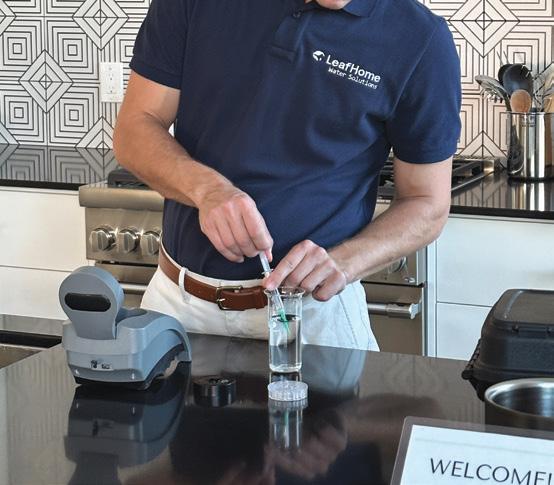
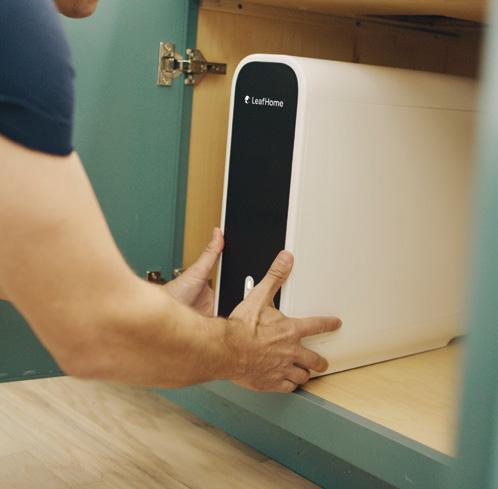
Cleaner, safer water for healthier living.
Our STO system is built for the local water supply, combining a powerful water softener with a catalytic carbon filter to deliver whole-home protection.
Inside the 2026–2027 Palm Beach County School Calendar
From the first day of class to holiday breaks, teacher workdays and graduation dates, the 2026-2027 Palm Beach County Public Schools calendar is your go-to guide for planning the year ahead. Keep this handy dateby-date schedule nearby so you never miss an important milestone, school event or well-deserved break.
August 10, 2026: First day of school for students
Holidays
September 7, 2026: Labor Day; No school & district offices closed September 21, 2026: Fall Holiday; No school & all employees off (except 12 month employees)
November 11, 2026: Fall Holiday; No school & district offices closed November 23-27, 2026: Thanksgiving Holiday; No school & district offices closed
December 21-22, 2026: Winter Break; No school & all employees off (except 12 month employees)
December 22, 2026 - January 1, 2027: Winter Break; No school & district offices closed
January 18, 2027: MLK's birthday; No school & district offices closed
March 10, 2027: Spring Holiday; No school & all employees off (except 12 month employees)
March 22-26, 2027: Spring Break; No school & all employees off (except 12 month employees)
May 31, 2027: Memorial Day; No school & district offices closed
June 17, 2027: Juneteenth (observed); school & district offices closed
Additional Information:
1. District offices are closed every Friday of July 2026 and June 2027.
Teacher Work Days/All-Day
In-Service: No School for Students
October 12, 2026: Secondary Duty Day/Elementary PDD
November 3, 2026: Secondary PDD/ Elementary Duty Day
January 4, 2027: Secondary Duty Day/Elementary PDD
February 15, 2027: Secondary PDD/ Elementary Duty Day
March 29, 2027: Secondary Duty Day/ Elementary PDD
May 28, 2027: Secondary & Elementary Duty Day
DUTY: Teacher Work Day
PDD: Professional Development Day
Elementary Schools' Student Attendance Days
1st Trimester: August 10, 2026November 2, 2026; 60 days
2nd Trimester: November 4, 2026February 12, 2027; 55 days
3rd Trimester: February 16, 2027May 27, 2026; 66 days
2. July 2026 and June 2027 will be 10-hour days Monday to Thursday for 12-month employees.
Elementary Schools Report
Card Distribution Dates
1st Trimester: TBD
2nd Trimester: TBD
3rd Trimester: TBD
Secondary Schools' Student Attendance Days
1st Quarter: August 10, 2026 - October 9, 2026; 43 days
2nd Quarter: October 13, 2026December 18, 2026; 42 days
3rd Quarter: January 5, 2027 - March 19, 2027; 51 days
4th Quarter: March 30, 2027 - May 27, 2027; 43 days
Secondary Schools Report
Card Distribution Dates
1st Quarter: TBD
2nd Quarter: TBD
3rd Quarter: TBD
4th Quarter: TBD
Secondary Semesters
1st Semester: August 10, 2026December 18, 2026; 85 days
2nd Semester: January 5, 2027May 27, 2027; 94 days
3. March 22 to 25, 2027 will be 10-hour days for 12-month employees. The district will be closed Friday, March 26, 2027.
4. Emergency Make-Up Days (EMD) will be at the discretion of the superintendent in accordance with the state statute for student instructional time.
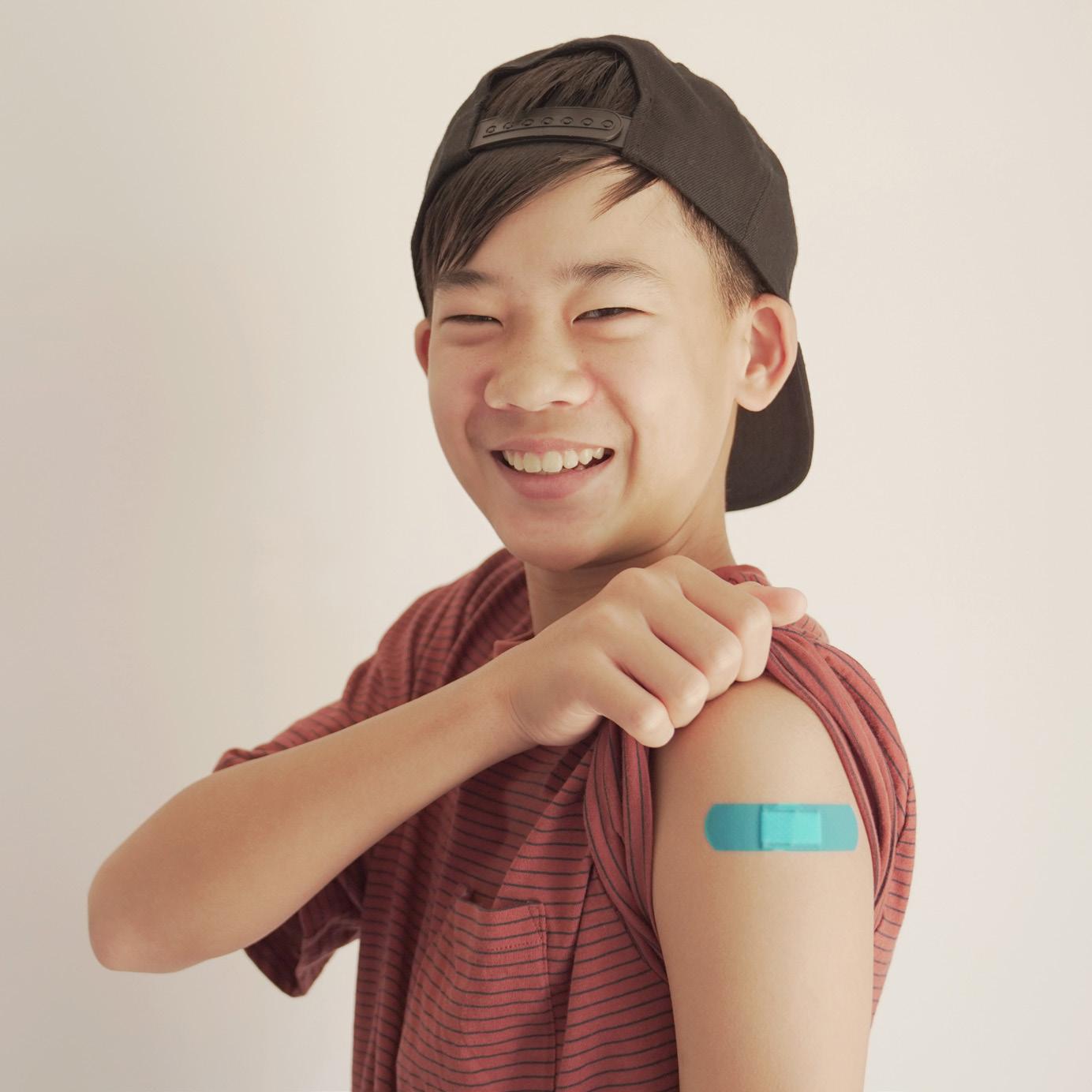
The School District of Palm Beach County Offers Free Immunizations for Students
BY ALEXANDRA BURNS
The School District of Palm Beach County is offering a free immunization van service for families with children from 2 months through 12th grade, according to district information. The service is held at the School District Welcome Center and is designed to help families meet Florida school vaccination and registration requirements ahead of enrollment deadlines.
Officials said the immunization van operates on a first-come, first-served basis, with limited capacity each day. Families are encouraged to arrive early for on-site sign-in and registration.
What’s Happening
The immunization van schedule includes:
•● 8 a.m. to 10 a.m.: Sign-in and on-site registration (limited space available)
•● 10 a.m. to 1 p.m.: Immunization services provided based on availability
Families must bring a child’s current immunization records to receive services. The program is intended for students from infancy through high school seniors who still need the required vaccinations.
In addition to vaccines, families registering new students must provide several documents, including two proofs of Florida residential address, a Florida Certification of Immunization, a State of Florida School Entry Health Exam and proof of birth, such as a birth certificate or passport.
Why It Matters for Families
For many parents, school enrollment deadlines can come with paperwork and scheduling challenges. This mobile clinic model helps reduce barriers by offering both immunizations and registration support in one location.
It is especially helpful for families who may have missed routine pediatric appointments or who are new to the district and need to complete multiple entry requirements at once.
Required Documents Checklist
•●Child’s immunization records
•●Two current proofs of residential address
•●Florida Certification of Immunization
•●School Entry Health Exam form
•●Proof of birth (birth certificate, passport or religious records)
Upcoming Dates
July 1, 8 and 15
Visit palmbeachschools.org to view more information on the free service, location and dates.
local family guides | family-friendly dining
Jupiter’s Coolest Treats: Where to Get Ice Cream This Summer
BY ALEXANDRA BURNS
menu item, size and toppings.
WHAT TO KNOW: 3 Scoops Ice Cream offers over 25 flavors of premium ice cream, milkshakes, snow cones and sorbet
WHAT TO ORDER: Flavor options include cookies and cream, superman and watermelon.
TOPPINGS TO TRY: Enjoy milkshake mix-ins like chunks of cake frosting.
Cones and Coffee
LOCATION: Unit B, 997 N. Highway A1A, Suite B, Jupiter
HOURS: Monday-Thursday 7 a.m. to 9 p.m. and Friday to Sunday 7 a.m. - 10 p.m.
PRICING: About $4 - $9, depending on menu item, size and toppings.
One of the best activities to engage your young children, enjoy a sweet treat and take a break from the blistering South Florida summer heat is ice cream! Whether you’re looking for an after-dinner dessert, lunchtime activity or play date, there is a variety of affordable ice cream locations throughout the area.
Jupiter’s ice cream scene offers a unique range of flavors and toppings, from soft serve and gelato to hand-made ice cream, sorbet and treats. This guide highlights the best ice cream spots in Jupiter to cool off this summer, featuring a range of flavors, toppings, prices and atmospheres.
This list was curated using local restaurant menus, Yelp’s top-rated ice cream spots and my own personal favorites.
WHAT TO KNOW: Cones and Coffee offers ice cream and housemade waffle cones along with espresso, coffee and cold brew from Pumphouse Coffee Roasters. This is the perfect spot to enjoy some caffeine while entertaining the kids with a sweet treat. Don’t miss out on its flavor of the month, with former options of key lime pie and cookie butter crunch.
WHAT TO ORDER: Flavor options include mint chocolate chip, salted caramel, pistachio, espresso chip, fudge brownie and cookie dough ice cream with mix-ins.
TOPPINGS TO TRY: Toppings include praline pecans, brownie and cookie dough pieces and rainbow sprinkles.
Rosa Ice Cream
1695 W. Indiantown Road Unit
Daily from Noon - 9:30 p.m.
About $4 - $8, depending on menu item, size and toppings.
Rosa Ice Cream offers 100% natural ice cream and fruit popsicles that do not contain preservatives, artificial colors, corn syrup or added sugars. There are also vegan options, and customers can order custom ice cream cakes.
Ice cream flavors include cookies and cream, cherry and white chocolate and watermelon ice cream sorbet.
TOPPINGS TO TRY: Candies like gummy bears, cookies, cookie dough, brownies and caramel.
Gelato&Co. Jupiter
LOCATION: 120 N. Coastal Way, Jupiter
HOURS: Monday to Thursday 1 p.m. - 9 p.m., Friday to Saturday 11 a.m. - 11 p.m. and Sunday 11 a.m. - 9 p.m.
PRICING: About $6 - $8, depending on menu item and size.
WHAT TO KNOW: Gelato&Co. offers authentic gelato in a cup or cone; gelato milkshakes, popsicles and sandwiches; an espresso bar and Italian pastries like cheesecake and tiramisu. All ingredients are sourced locally or from Italy.
WHAT TO ORDER: Gelato flavors include milk chocolate, strawberry, pistachio, raspberry, brownie, cookies and cream, mint chocolate, strawberry cream, passionfruit, hazelnut and coconut.
TOPPINGS TO TRY: Gelato mix-ins include brownie bits, crushed Oreos, nuts, strawberries, dark chocolate flakes,
SweetFrog Premium Frozen Yogurt
LOCATION: 6771 W. Indiantown Road, Jupiter
HOURS: Sunday to Thursday Noon - 9 p.m. and Friday to Saturday Noon - 10 p.m.
PRICING: About $6 - $11, depending on weight of ice cream and toppings.
WHAT TO KNOW: SweetFrog offers a create-your-own soft serve bar, with soft-serve frozen yogurt, a toppings bar, fresh fruit and acai bowls. It also offers no sugar added, nonfat, lowfat and dairy-free options.
WHAT TO ORDER: Rotating frozen yogurt flavors include vanilla, chocolate, cake batter, cheesecake, cookies and cream and salted caramel pretzel.
TOPPINGS TO TRY: Candies, fruits, cake and cookies pieces and syrups.
Village Scoop Shack
LOCATION: 367 Tequesta Drive, Jupiter
HOURS: Monday to Friday 3 p.m. - 10 p.m., Saturday Noon - 10 p.m. and Sunday Noon - 9 p.m.
WHAT TO KNOW: Village Scoop Shack offers ice cream, milkshakes and an impressive cereal bar. You can add a variety of mix-ins, cereals and toppings to your ice cream or shake.
Ice cream flavors include chocolate, birthday cake, cookies and cream, low-fat coffee frozen yogurt, cotton candy and double fudge mint brownie.
Drizzles like caramel syrup and candies, cookies and cereals. Cereal options include Fruity Pebbles, Cocoa Pebbles and Reese’s Puffs.
Palm Beach Ice Cream
LOCATION: 6761 W. Indiantown Road #24, Jupiter
HOURS: Tuesday to Sunday from Noon - 10 p.m.
PRICING: About $5 - $12, depending on the menu item and size.
WHAT TO KNOW: Palm Beach Ice Cream offers real, old-fashioned and homemade ice cream, along with yogurts, sorbets, sherbets and seasonal or no sugar-added flavors.
WHAT TO ORDER: The menu features ice cream by the scoop, sundaes, banana splits, ice cream sodas and ice cream cakes. Flavors include cinnamon, pistachio, Oreo, maple walnut, salty caramel, Butterfinger, chocolate chip cookie dough, cherry and strawberry.
Carvel
LOCATION: 6230 W. Indiantown Road, Ste. 1 & 2, Jupiter
HOURS: Daily from 10:30 a.m. - 9:30 p.m.
PRICING: About $5.99 - $8.49, depending on menu item and toppings.
WHAT TO KNOW: Carvel offers everything ice cream, from classic ice cream bowls to cones, sandwiches, cakes, sundaes and milkshakes.
WHAT TO ORDER: Fan favorites include their flying saucer ice cream sandwiches, fudge pops and sundaes.
TOPPINGS TO TRY: Candies, syrups and more. Don’t forget to add their iconic crunchies topping to your dessert!
WaWa
LOCATION: Multiple locations throughout South Florida and Jupiter
HOURS: Open 24 hours
PRICING: About $5 - $9, pricing varies.
WHAT TO KNOW: Wawa offers delicious and affordable milkshakes, ice cream sundaes, parfaits and cream smoothies with an array of mix-ins and flavors.
WHAT TO ORDER: Fan favorites milkshake flavors include the cookies and cream, raspberry and cheesecake milkshakes.
TOPPINGS TO TRY: Candies, fudge, chocolate chips, graham crackers and more.
Annie's Italian Ices
LOCATION: 150 W. Indiantown Road A, Jupiter
HOURS: Sunday to Thursday 11 a.m. - 9 p.m. and Friday to Saturday 11 a.m. - 10 p.m.
PRICING: About $3 - $9, depending on menu item, toppings and size.
WHAT TO KNOW: Anne’s Italian Ices serves Italian ice, custard, ice cream, soft pretzels, chili and foot-long all-beef hot dogs. This makes it the perfect spot for a combined lunch and sweet treat.
WHAT TO ORDER: Flavors include cappuccino ice cream; root beer Italian ice with vanilla gelato; Italian ices like orange, blue raspberry, watermelon and mango; and ice cream flavors like strawberry and mint chocolate chip.
TOPPINGS TO TRY: Candies like Sour Patch Kids and chocolate chips.
Dairy Queen
LOCATION: 3900 E. Indiantown Road, Ste. 605, Jupiter
HOURS: Tuesday Noon - 10 p.m.
PRICING: About $4 - $7, pricing varies.
WHAT TO KNOW: Dairy Queen is best known for its Blizzard and for its affordable, unique flavor combinations.
WHAT TO ORDER: Dairy Queen offers the classic Blizzard, a blended soft-serve ice cream with mixed-in toppings like candy and cookies. Flavors include cookies and cream, s’mores, cotton candy and chocolate-dipped strawberry. The menu also includes plain soft serve ice cream, sundaes and dips that harden on top of the ice cream.
TOPPINGS TO TRY: Hot fudge, caramel, strawberry sauce, candies, brownie pieces and more.
and Ice Cream Shop
LOCATION: 201 US-1, Jupiter
HOURS: Monday to Thursday 11 a.m. - 10 p.m., Friday to Saturday 11 a.m. - 11 p.m. and Sunday Noon - 10 p.m.
PRICING: About $5.99 - $12.49, depending on menu item, size and toppings.
WHAT TO KNOW: Kilwins offers the perfect after-dinner casual treat, birthday gift or party spot.
WHAT TO ORDER: The shop offers a variety of chocolates, fudges, treats, milkshakes and house-made ice cream. They also offer delicious waffle cones and bowls!
TOPPINGS TO TRY: Rainbow sprinkles, hot fudge, marshmallows, nuts, sprinkles, candies and more.
Sunny Perfection
BY NICOLE IRVING
Animal Adventures: A Guide to the Best Zoos In and Around Jupiter
BY ALEXANDRA BURNS
Looking for the perfect Saturday or summer afternoon activity? These zoos offer upclose animal encounters and interactive learning, making them the perfect activities to keep kids engaged and families entertained.
Whether you’re looking to stay local or hit the road for a small weekend adventure, we’ve got you covered with a guide to the best zoos in and around the Jupiter area!
This list was curated based on driving distance and location, as well as Yelp’s lists of the best zoos in Florida.
Lion Country Safari
2003 Lion Country Safari Road, Loxahatchee
WHAT TO KNOW: Lion Country Safari is an amusement park and drive-thru safari that offers animal encounters, shows and learning opportunities. The safari is home to over 900 animals and also offers food and shopping experiences. In 2009, it was ranked by the USA Travel Guide as the third-best zoo in the nation.
ADMISSION COST: Ticket prices vary by time of year. The average cost for general admission is about $50 for ages 10 and older, $39 for ages 3 to 9 and free for children under 3.
HOURS: Daily from 9:30 a.m. - 5:30 p.m. The drive-thru safari ends at 4:30 p.m.
ANIMALS: Animals include various birds, monkeys, alpacas, porcupine, armadillos, sheep, alligators, snakes and a sloth.
Palm Beach Zoo & Conservation Society
1301 Summit Blvd., West Palm Beach
WHAT TO KNOW: The Palm Beach Zoo is a nonprofit that is home to over 500 animals, many of which are endangered. The zoo offers plenty of interactive experiences for kids, like shows, animal encounters, a water fountain, a playground and food.
ADMISSION COST: Ticket prices vary by time of year. The average cost for general admission is about $29.95 for ages 13 to 59, $23.95 for ages 3 to 12 and free for children 2 and under.
HOURS: Daily from 9 a.m. to 5 p.m.
ANIMALS: Animals include panthers, tigers, reptiles, birds, otters, koalas, sloths and more.
Busch Wildlife Sanctuary
17855 Rocky Pines Road, Jupiter
WHAT TO KNOW: Busch Wildlife is a nonprofit that works to protect and conserve Florida’s wildlife. The sanctuary offers environmental and animal education for children and adults, along with animal encounters and experiences.
ADMISSION COST: Admission is by donation.
HOURS: Daily from 10 a.m. - 4:30 p.m.
ANIMALS: Eagles, panthers, foxes, snakes, reptiles, bears, crocodiles and more.
Florida Madagascar Exotic Zoo and Sanctuary
11381 Orange Grove Blvd., West Palm Beach
WHAT TO KNOW: The Florida Madagascar Exotic Zoo is an animal sanctuary that offers private tours, zoo events and hands-on animal encounters. It aims to promote conservation and animal welfare, as stated on its website. This is a great place to learn about exotic animals and conservation efforts. Visits are booked by tours and are limited to 12 people.
ADMISSION COST: The basic zoo tour experience is $35 per person for 30 minutes. This tour allows you to meet and feed lemurs, monkeys and reptiles.
HOURS: Daily from 9 a.m. - 4:30 p.m. Check the website for tour hours and availability.
ANIMALS: Birds, capybaras, kinkajous, otters, lemurs, wallabies and more.
Wellington Conservation Center
14990 Palm Beach Point Blvd., Wellington
WHAT TO KNOW: This conservation center offers a home to abandoned animals, including orphaned birds and mammals. The center also specializes in conserving exotic animals threatened by habitat loss and provides a home to two endangered species. Wellington Conservation Center is available to visit by appointment only.
ADMISSION COST: For the guided tour, ages 10 and up are $30, ages 6 to 19 are $15 and ages 5 and under are $5. Check the website to view prices for animal encounters.
HOURS: Daily from 10:30 a.m. - 3:30 p.m. and guided tours are offered at 12:30 p.m. and 2:30 p.m.
ANIMALS: Lemurs, sloths, hogs, foxes, birds, cattle, porcupines, capybaras, kinkajous and more.
Animal EDventure Park & Safari
8545 US-441, Boynton Beach
WHAT TO KNOW: At its Boynton Beach location, this park offers only walkthrough and guided safari tours. The classic one-hour walkthrough tours take you through the private farm and offer sloth and kangaroo encounters, among other things. You can also add on experiences like the chance to hold a sloth and maybe even a monkey.
ADMISSION COST: The guided walking tour is $25 per person, adults aged 2 and older. Check the website to view add-on prices and VIP tours.
HOURS: Thursday to Sunday 10 a.m. - 6 p.m., and remember to check the website to view tour availability.
ANIMALS: Camels, kangaroos, foxes, deer, capybaras, farm animals and more.
Her Last Game: A Heartfelt Goodbye From a Soccer Mom
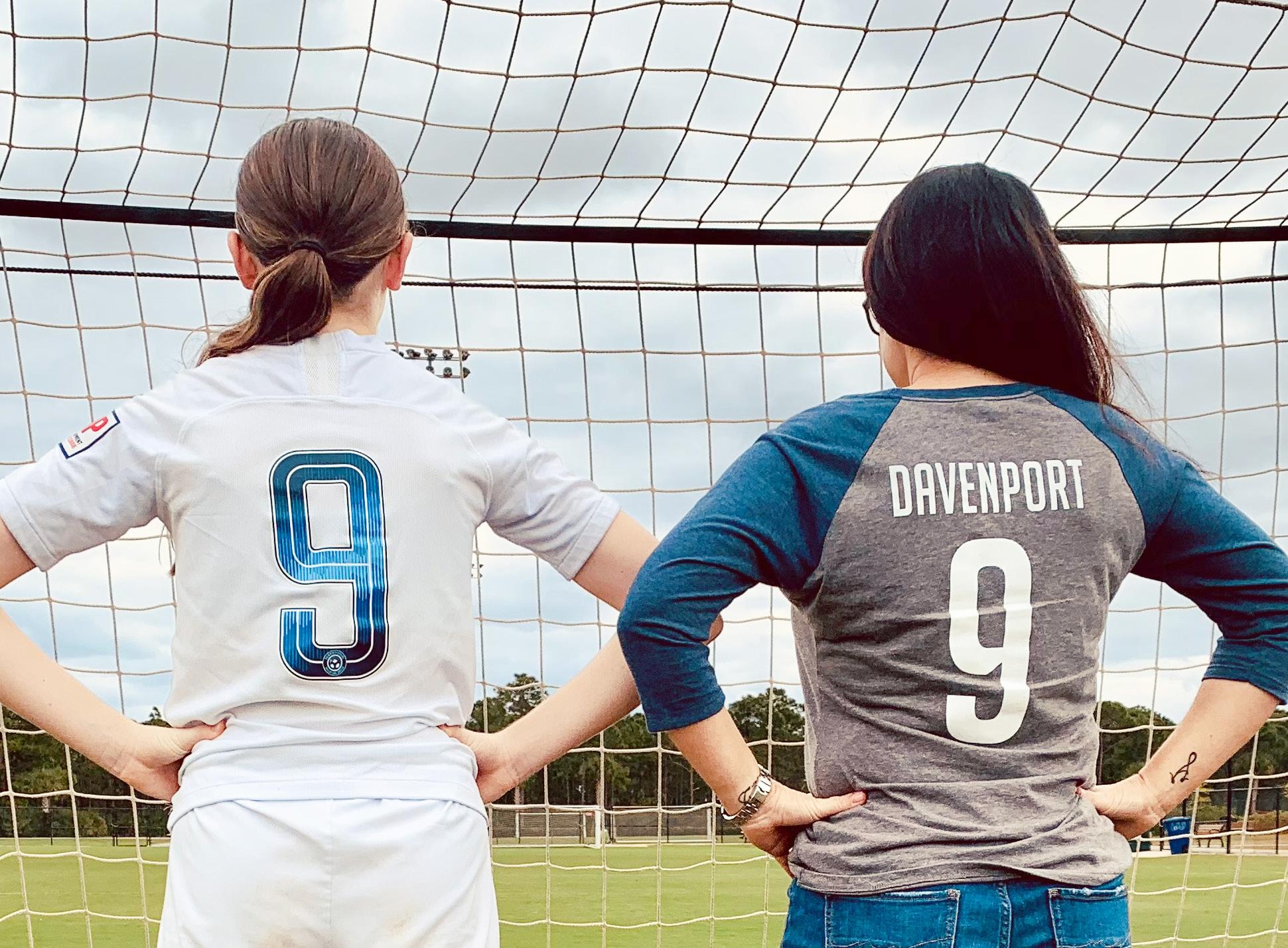
BY MELISA DAVENPORT
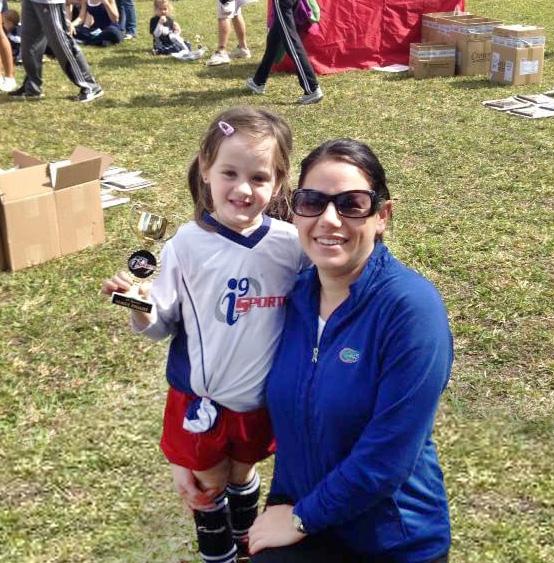
I can remember the exact moment my life and weekends changed: I officially took on the title of “Soccer Mom.” My daughter Sophia, who graduated from Dwyer High School this May, must have been around 3 years old when she first started playing soccer. With her jersey hanging to her knees, pint-sized cleats and a smile that filled our hearts … our new normal that would consume 15 years of weekends began.
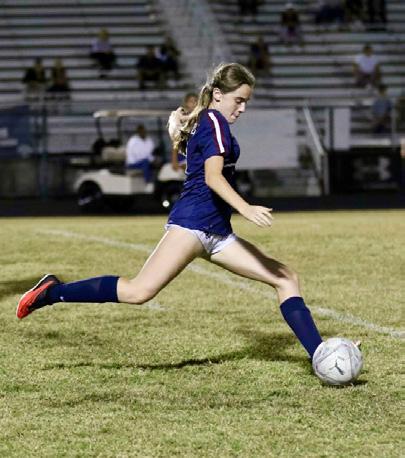
Most of Sophia’s life has involved playing soccer, and, in turn, her passion became my passion. Her dreams became my dreams, and her defeats became my defeats. I felt her pain, and I reveled in the wins. I lived for the next game, the next weekend.
Our weekends quickly became a passion project filled with conversations about what tent to bring; what Yetis were in style; who had the fans, umbrellas, raincoats, blankets, snacks, drinks and coolers. So many days, nights and weekends were consumed with long drives, countless flights, a huge financial commitment and more hotel rooms than we could count. All to have Sophia live her passion. I would not have traded it for the world.
It was her love of soccer and her commitment to being the best — her relentless drive — that consumed our every weekend.
Watching Sophia play soccer has been the greatest joy and source of pride in my life. Watching her natural talent and amazing plays makes my heart so full. All the laughs, tears, screaming, jumping up and down and, of course, yelling at the referees, made every sacrifice worth it. Creating life-long friends with other soccer families, sharing stories and bragging about our girls with the other soccer moms — we became a family. We became a tribe. This is what our weekends
Sophia has made some of the best friends of her life through the game. From youth soccer, recreational soccer, travel soccer and competitive soccer, these girls have shared so many memories and created a bond that will last them a lifetime. Most of them have grown up together. And now they all have this incredible bond that will live with them into the future.
With each practice and game, her coaches became mentors. They experienced lowlows and high-highs. They wiped her tears and celebrated huge wins with hugs and laughter. They were by her side during injuries, turf burn and MRIs. They were her shoulders to lean on, tough love when she needed it and incredible teachers who helped her develop her craft.
I thank God for the talent he gifted Sophia. That she was able to have that great love and passion in her life. The field was her playground, her church and her sanctuary. That’s where she came alive. That’s what HER weekends were about.
As Sophia moves on into the next chapter of her life, so must I. It’s the end of an era. It’s almost like a breakup, and I’m finding it hard to say goodbye to soccer. But I’m making a promise to myself that weekend by weekend, it will get easier, and I’m only losing a small part of a title. Saying goodbye to “Soccer Mom” and celebrating being “Mom,” a title that will never go away.
I’ll always be her biggest fan, and I might not be sitting in the bleachers, but I will always cheer her on. Spending time with my family and celebrating my daughter as she now moves onto college life — that’s what my weekends will be about.
Photos supplied by Melisa Davenport
From Guilt to Growth: One Mother's Journey Through Two Motherhoods
BY GINA MOBILIAN MOM OF TWO AND FOUNDER OF EMMA’S PLACE
The fact that I have a 24-year-old and a soon-tobe 6-year-old still blows my mind. I’m also a grandma. Sometimes I sit with that and realize I’ve lived two completely different versions of motherhood in one lifetime.
When I had my oldest daughter, Cori, I was young. I was raising her as a single mom with the help of my parents, focused on work, on building a life, on keeping everything together. I was always moving, always thinking about what needed to be done next. I showed up. I provided. I did what I had to do.
But if I’m being honest, I don’t think I gave Cori as much of myself as I could have. I could have slowed down more. Paid more attention. Been more present.
That’s something I carry with me now. A quiet kind of guilt that doesn’t really go away. And I don’t think I fully understood it until I had Emma. Now everything feels different. Not because I love her any differently, but because she needs me differently. Raising a child with autism has a way of slowing you down, whether you’re ready for it or not. It forces you to be present in a way that doesn’t leave much room to check out. And some days, that’s hard in a completely different way.
There are moments I’m standing in the kitchen, overwhelmed, counting to 10 in my head just to stay calm. Moments where I have to walk away — not because I want to, but because I know I need to reset before I react in a way I’ll regret. And even when I do handle it the best I can, I still replay it later.
Thinking I should have done more. Done better. Been better.
And then there’s the thought that’s hardest to say out loud — did Cori get a version of me that was distracted, and now Emma gets a version of me that’s overwhelmed?
And there’s another kind of guilt, too. The kind that comes with Emma’s autism — the quiet questions that make you look back and wonder if there was anything you could have done differently, or something you missed along the way. Not because you have answers, but because you want to understand everything for her. Because when you love your child this much, you want to make sense of it.
But Emma has also changed me in ways I never expected. She’s taught me how to slow down. How to really notice things that other people might not think twice about. I never thought Emma would be pottytrained, and I spent a lot of time wondering if I was doing something wrong. But she did it. And the first time she counted to 10, I cried.
Now I watch her grow — riding her bike with so much pride, getting herself dressed — and I’m constantly amazed by her independence and how smart she is. To anyone else, those might seem like small things. But to me, they feel like everything. Because in those moments, something shifts.
I realize I am here. More present than I used to be. More aware. More intentional. Not perfect — but here.
Emma’s Place came from a world of frustration, loneliness and sadness. I wanted better for Emma. And if I’m being honest, it didn’t start from some perfectly selfless place. It started with a little bit of selfishness … and a lot of guilt.
I needed something that didn’t exist yet. A place where I didn’t have to explain my child. Where I didn’t feel judged. Where the hard days didn’t feel so isolating. And somewhere along the way, it became more than that. It became a place for families like mine. And in building it, something shifted in me. The guilt didn’t disappear. But it softened. Because I started to understand something I wish I knew sooner — motherhood isn’t about getting it perfect the first time.
It’s about growing. It’s about learning how to show up better as you go. If there’s one thing I would want another mom to take from this, it’s this:
You’re allowed to feel the guilt.
You’re allowed to question yourself.
You’re allowed to wish you did things differently.
But you’re also allowed to grow from it. And if you’re showing up now — more aware, more present, trying to do better — that matters. That counts. And that’s something your children will feel, even if it didn’t start that way.
Gina Mobilian is a mother of two and the founder of Emma’s Place, a Palm Beach Gardens-based nonprofit that was inspired by her daughter Emma, who was diagnosed with autism. Emma’s Place aims to create a nurturing community space for children with autism and developmental differences, offering gentle and sensory-friendly experiences where all children can feel safe, celebrated and accepted.
Live Like Jake: Turning Tragedy Into Lifesaving Impact
BY KERI MORRISON
Originating in Palm Beach Gardens, Florida, Live Like Jake (LLJ) is a nonprofit organization founded by Keri and Roarke Morrison in memory of their son, Jake Roarke Morrison, who tragically lost his life in a drowning accident at just 2 years old. Driven by love and purpose, LLJ exists to honor Jake’s life by preventing other families from experiencing the same heartbreak. Today, the organization serves families across the country, working to raise awareness and provide resources that save lives.
LLJ is dedicated to ending childhood drowning through education, access and support. The foundation has provided over 4,600 Infant Swimming Resource (ISR) self-rescue swim lesson scholarships in 42 states, helping children gain critical, lifesaving skills. In addition, LLJ has delivered thousands of water safety packets to local daycares, hospitals and pediatric offices to educate families early and often.
Beyond prevention, LLJ supports families in crisis by providing critical care grants for needs often not covered by insurance, such as specialized therapies and medical expenses. The organization also operates an indoor, heated pool in Palm Beach Gardens, Florida, which has allowed more than 1,500 children to learn self-rescue skills year-round since
opening in 2020 — because drowning knows no season.
While rooted in South Florida, LLJ’s reach extends nationwide through its scholarship program and partnerships with ISR instructors. Locally, the foundation is deeply embedded in the community, hosting events, distributing safety materials and providing year-round access to swim lessons. One of its largest annual events is the Live Like Jake 5K, held each spring in Jupiter, Florida, which brings together families, supporters and advocates to raise awareness and funds for drowning prevention.
Drowning is the leading cause of death in children ages 1 to 4, and the statistics are heartbreaking — yet preventable. LLJ believes that every child deserves access to lifesaving swim lessons and that education is one of the strongest layers of protection. By equipping children with self-rescue skills and educating caregivers, LLJ is working toward a future where no family has to endure the loss of a child to drowning.
There are many meaningful ways to support LLJ and help make a difference. You can participate in events like the annual 5K, become a sponsor or create a team to raise awareness. Donations directly fund swim lesson scholarships and critical care grants for families in need. Volunteers play a vital role in events and outreach efforts, and businesses can partner with LLJ to expand its impact.
You can also help by spreading awareness: sharing water safety information, encouraging families to enroll their children in swim lessons and advocating for stronger layers of protection around water.
Together, we can honor Jake’s legacy by saving lives and ensuring that not one more child drowns.
Family photo by JP Pedicino Photography.
conception2college™
PREGNANCY
Mommy Mocktails: Super Sips for Moms-to-Be
EARLY CHILDHOOD
Is Your Toddler’s Biting a Sign of a Bigger Problem? Learn What’s Normal and What’s Not
ELEMENTARY
How to Talk to Kids About Strangers This Summer
TWEEN/TEEN
Summer Screen Time: How Much Is Too Much for Teens?
HIGHSCHOOL+
Dorm Packing Checklist: Everything You Need for Move-In Day
{ PREGNANCY }
Mommy Mocktails: Super Sips for Moms-to-Be
BY LINDSEY JOHNSON, MS, MCHES, CF-L2
Cocktails may be on the back burner for now, but that doesn’t mean you have to miss out on all the fun. Enjoy these tasty mocktails loaded with powerful ingredients that support a healthy pregnancy while still feeling fun and festive.
Super Sips Ingredient Benefits for Pregnancy:
Ginger Citrus Glow
Great for morning sickness and immune support
INGREDIENTS
• Fresh lemon juice
• Sparkling water
• Fresh ginger steeped in hot water
• Grated fresh ginger
• Fresh lemon slices
Apple Ginger Digestive Tonic
Great for digestion and blood sugar support
INGREDIENTS
• Apple juice
• 1-2 tsp apple cider vinegar
• Sparkling water
• Cinnamon
• Fresh ginger steeped in hot water
Cranberry
Apple Cider Vinegar
Coconut Water
Watermelon
Pomegranate
Pineapple
Berry Basil Smash
Great for blood sugar balance and antioxidants
INGREDIENTS
• Smashed strawberries
• Fresh basil
• Fresh lime juice
• Sparkling water
Tropical Hydration Spritz
Great for hydration
INGREDIENTS
• Coconut water
• Sparkling water
• Splash of pineapple juice
• Fresh pineapple
Cranberry
Lime Refresher
Great for urinary tract health
Pomegranate Splash
Great for placental health
• Splash of pomegranate juice
Is Your Toddler’s Biting a Sign of a Bigger Problem? Learn What’s
Normal and What’s Not
BY STEVIE ROSENFELD
While many toddlers may begin biting at home or daycare, this can be very stressful for parents and others on the receiving end. However, child development experts offer strategies for dealing with this often normal stage of development and advice on how to proceed if things get out of hand.
Common Causes of Biting
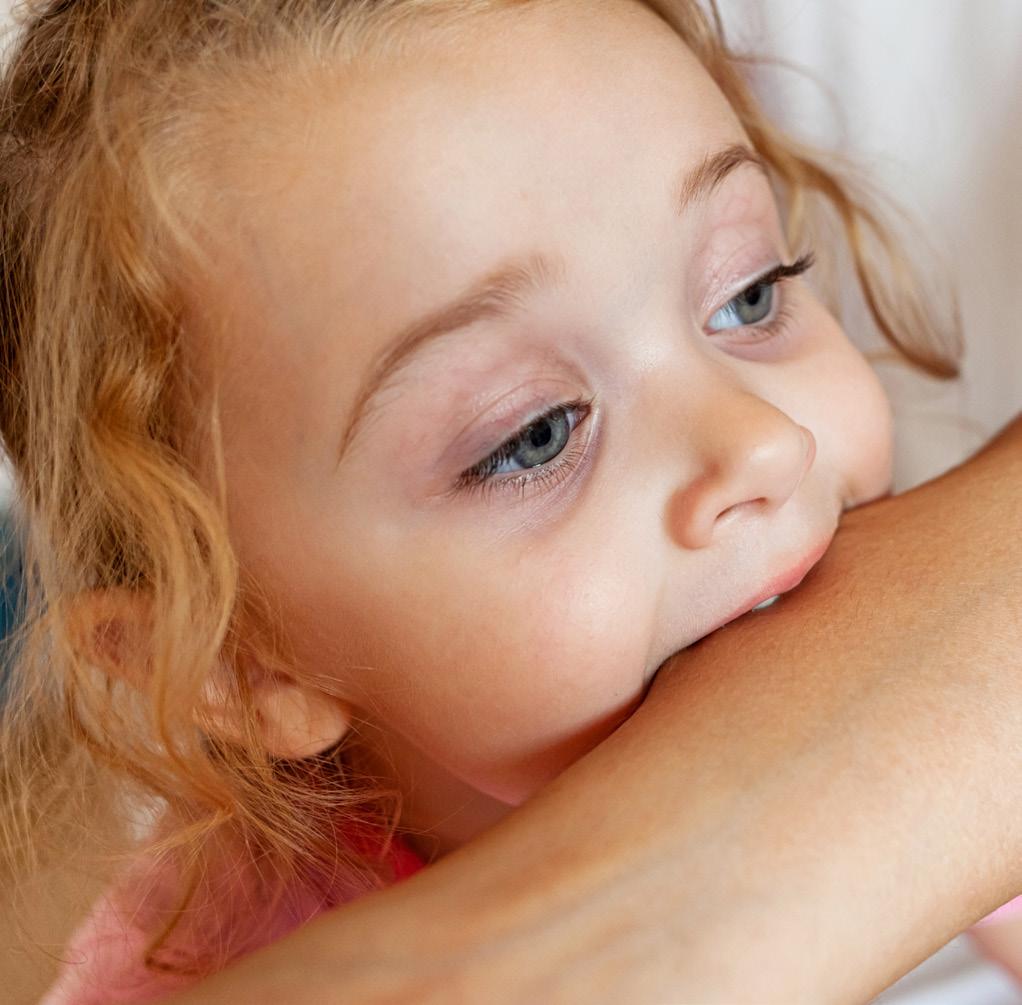
Biting is actually quite normal for developing toddlers. Christina Wood, a postdoctoral psychology fellow at Children’s National hospital and professor of child psychology, said that biting is often part of how toddlers learn about what’s around them.
“Babies are exploring the world through putting things in their mouths,” Wood said. “Sometimes that behavior might turn into biting in a toddler, and so it’s not uncommon at all for this to be occurring.”
Children often learn about the world by putting toys or household objects in their mouths, and sometimes friends and family are caught in the cross-fire, Wood said.
“Putting objects, including sometimes other people’s hands into mouths, is pretty normal during that infancy and early toddlerhood time,” Wood said. Biting can also be a way for children to communicate when they don’t have the language to express their emotions around new experiences, like toilet training or daycare.
“Being a toddler can be really frustrating, and so learning all these new things, biting may be a response to some of that,” Wood said.
Frequent biting, however, can be a sign of speech delays as children use it to express themselves rather than healthy communication. This may become a concern if children are not trying to vocalize their needs or if their attention cannot be directed away from biting, Wood said.
When to See a Doctor
If your child is biting frequently, consider bringing them to a pediatrician or child psychologist who can assess if the behavior is part of normal development or is caused by medical, communication or psychological issues.
“When biting starts to become really frequent or used as a way to communicate something, we want to make sure that children are getting the speech and communication support they need,” Wood said. “We would want children to be connected to support that can help them learn social skills.”
How Parents Can Help
Parents can help to handle biting at home. When a child bites, Woods suggests quickly removing their access to the body and using a brief, simple statement to deter them such as, "No biting.” Removing access may mean moving away from the child if necessary.
“The important thing is to make sure that you respond in the same way each time that it happens,” Wood said. “Toddlers learn a lot when the responses are predictable and consistent for them.”
When toddlers bite other children, rather than family members, Wood said it is often a way to communicate that they disagree with the other child. In that case, a two- to three-minute break can be offered in which they are not interacting with other children to help them understand that harming another person is not acceptable.
If a toddler is biting for sensory or teething reasons, there are several safe chewing toys designed for kids to direct them away from harmful behavior. Wood said these can be used in tandem with other strategies to promote safe and healthy habits.
Christina Wood postdoctoral psychology fellow at Children’s National Hospital and professor of child psychology
by Christina
Photo
Wood
How to Talk to Kids About Strangers This Summer
BY COLE PURVIS
Summer often brings more freedom for kids — vacations, camps, sleepovers, neighborhood bike rides and family outings to busy parks or airports. It’s a season filled with adventure, but it can also bring more moments when children may interact with unfamiliar adults.
For many parents, teaching stranger safety can feel tricky. The goal is to protect children without making them fearful of everyone they do not know.
Experts say the conversation should focus less on “stranger danger” and more on awareness, boundaries and confidence.
Why “Stranger Danger” Can Be Too Simple
According to child safety experts, teaching kids that all strangers are bad can actually create confusion. Most strangers are not dangerous, and in some situations — like getting lost in an airport or amusement park — a safe stranger may be exactly who a child needs to approach for help.
The National Center for Missing & Exploited Children encourages parents to teach children how to identify “safe adults,” such as police officers, store employees, camp counselors or parents with children nearby.
This shifts the conversation from fear to practical decision-making.
Start With Clear, Age-Appropriate Rules
Children do best with simple, specific guidance.
Examples include:
• Never go anywhere with someone without checking with a parent or trusted adult first
• Never accept gifts, rides or treats without permission
• Stay with your group or buddy at camps, parks or public places
• If someone makes you uncomfortable, move away and tell a trusted adult immediately
For younger children, role-playing these scenarios can be especially effective. According to the American Academy of Pediatrics, practicing safety skills ahead of time helps children feel more prepared in real situations.
Teach Body Autonomy and Listening to Instincts
Stranger safety is not only about unfamiliar people — it is also about helping children trust their feelings.
Kids should know that if someone, even a familiar adult, makes them feel scared, confused or uncomfortable, they can say no, leave and tell a trusted grown-up.
Teaching body autonomy — including that they do not owe hugs, physical affection or secrecy to anyone — can strengthen confidence and personal safety.
Summer-Specific Safety Tips
Because summer often means travel and changing routines, seasonal reminders matter.
Before trips, camps or crowded events, parents can:
• Review what to do if separated
• Identify safe adults or staff uniforms
• Make sure kids know parents’ names and phone numbers
• Use buddy systems when appropriate
• Create family meeting points in crowded spaces
The Federal Trade Commission also recommends helping children memorize key identifying information, especially during travel.
Keep the Tone Calm, Not Scary
Children are more likely to absorb safety lessons when parents stay calm and matter-of-fact. Overly frightening warnings can create anxiety without improving preparedness.
Instead of saying, “Be careful, strangers are dangerous,” try, “Most people are kind, but if anyone asks you to go somewhere or makes you uncomfortable, here’s what you do.”
Confidence is often more empowering than fear.
The Bigger Goal
Ultimately, stranger safety is about building awareness, communication and trust. Summer should still feel exciting and adventurous.
By giving kids practical tools rather than scary myths, parents can help them navigate new places and experiences with greater confidence.
Because the best safety conversations do not just teach children who to avoid — they teach them how to recognize problems, trust themselves and know exactly what to do next.
11-14 YEARS }
Summer Screen Time: How Much Is Too Much for Teen?
BY COLE PURVIS
When school ends, structure often goes with it. Late mornings, looser routines and more free time can quickly turn screens into the default summer activity for tweens and teens. Whether it’s gaming, TikTok, streaming or nonstop group chats, summer often means more digital time … but how much is too much?
For parents, the answer is rarely simple.
It’s Not Just About Hours
Unlike younger children, there is no universal daily screen-time limit for teens. Instead, the American Academy of Pediatrics recommends focusing less on a strict number and more on whether screen use is interfering with healthy habits like sleep, exercise, relationships and mental well-being.
In other words, it’s less about counting every hour and more about what screens may be replacing.
If screen time is crowding out sleep, physical activity, family interaction or real-world experiences, that’s when experts say it may be becoming a problem.
Why Summer Can Be Different
During the school year, classes, homework and extracurriculars naturally create limits. Summer often removes those guardrails.
According to Common Sense Media, teens already spend more than eight hours a day on entertainment screen media on average, not including schoolwork. Without structured schedules, those numbers can rise quickly.
More screen time does not automatically mean harm. Video calls with friends, creative projects and even some gaming can offer connection and problem-solving opportunities. But excessive passive scrolling or social media overuse has raised growing concern. The U.S. Surgeon General has warned that heavy social media use among adolescents may contribute to poor sleep, anxiety and emotional distress for some teens.
Signs It May Be Too Much
Rather than watching the clock alone, experts encourage parents to look for patterns.
Potential warning signs include:
• Trouble sleeping or staying up late online
• Irritability when devices are limited
• Reduced physical activity
• Pulling away from family or offline friendships
• Mood shifts tied to social media
If screens are consistently disrupting daily life, it may be time to reassess.
How Parents Can Set Realistic Boundaries
For teens, overly rigid restrictions can sometimes create more conflict than balance. Many experts recommend collaborative boundaries instead.
The American Academy of Pediatrics encourages families to create media plans that set clear expectations around screen-free times, bedtime device use and daily responsibilities.
Helpful strategies can include:
• No phones in bedrooms overnight
• Screen-free mornings before chores or movement
• Daily outdoor activity goals
• Family outings or activities without devices
• Encouraging camps, volunteering or summer jobs
The goal is not to remove screens entirely but to ensure they are part of summer — not all of it.
Remember: Boredom Isn’t Always Bad
One of the biggest temptations of screens is that they instantly fill boredom. But child development experts note that boredom can also spark creativity, independence and problem-solving.
Not every quiet moment needs to be solved with a screen.
Finding Balance
Screens are a normal part of teen life, and summer should include fun and flexibility. But unlimited access can quietly crowd out some of the experiences that help teens grow most.
The healthiest summer screen strategy is not perfection — it’s balance. With thoughtful boundaries and open conversations, parents can help teens enjoy technology while still making space for sleep, movement, connection and the kind of summer memories that happen beyond the screen.
{ 14 YEARS AND ABOVE }
Dorm Packing Checklist: Everything You Need for Move-In Day
BY ALEXANDRA BURNS
Packing for the first year of college can feel overwhelming — stressful, expensive and all too easy to put off until the last minute.
To make things easier for you and your teen, I've put together an affordable, practical checklist of dorm essentials based on my own freshman dorm packing experience, which may or may not have occurred in the final week before move-in day.
Bedding
Two sets of twin bed sheets
At least one blanket, two pillows and cases and/or a duvet cover or comforter
Mattress pad
Laundry
Tide Pods
Laundry basket, preferably the classic white plastic basket or a cloth foldable option
Dryer sheets
Quarters or the required app with adequate funds to digitally pay for laundry machines
Bathroom
One large bottle each of shampoo, conditioner and body wash
Makeup bag or small pouch to carry essentials like toothbrushes, toothpaste, razors, deodorant, makeup and other self-care necessities
Two to three towels
Shower caddy
Shower shoes (affordable options include old flipflops or shevalues’ Shower Shoes for Women/Men, which are available for $9 on Amazon)
Bathrobe
School Supplies
Two extension chords
Computer, phone and other electronic chargers
Pens or pencils (don’t bother buying a printer … almost all dorms have access to a printer in their common area)
At least two folders and notebooks for organization
Agenda
Backpack
Headphones or earbuds (these are much needed for quiet time when living with a roommate)
Other essentials, depending on your child’s major, like calculators, graphing paper, highlighters, etc.
Pencil case or container
Scissors
Band-Aids and antibiotic ointment
Comfort & Basic Needs
Miniature plug-in or chargeable fan or standing plug-in fan
Small lamp or string lights
A bar cart to hold food items, knick-knacks or school supplies
Tote bag for groceries and other items
Mirror to hang on the door or stand up against a wall
Trash can and trash bags
Disinfectant wipes
Hand soap
Kitchenware
A set of five knives, forks and spoons. If the dorm does not have a sink, consider replacing them with a plastic-made option.
Paper towels
Dish soap if the dorm has a sink
Five bowls and five plates. If the dorm does not have a sink, consider replacing them with paper-made options.
Food essentials and snacks that are not temperature-controlled (granola bars, ramen, pretzels, chips, etc.)
Mini-fridge to store refrigerated groceries (this is not a necessity if your child has a meal plan)
Brita with a filter
Microwave, if not provided
Can opener
Chip clips
One large mixing bowl and a mixing spoon
Cutting knife with a cover
At least two mugs and water cups
Ziploc bags
Thermos or a large water bottle
Closet
Hangers (Make sure you pack light in terms of clothing. This can take up a lot of space, so it is more efficient to bring the items you use most frequently. Ensure you pack one pair of good walking shoes.)
Bins to store clothing or extra items
Helpful Tip!
Amazon and Ikea will be your best friends for quick shipping and affordable items!
Every college dorm requirement is different, make sure to read what is allowed.
perfection
Summer Movies for Kids:
$8 and Under
BY ALEXANDRA BURNS
When it’s unbearably hot outside and you need an easy win, the movie theater offers the peak summer activity — fun for the whole family, engaging for littles and the perfect way to keep the kids entertained!
Whether you’re looking for a family movie day, play date or an activity idea for the babysitter, we’ve got you covered with affordable summer movies movies $8 and under in the Jupiter area.
This summer movie guide is compiled based on research into cinema deals and offerings in the Jupiter area, as well as theater websites.
things to do | seasonal planning guide
Regal Royal Palm Beach $1 Summer Movies
LOCATION:
1003 FL-7, Royal Palm Beach
WHAT TO KNOW:
Through Regal’s Summer Movie Express, enjoy a series of family movies on select days each week for $1.
WHEN:
Monday through Thursday at 11 a.m., from June 1 to August 13.
DISCOUNTED SNACKS:
Attendees will receive $3 off a Snack Pack, which includes a junior-sized drink, popcorn, fruit gummies and/or a cup of Dippin’ Dots ice cream.
MOVIE SHOWINGS: Movies include "Minions and Monsters" and "Forgotten Island."
Regal Value Days
LOCATION:
1003 FL-7, Royal Palm Beach
WHAT TO KNOW:
Through Regal Value Days, loyalty members enjoy movies on Tuesday for $8.99 or less. Average Value Day ticket pricing is $6.99. Try booking your ticket in person to avoid the added online convenience fee. Joining the rewards program is free.
WHEN:
All day every Tuesday.
DISCOUNTED SNACKS:
Regal Crown Club members get 50% off popcorn every Tuesday.
MOVIE SHOWINGS:
New child-friendly summer movie releases include “Toy Story 5,” “Minions 3,” “Moana Live-Action” and “The SpongeBob Movie: Search for SquarePants.”
Phoenix Theatre Lake Worth 8 Free Summer Movie Series 2026
LOCATION:
5881 Lake Worth Road, Greenacres
WHAT TO KNOW:
Every Tuesday, Wednesday and Thursday, families can enjoy free family movies rated PG and G at 10 a.m. All ages are welcome.
DISCOUNTED SNACKS:
Special “Kiddie Meals” are available.
MOVIE SHOWINGS:
Showings include “Trolls,” “The Bad Guys 2,” “The Croods” and “The Wild Robot.”
Epic Theatres of Stuart $2 Wednesday Summer Kids Series
LOCATION:
2448 SE Federal Highway, Stuart
WHAT TO KNOW:
Every Wednesday at 10 a.m., kids can enjoy a morning showing of family-friendly movies for just $2.
MOVIE SHOWINGS:
Family-friendly summer movie showings include “King of Kings,” “The SpongeBob Movie: Search for SquarePants” and “K-Pop Demon Hunters: A Sing-Along Event.”
●CMX Downtown at the Gardens & IMAX Kids Summer Film Fest
LOCATION:
11701 Lake Victoria Gardens Ave., Suite 1201, Palm Beach Gardens
WHAT TO KNOW:
From June 9 to July 30, tickets are $1.99 per person every Tuesday, Wednesday and Thursday at 10 a.m.
MOVIE SHOWINGS:
Showings include “Trolls” and “How to Train Your Dragon.”
Cool Off: Top Free Splash Pads to Visit In and Around Jupiter
BY ALEXANDRA BURNS
If you’re trying to escape the blistering summer heat but don’t have access to a private or community pool, public splash pads are a perfect alternative.
Whether you’re planning an activity for the kids, a family day or simply need to escape the house, Jupiter has a great variety of water adventures, splash pads and parks. From splash kids’ zones to small downtown fountains, here’s a guide to the free water activities in Jupiter to keep you refreshed all summer long.
This all-inclusive park offers activities for all ages and abilities. Enjoy the nearby trails, restored wetlands and picnic areas before or after visiting the splash pad!
FEATURES:
Splash pad, playground, restrooms, spraying cattails, frog misters and alligator heads that squirt water.
John Prince Memorial Park
LOCATION:
2520 Lake Worth Road, Lake Worth
HOURS:
Monday and Friday 10:30 a.m. - 6 p.m. and Saturday, Sunday, Tuesday, Wednesday and Thursday 9 a.m. - 6 p.m.
WHAT TO KNOW:
Enjoy a picnic by the splash pad! This park offers a highly interactive splash pad with plenty of buckets, jets and play areas. The capacity is 73 people.
FEATURES:
Spraying arches, splashing tail, rotating spray cannon, tipping buckets, water jets, a light house and shaded areas.
Centennial Square and Fountain Park
LOCATION:
100 N. Clematis St., West Palm Beach
HOURS:
Daily, 7 a.m. - 7 p.m.
WHAT TO KNOW:
Located at the end of Clematis Street, Centennial Square offers a fountain where kids can splash around while you relax on a nearby bench.
FEATURES:
Water jet fountains, nearby shopping and local restaurants.
South Olive Park
LOCATION:
345 Summa St., West Palm Beach
HOURS:
Monday to Friday 9 a.m. - 7 p.m. and Saturday 9 a.m. - 1 p.m.
WHAT TO KNOW:
This is a great spot for families looking for group activities for various ages. The splash park features dumping water buckets, fountains and more.
FEATURES:
Two playgrounds, a splash park, basketball and racquetball courts and a walking and bike trail.
Glades Pioneer Park
LOCATION: 866 SW 16th St., Belle Glade
HOURS: Daily, 9 a.m. - 6 p.m.
WHAT TO KNOW:
This splash park is located next to the Pioneer Park Aquatic Center, making it the perfect activity to add to a Saturday or afternoon away from home.
FEATURES:
Water playground, rotating spray cannons, water jets, water dumping nuggets and shade.
Westgate Park
june/july
Recurring Events
Waterfront Market at Harbourside Place
10 a.m. - 4 p.m. | Harbourside Place harboursideplace.com
The West Palm Beach GreenMarket is back. Enjoy outdoor dining, walk along the water and shop for handmade goods! (This event repeats every Sunday)
The Gardens Greenmarket
8 a.m. - 1 p.m. | City Hall Municipal Campus pbgfl.com/278/greenmarket
Enjoy food, live music, shopping for fresh produce, pastries, flowers and more! (This event repeats every Sunday)
Come for a simulated manatee rescue experience where kids will get to perform the tasks that a real conservationist would perform on a stuffed manatee. (This event repeats every Saturday and Sunday)
Improve your flexibility, strength and mindfulness at the Jupiter Branch Library!
(This event repeats every Thursday)
Morning Yoga with Breathe Salt Yoga
9:30 a.m. | Outside Harbourside Place Amphitheater breathesaltyoga.com
Engage with your local community and learn how to reconnect with nature and yourself with this weekly yoga class.
(This event repeats every Sunday)
Sinatra Sunday
6 - 8 p.m. | The Jupiter Grill harboursideplace.com
Who doesn’t love Sinatra? End your night with live tunes and themed cocktails! (This event repeats every Sunday)
Lighthouse Sunset Tour
7:30 - 8:30 p.m.
Jupiter Inlet Lighthouse & Museum jupiterlighthouse.org
Engage in fascinating history and gaze at a mesmerizing sunset on top of the historic Jupiter Inlet Lighthouse. $25 per person. (This event repeats every Wednesday)
Enjoy a trivia night every Wednesday at Subculture Coffee, hosted by Think & Drink Trivia!
(This event repeats every Wednesday)
Twilight Yoga at the Light
Jupiter Inlet Lighthouse and Museum jupiterlighthouse.org
This all-levels class is perfect for beginners and seasoned yogis alike! Advanced registration is recommended. $15 a person. (This event repeats every Monday)
SUNDAY, MAY 17 TO SUNDAY, SEPTEMBER 27
Sean Kenney’s Brick Planet
Cox Science Center & Aquarium
Enjoy a magiclal journey made with LEGO bricks.
SATURDAY, JUNE 6
Coral Carnaval
Cox Science Center & Aquarium
10 a.m. - 3 p.m.
Guests can dive into the world of corals during our colorful Coral Carnaval conservation event! Take part in presentations from coral experts, get hands-on with coral-themed crafts and enjoy various vendors, food trucks and live musical entertainment throughout the day. Free with regular paid admission.
SATURDAY, JUNE 6
Friends of Jupiter Beach Cleanup
Ocean Cay Park
8 - 10 a.m.
friendsofjupiterbeach.org
Help clean 2.5 miles of beach from the Juno Beach Pier to the southern edge of Carlin Park. Enjoy breakfast, drinks, friends and free prizes after!
SATURDAY, JUNE 6
AustinBlu Family Fishing Tournament 2026
River Center | 7 a.m. - 7 p.m. lrdrivercenter.org
This family-friendly fishing competition supports the education and outreach efforts of the AustinBlu Foundation, which teaches people about the importance of water safety.
SATURDAY, JUNE 6
Pride on the Block
3950 Georgia Ave., West Palm Beach
1 – 11 p.m. | prideontheblock.com
Pride on the Block is an annual Transpire Help fundraiser that celebrates Pride Month and supports the local LGBTQ+ nonprofit, TRANSPIRE HELP. Enjoy food, music and entertainment.
SUNDAY, JUNE 14
Young Friends of Jupiter Beach Cleanup
Ocean Cay Park | 3 – 5 p.m. friendsofjupiterbeach.org
Help clean 2.5 miles of beach from the Juno Beach Pier to the southern edge of Carlin Park.
SATURDAY, JUNE 20
2nd Annual Caden Ingram
Foundation Golf Tournament
Golf Club of Jupiter | 7 a.m. - 1 p.m. cadeningramfoundation.org
Join in helping fund scholarships, raise awareness about substance misuse and honor Caden’s legacy. Join in making a meaningful impact — together, we can create lasting change!
SATURDAY, JUNE 20
Brain Sparks Party
Nordstrom Court, The Gardens Mall 10 a.m. - Noon thegardensmall.com
Kids will meet actual neuroscientists from FAU Stiles-Nicholson Brain Institute and enjoy interactive stations and presentations, store promotions and more.
SATURDAY, JUNE 20
Coldplay - Life in Technicolor Abacoa Amphitheater | 7:30 p.m. abacoa.com/events
Enjoy a tribute to Coldplay’s Life in Technicolor, a performance that captures the band’s signature blend of soundscapes, melodies and depth.
SATURDAY, JUNE 27
Florida Mango Festival
Palm Beach County Convention Center 9 a.m. - 5 p.m. floridamangofestival.ticketspice.com
Taste peak season mangos, meet the growers behind them and discover rare varieties from Florida’s small farms.
SUNDAY, JUNE 21
Father’s Day
SUNDAY, JUNE 21
First Day of Summer
SUNDAY, JUNE 21
Go Skateboarding Day
jupiter.fl.us | Noon - 9 p.m.
Enjoy free admission to all skateboard sessions at Jupiter Skate Park in honor of celebrating Go Skate Day!
community | calendar
FRIDAY, JULY 3
The Princess Concert
Alexander W. Dreyfoos Concert Hall 3:30 p.m. kravis.org
Enjoy a performance as we pay tribute to the iconic and nostalgic songs from animations including: Frozen, Wicked, K-Pop Demon Hunters, Moana, The Wizard of Oz, Beauty & The Beast, Anastasia and more.
SATURDAY, JULY 4
4th on Flagler: One Epic 4th
West Palm Beach Waterfront 5 – 10 p.m. wpb.org
Celebrate 250 years of American independence at this free outdoor event. It will feature an 18-minute firework display, food and refreshments, a kids’ zone, live entertainment and more.
SATURDAY, JULY 4
Independence Day
SATURDAY, JULY 11
Friends of Jupiter Beach Cleanup
Ocean Cay Park
8 - 10 a.m.
friendsofjupiterbeach.org
Help clean 2.5 miles of beach from the Juno Beach Pier to the southern edge of Carlin Park. Enjoy breakfast, drinks, friends and free prizes after!
SATURDAY, JULY 18
Neil DiamondDiamond is Forever
Abacoa Amphitheater | 7:30 p.m. abacoa.com/events
Enjoy an evening with the “Diamond Is Forever” tribute to Neil Diamond, a celebration of one of music’s most iconic voices and songbooks.
SATURDAY, JULY 18
Science Party with Mad Science Palm Beach
Nordstrom Court, The Gardens Mall 10 a.m. - Noon thegardensmall.com
Kids will enjoy experiments with Mad Scientist of Palm Beach, an interactive show, store promotions and more.
SATURDAY, JULY 18
Beer Around the World
Garden District Taproom 2 – 11 p.m. | eventbrite.com
Sample craft brews from over 12 different countries!
SUNDAY, JUNE 19
Young Friends of Jupiter Beach Cleanup
Ocean Cay Park | 3 – 5 p.m. friendsofjupiterbeach.org
Help clean 2.5 miles of beach from the Juno Beach Pier to the southern edge of Carlin Park.
SUNDAY, JULY 26
Market Motors: Classic Car Show
The Gardens GreenMarket | 8 a.m. - 1 p.m Join us where farm fresh vibes & vintage rides
Parents Read Us, Businesses Love Us!
Advertise your business today!
After enjoying 15 years of success in our flagship location, Giggle Magazine has expanded to the Jupiter / Palm Beach Gardens area! With award-winning design and valuable parenting information, Giggle Magazine will be directly mailed to over 20,000 homes and businesses, and with rates starting at $99 per month we will affordably get your business in front of those who make the purchasing decision for the family...MOMS!
Upcoming Issues:
August/September: Reservation Closing Date - 6/26
October/November: Reservation Closing Date - 8/28
Want to learn more about how to get involved?
Shane Irving Vice President of Sales
We are professionals who have helped hundreds of businesses over the years increase brand recognition, improve credibility within the market, drive website traffic to websites like yours, improve profitability while reducing expenses, and overall...increase business annually. Most importantly we help businesses not only be present in the market but dominate their market. We too can help you with these aspects and be a strong part of your marketing efforts.