

Now is the perfect time to teach kids the value of money with
Youth Savings Accounts, designed to help children and teens (17 and under) grow their savings
• No monthly fees and $5 minimum balance2
• Interest paid on balances
• Free FCU Account Alerts3
• Easy parental access
• Kids 0-9 get a FREE piggy bank when opening in-branch

Scan to explore all our youth banking options!






CONTRIBUTING WRITERS
Shane Irving
April Tisher
Alexandra Burns
Meghan Shepp
Alexandra Burns, Nicole Irving, Crystal Ladwig, Cole Purvis, Rebecca Vitkus
Irving Publications, LLC reserves the right to edit and/or reject any advertising. Irving Publications, LLC is not responsible for the validity of any claims made by its advertisers. Nothing that appears in Giggle Magazine may be reproduced in any way, without written permission. Opinions expressed by Giggle Magazine writers are their own and do not necessarily reflect the publisher’s opinion. Giggle Magazine will consider all never before published outside editorial submissions. Irving Publications, LLC reserves the right to edit and/or reject all outside editorial submissions and makes no guarantees regarding publication dates.
For more information on advertising with Giggle Magazine, please visit irvingpublications.com, call 352.505.5821 or email shane@irvingpublications.com.






In just a matter of weeks, my youngest — my baby boy — will celebrate his 18th birthday. He will join his two older brothers in the ranks of adulthood, slipping out of his childhood and into the depths of adulting. And, while he is most certainly looking forward to this new ranking and all of its perks, this momma’s heart was not prepared for the last of the boys to cross into this phase so soon.
It is true what they say, and I have said it many times myself: “The days are long, and the years are short.” While in the trenches of diapers, baby wipes, highchairs, car seats, pacifiers and everything in between, picturing my sons walking out the door as adults seemed unimaginable. But, just like that, their 18th birthday sneaks up on you, and it doesn’t matter if you have one, two, three or 10 kiddos, the reality of the situation is always the same. They are ready to fly and bloom into the person they are meant to be … and as their parents, we are in a wonderful position to bear witness to it — while quietly hoping they still remember to brush their teeth!
So, as a milestone birthday that warrants both tissues and sparklers, what is the proper way to celebrate such an occasion? No, seriously, I am asking! Not one of my sons was up for the pomp and circumstance ceremonies that I had envisioned and planned in my head for their 18th birthday. Two of the three wanted only a subtle reference to the occasion, and the last asked for a ski trip with his brothers and dad. Hmmm … not the celebration I had in mind, especially since my track record of epic kid parties is pretty on point: Disney “Cars” movie theme? No problem, I built a tire tower out of donuts! Pirates? On it … I painted rocks and buried them in sand for a buried treasure hunt and carved a pirate ship out of a watermelon. Money party (yup, that happened) — no biggie, I designed money with my son’s face on it and created a paint-your-own piggy bank station. As the 18th birthday festivities approached, I was prepared to plan celebrations that were fit for a king. But the boys had other plans in mind and voiced their opinions … they were now adults indeed.
As a parent, no matter what birthday milestone your child is reaching, it is hard to look back at their younger years in the rearview mirror, but it is even more wonderful to see their bright future ahead. Even without the grand celebrations that I hoped to plan, minus the sparklers and balloons, my sons have waltzed in (and will be waltzing in) to their adulthood full of life. They will be armed with the memories that we shared of past birthday parties, and they will always know that mom is forever there — party planner hat at the ready — for the next gig! Because I hear 19 is the new sweet 16?














Your Baby’s Brain in the Making: Week-by-Week Fetal Development and Tips for Healthy Growth
Mealtime Messes: Why Letting Babies Get Dirty Is Good for Development
The Toddler Art Studio: Arts and Crafts Ideas That Don’t Require Talent or Prep
72 EARLY YEARS
Why Kids Laugh and How to Use Humor to Diffuse Meltdowns
74 KIDS
Raising Readers Who Want to Read
76 TWEENS
Design That Survives Kids: Durable, Stylish Decor That Actually Works for Families
The Sibling Rivalry: Why It Changes in the Tween Years and What Parents Can Do
78 TEENS
Helping Teens Find Their Voice: Volunteering, Activism and Leadership
Olympics Can Teach Our Kids

It's

BY ALEXANDRA BURNS
Sugar can often become the main event of birthday parties: a cake slathered in neon icing, goodie bags filled with candy and a table covered in sweet treats that children can munch on throughout the day, usually resulting in a bit of a sugar craze.
For parents searching for healthier birthday party options — or simply want to try something new or be mindful of certain dietary restrictions — here are some ideas to get you started!
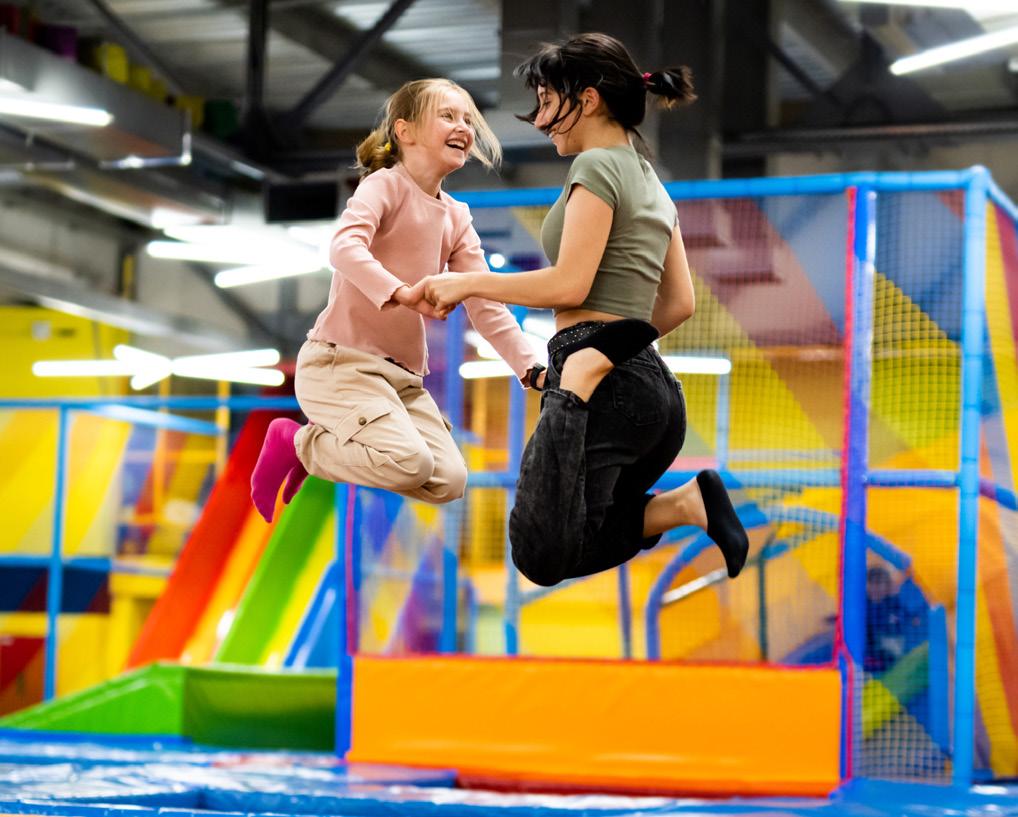
To place the focus on the birthday activities and not the food, consider an action-packed party. This can be done at home or inside a venue, such as a trampoline park, bowling alley, roller rink or an inside rock climbing space.
If opting for a home birthday party, transform your backyard into an obstacle course with hula hoops, old tires, barrels, wooden planks, cones and possibly a bounce house at the end.
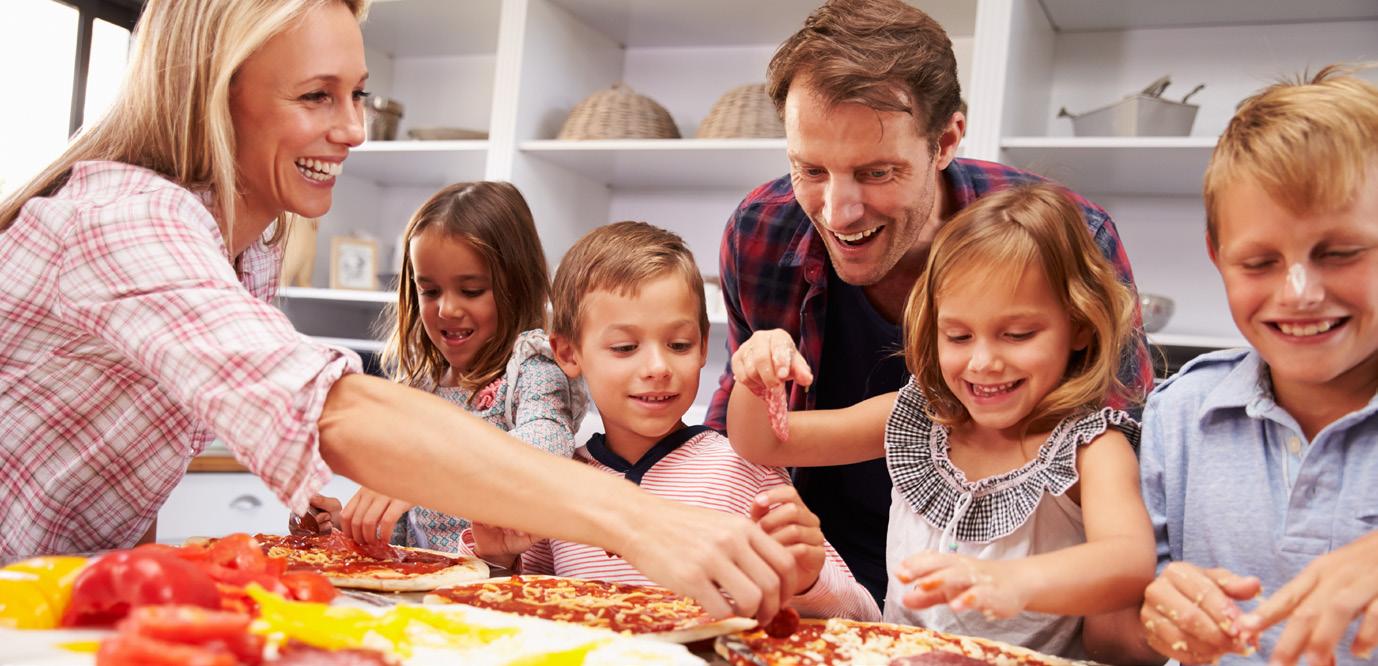
For food lovers or kids who enjoy hands-on activities, plan a cooking do-it-yourself party!
This can include decorating pizzas together, making tacos or creating fruit kabobs. The activity offers full creative freedom to the children, allowing them to enjoy something that they made with their own hands. You also won’t have to worry about planning a lunch in addition to the party activity.
A craft party provides a wide range of activity options for children of all genders and interests. This is also a creative and highly eventful party idea to keep all guests occupied until lunchtime or dinner comes around.
• Tiara building or decorating with miniature gems, ribbons, felt, fabric scraps, glitter and craft paper
• Nail painting station
• Magic wand building
• Creating dinosaurs out of paper plates
• Building fairies out of tissue paper, felt and popsicle sticks
• Creating and decorating Minecraft swords out of cardboard and markers
• DIY airplanes made from popsicle sticks and clothing pins
• Turn a rock into your pet! Customize with googly eyes, paint and markers
• DIY archery targets from red paint or markers and cardboard. Utilize with Nerf guns or kids’ archery bows
Movie theaters are a simple party idea that can still include the ability to snack but remain away from sugar.

Bring miniature Ziploc or treat bags to the theater and purchase one to two large popcorns, depending on your party size. Separate the popcorn into the bags and pass them around to all the party members. This is a great way for them to enjoy an activity while snacking on something sugar-free, and it prevents arguments over sharing the popcorn.
• Pigs in a blanket: These can be store-bought or homemade with crescent rolls and hot dogs. If you really want to get creative, place candy eyes on the hot dogs to add a sense of personality!
• Cheese and crackers: Consider using miniature cookie cutters or a small knife to cut the cheese into small shapes, like stars or hearts.
• Fruit creatures: The wide range of colors and textures makes fruit the perfect ingredient for whimsical creations. Use bananas and strawberries to create mushrooms, transform apple slices and blueberries into crabs or lobsters or turn tangerine slices into miniature spiders.
• Frozen yogurt station: Though frozen yogurt still contains sugar, it offers a much healthier dessert alternative for kids who are still craving a bit of sweetness.
• Frozen yogurt bites: Dab spoonfuls of yogurt, such as strawberry yogurt, into miniature dessert molds and set in the freezer for about three to six hours.











BY COLE PURVIS
In a world where schedules are packed and screens constantly demand attention, the act of sharing a meal with the people you live with can feel like a luxury. But mounting research shows that family meals are far more than just convenient moments to refill plates — they are powerful opportunities for connection, communication and relationship building that resonate well beyond the dinner table.
It’s no secret that family meals often mean healthier food choices. Dietitians point out that meals prepared at home generally include more fruits, vegetables and balanced nutrients than fast food or individually grabbed snacks.

According to Johns Hopkins Medicine, family dinners give parents a chance to model positive eating practices and help children learn about nutrition and portions — habits that can last a lifetime.
But the benefits don’t stop at healthy food. Research spanning multiple countries and thousands of adolescents finds that regular family meals are linked with better mental well-being, stronger communication and closer relationships among family members. A large study of New Zealand teenagers found that frequent family meals were associated with stronger indicators of family relationships, higher well-being scores, fewer depressive symptoms and lower involvement in risk-taking behaviors.
One of the most often overlooked benefits of eating together is the conversation
that comes with it. Sitting around a table creates a rare space without bags, backpacks and buzzing schedules. It encourages families to talk about their days, reflect on challenges and share small triumphs. Research from Project EAT, a long-running study of adolescent eating patterns, found that most teens and their parents view family meals as important, not just for food, but for talking with one another, and that meals are linked to better psychosocial outcomes, including improved emotional well-being.
That connection matters especially during the tween and teen years, when kids are forging independence and sometimes pulling away. Regular shared meals give parents and caregivers a chance to observe subtle changes in behavior, mood or friendship circles and to be present without the pressure of a formal sit-down talk.
Family meals also appear to offer emotional support that reaches into adolescent mental health. A study from the Journal of Nutrition Education and Behavior found that teens who ate family meals more frequently reported fewer depressive symptoms and better emotional well-being compared with those who ate with family less often. These shared experiences can act as a kind of emotional anchor during the challenges of school, friendships and growing up.
Shared culinary experiences, from cooking together to eating around the table, also contribute to family cohesion and a sense of belonging. A growing body of research in family and positive psychology finds that shared cooking and eating routines can strengthen emotional bonds, improve communication and support psychological flourishing for the whole family.
The benefits of family meals appear to ripple forward in time. Longitudinal studies suggest that adolescents who grow up eating meals regularly with their family are more likely to maintain shared meal patterns as young adults and even as parents themselves. These routines help create a sense of continuity and tradition that can reinforce family identity and support well-being across generations.
Of course, life can make family meals a challenge. Busy schedules, work shifts and after-school activities don’t always align. But experts encourage families to be intentional, even if that means starting small.
• Aim for consistency, not perfection. Even one or two meals together a week can make a difference.
• Disconnect to connect. Turning off screens allows more natural conversation to emerge.
• Bring everyone into the process. Let teens help plan, prepare or set the table. Simple tasks foster ownership and engagement.
• Keep it relaxed. Shared laughter, everyday chatter and occasional messes are all part of making memories that matter.
Food itself may be the spark that brings families together, but the connection that follows is what truly feeds the soul. Shared meals don’t require gourmet spreads or hours in the kitchen. What makes them meaningful is presence, communication and the knowledge that, for a little while each day, everyone has a seat at the table.
Not just for a meal, but for real connection.





BY COLE PURVIS
There’s growing alarm among parents and health experts: Minors are increasingly using kratom, an over-the-counter herbal substance that carries serious risks, including addiction, poisoning and long-term harm.
Kratom comes from the leaves of Mitragyna speciosa, a tropical tree native to Southeast Asia. According to the U.S. Drug Enforcement Administration (DEA), in the U.S. it is sold as powder, tea, capsules or extracts. In small amounts it can act as a stimulant. In larger amounts it produces sedative, opioid-like effects. The DEA also identifies two main active compounds, mitragynine and 7-hydroxymitragynine (7-OH), which bind to opioid receptors.
Part of the danger comes from how easily accessible kratom products are. The U.S. Food and Drug Administration (FDA) warns that 7-OH-enhanced kratom, a potent engineered variant, is increasingly
available in child-appealing forms such as gummies, powdered drink mixes and snack-like packets, often with unclear labeling. Health authorities in Missouri report that 7-OH is designed to be addictive. It is many times stronger than natural kratom and can cause respiratory depression, overdose or even death.
Because kratom acts on opioid pathways, regular use can lead to dependence. The National Institutes of Health (NIH) warns that stopping suddenly may lead to withdrawal symptoms including muscle aches, insomnia, irritability and cravings. Parents or educators may also notice:
• Changes in mood such as anxiety, depression or irritability
• Physical symptoms such as sweating, chills, tremors or goosebumps
• Constricted pupils or prolonged sedation
• Behavioral changes such as secrecy, unexplained supplement packaging or missing money
In more severe cases, dependence can drive risky behavior, and quitting too quickly can intensify withdrawal. The NIH also notes that long-term use has been linked to seizures, high blood pressure and liver problems.
Kratom’s legal and loosely-regulated status makes it alarmingly easy to buy. The FDA has issued warning letters to companies selling
7-OH products in gummies, shots and other edible forms. These items are often sold in smoke shops, gas stations and online. Many are not packaged in child-resistant containers, and minors can obtain them with no age check. Authorities also caution that some kratom products have tested positive for salmonella, according to FDA investigations.
Short-term kratom use can cause nausea, itching, sweating, rapid heartbeat, confusion and constipation. According to the FDA, high doses or synthetic 7-OH formulations may trigger seizures or lifethreatening respiratory depression. Chronic use has been linked to liver toxicity, psychotic symptoms and physical dependence. There is also a contamination risk. The FDA has connected kratom products to multistate salmonella outbreaks. Because some items are marketed as herbal blends rather than explicitly labeled as kratom, consumers may not realize what they are taking.
Unlike many controlled substances, kratom leaf itself is not scheduled under U.S. federal law. However, the FDA is working to restrict concentrated 7-OH products because of their high-abuse potential. The agency states that 7-OH is not lawful in dietary supplements or foods and is not approved for any medical purpose. Poison control centers are seeing a growing number of kratomrelated emergencies. America’s Poison Centers reports that in the first half of 2025 there were more than 1,600 exposure cases, including 165 involving 7-OH. Symptoms ranged from agitation and confusion to loss of consciousness and seizures.
• Open communication: Talk clearly and calmly with children about kratom, what it is and why it can be dangerous, especially in concentrated forms.
• Watch for signs: Pay attention to mood changes, physical symptoms and unexplained packaging or spending.
• Secure substances: Store any herbal supplements in locked or inaccessible locations.
• Get professional help: If you suspect a child is misusing kratom, contact a pediatrician, addiction specialist or mental health provider.
Kratom may be legally sold, but that does not make it safe. Even natural kratom leaf is not approved by the FDA, and the agency has stated that 7-OH products carry a serious risk for abuse, overdose and long-term health problems. With little regulation, no mandatory child-resistant packaging and flavors that appeal to kids, kratom is becoming a quiet but significant public health threat.
Kratom’s “herbal supplement” label hides its real risks. For children, it is not a harmless wellness option but a pathway to dependence and harm. Parents, educators and health professionals can make a difference by staying informed, speaking openly and acting early.


BY NICOLE IRVING





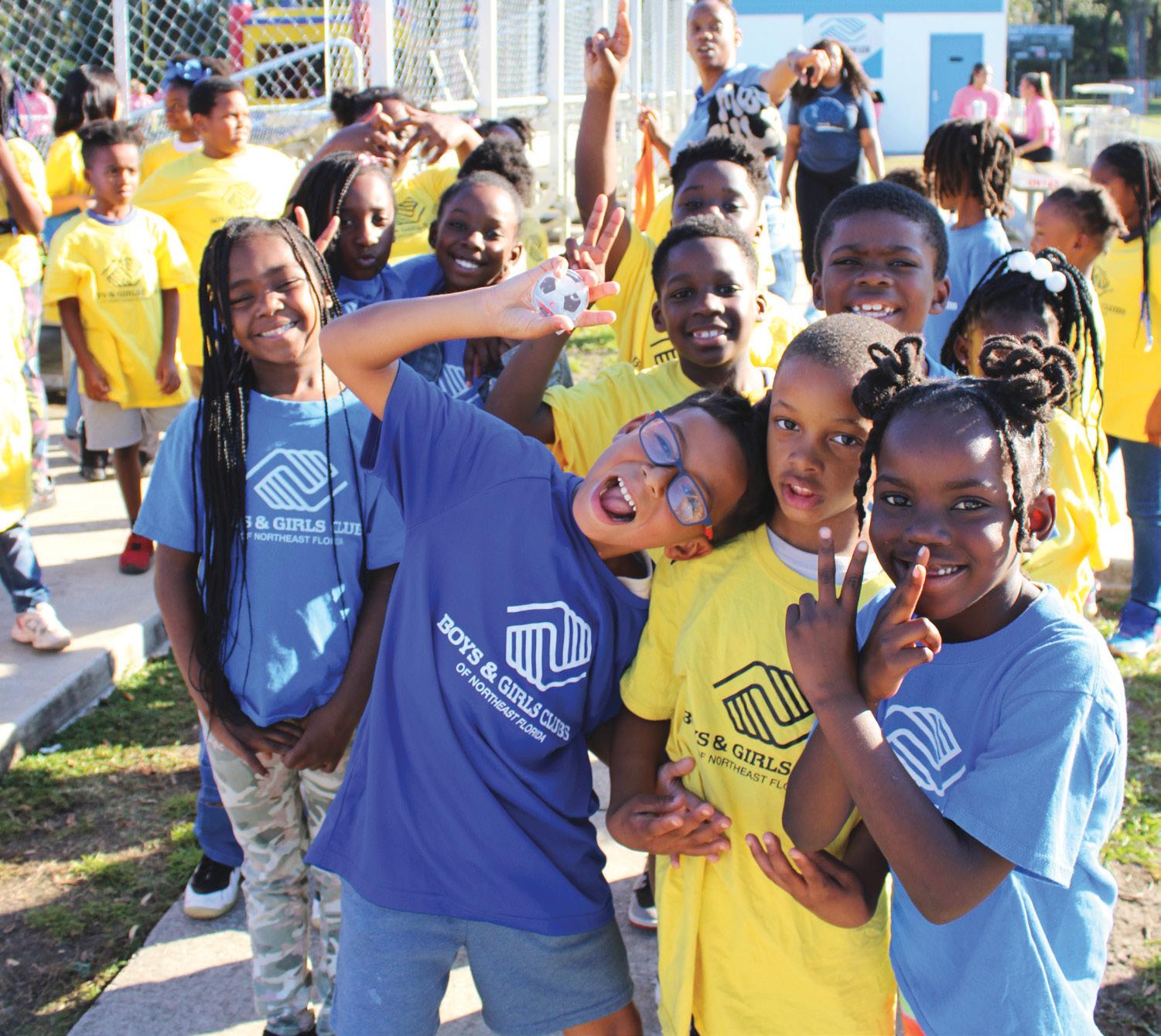
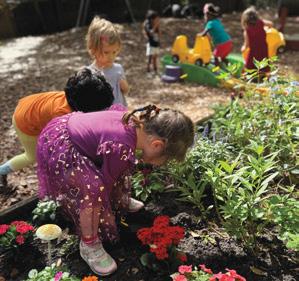
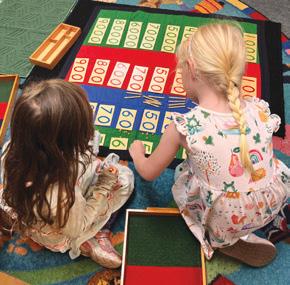
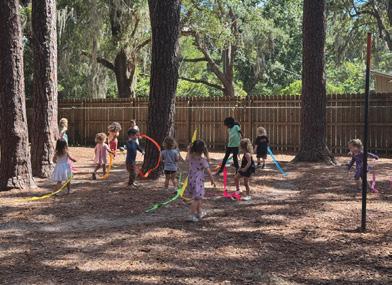
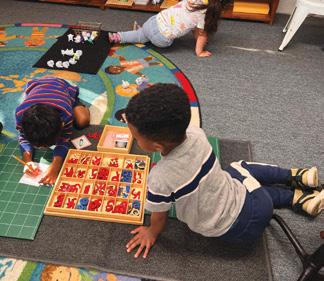
The Children’s Trust of Alachua County proudly supports programs that help children learn, grow, and thrive. Working with thousands of children and families across Alachua County, we invest in early learning, after-school activities, health, and family support—because every child deserves the opportunity to reach their full potential.
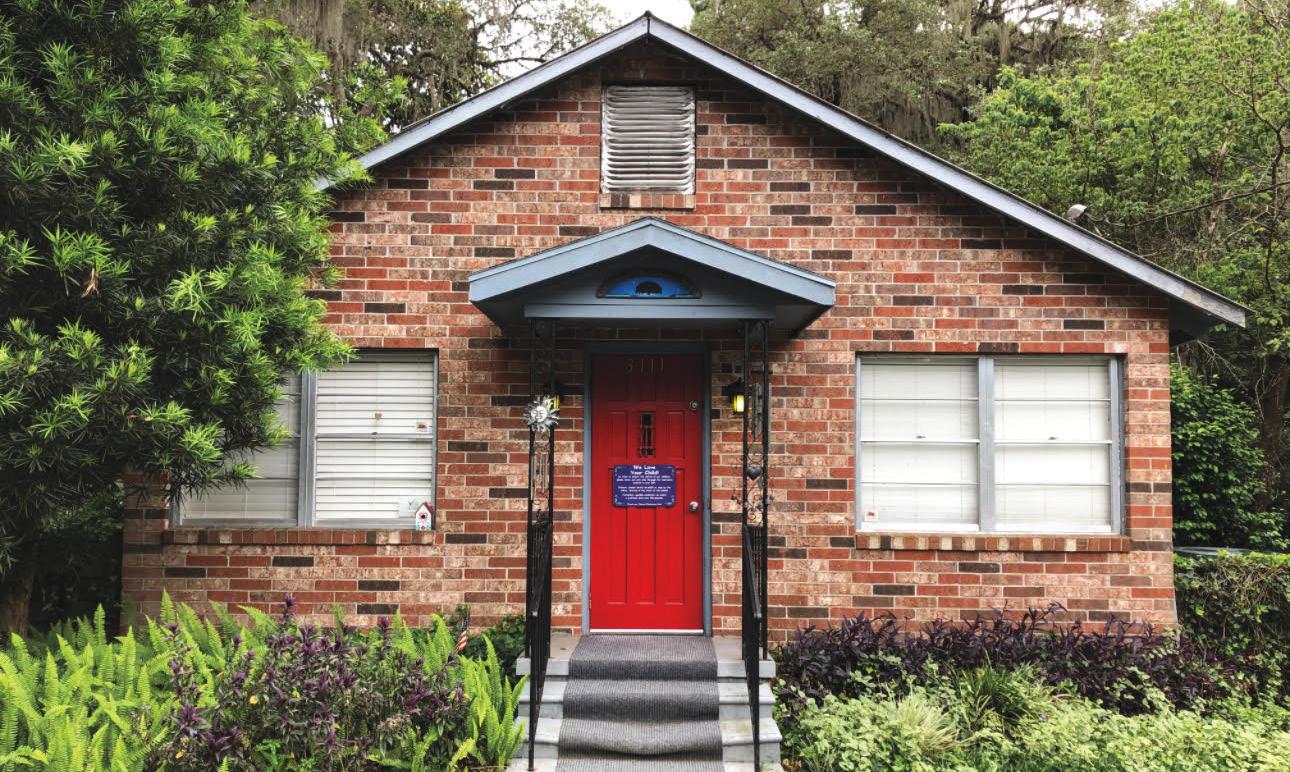
We are a second generation Primary Montessori school serving the Gainesville area since 1973, committed to helping each child develop personal autonomy, as well as respectful and productive peer relations.
We strive to provide education that is tailored to the needs of each student, which encourages the development of their mental, physical, and emotional abilities. We are constantly evolving and adapting our materials, to maintain interest and inspire independence in our students.
Through our child-focused approach, we hope to instill effective learning strategies in each child, and kindle a life-long love of learning. As guides to your children, we continue to grow and learn alongside them.
Our daily pledge is to be sensitive to the needs of each child, and to approach them with understanding, patience, and love.
“The greatest gifts we can give our children are the roots of responsibility and the wings of independence”
- Dr. Maria Montessori
BY CRYSTAL LADWIG, PH.D.
Phones. Computers. An endless supply of streaming music and videos. Add noise, odors, crowds and unpleasant textures, and modern environments quickly lead to overwhelming sensory input, triggering a physiological nervous-system response. Providing a calm space can serve as a supportive tool to help kids regulate, recharge and feel safe.
Overstimulation has some pretty clear signs. Children may become irritable, experience “meltdowns,” withdraw or appear to shut down and have difficulty focusing and transitioning from one idea or activity to another. It’s important to recognize that these behaviors are not behavioral issues. They are the physical responses that occur when people process stimulation differently. To be clear, calm spaces are not a time out. Their use is not for punishment. They should be consistently accessible to children, a place to calm their senses, free from shame or discipline. Calm spaces support emotion regulation.
Calm spaces include core elements that help minimize stimulation and give children time for the effects of overstimulation to subside. They are predictive, include soft lighting when possible and have minimal visual clutter. The best calm spaces will avoid bright lights, loud noises, busy visual patterns and screens.
Many families find it helpful to intentionally design calm spaces at home and in other settings where children may need them. The key principle to apply is that less is more. A quiet corner with pillows or a beanbag creates a comfortable physical environment. A private nook or reading space creates a calming mental escape.
Whether at home or on the go, several items may be added to create a calming toolkit. Weighted blankets have become more affordable, providing a physical response similar to a hug. Noise-canceling headphones (or even the latest earbuds) are good at minimizing, if not eliminating, distressing sounds. Provide items with textures your child enjoys and finds comforting.
Some kids are quickly drawn to their calm spaces. Others may need to be taught to use them. Start by helping children recognize their early signs of overwhelm. Maybe their heart starts beating fast. They may become short of breath or have trouble concentrating. They may feel compelled to run or yell.
Practice using the space when calm, talking about these personal symptoms as a prompt to use the calm space. Go there. Handle the items. Then, when you or your child notices signs of overwhelm,

lead them to the calm space. Use language that reinforces safety and choice: “Your body needs a break” or “This is a place to help you feel better.”
Never force a child to use a calm space. Instead, encourage autonomy and self-awareness. If they don’t choose to use the space, talk about it later. Find out why or see if there is something that could be done to make it more desirable in those moments.
Keep in mind that calm spaces evolve with age. Younger children often need physical comfort and sensory input. Older children may prefer journaling, music or quiet reflection. Check in with your child periodically, especially if you see that they aren’t using their calm spaces as they used to. It may be that they simply aren’t needed. Alternatively, the physical environment of the space may require an upgrade.
Calm spaces don’t eliminate challenges posed by feeling overwhelmed. However, they support resilience by helping children learn to manage their thoughts, feelings, emotions and physical sensations. These calming skills can be learned over time, and creating calm spaces is a tool to support your child in doing so.

A state of deep relaxation and focused concentration that allows you to transform unwanted memories, beliefs, emotions, and habits.

Build confidence Improve athletic performance
Overcome anxiety, insomnia + fears Increase exam success
Release trauma self-limiting beliefs Quit smoking for good
Manage pain (with physician referral)
Helping both children and adults

Bonnie Lykes-Bigler Clinical
Hypnotherapist



BY NICOLE IRVING





















In India, one of the most popular traditions is cake feeding, which is when the birthday celebrant is serenaded with a “Happy Birthday” song and then cuts the cake and feeds it to every party guest by hand.

BY ALEXANDRA BURNS
From longevity noodles to early morning serenades, cultures around the world celebrate birthdays in fun, exciting and meaningful ways.
Here’s a collection of unique birthday traditions from around the world that might inspire how you celebrate the next birthday in your family.
Australia’s
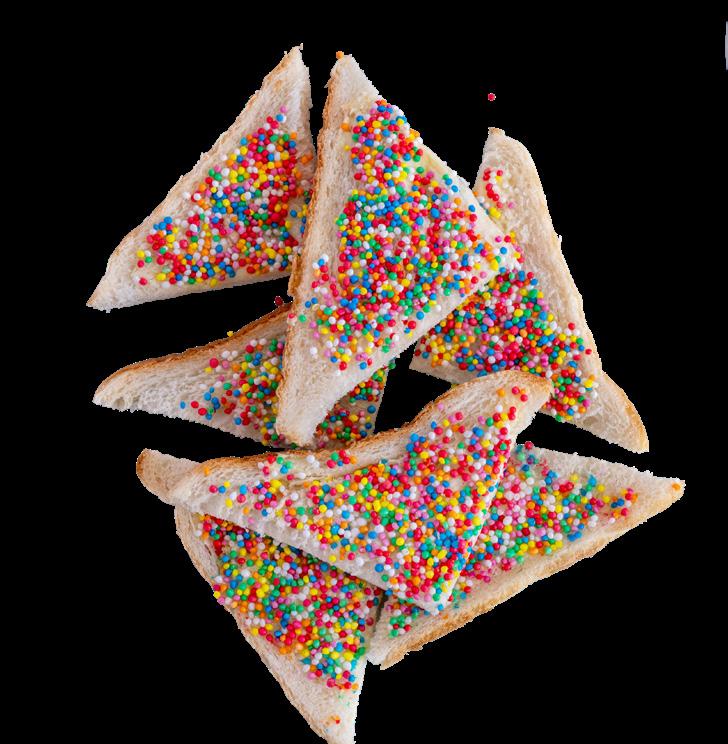
Australians ditch the classic birthday cake for fairy bread — a piece of white bread covered in margarine and doused in colorful rainbow sprinkles. The bread is typically cut into triangles and served at children’s birthday parties or to adults hoping to feel a sense of nostalgia, according to an article from Epicurious.
Fairy Bread is known for its sweet flavor, playful appearance and funky texture. The Netherlands also practices a similar tradition, with toast known as hagelslag covered in chocolate sprinkles.
Birthdays in India are marked by familyoriented and faith-based traditions. One of the most popular is the cake feeding, which is when the birthday celebrant is serenaded with a “Happy Birthday” song and then cuts the cake and feeds it to every party guest by hand, moving from their closest family member to the least. Guests then take turns feeding cake to the birthday celebrant, according to an article from the Culture Trip.
It is also common for birthday party celebrants in India to eat dessert before dinner, often munching on a laddu, or a ballshaped sweet made of flour, ghee and sugar, according to the travel guide company.
It is often considered proper manners for birthday meal guests to pay for the celebrant’s meal if they go out for dinner. But in Italy, the birthday girl or boy is expected to pick up the tab, according to an article from An American in Rome.
Birthday cards are also not common in Italian birthdays — a gift without a card is commonly offered to show appreciation for the birthday individual.
According to an article from Giftser, Mexican birthdays include waking up to the morning serenade Las Mañanitas, which translates to Little Mornings, at dawn.
The song emphasizes the significance of birthday mornings, as stated in Giftster, and is a way for the singer to express their love for the birthday celebrant.
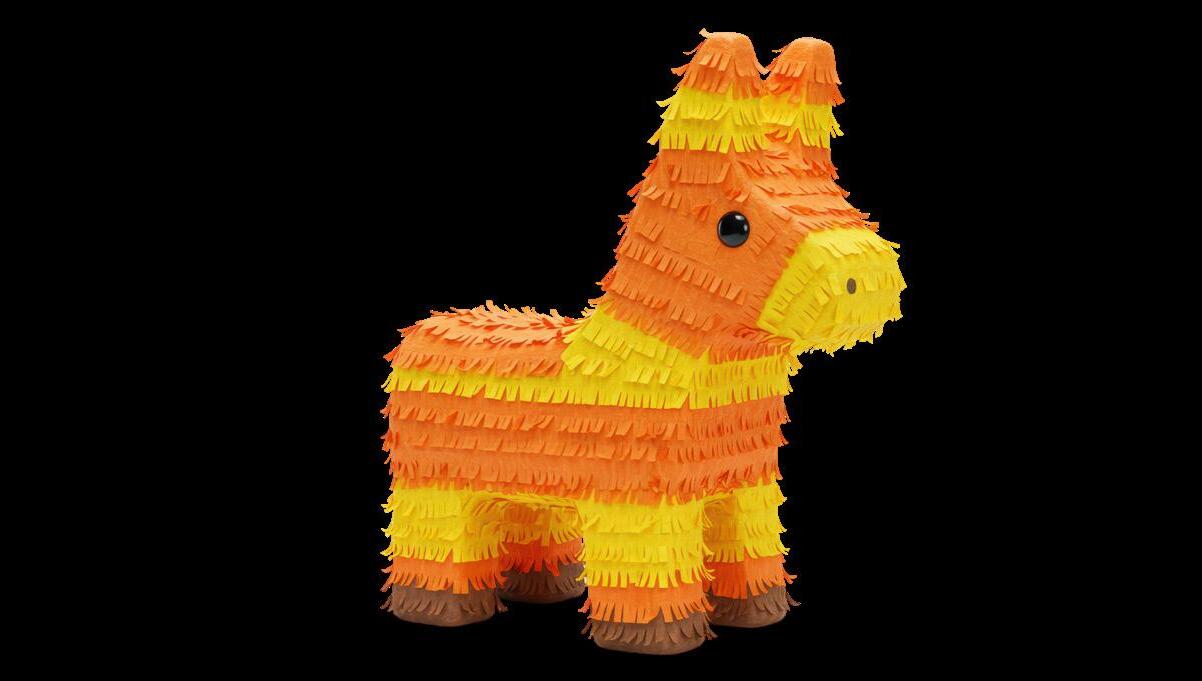
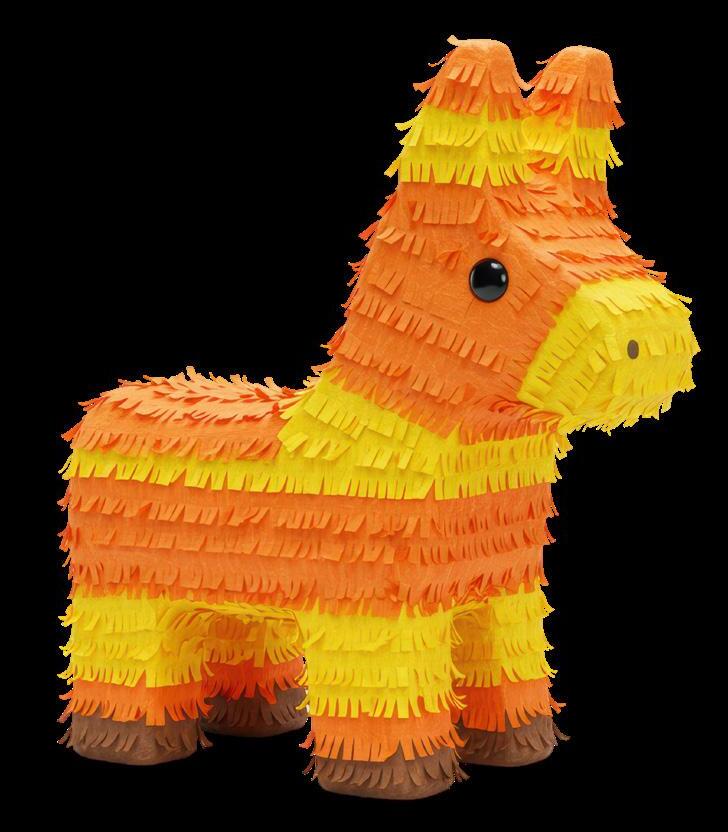
Mexican birthday parties are also often known to include a lively, vibrant celebration with an abundance of family and friends, drinks, food, activities such as a piñata and live music like Mariachi or banda.





Flour plays a key role in Jamaican birthdays, with party guests and family members surprising the birthday celebrant by throwing flour on top of or at them. The tradition is known as “antiquing” or “flouring” and serves as a playful and sneaky way to mark the occasion, according to an article from Mental Floss.
The Irish like to add a sense of playfulness to birthdays, practicing a “birthday bump.”
According to the tradition, the birthday boy or girl will be held upside down and “bumped” onto the floor, one bump for each year of life, as stated in an article from Irish Expressions. An extra bump is often added to symbolize good luck.
Spain practices a birthday tradition somewhat similar to the Irish, with Spaniards pulling on the ears of the birthday celebrant to honor their special day. One year of life equals one tug on the ear, according to an article from Love to Know.
Birthday boys or girls in Nova Scotia, a Canadian province, are surprised with butter or margarine smeared onto their noses by family members. The tradition is based on the belief that if the nose is greasy, then it will be too slippery to grasp misfortune, according to an article from Deep Trench.
We understand that everyone’s needs and goals are unique, which is why our board-certified plastic surgeons, aesthetic specialists, and skin care professionals offer a range of surgical and nonsurgical cosmetic procedures to help you look and feel your best. Our aim is to not only improve your appearance but also boost your self-esteem and make you feel confident in your own skin.


Sometimes it can be hard to tell the difference between a minor sprain and a major issue. The UF Health Orthopaedics and Sports Medicine Institute can help with both. From walk-in care to complex surgeries, our renowned team of physicians provides orthopaedic care to more than 100,000 patients every year, including progressive clinical services, radiology, surgery, physical therapy and rehabilitation treatment.
FIND EXPERT ORTHOPAEDIC CARE FOR:
Complex spine conditions | Foot and ankle | Hand surgery | Joint replacement and reconstruction Shoulder, elbow & wrist | Sports medicine | Orthopaedic oncology | Pediatric orthopaedics
Get moving again. Visit UFHealth.org/Ortho or call 352.273.7001 to schedule an appointment today.
BY ALEXANDRA BURNS
As a twin, I can say with confidence that birthdays are, and have always been, tricky in my household.
My brother insisted on a birthday party at the paintball arena, but I so desperately wanted to take a trip to the movies with friends to see “Ramona and Beezus.” This led to endless arguments on the drive home from school, my mother clearly overwhelmed with how to organize plans that celebrated each of us individually on our special day.
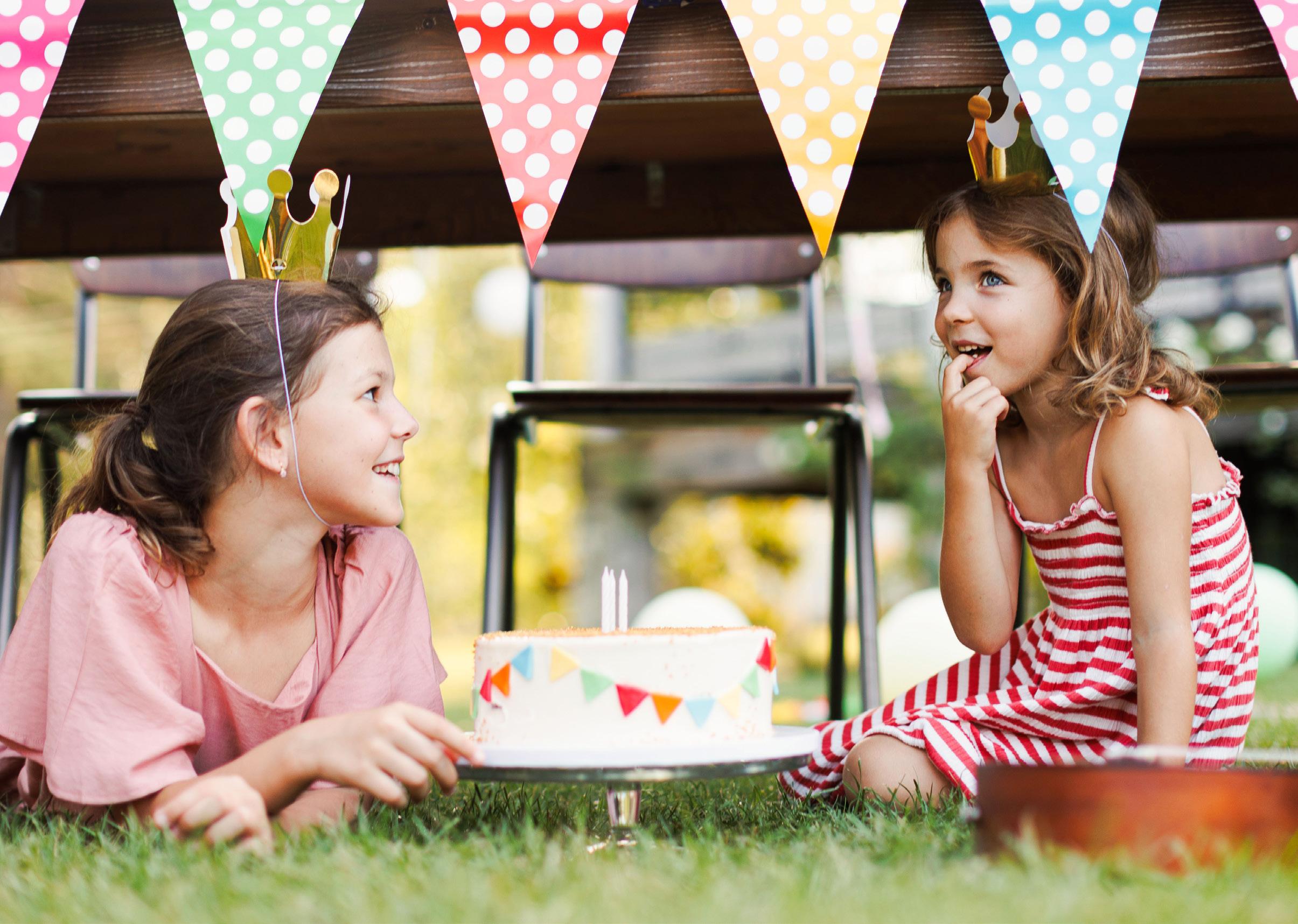
Making your children feel seen when they share a birthday month or date can be exceptionally stressful. Here are some tips to help navigate the challenges of shared birth dates or months to help the day end in fun, not disappointment, for everyone.
For twins or children with birthdays close together, shared birthday celebrations can still allow both children to feel appreciated, and it makes it easy for all of their friends and family to be together in one place.

For example, utilize your pool, a community outdoor space, a park or your backyard with a bounce house and then plan activities related to each child’s specific interests. This can include a bracelet-making station for one child and a treasure hunt for the other, or a nail painting station and an obstacle course.
If there is a specific location that both of your children love, such as a jungle gym, water park or outdoor setting, consider assigning that as the birthday location. Shared party locations for children with an age gap include: a water park with both adult and kiddie sections, a trampoline park, an arcade and laser tag or the zoo, beach or a movie theatre.
Don’t be afraid to be creative with the joint birthday parties — consider splitting the



Shared birthday celebrations can still allow both children to feel appreciated, and it makes it easy for all of their friends and family to be together in one place.
dinner table in half, with one side decorated with Elsa decor and the other Spider-Man-themed. This strategy can be a great way to share the day but represent both kids’ passions.
For parents who have twins, consider holding a discussion with them ahead of time and creating a specific schedule for the day that splits time equally between the two.
For example, my parents held a group breakfast and then took me to lunch with my cousins, and later to the zoo, and in the evening, they took my brother to dinner and a movie. While my brother was at dinner with my parents, I spent time with my cousins, who were my mother’s go-to babysitters.
If you can leave one child with a close friend while you are celebrating the other, this can ensure they have a fun-filled time throughout the entire day.
As your children get older, it might be harder to please their exact birthday party wishes, especially if there is a major age gap or stark contrast in interests.
Separating the birthday celebrations was a classic tactic my mother used as my brother and I entered high school and had vastly different friends and hobbies.
One weekend, my father took my brother to the American Kennedy Space Center while I stayed at home with my mom. The next weekend, my mom drove me to visit my aunt’s house to have a birthday dinner. On our actual birthday, we enjoyed a joint family dinner with cake and pizza.
Shared birthday parties can often lead to a fight for who can blow out the candles first. Allowing each child to have their own cake, with their personal favorite flavor and theme, can allow them to
feel like their birthday is personalized, whether it is at a joint family dinner, combined birthday party or separate events. Though it might appear as a minor detail, it shows you took the time and effort to consider what would make each child happy on their day.
But there are some loopholes to sharing a birthday cake. One is to give each birthday child a candle and have them place it themselves on the cake. Sing happy birthday two times, allowing them to each blow out the candles individually after the song. This can aid in fostering independence in your child and allowing them to not feel left out at the birthday celebration.
Some online parental forums also recommend steering clear of group presents, yet it is dependent on your children’s wants and needs. If they both would like a trip to Walt Disney World — perfect! Yet if one wants to go to Universal Studios and the other despises it, you might run into some issues. Shared presents can lead to jealousy or disappointment, including arguments that one sibling got more of what they wanted than the other.

Separate gifts, along with activities that ensure equal joy and celebration for each child, can be the perfect way to ensure their special day is everything they imagined it to be.








Payments Plans on New Systems

Kindergarten and 1st grade are important years for building friendships, confidence, and independence. As a Daisy Girl Scout, your girl will:
• Gain confidence through magical adventures
• Build social skills while learning how to be a kind and supportive friend, and
• Explore a world of hands-on experiences through fun and engaging Girl Scout badges!
Every meeting is thoughtfully designed to help girls grow while having fun. Give her a place where confidence grows and adventure begins.
SCOUTS OF GATEWAY COUNCIL
Help Sparkle the unicorn get through the cookie forest to meet her new Girl Scout friend!















Download your FREE Unicorn headband and become a Girl Scout today!

Academic
Arts
Dance
Equestrian
Gymnastics
Martial Arts
Medical
Mixed Activities
Outdoor & Recreational
Religious
Science
Sleepaway
Sports
This guide was generated through research of area summer camps. Inclusion in this guide should not be mistaken as an endorsement by Giggle Magazine or Irving Publications, LLC. Every attempt has been made to be comprehensive and accurate. Camp directors are encouraged to send an email to nbirving@ irvingpublications.com with corrections and for possible inclusion in future editions of the Giggle Magazine Summer Camp Ultimate Guide.
300 Club Swim and Tennis Club
3715 NW 12th Ave.
Gainesville, FL 32605 (352) 378-2898
300clubswimandtennis.com
Abacus Learning Center
5205 SW 91st Drive
Gainesville, FL 32608 (352) 758-4135 abacuslearningcenter.com
Abiding Savior Lutheran Church and Preschool 2026 Summer Camp
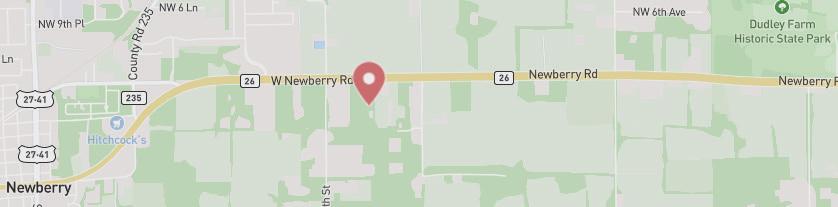
9700 W. Newberry Road
Gainesville, FL 32606 (352) 331-7770
preschool@abidingsavior.info abidingsavior.info/home
Dates: June 8 - July 30
Ages: 2 years old to rising 3rd graders
Cost: Varies with program choice summer camp for preschool and elementary children. Choose from 1/2, 3/4 or full day programs. Open 7:30 a.m. to 6:00 p.m. Loving Christian environment and great prep for fall preschool program.
SEE AD ON PAGE 47
A Child's Academy
3401 NW 34th St. Gainesville, FL 32605 (352) 371-3360
www.achildsacademy.com/service/summercamps-gainesville-fl
Alliance Southeast Youth & Kids Camps at Lake Swan
647 Florida State Road 26 Melrose, FL 32666 (352) 475-2828 asecamps.org
Youth Archery Camps
24880 NW 16th Ave. Newberry, FL 32669 (352) 722-3926 eastonnewberryarcherycenter.org/discover-camps
Boys & Girls Club
1. Northeast: 2661 NW 51st St. Gainesville, FL 32606 (352) 373-6639
2. Woodland Park: 331 SE 20th Place
Gainesville, FL 32641 (352) 377-8003 bgcnf.org
Brentwood School
Summer Fun Camp 1111 NW 55th St. Gainesville, FL 32605 (352) 373-3222 gobrentwoodschool.com/programs
Cade Museum
811 S. Main St. Gainesville, FL 32601 (352) 371-8001
cademuseum.org/learn/camps
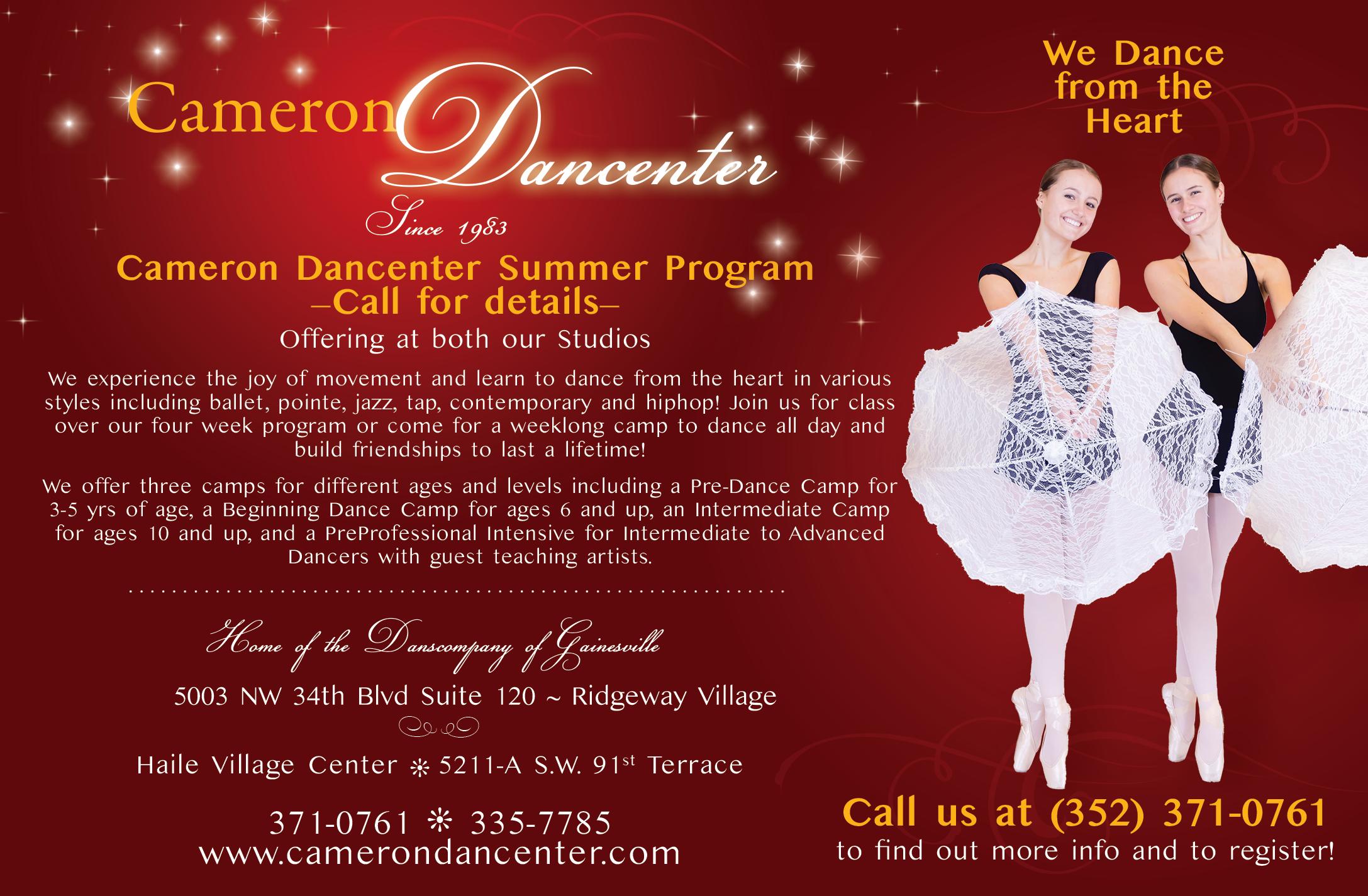
Cameron Dancenter
Summer Programs
1. Ridgeway Village: 5003 NW 34th Blvd., Suite 120 Gainesville, FL 32605 (352) 371-0761
2. Haile Village Center: 5211 SW 91st Terrace, Suite A Gainesville, FL 32608 (352) 335-7785
camerondancenter.com
Dates: Dates to Be Announced
Ages: Pre-Dance Camp (3-5 years), Beginning Dance Camp (6 and up), Intermediate Camp (10 years and up) and PreProfessional Intensive (for intermediate to advanced dancers). Details: To Be Announced.
SEE AD ON PAGE 43
Camp Boggy Creek
30500 Brantley Branch Road
Eustis, FL 32736 (352) 483-4200
boggycreek.org/summer-camp
Camp Crystal Lake 6724 Camp Crystal Road
Starke, FL 32091 (855) 651-2267 campcrystal.com/summer-camp
Camp Dovewood
23221 101st Road
O'Brien, FL 32071 (386) 209-1908
campdovewood@windstream.net www.campdovewood.org
Dates and Cost:
First Session: 2 weeks: June 7th - June 20th, $1,595
Second Session: 1 week: June 21st-June 27th, $1,095
Third Session: 1 week: June 28th-July 4th $1.095
Fourth Session: 1 week July 5th- July 11th $ 1,095 Ages: 7-17
Our program encourages each girl to find their niche and realize God has an incredible purpose for their life. We offer one and two-week resident sessions.
Camp Good News
120 Twin Lakes Road Hawthorne, FL 32640 (352) 481-3550
campgoodnewsfl.com
Camp Invention: Spark Presented by: Hidden Oak Elementary School
2100 Fort Clarke Blvd. Basecamp 1 Gainesville, FL 32606 (800) 968-4332 invent.org/programs/camp-invention
Camp Kulaqua
23400 NW 212th Ave. High Springs, FL 32643 (386) 454-1351 campkulaqua.com/kulaqua-s-summer-camp
Camp Makerie
3536 NW 8th Ave. Gainesville, FL 32605 (352) 363-5399 magic@campmakerie.com campmakerie.com
Canopy Oak Trails
Horseback Riding
15311 SW 107th St. Archer, FL 32618 (352) 443-9456 facebook.com/canopyoaktrails
College for Kids at Santa Fe College 3000 NW 83rd St. Gainesville, FL 32606 (352) 395-5193 sfcollege.edu/cfk





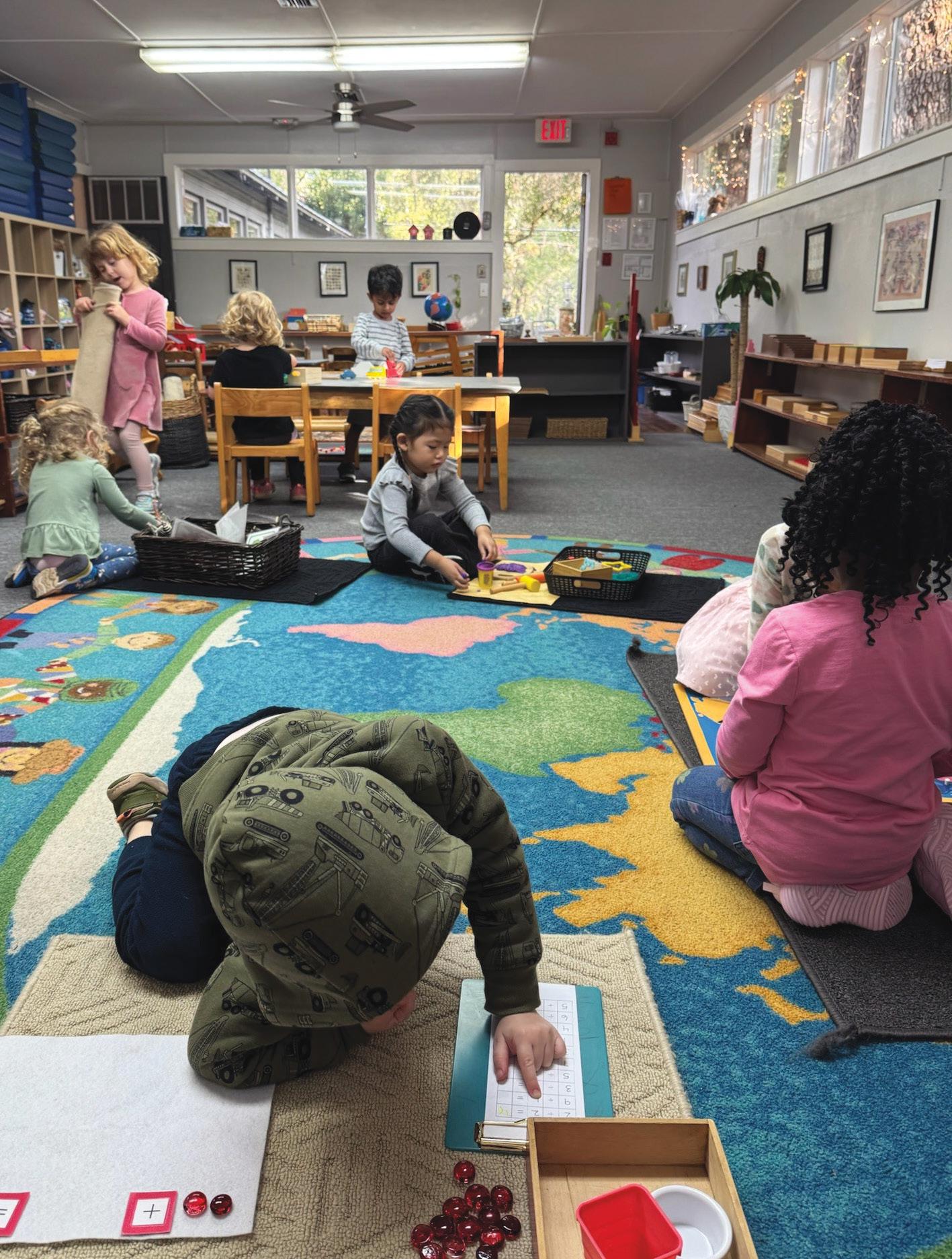
Flowers Montessori has served families in the Gainesville area since 1973. We are committed to helping each child develop personal autonomy, as well as respectful and productive peer relations. We strive to provide education that is tailored to the needs of each student, and that
FLOWERS MONTESSORI SCHOOL INC
encourages the development of their mental, physical, and emotional abilities. We are constantly evolving and changing our activities, to maintain interest in the materials and inspire independence in our students. We hope to instill effective learning strategies in each child, and kindle a life-long love of learning. As guides to your children, we continue to grow and learn alongside them. Our daily pledge is to be sensitive to the needs of each child, and to approach them with understanding, patience, and love.
Our eight week summer camp program is a chance for children to engage with the Montessori curriculum, as well as additional specialty activities related to each week’s theme.
We hope to see you for the best summer ever!
Academic
Arts
Dance
Equestrian
Gymnastics
Martial Arts
Medical
Mixed Activities
Outdoor & Recreational
Religious
Science
Sleepaway
Sports
This guide was generated through research of area summer camps. Inclusion in this guide should not be mistaken as an endorsement by Giggle Magazine or Irving Publications, LLC. Every attempt has been made to be comprehensive and accurate. Camp directors are encouraged to send an email to nbirving@ irvingpublications.com with corrections and for possible inclusion in future editions of the Giggle Magazine Summer Camp Ultimate Guide.
Corks & Colors
3415 W. University Ave.
Gainesville, FL 32607 (352) 373-8847
corkscolors.com/class-calendar
Camp Shands Scouts
BSA Summer Camp
1453 Baden Powell Road Hawthorne, FL 32640 (904) 388-0591 campshands.org
DB Racquet Club
Tennis Summer Camp
5100 NW 53rd Ave. Gainesville, FL 32653 (352) 377-9580 dbtennis.com
Foundation For Dreams Oaks Camp
16110 Dream Oaks Place Bradenton, FL 34212 (941) 746-5659 foundationfordreams.org
Florida 4-H Camp Cloverleaf
126 Cloverleaf Road Lake Placid, FL 33852 (863) 465-4884 florida4h.ifas.ufl.edu/camps/camp-cloverleaf
Florida Diabetes Camp
PO Box 14136
Gainesville, FL 32604 (352) 334-1321
floridadiabetescamp.org/summer-camps
Florida Youth Institute
students@cpet.ufl.edu cpet.ufl.edu/students/uf-cpet-summer-programs
Flowers Montessori Summer Camp
3111 NW 31st Ave.
Gainesville, FL 32605 (352) 376-4700
flowersmontessori.school@gmail.com flowersmontessori.com
Dates: June 1 - July 24
Ages: 2.5 - 6 years
Cost: $2,430
Flowers Montessori offers an eight-week summer camp program allowing kids to engage with the Montessori curriculum in addition to special activities corresponding to different weekly themes.
Funworks Action Camp 1311 NW 76th Blvd. Gainesville, FL 32606 (352) 332-0555 funworks.com
Gainesville Juniors Volleyball Club 3606 SW 34th St. Gainesville, FL 32608 (352) 234-4604
gainesvillejuniorsvolleyball.com/club/ campsandclinics
Gator Junior Golf Association (352) 575-0636 gatorjuniorgolf.org
Gator Pharmacy
Exploration Camp
prepharmacy@cop.ufl.edu cpet.ufl.edu/students/uf-cpet-summer-programs/ gator-pharmacy-exploration-camp
Gator Sports Camps
Baseball, Golf, Gymnastics, Lacrosse, Softball, Swimming, Soccer floridagators.com/sports/2015/12/10/_camps
Gator Vet Camp
cpet@cpet.ufl.edu cpet.ufl.edu/students/uf-cpet-summer-programs/ gator-vet-camp
Gatorball Summer
Baseball and Softball Camp 3401 NW 143rd St. Gainesville, FL 32608 (352) 514-4414
sbarton@gatorballtraining.com gatorballtraining.com/summer-camp
Gatorland Band Camps
1556 Inner Road
Gainesville, Florida 32611 (352) 273-3146
ufbandcamps.com
G.C.D.S. Summer Camp
6801 SW 24th Ave.
Gainesville, FL 32607 (352) 332-7783
luci@gainesvillecountrydayschool.org
gainesvillecountrydayschool.org
Dates: Check our website for details
Ages: 4 years old - 5th grade
Cost: Contact email or visit website for prices.
Girl Scout Camp Kateri
183 Camp Shalom Trail Hawthorne, FL 32640 (352) 546-5271 girlscouts-gateway.org
Haile Equestrian Center
7680 SW 46th Blvd.
Gainesville, FL 32608 (352) 665-7433
haileequestrian.com/horse-camps
Hippodrome
25 SE 2nd Place
Gainesville, FL 32601 (352) 375-4477 thehipp.org/education
Holy Trinity Episcopal School of Gainesville, Inc.
301 N. Main St.
Gainesville, FL 32601 (352) 377-2290
htesngv.org
Admission: Jason Hill
Specialty: Full day and part-time Early Learning Center located in downtown Gainesville that uses a state-approved curriculum.
Ages: 6 weeks to 5 years old
Teacher/Student Ratio: Infants 1/3, Ones 1/4, Twos 1/6, Threes and up 1/8
i9 Sports Camp
4000 SW 122nd St. Gainesville, FL 32608 (352) 283-8586 i9sports.com
Academic
Arts
Dance
Equestrian
Gymnastics
Martial Arts
Medical
Mixed Activities
Outdoor & Recreational
Religious
Science
Sleepaway
Sports
This guide was generated through research of area summer camps.
Inclusion in this guide should not be mistaken as an endorsement by Giggle Magazine or Irving Publications, LLC. Every attempt has been made to be comprehensive and accurate. Camp directors are encouraged to send an email to nbirving@ irvingpublications.com with corrections and for possible inclusion in future editions of the Giggle Magazine Summer Camp Ultimate Guide.
(Brand New Facility)
13537 NW 1st Lane
Newberry, FL 32669
(352) 337-0017
independancestudio.com
2026 Summer Dance Session
June 8 - August 7
• Registration open February 1
• Schedule online
• Abbreviated year-round class schedule
• Accepting NEW iDancers
• Current members rollover enrollment
• All ages, rates vary
Summer Camp Calendar
*Member discounts available
KPop Summer Hunters Camp
K-Pop, Dance, Games, Arts & Crafts
June 8 - June 12
8:45 a.m. - Noon
Ages 5 and up
$224
Moana & Maui Magic Camp
Dance, Games, Arts & Crafts
June 15 - June 19
8:45 a.m. - Noon
Ages 3 and up
$197
Game On: iDance Mode Camp
Technology Themed Hip Hop & Acro Dance Fundamentals, Games, Arts & Crafts
July 6 - July 10
8:45 a.m. - Noon
Ages 5 and up
$224
Wicked Awesome Musical Theatre Camp*
Acting, Singing, Dancing, Games, Arts & Crafts
July 13 - July 17
8:45 a.m. - Noon
Ages 8 and up
$242
*Community Theater Guest Instructors
Camp Bluey Beach Bash
Dance, Games, Arts & Crafts
July 20 - July 24
8:45 a.m. - Noon
Ages 3 and up
$197
Gameday: Spirit Squad Camp*
Dance Team Skills, Arts & Crafts
July 27 - July 31
8:45 a.m. - Noon
Ages 5 and up
$242
*Presented with the UF Dazzlers
iLLUMINATE iDANCE iNTENSIVE*
Competitive dance intensive - precursor to our Season 18 Competitive Team Auditions
August 3 - August 7
Schedule determined by age and skill level
registered Ages 5 and up
$377
*Leading industry professional instructors and choreographers
Auditions: Season 18 iDance Competitive Team*
August 14 - 16
Schedule TBA
Ages 5 and up
*Contact the studio for interest forms
SEE AD ON PAGE 50
Ironwood Golf Course
2100 NE 39th Ave.
Gainesville, FL 32609 (352) 393-8500
ironwoodgolfcourse.org/junior-programs
Jordan Glen School & Summer Camp
12425 SW 154th St. Archer, FL 32618 (352) 495-2728
info@jordanglen.org jordanglen.org
Dates: June 9 - July 18
Ages: K - 8th Grade
Cost: $475/week, $1,250 for each three week session, $2,050 for 6 weeks. Ask about sibling discount!
SEE AD ON PAGE 47
Kiddie Academy of Gainesville 6476 SW 75th St.
Gainesville, FL 32608 (352) 264-7724
kiddieacademy.com/academies/gainesville-fl/ programs/summer-camp
KidStrong
6020 NW 4th Place, Suite
Gainesville, FL 32607 (352) 244-9818
kidstrong.com/gainesvillecamps
La Petite Academy
Summer Camp
2755 SW Archer Road Gainesville, FL 32608 (877) 271-6466 lapetite.com/educational-programs/summer-camp
Lyrico Conservatory 3601 SW 2nd Ave Suite C, Gainesville, FL 32607 (352)-756-0005 lyricoconservatory.com
Millhopper Montessori School Summer Camp 8505 NW 39th Ave. Gainesville, FL 32606 (352) 375-6773 millhopper.com
Momentum Dance Arts 1. 133 SW 130th Way Ste. H Newberry, FL 32669 2. 13100 Tech City Circle, Ste 400 Building C Alachua, FL. 32615 momentumdancearts.com
Montgomery Presbyterian Center Camp 88 SE 75th St. Starke, FL 32091 (352) 473-4516 montgomerycenter.org
North Florida Fishing Camp (904) 860-8361 northfloridafishingcamp.com
Oak Hall Summer Program
1700 SW 75th St. Gainesville, FL 32607 (352) 332-3609 dtripp@oakhall.org oakhallsummerprogram.org
Dates: May 26 - July 24
Ages: Ages 3 and up
The Oak Hall Summer Program is a welcoming, diverse and supportive camp community helping campers discover their passion. Over 100 full and half-day camps are available for campers ages 3-18. All camps are open to the Gainesville community.


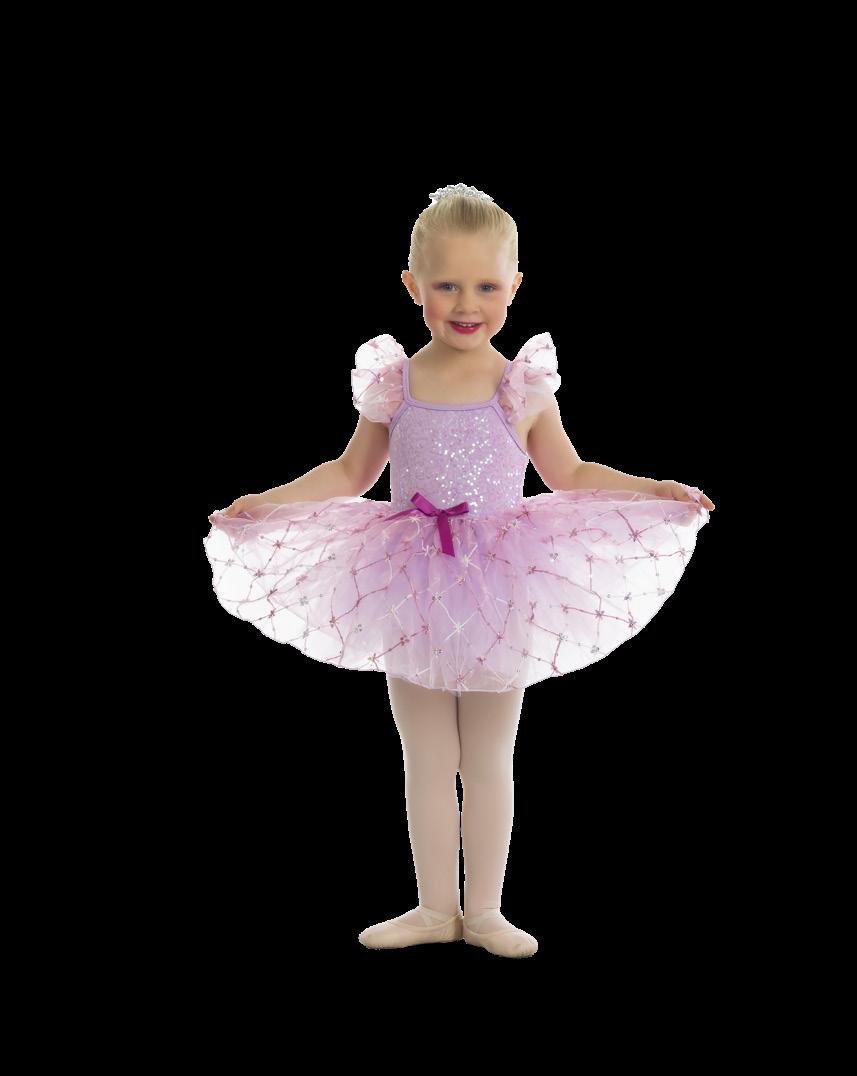
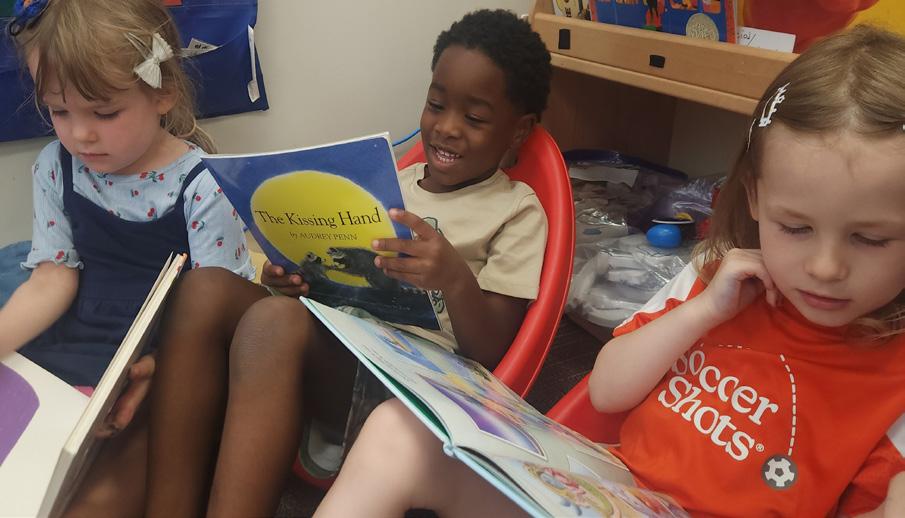
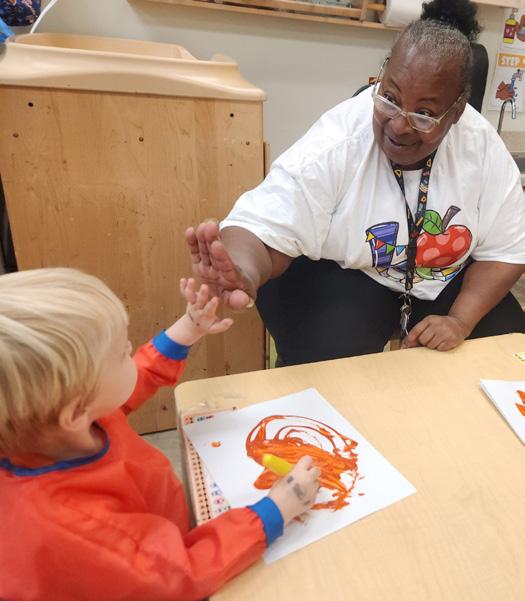
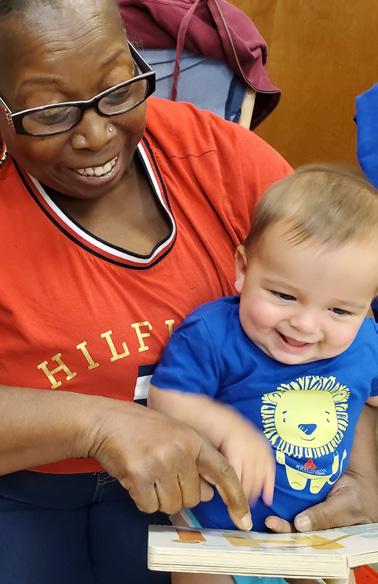
Ages: 6 weeks to 5 years old • Teacher/Student Ratio: Infants 1/3, Ones 1/4, Twos 1/6, Threes and up 1/8
• Holy Trinity Episcopal School of Gainesville has served families in the Gainesville area since 1974.
• Located downtown just minutes from UF, Shands and the VA.
• Walking distance to City Hall.
• Small class sizes with low teacher to student ratios.
• Full-time care for infants along with full-time or part-time care for 1 years old to 5 years old.
• They are an outreach mission of Holy Trinity Episcopal Church and open to all faiths and backgrounds.
• Scholarships for School Readiness families are available.
• State approved curriculum with age appropriate play based activities.
• Tuition discount for first responders. Visit their website or call the school to set up a tour.
Academic
Arts
Dance
Equestrian
Gymnastics
Martial Arts
Medical
Mixed Activities
Outdoor &
Recreational
Religious
Science
Sleepaway
Sports
This guide was generated through research of area summer camps. Inclusion in this guide should not be mistaken as an endorsement by Giggle Magazine or Irving Publications, LLC. Every attempt has been made to be comprehensive and accurate. Camp directors are encouraged to send an email to nbirving@ irvingpublications.com with corrections and for possible inclusion in future editions of the Giggle Magazine Summer Camp Ultimate Guide.
Orange Blossom Prep
6200 SW Archer Road
Gainesville, FL 32608 (352) 375-8900 orangeblossomprep.com
O2B Kids!
7 locations in Gainesville, Alachua & Lake City. (352) 332-5500 o2bkids.com
Okito America
6900 SW Archer Road Gainesville, FL 32608 (352) 338-7262 okitoamerica.com/services/camps
Play Tennis Gainesville
1001 NW 34th St. Gainesville, FL 32605 (352) 559-8860 playtennisgainesville.com
Pofahl Studios, Resident School
of Dance Alive National Ballet, Summer Intensives
1325 NW 2nd St. Gainesville, FL 32601 (352) 373-1166
judy@dancealive.org dancealive.org/gainesville-summer-intensives/ Dates: Weekly Classes June 22-July 24. Full Day Intensive I June 1-6. Full Day Intensive II July 27 - Aug. 2. Full Day Intensive III June15-20. Half-Day Youth Intensive June 8-12. Half-Day Adult Intensive June 8-12
Ages for Intensives: Intermediate–advanced ballet and contemporary/jazz. Dance Alive National Ballet & Resident School Pofahl Studios Presents The Dance Alive Summer Experience!
Pony Paddock Summer Horse Camp
704 NW 202nd St. Newberry, FL 32669 (386) 853-0615
pony-paddock.com/horseback-riding-camps Only available for currently enrolled students
Queen of Peace Catholic Academy Camp
10900 SW 24th Ave.
Gainesville, FL 32607 (352) 332-8808
marisaisherwood@qopacademy.org qopacademy.org/summer-camp
Dates: June 9 - July 31
Ages: PreK - 8th Grade
Cost: Flexible
2024 Gainesville Business Hall of Fame
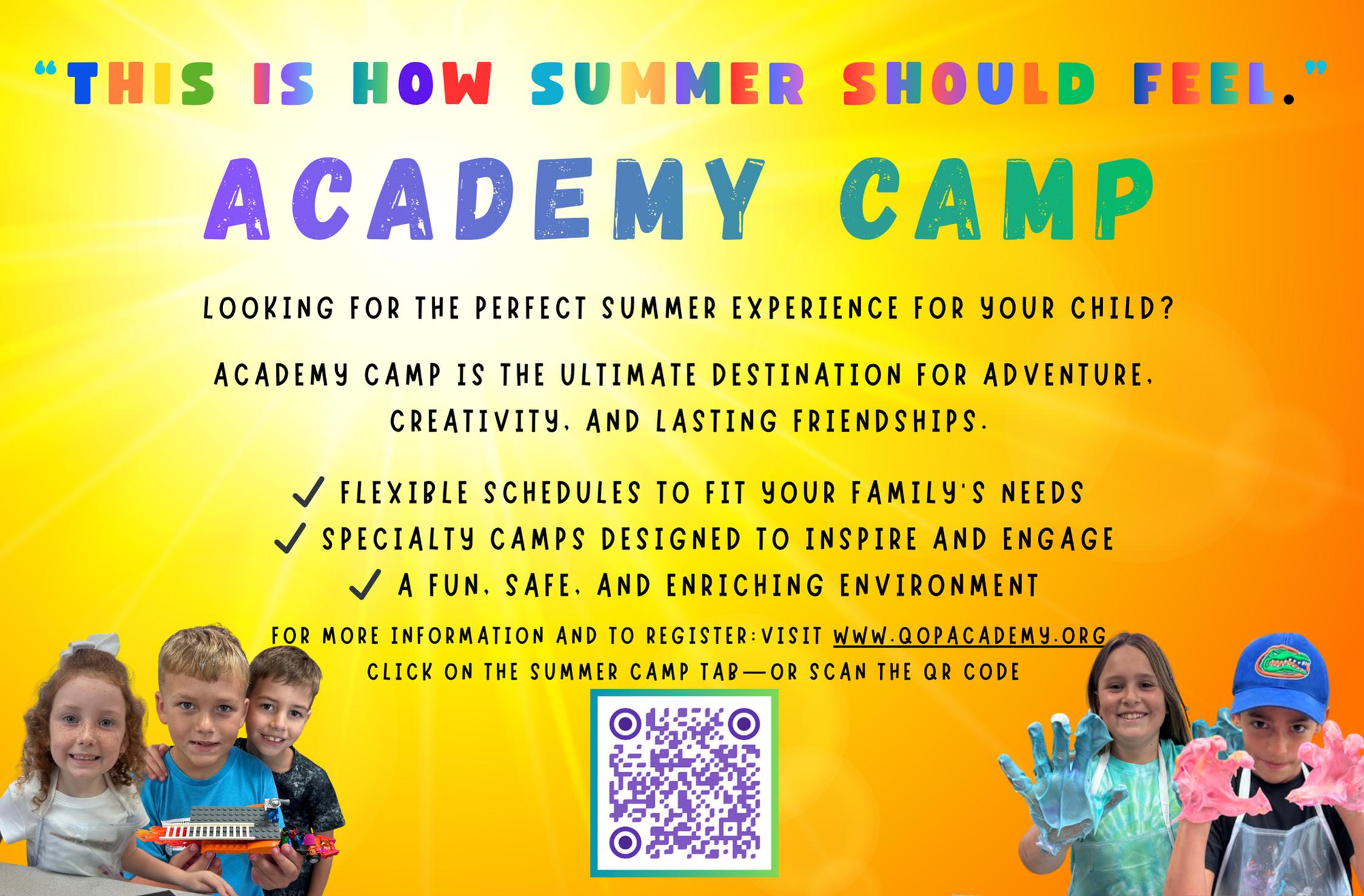
Best of the Best, 2022, 2023, 2024. No matter who you are or where you come from, you’re part of our camp family the moment you arrive. Join us for unforgettable memories, new friendships, and experiences that will last a lifetime. We can’t wait to meet you and share in the excitement of camp! Weekly sessions with flexible pricing and hours. Specialty camps and field trips. For questions please email our Camp Director, Marisa Isherwood.
Research Explorations cpet.ufl.edu/students/uf-cpet-summer-programs
Research Immersion in Science and Engineering cpet.ufl.edu/students/uf-cpet-summer-programs
Don't miss getting into our next summer camp guide which will be in our April/May issue, just in time for camp to start. Make sure your camp is seen!
• Get In front of parents all over Alachua County
• Fill your camp this summer
• Mailed to thousands of homes
• Mailed to 5,500 businesses
• No long contract
• April/May issue only
• Low cost
• Free ad design
SCAN CODE TO SEE PRICING OPTIONS AND SUBMIT YOUR LISTING INFORMATION



Ages: K - 8th Grade
Cost: $475/week
$1, 250 for each three week session
$2,050 for 6 weeks (ask about sibling discount!)
Celebrating 50+ years, Jordan Glen is a hidden gem that has produced countless camp alumni that credit it with providing some of the happiest memories of their childhood summers. The camp is situated in Southwest Gainesville on 20 beautiful acres. Walk around our grounds and it will be apparent why our camp is such a special place
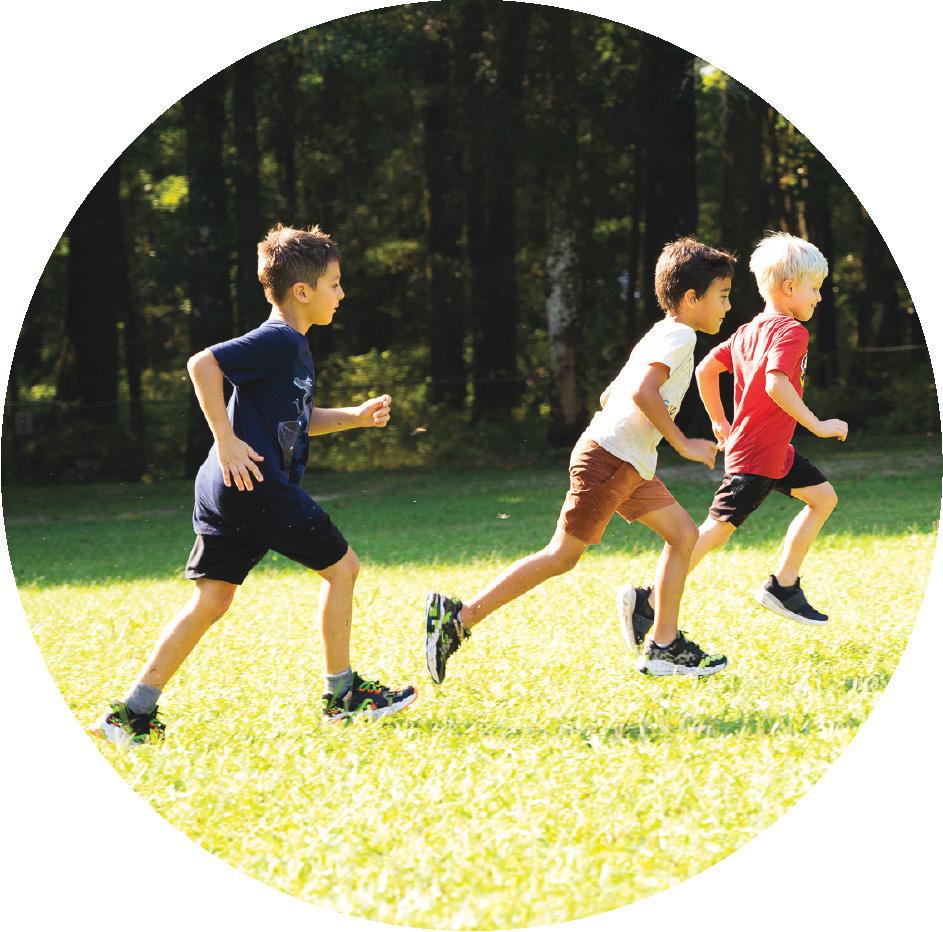
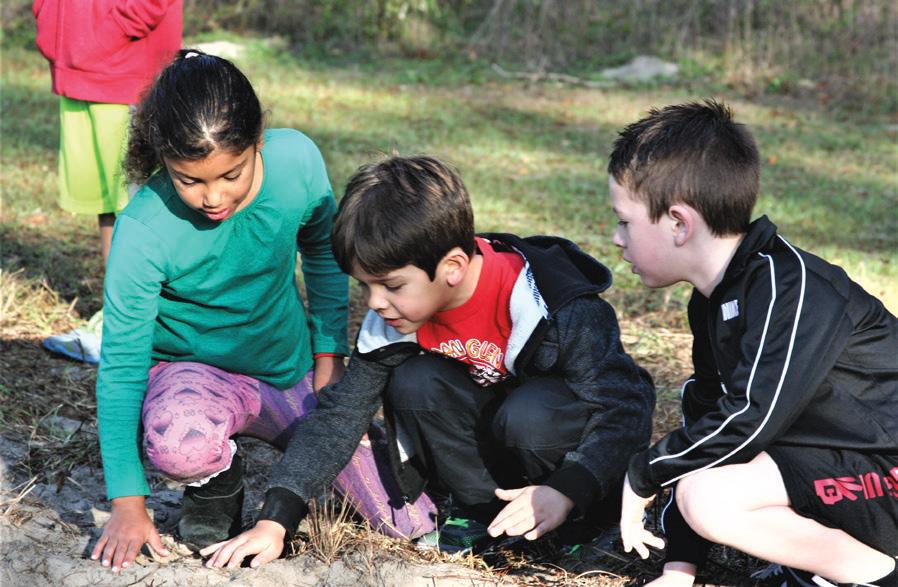
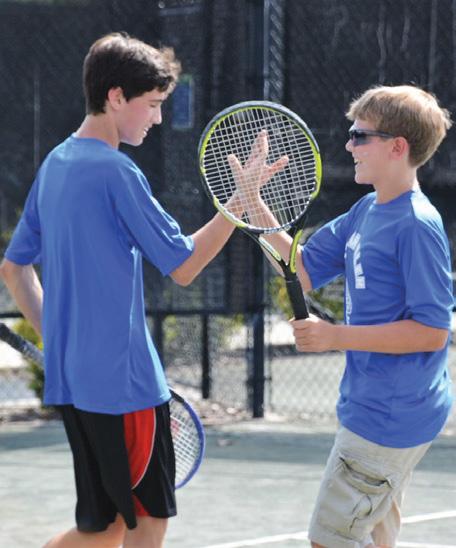
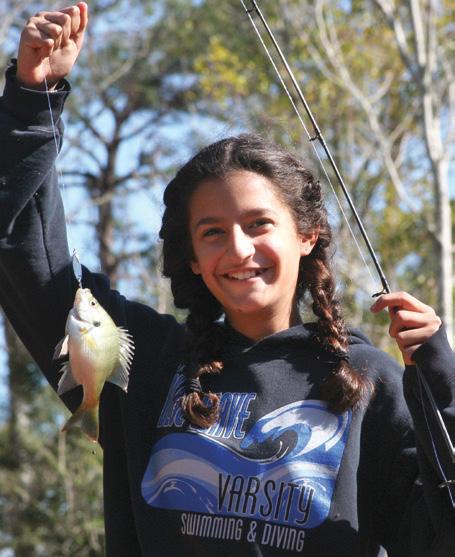
Our camp harkens back to what camps were like before “specialty camps ” Kids enjoy the outdoors - swimming, playing sports (tennis, baseball, soccer, archery to name a few) and being in nature, while also having ample time to cool off indoors exploring their inner artist, participating in dance and the dramatic arts and bonding with new and old friends. Jordan Glen Camp has something for everyone
We are advocates of children and childhood We want our children to enjoy their time spent away from home and to look forward to returning each day.
Academic
10000 W. Newberry Road
Gainesville, FL 32606 (352) 333-0017 sonshineday.org
Star Center Theatre
Super Smart Summer Camp
11 NE 23rd Ave. Gainesville, FL 32609 (352) 378-3311
starcentergainesville@gmail.com
starcentertheatre.org
Dates: Monday - Friday, 8 a.m. - 5 p.m.
Super Smart Camp (K - 11th grade) June 8 - July 3
Theatre Intensive (4th - 11th grade) July 6 - July 10
Theatre Intensive (4th - 11 grade) July 13 - July 17
Ages: 5 - 17
This guide was generated through research of area summer camps.
Inclusion in this guide should not be mistaken as an endorsement by Giggle Magazine or Irving Publications, LLC. Every attempt has been made to be comprehensive and accurate. Camp directors are encouraged to send an email to nbirving@ irvingpublications.com with corrections and for possible inclusion in future editions of the Giggle Magazine Summer Camp Ultimate Guide.
The core classes are taught by certified teachers and industry professionals.
SEE AD ON PAGE 48
Star Martial Arts
500 NW 60th St., Suite A Gainesville, FL 32607 (352) 374-4950 star-tkd.com/summer-camp
Student Science Training Program cpet.ufl.edu/students/uf-cpet-summer-programs
Summer Band at Fort Clarke 9301 NW 23rd Ave.
Gainesville, FL 32606
summerbandatfortclarke@gmail.com sites.google.com/gm.sbac.edu/summerband/home
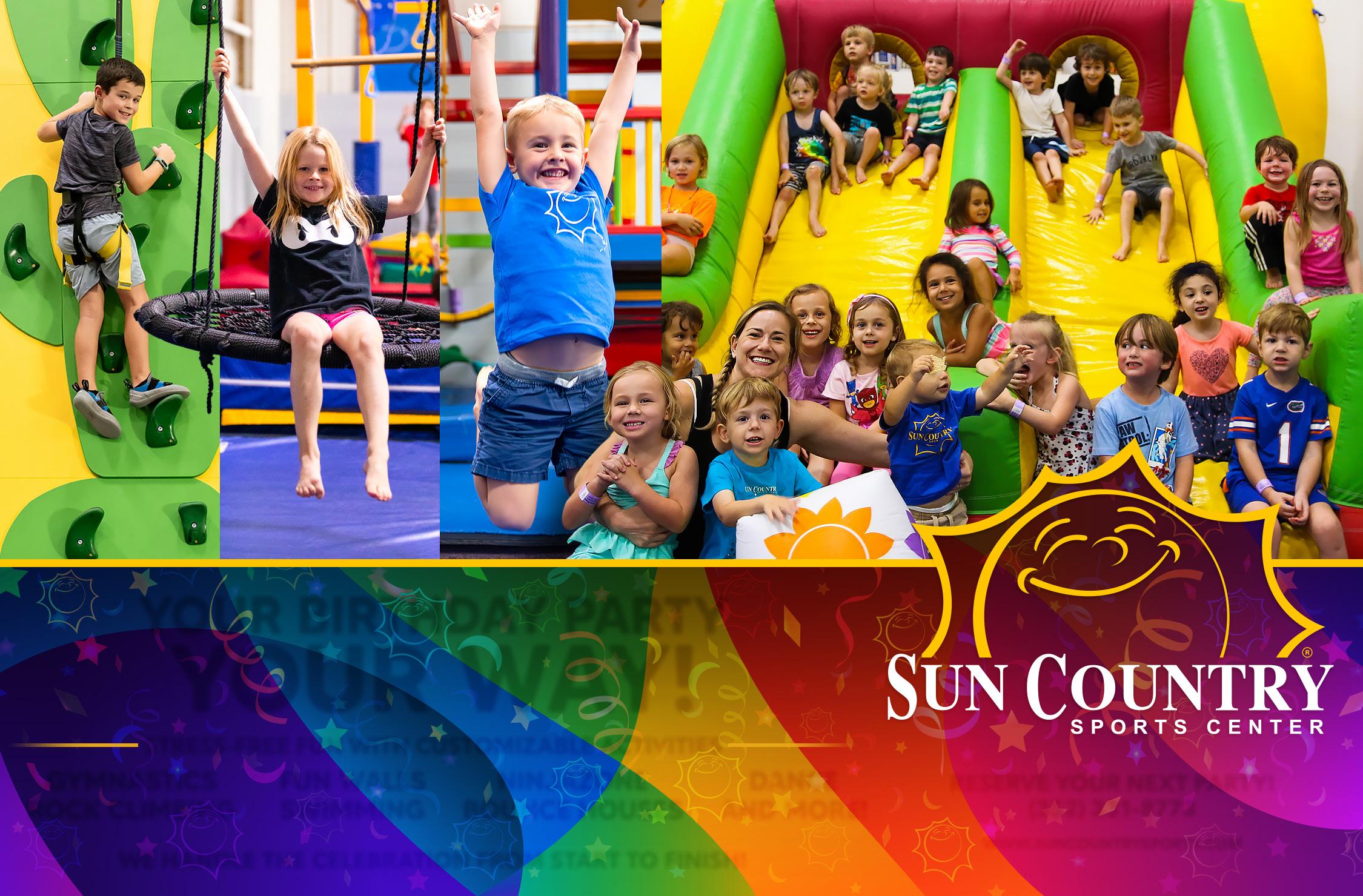
Sun Country Sports Center Camp
Sunny Summer Camp
333 SW 140th Terrace Jonesville, FL 32669 (352) 331-8773
camp@suncountrysports.com suncountrysports.com/campsunny-summercamp
Dates: Entire summer, June 4 until the last week before school starts back Ages: 2 1/2 year-old to rising 6th graders Camp Sunny provides children an opportunity to learn, socialize and stay active while also incorporating unique fitness opportunities. Kids will make friends, share adventures and try new activities each day!
SEE AD ON PAGE 48
Swimming Lessons (352) 334-5067
gainesvillefl.gov
Traveling Art Camp for Kids
9501 SW Archer Road Gainesville, FL 32608 (858) 692-7303 travelingartcamp.com
Trinity United Methodist Church
4000 NW 53rd Ave.
Gainesville, FL 32653 (352) 376-6615
trinitygnv.org
UF Entomology Field Camp
1881 Natural Area Drive
Gainesville, FL 32611 (352) 273-3974
entnemdept.ufl.edu/outreach/uf-entomologyfield-camp
UF/IFAS 4-H Camp Timpoochee (850) 897-2224
florida4h.ifas.ufl.edu/camps/camp-timpoochee
University of Florida
Summer Media Institute
jou.ufl.edu/summermediainstitute
YMCA
5201 NW 34th Blvd.
Gainesville, FL 32605 (352) 374-9622 ymcacf.org/programs/camps/summercamps













S U M M E R 2 0 2 6 S U M M E R 2 0 2 6 6


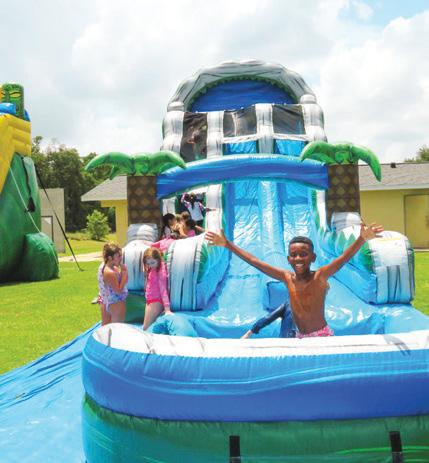
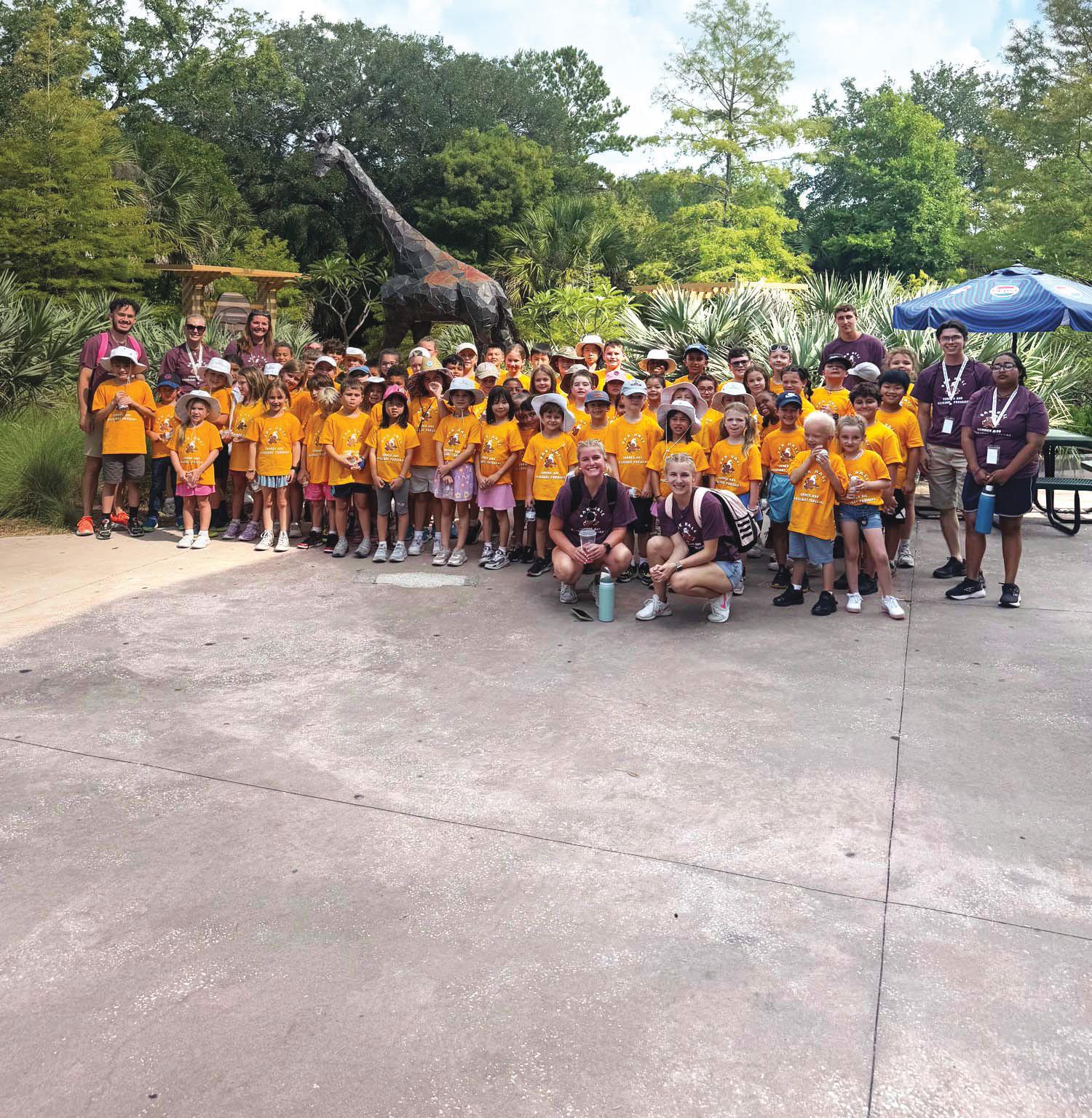
For many kids this summer, camp is where they’re headed. It is a place to create lifelong friendships and memories that last for decades to come. There are many options and activities to choose from, so it’s time to start planning for summer camps now!
When parents have great memories of childhoods spent singing campfire songs, it’s hard to understand the reluctance their kids may have about going away for the summer. The decision of whether or not to send a kid to summer camp can be incredibly stressful and often lasts for years. So what’s a parent to do when a kid just won’t go?
If you’re an anxious parent with an anxious child, the best bet is to wait
until you’re both more comfortable. Try introducing your child to a day camp so they can meet new friends and experience what it’s like, just for a few hours. Let them know it’s fine to be nervous, but try not to let any of your own anxiety show.
To encourage your child to try out a new camp, involve them in the selection process. Find camp environments that will interest them, and give them power to choose their own experience. Take them shopping for new camp clothes and invite their questions, doing your best to put off any worries they may have.
You know your child best, so use your instincts to determine when, if ever, is the right time for sleep-away camp, and remember to consider day camp as an alternative route.
With all the excitement of a summer at sleep-away camp, it’s easy to forget something important! Make sure your children have all the necessities before you send them off to camp.
• Bedding and linens (beach and bath towels)
• Clothes for all weather (heat, cold, rain) and activities (bathing suits, pajamas)
• A journal and pens or pencils
• Plenty of stamped, addressed envelopes for writing letters home
• Sneakers, shower shoes and extra socks
• Toiletries and lip balm
• Insect repellent and sunscreen
• Flashlight and water bottle
• Medications or other health needs
• Cash, as you see fit
Keep kids healthy, hydrated and happy at summer camp with these yummy lunch options.
• Veggie sticks
• Rice cakes
• Apple slices
• Raisins
• Hummus
• Bananas
• Grapes
• Pretzels
• Oranges
• Peanut butter and apples
• Graham crackers and Nutella
• Chips and salsa
• Fresh fruit cups
• Applesauce
• Nuts
• Granola bars
• Cheese sticks
• Always pack an ice pack, hand wipes and disposable silverware.
• Avoid mayo-based foods.
Some of the best friendships in a child’s life develop through hours spent at camp, so it’s important for campers to stay connected. In the world of social media and instant messaging, there’s no excuse for lost friendships just because the kids live far away. Connect with the other campers’ parents online to stay in contact. Even better, encourage the kids to write to each other, and help them send mail to their new pen pals. After all, everyone loves getting a letter!
Start planning now for summer camp so that when the time comes, both you and your kiddo are ready. Happy camping!


BY CRYSTAL LADWIG, PH.D.
With the arrival of the 2026 Winter Olympics in February and the 2026 Paralympics in March, the Olympic Games provide a unique learning opportunity for homeschooling families. These events, which occur once every four years, capture history, culture, science and human achievement in real time. Watching the games and learning from them is a natural fit with homeschooling’s flexible, interestdriven approach. So, take a break and let this year’s Olympic Games serve as a short, powerful unit study designed for your family.
History and geography come to life as you explore the origins of the Olympics and how they have evolved over time. Visit your favorite history site and learn about the ancient Olympics, a religious festival that began with just one sport (a foot race) and a few Greek cities. Trace the history of sports to the modern Olympics, which were first held in Athens in 1986.
Pull out your maps, too, because the Olympics are prime geographic events. Have your children find the different host countries over the years. Compare cultures, languages and traditions of host countries and cities. As this year’s games progress, track the countries that receive medals by marking them on the map, too.
Discuss how global events reflect historical moments, politics and international cooperation through the Olympics. Consider, for example, the Olympic Games that included a boycott, or how political and philosophical rivalries played out in Olympic competition. Or the impact of the world watching Jesse Owens win four gold medals in the 1936 Summer Olympics in Germany.
Use Olympic sports to learn about physics (speed, force, momentum and balance), biology (muscles, endurance, recovery and nutrition) and math (timing, scoring systems, statistics and averages). Involve the whole family throughout the day. Talk about how what you eat gives you energy for sports. Count by fours to see when the next Winter Olympics will be. Graph the medal counts by country, and find those on the map, too.
Encourage hands-on Olympic experiences at home. While we can’t recreate the games here in Florida, especially the winter ones, we can still experience the thrill of pushing ourselves to do something new. How about
a timed family race? Measure the distance first, keep track of each person’s time and then graph the results.
Encourage discussion and reflection about the games, the stories that come from them and the individual biographies shared about Olympians. You may ask your children to write biographies of athletes and opinion pieces on sportsmanship, perseverance and what defines success. Consider how perspective shapes the narrative. An Olympian with a dramatic history who fought to qualify may be considered successful, even if they don’t receive a medal.

Meaningful learning often arises from realworld events. This year’s Winter Olympic Games and Paralympics offer opportunities for learning, family games and more. Take advantage of these real-life history, geography, science, math and language arts events and let your children’s interests guide where you go.
BY ALEXANDRA BURNS
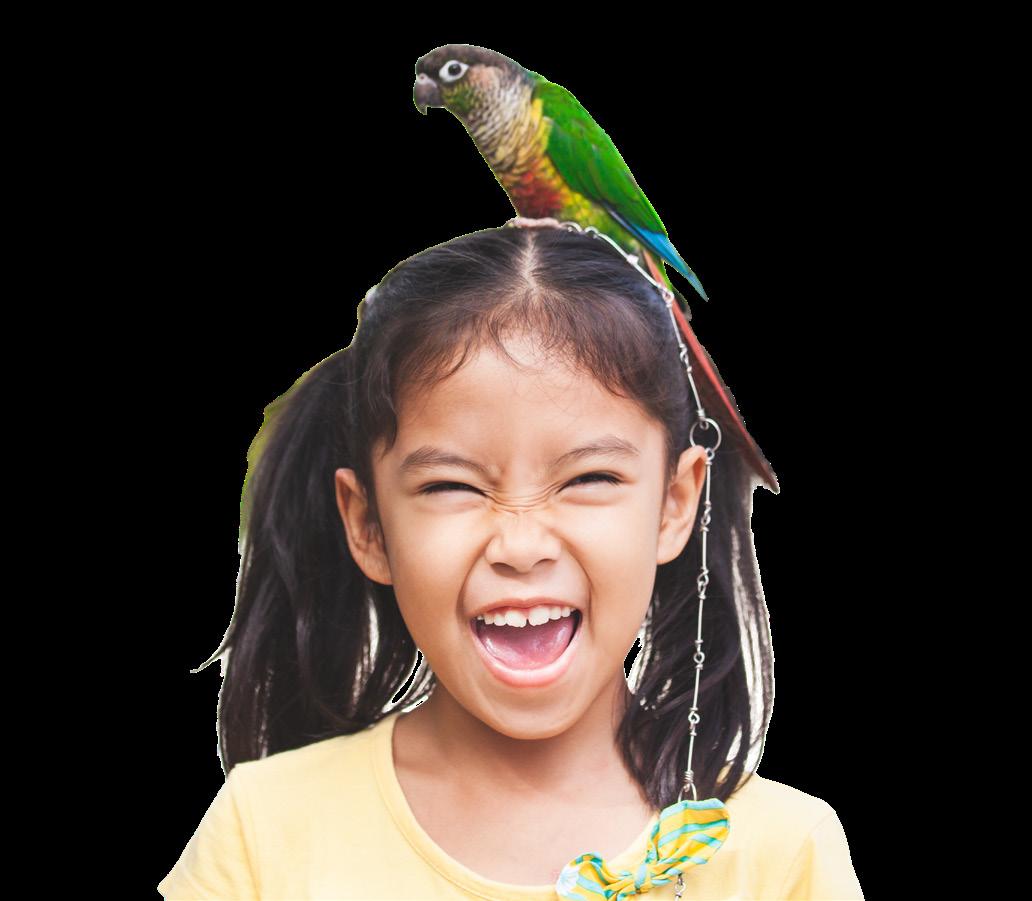
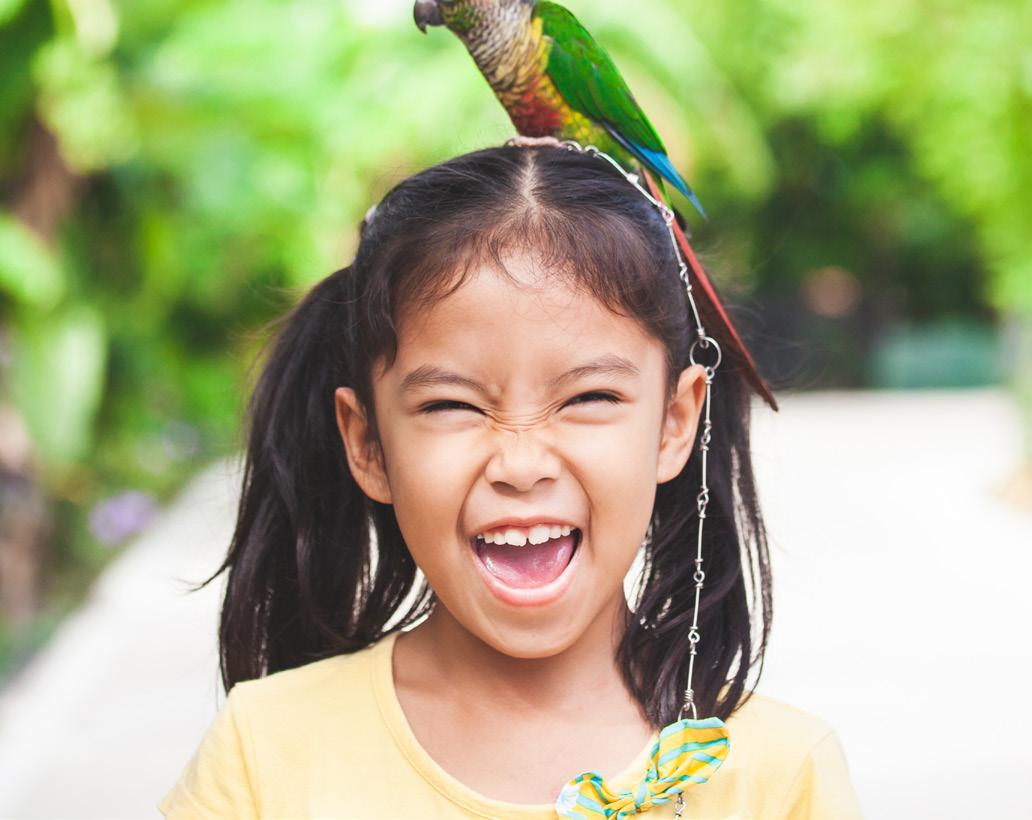
A charity-themed birthday party can be a wonderful way for your child to learn about the world around them while discovering how to combine fun with giving back to the community.
The ideas below offer an action-packed, celebratory way for your children to have fun on their birthday, while also donating their time, effort or creations to local charities or communities. Many of these contributions can also be made on weekends during playdates.
To transform a typical birthday activity into an act of service, consider hosting a baking party with your child and their friends. Bake chocolate chip cookies, decorate them with sprinkles and pack into airtight bags or disposable containers.
Research or call your local food banks and homeless shelters, checking beforehand to see what forms of food they accept. Take a miniature roadtrip to the shelter or food bank of your choice — play music and sing-along to add some excitement to the trip — and drop the cookies off.
Depending on the age of your child and if comfortable, allow them to hand the packaged cookies to the employee(s). This is an insightful way for them to feel a sense of independence and watch how their efforts affect those around them.
Most local zoos offer the chance to learn about endangered species and donate, either with the ticket fee or an additional donation.
The Santa Fe College Teaching Zoo offers a great opportunity for children to use their own critical thinking skills while learning about animals that need their help. Upon arrival, each guest is given a coin, and an employee explains to them various endangered animals. Each child can then pick a slot to put their coin in, choosing an animal that will receive financial help from their ticket cost.
As you walk around the zoo, consider reading the informational signs out to the children, helping them to become familiar with the concept of endangered species and the environment. This might encourage them to engage in environmental or wildlife rehabilitation initiatives or research as they get older.
If hosting a craft or do-it-yourself arts birthday party, consider asking each child to create an extra one, but be as creative as possible. This can include creating handmade paper crowns, tiaras made from ribbon and felt or picture frames decorated in gems.
Choose a local retirement home or elderly care facility, and call beforehand to ask permission to drop off your children’s handmade crafts. Upon arriving at the facility, and if allowed, have the children give their crafts to each individual. This can encourage them to develop or improve their social skills by meeting new people, and they can see the joy on the residents’ faces as they share their projects.
If you are struggling to incorporate a charity-based activity into your child’s birthday party, consider asking guests’ parents to drop off donations as a birthday gift. This can include pet food for local animal shelters or nonperishables for homeless shelters and food banks.
Wendy Eckhardt, a Gainesville resident, said that her daughter requested donations, such as pet food and toys, for the Humane Society of North Central Florida on her 12th birthday.
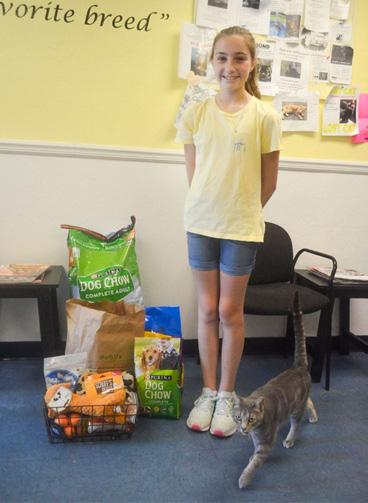
"We looked up what they were needing as donations on their website and shared that with her friends and their parents," Eckhardt wrote. "Abbie and I then delivered all of the donations to the Humane Society the following week ... It was a perfect way to celebrate her birthday and give to a charity she supports."
Similarly, Gainesville parent Erin Spiwak said that her son requested dog or cat food for his birthday.
“We then took it to the Humane Society and spent a couple of hours there playing and visiting with the animals,” she wrote. “It was so fun!”
As you plan a charity-themed celebration, one of the best things you can do is talk to your child. Ask them if they could help one person or thing for their birthday, who or what would it be — an animal, a friend, people who are like their grandparents?
This can foster open communication and brainstorming as well as encourage them to find ways to give back that relate to their personal interests, reinforcing the idea that charity can be fun!
Santa Fe College Teaching Zoo Pace Center for Girls Alachua
Child Advocacy Center or SWAG Family Resource Center: Ask the birthday guests' parents to contribute small bags with gifts that can be donated, like stuffed animals.
Retirement and assisted-living facilities like The Village at Gainesville, Trustwell Living at Hunters Crossing Place and The Gables of Gainesville. Call ahead for permission. Humane Society of North Central Florida: Drop off cat or dog food.
Research or call ahead of time to confirm what type of foods the locations accept; some only take non-perishables.
Bread of the Mighty, a Branch of Feeding Northeast Florida 325 NW 10th Ave. • Gainesville, FL 32601 breadofthemighty.org
Salvation Army
639 E. University Ave. • Gainesville, FL 32601 gainesville.salvationarmyflorida.org
Gainesville Community Ministry
238 SW 4th Ave. • Gainesville, FL 32601 topusadetails.com/details/gainesville-community-ministry-ChIJ81S
Gainesville Free Grocery Store
Donations accepted at Working Food Community Center
219 NW 10 Ave. • Gainesville, FL 32601 Tuesdays and Thursdays
10 a.m. - 2 p.m. gnvfgs.org/donate
Child Advocacy Center
500 E. University Ave. Suite A • Gainesville, FL 32601 childadvocacycentergainesville.org









BY KAELYN SCHMIDT
Designing a home for a family does not mean sacrificing style. It just means being intentional with the choices you make. The best family-friendly spaces are the ones that feel lived-in and comfortable, without requiring constant upkeep or anxiety over every spill and scuff. With the right materials, layouts and finishes, a home can look polished and still stand up to real life with kids.
It starts with choosing finishes that work as hard as you do. Performance fabrics are a game changer for family living. Today’s options feel soft and elevated but are designed to resist stains, repel moisture and clean up easily. Slipcovered sofas, tightly woven upholstery and darker or textured fabrics help disguise everyday wear while still looking intentional. Leather, especially in matte or distressed finishes, can also be surprisingly kid-friendly, aging gracefully instead of showing every mark.
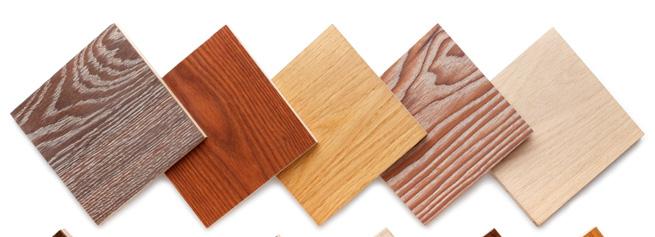
Flooring is another place where durability matters most. Hard surfaces like engineered hardwood, luxury vinyl plank or porcelain tile offer the warmth and style of natural materials with added resilience. These options stand up to toys, spills and high traffic without demanding constant
maintenance. Machine washable area rugs layered on top can soften the space, define zones and can be cleaned when needed.
Storage is the unsung hero of familyfriendly design. Built-ins, closed cabinetry and furniture with hidden storage help keep visual clutter at bay, making spaces feel calmer and more intentional. Thoughtful storage solutions allow toys, books and everyday essentials to be tucked away easily.
When it comes to furniture, scale and shape matter. Rounded edges, sturdy construction and solid materials go a long way in family homes. Coffee tables with soft corners, dining tables with durable finishes and benches instead of delicate chairs all offer flexibility and longevity. Choosing quality over quantity leaves space for movement, play and flexibility.

Walls and surfaces should be designed with forgiveness in mind. Washable satin or semigloss paint finishes allow fingerprints and scuffs to be easily wiped down. In kitchens and bathrooms, durable countertops, like quartz or porcelain, provide the look of stone without stress. These materials are nonporous, easy to clean and resistant to stains. Perfect for busy households.
Lighting plays an important role, too. Layered lighting allows spaces to shift from energetic daytime use to calmer evenings. Soft ambient lighting paired with task and accent lighting creates warmth and flexibility, allowing rooms to shift effortlessly between function and comfort.
Most importantly, family-friendly design embraces imperfection. A home with kids should feel comfortable, not precious. When materials are chosen thoughtfully and spaces are designed with intention, the result is a home that evolves with your family — one that looks good, functions beautifully and doesn’t ask you to choose between style and sanity.
Good design is not about creating a showroom. It’s about creating a space that supports real life and survives it, too.

BY CRYSTAL LADWIG, PH.D.
An Olympic medal is the ultimate award. It signifies an achievement that few experience: being the best in the world. For some, watching the Olympics is the beginning of a dream. For most, it’s something we can enjoy while cheering on our Olympians. The Olympics offers powerful lessons beyond medals that we can all learn from, lessons about perseverance, identity and redefining success.
In our small corner of the world, we typically think of athletes playing football, basketball, soccer or baseball, among other sports. That idea entails specific ideas about what athleticism is and which abilities matter most. This narrow view of athleticism and ability overlooks the diverse backgrounds, body types, learning styles and personal challenges athletes face. Athletes, whether Olympians or not, are illustrations of effort, discipline, adaptation and resilience. The development of these traits connects directly to everyday wins for all children.
Unfortunately, children with disabilities rarely see themselves represented in mainstream sports. Parents may find it helpful to introduce the Paralympics as a complementary global sporting event that celebrates excellence among individuals with disabilities. Still, there are other places to find these unique individuals. Many are surprised to learn of Olympians who experienced blindness, hearing loss, amputation and more, who also competed in the Olympic Games. Seeing athletes they can relate to compete at elite levels can help children build confidence, reframe limitations and imagine a broader future.
Watching the Olympics together is a great way to introduce new sports and new ideas to your children while enjoying family time. As you watch, talk about how Olympians set goals for their lives and work as a team with other athletes, coaches and support staff. See how they adapt when things don’t go as planned. Help your children relate those qualities to their own therapy, learning accommodations and emotional regulation. Ask questions, such as, “What strengths do you see in this athlete besides physical skill?” Watch profiles of Olympic athletes and ask your child to consider what this person overcame to reach the Olympic stage. As you do, reinforce that success looks different for each person. Yet there is a common theme of progress, practice and persistence toward which we can all strive.

Following February’s Olympic Games, the 2026 Paralympic Winter Games will be held March 6 – March 15. More than 650 athletes from more than 50 countries will compete in alpine skiing, biathlon, crosscountry skiing, ice hockey, snowboarding and curling. Watching these events with your child will provide an opportunity to encourage their interests without setting unrealistic expectations.
Emphasize joy, participation and self-growth over comparison as you affirm that every child’s journey, whether athletic or not, is worthy of celebration. The Olympic Games remind us that human potential is vast and varied. They provide those of us at home with a moment of connection, affirmation and hope, reminding us that every child is training for something meaningful.


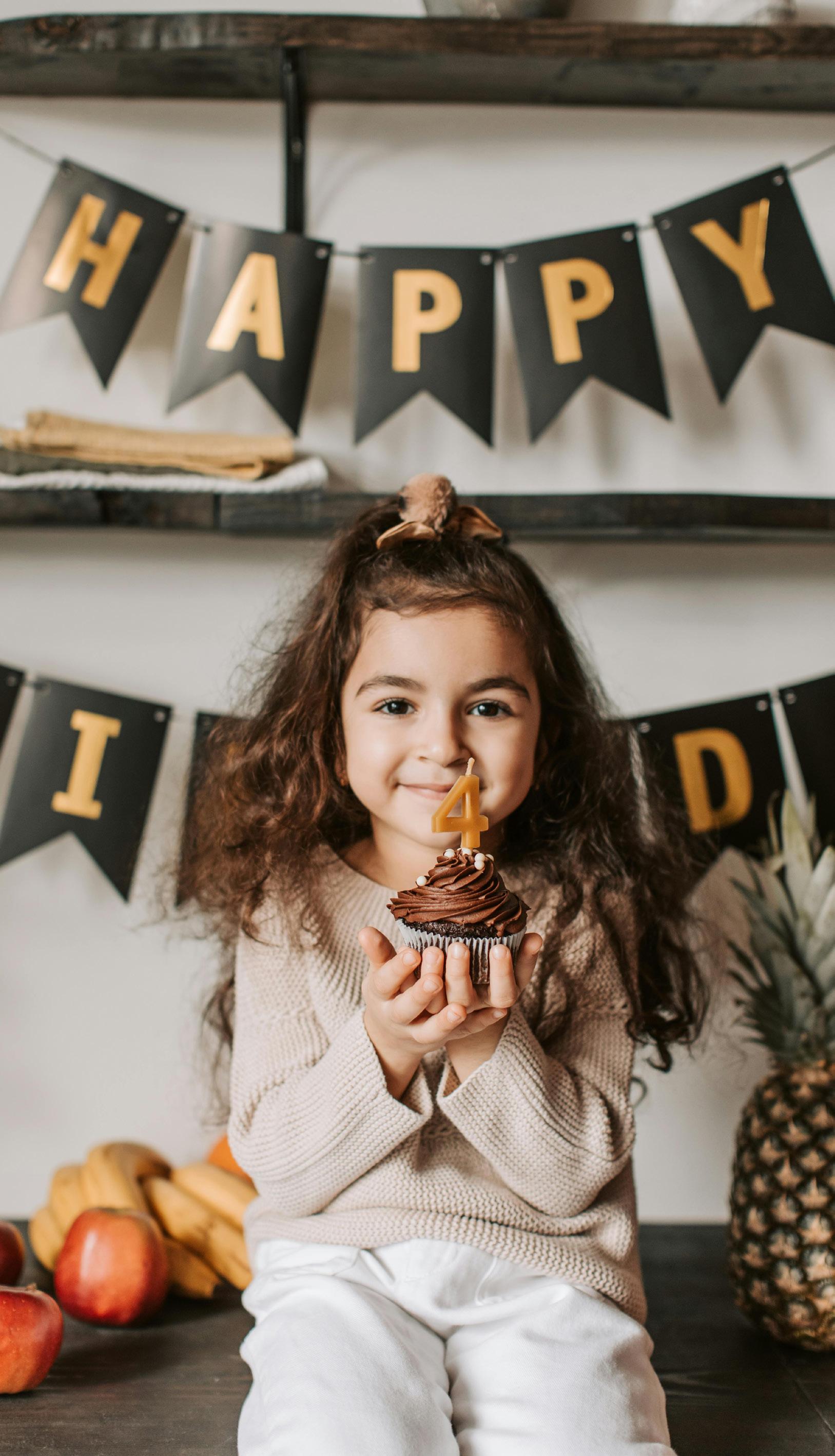
Your Baby’s Brain in the Making: Week-by-Week Fetal Development and Tips for Healthy Growth
Mealtime Messes: Why Letting Babies Get Dirty Is Good for Development
2-3
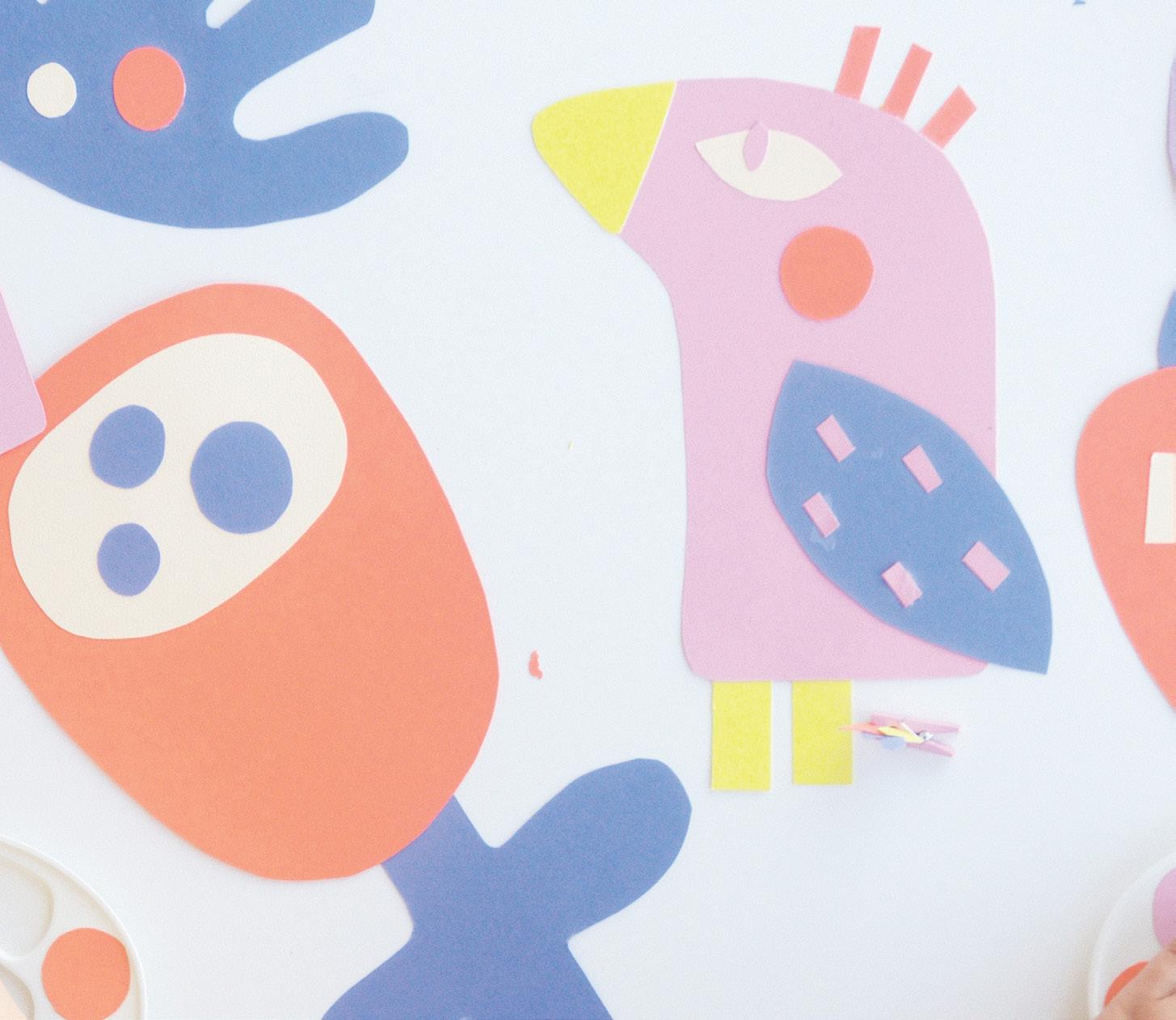
The Toddler Art Studio: Arts and Crafts Ideas That Don’t Require Talent or Prep
4-5
Why Kids Laugh and How to Use Humor to Diffuse Meltdowns
Raising Readers Who Want to Read
The Sibling Rivalry: Why It Changes in the Tween Years and What Parents Can Do
Helping Teens Find Their Voice: Volunteering, Activism and Leadership





{ PREGNANCY }
BY ALEXANDRA BURNS
Your child’s brain plays an integral role in their ability to survive, essentially controlling every function in their body, such as their heartbeat, ability to breathe and learning processes.
Even during pregnancy, the brain rapidly develops and directs key growth in the womb. But what does this brain development look like, and how can we boost and nurture its progress?
Following fertilization and the two-week germination stage, by week five of your pregnancy, your child is still considered an embryo.
But as the cells continue to multiply and the embryo matures, the five-week stage marks the start of the formation of the neural tube, which will later become the brain, spinal cord and neural tissues that make up the central nervous system, according to the Cleveland Clinic.
Health Tips
• According to England’s National Health Service, it is typical for you to experience food cravings at this stage of pregnancy to nourish you and your growing embryo. The health service recommends aiming to maintain a balanced diet at this point and talking to your doctor if you experience any out-of-theordinary, unhealthy cravings.
• Quit smoking and alcohol consumption, preferably before pregnancy. According to Northwestern Medicine, alcohol use during pregnancy is linked to learning disabilities, attention deficit disorder or aggressive behavior in children.
• Take prenatal vitamins including vitamin D, calcium, vitamin B12, zinc and iron.
By weeks six to seven of pregnancy, the embryo’s neural tube closes, meaning it folds and now completes a full tube. The brain is now separated into three sections: the front brain, midbrain and hindbrain, according to Flo Health.
Health Tips
• If you begin to feel unusual symptoms, such as intense itchiness across your whole body, be sure to talk to your doctor. Although it might not be anything serious, any odd symptoms are worth discussing with your midwife or doctor at this stage of pregnancy, according to England’s National Health Service.
• Consider taking folate, or folic acid, which can help babies form healthy brain cells, according to an article from Nested Bean.
The first trimester, which consists of weeks one to 13 of pregnancy, is key for fetal development, as the brain begins to grow rapidly, according to Flo Health.
After week seven, your child’s brain grows at a rate of about 250,000 neurons every minute, following the next 21 weeks, according to the women’s health and digital period tracker company. Electric impulses can also be detected on an ultrasound at about eight weeks of pregnancy, demonstrating brain function. Your child will be considered a fetus by week nine of pregnancy.
During the first trimester, your fetus’s brain makes up about half of its total weight, compared to a 10% when it's born, as stated in Flo Health. This is because the first trimester marks neuron growth and synapses that lead to movement and development.
• At this stage of fetal development, it is typical for the mother to feel nausea and exhaustion. According to England’s National Health Service, “super snacks” such as these can improve energy levels and reduce morning sickness: – Hummus and carrot sticks
– Pita bread and cheese – Boiled egg
• According to the health organization, it is advised to follow these cautionary steps during this stage of pregnancy:
– Avoid individuals with chickenpox, Zika virus or rubella, which can harm brain development.
– Do not empty your cat’s litter; ask your partner or a friend to do it for you. The feces can release a toxic chemical that could be harmful to the fetus.
The second trimester marks the start of brain-directed development. Your fetus’s brain stem will create messages that cause the chest muscles to compress and the diaphragm to move, which is considered “practice breaths,” according to Flo Health.
As the second trimester comes to a close, the brain stem, which is right above the spinal cord, will be almost completely developed.
Around this time, you might also begin focusing on reading or singing to your baby, as its nervous system allows it to hear loud noises. This may lead to jerks as your baby is startled by noise or wakes up from sleep.
• At week 20, your baby’s cerebrum begins to develop, meaning its ability to detect the five senses starts to form, according to the Cleveland Clinic.
• As stated in an article from the Mayo Clinic, reading to your child in the womb can improve their brain development, lead to parent-child bonding and influence language skills.
• According to the American Pregnancy Association, here are some tips to ease pregnancy symptoms and improve the development of your child:
– If interested, seek out tests to rule out congenital abnormalities, which can be done between weeks 15 and 18, and consider genetic screening if your pregnancy is high-risk.
– Begin sleeping on your side, which reduces pressure on the fetus.
– If you have a partner, ask them to provide a massage before bed, which can increase relaxation and make it easier to sleep if uncomfortable.

The third trimester marks intricate brain development, such as the creation of grooves and ridges on the cerebrum, which will separate into the left and right brain, according to Flo Health.
The cerebellum, which deals with motor control, now becomes the fastest-growing part of the brain, according to the health organization. This is why you will begin to feel more intense movements, like kicking from your child.
During this trimester, your child’s brain triples in size, going from 3 ounces to 11 ounces by birth, as stated by Flo Health.
to the Cleveland Clinic:
• Week 28: Your child begins to experience brainwaves during sleep, meaning it can now enter REM sleep and dream.
• Week 30: The brain grows rapidly, which now allows the fetus to maintain its body heat.
• Week 33: Though at this stage your child’s bones begin to harden, the cranial bones, or bones around its brain, remain soft to prepare for delivery through the birth canal.
• Week 35: The brain weighs about 2 /3 of what it will weigh by birth, meaning it is still rapidly growing before the 40th week. Most essential brain functions required for viability, such as breathing and heart control, are finished.
According to the Health Service Executive, the tips below can help guide you in nurturing your fetus’s brain growth:
• Play music, talk or sing and stroke your bump. These small actions can lead to bonding, which can, in turn, improve your child’s brain.
• Receive vaccinations such as the flu and COVID-19 vaccine. Infections can be harmful to your baby’s brain.
• Be mindful of harmful chemicals, such as those in cleaning and makeup and hair products.
• Maintain stress levels.



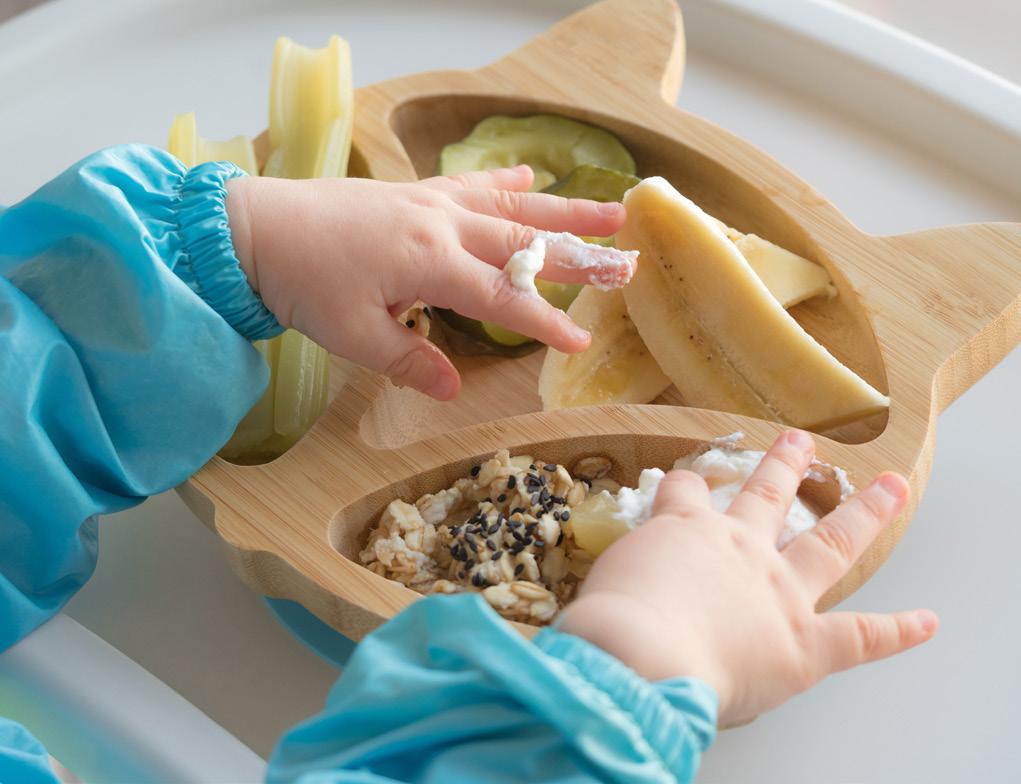
BY ALEXANDRA BURNS
For parents, mealtime often means chaos and cleanup — pureed carrots on the ceiling, spaghetti noodles up your child’s nose, a tiny fist full of sliced green beans.
But you might want to reconsider rushing over with the wipes after every bite. Research and parent perspectives indicate that embracing the messiness can enhance your baby’s cognitive, motor and sensory development.
Messy food play can be best defined as encouraging your child to discover different smells, textures and tastes through playing with their food, according to Sheffield Children’s NHS Foundation Trust, which can lead to a bit of disarray.
Allowing your child to experiment with their food, meaning they might have to smear it across their face or crush it in their hands, can improve their motor skill development by supporting the use and focus of their hands and movements.
According to an article from the Boston Ability Center, behaviors as simple as picking up a tiny piece of fruit with their fingers or pulling apart green beans can help to strengthen finger and hand muscles, therefore improving hand-eye coordination and dexterity. This can come in handy as your child grows up and
moves to elementary school, enhancing their ability to write, dress themselves and perform intricate tasks.
Mealtime Messes Can Aid in Creativity and Sensory Development
Allowing your child to “play” with their food can offer an opportunity to engage in pretend play, showing curiosity while touching foods such as mashed bananas or sweet potato. An environment that promotes imagination, especially with food, can improve the overall mealtime experience for the whole family, according to the Boston Ability Center.
Exploring food can also play an integral role in your child’s sensory development by introducing them to new textures, smells and tastes. According to Child and Family Development, research has shown that for your baby to be comfortable with certain food textures and flavors, they need repeated exposure to them.
Mealtime messes and food play can take the pressure off of eating, transforming it into less of a controlled “you have to eat this” environment, into something enjoyable and exploratory for your child.
According to Empower Kids Therapy, food play can remove the stress of new foods and establish curiosity around trying new meals. This, in combination with the ability to discover new senses, can decrease the likelihood of a large range of strong food dislikes and sensitivities.
According to Sheffield Children’s NHS Foundation Trust, it is recommended that food play be kept separate from mealtime. As advised by the hospital, this can be done by placing puree on your child’s food tray and adding hard plastic toys like teethers. You and your child will then explore the objects together, allowing them to get a sense of different textures and movements.
As you play with the puree and objects together, communicate with your child. If they are unable to speak, point out the objects, laugh or make sound effects. For older children, if they can form words or phrases, play pretend together or ask them to describe what they feel.
According to an article from Thrive Together, this open communication during food play can help your child learn how to “apply descriptive language,” an important skill to have in everyday life.
To avoid having to mop the floor after every meal or food play experience, consider using a silicone food catcher bib. A large rubber mat can also be placed underneath your child’s feeding chair, helping you to save time and energy during the clean-up process. The mat can be rinsed down after every meal and any scraps thrown away.
Utilizing simple food play methods like these can prevent damage to your home while allowing your child to experience the joys of getting dirty.



S U M M E R 2 0 2 6 S U M M E R 2 0 2 6

6 W E E K S O F U N i Q U E S U M
6 W E E K S O F U N i Q U E S U M
INDEPENDANCE

by & Me by & Me m m M ndays





2-3 YEARS }
BY ALEXANDRA BURNS
At times, planning arts and crafts projects for your kids can feel overwhelming — expensive materials, time-consuming preparation and exhausting cleanup.
To get you started with an afternoon of low-energy activities, here are some beginner-friendly and easy-to-set-up art projects that will leave your child feeling accomplished and proud of their creations.
For children who have demonstrated a passion for colors, hands-on activities and creating their own designs, window chalk art might be the perfect craft to keep them occupied for hours.
All you need is a package of window chalk, which can be purchased online on Amazon or at stores like Target and Walmart for $5 to $23. Children can use the window chalk on a mirror or their bedroom window, yet place a mat down if there is a carpet floor, or outside on a sliding glass door.
If your child requires slightly more stimulation, consider turning the noodle creation activity into a game. Offer a theme for the design — create a cat or a candy cane. This is a great way for your child to become familiar with different shapes and tune their fine motor skills by using intricate hand and eye movements.
For children who enjoy experiments, salt painting offers a combination of art and science that won't require hours of preparation and utilizes materials you most likely already have at home.


Gather a paper plate or cardstock, white glue, table salt, a paint brush and watercolors. Your child will then squeeze the glue in whatever design they prefer onto the paper and shake salt onto the glue. Then, have your child grab a paintbrush and watercolors and paint over the glue lines.
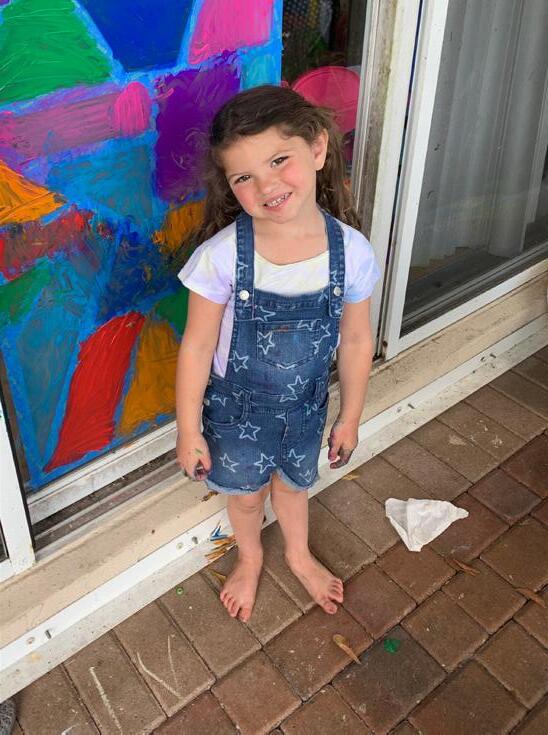
Window chalk offers full creative freedom — paint a pink cat, doodle polka dots or draw a family portrait. If you have the time, you can also place painter's tape on the window, allowing your child to create a mosaic-like design with clean lines.
Grab a box of noodles, preferably smaller ones like Macaroni or Farfalle, and spread them out on a table or hardwood floor. Allow your child to do as they please with the noodles, but the one goal is to create something of their own! They can turn the noodles into a heart, smiley face or a simple blob of pasta.
The course salt and vibrant colors create a stimulating sensory experience for your child by providing different textures they can run their fingers across.
Sometimes, all children want is a little bit of whimsy in their lives. In your backyard or a park, provide your child with plastic cups, bottles, bowls or dishes. Ask them to make a series of potions, and be creative — a potion that will allow them to fly, a potion to run really fast or a potion that provides mind-reading powers.
DIY potions provide an activity for your child to practice using their imagination and improve their creativity. The experience will require your child to explore an outdoor space to find natural objects that can be used as ingredients in their potions, such as pieces of grass, flowers, pool water, pebbles or sand.
This form of pretend play can aid as a tool for educating your child on how to create fun on their own, especially during moments of boredom.
According to the Child Mind Institute, pretend play can improve a child’s executive functioning skills by teaching them how to problem solve and disengage real-life from make-believe. Children who consistently play pretend have also shown improved skills in short-term memory, flexible thinking and the ability to reach a goal, according to the article.
*Always supervise children while doing crafts.
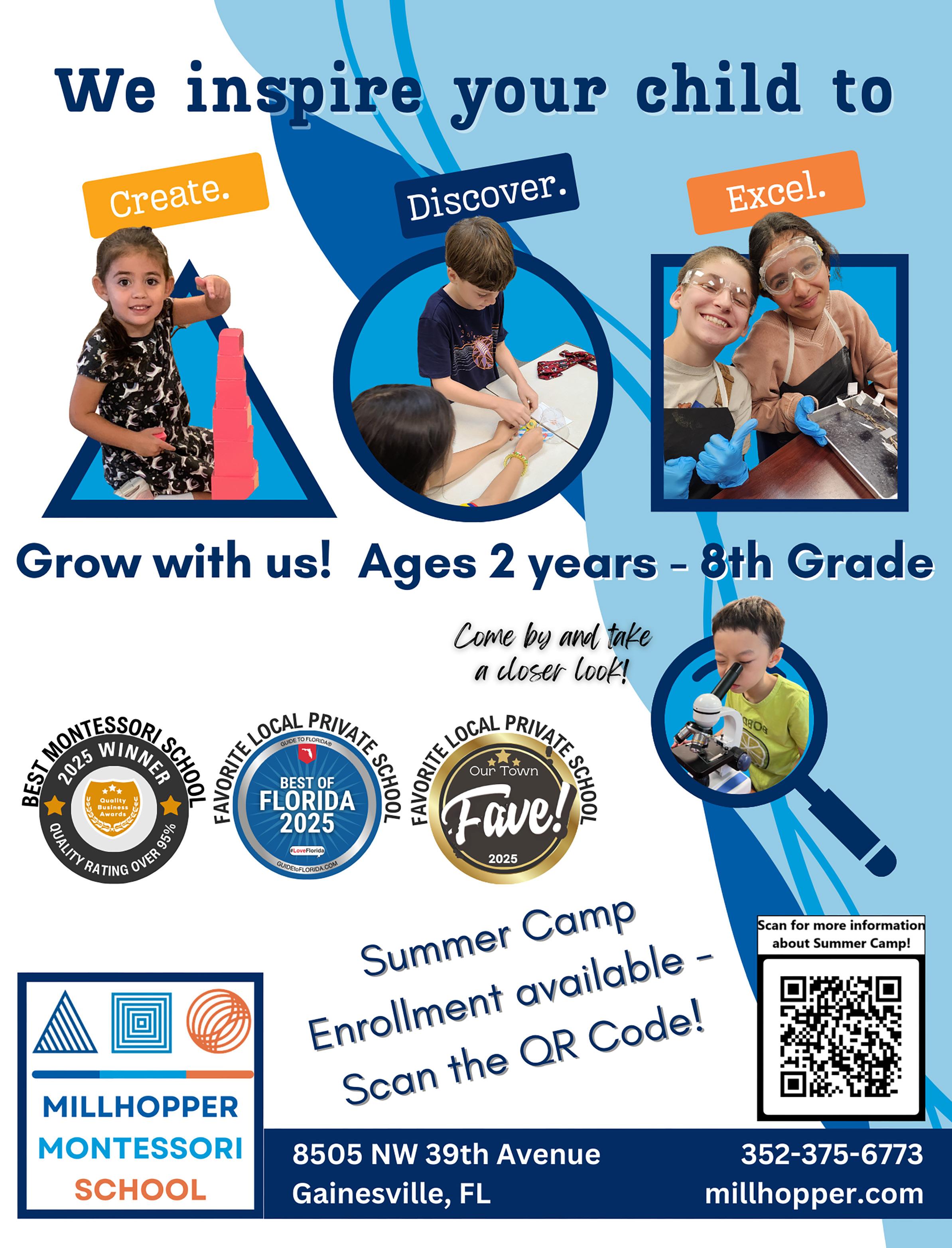
{ 4-6 YEARS }
BY ALEXANDRA BURNS
The average 4- to 6-year-old laughs about 300 times a day, according to Psychology Today. This belly laugher is often what we look forward to most in the day — our main goal is to make a smile flash across their face.
Research shows that humor can also help to reduce meltdowns in your toddler, helping them to resort to laughter instead of tears or anger when faced with an issue or frustrating situation.
When we see a baby or toddler laugh, we often assume it is because they find our behavior amusing or are simply filled with joy at that moment. Although this can be the case, science shows that children’s laughter is associated with specific cognitive, social and communicative processes that are monumental in their development.
Dr. Krystal Bittar, a pediatrician at UF Health Pediatrics and a clinical psychologist licensed in Florida with more than 10 years of experience, said that in children ages 4 to 6, laughter can be a regulatory or communicative response to a range of emotions, sensory experiences and social situations.
“Children may laugh in response to anxiety, emotional overload, sensory stimulation or uncertainty, as laughter can function as a self-regulation strategy or a way to manage arousal when internal states feel overwhelming,” she said.
This means a child might frequently laugh during stressful, nerveracking, embarrassing or confusing situations even if they are not necessarily amused or joyful.
Laughter at ages 4 to 6 is also considered a partly learned behavior, meaning children during this developmental stage will most likely mirror the laughter they witness around them — from friends, parents and caregivers — during various emotional situations.


“If caregivers frequently laugh when anxious, during conflict, when embarrassed or overwhelmed, then children may learn that laughter is an acceptable or effective way to manage emotional arousal,” Dr. Bittar said.
Your child’s age can affect the topics or actions that lead to amusement or laughter. According to We Are Family, a child aged 3 to 5 will find nonsense or unexpected things humorous, meaning they will begin to play with words, rename items or people or distort objects.
When attempting to find ways to make them laugh, consider pretending that their food is an out-of-the-ordinary item like a spaceship, or create nicknames to replace the titles of around-thehouse objects.
By age 6, children begin to gain a stronger grasp of humor, understanding what exactly is funny and when to laugh. According to Optimist Daily, this is a form of cognitive development and allows them to learn how to point out inconsistencies, feel surprise and solve certain situations with laughter. This means that to spark laughter, consider making knock-knock jokes with punchlines or playing harmless pranks, according to We Are Family.
Laughter can also be a social tool, serving as a learned socialcommunication behavior to “support belonging” and a way for children aged 4 to 6 to seek attention and fit in with their peers, Dr. Bittar said.


Research and online parental feedback show that humor can be used to comfort your child during stressful situations or to prevent further intensification of a meltdown.
According to an article from Nurtured First, laughing and playfulness can work as a distraction, helping to “shift” your child’s attention. For example, if your child starts a tantrum because they do not want to go to bed, consider asking them to demonstrate their best fake snores or a slow-motion walk into bed. As described in the article, this is a wonderful way to use playfulness to send the situation in a different direction.
Humor can also teach your child to laugh at themselves when they make a mistake rather than to feel embarrassed or frustrated. For instance, if your child accidentally knocks something over or spills their food, laugh with them before cleaning it up together.
Fear, pain and frustration activate the sympathetic nervous system, which leads to an increased heart rate, muscle tension and stress hormones. Laughter can counteract this process and lead to slower breathing, reduced muscle tension and endorphin release, Dr. Bittar said.
“Meltdowns often escalate because the child’s nervous system becomes ‘stuck’ in a high-arousal loop,” she said. “Laughter can act as a pattern interrupter, briefly redirecting attention and altering emotional momentum.”
Dr. Bittar also explained how, during behavior therapy, parents are often taught to help “distract” or “redirect” children during these meltdowns — including using laughter to prevent a meltdown or redirect a child before they escalate.
Some treatments also coach parents on using laughter to show joy, helping to model appropriate emotional responses to their children, she said.
“For example, if something sad is happening in the family context, parents are encouraged [to] use statements labeling the feeling as a way of teaching children emotional expression and emotional literacy,” Dr. Bittar said.
Laughter and humor can play a significant role in calming down your toddlers and helping them understand how to regulate their emotions, bond with caregivers and create social connections. The next time you visit the pediatrician or a licensed mental health professional, consider asking them about forms of play therapy or laughter-based behavior therapies.

BY COLE PURVIS
There’s a moment many parents recognize: your child finally cracks the reading code. They sound out words, finish early readers with confidence and proudly announce, “I can read by myself now.” It feels like a win … until the nightly request to read together starts fading, and books quietly compete with screens, sports and everything else vying for attention.
Learning to read is a milestone. Loving to read is a habit. And research shows the two are not the same.
Once kids become fluent readers, reading can shift from something magical to something expected. School assignments, reading logs and comprehension quizzes sometimes replace curiosity and enjoyment. According to the Scholastic Kids & Family Reading Report, many children report enjoying reading less as they get older, even though parents continue to value it just as highly.
That decline matters. Reading for pleasure is strongly linked to better vocabulary, academic outcomes and long-term literacy. The challenge for parents is keeping books joyful rather than obligatory.
One of the strongest predictors of reading engagement is autonomy. Literacy researchers consistently find that kids are more motivated to read when they get to choose what they read. According to the National Literacy Trust, children who read for pleasure are significantly more likely to read frequently and feel confident in their reading abilities.
That means comic books count. So do graphic novels, joke books, sports biographies and fantasy series that stretch for 600 pages. The goal isn’t to curate the “perfect” bookshelf. It’s to help kids discover that books can reflect who they are and what they love.
Kids notice more than we think. When adults read or listen to novels, cookbooks, newspapers or audiobooks, it sends a powerful message that reading is a lifelong activity, not just homework. The American Academy of Pediatrics encourages parents to model
reading behaviors, noting that shared reading and visible adult reading habits support language development and long-term literacy.
That can be as simple as setting aside 15 minutes where everyone reads their own thing. No discussion required. Just shared quiet and pages turning.
Many parents stop reading aloud once kids become independent readers, but research suggests that continuing to read aloud has benefits well into elementary and middle school. Reading aloud exposes kids to richer vocabulary, more complex stories and emotional nuance they might not yet access on their own.
It also preserves connection. According to reading researchers, shared reading supports comprehension, empathy and engagement — especially when parents pause to ask open-ended questions or let kids lead the conversation.
Helping kids see books as part of their world makes reading feel relevant. If they love animals, visit the library after a trip to the zoo. If they’re into cooking, try kid-friendly recipe books together. If a story sparks questions, follow the curiosity.
Educators note that when reading connects to lived experiences, kids are more likely to stay engaged and curious.
At its core, keeping kids excited about books means protecting reading from becoming only about performance. Praise effort, interest and curiosity rather than speed or level. Let reading be funny, weird, emotional and comforting.
When kids associate books with choice, connection and enjoyment,


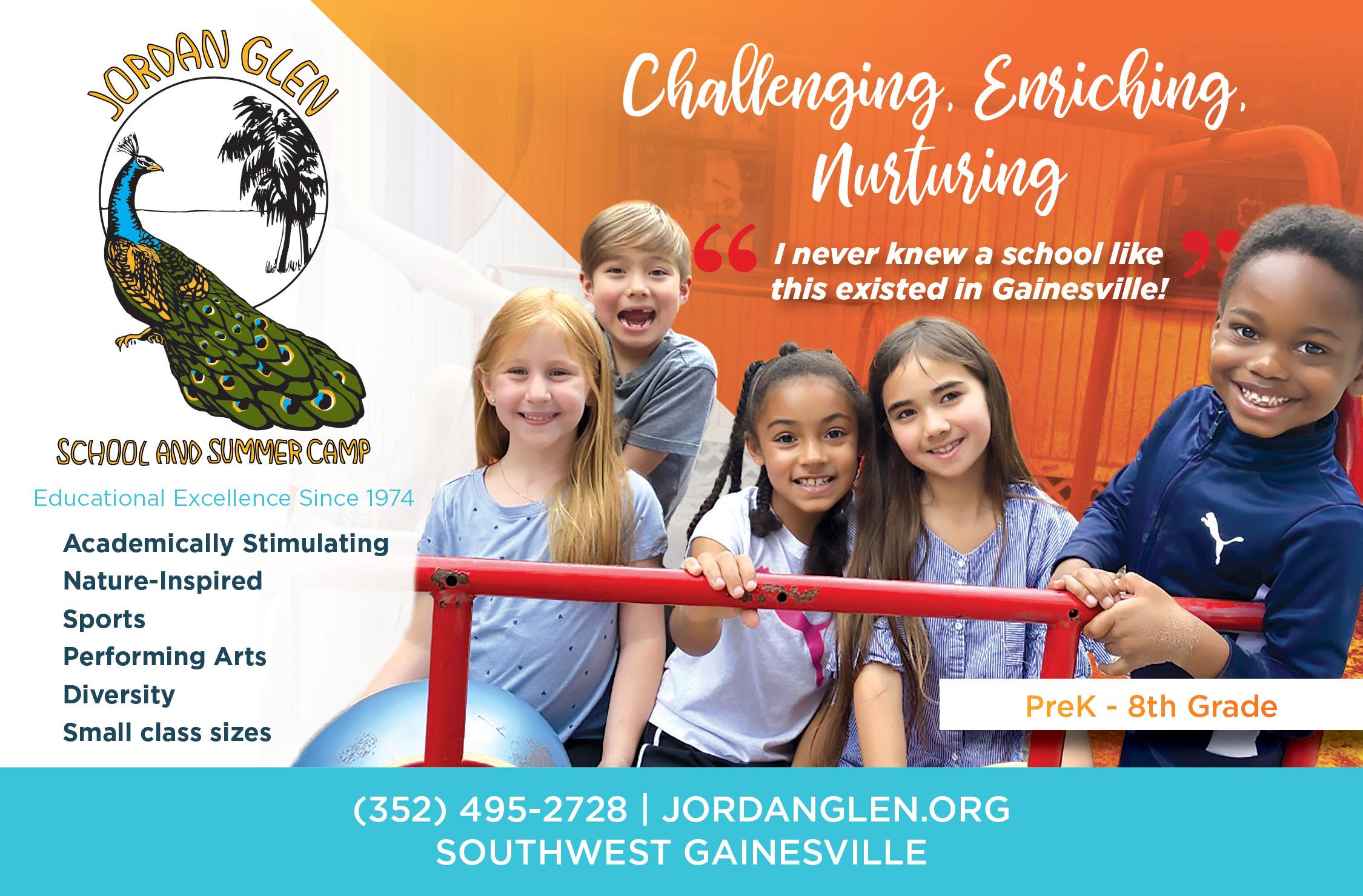
{ 10-13 YEARS }
BY COLE PURVIS
If you’ve lived through the “Why does she get more screen time than me?” fights or the “He touched my stuff!” battles, you know sibling relationships are a ride. They twist and turn from giggles and games in early childhood, to full-blown arguments over who gets the front seat, to that tender adult moment when siblings suddenly text each other memes at 2 a.m.
For most families, the tween years (roughly ages 9 to 13) feel like peak chaos before calm. This stage is a turning point for sibling rivalry. And understanding why things heat up can help parents not just survive but steer those relationships toward something healthier.
At its core, sibling rivalry is competition or conflict between brothers and sisters who share the same family environment. It’s a normal part of growing up that often reflects kids’ needs to get attention, define themselves and negotiate fairness and resources within the family. According to Nationwide Children’s Hospital, rivalry can show up as arguing over toys, competition for friends or grades and frequent bickering as kids get older.
Developmental research shows that sibling conflict often peaks in early adolescence. Children aren’t just fighting, they’re also navigating complicated emotional worlds, carving out identities and adjusting to expectations for independence. A review in Child Development Perspectives found that conflict frequency increases as siblings move into adolescence, partly because both older and younger children are more cognitively mature and more sensitive to fairness and personal boundaries.
This isn’t just theory. Longitudinal studies tracking families over time show real patterns. One study published at the U.S. National Library of Medicine found that sibling conflict in middle childhood predicted increases in anxiety, depressed mood and even delinquent behavior in early adolescence — above and beyond the effects of parenting style or marital conflict. That means these sibling interactions have real emotional impact, not just noise in the background.

But sibling relationships aren’t all conflict. Research also finds that siblings can be powerful sources of emotional support. Studies tracking adolescents aged 11 to 15 showed that perceived support from a sibling is linked to lower levels of externalizing problems and better emotional adjustment over time. When siblings see each other as a source of encouragement instead of just competition, both kids benefit.
• Listen more than referee.
According to child development advocates, part of your job is teaching conflict resolution, not just stopping conflict. When appropriate, let kids speak for themselves, calm down and work through disagreements — but with boundaries you set.
• Don’t compare. Celebrate uniqueness.
Parents unintentionally fuel rivalry when they label or compare kids. That often leads to increased tension and a sense of competition. Celebrate each child’s strengths instead.
• Offer one-on-one time.
When each child feels seen, they’re less likely to compete for attention. Even small routines, like a Saturday coffee date or a quick after-school check-in, matter.
Finally, remember this: Sibling rivalry definitely shifts through the tween years, but it’s also an opportunity. Many of those arguments are where kids learn empathy, compromise and how to stand up for themselves without tearing others down. As your children grow, guided rivalry can turn into respect and even lifelong connection. It’s loud, it’s messy and, yes, it might make you want a nap, but you’re not doing it wrong.
You’re parenting through the change.

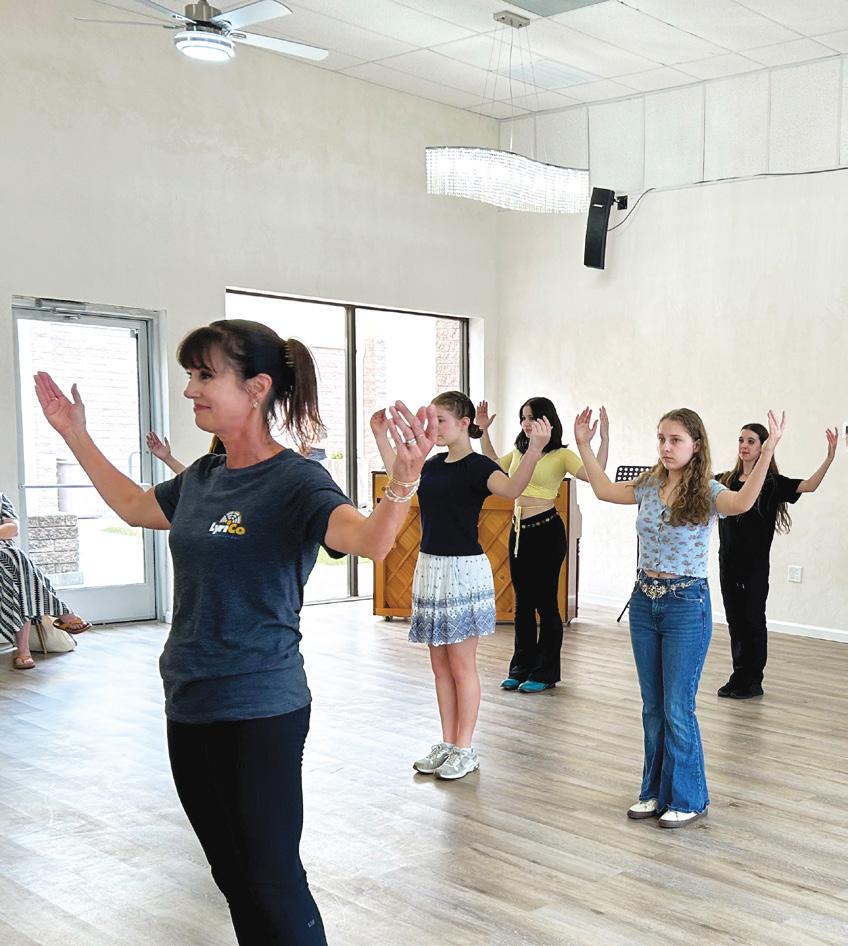


BY COLE PURVIS
Adolescence is a time of growing independence, emerging values and a search for purpose. For many teens, volunteering and civic engagement aren’t just “nice to do,” they become powerful ways to shape identity, develop agency and build lifelong habits of engagement. Studies show that teens who volunteer regularly are more likely to experience positive health, academic and social outcomes compared with peers who don’t engage in community service. According to a large study published in Journal of the American Medical Association (JAMA) Network Open, adolescents who volunteered had significantly higher odds of flourishing, better self-reported health and fewer behavioral problems than those who didn’t volunteer.
Builds Confidence and Skills
Volunteering puts teens in real-world roles where they learn responsibility, follow through on commitments and interact with a spectrum of people. Youth often develop better communication, collaboration and problem-solving skills — all hallmarks of leadership. A scoping review of research from Health Promotion International on adolescent volunteerism found that participation improves social, cognitive and vocational competence, increases conflict-resolution capacity and strengthens relationships with peers and adults.
Hands-on service also gives teens a chance to lead projects, organize events and take ownership of outcomes. These experiences help transform abstract leadership concepts into lived skills that transfer into school, work and community life.
Cultivates Empathy and Social Awareness
When teens work with people facing different life circumstances, they gain insight into social issues and human diversity. Volunteer roles at food banks, shelters or environmental clean-ups expose adolescents to varied perspectives, fostering empathy, compassion and a deeper understanding of community needs.
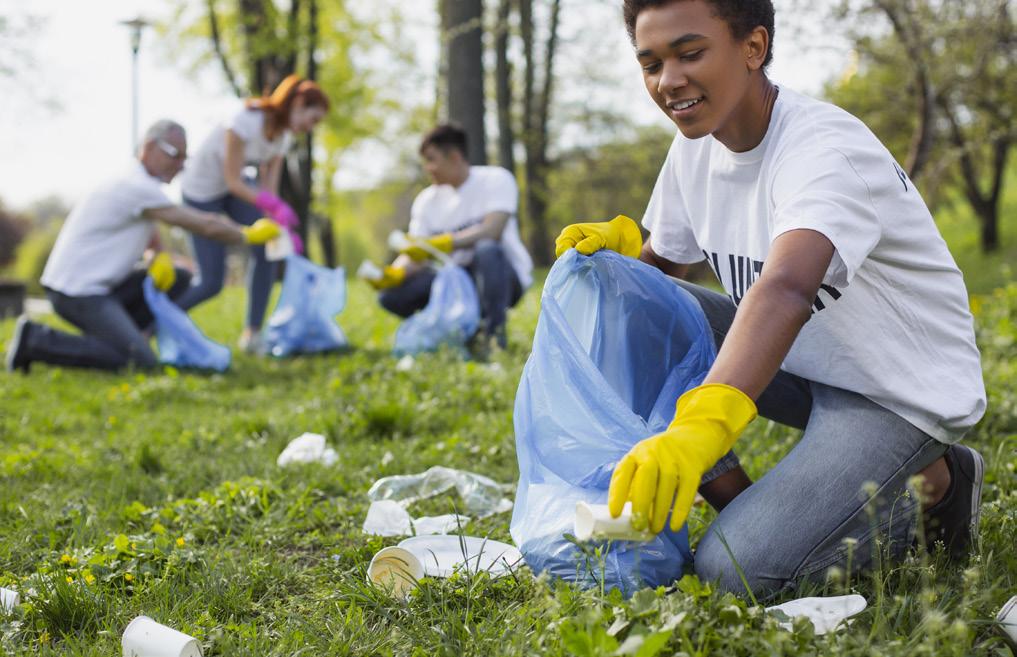
These experiences don’t just build heart. They build awareness. Research indicates that teens engaged in civic activities show higher civic knowledge and are more likely to participate in democratic and community activities into adulthood.
Supports Mental Health and Well-Being
Teens juggling school, social life and future planning often feel overwhelmed. Volunteering can provide a grounding sense of purpose and belonging. According to JAMA Network Open, volunteering was associated with fewer behavioral issues and better overall well-being among adolescents.
Purpose-driven activities help teens see the tangible impact of their efforts — something that can reduce stress and enhance resilience.
Activism and leadership often grow naturally from meaningful service. When teens advocate for causes they believe in, whether through campaigns, environmental action or social justice initiatives, they begin to find and amplify their voice. Programs that support youth engagement and leadership, ranging from service-learning projects to youth councils, encourage teens to identify problems, propose solutions and hold decision-making roles in real settings.
Organizations like Youth Service America, which promotes youth service and youth voice across communities, create pathways for teens to take on leadership roles that matter.
Help your teen find causes that resonate with them. Support their participation in community service clubs or local nonprofits. Encourage reflection on what they’re learning and how these experiences connect to their values and future goals.
It’s okay to start small. Even regular weekend volunteer sessions can spark curiosity, strengthen confidence and set teens on a path toward a lifelong sense of purpose and civic engagement.
When young people volunteer with intention, they don’t just help their communities. They learn who they are, what they stand for and how much influence their voice can have.

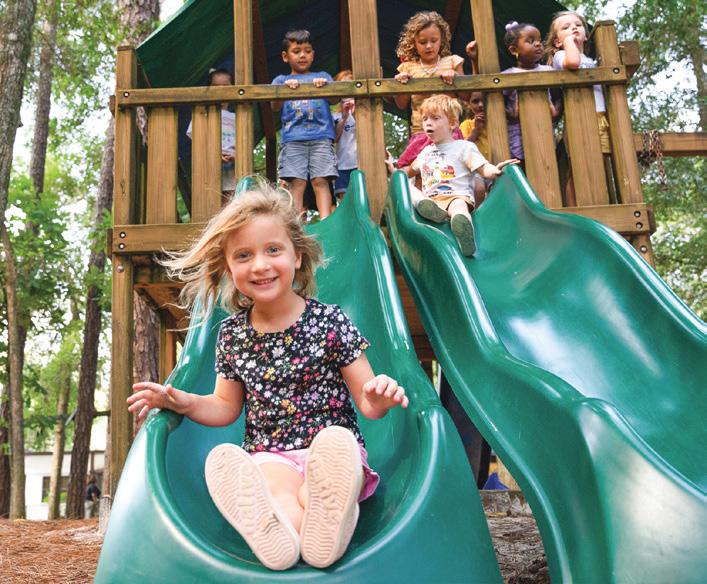
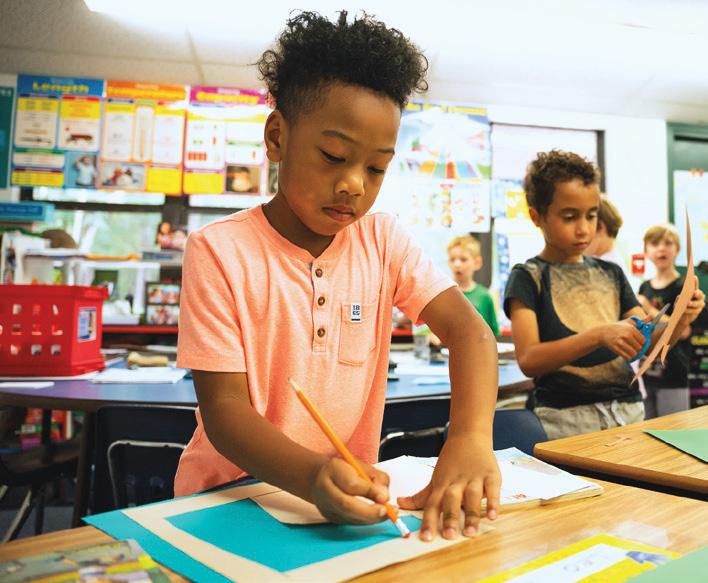
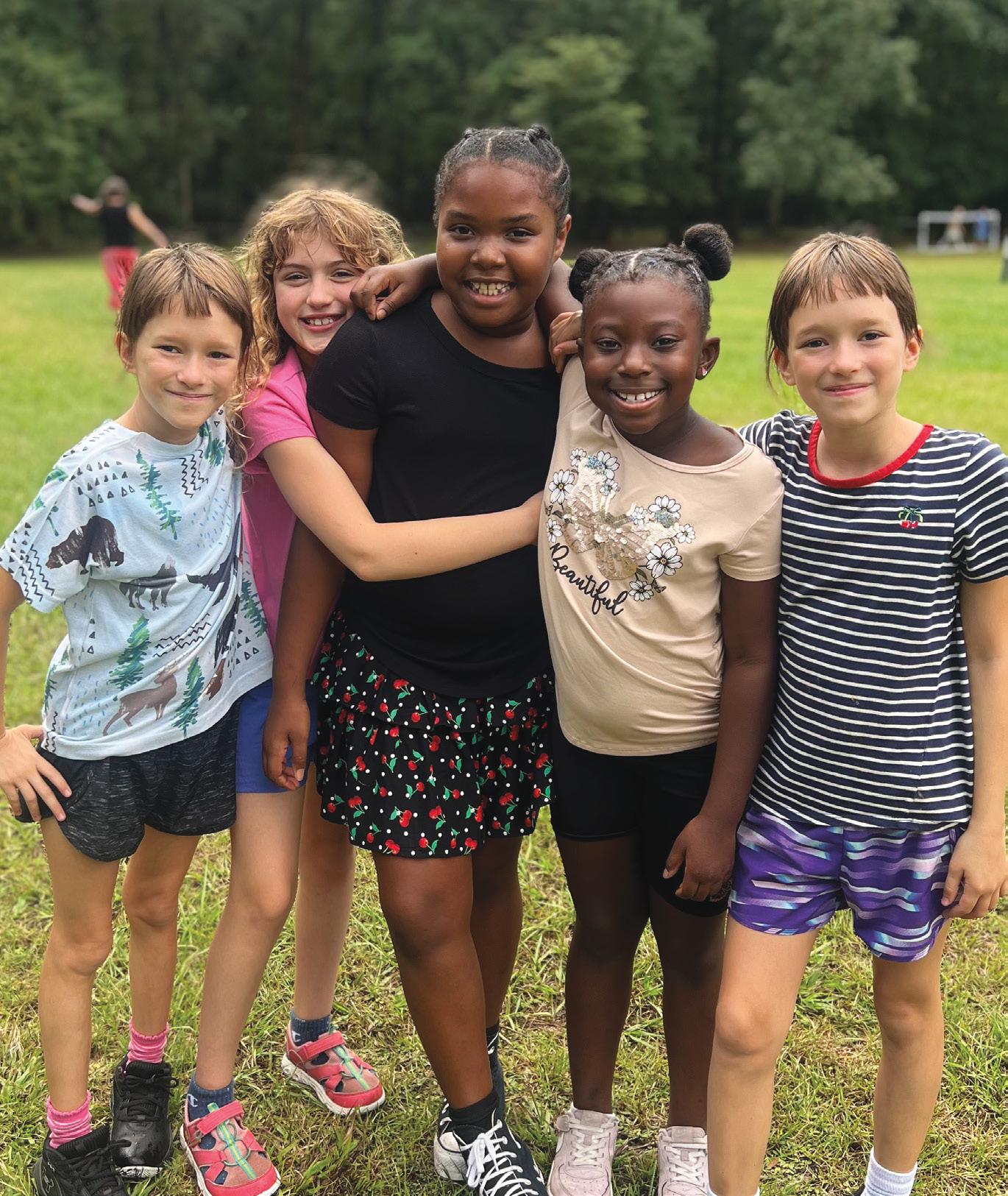
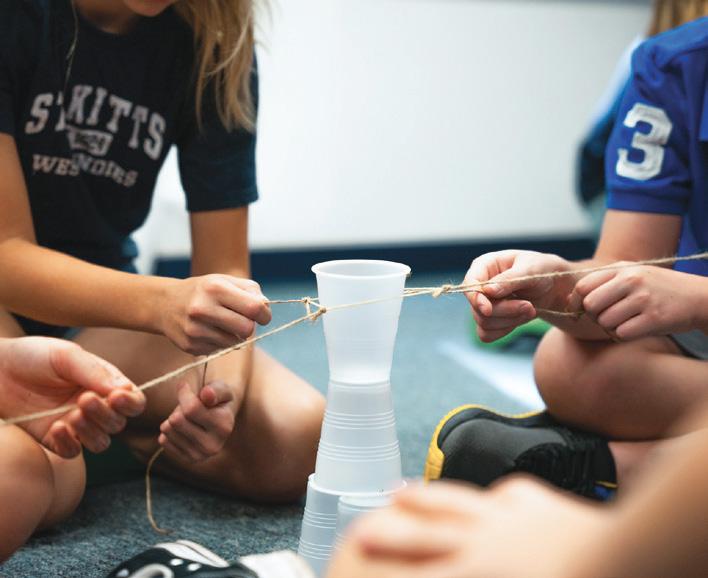

NOW THROUGH MAY
Sweetwater Wetlands Park
Wednesday Bird Walks
8:30 a.m. | Sweetwater Wetlands Park alachuaaudubon.org
Tour the Sweetwater Wetlands Park for 2 to 3 hours to view a variety of birds and wetland species. Because of the park’s open prairie and cypress domes, viewers can expect rare birds that migrate for the winter and spring months. This event repeats every Wednesday. (Free, $5 parking)
NOW THROUGH MAY
Living History Days
9 a.m. - 1 p.m. | Morningside Nature Center gainesvillefl.gov
Travel back in time to feel what it was like to live on a farm in the 1870s. Experience a rooster waking you up instead of an iPhone alarm and enjoy nature alongside a few farm animals. This event repeats on the first Saturday of the month. (Free)
NOW THROUGH MAY
Barnyard Buddies
3 - 4 p.m. | Morningside Nature Center gainesvillefl.gov
At the Living History Farm, visitors interact with farm animals and help staff feed them apples, sweet potatoes and melons, all of which can be donated.
This event repeats every Wednesday. (Free)
Haile Farmers Market
8:30 a.m. - Noon
Haile Plantation hailefarmersmarket.com
Head out to Haile to enjoy fresh, local produce, meats, honey, oils and more!
This event repeats every Saturday. (Free)
The Home Depot Kids Workshop
9 a.m. - Noon
Gainesville Home Depot Store Locations homedepot.com
Visit your local Home Depot for a kids workshop while supplies last!
This event repeats on the first Saturday of every month. (Free)
7:30 - 9 a.m. | Depot Park parkrun.us/depotpark
A free, weekly community 5k!
This event repeats every Saturday. (Free)
Art After Dark
5 - 9 p.m.
Harn Museum harn.ufl.edu
Enjoy the Harn Museum’s extended evening hours with activities, entertainment, refreshments and art exhibits.
This event repeats every Thursday. (Free)
Wednesday 9:30 - 11:30 a.m.
Friday 9:30 - 11:30 a.m. | Saturday 3:15 - 5:15 p.m.
Sun Country Sports Center - West suncountrysports.com
Stay and Play is a safe and fun environment for kids 5 and under and their parents. Kids will enjoy open play and obstacle courses. This preschool gym offers equipment especially designed for your little ones. (West location only).
This event repeats every Wednesday, Friday and Saturday.
4 - 7 p.m. | Cypress & Grove Brewing Co. grovestreetfarmersmarket.com
Enjoy fresh eggs, organic fruits and vegetables, meats, honey, dairy, artisan-crafted foods and products and more at Grove Street Farmers Market.
This event repeats every Monday. (Free)
11:30 a.m. - Noon | Sun Country Sports Center - West suncountrysports.com
Come for some extra time in the pool to improve your skills! Available for children ages 3 and up. (West location only).
This event repeats every Saturday.
Noon - 12:55 P.M. | Sun Country Sports Center - West suncountrysports.com
Learn the ways of the ninja. Available for children ages 3 and up. (West location only).
This event repeats every Saturday.
12:20 - 1:15 p.m. | Sun Country Sports Center - West suncountrysports.com
Participate in gymnastics classes divided by age and skill level. Gym Jam is available for children ages 5 and up. Gym Jam Junior is available for children aged 3 years 9 months to 5 years. (West location only).
This event repeats every 2nd and 4th Saturday of the month.
10:15 - 11:00 a.m.
Cade Museum for Creativity & Invention cademuseumorg
Little Sparks is a fun and interactive program that introduces littles (ages 0-5) to science concepts through music, dancing, crafting, story time and more. Each child will receive a personal Little Sparks kit with all of their own supplies to extend the fun and learning at home.
This event repeats every Thursday, Saturday and Sunday.

SUNDAY, FEBRUARY 1
19th Annual Souper Fun Sunday
1 - 3 p.m. | St. Francis Catholic Academy sfcawolves.org
Join local celebrity judges and more than 900 attendees in the 19th annual soup tasting competition. Nearly 30 restaurants will participate in different categories, including seafood, non-seafood, vegetarian, people’s choice and best decorated table.
FRIDAY, FEBRUARY 6
RMHCNCF Annual Sporting Clays Tournament
7:30 a.m. | Bradford Sportsmen’s Farm rmhcncf.org
Join us for a day full of fun, prizes and clay sporting! Featured activities include both a silent and live auction as well as lunch. Each participant will receive a continental breakfast courtesy of McDonald’s, a special gift and a funfilled day of clay sporting – all for a good cause!
SATURDAY, FEBRUARY 7
11th Annual Super Sealant
Saturday by UF College of Dentistry
8:30 a.m. - 1:00 p.m.
University of Florida College of Dentistry dental.ufl.edu
Join us for a day of free dental exams, sealants and fluoride varnish for children ages 1 to 17. Fun educational activities, face painting, goodie bags and toy-themed surprises will also be offered!
SATURDAY, FEBRUARY 7
3rd Annual Blues & BBQ Festival
10 a.m. - 4 p.m. 25435 W. Newberry Road facebook.com/events
Enjoy a smoked BBQ competition and live blues music all day! The festival will also feature a car show hosted by Gainesville Street Rods and family fun activities like bounce houses, face painting and over 50 vendors.
TUESDAY, FEBRUARY 10
Swamp Head Brewery BINGOBenefiting American Cancer Society: Men Wear Pink 6 p.m. - 8 p.m.
Swamp Head Brewery facebook.com/events
Support the American Cancer Society: Men Wear Pink at the Swamp Head Brewery’s Bingo event! 100% of ticket sales will be donated to the nonprofit, and prizes will be awarded to game winners.
FRIDAY, FEBRUARY 13
Galentines Social
11 a.m. - 1 p.m.
Redpoint Gainesville allevents.in
Hosted by the Gainesville Girls Walk Club, this event offers the perfect Valentine’s Day experience with a flower bar, treats, vendors and more!
SATURDAY, FEBRUARY 14
7th Annual Miles for Meridian 5k
8:30 a.m.
Tioga Town Center
milesformeridian.itsyourrace.com
Meridian hosts its annual Miles For Meridian: a 5K at Tioga Town Center. The first 100 people to register receive a custom-designed medal and help support mental health initiatives taken on by Meridian. Each participant receives a T-shirt!
SATURDAY, FEBRUARY 14 Valentine’s Day
FRIDAY, FEBRUARY 13 - SATURDAY, FEBRUARY 14
47th Annual Olustee Festival
Wilson Park, Lake City
9 a.m. - 6 p.m. olusteefestival.com
Celebrate the 250th anniversary of the United States with over 150 vendors, food trucks, a kids’ zone and local entertainment.

MONDAY, FEBRUARY 16
Presidents’ Day
SATURDAY, FEBRUARY 21 & SATURDAY, MARCH 14
Strawberry Festival
The Bryer Patch Farm
10 a.m. - 4 p.m. thebryerpatchfarm.com
Come join in the fun at this annual festival. There will be live music, strawberry picking, strawberry shortcake, strawberry cobbler, strawberry milkshakes and more! Tickets available upon arrival.
MONDAY, FEBRUARY 23
TINA: The Tina Turner Musical Curtis M. Phillips Center for Performing Arts 7:30 p.m. tickets-center.com
This uplifting musical features the inspiring comeback story of a woman who became the Queen of Rock ‘n’ Roll.
SATURDAY, FEBRUARY 28- SUNDAY, MARCH 1 2026 Spring Arts Festival
10 a.m. - 5 p.m. | Shoppes at Thornebrook shoppesatthornebrook.com
Mark your calendars for the annual Thornebrook Spring Arts Festival! The parklike setting of the Shoppes at Thornebrook will be filled with talented artists. Art on display includes painting, sculpture, photography, glass works, fiber arts, wood carvings, pottery, jewelry and more.
THURSDAY, MARCH 5 - SUNDAY, MARCH 8
NHRA Gatornationals
Gainesville Raceway nhra.com
Watch the Camping World Drag Racing series in this fun, family-friendly annual event.

SATURDAY, MARCH 7
Lyrics for Life 2026
8 p.m.
Phillips Center performingarts.ufl.edu
An Evening of Making Music Matter
Sister Hazel with special guest, John Rzeznik of the Goo Goo Dolls.
SATURDAY, MARCH 7
Family Day at the Dairy Farm
9 a.m. - 2 p.m. | 13515 NW County Road 237, Alachua animal.ifas.ufl.edu
Check out a working dairy farm and learn where milk comes from. Please wear closedtoe shoes.
SATURDAY, MARCH 7
Stomp the Swamp for Autism
8:30 - 11:30 a.m. | Ben Hill Griffin Stadium, Gate 7 card.ufl.edu
STOMP THE SWAMP participants walk or run the stadium steps or walk or run around the stadium to raise funds for the Center for Autism and Related Disabilities UF. Proceeds help to provide child safety materials and information, employment training for young adults, and social skills for children and teens with autism and related disabilities. $25 Adults; Children 12 and Under FREE!
SATURDAY, MARCH 14
Saint Patrick’s Day Bar Crawl
Downtown Gainesville | pubcrawls.com
Celebrate St. Patrick’s Day early by enjoying exclusive special drinks, themed cocktails, food deals and more in downtown Gainesville.


TUESDAY, MARCH 17
Saint Patrick's Day
FRIDAY, MARCH 27
26th Annual Golf Scramble to Benefit Pace Alachua
7:30 a.m. | Mark Bostick Course at UF
Benefiting the Pace Center for Girls, Alachua, this golf scramble will begin with tee times at 8 a.m. and 1 p.m. at the Mark Bostick Course at UF. Come out for a great day on the links and put for a purpose! Early bird registration is $150, while registration after Feb. 28 is $175.