Irving Publications, LLC reserves the right to edit and/or reject any advertising. Irving Publications, LLC is not responsible for the validity of any claims made by its advertisers. Nothing that appears in Giggle Magazine may be reproduced in any way, without written permission. Opinions expressed by Giggle Magazine writers are their own and do not necessarily reflect the publisher’s opinion. Giggle Magazine will consider all never before published outside editorial submissions. Irving Publications, LLC reserves the right to edit and/or reject all outside editorial submissions and makes no guarantees regarding publication dates.
ADVERTISING
For more information on advertising with Giggle Magazine, please visit irvingpublications.com, call 352.505.5821 or email shane@irvingpublications.com.
Planning for Their Arrival
I remember the nesting phase with each one of my boys. The urge to clean, organize, decorate, shop and repeat before the baby arrived was intense. The feeling of “this needs to be perfect for him” just swooped over me and, at times, took over all rational thinking. Ahhh … pregnancy hormones!
In this issue of Giggle Magazine, we wanted to spare you the overwhelming fear of being disorganized when expecting, so we asked our very own Kathryn of A Divine Closet to spell out how and what to organize before the baby comes. From your kitchen to the baby’s closet, she navigates where to put all those cute clothes and must-have baby items for optimal storage and accessibility!
And, if organizing seems to be an overwhelming task, what about all those baby must-haves? I remember second-guessing the need for a Diaper Genie. Why do we need a “special” garbage can just for diapers and wipes? My parents didn’t have one for us. Well … it’s a LIFESAVER! And, I think at one point, I
had three! One for each kid's room and mine. Because who wants to be inundated with the pungent smell of dirty diapers, especially when you find yourself with two babies in diapers at the same time? In our #parenthacks, our community of local moms shares what items they couldn’t live without when having babies. From the Frida NoseFrida to the Wee Wee Teepee, these moms share their must-haves. Listen to them, they know!
When growing our family, one of the hardest things for me was making sure the older sibling got enough attention and didn’t harbor jealous feelings toward the new baby, who all of a sudden entered the scene. Since our oldest was only 7 months old when we found out we were having baby boy #2, I was very worried about him becoming jealous of the new baby, as he was still a baby himself. In this issue, our very own Alexandra explores ways to help older siblings adjust more easily to the new addition and how to prevent lasting jealousy and resentment that may spark from the attention a new bundle receives.
So, as you calmly navigate through the anticipation of what to expect upon baby’s arrival, remember that the most important part of this journey is living in the moment and knowing that the second you see your baby for the first time, you will feel a sense of immense joy and love that you have never experienced. Relish in it … because nothing else matters. Not even the disorganized junk drawer you never got to. I promise.
EMSCULPT is the only procedure to help both women and men build muscle while burning fat. It’s also the world’s first non-invasive procedure for toning the buttocks. Get results similar to exercising and dieting for six months in a matter of a few treatments. Don’t wait months — achieve noticeable results within days!
Imagine doing 20,000 crunches in 30 minutes. Now imagine doing that while laying back, reading a book, and not breaking a sweat or feeling at a loss for breath. Sound too good to be true? It’s not. With EMSCULPT technology, you can eliminate bulge, improve cellulite, and build muscle while simply laying down.
EMSCULPT uses HIFEM® (high-intensity focused electromagnetic energy) to stimulate strong contractions in the muscles that would otherwise be impossible to achieve through voluntary contractions.
With this procedure, there is zero downtime and none of the soreness or other downsides of an intense exercise session. Even better, patients usuallyment!
A standard treatment package is usually four sessions, spaced a few days apart, but your team at Gainesville Dermatology Aesthetic Center will help you decide on the best treatment options to achieve your goals. Best of all, the procedure doesn’t require the use of anesthesia or needles.
EMSCULPT won’t replace a healthy lifestyle, but it can help you burn stubborn fat when a standard diet and exercise are not enough. Contact us today to claim your toned body.
ACCOUNTS FOR KIDS
april ● may 2026
What Baby Item Did You Think Was Ridiculous … and Now Can’t (or Couldn't)
Expecting After 35: Real Talk on Risks and Empowerment Through Informed Choices
Baby Sleep Safety: Safe Practices, Sleep Training & What Works
The Power of Music: Building Playlists That Improve Mood and Ease Toddler Transitions
Welcoming a New Baby: How Parents Can Prevent Sibling Jealousy From the Start
“Sleepover Ready?” Signs Your Child Is Prepared and How to Make the First One a Success
TWEENS
The Great Bedroom Migration: Why Tweens Suddenly Want More Privacy
Digital Footprints: What Colleges and Employers Really See
# parenthacks
We all know that the hardest job you can have is being a parent! The days are definitely long and the years are astonishingly short. Some days you might feel like you’re going through the struggles alone. But, we are here to share some tips and tricks from local parents that can make being a mom or dad a little less stressful!
What Baby Item Did You Think Was Ridiculous … and Now Can’t (or Couldn't) Live Without?
TARYN BUCKLEY
“The Frida NoseFrida. It honestly seems like one of the most disgusting inventions ever created ... but gosh darn it — it is the most effective snot evacuation method out there! You could immediately see the congestion relief on the baby’s face!”
CHRISSY HOWARD
”Hands down the Frida NoseFrida! I mean at first I thought, ‘Ewww, disgusting.’ And now I occasionally still use on my no-longer babies!“
NICOLE IRVING
“The Diaper Genie. I had no idea how important it was until I didn’t have one while traveling!”
ARIANA MARICE JONES
“The Haakaa pump or dupe for nursing mamas. (Catch the drip — precious liquid gold!)”
“Wipe warmer — peaceful diaper changes, and honestly, we still have these for wipes in our house. Our youngest is 8, and baby wipes are here to stay!”
“Paci clips — we got so tired of having to grab off the floor (or other landing surfaces) and cleaning these.”
SARAH GRAVES
“I second the wipe warmer. It was essential for middle of the night changes. Also a blue light noise machine. No need to turn on bright lights.”
JENNY BENSON
“I agree! My first was born in winter, and those warm wipes felt like a lifesaver during those long newborn nights in the first few weeks, especially.”
MERISSA MAIMO
“Absolutely the butt spatula! We couldn’t live without that for a perfect spread of the butt paste!”
ELAINE ALMOND
Wee Wee Teepee
KATIE OSTERHOUT
“Swaddle blankets with Velcro!”
Why Choose Wellness at Pure Aesthetics
• Personalized care from a dedicated PA-C
• High-quality ingredients from trusted pharmacies
• Support every step of the way
• Onsite safety under a board-certified plastic surgeon
• Your destination for aesthetics and wellness
How Early Food Introduction Can Help Prevent Allergies in Babies
BY ALEXANDRA BURNS
Allergies can feel especially frightening when you have a newborn at home. Many parents worry that their child might have an unknown allergy or could develop one as they grow — often leading some parents to introduce common allergens like peanut butter to their babies in hospital parking lots.
Research shows that some allergies in newborns may be prevented through early, monitored and consistent exposure, helping parents feel greater peace of mind as their child develops and is regularly introduced to more complex foods.
Understanding Your Baby’s Allergy Risk
For parents concerned about allergies in their newborns and interested in preventive measures, a vital discussion is whether their child is at a higher risk of developing an allergy.
Elizabeth LeFave, DNP, APRN, a board-certified advanced practice nurse at Gainesville’s Allergy, Asthma and Immunology Consultants, with expertise in pediatric immunology and allergy, said that certain factors, such as severe eczema in infancy, can increase the risk of developing food allergies.
“A family history of allergic conditions — such as asthma, eczema, seasonal allergies or food allergies — can also increase the likelihood that a child may develop allergic disease, although it does not necessarily predict a specific food allergy,” she said.
Research shows that infants with eczema are five times more likely to have food allergies, and those with severe eczema are more likely to develop food allergies in their first year of life, according to Swedish Health Services.
According to the Mayo Clinic, allergies are caused when the immune system creates antibodies, which are protective proteins intended to attack invaders like germs, that then label a certain allergen as “harmful,” even though it is not. When the immune system is confronted with this substance, it will react with inflammation, leading to inflamed skin, airways, the digestive system or sinuses.
This is why skin issues have been linked to allergies in children, mainly because a damaged skin barrier, as seen in conditions like eczema, can allow allergens to enter the immune system more easily, according to Swedish Health.
Most Common Food Allergies
According to Johns Hopkins Medicine, about 90% of food allergies are caused by these allergens:
• Eggs
• Milk
According to Food Allergy Research & Education, about 3% of infants develop a food allergy within their first year of life, and about 53% of these babies are allergic to the protein in cow's milk.
• Peanuts
• Soybeans
• Sesame
• Shellfish
• Tree nuts
• Fish
• Wheat
Research has also shown that a vitamin D deficiency in infants can lead them to be three times more likely to develop an egg allergy and 11 times more likely to develop a peanut allergy. This is because vitamin D directly affects immune function, according to an article from Swedish Health.
Genetics can also create a higher risk of a child developing allergies, with one study showing that children who had one parent with an allergy were 30% to 50% more likely to develop one as well. Having both parents with allergies increases the risk by 60% to 80%, as stated in a study published by Paediatrics and Child Health.
Allergy Risks
According to the National Institute of Allergy and Infectious Diseases:
• Skin conditions such as eczema and dry skin
• Delayed introduction to allergens like eggs and peanuts
• Parental genetics and allergies
• Vitamin D deficiencies
• Diagnosed with asthma
How Can Early Exposure Help Prevent Allergies?
Food allergies typically appear in children around the age of 1, with about 8% of children under 5 having food allergies, according to articles from University Hospitals and John Hopkins Medicine. Outdoor seasonal allergies to substances such as pollen are typically triggered after age 3, often at ages 5 to 6.
However, allergies can appear at any age, from early in life to adulthood, even in individuals aged 60 to 70.
LeFave said that experts’ understandings of food allergy prevention has changed significantly over the past decade, and it is now clear that introducing allergenic foods during infancy can reduce the risk of certain food allergies.
Research also shows that delayed exposure can contribute to the development of allergic diseases, according to an article from the National Library of Medicine National Center for Biotechnology Information.
A 2025 study from the Children’s Hospital of Pennsylvania that analyzed health records from over 120,000 children found that early exposure to allergens was associated with a 36% decrease in new food allergy cases.
However, according to LeFave, early introduction of allergenic foods does not guarantee avoidance of allergies, but it can support healthy immune development and significantly reduce the risk of allergies, especially peanut allergies in higher-risk infants.
“The goal is to reduce risk and introduce foods safely, not to create pressure for parents,” she said. “Most families can approach this process gradually and confidently with guidance from their child’s healthcare provider.”
LeFave said that early introduction is typically safe for most infants, but in certain situations, additional guidance from a clinician may be helpful.
“Infants with severe eczema, those who have already had a reaction to a food
or those with a known food allergy should discuss introduction of new allergenic foods with their healthcare provider,” she said.
How to Practice Early Exposure to Allergens
When introducing allergenic foods to your child, LeFave said that for most infants, these foods can be introduced once complementary foods begin, usually around 6 months of age, but not before 4 months.
To ensure your baby is ready for this introduction, make sure they can consume solid foods and sit up well without support. As you plan how to introduce the foods, be certain to do so at a time when they will be awake for 2 hours after eating so that they can be monitored, according to Food Allergy Canada.
The non-profit food organization also recommends not offering whole nuts or large pieces of food to prevent the risk of choking. LeFave advises starting with small amounts of an ageappropriate form of food, such as peanut powder mixed into puree, thinned smooth peanut butter or fully cooked eggs, and avoiding thick spoonfuls of nut butter as it is a choking hazard.
This process should be taken slowly, introducing one food at a time and in slow amounts, either in one sitting over two to three days. This can be done by putting a small amount of the food, such as peanut butter, on the tip of a spoon, tasting it and waiting for any signs of allergic symptoms within the next few minutes, and then continuing to slowly feed it to your child, according to Food Allergy Canada.
If the process is successful and there are no food allergy symptoms, continue feeding the potential allergen to your child about once a week.
“Once a food is tolerated, offering it regularly as part of the diet may help maintain tolerance,” LeFave said.
For higher-risk infants, specifically those with moderate to severe eczema
or a peanut allergy, LeFave said that foods with peanuts might be introduced earlier, usually around 4 to 6 months old, as advised and possibly supervised by the child’s doctor.
Though early introduction of allergenic foods can lower the risk, it does not guarantee allergy prevention. LeFave said to speak with your child’s clinician to further understand introduction methods, your child’s risk factors, feeding plans and if they should be monitored in a supervised medical setting or receive allergy testing.
“Coaching parents usually involves discussing when their baby is developmentally ready for solid foods, explaining safe ways to introduce common allergens such as peanut and egg and helping families feel confident recognizing and responding to possible reactions,” she said.
How to Know if Your Baby Is Having an Allergic Reaction
According to LeFave and an article from Solid Starts:
• Symptoms will often be visible within 2 hours after contact with or consumption of the allergen, but they usually appear within several minutes
• Itchy or runny nose
• Sneezing
• Itchy mouth
• A few hives and itchiness, hives in an isolated area
• One episode of vomiting
• Digestive discomfort or nausea
• Blotches around the mouth
Severe Symptoms: Call
911 Immediately.
• Facial rash
• Swelling of the face, lips or tongue
• Pale, ashy or bluish skin
• Wheezing, difficulty breathing or a cough that will not stop
• Vomiting or diarrhea that will not stop
• Hives covering the body
• Sudden lethargy and weakness
Always consult with your pediatrician before introducing any new foods to your baby.
World Health Day: A Checkup Guide for Every Age Range
BY COLE PURVIS
April 7 marks World Health Day, a global reminder from the World Health Organization that health is one of our most valuable assets. When many people think about being “healthy,” they picture marathon runners, green smoothies and six-pack abs. They imagine gym memberships, step counters and intense fitness routines.
But real health is often much quieter than that. It’s keeping routine appointments. It’s updating vaccines. It’s getting blood work done before something feels wrong. It’s scheduling the screening that could catch a problem early, long before symptoms ever appear.
From toddlers to grandparents, preventive care is one of the simplest and most powerful ways families can protect their well-being. World Health Day is a timely opportunity to pause, check the calendar and make sure everyone’s care is up to date. Here’s a practical guide to what your family should be scheduling and when.
Babies and Young Children
For infants and young children, wellchild visits are essential. The Centers for Disease Control and Prevention (CDC) recommends regular checkups throughout infancy and childhood to monitor growth, development and vaccinations.
During these visits, pediatricians track height, weight and developmental milestones. Routine immunizations protect against diseases such as measles, polio and whooping cough. Vision and hearing screenings typically begin in early childhood, and developmental screenings help identify speech or learning delays early, when intervention is most effective.
If it’s been a while since your child’s last physical, World Health Day is a good prompt to call the pediatrician.
Tweens and Teens
As children grow, annual physicals remain important. According to the American Academy of Pediatrics, adolescent visits should include mental health screenings, blood pressure checks and discussions about sleep, nutrition and physical activity.
The CDC also recommends the HPV vaccine starting at age 11 or 12 to protect against certain cancers later in life. Sports physicals are often required, but they do not replace comprehensive annual exams.
For teens, this stage is also an opportunity to establish independence in managing their own health — learning to schedule appointments and understand their medical history.
Adults in Their 20s and 30s
Young adults often feel invincible, but preventive care still matters. The U.S. Preventive Services Task Force (USPSTF) recommends regular blood pressure screenings beginning at age 18. Cholesterol checks typically begin in early adulthood, particularly for those with risk factors for heart disease.
Women should begin cervical cancer screening with Pap tests at age 21, according to USPSTF guidelines. These are generally recommended every three years for women in their 20s, with adjusted intervals later based on age and testing method.
Annual wellness exams also provide an opportunity to review vaccines, including tetanus boosters and flu shots.
Adults in Their 40s and 50s
This is often when more routine screenings begin.
The USPSTF recommends that women begin mammograms for breast cancer screening at age 40, with frequency determined in consultation with a health care provider. Colon cancer screening is now recommended starting at age 45 for average-risk adults. Options include colonoscopy and stool-based tests.
For men, discussions about prostate cancer screenings typically begin around age 50 for those at average risk, according to the CDC, though earlier conversations may be appropriate for higher-risk individuals.
Blood work to monitor cholesterol, blood sugar and other markers becomes increasingly important during these decades, particularly as risk for heart disease and diabetes rises.
Adults 60 and Older
Preventive care continues to evolve with age. In addition to ongoing cancer screenings as recommended by a provider, adults over 60 should stay current on vaccines such as shingles and pneumococcal immunizations, according to the CDC.
Bone density testing for osteoporosis is recommended for women beginning at age 65 and for younger women with risk factors. Hearing and vision screenings also become more important, as changes can affect safety and quality of life.
Making It Manageable
Keeping track of appointments for an entire family can feel overwhelming. Experts recommend creating a shared health calendar, setting reminders for annual exams and using World Health Day as a yearly checkpoint to review what’s due.
Preventive care is not about expecting something to be wrong. It’s about staying ahead of potential problems. According to the CDC, regular screenings and vaccinations are among the most effective ways to prevent disease and detect health conditions early, when treatment works best.
This April 7, consider it a checkpoint for the health and wellness of your family. Schedule the physical. Book the screening. Ask the questions. A few appointments today can protect your health for years to come.
Freeze Away Your Freeze Away Your Unwanted Fat with Unwanted Fat with
CoolSculpting® is a noninvasive, FDA-approved treatment which safely targets & permanently reduces fat cells in the body throughcryolipolysis, or fat freezing.
No Downtime No Surgery or Incisions No Exercise
FDA-Approved Little to no Discomfort
We take pride in being the first ever aesthetic center in Gainesville, Florida to purchase CoolSculpting® & become certified With over 10,000 treatments performed since 2011, we are your first choice for CoolSculpting® providers!
Are you a candidate? Schedule a free consultation to find out!
Mandatory EKGs for Florida Student Athletes:
What Parents Need to Know About the New School Requirement
ALEXANDRA BURNS
Beginning with the 2026-2027 school year, high school student-athletes will be required to undergo and pass an electrocardiogram (EKG or ECG) at least once before competing in school athletics.
The requirement comes with the passing of Florida Senate Bill 1070, which states that, as a part of the “Second Chance Act,” these athletes must pass an EKG and be medically cleared based on standards established by the Florida High School Athletic Association (FHSAA) before participating in any form of interscholastic sports.
Students who receive results indicating an abnormal EKG will be prohibited from participating in these physical activities until they submit medical clearance from a specified health professional, according to the bill.
Taking effect July 1, this act allows some exceptions, stating that a student who has received an EKG within the two years before the 2026 to 2027 school year or has already competed in FHSAA sports is not required to complete the screening. Parents can also object in writing to the exam for religious reasons or secure a medical exemption from the EKG from a health professional.
As families rush to schedule exams for their teens, questions and concerns have emerged about how to access the exam, what it means for their child and the potential financial impact.
What Is an Electrocardiogram?
An EKG is a 5- to 10-minute test that records the electrical signals generated by the heart, helping to check the heartbeat and diagnose heart attacks and irregular heartbeats, or arrhythmias, according to the Mayo Clinic.
These exams are painless and typically consist of a set of sticky patches placed on the chest, sometimes the arms and legs, that are wired to an EKG machine. The machine then translates and records the electrical impulses to show heartbeat rhythm and the timing of impulses through different parts of the heart, according to John Hopkins Medicine.
What This Requirement Means for Your Child’s Health
Dr. Mohammad Al-Mousily, a pediatric cardiologist and the director of pediatric and congenital electrophysiology at the University of Florida, said that the leading cause of death in young athletes during sports is cardiovascular, with about 75% of fatalities being cardiovascular-related.
In the past, student-athletes were typically required to undergo a history and physical exam to assess cardiovascular risk, he said. These exams consist of a pediatrician asking questions about family history of sudden deaths during youth and whether the patient has experienced symptoms like chest pain while exercising, fainting or heart palpitations. Pediatricians also perform a physical evaluation, including listening to the heart, to assess for issues that may arise during sports or lead to sudden cardiac arrest.
“So one of the reasons why we do history and physical and why the EKG rule is really being developed is because we know that the most common reason that kids can have an issue while playing sports or even at rest is related to the heart,” Dr. Al-Mousily said.
But physical and history exams are not always reliable for detecting cardiac abnormalities, with a majority of patients who have a sudden cardiac event showing no physical symptoms before or abnormalities during their physical exam.
These physical history exams have a low sensitivity of about 10% to 20% and a high flag rate, Dr. Al-Mousily said, meaning they are not always accurate at identifying which patients will have a problem or their likelihood of a cardiac event.
“When you add an EKG to that [physical and history exams], the sensitivity increases to about 90%,” he said. “Data shows that the EKG is a far better test than history and physical at identifying disease that may cause issues in patients where they may be asymptomatic otherwise.”
Dr. Al-Mousily said that if there is a way for doctors to reduce the risk of sudden cardiac events, such as through EKGs, then they should use those tools as much as possible.
“[The] intentions of this requirement are to really try to capture those patients who, unfortunately, were not captured before they had an event, and screen them out,” he said.
Dolores Anne, a registered nurse in Gainesville, said that she believes this new requirement is a wonderful concept because an EKG is a first-line diagnostic test.
“As a parent of an athlete, I believe it’s a valuable way to detect possible underlying heart conditions,” she wrote. “ECGs are not routinely ordered for teenagers as they grow, and sometimes serious conditions can go unnoticed until it’s too late. Early screening could help identify risks before they become life-threatening.”
But although EKGs are a better tool, Dr. Al-Mousily said, broad community screenings are not supported by all doctors and national physician organizations, mainly because of concerns about cost and the ability to offer them equitably without straining the health care system.
The American Heart Association and American College of Cardiology states that according to contemporary scientific evidence, the addition of an EKG to the H&P (History and Physical Exam) was “deemed reasonable," but only if EKG results are interpreted by clinicians who have expertise in reading athletic EKGs, and when appropriate follow-up healthcare resources are available and accessible to all athletes being screened.
Financial Impact
According to feedback from the Gainesville community, parents have expressed concerns about the cost of the required exams, with some stating that if the school and Senate are going to require it, they should pay for it. Some also fear that the new requirement will keep low-income students out of sports.
Other parents say this will add an extra cost to their budgets, but they will find a way to afford it.
Wendy Sipes, whose son is in high school and plays sports, said she had her son undergo an EKG, which was not expensive.
“It’s called being a parent,” she wrote. “This absolutely should be a requirement.”
According to the bill, each school district is required to seek “public and private partnerships to provide low-cost EKGs for students,” including an EKG exception for students who live in a county where a district cannot provide the exam for less than $50.
Dr. Al-Mousily said there are also pediatric practices and organizations that aim to offer more affordable exams, such as UF Health and Who We Play For, a nonprofit that provides affordable heart-screening events and $20 EKGs.
Although the requirement is $50 or less, Dr. Al-Mousily said that most places charge $20 to $30 for the exam. There are also discussions about creating funds to offer financial help for the uninsured or underinsured to afford and access appointments for these evaluations, he said.
“When you make rules, then you have to think of equity in healthcare, so you have to make sure that there is equity in patients who have resources and who don't,” he said. “The goal is to have this available to not just people who have the means, but also [those] who don't.”
Dr. Al-Mousily said he foresees many schools offering annual screening events, and doctors, organizations and the legislature are continuing to search for ways to ensure the requirement won't place a strain on the community or the healthcare system.
Debate Over EKG Access — and Efforts to Expand It
For parents seeking an EKG for their child, they would typically be referred by a pediatrician to a cardiologist, visit an urgent care, walk into an outpatient clinic or make an appointment at a cardiology facility.
But according to Dr. Al-Mousily, due to this new requirement, one debate regarding access involves the difficulty of getting into a pediatric cardiology office, especially when there is a high volume of patients being referred there.
This can happen when the specialists performing the EKGs are not competent or do not understand the International Criteria, a set of guidelines that define what EKG findings are normal or abnormal and when the patient should be referred to a cardiologist.
When the person performing EKGs isn't well-versed in these criteria, they might refer too many patients to a cardiologist when they don't actually need to go, leading to more booked appointments and facilities, unnecessary anxiety in parents and stress over affording these follow-up appointments.
“You have to make sure that the ones who are being referred to those things truly need those things, that the EKG is being read appropriately and also have something set up that can provide help to the families that don't have those resources,” Dr. Al-Mousily said.
This includes working to build relationships with pediatric offices and communities to offer training on how to read these EKGs correctly, or to read them for them, he said, so that patients don't have to come in when they really don't need to.
For example, Dr. Al-Mousily works with a pediatric practice that has centers all the way in the Panhandle and into Ocala, with EKG machines in their offices. They perform the EKG and send it to Mousily to read; if he deems it necessary, the patient is then referred to a pediatric cardiologist.
Since Florida is the first state in the country to enact this requirement, Dr. Al-Mousily said it is still a bit of a guinea pig right now in setting up this law and creating systems to make it work efficiently.
“If the EKGs are not read appropriately, and too many patients are flagged, but they're truly normal, then it may put a strain on the system, and so then it'll be a way for us to know that we need to work on making the system better to be able to do this appropriately,” he said. “We're still kind of in that period of finding out whether it can be done appropriately in our communities.”
UF Health has already partnered with select pediatricians to perform EKGs in their offices and offers screenings in its own clinics. Dr. Al-Mousily also said UF is working to make EKGs available in its offices at the school and at other locations.
To address worries, Dr. Al-Mousily said parents should know that an abnormality in an EKG does not necessarily mean their child has a cardiac disease; it just means they might need some followup. And since no screening test is perfect, being prepared on how to respond to a sudden cardiac event is important for all members of the community.
"This is why CPR training and having AEDs [Automated External Defibrillators] available is important and is supported by all national organizations and physicians," he said. "Those are things that really do save lives ... knowing what those resources are in their local schools and their local communities only really reduce the likelihood of an issue."
Steps to Monitor Your Child's Heart Health and Support the Community
According to Dr. Al-Mousily
• Become trained in CPR, regardless of whether you are a parent or teacher
• Know how to use a defibrillator
• Requiring schools to have an Automated External Defibrillator (AED) and an action plan in the case of a sudden cardiac event on campus or during sporting events
• Requiring schools to have defibrillators on hand at sporting events
Gift Certificates Available
Personal gift items include: Gift baskets, organic bath and beauty products, handcrafted candles, plus jewelry, and more.
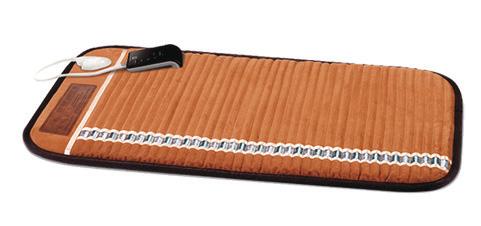
Far infrared BioMats® also available to purchase for home use to destress and revitalize! Ask about sizes!
Thornebrook Village | 2441 NW 43rd
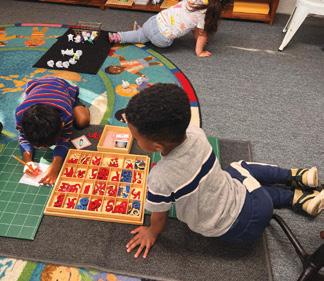
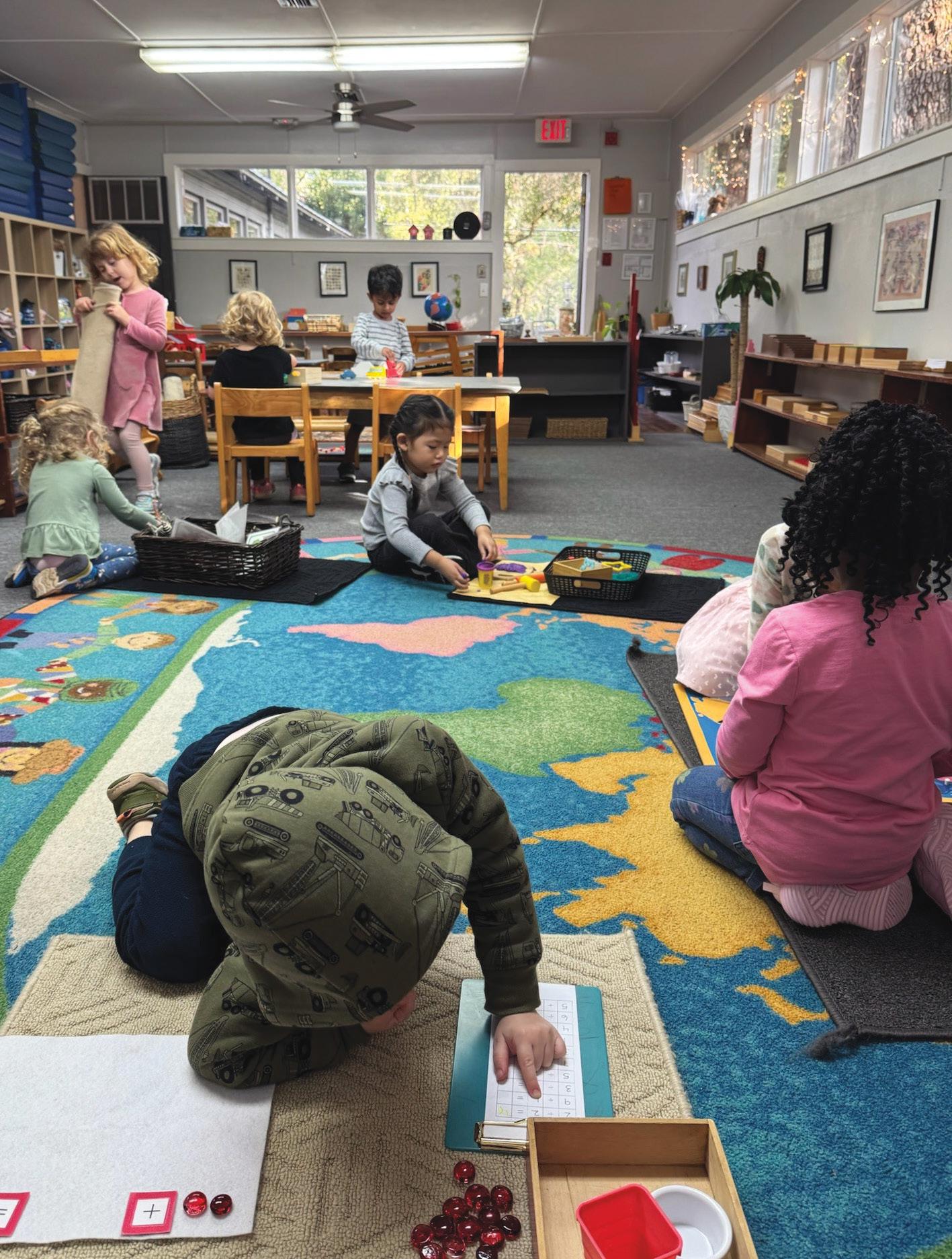
Flowers Montessori School
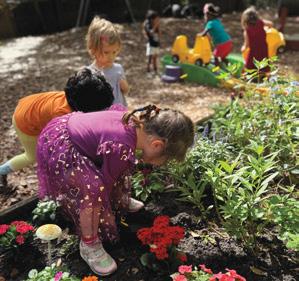
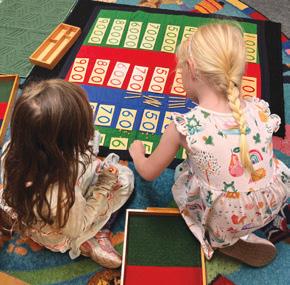
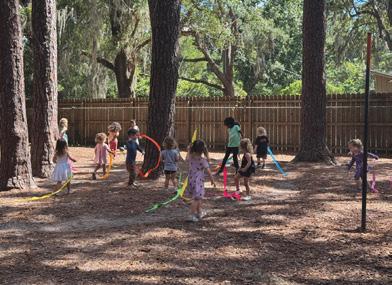
We are a second generation Primary Montessori school serving the Gainesville area since 1973, committed to helping each child develop personal autonomy, as well as respectful and productive peer relations.
We strive to provide education that is tailored to the needs of each student, which encourages the development of their mental, physical, and emotional abilities. We are constantly evolving and adapting our materials, to maintain interest and inspire independence in our students.
Through our child-focused approach, we hope to instill effective learning strategies in each child, and kindle a life-long love of learning. As guides to your children, we continue to grow and learn alongside them.
FLOWERS MONTESSORI SCHOOL INC
Our daily pledge is to be sensitive to the needs of each child, and to approach them with understanding, patience, and love.
“The greatest gifts we can give our children are the roots of responsibility and the wings of independence” -
Dr. Maria Montessori
Step Up partner - state scholarships for Kindergarteners
Free morning care from 7:30 - 8:30
After school available at additional charge until 5:30 pm
YELLOW ACRES
BY NICOLE IRVING
The amount of items your new little bundle of joy demands can be overwhelming. From pacifiers to diaper creams to bottle warmers … the list is endless! But, we have narrowed down our top 10 must-have items to get your started — recommended for moms, by moms!
$7.99/ pack of 30 handzies.com
Camp Kateri Summer Camp
powered by Girl Scouts
LEGEND
Academic
Arts
Dance
Equestrian
Gymnastics
Martial Arts
Medical
Mixed Activities
Outdoor & Recreational
Religious
Science
Sleepaway
Sports
This guide was generated through research of area summer camps. Inclusion in this guide should not be mistaken as an endorsement by Giggle Magazine or Irving Publications, LLC. Every attempt has been made to be comprehensive and accurate. Camp directors are encouraged to send an email to nbirving@ irvingpublications.com with corrections and for possible inclusion in future editions of the Giggle Magazine Summer Camp Ultimate Guide.
Cost: Varies with program choice summer camp for preschool and elementary children. Choose from 1/2, 3/4 or full day programs. Open 7:30 a.m. to 6 p.m. Loving Christian environment and great prep for fall preschool program.
SEE AD ON PAGE 41
A Child's Academy
3401 NW 34th St. Gainesville, FL 32605 (352) 371-3360
2. Haile Village Center: 5211 SW 91st Terrace, Suite A Gainesville, FL 32608 (352) 335-7785
camerondancenter.com
Dates: June 15 - July 11
Camps Dates: Pre Level Camp (ages 3 - 5) and Level 1 Camp (ages 6+) are July 6 - 10; Level 2 Camp (Intermediate level) June 22 - 26; Advanced Intensive with Guest Artists August 2 - 6
Ages: Pre-Dance Camp (3 - 5 years), Beginning Dance Camp (6 and up), Intermediate Camp (10 years and up) and PreProfessional Intensive (for intermediate to advanced dancers). Details: To be announced
First Session: 2 weeks: June 7th - June 20th, $1,595
Second Session: 1 week: June 21st - June 27th, $1,095
Third Session: 1 week: June 28th - July 4th, $1.095
Fourth Session: 1 week July 5th - July 11th, $1,095
Ages: 7-17
Our program encourages each girl to find their niche and realize God has an incredible purpose for their life. We offer one and two-week resident sessions.
City of Gainesville Parks and Recreation Adventures in Play Summer Day Camp
1. Albert “Ray” Massey Recreation Center 1001 NW 34th St. Gainesville, FL 32605
1. Eastside Community Center 2841 E. University Ave. Gainesville, FL 32641 (352) 334-5067 gainesvillefl.gov
City of Gainesville Parks and Recreation Teen Life Summer Day Camp 1717 SE 15th St. Gainesville, FL 32641 (352) 334-5067 gainesvillefl.gov
CHRISTIAN SUMMER CAMP for GIRLS
Not only does Dovewood have one of the best resident equestrian programs in the Southeast with English and Western certified instruction, but girls can select 7 from 24 fun-filled activities to do while at camp.
FLOWERS MONTESSORI SUMMER CAMP
DATES : June 1 - July 24
- 6 years
Flowers Montessori has served families in the Gainesville area since 1973. We are committed to helping each child develop personal autonomy, as well as respectful and productive peer relations. We strive to provide education that is tailored to the needs of each student, and that
FLOWERS MONTESSORI SCHOOL INC
encourages the development of their mental, physical, and emotional abilities. We are constantly evolving and changing our activities, to maintain interest in the materials and inspire independence in our students. We hope to instill effective learning strategies in each child, and kindle a life-long love of learning. As guides to your children, we continue to grow and learn alongside them. Our daily pledge is to be sensitive to the needs of each child, and to approach them with understanding, patience, and love.
Our eight week summer camp program is a chance for children to engage with the Montessori curriculum, as well as additional specialty activities related to each week’s theme.
We hope to see you for the best summer ever!
LEGEND
Academic
Arts
Dance
Equestrian
Gymnastics
Martial Arts
Medical
Mixed Activities
Outdoor & Recreational
Religious
Science
Sleepaway
Sports
This guide was generated through research of area summer camps. Inclusion in this guide should not be mistaken as an endorsement by Giggle Magazine or Irving Publications, LLC. Every attempt has been made to be comprehensive and accurate. Camp directors are encouraged to send an email to nbirving@ irvingpublications.com with corrections and for possible inclusion in future editions of the Giggle Magazine Summer Camp Ultimate Guide.
Flowers Montessori offers an eight-week summer camp program allowing kids to engage with the Montessori curriculum in addition to special activities corresponding to different weekly themes.
French Fun Food and Foreign Languages Summer Camps (352) 332-8198 frenchfunfood.com
1951 SE 4th St. Gainesville, FL 32641 (352) 372-1004 iamstemcamps.com/summer-camps/gainesvilleflorida
LEGEND Holy Trinity Episcopal School of
Academic
Arts
Dance
Equestrian
Gymnastics
Martial Arts
Medical
Mixed Activities
Outdoor &
Recreational
Religious
Science
Sleepaway
Sports
This guide was generated through research of area summer camps.
Inclusion in this guide should not be mistaken as an endorsement by Giggle Magazine or Irving Publications, LLC. Every attempt has been made to be comprehensive and accurate. Camp directors are encouraged to send an email to nbirving@ irvingpublications.com with corrections and for possible inclusion in future editions of the Giggle Magazine Summer Camp Ultimate Guide.
Gainesville, Inc.
301 N. Main St.
Gainesville, FL 32601 (352) 377-2290
htesngv.org
Admission: Jason Hill
Specialty: Full day and part-time Early Learning Center located in downtown Gainesville that uses a state-approved curriculum.
Ages: 6 weeks to 5 years old
Teacher/Student Ratio: Infants 1/3, Ones 1/4, Twos 1/6, Threes and up 1/8
For information contact Judy Skinner: judy@dancealive.org I Classes held at Pofahl Studios, 1325 NW 2nd St www.dancealive.org/gainesville-summer-intensives
Teacher/Student Ratio: Infants 1/3, Ones 1/4, Twos 1/6, Threes and up 1/8 Schedule a tour today! A day filled with love, respect, and
• Holy Trinity Episcopal School of Gainesville has served families in the Gainesville area since 1974.
• Located downtown just minutes from UF, Shands and the VA.
• Walking distance to City Hall.
HOLY TRINITY
• Small class sizes with low teacher to student ratios.
• Full-time care for infants along with full-time or part-time care for one years old to five years old.
• They are an outreach mission of Holy Trinity Episcopal Church and open to all faiths and backgrounds.
• Scholarships for School Readiness families are available.
• State approved curriculum with age appropriate play based activities.
• Tuition discount for first responders 301 N Main Street, Gainesville, FL 32601 (352) 377-2290 htesgnv.org Ages: 6 weeks to 5 years old
LEGEND
Academic
Arts
Dance
Equestrian
Gymnastics
Martial Arts
Medical
Mixed Activities
Outdoor & Recreational
Religious
Science
Sleepaway
Sports
This guide was generated through research of area summer camps. Inclusion in this guide should not be mistaken as an endorsement by Giggle Magazine or Irving Publications, LLC. Every attempt has been made to be comprehensive and accurate. Camp directors are encouraged to send an email to nbirving@ irvingpublications.com with corrections and for possible inclusion in future editions of the Giggle Magazine Summer Camp Ultimate Guide.
The Oak Hall Summer Program is a welcoming, diverse and supportive camp community helping campers discover their passion. Over 100 full and half-day camps are available for campers ages 3 - 18. All camps are open to the Gainesville community.
1001 NW 34th St. Gainesville, FL 32605 (352) 559-8860 playtennisgainesville.com
Pofahl Studios, Resident School of Dance Alive National Ballet, Summer Intensives
1325 NW 2nd St. Gainesville, FL 32601 (352) 373-1166 judy@dancealive.org dancealive.org/gainesville-summer-intensives/ Dates: Weekly Classes June 22 - July 24. Full Day Intensive I June 1 - 6. Full Day Intensive II July 27 - Aug. 2. Full Day Intensive III June 15 - 20.
Half-Day Youth Intensive June 8 - 12. Half-Day Adult Intensive June 8 - 12
Ages for Intensives: Intermediate – advanced ballet and contemporary/jazz.
Dance Alive National Ballet & Resident School
Pofahl Studios Presents The Dance Alive Summer Experience!
AD ON PAGE 39
Pony Paddock Summer Horse Camp
704 NW 202nd St. Newberry, FL 32669 (386) 853-0615
pony-paddock.com/horseback-riding-camps Only available for currently enrolled students
Ages: Pre-K - 8th Grade Cost: Flexible 2024 Gainesville Business Hall of Fame Best of the Best, 2022, 2023, 2024. No matter who you are or where you come from, you’re part of our camp family the moment you arrive. Join us for unforgettable memories, new friendships and experiences that will last a lifetime. We can’t wait to meet you and share in the excitement of camp! Weekly sessions with flexible pricing and hours. Specialty camps and field trips. For questions please email our Camp Director, Marisa Isherwood.
SEE AD ON PAGE 37
Research Explorations cpet.ufl.edu/students/uf-cpet-summer-programs
Research Immersion in Science and Engineering cpet.ufl.edu/students/uf-cpet-summer-programs
Sonshine Day Preschool
10000 W. Newberry Road Gainesville, FL 32606 (352) 333-0017 sonshineday.org
Dates: Weekly June - July Ages: 5 - 15 years old Cost: $400 per week
Luckey Languages Summer Camp offers an immersive Spanish Learning experience through games, cooking, arts and cultural activities. Children practice language naturally while having fun, building confidence, creativity and curiosity in a safe environment.
Star Summer Art Camp 11 NE 23rd Ave. Gainesville, FL 32609 (352) 378-3311
500 NW 60th St., Suite A Gainesville, FL 32607 (352) 374-4950 star-tkd.com/summer-camp
Student Science Training Program cpet.ufl.edu/students/uf-cpet-summer-programs
JORDAN GLEN SCHOOL & SUMMER CAMP
Ages: K - 8th Grade
Cost: $475/week
$1,250 for each three week session
$2,050 for 6 weeks (ask about sibling discount!)
Celebrating 50+ years, Jordan Glen is a hidden gem that has produced countless camp alumni that credit it with providing some of the happiest memories of their childhood summers The camp is situated in Southwest Gainesville on 20 beautiful acres. Walk around our grounds and it will be apparent why our camp is such a special place.
Our camp harkens back to what camps were like before “specialty camps.” Kids enjoy the outdoors - swimming, playing sports (tennis, baseball, soccer, archery to name a few) and being in nature, while also having ample time to cool off indoors exploring their inner artist, participating in dance and the dramatic arts and bonding with new and old friends. Jordan Glen Camp has something for everyone.
We are advocates of children and childhood. We want our children to enjoy their time spent away from home and to look forward to returning each day.
JORDAN GLEN SCHOOL
Academic
Sleepaway
Sports
This guide was generated through research of area summer camps.
Inclusion in this guide should not be mistaken as an endorsement by Giggle Magazine or Irving Publications, LLC. Every attempt has been made to be comprehensive and accurate. Camp directors are encouraged to send an email to nbirving@ irvingpublications.com with corrections and for possible inclusion in future editions of the Giggle Magazine Summer Camp Ultimate Guide.
Join us for one of our week-long summer break camps! Each camp will have a theme for the week and new projects every day. Limited to just 15 campers per week.
Dates: Entire summer, June 4 until the last week before school starts back Ages: 2 1/2 year-old to rising 6th graders Camp Sunny provides children an opportunity to learn, socialize and stay active while also incorporating unique fitness opportunities. Kids will make friends, share adventures and try new activities each day!
Multiple locations throughout Gainesville (352) 273-2424
recsports.ufl.edu/youth-programs
UF/IFAS 4-H Camp Timpoochee (850) 897-2224
florida4h.ifas.ufl.edu/camps/camp-timpoochee
University of Florida
Summer Media Institute jou.ufl.edu/summermediainstitute
YMCA
5201 NW 34th Blvd.
Gainesville, FL 32605 (352) 374-9622
ymcacf.org/programs/camps/summercamps
Youth Archery Camps
24880 NW 16th Ave.
Newberry, FL 32669 (352) 722-3926
eastonnewberryarcherycenter.org/discover-camps
S U M M E R 2 0 2 6 S U M M E R 2 0 2 6 6
For many kids this summer, camp is where they’re headed. It is a place to create lifelong friendships and memories that last for decades to come. There are many options and activities to choose from, so it’s time to start planning for summer camps now!
THE DAY CAMP EXPERIENCE
When parents have great memories of childhoods spent singing campfire songs, it’s hard to understand the reluctance their kids may have about going away for the summer. The decision of whether or not to send a kid to summer camp can be incredibly stressful and often lasts for years. So what’s a parent to do when a kid just won’t go?
If you’re an anxious parent with an anxious child, the best bet is to wait until you’re both more comfortable. Try introducing your child to a day camp so they can meet new friends and experience what it’s like, just for a few hours. Let them know it’s fine to be nervous, but try not to let any of your own anxiety show.
To encourage your child to try out a new camp, involve them in the selection process. Find camp environments that will interest them, and give them power to choose their own experience. Take them shopping for new camp clothes and invite their questions, doing your best to put off any worries they may have.
You know your child best, so use your instincts to determine when, if ever, is the right time for sleep-away camp, and remember to consider day camp as an alternative route.
KEEP IN TOUCH!
Some of the best friendships in a child’s life develop through hours spent at camp, so it’s important for campers to stay connected. In the world of social media and instant messaging, there’s no excuse for lost friendships just because the kids live far away. Connect with the other campers’ parents online to stay in contact. Even better, encourage the kids to write to each other, and help them send mail to their new pen pals. After all, everyone loves getting a letter!
Start planning now for summer camp so that when the time comes, both you and your kiddo are ready. Happy camping!
OVERNIGHT CAMP LIST
With all the excitement of a summer at sleep-away camp, it’s easy to forget something important! Make sure your children have all the necessities before you send them off to camp.
• Bedding and linens (beach and bath towels)
• Clothes for all weather (heat, cold, rain) and activities (bathing suits, pajamas)
• Plenty of stamped, addressed envelopes for writing letters home
• Sneakers, shower shoes and extra socks
• Insect repellent and sunscreen
• Medications or other health needs
• Toiletries and lip balm
• Cash, as you see fit
• Flashlight and water bottle
• A journal and pens or pencils
PACKING A HEALTHY CAMP LUNCH
Keep kids healthy, hydrated and happy at summer camp with these yummy lunch options.
• Veggie sticks
• Rice cakes
• Apple slices
• Raisins
• Hummus
• Bananas
NOTES:
• Grapes
• Pretzels
• Oranges
• Peanut butter and apples
• Graham crackers and Nutella
• Chips and salsa
• Always pack an ice pack, hand wipes and disposable silverware.
• Avoid mayo-based foods.
SPANISH IMMERSION SUMMER CAMP
June - July
Weekly & Daily Options
• Fresh fruit cups
• Applesauce
• Nuts
• Granola bars
• Cheese sticks
Give your kids the gift of learning a language in a fun, hands-on environment. Kids learn Spanish naturally through games, cooking, art, outdoor play and cultural activities.
SPANISH CAMP
Reserve your spot today! luckeylanguages.com Lina Luckey 352-672-8593
Kids will enjoy:
• Spanish language immersion • Outdoor games and activities
• Arts & crafts (materials included)
• MIni MasterChef cooking experience
• Official Summer Camp T-shirt & daily lunch included
National Scrabble Day: The Magic Behind This Classic Word Game
BY COLE PURVIS
Every April 13, word lovers quietly celebrate National Scrabble Day, a nod to one of the most enduring board games in American homes. But Scrabble isn’t just a rainy-day pastime or a competitive battle over triple-word scores. It’s a game with a fascinating history and real cognitive and educational benefits for families.
A Game Born During Hard Times
Scrabble was invented during the Great Depression by architect Alfred Mosher Butts. According to Hasbro, Butts studied letter frequency in newspapers to determine how often each letter should appear in the game, blending chance and skill in a way that felt balanced and strategic. He originally called it “Lexiko,” later refining it into what became Scrabble in the late 1930s.
The game gained widespread popularity in the 1950s after Macy’s began selling it, and it has remained a staple in homes ever since. Today, Scrabble is sold in more than 120 countries and in dozens of languages, according to Mattel, which owns the brand internationally.
How the Game Has Evolved
While the classic crossword-style board remains iconic, Scrabble has inspired several variations over the years. There’s Scrabble Junior for younger players, Scrabble Slam, speed-based tournament formats and digital app versions that allow friends and family to play across distances.
Competitive Scrabble has also grown into a serious pursuit. Organized tournaments, including the North American Scrabble Championship, draw highly skilled players who extensively study word lists and strategy. Yet for most families, Scrabble’s magic lies not in championship-level play but in gathering around a table and seeing what words unfold.
The Learning Benefits of Word Play
Beyond fun, Scrabble offers measurable educational value. Word games support vocabulary development, spelling accuracy and reading comprehension. According to the American Academy of Pediatrics, games that encourage language use and strategic thinking can strengthen executive function skills, including planning and flexible thinking.
Research in literacy education consistently shows that playful word exposure enhances
vocabulary retention. The National Reading Panel has emphasized the importance of vocabulary instruction and repeated exposure to words in supporting reading success. Games like Scrabble naturally provide repetition, context and reinforcement in a low-pressure environment.
For children and teens, this kind of exposure builds word awareness. For adults, it keeps language skills sharp. Studies on cognitive aging suggest that mentally stimulating activities, including word games, may help maintain cognitive function over time.
Family Bonding at the Table
Scrabble also brings families together in ways that screens often do not. Board games promote face-to-face interaction, turntaking and healthy competition. According to research published in the Journal of Marriage and Family, shared leisure activities contribute to stronger family cohesion and communication.
Unlike many activities structured around performance or achievement, Scrabble allows space for conversation between turns. It encourages laughter over unusual word discoveries and collaborative debates about dictionary rulings. Those small interactions build connection.
Making It Work for Every Age
If you have younger children, consider cooperative variations where players build words together or allow open dictionary use to turn the game into a learning moment. For mixed-age groups, house rules, such as team play or shorter rounds, can level the field and keep everyone engaged.
The key isn’t perfection or memorizing obscure two-letter words. It’s participation.
Why It Still Matters
More than 80 years after its invention, Scrabble remains relevant because it blends language, strategy and human connection. It challenges the brain while encouraging conversation. It turns vocabulary into play.
On National Scrabble Day, pull the box off the shelf. Whether you’re spelling simple words or defending a 50-point bingo, you’re doing more than playing a game. You’re building skills, sharing time and celebrating the power of words — one tile at a time.
Closing the Year With Confidence, Clarity and Celebration
Plan. Teach. Facilitate. Parent. Reflect. Repeat. By the end of the school year, even the most enthusiastic homeschooling parents feel their energy fade. The excitement that fueled the fall may be replaced by the simple desire to just finish. Hang in there. A little intention at the end can make a big difference, helping you to finish with confidence, clarity and even a few celebrations.
Year-End Reflection
The end of the year is an ideal time to pause and reflect. What worked well? What didn’t? What do you want to adjust next year? Consider your routines, pacing and how well the curricula you chose fit your children’s individual needs. Involve your kids, too. “What was your favorite thing you learned this year? What felt hard at first but got easier? What are you proud of yourself for
doing?” This doesn’t have to be formal. It can be a conversation, a journal prompt or a casual walk-and-talk.
Gather Evidence of Growth
Remember, homeschooling families must document their homeschooling activities. This doesn’t mean that we keep everything, though. Collect meaningful work samples that demonstrate growth: early vs. late in the year, books read, photos, projects, experiments or art projects. Experience joy through the quiet pride in flipping through a year’s worth of writing samples. Including your children in this process helps them reflect, builds confidence and can help you organize for transcripts, portfolios or planning for the next year.
Celebrate Progress — Big and Small
End-of-the-year celebrations strengthen closeness, highlight shared accomplishments and nurture your relationships with your children. They
reinforce your children’s motivation to learn and your motivation to continue homeschooling! Celebrate effort, perseverance and curiosity alongside academic accomplishments. Celebrate with an end-of-year “learning showcase,” write each of your children a letter reflecting on their growth or plan a special outing or tradition.
What’s Next?
End-of-the-year reflections lend themselves to the next step: planning for what’s next. Review what worked and what didn’t, including your schedule, curricula, motivation and energy levels. Make notes for next year. This isn’t about planning for the next year. It’s about recording your reflections while they’re fresh so you can use them later to help with planning. Include your kids, too. Talk with them about topics they want to explore or skills they want to strengthen next year.
End With Rest and Reset
As you enter the summer months, give yourself permission to rest, academically and emotionally. Protect space for your kids to be bored, play, read and explore their natural curiosity. Trust that rest is productive preparation for the next season. And remember, homeschooling isn’t measured by finishing everything. It’s measured by forming confident, reflective and characterfilled learners. Ending well sets the tone for beginning well next year.
Maternity & Paternity Leave: What Parents Need to Know
BY COLE PURVIS
Welcoming a baby should be about bonding, healing and adjusting to a new rhythm, not scrambling to decode workplace policies. But in the United States, parental leave can feel complicated. Between federal protections, short-term disability, paid time off and employer-specific benefits, many parents are left wondering what’s available and what’s not.
Here’s what families, especially those in Florida, should understand before the baby arrives.
FMLA: Job Protection, Not a Paycheck
The foundation of parental leave in the U.S. is the Family and Medical Leave Act (FMLA). According to the U.S. Department of Labor, FMLA allows eligible employees to take up to 12 weeks of unpaid, job-protected leave for the birth, adoption or foster placement of a child. Health insurance benefits must continue during that time.
However, FMLA does not provide pay. To qualify, employees must work for a company with at least 50 employees within a 75-mile radius and have worked at least 1,250 hours over the previous 12 months.
For many families, FMLA ensures job security, but not income.
Short-Term Disability: Covering Recovery
Because FMLA is unpaid, many birthing parents rely on short-term disability insurance. Short-term disability is not parental leave. It is insurance that covers a portion of income during medical recovery.
According to the Society for Human Resource Management, most short-term disability plans replace about 50% to 70% of wages for approximately six weeks after a vaginal birth and eight weeks after a cesarean delivery, though policies vary by employer.
Importantly, short-term disability typically covers only the medical recovery period, not extended bonding time.
Paid Time Off and Employer Benefits
Many employers allow parents to use accrued vacation or sick days during leave. The Department of Labor notes that employees may choose, or employers may require, that paid leave run concurrently with FMLA.
Some companies offer paid parental leave separate from disability coverage. These voluntary benefits may provide several weeks of paid time off for either parent following a birth or adoption. Because paid parental leave is not federally mandated, offerings vary widely by employer and industry.
Checking with human resources early can prevent last-minute surprises.
What About Florida?
Florida does not have a statewide paid family leave program for private-sector workers. Unlike states such as California, New York and New Jersey, Florida families generally rely on federal FMLA protections, employer benefits and private insurance for income during leave.
However, in 2023, Florida implemented paid parental leave for eligible state employees. According to the Florida Department of Management Services, qualifying state workers may receive paid maternity leave and additional paid parental leave following birth or adoption. This benefit does not extend to most private-sector employees.
Paternity Leave and Non-Birthing Parents
Under FMLA, both parents are eligible for the same 12 weeks of unpaid, job-protected leave. According to the Pew Research Center, access to paid paternity leave in the U.S. varies significantly by employer, and the country remains the only high-income nation without a national paid parental leave policy.
Globally, many countries offer months of paid leave and reserve time specifically for fathers to encourage shared caregiving responsibilities.
Planning Ahead
Experts recommend reviewing leave policies as soon as pregnancy or adoption planning begins. Questions to ask include:
Am I eligible for FMLA?
Does my employer offer short-term disability?
How much paid time off have I accrued?
Can benefits overlap?
Understanding how these pieces fit together allows families to prepare financially and emotionally for those first critical weeks.
Parental leave in the U.S. may not be simple, but being informed helps parents focus on what matters most: caring for their newest family member without unnecessary stress about what comes next.
crafting with katie
OF THE JUNGLE
BY KATIE OSTERHOUT
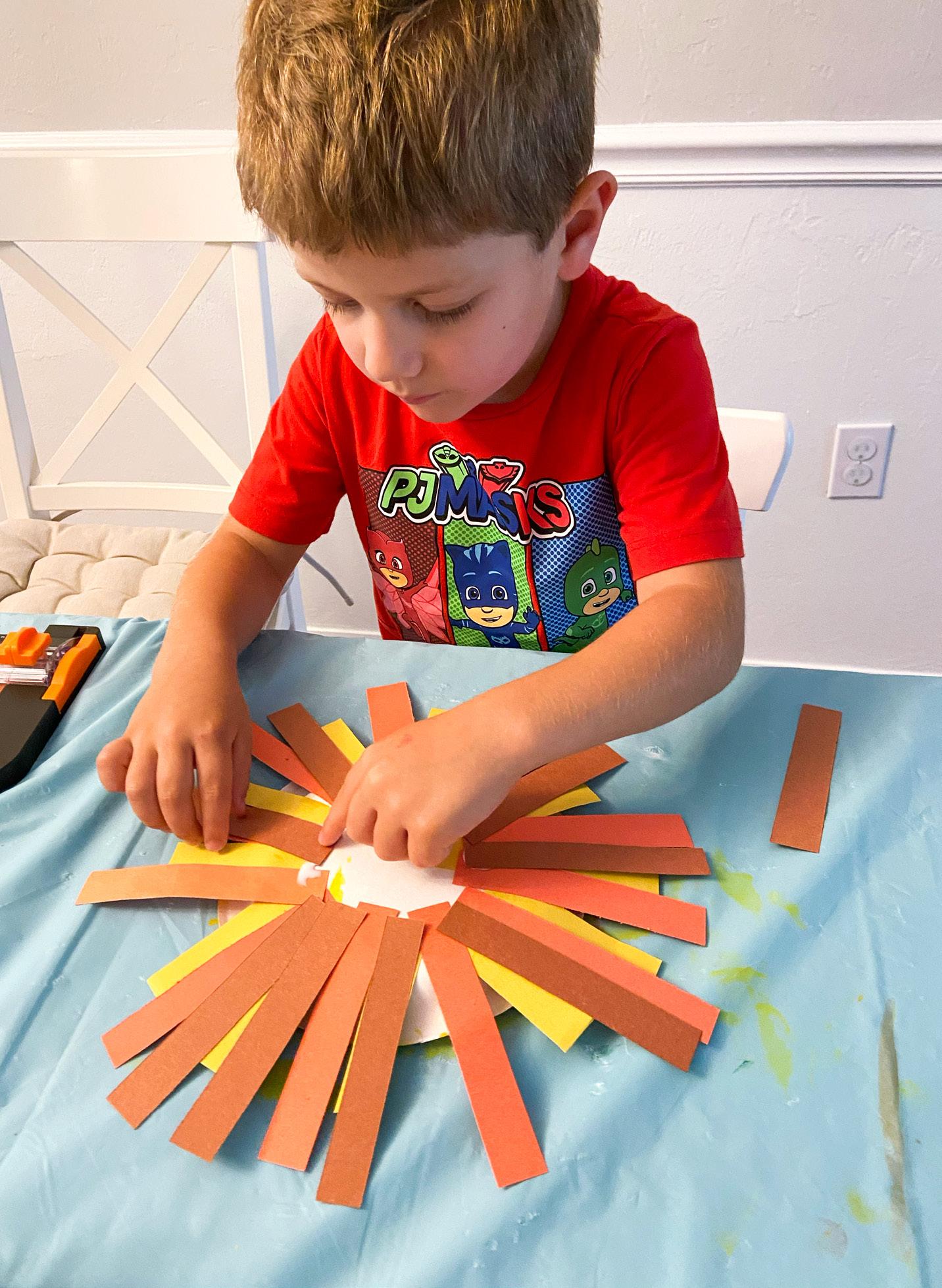
Join us this season in crafting your very own “king of the jungle.” Lions symbolize strength, courage, leadership and fearlessness. This craft presents a great opportunity to talk with your children about these character traits and how they can apply them in everyday life.
A lion’s roar can be heard
Tip
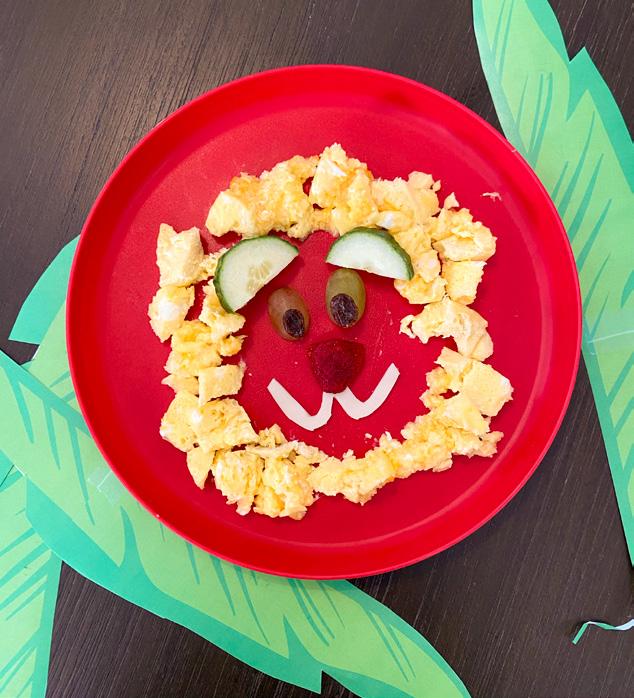
If you want to truly make it a “big cat party,” plan a themed lunch and use scrambled eggs to create a lion’s mane on your plate. Have fun!
Materials
• White paper plates (small or medium size works well)
• Yellow craft paint and a brush
• Yellow, orange and brown construction paper
• Googly eyes
• Glue stick
• Craft scissors
• Markers
Directions
1. Start by painting your lion’s face yellow. Be sure to cover the entire top of the plate, edge to edge. Put aside to dry.
2. Next, prepare your paper for the lion’s mane. Cut all three colors into strips of varying lengths and thickness to give it some depth.
3. Once your paint has dried, flip over the plate and begin gluing the paper strips to the backside of the plate. Each color should extend out a bit further than the other. Start with the shortest pieces first.
4. Use your brown construction paper to cut out a triangle shape for the nose and glue to the center of your plate.
5. Glue on googly eyes and use your markers to draw a nose, mouth and whiskers. Don’t forget to name your new furry friend!
We’d love to see your lion faces! Share with us and tag creative_household or post #creativehouseholdfl to show off your fun!
Photos courtesy of Katie Osterhout
Jesse Caedington, Esq. LL.M. in Taxation
Preparing Your Home (and Closets) for Baby: Three Spaces to Organize Before Arrival
BY KATHRYN CATON
Preparing for a new baby often begins with the obvious — the nursery, the crib, the tiny clothes folded with care. But one of the most effective ways to feel truly ready is through thoughtful organization — specifically, organizing the spaces that will support your daily routines once the baby arrives. A well-planned closet or storage area doesn’t need to be elaborate; it just simply needs to work.
With thoughtful organization, you can create systems that save time, reduce clutter and make everyday tasks feel more manageable.
The Nursery Closet
The nursery closet is often the first space parents tackle, and for good reason. Baby clothes multiply quickly, and without a plan, the closet can become overwhelming before the baby even arrives.
Start by organizing clothing by size, not by type. Babies grow fast, and having sizes clearly grouped makes it easier to find just what you are looking for. Hang current sizes at eye level, with future sizes stored in harder to reach areas.
Drawers or bins work best for items like onesies, pajamas, socks and accessories. Group similar items together so everything has a designated home. Clear bins or soft fabric organizers allow you to see what you have at a glance, which is especially helpful during middle-of-the-night changes.
Finally, leave some open space. Gifts, handme-downs and last-minute purchases are inevitable. A little breathing room now prevents chaos later.
PRO TIP: Simple clothing size dividers are a small detail that make a big difference!
The Kitchen
The kitchen quickly becomes a hub for baby care, whether you’re bottle-feeding, pumping or preparing baby food down the line. Thoughtfully organized zones for baby essentials help keep items contained, accessible and clutter-free.
Choose a cabinet or drawer (or both!) near the sink to house bottles, nipples, pump parts and cleaning supplies. Drawer dividers and organizers make it easy to keep small pieces contained and ready to grab.
For cabinets, vertical storage is key. Stackable bins or shelf risers allow you to maximize cabinet height without losing visibility. Keep everyday items within reach, and store extras — such as backup bottles or unopened supplies — on higher shelves.
PRO TIP: Repurposed items like extra Tupperware can be just as effective as drawer dividers/organizers purchased online.
Drawers or bins work best for items like onesies, pajamas, socks and accessories.
The Bathroom or Linen Closet: Supporting Daily Care
While often overlooked, the bathroom and linen closet play a major role in daily baby care. From diapers to bath essentials, this space benefits greatly from simple organization.
Designate shelves or bins specifically for baby supplies: diapers, wipes, towels, washcloths and skincare products. Group items by activity — diapering, bath time, grooming — so everything needed for a task is stored together.
Use clear, labeled bins to keep products contained and easy to restock. Over-the-door organizers or narrow baskets can help maximize vertical space, especially in smaller areas. If the baby will be bathed in a shared bathroom, consider keeping a small portable caddy stocked with essentials for quick setup and cleanup.
PRO TIP: Leave room for refills and growth and reassess every few months as routines change.
Organization That Works for You
Organizing for a new baby isn’t about perfection, it’s about intention. Thoughtfully preparing these three spaces allows your home to support you during a season that is joyful, busy and constantly evolving. Simple systems, clear categories and realistic layouts go a long way in creating a sense of calm before the baby arrives — and well after!
Practical Steps for Closing Out the School Year
BY CRYSTAL LADWIG, PH.D.
As the school year winds down, families often find themselves balancing exhaustion, relief and uncertainty about what comes next. The final weeks of school and the beginning of summer provide an opportunity to set the stage for a smoother, more confident start to the fall.
Review What Worked and What Didn’t
Conducting a short, informal review at home can help to guide your child’s educational team in the fall. Ask yourself a few practical questions:
• Which accommodations were most effective?
• Which supports helped the most?
• Where did my child struggle the most this year?
• Were there recurring issues with behavior, fatigue or communication?
Be specific when needed. For example, if your child has autism, you may note whether visual schedules reduce anxiety at home.
Gather and Save Key Information
As the school year ends, collect important educational documents and organize them by school year for easy access. This may include your child’s latest IEP or 504 plan, progress reports, goal updates and work samples that illustrate strengths or challenges. These documents are helpful when you are seeking summer services.
Communicate With the School Team
Consistent communication with your child’s school team will help make the transition from school to summer (and back again in the fall) run smoothly. Brief, clear contacts rather than long meetings work great. You may send a short thank-you email to your child’s teachers or therapists. Or you may ask one to two targeted questions, such as, “What can we do to help my child maintain her reading skills over the summer?” If needed, request recommendations for summer supports or routines.
Plan a Summer Structure That Works for You
Changes in schedule and routine are hard for many children. Your summer schedule will likely be quite different, and that’s okay. When possible, keep sleep and mealtimes consistent. Where changes are needed, talk to your child about them so they know what to expect and when.
Parents often worry about regression over the summer, too. Choose one to two priority areas (e.g., reading, social interaction, independence skills) and incorporate activities into play or other fun activities to help your child maintain his or her skills without as much pressure. Remember to give yourself and your child a break. You’ve earned it!
Set for Success
Information you provide teachers and therapists about summer activities will help make fall transitions faster and less stressful. Toward the end of summer, write a short summer summary, highlighting your child’s current strengths, challenges, supports that work best at home and information about what your child did over the summer.
As you wrap up the school year, remember that the small, steady steps you take now make a meaningful difference in your child’s confidence, comfort and summer skills. You’ve spent months advocating, coordinating and encouraging. Give yourself credit for all you’ve done and allow space for rest as you enter the summer. You and your child have earned the chance to breathe, reset and move forward with renewed clarity.
S U M M E R 2 0 2 6 S U M M E R 2 0 2 6
6 W E E K S O F U N i Q U E S U M 6 W E E K S O F U N i Q U E S U M
INDEPENDANCE
& Me by & Me m m M ndays
b
conception2college
EXPECTING
Expecting After 35: Real Talk on Risks and Empowerment Through Informed Choices
INFANT | 0-1
Baby Sleep Safety: Safe Practices, Sleep Training & What Works
TODDLER | 2-3
The Power of Music: Building Playlists That Improve Mood and Ease Toddler Transitions
EARLY YEARS | 4-5
Welcoming a New Baby: How Parents Can Prevent Sibling Jealousy From the Start
KIDS | 6-9
“Sleepover Ready?” Signs Your Child Is Prepared and How to Make the First One a Success
TWEENS | 10-13
The Great Bedroom Migration: Why Tweens Suddenly Want More Privacy
TEENS | 14-18
Digital Footprints: What Colleges and Employers Really See
Expecting After 35: Real Talk on Risks and Empowerment Through Informed Choices
BY ALEXANDRA BURNS
The decision to start or grow a family after the age of 35 can be exciting and incredibly rewarding, but it can also bring concerns about one’s biological clock or physical health.
For women considering or beginning their journey into the beautiful experience of an advanced maternal age pregnancy, understanding the possible mental and physical risks, as well as the benefits, can help to empower them to make informed choices for themselves and their child along the way.
Understanding Fertility at Different Ages
Age is considered to be one of the most influential factors in a woman’s ability to conceive and carry a baby to full term.
According to an article from Every Stage Health, a woman’s fertility begins to decline once she turns 30, and accelerates as she enters her mid-30s. As she turns 45, the chance of becoming pregnant is very low.
This is partially to blame for declining egg quality over time, as well as new studies showing that the cells, nerves and connective tissue of the ovary, as well as the environment surrounding the eggs, can also decline with age, as discussed in an article from the University of California San Francisco.
The average age of first-time expecting mothers in the United States in 2023 was 27.5 years, as reported by the Centers for Disease Control and Prevention (CDC). Women under 30 years old have about a 25% chance of becoming pregnant each cycle, and for women over 30, it's 20%, and at 40, it's 5%, according to estimations by the American Society for Reproductive Medicine.
A woman’s egg count also drastically decreases with age, going from about 1 million at birth to about a few hundred, if any, by 50 years old, as stated by CNY Fertility. At age 30, a woman’s egg cell count is estimated to be around 72,000; at 40, it's about 18,000, making it even more challenging to successfully conceive and fertilize an egg naturally, according to The Evewell Fertility Clinic.
Pregnancy Risks After 35
Pregnancy in a woman’s mid-30s is entirely possible, though it may carry certain health risks for both the expecting mother and her child.
Research suggests that these risks include a higher chance of experiencing a miscarriage or stillbirth, mainly due to preexisting medical conditions, a chromosomal condition in the baby or a decline in egg quality, according to the Mayo Clinic.
One study published in The BMJ found that the chance of a miscarriage was lowest in women aged 25 to 29, at 10%, and continued to rise to 53% in women aged 45 and older.
The risk of high blood pressure and diabetes also increases during a later pregnancy, showing that pregnant women in their mid-30s to 40s often must have their blood pressure monitored, as high blood pressure can lead to complications for the mother and the baby.
Additional Risks
Associated with Pregnancy and Maternal Age
• Increased risk of chromosomal conditions like Down syndrome in babies born to older women.
• Higher risk of having to undergo a C-section during delivery in women over the age of 35.
• An increased risk of complications during delivery.
• Higher likelihood of delivering a baby prematurely or giving birth to a baby with a low birth weight.
• Increased chance of gestational diabetes or preeclampsia in pregnant women over 35.
• Increased chance of conceiving twins.
Preparing Your Body and Mind for Pregnancy
To prepare for a pregnancy at an advanced maternal age, it can be helpful to understand what to expect for both mental and physical well-being during and after the pregnancy.
According to Madison Women’s Health, it is common for women in their 30s to 40s to experience fatigue or a lack of energy, and this continues to increase with age, especially due to schedule, stress levels and lifestyle. This, combined with hormonal changes during pregnancy, can lead to an increased feeling of exhaustion.
This level of fatigue can be described as bone-deep exhaustion, and it is often a common symptom of early pregnancy. But in women over 40, they have described it as “next-level tired,” according to an article from Organic’s Best. These symptoms can be attributed to the lower energy levels, slower metabolism and perimenopause symptoms that naturally come with aging.
A pregnancy at an advanced maternal age can also be associated with better emotional well-being, such as a boost in confidence. According to Madison Women’s Health, research shows that women might feel more self-assured during their pregnancy and early parenting journey due to greater emotional or financial stability, prior parenting experience or increased
confidence in where they are in life. Studies have shown that women who have children after 35 tend to “be happier overall.”
For those entering pregnancy at an advanced maternal age, it is important to speak with your doctor about potential risks and monitoring. Doctors also recommend setting up a strong support system not only to ease possible negative emotions and stress but also to help with exhaustion, providing moments of respite during child care. This can look like a partner, family member, friend, support group or mom group, either virtual or in person.
When starting your pregnancy journey, no matter at what age, always consult your medical team for any and all healthcare advice. !
• 6 weeks to age 12
• Open Monday-Friday year round
• 6:30 am - 6:00 pm •
{ 0-1 YEARS }
Baby Sleep Safety: Safe Practices, Sleep Training & What Works
BY ALEXANDRA BURNS
Nights can be some of the most challenging and stressful times for new parents. Many hope for a baby that sleeps peacefully through the night, but that is often not the reality.
From tips on safe sleeping practices to methods to soothe crying during the night, here is a guide to improve your baby’s sleep and keep them safe so that you can both rest more peacefully.
Babies' Sleep Cycles Explained To focus on easing your baby into a steady nighttime routine, it can be beneficial to understand how your newborn’s sleep cycle functions.
Babies' sleep actually functions similarly to ours, working based on a circadian rhythm, or the body’s internal clock that tells it when to feel tired and wake up. However, in adults, their circadian rhythm is “preprogrammed,” meaning it has been adjusted over time to associate light with waking and darkness with feeling tired.
In newborns, their rhythm and internal 24-hour clock must be created, and that can start with you. Research has shown that parents can play an active role in molding their newborn’s circadian rhythm by paying close attention to their morning and nighttime routine.
According to an article from Parenting Science, this includes shielding your child from any light, including artificial light from screens or lamps, before bedtime, as this can make them feel less tired and have difficulty falling asleep. To make it easier, consider purchasing warm bulbs that block blue wavelengths, available on Amazon, for your or your baby’s room.
Safe Sleeping and What to Be Aware Of
Safe sleep practices are vital to ensure that you can sleep peacefully during the night and not lie awake worrying about your baby’s health.
According to the Centers for Disease Control and Prevention (CDC), there were about 3,700 sudden unexpected infant deaths (SUID) in the United States in 2022, and 1,529 deaths were from Sudden Infant Death Syndrome (SIDS), or the unexplained death of a baby that is typically healthy and less than a year old. 1,040 deaths were from accidental suffocation and strangulation in bed, as stated by the CDC.
Though the direct cause of SIDS is unknown, research has shown that certain safety steps can be taken to protect your child and various factors can increase their risk, specifically regarding how and when they sleep.
Risk factors, according to the Mayo Clinic, include sleeping positions that limit or falter your baby’s breathing or ability to wake up, as well as brain defects or colds that affect respiratory function.
SIDS Preventive Measures: According to the Mayo Clinic
• If your child has a cold or has recently had one, monitor them while they sleep and contact a doctor if they show signs of breathing difficulties.
• Avoid smoking cigarettes, using drugs or drinking alcohol while pregnant. This is linked to a higher risk of SIDS in newborns.
• Sleeping positions and conditions:
– Avoid placing your baby on his or her stomach or side to sleep, as this can limit breathing.
– Do not allow your baby to sleep on soft surfaces, like a fluffy comforter, waterbed or soft mattress, as this can block the nose and mouth. Use a firm, flat mattress intended for newborns instead.
– Avoid high heat, such as leaving a heating pad near your baby or allowing them to sleep in a hot room or car. 78 F or higher is considered too warm.
– Avoid and talk to your doctor about the risks of co-sleeping, or allowing your newborn to share a bed with you, pets or siblings. Research shows that a separate bed lowers the risk of SIDS, as it prevents accidental smothering.
– Place your baby on their back to sleep and do not leave them alone if they are on their stomach, even if they are awake.
– Do not fill their crib with toys or blankets, as they are breathing and choking hazards. It is best to have an empty crib with a firm mattress.
– Provide a pacifier. Not only can it help soothe your baby and ease them into sleep, but research shows that it can reduce the risk of SIDS. Ensure the pacifier isn't attached to anything.
– Keep your baby’s crib in your room for at least six months. This helps to monitor them and listen for changes in breathing.
Crying and Sleep Disruptions
Crying throughout the night is a typical issue during the newborn phase, making sleep and nap time exhausting and stressful, especially for parents caring for babies with colic.
The first step when a baby is crying after being put to bed is to check whether they are simply communicating a need, such as hunger or discomfort. According to an article from What to Expect, rub your child’s tummy to soothe possible stomach upset or rock them and provide physical touch if they are excited or scared from dreams or nightmares. Ensure they have been fed with a bottle or breastfed to rule out hunger.
Check their sleeping conditions to ensure maximum comfort, such as keeping the room temperature around 68 F to 72 F, and
consider swaddling them if they are about 2 months old. Physical touch and soothing music, such as white noise, nature sounds or lullabies, can also help relax your baby and associate the noise with sleep.
Crying and whimpering during sleep, for about two to three total hours during the day during the first three months, is normal for newborns, according to What to Expect. However, if you struggle to soothe your baby’s crying throughout the night, or if the crying is excessive, contact your child’s doctor to discuss solutions and identify the root cause.
Allowing your baby to cry at night without automatically rushing to comfort them can also ease both your and your baby's nights. According to an article from Pampers, letting your baby “cry it out” does not harm them, and short periods of crying can be helpful, as they can aid in falling asleep and communication. If done consistently, the crying is likely to subside.
Tips to Maximize Nighttime Sleep With a Newborn at Home
Having to wake up every two to four hours to breastfeed your newborn can be exhausting. Consider pumping to have bottles for nighttime and switching off with a partner during specific nights if possible. For example, you feed one night and your partner uses a bottle to feed the next night.
Create shifts for who is in charge of the baby, helping you to find downtime during the day.
Sleep when the baby sleeps. These naps can help improve your energy levels.
Ask a friend or family member to watch your baby while you take a nap.
Always consult your pediatrician if you have questions. !
The Power of Music: Building Playlists That Improve Mood and Ease Toddler Transitions
BY ALEXANDRA BURNS
Transitioning into the next steps of childhood — attending daycare for the first time, going on play dates and visiting the doctor — can be daunting for a toddler, often leading to tearyeyed car rides and stressful moments for the both of you. But research shows that music can be a helpful tool during the transition into toddlerhood, gently easing anxiety or meltdowns and improving your child’s brain development.
Music Can Reduce Anxiety and Improve a Toddler’s Emotional Well-Being
Music can have a direct influence on your toddler’s brain, encouraging neuron connections and flooding them with “feelgood” hormones. According to an article from MusikGarten, studies show that listening to music and singing together affect the brain’s neurotransmitters involved in closeness and connection. This leads the brain to release endorphins and dopamine when listening to music, helping toddlers to feel happy, at ease and connected with those around them.
Music also encourages dancing, which can help relieve stress or nervousness in a toddler.
According to Mayo Clinic Press, when children dance to music, the repetitive movements and the fact that they have to use multiple body systems, both physical and mental, help maintain their focus on what they are doing in that moment rather than anxious thoughts.
Music and Meltdown Prevention
The drive to daycare or that trip to the doctor’s for vaccines can be highly stressful for you and your toddler. To avoid the immense frustration of trying to calm your child, consider using music to create a soothing or distracting environment.
According to Allisongs for Tots, music can help calm the nervous system by reducing cortisol levels, easing frustration or anxiety. The repetitive and rhythmic nature of music can also serve as a distraction, especially when it encourages your child to dance or sing along, helping to stop the tears or complaints for an extended period of time.
A Guide to Creating Playlists for Your Toddler
Searching for the perfect car ride playlist to keep your toddler entertained, or the right song to soothe them during a meltdown, can, at times, feel like a full-time job. You want something engaging and age-appropriate, but not overly annoying after multiple replays.
There is no right or wrong answer for the correct music to play for your toddler. It depends on your and your child’s personal preferences: Whether it is music intended for babies or more sophisticated sounds, such as classical, rock or disco.
Research shows that classical music, such as Beethoven and Mozart, can help improve your toddler’s brain development by stimulating brain areas related to math and spatial reasoning, working to improve concentration, problem-solving, attention span and spatialtemporal skills, according to LaunchPad Early Education.
Soothing music, such as instrumental lullabies and nature sounds, as well as repetitive poetic lyrics and rhymes, can also strengthen your child’s language and communication skills. This is mainly due to the nursery rhyme lyrics and pattern recognition, which can demonstrate language structure and introduce new vocabulary to your toddler. Popular nursery rhymes include “Twinkle, Twinkle, Little Star” and “Head, Shoulders, Knees and Toes.”
These instrumental and relaxing sounds can also aid during bedtime. If your child struggles to fall asleep at night or wind down after a hectic day, consider playing classical music or nature sounds about 30 minutes before bed. If transformed into a nightly routine, this can condition your child’s body to recognize that it's time to fall asleep, and it can create a more soothing environment at home.
A Playlist to Get You Started
If you’re struggling to find the right songs or music genre for your toddler, here is a playlist crafted by Giggle Magazine to get you started on your child’s musical journey! The playlist ranges in genres and sounds, from nursery rhymes, nature sounds and instrumental music to classical, ’80s and Disney music.
ONE SOURCE ACCOUNTING
{ 4-6 YEARS }
Welcoming a New Baby: How Parents Can Prevent Sibling Jealousy From the Start
BY ALEXANDRA BURNS
A new sibling in the house leads to beautiful, exciting and unforgettable moments. But a sudden shift away from your firstborn can stir up jealousy and sibling rivalry. Now, the attention is divided, and your little one doesn’t exactly know how to respond or adjust.
Here is a list of tips to help guide your family as you welcome a new little one into your home — easing those tears, tantrums and moments of jealousy, and instead fostering a loving, shared environment.
Sibling Jealousy Explained
About 80% of children in the United States have at least one sibling, according to Brown University Health, meaning the constant battle for a parent’s attention is an ongoing struggle in most households.
In one study published in the Psychological Bulletin, a researcher found that among studies examining changes in firstborn children’s adjustment after the birth of a sibling, one group showed a 25.5% increase in children's disobedience. Another group displayed an increase in conflict between mothers and children following the birth.
This jealousy, which can often transform into tantrums, mood swings and tiffs with mom and dad, is a natural response to the introduction of a new sibling.
According to an article from Cradlewise, this is mainly because the sibling does not understand who the newborn is, why they are in their home or why so much of their parents' time is now consumed with taking care of them, as stated by Board Certified Behavior Analyst Emily Groben.
“This sudden shift can be a shock, leading to changes in behavior at home and even at school,” Groben told Cradlewise.
It is typical for this sense of confusion to develop into a sibling rivalry, especially when there is a toddler and a newborn. The older sibling might develop a need for competition, especially for their parents’ attention, and experience feelings of resentment, insecurity, sadness or anger, according to the Association of Child Psychotherapists.
These emotions, mainly directed at the new sibling, can manifest in various ways, including:
• The firstborn might make mean comments or say they want their new sibling to “go back.”
• One sibling might show a large amount of resentment during playtime, such as difficulty sharing toys and anger when the younger sibling attempts to play with them.
• Jealousy and disagreements over sharing friends.
• Constant shifts in the sibling relationship. They might be close at times and distant and aggressive at others, due to changes in jealousy levels.
• An increase in tantrums and crying.
• Aggression or attempting to physically harm their other sibling.
• Playing and behaving roughly and aggressively with the younger sibling.
• An increased demand for attention.
• The older sibling might begin wetting their bed or sucking their thumb.
• “Tattling” on their younger sibling and increased frustration.
• Siblings who are older than 9 might argue more, become more aggressive in their daily life or create a sense of competition with their other sibling.
According to the Association of Child Psychotherapists and Nationwide Children’s Hospital.
Preparing Before the Newborn Comes
One of the most vital preventative measures of sibling rivalry and intense jealousy before the baby’s arrival is to prepare and educate your child on what the future might feel and look like.
According to the Child Mind Institute, this can include informing your child as soon as possible that they will be meeting a new sibling so they have time to adjust and learn. Consider emphasizing honesty and openness with your child, explaining that once they meet their new sibling, you might have to spend extra time feeding them, etc., because they don’t know how to do it on their own yet.
Therapists and pediatricians also recommend focusing on inclusion, which can look like allowing your child to help pick the new sibling’s name, according to Child Mind. Inclusion can help your child feel a greater sense of attention, responsibility and accomplishment.
There is a range of children’s books and movies that display positive sibling relationships, serving as visual examples for your
Stories That Celebrate Sibling Bonds:
• “André The Best Big Brother” by Mikaela Wilson
• “The New Baby” by Mercer Mayer
• “Why My Little Sister Needs Me” by Link Dyrdahl and Hannah Wood
• “The Boss Baby,” a 2017 film
• “My Neighbor Totoro,” a 1988 film
• “Brother Bear,” a 2003 film
How to Ease the Transition After Baby Arrives
Adjusting a toddler to life at home after welcoming a newborn can be challenging, and it requires dedicated, consistent effort and communication to help ease them into an entirely new way of life and family dynamic.
According to Pediatric Associates, one of the most recommended strategies is to involve your child in caring for the newborn. This can include asking your child to assist during bathtime, either to provide you and the newborn with company or to help dry the baby; grab a pair of pajamas or a diaper; provide toys or help bottle-feed the baby. This can allow your child to feel included and like a leader or “big kid,” offering empowerment rather than exclusion.
Consider avoiding criticism unless necessary and providing compliments to your child to celebrate them and their assistance. This form of praise, which can also be offered to recognize your toddler’s personal accomplishments, such as behaving well or successfully completing a developmental milestone, serves as positive reinforcement for your child's caring interactions with
Other Jealousy Prevention and Tension Relief Methods
• Schedule times each day to spend moments alone with your child separate from the newborn.
• Plan special moments with your child, such as taking them out for a planned occasion or small thoughtful gifts.
• If you notice a regression in your child's behavior, like them wetting the bed again, do not worry or criticize them. This is a normal behavior in an attempt to gain your attention.
• Engage in group play activities where you can teach your child how to kindly and gently play and share with their new sibling.
• Ask your child to explain their thoughts and feelings about their new sibling. Is there anything they miss or feel sad about? Do they feel angry?
• Focus on educating and preparing them before the baby arrives, so that it does not come as a complete shock.
{ 7-9 YEARS }
“Sleepover Ready?” Signs Your Child Is Prepared and How to Make the First One a Success
BY ALEXANDRA BURNS
For many children, the first sleepover is a milestone filled with excitement — television, snacks and the thrill of staying up past bedtime. But first-time sleepovers don’t always go as planned, with many children calling their parents at 2 a.m., teary-eyed and asking to be picked up.
So how can you plan for the smoothest night of a first-time sleepover, and how do you know your child is ready for this big step toward independence?
What Is the Correct Age for Your Child’s First Sleepover?
According to the Child Abuse Prevention Service, about 7 to 8 years old is the average age for a child’s first sleepover, yet no set age can determine when they are actually mentally prepared for their first night away from home.
Some children experience their first sleepover as early as ages 5 to 7, with parents discussing online that they allowed their child to go to a sleepover as soon as they asked. However, some parents said they asked their child to wait until age 12, until high school or even until they moved out of the house for college.
How to Know if Your Child Is Ready
To know whether your kid is ready for this big step, consider factors such as their mindset, physical and mental well-being, maturity level and timing.
According to Children’s Wisconsin, though every child is different, one of the first signs of readiness is the ability to sleep on their own for a full night. This includes you not being able to tuck them in, your child getting into bed on their own and them falling asleep independently. A discussion with your child is also necessary: Are they aware of what a sleepover entails? Are they comfortable sleeping in a different house, away from you? Are they nervous?
Therapists recommend finding out whether your kid can “assert themselves” in uncomfortable situations. Is your child able to speak up for themselves? Are they comfortable saying no? Can they ask for their own needs? This can help determine whether they will be able to sleep comfortably, ask their friends' parents for assistance if needed and make their own decisions confidently.
Also, consider their independence levels. According to Sweet Dream Sleepovers, if your child can dress themselves and brush their own teeth at night and in the morning, this is a good indicator that they can handle themselves while away from you and home.
Tips for Making Your Child’s First Sleepover a Success
As you decide how to ease your child into a sleepover, or stress over whether it is the right decision, some strategies can help make the transition smoother, soothe your mind and your child’s and ensure their safety.
Therapists and child safety experts recommend allowing your child to only sleepover at a friend's house whose parents you closely know. Trust your gut — if you don't feel comfortable with a certain family member, sibling or even friend, it is most likely best not to allow them to sleep over for the first time. If you know all the members of the household well, you will feel more comfortable sleeping at night knowing your child is in a safe place with people you trust. And at the end of the day, your child’s safety is more important than a first-time sleepover.
If you are nervous that your child will feel scared during the sleepover, consider offering a test run at your home. Your child can experience the fun of a sleepover while still being with you. You can also practice with them sleeping at a family member's house, like a grandparent's or a cousin's, to see how they fare spending the night away from you while still in a familiar environment with guardians you trust closely.
Safety Tips:
• Provide your child with a phone if they do not already have one. This could be your partner’s phone or an inexpensive flip phone from the store. Teach your child how to call you on it and 911. This can ease your mind and ensure they have a way to reach you in the event of an emergency.
• Give them a code word. According to an article from Parenting Place, tell them that when calling you during a sleepover, instead of saying “I want to come home,” they can say, “I forgot to turn the television off!” This can prevent them from staying in an uncomfortable environment because they are embarrassed to leave.
• Communicate with your child about what a sleepover is like and what they can do during it. If they want to come home, they can. What do they do if they want to come home? What do they say?
• Remain awake and nearby. The reality of your child’s first sleepover is that they might, in fact, call you at 2 a.m. to pick them up. Ensure you are located nearby and are capable of that, and make sure your phone notifications are on.
{ 10-13 YEARS }
The Great Bedroom Migration: Why Tweens Suddenly Want More Privacy
BY ALEXANDRA BURNS
As your child enters tweenhood, you might notice a slight shift — their once open bedroom door is now closed. Some days, you might barely even catch a glimpse of them.
This increasing desire for privacy is a common milestone on your child’s path through the teen years and into adulthood. But what’s behind this sudden change, and what does it mean for your relationship?
Privacy and Independence
Your tween has shifted from wanting to be by your side 24/7 to suddenly retreating to their room, closing the door and maybe even locking it.
Relax, and take a deep breath. According to therapists and parenting experts, this is a normal and expected stage of development as your tween enters a phase that focuses on independence and self-discovery.
As stated in an article from Coral Care, at about age 11, tweens will begin to seek out independence, hoping to become more separate from their family and increase interest in their hobbies, which might require alone time. It is also common for children at this age to begin to resist physical affection from parents and to focus more on their relationships with friends, explaining why their bedroom is a safe space for privacy and self-discovery.
This time of independence and privacy is a key part of a child’s journey toward adulthood, according to an article from Raising Children Network. This can look like your tween attempting new things, gaining new responsibilities, trying to make more decisions on their own and spending more alone time to discover who they are and what they are interested in.
Electronics
If your tween is allowed access to electronics, such as an iPad, phone or television in their bedroom, then that could have a strong influence on their decision to isolate themselves.
According to an article from Tanager Place, during the ages of 11 to 14, tweens begin to develop more complex friendships, dedicate more intense focus to creating relationships with shared interests and work to form deep bonds with other kids their age. This can often lead them to prefer to spend their time texting friends, speaking on the phone or playing multiplayer video games.
So, before assuming your tween no longer enjoys spending time with you, consider that they may be temporarily focusing on building friendships with their peers, which is a normal part of the transition into adulthood.
Mood Swings and Hormones
As tweens’ bodies and minds prepare to enter puberty, this can come with hormonal changes, which in turn can lead to mood swings and shifts in emotional well-being.
According to an article from Honey Lake Clinic, depression, anxiety and mental health concerns are linked to the hormonal changes that occur during puberty, which most commonly occurs during the ages of 8 to 13 in girls and 9 to 14 in boys. The ages of 10 to 13 are also often associated with socially and emotionally stressful times in a child’s life, partially due to the drama, friendship and mental health struggles that occur due to school and pressure to succeed or fit in.
Depression, stress or the expected age-associated changes in hormones can lead to symptoms like moodiness, irritability and an increase in sleep, which might be the cause of why your tween is spending more time in their bed or requesting alone time.
What Should You Watch Out For?
As a parent, you should never be afraid to check in on your tween if their door is closed. You are their guardian for a reason, and your job is keep them safe and monitor them. The main goal is to ensure that you are not aiming to create a sense of control, but simply make it clear that you are checking in on their emotional and physical well-being.
If you notice your tween hiding in their room more often and shutting the door, consider knocking lightly and popping your head in every hour or two to ask how they’re doing. As a parent, this allows you to remain vigilant about their activities in their room — whether they are talking on the phone, sleeping, etc. — and keep tabs on their mental health and behavior without invading their privacy or independence.
Some parenting forums also recommend only allowing a television in the living room and setting a limit on phone time throughout the day. This can ensure that when your child spends countless hours in their room, it is not simply just to stare at a screen, but to develop a sense of individuality, independence and enjoy hobbies and alone time.
Scan now to listen or find us in:
{ 14-18 YEARS }
Digital Footprints: What Colleges and Employers Really See
BY ALEXANDRA BURNS
The college admission or job search process can be stressful — lengthy online applications, perfecting a resume and cover letter, test scores and balancing life with academics or work. With the rise of social media and phone usage, a digital footprint can also introduce another layer of concern, especially when college admission officers and employers might view your teen’s social profiles.
The line “once you post something online, it’s there forever” is a common lesson for students when they first download social media or gain access to a phone. But what does this mean for your teen’s future jobs and college applications, and how can their online presence affect their chances of success?
What Is a Digital Footprint?
As your teen spends more time on popular social media platforms like Snapchat, their digital footprint continues to accumulate.
A digital footprint, according to the Canadian Centre for Cyber Security, is a trail of data that is left behind when using the internet. This includes visited websites, emails sent and any information downloaded, as well as communication sent through social media, like direct messages, shared photos and content interacted with.
The most common forms of digital footprint your teen is likely to leave are through social media platforms like Instagram, TikTok and Snapchat. This could look like photos and videos posted to stories or main pages, comments, content liked, reposts and following lists.
Can Colleges See Your Teen’s Digital Footprint — and Does It Matter?
Research shows that your teen’s digital footprint, especially on social media, might actually impact their chances of getting into a specific university.
According to a 2021 Kaplan survey from college admission officers, 36% of about 300 officers said they checked applicants’
social media pages, such as Facebook, Instagram, Twitter and YouTube, to better understand them as a person.
Of this 36%, 38% of the officers said that the social media they saw had a positive impact on their perspective of the student, yet 57% said it had a negative impact. 66% of officers stated that social media was “fair game” to view, as stated in an article from Inside Higher Ed.
This means that if your child has a public social media account, their content is visible to anyone who searches their name, whether it is employers, college admissions officers or strangers.
Will Employers Review Your Teen’s Social Media Before Hiring?
Studies show that potential employers are highly likely to check your teen’s social media pages before hiring them.
According to a survey by CareerBuilder, 70% of over 1,000 hiring managers and human resources professionals in the private sector researched job candidates on social media, and 575 of them found content that led them not to hire a candidate.
The survey also showed that 47% of employers were less likely to call a candidate for an interview if they could not find their social media profile. Reasons for checking social media included finding supporting job qualifications, what people said about the candidate and any negative reasons to not hire them, as stated by Staffing Industry Analysts.
As your child dives deeper into Snapchat, the thrill of commenting on their friend’s posts, creating their own content on Instagram and reposting TikToks, ask them to consider if they would be okay with an employer or you seeing it. The truth is, if they do not want you to see it, an employer or admissions officer would most likely not think highly of them after seeing it. That one social media post or comment is not worth the risk of losing a desired lifelong career or position.
Tips for Teens to Build and Protect Their Digital Footprint
1
The Grandma Rule: Don’t post anything online that you wouldn’t want your grandma to see. This can prevent any content from creating a negative impression on job employers or college admission officers.
2
Follow your child on social media. By allowing your child to use social media like Instagram and TikTok and still following them, you help them be more mindful of what they post, mainly because they do not want to upset you. Additionally, this can allow you to offer your child online freedom while also discussing their digital footprint with them. The hope is that in the future, they can confidently and wisely decide what is okay to post or say online.
3
Nothing ever truly deletes. This is often repeated to teenagers as they begin exploring social media, and for good reason. Apps like Snapchat claim that messages disappear after 24 hours, but people can still screenshot this content or take a picture with a different device.
4
Ask your child to set their social media accounts to private and be mindful of their follow requests. If your teen’s social media accounts are private, a college admissions officer or employer can view their posts only if the follow request is accepted.
5
Tell your child to think before they “speak,” or post. Content online is permanent. That text. That comment. That repost can come back to haunt your teenager. They should aim to be mindful of their words. Even if they think something is funny, it could come back to bite them or be hurtful to others.
6
If your teen is unsure of a message or post, it is probably best not to post. That small tinge of guilt or doubt when commenting or posting is often a sign not to.
april/may
Recurring Events
NOW THROUGH MAY
Living History Days
9 a.m. - 1 p.m. | Morningside Nature Center gainesvillefl.gov
Travel back in time to feel what it was like to live on a farm in the 1870s. Experience a rooster waking you up instead of an iPhone alarm and enjoy nature alongside a few farm animals. This event repeats on the first Saturday of the month. (Free)
Head out to Haile to enjoy fresh, local produce, meats, honey, oils and more!
This event repeats every Saturday. (Free)
Art After Dark
5 - 9 p.m. | Harn Museum | harn.ufl.edu
Enjoy the Harn Museum’s extended evening hours with activities, entertainment, refreshments and art exhibits.
This event repeats every Thursday. (Free)
Splash Jam
11:30 a.m. - Noon | Sun Country Sports Center - West suncountrysports.com
Come for some extra time in the pool to improve your skills! Available for children ages 3 and up. (West location only).
This event repeats every Saturday.
The Home Depot Kids Workshop
9 a.m. - Noon
Gainesville Home Depot Store Locations homedepot.com
Visit your local Home Depot for a kids workshop while supplies last! This event repeats on the first Saturday of every month. (Free)
Depot Park Parkrun
7:30 - 9 a.m. | Depot Park | parkrun.us/depotpark
A free, weekly community 5k!
This event repeats every Saturday. (Free)
Story Time at the Zoo
10:30 - 11 a.m. | Santa Fe College Teaching Zoo sfcollege.edu/zoo
The Santa Fe College Teaching Zoo and the Alachua County Library host a free story time in front of the zoo on the lawn. Feel free to visit the zoo afterward! This event repeats on the third Wednesday of every month. (Free)
Little
Sparks (0-5 Years Old)
10:15 - 11:00 a.m.
Cade Museum for Creativity & Invention cademuseum.org
Little Sparks is a fun and interactive program that introduces littles (ages 0-5) to science concepts through music, dancing, crafting, story time and more. Each child will receive a personal Little Sparks kit with all of their own supplies to extend the fun and learning at home. This event repeats every Thursday, Saturday and Sunday.
Saturday 3:15 - 5:15 p.m. | Sun Country Sports Center suncountrysports.com
Stay and Play is a safe and fun environment for kids 5 and under and their parents. Kids will enjoy open play and obstacle courses. This preschool gym offers equipment especially designed for your little ones. This event repeats every Wednesday, Friday and Saturday.
Enjoy fresh eggs, organic fruits and vegetables, meats, honey, dairy, artisan-crafted foods and products and more at Grove Street Farmers’ Market. This event repeats every Monday. (Free)
Ninja Jam
Noon - 12:55 p.m. | Sun Country Sports Center - West suncountrysports.com
Learn the ways of the ninja. Available for children ages 3 and up. (West location only). This event repeats every Saturday.
Alachua County Farmers’ Market
8:30 a.m. - Noon | San Felasco Tech City Circle 441market.com/index.html
Enjoy a “growers only” market with fresh fruits, vegetables, cottage food items, meat, dairy and more. This event repeats every Saturday. (Free)
Gym Jam & Gym Jam Junior
12:20 - 1:15 p.m. | Sun Country Sports Center - West suncountrysports.com
Participate in gymnastics classes divided by age and skill level. Gym Jam is available for children ages 5 and up. Gym Jam Junior is available for children aged 3 years 9 months to 5 years. (West location only). This event repeats every 2nd and 4th Saturday of the month.
This free outdoor event will have pop-up shops with local vendors, a selection of plants and art, live music, food and kids' activities. This event repeats on the second Saturday of March, April, May, October and November. (Free)
Enjoy activities like egg crafts, a petting zoo and an Easter egg hunt with live music!
SUNDOWN APRIL 1NIGHT FALL APRIL 9 PASSOVER
SATURDAY, APRIL 4
2026 Williston Spring Festival
Cornelius Williams Park | facebook.com/events
Say goodbye to winter and hello to warmer weather at the Spring Festival! There will be local artists, live music, food trucks and more.
SATURDAY, APRIL 4
3rd Annual Gainesville Asian Festival
10 a.m. - 4 p.m. | Bo Diddley Plaza | instagram.com
Enjoy a vibrant day of community and celebration of Asian Pacific Islander culture.
SATURDAY, APRIL 4
Gator Clot Trot
10 a.m. | Depot Park | eventbrite.com
Run the Gator Clot Trot 5K to raise funds and awareness for bleeding disorders.
SATURDAY, APRIL 4 - SUNDAY, APRIL 5
2026 Heartwood Music Fest X
1 p.m. | 619 S. Main Street heartwoodsoundstage.com/shows
To celebrate 10 years of Heartwood Music Fest, this year we will sprinkle moments of intergenerational highlights and collabs throughout the live music festival.
SUNDAY, APRIL 5 EASTER
WEDNESDAY, APRIL 8
Pop-up Gift Shop: Gator Market
10 a.m. - 3 p.m. | Reitz Union North Lawn floridamuseum.ufl.edu/calendar
We’re setting up a special Pop-Up Gift Shop at the Gator Market on the Reitz Union North Lawn, featuring a selection of museum favorites. Grab a T-shirt, jewelry, accessories and more while supporting your natural history museum!
FRIDAY, APRIL 10 - SUNDAY, APRIL 12
Big: Culture & Arts Festival 2026
Downtown Gainesville | bigcaf.com
Enjoy a festival celebrating street culture and a modern interpretation of the circus!
SATURDAY, APRIL 11
Annual Newberry Main Street
Spring Festival
10 a.m. - 4 p.m. | Newberry Historic District newberrymainstreet.com/festivals
Welcome spring at the annual Newberry Main Street Spring Festival! There will be food trucks, a live band, vendors, free animal shows and more!
SATURDAY, APRIL 11
Orange & Blue
Spring Football Game
Noon | Ben Hill Griffin Stadium | floridagators.com
Attention Gator fans! Enjoy free football at the Orange & Blue Spring Football Game at Ben Hill Griffin Stadium.
SATURDAY, APRIL 11
Caribbean Fest Gainesville
Noon - 6 p.m. | The Oaks Mall saturdayshoppes.com/event/4-11-26
Enjoy island food, island music and hometown fun as Caribbean Fest brings the heat!
SATURDAY, APRIL 11 - SUNDAY, APRIL 12
Annual Santa Fe College
Spring Arts Festival
10 a.m. | Santa Fe College | sfcollege.edu/spring-arts
The historic Spring Arts Festival will be hosted at the main campus of Santa Fe College and highlight diverse regional and local visual artists, student performances and independent businesses.
SATURDAY, APRIL 11 - SUNDAY, APRIL 12
Old Florida Celebration of the Arts
10 a.m. - 5 p.m | Cedar Key | cedarkeyartsfestival.com
This fine arts and crafts festival has been named one of the Top Art Small Town Fairs in America and welcomes 100 fine artists and craftsmen and around 15,000 visitors annually!
SUNDAY, APRIL 12
Jordan Foley & The Wheelhouse
7 p.m. | Gainesville Fine Arts Association | shazam.com
Enjoy a live show from the Americana band The Wheelhouse and singer-songwriter Jordan Foley.
FRIDAY, APRIL 17 - SATURDAY, APRIL 18
Florida Museum Spring Plant Sale
10 a.m. | UF Cultural Plaza facebook.com/events
Enjoy a plant sale featuring native, nectar, host and accent plants. Proceeds benefit Florida Museum educational programming.
SATURDAY, APRIL 18
The Caregiver's Festival
10 a.m. - 2 p.m. | Senior Recreation Center assurancegnv.org/copy-of-about
We are proud to host The Caregiver’s Festival, a one-of-a-kind celebration created to honor, support, and uplift family caregivers in our community. This special day will be filled with live entertainment, inspiring speakers, activities, local vendors and moments of well-deserved joy— all designed to shine a light on caregivers and connect them to vital resources.
SATURDAY, APRIL 18
The Golden Gala
Best Western Gateway Grand | eventbrite.com
Come join us at Best Western Gateway Grand for a night to remember as we celebrate the past 50 years of Gainesville's premier vocal ensemble. Hosted by Gainesville Master Chorale, this event will feature great food, a cash bar and a program that celebrates the group's history and looks forward to the future.
SATURDAY, APRIL 18
Healthy Heroes Day for KidsCar Seat Safety Check
9 a.m. - 1:30 p.m. | UF Health Professional Park eventbrite.com
Healthy Heroes Day is an event that promotes bike safety and fun. Bring your bike for a day full of games, a bike course, free helmets, face painting, learning and more!
SATURDAY, APRIL 18 - SUNDAY, APRIL 19 & SATURDAY, APRIL 25 - SUNDAY, APRIL 26
68th Annual Spring Parade of Homes™
Noon - 5 p.m. | members.bancf.com
Locations throughout the Alachua County area
Builders, developers and designers will be presenting the best homes the Alachua County area has to offer. If you are looking to buy a new home or for inspiration to upgrade your own home, this event is for you!
Enjoy our wildflower fields, u-pick flowers, hayrides, live music, farm activities, photo opportunities and so much more!
SATURDAY, APRIL 18 - WEDNESDAY, APRIL 22
Friends of the Library Book Sale
Times vary | Friends of the Library Alachua County folacld.org
Stop by this large-scale used book sale benefiting community literacy.
SATURDAY, APRIL 18
Party for the Planet
9 a.m. - 3 p.m. | Santa Fe College Teaching Zoo sfcollege.edu/zoo/visit/events
Explore the zoo and participate in fun activities such as games, crafts, training demonstrations, keeper talks, animal encounters and more!
There will be food trucks.
WEDNESDAY, APRIL 22 EARTH
DAY
FRIDAY, APRIL 24
The Isaiah J. Thompson Quartet
7 - 8 p.m. | Curtis M. Phillips Center for the Performing Arts calendar.hr.ufl.edu/event
Isaiah J. Thompson’s music is both sophisticated and accessible, creating a welcoming and melodic experience for all listeners.
FRIDAY, APRIL 24 - SUNDAY, APRIL 26
46th Annual 5th Ave Arts Festival
Santa Fe College Blount Center | Times vary culturalartscoalition.org
Since 1979, this festival has celebrated the cultural heritage of the historic African American community through the arts and local vendor booths. This event attracts more than 20,000 visitors each year.
SATURDAY, APRIL 25
Tree Fest at Swamp Head Brewery
Noon - 11 p.m. | treefestfl.com
We'd like you to help us plant some trees! Solar Impact, Inc. and Swamp Head Brewery have teamed up again for the Annual Tree Fest, an event hosted at Swamp Head Brewery around Earth Day and Arbor Day each year. Tree Fest celebrates the environment by raising money to plant trees with the Alachua Conservation Trust in an event that features food trucks, family-friendly activities until 5 p.m., live music and, of course, Swamp Head beer.
This event connects the community through its interest in outdoor sports and activities! There will be exhibits displaying anything outdoors, including archery, boating, camping and more!
SATURDAY, MAY 2
Spring May Market
The AUK Market | Noon - 5 p.m. | facebook.com/events
With curated specialty goods, sweet & savory treats, chair massage, fresh new art and fun interactive elements to check out!
TUESDAY, MAY 5
CINCO
DE MAYO
WEDNESDAY, MAY 6 - SATURDAY, MAY 9
St. Augustine Food + Wine Festival 2026 staugustinefoodandwinefestival.com
This culinary celebration will showcase both local and celebrity guest chefs and winemakers. It offers a variety of events for everyone, from wine tastings to master classes.
THURSDAY, MAY 7
Harvest Awards & Tastings
6:30 - 8:30 p.m. | Hyatt Place St. Augustine/Vilano Beach staugustinefoodandwinefestival.com/events
The Harvest Awards & Tastings is an opportunity to sample some of Northeast Florida’s best restaurants in one spot! Guests will receive a souvenir wine glass to enjoy tasting wines and the festival’s official beverages and various premium beverage tastings.
FRIDAY, MAY 8
ST. A Soirée
6:30 - 8:30 p.m.
Ancient City Farmstead
A beautiful spring, sunset evening event that showcases not only great BBQ but also some of the southeast’s most celebrated chefs with a variety of tasting dishes.
FRIDAY, MAY 8
2026 Florida College Decision Day
7 - 9 p.m.
Celebration Pointe
The Greater Gainesville Chamber’s Foundation is celebrating graduating seniors planning to attend the military, a technical school or a 4-year or 2-year college.
Enjoy one of the monthly UF/IFAS Family Fishing Days for Mother’s Day!
SATURDAY, MAY 9 - SUNDAY, MAY 10
U-Pick Flower Festival
10 a.m. - 4 p.m. | The Bryer Patch thebryerpatchfarm.com/spring-festivals
You can pick from our fields of sunflowers, zinnias and wildflowers. This is a unique experience you can share with our mothers, grandmothers and family. There are always plenty of photo opportunities, hayrides and more!
SATURDAY, MAY 9
47th Annual Mother’s Day Weekend Cultural Arts Festival
Noon - 6 p.m. | Wilson Robinson Park facebook/com/events
Celebrate Mother’s Day with the Cultural Arts Festival, which will offer live music, vendors, games and family fun!
SUNDAY, MAY 10
MOTHER’S DAY
SATURDAY, MAY 16
Newberry Watermelon Festival
9 a.m. - 4 p.m. | Country Way Town Square newberrywatermelonfestival.com
Enjoy a festival with a beauty pageant, watermelon parade, golf cart competition and more!
SATURDAY, MAY 16
Spring Arts Show
2 - 6 p.m. | Tioga Town Center | tiogatowncenter.com
Benefiting Girls Place, Inc., the first annual Spring Arts Show will bring together artists, makers and creators to create an impact in the community.