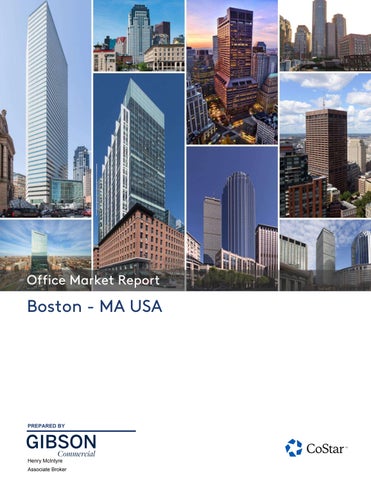
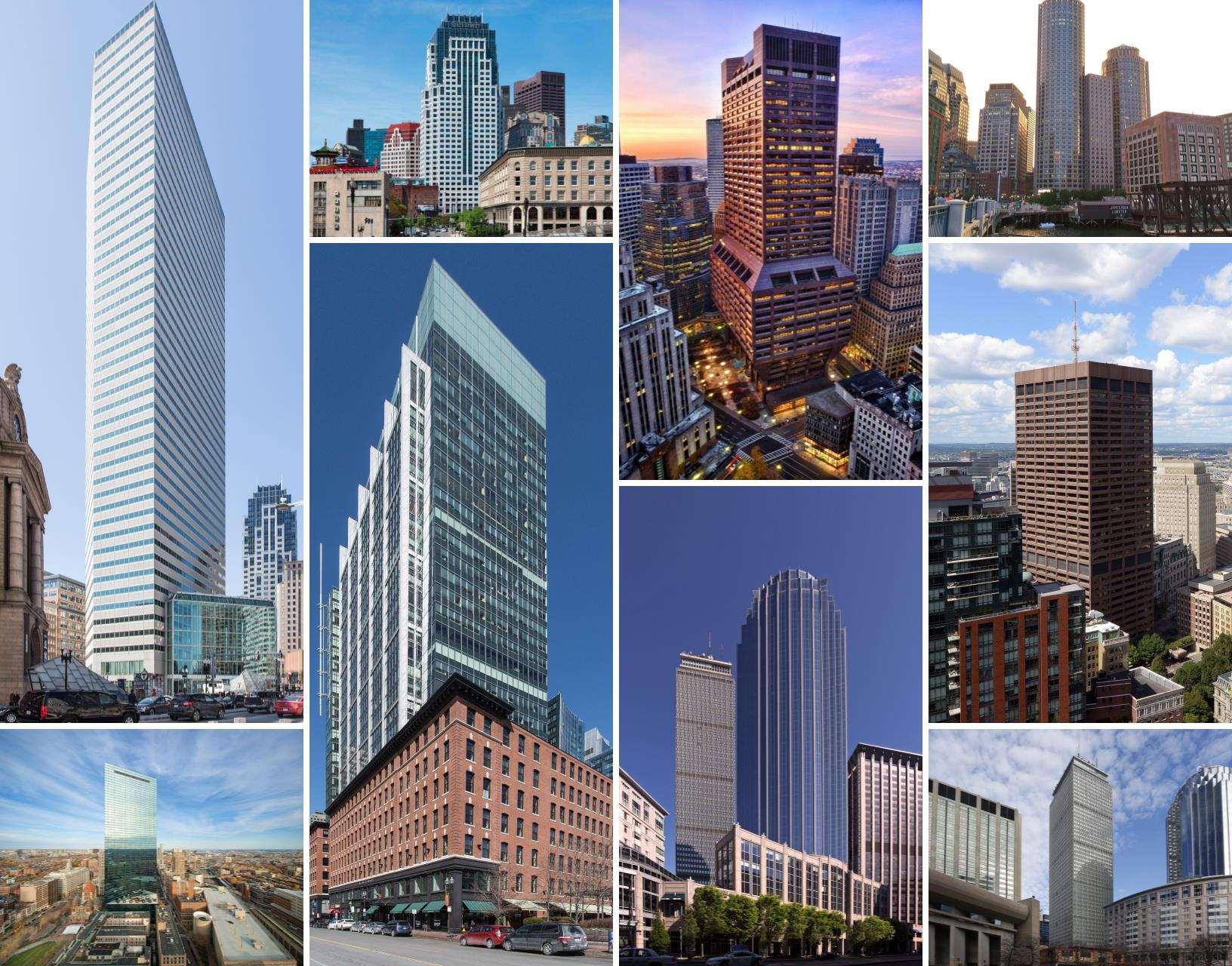
Following a prolonged downturn, Boston's office market is showing signs of recovery including positive net absorption and strong leasing in the second half of 2025, while the life sciences sector continues to face significant challenges. Leasing has rebounded to a three year high, highlighted by notable large transactions within both urban and suburban submarkets. Demand remains consistent in trophy assets with some major tenants expected to finalize leases in the near future.
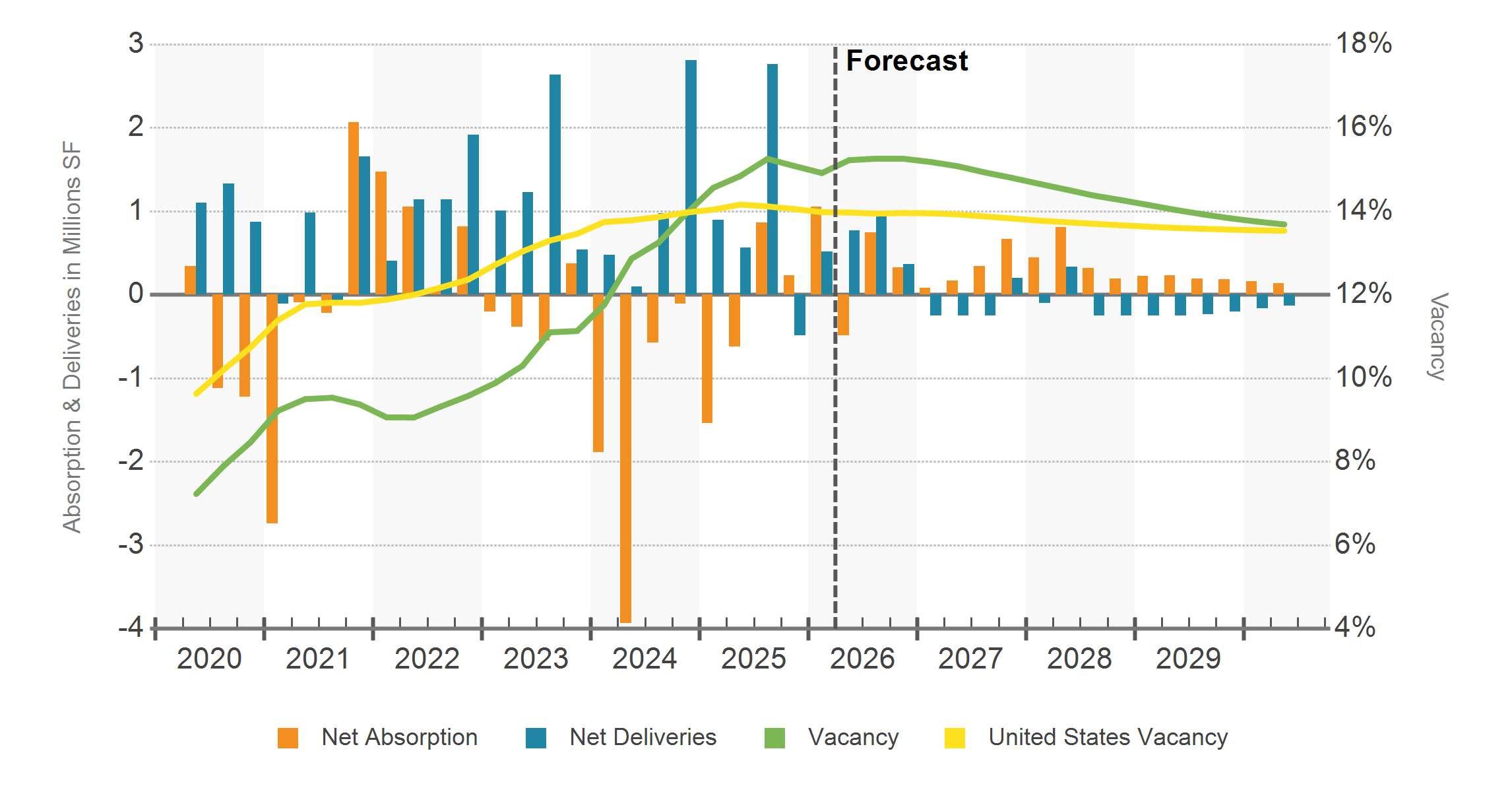
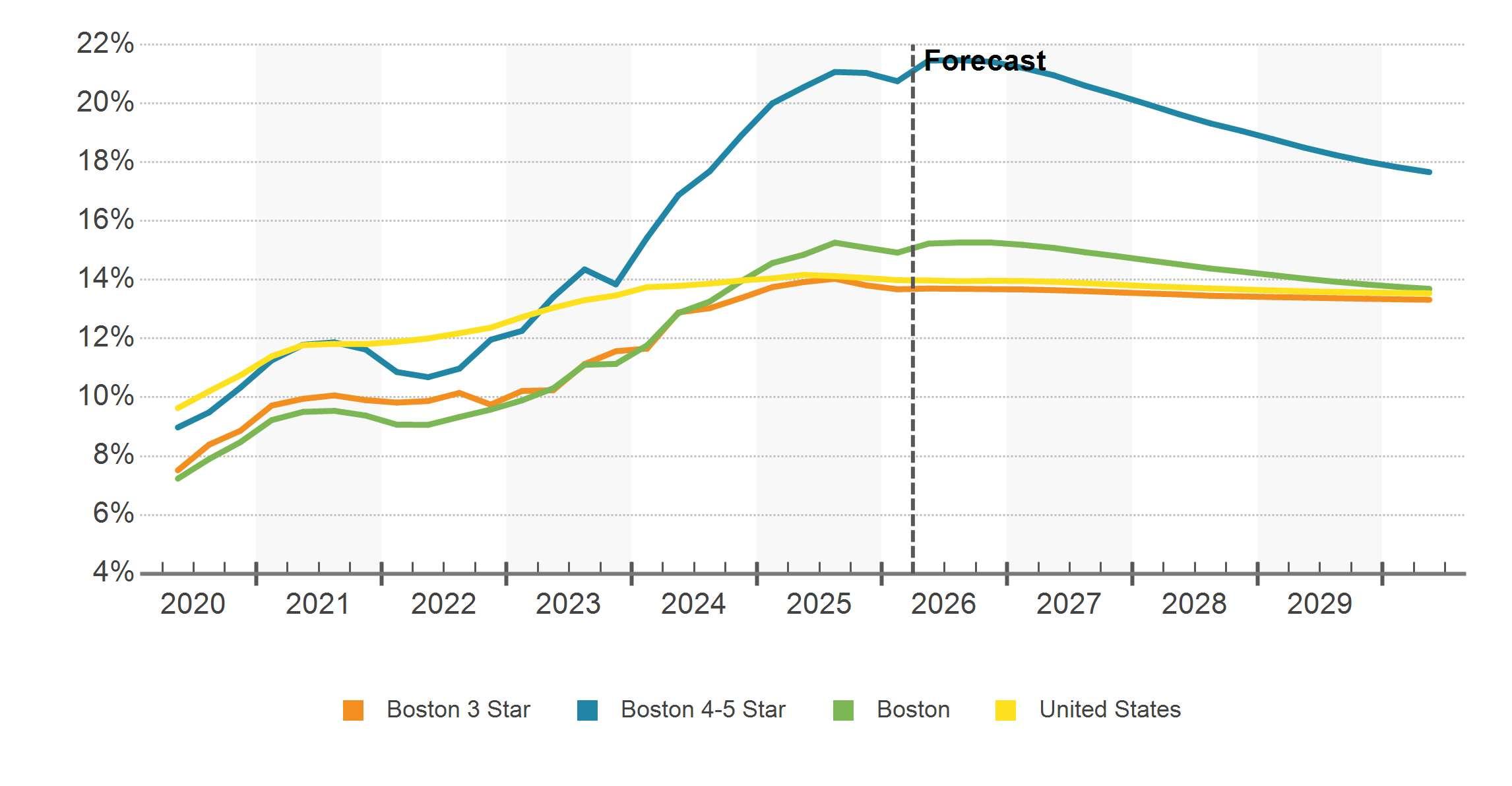
For office users, the rebound in leasing has primarily been driven on relocations and consolidations, creating minimal impacts on vacancies the final two quarters of 2025. However, vacancies are still at record highs, now at 15.1%, tracking 220 basis points higher than the 14.0% national figure. Furthermore, the vacancy rate has more than doubled from the relative low of 6.7% in 2019Q4. Forecasts call for the vacancy to increase marginally by mid-year 2026, driven by life science properties with a few large blocks of space delivering to the market uncommitted.
According to foot traffic data from Placer.AI, holiday season highs in December had Boston office attendance improve 11.6% year-over-year, the third largest percent increase among the major US metros. Even with these notable gains, Boston still trails the 67% national average for office attendance. Greater Boston has recovered nearly 62% of pre-pandemic levels. There is still opportunity for further recovery in Boston; the 12-month figures show positive momentum as area companies solidify their return-to-office plans.
As attendence improves, tenants have taken 770,000 square feet of space over the past 12 months, and the market also posted back-to-back quarterly gains of
nearly 1.3 million square feet the second half of 2025. This is the first time Boston recorded a quarterly positive net absorption since 2023Q4. Absorption remains subdued, largely driven by recent leasing activity involving in-market relocations and consolidations. However, conditions have stabilized compared to previous years, as the number of move-outs has declined.
Approximatley 17 million square feet of new office and life science supply was delivered in the three-year period at year-end 2025. The influx of new space entering the market remains near record highs and has significantly contributed to the rise in availabilies primarily found in life science assets. 2.1 million square feet is expected to deliver at year-end, much of the space is life science oriented.
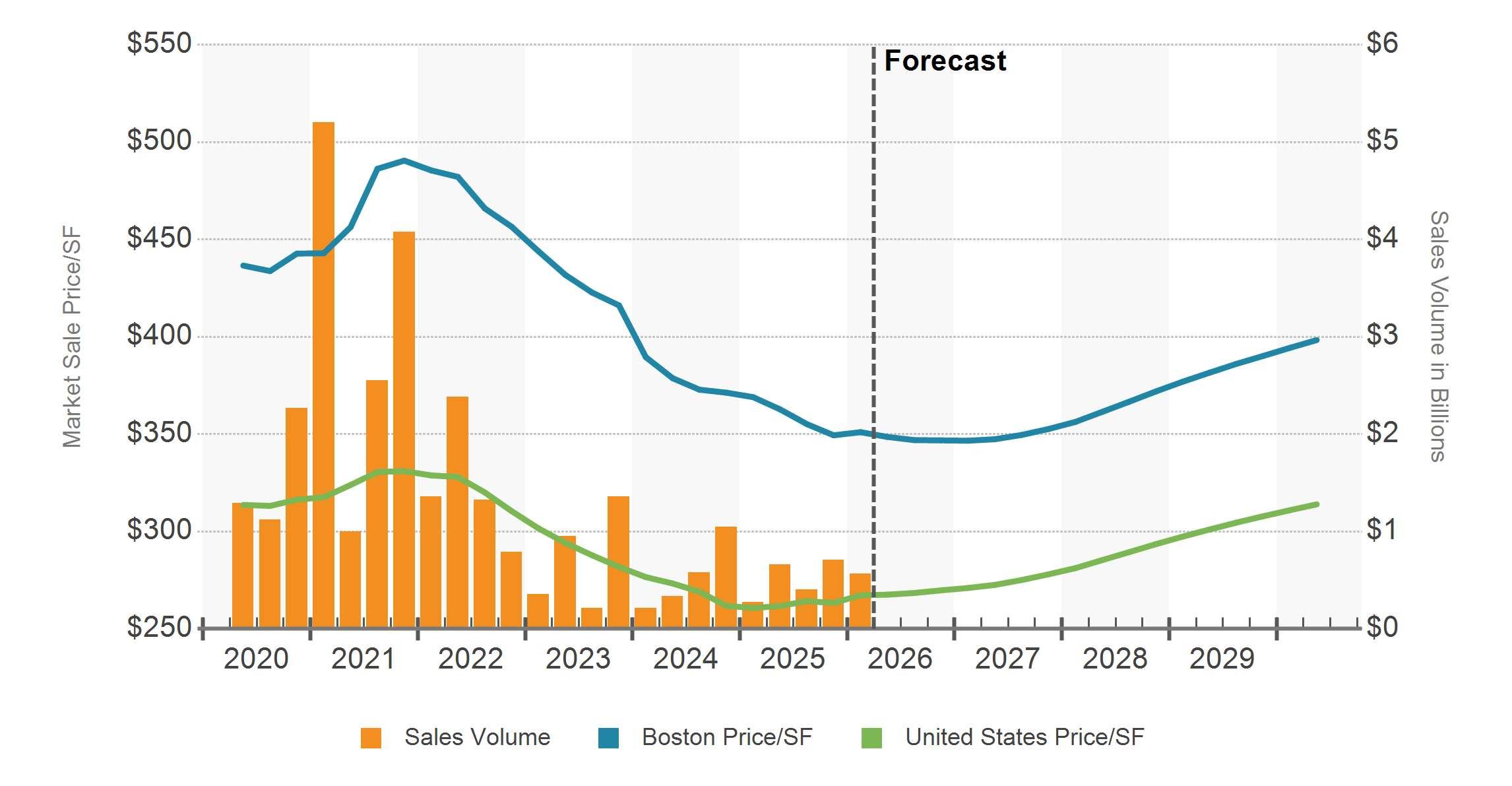
Transaction volume has diminished to near record lows through 2025, showing the lowest sales volume since 2009 during the Great Recession. However, sales recovered the second half of the year by 18% and quarter-over-quarter sales increased 72% in the fourth quarter, it's highest point since 2024Q4. Only three trades have surpassed the nine-figure mark this pastyear, with the most recent transaction involving a suburban office building located south of downtown Boston that was acquired in a joint venture at the end of the fourth quarter.
Office property values across Boston have diminished for a number of reasons such as high vacancy and sublease space and heightened interest rates. Looking ahead, increased leasing trends and economic factors will play a critical role in accelerating recovery across the market.
Leasing
Life science demand drove much of the market's leasing activity in the years post-pandemic, but that demand has since muted and shifted in favor of office-users. As a result, diminished life science demand is no longer sufficient to offset slower leasing from the more traditional office-using sectors. However, leasing activity has rebounded to a three-year high at the end of 2025 and increased 20% year-over-year.
Now that demand has slowly started to recover, it will still be impacted by new supply deliveries that remains uncommitted. Tenants are active in the market with consistent interest in trophy assets. Net absorption for the past 12 months has been 770,000 square feet, and further shifted the final half of 2025 posting positive gains of approximately 1.3 million square feet for the first time since the fourth quarter of 2023. Forecasts call for and additional 825,000 square feet of absorption over the next four quarters. Small tenants remain most active in the region, although their net demand falls short of what would be needed to backfill the space becoming available. The average deal size increased 14% yearover-year at rougly 10,200 square feet and 10% above the three-year average as demand makes gradual progress. As a bulk of recent leasing has been consolidations and relocations in-market, changes in absorption could remain minimal.
As mentioned, these in-market relocations and consolidations played a pivotal role in leasing activity the final half of 2025. In the fourth quarter, it was announced Wayfair is consolidating its headquarters into the 500 Boylston/222Berkeley complex for approximately 340,000 square feet in Back Bay just as DraftKings prepares to vacate that same space and relocate back to the Financial District to 225 Franklin for approximately 125,000 square feet. Both moves are expected to occur in 2027. Investment firm KKR will more than double its footprint in Waltham to 132,000 square feet at International Place downtown.
Furthermore, some of largest leases have primarily been renewals, with a bulk of deals inked in suburban submarkets. In Burlington, State Street expanded and
renewed their lease for 162,000 square feet and Keurig Dr. Pepper renewed their 274,000 square feet headquarters despite recent company shifts in operations. Dessault Systemes signed the largest renewal of the year at their North American headquarters in Waltham for 320,000 square feet.
Not all major leases have occurred in office-use properties. The life sciences market has also shown small signs of recovery. Following Vertex Pharmaceuticals' renewal in the Seaport for 1.1 million square feet, Biogen signed a full building lease for its new global headquarters in Cambridge for 585,000 square feet. The building is expected to be completed in 2028. Also in Cambridge, GSK signed for a full-building lease for 220,000 square feet. To kick off 2026, TransMedics Group signed a new lease for its new global headquarters for 498,000 square feet in Somerville's Assembly Row with plans to occupy in early 2028.
There have been other bright spots in the Boston leasing market. Hasbro will offically relocate its headquarters from Rhode Island to the Seaport for 265,000 square feet by the end of 2026. JP Morgan Chase & Co. has been long-rumored in signing a new lease for 250,000 square feet at the recently delivered South Station Tower.
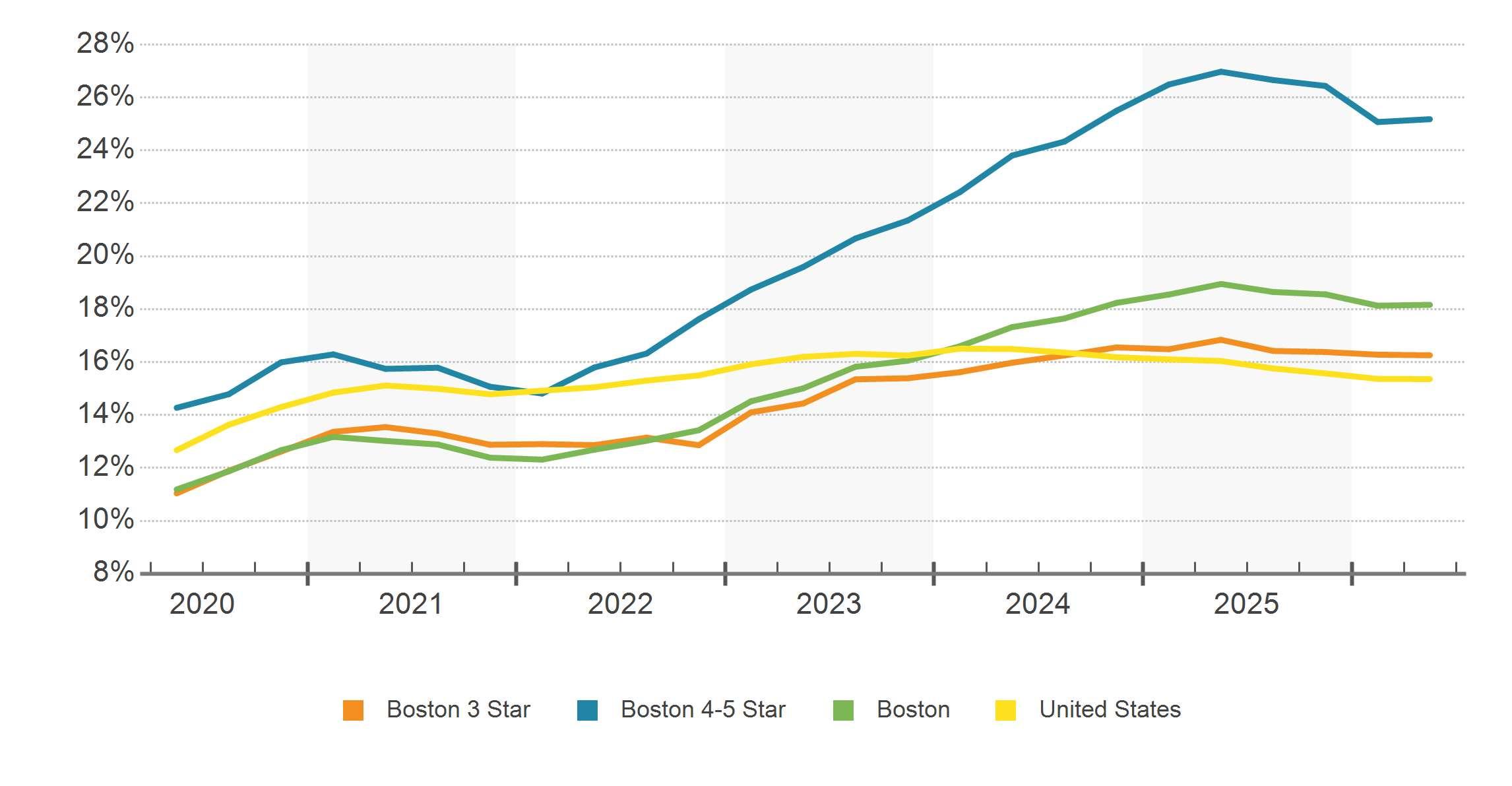
As leasing has increased the trailing 12-months, the overall market continues to encounter high vacancies and availabilities with availability still near record highs that peaked mid-2025 but has decreased slightly to 18.2% in 2026Q2. The availability rate in Boston remains the highest in the Northeast by around 430 basis points. 4 & 5 star space has been a major driver of availability, now reaching 25.2% available due to new supply coming online such as 10 World Trade Center without full leaseup and a consolidation of space from existing tenants. Further deliveries and recovering demand are expected to continue in the coming years, with vacancy forecasted to eclipse the national vacancy and peak near 15.5% in 2026 to 2027.
Leasing
NET
ABSORPTION, NET DELIVERIES & VACANCY
VACANCY RATE
Leasing
Rent
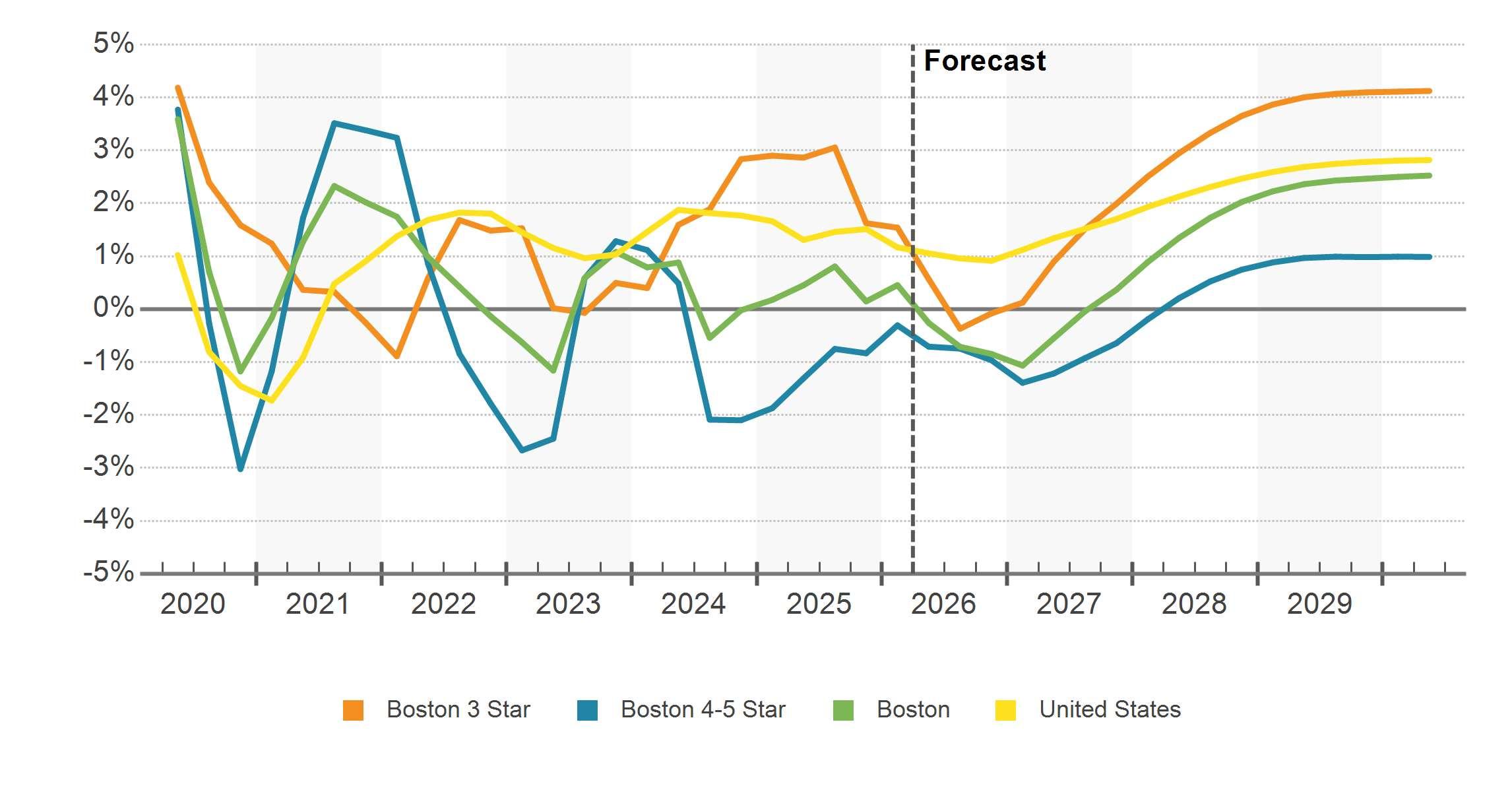
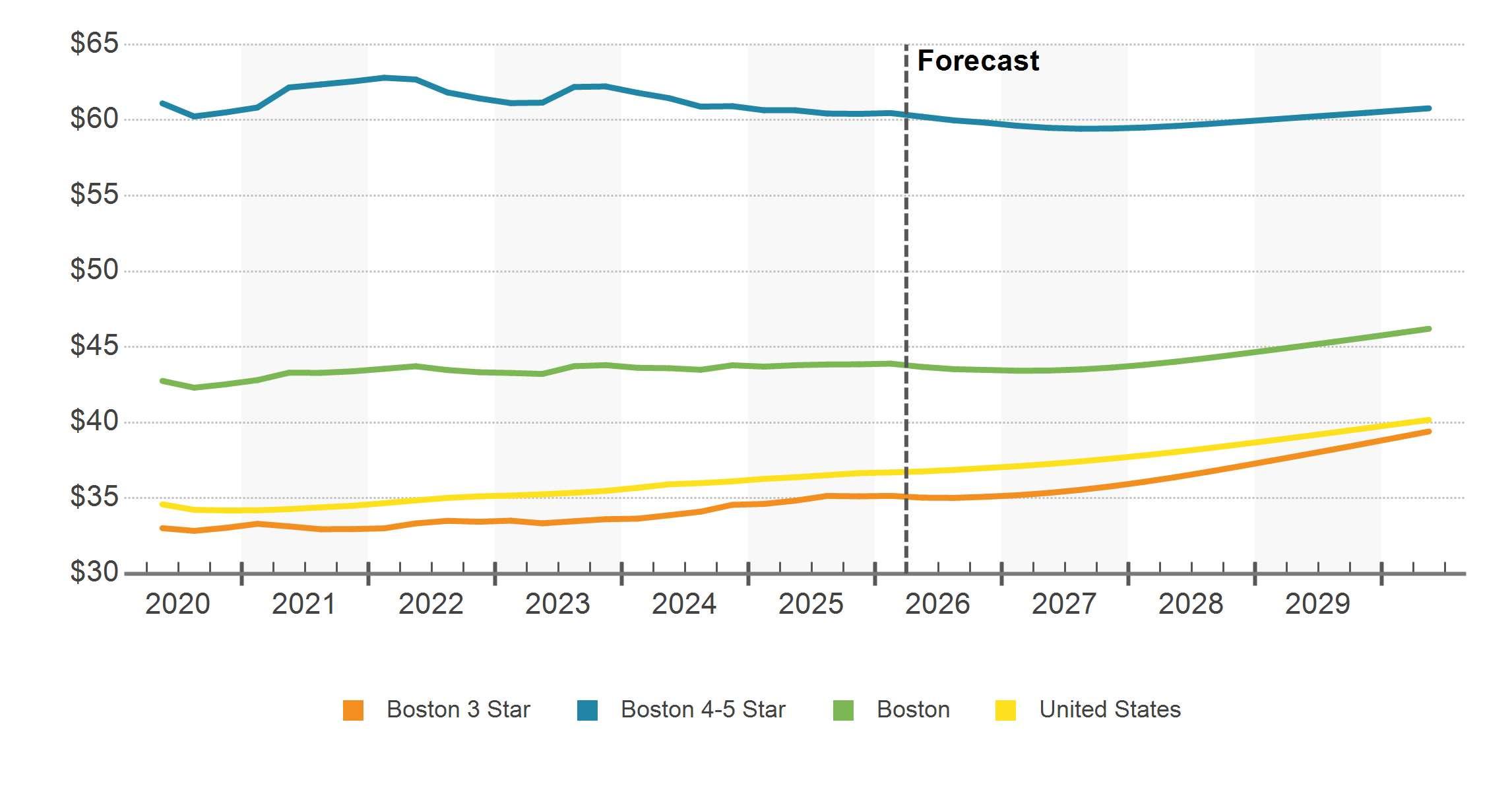
Despite the uptick in leasing activity in recent quarters, Boston's rents have held flat post-pandemic. Rents have increased only 0.3% over the past three years driven by record high vacancies and oversupply entering the market in previous quarters. This compares to the national average of 1.4% and growth is projected to decrease -0.8% by year-end. In 2026Q2, the market asking rent currently sits at $44.00/SF with a 41% premium in buildings within the CBD at $62.00/SF.
Market participants report that the gap between asking and taking rents, which had all but disappeared in the late 2010s, is now around 10%. They also say that offers of 12 months of free rent for a large deal and tenant improvement allowances above $180/SF are now available for a 10-year new lease for first-generation space in the CBD. Such a package could represent about half of the total lease value over that term, as much as twice the impact of a typical concession package in 2019. Concessions could soften in early 2026, but they are expected to linger as Boston faces high availabilities.
Life science clusters in Cambridge command the highest office rents across Boston, with asking rates average about $80.00/SF in East Cambridge/Kendall Square and roughly $71/SF in the Mid-Cambridge/Harvard Square submarkets. However, year-over-year rent growth has been minimal in the Cambridge submarkets, with East Cambridge declining by 0.2% and Mid-Cambridge
slightly increasing by 0.6%. The three major CBD submarkets - Financial District, Back Bay, and Seaportall post rates within the $60.00/SF range, have also shown limited movement, with the Seaport changing just 0.2%. The suburban submarkets have fared somewhat better, with nearly all posting marginal rent growth above 1.0% in the same period. The two urban submarkets with some of the most rent contraction at -0.2% are those with the highest construction pipeline; East Cambridge/Kendall Square has 2.2 million square feet underway which will grow inventory by 9.6% at delivery, and Longwood/Fenway has 660,000 square feet in the pipeline, will grow the supply by 5.9% upon delivery.
Class A rent growth in the CBD has also decreased marginally at -0.2% year-over-year to $69.00/SF, on par with newer assets built within the last five years as vacancies remain well above the market level. In contrast, Class B rates in the CBD have increased 1.1% year-over-year and are currently priced a 32% discount relative to Class A rates.
Given the abundance of available space, rent growth is projected to remain subdued in the near term and likely to be outpaced by even cooling inflation figures. There is also pressure from the significant volume of high-quality sublease space in the market, typically available at discounts of 25-30% from direct rents. Of the 68.6 million square feet currently available, 15.4% is sublease, down from the peak of 22% in 2023Q3.
MARKET ASKING RENT GROWTH (YOY)
MARKET ASKING RENT PER SQUARE FEET
Sales
Office sales across the Boston region continued to diminish at the end of 2025 after the banner year 2021 when a record $12.6 billion traded hands. The $2.3 billion traded in the trailing 12 months marks an 84% drop from the 2021 high and the lowest annual total since the Great Recession in 2009.
A decline in both the number of transactions and average deal size has contributed to significant reduction in overall activity. 2025 saw only three deals transact at a value over $100 million compared to six such deals in 2024. In sharp contrast to prior years, there had been a significant pullback in the sale of life-science-oriented buildings in 2025. Only two of the ten largest building sales by the end of 2025 were labs, compared to five of the ten largest in 2024.
The fourth quarter of 2021 delivered an all-time high for market sale price per SF at $494. Four years later, this figure contracted to $346/SF in 2025Q4, a 30% drop. This decline has been influenced by a lower volume of urban asset sales and by transactions occurring at reduced pricing.
The slowdown in investment activity coincided with major buyer and seller mix shifts. Institutional buyers were involved in 49% of transactions in the past three years, but that figure fell to 36% in the past years. Private capital was largely absent from the market in the past three years but captured just over half of sales volume on the buy side this past year at 51%. Both institutional and REITS accounted for 64% of volume on the seller side the past three years. Institutional and private groups were the primary sellers in the past year, responsible for 40% and 38% of volume, respectively. Institutional group TIAA was the largest seller of the year at $227 million
followed by Blackstone Inc.
Institutional investors have been involved in some of the largest purchases of the year. At the end of the fourth quarter in a joint venture, Cross Ocean Partners Management LP and Lincoln Property Company closed on the suburban 409,000 square feet 140 Kendrick Street in Needham for $132,000,000 ($322.74/SF). The building was recently renovated and was 96% occupied at the time of sale. Also in the fourth quarter, Divco West Services LLC acquired the 245,000 square feet 399 Boylston Street in Back Bay for $125,000,000 ($510.03/SF). The building was 90% leased at the time of sale.
BioMed Realty sold off one of the largest lab deals of the year in Cambridge with the sale of the 49,198 square foot property located at 58 Charles Street for $53,000,000 ($1,077,28/SF) to foreign institutional investor Zurich Alternative Asset Management. The single-tenanted building was recently renovated in 2023 and sold at 100% leased at the time of sale.
Property values have diminished as a result of recordhigh vacancies and shifts in workplace demand. A recent report issued by the Boston Policy Institute projected that Boston could lose nearly $2 billion in tax revenue over the next five years due to empty buildings and falling property valuations. For instance, 99 High Street sold for $227 million in mid-2025, a 17% discount below its purchase price in 2005 and $100 million below its assessed value. The outlook for 2026 calls for continued pricing pressures on Boston office buildings, characterized by flat-to-negative rent growth and limited liquidity. Distressed property sales and recapitalizations are expected to shape the market.