Improve



VITRO MODELS
ANIMALS

Improve
Why participate?
1. To evaluate laboratory performance
2. To identify problems
3. To maintain or achieve ISO 17025 accreditation
4. To identify interlaboratory differences
Application and questions
More information about our PTS and the application form can be found on our website www.gdanimalhealth.com/PTS
If you have any questions, please do not hesitate to contact us via pts@gdanimalhealth.com
Round 7 - August
VLDIA323PTS for Bacterial Identification Cattle round 2
VLDIA324 PTS for Antibiotic susceptibility of bacterial strains Cattle round 2
VLDIA323PTS for Bacterial Identification Porcine
VLDIA324 PTS for Antibiotic susceptibility of bacterial strains Porcine September (Round 8)
Round 8 - September
VLDIA232PTS for AI antibody detection
VLDIA327PTS for Avian Influenza RNA detection
VLDIA233PTS for Salmonella poultry antibody detection
VLDIA171PTS for Salmonella porcine antibody detection
VLDIA295PTS for SIV antibody detection
VLDIA347PTS for SIV RNA detection
View the entire schedule: www.gdanimalhealth.com/pts/timeschedule

You don’t often read about cats and dogs in our newsletters and magazines. With our roots deeply embedded in the world of food producing animals, most of our research, commercial activities and communication is around poultry, swine and cattle. Reading this issue, however, you will find out that GD offers services in the field of companion animals too. In their interview, Nannet Fabri and Reinie Dijkman tell in detail about the wealth of data we have collected performing dog and cat pathology services for veterinary practices, which has resulted in a huge database with more than 30.000 samples, or, to put it in their words, ‘a structured epidemiological resource with significant scientific and translational value’.
Of course, there are also a lot of poultry related topics in this issue. The variety of themes underlines GD’s broad capabilities in this field. From data-driven decisions to advanced in vitro tools for research, we do it all. And with excellent scientists like Sjaak de Wit and Lonneke Vervelde you can be sure that you get high quality data!
Speaking of quality, Sigrid Wessels, featured on the back page of this issue, will tell you how we do our quality assurance. The main message? Quality is teamwork.
Do you want to meet the GD team in person? The VIV meeting in Utrecht from June 2nd to 4th is an excellent opportunity to do so. Don’t hesitate to reach out if you would like to meet us in Utrecht or visit our facilities in Deventer!
Berend Oosterhuis, Head of Contract Research & Consulting

CONTACT INFORMATION ROYAL GD


If you want to know more about what GD can do for you, please contact one of our staff members, responsible for international sales:
Berend Oosterhuis Head of Contract Research & Consulting b.oosterhuis@gdanimalhealth.com
Annemiek Kolkman Business manager a.kolkman@gdanimalhealth.com
Jarno Smit Business manager j.smit@gdanimalhealth.com
Chantal OnvleeBijlemeer Sales support support@gdanimalhealth.com
Hannelore Braam Sales support support@gdanimalhealth.com


Eveline Peereboom Business manager e.peereboom@gdanimalhealth.com
Fanny Nieuwenhuis Business manager f.nieuwenhuis@gdanimalhealth.com
Sebastiaan Bierma Business manager s.bierma@gdanimalhealth.com
Frank Huis in ‘t Veld Sales support support@gdanimalhealth.com
Janine Boertien Sales support support@gdanimalhealth.com
Phone +31 (0)88 20 25 575 | E-mail info@gdanimalhealth.com | Website www.gdanimalhealth.com
Mail address GD P.O. Box 9, 7400 AA Deventer, the Netherlands | Editor Update Jessica Fiks
Delivery address for samples and post mortem material Royal GD, Attn. CMD, Rigastraat 25, 7418 EW Deventer, the Netherlands
04 In vitro models: How advanced organoids are shaping the future of animal health
06 Newcastle Disease is emerging: vigilance and action required
08 How large scale companion animal pathology data support research
13 FlockVision: Smart solution to improve broiler welfare
15 News and communications
16 GD specialist Sigrid Wessels content
POULTRY RESEARCH
By integrating complex in vitro and ex vivo models into applied research, Royal GD is redefining how scientific insight, innovation and responsible animal use come together in poultry health.
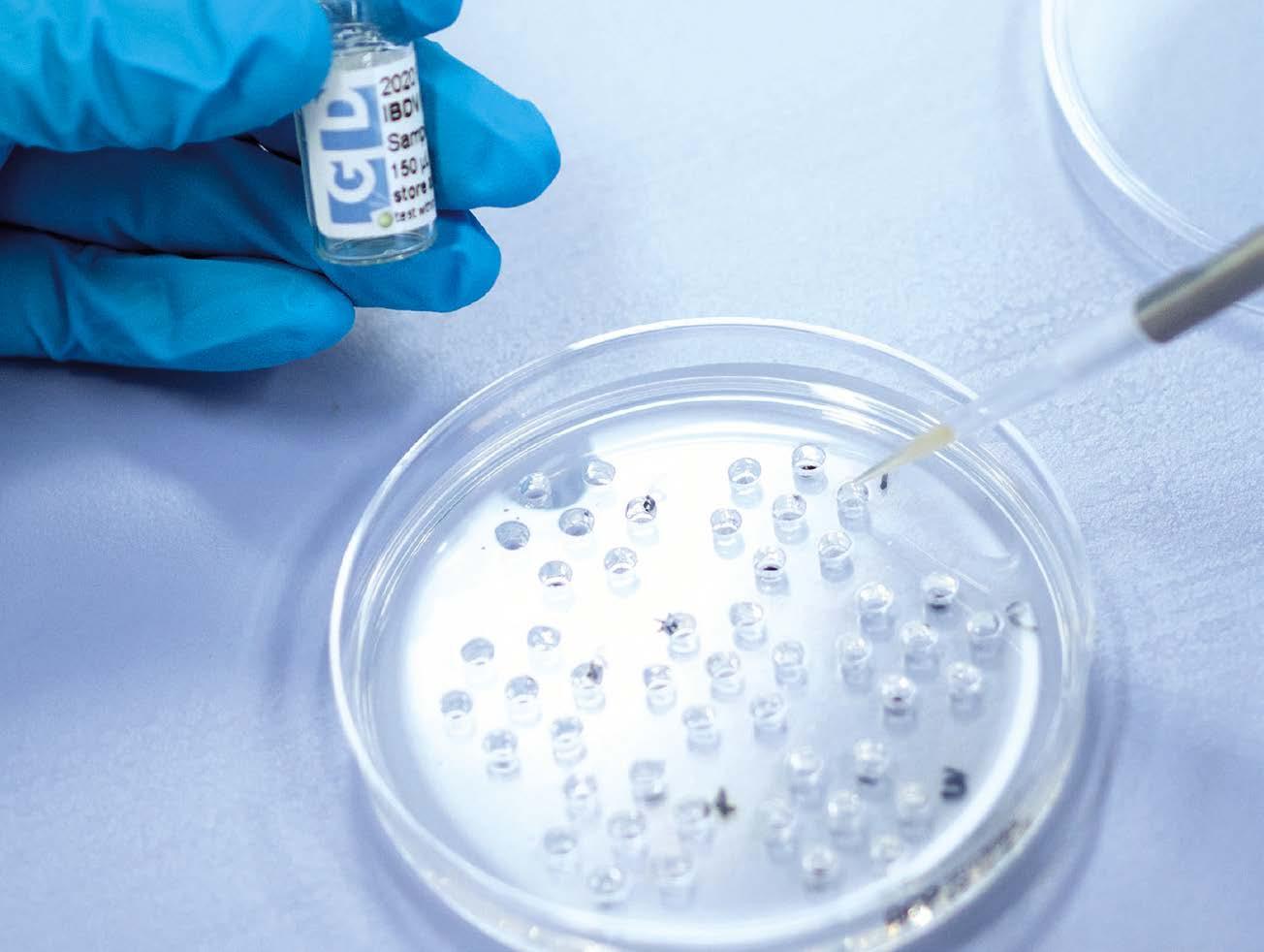
For decades, in vivo animal models have been the cornerstone of veterinary research. They remain essential for understanding whole-organism biology, immunity and disease. Yet advancing technologies are reshaping how research questions are approached. At GD, the development of sophisticated in vitro and ex vivo models is providing researchers and industry partners with new, high-impact tools that increase scientific precision while reducing reliance on animal experiments.
“The starting point should always be the research question,” says Lonneke Vervelde, immunologist and senior researcher at GD. “In many cases, you don’t need to begin with an animal trial. Complex cellular models can already provide robust, biologically relevant answers.”
From simple cell lines to organ‑level complexity
Biological models exist along a continuum of increasing complexity. Classic in vitro cell lines, often composed of a single immortalised cell type, are widely used because they are cost-effective, scalable and reproducible. They play an essential role in diagnostics, viral culture and exploratory research. However, they lack the cellular diversity and spatial organisation of real tissues.
Ex vivo tissue models have a complex cellular structure and consist of a small piece of tissue that is maintained in vitro Examples of ex vivo models include tracheal organ cultures and precision cut lung slices. The most recent developments have been made in the field of organoids. Organoids are in vitro grown tissues that recapitulate the structure and cellular complexity of an organ. Mammalian organoids are derived from adult or pri-
“We can study translocation and invasion in a controlled, reproducible system before deciding whether in vivo confirmation is truly necessary”
mordial stem cells or tissue and grown in an extracellular matrix with species-specific growth factors. The technology was developed by the group of Prof. Clevers in the Netherlands, and the first organoids they developed were intestinal organoids that mimic all cells of the intestinal epithelium, form crypt – villus structures with a central gut lumen.
A breakthrough in avian intestinal modelling
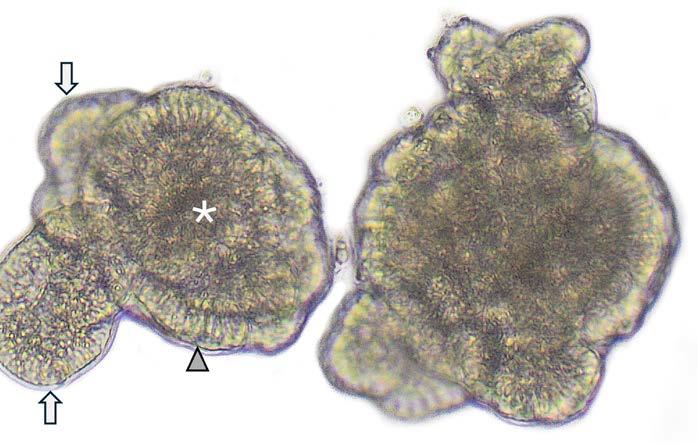
One of the most innovative developments at GD is the use of three-dimensional chicken intestinal organoids. Derived from intestinal villi isolated from late-stage embryos, these organoids are unlike conventional epithelial-only cultures. They reproduce the architecture and cellular diversity of the avian intestine, including epithelial cells, immune cells, connective tissue cells, muscle cells and neurons organised around a lamina propria core.
“What makes these organoids unique is that they are a model that comes closest to the in vivo situation,” says Lonneke. “You have barrier function, polarity and immune components all present in a single model.” This level of physiological relevance makes the organoids ideally suited for studying early hostpathogen interactions that were previously difficult or impossible to capture in vivo in poultry.
Understanding pathogenicity without early animal trials
GD has successfully applied the intestinal organoid model to investigate the pathogenesis of Enterococcus cecorum, an emerging bacterial pathogen responsible for major economic losses in poultry production worldwide. Certain strains of E. cecorum translocate from the intestine into the bloodstream and bones, causing severe locomotor disorders. Using the organoid system, researchers demonstrated that strains isolated from clinical lesions invade intestinal tissue at significantly
higher rates than strains obtained from healthy birds. This provided a mechanistic explanation for differences in virulence.
“This type of insight would have been very difficult to obtain without animal experiments in the past,” Lonneke notes. “Now, we can study translocation and invasion in a controlled, reproducible system before deciding whether in vivo confirmation is truly necessary.” Products can be assessed for their ability to reduce bacterial invasion, maintain epithelial integrity or modulate immune responses. Different compounds and combinations of compounds can be compared efficiently. “For industry partners, this means smarter decision-making,” says Lonneke. “You enter animal trials with far more confidence, focusing only on the most promising candidates.”

The flexibility of the organoid system also allows GD to explore emerging topics such as climate change and animal resilience. Currently GD is phenotyping different broiler genotypes for their resilience to bacterial invasion, testing the organoid model for its application as tool to support selection in breeding programmes. In addition, organoids derived from different chicken breeds could be subjected to heat stress to assess how elevated temperatures influence susceptibility to pathogens or immune performance. “That kind of comparative work would be extremely challenging to perform in vivo at an early stage,” Lonneke explains. “Organoids give us a controlled environment to understand resilience before scaling up.”
Lonneke highlights that most importantly the research or client question will determine what in vitro model is chosen. If products are tested to determine reduced adhesion or invasion of bacteria a simple cell line will suffice, whereas products that modulate the immune system of the intestine and a mode of action study is required, a more complex cellular model such as the 3D organoids is advised. In vivo studies remain essential for certain research questions. However, advanced in vitro and ex vivo models ensure that animal experiments are better informed, more targeted and used only when necessary.
“The goal is not to eliminate animal research,” Lonneke concludes. “It is to use it more intelligently. By combining complex cellular models with in vivo expertise, we achieve better science and better outcomes for animal health.”
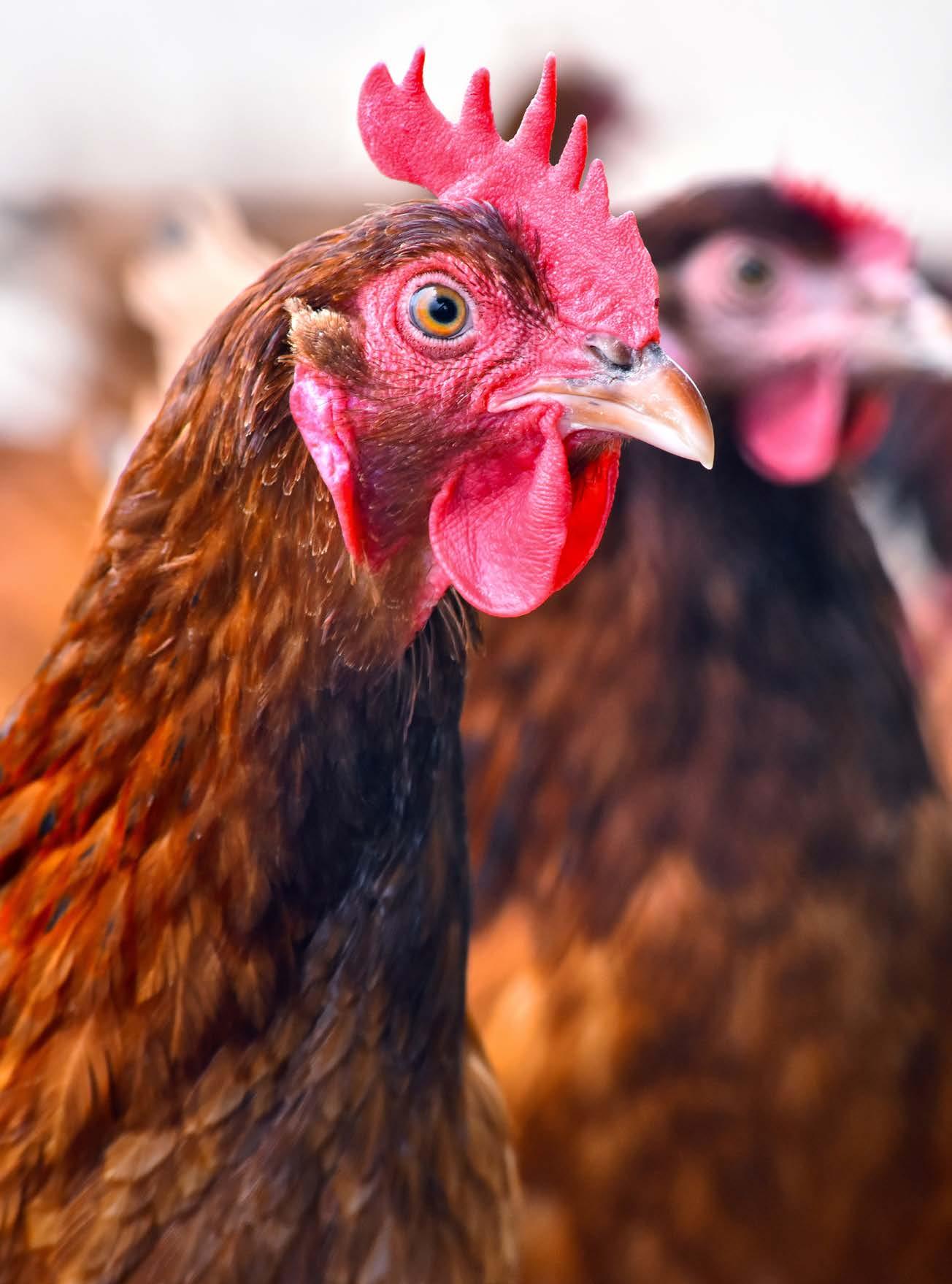
With more than forty outbreaks in eastern and southern Germany earlier this year, Newcastle Disease (ND) virus is emerging further as a serious threat to Europe’s poultry sector. According to Sjaak de Wit, senior researcher at Royal GD, both vaccination and strict biosecurity are essential to limit its impact. “ND is a severe disease with high mortality, comparable to Avian Influenza when it infects unprotected poultry. It requires a collective and serious response.”
While NDV is endemic in parts of the Middle East, Asia, and Central America, Europe has little recent experience with the disease. In the Netherlands, the last poultry outbreaks date back to the 1990s. However, the virus has been advancing westward since late 2023, when it emerged near the western Belarus border. It subsequently spread to Poland and the Czech Republic, with recently outbreaks in Germany around Berlin and Bayern. In the meanwhile, Spain had several outbreaks as well, which are unrelated to the outbreaks in central Europe. “The risk of further spread into Europe is considerable”, says Sjaak. There are many transport movements between the country’s, the virus can travel long distances in this way.”
Although NDV can also spread via wild birds - especially pigeons - this does not seem to be the main driver of the current outbreaks. In Poland and Germany, transmission appears to occur mainly between farms, via contaminated vehicles, people and materials and on short distance by air. This highlights the importance of maximizing biosecurity. “There is strong focus on this in Poland and Germany, as well as in the Netherlands. The Netherlands has built significant expertise in biosecurity due to the ongoing threat of Avian Influenza. “In some European regions, that level of preparedness might be lower, particularly in areas with few waterfowl such as ducks and geese, which are known carriers of bird flu.”
Unlike Avian Influenza, vaccines against NDV are available and commonly used. However, achieving full protection on flock level against a deadly ND virus remains challenging. “Routine vaccination to meet legal requirements is not enough”, Sjaak explains. “This is an aggressive virus and Europe is no longer accustomed to it. In regions where NDV is endemic, vaccination strategies are more intensive and deliberate.”
Poland and Germany have already stepped-up vaccination efforts, which
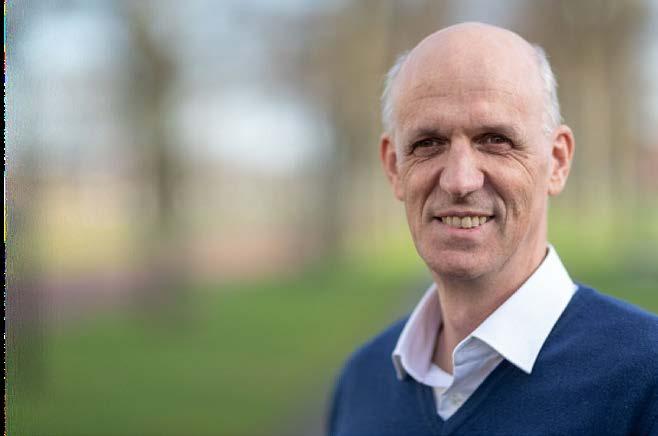
Sjaak de Wit:
may lead to possible supply constraints in Europe. “There is a broad range of vaccines, but manufacturers cannot rapidly scale up production in response to increased demand. That is a concern if the virus continues to spread.” Questions have also been raised about vaccine performance against genotype VII, the strain currently circulating in central Europe. “Differences may occur between results under controlled conditions and real-world field performance, where various factors can reduce vaccine effectiveness. This is currently being debated in Europe.”
Despite these uncertainties, optimizing vaccination remains crucial given the potential impact of an outbreak. NDV is also known as pseudo-fowl plague, because the disease and its consequences closely resembles Avian Influenza and can cause high mortality. It is a notifiable disease, subject to strict control measures, including culling and trade restrictions, which can have major economic consequences. “Many younger poultry farmers and veterinarians in Europe have never encountered the disease and are unfamiliar with its severity”, Sjaak warns.
With NDV continuing to spread into Western Europe, simply complying with vaccination requirements only is no lon-
“Many younger poultry farmers and veterinarians in Europe have never encountered the disease and are unfamiliar with its severity”
NDV is a highly contagious viral disease caused by avian orthoavulavirus 1 (formerly known as avian paramyxovirus serotype 1 (APMV-1)). The disease is known since 1926 and is a notifiable animal disease, subject to mandatory control measures. Multiple field strains exist, with genotype VII - currently circulating in several European countries - being the most significant globally. Clinical signs include respiratory distress, digestive disorders, reduced egg production, neurological symptoms and high mortality in poultry.
ger sufficient. “We need to actively prepare and strengthen our defences. This awareness must reach the entire sector.” To support this, GD is collaborating with the Dutch poultry veterinarians and the Dutch poultry association AVINED on an awareness campaign aimed at improving preparedness and reducing potential damage.
GD’s contribution
Sjaak plays an active role in raising awareness of Newcastle Disease and in promoting best practices for its control, by delivering numerous lectures on the disease both in the Netherlands and internationally. Recent outbreaks have also driven interest in new and improved vaccines. In Poland, several vaccines have recently been approved that they hope may offer better protection against genotype VII. GD has the experience and capacity to evaluate vaccine efficiency against different field strains and has already obtained the Polish NDV-virus for research purposes. In addition, the organization performs performs large-scale blood tests to determine the NDV antibody titers in Dutch poultry flocks and provides materials to measure NDV antibody levels in serum to other laboratories, supporting both prevention and control efforts. GD organises also an ISO 17043 accredited annual international proficiency testing scheme for the detection of antibodies against NDV with over 80 laboratories participating each year.
FROM ROUTINE DIAGNOSTICS TO TRANSLATIONAL INSIGHT

Every year, veterinary clinics submit thousands of tissue and cytology samples from dogs and cats for diagnostic evaluation. For most veterinarians, these samples represent individual clinical questions: what is the diagnosis, and what does it mean for the patient they are treating? At Royal GD, these routine diagnostic submissions have gradually been built into something larger: a structured epidemiological resource with significant scientific and translational value.
GD pathologists have performed histopathological and cytological diagnoses (CWP) on companion animals for approximately 20 years. This has led to an incredible and unique set of data. The Companion Animal Pathology Database (CWP) is built from histopathological and cytological diagnoses performed by GD pathologists between January 2020 and June 2025. According to epidemiologist Nannet Fabri and veterinary pathologist Reinie Dijkman, the strength of this database lies precisely in its origin. The data were not collected for research purposes but emerged organically from daily veterinary practice.
A real-world dataset with scientific depth Nannet: “At GD we have decades of experience in collecting and storing diagnostic data, especially from livestock. We realised that our companion animal pathology service had reached a scale where systematic data analysis became not only possible but meaningful. Every biopsy or cytology sample submitted represents a real animal with naturally occurring disease. By harmonizing and structuring these records, we created a select database.”
“The average age reflects the clinical reality that advanced diagnostics are more commonly performed in middleaged and older animals”
in the database
The CWP database currently comprises more than 30,800 unique samples, including 24,388 samples from dogs and 6,465 from cats. The vast majority originates from the Netherlands, offering nationwide coverage within a relatively homogeneous veterinary healthcare system.
The dataset includes both tissue biopsies and cytology samples, representing a broad spectrum of pathological processes. In dogs, approximately 13,500 tissue samples and nearly 11,000 cytology samples are included; in cats, the numbers are more evenly distributed: approximately 3,500 tissue samples and 2900 cell samples. Animals of all ages are represented, though the average age reflects the clinical reality that advanced diagnostics are more commonly performed in middle-aged and older animals.
Pathology as the foundation
From a pathological perspective, Reinie emphasises that diagnostic quality and consistency are essential. All samples in the CWP database were assessed by trained veterinary pathologists. “This is something we take seriously,” Reinie notes. “If necessary, we can reclassify historical cases using updated criteria, while preserving the original diagnosis. That allows researchers to work with harmonised datasets without losing information.
Nannet Fabri:
“In our dog population, the average age at sampling is just over eight years, while cats are slightly older, with a mean age of almost ten years”
The key strength is that these data come from routine diagnostics. We are not dealing with artificial disease models or selected trial populations. These are spontaneous diseases in animals that share the human environment. For pathology, that means enormous biological realism.”
This approach ensures that the database is not static but adaptable, a prerequisite for meaningful long-term analyses.
Nannet: “Age, sex, castration status, and breed are all key determinants of disease risk. In our dog population, for example, the average age at sampling is just over eight years, while cats are slightly older, with a mean age of almost ten years. This aligns well with the age distribution of animals undergoing advanced veterinary diagnostics.”
Sex and neutering status are well balanced, allowing comparative analyses without major structural bias. Breed data in dogs are particularly informative, enabling researchers to explore genetic or functional predispositions.
Oncology as a major contributor
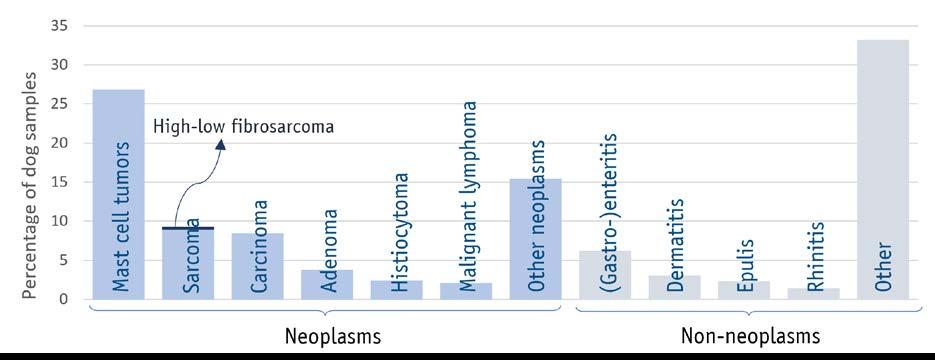
A substantial proportion of the CWP database consists of neoplastic diagnoses. This is not surprising: suspected tumors are one of the most common reasons veterinarians submit samples for histopathological evaluation.
In cats, approximately 20% of tissue diagnoses are carcinomas, while in dogs, mast cell tumors represent one of the most prevalent malignancies, accounting for 27% of canine neoplasms diagnosed on tissue samples. In contrast, only 5% of feline neoplasms fall into this category, highlighting a clear species difference in tumor biology.
These observations align with existing veterinary oncology knowledge, but the scale of the dataset adds statistical power and nuance. Breed-associated patterns, age distributions, and sex-related differences can all be quantified with confidence.
Mast cell tumors: heterogeneity with clinical relevance
Mast cell tumors provide a clear illustration of the database’s granularity. Beyond simple presence or absence, many cases allow grading into prognostic categories. Grade 1 and grade 2 tumors are more common, while grade 3 tumors, associated with a poorer prognosis, occur at a significantly higher age.
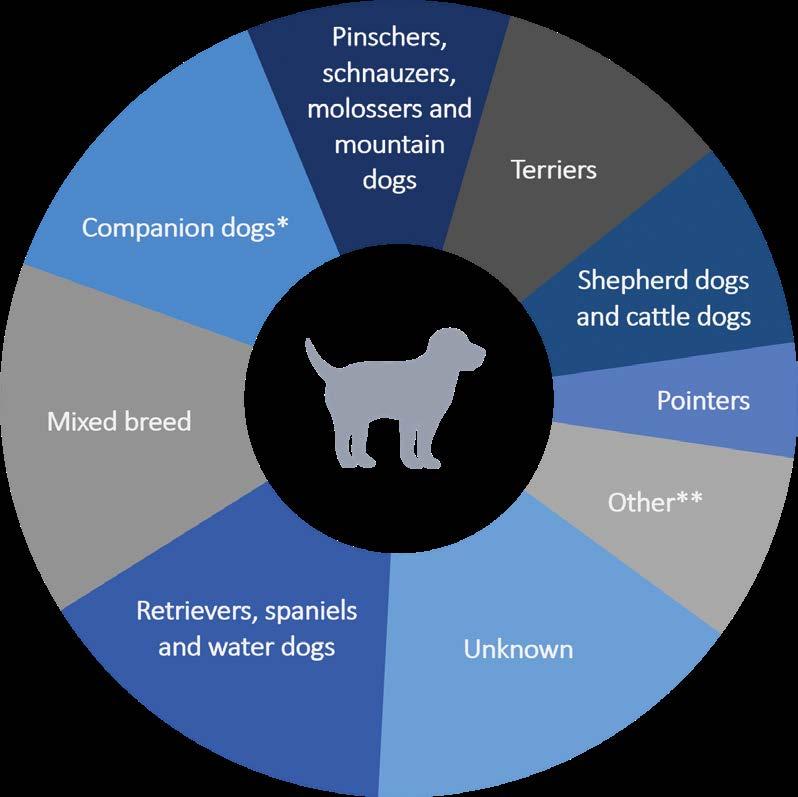
Breed-related risk differences are also pronounced. Retrievers, spaniels, water dogs, and terriers show a higher prevalence of mast cell tumors than other breed groups, whereas shepherd and cattle dogs are underrepresented in certain lower-grade categories. Interestingly, non-castrated male dogs show a higher proportion of mast cell tumors than castrated males, a
pattern not observed in females. It reflects the biological variability that new treatments must address and offers opportunities to study naturally occurring disease subtypes in a realworld population.
Rare tumors with high scientific value
While common tumors dominate in absolute numbers, the CWP database also includes a range of rare neoplastic entities.
Malignant histiocytic tumors are a prime example. These aggressive malignancies account for approximately 1% of neoplastic diagnoses in dogs and only 0,5% in cats, yet their clinical impact is significant due to rapid progression and limited treatment options.
The data reveal stable occurrence rates over the years and distinct breed predispositions, with pinschers, schnauzers, molossers, and mountain dogs showing a higher prevalence than other groups. Rare diseases are notoriously difficult to study, yet here they appear as part of routine diagnostics, embedded in a well-characterised population.
Reinie Dijkman:
“If necessary, we can reclassify historical cases using updated criteria, while preserving the original diagnosis”
Reinie Dijkman
Beyond cancer: inflammatory disease patterns
Although oncology is a significant part of CWP diagnostics, non-neoplastic disease is equally important within the CWP dataset. Gastrointestinal inflammation illustrates how pathology data can illuminate broader disease dynamics.
Among gastrointestinal tissue samples, 38% of dogs and 26% of cats receive an inflammatory diagnosis. Dogs with gastrointestinal inflammation are, on average, significantly younger than dogs without such lesions, suggesting different underlying disease mechanisms or referral patterns.
Further subclassification reveals three main inflammatory patterns: eosinophilic, lymphoplasmacytic, and mixed forms. Each shows subtle but meaningful differences in age distribution, sex association, and breed representation. For clinicians, these distinctions are essential for prognosis and treatment. For researchers, they offer insight into immune-mediated disease processes that may be relevant far beyond veterinary medicine.
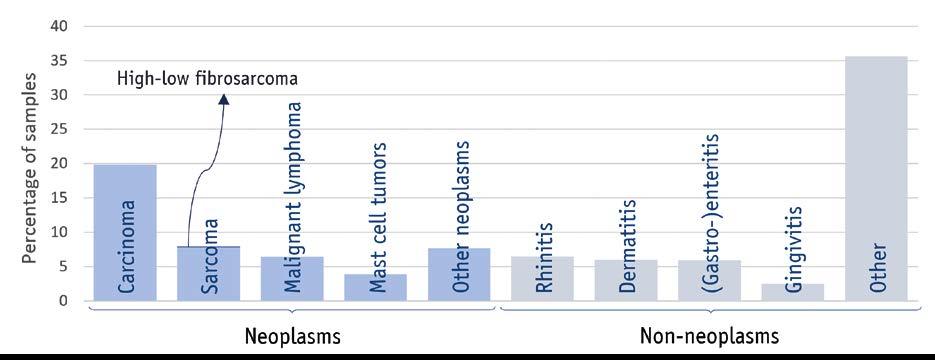
From descriptive epidemiology to hypothesis generation Research projects often start with simple descriptive questions, Nannet and Reinie explain, such as “Which tumors are most common? At what age do they occur? Do certain breeds have higher risk? However, as the analyses deepen, more complex
hypotheses emerge. Why do some inflammatory diseases decrease over time? Why does one breed show a markedly higher prevalence of a rare tumor? These are questions that naturally arise once you have robust data to explore them,” they explain.
Relevance for research
“Diagnostic depth and population scale already provide a strong foundation for translational collaboration”
The value of the CWP database lies in its reflection of diseases. Companion animals share environmental exposures with humans, possess intact immune systems, and develop diseases over realistic timeframes. This makes them an increasingly important bridge between experimental models and human clinical trials.
The database supports applications ranging from target identification and biomarker discovery to comparative oncology and inflammatory disease research. While treatment outcomes are not uniformly available, the diagnostic depth and population scale already provide a strong foundation for translational collaboration.
DETAILED SUBSETS AND ANALYSES ARE AVAILABLE UPON REQUEST. CONTACT US
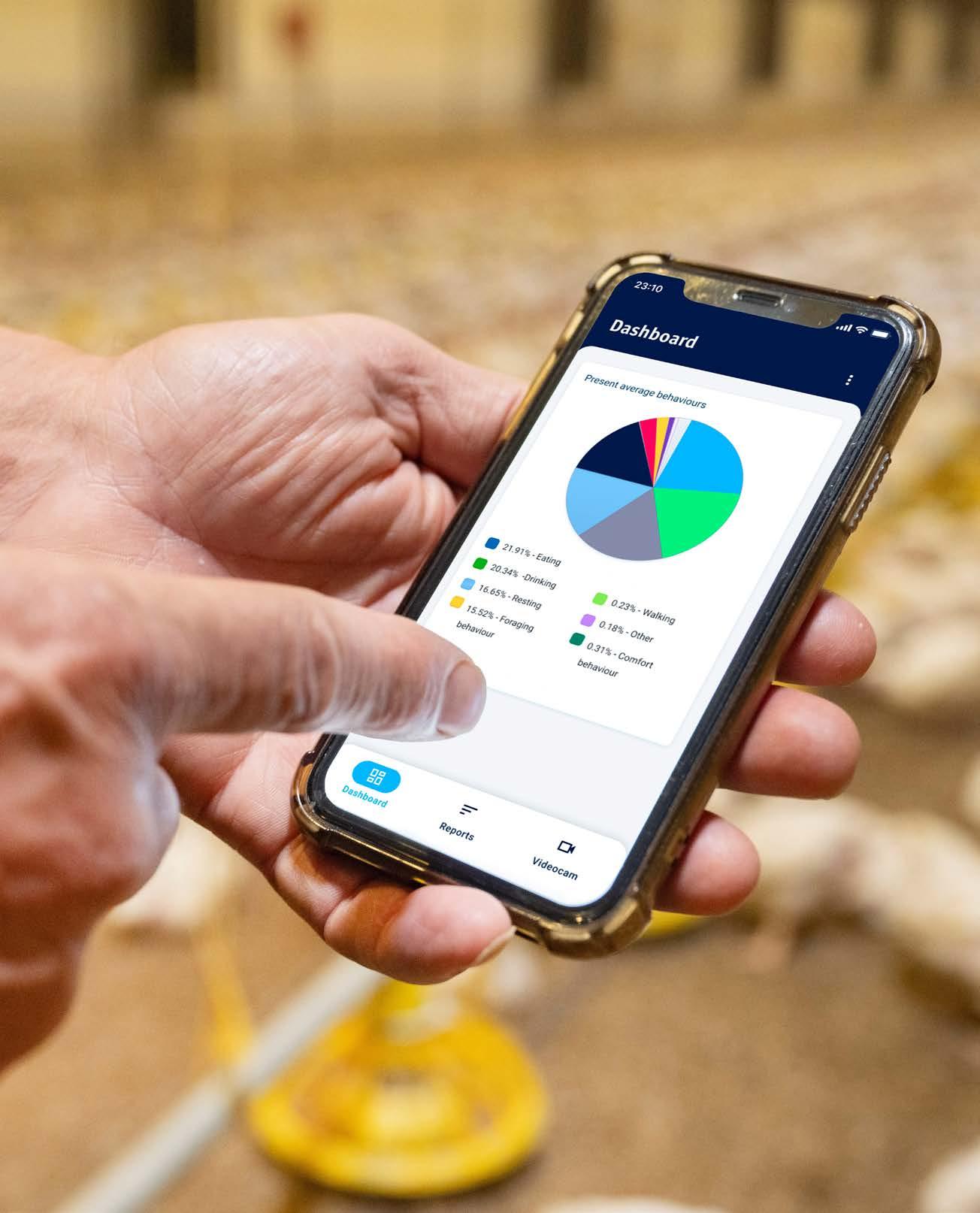
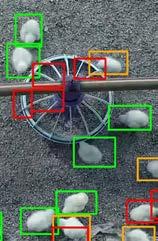
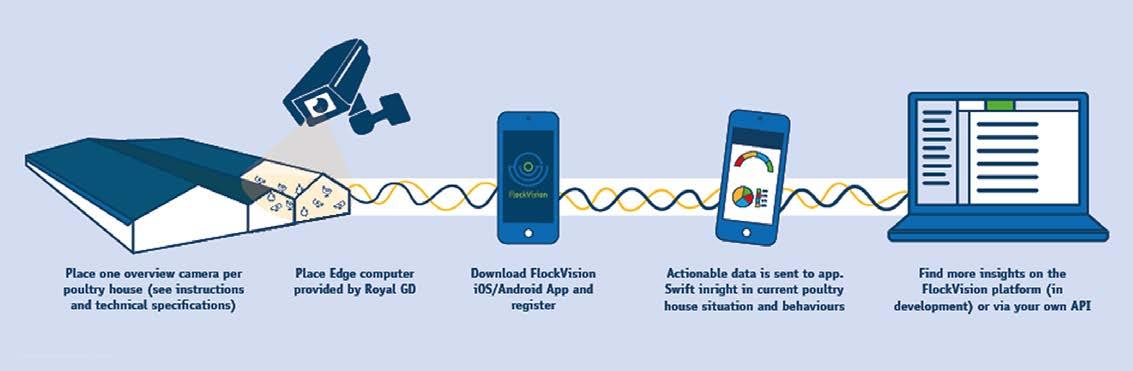
A better insight into the behavior of broiler chickens, and therefore the health and welfare of the flock. That’s what the new smart camera system FlockVision, developed by Royal GD, provides. With the extra eyes in the barn and the objective data brought to the broiler farmer in a mobile app, it’s easier to act if needed and ensure the best animal health.
GD researcher and poultry veterinarian Willem Dekkers was closely involved in developing FlockVision. He explains why such a system is useful: “A farmer can’t always be present in the barn and not everybody is equally trained in assessing poultry behavior. FlockVision objectively observes broilers and translates this data into independent and objective information which a broiler farmer can benefit from. It is also far less labour-intensive and helps maintain a calm environment in the poultry house, as the broiler farmer no longer needs to enter the stable each time. Thanks to the information provided by the app, he already has a clear understanding of the flock’s status.”
FlockVision turns surveillance cameras in the barn into extra eyes by connecting a smart mini datacenter. “Based on the footage, individual broilers are identified and an Artificial Intelligence model is trained to score sixteen desired behaviours, categorised into six behaviour groups. These are eating, drinking, foraging, grooming, walking and resting. The app’s clear dashboard provides real-time insights into flock behaviour. The system identifies patterns and trends, and –more importantly – detects changes in behaviour. For example, a reduction in a desired behaviour can serve as an early indicator of disease. This information enables broiler farmers to take prompt action when necessary.” This benefits animal health and provides peace of mind for the broiler farmer.
Willem assures the used footage from the poultry stable remains private. “Only the scores that the system assigns are sent to the cloud. This allows us to create a benchmark and warning system within the app in the future.”
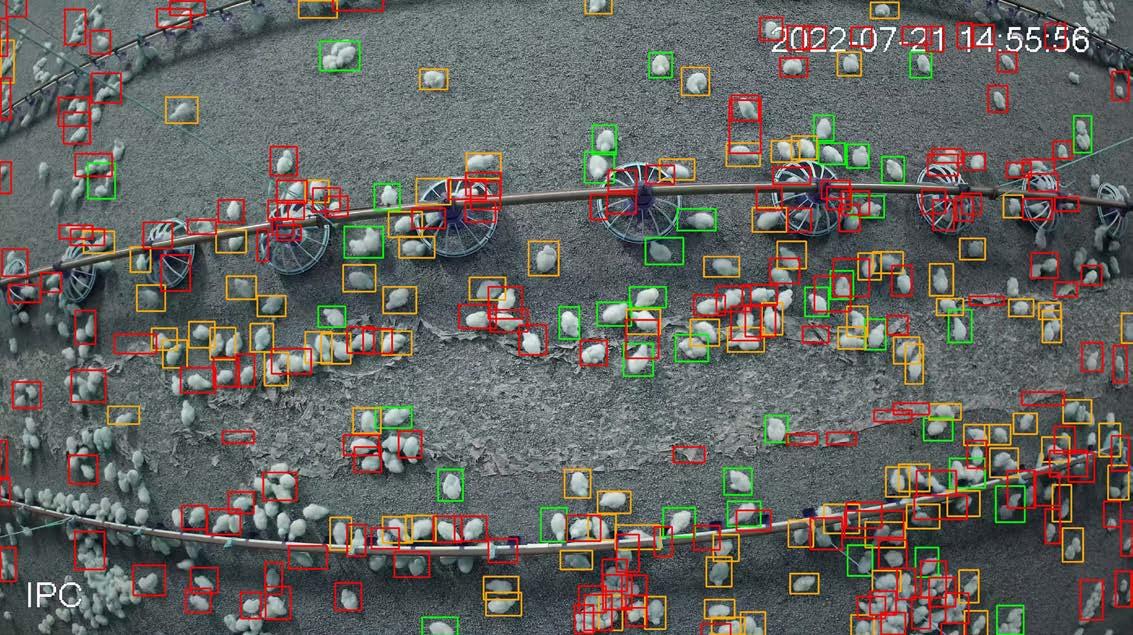

The system has been thoroughly tested on broiler farms in the Netherlands over the past few years. Since May 2025, it has been officially available on the Dutch market but this does not mean development has come to a standstill.
Jessica Hirsch-van Stek, Product Manager at Royal GD, specialising in the development of AI-driven solutions, is closely involved in its ongoing advancement and emphasises that FlockVision continues to expand in its capabilities. “As the system has now been operating for a longer period in various broiler houses, more data is becoming available. This enables farmers, for example, to compare flock performance across different production cycles.”
The system has now been trained to recognise poultry throughout the entire life cycle. “From day-old chicks to fully grown broilers. We observe that certain behaviours change as animals age. Young chicks are highly active, while older birds tend to be calmer.
These behavioural patterns provide valuable insight into the welfare status of individual birds. According to Jessica, this represents one of FlockVision’s key differentiators. “Animal welfare is becoming an increasingly important focus across the poultry sector. Many existing systems assess welfare primarily through
environmental parameters, such as stocking density, water availability or litter quality. FlockVision takes a different approach by evaluating welfare from the animal’s perspective: can the bird express natural behaviour and does it appear to be in a positive state of well-being, regardless of the housing system in which it is kept?”
FlockVision is used in a range of poultry housing systems and can be adapted to farm-specific conditions and operational requirements. “One example is the detection of rooster behaviour. We work closely with customers to continuously refine the system and further improve both its accuracy and its practical applicability.”
FlockVision is now available to GD’s international customers and also offers significant potential within research environments. “For example, in vaccine trials within broiler flocks, behavioural monitoring can provide highly relevant data, as changes in behaviour often offer early indications of both health status and welfare outcomes”, Hirsch-van Stek explains. Looking ahead, the technology may also serve as an objective tool for demonstrating and documenting welfare performance towards retailers and during audits conducted by governmental agencies responsible for food safety and animal welfare compliance.

We have expanded our diagnostics portfolio with new RPA antigens for serological detection of Mycoplasma gallisepticum (Mg) and Mycoplasma synoviae (Ms) in poultry:
• Mg RPA antigen (VLDIA355)
• Ms RPA antigen (VLDIA356)
These bacteria are among the most important pathogens impacting poultry health and productivity. Reliable serological testing is essential for the early detection, monitoring and control of these pathogens. These new RPA antigens enable accurate detection of specific antibodies in blood samples, thereby supporting effective flock health management and surveillance programmes. These high-quality antigens are produced according to stringent
The Aviti sequencer, operated at VHLGenetics within the GD Group, is a valuable addition to our genomics infrastructure. This next-generation shortread platform delivers high-quality sequencing with improved speed and flexibility, enabling the simultaneous analysis of billions of DNA fragments. It supports a wide range of applications, including whole genome sequencing, RNA sequencing, targeted sequencing, single-cell analysis, and genotyping by sequencing (GBS).
A key feature of the Aviti system is its dual independent flow cells, allowing two sequencing runs to be performed in parallel. This increases efficiency and provides flexibility when working with different sample types and project timelines.
The platform offers robust performance and reliable data quality, making it suitable for both research and diagnostic applications within the GD Group. In particular, the availability of GBS opens up new opportunities, and we see strong potential for this application in future projects.
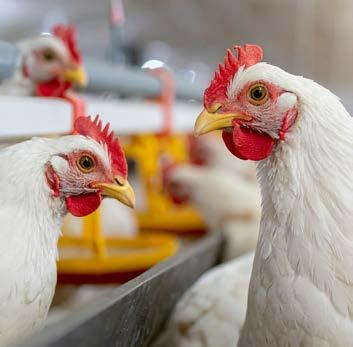
quality standards, ensuring consistent and reliable diagnostic performance for laboratories and veterinary diagnostic services worldwide.
WWW.GDANIMALHEALTH.COM/DIAGNOSTICS
Now in operation for approximately six months, the Aviti sequencer has proven to perform reliably and to the full satisfaction of its users. Operating this technology in-house enables shorter turnaround times and greater control over the sequencing process.
Overall, the Aviti sequencer strengthens the GD Group’s genomics capabilities and supports the delivery of high-quality results.
CONTACT VHLGENETICS AT INFO@VHLGENETICS.COM
Swine Dysentery is increasingly recognised as a re-emerging threat to the pig industry. During a recent webinar, Dr Judith Rohde shared the latest insights into the disease, its pathogen and the challenges related to treatment, prevention and surveillance. The National Pig Association in the UK considers swine dysentery a significant, reemerging concern for the pig industry. The disease is caused by strongly hemolytic Brachyspira species. Because this mucohemorrhagic diarrhea can have a serious economic impact on the fattening industry, many breeding companies have implemented monitoring programmes and marketed the fact that they are selling pigs that do not carry the disease.
The webinar provides an overview of the disease and its pathogen, treatment, prevention strategies, and the design of surveillance programmes.
WWW.GDANIMALHEALTH.COM/WEBINARS-EN
Royal GD has officially been granted the CIR (Crédit d’Impôt Recherche) accreditation by the French Ministry of Higher Education and Research.
What does this mean?
As a French company, you can now benefit from a significant tax reduction on the R&D services you outsource to us. Specifically:
• 30% Tax Credit: You can recover up to 30% of the invoices related to eligible R&D activities conducted by our team.
• Quality Assurance: This status confirms that GD meets all technical and scientific standards required by the French government.
If you have any further questions about our accreditation or would like to discuss upcoming studies, please feel free to reach out.
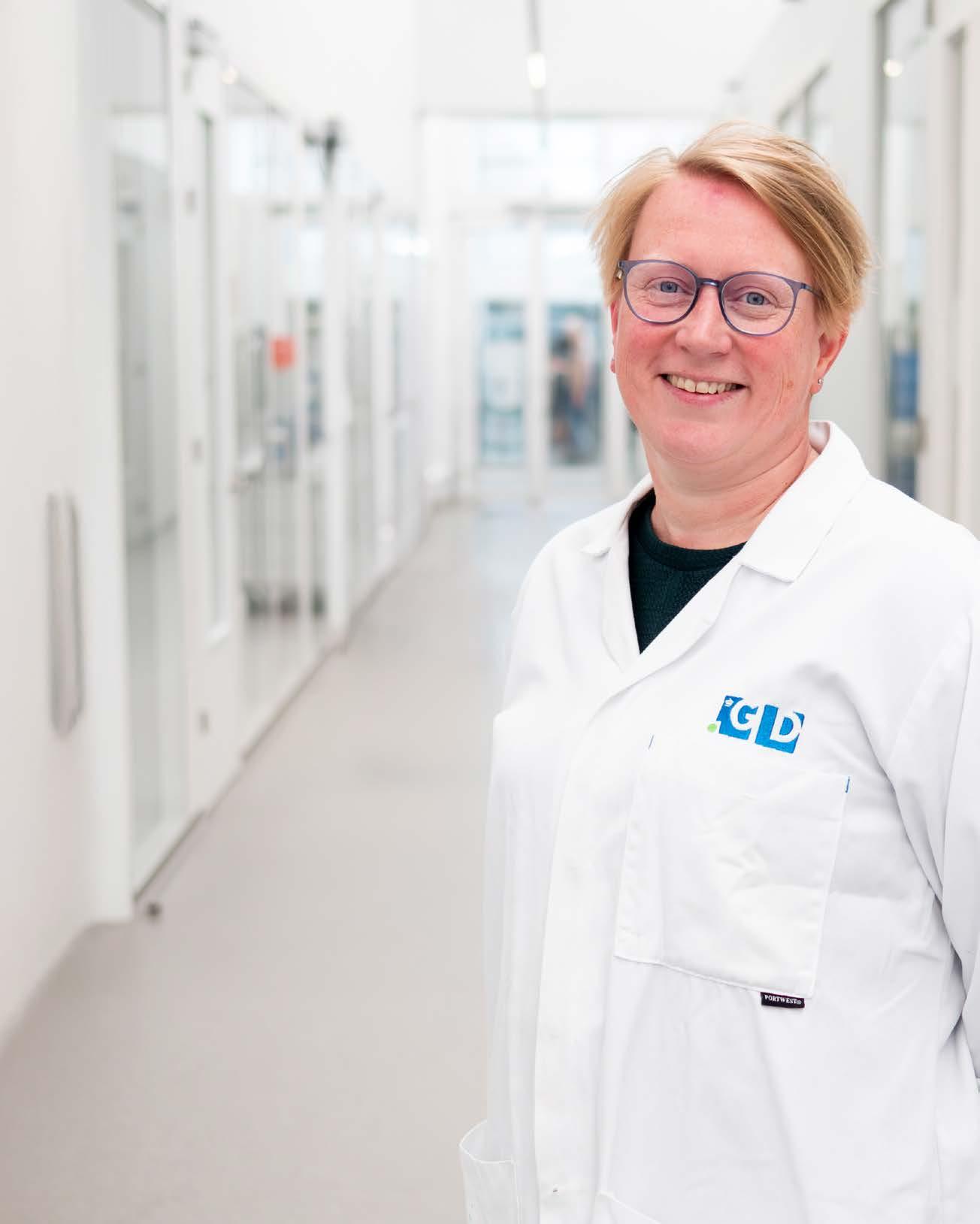
Working in quality management requires listening, building connections, and providing advice within an organization that serves diverse needs and customers. Regulations, guidelines and standards such as GLP and ISO are essential, but they only create value when applied correctly for our customers.
Sigrid’s work focuses on developing, implementing and improving the integrated quality system. GD’s quality system is designed around the principles and requirements of GLP and ISO standards, providing a solid foundation for consistent quality, reliability and trust. “If you want a quality system to really work, quality has to be part of everything we do at GD, it’s about more than just compliance. A clear and efficient quality system enables my colleagues to focus on their core work, while providing confidence that processes, data and products meet the requirements of our quality system.”
A robust quality system
Sigrid supports GD throughout different aspects of the quality system. Designing and implementing quality systems, preparing for audits and inspections, identifying gaps and risks, and working on continuous improvement.
“With my background in laboratory work, I take a pragmatic and integrated approach. Regulations and guidelines only add value when they are translated into practical procedures and by making risk-based decisions. GD avoids unnecessary complexity in the performance of its work by focusing on integration of the different quality standards and guidelines for maintaining full compliance.
A key principle in my approach is how deviations and non-conformities are handled. When something goes wrong, the focus is not on the mistake itself or on assigning blame. The assumption is that if a deviation or non-conformity occurs, the process or the explanation was not sufficiently clear. In such cases, we ask ourselves: where in the process can we improve clarity, structure or training to prevent the issue from happening again? By analysing deviations or non-conformities in this way, it becomes valuable sources of information. It brings opportunities to optimise processes, improve instructions or strengthen training. This approach supports a culture of learning and continuous improvement.
Audits and inspections
“Through preparation, well-structured documentation and a shared understanding of quality principles our team helps GD to approach inspections with confidence. Teamwork is fundamental. Because I operate at the interface of research, operations, and management, effective communication across these domains is central to my work. Acting as a connecting element between research, operations and management helps ensure that quality systems are understood, supported and continuously improved.”