UPDATE Q3/2024 Renewable energy and climate change
Dear readers,
Thailand has been facing serious impacts of climate change and has set various strategies to tackle the challenges. The Thai government has announced its climate goals to meet carbon neutrality by 2050 and net zero greenhouse gas emissions by 2065. It embraces the Bio-, Circular and Green Economy (BCG) model as a path towards more sustainable growth and aims to increase renewable energy capacity to reach the climate goals.
Currently, the Thai government is in process of finalising its new energy roadmap, the Power Development Plan (PDP 2024) for 2024-2037, which is part of the National Energy Plan (NEP), to increase the proportion of renewable energy to 51% of the total by 2037, from 20% in 2023. The renewable energy sources include solar, wind, hydro, biomass, hydrogen and small modular reactors (SMRs).
Thailand plans to attract more foreign investments in renewable energy. Thailand Board of Investment (BOI) provides investment incentives and measures under the five-year investment plans for the Bio-Circular-Green (BCG) industry, which includes renewable energy.
The Thai government promotes Public-Private Partnerships (PPPs) in renewable energy projects to enhance Thailand’s infrastructure development. Several German companies including Siemens Energy, and Enapter have been already in partnership with Thai government agencies and institutions to foster the realisation of the renewable energy goal.
The German-Thai Chamber of Commerce (GTCC) with an active role in enhancing business engagement in sustainability has been implementing the “International Hydrogen Ramp-up Programme H2UPP” in cooperation with GIZ to support Thailand in development of the clean energy sector since 2022. The chamber has been also promoting renewable energy through events, conferences and business trips on key topics such as solar PV, biogas, energy efficiency, railway technology, electric vehicles, and climate change.
I trust you will enjoy informative and interesting reads.
Dr. Roland Wein
UPDATE is published quarterly by the German-Thai Chamber of Commerce (GTCC) and distributed through an electronic platform to members and qualified non-members in Thailand and abroad. It is also available on our website: thailand.ahk.de/en/publications.
Any opinions expressed in articles in this e-magazine do not necessarily reflect the views of the Chamber. UPDATE welcomes story and photo contributions from members and non-members alike. Articles may be reproduced with acknowledgement, except for those taken from other sources.
For inquiries, please contact: communications@gtcc.org.
Publisher/Editor-in-Chief: Editor & Communications Director: Design & Layout: Sub-Editor: Dr. Roland Wein Chadaphan Maliphan Sorapol Liengboonlertchai Bruce Scott
RENEWABLE ENERGY AND CLIMATE CHANGE
04 Energy transition picks up speed
12 Thailand’s opportunities in green revolution
14 Green business in Thailand: Navigating legal frameworks and implementing ESG for a sustainable future
16 Solar energy and its role in combating climate change in Thailand and the ASEAN region
18 Strategic plan for hydrogen utilisation in the energy sector of Thailand
20 Implementation of the International Hydrogen Ramp-Up Program (H2Uppp) “Making Chiang Mai a Knowledge Hub for Green Hydrogen” project
22 Low-carbon hydrogen: Carrying the hopes of a cleaner future
24 Siemens Energy: Supporting “decarbonisation throughout technology”
CHAMBER
ACTIVITIES
28 NRW-ASEAN Summit 2024
29 GTCC Multi-Chamber Eastern Seaboard Seminar with Luther & Networking
30 GTCC Business & Study Trip to Germany “Technology of tomorrow”
31 Boon Rawd Brewery Industrial Meister trip to Germany
CHAMBER ACTIVITIES
32 GTCC AFTERWORK Briefing with VitalLife & Networking
33 GTCC Site Visit to Ziehl-Abegg (Thailand)
34 GTCC Gala Night 2024
36 High-level business seminar with EECO
37 Bavarian delegation visits Thailand
BUSINESS BRIEFS
40 BMW Group appoints Mr. Rene Gerhard as President and CEO of BMW Group Thailand
41 Forvis Mazars shakes up professional services industry with its new $5 billion global network
GTDEE INSIGHT
42 Industry 4.0 examination: Basic version
45 Workshop on systematic thinking for BMW Service Apprentice Program batch 2024
47 Interview Sutham Katekaewklieng, Robert Bosch Limited
MEMBERS’ CORNER
48 New GTCC members
Energy transition picks up speed
Thomas Hundt
Energy in Thailand should be cheap, safe and sustainable. The government and industry want to achieve these goals with energy transition, and foreign energy technology is benefitting.
CLIMATE POLICY REQUIRES MORE RENEWABLE ENERGIES
Thailand announced at the 2022 World Climate Conference that the country aims to be net carbon-neutral by 2050. This means that, including emission reduction credits, the carbon footprint should then be balanced. In a second step, the emerging country wants to achieve the net-zero target for all greenhouse gases by 2065.
The government is therefore having a new National Energy Plan (NEP) written, which is due to be presented in autumn 2024, after many delays. It brings together the individual plans for the electricity sector, alternative energies, energy efficiency, oil and gas. These still refer to an old planning horizon from 2018.
Source: Power Development Plan 2020, IRENA 2024
EMISSIONS MUST COME DOWN
The National Climate Strategy Office has already submitted the steps to reduce greenhouse gas emissions to the United Nations. The energy plan will formulate precise and ambitious sector targets that will contribute to a climate-neutral future.
Electricity production is responsible for around a quarter of greenhouse gas emissions, so a
Aerial view of a solar panel farm in Thailand providing clean energy
massive reorganisation of electricity generation will be necessary. According to the climate strategy, renewable energies should make up around 68 per cent of the electricity mix by 2040 and as much as 74 per cent by 2050. In 2023, renewables accounted for 11 per cent of the electricity generated and more than 20 per cent of installed capacity.
The conversion of the power plant sector will therefore be extensive and expensive. Gas and coal are the most important energy sources for power generation and, according to calculations by the state-owned Electricity Generating Authority of Thailand, coal and gas-fired power is also the cheapest.
Levelised cost of electricity in Thailand (in US$ per kilowatt hour)
Source: Electricity Generating Authority of Thailand 2024
ENERGY IMPORTS AND THE QUESTION OF PRICE
Gas from domestic deposits still supplies around half of the national gas demand. But production volumes in the fields in the Gulf of Thailand are declining, so domestic natural gas is increasingly having to be replaced by expensive liquefied natural gas imports.
As the cost of imported gas and oil rises, the government protects citizens and businesses from rising energy prices and sets low prices for diesel, electricity and cooking gas. Favourable energy prices are one of the most important political election promises.
Subsidies then prevent rising procurement costs from being passed on in full to consumers. The money for this comes from the state budget and from an oil fund.
This ‘Oil Fuel Fund’ compensates for fluctuations in fuel prices. It also subsidises the blending of biofuels with petrol and diesel. The oil fund is supposed to be financed by levies on fuel sales, but these are not sufficient. It has been running high deficits for years. This is another reason why energy policy needs to rethink, reorganise the market, and focus on new energy sources.
NUCLEAR ENERGY AND HYDROGEN IN THE FUTURE
Nuclear power, which is not yet in use in Thailand, may play a role. According to initial announcements, the future Power Development Plan will include the
construction of two 700-megawatt nuclear power plant units.
Government agencies are also considering testing a nuclear small modular reactor. A pilot project is planned by Global Power Synergy from Thailand and Seaborg Technologies from Denmark. In April 2024, they announced their intention to investigate the use of the Compact Molten Salt Reactor (CMSR) Power Barge in Thailand.
According to press reports, the NEP will also provide for the use of hydrogen in the power plant sector in an initial phase. In the first stage, power plants would still use blue hydrogen. This means that natural gas is converted into hydrogen and the CO2 released is stored or processed industrially.
According to the initial drafts, green hydrogen will be produced and used at a later stage. So far, green hydrogen has only been tested in pilot plants.
The H2Uppp programme of the Federal Ministry of Economic Affairs and Climate Protection has been supporting Thailand in the development of a hydrogen sector since 2022. The programme identifies opportunities for the production and use of green hydrogen. H2Uppp is also investigating
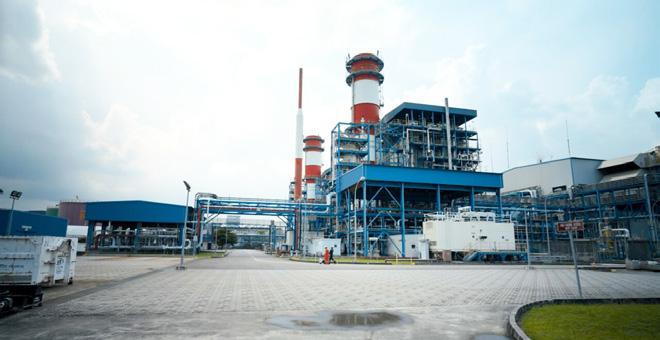
Bang Pakong power plant located in Chachoengsao, Thailand
processes that generate chemical energy carriers from green electricity for electricity storage or convert green electricity into fuels or raw materials for the chemical industry (so-called Power-to-X applications).
ECONOMY WANTS TO REDUCE EMISSIONS AND URGENTLY NEEDS GREEN ELECTRICITY
In Thailand, the expansion of grid-connected renewable energies has been in the doldrums since 2018. Well-funded programmes had expired. Investors in solar, wind and bio plants were able to earn good money. The Ministry of Energy changed tack and hardly ever put larger projects out to tender.
As a result, electricity generation capacities from renewable energies only grew by 1.4 gigawatts to 12.6 gigawatts between 2018 and 2023. This is set to change.
Thailand invited tenders for renewable energy projects with a total capacity of 5.2 gigawatts in 2022. Only companies registered in Thailand were allowed to apply and foreigners were not allowed to own more than 49 per cent of the company. Interest from local investors was very high. The predetermined tariffs and conditions attracted many applicants.
The responsible authority, the Energy Regulatory Commission (ERC), finally selected 175 companies based on qualification criteria, which will construct projects with a total capacity of 4.8 gigawatts, including mainly solar power plants. The winners will then conclude power purchase agreements with the state grid operators.
Their systems will be installed and put into operation between 2024 and 2030. As demand for green electricity is increasing, the ERC is set to invite tenders for a further 3.7 gigawatts of renewable energy projects in the second half of 2024. The majority of these are again expected to be solar systems, some with battery storage. Solar modules usually come from China.
1
INDUSTRY WANTS TO REDUCE EMISSIONS AND URGENTLY NEEDS GREEN ELECTRICITY
Factories in industrial areas alone will need 10 gigawatts of green electricity in future, according to the state-run Industrial Estate Authority of Thailand (IEAT). The European Carbon Border Adjustment Mechanism (CBAM) is already having an impact. Exports to the EU potentially affected by the CBAM amounted to around US$ 480 million in 2022. These are mainly exports of iron, steel and aluminium.
The Thai steel industry is therefore looking for solutions to produce green steel. For example, Singapore-based manufacturer Meranti Green Steel announced in early 2024 that it would be building a green steel plant in the IRPC industrial park in Rayong with Italian plant manufacturer Danieli. The electric steel plant is to use only green electricity. Other steel manufacturers such as Sahaviriya Steel Industries and Millcon Steel have also announced that they want to produce without emissions.
The cement industry has also been switching from coal to renewable energies for some time now. Industry leader Siam Cement Group alone plans to invest around US$ 2.9 billion in its green transformation between 2022 and 2027.
Other industries also want to operate in a climate-neutral way and only use green electricity. Over 100 companies have joined forces in the ‘RE100 Club’ association and want to use only green electricity.
UTILISING WASTE FOR ENERGY
Waste from industry, commerce and households is also an often-unutilised source of energy. Most waste ends up in landfill sites. Municipalities and operators of industrial parks such as IEAT and WHA want to utilise the waste materials for energy. They have waste incineration plants built, which are also operated in co-operation or as joint ventures with international companies such as Suez from France.
The largest operator of waste-to-energy (WTE) plants, TPI Polene Power, which belongs to the building materials manufacturer TPI Polene, is also building new plants and has received orders from local authorities for further WTE projects. The Thai company Earth Tech Environment also won a tender for 10 WTE plants with a total capacity of 80 megawatts at the beginning of 2024.
Solar PV Rooftop in Thailand
There are also opportunities in the utilisation of biomass. Rice straw or residues from sugar cane, oil palm and maize harvests, as well as waste from the meat industry, are used to generate energy in biomass or biogas plants. However, the bio plants are usually equipped with simple local technology or from Asian suppliers.
ENERGY AS A GROWTH INDUSTRY
Energy suppliers in Thailand achieved a gross value added (production value less intermediate consumption) of US$ 16.2 billion in 2023. Adjusted for price, this figure was 3 per cent higher than the previous year, meaning that the energy sector grew faster than the economy as a whole, which only grew by 1.9 per cent in 2023.
The oil, gas, energy and chemicals group PTT is Thailand's largest company. It is 51 per cent owned by the Thai Ministry of Finance, which stipulates in its specifications that PTT should guarantee energy security at fair prices. In return, the state grants PTT access to its oil and gas reserves and gas trading.
However, the owners of PTT also expect adequate returns. The companies in the PTT Group are therefore managed in a profitorientated manner and also invest heavily abroad.
DOMINANT FORCES IN THE ELECTRICITY MARKET
The state-owned Electricity Generating Authority of Thailand (EGAT) is the dominant force in the electricity market. EGAT owns the entire transmission grid and operates power plants with a capacity of 16.2 gigawatts.
The company now buys most of its electricity (27.1 gigawatts) from private electricity producers in Thailand. EGAT has also concluded purchase agreements for 6.2 gigawatts with producers in Malaysia and Laos. Thai energy companies operate eight hydropower plants and one coal-fired power plant in Laos, which supply electricity to Thailand.
The government did not allow private companies to participate in power generation until the early 1990s and introduced an Independent Power Producer (IPP) programme with open tenders. The programme was intended to reduce the investment burden of the loss-making EGAT, and private investors were able to quickly meet the growing demand for electricity.
Further tenders for power plants with a capacity of at least 90 megawatts, for which IPPs applied, took place in 2007 and 2010. EGAT has concluded contracts with 12 IPPs. These have grown into groups that are also active in the infrastructure and mobility sectors.
Another category is small power producers (SPPs), which operate plants with a capacity of between 10 and 90 megawatts. They only have to sell part of their output to EGAT and can use the other part internally or sell it to industrial customers. At the end of June 2024, EGAT had signed power purchase agreements with 165 SPP projects with an installed capacity of 14.3 gigawatts.
A scheme for even smaller private investors was introduced in 2002. The Very Small Power Producers (VSPP) do not conclude purchase agreements with EGAT but with the distribution grid operators. Their plants with a
of 5.2
output of 10 megawatts may only use biomass,
biogas and waste. In June 2024, 990 VSPP projects with an
were awarded contract.
“ According to the climate strategy, renewable energies should make up around 68 per cent of the electricity mix by 2040 and as much as 74 per cent by 2050.”
ROOFTOP SYSTEMS ARE WORTHWHILE
End consumers can also cover their own electricity requirements and set up and operate power generation systems. They require several building permits and licences to operate a photovoltaic system on their roofs. The investment is particularly worthwhile for medium-sized and large commercial enterprises as well as for larger residential complexes.
You can sell surplus electricity to the distribution grid operators MEA or PEA. However, the net metering price and conditions are not considered very attractive, which is why the rooftop systems are only optimised and dimensioned for own consumption.
LOTS OF COMPETITION AMONG SUPPLIERS
The operators of electricity and heat generation plants choose their suppliers carefully. They pay attention to quality, price and references. Long-standing business relationships are also cultivated.
Mitsubishi Power from Japan said it was able to install around half of the power plant turbines in Thailand. Connections to Japan helped with this. Mitsubishi Power installed several combined-cycle gas and steam power plants in the provinces of Rayong and Chonburi with a total capacity of 5,300 megawatts in 2024 on behalf of Mitsui (Japan) and Gulf Energy Development (Thailand).
Maintenance technicians installing solar panels on rooftop
Other suppliers of power plant technology include the US company GE Power, which installed gas turbines for the state-owned EGAT. Siemens Energy also supplied gas turbines to EGAT and the energy supplier B.Grimm.
Solar panels, on the other hand, come from China, but also from Thai production. In addition to Canadian Solar and Ocean Energy from Singapore, Chinese companies such as Trina Solar and Talesun manufacture solar cells and modules in Thailand. There are said to be 41 plants in total. Most of their production is exported.
DOMESTIC PLANT MANUFACTURERS
Construction services and planning are mostly provided by local companies. The construction industry has a broad base and expertise from abroad is only required for difficult tasks. It is advantageous for foreign consulting and engineering service companies to operate a local office that can obtain information about projects at an early stage and implement plans with its own local staff.
International engineering companies have therefore established branches in Thailand. The Scandinavian company AFRY has over 200 employees in Bangkok who plan and advise Southeast Asian customers in the energy and industrial sectors.
The German engineering firm Dorsch, with 35 employees in Bangkok and Southeast Asia, benefits from its proximity to the market when realising infrastructure projects in Thailand.
ILF Consulting Engineers, headquartered in Austria, has also founded a subsidiary in Bangkok.
GreenYellow, the French specialist in photovoltaics (PV) and energy efficiency, founded a subsidiary in Thailand in 2015. It builds turnkey PV systems and has projects with a total output of 190 megawatts in its portfolio.
DEMAND MONOPOLY PARALYSES THE MARKET
Private companies that generate electricity with large power plants with a capacity of more than 90 megawatts are only allowed to sell their electricity to EGAT and only in certain cases to other large customers. This is stipulated by the so-called ‘Enhanced Single Buyer Model’. As the monopolist, EGAT also owns the entire transmission grid.
EGAT passes the electricity on to two distribution grid operators. The Metropolitan Electricity Authority (MEA) holds the sales monopoly in the Bangkok metropolitan area and the Provincial Electricity Authority (PEA) serves end customers in the rest of the country.
Operators of small power plants with an output of up to 10 megawatts that utilise renewable energies conclude purchase agreements with the MEA or PEA. Numerous authorisations and lengthy negotiations also make it difficult for foreign investors to enter this market.
REFORMS IN PROGRESS
Electricity from renewable energies is usually sold on a non-firm basis, i.e. without a contractually agreed capacity that must be supplied. EGAT, PEA or MEA, on the other hand, do not commit to purchasing a minimum quantity.
However, ERC would like to stabilise the supply of green electricity and agrees on fixed electricity supply volumes for projects with battery storage systems. The ERC is also currently working on a Utility Green Tariff (UGT), with the aim is enable commercial and industrial customers to buy electricity from renewable energy sources from grid operators in future.
Experts and business representatives have criticised EGAT's monopoly, and have long been calling for the electricity market to be opened up so that new business models can be established and investments can be amortised more quickly. To date, the ERC has only enabled direct electricity trading between producers and consumers in exceptional cases, such as in industrial parks.
Peer-to-peer (P2P) trading of renewable electricity is also only possible in pilot projects. Trading between operators of rooftop solar installations is therefore only being tested as part of sandbox projects. Prosumers who produce photovoltaic electricity and consume it themselves at the same time can then exchange and offset surplus electricity among themselves. Smart grids are required for these sandbox projects and the integration of green electricity.
A COUNCIL SETS THE ENERGY PRICES
A committee, the National Energy Policy Council, to which 13 ministers belong, formulates the conditions that the Energy Regulatory Commission (ERC) must fulfil when calculating energy prices. The ERC calculates a fuel surcharge (fuel tariff) in accordance with political guidelines. It determines the share of fuel costs - mainly gas - in the electricity price. If the calculated fuel surcharge is too high, it is reduced by means of subsidies. The new fuel tariff then applies for four months at a time.
End consumers pay unit prices per kilowatt hour to the MEA and PEA. The electricity prices depend on the type of consumer (private household, commercial or industrial) and the total consumption. This means that the higher the consumption, the higher the price. From January to August 2024, households and businesses with a consumption of 400 kilowatt hours or more pay the equivalent of around US$ 0.12 per kilowatt hour plus VAT.
FINANCING POSSIBLE FOR LARGE PROJECTS
Financing energy projects poses few problems if the project is technically feasible and economically viable. Many companies have specialised in the construction and operation of rooftop systems and conclude multi-year operator and power purchase agreements with customers.
Banks have their own departments and credit programmes that deal with larger investments in the energy industry. In March 2024, the Thai operator of renewable energy projects Sermsang Palang Ngan even received pre-financing totalling US$ 64 million from the International Finance Corporation, which is part of the World Bank. The money will be used to develop new renewable energy projects in Thailand, Indonesia and Vietnam. Smaller companies, on the other hand, find it difficult to submit the necessary business plans and collateral for external financing, and have to finance their projects with their own money.
MARKET REQUIRES GOOD CONTACTS AND INFORMATION
To enter the market, foreign suppliers should establish good contacts, possibly join a consortium and obtain experience from established suppliers. This is particularly important if they want to acquire public sector companies as customers.
The websites of energy companies provide an initial overview. EGAT advertises procurements and international tenders on its procurement website. And the private stock corporations report on their current projects in their quarterly reports.
The private electricity producers (Independent Power Producers, IPPs) also have professional purchasing departments. Suppliers are selected according to quality, price, supply capability and other criteria. Among other things, they must fulfil a code of conduct for sustainability.
Contact details:
Thomas Hundt
Director Thailand, Cambodia, Myanmar, Laos GERMANY TRADE & INVEST www.gtai.com
Thailand’s opportunities in green revolution
Thailand Board of Investment (BOI)
Sustainability is crucial in the new global landscape, and many countries, including Thailand, have recognized its importance. Thailand is committed to a transformative journey, embracing sustainable transitions in response to global challenges. This dedication is demonstrated through its remarkable rankings in the SDG index, where it is ranked 43rd globally and 3rd in the Asia region.
In response to climate challenges, Thailand has set ambitious targets to reduce greenhouse gas emissions, aiming for carbon neutrality by 2050 and achieving net-zero emissions by 2065. Given that Thailand’s energy sector accounts for almost 70% of these emissions, it is a primary focus of the government's initiatives. A national energy plan has been implemented to provide a comprehensive framework for this endeavor. As a result, 'clean energy' is now viewed not only as a mission but also as an opportunity for all who wish to participate in driving the sustainable transition.
RISING TRENDS IN THAILAND’S RENEWABLE ENERGY
In recent years, Thailand has experienced a positive trend in renewable energy usage. In 2023, approximately 20% of its energy was generated from renewable sources, while the capacity for electricity generation from renewables accounted for 22% of the total installed capacity in the country. These figures highlight the significant share of renewable energy in use, indicating that there is still room for expansion to achieve a higher proportion across various sectors.
Under the Alternative Energy Development Plan (AEDP) 2018, Thailand aims to achieve a 30% share of renewable and alternative energy in its final energy consumption by 2037. As of July 2023, renewable energy consumption constituted 16% of the country’s final energy consumption, marking around 5% increase from the previous year. This upward trend in renewable energy usage underscores a growing demand and market for clean energy sources, establishing them as a key element of Thailand’s future energy strategy.
To meet both energy and climate targets, there is a pressing need to enhance the capacity for electricity generation from renewable sources such as solar energy, biomass, wind, biogas, municipal solid waste, industrial waste, and hydropower. Additionally, the government is exploring the potential of nuclear power and green hydrogen as alternative sources of renewable energy.
THE GOVERNMENT’S SUPPORTING POLICY
To promote the use of clean and renewable energy in Thailand, the Energy Regulatory Commission (ERC) has implemented the Utility Green Tariff program. This program aims to ensure that business owners have access to green electricity, accompanied by a Renewable Energy Certificate (REC). Under this initiative, business owners—particularly those required to align their operations with international environmental standards such as the Carbon Border Adjustment Mechanism (CBAM)—will enter into power purchase agreements with electricity distributors. These agreements enable them to procure services related to green energy and make payments at a designated utility green tariff rate.
Under the five-year investment plans from the Thailand Board of Investment (BOI), the Bio-Circular-Green (BCG) industry, which includes renewable energy, is one of the targeted sectors for attracting investors. The BOI provides investment incentives and support measures for these industries, benefiting not only manufacturers but also users.
For users, investors must meet at least one of two specific criteria to qualify for incentives: (1) enhancing energy conservation, utilizing alternative energy, and reducing environmental impact, or (2) adhering to international sustainability standards such as Good Agriculture Practices (GAP), Forest Stewardship Council (FSC), Program for the Endorsement of Forest Certification Scheme (PEFCs), and ISO 22000. Eligible projects, whether existing or new, will benefit from a CIT exemption on revenue generated from their qualifying activities.
For manufacturers, the BOI grants enticing incentives for investments in various activities related to renewable energy. Investments in alternative energy sources, such as fuel or pharmaceutical-grade alcohol derived from agricultural products, including agricultural scrap or waste, are eligible for up to 8-year CIT exemption with a cap. Similarly, the production of electricity or electricity and steam from renewable sources such as solar energy, wind energy, biomass, or biogas also qualifies for the 8-year CIT exemption.
“ As of July 2023, renewable energy consumption constituted 16% of the country’s final energy consumption, marking around 5% increase from the previous year.”
Table 1: Eligible activities for investment promotion related to renewable sector
1.2.10 Manufacture of fuel or pharmaceutical grade alcohol from agricultural products, including agricultural scrap or waste
1.2.10.1 Manufacture of fuel or 8 years * pharmaceutical grade alcohol from agricultural products
1.2.10.2 Manufacture of fuel from 8 years * agricultural scrap or waste
1.2.10.3 Manufacture of biomass 5 years briquettes and pellets
7.1.1 Production of electricity or 8 years electricity and steam from garbage or refuse derived fuel
7.1.2 Production of electricity or 8 years * electricity and steam from renewable energy such as solar energy, wind energy, biomass or biogas, etc. except from garbage or refuse derived fuel
7.1.3 Production of electricity 8 years * or electricity and steam from hydrogen**
Tax:
- Exemption of import duties on machinery
- Exemption of import duties on raw materials used in production for export
- Exemption of import duties on raw materials used in R&D
Non-tax:
- Permit to own land
- Permit to bring into the Kingdom skilled workers and experts to work in investment promoted activities
- Permit for foreign nationals to enter the Kingdom for the purpose of studying investment opportunities
- Permit to take out or remit money abroad in foreign currency
* The ceiling amount of Corporate Income Tax exemption is equivalent to the investment capital (excluding cost of land and working capital)
Source: The Board of Investment Announcement No.9/2565
** Raw materials used in the production process must not be fossil.
Furthermore, new measures to alleviate PM 2.5 pollution are designed to support and enhance the capabilities of local organizations and farmer groups in improving environmental management. Eligible activities for these groups include constructing Fireline construction, weir to delay moisture, forest fire suppression tools and equipment, and training and prevention of forest fire management. Entrepreneurs who meet these criteria will receive a 3-year Corporate Income Tax (CIT) exemption, aiding local organisations and farmer groups in sustainably reducing PM 2.5 dust issues.
Contact details: The Office of the Board of Investment +66 2 553 8111 head@boi.go.th www.boi.go.th
Green business in Thailand: Navigating legal frameworks and implementing ESG for a sustainable future
Suchaya Tangsiri and Arunrat Rattanaarun
NAVIGATING THE LEGAL ASPECTS FOR GREEN BUSINESS IN THAILAND
Thailand is demonstrating its commitment to becoming a low-carbon society by encouraging the growth of its renewable energy market. However, green businesses in Thailand face challenges such as a lack of understanding of the green economy, regulations, and incentive schemes.
The key legal frameworks governing renewable energy in Thailand are:
(i) The Energy Industry Act B.E. 2550 (2007) (the “Energy Industry Act”), the regulatory authority responsible for overseeing renewable energy in Thailand is the Energy Regulatory Commission (ERC). The ERC’s mandate is to promote competition and encourage investment in the energy sector
and to ensure that the public has access to reliable, safe, and affordable energy. The ERC also set feed-in tariff rates for electricity generated from renewable energy sources. Feed-in tariffs are a mechanism used by governments to provide financial incentives and to purchase renewable energy producers by setting a premium price for the energy they produce.
(ii) The Energy Conservation Promotion Act B.E. 2535 (1992) (the “ECP Act”) provides a legal framework for energy efficiency and conservation initiatives. The ECP Act requires energyintensive industries to develop and implement energy management plans and provides tax incentives for companies that invest in energy-efficient technologies and practices. It also prohibits the sale or import of certain types of energy-inefficient products, thereby incentivising manufacturers and importers to produce and sell more energy-efficient products.
(iii) The Board of Investment Act (the “BOI Act”) of Thailand offers substantial tax breaks and ex-emptions. For example, the production of electricity from renewable energy sources such as so-lar energy, wind energy, biomass or biogas, etc. (other than from garbage or refuse-derived fuel) is eligible for corporate income tax exemptions for a maximum of eight years, depending on the size of the investment, as well as import duty exemptions on machinery. In addition, non-tax incentives include the ability to hire foreign expatriates and remit funds from Thailand to abroad.
IMPLEMENTING ESG IN THAILAND
Although there are no specific regulations directly related to ESG implementation, Thailand is establishing the legal infrastructure to guide the country towards an ESG framework. The SET ESG Index was established in 2018, and then the ESG Metrics manuals and One Report were announced in 2022 to provide guidance to the business sector in disclosing sustainability information. The Thailand ESG Fund was also established in 2023 to provide tax incentives to investors.
KEY PROVISIONS OF THE DRAFT CLIMATE CHANGE ACT
The draft of the Climate Change Act (the “Draft Climate Change Act”) provides for three measures to accelerate GHG emissions reduction in all sectors, including carbon credits, a carbon tax and a domestic emissions trading system (ETS).
The domestic ETS sets the emissions cap for each industry, while the carbon tax imposes a tax on the life cycle of specific products to prevent carbon leakage across borders. Carbon credits are earned by implementing emission reduction and removal projects and are traded on domestic and international markets.
The draft Climate Change Act contains several key provisions, including:
• Climate Change Fund: Established to support local government agencies, state-owned enterprises, and private business operators involved in climate change initiatives in Thailand.
• Climate Change Master Plan: The Master Plan outlines the implementation period, the situation in Thailand, the targets for the reduction of greenhouse gases in the country, and the monitoring and evaluation of the results after the end of the period to assess the impact of climate change.
“ Although there are no specific regulations directly related to ESG implementation, Thailand is establishing the legal infrastructure to guide the country towards an ESG framework.”
• GHG Database: The GHG database contains comprehensive information on GHG emissions, GHG stored by human activities and natural processes, and net GHG reductions achieved for the public to access information. For the purpose of establishing the GHG database, the designated authorities have the authority to request specific data from other government and private agencies.
• GHG Mandatory Reporting: Business operators with high levels of GHG emissions or those in industries that contribute significantly to GHG emissions are required to measure and report the amount of GHG emissions or removals resulting from their business activities, operations, and products.
• GHG Emissions Trading System: Established to provide a registration and accounting system to manage data related to GHG emissions. GHG emissions trading rights are considered assets that can be transferred, ought, sold, or otherwise disposed of in whole or in part.
• Tax System: A carbon credit and tax system that targets the GHG emissions of controlled business operators is one of the most prominent ways to minimise GHG emissions. Carbon credits can be traded on carbon markets, allowing business operators to buy and sell them.
To remain competitive in domestic and international markets, businesses in Thailand must continuously analyse their carbon footprint, reduce their use of fossil fuels, and invest in renewable energy sources. GHG reduction is the new standard in business operations.
Suchaya Tangsiri Senior Associate, Luther Law Firm (Thailand)
Solar energy and its role in combating climate change in Thailand and the ASEAN region
Markus Ganterer
As our planet's age increases, so does its temperature.
Our planet's climate system is undergoing unprecedented changes, which are mostly caused by human activity. Natural catastrophes are becoming more frequent and severe, while rising global temperatures, melting ice caps, and altering weather patterns all serve as vivid reminders of the urgent need to confront this global issue. The Intergovernmental Panel on Climate Change (IPCC) has repeatedly warned that if greenhouse gas emissions are not significantly reduced, we will face catastrophic consequences that will affect all aspects of human life on Earth.
Renewable energy is at the forefront of the fight against climate change. Unlike fossil fuels, which emit massive volumes of carbon dioxide and other greenhouse gases into the atmosphere, renewable energy sources such as solar, wind, and hydropower produce electricity that does not contribute to global warming. Among these, solar energy has emerged as a particularly viable alternative due to its availability, accessibility, and quickly evolving technology.
MARKET ANALYSIS OF RENEWABLE ENERGY IN THAILAND AND ASEAN
Thailand and the ASEAN region's renewable energy markets are expanding rapidly, thanks to increased investment and favourable legislation.
Rising energy consumption, lower renewable technology prices, and more environmental consciousness are all key factors contributing to this expansion. Furthermore, worries about energy security and the need for sustainable development are driving governments and industry to adopt renewable energy.
Thailand serves as a notable example of encouraging investment in renewable energy through various incentives. Since 2003, the country has offered capital grants for renewable energy equipment, including solar thermal systems, biogas installations, and municipal solid waste (MSW) energy projects. In 2007, Thailand introduced a feed-in tariff to further stimulate renewable energy development. Additionally, since 2004, the government has provided tax exemptions for the importation of renewable energy equipment, bolstering the sector's growth and sustainability.
These policies are intended to enhance the percentage of renewables in the energy mix, encourage investment, and support technical innovation in the field.
SOLAR AND WIND ENERGY ADOPTION IN THAILAND
Solar PV is the cheapest power source in Thailand and is becoming more affordable every day, with last year's auction setting prices at 2.2 BHT/KWh flat for 20 years. By contrast, gas, which still constitutes 60% of
“ The use of solar energy has advanced significantly in Thailand. For example, Constant Energy signed corporate PPAs totaling 6MW for a Fortune 500 client, developing rooftop-based solar power plants that will be owned and operated for 20 years.”
Thailand's power generation, is becoming increasingly expensive, costing over 4-5 BHT/ KWh as seen in recent PEA/MEA bills. This trend is exacerbated as Thailand depletes its domestic reserves and shifts to more expensive gas imports and LNG.
In addition to this, the use of solar energy has advanced significantly in Thailand. For example, Constant Energy signed corporate PPAs totaling 6MW for a Fortune 500 client, developing rooftop-based solar power plants that will be owned and operated for 20 years. This project will help reduce both CO2 emissions (by over 67,000 tons) and electricity bills.
Another notable example is Constant Energy's 1.7 MW project for Nestlé, a Fortune 500 company. By installing floating and rooftop solar panels, Constant Energy created one of Thailand's first combined rooftop and floating solar plants, energized in December 2022. This project yields high energy output and reduces CO2 emissions by 975 tons annually, making a tangible impact on environmental sustainability. Constant Energy's innovative project sets a benchmark for future advancements, resulting in substantial decreases in carbon emissions and improved energy security.
Constant Energy is also introducing Battery Energy Storage Systems (BESS) to increase the renewable energy ratio from 30% to nearly 50%, supporting their client's path to net-zero emissions. This initiative will enable the use of solar energy reserves even during nighttime, solidifying their leadership in sustainable practices. This reflects the potential for impactful environmental changes through innovative renewable energy solutions.
Increasing the use of solar and wind energy will significantly mitigate climate change by reducing greenhouse gas emissions. These
renewable sources are essential for decreasing reliance on fossil fuels, which are the primary contributors to global warming. Transitioning to more solar and wind energy will also enhance Thailand's energy independence and attract investment from data centers that require a 100% green power supply. This shift is crucial for combating climate change and ensuring a sustainable and secure energy future for Thailand.
CHALLENGES AND OPPORTUNITIES
Financially, the high initial investment costs for solar installations can be a barrier. Permits and policy-related challenges also exist, including lengthy approval processes, which can deter investment and slow down project implementation. The main limitation will increasingly be the capacity of the grid to receive power, especially as power plants become more decentralized. Grid system capacity is becoming a bottleneck, as seen in developed markets like Europe. Large investments in grid systems will be required to maintain high reliability.
Despite these challenges, there are significant opportunities for growth and innovation in Thailand's solar energy sector. One effective strategy to address these challenges involves developing partnerships where initial investments are not required from clients. This approach removes the financial barriers that often impede the adoption of solar energy. Additionally, having a team of skilled professionals knowledgeable about permits can expedite the approval processes, making project implementation more efficient.
Independent Power Producers (IPPs) play an important role in overcoming these challenges and driving the adoption of solar energy in Thailand. They alleviate financial barriers by financing initial installation costs
and offering flexible financing options like Power Purchase Agreements (PPAs). Technologically, IPPs enhance efficiency by adopting the latest solar technologies and improving energy storage solutions. They navigate regulatory challenges by expediting permit processes and advocating for favourable policies. Furthermore, IPPs pool resources and share risks, making large-scale solar projects more feasible and accessible. Once regulators open third-party access, this will significantly increase the renewable energy portion. Through these coordinated efforts, IPPs significantly contribute to the growth and sustainability of solar energy in Thailand.
CONCLUSION
Addressing climate change is an essential concern, with renewable energy, particularly solar, playing a critical role. Thailand's renewable energy business is quickly expanding, thanks to favourable regulations and technology breakthroughs.
Challenges persist but possibilities for expansion and innovation abound. Partnerships are critical for conquering problems. To preserve Thailand's and the world's long-term sustainability, stakeholders must invest in renewable energy. By committing to renewable energy investments, stakeholders can contribute to a greener, more resilient future for Thailand and beyond. The time to act is now, ensuring a sustainable energy future for generations to come.
Strategic plan for hydrogen utilisation in the energy sector of Thailand
Assoc. Prof. Sirichai Koonaphapdeelert
In 2023, Energy Research and Development Institute-Nakornping, Chiang Mai University, in collaboration with the Energy Research Institute at Chulalongkorn University, launched the "Strategic Plan for Hydrogen Utilisation in the Energy Sector" project. This initiative, supported by the Energy Policy and Planning Office of the Ministry of Energy, Thailand, aims to foster the use of hydrogen as a new, clean energy source. The primary objectives are to reduce fossil fuel consumption in the energy sector, promote the efficient use of surplus energy from renewable sources, address the intermittency of renewable energy, and enhance the flexibility of the electricity grid.
The project endeavors to stabilise the electricity grid integrated with renewable energy sources, reduce renewable energy production costs by enabling long-term energy storage under the AEDP2018 plan, and assist Thailand in achieving its goal of carbon neutrality by 2050 and net-zero greenhouse gas emissions by 2065, in line with the United Nations Framework Convention on Climate Change Conference of the Parties (UNFCCC COP) 26 or COP26.
Furthermore, this project aims to boost the competitiveness and investment capabilities of Thai entrepreneurs, allowing them to adapt to investments in a low-carbon economy in alignment with global trends. It also seeks to leverage modern innovation investments to create economic value, consistent with the country’s long-term greenhouse gas emission reduction strategies.
PROJECT RESULTS
Based on the results of the project, we can assess the usage patterns, production potential, and cost-effectiveness of various hydrogen applications by considering alternative energy sources. The shortand medium-term vision and goals can be summarised as follows: “Thailand is prepared to commence commercial hydrogen utilisation in the energy sector by 2030 and to sustainably grow it into a key option for achieving carbon neutrality by 2050.”
To achieve these goals, the development strategy is divided into four key areas;
RENEWABLE ENERGY AND CLIMATE CHANGE 19
“ Thailand is prepared to commence commercial hydrogen utilisation in the energy sector by 2030 and to sustainably grow it into a key option for achieving carbon neutrality by 2050.”
Strategy 1: Market development and user incentives
To promote the use of hydrogen among target groups (power plants, industrial factories, and vehicles) as a replacement for fossil fuels.
Strategy 2: Promotion of domestic research and industrial development
To support domestic hydrogen production and reduce reliance on imports.
Strategy 3: Infrastructure development
To prepare the necessary infrastructure to support the growth of industries related to the production, storage, transportation, and use of hydrogen in the energy sector, as well as international hydrogen trade.
Strategy 4: Regulatory and standards improvement
To ensure readiness in legal frameworks, standards, and regulations to support the procurement and utilisation of hydrogen throughout the value chain.
Strategic plan for commercial hydrogen development in the energy sector
Expanding target groups for hydrogen use: To achieve long-term goals and meet the diverse energy demands of various sectors, as illustrated in Figure 1, the strategy includes;
• Electricity generation sector: Promoting the use of hydrogen primarily as a mixed fuel through the natural gas pipeline network, with an expected initial mix ratio of about 20% by volume in the early stages of commercial development by 2030, maintaining this ratio until 2050. Other forms include using ammonia mixed with natural gas, generating electricity with hydrogen fuel cells, and employing hydrogen for energy storage and load management to support the growth of variable renewable energy (VRE) and future green hydrogen production.
• Industrial sector: Utilising hydrogen as a mixed fuel for thermal applications, especially in areas within a 50 km radius of the natural gas pipeline network, to align with the hydrogen
blending plan for electricity production. In other areas, hydrogen will be transported in various forms to replace LPG and fuel oil, offering the highest investment returns.
• Transportation sector: Focusing on supporting heavy-duty trucks where fuel cell electric vehicle (FCEV) can compete with battery electric vehicles (BEV). Additionally, considering hydrogen use in public buses and intercity trains which are seeing increased adoption globally. Hydrogen fuel stations can be strategically located for heavy-duty vehicles with clear routes. Long-term considerations may include light-duty vehicles and additional hydrogen applications in trains, where hydrogen locomotives may offer advantages over electric ones, given the infrastructure requirements for overhead power lines.
Technology development goals: The project aims to improve the cost of producing blue hydrogen and green hydrogen. Recent studies indicate significant advancements in hydrogen production technology, driven by numerous pilot projects worldwide. The projected production costs for blue hydrogen are approximately $2.5 per ton by 2030 and $1.65 per ton by 2050. For green hydrogen, costs are expected to be around $3 per ton by 2030 and approximately $2.3 per ton by 2050.
Commercial hydrogen support strategies: Enhancing strategies to support the commercial use and production of hydrogen includes considering carbon certification for hydrogen production (hydrogen certificates) as a mechanism to support and standardise low-carbon hydrogen production, particularly for blue and green hydrogen in the long term. This also encompasses investment promotion benefits and initiating studies on implementing carbon taxes in Thailand.
Contact details:
Assoc. Prof. Sirichai Koonaphapdeelert Director Energy Research and Development Institute-Nakornping, Chiang Mai University, Thailand www.erdi.cmu.ac.th
Figure 1: Target groups for promoting commercial hydrogen use in the energy sector
Implementation of the International Hydrogen Ramp-Up Program (H2Uppp)
“Making Chiang Mai a Knowledge Hub for Green Hydrogen” project
Assoc. Prof. Sirichai Koonaphapdeelert
Chiang Mai University, through its Energy Research and DevelopmentNakornping (ERDI-CMU), has collaborated with the German international cooperation organisation (GIZ) and Enapter to initiate the project entitled "Making Chiang Mai a Knowledge Hub for Green Hydrogen”. The objective is to establish Chiang Mai as a central training center for modular green hydrogen systems in Thailand and Southeast Asian countries.
The project, funded by GIZ and Enapter, supports policies and market development for green hydrogen and Power-to-X technologies in Thailand, positioning the country as a regional center for similar projects in Southeast Asia. It involves creating a learning and training center for green hydrogen technology in Chiang Mai Province, contributing significantly to policy development, market expansion, and knowledge sharing on green hydrogen.
To drive the green hydrogen market in the region, the project focuses on enhancing confidence in green hydrogen, expediting decision-making processes, adapting projects, and ensuring higher project quality. This is achieved through comprehensive management and technical training for system integrators, project developers, and consumers. Enapter, a German company specialising in AEM electrolyser hydrogen technology, collaborates on this project by providing training to university faculties, empowering them to serve as lecturers or knowledge providers on green hydrogen and electrolysis technology.
The hydrogen training center comprises a training room equipped with four AEM electrolysers (El 4.1), hydrogen storage tanks, gas piping and panels, and safety features including gas detectors. Additionally, there are practical demonstration areas for showcasing mobility fuel cells or Unmanned Ground Vehicles (UGV). Furthermore, the center includes a demonstration area featuring Enapter's hydrogen system, known as the "Phi Suea House." This residentialfacility utilises solar energy to generate sustainable power and stores hydrogen gas for continuous usage, establishing itself as the world's first sustainable hydrogenpowered residential unit.
Training activities at ERDI-CMU, Chiang Mai, Thailand
"Train the Trainers" on 8 November 2023: This training focused on Hydrogen Policy, Market, Commercialisation, and Case Studies within the context of Thailand. It served as a platform for knowledge exchange, enabling participants to understand the intricacies of hydrogen-related policies, market dynamics, and successful commercialisation strategies. By delving into case studies relevant to Thailand, attendees gained valuable insights into real-world applications and challenges, empowering them to become effective trainers in the field of green hydrogen.
"Technical Train the Trainers" on 4-6 March 2024: Designed specifically for technical experts, this seminar aimed to equip trainers with advanced technical knowledge and skills related to green hydrogen technologies. Through hands-on workshops, discussions, and practical exercises, participants deepened their understanding of hydrogen production, storage, and utilisation. By mastering technical concepts and methodologies, trainers were better prepared to impart specialised knowledge to future learners and practitioners.
"THE FIRST PUBLIC TRAINING OF GREEN HYDROGEN" ON 25-28 MARCH 2024
This comprehensive training program, including "Management and Technical Levels," offered participants an extensive exploration of green hydrogen production and its practical applications. Firstly, participants gained a thorough understanding of green hydrogen, including its production processes, diverse applications, and its crucial role within sustainable energy systems.
Next, the program explored the unique challenges, regulatory frameworks, and policy considerations associated with the adoption of hydrogen technology in Thailand, providing insights into overcoming entry barriers and navigating regulatory landscapes. Participants
“ To drive the green hydrogen market in the region, the project focuses on enhancing confidence in green hydrogen, expediting decision-making processes, adapting projects, and ensuring higher project quality.”
also delved into market dynamics and commercialisation strategies for hydrogen technologies, equipping them with the necessary tools to analyse market trends, assess opportunities, and develop viable business strategies. The economic aspects of hydrogen technologies were thoroughly examined, covering production, storage, and utilisation costs, as well as investment considerations, to provide participants with a comprehensive understanding of the financial implications.
Furthermore, the program focused on optimising electrolysis processes, particularly through advanced electrolyser technologies like AEM electrolysers, to enhance efficiency and performance in hydrogen production. Participants also explored fuel cell technology and its wide-ranging applications across different sectors, emphasising its pivotal role in driving clean energy solutions. Safety considerations in handling and utilising hydrogen were addressed comprehensively to ensure participants are equipped with the knowledge and protocols necessary for safe practices. The training program also offered insights into the innovative applications of Spectronik's Unmanned Ground Vehicle (UGV) powered by fuel cell technology, showcasing its capabilities and potential uses.
Additionally, participants had the opportunity to visit the Phi Suea House, a real-world example of a residential facility harnessing solar energy and hydrogen storage for sustainable power generation and usage. Finally, hands-on sessions provided practical experience in setting up, operating, and demonstrating Enapter’s electrolysis systems and Spectronik's UGV, enriching participants' learning journey with immersive, experiential learning opportunities.
Contact details: Assoc. Prof. Sirichai Koonaphapdeelert Director Energy Research and Development Institute-Nakornping, Chiang Mai University, Thailand www.erdi.cmu.ac.th
Low-carbon hydrogen: Carrying the hopes of a cleaner future
Linde plc
The effects of climate change - global warming and the corresponding shifts in climate patterns - are increasingly visible on the environment, society, and the global economy. Climate change is not a distant threat - it is happening now.
The Paris Agreement, an international treaty on climate change, was adopted in 2015. Its goal is to limit rising temperatures to well below 2°C, preferably to 1.5°C, compared to pre-industrial levels, through a reduction of greenhouse gas emissions.
As a result, more countries, regions, cities, and companies are establishing ambitious carbon neutrality targets and looking for solutions to reach those goals. Hydrogen is set to play an important role in a new energy system.
HYDROGEN AS AN ENABLER OF DECARBONIZATION
To tackle climate change, countries around the world are putting in place their transition plans to use low-carbon sources of energy, with hydrogen at its core. The hydrogen future is here now.
Hydrogen is a versatile, clean and safe energy carrier that can be used as fuel or as industry feedstock. It produces zero emissions as it only emits water vapor, setting it as a strong contender to decarbonise transportation. It can be stored and transported in liquid or gaseous form for a wide range of applications to lower their carbon footprint all the way to zero emissions.
THE JOURNEY FROM GRAY TO GREEN HYDROGEN
Hydrogen is colorful - depending on its net carbon dioxide emissions intensity, production method and feedstock content, a different color will be attributed, with green hydrogen being the ultimate goal.
Linde plc, hydrogen and CO2 PSA unit, Germany
Hydrogen can be produced from a range of feedstocks and natural resources. Grey hydrogen is the most common form generated from natural gas or methane through a process called “steam reforming” which is the main method used to produce hydrogen on an industrial scale today. This process can be converted into blue hydrogen production by adding carbon capture utilisation and storage (CCUS) technologies. And, green hydrogen can be generated by electrolysis technology with renewable energy as feedstock. An alternative production method is steam reforming with biomass as feedstock.
“ With the sustainable technology which integrated CCU process technology for today, Linde can provide low carbon hydrogen to Thailand’s refinery and petrochemical complex […]”
HYDROGEN: ONE GAS, MANY APPLICATIONS
Potential applications for low carbon hydrogen, in descending order of adoption, start with the following cases that are already viable today.
• Power-driven use: countries with an increasing penetration of renewable energy generation sources are Europe, Australia and parts of the US. Clean hydrogen can replace gas for these applications.
• Steelmaking: we see the steelmaking sector becoming a much bigger user of hydrogen in the future, as the sector has committed to cutting its carbon footprint. We expect more widespread use in the energy fuel & feedstock sector, which causes hydrogen as a feedstock.
• Chemical processes: many sustainable chemical industries rely on hydrogen and CCU technology, which accelerate decarbonization solutions across industrial and energy sectors.
• Transportation and mobility: hydrogen has been already utilised for decarbonisation of the automotive sector, long-haul road transport or shipping the fuel. It has a clear advantage.
• Regulation-driven use: in regions such as Europe, large carbon emitters such as oil refineries are under growing pressure to cut emissions. They could start adopting clean hydrogen to help meet regulations such as Europe’s Renewable Energy Directive II.
• Building heating: replacing natural gas with hydrogen could result in a significant decarbonisation of this sector and goes hand in hand with conversion of natural gas grids.
CASE STUDY: A HYDROGEN ECONOMY IN THE MAKING
Linde was recently part of a key development towards decarbonisation.
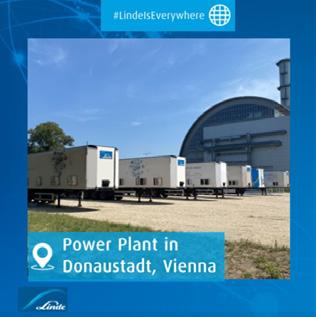
The trial to blend hydrogen with natural gas to power the 400 MW turbine resulted in an important step in the conversion to greener and more efficient energy sources to the Donaustadt power station in Vienna, Austria – one of the largest combined heat and power plants in the world.
For more information, please visit: https://www.linde.com/clean-energy
SUSTAINABLE MOVEMENT IN THAILAND’S LOW CARBON HYDROGEN VALUE
Linde’s HyCO (Syngas) plants are built to your requirements for hydrogen and CCU process requirements. With the sustainable technology which integrated CCU process technology for today, Linde can provide low carbon hydrogen to Thailand’s refinery and petrochemical complex with sustainable products of hydrogen and carbon monoxide. This is today’s solutions for tomorrow’s Thailand sustainable industries. Linde Thailand has provided extensive supports for numerous research endeavors focusing on CCUS and low carbon hydrogen projects in Thailand, with the ultimate goal of promoting a sustainable environment for our society.
Contact details:
Jugkapong Rattanasuwan
Bulk Products Management Manager Linde (Thailand) Public Company Limited
Siemens Energy: Supporting “decarbonisation throughout technology”
Steve Loo
An estimated one-sixth of the world's electricity is generated using Siemens Energy's technologies, highlighting the company's role as a leading force in the global energy transition. With a comprehensive portfolio that spans the entire energy value chain, including both conventional and renewable energy technologies, the company's commitment to reducing carbon emissions is clear and unwavering.
In this edition of UPDATE Magazine, we feature an exclusive interview with Steve Loo, Managing Director of Siemens Energy Limited Thailand (Cambodia, Laos & Myanmar), President & Chairman of Siemens Energy Inc. Philippines and Head of Grid Technologies Sales for Asia Pacific. Steve shares insights into how Siemens Energy is helping its customers and partners transition to a more sustainable world through innovative technologies and the ability to transform ideas into reality.
Siemens Energy states that “We support companies and countries to reduce emissions across the energy landscape for a more reliable, affordable and sustainable energy system”. How has Siemens Energy been supporting Thailand and local companies in this case?
When we talk about decarbonisation in Thailand and its local companies, it's clear that while decarbonising Thailand and Southeast Asia is essential, it also presents significant challenges. And we are committed to supporting local companies with their energy needs, from upgrading energy grids to enhancing the efficiency of power plants.
For example, Siemens Energy has partnered with major local entities to explore and develop hydrogen energy power generation. These collaborations are part of broader strategies to reduce greenhouse gas emissions and utilise clean energy. We have signed Memoranda
of Understanding (MoUs) to jointly explore the integration of hydrogen into power generation.
Moreover, our green business in Thailand has a substantial footprint, with approximately 43% market share. We have a 658-megawatt installed base in the country and over 40 expert engineers on site. While discussions on decarbonisation often focus on changing the source of generation to hydrogen, wind, or solar, it is equally important to address the challenge of efficiently transmitting the generated power from point A to point B.
What are the key areas of renewable energy in which a global leader in energy technology like Siemens Energy has been focusing on?
Our focus on renewable energy depends on resource availability and government investment in specific technologies. In Thailand, an emerging market highly vulnerable to climate change, the country aims to reduce greenhouse gas emissions by 30-40% from projected business-as-usual levels by 2030 and achieve carbon neutrality by 2050, with net-zero emissions by 2065.
A key aspect of this energy transition is the importance of a robust and resilient grid infrastructure. For instance, solar energy generation stops after sunset, causing blackout periods. Trading solar energy with neighboring countries could help maintain a consistent supply but would complicate the grid infrastructure. Therefore, investing in grid resiliency is crucial to managing these complexities effectively.
What are your key products, services or solutions for “decarbonisation throughout technology”?
Tackling climate change requires a tailored approach for each region, and Siemens Energy addresses this with a holistic portfolio of products, solutions, and services that cover almost the entire energy value chain— from low- or zero-emission power generation, transmission, and storage to reducing greenhouse gas (GHG) emissions.
Each country has its own energy goals and needs. For example, in Denmark, Siemens
Energy has signed a €1.4 billion agreement with Net energy to upgrade the national electricity grid. Over the next eight years, we will build more than 50 high-voltage substations, primarily in western Denmark. This will enhance grid capacity to support Denmark's goal of achieving net-zero emissions by 2045, thus increasing their renewable energy production and electrification needs.
In Japan, the focus is on decarbonisation and hydrogen energy. Japan aims to cut its emissions by 50% and is investing heavily in hydrogen. Siemens Energy’s gigawatt electrolyser factory in Berlin will play a crucial role, supporting more than three gigawatts per year of electrolysis capacity, which shows our capabilities to support Japan and other Asian countries in their hydrogen generation efforts.
This approach ensures that Siemens Energy can meet the unique demands of each region while driving the global energy transition forward.
Can you share with us more collaborations aimed at innovating sustainable energy solutions for the future?
The energy transition requires strategic partnerships and cross-collaboration between governments, the private sector, academia, and industry. Achieving net-zero emissions is impossible without collective effort.
Siemens Energy has a long-standing partnership with major Independent Power Producers (IPPs) in Thailand and other energy players across the region. For instance, in Singapore, we are collaborating on the Low-Carbon Energy Research (LCER) project for Ammonia Utilisation. In Indonesia, we are working with the state-run electric company PT PLN (Persero) to expedite the country's energy transition.
As Head of Grid Technologies Sales Asia Pacific, my team and I are focused on enhancing grid infrastructure and interconnectivity for our customers. While generating low-carbon energy is crucial, upgrading grid systems to improve stability and resilience is equally important. This enables a greater integration of renewable energy sources. Additionally, we are working to connect offshore islands to the national grid, unlocking new clean energy potentials in the region.
These collaborations highlight Siemens Energy’s commitment to supporting the energy transition through innovative and sustainable solutions.
Are there any collaborations in Asia that you can share with us?
Beyond Thailand, four years ago, we played a key role in constructing a 450-megawatt solar farm in central Vietnam. Today, this farm distributes solar-generated power to both the north and south of the country. For this project, we supplied Grid Technologies products like circuit breakers and transformers for the substation, contributing to the solar power infrastructure in Asia.
Recently, we completed the installation of an advanced turbine enhancement program. This project includes the first plant in Singapore to surpass 60% energy efficiency. These upgrades reduce carbon emissions by more than 60,000 tons annually, which is equivalent to removing approximately 9,300 cars from the road each year.
What are Siemens Energy's activities and how do you contribute to the zeroemission society. Are there any plans for future projects in Thailand?
We have supported local initiatives in Thailand by supplying and equipping gas turbines for power plants, specifically for cogeneration plants. Currently, we are upgrading these plants by enhancing their combined generation capacity, boosting efficiency by roughly 55%, and improving availability and overall performance. As for the future, we plan to support Thailand throughout its energy transition journey.
How is Thailand's energy transition towards sustainability progressing? Is the country on track? What are the main challenges that the country is facing with this transition?
Thailand's energy transition towards sustainability is progressing, with challenges and varying timelines compared to global benchmarks. At the global level, Southeast Asia, including Thailand, lags behind European and US markets in terms of commitments to net zero and
“Tackling climate change requires a tailored approach for each region, and Siemens Energy addresses this with a holistic portfolio of products, solutions, and services [...]”
decarbonisation goals. While European countries are targeting net zero by 2030 or 2035, and Korea aims for decarbonisation by 2050, Thailand's target currently stands at achieving net zero emissions by 2050 or possibly 2065.
Some governments adopt a "wait and see" approach before implementing significant investments and policy changes. This cautious approach impacts a country's pace in comparison to global trends.
Here's what we need to do across the Asia Pacific region, including Thailand, renewable energy capacity needs to increase by several magnitudes compared to 2020 levels. This requires a supportive regulatory framework, reduced barriers, attractive Feed-In-Tariff, adequate supply chains, and access to materials.
Transitioning from conventional power sources involves utilising existing infrastructure as a bridge toward cleaner alternatives like gas, LNG, or hydrogen. This approach allows for gradual emission reductions while ensuring a stable power supply during the transition. Future efforts will emphasise strengthening the power grid, necessitating more complex, robust, and resilient infrastructure to support expanded renewable energy integration.
Looking ahead, industrial decarbonisation will be pivotal beyond utility sectors. Addressing rising energy demands dueto economic growth, enhancing energy efficiency, and electrifying industrial processes and transport will all play crucial roles in Thailand's sustainable energy future.
With your long-term experience in Malaysia and your current responsibility for Siemens Energy covering the Philippines, Thailand, and CLM, could you share with us how these countries, are capable in renewable energy development and production?
Thailand shows great promise in solar energy due to its abundant sunlight. Despite geographic challenges affecting wind energy, biomass waste-to-energy and hydropower also hold significant potential. The Thai government plays a crucial role in promoting renewable investments through tariffs, technology incentives, and subsidies.
The Philippines has set ambitious targets, aiming for 35% renewables in overall generation by 2030 and 50% by 2040. The country leverages its abundant natural gas resources alongside emerging sectors like hydro, wind, biogas, and solar energy.
Cambodia, with a modest generation capacity of 2 to 3 gigawatts, is gradually increasing its power infrastructure, focusing on solar farm developments due to its low population density.
Laos stands out for its extensive hydropower potential, contributing around 70% of its total energy generation, supported by favorable geographical conditions and resources.
Myanmar has expanded significantly in power generation, primarily relying on natural gas and hydropower. However, challenges remain in achieving widespread electrification and ensuring consistent power supply.
What is Thailand's potential for investments in hydrogen energy projects, and how does it compare to the neighboring countries?
It's challenging to make direct comparisons because countries vary greatly in their policies, aims, and stages of development. What's important when trying to accelerate hydrogen ambitions is having robust partnerships.
We are committed to supporting every country in the hydrogen journey. For instance, in Malaysia we collaborate with Tenaga Nasional Berhad (TNB) and multiple partners across the region to advance green hydrogen technologies.
How Siemens Energy manages to adopt sustainability in the company?
Sustainability is central to our company's strategy, driving our growth, enhancing prosperity, and making us more resilient. Our Sustainability Program is aligned with our purpose of 'We energise society' and supports the United Nations' Sustainable Development Goals.
Our focus includes decarbonisation, diversity and inclusion, environmental stewardship, health, and safety. We're proud of our sustainability achievements and continuously strive to improve. For example, we met our goal of using 100% renewable electricity by 2023 and are on track with our decarbonisation targets. Also, we've increased the number of women in senior leadership roles from 22% in 2022 to 28%.
These efforts reflect our commitment to sustainability and our goal of creating positive impacts both within our company and in the wider community.
GTCC Breakfast Talk with JP Contagi
The German-Thai Chamber of Commerce organised GTCC Executive Breakfast Talk with JP contagi Executive Search on "Human capital as a competitive edge - How to successfully attract and retain key employees for your company" on 4 April 2024 at the Anantara Siam Bangkok Hotel. Thanks speakers Mr. Hsiao J. CHIU, Managing Partner & Co-Founder of JP contagi Asia and Mr. Fabian Lorenz, Partner at Luther for providing insights into the essence of human capital to enhance companies' competitiveness.
NRW-ASEAN Summit 2024
GTCC Executive Director Dr. Roland Wein was in Bielefeld for the NRW-ASEAN Summit 2024 and joined the dinner reception on 17 April 2024 together with Mr. Nattapong Lathapipat, Consul General at the Royal Thai Consulate-General, Frankfurt Am Main, among other guests of honor.
At the NRW-ASEAN Summit 2024, Dr. Wein provided his insights and detailed information on Thailand’s economic development and business opportunities at a panel discussion on “Seizing opportunities - Southeast Asia, an alternative for NRW companies” along with Managing Directors/representatives of the German Chambers of Commerce Abroad (AHKs) in Malaysia, the Philippines, Singapore, Vietnam, Indonesia, and CLMV. He also gave informative consultations to business individuals.
GTCC Multi-Chamber Eastern Seaboard Seminar with Luther
GTCC Eastern Seaboard Briefing with Luther Law Firm (Thailand) on "ESG in Thailand" took place in Pattaya on 26 April 2024. Thanks the speakers from Luther Mr. Lukas Baumgärtner, Attorney-at-Law (Germany)/ Rechtsanwalt Associate, and Ms. Arunrat Rattanaarun, Attorney-at-Law & Senior Associate, for providing an overview of Environmental, Social, and Governance (ESG) in Thailand, especially relevant regulations for businesses in Thailand such as the Draft Climate Change Act, including updates on the German Supply Chain Act and ESG regulations in the European Union (EU), also giving advice on how to implement efficient and meaningful ESG standards within business operations in Thailand.
GTCC Multi-Chamber Eastern Seaboard
Networking
GTCC organised the chamber’s first Eastern Seaboard Networking event of 2024, in collaboration with other eight bilateral chambers of commerce in Thailand. GTCC President Mr. Alexander Donau opened the event which was attended by 150 guests including GTCC members and partners.
We would like to express our sincere appreciation to the following partners for their great support: Event Partners Dachser, Jungheirich, Luther and Schaeffler Manufacturing; Beverage Partner Ink by Flow Inter; Venue Partner Hilton Pattaya; and co-hosts AmCham, AustCham, BCCT, BeLuThai, CanCham, NTCC, STCC and SATCC.
GTCC Business & Study Trip to Germany “Technology of tomorrow”
GTCC Business & Study Trip to Germany “Technology of tomorrow” by visiting HANNOVER MESSE 2024 and Exclusive Site Visits took place during 20-28 April 2024.
On 22 April 2024, when the delegation from Thailand visited Daimler Truck AG in Mannheim’s industrial zone and Lenze SE (Mechatronics Competence Centre: MCC) in Extertal. Daimler Truck AG is one of the world’s largest global commercial vehicle manufacturers. At this facility in Mannheim more than 4,800 employees produce engines and associated components for all of Daimler Trucks' commercial vehicle divisions around the world. Lenze SE is a leader in Industry 4.0 and the Internet of Things (IoT). With around 4,000 employees, Lenze stands for exceptional engineering and IT competence in drive and automation technology in more than 45 countries. With its high-quality mechatronic products, powerful systems for machine automation and digitalisation services, Lenze SE designs innovative machine solutions.
During 23-24 April 2024, they visited HANNOVER MESSE, Germany’s premier trade fair that showcases the latest in industrial technology and innovation and provides valuable insights into emerging trends and future industry developments. GTCC Executive Director Dr. Roland Wein joined the HANNOVER MESSE as one of the speakers for the forum “Growth Catalyst ASEAN: Diverse Opportunities for Global Businesses,” along with representatives of the German Chambers of Commerce Aboard (AHK) in Indonesia, Malaysia, the Philippines, Singapore and Vietnam.
On 25 April 2024, the delegation visited SYSTEMA GmbH and Volkswagen – Die Gläserne Manufaktur in Dresden. SYSTEMA is a global provider of automation software solutions for the manufacturing industries and manufacturing process solutions for the shop-floor to the executive suite, including engineering, operations and supply chain. Volkswagen is one of the largest car manufacturers in the world. The Volkswagen ID.3 production in Dresden is a testament to the automaker's commitment to sustainable mobility. The production facility for the ID. 3 is CO2-neutral.
On 26 April 2024, they visited Brose's plant in Hallstadt. Brose Group is the world's fourth-largest family-owned automotive supplier. Production of window regulators, door systems, liftgate systems, electronics, plastic carrier plates is based in Bamberg / Hallstadt.
Boon Rawd Brewery Industrial Meister trip to Germany
GTCC organised Boon Rawd Brewery Industrial Meister trip to Germany from 28 April to 5 May 2024, focusing on didactics for automation control system, dual vocational and training, and energy saving, in line with Industry 4.0.
On April 28, the delegation visited the Rhein Köster Research, Development and Production Center, in Munich. The Rhein Köster GmbH is a leading provider of technical education, specialising in the design and development of cutting-edge technical training systems and sophisticated industrial training centers. The participants included GTCC Executive Director Dr. Roland Wein; CEO of Rhein Köster GmbH Prof. Eric Moskwa; Director of Global Business Development of Rhein Köster Mr. Luis Jean-Marc Oehme; Director of Corporate Capability and Sustainability Development Group of Boonrawd Brewery Co., Ltd. Mr. Cholawit Suk-Udom, together with the Boonrawd team and GTDEE Senior Manager Dr. Kamonsak Suradom.
The delegation visited Krones AG on April 29 to explore Krones’ production lines for food and beverages: from process technology, filling technology, packaging machines, to IT solutions. The delegates continued their visit to Krones Academy in Neutraubling on April 30, where they shared their experiences with Krones Industrial Meisters in mechatronics/ mechanics.
On May 2, the delegation travelled to Gunzenhausen, visiting Bosch Industriekessel GmbH (Bosch Industrial Heat). They gained an insight into the company’s production for green energy, explored the factory and exchanged their experience with experts. Bosch Industriekessel GmbH has set the benchmark for industrial boiler technology for more than 150 years. Since 2020 it has been driving the industrial boiler portfolio for CO₂-neutral energy sources: Hydrogen, biofuels, green electricity.
On May 3, the delegation visited IHK Stuttgart (Chamber of Commerce & Industry of the Stuttgart region) and Ziemann Holvrieka GmbH. At IHK Stuttgart, the delegates focused on dual vocational education and training (DVET) and exchanged their experience with the training consultant in charge of local breweries in the Stuttgart region. For Ziemann Holvrieka GmbH, they explored the "No-Waste-Brewery-Concept" and climate-friendly production of the company. Ziemann Holvrieka has been a leading provider of tanks and process solutions for the beverage and liquid food industry for more than 170 years.
GTCC AFTERWORK Briefing with VitalLife
GTCC AFTERWORK Briefing with VitalLife Scientific Wellness Center on “Food & Lifestyle Strategies for Longevity & Reduced Cancer Risk” took place on 9 May 2023 at the InterContinental Bangkok Sukhumvit. Thanks speakers Dr. Wanviput Sanphasitvong, Preventive Medicine Specialist Physician, and Dr. Brian S. Kunakom, Naturopathic Consultant at Esperance Integrative Cancer Clinic, for sharing practical tips on living a healthier life through daily routines and insights into nutrition, cancer-preventive foods, and proactive cancer screenings.
GTCC AFTERWORK Networking May
Following the briefing with VitalLife Scientific Wellness Center, a networking session of GTCC AFTERWORK was organised. GTCC President Mr. Alexander Donau opened the event welcoming GTCC members, partners and friends in the unique ambience of the luxury InterContinental Bangkok Sukhumvit. Our sincere gratitude goes to Event Partners Forvis Mazars in Thailand and VitalLife Scientific Wellness Center; our Venue Partner InterContinental Bangkok Sukhumvit; and all of the guests for making GTCC AFTERWORK May Edition possible.
GTCC Delegation Trip to Germany on “Circular Economy”
GTCC Business & Study Trip to Germany “Circular Economy” took place from 13 to 17 May 2024. The delegation from Thailand visited IFAT Munich 2024, the world's leading trade fair for water, sewage, waste and raw materials management, during May 13-14. The delegates visited the booth of Interzero, one of the pioneers of recycling with over 30 years of experience in the development and implementation of serviceable solutions for the prevention and recycling of waste. They also exchanged with Mr. Tobias Fabian Huinink, Business Director Asia of ALBA Group Asia Limited.
On May 15, they visited Erlos GmbH in Zwickau, exploring the process of plastic recycling, recycling of Li-ion batteries, the use of Li-ion batteries in energy storage systems, and the e-storage solutions. The delegation later visited Interzero Plastics Sorting Leipzig GmbH on May 17 with a focus on the company's closed-loop solutions and innovative plastics recycling.
GTCC Site Visit to Ziehl-Abegg (Thailand)
On 17 May 2024, GTCC members visited Ziehl-Abegg (Thailand) at the Amata City Industrial Estate in Rayong. Thanks Ziehl-Abegg (Thailand)’s Managing Director Mr. Mario Koenig and his team for the warm welcome and informative site visit experience given to us.
Ziehl Abegg, a global manufacturer of fans, drive systems and control technology, offers innovative and intelligent ventilation solutions to the global market. The facilities here are very modern, clean and efficient to produce high-quality products.
The high-performance composite material ZAmid developed in-house by Ziehl Abegg is stable, corrosion-free, lightweight and 100% recyclable, making Ziehl Abegg a pioneer in the field of ventilation technology.
GTCC Gala Night 2024
On 24 May 2024, GTCC proudly organised "GTCC Gala Night", the chamber’s most exclusive event of the year and a special networking platform for key decision-makers in the GermanThai business community. The event welcomed several esteemed guests and guests of honour Deputy Chief of Mission at the German Embassy Bangkok Mr. Hans-Ulrich Südbeck and his spouse at Carlton Hotel Bangkok Sukhumvit.
We would like to express our sincere gratitude to the following partners for their generous support:
• [Silver Partners] BMW Group Thailand, DACHSER, Lufthansa the German Airlines, Mercedes-Benz Thailand, and Schaeffler Manufacturing Thailand;
• [Beverage Partner] Paulaner by Flow Inter;
• [In-kind Partners] Bumrungrad International Hospital, Häfele Thailand, and Maikhao Dream Villa Resort & Spa; and;
• [Media Partners] Focus Media Thailand and Prestige Thailand.
High-level business seminar with EECO
GTCC Executive Director delivered an opening speech at a high-level business seminar “Forging Stronger Business Partnerships on Bio-Circular-Green Economy in the Eastern Economic Corridor of Thailand" organised in Frankfurt on 6 June 2024 by the Eastern Economic Corridor Office of Thailand (EECO), the Royal Thai Embassy in Berlin, and the Royal Thai Consulate-General in Frankfurt in partnership with GTCC and the IHK Frankfurt.
The event outlined the strategic importance of the EEC area for the further economic development of Thailand with a special focus on bio-based industry, green energy including hydrogen technology, green solution services, as well as further potential for German-Thai business cooperation.
Third GTCC Members Meet-Up
GTCC proudly hosted the third New Members Meet-Up of 2024 on 11 June 2024, welcoming the chamber’s new member companies including Emerhub Consulting (Thailand) Ltd., TERAO Asia and Lux Royal (Thailand) Co., Ltd. Furthermore, the new representatives of Wuerth (Thailand) Co., Ltd. and Eastin Grand Sathorn Bangkok also participate in this engaging event.
Bavarian delegation visits Thailand
On 12 June 2024, GTCC had the pleasure of welcoming the Bavarian delegation led by State Secretary Tobias Gotthardt, Bavarian State Ministry of Economic Affairs, Regional Development and Energy. The delegation included representatives of the following organisations/ companies: 1) Bavarian Ministry of Economic Affairs, Regional Development and Energy; 2) CSU State Parliamentary Group; 3) Die Grünen Parliament Group; 4) Chamber of Industry and Commerce for Upper Franconia Bayreuth; 5) Liebherr Verzahntechnik GmbH; 6) WEILER Werkzeugmaschinen GmbH; 7) Bayerische Landesbank; 8) WORKERBASE GmbH; 9) EUROS Embedded Systems GmbH; 10) Dietze & Schell Maschinenfabrik GmbH & Co. KG; 11) Leicher Engineering GmbH; 12) Bayern International GmbH; 13) Intec Automationsprodukte für Industrietechnik GmbH; 14) VDMA Bayern; 15) NürnbergMesse GmbH; and 16) IMO GmbH & Co. KG
GTCC Executive Director Dr. Roland Wein, German Ambassador H.E. Dr. Ernst Reichel and Director Thailand, Myanmar, Cambodia, Laos of Germany Trade and Invest (GTAI) Mr. Thomas Hundt gave a comprehensive overview of Thailand's political landscape, economic development, business opportunities and German businesses in Thailand.
• VISITING PROPAK ASIA
On 13 June 2024, the Bavarian delegation visited ProPak Asia, the Bavarian Pavilion and exhibition booths of GTCC members. ProPak Asia is the region’s leading international trade event for food, drink & pharmaceutical processing & packaging technology. This year’s ProPak Asia took place during 12-15 June 2024 at Bangkok International Trade & Exhibition Centre (BITEC), Thailand.
• RECEPTION DINNER HOSTED BY GTCC AND A MEETING WITH EECO
Reception dinner for the Bavarian delegation was hosted by GTCC on 12 June 2024 featuring a special presentation by Secretary General of the Eastern Economic Corridor Office (EECO), Dr. Chula Sukmanop, on Thailand’s EEC. German Ambassador H.E. Dr. Ernst Reichel also joined the reception.
• “MEET THE BAVARIAN DELEGATION”
GTCC organised a business matchmaking session “Meet the Bavarian Delegation” on 13 June 2024 at the Sofitel Bangkok Sukhumvit for participating GTCC members and partners to establish useful contacts and engage in fruitful exchanges with the representatives of the Bavarian companies.
• MEETING WITH AMBASSADOR OF EUROPEAN UNION IN THAILAND
On 14 June 2024, State Secretary Tobias Gotthardt, his team and GTCC Executive Director Dr. Roland Wein had a meeting with H.E. David Daly. Ambassador of the European Union to Thailand. Mr. Johannes Kerner, Economic and Commercial Counsellor of the German Embassy Bangkok also joined the meeting at the European Union Delegation office.
• MEETING WITH THAI MINISTER OF FOREIGN AFFAIRS
At the Ministry of Foreign Affairs, State Secretary and his team, German Ambassador H.E. Dr. Ernst Reichel and GTCC Executive Director Dr. Roland Wein had a meeting with H.E. Maris Sangiampongsa, Minister for Foreign Affairs of the Kingdom of Thailand.
• MEETING WITH THAILAND’S DEPUTY PRIME MINISTER AND MINISTER OF COMMERCE
On the same day, they had a meeting with H.E. Phumtham Wechayachai, Deputy Prime Minister and Minister of Commerce. The German Ambassador also handed over the invitation for Asia-Pacific Conference of German Business (APK) 2024 in New Delhi to the Deputy Prime Minister.
• MEETING WITH THAILAND BOARD OF INVESTMENTS
The Bavarian delegation and GTCC Executive Director had a meeting with Thailand Board of Investment (BOI) represented by Deputy Secretary General Mr. Wirat Tatsaringkansakul on 14 June 2024, on Thailand's new investment strategy and business opportunities. BOI Executive Director, International Affairs Division Ms. Tanita Sirisap also joined the meeting.
• VISITING GTCC MEMBER COMPANIES
On 14 June 2024, the Bavarian delegation visited two GTCC member companies: Brückner Group Asia-Pacific and GROB Thailand. On the next day (15 June 2024) the delegation visited two GTCC member companies 1) BMW Barcelona Motor Vibhavadi and 2) SOMIC Packaging Asia Pacific Co., Ltd. prior to their infrastructural exploration of Bangkok and farewell lunch.
- Brueckner Group Asia-Pacific has been in operation since 2022 as the new platform company of The Brückner Group, to strengthen the presence of all Group companies such as Brückner Maschinenbau and Brückner Servtec, Kiefel and PackSys Global in the AsiaPacific region. The delegation was welcomed by Sales Director at Brueckner Group Asia-Pacific Co., Ltd. Mr. Xaver Sedlmeier.
- GROB Thailand Application Center, founded in 2022, is the central contact point for GROB Asia Pacific. GROB present its machines as well as other products from the GROB portfolio and build a bridge between GROB Germany and GROB Asia Pacific through the center. Its main business in the Asia-Pacific region is the sales and service of GROB products. The delegation was welcomed by Managing Director of GROB Asia Pacific (GAP) Mr. Uwe Wedler.
- At the BMW Barcelona Motor Vibhavadi, the delegates were welcomed by President and CEO of BMW Group Thailand Mr. Rene Gerhard and Sales & Marketing Director of BMW Barcelona Motor Co. Ltd. Mr. Kawin Leenutaphong. They received an overview of BMW Training Programme in cooperation with GTCC and an introduction to the GermanThai Dual Excellence Education (GTDEE) project by GTDEE Senior Manager Dr. Kamonsak Suradom, before exploring the facilities.
- At the SOMIC Packaging Asia Pacific Co., Ltd., the delegation was welcomed by Director Sales International of SOMIC Verpackungsmaschinen GmbH & Co.KG Mr. Barth Lothar and SOMIC APAC Managing Director Sales Mr. Lukasz Myszkowski. A short introduction of SOMIC with a presentation on SOMIC APAC’s establishment in Thailand was provided, followed by the company’s machine demonstration.
GTCC AFTERWORK Networking June
GTCC organised a networking event entitled “GTCC AFTERWORK” on 13 June 2023, welcoming about 170 people including State Secretary Tobias Gotthardt, Bavarian State Ministry of Economic Affairs, Regional Development and Energy, members of the Bavrian delegation, GTCC members, partners and friends. GTCC President Mr. Alexander Donau welcomed all guests with his opening speech, followed by special remarks by the Bavarian State Secretary.
GTCC would like to express our sincere gratitude to Event Partners Forvis Mazars in Thailand, Luther and Rhenus Logistics; and Venue Partner Sofitel Bangkok Sukhumvit for their generous support to this event.
BMW Group has announced the appointment of Mr. Rene Gerhard as the new President and CEO of BMW Group Thailand, effective from 1 May 2024. He succeeds Mr. Alexander Baraka, who is moving to a new position as President and CEO of BMW Group Poland.
Mr. Gerhard brings impressive experience spanning over two decades with the BMW Group, having held senior roles in Germany, India, and Australia. Currently serving as Sales Director at BMW Group Australia, he has also been a successful Dealer Principal for BMW Sydney and MINI Garage, where he led the brand to the number one premium automotive position in the Australian market. With extensive experience in both retail and wholesale business, Mr. Gerhard has a proven track record of effective leadership.
Mr. Jean-Philippe Parain, Senior Vice President Sales Regions Asia Pacific, Eastern Europe, Middle East and Africa, BMW Group, said, “Mr. Gerhard's strategic vision, commitment to transformation, and collaboration align seamlessly with our corporate values that will drive BMW Group Thailand to new heights in the premium segment market."
The announcement of Mr. Gerhard's appointment and Mr. Baraka's new position underscores BMW Group's commitment to driving efficient growth and success in the Asia Pacific region with capable leaders.
Revolutionising Warehouse Efficiency: Brose implements Automated Guided Vehicle (AGV) solutions by Jungheinrich BMW Group appoints Mr. Rene Gerhard as President and CEO of BMW Group Thailand
Jungheinrich collaborates with Brose, advancing their Thailand operations with state-of-the-art Automated Guided Vehicle (AGV).
Jungheinrich, a leader in global intralogistics and enabler of sustainable material handling solutions, joins forces with Brose, a
leader in intelligent solutions for mechatronic systems and electric drives for various mobility applications, to unveil a ground-breaking chapter in smart factory operations.
The collaboration showcases an intelligent operation that harnesses the power of automation tools and systems, exemplifying a shared commitment to sustainability. This milestone is eloquently captured in a compelling video case study, providing a glimpse into the future of advanced manufacturing.
Jungheinrich Thailand and Brose Thailand partnership kicks off with the strategic deployment of the cutting-edge Automated Guided Vehicle (AGV) model EKS 215a. This collaborative leap towards efficiency and innovation signifies a milestone in smart logistics, setting a benchmark for the industry's evolution in Thailand.
They set a new standard for intelligent warehouses, emphasising the fusion of human ingenuity and cutting-edge automation. The case study not only captures the essence of their joint efforts but serves as a beacon for the industry, underlining the crucial importance of continuous development and standardisation in intelligent and sustainable warehousing.
Forvis Mazars shakes up professional services industry with its new $5 billion global network
Two leading professional services firms, Mazars, an international partnership operating in over 100 countries and territories, and Forvis, a top ranked firm in the United States, mark the official launch of their new global network, Forvis Mazars.
Forvis Mazars is the largest new entrant into the global rankings in decades. As a two-firm network, Forvis Mazars is unique in the market and provides the agility, capacity and coverage to support clients wherever in the world they operate. This move brings increased choice in the market, serving the public interest.
The network comprises two members: Forvis Mazars, LLP in the United States and Forvis Mazars Group SC, an internationally integrated partnership operating in over 100 countries and territories. The network will be governed through a structure that includes a Global Network Board, responsible for enabling seamless collaboration and client delivery worldwide.
• Hervé Hélias will serve as the first Chair of the Global Network Board. Hélias will also continue to serve his ongoing mandate as Chairman of the Group Executive Board of Forvis Mazars Group, SC (formerly Mazars Group). Matt Snow, Chairman of Forvis Mazars, LLP (formerly FORVIS, LLP) will serve as Vice Chair of the Global Network Board.
• In the United States, Tom Watson will continue to serve as CEO of Forvis Mazars, LLP (formerly FORVIS, LLP) and will also sit on the Network Board. Rob Pruitt, Fran Randall and Tim York from Forvis Mazars, LLP will sit on the Global Network Board.
• David Chaudat, Pascal Jauffret, Véronique Ryckaert and Phil Verity from Forvis Mazars Group will sit on the Global Network Board.
QSNCC earns Thailand MICE Venue Standard Certification
Queen Sirikit National Convention Center (QSNCC) has earned the certification of “Thailand MICE Venue Standard (TMVS) 2023” for its meeting rooms, exhibition halls and special event venues. The award of the certification took place during MICE Standards Day 2024, organised by Thailand Convention and Exhibition Bureau (TCEB) at Rama Gardens Hotel in Bangkok.
Thailand MICE Venue Standard or TMVS is a national standard certification of event venues in Thailand and has earned recognition as a benchmark of MICE venue standard in the ASEAN region. The standard certification is executed by Thailand Convention and Exhibition Bureau (TCEB) by using 4 criteria. The first one is physical criteria – the place and overall elements of the meeting rooms. The second one is technological aspect, such as AV system, communication system. The third one is service and the fourth one is the practice of sustainability covering environment, safety and social responsibility.
TMVS certification is a standard guarantee of QSNCC. It can earn confidence of both overseas and domestic clients in the quality and capability of QSNCC as a venue for staging events of international standard.
Mechatronics final examination 2024 for Robert Bosch Apprentice Programme batch 2022
The GTDEE/GTCC organised the GTCC final examination in Mechatronics on 2-3 April 2024 for the Robert-Bosch Automotive Technologies Thailand Apprenticeship Programme batch 2022 for the participating students of the Thai-Austrian Technical College. The Examination Committee comprised experts from the Mechatronics Engineering Technology Department as King Mongkut's University of Technology North Bangkok and experts from GTCC. The examination took place at the Faculty of Engineering and Technology, KMUTNB Rayong Campus.
Industry 4.0 examination: Basic version
An examination on Industry 4.0 “Basic version” (pilot program) was organised by GTDEE for the technical teachers of Don Bosco Technological College on 23 April 2024, with the participation of examinees from the college’s Graphic Computer Department, Mechanical Department, Mechatronics Department, Electrical Power Department as well as technical teachers from the DVET programme in cooperation with GTDEE and 7 deaf students. The workshop modules used for the examination consist of 1) Industry 4.0 as an industrial r evolution, 2) Trends of Industry 4.0, 3) Higher-level technologies, 4) Technical framework for component identification, 5) Business models, 6) Data transfer, 7) Introduction to supply chains in a digital world, and 8) Connected work in the digital supply chain.
Online meeting with the Vocational College of Technology and Media, Monchengladbach, Germany
GTDEE Senior Manager Dr. Kamonsak Suradom had a meeting with Mr. Matthias Frecking, Head of Metal Technology Department (Bereichsleitung Berufsschule Metalltechnik) of the Vocational College of Technology and Media, Monchengladbach, Germany; Dr. Samruay Mahapram Deputy Director of Professional Affairs; and Head of Industrial Program Mr. Narongkorn Seejan on 14 May 2024. The online meeting focused on academic cooperation such as technical teacher exchange and mechatronics student exchange programmes. The first collaboration will be the exchange of mechatronics students from E.Tech to study at the Monchengladbach around 2-3 weeks in November 2024, while German students
from the Vocational College of Technology and Media, Monchengladbach will study at E.Tech around June-July 2025, based on the Memorandum of Understanding (MoU) both institutions signed in 2019.
Workshop on the upgrade of Thai vocational education curriculum by adapting Germany’s learning field concept
On 27 May 2024. GTDEE organised a workshop on the upgrade of Thai vocational education curriculum by adapting Germany’s learning field concept at BMW Group Thailand Training Center. Mr. Kriskorn Kraichinda, Master Trainer responsible for the BMW Service Apprentice programme; Mr. Sorathorn Sainak, Head of Dual Vocational Department, Don Bosco Technological College and Mr. Narongchai Phonngam, Head of Automotive Department form Banphai Industrial Community and Education College participated in the workshop discussing on methodological to align the German learning field concept to new Thai curriculum in the automotive techniques programme (new version, B.E. 2567) and soft skill development for human and social competences based on the German standard.
Meeting on the PAL final examination for industrial mechanics apprentices at Pathumthani Brewery
On 27 May 2024, GTDEE organised a meeting with Industrial Meister and Head of Dual Education System from Don Bosco Technological College to monitor practical training with a focus on training plan. They also discussed with apprentices on technical tasks and re-checked the logbooks. Later they had a meeting on competencies development in industrial mechanics for the semester 1/ 2024, while GTDEE/ GTCC planned to organise the PAL final examination part 1 in industrial mechanics in November 2024.
Examination preparation for mechatronics students at Eastern Technological College
On 29 May 2024, GTDEE Senior Manager Dr. Kamonsak Suradom led a workshop organised for 15 students in the second year of the mechatronics programme at Eastern Technological College. The workshop focused on the project-based learning approach and a work plan for the next two semesters such as installation of machines in automation control system. The students presented their system designs and preparation of materials, tools and equipment. The checklist on competencies of industrial mechanics was underlined to develop plans for individual work and group work as well as the preparation for the final examination part 1. On the same day, GTDEE organised an orientation session on vocational education and training based on German standard, to the mechatronics programme’s first-year students or batch 2024.
Workshop on systematic thinking for BMW Service Apprentice Program batch 2024
On 31 May 2024, GTDEE oraganised a workshop on a systematic thinking concept for BMW service apprentice programme batch 2024 and introduced a programme of the German Dual Vocational and Training Abroad to the apprentices. This workshop focused on apprenticeship roles, key competencies in automotive mechatronics, logbook records, profession competences, human competences and social competences aligned with the German standard. The workshop was held at the BMW Group Thailand Training Center.
Mechatronics training plan for 5 years development at Don Bosco Technological College
On 6 June 2024, GTDEE organised a workshop on a mechatronics learning field aligned with Thai subjects under the projectbased learning approach with a focus on planning, drawing, list of materials, tools and equipment, cost calculation, safety and environmental protection. Participants were students of Don Bosco Technological College’s five-year mechatronics programme which is applied to the por-wor-chor level for 3 years and the por-wor-sor level for 2 years. GTDEE Senior Manager Dr. Kamonsak Suradom gave advice to 4 mechatronics students of the pilot batch in the por-wor-sor level.
On 13 June 2024, GTDEE organised a workshop and introduced a German dual vocational and training programme for the Robert Bosch Automotive Technologies Thailand Apprenticeship Programme batch 2024. The workshop focused on the role of apprenticeship, key competencies in mechatronics, logbook records, safety and environmental protection. The batch 2024 apprentices are currently studying at the Mechatronics Department of the ThaiAustrian Technical College.
Workshop on examination preparation for Mercedes-Benz apprentices Workshop for Robert Bosch apprentices
On 26 June 2024 GTDEE organised a workshop on PAL final examination part 1 for Mercedes-Benz Automotive Mechatronics Apprenticeship Programme batch 2023 at Mercedes-Benz Thailand Training Center. This workshop focused on the examination workshop/ guideline based on discussions and knowledge sharing among apprentices and an expert from GTCC. The topics related to engine subassemblies, assembly tools, special tools, engine lubrication, engine cooling, engine control systems diagrams. GTDEE also emphasised the review of logbook records, examination registration process for PAL examination part 1 in automotive mechatronics. The examination will be held in November 2024.
Monitoring practical training of the BMW Service Apprentice Programme
Throughout June 2024, GTDEE and teachers from Don Bosco Technological College, Bagkaewfa Industrial Community Education College and Banphai Industrial Community Education College jointly visited 12 dealers of BMW in Bangkok and Chonburi to monitor their practical training given to apprentices under BMW Service Apprentice Programme batch 2023 and 2024.
Interview Sutham Katekaewklieng, Robert Bosch Limited
• What are the changes in boiler innovation for Industrial 4.0?
The changes of boiler innovations within the framework of Industry 4.0 encompass several advancements that enhance efficiency, safety, and integration into the broader digital ecosystem. These key changes include:
1. Internet of Things (IoT) and smart sensors collecting data on temperature, pressure, and other critical parameters, enabling real-time monitoring and control. IoT devices can predict potential failures by analysing data trends, thus reducing downtime and maintenance costs.
2. Data analytics optimisation. Advanced analytics and machine learning algorithms optimise boiler performances by adjusting parameters for maximum efficiency, ault Detection and guidance of trouble shooting.
3. Automation and control system. Implementation of sophisticated control system can dynamically adjust operations for optimal performance. The boiler can be monitored remotely enhancing flexibility and reducing need for on-site personal.
4. Energy Management System. Efficiency tracking and integration with energy management systems can monitor and optimise energy consumption. Advanced systems can help in achieving sustainability goals by reducing emissions and improving fuel efficiency.
• How to develop young generation through vocational education and training to qualify Mechanics Technician for Boiler user?
The education background of staffs operating and maintaining smart boilers should ideally encompass a mix of technical knowledge, hands-on skills, and an understanding of modern technologies. The vocational education and training programme should consist of mechanical systems, control systems, electronics, and electrical circuits. Basic knowledge of programming and software used in industrial automation is also an advantage.
Mr. Sutham Katekaewklieng
Sales ASEAN zone Thailand (TT/SAZ1-TH)
Robert Bosch Limited
New GTCC members
up to 30 June 2024
German-Thai Chamber of Commerce warmly welcomes 13 new members
Codeboxx
Mr. Roland Wagner
Managing Director
Mr. Holger Hansen Co-Founder contact@codeboxx.tech https://codeboxx.tech/ Computer programming, consultancy and related activities | Data processing, hosting and related activities; web portals
Combi Lift Project Logistics (Thailand) Co. Ltd
Mr. Juergen Kohnen
Managing Director Thailand
Mr. Torben Berger
Sr. Vice President Global Sales combi-lift@harren-group.com https://www.combi-lift.net
Land transport and transport via pipelines | Sea and coastal freight water transport | Freight air transport
EagleBurgmann (Thailand) Co., Ltd.
Mr. Atul Raghavendra Joshi
Managing Director ebth.sales@th.eagleburgmann.com https://www.eagleburgmann.co.th/ Wholesale of other machinery, equipment and supplies | Repair and installation of machinery and equipment
Fresenius Kabi (Thailand) Ltd.
Mr. Phaisal Sirisinsuk
Managing Director
Ms. Orawan T-sriwong Head of Finance & Accounting info_thailand@fresenius-kabi.com http://www.fresenius-kabi.com Wholesale of pharmaceutical goods
HH-Werkzeug (Thailand) Co., Ltd.
Managing Director
Mr. Dino Heimburger
Product Director info@hh-werkzeug.com https://www.hh-werkzeug.com/ Wholesale of machine tools
INTERROLL (Thailand) Co., Ltd.
Mr. Grisorn Nakapong Managing Director
Mr. Narit Lertanant Head of Sales th.sales@interroll.com https://www.interroll.com/ Wholesale of other machinery, equipment and supplies
Lux Royal (Thailand) Co., Ltd.
Mr. Alexander Christian Holl
Managing Director https://alvawater.com/ Wholesale of electrical household appliances | Retail sale of electrical household appliances
TERAO Asia
Ms. Victoria Riviere
South East Asia Business Development Manager
Mr. Gaspard Lemoine-Scelles Business Development Director https://teraoasia.com/ Specialised construction activities | Architectural and engineering activities; technical testing and analysis
Mr. Robert Peter Kerr
Far East Associate DSE Technology bk@dse-technology.com
The Great Room
Ms. Selin Demir
General Manager, Thailand & Hong Kong gaysorntower@thegreatroom.co https://thegreatroom.co/ Event catering and other food service activities | Real estate activities
Sesotec (Thailand) Ltd.
Mr. Villy Boriraj Managing Director
Mr. Fabian Goebel Regional Sales Director SEA+ info.ssth@sesotec.com https://www.sesotec.com/emea/en Manufacture of machinery and equipment n.e.c.
Vero Advocacy
Ms. Nattabhorn Buamahakul Managing Partner info.advocacy@vero-asean.com https://vero-asean.com/ Public relations and communication activities | Business and other management consultancy activities