Facilities Management Services and Sustainability Initiatives last updated January 2026
INTRODUCTION
Purpose
Responsible Department
Campus Tree Advisory Committee
TREE PLANTING
Pre-Planting Considerations
Planting
Mulching
TREE MAINTENANCE
Pruning
Fertilization
Pest Management
Construction
Codes of Ordinances
TREE INVENTORY
Tree Inventory Statistics
Measuring DBH
Updating the Map
INTRODUCTION
Purpose
The purposes of the Georgia State University Tree Care Plan are to:
Provide a readily accessible document outlining the guidelines and procedures used for various operations related to trees on Georgia State University’s campuses, Promote a long-lasting, healthy diversity of native trees on Georgia State’s campuses, and Encourage the Georgia State community to engage with the natural world.
Responsible Department
The Facilities Department is responsible for the day-to-day enforcement of the Tree Care Plan.
Campus Tree Advisory Committee
The Tree Advisory Committee comprises several Georgia State University faculty and staff members, community members, and student representatives. The terms of the faculty, staff, and community members are continuous, while the student representatives are appointed by the continuous members of the committee and serve one-year terms. The campus tree advisory committee was formed in September of 2024 and meets quarterly to provide input and improvements for future operations and engage with the Georgia State community to promote trees on campus.
TREE ADVISORY COMMITTEE
as of January 2026
University-Wide Members
Sean Max, Project Coordinator, Sustainability Initiatives
Olivia Sanford, Gardens & Greenspaces Intern, Student in Geosciences
Rob Paltz, Grounds Operations Manager, Facilities Building Services
Jennifer Wilson, Director, Sustainability Initiatives
Dave Long, Community Forester, Georgia Forestry Commission
Marc Zayac, Ph.D., Associate Chair of History, Political Science & African American Studies
TREE PLANTING
Pre-Planting Considerations
When planting new trees, certain species of tree should be favored over others based not only on the conditions of the planting site, but also if planting a certain species helps maintain a diverse set of trees on campus. For a general list of species to plant or not plant, see Appendix I: Species Planting Guide.
In general, the following checklist should be used to determine what species of tree, if any, should be planted at a certain site:
Is the species of tree tolerant of the planting conditions?
Is the tree’s tolerance to sun aligned with the amount of sun the location gets?
Can it withstand the heat of the urban environment?
Is it sensitive to urban air and water pollution?
Is the tree an appropriate species for the planting site based on its growth habits?
Will it block streetlights?
Will it block the visibility of cameras?
Will it interfere with underground utilities?
Will it uproot concrete?
Will the tree require special care?
Will it need to be staked?
Will it need fertilizer? If so, what formulation?
Does it need extensive pruning, or will it in the future?
Are there any pests or diseases common for the species?
Trees purchased from a nursery should be free of visible defects and infections and should already exhibit good growth conditions before being planted. The Urban Tree Foundation’s guide to selecting good nursery trees discusses these growth conditions and can be found at https:// www.urbantree.org/pdf/NurseryTreeSpecs1.pdf. The Facilities Department will handle the purchase of all new trees.
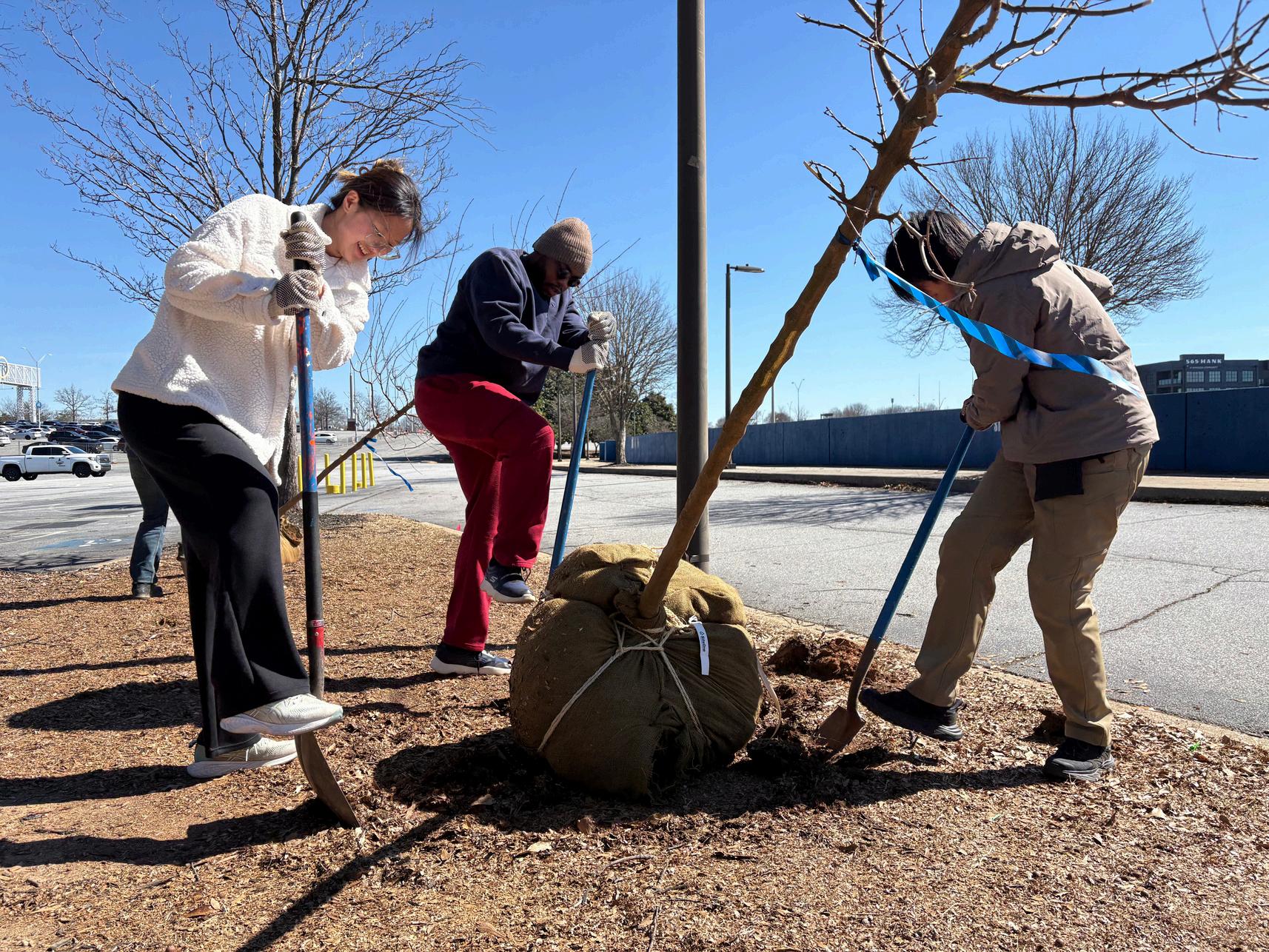
The time of year should be considered to ensure a young tree does not die due to harsh winter or summer conditions. The optimal planting season in north Georgia is from October to March, depending on the species. Georgia Arbor Day, the third Friday in February, is a common day to plant trees, as it allows newly planted trees to avoid most of the winter frosts.
Planting trees on campus shall follow applicable ANSI A300 guidelines, or if unavailable, follow guidelines created by the Urban Tree Foundation found at https://www.urbantree.org/details planting.sht ml.
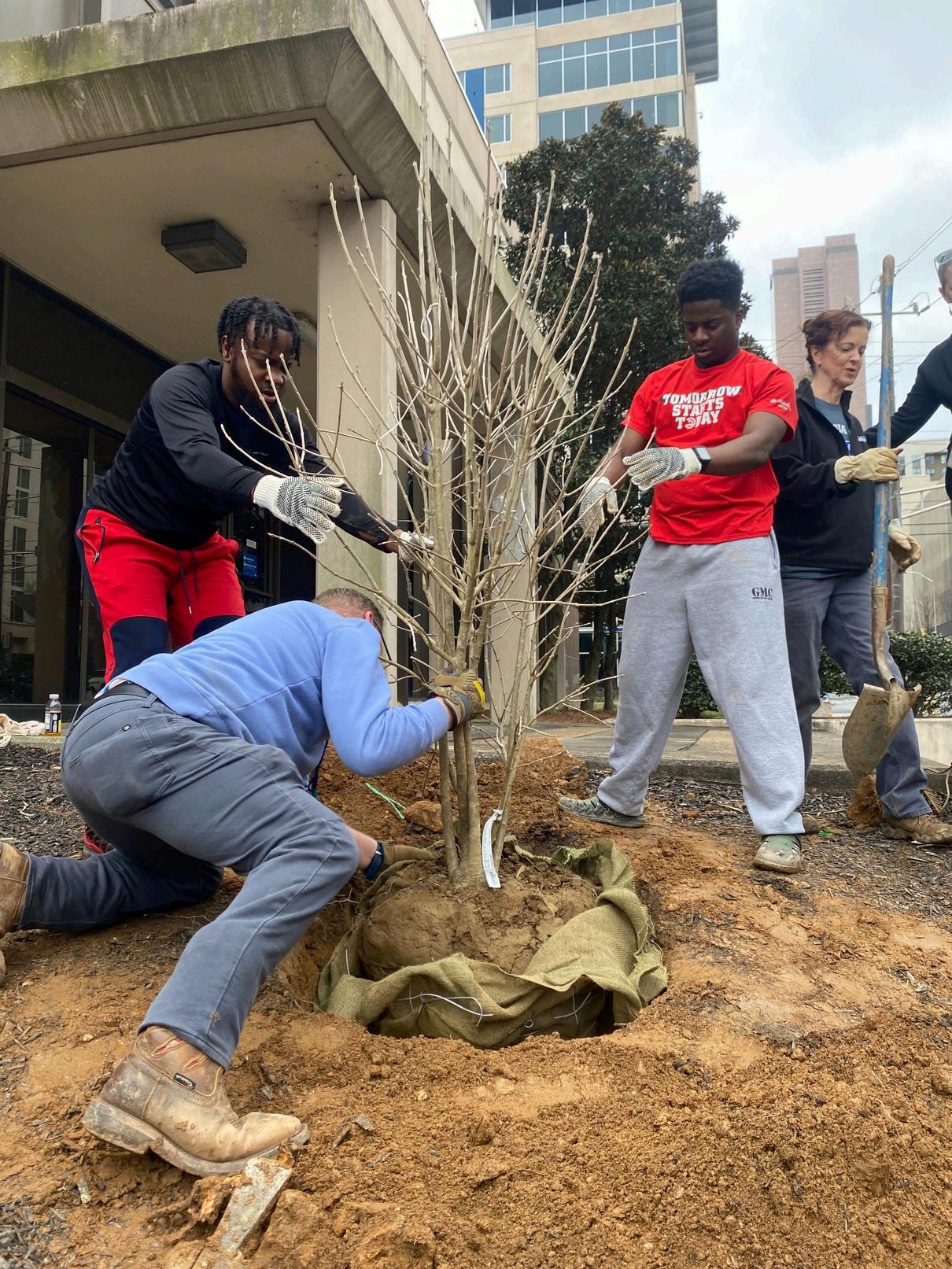
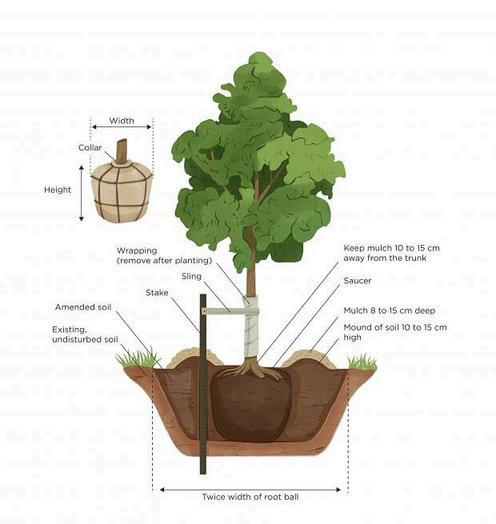
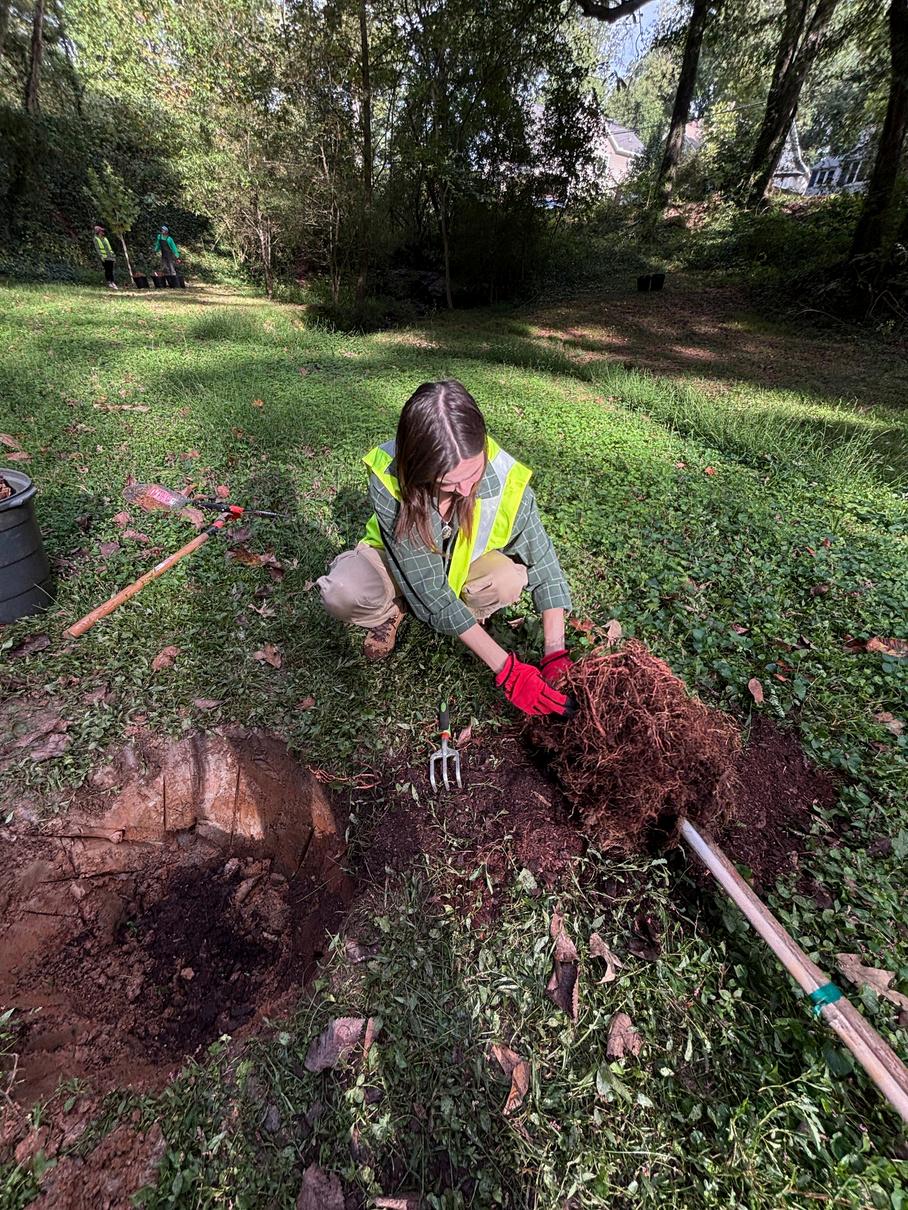
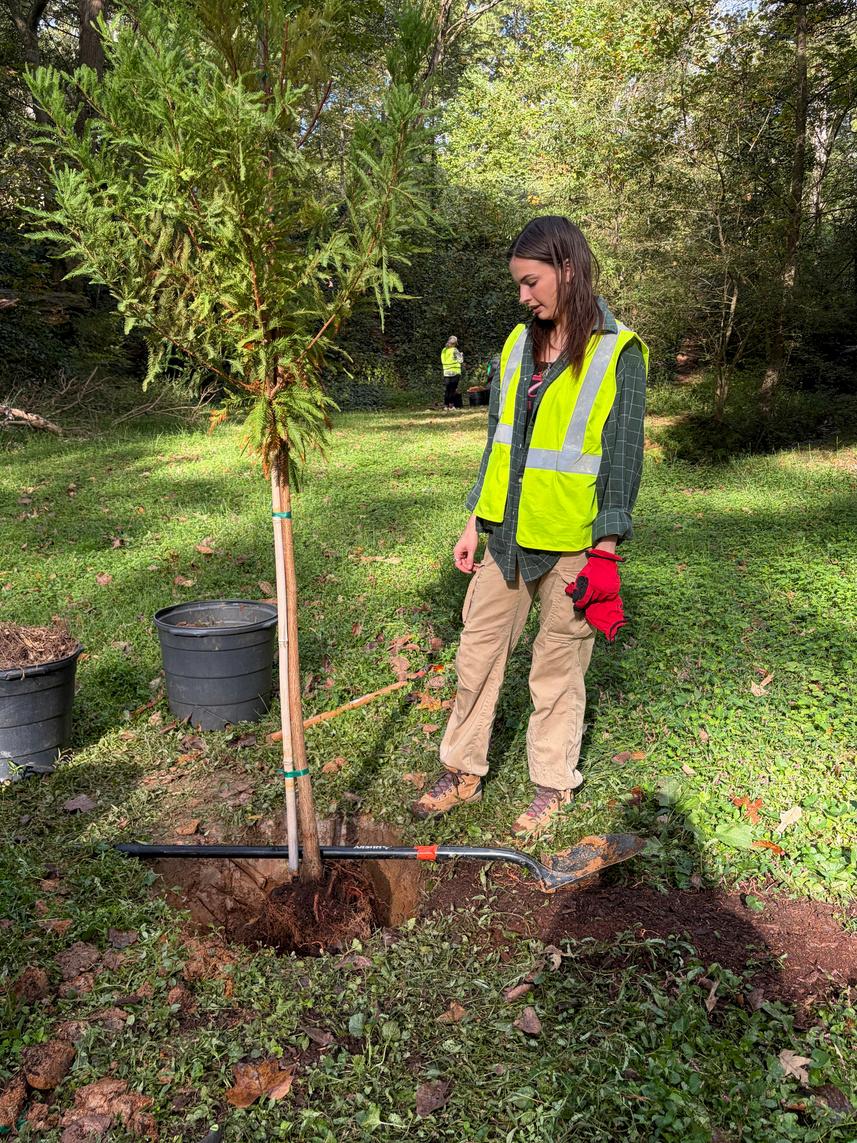
When planting a container-grown or balled/ burlapped tree in normal circumstances (flat ground, no nearby pavement, etc.), dig a hole 2-3 times the width of the root ball and deep enough to leave the root flare level with or slightly above the ground to account for settling. This ensures the crucial root flare stays exposed, preventing root rot or waterlogging and allowing proper oxygen to reach the roots. While the hole is being dug, another person can work on loosening the root ball to prevent girdling roots.
Once the hole is deep enough, remove all packaging (ropes, burlap, etc.) and backfill the hole with the soil that was removed. Tamp down the soil enough to stabilize the tree, but do not tightly compact it, so that the tree’s roots can more easily grow outwards from the root ball. Refer to the mulching section below for the next step. After planting the tree, remember to record a new point on the tree inventory map.
For planting sites with special considerations (such as steep slopes, parking lots islands, or poor soil conditions), refer to the various diagrams provided by the Urban Tree Foundation at the link provided above.
Newly planted trees should be watered thoroughly throughout their first growing season While rain can help water new trees, extra watering will need to be done to ensure that the tree does not die due to lack of water.
According to the UGA Extension, trees should be watered about one inch per week, and more in hotter weather. During periods without rain, manual watering is critical to ensure newly-planted trees grow healthy. Atlanta’s lowestprecipitation months are March and April, so manual watering for trees planted in February is particularly necessary.
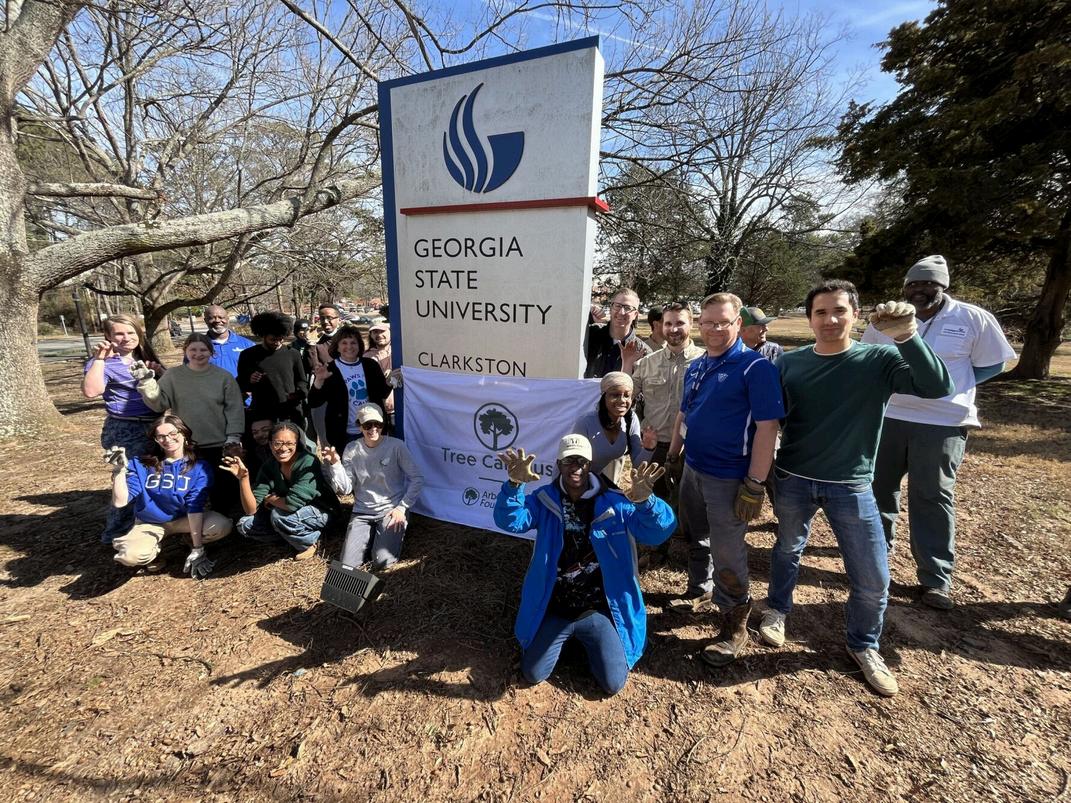
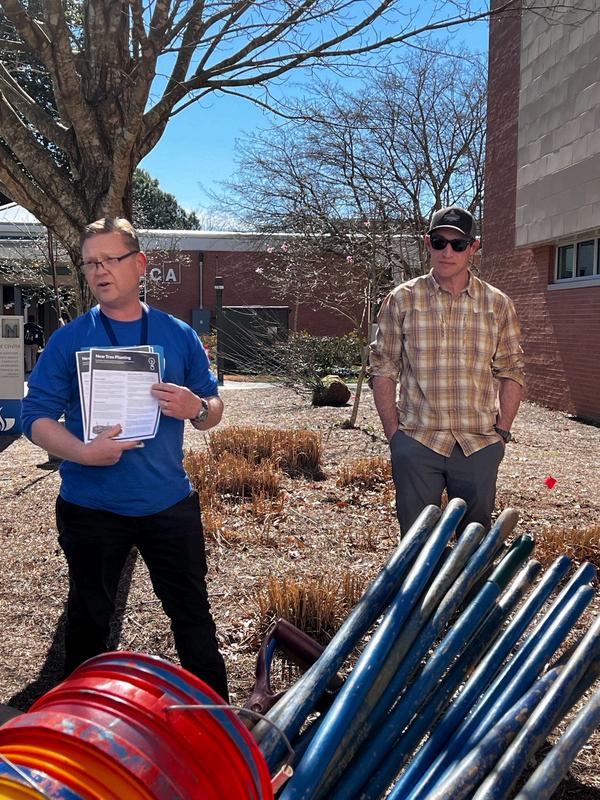
Left: Clarkston Campus’first GeorgiaArborDaytree planting, February14, 2024 Rob Paltz, Grounds Operation Manager, teaching the group howto correctlyplant a tree
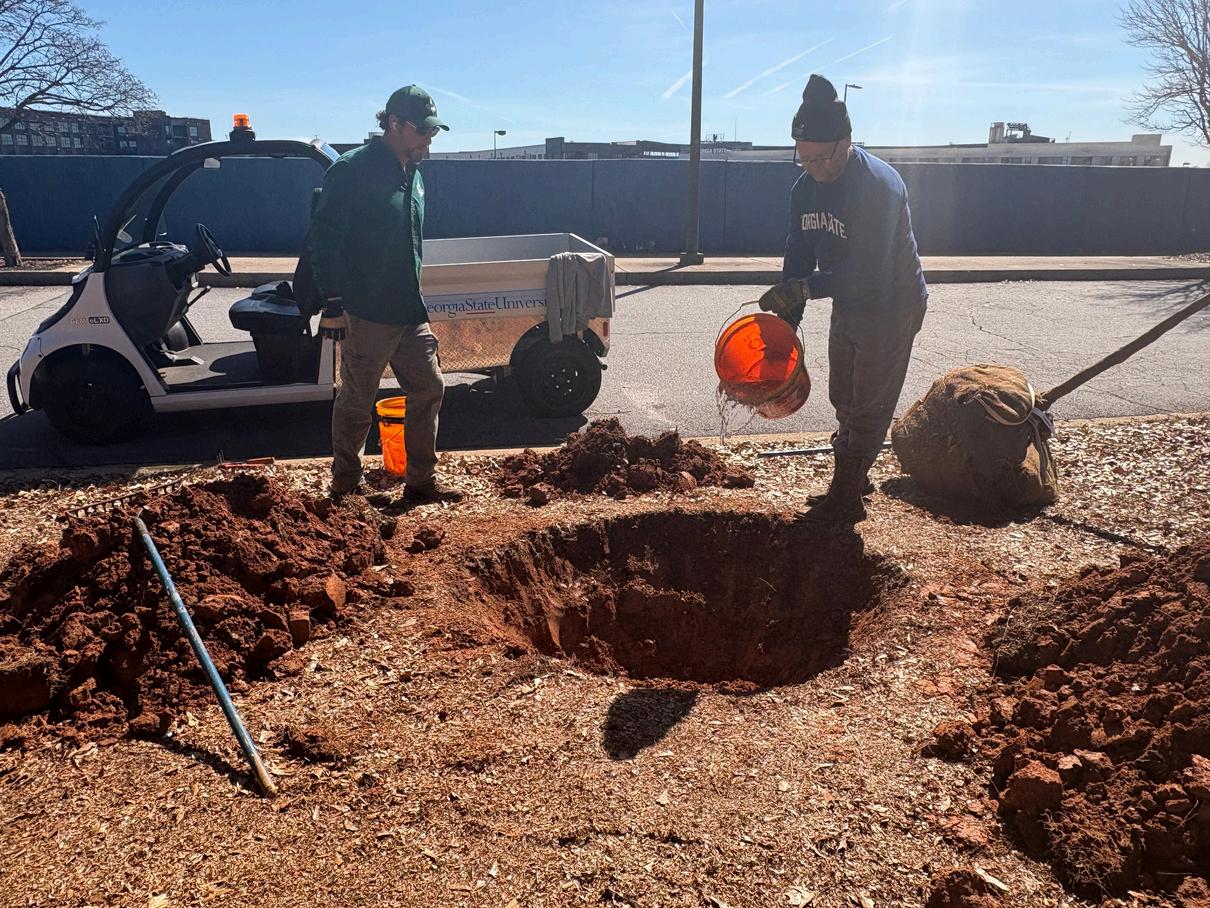
Right:Atlanta Campus’second GeorgiaArborDaycelebration, February20, 2025 Rob Paltz pouringwaterinto a hole before planting a tree
Mulching
Mulching shall follow applicable ANSI A300 guidelines, or if unavailable, follow guidelines created by the Urban Tree Foundation found at https://www.urbantree.org/planting4.shtml.
Mulch should be applied at a thickness of three to four inches around a tree, extending to the edge of its canopy. Near the roots, mulch can be applied sparingly for aesthetic purposes, but it should be no more than an inch thick to prevent insects or girdling roots from damaging the tree. A berm, or a ring of mulch or dirt, should be built around a newly planted tree to act as a temporary “well” for watering and acts as a barrier from landscaping such as lawn mowing while the tree is adjusting.
It may be appropriate in some cases to dig a small trench around part of a mulch bed to prevent runoff. This can be utilized at planting sites with steep hills.
Pruning shall follow applicable ANSI A300 guidelines, or if unavailable, follow guidelines created by the Urban Tree Foundation found at https://www.urbantree.org/prunehome.shtml.
After planting a new tree, it is likely that the tree will need pruning to promote a single central leader, which will produce a stronger mature tree than one with codominant stems. To do this, identify the central leader and prune branches into a roughly conical shape around the central leader. This can be done every few years as a tree grows until the tree reaches a mature size. For specifics, see https://www.urbantree.org/Structuralpruning.shtml
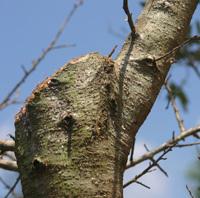
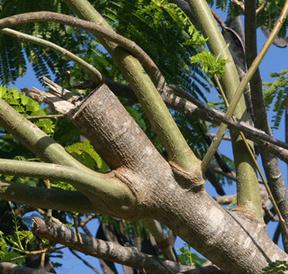
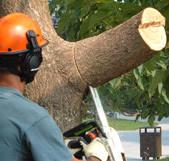
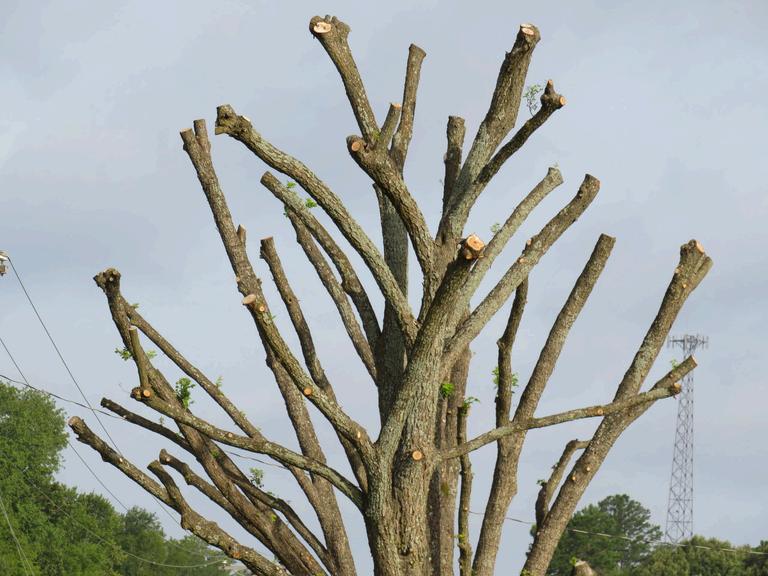
There are two primary types of pruning cuts: reduction cuts, which trim the length of the branch back to another lateral branch, and removal cuts, which fully cut a branch off from its parent branch. A third manner of pruning, heading cuts, trim branches to a set length without regard for other branches. Heading cuts are appropriate only in cases where other methods of pruning are inappropriate (such as in some cases when pruning away from power lines). The practice of reducing a tree’s size by making large heading cuts is called topping and should not be performed, as it promotes poor growth patterns.
For more information on when to use each type of cut, see https://www.urbantree.org/Pruningcuts.shtml.
Reduction cut
Heading cut
Removal cut
Topping
Examples of different pruning methods: Urban Tree Foundation (https://www urbantree org/Pruningcuts shtml)
Fertilization
Fertilization shall follow applicable ANSI A300 guidelines, or if unavailable, follow HGIC 1000 guidelines found at https://hgic.clemson.edu/factsheet/fertilizing-trees-shrubs/.
Fertilizer will only be applied to a tree for a specific reason, rather than as part of a cyclical maintenance plan. Some reasons why fertilizer would be applied to trees on Georgia State’s campus are to treat nutrient deficiencies, promote growth of young trees, or replace nutrients lost due to raking/blowing leaves.
If fertilizer is needed, a soil analysis will be performed to determine the type and amount. Fertilizer should be applied evenly across the tree's entire root zone during the spring or fall, corresponding to the periods of greatest shoot growth (spring) or root growth (fall). When fertilizer is applied, it is critical to water the tree more regularly; fertilizers require a lot of moisture in the soil to dissolve and be taken up by the tree.
Pest Management
Tree pest management shall follow guidelines from the Forestry and Christmas Trees section of the Georgia Pest Management Handbook (SB 28-18), found at https://extension.uga.edu/publications/detail.html?number=SB28-18.
Because college campuses are high-traffic areas, signs should be posted in areas treated with chemicals to inform people to avoid the area. Page 418 of the Georgia Pest Management Handbook has a list of common chemical treatments and their Restricted Entry Intervals, the length of time before it is safe to re-enter a treated area.
Construction
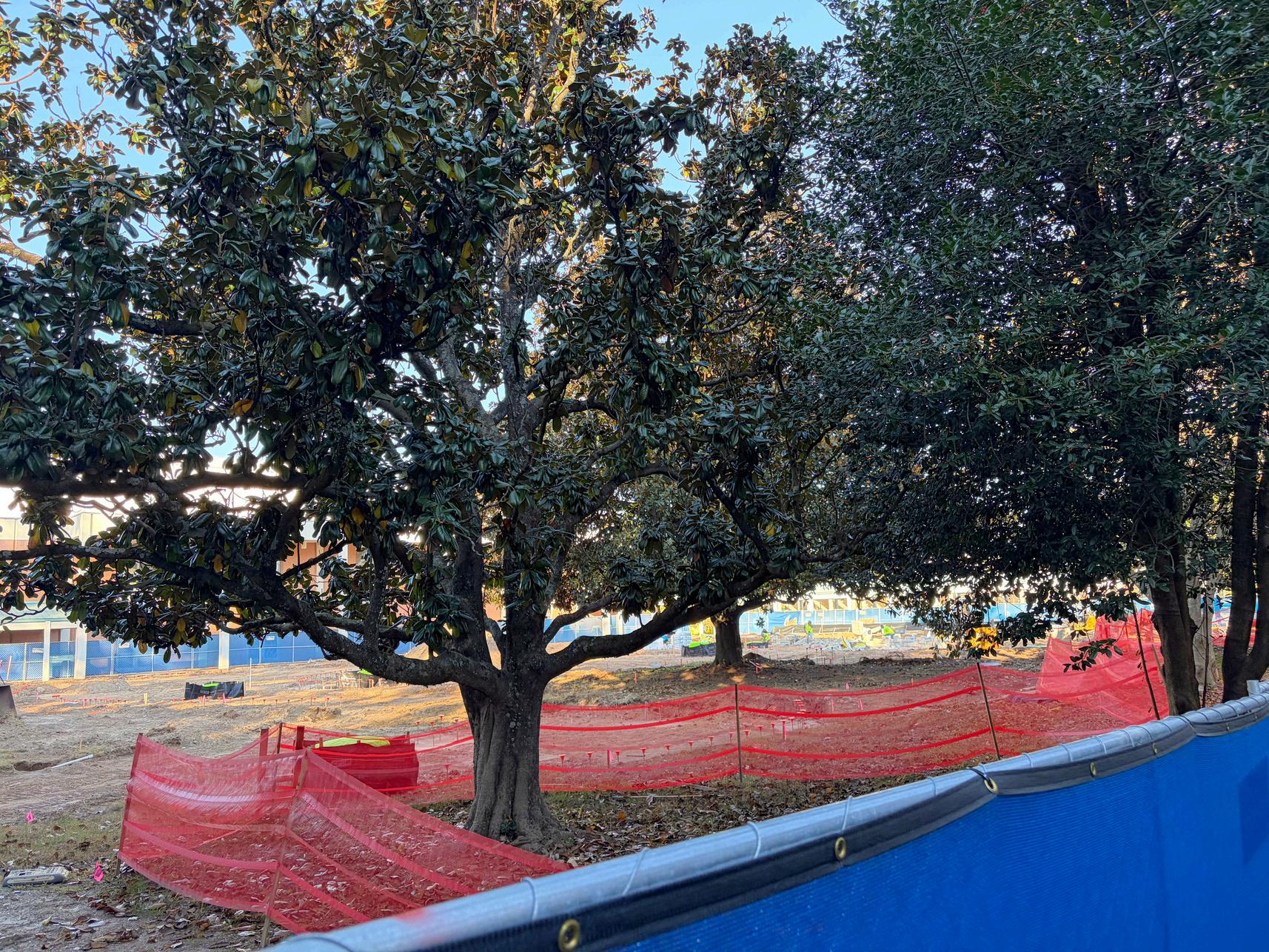
During the design phase of new construction, care will be taken to preserve the campus’ larger, more mature trees. Project managers should attempt to preserve large trees where possible and provide plans that comply with local Codes of Ordinances that correlate to the campus Tree ordinances are local laws that protect, manage, and regulate trees on public and private land to balance growth with environmental benefits and establish a framework for tree management.
Code of Ordinances: Protection, Preservation, Removal, and Replacement
Each county’s Code of Ordinance differs slightly due to differing community needs. Follow these hyperlinks to find the corresponding tree ordinance procedures for each campus and their local laws: City of Atlanta Code of Ordinances (Atlanta): Follow Chapter 158 https://library.municode.com/ga/atlanta/codes/code of ordinances
DeKalb County Code of Ordinances (Clarkston, Decatur, Dunwoody): Follow Chapter 14, Section 39 https://library.municode.com/ga/dekalb county/codes/code of ordinances
Fulton County Code of Ordinances (Alpharetta): Follow Chapter 26, Article VI https://library.municode.com/ga/fulton county/codes/code of ordinances
Newton County Code of Ordinances (Newton): Follow Chapter 34, Section 8 https://library municode com/ga/newton county/codes/code of ordinances
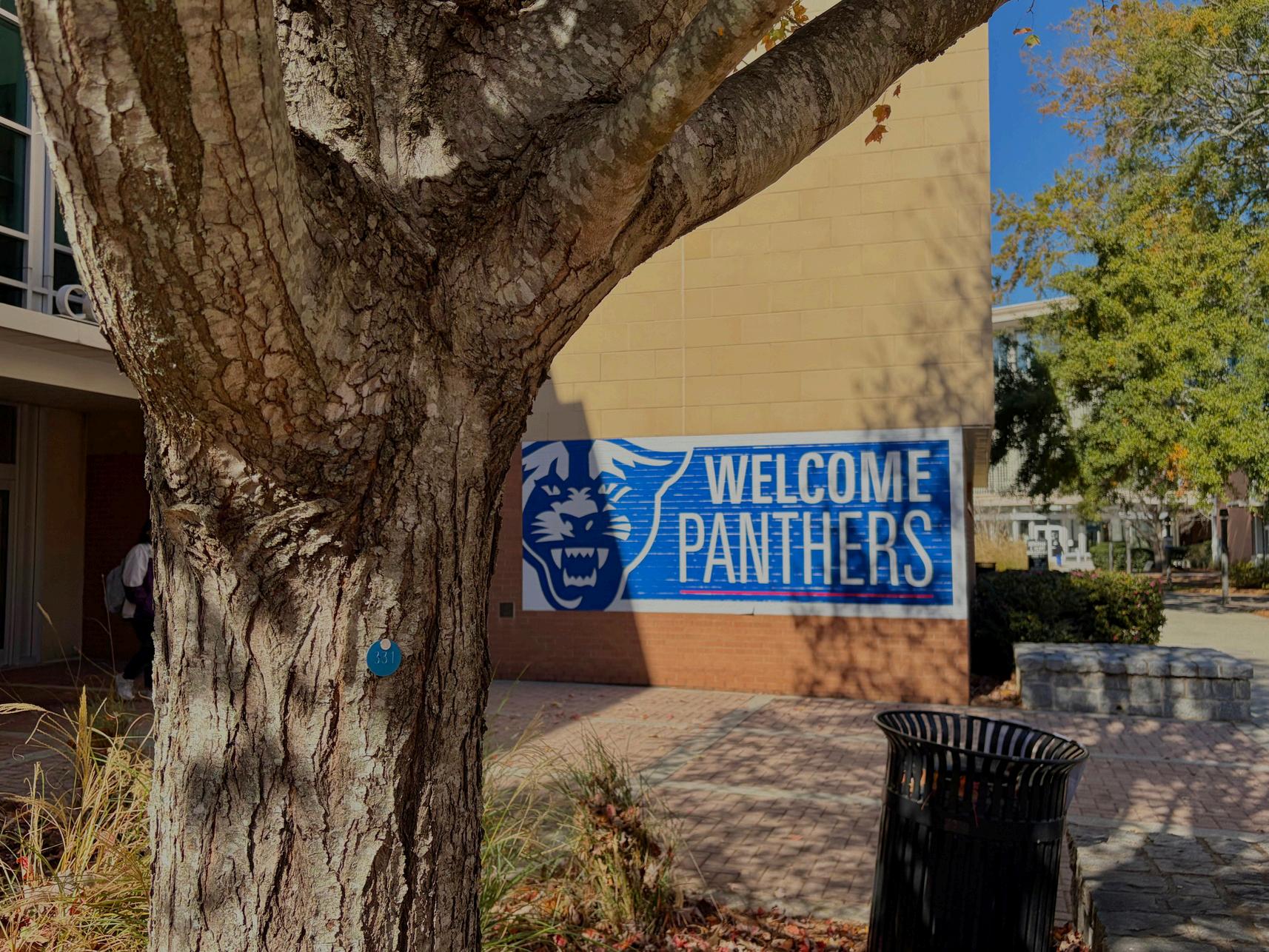
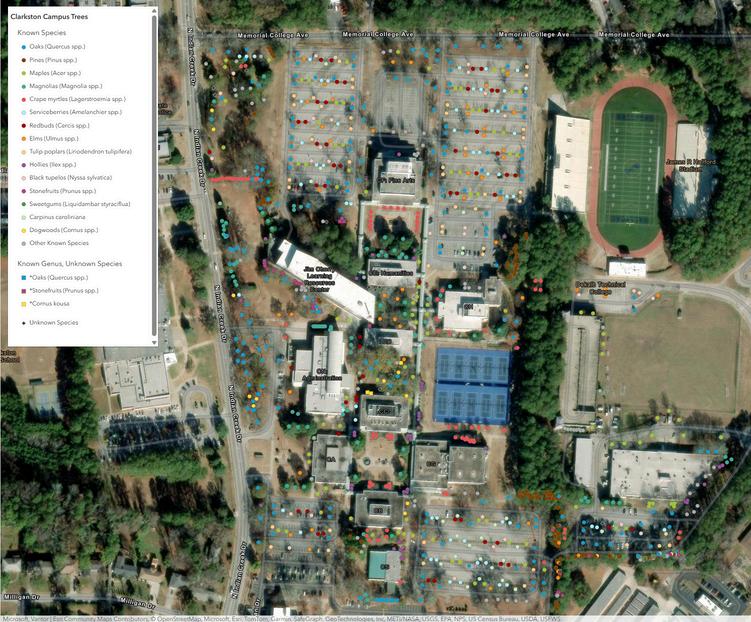
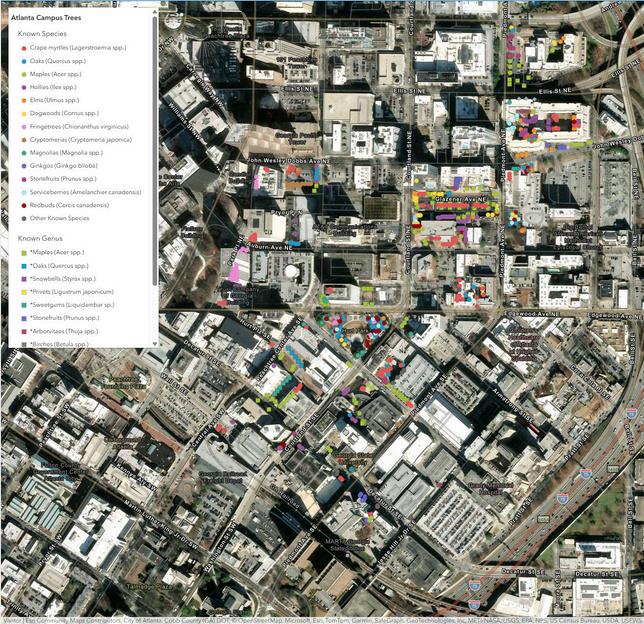
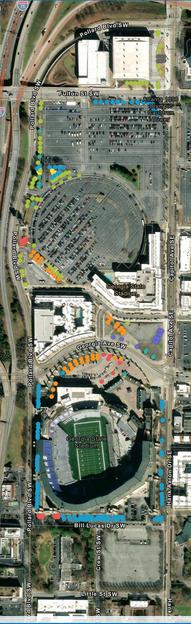
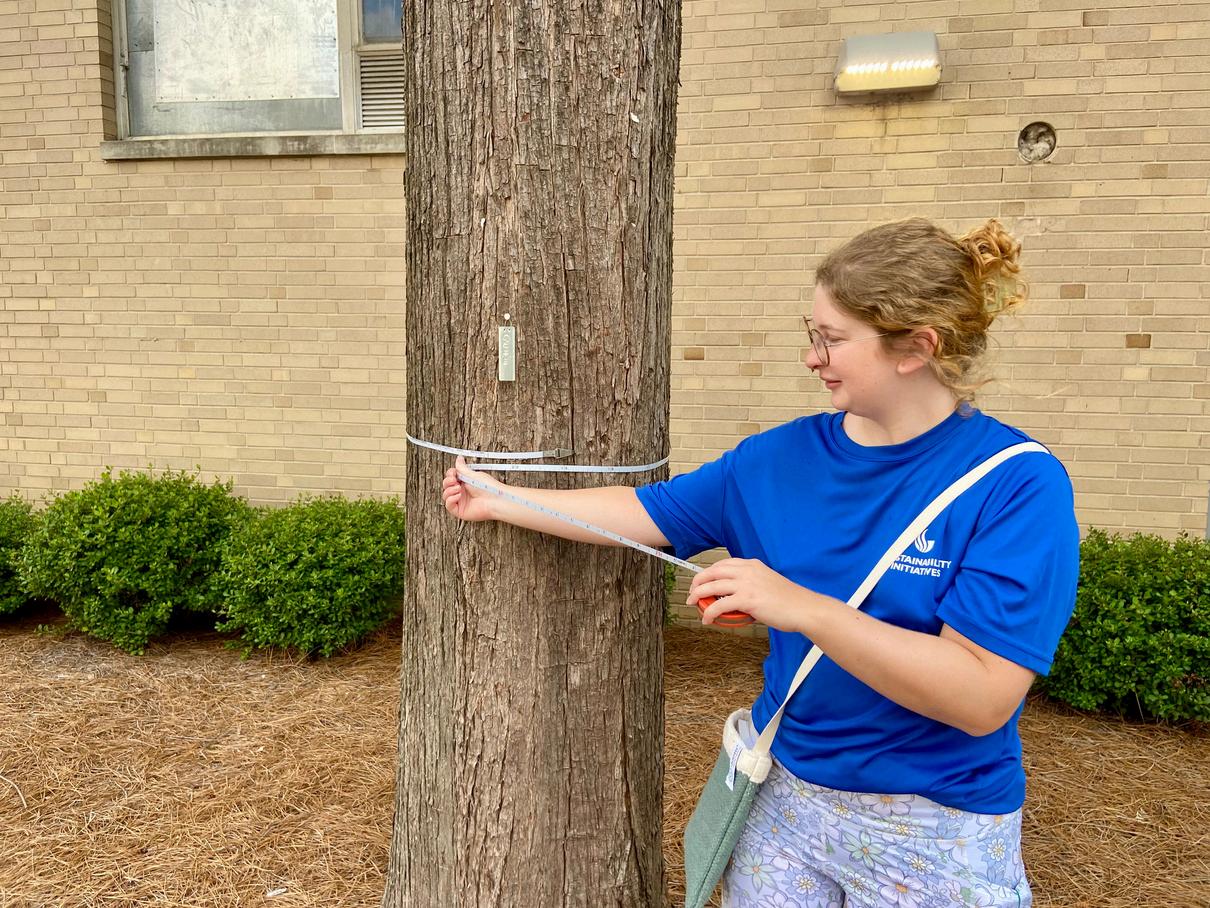
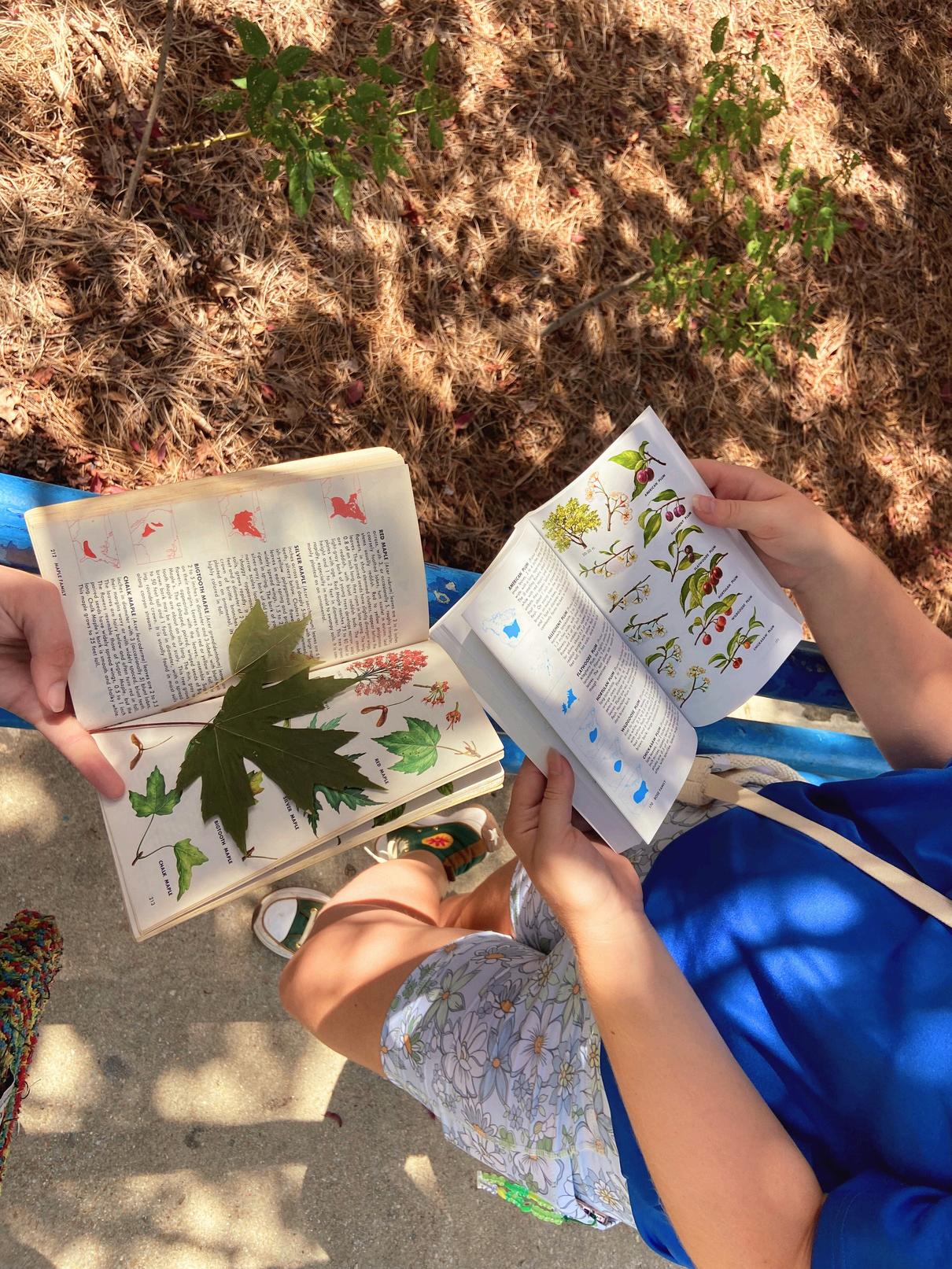
Georgia State University has GIS tree inventory maps for the Atlanta and Clarkston campuses. These maps were developed by student interns in Sustainability beginning in January 2024 with the Atlanta Campus, and later with the Clarkston Campus in August 2024 Our tree inventory tracks diameter and species to provide insight on the maturity and biodiversity of the trees on our campuses. The inventory also contains latitude/longitude data for spatial analysis and numerical identifiers for individual attention.
Data from our tree inventory helps us identify shortcomings in our tree canopy. We have used the tree inventory to assess tree planting locations for our Arbor Day events and plant different species of
(as of November 15, 2025) Explore the tree inventory map here.
Measuring the DBH (Diameter at Breast Height)
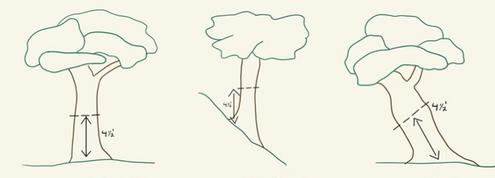
A tree’s diameter at breast height should be measured with a measuring tape at a height of 4 5 feet above ground. This can be done directly using a diameter tape, or indirectly by measuring the circumference of the tree with a regular measuring tape and dividing by pi.
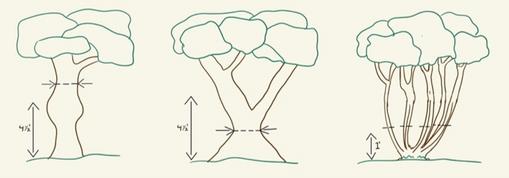
Sometimes, the type of tree or the tree’s landscape can change how its diameter is measured:
Straight tree on a slope: Measure 4.5 feet above the uphill end of the tree.
Leaning tree: Measure 4.5 feet from the ground along the contour of the tree.
Tree with a swell: Measure just above the swell.
Forked tree: Measure just below the fork.
Multistem tree: Combine the sum of squares of all stems at one foot high (adjusting for forks or swells as needed); see formula to the right.
Updating the Map
Example: A tree has four stems that measure 5, 6, 7, and 8 inches in diameter.
Sustainability, Facilities, and Geosciences has an ongoing partnership to update these tree inventories on a quarterly basis, with updates being made in January, May, July, and October. Student interns with GIS experience are responsible for updating the tree inventory with plantings and removals based on work conducted and relayed by Facilities, as well as walking the campus to personally assess Those who work with the tree inventory will receive a how-to guide and oneon-one training to learn how to manage the university tree inventory and provide consistency as employee turnover occurs.
TARGETS
Projects
As a newly certified Tree Campus, Georgia State University has made strides towards increasing our campus-wide tree canopy and improving our tree care. We have completed our parking lot resurfacing, repaving, and reforestation project on our Clarkston Campus. We removed 253 parking spaces and planted 348 trees to replace the 56 that were removed during construction (a new increase of 292), while also expanding the tree islands to ensure they grow healthy to shade our parking lots for years to come We have celebrated Arbor Day each year since 2024 with tree planting events at the Atlanta and Clarkston Campus. Across two events at each campus, we have planted 21 trees at the Clarkston Campus and 22 trees at the Atlanta Campus. We plan to continue working with Facilities to improve our tree inventory and standardize tree maintenance.
Engagement
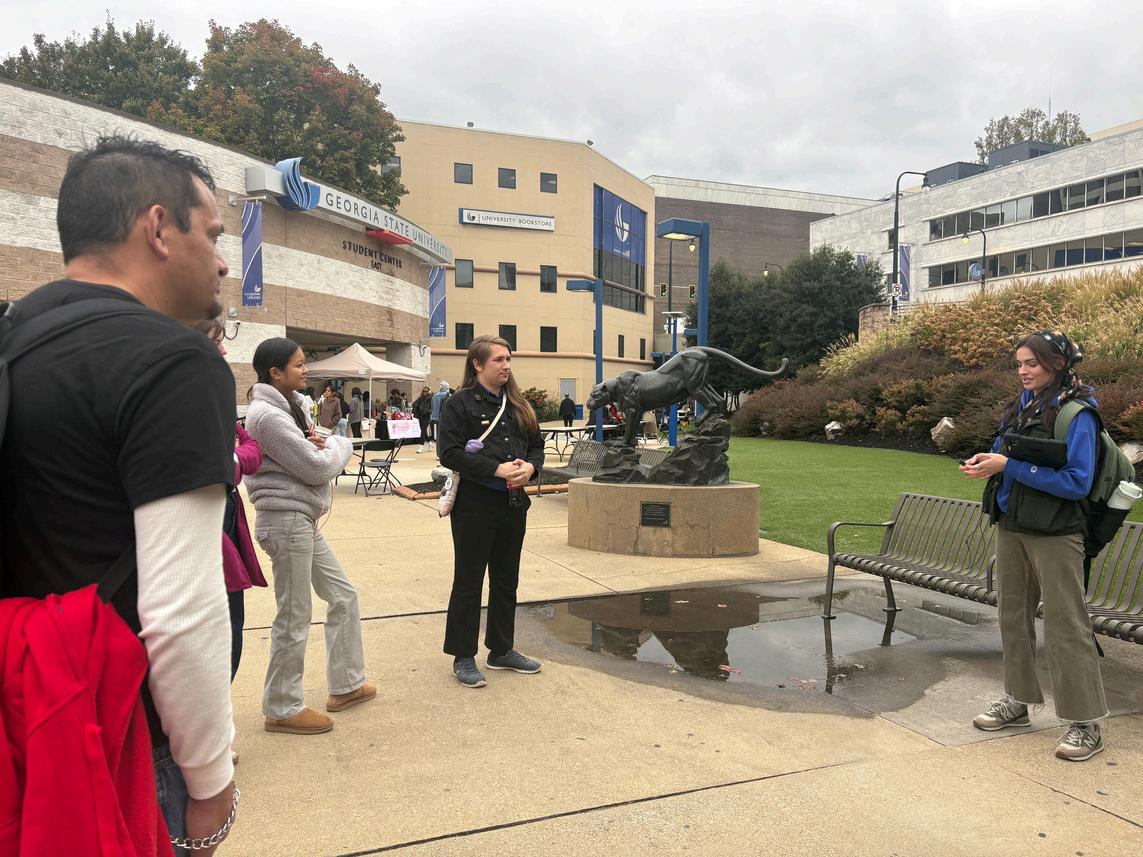
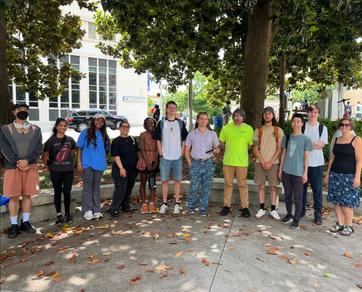
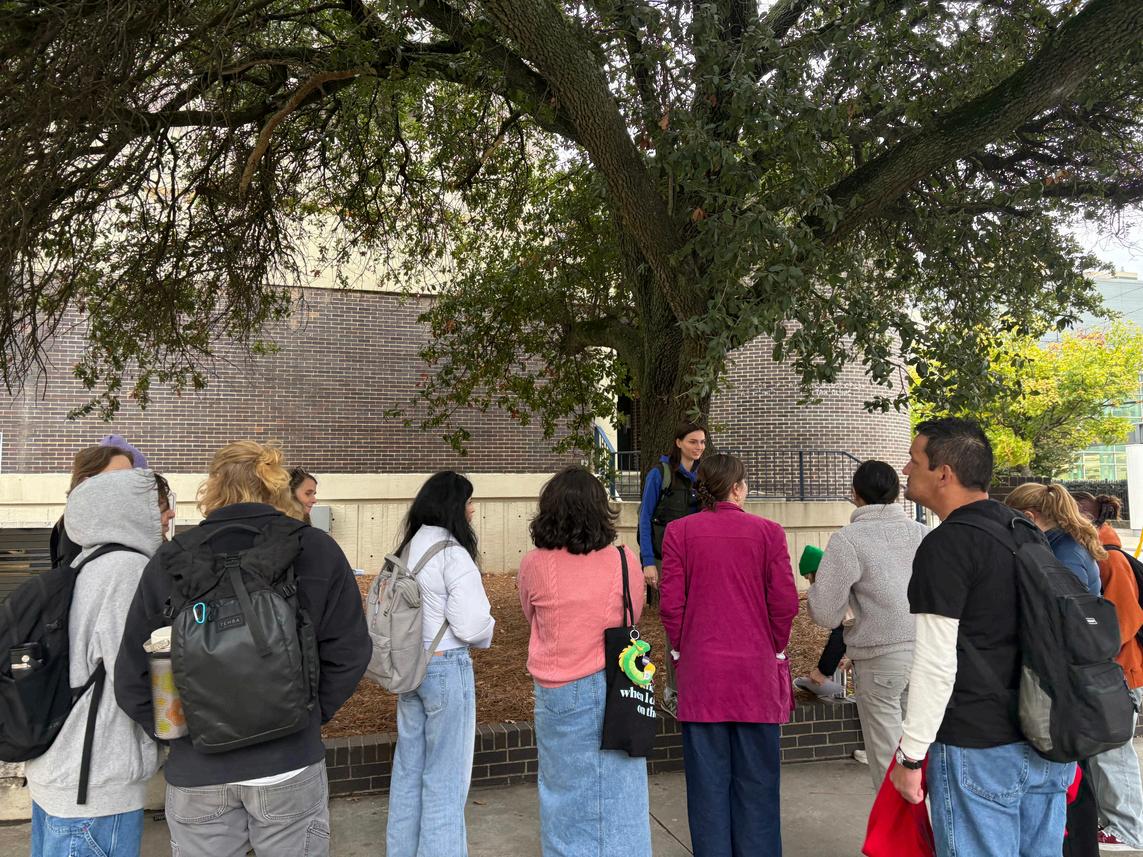
To engage with students throughout the year, we hold multiple plantings to offer volunteer opportunities, including our annual Georgia Arbor Day celebration during the third week of February every year. We are also planning to offer more volunteer events, such as an invasive species removal at our Clarkston Campus in partnership with Trees Atlanta. We have held multiple tree tours at Atlanta Campus in 2025 and plan to continue them in 2026, extending them to our Clarkston Campus as well. Throughout the semester, we hold tabling outreach events to raise awareness for our Tree Campus Higher Education efforts and connect with students and faculty who want to get involved with our campus greenspaces and other sustainability initiatives. We hope to further assist students with research, service-learning, and class projects next year, as interest grows in using our tree inventory data.
To stay connected with Georgia State’s events, follow our Instagram page @sustainablegsu, as well as our green space-focused account, @gsu gardens.
Here are some photos from this year’s tree tours along the new GSU Blue Line!
A summary of Atlanta Campus’ expenditures dedicated to tree care for CY2025 is as follows:
Georgia State University’s full-time enrollment at the Atlanta Campus in the Fall of 2025 was 34,859 students. At $3 per full-time student, the suggested minimum annual expenditure for Tree Campus USA certification is $104,577; however, because the Atlanta Campus is highly urban, there is less green space to maintain than a typical college campus.
A summary of Clarkston Campus’ expenditures dedicated to tree care for CY2025 is as follows:
Georgia State University’s full-time enrollment at the Clarkston Campus in the Fall of 2025 was 2,885 students. At $3 per full-time student, the suggested minimum annual expenditure for Tree Campus USA certification is $8,665, which the Clarkston Campus exceeds.
APPENDIX I: SPECIES PLANTING GUIDE
Planting native species should be a priority when planting new trees Not only are native species themselves adapted to their local growing conditions, but they provide critical ecosystem services to other native species (such as pollinators or migratory species) that non-native species may not provide. Maximizing biodiversity in an area requires not just a variety of native species, but also a mix of overstory, mid-story, and understory trees.
Local codes of ordinances outline procedures to follow to replace trees when they are removed. Often, this requires replanting a certain number of trees calculated with the DBH of the tree removed and the DBH of the trees being used to replant in its place. Each local code has its own list of approved tree species to plant that would count towards replacing any trees that are removed.
The following lists are a selection of Georgia State University’s preferred tree species to plant on campus. These lists are not exhaustive and are based on various local codes of ordinances’ suggestions for planting native tree species. There are three lists, separated by height category, and trees in each height category are further categorized by how much they should be planted:
“Preferred Species, ” for native species that are less abundant on campus
“Less Preferred Species, ” for native species that are abundant on campus or non-native species that are not considered invasive.
“Do Not Plant, ” for invasive species, species with pest concerns, or species with problematic growth patterns (such as a shallow root system that can tear up concrete).
Understory trees typically reach a DBH of ≤15” and a height of ≤30 ft. at maturity. Trees should be given at least 15 ft. from the center between other trees.
PREFERRED SPECIES
Native, less abundant species
American chinquapin (Castanea pumila)
Eastern hophornbeam (Ostrya virginiana)
Eastern redbud (Cercis canadensis); good under power lines
Flowering dogwood (Cornus florida); good under power lines
Saucer magnolia (Magnolia soulangiana); good under power lines
Serviceberry (Amelanchier spp.); keystone genus for butterflies/ moths
Silverbell (Halesia diptera)
Smooth alder (Alnus serrulata)
Wax myrtle (Myrica cerifera)
White fringetree (Chionanthus virginicus); good under power lines and in parking lots
LESS PREFERRED SPECIES
Non-native, non-invasive species Native, abundant species
Alder (Alnus serrulata); native, high water usage
Crape myrtle (Lagerstroemia indica x fauriei); non-native, abundant
Katsura tree (Cercidiphyllum japonicum); non-native Okame cherry (Prunus x incam ‘Okame’); non-native
Star magnolia (Magnolia stellata ‘Star Man’); nonnative, good under power lines
Higan cherry (Prunus x subhirtella ‘Autumnalis’); nonnative, prone to splitting Mimosa (Albizia julibrissin); invasive
Russian olive (Elaeagnus angustifolia); invasive
Mid-story/Mid-canopy trees typically reach a DBH of 10-25" and a height of 30-60 ft. at maturity. Trees should be given at least 20 ft. from the center between other trees.
PREFERRED SPECIES
Native, less abundant species
6 approved species of maple (Acer spp.); see page 19
American persimmon (Diospyros virginiana)
Cucumber magnolia (Magnolia acuminata)
‘Duraheat’ river birch (Betula nigra ‘Duraheat’); good for parking lots
Eastern red cedar (Juniperus virginiana)
Sassafras (Sassafras albidurn)
Sourwood (Oxydendrum arboreum)
Witch-hazel (Hamamelis
virginiana); important pollinator plant
LESS PREFERRED SPECIES
Non-native, non-invasive species Native, abundant species
Chinese pistache (Pistacia chinesis)
Kentucky yellowwood (Cladrastis kentukea); good for parking lots
Lacebark elm (Ulmus parvifolia); non-native & abundant, good in parking lots and under power lines
DO NOT PLANT SPECIES
Invasive species
Species with poor growth patterns
Ash (Fraxinus spp.); disease/pest issues
Chinese tallow (Triadica sebifera); invasive
Norway maple (Acer plantanoides); shallow root system, prone to fungus
Princess tree (Paulownia tomentosa); invasive
Rain tree (Koelreuteria spp.); invasive
Silver maple (Acer saccharinum); shallow root system
White mulberry (Morus alba); invasive, pollen issues
Overstory trees typically reach a DBH of ≥25” and a height of ≥60 ft. at maturity. Trees should be given at least 25 ft from the center between other trees
PREFERRED SPECIES
Native, less abundant species
17 approved species of oak not otherwise listed (Quercus spp.); see page 19
5 approved species of hickory (Carya spp.); see page 19
American beech (Fagus grandifolia)
Black tupelo (Nyssa sylvatica); good for retention ponds, parking lots
Carolina basswood (Tilia caroliniana)
Southern magnolia (Magnolia grandiflora)
Sweetbay magnolia (Magnolia virginiana)
LESS PREFERRED SPECIES
Non-native, non-invasive species
Native, abundant species
American sycamore (Platanus occidentalis); native, susceptible to fungus
Atlas cedar (Cedrus atlantica); non-native, endangered
Dawn redwood (Metasequoia glyptostroboides); nonnative, endangered
European hornbeam (Carpinus betulus); nonnative
Ginkgo (Ginkgo biloba); male only
Japanese cryptomeria (Cryptomeria japonica); nonnative
Japanese zelkova (Zelkova serrata); non-native, good in parking lots
Loblolly pine (Pinus taeda); native, extremely abundant
Water oak (Quercus nigra); native, abundant
Western arborvitae (Thuja plicata); non-native
DO NOT PLANT SPECIES
Invasive species
Species with poor growth patterns
Callery pear (Pyrus calleryana); invasive
European alder (Alnus glutinosa); invasive
Leyland cypress (Cupressocyparis leylandii); short lifespan, prone to disease
Lombardy poplar (Populus nigra); invasive
Sawtooth oak (Quercus acutissima); abundant, potentially invasive
Siberian elm (Ulmus pumila); invasive
Tree of heaven (Ailanthus altissima); invasive
White poplar (Populus alba); invasive
GLOSSARY
Branch Collar
The area on the underside of a branch where it connects to the trunk.
Branch Ridge
A raised area of bark on the top side of a branch where the branch and trunk meet.
Diameter at Breast Height (DBH)
The measurement of a tree’s diameter at 4½ feet up the trunk.
Fertilizer
Any substance placed to provide nutrients to a tree in addition to those naturally available.
Invasive Species
An organism that causes ecological harm in an environment/ecosystem where it is not native. These organisms are usually introduced because of human activity.
Mulch
Organic material spread around a plant to enrich the soil. Examples of mulch include pine straw, wood chips, leaf litter, or other materials.
Native Species
An organism that exists in a specific area due to natural events/causes, not human intervention.
Non-native Species
An organism that exists in a specific area due to human intervention Generally used when the species does not actively cause harm to the ecosystem it was introduced in (as opposed to invasive species, which are also non-native.)
Pruning
The process of selectively trimming branches from a tree to guide future growth.
Root Ball
The main mass of roots directly below a plant’s stem that provides most of a plant’s stability.
Tree Canopy
The total ground area that is covered by a tree or group of trees’ branches.
Tree Inventory
A record of the characteristics and types of trees located in a defined area.