Rewriting survival in a new era of individualized treatment
WINTER 2026
Rewriting survival
Decades of innovation
usher in a new era of breast cancer research and care.
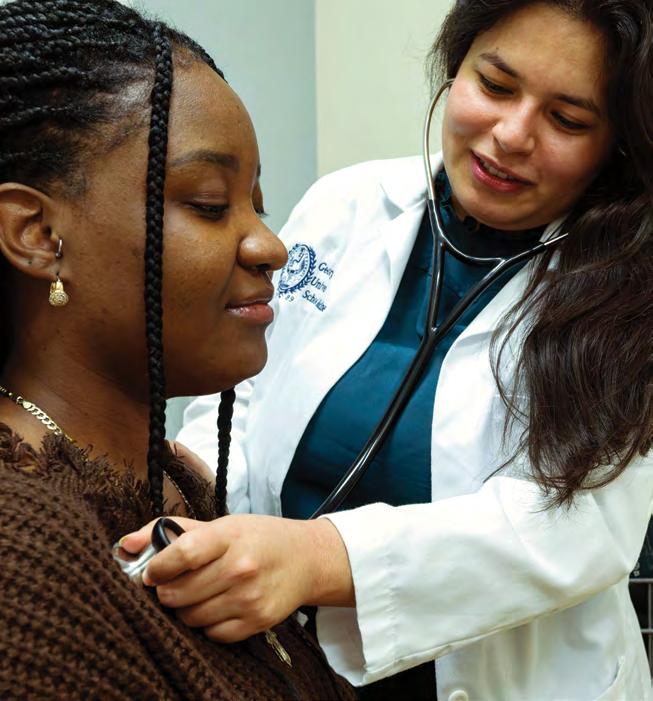
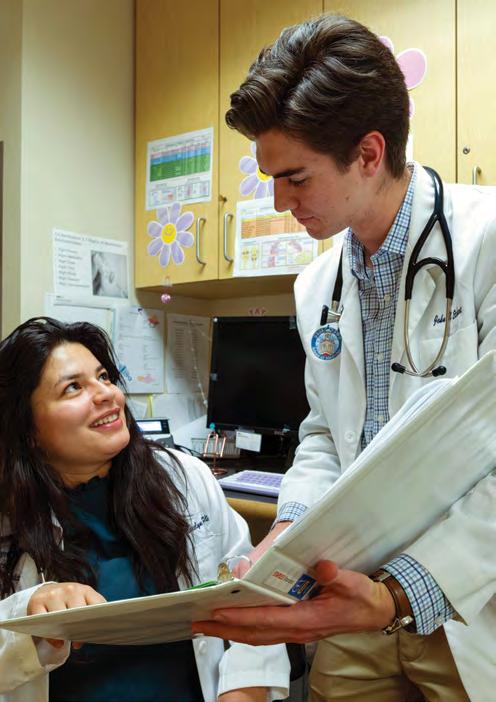
Care for the whole family
As demand grows, students and alumni follow their hearts into the field of family medicine.
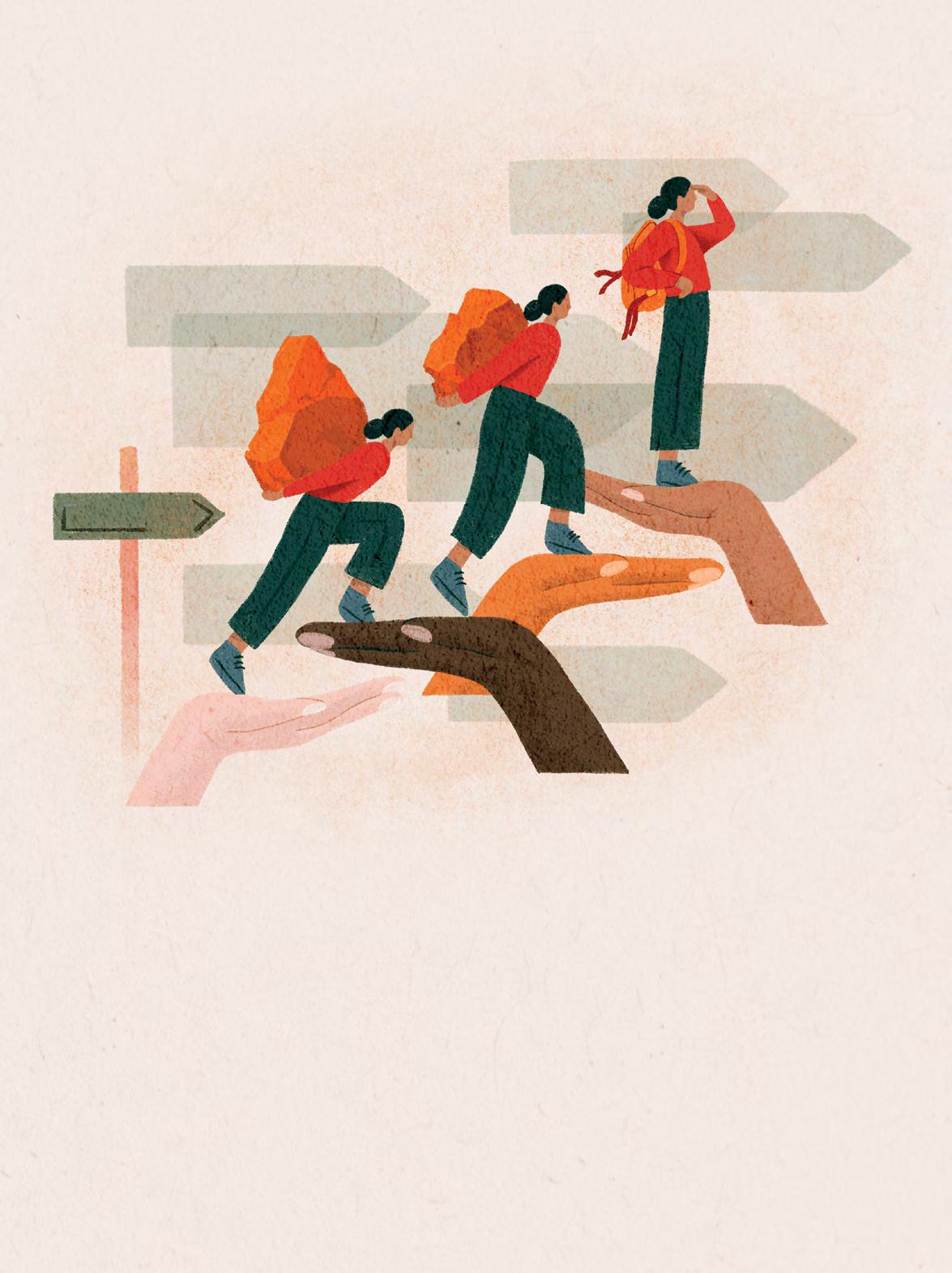
The path forward New master’s program develops the next generation of addiction policymakers to lead with knowledge and compassion. 18
18
From the Archives
2
3
28 26 36 39 40
Editor’s Letter
Check Up News & Research
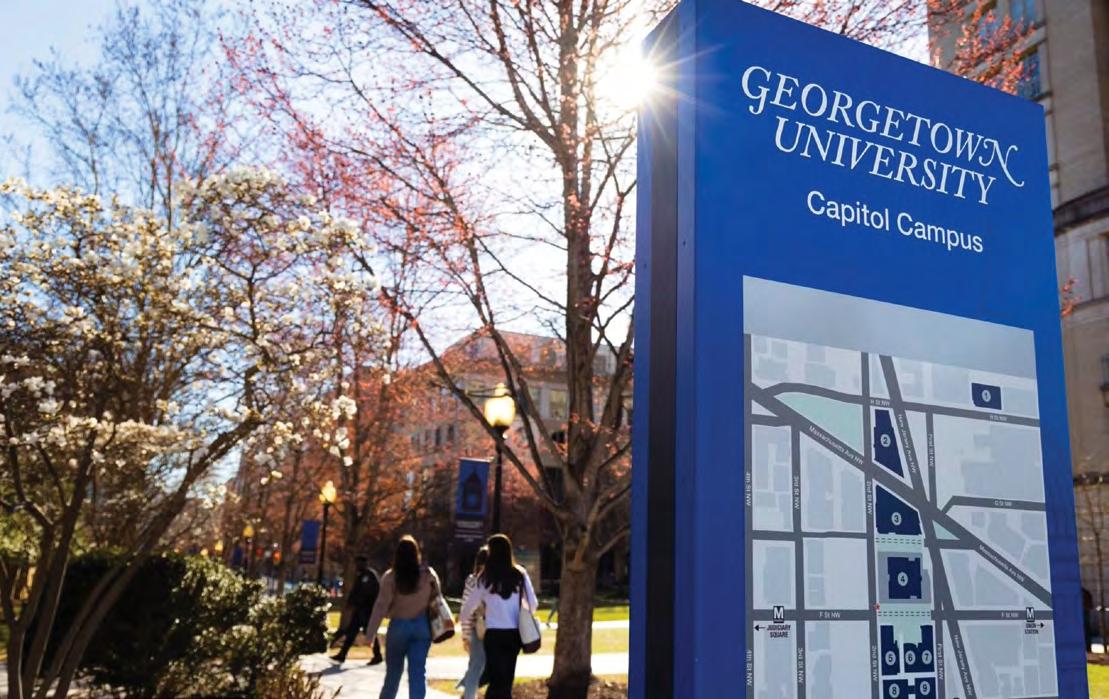
Inside Look: Capitol Campus On Campus
Alumni Connections
Arts and Letters
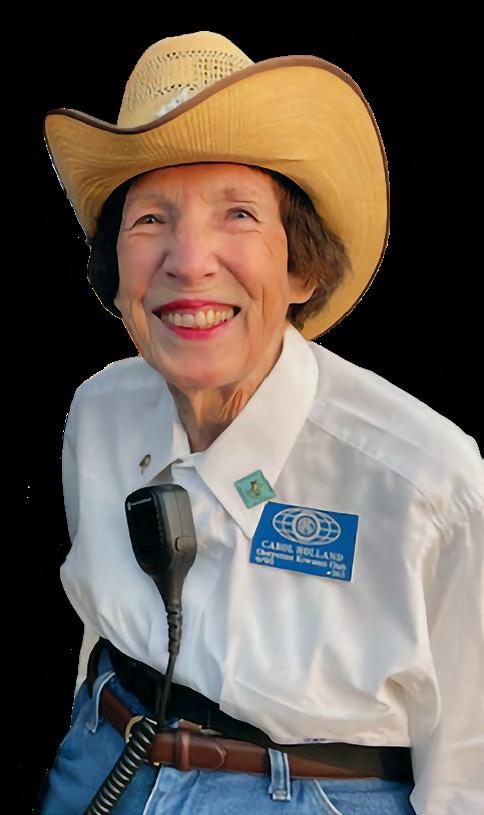
Reflections on Health with Carol Holland (N’60)
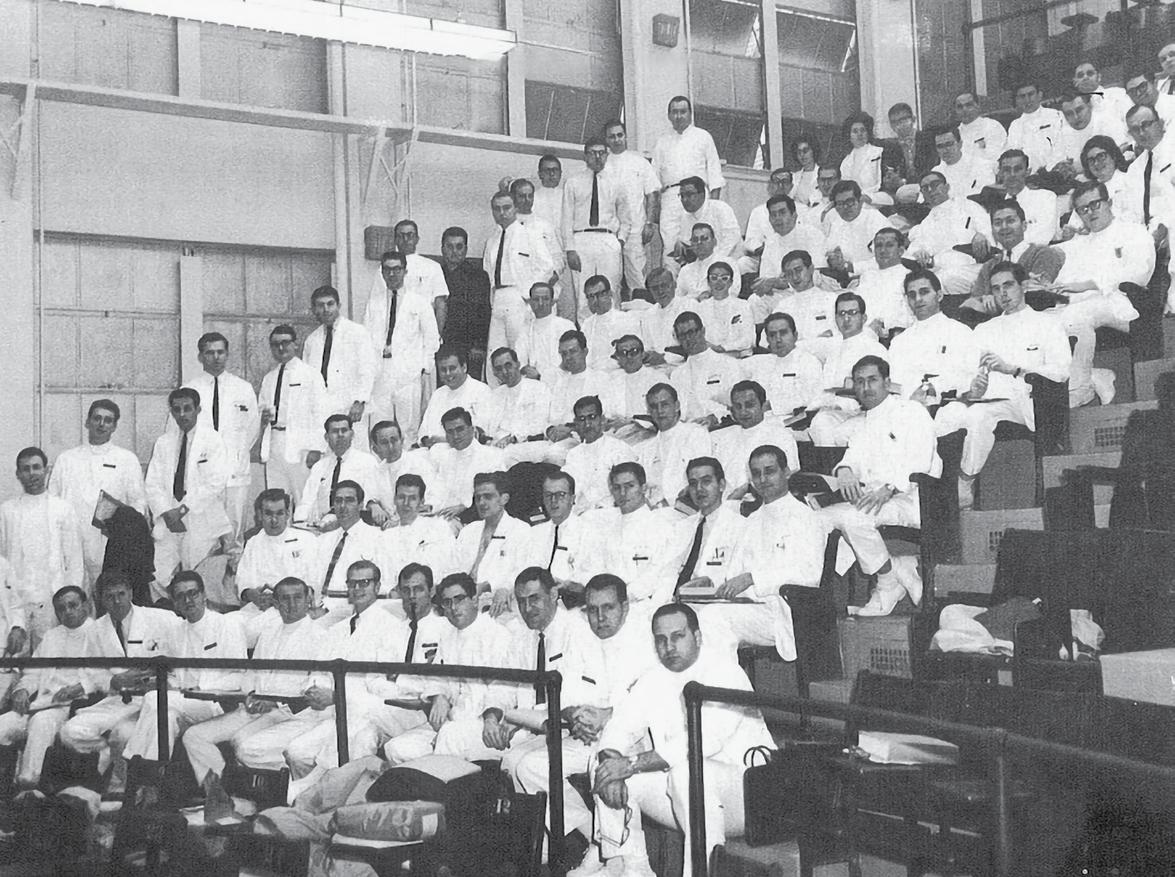
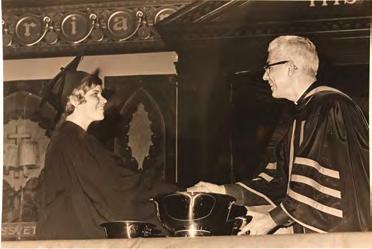
Roughly half of the School of Medicine Class of 1966, seen here during their third year, posed for a picture in the medical amphitheater. The graduating class included George Peckham (M’66), who would later establish the Neonatal Intensive Care Unit at the Children’s Hospital of Philadelphia, and create a neonatology division at the University of Pennsylvania’s School of Medicine. Peckham also developed a neonatal resuscitation program used worldwide and a regional neonatal transportation program.
Editor’s Letter
This is a turbulent time, especially for universities and other research institutions. And yet, amid these challenges, the pursuit of knowledge continues. There are countless people working steadily behind the scenes to heal illness, improve patient care, and solve the world’s problems. Many of those people are right here at Georgetown University.
Our features for this issue include Lauren Wolkoff’s story on breast cancer innovations at Georgetown University’s Lombardi Comprehensive Cancer Center that have not only saved lives, but provided more comfortable, more customizable treatments for patients. If you have anyone in your life who has been diagnosed with cancer—and most of us do—you understand the importance of a treatment plan that considers cura personalis, or care of the whole person.
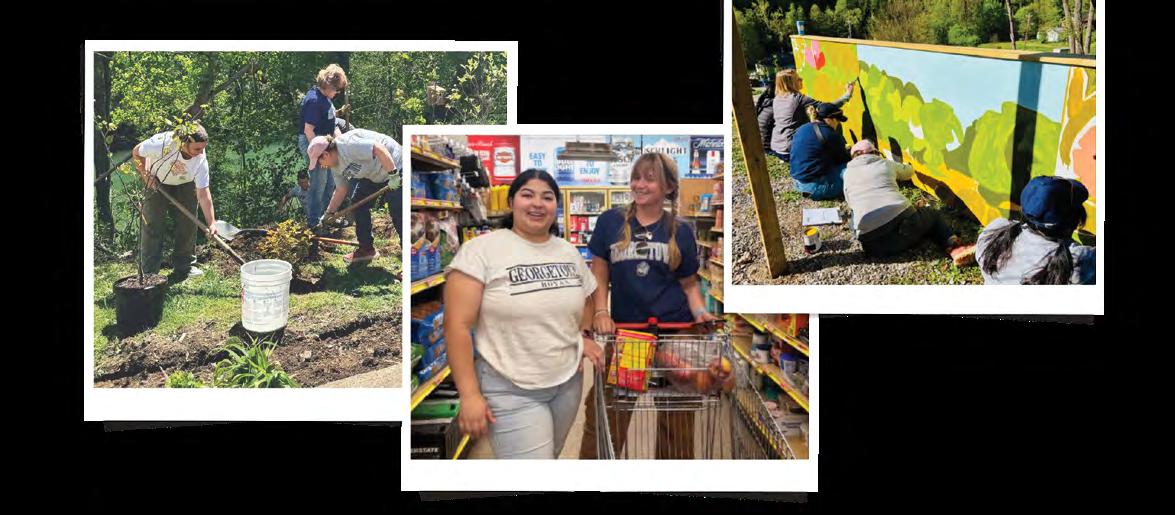
Jane Varner Malhotra’s feature explores family medicine, a specialty that gives its practitioners the opportunity to meet people where they are. You’ll learn about the important outreach programs in the DC area that provide Georgetown medical students with unique insights into health disparities. And another story talks about similar opportunities for nursing students who visit Clay, West Virginia.
Finally, Sara Piccini’s feature looks at addiction policy at Georgetown through the lens of her father’s struggles with alcoholism. This story highlights the work of several alumni, notably Regina LaBelle (L’92), who runs Georgetown’s Center on Addiction and Public Policy and helped establish an interdisciplinary master’s program.
Aside from these powerful features, we have several important items of campus news, including new partnerships with the Power of Words Foundation and The Lancet
Finally, don’t miss our wonderful alumni stories, especially that of Carol Holland (N’60), a resident of Wyoming who served in the U.S. Air Force. She shares how mental health treatment changed during her career.
I hope these stories serve as a reminder that we all need to look out for one another and do our part to uplift the efforts of our scientific community. As Called to Be: The Campaign for Georgetown winds to a close in the coming months, I want to say thank you for your continued support for the university during these challenging times.
—Camille Scarborough, Editorial Team Lead
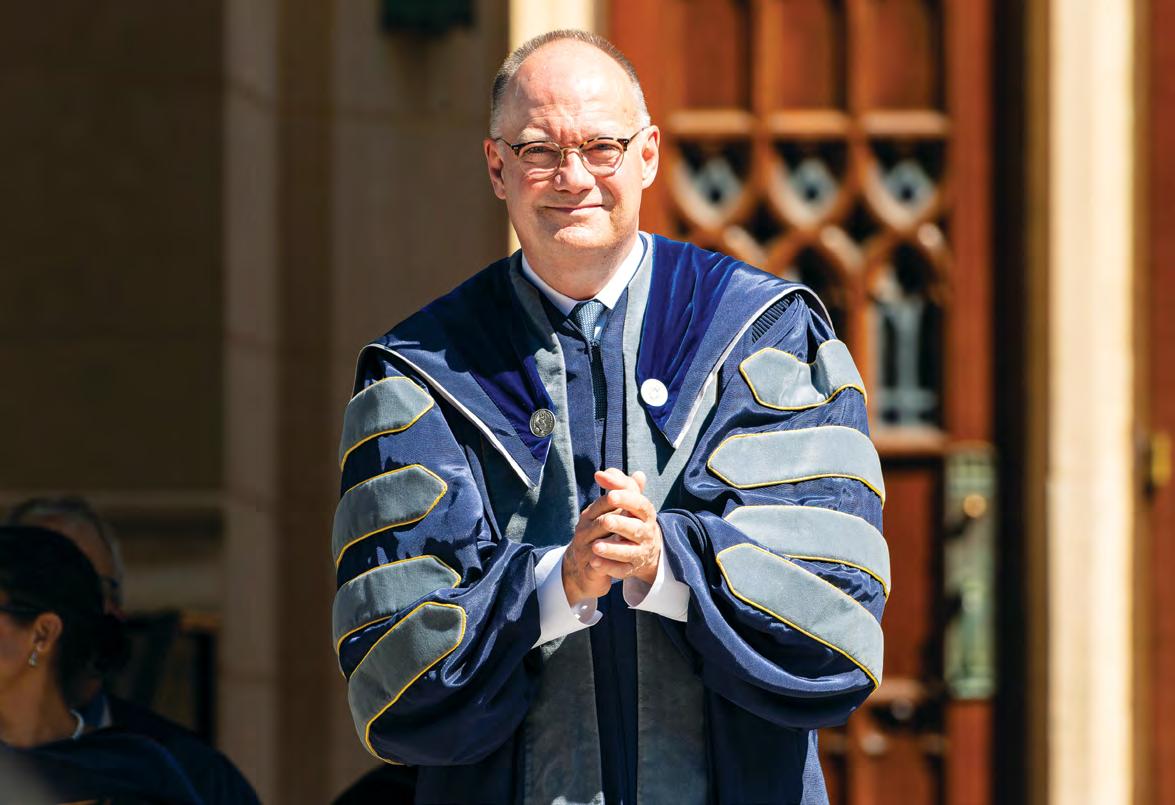
In October, Georgetown’s board of directors unanimously voted to name Eduardo M. Peñalver—the president of Seattle University, a Rhodes Scholar, and former dean of Cornell Law School—as the 49th president of Georgetown University. He will begin his new role on July 1, 2026.
Office of Advancement
R. Bartley Moore (SFS’87) Vice President for Advancement
Jackie Wood Vice President of Advancement, GUMC
Amy Levin
Associate Vice President for Communications
Erin Greene
Assistant Vice President of Creative
Georgetown Magazine Staff
Camille Scarborough, Editorial Team Lead Jane Varner Malhotra (SCS’21), Features Editor Elisa Morsch (SCS’20), Creative Director
Ethan Jeon, Shikha Savdas, Alina Ruppel, Sofia Velasquez
Project Managers
Hilary Koss, Chloë Holman
University Photographer Phil Humnicky
Georgetown Health Magazine 2115 Wisconsin Ave., NW, Suite 400 Washington, DC 20007-1253
Feedback and story ideas: healthmagazine@georgetown.edu
Address changes: alumnirecords@georgetown.edu
Winter 2026 | Georgetown Health
Georgetown Health is distributed free of charge to alumni, parents, faculty, and staff. The diverse views in the magazine do not necessarily reflect the opinions of the editors or official policies of the university.
Georgetown University provides equal opportunity in employment for all persons, and prohibits unlawful discrimination and harassment in all aspects of employment because of age, color, disability, family responsibilities, gender identity or expression, genetic information, marital status, matriculation, national origin, personal appearance, political affiliation, race, religion, sex, sexual orientation, veteran’s status, or any other factor prohibited by law. Inquiries regarding Georgetown University’s non-discrimination policy may be addressed to Institutional Diversity, Equity & Affirmative Action, 37th and O Sts. NW, Suite M36, Darnall Hall, Georgetown University, Washington, DC 20057.
Sharing research, exploring collaborations on cervical cancer
n n In June 2025, the Global Cancer Collaborative, a joint initiative between the Georgetown University Global Health Institute and Georgetown University’s Lombardi Comprehensive Cancer Center, hosted a seminar on cervical cancer.
Cervical cancer is the fourth most common cancer among women worldwide, with nearly 90% of deaths occurring in low-and middle-income countries.
To learn about efforts to advance prevention, care, and access, the Global Cancer Collaborative invited three faculty members to present their work with communities across Central America, Sub-Saharan Africa, and South Asia.
“We need to pull together across Georgetown those working on stigma, education, technology, and health systems,” said Christopher Loffredo, director of Georgetown Lombardi’s Office for Global Oncology and a professor of oncology and biostatistics. “That’s the kind of collaboration that can really move the needle.”
Several participants echoed this call, pointing to existing campus initiatives like the Georgetown-Lancet Commission on Faith, Trust and Health, and the Global Maternal and Child Health Collaborative as examples of how faculty are already working across disciplines and regions. n
Art classes taught by Bettina Brunner, the 2025–26 Arts and Humanities Program Artist-in-Residence at Georgetown University’s Lombardi Comprehensive Cancer Center, have attracted 500 attendees.
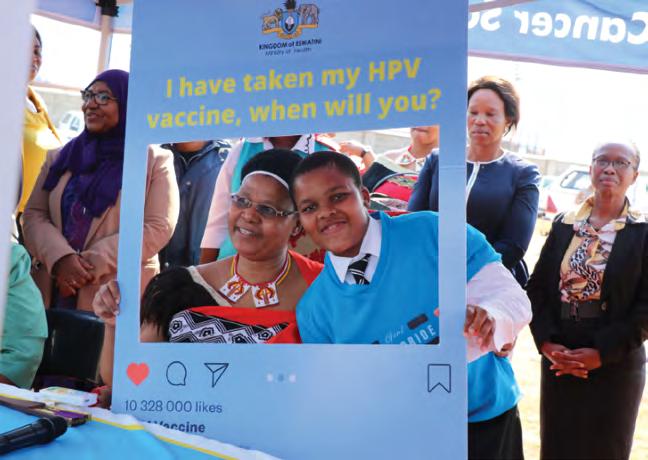
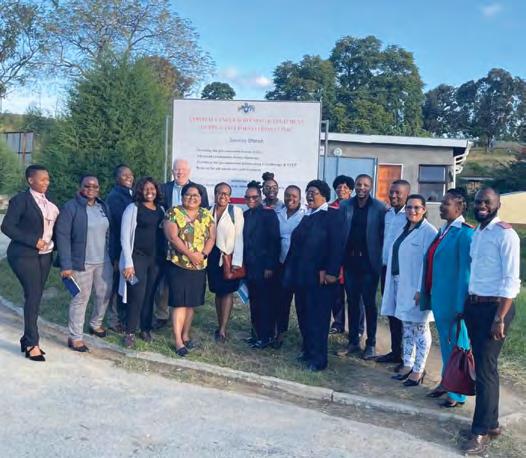
Left: A local health clinic in Eswatini hosts a human papillomavirus vaccination campaign; Right: Georgetown global health researchers from Georgetown University’s Lombardi Comprehensive Cancer Center and the CGHPI met with stakeholders in Eswatini to plan for implementation science grant proposals that will allow them to scale-up the availability of HPV screening.
Overcoming aphasia after stroke
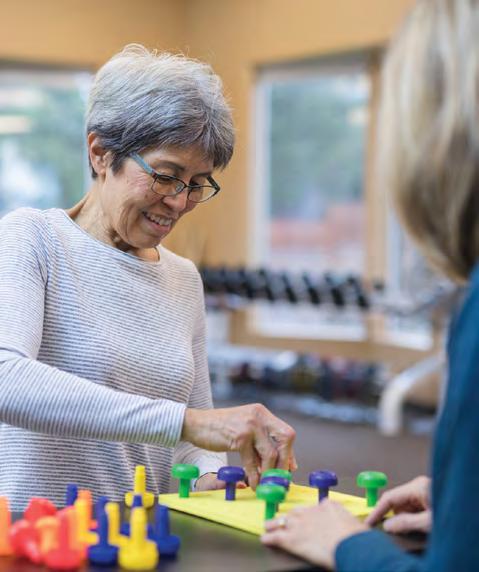
n n For many people, one of the most devastating consequences of suffering a stroke is impaired ability to speak, understand words, read, and write. Aphasia occurs in patients whose strokes occur in the left hemisphere of their brains, the side that houses the areas crucial for developing and processing language.
A new NIH-funded study led by Georgetown University Medical Center researchers, published Sept. 8 in the journal Brain, deepens understanding of the role that the right side of the brain can potentially play in helping these patients recover their ability to relearn language and communicate.
The study, one of largest and most thorough to address this issue, used advanced neuroimaging techniques to compare right brain activity in stroke patients with a control group of healthy adults. The researchers found that specific areas of the right brain are activated in the stroke patients as their brains attempt to compensate for damage to the left hemisphere.
Peter Turkeltaub, professor of neurology and rehabilitation medicine and director of the GUMC’s Cognitive Recovery Lab, and his colleagues plan to conduct a longer study designed to look at right hemisphere activity and its role in stroke recovery over a period of years. They will also test which specific language abilities the right hemisphere supports after stroke so that future trials can pair methods to boost right hemisphere activity with the most effective speech-language therapies. n
School of Health alumni receive Fulbright scholarships
n n Two recent School of Health graduates have been selected as Fulbright Scholars for the 2025–2026 season.
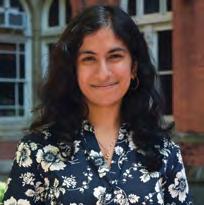
Sahana Arumani (H’25) will study leptospirosis prevention in Palmerston North, New Zealand.
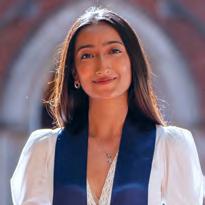
Shagun Gandhi (H’25) will investigate head and neck cancer survivorship at Tata Memorial Hospital in Mumbai, India.
“It has been a real joy to watch Sahana and Shagun grow through the rigors of our program,” shares mentor Alex Theos, associate professor in the Department of Human
Science. “The whole department is so very proud of their many achievements, and we wish them both well for their tremendously exciting Fulbright work in New Zealand and India.”
“As Human Science program graduates, Sahana Arumani and Shagun Gandhi exemplify the rigor and service that define our school,” adds Assistant Professor Ilona Argirion, another mentor. “This special honor affirms their drive to improve public health at home and abroad, and I am confident they will make a lasting impact as Fulbright Scholars.” n
Photos:
iStock / Courtesy of Sahana Arumani and Shagun Gandhi
Sahana Arumani
Shagun Gandhi
Alumnus endows pharmacology professorship
n n Jerome Fleisch (G’67) fondly recalls the welcoming community at Georgetown and his years studying for a Ph.D. in pharmacology. To support both the university and the field, he and his wife, Marlene Cohen (also a pharmacologist), established the Jerome H. Fleisch and Marlene L. Cohen Endowed Professorship of Pharmacology.
“My dad was a pharmacist in the Bronx,” shares Fleisch. “He was a trusted member of the community. When it was difficult to get an appointment with a physician, folks stopped by the corner pharmacy. My dad helped everyone, and I wanted to do the same.”
“Everyone cared, everyone treated me like family. Marlene and I are happy to support the department that had such an influence on my life and career.”
—Jerome Fleisch (G’67)
After a chance encounter with the wife of a Georgetown pharmacology professor, and encouragement from his parents, Fleisch hopped on a train to learn more about the university.
“Everyone at Georgetown was welcoming and supportive,” says Fleisch. “My time at the university opened doors I didn’t know existed.”
Those doors included a Harvard fellowship, a commission with the U.S. Public Health Service, service in the National Institutes of Health, and a research career at Eli Lilly and Company.
“None of that would have happened without Georgetown,” adds Fleisch. “Everyone cared, everyone treated me like family. Marlene and I are happy to support the department that had such an influence on my life and career.” n
Radiation exposure in Russia
n n Five decades of health and cancer outcomes research with Russian nuclear workers finds higher rates of bile duct cancer and hepatocellular carcinoma among the workers, as well as unusually high rates in women of angiosarcoma of the liver, a form of cancer that is extremely rare.
It’s one of very few studies to examine liver cancer in people exposed to radiation in a chronic, low-dose occupational setting. Previous research on radiation exposure has focused on survivors of disasters like the Chernobyl explosion or the Hiroshima bomb.
The new findings published Aug. 1 in the journal Radiation Research could be used to guide safer and better tailored radiation exposure standards for people worldwide who work in nuclear facilities or those exposed to other forms of radiation, including space exploration.
“The importance of this work has to do with worker safety,” said Christopher Loffredo, professor of oncology and biostatistics and director of the Office of Global Oncology at Georgetown University’s Lombardi Comprehensive Cancer Center. “There are many types of radioactive materials and chemicals used in laboratories and the nuclear power industry. There’s also cosmic radiation exposure in settings like space travel. So these continue to be very timely questions that still need more work to get answers.” n
Research at Georgetown University’s Lombardi Comprehensive Cancer Center could be used to guide radiation exposure standards.
By Lauren Wolkoff | Design By Shikha Savdas
Rewriting survival
A new era in breast cancer research and care
ifty years ago, a breast cancer diagnosis meant a similarly aggressive path for nearly everyone: highly invasive surgery to remove as much tissue as possible—sometimes including not just the breast but the lymph nodes and chest muscle—often combined with toxic chemotherapy
Those who survived typically lived with years of physical and psychological effects, including chronic pain and limited mobility, cognitive decline, lymphedema, anxiety about recurrence, and the lasting emotional toll of the physical changes to their bodies. The effects of these issues reverberated throughout families and communities of support.
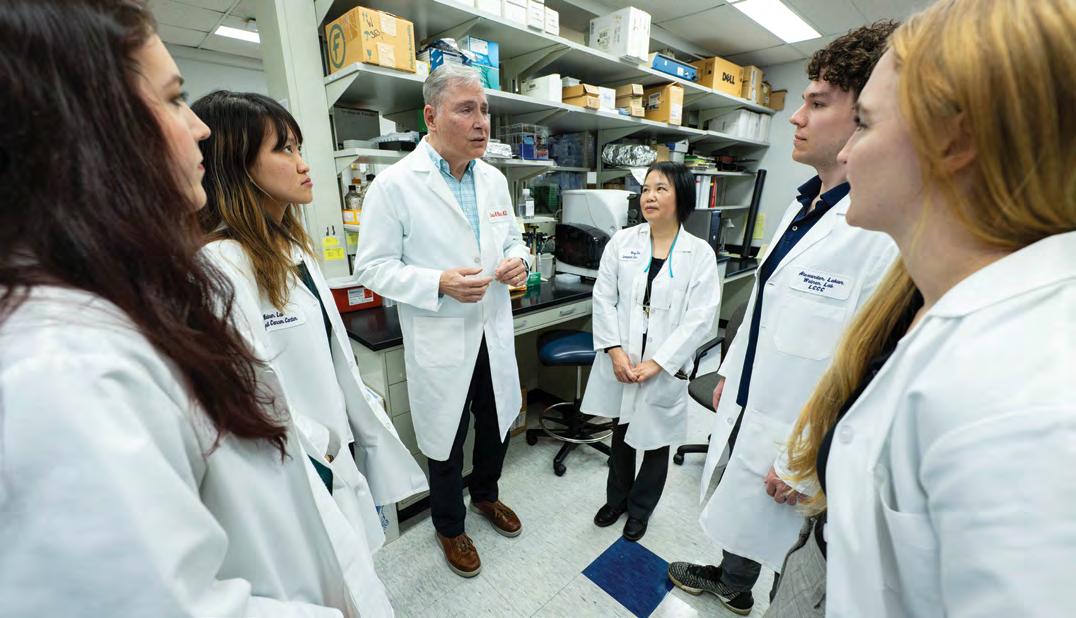
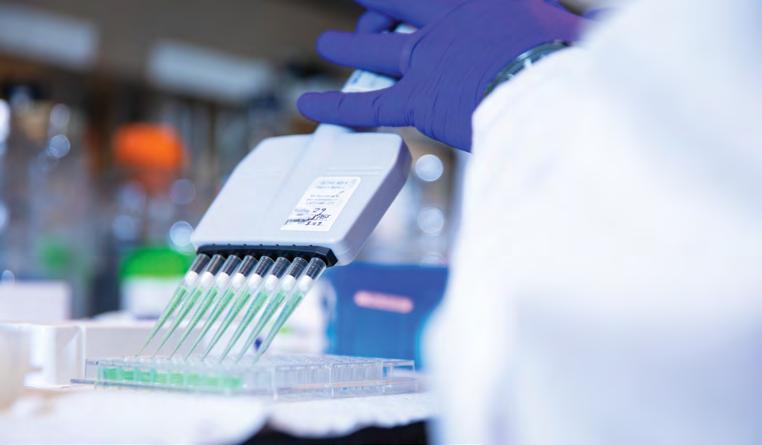
Over the last half-century, Georgetown University’s Lombardi Comprehensive Cancer Center has been at the forefront of upending the “onesize-fits-all” approach through precision medicine research—part of a broader shift toward more individualized care that has transformed this landscape. Depending on the tumor type and stage of disease, some breast cancer patients can now avoid chemotherapy or surgery entirely, while others receive treatment tailored to their tumor’s specific profile.
“As a field, we have moved from a blunt approach to a much more nuanced, individualized approach—sparing people unnecessary toxicity and financial burden while maintaining excellent outcomes,” says Louis M. Weiner, director of Georgetown Lombardi and the MedStar Georgetown Cancer Institute, and professor of oncology at the School of Medicine. “That’s what our researchers are working towards: reductions in mortality and improved quality of life for patients who are real people with families and futures, not statistics.”
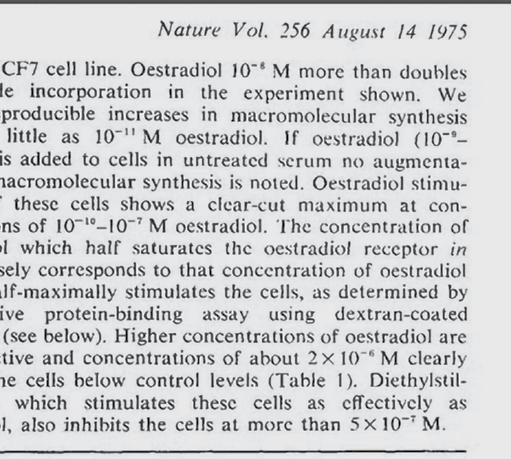
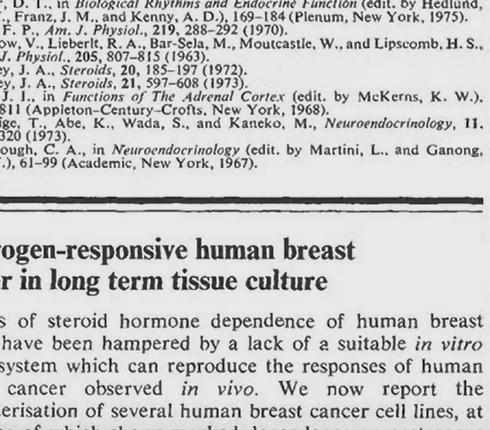
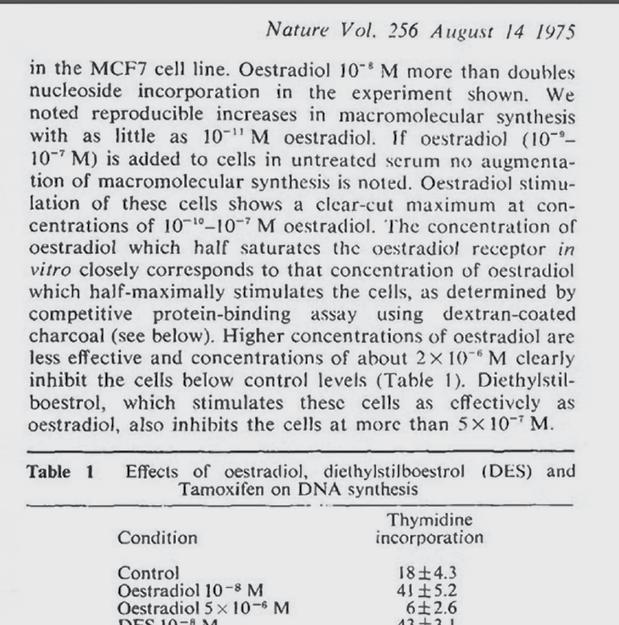
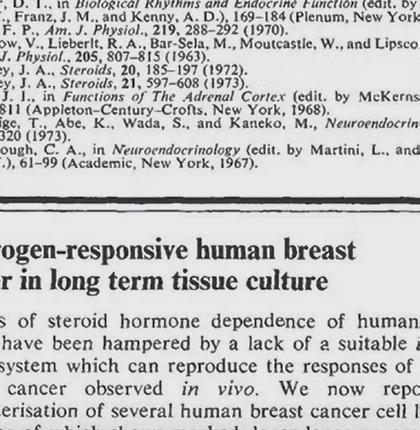
The arc of progress traces back to researchers such as Marc Lippman, a Georgetown professor of oncology whose groundbreaking work on estrogen receptors in the 1970s laid the foundation for targeted hormone therapies that have since saved countless lives. As a young researcher at the National Cancer Institute, Lippman and his colleague Gail Bolan developed a model of hormone-dependent human breast cancer with little preliminary data to guide them.
The discovery that estrogen fuels breast cancer growth opened the door to targeted therapies that now cure the majority of women diagnosed with the disease. Unlike chemotherapy, which indiscriminately kills all fast-growing cells—cancer cells along with hair follicles and nail cells, for example— targeted therapies are designed to disrupt the specific cellular machinery that drives the cancer itself.
“A remarkable aspect of this discovery is that it was met with a tsunami of opposition by people who couldn’t reproduce the study,” recalls Lippman. “When, eventually, our conclusions were shown to be entirely correct it provided a powerful impetus to our work.”
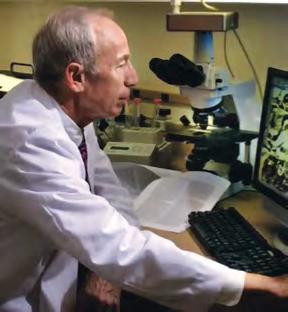
Lippman served as director of Georgetown Lombardi from 1988 to 2001, building one of the premier breast cancer programs in the country before leading major cancer centers at the University of Michigan and the University of Miami. He returned to Georgetown Lombardi in 2018, where he continues pursuing research on preventing cancer recurrence and reducing treatment toxicity.
“I’ve focused on this my entire career,” he says. “What makes me most proud is seeing the brilliant researchers who I had the privilege of mentoring go on to become leaders, at Georgetown and elsewhere.”
In the years of research that followed Lippman’s published findings, drugs like tamoxifen and others were developed and are now routinely used to block estrogen or the production of estrogen to treat breast cancer.
That early work in hormone receptors set the stage for today’s precision medicine approaches at Georgetown Lombardi, where researchers are working to refine treatments to spare patients unnecessary intervention while improving outcomes.
Leading through innovation
Breast cancer is still the most commonly diagnosed cancer among American women, accounting for nearly one in three new cancer diagnoses each year. Yet decades of advances in screening, treatment, and early detection have led to a boom in the survivor population. Today, the largest number of cancer survivors in the United States are breast cancer survivors, according to the American Cancer Society.
As the survivor population grows and ages, so does an urgent question: how do we fundamentally transform what it means to live with and beyond this disease?
“Our goal is to maximize both quantity and quality of life—giving patients with early-stage disease the best chance at cure without overtreating them, while helping those with advanced disease live well for as long as possible,” says Claudine Isaacs, associate director for clinical research and medical director of Georgetown Lombardi’s Fisher Center for Hereditary Cancer and Clinical Genomics Research.
Pursuing that goal requires a research enterprise with the scale and expertise to address breast cancer from every angle. As one of just
57 National Cancer Institute–designated Comprehensive Cancer Centers in the United States—a distinction Georgetown Lombardi first earned in 1974—the institution is required to meet rigorous standards across research, patient care, and community engagement.
Since its founding in 1970, Georgetown Lombardi’s impact has been sustained through breakthrough discoveries across multiple fronts.
One major area of progress has been developing more targeted treatments. Breast oncologist Sandra Swain, associate dean for research development at Georgetown University Medical Center, led the groundbreaking CLEOPATRA (CLinical Evaluation Of Pertuzumab And TRAstuzumab) trial that revolutionized treatment for HER2-positive metastatic breast cancer—one of the disease’s most aggressive forms.
By adding a third drug, pertuzumab, to the standard twodrug regimen, the research led to significantly improved survival outcomes and established a new standard of care used worldwide today. For patients with HER2-positive disease, this precision approach means powerful, life-extending treatment. For everyone else, it means avoiding toxic therapies that wouldn’t improve their chance of survival.
Other researchers have focused on minimizing treatment’s lasting physical toll. David Song, professor of plastic surgery, and chief medical officer and vice president of medical affairs for MedStar Georgetown University Hospital, pioneered lymphatic surgery techniques to reduce the risk of one of breast cancer treatment’s most debilitating long-term complications, lymphedema, which is painful swelling caused by the build up of lymphatic fluid. His team has also developed
nerve-preserving approaches that maintain sensation after mastectomy, including nipple re-sensitization surgery.
Still others are working to improve outcomes at the population level. Marc Schwartz, associate director for population science at Georgetown Lombardi and co-director of the Fisher Center along with Isaacs, has helped pioneer approaches that have transformed genetic testing in mainstream cancer care.
His team led one of the first studies offering genetic testing to women at the time of breast cancer diagnosis to help guide treatment decisions—a practice now standard nationwide. Schwartz also conducted the largest telephone-based genetic counseling study ever, proving that phone counseling worked just as well as in-person sessions at a fraction of the cost. This breakthrough expanded access for people in rural areas and underserved communities, making vital genetic information available to far more patients and their physicians.
“What makes us a comprehensive cancer center is excellence across multiple fronts—from the lab to the clinic to the community,” says Weiner. “Each breakthrough builds on decades of work, and together, they represent a fundamental transformation in how we treat this disease.”
Science takes a village Georgetown Lombardi has built a research ecosystem that brings together clinicians, basic scientists, genetic counselors, population health experts, and patients—not just within its own walls, but through partnerships with institutions nationwide and globally. For Isaacs, this expansive collaborative approach is essential.
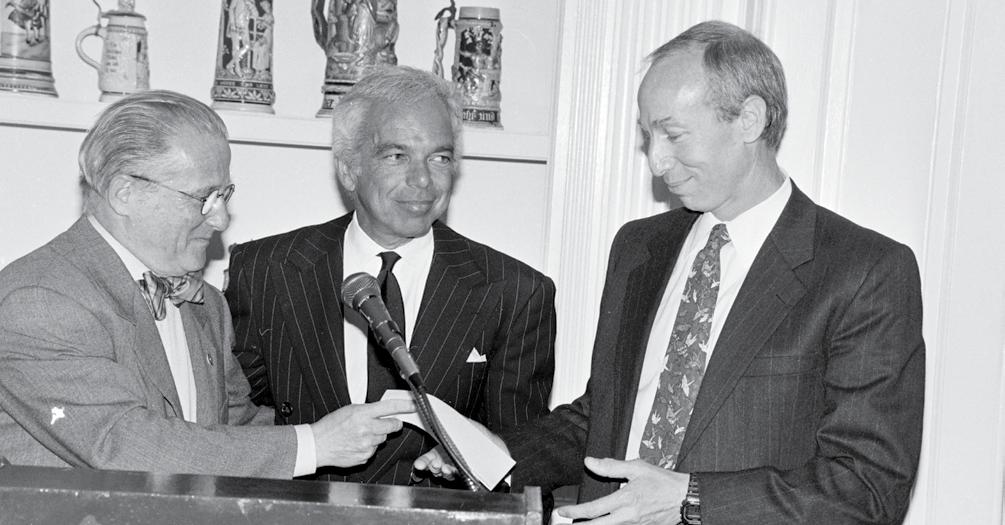
Lippman (right) at the Ralph Lauren Luncheon benefiting Georgetown Lombardi’s Nina Hyde Center for Breast Cancer Research in April 1995.
Photos: Getty Images / Georgetown University
“Science takes a village—a large village,” Isaacs says. “It’s important to recognize where to lead and where we need to collaborate, because you don’t get answers from doing research in isolation.”
One example of a fruitful cross-disciplinary approach is work on chemotherapy-related cognitive changes, commonly known as “chemo brain.”
“What makes us a comprehensive cancer center is excellence across multiple fronts— from the lab to the clinic to the community.”
LOUIS M. WEINER, M.D.
Jeanne Mandelblatt, director of the Georgetown Lombardi Institute for Cancer and Aging Research and professor of oncology and medicine at the School of Medicine, first discovered that women carrying a genetic variant associated with Alzheimer’s known as APOE4 were more likely to experience cognitive impairment following chemotherapy. She then partnered with William Rebeck, a professor of neuroscience, to explore this finding further in his lab.
“Through this collaboration, we’ve been able to replicate and extend findings to understand what parts of the brain are affected that we might target with treatments,” Mandelblatt says. “This is exciting because cognitive impairment is so common. We’re hopeful we will understand who experiences this really troublesome side effect and why.”
The work caught the attention of Lippman, whose expertise offered a new lens. When Lippman heard Mandelblatt present this finding, he had a realization: since the chemotherapy drugs in question don’t cross the blood-brain barrier, they must trigger inflammatory molecules elsewhere in the body that ultimately affect the brain.
He identified a key inflammation driver called RAGE (Receptor for Advanced Glycosylation End-products) as a potential culprit. Working with Barry Hudson, an associate professor of oncology, the team established that by inhibiting the expression of the RAGE protein, they could prevent cognitive decline in mice receiving chemotherapy. The work has now advanced to clinical trials led by Candace Mainor, a medical oncologist at MedStar Georgetown University Hospital.
Georgetown Lombardi’s commitment to collaboration extends to large multi-institutional clinical trials like I-SPY, where the center plays an active role alongside peer institutions internationally.
The trial’s innovative adaptive design allows multiple therapies to be evaluated simultaneously, using pre-surgical treatment as a “test drive” for personalized therapy. Over 15 years, the global trial has enrolled more than 2,500 patients and tested 25 new treatments. Clinicians use serial MRI scans to track tumor response in real time, tailoring treatment accordingly.
The trial’s ultimate goal, Isaacs explains, is “to provide each individual patient with the most personalized therapy that can be offered.” Several treatments first tested in the trial have subsequently earned FDA approval, including pembrolizumab for triple-negative breast cancer.
Director of Georgetown University’s Lombardi Comprehensive Cancer Center, Louis M. Weiner, center left, holds the Francis L. and Charlotte G. Gragnani Chair and is professor of oncology and chair of the Department of Oncology at Georgetown University Medical Center.
For Weiner, this commitment to collaborative science is central to Georgetown Lombardi’s identity and impact.
“Patients expect collaboration—not competition. Our common enemy is cancer,” he says. “We live that principle by pursuing high-impact partnerships that transform outcomes for women with breast cancer.”
Training tomorrow’s leaders
Sustaining this culture requires investing in the next generation of researchers. For Rebecca B. Riggins, professor of oncology and associate director of education and training at Georgetown Lombardi, developing future breast cancer researchers is about cultivating a mindset.
“We have to start early in the pipeline with modeling for students and trainees that breast cancer research is interdisciplinary,” she explains. “You don’t always know where the next big thing is going to come from, which is why we need to keep a holistic approach and think of research as a longterm investment.”
Georgetown’s Tumor Biology Ph.D. program, part of the Biomedical Graduate Education program, exemplifies this commitment by training scientists in the interdisciplinary approaches essential to advancing cancer research. More broadly, demonstrating the power of Georgetown Lombardi’s training ecosystem, Georgetown trainees have gone on to lead major breast cancer programs at premier institutions around the country, including Johns Hopkins’ Sidney Kimmel Comprehensive Cancer Center, Sandra and Edward Meyer Cancer Center at Weill Cornell Medicine, Harvard’s Dana-Farber Cancer Institute, and MD Anderson Cancer Center at the
Riggins and Kenneth Tercyak, professor of oncology and co-lead of Georgetown Lombardi’s Cancer Prevention and Control Program, created the Young Scholars Program—an annual initiative offering middle and elementary school students hands-on experiences in STEM and cancer research.
“I think we really owe it to our community to engage everyone,” Riggins says. “Early exposure to exciting and meaningful science experiences needs to start as early in the learning process as possible.”
Closing the gap
For all the extraordinary progress in breast cancer treatment, Georgetown Lombardi’s researchers are clear-eyed about the gap between scientific achievement and equitable outcomes.
Black women face a 40% higher mortality rate from breast cancer than white women, despite having similar or lower incidence rates. This disparity persists across every molecular subtype and every stage of disease, underscoring inequities in access to care and other systemic variables that affect outcomes.
“We have to start early in the pipeline with modeling for students and trainees that breast cancer research is interdisciplinary.”
REBECCA B. RIGGINS, PH.D.
The commitment to training reaches even younger scholars. Working with KID Museum in Bethesda, Maryland,
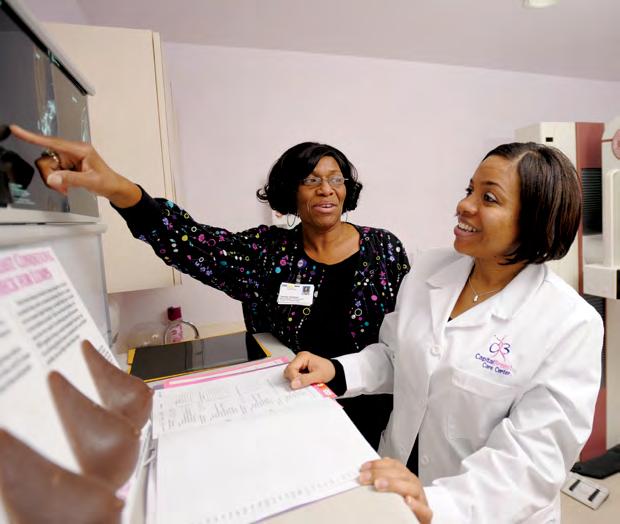
Even as treatment improves, disparities in screening access and health care navigation mean many women don’t benefit from these advances until the disease has progressed, according to Distinguished Professor Lucile Adams-Campbell, associate director for minority health and health disparities research and senior associate dean for community outreach and engagement.
Photo: Phil Humnicky
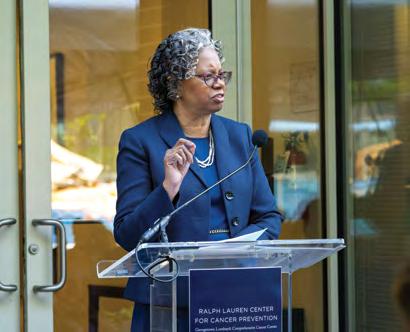
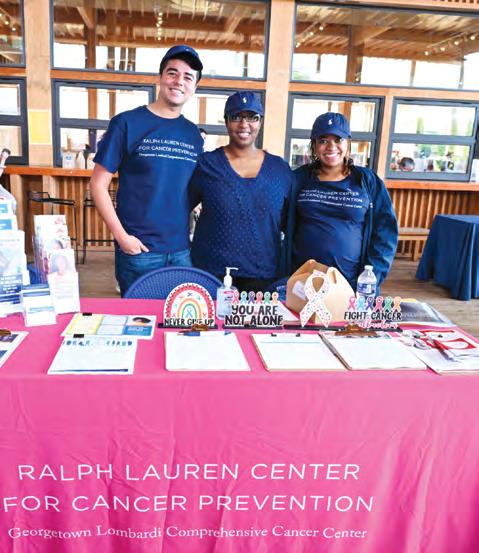
At the Ralph Lauren Center opening in 2023 in Southeast DC, Lucile Adams-Campbell noted that “Addressing cancer disparities in communities and meeting people where they are makes a real difference.”
The Ralph Lauren Center for Cancer Prevention at Georgetown Lombardi addresses this directly. Located in Ward 8 of the District, the center provides comprehensive navigation for early detection, through screening, diagnosis, treatment, and prevention. Patient navigators connect individuals to specialized care at MedStar Health and clinical trials at Georgetown Lombardi.
“The Ralph Lauren Center has enabled us to be more inclusive, which is central to our mission,” says Adams-Campbell, the center’s founding director. “There are now people from all over Washington, DC, including more people of color, coming to Georgetown for care.”
Adams-Campbell notes that not all minorities are underserved, and not everyone who is underserved is a racial minority. Recognizing this complexity, her team discovered that patients were significantly more likely to enroll in clinical trials upon receiving support for issues such as housing insecurity, food access, and financial hardship through Georgetown’s medical-legal partnership, the Cancer Legal Assistance and Well-being (Cancer LAW) project through Georgetown’s Health Justice Alliance program.
“When we address patients’ financial and social challenges, they are better able to make decisions that are good for their health,” she says.
Unanswered questions
Even as Georgetown researchers work to ensure existing advances reach everyone, significant scientific challenges remain. For example, resistance to endocrine therapies— drugs that target hormone receptors—plagues even the most successful treatments.
“In many cases, resistance—whether it’s after five years, 10 years, or maybe even longer—becomes a problem,” Riggins explains. “Why does this occur? And, importantly, is that ‘why’ something we can uniquely target?”
Some subtypes present their own stubborn mysteries. Lobular breast cancer, the second-most common subtype, has only recently gained focused attention. This tumor type is prone to late recurrence—even 20 years after initial diagnosis—long after many people think their risk is gone.
Georgetown researchers, including Riggins, are working to understand the unique biology of lobular tumors and develop better imaging strategies for detection.
These are just two of many unanswered questions researchers are pursuing. Yet progress achieved over the past few decades in breast cancer demonstrates what’s possible. Between 1975 and 2019, breast cancer mortality decreased by 58%—dropping from about 48 to 27 deaths per 100,000 women. That translates to millions of lives saved, all because of research.
Finding answers to today’s research questions could save millions more lives and continue to positively impact survivors’ quality of life.
“Behind every breakthrough, every new therapy, there are real people,” Weiner says. “That’s what drives everything we do—ensuring those people get more time, and better time, with the people they love.” n
Lauren Wolkoff is a communications consultant based in Washington, DC. She received her MA in Latin American Studies from Georgetown’s School of Foreign Service.
Left: Ralph Lauren Center for Cancer Prevention hosts its inaugural Men’s Health event in September 2025; Right: Georgetown team members work to address health disparities in the community.
By Jane Varner Malhotra | Design By Sofia Velasquez
Growing up in Richmond, Virginia, Aman Kapadia (M’25) spent weekends hanging out at the convenience store where his dad worked, in the nearby town of Petersburg. Over time he got to know many of the customers, and their stories had an impact on his interest in becoming a family physician.
“A lot of the folks I got to know from around the area were spending time rotating in and out of correctional facilities,” Kapadia recalls. “And that really piqued my interest, along with the national social issue of police brutality. That drew me to the question: why are so many folks being incarcerated? But then also, as somebody interested in medicine, how is their health now being impacted by incarceration? In a country where health is already in a pretty dilapidated state, I can only imagine it can get worse in such a setting.”
His curiosity and care led him to earn a masters in public health and then come to Georgetown for his medical degree. He was drawn to the specialty of family medicine, in part because of how it aligns with the university’s emphasis on cura personalis, addressing care of the whole person.
“You hear the phrase when you’re applying to Georgetown, and at the white coat ceremony, all the way until graduation. The family medicine faculty really lived up to that motto.”
One of eight students in his Georgetown class to go into the field, Kapadia is now in his first year of family medicine residency at The University of Virginia.
“Family medicine is one of the specialties that’s uniquely positioned to address components of health care that go beyond just the medicine itself,” says Kapadia. “We’re looking at the social
determinants of health, along with the fact that we’re doing full-spectrum care, seeing all sorts of folks from different backgrounds.”
“Family medicine is where medicine remembers its purpose,” says Norman J. Beauchamp Jr., executive vice president for health sciences and executive dean of the School of Medicine. “It is where we see the whole person—their health, their story, their family, and their community.”
Why family medicine
Those who choose family medicine care for people across all ages and life stages, from prenatal care and delivering babies, to pediatrics and adult medicine, to geriatrics and palliative care. Many are motivated by the holistic approach, getting to know patient families over the years, and understanding community resources or limitations that may impact a person’s well-being. The broad and deep skillset is especially valuable in resource-poor areas, which may be busy cities or quiet farming communities.
“At its heart, family medicine is full-spectrum care like we see with the rural doctor,” says Yalda Jabbarpour (M’08), vice chair for research and associate professor of family medicine at Georgetown’s School of Medicine, and director of the Robert Graham Center for Policy Studies in Family Medicine and Primary Care. A leading voice nationally in primary care patient and policy research, she advocates for increasing student exposure to family medicine. “When students are able to go and rotate with a rural family medicine doctor, or even an urban doctor who does full-spectrum care, they say ‘Wait, you run the hospital, you deliver the babies, you do house calls, and you do an outpatient clinic? That's so cool.’”
But around the country, in rural and urban areas, there continues to be a shortage of family medicine doctors, even as the need increases.
“Continuity and the relationship with your doctor is so important today,” says Michelle Roett (M’03), professor and chair of the School of Medicine’s department of family medicine, and clinical chief of family medicine at MedStar Georgetown University Hospital. “People are sicker, and their circumstances more complicated. They have a lot going on mentally, and to understand who they are psychosocially is really challenging.”
She notes that family medicine prepares physicians “to meet patients where they are and to understand what their community, personal, and family dynamics might be, and how that affects their health. Being able to balance that with what preventive needs might be for their age, and understanding how all of that plays together as a family and as a community–this is unique to the specialty. And it distinguishes us from other primary care fields in that we see everybody.
“All over the country, there are pockets where there’s only a family doc for 100 miles in what we call health professional shortage areas, where family docs tend to be the only people available for primary care, for mental health, for obstetric and women’s health,” Roett adds. “It's why we train that way.”
Primary care specialties like family medicine are linked to building more healthy and equitable care in communities while saving costs. Its emphasis on preventive health care helps minimize issues like diabetes, hypertension, and maternal and infant mortality.
“It's borne out well in scientific studies: if a community has more family docs, they are healthier
because they have more preventive care” and fewer emergency department visits and hospitalizations, Roett says.
“When you look at patient outcomes like morbidity and mortality, studies done by our colleagues show that primary care including family medicine is the only specialty that when you add more of them to a place, life expectancy increases,” says Jabbarpour. “If we want to improve the health of the nation, we really need to increase the primary care workforce.”
Expanding interest… and paychecks
Out of 200 fourth-year medical students at Georgetown this year, 15 plan to apply for a residency in family medicine, up from eight the previous year. Growing the pool is a priority for the medical school, and with the specialty’s emphasis on relationships, lifelong patient care, community support, expanding the greater good, and building health equity, family medicine aligns well with Georgetown values.
So what are the challenges students face in choosing the field?
Medical students spend their last two years learning about and rotating through the different specialties, and in September of their fourth year, apply to a specific one for their eventual residency after graduating. Conversations about the pros and cons of various specialties take place among classmates and with medical practitioners and faculty they meet along the way. Friends and family members weigh in too, of course. People have advice to share based on their own lived experiences, and those opinions naturally come with biases.
In looking at the specialties, each student brings their unique needs and personal preferences to their decision, including types of patient interactions and settings they like, average workload, and projected compensation. At a competitive school like Georgetown, there can be increased pressure for students to choose what might be perceived as the most prestigious specialties. And with the average graduate debt close to $250K, many look to pursue the most lucrative fields.
Family medicine as a specialty is not always topping that list.
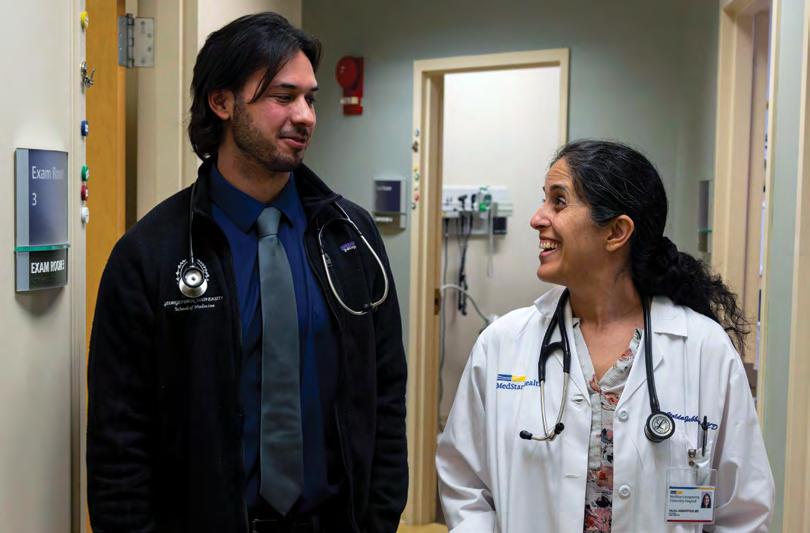
CJ Rooney (M’26), with family medicine physician Yalda Jabbarpour (M’08), appreciates the meaningful connections he’s developed with patients, being able to see their progress over time and advocating for them.
Photo: Phil Humnicky
“Anyone going through this process thinks about earnings potential, which in family medicine is not as high as it is in other specialties,” says fourth-year medical student CJ Rooney (M’26), who applied family medicine this fall. “I don’t think anybody at Georgetown is doing it solely for the money, but if you’re coming out of medical school with a significant amount of debt, from undergraduate as well, it’s definitely going to be a factor.”
Several years ago, family medicine professors Jeff Weinfeld and Katye Hart started a program at the School of Medicine called the Specialty Respect Campaign, offering presentations, posters, and social media intended to counter misperceptions and help dismantle stereotypes in medicine across all the specialties. Notably, they surveyed students and found them not only less likely to choose any disparaged specialty but also any specialty where doctors are speaking negatively about other specialties.
Roett emphasizes the importance of doctors working across differences for the good of the patient, too. “Family medicine physicians see themselves as partners with other specialties, and mutual respect between specialties impacts the quality of care patients receive.”
There are reasons why medical providers might elevate their own specialty and criticize others, says Beauchamp. “An individual’s specialty becomes a core part of their profession and personal identity, and to protect that identity, they may draw negative comparisons to other specialities.
“But as we guide students in discerning their paths, it is important to distinguish competitiveness for a specialty from calling,” he notes. “Calling centers on purpose, presence, and the privilege of being invited into the lives of patients and families. Family medicine resonates so deeply with many students because it reflects why they came to medical school in the first place: to accompany, to listen, to heal, and to serve.”
In recent years, several medical schools have begun offering tuition-free education made possible through philanthropic donations. “There’s growing recognition that this debt piece is really hindering medical students from making the choice that they want to make because they understand how much debt they’ll be facing,” Roett says. “At Georgetown, we’re in the 95th percentile among all medical schools for how much debt students graduate with. In the philanthropic space, we do well in terms of attracting donors for scholarships, but we still have a long way to go, especially to impact the students with the most need.”
Beauchamp underscores how community support becomes transformational. “At Georgetown, we are committed to ensuring that passion—not financial burden—shapes the paths of our graduates. Continued investment from our community is vital to empowering the next generation of physicians who serve with compassion, curiosity, and courage.”
Industry-leading journal celebrates 75 years
Founded in 1950 and affiliated with Georgetown the following year, American Family Physician is a monthly evidence-based, peer-reviewed medical journal edited by some of Georgetown’s family medicine faculty. Like the field itself, topics run the gamut, including a recent issue with articles on outpatient care for the premature infant, hyperthyroidism diagnosis and treatment, and nonopioid pharmacologic management of chronic noncancer pain.
Published monthly, the journal is available in print and online and in addition to supporting robust medical education and scholarship, offers fun features like photo quizzes and medicine by the numbers, in addition to a podcast as well as important health policy briefs. The journal is committed to putting patients first, with a conflict-of-interest policy that prevents authors from having ties to pharmaceutical or other companies that might benefit from the content.
Family physician and Editor-inChief Sumi Sexton is associate professor of family medicine at Georgetown, and the previous editor, Jay Siwek (C’71, M’76), vice-chair of the department of family medicine, led the publication from 1988-2018.
The medical editors are all board-certified family physicians, with a mission to “empower family physicians to improve the health of patients and communities as the leading source of medical information while advancing science and health equity.”
As for pay, primary care providers (including family medicine, pediatrics, and internal medicine) tend to receive lower compensation than the surgical subspecialties. But family medicine salaries are rising.
“For the last 20 years, family medicine has been the number-one recruited specialty, which drives up demand and drives up salaries,” Roett says. “What’s challenging for every specialty is figuring out how to pay off student loans and decrease the burden of debt. If we can make a difference in student debt, could we free students to choose their calling based more on what they’re passionate about doing and their desire to serve versus the pressure they feel to make the most money?”
Increased exposure
“The Department of Family Medicine does an incredible job at laying the foundation for the value and the importance of family medicine,” says Lois Wessel, DNP, FNP (G’97), who has the unusual distinction of being an associate professor in both the School of Medicine and the Berkley School of Nursing, teaching family medicine and care to future doctors and advanced practice nurses.
Primary care patient and policy research like that done by Jabbarpour is “embedded in the first year
of medicine when a lot of things are discussed, including social determinants of health, why we have disparities in health care, the value and the importance of understanding families and where you live and what you eat and where you have access to food,” Wessel says.
She has taught an interprofessional education course for nursing and medical school students called Families in Crisis, looking at incarceration, homelessness, immigration, and infertility. Her presence in the medical school classrooms “helps future physicians understand our role as advanced practice nurses in the health system.”
The value of prevention
Finding rotations for students to get experience in family medicine can be difficult compared to hospital-based specialties, says Jabbarpour, in part because many of the practices are underresourced so preceptor availability is limited.
“It’s hard for students to get robust exposure to clinical family medicine. If you're not exposed to it, you’re not going to choose it.”
At the crux of the financial challenge for outpatient primary care is the health care payment system, Jabbarpour notes, with the fee for service
Fourth-year medical students Marelyn PerezBadillo (NHS’21, M’26) and John Etchart (C’22, M’26) care for patients during their rotation at a family practice office in the District.
Photo: Phil Humnicky
system making it difficult for family physicians to do what’s required in today’s average medical office compared to specialists doing high-reimbursement procedures. The heavy administrative load includes insurance filings, prior authorizations, prescription management, recordkeeping, billing and more. And family medicine visits often cover multiple issues in one appointment such as an annual physical.
“If we're picking one barrier to going into primary care, I think it’s the payment system because it all trickles down. It leads to poorly resourced offices, relatively poorly reimbursed physicians. And then the money also matters in terms of how we train.”
Medicare is the largest funder of residency training, with the funding disproportionately supporting residency slots focused on treating hospitalized patients, where primary care is not a focus. Since most students get their rotations at hospitals, they get used to working with specialties such as cardiology, orthopedic surgery, and internal medicine, with less exposure to outpatient primary care, Jabbarpour explains.
“We’re working on ways to redistribute Medicare training money to help train people in outpatient community type sites where we see these shortages nationwide, such as in rural areas.”
“We have to reform how we value medical services,” Jabbarpour explains. “Right now it’s over-inflating the payments for procedures and under-counting the value of prevention.”
Following the heart
Currently Georgetown offers students family medicine placements in multiple outpatient clinical settings in the DC area. In addition, a new longitudinal integrated clerkship in DC matches one in Baltimore which began in 2016 and allows students to experience more outpatient family medicine in underserved settings.
“I became drawn to family medicine during my rotation in it last year in a medically underserved area,” says Rooney. “I realized that I wanted to have that connection with the patients over time, tracking their progress and helping them figure out what barriers they might be having.”
The rotation included three weeks of outpatient at the MedStar Family Medicine Fort Lincoln clinic just outside DC in Prince George’s County, and one week inpatient at MedStar Southern Maryland Hospital Center in Clinton.
“In family medicine you’re able to establish real rapport and trust with your patients,” Rooney notes. Patients would come in with uncontrolled diabetes, “and then six months later I’m seeing them after diet and exercise changes, and new labs come back with their diabetes much more controlled and they have a much better quality of life. Those are the appointments when I knew I wanted to keep doing family medicine,” Rooney says.
“Dr. Roett does a great job of listening, and making patient care priority number one,” he adds. “Like, what’s this patient coming in for? I know on my note it says high blood pressure follow-up, but what do they say? Is there anything that’s bothering them that they want to talk about? It’s not just about getting through the patient list quickly to stay on time.”
Many students develop an interest in the field by working alongside family medicine faculty during community outreach and electives such as HOYA Clinic, health fairs, and work at homeless shelters and correctional facilities.
From the outset of his time at Georgetown, Kapadia became involved with Correctional Health Outreach, a student group working in health education at the Arlington County Detention Facility. They study health disparities that may be affecting the incarcerated population, and develop professional relationships with incarcerated persons and corrections facilities. At the facility, the volunteers share information and hold open discussions on chronic health issues like diabetes and high blood pressure, as well as broad topics like nutrition and injury prevention.
“I hope that my future is serving the overlooked population, continuing to get experience within a setting, whether that’s a jail or prison, delivering health care to these folks who deserve it,” Kapadia says.
When choosing a specialty, Roett encourages her students to listen within.
“The majority of family physicians would choose the same specialty again, but I meet many others who ultimately regret not choosing what sparked their interest, their true calling. I advise students to go with your heart and your values, what aligns for you and what’s making you feel good every day and not what somebody else is telling you you should do. You want to be happy in your career.” n
BY SARA PICCINI | DESIGN AND ILLUSTRATION BY ALINA RUPPEL
METROPOLITAN STATE HOSPITAL
MARCH 6, 1969
Dear Betty,
Coming out of a delirium of intoxication, coupled with prolonged insomnia and near starvation, must be an incredible strain on an already weakened body, and I have God to thank that up to now, at least, I have escaped convulsions, the DTs, and more severe g-i symptoms. Tuesday night was panicky (as nothing they seemed to give me produced any relief of the wild urge I had for more alcohol). Yesterday was somewhat of a blank—too sick to refuse any medication, helplessly clinging to my bed.
This morning, the brilliant sun is streaming in, and mostly through God’s grace, I’ve been able to get on my feet, face the dreadful reality of having put myself back here again, get myself set for the embarrassment of accepting this failure, and start moving instead of slipping backward. If I’m to survive, I’ve got to have hope!
With my heart aching with shame and love, Bill
My father, Bill Ketchum, was a Harvard-trained M.D. He was also—as the neighborhood kids reminded me—a drunk. He began self-medicating to relieve pain from stomach ulcers and became addicted to elixir of terpin hydrate, a cough syrup laced with codeine and alcohol. For more than a decade, he cycled in and out of jail, mental hospitals, and the combination prison-hospitals in Bridgewater, Massachusetts, and Lexington, Kentucky. He wrote the letter above to my mother, Betty, while going through detox at a state hospital.
Addiction ruined his career and shattered our family.
A new approach
Much has changed in our approach to substance use disorder since my father’s experience in the 1960s and ’70s—including a far better understanding of the neuroscience of addiction. The national opioid epidemic that began nearly two decades ago has had a major impact on public awareness and public attitudes.
Yet too often, policies relating to substance abuse on the local, state, and national level continue to be founded on erroneous assumptions.
Regina LaBelle (L’92) witnessed this while working as chief of staff and senior policy advisor in the Office of National Drug Control Policy (ONDCP) from 2009 to 2017 in President Barack Obama’s administration. “So much of our addiction policy is based on stigma, and also what my old boss and I used to call the ‘I knew a guy’ approach,” she says.
LaBelle cites the example of resistance to distributing naloxone, commonly known as Narcan, which has proved to be a highly effective, life saving antidote for opioid overdoses. “There were people in leadership positions in previous administrations who argued that we shouldn’t make naloxone available because opioid users might need that overdose to wake them up to get treatment,” she says.
“There’s a huge body of science out there, but it’s not being put forth in policymaking. I found from my eight years in the Obama administration that the scientists didn’t understand policymaking, and the policymakers didn’t understand science.”
In 2018, after leaving government service, LaBelle established the Center on Addiction and Public Policy at Georgetown Law’s O’Neill Institute for National and Global Health Law, spearheading an effort to shape informed, evidence-based policymaking. Recognizing the need to train the next generation of policy leaders, she went on to create the interdisciplinary Master of Science Program in Addiction Policy & Practice (ADPP) at Georgetown.
“We spent quite a bit of time meeting with people at the Medical Center, as well as people in the field and people with lived experience asking ‘If you were designing a program, what would it look like?’ We took all their ideas, and developed a curriculum,” LaBelle explains.
Rooted in compassion
The program welcomed its first cohort in 2021, at the same time LaBelle was working in the Biden
White House as ONDCP acting director (also referred to as the “drug czar”)—the first woman to hold the position. She served in the position from January to November 2021.
In addition to academic expertise, many of LaBelle’s ADPP faculty colleagues share her enormous depth of experience in the field. Wilson Compton, a psychiatrist who teaches the Foundations of Addiction course, is deputy director of the National Institute on Drug Abuse; Rear Admiral Christopher M. Jones, instructor for the course in Data and Statistics of Drug Policy, is director of the Center for Substance Abuse Prevention at the U.S. Department of Health and Human Services. Other multidisciplinary core courses include neurobiology, epidemiology, and health care finance. In her integrative seminar, LaBelle also includes international policy, such as Portugal’s pioneering decriminalization of drugs.
Georgetown’s guiding value of cura personalis is foundational to ADPP. “We felt it was really important to build this unique program to train people in the science of addiction, but also make sure our curriculum is rooted in compassion,” LaBelle says.
In Fall 2025, the program relocated from the Graduate School of Arts & Sciences to a new academic home at the School of Health, located on Georgetown’s Capitol Campus. “The ADPP program complements our growing portfolio of graduate programs at the intersection of public health, health care, and policy,” says Dean Christopher King. “Our expanded community will catalyze innovation.”
“Students are going out and really making a difference,” LaBelle adds. “There’s an opportunity for Georgetown to make a real mark on this very important issue.”
A form of healing
Students come to ADPP from a wide variety of backgrounds. “In general, half of the students in each cohort have some type of personal experience with addiction—either they’re in recovery themselves or they have family members with substance use issues. We’ve had students who in the past have been incarcerated for drug- or alcohol-related issues,” LaBelle says.
Gina Malagold (G’22) was teaching Spanish language and Latin American studies at the Georgetown School of Foreign Service when her younger brother Dylan died of an overdose. “He was struggling with his mental health during the
pandemic, so he started to self-medicate. His drug of choice was Xanax.”
The toxicology report showed that the drugs in his system were actually pure fentanyl, a synthetic opioid—the pills he’d procured online were mislabeled, an all-too-common occurrence. Just 2 milligrams of fentanyl (similar to 5-7 grains of salt) can be fatal.
“I had a really difficult time with the loss for many reasons, the guilt and shame, and also the pure sadness of losing a 26-year-old brother,” she says. When Malagold saw a campus notice about the then-new master’s program in addiction policy, she decided to apply.
“I’m a scholar, and applying to the program was my way of initially moving through loss—to try to learn what happened to Dylan, the neuroscience of it, the disease of addiction, so that I could really understand what happened to him as a form of healing.”
As part of her experience in ADPP, Malagold served as an intern in the White House working with the Drug-Free Communities Support Program, a prevention arm of ONDCP. “One of the things I’m most proud of is reinforcing the importance of bringing in bereaved families to help shape policies that are grounded in lived experience.”
Malagold advised in convening a roundtable that included family-led advocacy organizations and individuals impacted by overdose, chaired by ONDCP director Rahul Gupta. “Speaking to this group, I felt like I was really growing into my new identity as an advocate, policymaker, and voice for the bereaved,” she says.
Circle of experts
Similar to Malagold, J. Chad Jackson (G’23) enrolled in ADPP as a result of his lived experience. He has been in recovery since March 14, 2014. With a background in business, he decided to focus on the management side of addiction treatment. “When I started my journey in recovery, I saw a lot of bad actors on the entrepreneurial level, and I wanted to be a good actor in that area,” he says. “I became the executive director and part owner of a couple of intensive outpatient programs, at both the Medicaid and commercial insurance level.”
From his vantage point, Jackson saw the effects of policies on a granular level. At one point, for example, he was involved with a federal program in Maryland for recently released prisoners, working to enroll them in Medicaid once they left the prison health system. The program operated under the terms of the 2018 SUPPORT Act to help improve recovery and treatment rates for opioid abuse.
As Jackson notes, the legislation was seen as a win on a national level. But working with individual clients, he found they were extremely reluctant to enroll in Medicaid because of a lack of trust —evidence that even well-meaning policies need to take into account the lived experience of those affected.
Jackson was inspired to apply to ADPP to gain an in-depth understanding of policymaking from the top down. “In the program, I learned so much about how we were getting to the places downstream where the treatment providers were finding failures,” he says.
“It’s hard to think of a class I didn’t get something out of. I still use everything on a regular basis,” says Jackson, who currently chairs the DC Opioid Abatement Advisory Commission and manages a sober living house for women.
“I feel so well-equipped to discuss policy issues. I have access to a circle of experts on a national level—I could never have been in these circles without Georgetown’s program.”
Action and advocacy
Substance use disorder is vastly complex and ever-evolving. ADPP’s faculty, students, and alumni are working in all areas, from prevention to treatment to recovery, to improve outcomes and find solutions to complicated, seemingly intractable problems.
Through her work at O’Neill’s Center on Addiction and Public Policy, for example, LaBelle and her colleagues—including associate director Shelly Weizman, who is also on the ADPP faculty—have advanced the use of the Americans with Disabilities Act to ensure that incarcerated individuals are receiving evidence-based treatment with medications such as methadone and buprenorphine, FDA-approved medications shown to reduce overdose deaths and sustain recovery. Treatment for individuals while imprisoned has also been proven to reduce death from overdose after their release.
“Rhode Island was the first state in the nation to provide medications in all its jails and prisons, and it decreased overdoses in that population by 60%,” LaBelle says. “A lot of this work was done on a bipartisan basis. We’re not at 100%, but we’re a lot better than we were even five years ago.”
After several years working in the federal government, Malagold is now focused on prevention in her role as director of multicultural affairs for the national family-led advocacy group Song for Charlie, which promotes education for youth and families about fentanyl and the evolving synthetic drug landscape.
Malagold had met the organization’s founders, Ed and Mary Ternan, at the White House roundtable with bereaved families in 2022. The Ternans’ son Charlie died from taking a “fentapill”—a Percocet that was actually fentanyl—three weeks before his college graduation.
In 2023, the Ternans contacted Malagold and asked her to help Song for Charlie build a Spanish-language, culturally resonant program to complement their English-language education programs. Malagold convened a group of experts to develop an awareness and education campaign, La Nueva Drug Talk, launched in community gathering spots—such as coffee shops, community centers, churches, and ESL programs—and keeping in mind the role of family and intergenerational conversations.
“We are also looking for opportunities for cultural celebration and cultural recognition,” she says.
“There’s a natural element that comes up in every single convening that we do, whether it’s a school assembly or a group of Spanish-speaking MLB players—it might be food or music or our humor. It’s a moment of pride, showing up as Latinos, unapologetically and without fear.”
Malagold’s role has now expanded to encompass broader multicultural outreach. She recently met with Tribal leaders in Seattle and worked with the Black community in her home state of Wisconsin to discuss awareness and prevention programs. “It can’t be overstated how important lived experiences and culturally grounded interventions are,” she says.
‘OK when things are not OK’ LaBelle emphasizes that there needs to be far more attention and funding directed toward long-term recovery efforts. “There’s a lot of money being invested in research on what types of treatments are best. The issue is sustained recovery,” she says. “We need to open the aperture to what treatment and recovery look like. It’s not a washing machine—you don’t come out clean after 28 days.”
“Being in recovery is more than just not using the substance,” Jackson adds. “When I got sober, I still had a problem because I wasn’t changing my life. It takes a while to get healthy and to change the way you think about the world and think about yourself.”
Jackson has brought his lived experience to his current work as co-founder and operations manager for Ardan Community Living, a nationally certified sober house for female-identifying clients in DC. Understanding that recovery looks different for different populations, Jackson and his colleagues have designed the house’s programming to meet the specific needs of women in early recovery.
“Women are societally invested in their personal communities—their spouses, children, parents. When you leave a treatment facility and go right back into that complex situation, and for instance your child gets bullied in school, your own sense of internal value goes down. Your resilience to staying in recovery deteriorates,” Jackson says.
“One woman in my house had been in treatment previously and they had recommended a sober living community,” he continues. “She said, ‘No, I don’t need that. I’ve been here for 28 days and I’m fine.’ A few months later, she was back in treatment.”
As Jackson explains, the sober living house provided her with the opportunity to gain strength and resilience as an individual, separate from her identity as a mother and wife, before she transitioned back to the stresses of day-to-day living. She learned that she could still be OK when things weren’t OK. “Having the independence to look at the world one step away from those family issues allowed her to develop positive self-worth and to believe that she deserved to remain sober.”
Progress and challenges
In response to the opioid epidemic, states, localities, and Tribal governments brought multiple suits against pharmaceutical manufacturers and distributors, which were resolved in national settlements in 2021 and 2022. Up to $50 billion in funding will be available over the next 18 years, promising a major impact on prevention, treatment, and recovery initiatives across the U.S.
At the O’Neill Institute, Weizman helped draft model state legislation calling for a designated fund for settlement proceeds and the creation of oversight commissions. “These commissions are an effort to avoid the mistakes that were made in the tobacco settlement,” says Jackson, who has served as chair of the District of Columbia’s commission since its founding.
“Estimates were that only about 3% of the money was used for tobacco abatement. Most of the proceeds were absorbed in state general funds or used to fill local budget gaps. Some of the stories of misuse are remarkable.”
The District of Columbia is expected to receive between $80 and $100 million in total; one of the approved projects is a $1 million “contingency management” pilot program in which Medicaid recipients receive small financial incentives to reward positive behavior, Jackson says.
“There’s some specific criteria—it’s best done in groups so that you get the feeling that you’re being rewarded in front of your peers. It’s proven to work very well everywhere it’s been tried.”
Despite this huge infusion of settlement money nationwide, funding challenges remain likely with cuts to federal substance abuse programs and changes to Medicaid—a sustained source of funds for treatment and recovery. According to the 2023 National Survey on Drug Use and Health, over 56% of individuals receiving medication for opioid use disorder and 64% of those receiving outpatient treatment and peer support services are on Medicaid.
Another huge challenge is the constant change in the supply of drugs and their use. When prescription opioids like oxycodone became more difficult to procure, for example, those already addicted or seeking pain relief turned to illegal drugs like fentanyl. “As we crack down on fentanyl, we’re seeing an evolution into other drugs, like veterinary sedatives, that we’re not as prepared to counter,” Jackson notes. “Governments and bureaucracies aren’t great at reacting quickly. Illegal drugs are a lot better at turning on a dime.”
Ultimately, the key to better prevention is attacking the root causes of addiction—biological, psychological, and socioeconomic. “We have to help people who are suffering, so they’re not out finding a solution that is more dangerous,” Jackson says. “We need to be taking care of the demand side of the problem.”
Sharing our stories
As a physician, my father was aware of the disease concept of substance abuse, but he still viewed his addiction as a moral failing. As he wrote to my mother, “The physical compulsion I can buy as a sickness, but the obsession I just can’t accept as anything more than a weakness; I, who thought I was so strong and highly principled, have so little perspective, balance, and ‘guts.’”
He eventually became sober, but his profound guilt and shame led him to turn against his own children, blaming us for his problems. It took decades before our family arrived at a very imperfect place of healing.
Internal shame and external stigma are still major impediments in treating substance use disorder. “Unfortunately, we’re still really behind in our framing of addiction,” Malagold says. “Policymakers, especially new people entering the policy space who aren’t as deeply entrenched in our specific area, will come at it as if we’re talking about something unrelated to health. That’s what is so great about our program. You leave there with no question in your mind that policy solutions need to be grounded in science, and addiction needs to be treated with the same compassion as any other disease.”
Perhaps most important is countering shame and stigma with openness and honesty.
“Stigma has so much to do with how we treat people on an ongoing basis,” LaBelle says. “I had a student in recovery who told me how ashamed she was. I do everything I can to make sure that students tell their stories.”
“What a beautiful thing to be able to move through my grief and translate the loss of my little brother into something that can help others,” Malagold says. “The program is probably the best thing that could have happened to me. I always say that it saved my life.” n
Writer Sara Piccini is working on a book titled A Normal Man, which explores revelations from her father’s 65-year participation in the Harvard Study of Adult Development.
An interdisciplinary hub in downtown DC
Georgetown’s Capitol Campus becomes new home for several GUMC graduate programs
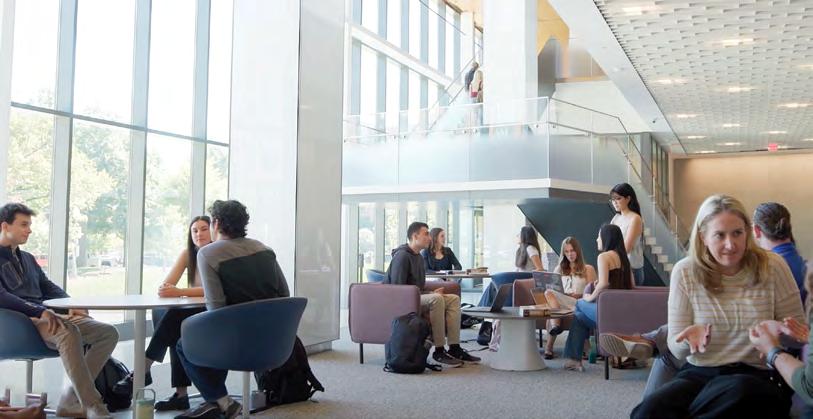
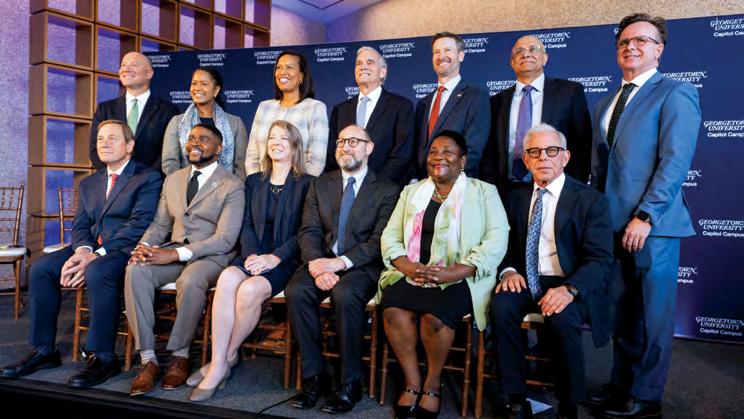
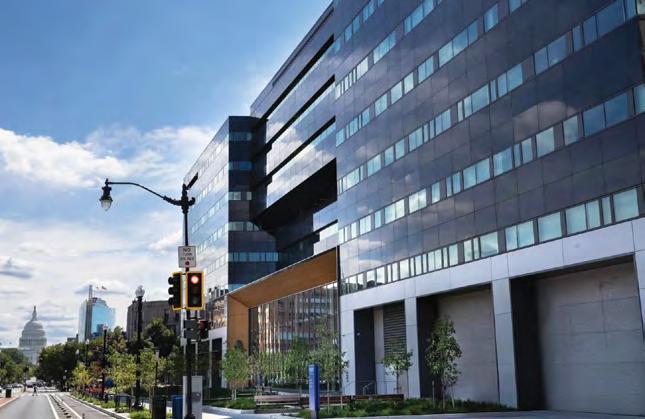
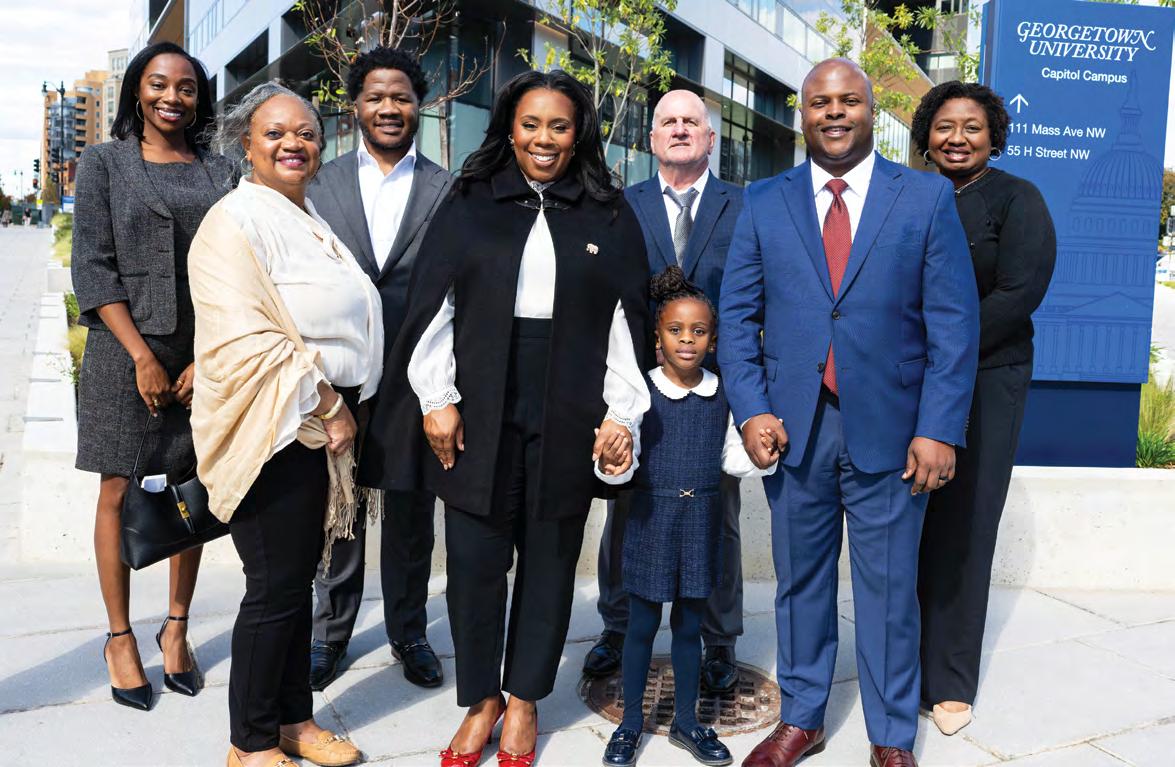
Following last fall’s ribbon cutting ceremony, many programs settled into Georgetown’s newly renovated building at 111 Massachusetts Ave., NW in Washington, DC. Its classrooms, high-tech workstations, and convening spaces make it appealing for students and faculty alike.
The Georgetown University Berkley School of Nursing’s DNP and new Ph.D. program launched last fall at the Capitol Campus. Proximity to the U.S. Capitol is ideal as these students acquire critical advocacy skills to shape health care policy.
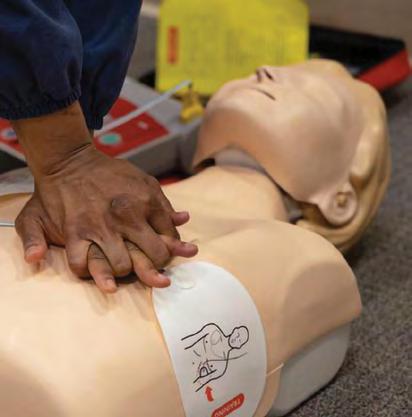
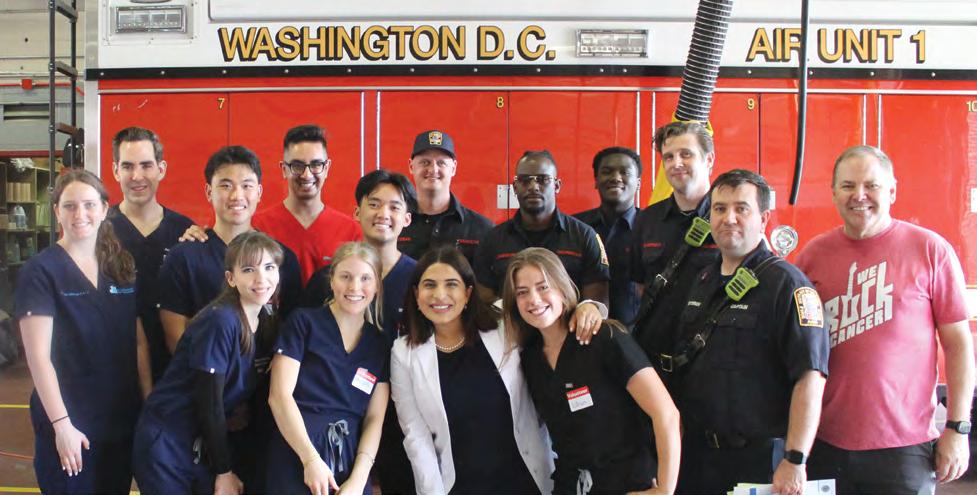
Additionally, the School of Medicine’s Special Master’s Program (SMP) enjoys a new downtown location, Capitol Campus SMP, to offer pre-med students more opportunities to connect with the community through experiences such as community CPR training, DC Fire/EMT ride-alongs, and SiTEL clinical simulations.
Three new School of Health programs will now be at the Capitol Campus: Master of Science in Global Health, Master of Science and Ph.D. in Global and Infectious Disease, and Master of Science in Addiction Policy and Practice. In addition, an Executive Certificate in Human Factors in Healthcare, in collaboration with MedStar Health, launched in the fall.
The School of Health has also been working with the Capital Applied Learning Labs (CALL), experiential learning programs open to any Georgetown undergraduate. Through a combination of site visits and interdisciplinary discussions, a small cohort of students learned different methods to address health equity at the local, state, and federal levels, ranging from providing social services to direct care.
“Most of my courses have been focused on the clinical setting, so it was great to have the opportunity to learn about what drives social determinants of health,” says CALL student Francyne Diola (N’27).
In Fall 2026 and in partnership with Earth Commons, the School of Health will launch a joint interdisciplinary Master of Science in Climate, Environment, and Health.
Finally, the Health Justice Alliance (HJA), a collaboration between Georgetown University Medical Center and Georgetown Law, has moved to the Capitol Campus. With a combination of medical care and legal advocacy, HJA helps with such challenges as food insecurity, poor housing conditions, lack of insurance, family instability, problems with education or employment, and other issues. n
Photos: Georgetown University
Top left: Father Mark Bosco, S.J., shares a blessing at the ribbon-cutting ceremony for 111 Massachusetts Ave., NW; Top right: The building includes convening spaces for special events and just relaxing; Middle left: Leaders gather to celebrate the grand opening; Middle right: SMP’s Biomedical Career Explorations course offers SiTEL CPR simulation for students to gain clinical experience; Bottom left: SMP also encourages community engagement through volunteering at programs such as Wheel 2 Win, a wheelchair basketball tournament; Bottom right: The building serves as an interdisciplinary hub on the Capitol Campus.
Honoring President Emeritus John J. DeGioia
By Heidi Atlas
Throughout his four decades of service—including 23 years as university president—President Emeritus John J. DeGioia (C’79, PHD’95) has been deeply engaged in Georgetown’s mission of student formation, academic inquiry, and service to the common good.
In recognition of his leadership, the university is creating a platform for expanding undergraduate and graduate financial aid; launching a new symposium focusing on intellectual, ethical, and spiritual leadership in the context of higher education; and renaming Georgetown’s Old North and New North buildings as part of a unified home for the humanities.
Georgetown is inviting anyone wishing to honor DeGioia’s legacy to make a gift to the John J. DeGioia Fund in support of these three projects.
John J. DeGioia Scholarship Initiative
Through the DeGioia Scholarship Initiative, Georgetown will build on DeGioia’s commitment to access and affordability, rallying the university community in support of undergraduate and graduate financial aid.
The effort will include a renaming of the 1789 Scholarship Initiative, launched by DeGioia in 2009 as the university’s flagship effort to achieve affordable access for students through donor-supported scholarships.
John J. DeGioia Symposium
DeGioia has long been a prominent voice in higher education. He has served on a number of higher education leadership boards related to business; Washington, DC; immigration; global engagement; health; athletics; civic engagement; and Catholic and Jesuit identity.
Inspired by his work, Georgetown is launching the John J. DeGioia Symposium, an annual event focused on intellectual, ethical, and spiritual leadership, and their role in higher education.
John J. DeGioia Hall
In recognition of DeGioia’s service, Georgetown will create John J. DeGioia Hall—a renaming of Old North and New North, and the centerpiece of a new Humanities Quad.
The project will include a renovation of Old North, restoring and preserving the building’s historic character. With new convening centers, classrooms, and areas for collaboration, DeGioia Hall will be a revitalized home for Georgetown’s founding disciplines, including English and philosophy, DeGioia’s undergraduate major and doctoral field. n
President Emeritus DeGioia spent 50 years living, learning, teaching, serving, and leading at Georgetown, beginning with his matriculation as an undergraduate in 1975.
ON CAMPUS
Photo: Phil Humnicky
Expanding opportunities in nursing
By Jane Varner Malhotra
As part of its commitment to addressing pressing health needs in society, Georgetown’s Berkley School of Nursing has launched three programs this year: the Accelerated Bachelor of Science in Nursing (ABSN), a postgraduate certificate program in psychiatric mental health nursing, and a Doctor of Philosophy in Nursing (Ph.D.).
“Each of these programs aligns with our Jesuit values around promoting health equity and living out the core principles of our nursing profession and our ethical tenet of social justice,” says Dean Roberta Waite.
Unique in the country for the program’s focus on health equity and ethics, the Ph.D. bolsters the school’s mission to generate knowledge that will transform health care systems, as well as advance equity and improve health for individuals in different contexts.
The program will cultivate the next generation of nurse scientists in community-engaged scholarship and advance understanding of how structures in society lead to health disparities and health inequities. “It’s not enough to know about differences,” Waite says. “We must examine what drives these differences—the structural determinants of health—and evaluate how our work advances structural and policy change to ensure wellbeing.”
To help support a growing national need in the area of mental health and well-being, the school now offers a post-graduate certificate for psychiatric-mental health.
“One in five people have a diagnosable mental health condition, and the vast majority of people do not have access to quality care, because we do not have enough licensed mental health providers,” says Waite.
Students in the program, steeped in the values of cura personalis or care for the whole person, develop competencies in psychiatric assessment, diagnostic reasoning, and evidence-based interventions during clinical practicum experiences in the DC area. Completion of the program allows practitioners to address individual, family and population mental health promotion and prevention needs across the lifespan including medication management and counseling.
Waite notes that the potential impact of the program is vast. “They work with children all the way up to more seasoned populations, so they can provide mental health care across the lifespan and in different contexts—in acute care, in primary care, and in community-based contexts.”
In order to expand access to nursing education and also help diversify the profession, the Accelerated BSN program brings in people with undergraduate degrees and professional experience in other fields. Certain prerequisites must be satisfied before admission to the program, allowing students to take only nursing courses and to complete the degree in just 12 months. The hybrid program offers online courses and in-person clinical simulation at Georgetown, with clinical rotations at MedStar Health and other regional facilities.
Waite notes that the ABSN curriculum is driving innovation in teaching and learning, introducing new health technology and simulation to the school. And the students bring diverse perspectives to the classroom by the very nature of the program.
“Because you’re getting people who’ve worked in other areas, their take on things might be different,” says Waite. “These are experienced adults entering a new profession, and they bring so much wisdom.” n
Nursing graduate students work in The O’Neill Family Foundation Clinical Simulation Center.
Strengthening trust in health systems
By Racquel Nassor
Georgetown’s Global Health Institute has launched a new project that explores how collaborations between faith and health actors can improve global health outcomes and well-being.
In partnership with The Lancet, one of the world’s top medical journals, the Georgetown-Lancet Commission on Faith, Trust, and Health connects international faith actors across traditions, health practitioners, researchers, academic leaders, and policymakers to help strengthen trust in health systems.
The commission—which is housed within the Global Health Institute and funded by The Gates Foundation, the John Templeton Foundation, the Templeton World Charities Foundation, and the Wellcome Trust—aims to advance dialogue and understanding between faith and health experts to address shifts in the public’s trust in health systems and science.
“Faith actors can serve as powerful partners in health, especially in times of crisis and in underserved communities,” says Deus Bazira, director of the Global Health Institute and the Center for Global Health Practice and Impact.
Bazira co-chairs the commission alongside Kezevino (Vinu) Aram, executive committee member of Religions for Peace, and David Beasley, former executive director of the United Nations World Food Programme and the former governor of South Carolina.
“I feel fortunate to co-chair a body with such breadth of representation and intentionality,” says Bazira.
At Georgetown, the commission includes John T. Monahan, professor of medicine and senior advisor to Georgetown’s Global Health Institute and senior lecturer at Georgetown Law; Katherine Marshall, senior fellow at Georgetown’s Berkley Center for Religion, Peace and World Affairs; Carol Keehan, a former member of Georgetown’s board of directors; and Jack Leslie, adjunct distinguished professor at Georgetown and chairman of the National Institutes of Health’s Board of Advisors.
In an article launching the commission, titled “Health and faith partnerships to strengthen trust: the GeorgeLancet Commission on Faith, Trust, and Health,” commissioners underscore that mistrust in institutions, combined with the politicization of health, structural inequities, and the spread of misinformation, are weakening public confidence in health science and systems. However, religious institutions and leaders are often uniquely positioned to influence and guide health decisions and behaviors in the communities they serve.
“What makes this commission distinctive is its commitment to avoid instrumentalizing either public health or faith communities, and to instead build genuine, lasting partnerships,” says Bazira.
“Our work is just a small piece of efforts by others who bring the same level of interest and concern over trust erosion and are committed to finding effective ways to reverse troubling trends.” n
A collaboration that prioritizes global health and well-being
By Kimberly Clarke
Recognizing the power of human connection, empathy, and purpose-driven leadership through innovation and education, Georgetown University’s School of Health (SOH) and the Power of Words Foundation are collaborating to advance emotional intelligence as a foundation for global health and well-being.
At an event last July in Los Angeles, Deborah Sawaf, fashion designer, philanthropist, and founder and CEO of the Power of Words Foundation, hosted School of Health alumni and local leaders to explore avenues for the new work.
The Power of Words Foundation seeks to use fashion and art to advance emotional intelligence and encourage people to express themselves and connect with others. The foundation also supports organizations that are dedicated to erasing the stigma around mental health challenges.
During the LA event, SOH Dean Christopher King described Georgetown’s commitment to creating a society that values both health and mental and emotional well-being. The school looks at health at the local and global level, emphasizing compassion, connection, and resilience.
“The United States spends more on medical care than other industrial countries. If we, as a society, prioritize mental health and well-being, we will experience a reduction in medical care expenditures and improved quality of life. For that reason, prioritizing mental health and well-being is a
cornerstone of the SOH mission,” said King. “Joining forces with the Power of Words Foundation promises to deepen the impact of both entities.”
Sawaf and King will use the collaboration to explore ways to support current and future leaders, students, clinicians, and educators with tools that allow them to lead with emotional strength and authenticity. In an October School of Health event, Sawaf led faculty and staff through an interactive session exploring emotional intelligence and emotional literacy as tools for global well-being and leadership, as well as for bringing compassion into daily life.
“Emotional intelligence, which is frequently characterized as a soft skill, is one of the most overlooked aspects of the work that we are called to do in higher education and in leadership development,” said King. “Being in tune to our emotions, as well as others, and adjusting those interactions accordingly, not only fosters more productive exchanges, but it takes us one step closer to being of better service to the world, one step closer to a purpose-driven life.”
“Together, we can weave a tapestry of leaders, thinkers, and changemakers,” Sawaf said. “We are planting the seeds of a movement, one that integrates emotional literacy, communication tools, and compassion into health care, education, and community systems.” n
Left: King met with alumni from the School of Health, including EMHSA Program graduate Vanessa Villaverde (NHS’17); Right: Sawaf and King with Power of Words partners and supporters
Lecture series highlights outstanding women in neuroscience
By Christine Wilson
Ten years ago, Georgetown initiated a lecture series to honor the memory of Karen Gale, an internationally recognized leader in epilepsy research and neuroscience who died in 2014. Gale joined Georgetown in 1977, rising quickly through the ranks to become the chair of the Department of Pharmacology and Physiology and founding director of the Interdisciplinary Program in Neuroscience.
Each year, the lecture features an outstanding woman scientist in neuroscience. On Oct. 9, Mariella De Biasi, professor of psychiatry at the University of Pennsylvania, presented her
work on understanding cholinergic mechanisms in addiction and mental illness. Cholinergic agents play a key role in transmitting neurologic signals that control a wide range of brain and body functions.
“Karen Gale was a stellar scientist, an advocate for science and scientists, and an extraordinary career mentor,” says Patrick Forcelli (G’11), chair and director of graduate studies of the Department of Pharmacology and Physiology at Georgetown University School of Medicine. “She understood the strength of bringing people from different fields together to study complex problems. She created a new model that grew into the first interdisciplinary program at Georgetown. Today, our neuroscience program, one of the largest Ph.D. programs at the Georgetown University Medical Center, remains a gem in graduate training and research.”
Gale’s research focused on understanding the neural factors that cause and control epileptic seizures and the ways in which the brain reacts to seizures. She also did important work studying the effect of exposure to anti-convulsant drugs in early life. Her work provided a deeper understanding of epilepsy that continues to influence research today.
“Karen always went above and beyond,” adds Forcelli. “She was actively involved in recruiting excellent young scientists and was committed to ensuring that we brought a diverse group of trainees into our program. She was such a strong, outspoken advocate for women in science and for early career scientists. I had the privilege of studying under her during my graduate training, and she was an inspiring career mentor. She was always asking what you needed to succeed and ready to be there for you.” n
Photo: Phil Humnicky
Annual lecture series pays tribute to the important scientific work of Karen Gale, Ph.D.
Student-run academic journal celebrates first decade
By Racquel Nassor
Georgetown Medical Review (GMR), a medical and biomedical student journal founded in 2016 by School of Medicine professors Dave Milzman and Michael Plankey, is celebrating its 10th year anniversary in 2026.
The journal is currently led by Plankey, now its publisher; Tomoko Steen, faculty advisor; Madeline Garvey (M’29), editor-in-chief; and Nidhi Mereddy (M’28), vice editor-in-chief.
“I often tell students that one day in your academic career, you will have to provide peer reviews, but you’re never formally taught how— so working with GMR is a great learning opportunity to gain these skills now.”
—Nidhi Mereddy (M’28)
“GMR is a platform led by medical students for the scientifically rigorous and interesting work done by medical students,” says Garvey. “Everything that GMR does mirrors that of a professional journal.”
GMR fosters dissemination of biomedical knowledge through manuscript submission from medical and biomedical graduate students.
“I appreciate how GMR aligns with Georgetown’s medical education mission,” says Garvey. “Current medical students are expected to participate actively in research in addition to learning clinical skills.”
“It’s motivating for students to know that their research work has the potential to be published by GMR,” adds Steen.
Students on staff build skills in manuscript reviewing while learning the technical aspects of the publication process.
“I often tell students that one day in your academic career, you will have to provide peer reviews, but you’re never formally taught how—so working with GMR is a great learning opportunity to gain these skills now,” explains Mereddy.
Reflecting on the 10th anniversary, Mereddy notes there’s been a lot of progress improving GMR’s institutional presence.
“GMR publishes on average 16 to 20 student papers per year. We have been reaching out to faculty members to encourage students to submit papers, but we also publicize heavily to students,” says Plankey.
Likewise, GMR is currently reaching out to Howard University medical students to publish their work as well, expanding the journal’s footprint across DC.
“It has been heartening to be part of an energized journal dedicated to contributing to the student research space,” says Mereddy. n
Georgetown Medical Review students and Michael Plankey, journal co-founder and current publisher, gather together while sharing printed copies of the journal.
First line of defense for first responders
By Gabrielle Barone and Karen Teber
During Melanoma Awareness Month in May, Umayr Shaikh (M’26) led a community health event that screened nearly 200 local firefighters for skin cancer. Holding the event at Fire Station 4 in Washington, DC, which serves as a central hub for other companies, ensured firefighters from multiple stations were able to participate.
According to the American Academy of Dermatology (AAD), who launched the Firefighter Skin Cancer Checks Program in 2024, firefighters have a higher risk of melanoma and skin cancer than the general public.
Shaikh worked with local nonprofit We Rock Cancer, who provided supplies like special lighting, individual tents for screenings, and a list of dermatologists for follow-up evaluations. Medical student event planners also contacted pharmaceutical companies to provide sunscreen samples as take-home gift bags.
Shaikh found volunteer medical students from dermatology interest groups at Georgetown, Howard, and George Washington Universities. Across the three-day event, the volunteers learned by shadowing and helping the 17 licensed dermatology providers.
Dermatologist Neelam Khan (M’16) served as the event’s AAD member sponsor, hosting monthly planning meetings at her home near Georgetown’s Hilltop campus.
Large-scale events, where the goal is to screen as many patients as possible, are “only successful when you have a lot of help,” says Khan. Including the DC event, approximately 2,500 firefighters have now received free skin cancer checks from AAD events in 2025.
“With a lot of these cancers, the main thing to keep in mind is that so many of them are easy to cure,” says Khan. “Screenings allow any cancers or abnormal spots to be caught early so patients can be referred for further examination, and if needed, biopsy and removal.”
Khan was impressed with how firefighters were “health-forward” in seriously considering their skin health, showing up in force and asking great questions about dermatology.
“Out of the many screenings that I’ve done, this was one of the best,” says Khan. “We were so happy with how it went—and we’ve already started planning for next year.”
“Our goal is to eventually include all 30-plus stations in DC,” says Shaikh. n
Photo:
Courtesy of Umayr Shaikh
Umayr Shaikh (M’26) has led several dermatology-focused public health initiatives, including the installation of sunscreen dispensers in the local parks of his hometown of Carmel, Indiana. He also coordinated with an ongoing Yale School of Medicine research study to survey participating firefighters at a cancer screening event.
Thousands of youth in Clay County, West Virginia live in foster or kinship care due to substance use disorder. BSON students and faculty engaged the youth through mindfulness training, painting murals, and working on the Blue and Green Space Project.
Nursing students learn from community partnership
By Nowshin Chowdhury and Heather Wilpone-Wellborn
Each spring, graduate students from Georgetown’s Berkley School of Nursing (BSON) travel to Clay County, West Virginia, on an experiential learning trip.
The trips began in 2017, after the region experienced “catastrophic flooding,” says Professor Melody Wilkinson, a West Virginia native. The flooding coincided with a call from the school’s then-dean for experiential learning opportunities, leading Wilkinson to propose Clay County as a destination.
Wilkinson began leading the trip that year through the Appalachian Community Engagement (ACE) course, which paused during COVID-19 and resumed in 2024. The 2025 trip was funded through experiential learning endowments established by Gia (SFS’00) and Mark (B’00) Burton and Bert and Susie Getz (Parents’20).
“This trip provided me with a visceral opportunity to experience the values we hear about in our courses—advocacy, justice, service, respect, and responsibility.”
—Claire Burke (G’26)
Three faculty and six graduate students partnered with community leaders for the five-day immersive trip. They painted a mural, provided mobile outreach for HIV and hepatitis C testing to 30 unhoused people, co-hosted a health fair serving 75 residents, taught mindfulness to
600 adolescents, introduced 80 high school students to health care professions, and delivered health education to 30 seniors. Students also joined local youth in advancing the Blue & Green Space Project, transforming an unused schoolyard into a permanent wellness area.
“The entire trip was so fulfilling,” says Claire Burke (G’26). “The greatest learning for me came from working with the high school students. Their hope, maturity, passion, and perspective amazed me. This trip provided me with a visceral opportunity to experience the values we hear about in our courses—advocacy, justice, service, respect, and responsibility.”
“This partnership brought us visibility, compassion, and hope,” says Angela Brown, nurse practitioner and ambassador at Clay County Health Department. “By immersing themselves in our rural Appalachian community, these students not only confront the real challenges of obtaining health and wellness in an economically strained area, but also work hand-in-hand with us to seek sustainable solutions. What I value most is that they leave with not only a deeper understanding of our struggles, but also a lasting appreciation for the beauty of our geography, an awareness of our culture, and the resilience of our people.”
“Of all the opportunities I’ve had at Georgetown, this has been the most meaningful,” adds Wilkinson. “It is an honor to share such deep trust and partnership with the community—and profoundly humbling to witness our students’ transformation as they grow through the experience.” n
Drug repurposing with AI
By Racquel Nassor
When David Fajgenbaum (NHS’07), was diagnosed with Castleman disease—a rare and life-threatening disorder— while in medical school 15 years ago, his life abruptly changed.
“I understood what it meant to be the loved one of a patient after losing my mom to cancer, and I was learning what it meant to be a doctor, but suddenly, I was the patient, and over three years I nearly died five times,” says Fajgenbaum, a co-founder of Every Cure, a nonprofit that uses AI to identify potential novel uses for already-approved drugs. “When my doctors told me there were no treatment options left, I was devastated, but I couldn’t accept that as the end.”
“In the time that I’ve been on sirolimus, I married the love of my life, had two incredible kids, and am building the life I once dreamt about from my hospital bed,” he says.
Fajgenbaum started a center at the University of Pennsylvania where he helped to repurpose 14 drugs. He then co-founded Every Cure to save and improve lives by harnessing AI to identify existing drugs that can be used to treat devastating diseases. Every Cure evaluates their AI predictions in the lab and clinical trials when necessary and helps deliver treatments to patients.
“We are building something bigger than any one person—a movement to ensure no drug goes underused and no life is left behind.”
—David Fajgenbaum
After undergoing a combination of seven chemotherapies, Fajgenbaum started searching for an existing medication that could put him into lasting remission. Testing his own blood, he identified that sirolimus—a drug already approved for transplant patients—could also possibly treat his Castleman disease. His doctors prescribed him sirolimus off label, putting Fajgenbaum into remission for 11 years and counting.
“We are building something bigger than any one person— a movement to ensure no drug goes underused and no life is left behind. To see this work highlighted in Time Magazine tells me that people are beginning to understand both what is at stake and what is possible,” says Fajgenbaum.
He’s not only been listed on the 2025 “Time100 Health list,” he’s also presented a TED Talk, and been profiled in The New Yorker and The New York Times. Every Cure also won Newsweek’s inaugural “AI Impact Awards,” highlighting the importance of their drug repurposing programs across a wide range of conditions.
“I’m able to see the impact that our research has on improving lives every day and I get to hear about what patients do with their lives after we’ve helped them,” says Fajgenbaum. “We are just getting started, and the possibilities that lie ahead are incredibly exciting.” n
David Fajgenbaum (NHS’07) giving a TED Talk, “How nearly dying helped me discover my own cure (and many more)” in September 2025, sharing how his personal experiences led to co-founding Every Cure.
Photo: Courtesy of TED Conferences, LLC.
Turning ‘challenges into opportunities for dignity and justice’
By Racquel Nassor
Martha Cameron (G’25, ’30) advocates for HIV/AIDS awareness and access to pre-exposure and antiretroviral therapies, with a specific focus on Zambia. She’s also a woman living with HIV herself.
Cameron’s interest in HIV/AIDS was piqued after watching her generation lose their parents and other family members to the disease at the peak of the HIV epidemic in sub-Saharan Africa.
“I had no understanding of public health, of health disparities, of poverty,” says Cameron.
Grounded in her Catholicism, Cameron began working to support HIV/AIDS patients in Zambia. Her dedication intensified with her AIDS, HIV’s final stage, diagnosis in 2003.
Cameron was one of the first recipients of antiretroviral therapy (ART) through PEPFAR, the U.S. President’s Emergency Plan for AIDS Relief. She continued working in HIV/ AIDS prevention in recovery, moved to Virginia with her husband, earned a Master of Public Health from Walden University, and had two sons, both of whom were born HIV-negative thanks to ART.
“I was very public with my HIV diagnosis,” says Cameron. “Many people who see me and my children now sometimes don’t even believe they’re mine.”
A desire to advance medicine and help families like hers led Cameron to Georgetown University’s School of Health to work on the Study of Treatment and Reproductive Outcomes in Women (STAR) team and pursue a master’s degree in global infectious disease.
“We generated evidence on maternal and child health among women with HIV that informs policy and practice,” says Cameron.
Cameron is now pursuing a Ph.D. in global infectious disease with her advisor, Babatunji Oni, a senior program director of Georgetown’s Center for Global Health Practice and Impact. His expertise in building health infrastructure challenges Cameron to expand her perspective.
“I have witnessed firsthand Martha’s intellectual curiosity, striking insightfulness, and most of all, her genuine passion for the welfare of those most affected by infectious disease around the world–especially due to inequity or lack of access to care,” says Oni. “I am very much honored to be her mentor and look forward to continuing this journey with her.”
Cameron hopes to research effective strategies to maximize HIV/AIDS prevention and treatment infrastructure in Africa, particularly at home in Zambia.
“My family and the resilience, courage, and faith of women living with HIV inspire me,” says Cameron. “Beyond seeking access to treatment, many navigate complex reproductive choices. I am driven by the belief that science, applied with equity, can turn these challenges into opportunities for dignity and justice.” n
Martha Cameron (G’25, ’30) with Ronald Johnson, chair of The U.S. People Living With HIV Caucus, at an HIV Quality of Life Symposium at the White House.
Photo: Courtesy of Martha Cameron
Tools of the Trade
Interview by Nowshin Chowdhury
Amanda Apodaca, CNM (G’25) seeks to empower women as a certified nurse midwife and women’s health nurse practitioner at Women’s Care in Eugene, Oregon.
After having two children through midwifery care, she decided to pursue midwifery as a career. Georgetown’s program allowed her to earn her credentials online while continuing to work as a bedside nurse in Oregon.
Apodaca joined Georgetown’s online Master of Science in Nursing program and occasionally traveled to the Hilltop to practice on-site clinical intensives.
“Georgetown is so beautiful—as a physical location, a community, and a program—they do such a thoughtful and thorough job of finding faculty that are really passionate about midwifery care,” says Apodaca. “Going to campus and being there physically with all of my cohort and professors to learn skills in person in a hands-on environment was invaluable.”
Apodaca is now practicing ‘catching babies’ and providing emotional support to the mothers until she can practice independently.
“Midwives don’t tend to say ‘delivering babies’ because we’re not—the mom is; we’re just there to catch,” says Apodaca. “As a midwife, I get to utilize my best features.
I provide information and support so that women can make decisions about their own bodies and their own care. That’s the really wonderful thing about midwifery.”
Apodaca says that while she doesn’t carry many physical tools in her profession, she always brings patience, compassion, and empathy.
“To be a midwife, you need your hands, your heart, and your brain,” says Apodaca.
The five physical things she carries with her include:
1. A Pocket Guide to Clinical Midwifery: The Efficient Midwife: a guide book that can be used for quick reference
2. Pen: to write down details about patients and their families
3. Phone: to call for resources or more experienced midwives
4. Labor comb: a comb to press against as a distraction for patients experiencing contractions
5. Necklace with daughters’ initials: W for Willa and L for Luella; they are my whole reason for doing this. n
Courtesy
Photos:
of Amanda Apodaca / iStock
Alumna chronicles unsung Catholic leaders
By Gabrielle Barone
Sister Christine Schenk (N’68) is passionate about telling the stories of unrecognized female faith leaders—and she credits Georgetown for developing her core research and writing skills.
Schenk’s third nonfiction book, Bending Toward Justice: Sr. Kate Kuenstler and the Struggle for Parish Rights, recounts the life of close friend Sister Kate Kuenstler and her leadership in parish rights advocacy.
Financial issues, the priest shortage, and declining attendance in the U.S. Catholic church in the early 2000s led to the closure or absorption of many parishes, leaving parishioners without spiritual guidance and community support. Kuenstler, who studied canon law in Rome, raised awareness of parishioner rights and guided appeals against parish mergers and church closures. Her canonical advocacy led the Vatican to change its parish reconfiguration procedures. As a result, Kuenstler helped 47 parishes and churches win their appeals and remain open.
Schenk—a columnist for the National Catholic Reporter and the founding director of the nonprofit FutureChurch, which increases engagement of faithgoers across the Catholic Church—had hoped to co-author the book with Kuenstler; however, Kuenstler became ill and passed away in 2019.
Schenk was able to conduct extensive one-on-one interviews before Kuenstler’s death.“I always try as much as possible to have the story come through the voice of the person I’m writing about,” Schenk says.
She credits her first-year English course with the late Keith Fort, Professor Emeritus of English, for teaching her to write, research, and seamlessly integrate quotes.
“I wanted to be a good writer, and I don’t think I would’ve been if it hadn’t been for his careful dedication in developing our foundational skills,” Schenk says.
At a time when nursing education was often vocational, Schenk chose Georgetown because she could have a full liberal arts education while pursuing her nursing degree.
In addition to preparing her for a career in nurse-midwifery, Georgetown “opened up a whole new world,” she says. She recall listening to famous international theologians like Karl Rahner, S.J., and John Courtney Murray, S.J., speak on campus for Georgetown’s 175th Anniversary
As she crafted Bending Toward Justice, Schenk also connected with Carole Sargent, director of Georgetown’s Office of Scholarly Publications, and Richard Brown, former director of Georgetown University Press.
While the book is aimed toward a Catholic audience, particularly worshipers worried about the future of their parishes, Schenk hopes the book appeals to a wider audience. “It’s a justice story,” she says. n
Sister Christine Schenk (N’68) at an April 2025 Lauinger Library event to celebrate the book. Right: Schenk at graduation.
Reflections on Health with Carol Holland (N’60)
Growing up, I always wanted to be a nurse. But first, I had to go to college. I only applied to two schools: Duke and Georgetown—and was accepted by both. I chose Georgetown because it was the closest to my hometown of Freehold, N.J.
During senior year, I had three months of pediatric nursing at District of Columbia General Hospital, three months of tuberculosis nursing at Glen dale Sanatorium, and three months of psychiatric nursing
After graduation I worked for two years at a 5,000-bed state mental institution in New Jersey. Almost everybody that walked in the door received 20 shock treatments. I was there when we first started administering tranquilizers and that made a big difference, as did President Kennedy’s Community Mental Health Act of 1963. I was promoted to head nurse on the women’s admission unit and worked with a young doctor from Ireland and a clinical director from Scotland. We turned two onsite buildings into men’s and women’s intensive treatment units with the goal of getting patients discharged in 90 days. We accomplished our goal and I left to join the Air Force.
the U.S. Air Force Academy and Wyoming Air Force ROTC.
Since retiring in 1985, I’ve stayed involved in my community. I really enjoy volunteering for Cheyenne Frontier Days pancake breakfast hosted by the Cheyenne Kiwanis Club. During Frontier Week, the last full week of July, we served as many as 10,000 people per day. Sometimes people lined the streets for three blocks.
I also chair the Wyoming Georgetown Alumni Admissions Program (AAP) Committee. There are six Wyoming AAP members. One of my first interviewees returned to Wyoming after graduating from Georgetown and joined the AAP. He went on to serve in the Wyoming Legislature for 20 years and continues as an AAP member. I often interview nursing school applicants. It’s my privilege to recommend bright young people who will carry on the tradition of out standing Georgetown nursing care.
I worked in mental health at Travis Air Force Base hospital in California for two years. I then returned to New Jersey and joined the New Jersey Air National Guard. I was one of the first four full-time Air National Guard nurses in the country.
When the Vietnam war ended, I went back to school and earned a master’s degree in community health nursing. In 1978 I moved to Cheyenne, Wyoming to work as a public health nursing consultant with the Wyoming State Health Department.
I completed 20 years of Air Force Reserve service with the Wyoming Air National Guard, but stayed on for another 10 years to work with
—Interview by Nowshin Chowdhury
Carol Holland (N’60) chairs the Wyoming Georgetown Alumni Admissions Program Committee and is active in several church groups, the Cheyenne Kiwanis Club, and the Wyoming Air Force Association.
Photos:
Courtesy of Carol Holland / iStock
Alumnus gift enhances Capitol Campus
A generous gift from Ken West (G’09) celebrates the School of Health presence on Georgetown’s Capitol Campus by naming the main lobby of 111 Massachusetts Avenue the West Family Lobby. West earned a master’s in health systems administration, one of the School of Health programs that moved to the newly opened building in October 2025.
“I was thrilled to learn of a unique opportunity to establish our family’s legacy and share my gratitude for all the university has meant to me, my family, and my professional career,” says West.
West, president and CEO at HCA Florida JFK Hospital, is a member of the School of Health Board of Strategic Advisors and serves on the advisory board for the master’s program in health systems administration.
“Philanthropy and service are cornerstones of our family,” he adds. “We care deeply about each and work to instill these virtues in our children.”
Family and friends of Ken West (G’09), pictured second from right, attended the opening celebration of 111 Massachusetts Ave. NW, the newest building on the Capitol Campus. The building’s main lobby will be named the West Family Lobby.
Georgetown University
Office of Advancement Communications
University Box 571253
Washington, DC 20057-1253 USA
Last November, over 600 alumni and guests gathered on the Hilltop for the first-ever combined Medical & Dental Reunion. Attendees enjoyed lectures, tours, class parties, and special events. One favorite is the Hoyas on Call luncheon, a networking event that gives medical students the opportunity to mingle with medical alumni at a relaxed barbeque.