Co-Curricular Handbook
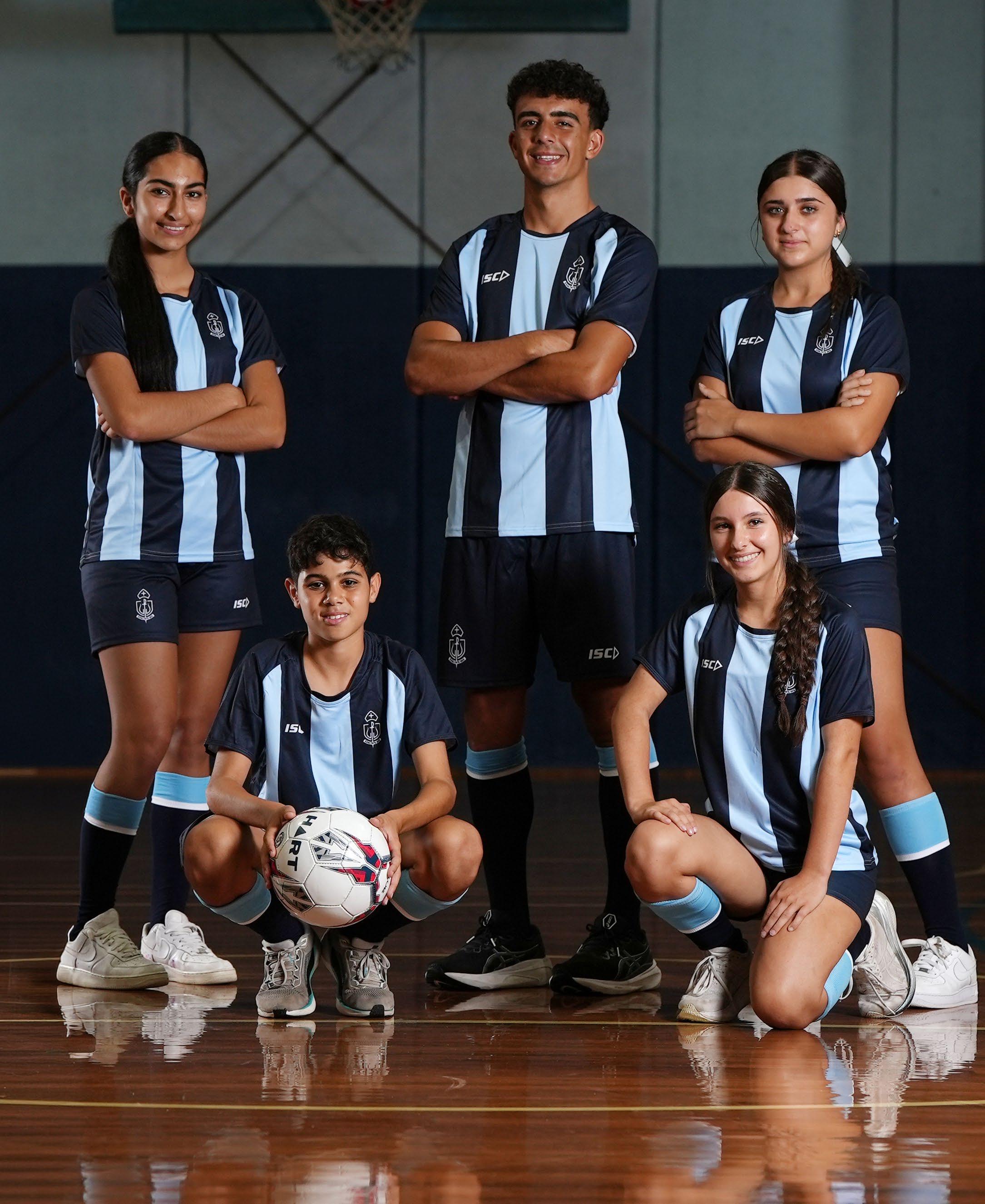
K-12 Co-Curricular Programs & Extra-Curricular Activites
K-12 Co-Curricular Programs & Extra-Curricular Activites
Welcome to the 2026 edition of the Georges River Grammar Co-Curricular Handbook.
It is with great enthusiasm that I present this updated 2026 edition, designed to assist students and families in exploring the wide range of co-curricular opportunities available at GRG. These programs remain an integral part of our mission to enhance and enrich the educational journey of every student in our care.
As a comprehensive co-educational school, we continue to value a well-rounded education that extends far beyond academic achievement.
At GRG, we believe deeply in the holistic development of each student – nurturing their character, confidence, creativity, and sense of community. Our co-curricular programs play an essential role in this process, offering diverse avenues for growth and discovery.
Now in its third year, this handbook reflects the continued expansion and refinement of our co-curricular offerings. From sport and performing arts to service learning, leadership, and innovation, our programs are designed to equip students with the skills, values, and experiences they need to thrive in a rapidly changing world.
Participation in these programs encourages students to navigate challenges, build resilience, and celebrate success.
It fosters a sense of belonging and contributes meaningfully to their moral and personal development – qualities that define a GRG education.
Most importantly, I encourage every student to give something new a try. You may discover a hidden talent, a new passion, or a lifelong interest – and that spirit of exploration is exactly what we are all about at GRG.
As you explore this booklet, I encourage all GRG families to take full advantage of the opportunities presented. Our hope is that every student finds their passion, embraces new experiences, and makes the most of their time at GRG.
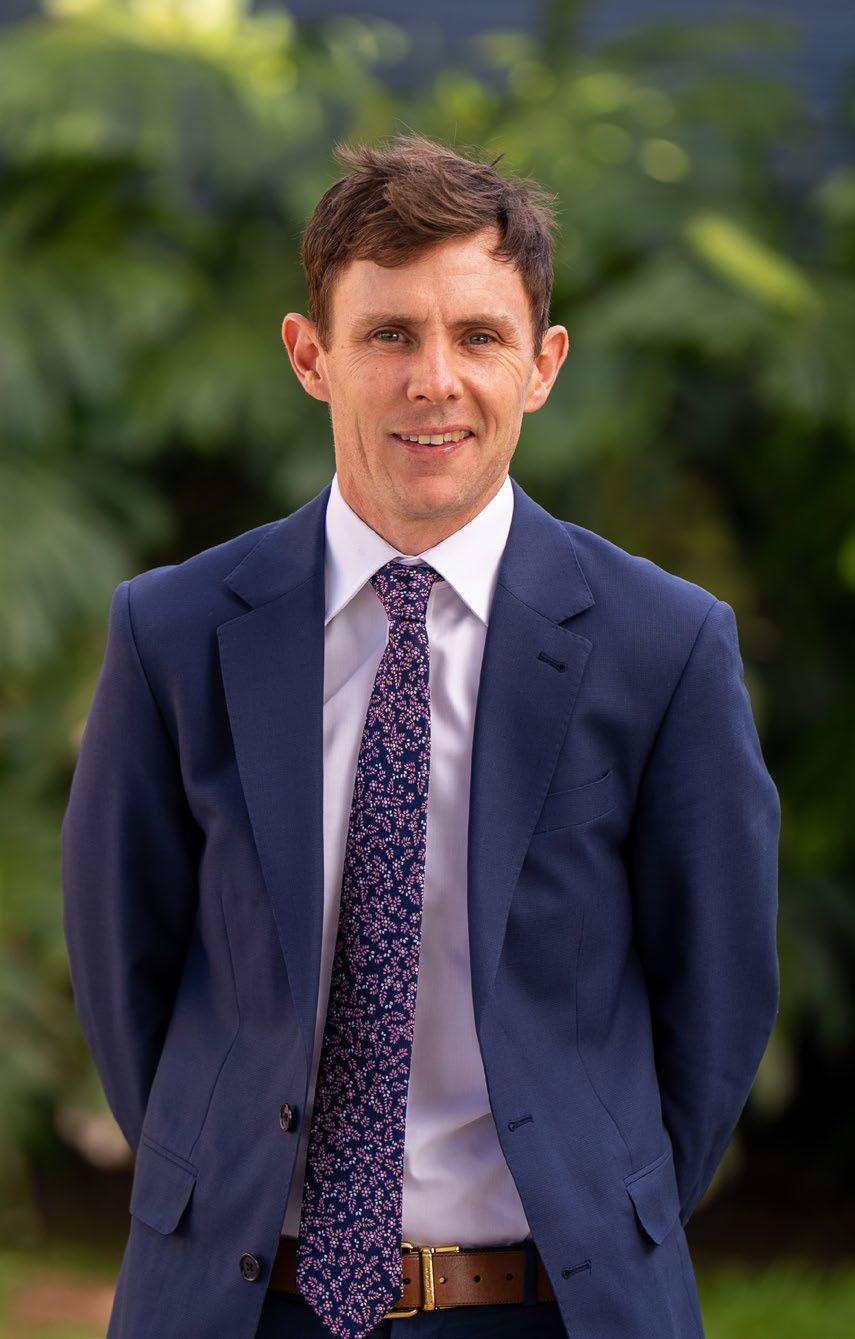
Mr Ben Haeusler Principal
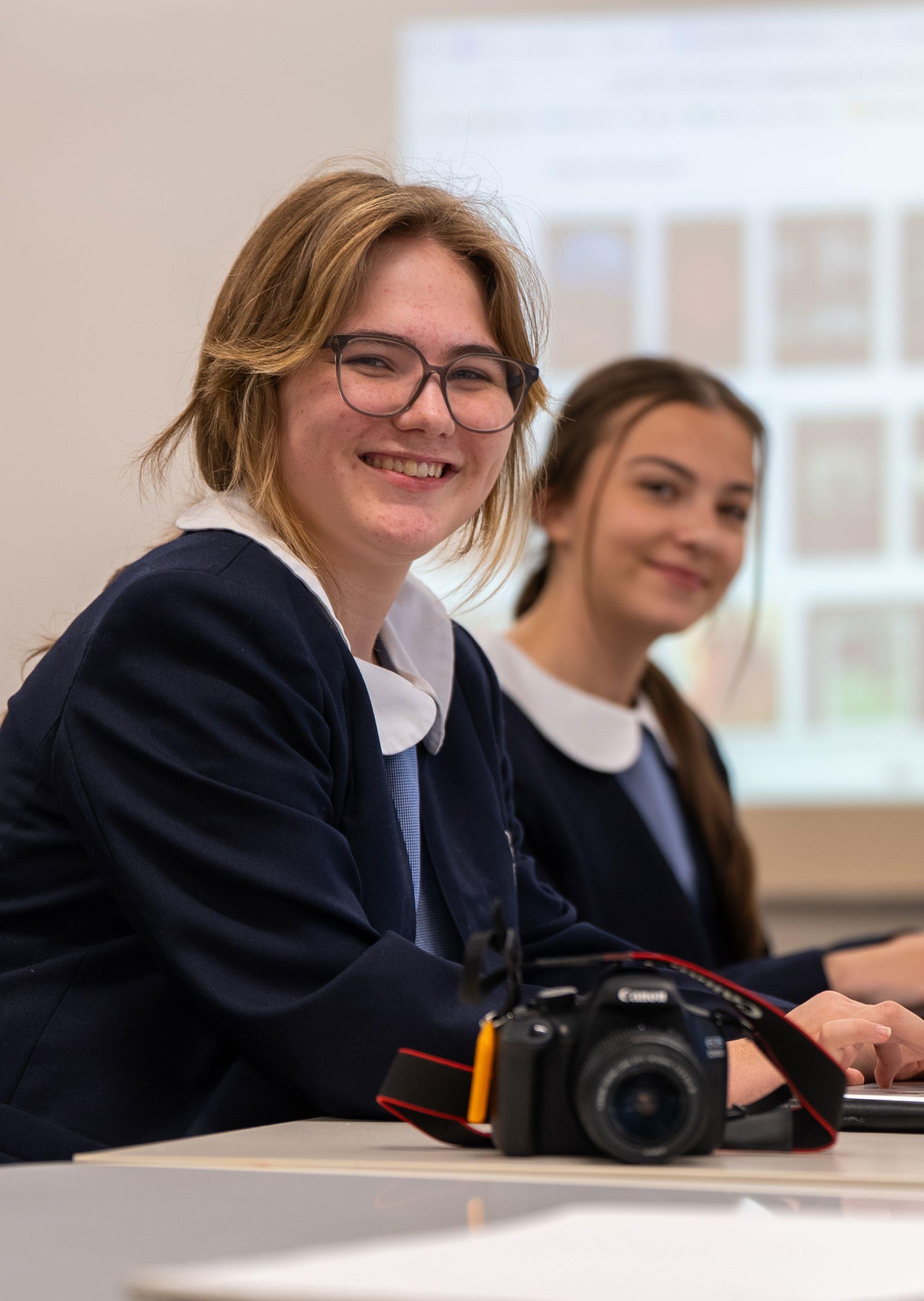
At Georges River Grammar, we continue to take pride in the energy, creativity and connection that define our co-curricular programs.
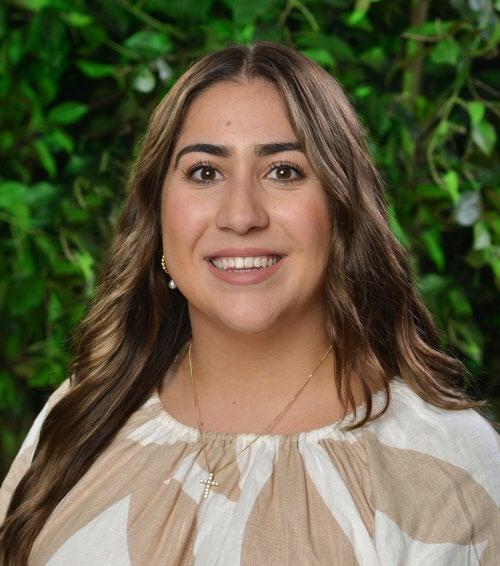
Each year, we see students discover new passions, strengthen friendships, and develop lifelong skills that extend well beyond the classroom.
As we move into each academic year, our focus remains on providing opportunities that inspire curiosity, build confidence and foster leadership across every stage of schooling. Whether through sport, music, the arts, service, technology or academic enrichment, our co-curricular pathways empower students to explore their individuality while contributing to something larger than themselves. Co-curricular opportunities have a transformative power on students’ personal growth and overall development. Students thrive when exposed to diverse interests and opportunities that extend beyond the traditional curriculum. Participating in co-curricular activities allows students to enrich their scholastic journey and instils a deep appreciation for the complex development of young minds.
Recognising the holistic impact of such co-curricular experiences, we are committed to continue the growth of an inclusive and vibrant co-curricular program that caters to the diverse interests of students across K-12.
These programs provide a platform for the exploration of various interests. This multi-faceted approach nurtures well-rounded individuals with a diverse set of skills and a broad outlook on life.
The breadth and vibrancy of our programs reflect the spirit of our GRG community. One that values collaboration, perseverance and joy in learning. From emerging clubs and competitions to long-standing traditions, these experiences help students grow into adaptable, compassionate and engaged young people who are ready to make a difference in an ever-changing world.
We invite every student to get involved, try something new and take pride in their growth along the way.
Thank you for supporting your children as they embrace opportunities that challenge, inspire and shape them into confident learners and leaders of the future.
Mrs Lia Hadjisavas Head of Co-Curricular Programs (K-12)
“The journey of participation, more than the outcome, is what builds character, resilience and connection.”
If you have any questions or queries about the co-curricular programs running at Georges River Grammar, please contact Lia Hadjisavas at lia.hadjisavas@grg.nsw.edu.au or the School at (02) 9725 7566
24
Who? Year 5-11 students.
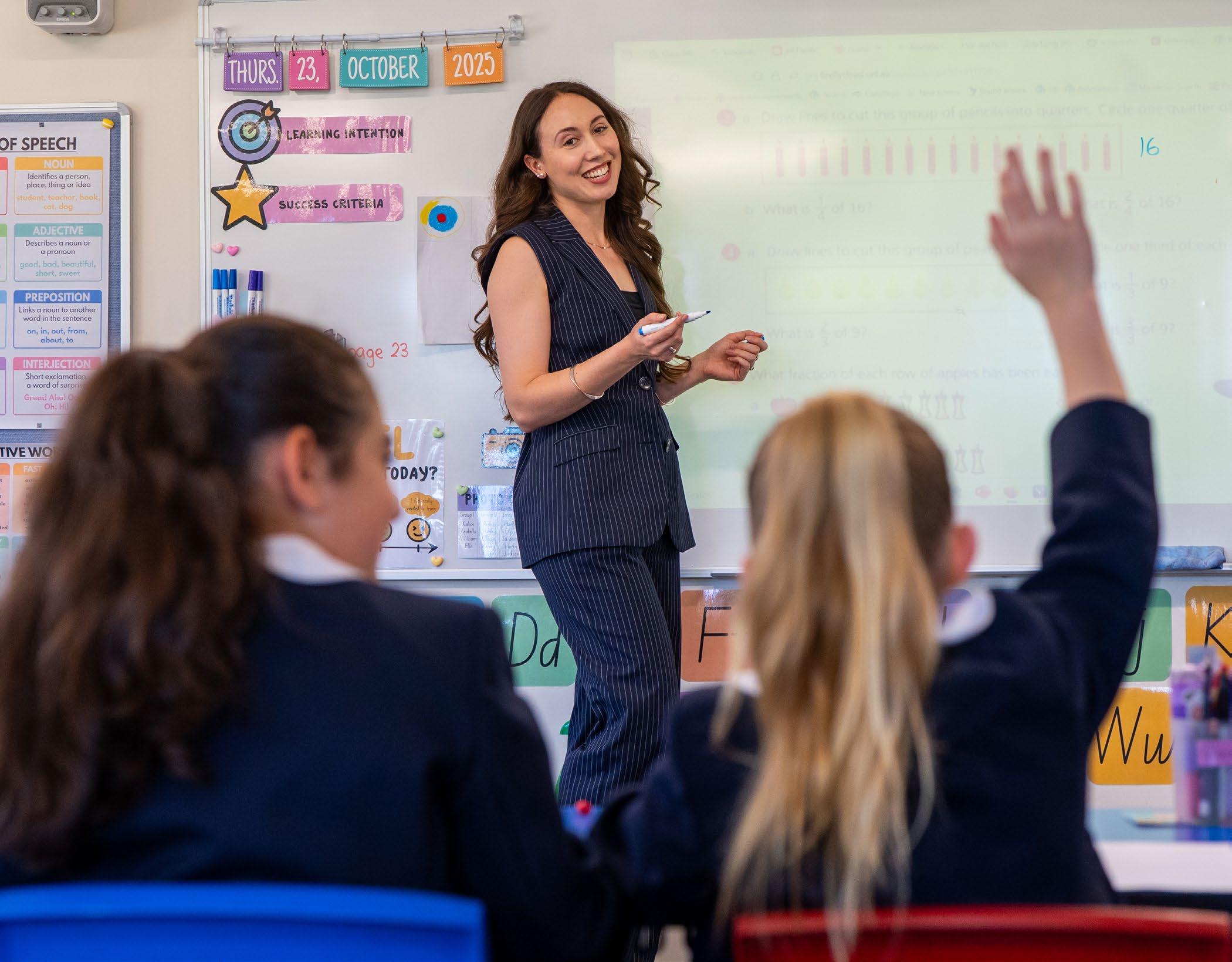
HICES Debating provides students with the opportunity to develop their public speaking and critical thinking skills. Debaters engage in constructing structured arguments and learn to research and articulate their points effectively. They also develop the skill of rebuttal and master the art of effective debating. Participating in debates fosters confidence, teamwork, and the ability to see multiple perspectives. Students are exposed to topics relating to real-world issues and global contexts. Students will be competing against other independent schools in the South-West Region that are participating in the HICES competition. Debates are usually conducted by a host school, however in recent years have occurred over the Zoom online platform.
Who? Year 5-12 students.
The Interhouse Public Speaking event encourages all students to participate, speaking in front of teachers, students and parents on various complex topics. In the Secondary school, students are chosen from each House to enter the Interhouse Public Speaking Competition to compete for the Champion House.
Who? Year 5-12 students.
Ethics Olympiad is a collaborative competition where students analyse and discuss and debate challenging ethical issues. Ethics Olympiad encourages students to think critically about moral dilemmas and ethical issues. It fosters moral reasoning, empathy, and the ability to engage in respectful, well-reasoned discussions about complex ethical topics.
Primary
Who? Year 2-6 students.
Chess Club is a strategic game that enhances critical thinking, concentration, and planning skills. Students can develop their problem-solving abilities and learn to think several moves ahead, which can have a positive impact on their academic performance.
Students in Chess Club learn and develop the skills of playing the chess game and engage in friendly competitions against each other each week. Georges River Grammar also has a large outdoor chest set for students to engage with and practise their chess skills in the Primary playground.
Who? Secondary students.
Students are welcome to come along to the Secondary Library each week to develop their chess knowledge and skills. Students have opportunities to have friendly games with one another and can represent the School at external competitions.
Passionate students have the opportunity to participate in the Interhouse Chess Tournament at Georges River Grammar which is held at the start of the year. The top performing students in chess across each grade make up the team for the Met South-West Region Tournament.
Students also have the opportunity to participate in other competitions such as the Sydney Academy of Chess Tournament and the MISA Chess Tournament.
Who? Selected Year 5-10 students.
GRG enters the Write a Book in a Day initiative in support of the Kids Cancer Project. Team members are selected to include a range of talents including creative writing, illustration, design, organisation, editing and presentation. Each team receives a unique set of parameters at 8am on the writing day. Their story must be based on and primarily written around these five parameters. These parameters include two human characters, one non-human character, a setting and an issue. Each team is assigned five random words to be included anywhere in the story. Their story is completed in a 12-hour time frame from 8am until submission at 8pm. Good communication, collaboration and creative thinking are key skills to succeed in this full day of writing.
In 2026, there will be a new afterschool coding program for our Primary students, delivered in partnership with RoboKids. Designed to ignite curiosity and build foundational digital skills, this program offers hands-on learning experiences that blend creativity, problem-solving and fun.
Two streams will be offered to ensure developmentally appropriate learning opportunities: a Year 1–2 program and a Year 3–6 program that extends students into complex coding challenges and robotics exploration. Each weekly workshop provides students with opportunities to build, code, experiment and collaborate as they learn how technology works in the world around them. RoboKids’ nationally recognised curriculum aligns with STEM priorities and encourages students to develop confidence, resilience and a love of digital innovation.
For Secondary students, GRG will continue to advance its commitment to future-focused learning through the introduction of the Mechatronic Arduino GamePal Program, facilitated by Junior Engineers in 2026. This dynamic afterschool program immerses students in the world of electronics, mechatronics and game design, giving them the opportunity to build and program their own interactive devices using Arduino technology.
Throughout the program, students will learn practical coding skills, develop engineering thinking and work through real-world problem-solving tasks in a supportive workshop environment. The Mechatronic Arduino program not only strengthens digital literacy but also equips students with the creative and technical capabilities needed in emerging STEM pathways.
Who? Year 5 & 6 students and Secondary students.
The Solar Club combines engineering and teamwork to design, build, and race solar-powered cars or boats. Students gain practical STEM skills and an appreciation for sustainable energy solutions. They also learn project management, collaboration, and innovation, which are valuable life skills. GRG Teams compete in the UNSW Sun Sprint Race on a 20m drag track or water track, with the solar cars or boats constructed and tested at school.
Who? Selected students in Year 5 & 6.
Selected students in Year 5 and 6 are given the opportunity to speak against other independent schools across NSW and showcase their speaking talents with impromptu speeches.
Who? Secondary students.
MASH, also known as ‘Maths After School Help’, is a club run by the Mathematics Department to help students with their mathematics homework and assessments.
Who? Secondary Year 7-12 students.
Being a part of the Philosophy Club for Year 9-12 students can have several purposes and benefits. The students in Philosophy club spend time learning about and discuss some of the greatest thinkers in human history. Philosophy encourages students to think critically and analyse complex ideas. Engaging in philosophical discussions helps develop the ability to question assumptions, evaluate arguments, and consider alternative perspectives. Philosophy Club discussions require students to articulate their thoughts clearly and express their ideas coherently. When exploring ethical dilemmas and ethical theories, students can develop a deeper understanding of right and wrong, as well as cultivate a sense of moral responsibility. It also inspires students to explore abstract concepts, historical ideas, and contemporary issues, fostering a lifelong interest in acquiring knowledge and views of the world around us. Philosophy encourages students to think about societal issues and their role as citizens. It promotes civic engagement by fostering an awareness of social and political issues and encouraging students to develop informed opinions.
Who? Secondary students.
The Duke of Edinburgh program offers a structured framework for personal development. It involves activities in four areas: skills, physical fitness, service to the community, and adventurous journeys. Participants develop leadership, teamwork, resilience, and problem-solving skills while also gaining a sense of community and purpose. This program is highly regarded and looks impressive on resumes, college and university applications.
Students are involved in various requirements including 20 hours of a skill, activity and community service. It is a chance to be involved in the community and provide care for others. A hike occurs as the adventurous journey, which is required to complete the Duke of Edinburgh Award. There are three levels; Bronze, Silver and Gold. Participation in this co-curricular activity not only broadens students’ horizons but also equips them with valuable life skills that extend beyond the classroom, preparing them for a successful future.
University of Newcastle Science and Engineering Challenge
Who? Years 9-10 enrichment students.
The Science and Engineering Challenge (SEC) is a nationwide STEM outreach program presented by the University of Newcastle in partnership with communities, Rotary clubs, universities and sponsors. Through the SEC, students experience aspects of science and engineering which they would not usually see in their school environment.
Who? Years 11-12 Chemistry students.
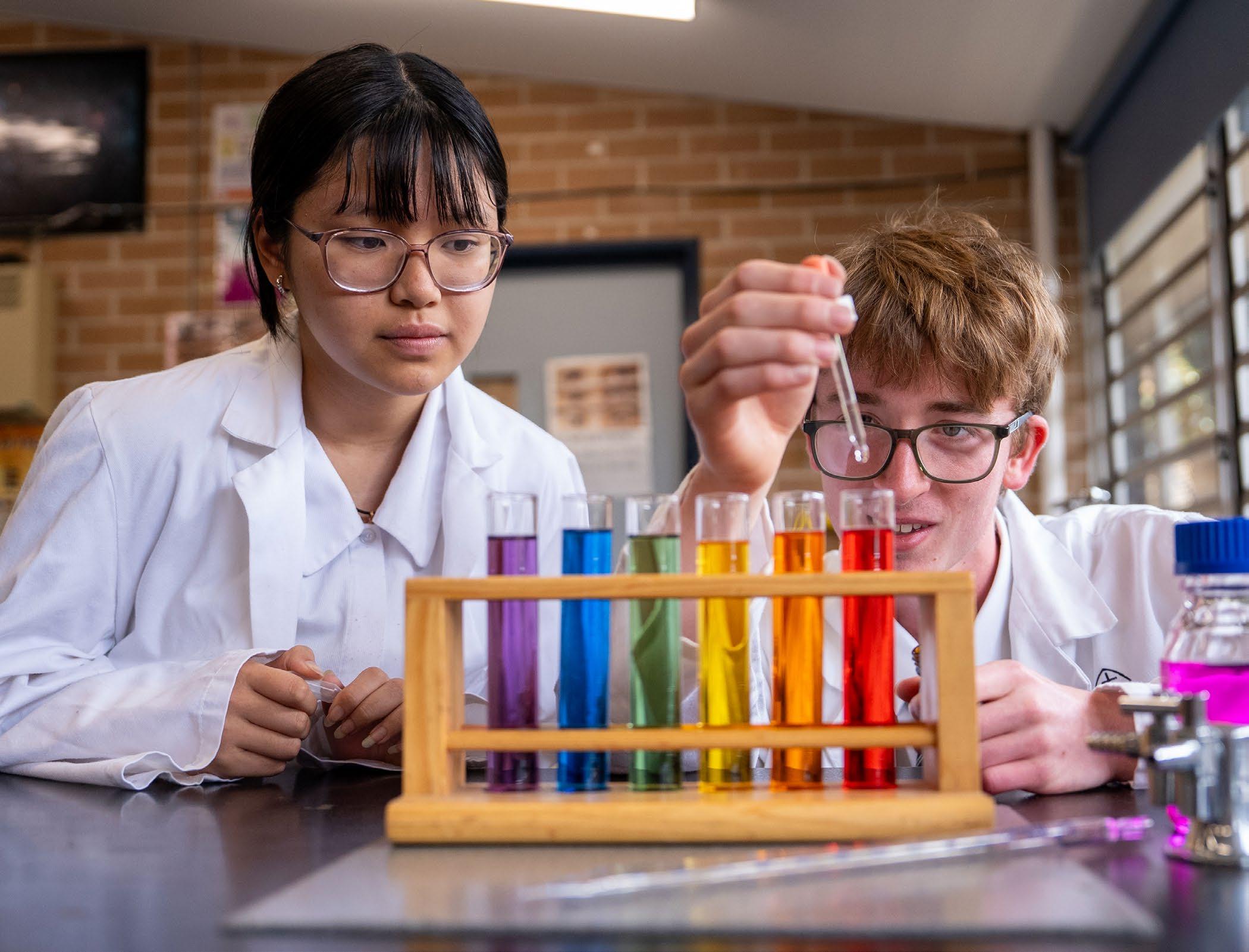
The RACI’s Titration Competition is designed to encourage secondary students who enjoy Chemistry, particularly its practical side, to develop their scientific skills and understanding. It provides students an opportunity to experience conducting an experiment in a laboratory environment at a local university in their state and the chance to compete at a national level.
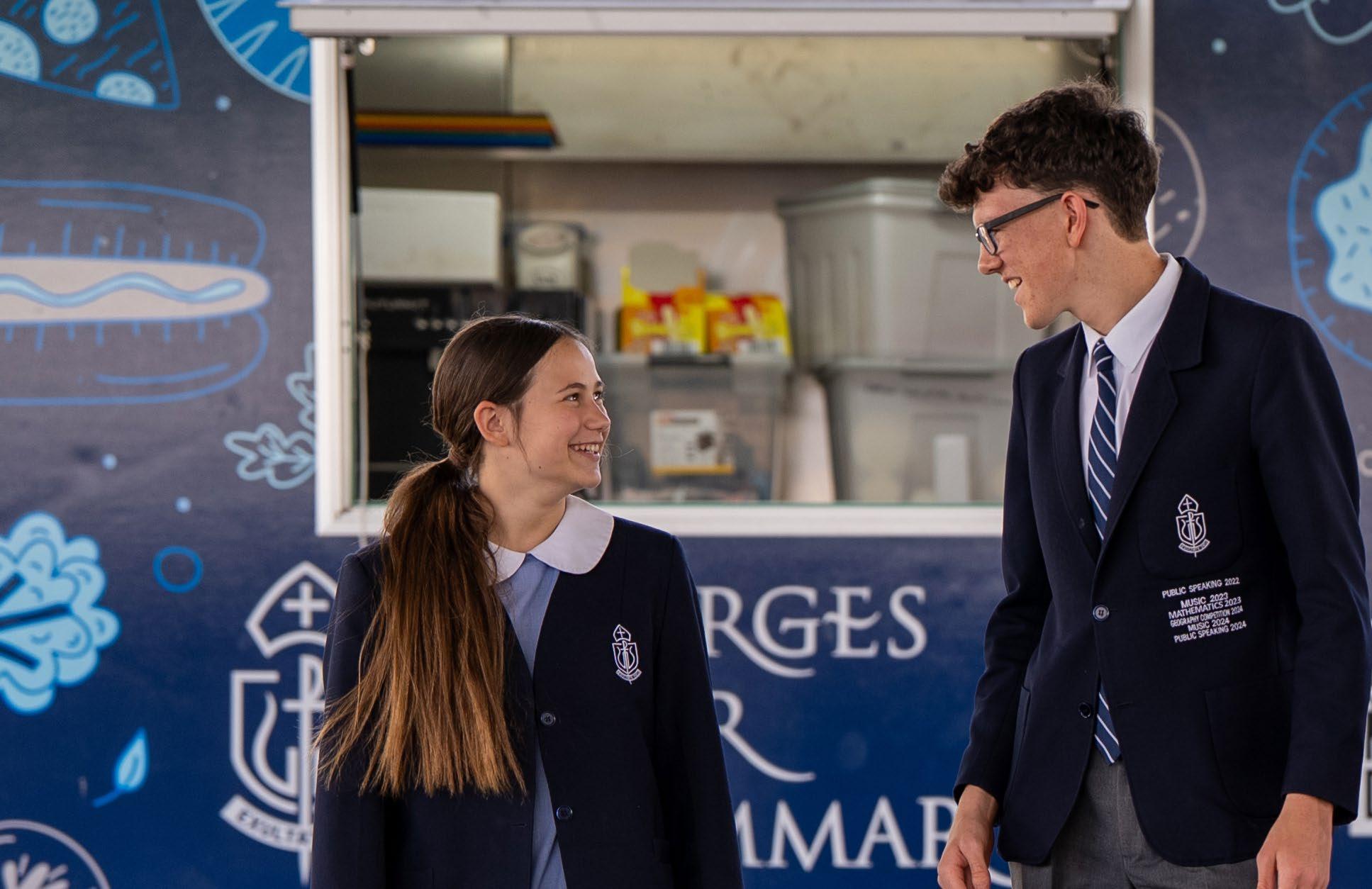
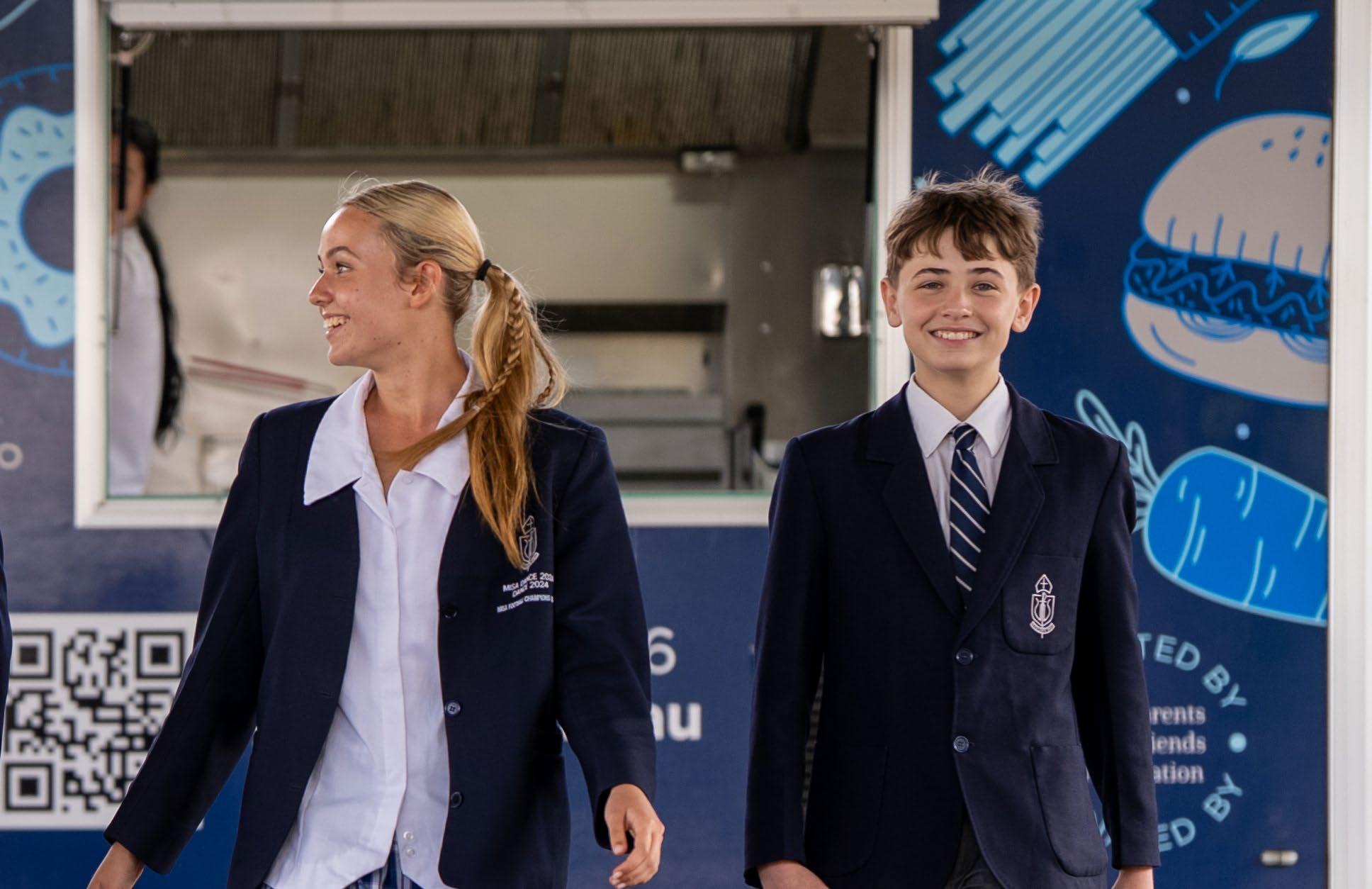
The GRG Food Truck initiative will operate every second week and will be managed by Year 9 and 10 Commerce students on a rotating roster coordinated by the Social Sciences faculty. Students will plan, prepare and sell a range of products from the food truck, gaining hands-on experience in budgeting, marketing, customer service and small-business operations. Any profits made will go directly towards educational resources or items the faculty wishes to purchase for the GRG Food Truck.
Media Mondays is a group that meets fortnightly, where students explore current economic, political and global news. Participants discuss real-world events, examine their implications and connect these discussions to concepts studied in Economics and the wider Social Sciences curriculum. This group supports the development of critical thinking, media literacy and a deeper understanding of contemporary issues.
The Model United Nations (Model UN) competition offers students the opportunity to step into the role of United Nations delegates and engage in debates on pressing global issues. At the recent UTS Model UN Conference in 2025, participants explored topics such as economic development, climate change and environmental sustainability. Working collaboratively, students researched country positions, drafted resolutions and negotiated international solutions through structured debate. The experience builds global awareness, diplomacy, public speaking and critical thinking skills, while encouraging empathy and leadership in addressing worldwide challenges. This competition is targeted at students in Years 10–12 students who are interested in global affairs, economics, politics or the environment. It supports pathways in international relations, law, political science, economics and environmental policy.
The UN Negotiations Competition challenges students to apply diplomacy and strategic communication skills in realistic international negotiation scenarios. Participants represent nations or organisations to resolve complex issues such as global trade, climate agreements, or humanitarian responses. The competition mirrors authentic UN procedures, requiring students to form alliances, present proposals and reach consensus under time pressure. Through this immersive experience, students develop confidence, teamwork and analytical reasoning, gaining valuable insight into global decision-making and the art of negotiation in international relations.
The Australian Share Market Game gives students a hands-on introduction to investing and financial literacy. It is a game run by the Australian Securities Exchange (ASX). Participants use virtual funds to buy and sell shares on the ASX, analysing real-time market trends and making strategic decisions. Open to Year 10 Commerce and Year 11–12 Economics students, the program builds understanding of how markets operate while developing skills in critical thinking, decision-making and risk management.
The Economics Olympiad, hosted by the University of New South Wales, is a one-off academic challenge for Year 11–12 Economics students. It tests students’ analytical and problem-solving abilities through applied economic scenarios and policy questions. The competition provides an opportunity for students to extend their classroom learning, engage with tertiary-level concepts, and showcase their interest in economics on a national platform.
The Australian Geography Competition encourages Year 9–10 Geography students to apply their spatial awareness and geographical understanding to real-world issues. Through a national written challenge, students demonstrate knowledge of environmental processes, global patterns, and sustainability themes. The competition recognises academic excellence in geography and promotes curiosity about the world’s physical and human systems. The Australian Geography Competition is run jointly by the Royal Geographical Society of Queensland (RGSQ) and the Australian Geography Teachers’ Association (AGTA).
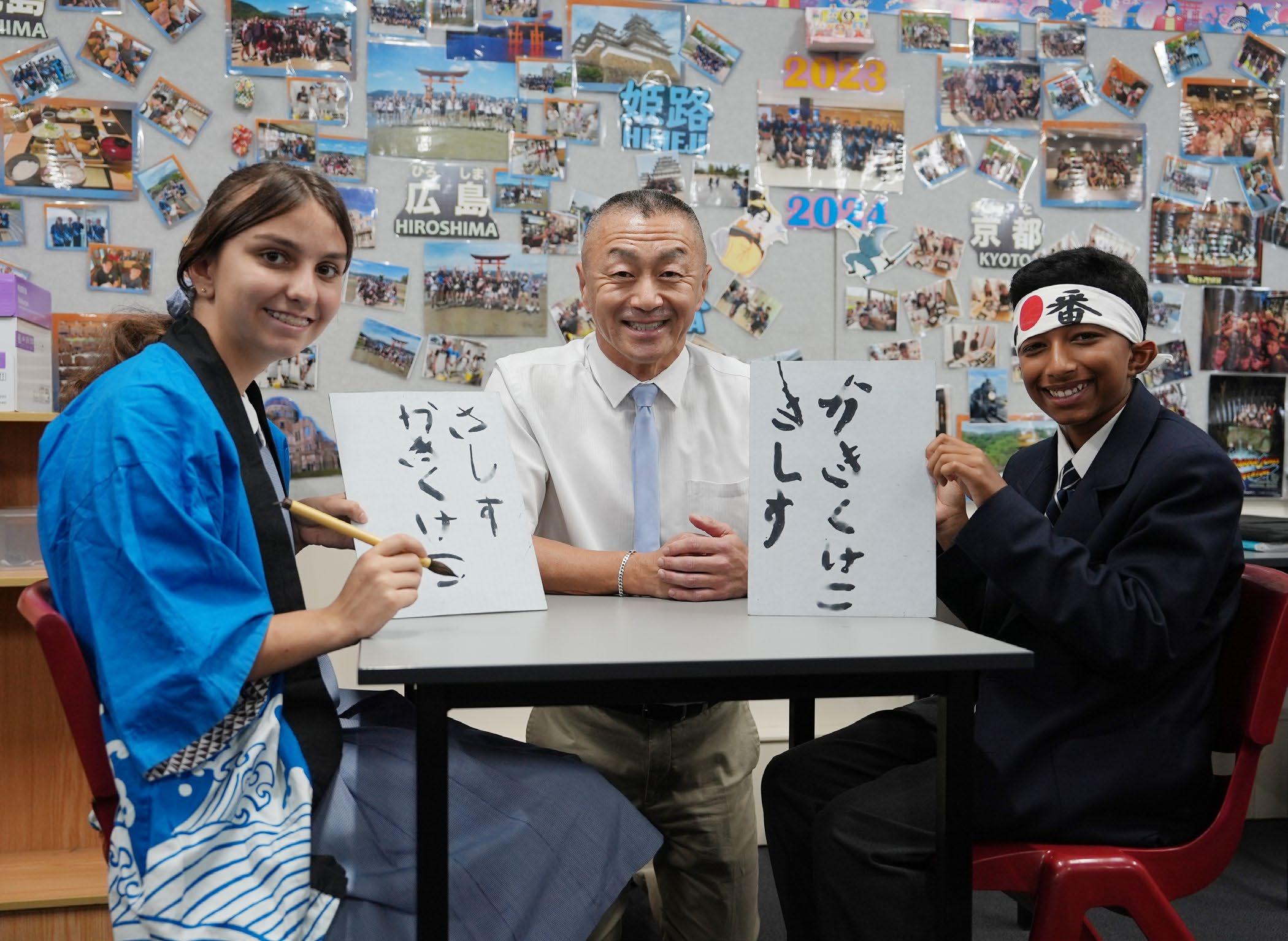
Learning a new language not only affords students the means to communicate, but also opens doors to engaging with the broader world and its diverse cultures. While our students learn the French and Japanese languages and discover its culture, they build their abilities to not just communicate but also, to foster their intercultural competence, which enables them to exchange and negotiate meaning within and across languages and cultures.
Who? Primary students.
At Georges River Grammar, the learning of French in the Primary School continues to flourish and is embraced by a growing number of our students. A French Club began to continue to foster the love for French outside the classroom space. As they engage with the linguistic and cultural diversity of the world, our students cultivate qualities of respect, openness, and empathy. Joining this club allows students to demonstrate an even greater awareness of the significance of acquiring a new language, especially after exploring global events such as the World Cup in France or the Tour de France.
Who? Secondary students.
Kokoro Club meets weekly during lunchtimes. Various Japanese-themed activities are held during this time, such as sushi-making and origami. This is run primarily by two senior students who are interested in Japanese and conducting it as part of their Personal Development Portfolio.
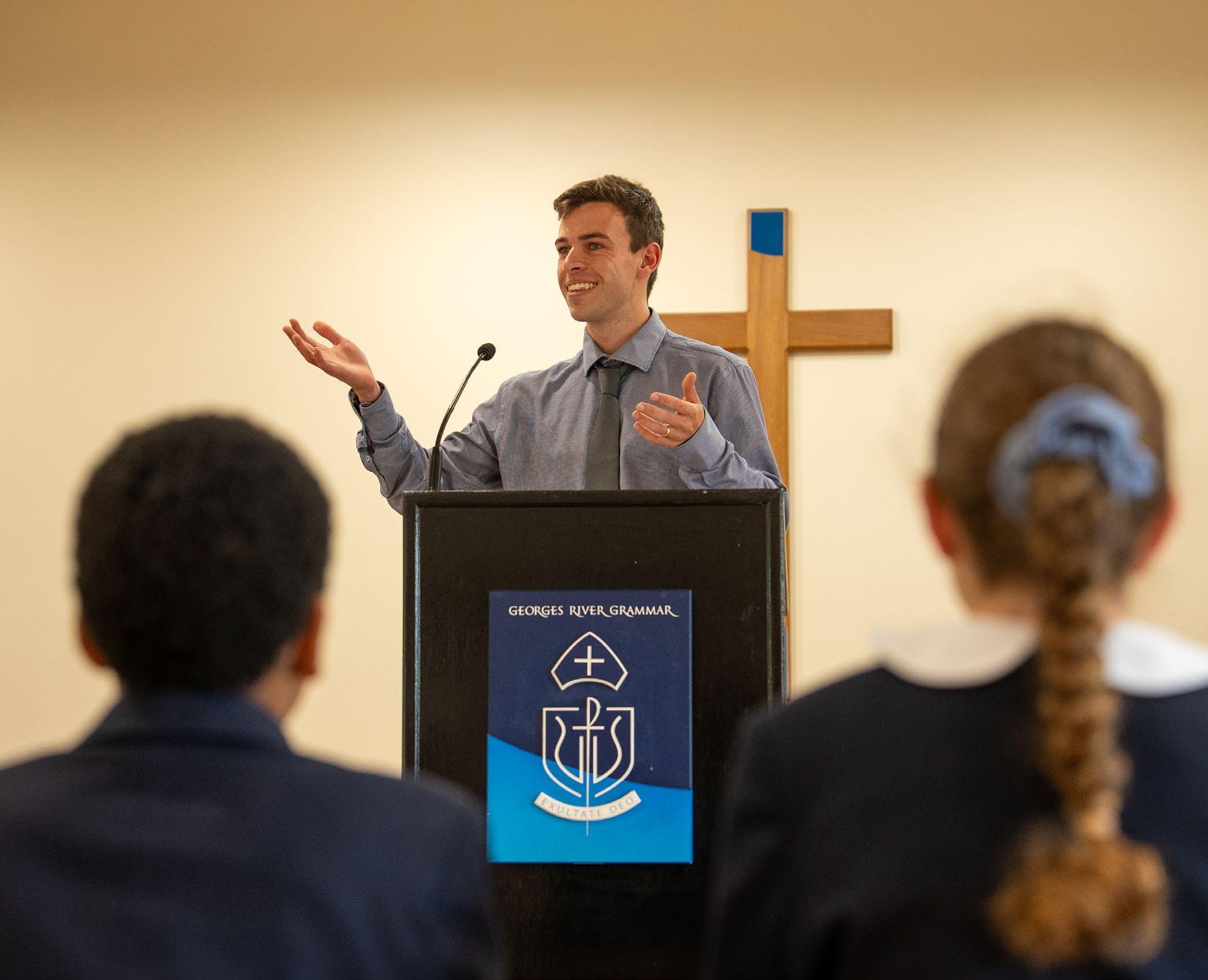
These Christian lunchtime groups meets every week. It is a fun-filled community of students and teachers who are eager to learn how-to walk-in relationship with Jesus Christ. In the Secondary school, a Chaplain visits to share messages of the Bible and make connections with the senior students. Students have a safe space to share their thoughts and prayers. They also have the opportunity to learn about Christian worship and key values.
This group is designed for students to have a safe space to share their thoughts and prayers. They have the opportunity to learn about Christian worship and key values. They engage is singing and dancing to Christian songs, and they are involved in some upper primary Chapel sessions.
Who? Primary students.
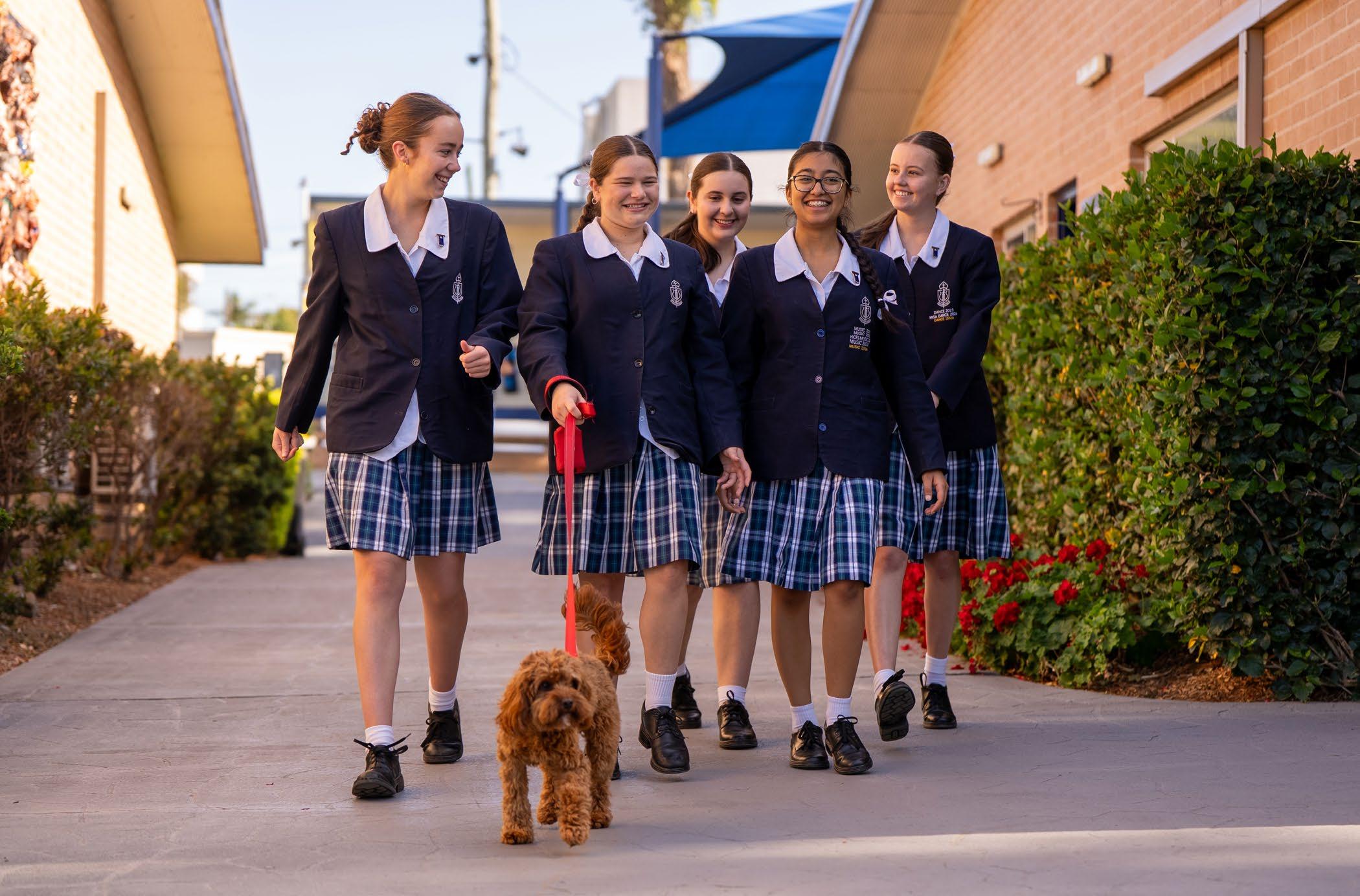
This exciting program, led by our Principal, will give students the opportunity to work closely with Alfie, our school well-being dog. Students will learn the basics of responsible dog handling, positive reinforcement techniques and how animals can support emotional regulation and wellbeing. Through interactive, hands-on sessions, participants will help Alfie practise new skills while building their own confidence, empathy and communication. This program is expected to become a student favourite and will further strengthen our school’s wellbeing culture.
Who? Selected primary students.
This program is a specialised school initiative created to empower young school girls who may be experiencing challenges with learning or self-confidence. It provides a supportive and inclusive environment where participants can build on their personal strengths, learn practical life skills, and form positive connections with peers, teachers and the wider community.
Who? Year 4-6 students.
Playground Pals is a leadership opportunity for upper primary students to support and guide younger peers during break times. Students in this role help foster a safe, inclusive and welcoming playground by encouraging positive play, assisting students who may need extra care or reassurance, and modelling respectful behaviour. Playground Pals take responsibility for helping others feel connected, confident and engaged, while also supporting a fun and safe environment for all students.
Who? Selected Year 5 & 6 students.
Students in Year 5 & 6 are selected to shadow judge the Children’s Book Council of Australia shortlist young reader books. Students are provided with the same judging criteria that the CBCA judges use to explore shortlisted books with themes and issues for a Stage 3 audience. The students agree on one book that should win this category. Students involved explore how to make a judgement of a text for a wide audience and without bringing personal bias. Students also engage in reading all shortlisted novels together.
Who? Secondary students.
The Study Hub is open to all Secondary students who would like extra support with their homework, study, and assessments. Tutors and teachers are available to provide assistance to help students succeed. Located in the Secondary School Library, the Study Hub offers a quiet and focused environment for students to complete their work. Students are welcome to bring their own afternoon snack or pre-order from the canteen to enjoy during their designated snack break.
Who? Year 5 & 6 students.
Students in Stage 3 select a novel to read. They come together in the Reading Hub during the allocated break time, to share their thoughts and interests, explore the themes and messages of the texts and have opportunities to engage with students who are reading the same text outside the classroom space.
Who? K-6 students.
The Reading Hub is also open to students during break times. During this time librarians offer to help students register their books on the Premier’s Reading Challenge website, offer advice on quality literature texts suited to the student, and have space for colouring, drawing, card games, origami and more. There are a range of reading and various activities available to students.
Who? Year 6 students.
The Year 6 Homework Hub is a transition to high school, after-school program designed to prepare students by developing their homework and study skills. In Homework Hub, students are supported to complete homework tasks and create appropriate study habits in a friendly, fun environment.
Who? K-2 students.
Year 5 and Year 6 students run a soccer skills program for students in Kindergarten - Year 2. The aim of the program is to encourage students to be active, provide age-appropriate soccer skill development and learn from the Primary school leaders. It is also a great opportunity for Year 5 and Year 6 students to gain experience and leadership skills. As the terms progress and coaches become more experienced, the program will expand to include students in Year 1 and 2.
Who? Primary Year 3-6 students.
Active Kids is a club designed to strengthen and develop the fitness of Year 3-6 students. These activities will help in the development of fundamental motor skills such as strength, coordination and flexibility. Fitness in primary-aged students contribute to better cardiovascular health, improved mental health and sleep by reducing stress and anxiety, improved cognitive function, fosters cooperation and the establishment of healthy lifelong habits.
This afterschool program runs for four weeks in Term 1, providing participants with the opportunity to engage in fun and interactive activities designed to enhance their fundamental skills. The program is split into two age groups AusKick (5-7 year olds) and Superkick for (8-12 year olds). Students receive a GWS Giants pack when they sign up.
Who? Secondary students.
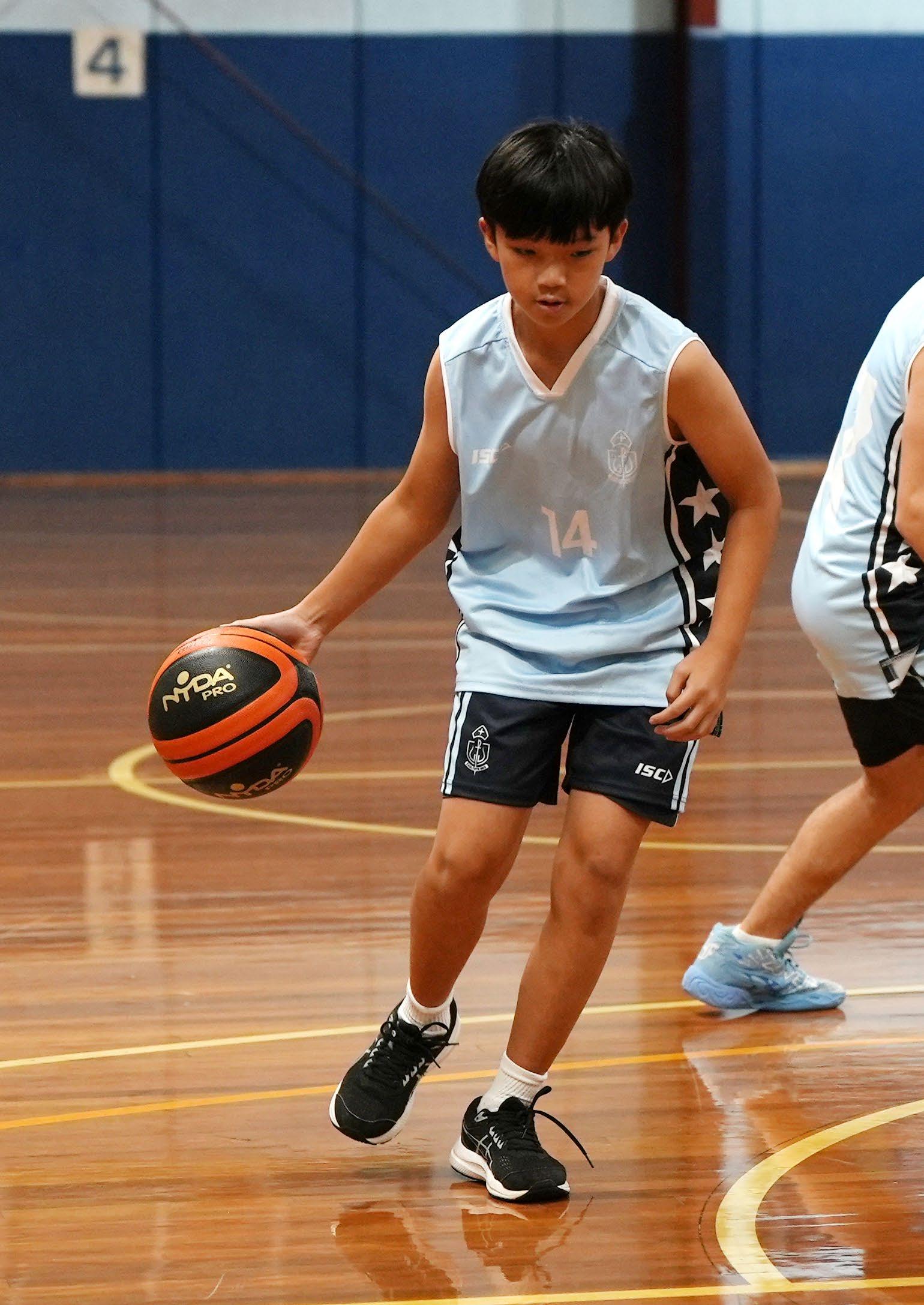
The Secondary School Basketball Mondays provides students with a well-rounded experience, promoting physical health, social skills, discipline, and personal growth. During this club, students have the opportunity to develop their basketball skills, including dribbling, shooting and defensive strategies. They will also enhance coordination, agility, fitness and overall physical and skill development.
Who? Secondary students.
The Secondary School Run Club provides students with a valuable experience of invigorating exercise and camaraderie. Students complete either a 3km or 5km route along Lake Gillawarna, providing opportunities for them to push their limits achieving goals or walking and talking building lasting friendships, embracing healthy lifestyle habits.
Who? K-6 students
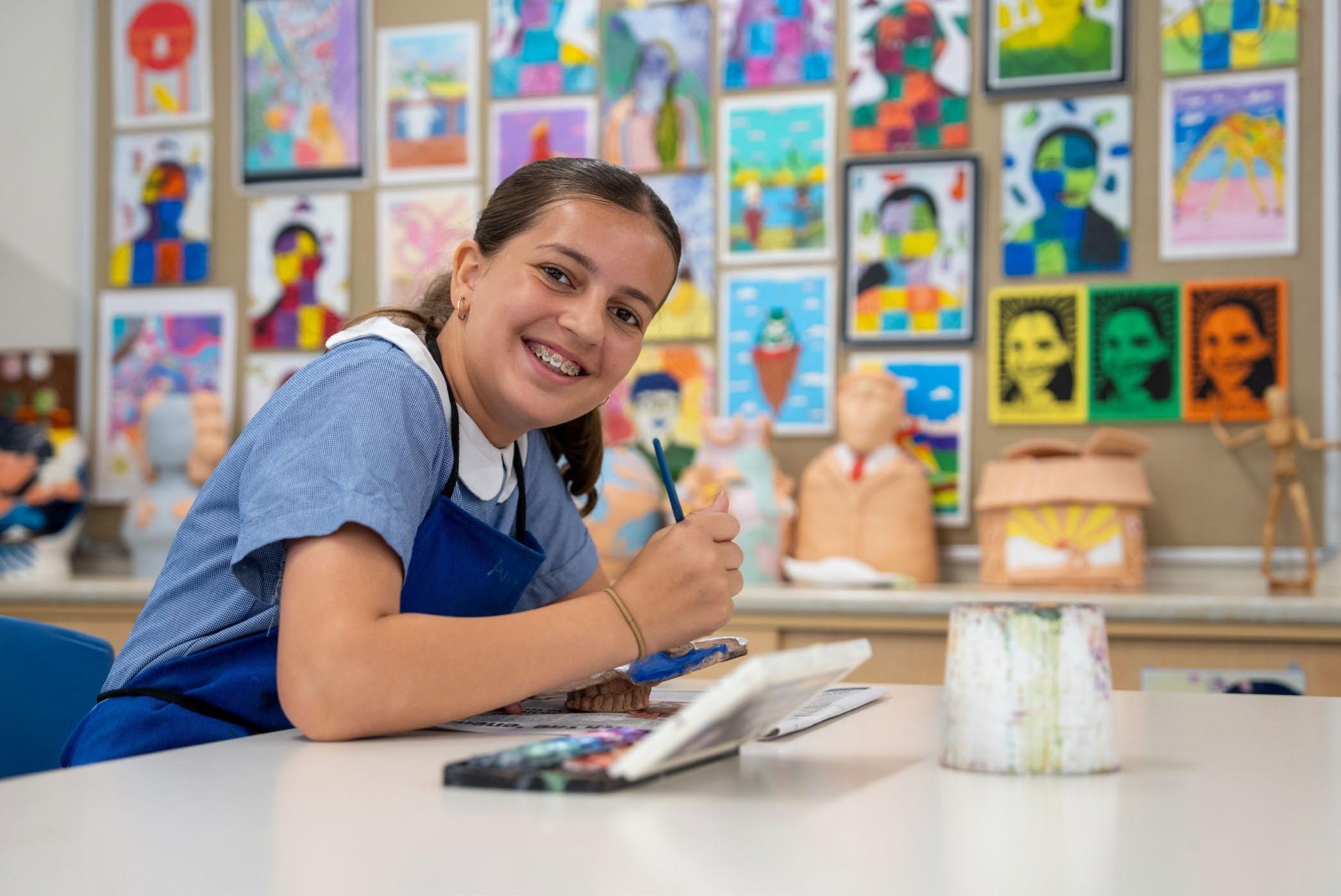
Primary Arts and Craft Club nurtures creativity and selfexpression through various artistic mediums. It allows students to explore their imagination, develop fine motor skills, and gain a deeper appreciation for art and culture. Primary Arts and Craft Club meets once a week and aims to develop students’ artistic abilities. It encourages young students to explore their creative potential by engaging in various craft projects. Students will use a range of craft and art materials to develop their creativity and be involved in learning drawing techniques. Students undertake a range of activities throughout the year including drawing, painting, ceramics, sculptures and many other forms of art.
Who? K-6 students.
A LEGO Masters in a Primary School offers numerous benefits for students, fostering both educational and personal development. Here are some key advantages. LEGO provides a platform for students to unleash their creativity. Building with LEGO bricks encourages imaginative thinking and allows children to express themselves through construction and design. As students work with LEGO sets, they encounter various challenges that require problem-solving. Figuring out how to make structures stable or creating intricate designs helps develop critical thinking and analytical skills. This club fosters teamwork, communication, and the ability to work harmoniously with others—a crucial skill in both academic and real-world settings. LEGO education sets often integrate STEM (Science, Technology, Engineering, and Mathematics) concepts. Students can learn about principles like structural stability, basic engineering, and even simple robotics, laying a foundation for future interest in these fields. Students also have the opportunity to participate in the LEGO House Challenge and earn points for their House colours.
Who? K-6 students.
The Young Archibald Competition is a portrait art competition run by the Art Gallery of NSW. GRG run their own version of the portrait competition for all K-6 students to be involved in at school. It provides an opportunity for students to showcase their artistic talents by creating portraits of people of importance to them. It nurtures artistic skills, self-expression, and an understanding of portraiture while also fostering a competitive spirit and artistic confidence.
Who? K-6 students.
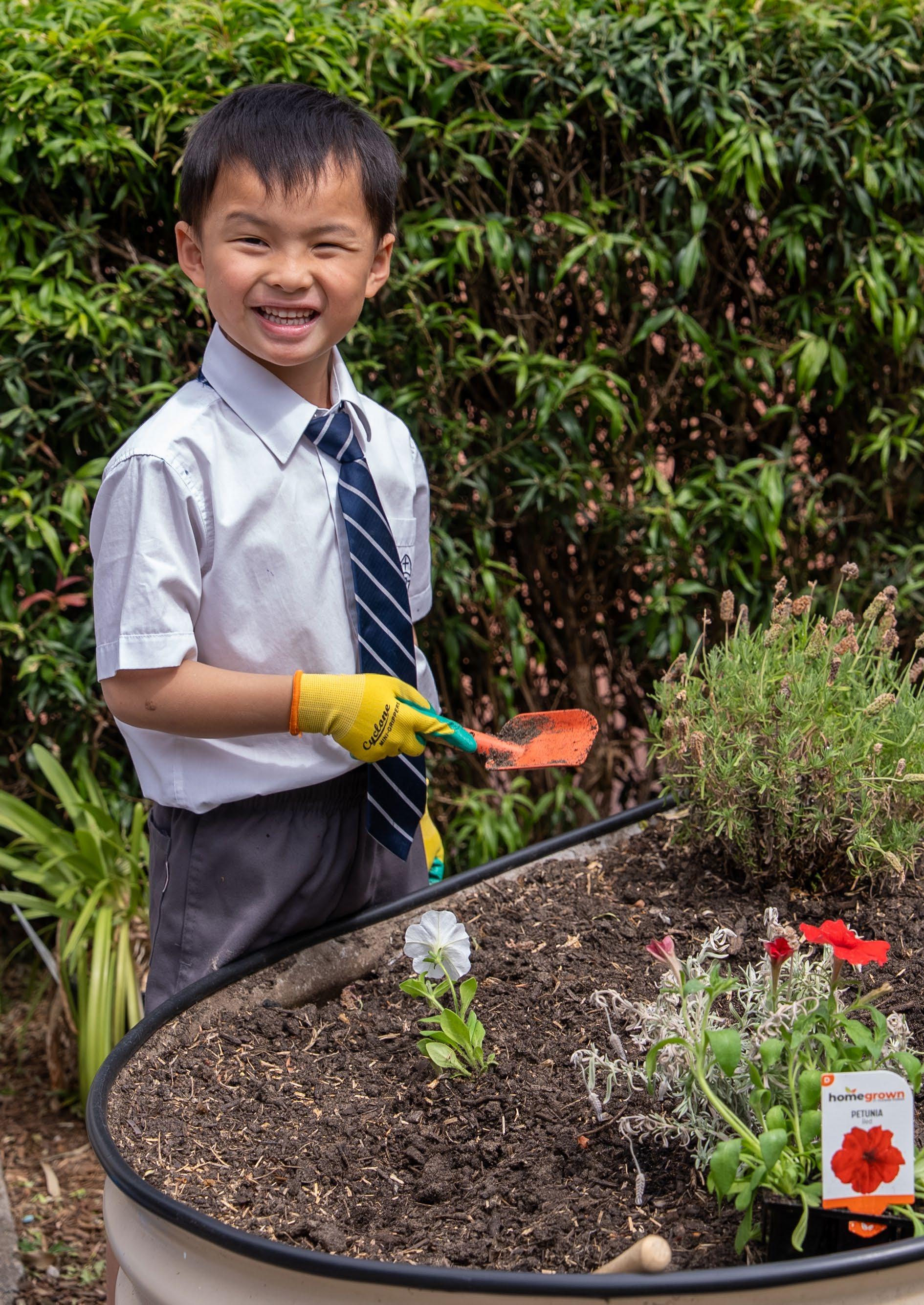
Gardening Club focuses on sustainability and agriculture by growing and maintaining fruits and vegetables in the school gardens. Primary school students learn about environmental responsibility, horticulture and healthy eating. This hands-on experience promotes a sense of connection to nature and an understanding of the importance of sustainable practices. Students also receive opportunities to engage in the garden space through their lessons and maintenance of the garden, vegetables and fruits.
Who? Selected students from Years 5 & 6
This is a targeted social skills group for selected students. Through the use of Minecraft Education, students develop their social skills and strengthen areas that require growth.
Who? Secondary students.
Dungeons and Dragons (D&D) is a tabletop role-playing game that has captured the imaginations of gamers for decades. The game, which was first introduced in the 1970’s, has evolved over time and remains a popular pastime. At Georges River Grammar, the Secondary School’s Dungeons and Dragons Club meets fortnightly to play and explore the world of D&D. The Club is a place where students can come together to share their love of the game and collaborate with one another to create exciting adventures. The club is run by a group of dedicated students, with one who acts as the Dungeon Master and helps to facilitate the game sessions. At the Club, students get the opportunity to develop their storytelling abilities and creative problem-solving skills. The game encourages players to think critically and work together to overcome challenges, making it an excellent way for students to build teamwork and communication skills
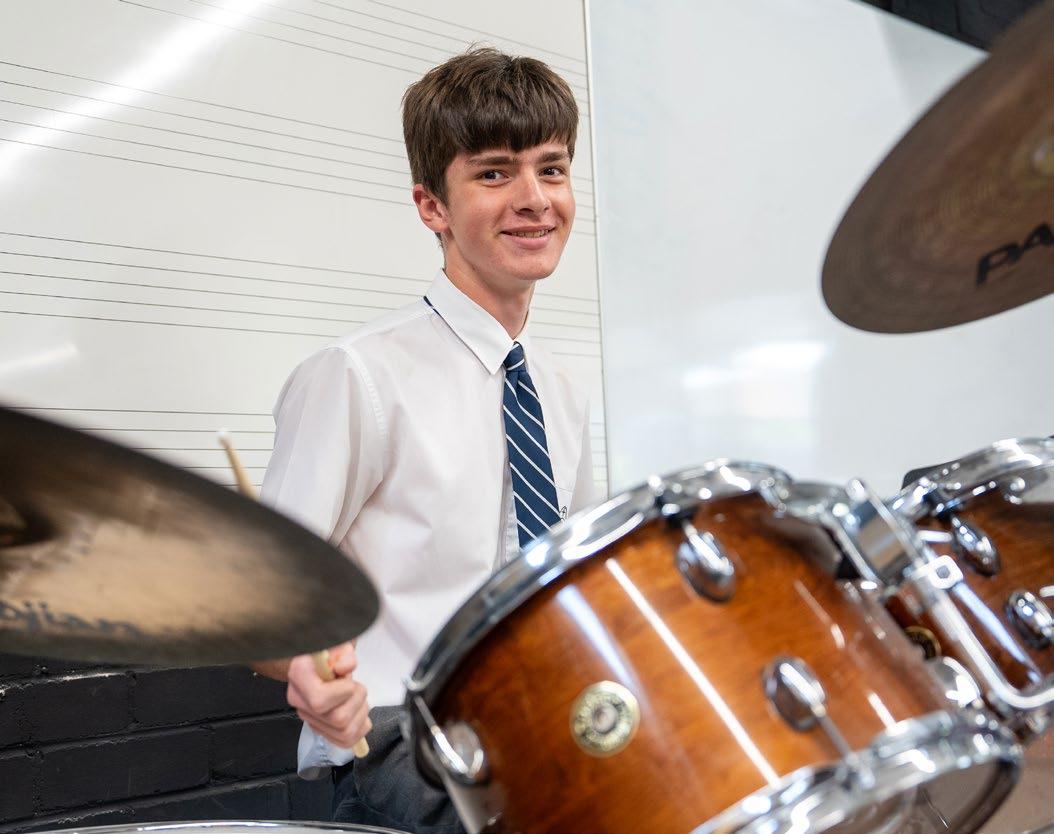
We have an extensive co-curricular music program that offers students vocal and instrumental opportunities to engage with music beyond the classroom. Every year students are welcome to join one or more of the School’s music and performance ensembles which cater for a wide range of styles and levels of abilities. The co-curricular ensemble program provides students with the environment to develop their musical ability, whilst also creating the opportunity for students to work towards short-term goals, develop routine, practise self-discipline, and build skills in communication and collaboration. Students who are involved in Ensembles private music tuition are provided opportunities throughout the year to perform at various events such as Open Day, Performing Arts Evening, Variety Night, Drama Night and Musicales.
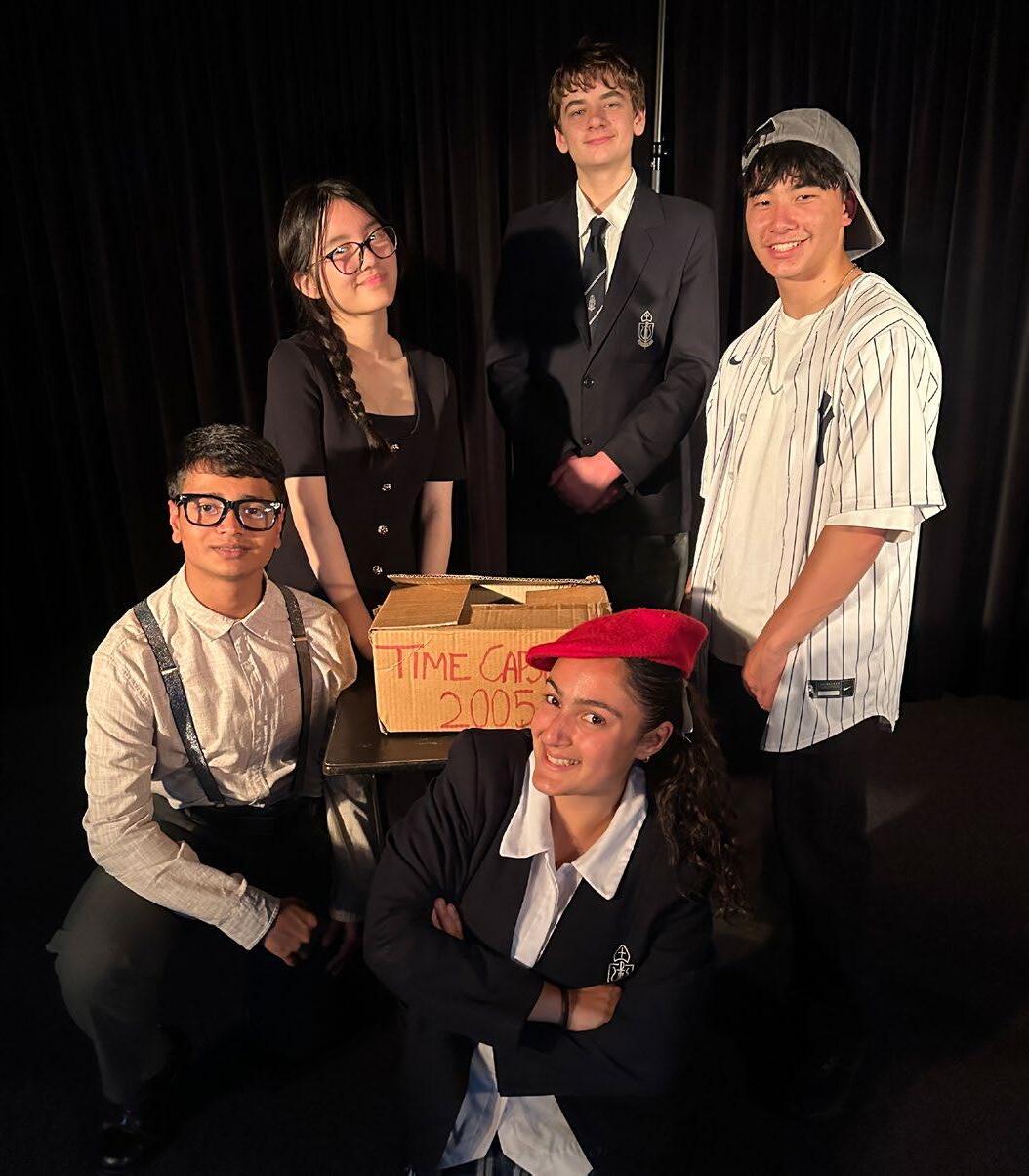
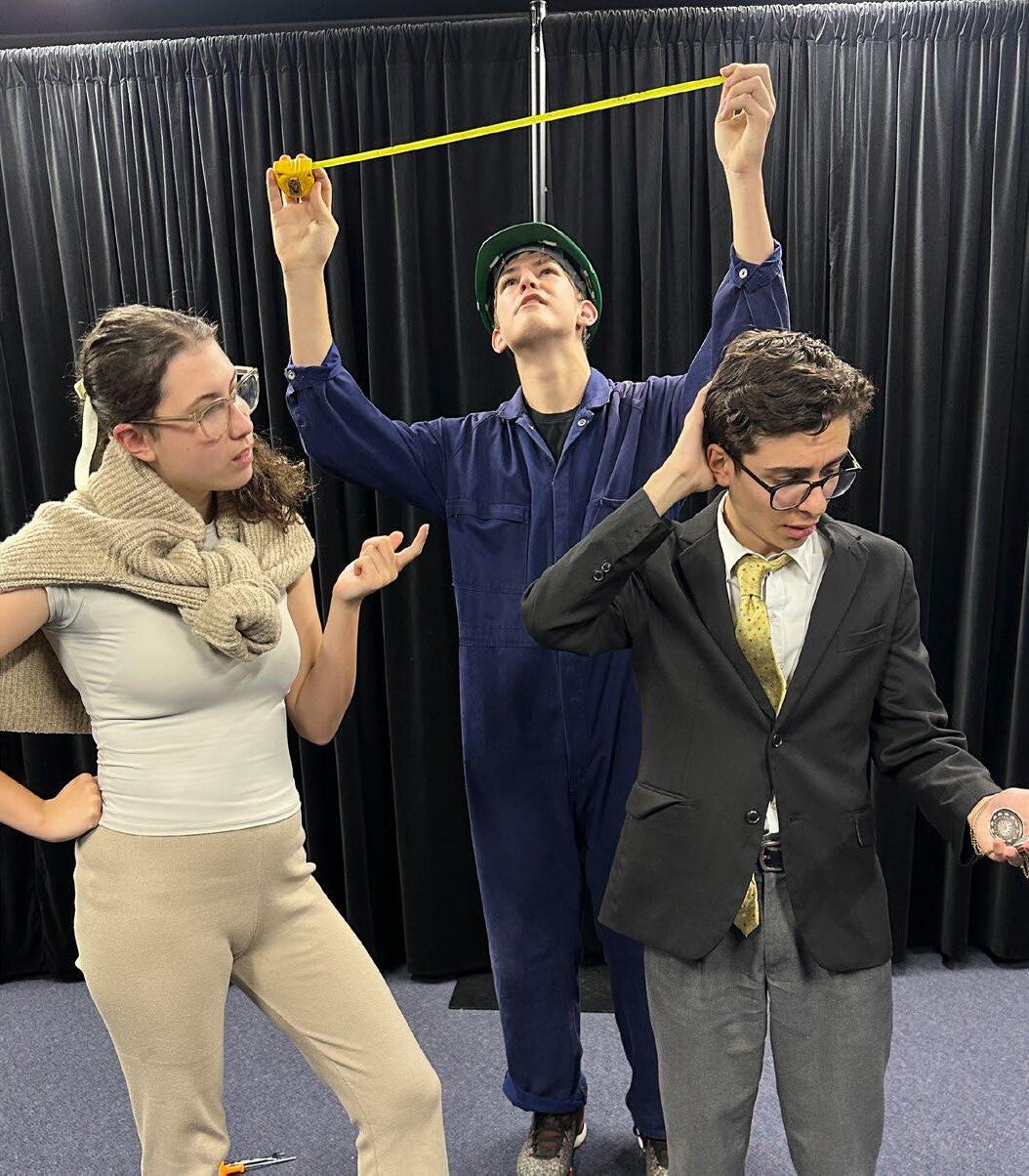
Drama serves as a powerful tool for cultivating the 6C’s - Critical Thinking, Creativity, Communication. Collaboration, Citizenship, and Character Education - providing a holistic approach to skill development that extends beyond traditional academic subjects.
Who? Primary students.
Drama Club provides Primary students with opportunities to explore drama through structured activities such as role-play, improvisation, movement, voice work and short performance tasks. Sessions focus on developing communication skills, confidence, cooperation and creative expression in a supportive environment. Students work collaboratively to explore characters, stories and simple scripts, building their understanding of performance while learning to listen, respond and work as part of a team.
Who? Secondary Drama students.
Drama fosters a sense of belonging and camaraderie, creating a supportive community where individuals with a shared passion can thrive, learn, and grow together.
Students who wish to learn more about Theatre Sports, will be exposed to preparation for the Improv Australia, Theatre Sports Schools Challenge, which is the only school drama competition of its kind in NSW. Teams perform comic and dramatic scenes made up entirely on the spot. These improvised scenes, live on stage, are judged by a team of improvisation professionals. This is something that GRG is looking forward to being apart of, in future years. For 2026, the focus is on developing the improv skills of students in Year 7 and 8 who are interested in Drama. There will be Improv Australia Workshops throughout the year to support students’ growth in this area. Theatre sports increases the students’ confidence, listening skills and teamwork, as well as strengthening their problem-solving abilities and creative thinking, all in a fun and supportive environment.
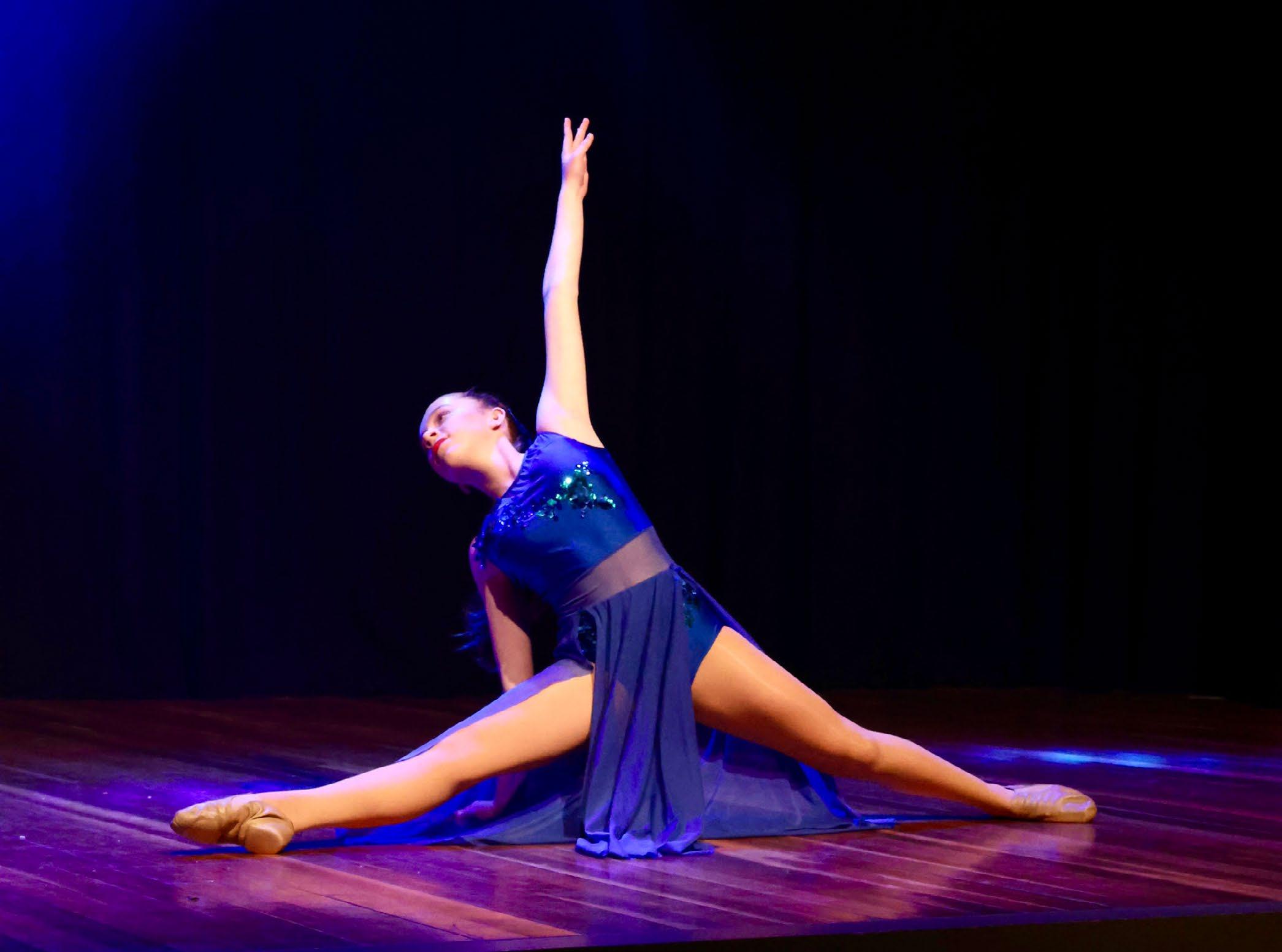
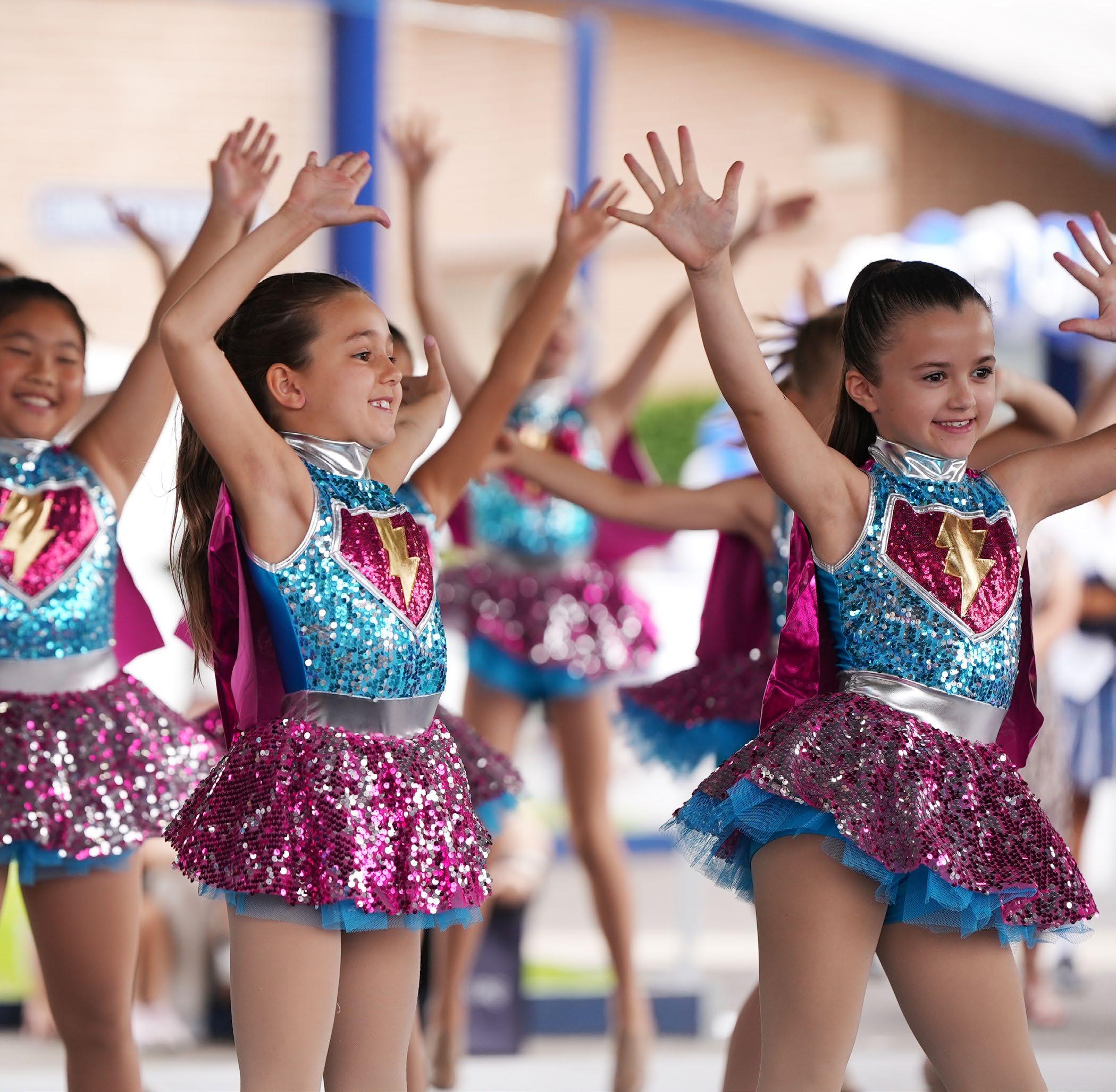
Participation in dance classes at school offers a range of developmental benefits, encompassing physical, cognitive, and socio-emotional skills. In both Primary and Secondary Dance Groups, students not only learn specific dance techniques but also acquire a diverse set of skills that contribute to their holistic development. From physical fitness to cognitive and socio-emotional growth, dance serves as a dynamic and enriching component of a well-rounded education.
The weekly K-2, Stage 2 and Stage 3 dance classes incorporate a range of dance styles, focusing on commercial jazz, where they develop their technique and learn choreography. The Secondary groups study the dance styles of Lyrical and Hip Hop.
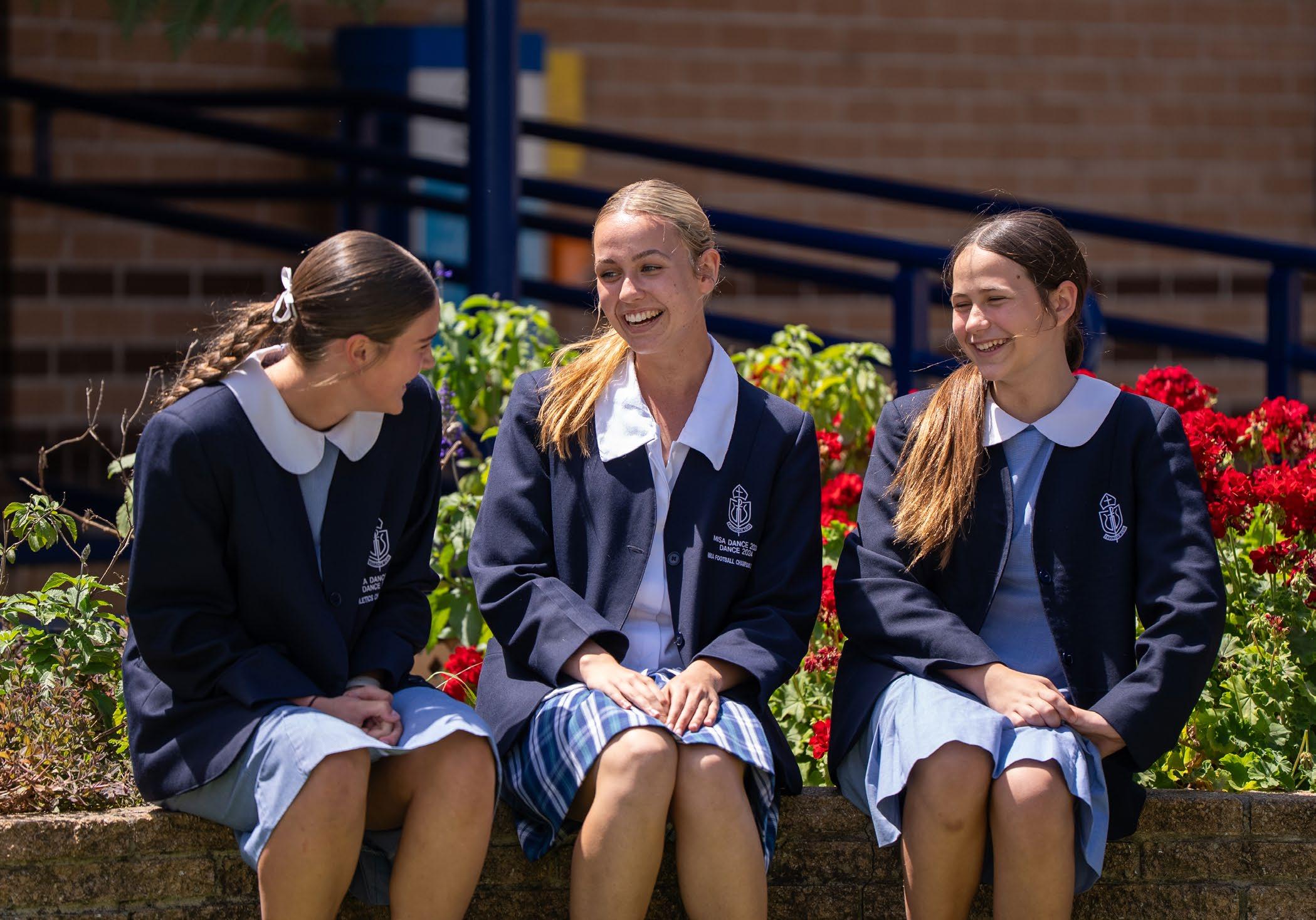
Students will also have the opportunity to participate in the MISA Dance competition, a chance to engage with like-minded students from other schools and work towards a performance.
Students engage in movements that enhance coordination, balance, and motor skills. Through choreography and improvisation, students explore movement as a form of artistic expression, fostering imagination and creative thinking. Learning dance routines requires discipline and concentration. Students develop the ability to focus on intricate movements, remember sequences, and execute them with precision, enhancing their overall attention and self-control.
The dance classes involve group performances, encouraging teamwork and collaboration. Students learn to work cohesively with their peers, synchronise movements and contribute to the collective success of a dance piece. Mastering dance moves and performing in front of an audience boost students’ confidence and self-esteem. Overcoming challenges in dance class instils a sense of accomplishment and resilience.
Contact: Head of Performing Arts (Peripatetic and Performance) Jessica.Knight@grg.nsw.edu.au
The Performing Arts Department has an extensive peripatetic program that offers students vocal and instrumental opportunities to engage with music beyond the classroom. We have several highly qualified tutors who support our students in developing their technique and performance skills which are beneficial within the ensemble program and music classroom. Lessons are conducted throughout the school day and are rotated on a weekly basis. Music tuition is available through the Performing Arts Department for the following instruments:
The co-curricular ensemble program provides students the environment to develop their performance ability, whilst also creating the opportunity for students to work towards shortterm goals, develop routine, practise self-discipline, and build skills in communication and collaboration.
Georges River Grammar has a busy schedule of events which provides students involved in ensembles the opportunity to perform for the School and wider community. Yearly events that our musicians are regularly involved in include Open Day, Mother’s Day, Grandparent’s Day, Father’s Day, and Presentation Day, just to list a few. For students in Years 5 - 12 who receive private music tuition and participate in a school ensemble for instrument or voice, there is also the opportunity to audition for events such as the HICES Music Camp, which is run in Term 3.
• Piano
• Violin
• Cello
• Ukulele
• Acoustic Guitar
• Drum Kit
• Trumpet
• Trombone
• Euphonium
• Flute
• Clarinet
• Saxophone
• Voice
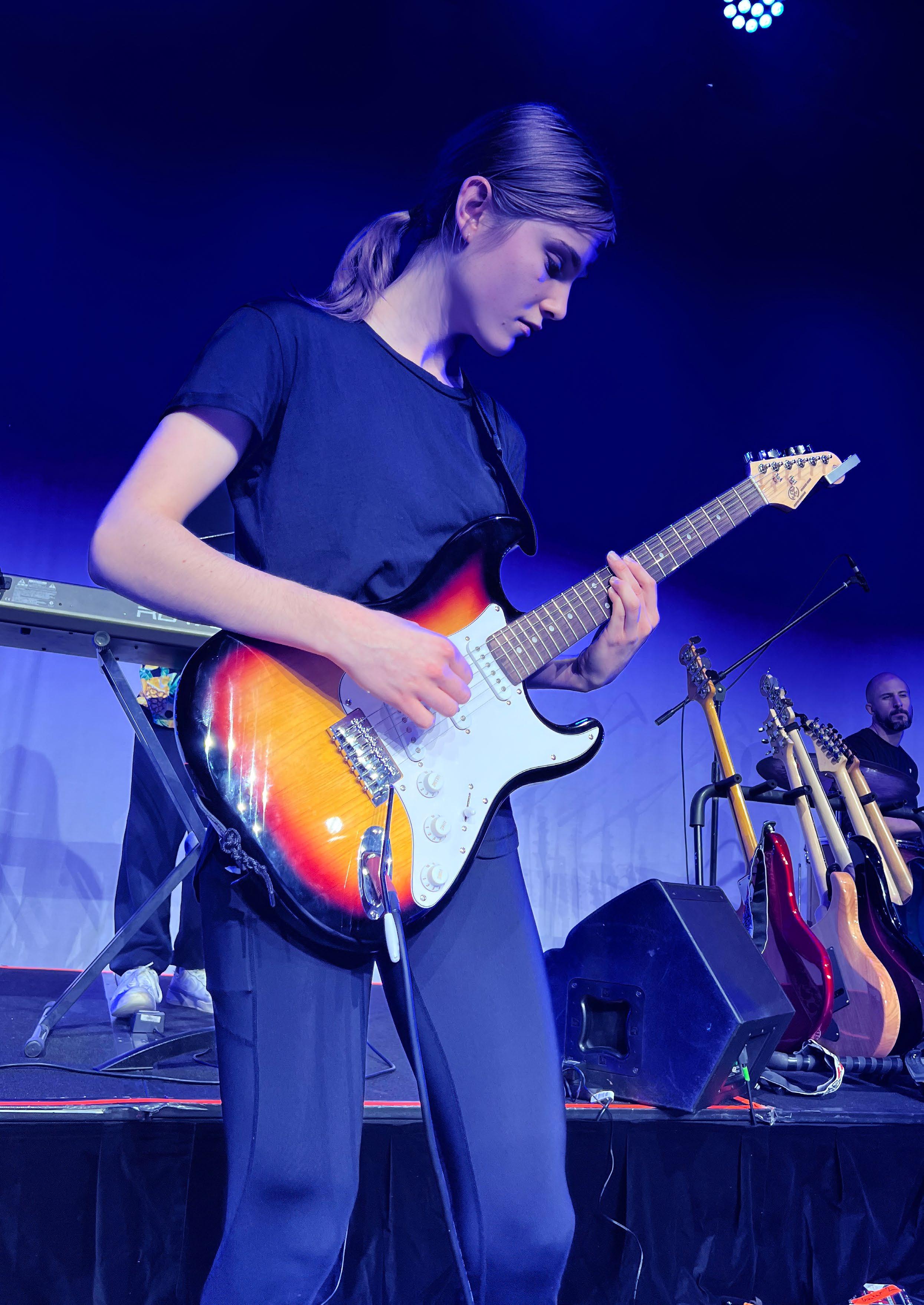
• Electric Guitar
• Electric Bass
Students who receive private music tuition through the School are expected to be involved in school ensembles and maintain consistent attendance. Students who learn externally are also encouraged to participate in the School’s many ensembles.
• Stage 2 Dance Ensemble
• Stage 3 Dance Ensemble
• Training Band
• String Ensemble
• Orchestra
• Concert Band
• Primary Choir
• Lyrical Dance Ensemble
• Hip Hop Dance Ensemble
• Orchestra
• Concert Band
• Jazz Band
• Wind Ensemble
• Brass Band
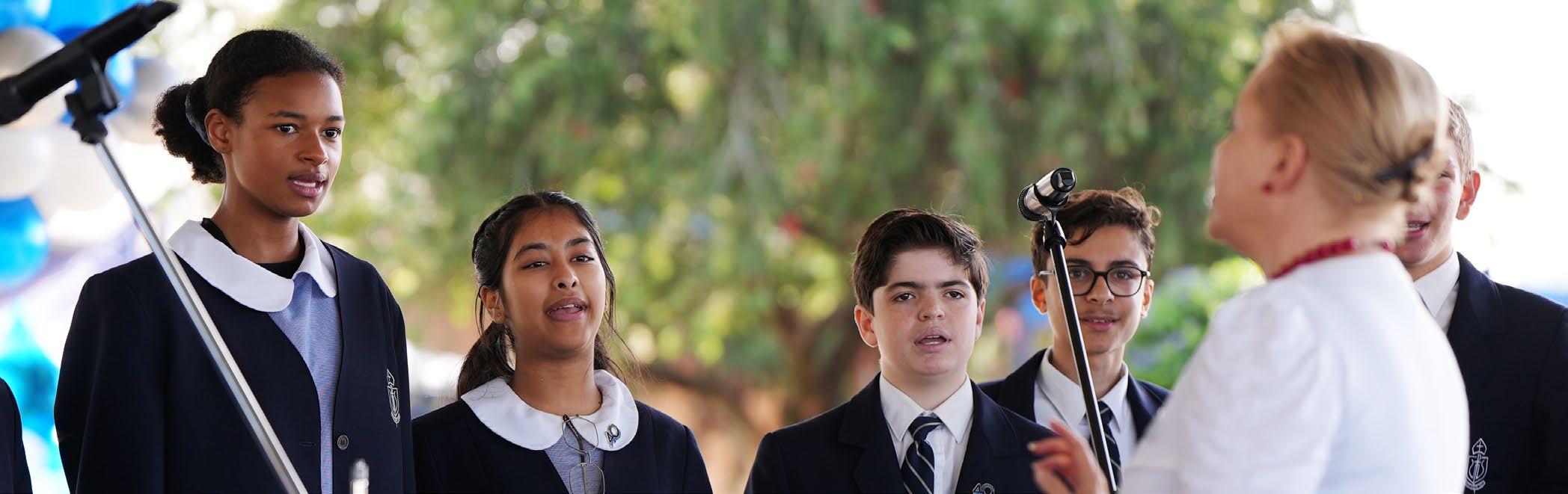
• Choir
• Chapel Band
Who? Secondary students.
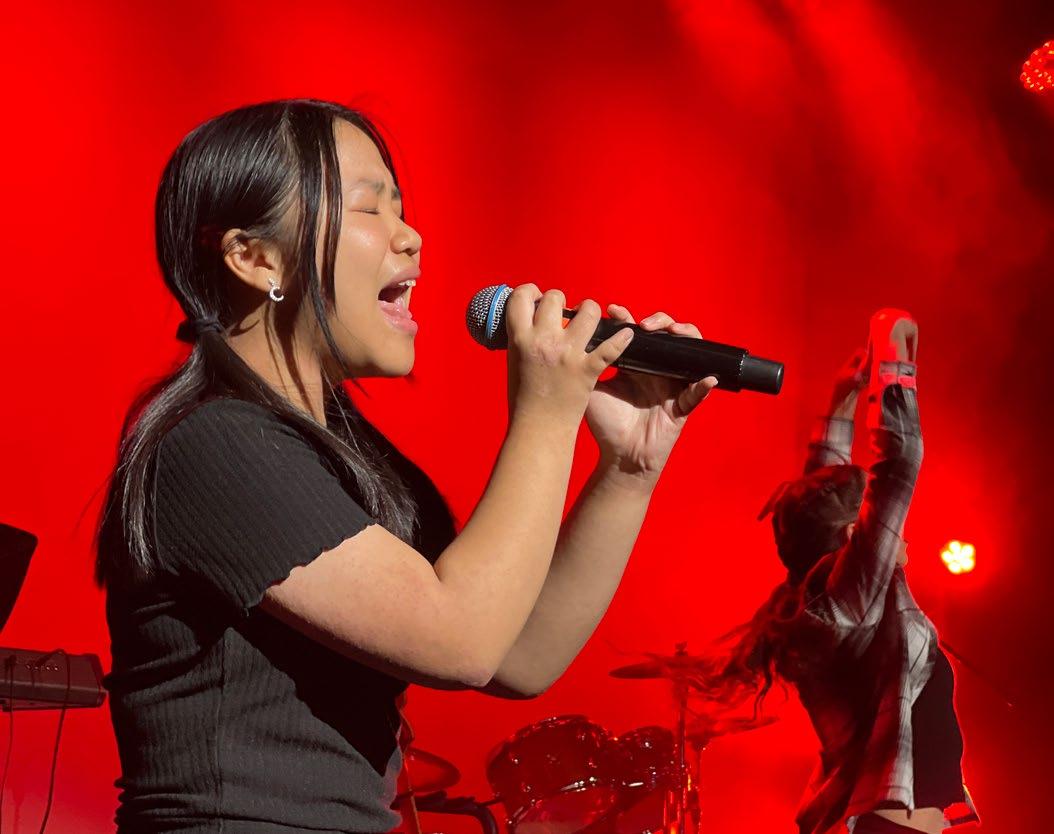
Historically we have had several GRG students participate in the Canterbury Bankstown Talent Advancement Program (TAP) each year. This program is in its 23rd year of running and was established to nurture and promote young vocalists from local schools. Throughout the year, students in the program take part in a series of workshops where experienced coaches/mentors guide students to develop and strengthen their performance and vocal techniques. The program also provides the opportunity for vocalists to perform at a range of festivals and events.
Who? Primary students.
In 2026, Georges River Grammar will proudly participate in the IPSHA Performing Arts Festival, an annual showcase that brings together more than 1,000 students from 28 independent primary schools at the iconic Sydney Town Hall. This festival is a celebration of creativity, passion and artistic expression, offering students an unforgettable opportunity to perform on a professional stage.
To support our involvement, GRG is establishing a dedicated Musical Theatre Group for primary students. This group will rehearse throughout the year to prepare a dynamic and engaging performance that blends movement, music, storytelling and ensemble work. Students will develop skills in dance and musical theatre while also strengthening confidence, collaboration and resilience. GRG is excited to support our young performers as they take part in this inspiring and memorable event.
Who? Year 5-12 students.
The HICES Music Festival is an established camp and concert program that annually brings together over 400 musicians from across HICES schools in New South Wales. Students work with experienced music staff and conductors at The Tops Conference Centre in Stanwell Tops and prepare for the Festival Concert which is held on the last night of the camp in Sydney Town Hall. Attending the HICES Music Festival is a valuable experience for all our musicians who play a relevant instrument. As part of this year’s camp students also participated in a world music workshop providing valuable insight into Middle Eastern scales and rhythms.
The HICES Music Festival brings together like-minded musicians from Years 5-8. Running concurrently will be the HICES Music Festival Jazz Academy, for students in Years 9-12. The Jazz Academy curriculum includes master classes, ensemble playing and performance, as well as music theory, history and improvisation. Emphasis will be placed upon developing participants’ jazz skills and techniques. Jazz Academy will be for Instrumentalists only.
There are seven combined school ensembles at the HICES Music Festival Years 5-8.
• Concert Band
• Symphonic Winds
• String Ensemble
• String Orchestra
• Vocal Ensemble
• Male Vocal Ensemble (Open to Years 7-12)
• Finale
Contact: Sports Co-ordinator/PDHPE Primary Teacher: Wade.McLaughlin@grg.nsw.edu.au
Contact: Head of Sport/PDHPE Secondary Teacher: Linton.McRae@grg.nsw.edu.au
The Primary and Secondary School enjoy a full year of sporting opportunities. The enthusiasm students show towards sport has continued to grow throughout the years resulting in excellent results from our students as individuals and in teams. Our students have thrived in all areas of sport and continue to work on successes and growth in various sports and competitions. The best part of all carnivals and sporting events at GRG is when students from all age groups try their best and get involved as much as possible.
The School’s Swimming Carnivals occur annually and are always full of cheers and excitement from a full grandstand. The students have a wonderful day in and out of the water with several records always being broken throughout the day. At the Primary Carnival, there is involvement and help from the Secondary School PASS students as an opportunity to develop their own leadership skills, in the water all day, offering support to our swimmers and ensuring students have a fun, safe and strong carnival. Primary and Secondary students who qualify with their times, can continue onto the representative pathways at CASA and CIS respectively.
Cross country is a form of long-distance running that takes place near the local lake and park. It is both a sport and a form of aerobic exercise that involves races ranging from 2km in the Primary School to 8km in the High School. Runners strive to improve their personal best times, setting and achieving personal goals. Long-distance running requires mental toughness and discipline, which is encouraged by staff each year as students enter the cross country races. Runners learn to push through physical discomfort, overcome mental barriers and develop resilience. Cross country is a sport that welcomes participants of various skill levels. It provides an inclusive environment where individuals can challenge themselves and experience success regardless of their initial abilities. Students who qualify with their times can continue onto the representative pathways at CASA and CIS.
The Athletics Carnival is the last of our three school carnivals and is always the biggest, with the most atmosphere and the highest level of participation. Students represent their House by competing in many athletic events including 100m, 200m, 400m, 800m, relays, javelin, long jump, shot put and discus. It is always a successful carnival with many records broken yearly. Students qualify with their times and distances.
Students from Year 3-6 trial for a range of sporting teams as part of a summer and winter sporting competition across independent schools in NSW. Every Wednesday, these teams train and compete against other schools in their selected sport team. Each year students develop key skills and game rules throughout the sports training time period. Importantly, a culture of sportsmanship is fostered across the school and competing teams.
The sports involved are listed below:
Summer Sports
• Basketball
• Soccer
• Oz tag
• Teeball/softball
• Cricket
Winter Sports
• Netball
• Tee ball/softball
• Soccer
• AFL
• Volleyball
Our GRAD program continues to expand and offer even more variety to our development program. All the activities and sports are aimed at developing skills, improving fitness, and hopefully nurturing an interest in physical activity into something that all students value and enjoy. Students visit centres off site such as the YMCA, Bankstown Stadium Basketball, Lawn Bowls and more.
MISA is an association made up of Christian based schools in Sydney’s South-West. Through this association, high school students participate in a number of sporting competitions and cultural events.
These sports and competitions include; Soccer, Basketball, AFL, Ultimate Frisbee, Cricket, Netball and many more.
The Bill Turner Cup is one of the world’s largest team sport competitions. It is a soccer knock-out competition which encourages fun and fairplay for Secondary students aged 15 and under.
The Bill Turner Trophy is a school soccer competition for girls aged 15 and under. Each year, nearly 400 schools from around Australia compete in this knockout contest.
The aims of the competition are to promote the game of soccer, provide a space for social interaction, promote enjoyment, encourage cooperation and sportsmanship, and provide opportunities to develop the skills of each player.
It is a wonderful competition that all students involved are very excited about every year.
The representative pathways at GRG provides students, who excel in a particular sport, the opportunity to challenge themselves and showcase their talents at a higher level.
Representative Sporting Pathways include:
• Co-Educational Anglican Schools Association (CASA) Our students always look forward to CASA Gala Days and they represent the school with pride and determination.
• Futsal Gala Day
• Tennis Gala Day
• Basketball Gala Day
• Football Gala Day
• Touch Football Gala Day
• Netball Gala Day
• Cricket Gala Day
• AFL Gala Day
• Cross Country
• Athletics
• Swimming
Students who meet a certain criteria including age, results or level of ability in a sport team, competition or sporting activity, may be nominated or selected to represent the School at the next level.
• Association of Independent Co-Educational Schools (AICES) - The next level of competition in sport for Secondary students.
• NSW Combined Independent Schools Sports Council (CIS) - The 2nd level for Primary students and the 3rd level for Secondary students.
The sporting year at GRG culminates in the annual Sports Awards Evening, which is held in Term 4. The evening recognises the achievements of the students and teams who have represented the school during the school year. We celebrate the incredible sporting achievements of all students within our community, across the various levels of sporting competitions they are involved in.
Contact: Jenny.Chisholm@grg.nsw.edu.au (K-12 Gifted and Talented Facilitator)
Georges River Grammar continues to provide students with a range of opportunities through specialised programs and competitions to showcase their talents and demonstrate academic excellence.
Who? K-6 students selected for Enrichment.
Primary Enrichment lessons are provided to inspire a genuine love of learning through advanced content and skills, real-world problem solving and collaboration with likeminded peers. Enrichment students from Kindergarten to Year 6 have opportunities to be extended with Literacy, Mathematics and STEM sessions by the K-12 Gifted and Talented Facilitator each week.
Who? Year 5 and 6.
Inspired by the talents and accomplishments of Leonardo da Vinci, the da Vinci Decathlon is an academic competition designed to challenge and stimulate the minds of school students. Students compete in teams of eight across to complete tasks across ten disciplines: Art and Poetry, Cartography, Code Breaking, Creative Producers, English, Engineering, Ideation, Legacy, Mathematics and Science.
The Decathlon is designed to celebrate the academic gifts of Australian youth by providing a stimulating and challenging competition run in the spirit of an Olympic Decathlon. It strengthens problem-solving and teamwork skills and builds confidence in students’ abilities to approach complex issues with fresh perspectives and offer unique solutions.
Who? Year 3-8 students.
The Prime Minister’s Spelling Bee is a national spelling competition for school children from Year 3 to 8. Each year, Georges River Grammar has significant representation in the Prime Minister’s Spelling Bee, resulting in a number of state finalists and representation at the National Finals.
Who? Year 5 & 6 students.
Students in Year 5 and 6 have the opportunity to participate in the Australian STEM Video Game Challenge. The challenge aims to foster students’ Science, Technology Engineering and Mathematics (STEM) skills and inspire the next generation of digital problem solvers through a fun and authentic learning opportunity. Over three terms, students are required to design and build a working and playable original video game on the SCRATCH platform, in response to the given theme.
Who? Year 5-7 students.
The Maths Olympiad is a competition for high achieving students and allows students to work in a competitive environment with challenging questions to hone their problem-solving skills. It encourages students to develop mathematical problem-solving skills in an enjoyable environment. Participation in the Mathematics Olympiad challenges students with advanced mathematical problems. It sharpens their analytical and problem-solving skills, deepens their understanding of math concepts, and prepares them for academic and real-world challenges.
Who? Year 7-10 students.
GATEway 8 is a competition to challenge and enthuse high potential learners in creative academic pursuits. The competition is held between teams of eight students from participating schools. Teams complete a range of tasks designed to stimulate the eight multiple intelligences outlined by Howard Gardner. These tasks are progressively marked and score updates are given throughout the day. The students involved showcase their many talents in English, Science, Maths, Humanities, Music and Creative Design under intense time pressure.
Who? Year 9-11 students.
Year 9-11 are given the opportunity to attend Ethics Exploration Day held at Rosebank College. It is an excellent day of interschool dialogue, exploring the ethical dilemmas of humankind in regard to the future of technology and other real-life issues. Students develop meaningful inquiry questions to discuss in small groups and present on the day.
Who? Year 9-11 students.
Selected students from Year 9 - 11 attend the HICES SpeechCRAFT. Students are involved in a series of workshops which aim to develop their skills as effective and engaging speakers. Students enjoy working collaboratively with students from other HICES Schools.
P
E enquiries@grg.nsw.edu.au
W grg.nsw.edu.au