
AUTHOR INTERVIEWS
Interview 08
JON BON JOVI
In Conversation 12
GLYN JOHNS
Soundtrack to Your Life 48
MIKE McCARTNEY
Collector Spotlight 52
ROB ROTH
Letter from the Publisher 06
NICK ROYLANCE
Reviving a historic project into a new, digital format
Excerpts & Essays: The Magic of a Recording Studio 14
Excerpts from THE BEACH BOYS & ARTIST PASS
Behind the Picture 20 WILDFLOWERS BY TOM PETTY
The collaboration between Tom Petty and Rick Rubin
Behind the Scenes 24
The editorial process behind NIGHT DIVIDES THE DAY by The Doors
The Art of a Genesis Book 30
The Making of Two Recent Genesis Editions: NIGHT DIVIDES THE DAY by The Doors and WORDS OF LOVE by Buddy Holly
Critic’s Reviews 31
The reviews are in for NIGHT DIVIDES THE DAY by The Doors
Photography Spotlight 40
RONNIE WOOD: FEARLESS
ORIGO takes an exclusive look at Ronnie’s guitar collection
From the Archives 46
Unique commemorative items from the vaults, highlighting Ronnie Wood’s archive and T.O.T.A ‘75 by The Rolling Stones
Round-Up 62
Subscriber comments, photographs, the quarterly staff pick, Genesis Quiz, member offer and a preview to the next issue
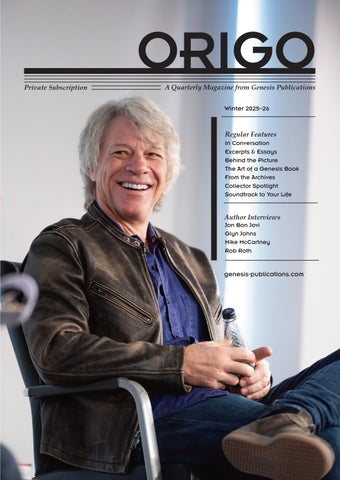
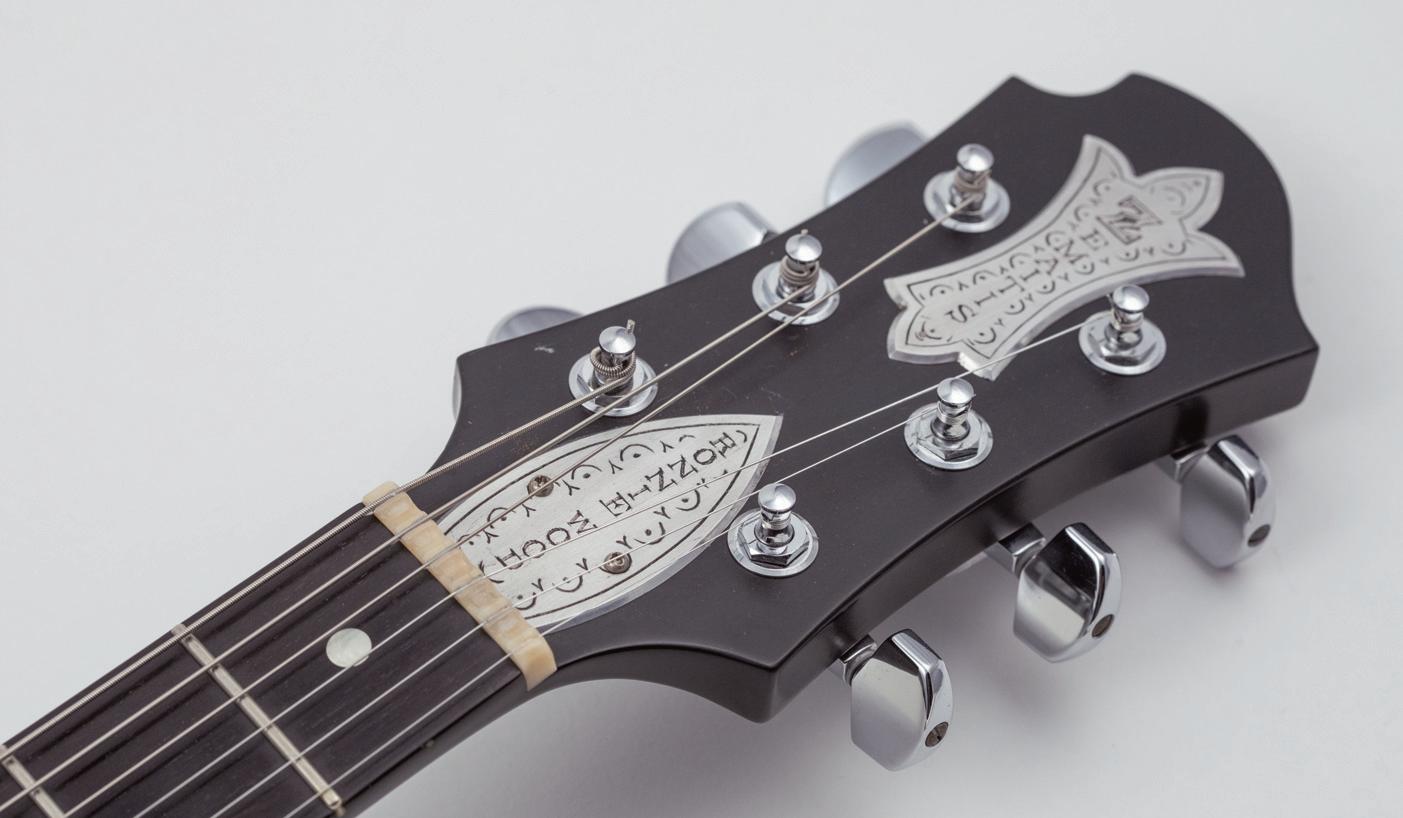
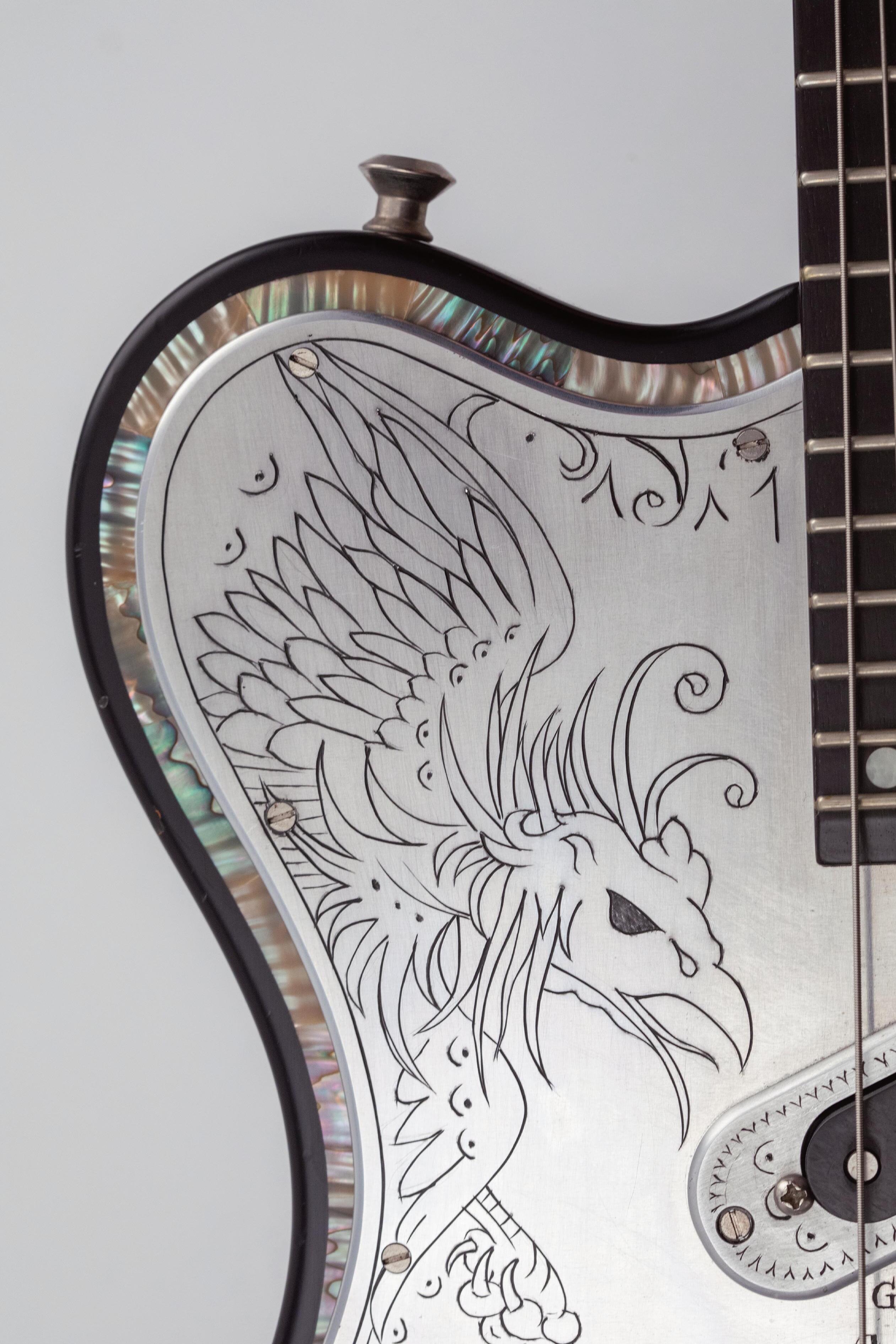
Cover art features Ronnie Wood’s iconic Zemaitis ‘Phoenix’ guitar, taken at a photoshoot for his forthcoming publication with Genesis
With thanks to our authors & contributors
ALISTER ATKIN
GLYN JOHNS
GUSTAVO DUDAMEL
JOHN DENSMORE
JON BON JOVI
KRIST NOVOSELIC
MIKE MCCARTNEY
PETER ALLEN
RICK RUBIN
ROB ROTH
ROBBY KRIEGER
RONNIE WOOD
TOM PETTY ESTATE


Discover More genesis-publications.com
Next Issue Spring 2026
Comments origo@genesis-publications.com
Follow


Publishers: Catherine Roylance, Nick Roylance
Editor: Katy Baker
Design: Catherine Roylance Digital: Jimmy Sherwood
Copyright © 2025 Genesis Publications Ltd
ISBN:978-1-917734-06-6 fb.com/genesis.publications @genesis_publications @genesiseditions
Genesis Publications
All rights reserved. No part of this publication may be reproduced, stored in a retrieval system, or transmitted in any form, or by any means, electronic, mechanical, photocopying, recording or otherwise, without the prior permission of the publishers.
Enquiries: info@genesis-publications.com
Comments: origo@genesis-publications.com
UK & International: +44 (0) 1483 540 970
USA Toll Free: 1 866 939 6913
genesis-publications.com
This dialogue, of course, created a sense of community and provided an insight on the wonderful world of publishing.
After a few years those communications sadly stopped and Origo was shelved for another day. Fast forward to 2025 and we are excited to bring Origo back to subscribers, but now in a new, digital format, redesigned for the 21st century. Just like the Origo of the Seventies, this private subscription will provide behind-the-scenes content, exclusive interviews with authors, priority access to new titles and special member offers.
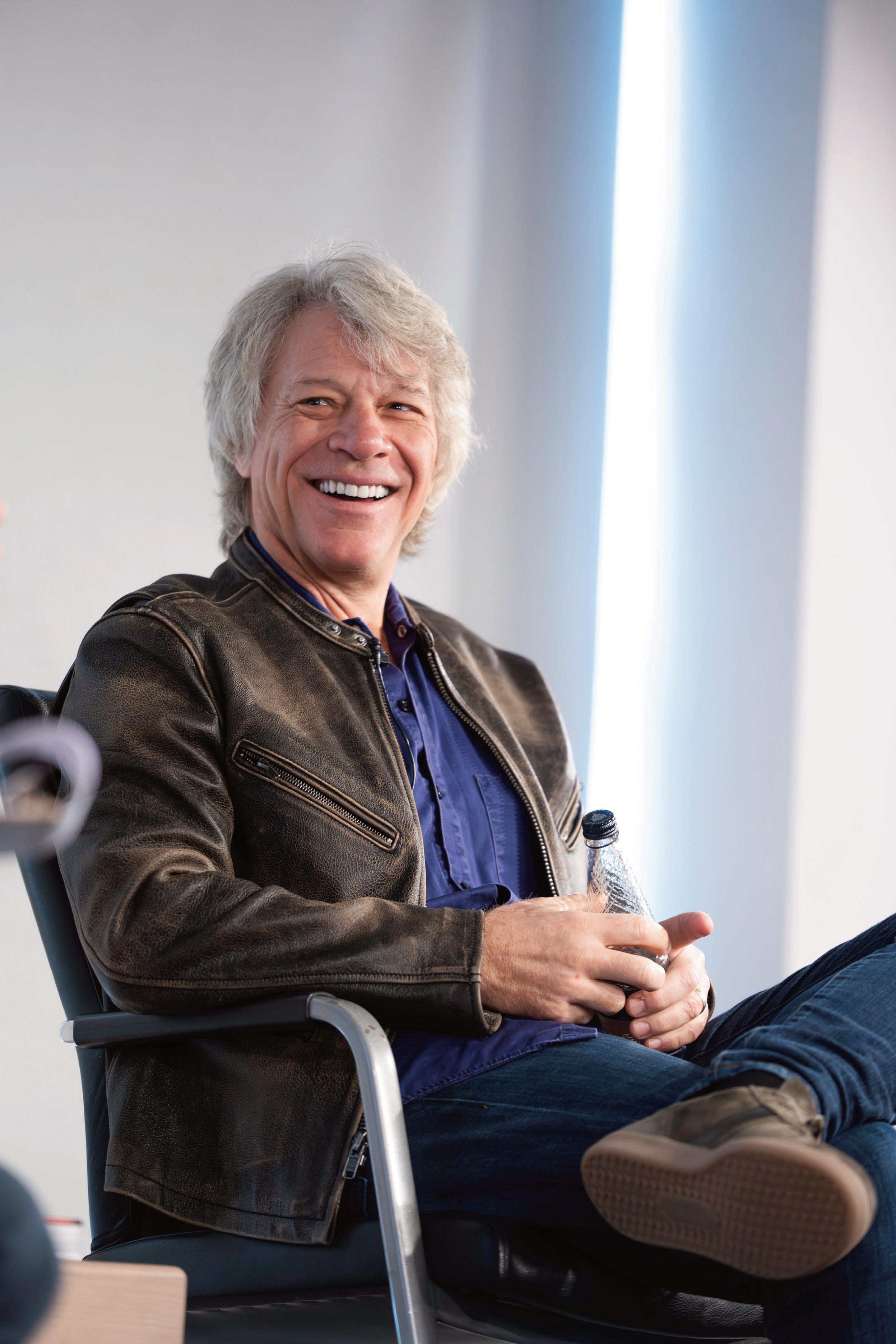
It is exciting to open this issue with a brand-new extended interview with Jon Bon Jovi who joined radio host Bob Buchmann to talk about the release of Bon Jovi: Forever and his life in music. The interview gives a great taste of what to expect in the book and is a fascinating read.
Welcome to the first issue of Origo. Or perhaps I should say the first issue of Origo, revived. 2025 has been a milestone year for Genesis, marking 50 years since our first published book – William Bligh’s Log of the Bounty – and we’ve been somewhat reflective, looking back at some of the treasures in our vast archive.
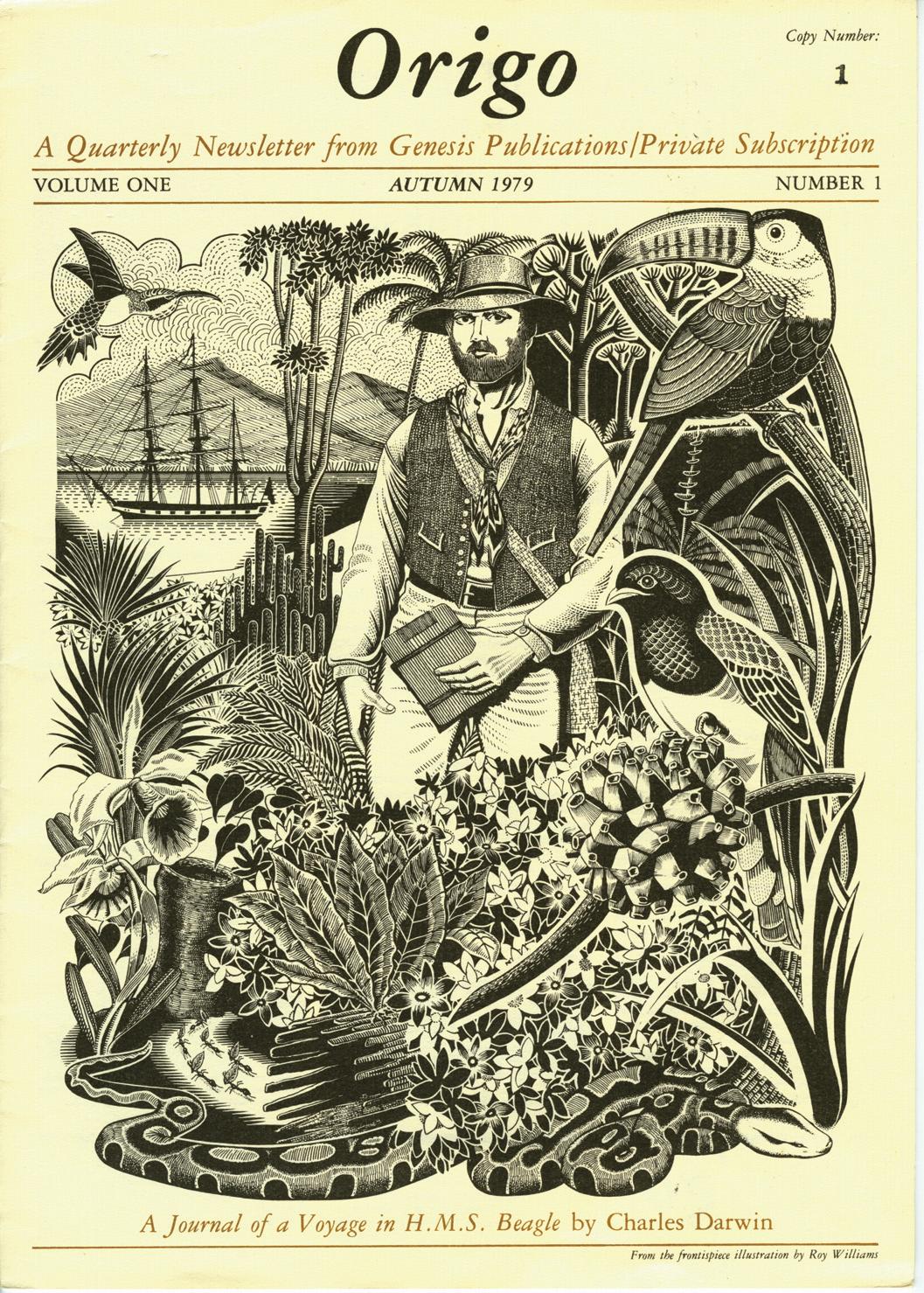
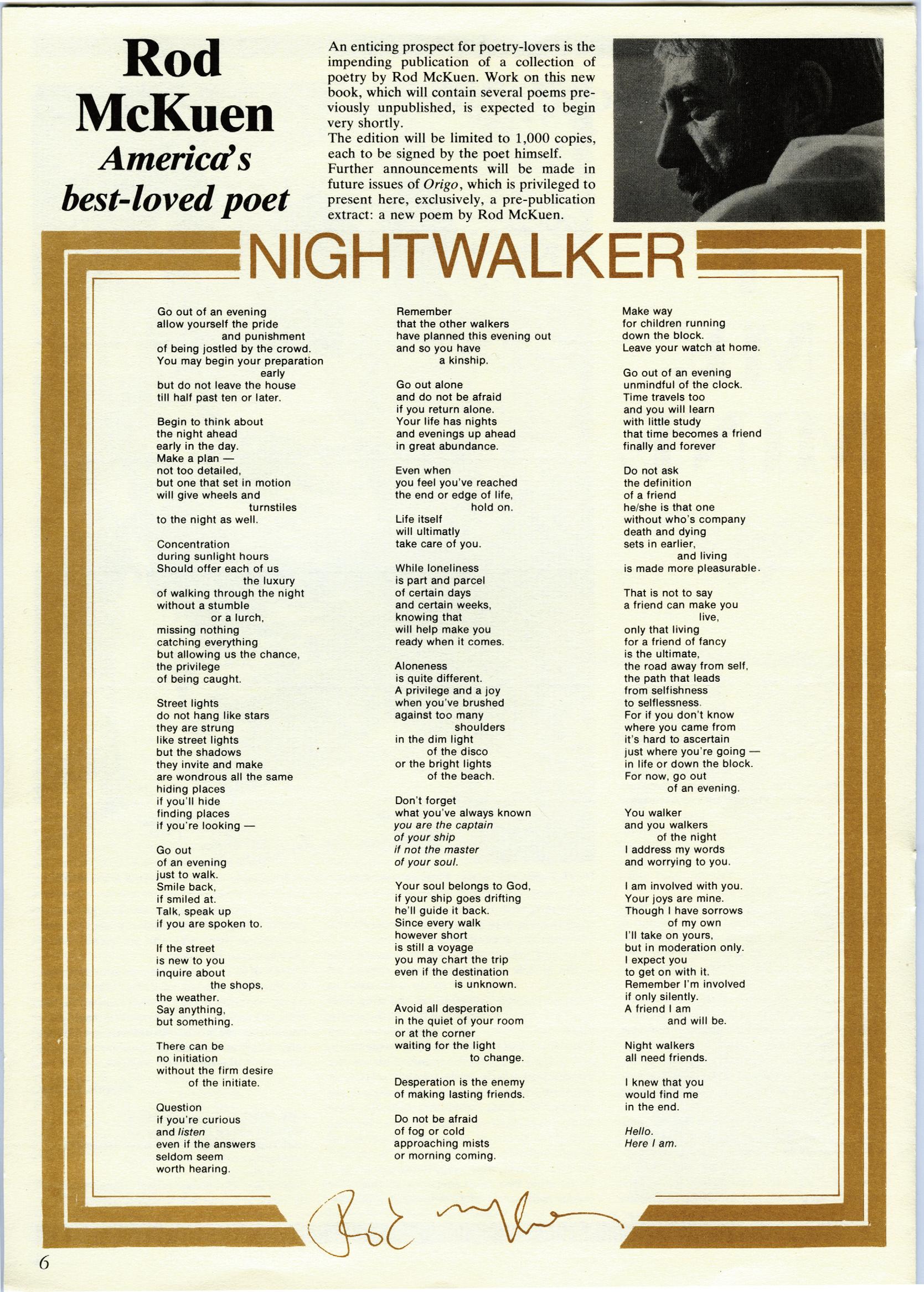
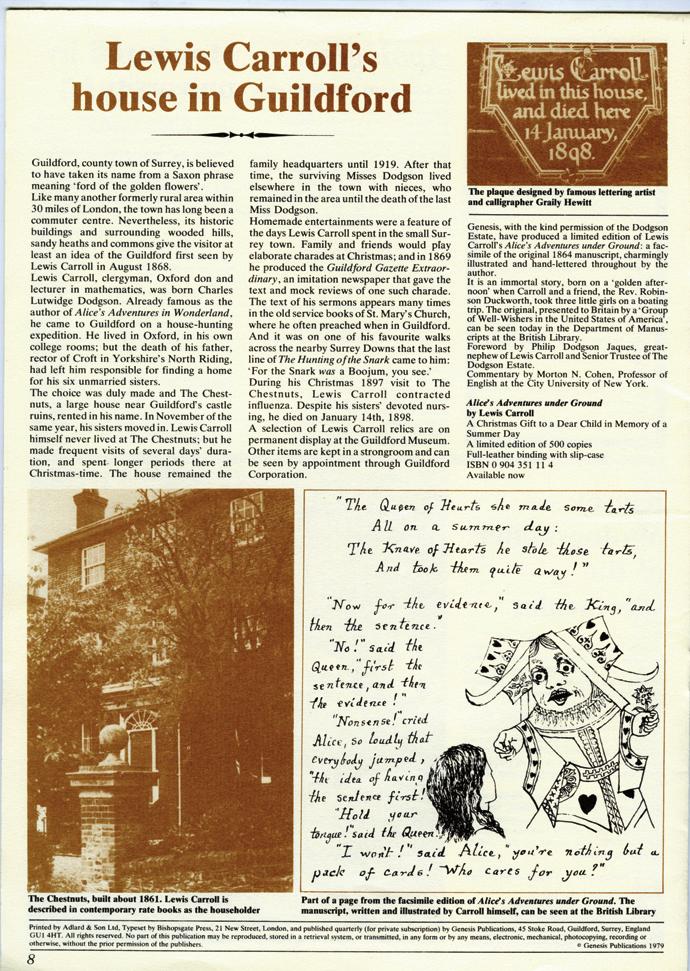
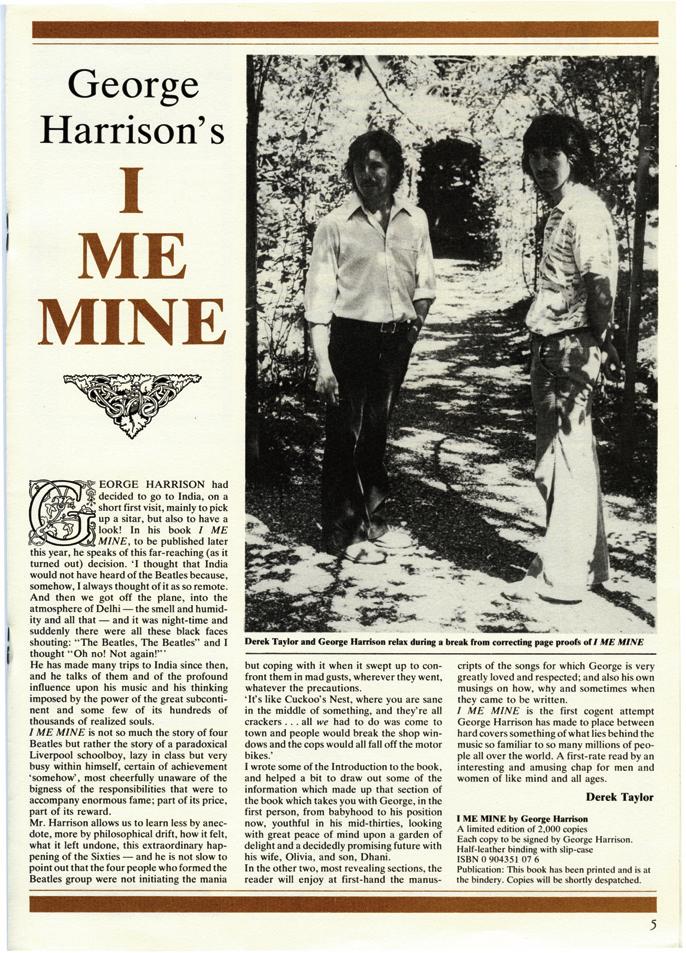
Having started his own publishing company in 1974, my late father, Brian Roylance, found success in creating beautiful limited editions that stayed true to the arts of printing and binding. Soon, he had a dedicated readership, purchasing each new edition published. Five years later, he created a newsletter, pictured here, named Origo, to reach past and present subscribers who were interested in receiving extra information about their limited editions, publishing news in general, as well as points of interest about the local area in which the publishing house was based. As well as sending communications out, Origo became a channel for subscribers to send their comments in.
In putting this first (revived) issue of Origo together, we wanted to curate exclusive content from our new and upcoming editions. In doing so, the magic of the recording studio naturally emerged as a theme. Much like the quotes that were collected for Artist Pass, in which certain topics kept cropping up, such as songwriting, life on tour and the chemistry of the band, we found that in putting this issue together, producing, recording and life in the studio were subjects that some of our features had in common. We’ve honed in on that a little, beginning with an interview with producer Glyn Johns, and later sharing excerpts on the recording process from Artist Pass. In each quarterly newsletter, we’ll highlight a historic image from one of our editions and discuss the context around it. For this issue, a photograph of Tom Petty and Rick Rubin taken during the recording of Wildflowers offers a continuation of our theme.
You’ll often find the line in our limited editions, ‘We hope you enjoy this book as much as we enjoyed putting it together.’ I want to say the same of Origo. It’s a pleasure to share with our readers some of the work that goes into making a limited edition, and in this issue, we take a look at the making of two of the newest publications, Night Divides the Day by The Doors and Words of Love by Buddy Holly. We show the inspiration behind the covers and the process of gathering the editorial content for the books, too. Other features that we hope to also include in future issues include a photography spotlight (in this instance, you can join us as we photograph Ronnie Wood’s guitars) and ‘collector spotlights’. Each issue, we will showcase a collection from authors or
subscribers, whether it be their collection of Genesis books, vintage guitars or vinyl records. The love of collecting is something that we have found many of our subscribers share. In this first issue we speak to Rob Roth about the nature of collecting and his forthcoming publication with Genesis, Rock Visions. For future issues, we would like to invite you, the reader, to get in touch with us with your comments, ideas and collections. It’s because of our loyal
customer base that we can continue to create fine limited editions and so we always want to hear from the people that make it possible. We hope that Origo can be a forum for those ideas.
So, I hope you enjoy this issue as much as we’ve enjoyed putting it together. It’s been said before, but it really is true.
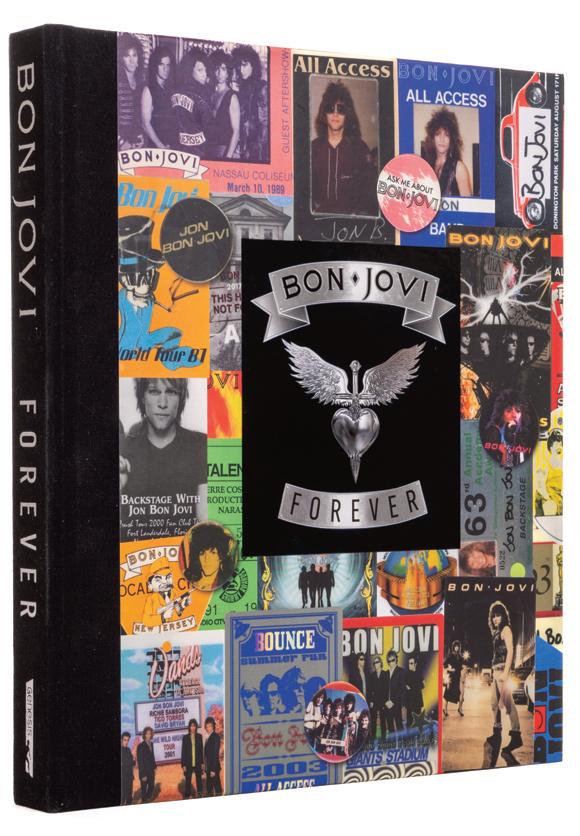
Jon Bon Jovi recently joined radio host Bob Buchmann to celebrate the worldwide release of BON JOVI: FOREVER. The pair shared the stage for a conversation about the band’s new career-spanning anthology at Barnes & Noble at The Grove, Los Angeles. Here is what unfolded when the two sat down to discuss BON JOVI: FOREVER.
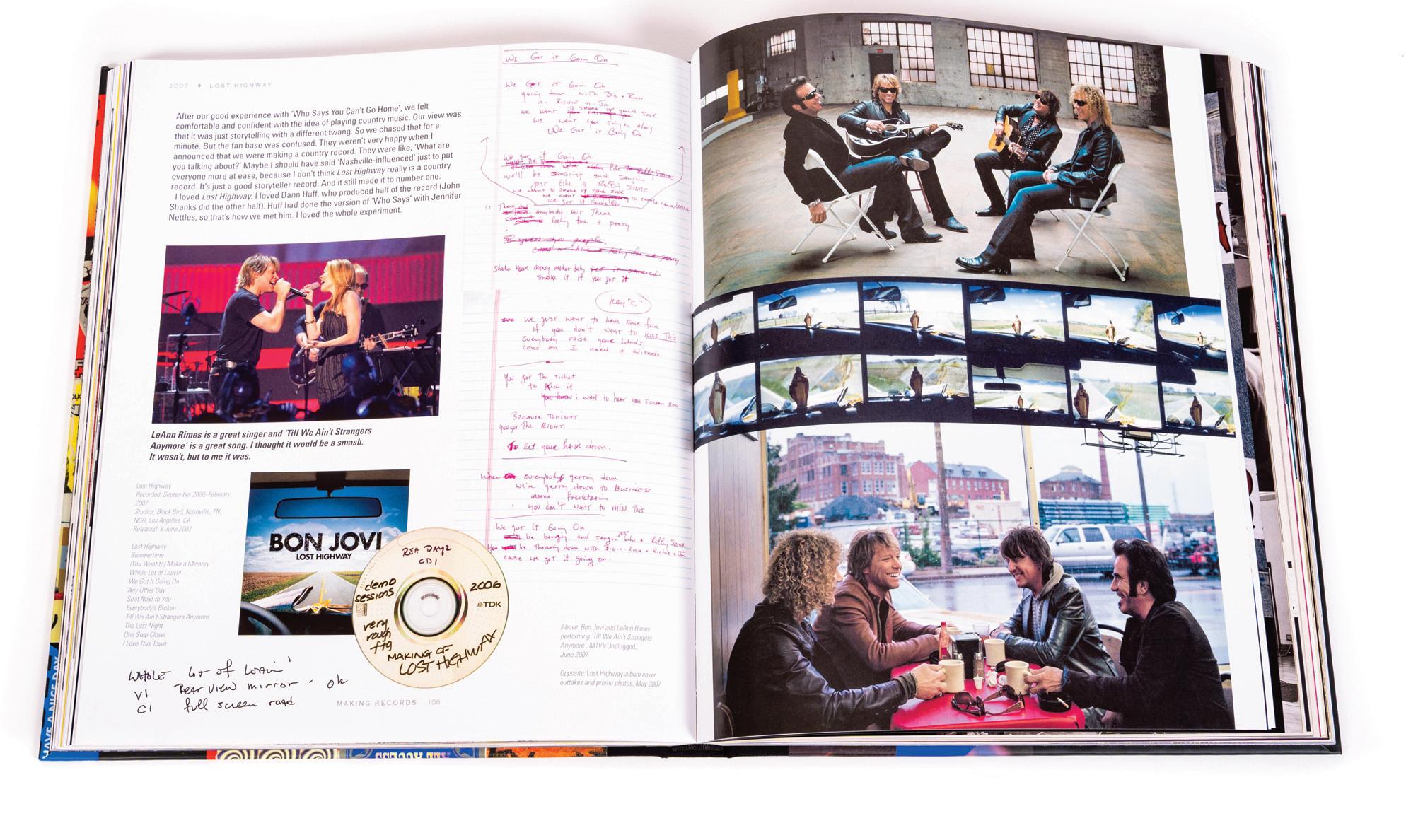
Bon Jovi: Forever is the definitive celebration of one of rock’s most iconic bands. It’s packed with amazing stuff about an amazing artist. It’s an all-access pass to 40 years of Bon Jovi, told through Jon’s own words, which is the thing I found most appealing. This is Jon’s message for our bookshelves, for our coffee tables and for our laps as we dive in. You’ll find everything from handwritten lyrics and tour memorabilia to behind-the-scenes moments that capture the band’s brotherhood, trust and creative fire. Let’s hear all about it from the man himself as he takes us inside the story of Bon Jovi: Forever. Did you find joy in the process of archiving Bon Jovi’s 40-year history for this book?
We started the book a couple of years ago. We were coming up to our 40th anniversary and because I am a hoarder, which is evident from the book and the documentary, we started to archive everything which was fantastic because it was all there, easy to find for the Genesis book. It was great to be able to put it in one place and be able to share it with everybody. I could have just invited you all into my basement to go through all the boxes and find this stuff, but, you know, it’s a dusty mess.
It’s covered in the book that it’s in your heart and in your history, growing up in New Jersey. The point is made that before Bruce Springsteen and ‘Born to Run’ nobody really wanted to admit they came from New Jersey, the garden state. Then, there’s the story of you following these New Jersey musicians and watching their ascension. What was it about those musicians that you saw in the Asbury Park scene that excited you the most?
In New Jersey you had people like the king of kings, Frank Sinatra. But there was a long gap between Frank and Frankie Valli and the Four Seasons. There were others that came out of New Jersey, but as for plugging in an electric guitar it was all about Bruce Springsteen and the E Street Band, and there was also Southside Johnny and the Asbury Jukes. The magic for me as a teenager in the late Seventies was that there were seven members of the East Street Band and ten members of the Asbury Jukes so the chances were one of these 17 guys were going to be in the bar. They all liked a drink and had nowhere else to go which made the impossible seem possible. It wasn’t like going to a book and
touching a picture of something bigger than big. You’d look at the pictures of Led Zeppelin, The Who or The Stones and it would just be a poster on your wall. When you went down to Asbury Park, the guys that were making records about your backyard were in your backyard. It made it feel possible that someday you could make records like that.
It was the Mick Jaggers of the world that would take the time to stop and talk and say, ‘Hey, how are those demos going?‘, ‘Keep your chin up’. Those were the things that I could take away. But I also knew how to make sure the beer was cold and the burgers were hot.
In the documentary we learned that you’re a worker bee. Today you’re still a worker bee. It was great to see you as a kid, getting your hands dirty, picking up the dry cleaning for the people who are renting the Power Station, the famous recording studio in New York. What did you learn about making records and the music industry during those years as a runner?
I spent more time fetching burgers and coffee than I did watching actual recording sessions. But there were a number of nights when you could hang out with them, and the bigger the star, the nicer the person. It was the Mick Jaggers of the world that would take the time to stop and talk and say, ‘Hey, how are those demos going?‘, ‘Keep your chin up’, Those were the things that I could take away. But I also knew how to make sure the beer was cold and the burgers were hot.
There are several versions of your first monster hit, ‘Runaway’, which you can see on pages 40 and 124. Right through to ‘Hollow Man’ from Forever, when you look at all of these lyrics do you feel that your songwriting process has changed over the years, and what do you still do that you did as a teenager and what would you never do again?
I wouldn’t try to write like I was a teenager. You have a limited palette at 20 because what life experience do you have? You have a different palette at 60. I wouldn’t want to rewrite ‘You Give Love a Bad Name’. It was just that that was an incredible time in our lives. You write about who you are at the time and these lyrics are just chapters in an artist’s life. I saw Taylor Swift defending her new record, she was saying that she’s 35 now so she’s writing from that perspective, she’s not 16 anymore, which I totally get.
On page 130 ‘Living on a Prayer’ is explored. How did you settle on the names of Tommy and Gina? What did that song mean to you when you were writing it? And what do Tommy and Gina represent?
They’re fictional characters because unlike our other songs, this one I co-wrote so it’s not a personal story. It’s everyone’s story. When we walked into the room that day no one had a lick, no one had anything. We started like we usually did, playing the guitar, banging on the piano, telling stories. And we had the common thread of the old Shakesperean story of boy meets girl, boy struggles to make ends meet for girl, and they live happily ever after. There’s Romeo and Juliet but when you make it more contemporary, more blue collar, more New Jersey, more us, we settled on the names Tommy and Gina. My reference was a young couple that got married young, at my age, and it was far too early for me to consider being married but they had committed to each other and stuck it out for the rest of their lives to
the present day. But the idea to me was like, wow, that’s big boy stuff, and they were my influence in the song. Richie had a different one and so did Des. When we finished it we had the lyric and the melody but the song didn’t come together until we played at a rehearsal as a band.
Pages 78, 79, and 152 examine your solo work, Blaze of Glory. What did it mean to you that that solo album was such a huge success?
I enjoyed the process because it was something different. At that point we had made four albums, toured the world four times and we were a little physically and mentally burned out. We had the success of not only Slippery When Wet, but also New Jersey, and we’d done two 240-show tours back-to-back. But when you’re that burned you don’t even realise it. When the opportunity came to write songs for a film, I found it easy. They were basically handling you the stories in the script and so I wrote Blaze of Glory. I went out to the set and experienced what moviemaking was about. It was about getting out of my comfort zone and I did it in Los Angeles, in a place called Henson, which used to be called A&M. The band was Elton John, Jeff Beck and Kenny Aronoff which was ridiculous! It was an incredible time in my life and a very creative time.
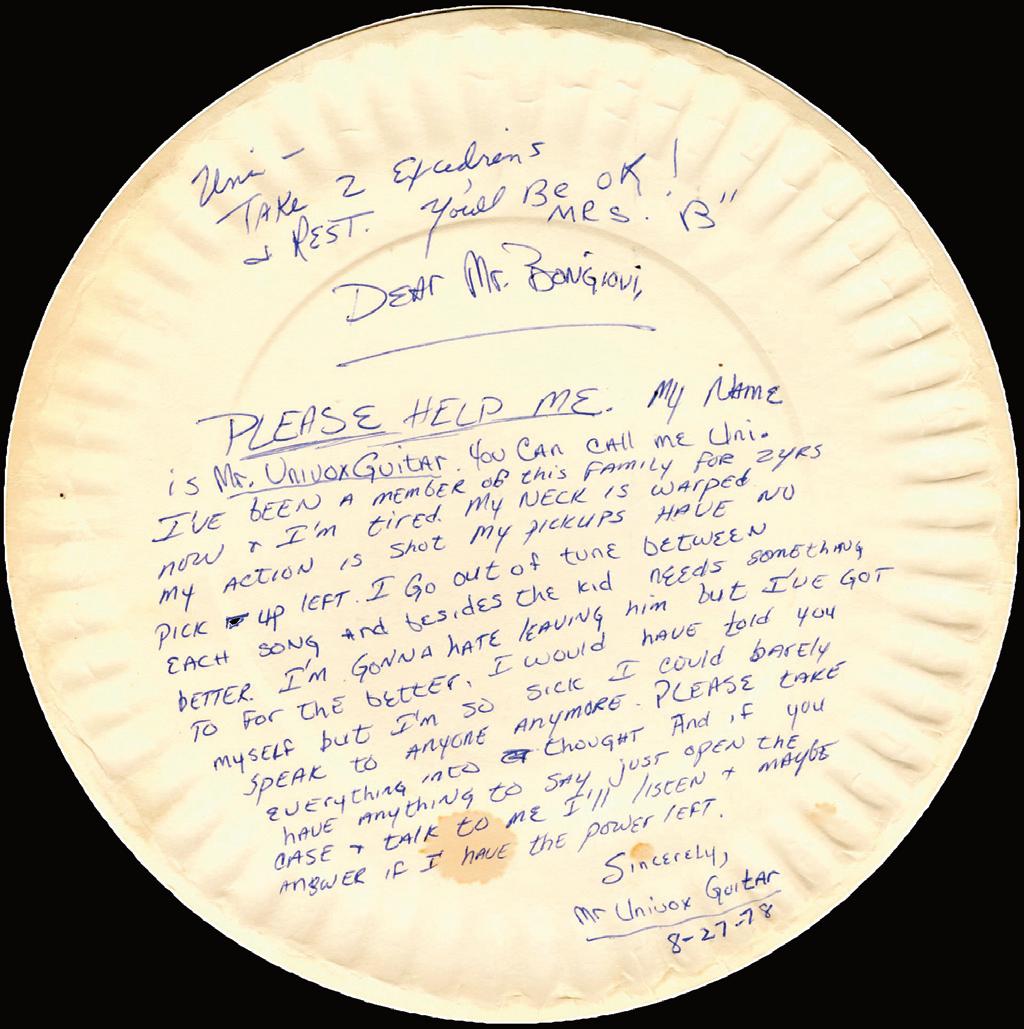
In the guitars section on page 16, there is a letter that you wrote to your mum and dad on a paper plate in the voice of your first guitar asking to rest in peace and allow you to get your second guitar. Can you tell us about that?
I had this wonderful Univox guitar which I’ve recently gotten back. I found the guy I sold it to and 45 years later, he sold it back to me. But I’d asked my folks for this Fender guitar. And they said I had to earn it, to go and find the money for it and figure it out. I sold the guitar to a neighbour for around $100 and the Fender was $300 so I pleaded my case in the voice of the guitar to my parents who basically said, ‘Take two Aspirin, go to bed and go get a job.’ So I had to scrape together some money to earn that Fender. And of course, being the hoarder that I am, I kept the plate. Even as a teenage kid, I was like, someday you’ll eat this paper plate. I believed someday there would be an archive.
I don’t know if that was accidental, but you seem to believe in yourself with eternal optimism and know that anything is possible. It can and will happen. Well, that was the America I grew up in. I was born into an era when President Kennedy was in office, when your parents were buying a home that they could work
hard to pay for. They’d work to make that American dream happen and told their kids that they could do the same. So it all felt pretty natural to reach for the moon because the president said we could.
In the section about recording, during the recording of Slippery When Wet, you describe the epitome of the classic rock and roll cliché. You mentioned the beheading of a pink plastic flamingo. I didn’t do it! We were living in a hotel and had this opportunity to rent out this brand new very nice little condominium. But it was a two bedroom and there were five of us so we were all sleeping on the couches and floors. When we moved in, the nights would get later and the fun would go on longer. And I have to admit, it was David that took a bread knife and went to the poor neighbour who had a plastic flamingo proudly presented in his garden and he beheaded it. The police came and knocked on our door and they said our rent was up. So we were put back into the motel where they wanted us to be thanks to Dave’s silliness.
In the touring section some of the most interesting photos are of Bon Jovi on their first tour of Europe in ’84. When you supported Kiss, you were definitely not living the rock and roll lifestyle at that point. How did those early tours shape you as a person and as a band? Well, we got to see the world. Where we grew up and when we grew up, I don’t think we ever dreamed that we would go and see the world. I think up until recently only 10% of Americans had a passport so the idea of travelling abroad and going to Japan, Europe, parts of America that I had never seen before was incredible. It was like Christmas every day.
A couple years later you were flying on Learjets and you had your own planes and you said that you’d never go on a tour bus again. Describe some of the ways your life and the band’s lives have changed. It all changed. Slippery changed our lives forever. Anyone who touched that record, their lives were changed. The producer, the engineer, the band, the recording studio, the city of Vancouver, everything revolved around the success of Slippery. So many people followed us up to Vancouver. Nobody was making records there, apart from the people that lived there like Brian Adams and Loverboy. But we made Little Mountain Sound studios world-famous. The engineer, Bob Rock, went on to make huge records with bands like Metallica and The Cult. Bruce Fairburn became a huge rock and roll producer with Van Halen, AC/DC,
Mötley Crüe, tons of bands. The world found out about a great place. Back then you couldn’t get a direct flight. It was before the internet, mobile phones and it was like you were a great explorer going to find exotic lands. We went there because we didn’t have houses, or wives, or families. We were kids. Vancouver was a special place.
Looking through the book there are hundreds of live photos, tour photos, set lists and pages and pages of handwritten lyrics, four decades worth of work and history. Few bands have had over 40 years of success. Why do you think Bon Jovi have such a solid foundation and continue that forward?
Because we have the kind of folks that come to an event like this at Barnes and Noble. It’s 7:30 at night and they’ve just left work and the dirty dishes in the sink to be here. They give me the opportunity to keep doing it. That’s what it comes down to; we try to be true to what we do but they’re the verification of it. They decide if we get to do it again.
What are you most proud of in your life and career?
Aside from my kids and wife, the catalogue of music is something to be very proud of. When I hear the Bon Jovi channel on SiriusXM, I think back on the history of all those songs. I’m proud of the body of work and everybody that contributed to it along the way and made it happen.
And how are you? Your voice?
I’m good, thank Jesus. A year ago we released Forever and it was accompanying the Thank You, Goodnight documentary. The plan was to go out and celebrate the 40th anniversary and when we started to rehearse it wasn’t up to my standard. And the doctor promised me nothing. The great thing about the surgeon is he said, ‘Work hard and you will be better, but I don’t know when.’ I just had to pull the plug on the whole plan which leads us to where we are today with the release of the book and a legendary edition of Forever. It goes back to having folks who left their dirty dishes in the sink. I asked friends to help me again. I was excited by the prospect of touring the album but I couldn’t go out until I was back to normal. So I thought, how do I elongate the life of this record and not just put it away? And so, I got some folks to come on sing on it and it wasn’t hard to get people to say yes. I think Robbie Williams was the first to agree and Jason Isbell was the first one to record on it. We had everybody and they took a great record and made it better.
We’ll take a few questions from the fans now.
How did you find writing this book compared to writing for an album?
Very different. I’m pretty good at seeing a picture or lyric and remembering the story behind it and so it wasn’t difficult. I enjoyed it. Even thumbing through it was a nice surprise because I hadn’t seen it put together and all the memories came flooding back.
What moment do you think best defines the band’s history? Not just musically, but as a brotherhood?
That’s a very good question. I don’t want to say it’s Slippery and New Jersey because I feel like that was just an incredible moment in time and we grew. We’ve grown many more times throughout the process –whether it’s the period in the late Eighties that shaped Keep the Faith, or the LA riots, the Wall coming down in Europe, or coming back with ‘It’s My Life’ in 2000 to Lost Highway and going down to Nashville and reinventing the band yet again. I think each one of those were chapters or mile markers as I call them now. Each one defined who and what we were at the time.
From your number one fan: is there anything you wished you could do over again?
Most days I’d like to have the opportunity to do it all again only to enjoy the process. Not all of it was great. These last three years sort of sucked but I never lost faith and it was just a slower process of moving forward. It wasn’t easy but I’m more learned now. I’m wiser as a result. There are many phases of our career that I’m sad or happy about but each one fuelled the next chapter. They were important. They were all just part of the journey.
What’s going through your mind when you’re playing in front of 80,000 people passionately singing your songs back at you?
Sometimes I’m thinking about where we’re going for dinner afterwards! That’s when you know I’m having a great night. If I’m up there having fun I can’t wait to go to the bar that night. If I’m thinking about how the band are sounding or how I’m singing, something is distracting. But if I’m on a different plane thinking about good wine, good food, then I’m just flying. It’s an out of body experience. That is the magic – to see me salivate!
What’s the best advice you can give a young artist wanting to break into the music industry today? Be true to who you are and that truth will resonate with somebody. Don’t chase anyone else’s fads or
fashions thinking that’s a shortcut. Really, that’s a deadend street.
With everything you’ve achieved, what keeps you grounded?
Maybe who and what we’ve become is based on where we’re from, the upbringing we had, the camaraderie and the hard work meant nobody felt like they were the one. I keep saying, it was we, not me. In doing so that keeps you humble. You have to give credit where credit’s due and share the joy.
There is so much optimism and perseverance and integrity in your music. Where does that come from and why does it seem to be missing from music today?
I don’t think it is. I think there’s a lot of guys and gals writing those stories again. There was a period in time where I would think we sort of had the corner on optimism because there wasn’t a lot of it around but I think it’s come full circle again. There are a lot of great people telling stories of positivity. In fact we need it now more than ever.
A fan asks, from one Italian to another, what’s your favourite pasta dish? Are you a spaghetti guy, penne, rigatoni?
I’m thinking about it. Sometimes I like rigatoni because it’s rare that you would order rigatoni whereas we would eat spaghetti at least five days a week in my house. My father would make a big pot of sauce. He’d start it on Sunday and he’d have it until Friday when he’d have some miserable fish dish because, you know, guilty Catholic stuff. Now I don’t have it so often. If I were ordering today, I’d say rigatoni.
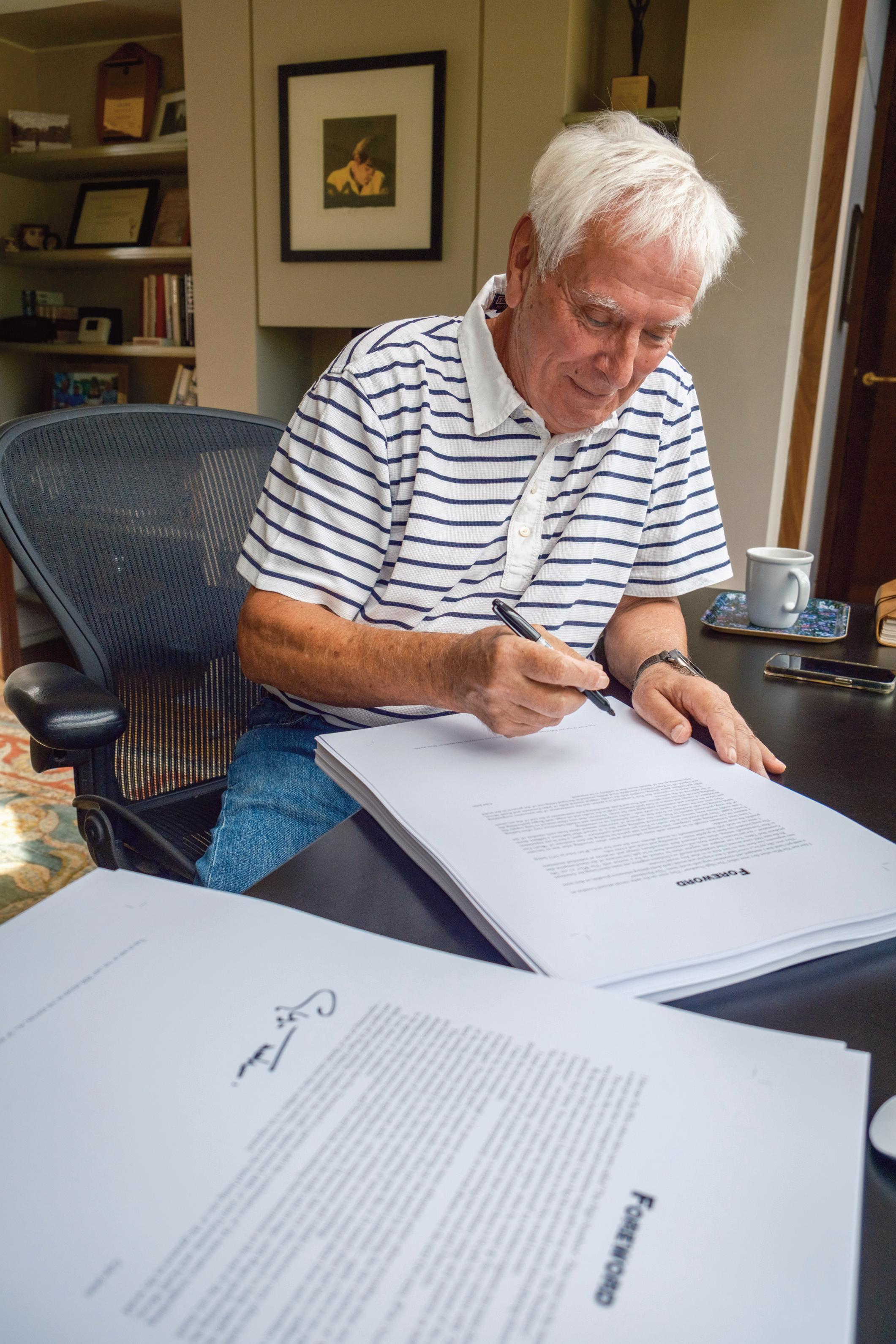
The Genesis team has devised a set of 20 questions that invite our authors, photographers and other contributors to select the ones they would like to address. In what will be a regular feature in ORIGO, we ask producer and engineer Glyn Johns to be the first to answer a selection of questions whilst he signed his foreword for the anniversary edition of MAXIMUM WHO.
If you could have been present for one concert or recording session, where would you go and why?
Right at the beginning of my career when I was working at IBC studios in the early Sixties, Frank Sinatra came to England. Pye Records was one of our clients and I was booked to record him live in London. That would have been just fantastic. However, he cancelled.
I’ve also always wanted to work with Bob Dylan to do a studio album. I’ve recorded a live album with him but I’ve always wanted to do a studio album.
And I’d love to do an acoustic album with Bruce Springsteen.
Have you ever met someone you were truly starstruck by?
No.
What is your first musical memory?
Joining a choir at 8 years old.
What are some of your musical influences?
There are too many to list.
Do you have a favourite recording studio?
In America it would be Sunset Sound Studios and in the UK it would have been Olympic but it doesn’t exist anymore. It’s now British Grove which is owned by Mark Knopfler.
Is there another producer’s work that you particularly admired or respected over the years?
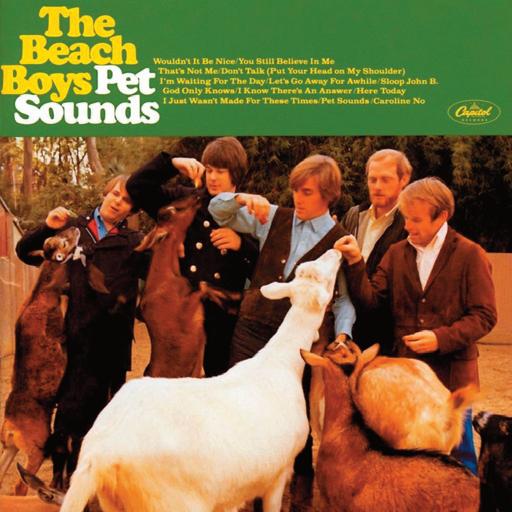
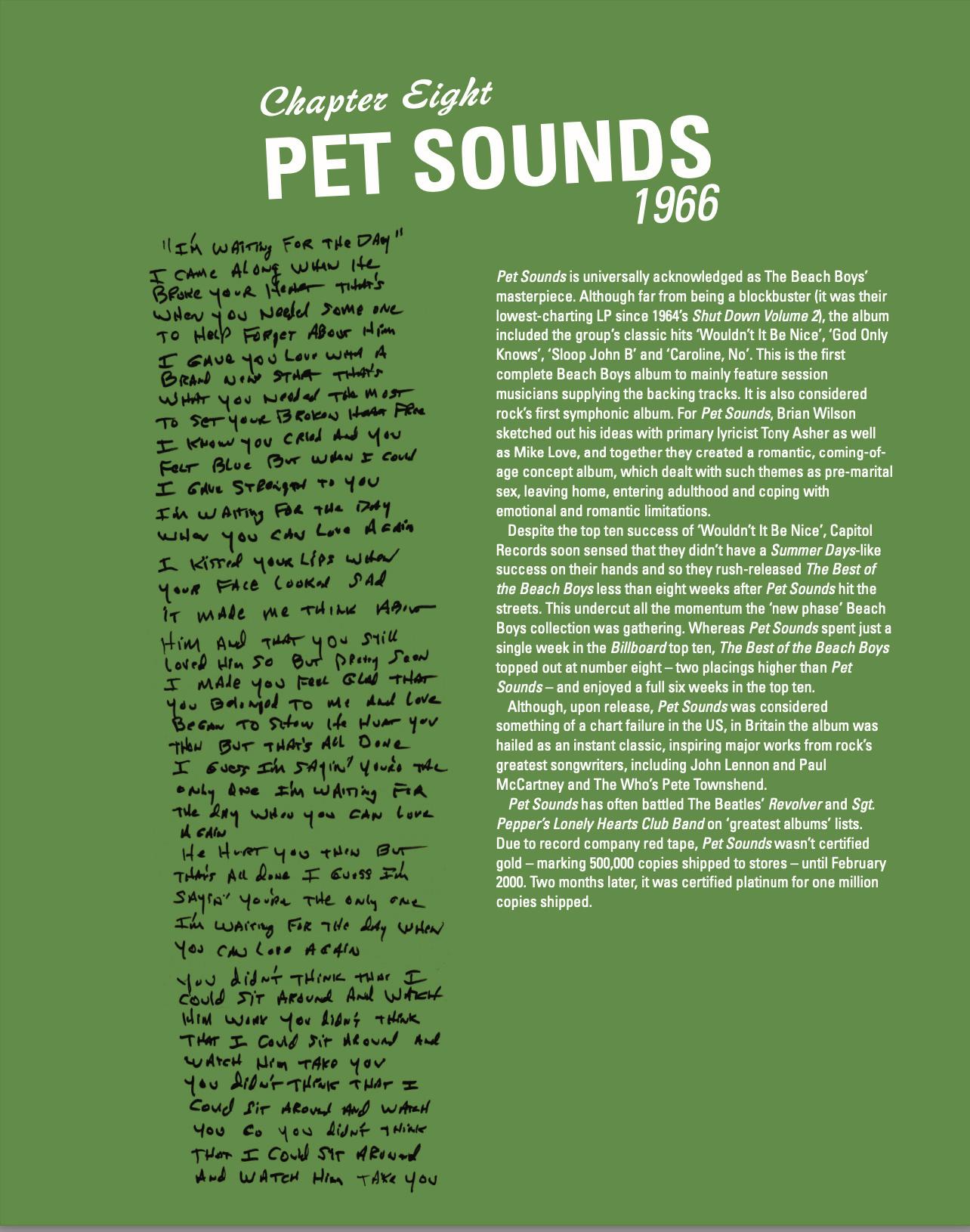
Roy Halee worked with Simon & Garfunkel – stunning, remarkable. Music from Big Pink by the Band had a huge influence on me, as well as Pet Sounds by The Beach Boys.
What makes a good producer or engineer?
How long have you got?
What is music to you?
What a ridiculous question.
Is there anything you don’t like about working in music?
Having to deal with ‘the business’.

What luxury item would you take to a desert island? I’d take an acoustic guitar.
What work are most proud of?
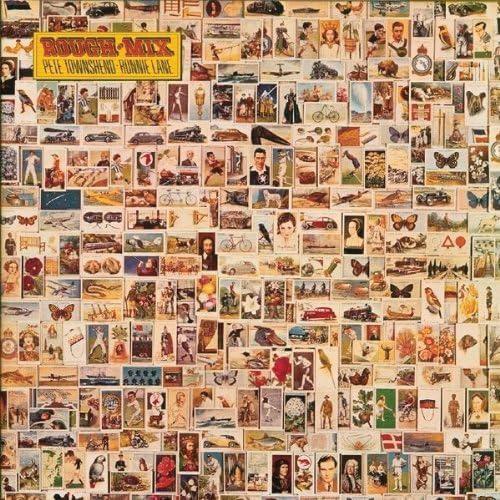
There is Rough Mix with Pete Townshend and Ronnie Lane. I think it’s a remarkable record and I loved making it for lots of reasons. I knew them both really well, they came from different bands, they were very different personalities, they wrote very different types of material but they decided that they’d like to make a record together which I did and it worked out brilliantly. It was a great cross-pollination of two remarkable songwriters and artists. I’m really proud of that record. I love it.
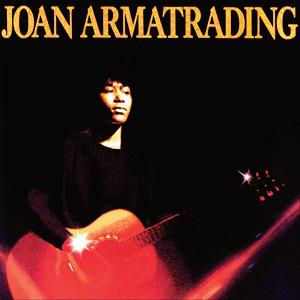
I’m also very proud of the first Joan Armatrading album. Mainly I was just glad I was there in the room! Pretty astonishing person.
What would you say to your younger self? Well done.
ARTIST PASS
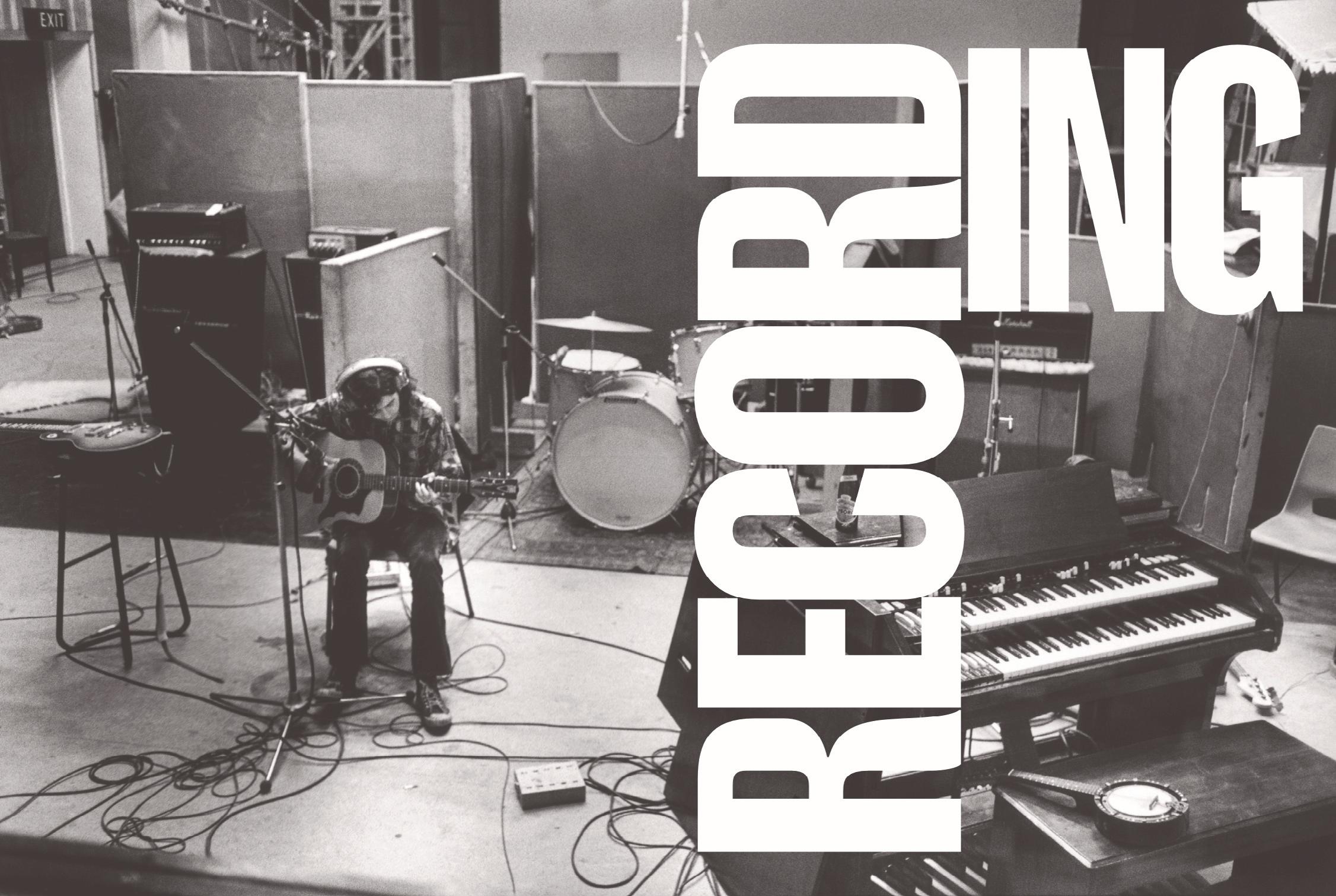
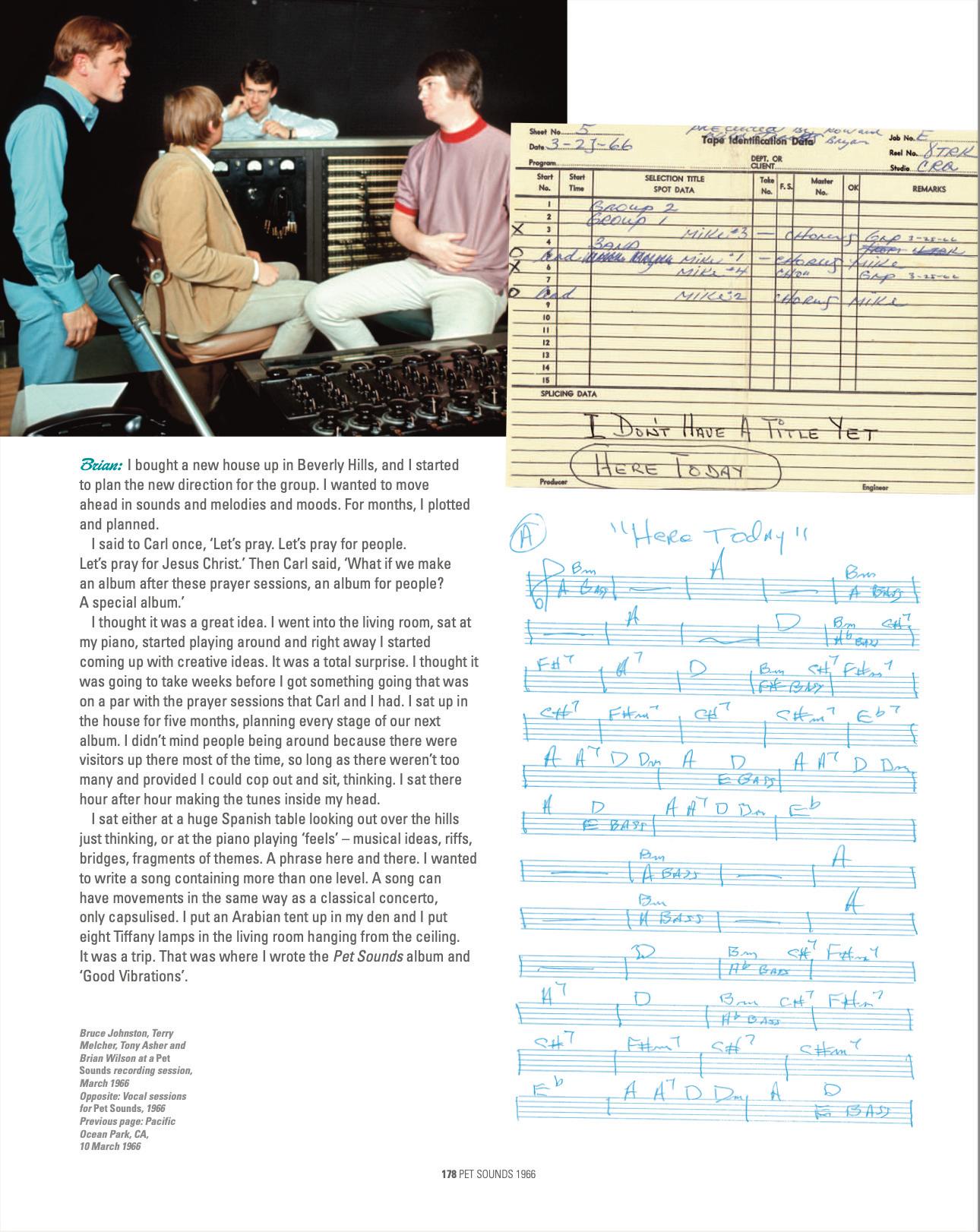
Celebrating 50 years of publishing, Genesis has recently published ARTIST PASS – a unique exchange between musicians, producers, writers, and photographers who together cover all things rock and roll. From six decades of interview transcripts, printed manuscripts and previously unpublished material, the Genesis editors have dug deep into the publisher’s archives to create a new collection of essays from some of the biggest names in rock.
The limited edition of only 500 copies, has been signed by the authors and photographers who have, over time, become an integral part of Genesis's history. These include Eric Clapton, Phil Collen, John Densmore, Mick Fleetwood, Olivia Harrison, Chrissie Hynde, Eric Idle, Bruce Johnston, Mike Love, Mike McCartney, Ringo Starr, Paul Weller, Bill Wyman, and many more, including photographers Dominique Tarlé and Henry Diltz. Each copy of ARTIST PASS is a testament to their contribution, signed by at least four of these iconic figures.
In this extract (opposite and overleaf) from the book, the process of recording music is brought into focus and we hear more from Glyn Johns on his first ever session with The Who.
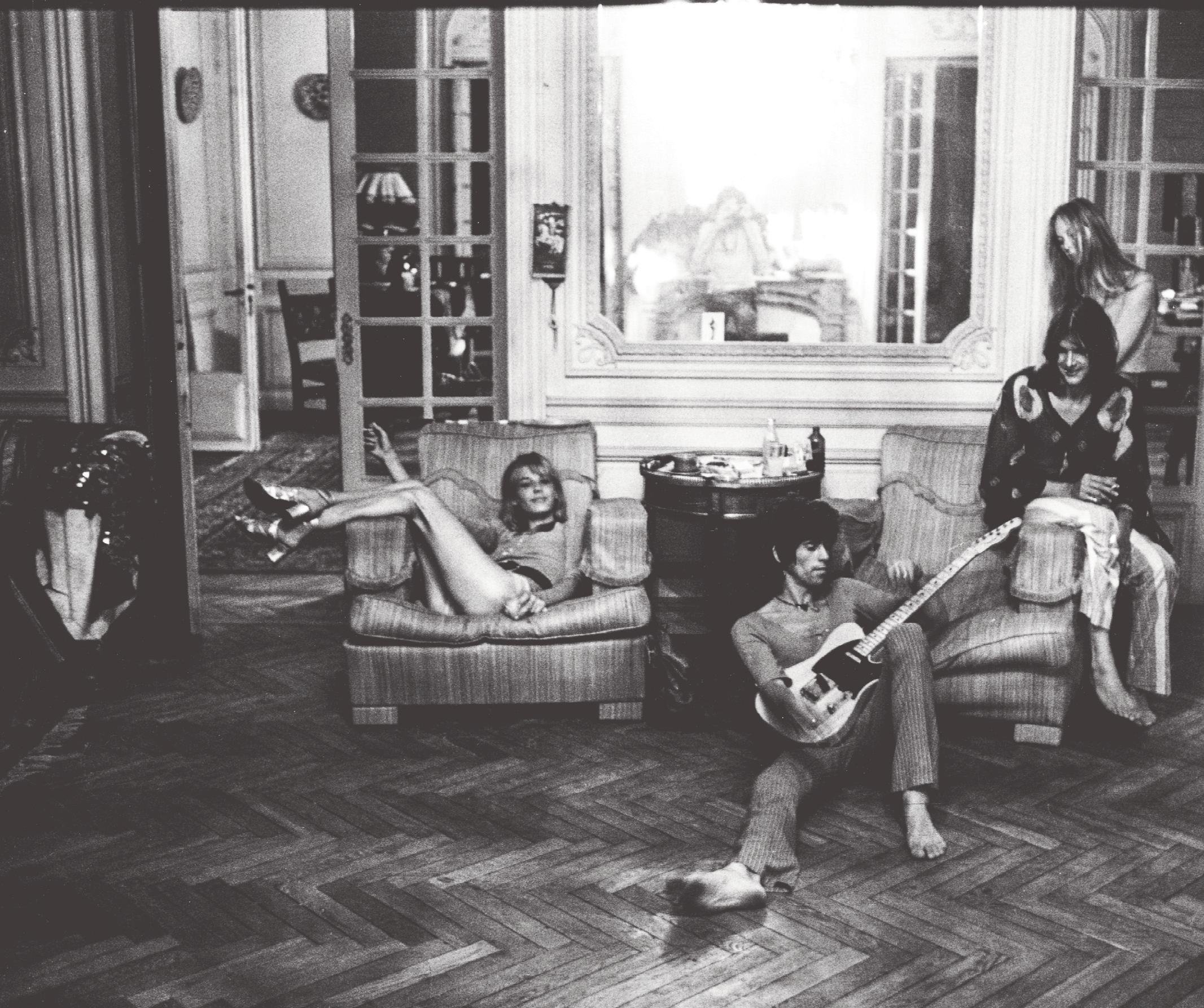
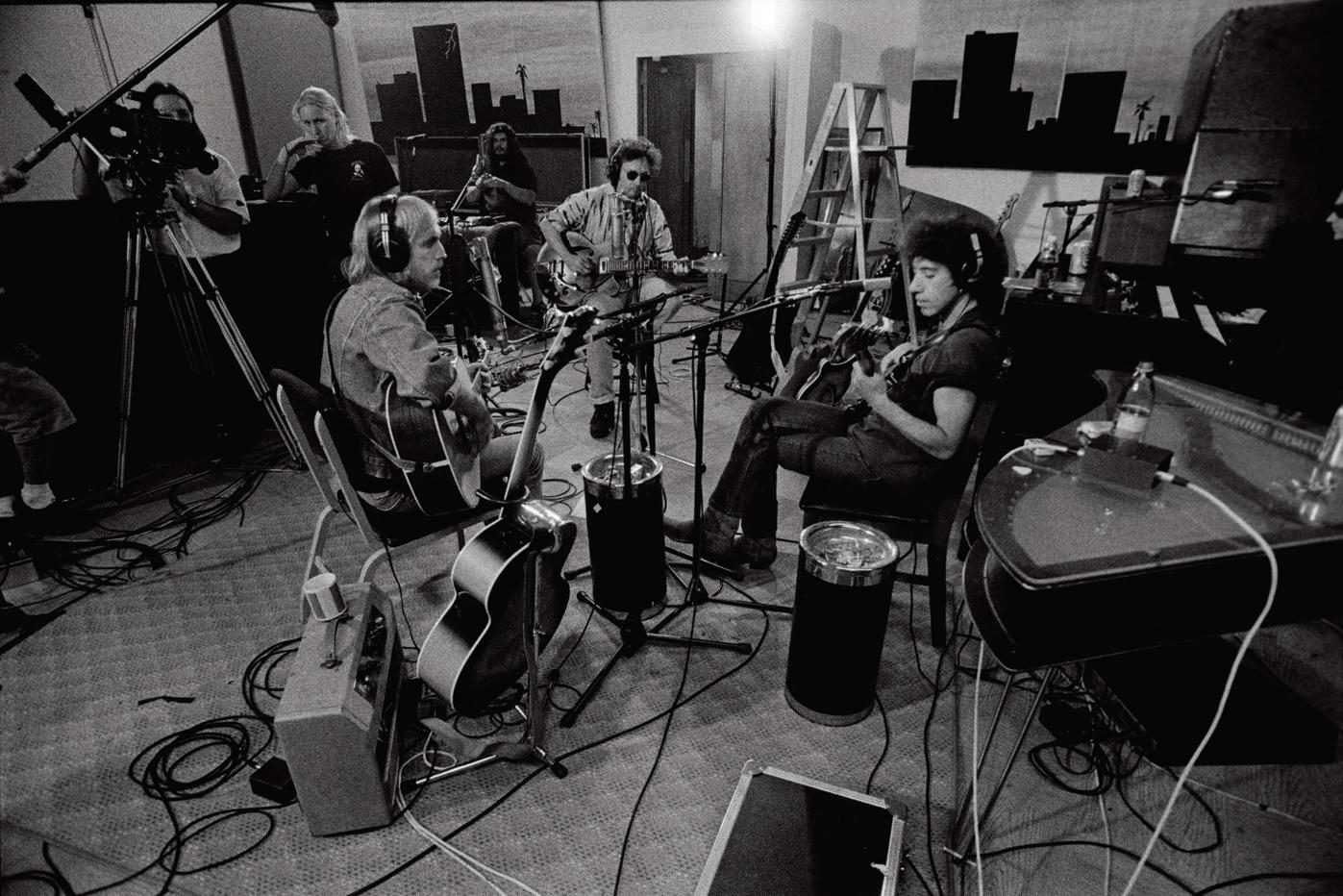
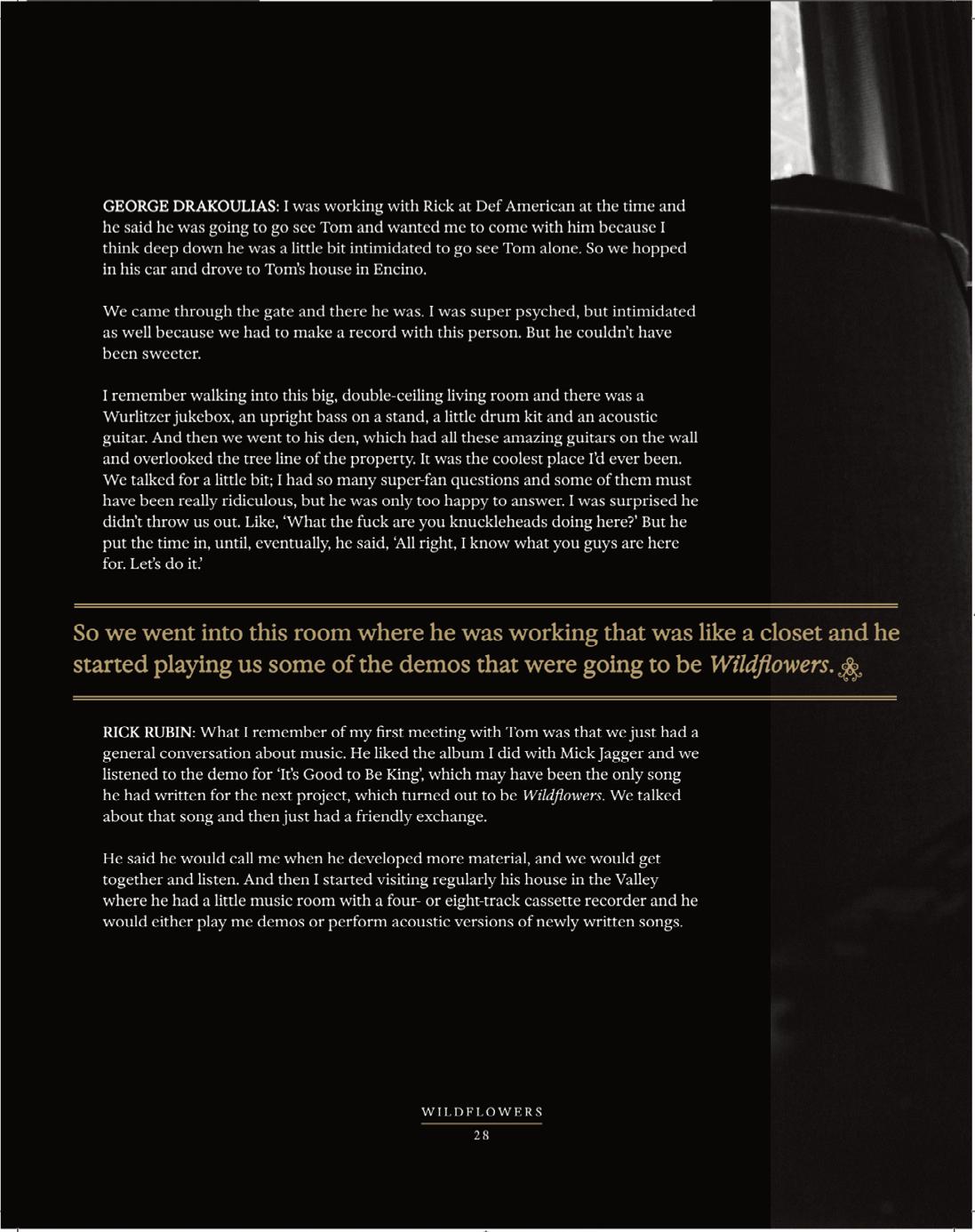
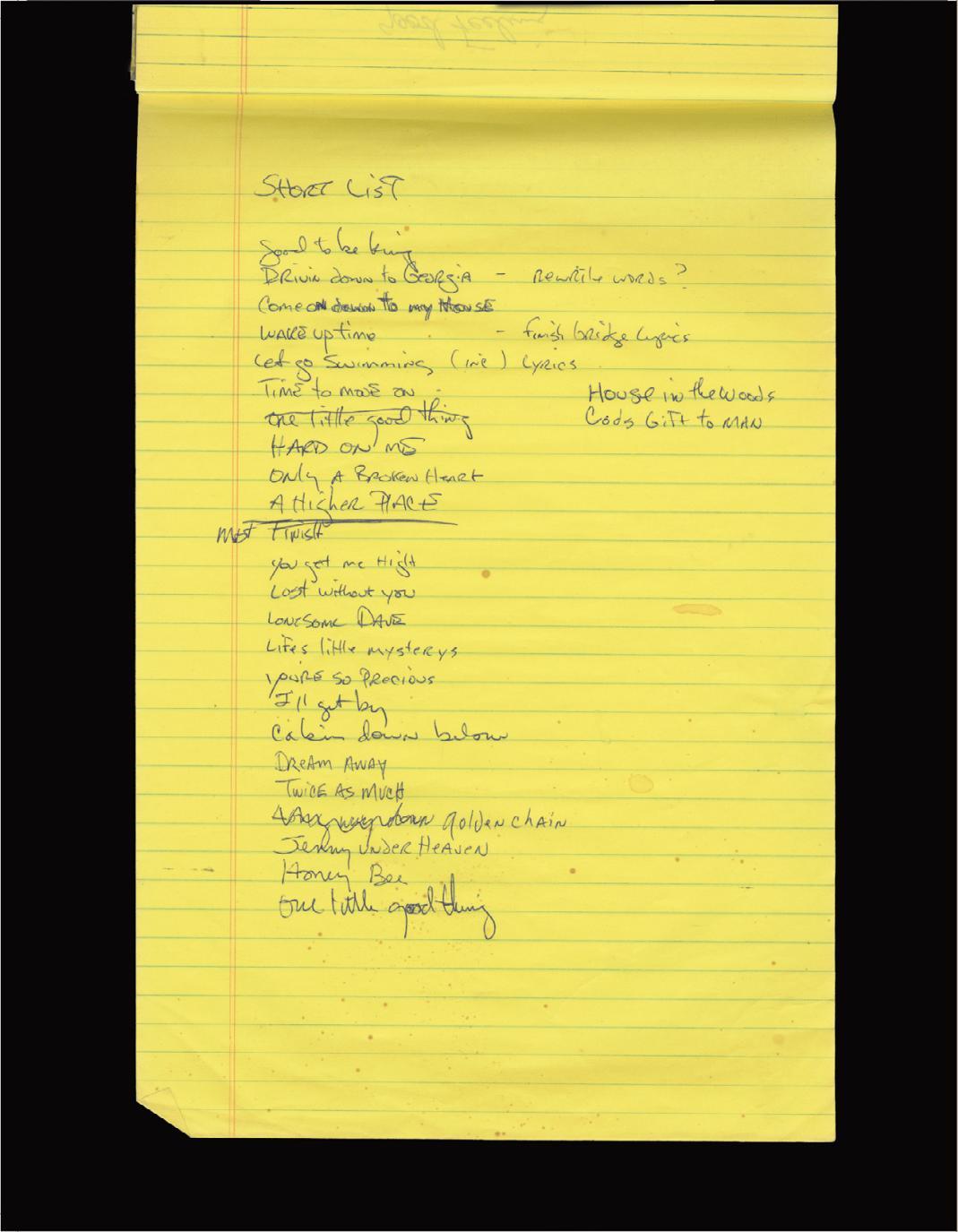
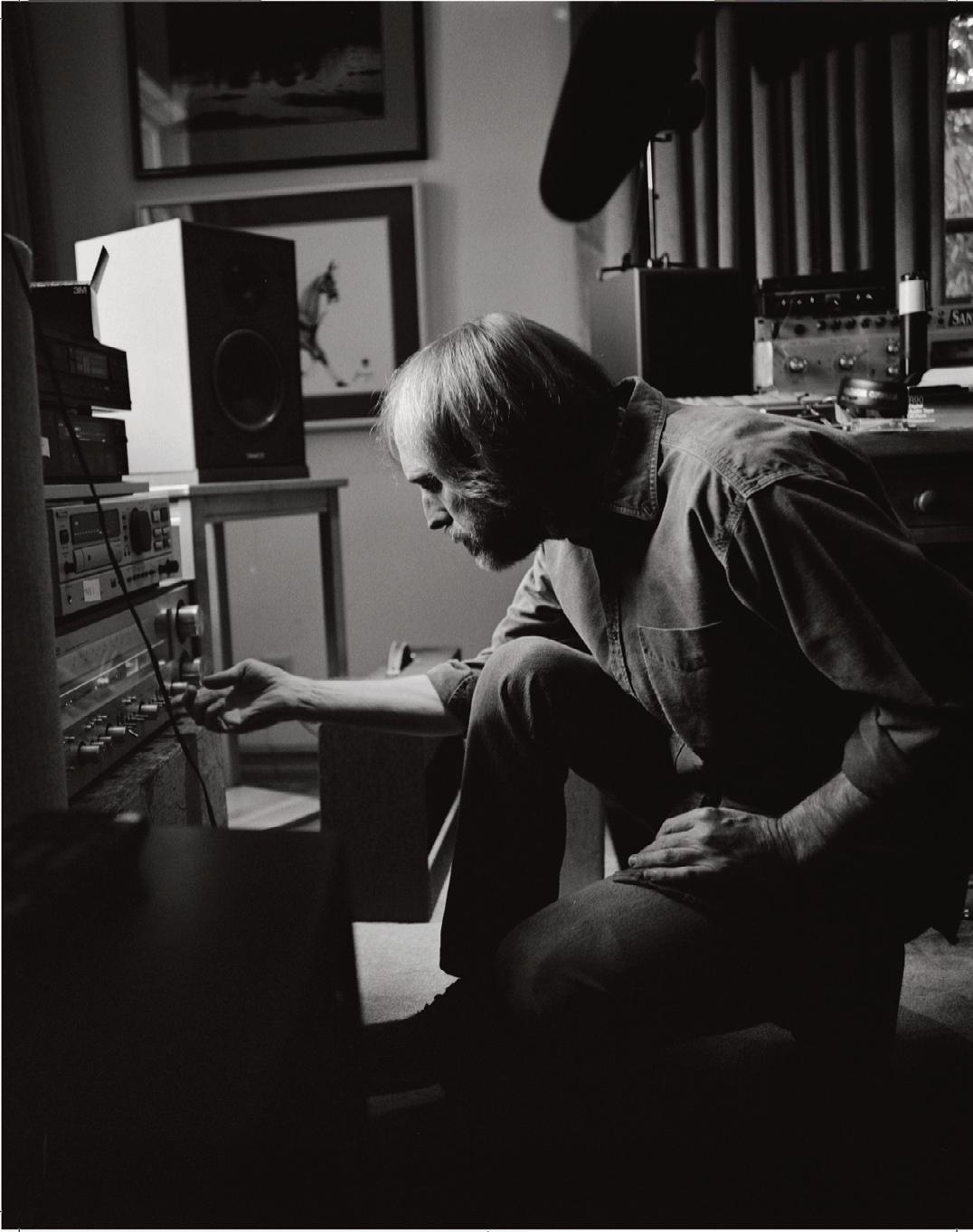
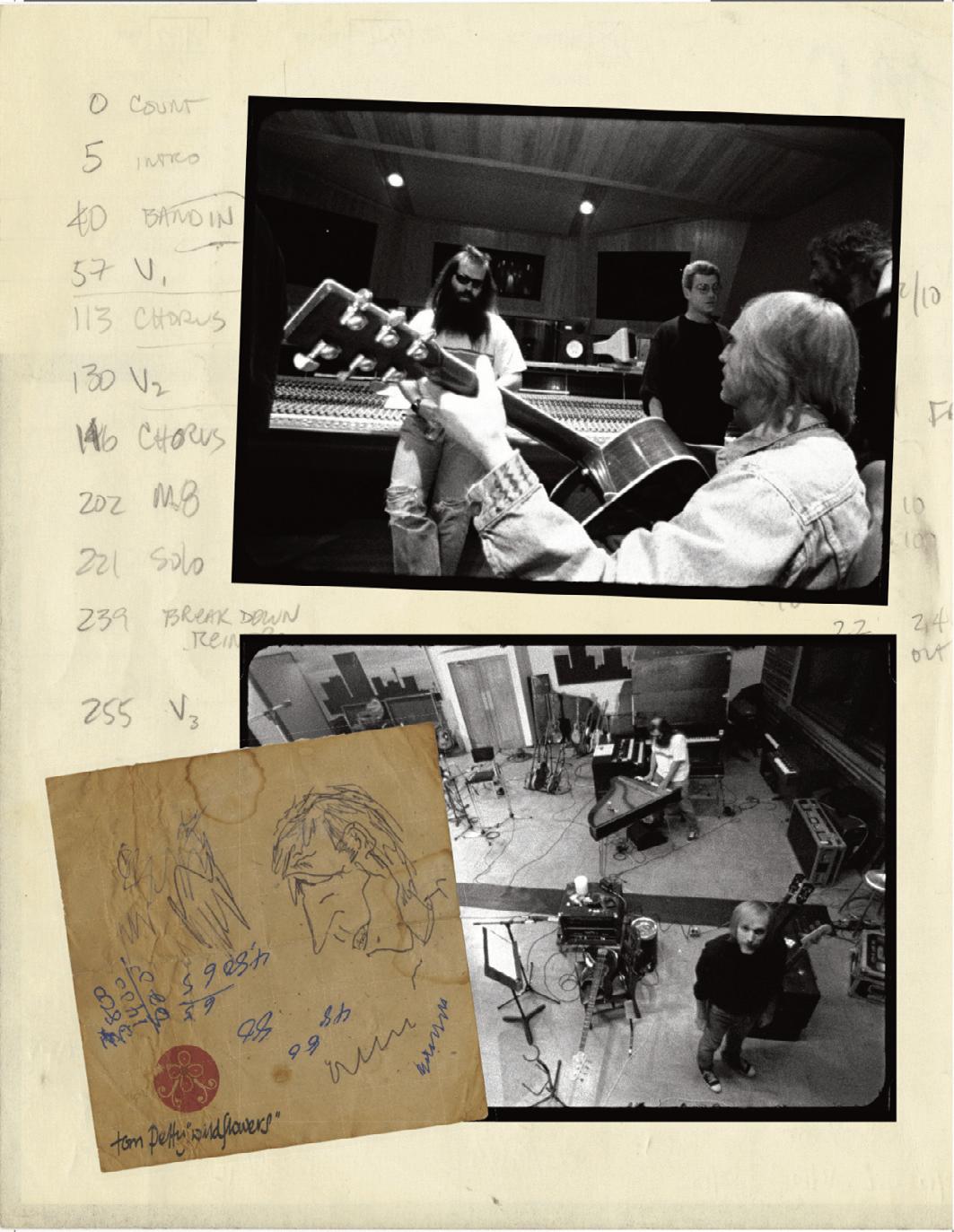
Created in collaboration with the Tom Petty Estate, Genesis Publications is proud to publish WILDFLOWERS, a landmark publication celebrating the creation of one of Tom Petty’s most beloved and enduring albums. Limited to just 1,500 numbered copies worldwide, every copy is signed by Heartbreakers Mike Campbell and Benmont Tench. Here, we highlight two photographs that will feature in the book alongside text from Tom Petty and Rick Rubin. Editor Megan Lily Large reveals the origin of these photos and their significance.
MEGAN LILY LARGE Rick Rubin and Tom Petty's collaboration on Wildflowers began after Petty, seeking a fresh creative direction, was introduced to Rubin. Impressed by Rubin's minimalist, artist-focused approach, Petty brought him on to produce Wildflowers, with Rubin encouraging a more stripped-down, emotionally honest sound. Their collaboration, which went on to last over 10 years, brought out some of Petty's most intimate and enduring works.
These photographs display a key moment in Tom Petty’s career. Wildflowers was a turning point for him – more personal and reflective – and the photos match that. Petty’s not posing or performing for the camera; he’s either writing, recording or playing music.
What stands out about Robert Sebree’s photography is how subdued it is. He wasn’t trying to create one iconic image or a big statement. He was just capturing what was there so you get a sense of the atmosphere in the studio: focused, creative and open. Other than Martyn Atkins, who was filming the making of the album, Robert was the only photographer allowed unprecedented access in the studio, which really shows how intimate these amazing Wildflowers sessions were.
Looking at these images now, they help fill in the picture of who Tom was while making one of his most important records. And with so many of these images unseen, it really does give the reader a new layer of understanding the album, too.
TOM PETTY Jeff Lynne, who I’d been working with, was busy with a whole bunch of things. And it felt like time to try something different. I’d been a fan of Rick Rubin’s but I didn’t really know him. Mike [Campbell] had met him one evening when we were just starting with some songs. So when I said, ‘Well, who do we go to this time?’ Mike brought up Rick. He came over and we got along very well right away. It was, I think, a very creative pairing.
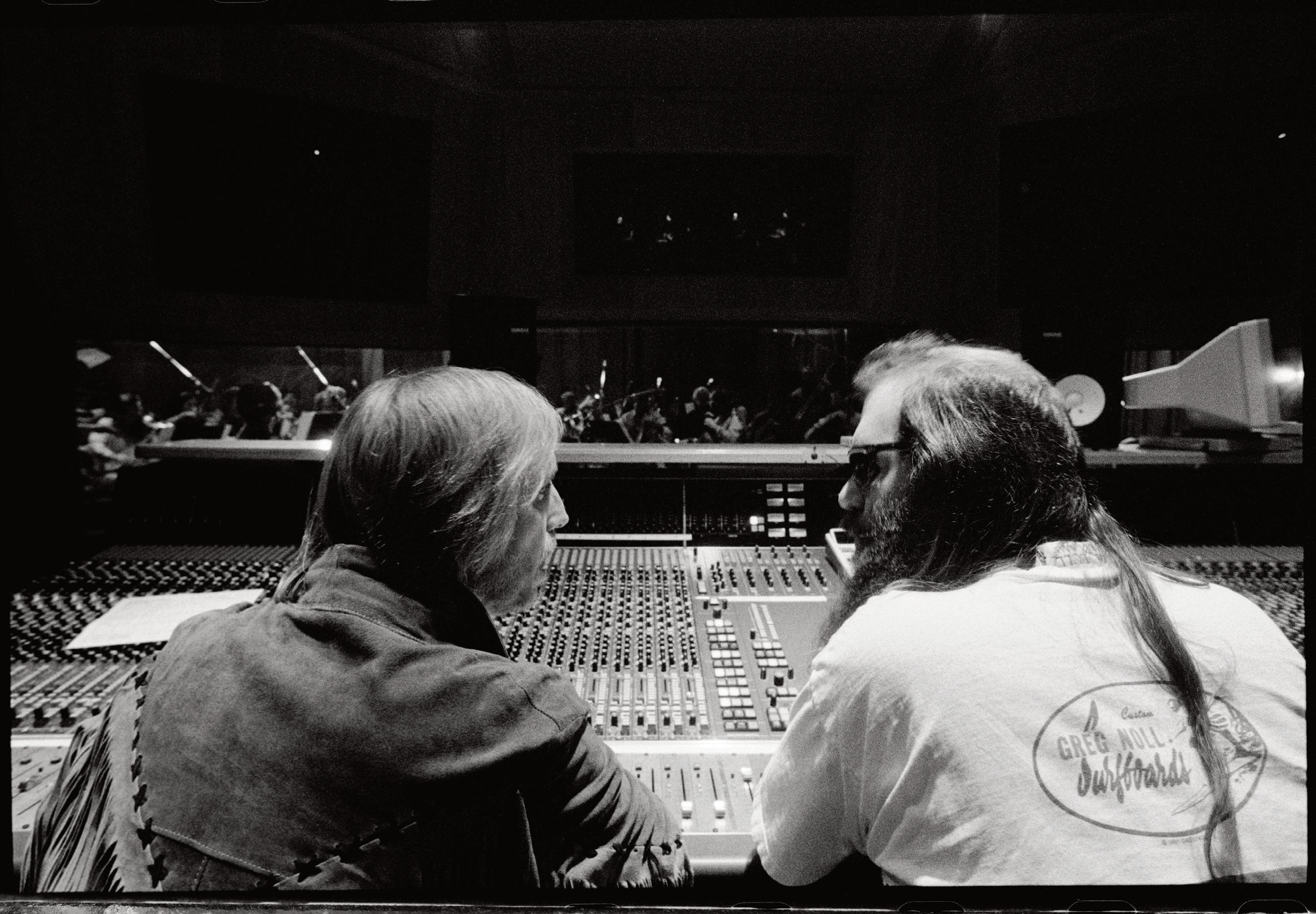
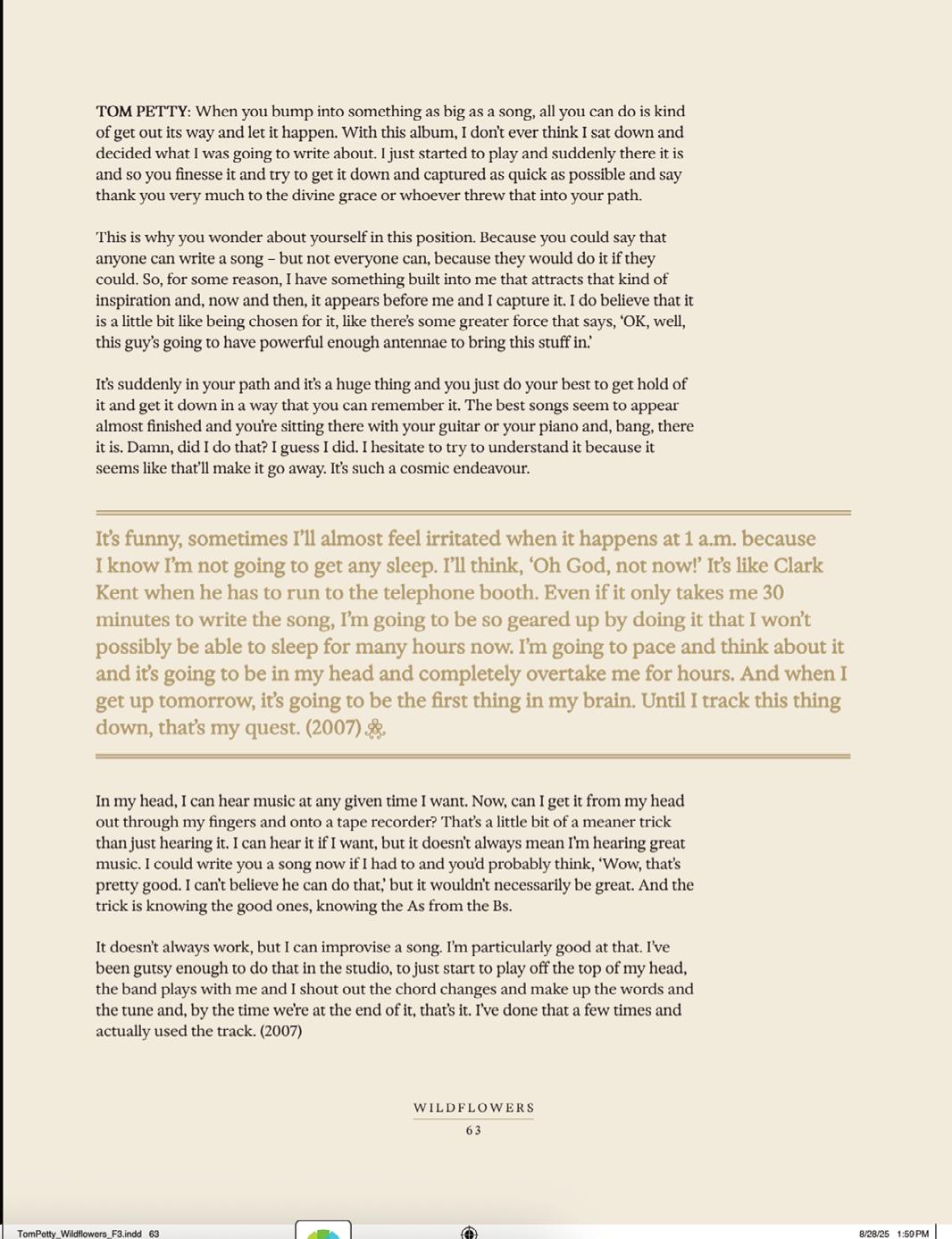
RICK RUBIN I learned so much from Tom Petty and Mike about the recordmaking process. They had so much collected wisdom from all the work they did and were so experienced in producing themselves. They had so many good ideas. I had a whole new understanding of what was possible. They didn’t need a producer in the way that many artists need a producer. Many artists need a producer to give them the ideas that they don’t have. They just needed someone to help edit and organise the ideas they already had and add another outside layer of taste that was different than theirs. I was much more of a supportive taste consultant than a traditional producer.
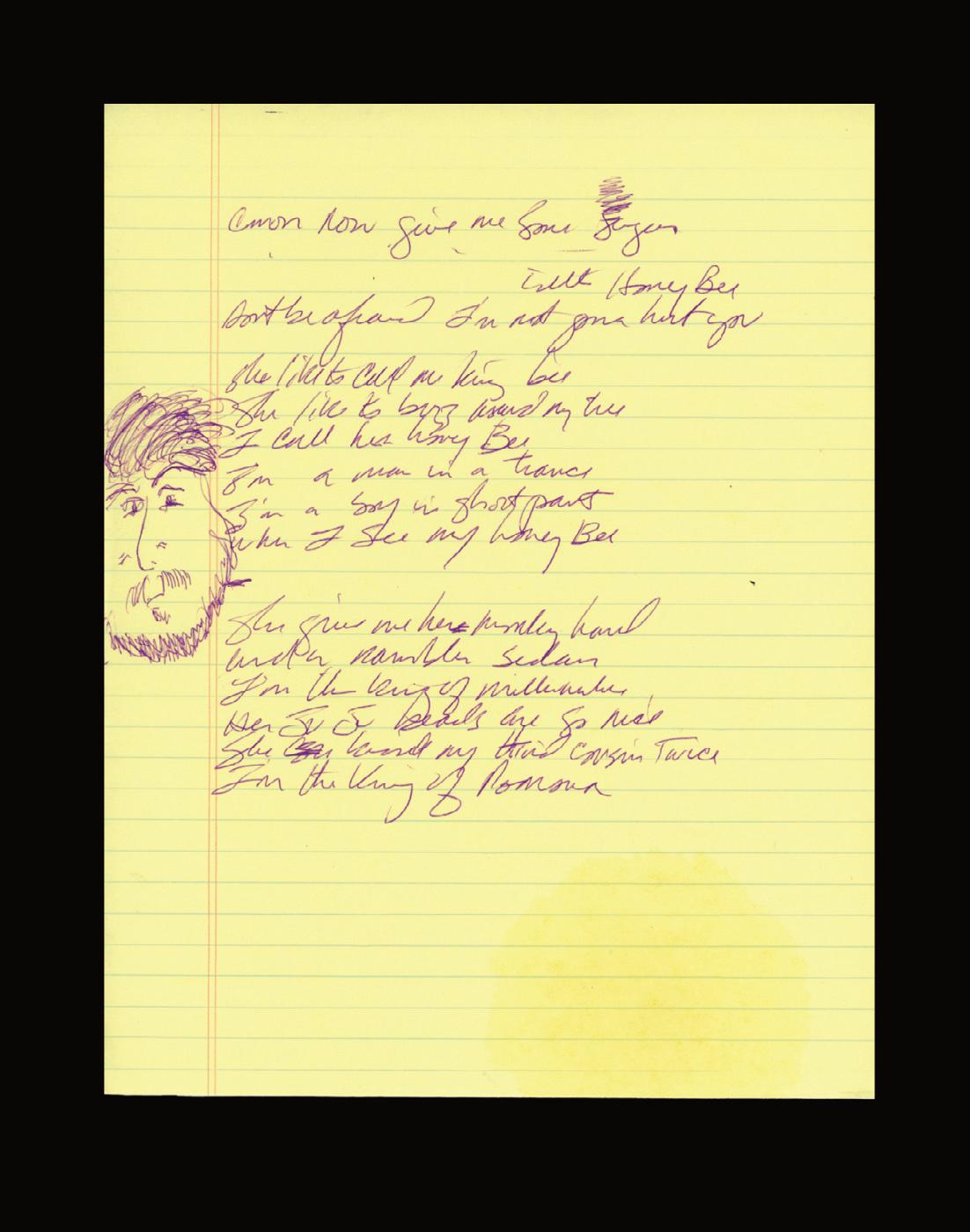
An exclusive feature in which the team opens up about the creation of one this year's new releases, the critically acclaimed Doors anthology, NIGHT DIVIDES THE DAY.
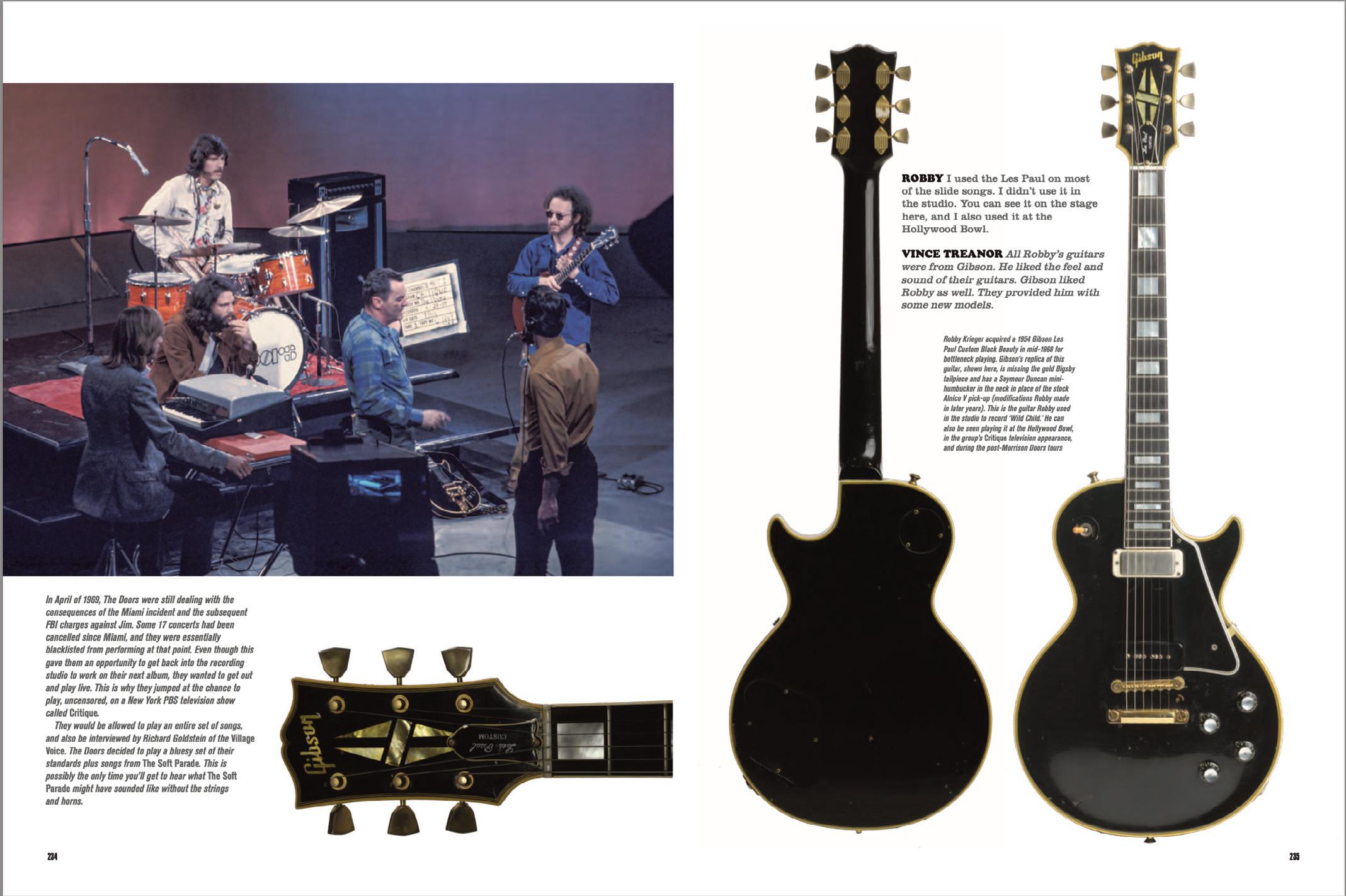
CATHERINE ROYLANCE, Publisher & Art Director: After working closely with Jampol Artist Management for the collected writings of Jim Morrison – A Guide to the Labyrinth – we were really excited to have the opportunity to expand on the Doors’ legacy by producing the most in-depth account of their career to date. We immediately started brainstorming ideas on how to set this book apart from anything else and thought that fans would appreciate a deep-dive into aspects previously less covered such as the instruments and equipment that were key to The Doors’ sound. For Ray, that was a detailed look at his keyboards, for John, his drums, for Robby, his guitars, and we even spotlighted Jim’s microphones.
KATY BAKER, Editor: We began the process of building the text for the book. For Ray and Jim, that meant searching through archive interviews and text to build their story, whilst John and Robby were interviewed along the way to get their updated insights and reflections on the band’s history. We also had the help of The Doors archivist, David Dutkowski, who was able to provide us with rare interviews from the band’s vault, as well as check the book for any inaccuracies. Throughout the process we were able to draw on his knowledge for the parts of the band’s history that fans would be most interested to read about in detail.
MEGAN LILY LARGE, Editor: As well as Night Divides the Day being a first-hand account of the band, by the band, we wanted to get a sense of their wider impact by talking to those that had joined them along the way, on stage and off, and those that had been influenced by their music. It was through our photo research that we unearthed some amazing photos of the band on stage with Van Morrison and his band Them in the early days at the Whisky A Go Go. So of course, we reached out to Van – ‘Have you seen these?’ We would love to get a few words from you on the night, even just a couple of lines.’ And then he came back with a full piece, which felt really special.
We also reached out to people like Ronnie Haran, the Whisky booker that got the band into the famous club. Her story has been told previously through others, often inaccurately, so it was great to be able to hear her personal account.
CATHERINE ROYLANCE For the foreword and afterword to the book we wanted to show the far-reaching influence of The Doors from two completely different musicians. Jampol were integral in getting us to think outside of the box and they suggested Gustavo Dudamel for example. It was interesting to link together what initially felt like two different spheres in terms of their music. With Krist Novoselic it was also fascinating to learn about his discovery of The Doors and we were in agreement with his view that new generations are still discovering and falling in love with the band. Both Krist and Dudamel really helped to show the continuing importance of The Doors today.
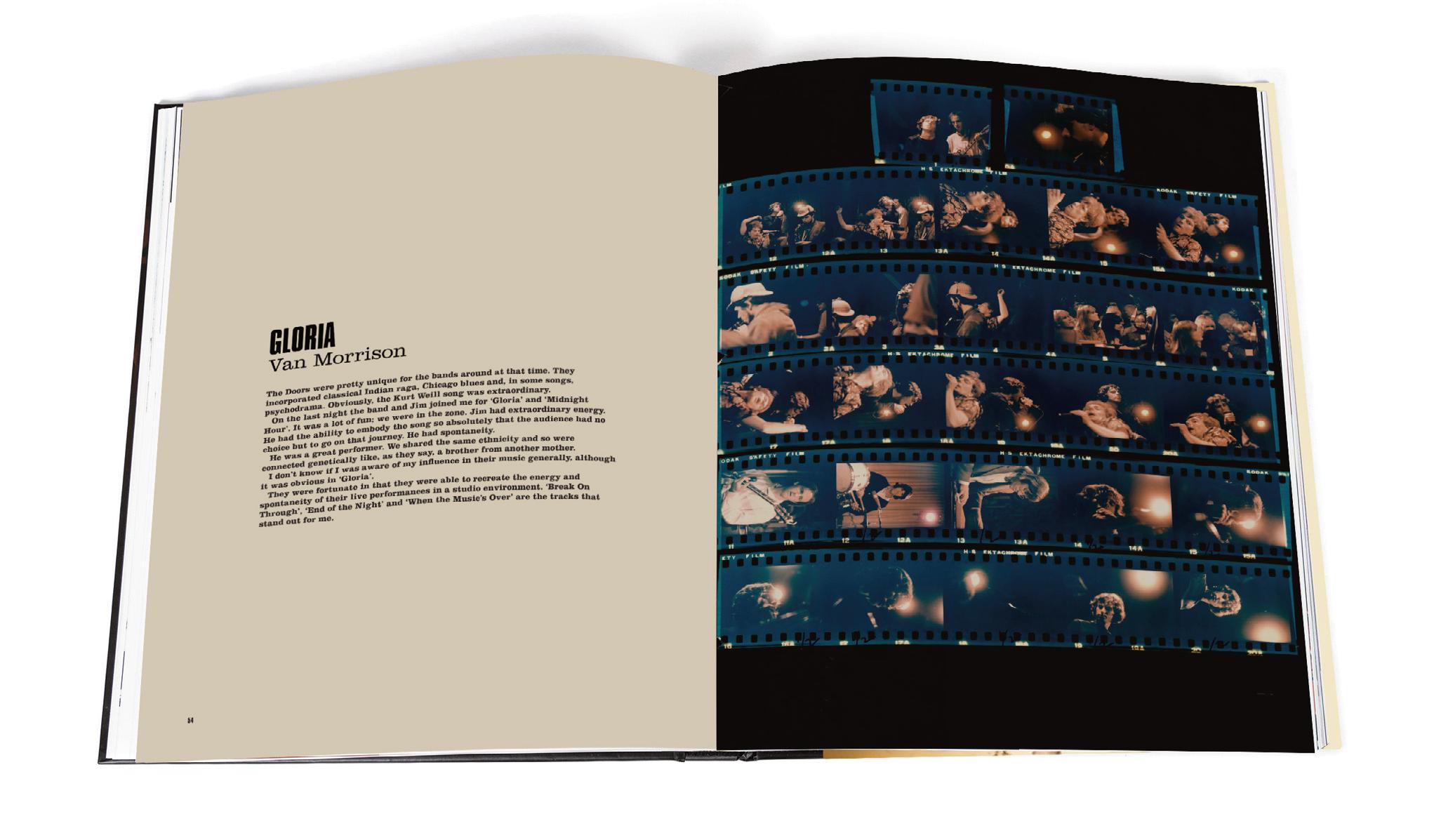
ROBBY KRIEGER: It shows a lot of the hidden Doors stuff that a lot of people don’t know about. It’s cool to go back in time and read the original stuff that you might have forgotten about or had the wrong idea of. It’s nice to have everything in one place like this.
JOHN DENSMORE: Everything we ever did is in there including photos of my drumheads. The skin would talk back to me like on ‘Hello, I Love You’.
KRIST NOVOSELIC: I too am dedicated to The Doors. I love the way their music synthesises rock with the esoteric. The band grooves, but in a way that hangs in the ancient gallery. There is gravitas, magic, but also grit. It’s the Hollywood bungalow with that freeway soot which seems to cover everyplace in LA. It’s like hanging out at the beach at the evening golden hour. Not to swim or get a tan, but fully clothed, with your shoes on in the sand, taking the last gulp from a can of beer, before walking east to a Venice dive bar. Because if we do not find that next whisky bar…
ROBBY KRIEGER: I think The Doors have remained popular because of the amount of great songs. We never let a song on an album unless we all loved it.
JOHN DENSMORE: We didn't sit down and have a meeting to say, 'Hey, we want to change the minds of people.' We didn't say it but we enjoyed doing it. We could see it happen, we could feel it in concerts, that sociologically, besides musically, it was affecting people. And what a high that is.
GUSTAVO DUDAMEL: I grew up listening to The Doors and what amazed me about this group was of course their connection and the lyrics, but also the rhythm was unique. That was John’s creation. Then, when I had the chance to see one of Jim’s poetry books, that really made me see another dimension.
I did a gala concert and invited John to play and of course, we did ‘L.A.Woman’. It was a remarkable experience and it felt like I was working with the soul of The Doors. Even though it was only John there, I felt like the whole band were present. The beauty of a live performance is the energy that is there in the audience. In that moment you feel you could almost touch that energy. It’s the creation of a real, spiritual, energetic universe.
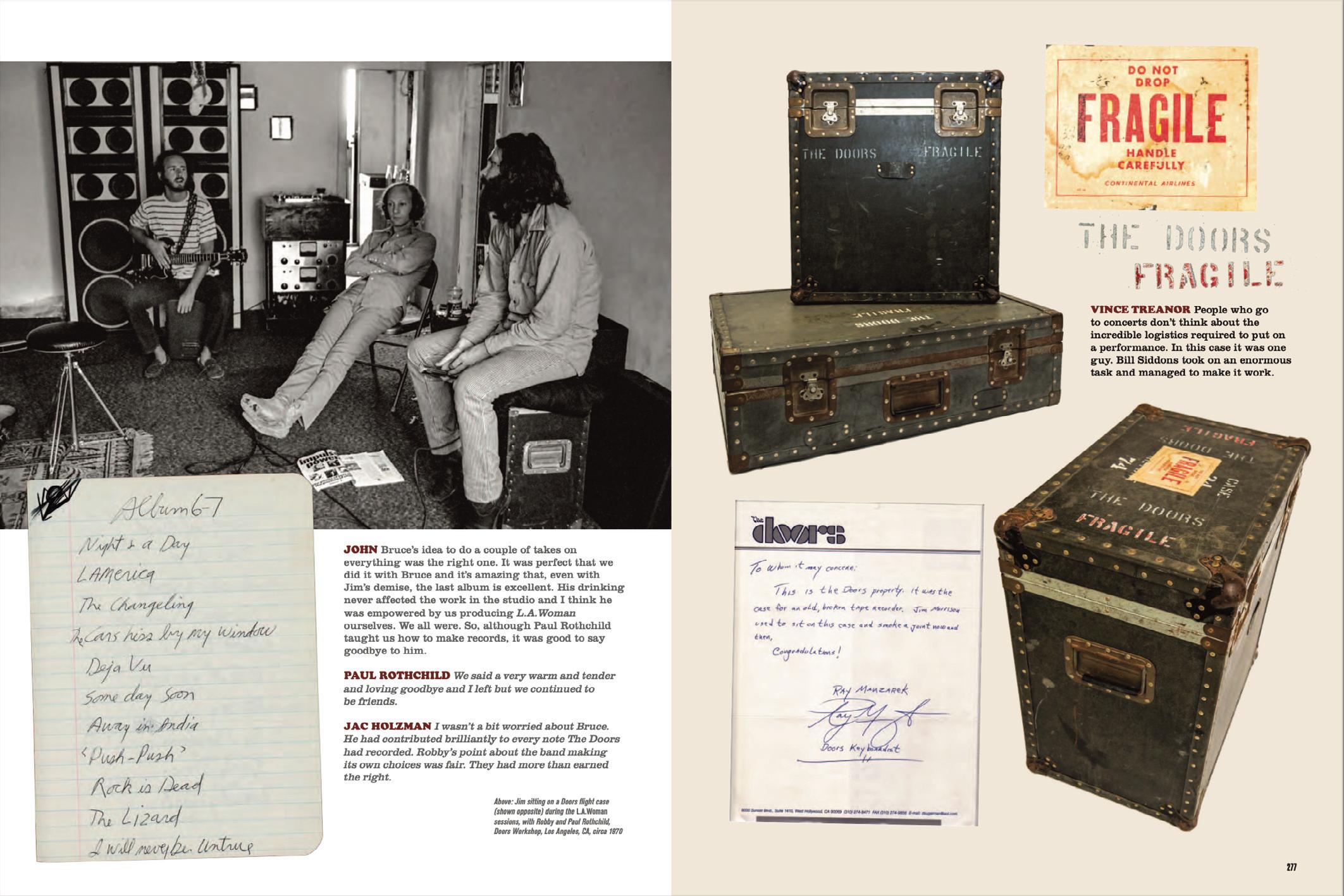
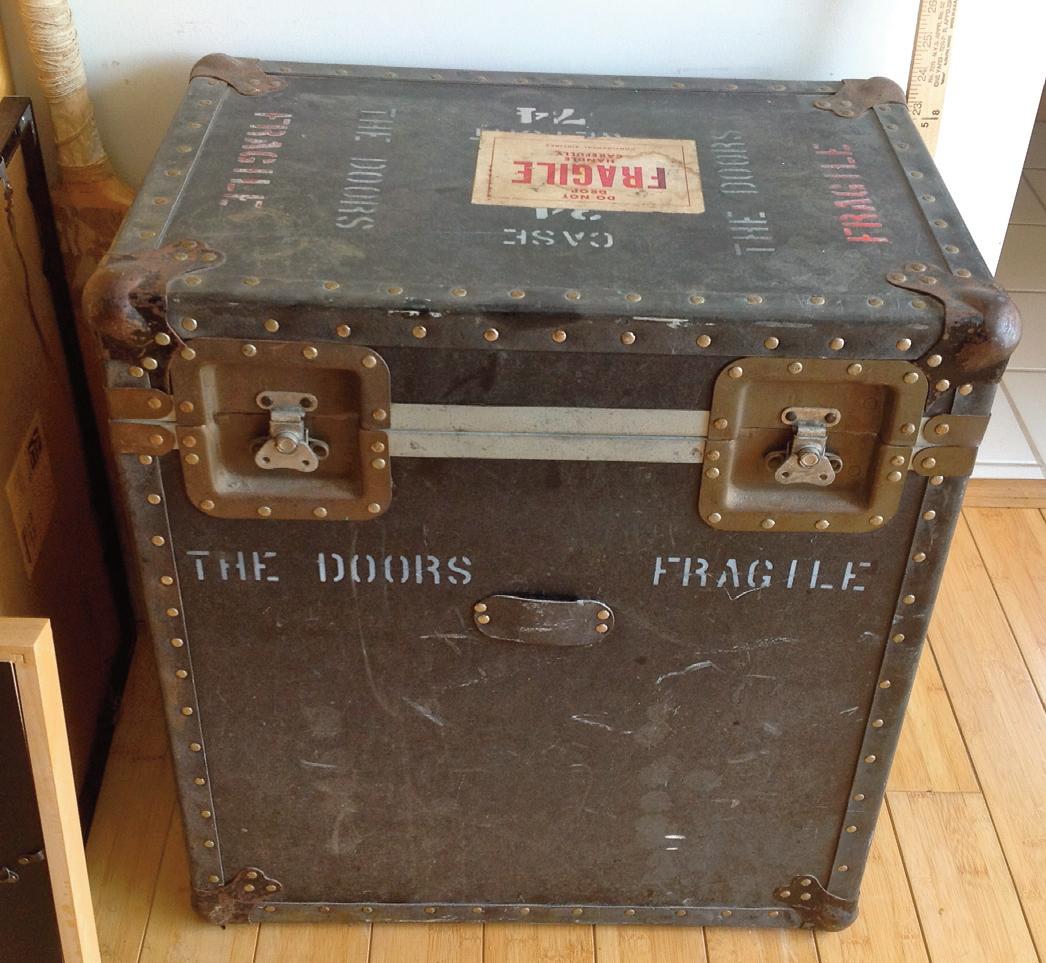
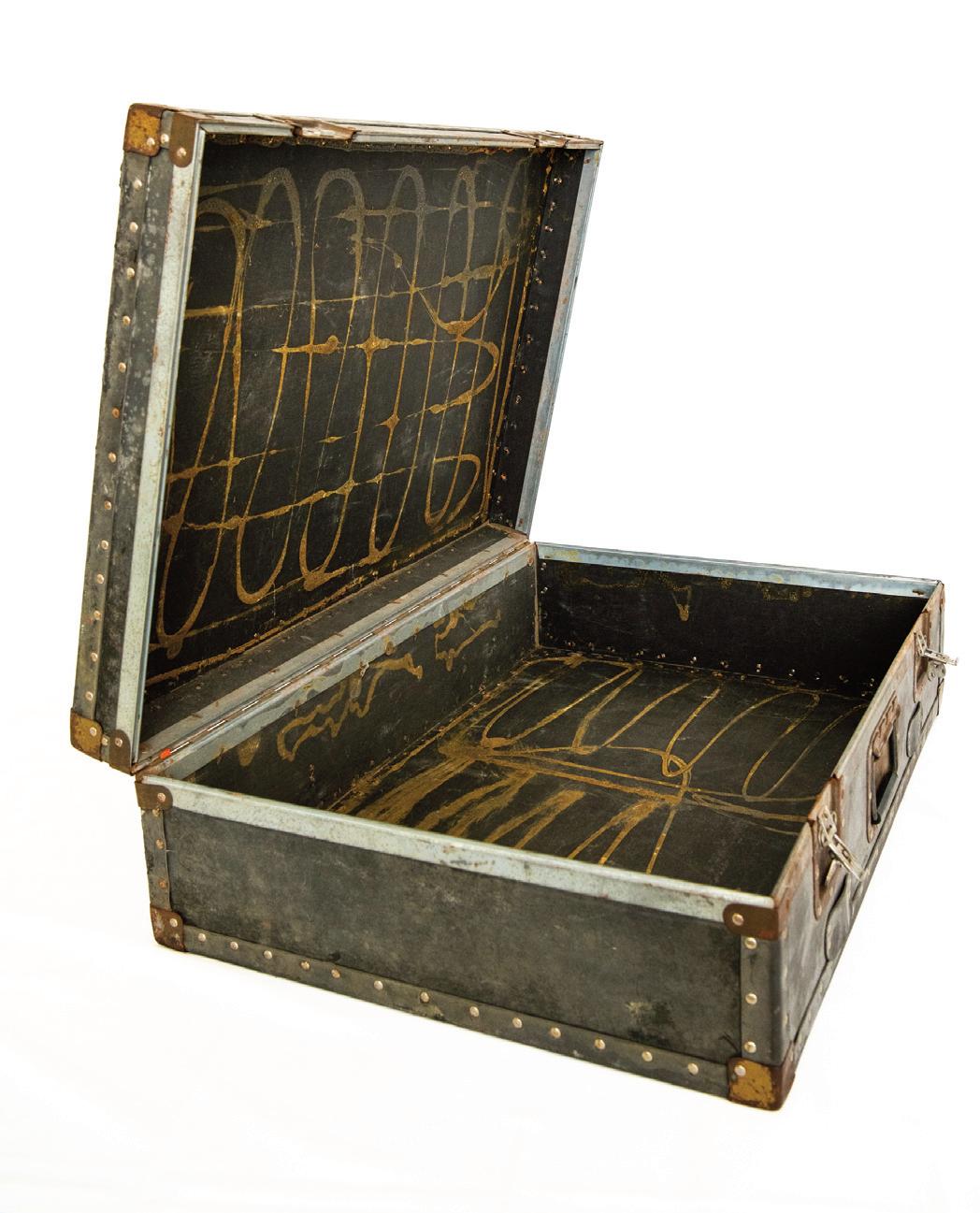
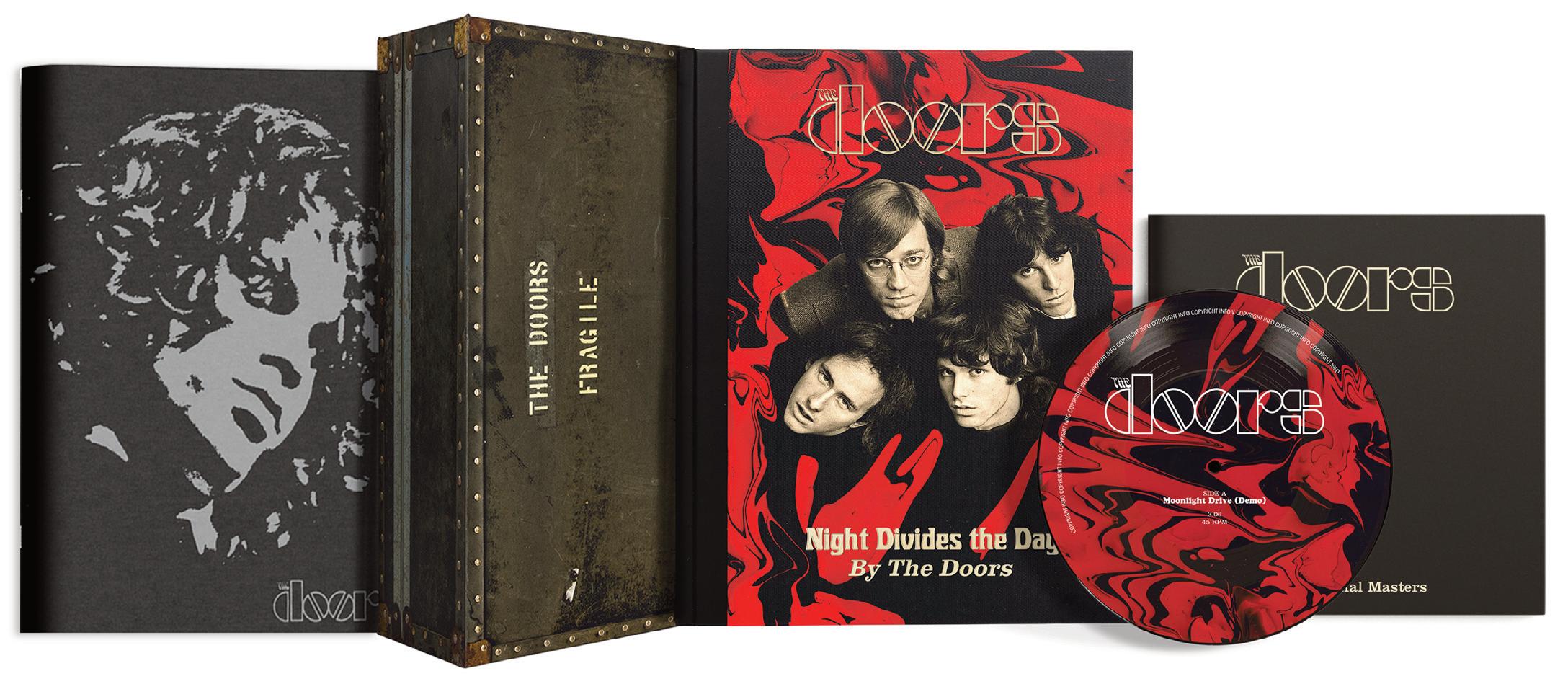

We had access to Robby’s guitars to photograph for the book but for the other band members there wasn’t much remaining as part of The Doors collection. We wanted to represent each band member equally, so we reached out to various collectors, and were excited to be able to also include Ray’s iconic keyboards. One collector, Gary Greenberg, had been collecting various band items, not so much based on worth, but based on how much he was a fan of their work, and it was from there that we unearthed some more Doors equipment. He had John Densmore’s drum, some of Jim’s microphones and he also had some Doors flight cases. None of the items had ever been photographed so it was exciting to be able to do this for the book. We loved the look of the flight case (opposite) and thought it would work well as a box to house the limited edition book and the additional items included. As part of the box design we included all the little scuff mark details. We’re very happy with the end result –your own miniature replica Doors flight case!
It was a real privilege to be able to visit the Doors vault in LA – to be able to see the history of the band told through all their original demos, albums, live recordings, poetry recordings, outtakes and films, housed in their original boxes (pictured left). These feature throughout the book, whilst the master tape boxes for their six studio albums are presented in a booklet as part of the boxed set. We hoped fans would enjoy some of these never-before-seen elements and all their details.
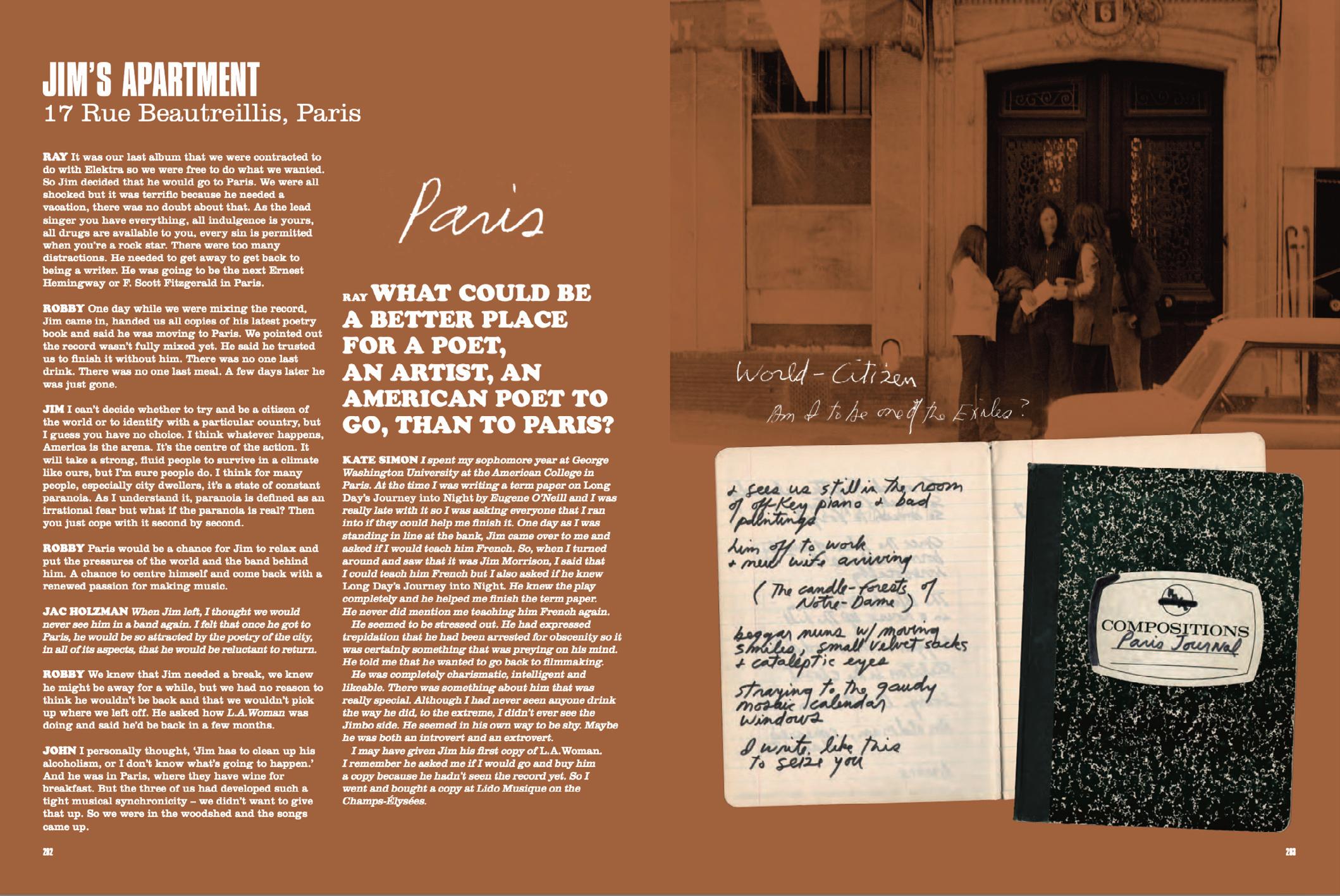

Often combining traditional bookmaking crafts, such as fine leather bindings, with modern materials such as perspex and aluminium, Genesis creates books that are works of art in themselves. The making of the cover for NIGHT DIVIDES THE DAY is explored here.
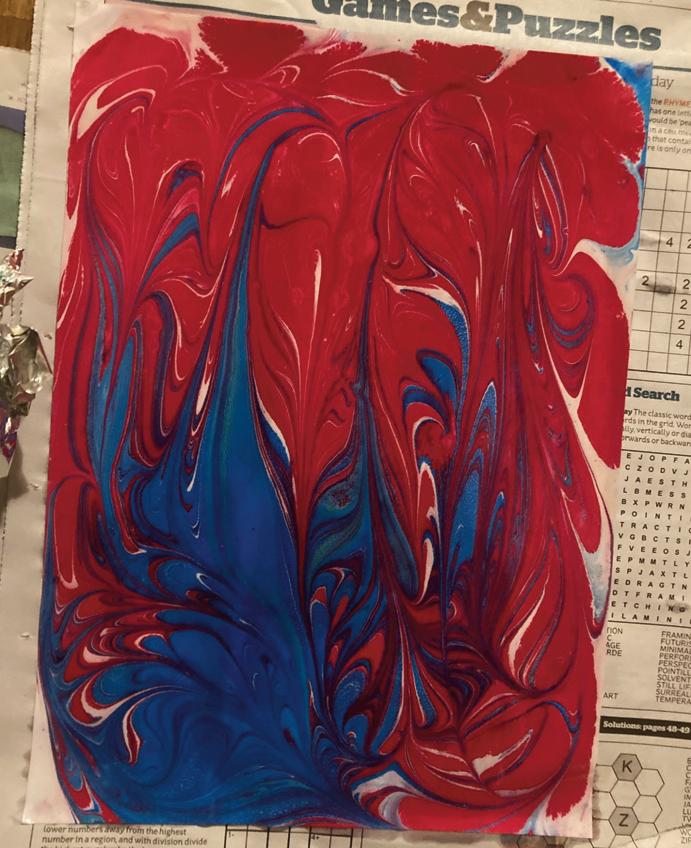
KATY BAKER: Towards the beginning of each project we will research different materials and designs that could work on a cover as well the box that houses the limited edition. This might be taking the detail from an iconic guitar strap or item of clothing for example. In choosing the materials to print these designs we’ll research various methods and materials to best achieve the look we’re aiming for. This is all done in-house so that we can oversee each step of the binding process.
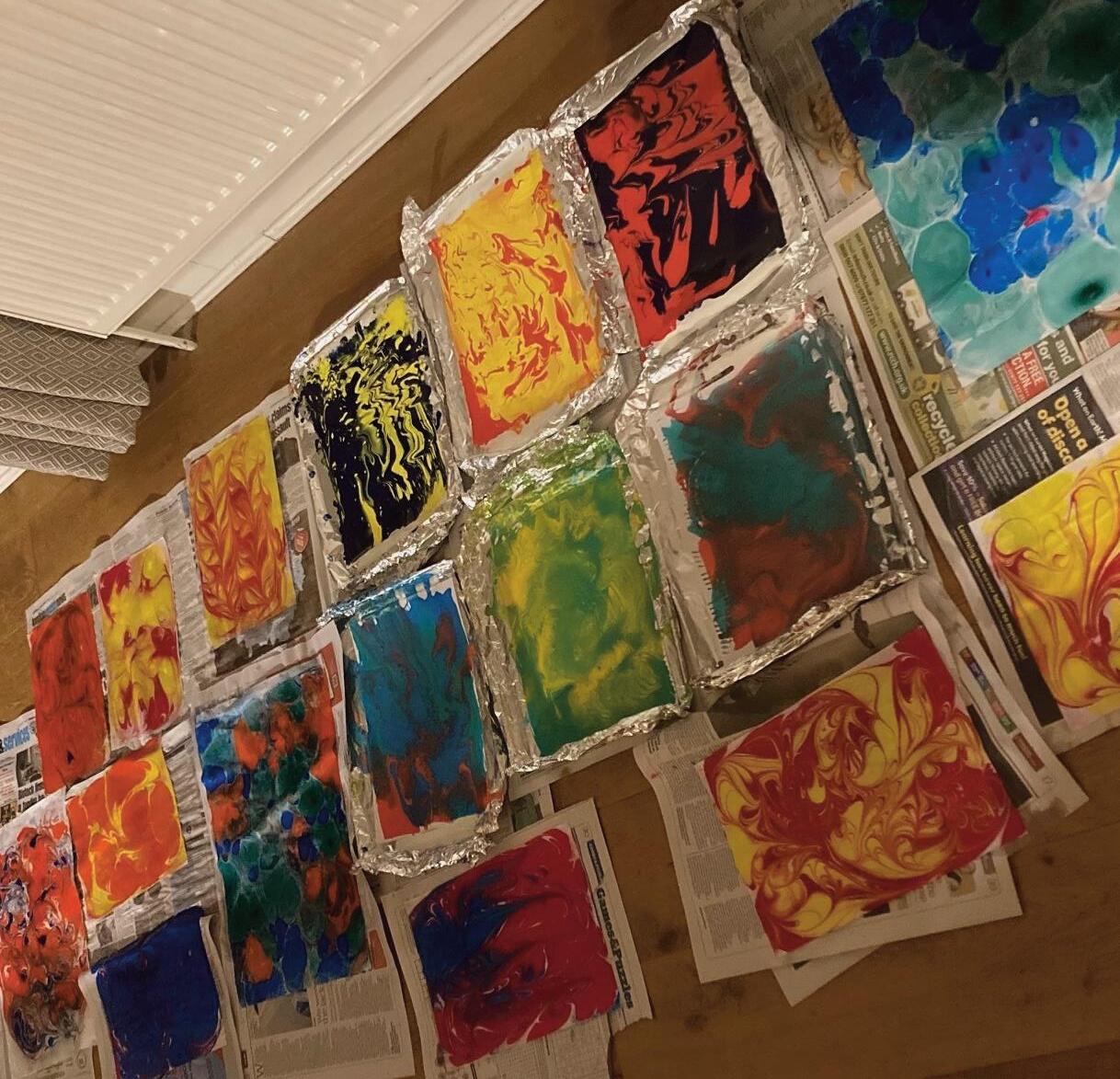

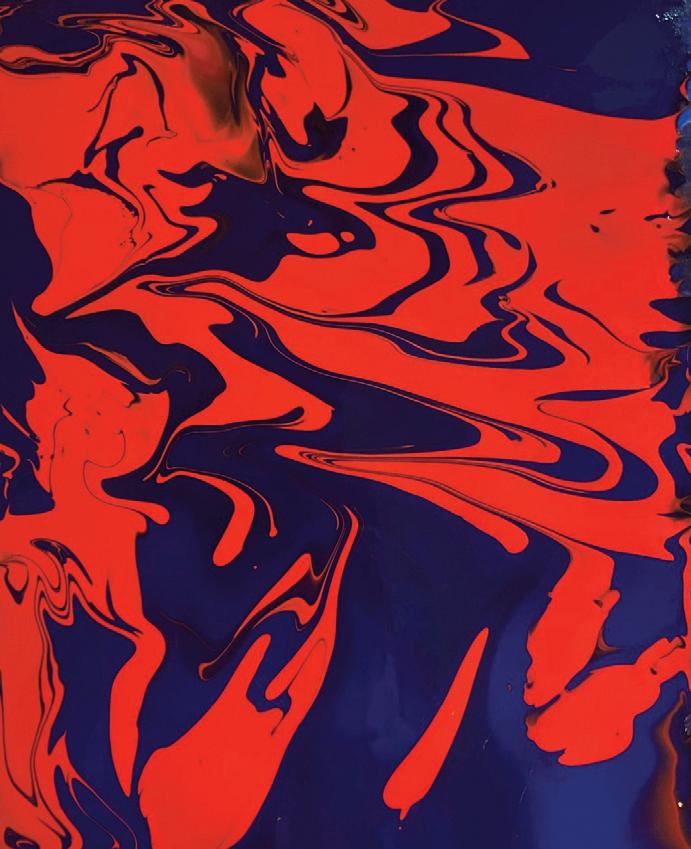
CATHERINE ROYLANCE: We were inspired by the psychedelic artwork of Sixties rock posters and underground graphics. Particularly, in relation to The Doors, the work of Victor Moscoso. We wanted to see if we could produce something that recreated that look for Night Divides the Day. We wanted to create a psychedelic background by hand, so our editor Katy got out her paints and the result was a series of artworks.
KATY BAKER: To create the artworks, I used two methods: acrylic pour and traditional marbling. Having had more experience in marbling, I thought this would be my preferred technique, but I loved the vibrancy in colour and the lack of control that came with an acrylic pour. I tried various contrasting colour combinations and took the finished pieces back to the team. After they had chosen their favourite design, we mocked up a few covers that featured the artwork as the background to an iconic portrait of the band, as some alternative options. I was delighted when we heard back from the band that they wanted to go with the psychedelic cover – it was a proud moment for me! It was a bonus that the artwork also featured on the vinyl included within the boxed set.
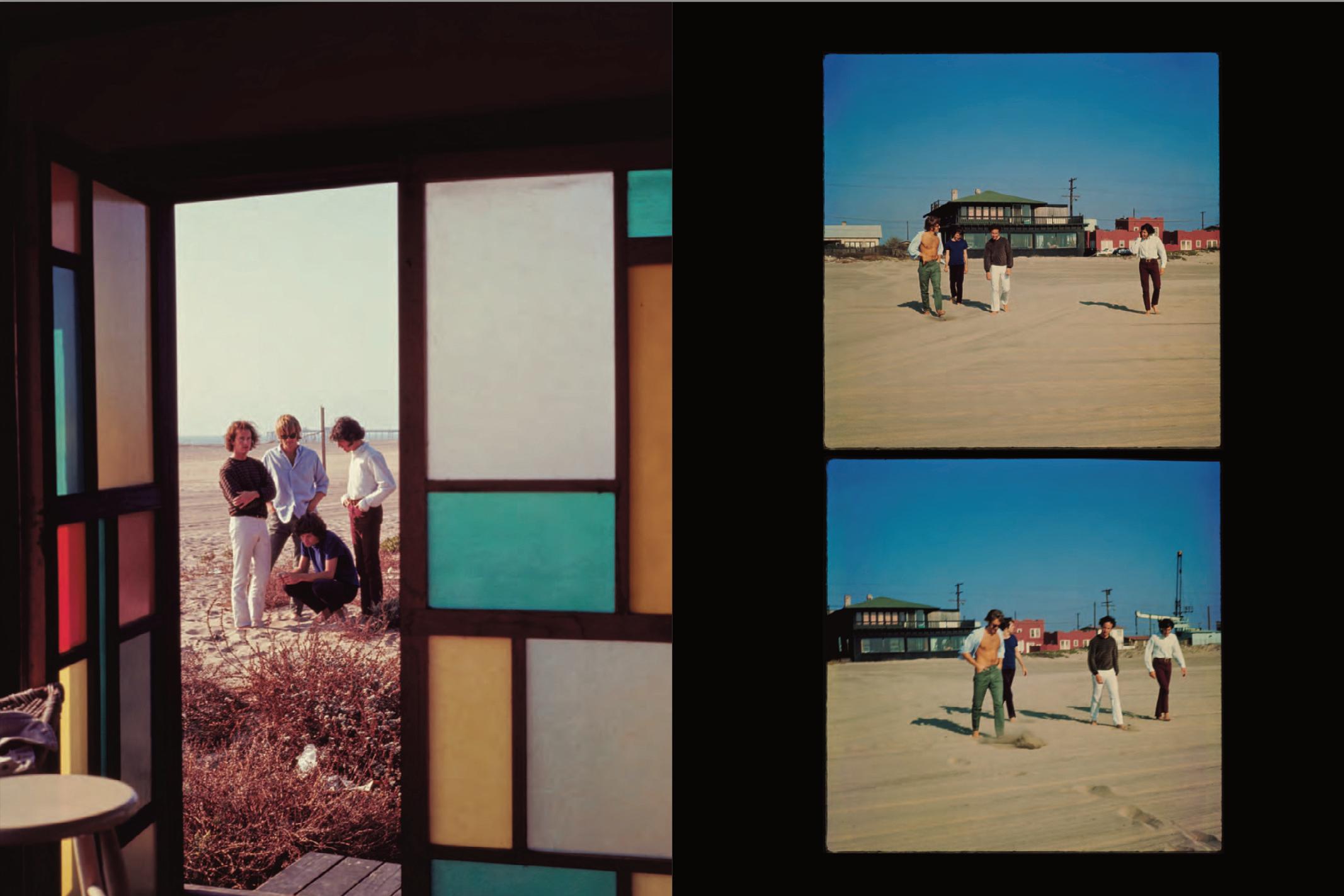
The photographs in Night Divides the Day capture the excitement and aura of The Doors onstage, especially through Morrison; certain gigs and tours are referenced in the book, including the infamous 1967 show at the New Haven Arena, where the singer was arrested. “It was like walking the razor’s edge,” Densmore says. “Some nights, he was in a trance. Some nights, he was too drunk. And that part of him increased, which was really unfortunate. But self-destruction and creativity sometimes come in the same package and they certainly did with Jim.”
Forbes
The book’s compilers have dug deep into the Doors’ archives and come up with a fantastic array of artwork, from the band’s first bios for Elektra Records (Morrison’s answer to “Plans/Ambitions” is “Make films”) to Krieger’s red Gibson SG Special that went missing over the years and that he’d still like to get back (the serial number is 88779). Plus a wide array of live shots, studio shots, handwritten lyrics, posters, ads, and other ephemera. You'll have fun flipping through the pages before you settle down to read the text.
Goldmine
Key events in the band’s history are recounted in depth – including the making of each album, the legendary Hollywood Bowl concert in July 1968 and the March 1, 1969, Dinner Key Auditorium show in Miami, after which Morrison was arrested for profanity and indecent exposure. And for gear aficionados, Night Divides The Day is awash in images of guitars, keyboards, drums and even Morrison’s microphones and harmonicas.
Billboard
The design and presentation make it feel like a time capsule, transporting you back to the late 60s and early 70s. The best music books don’t just give you information—they reignite your passion for the music itself. As I flipped through Night Divides the Day, I instantly wanted to play The Doors again. I reached for my super deluxe editions of The Doors and Waiting for the Sun and played them start to finish. I even found myself revisiting the post-Morrison albums, which are often overlooked! That’s the power of a truly immersive book – it deepens your connection to the band’s music. It is a Must-Have for any Doors fan.
Now Spinning Magazine
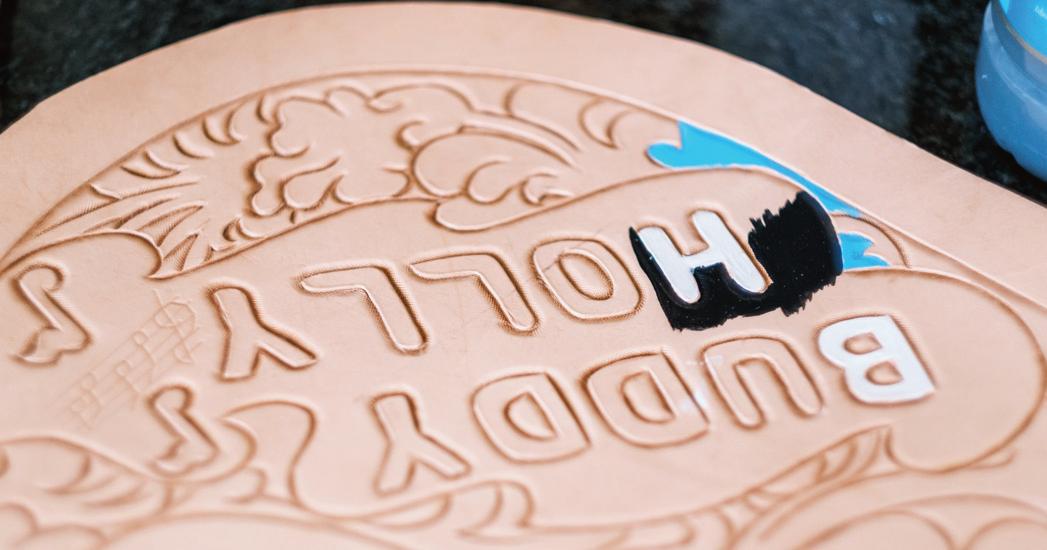
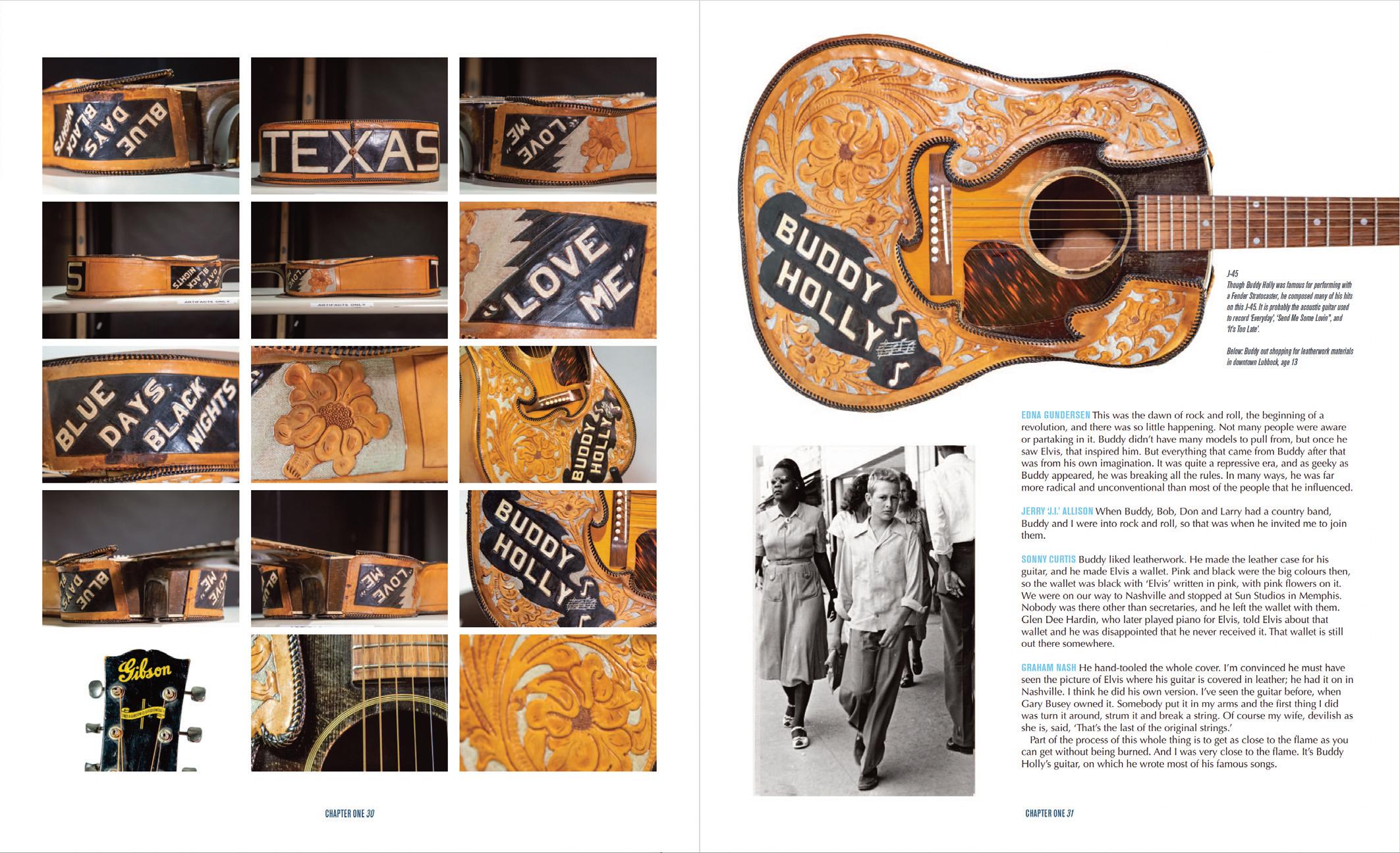
One of our most ambitious projects yet, the Luthier copies of WORDS OF LOVE included a custom-built replica of Buddy Holly’s Gibson J-45 and a hand-tooled leather cover. Introduced here, Alister Atkins and Peter Allen are two master-crafters involved in the making of the Buddy Holly boxedset and binding.
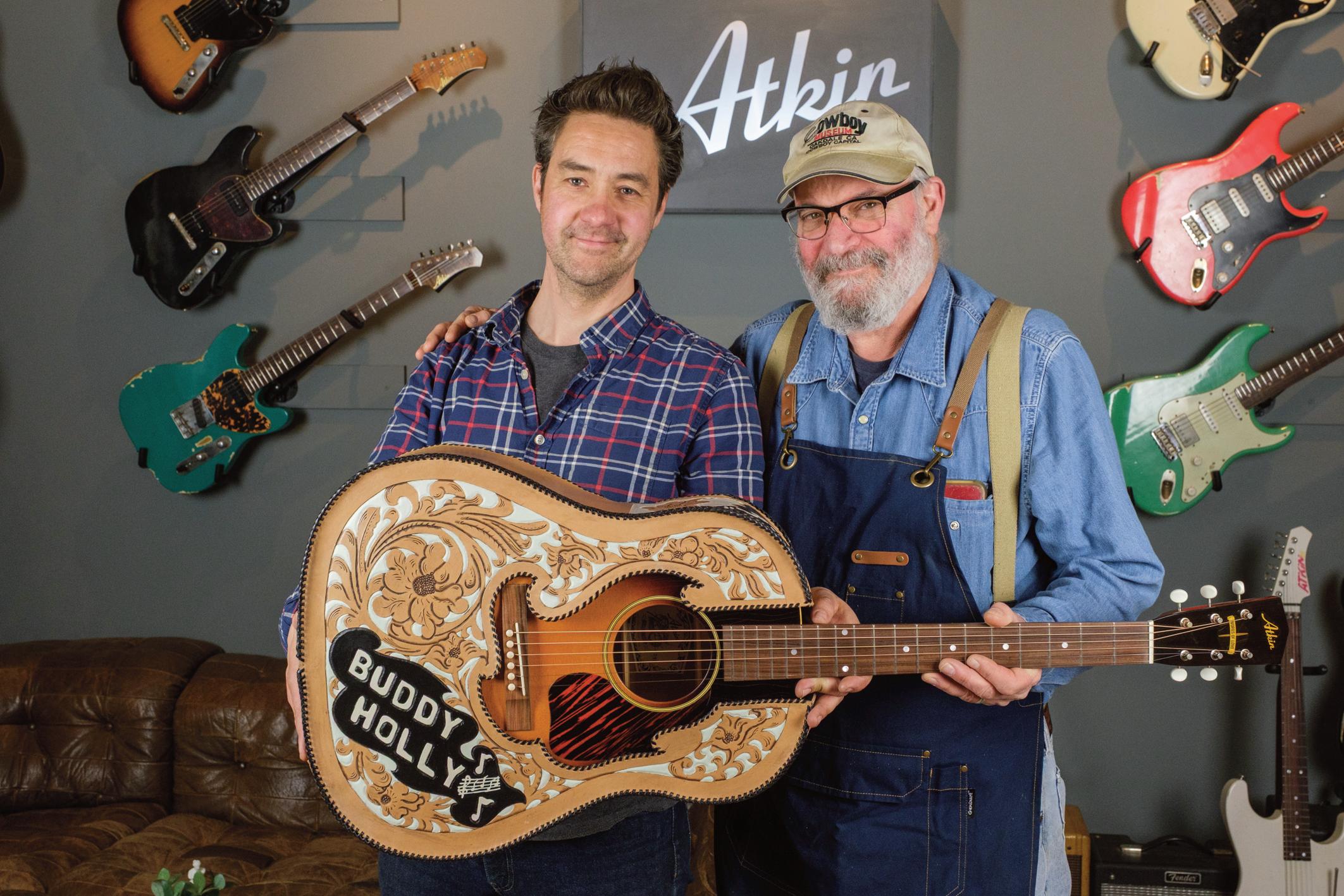
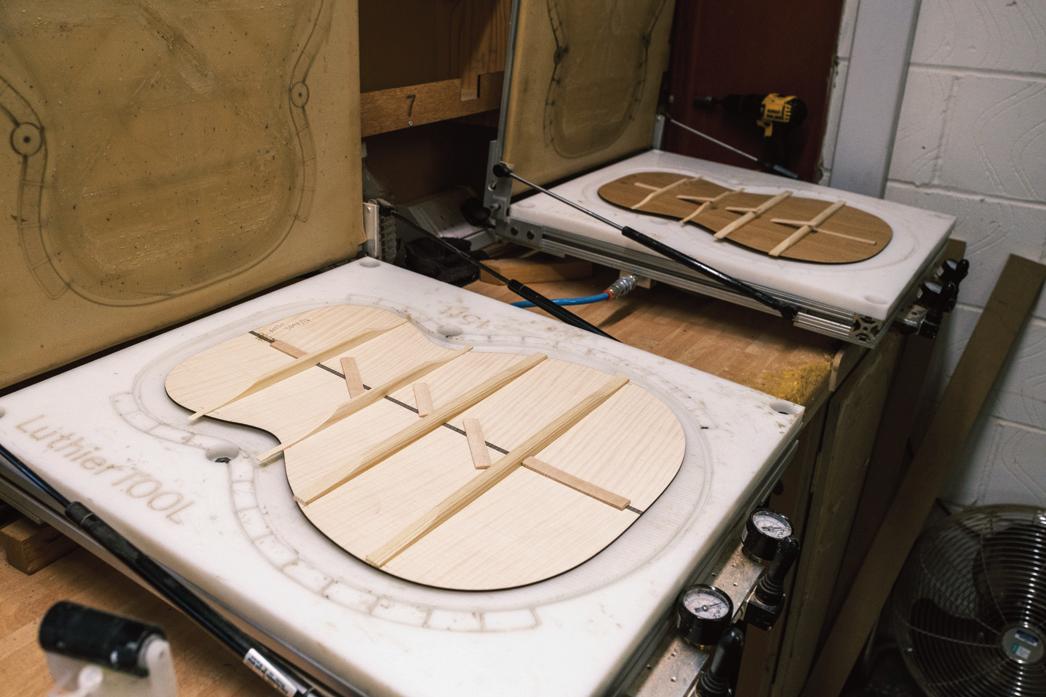
ALISTER ATKIN I run Atkin guitars, a company based in the UK making acoustic and electric guitars. We’re renowned for making the J-43 model which is a slope shoulder dreadnought and it’s based on Buddy Holly’s original. This guitar has a baked Sitka top, African mahogany back, sides and neck, a rosewood fingerboard and bridge and a maple head veneer which we stain black. We bake the wood so that it’s as dry as can be which has an effect on the sound. The resin inside the boards crystalises and makes the boards very rigid which achieves a vintage sound in a short space of time. People talk about vintage instruments sounding amazing – that’s because they’ve been through a whole process where the wood is thoroughly dried out.
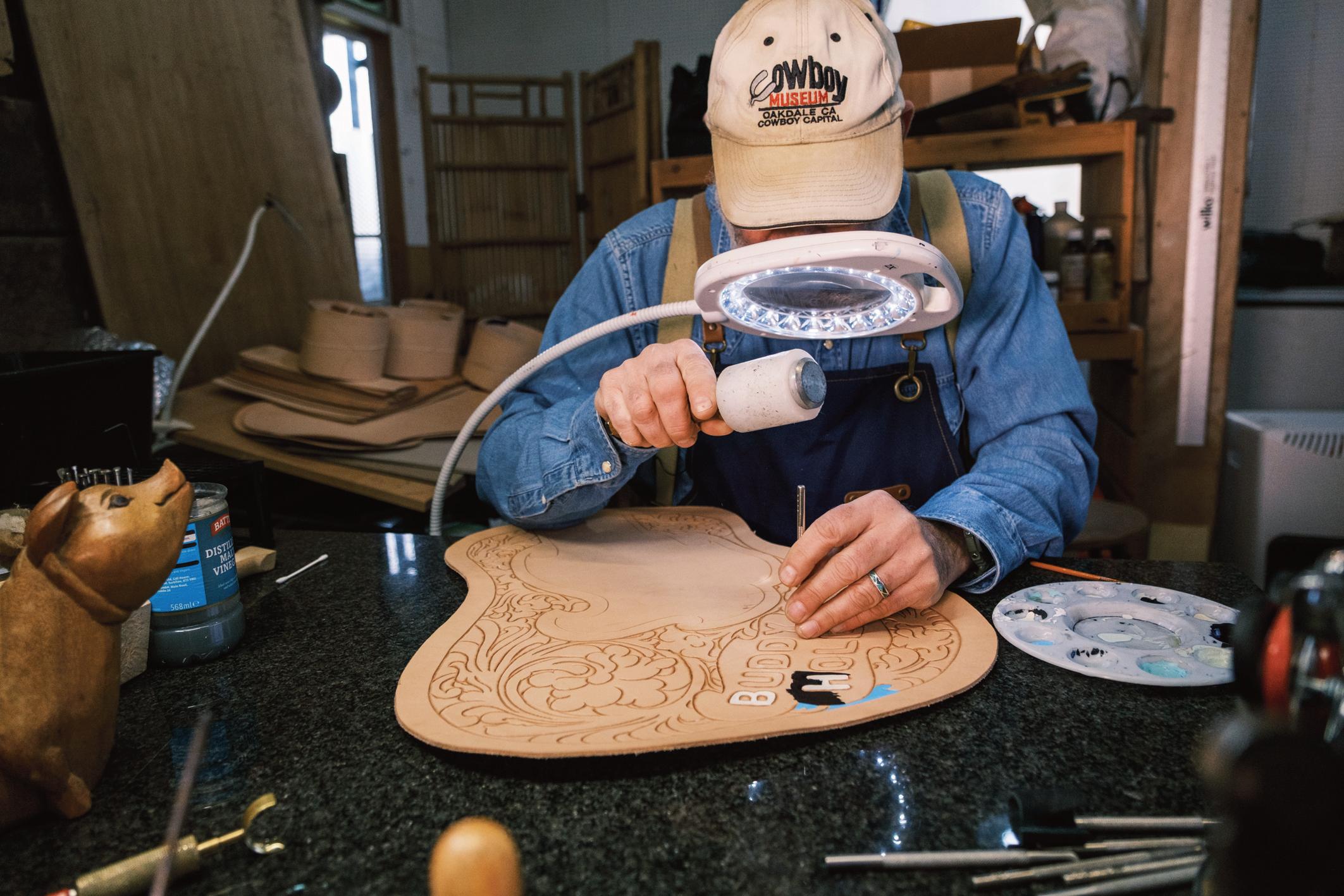
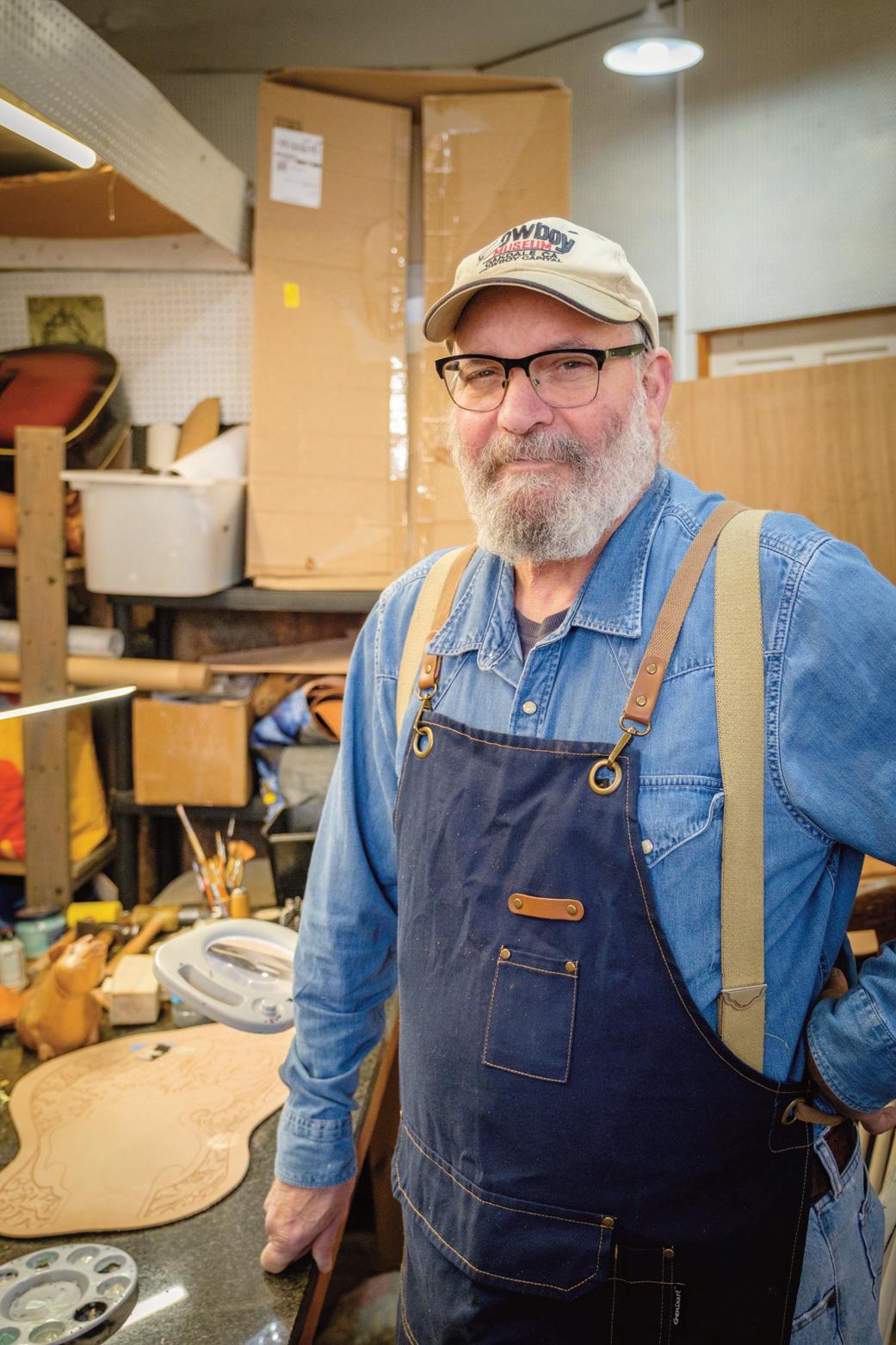
PETER ALLEN I do leather craft, which is an artform that started down in the Southwest in the United States, in places like Arizona, Texas, New Mexico and California. It’s now spread around the world but it’s something that Buddy Holly learned when he was a kid and so did I. I make cases, straps, wallets and most recently, the Buddy Holly box cover and guitar cover.
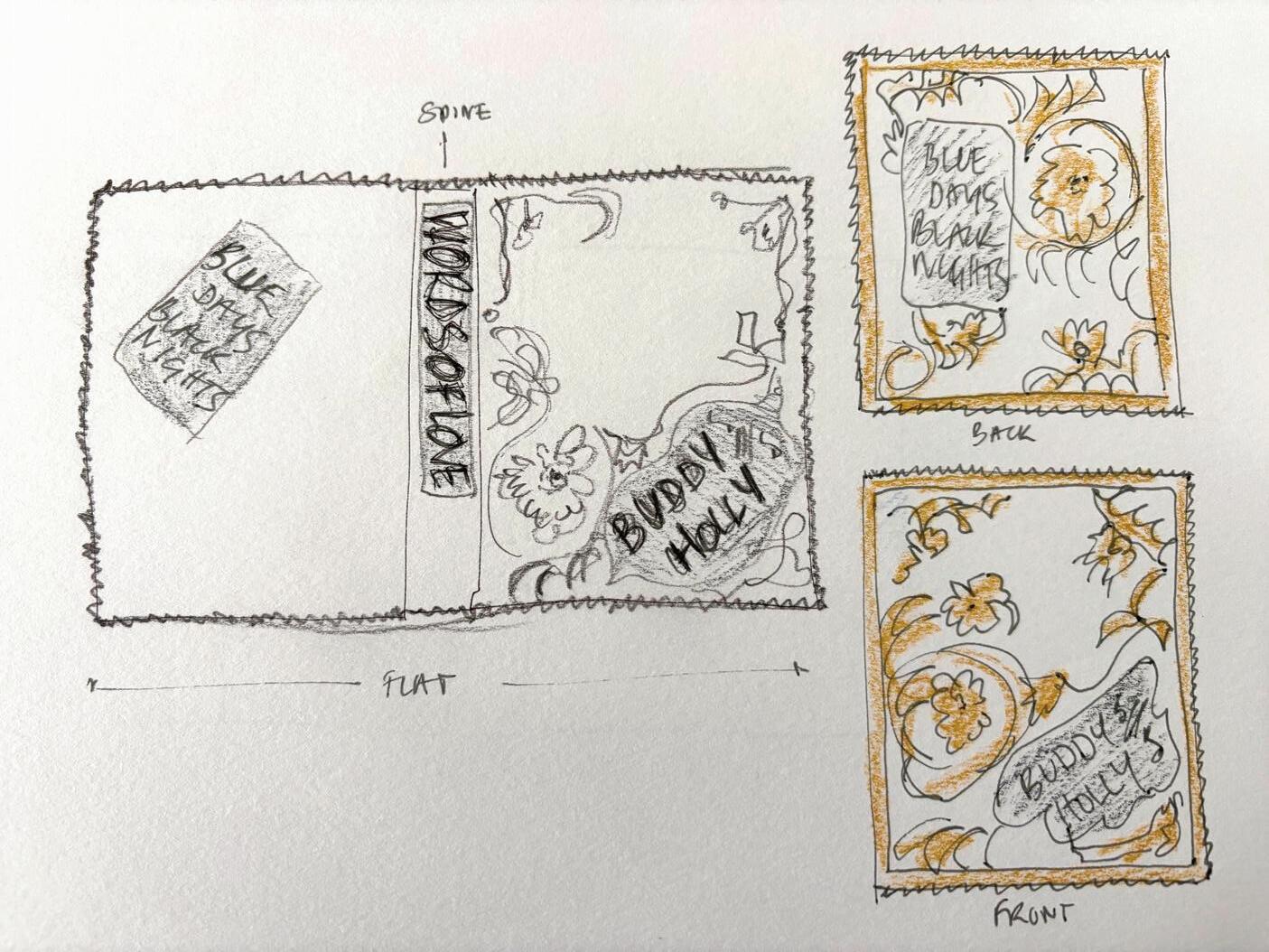
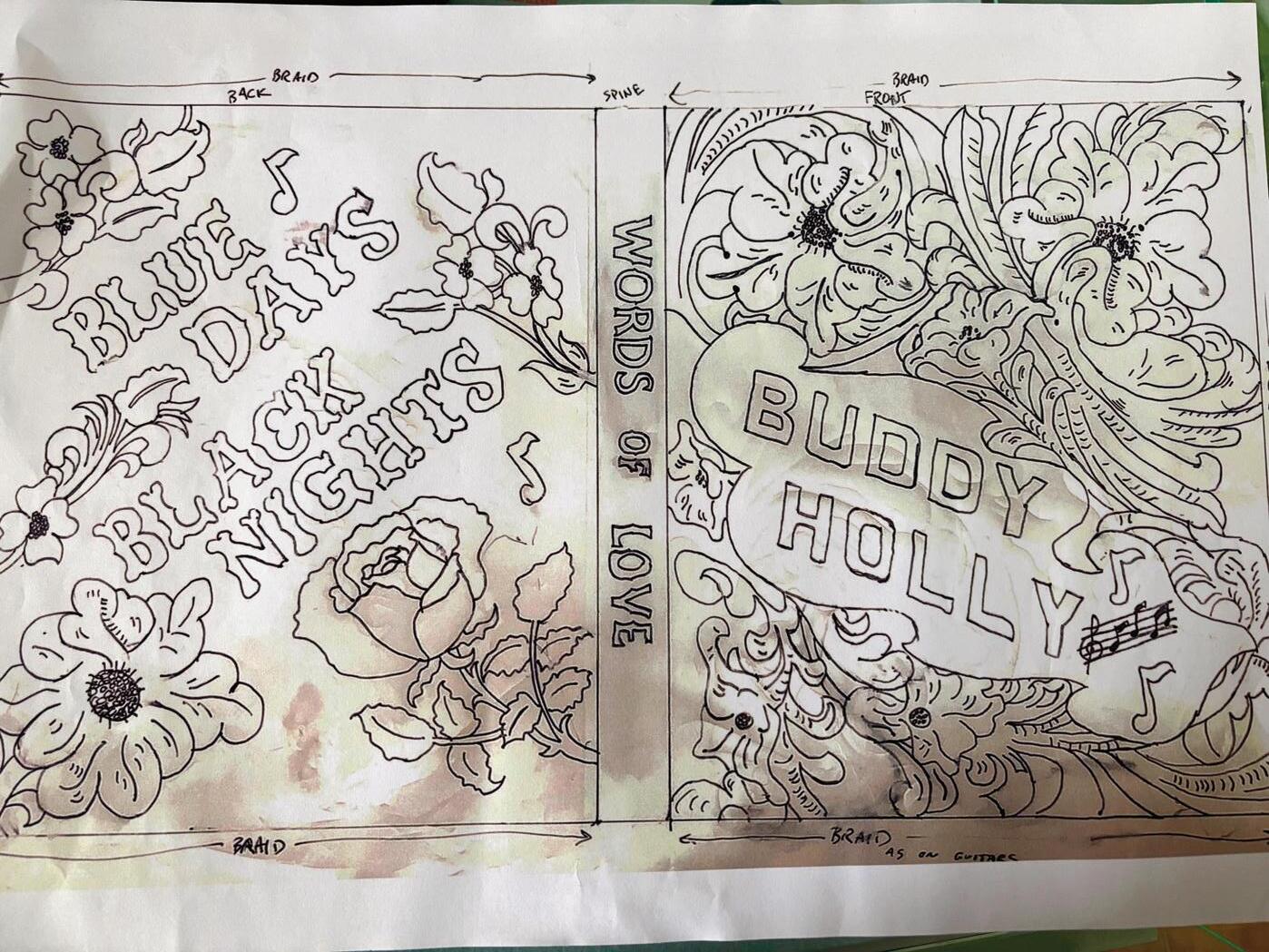
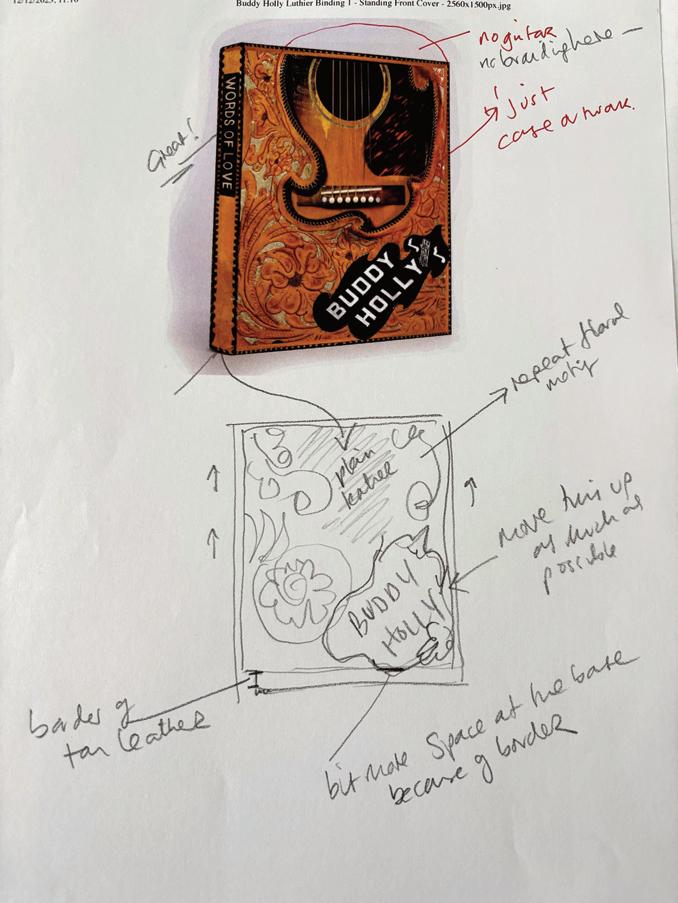
Shown here are sketches from the Genesis design team (top and right) for the Collector copies and Luthier copies of Words of Love. The Luthier sketches were passed on to Pete Allen who came back with his final design (above).

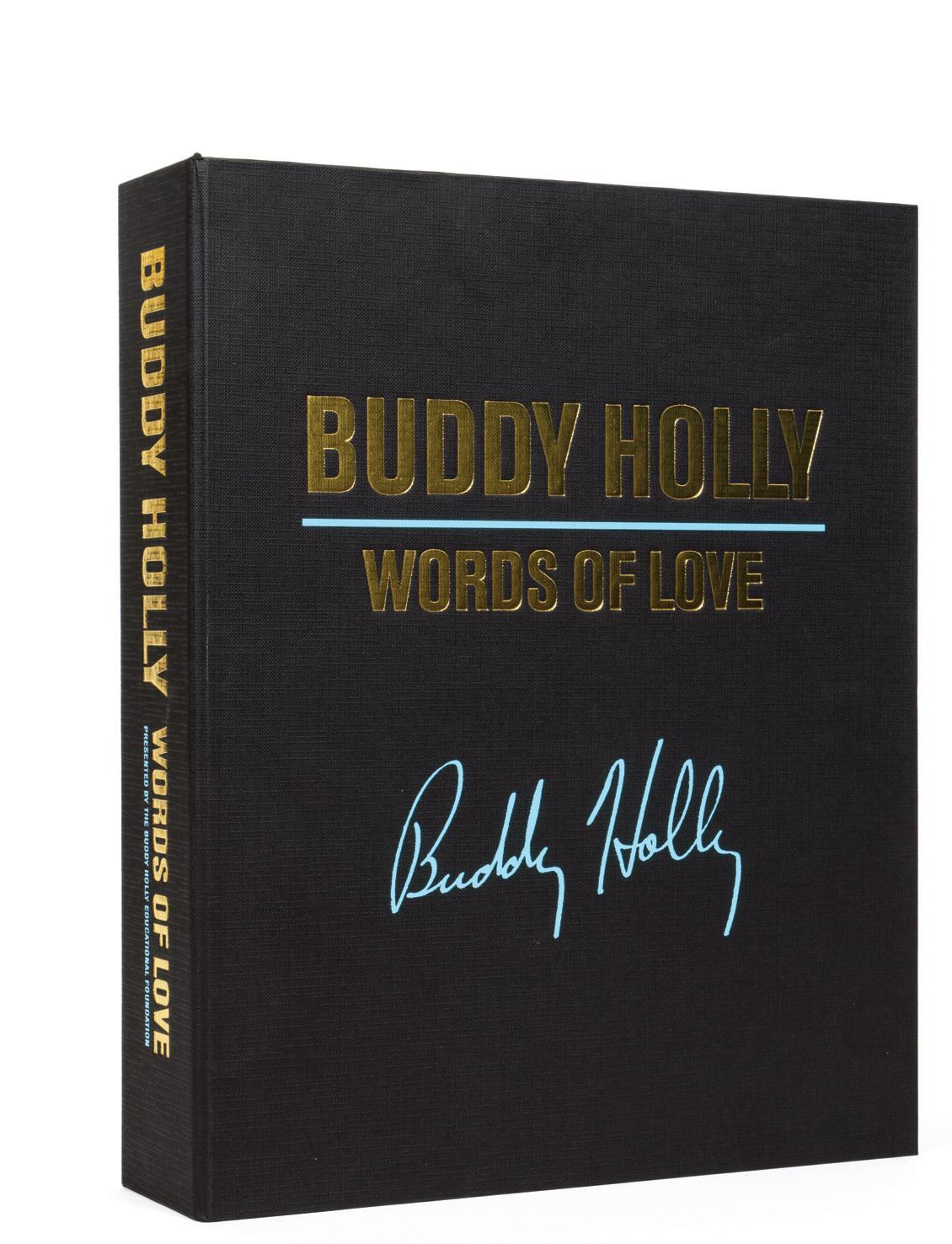
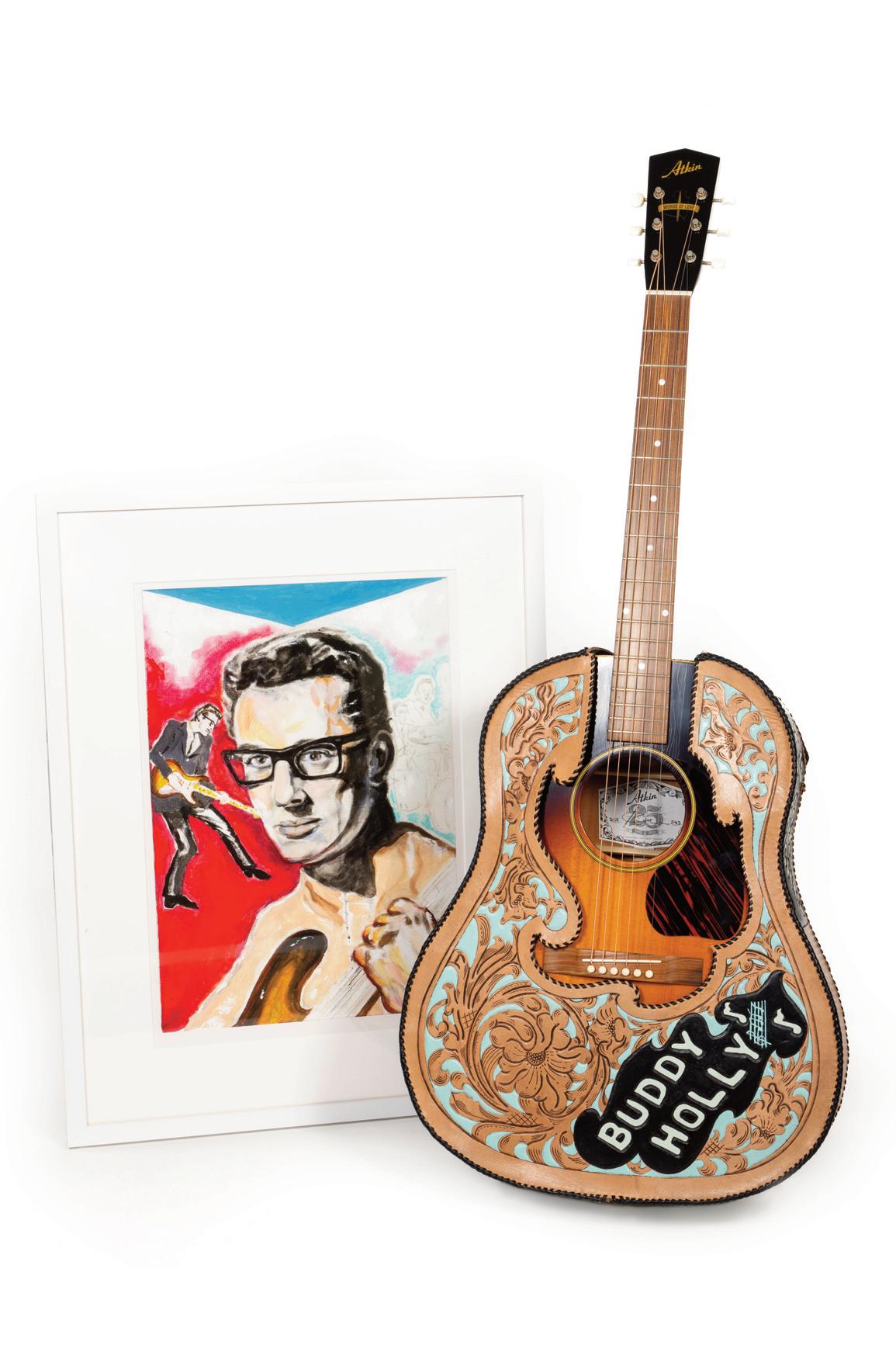
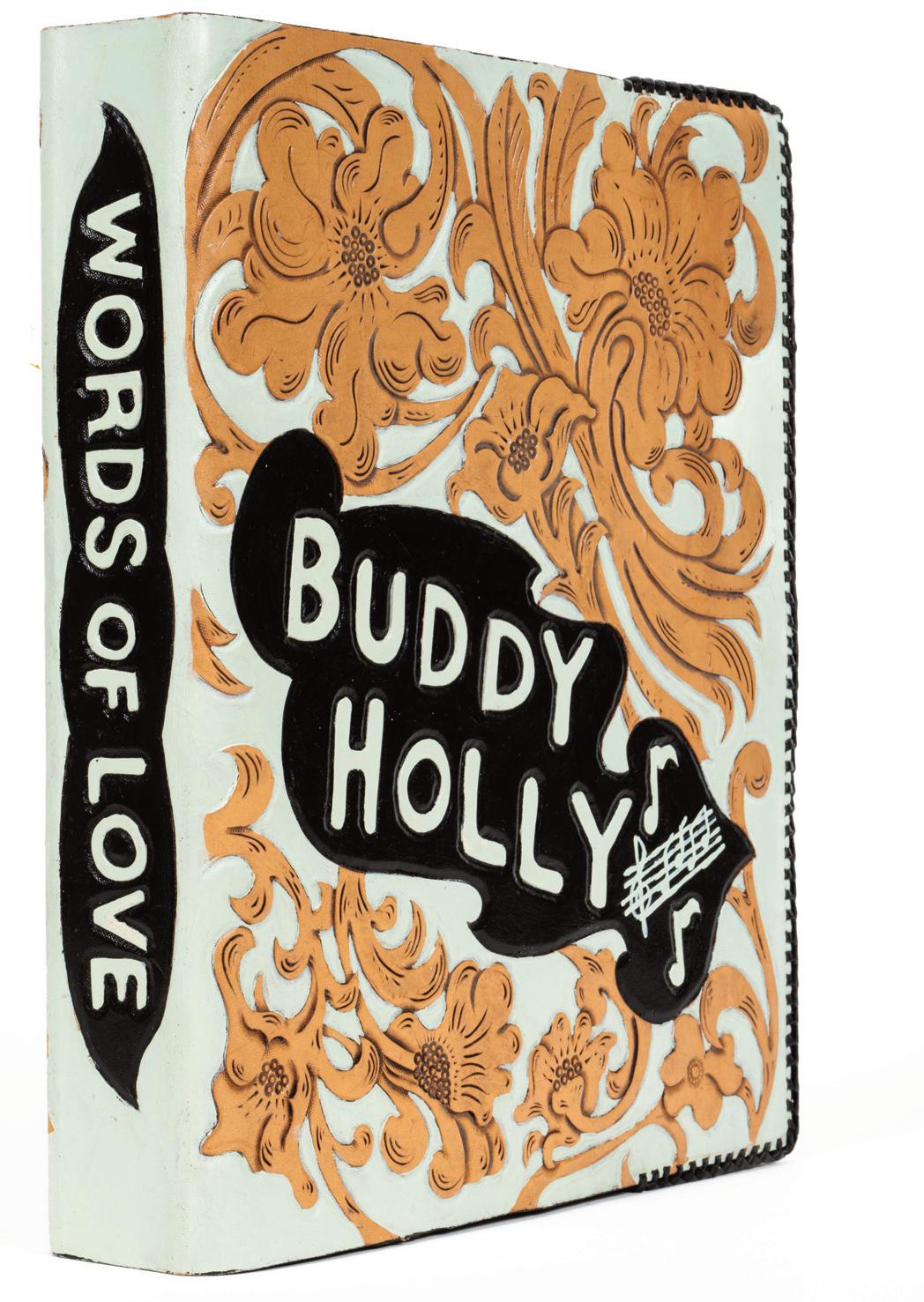
These special Luthier copies were fully bound in tooled leather, inspired by the leather cover of Buddy’s Gibson J-45, and were each meticulously created by Peter Allen. The painting, of which a print is included in this edition and features on the cover of the Deluxe copies, was created exclusively for this project by Ronnie Wood.
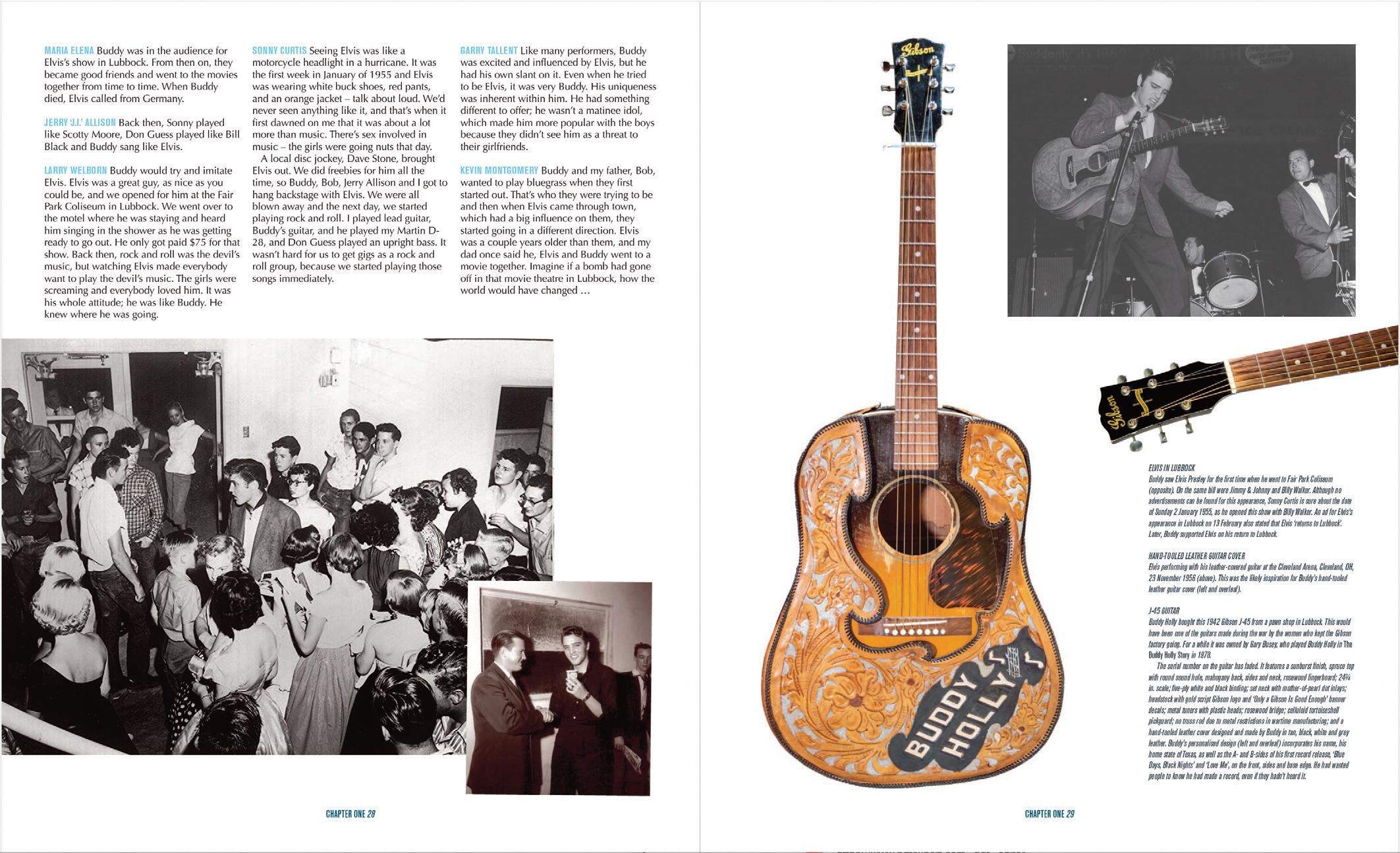
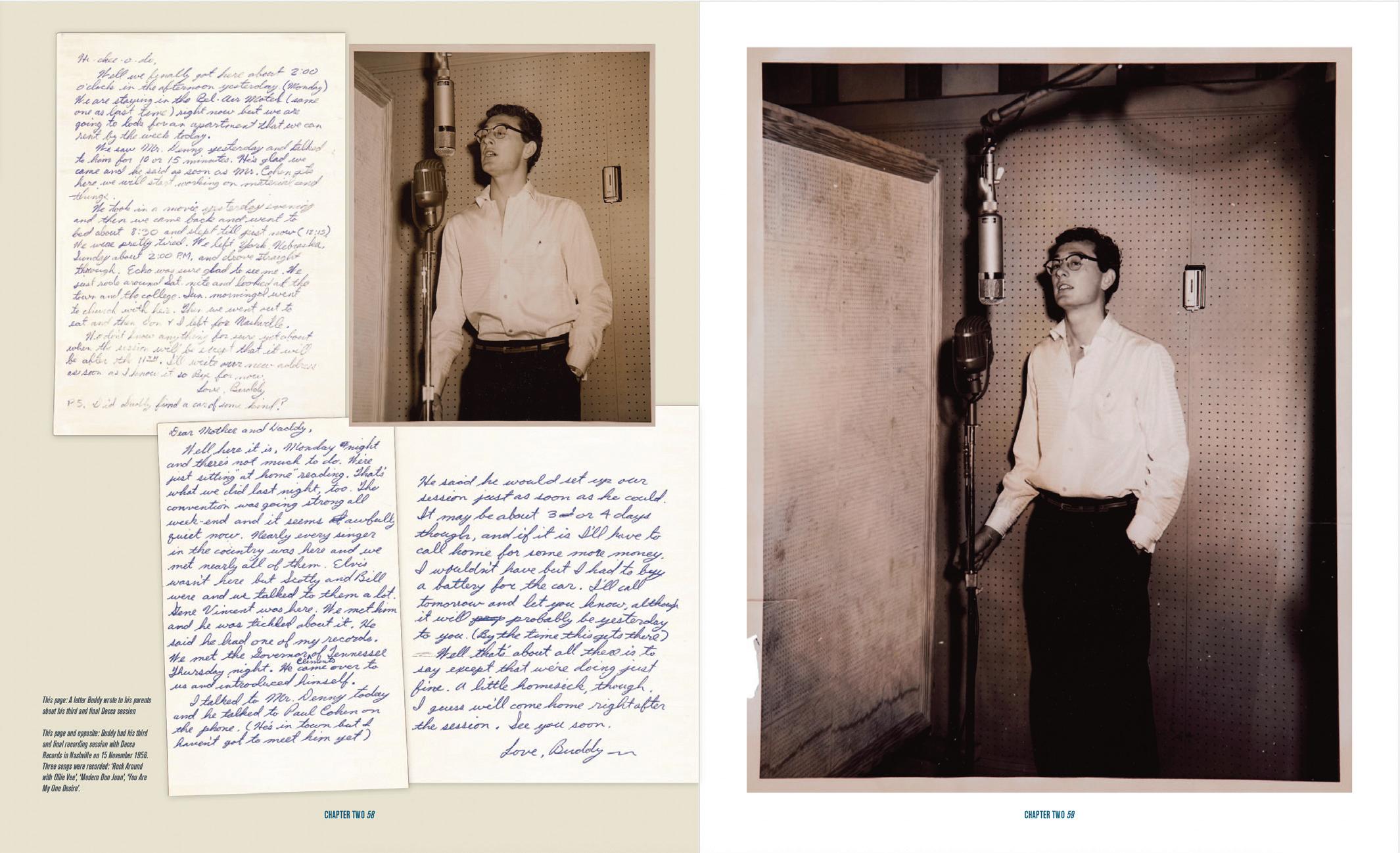
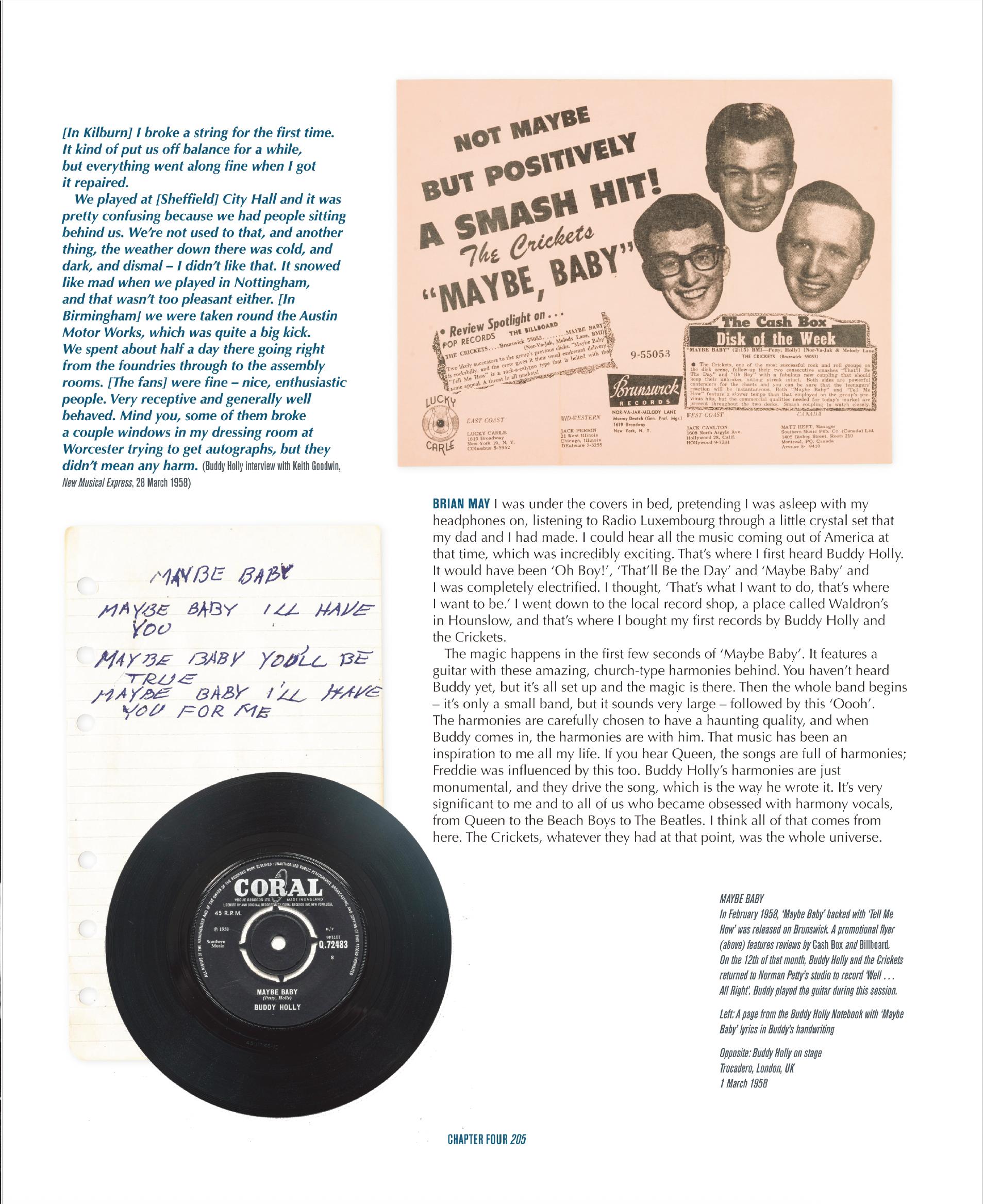
Overleaf, selected spreads from Words of Love show Buddy’s original J-45 guitar. Featured on pages 34–35 is a page spread in more detail, in which Brian May recounts the first time he heard Buddy Holly.

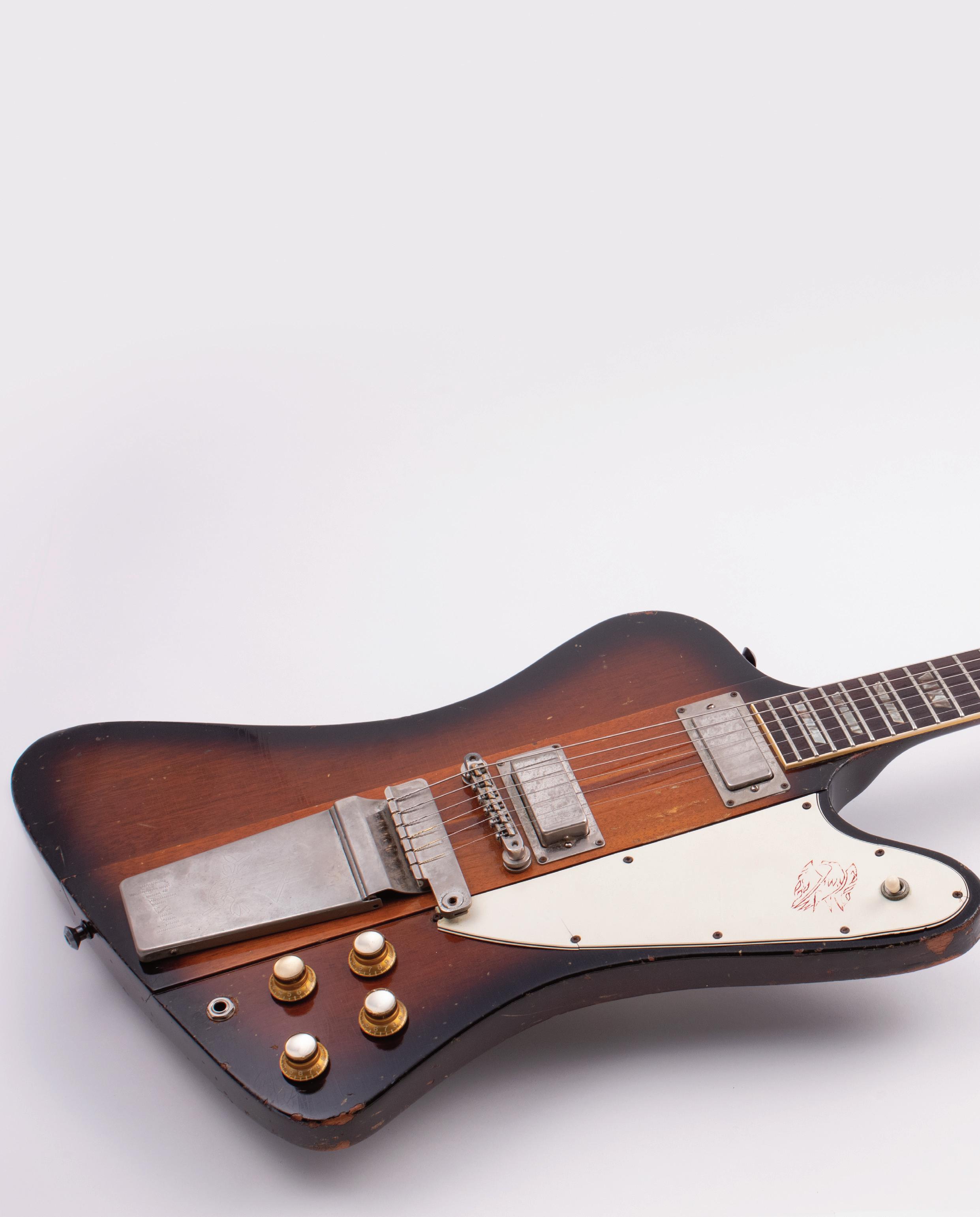
A unique behind-the-scenes look into our latest book with Ronnie Wood. In an edition that will celebrate Ronnie’s life as a musician, his guitars and items of clothing and equipment have been photographed by Martin and Paul Kelly, the team behind JIMMY PAGE: THE ANTHOLOGY.
The detail shown in the photographs, from the scuff marks to the artfully customised bodywork, all tell their own story.
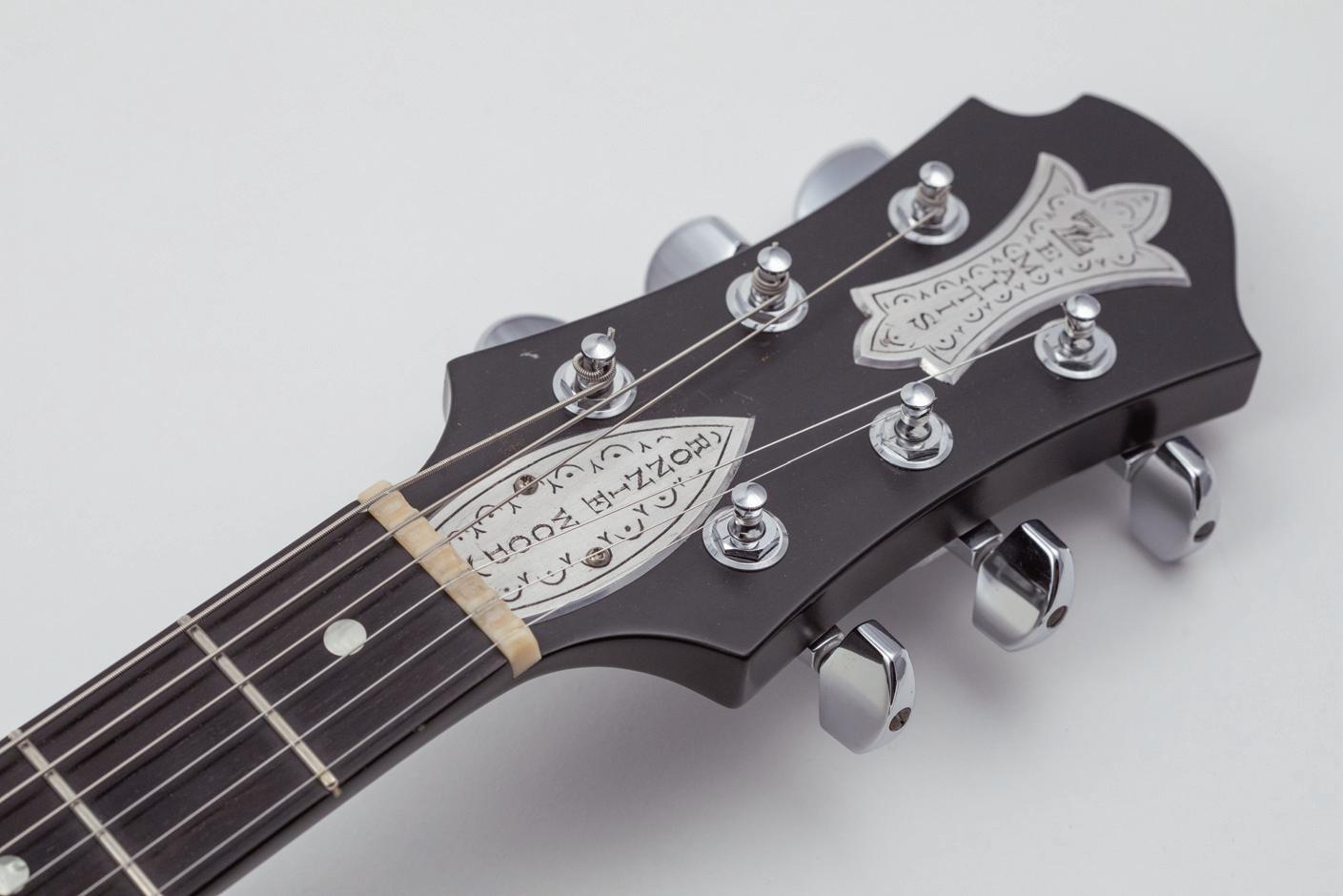
In this feature, three guitars and a strap are highlighted: Ronnie’s Gibson Firebird, his 1967 Fender Telecaster bass, metal front ‘Phoenix’ Zemaitis and lizard strap. Editor Sally Millard introduces the guitars and takes us through the process of photographing them.
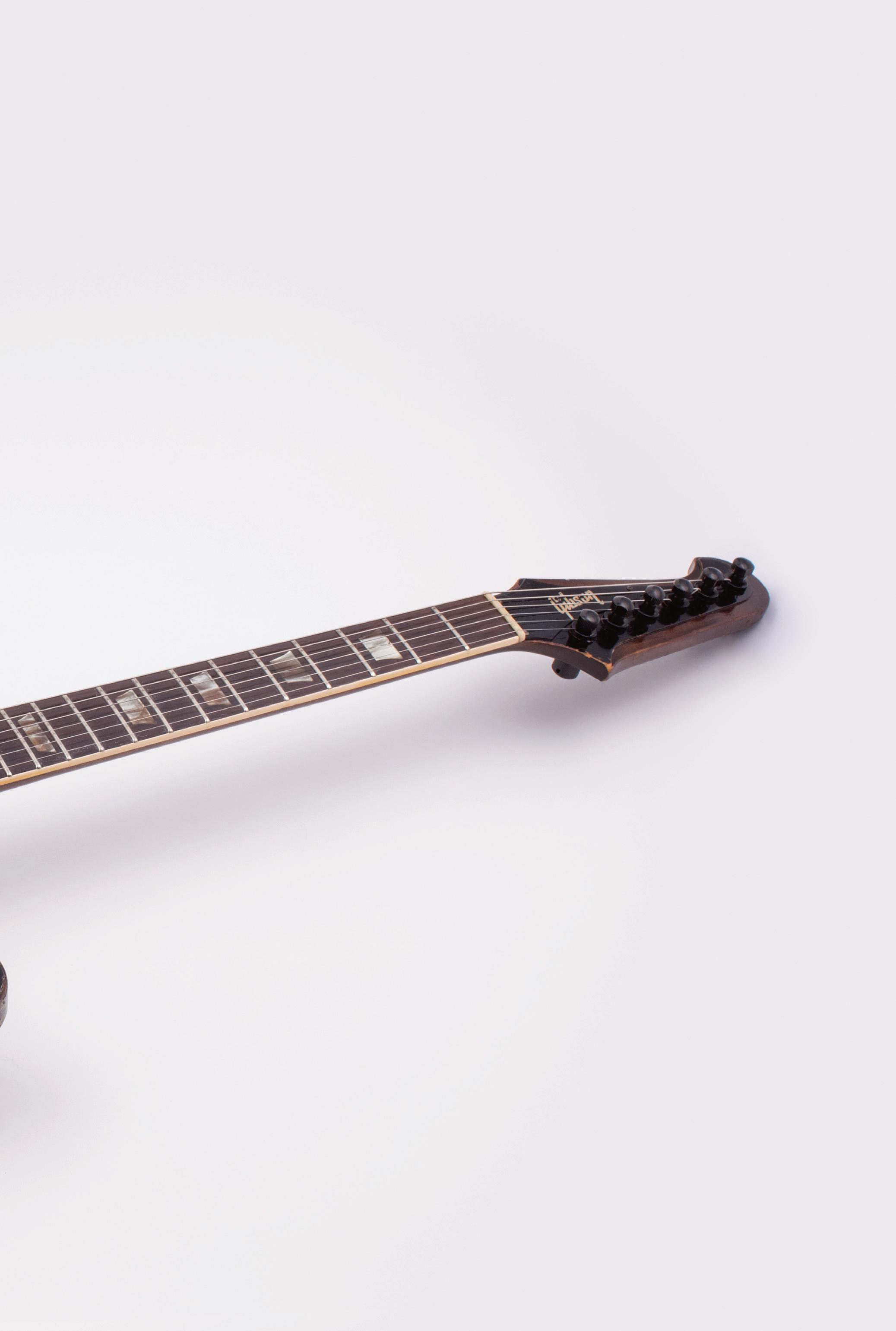
Presented here is Ronnie's Gibson 'reverse' Firebird V, acquired during the Rolling Stones’ 1994–95 Voodoo Lounge tour. Ronnie has been playing a Gibson Firebird since the Faces and has played this particular guitar on stage with the Stones on ‘Let’s Spend the Night Together’, ‘Sympathy for the Devil’ and ‘Street Fighting Man’.
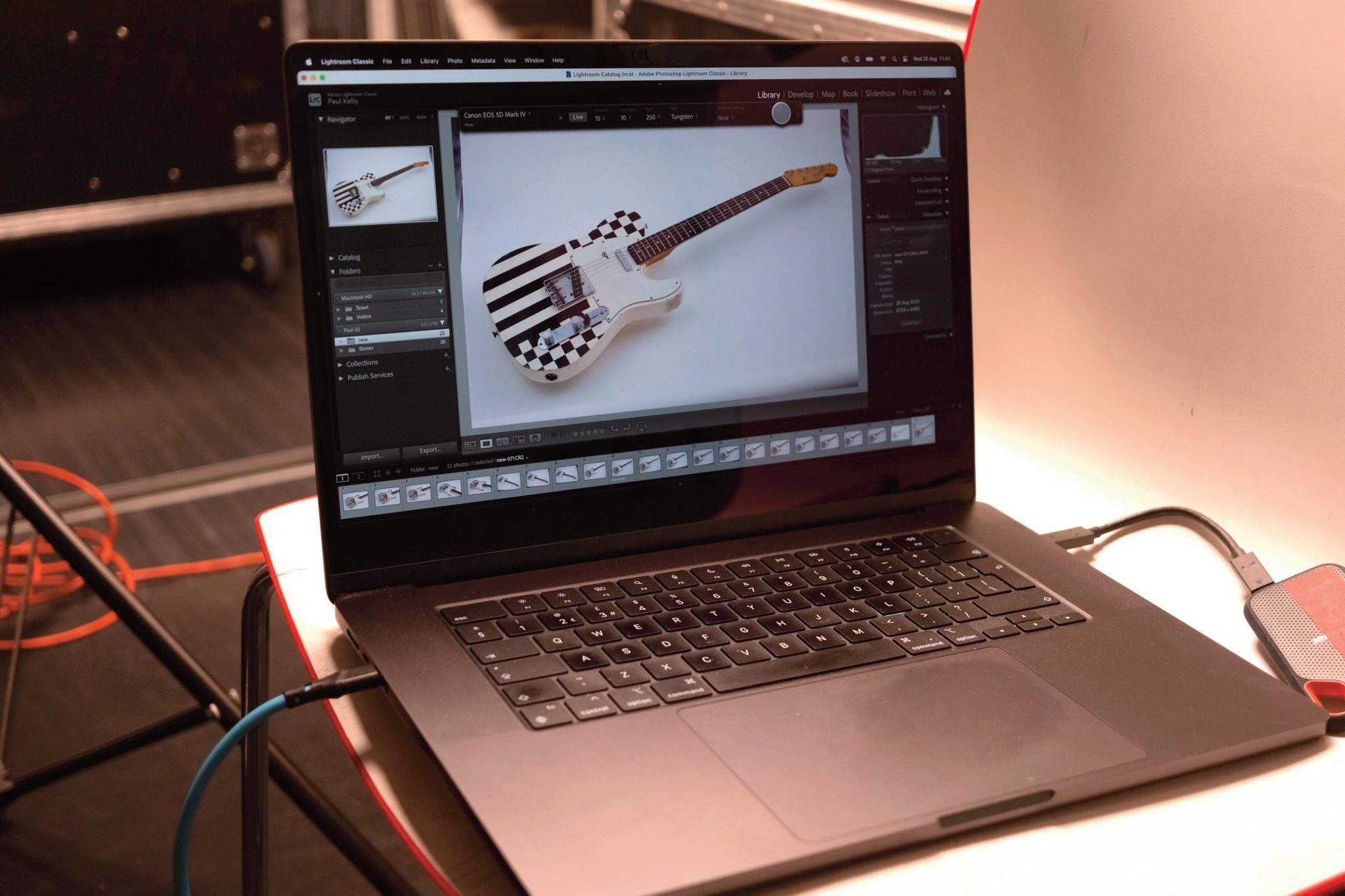
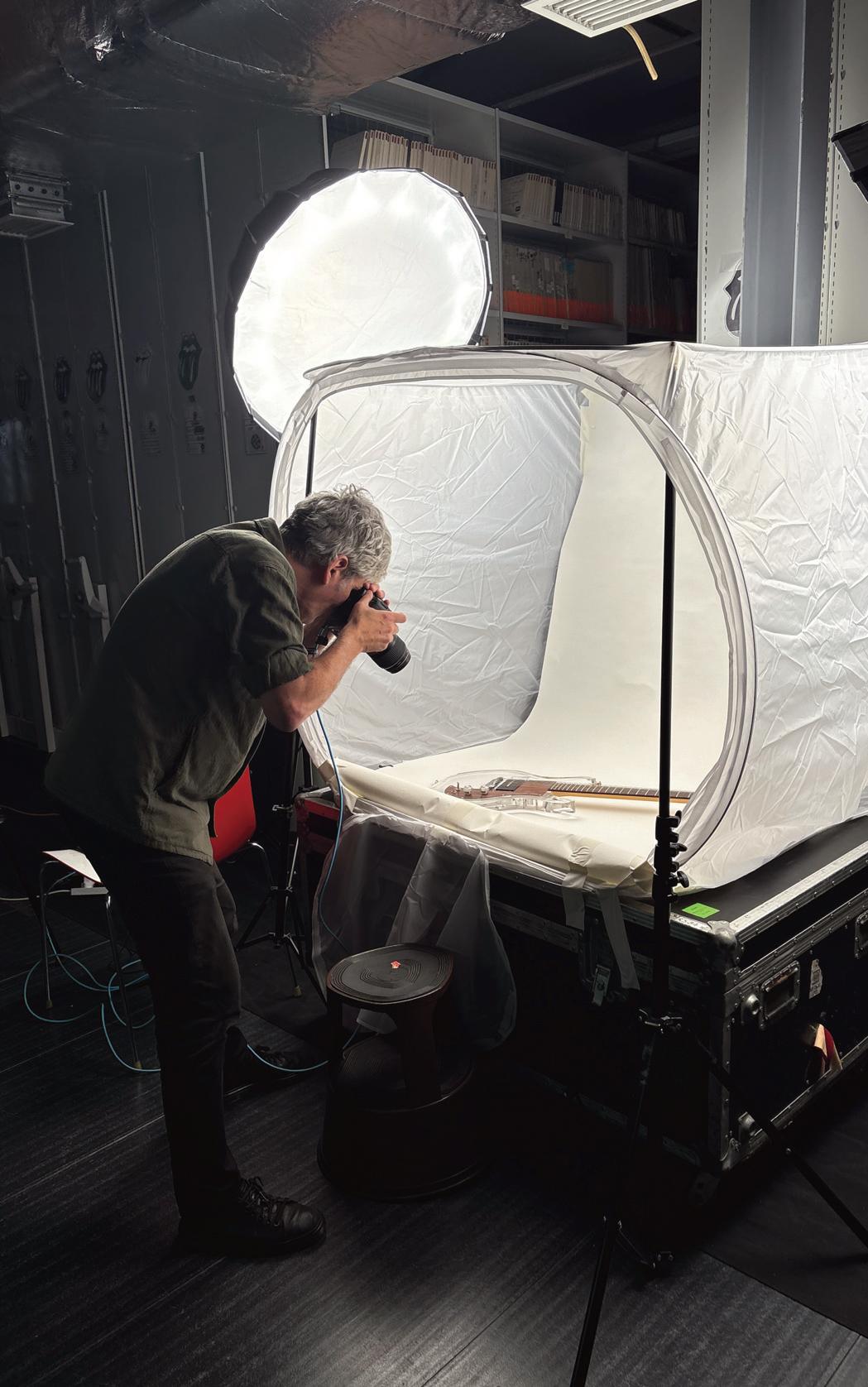
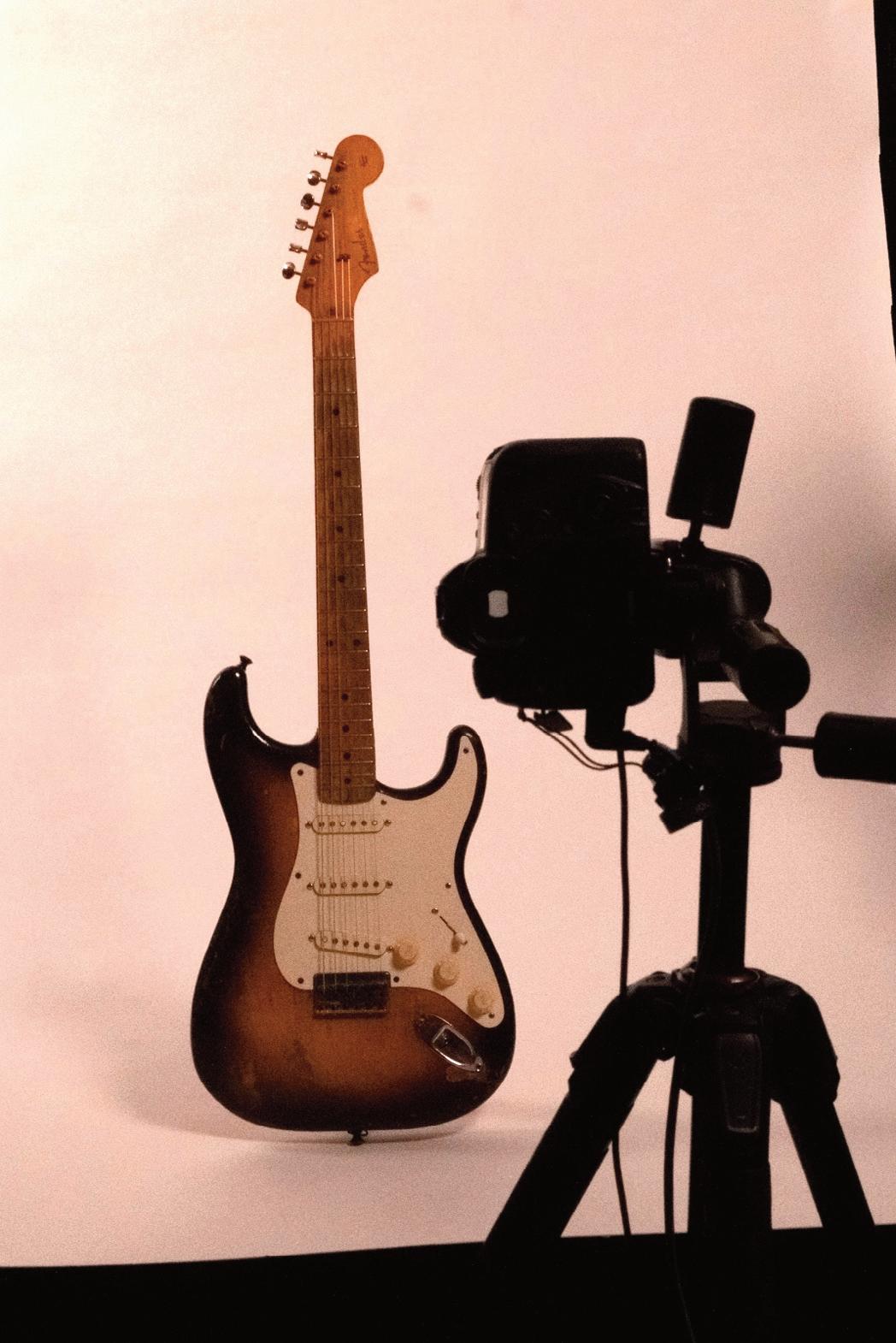
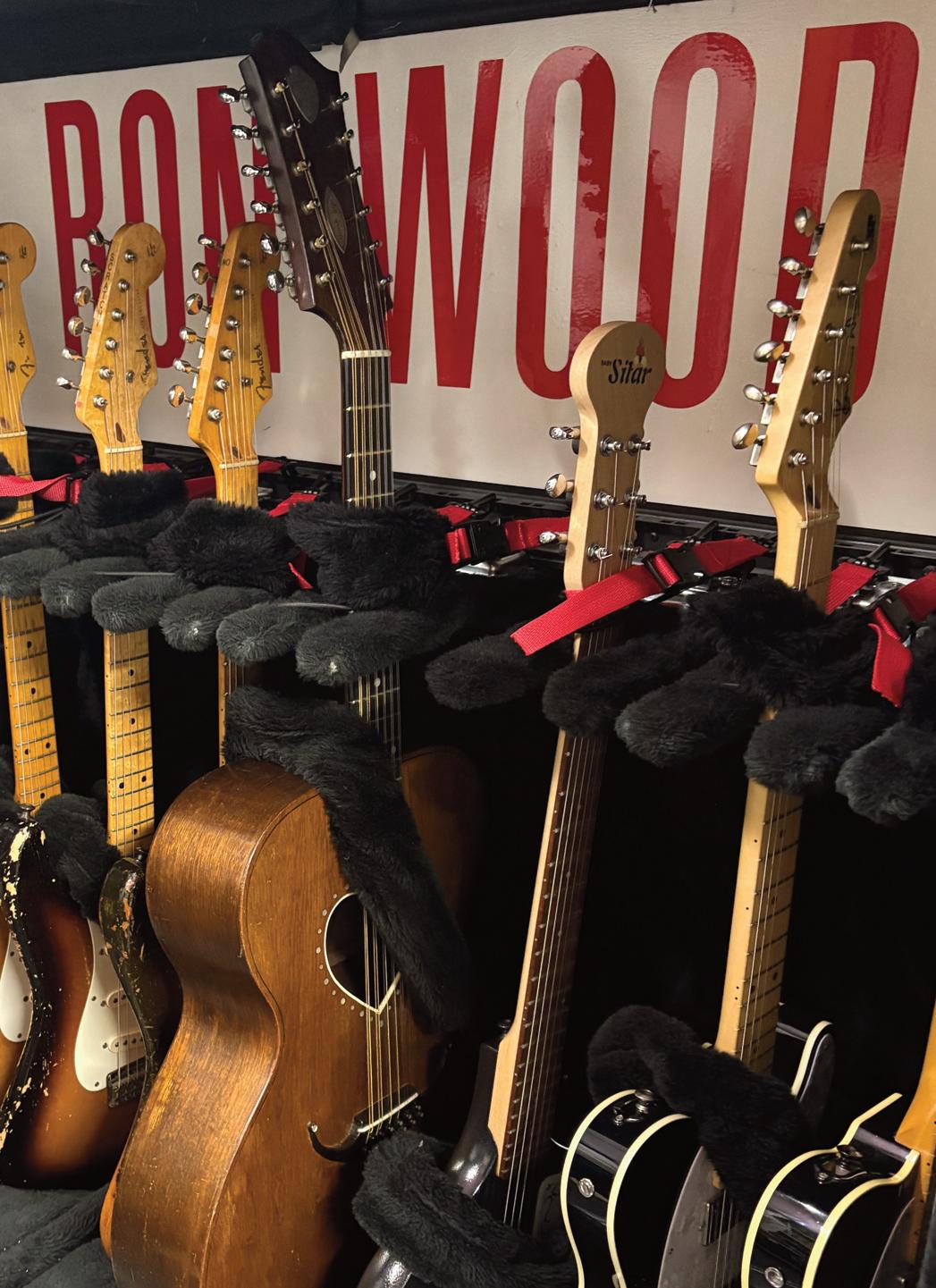
SALLY MILLARD, Editor: Last summer, Nick [Roylance] and I visited a Stones storage facility in London for day one of a three-day shoot of Ronnie Wood’s guitars and gear. Brothers Paul and Martin Kelly, who shot the photos for Jimmy Page’s Anthology, are our photographers for this project. Also there on the day to assist was Ronnie’s guitar technician, Anna Donarski, and the head of Universal’s archive, Rhodri Flower. Ronnie’s archive consists of over 200 items and, with only three days to shoot, we had to be selective. Day one was focused on shooting Ronnie’s main guitars, which are housed in two main racks, easily transportable to take on tour and to the recording studio. We were also shooting for some marketing material and concept pages so had specific guitars in mind that would cover Ronnie’s entire career. This included a replica of his Bird’s Op-Art customised white Fender Telecaster, the two Fender basses he played in the Jeff Beck Group, and some of his main Fender Stratocasters, the guitar Ronnie has favoured throughout his career, including 'Scratchy' and 'Old/New'.
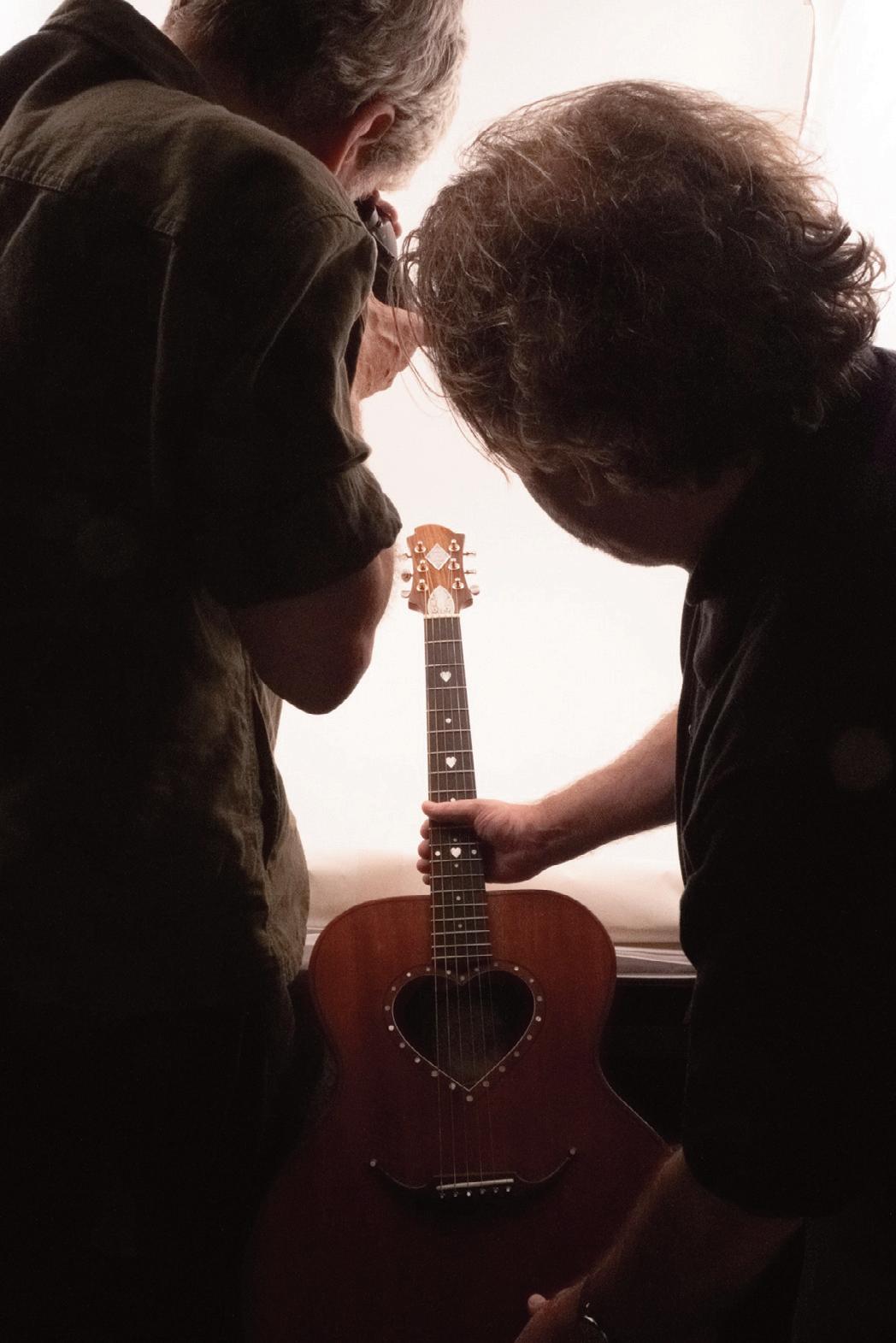
Among many beautiful guitars, we were excited to see Ronnie’s metal-front ‘Phoenix’ Zemaitis with its intricate engravings, and a beautiful 6-string acoustic Zemaitis with a painting by Ronnie visible through the heartshaped sound hole.
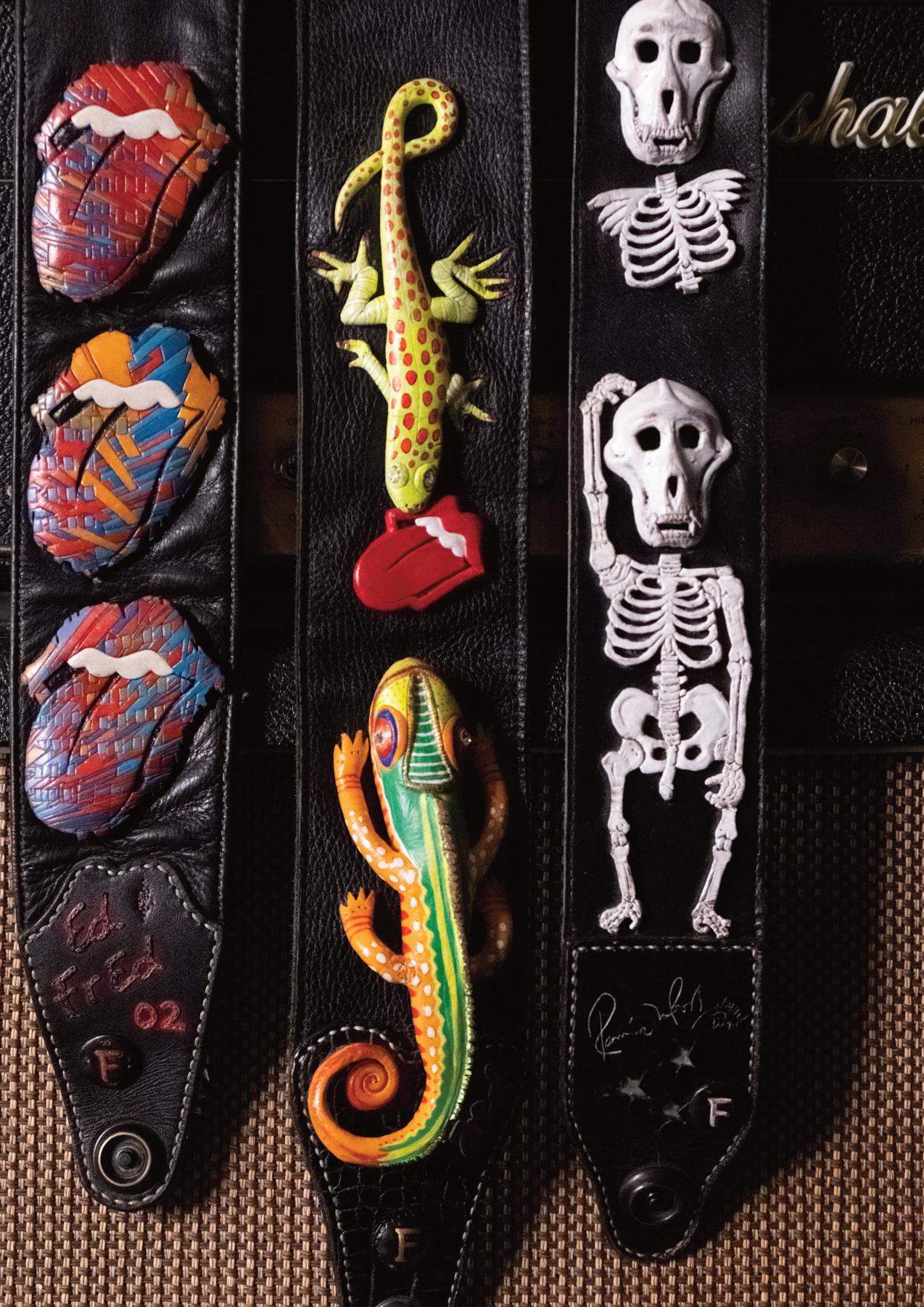
We had two set ups on the day: side-on full guitar and detail shots in a tent and then a white backdrop for a select number of front-on guitar and strap shots. Ronnie’s Ed & Fred leather straps are astounding to see up close – colourful, sculptural and multi-dimensional.
It is a privilege to see these guitars and items at close quarters and we are delighted with the photos from the day, which have succeeded in showing the colours, patina, wear and tear and modifications of these remarkable instruments, in themselves a visual story of Ronnie’s career.
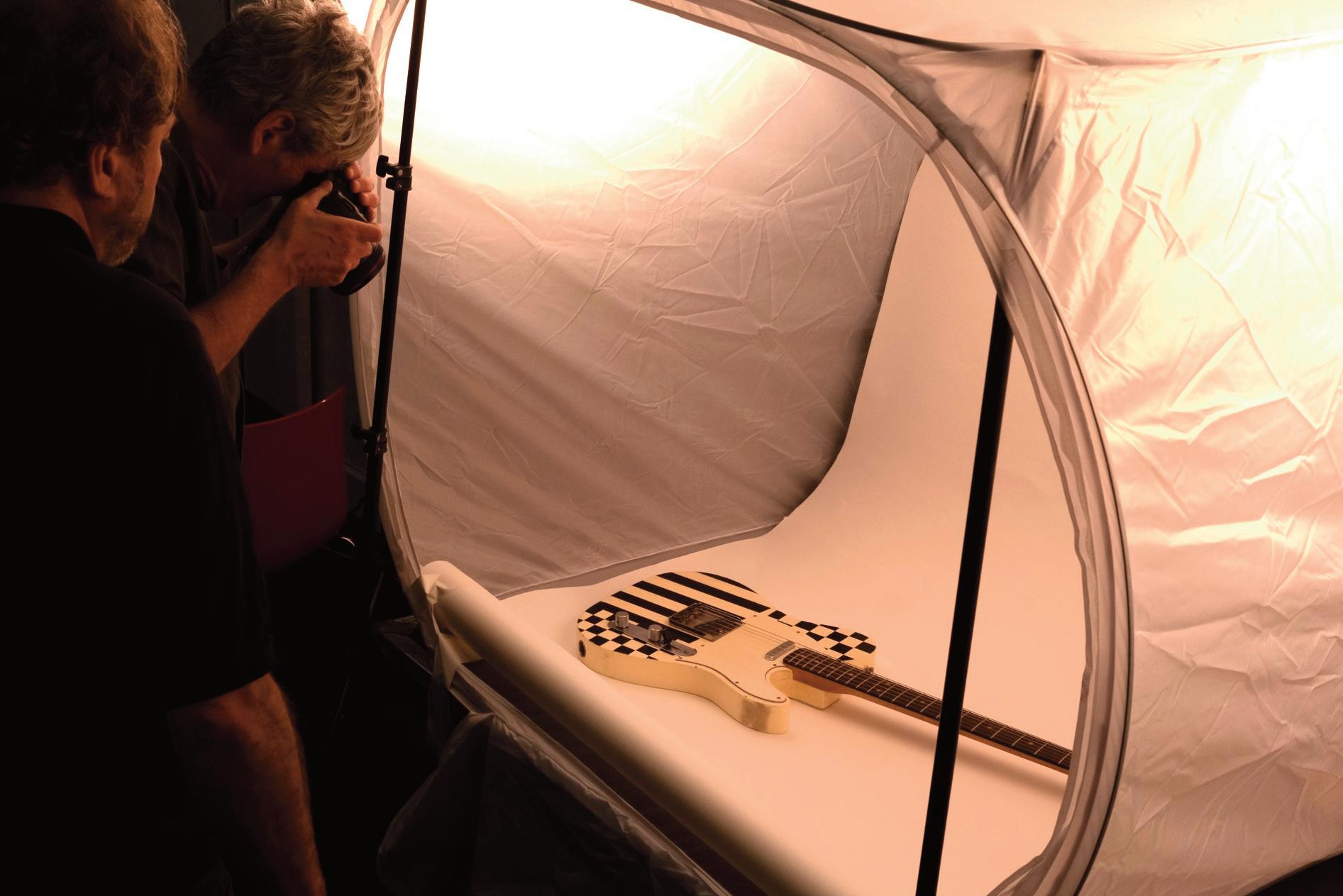
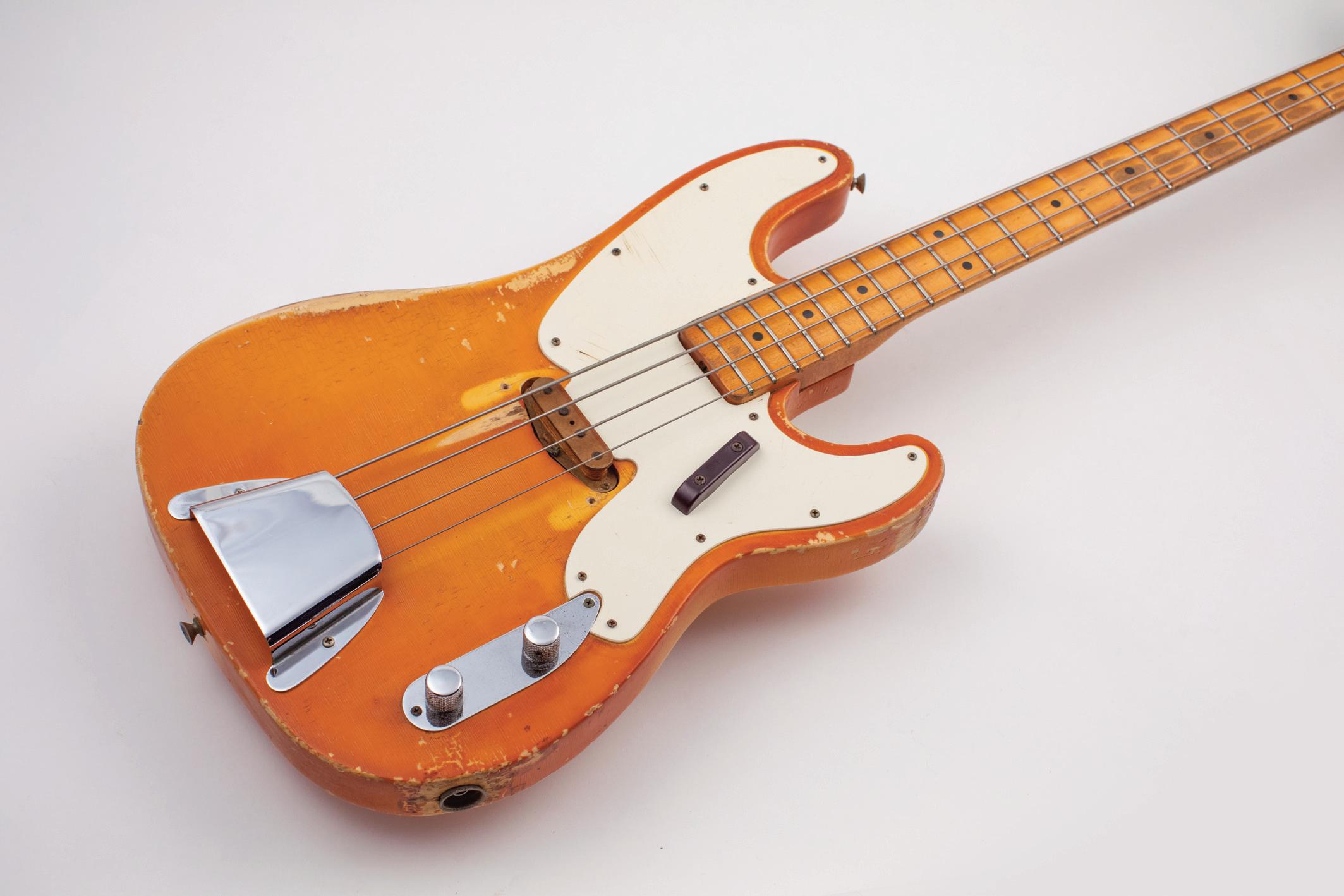
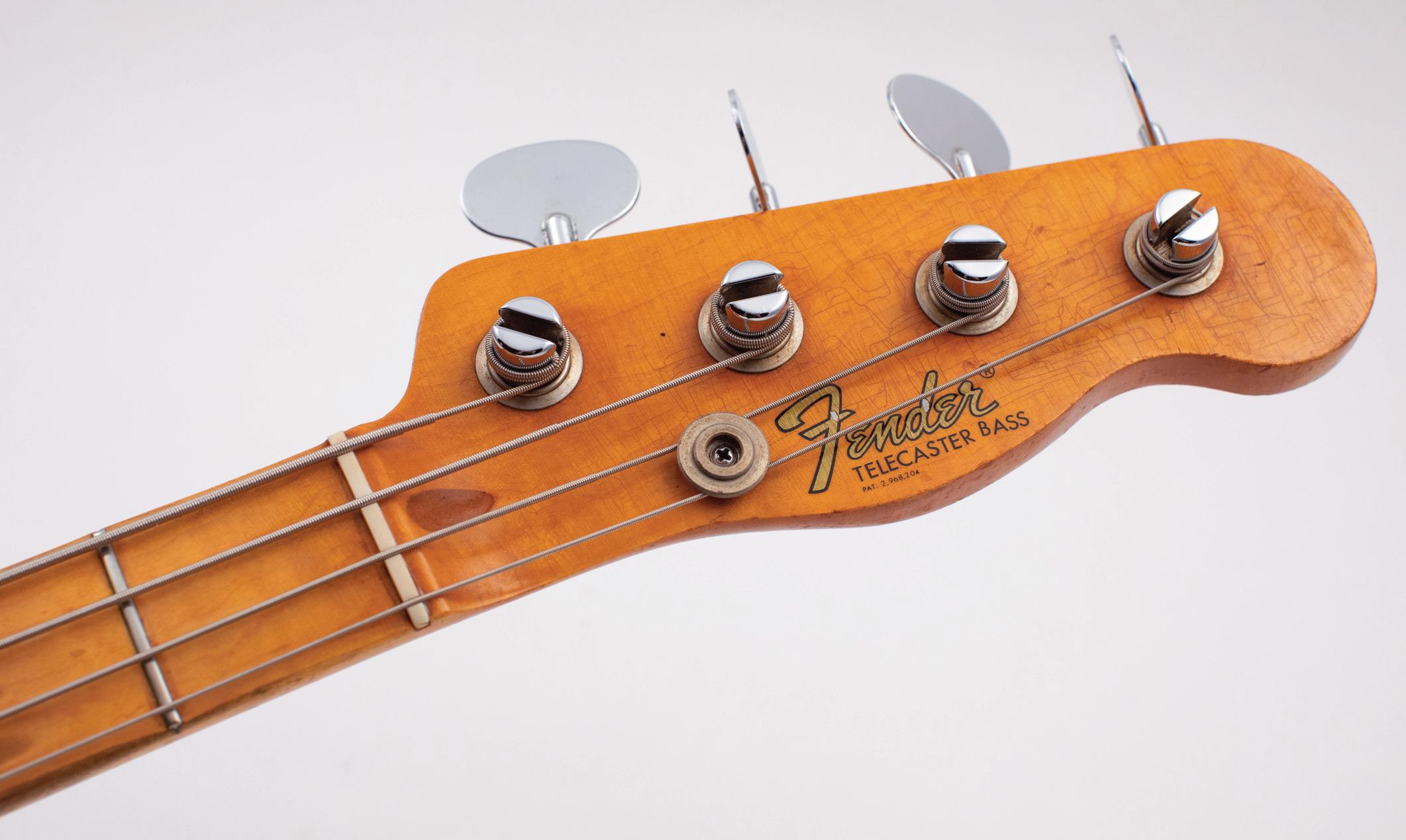
Featured left is Ronnie’s 1967 Fender Telecaster bass, played in the Jeff Beck Group and used on the Truth and Beck-Ola albums. This guitar has discoloured over the years – it was originally blonde.
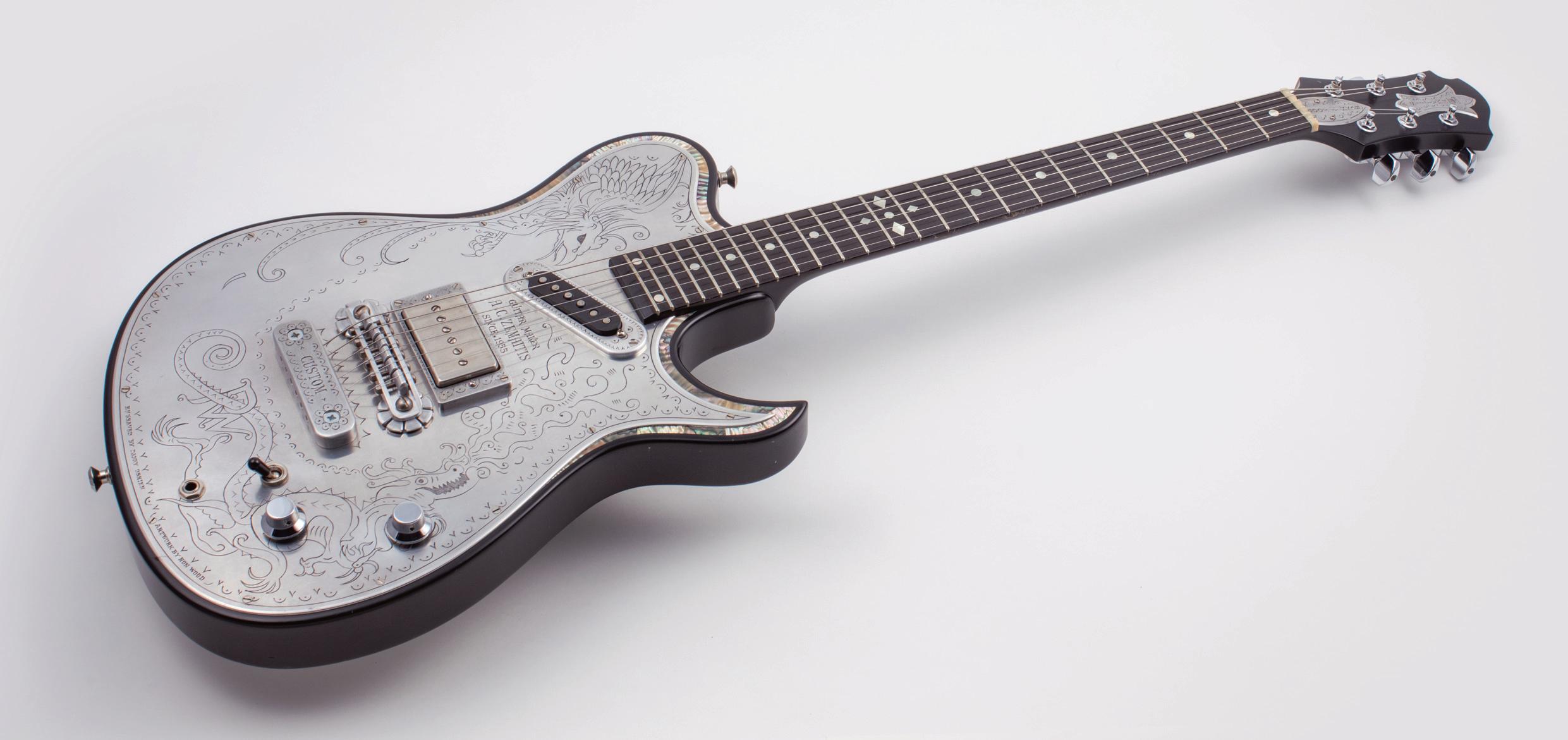
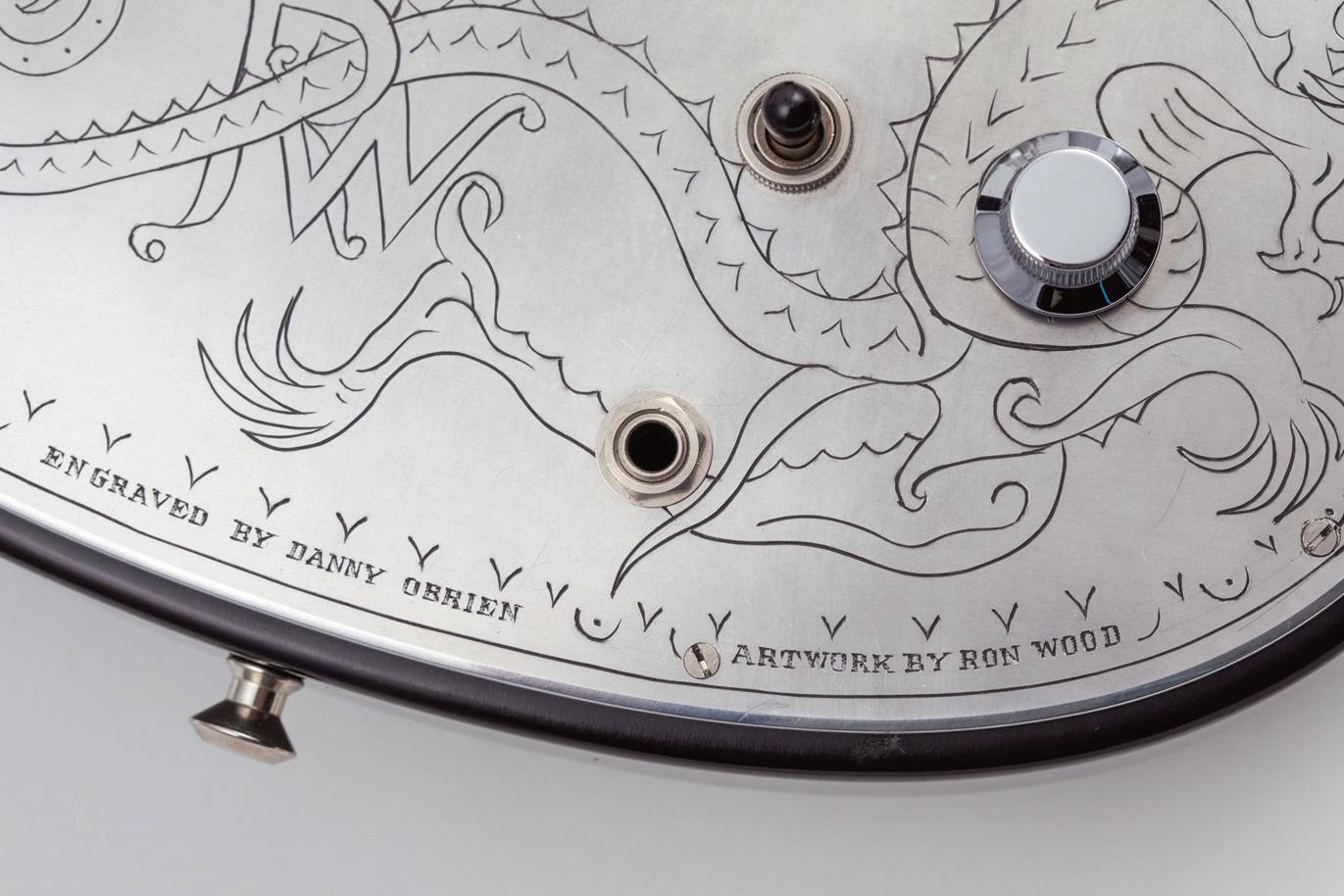
Lastly, known to Ronnie as ‘Phoenix’, this metal-front custom Zemaitis has artwork designed by Ronnie and engraved by masterengraver Danny O’Brien. Custom-built to replace a Zemaitis guitar that he had in the Faces, Ronnie has played this on stage with the Stones on ‘Beast of Burden’.
In this feature, ‘From the Archives’, we focus on special items, stored for prosperity, and explore their place in rock and roll history.
As part of the photoshoot for the latest book with Ronnie Wood, Genesis were granted unprecedented access to his archive of guitars and equipment.
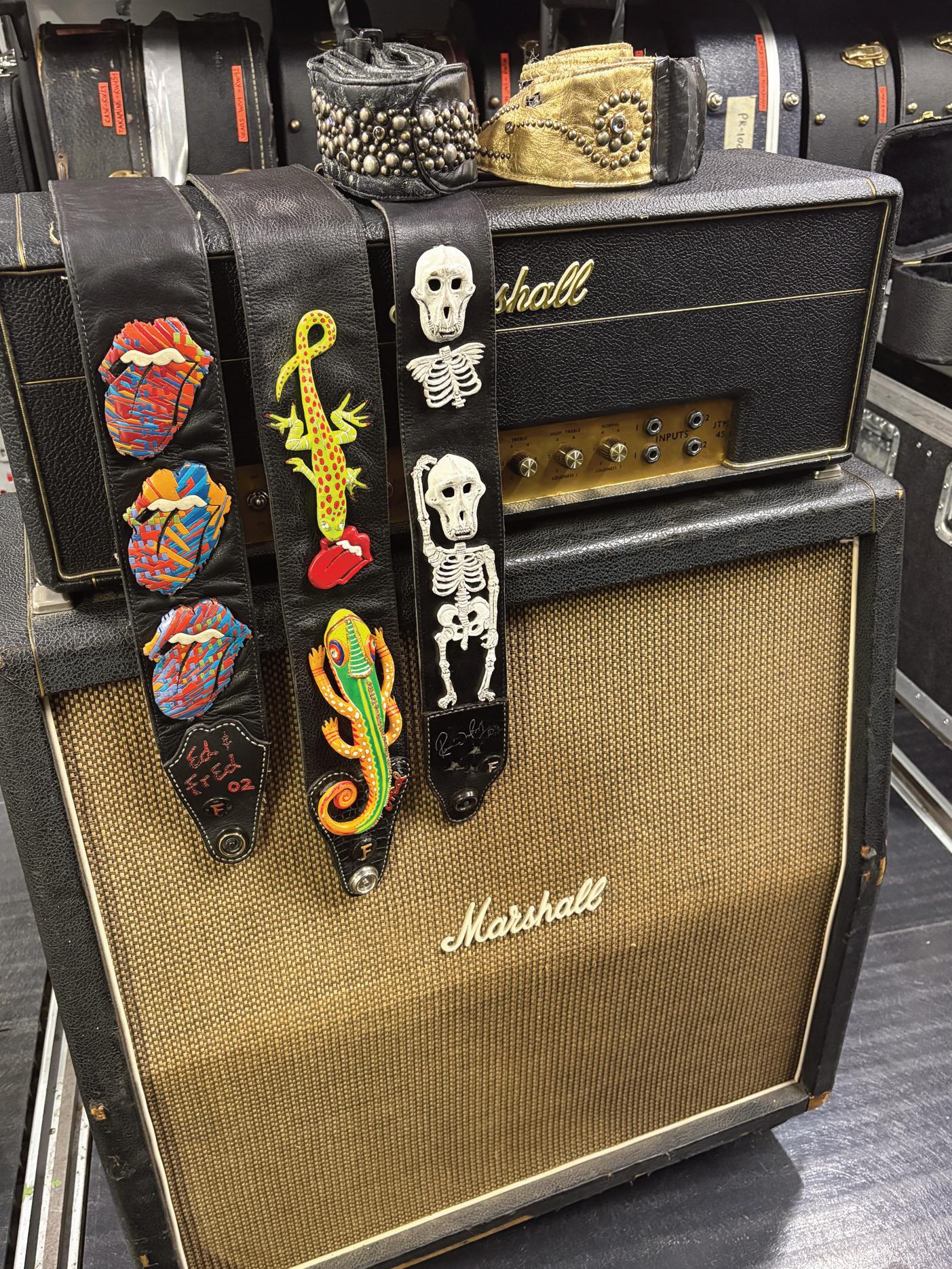
Ronnie has several guitar straps that were created by Ed and Fred Foster, identical twin brothers from Birmingham, Alabama. These highly-crafted leather straps include these three instantly recognisable examples, which Ronnie uses with a number of his guitars when he plays with The Rolling Stones.

In 1975, The Rolling Stones documented their mammoth 40-show Tour Of The Americas – T.O.T.A '75 – in its entirety. A trusted friend and confidante, Christopher Sykes, was brought in to create a visual and written record of their journey.
In 2005 Genesis, brought together Sykes’s enormous archive of largely unseen photographs in a signed limited edition book and boxed set, T.O.T.A ‘75, which also included a wonderfully descriptive diary and a collection of every piece of tour memorabilia imaginable – including backstage passes and even hotel room keys. Whilst many Genesis editions include unique items of ephemera, creating over 2,000 sets of replica room keys was a first.
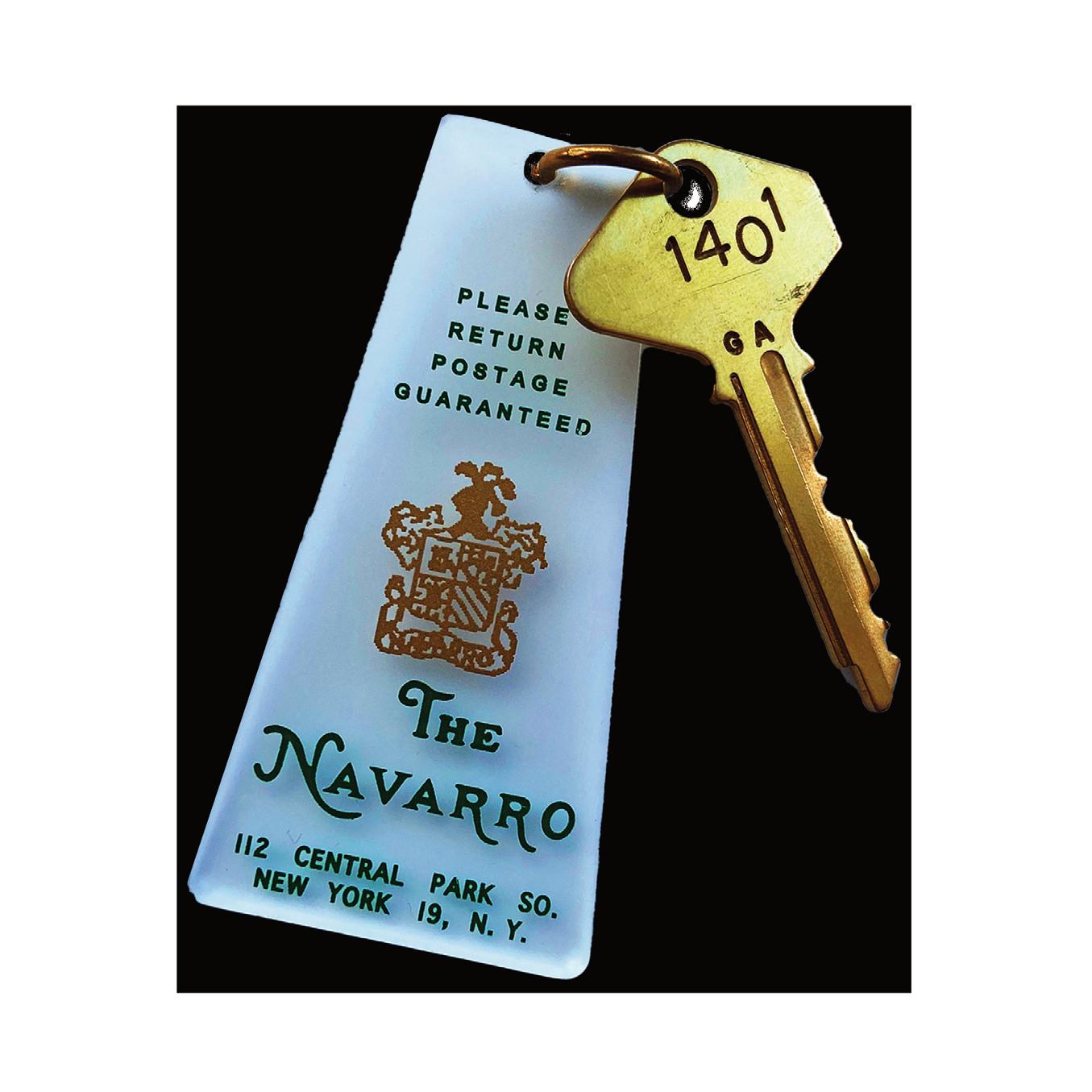
My beloved copy of EXILE was jealous when it saw T.O.T.A. I’m keeping them in separate rooms, sort of like Mick and Keith.
A wildly enthusiastic standing ovation for the stunning Rolling Stones T.O.T.A ’75 book. The most amazing book I own. Having received my copy at last, I understand why it took so long. I can’t imagine how complicated that beast was to put together. But it was well worth the effort. Flawless, just absolutely flawless.
J. Kerrigan, Texas
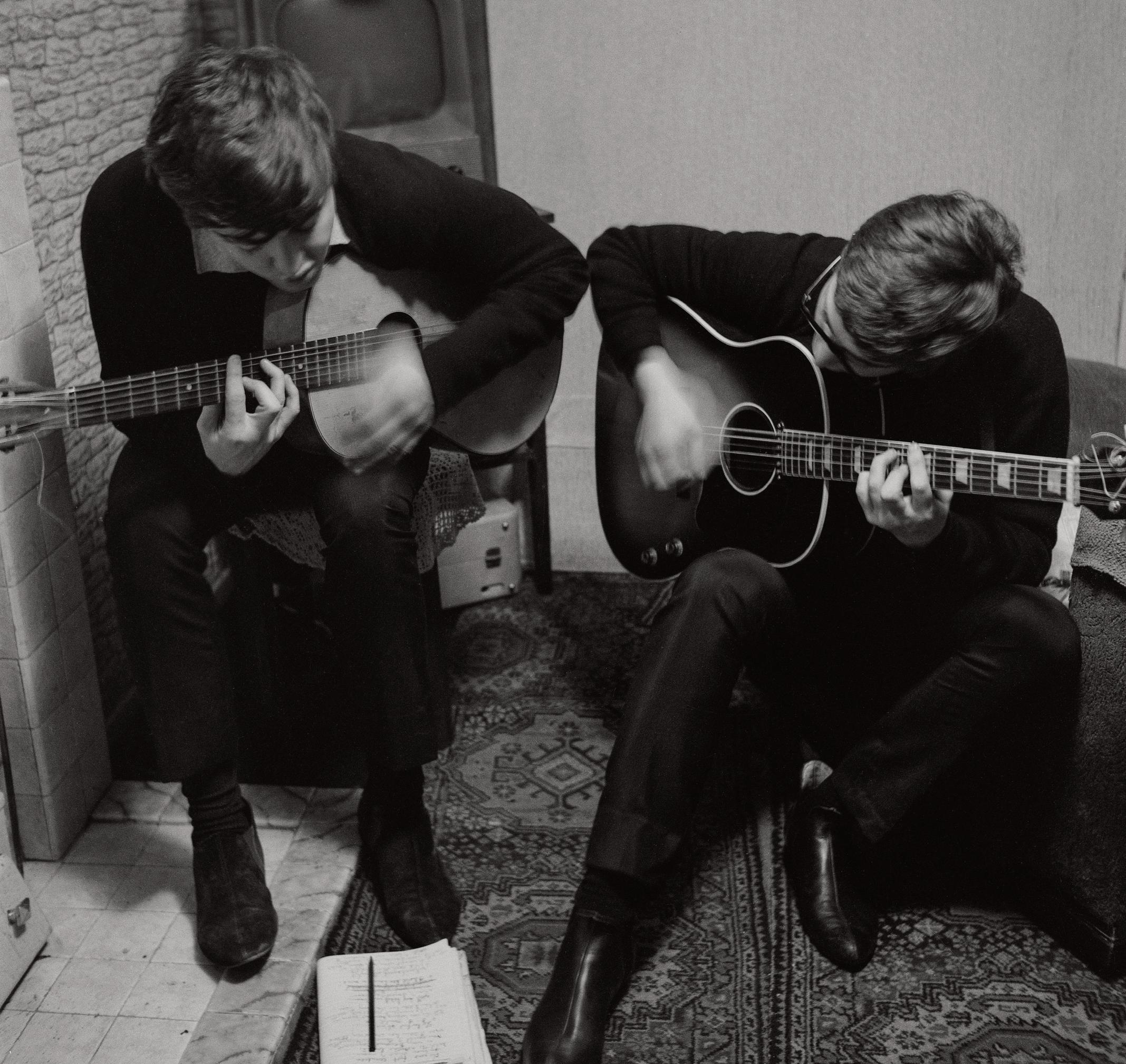
Genesis has had the pleasure of working with Mike McCartney on his book of photographs that capture Liverpool at a pivotal time. The signed, limited edition brings together all of McCartney's finest work, capturing the Merseybeat scene. The venues that were at the heart of the city are all featured, including the Casbah Club, the Jacaranda Club, Hope Hall, the Tower Ballroom and the legendary Cavern Club. And, of course, the bands that emerged are included too, seen here and overleaf.
In this special feature Mike McCartney talks us through three pivotal albums in his life: from his early musical memories to playing with the greats as part of his own band, Scaffold. He also recounts being one of the first people to listen to perhaps the most groundbreaking album in music history.
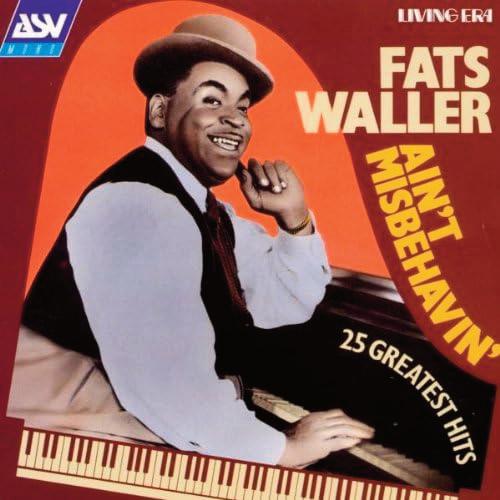
Fats Waller was a jazz musician and we had one of his LPs in Forthlin Road. It was called Ain’t Misbehavin’. He was a great pianist, but he also had a wonderful, subtle sense of humour. One of the songs that stood out to me was ‘Your Feet’s Too Big’:
I can’t stand ya, cause your feets too big (…) I really hate ya, cause your feets too big (…) your pedal extremities are colossal, To me you look like a fossil
My dad and brother liked Fats Waller too. He had a big influence on all our lives.
‘My mind was blown by a strange group from Liverpool’
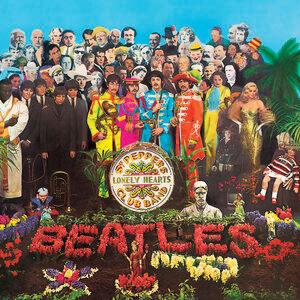
I’d often go down to London to visit our kid and he’d play me the latest songs they’d been working on but one particular album was taking a long time. I’d pop into Abbey Road and listen to what was going on until one day Paul came home with a white label – one of the first test records of the album. They’d finally finished it and he told me it was called Sgt. Pepper’s Lonely Hearts Club Band. I said, ‘That’s a daft title.’
He said, ‘Well have a listen and see what you think.’ So I put it on, whilst at his place in St John’s Wood. It was a nice day, and we had all the windows open so all of St John’s Wood heard it for the first time, too. I sat between his two speakers and listened, from ‘Sgt. Pepper’s Lonely Heart’s Club Band’ through to ‘A Day in the Life’ and it was a day in my life that I’ll never forget. There I was, one of the first people in the world to have heard it. It was a lovely privilege of just sitting there and have the songs blast through my head and heart. It was unique. My mind was blown by a strange group from Liverpool.
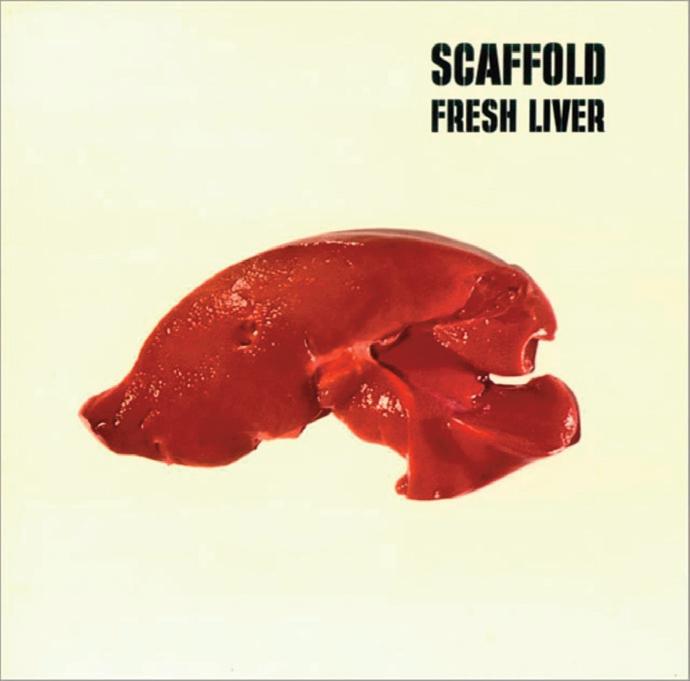
My final album is of course from my own group, Scaffold. The Box of Scaffold has all the hits, all the misses. It’s the definitive collection of our life. It’s a magic bit of history, like my book with Genesis being the definitive collection of my early Liverpool photographs. As a group we didn’t play any instruments, so we were dependent on whoever were the chosen musos. We’d go into Abbey Road to record ‘Lily the Pink’ and there was Jack Bruce from Cream playing bass for us. On another song we had two young guys come in for harmonies and one of them was called Reg Dwight… otherwise known as Elton John! Jimi Hendrix played on one of my McGough & McGear tracks. They were real highlights.
One album I’d like to pick out of the boxed set is Fresh Liver Fresh Liver broke the flow and at Tim Rice’s suggestion, one side was lyrics and the other side was instrumental. By that time I’d become friends with some of the greatest musicians in Britain and so we were able to have some extraordinary people on the album. I had musicians as good as my brother had! It was such a joy to record. There’s a special one called ‘Nuclear Band’ of which I can say I really delivered the goods in terms of vocals. A lot of the songs were very personal to me and the musicians on the album not only had the musical expertise, but they had warm hearts and were good people, so that was a highlight of my life. I’m so happy that these things have been recorded for posterity.
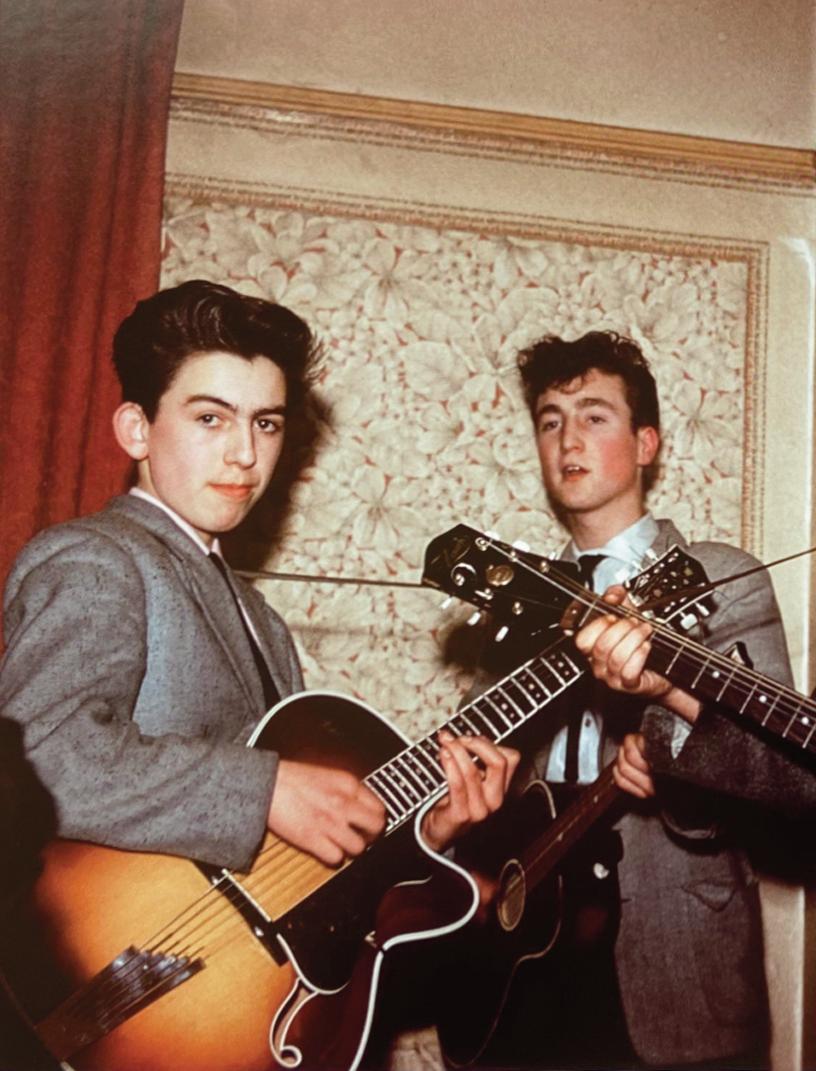
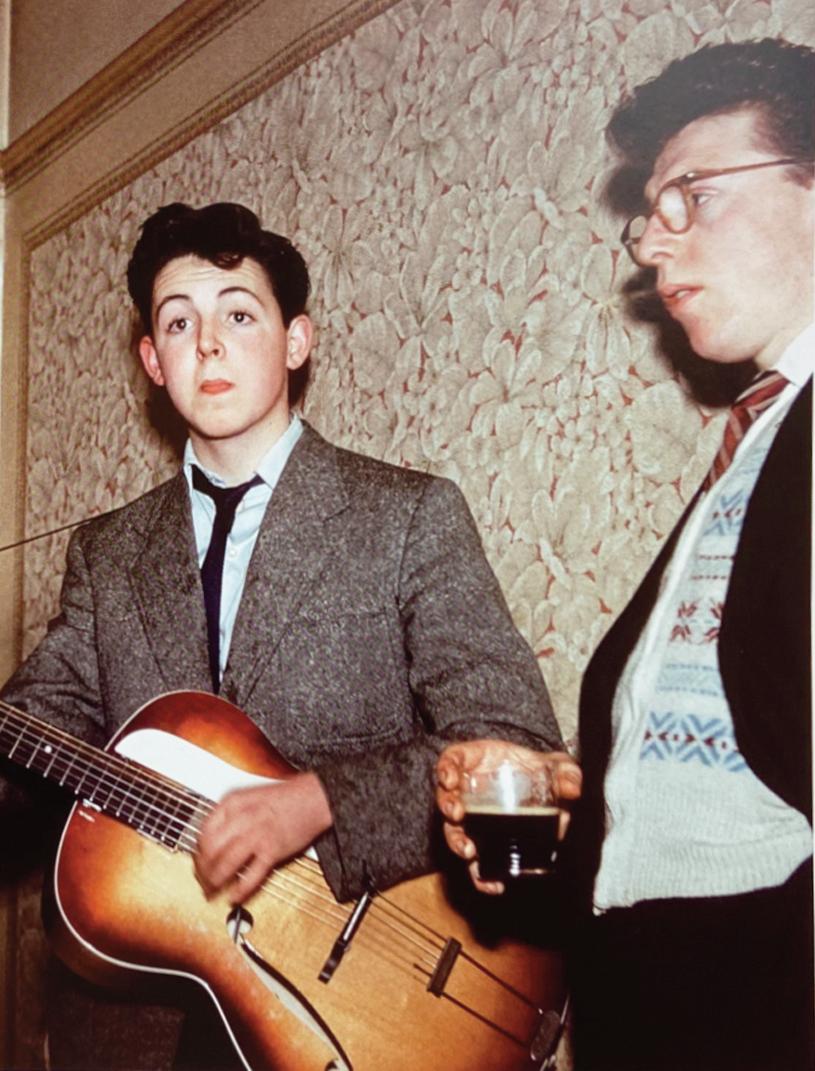
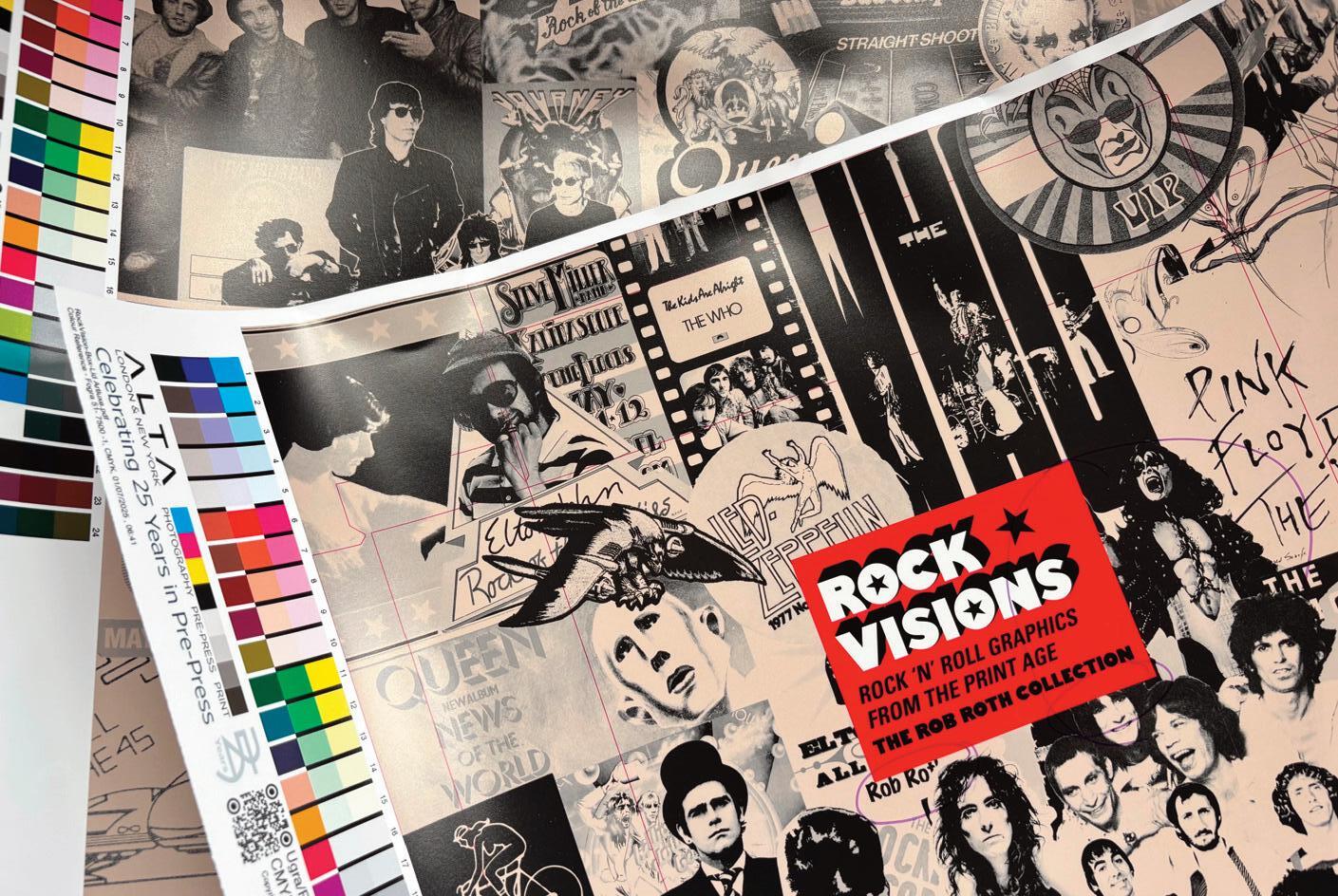
A new title from Genesis, ROCK VISIONS is a stunning collection of memorabilia from twelve of the most legendary bands and artists of our times. This curated journey through the archives of Rob Roth captures the essence of the music, the fandom, and the larger-than-life personas that defined a generation. Here, we interview Rob Roth on the nature of collecting.
What was the first item that set you on this journey of finding and collecting?
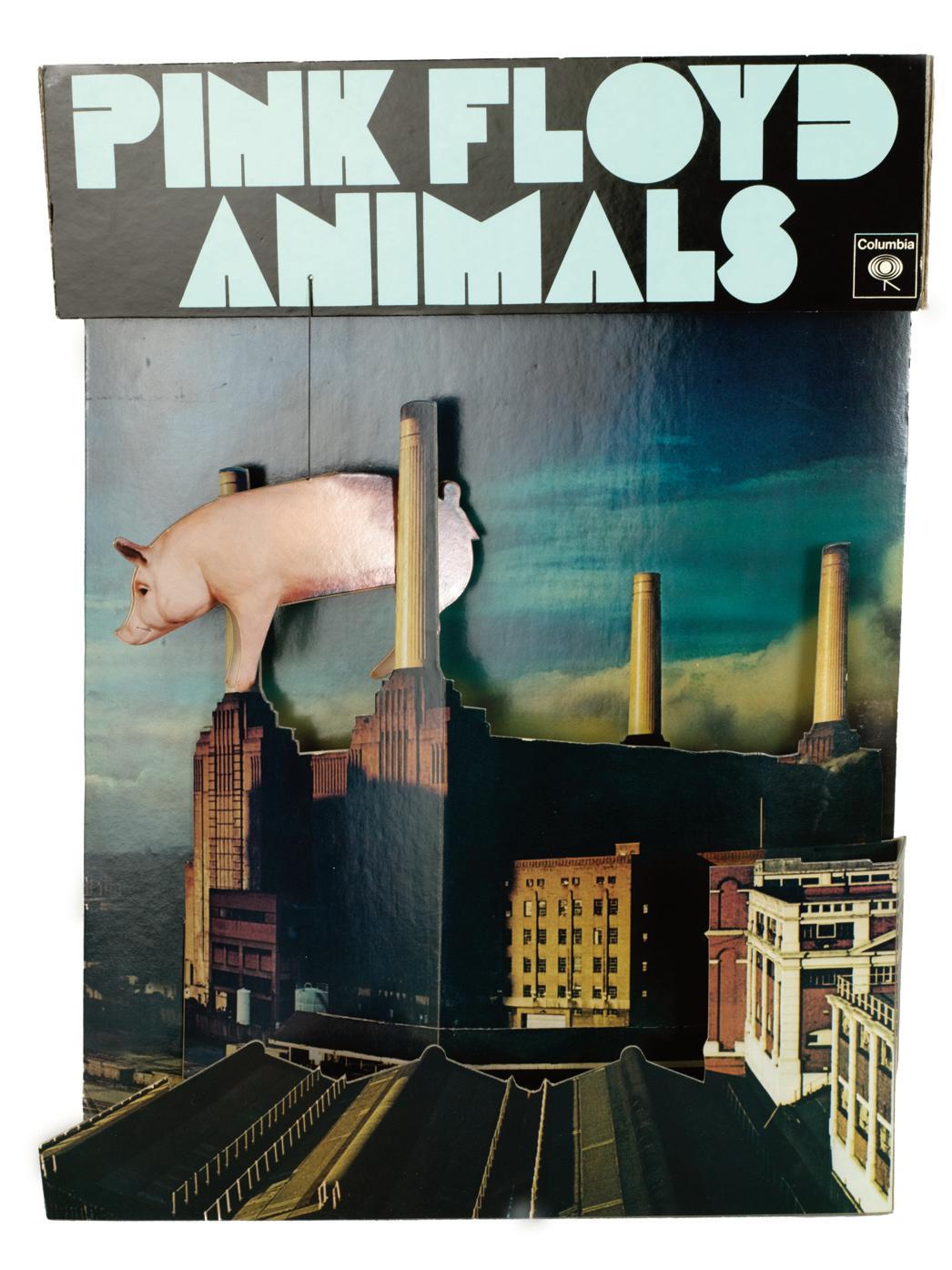
The first item I acquired in my collection was a selection of Pink Floyd Animals promotional items. In America in the Seventies Tuesday was new album release day. Every Tuesday after school, I would ride my bike to my local Korvettes department store, which had a huge record department. The record company promo people would often be in the store putting up the displays for that weeks’ new releases. On this day in 1977 it was Pink Floyd Animals. There were multiple items created for this release: a poster, record bin divider, counter top display and hanging mobile. I asked the promo guy if I could buy one of each of these items. He said that they weren’t for sale, that he would get in trouble. I was very disappointed and he must have seen this, because he asked me to write my name and address down for him. He said when he got back to the office he would see if he could find some spare items and send them to me! Sure enough about ten days later a big box arrived from Columbia Records with all of the items inside. That was it! I was off and running and now have over 12,222 items in the collection – a portion of which are included in Rock Visions
What is the most exciting thing about collecting?
The discovery of an item that I don’t already have is heart-racingly exciting! Just this past week I was looking around on eBay. At this point in my 50-year journey of collecting it is very rare that I find anything on eBay that I don't already have. But last week I found something that I had never even seen before! An Alice Cooper ‘Welcome To My Nightmare’ promo cardboard mask. I was shocked! I immediately wrote an email to Alice, he’s been a good friend and collaborator for many years, to ask if he thought this was real. He said he had never seen one, but did recall doing a press event in 1975 where everyone was wearing the mask. So it was real. I had to wait a week for the auction on eBay to close, and I set my alarm so I could make a high bid. I won the item and honestly, it made me so happy. SO happy.
Do you have a favourite item in your collection?
This is a hard question to answer, as I have so many items that have special meaning. But I suppose the
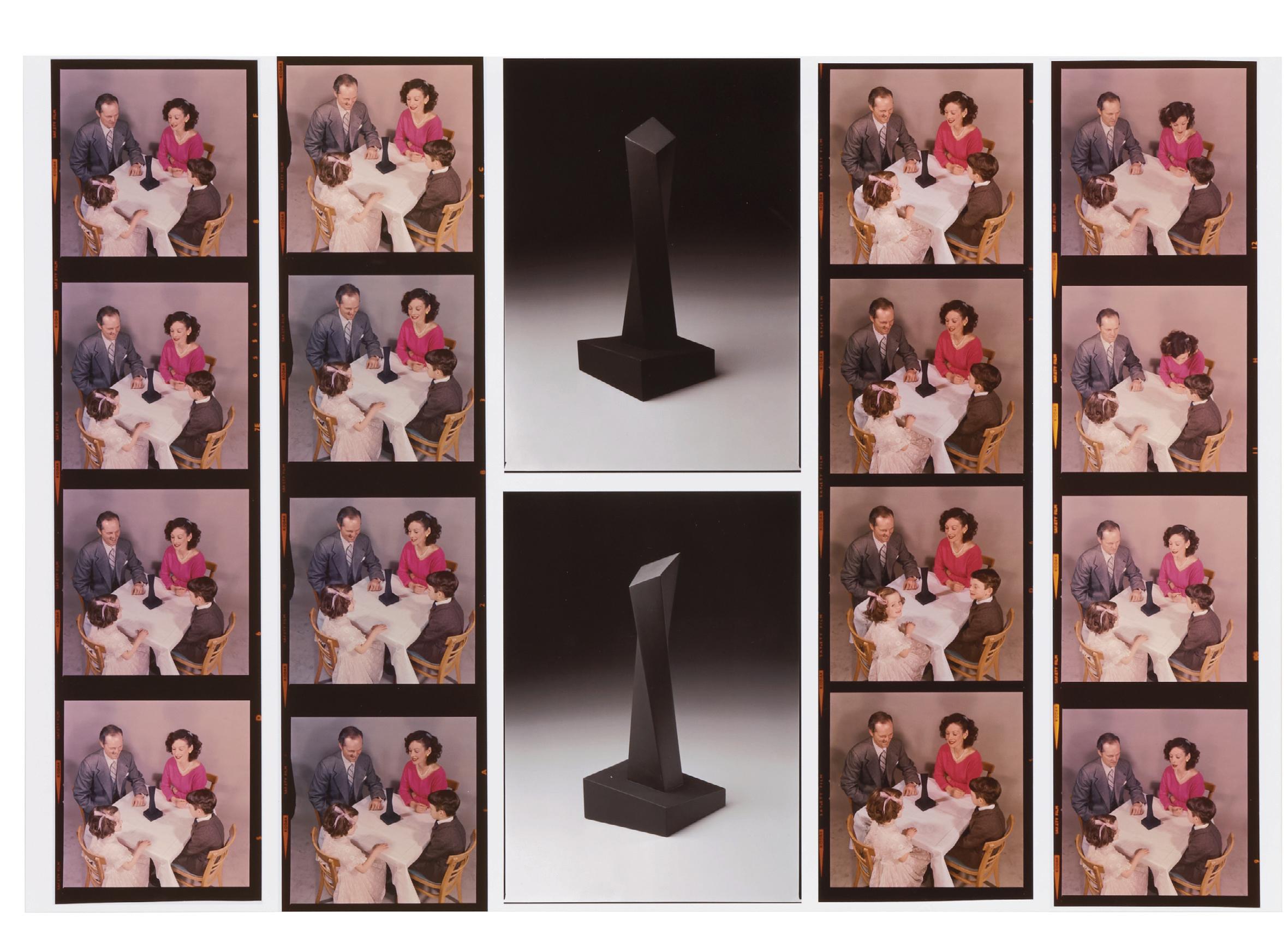
answer would be the original The Object sculpture by Hipgnosis, for Led Zeppelin’s album Presence. This was given to me by artist Storm Thorgerson from his personal collection. Storm was a dear friend and genuine genius. Presence is my favourite Led Zeppelin album, and that Storm wanted me to have this in my collection is very meaningful.
Do you think your collection will ever be complete? No! There are new releases by all of the bands I collect, even though many of the bands no longer record new music or play live. The bands that do still tour, Alice, The Rolling Stones, The Who, etc. have new merch for all the tours, so there always seems plenty for me to acquire. There are reissues, and live recordings and books and other memorabilia, so I am constantly on the lookout for new things.
What is your favourite Genesis book?
This is hard to choose! I think my favourite book is Taken By Storm, not only because the book is so beautifully printed, as are all Genesis books, but because of the wild and eclectic contents of the box, which are as eccentric as Storm himself.
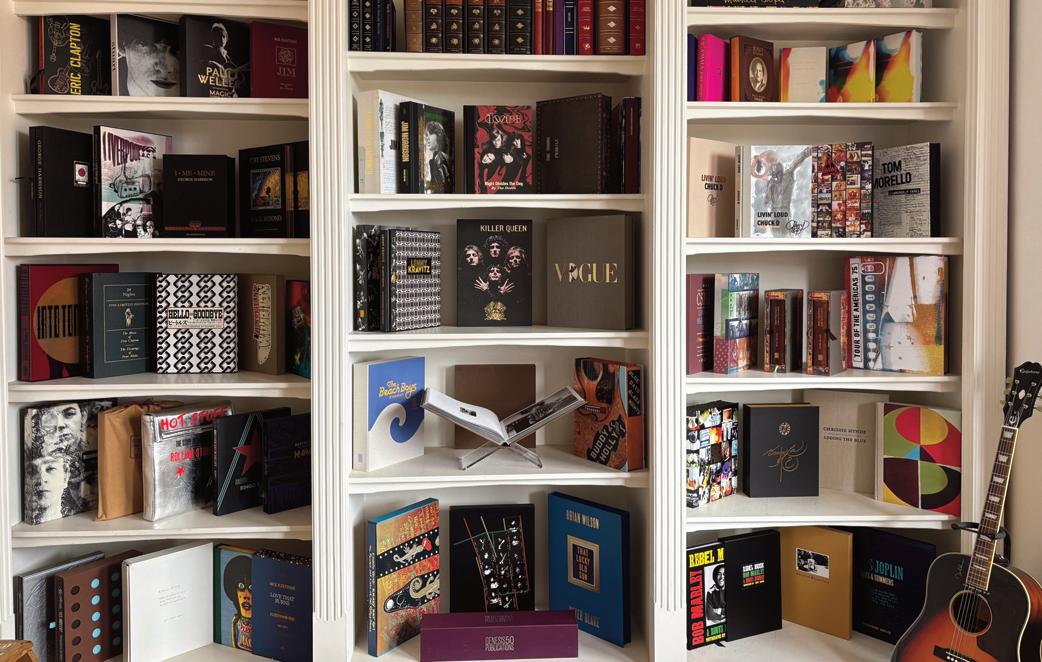
Why do you think Genesis books appeal to collectors? Genesis books are handmade works of art. It is not only the content of the books that is so appealing, but the book itself which feels so good when you hold it in your hands. The care that goes into making these books is so apparent as you leaf through the pages. Also, Genesis books give you an inside look at the artists who is featured. The ‘behind the scenes’ nature of the books is also very appealing. I'm a little bit nervous about my book Rock Visions coming out because soon the world will know how crazy I am to have actually collected all the individual items I now have. There are approximately 4000 images in the book, which just seems insane when you see them all.
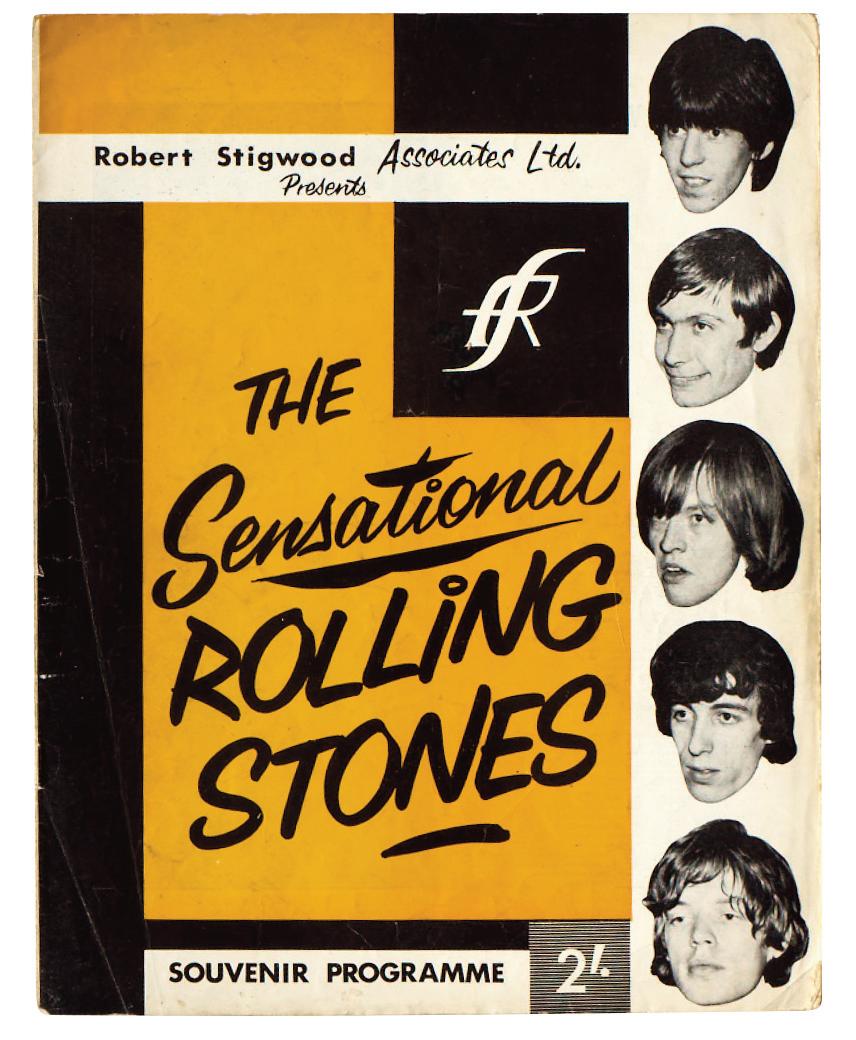
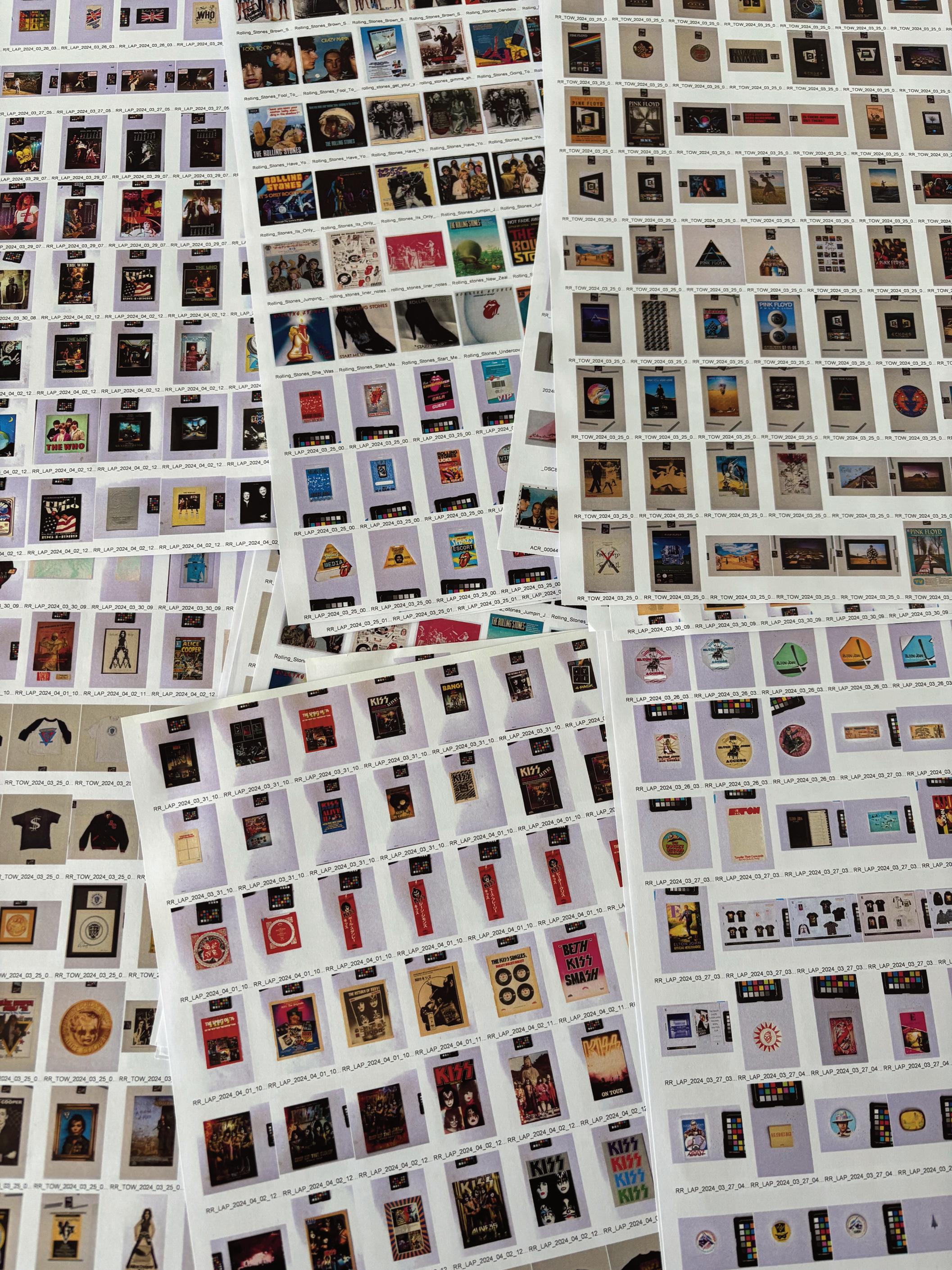
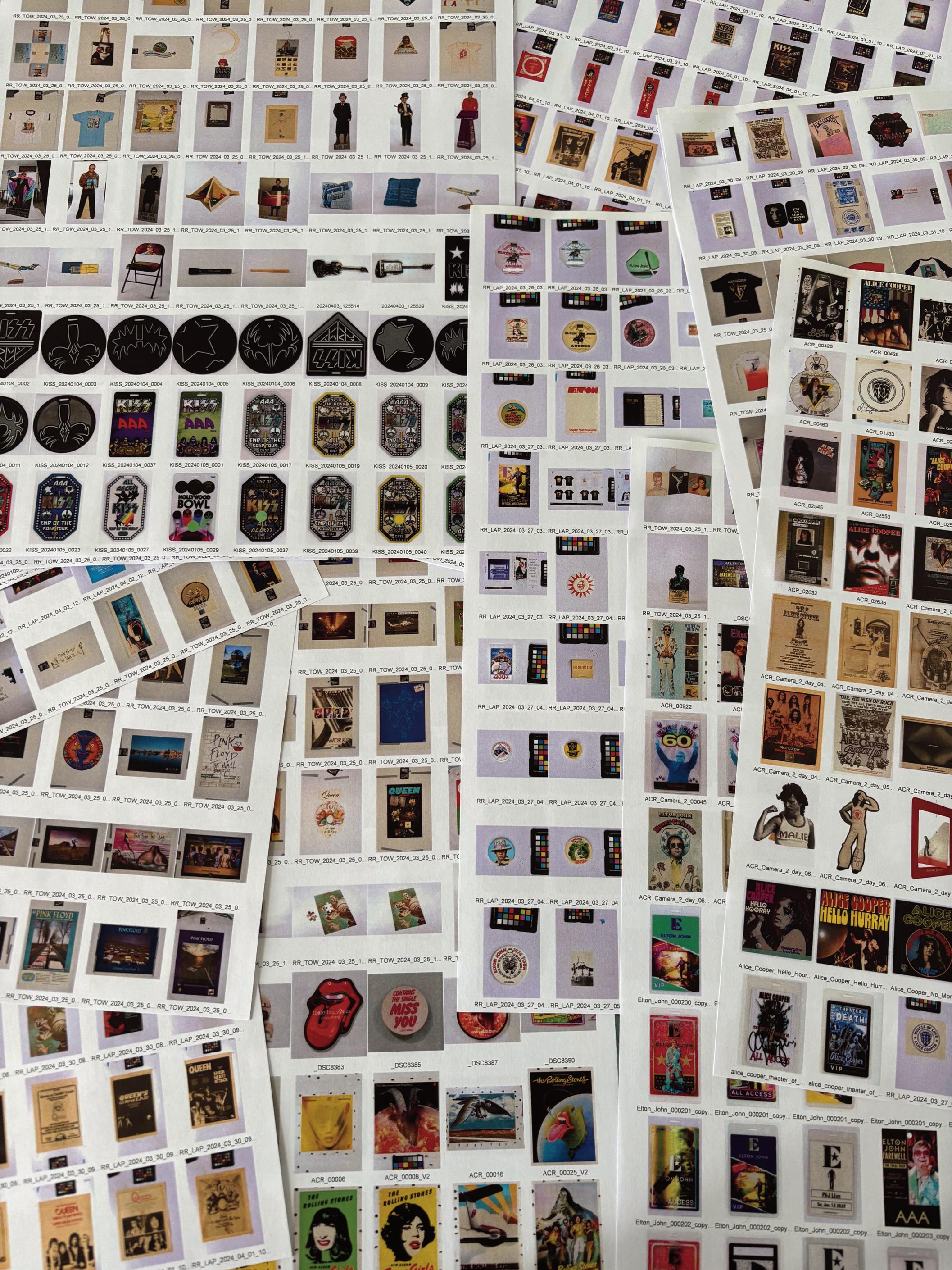
Memorabilia items featured opposite include Storm Thorgerson’s original slides for the Presence cover, 1976, (top), The Sensational Rolling Stones UK tour programme, 1964 (left), and Animals promotional display, 1977 (right). Contact sheets of Rob Roth’s collection can be seen overleaf.
The latest Genesis titles currently with the editorial team, including Ronnie Wood’s most in-depth account of his career to date, a celebration of Van Halen’s biggest years and a bookstore edition of a Genesis bestseller, BON JOVI: FOREVER.
We are thrilled to be working with Ronnie Wood on his fifth book with Genesis. As he celebrates his 50th year as a Rolling Stone and 60 plus years in music, Ronnie has opened his archives for the creation of a career-spanning anthology of his guitars, gear and stage clothing. Every piece, from iconic guitars such as his Zemaitis Disc Front ‘Stay With Me’ guitar and his ‘Primo’ and ‘Scratchy’ Fender Stratocasters to his vibrant guitar straps, will be photographed and brought to life with exclusive new text provided by Ronnie and contextual photography, placing it within the story of his phenomenal career.
We are honoured to be working on a tribute to one of the world’s most energetic and innovative rock bands, Van Halen. Curated and written by co-founder of the band and bestselling author Alex Van Halen, this official book chronicles the brothers’ musical journey through childhood and formation of the band, their meteoric rise in 1978 with a landmark debut album, worldwide touring followed by a string of acclaimed albums, and their number one hit ‘Jump’ in 1984.
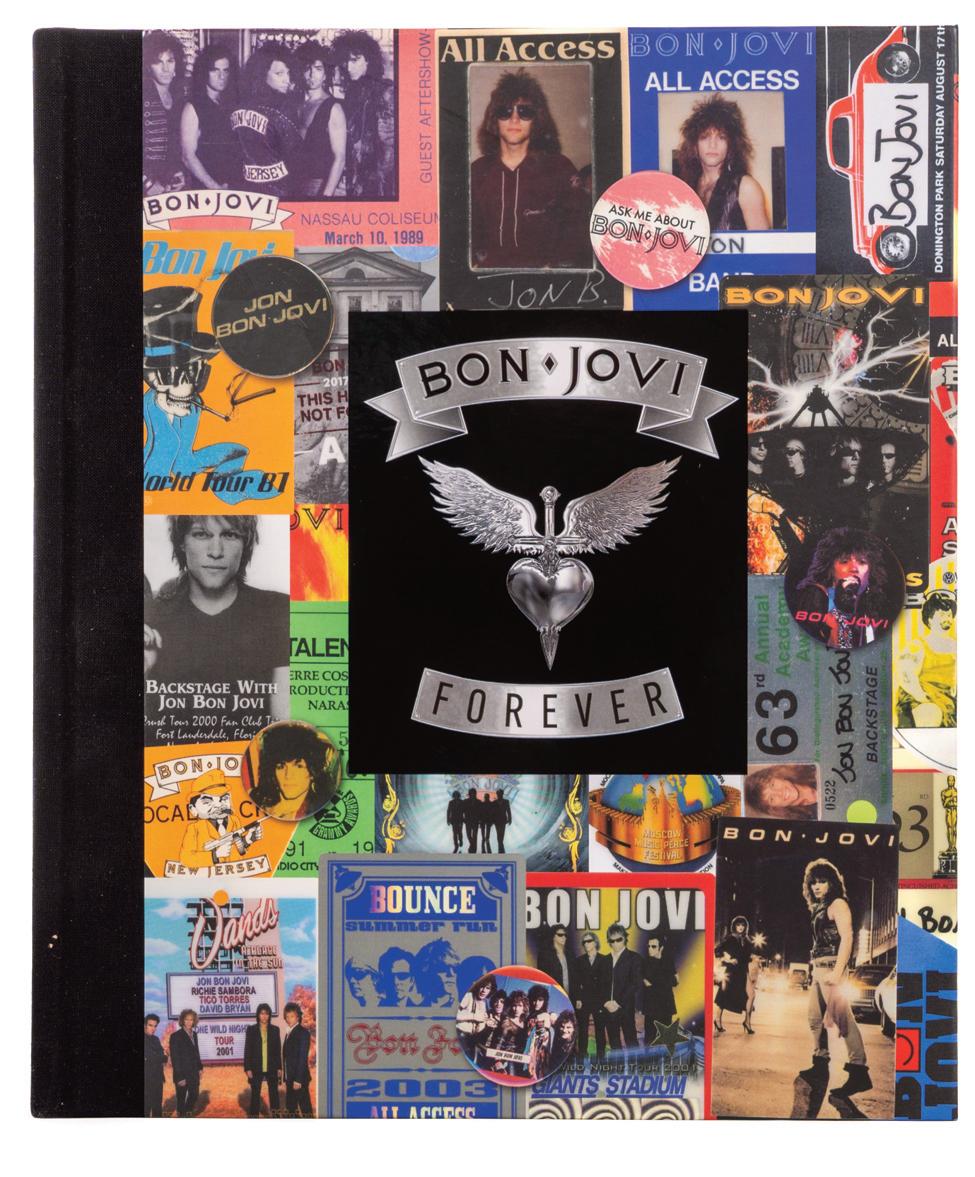
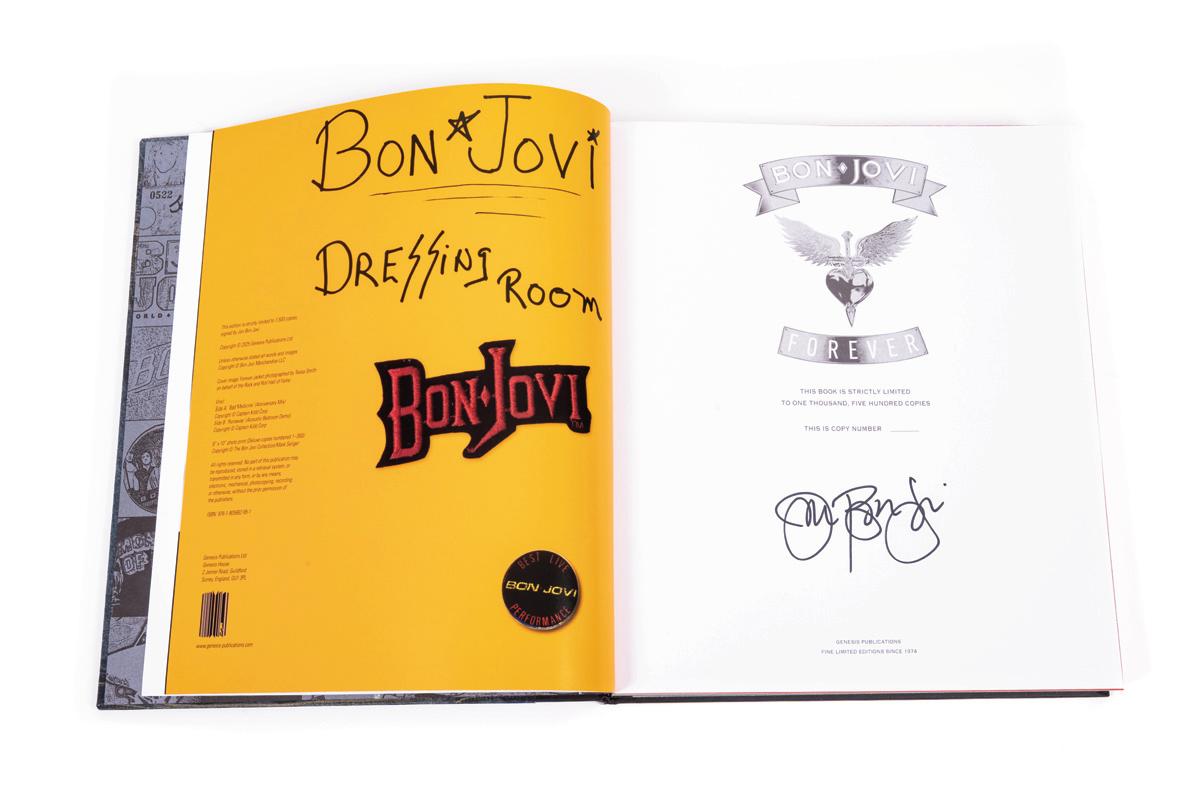
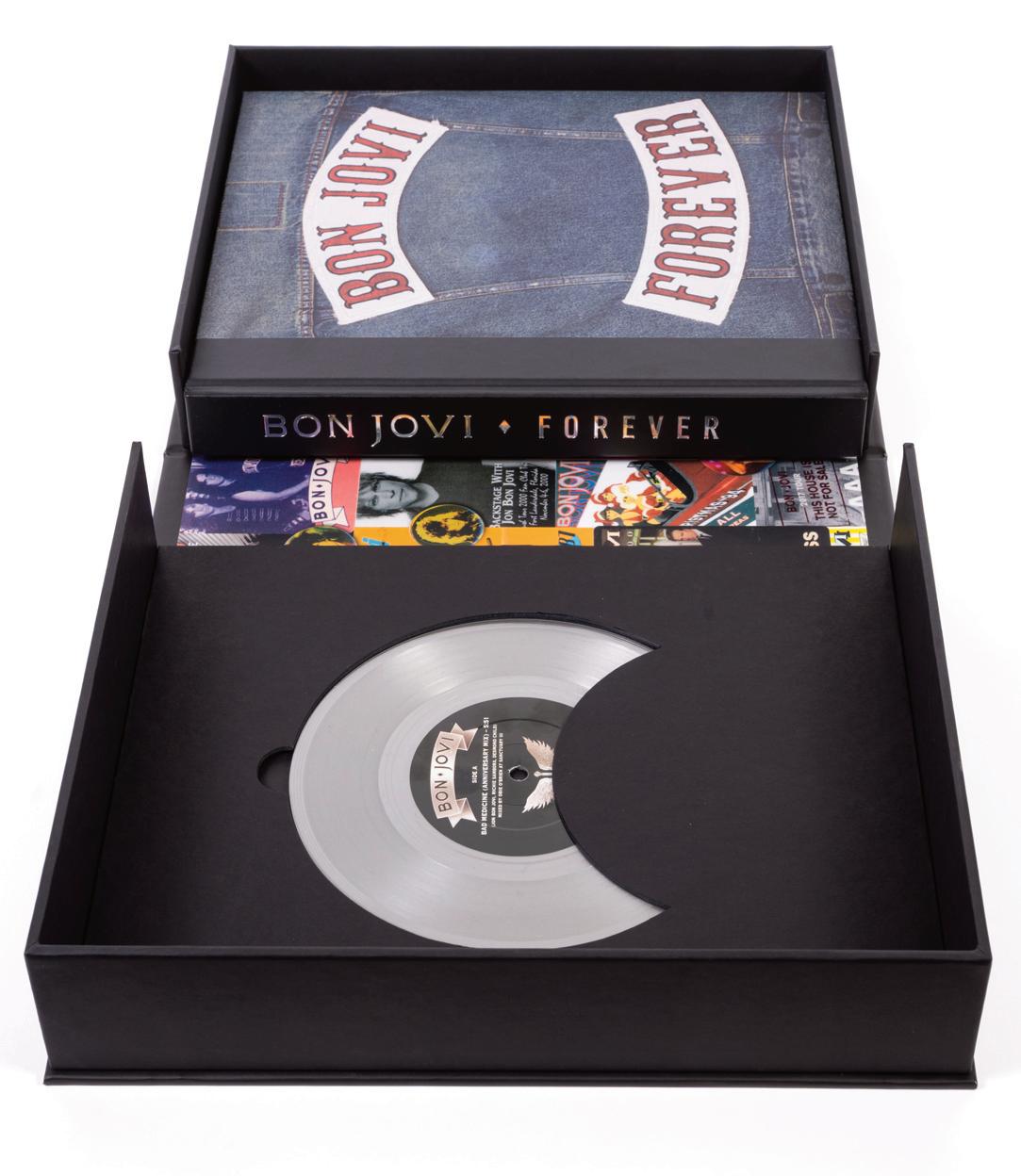
Following on from the fully-subscribed signed limited edition (shown opposite), Bon Jovi: Forever, Genesis is excited to create the bookstore edition, bringing the story of Bon Jovi to a wider audience. Offering fans the first-ever anthology of Bon Jovi, Bon Jovi: Forever is narrated by Jon Bon Jovi and illustrated with hundreds of photographs and items of memorabilia from the band’s personal archives. Presented in a slimmer, hardcover format, the book is available in all good bookstores. To find out more visit: TheBonJoviBook.com
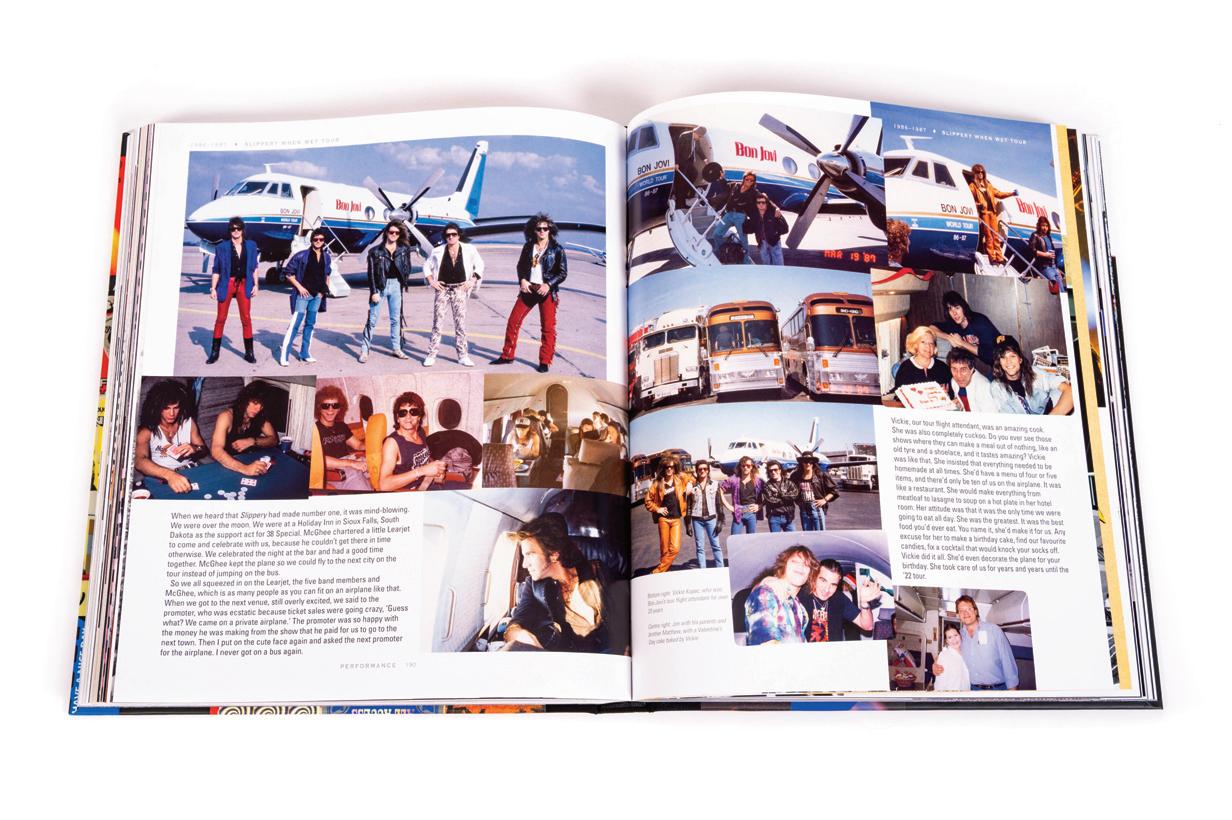
Published in 1995 in collaboration with the John Lennon Estate, Yoko Ono, and photographer Bob Gruen, Sometime in New York City was a landmark limited-edition book project from Genesis Publications, signed by Yoko Ono and Bob Gruen and long since fully subscribed.
To mark thirty years since the book’s publication, Origo Members are offered a rare opportunity to acquire one of a very small number of original, vintage large-format posters produced for the book’s original launch. No more than twelve of these posters are known to exist.
Featuring Bob Gruen’s iconic portrait of John Lennon, with dramatic coloured overlays evocative of a theatrical film release, the poster artwork was created in partnership with the celebrated design studio Wherefore Art?, known for album cover designs for artists including George Harrison, the Traveling Wilburys, Queen and Elton John. These posters were never made available commercially and have remained unused since the time of publication.
Each example is offered exclusively to Origo Members, archivally mounted and professionally framed to museum standards, ensuring longterm preservation and presentation. Given their scale, rarity, and provenance, this is the only format in which they are offered.
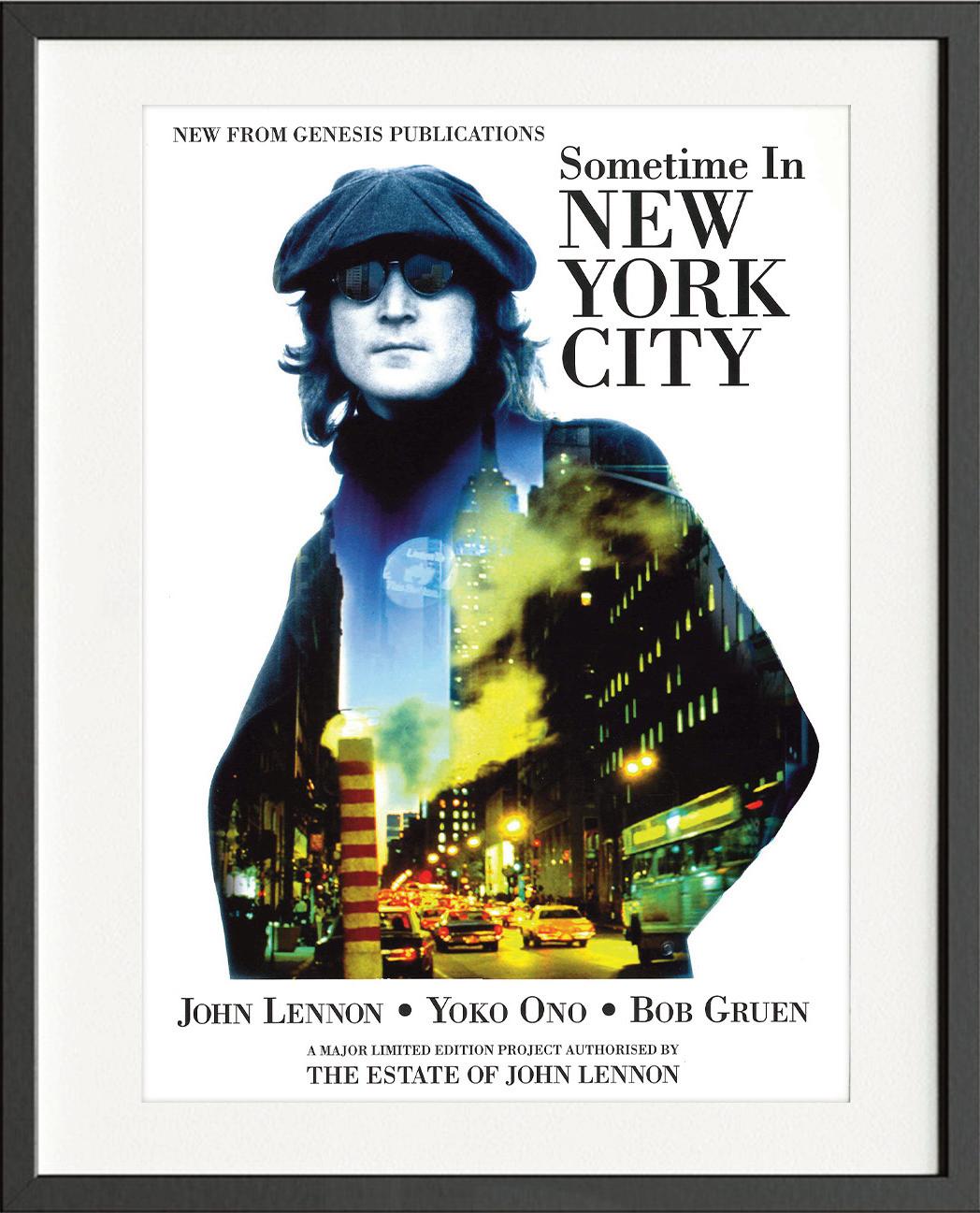
Edition: Only 12 prints
Dimensions: 680mm x 980mm (26¾" x 38½")
Method: Offset lithography
Paper: Heavy-weight Italian coated art paper
Certificate of Authenticity: Signed by the publishers
Frame: Hardwood with acid-free mount and UVprotective acrylic glazing
Price: £1,850 / $2,485 / €2,115 (plus shipping)
Availability is extremely limited, and enquiries will be handled on a first-come basis.
To enquire or place an order, please contact: origo@genesis-publications.com
BY THE ROLLING STONES
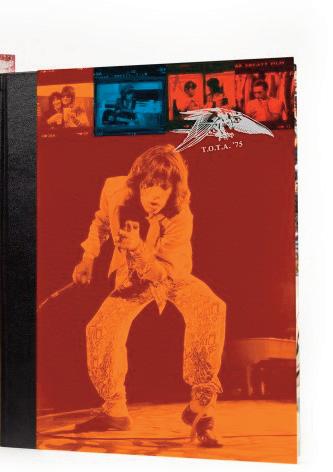
In 1975, the Rolling Stones documented their mammoth 40-show Tour Of The Americas – T.O.T.A '’75 – in its entirety. A trusted friend and confidante, Christopher Sykes, was brought in to create a visual and written record of their journey. The group's fascinating work is now available as a magnificent handmade book and boxed set, in an official limited edition published with The Rolling Stones. The result is an enormous archive of largely unseen photographs, a wonderfully descriptive diary and a collection of every piece of tour memorabilia imaginable – including backstage passes and even hotel room keys.
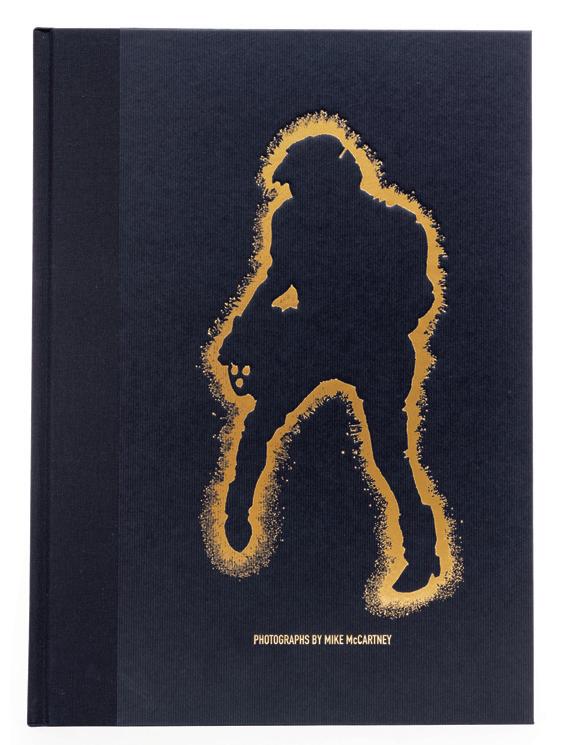
BY MIKE MCCARTNEY
Mike McCartney’s Early Liverpool brings together all of McCartney's finest work including a wealth of previously unseen photographs and treasured drawings. McCartney takes us from his very first photograph, taken with the family Kodak Brownie box camera, to experimenting with his Rollei Magic camera and finding a love in surrealism, through to capturing the Merseybeat scene in Liverpool. The venues that were at the heart of the city are all featured, including the Casbah Club, the Jacaranda Club, Hope Hall, the Tower Ballroom and the legendary Cavern Club.
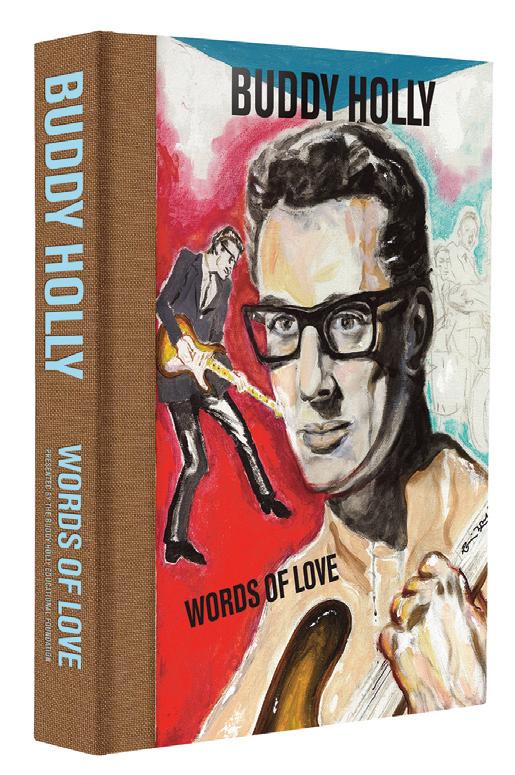
BY BUDDY HOLLY
In partnership with María Elena Holly and the Buddy Holly Educational Foundation, this seminal volume covers Buddy's life, music and enduring legacy, offering an unseen perspective on the man behind the timeless music. The proceeds will benefit Teenage Cancer Trust and Teen Cancer America. The book is narrated by over 80 of the world's most influential musicians, explaining what Buddy Holly means to them. Words of Love unravels the complexities of Holly's enduring legacy, from his Texan roots, to his work in the studio and on tour with the Crickets, to his inner creative world and the final months of innovation in New York City that preceded his tragic death.
Edition: 2,150
Signed by: Christopher Simon Sykes and Peter Rudge
Binding: Quarter-bound in black leather and blue cloth
Box: The solander box features a silkscreen image of the ‘Starship’ and silver foil blocking. Lenticular images of the Stones appear in the aircraft’s cut away windows
Extras: Hotel room keys and the backstage passes. The tour ‘Access Backstage’ silk armband serves as a pull ribbon
Page size: 280mm x 360mm
Extent: 416 pages
ISBN: 0904351955
Price: £345
Edition: 2,000
Signed by: Mike McCartney
Binding: Quarter bound in black cloth with gold tooling and gilt page edging
Box: Cloth bound slipcase
Page size: 248mm x 350mm
Extent: 264 pages
ISBN: 9781905662661
Price: £325
Edition: 500 copies
Signed by: Roger Daltrey and Pete Townshend
Page size: 220mm x 270mm
Extent: 408 pages
Binding: Quarter-bound in apple leather and cloth with black and sonic blue foiling
Box: Sonic blue clamshell
Extras: 7-inch vinyl containing rare recordings; numbered and stamped 8" x 10" photographic print
ISBN: 9781905662920
Price: £945
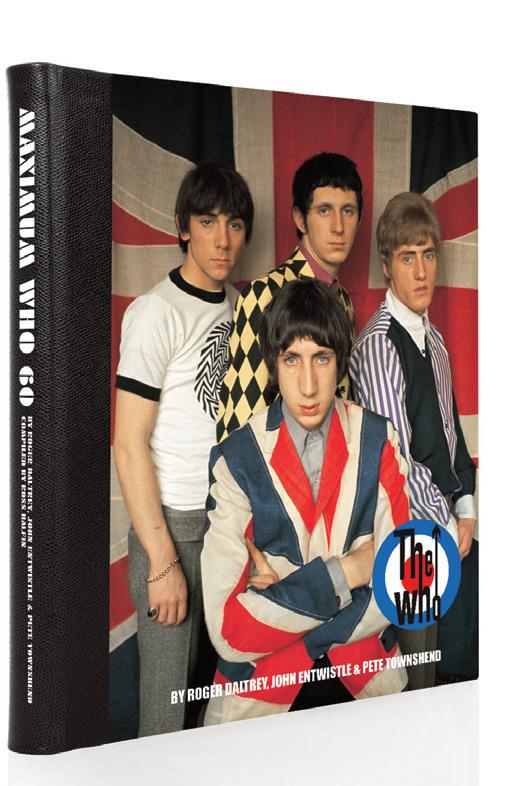
BY ROGER DALTREY, JOHN ENTWISTLE & PETE TOWNSHEND
In 2002, Genesis came to publish what is to date the first - and only - authorised book by The Who featuring all three surviving band members; Roger Daltrey, Pete Townshend and John Entwistle.
Having been unavailable for some time, the final 200 copies of this edition are being reworked and reprinted as Maximum Who 60, for release in this 60th anniversary year of the Who’s first album, My Generation. Maximum Who 60 is printed in an all-new limited edition cover and exclusively designed slipcase, specially created for this event. The band’s reliving of their early days, the freezing cold photoshoots, creative rivalries, girls, gigs and good times are all preserved for posterity within these limited edition anniversary copies, and completed by the additional participation of eminent producer and sound engineer Glyn Johns, who is providing a new introduction and signing the anniversary copies.
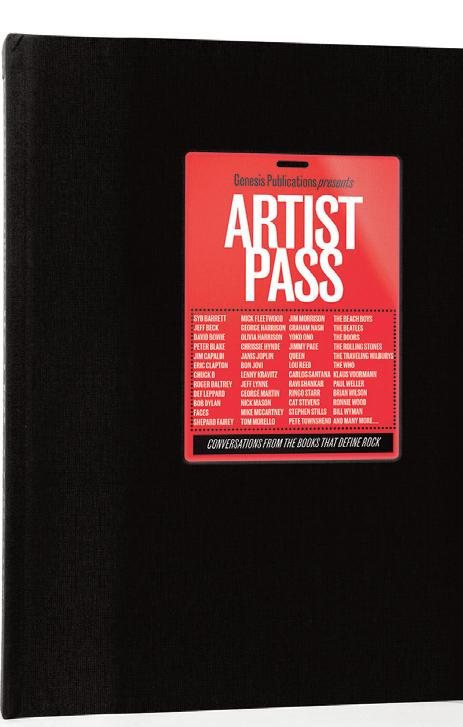
Celebrating 50 years of publishing, Genesis is proud to present Artist Pass, a unique exchange between musicians, producers, writers, and photographers who together cover all things rock and roll. From six decades of interview transcripts, printed manuscripts, and previously unpublished material, the Genesis editors have dug deep into the publisher’s archives to create a new collection of essays from some of the biggest names in rock.
Artist Pass is the ultimate book for any rock and roll enthusiast. For anyone with a Genesis edition or two in their collection, this once-in-a-lifetime publication is quite simply a must-have item.
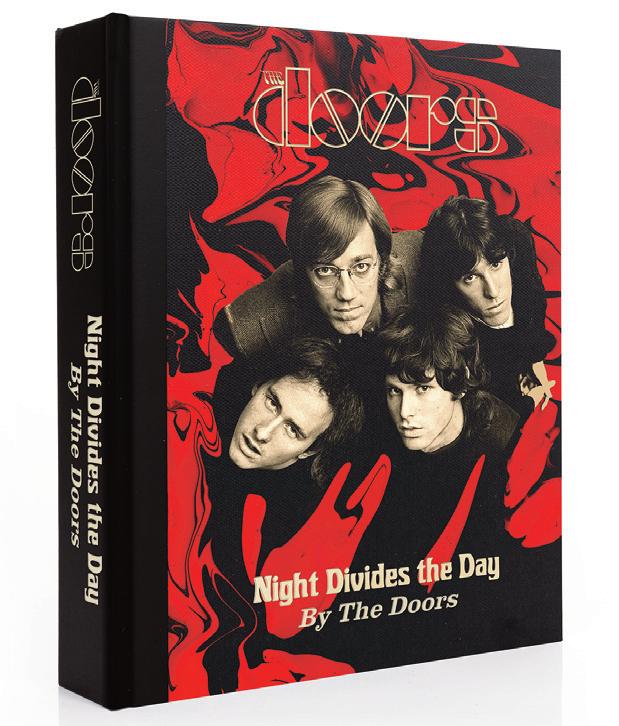
Created in celebration of the band’s upcoming 60th anniversary, Night Divides the Day opens up The Doors archives like never before. The band’s most definitive book yet presents rare photography, intimate interviews with Robby Krieger and John Densmore, and meticulously sourced archival text from Jim Morrison and Ray Manzarek. Joining them are a host of contributors, a foreword by Nirvana bassist Krist Novoselic, and an afterword by maestro Gustavo Dudamel.
The Collector copies are presented in a limited edition of only 1,650 numbered editions, signed by John Densmore and Robby Krieger. Each set includes the 344- page signed edition, a 7” vinyl record with rare demos of "Hello, I Love You” and "Moonlight Drive,” and assorted historical memorabilia.
Anniversary Edition: 200
Signed by: Glyn Johns
Binding: Quarter-bound in black leather
Box: Handcrafted slipcase with The Who’s screen-printed logo
Page size: 250mm x 360mm
Extent: 272 pages
ISBN: 0904351858
Price: £295
Edition: 500 copies
Signed by: At least four contributors
Binding: Fully bound in buckram with an inset laminate pass
Box: Clamshell box
Page size: 180mm x 240mm
Extent: 336 pages
Extras: Replica loose-leaf pages written and annotated by Genesis authors, vintage promotional flyers, button badge
ISBN: 9781905662944
Price: £425
Collector Copies: 1,650
Signed by: John Densmore and Robby Krieger
Binding: Quarter-bound in apple leather with hand-marbled cover artwork
Box: Solander (clamshell) box inspired by one of The Doors’ official flight cases
Page size: 225mm x 300mm
Extent: 344 pages
Extras: 24-page replica programme from The Doors’ 1968 tour, Original masters booklet, 7"
Vinyl featuring rare recordings
ISBN: 9781905662883
Price: £345
BY ROB ROTH
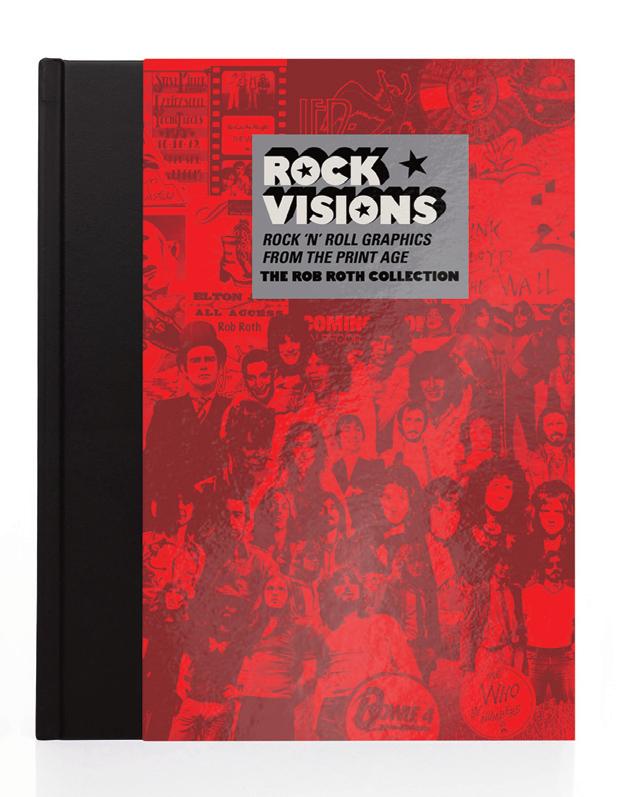
Dive deep into the heart of rock and roll history with Rock Visions: Rock ‘n’ Roll Graphics From The Print Age, a stunning collection of memorabilia from 12 of the most legendary bands and artists of our times. This curated journey through the archives of Rob Roth – an award-winning theatre director whose obsession with rock 'n' roll graphics began in his teen years –captures the essence of the music, the fandom, and the larger-than-life personas that defined a generation.
Published in a highly collectable limited edition of only 500 numbered sets, each copy is individually signed by Sir Elton John and author Rob Roth.
BY TOM PETTY
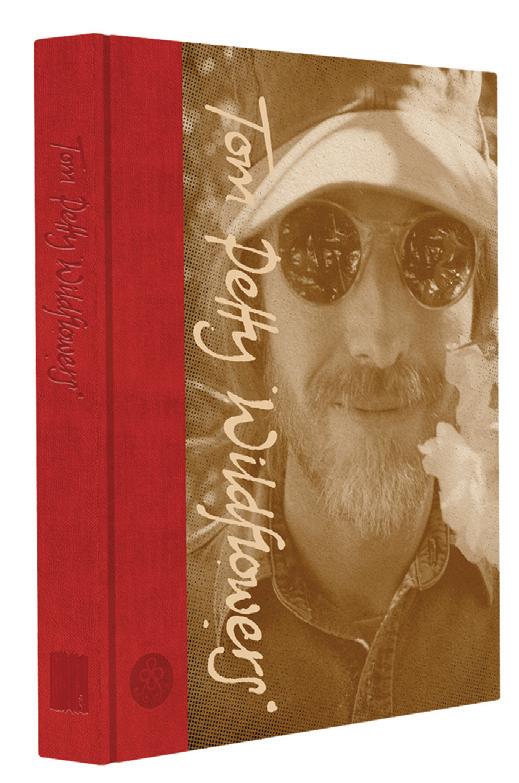
Created in collaboration with the Tom Petty Estate, Genesis Publications presents Wildflowers, a landmark publication celebrating the creation of one of Tom Petty’s most beloved and enduring albums. Limited to just 1,500 numbered copies worldwide, every copy is signed by Heartbreakers Mike Campbell and Benmont Tench. Published in the year of Tom Petty’s 75th birthday, Wildflowers invites readers into the studio, the songwriting process, and the mind of an artist at the peak of his creative powers.
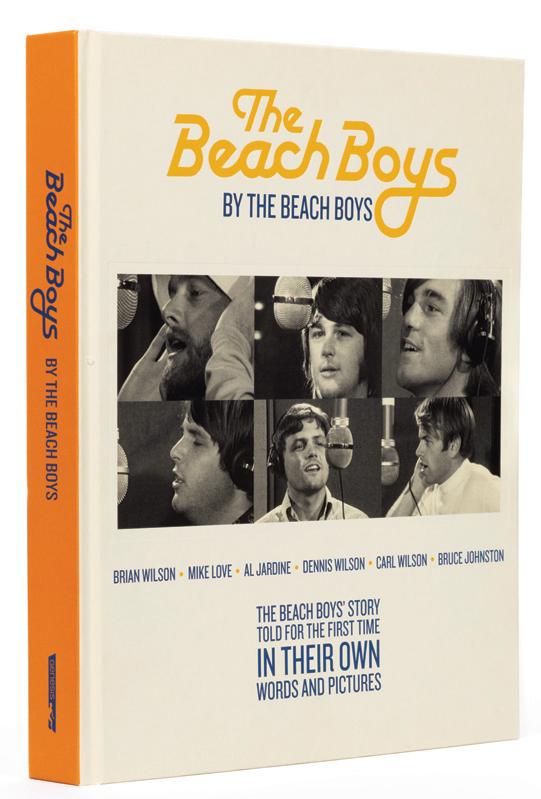
Their only official book, The Beach Boys by The Beach Boys is the ultimate chronicle of one of the world’s greatest bands.
Brian Wilson, Mike Love, Al Jardine and Bruce Johnston together provide a combined career narrative especially for this book, and through meticulous compilation from sources worldwide, Carl Wilson and Dennis Wilson’s words are equally represented. Documenting how they went from a Hawthorne garage band to a global phenomenon, they tell the astounding story of their ascent: perfecting their harmonies, initial fame as a surf group, and then their ultimate progression as pioneering recording artists to become one of the most musically complex ensembles in history.
Initially created as a signed limited edition of only 500 copies, a hardback bookstore edition is now available in bookstores and online.
Edition: 500 copies
Signed by: Sir Elton John and Rob Roth
Page size: 225mm x 300mm
Extent: 300 pages
Binding: Quarter-bound in black apple leather
Box: Two-piece archival case
Extras: Two facsimile laminate tour passes; three facsimile promotional buttons; a facsimile sickness bag, three facsimile concert tickets; two authentic sticker tour passes
ISBN: 9781905662999
Price: £545
Edition: 1,500 copies
Signed by: Mike Campbell, Belmont Tench
Page size: 220mm x 280mm
Extent: 240 pages
Binding: Quarter-bound in red vegan leather with gold page edging
Box: Handcrafted red clamshell box, diestamped with gold foiling
Extras: ‘A Dogs With Wings’ bandana, enamel pin badge, guitar sticker, three guitar picks, one satin pass, one laminate pass, and three archival prints (8” x 10”)
ISBN:9781917734011
Price: £495 Deluxe/£295 Collector
Extent: 408 pages
ISBN: 9781905662852
Price: £50
Subscriber
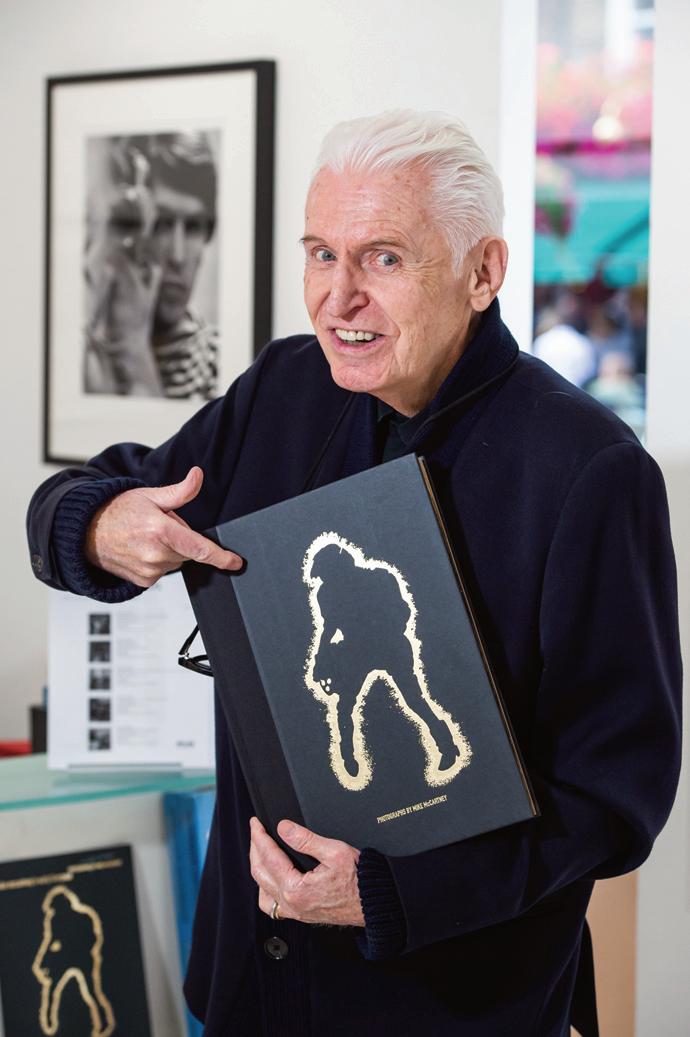
We love to see your photographs of our authors from events and gigs. Send your images to origo@genesis-publications.com
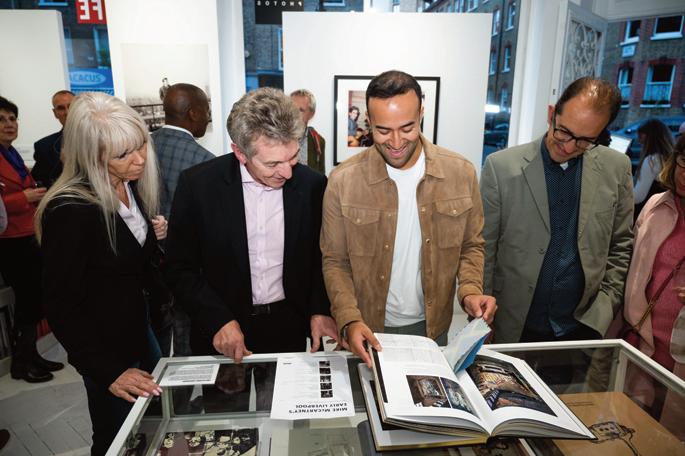
Pictured here, Mike McCartney and guests at Atlas Gallery for the London launch of his book, Early Liverpool
We love to hear from you. Keep sending your questions, musings and reviews to origo@genesis-publications.com
Being a long-standing concert-going music fan and customer dare I suggest that given recent events, you consider a publication covering Black Sabbath ‘69/79’ plus a final segment dedicated to recent farewell reunion and The End? Plus there’s always room for another Bob Dylan book! Meanwhile thanks for your continued efforts and superb publications.
John McDonagh
The Doors books were fantastic as I got a deluxe and a collectors copy. My dream stocking stuffer for Christmas 2026 is a long overdue book on one of our American treasures called The Rascals. The author of it is ready to go on this and there is no telling who he can get to sign the copies. Maybe it can be as much of a sellout as the other New Jersey group called Bon Jovi who have an upcoming book with Genesis. That would make a perfect Christmas and 70th birthday combo for me for next year. Cheers Genesis.
Joey Hornick
I have several Genesis books. From extremely limited editions down to the mass market versions. They bring me great joy. They’re meticulously designed and beautifully crafted. Some are so collectible that I daren’t touch them and others are there to be displayed and enjoyed. I can’t fault them. They’re among my most treasured possessions.
Richard Snelgrove
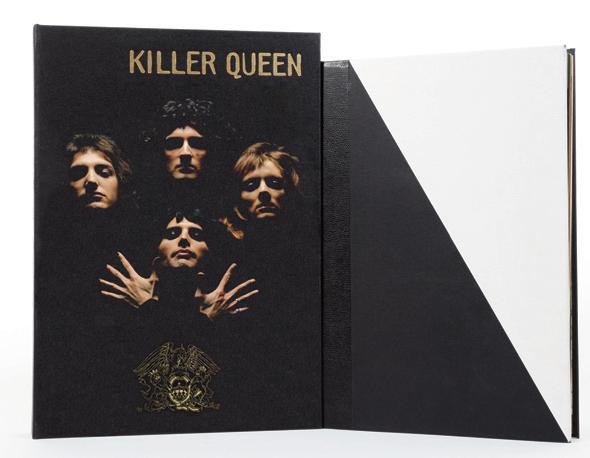
We hear from our digital marketing lead, Jimmy, about his favourite Genesis title.
My favourite edition has to be Killer Queen by Queen and Mick Rock. I’ve been a huge fan of the band for many years and to see these intimate, behindthe-scenes shots and stories from the height of their career is an absolute treat. Mick Rock had such unique access to the band at their most theatrical and creatively charged moments, and this edition really captures that energy in a way that feels celebratory.
What makes Killer Queen stand out, beyond the extraordinary subject matter, is the sheer craftsmanship of the edition itself. It exemplifies the standard of quality that Genesis is known for, especially with the beautiful Italian binding. The book feels luxurious in your hands, and there’s a real sense that it was made to be treasured, not just read. Every element has been thoughtfully considered. The variety of paper stocks and textures used throughout adds a tactile richness that draws you in even further. Fold-outs, tipped-in photos, and other interactive elements create a layered experience that goes far beyond the typical photo book. It’s as though you’re piecing together a scrapbook of memories. Each turn of the page brings a new surprise or detail, and the stories that accompany the images give added context, warmth and sadness at times.
For anyone who loves Queen or appreciates the art of music photography, this edition is an unforgettable celebration of both.
What was the first book published by Genesis Publications?
When was the first issue of Origo published?
Who designed the Genesis logo?
Who was the sound engineer on The Who’s ‘My Generation’, which celebrates its 60th anniversary this year?
To which country was the Rolling Stone’ first tour with Ronnie Wood in 1975?
What is Genesis author Rob Roth’s favourite Led Zeppelin album?
For a mystery prize, email your answers to origo@genesis-publications.com
Answers in the next issue of Origo
Soundtrack ORIGO with a specially curated playlist featuring the artists and songs from this issue. Scan the QR code or click on the casette below!

In the next issue of Origo, we’ll share the visit to our printer in Italy to show Artist Pass on press as well as a look at the making of Rock Visions by Rob Roth, Wildflowers by Tom Petty and Bon Jovi: Forever by Jon Bon Jovi. We’ll also be talking to more of our authors to get the soundtrack to their life, as well as delving deeper into the Genesis vault.
genesis-publications.com