Avoiding the "Flint Pitfall": 7 common property management mistakes and how to fix them
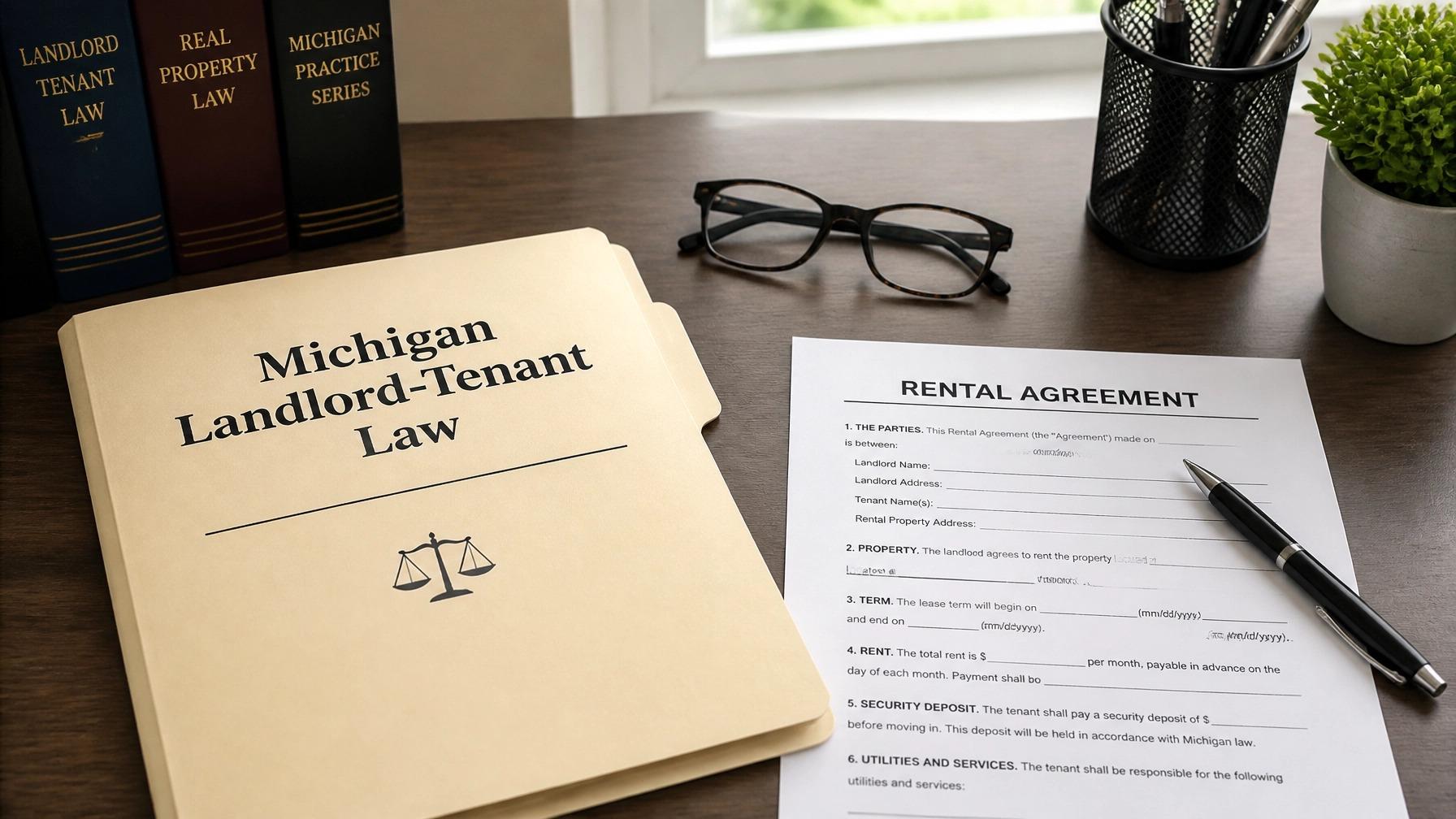
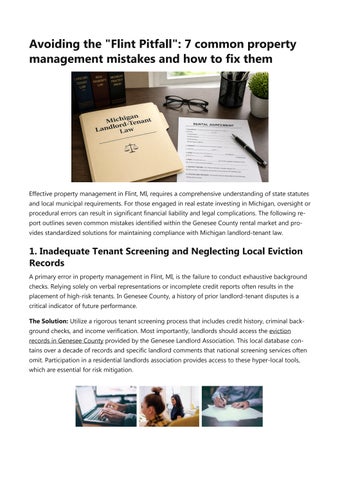
Effective property management in Flint, MI, requires a comprehensive understanding of state statutes and local municipal requirements. For those engaged in real estate investing in Michigan, oversight or procedural errors can result in significant financial liability and legal complications. The following report outlines seven common mistakes identified within the Genesee County rental market and provides standardized solutions for maintaining compliance with Michigan landlord-tenant law.
1. Inadequate Tenant Screening and Neglecting Local Eviction Records
A primary error in property management in Flint, MI, is the failure to conduct exhaustive background checks. Relying solely on verbal representations or incomplete credit reports often results in the placement of high-risk tenants. In Genesee County, a history of prior landlord-tenant disputes is a critical indicator of future performance.
The Solution: Utilize a rigorous tenant screening process that includes credit history, criminal background checks, and income verification. Most importantly, landlords should access the eviction records in Genesee County provided by the Genesee Landlord Association. This local database contains over a decade of records and specific landlord comments that national screening services often omit. Participation in a residential landlords association provides access to these hyper-local tools, which are essential for risk mitigation.

2. Exceeding Statutory Limits on Security Deposits
Michigan landlord-tenant law is explicit regarding the maximum amount a landlord may collect for a security deposit. A frequent mistake is requesting two months of rent or an additional "cleaning fee" that, when combined with the deposit, exceeds the legal limit.
The Solution: Pursuant to the Michigan Landlord and Tenant Relationship Act (Act 348 of 1972), the total security deposit cannot exceed 1.5 times the monthly rent. Any amount collected above this threshold is a violation of state law. Landlords must also provide tenants with a written notice within 14 days of move-in stating the name and address of the financial institution where the funds are held. Utilizing standardized Michigan rental legal forms ensures that all required disclosures are included in the lease agreement.
3. Failure to Implement Mandatory Inventory Checklists
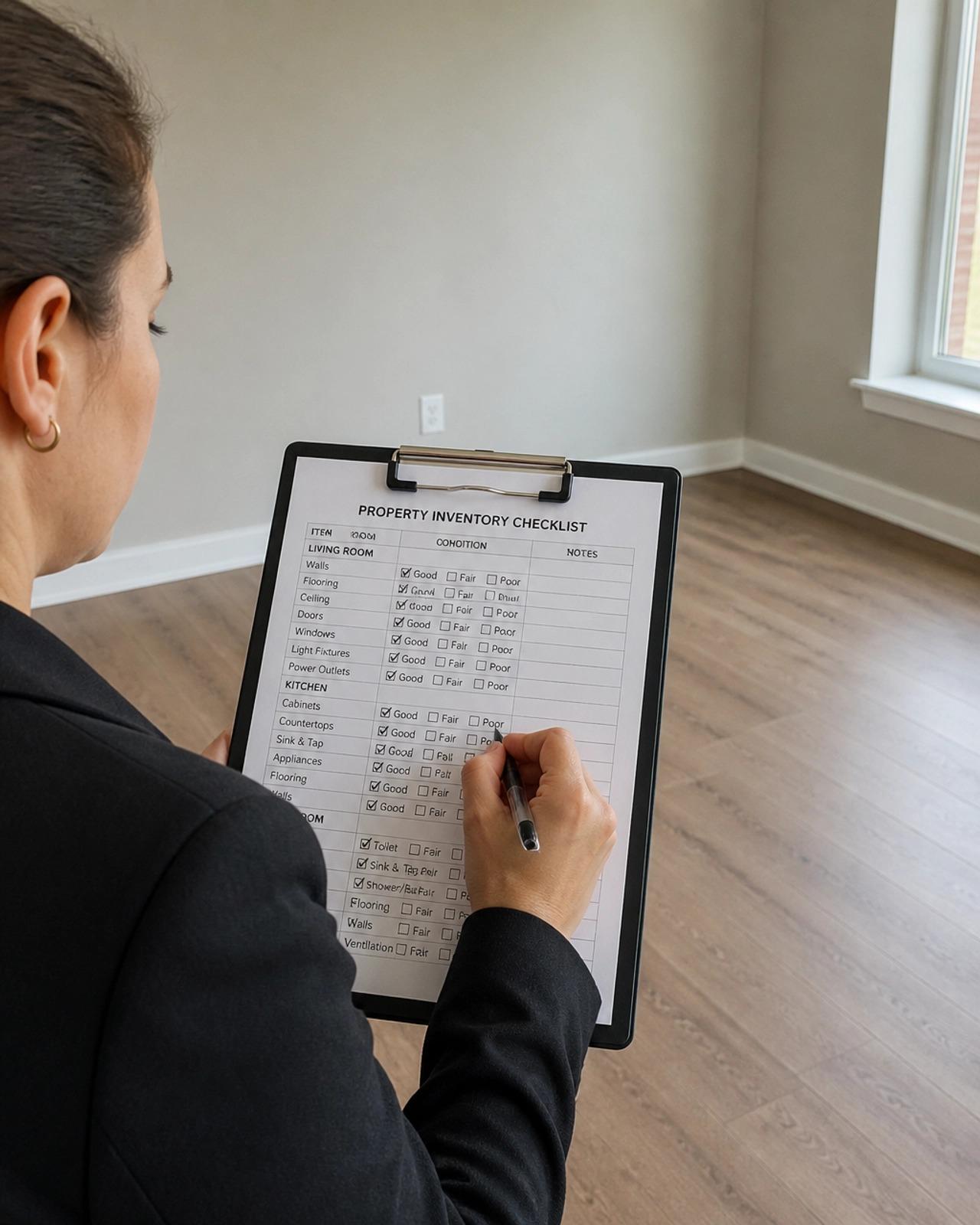
A significant number of property managers fail to complete or retain the required move-in and move-out inventory checklists. Without this documentation, it is legally difficult to withhold any portion of a security deposit for damages, as the burden of proof rests on the landlord to demonstrate the condition of the unit at the commencement of the tenancy.
The Solution: At the time of move-in, provide the tenant with two copies of an inventory checklist. The tenant has seven days to review and return a signed copy. This document must detail the condition of every room, including appliances, flooring, and fixtures. It is recommended to accompany the checklist with high-resolution digital photographs of the unit. This administrative step is a core requirement of rental property laws in Michigan and protects the landlord's right to claim damages for tenant-caused destruction.
4. Neglecting Habitability Standards and Local Housing Codes
Deferred maintenance is a common pitfall that leads to tenant complaints and intervention by local code enforcement. In Flint and the broader Genesee County area, landlords are obligated to maintain properties in accordance with the Michigan Housing Law and local municipal ordinances. Issues such as inadequate heating, plumbing failures, or structural instability are considered breaches of the implied warranty of habitability.
The Solution: Establish a recurring inspection schedule for all units. Professional property management involves proactive maintenance rather than reactive repairs. Ensure that all electrical, plumbing, and HVAC systems are functioning according to code. For specialized repairs, members should consult the vendor listings to find trusted local companies familiar with Genesee County requirements. Maintaining a "turnover-ready" standard for every unit minimizes vacancy periods and reduces the risk of legal action related to property condition.
5. Executing Prohibited "Self-Help" Evictions
Attempting to remove a tenant without a court order is a severe legal error. Prohibited actions include changing locks, disconnecting utilities, or removing a tenant’s personal property. Michigan law provides no allowance for these "self-help" measures, and landlords who engage in them may be liable for triple damages in a civil suit.
The Solution: Strictly adhere to the Genesee County eviction process. This begins with the service of a proper Notice to Quit or a Demand for Possession. If the tenant fails to comply within the statutory timeframe (typically 7 days for non-payment of rent), the landlord must file a complaint in the appropriate district court. Only a court-appointed officer can physically remove a tenant following a judgment and the issuance of a writ of restitution.
6. Improper Service and Documentation of Legal Notices
The effectiveness of the eviction process often depends on the accuracy of the initial notices. Common errors include incorrect dates, missing signatures, or improper methods of service. If a notice is found to be defective during a court hearing, the judge may dismiss the case, forcing the landlord to restart the process and incur additional costs.
The Solution: Use professionally vetted Michigan rental legal forms to ensure all required language is present. Notices must be served either by personal delivery to the tenant, by delivery to a member of the household of suitable age, or by first-class mail. Documentation of the method and time of service is mandatory. Consistency in recordkeeping is a hallmark of a professional landlord association in Michigan and is necessary for successful litigation.
7. Inconsistent Lease Enforcement and Rent Collection
Inconsistency in applying late fees or enforcing lease rules can inadvertently create a legal precedent of waiver. If a landlord habitually accepts late rent without penalty, a court may rule that the landlord has waived the right to enforce the late fee provision or to evict for timeliness without providing prior notice that strict enforcement will resume.
The Solution: Implement a standardized rent collection policy and apply it uniformly to all tenants. This includes the consistent application of late fees as specified in the written lease agreement. Use automated systems to track payments and generate immediate notices for non-compliance. Uniform enforcement reduces the risk of fair housing complaints and establishes clear expectations for the tenant population.
Conclusion and Professional Resources
Navigating the complexities of property management in Flint, MI, requires diligence and access to accurate information. By avoiding these seven common pitfalls, landlords can protect their investments and ensure long-term profitability.
The Genesee Landlord Association serves as a vital resource for real estate investors in the region. Membership provides access to the local eviction database, networking opportunities with industry professionals, and a library of legal documents tailored to Michigan law. Staying informed through the association's events and educational sessions is the most effective way to maintain compliance and achieve operational excellence.