How to/best practices to apply for a business loan secured by real estate Commercial Loan and Mortgage Lenders for non-occupants 5304 GATEWAY
President’s Message
The sun is shining, and the real estate market is moving.
With home prices still relatively high and the market in the peak selling season, now may be a good time to consider selling a rental property if a tenant moves out. I fully understand the benefits of holding real estate long-term, but it’s also important to look at the other side of the equation.
Ask yourself: If this home needs a new roof in the next seven years, and I can sell it today and capture the next 15 years of cash flow upfront, does it make sense to sell and reinvest in a better opportunity? Every property is different, and every investment deserves a fresh look.
At our last meeting, I gave a presentation on artificial intelligence. One of the best uses of AI is helping you make better business decisions. Try entering your property’s numbers and your situation into an AI tool and ask it to give you a list of the pros and cons of keeping versus selling. It may provide a perspective you hadn’t considered.
Personally, I own some rentals that I would sell tomorrow if they became vacant, and others that I wouldn’t consider selling at any price. The key is to evaluate each property on its own merits rather than treating every investment the same.
Keep hustling, keep improving your systems and processes, and always be willing to adapt as the market changes.
For the love of real estate,
GLA Website
As we move forward, our website will be improved and expanded in an effort to meet the needs of our members. The tenant court list is updated each month to provide the most current information to our members. Remember to tell your friends, buyers and sellers to check out our website too. You have the ability to print out rental forms. Members can advertise their rental property on our website. We also have a Facebook page. Check us Out! GeneseeLandlordAssoc.org
JOIN US!
Your membership in our Association gives you the chance to meet and learn from experienced investors whether you are starting out or are a longtime Landlord. We also have special Meetup meetings, the ability to obtain credit reports and past court evictions on prospective tenants, just to name a few services.
Help the GLA Grow
Remember, for each new member you sign up with your name listed on their application, you will receive a $25 credit towards your renewal dues.
Opportunity to Network
Arrive at the General membership meeting at 6:30 pm and bring your business cards.
GLA Membership Benefits
• Monthly Meetings with expert guest speakers on a variety of topics
• Monthly newsletter containing valuable, up-to-date information
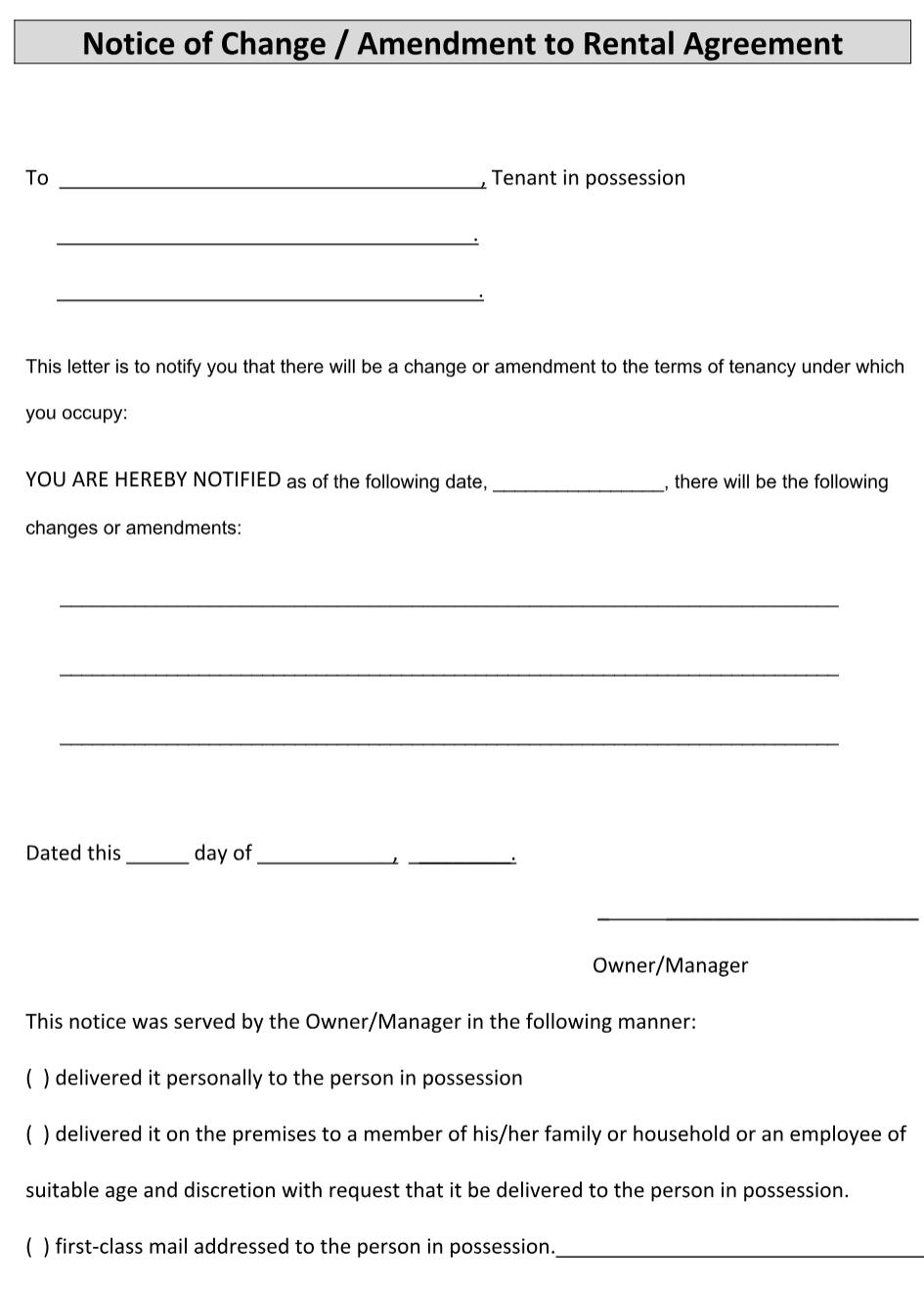
• Rental and Court forms
• Credit reports available on prospective tenants & access to OnlineRentApp.com
• List of Past Evictions
• The GLA website offers valuable Information & Rental Marketing.
• Discount on Sherwin Williams
• Networking with other investors, face to face
• Friendly office staff with answers and advice
• Notary public at GLA Office during business hours at no charge
To become a member of GLA mail your name, address, phone number and check payable to GLA G4428 Fenton Rd, Flint, MI 48507 OR on the web at glaoffice@geneseelandlords.org
Membership Application on Page 6
$197 NEW MEMBER FEE
$110 Renewing Member
You can't afford not to join!
Credit Reports
The information that is requested is for the Landlord’s exclusive use, and the Landlord certifies that inquiries will be made ONLY for permissible purpose, namely in connection with a business transaction initiated by the consumer. Specifically for rental of home account to determine whether the consumer continues to meet the terms of the account such as rental of property. Landlords may not obtain reports on themselves, associates, family members, or any other person, exception the exercise of official duties. The law prohibits the Landlord from providing a copy of the report to the applicant.
CREDIT APPLICATION FORMS ARE AVAILABLE ONLINE :
Applications completed in black ink only. Please be sure member name is on application and is signed.
Check to make sure the name, SSN, current address, city and zip code are readable. Make sure application is signed by the tenant giving you permission to run the credit report. The office cannot complete the credit report unless it is signed by the applicant. And again, make sure the Landlord name is on the application and signed.
# of bedrooms
Monthly income of applicant
Security Deposit to be paid
Monthly rent to be paid
Lease term
If renting now, monthly rent
Credit reports can only be ordered by members whose account status is current. Nationwide criminal search can also be obtain on your prospective tenants.
GLA EMAIL
Do we have your email address?
We will notify members of important happenings and dates through email; be sure to keep current on information by providing the Genesee Landlord Office at (810) 767-3080 or email us at glaoffice@geneseelandlords.org
MEMBERSHIP APPLICATION
Please type or print and enclose this application with your check. One year membership fee is $197.
Name Address
City Zip
Phone
Fax
Spouse’s name
Email
How did you hear about us?
Were you referred by a GLA member? If yes, who?
Please make check payable to : G4428 Fenton Road, Flint, MI 48507
VISA MASTERCARD Other
Number
Exp. Date Sec. Code
SIGNATURE x
Your membership in GLA affords you the possibility of becoming a more professional landlord, investor, or manager. Your continued support and participation in GLA provides the opportunity for a stronger association.
What is the value of “One Member”
One faithful member was feeling rather blue, met with a neighbor, and then there were two. Two earnest members each enrolled one more, doubling their numbers; then there were four. Four determined members just couldn’t wait till each won another, and then there were eight! Eight excited members signed up sixteen more; in another six verses, there will be a thousand twenty-four! - Author Unknown
Credit Report Requirements for Your Home/Office
TransUnion requires certain information from our members in order for us to provide credit reports or to obtain reports from your office directly through TransUnion. We are required to verify the security of stored documents by our members. This means that each member will have an on-site verification of their place of business (or their home office if they manage their rentals from home).
Our members should be aware that to continue obtaining credit reports from the Association, you will be required to complete this process. There will be no invasion of your privacy by this inspection. The inspection is performed by a person on behalf of GLA.
The verification requires each member have:
• Locked file cabinet or drawer where reports are stored;
• Secure office (a lock on the room where the reports are stored);
• Alarm system (optional)
• Paper shredder
• Picture of entire office (inside and out), picture of office sign (address must show on office, house and/or mailbox) to verify current location
• Driver’s license
• Password protected computer
*Once completed email information and pictures to Linda at geneseelandlord@comcast. net
The sole purpose of the physical verification and photographs is to protect our members and the Association from a claim that the credit reports and other information concerning potential tenants was not kept secure.
Failure to comply will require you to purchase credit reports through the old system at a cost of $17 per report. If you do comply the cost of the credit report will be $12.
Message to Members who Fax Rental Applications to Office
We are still receiving incomplete and unreadable rental applications. The addresses and social security numbers are difficult to read. We must have the current address including city and zip code to run credit reports. Also all blanks on the application must be completed. PLEASE double check the information on the application for accuracy before you fax it to our office.
MAKE SURE ALL THE INFORMATION IS READABLE. If the information is un-readable or important information is missing, we cannot process the rental application. This will certainly enable our staff to process the application quickly and accurately. Your cooperation will be appreciated.
Genesee Landlord Association Store
FOR RENT SIGN
HEAVY DUTY WIRE STAND
INVESTOR PACKAGE
$10
$5
$25
PREMIUM INVESTOR PACKAGE $50
LEAD PAINT BOOKLET (EACH) $.75
LEAD PAINT BOOKLET (50) $25
7 DAY NOTICE, 30 DAY NOTICE, COMPLAINT AND SUMMONS FORMS (EACH)
7 DAY NOTICE, 30 DAY NOTICE, COMPLAINT AND SUMMONS FORMS (100)
$.50
$30
GLA MEMBERSHIP $197
For your convenience, we take orders over the phone and at our meetings for pick up or delivery (with shipping cost) of the items you need most and use everyday in your business.
It is imperative that owners request hard copies of credit reports. Credit reports can change daily, and there will never be another report exactly the same as the one the owner ran to determine acceptance of a tenant. Without a copy of the report, the owner cannot prove the financial reasons for acceptance or rejection if challenged in court.
25 THINGS LANDLORDS SHOULD CHECK BEFORE A TENANT MOVE OUT
Landlord–tenant laws vary by state and locality. This checklist before a tenant moves out is general guidance; always confirm your jurisdiction’s specific security deposit, inspection, and notice requirements before acting on any deduction or claim.
The move-out inspection is one of the highest-leverage moments in the rental cycle. In a single walkthrough, a landlord may need to evaluate the condition of the property, identify repairs, document damage, plan for turnover, and determine whether any security deposit deductions are appropriate. Done well, it creates a clear, fair record of the unit’s condition. Done poorly — or skipped — it leaves the landlord guessing about what changed during the tenancy, what qualifies as ordinary wear and tear, and what documentation supports any claim.
Independent landlords operating without a full property management team are especially exposed to this risk. Without a consistent checklist, it is easy to miss items during the walkthrough, forget to photograph key evidence, or discover an expensive issue after the tenant has already moved out. A structured process also creates the contemporaneous documentation that matters most if a dispute ends up in small claims court.
The 25-point checklist below is organized by area of the unit to make inspections more consistent and repeatable. As you walk through, take clear photos, write down specific findings, and compare the current condition against your move-in records. The aim is not to hunt for problems. It is to produce an accurate, well-documented record of what you actually see.
Exterior and Entry
1. Front door and locks. Test the deadbolt, door handle, and any keypad or smart lock. Confirm all keys, fobs, garage remotes, and access devices have been returned. Note damage to the door frame, weatherstripping, or hardware — missing keys often require a full rekey.
2. Exterior, mailbox, and address numbers. Check siding, gutters, fencing, gates, walkways, and the driveway for tenant-caused damage.
Confirm the mailbox is intact and address numbers are legible; missing numbers can create delivery, emergency access, and codecompliance problems.
3. Garage, shed, or outbuildings. Inspect each structure separately. Look for oil stains, wall damage, broken shelving, missing remotes, garage door damage, and items left behind. These spaces are routinely skipped and can generate real turnover costs.
Kitchen and Laundry
4. Appliance interiors. Open the oven, refrigerator, freezer, microwave, and dishwasher. Look for food residue, broken racks, missing shelves, damaged trays, and excessive buildup.
5. Appliance exteriors. Check for dents, scratches, cracked handles, loose knobs, damaged control panels, and torn refrigerator door seals. Replacement parts are often surprisingly expensive.
6. Cabinets and drawers. Open every cabinet and drawer. Inspect hinges, handles, tracks, and interior surfaces for water damage, grease buildup, and broken hardware.
7. Countertops and backsplash. Inspect for burns, cuts, chips, stains, cracked tiles, and separation from the wall. Laminate in particular is vulnerable to hot pans and standing water.
8. Kitchen sink, faucet, and garbage disposal. Run water, check pressure, and look under the sink for leaks. Note chips in the basin, loose faucet handles, and damaged supply lines. If the unit has a disposal, test it briefly and listen for unusual noise.
9. Washer, dryer, and laundry connections. If laundry appliances are included, run a short cycle, check hose connections for leaks, clean the lint trap, and confirm the dryer vent is not clogged. A blocked vent is both a performance issue and a documented fire risk.
Bathrooms
10. Toilet. Flush and watch for running water, loose bolts, a loose seat, cracks, or chips. Some staining may be normal; physical damage should be documented specifically.
11. Tub, shower, and tile. Check tile, grout, caulking, and fixtures. Mold or heavy residue may require cleaning; cracked tile or damaged fixtures usually require repair.
12. Vanity, sink, and mirror. Inspect the vanity cabinet for water damage, swelling, or missing hardware. Check the sink for chips and confirm the mirror is intact.
13. Exhaust fan. Confirm the fan works. A non-functioning bathroom fan contributes to moisture problems, odors, and mildew.
Living Areas and Bedrooms
14. Walls. Walls drive a disproportionate share of security deposit disputes. Small nail holes and minor scuffs may qualify as ordinary wear and tear, depending on the property and lease terms. Large holes, excessive nail holes, unauthorized paint, crayon or marker, and damaged drywall may support a repair charge when properly documented. Photograph every affected area clearly, with reference points that help a third party understand the location.
15. Ceilings. Check for stains, cracks, holes, and signs of water damage. A stain that was not present at move-in should be documented and
investigated at the source.
16. Flooring. Walk every room. Look for stains, burns, scratches, broken tiles, pet damage, and water damage across carpet, hardwood, tile, vinyl, or luxury vinyl plank.
17. Windows and blinds. Open and close each window. Check locks, screens, glass, and tracks. Note broken blinds, damaged screens, cracked glass, and non-working locks.
18. Closets. Inspect rods, shelving, doors, and tracks. Missing brackets, broken rods, and doors off their tracks are common but easy to miss.
19. Interior doors and hardware. Test every door. Check hinges, handles, locks, door stops, and frames for holes, cracks, missing hardware, and doors that no longer close properly.
Mechanical and Utilities
20. HVAC filter and system. Pull the filter and photograph its condition. Confirm the system cycles on and off normally at both heating and cooling settings.
21. Water heater. Look for visible leaks, rust at the base, or scorching near the burner on gas units. Confirm it is producing hot water at reasonable temperature and pressure.
22. Smoke and carbon monoxide detectors. Test each device and confirm every unit is present, properly located, and functioning before the property is re-rented.
Replace batteries as needed and record the date of testing. Detector compliance is often specifically required by state or local law and carries real liability exposure if ignored; it should never be treated as an optional step during turnover.
23. Electrical outlets and switches. Test a representative sample. Note cracked cover plates, loose outlets, and non-working switches. Address electrical concerns through a qualified professional.
24. Plumbing fixtures throughout the unit. Run water at every sink, tub, and shower. Look around fixtures for leaks, staining, soft flooring, and cabinet damage.
25. Overall cleanliness. Step back and make a final, wholeunit judgment. Floors, appliances, bathrooms, windowsills, cabinets, baseboards, and any remaining trash factor in. Cleaning drives a large share of post-move-out disputes.
After the Walkthrough
Organize your notes, photos, videos, and repair estimates. Compare move-out condition against the move-in inspection report and any prior maintenance records. If you plan to deduct from the security deposit, itemize the deductions in writing and send the required notice within the timeframe set by your state or local law.
Security deposit rules vary significantly from one jurisdiction to another. Confirming your local requirements before the inspection — not after — helps prevent costly mistakes.
A thorough move-out inspection is not about finding reasons to keep a tenant’s deposit. It is about creating a clear, fair, and wellsupported record of the property’s condition. When possible, share the completed inspection report and supporting photos with the departing tenant. Transparency reduces confusion, signals good faith, and often resolves questions before they grow into disputes.
9 WAYS TO GET RID OF MICE IN RENTAL PROPERTIES
Mice in rental properties can be a real headache for property managers and landlords so here are some ways to get rid of them.
Mice are an occasional reality for any homeowner, but they can wreak even more havoc in a rental property. Multiple units and occupants can attract rodents in different ways, and it’s hard to properly control an infestation once it’s under way. Property managers know they need to remedy the problem immediately, but how can they do so effectively?
Prevention, management and communication with tenants can help everyone get on the same page to drive rodents out. The following nine tips can help landlords effectively get rid of mice in their units.
1. Eliminate Points of Entry
The first step is to determine how the little pests gain access in the first place. Unfortunately, even the smallest crack or entry point can invite mice inside. Mice can eat through walls and they only need a hole the size of a dime to get inside.
The bulk of prevention here can be done with thorough inspection. Landlords should schedule appointments to walk through the property — if it is occupied, they need to give their tenants notice — and seal
up any cracks in doors or windows. Steel wool and caulk work best because rodents can’t chew through them. Pay close attention to areas around plumbing fixtures and cable lines — these can provide ingress points.
If a tenant is dealing with an ongoing mouse problem, ask them to look for these holes on a regular basis and share tips for plugging them quickly with steel wool. Then, you can find time to do a more thorough repair job to keep the rodents at bay.
2. Banish Temptation as Much as Possible
It isn’t that mice eat much — but they can contaminate entire stashes of food. That giant box of cereal a tenants bought at Costco is now waste unless they want to risk a bowl of hantavirus for breakfast. Mice are resourceful creatures and will investigate kitchens to find new things to eat.
Tenants should banish temptation by
keeping the premises clean. While property owners can’t demand they mop and dust weekly, they can include clauses to prevent common causes of mouse bait — like leaving out used pizza boxes. Landlords should review these documents when their properties are unoccupied, because you can’t issue one retroactively once a prospective customer signs.
Another tactic to use — with caution — is the right to inspect. While states usually require a 24-hour or more notice, property owners may go through and document the unit’s condition. Photographs will become valuable evidence should an infestation result in a court battle.
Bear in mind that even the best tenants won’t appreciate having someone tramping through their home, particularly during a pandemic. However, when mice in rental properties are threatening not only your tenants’ health but your other units and property as a whole, be firm in reminding troublesome renters of their responsibilities to keep their property clean.
3. Lay Traps
Traps should be laid to get rid of an existing infestation. Mice typically travel with family, so multiple traps will be required. Whether you prefer the classic snap trap or the capture-and-release, be prepared to check frequently for success, and
dispose of mice quickly. Property managers and tenants, depending on whether the unit is occupied, should place traps along walls and consider bait such as peanut butter to attract mice. Rodents are smart, so you may need to switch up tactics and try new traps or locations if nobody is biting.
4. Prevent Property Problems with Better Traps
It’s often better to stay away from the inhumane glue traps that leave mice to dehydrate and starve to death, especially if they can’t be checked frequently. Mice may even chew off their limbs in an attempt to escape, which can also leave an unpleasant clean-up for property managers or tenants once the trap is found.
The same goes for poison pellets. These don’t kill instantly by design, meaning mice will wander off after consumption. The sick animal can crawl off into a wall or hidden area to decompose, which can lead to odor concerns later.
If you don’t have much empathy for mice, the classic snap trap is reliable and quick to kill without prolonging suffering. Considering the catch-andrelease method? Varmints should be released at a considerable distance from the property to prevent re-entry. Mice have a keen sense of smell. Plus, no one wants them potentially infesting other units.
5. Clean Out Storage Areas
If you own a building with shared space like an attached storage unit or basement, rodents can infest these areas before you or your tenant’s notice. Landlords should host an annual cleanout and inspect and treat the space for pests in order to prevent greater infestation.
Stacks of old books and magazines make ripe nesting grounds for mice in rental properties and insect pests alike. Control efforts should continue year-round. Don’t slack off in the winter — that’s when rodents reproduce and add to their broods.
6. Try Peppermint Oil
Some people claim that peppermint essential oil or peppermint plants effectively dissuade both mice and spiders — two critters most tenants are happy to bid farewell to.
Property managers can apply a small amount of peppermint oil around areas of potential ingress. However, repeated applications are required, so work with tenants if choosing this method. Tenants with a green thumb can even consider growing some peppermint at home — even if it isn’t the most effective, they can still enjoy a pleasant smell.
7. Go Ultrasonic
Another humane way to deter rodents from returning is to use ultrasonic repellers. These devices emit a high-pitched sound that’s inaudible to humans but painful to rodents. Most models are safe to use around household pets like dogs and cats.
However, actual results are mixed with this method, and property managers may not get a strong return on investment in providing these systems to tenants. If attempted, these repellents are best used in conjunction with more proven traps.
8. Keep Landscaping Trimmed
Mice are little thieves, and as with the human variety, they seek places to hide when breaking and entering. Keeping outside landscaping trimmed can deter both types of miscreants. Property managers who practice regular upkeep can enjoy pest prevention on top of other benefits, like curb appeal.
9. Say Yes to Cats
This isn’t a guaranteed solution, but there’s something to be said for having a nature-engineered pest-control service living in a unit. If you’re on the fence about pets, allowing responsible tenants to have cats could entice renters while taking care of mice in rental properties.
As with any allowance, review your lease and add protective clauses to make sure the arrangement works for both parties. Landlords
should set a reasonable limit on the number of animals allowed per residence, but most felines adore keeping the rodent population in check.
Get Rid of Mice in Rental Properties
Getting rid of mice in rental properties can take time and dedication. If possible, it’s best to focus on prevention so tenants don’t have to worry about pestcontrol visits and trap management. However, since mice are a fact of life, a combination of property maintenance and pest control is usually the key to solving the problem.
Property owners can get rid of mice with the nine tips above. Doing so protects their investment and can attract a more highly qualified — and timely-paying — tenant.
THE ULTIMATE GUIDE TO THE GENESEE COUNTY EVICTION
PROCESS: EVERYTHING YOU NEED TO SUCCEED
Introduction: Procedural Compliance in Genesee County
The eviction process in Genesee County is a strictly regulated legal procedure governed by the Michigan Revised Judicature Act and enforced through the 67th District Court. For landlords and real estate investors, adherence to these procedural requirements is mandatory to ensure the lawful recovery of property possession. Failure to comply with any single administrative step: from the delivery of initial notices to the filing of court documents: can result in the dismissal of the case and significant financial loss.
Phase 1: Statutory Notice Requirements
Before any legal action can be initiated within the 67th District Court, a landlord must provide the tenant with a formal written notice. The type of notice required depends on the specific nature of the lease violation.
Demand for Possession (Nonpayment of Rent)
For cases involving the nonpayment of rent, a 7-Day Demand for Possession is required. Pursuant to MCL 600.5714, this document must clearly state:
• The total amount of rent currently due and owing.
• The address of the rental premises.
• A formal statement that the tenant has seven days to either pay the full balance or vacate the property.
• The date of service and the landlord’s contact information.
Notice to Quit (Termination of Tenancy)
If the landlord intends to terminate a month-to-month tenancy or if a lease term has expired, a 30-Day Notice to Quit is typically utilized. This notice does not require a specific reason for termination unless the property is located in a municipality with specific “just cause” ordinances or involves subsidized housing.
Methods of Service
Legal notices must be served using one of the following approved methods:
• Personal Service: Handing the notice directly to the tenant.
• Substituted Service: Leaving the notice at the premises with a member of the tenant’s family of suitable age and discretion
• First-Class Mail: Sending the .notice via the United States Postal Service.
Landlords must complete a Certificate of Service for each notice delivered. This document serves as primary evidence of compliance during court proceedings.
Phase 2: Commencing Legal Action at the 67th District Court
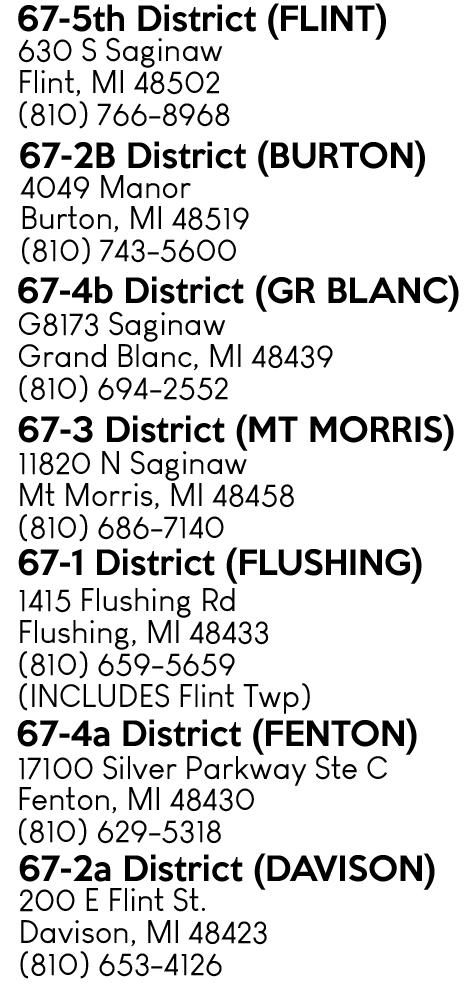
If a tenant fails to comply with the requirements of the initial notice within the allotted timeframe, the landlord may then file a Summons and Complaint with the 67th District Court. The 67th District Court maintains several locations throughout Genesee County, and the filing must occur at the specific branch office with jurisdiction over the property’s location.
Required Documentation for Filing
When submitting an eviction case to the court clerk, the following items must be provided:
• The Original Complaint: Stating the legal basis for the eviction and the specific relief requested (possession and/or a money judgment).
• The Summons: Notifying the tenant of the court date and their right to appear.
• A Copy of the Notice: The original 7-day or 30-day notice previously served.
• A Copy of the Lease Agreement: If a written contract exists.
• Filing Fees: These fees vary based on whether the landlord is seeking possession only or possession plus a money judgment.
Phase 3: Service of Process and Hearing Protocols
Once the case is filed, the Summons and Complaint must be served on the tenant by an authorized process server or court officer. Michigan Court Rule 2.105 governs the specific requirements for service of process.
The Eviction Diversion Program
The 67th District Court operates an Eviction Diversion Program designed to resolve nonpayment cases through mediation and financial assistance. During the initial hearing, the judge may refer the parties to the Community Resolution Center (CRC) to explore payment plans. Landlords should be prepared to provide clear accounting records of all payments received and outstanding balances during these sessions.
The Court Hearing
At the hearing, the landlord (the plaintiff) bears the burden of proof. It is necessary to present:
• Evidence of proper notice delivery.
• Evidence of the lease violation (e.g., ledgers for nonpayment or photographs for property damage).
• Confirmation that the tenant is not on active military duty (Non-Military Affidavit).
If the court finds in favor of the landlord, a Judgment of Possession will be issued.
Phase 4: Judgment and the Order of Eviction
A standard Judgment of Possession typically grants the tenant 10 days to either pay the amount owed or vacate the premises. This is a mandatory waiting period; the landlord cannot take any action to remove the tenant or their belongings during this time.
Order of Eviction (Writ of Restitution)
If the tenant remains in the property after the 10-day period expires, the landlord must apply for an Order of Eviction. There is an additional court fee (currently $15.00) for the issuance of this order.
The Order of Eviction is the only legal instrument that authorizes the physical removal of a tenant. This order must be executed by a court officer or a process server from the court’s approved list. Landlords are strictly prohibited from changing locks, disconnecting utilities, or removing tenant property without a court officer present. Engaging in & ”self-help” evictions
is a violation of Michigan law and can subject the landlord to significant statutory damages.
Conclusion: Professional Management Standards
Maintaining a real estate investment portfolio in Genesee County requires commitment to administrative excellence and legal compliance. By utilizing standardized documents and following the established protocols of the 67th District Court, landlords can minimize the duration of vacancies and protect their assets.
THE LIAISON REPORT
Presented by Bobbie Kirby, Gla Executive director
ADVERTISE YOUR SERVICE OR BUSINESS WITH GLA CONSIDER RUNNING AN AD IN OUR NEWSLETTER AND ONLINE
Advertising not only offsets the cost of newsletter printing and member outreach, it also provides services to our association from sources who are excited to work with us at reasonable and reliable rates. Our newsletter reaches an extensive network of real estate investors. Please refer to our local businesses when possible and let them know you saw their ad. If you are interested in placing an ad or know someone who is, the rates are as follows:
GLA SUGGESTION FORM
What do you like most about the GLA?
What changes would you like to see?
Meeting topic suggestions
Member benefits you’d be interested in
Vendors you’d like to see at meetings
Comments
The following is optional:
Name Phone Email
Would you like to be on committe? Yes / No
VIDEO RECORDING AND PICTURES CAN REDUCE DISPUTES
Reduce disputes with tenants by videotaping or taking pictures with your cell phone or camera of the unit’s condition before move-in and after move-out. If you do this when the unit is vacant, the tenant cannot claim his or her privacy was invaded. When move-out is completed, repeat the process again and have evidence of any damage that occurred during the occupancy of the affected tenant.
GLA BOARD OF DIRECTORS
2026-2027
Ed Constable - President (810) 938-3339
edconstable1@yahoo.net
Aaron Dionne - Vice President (248) 705-1399 rangerbronco@charter.net
Ryan Scully - Secretary (810) 577-3146 scullyrealestateteam@gmail.com
Terry Hanson - Treasurer (810) 767-2500 terrylhanson@yahoo.com
Bobbie Kirby - Exec. Director 810-919-5130 ledesta1@att.net
BOARD MEMBERS
Bernard Drew
Craig Fiederlein (810) 232-1112
cfiederlein@cflegal.net
Bryan Udell (810) 287-4486 cbu@homeventures.com
Danny Helkowski (810) 228-0478 dannyhelkowski@gmail.com