






Clinicians face a wide range of regenerative situations, and having different graft types available enables more personalised treatment planning. Human-derived allografts provide a natural tissue structure and a familiar biological environment, making them a valuable choice in selected regenerative procedures. Some clinicians appreciate their handling characteristics and remodeling profile, while certain patients prefer human-derived materials for personal or ethical reasons.


Offering an allograft alternative enhances the regenerative toolkit, supporting individualised planning with greater flexibility and choice.













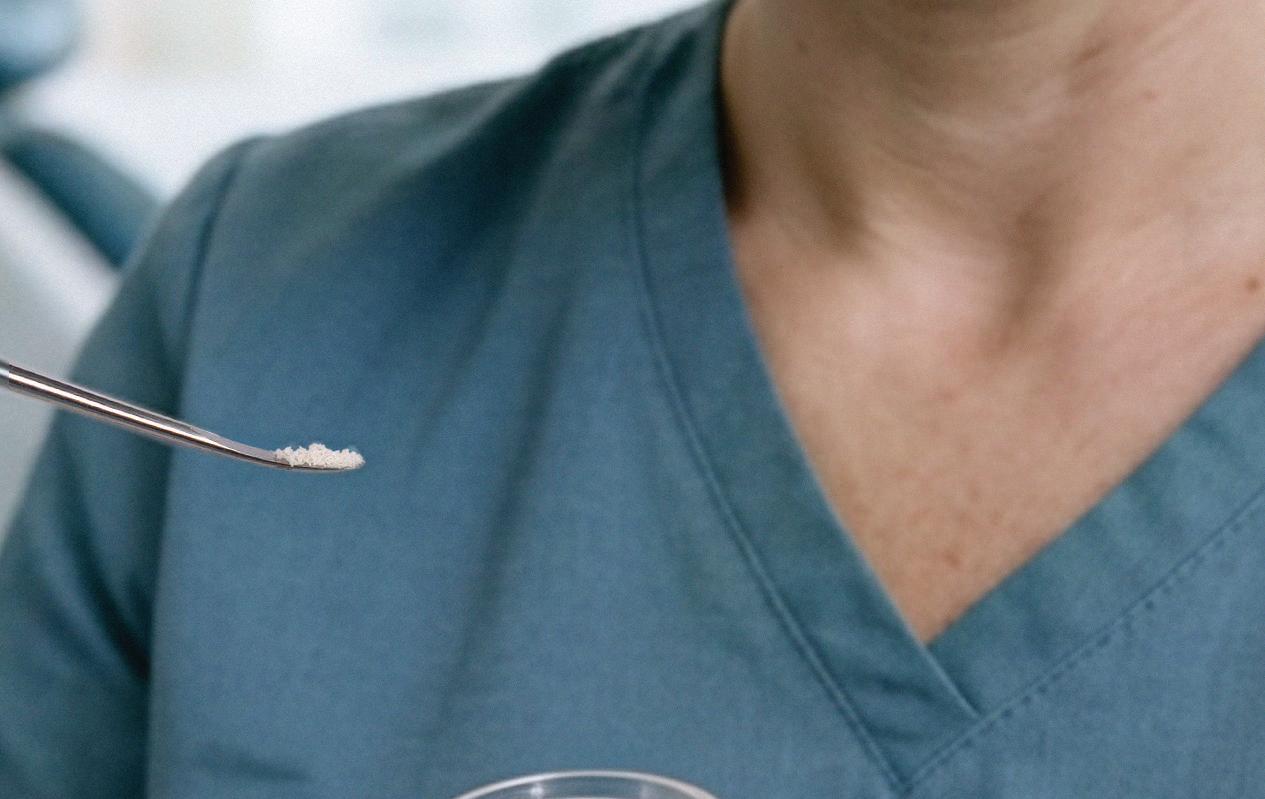
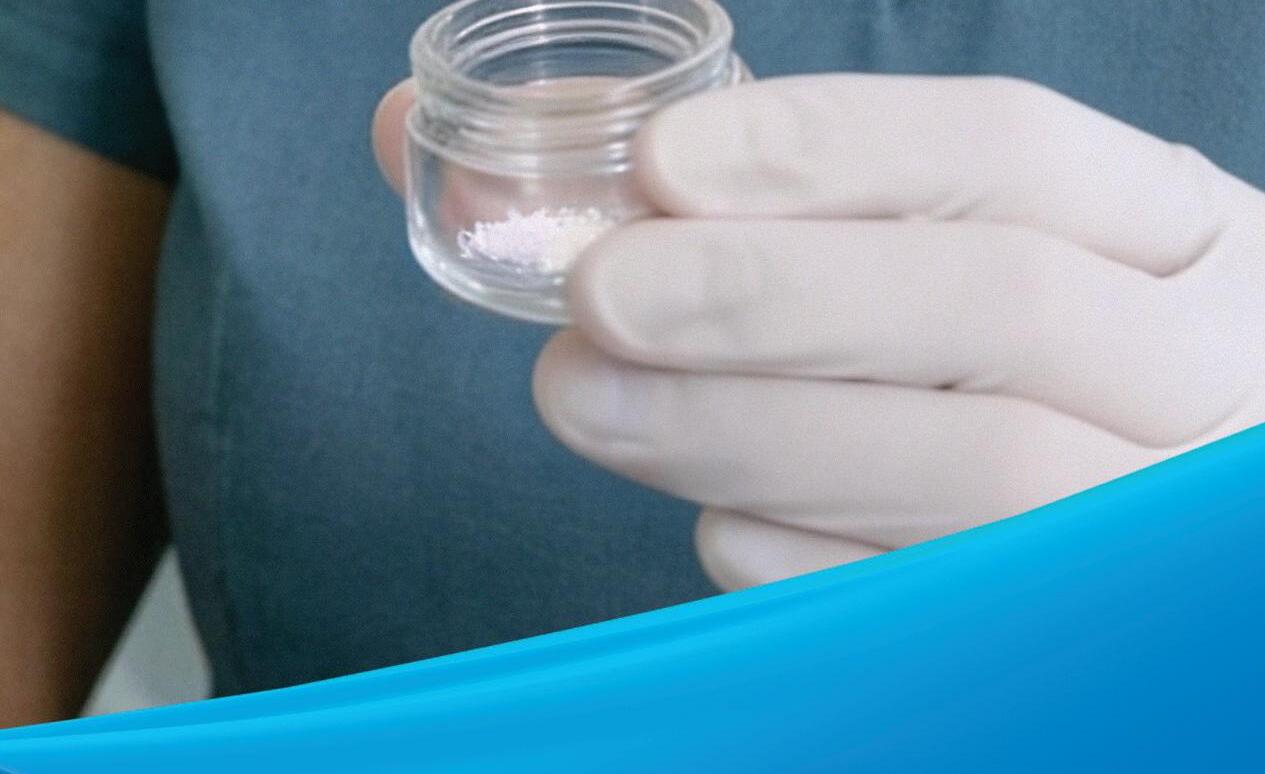
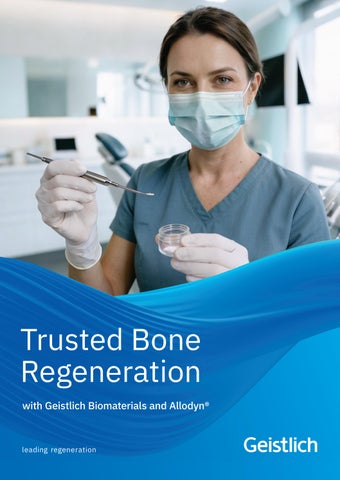
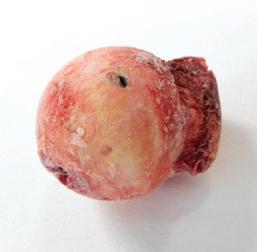
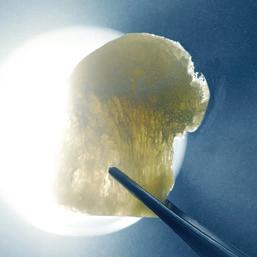
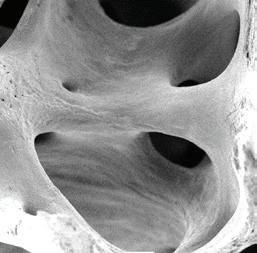
Allodyn® (O.S.T. Laboratoires) is a high-quality bone allograft for dental surgery, ethically sourced from living donors during hip replacement procedures. Each donor undergoes rigorous screening, and full traceability is ensured. By preserving its natural collagen and mineral structure, Allodyn® provides a very good scaffold for bone regeneration. With over 25 years of clinical use, advanced sterilisation, and proven results, it offers reliable performance and biocompatibility for clinicians and patients alike. 1–4















Pulsed Fluid Debridement
Selective cleaning of femoral heads removes necrotic tissue while preserving healthy bone.
Viral Inactivation
Patented, computer-controlled process ensures microbiological safety without compromising structure.
Molecular Substitution Dehydration

Gentle ethanol-based dehydration preserves collagen, avoids freeze-drying damage, and provides disinfection.
E-Beam Sterilisation

Ensures sterility with minimal collagen impact and no radioactive exposure.





Dr. Romain Ohanessian Toulon, France









“Allodyn® delivers predictable volume stability and natural integration for long-term aesthetic success.”
Twenty-one clinical experts provided feedback on the use of Allodyn®, based on treatments in more than 4,000 patients over recent years.5
Performance
95 % rated the performance as very good or excellent.
> Strong clinical confidence and predictable results.
Faster Implant Placement
90 % of clinicians reported they can place implants earlier.
Ethical & Fully Traceable
Sourced exclusively from living donors during hip replacement surgeries with complete traceability.
Natural Bone Structure Preserved
Collagen + mineral scaffold for optimal osteoconductivity.
Strong Clinical Safety Profile
Superior viral inactivation and sterilisation for microbiological safety.
Hydrophilic Handling
Improved fluid uptake for rapid blood or PRF absorption.
> Improved workflow and reduced treatment timelines.
Recommendation Rate
Every user would recommend Allodyn® to colleagues.
> Indicates strong trust and advocacy.
Continued Use
All users will continue using Allodyn® in their practice.
> High satisfaction and consistent value.
Trust & Safety
Users emphasise the importance of the OsteoPure™ process and E-Beam, highlighting the need for high-quality, safe products.
Mechanical Strength Comparable to Fresh Bone
Provides stability and resistance during grafting procedures.
O.S.T is a Tissue Bank authorised by the French Health Authorities, specialising in the production of virus-inactivated allografts and, more generally, in bone regeneration products. Through a strategic partnership with O.S.T, Geistlich secures worldwide distribution rights for the well-known and established dental allogeneic product range Allodyn®.


Dr. Amit Patel Birmingham, UK
“If an immediate implant is not an option, I will preserve the ridge and I prefer to use an allograft to provide a faster turnover in this case to support the adjacent teeth.”
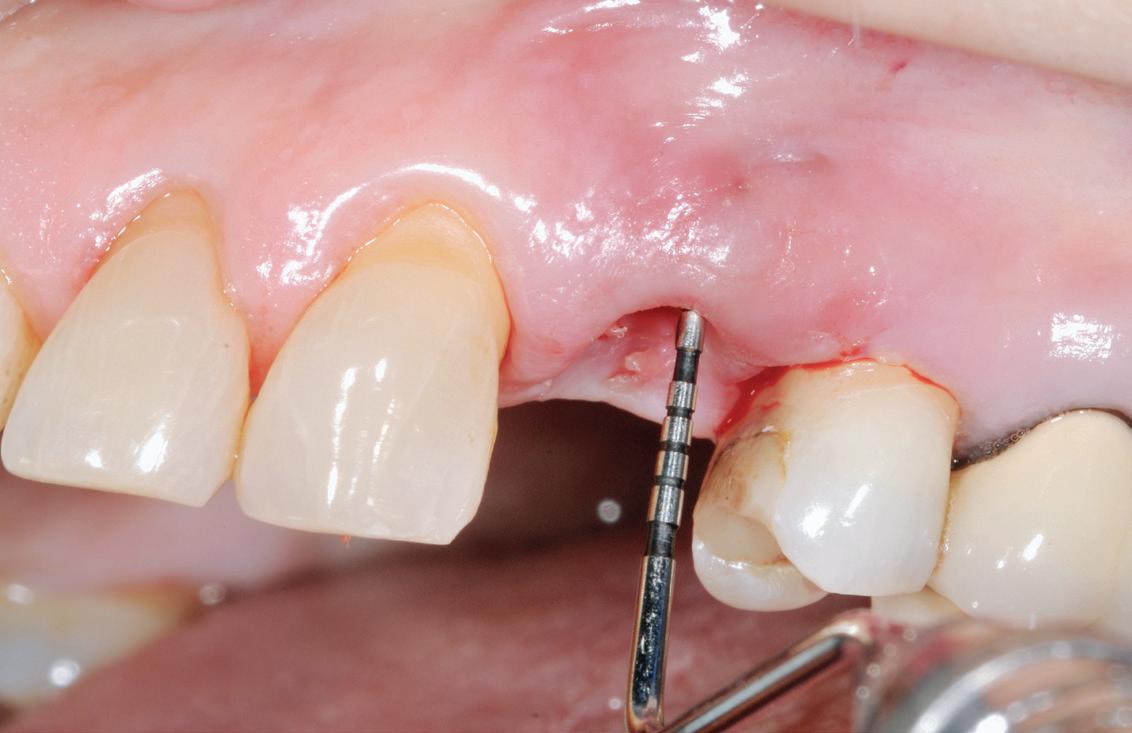
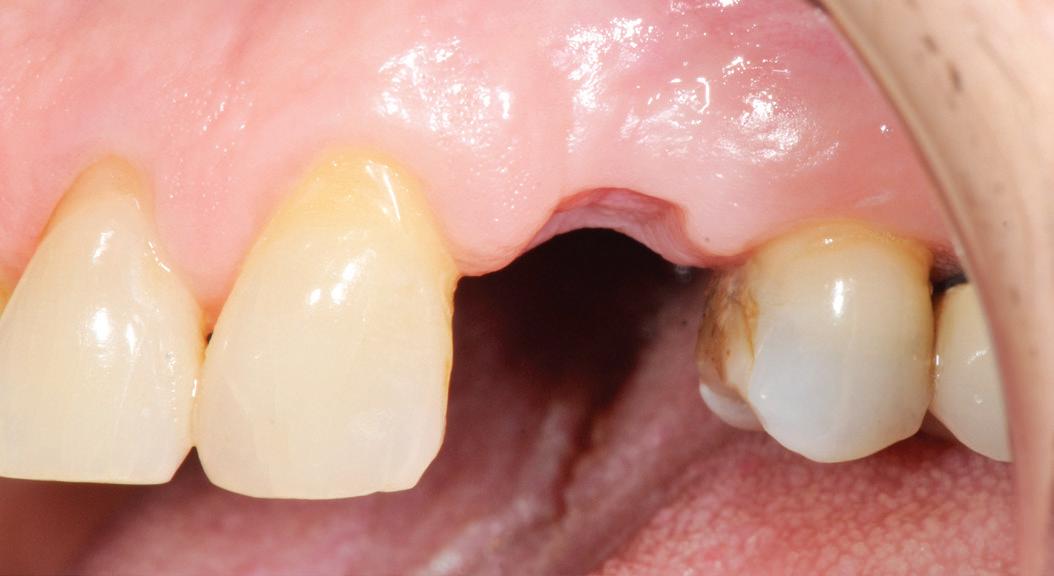
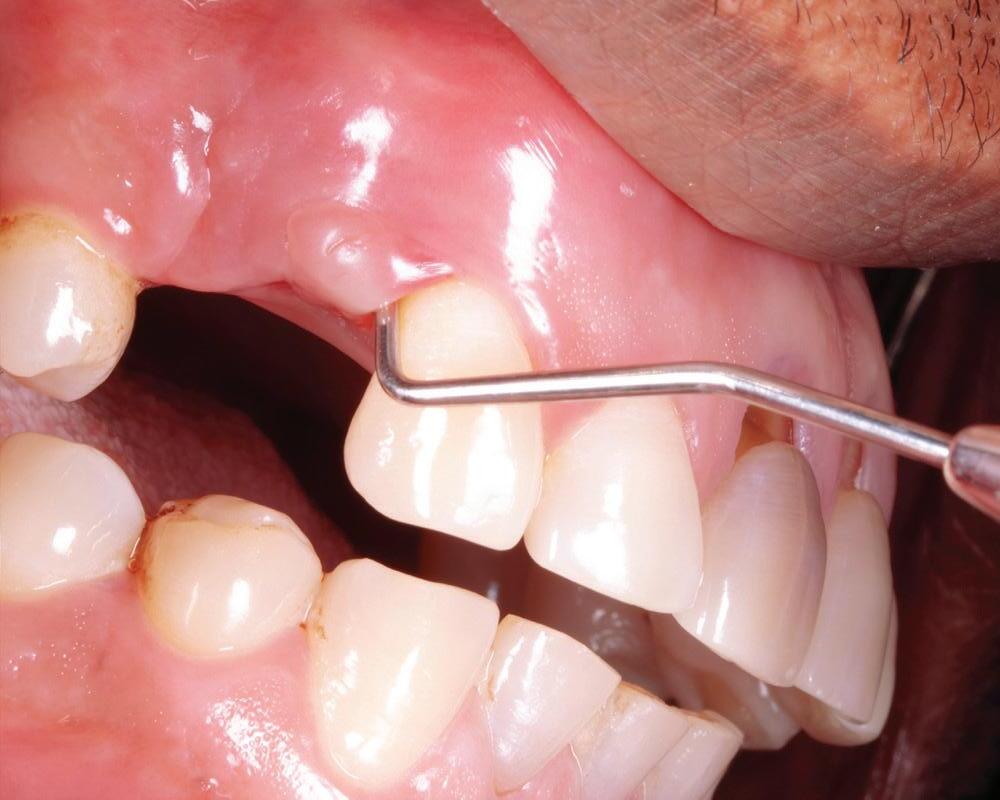
Initial Situation
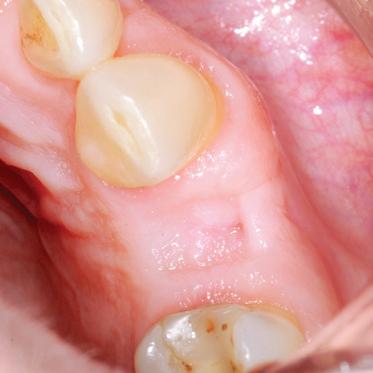
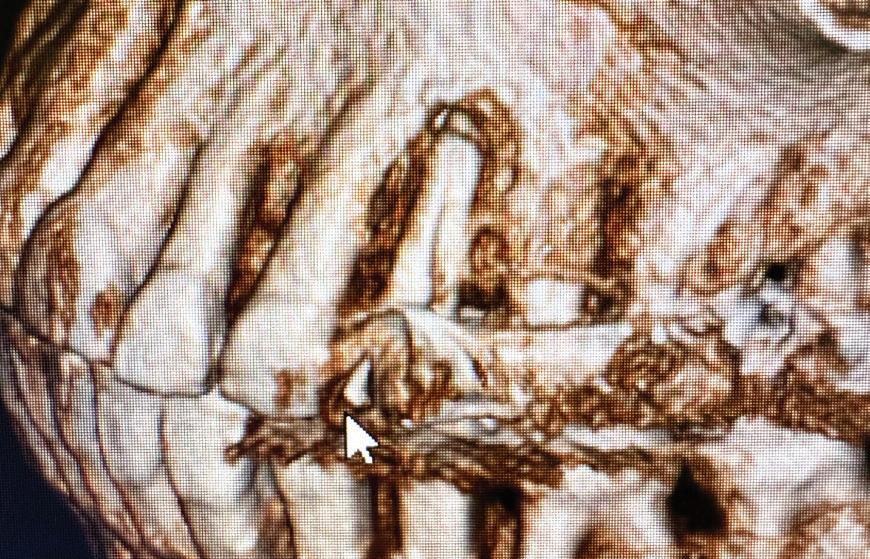
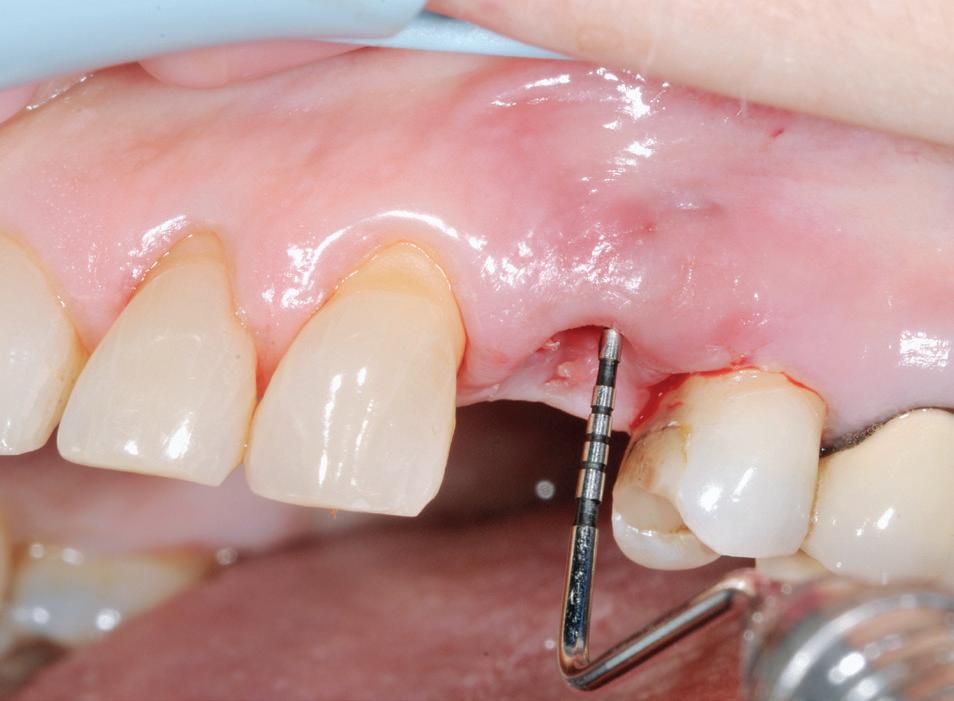
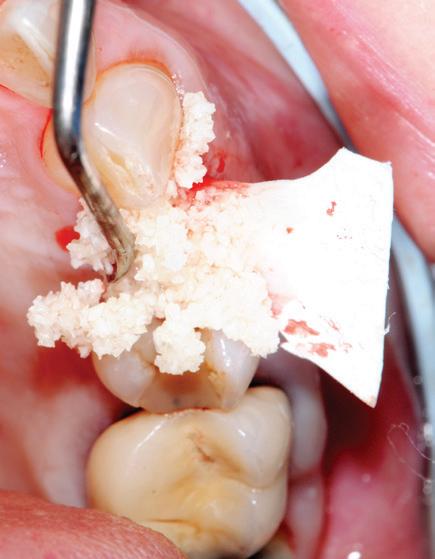
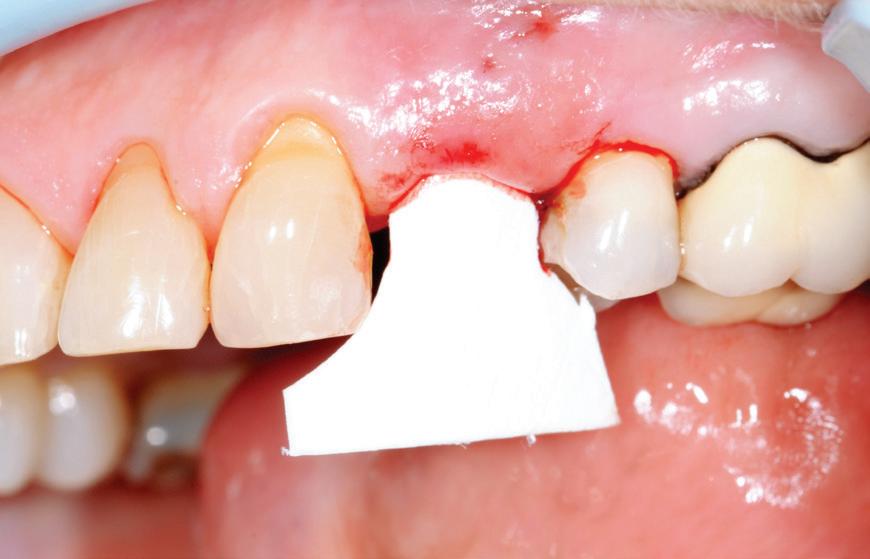
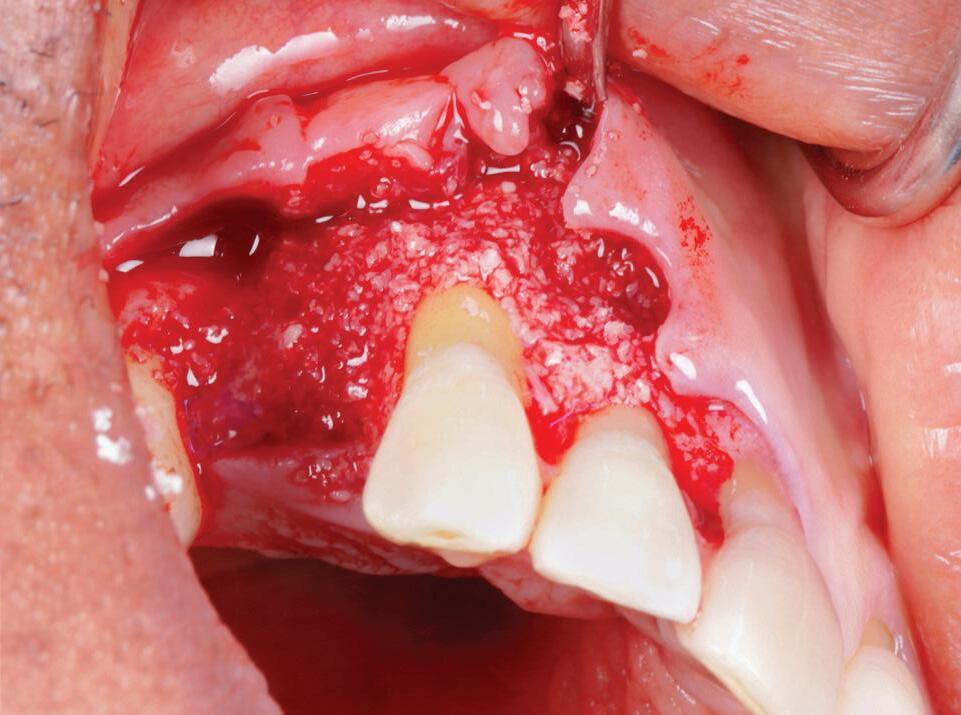
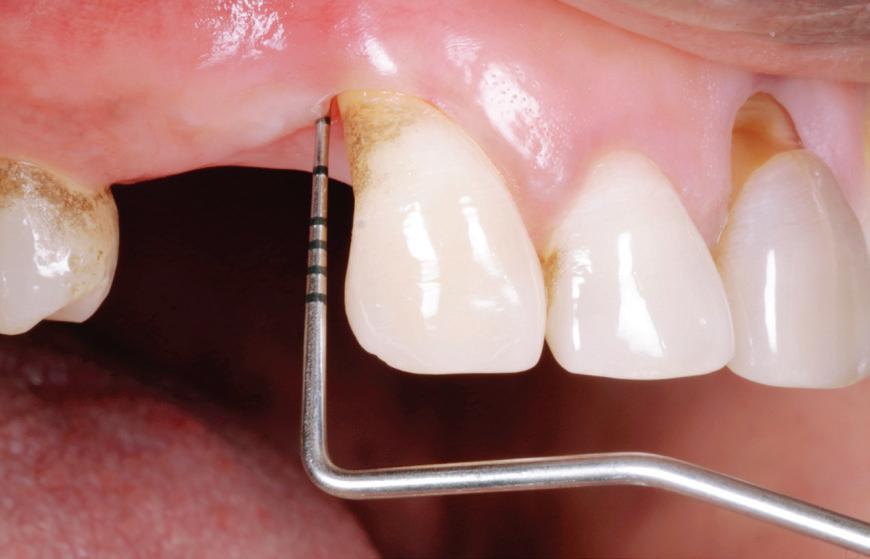
Tooth 24 presented with severe buccal bone loss and a hopeless prognosis, requiring extraction. Oral health was good, with a minor gingival recession of 1–2 mm.
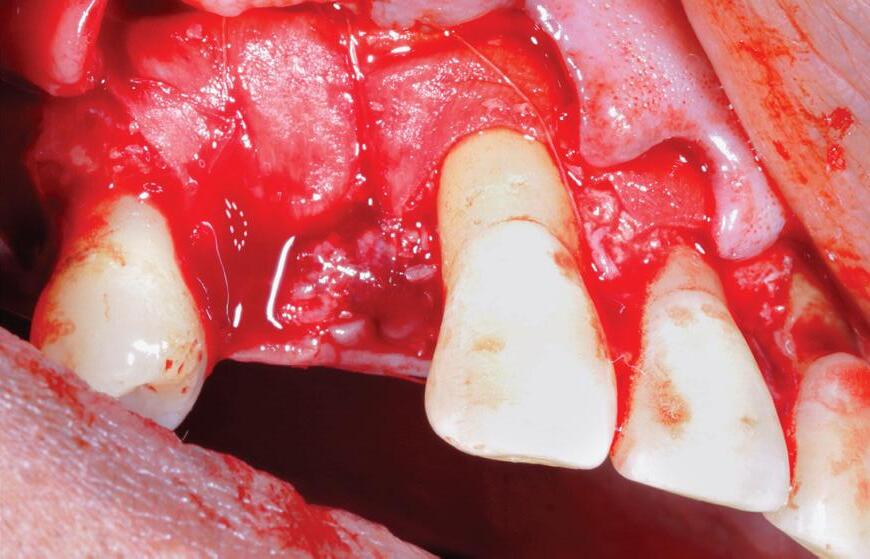
Therapeutic Approach
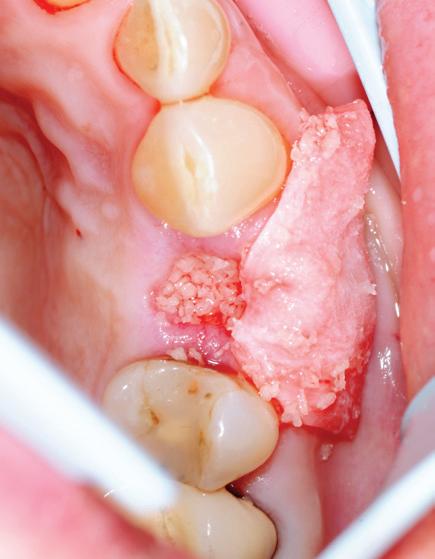
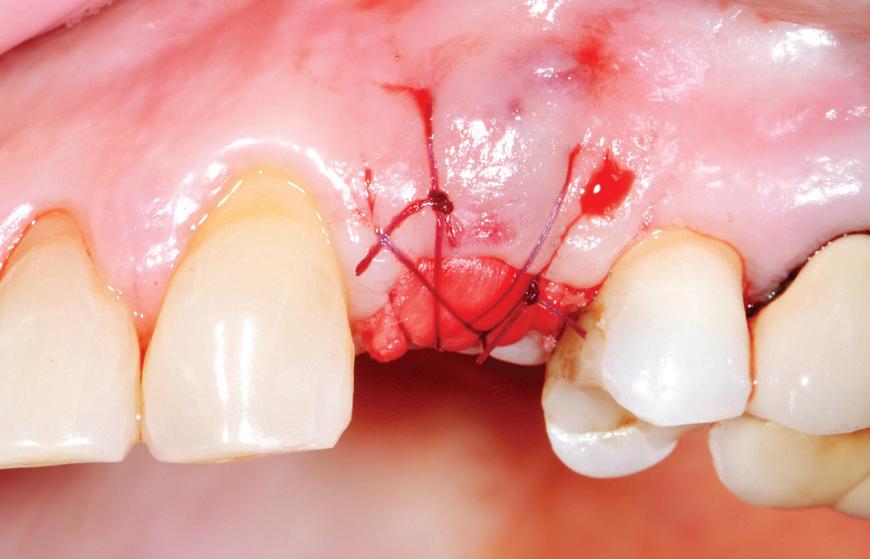
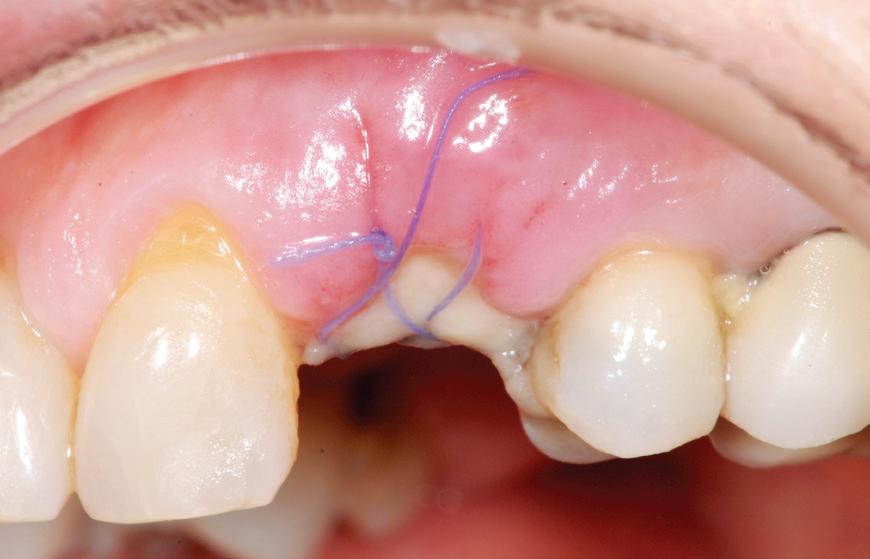
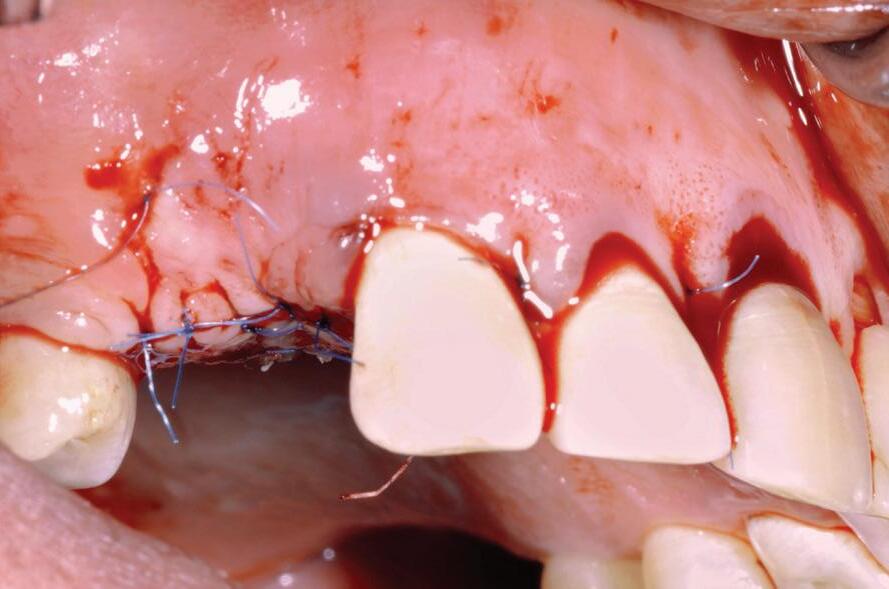
Following atraumatic extraction of tooth 24, the socket was thoroughly debrided with a curette. A Geistlich Bio-Gide® membrane was positioned buccally beneath the bone defect to protect the Allodyn® bone graft. The graft was placed into the socket, and the membrane was wrapped over it toward the palatal aspect. The site was closed with 5-0 Vicryl Rapide sutures.
Final Result
At 5 months, CBCT evaluation was performed to plan the next
> Use Allodyn® for early placement if immediacy is not an option.
> In cases with adjacent teeth that have bone loss, I prefer to use an allograft for faster turnover.
> Consider open healing to preserve keratinised tissue.





Dr. Alfonso Rao
Bristol, UK
“I always prefer to use a combination of allograft and Geistlich Bio-Oss® to optimize the regeneration and longterm outcome.”
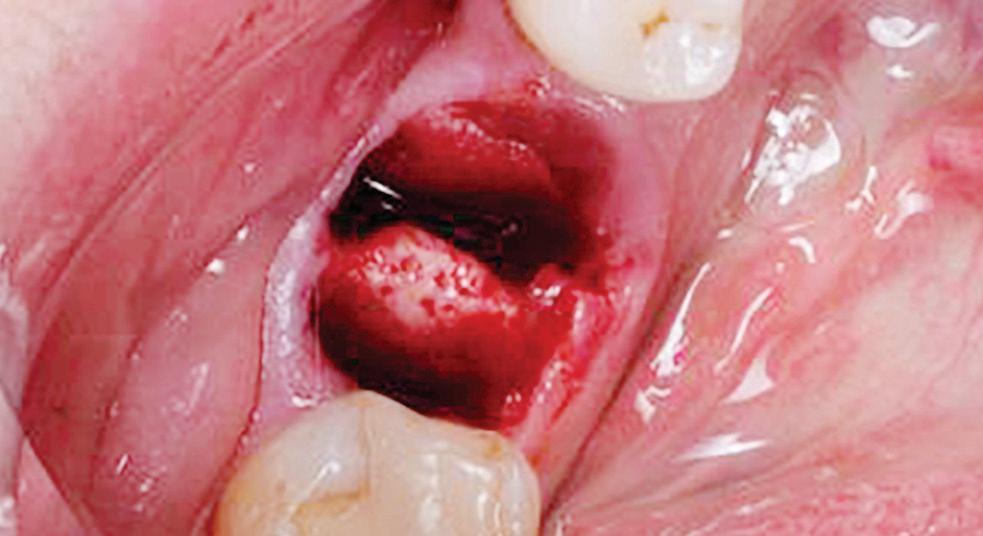
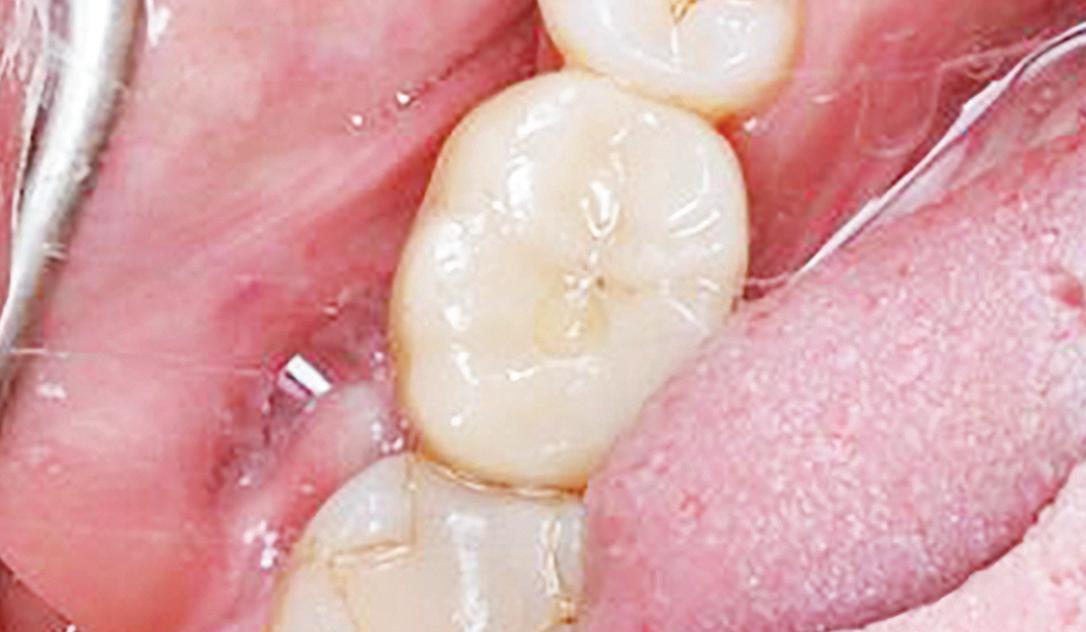
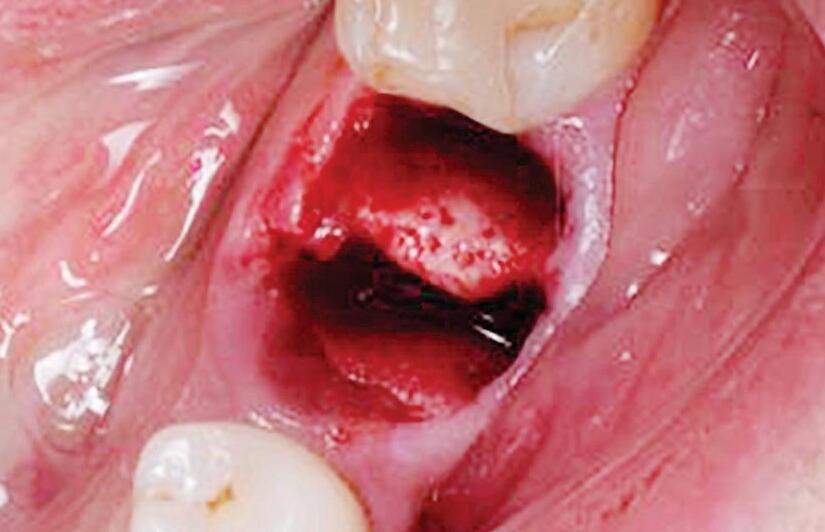
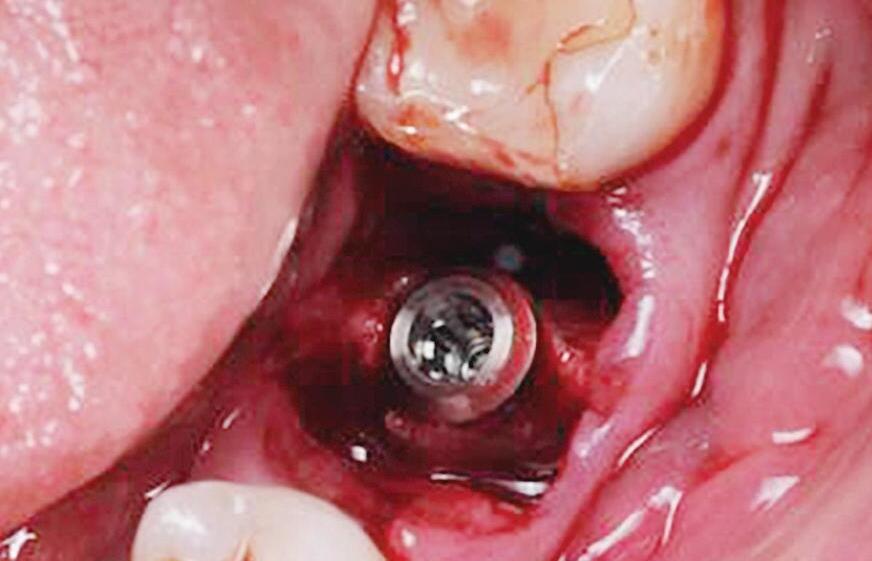
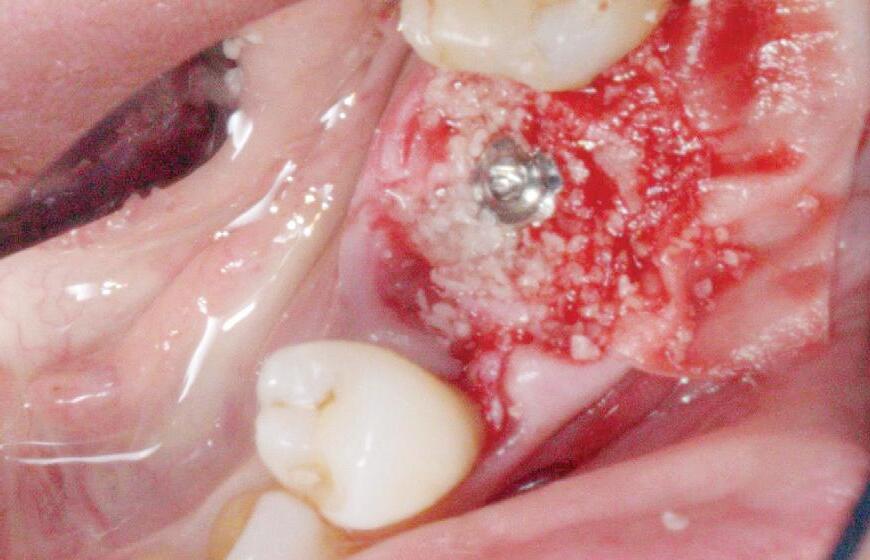
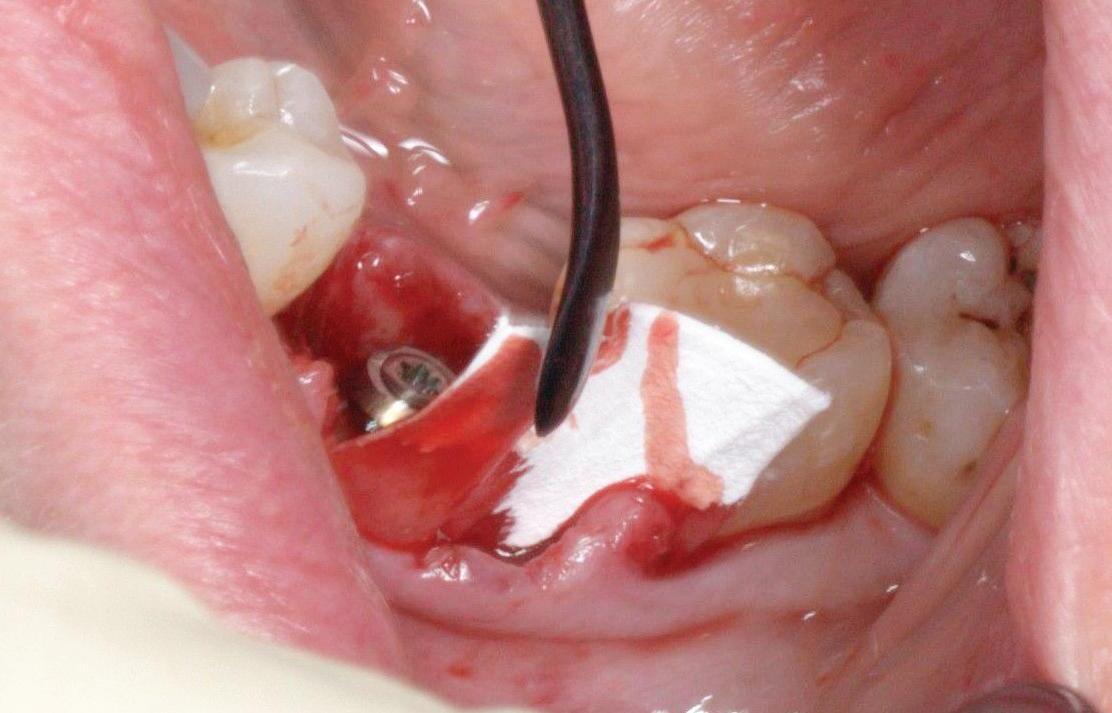
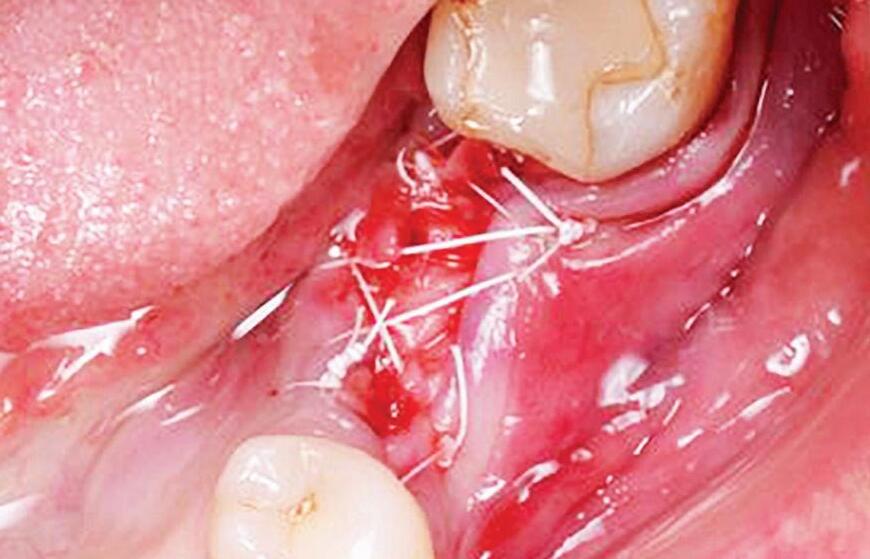
The patient presented with irreversible pulpitis on tooth 46. The endodontist deemed the tooth to have a poor prognosis due to the depth of the margins. The patient preferred to replace the tooth with an implant.
After atraumatic extraction, preserving the septum, the implant was placed carefully in the desired restorative position. The buccal wall was absent due to root morphology. Geistlich BioGide® membranes were positioned and secured with tacks before the socket was filled with Allodyn®. PTFE sutures were used in an open-healing approach to preserve keratinised mucosa.
After healing, the implant demonstrated an ISQ of 77. A digital impression was taken, and a screw-retained crown was fabricated and fitted.
> Use Geistlich Bio-Oss® for immediate implant placement in self-contained sockets.
> In one-wall defects, select Allodyn® alone or combine with Geistlich Bio-Oss® to enhance contour stability.
> Place the master pin before introducing the graft material to ensure optimal membrane fixation.
> Consider open healing to preserve keratinised tissue.
Dr. Amit Patel Birmingham,
UK
> In minor defects such as buccal dehiscence, I use an allograft to gain new bone quicker.
> I always support my hard tissue grafts with a membrane to support the 360° vascularisation.
> I place a subperiosteal suture to provide stabilisation of the membrane.
“I always prefer to use a combination of Allodyn® and a Geistlich Bio-Gide® membrane to optimise the regeneration and long-term outcome.”
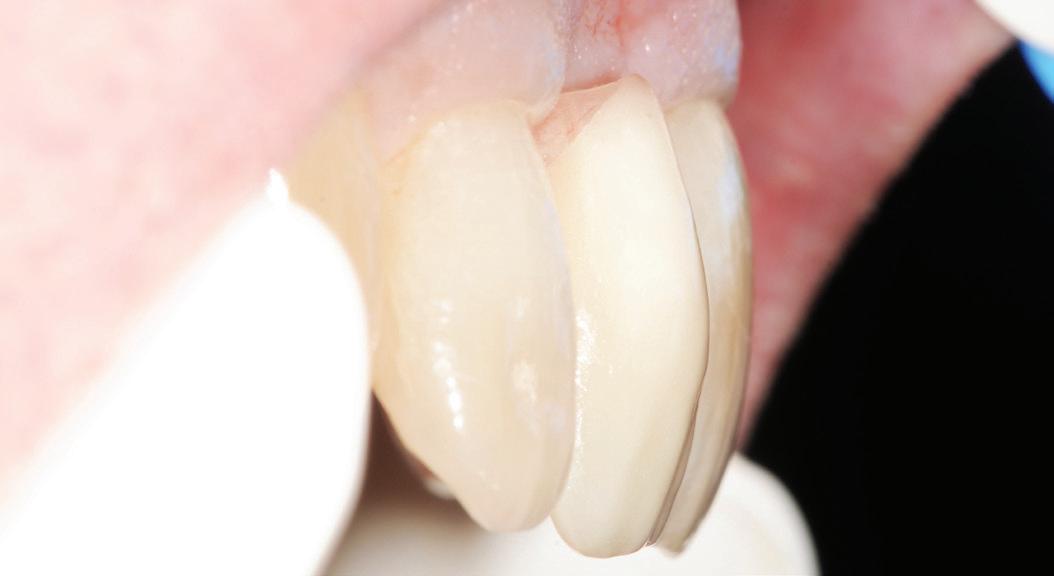
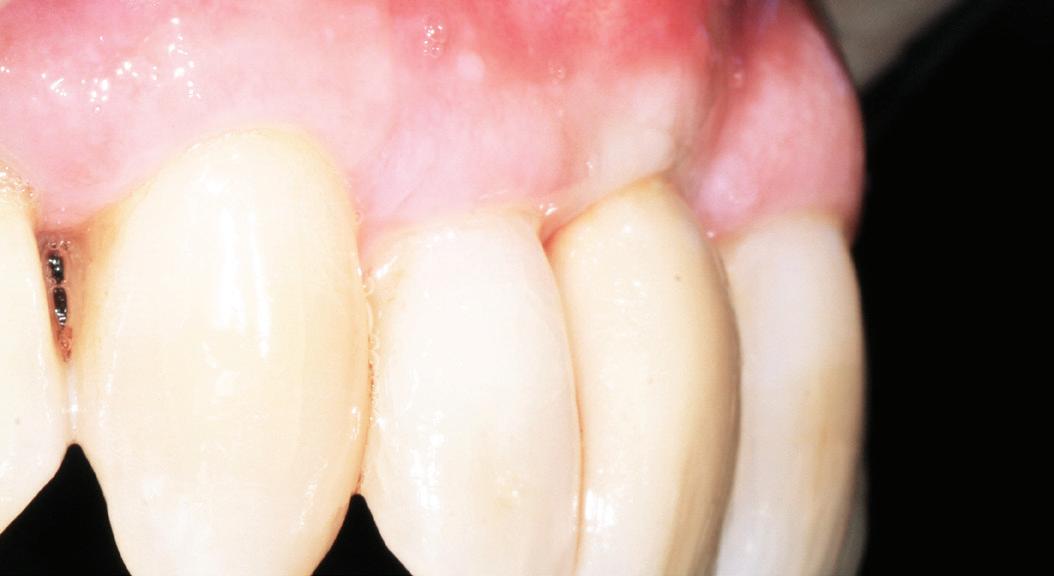
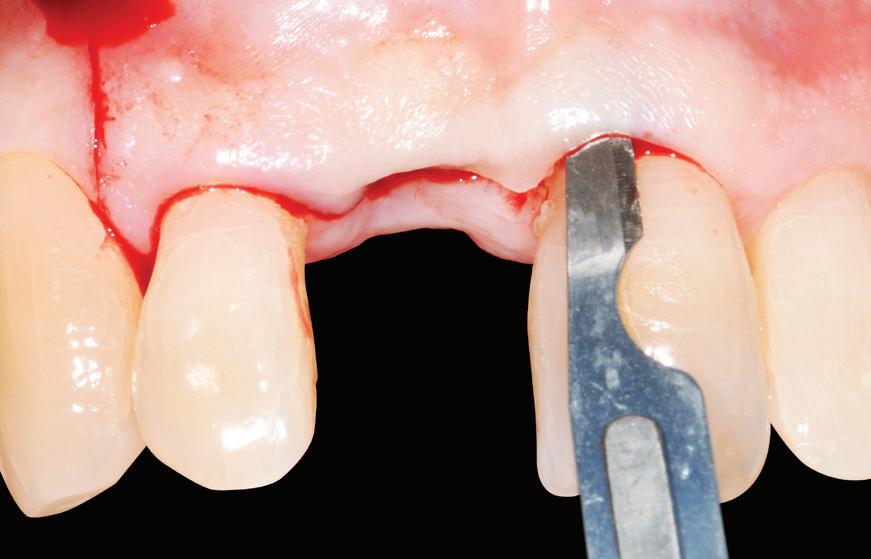
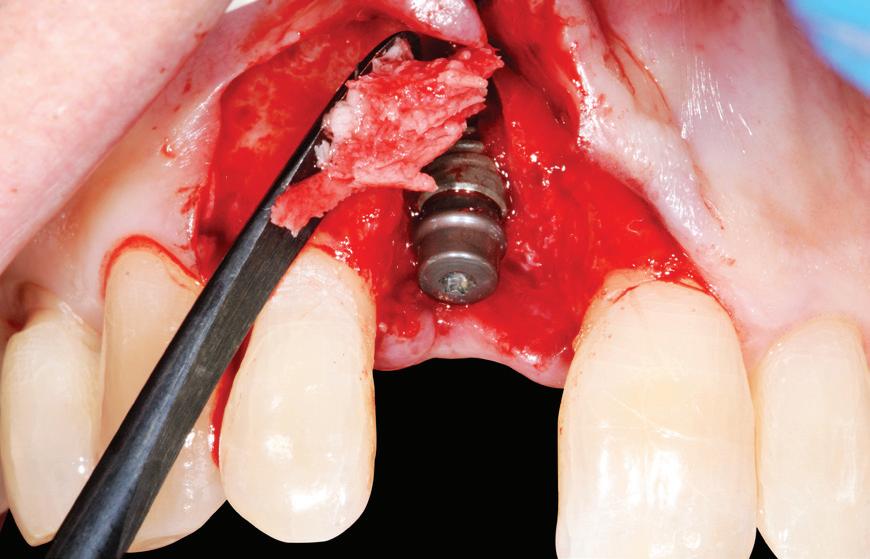
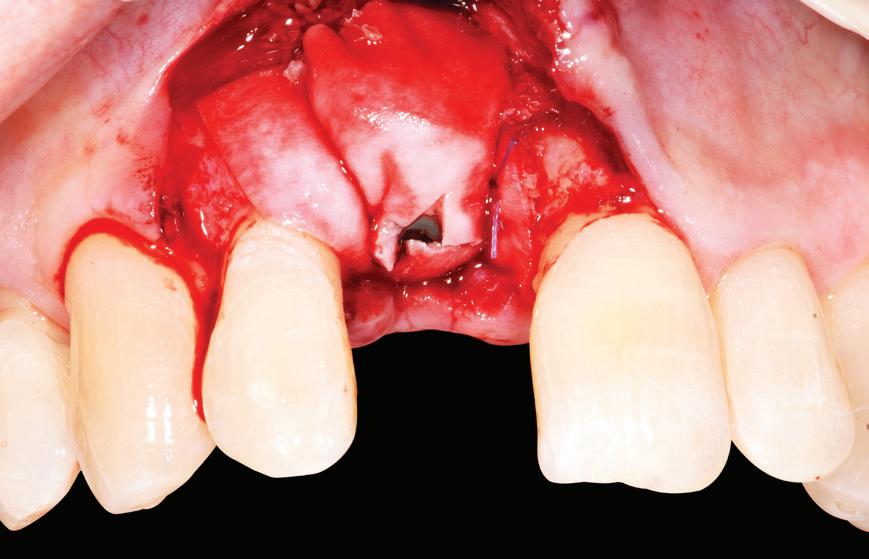
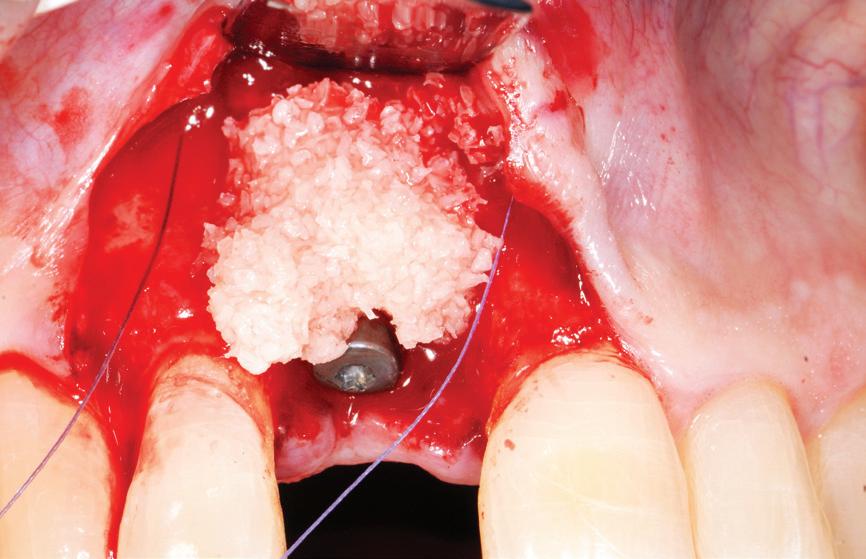
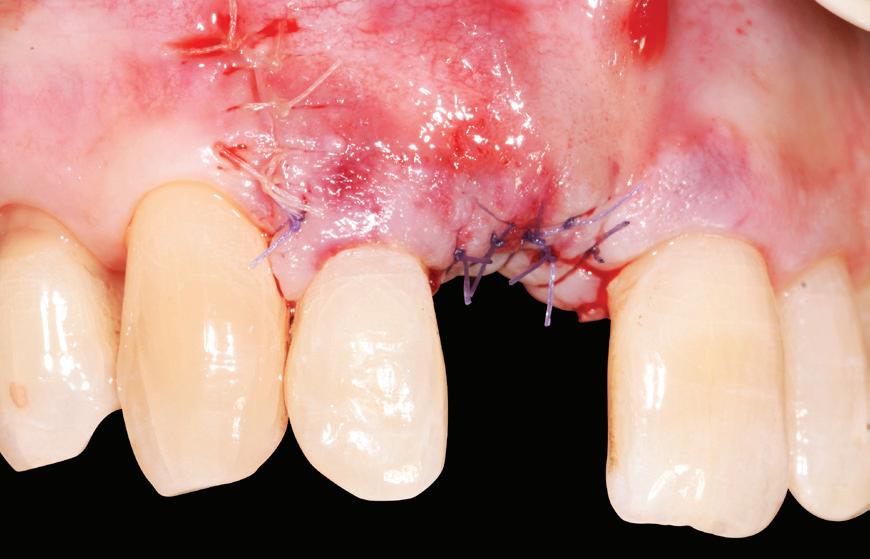
Initial Situation
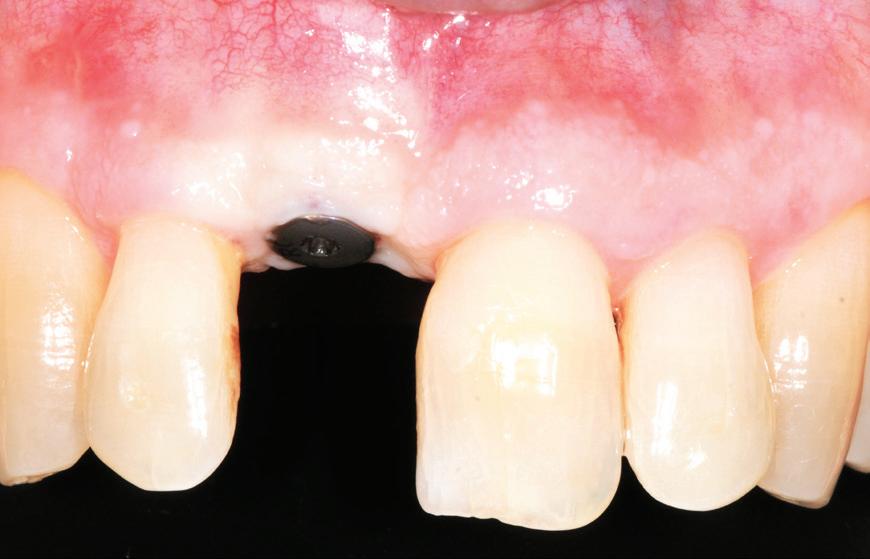
The patient was referred by the general dental practitioner for consultation regarding implant treatment. Tooth 11 was missing, and the patient was dissatisfied with the partial denture, preferring a fi xed solution. Oral health was good, with an unremarkable medical history.
Therapeutic Approach
Following the slow-drilling protocol, the implant bed was prepared and the implant placed. A buccal dehiscence was noted. Autologous bone harvested during drilling was placed over the exposed threads, followed by Allodyn®. A Geistlich Bio-Gide® membrane was positioned over the graft and stabilized with a subperiosteal suture. The buccal flap was closed with 5-0 Vicryl Rapide sutures.
Final Result
A crown was fabricated and fitted. The patient was highly satisfied with both the aesthetic and functional outcome.
CS Fine (0.5 cc)
Dr. Romain Ohanessian Toulon, France
“Allodyn® is a versatile and reliable grafting material, delivering predictable volume stability and natural integration for long-term aesthetic success.”
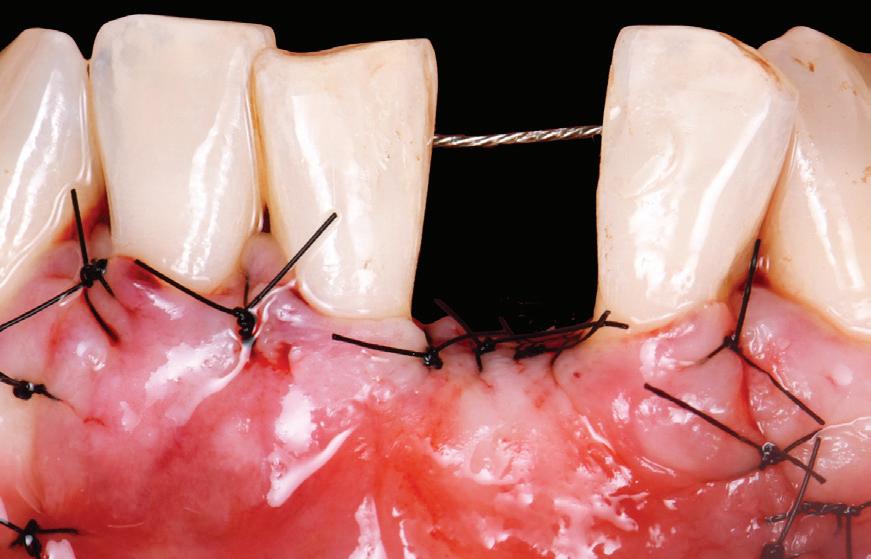
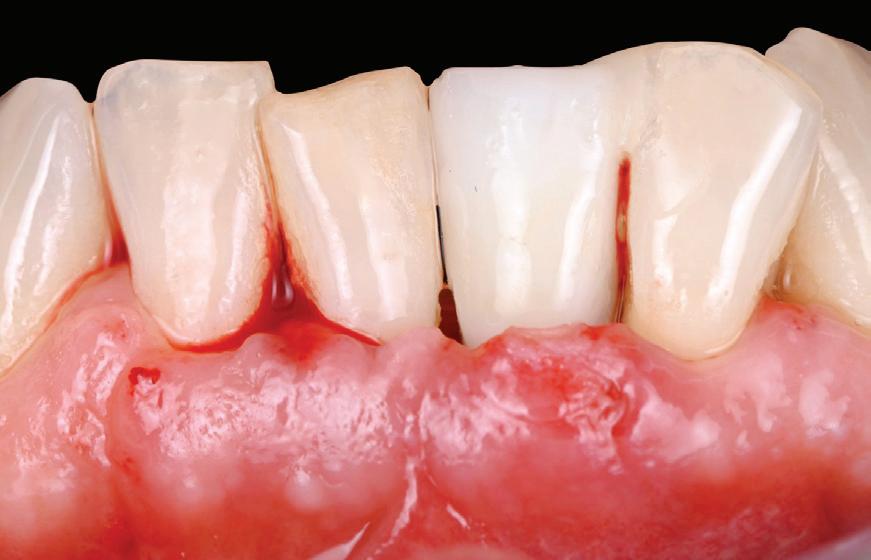
Initial Situation
The patient presented with terminal periodontal loss on tooth 31.
Therapeutic Approach
The treatment plan was to extract the tooth and perform simultaneous horizontal bone augmentation to reconstruct the buccal cortical plate and enable correct three-dimensional implant placement with navigated surgery.
Final Result
This case demonstrates the feasibility of bone regeneration in the anterior mandible, even in areas with limited bone thickness. The combination of Allodyn® and Geistlich Bio-Gide® enabled complete regeneration and a final prosthetic restoration that integrated harmoniously with the surrounding tissues after a guided provisional phase.
> Use Allodyn® for GBR in the anterior region to optimise ridge contour and volume.
> Combine with a resorbable collagen membrane (Geistlich Bio-Gide®) to maintain space and stabilise the defect.
> Place implants in a prosthetically guided position to ensure predictable function and aesthetics.
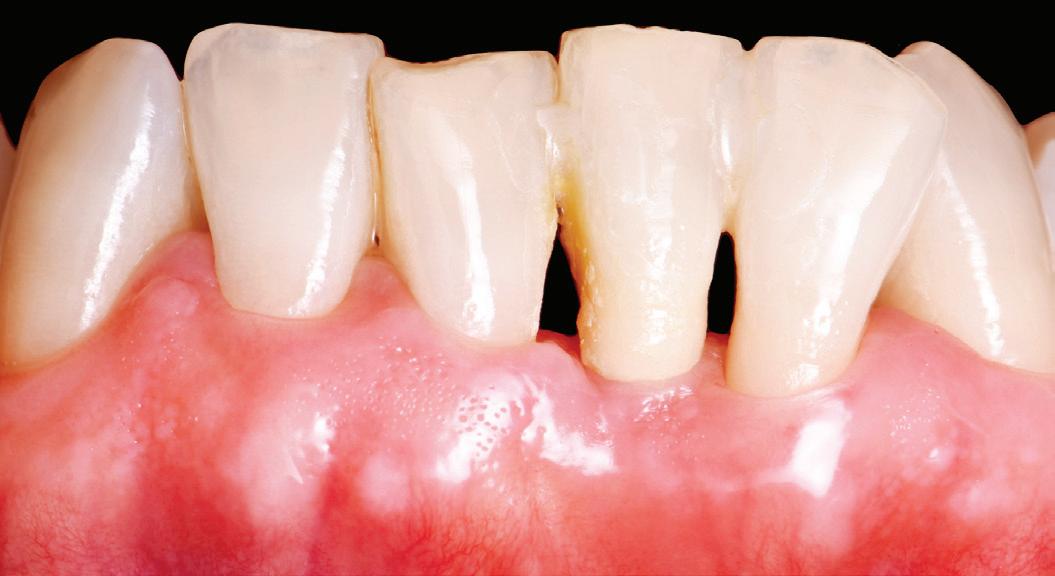
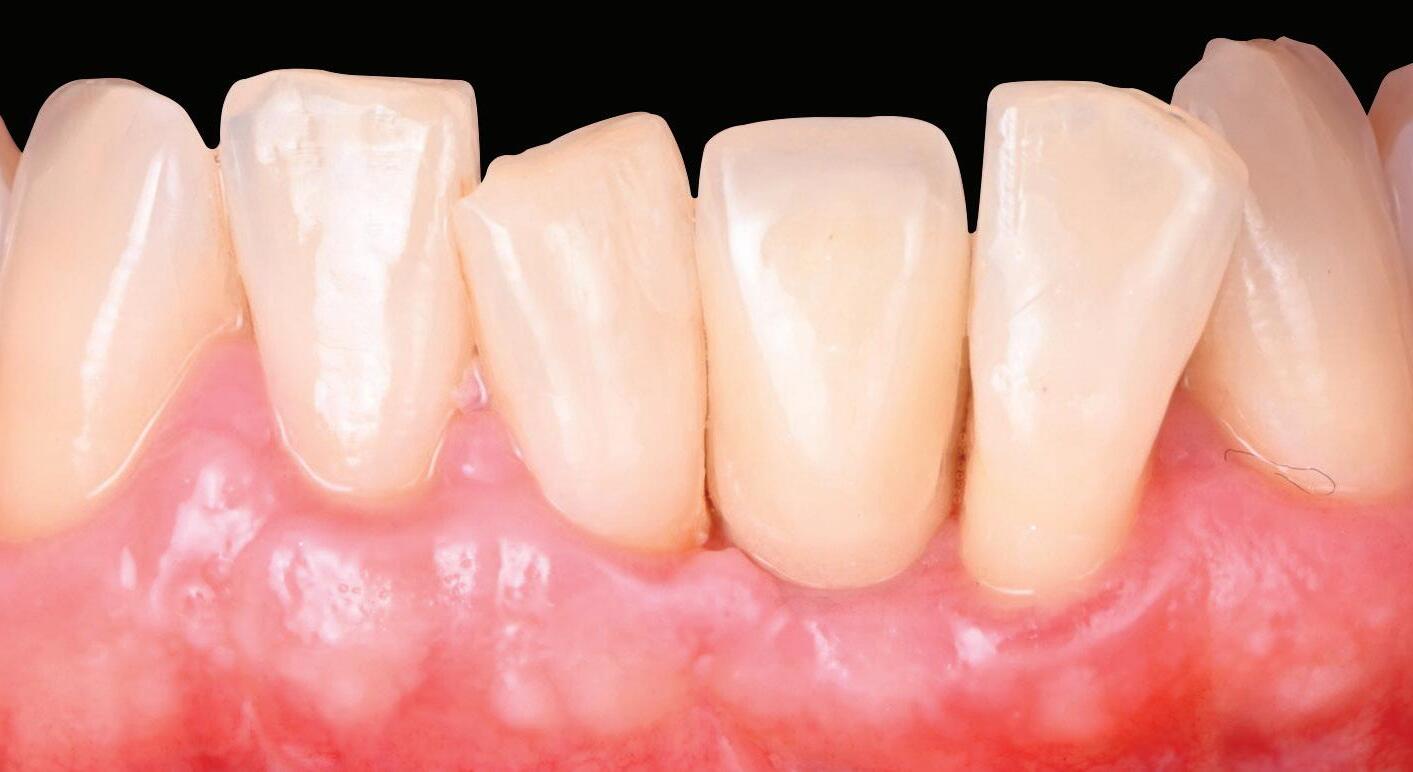
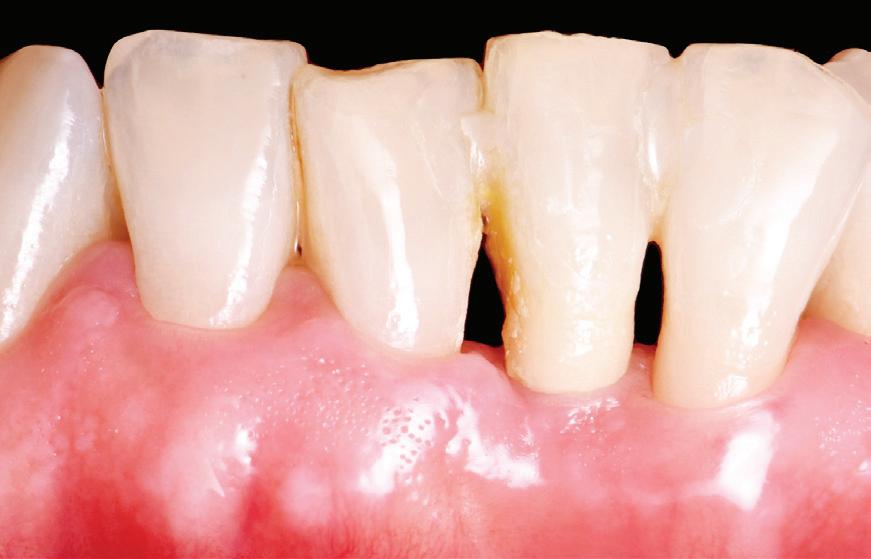
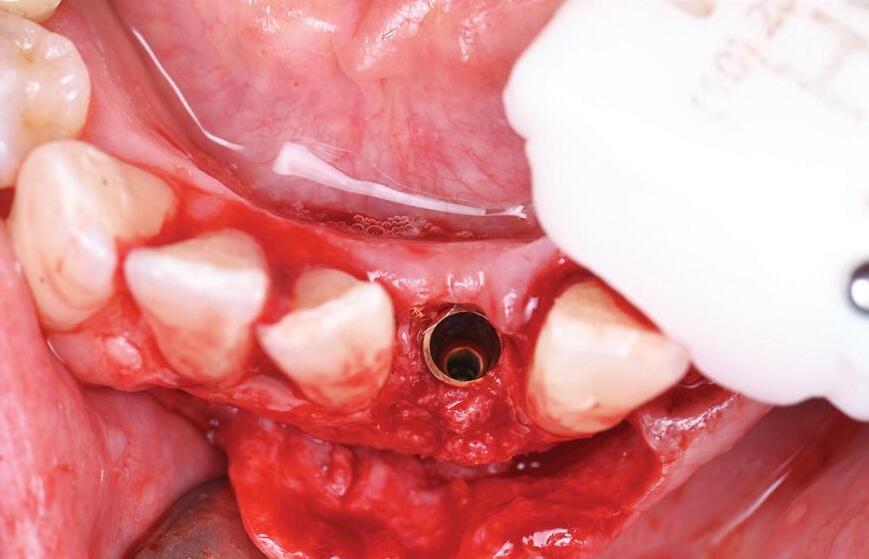
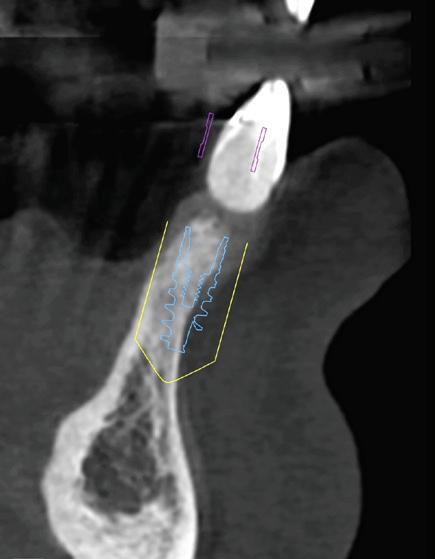
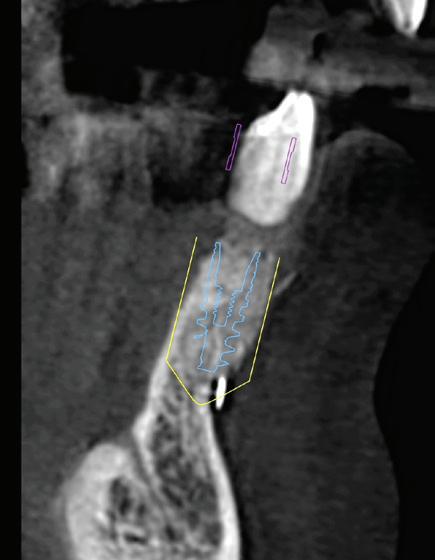
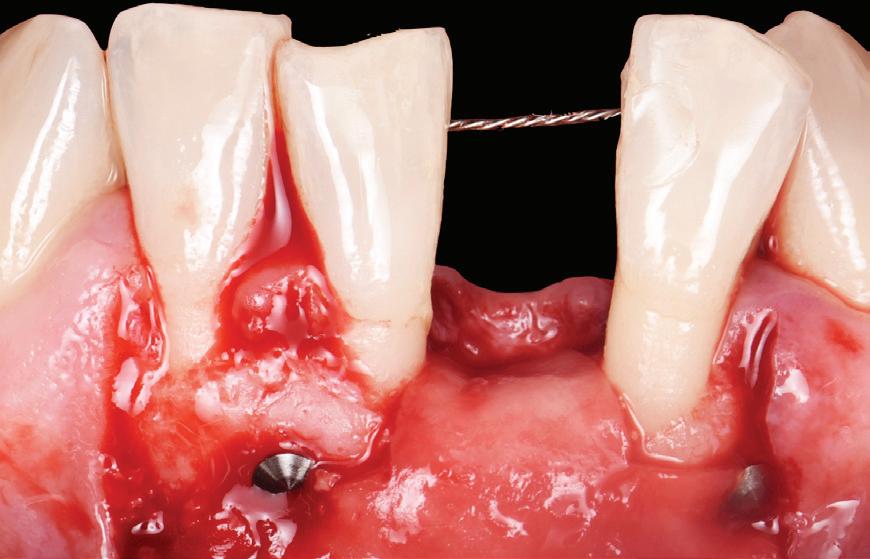
Following extraction of tooth 31 and debridement, Geistlich Bio-Gide® is trimmed and pinned to the lingual aspect. After dense grafting with Allodyn®, membrane is pinned labially and tucked under the soft tissue.





Dr. Romain Ohanessian Toulon, France
> Use Allodyn® for GBR in the posterior region to optimise ridge volume and secure implant placement.
> Combine with a resorbable collagen membrane (Geistlich Bio-Gide®) to support the Sausage Technique™ by maintaining space and stabilising graft material.
> Guided surgery to ensure predictable function.
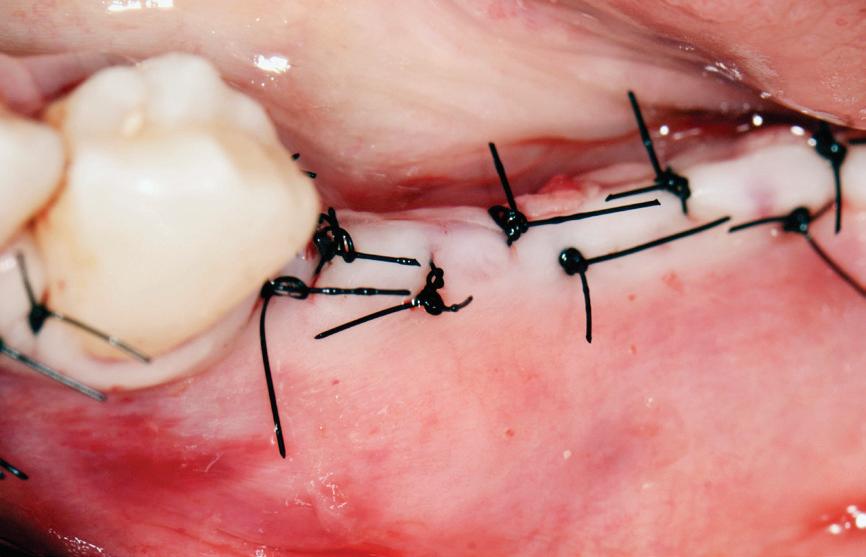
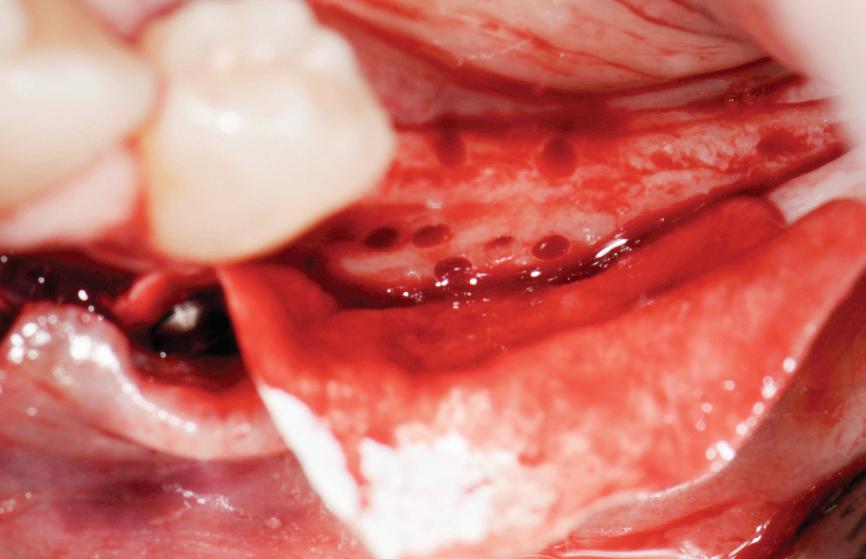
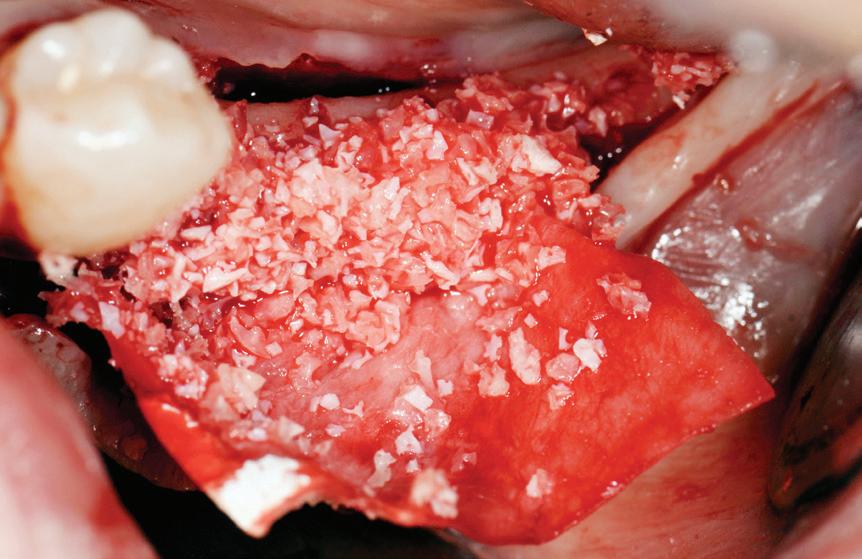
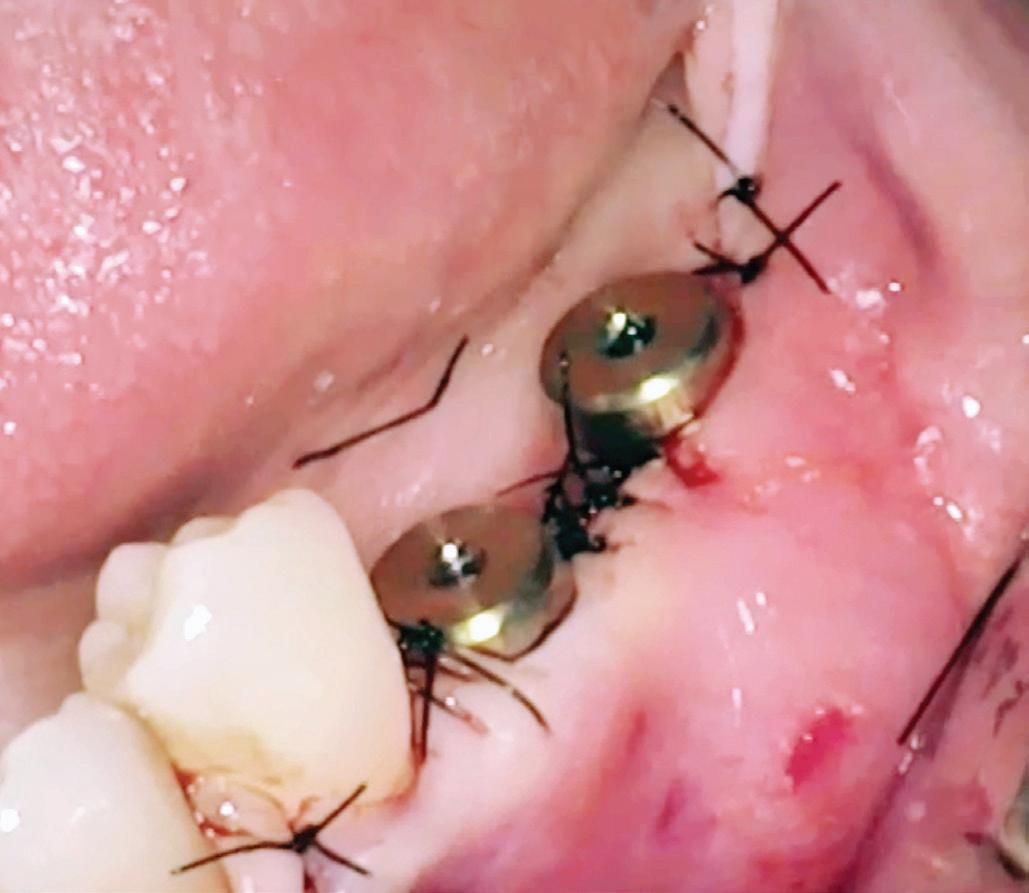
“The combination of Allodyn® and Geistlich Bio-Oss® provides sufficient graft volume for predictable dimensional stability and natural integration, supporting long-term implant success.”
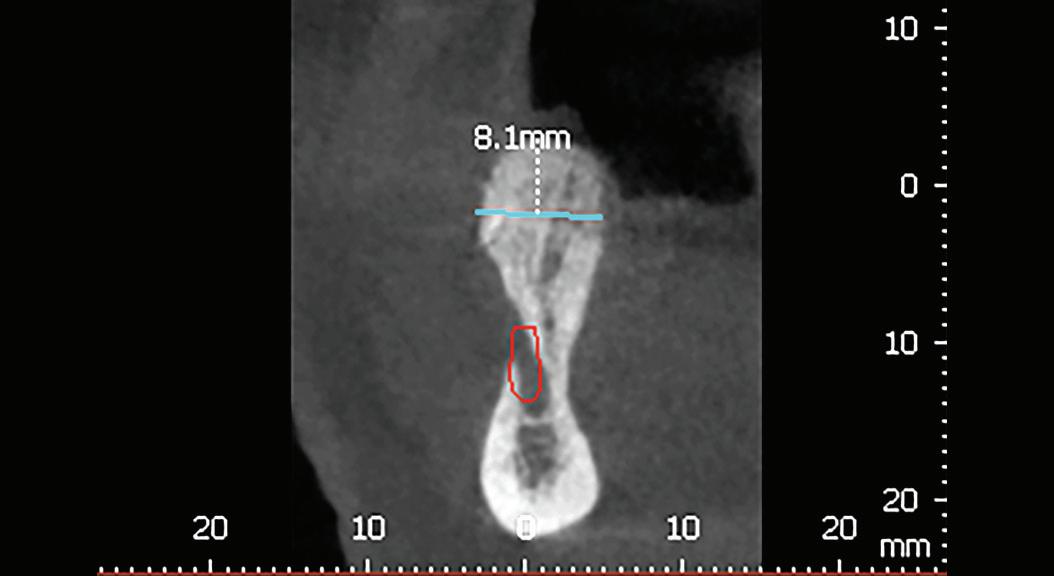
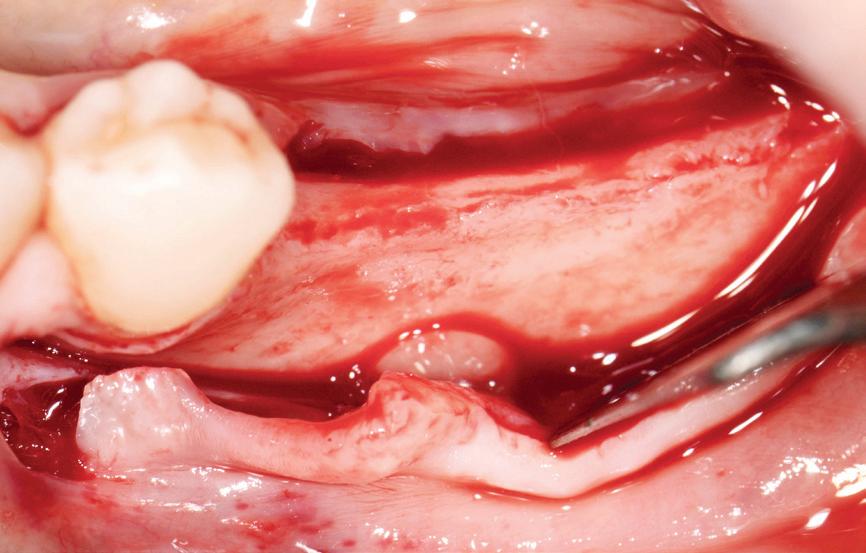
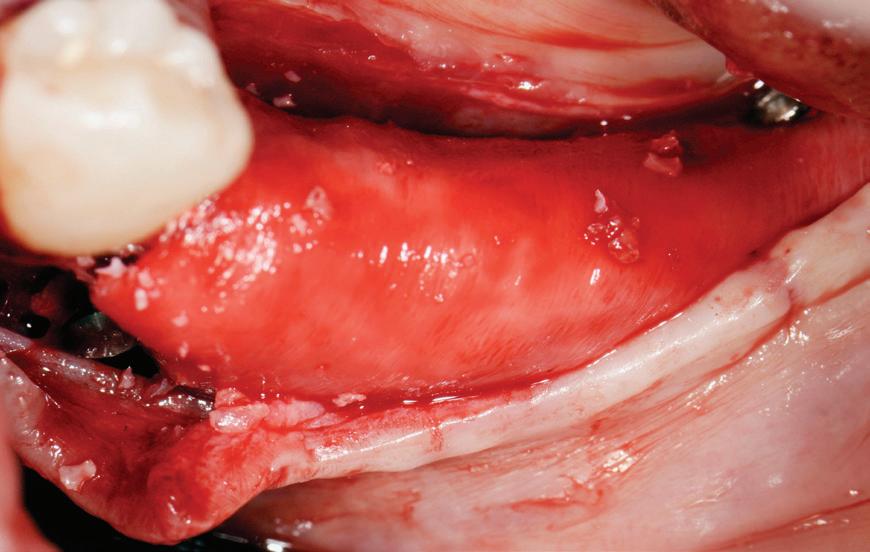
Initial Situation
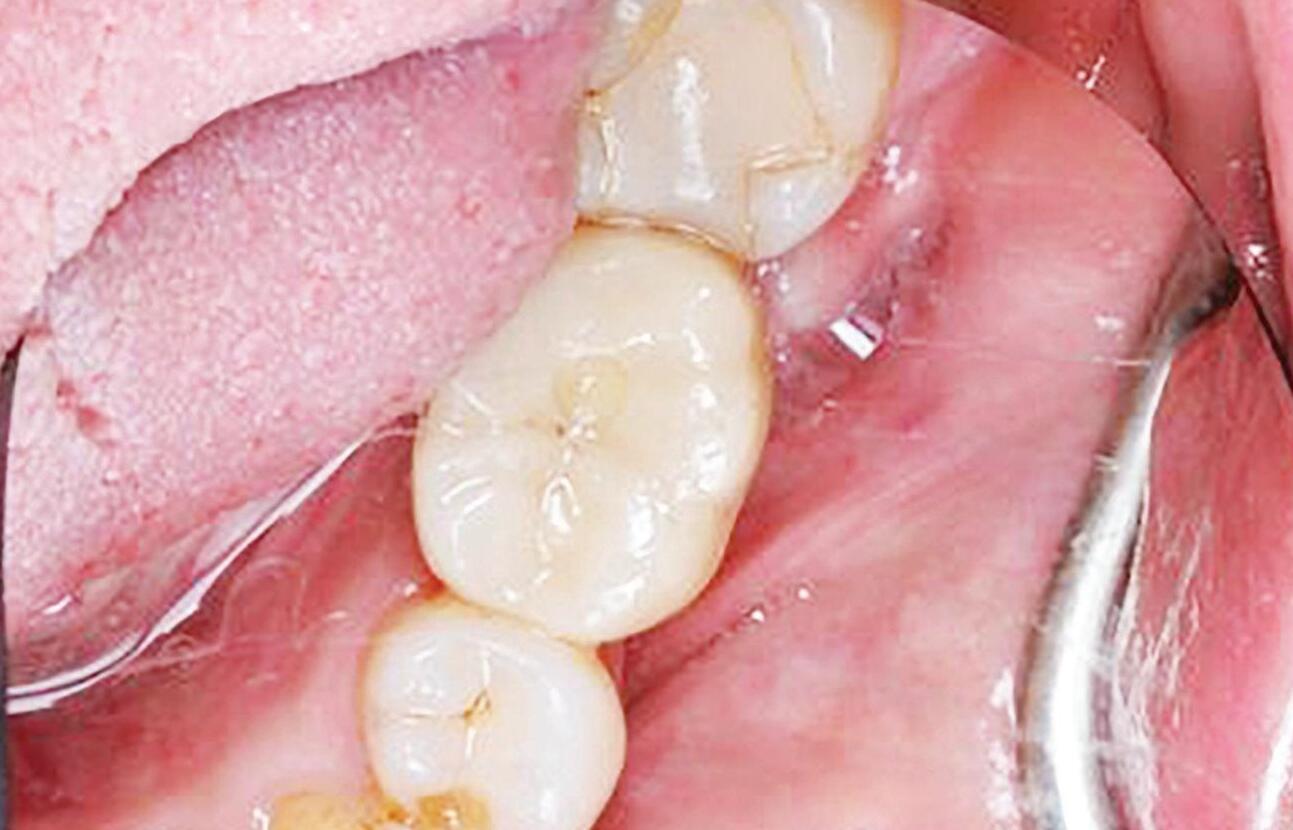
The patient presented with unilateral left posterior edentulism and vertical and horizontal bone loss.
The Sausage Technique™ was performed using the resorbable collagen membrane Geistlich Bio-Gide® combined with a graft mixture of Allodyn® and Geistlich Bio-Oss® to achieve sufficient volume for implant placement. After 4 months, a flap was raised and two implants were placed in the edentulous ridge.
This case demonstrated bone regeneration in the posterior mandible using the Sausage Technique™, addressing both vertical and horizontal defects. Allodyn® and Geistlich Bio-Oss® together with Geistlich Bio-Gide® enabled complete regeneration and a prosthetic restoration that seamlessly integrates with surrounding tissues, ensuring long-term stability.
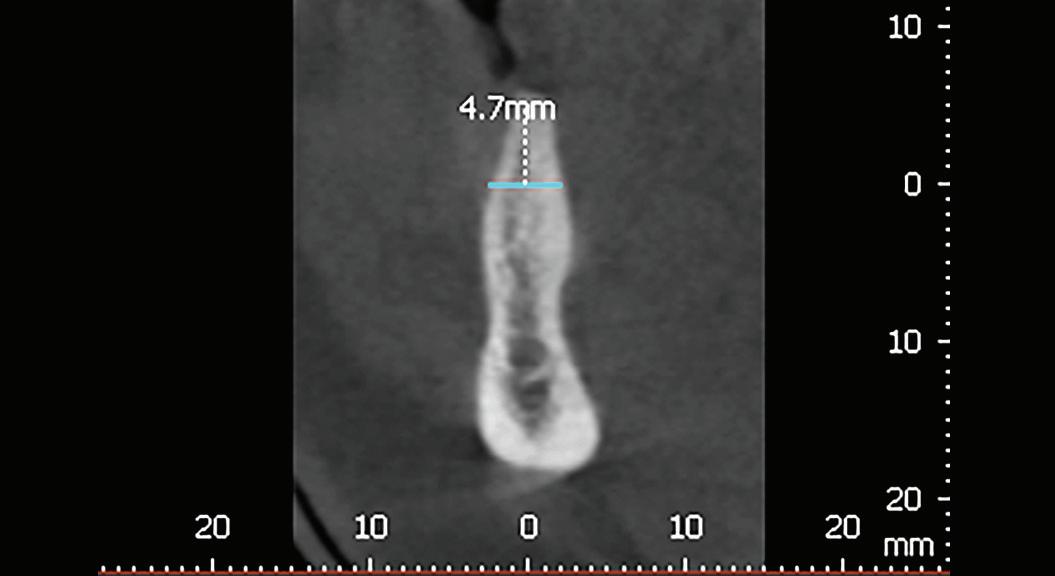
4 months after bone augmentation at the time of implant placement
Dr. Amit Patel Birmingham, UK
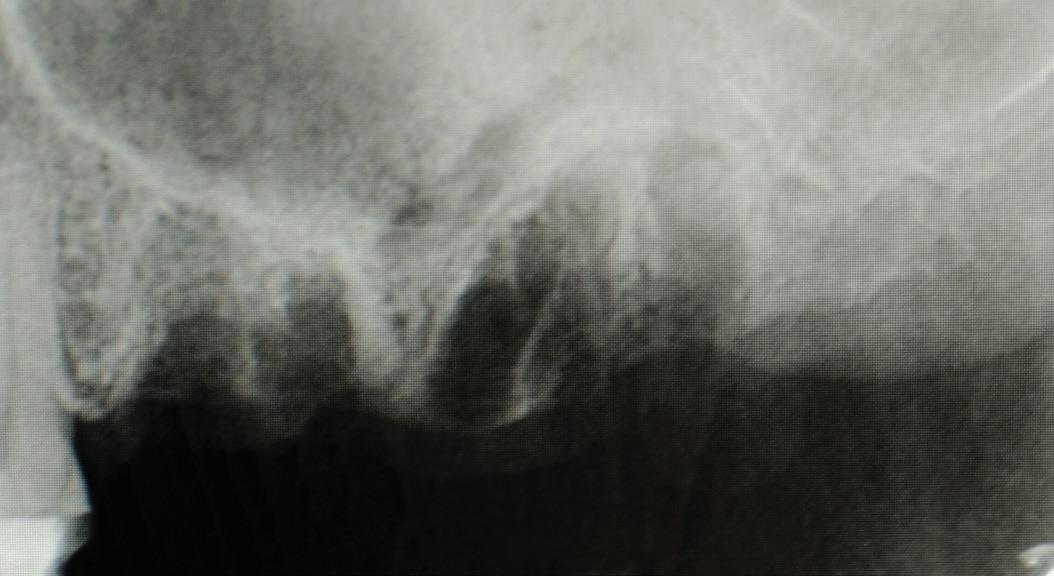
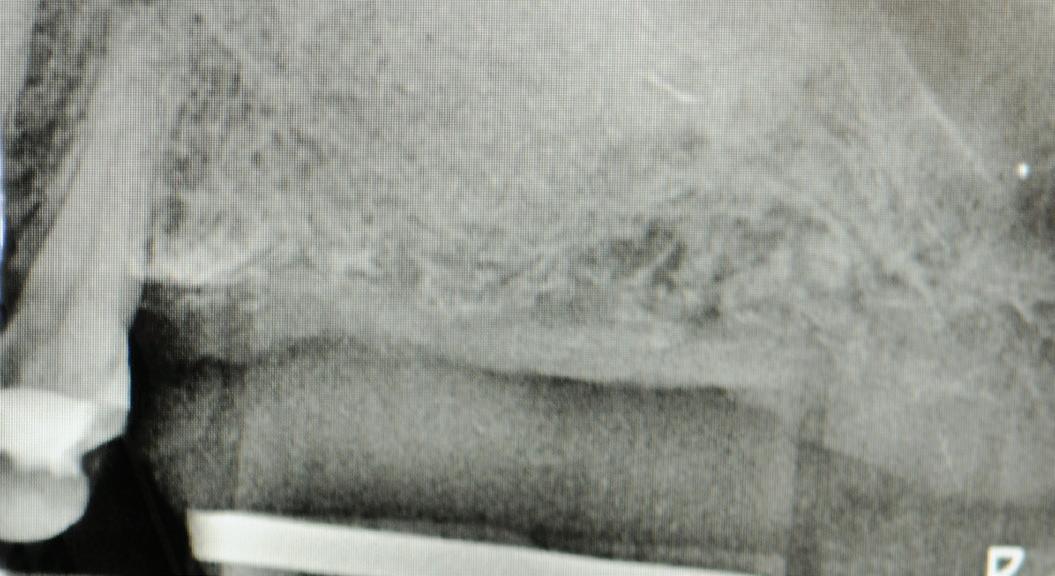
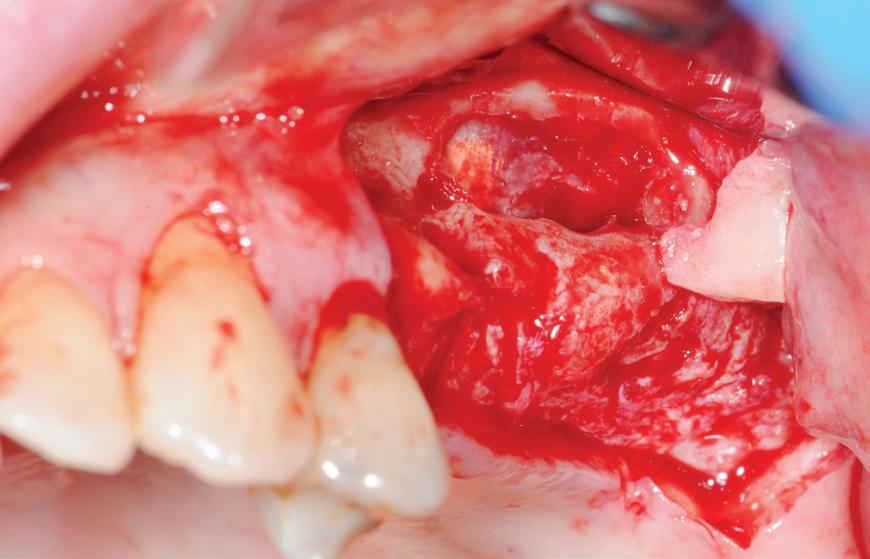
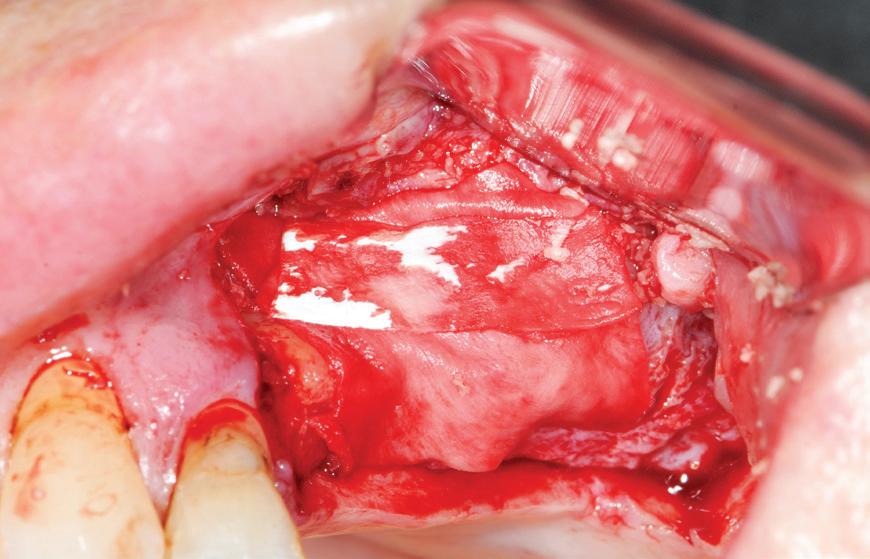
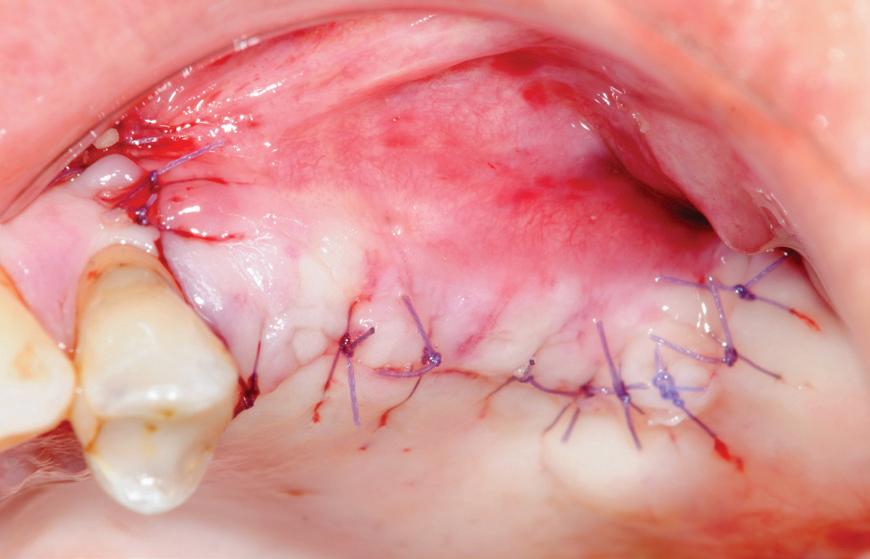
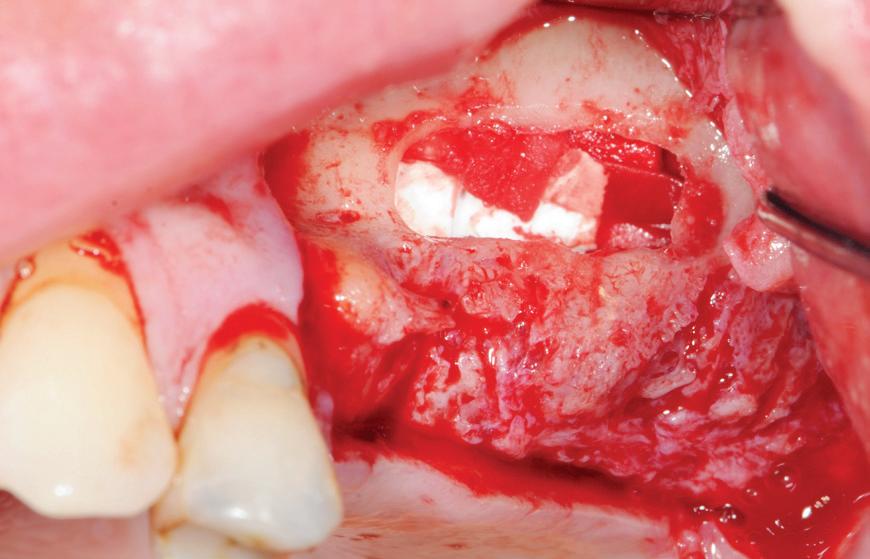
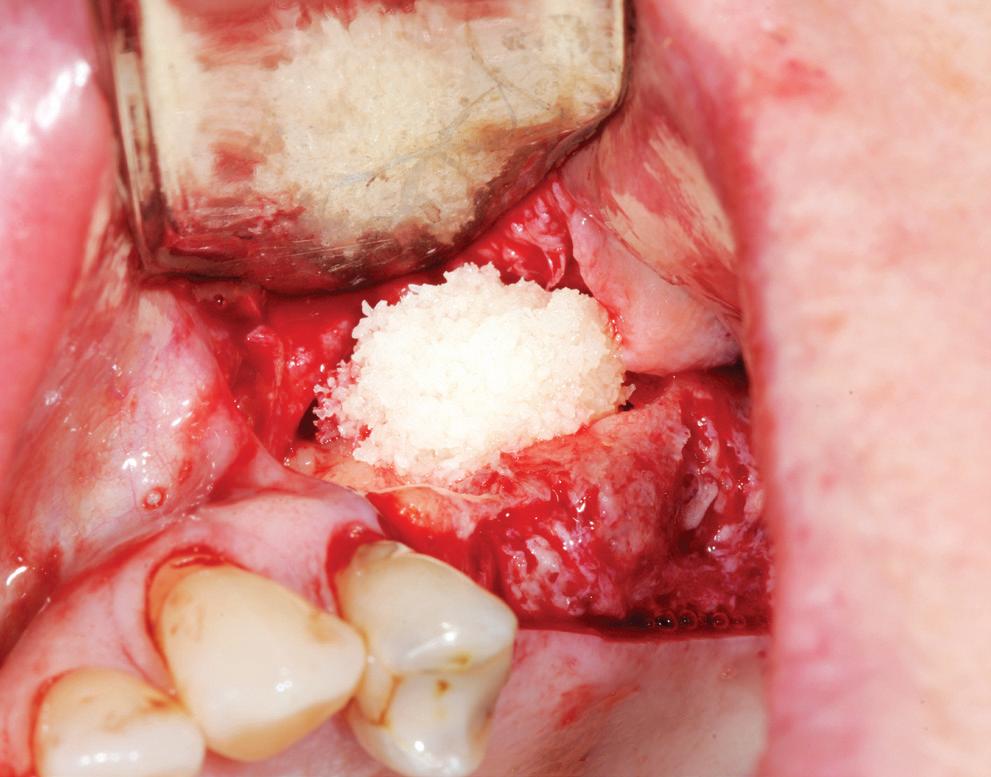
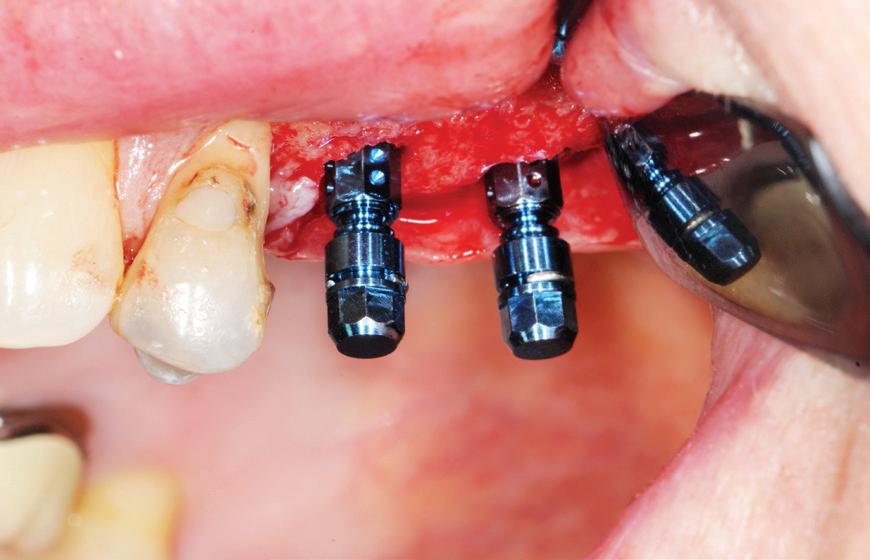
“By using Allodyn® for lateral sinus floor elevation, I can place implants predictably at 5 months, reducing the timeline for my patients.”
> For lateral window cases I always place a Geistlich Bio-Gide® membrane to protect the sinus floor prior to placing Allodyn®.
> I use Allodyn® to provide early turnover to reduce the time of healing allowing placement of implants after 5 months.
Initial Situation
The patient requested fi xed replacement of missing posterior teeth. Due to reduced vertical bone height, a sinus lift was required.
Therapeutic Approach
The sinus floor was elevated, and a Geistlich Bio-Gide® membrane was placed to protect the sinus membrane before filling the sinus cavity with Allodyn® bone graft. A Geistlich Bio-Gide® membrane was then placed over the lateral window to protect the graft. The buccal flap was closed using 5-0 Vicryl Rapide sutures.
Five months postoperatively, the CBCT showed good consolidation of the Allodyn® bone graft, allowing placement of two implants in sites 25 and 26. The implants were left to integrate for three months before restoration.
Dr. Azim Malik London, UK
“I use allografts in combination with enamel matrix derivatives to achieve enhanced outcomes in periodontal regeneration, ensuring long-term stability of the area and improved tissue integration.”
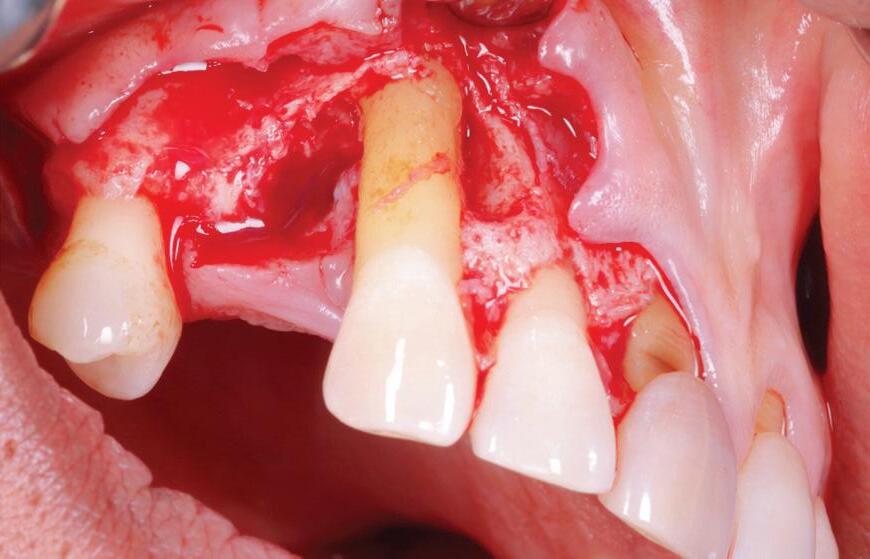
Initial Situation
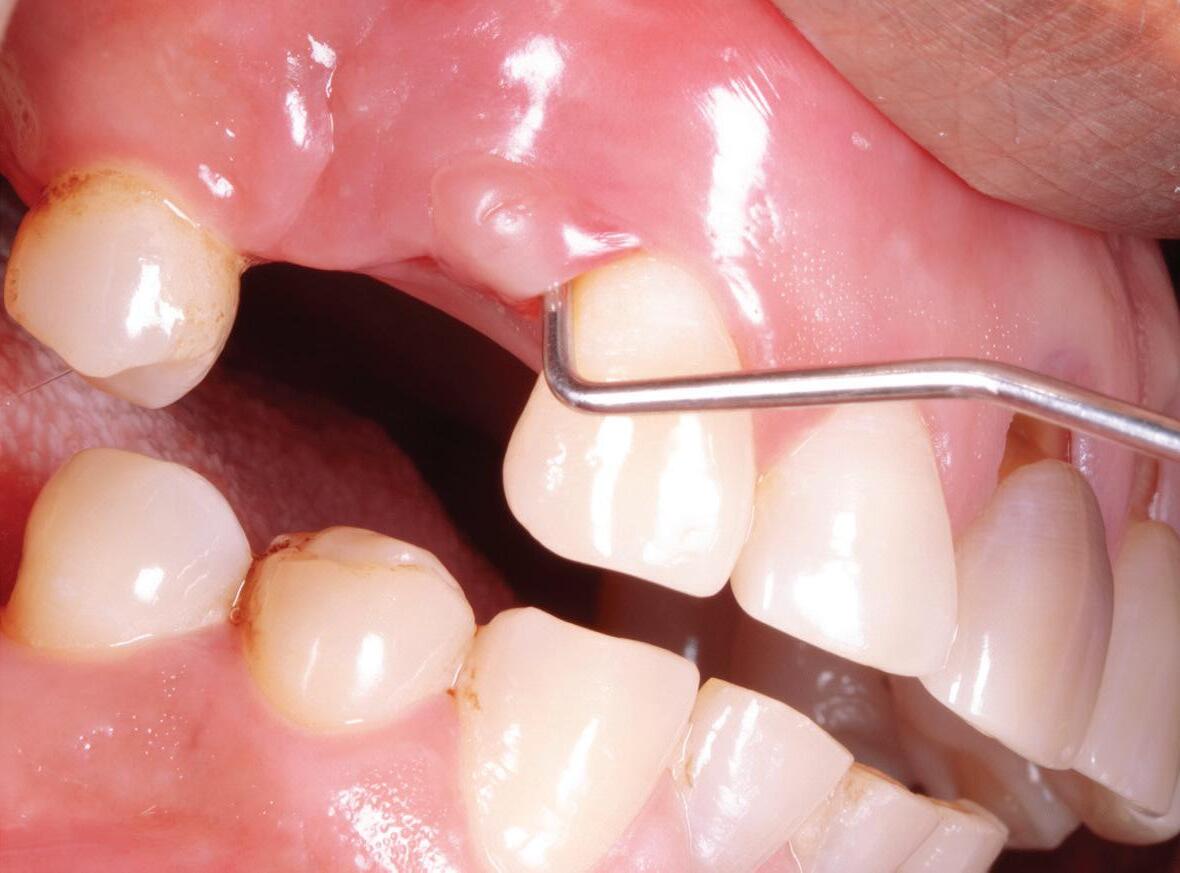
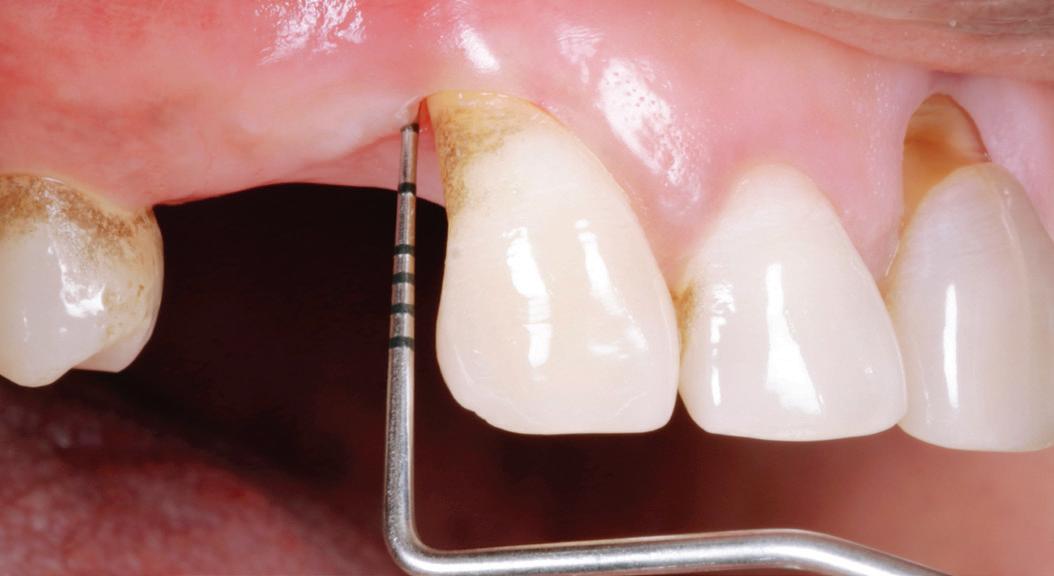
The patient presented with a 12 mm periodontal pocket on the distal aspect of tooth 13, which was planned to serve as an abutment for a partial denture.
Therapeutic Approach
A mucoperiosteal flap was raised, and the defect was debrided. The root was conditioned with enamel matrix derivative. Cortico-cancellous Allodyn® particles were applied and covered with a Geistlich Bio-Gide® membrane, secured with periosteal sutures. After periosteal release, the flap was closed with mattress and interrupted sutures.
> Allodyn® CS Fine can be reliably used for periodontal defect regeneration.
> The graft is easy to handle and adapt and may be combined with enamel matrix derivatives or REGENFAST® (Mastelli S.r.l.) to enhance outcomes.
> For wider or complex defects, use a collagen membrane such as Geistlich Bio-Gide®.
Geistlich is the global leader in dental regeneration, backed by 175 years of expertise in processing and refining bone and tissue. We are dedicated to developing evidence-based products that promote the regeneration of bone, cartilage, and soft tissue — ensuring better healing, long-term stability, and improved quality of life for patients.
With thousands of scientifi c studies and the highest Swiss quality standards, we have been shaping the fi eld of regenerative medicine for decades. Through our global educational programs, reaching over 100,000 professionals each year, and our close partnerships with leading scientists, clinicians,











and over 100 universities worldwide, we ensure that patients benefi t from the latest scientifi c knowledge and advanced treatment methods.
As a fi fth-generation family-owned company, Geistlich stands for reliability, trust, and innovation. We develop our products carefully with dentists, surgeons, and patients in mind — constantly expanding our portfolio through in-house innovations and strategic partnerships. From the heart of Switzerland to the world, we deliver long-term solutions that enable the best possible patient care.































The Regeneration Academy offers a wealth of information across the full spectrum of dental regeneration. From ridge preservation and GBR to soft tissue management and advanced treatment concepts, our knowledge hub supports clinicians with evidence-based insights and practical guidance.



































Geistlich has set up a comprehensive range of services to support you in providing top-quality biomaterials for your treatments. These services include Checklists and Templates, Patient Education Materials, as well as Scientific Education Programs and Scientific Opportunities with Geistlich.

Checklists and Templates


Reduce the complexity of oral surgery and ensure consistent processes and results with checklists and templates from Geistlich.


Whether you are just starting or are already an expert, our educational programs cover a wide range of topics, including biology, surgical techniques, and patient communication. Geistlich offers a comprehensive array of training and courses tailored to your professional needs (e.g., Geistlich myGuide®).
Educate your patients with Geistlich patient education materials, for instance, by showing them different treatment options, and increase your case acceptance rate.




















Participate in one of Geistlich’s various opportunities for the scientific community to contribute to the advancement of bone and soft tissue regeneration. Apply for research grants and attend Young KOL programs to advance the field of bone and soft tissue regeneration.










































More details about our distribution partners: www.geistlich-dental.com
Manufacturer Geistlich Products: Geistlich Pharma AG
Business Unit Dental Bahnhofstrasse 40 6110 Wolhusen, Switzerland

Phone +41 41 492 55 55 www.geistlich-dental.com
Affiliate United Kingdom, Ireland: Geistlich Sons Ltd
Thorley House, Bailey Lane Manchester, M90 4AB www.geistlich.co.uk
Tel: +44 1 614 902 038

Manufacturer Allodyn®: O.S.T Laboratories
13 Rue Henri Mondor
63360 Saint Beauzire France
ost-laboratoires.com
Tel: +33 473 98 75 07





Book a product demo with our product specialists: