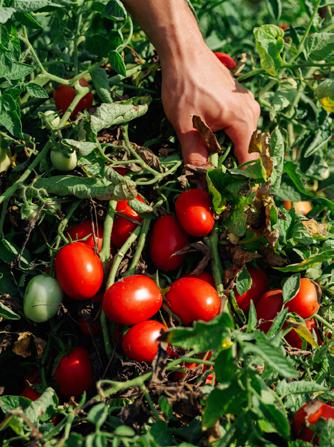
Between brand identity and product: Coricelli focuses on clarity, sustainability and export growth
Grissin Bon expands snacking occasions while strengthening its core business
MartinoRossi builds on plant proteins across sourcing, ingredients and finished products
Vallefiorita expands its bakery offering through product identity and new growth drivers
De Angelis drives growth in fresh gluten-free: service and safety at the core of its GDO and foodservice strategy
Parmafood expands consumption occasions across fresh ready meals, snacking and kids’ segments
Abaribi expands croissant usage beyond breakfast as consumption habits shift
ICAM builds from cocoa up as sourcing becomes a competitive lever
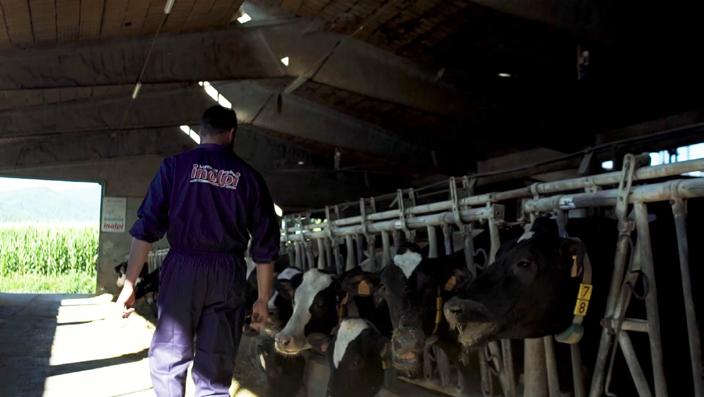
From specialties to frozen, Fattorie Garofalo builds depth in the buffalo dairy segment
52
Trevalli reshapes its range across dairy, plant-based and professional applications 56
58
64
TUTTOFOOD accelerates and strengthens its international reach
The Cibus Link Hall to spotlight private label, retail and global market scenarios
From 11 to 14 May 2026, at Rho Fiera Milano, TUTTOFOOD returns with greater scale and stronger ambitions. The food & beverage trade show will occupy all 10 exhibition halls, covering a total net exhibition area of 85,000 square metres, and is preparing to welcome more than 100,000 trade visitors from 80 countries. Within the event, the Cibus Link Hall will serve as a venue for international debate and networking.
The figures point to a clear step forward compared with 2025: exhibition space is up 15%, exhibitors and Trade Promotion Organisations are up 20%, and buyers are up 33%. Around 5,000 exhibitors and 4,000 top buyers are expected overall, including more than 200 selected through the overseas network of ICE, the Italian Trade Agency. International participation is spread across Europe, which accounts for 42%, and other markets: North America at 21%, the Far East and ASEAN at 15%, Latin America at 9%, the Middle East at 6% and other regions at 7%. The most significant delegations include Japan, South Korea, Canada and South America.
The repositioning launched by Fiere di Parma further consolidates TUTTOFOOD’s role on the international calendar for industry professionals. Italy’s Minister of Agriculture, Francesco Lollobrigida, underlines the strategic importance of the event for the Italian and European agri-food sector, particularly in promoting Made in Italy products to international buyers. This is also the context for the first edition of the International Forum of Italian Cuisine.
The layout of the exhibition reflects the structure of the product offering: from Dairy Products in Hall 1 to Meat, Proteins & Cured Meat in Halls 3 and 4, and Grocery
across Halls 5, 7, 10 and 6. Hall 6 will also host the Italian Specialty Selection and the Mixology Experience, dedicated to beverages and new presentation formats linked to pairing. The layout is completed by Deli, Frozen & Seafood in Halls 2 and 4, Tutto Fruit & Veg, Bakery & Snacks in Hall 8, and Confectionery & Coffee in Hall 12.
The presence of both Italian and international exhibitors is designed to support buyers in sourcing and business development, with the backing of the Buyer’s Program run by ICE, the Italian Trade Agency. This will be complemented by themed store tours focusing on modern retail and Italy’s organised foodservice sector. ICE will also support incoming delegations, bringing more than 200 international operators to the event, with a focus on the high-potential markets identified in the Export Plan, including South America and the Mercosur area
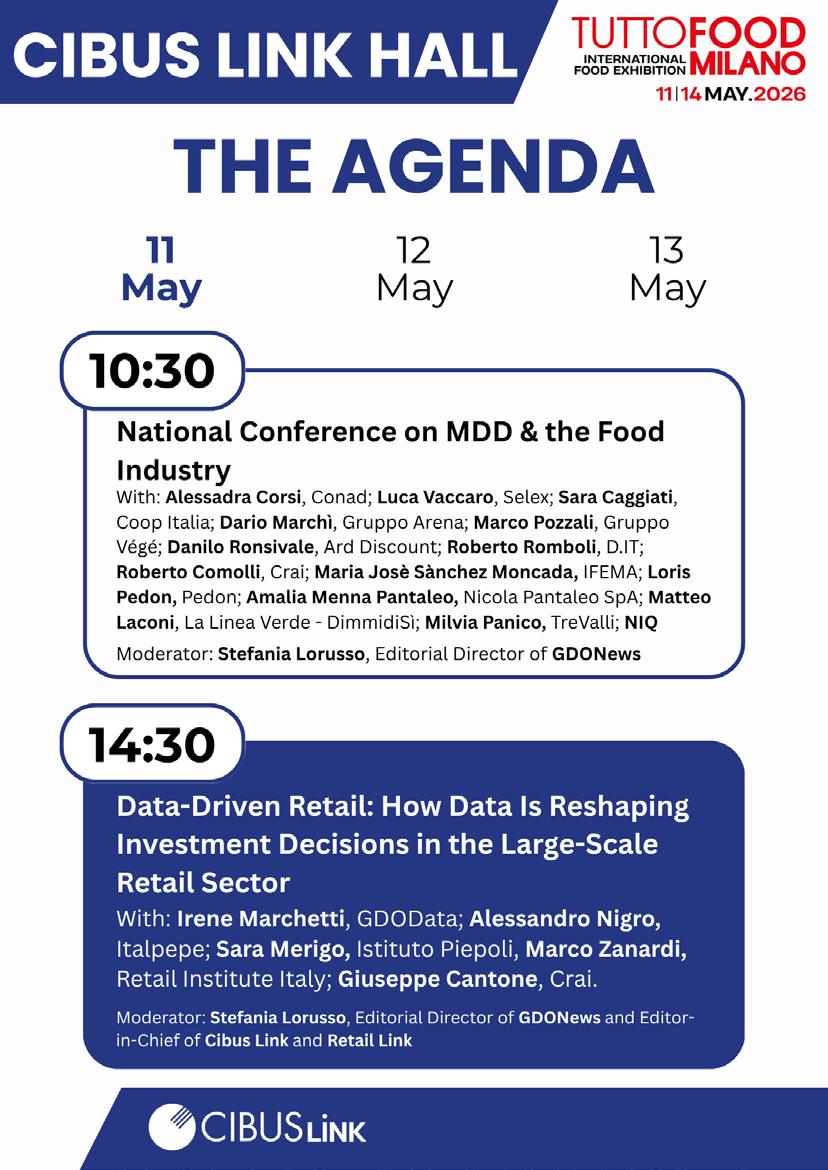
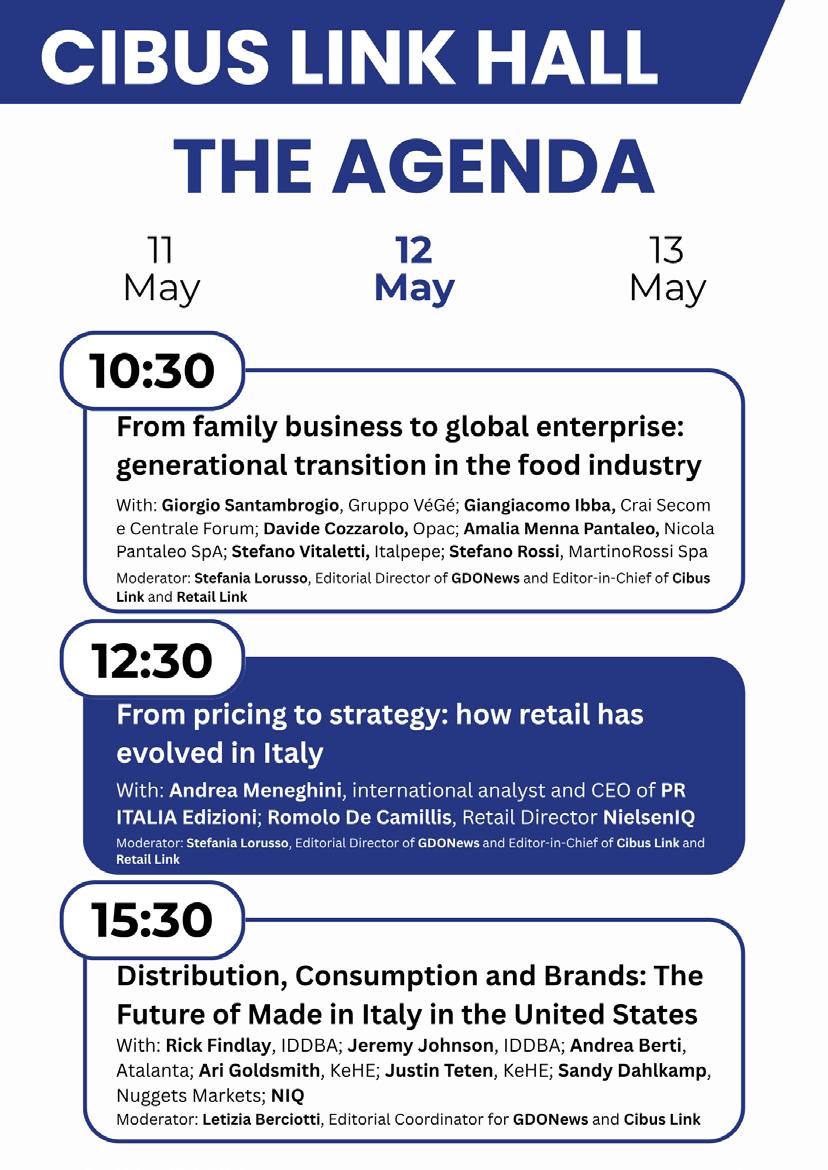
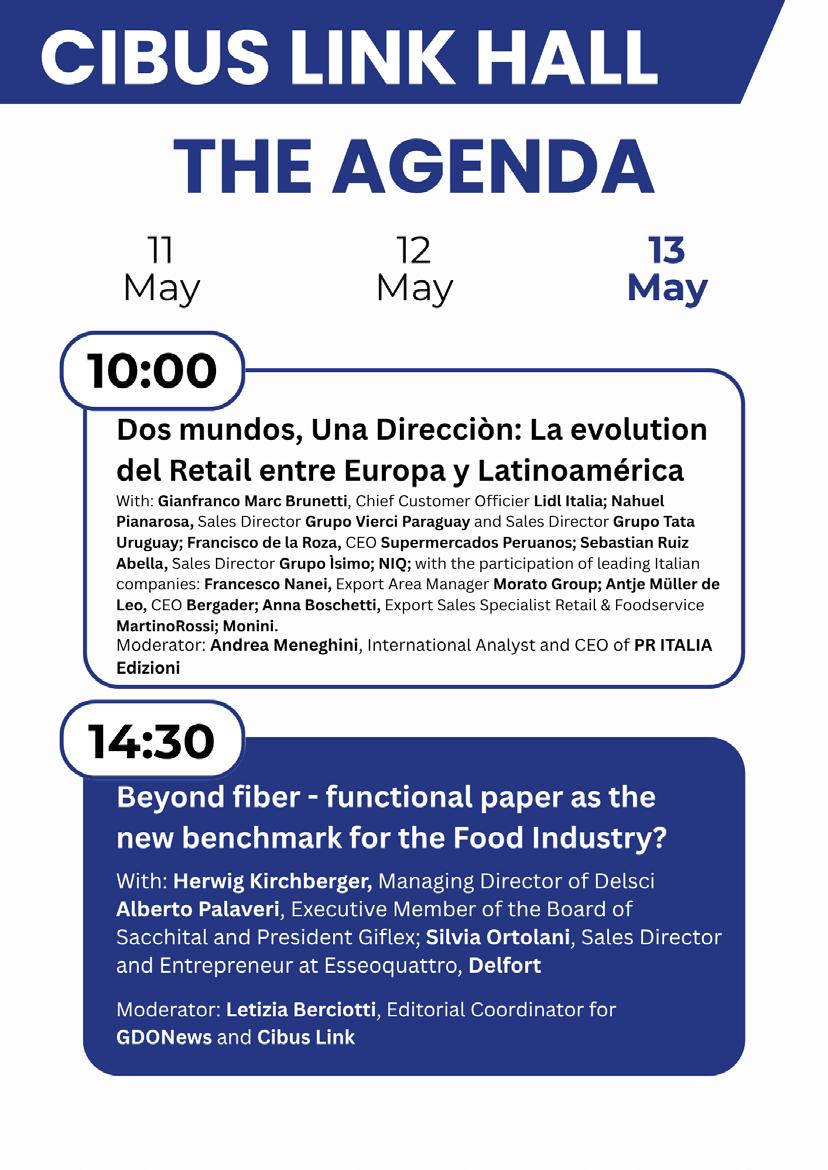
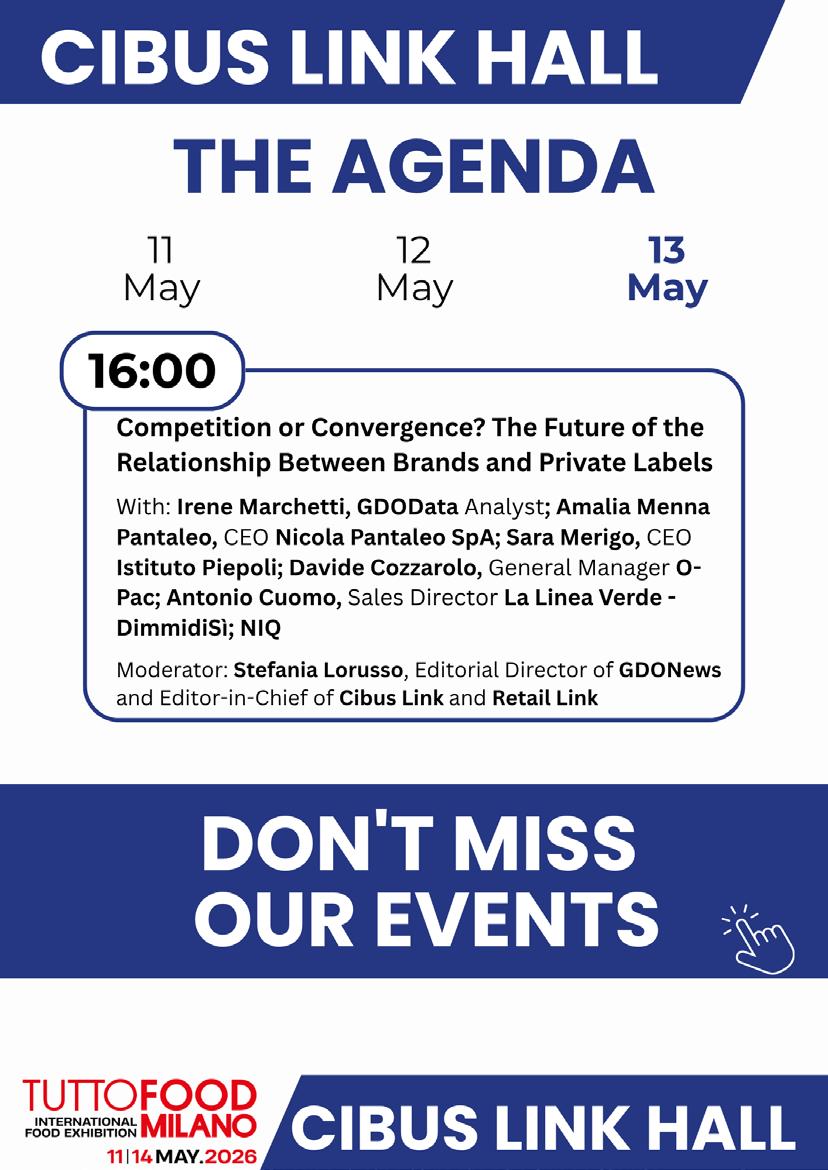
The programme will also feature the Cibus Link Hall, a content hub dedicated to the agri-food supply chain and modern retail. It will host a series of closed-door meetings focused on private label, international scenarios and market development. Over three days, the space will offer a thematic
journey through some of the key issues currently facing large-scale retail.
On 11 May, the spotlight will be on private label, with the presentation of data from the National Observatory on Private Label & the Food Industry, curated by GDOData. This will be followed by round tables on supply chain collaboration between manufacturers, retailers and co-packers. The day will close with the Private Label Excellence Awards and an afternoon focus on the use of data in decision-making processes within large-scale retail.
On 12 May, the programme will focus on supply chain development models and competitive dynamics: from generational handover in food companies to the evolution of retail formats in Italy, as well as an in-depth look at the US market and positioning strategies for Made in Italy products.
On 13 May, the focus will broaden to international markets and the transformation of retail, with a discussion comparing Europe and Latin America and sessions on topics such as sustainable packaging and the relationship between branded manufacturers and private label.
Guaranteed quality. Certified safety.
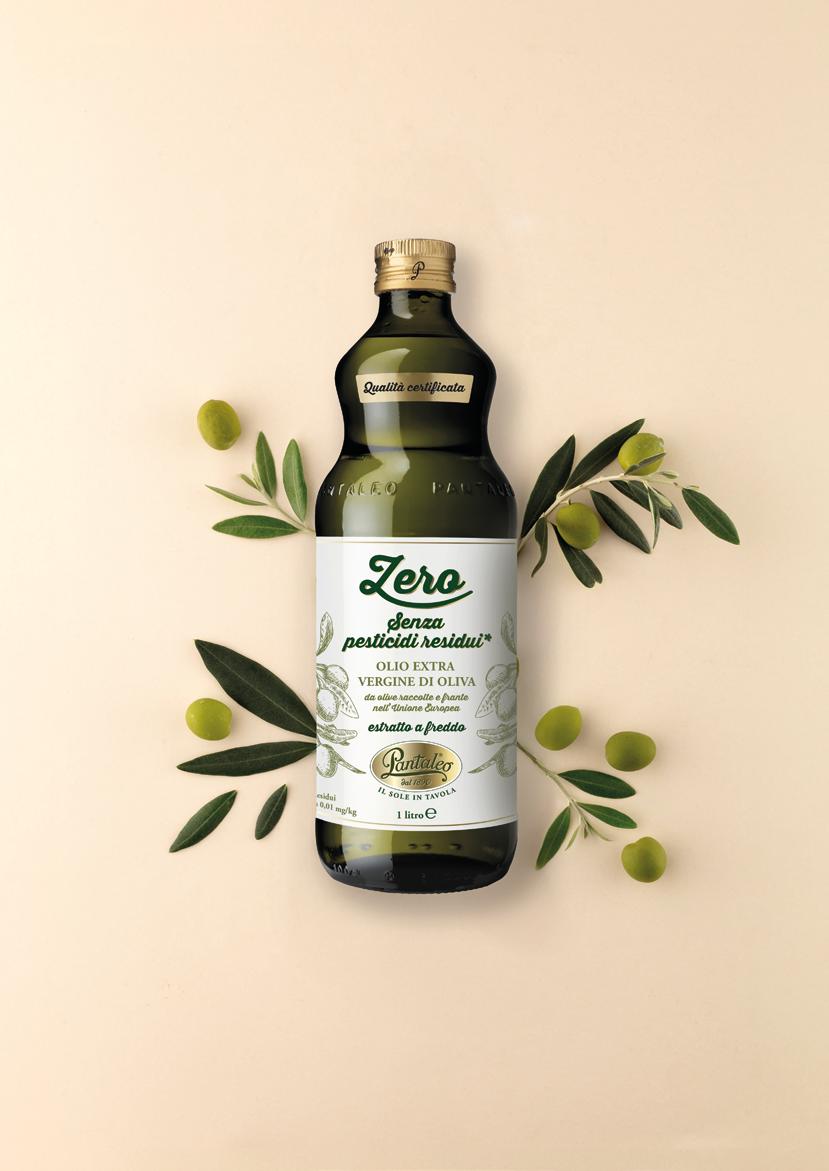
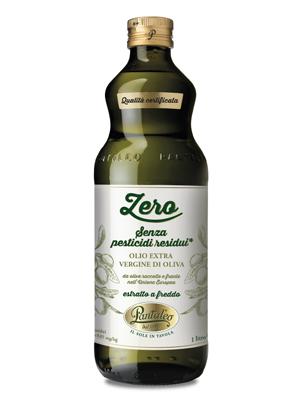
There is no better choice for those seeking an extra virgin olive oil that combines the quality of a prestigious brand like Pantaleo with the food safety guaranteed by SGS Italia certification, attesting to the absence of pesticide residues above the “Technical Zero” threshold.
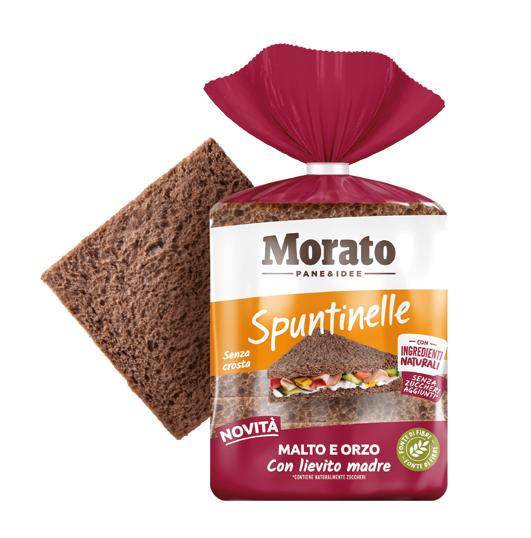
Morato works on consumption occasions: bakery moves between snacks, premium and free-from
In bakery today, the product matters less than when it is consumed. This is where competition is shifting, and Morato arrives at TuttoFood 2026 with a portfolio clearly designed to cover multiple usage occasions.
The innovations presented at the show do not sit within a single category. They move across snacks, bread substitutes, free-from and premium segments, but share a common thread: they are designed for flexible use, both at home and out-of-home.
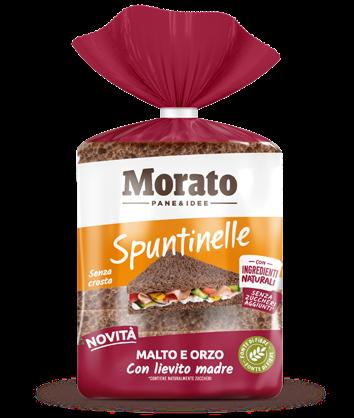
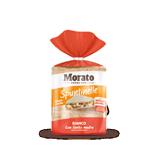
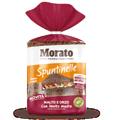
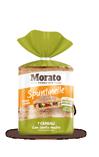
Morato’s Spuntinelle, now available in the new Malt and Barley variant, target everyday consumption—quick, convenient, but with a more refined nutritional profile. High in fibre, with no added sugars, they fit into a “better for you”
positioning without compromising on practicality.
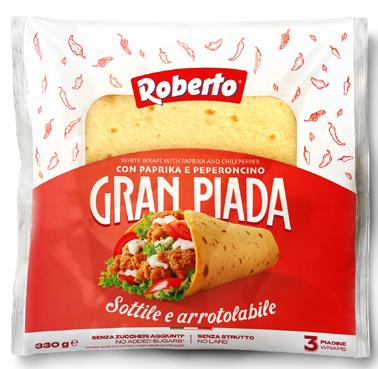
A different direction is taken by Gran Piada Roberto, which has undergone a significant restyling project involving product, packaging and positioning. A new recipe, updated technology and redesigned packaging reinforce a clear promise: thin, rollable and versatile. This relaunch also includes range extensions such as paprika and chilli variants. Here the focus shifts—from function to experience. The product becomes a base for more personalised, even “gourmet ”, preparations, including at home.
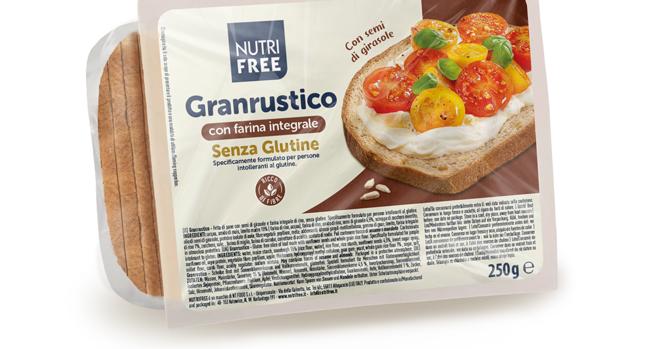
In the free-from segment, the introduction of Granrustico Nutrifree confirms a now established shift: gluten-free is no longer a niche, but a stable com-
ponent of the bakery offering. What connects these product lines is versatility. They are designed to perform well on shelf, but also in out-of-home settings, where ease of use and operational efficiency become critical.
Morato continues to operate through a multi-channel structure, with retail as its historical backbone, supported by growing export activity and a well-established presence in private label. In recent years, however, the focus has increasingly extended to the professional channel, with dedicated solutions and formats designed for horeca and foodservice operators. The objective is not to open new channels, but to make the same products work across different contexts.
This approach is also reflected in innovation. It is not just about launching new SKUs, but about refining recipes, ingredients and processes to better align with evolving consumption habits. At the same time, the company is working on production efficiency, with targeted
actions to reduce waste and improve the overall sustainability of the supply chain.
TuttoFood therefore becomes not only a showcase, but also an observation point. The fair is an opportunity to strengthen existing relationships while also identifying new partners, both in retail and in the professional channel.
Geographically, the model is now well balanced.
Around 50% of turnover comes from international markets, with a growing presence in Europe and a gradual expansion into new regions. Spain, France and the UK are currently the most established markets, while Germany and Eastern Europe offer further growth potential. The United States, though still at an earlier stage, is already in motion.
In bakery, the challenge is no longer just to secure shelf space. It is to enter consumption occasions. And Morato is clearly moving in that direction.
Casalasco reshapes its model across brands, co-packing and agricultural development
Over the past two years, Casalasco has been reshaping its structure. Rather than focusing on isolated product launches, the group has expanded its scope by integrating brands, strengthening its industrial role and developing new supply chains.
The innovations presented at TuttoFood 2026 need to be read within this broader transformation.
The restyling of Tomato al Gusto, a leading brand in the German market acquired from Unilever, is one of the most visible steps.
It is not just a visual update, but part
of a broader effort to align the brand within a more complex and international portfolio.
In Italy, the focus is on fully integrating recently acquired brands. Just over a year after the acquisition, Pummarò and Polpabella are being completed with new references, strengthening their position in the passata and chopped tomato segments.
At the same time, Pomì and De Rica are being extended with new finely chopped 100% datterino tomato products. This is less about range expansion and more about sharpening positioning around raw material quality.
Overall, the portfolio is evolving through consolidation rather than proliferation, building depth around established brands.
At its core, Casalasco remains an industrial player. The company continues to operate across two dimensions: copacking and private label for major retailers and branded manufacturers, alongside the development of its own brands.
Today, more than 75% of revenues come from the retail channel through this combined model.
This structure allows the company to balance volume-driven and value-driven strategies, depending on the partner.
The most significant shift, however, concerns the supply chain.
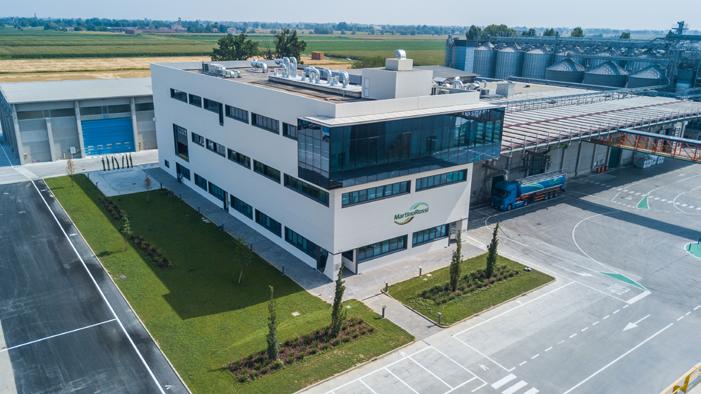
With the opening of the Innovation Center in Fontanellato, Casalasco is positioning its integrated supply chain as a tangible value proposition, not just a production asset.
This approach is reflected in the launch of the basil supply chain, which complements the historical tomato one. It is not a marginal addition, but an attempt to replicate a proven model across a new raw material, opening opportunities both domestically and internationally.
The strategy is clear: expand the product offering starting from controlled supply chains, maintaining consistency with Mediterranean tradition while scaling industrial capabilities.
Within this framework, TuttoFood acts as a key interface with the market. The
event is particularly relevant for its international reach, aligning with a business that is already strongly export-oriented.
Figures confirm this: around two-thirds of revenues come from foreign markets, with Europe accounting for the majority and a growing share from non-EU regions.
The main investment areas are the United States, the United Kingdom and the Far East
In this context, the challenge is no longer market entry, but market consolidation—leveraging a structure that integrates production, supply chain and product development.
This is where Casalasco is repositioning itself: less focused on individual products, more on building a system capable of adapting to different partners and markets.
More variety, more occasions: GEA expands its ready-to-heat range
GEA heads into TuttoFood 2026 with a clear strategy: rather than creating entirely new categories, the company is focusing on making existing ones more versatile and adaptable across different usage occasions.
“For this edition of TuttoFood, we are introducing a wide range of new products that further develop our portfolio across nearly all categories,” says Giulia Scapuzzi, Managing Director of GEA . The direction is clear: greater depth, but also broader application.
Single-serve solutions remain at the core of the offer. What was once a secondary segment has now become a key driver. The latest launches span the entire meal, from risottos and main courses to traditional side dishes, making the range more complete and easier to manage.
“Microwavable single portions are increasingly in demand both in retail and in quick-service food environments,” Scapuzzi notes.
Alongside microwaveable products, the ready-to-pan segment continues to gain traction. Items such as seafood risotto cater to consumers looking for convenience without compromising on a more ‘ freshly cooked’ experience.
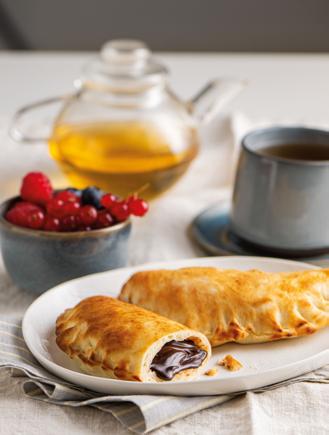
Another key development concerns
consumption occasions. With its chocolate-filled mini calzoni, GEA is entering the breakfast and sweet snacking segment. It’s a natural extension, but also a strategic move to tap into dayparts that were previously not covered.
The result is a broader and more flexible portfolio. It’s no longer just about ready meals, but about tailor-made solutions designed to perform across multiple occasions and channels.
From a commercial perspective, the approach remains pragmatic. Retail, foodservice, industry and export all coexist, within a balance that has strengthened over time.
“In the short to medium term, we expect to consolidate and further develop the retail channel, both with our Artica brand and with private label products.
We also aim to develop and increase sales in the food service channel and in export markets.”
“Innovation and customization, together with a strong focus on quality, have always guided our production choices,” Scapuzzi adds.
The R&D team follows the same approach: closely monitoring market trends and translating them into products that work in real-life applications, without unnecessary complexity.
For GEA, TuttoFood is less about showcasing and more about doing business
Exports already account for around 30% of total turnover and remain a key growth driver.
In a market increasingly shaped by convenience, differentiation lies not only in the product itself, but in how easy it is to use, replicate and adapt across contexts.
Due nuovi gusti, Due nuove tentazioni
Ogni momento è quello buono per uno snack di puro gusto!
At the heart of Cocoa
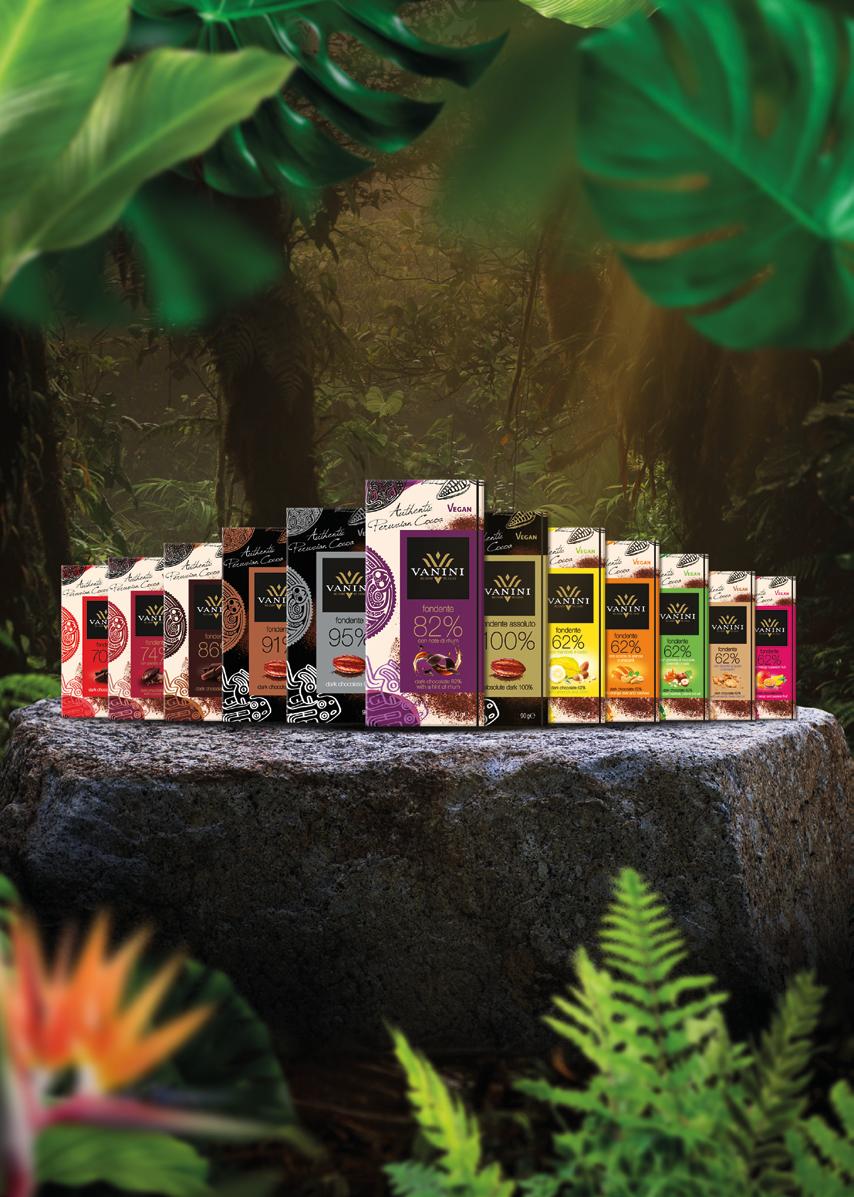
South American cocoa, sourced from the finest plantations in Peru, is an ancient and precious ingredient. Its uniqueness gives chocolate an intense yet smooth character, perfect for tastings and gourmet pairings. Each bar is a journey of flavour, an invitation to explore authentic and surprising tastes.
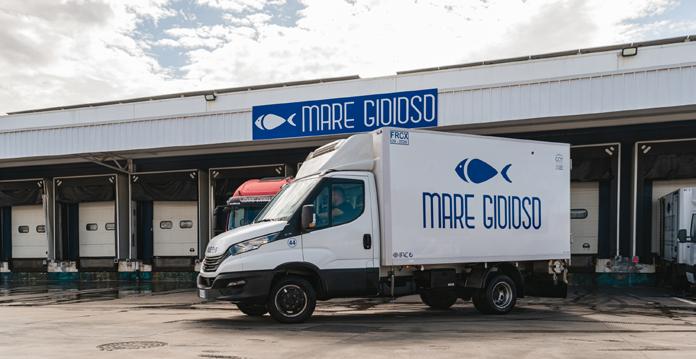
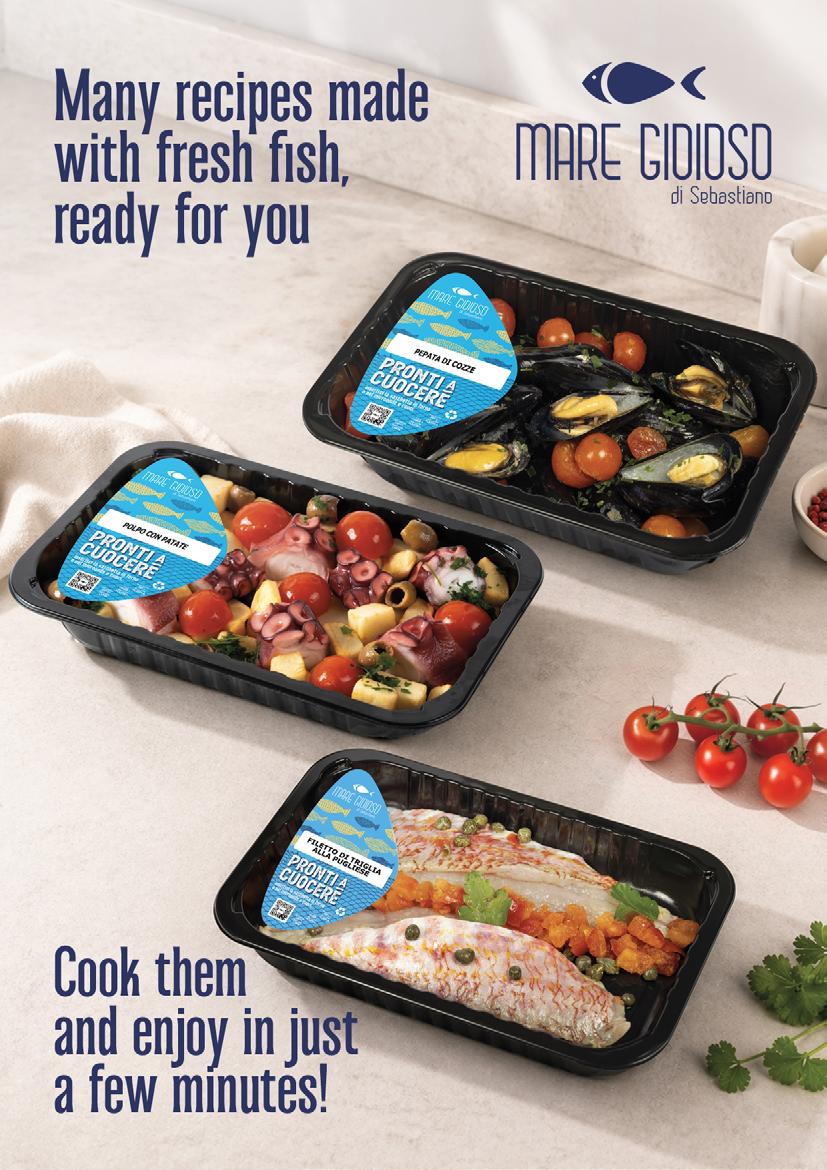
Mare Gioioso makes its TuttoFood debut with an integrated model across fresh, frozen and ready-toeat seafood
At its first participation in TuttoFood, Mare Gioioso introduces itself to the market with an integrated seafood model, spanning from sourcing to processing.
The company builds on the experience of its founder, Sebastiano Gioioso, who has over forty years of expertise in the seafood sector, developing a solid network across sourcing and processing.
Every day, a fleet of 45 fishing vessels supplies the company, complemented by selected fresh and frozen products sourced internationally and further processed.
The result is a portfolio covering fresh, frozen and processed seafood, up to ready-to-eat solutions for both retail and foodservice.
This structure underpins the company’s presence at the trade show: not just a product showcase, but its first direct positioning in front of international buyers.
In seafood today, the challenge goes beyond raw material quality. It’s about accessibility and convenience without losing identity.
Mare Gioioso operates in this space.
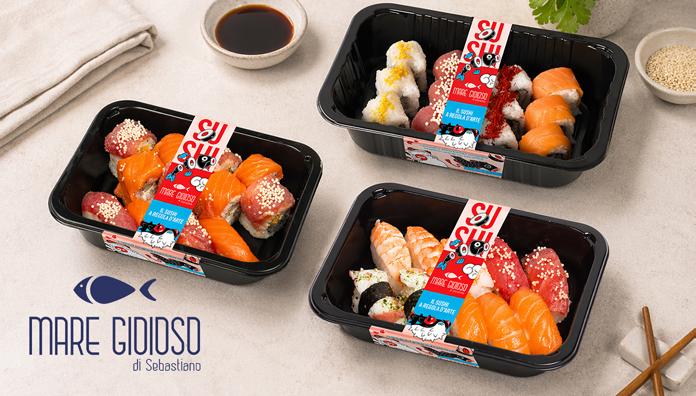
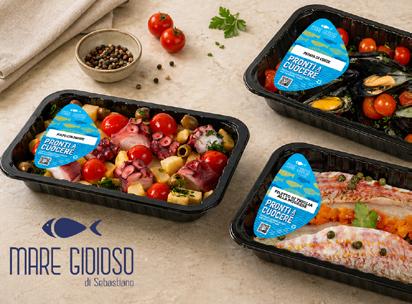
At TuttoFood 2026, the company presents a range built around a clear idea: simplifying seafood consumption without compromising authenticity The most visible innovations are its marinated seafood appetizers, where the production process itself becomes a key element of positioning.
During the exhibition, visitors will also have the opportunity to taste the products, freshly prepared on site by the company’s chefs, offering a direct experience of both product quality and versatility.
Natural processing, clean taste and integrated logistics support this model.
Consumers are increasingly looking for convenience without sacrificing quality, and Mare Gioioso responds with a portfolio that spans fresh, frozen and ready-to-eat solutions.
The company operates an integrated supply chain with 24-hour delivery capabilities.
Export is becoming increasingly relevant, alongside a solid presence in retail, traditional trade and horeca.
Innovation focuses on both product and process, including sustainability initiatives such as the gradual shift to cardboard packaging.
The challenge is not just to bring seafood beyond Italy, but to make it easier to consume without losing what defines it.
La Linea Verde focuses on “meal time”: fresh food shifts toward service, variety and global flavours
In fresh food today, the real competition is not just about the product—it’s about time. How easy it is to use, how much it simplifies meal preparation, and how naturally it fits into everyday routines without compromising quality. This is where La Linea Verde is positioning itself.
“Consumers are increasingly selective, but they still look for solutions that simplify everyday meal management,” says Matteo Laconi, Marketing Director
This is the starting point for the company’s approach at TuttoFood 2026
The innovations presented are not isolated launches, but part of a broader pathway developed throughout the year, structured around consumption occasions rather than categories. The com-
mon thread is the balance between convenience, quality and variety
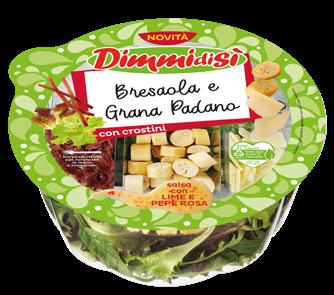
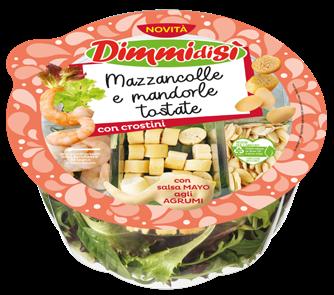
The DimmidiSì range reflects this. The seafood paella introduces an international flavour profile into the fresh segment, while enriched salads and the new “Golosi” ready meals focus on offering complete, recognizable dishes that are ready to consume.
The objective is not just to add recipes, but to expand the role of the category— from side dish to full meal solution.
Co-marketing initiatives with supply chain partners follow the same logic. New products developed with brands such as Parmareggio and Latteria Soresina bring well-known ingredients like Parmigiano Reggiano and Grana Padano into high-service fresh solutions.
Here, recognition plays as important a role as taste.
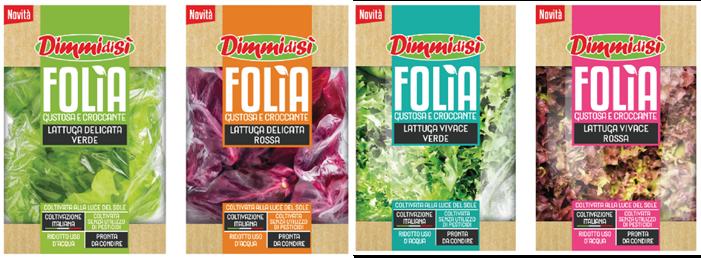
The most structural innovation, however, is Folia®. A new line of ready-to-eat salads grown in high-tech glass greenhouses, without pesticides and with extended shelf life.
This is not just a product innovation—it’s an intervention at category level, improving consistency, quality and supply chain control
“The goal is not to add more SKUs, but to help the category grow and become more attractive to new consumers,” Laconi explains. This approach is reflected
in the commercial model.
Retail remains the core channel, but it is increasingly integrated with export, which now accounts for around 50% of turnover. The aim is to build scalable categories that can be adapted to different markets and consumption habits.
At the same time, the company is exploring opportunities in foodservice, particularly for specific product segments and geographies.
Industrial development is part of this evolution. In recent years, La Linea Verde has strengthened its European footprint through acquisitions in Belgium and France in the fresh soups segment, bringing production closer to key markets and improving responsiveness.
Parallel to this, the company continues to invest in its agricultural supply chain, with projects such as V.A.I. IV focused on improving crop quality and reducing environmental impact.
Within this context, TuttoFood becomes a platform for dialogue rather than just a showcase. It is an opportunity to strengthen relationships, but also to observe a fast-evolving market, particularly in terms of consumption habits.
“It’s an important moment to capture emerging trends and reinforce our role as a partner to retailers,” Laconi concludes.
In fresh food, the challenge is no longer just to offer products—it’s to fit into the rhythm of everyday consumption. And that’s where the competition is shifting.
MEET US AT TUTTOFOOD 11–14 MAY 2026
HALL 3, STAND C07
a newtwist fromparma
SNACK ON THE GO!
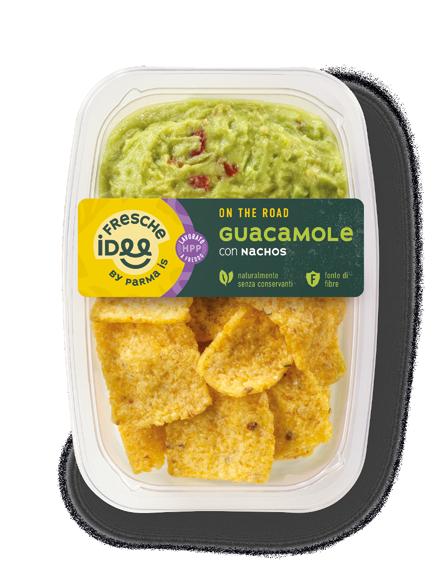
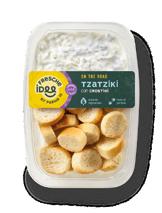
3 combinations, a winning mix of flavors! Plant-based dips rich in natural ingredients paired with crunchy crostini, ready to share. Fresh snacks perfect for aperitivo, sharing, or enjoying on the go
Find them in the refrigerated section!
A dual-track strategy between premium and competitiveness: Nicola Pantaleo strengthens its position across retail and foodservice
A strategy designed to interpret—and anticipate —the growing polarization of consumption, built on segmentation, supply continuity and the ability to respond to different channel needs. This is how Nicola Pantaleo SpA is approaching TuttoFood 2026, presenting an evolved portfolio tailored specifically to the requirements of both retail and professional markets.
“At TuttoFood we are presenting an evolution of our portfolio that responds to the increasing polarization of consumption,” explains Amalia Menna Pantaleo. The starting point is a market that is in-
creasingly split between premium positioning and the need for cost efficiency, requiring suppliers to deliver structured and flexible solutions.
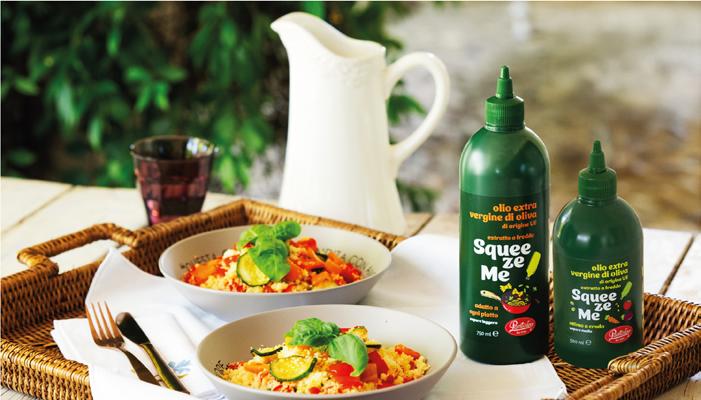
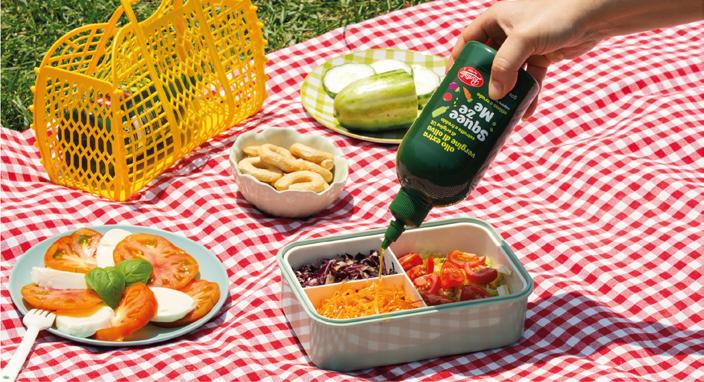
On one side, the company continues to strengthen its presence in the premium segment, focusing on value and differentiation. The Zero – No Pesticide Residue line reinforces its high-end positioning, while Squeeze Me introduces a practical innovation for foodservice operations. “Squeeze Me addresses operational challenges in the HoReCa segment thanks to its dosing valve and protection against oxidation” she notes,
highlighting how the product is designed to meet concrete, day-to-day needs in professional kitchens.
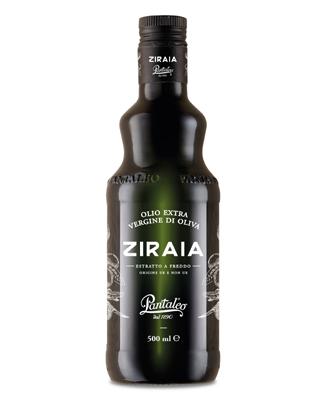
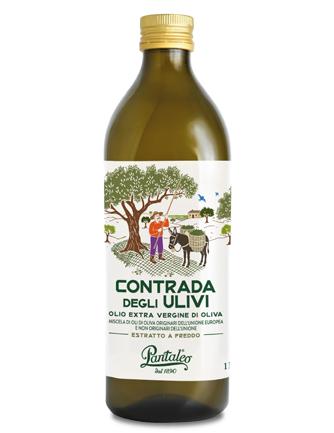
On the other side, the company is expanding into solutions that ensure competitiveness and supply continuity. This is where the launch of Ziraia and Contrada degli Ulivi comes in—two distinct brands developed for specific channels but built on the same industrial logic: managing variability and ensuring consistent performance. “Ziraia, designed specifically for the needs of professional catering requiring consistent technical performance, and Contrada degli Ulivi, a line aimed at retail that combines the reliability of our blending with the need for dynamic price positioning.”
The result is a portfolio designed to cover the full spectrum of trade requirements, from shelf depth in retail to performance standardization in professional kitchens.
This product architecture is closely ali-
gned with a highly structured commercial strategy based on rigorous channel segmentation. In Italy, modern retail remains the core channel in terms of volumes, with targeted investments aimed at improving shelf rotation and assortment efficiency. “In Italy, retail remains the cornerstone for volumes, and our investment is focused on the Contrada degli Ulivi brand, designed to optimize shelf turnover.”
At the same time, the company is strengthening its presence in catering and foodservice, where the key driver is not just price, but product reliability over time. Ziraia has been developed precisely with this in mind: to ensure consistent sensory profiles and technical performance, increasingly essential for professional operators working with standardized processes.
However, the most significant growth driver remains international markets. “The most important growth driver in terms of investment is export ” Menna
Pantaleo emphasizes. This expansion goes beyond premium products, supported by new lines that enable the company to compete in dynamic markets while maintaining strict food safety and quality assurance standards.
At the core of this model is a critical but often less visible factor: supply chain management. In a sector exposed to
climate variability and raw material volatility, the ability to orchestrate multiple sourcing origins while ensuring continuity is a key competitive advantage. “Our competitiveness is based on our ability to manage a complex and integrated supply chain.”
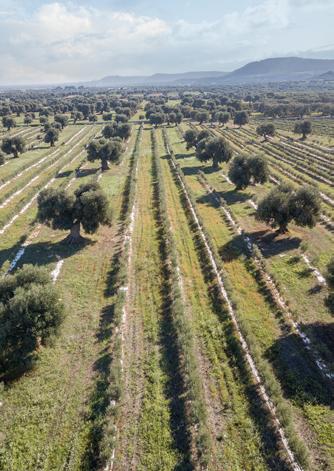
The approach operates on two complementary fronts. On one hand, the company is investing in the resilience of its home territory in Puglia, including reforestation projects with Xylella-resistant cultivars. On the other, it leverages global sourcing capabilities to stabilize supply. “This allows us to mitigate seasonal production fluctuations and guarantee consistent product availability for our clients.”
Technological investments in production facilities further support this strategy, enabling precise management of different blends while ensuring that each product meets strict chemical and physical quality parameters, effectively combining agronomic sustainability with economic solidity.
Within this framework, TuttoFood becomes more than just a showcase— it is a strategic business platform. “TuttoFood is a strategic accelerator to present Nicola Pantaleo SpA as a global trade partner.”
The objectives are clear: to strengthen relationships with retail buyers through Contrada degli Ulivi, while also engaging catering distributors with Ziraia’s solutions. The company positions itself not just as a supplier, but as a technical partner capable of supporting clients in managing market complexity. “We offer our partners professional risk management and a level of supply continuity that few players can guarantee.”
Geographically, the company’s center of gravity is increasingly international. “Export still accounts for the majority of our production” with growth driven by North America, Asia—particularly Japan—and South America.
In these markets, the ability to offer a diversified portfolio is a key competitive lever. Strategic partnerships, such as the one with Japan on olive grove regeneration, combined with a strong presence in historically important markets like Brazil and Argentina, reinforce the company’s positioning as a global industrial player. “We are perceived not only as suppliers, but as industrial partners capable of combining our Apulian agricultural heritage with a technically advanced global market vision.”
It is precisely this balance—between local roots and international reach, between premium positioning and competitiveness—that defines Nicola Pantaleo SpA’s value proposition for the trade, with TuttoFood 2026 serving as a platform to consolidate relationships and open new growth avenues.
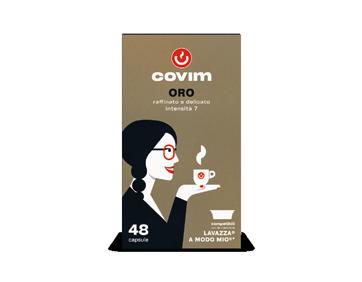
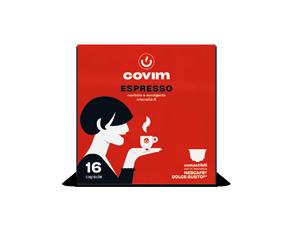
Covim at TuttoFood: balancing brand and production in today’s coffee market
In today’s coffee market, it’s no longer enough to choose between branded products and private label production. The companies that succeed are those able to combine both dimensions—working on product recognizability while also adapting to the needs of distribution. Covim operates precisely in this space.
At TuttoFood, the Ligurian company presents itself with a clear positioning. On one side, its own brand, which over the years has secured a solid foothold, particularly in retail, horeca, and ven-
ding. On the other, an industrial structure capable of developing tailor-made projects for retail chains.
The brand remains the direct point of contact with the end consumer, while private label production follows different dynamics, more closely tied to building shelf offerings. The two activities coexist and, in many cases, reinforce each other
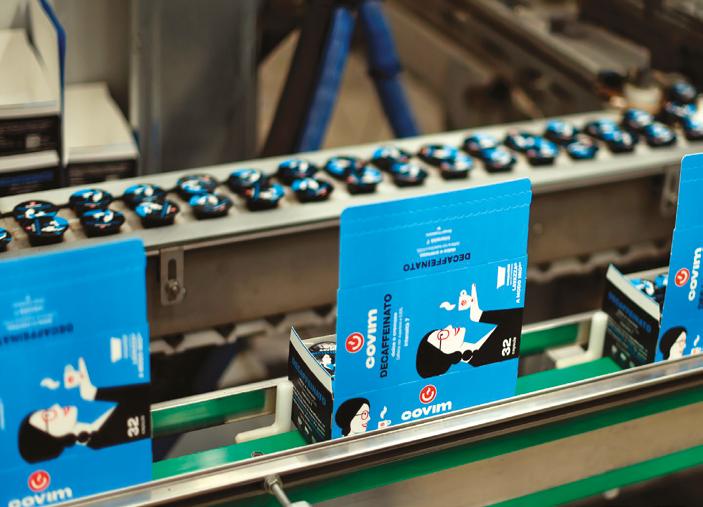
With over fifty years of roasting experience, Covim has built a production system that supports both directions. Expertise in blends, sensory profiles, and consumer preferences also stems from work on the brand; operational flexibility, meanwhile, is the result of experience gained in private label.
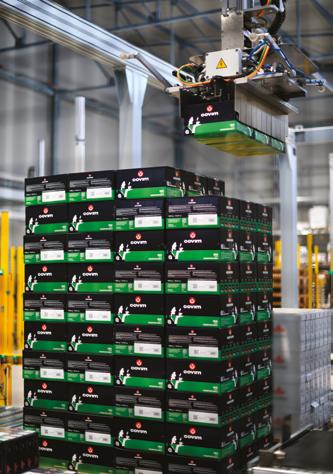
The range presented at the trade fair reflects this balance. The company covers all major formats: whole bean coffee, ground coffee, pods, and compatible capsules. Alongside these, it continues to develop branded lines designed to secure shelf presence and serve the professional channel, where consistency in quality remains a key factor. At the same time, Covim collaborates with retailers to develop customized products, adjusting blends, formats, and packaging according to the required positioning.
The market context is pushing in this direction. In recent years, coffee has become more volatile: raw material prices fluctuate, price pressure is constant, and the gap between premium and entry-level segments has widened. In this scenario, having both a recognizable brand and a structure capable of adapting quickly represents a concrete advantage.
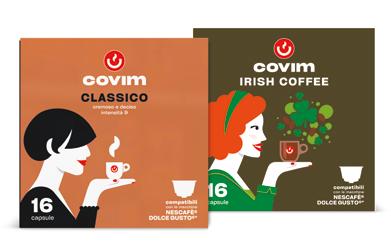
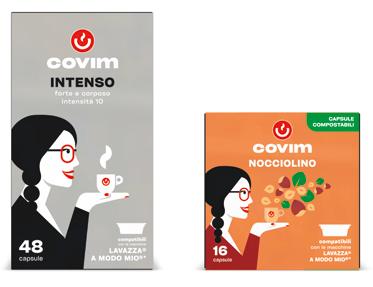
On the product side, compatible capsules continue to gain weight, now central to at-home consumption. At the same time, there is also a return to whole bean coffee for home use, driven by increasingly quality-conscious consumers seeking a bar-like experience at home. For this reason, the retail range is expanding with the introduction of a 250g whole bean format, alongside the 500g already established in vending and horeca channels, as well as decaffeinated options and 3kg formats.
tado, cappuccino, and sugar-free options—which are gaining increasing shelf space. The goal is to broaden the offering while remaining within a consumption system that is already well
established and growing—not only for Dolce Gusto, but also Nespresso and A Modo Mio, as well as capsule formats for the professional sector (such as Lavazza Firma and Lavazza Blue compatible capsules, to name a few examples).
Covim addresses this segment both with its own brand and through projects developed for clients. These are complemented by range extensions such as soluble beverages in capsule form— ginseng, hazelnut, cor-
Behind the range, however, lies a less visible but crucial factor: the ability to ensure continuity, as well as ongoing research and development, particularly through the use of recyclable materials in light of upcoming regulations on waste management and the PPWR (Packaging and Packaging Waste Regulation).
Key areas include:
• Packaging recyclability (design for recycling)
• Reduction of weight and volume
• Targets for recycled content (especially plastics)
• Harmonized labeling
• Potential reuse systems (in certain sectors)
The production and logistics structu-
re is organized to support significant volumes and ensure consistent deliveries —an aspect that has become increasingly important for distribution in recent years.
Sustainability also fits into this framework through concrete operational measures: compostable capsules, recyclable materials, attention to sourcing, and optimization of production processes. These elements respond to market demands that are now structural rather than optional.
On the international front, Covim has gradually expanded its presence and now operates in more than 50 countries
Growth follows two main directions. On one side, horeca and vending, where Italian espresso continues to serve as a benchmark. On the other, retail,
with increasing openness to private label projects beyond Italy, alongside the expansion of the brand.
This expansion reflects the company’s nature—capable of adapting to different markets while maintaining a consistent production base.
TuttoFood fits into this path as a key moment for direct engagement with the market. For Covim, it is an opportunity to meet buyers and operators, but also to develop new projects and assess how distribution demands are evolving.
In coffee today, the difference increasingly lies in the ability to manage multiple dimensions at once: product, price, format, and service. Covim aims to operate within this balance, without leaning too heavily in any single direction.
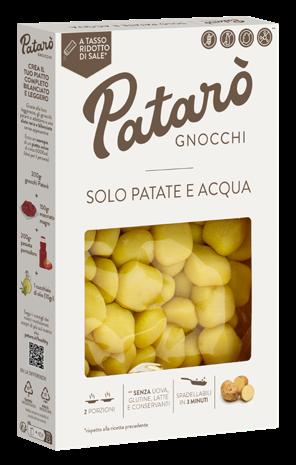
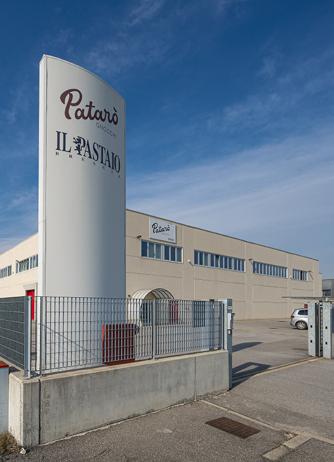
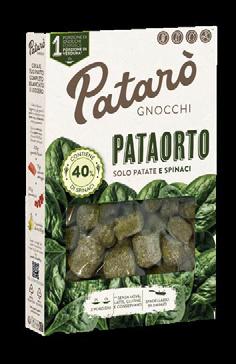
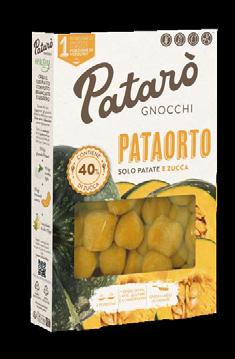
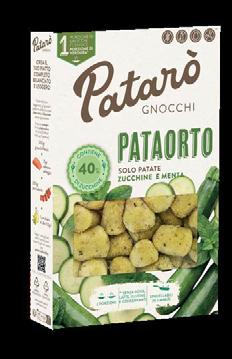
Patarò evolves across healthy, plant-based and high-service positioning
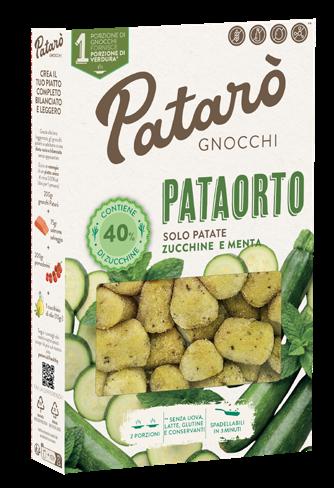
A more focused, functional offering, increasingly aligned with new purchasing drivers. This is the approach Il Pastaio di Brescia brings to TuttoFood 2026, presenting an evolution of the Patarò range designed to respond concretely to the needs of both retail and foodservice.
“At TuttoFood we will present a very tangible evolution of our Patarò-branded offer, built to directly address new purchasing drivers and our customers’ operational needs.” The point is clear: products that not only perform on shelf, but also simplify operations.
Among the key developments is the extension of the Pataorto line, with new references designed to deepen assortment and support rotation in the refrigerated aisle, especially during summer months. “This is a proposal that perfectly captures the growing demand for free-from, light and functional products, while maintaining a strong link to Italian culinary tradition.”
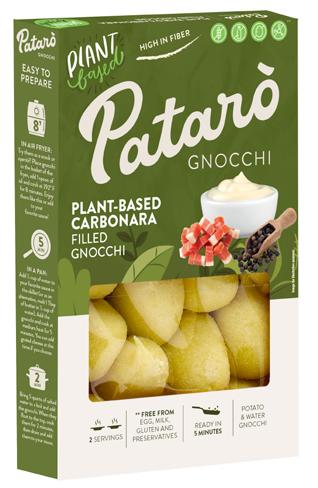
Alongside this, the company introduces a more distinctive innovation: plant-based carbonara-filled gnocchi.
“The focus is twofold: responding to the
growing plant-based trend while maintaining a taste experience aligned with consumer expectations.”
Patarò’s positioning is built around a few clear pillars: quality, simplicity and nutritional value. The use of essential ingredients and the absence of unnecessary additives place the range firmly within the clean label segment.
From a commercial standpoint, the strategy spans four channels: retail, foodservice, export and private label. Modern retail remains central for volumes, while foodservice is expanding rapidly.
Private label is moving toward more collaborative development models with partners.
The strongest growth is coming from international markets. “On the export front, we are experiencing strong acceleration.” The new facility in Pennsylvania strengthens the company’s presence in North America.
The company’s evolution integrates innovation, sustainability and supply chain efficiency. “100% of vegetable waste is converted into biogas.”
Product innovation remains central:
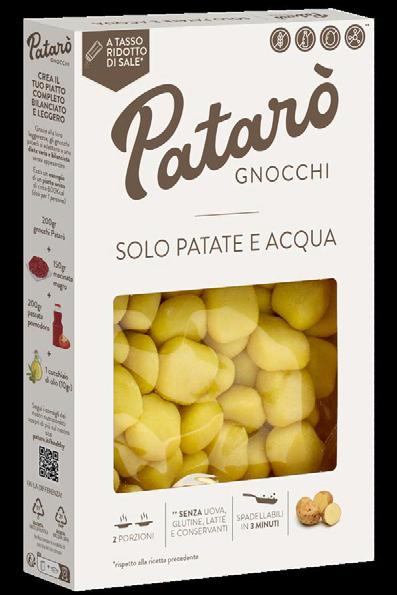
“Our gnocchi, made only with potatoes and water, gluten-free and without additives, respond directly to the demand for genuine and inclusive foods.”
TuttoFood becomes an operational moment to build relationships and generate opportunities.
“Our differentiation is based on three key levers: continuous innovation, product quality and level of service.”
Inalpi expands its scope from retail formats to functional nutrition
Inalpi is heading into TuttoFood 2026 with a dual focus: extending its retail offer while redefining its broader role within the food system.
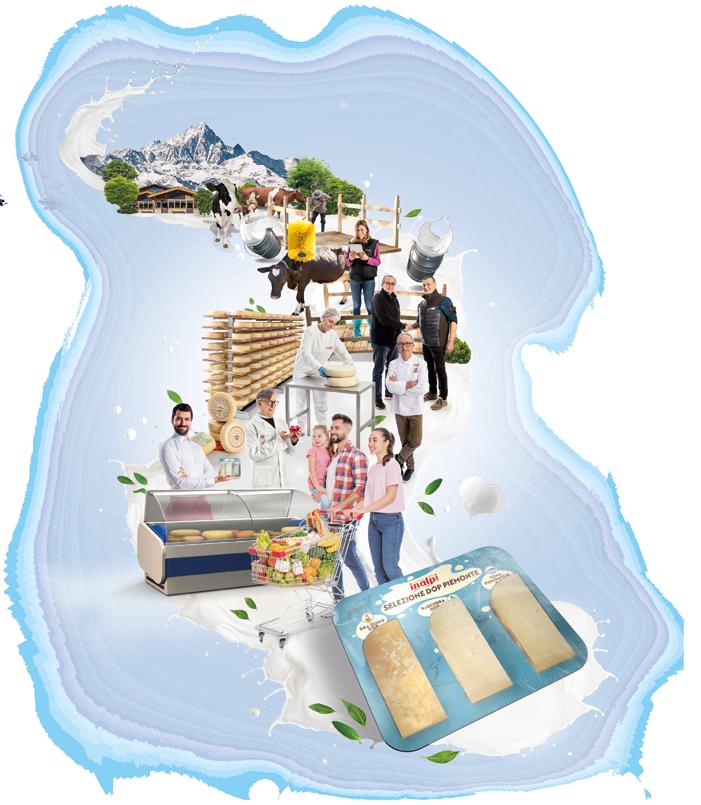
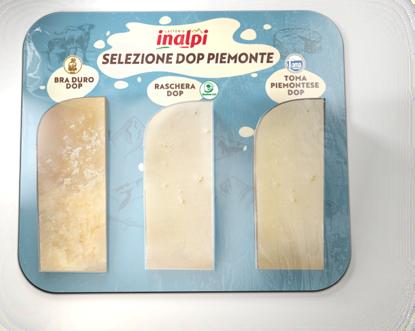
Product innovation starts from the refrigerated aisle, with the launch of the Selezione DOP Piemonte Latterie Inalpi range. The format consists of 300g trays divided into three portions, designed for convenient consumption while highlighting the quality of Piedmont PDO cheeses.
The selection includes Bra, Toma Piemontese and Raschera, combined in ways that add depth to the assortment without increasing complexity.
Alongside this, the Selezione Gourmet
line introduces more distinctive flavors such as pesto, chili and truffle, maintaining the same simple and ready-to-use format.
Beyond product, the company is also outlining a broader direction. TuttoFood will serve as a platform to introduce a new development path focused on sports and wellbeing. The underlying idea is clear: food is no longer just about nutrition, but increasingly about supporting health.
This shift is reflected in the commercial model. Inalpi operates across multiple channels, with a strong presence in retail and a steadily expanding footprint abroad. Export has become a structural component, built through gradual expansion
and local partnerships.
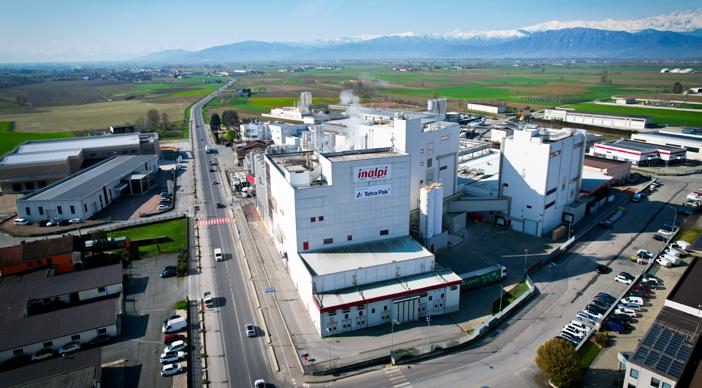
The company is now active in more than 60 countries across Europe, Southeast Asia, the Middle East and North Africa, while keeping production in Italy.
Private label has also evolved, moving from simple production to co-development with clients, adapting products and formats to different markets.
At a deeper level, Inalpi is transforming into an integrated platform combining industry, nutrition and research.
This transformation includes a stronger focus on functional proteins and wellbeing nutrition, supported by dedicated structures and R&D capabilities.
Three key drivers define this path: protein quality, functional nutrition and an integrated, sustainable supply chain.
Within this framework, TuttoFood becomes a working platform to strengthen relationships and develop new opportunities.
The broader context is a food sector in transition, where products are increasingly expected to contribute to wellbeing, not just nutrition.
Inalpi’s strategy is built around anticipating this shift and translating it into concrete solutions.
Between brand identity and product: Coricelli focuses on clarity, sustainability and export growth
Coricelli is heading into TuttoFood 2026 with a dual focus: redefining how the brand presents itself and expanding its product offer to better match usage occasions.
“At the next edition of TuttoFood we will present important developments both in terms of brand identity and product,” says Chiara Coricelli, President and CEO. The starting point is a rebranding project aimed at making the brand more contemporary without losing its roots.
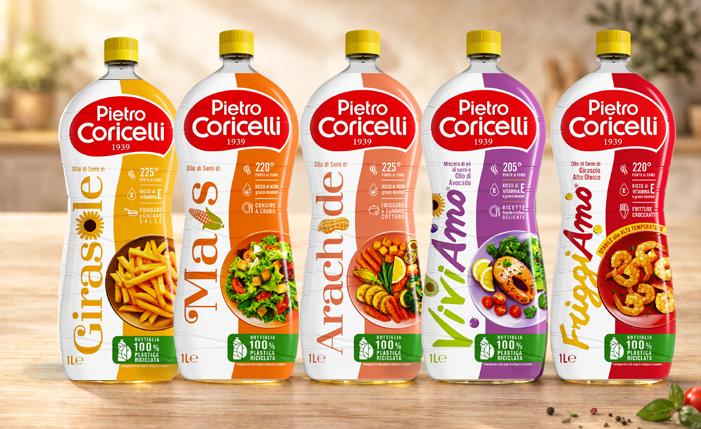
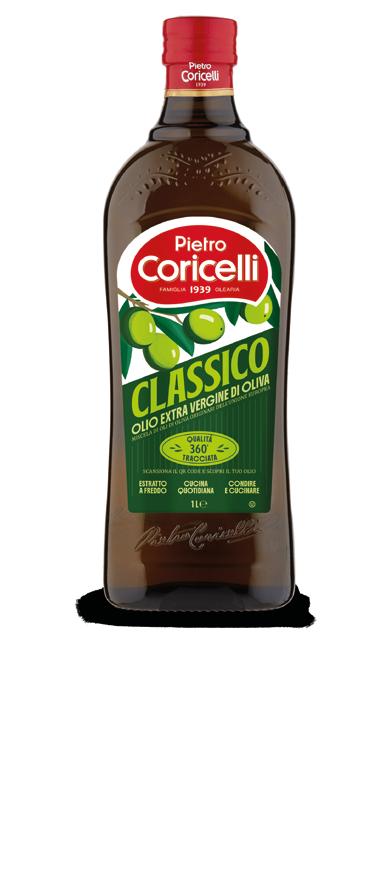
The new labels introduce a clearer visual language, with recognizable color codes and a more structured information system. The objective is straightforward: make the range easier to navigate, especially in retail environments where decision time is limited. This also supports the brand’s positioning abroad, where Italian heritage remains key but needs to be expressed through clearer visual cues.
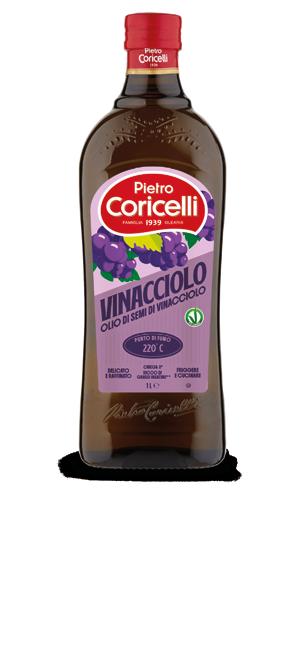
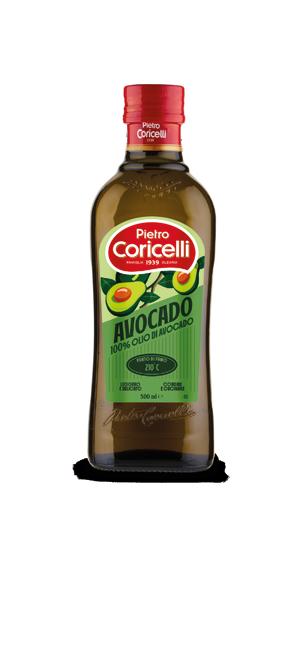
Alongside this, the company is launching a new seed oil range, designed to cover specific uses in the kitchen. “The goal is to offer the most suitable solution for each cooking need.”
From sunflower and peanut oil to more functional blends such as Viviamo —a functional mix of sunflower, grapeseed and avocado—and Friggiamo, a high-oleic sunflower oil developed for frying performance, the range is built around usage clarity.
Packaging plays a central role. Smoke point, nutritional characteristics and suggested uses are clearly indicated, helping consumers make quicker and more informed choices.
The bottles are made from 100% recycled PET, reinforcing a broader approach where sustainability is integrated into product development.
From a commercial standpoint, the focus remains firmly on retail, which accounts for around 95% of total turnover. Investments are concentrated here, with the aim of increasing household penetration and strengthening market share.
Innovation goes beyond products. The company has introduced technologies such as blockchain to enhance supply chain transparency and has developed traceable extra virgin olive oil lines certified according to recognized standards.
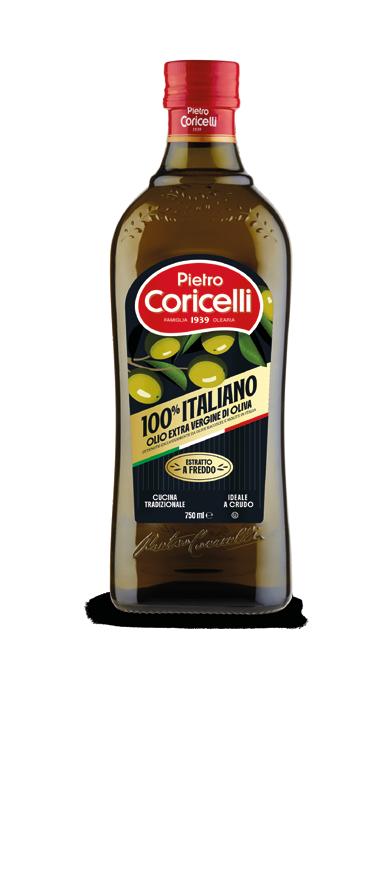
“We will continue to invest in innovation and sustainability in 2026,” Coricelli explains, with a strong emphasis on supporting and promoting 100% Italian extra virgin olive oil
This approach has helped strengthen the brand’s positioning both domestically and internationally, where demand for quality and traceability continues to grow.
TuttoFood serves as a key moment to engage directly with the market. “It is an opportunity to capture emerging trends and better understand market needs,” while also strengthening partnerships and opening new business opportunities.
Geographically, Italy remains the core market, with increasing focus on brand communication and visibility. At the same time, export continues to expand, now accounting for 36% of turnover, with strong growth across several markets.
The United States, Mexico, Japan and Belgium remain key, while future development is focused on countries such as Canada, the UK and Brazil
Grissin Bon expands snacking occasions while strengthening its core business
Grissin Bon is not changing its product — it is changing how it is used.
At TuttoFood 2026, the company builds on a clear starting point: Fagolosi, still its flagship product and a key reference in the bread substitute segment. Everything else develops around it.
“Fagolosi are still our iconic product and the foundation of the brand,” says Enrico Andrea Cecchi, Commercial and Marketing Director
Over time, the product itself has remained consistent, but its role has expanded. This is where recent developments come in.
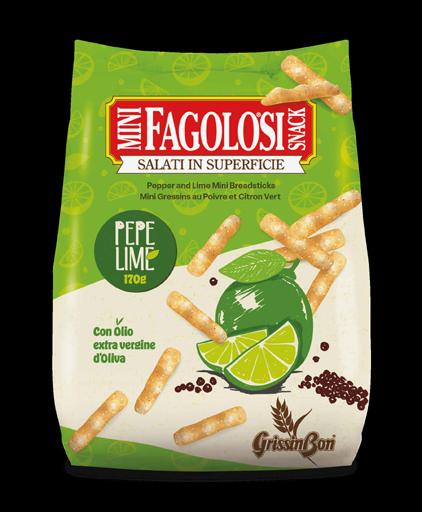
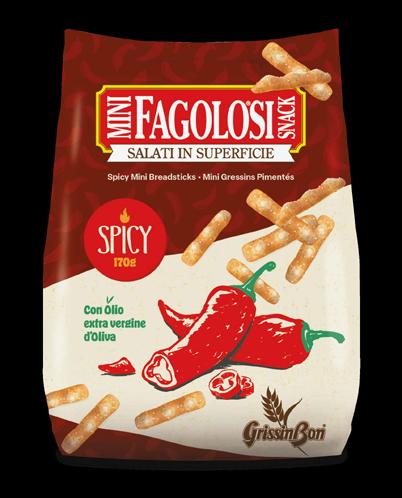
With MiniFagolosi, the shift is in usage: from bread substitute to snack. Breaks, aperitivo, on-the-go consumption. Not a product revolution, but a change in occasion.
Following the 2024 relaunch, which focused on improving product structure and performance, TuttoFood marks the next step with two new flavors: Spicy and Pepper & Lime. Stronger profiles, designed to work beyond the domestic market.
The format remains a 170g sharing pack. What changes is the consumption context.
On the business side, the structure is stable. Grissin Bon continues to operate across two pillars: branded products and private label, with the latter accounting for around 40% of turnover.
“We work with some of the leading retail groups, both in Italy and abroad.”
This remains a core activity, alongside the gradual development of the company’s own brands.
Italy remains the main market, partly due to the nature of the categories.
Internationally, penetration is more complex: breadsticks and crispbreads are not part of everyday habits, and “Made in Italy” alone does not automatically create value.
Even so, the company is active in 38 countries, with export accounting for around 15% of turnover, largely driven by private label.
Europe is the most natural market, while North America requires a different approach. This led to the opening of a production facility in Brantford, Canada, in 2015.
In recent years, the international presence has been strengthened through new partners and distributors.
On the production side, improvements are continuous. “A natural curiosity dri-
ves us to constantly improve our processes.”
The digitalization journey, started in 2015, has led to the adoption of MES systems for production control, with the aim of increasing efficiency and reducing errors.
Within this framework, TuttoFood becomes an operational moment rather than a showcase. It is used to test positioning and work on relationships.
“It is an opportunity to meet buyers, distributors and foodservice operators, and to develop new business opportunities.”
The direction is clear: maintain a strong private label base while pushing the brand forward, moving products into new consumption occasions.
With three highly specialized plants in Italy, flexible production lines, customized recipes, and tailored packaging, we offer ad hoc solutions carefully designed to meet the specific needs of each client.
MartinoRossi builds on plant proteins across sourcing, ingredients and finished products
With MartinoRossi, starting from finished products misses the point. The real lever sits upstream—in raw materials, supply chain control and the ability to turn those into functional ingredients that feed multiple applications.
At TuttoFood 2026, this structure becomes more visible. Not because the model is changing, but because it is expanding across different levels.
“We will be present with our retail brands and with MartinoRossi Professional for the foodservice channel,” says Manuel Sirgiovanni, General Manager.
The shift is clear: alongside its industrial B2B business, the company is strengthening its presence in direct consumption occasions.
The innovations presented at the show reflect this.
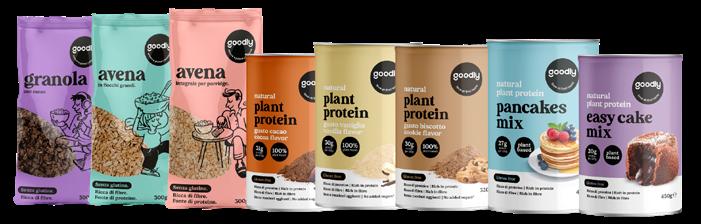
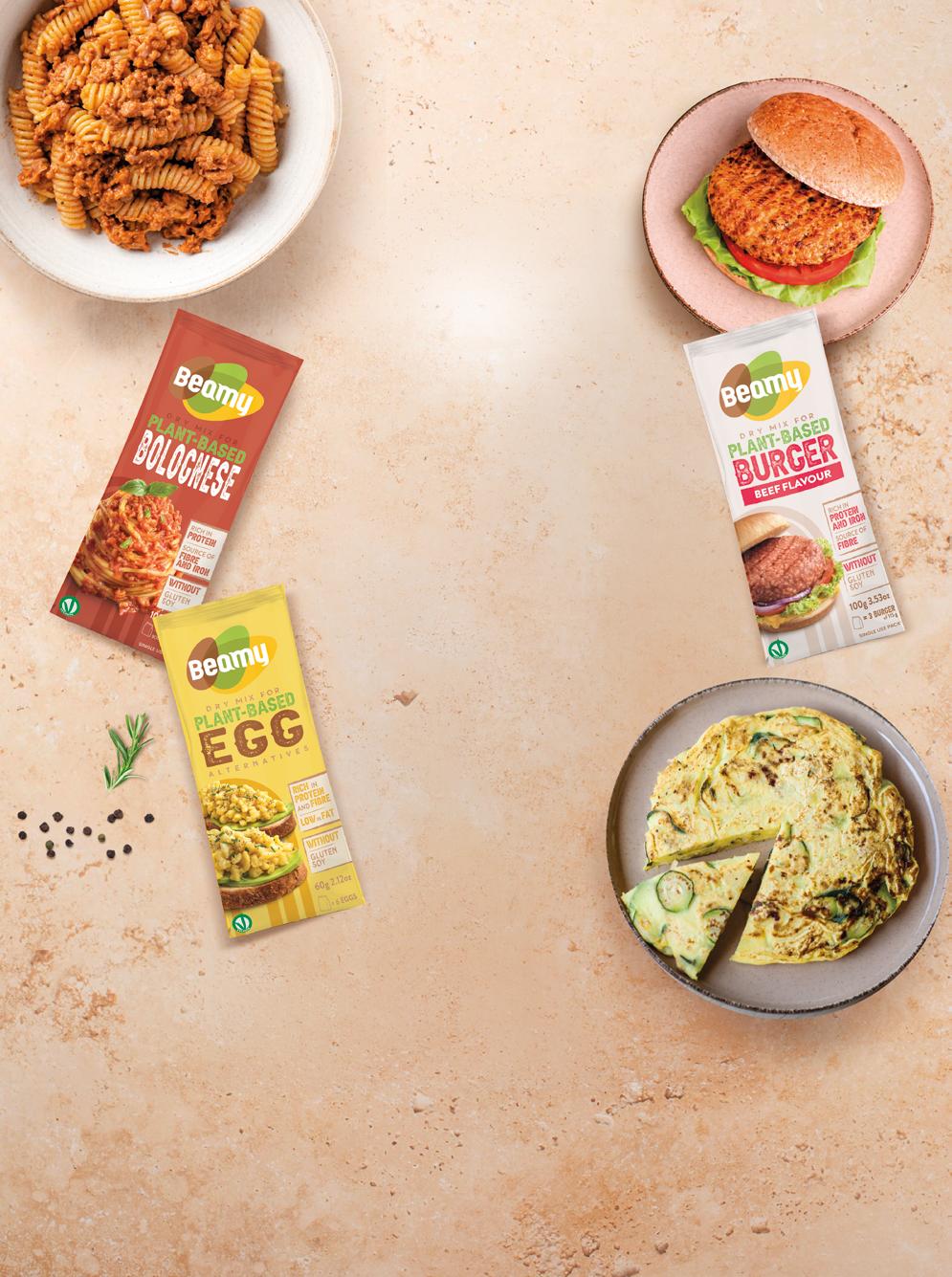
Beamy is launching its first range of re-
ady-to-use plant-based sauces —ragù, cacio e pepe and carbonara—reworking familiar recipes into allergen-free, fully plant-based alternatives.
This is not a random extension, but a move into a segment where convenience and nutritional value increasingly overlap.
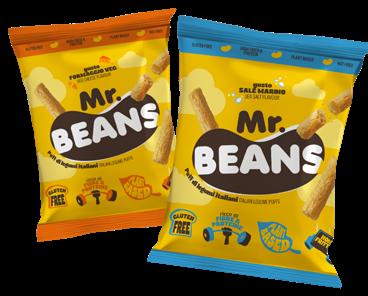
Mr.Beans follows a similar path, with a dual focus. On one side, a complete visual restyling aimed at a broader, more international audience; on the other, deeper reformulations that move the range fully into plant-based territory, even for traditionally dairy-driven flavors.
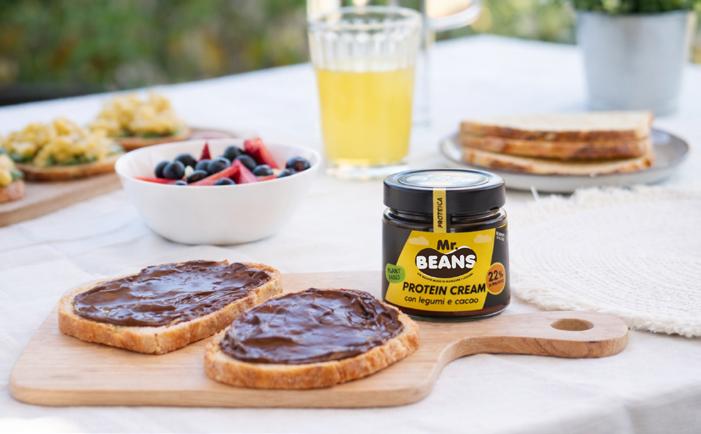
The most interesting shift, however, is in spreads. Here, the company changes the base formulation: replacing nuts with legumes. Roasted chickpeas and peas become the foundation of high-protein cocoa spreads
It is a change in logic before it is a chan-
ge in ingredients.
At the same time, Goodly and Mais Corvino continue to expand in the free-from space, targeting a demand that is no longer niche: gluten-free, dairyfree, soy-free products with a stronger nutritional profile.
Behind these applications lies a well-defined industrial structure.
The core business remains industrial B2B, still the main growth driver.
Over time, this has been complemented by the development of proprietary brands, without competing directly with existing partners.
The key differentiator is supply chain control. MartinoRossi manages the entire process, from seeds to processing, across more than 16,000 hectares and over 700 partner farms
This setup enables not only traceability but also continuous field experimentation through the Campi d’Italia project.
This is where much of the innovation originates.
“We are the only company in Italy with full control over the entire plant protein production cycle,” Sirgiovanni notes.
The focus is not just on producing proteins, but on how they are produced— using a concentration process that
avoids water consumption and chemical agents, preserving the natural properties of the raw material.
These protein concentrates are then used across the portfolio: from plant-based patties to spreads and protein powders.
This is where the model comes together: ingredients, applications and finished products are part of the same system.
From a market perspective, this translates into a balanced channel mix. Export accounts for around 50% of turnover and continues to grow, while private label has seen strong acceleration over the past year.
At the same time, the company is starting to invest more structurally in foodservice, seen as a way to expand consumption occasions and increase product visibility.
Within this framework, TuttoFood acts as a convergence point. Not just for launching products, but for making the overall model more visible to the market.
Geographically, the focus remains international. North America and Europe drive volumes, while the Middle East and Asia are showing strong growth potential.
In mature markets such as the US and Germany, competition is driven by nutritional quality, transparency and supply chain control. In emerging markets like Japan and Saudi Arabia, the work is still at an earlier stage, focused on education and local adaptation.
The direction is clear: move plant proteins beyond niche positioning and into a broader system where sourcing, ingredients and finished products remain tightly connected.
EASYTOMIX, IMPOSSIBLE TO RESIST!
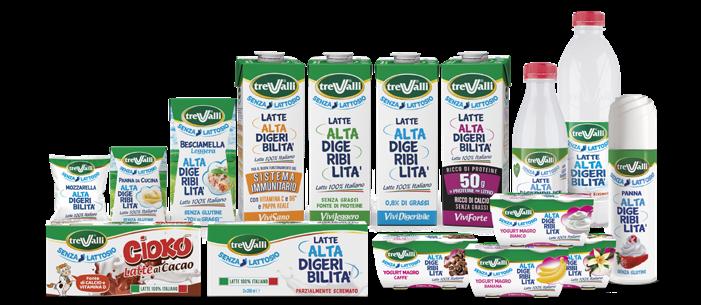
Trevalli reshapes its range across dairy, plant-based and professional applications
In the dairy sector, category boundaries are no longer as defined as they once were. Traditional products increasingly sit alongside plant-based alternatives, especially in professional environments where performance matters as much as taste.
tchen use, focusing on consistency, stability and ease of application, alongside product quality.
The emphasis is on functionality rather than novelty.
Trevalli Cooperlat is working within this space, building an offering that does not separate these worlds, but makes them function together.
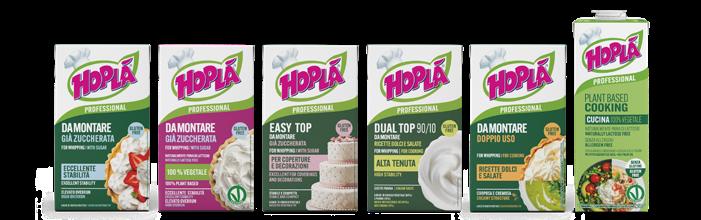
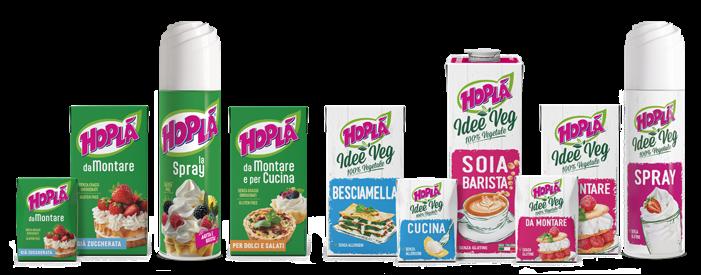
At TuttoFood 2026, the company presents a portfolio built around its two core brands, TreValli and Hoplà, aiming to cover different needs without fragmenting the range.
The latest product launches reflect this direction. Mascarpone Mix UHT TreValli Professional and Cooking Plant Based Hoplà Professional are designed for ki-
During the exhibition, these products are showcased through live cooking sessions led by chef Fabio Potenzano together with culinary students, highlighting practical applications and versatility.
From a commercial perspective, the structure remains well diversified.
Retail continues to play a central role, supported by established lines such as lactose-free products and the Hoplà brand.
At the same time, the professional channel has gained relevance, supported by
enhanced technical assistance for pastry chefs and foodservice operators. Here, products are assessed based on performance in everyday use rather than shelf perception.
Geographically, the company is gradually expanding its footprint.
Alongside European markets, opportunities are emerging in regions such as the Middle East and Southeast Asia, where demand for Italian dairy and plant-based solutions is increasing.
Other markets are under evaluation, with growing interest in North America
The overall strategy remains balanced between domestic and international business, focusing on steady development rather than rapid expansion.
On the production side, efforts are focused on tangible improvements: more sustainable packaging, reduced use of virgin plastic and better recyclability.
The cooperative structure continues to support a controlled and traceable supply chain.
Managing supply chain efficiency has become a key part of maintaining competitiveness, especially in a period where energy and logistics remain sensitive variables.
For Trevalli, the direction is straightforward: expand the offering while keeping it clear and coherent.
In today’s dairy market, the ability to manage multiple product types, channels and geographies is becoming increasingly important.
Vallefiorita expands its bakery offering through product identity and new growth drivers
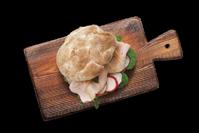
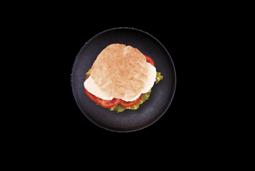
Vallefiorita has built its position in the bakery sector around a straightforward idea: working on everyday products without making them ordinary. Bread substitutes remain at the core of the range, but over time the company has expanded its offering while maintaining a clear identity based on quality, practicality and product character.
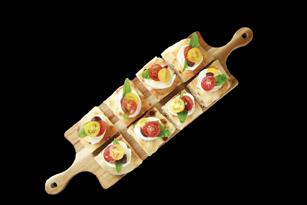
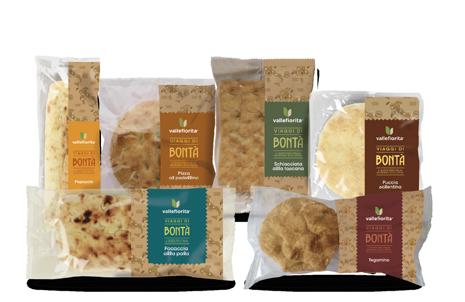
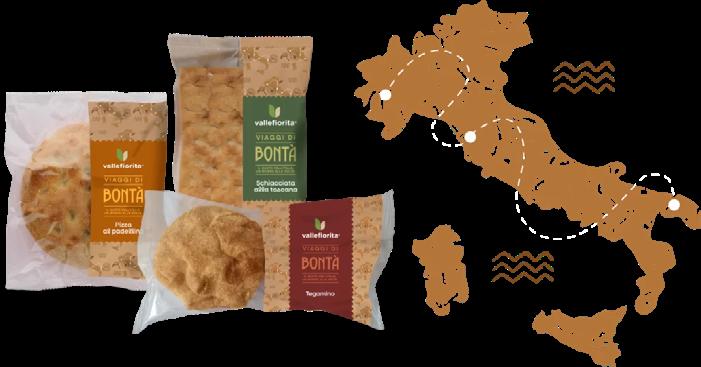
At TuttoFood 2026, the company presents a full overview of this approach. The exhibition includes all key product lines, from organic ranges to more narrative-driven projects such as “ Viaggi di bontà”, which highlight origin, ingredients and food culture.
This goes beyond simply presenting a portfolio. It reflects how that portfolio is developed.
In recent years, Vallefiorita has been working across multiple dimensions. Retail remains the primary channel, supported by a strong ability to respond to retailer requirements. Private label continues to play an important role in developing new projects and strengthening commercial relationships.
At the same time, the company’s own brand is gaining visibility, particularly in the bread substitute segment, where product recognition is becoming increasingly important.
The market itself has shifted. Convenience still matters, but it is no longer enough. Consumers are looking for pro -
ducts with a clear identity, something that is not interchangeable.
Projects such as “Viaggi di bontà” reflect this shift, linking product and origin through a more structured narrative
Alongside product development, Vallefiorita is also working on its internal structure. The 2026–2027 welfare plan introduces new measures focused on employee wellbeing and workplace quality.
International activity continues to grow, with expanding presence in Eastern Europe and selected non-European markets. Italian bakery products remain highly attractive, particularly when they maintain a strong link to their
origin.
Private label supports market entry, while the company’s own brand builds recognition over time.
Product, channels and markets need to evolve consistently.
Vallefiorita is working along this line, without forcing a single direction.
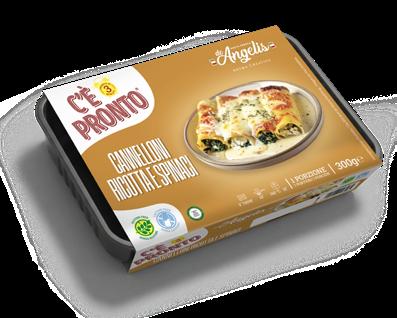
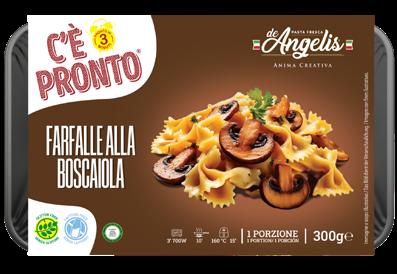
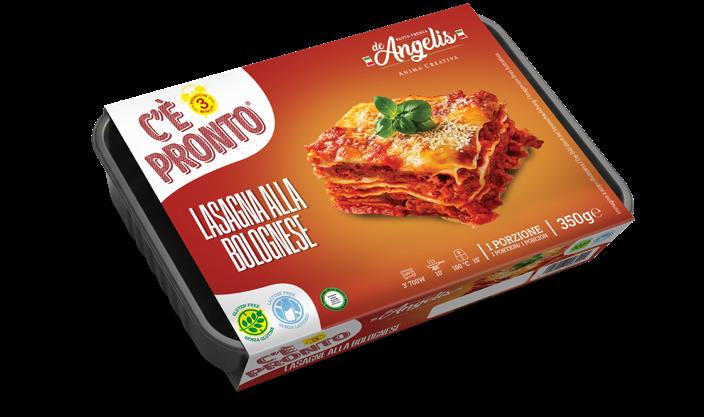
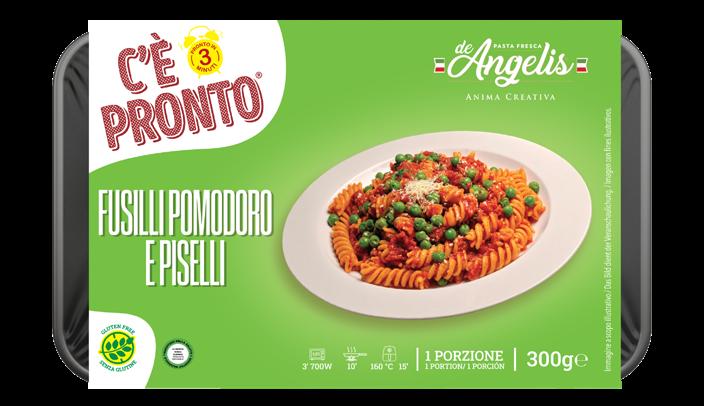
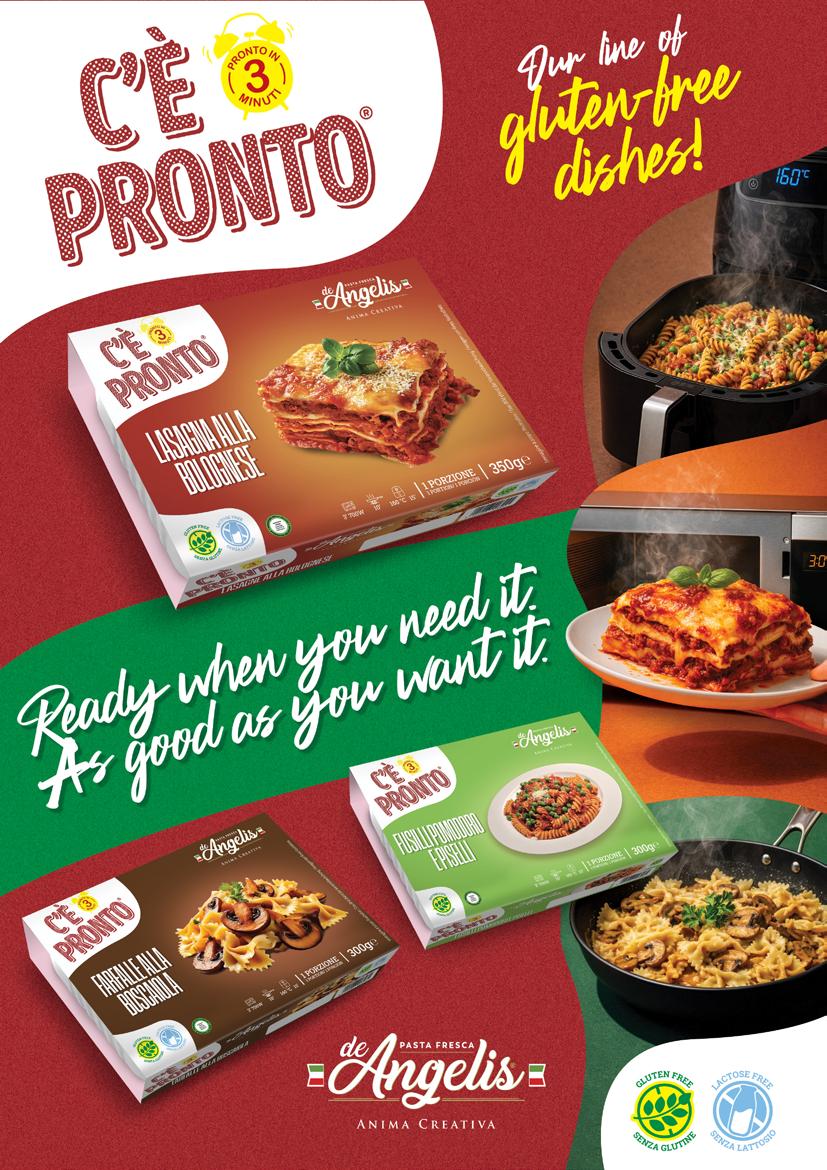
De Angelis drives growth in fresh gluten-free: service and safety at the core of its GDO and foodservice strategy
The gluten-free category is evolving rapidly, with fresh, high-service solutions gaining increasing relevance. Against this backdrop, De Angelis is heading into TuttoFood 2026 with a proposition designed to address the operational needs of the trade, combining convenience, food safety and strong culinary quality.
“At TuttoFood we will present our new range of fresh gluten-free ready meals, developed for the refrigerated segment (0–4°C).” The focus is on a fast-growing category— ready-to-eat fresh products —where value is no longer defined by the product alone, but by the ability to streamline operations across the entire chain, from
logistics and shelf management to professional kitchens.
The new range is positioned as a cross-channel solution, suitable for both modern retail and foodservice. “It is a proposition that combines convenience, safety and gastronomic quality, responding to the growing demand for reliable ready-to-eat solutions with a taste close to tradition.” This balance is particularly challenging in gluten-free, where maintaining high sensory standards must go hand in hand with absolute safety.
Food safety is in fact a key differentiator, especially in out-of-home settings. “The range is designed for both retail and the professional channel, offering a high level of service and simplified
handling, particularly relevant for foodservice, where it provides a safe solution to prevent contamination.” In an horeca environment increasingly focused on allergen management, process standardization is also achieved through reliable, ready-to-use products.
From a commercial perspective, the company’s strategy is structured across multiple channels, with a clear priority. “Our commercial development is mainly focused on modern retail, which represents a key channel for positioning fresh gluten-free products.” Here, the refrigerated segment becomes a lever to differentiate assortments and meet a consumer increasingly driven by convenience.
On a complementary level, the importance of foodservice continues to grow. “In the horeca channel we are seeing increasing interest in safe, ready-to-use solutions,” reflecting a structural shift in demand, where gluten-free is no longer a niche but a stable component of the offer.
Along a parallel track, De Angelis is also pursuing additional growth opportunities, from private label to export, with a balanced approach that combines flexibility and focus. “In the short to medium term, we are investing in strengthening our presence in modern retail and developing the professional channel, enhancing the service content of our products.”
At the core of this strategy lies a strong focus on product innovation, which in gluten-free requires a specific approach. “It is not just about removing gluten, but about completely rethinking formulations.” The goal is to ensure sensory quality, nutritional balance and stability over time—key elements for competing in the fresh segment.
This translates into continuous work on production processes, with particular attention to shelf life and safety, both critical factors for managing the category in retail and foodservice.
At the same time, sustainability is becoming increasingly central, as an integrated lever across the entire value chain. “Sustainability is an increasingly important area and involves raw materials, production efficiency, supply chain management and packaging development.” The aim is to combine responsibility with performance, making the supply chain more efficient and resilient.
Within this framework, TuttoFood acts as a strategic business development platform. “Participating in TuttoFood is an important opportunity to strengthen networking with clients and partners, identify new business opportunities and consolidate our position in the gluten-free segment.”
The objective is twofold: to strengthen existing relationships while also building new ones, both in retail and in the professional channel. “The goal is to develop new collaborations in both distribution and foodservice, as well as
to explore opportunities in private label and international markets.”
The trade show also serves as a key moment to gather market feedback and guide future product development.
Geographically, the domestic market remains central, particularly for the development of fresh gluten-free in retail. However, international interest in the category is also growing. “Export therefore represents a strategic area of development, particularly in more mature European markets that are highly sensitive to the gluten-free segment.”
More broadly, all channels that can enhance the value of high-service, high-quality products are considered strategic, both in modern retail and in foodservice. It is on this ability to combine innovation, safety and functionality that De Angelis is building its value proposition for the trade, positioning itself in a segment set for continued growth.
Parmafood expands consumption occasions across fresh ready meals, snacking and kids’ segments
Broadening the scope of consumption in fresh ready-to-eat products by working on targets, usage occasions and formats. This is the direction Parmafood is taking into TuttoFood 2026, with a proposition aimed at bringing new momentum to categories that have remained relatively static for years.
“At TuttoFood we will present a range of innovations that clearly reflect how we approach innovation in fresh ready-to-eat products.” The common thread is straightforward: making ready meals more accessible, more versatile and better aligned with everyday habits.
This is the thinking behind Fresche Idee Kids, a line targeting a segment that is still underdeveloped in fresh ready me-
als. The goal is to bring younger consumers closer to fresh products, focusing on visual appeal and immediacy.
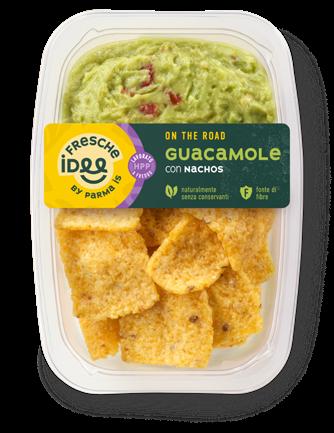
At the same time, consumption is increasingly shifting beyond the home. The Snack On The Road range responds directly to this trend, combining savory snacks with fresh dips such as hummus, guacamole and tzatziki—“a proposition that directly addresses on-the-go consumption.”
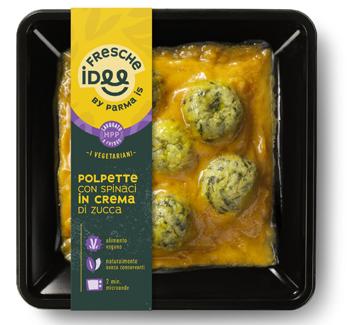
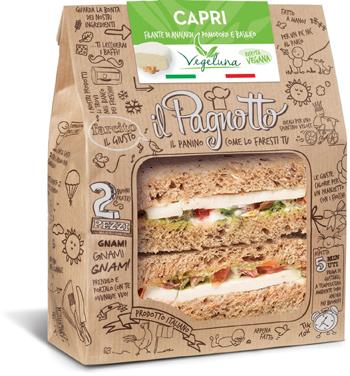
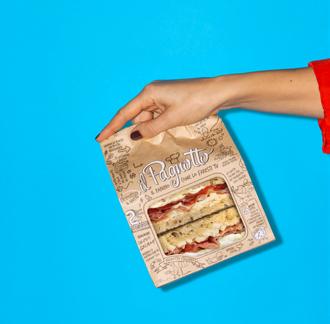
At the core of the offer remains the ready-meal range, now expanded to reflect the most evident market trends: more plant-based options, greater focus on quality and wider variety. The new range includes vegan recipes, low-temperature cooked meat dishes and a fully vegetarian gourmet risotto line, along with gluten-free Pagnotto products.
The objective is not just to expand the
range, but to unlock new consumption occasions and create more value within established categories.
This approach is mirrored in how Parmafood addresses its channels. Retail remains the backbone in terms of volumes and visibility, but the model is becoming increasingly articulated. Private label is evolving into a space for co-development, where the company’s expertise is integrated into retailers’ product strategies.
In foodservice, the approach shifts again: alongside ready-to-use solutions, there is a growing focus on tailor-made projects.
“We aim to position ourselves as a reference partner for innovation”.
International markets are another key growth driver. “We are accelerating on export, where we see strong potential for fresh, high-service products.”
Underpinning this is a model that combines innovation, sustainability and operational strength. Product development follows well-established directions— re-
ady-to-eat, healthy, plant-based, free-from —but with a clear ambition to anticipate consumer needs.
Sustainability efforts are primarily focused on packaging, while maintaining product quality and safety as non-negotiable priorities.
Supply chain management remains critical, especially in cold chain control and shelf life extension.
TuttoFood becomes more than a showcase: it is a working platform to engage with the market and open new opportunities.
“Being present means not only showcasing what we do, but actively building future opportunities.”
While Italy remains the core market, growth is increasingly international, with Europe, North America and the Middle East as key areas.
It is this ability to translate evolving consumption patterns into concrete solutions that defines Parmafood’s positioning in fresh ready-to-eat.
Abaribi expands croissant usage beyond breakfast as consumption habits shift
In industrial sweet bakery, the challenge today is not just the product itself, but where it fits into daily consumption. Traditional breakfast alone is no longer enough to sustain the category, and growth increasingly depends on expanding usage occasions.
This is exactly where Abaribi is focusing.
“The industrial sweet bakery segment is currently experiencing a slowdown,” says Francesca Abaribi, Head of Communication and Marketing.
This is not only about pricing or inflation—it reflects a broader shift in eating habits. Savory breakfast is gaining traction, while daily consumption is becoming more fragmented.
Rather than moving into new categories, the company is working on product versatility.
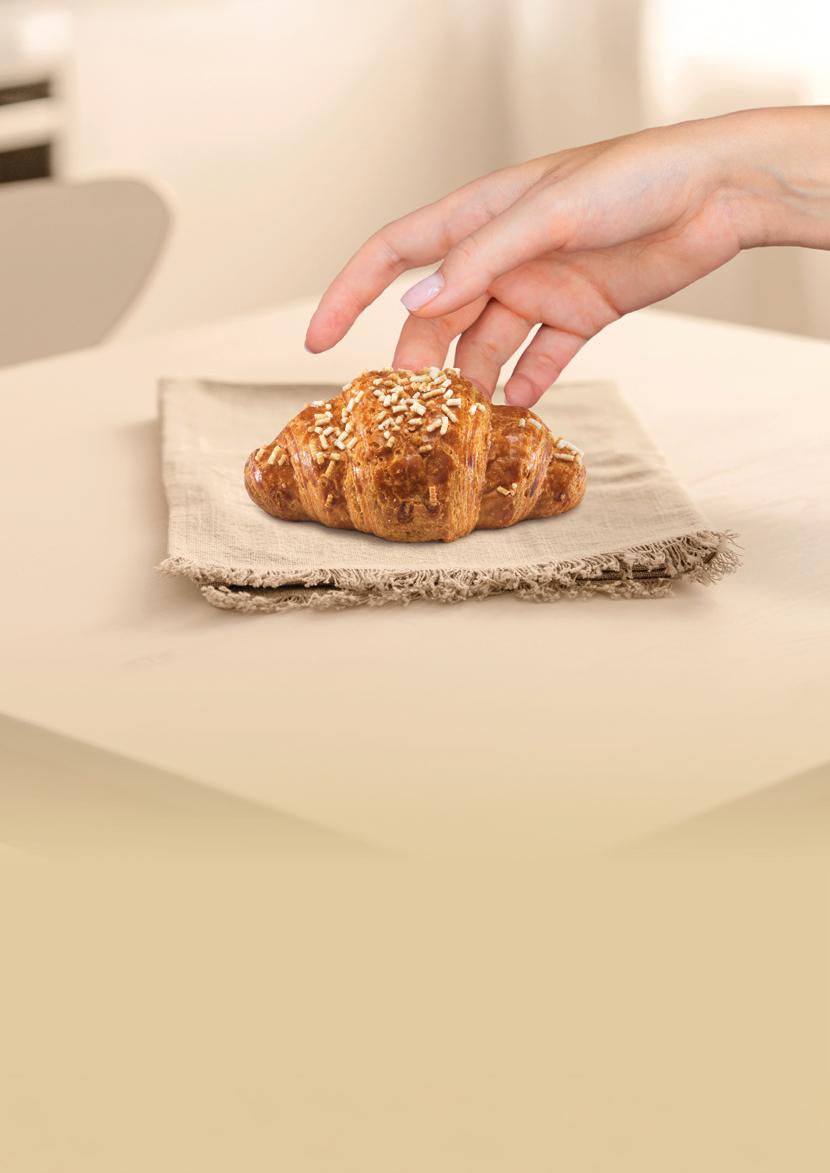
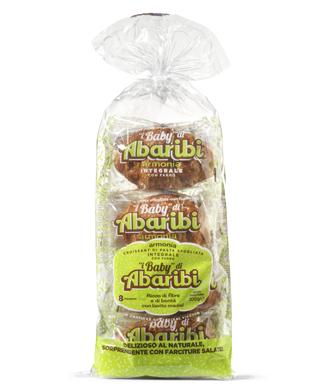
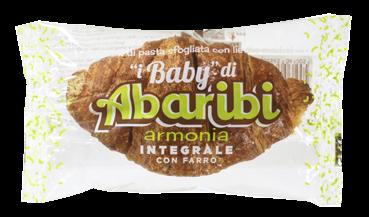
At TuttoFood 2026, Abaribi presents “ Baby Integrali”: a smaller format that retains the dough of the Armonia Croissant while offering a fresh new interpretation.
The key is not just size. The absence of filling and toppings, combined with spelt-based dough, makes the product suitable for both sweet and savory pairings
In practical terms, the same croissant can move from breakfast to mid-morning, snacks or even aperitivo.
The strategy is clear: adapt the category rather than defend it
The “baby” format also responds to snacking trends—smaller portions, more frequent consumption, easier integration into daily routines.
Packaging plays a role here. Each unit is individually wrapped, enabling on-thego consumption and extending usability across multiple contexts—from school to office.
This is not a detail—it is part of the product concept.
From a commercial perspective, the company remains primarily focused on retail, which continues to be the core channel.
At the same time, export is gaining relevance, particularly in Europe, where consumption patterns are more aligned with the category.
Market dynamics, however, vary significantly
In some countries, croissants are already well established, but not necessarily in the premium segment. In others, the category is less central, but there is a stronger openness to higher-quality products.
Abaribi’s international strategy is built around this dual reading.
“Europe is our key market,” the company notes, also for logistical reasons linked to shelf life.
Shelf life itself becomes part of the positioning: ensuring consistent taste and quality is essential to delivering a premium experience.
Innovation follows a similarly focused approach.
Rather than expanding indiscriminately, the company stays within a well-defined technical perimeter. New doughs, new formats and new fillings—such as strawberry—are developed while maintaining core product identity.
“We are not interested in stretching into areas far from our expertise.”
At the same time, internal operations are evolving, with warehouse layout optimization aimed at improving efficiency and order management.
Within this context, TuttoFood acts as a checkpoint.
It is both an opportunity to present the full range and to strengthen relationships with buyers, as well as a moment to observe how categories and consumption habits are evolving.
For Abaribi, the focus is no longer just on selling croissants—it’s about understanding where they fit within the day.
ICAM builds from cocoa up as sourcing becomes a competitive lever
For ICAM, the story behind TuttoFood doesn’t start with finished products—it starts upstream.
Today, cocoa is the critical variable Price volatility, supply instability and pressure on quality are reshaping the competitive landscape. ICAM has been working on this front for years, and it is now becoming even more central.
stency and production standards with less exposure to market volatility.
From here, the rest of the strategy follows.
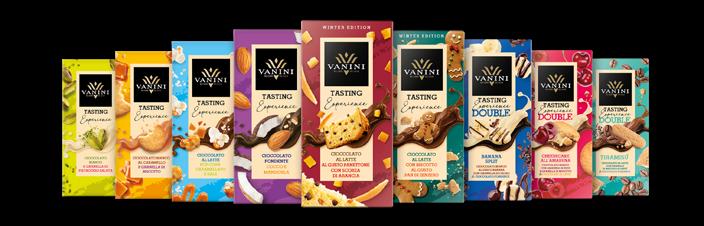
Vanini, the premium brand showcased at TuttoFood, is the most visible expression of this system. It is not built separately from sourcing—it is its outcome.
“Our competitive advantage lies in a direct and integrated supply chain,” says Giovanni Agostoni, Global Sales & Marketing Director.
The company sources more than 31,800 tonnes of cocoa from over 20 countries, with 74% coming through direct channels and involving around 50,000 farmers.
This is not just about securing supply—it allows ICAM to manage quality, consi-
“At TuttoFood we are presenting the latest evolution of ICAM under the Vanini brand, which represents the company’s leading edge.”
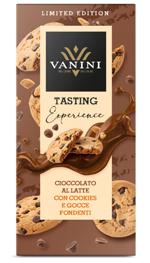
The Tasting Experience line, including the new Latte & Cookies variant, reflects this approach: building value starting from raw materials, even when the positioning leans toward experimentation.
The same applies to the Capsule Collection celebrating the company’s 80th
anniversary, which brings the focus back to origins and flavour profiles.
But ICAM’s model goes beyond branded products.
In 2025, the group reached €432 million in revenue, with a structure split across own brands (47%), private label (37%) and ingredients/semi-finished products (16%)
The logic here is not to focus on a single channel, but to operate across different levels of the value chain.
“It’s a model that allows us to remain both resilient and responsive across markets.”
This is also reflected on the industrial side.
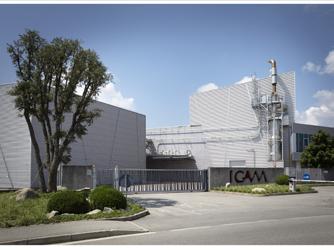
The Orsenigo facility is increasingly focused on efficiency and control, with automated processes, continuous monitoring and quality checks throughout production.
The goal is not just to improve output, but to maintain consistency between raw material and finished product.
Growth is tied to this structure. By 2027,
the site is expected to expand by 23,000 square metres, adding up to 20,000 tonnes of production capacity.
Within this framework, TuttoFood plays a secondary role. It remains important for market interaction, but it is not where the strategy originates.
“The fair is a useful space to strengthen relationships and develop new opportunities,” Agostoni notes.
The real driver remains international markets. In recent years, growth has been export-led, with volumes exceeding 30,000 tonnes and overall growth reaching 35%.
The United States stands out as a key market, alongside Europe and the Far East.
Supporting this is a structure that extends beyond Italy, with sourcing operations in Peru and processing activities in Uganda.
In the end, ICAM is not just selling chocolate. It is building a system that runs from cocoa sourcing to finished products, aiming to reduce exposure to external variables.
From specialties to frozen, Fattorie Garofalo builds depth in the buffalo dairy segment
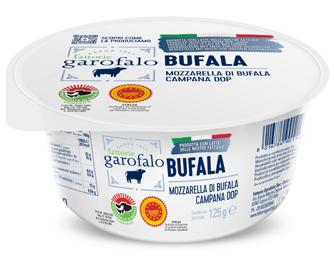
At TuttoFood 2026, Fattorie Garofalo is not changing direction—it’s making it clearer. Bufala Mozzarella remains at the core of the business, with the rest of the portfolio built around it to reinforce and extend the category.
“At TuttoFood we will present a proposition that clearly reflects our identity and our vision for the development of the buffalo dairy category,” says Luca Vinci, Brand Specialist
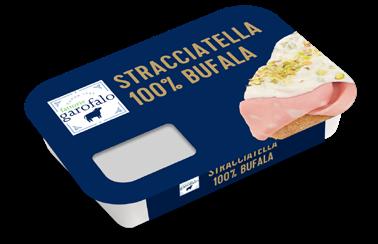
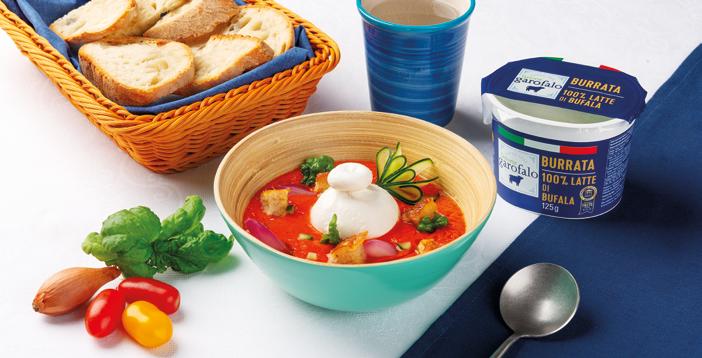
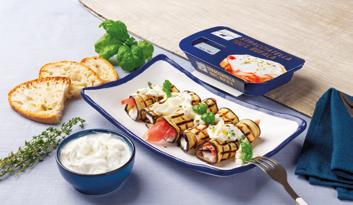
PDO Bufala Mozzarella continues to act as the benchmark, but growth is increasingly coming from the surrounding range. Burrata, stracciatella and ricotta made from 100% buffalo milk are gaining traction in both retail and foodservice, driven by a simple dynamic: they are easy to use, but deliver a higher perceived value.
“Stracciatella, in particular, stands out for its creaminess and intensity and is becoming increasingly central across both retail and foodservice.” It’s the kind
of product that moves easily between channels without needing to be repositioned.
Buffalo milk itself remains the backbone of the premium positioning. Its higher protein content supports a value proposition that feels consistent rather than constructed.
On the supply side, the Farmstead Milk line remains a key asset. Milk is sourced exclusively from company-owned farms and processed within 24 hours from collecting—a model built on direct control rather than external sourcing.
Alongside fresh products, frozen is steadily gaining relevance. It is no longer a secondary line, but a practical solution, particularly for export markets and professional users. “It ensures consistent quality, longer shelf life and greater flexibility,” addressing very concrete operational needs.
From a channel perspective, the structu-
re is stable. Retail accounts for around 85% of turnover, with foodservice at 10% and industry at 5%. The picture shifts when looking at geography: 57% of revenue comes from international markets.
Export is no longer just a growth opportunity—it is already a structural part of the business. The focus now is on strengthening positioning market by market. In the short to medium term, priorities are clear: brand development and foodservice expansion. “These are key areas to fully leverage the premium positioning of our products.”
Innovation remains part of the approach, but without forcing range expansion. The focus is on reinforcing what works and building consistency over time. On sustainability, the roadmap is already in place. The company is phasing out polystyrene, moving toward mono-material plastics and exploring alternative solutions. At the same time, its energy system is now almost entirely based on renewable sources.
“Today we cover almost 100% of our energy needs through renewables.” Supply chain integration remains one of the company’s strongest assets, ensu-
ring consistency, reliability and high quality standards even in complex contexts. Within this framework, TuttoFood becomes less of a showcase and more of a working platform—a moment to meet partners, review positioning and open new opportunities.
“It is an opportunity to develop new business and strengthen existing relationships.”
Looking ahead, the United States remains one of the most dynamic markets, while in Europe —particularly Benelux the focus is on building stronger brand recognition. Japan offers further potential, especially in the frozen segment. The direction is straightforward: less dispersion, more depth. In a category that continues to grow, but increasingly rewards clarity of positioning.