MAY JUNE
2026
TABLE OF CONTENTS
In this issue:
67
Editor's Page Minh-Thu Le, MD................................................................... 3 President's Page Melissa Gaines, MD.............................................................. 4 Expansion of medical education in Springfield David Haustein, MD.............................................................. 6
7
16 11
Co-Editors:
Many Paths, One Community: International Physicians in Missouri Melissa Gaines, MD............................................................9
Junior Co-Editor:
Melanoma: A Practical Clinical Update for Frontline Providers Murphy Mastin, MD..............................................................11
Dalton Boyer
Expect Horses, Recognize Zebras: Preparing for Uncommon Diseases in 2026 Maggie Rogers......................................................................13 Whole Life vs Term Life Insurance: Options for your Financial Future Patrick Keefer........................................................................14 The Sandwich Generation: Six Wealth Strategies for Profesionals in 2026 Justin Giles..........................................................................21 Child Advocacy Center Letter Jim Blaine, MD....................................................................22 MSMA Meeting.............................................................23 GCMS Rocky Mountain Medicine 2026..........................24 Professional Directory...................................................25
22
Editor’s Note: All materials for the Journal must be submitted by the first of the month prior to publication.
University of Missouri Springfield Clinical Campus Faculty Appreciation Kousalya Velagapudi............................................................7
Physician Family Night at the Museum...........................16
13
Vol 85, NO. 3 MAY JUNE 2026
Our profound apologies for misspelling Dr. Steven Raphael's name in the last GCMS Journal! The mistake has been corrected in our online version and for the GCMS Journal archives. Jim Blaine, MD, Co-Editor.
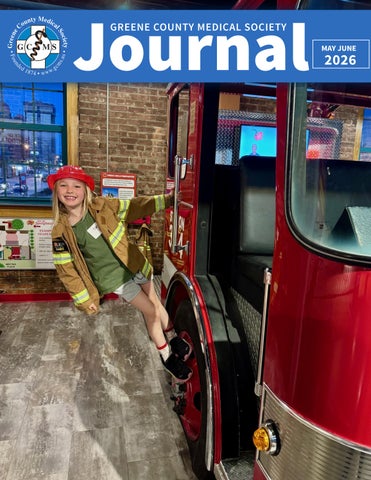
On the Cover: The Discovery Center
The GCMS Journal is available online:
www.gcms.us
Jim Blaine, MD Minh-Thu Le, MD Andrew K. Le
Managing Editor: Editorial Committee: Michael S. Clarke, MD David Barbe, MD Jaya LaFontaine, MD Dalton Boyer Andrew Le Jean Harmison Barbara Hover
SOCIETY OFFICERS Melissa Ganies, MD, FACP, FAAHPM President Vu Le, MD Secretary Sanjay Havaldar, MD Treasurer James Rogers, MD Immediate Past President
Council Members: Barbara Hover James Rogers, MD Melissa Gaines, MD Rachelene Middleton, MD Jim Blaine, MD Sanjay Havaldar, MD Jaya LaFontaine, MD John Steinberg, MD Taylor Brooks, MD Vu Le, MD
Managing Director: Jean Harmison
Executive Office: 4730 S. National Ave. Suite A1 Springfield, MO 65810 email: director@gcms.us www.gcms.us All communications should be sent to the above address. Those marked for the attention of a particular officer will be referred.
EDITOR'S PAGE by Minh-Thu Le, MD
It’s already the mid-point of 2026! As we do every year about this time, we will reflect on the students in our area, the future of our profession. Dr. Haustein, dean of the Springfield Clinical Campus, has a review of the new 4-year Mizzou medical school satellite campus here in Springfield, MO. The faculty awards and Match Day results are also highlighted in this issue. Kouslaya Velagapudi, student president of the Springfield MU M3 class, has a shout out to many of our colleagues who have taught her and her colleagues. See if you recognize any of them or are there yourself!
this issue as well. As time passes, so do our most respected and revered colleagues. And don’t forget the CME event of the year! In Estes Park, CO. We already have several families booked and ready to have a great time in July, when it’s hot here, but it will be so cool there! I’ve had my own department’s colleagues ask me about the 2nd Annual GCMS Bash and this issue is where you can save the date! September 26, 2026!
A brand-new series from Dr. Melissa Gaines, president of GCMS, starts this issue on the international physicians of Springfield. We are starting these interview-based articles off with a bang, with Dr. Ari Chowdhury and his wife, Maus! Dr. Mastin returns this issue with a new article on melanoma and sunscreens safe for your family and the environment. And a timely article by Maggie Rogers, of the Springfield -Greene County Health Department, on infectious disease “zebras” to look out for this season. This article was written prior to the Andes hantavirus cruise incident but continues to remind us how interconnected our world is and that global travel makes us vulnerable to unexpected diagnoses in our clinics and hospitals. Both Arvest and Forvis return to teach us about our money. Is it working for you as well as you are working for it? The Alliance’s and GCMS’ joint sponsorship of the Annual Night at the Museum at the Discovery Center was another well-attended event in April. Did your family make the event and are they in this journal? We do have a memory page of recently departed members
MAY JUNE 2026 • GCMS Journal • 3
PRESIDENT'S PAGE By Melissa Gaines, MD, FACP, FAAHPM
President’s Message: Returning to Our Roots This spring, GCMS Council gathered for our strategic planning meeting, an important moment to pause, reflect, and define where we are headed as an organization. From that discussion, a clear vision emerged: to create a professional home for physicians grounded in a sense of belonging, community, and meaning. As we talked openly about the current state of medicine, one theme surfaced repeatedly—we are in the midst of an identity shift. Many physicians feel the gradual loss of what it means to be a “physician,” replaced instead by the more transactional term “provider.” While language may seem subtle, it reflects a deeper truth. We are, in many ways, experiencing an identity crisis within our profession. And yet, within that recognition lies opportunity. If we are losing connection to our professional identity, then we must be intentional about rebuilding it together. As a next step, Council will be forming a small task force to focus specifically on strengthening our physician community. This group will work to create opportunities for meaningful connection, recognizing that belonging is not accidental it is built through shared experiences, trust, and engagement. A key part of this work is understanding what resilience truly requires. Resilience is built on psychological resilience (mental), emotional regulation, social support systems, and physical health. It involves not just surviving but learning from experiences to better manage the future. As physicians, we often focus on caring for others, but this definition reminds us that sustaining ourselves requires a more intentional and holistic approach one that GCMS Together is committed to supporting.
William Harvey, who first described circulation, depicting a hand holding a candle. It is a powerful image and a meaningful reminder that, at our core, medicine has always been about bringing light, presence, and guidance to others. The GCMS Alliance continues to play a vital role in fostering connection within our physician families. Their recent “Night at the Museum” event at the Discovery Center was well attended and a wonderful example of how shared experiences outside of clinical practice can strengthen relationships among physicians and their families. As we move forward, your voice matters. We want to hear from our members—what you need, what you value, and how GCMS can better serve you. We also warmly welcome non-members to join us at upcoming events and experience the community we are working to build. Creating a professional home for physicians will not happen overnight. But with intention, collaboration, and a shared commitment to reconnecting with our purpose, we are taking meaningful steps forward. As we continue this work, I invite each of you to consider your place within it. If you have been engaging with GCMS but are not yet a member, I warmly encourage you to join us. We are building more than an organization—we are creating a professional home grounded in belonging, connection, and shared purpose. Your voice, your presence, and your perspective matter. Together, we can reclaim our identity as physicians and strengthen the community that sustains us all. Thank you for the privilege of serving as your President.
Encouragingly, we are already seeing momentum across our organizations. The GCMS Foundation—whose mission is to promote community health through education, impactful projects, and support of related charitable organizations—is ahead of schedule in planning the 2026 GCMS BASH, which will be held on September 26 at Highland Springs. With a top sponsor already secured, this year’s event promises to build on last year’s success while continuing to advance the Foundation’s important work to address physician resiliency. You may also notice a candle icon associated with select GCMS events. This symbol will designate programming intentionally focused on physician resilience and wellbeing, and it will also be reflected in the theme of this year’s BASH. I was especially moved to learn that one of the earliest symbols in medicine is a crest attributed to Dr. 4 •MAY JUNE 2026 • GCMS Journal
Mission Statement Bringing physicians together to improve the health of our community.
Focus on what’s most important to you. Tailored Tax, Wealth Management, and Family Office to help you prepare for what’s next.
forvismazarsprivateclient.us Forvis Mazars Private Client services may include investment advisory services provided by Forvis Mazars Wealth Advisors, LLC, an SEC-registered investment adviser, and/or accounting, tax, and related solutions provided by Forvis Mazars, LLP. Past performance does not guarantee future performance. All investments may lose money.
MAY JUNE 2026 • GCMS Journal • 5
Expansion of medical education in Springfield By David Haustein, MD, MBA, Associate Dean, Springfield Clinical Campus, Professor, Physical Medicine and Rehabilitation Missouri faces a critical physician shortage. Nearly one-third of our physicians in urban areas and almost half in rural areas are aged 65 or older, and the state ranks fourth nationally for primary care shortage designations. Current projections estimate a growing deficit of more than 3,000 physicians in Missouri over the next decade. But don’t lose heart: the collaborative community of Springfield is building the pathway for more physicians in the future. The University of Missouri School of Medicine is expanding its Springfield campus from a two-year clinical program to a full four-year medical school experience. Mizzou is committed to educating Missouri residents to become physicians, especially those from rural communities. Pending approval from the Higher Learning Commission and the Department of Education, the expanded campus anticipates welcoming 32 first year medical students per year starting in July 2027. Mizzou’s curriculum emphasizes small group learning and active learning strategies, and it is anticipated that instruction will be provided by local physicians and basic scientists, supplemented by bidirectional lectures connecting Springfield and Columbia.
The Springfield campus is also recognized for personalized instruction and diverse clinical experiences. The Faculty Appreciation Dinner – an annual event – provides an opportunity to recognize and celebrate their invaluable contributions to the campus community. It offers students and staff the opportunity to recognize all faculty while also highlighting those who have made a lasting impact. The following individuals were honored as award recipients at the March 31, 2026, event. Dr. Kristen Killen Family Medicine Preceptor of the Year Dr. Mohamed Mady Internal Medicine Preceptor of the Year Dr. Papaiah Sreepada Neurology Preceptor of the Year Dr. Ashley Valenzuela Gynecology Preceptor of the Year Dr. Matthew Neal Pediatrics Preceptor of the Year Dr. Jaya LaFontaine Psychiatry Preceptor of the Year Dr. Benjamin Castro Surgery Preceptor of the Year Dr. Kamal Cheema Subspecialty Preceptor of the Year Dr. Indrajeet Mahata Lecturer of the Year Ozark Anesthesia Associates Clinical Team of the Year
Since opening in 2016, the Springfield campus has trained 170 Mizzou [AO1.1][HD1.2]medical students. While most leave Springfield for residency, approximately 40% practice in Missouri, and 25% return to Springfield. The new medical school will be located at 3737 East Battlefield Road. Renovations of the new building will be required to create sufficient small, medium and large group learning spaces as well as a Simulation Center at the new building. The Springfield campus has a strong track record and our students match for their specialty training at some of the top institutions in the US. We are very proud of all our MU students as they move forward to become the next generation of physicians. Pictured is the public list of our 2026 Springfield campus students and their matches. From left to right: Indrajeet Mahata, Benjamin Castro, Kristen Killen, Ashley Valenzuela, Jaya LaFontaine, Kamal Cheema, Mohamed Mady, Papaiah Sreepada, Matthew Neal and Kent Schaller
Building upon the success of the last 10 years and the dedication of our Springfield faculty, we are excited for the next phase when we can expand the MU School of Medicine Springfield campus experience in partnership with CoxHealth and Mercy Springfield Communities. With a four-year regional medical school campus in Springfield, Mizzou will be training more physicians from Missouri and for Missouri.
6 •MAY JUNE 2026 • GCMS Journal
University of Missouri Springfield Clinical Campus Faculty Appreciation By Kousalya Velagapudi, MU School of Medicine, Class of 2027 The following remarks were delivered at the MU School of Medicine Springfield Clinical Campus Faculty Appreciation Dinner on 3/31/26. For those that do not know me, my name is Kousalya and I am the University of Missouri School of Medicine, Springfield class of 2027 president. When I was asked to speak tonight, I was very nervous, those fortunate enough to listen to me present a patient know why. But I felt better when I realized I was just talking about my favorite topic, why I love Springfield! Now, I have always considered to be a lucky person, and being “lotteried” here was an example. I cannot even begin to describe how many cool things I get to do. Just to give you an example, I think I am currently holding the record in my class with number of vaginal deliveries on OBGYN, a whopping 7, thank you very much. And I got to first assist on most of the procedures I had been in. On IM, I got to tell the patients their assessments and plans and actually feel like they are my own. On FM, I got to go work in so many rural clinics and see our faculty as pillars of their community. On Peds, I got to do more sports physicals than I can count, and being a high school varsity athlete dropout, it was cool to be on the other side. On Psych, my attending taught me how to put orders in for med changes I recommended. On Neuro, I learned how to have hard difficult conversations and navigate grief all because I had attendings that recognized the importance of giving me space to do so. And for all of this, I have all of you incredible people to thank. Starting with Dr. [Mohamed] Mady, not because he’s evaluating me, but because he very kindly ended up working with me when he wasn’t even supposed to this block. I’m incredibly grateful for
how patient he was. He let me ramble on and on about just about everything. Dr. Mady, I hope you know that every time I mentioned I was working with you this block, the response was always the same: “No way—I LOVE Dr. Mady. He’s the nicest person I’ve met.” Dr. [Kristen] Killen, we have not had the pleasure to meet, but I truly feel like I could describe your office in clear detail from how much my roommate and one of my friends loved their time with you! Dr. [Papaiah] Sreepada and I actually come from the same region of India, which made it especially meaningful to connect with him. It was also incredible to see how dedicated he is to providing the very best care for his patients. Dr. [Benjamin] Castro, I haven't had surgery yet, but I'm really looking forward to working with you. I've heard you have good dad jokes. The OR can sometimes be an intimidating space for a med student, but it’s awesome to hear you and your team make students feel so comfortable. Dr. [Ashley] Valenzuela, it’s so nice to finally meet you in a professional capacity—and not just me walking around thinking, “wow, that surgeon looks a lot like Alexis.” Everyone truly raves about their time in the Gyn Onc OR with you. I’m very passionate about women’s health, and hearing how dedicated and involved you are in your patients’ care is incredibly inspiring. Dr. [Jaya] La Fontaine, have you considered moonlighting as a recruiter, you single-handedly convinced so many people in our class to go into psychiatry. Hearing about your time as a student in Louisiana during Katrina, and how you navigated that experience, was truly amazing and a reflection of that same compassion and resilience we hope to emulate. Dr. [Kamal] Cheema, your reputation definitely precedes you in the best way. When I was doing research for this speech, so many of my classmates have spoken about their great experiences with you, and it’s clear how much you invest in both your patients, your students, and your staff. Dr. [Indrajeet] Mahata, I look forward to your lecture this block! You have been getting outstanding reviews, and I struggle w/ arrhythmias, so I am relying on you for this shelf. Dr. [Matthew] Neal was unfortunately unable to attend today, but just to show how much he made an impact Every time one of my classmates tells me how much they loved working with Dr. Neal, I like to remind them that I was actually his first—and obviously favorite— medical student here in Springfield. I MAY JUNE 2026 • GCMS Journal • 7
and the rest of the SCC staff. The Springfield experience would not be what it was without you. You’ve each taken the time to build personal relationships with us, and that has made such a meaningful difference. It is not easy to manage med student anxiety at all, and you all do it with such grace. Thank you for picking up our panicking calls and texts. You all unknowingly added a second job being our therapists. All in all, I think I can speak for all the Mizzou medical students when I say, all of you in this room made us feel like part of the family.
can’t fully confirm the “favorite” part… but I am the oldest sibling, so I have a lot of experience confidently claiming I came first. In such a short time, he gained so many fans in our class. To all the anesthesiologists—thank you for making it such a fun and welcoming experience. Dr. [David] Carr was the first person to teach me how to intubate when I was on OB. It’s easy to impart knowledge, but it’s much harder to teach someone with impostor syndrome how to trust yourself and do something w/ confidence—and that’s exactly what he did. I can think of multiple people that decided to switch to anesthesia after working with you, and I understand why. Last but certainly not least, I would like to thank Dr. [David] Haustein, Jill, Amy, Elizabeth, Tracy, Eden, Jennifer, Frankie, Dee,
8 •MAY JUNE 2026 • GCMS Journal
I just want to say how grateful we are that you choose to work with us. Thank you for bearing with us when clinic runs late because we’re somehow still doing a full abdominal exam on a patient who came in for an ankle sprain. Thank you for reading our fivepage progress notes—because obviously you needed to know the patient has a dog named Bonnie. Thank you for listening to us ramble, and for not making fun of us when we accidentally say “aspergillosis” when we meant “asbestos”… which was definitely a hypothetical example and not something I said during a lung cancer lecture… right, Dr. [Sadaf] Sohrab? And most importantly, thank you for giving us the space to grow. They say you stand on the shoulders of those who came before you—so thank you for standing tall, and for helping us reach for the sky.
Many Paths, One Community: International Physicians in Springfield By Melissa Gaines, MD, FACP, FAAHPM International medical graduates (IMGs) comprise approximately 25% of the US physician workforce. Missouri-specific IMG data is limited in the published literature, though the state has not enacted alternative licensure pathways for IMGs and follows standard ECFMG certification and ACGME-accredited residency requirements. With HRSA projecting a need for more than 187,000 additional physicians by 2037, IMGs remain a critical component of the US healthcare workforce, particularly in underserved areas.
Interviewer: Dr. Melissa Gaines Interviewees: Dr. Chowdhury and Mrs. Chowdhury Dr. Gaines: To start, could you share a little about your background? Where did you grow up? Dr. Chowdhury: I had an international upbringing. I was born in Calcutta, India, and lived there until I was about nine. Then my family moved to Kenya because my father is an engineer who worked on large projects in different countries. I spent my middle school years in East Africa, and that was really where I grew up. Later, I realized I wanted to pursue medicine, and at that time I felt that staying in East Africa would not offer the educational opportunities I needed. I moved away from my parents and returned to India for the final two years of high school to prepare for medical school entrance exams. In India, medical education begins right after high school if you rank high enough on extremely competitive entrance exams—hundreds of thousands of students take them, and only a small percentage gain admission. I attended medical school at Manipal Academy of Higher Education (MAHE), one of the top medical schools in India, and completed my mandatory internship, or house officer year, there. Dr. Gaines: What happened after medical school?
After that, I moved to the United Kingdom. As an international medical graduate, I had to take the Professional and Linguistic Assessments Board (PLAB) exams to practice there. I completed an observership in Accident and Emergency—what we would call the ER—and was fortunate to secure a residency position in emergency medicine quickly. Dr. Gaines: How does residency training in the UK compare with the U.S.? Dr. Chowdhury: It is quite different. In the UK, trainees rotate more frequently and typically move to different hospitals every six to twelve months. The idea is to make physicians more versatile within the National Health Service. My emergency medicine training included several years as a senior house officer and then several years as a registrar before becoming eligible to practice independently as a consultant, which is similar to an attending physician in the U.S. Another major difference is work-life balance. During my training, there were strict limits on working hours. The system tried hard to preserve balance and prevent physicians from sacrificing their entire lives to training. Dr. Gaines: Mrs. Chowdhury, what about your background? Mrs. Chowdhury: I was born and raised in London, and my entire family is still there. I completed my undergraduate degree in psychology and then earned a master’s degree in psychological research methods at King’s College London, where I specialized in criminology. After that, I worked as an intelligence analyst for a few years. Dr. Gaines: How did the two of you meet? Mrs. Chowdhury: Through mutual friends. Some of my friends from high school were junior to him in the hospital, and I would go visit them. We ended up meeting through that social circle. Dr. Chowdhury: We met in 2005 and have now been married for about 20 years. Dr. Gaines: What eventually led you to leave emergency medicine and pursue a move to the United States?
Dr. Chowdhury: After finishing medical school and my house officer year, I returned to Africa for about nine months to be with my parents, who had moved to Uganda. I worked in missionary hospitals there. It was an eye-opening and humbling experience. Uganda was facing overwhelming burdens of HIV/AIDS with Kaposi sarcoma, cerebral malaria, malnutrition, and other cases of severe infectious disease. I saw conditions that many physicians in other settings only read about in textbooks. That experience deepened my commitment to medicine and to further training.
Dr. Chowdhury: There were several factors, but one pivotal experience stands out. During my training in London, I was the senior resident on a night shift when an infant was brought in. We worked on that child for hours, and ultimately, I had to pronounce the baby dead. It was a very highprofile case involving a prominent political family, which added pressure, but what affected me most was the emotional impact of caring for a critically ill child and losing that child. That experience stayed with me. It made me realize I did not want to spend my career in a role where I might routinely face that kind of situation. Emergency medicine in central London was also intense in other ways. I regularly encountered gang violence and severe trauma. Over time, I felt I needed a different path. At the same time, I had long been interested in the United States. During medical school in India, many of my classmates were from the U.S. and planned to return there to practice. Through them, I developed a picture of what a career in the U.S. could look like. I had already taken the USMLE exams while preparing for UK licensing. Dr. Gaines: But getting to the U.S. was not straightforward, correct?
MAY JUNE 2026 • GCMS Journal • 9
Dr. Chowdhury: Not at all. Although I had strong exam scores, after 9/11 the visa process became much more difficult, particularly as an Indian citizen. That disrupted what I had imagined might be a direct path into U.S. medicine. While in the UK, I applied to both internal medicine and emergency medicine programs in the U.S. I interviewed on the East Coast, where my sister lived. I was offered a pre-match position in emergency medicine in the Bronx, but after my interview I had an experience in New York that resurfaced many of the same concerns I had from emergency medicine in London. I decided not to pursue that route and instead matched into internal medicine at Danbury Hospital in Connecticut through a Yale-affiliated program. Dr. Gaines: That sounds like a major transition for both of you. Mrs. Chowdhury: It really was. My entire life had been in the UK, and moving to the U.S. was daunting. During residency, he worked extremely long hours, and I was on a dependent visa, which meant I could not work. I didn’t drive at the time and felt very isolated. In London, I had independence, friends, family, and familiarity. Suddenly, I was in a completely different environment without those supports. That first year was very hard. Dr. Chowdhury: Internship in the U.S. was very different from training in Europe. The hours were much longer, and we were newly married, adjusting to a new country, and trying to build a life from scratch. Dr. Gaines: So how did Springfield enter the picture? Dr. Chowdhury: A friend from medical school had taken his first job at CoxHealth and encouraged me to come interview. At the time, we were interviewing all over the country and saw it to explore America. We were actually leaning toward Texas. But after visiting Springfield and interviewing at Cox, something felt different. There was a warmth and sincerity that stood out. We initially thought we might come temporarily, just until our green cards came through, and then move elsewhere. Instead, we stayed. We received our green cards quickly, became citizens years ago, and Springfield became home. This is the only home I have ever owned. Dr. Gaines: What made Springfield feel like home? Mrs. Chowdhury: People here are slower in a good way, more engaged and friendlier. In large cities, you can be surrounded by people and still feel lonely. Here, people genuinely help each other without expecting anything in return. It was also a good place to raise children. Our children grew up here, with stable schools and strong community ties. There was culture shock at first, and moments that were awkward or uninformed, but overall, the experience has been positive.
10 •MAY JUNE 2026 • GCMS Journal
Springfield gave us a place to build a family. Dr. Gaines: How have you balanced your Indian heritage with life in Springfield? Mrs. Chowdhury: That balance has been very important to us. We want our children to know they are American and Missourian, but also Indian and Hindu, and to take pride in that heritage. We have stayed involved in the local Indian community and cultural traditions. Over the years, that community has grown significantly. When we first arrived, most Indian families we knew were physicians. Now there are many people working in technology, finance, and other fields. We participate in Diwali celebrations and children’s cultural events, including education and dance. Keeping those traditions alive has mattered to us. Dr. Gaines: If you could share one message with the Springfield physician community, especially about welcoming international medical graduates, what would it be? Dr. Chowdhury: The grass is green where you water it. If you invest in a place, commit to it, and the community invests in you as well, something meaningful can grow. Springfield has given us professional opportunity, stability, and a place to raise our family. Mrs. Chowdhury: I would add that community matters deeply for families coming here. For us, this became more than just a place to work—it became family. When our youngest daughter was born prematurely at 32 weeks, we spent two months in the NICU. The care and support we received were extraordinary. Years later, we keep in touch with some of the clinicians who cared for her. That says a great deal about this community. Dr. Gaines: That is powerful. It sounds like family and connection have really been the “secret sauce.” Dr. Chowdhury: Exactly. That is what kept us here. Dr. Gaines: Thank you both for your time and for sharing your story.
Melanoma: A Practical Clinical Update for Frontline Providers By Murphy Mastin, MD
Melanoma is the most aggressive skin cancer we deal with. It comes from melanocytes and can show up not just on the skin, but also in the nail unit, mucosal surfaces, and even the eye. We have better systemic treatments than we used to, but that is not where we make the biggest difference. We make the difference by catching it early. Melanoma rates keep going up in the United States. Most patients are diagnosed in their 60s, but age is not what drives outcomes. Thickness does. If you catch it thin, patients do very well. If you do not, things can go downhill quickly. One thing that still gets missed in practice is that most melanomas do not come from existing moles. They show up as something new. That matters, because it means a patient without a history of atypical nevi is not low risk. If anything, it should make you pay more attention to new or changing lesions.
At the end of the day, if a lesion is changing, symptomatic, or just does not sit right with you, you should biopsy it. The diagnostic approach is not complicated, but it does require discipline. Look at the whole patient. That includes the scalp, nails, and soles. Those areas get skipped all the time, and that is where melanomas hide. Ask about change. That is usually where the diagnosis starts.
A large, pigmented lesion on the trunk measuring approximately 5–6 cm demonstrated marked asymmetry, irregular borders, and significant color variegation, including black, dark brown, and tan areas. A central raised, nodular component with surface crusting was noted. Preoperative margin markings are visible.
The usual risk factors still apply. Personal or family history, blistering sunburns, fair skin, lots of nevi, large congenital nevi. There are also a couple associations that are easy to forget, like Parkinson disease and multiple iris pigmented lesions. They are not things you screen for aggressively, but they should be in the back of your mind. Distribution can help when you are moving fast in clinic. In men, look closely at the trunk, head, and neck. In women, do not skip the extremities. It sounds basic, but that is where things show up. We still talk about four main subtypes. Superficial spreading, nodular, lentigo maligna, and acral lentiginous. You do not need to memorize them in detail, but you should recognize the patterns. More importantly, you should know which ones get missed. Nodular and amelanotic melanomas are the problem. They do not follow the classic teaching. They are often symmetric. They are not always dark. And they tend to be thicker by the time someone decides to biopsy them. ABCDE is helpful, but it is not enough. In real life, evolution is the most important feature. If something is changing, that should get your attention. The ugly duckling sign is also very useful. If one lesion just does not look like the others, that is often the one you need to worry about. For nodular lesions, the EFG idea works well. Elevated, firm, and growing.
The lesion exhibited multiple high-risk features concerning for melanoma, including asymmetry, border irregularity, color heterogeneity, and nodularity suggestive of vertical growth. An excisional biopsy with appropriate margins was performed for definitive diagnosis.
If you use dermoscopy, use it consistently. It helps. But it does not replace clinical judgment. Biopsy is what gives you the answer. Excisional biopsy is preferred when you can do it. Incisional biopsy is fine when you cannot. The bigger issue is not which technique you MAY JUNE 2026 • GCMS Journal • 11
choose. It is deciding to biopsy in the first place. The most important prognostic factor is still Breslow thickness. Thin melanomas do very well. Once they get thicker, the risk of spread increases quickly. Melanoma does not stay local. It goes to lymph nodes, lungs, liver, brain, and skin. By the time it is obviously advanced, you are already behind. There are a few practical things that consistently help. Biopsy lesions that are changing. Do not rely on pigment, because amelanotic melanoma is real. Use the ugly duckling sign. Do full skin exams in patients who are higher risk. If you are unsure, it is reasonable to recheck something in a short interval, but only if you are truly on the fence. Otherwise, act. Melanoma is one of those diseases where a small decision in clinic can completely change a patient’s outcome. You do not need to be perfect. You just need to recognize when something is off and do something about it.
There is growing evidence that some chemical sunscreen ingredients (especially oxybenzone and octinoxate), can be harmful to coral reefs. They have been linked to coral bleaching, DNA damage, and problems with growth and reproduction. If you are trying to be more mindful of ocean impact, a simple approach is to use sun protective clothing and choose a mineral sunscreen with zinc oxide or titanium dioxide ideally in non nano form. One thing to keep in mind is that the term reef safe is not regulated so it is better to look at the ingredient list rather than relying on the label.
Trust your instincts. If it feels wrong, it probably is. References Swetter SM, Geller AC. UpToDate. Long GV et al. Lancet 2023. Siegel RL et al. CA Cancer J Clin 2019. Pampena R et al. J Am Acad Dermatol 2017. Abbasi NR et al. JAMA 2004. Dinnes J et al. Cochrane 2018.
Customized advice that changes with your needs. Everyone has different financial goals and priorities, and they change and grow as you do. That’s why it’s important for me to get to know you and understand what you’re working toward. Together, we can create a personalized financial plan that fits your needs today and helps you build the tomorrow you deserve. Ron Penney, CFP®, ChFC® Private Wealth Advisor Penney, Murray & Associates A private wealth advisory practice of Ameriprise Financial Services, LLC 417.881.9200 1342 E Kingsley St, Ste E, Springfield, MO 65804 ron.c.penney@ampf.com ameripriseadvisors.com/ron.c.penney Not FDIC or NCUA Insured | No Financial Institution Guarantee | May Lose Value AR license #235655 Investment advisory products and services are made available through Ameriprise Financial Services, LLC, a registered investment adviser. Certified Financial Planner Board of Standards Inc. owns the certification marks CFP®, CERTIFIED FINANCIAL PLANNER™ and CFP (with plaque design) in the U.S. Ameriprise Financial cannot guarantee future financial results. Securities offered by Ameriprise Financial Services, LLC. Member FINRA and SIPC. © 2025 Ameriprise Financial, Inc. All rights reserved.
12 •MAY JUNE 2026 • GCMS Journal
Expect Horses, Recognize Zebras: Preparing for Uncommon Diagnoses During 2026 By Maggie Rogers, MPH, Health Program Coordinator, Springfield-Greene County Health Department Southwest Missouri is gearing up for an extraordinary summer. With Kansas City set to host six matches of the 2026 FIFA World Cup, the region is preparing to welcome hundreds of thousands of visitors from across the globe. And while Springfield sits a few hours south of the action, the ripple effects of this international event (combined with the Route 66 Centennial celebrations and the 250th birthday of the United States) will extend well beyond Kansas City’s city limits. For local hospitals and healthcare providers, this means one thing: expect more zebras among the horses. A Global Event with Local Impact Kansas City is a major hub for the 2026 World Cup, drawing fans from across the world. With Cup matches running from June 11 to July 19, and millions of fans traveling across North America for the tournament, Missouri will experience a level of international traffic rarely seen in the region. Even visitors not attending matches will likely travel through Springfield as they explore the Midwest, especially with Route 66 Centennial drawing heritage tourists, road-trippers, and international travelers eager to experience the Mother Road. What This Means for Healthcare Providers The familiar medical adage “When you hear hoofbeats, think horses, not zebras” remains a sound principle. But this summer, the herd will likely include a few zebras. With travelers arriving from regions where certain infectious diseases are endemic, clinicians in Southwest Missouri may encounter conditions that are uncommon in typical practice. While these diseases remain unlikely, they should not be dismissed outright when evaluating patients with compatible symptoms and recent travel histories. Below are examples of diseases that, while rare locally, may appear in returning travelers or visitors: VectorBorne Diseases · Dengue · Zika · Chikungunya · Yellow fever · Malaria These illnesses may present with nonspecific symptoms such as fever, rash, myalgias, headache - making them easy to misclassify as more common viral syndromes. Parasitic Infections · Schistosomiasis · Chagas disease · Leishmaniasis · New World Screwworm infestation These conditions may have subtle or delayed presentations, requiring careful history-taking and targeted testing. Respiratory and Airborne Diseases · Tuberculosis (TB) · Measles
· ·
Legionnaire’s disease Meningococcal disease
Food and Waterborne Illnesses · Typhoid fever · Hepatitis A · Leptospirosis · Melioidosis · Travelers’ diarrhea (E. coli spp., Campylobacter, Shigella spp., Salmonella spp., Giardia, norovirus, etc.) Most cases will be mild or self-limited, severe presentations can occur. Practical Steps for Clinicians This Summer 1. Ask patients about travel. Showing if a patient has traveled to the United States from another country can assist in determining potential diagnoses. Travel within the United States and contact with international travelers are also of considerable importance. 2. Consider less common etiologies when symptoms don’t fit. If a patient presents with persistent fever, rash of unclear origin, unexplained eosinophilia, neurologic symptoms, or severe gastrointestinal illness, expand the differential to include travelrelated diseases. 3. Maintain awareness of outbreaks – globally and at home. Situational awareness of global outbreaks and outbreaks in the United States can help with timely recognition, accurate diagnosis, and effective response to infectious diseases. 4. Use public health resources. The Springfield-Greene County Health Department (SGCHD), Missouri Department of Health and Senior Services (DHSS), and the Centers for Disease Control and Prevention (CDC) offer consultation, guidance, and laboratory testing for certain conditions. Timely reporting can help prevent broader transmission within the Greene County community. This Summer, Listen for Both Horses and Zebras The 2026 FIFA World Cup is expected to be one of the mostwatched and most-traveled sporting events in history. Missouri is expected to see roughly 650,000 travelers. Kansas City’s role as a host city places Missouri on the global stage, bringing cultural exchange, economic opportunity, and a vibrant summer of activity. But with that comes the responsibility to stay vigilant in healthcare and public health. By maintaining a broad differential diagnosis and considering conditions not commonly seen in Southwest Missouri, clinicians can ensure timely diagnosis, appropriate treatment, and effective public health response. While most patients will present with familiar, everyday conditions, the unique circumstances of this summer call for heightened awareness. When the hoofbeats sound, don’t forget that a few zebras may be trotting through the Ozarks. MAY JUNE 2026 • GCMS Journal • 13
Whole Life vs. Term Life Insurance: Options for Your Financial Future By Patrick Keefer, CFP The primary purpose of insurance is to protect yourself against an expense you (or your beneficiaries) could not otherwise afford. The nuances between insurance, specifically life insurance policies, can be complex. This article explores the two main types of life insurance policies and breaks down the use cases for each option. Life Insurance Types There are two main types of life insurance policies: permanent and term. Permanent insurance provides coverage for the insured’s entire lifetime, while term insurance provides coverage for a specific period or “term.” Whole life insurance is one of the primary types of permanent coverage (various types of universal life insurance are also permanent life coverage) and is commonly marketed as a combination of life insurance and an investment vehicle for retirement savings, as a way of emphasizing asset protection and income taxfree growth. On the other hand, term life insurance is a temporary coverage that pays a guaranteed amount if the policyholder dies during the period of coverage. Whole life insurance is relatively expensive, has stable but limited growth, and accessing the policy’s investment portion (the cash value) can be costly. Professional advisors can help individuals assess which policy type fits their needs. Whole Life Insurance • The policyholder is covered for their entire life; the policy builds a cash value that grows at a guaranteed rate. • Pros: o Permanent policy o Level premiums o Guaranteed cash value o Potential asset protection • Cons: o Higher premiums & fees o Complexity o Limited growth Term Life Insurance • This policy coverage lasts for a specified term or amount of time (commonly five, 10, or 20 years). • Pros: o Lower premiums o Simplicity o Flexibility • Cons: o Policy expires o Not always fixed premiums o No cash value Cost Breakdown of Insurance Policies Compare boxes of the same colors:
could arise for insurance brokers to gravitate toward the higher premium policies. The Cash Value Premiums for whole life insurance are broken out into different buckets. Part of the premium is used to cover the cost of the insurance and administration fees; the other part of the premium is set aside in the cash value. The cash value is the investment portion of the policy. It grows tax-free and is assigned a guaranteed minimum growth rate. These guaranteed growth rates typically provide steady and reliable returns; however, they may yield lower net returns over time than other investment options. Term life insurance policies do not accumulate a cash value. The premiums paid are strictly for the contractual guarantee of a death benefit if the policy owner dies during the term. This gives the policy owner greater flexibility over monthly cash flow to direct to other sources of savings outside of the life insurance contract, whether that be debt reduction, additional retirement savings, or another source. Accessing Cash Value There are three primary ways to access the cash value of a whole life policy. 1. Withdrawal – You can typically take a nontaxable withdrawal of the principal (what you paid in) from a whole life policy. This means you can’t pull out more than you have put in without tax consequences. When you withdraw from the cash value, the death benefit may be reduced. 2. Surrender – You can cash out your policy. This terminates the life coverage and sends the full cash value (minus surrender fees) to you. There may also be taxable income, which should be considered if the cash value is larger than your principal. 3. Loan (most common) – You can borrow funds against the cash value of your policy. The loan will be assigned an interest rate. The loan does not have to be repaid, but outstanding loans reduce the death benefit at death (including interest). The interest on these loans is paid to the insurance company.
In comparison, term policies allow you to determine how accessible the funds are since you can choose the investment vehicle used (employer retirement plan, Roth IRA, Health Savings Account if eligible, taxable brokerage account, real estate, etc.). You can use a combination of different accounts to provide access to funds when needed, while being tax-efficient and saving for future goals. Asset Protection From Lawsuits & Creditors Whole life insurance can be an effective asset protection strategy in certain states. However, this application can be limited by state-specific laws, so it is important to understand your state’s regulations on asset protection. In addition, effective asset protection strategies outside of life insurance, such as account titling, umbrella and professional liability insurance, and trust creation, may be more effective depending on the situation. The Bottom Line Individual goals, financial circumstances, and long-term planning needs should be taken into account when choosing a life insurance policy. After all, it is a deeply personal decision. Given the complexity and variety of available options, most individuals can benefit from seeking guidance from qualified, independent professionals to help ensure the selected policy aligns with their unique situation.
Forvis Mazars Private Client services may include investment advisory services provided by Forvis Mazars Wealth Advisors, LLC, an SEC-registered investment adviser, and/or accounting, tax, and related solutions provided by Forvis Mazars, LLP. The information Market averages as of July 2025, rounded. 20-year term life, non-smoker. For illustrative purposes contained herein should not be considered investment advice to you, nor an offer to only, actual amounts vary by individual. Average data from Aflac and Ramsey Solutions . buy or sell any securities or financial instruments. The services, or investment strategies mentioned herein, may not be available to, or suitable, for you. Consult a financial advisor Sales Commission in Relation to Insurance Policies or tax professional before implementing any investment, tax or other strategy mentioned Agents may receive commissions on the sale of life insurance policies in the herein. The information herein is believed to be accurate as of the time it is presented and range of 30 to 125% of the first year of premiums paid and can have trailing it may become inaccurate or outdated with the passage of time. Past performance does not guarantee future performance. All investments may lose money. commissions of about 3 to 10% per year of premiums paid. Because whole life
premiums cost more than term policies annually, a potential conflict of interest
14 •MAY JUNE 2026 • GCMS Journal
WE TAKE
PRIVATE BANKING PERSONALLY.
With Private Banking at Central Bank, you have exclusive access to a host of financial services and products, where we take care of the details across the full spectrum of the bank. You will have access to higher deposit rates, custom credit solutions and home financing, as well as individualized guidance with your investments. Our main goal is to help you maximize your money seamlessly. You have complex needs. We have the concierge level solutions you want.
STEVE GASSEL Senior Vice President - Director of Private Banking | NMLS # 554828 3333 S. National Ave., Springfield, MO 65807 Phone: (417) 841-4213 Steve.Gassel@centralbank.net KARA TURNER Vice President - Private Banking | NMLS # 1833785 3333 S. National Ave., Springfield, MO 65807 Phone: (417) 841-4253 Kara.Turner@centralbank.net JOYCE WONG-HSU Officer - Private Banking | NMLS # 1239617 3333 S. National Ave., Springfield, MO 65807 Phone: (417) 841-4214 Joyce.Wong-Hsu@centralbank.net
MEMBER FDIC
www.centralbank.net/private-banking
EQUAL HOUSING LENDER
NMLS# 407985
MAY JUNE 2026 • GCMS Journal • 15
16 •MAY JUNE 2026 • GCMS Journal
MAY JUNE 2026 • GCMS Journal • 17
Oncology Updates with ASCO Highlights St. Louis Sat, June 27, 2026 7:30am-3:30pm The Ritz-Carlton St. Louis St. Louis, MO
Springfield Sat, July 11, 2026 7:30am-2:00pm DoubleTree by Hilton Hotel Springfield, MO
Course Chairs Katherine K. Clifton, MD Jeffrey P. Ward MD, PhD
Presented by WashU Medicine Department of Medicine Division of Oncology In support of improving patient care, Washington University School of Medicine in St. Louis is jointly accredited by the Accreditation Council for Continuing Medical Education (ACCME), the Accreditation Council for Pharmacy Education (ACPE), and the American Nurses Credentialing Center (ANCC), to provide continuing education for the healthcare team.
Credits Available for this Activity American Medical Association (AMA) American Nurses Credentialing Center (ANCC) Accreditation Council for Pharmacy Education (ACPE) American Board of Surgery’s Continuous Certification (ABS CC) Interprofessional Continuing Education (IPCE)
WashU Medicine - Continuing Medical Education (314) 362-6891 (800) 325-9862 cme.wustl.edu cme@wustl.edu
18 •MAY JUNE 2026 • GCMS Journal
MAY JUNE 2026 • GCMS Journal • 19
(316) 712-1821 Dustin Roy Gaines
20 •MAY JUNE 2026 • GCMS Journal
The Sandwich Generation: Six Wealth Strategies for Professionals in Their 40s and 50s By Justin Giles, Senior Client Advisor, VP, for Arvest Wealth Management Springfield Region For health care professionals in their 40s and 50s, this stage of life often represents “peak productivity” years. Clinically, these people are at the top of their game; financially, they’re likely at or nearing their highest earning bracket. However, this period also brings a unique set of pressures, where many find themselves part of the “Sandwich Generation” who are supporting aging parents while still providing for growing children. Transitioning from simple wealth accumulation to complex coordination is essential for these high earners. It requires a multi-generational perspective to ensure their financial success doesn’t come at the expense of the people they care for most. Here are six strategies to help high-earning medical professionals navigate these potentially competing priorities. 1. Prioritize your retirement first. While it is common for parents to put their children’s needs first, there are no retirement loans like there are for college and weddings. Underfunding your future to pay for others puts you at risk of becoming a financial burden to your children later. • Catch-up contributions: If you are 50 or older, take advantage of catch-up contributions to accelerate your savings. In 2026, this means an extra $8,000 for your 401(k) and $1,100 for your IRA. • The high-earner provision: Be aware that for high earners, these catch-up funds must now be directed into a Roth account – making professional tax coordination more important than ever. 2. Talk with your family. Having open family conversations about finances can help both generations prepare for the future. • Create boundaries: Set realistic expectations for college or wedding expenses now to help parents and children plan accordingly. • Communicate plans: Sharing basic information about important accounts and policies, health care directives, powers of attorney, wills, or trusts can help prevent unnecessary challenges and surprises. 3. Coordinate proactive care for aging parents. Being part of the sandwich generation often means being the primary advocate for your parents’ financial well-being. Don't wait for a health crisis to look for passwords or account numbers. • Audit income streams: Set up a meeting with your parents and their financial advisor to review their income sources, including Social Security, pensions and Required Minimum Distributions (RMDs). • Name trusted contacts: Ensure they have designated a “trusted contact” person on their accounts and that their Power of Attorney is up to date. Knowing the plan now prevents expensive, high-stress decisions later.
4. Optimize education savings. When you are “sandwiched” between your children’s education and your own retirement, flexibility is your greatest asset. While 529 plans remain the gold standard for tax-free growth, they have evolved into versatile wealth-transfer tools. • Superfunding 529s: In 2026, you can utilize "superfunding" to jumpstart an account by contributing up to five years’ worth of gifts in a single year – up to $95,000 for individuals or $190,000 for married couples – without triggering federal gift taxes. This front-loading allows for significantly more tax-free compounding over a longer time horizon. • The Roth Rollover: Also in 2026, new legislation has removed the fear of overfunding. If your child receives a scholarship or chooses a more affordable path, you can now roll over up to a lifetime limit of $35,000 in unused 529 funds into a Roth IRA for the beneficiary, provided the account has been open for at least 15 years. This effectively transforms leftover education savings into a powerful retirement head start for your child. • Backup plan: If your own retirement is already wellsecured, your personal Roth IRA can serve as a flexible backup. You can withdraw your original contributions at any time, penalty-free, to bridge any remaining tuition gaps while keeping the assets in your name. 5. Bridge the long-term care gap. The expense of in-home care or a nursing home can quickly deplete a lifetime of savings. Review your insurance and consider whether a long-term care (LTC) policy or a "hybrid" life insurance policy with an LTC rider is appropriate for you now. Purchasing these in your 40s or early 50s is much more affordable than waiting until your 60s. 6. Take advantage of your HSA. As health care costs increase, a Health Savings Account (HSA) becomes an even more essential tool. • The triple tax benefit: If you have a High-Deductible Health Plan (HDHP,) maximize your contributions to gain the triple tax benefit – tax-deductible contributions, tax-free growth, and tax-free withdrawals for medical expenses. • The “retirement hack”: Many high-earning professionals opt to pay for expenses out-of-pocket, allowing their HSA to grow untouched as a de facto supplemental account for future health care costs. Managing a medical career while caring for two generations requires more than just a high income – it requires a commitment to proactive, multi-generational planning. By treating their financial plan with the same rigor they apply to complex cases, high-earning medical professionals can secure their family’s future without sacrificing their own peace of mind. Justin Giles is a senior client advisor, VP, for Arvest Wealth Management – Springfield Region. He can be reached at hgiles@arvest.com.
MAY JUNE 2026 • GCMS Journal • 21
Dear fellow physicians and other Child Advocacy Center supporters Every day, children in the Ozarks walk into the Child Advocacy Center carrying the weight of unimaginable trauma. They go to the CAC because a physician like you recognized the signs of abuse and took action. That instinct runs deep.
The response from this community has been extraordinary. Of an $8 million goal, only $1 million remains. When the remaining $1 million is raised before year’s end, it unlocks a $500,000 challenge grant award from the Mabee Foundation.
In 1993, Springfield OB/GYN and former GCMS President Dr. John P. Ferguson was one of the few physicians in the region willing to examine child victims of sexual abuse. His retirement announcement ignited a call to action that gave rise to the CAC and a model built on the conviction that abused children deserve medical expertise, mental health care, forensic advocacy, and legal support, all in a single child-friendly environment.
We are asking physicians across Springfield and the Ozarks to consider a meaningful gift to the Campaign. Whether your contribution is $1,000 or $100,000, it stands as a testament to your commitment to the children of this community.
The CAC operates much like an emergency room (referrals are reviewed and scheduled based on urgency, and no child is denied services). In 2025, 1,727 children came to the CAC for help. For those not in immediate danger, the average wait was 10 days — far too long for any child who has experienced abuse. That wait exists because of limited space, and relocation has become a critical need for the CAC. The CAC’s new home will: • Expand forensic service suites from three to five, directly increasing capacity and cutting wait times. • Enhance caregiver support following forensic appointments to strengthen family healing. • Increase access to trauma-focused therapy so no child waits for the mental health care they urgently need.
The children the CAC serves cannot advocate for themselves. They are counting on the physicians, advocates, and neighbors of this community to do it for them. We are proud to stand with the CAC, and we hope you will join us in building something lasting. To give or learn more, please contact Executive Director Katiina Dull at kdull@childadvocacycenter.org or (417) 831.2327. She would be honored to speak with you personally. With deep gratitude and respect, Jim Blaine, MD, Minh-Thu Le, MD, David Barbe, MD, Kayce Morton, DO, Melissa Gaines, MD, Diane Lipscomb, MD, Matt Stinson, MD, Kofi Asare-Bawuah, MD, and John Burson, MD.
The John P. Ferguson Child Advocacy Center at 1414 W. Elfindale St. Springfield, MO 65807
22 •MAY JUNE 2026 • GCMS Journal
MSMA Meeting & GCMSA Brunch By Barbara Hover The 168th Annual Convention of the Missouri State Medical Association (MSMA) was held in St. Louis April 10-12. Dr. Brian Biggers, MSMA State President, officiated. Highlights of the meeting included the topics “Empowering Health Through Lifestyle Medicine,” Missouri Public Health Update,” the “Role of Genetic Counselors and Genetic Testing in the Era of Precision Medicine,” and “Private Equity and the Future of Physician Practice.” Dr. Kevin Weikart was installed as the 2026-2027 MSMA President. Dr. Alexander Hover was one of 18 physicians to receive their 50 year pin presented by Dr. Biggers.
The MSMA Alliance celebrated their 101st meeting. Donna Corrado MSMAA President was honored to welcome the AMA Alliance President Ron Jaggers. The Alliance learned about “Coping Skills with Books and Bears,” a new program for children, and the “Don’t Start Initiative.” Gill Waltman was installed as the 2026-2027 MSMAA President, Jana Wolfe as VP of Membership and Debbie Barbe as VP of Health. Jana Wolfe received the 2026 Elisabeth Fleenor Literary Award.
From left to right: David and Debbie Barbe, Alexander and Barbara Hover, Brian and Abbi Biggers, Norm and Mary Nan Knowlton, Heather Ramsey, and Jim and Jana Wolfe.
Greene County Medical Society Alliance at JW's Kitchen.
2026 Elisabeth Fleenor Literary Award winner Jana Wolfe
Brian Biggers, MD at the MSMA Annual Convention
MAY JUNE 2026 • GCMS Journal • 23
GCMS Rocky Mountain Medicine 2026 President Melissa Gaines has chosen Estes Park Colorado and the Rocky Mountain National Park as our site for the GCMS Rocky Mountain Medicine site for 2026; July 18 through 25, 2026. CME meetings will be July 20,21, and 23. CME will qualify as AMA Cat I. Tuition will be $250 for GCMS members and $300 for non members. We have reserved a block of condos at the Estes Park Condos. These units are only a mile from the famous Rocky Mountain National Park (RMNP) entrance. The RMNP Fall River is stocked with Rainbow trout and runs directly out of the park and in front of our condos. There is a community hot tub. We have reserved a total of 25 condos. We have 4 one bedroom condos and 11 two bedroom condos in Creekside Suites which are closest to the Fall River meeting room and the community hot tub. We have also 5 one bedroom and 5 two bedroom condos in the Bugle Point A suites; many of these have private hot tubs. That gives us 25 condos reserved for 60 days, but any non reserved condos will be released to the public after the 60 days.
and select your condo from the following list we have reserved: We would love for you and your family to join us! If interested please contact Melissa Gaines or Jim Blaine, co-chairs 417 861-9286 or jimblaine@aol.com
Please check out the web site https://estesparkcondos.com/
In Memorium
November 29, 1946 Gary, son of the late Max and Lee Walker and brother of the late Barbara Hartman, grew up in a loving home in Kansas City, Missouri. As a boy, he loved to play cowboys and Indians—a passion he never outgrew. He graduated from Ruskin High School as a proud Eagle Scout who worked tirelessly to prepare for every possible situation throughout his life.
Gary "Kent" Walker horseback riding and spent thousands of hours
As Gary sold dictionaries door-to-door to pay his way through medical school, he discovered his gift of gab. After graduating from the University of Missouri Medical School and completing his OBGYN residency, he served two years at Whiteman Air Force Base. While there, his fierce independence—so characteristic of his life—emerged. He refused to cut his grass on the required days or cut his hair to the required length. In 1977, Gary moved to Springfield and started his private practice. Over the course of his 36-year career, he delivered more than 6,000 babies. As his family grew, he worked tirelessly to create core memories for his children by planning big adventures. He took them camping, white water rafting,
24 •MAY JUNE 2026 • GCMS Journal
January 30, 2026
pulling his kids on tubes, skis, and kneeboards behind his boat.
Long before his first grandchild arrived, Gary purchased a lot on Table Rock Lake, envisioning what would become his beloved Little Cedar retreat. In retirement, Gary loved his lake house best of all. He spent his time birdwatching from the deck, fishing from the dock, and stargazing from his boat. He also enjoyed delivering food for Meals on Wheels, volunteering at Wonders of Wildlife, meeting fishing buddies for lunch, attending theater performances, participating in Sunday School, and watching the Chiefs dominate. Gary is survived by his three children and five grandchildren, Carmen and Jim Leahy (Rielyn and Finn), Mark and Erica Walker (Max and Madelyn), and Ryan and Adriene Walker (Beckham). He is also survived by nephews Rhett and Travis Hartman. In lieu of flowers, please make a donation to Camp Barnabas or The Gift of Life Transplant House.
professional directory
To Advertise in this directory call Jean Harmison at the Society office: 417-887-1017. Please Note: Changes to ads will be made quarterly and must be submitted in writing. H Denotes GCMS Membership “A” Denotes GCMS Applicant GCMS Member Ad Rates: $10.00 per 2” sq. • Non-Member Ad Rates: $13.75 per 2”sq.
Direct Primary Care ASCENT DIRECT PRIMARY CARE, LLC MATTHEW GREEN, DO H
Mission Statement
Bringing physicians together to improve the health of our community.
Dermatology, Procedural
MICHAEL H. SWANN, MD ELIZABETH SPENCERI, MD MICHAEL KREMER, MD JOHN CANGELOSI, MD AUTUMN BERTHOLDI, PA-C PATSY DUGGAN, PA-C LORI MILLER, NP-C HANNAH LEE, FNP-BC BROOKLYN FORT, FNP-C 3850 S. National Ave, Suite 705 Springfield, MO 65807 (Located inside Hulston Cancer Building-7th floor) 1240 E. Independence Springfield, MO 65804 Phone: 417-888-0858 • Fax: 417-889-0476 www.swanndermatology.com Hollister Location 590 Birch Rd, Ste 2c Hollister, MO 65672 PH. 417-690-3858 Fax 417-690-3862
Family Medicine www.ascentdpc.com 417-595-0956 413 N McCroskey, Ste 2 Nixa, MO 65714
Lebanon Location 331 Hospital Drive Suite C Lebanon, MO 65536 Phone : 417-344-7200 Fax : 417-344-7299
COXHEALTH FAMILY MEDICINE RESIDENCY FAMILY MEDICAL CARE CENTER 3800 S National Ste 700 Springfield, MO 65807 (417) 269-8817 American Board of Family Medicine
Eye Surgery/Ophthalmology EYE SURGEONS OF SPRINGFIELD, INC. C. BYRON FAULKNER, MD H
Comprehensive Cataract Ophthalmology
JUDD L. McNAUGHTON, MD H
Comprehensive Cataract Ophthalmology Diplomates, American Board of Ophthalmology 1330 E. Kingsley St. • Springfield, MO 65804
Marc Carrigan, MD Cameron Crymes, MD Kristin Crymes, DO Kristen Glover, MD Kyle Griffin, MD Shelby Hahn, MD Laura Isaacson, DO Evan Johnson, MD Katie Davenport-Kabonic, DO Michael Kabonic, DO Jessica Standeford, MD
Phone 417-887-1965 • Fax 417-887-6499 417eyecare.com
Eye Surgery/Ophthalmology MATTAX • NEU • PRATER EYE CENTER JAMES B. MATTAX, JR., MD, FACS … American Board of Ophthalmology
LEO T. NEU III, MD, FACS H American Board of Ophthalmology
DAVID NASRAZADANI, MD
Gynecology WOMAN’S CLINIC
www.womansclinic.net Leaders in Minimally Invasive Gynecology & Infertility
DONALD P. KRATZ, MD, FACOG H
American Board of Obstetrics and Gynecology
AMY LINN, FNP-BC
American Academy of Family Nurse Practitioners
THOMAS PRATER, MD, FACS H
ANGIE JONES, WHNP-BC
American Board of Ophthalmology
JACOB K. THOMAS, FACS, MD H BENJAMIN P. HADEN, MD H American Board of Ophthalmology
MICHAEL S. ENGLEMAN, OD MARLA C. SMITH, OD MATTHEW T. SMITH, OD 1265 E. Primrose Springfield, MO 65804 417-886-3937 • 800-995-3180
Internal Medicine MERCY CLINIC– INTERNAL MEDICINE WHITESIDE RAJ ANAND, MD JAMES T. ROGERS, JR. MD, FACP H Board Certified in Internal Medicine
MARIA DELA ROSA, MD
NELSON DELA ROSA, MD AMANDA MCALISTER, MD ALEJANDRA ROA, MD KELLY TRYGG, MD GABBY BONNER, NP STEVEN BOWLIN, MD Board Certified in Internal Medicine
STEPHANIE HOVE, NP CARRIE KUGLER, PA COURTNEY WEATHERFORD, PA JENNIFER WHITE, PA VICTOR GOMEZ, MD
DREW A. YOUNG, MD
American Board of Ophthalmology Monett Satellite Location (Inside CoxHealth Urgent Care) 2200 E. Cleveland Ave Monett, MO 65708 Phone: 417-888-0858 • Fax: 417-889-0476
Family Medicine
1135 E. Lakewood, Suite 112 Springfield, MO 65810 Located inside Tri-Lakes Family Care 1065 Hwy 248 Branson, MO 65616 Phone 417-887-5500 Fax 883-8964 or toll free 877-966-2607 Monday-Thursday 8am-4:30pm Friday 8am-12pm
Board Certified in Internal Medicinee
2115 S. Fremont, Suite 2300 Springfield, MO 65804 Phone 417-820-5600 Fax 417-820-5606
Urology
MERCY CLINIC UROLOGY (FREMONT) ERIC P. GUILLIAMS, MD, FACS H
American Board of Urology
ROBERT D. JOHNSON, MD, FACS H
American Board of Urology
TYRUN K RICHARDSON, MD American Board of Urology
Phone 417-820-0300 Fax 417-882-9645 1965 S Fremont, Ste. 370 Springfield, MO 65804
MAY JUNE 2026 • GCMS Journal • 25
Internal Medicine ADULT MEDICINE & ENDOCRINOLOGY JONBEN D. SVOBODA, MD, FACE, ECNU American Board of Endocrinology JAMES T. BONUCCHI, DO, ECNU, FACE American Board of Endocrinology NICOLA W. GATHAIYA, MD, ECNU, FACE, CCD American Board of Internal Medicine American Board of Endocrinology STEPHEN M. REEDER, MD, FACP American Board of Internal Medicine ANA MARCELLA RIVAS MEJIA, MD, CCD American Board of Internal Medicine American Board of Endocrinology JACQUELINE L. COOK, FNP-BC, CDCES, CCD KELLEY R. JENKINS, FNP-C, CDCES ALINA CUMMINS, PA-C
Neurosurgery SPRINGFIELD NEUROLOGICAL AND SPINE INSTITUTE CoxHealth Jared Neuroscience West Tower • 3801 S National, Ste 700 Springfield, MO 65807 • 417-885-3888
Neurosurgery: VYACHESLAV MAKLER, DO EDWIN J. CUNNINGHAM, MD MAYUR JAYARAO, MD J. CHARLES MACE, MD, FACS H CHAD J. MORGAN, MD MICHAEL L. MUMERT, MD SALIM RAHMAN, MD, FACS ANGELA SPURGEON, DO ROBERT STRANG, MD
Interventional Neuroradiology MICHAEL J. WORKMAN, MD
Physiatry: TED A. LENNARD, MD KELLY OWN, MD
STACY GHOLZ, FNP-C
JESSE STOKKE, DO
SHELLEY L. CARTER, DNP
Physician Assistants:
JESSICA A. CROUCH, FNP-C Phone (417) 269-4450
JOSHUA BARBIERI, PA-C MARK BROWN, PA-C ERIC CHAVEZ, PA-C
960 E. Walnut Lawn, Suite 201
KEVIN STOKES, PA-C
Springfield, MO 65807
HEATHER TACKETT, PA-C
Nurse Practitioner:
Nephrology
EMILY CROUSE, NP-C MINDY GRANT, NP-C ROZLYN MCTEER, FNP BRANDON RUBLE, ACNP-AG ALYSSA CHASTAIN, FNP
Obstetrics/Gynecology SPRINGFIELD NEPHROLOGY ASSOCIATES, INC. 1911 South National, Suite 301 Springfield, MO 65804 Phone 417-886-5000 • Fax 417-886-1100 www.springfieldnephrology.com
COXHEALTH PRIMROSE OB/GYN MARCUS D. MCCORCLE, MD, FACOG Diplomate, American Board of Obstetrics and Gynecology
THOMAS M. SHULTZ, MD, FACOG
STEPHEN E. GARCIA, MD H
Diplomate, American Board of Obstetrics and Gynecology
ETHAN T. HOERSCHGEN, MD
GREGORY S. STAMPS, MD, FACOG
American Board of Internal Medicine American Board of Nephrology American Board of Internal Medicine American Board of Nephrology
GISELLE D. KOHLER, MD H
American Board of Internal Medicine American Board of Nephrology
Diplomate, American Board of Obstetrics and Gynecology
P. MICHAEL KIDDER, DO, FACOOG
DAVID L. SOMMERFIELD, MD
Diplomate, American Osteopathic Board of Obstetrics & Gynecology
SUSAN A. WOODY, DO H
Phone 882-6900 1000 E. Primrose • Suite 270 Springfield, MO 65807
American Board of Internal Medicine American Board of Nephrology American Board of Internal Medicine American Board of Nephrology
26 •MAY JUNE 2026 • GCMS Journal
Obstetrics/Gynecology SPRINGFIELD OB/GYN, LLC MATTHEW H. TING, MD, FACOG H American Board of Obstetrics & Gynecology
909 E. Montclair, Suite 120 Springfield, MO 65807 Phone 417/882-4466 • Fax 417/890-5631
Oncology/Hematology ONCOLOGYHEMATOLOGY ASSOCIATES OF SPRINGFIELD, MD, P.C. WILLIAM F. CUNNINGHAM, MD, FACP
American Board of Internal Medicine American Board of Medical Oncology
JIANTAO DING, MD H
Otolaryngology
MERCY CLINIC– EAR, NOSE & THROAT BENJAMIN L. HODNETT, MD, PHD H ERICH D. MERTENSMEYER, DO, FAOCOO AARON R. MORRISON, MD RAJEEV MASSON, MD MARK J. VAN ESS, DO, FAOCOO Diplomates, American Board of Otolaryngology
SHELBY BRITT, PA MELISSA COONS, FNP TAHRA LOCK, NP ELIZABETH (BETSY) MULLINGS, FNP
American Board of Internal Medicine American Board of Hematology American Board of Medical Oncology
PAUL STRECKER, FNP
ROBERT J. ELLIS, MD, FACP
JASON BOX, AuD, CCC-A
American Board of Internal Medicine American Board of Hematology American Board of Medical Oncology
BROOKE GILLETT, DO
American Board of Internal Medicine American Board of Medical Oncology
V. ROGER HOLDEN, MD, PhD
American Board of Hematology American Board of Medical Oncology
Audiology
MAMIE JAYCOX, AuD, CCC-A JENNIFER PLOCH, AUD ALLISON WHITE, AUD, CCC-A Phone 417-820-5750 Fax 417-820-5066 1229 E. Seminole, Ste. 520 Springfield, MO 65804
DUSHYANT VERMA, MD, FACP
American Board of Internal Medicine American Board of Hematology American Board of Medical Oncology
Springfield Clinic 3850 S. National, Ste. 600 Springfield, Missouri 65807 Monett Clinic 802 US Hwy 60 Monett, Missouri 65708 Phone 882-4880 Fax 882-7843 Visit our website: www.ohaclinic.com
Plastic Surgery
MERCY CLINIC– FACIAL PLASTIC SURGERY MATTHEW A. KIENSTRA, MD, FACS
American Board of Facial Plastic & Reconstructive Surgery American Board of Otolaryngology
Phone 417-887-3223
1965 S. Fremont, Ste. 120 Springfield, MO 65804 facialplasticsurgeon.com
Psychiatry JAMES E. BRIGHT, MD H Diplomate, American Board of Psychiatry & Neurology. Practice Limited to: Adult Psychiatry Phone 882-9002 1736 E. Sunshine, Ste. 400 Springfield, MO 65804
It’s our turn to care for you. At Arvest we understand how valuable your time is. Our Private Bankers proudly serve our local medical community with dedicated financial expertise. Let an experienced Private Banker coordinate your full financial picture, including your business needs. With specially tailored services, we’re here to take tasks off your plate & make every life stage easier.
Call us today to learn more.
arvest.com/privatebanking (417) 823-9944
Member FDIC
Qualifications required, see a dedicated Private Banker for more details. 27 •MAY JUNE 2026 • GCMS Journal
GREENE COUNTY MEDICAL SOCIETY 4730 S NATIONAL AVE, SUITE A1 SPRINGFIELD, MO 65810 Change Service Requested
28 •MAY JUNE 2026 • GCMS Journal
PRSTD STD U.S. POSTAGE PAID PERMIT NO. 816 SPRINGFIELD, MO.