

Great News! GCA JUNE CALENDAR







PRESIDENT
Desiree Lizama
Guam Contractors’ Association
CHAIRMAN
Matthew Hunter
Dylan Mechanical Construction Services
VICE CHAIRMAN
Soraya Vongjalorn Vertex Guam
SECRETARY / TREASURER
Brian Holm, Hensel Phelps
CONTRACTOR DIRECTORS:
Alan Bell, SmithBridge Guam
Charles Hazzard, DZSP21
John Limtiaco, Pacific Trucking
Collin Thompson, Pacific Rim Constructors Inc.
Mark Thornton, Granite
ASSOCIATE DIRECTORS:
Mark Cruz Mid Pac Far East
Jose Garcia
First Hawaiian Bank
Stephen Gatewood Matson Navigation
Geraldine Leon Guerrero
Adztech Advertising and PR
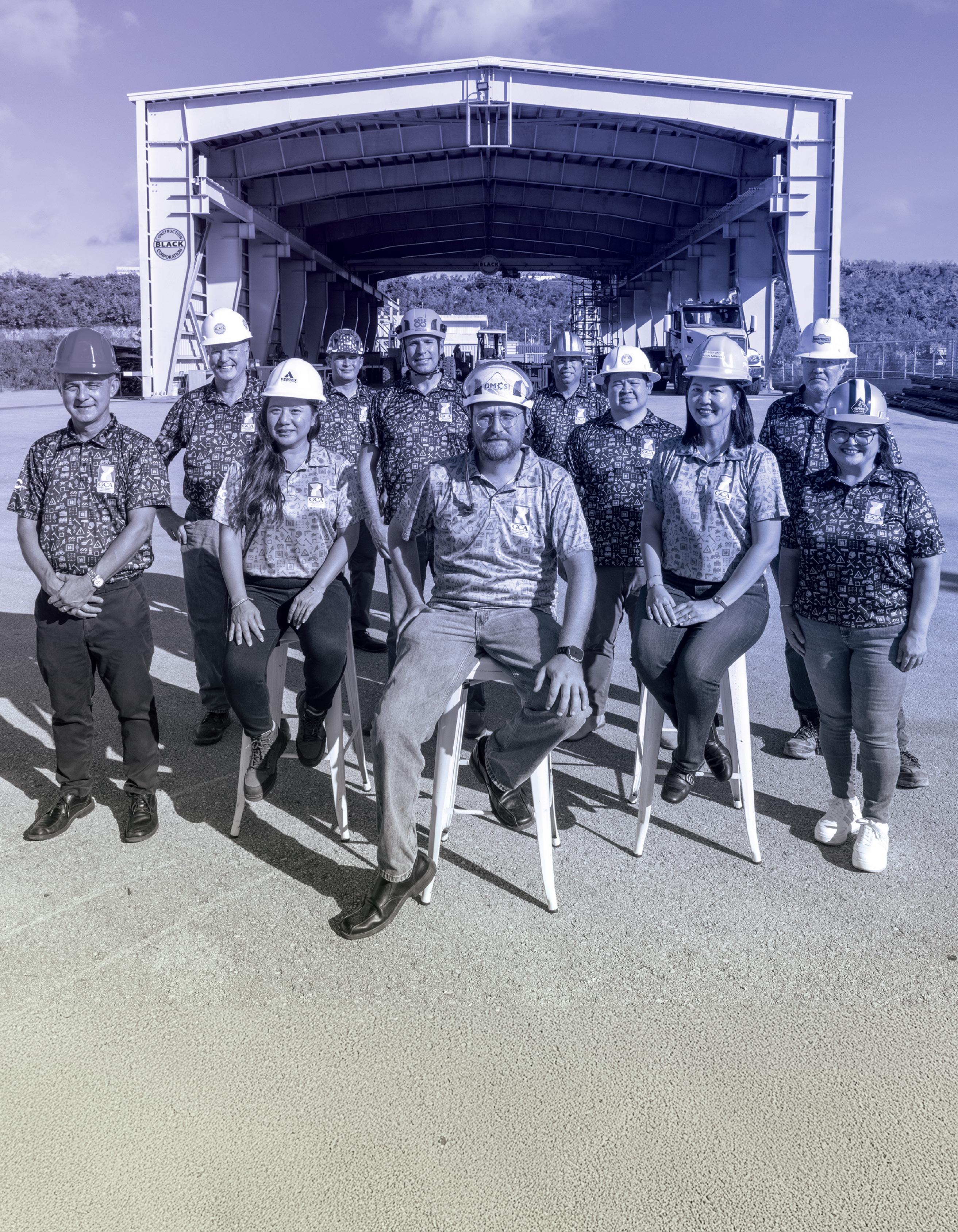
JOIN ONE OF OUR MANY COMMITTEES!
Guam Contractor’s Association (GCA) in conjunction with Adztech and Public Relations, Inc. publishes the Construction News Bulletin (CNB) monthly. Reproduction of materials appearing in this publication is strictly forbidden without written permission by GCA.
While we always strive for accuracy, we will from time to time overlook mistakes. In order to help us improve the quality and accuracy of this publication, we ask that you take the time to look at the information provided and notify GCA or Adztech of any corrections as needed. Opinions and editorial content of this publication may not necessarily be those of the publisher, production team, sta , GCA members, GCA Board of Directors and advertisers
For more information about advertising in the GCA Construction News Bulletin contact the advertising department at (671) 477-1239/2239 or email at adztech@teleguam.net.
Distributed to GCA members or can be obtained by stopping by the Guam Contractors’ Association o ce located at 506 Mariner Ave., Barrigada, Guam 96913
To find out more about how you can become a GCA member contact Guam Contractors’ Association at Tel: (671) 647-4840/41 or Email: info@guamcontractors.org www.guamcontractors.org
Postmaster: Send address changes to Guam Contractors’ Association, located at 506 Mariner Ave., Barrigada, Guam 96913
PUBLISHER: Desiree Lizama
PRODUCTION TEAM
LEAD: Geri Leon Guerrero
AD SALES: Alyssa Roces
PRODUCTION: Jason Davis
Alyssa Roces
Christopher “Taco” Rowland
Paradis Fejerang
PHOTOGRAPHY: Jonathan Davis
EDITOR: Adztech
CONTRIBUTING WRITERS: Francine Taitague
Rodney “RJ” Ricarte
Patricia “Patti” L. Diego, MPA
Terence Tang
GCA STAFF:
Francine Taitague
Trevor Cruz
Rosielyn Holgado
Peter Finona
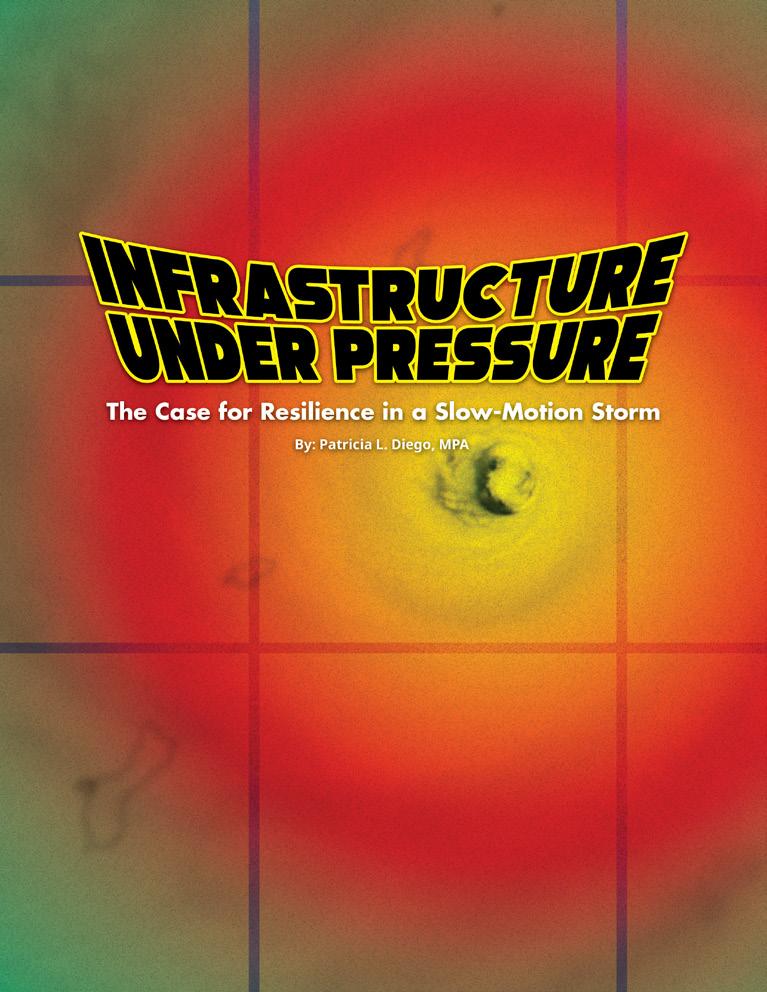
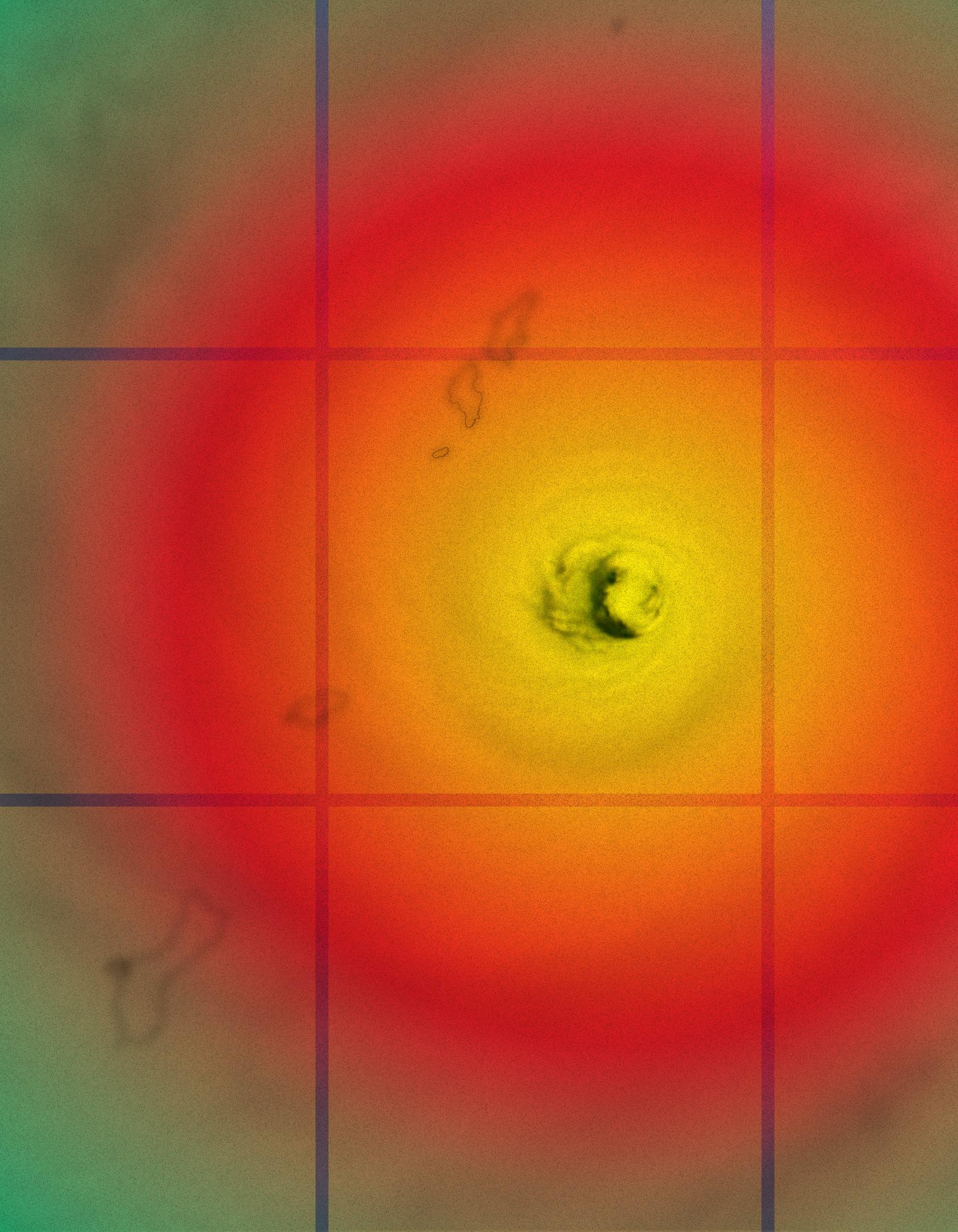
COVER: Typhoon Sinlaku’s extended stay brought a di erent kind of devastation for Guam and the CNMI.









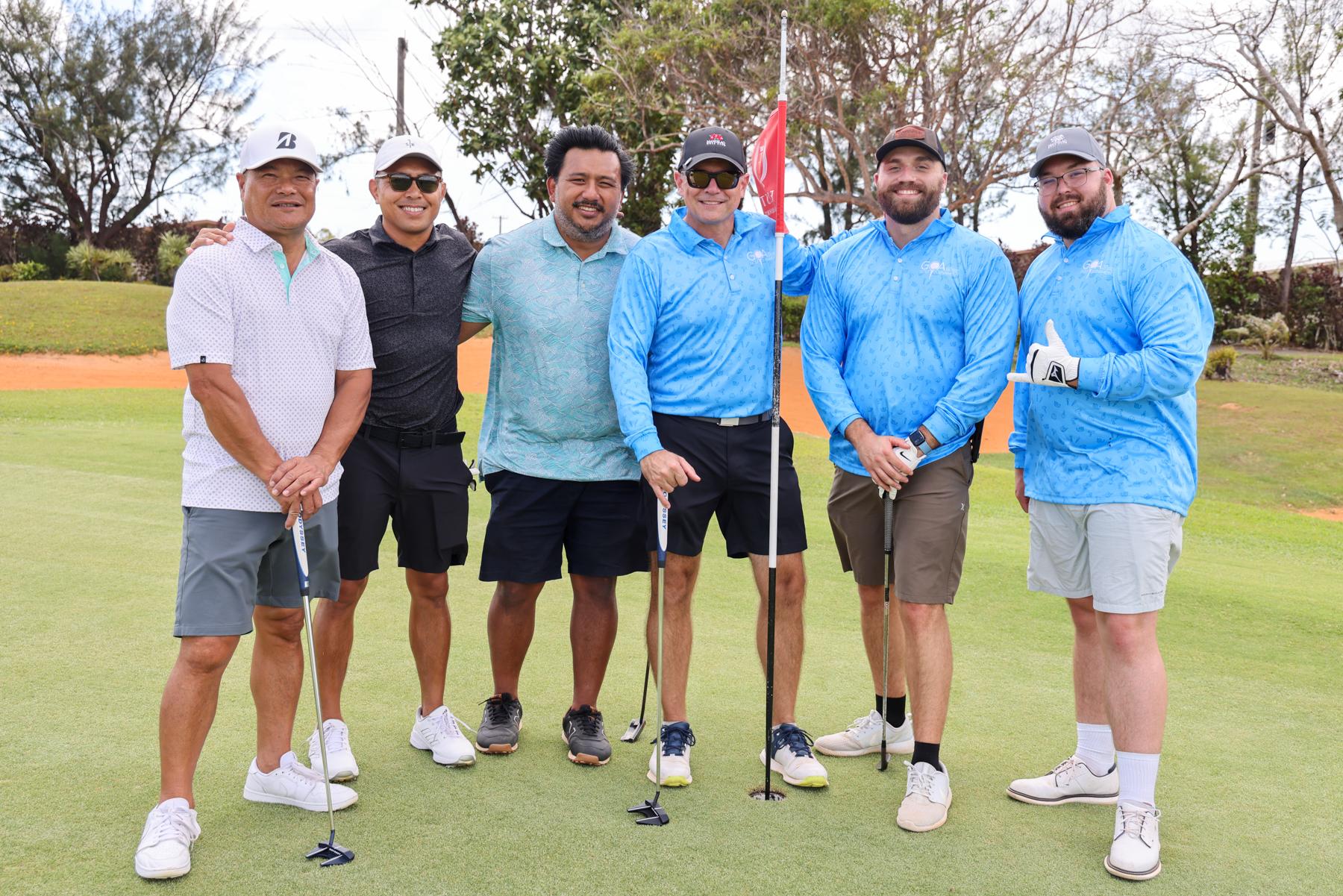
FRIDAY, MAY 29, 2026
Finest Guam Golf & Resort Show Time: 11:00am • Tee Time: 12:00pm
Format: Three - Person Team Modified Scramble • $375 per team Proceeds will benefit the GCA Trades Academy Scholarship Fund






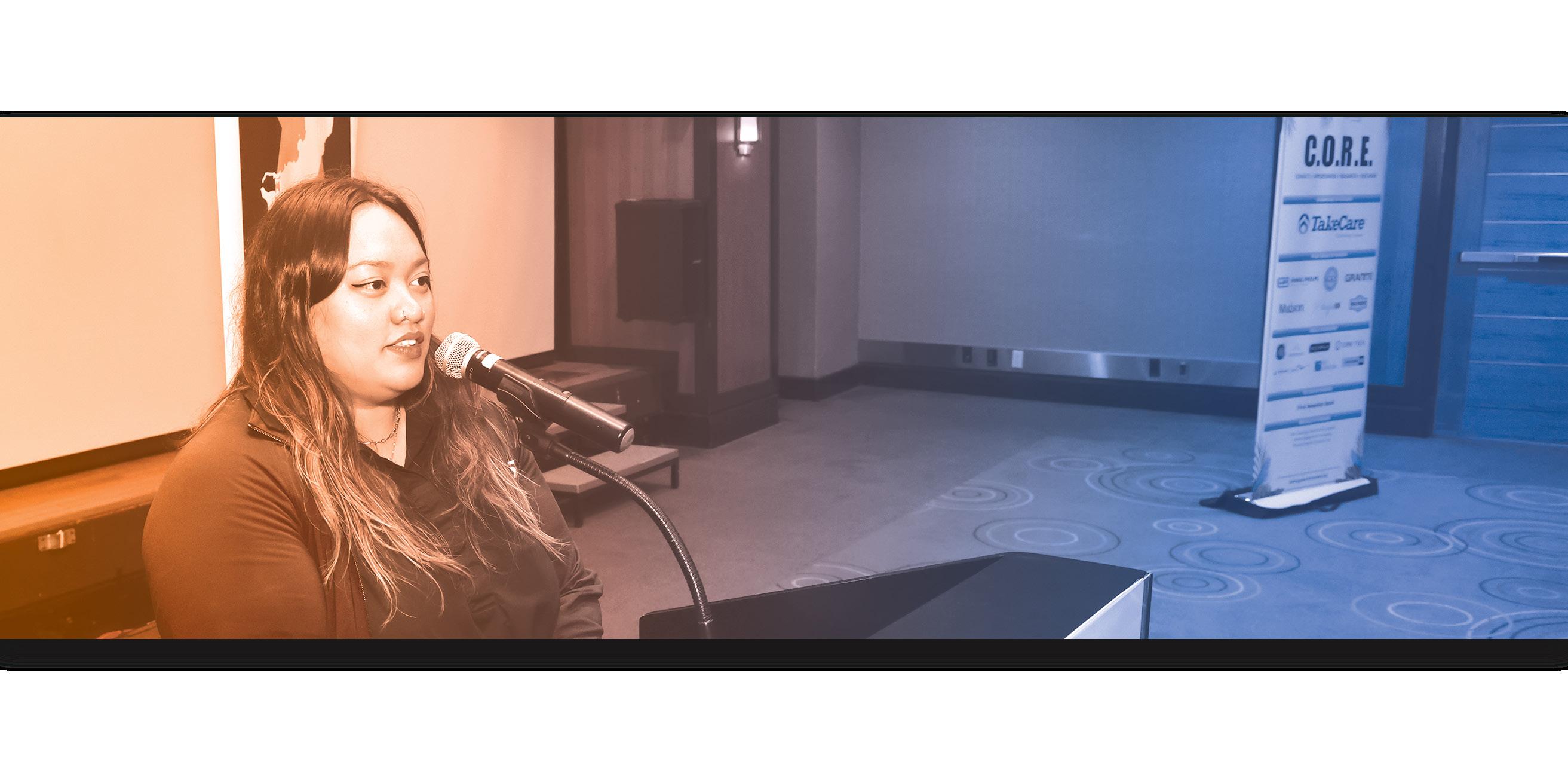

By Francine Taitague Education Director Guam Contractors Association
What if the solution to your workforce challenges was already walking through your door?
Guam's construction industry is growing, and skilled workers are in high demand. Yet recruiting qualified talent frustrates local companies daily. Apprenticeship may be the smartest model for building your team.
When you create an apprenticeship program, you stop chasing talent and start creating it. Apprentices learn your systems, standards, and culture from day one. No lengthy onboarding, no mismatch between what a hire knows and what your jobsite requires. You get workers shaped by your business — loyal to it.
The mentorship component strengthens your existing team too. Seasoned professionals pass down institutional knowledge, sharpen leadership skills, and take pride in developing the next generation. That's a culture shift worth investing in.
Developing talent in-house reduces recruitment costs, improves retention, and delivers consistent quality. Apprentices earn while they learn — productive contributors from the start, not overhead waiting to pay off.
Apprenticeship programs shape a workforce aligned with your mission and values, fostering continuous learning essential for thriving in today's competitive landscape.
Apprenticeships are not just about the present; they are a commitment to the future prosperity of both individuals and organizations.
Many companies in Guam have significantly improved their workforce and recruitment with a developed apprenticeship program.
The Guam Contractors Association tracks hours worked and monitors each apprentice's education progress. We can guide you through the entire process. What have you got to lose?
Join the growing community of apprentices in Guam's construction industry. New apprentices are currently employed, getting paid, increasing their skills, and furthering their education every month.
I can help you! Interested in learning more? Please contact me at (671) 647-4841 or francine.taitague@guamcontractors.org.
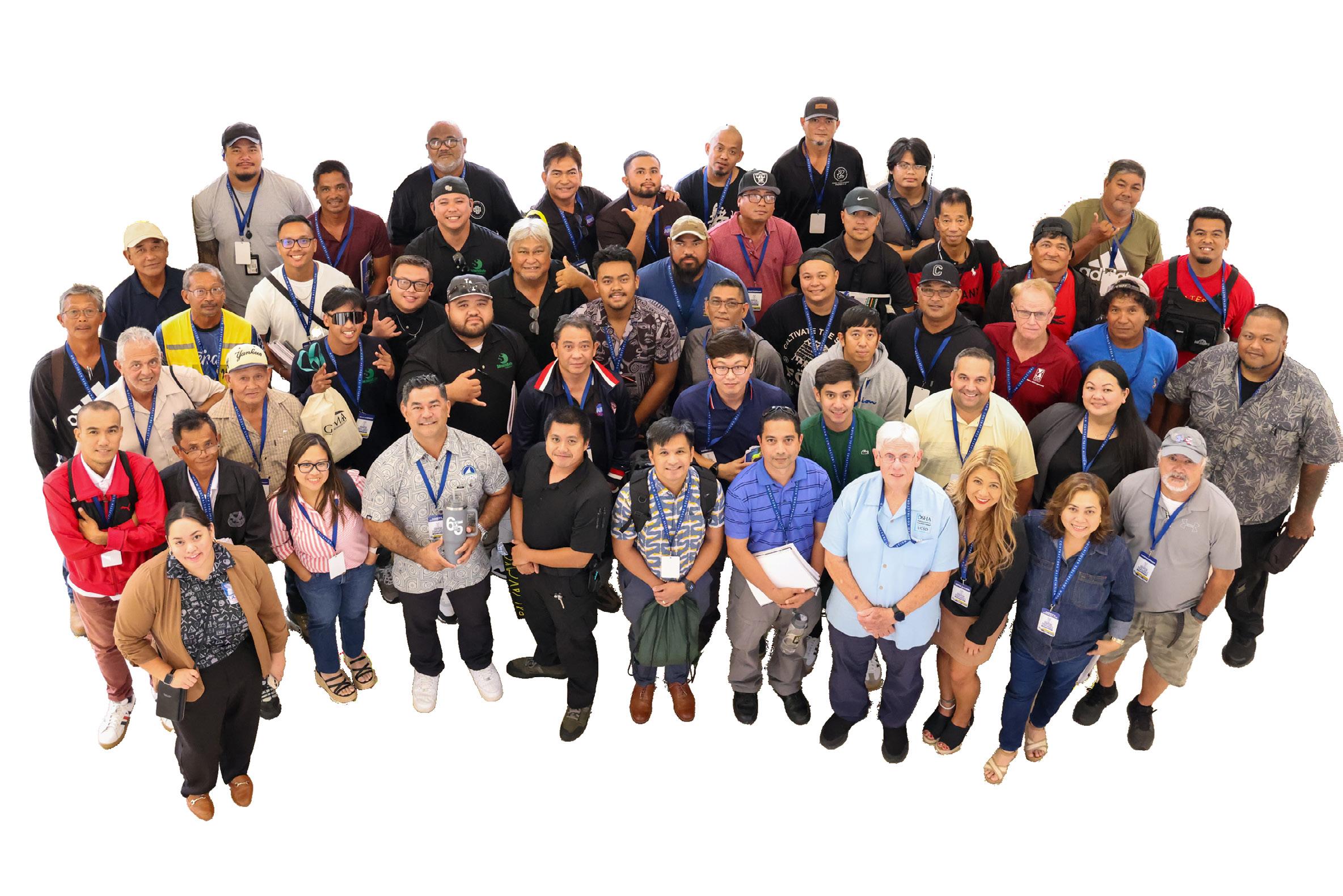

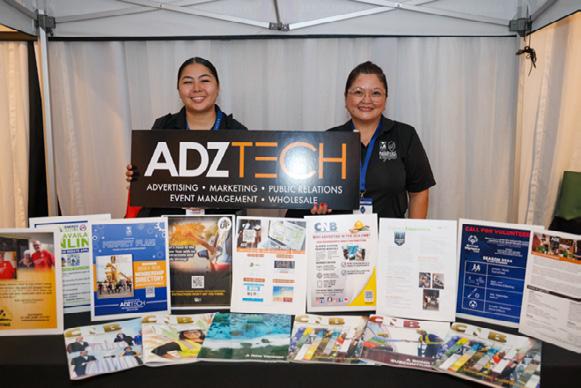
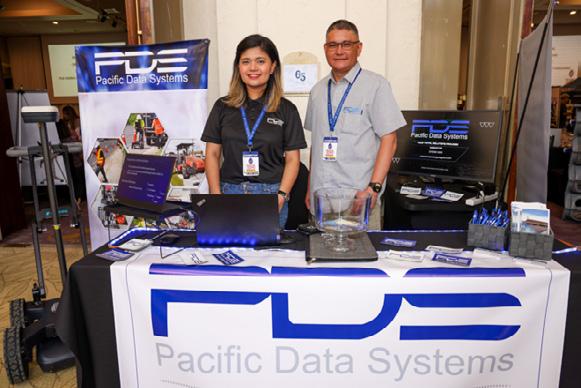
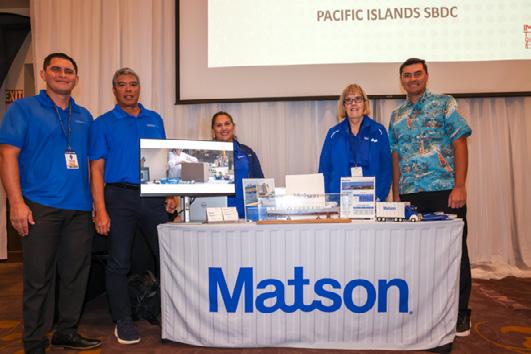
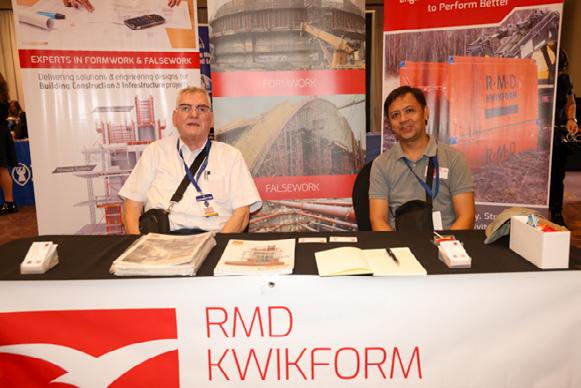
FRIDAY, AUGUST 28, 2026 • DUSIT

9:00AM - 4:00PM

By Rodney “RJ” Ricarte
As a TakeCare GCA Employee Health Insurance Benefit member, managing your healthcare has never been easier. The TakeCare mobile app - available on iPhone and Android - puts your benefits and wellness tools right at your fingertips.
Getting started is simple.
Search for "TakeCare App" in the Apple App Store or Google Play Store and download it to your device. Open the app and select "I am a TakeCare member, but it's my first time here." Enter your information along with your 12-digit member ID (no dashes needed), and you're in.
So, what can the app do for you?
It's mobile. The app goes where you go. Use the location search to find nearby providers, pharmacies, and clinicsthe full TakeCare in-network provider directory is always with you.
It's personal. View your digital member ID card right from your phone - no physical card required.
It's paperless. Say goodbye to paper fitness stamp cards, provider directories, and member ID cards. Everything is in one place.
It keeps you informed. Receive the latest TakeCare news, promotions, health tips, and wellness class schedulesincluding the fitness calendar - directly through the app.
It tracks your wellness. Monitor your fitness progress using biometrics like BMI and waist circumference. Digital fitness stamp cards make it quicker and easier to earn your fitness cash incentives. TakeCare is the only insurance carrier in the region with an app that tracks workouts and automatically pays out incentives.
It's got something new. You can now track your massage therapy visits directly in the app - making it a true one-stop shop for your wellness journey.
Questions? We're here to help.
Call TakeCare Customer Service at (671) 647-3526 or visit takecareasia.com for more information.
Download the TakeCare Mobile App today and take control of your health plan - anytime, anywhere.
Rodney “RJ” Ricarte is the TakeCare account executive for GCA. He can be contacted at (671) 487-7121 or rodney.ricarte@takecareasia.com.

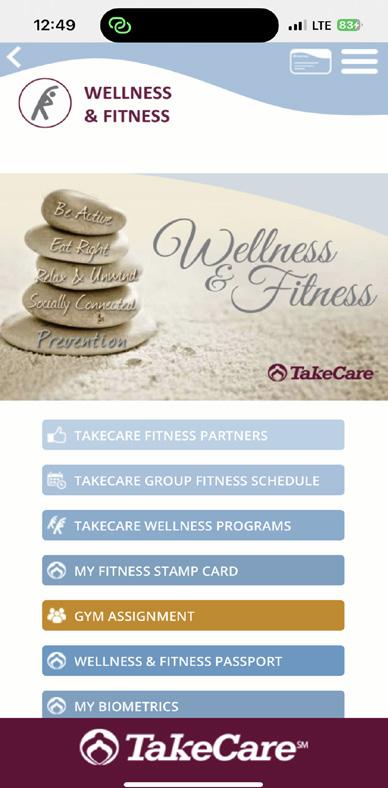
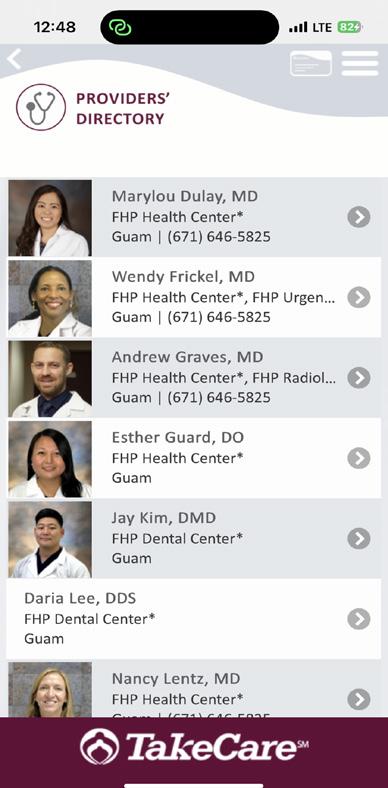
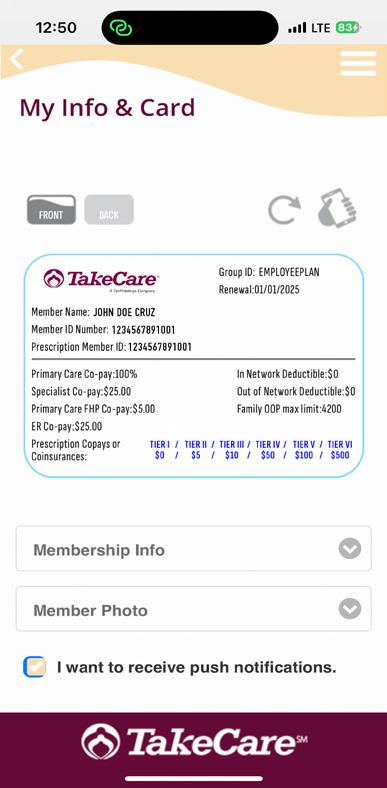
We understand that your needs have evolved and so has technology, which is why we have developed an app for your convenience. You now have the ability to access TakeCare at the convenience of your mobile device! Our mobile app gives you access to you and your family’s member ID card, our network of providers, TakeCare wellness programs, fitness schedule, Affinity Rewards, and wellness partners. It also helps you manage your wellness and fitness incentives and track your fitness progress through biometrics!
Features Include:
§ Access to Affinity Rewards Partner listing and discounts
§ Submit and Access your biometric data to track your fitness progress*
§ Digital TakeCare Member ID card
§ Find a provider or clinic nearby or search by location
§ Access to Fitness Stamp cards*
§ Access to Massage Therapy Stamp cards*
§ Automatic Submission of Completed Fitness Card
§ Alerts for TakeCare sponsored events and promotions
§ Incentives paid quarterly
*Available for select plans

Download the TakeCare mobile app today.
Getting started is simple.
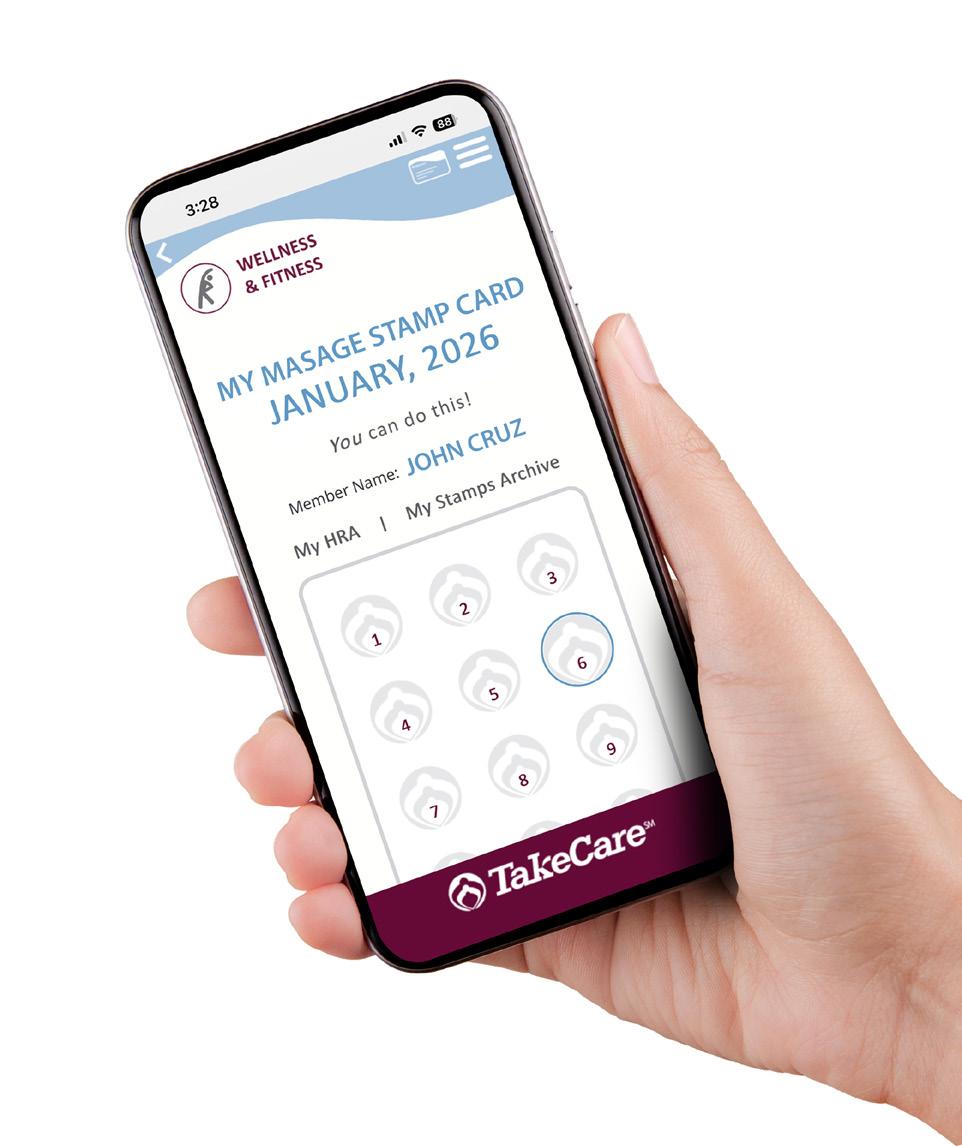
1. Search by typing ‘TakeCare app’ in the Apple iOS App Store (iPhone) or the Google Play App Store (Android)
2. Download the App for your Apple or Android phone
3. Open app and select “I AM A TAKECARE MEMBER, BUT IT’S MY FIRST TIME HERE”
4. Enter your information and TakeCare member ID number (note: Use 12-digit Member ID number on your TakeCare insurance card with no dash “-”)


By: Patricia L. Diego, MPA
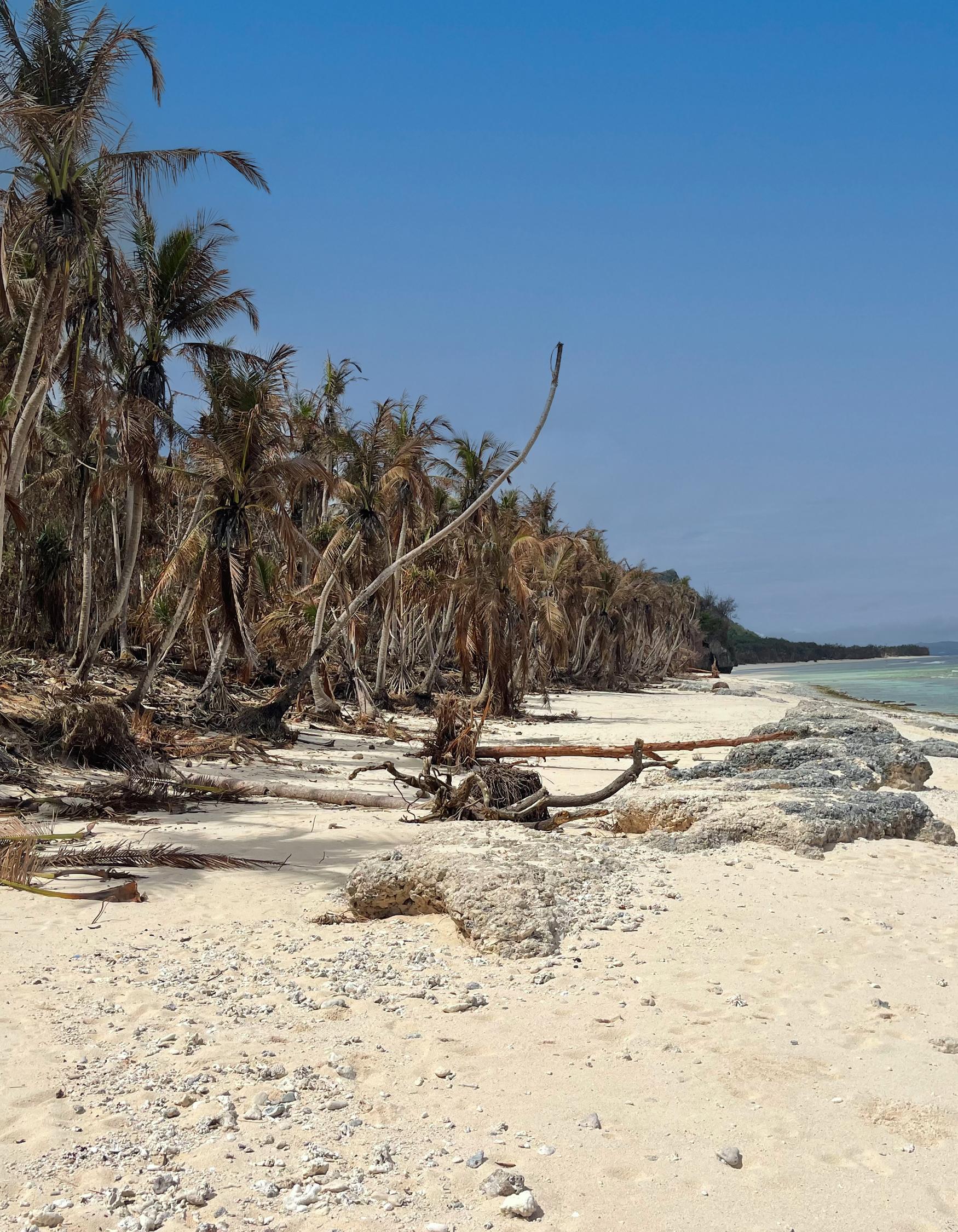
The experience of Typhoon Sinlaku proved to be a system tested, revealing a "Sinlaku Difference" defined not by the storm's peak intensity, but by its slow pace across the Mariana Islands. When the system moved through the region in mid-April 2026, it didn’t just strike Guam; it lingered. While our island is no stranger to the sudden, violent burst of a fast-moving typhoon, Sinlaku was a different kind of storm. It brought a punishing, slow-motion impact that placed our infrastructure under sustained stress rarely seen in previous years.
For Guam’s construction and infrastructure community, the defining feature of Sinlaku was its lack of urgency. Local Joint Information Center updates confirmed that damaging winds persisted long after the storm’s closest approach, with tropical-storm-force winds continuing through the following day. This was not a quick hit; it was cumulative. Instead of a short, intense event, Guam faced hours of sustained pressure that tested the limits of system redundancy and operational endurance.
In a typical fast-moving storm, recovery begins almost as soon as the eye passes. With Sinlaku, recovery was delayed by extended rainbands and gusty conditions that refused to let up. This slower movement meant infrastructure systems were under strain for a longer period. For contractors, this translated directly into heightened jobsite risk.
The danger was not just in peak gusts, but in the hours of persistent vibration and saturation. Delays in mobilization, restricted access to materials, and equipment exposure became operational realities. The regional context reinforces the point: Saipan and Tinian experienced more severe, prolonged damage, proving that when a storm slows, system resilience determines
whether recovery is rapid or prolonged.
The Guam Power Authority’s response was staged and disciplined. Because the storm lingered, crews waited for the "all clear" while maintaining grid stability to avoid a full islandwide blackout. Once conditions allowed, crews worked extended shifts to patrol lines and restore substations. By April 17, 28 of 29 major substations were energized and 33 of 63 distribution feeders were partially restored. This progress reflected long-term grid-hardening investments, including stronger poles and underground infrastructure capable of withstanding sustained stress.
The Guam Waterworks Authority maintained continuity through backup power, ensuring critical wells and treatment plants remained operational despite extended outages. At the same time, the Department of Public Works restored access to key roadways. In a slower-moving storm, debris and flooding accumulate; DPW’s ability to progressively reestablish roadway access enabled emergency and utility crews to reach affected areas and begin restoring normal operations.
The restoration of communications
“Help is coming. It’s not that we’re just sitting here, but we are actively working for you.”
— Governor David M. Apatang, CNMI
(Source: Pacific Daily News, April 25, 2026)
Sinlaku’s impacts in the CNMI help explain why Guam’s recovery timeline stood out. While Guam’s systems were largely restored within days, Saipan and Tinian faced a longer path marked by extended outages, damaged infrastructure, and continued reliance on outside support.
CNMI officials indicated early that recovery would take months, not days. By May 3, Joint Information Center reporting showed Saipan with about 49% water access, wastewater systems operating without grid power, and more than 15,000 customers still without electricity. Damage included hundreds of downed poles and transformers, requiring large-scale repair and replacement.
Tinian remained under similar strain, with power still offline and water service under a boil notice. Rota recovered more quickly, allowing crews to shift to support Tinian.
Recovery efforts relied on coordinated federal, regional, and local support, including assistance from Guam. The work itself followed a familiar sequence—restoring access, rebuilding systems, and stabilizing utilities before normal operations could return.
The CNMI experience underscores a simple reality: recovery speed reflects preparation, system strength, and the ability to sustain operations under pressure.
was essential to recovery operations. The storm’s slow pace initially disrupted network connectivity, but service was progressively restored through coordinated local and federal efforts. Reestablishing connectivity enabled real-time coordination among response agencies, utility crews, and infrastructure operators. This capability improved operational efficiency, enhanced safety, and accelerated the pace of restoration across the island.
Guam’s recovery reflected operational maturity built through experience. A federal emergency declaration was approved before the storm’s arrival, enabling FEMA and the U.S. Coast Guard to coordinate with local agencies. Joint Region Marianas operated at elevated TCCOR levels, with forces postured to respond as soon as conditions allowed. This integrated framework ensured that despite the storm’s prolonged impact, the recovery remained coordinated and effective.
By April 19, the Port Authority of Guam reopened to commercial vessel traffic, restoring the flow of essential goods, fuel, and construction materials. The final step was debris management. Led by DPW and supported by the Guam Solid Waste Authority, systematic clearance marked the shift from disruption to normal activity. Clearing roadways enabled transportation, utility restoration, and the return of economic activity.
Guam’s experience with typhoons has built operational maturity that shows when it matters. Systems are tested under pressure, refined over time, and deliver faster recovery and a more resilient island.
Recovery was not by chance. It was driven by preparation, infrastructure investment, coordinated response, and lessons learned from past storms.
Utilities were restored through prioritized operations. Roadway access was reestablished early. Communications systems supported coordination. Debris removal enabled normal activity. Port operations resumed quickly.
Equally important was coordination across local agencies, federal partners, and military support. Established protocols and clear communication allowed Guam to operate as an integrated system.
We live in typhoon alley, and our systems are only as strong as their performance in the next storm, and there will be one. The lesson across the industry is clear: reliable infrastructure is not built during recovery; it is built before the storm. The next phase is not just rebuilding, but building smarter, so that when it comes, Guam is ready to respond and positioned to recover even faster.
“It wasn’t just how hard the storm hit—it was how long systems had to endure it.”
Typhoon Sinlaku was not defined solely by intensity, but by duration. Unlike fast-moving storms that pass quickly and allow recovery to begin soon after, Sinlaku lingered over the Mariana Islands, extending the period of damaging winds, rainbands, and system strain.
Local reporting and Joint Information Center updates confirmed that tropical-storm-force winds persisted even after the storm’s closest approach, with conditions continuing through the following day. This extended exposure placed infrastructure systems under sustained pressure rather than a short, concentrated impact.
For the construction and infrastructure sector, that distinction matters. Prolonged stress increases the likelihood of cumulative damage—weakening poles, saturating soils, straining equipment, and delaying safe mobilization. It also compresses the window between impact and recovery, as crews must wait longer for safe conditions before work can begin.
Sinlaku demonstrated that duration can be as consequential as intensity. Systems are not only tested by how much they withstand in a moment, but by how long they are required to perform under continuous stress. In that context, resilience is measured over time, not just at peak impact.


By Terence Tang
Many contractors hear "DoD project" and assume they need the most expensive Cybersecurity Maturity Model Certification (CMMC) effort. Fortunately, that is not always true.
The first question is simple: Do you actually handle Controlled Unclassified Information (CUI)?
CUI is sensitive government information protected by law or policy. It demands strict safeguarding and cannot be treated like ordinary paperwork. However, not every drawing, specification, email, or military job file qualifies as CUI.
On federal projects, CUI may appear in documents like:
• Drawings showing specialized security systems
• Facility vulnerability assessments
• Emergency or contingency plans
• Infrastructure details revealing weak points
• RFIs, change orders, or submittals with protected details
The key word is may. These are possible examples, not automatic ones. Simply building on a military base does not mean your paving schedule is CUI.
CUI is not just an IT department issue. Estimators, project managers, superintendents, and office staff can receive, store, or send covered data. This information flows through daily emails, shared cloud drives, bid files, and project management software. If subcontractors touch this data, compliance rules extend to them too.
Under current rules, contractors handling only Federal Contract Information (FCI)—basic project data not for public release—are typically on the Level 1 self-assessment path, requiring foundational cyber hygiene.
If you handle CUI, requirements jump to Level 2. This matters because NIST SP 800-171 becomes your core protection baseline, bringing higher costs, stricter audits, and complex IT demands.
What to Do Next Before spending valuable time and money on the wrong compliance level, confirm if you actually receive or generate CUI. Review contract language, look for explicit government CUI markings, and ask the prime contractor or customer directly if CUI is involved.
Start there and let that answer drive your strategic CMMC preparation.
Terence Tang is vice president of client strategy at Intech Hawaii. A Certified CMMC Professional (CCP) and CISSP, he advises defense contractors in Guam, Hawaii, and the U.S. mainland.


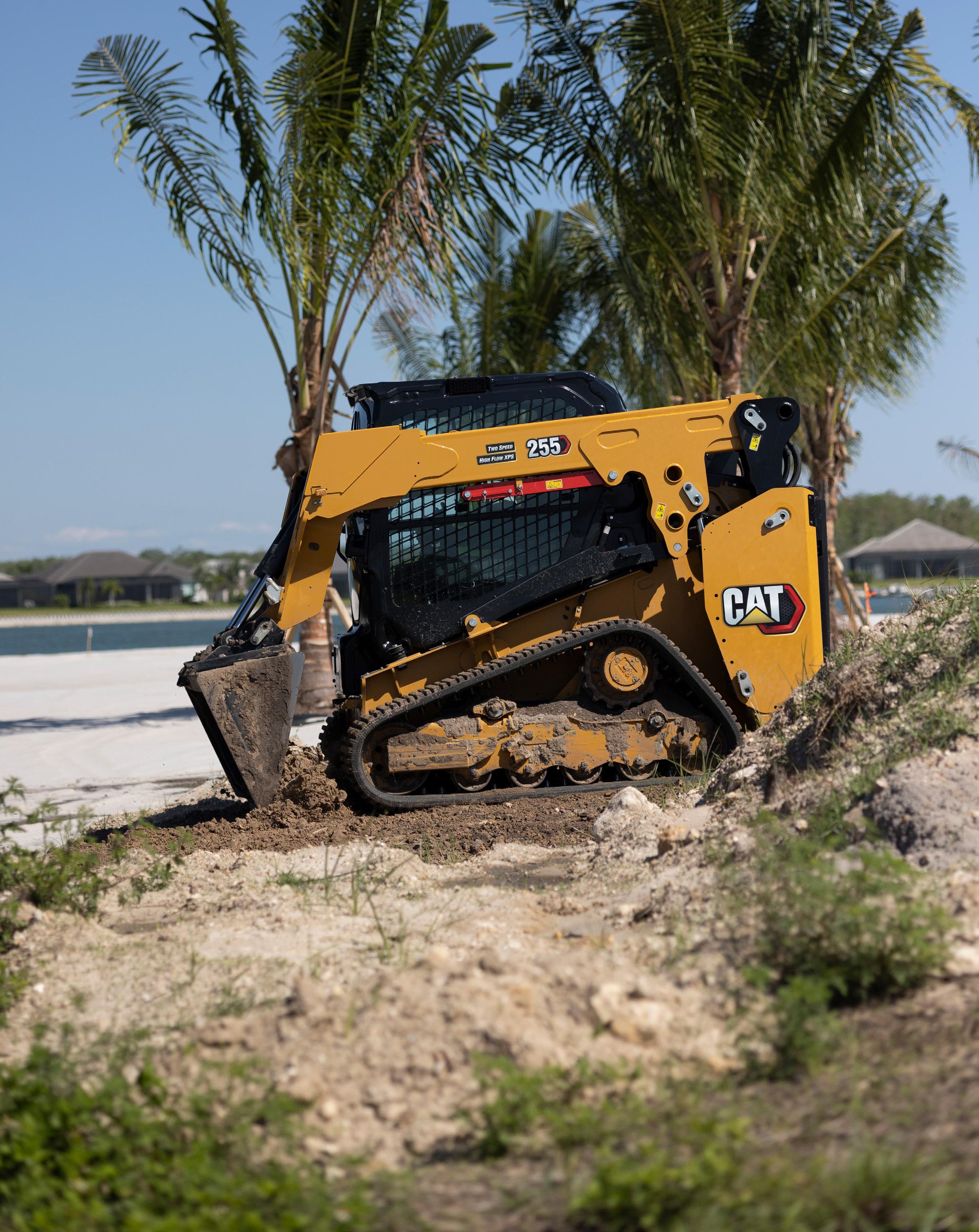
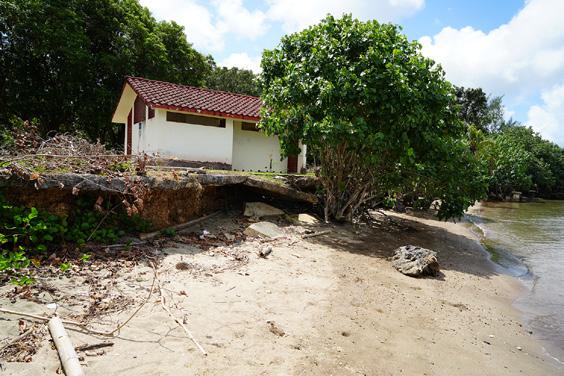
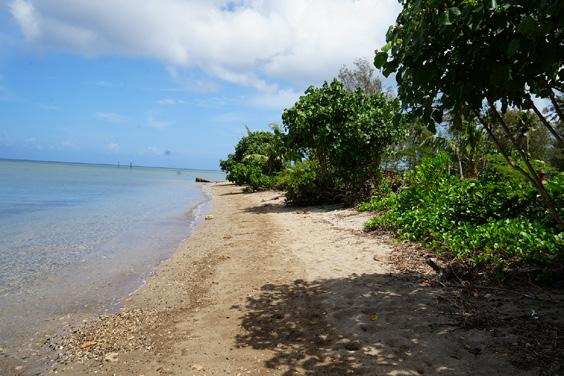
A maintenance dredging project at Agat Small Boat Harbor in Hågat, Guam will take place this April and May, led by the U.S. Army Corps of Engineers in partnership with several local agencies to remove sediment buildup that has made navigation difficult for boaters and fishers. The project will also reuse the dredged sand to restore nearly 800 feet of eroded shoreline at nearby Nimitz Beach Park, benefiting the environment and local economy.Officials say that the effort will improve harbor functionality, which ultimately supports tourism, recreation, and Guam’s marine economy. For safety, Nimitz Beach Park will be closed from April 15 to May 31, 2026, and boaters should use caution due to active dredging equipment in the harbor during May.
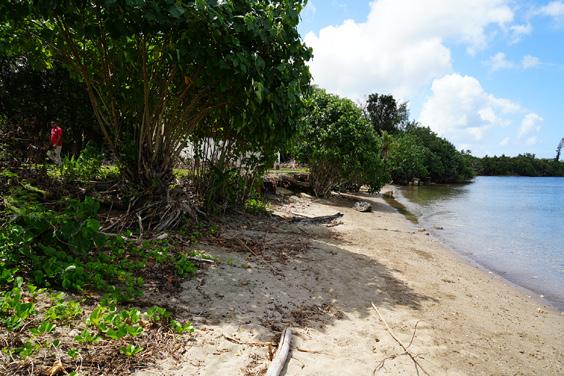
• Dredging Volume: Removal of 8,300 to 9,000 cubic yards of sand/sediment.
• Target Depths: Entrance Channel (-14 ft),
• Turning Basin (-11 ft), and Access Channel (-7 ft).
• Beach Reclamation: Placement of material along 792 linear feet of Nimitz Beach, restoring approximately 1.5 acres of shoreline.
TIMELINE & KEY DATES
Mobilization & Park Closure: Begins April 15, 2026.
Dredging Operations: May 3 – May 31, 2026.
Project Completion: Expected May 31, 2026.
METHOD
A barge-mounted excavator will utilize a cutter-head suction system to pump sand via a floating pipeline directly to the beach.
FUNDING
100% Federally Funded for general navigation features.
Park Status: Nimitz Beach Park is CLOSED to all public access (including parking lots and pavilions) from April 15 to May 31, 2026.
Maintain a "Slow-No Wake" speed near the harbor entrance. Watch for floating pipelines and professional divers monitoring the environment.
The Guam Coastal Management Program plans to work with the Hågat Community on implementing resilience projects to stabilize the shoreline after the renourishment.



Small businesses power the U.S. economy, making up 99% of all businesses and employing nearly half of the private sector workforce. Yet many small business owners face ongoing challenges navigating complex labor laws while balancing limited time and resources. That’s where the Wage and Hour Division can assist with tools1 designed to make compliance with the Fair Labor Standards Act and the Family and Medical Leave Act easier to understand and more accessible.
• A centralized compliance assistance webpage2
• Industry-specific toolkits3 tailored to real-world needs
• Opinion letters4 to clarify how the law applies in practical situations
• “Watch and learn” video series on FLSA5 and FMLA6 topics
• The Payroll Audit Independent Determination program7, helping employers proactively resolve potential wage and leave issues
Small business owners often rely on trusted advisors for guidance on compliance assistance. These resources can help employers:
• Understand their legal responsibilities under FLSA and FMLA
• Reduce time spent navigating complex requirements
• Take proactive steps to prevent violations
• Access programs like PAID to resolve issues efficiently
We encourage you to share these tools with your networks and through communications channels. Running a small business can be tough but you don’t have to do it alone. WHD is here to provide guidance, resources and tools.
If you are interested in collaborating on outreach efforts, hosting an informational session, or receiving additional materials, please contact us or visit the Wage and Hour Division8, or call toll-free 1-866-4US-WAGE.
https://www.dol.gov/agencies/whd
1. https://www.linkedin.com/pulse/supporting-small-businesses-practical-compliance-tools-dolwhd-mifve/
2. https://www.dol.gov/agencies/whd/compliance-assistance
3. https://www.dol.gov/agencies/whd/compliance-assistance/toolkits
4. https://www.dol.gov/agencies/whd/opinion-letters/request
5. https://www.dol.gov/agencies/whd/flsa/videos
6. https://www.youtube.com/playlist?list=PLY-LCLcsLXVFbB9OsVIiW2t5R9tyvIorx
7. https://www.dol.gov/agencies/whd/paid
8. https://www.dol.gov/agencies/whd
On April 10, the U.S. Department of Labor's Occupational Safety and Health Administration announced a revised National Emphasis Program to protect employees from heat-related hazards and resulting injuries and illnesses in outdoor and indoor workplaces in general industry, construction, maritime and agriculture.
The revised NEP will focus on inspections and outreach in industries and workplaces where heat stress risks are most likely to occur. Appendix A of the NEP includes target industries; specifically, Table 2 includes the construction industries that are likely to have heat-related hazards.
The following list highlights differences between this revised NEP and the original 2022 Heat NEP:
• Updated target industries using current data from BLS and OSHA (Appendix A)
• Removed outdated background information and references
• Updated links
• Revised inspection goal
• Reorganized and Added Appendix I: Evaluation of a Heat Program
• Reorganized and Added Appendix J: Citation Guidance
• Added coding for Worksite Assistance
• Added coding for Unprogrammed Emphasis Hazards
According to the DOL's release, "Compliance officers will continue to conduct outreach and compliance assistance, as well as expand any inspection where there is evidence of heat-related hazards on heat priority days and conduct random inspections focused on heat hazards in high-risk industries on days when the National Weather Service issues a heat advisory or warning."
The revised NEP went into effect on April 10 and will be in place for five years after the effective date.
DOL's free and confidential health and safety consulting program for small- and mid-sized businesses, the On-Site Consultation Program, can assist employers with developing strategic approaches for addressing heat-related illnesses and injuries in workplaces. Also, visit OSHA's Heat Illness Prevention webpage for more information.
To learn more about OSHA's proposed heat rule and ABC's involvement, visit ABC's Regulatory Roundup.
Great news for ABC’s smaller contractor members! The Occupational Safety and Health Administration recently launched the Safety Champions Program, which is the small employer version of OSHA’s Voluntary Protection Program.
At the annual OSHA Alliance Construction Roundtable, OSHA outlined two key ways the SCP is specifically tailored to support smaller contractors. The interaction with Special Government Employees is all virtual, providing the flexibility small contractors need in order to perform reviews of programs and processes. In addition, SCP status is attained by the contractor, not a specific jobsite. These are both significant clarifications
to the program, which is designed to be a collaborative, cooperative, voluntary route to improve of health and safety performance for smaller employers.
To learn how to use the STEP® Health and Safety Management System to measure, strengthen and build industry-leading health and safety programs to prepare your company to successfully attain OSHA Safety Champion status, contact Joe Xavier, ABC senior director of health and safety, at xavier@abc.org.
FOR JANUARY 2026

$19,993.77 $794.25 $0 $62,544.91 $84,053.89 $12,200.00 $157,153.43 $0 $19,594.99 $5,243.03
$1,105.25














CONTACTS • OPPORTUNITIES • RESOURCES • EDUCATION
DIAMOND SPONSORS

PLATINUM SPONSORS
GOLD SPONSORS
SILVER SPONSORS
First Hawaiian Bank
BRONZE SPONSORS
Isla Coatings and Roofing Supply Island Equipment Company Phoenix Pacific (Guam), Inc.
SUPPORTER
America's Best Electricmart Inc.
www.guamcontractors.org