


Getting rentals right takes more than machines. It takes know-how to show up right on every jobsite, service that keeps equipment at its peak, and people who keep projects moving forward.
Whether you're digging deep or reaching high, Hawthorne Cat Rentals is here to make sure you have everything you need to get the job done right - and so much more.


Understands your industry and your jobsites.
Asks the right questions to deliver the right solutions.
Makes quick calls to keep your projects on track.
Maintains quality you can rely on from brands you trust.
Delivers service and support that keeps you running strong.




PRESIDENT
Desiree Lizama
Guam Contractors’ Association
IMMEDIATE PAST CHAIRMAN
Joe Roberto East Island Tinting
CHAIRMAN
Matthew Hunter Dylan Mechanical Construction Services
VICE-CHAIRMAN
Kathleen David Pacific Rim Constructors
SECRETARY / TREASURER
Soraya Vongjalorn Vertex Guam
CONTRACTOR DIRECTORS:
Dean Bates Black Construction Corporation
Nadia Holm ECC
John Limtiaco Pacific Unlimited
AJ Perez Hawaiian Rock Products
Randolf Salas Proferre
ASSOCIATE DIRECTORS:
Mark Cruz Mid Pac Far East
Jose Garcia First Hawaiian Bank
Geraldine Leon Guerrero Adztech Advertising and PR
Camilo Lorenzo Matson Navigation

JOIN ONE OF OUR MANY COMMITTEES!
Guam Contractor’s Association (GCA) in conjunction with Adztech and Public Relations, Inc. publishes the Construction News Bulletin (CNB) monthly. Reproduction of materials appearing in this publication is strictly forbidden without written permission by GCA.
While we always strive for accuracy, we will from time to time overlook mistakes. In order to help us improve the quality and accuracy of this publication, we ask that you take the time to look at the information provided and notify GCA or Adztech of any corrections as needed. Opinions and editorial content of this publication may not necessarily be those of the publisher, production team, sta , GCA members, GCA Board of Directors and advertisers
For more information about advertising in the GCA Construction News Bulletin contact the advertising department at (671) 477-1239/2239 or email at adztech@teleguam.net.
Distributed to GCA members or can be obtained by stopping by the Guam Contractors’ Association o ce located at 506 Mariner Ave., Barrigada, Guam 96913
To find out more about how you can become a GCA member contact Guam Contractors’ Association at Tel: (671) 647-4840/41 or Email: info@guamcontractors.org www.guamcontractors.org
Postmaster: Send address changes to Guam Contractors’ Association, located at 506 Mariner Ave., Barrigada, Guam 96913
PUBLISHER: Desiree Lizama
PRODUCTION TEAM
LEAD: Geri Leon Guerrero
AD SALES: Alyssa Roces
PRODUCTION: Jason Davis
Alyssa Roces
Christopher “Taco” Rowland
Paradis Fejerang
PHOTOGRAPHY: Alyssa Roces
EDITOR: Adztech
CONTRIBUTING WRITERS: Francine Taitague
Rodney “RJ” Ricarte
Myracle S. Mugol
GCA STAFF:
Francine Taitague
Trevor Cruz
Rosielyn Holgado
Peter Finona
COVER: Jere Johnson, of Hawaiian Rock Products retires.



By Desiree Lizama President Guam Contractors Association

It's that time of year again for our GCA Board of Directors Election. This election, we have four (4) Contractor member seats that need to be filled. The election will be Wednesday, April 15, during the monthly membership luncheon at the Westin Resort Guam.
Eligible nominees must be working for a GCA Contractor Member. Nominees will be contacted by GCA for their acceptance. All candidates who have accepted their nominations will be placed on a candidate profile email sent to GCA Members.
Women have been steadily making their mark in the construction industry across the United States, now representing about 10 to 11 percent of the total construction workforce, according to the Bureau of Labor Statistics. Only about 4 percent hold skilled trades positions on job sites. That gap is where the opportunity is.
Nationwide, organizations have worked to recruit, train, and retain women in construction careers in safety, project management, engineering, and trades like carpentry, welding, and heavy equipment operation.
In Guam, the multi-billion-dollar military buildup associated with the relocation of U.S. Marines from Okinawa has created significant demand for skilled construction workers. This massive effort spans base housing, infrastructure improvements, port and airfield upgrades.
With federal contracting requirements emphasizing diversity hiring goals and equal opportunity mandates, women in Guam have a unique and timely chance to enter high paying, rewarding careers in the construction trades.
The Guam Contractors Association sponsors apprenticeship standards and the GCA Trades Academy offers classes designed to equip you with the skills and certifications needed to thrive in this industry. Whether you are looking for a career change or starting fresh, the GCA and the GCA Trades Academy can help you build a future.
Don't let this opportunity pass. Enroll today and help build Guam's future.
For more information, call or email the GCA office at (671) 647-4840 or info@guamcontractors.org.
Together, we build Guam.


By Francine Taitague Education Director Guam Contractors Association

Construction companies with diverse teams draw on a wider range of perspectives and reach a broader customer base. Yet women represent only about 10% of the U.S. construction workforce (Bureau of Labor Statistics, 2023).
That gap is an opening. Companies that recruit actively from this pool bring in skilled people their competitors are overlooking — and build teams better equipped to handle the complexity of today's projects.
Across Guam, women are already running safety programs, managing plumbing companies, overseeing electrical supply, and directing major projects at the executive level. These aren't exceptions — they're proof that women thrive in construction when given a real entry point.
Their visibility draws more women into considering the field, which is exactly the pipeline the industry needs to fill the workforce gaps coming in the next decade.
Apprenticeship programs are the main entry point to construction careers, pairing hands-on job site training with a structured path toward certification. For women, they provide something equally important: a first foothold in an industry where personal referrals have historically driven most hiring.
Apprentices get on a job site with a paycheck and a mentor, learning to read blueprints, operate equipment, and navigate job site dynamics — things you can't learn in a classroom.
The structured environment keeps mentorship built into the process and helps all participants succeed in technical roles, regardless of prior experience.
Apprenticeship programs develop loyal, skilled employees while addressing critical workforce shortages. The Guam Contractors Association tracks apprentice hours and educational progress — the administrative work is handled. Your job is to open the door.
We guide companies through building programs that attract diverse candidates, including women who might not otherwise consider construction. The support is there from day one, and the payoff compounds: contractors who invest in apprenticeships today are building the teams that will carry their business through the next decade of work on Guam.
Interested in learning more?
Contact Francine Taitague at (671) 647-4841 or francine.taitague@guamcontractors.org.










By Rodney “RJ” Ricarte
The TakeCare GCA Employee Health Plan encourages members to live the Balanced Lifestyle — a commitment to building a healthy foundation that can make a real difference in your overall wellbeing. Consistency across four pillars is what builds lasting results.
The Four Pillars
A Balanced Lifestyle rests on being active, eating right, relaxing and unwinding, and staying socially connected.
Being active means finding movement you actually enjoy. Eating right is about fueling your body with nutritious, balanced meals. Downtime and social connection round out the picture, both linked to long-term mental and emotional health.
What TakeCare offers
TakeCare is your partner in making this lifestyle a reality. Through our comprehensive and accredited wellness offerings, members have access to the island's largest selection of FREE group fitness classes and health education programs for all ages.
Beyond fitness, TakeCare provides health workshops, nutrition consultations, chronic-disease support, disease-management education, and specialty programs — all designed to help you set goals, improve your health, and sustain long-term wellbeing.
TakeCare also connects you with a broad network of fitness partners and wellness resources, along with exclusive member benefits including meal-planning programs, fitness incentives, and expert-led health classes that support every stage of your wellness journey.
Track your progress and earn rewards
To further encourage your healthy lifestyle, use the TakeCare website and mobile app to report activities and track your progress. The more active you are, the more wellness and fitness incentives you earn. TakeCare and Personify have also teamed up to offer members even more programs and additional incentives to help you reach your goals.
Make your health a priority
Whether you're already enjoying the benefits of TakeCare or just getting started, your benefits are active now. Find a class, book a consultation, or download the app at the Google Play or the Apple App Store and start logging activity today.
For more information, please connect with the TakeCare Wellness Team at https://wellnesscenter.takecareasia.com/v2/.
Rodney “RJ” Ricarte is the TakeCare account executive for GCA. He can be contacted at (671) 487-7121 or rodney.ricarte@takecareasia.com.



Choose from our off-island network in the US & Asia
CONTINENTAL US
§Hollywood Presbyterian Medical Center
§Keck Medicine of USC
§Cedars Sinai Hospital*
§Children’s Hospital of Los Angeles*
§PIH Health Downey Hospital
§PIH Health Good Samaritan Hospital
§PIH Whittier Hospital
§PIH Urgent Care (7 clinics)
§Mayo Clinic Health System*
§MD Anderson Cancer Centers*
§Pacific Cardiovascular Associates
§UCLA Medical Center
§UCSF Medical Group & Physician Services
§Western Medical Center Santa Ana
HAWAII
§Adventist Health Castle*
§Shriners Hospital for Children
§The Queen’s Medical Center*
§Wahiawa General Hospital*
US PHARMACY BENEFIT MANAGER (PBM)
§ Elixir Solutions––>Now:
1,000s of pharmacies nationwide
ASIA
§Bumrungrad Hospital, Thailand
§China Medical University Hospital, Taiwan
§Kang Dong Orthopedic Hospital, Korea
§Raffles Hospital, Singapore
§Sime Darby Healthcare, Malaysia
§Taiwan Adventist Hospital, Taiwan











Count on TakeCare to deliver comprehensive, Accredited insurance coverage and quality health care when and where you need it. Choose TakeCare.

By: Myracle S. Mugol
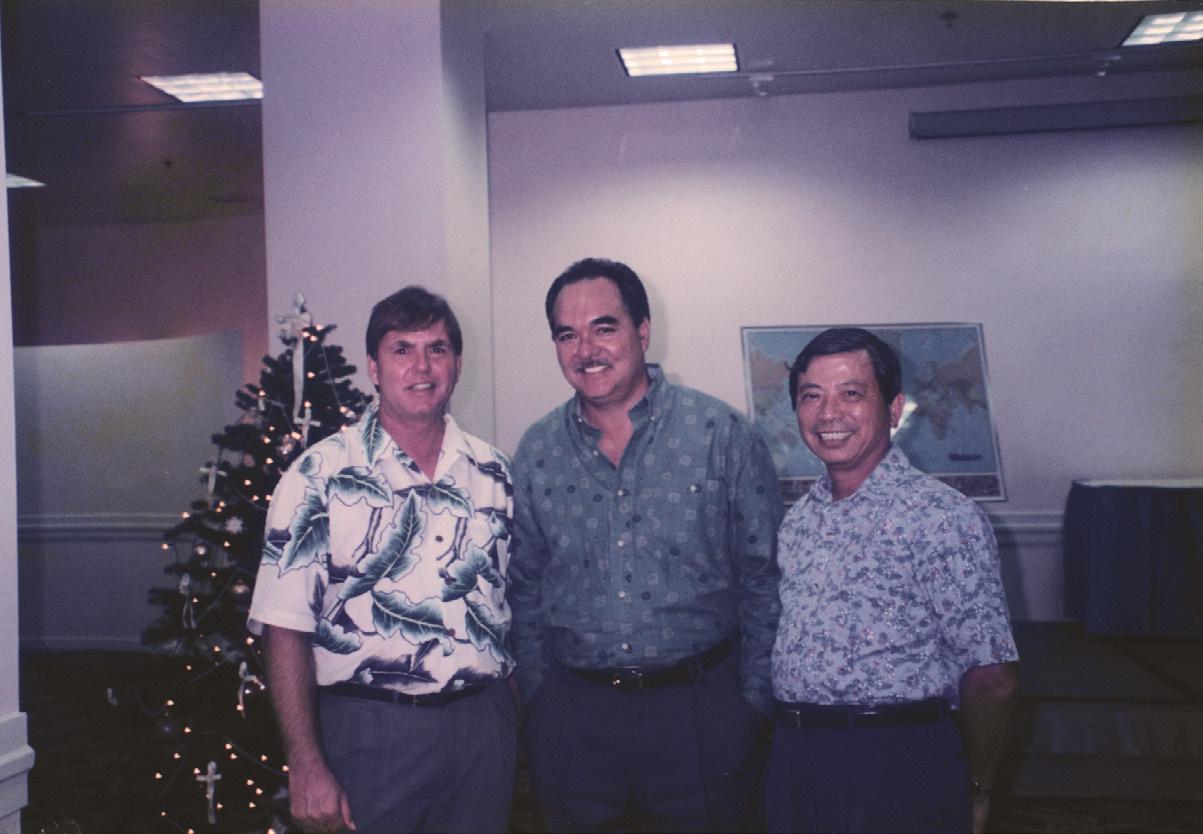
After more than four decades helping shape the construction landscape of Guam and the Northern Marianas, Jerrold “Jere” C. Johnson is stepping into retirement. For many in the industry, his career has become closely tied to the growth of Hawaiian Rock Products and to the roads, buildings, and infrastructure that define modern Guam.
For more than thirty years Johnson served as president of Hawaiian Rock Products, guiding the company through periods of expansion while helping develop the island’s construction workforce and strengthening the broader industry community.
Hawaiian Rock Products itself has been a cornerstone of the region’s development for decades. Formed in the late 1950s after quarry operations began in Mangilao, the company grew into the largest producer of aggregate based construction materials, ready mixed concrete, concrete masonry blocks, and asphalt paving services in Guam and the Northern Mariana Islands.
Johnson’s path into construction began long before he arrived in Guam. “I was interviewed and hired in my final year of college at U.C. Berkeley by Hawaiian Dredging and Construction,” Johnson recalled. “I relocated to Hawaii in January 1973.” After earning his civil engineering
degree from the University of California at Berkeley, he spent more than a decade working in Hawaii building bridges and roads. “I spent about 12 years building bridges and roads in Hawaii,” he said.
In 1984 his career took a pivotal turn when he was asked to relocate to Guam, he stated, “I was sent to Guam to be the General Manager and Vice President of Hawaiian Rock Products.”
At the time the company was owned by the Dillingham Corporation. Six years later a major change occurred when Mitsubishi Materials Corporation acquired Hawaiian Rock Products. Johnson was promoted to president and would go on to lead the company for more than three decades. During his tenure the company expanded its operations throughout Micronesia. What began as a modest operation on Guam steadily grew into a regional construction materials provider serving Guam, Saipan, Tinian, and Palau.
“The evolution of HRP (Hawaiian Rock Products) came with strong support from our parent company,” Johnson said. “HRP expanded our operations on Guam and also grew on Saipan, Tinian and Palau.” The company’s workforce also grew significantly over the years. “HRP increased from about 75 employees to over 450,” Johnson explained.
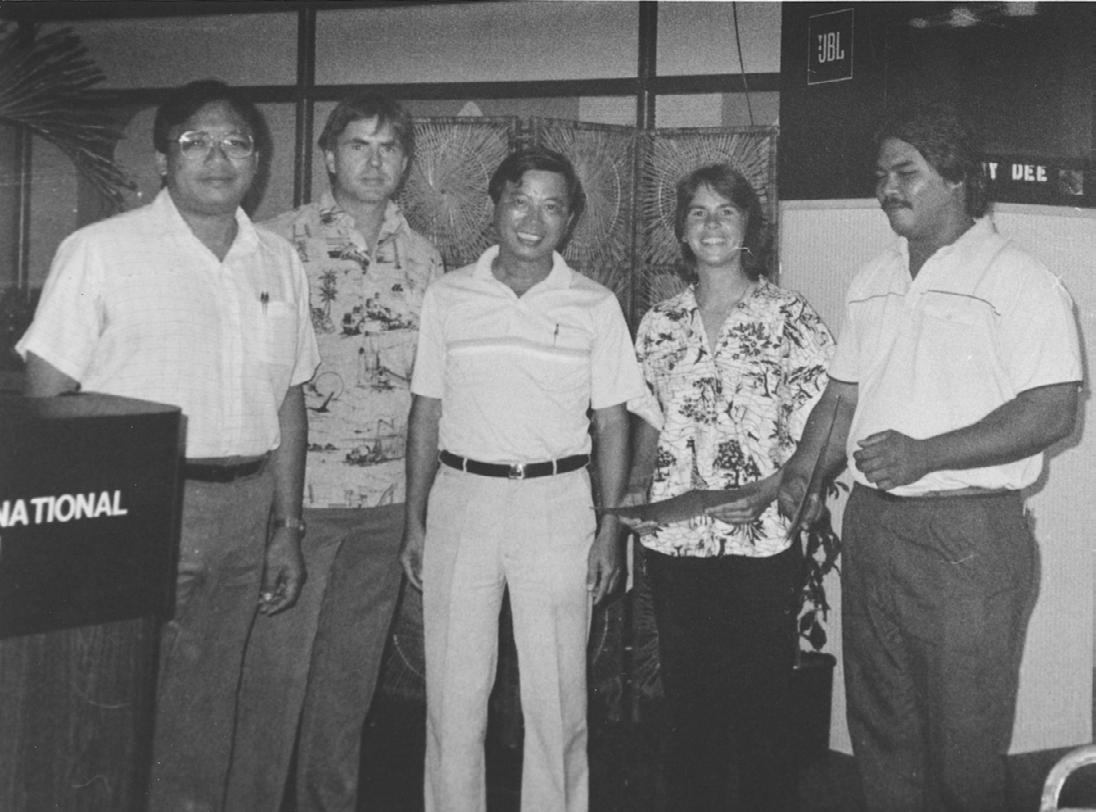
One of the achievements Johnson points to with the greatest pride is the company’s commitment to local workers. “I am proud to say that the 370 employees on Guam are all permanent residents and we do not employ H-2 workers,” he said. “We have many generations of families that have worked at the company.”
Looking ahead, Johnson believes the future of Guam’s construction industry will depend on one key factor: developing a strong local workforce. “The biggest opportunity and challenge will be developing skilled local workers and reducing dependence on outside labor,” he said.
For Johnson, building a strong workforce has always been just as important as building roads and infrastructure. Hawaiian Rock actively encouraged employees to pursue technical training through programs such as Guam Community College’s apprenticeship programs and the Guam Trades Academy. “Young men and women who are willing to work hard and come to work every day can be trained to have long, successful employment with our company,” Johnson said. Many employees who went through these training programs eventually moved into supervisory roles, helping the company develop a pipeline of skilled local workers.

During Johnson’s tenure, Hawaiian Rock played a role in many of the region’s most visible construction projects. The company has supplied materials for numerous road reconstructions and infrastructure upgrades, as well as concrete used in many of the hotels that define Guam’s tourism district. Among the projects Johnson remembers most proudly are the recent upgrades to Marine Drive and Route 14 near Guam Premier Outlets. “Most of this work was done at night with minimal impact to businesses and the public,” he said. “It required a great effort from our employees to complete the work safely.”
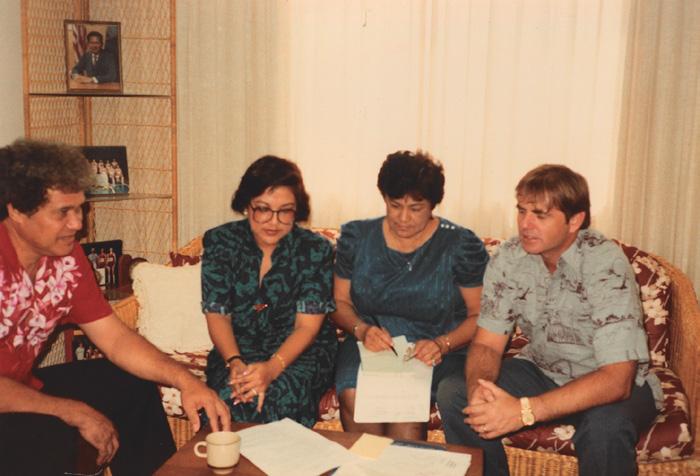
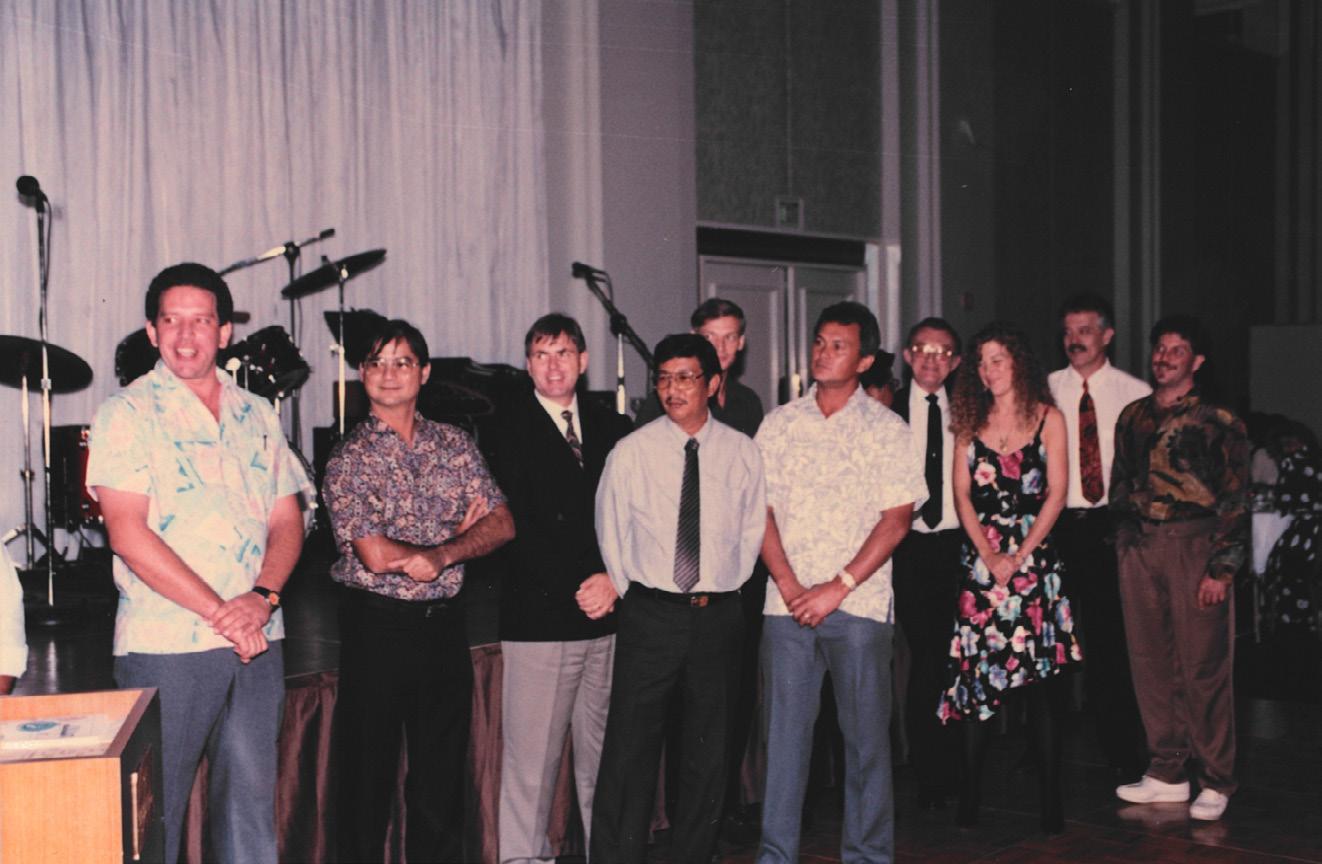
Beyond his role within Hawaiian Rock, Johnson has been a longtime leader in Guam’s construction community. He served two terms as president of the Guam Contractors Association and held leadership roles in several other organizations. Over the years, he also served on the Guam Chamber of Commerce board, the Guam Community College Board of Governors, and the Guam Workforce Development Board. Through those roles, Johnson formed relationships across the industry that extended well beyond business. “I was fortunate to work with and become friends with many of the board members,” he said. of those friendships remain after 43
Johnson credits much of his success to a simple leadership philosophy built on fairness and transparency. “My personal value was to be honest and consistently fair to our employees and customers,” he explained. “We tried to provide competitive wages, strong benefits, and an open-door policy so employees could raise concerns.”
That approach resulted in something rare in the construction industry, he had remarkably low employee turnover and a workforce that often stayed with the company for decades. “I always asked our employees to treat each customer as if they were my personal friend,” Johnson said. “I’m always happy when I hear positive feedback from customers.”
Outside of construction, Johnson and his wife Darleen have also been deeply involved in the island community. The couple supported fundraising efforts for the University of Guam, Guam Community College, and St. John’s School. They also spent years volunteering through youth sports programs as their two sons grew up on Guam. Some of Johnson’s fondest memories come from those family moments, including youth soccer
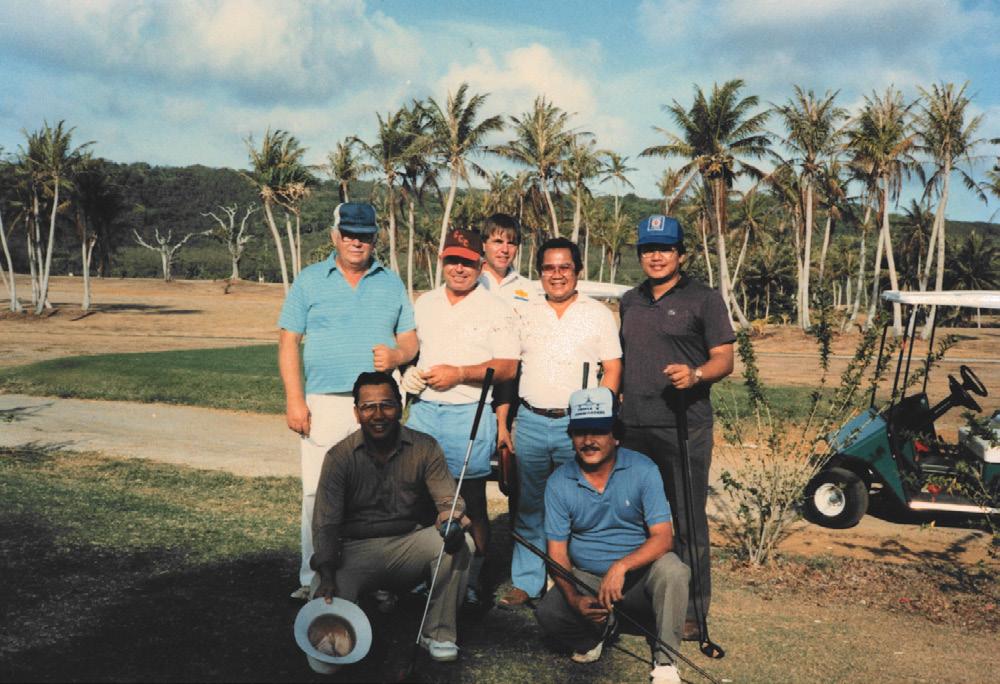
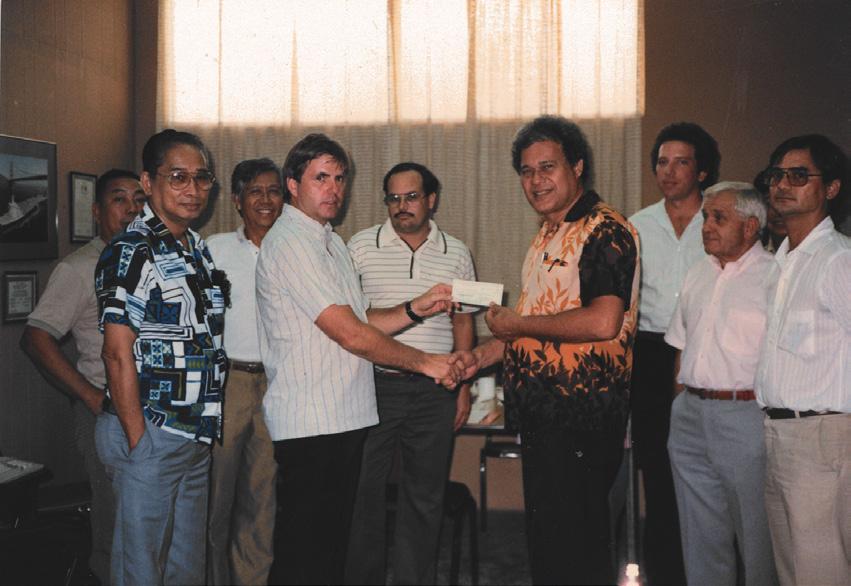
that eventually led to participation in the Little League World Series in Pennsylvania.
Johnson also recalls the collective resilience of Guam’s people in the aftermath of major typhoons. “I’m proud to have helped the island recover from the hardships of numerous typhoons and to witness the resilience of our island people,” he said.
As he reflects on his career, Johnson hopes his legacy will be defined not only by the infrastructure his company helped build, but also by the relationships he built along the way. “I want people to remember that I always tried to make myself available to help when asked,” he said.
For Guam’s construction community and after more than four decades in Guam’s construction industry, his legacy is easy to see. It lives in the projects he helped build, the workforce he helped develop, and the friendships formed across decades of work.
And as colleagues across the island would say with gratitude and respect, Si Yu’os Ma’åse’, Jere! Because the foundations you helped lay will continue supporting Guam for generations to come.



As Guam’s construction industry continues to expand, particularly within military installations and federally funded projects, it is important to revisit a tax requirement that has been in place for more than a decade but is still often misunderstood. Public Law 30-230, which became effective March 1, 2011, changed the way Gross Receipts Tax (GRT), also referred to as Business Privilege Tax (BPT), is administered in the construction industry. While the law did not create a new tax, it shifted the responsibility for reporting and remitting GRT in a way that continues to impact prime contractors and subcontractors today.
The intent behind the legislation was clear. At the time, Guam was preparing for an increase in military construction activity. The Department of Revenue and Taxation sought to streamline administration, minimize leakage of tax revenues, and improve enforcement efficiency. The law shifted the responsibility for payment of GRT from smaller subcontracting firms to prime contractors, who typically have greater access to financial resources and broader accounting systems. It was also designed to foster the development of subcontractors by relieving them of the direct burden of remitting tax on qualifying project receipts.
Before the law changed, both prime contractors and subcontractors were responsible for remitting GRT on their respective gross receipts. Prime contractors would report total project receipts but deduct payments made to subcontractors, while subcontractors would report and pay GRT on the payments they received. This created multiple reporting layers and increased the administrative complexity of monitoring compliance.
Under the current system established by Public Law 30-230, the structure is different. Prime contractors are required to remit GRT on the full value of the contract receipts they receive. Payments made to subcontractors are no longer deductible for GRT purposes. Subcontractors, in turn, claim a GRT exemption on payments received from the prime contractor for that project and report the exemption accordingly on their tax forms. The overall amount of tax collected by the Government of Guam remains the same; however, the responsibility for payment now rests squarely with the prime contractor.
The Department’s illustrative example makes the impact of this shift clear. In the example, a prime contractor awarded a $10 million NAVFAC contract receives a $400,000 progress payment. Under the system prior to the change, the prime contractor would deduct amounts owed to subcontractors and remit GRT on the net amount.
After the change, the prime contractor must remit 4% GRT on the full $400,000 progress payment, with no deduction for subcontractor payments. Subcontractors receiving payments under that contract claim exemption for those qualifying receipts and pay GRT only on non-exempt income. The total tax paid to GovGuam remains consistent; only the point of remittance changes.
Despite the clarity of the law, confusion persists, particularly on military and federally funded projects inside the fence. A recurring misconception is that subcontractors remain responsible for paying GRT on their portion of a contract, or that prime contractors can rely on subcontractors to remit the tax directly. Under Public Law 30-230, this is incorrect. For contracts issued after March 1, 2011, the prime contractor bears the legal obligation to report and remit GRT on the full contract receipts.
You are responsible for remitting 4% GRT on the full value of progress payments received.
Payments to subcontractors are not deductible for GRT purposes.
This applies to contracts issued after March 1, 2011.
Federal or military projects performed “inside the fence” are not exempt from Guam GRT.
Ensure your accounting system properly reflects full receipt reporting.
Confirm subcontractors understand how to properly claim exemptions.
When in doubt, consult a tax professional or contact the Department of Revenue and Taxation for clarification.
It is important to emphasize that federal funding or performance of work within a military installation does not exempt a contractor from Guam tax laws. Contractors operating within secured installations are still conducting business in Guam and remain subject to Guam’s tax code. As military construction activity continues to grow, ensuring compliance protects not only individual firms but the integrity of the industry as a whole.
For prime contractors, this means reviewing internal accounting systems and confirming that progress payments are reported in full, without deduction for subcontractor payments. It also means structuring subcontracts clearly so that tax treatment is understood from the outset. For subcontrac-
tors, it means properly claiming exemptions on qualifying receipts, attaching required schedules, and maintaining documentation that ties exempt income to the prime contract. The Department of Revenue and Taxation has emphasized that both principal contractors and subcontractors must ensure their records and accounting systems can properly administer the current system.
Compliance is not simply a technical requirement. In an environment where public funding, federal oversight, and local economic impact intersect, transparency and adherence to Guam law reinforce the professionalism of the construction industry. As the island continues to welcome major infrastructure and defense-related invest-
ments, contractors, both local and off-island, must understand that Guam’s GRT laws apply uniformly.
Clear understanding today prevents complications tomorrow. In a growing market driven by military expansion and federal investment, responsible compliance ensures that Guam’s construction industry remains strong, competitive, and aligned with the laws that govern it.
*Information taken from DRT Presentation*



















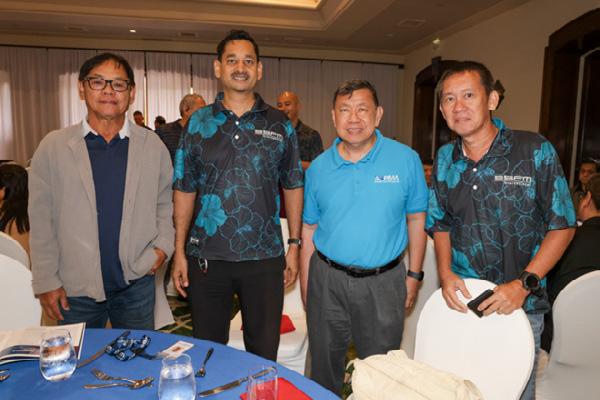
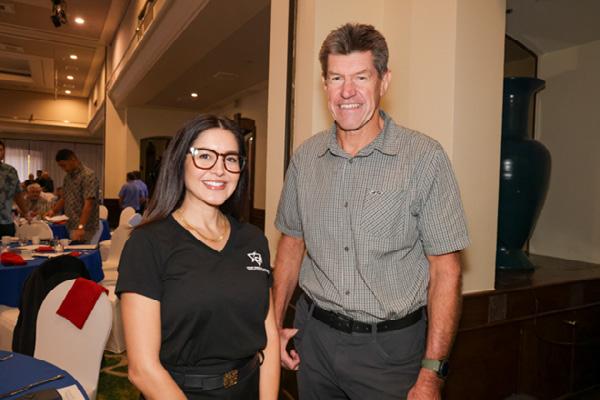
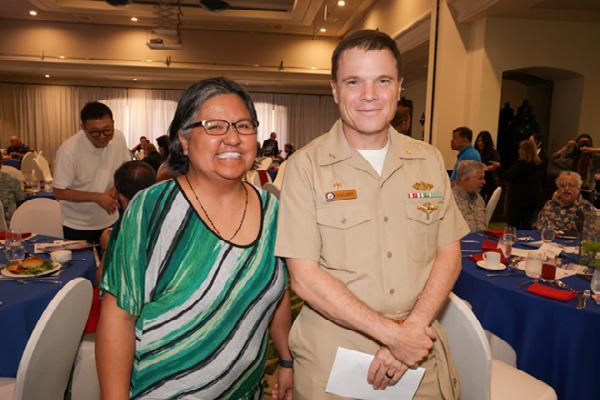
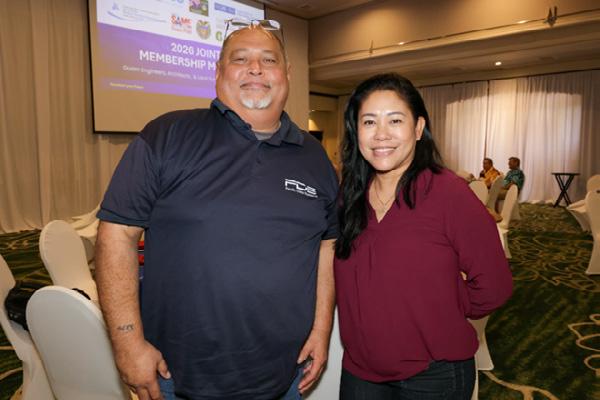
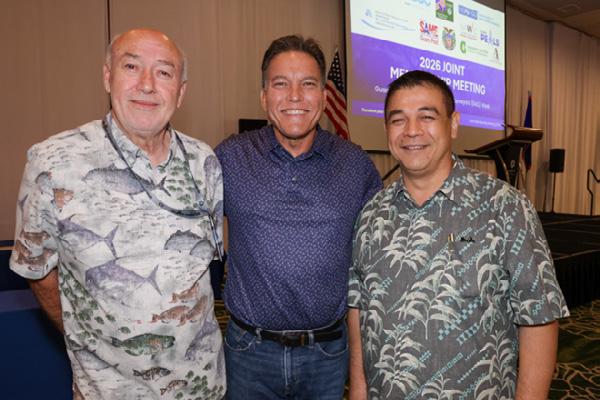

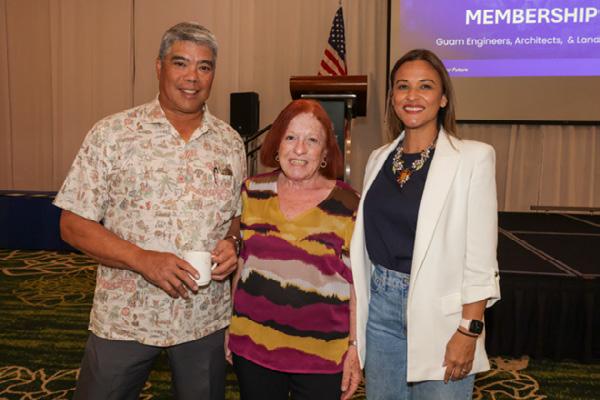
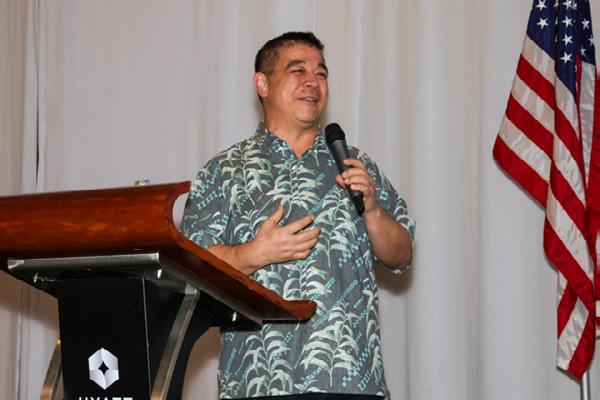
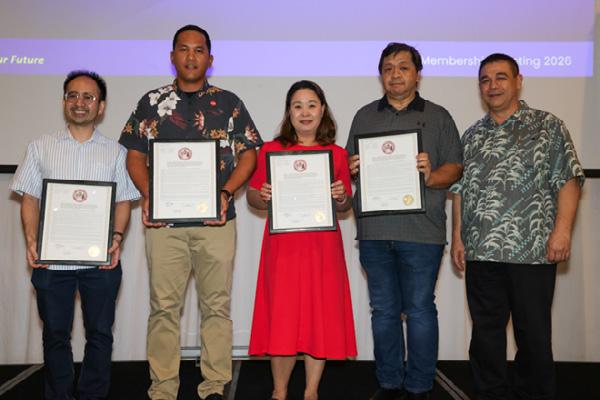
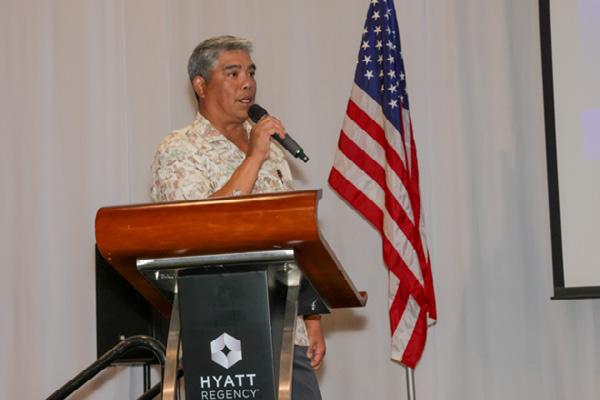
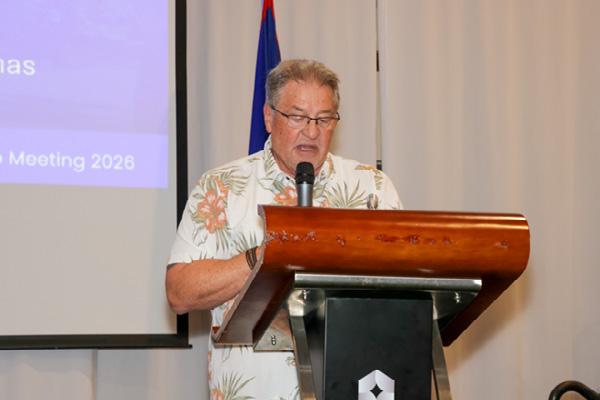
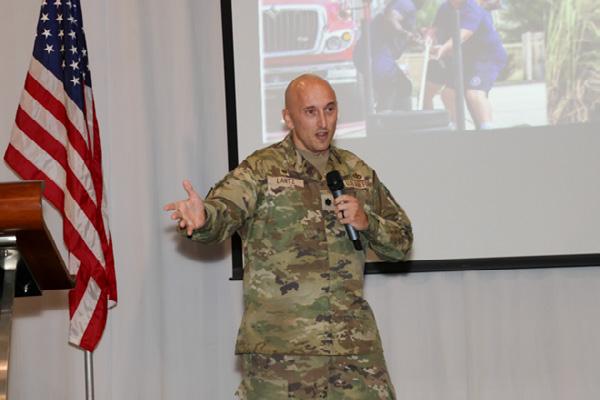
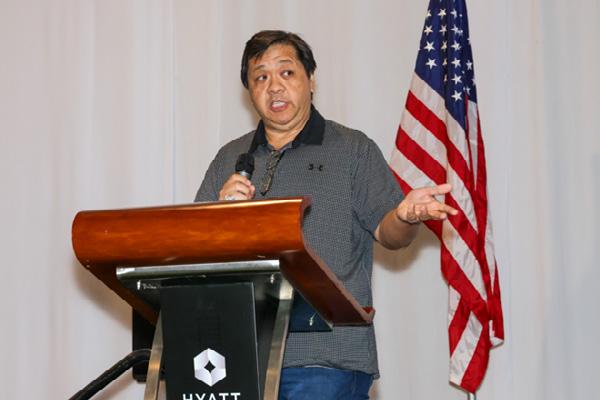
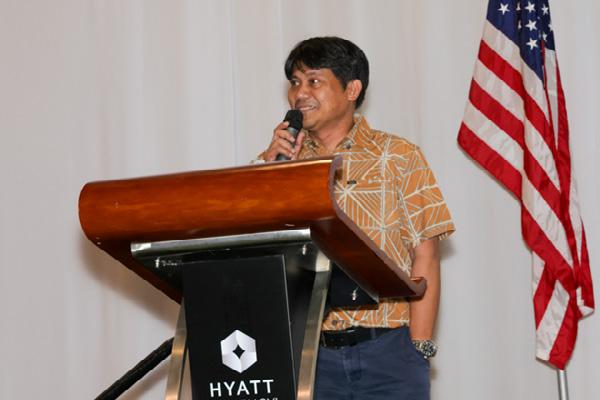
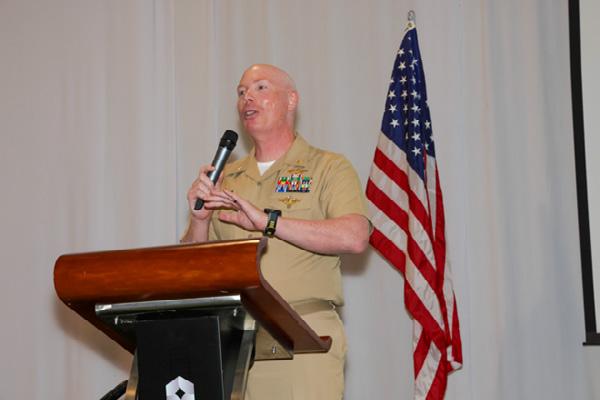
Joint Membership Luncheon
February 26th, 2026
Hyatt Regency Guam









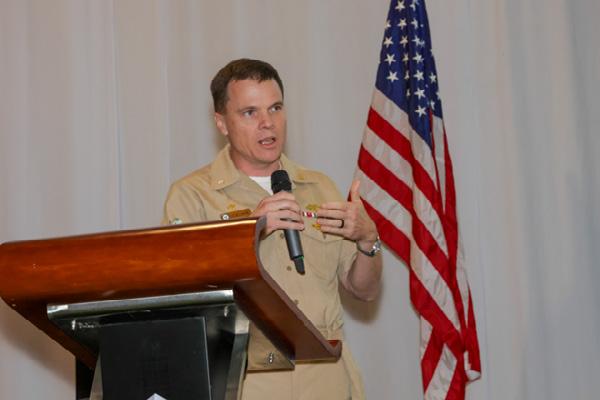
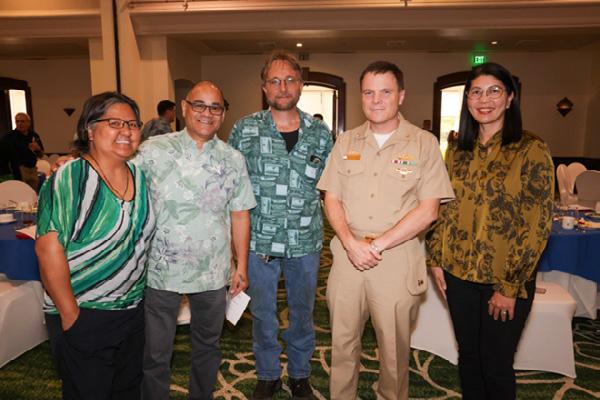
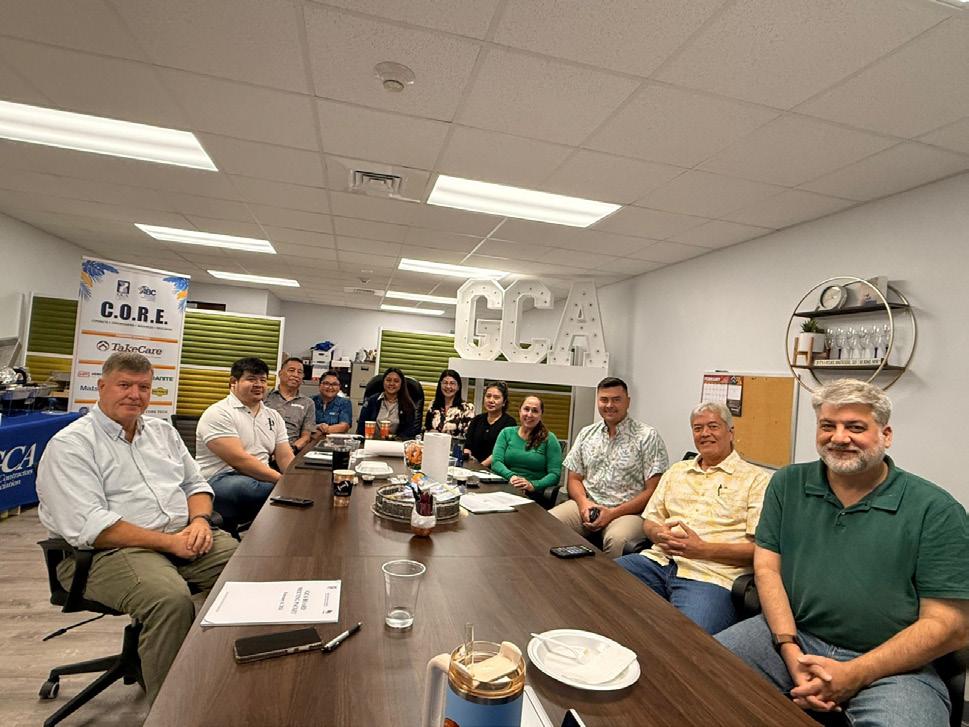
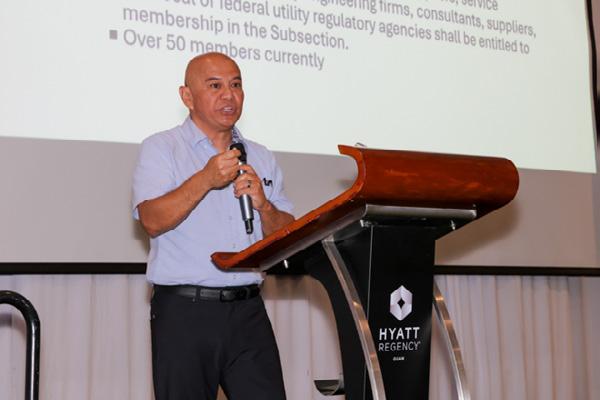




On March 9, the U.S. Department of Labor’s Employment and Training Administration announced four new guidance documents on the implementation of registered apprenticeship programs. The stated goal of the guidance is to improve flexibility and reduce burdens for program sponsors, promote clarity and consistency in the registration process across states, elevate quality standards and increase transparency. The guidance documents are:
• Circular 2026-01—Provides updated guidelines for registered apprenticeship program design, improving flexibility for program design
◦ Rescinds the 12-month on-the-job learning minimum for competency-based programs
◦ Rescinds the 25% limit on adjustment of hybrid or time-based programs
◦ Rescinds the maximum credit limitation for prior experience at 50% of training
◦ Clarifies that 144 hours of related instruction per year of apprenticeship is recommended but not required
◦ Rescinds the requirement for certificate of completion that the apprentice had worked for the program sponsor as a registered apprentice in the occupation for at least six months/1,000 hours
• Circular 2026-02—Clarifies the roles of state apprenticeship agencies and apprenticeship councils, seeking to prevent excessive delegation to SACs
◦ Prohibits SACs from evaluating/registering apprenticeship standards or programs, making apprenticeability decisions or deregistering programs
• Circular 2026-03—Sets out a standardized completion rate calculation and announces a new performance data portal
• Bulletin 2026-35—States the DOL’s commitment to timely registration determinations
◦ The DOL commits to making determination within 30 days of submission
◦ Announces new “shot clock” website to share number of programs registered and average time to register
“ABC strongly supports the DOL’s bold new approach to addressing longstanding concerns with registered apprenticeship programs by improving flexibility for program sponsors and employers, as well as addressing state policies that impair worker access to these high-quality training programs," said ABC Vice President of Government Affairs Kristen Swearingen in a statement. "These policies align with our consistent advocacy for simplification of unnecessarily burdensome apprenticeship regulations, and ABC thanks the DOL for taking steps to implement our recommendations."
Overall, the guidance represents a welcome new approach to expanding RAPs by easing access for employers and sponsors and emphasizing the need for flexibility. RAPs are a critical component of ABC’s all-of-the-above approach to workforce development, with ABC chapters offering over 450 RAPs across the country. ABC looks forward to continuing to partner with the DOL on efforts to address the construction industry’s ongoing workforce shortage.
DOL will also be hosting a webinar discussing the guidance on March 27. Register for the webinar on WorkforceGPS.

$19,293.00 $2,973.75 $1,080.00 $25,001.22 $34,369.92 $1,829.86 $43,298.47 $ 0.00 $32,570.99 $15,314.29 $ 0.00 $1,504.75 $357.08 $ 0.00 $2,703.94 $ 0.00 $657.46







CONTACTS • OPPORTUNITIES • RESOURCES • EDUCATION
DIAMOND SPONSORS


PLATINUM SPONSORS

GOLD SPONSORS

SILVER SPONSORS
First Hawaiian Bank
BRONZE SPONSORS


Isla Coatings and Roofing Supply Island Equipment Company Phoenix Pacific (Guam), Inc.
SUPPORTER
America's Best Electricmart Inc.
www.guamcontractors.org