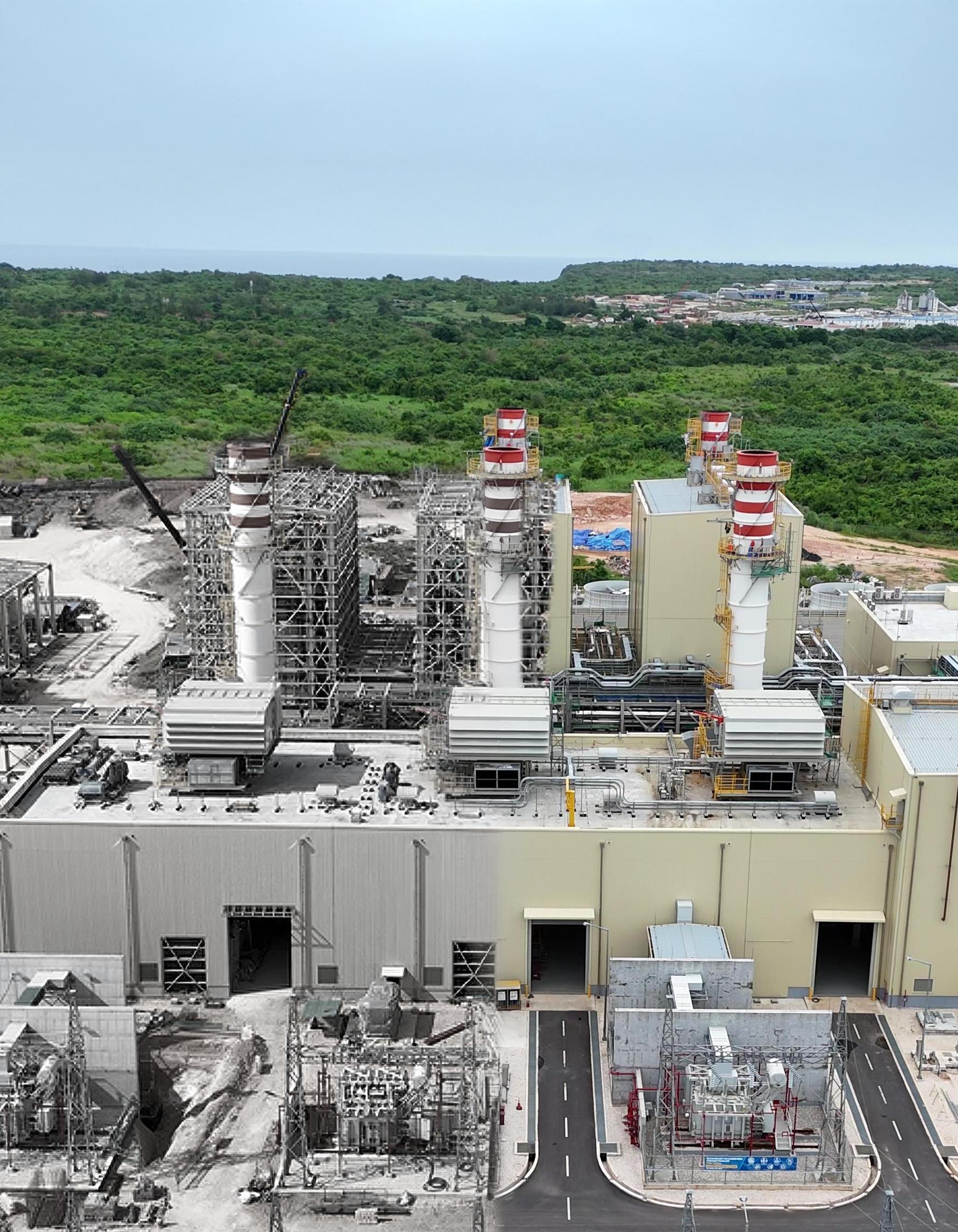

UKUDU THEN AND NOW











UKUDU THEN AND NOW
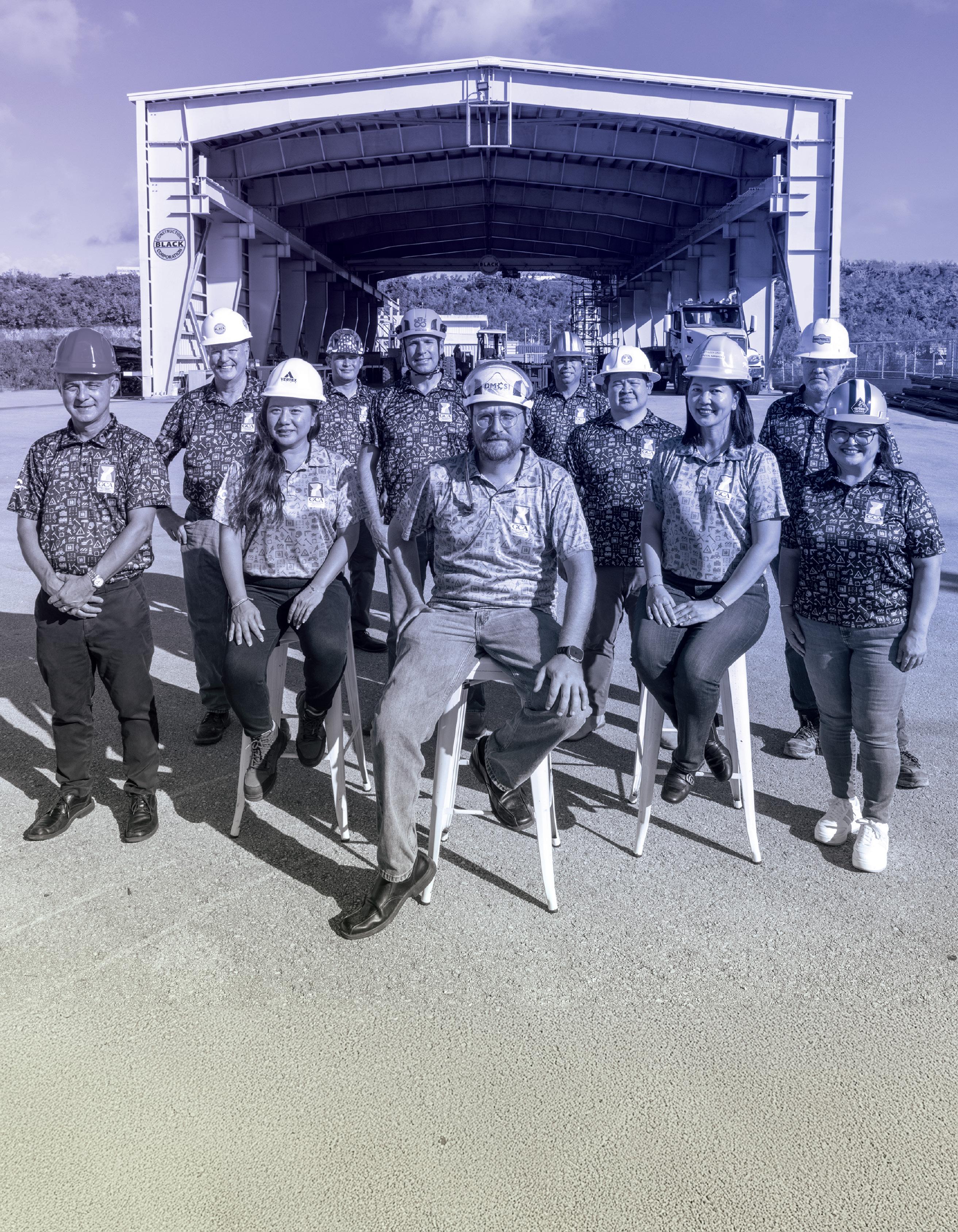
PRESIDENT
Desiree Lizama
Guam Contractors’ Association
CHAIRMAN
Matthew Hunter
Dylan Mechanical Construction Services
VICE CHAIRMAN
Soraya Vongjalorn
Vertex Guam
SECRETARY / TREASURER
Brian Holm, Hensel Phelps
CONTRACTOR DIRECTORS:
Dean Bates, Black Construction Corp.
Alan Bell, SmithBridge Guam
Charles Hazzard, DZSP21
John Limtiaco, Pacific Trucking
Collin Thompson, Pacific Rim Constructors Inc.
Mark Thornton, Granite
ASSOCIATE DIRECTORS:
Mark Cruz
Mid Pac Far East
Jose Garcia First Hawaiian Bank
Stephen Gatewood Matson Navigation
Geraldine Leon Guerrero
Adztech Advertising and PR
JOIN ONE OF OUR MANY COMMITTEES!
Guam Contractor’s Association (GCA) in conjunction with Adztech and Public Relations, Inc. publishes the Construction News Bulletin (CNB) monthly. Reproduction of materials appearing in this publication is strictly forbidden without written permission by GCA.
While we always strive for accuracy, we will from time to time overlook mistakes. In order to help us improve the quality and accuracy of this publication, we ask that you take the time to look at the information provided and notify GCA or Adztech of any corrections as needed. Opinions and editorial content of this publication may not necessarily be those of the publisher, production team, sta , GCA members, GCA Board of Directors and advertisers
For more information about advertising in the GCA Construction News Bulletin contact the advertising department at (671) 477-1239/2239 or email at adztech@teleguam.net.
Distributed to GCA members or can be obtained by stopping by the Guam Contractors’ Association o ce located at 506 Mariner Ave., Barrigada, Guam 96913
To find out more about how you can become a GCA member contact Guam Contractors’ Association at Tel: (671) 647-4840/41 or Email: info@guamcontractors.org www.guamcontractors.org
Postmaster: Send address changes to Guam Contractors’ Association, located at 506 Mariner Ave., Barrigada, Guam 96913
PUBLISHER: Desiree Lizama
PRODUCTION TEAM
LEAD: Geri Leon Guerrero
AD SALES: Alyssa Roces
PRODUCTION: Jason Davis
Alyssa Roces
Christopher “Taco” Rowland
Katee Arceo
PHOTOGRAPHY:
Alyssa Roces
Christopher “Taco”
Rowland
EDITOR: Adztech
CONTRIBUTING WRITERS: Francine Taitague
Rodney “RJ” Ricarte
Patricia “Patti” L. Diego, MPA
Shierly Cáceres, MBA, PMP, CF APMP
Terence Tang
GCA STAFF:
Francine Taitague
Trevor Cruz
Rosielyn Holgado
Peter Finona
COVER:
The progress of the construction of the Ukudu Power Plant.



By Desiree Lizama President Guam Contractors Association
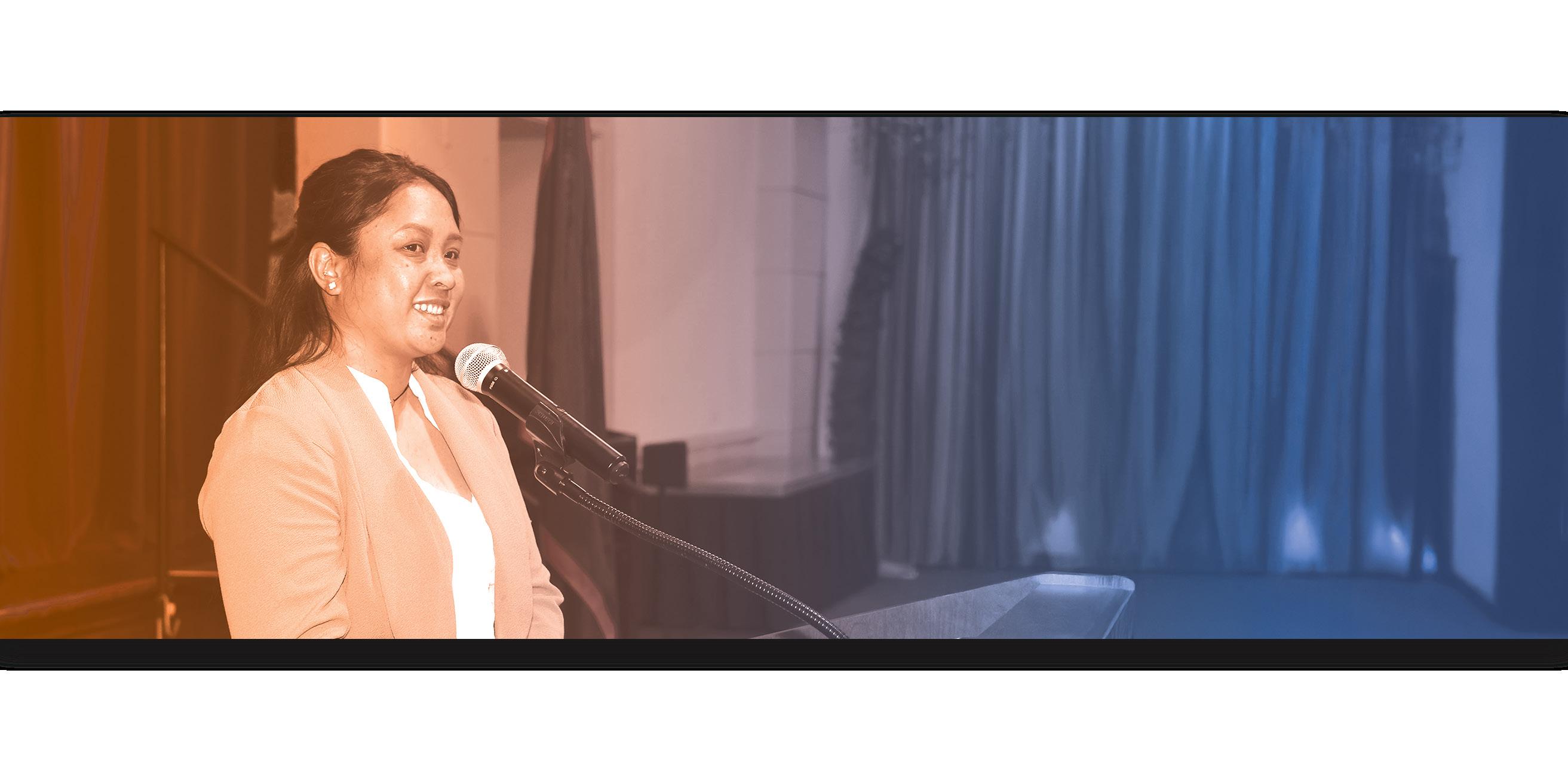
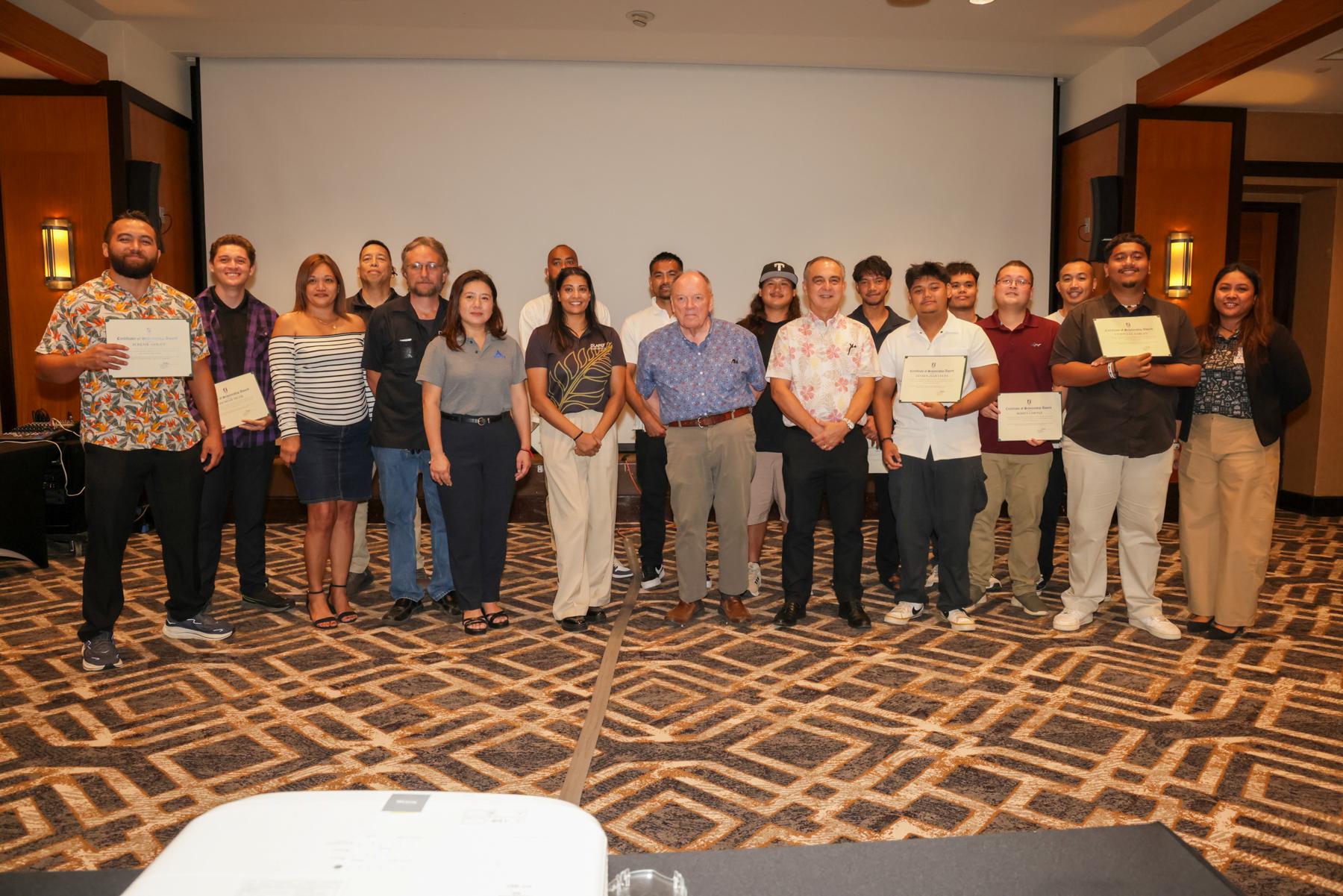
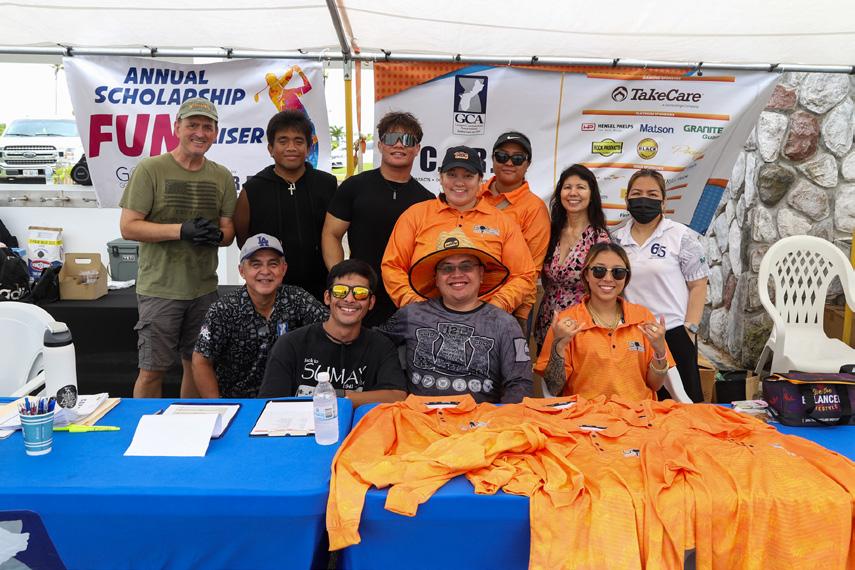
The Guam Contractors Association awarded 22 scholarships totaling $37,500 to students heading to the GCA Trades Academy — presented at our monthly membership meeting held Wednesday, May 20, at the Westin Resort Guam.
None of this happens without partners who believe in the mission. First Hawaiian Bank and the Federal Home Loan Bank of Des Moines contributed $17,500. Our annual golf fundraiser raised $10,000. The James L. & Rosita S. Adkins Foundation added another $10,000. Together, they made it possible to put real money behind real opportunity.
The 22 recipients are pursuing training across the full range of skilled trades — electrical, plumbing, HVAC, welding, heavy equipment operation, diesel mechanics, electronic systems technology, safety, and construction management. These aren't just career paths. They are the trades that keep Guam's infrastructure moving forward.
To qualify, students had to demonstrate commitment to entering the construction industry. What they've earned is more than financial support — it's a bridge into careers that are in high demand across Guam and the region.
The GCA Trades Academy was built on the belief that hands-on vocational training changes lives. Scholarships remove the financial barriers that too often stand between talented people and the certifications they need. This year, 22 more students get an opportunity to change their lives.
Congratulations to each recipient. We are proud to invest in you.
For more information, contact the GCA office at (671) 647-4840 or info@guamcontractors.org.
Together, we build Guam.

By Francine Taitague Education Director Guam Contractors Association
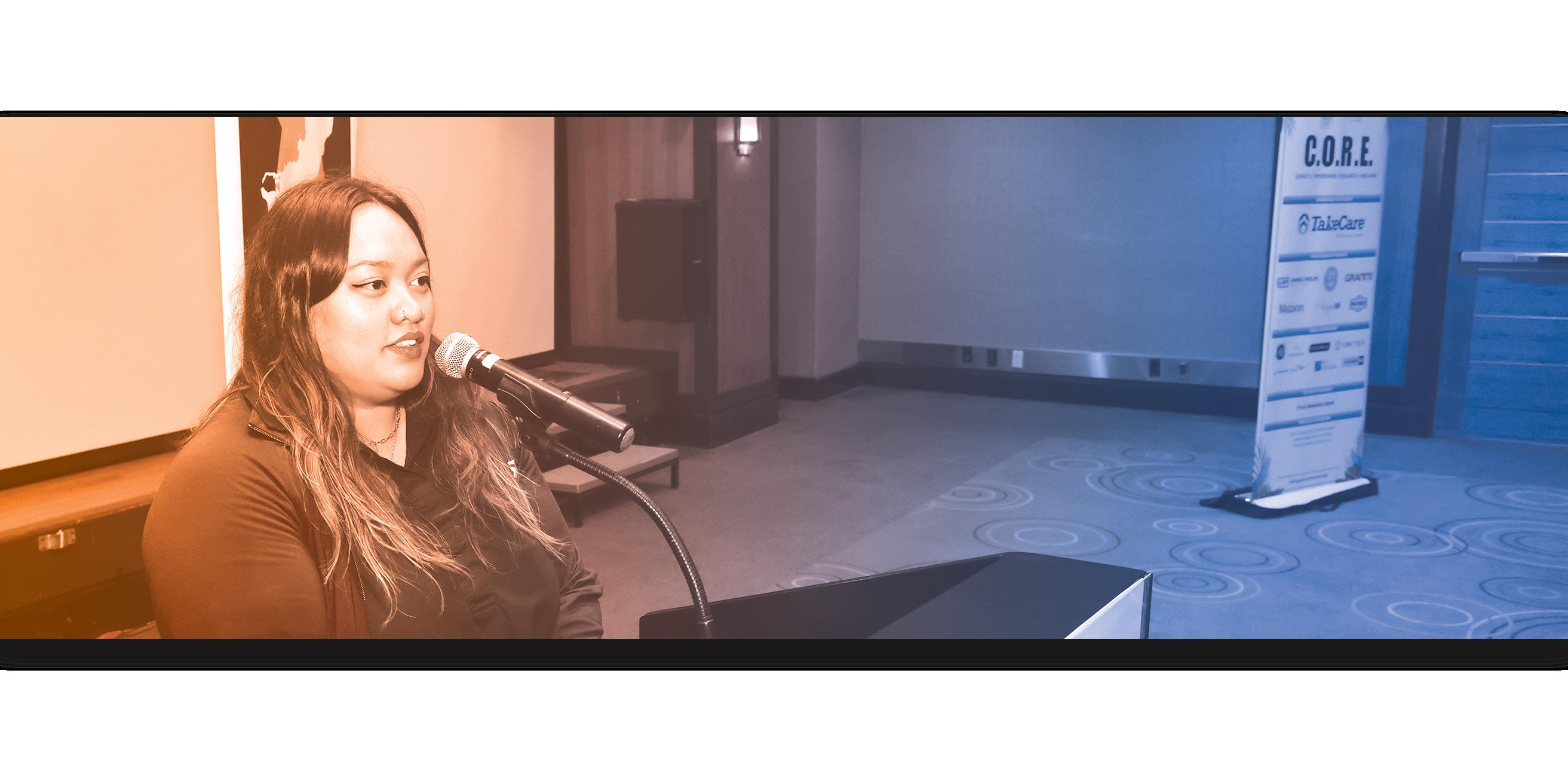
Construction companies that invest in apprenticeship programs see lower turnover, shorter project timelines, and fewer job-site errors. Here's why hands-on training should be a priority for your business.
Construction runs on skill you can only develop by doing. Framing a wall or operating heavy equipment takes muscle memory built through repetition, just not classroom instruction.
Apprentices spend their training hours on actual job sites. That immersion compresses the learning curve and produces workers who contribute meaningfully from day one. No amount of textbook study substitutes for time spent on the tools, learning from experienced tradespeople who've done the work for years.
Workers with tangible skills show up to the jobsite differently. They take ownership of their work and make fewer mistakes. Companies with apprenticeship programs report more stable workforces because workers who grow on the job have a reason to stick around. That stability cuts recruiting and onboarding costs. It shows on the job site in both quality and pace.
Apprentices learn proper safety protocols by practicing them, not by reading a handout. Identifying a hazard before it becomes an incident is a skill, and it sharpens with supervised experience. Fewer accidents mean lower insurance claims and medical costs, and a crew that goes home safe every day.
Efficiency follows training. A skilled worker completes tasks faster and with less rework. That speed compounds across a project, compressing timelines and protecting your margins. Workers who know what they're doing make better decisions on the fly, and those decisions add up over months and years of project work.
The Guam Contractors Association keeps track of hours worked and the education progress of the apprentices in your program. We can guide your company through the whole process. What have you got to lose?
Join the list of companies that have, or are in the process of, creating an apprenticeship program to enhance the skills of its workforce.
I can help you! Interested in learning more? Please contact me at (671) 647-4841 or francine.taitague@guamcontractors.org.
By Rodney “RJ” Ricarte
Your TakeCare GCA Health Insurance Employee Benefit includes many ways to live a Balanced Lifestyle of being active, eating right, relaxing and unwinding, and staying socially connected.
The health benefit isn't just about coverage - it's about convenience. As technology evolves, so does the way you manage your health. The TakeCare Mobile App puts your entire benefit plan at your fingertips, giving you and your family faster, easier access to the tools that keep you well.
One app, everything you need
The TakeCare Mobile App is your all-in-one health companion. From your digital member ID card to your network of providers, wellness programs, fitness schedules, and Affinity Rewards - it's all there. You can submit biometric data to track your fitness progress, access fitness and massage therapy stamp cards, and receive alerts for TakeCare-sponsored events and promotions. Wellness incentives are paid quarterly, so staying active pays offliterally.
Features at a glance
The app gives you access to your digital TakeCare Member ID card, so you're never caught without proof of coverage. Use the provider search to find a clinic nearby or search by location. Track your fitness progress through biometric submissions, manage your stamp cards, and tap into Affinity Rewards partner listings for exclusive discounts. Completed fitness cards submit automatically - no paperwork, no hassle.
Getting started is simple
Downloading the app takes just a few minutes:
• Open the Apple App Store (iPhone) or Google Play Store (Android)
• Search "Take Care app"
• Download and open the app
• Select "I AM A TAKECARE MEMBER, BUT IT'S MY FIRST TIME HERE"
• Enter your information and your 12-digit TakeCare Member ID number (found on your insurance card - no dashes)
That's it. You're in.
Take Charge of Your Health Today
The TakeCare Mobile App is designed for members who want more than insurance - they want a partner in their health. Whether you're tracking steps, redeeming rewards, or finding a provider on the way to an appointment, the app keeps you connected to your benefit plan around the clock.
Don't leave your health to chance. Download the TakeCare Mobile App today on the Apple App Store or Google Play and start making the most of your coverage.
Rodney "RJ" Ricarte is the TakeCare account executive for GCA. Contact him at (671) 487-7121 or rodney.ricarte@takecareasia.com.

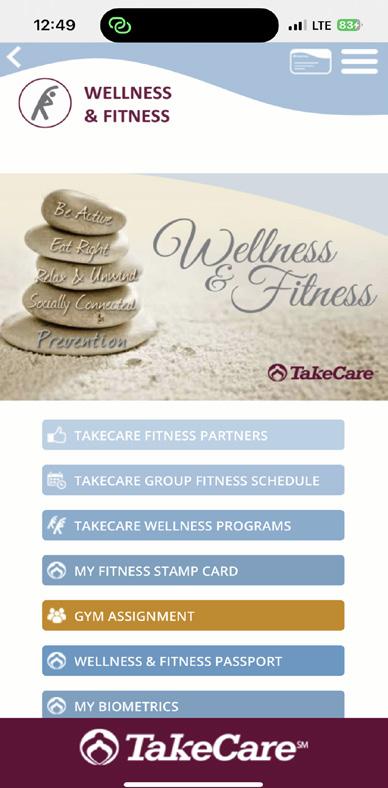

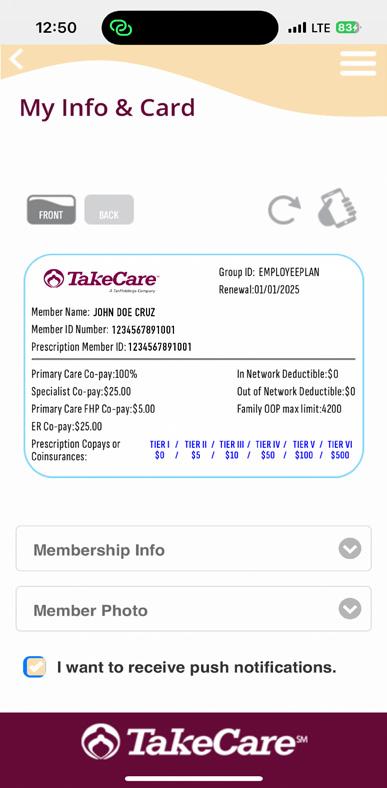
We understand that your needs have evolved and so has technology, which is why we have developed an app for your convenience. You now have the ability to access TakeCare at the convenience of your mobile device! Our mobile app gives you access to you and your family’s member ID card, our network of providers, TakeCare wellness programs, fitness schedule, Affinity Rewards, and wellness partners. It also helps you manage your wellness and fitness incentives and track your fitness progress through biometrics!
Features Include:
§ Access to Affinity Rewards Partner listing and discounts
§ Submit and Access your biometric data to track your fitness progress*
§ Digital TakeCare Member ID card
§ Find a provider or clinic nearby or search by location
§ Access to Fitness Stamp cards*
§ Access to Massage Therapy Stamp cards*
§ Automatic Submission of Completed Fitness Card
§ Alerts for TakeCare sponsored events and promotions
§ Incentives paid quarterly
*Available for select plans

Download the TakeCare mobile app today.
Getting started is simple.
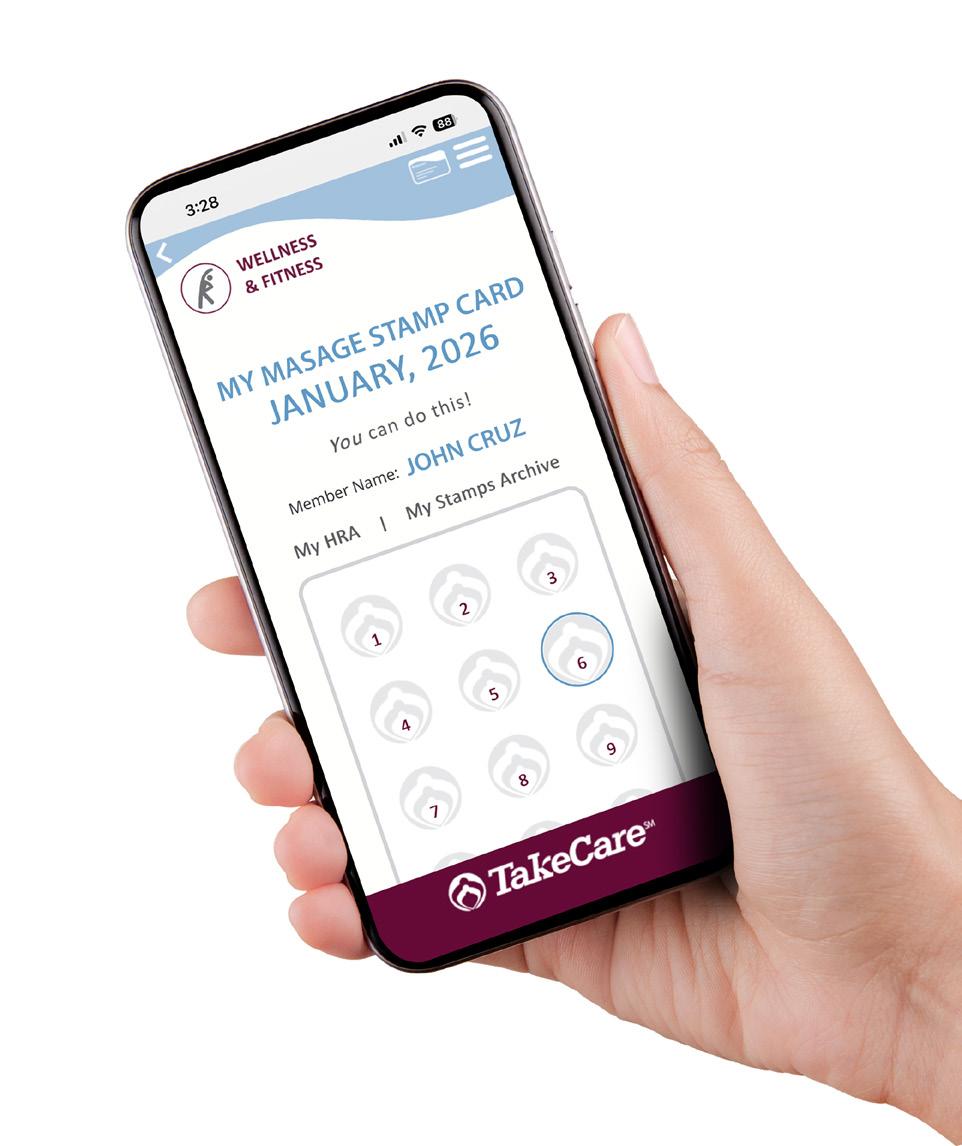
1. Search by typing ‘TakeCare app’ in the Apple iOS App Store (iPhone) or the Google Play App Store (Android)
2. Download the App for your Apple or Android phone
3. Open app and select “I AM A TAKECARE MEMBER, BUT IT’S MY FIRST TIME HERE”
4. Enter your information and TakeCare member ID number (note: Use 12-digit Member ID number on your TakeCare insurance card with no dash “-”)


By Terence Tang
One of the most common CMMC mistakes contractors make is assuming their entire company must be secured for assessment. In many cases, that is not necessary.
For construction firms, the real issue is scope. If every user, laptop, file share, and department is treated as part of the CMMC environment, costs rise quickly. Disruption also spreads far beyond the teams that actually handle Department of Defense (DoD) information.
Current DoD scoping guidance allows contractors to narrow their scope when Controlled Unclassified Information (CUI) is properly separated.
Put simply: if a system cannot store, process, or transmit CUI, and does not protect systems that do, it may be kept out of scope.
Over-scoping gets expensive fast. It forces you to apply extensive controls, training, and assessment efforts to departments like accounting, HR, and commercial project teams that never touch DoD bids or drawings.
A smarter approach is to create a separate enclave for DoD work. This means building a defined, restricted environment where CUI is stored, processed, and shared.
The benefits of utilizing a DoD enclave include:
• Lower costs: Fewer systems and users require expensive security controls, software, and audits.
• Less disruption: Commercial teams can stay in their normal, everyday business systems without new hurdles.
• Simpler assessments: The compliance focus remains strictly on the project managers and executives actually handling federal work.
An enclave is not a magic shortcut. Shared administrators, shared IT tools, and certain security services will still remain in scope. However, the separation—whether logical or physical—must be real, documented, and maintained.
If your company is preparing for CMMC, start by mapping where DoD information lives, how it moves, and who handles it. Then, decide whether a properly separated enclave can reduce your cost and complexity before you try to secure the entire company.
Terence Tang is vice president of client strategy at Intech Hawaii. A Certified CMMC Professional (CCP) and CISSP, he advises defense contractors in Guam, Hawaii, and the U.S. mainland.
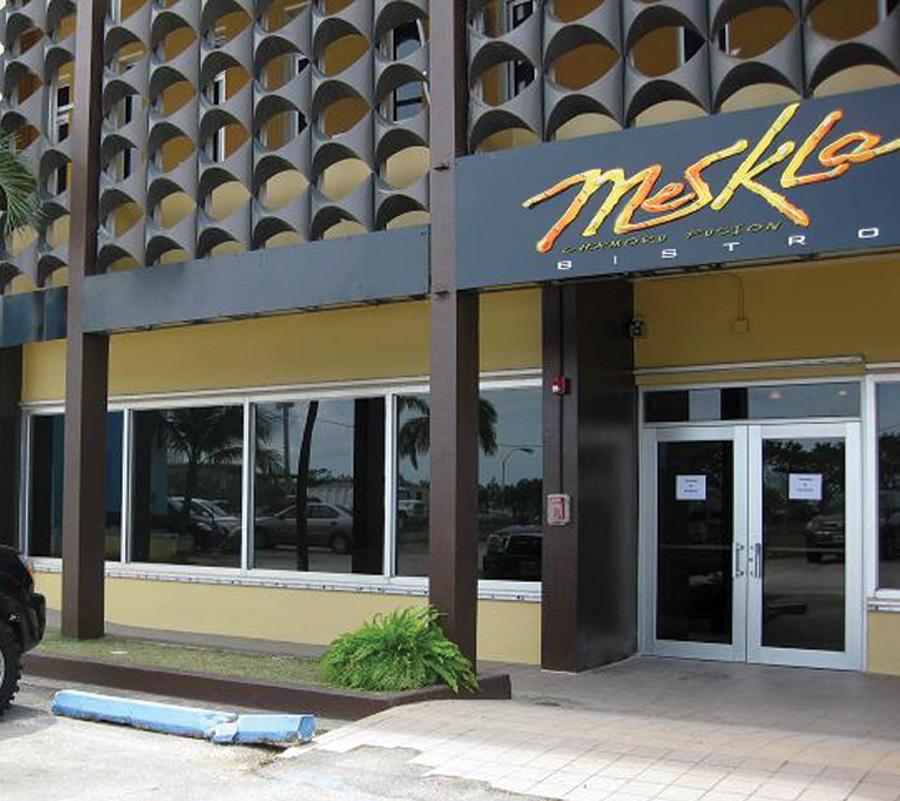

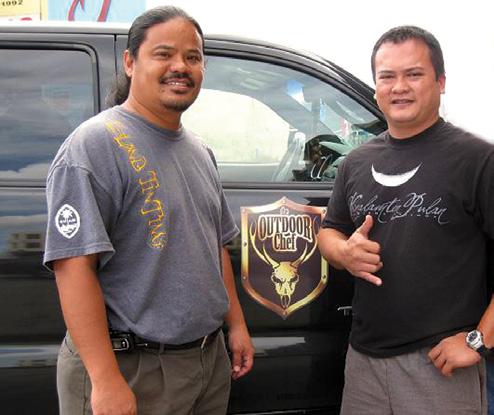
“East Island Tinting made it easy for me when I needed some tint for Meskla, my restaurant. On top of the options that they gave me, they were fast, friendly, informative, and the quality of their work is excellent! The best part is that they guarantee their work! It was a pleasure doing business with them.”
Peter Duenas Owner
East Hagåtña 477-TINT (8468) / 472-TINT eastislandtinting@guam.net


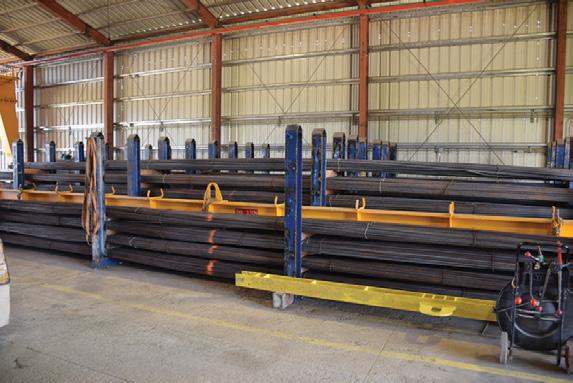
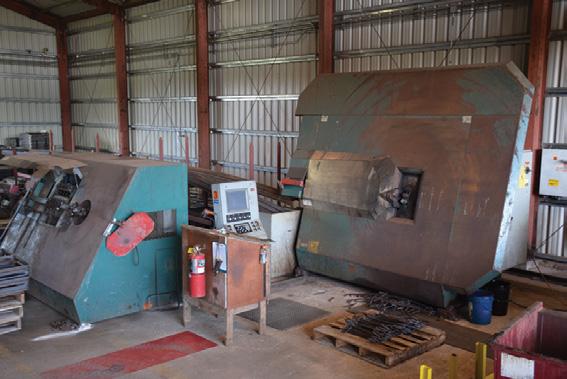


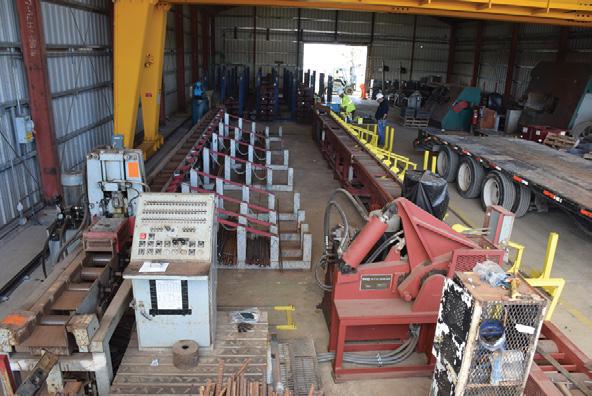


By Nadia A. Holm, CIH, CSP, CHST
May is recognized nationally as Mental Health Awareness Month, a time dedicated to reducing stigma, promoting early intervention, and encouraging open conversations about mental wellbeing. For the construction industry—one of the sectors most affected by mental health challenges—this observance carries particular importance. Construction workers face some of the highest rates of stress, anxiety, depression, and suicide across all major industries. Long hours, physically demanding tasks, job insecurity, and a culture that often equates toughness with silence all contribute to these risks.
Despite growing awareness, stigma remains one of the most significant barriers preventing workers from seeking help. Many fear being judged, labeled as weak, or losing work opportunities if they acknowledge they’re struggling. That silence is dangerous. The construction industry faces a suicide rate four times higher than the national average, making it one of the most atrisk occupational groups in the country. This reality underscores the urgent need for cultural change, accessible support systems, and leadership that treats psychological safety with the same seriousness as physical safety. Mental Health Awareness Month is a powerful reminder that mental wellbeing is not optional—it is essential to sustaining a safe, resilient, and productive workforce.
For construction workers in disasterprone regions like Guam, the mental health burden is intensified by extreme weather events such as Typhoon Sinlaku, which caused widespread disruption and significant damage. Construction workers were among the first to respond, clearing debris, assessing damage, and beginning the process of rebuilding homes, businesses, and critical infrastructure. This work is physically exhausting and can be emotionally draining. Many workers are simultaneously coping with their own losses—damaged homes, displaced families, or financial strain—while being expected to help restore normalcy to the community.
The pressure to rebuild quickly after Typhoon Sinlaku meant long shifts, hazardous conditions, and limited
rest. These factors are wellknown contributors to mental fatigue, burnout, and trauma. Additionally, the recurring nature of typhoon seasons creates a lingering sense of uncertainty. Each new storm warning can trigger anxiety, especially for workers who experienced the destruction firsthand. Over time, this cycle of preparation, impact, and recovery can lead to chronic stress or postdisaster trauma responses.
Improving mental health outcomes in the construction industry requires a proactive, multilayered approach. Employers can play a transformative role by integrating mental health into their safety culture—especially during Mental Health Awareness Month, when awareness campaigns and training can have a heightened impact. Effective strategies include training supervisors to recognize early signs of distress, offering confidential support resources, and encouraging open conversations without judgment.
In regions affected by events like Typhoon Sinlaku, postdisaster mental health checkins, flexible scheduling, and traumainformed practices should become standard. Workers who are rebuilding their own lives while rebuilding their communities need space, support, and understanding.
By acknowledging the emotional realities of construction work—especially in the wake of powerful storms—the industry can create a safer, more resilient workforce. Mental Health Awareness Month is a reminder that mental health is not just a topic for May; it is a yearround commitment to protecting the people who build and rebuild the world around us.
For anyone experiencing emotional distress, the Suicide and Crisis Lifeline offers free, confidential support from trained counselors and can be reached by calling or texting 988 or by visiting the 988 Lifeline website.
Nadia Holm CIH, CSP, CHST is the President of Oceania Safety and Environmental, providing comprehensive industrial hygiene, safety, environmental, and regulatory compliance solutions tailored to the unique needs of Guam and the broader Pacific region.










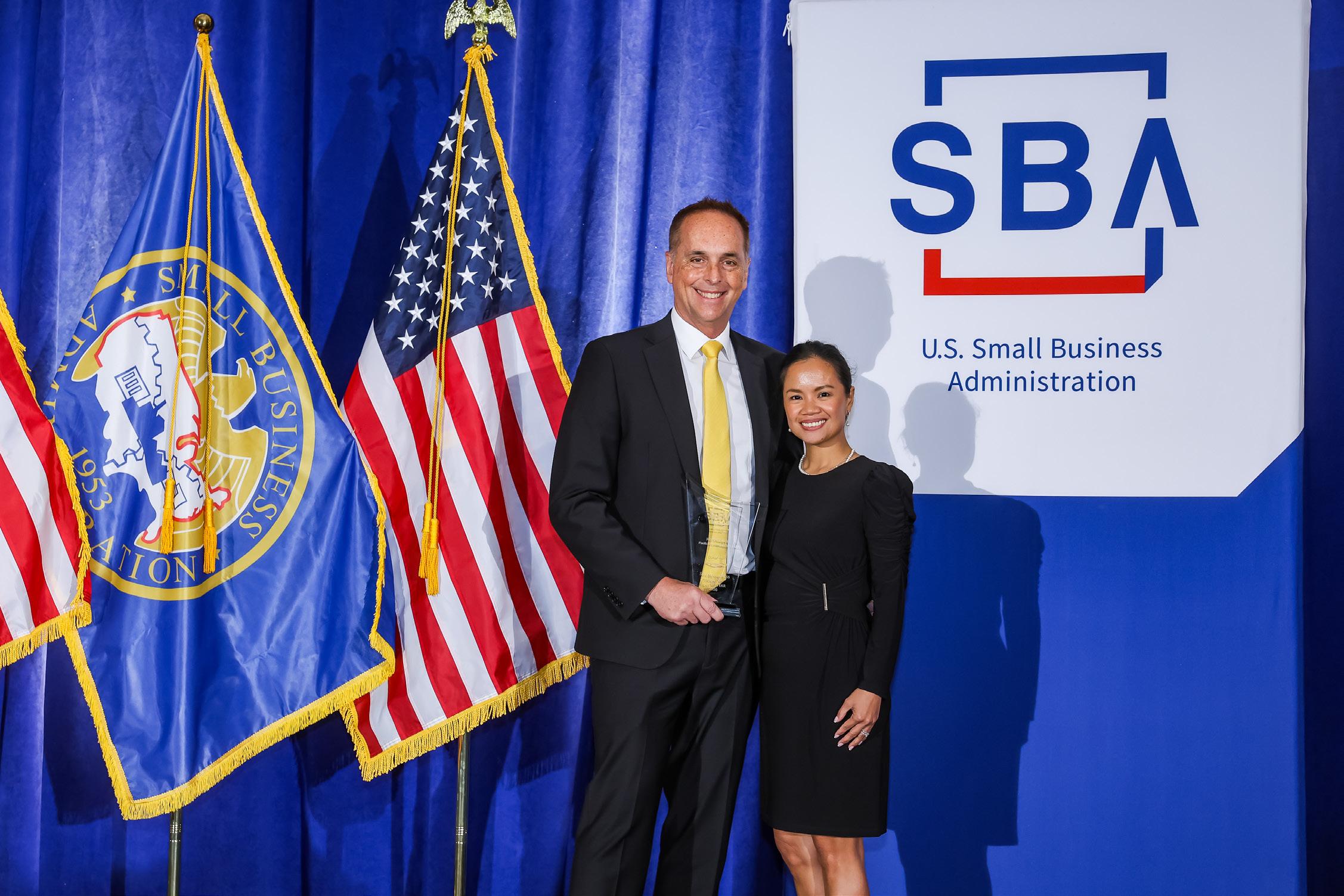
How Pacific Rim’s President & CEO Became SBA’s 2026 Small Business Person of the Year
By Shierly Cáceres, MBA, PMP, CF APMP
When Keith Stewart established Pacific Rim in Guam in 2012, he stepped into a construction landscape defined by complexity, opportunity, and the unique challenges. What he didn’t know then was that the small, single-room office he opened would one day grow into one of the region’s most respected construction firms — and that he would be recognized nationally as the 2026 U.S. Small Business Administration Small Business Person of the Year.
For Guam’s construction industry, this recognition is more than a personal milestone. It reflects the strength and resilience of local builders who continue to deliver critical infrastructure across Guam and the Indo-Pacific region.
“This recognition honors the people who shaped Pacific Rim’s journey — the employees who built its foundation, the clients who placed their trust in us, the subcontractors and vendors who stood beside our team on every project, and the partners who believed in the mission from the very beginning. Their collective effort is what transformed a small startup into a regional builder with purpose and heart.” – Keith Stewart
A Builder Shaped by Global Experience — and Local Commitment
Keith’s path to leadership began long before Pacific Rim. As a child helping his father run a neighborhood drug store, he learned the fundamentals of small business: hard work, humility, and service. Those early lessons stayed with him as he earned a degree in architecture, completed his MBA, and built a global development career spanning Europe, Asia, and the Caribbean.
But it was Guam — and later Saipan — where Keith found his purpose.
Since entering the Guam market in 2012 and expanding to Saipan in 2014, he has guided Pacific Rim’s growth into a trusted regional builder known for its professionalism, integrity, and ability to execute complex projects in remote environments.
One of the most defining chapters of his career came during the development of the Dusit Thani Guam Resort, where he initially served as Development and Construction Manager before Pacific Rim later became
the General Contractor. At peak, he helped lead a workforce of more than 800, navigating one of the island’s most ambitious hospitality projects.
Keith is honored to represent Guam on the national stage, viewing this award as a tribute to the island’s talent, work ethic, and the construction community that has supported Pacific Rim’s journey.
Today, Pacific Rim employs more than 500 professionals across Guam, the CNMI, and the Philippines. The company’s growth is rooted in a philosophy that resonates deeply within Guam’s construction community: people first.
“Pacific Rim’s growth has always been driven by one thing above all else: people who genuinely care,” the company shared in its announcement.
This people-centered approach is reflected in Pacific Rim’s four core pillars:
• Safety
• Quality
• Integrity and Accountability
• Continuous Improvement
These aren’t aspirational statements — they are operational commitments. Pacific Rim has earned national awards and recognitions this year, such as the National Pinnacle Safety Award (back-to-back for two-consecutive years – first in Guam), AQC accreditation, and Top Contractor by the Associated Builders and Contractors. Locally, Pacific Rim received multiple Excellence in Construction awards and the 2025 Contractor of the Year by the Guam Contractors Association.
Keith’s leadership has been defined not only by growth, but by the decisions made during difficult moments.
For example, on one multi-phase project, a later phase became significantly more complex than anticipated. Completing the work to the required standard meant absorbing a financial loss — but according to Keith, “Rather than compromise on quality, he chose to honour their commitment and complete the project with excellence.”
In another instance, Pacific Rim was operating under a “paid-when-paid” contract. When client payments were delayed, Keith made the decision to pay subcontractors first — even before Pacific received its own funding. This choice protected small businesses and preserved long-standing relationships.
These decisions reflect a leadership philosophy grounded in integrity, stewardship, and long-term thinking —
values that resonate deeply within Guam’s tight-knit construction community.
Pacific Rim’s commitment to workforce development is one of the company’s most significant contributions to the region. Through self-performing teams, skills training, and intentional career pathways, the company has created stable, meaningful jobs for local workers.
Keith’s belief is simple: strong companies are built by investing in people.
This philosophy extends beyond the jobsite. Pacific Rim supports CPR and First Aid training for single mothers, conducts annual beach cleanups, assists public schools with skilled labor, participates in programs like Toys for Tots to name a few. Keith also serves on the boards of Saipan Community Church and Saipan Community School, and encourages his employees to take active roles in industry organizations and community groups.
Pacific Rim credits Bank of Guam for nominating Keith for the SBA award — a gesture that reflects the collaborative spirit of Guam’s business community. Their support underscores the partnerships that have helped Pacific Rim grow from a small startup to a regional leader.
“This recognition belongs to every person who believed in Pacific Rim — who gave their time, talent, and trust to help build something larger than any one of us,” Keith said.
As Pacific Rim celebrates this milestone, Keith remains focused on the future — on developing responsibly, developing people, delivering high-quality projects, and supporting the communities that have shaped Pacific Rim’s journey.
For Guam’s construction industry, his recognition is a reminder of what local builders are capable of achieving on the national stage.
And for Pacific Rim, it is only the beginning.
Building with heart. Leading with purpose. The best, as they say, is yet to come.



For years, Guam’s aging power system sat at the center of nearly every island conversation involving reliability, resiliency, military readiness, economic growth, and public confidence. Residents and businesses knew the frustrations well: power outages, aging baseload infrastructure, rising fuel costs, typhoon vulnerabilities, and the constant challenge of operating one of America’s most geographically isolated island grids.
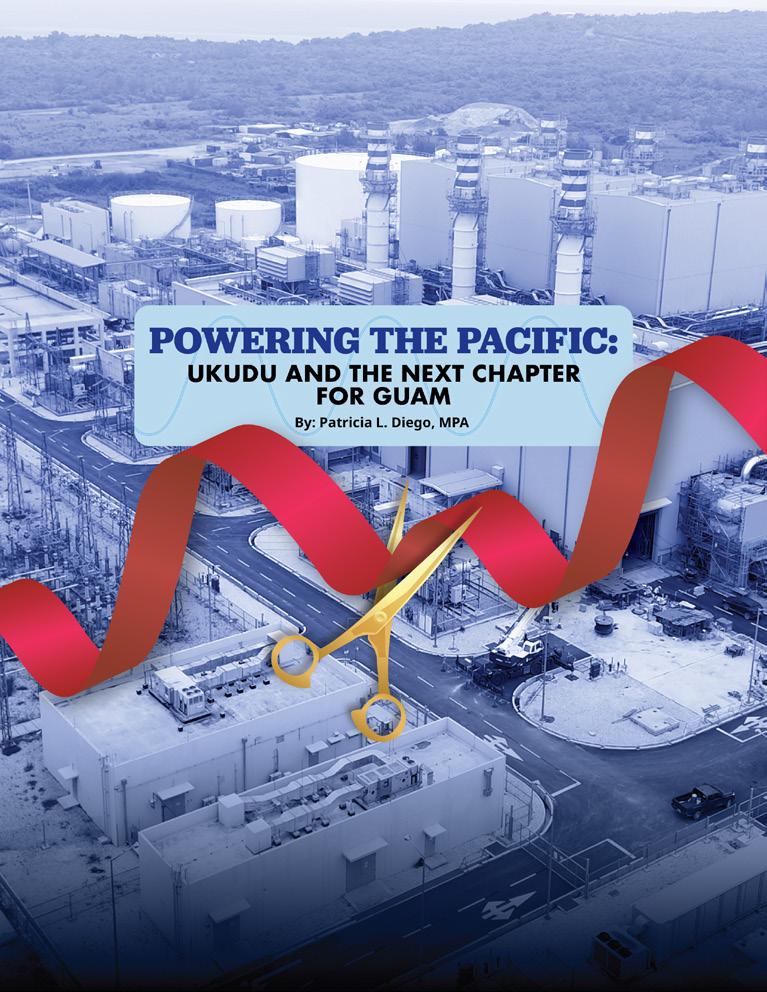
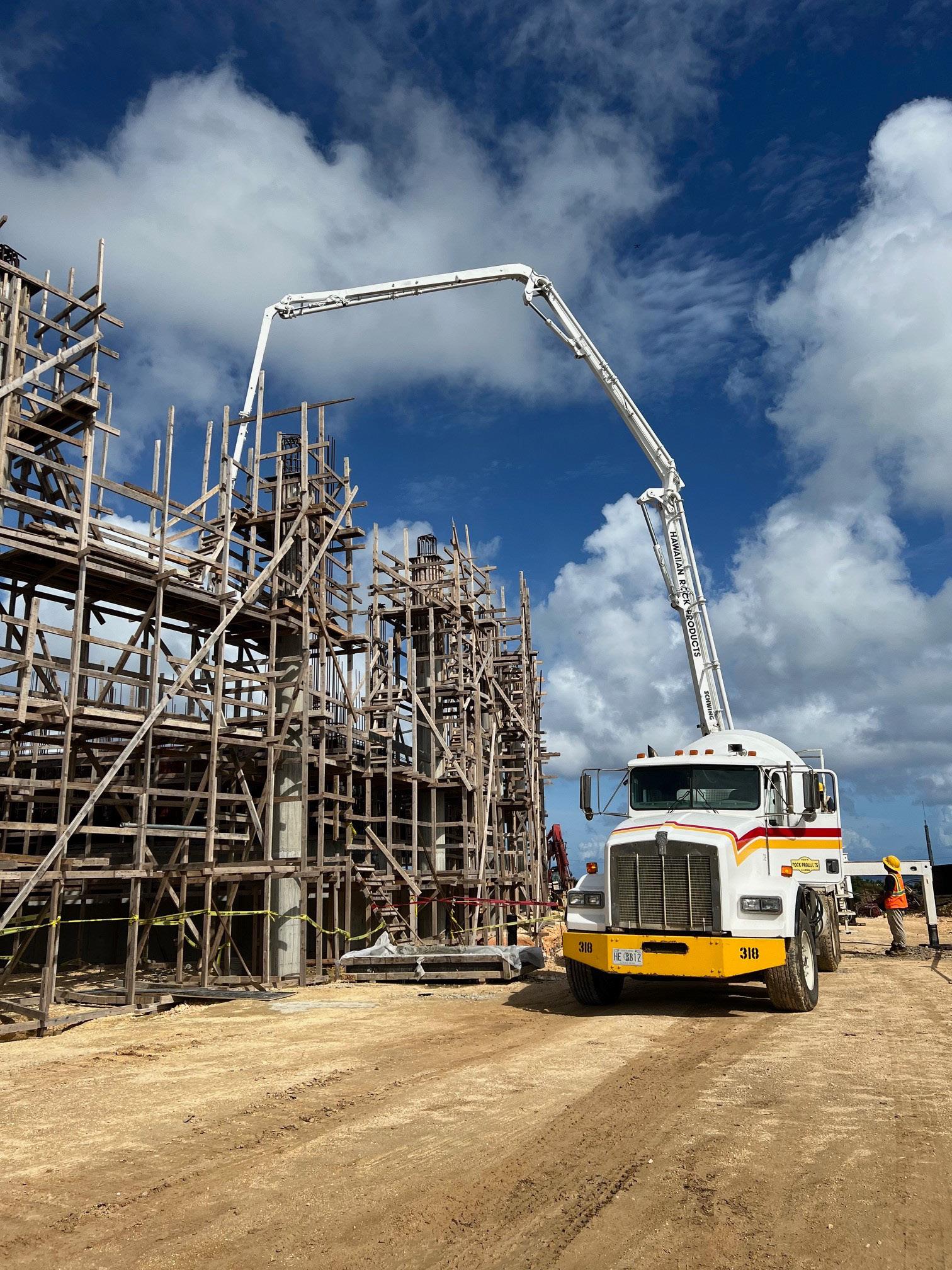
On May 28, 2026, Guam marked a major step forward. Government leaders, utility executives, engineers, contractors, military representatives, regulators, and international energy partners gathered for the official commissioning of the new Ukudu 198-megawatt Combined-Cycle Power Plant in Dededo, one of the largest infrastructure modernization projects in Guam’s modern history.
The day-long event began at the Dusit Thani Guam Resort in Tumon before transitioning north to the Ukudu site for the official ribbon-cutting ceremony and guided facility tour. The ceremony later concluded with a luncheon recognizing the many years of planning, oversight, engineering, financing, and perseverance required to bring the project to completion.
But beyond the speeches and ribbon-cutting, the real story is much larger. Ukudu represents Guam’s long-term effort to modernize one of the most strategically
important island power systems in the Indo-Pacific region.
The approximately $600 million project was developed through a public-private partnership involving Guam Ukudu Power LLC, a consortium led by Korea Electric Power Corporation (KEPCO) and Korea East-West Power (EWP), under a long-term Energy Conversion Agreement with the Guam Power Authority (GPA).
For Guam’s construction, engineering, and infrastructure sectors, the completion of Ukudu signals far more than a new power plant coming online. It reflects the growing complexity of large-scale infrastructure delivery in the Pacific region — projects that now require sophisticated financing structures, international partnerships, advanced engineering coordination, environmental review, regulatory oversight, cybersecurity awareness, and long-term resiliency planning.
The project itself took years. Planning discussions involving modernization of Guam’s aging baseload generation system date back to 2012 under GPA’s Integrated Resource Plan. Throughout the process, GPA leadership, the Consolidated Commission on Utilities (CCU), the Guam Public Utilities Commission (PUC), contractors, engineers, consultants, and project partners navigated procurement reviews, financing approvals, environmental compliance, public scrutiny, global inflationary pressures, COVID-19 supply-chain
disruptions, and typhoon recovery operations.
The project also faced real-world operational setbacks along the way, including generating challenges at Cabras, delays tied to pandemic-era logistics, and Typhoon Mawar impacts in 2023 that disrupted timelines and recovery priorities throughout the island.
Yet construction moved forward. The result is a state-of-the-art combined-cycle facility designed to significantly improve fuel efficiency compared to older conventional fuel-oil generation systems. According to GPA officials, Ukudu is capable of supporting approximately 75 percent of Guam’s peak baseload power demand. E
qually important, the facility is projected to reduce heavy fuel-oil consumption by nearly one million barrels annually.
That matters. For years, Guam’s dependence on imported fuel oil exposed the island to global price swings, shipping disruptions, and rising operational costs. Improved fuel efficiency does not simply represent an engineering upgrade. It represents long-term operational stability, environmental stewardship, and stronger energy resiliency for the island community.
Over time, improved efficiency and reduced fuel consumption are also expected to help stabilize long-term operating costs while strengthening reliability for more than 50,000 GPA customers.

2012
GPA identifies the need for a new baseload plant under its Integrated Resource Plan.
2020
COVID-19 disrupts supply chains, labor availability, and project timelines.

2023
Typhoon Mawar impacts Guam operations and recovery priorities.
2025
Additional commissioning and turbine-related delays extend project timelines.
April 16, 2026
Official ribbon-cutting and commissioning of the Ukudu Power Plant, delayed due to Typhoon Sinlaku. May 28, 2026
Official ribbon-cutting of the Ukudu Power Plant.
The project additionally supports GPA’s broader modernization strategy involving renewable energy integration, battery storage systems, underground infrastructure hardening, and future liquefied natural gas transition capability.
For contractors and infrastructure professionals, Ukudu sends another important message: Guam is entering a new era of utility modernization and infrastructure complexity.
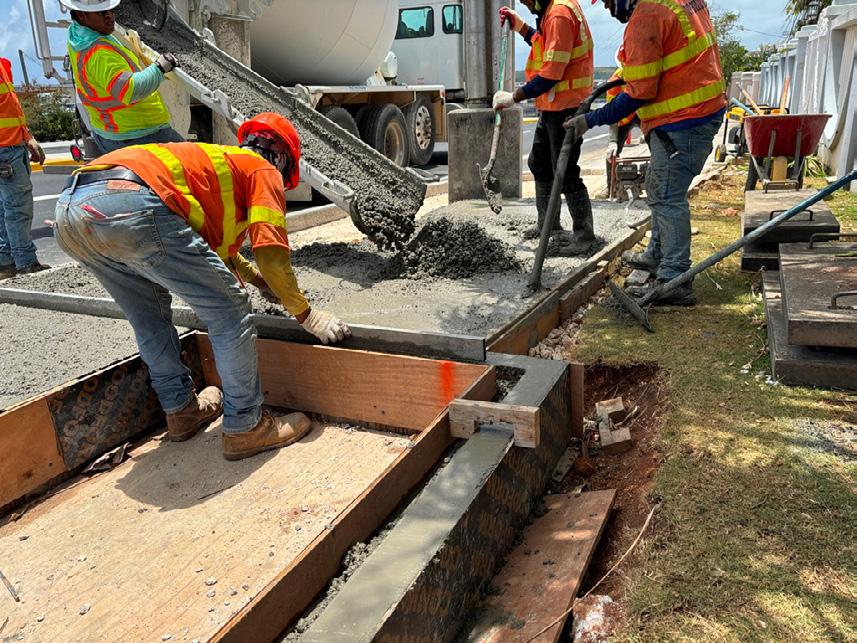
Reliable power is not a luxury on Guam. It is a jobsite necessity. Stable baseload power supports concrete pours, heavy equipment operations, scheduling reliability, telecommunications, water systems, and critical project coordination. Fewer disruptions mean stronger schedule control, reduced downtime, improved productivity, and greater confidence across the construction industry.
Ukudu does not eliminate every challenge associated with building on an island. Contractors still face long material lead times, labor shortages, weather impacts, and rising costs. But it does remove one of the most disruptive and unpredictable factors affecting long-term infrastructure delivery: unstable power reliability.
The strategic backdrop cannot be ignored either. Guam’s energy infrastructure carries growing importance throughout the Pacific Rim because of the island’s expanding role as a major U.S. civilian and military hub in the Western Pacific. Reliable power is no longer simply a utility issue. It is directly connected to healthcare operations, telecommunications, emergency response, transportation systems, military readiness, schools, water systems, businesses, and overall economic stability.
Recent events throughout the Mariana Islands further reinforced that reality. Only weeks before the Ukudu commissioning, GPA crews and equipment were deployed through Public Power Mutual Aid operations to assist the Commonwealth Utilities Corporation (CUC) following widespread devastation caused by Super Typhoon Sinlaku in the CNMI.
The storm severely damaged power infrastructure throughout Saipan and Tinian, toppling utility poles, damaging substations, and leaving thousands without electricity. GPA’s rapid deployment highlighted the increasingly important role Guam now plays in regional utility resiliency and emergency response operations throughout Micronesia.
That experience also reinforced a larger lesson for Guam’s infrastructure community:
• Modern resiliency is no longer optional.
• It must be engineered, financed, coordinated, tested, and sustained.
• Ukudu does not solve every challenge facing Guam’s energy future. But it does represent something important: long-term movement forward.
For GPA leadership, utility employees, contractors, engineers, commissioners, regulators, and project partners, the commissioning of Ukudu represents years of difficult work finally becoming operational reality. For Guam, it represents a stronger foundation for the future.
And for the Pacific region, it signals that even one of America’s most geographically isolated public power systems can modernize, strengthen resiliency, reduce fuel dependence, support renewable integration, and prepare for the next generation of energy and infrastructure challenges.
"We are pleased to mark this important milestone in the Ukudu Power Project, which re ects the strong collaboration between all stakeholders. is achievement would not have been possible without the continued support and commitment of our partners. We remain fully committed to ensuring the successful completion and reliable operation of the project in support of Guam’s long-term energy needs."
- Han Jae Suk, CEO Guam Ukudu Power
“I want to especially emphasize the importance of power to our people. It is a lifeline for our people … What do we get at the end of all the work? We get a life that has been lifted. We get a family that has been supported. We get a community that has risen to be able to expand its economy, to provide public services to our people. Because we are about family, we are about people, we are about all working together. I just want to say that I am the proudest Governor here today. Not just Guam, but in the whole of Micronesia because we have a developed, resilient, power system. And, we are also moving to renewable energy.
- Guam Governor Lou Leon Guerrero
“It’s been a journey. is journey of Ukudu started way back, even before 2012. roughout my career, it’s always been the issue of high fuel costs: rate increases, load-shedding: not enough capacity, training people: not enough professionals to handle it all, and then you add manmade challenges and supporting the critical-to-the-nation security. "Our mission has always been to provide reliable, resilient, a ordable, and cleaner energy for the people of Guam. e challenge was not de ning that goal. e challenge was sustaining it. Today, with Ukudu, we have taken a major step toward making it a reality."
- GPA General Manager John M. Benavente, P.E.




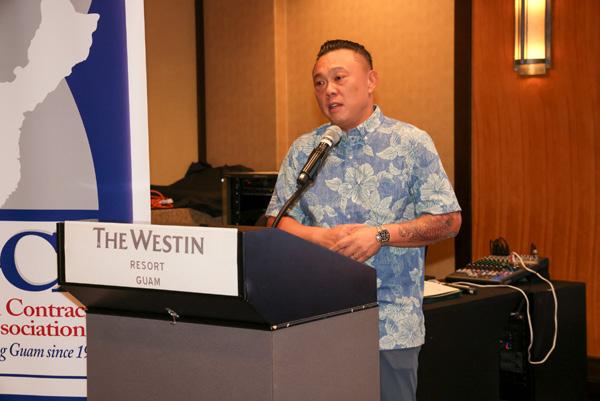
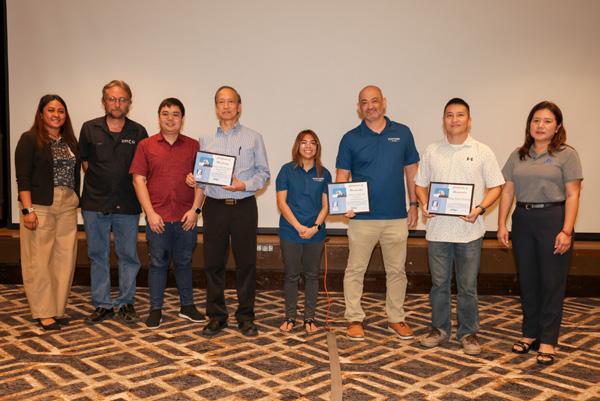
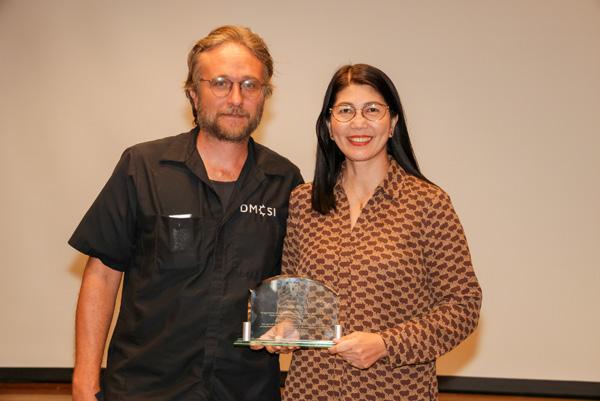
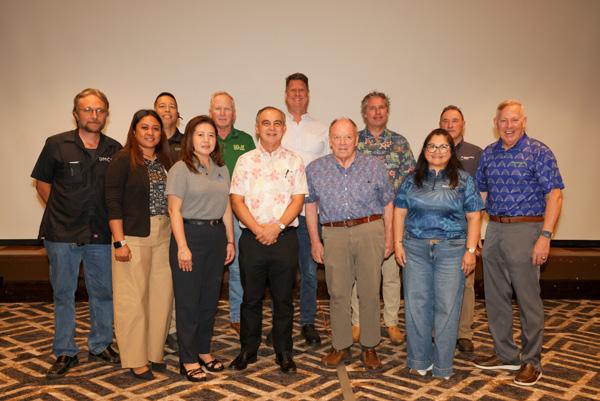
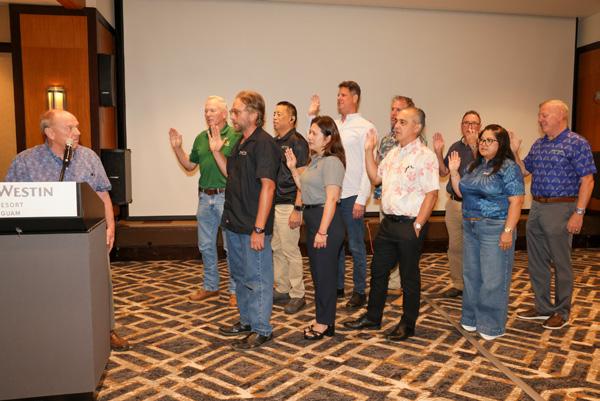
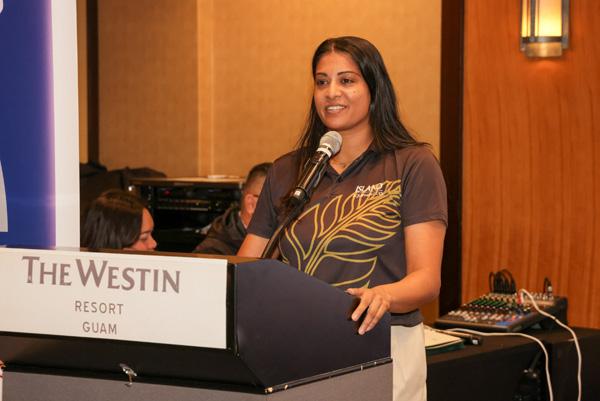
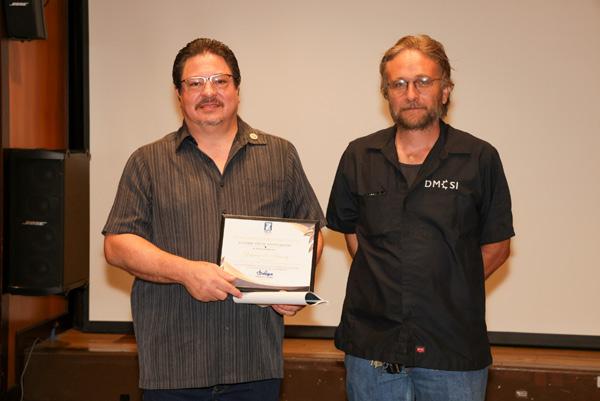
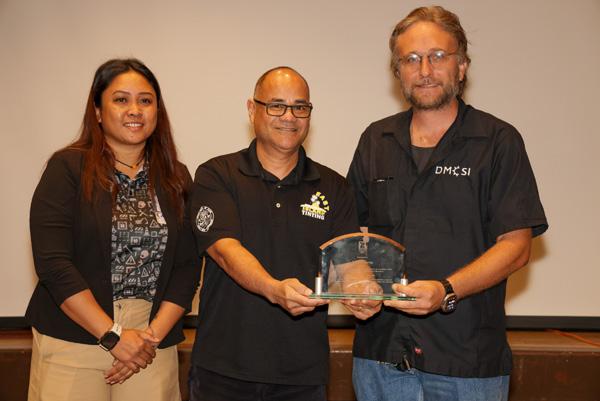
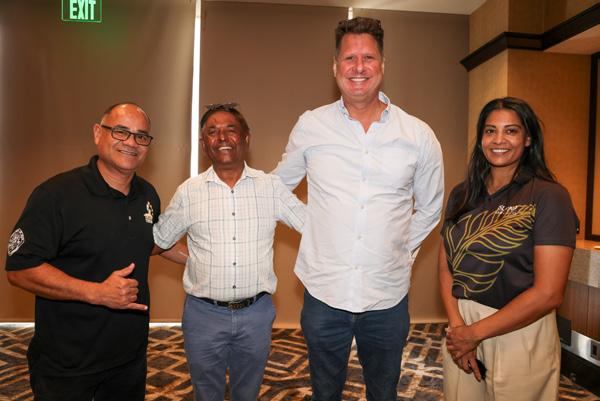
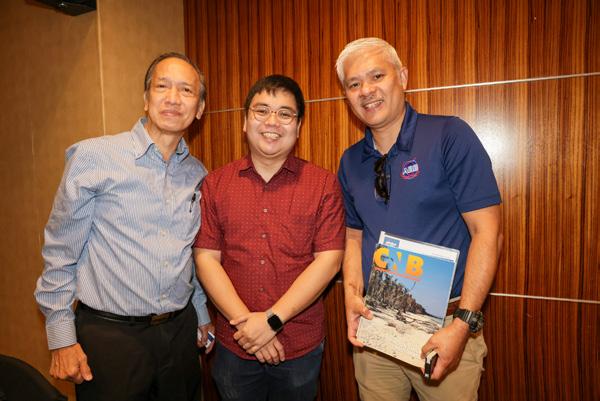
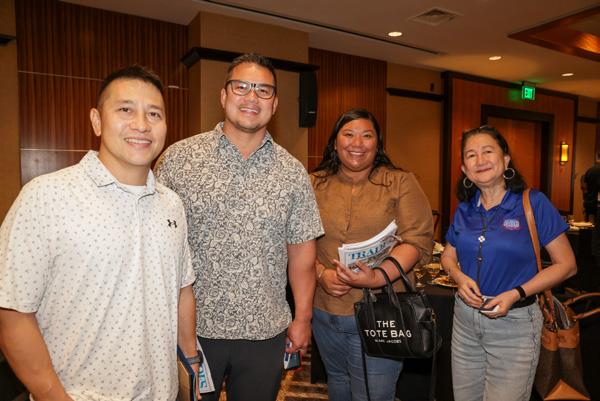
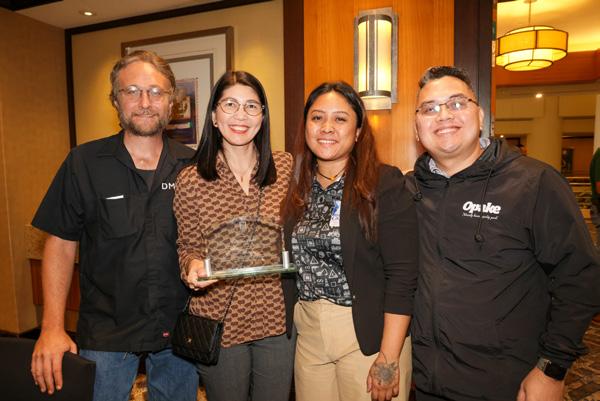
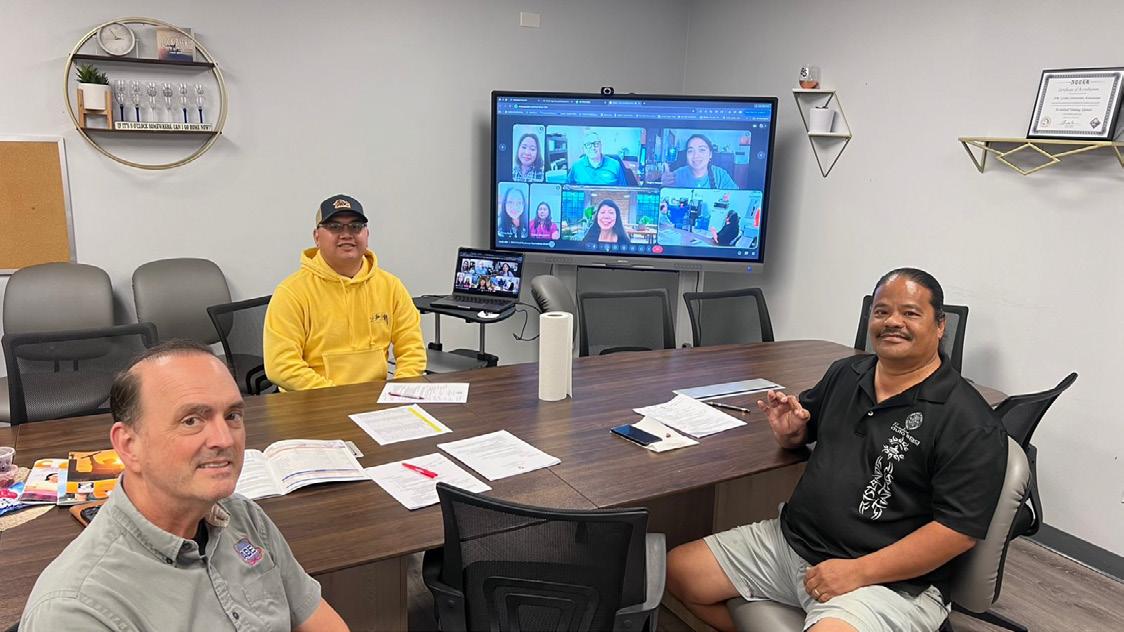
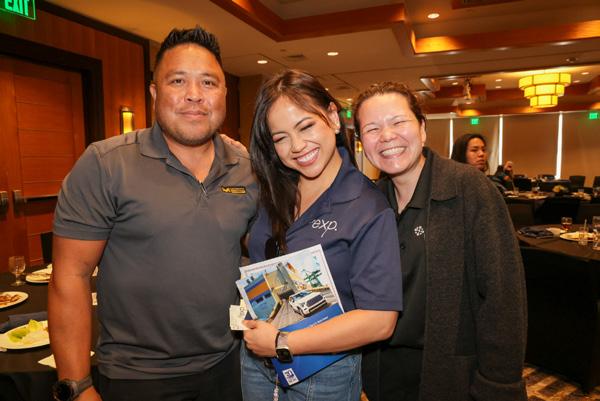
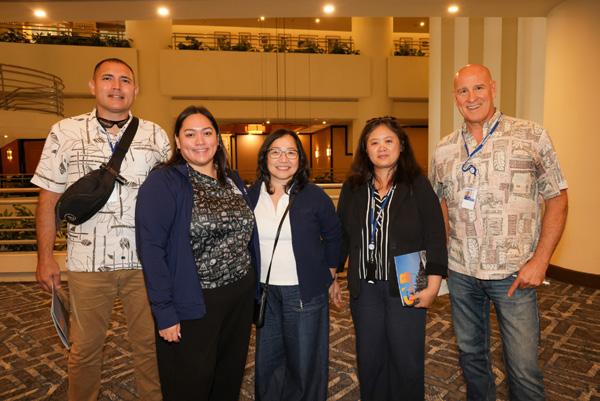
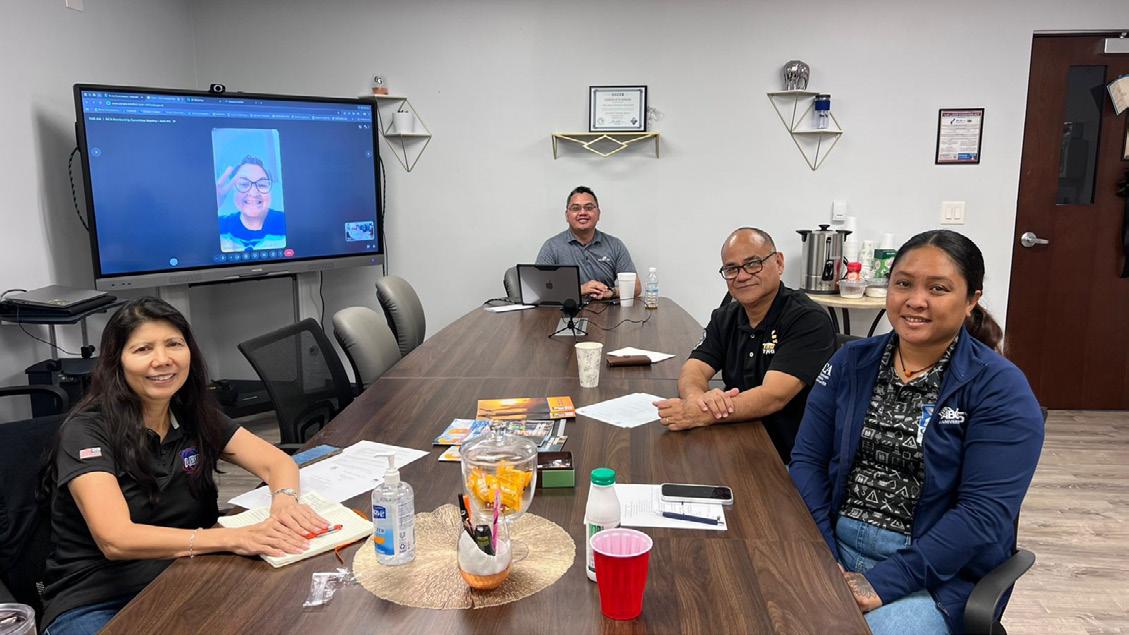
GCA Membership Luncheon
May 20th, 2026
Westin Resort Guam


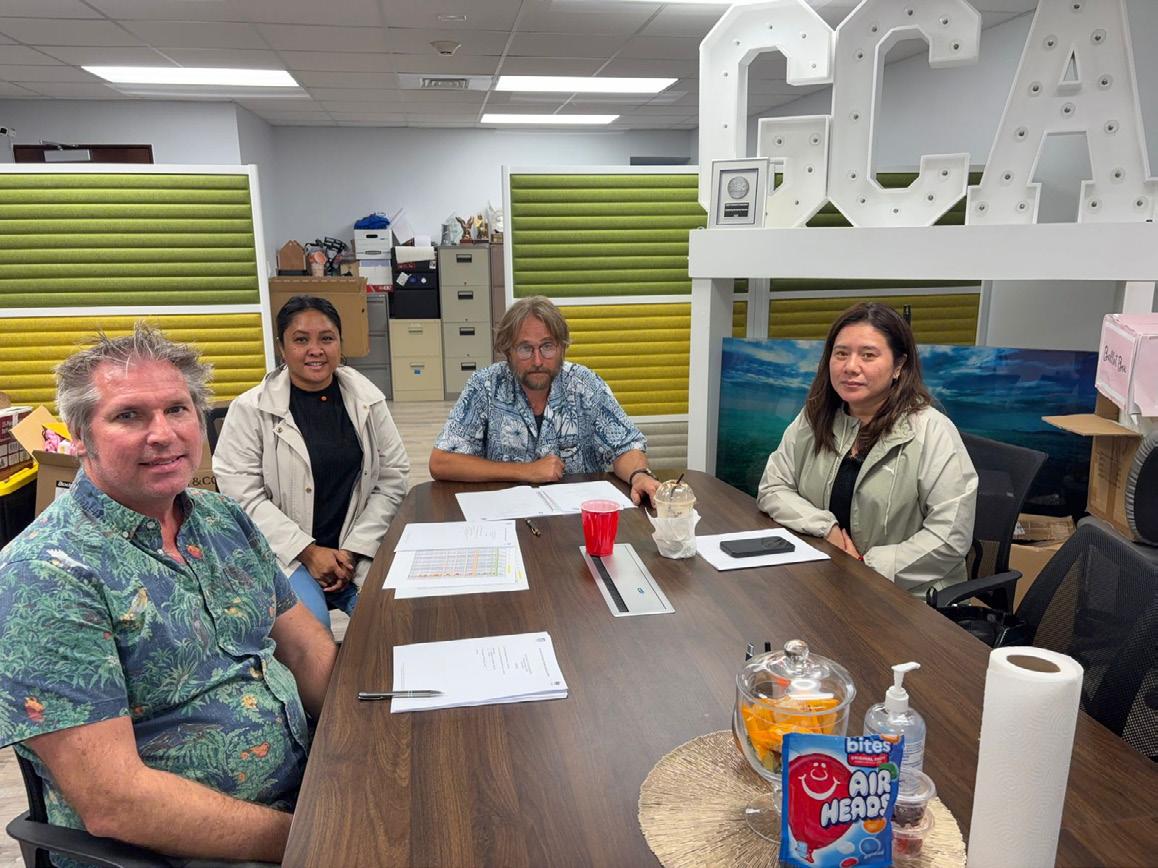
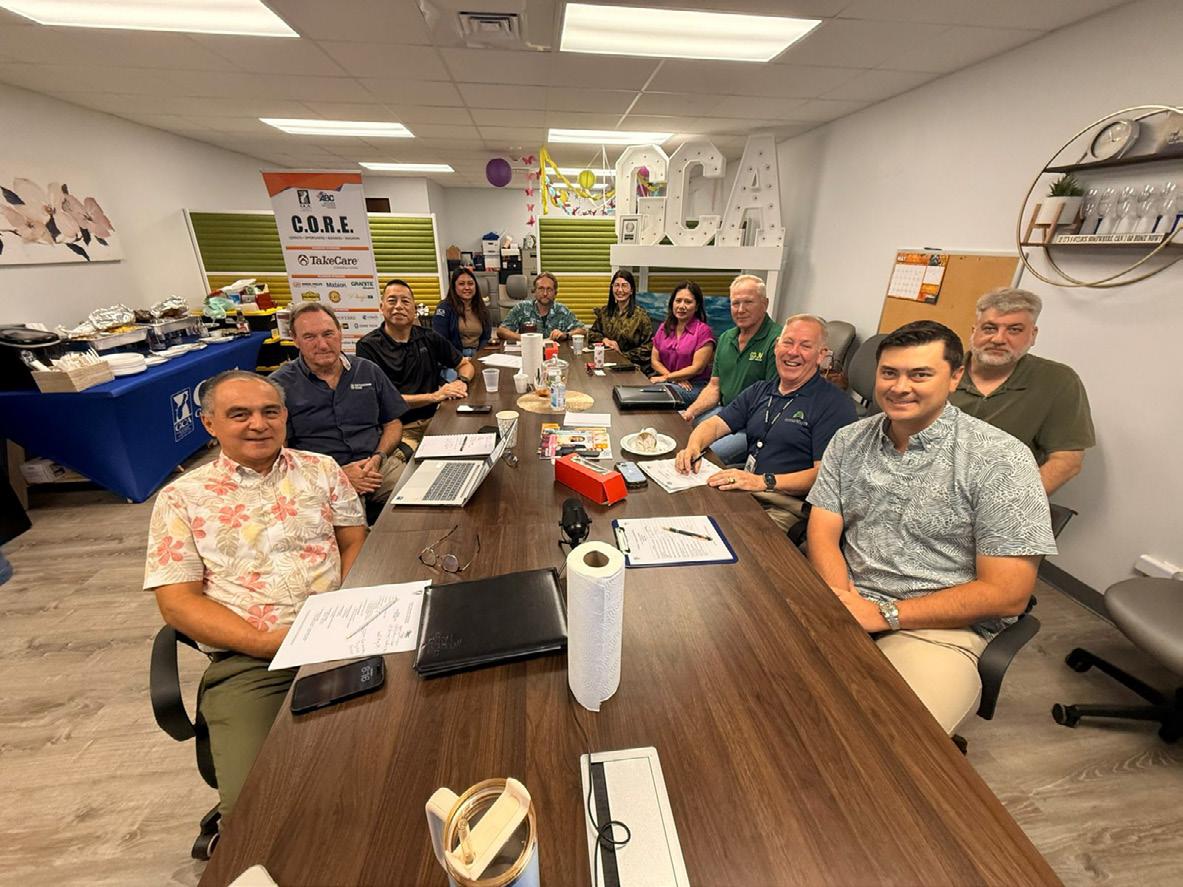
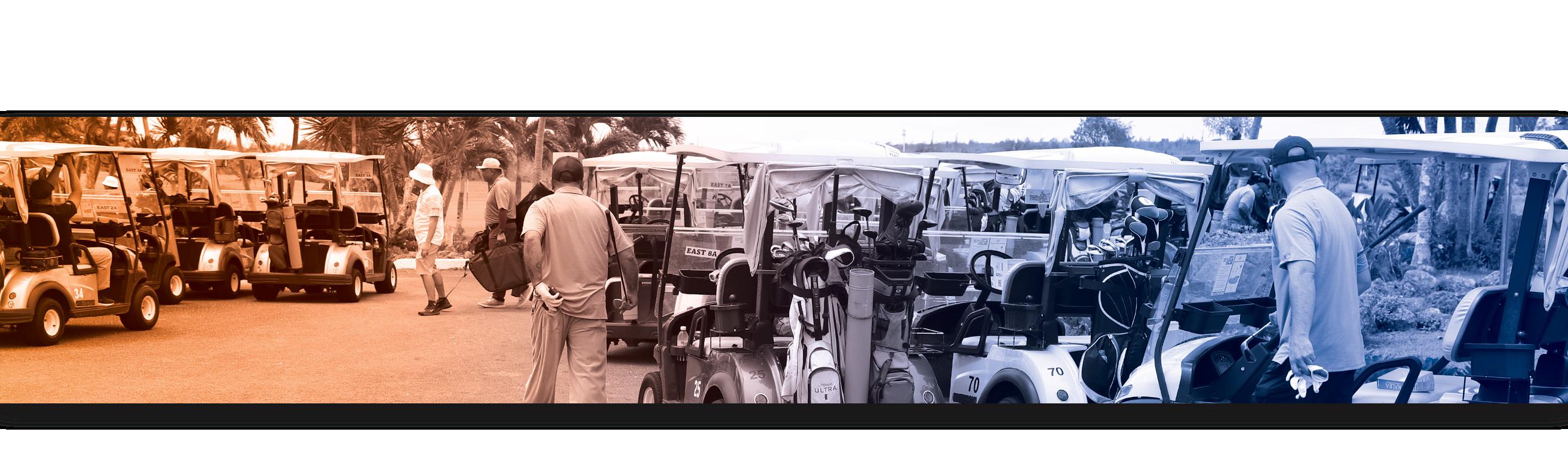
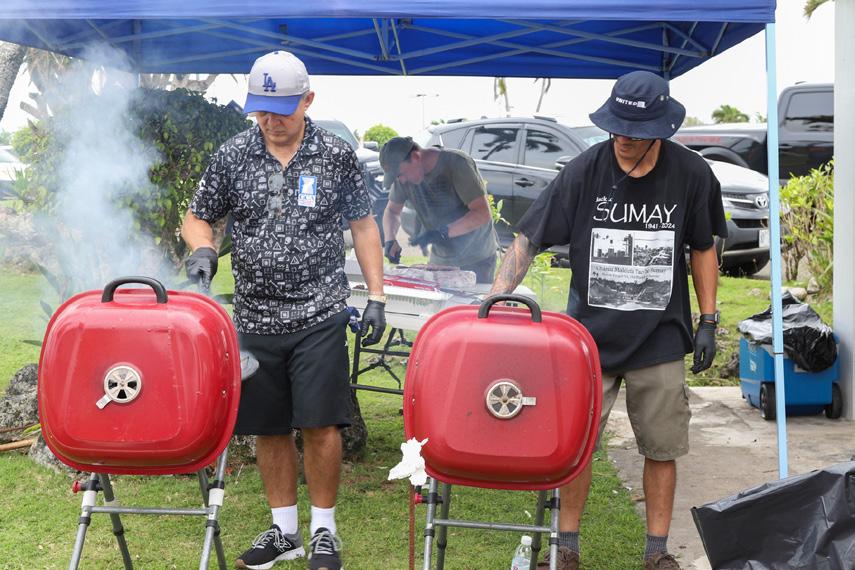

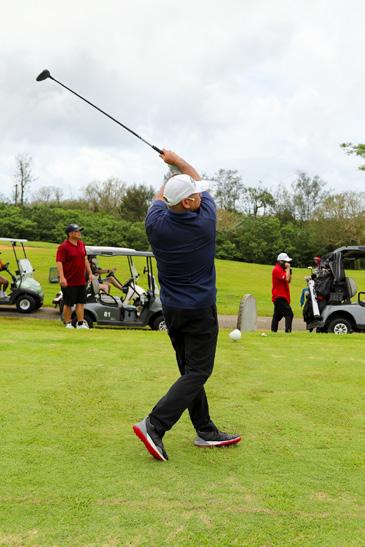
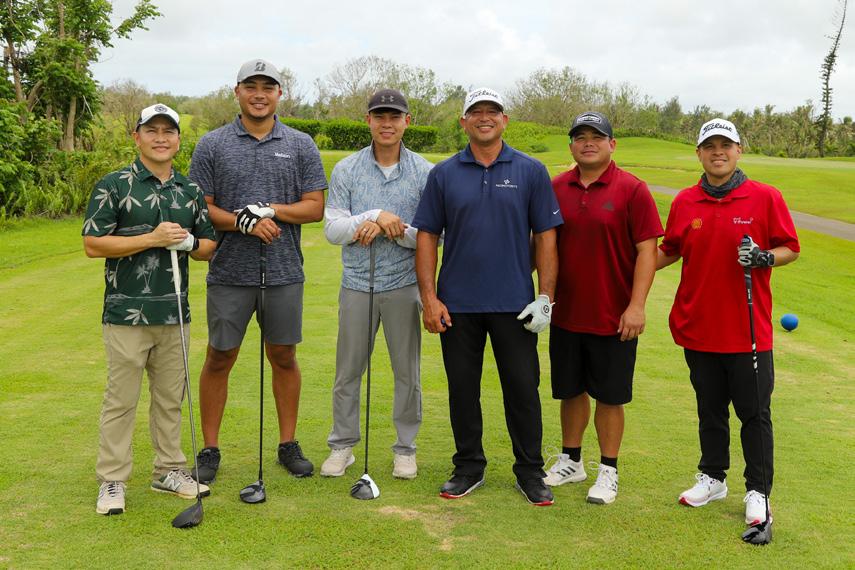
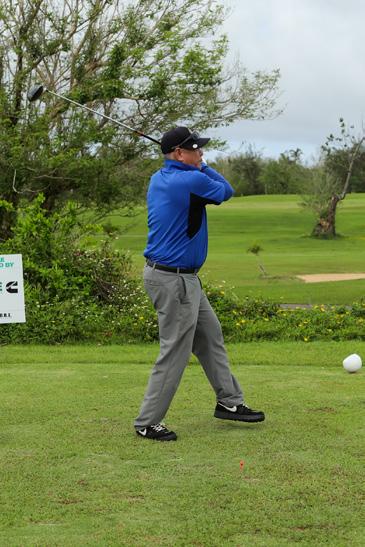
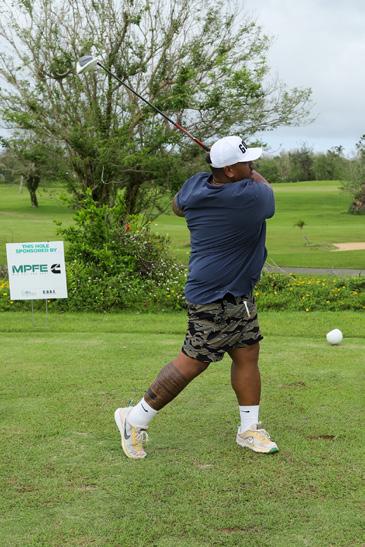
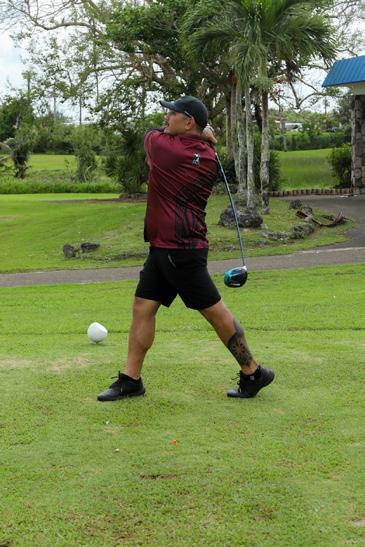
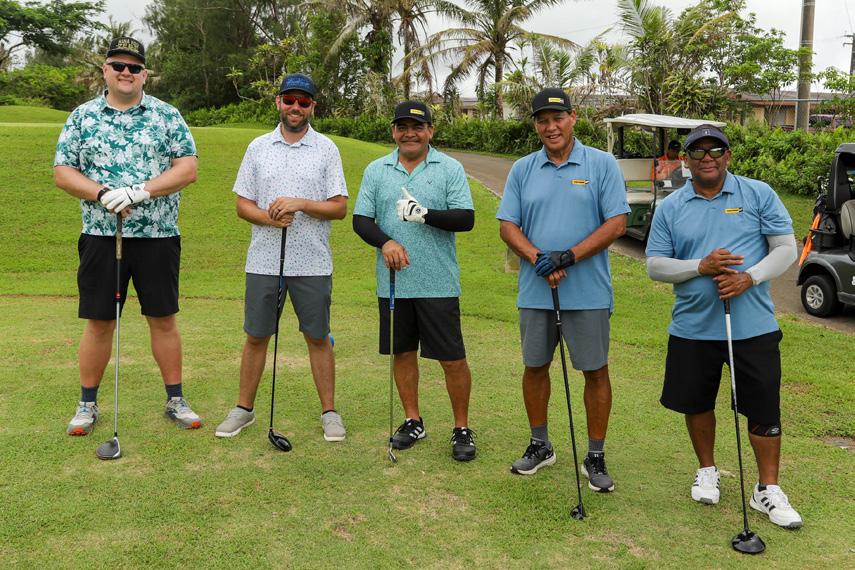
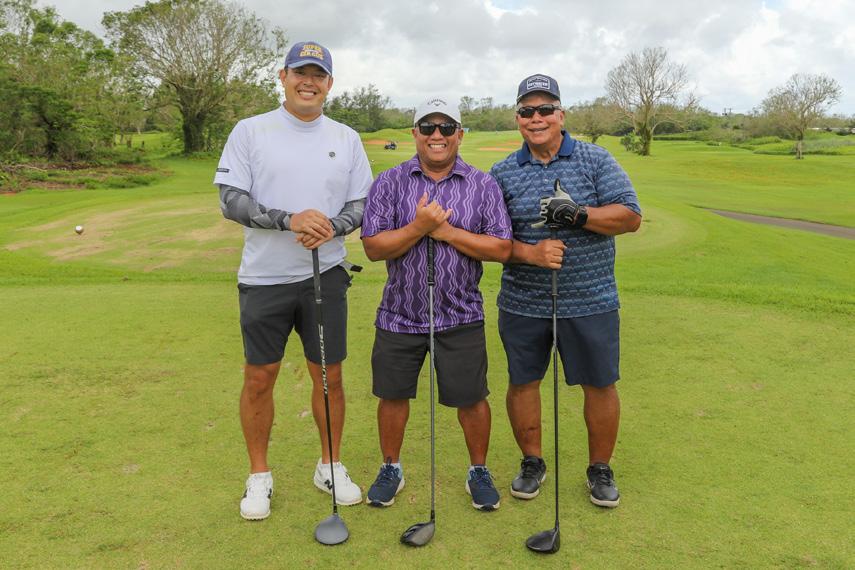
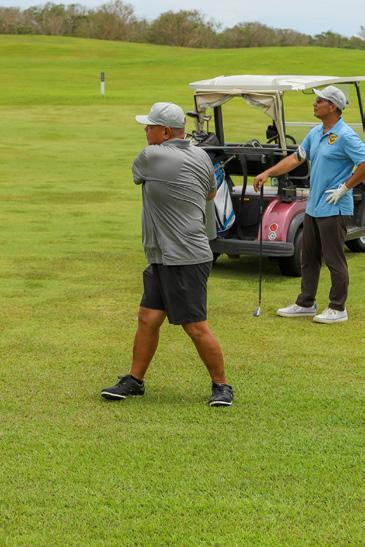
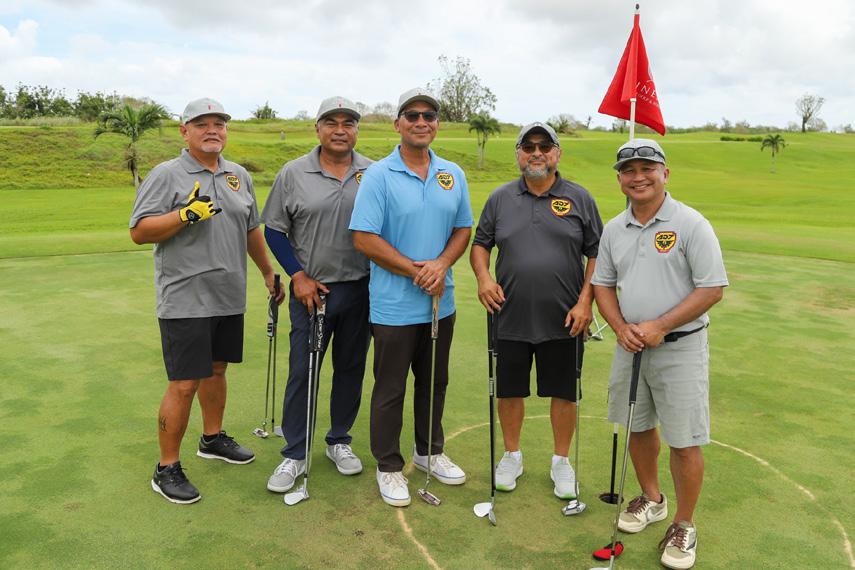
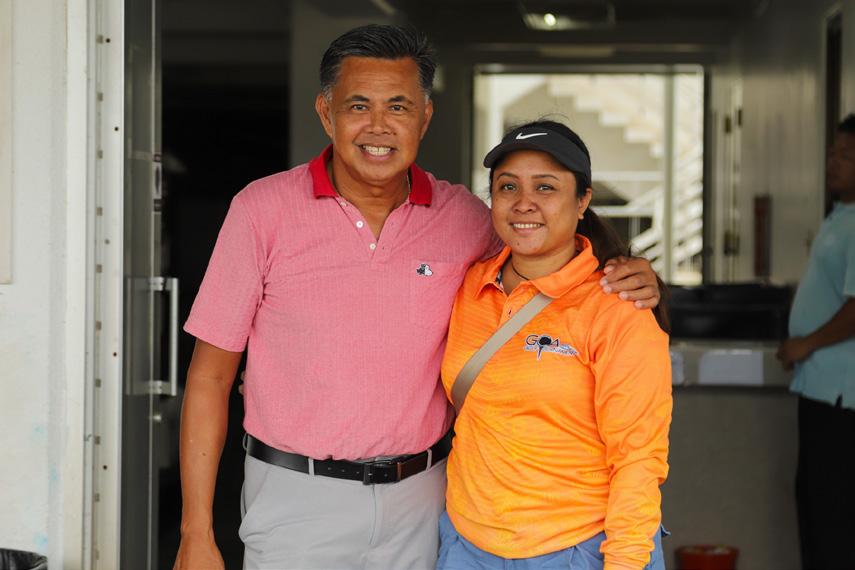
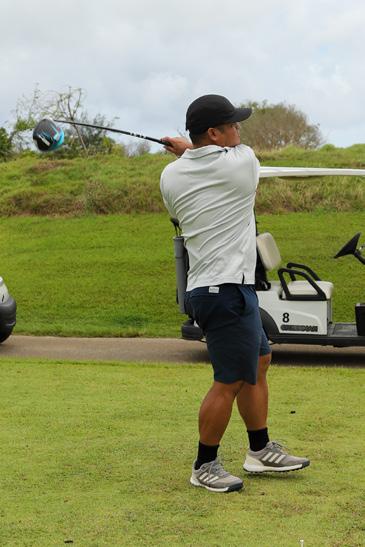
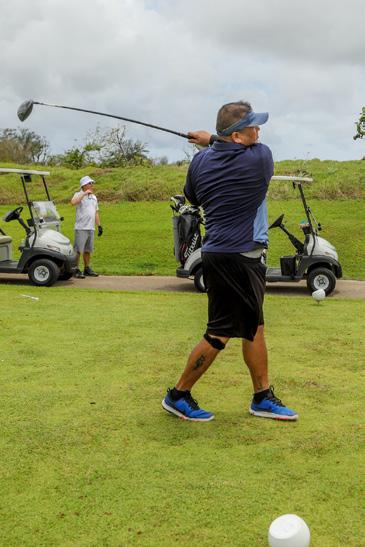
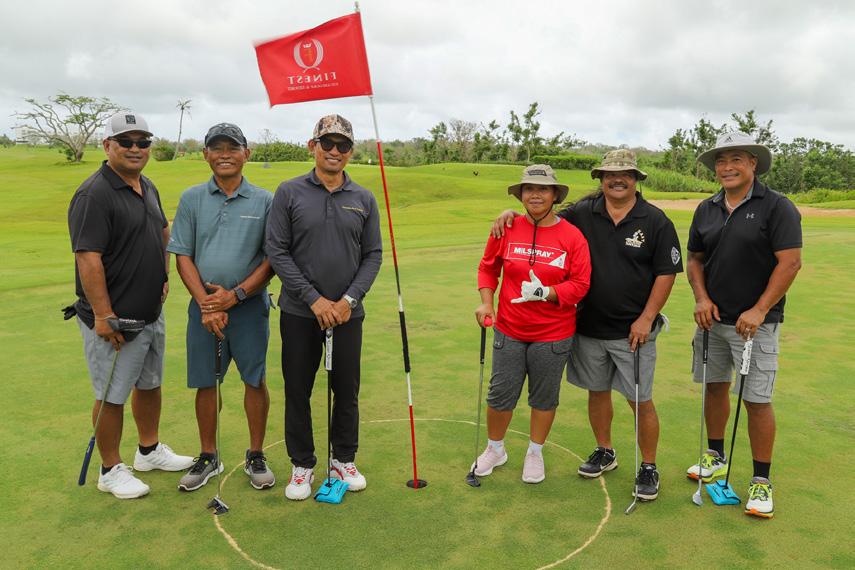
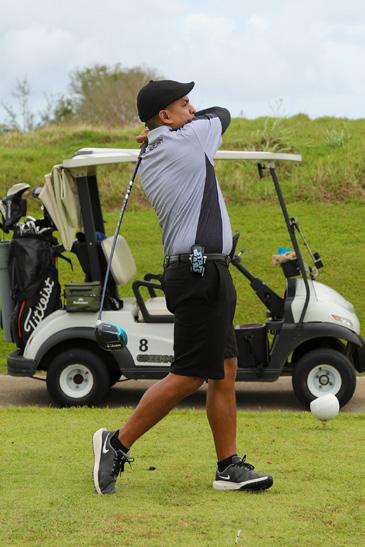
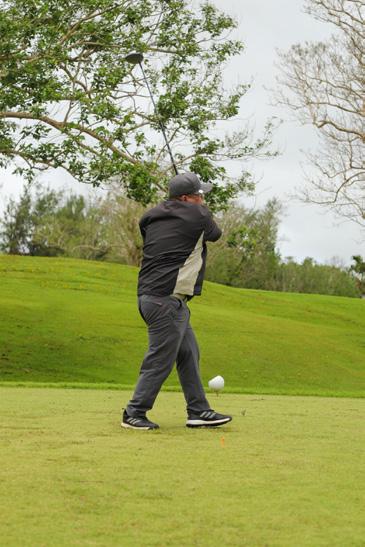
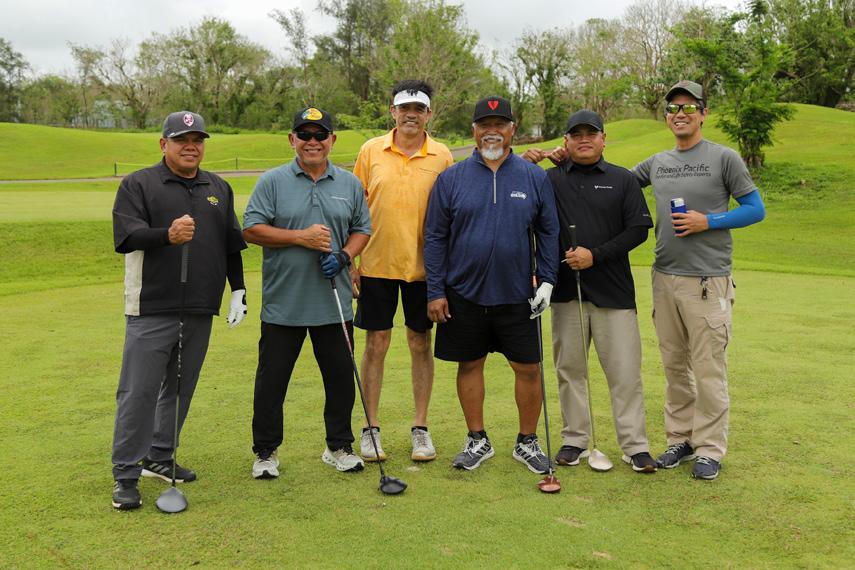
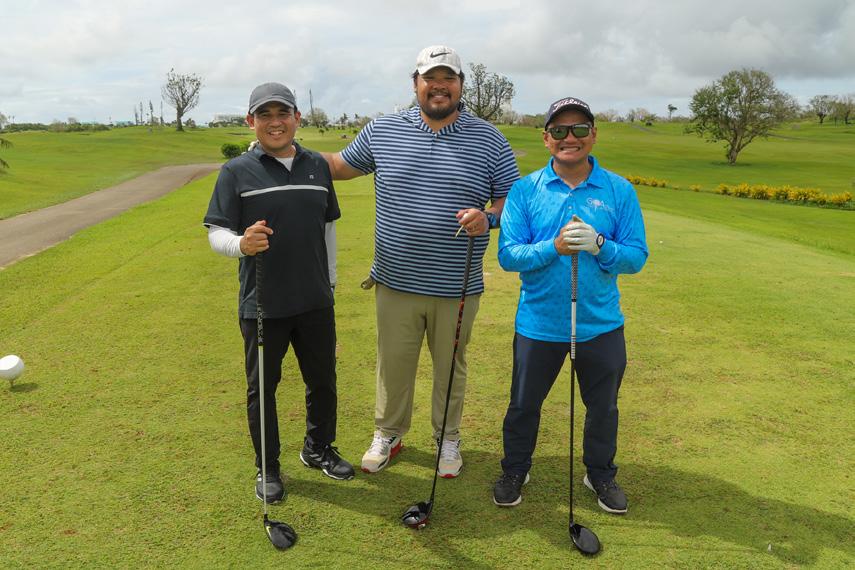
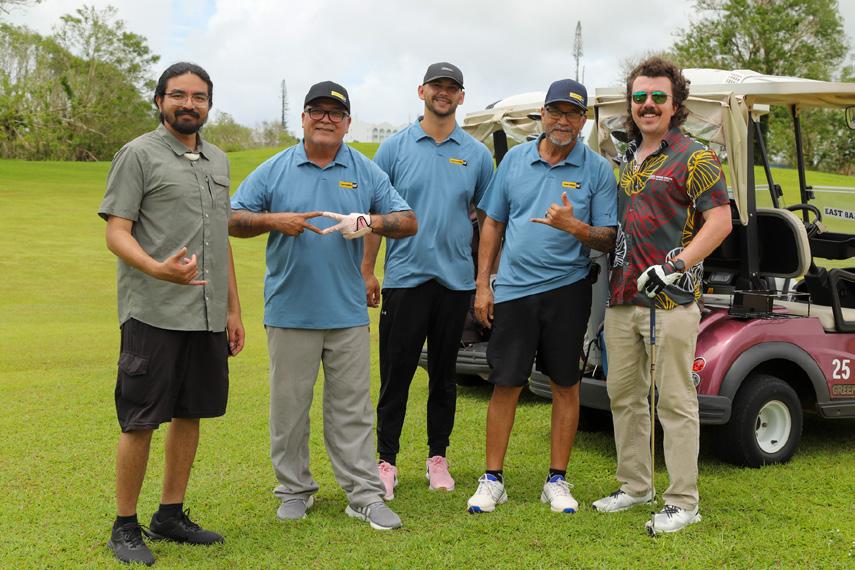
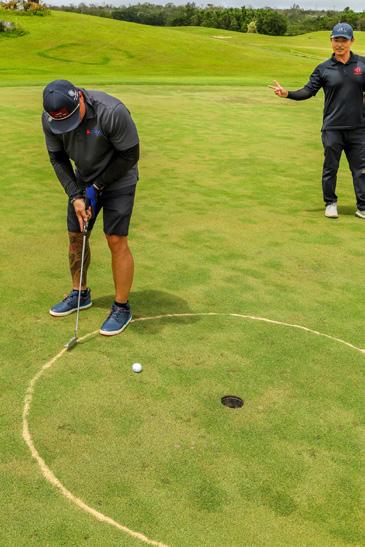
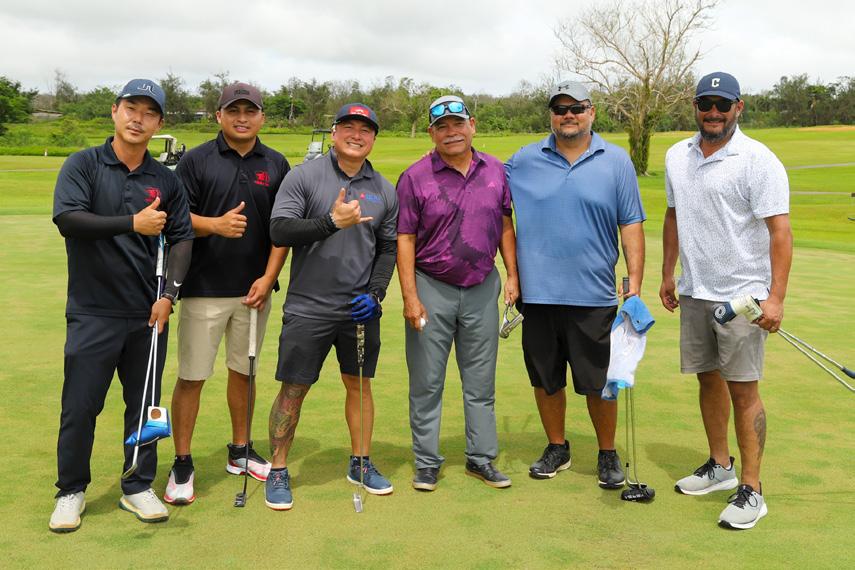
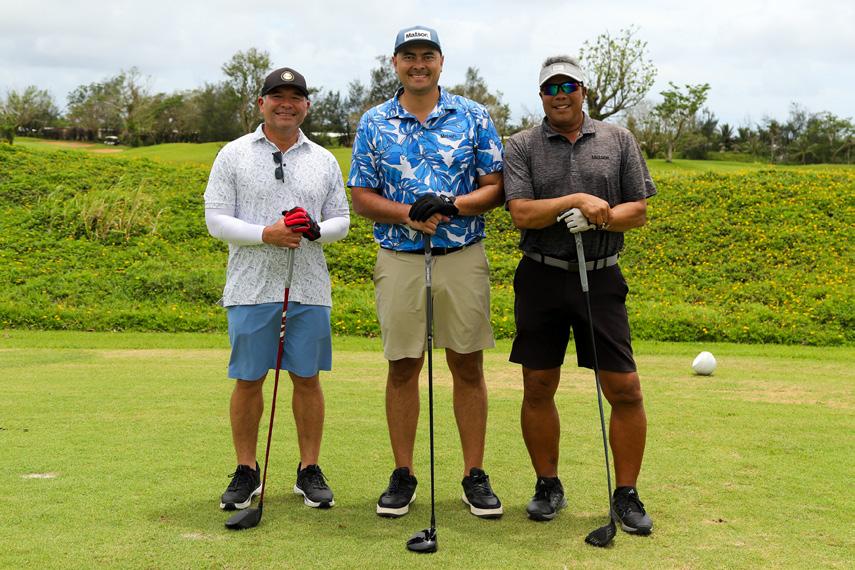
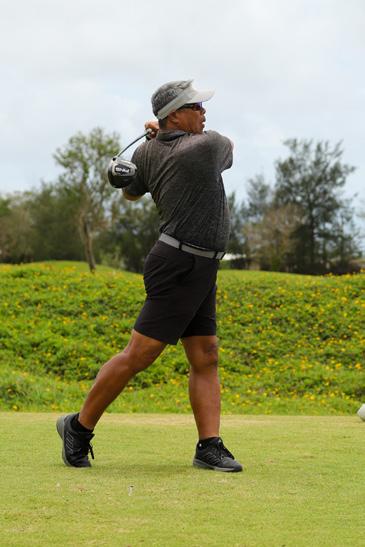
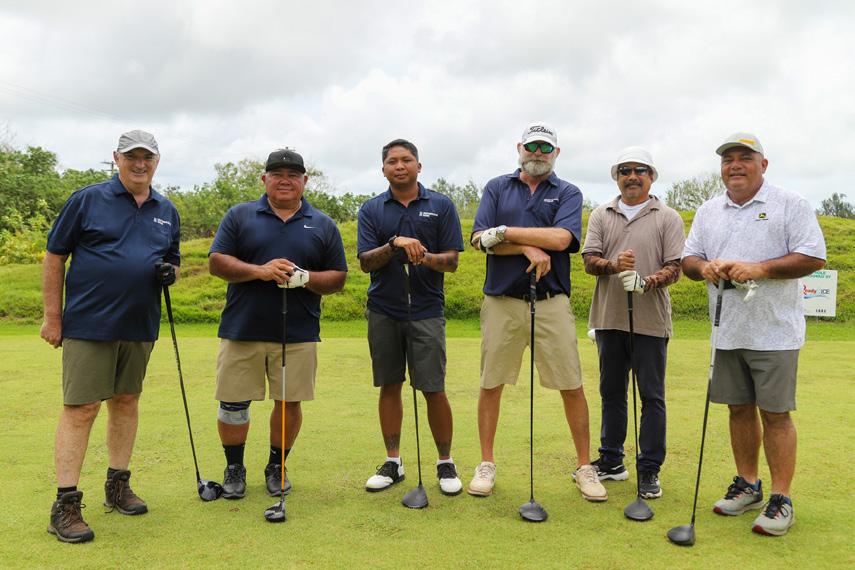
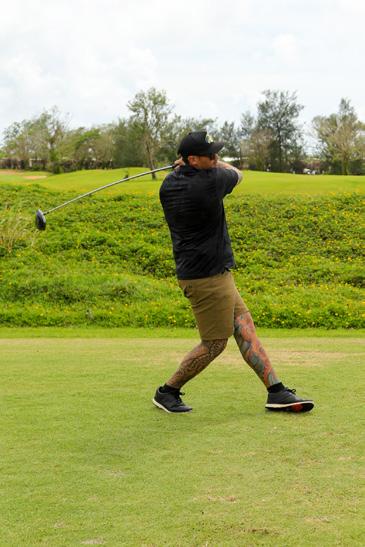
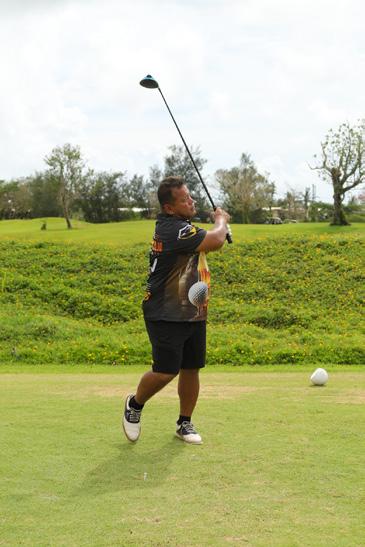
38th Annual Golf Tournament
May 29th, 2026 Finest Golf Course




























































































By Patricia L. Diego, MPA
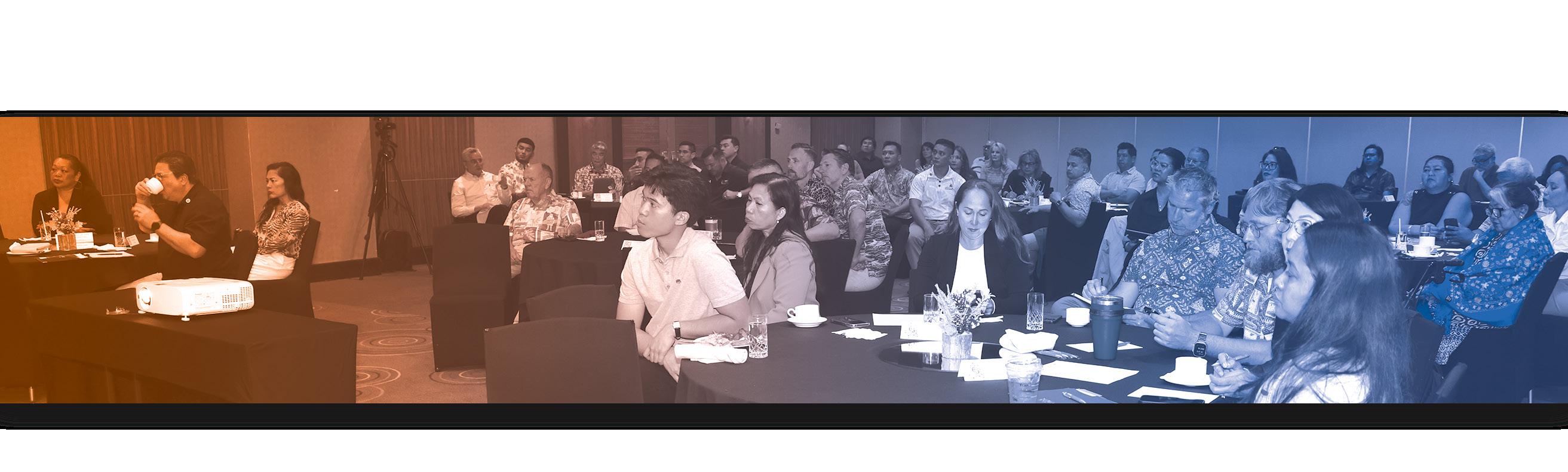
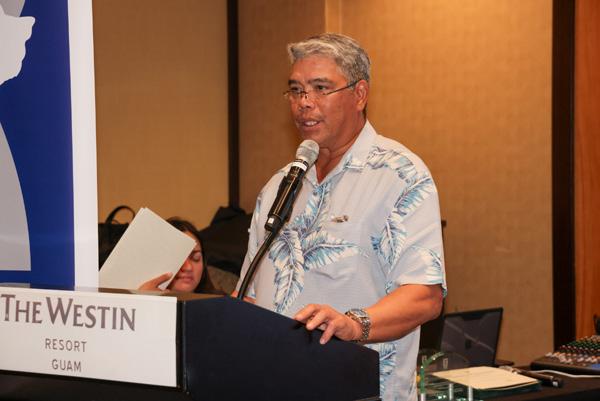
The Guam Contractors Association (GCA) convened its General Membership Luncheon on May 20, 2026, at the Westin Resort Guam. The meeting brought together 120 contractors, business leaders, government officials, and industry partners to focus on workforce realities, safety, leadership transitions, and the growing demands of the military buildup.
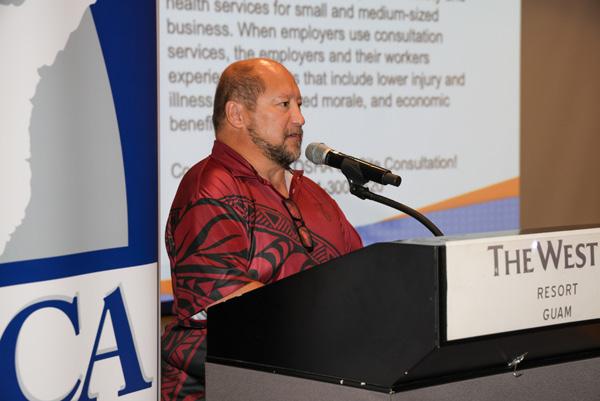
The luncheon opened with an important safety briefing from Jesse Pangelinan of the OSHA On-Site Consultation Program, who reminded attendees that Guam’s tropical heat remains a serious danger for outdoor crews. With heat index levels climbing into the danger zone, Pangilinan emphasized OSHA’s “Water. Rest. Shade.” Heat Illness Prevention Campaign, stressing the importance of staying hydrated, allowing regular breaks, and providing shaded recovery areas on the jobsite.
Pangelinan also raised an issue not discussed often enough in the construction industry: mental health awareness in the workplace. His remarks reminded attendees that jobsite safety is not only about hard hats, harnesses, and heavy equipment, but also about the overall well-being of employees in the field. He encouraged industry leaders to recognize signs of stress, burnout, and emotional fatigue and help connect workers to available support resources. “We as leaders need to recognize the issue in our employees and point to a resource for them,” Pangelinan said.
Industry updates followed, including announcements regarding compliance support tied to military contracting requirements, workforce development opportunities, and the upcoming SAME Industry Forum scheduled for July 28–30, 2026. Representatives also highlighted regional collaboration efforts connected to defense-related activity across Guam and the broader Micronesia region.
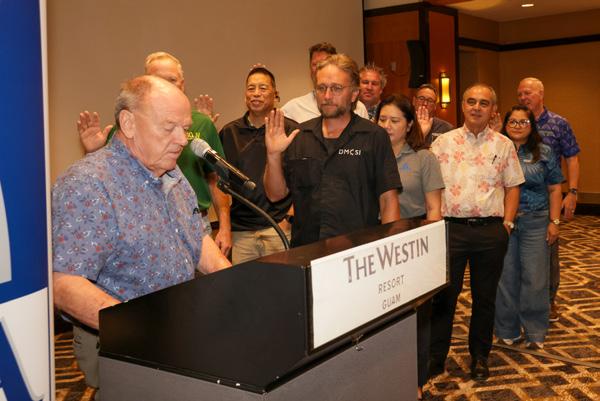
One of the meeting’s highlights was the recognition of outgoing GCA Board members and the swearing-in of the 2026–2027 Board of Directors. The transition reflected GCA’s emphasis on leadership continuity and industry advocacy during one of the busiest construction periods in Guam’s recent history.
GCA also welcomed three new companies into the association during the luncheon. The newest members
joining in May include Blue Steel Marine, Phelps Dodge Philippines Energy Products Corporation, and Pinpoint Guam. Representatives from each company briefly introduced their organizations and services, reflecting the growth and diversification of Guam’s logistics, industrial support, and infrastructure sectors. GCA leadership encouraged collaboration across the industry as military buildup activity and regional development projects expand throughout Guam and Micronesia.
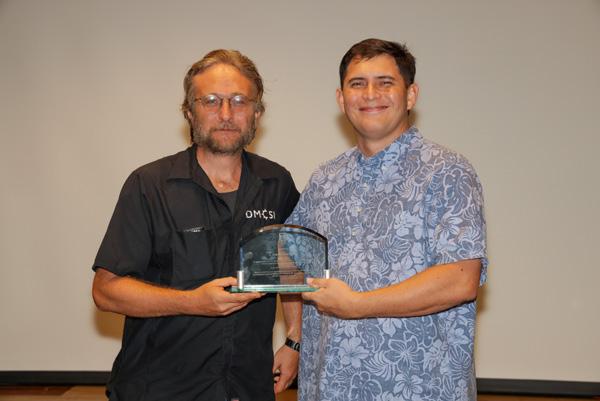
The program also recognized 22 scholarship recipients supported through GCA scholarship initiatives, First Hawaiian Bank, the Federal Home Loan Bank of Des Moines, the James L. and Rosita S. Adkins Foundation, and GCA fundraising activities. The scholarships assist students attending programs through the GCA Trades Academy and reinforce the industry’s long-term investment in Guam’s future skilled labor pipeline.
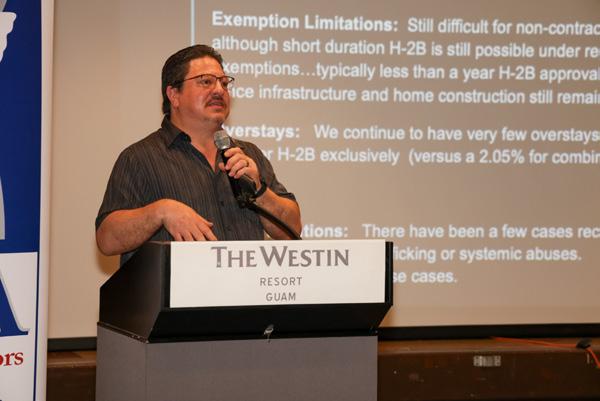
Featured guest speaker Greg Massey, Administrator of the Alien Labor Processing and Certification Division at the Guam Department of Labor, delivered updates on Guam’s H-2B program, housing expectations, emergency preparedness requirements, and federal labor policy developments. He noted that Guam currently remains near record levels of H-2B workers and cautioned contractors to begin planning for more formal housing and storm contingency requirements moving forward.
Massey’s discussion also underscored broader concerns tied to Guam’s infrastructure capacity, including housing shortages, utility demands, and the need for long-term planning as military-related development continues to grow. He noted that the military buildup is placing increasing pressure on Guam’s housing inventory, power, water, and wastewater systems, while also raising larger questions about how the island will sustain future growth tied to both civilian and defense-related expansion.
As always, the GCA luncheon served not only as a networking event, but also as a practical forum where contractors, government officials, and industry partners could openly discuss the operational realities shaping Guam’s construction sector today. See you next month.
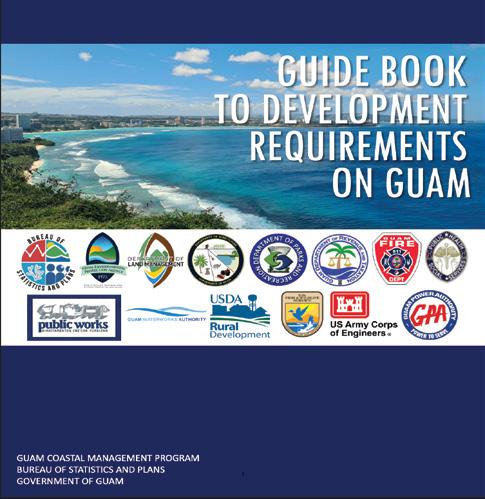
This Guidebook informs the public about Guam's development laws, regulations, permits, clearances, and guidelines. It summarizes each requirement, identi es the responsible agency, describes the application process, provides sample applications, links to codes and regulations, and suggests additional resources/references. It serves as a streamlining tool for successful development and environmentally compliant projects on Guam.

TO EFFECTIVELY EDUCATE THE PUBLIC AND ADDRESS AS MANY INFORMATION GAPS AS POSSIBLE THE GUIDEBOOK:
Outlines and summarizes the permit application processes, procedures and requirements
Provides a checklists for plan review and document submissions
Provides process ow charts
References to Executive Orders, laws, rules and regulations, ag opinions, and other supplemental information.
Lists a permitting matrix
Provides latest agency forms
Provides fee structures and schedules
Provides updated license and permitting agency directories
Provides links to decision support tools, resources and manuals available online


Meta Platforms Inc. and Associated Builders and Contractors recently announced a partnership to educate and provide construction-ready career pathways for thousands of data center construction technicians kicking off in Indiana, Louisiana, Ohio and Texas as a meaningful step toward meeting the growing demand for data centers workers nationwide.
America’s Workforce Academy is a $115 million investment in the next generation of construction professionals that includes a five-week training program and a job offer from contractors working on Meta projects at the conclusion of the program. This is the first guaranteed-employment training pipeline connecting Americans to artificial intelligence infrastructure jobs, which include electrical, mechanical, plumbing and piping. It is also the largest private-sector commitment to the skilled trades with a job guarantee in American history.
ABC and its national board of directors were honored to hear from Meta President and Vice-Chairman Dina Powell McCormick and Mike Rowe, host of Dirty Jobs and founder of the mikeroweWORKS Foundation, at ABC Legislative Conference 2026 to announce ABC’s transformational partnership with Meta in creating America’s Workforce Academy. You can also read about this exciting partnership in this Wall Street Journal op-ed1, co-authored by Powell McCormick and Rowe.
Less than a day after news releases from ABC2 and Meta3 were issued, the academy had already recorded 2,000 applications.
“The sustained demand4 for data center construction technicians means the industry needs an all-of-the-above approach to address this shortage and grow the talent pool. This important new partnership reaffirms that the construction industry offers careers of choice in today's complex job market. These new entrants may be beginning their careers on data center projects but by learning multiple competencies, are starting a life-long career in construction with near limitless possibilities,” ABC said in its news release.
“As an industry leader, ABC believes in creating opportunities for all on a level playing field and is ready to meet the industry’s needs and help individuals achieve their career dreams. ABC is honored to work with Meta, CBRE and academy community partners on this transformational endeavor to welcome all who want to build their career dreams as a professional in construction and address the construction industry’s ongoing workforce shortage5.”
The American Workforce Academy partnership will:
• Build a Sustainable Talent Pipeline: establishes scalable, repeatable workforce development models that align industry, training providers and workforce systems to meet ongoing demand.
• Deliver Accelerated, Job-Ready Training: provides standardized, industry-aligned training that equips participants with the skills, safety knowledge and jobsite readiness needed to contribute quickly and effectively.
• Ensure Safety and Productivity From Day One: prepares participants to meet industry and project-specific safety standards and contribute productively on the jobsite from the outset.
Once an online application process is complete, scholarships, travel, housing and stipends for living expenses are granted to qualified job seekers. They will then participate in career readiness and safety training followed by five weeks of hands-on education, which includes core training and craft training.
To accomplish this, ABC developed an accelerated, new-entrant strategy for job seekers utilizing ABC’s existing, nationwide educational ecosystem. ABC’s goal is to provide a strong foundation for each graduate so they begin their journey as a multicraft construction professional, a career of choice in today's complex job market.
Thanks to the crucial, established team members of ABC’s vast network, which includes the National Center

$16,941.75 $3,512.33 $1,245.38 $12,895.10 $13,777.09 $2,595.45 $37,386.11 $30,187.58 $42,683.87 $522.00 $0 $0 $611.03 $444.13 $950.20 $1,493.25 $1,018.08







CONTACTS • OPPORTUNITIES • RESOURCES • EDUCATION
DIAMOND SPONSORS

PLATINUM SPONSORS

GOLD SPONSORS
SILVER SPONSORS
First Hawaiian Bank
BRONZE SPONSORS
Isla Coatings and Roofing Supply Island Equipment Company Phoenix Pacific (Guam), Inc.
SUPPORTER
America's Best Electricmart Inc.
www.guamcontractors.org