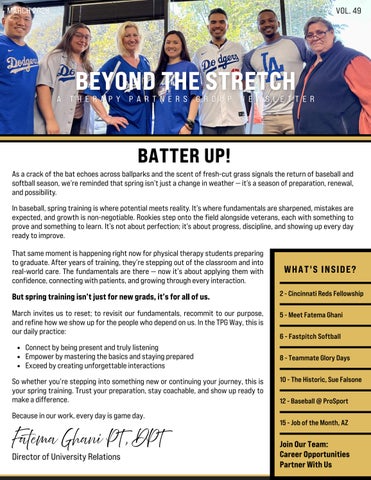
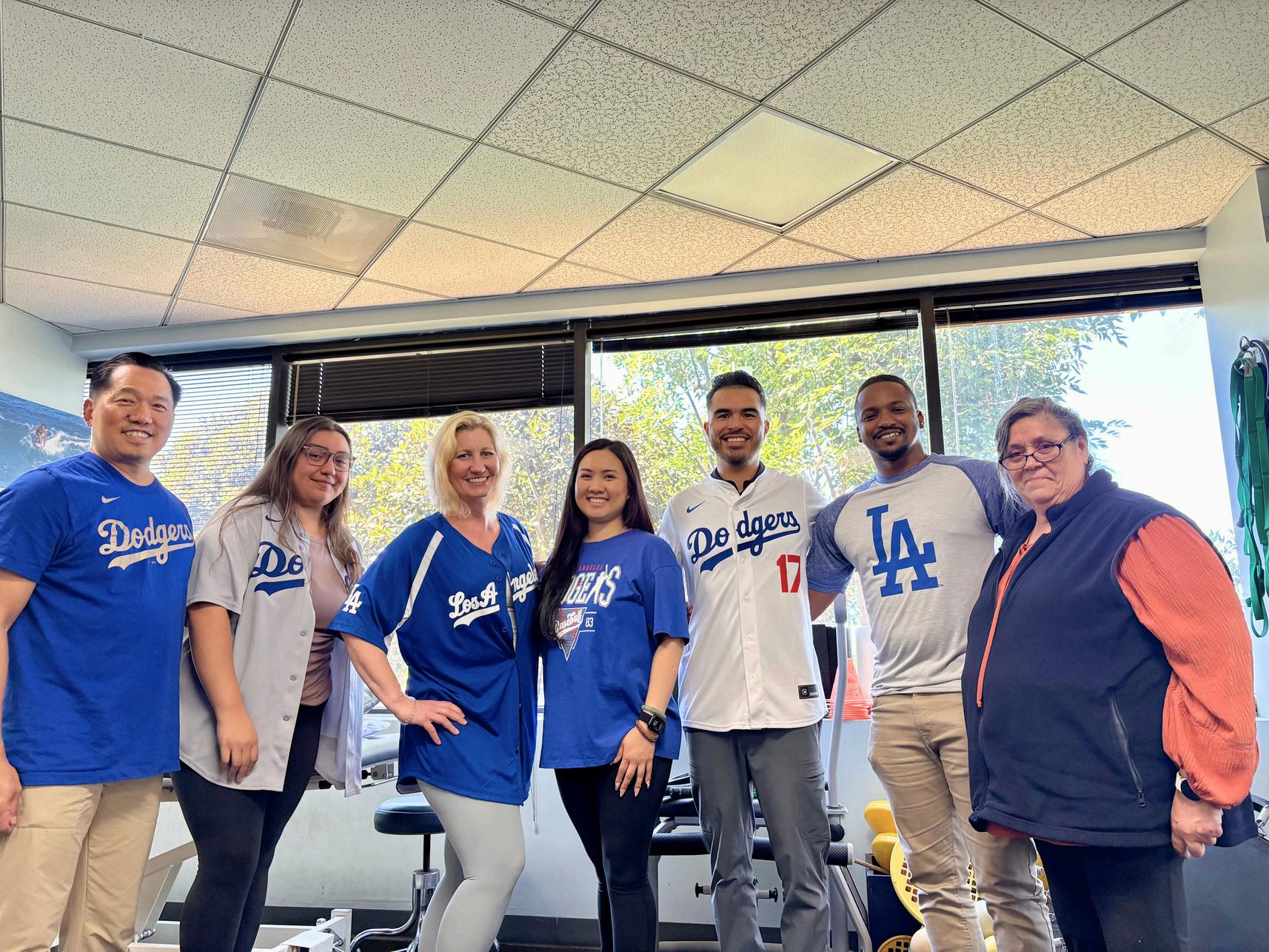
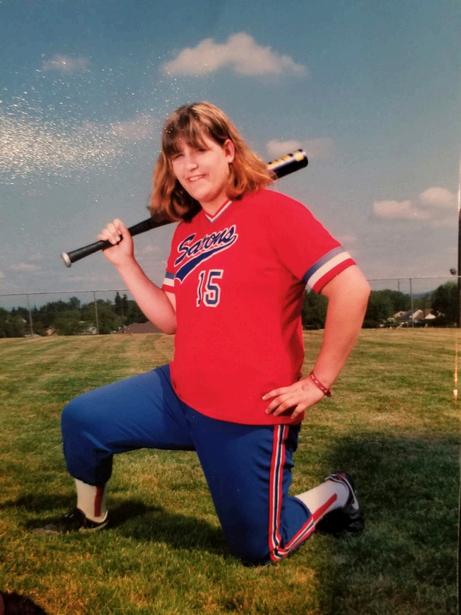
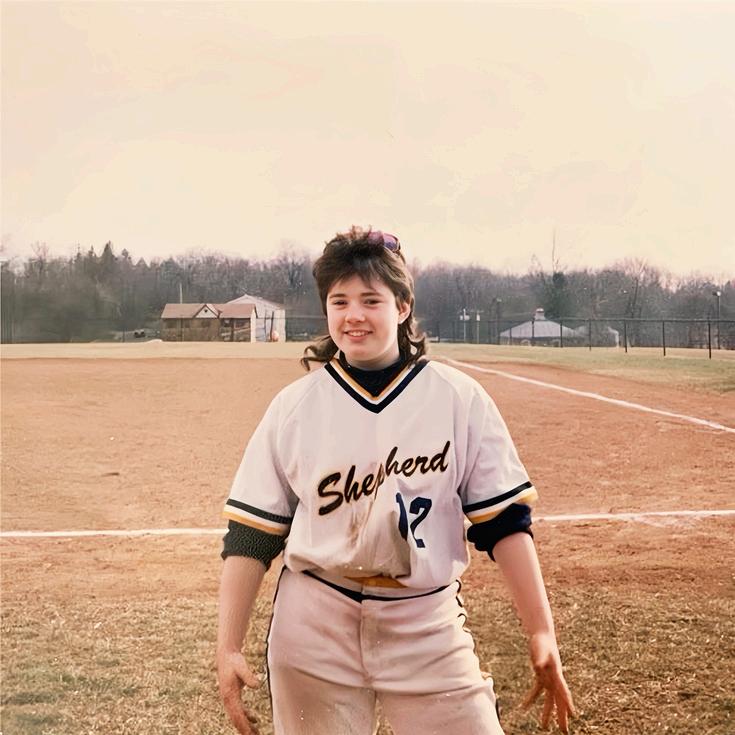
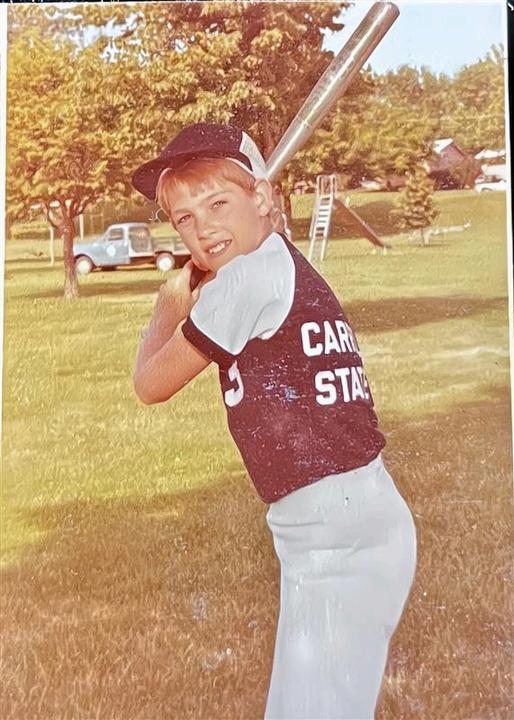
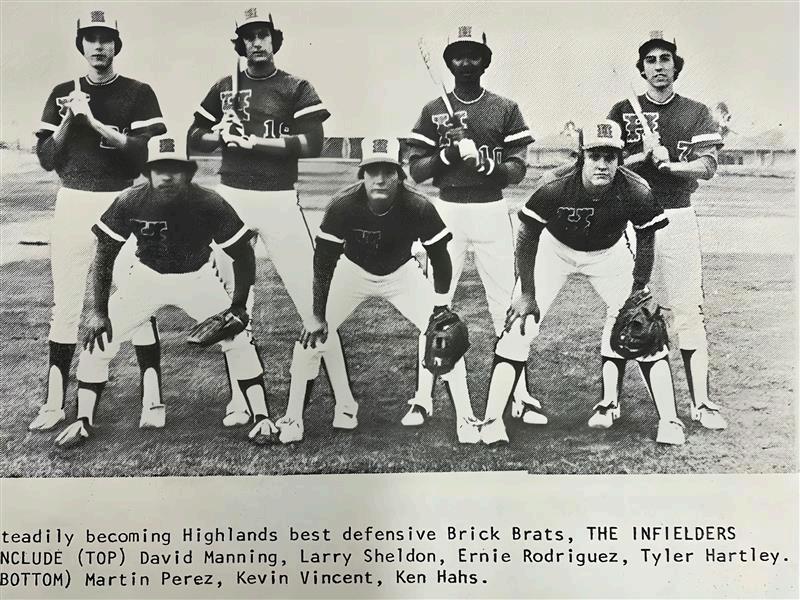
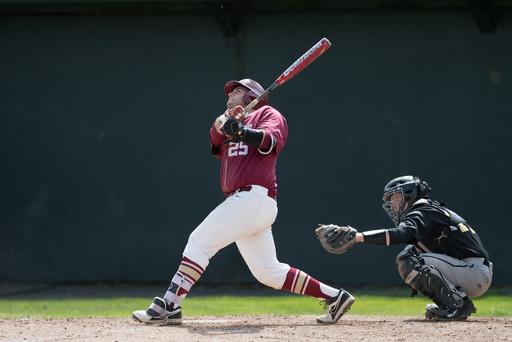
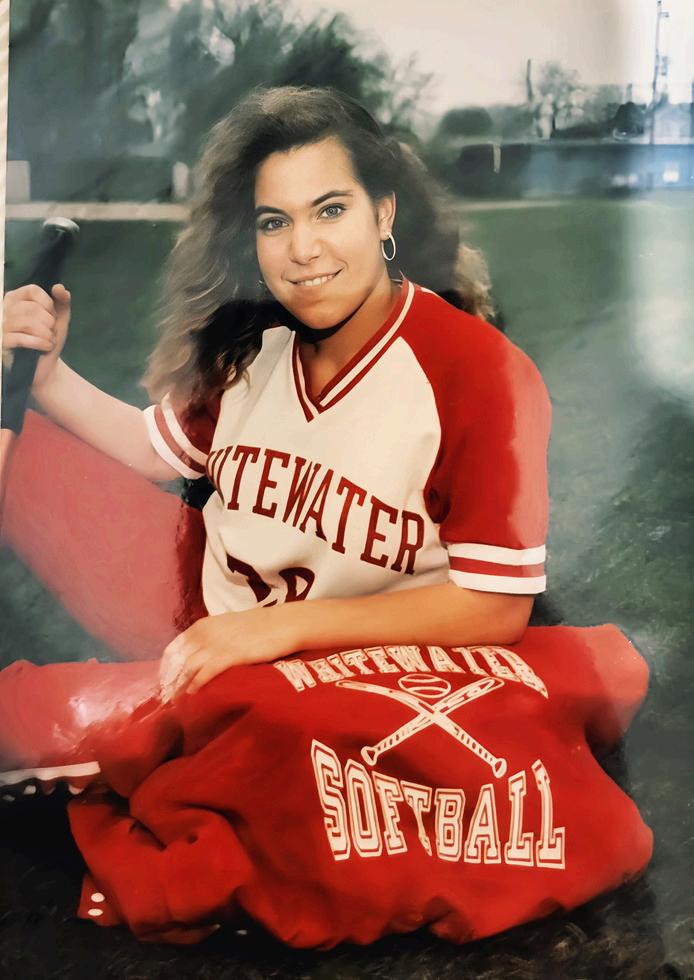
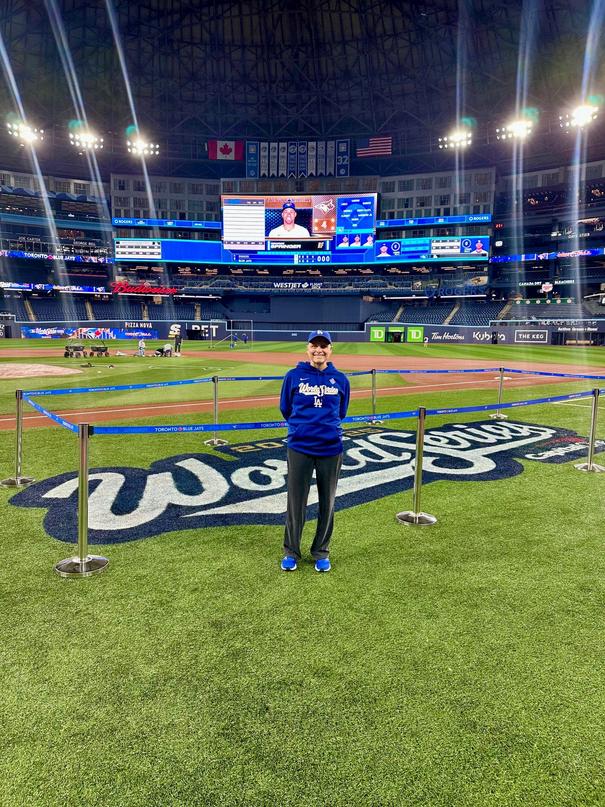
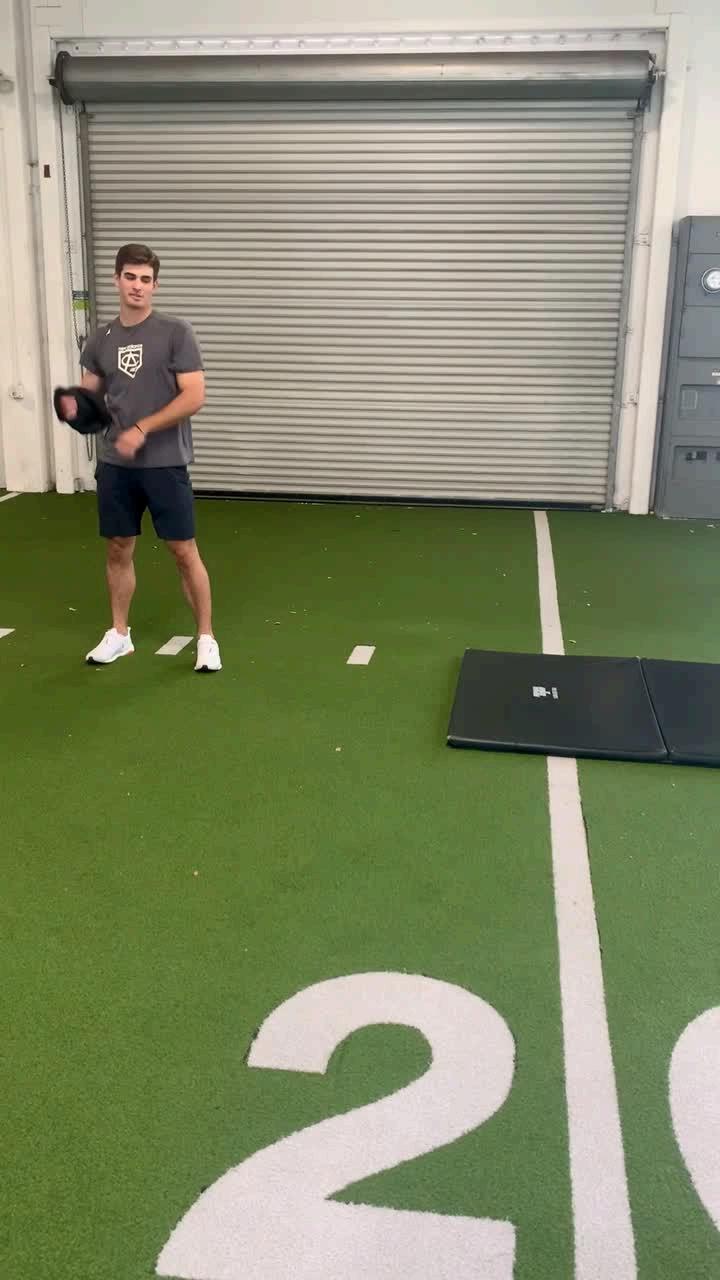
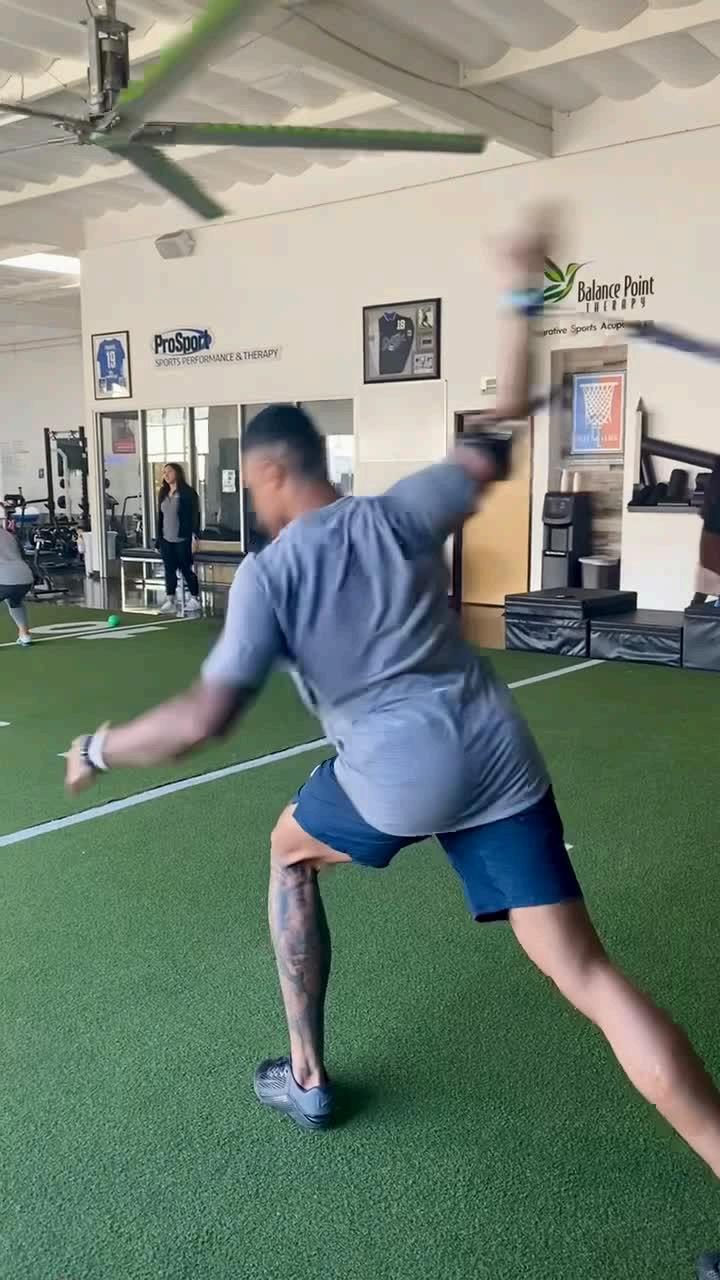
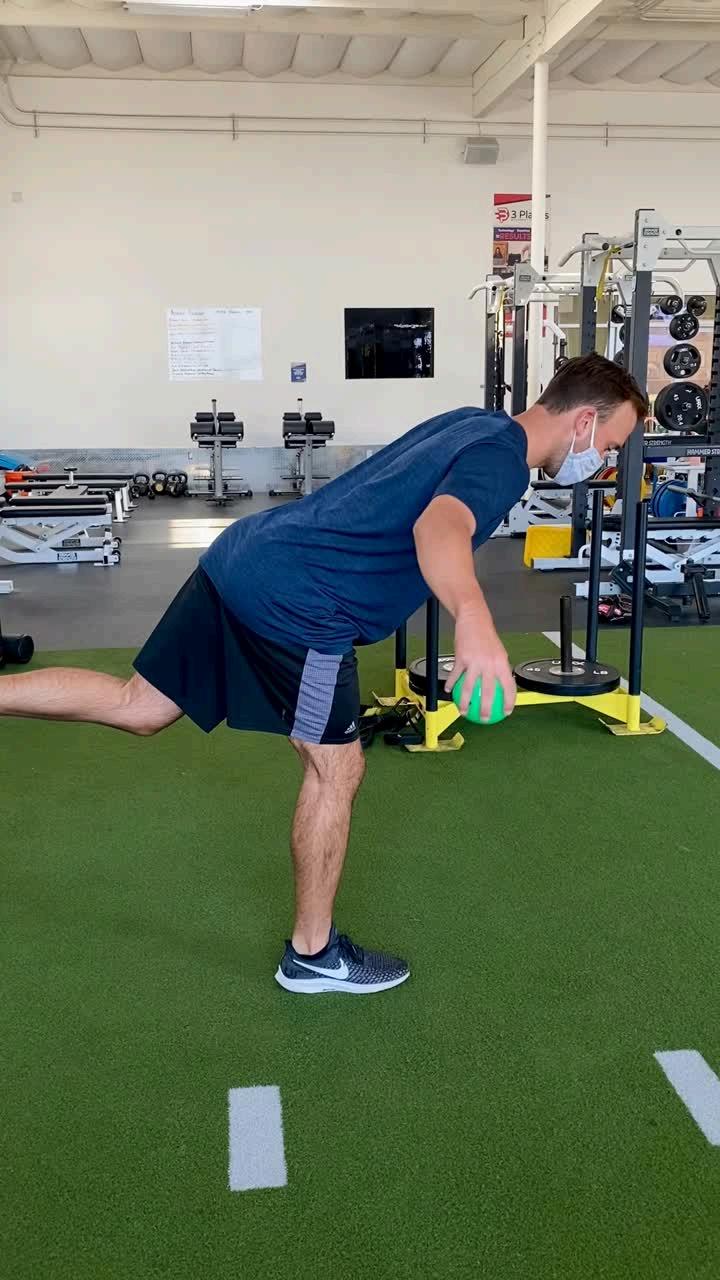
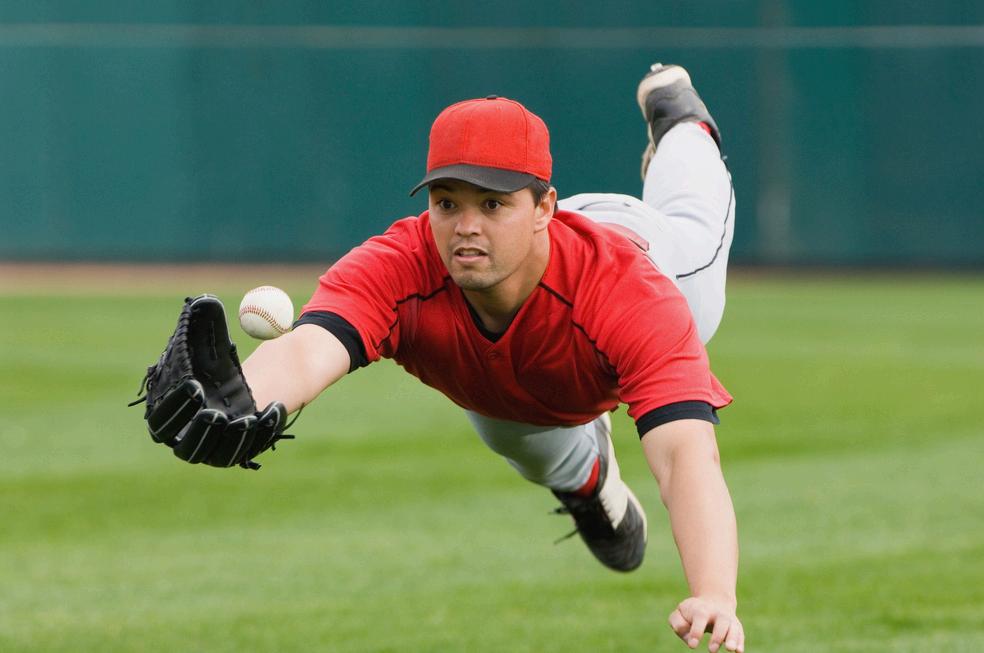
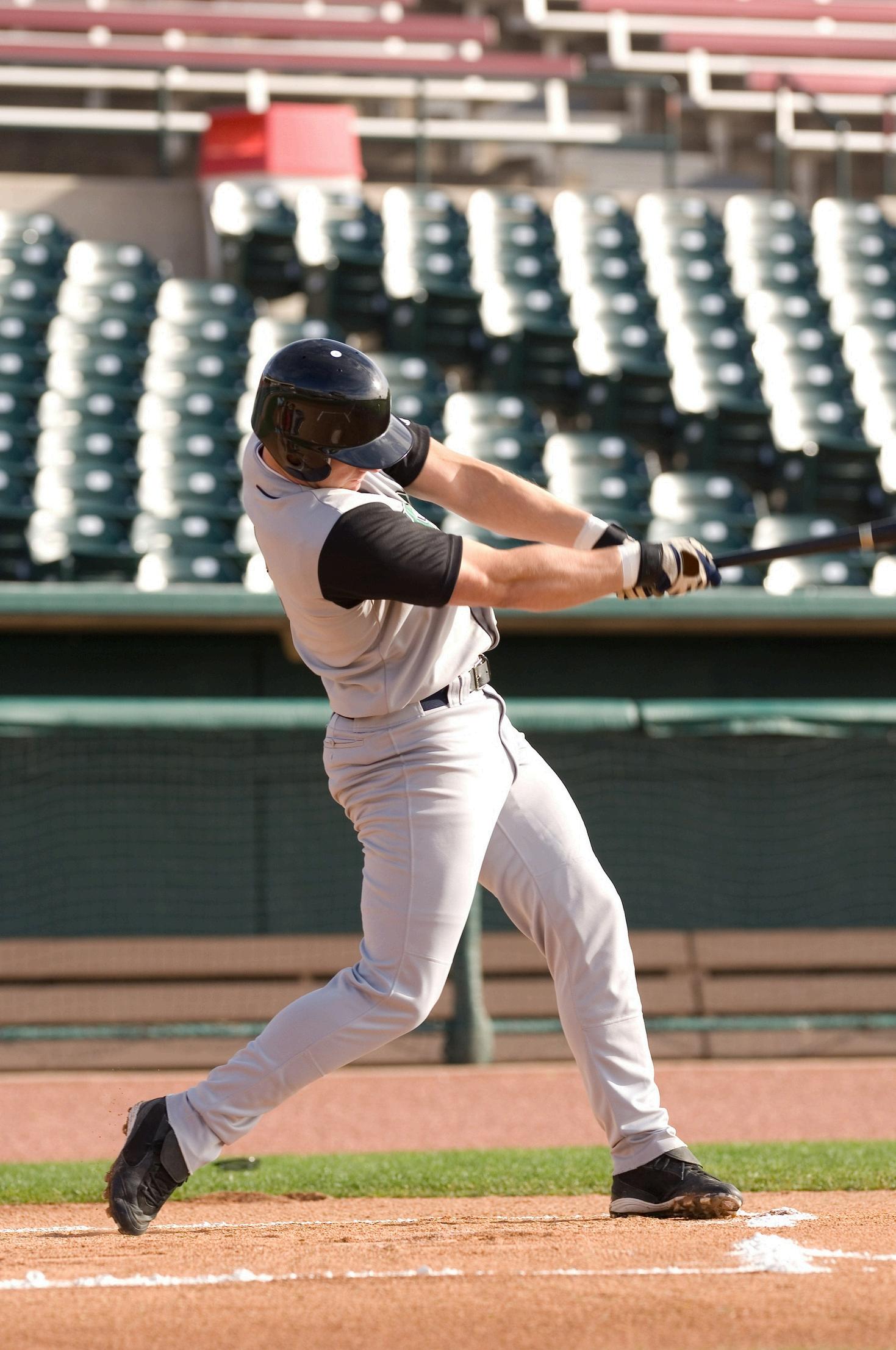
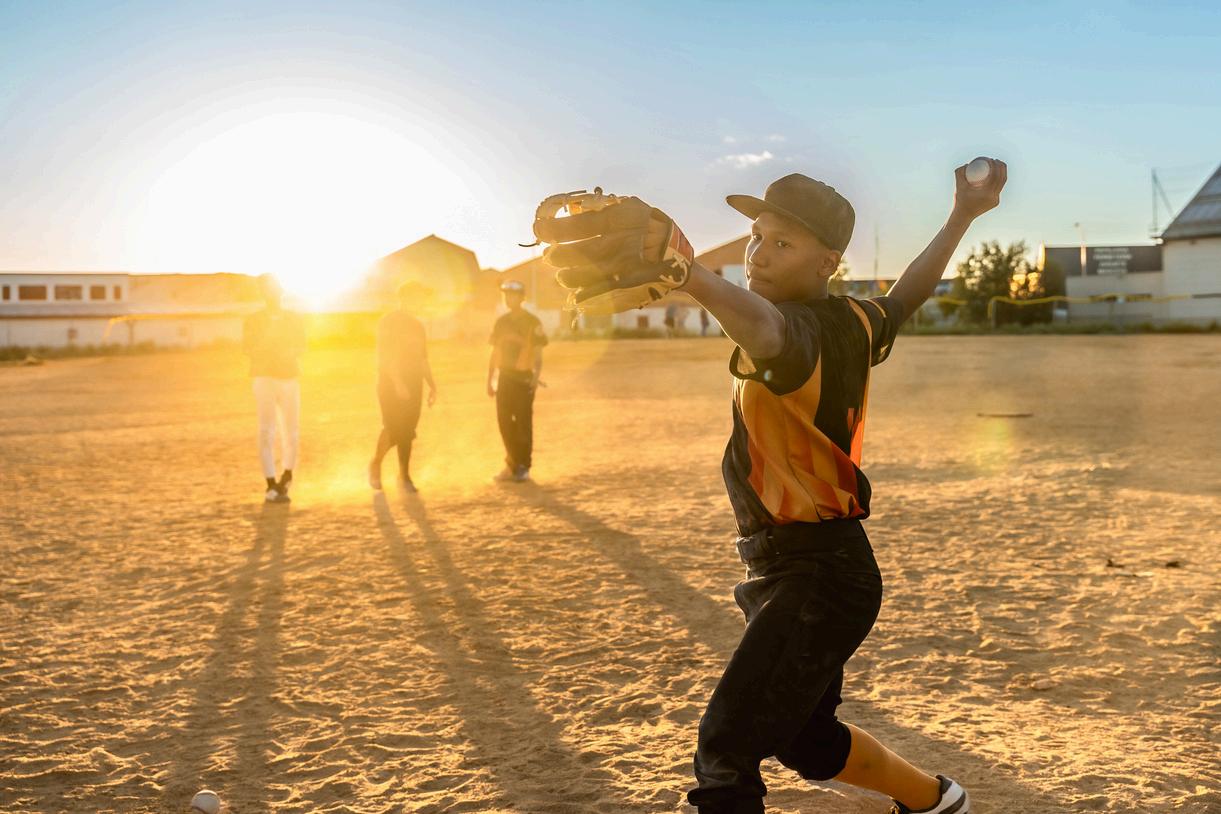
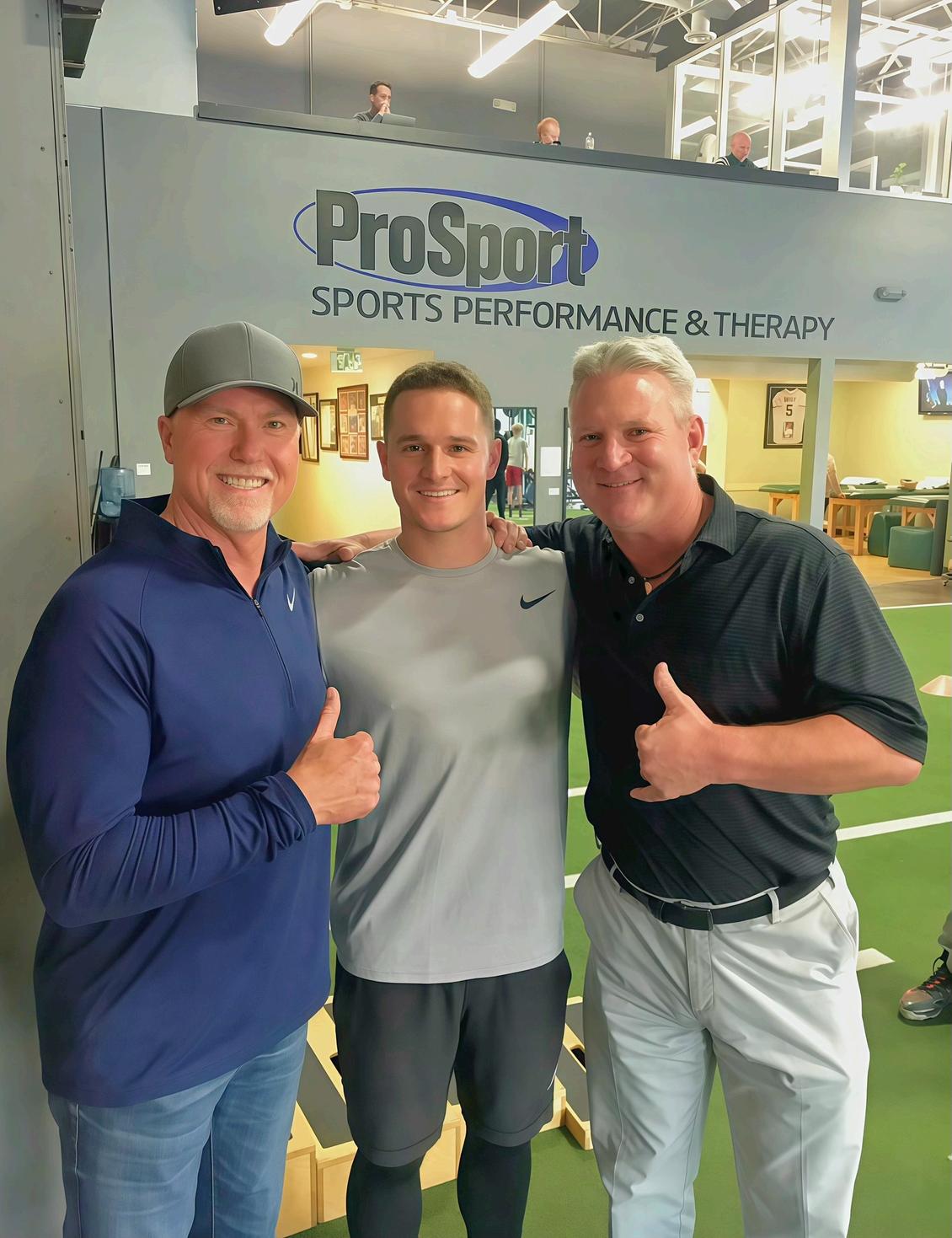
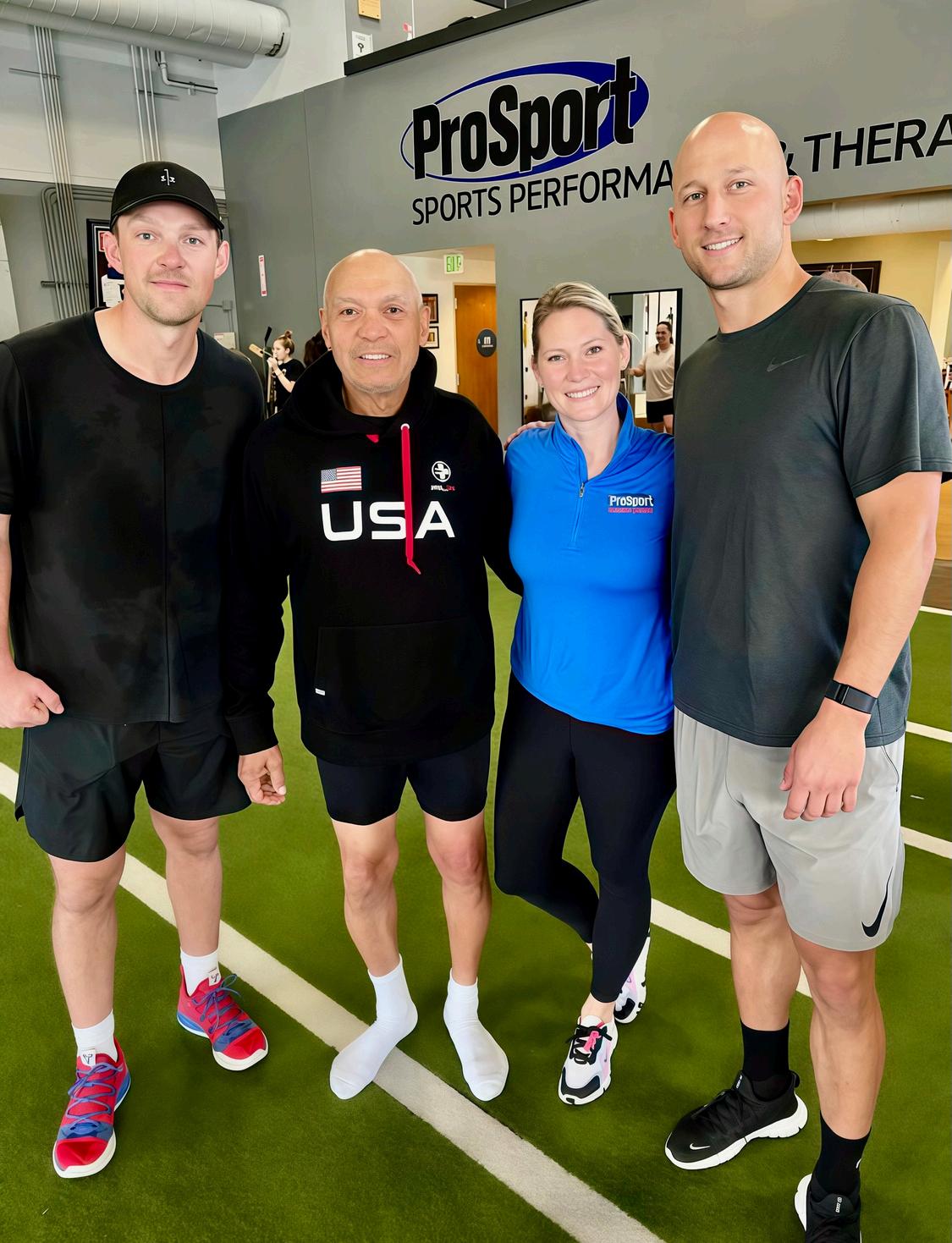
As a crack of the bat echoes across ballparks and the scent of fresh-cut grass signals the return of baseball and softball season, we’re reminded that spring isn’t just a change in weather it’s a season of preparation, renewal, and possibility.
In baseball, spring training is where potential meets reality. It’s where fundamentals are sharpened, mistakes are expected, and growth is non-negotiable. Rookies step onto the field alongside veterans, each with something to prove and something to learn. It’s not about perfection; it’s about progress, discipline, and showing up every day ready to improve
That same moment is happening right now for physical therapy students preparing to graduate. After years of training, they’re stepping out of the classroom and into real-world care. The fundamentals are there now it’s about applying them with confidence, connecting with patients, and growing through every interaction
But spring training isn’t just for new grads, it’s for all of us.
March invites us to reset; to revisit our fundamentals, recommit to our purpose, and refine how we show up for the people who depend on us. In the TPG Way, this is our daily practice:
Connect by being present and truly listening
Empower by mastering the basics and staying prepared
Exceed by creating unforgettable interactions
So whether you’re stepping into something new or continuing your journey, this is your spring training. Trust your preparation, stay coachable, and show up ready to make a difference.
“I think the fellowship prepared me for the business of baseball and allowed me to gain hands-on experience The biggest difference is the communication with other departments and making decisions on game participation. It also helped me to see how to create progressions for elite athletes and how they differ from high schooloryouth.~ArianaCalderon
The BodyCentral Physical Therapy / TPG Upper Extremity Athlete Fellowship Program provides the development and enhancement of advanced manual therapy skills, evidence-based rationale for treatments, and clinical reasoning to allow the fellow to evaluate and treat upper extremity athletes across the entire spectrum The graduateoftheprogramwillbeanongoingresourcefortheBCPTstaff, CincinnatiReds,andtheTucsonandPhoenixcommunitiesatlarge
FELLOWSHIP
“Working with professional athletes, particularly in baseball, has been a goal of mine since I began physical therapy school. Undertaking the fellowship provided me with invaluable experience working with this highly specialized population in a structured learning environment with theReds
I am extremely grateful for the opportunity to learn from some of the best clinicians and performance professionals from around the world. I got to beapartofamultidisciplinaryteamwherewecollaborateddailytorehab playerstoreturntotheirpriorlevelofperformance.
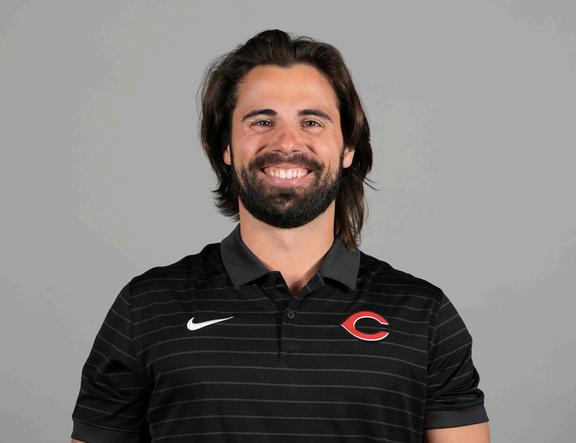
From a career standpoint, this experience ultimately led me to receive an offer to join the Cincinnati Reds’ rehabilitation group in a full-time role beginning in 2026. I would highly recommend someone who has similar aspirationstoapplytothefellowship.Theexperiencewasabsolutelyworth itforme ~GarrettTaylor
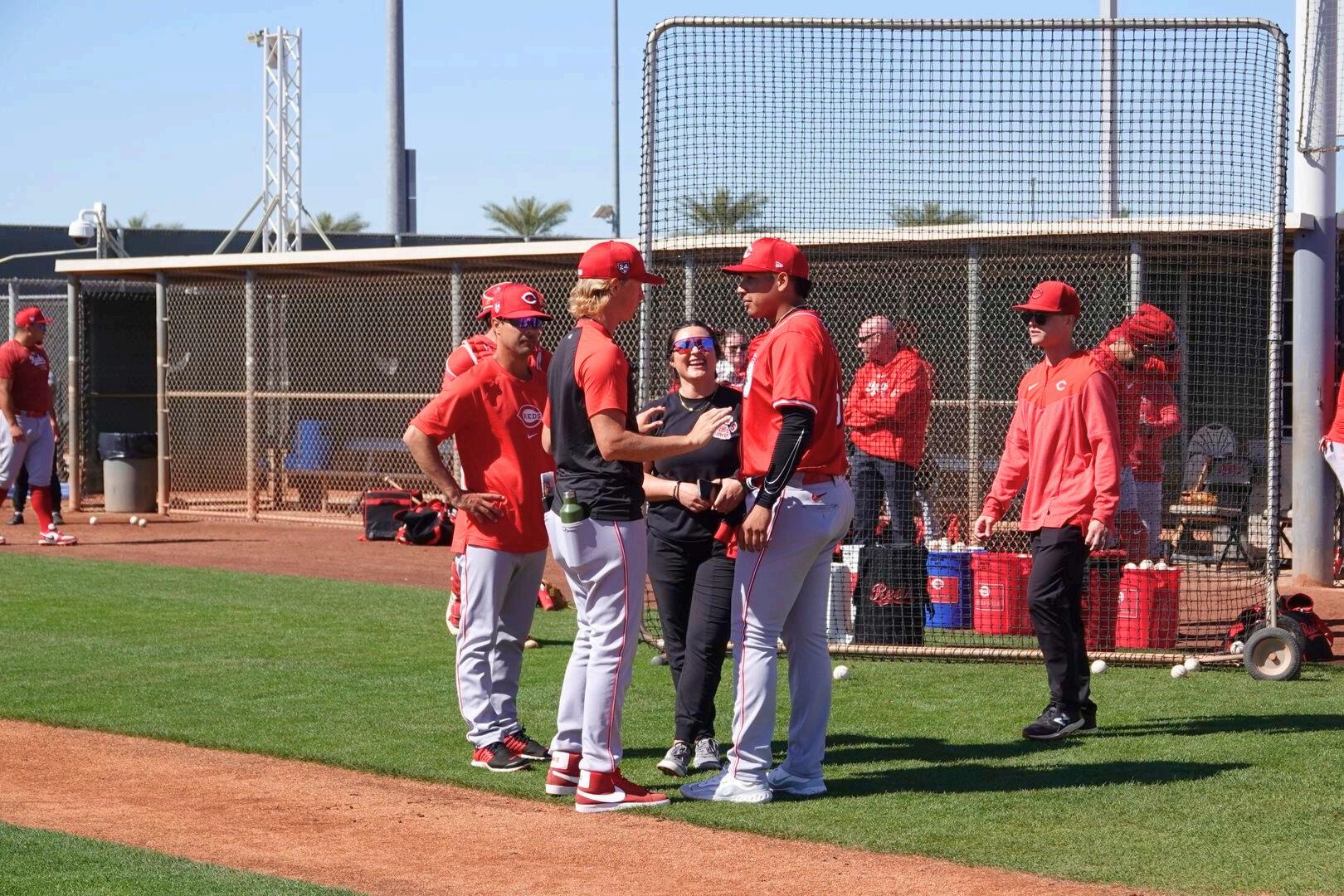
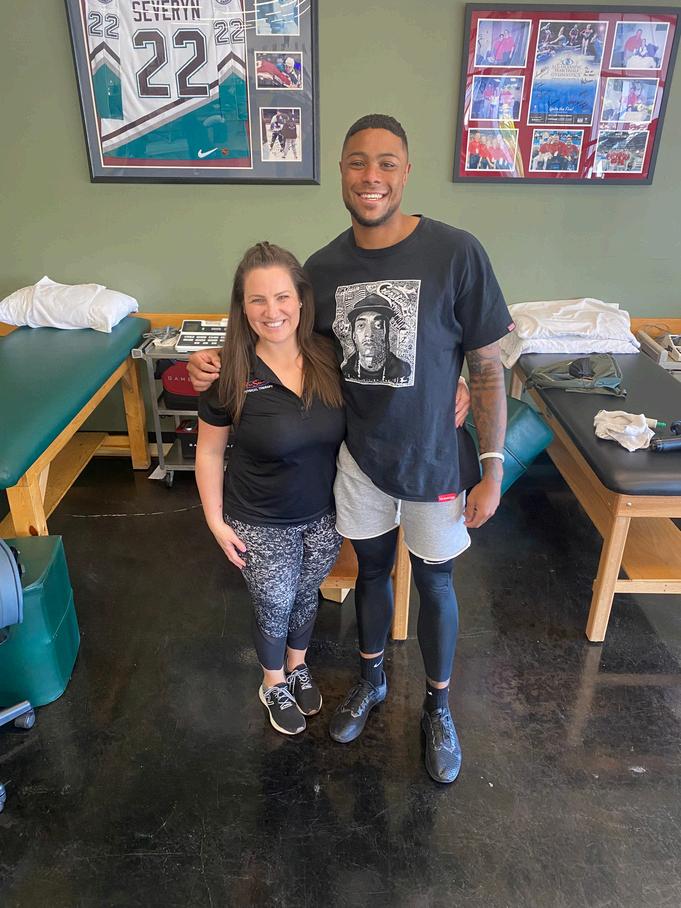
For the past two months, I’ve been part of Spring Training at the Cincinnati Reds Player Development Complex in Goodyear, Arizona truly an incredible experience The Reds organization sets a high standard for player care, with a seamless, team-based approach to rehabilitation Each day, I collaborate with an elite group of sports medicine professionals, including surgeons, physical therapists, athletic trainers, dietitians, sportsscientists,andperformancecoaches
As the Fellow, I work with both injured players progressing through rehab and healthy athletes preparing for the season. My typical day begins with breakfast at the complex and a rehab staff meeting to align on each player’s plan of care. We then meet with therehabrostertooutlinetheplanfortheday.
Following this, we prepare athletes for activity through activation work and soft tissue treatment. Players then completetheirthrowing,hitting,andfieldingprograms.
PARTOFTHETEAM
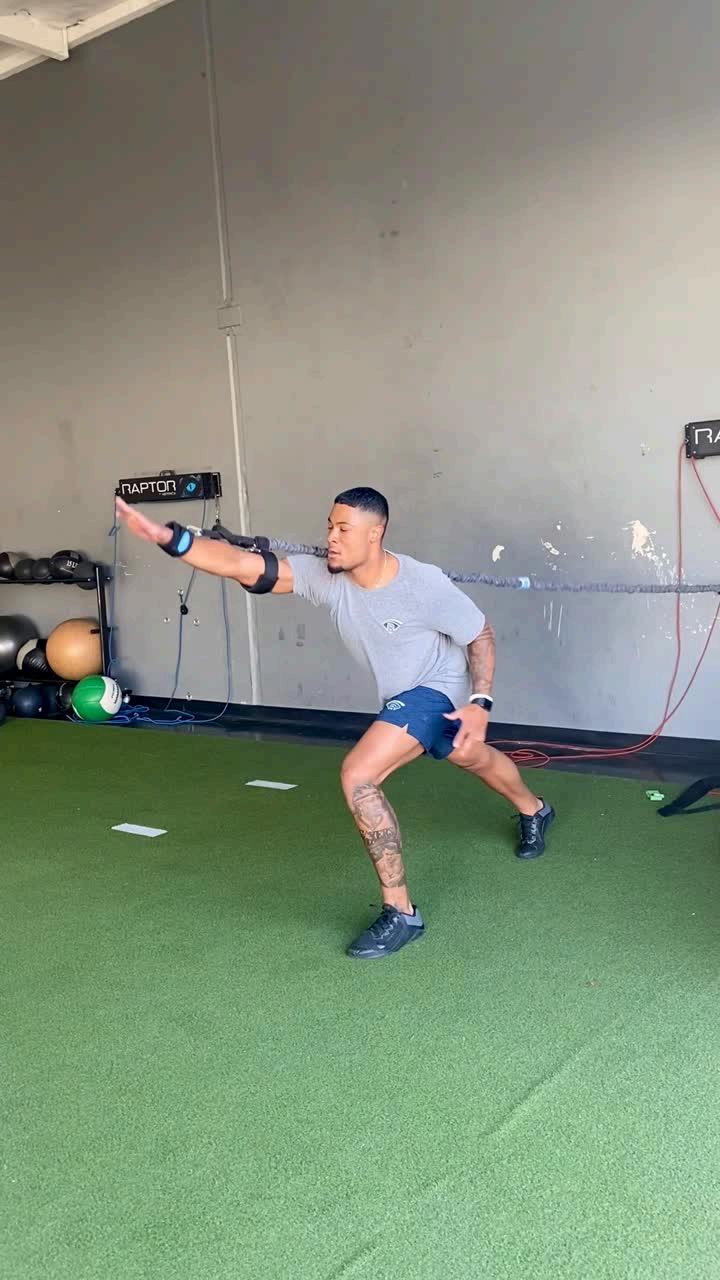
Our programming utilizes a high–low–medium undulating intensity model, in which throwing and lifting demands are strategically varied throughout the week to expose athletes to high-intensity workloads while allowing for appropriaterecovery
After field work, athletes complete their prescribed strength and conditioning programs. Throughout the remainder of the day, I assist with arm care, including manually resisted exercise, soft tissue treatment, wound care, and other therapeutic interventions. I complete documentationandbreakforlunchatthecomplex.
In the afternoons, I work with my mentors to review exercise selection, interval throwing progressions, and injury management strategies. Our staff is committed to providing comprehensive, individualized care to support each athlete’s full recovery. Players remain in Arizona throughout their rehabilitation process until they are medicallyclearedandreturnedtotheiraffiliate.
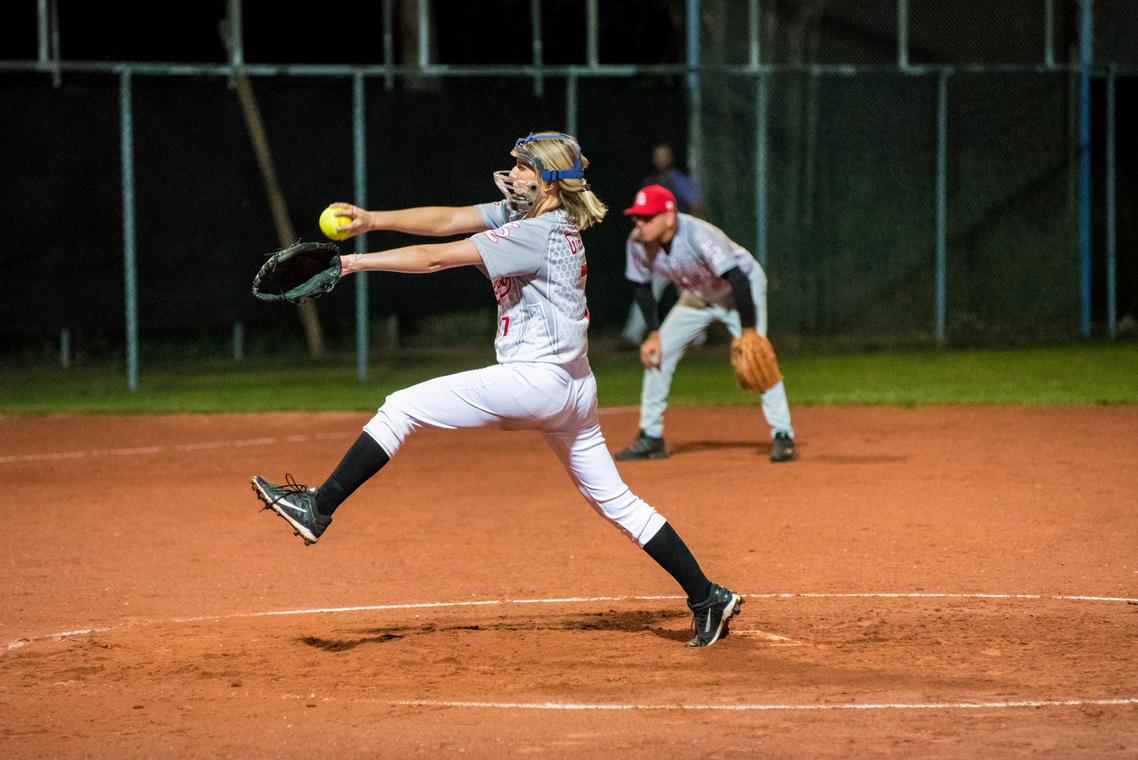
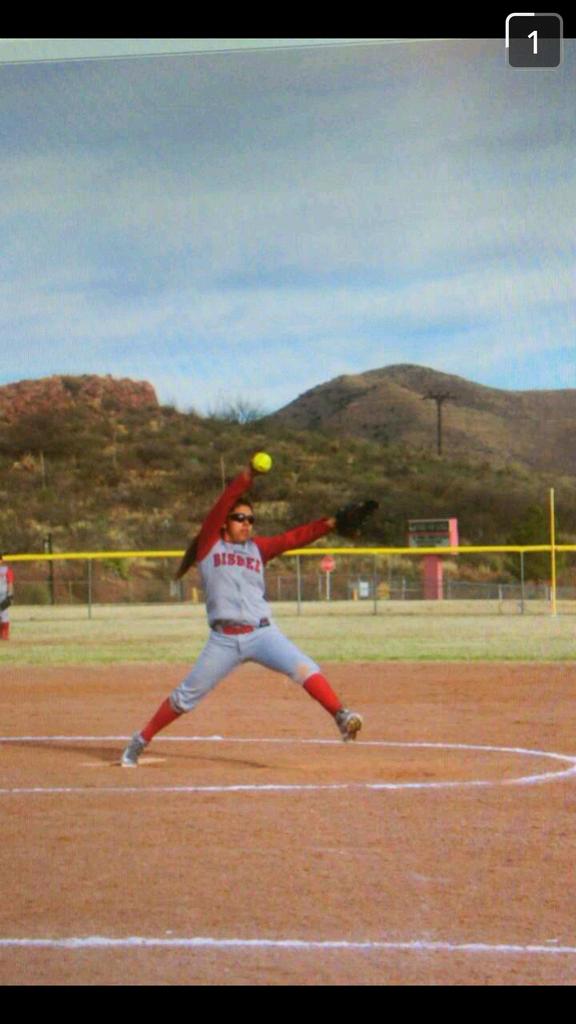
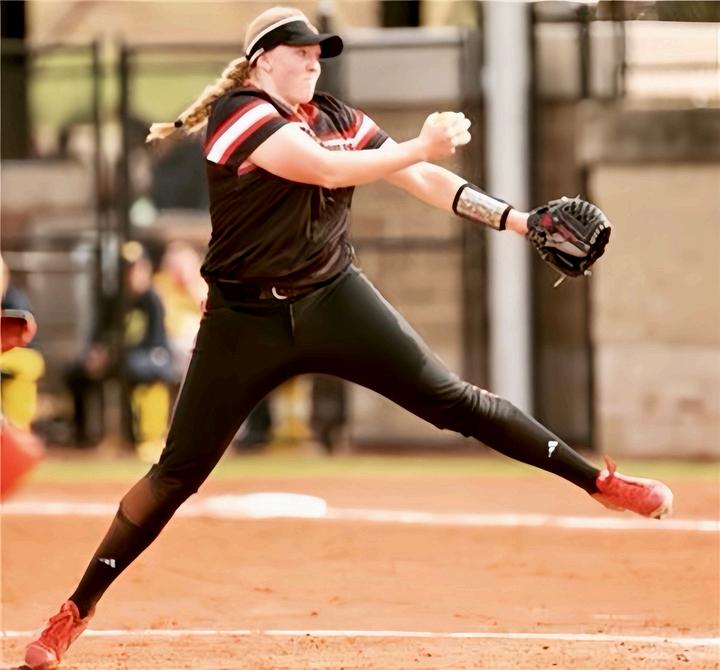
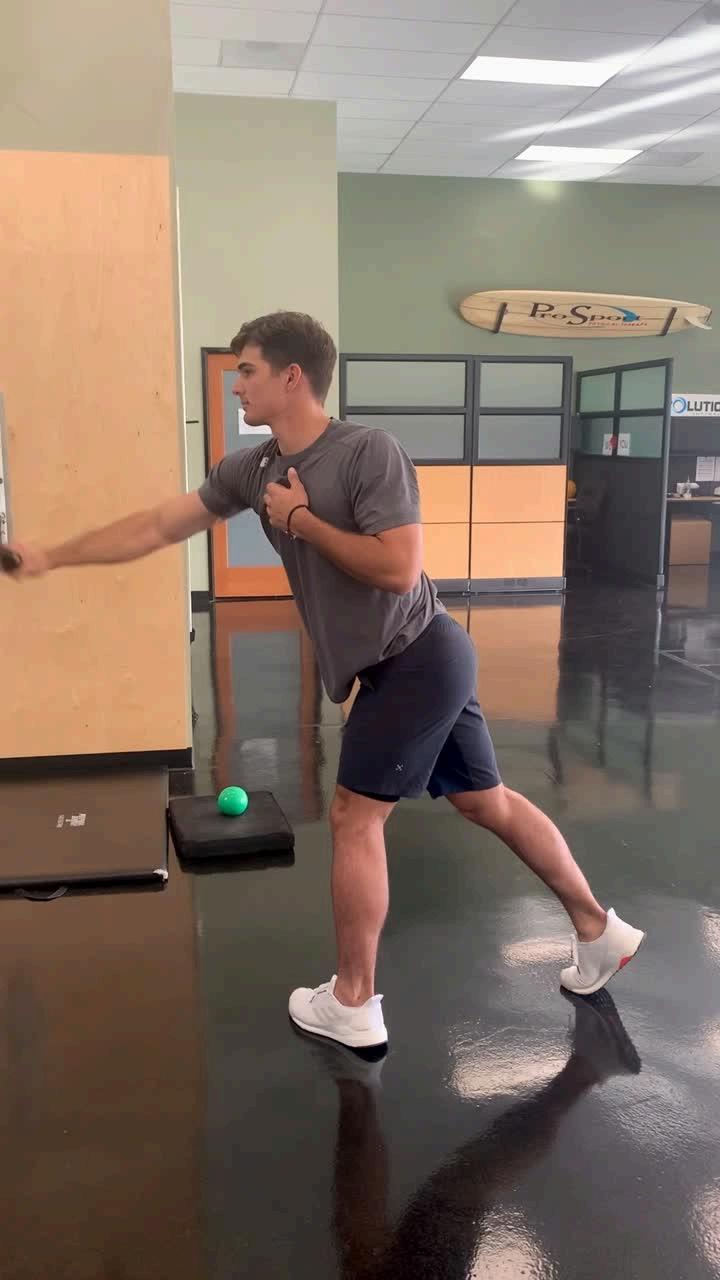
The windmill pitch might look smooth and natural, but under the surface, the hip is doing some serious heavy lifting. While shoulder and elbow injuries get most of the spotlight, the hip is the true engine of the kinetic chain in fastpitch softball.
Every pitch starts from the ground up. The drive leg generates force, while the stride leg absorbs it (often several times body weight) while rotating and stabilizing. When the hip lacks strength or mobility, the body compensates. And when that happens, stress shifts to the low back, shoulder, or elbow
Here’s where it gets interesting: research shows many softball pitchers develop changes in hip structure before they ever feel pain. These adaptations, like cam-type morphology, can increase joint stress over time, setting the stage for issues like labral tears or early joint wear.
Factor in the demands of softball volume multiple games and hundreds of pitches in a single weekend and fatigue becomes a major issue. As the glutes and core begin to tire, stability decreases, mechanics start to break down, and injury risk rises.
KEEP IT SIMPLE AND PROACTIVE:
Screen early: Don’t wait for pain watch for loss of hip rotation
Train rotation: Good hip and thoracic mobility keeps stress where it belongs
Build single-leg strength: That’s where the game actually happens
Connect core + hips: Stability here protects everything else
Manage volume: Fatigue is often the tipping point.
The takeaway:
If the hip isn’t working, something else will pay the price. By staying ahead of it, through smart screening, targeted training, and load management — you can keep athletes healthy, powerful, and on the field all season long.
Let’sGo, Layla
SPORTSREHAB-SOFTBA
EHABILITATION-SPORTS
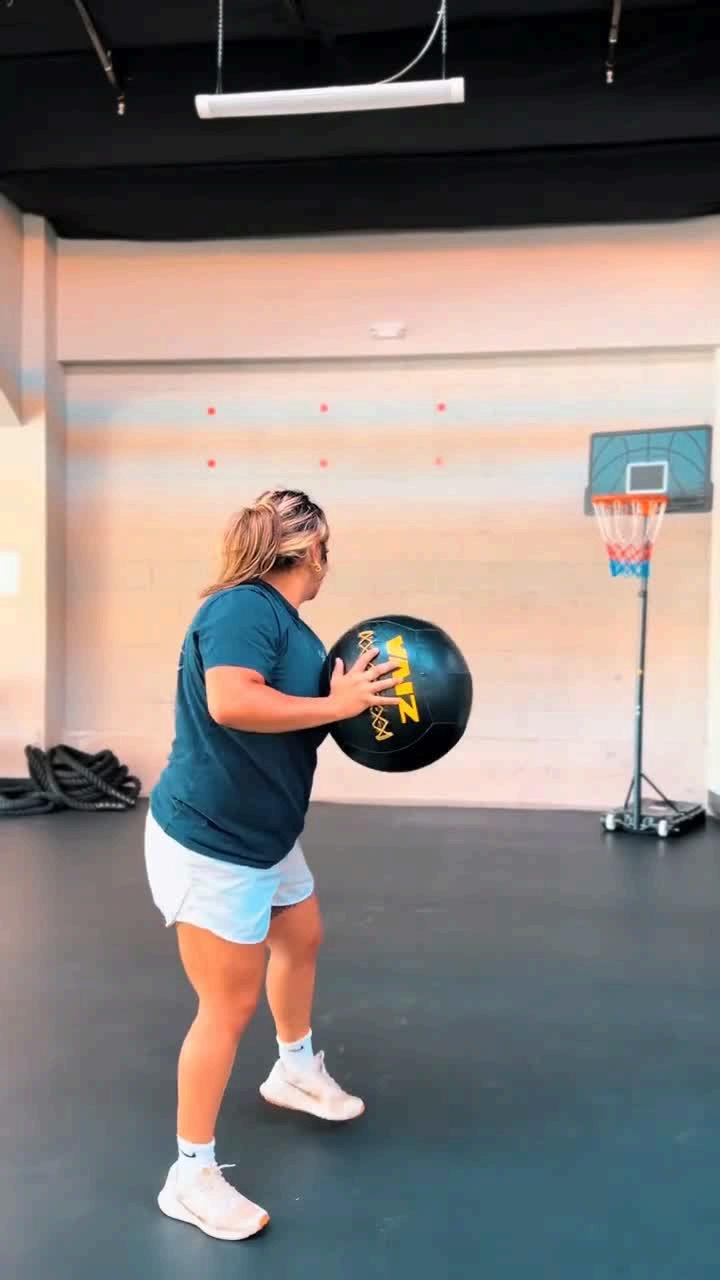
-SPORTSPT-ATHLETES-THROWING-UPPERBODY-SOFTBALL-GETCREATIVE Rehab doesn’t have to be boring
Tiffany, SPT from Sac State, getting creative at Golden Bear Physical Therapy - Lodi Pine
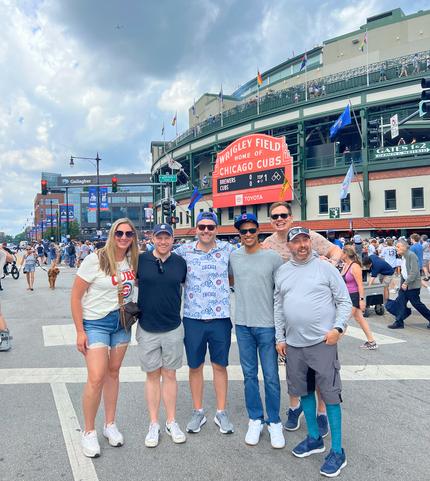
Team Outings
Brent Mack PT, DPT Chief Executive Officer
Allen PT, DPT Chief Clinical Officer (Shepherd University)
Jen
of the game.
Tyler Hartley
Regional Director
Pair & Marotta
Richard Kishimoto
Physical Therapist
Two Trees PT
Fessler PT, DPT l Director, NWRA ette University)
Kim Kollwelter PT, DPT, MBA Chief Operating Officer
Therapy partners group
Maryssa Becker PT, DPT Physical Therapist, NWRA (University of Louisville)
PROACTIVE CARE & PERFORMANCE
Her Lasting Impact in Baseball
Long before “performance” became a buzzword, Sue Falsone was quietly changing how baseball thought about durability, recovery, and what it really means to be ready. In 2012, she made history as the first female head athletic trainer in Major League Baseball and the first to hold that role across all four major American professional sports. But the title only tells part of the story. What Sue brought to the game went far beyond breaking barriers. She changed expectations.
Her work is grounded in a simple clinical standard: bridging the gap between rehab and performance You do not stop when pain drops You rebuild movement quality, strength, and capacity so an athlete (or patient) can handle real demands with confidence
Structure & Function Education helps clinicians build practical skills they can use right away, including: Dry needling training
Online courses you can complete on your schedule
Hands-on clinical education that helps you apply concepts immediately
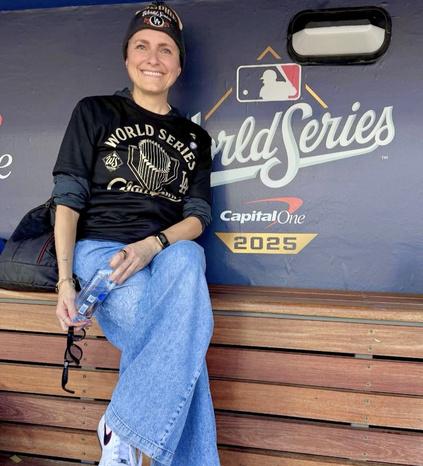
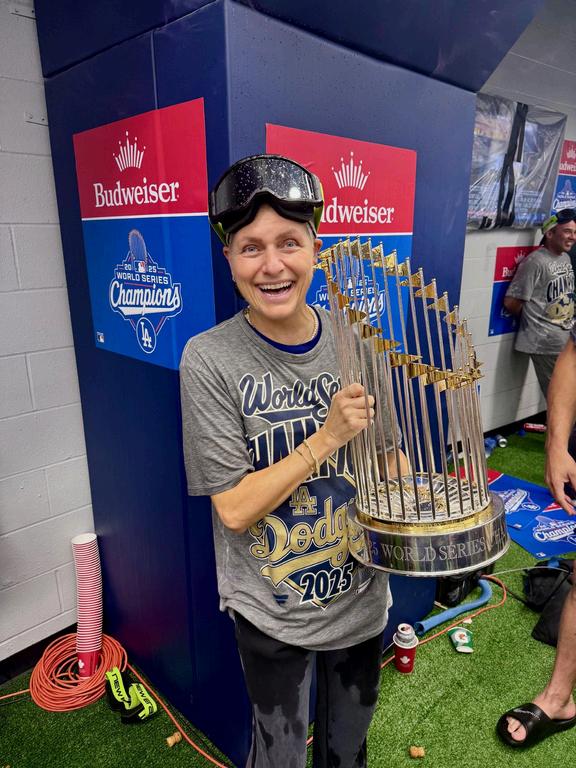
Her connection to the Los Angeles Dodgers reflects that full-circle impact. After joining the organization in 2007 as an athletic trainer, and later stepping into her historic role, she returned again in 2026 proof that her influence isn’t just remembered, it’s still needed.
Through Structure & Function Education, Sue continues to invest in clinicians the same way she invested in athletes, by raising the standard Her courses and hands-on training aren’t about theory for theory’s sake They’re practical, immediately applicable, and rooted in real-world demands. The goal is the same: close the gap between rehab and performance so patients don’t just recover, they return stronger
WOMEN’S HISTORY MONTH
Her impact is also deeply woven into Therapy Partners Group. In the early days of building out sports-focused clinician development, Sue partnered with the Bodycentral Physical Therapy Sports Residency Program, helping shape how therapists are trained to care for athletes. That collaboration set a tone one centered on excellence, intentional progression, and preparing people for the realities of sport, not just the clinic.
That influence hasn’t faded It continues through ongoing education support, shared standards, and a mutual commitment to doing the work the right way
At its core, Sue’s legacy is about more than baseball It’s about raising the bar for what care should look like
Assess with intention. Progress with purpose. And never lose sight of what the athlete, or patient, needs to return to.
Because real recovery isn’t just about getting back, it’s about being ready when you get there.
Structure & Function Education also supports Therapy Partners Group with education and partnership pricing for our staff
WHAT CLINICIANS NEED TO CATCH EA
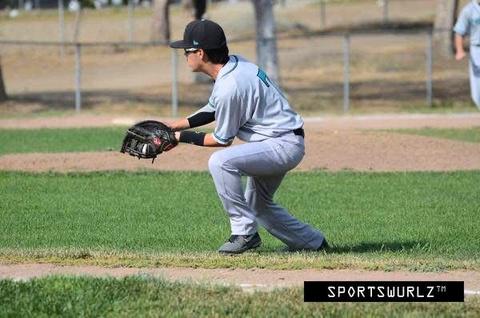
In youth baseball, especially between ages 10 and 15, gradual elbow and shoulder pain is rarely a single-event injury. More often, it reflects accumulated stress from year-round play, increasing throwing volume, and the demands of a growing body. The clinical opportunity is not just to treat symptoms, but to recognize risk early and guide athletes toward safer progression.
Two common conditions Little League Elbow and Little League Shoulder are both tied to irritation of growth plates under repeated stress. These injuries signal that workload may be exceeding what a developing athlete can tolerate. One of the most important contributing factors is Peak Height Velocity (PHV), the rapid growth phase where bones lengthen faster than strength and coordination can keep up. During this window, athletes are more vulnerable to injury, even without an increase in activity. Simply identifying recent growth can provide valuable insight into load tolerance.
Workload management extends beyond pitch counts. Bullpens, lessons, showcases, and informal throwing all contribute to total volume, often without being tracked. Without accounting for these “hidden” throws, athletes can easily exceed safe limits. Encouraging true rest periods, including time away from overhead throwing, is key to long-term health.
Throwing itself is a full-body movement, not just an arm action. Limitations in hip mobility, trunk control, or thoracic movement can shift added stress to the shoulder and elbow. At the same time, preseason shoulder baselines particularly range of motion and rotator cuff strength — can help identify athletes at higher risk as workloads increase, making them an important part of clinical screening.
Most youth throwing injuries are predictable and therefore preventable. By pairing thoughtful workload guidance with simple screening and an awareness of growth-related changes, clinicians can help young athletes stay healthy, continue developing, and remain in the game.
Little League Elbow (medial epicondylar apophysitis) Repetitive valgus stress places strain on the medial elbow growth plate, leading to irritation and pain. Little League Shoulder (proximal humeral epiphysitis) Repetitive rotational forces irritate the proximal humeral growth plate, often presenting as shoulder discomfort in overhead athletes These conditions are not simply overuse injuries they are growth-related stress responses, signaling that the athlete’s current workload may exceed their physiological tolerance
TPG is a family of outpatient physical therapy brands committed to advancing clinical excellence at every stage of your career. Whether you’re a student seeking a hands-on clinical rotation or an experienced clinician ready for your next growth opportunity, we provide the mentorship, leadership, and realworld experience to help you thrive. Through strong university partnerships, collaborative teams, and a relentless focus on high-quality patient care, we create environments where learners build confidence, clinicians sharpen their expertise, and professionals at every level continue to grow.
M O N T H
J O B S O F T H E
S t a f f C l i n i c i a n & C l i n i c D i r e c t o r