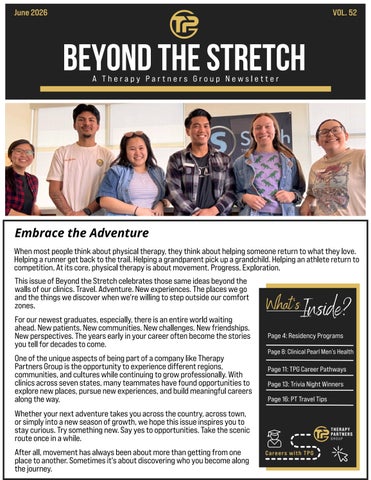
When most people think about physical therapy, they think about helping someone return to what they love. Helping a runner get back to the trail. Helping a grandparent pick up a grandchild. Helping an athlete return to competition. At its core, physical therapy is about movement. Progress. Exploration.
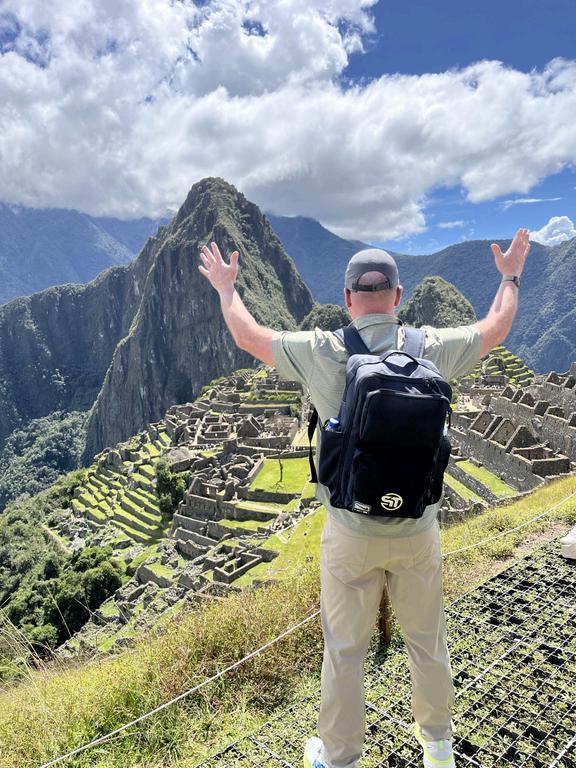
This issue of Beyond the Stretch celebrates those same ideas beyond the walls of our clinics. Travel. Adventure. New experiences. The places we go and the things we discover when we're willing to step outside our comfort zones.
For our newest graduates, especially, there is an entire world waiting ahead. New patients. New communities. New challenges. New friendships. New perspectives. The years early in your career often become the stories you tell for decades to come.
One of the unique aspects of being part of a company like Therapy Partners Group is the opportunity to experience different regions, communities, and cultures while continuing to grow professionally. With clinics across seven states, many teammates have found opportunities to explore new places, pursue new experiences, and build meaningful careers along the way.
Whether your next adventure takes you across the country, across town, or simply into a new season of growth, we hope this issue inspires you to stay curious. Try something new. Say yes to opportunities. Take the scenic route once in a while.
After all, movement has always been about more than getting from one place to another. Sometimes it's about discovering who you become along the journey.
Our 12-month Residency Programs provide advanced clinical training, mentorship, and education to help clinicians develop specialty expertise and prepare for board certification. TPG also offers Fellowship opportunities for clinicians pursuing the highest level of specialized training.
WHY CHOOSE A TPG RESIDENCY?
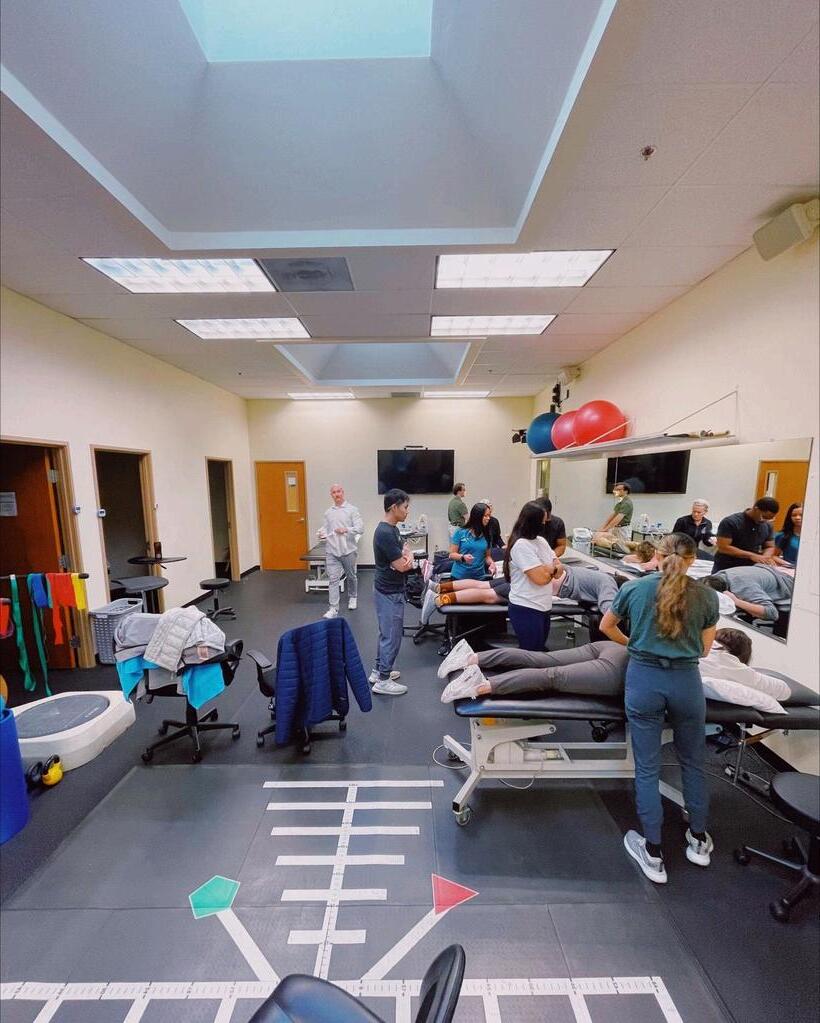
Participants benefit from a comprehensive learning experience that includes:
RESIDENCY PROGRAMS OFFERED
One-on-One Clinical Mentorship
Structured Didactic Education
Case Reviews & Clinical Discussions
Preparation for Board Cert Exams
Guest Speakers & Expert Faculty
SPORTS RESIDENCY
Designed for clinicians seeking advanced training in sports physical therapy, athlete management, return-to-sport decision making, and performance optimization.
Program Locations
Golden Bear Physical Therapy
ProSport Physical Therapy
Sports Residency Coordinator
Tyler Goslinga, PT, DPT
ORTHOPEDIC RESIDENCY
Focused on advanced orthopedic evaluation, treatment, manual therapy, and clinical reasoning for musculoskeletal conditions.
Program Locations
Golden Bear Physical Therapy
Bodycentral Physical Therapy
Orthopedic Residency Coordinator
Michael Ko, DPT, OCS, AT-RET
S HEALTH RESIDENCY
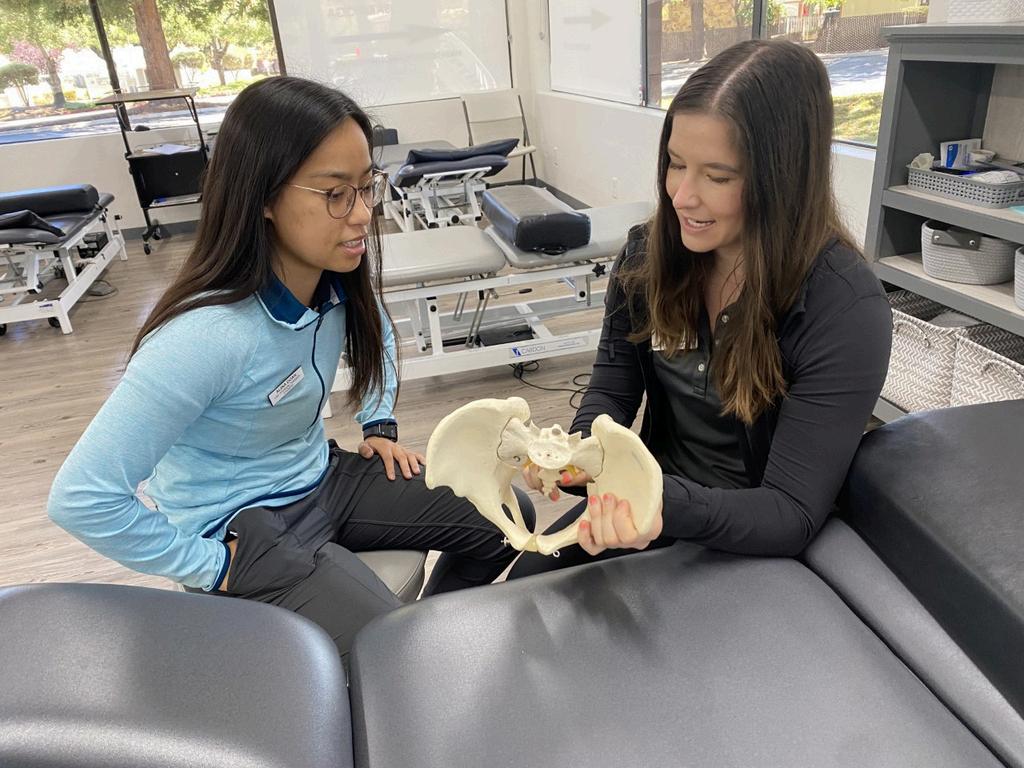
This program provides advanced training in pelvic health and women's health physical therapy, helping clinicians develop specialized skills to improve quality of life for patients across all stages of care.
Program Locations
Bodycentral Physical Therapy
Women's Health Residency Coordinator
Melissa Buss, PT, DPT Senior Director of Residency & Fellowship Programs
FELLOWSHIP OPPORTUNITIES
For clinicians seeking the highest level of post-residency specialty training, TPG also offers Fellowship opportunities that provide focused mentorship and advanced clinical development
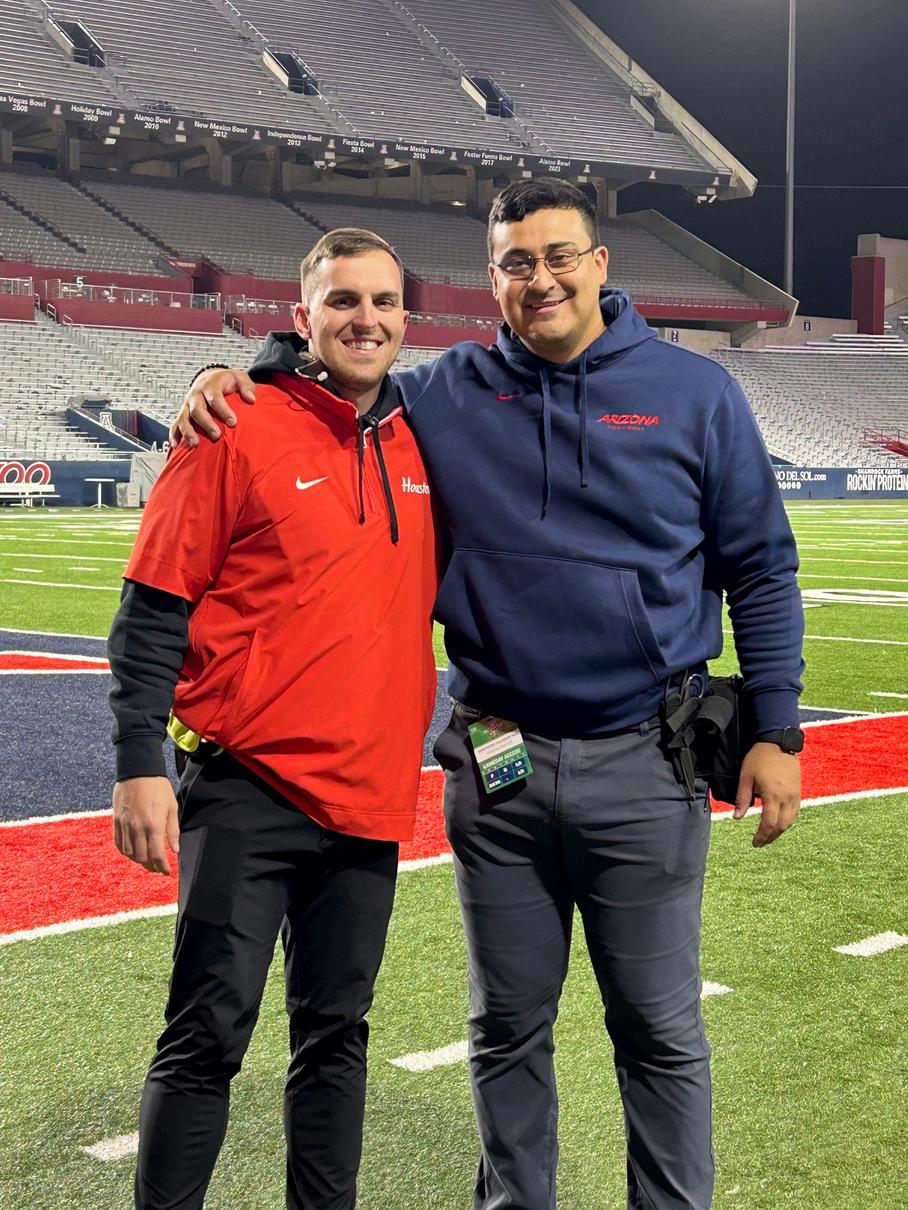
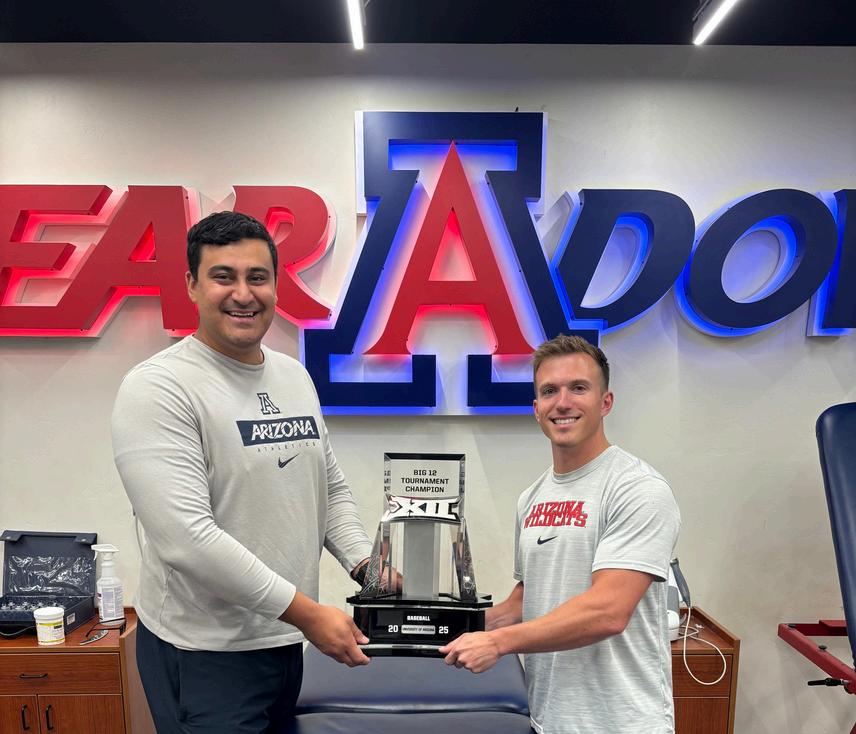
Current Fellowship Opportunities Include: Cincinnati Reds Fellowship
University of Arizona Fellowship
CLINICAL PEARL: MEN’S HEALTH MONTH
Every June, Men’s Health Month surfaces a stubborn problem: men do not show up. The CDC reports that men are roughly a third less likely than women to seek medical care, and a Cleveland Clinic survey found that 65 percent of men put off care for as long as they possibly can. In one survey, nearly three quarters said they would rather tackle household chores than sit in a waiting room. The reasons men give are familiar: too busy, it will heal on its own, asking for help feels like weakness.
The cost of that avoidance is not abstract. Men in the United States live about five years less than women on average. Heart disease, the leading cause of death in men, accounts for roughly one in four male deaths, and men tend to develop cardiovascular disease earlier than women do. The mental health gap is just as stark. Only about half of men with a mental illness receive care, and men die by suicide at nearly four times the rate of women. These are not problems that announce themselves at an annual physical the patient never schedules.
Here is what makes this a physical therapy story and not just a primary care one. The man who skips his checkup will still tear a rotator cuff, tweak his back lifting, or limp in after a weekend game. As of July 2025, every state plus the District of Columbia allows some form of direct access, which means a physical therapist is increasingly the first, and sometimes only, clinician a man sees in a given year. We also have something most providers do not: time. An episode of care is not one rushed visit. It is repeated sessions, hands on, one to one, over weeks. That is exactly the setting where trust gets built and where a guarded patient finally mentions the chest tightness, the poor sleep, or the symptom he has been ignoring.
So how do we use that position well?
Capture vitals like they matter, because they do. For many men, the blood pressure cuff at your intake is the only one they will see all year. A reading that lands in stage 2 hypertension is not an inconvenience to your plan of care. It is a finding worth acting on.
Screen for referral on purpose. Differential screening and recognition of red and yellow flags are core to DPT training for a reason. Night pain, unexplained weight loss, bowel or bladder changes, neurological signs that do not fit a musculoskeletal pattern: these belong in your review of systems for every patient, and especially for the one who has no other clinician watching out for them.
Open the door, do not just point at it. Men respond to framing built around function and the roles they value: staying strong for their family, getting back to the work or the sport they love. Tie health behaviors to what the patient already cares about. Where it is relevant to your plan of care, ask the questions men avoid elsewhere: sleep, stress, mood, and yes, pelvic and sexual health, which men are often least comfortable raising.
Close the loop on referrals. “You should see your doctor” is easy to nod at and ignore. Be specific, document the finding, and where you can, communicate directly with the receiving provider so the handoff actually happens.
For students, this is the part of the job that does not show up in a goniometer reading. Your scope includes knowing what is not yours to treat, and your repeated contact with a patient gives you a chance to catch what others miss. Build the habit early.
Men’s Health Month is a useful annual prompt, but the work is year round. The patient who avoids every other appointment may walk into your clinic for a sore shoulder. What he leaves with can be bigger than that.
Men skip the doctor at nearly every other touchpoint in the system. They still walk into your clinic. That makes physical therapists one of the most underused access points in men’s health.
TPG CAREER PATHWAYS
Career growth, your way!
Residency Program
Sports
Orthopedics
Women’s Health
New Grad Success Program
Staff Clinician
Leadership Pathway
Emerging Leaders
Clinical Leadership Program
Clinical Director
Regional Director
Advanced Clinical Pathways
Sports
Pelvic Health
Hand Therapy
Geriatrics
Neurology
Orthopedics
Pediatrics
Educational Leadership
Clinical Instructor
New Grad Success Mentor
TPGU Faculty
New Graduate
1+ Years Experience
THELOWBACK PAINYOUSHOULD NOTRUSHTOTREAT
A 68-year-old man comes in for low back pain. He is a former smoker, with a little hypertension in the history. The pain is deep and throbbing, and here is the tell: it does not change much with position, movement, or your usual mechanical testing. That combination should slow you down.
Abdominal aortic aneurysm is 4 to 6 times more common in men than in women, usually silent until it ruptures, and rupture carries a mortality as high as 80 percent. The USPSTF recommends one-time ultrasound screening for men aged 65 to 75 who have ever smoked, yet in practice only about a third to a half of eligible men actually receive it. The patient on your table may be one of them.
What to do: in the older male with nonmechanical back or flank pain and vascular risk factors, palpate for a widened, pulsatile mass just above the umbilicus and listen for a bruit. A normal aorta measures under 3.0 cm. Remember that palpation is not sensitive, especially in larger patients, so a normal exam does not clear him. The history is what drives the decision. If the picture fits, the right intervention is not manual therapy. It is a same day call to his physician and a recommendation for screening.
Mechanical back pain is your wheelhouse. The aneurysm pretending to be mechanical back pain is the one you were trained to catch.
Sources: USPSTF (AAA screening); ACC/AHA; Society for Vascular Surgery.
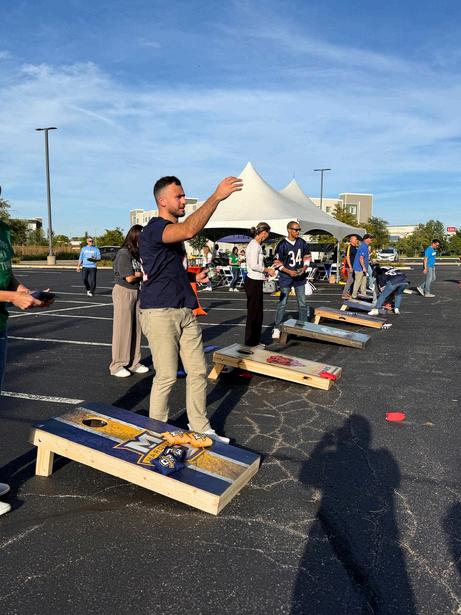
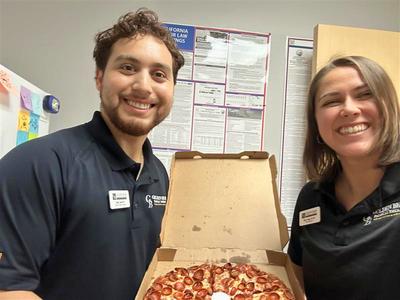
& OUR WINNERS ARE...
Thank you to all who participated!
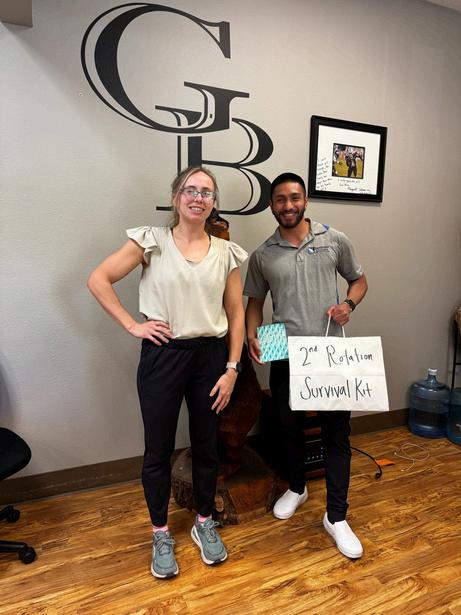
I had many hands-on opportunities. My CI allowed me to develop my skills and understanding in the areas I chose She was supportive of my learning throughout the experience, and I am happy with my time at Inspire.
Feedback
This place provided a supportive and engaging environment to help learn and apply my knowledge while also providing a challenge. I would highly recommend a TPG clinic to get exposure to a variety of cases and a place to learn something new every day.
I had such a fun and amazing time learning and growing as a professional. Everyone was so wonderful, inclusive, and supportive.
I had an amazing experience as a student at ProSport and would highly recommend this clinical to classmates and future PT students. I would be very happy to return one day as a PT.
The clinic was amazing, everyone was very welcoming and kind. The whole staff was willing to answer questions or instruct on techniques that they use.
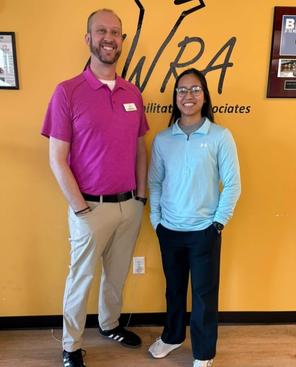
This was my favorite rotation by far. My CIs were amazing and all of the therapists and support staff at NWRA were fantastic Thank you for a wonderful experience!
The PTs were very friendly and were always willing to provide their knowledge and answer any questions I had. Everyone made me feel welcome, and it was a great learning environment.
PT Travel Tips: On the Move
Summer travel season is here! Whether you're flying across the country or heading out on a road trip, long hours of sitting can leave your body feeling stiff, swollen, and tired.
A few simple habits can help you arrive at your destination feeling your best.
Move Early, Move Often
Don't wait until your body feels tight Walk the airport terminal before boarding, take the stairs when possible, and stand up periodically during longer flights
Hydrate Like It's Your Job
Airplane cabins are surprisingly dry
Bring a reusable water bottle and sip regularly throughout your travel day. Try to limit alcohol and excessive caffeine, which can contribute to dehydration.
Pack Smart
Avoid carrying heavy bags on one side of your body If possible, use a rolling suitcase and switch shoulders frequently if carrying a backpack or tote
Dress for Comfort
Choose breathable clothing and comfortable shoes Compression socks can be a great option for longer flights, especially if you're prone to swelling in your feet and ankles
Try These Easy In-Seat Stretches
Ankle pumps and circles
Shoulder rolls
Neck turns and gentle side bends
Seated marches by lifting one knee at a time
Gentle spinal twists while seated
Listen to Your Body
Travel is exciting, but it can also be demanding Build in time to move, stretch, and recover, especially after long travel days