

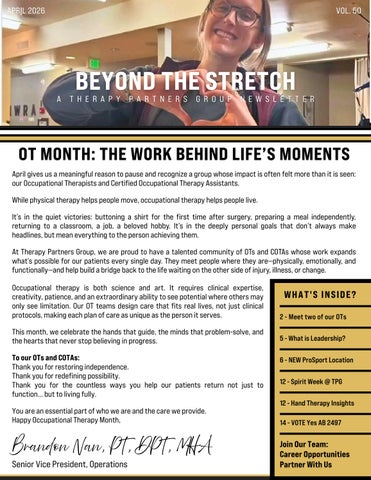
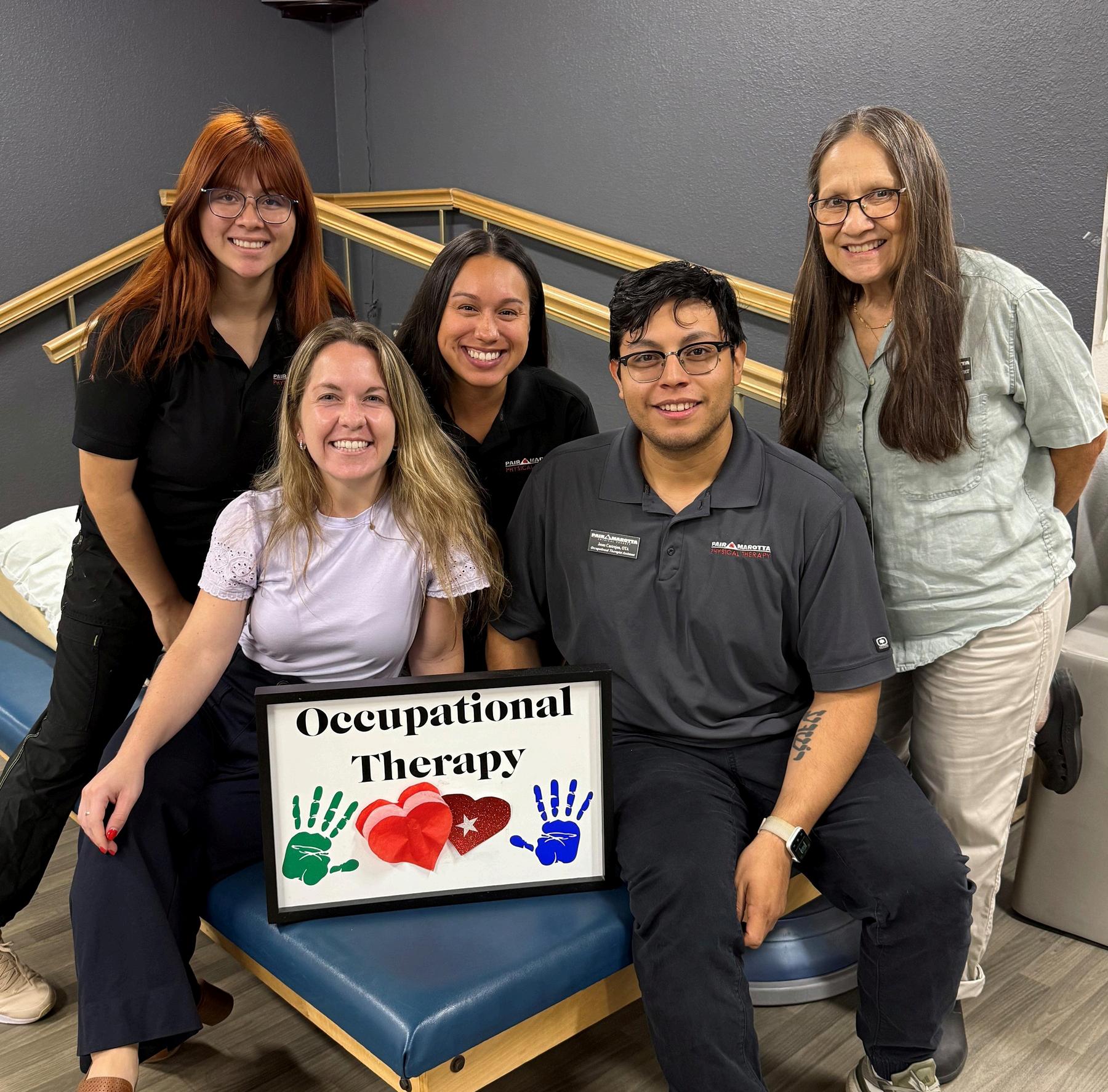
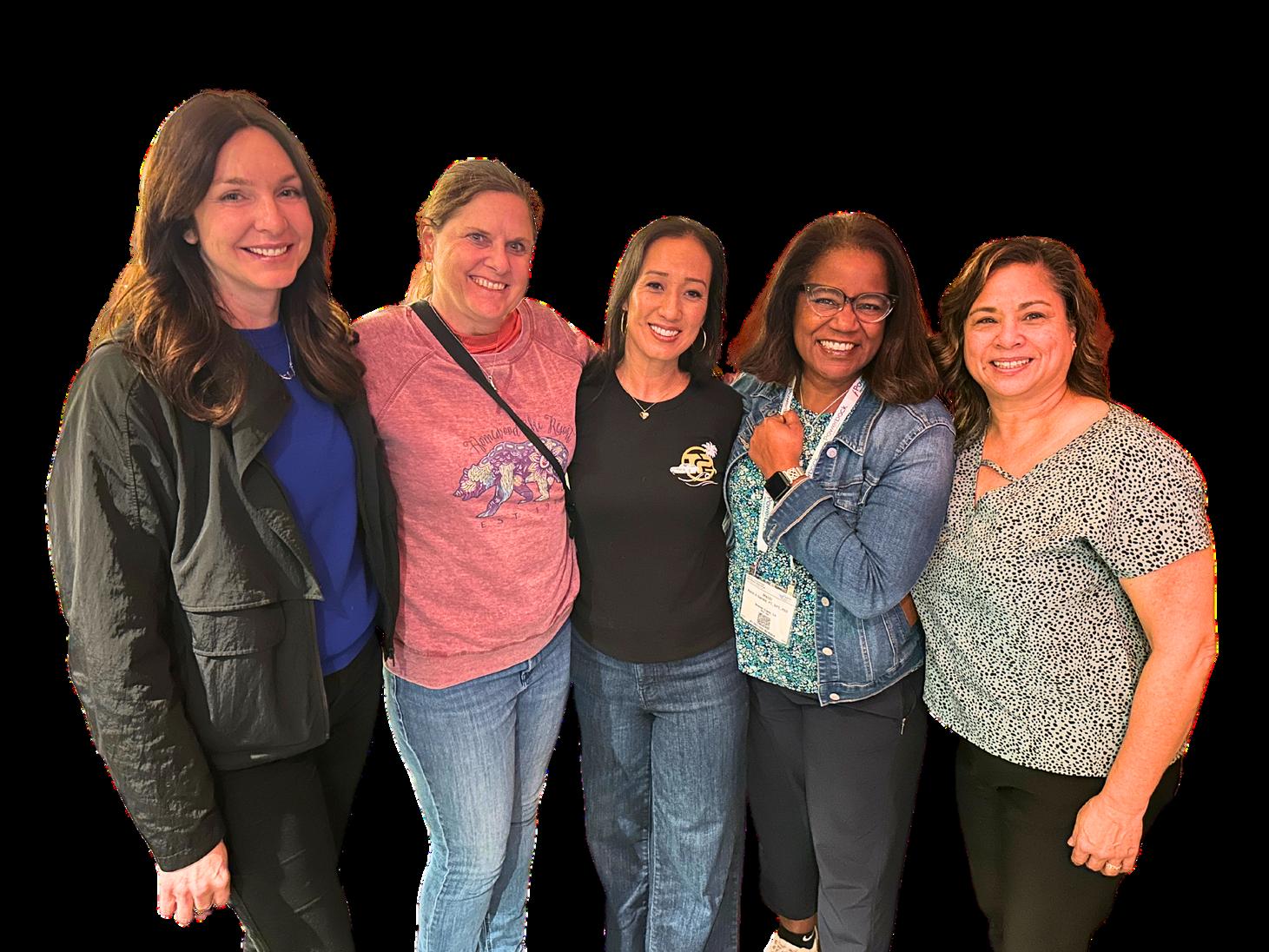
April gives us a meaningful reason to pause and recognize a group whose impact is often felt more than it is seen: our Occupational Therapists and Certified Occupational Therapy Assistants.
While physical therapy helps people move, occupational therapy helps people live.
It’s in the quiet victories: buttoning a shirt for the first time after surgery, preparing a meal independently, returning to a classroom, a job, a beloved hobby. It’s in the deeply personal goals that don’t always make headlines, but mean everything to the person achieving them.
At Therapy Partners Group, we are proud to have a talented community of OTs and COTAs whose work expands what’s possible for our patients every single day They meet people where they are physically, emotionally, and functionally and help build a bridge back to the life waiting on the other side of injury, illness, or change
Occupational therapy is both science and art It requires clinical expertise, creativity, patience, and an extraordinary ability to see potential where others may only see limitation. Our OT teams design care that fits real lives, not just clinical protocols, making each plan of care as unique as the person it serves.
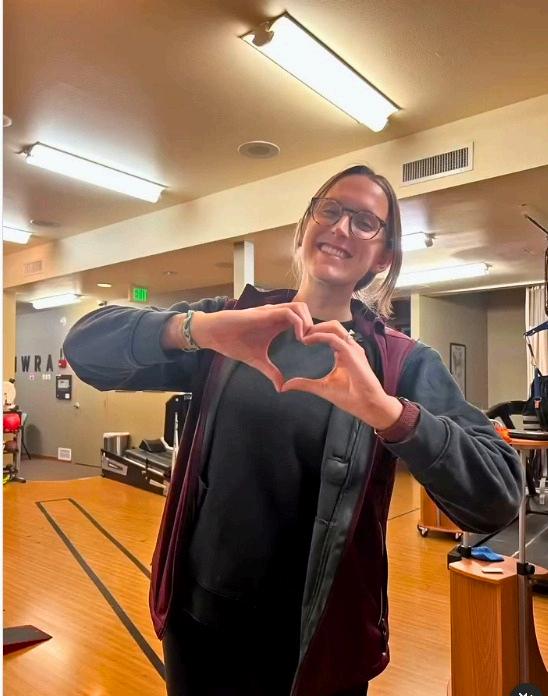
This month, we celebrate the hands that guide, the minds that problem-solve, and the hearts that never stop believing in progress.
To our OTs and COTAs:
Thank you for restoring independence. Thank you for redefining possibility. Thank you for the countless ways you help our patients return not just to function... but to living fully.
You are an essential part of who we are and the care we provide. Happy Occupational Therapy Month,







Ourclinicisspecialbecauseofourlocation,the gorgeousviewofthehillsfromourwindows,and myco-workers,whoarelikeasecondfamily We havealotoffuntogether,andIlookforwardto seeingtheirfaceseveryday.
Iampassionateaboutrestoringfunctiontomy patients Theirgoalsaremygoals Iwantmy patientstobepain-freeandreturntotheir hobbiesasiftheyweremyown.
Iloveallmypatients Theyaresupersweet aroundtheholidaysandbringussweettreats, myfavoritebeingtheshortbread!
TheTPGWayisworkingtogetherwithyour teamtostayclient-centeredandsupport patientsthroughtheirjourney.
Outsideofwork,Iamamotherof2children, pickingthemupanddroppingthemofftotheir variousafter-schoolactivitiesandsports.I'm happilymarried,andhaveanadorableBoston Terrierwhoismythirdchild
JessicaMcClain OccupationalTherapist HandTherapist
I love swimming, camping, hiking, and road tripping.
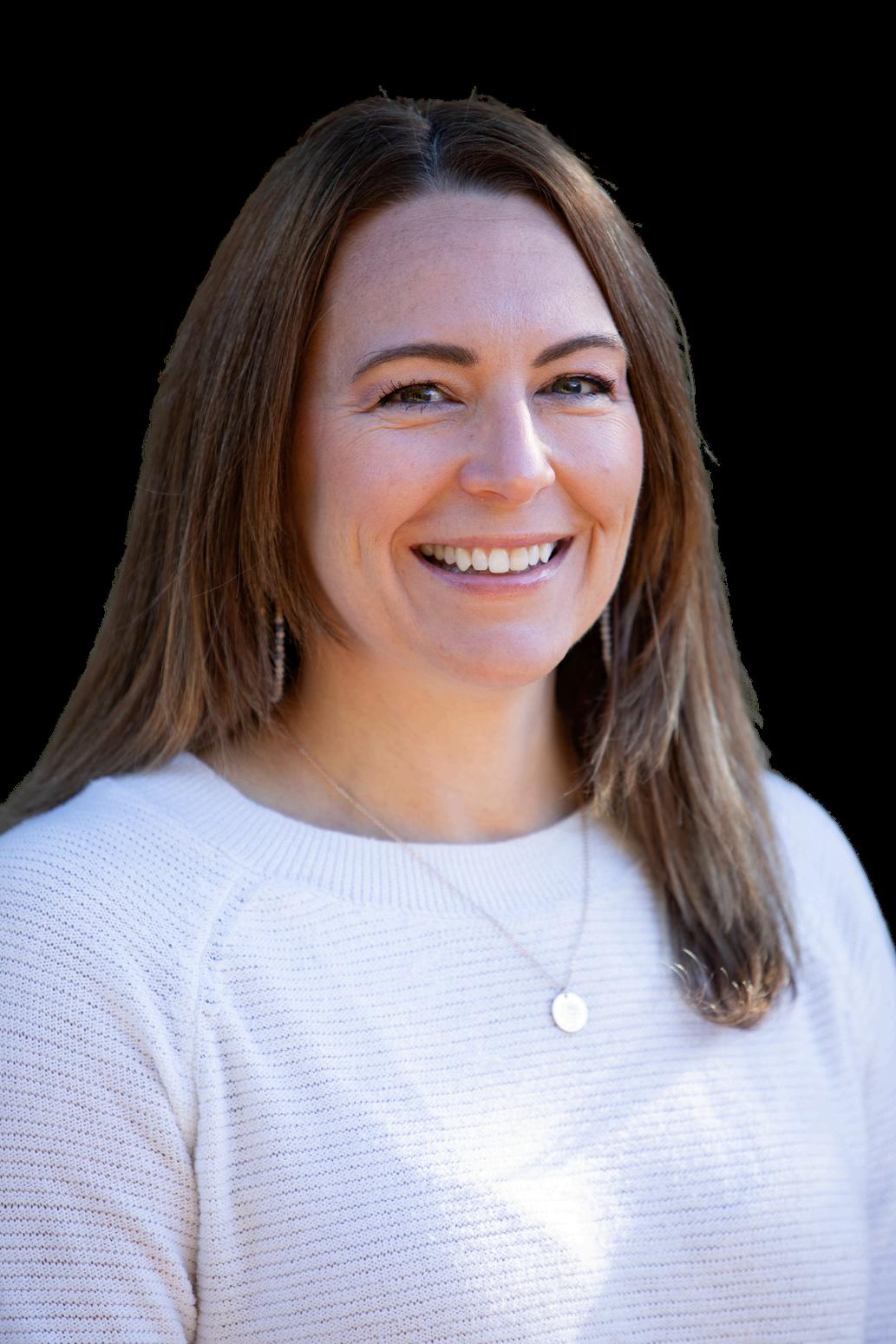
By Bradford Spencer, Occupational Therapist and Clinic Director

The Dalai Lama once said, “Sometimes not getting what you want is a wonderful stroke of luck.”
In 2018, I learned just how true that can be.
When I wasn’t accepted into EWU’s Master of Occupational Therapy program on my first attempt, I was disappointed but that pause turned out to be transformative. Over the following year, I gained experiences that profoundly shaped both who I am and the practitioner I aspire to be A capstone course in leadership strengthened my emotional intelligence and self-awareness, while volunteering at the ARC of Spokane deepened my understanding of empathy, connection, and the power of being fully present with others.
After more than twenty years in a career that paid the bills but left me unfulfilled, occupational therapy found me at exactly the right moment. Through job shadowing, volunteering, and learning alongside remarkable professionals, I rediscovered a sense of purpose grounded in service and human connection. I learned that meaningful change often begins with listening, vulnerability, and meeting people where they are.
Looking back, I’m grateful for the delay. What once felt like a setback became an unexpected gift preparing me not just academically, but personally, to step forward with clarity, confidence, and a renewed commitment to making a difference.
And as it turns out, the story didn’t end there.
Throughout undergrad and graduate school, I was certain my future was inpatient neuro rehab TBI, CVA the work I loved and trained for. But while completing my FWII internship, the inpatient rehab clinic I planned to join was sold. Everything changed, and suddenly my carefully laid plans disappeared. I finished my internships, passed my boards, and began looking for work uncertain of what would come next.
Hand therapy had never been on my radar. But when I received a call to interview with Inspire (part of the TPG family), I thought, “Why not?” It would be good practice. I was offered the position and I took a leap of faith that changed my life
I love working as a hand therapist. I am always learning. I get to use my passion for neuro every day, build meaningful connections with people during pivotal moments in their lives, and tailor care to what gives each person purpose and meaning I’ve been privileged to witness and support incredible changes in people’s wellbeing, and the work continues to shape me both professionally and personally.
I’m grateful for the doors that opened and for the courage to walk through one I never expected I’m supported by an exceptional team, and I strive to offer that same support in return My journey has taught me to make plans, but also to stay open to possibility. Sometimes the leap you hesitate to take is the one that leads exactly where you’re meant to be.
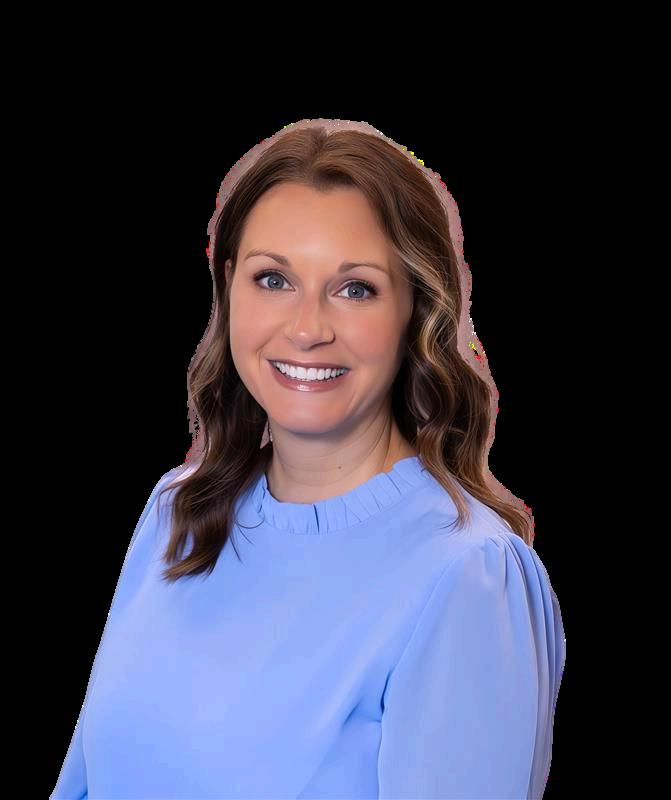

Please join us in celebrating Ashley Piazza, PT, DPT on her promotion to Chief People Officer.
With a leadership team rooted in the profession, alongside our CEO and COO, Ashley will lead our people strategy and Human Resources function bringing a physical therapist’s perspective to how we support, develop, and care for our people, the TPG Way.
By Jen Allen, PT, DPT | Chief Clinical Officer, TPG
Here is something nobody tells you in school: Leadership does not start when you get the title. It starts the day you put on your student badge for the first time.
Every time you walk into a treatment room, or a team huddle, you are making leadership choices. How you show up. What you notice. Whether you speak up when something does not look right. Whether you own a mistake or hide one. Whether you treat the front desk staff the same way you treat the clinic director.
People are watching. Not in a scary way. Your reputation as a leader is being built right now, in small moments, long before anyone hands you a team.
Three habits that separate emerging leaders from everyone else:
1. Be the most curious person in the room. Ask better questions than anyone expects from someone at your level. When a senior clinician makes a decision you do not understand, ask why. Not to challenge them. To learn. The students and new grads who become exceptional clinicians are the ones who never stopped asking how and why.
2. Own your mistakes fast and fully. This is the single fastest way to build trust at any level. When you miss a documentation detail, mess up a schedule, or fumble a patient handoff, name it without excuses. “I missed that. Here is what I am doing to fix it and prevent it next time.”
Leaders who own small things early get trusted with big things later.
3. Make the people around you better. You do not need a title to lift your team. Help the new front desk staff feel welcome. Share an article with a classmate studying for boards. Offer to cover a colleague’s patient when they are drowning. Celebrate someone else’s win out loud. The people who build a reputation for making everyone around them better become the people everyone wants on their team, their project, and eventually, their leadership bench.
week’s challenge
Pick one of the three. Curiosity, ownership, or lifting others. Practice it deliberately for the next seven days. Notice what changes. Notice who notices. You do not have to wait for a promotion to start leading. You just have to decide you already are one.
H U N T I N G T O N B E A C H




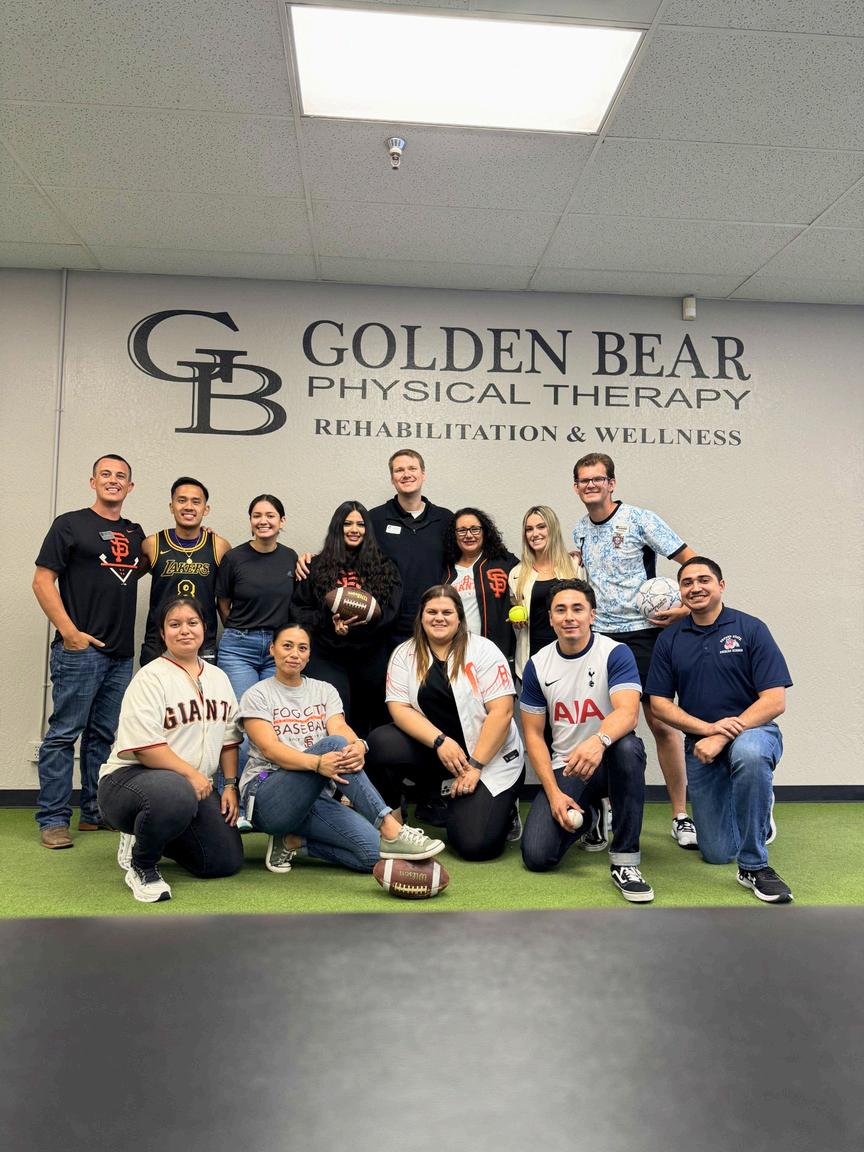
MAY 18-22, 2026 18 Represent your school or show loyalty to your favorite sports team

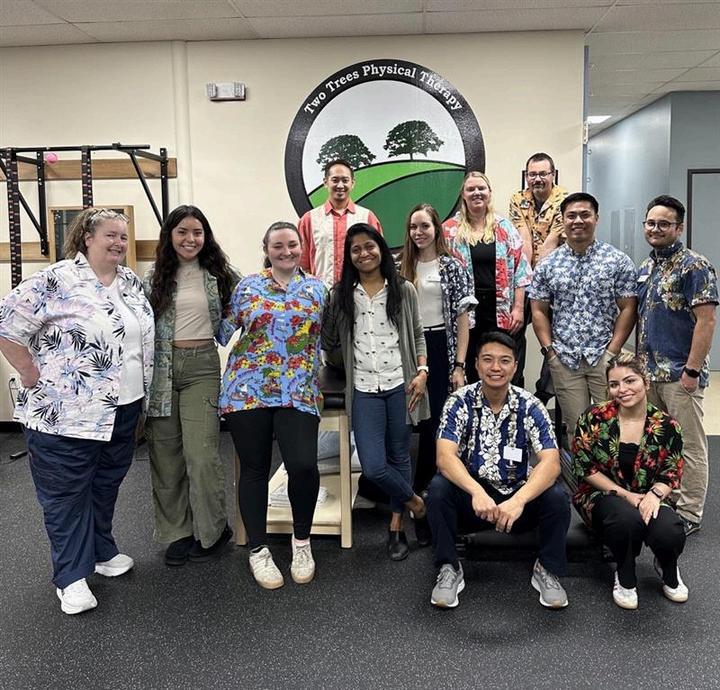
Dress for a day at the beach or a Hawaiian-themed party... keeping it PT clinic friendly
Finally, a chance to wear their style without also carrying the weight of their calendar invites
Wear what was in style the year your clinic opened (or a decade your team decides on)

Wear black & gold or your brand colors. Hint: start thinking about your clinic theme song!
One challenge, related to the theme, will drop each day!

TPG is a family of outpatient physical therapy brands committed to advancing clinical excellence at every stage of your career. Whether you’re a student seeking a hands-on clinical rotation or an experienced clinician ready for your next growth opportunity, we provide the mentorship, leadership, and realworld experience to help you thrive. Through strong university partnerships, collaborative teams, and a relentless focus on high-quality patient care, we create environments where learners build confidence, clinicians sharpen their expertise, and professionals at every level continue to grow.




















NEW GRADUATE SUCCESS PROGRAM









MJ O B O F T H E
f f C l i n i c i a n
S t a

STPhasbeenservingtheLasVegas,Henderson,andsurrounding communitiesforover20years.
Treatanactivepopulationofbikers,hikers,climbers,runners, andoutdoorenthusiasts.
With11locationsinthearea,thereisopportunityforgrowth, bothclinicallyandprofessionally.
LasVegashasarelativelyreasonablecostoflivingcompared toothermajorUS cities
Endlessoptionsforshows,concerts,andnightlife,butalsoclose toRedRockCanyon,LakeMead...it’sanoutdoorplayground.
Culturallydiverse,pet-friendly,withhigh-qualityhealthcare andeducationalfacilities
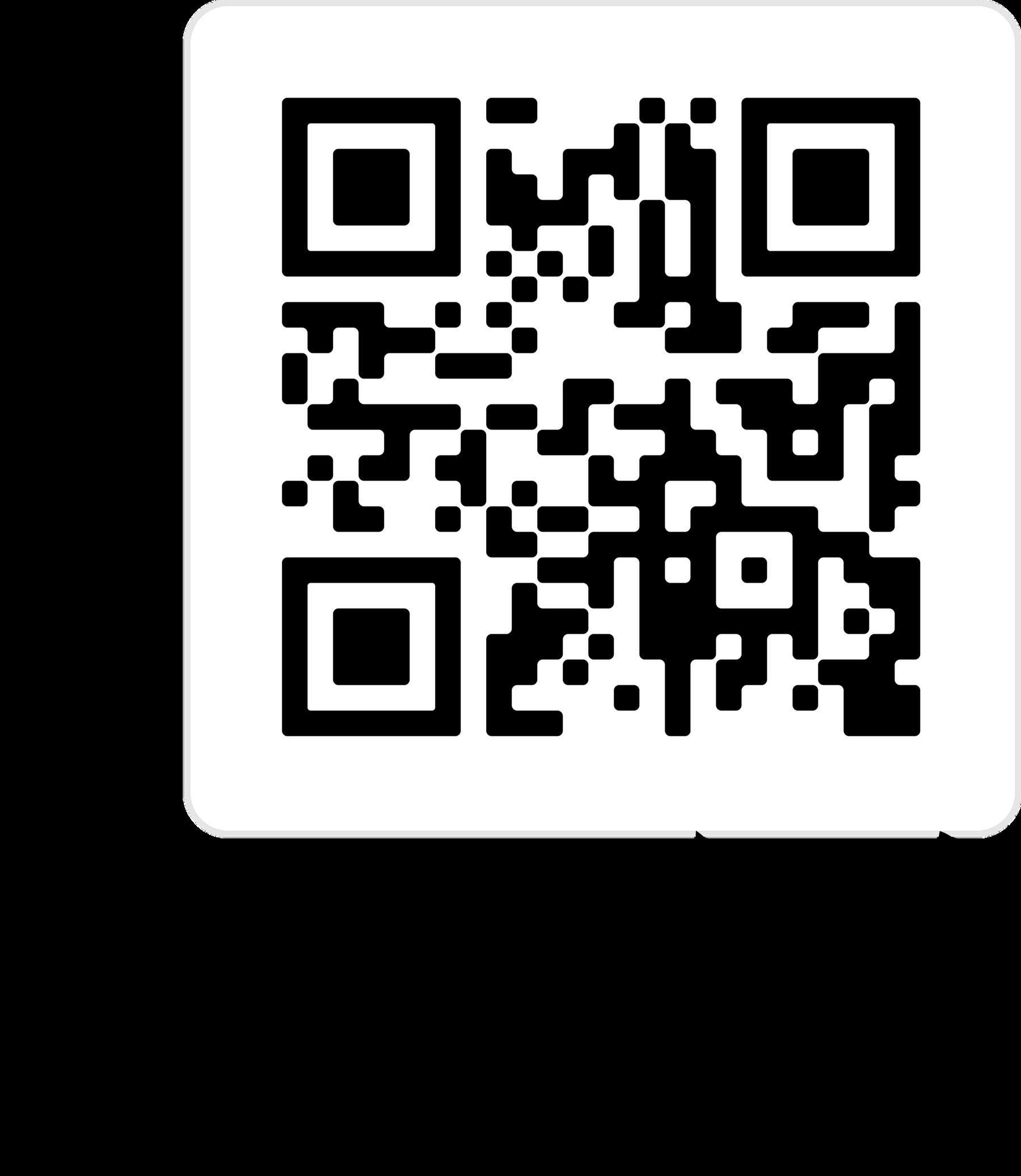
ApplyHere:




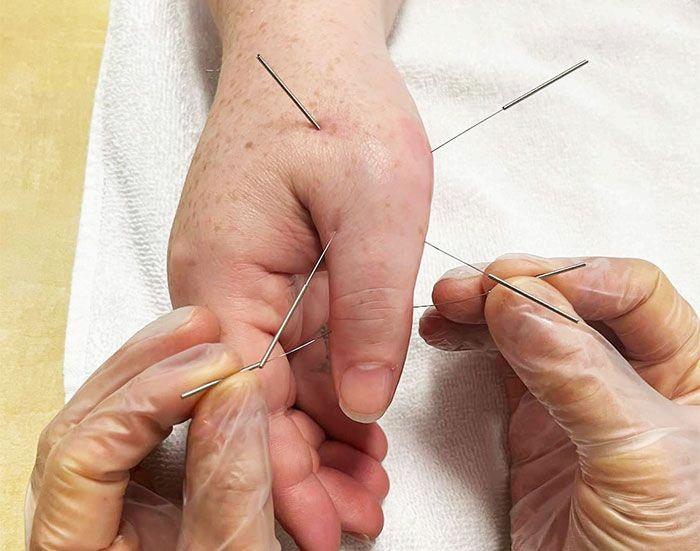
Dryneedling(DN)isgaining Dryneedling(DN)isgaining tractionacrosstheelbow,wrist, andhand,offeringanotherway toreducepainandrestore functioninthisincredibly intricateregion.
The research is clear and getting stronger:
Lateral epicondylalgia (tennis elbow): DN improves pain, function, and grip strength, with outcomes comparable to injections in some cases.

What’s really happening
DN isn’t just about trigger points anymore. It stimulates neural, muscular, and connective tissue systems, making it a powerful match for the layered complexity of the hand and upper extremity.
Clinical takeaway
Carpal tunnel syndrome: New evidence shows DN may significantly reduce pain and even decrease the likelihood of surgery.
Tendinopathies: From de Quervain’s to ECU irritation, DN performs as well as other conservative treatments for pain relief.
Think of DN as an amplifier, not a replacement Pair it with the fundamentals eccentrics, nerve glides, activity modification, orthotics and it can help accelerate outcomes.
Bottom line
For trained clinicians working within scope, dry needling is a precise, evidence-backed addition to hand therapy helping patients move sooner, hurt less, and get back to what matters most.
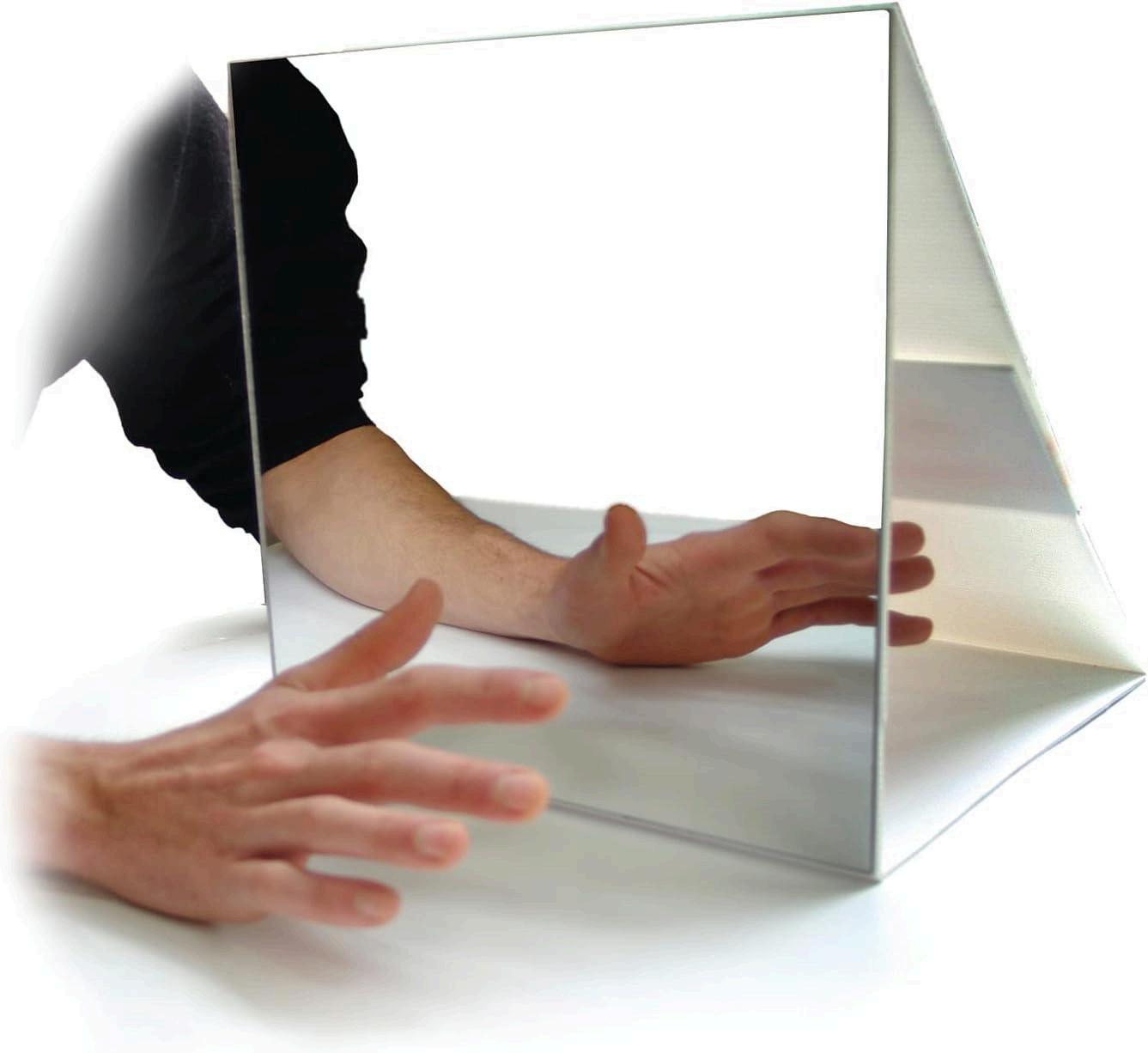

April is Occupational Therapy Month, a perfect time to highlight one of the most powerful tools in occupational therapy: graded motor imagery (GMI).
For patients whose hand pain is too severe to tolerate touch or movement, GMI offers a way back—starting in the brain, not the body.
What it is
GMI is a three-step, sequential approach that reactivates motor pathways without triggering pain:
1.Laterality recognition – identifying left vs. right hands to activate the brain without movement
2.Imagined movement – mentally rehearsing motion to engage motor networks safely 3.Mirror therapy – using visual feedback to retrain the brain’s perception of pain-free movement
Why it matters
GMI is especially effective for CRPS, chronic hand pain, post-surgical nerve injuries, and post-stroke recovery. Research consistently shows improved pain and function but only when the full sequence is followed. Skipping ahead (especially to mirror therapy) often limits results.
Start simple. Laterality training may look basic, but it’s the foundation. Build gradually, respect the nervous system, and progress only when the patient is ready.
Bottom line
GMI isn’t just hand therapy; it’s brain-based rehabilitation. It restores the connection between mind and movement, helping patients return not just to function, but to the meaningful activities that define their lives.







Californians should be able to receive the highest level of care physical therapists* can provide!
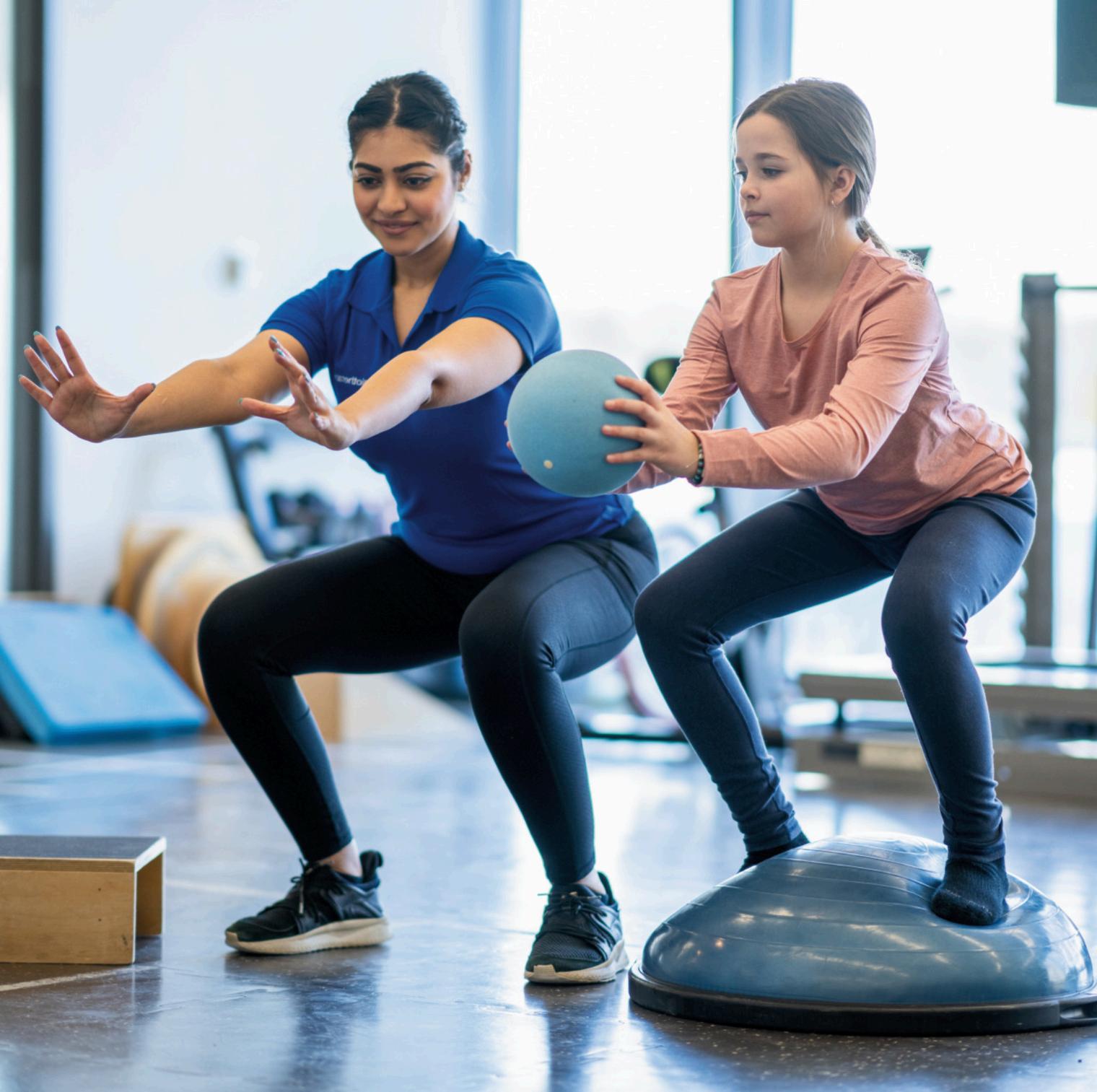
Physical therapy education is constantly being updated with the most recent research yet the California Physical Therapy Practice Act has not been modernized to meet the Commission on Accreditation in Physical Therapy Education standards since 1985 Physical therapists are now educated at the doctoral level
To provide the highest level of care for Californians, physical therapists should be able to practice at the top of their skill set and knowledge base, including the ability to:
Order or refer a patient for imaging
Perform and interpret musculoskeletal ultrasound imaging
Prescribe, store, and administer topical medications
Prescribe nonopioid analgesic and and nonsteroidal antiinflammatory medications

Perform tissue penetration for the purpose of treating the neuromuscular system



Choose to see a physical therapist without burdensome restrictions
Receive the most current and evidence-based interventions (state laws should not limit access to these health care benefits)

Access timely physical therapy care

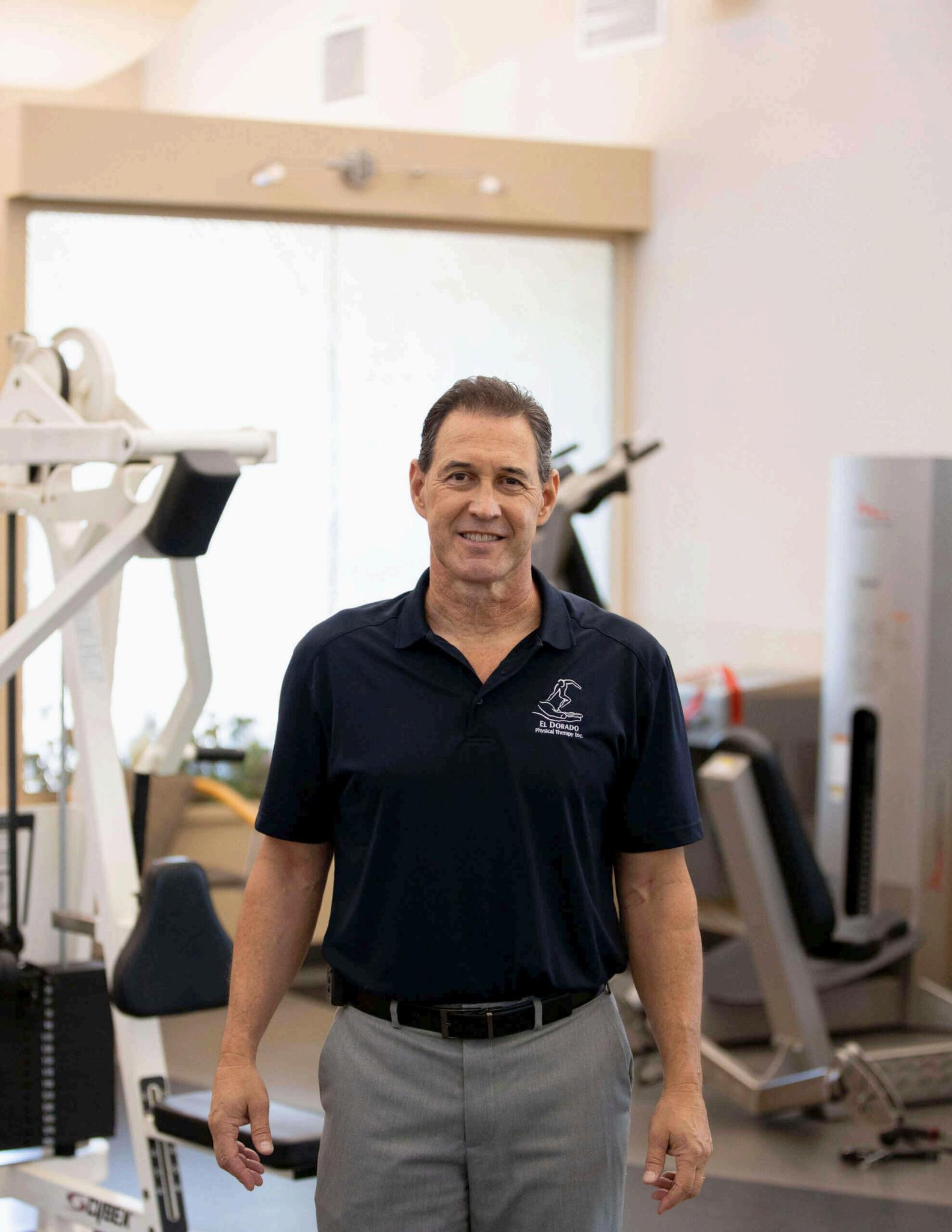

O F H A R D W O R K & D E D I C A T I O N
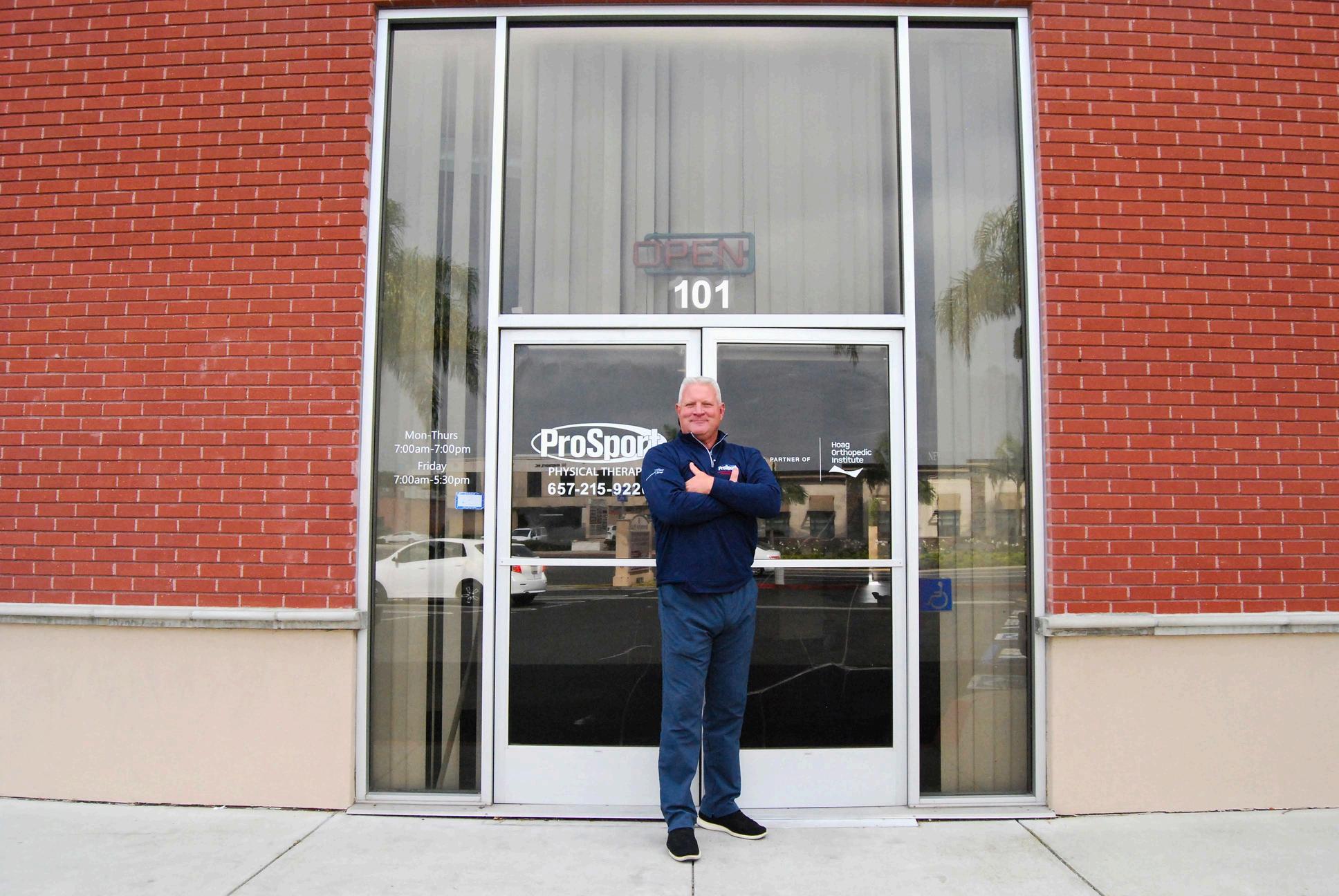
“This profession has given me more than I could have ever imagined. It has been a true privilege to serve our patients and to work alongside such incredible colleagues and teams over the years. Together, we’ve built something meaningful something rooted in care, commitment, and a shared purpose.” -Dave