EXECUTIVE DIRECTOR Juhan Kamaruddin @ Jeremy Khalil
MANAGING DIRECTOR SGSB Irnee Norris Ishak
GENERAL MANAGER KTSB Dato’ Kerk Chan
FINANCE & ACCOUNTING Furqaan Hod & Maria Tahha
PRODUCTION Lau An
OPERATIONS & PRINTING Lau Lee Chin
GOVERNMENT RELATIONS Suhaila Ahmad | Dato’ Suzana TDS Shahabuddin | Ameerah Abdullah | Datin Sri Sharifah Salmah
EVENTS & SPECIAL PROJECTS Mohamad Nabil Fikry Zainudin | Aliff Ashraf Mohd Laisani | Mikael Imran | Puteri Idayu Raja Samsudin I Nur Ayuni Aziz | Hafiz Ibrahim
BUSINESS DEVELOPMENT & MARKETING Ahmad Furqaan
MARKETING & COMMUNICATIONS Nurul Aisyah Razali
EDITOR-IN-CHIEF Juhan Kamaruddin @ Jeremy Khalil
CREATIVE EDITOR Irina Norris Ishak
CONTRIBUTING EDITOR Irnee Norris Ishak
DIGITAL EDITOR Ed Junaidi Abu Bakar
DEPUTY EDITOR Shahida Sakeri
CONTENT CREATOR Hady Armeen
DIGITAL CONTENT CREATOR Tunku Alifah Ilyana Tunku Yazid
SENIOR DESIGNER Intan Ishak
CONTRIBUTORS Tourism Malaysia & MOTAC
PHOTOGRAPHERS Photography Unit, Gaya Travel Magazine
Corporate Communications Unit, Ministry of Tourism, Arts and Culture Malaysia
PARTNERS & SUPPORTERS
MEDIA REPRESENTATIVES London | Paris | Singapore | Jakarta | Bandung | Medan | Brunei | Sydney | Ha Noi PRINTING YBA Print Sdn Bhd
Copyright @ 2026 Gaya Peninsular Global Ventures| Chandi Media Group | Sirron Galeria Sdn Bhd | Chandi Enterprise All rights reserved.
Reproduction in whole or in part without permission from the publisher and editor is strictly prohibited. All information is accurate at time of press but subject to change. The publisher and its employees cannot be held liable for any error, inaccuracy and/or admissions whatsoever caused. Liability would not be accepted for any action taken based on the views expressed or information provided in this publication.
Daulat Tuanku
SEMOGA ALLAH LANJUTKAN USIA DAN MERAHMATI PEMERINTAHAN TUANKU
DULI YANG MAHA MULIA SULTAN SHARAFUDDIN IDRIS SHAH ALHAJ
IBNI ALMARHUM SULTAN SALAHUDDIN ABDUL AZIZ SHAH ALHAJ
SULTAN DAN YANG DIPERTUAN NEGERI SELANGOR DARUL EHSAN
SERTA SEGALA DAERAH TAKLUKNYA
Sembah Tahniah Dan Ucap Selamat
SEMPENA ULANG TAHUN HARI KEPUTERAAN YANG KE-80
DULI YANG MAHA MULIA SULTAN SELANGOR
PADA 11 DISEMBER 2025 BERSAMAAN 20 JUMADAL AKHIRAH 1447H
SEMBAH TAKZIM DARIPADA
www.issuu.com/gayatravel
https://shopee.com.my/gayatravel
Departments
010. Editorial Jottings
Gaya Special Feature
018. Prime Minister Led the Launch of Visit Malaysia 2026
019. Visit Malaysia Campaign Through the Years
022. The Soul of the South: The Special Johor Road Trip for Thrill-Seekers and Foodies
026. Beyond the Golden Harvest: The Ultimate 3D2N Guide to Sekinchan & Kuala Selangor
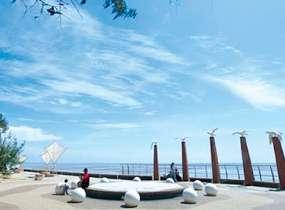
030. Coastal Magic & Heritage Souls: Why Kuala Terengganu is Your Must-Visit Escape for 2026
042. First Glimpse of Langkawi : A Newcomer’s Guide to What’s Worth Seeing
066. Experience Kedah
072. Beyond the Horizon: Terengganu’s Living Heritage and Natural Wonder
078. Kuala Langat : Where Sea Breeze, Heritage, and Stillness Linger
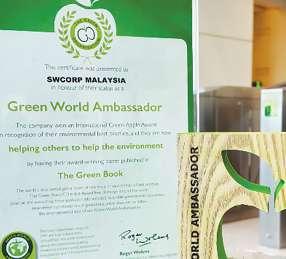
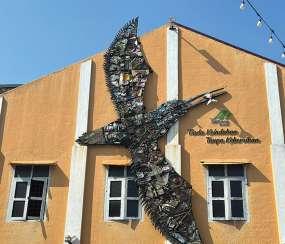
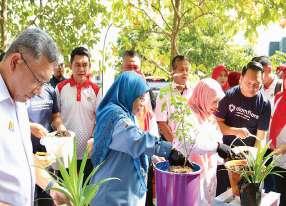
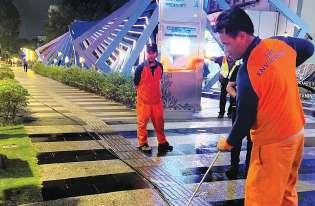
102. Keeping Malaysia Clean, Green and Prosperous How SWCorp is shaping a sustainable future ahead of Visit Malaysia 2026
106. Cooperatives Powering Community Tourism for Visit Malaysia 2026
An Exclusive Interview with the CEO of the Malaysian Cooperative Societies Commission
110. From Rock Bottom to Pineapple Royalty: How Agrotourism and a Timely Government Grant Changed One Man’s Fate
114. POWERING PROGRESS, SUSTAINING LIFE
Inside Malaysia’s Ministry Of Energy Transition And Water Transformation (PETRA)
118. 32 Must-Visit Icons in Johor for Unforgettable Holiday
By
Arif Rafhan Othman
126. Curved Roofs & Smoked Flavours: Discover the Magic of Negeri Sembilan
GAYA Traveller
012. GAYA Traveller’s Sapporo: Japan’s Winter Wonder Jewel
Destinations
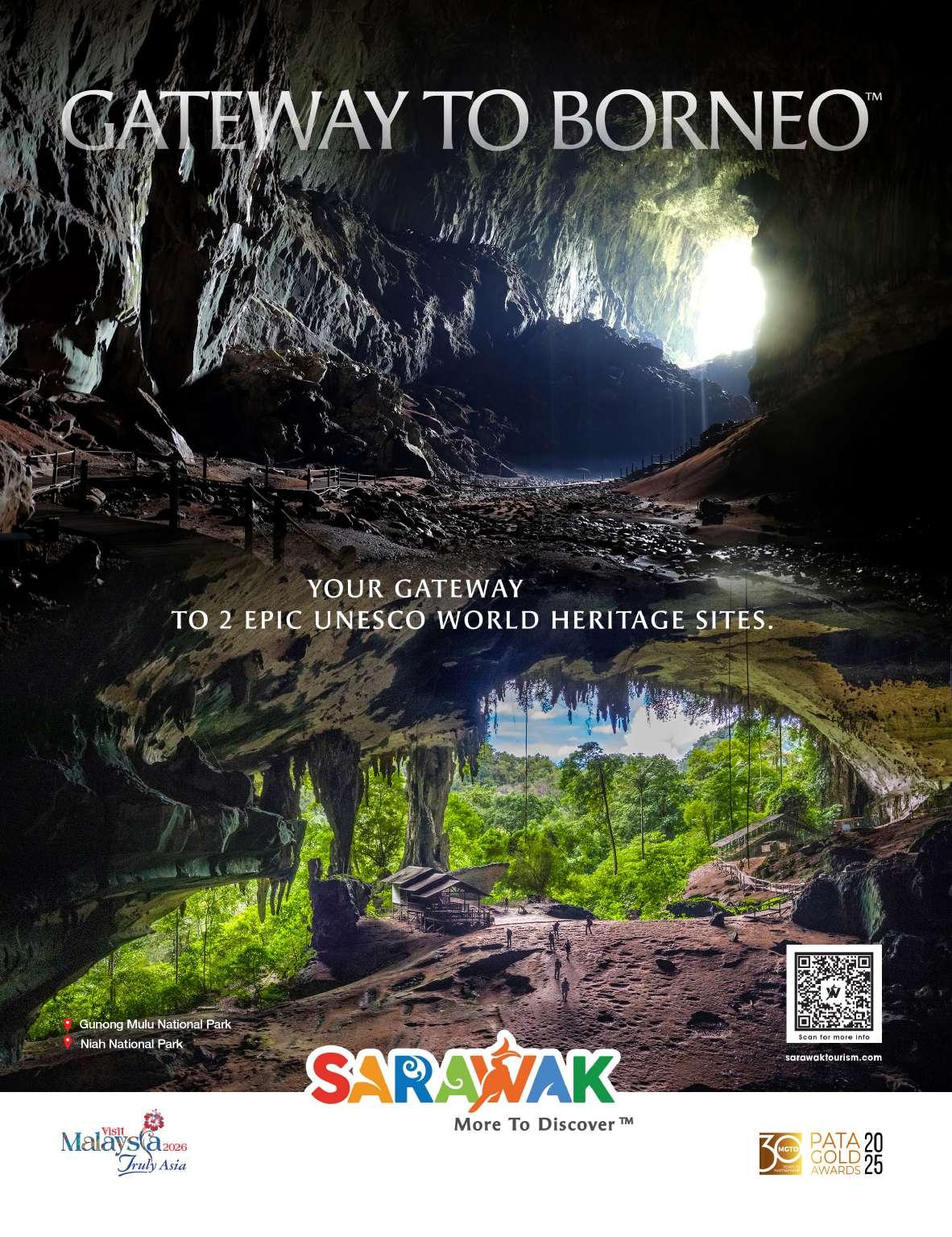
034. A Five-Day Journey through Mulu National Park & Miri
038. Johor, Reimagined: From Neon Stadiums to Private Islands
046. Majestic Johor: Beyond the Familiar Names
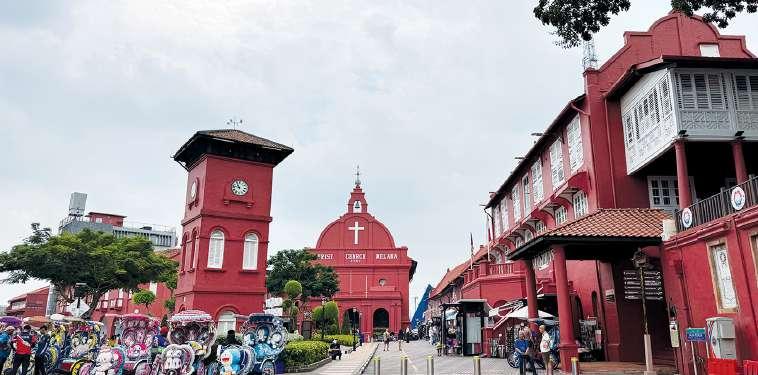
050. Where to Eat (and Explore) on an N9–Melaka Road Trip
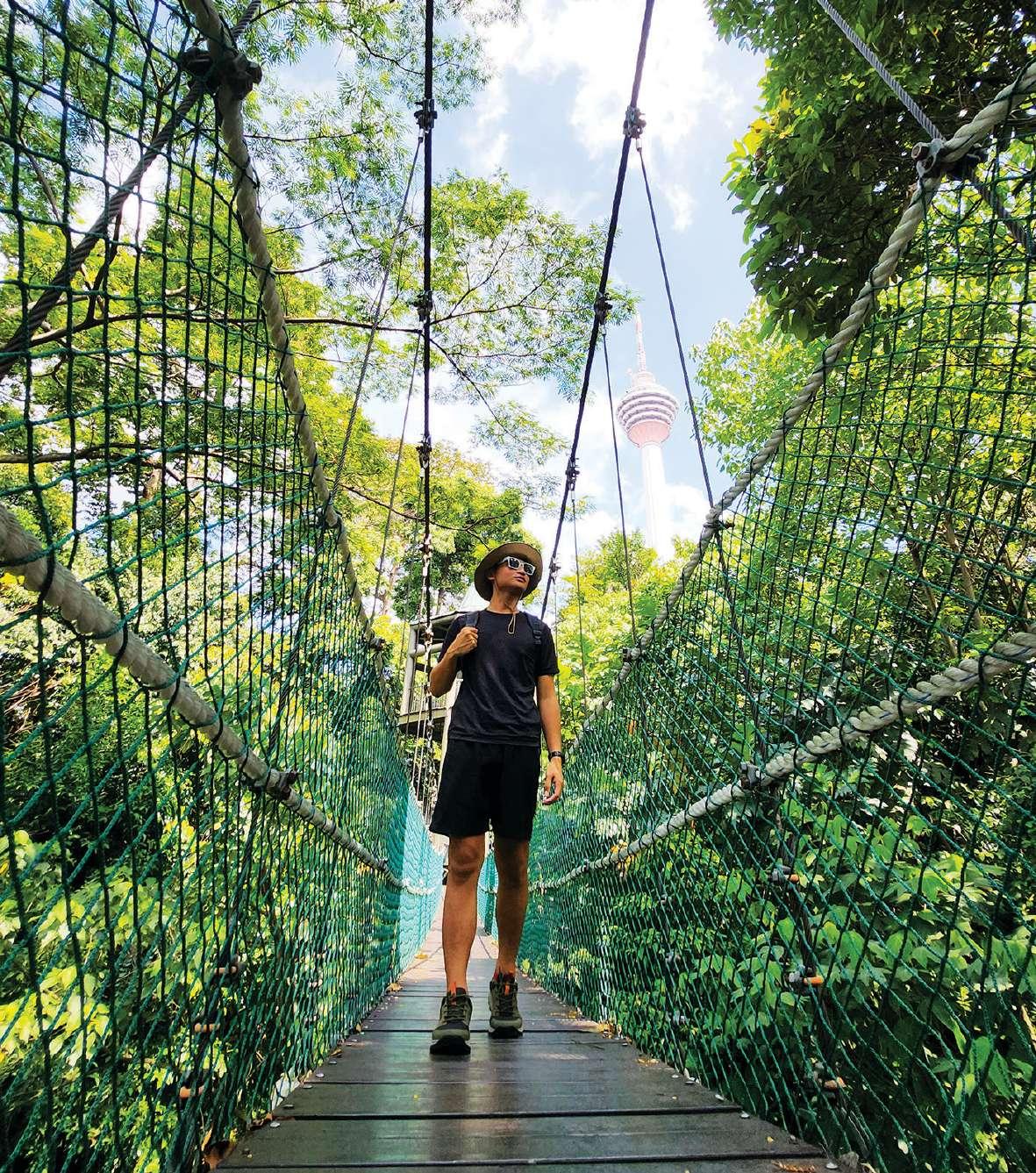
054. 8 Must-Visit Experiences in Kuala Lumpur
058. Sepang: Selangor’s Emerging Tourism Gem
062. Into the heart of Negeri Sembilan’s Wild Beauty
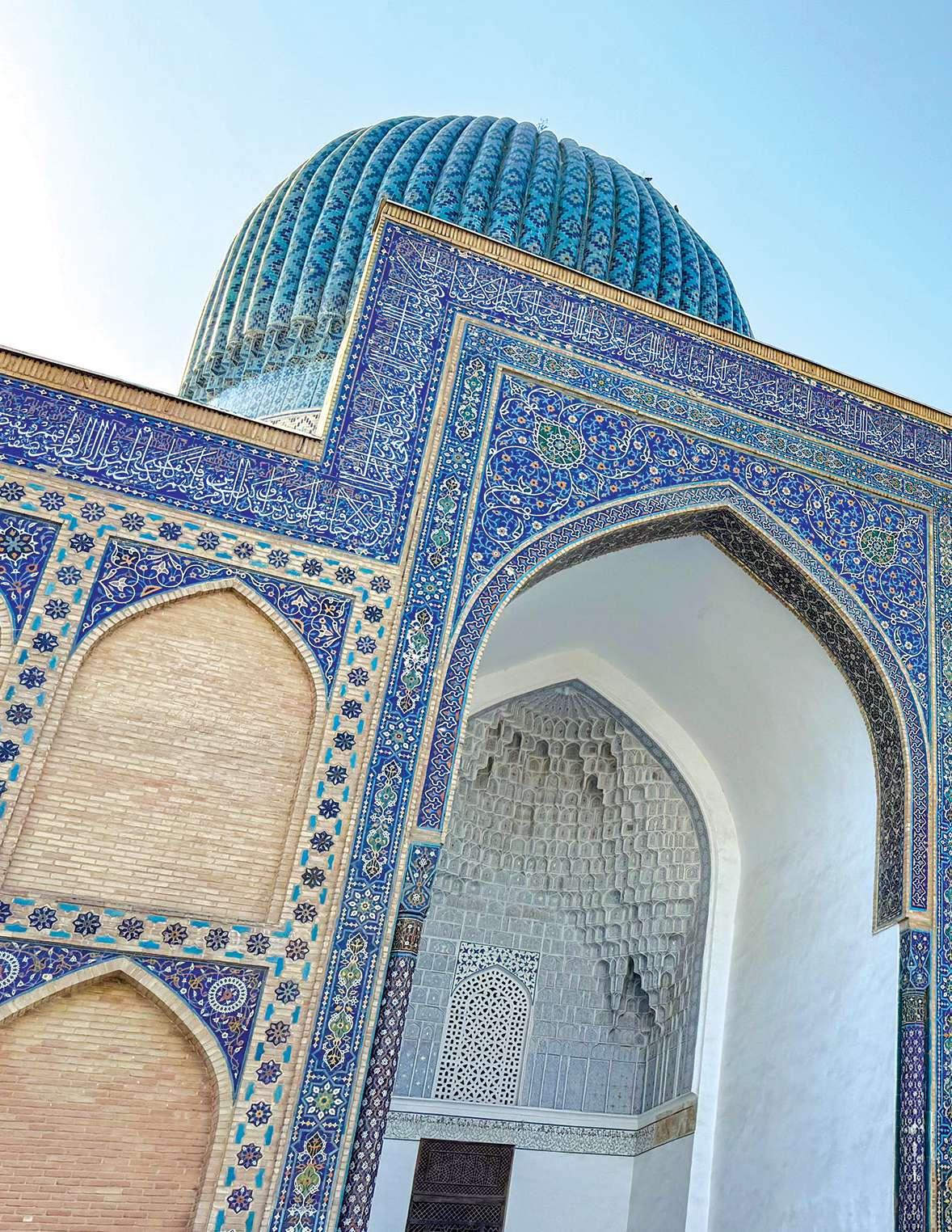
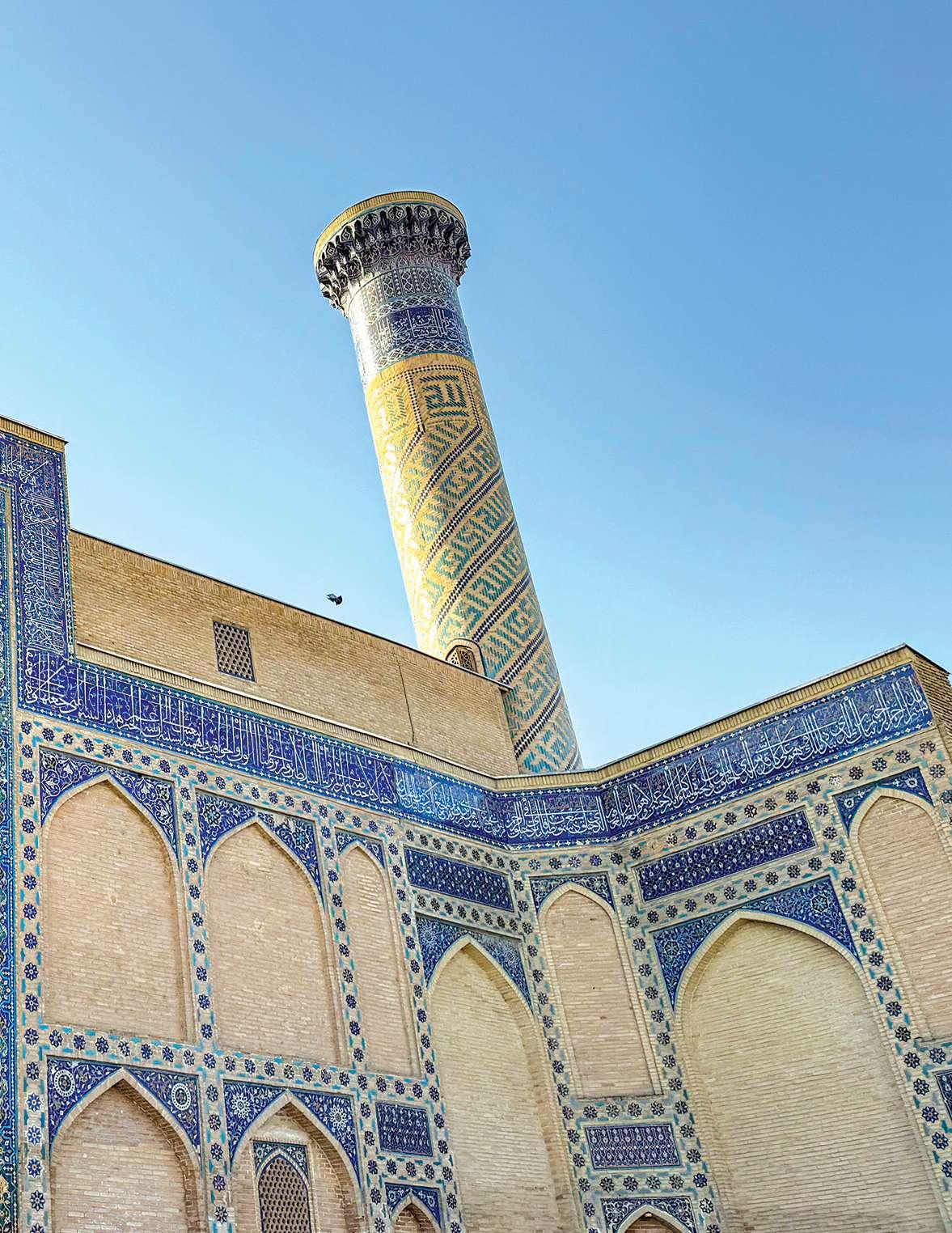
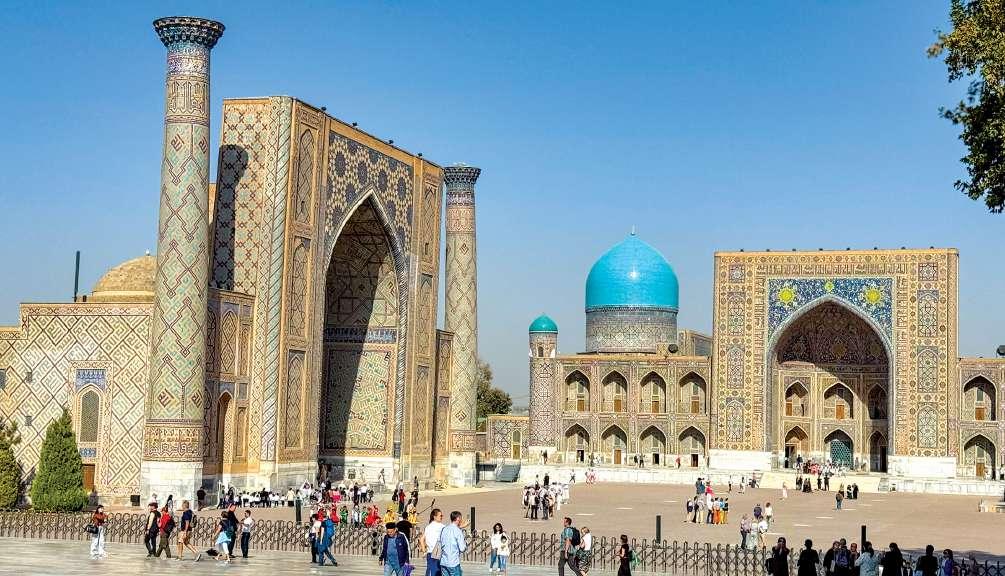
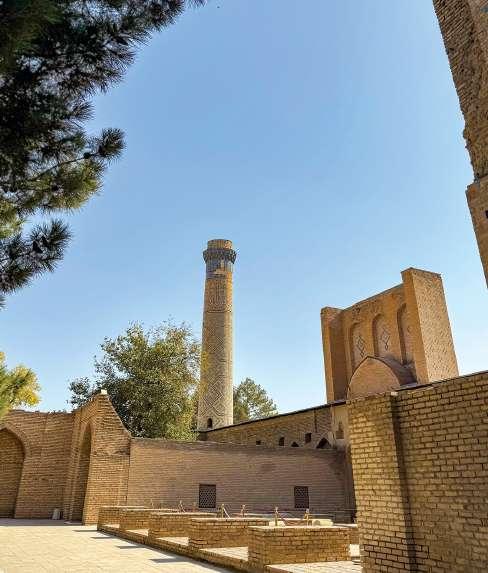
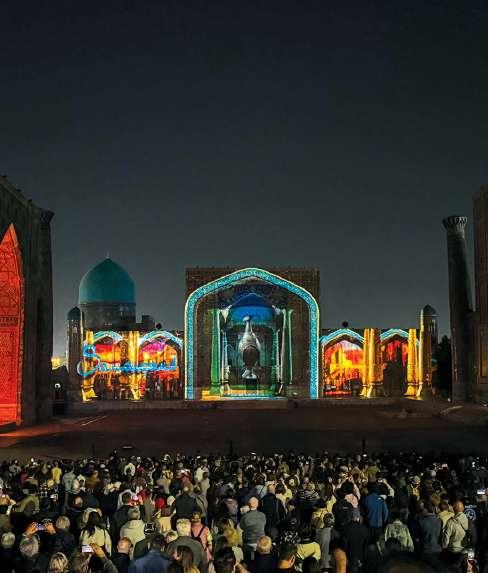
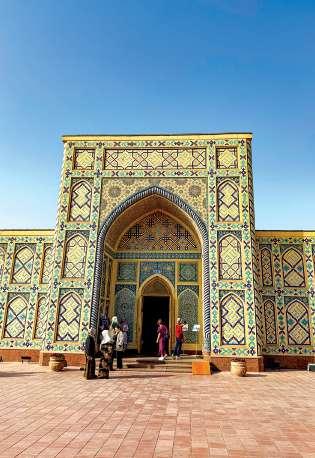
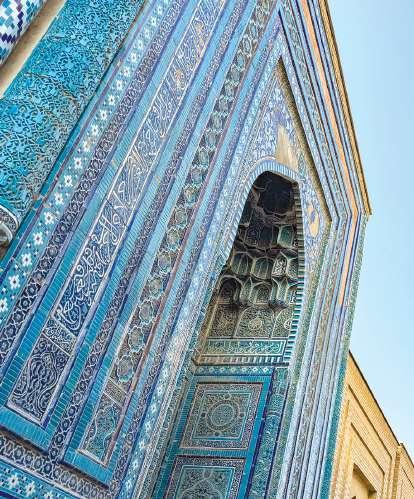
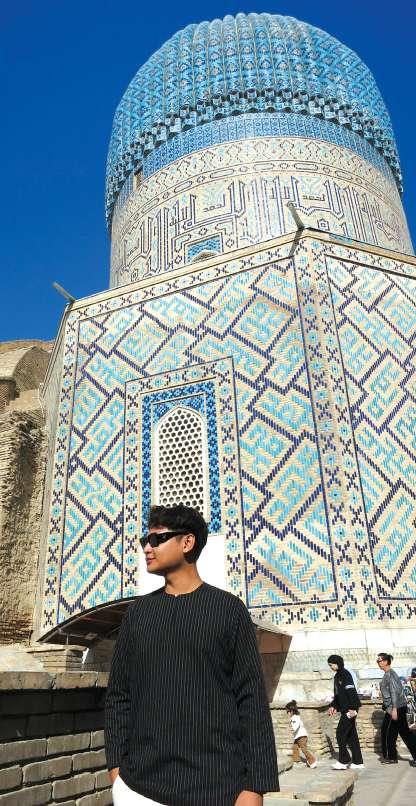
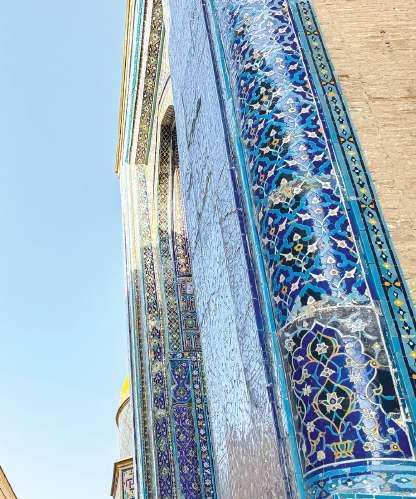
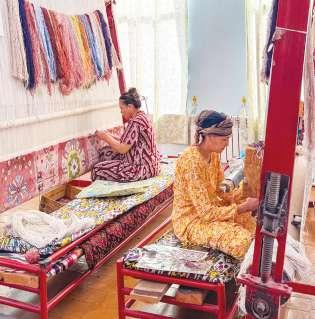
082. Tracing the Blue Domes of Samarkand: My Journey Through Uzbekistan’s Timeless Silk Road City
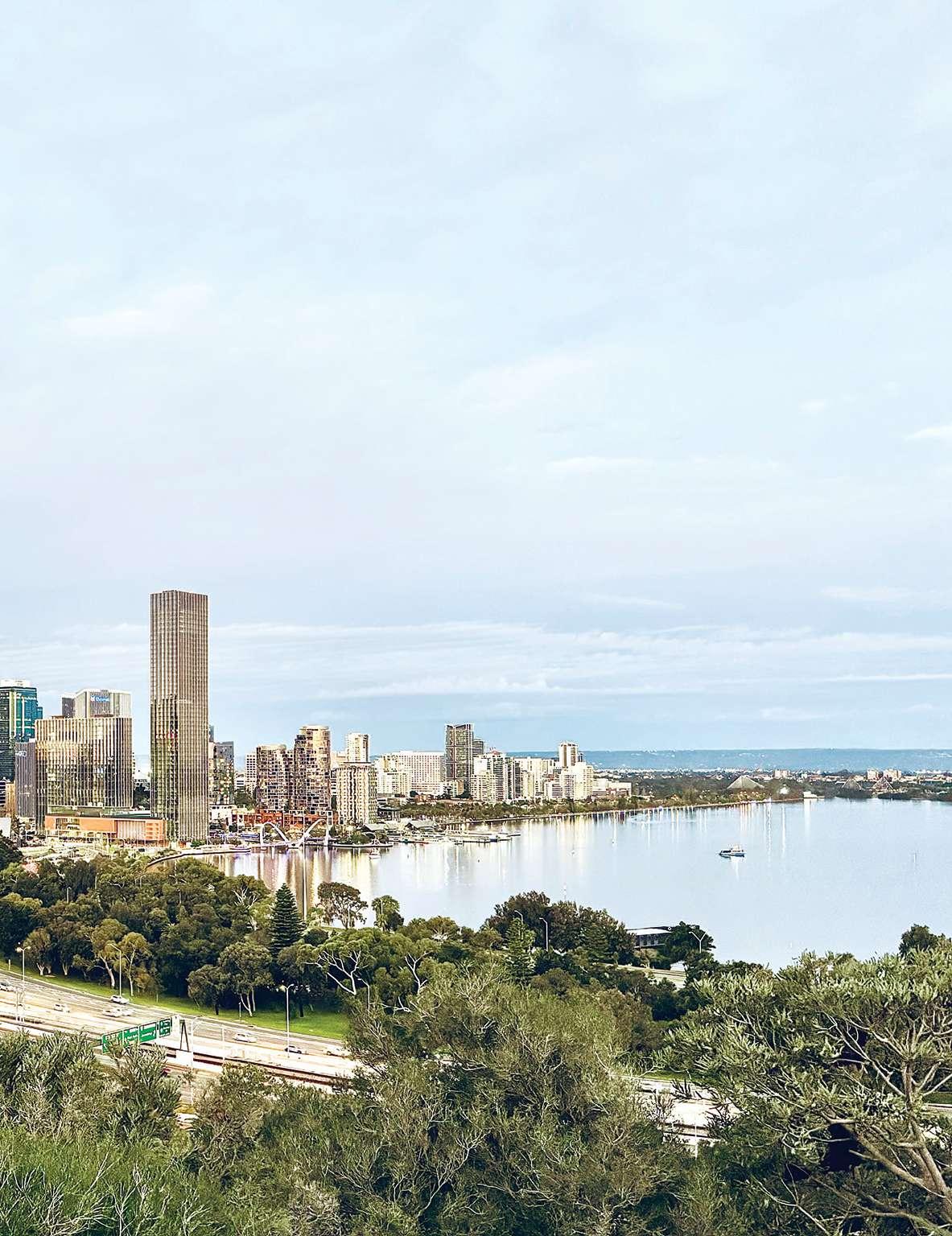
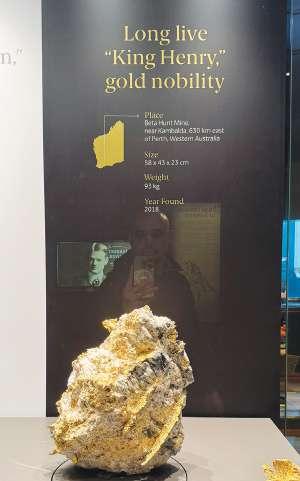
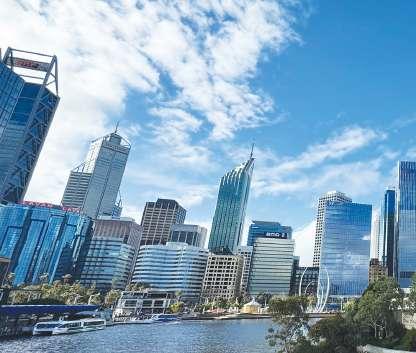
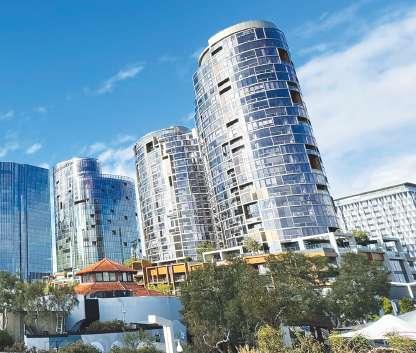
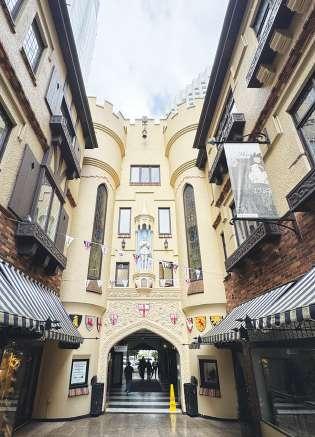
088. Perth: The Quiet Confidence of the West 094. Darwin It Right: AirAsia’s Gateway to the Northern Territory
Hotels & Resorts
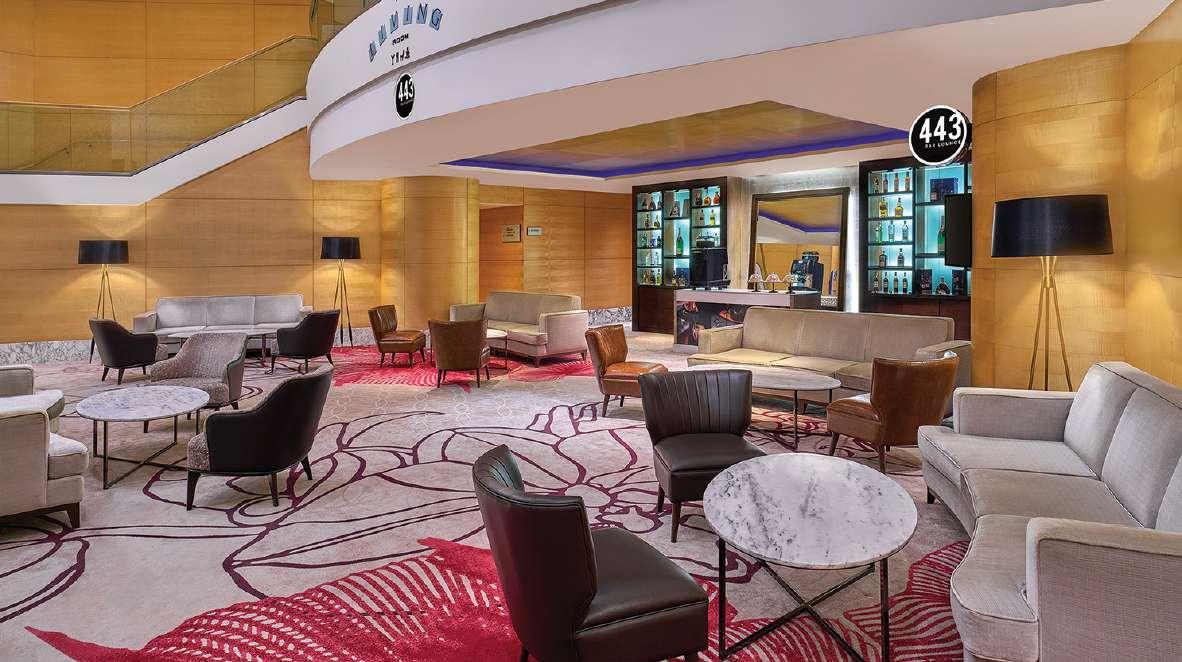
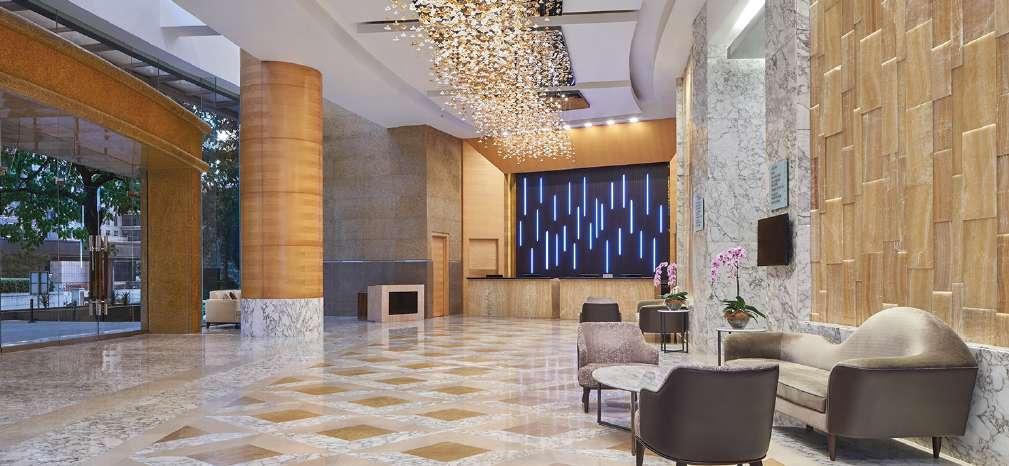
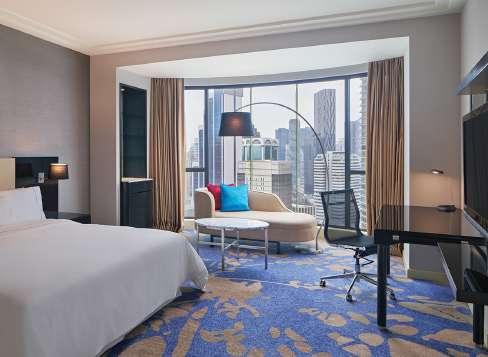
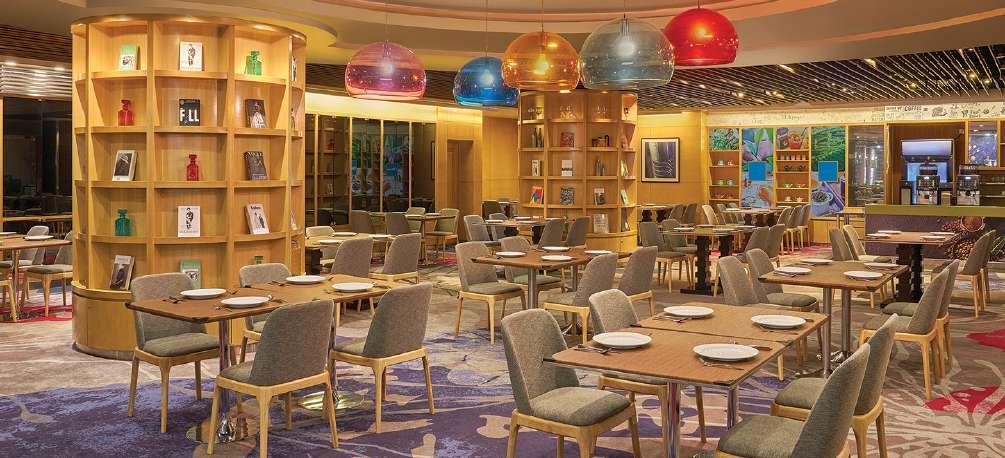
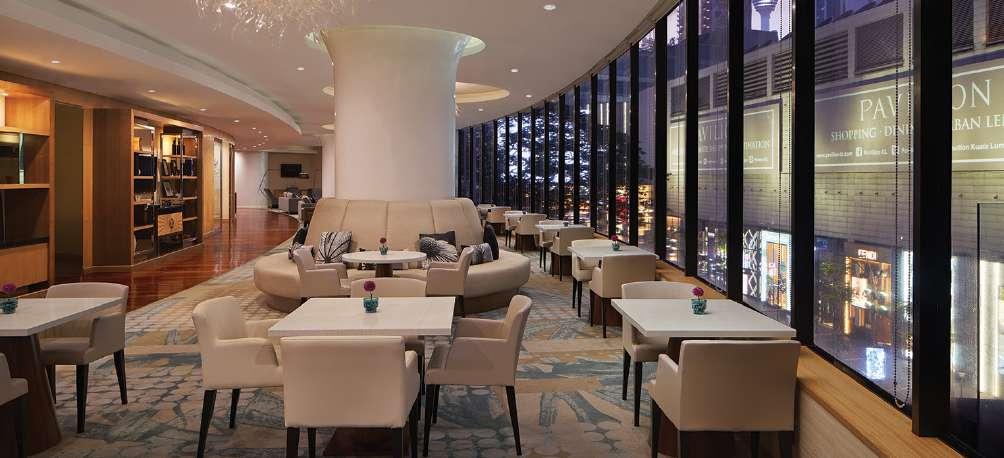
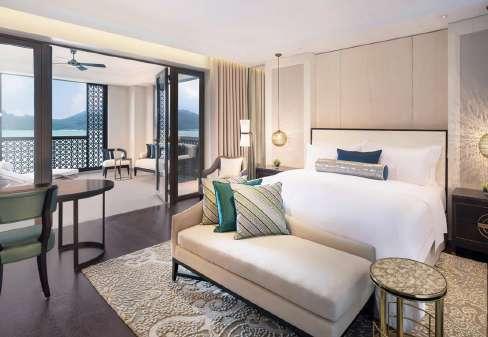
132. The Westin Kuala Lumpur: A Sanctuary of Luxury in the Heart of the City
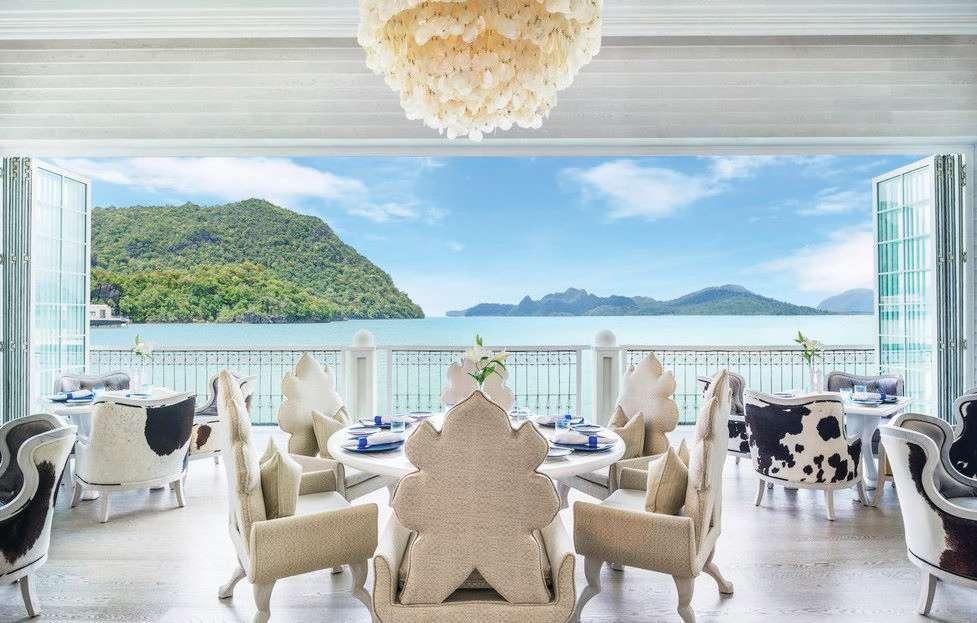
136. The Art of Being Spoiled at The St. Regis Langkawi
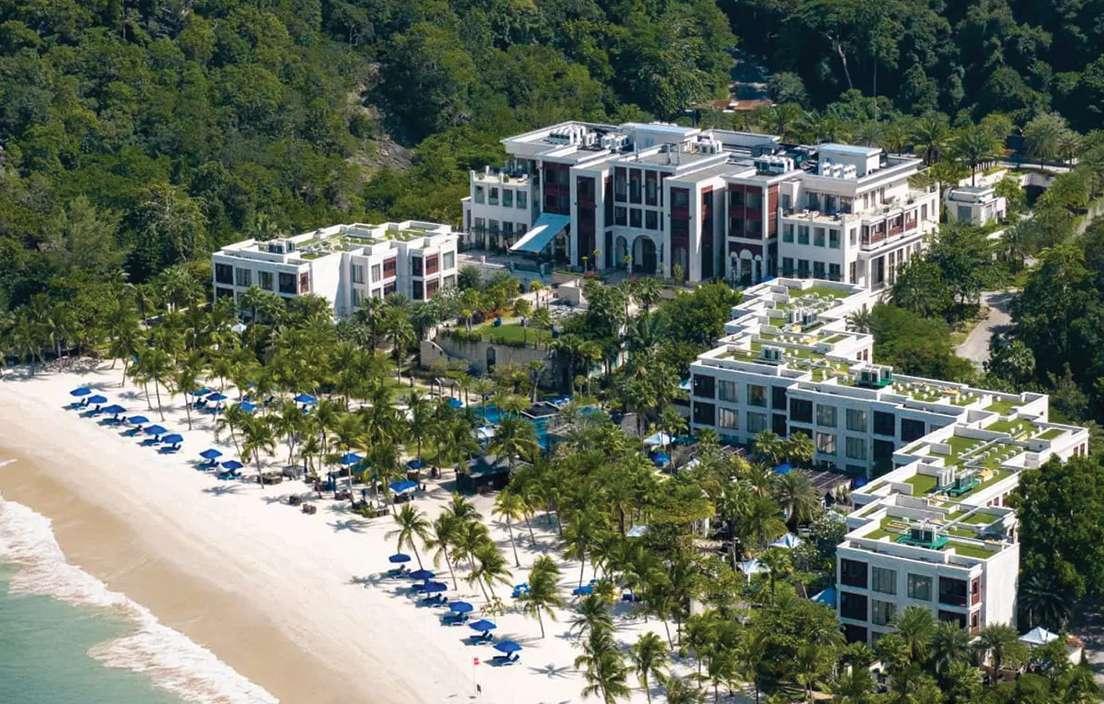
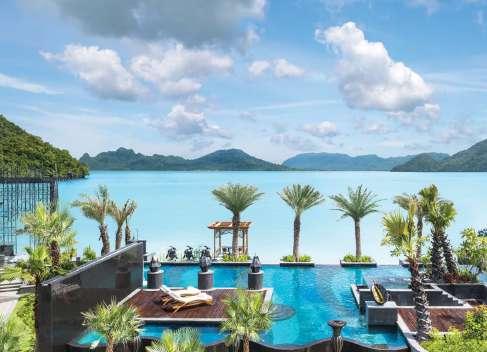
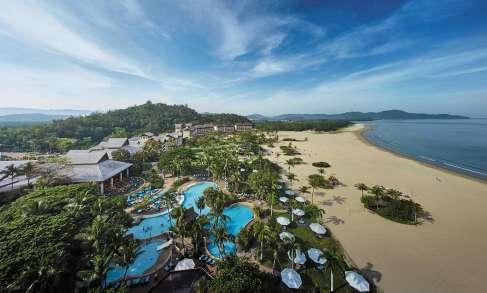
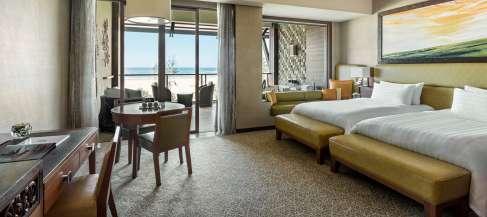
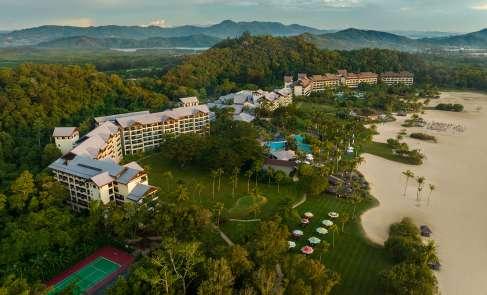
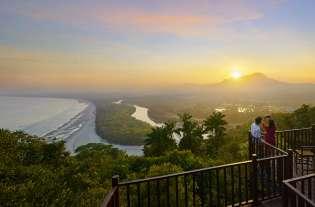
140. Shangri-La Rasa Ria: The Epitome of Sustainability
144. Gaya Event Photos
148. Gaya Snapshot
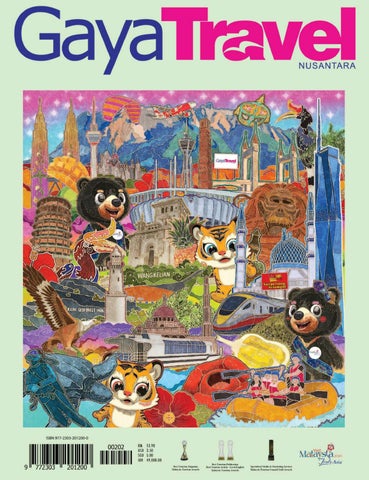
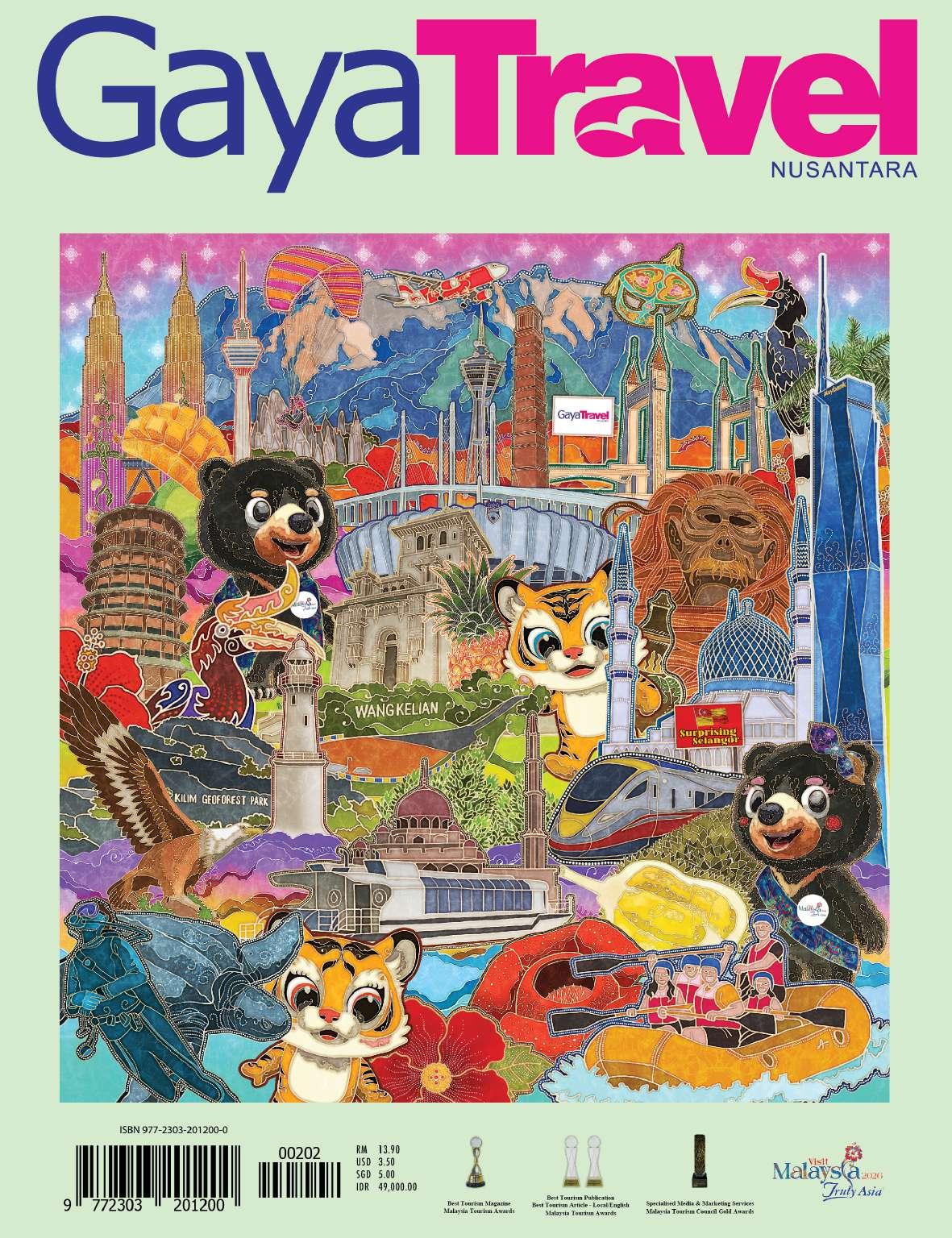
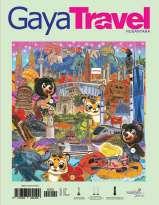
Cover Illustration
OFFICIAL WEBSITE www.gayatravel.com.my
SUBSCRIPTION, EDITORIAL AND ADVERTISING ENQUIRIES advertising@gayatravel.com.my +6 03 7972 0952
EDITORIAL ENQUIRIES editor@gayatravel.com.my
EDITORIAL OFFICE
No.27, Persiaran Bukit Tunku, 50480 Kuala Lumpur, Malaysia +6 03 7972 0952
Editorial Jottings
As Malaysia prepares for Visit Malaysia 2026, the nation stands at the threshold of a new chapter shaped by imagination, renewal, and Surreal Experiences. Travel today is no longer just about movement, but meaning; not merely about destinations, but discovery. In this spirit, Issue 20.2 serves as both compass and invitation - guiding travellers while inspiring them to see Malaysia anew.
Being a Malaysian travel publication, our team looks forward to the rich experiences awaiting visitors in 2026. Hence, this issue places an even stronger spotlight on Malaysia’s destinations, policies, attractions, products, and servicesequipping readers with insights, ideas, and confidence to explore the country more deeply and deliberately.
Within these pages, readers will find a carefully curated selection of Malaysian destinations: Johor (pages 22, 38, 46, and 118); Negeri Sembilan (pages 62 and 126); Selangor (pages 28 and 58); Terengganu (pages 30 and 72); Sarawak (page 34); Labuan (page 42); Melaka (page 50); Kuala Lumpur (page 54); Kedah (page 66); and Putrajaya (page 122). Together, they reflect Malaysia’s diversity - where heritage meets innovation, nature coexists with urban dynamism, and every journey offers its own rhythm and reward.
No travel experience is complete without a place to rest and reflect. Our coverage of standout accommodations - The Westin Kuala Lumpur (page 132), The St. Regis Langkawi (page 136), and Shangri-La Rasa Ria, Kota Kinabalu (page 140)completes the Malaysian travel narrative, highlighting hospitality that is worldclass yet unmistakably local.
Looking ahead to 2026, travellers can expect smoother connectivity, refreshed tourism infrastructure, and a stronger focus on sustainability, culture, and community-led experiences. From revitalised heritage quarters and greener urban spaces to immersive rural encounters and improved intercity mobility, Malaysia will be easier to explore, richer to experience, and more rewarding to remember.
As such, more Malaysian destinations will follow in future issues and across our digital platforms: www.gayatravel.com.my; www.gayatravel.com.my; https://www. instagram.com/gayatravel/; https://www.facebook.com/gayatravel/; https://www. tiktok.com/@gayatravel; https://www.threads.com/@gayatravel; and https://x.com/ gayatravel/.
At the same time, this issue acknowledges today’s desire for choice. Beyond Malaysia, we explore Sapporo (page 12), Uzbekistan (page 80), Perth (page 88), and Darwin (page 94), all just five to six hours from Kuala Lumpur by direct flight. Newly launched routes - Batik Air’s Langkawi - Tashkent and Subang - Jakarta services, and AirAsia’s Johor Bahru–Kunming route - signal growing regional exploration in 2026 and beyond.
As you turn these pages, may you find not only destinations, but direction; not only stories, but inspiration. Gaya Travel Magazine remains committed to championing meaningful travel - today, in 2026, and well into the future.
See you in the next issue. Safe travels!
JUHAN KAMARUDDIN@JEREMY KHALIL
Email your comments to jeremy@gayatravel.com.my
GAYA Traveller’s Sapporo: Japan’s Winter Wonder Jewel
HELLO SAPPORRO!
After some time, we finally returned to Japan in early 2025. The last time we set foot in Japan was in April 2015, where we discovered Tokyo and its surrounding prefectures. Japan was in full bloom, and we remembered how pleasantly surprised we were to discover that Japan also cultivates tulips! We came for cherry blossoms, but the tulips won us over (Read the story in Gaya Travel Issue 11.2 or on https://www.gayatravel.com.my/ blooming-japan/).
In recent years, we noticed that Japan is trending among fellow Malaysian travellers, independent and guided alike. In fact, we think the whole world is flocking to Japan. With plenty to offer visitors and favourable exchange rates, Japan is one of those countries you can visit repeatedly, so much so that certain parts of Japan have suffered from overtourism. Popular cities like Tokyo, Kyoto, and Osaka suffer the most. However, this should not stop you from visiting this wonderful country. Discover other cities, take the time to explore smaller towns, and enjoy the journey at a slower pace.
After experiencing Japan’s fantastic Spring season, Winter seems to be a nice change of scenery from tropical Malaysia. What
better place to experience winter than in Sapporo, the capital city of Hokkaido. We have long heard the snow in Sapporo is next level: they are light, powdery, and abundant!
We celebrated the arrival of the new year (2025) mid-air, as our flight departed on 31 December 2024 at 11:55 p.m., which was an unconventional way to start the year. Sapporo in January is easier on the pocket, with lighter crowds and as scenic as it will ever be.
Peak season for Sapporo is February, when the world-famous week-long Sapporo Snow Festival takes place. Travellers are drawn to Sapporo because it offers a unique blend of urban and natural attractions that cater to diverse interests. Sapporo’s combination of winter sports, culinary delights, cultural experiences, and natural beauty makes it a compelling destination for travellers.
Sapporo was founded during the rapid modernisation of Japan’s Meiji era, which explains its lack of antiquity, but it more than makes up for it with its dynamic spirit and cosmopolitan charm. We especially love how Sapporo’s wide avenues and public parks define the city’s landscape, a legacy of the American advisors who guided its early urban planning. The blend of Western influences and Japanese sensibilities is evident everywhere, from stately government buildings to bustling shopping arcades. It actually reminded us of a toned-down version of New York City.
GETTING THERE & AROUND
Sapporo is accessible via New Chitose Airport. For Malaysians, only Air Asia flies direct to Sapporo from Kuala Lumpur. The city’s train connections are equally convenient, connecting travellers to scenic towns and national parks across the island.
Within the city, public transport is reliable and easy to use, with buses, trams, and subways covering every corner. Many attractions remain within walking distance, making Sapporo a delight for explorers who prefer to wander on foot.
During our week-long visit to Hokkaido, we observed that preparing for daily activities took longer due to the winter season. Keeping this in mind, we do recommend you limit your daily itinerary to three activities at most. Temperatures range from -8°C to 2°C, necessitating appropriate attire, especially for those planning to visit mountainous areas where nighttime temperatures can be particularly freezing. We strongly recommend the use of anti-slip ice cleats on footwear because walking on melted ice presents significant slipping hazards. It is not uncommon for individuals to lose footing unexpectedly under such conditions – we both slipped! We were impressed by the agility and pace of the local residents when walking the streets. A memorable one was a woman who navigated city streets while running in office attire and high heels with remarkable skill.
Winter in Sapporro
GAYA Traveller 7-NIGHT WINTER ITINERARY SUGGESTION: 1-7 FEBRUARY 2026 for Muslim Travellers
» DAY 1: Arrival in Sapporo
• Arrive at New Chitose Airport, you could either take JR Rapid Airport Express to Sapporo Station (approximately 40 minute ride) or bus service which will be cheaper, but will take 1.5 hours.
• Check in at your chosen hotel near Sapporo Station.
• Stroll around the station area: ESTA, Daimaru, Paseo shopping malls.
• Evening: Explore Susukino district, known for its bright lights and night life.
» DAY 2: Sapporo City Highlights
• Morning: Odori Park, Sapporo TV Tower, Clock Tower and Former Hokkaido Government Office.
• Afternoon: Spend time in Sapporo Factory, a unique commercial complex built on the site of a former beer factory.
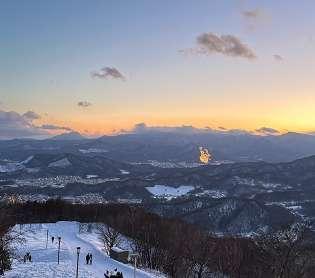
• Evening: Catch the sunset view at the Mount Moiwa Ropeway
» DAY 3: Daytrip to Otaru
• Take JR train from Sapporo Station to Otaru (approximately 35 minute ride).
• Walk along the scenic Otaru Canal, visit Snoopy Village, Otaru Music Box Museum, and stroll through Sakaimachi Street.
• Try local seafood and enjoy desserts at various cafes.
• Return to Sapporo in the evening.
» DAY 4: Daytrip to Furano
• Early train or bus to Furano (approximately 2 hour ride).
• Enjoy winter landscapes, visit Ningle Terrace (artisan village), and Farm Tomita (snow-covered fields in winter).
• Return to Sapporo by evening.
» DAY 5: Bargain Hunting at Mitsui Outlet Park
• Board direct bus to Mitsui Outlet Park just outside Sapporo Station (approximately 45 minute ride)
• Return to Sapporo by evening
» DAY 6: Daytrip to Asahiyama Zoo (Asahikawa)
• Take JR Limited Express train to Asahikawa (approx. 1.5 hours), then bus/taxi to Asahiyama Zoo.
• See the famous penguin parade and winter animal exhibits.
• Lunch: Bring your own meal or enjoy snacks at zoo cafes
• Return to Sapporo by evening.
» DAY 7: Shopping & Relaxation
• Morning: Shop at Tanukikoji Shopping Arcade and Nijo Market
• Relax at a local café with a view, or visit a nearby onsen.
• Evening: Pack and prepare for departure.
» DAY 8: Departure from Sapporo
• Check out of hotel.
• Last-minute shopping or sightseeing if time permits.
• JR train to New Chitose Airport for your flight home.
» Accommodation Recommendation
• Stay at or near Sapporo Station for excellent access to JR trains, subways, shopping, and halal dining options.
• Popular options: JR Tower Hotel Nikko Sapporo, Hotel Gracery Sapporo, or Keio Plaza Hotel Sapporo.
WHAT WE DID AND WHERE WE WENT
» Discovering the City on Foot Sapporo city centre seemed like a cowboy town when we first arrived; very few people were seen walking on the streets. Most shops were closed too, since it was January first, a public holiday. So, we decided to just take it easy on the first day by resting and getting our bearings. The cool temperature was perfect for a cosy night in anyway.
On the second day, we discovered the underground world of Sapporo! Sapporo’s underground paths offer a unique and convenient way to navigate the city, especially during the harsh winter months. These extensive subterranean walkways connect major shopping centres, subway stations, and office buildings, providing a warm and sheltered route for pedestrians. The underground paths are lined with shops, cafes, and restaurants, making it easy to explore and enjoy the city’s offerings without braving the cold. This network not only enhances the city’s accessibility but also adds to its charm, making Sapporo a delightful destination for both locals and visitors.
Armed with a list of “Things to see in Sapporo”, we found our way around the city thanks to the trusted Google Map.
» Sapporo Clock Tower (https://sapporoshi-tokeidai.jp/)
Built in 1878, this former Sapporo Agricultural College building is now a museum and city landmark. The clock is still working and rings every hour. Visitors can view exhibits on the city’s development and experience the charm of this historic site.
» Odori Park (https://odori-park.jp/)
This large park runs through the heart of Sapporo and it is a popular spot for festivals and events, Sapporo Snow Festival being one of them. Don’t forget to take a photo in front of the iconic Sapporo TV Tower that looks like the Eiffel Tower, and the huge SAPPORO sign!
» Red Brick Building (formerly Hokkaido Government Office) (https://www.hokkaido-redbrick.jp/en/)
Affectionately called “Aka Renga”, this beautiful building offers a window into Sapporo’s Meiji-era ambitions, seamlessly blending Western influence with Japanese craftsmanship. Built in 1888, Akarenga has survived several earthquakes and fires, restored carefully every time. There is a free museum inside, showcasing Hokkaido’s history and artefacts. Outside of the winter season, the building is surrounded by a peaceful garden with seasonal flowers, ponds, and trees.
It is a large urban park with ponds, streams, tree-lined paths, and wide lawns, a great place for outdoor activities and enjoying nature. We had the chance to ride the toboggan up and down the small hill while breathing in the beautiful atmosphere. We can see why this park is very much loved by the locals. We imagine that Nakajimakoen would be very beautiful in other seasons too! Look out for Hoheikan, the oldest surviving wooden hotel, built in 1880.
» Mount Moiwa Ropeway (https://mt-moiwa.jp/)
Take a ride on the ropeway (cable car) to the top of Mount Moiwa for stunning 360-degree panoramic views of Sapporo and the surrounding mountains. It is a popular spot for both daytime and nighttime views where glittering city lights meet the distant mountain ranges. We went here late in the evening, hoping to have a glance at the sunset. It is advisable to come at least half an hour earlier because sunset during winter in Sapporo can be as early as 4:00 p.m. Entrance fee applies: ¥2,100 per adult and ¥1,050 per child.
SHOPPING IN SAPPORO
Shopping in Sapporo offers a delightful blend of modern malls, unique boutiques, and vibrant entertainment districts. Here are some highlights:
» Malls
Sapporo Station’s Stellar Place (https:// www.stellarplace.net/) and the adjacent Daimaru (https://www.daimaru.co.jp/ sapporo/) department store are popular shopping destinations. Feast your eyes on the wide array of fashion, household goods, personal care items, local Hokkaido products, and our favourite: exquisite desserts!
» Underground malls
This is where we found the locals… because they are underground, away from the winter chills. Pole Town (https://www. sapporo-chikagai.jp/shop/area/pole) runs
between Odori and Susukino Stations; Aurora Town links Odori Station and Sapporo TV Tower; Chikaho connects Sapporo and Odori Stations. These underground malls feature a range of retail outlets, restaurants, and services, making them convenient for people rushing for their daily commute.
This covered shopping street is lined with quirky boutiques and brightly lit souvenir shops. It’s a great place to pick up unique gifts and enjoy a hot drink while exploring.
» Susukino District (https://www.japan.travel/en/spot/550/)
At night, Susukino comes alive with neon lights and laughter. This district is home to countless izakayas, karaoke bars, and entertainment venues, making it a lively spot for evening shopping and fun.
Located on the outskirts of the city, this outlet park offers great deals on designer brands, sporting goods, and more, all in heated comfort. You can take a direct bus from Sapporo Station to Mitsui Outlet Park. The journey takes about 50 minutes and costs ¥320 for adults and ¥160 for children
Sapporro is known for its fine, powdery white snow.
DAY TRIPS
Sapporo serves as the perfect base for exploring Hokkaido’s wild beauty. Just beyond the city limits, visitors can find hot springs in Jozankei, ski resorts in Teine and Kokusai, and the idyllic lavender fields of Furano. The nearby Shikotsu-Toya National Park beckons with volcanic lakes and hiking trails, while Otaru’s canal-side warehouses offer romantic day trips. We made two day-trips during this trip: a full day discovering Otaru; and a day tour package to Furano.
» OTARU
Otaru is a favourite day trip destination for Sapporo visitors. It is famous for its well-preserved canal area, historic warehouses, and seafood. It’s a port city known for glassworks, music boxes, and sake distilleries. This town has been around since the 1800s, and Otaru Canal is now lined with cafes, restaurants, museums, giftshops, and even glass workshops in converted old warehouses. We took a 45-minute train ride from Sapporo Station to Otaru Station. The view throughout the journey was beautiful, especially when we were approaching Otaru town. This is a very tourist-centric town; honestly, it felt like walking around Universal Studios. Fellow Snoopy fans may be pleased to know that there is a Snoopy Village (https://snoopy-village.jp/) here; don’t forget to indulge in Snoopy Yaki (stuffed pancake) and steaming hot matcha latte, which are perfect for the cold weather. There is even a local restaurant that offers halal menu called Donburi Chaya (https://donburi.jp/ en/shop/otaru)
» HOKKAIDO TOUR
If you’re pressed for time but still eager to explore beyond Sapporo, booking a daytrip package through a reputable tour operator is an excellent way to maximize your experience. For our excursion, we secured a package via Klook that included visits to Asahiyama Zoo (https://www.city. asahikawa.hokkaido.jp/asahiyamazoo/), BieiShirogane (https://www.biei-hokkaido.jp/en/), and Furano (https://www.furanotourism. com/en/) – three of Hokkaido’s most
picturesque destinations, each offering something distinct.
The day begins with a comfortable coach ride out of the city, passing through scenic rural landscapes. Travelling on the road during the height of winter here was surreal. All you see is miles and miles of white, almost like living in a monochrome world. Northern Exposure, the popular 1990s American TV show sprang to mind. The first stop, Asahiyama Zoo, is renowned for its innovative animal enclosures, especially the glass tunnels where visitors can watch penguins swim overhead and seals glide through vertical water columns. We were very lucky to have arrived just in time for the zoo’s famous Penguin Walk, where the charming King Penguins waddle in procession through the snow, delighting visitors with their playful antics and adorable determination. The zoo is thoughtfully designed to allow close-up observation while maintaining animal welfare, making it a favourite for families and wildlife enthusiasts.
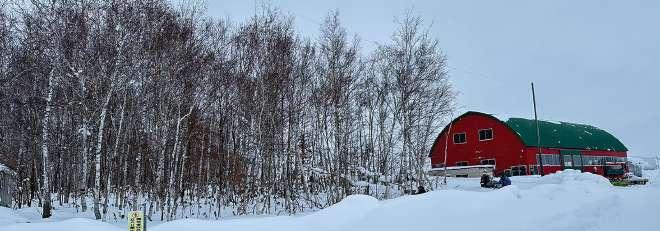
We then proceeded to Shikisai no Oka (https://www.shikisainooka.jp/), famed for its flower fields, but during winter, it turns into a sweeping canvas of soft, glistening snow, as far as the eyes can see. Visitors may choose to ride snowmobiles or absorb
the pristine silence and gentle beauty of Hokkaido’s frost-kissed countryside. We headed indoors to enjoy a much-needed steaming bowl of ramen and freshly fried tempura while we wait for others who opted to ride the snowmobile!
The final leg of the tour leads to Furano, known for its ski resorts, offering powder-soft slopes ideal for both beginners and seasoned skiers. The snow was so thick and inviting, perfect for making snow angels. It was truly a relaxing moment as we lie in the snow enjoying our quiet thoughts. Our last stop before heading back was Ningle Terrace (https://www.visit-hokkaido.jp/ en/spot/detail_11270.html), a charming cluster of cottages, softly lit and bustling with local artisans selling crafts, sweets, and souvenirs. The festive atmosphere of Ningle Terrace is perfect for leisurely strolls as the evening falls and the village glows under a canopy of twinkling lights.
Overall, booking a bundled day trip like this removes the hassle of planning logistics or navigating rural train lines, while ensuring you don’t miss out on Hokkaido’s unique natural beauty and attractions. Even though it feels a bit rushed, it is a convenient way to experience the region’s highlights in a single day.
GAYA Traveller’s Tips for Muslim Travellers
» Useful mobile applications: Halal Japan, Halal Gourmet Japan, Halal Navi, Halal Media Japan, eHalal, Didi (eHailing), Navitime (train route), Japan Transit Planner.
» Halal Food Options: While Sapporo is not as concentrated with halal restaurants as Tokyo or Osaka, the city is increasingly catering to Muslim visitors. There are restaurants with halal certification or Muslim-friendly menus. Some ramen shops offer halal options, and there are Turkish and Indian eateries that provide halal meat. Always verify with the staff, considering Japanese food often contains hidden non-halal ingredients like alcohol or porkbased broths.
» Praying Facilities: Several major sightseeing spots, for example Sapporo Mosque and Hokkaido University, provide prayer spaces.
» Language Tips: Downloading a halal restaurant app or learning to say “I don’t eat pork or alcohol” in Japanese (“Watashi wa butaniku to osake wa taberaremasen”) can be extremely helpful. Most Japanese people are welcoming and will do their best to accommodate you if you explain your needs.
» The city is safe for solo female travellers, and locals are generally polite and helpful.
WHAT TO EAT
The city boasts a distinct culinary heritage, blending local Hokkaido produce with inventive Japanese cooking. Thankfully, halal options are available for these Sapporo specialties.
» Famous for its dairy produce, do not miss the opportunity to devour everything dairy : milk, milkshakes, ice cream, cheesecake, cheesetarts, just to name a few.
» No visit is complete without slurping a steaming bowl of Sapporo ramen, which consists of savoury miso broth, curly noodles, and toppings like sweet corn and butter.
» Named after the Mongolian conqueror Genghis Khan, Jingisukan is lamb barbecue that is a Sapporo specialty. Diners grill slices of meat and vegetables on a shared dome-shaped skillet, savouring the smoky aromas and jovial atmosphere.
» Soup curry is Sapporo’s signature dish. Unlike traditional Japanese curry, this one is lighter, packed with vegetables, punchier, and perfect for winter weather.
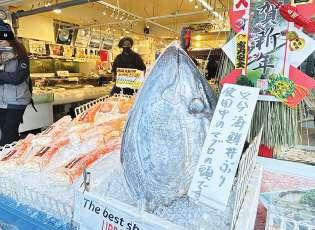
» Hokkaido’s cold waters yield a bounty of crab, uni (sea urchin), and salmon. Visit Nijo Market for a seafood feast and don’t forget to eat sashimi that is so fresh, it melts on your tongue!
» For sweets, the city’s famous Shiroi Koibito cookies. A delicate langue de chat biscuits sandwiched with white chocolate, make for perfect souvenirs.
» And of course, convenience stores offer quick food options if you don’t feel like queuing up at restaurants. Queues can be quite long as most halal restaurants are small in size. Bearing this in mind, be considerate and don’t take your sweet time to finish your meal.
WOULD WE COME BACK TO SAPPORO?
Yes! It is one of those cities where we feel at ease to take our time exploring. We love the size and pace of Sapporo because it is a city that dances between contrasts: wild and refined, ancient and new, tranquil and exuberant. We still have many places to see and things to do in Sapporo on our list, so we look forward to returning to this destination soon!
GAYA Travel ler
Prime Minister Led the Launch of Visit Malaysia 2026
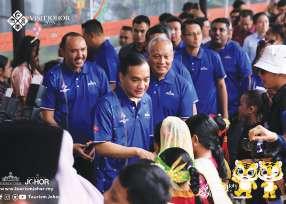
Malaysia officially launched its Visit Malaysia 2026 (VM2026) campaign on 6 January 2025 at Hangar 6, MAB Engineering Complex.
The event, officiated by Prime Minister YAB Dato’ Seri Anwar Ibrahim, unveiled the campaign’s logo, mascot, theme song and aircraft livery.
Below is a snippet of his speech.
“Our goal for the Visit Malaysia 2026 campaign is clear: to promote tourism that is sustainable for our environment and our communities, that acts as an engine of economic growth, while providing meaningful and memorable experiences for our visitors.
Malaysia is not an ordinary destination, but a unique one. The country is environmentally conscious, enriched by charming Malaysians who are multicultural and multiracial, and committed to sustainability as a destination.
This is, of course, aligned with the MADANI framework, the ethos of our national development, which champions sustainability alongside the pursuit of a higher quality of life and harmony between development and nature. I believe this is something that has often been lacking in the global pursuit of success and development, where the environment has largely been overlooked.
Therefore, in our efforts to promote Malaysia, we are positioning the country as a sustainable and harmonious destination, one that celebrates its multicultural legacy with a
strong cultural foundation. It is diverse and far-reaching, and our approach has been inclusive.
For a multicultural and multiracial society with known challenges, we must recognise that promoting tourism must also meet our national aspirations. Tourism is, of course, an economic imperative, without question.
This is why the concept of “Truly Asia” is, to me, highly relevant in positioning Malaysia as an important tourist destination, one that promotes and emphasises sustainability, general economic welfare, and environmental responsibility.
The impact of Visit Malaysia 2026, as I have said, will go far beyond the tourism industry. It will encompass hospitality, transport, retail, and the food industry. The economic
benefits will be shared by both urban and rural communities, including the rural heartland, as our emphasis has been to ensure that every state and every community has a stake in this initiative.
The four key themes highlighted are ecotourism and sustainability; modern attractions and innovation; cultural heritage and diversity; and the strength of our collaborations and partnerships.
We are successful because we work as a team. I am very confident that the Ministry of Tourism and Culture, from the Minister to the Secretary General, including Tourism Malaysia, and all stakeholders, will continue to do their very best.
I would like to extend my sincere gratitude and highest appreciation to the Ministry. I am confident that the embassies will continue to assist in disseminating information and encouraging greater numbers of visitors to Malaysia. I also wish to thank our airline partners and leading organisations for their invaluable support in promoting Visit Malaysia 2026.
Thank you.
Assalamualaikum warahmatullahi wabarakatuh.”
Visit Malaysia Campaign Through the Years
VISIT MALAYSIA YEAR 1990
A Confident First Step
Visit Malaysia Year made its debut in 1990 with a confidence that would set the tone for decades to come. The campaign was anchored by the tagline “Fascinating Malaysia. Year of Festivals”, positioning the country as a place where culture was lived, celebrated and shared openly.
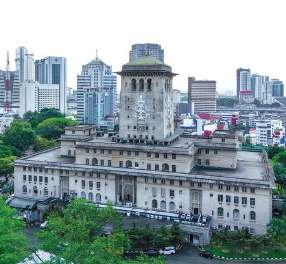
The results were immediate. Tourist arrivals climbed to 7.4 million, up from 4.8 million the previous year. To create instant visual recognition, Malaysia introduced Wira, an orangutan mascot chosen for its status as an endangered species native to East Malaysia. The Sultan Abdul Samad Building, a Kuala Lumpur landmark, served as the official logo, grounding the campaign in history and heritage.
The year was anchored by Malaysia’s Independence Day on 31 August and
Few countries tell their story through tourism as confidently as Malaysia. Colourful, multi-faceted, multi-cultural and multireligious, the nation has long understood that its appeal lies not in a single headline attraction, but in the interplay of contrasts. Ancient rainforests and glassy skylines. Quiet kampung rhythms and pulse-quickening adventures. It is this layered identity that the Visit Malaysia campaign has spent decades refining, reframing and presenting to the world.
First introduced in 1990, Visit Malaysia Year, often abbreviated as VMY, was conceived as a periodic national moment to showcase Malaysia’s strengths as a leading Asian tourism destination. Each edition reflects not only evolving travel trends, but also the country’s growing confidence in articulating who it is and what it offers.
supported by an impressive calendar of 84 major events, 14 festivals and nine exhibitions. For many international travellers, 1990 marked their first meaningful introduction to Malaysia as a destination of depth rather than a stopover.
VISIT MALAYSIA YEAR 1994
Naturally More to Discover
Riding on the success of its inaugural campaign, Malaysia returned with Visit Malaysia Year 1994. Retaining the recognisable “Fascinating Malaysia” tagline, the campaign added the phrase “Naturally More”, signalling a growing emphasis on nature, adventure and outdoor experiences.
This subtle repositioning reflected Malaysia’s expanding tourism offering, from rainforests and islands to wildlife encounters and ecoadventures. The message resonated, with tourist arrivals climbing to 10.22 million, further establishing Malaysia as a destination with substance rather than spectacle alone.
VISIT MALAYSIA YEAR 2007
Malaysia Truly Asia Takes Centre Stage
Visit Malaysia Year 2007 marked a turning point. Launched in conjunction with the nation’s 50th anniversary of independence, the campaign carried the theme “Celebrating 50 years of Nationhood”. It was during this period that “Malaysia Truly Asia” evolved from a slogan into a global brand identity.
Backed by the confident call to action “The time is now. The place is Malaysia”, the campaign was ambitious in scale. More than 200 events were staged nationwide, including 50 major showcases highlighting Malaysia’s cultural, natural and urban attractions. The results exceeded expectations. Tourist arrivals reached 20.97 million, while tourism receipts climbed to RM46.1 billion, reinforcing Malaysia’s position as one of Asia’s most compelling destinations.
VISIT MALAYSIA YEAR 2014
Celebrating Unity Through Diversity
In 2014, Malaysia staged its fourth Visit Malaysia Year with the theme “Celebrating 1Malaysia Truly Asia”. The campaign reflected a national emphasis on unity, diversity and shared identity.
The Proboscis Monkey, instantly recognisable and native to Borneo, was selected as the campaign mascot, drawing attention to Malaysia’s extraordinary biodiversity. Promotional activities began as early as 2013, building anticipation through cultural showcases and themed events. By year’s end, tourist arrivals had exceeded 28 million, marking another milestone in the country’s tourism journey.
VISIT MALAYSIA 2020
An Unprecedented Pause
Visit Malaysia 2020 was planned under the theme “Visit Truly Asia Malaysia”, with ambitious targets and extensive preparations. Then the world changed. The COVID-19 pandemic brought international travel to a near standstill, forcing border closures and unprecedented restrictions. In line with global realities, the Ministry of Tourism, Arts and Culture made the difficult decision to cancel the campaign.
International arrivals fell sharply to approximately 4.33 million. While the numbers told a sobering story, the period also underscored the resilience of Malaysia’s tourism industry and its ability to adapt amid unprecedented global disruption.
VISIT MALAYSIA 2026
A Renewed Invitation to the World
As global travel regains momentum, Visit Malaysia 2026 emerges as a forwardlooking yet deeply reflective campaign. The year holds special meaning for Malaysians, offering a moment to celebrate both achievements and challenges in transforming a once-colonial land into a confident, multi-cultural nation.
With the theme “Surreal Experiences”, VM2026 aims to showcase Malaysia’s best in one event-packed year, from immersive cultural experiences and eco-tourism adventures to world-class festivals and curated travel offerings. Whether travellers seek culinary exploration, heritage trails, nature escapes or relaxed beach retreats, the campaign promises something for every travel style.
THE VISUAL LANGUAGE OF VM2026
The Visit Malaysia 2026 logo is carefully crafted to embody the country’s distinctive experiences. A batik-inspired ‘Pattern of Harmony’ reflects the traditions of Malaysia’s five key communities: Malays, Chinese, Indians, Sabahans and Sarawakians. The Bunga Raya, Malaysia’s national flower, symbolises beauty, unity and national pride. The iconic “Malaysia Truly Asia” tagline is retained, refreshed with improved letter spacing for a more refined and contemporary appearance. Even the typography draws inspiration from traditional wood carving, lending authenticity and cultural richness to the design.
MEET
WIRA AND MANJA, THE ICONS OF VM2026
Adding warmth and personality to VM2026 are its official icons, Wira and Manja, a pair of Malayan sun bears. Native to Malaysia’s tropical rainforests and the world’s smallest bear species, the endangered sun bear is a fitting symbol of conservation and environmental responsibility.
Wira, meaning hero, represents resilience and adventure. Manja, meaning affectionate, embodies Malaysia’s renowned hospitality and warmth. Together, they reflect inclusivity, diversity and the gentle spirit that defines the nation.
YOUR JOURNEY AWAITS: BE PART OF THE STORY
The story of Visit Malaysia is a journey of constant evolution, from the first festivals of 1990 to the resilient spirit of today. As we celebrate Visit Malaysia 2026, Malaysia is inviting you not only for a visit, but to step into a living tapestry of cultures, flavours, and landscapes that have been centuries in the making.
Whether you dream of trekking through lush jungles with Wira’s spirit of adventure, savouring street-food symphony in bustling night markets, unwinding on pristine islands, or immersing yourself in festivals that celebrate unity, Malaysia is ready to embrace you with Manja’s openhearted warmth.
The time is now. The place is Malaysia.
Experience Truly Asia for yourself in 2026!
The Soul of the South: The Special Johor Road Trip for Thrill-Seekers and Foodies
MUHAMMAD QAIYYUM BIN AZIAN, MUHAMMAD IQBAL NAQIUDDIN BIN HAIRUL AMIR
During the recent trip to Johor with Tourism Malaysia, Gaya Travel Magazine discovered that every day unfolded like a well-curated feast: peaceful coastal mornings in Sedili, immersive river cruises and living heritage experiences, heartfelt kampung flavours passed down through generations, and vibrant urban attractions that reveal Johor’s bold, forward-looking spirit.
Tourism Malaysia – in collaboration with Gaya Travel Magazine – organised a familiarisation trip called Cuti-Cuti Malaysia: Meh Lah (Come To) Johor, which brought the trip’s selected participants to experience an engaging mix of authentic homestays, eco-tourism experiences, cultural icons, and memorable dining. During this trip, Johor showed itself at its most generous warm, flavourful, and full of character, appealing equally to families, nature lovers, culture seekers, and thrill-hunters.
From navigating riverine forests and observing conservation in action, to savouring legendary asam pedas and exploring a 140-year-old prison reborn as a creative hub, Johor offers a rich tapestry of experiences that defy the ordinary. The state reveals itself not in a rush, but in layers – each day offering a new flavour, rhythm and surprise.
Check out the following itinerary to find out the best of what Johor offers.
Text & Images by
DAY 1:
SEDILI — WHERE THE JOURNEY SLOWS
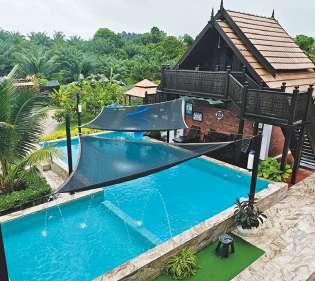
The adventure began in Sedili with an overnight stay at Temalah Cove (https://www. temalahcove.com/index.html), a village-style homestay along Pantai Temalah, Kota Tinggi. Designed around the charming “Six Siblings’ Village” concept, the property blends privacy with communal warmth, centred around a shared swimming pool. Fully equipped and ideal for large families or groups, Temalah Cove is wrapped in kampung calm and coastal views—setting a restorative, unhurried tone for the days ahead.
DAY 2: RIVERS, HERITAGE AND FLAVOURS
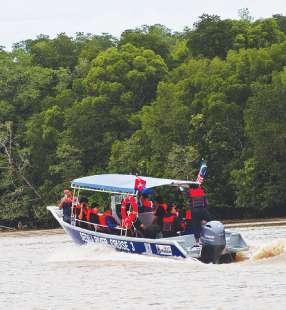
Nature took centre stage on the Sedili Besar River Cruise (https://www.facebook. com/JPKKTG.SEDILI), where mangroves, nipah palms, and fishing villages revealed the quiet beauty of Johor’s coastal ecosystems. With options ranging from short scenic rides to sunrise, sunset and full-day fishing cruises, the experience offered a deeper appreciation of river life and local traditions.
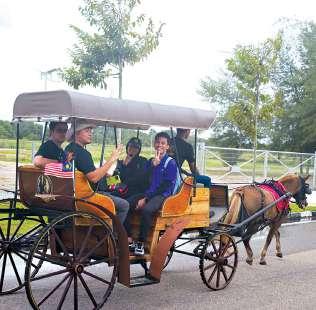
Education and conservation followed at Pusat Penetasan dan Ternakan Belangkas Sedili Kecil or Sedili Kecil Horseshoe Crab Hatchery (https://www.facebook. com/p/Pusat-Penetasan-Dan-TernakanBelangkas-Sedili-Kecil-100062968432460/), where visitors learn about horseshoe crab breeding, sustainability efforts in propagating the horseshoe crab, and research on the species’ ecological and medical importance. This was followed by culinary pleasures at Kak Long Maria Asam Pedas Tanjung Balau, a local institution since 1987, before family-friendly moments at Johor Horse Carriage (https://www.facebook.com/horse. dawn.carriage/), cultural immersion at Muzium Nelayan Tanjung Balau (https://www. kejora.gov.my/en/muzium-nelayan-tanjungbalau-2/), and seaside serenity at Bayu Balau Beach Resort (https://bayubalau.com.my/) completed the day.
DAY 3:
JOHOR BAHRU
FROM GREEN ESCAPES TO URBAN ENERGY
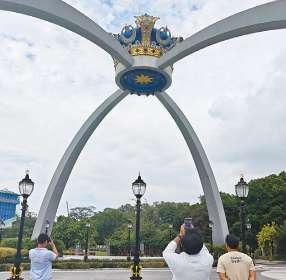
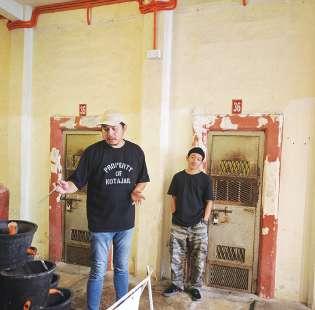
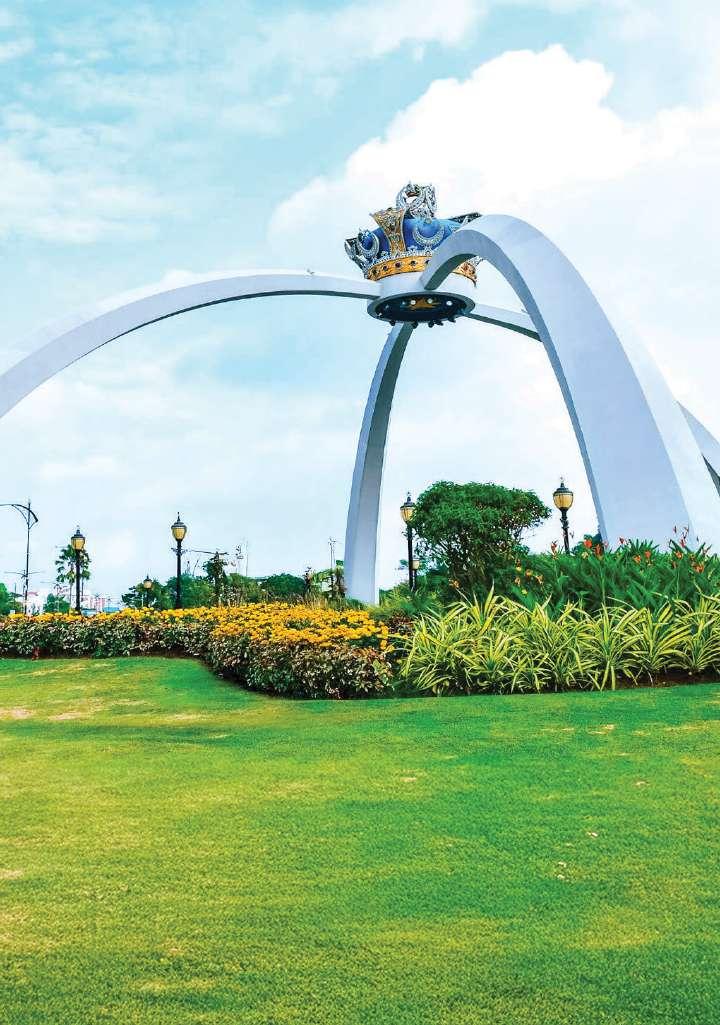
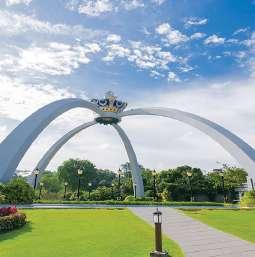
At Aliyah Rizq Farm (https://aliyahrizq. com/) in Desaru, agro-tourism came alive through ATV jungle trails, horse activities and relaxed tram rides amid greenery. The journey then moved into Johor Bahru, where Kota Jail (https://www.kotajail. com/) impressed as a powerful example of adaptive reuse—transforming a former prison into a lively heritage, art and cultural hub. Nearby, Laman Mahkota Istana Bukit Serene offered a regal pause with its iconic royal crown arch.
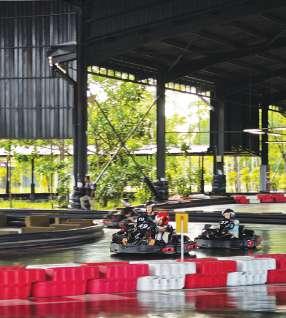
Dining and adventure continued at Sang Gerai Beletime Halal Restaurant (https://www.facebook.com/sang.gerai.my/), followed by adrenaline and outdoor fun at X Park Sunway Iskandar (https://www. xparkmalaysia.com/SunwayIskandar.aspx) and SIREH Park, Iskandar Puteri (https:// sirehpark.org/). A calming Puteri Harbour Sightseeing Cruise (https://sinarancruises. com.my/) closed the evening, before a satisfying seafood dinner at Sang Seafood Restaurant (https://www.facebook.com/sang. seafood.my/) and a restful night at Hotel Amerin (https://www.amerinhotel.com.my/).
DAY 4: MANGROVES, MEMORIES AND LOCAL CHARM
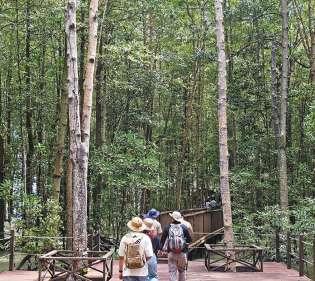
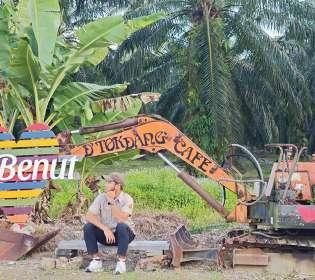
The final day slowed the pace at Pulau Kukup National Park (https:// johornationalparks.gov.my/ms/pulau-kukup/), one of the world’s largest uninhabited mangrove islands, offering peaceful boardwalk walks and wildlife sightings. In Pontian and Benut, nostalgic flavours and local café culture took centre stage; from Lorong Cendol Pontian (https:// www.facebook.com/p/Pontian-NightMarket-61561049806975/) and Sate Atok Pontian (https://www.facebook.com/ sateatokpontian/) to charming stops like Kopi 4x4 (https://www.facebook.com/ kopi4x4/), Dapoer Bobrok (https://www. tiktok.com/@cafedapoerbobrok), Waroeng Kopi Pojok 77 (https://www.instagram. com/waroengkopipojok77/), and D’Tok Dang Café (https://www.tiktok.com/@d_ tokdangcafe), each eatery or vendor added warmth and personality to the journey’s end.
For travellers seeking a destination that allows them to slow down, feast well, learn deeply and play freely, Johor delivers with ease. From Sedili’s tranquil rivers and Pontian’s timeless tastes to Johor Bahru’s creative heritage and Iskandar Puteri’s eco-adventures, this is a state best explored with curiosity, appetite and an open heart.
Meh lah Johor – your next great Malaysian adventure starts now!
Gaya Travel Magazine team members extend our deep appreciation towards Tourism Malaysia for the opportunity to work together in promoting Johor.
For more info on Malaysia, visit
https://www.malaysia.travel
PONTIAN
Beyond the Golden Harvest: The Ultimate 3D2N Guide to Sekinchan & Kuala Selangor
As Malaysia gears up for Visit Malaysia 2026 (VM2026), the spotlight turns to destinations that seamlessly blend rural heritage with modern lifestyle appeal. Sekinchan and Kuala Selangor, situated on the west coast of Selangor, have evolved from sleepy agricultural hubs into vibrant tourism hotspots. We curate this 3-day itinerary to offer readers a unique exploration of the region’s gastronomic delights, stunning landscapes, and rich cultural heritage.
Text by ED JUNAIDI
Images by ED JUNAIDI & TOURISM MALAYSIA
DAY 1:
RUSTIC
CHARM & AGRARIAN ADVENTURES
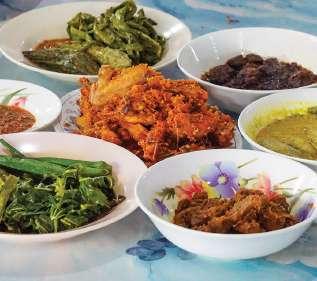
Our journey begins with a culinary adventure at Restoran Lembah Bernam Tucked away in the remotest part of Sekinchan, this restaurant is renowned for its exotic cuisine. Adventurous diners can savour dishes such as Porcupine Rendang, Venison Curry, and Black Pepper Rabbit. For a more traditional palate, the Fermented Durian Catfish (Ikan Baung Masak Tempoyak) and Freshwater Prawns offer an authentic taste of the Malay village kitchen.
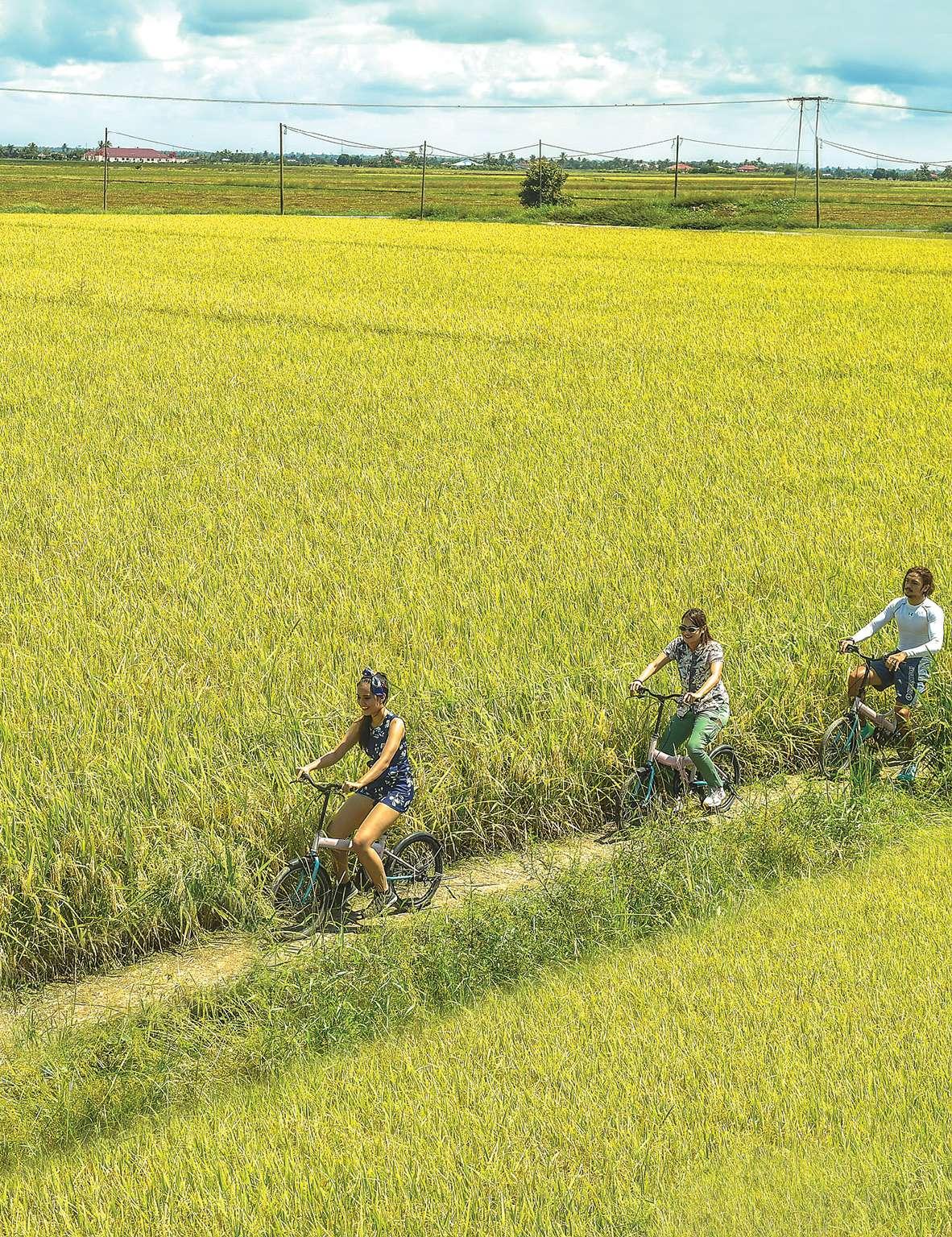
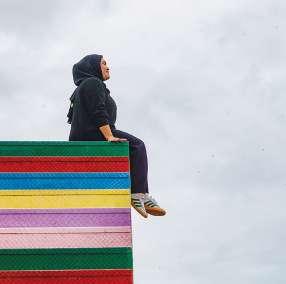
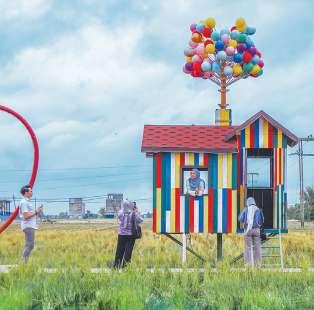
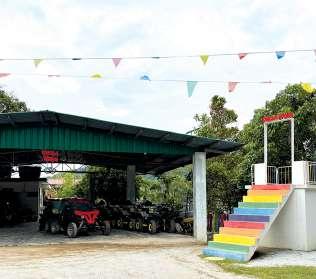
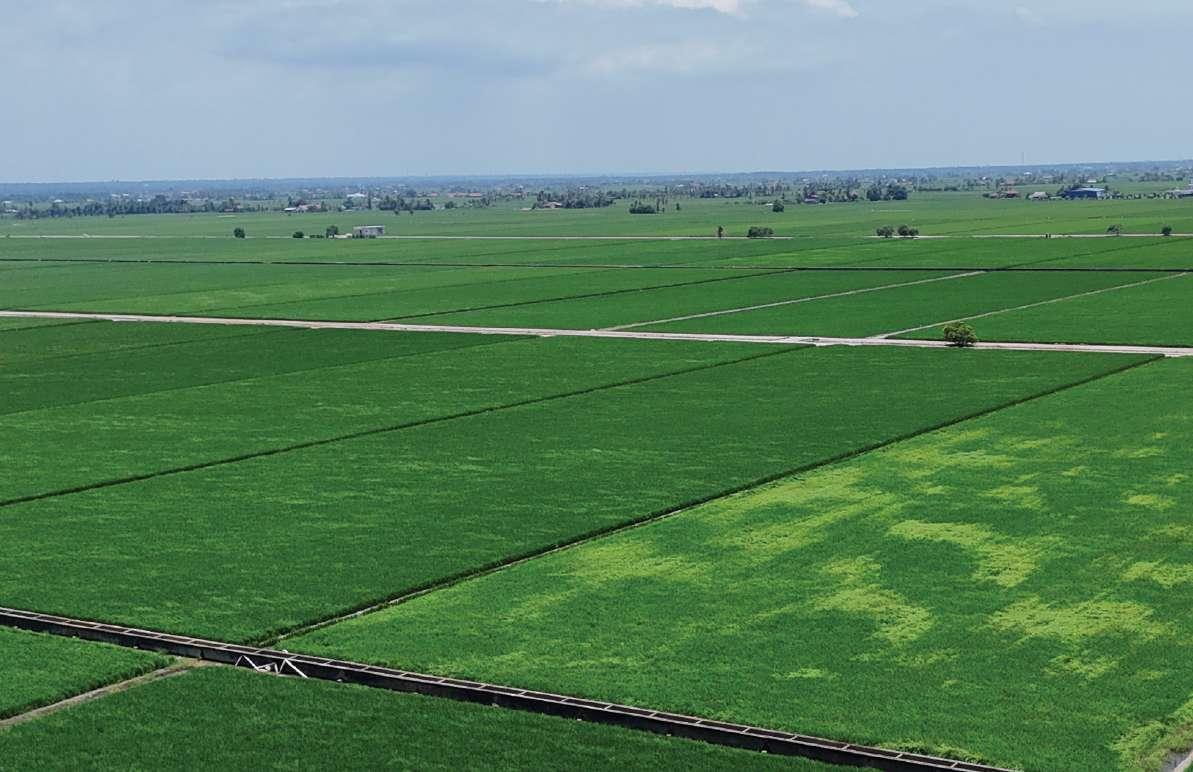
We stayed at Sekinchan Padi Sentral Homestay. Standing amidst the verdant paddy fields, this industrial-chic homestay features floor-to-ceiling glass windows in every room, offering guests immersive views of the paddy landscape. Its photogenic features, including a ‘Rainbow Gate’ and a rooftop deck, make it a favourite amongst social media enthusiasts.
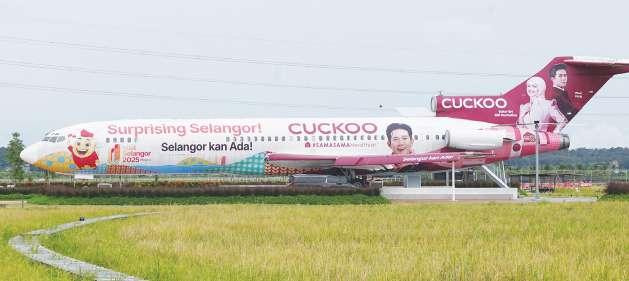
A short distance away lies Terminal Sekinchan, a surreal landmark where a decommissioned Boeing 727 aircraft rests amidst the rice fields. Repurposed as a viewing deck and cafe, it offers a stark, artistic contrast between aviation engineering and nature, providing a unique vantage point for photography.
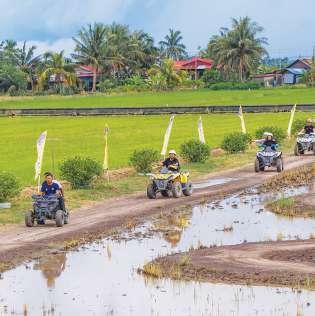
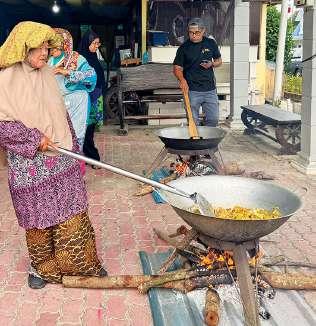
For thrill-seekers, the afternoon calls for an ATV ride with ATV KAB (Kunci Air Buang). Navigating all-terrain vehicles along the narrow bunds and trails on the repurposed paddy fields offers an adrenaline rush accompanied by the fresh countryside breeze.
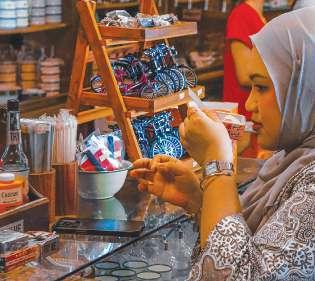
The pace then slows down with a ride on the tram, also operated by ATV KAB. This double-decker tram, creatively adapted from a rice transplanter, tours the village before stopping at Port Leren. This stop serves as a cultural repository, where visitors can appreciate and purchase traditional wood carvings and handcrafted replicas, preserving the area’s pre-tourism heritage. We also had the opportunity to enjoy the tea time with local flavours at Dorai D’Sawah.
The first day concludes at Kopi Sawah This open-air cafe is the quintessential spot to unwind, sipping premium coffee while watching the sunset cast golden hues over the paddy fields.
1. The photogenic ‘Rainbow Gate’ at Sekinchan Padi Sentral Homestay is a favourite for social media enthusiasts.
2. A decommissioned Boeing 727 rests amidst the rice fields at Terminal Sekinchan.
3. Sekinchan Padi Sentral Homestay features floor-to-ceiling glass windows in every room, offering guests immersive views of the surrounding paddy landscape.
4. Navigating the narrow bunds and trails at ATV KAB offers thrill-seekers an adrenaline rush accompanied by the fresh countryside breeze.
5. Restoran Lembah Bernam serves adventurous dishes like porcupine rendang alongside authentic Malay village staples.
DAY 2:
HERITAGE, EDUCATION & BIOLUMINESCENT WONDERS
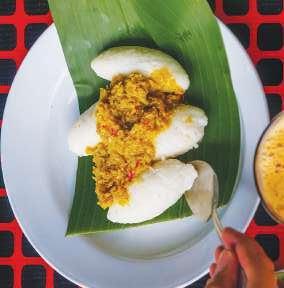
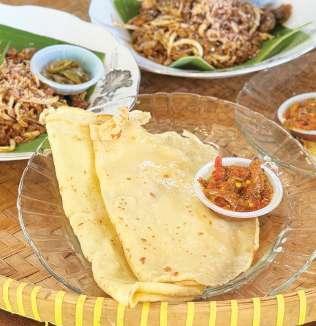
Day two commences with a hearty breakfast at Warung Fatboy in Sungai Leman. A staple for locals, the warung is famous for its Mutton Curry Chapati, Lontong Darat, and the unique Punten, served with spicy Green Anchovy Sambal—a nod to the local Javanese heritage, which has been synonymous with Sekinchan for generations.
After breakfast, a visit to Ah Ma House evokes a sense of nostalgia. This traditional bakery and mini-museum showcases the making of Kuih Kapit (love letters) over charcoal fires, set amidst vintage furniture and artefacts from the 70s and 80s. Following this, the Paddy Gallery at PLS Rice Factory offers an educational insight into the rice production cycle, from seed to harvest, deepening appreciation for the ‘Pearl Rice’ of Sekinchan.
We had lunch at D’Wajan Klasik, a haven for traditional Malay cuisine. The spread includes rich curries (Gulai Kawah), spicy turmeric coconut gravy (Masak Lemak Cili Api), and fresh local salads (ulam), providing a wholesome village dining experience. After that, we explored Villa Chee, a container-concept resort featuring Bali-inspired landscapes and a few Instagrammable spots set directly within the paddy fields.
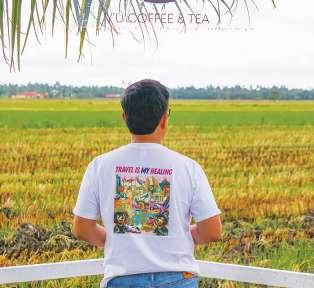
Photographers should not miss the lone durian tree in Sungai Burung. Standing solitary in the open field, the tree creates a minimalist and melancholic composition perfect for portraits. Later, we enjoyed a slow evening watching the sunset at V’U Coffee & Tea, an outdoor-style café situated in the midst of sprawling greenery, perfect for savouring tea and waffles.
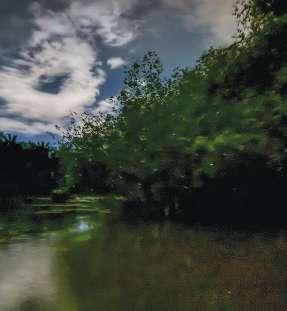
As dusk falls, our journey shifts to Kuala Selangor for the world-renowned Kampung Kuantan Fireflies. We boarded traditional non-motorised wooden boats (sampans) to glide silently along the Selangor River, witnessing the magical synchronous flashing of thousands of fireflies (Pteroptyx tener) inhabiting the Berembang trees.
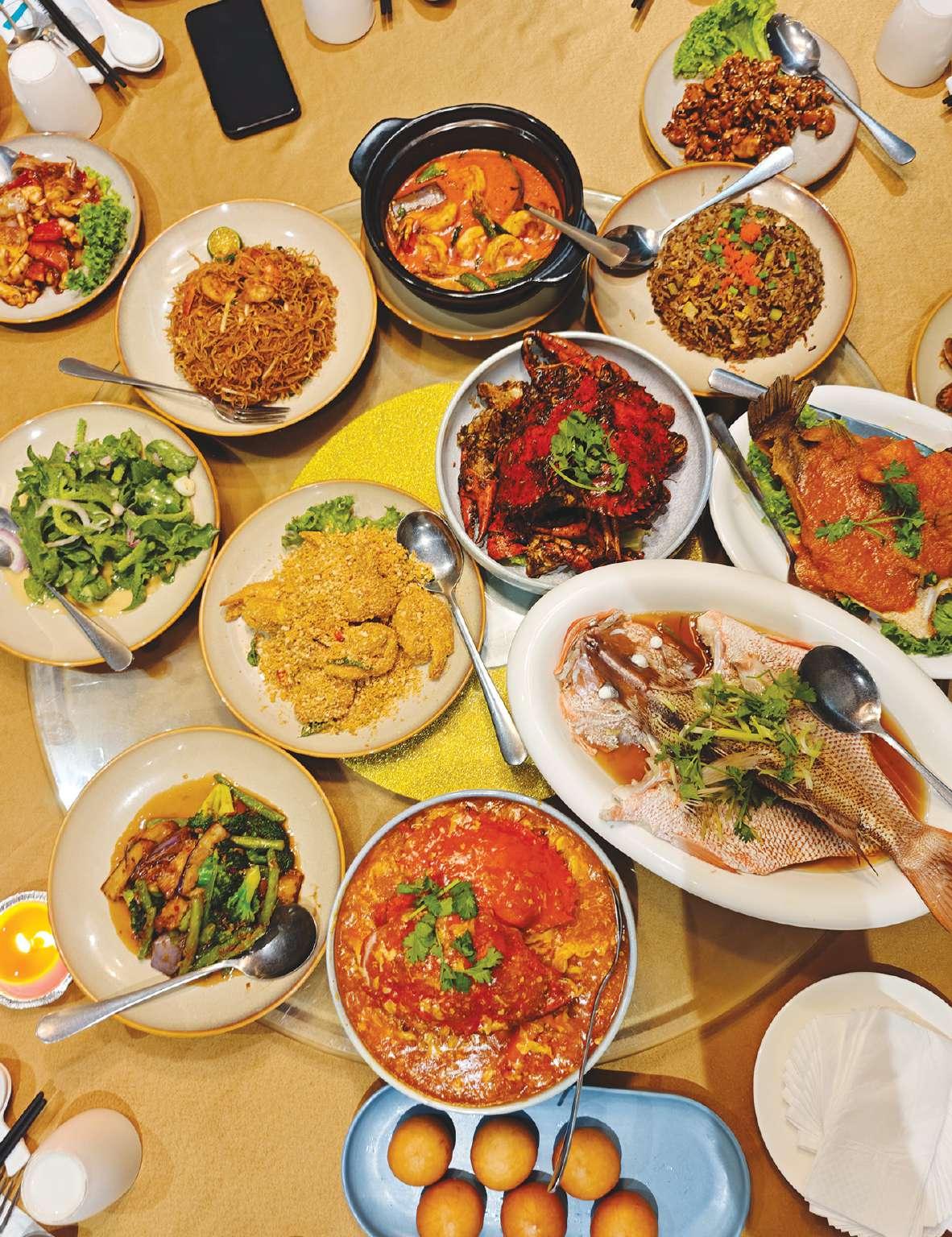
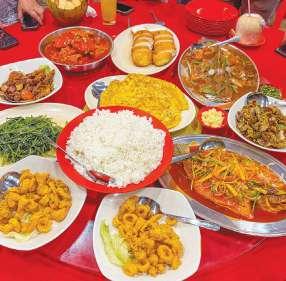
The night ends with a seafood feast at Yu Jia Ren Seafood Restaurant in Pasir Penambang, where diners usually enjoy Chilli Crab, Butter Prawns, and Steamed Fish by the riverside.
From previous page :
1. A tribute to the local Javanese heritage, the unique punten is a staple breakfast delicacy here.
2. Ilyana browses through vintage treasures at Ah Ma House.
3. A riverside seafood feast awaits at Yu Jia Ren Seafood Restaurant with signature dishes like Chilli Crab, Butter Prawns, and Steamed Fish.
4. A unique fusion of nasi ambeng and shellout at D’Wajan Klasik provides a wholesome traditional village dining experience.
5. One of the colourful Instagram-worthy spots at Villa Chee.
6. Gliding silently along the Selangor River in a traditional sampan, visitors witness the magical synchronous flashing of thousands of fireflies among the Berembang trees.
7. Embodying the sentiment that travel is healing, Nuar enjoys a slow evening amidst the sprawling greenery at V’U Coffee & Tea.
8. Through life-size dioramas, the Paddy Gallery offers educational insight into the rice production cycle.
This page:
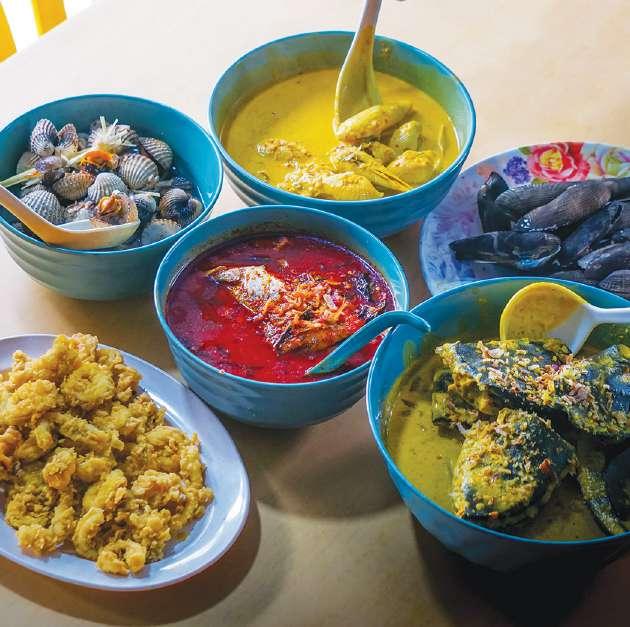
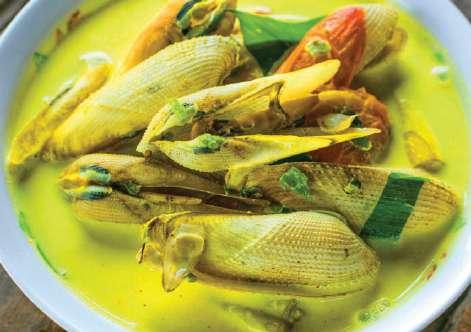
9. The final day’s highlight is a shellfish feast featuring grilled mentarang at Warung Amai Mentarang.
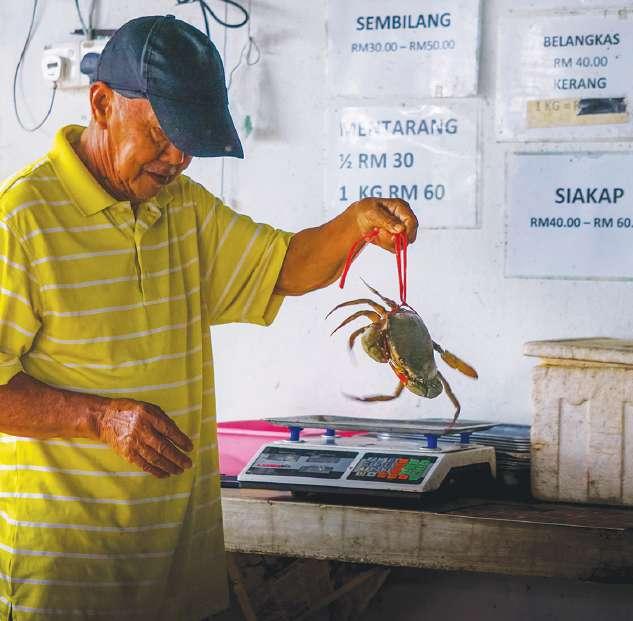
10. The owner of Warung Amai Mentarang showcases the day’s fresh catch.
9. 10.
DAY 3: A SHELLFISH FINALE
The final day focuses on a local delicacy: Mentarang (angel wing clam). Lunch at Warung Amai Mentarang offers a frontrow seat to the grilling of these shellfish. The menu highlights, including Grilled Mentarang, Mentarang in Coconut Gravy (Mentarang Masak Lemak), and Sour and Spicy Sea Bass (Siakap Asam Pedas), provide a flavourful conclusion to the trip.
From ecological wonders to culinary heritage, Sekinchan and Kuala Selangor offer a comprehensive travel experience, perfectly aligned with the spirit of Visit Malaysia 2026.
Gaya Travel Magazine team members extend our deep appreciation towards Tourism Malaysia for the opportunity to work together in promoting Selangor.
For more info on Malaysia, visit
https://www.malaysia.travel
Coastal Magic & Heritage Souls: Why Kuala Terengganu is Your Must-Visit Escape for 2026
Tourism Malaysia (https://www.tourism.gov.my/)
in collaboration with Gaya Travel Magazine recently organised a three-day and two-night familiarisation trip to Terengganu, the Peninsular Malaysian East Coast state located next to Pahang and Kelantan, as part of the Visit Malaysia 2026 and Cuti-Cuti Malaysia campaign.
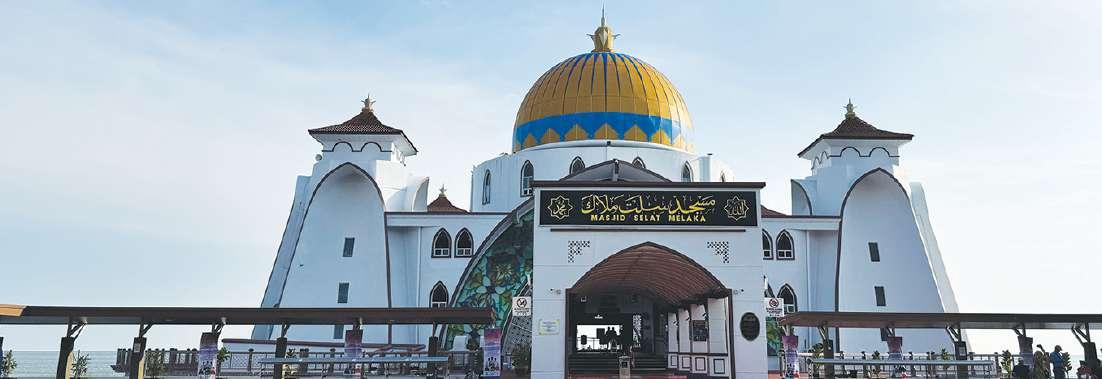
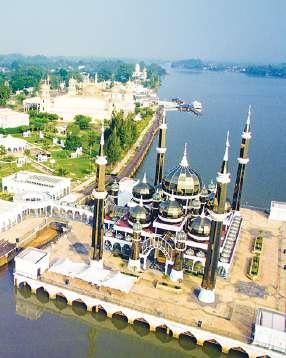
Kuala Terengganu (KT) and its vibrant outskirts offer an essential cultural and coastal itinerary that few Malaysian destinations can match. KT itself is a historic waterfront city where the traditions of Malay and Chinese heritage converge, evidenced by the colourful shophouses of Kampung Cina (Chinatown) and the magnificent domes of the Crystal Mosque and Floating Mosque. Venturing just beyond the city centre, the surrounding areas provide a unique blend of active leisure and local life, from the equestrian and sports facilities at the Terengganu Equestrian Resort (TER) to the authentic community feel and coastal views found in locales like Gong Kapas and the fishing village vibe near Cendering, presenting a complete picture of Terengganu’s rich past and dynamic present.
Text & Images by MUHAMMAD QAIYYUM BIN AZIAN, MUHAMMAD IQBAL NAQIUDDIN BIN HAIRUL AMIR
The following is an itinerary of what you can experience when exploring Kuala Terengganu and the surrounding areas in three days and two nights!
DAY 1: CULTURE, HISTORY, AND A MODERN ICON
» LAMBO SARI (https://lambosari.com.my/)
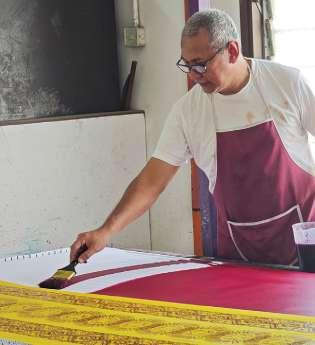
Located in Kampung Telaga Daing, Kuala Nerus, Lambo Sari is an interactive haven where you can fully immerse yourself in Terengganu’s art, culture, and traditions. This is your chance to get hands-on! From waxing and colouring batik, trying tie-dye, expertly cracking open a coconut, and cooking traditional cakes, to even dressing up in classic Malay costumes, everything is set up for visitors eager to experience the local culture up close. Best of all, entry is free!
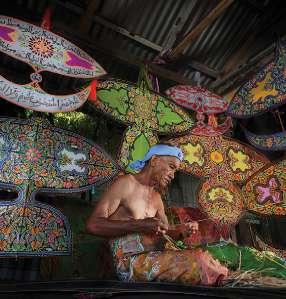
Lambo Sari also hosts traditional activities and actively supports the local community, showcasing beautiful handicrafts, block-printed batik, batik wau (kites), and other artwork created by surrounding residents. This promises to be a vibrant and meaningful cultural experience for travellers, students, and families alike.
Opening Hours: Mondays 9:00 a.m.–5:00 p.m.; Tuesdays–Sundays 10:00 a.m.–5:00 p.m.; Fridays closed. We recommend calling +6019-943 8979 prior to your visit.
» KAMPUNG CINA (CHINATOWN)
Step back in time at Kampung Cina, the historical Chinese settlement in Kuala Terengganu’s city centre, boasting a rich history spanning over 300 years. The streets are lined with rows of stunning, two-story heritage shophouses. Many still retain their beautiful architectural features of a bygone era, such as grand wooden doors, intricate window carvings, and original layouts that beautifully reflect the unity of Chinese, Malay, and local traditions.
Today, Kampung Cina shines as a compelling tourist hotspot. The old buildings have been cleverly refurbished into hipster cafés, chic restaurants, boutique guesthouses, and souvenir shops. Explore the narrow side alleys, which are brought to life with vibrant murals and street art, creating a wonderful fusion of nostalgia and modern culture.
A visit here is more than just seeing old buildings; it’s an opportunity to truly feel the diverse heritage, savour delicious Terengganu Peranakan-style food, and capture unique memories in this historic location.
Operating Hours: Flexible—the area is open all day with no official limits (specific shops/ cafés/restaurants will have their own times).
»
KUALA TERENGGANU DRAWBRIDGE
(https://terengganudrawbridge.com.my/)
Stretching across the river mouth in Kuala Terengganu, the Drawbridge is proudly the first lift bridge in Southeast Asia. This modern, 638-meter-long icon connects the city
centre with Seberang Takir. Its distinctive structure, featuring four towers and a skywalk, gives it a resemblance to world-famous bridges, offering a truly unique experience. You can ascend to the observation deck to capture a panoramic view of the city, the river, and the sea — perfect for a memorable photography session, especially at dusk or night.
This charming drawbridge isn’t raised every day – it only lifts in a graceful salute when a tall sailing ship needs to pass underneath. Each time the drawbridge opens to let a vessel glide through, it costs MYR2,500, a small tribute that helps preserve one of Terengganu’s most magical and picturesque traditions, a delightful reminder that some things are still done the old-fashioned way, with pride and a touch of wonder.
Access to the tower/skywalk for photos requires a ticket: Adult price is MYR15 (children have a different rate). Standard opening hours for visitors are 10:00 a.m. to 7:00 p.m. (Sunday–Thursday); and until 10:00 p.m. on Saturdays and public holidays.
» PADDOCK CAFÉ AT TERENGGANU EQUESTRIAN RESORT
Wind down your exciting day at the Paddock Café, nestled within the Terengganu Equestrian Resort area in Kuala Ibai. This spot offers a relaxed and pleasant atmosphere, ideal for dinner after a day of exploring. The menu is reasonably priced, with an average of around MYR10 per dish.
Enjoy a chilled evening, savouring local or fusion dishes. The evening lights, gentle breeze, and wooden deck create a unique and relaxing vibe!
Operating Hours: Typically, 4:00 p.m. to 11:30 p.m., making it perfect for dinner or a late-night hangout.
DAY 2: HORSES, HERITAGE CRAFTS, AND LOCAL FLAVOURS
» BREAKFAST AT LAMAN POLO AT TERENGGANU EQUESTRIAN RESORT
Kick off the morning with a delightful breakfast at Laman Polo, the resort’s restaurant, in a relaxed setting. Don’t miss the Terengganu Nasi Dagang—a flavourful, nostalgic traditional dish served with tasty side dishes.
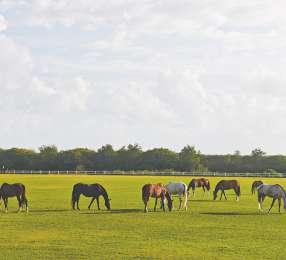
Dine while enjoying the unique sight of polo ponies grazing on the field right in front, surrounded by nature, horses, and fresh air—an exceptional start to the day!
» MALAYSIAN HANDICRAFT DEVELOPMENT CORPORATION, CENDERING (https://kraftangan.gov.my/en),
Immerse yourself in local artistry at this centre, which preserves traditional community skills. Watch copper smelting
up close and the creation of moulds for unique pots, forks, decorations, and other copper crafts.
Try your hand at batik colouring and pattern printing using the clay resist technique, exploring both modern and traditional methods. Equally captivating is the songket weaving demonstration, from ancient techniques to modern technology. End with a visit to the sales gallery to purchase handmade craft souvenirs to support local artisans.
Kuala Terengganu’s iconic market is a vibrant must-visit for authentic local atmosphere. Discover generations-old traditional handicrafts that define Terengganu’s identity.
The market buzzes with vendors offering keropok lekor (fish crackers), satar (grilled fish parcels), local cakes, and spices, highlighting the state’s unique culinary flavours. Bursting with colour and aroma, it’s the perfect spot for reasonably priced gifts and souvenirs while supporting the community.
» RESTORAN SINGGANG BUDU
(https://www.instagram.com/singgangbudu)
In Kuala Terengganu, savour authentic traditional cuisine at this standout spot. The light, aromatic singgang (fish stew) paired with budu (fermented fish sauce) and fresh ulam (raw local greens) makes an incredible appetiser.
The restaurant’s village-style dishes and a relaxed vibe create a simple yet deeply satisfying experience, ideal for tasting original Terengganu flavours.
Head to this famous stall for an array of fresh East Coast sweet treats, including Kuih Akok, Koleh Kacang, mini Laksam, and rare traditional cakes, all made by local vendors. A bustling one-stop paradise for sampling various authentic flavours!
» BOWLING AT TERENGGANU EQUESTRIAN RESORT
Unwind with a fun bowling session at the resort’s well-equipped bowling centre. Prices are affordable: MYR6.50 (weekday)/ MYR7.00 (weekend) daytime, MYR7.00–7.50 evenings; shoe and sock rental MYR2.00 each.
The cheerful atmosphere guarantees laughter and memorable moments.
Operating Hours: 10:00 a.m. to midnight.
» PONY POLO JOY RIDE
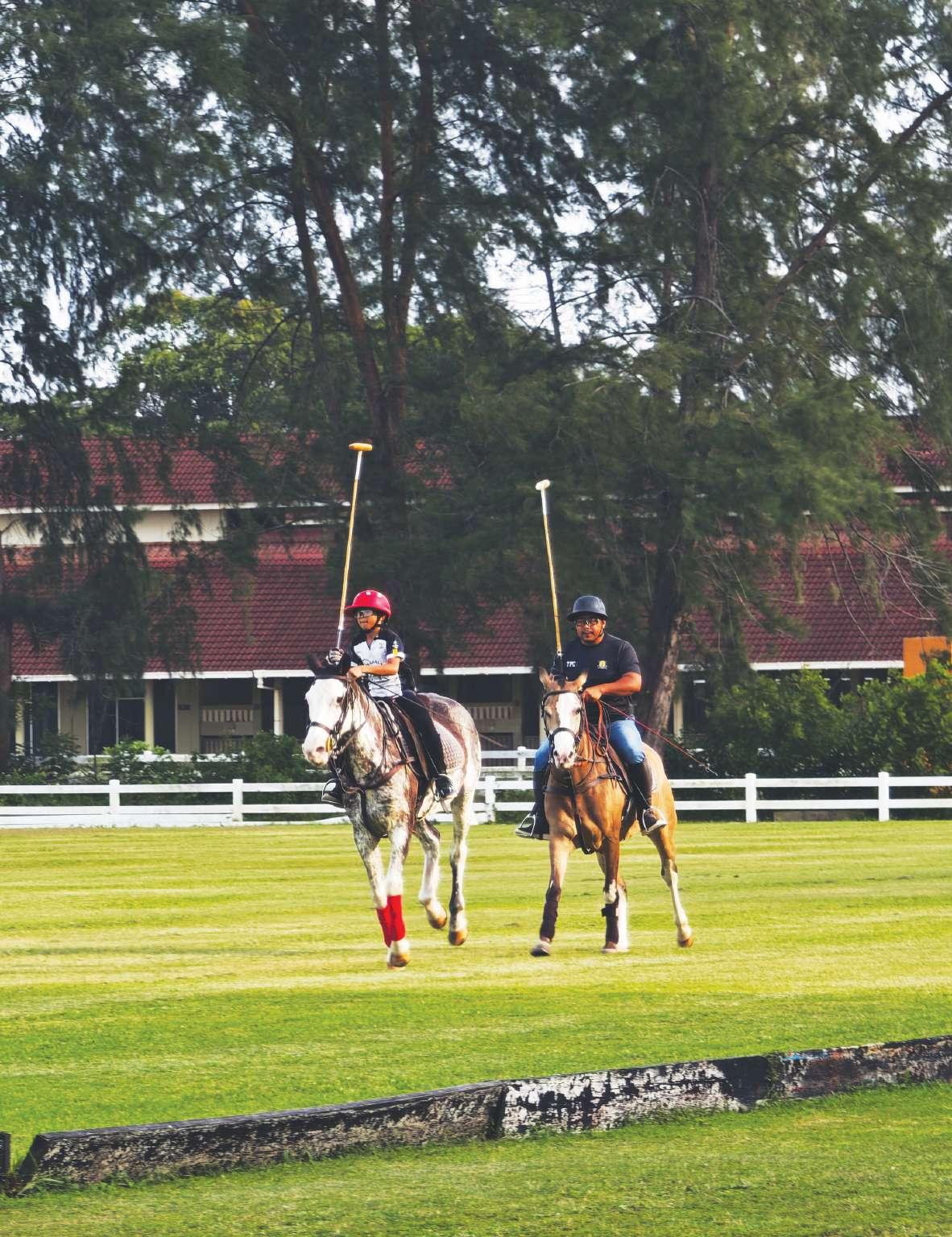
Another offering by Terengganu Equestrian Resort is the enjoyable Pony Polo Joy Ride, which allows you to ride a horse and traverse the expansive, manicured polo field. Instructors provide guidance and supervision, ensuring safety for all levels.
For beginners, the blend of lush greenery, afternoon breeze, and horse interaction creates a truly unique and joyful highlight.
» PANTAI PANDAK
Relax at this serene beach with fresh sea breezes, crashing waves, and striking rock formations. Perfect for photos, shore walks, or simply soaking in the gentle evening air—a calming, uncomplicated escape.
End the day at Kuala Ibai’s famed grilled fish centre, where you can select fresh seafood yourself, then savour grilled fish, sotong celup tepung (batter-fried squid), and other Terengganu specialities.
DAY 3: COASTAL LIFESTYLE AND MORE LOCAL FLAVOURS
» TERENGGANU RIVER CRUISE
(https://www.tti.com.my/tti-river-cruise/)
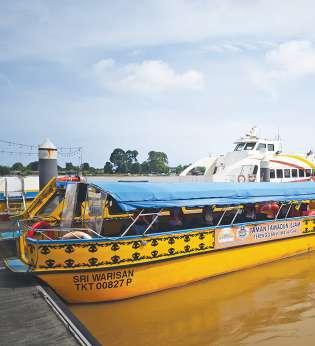
Embark on the enchanting Terengganu River Cruise, setting sail from the serene beauty of Taman Tamadun Islam, and allow yourself to be swept away by the captivating vistas of the city unfolding along the gentle waterway.
As you glide along, marvel at the magnificent Terengganu Drawbridge from an intimate new perspective; its graceful architecture appears even more breathtaking when admired from the shimmering surface of the river. Drift through the tranquil heart of Kuala Terengganu, soak in the peaceful cityscape, and discover the state’s iconic landmarks from a delightfully fresh angle. This leisurely river cruise is truly one of the most memorable and soul-reviving experiences the city has to offer!
» TERRADALA MUSEUM
CAFÉ
(https://www.terradala.com/)
For a truly unforgettable dining experience, make your way to the Terradala Museum Café – a captivating haven where Terengganu’s rich heritage, timeless history, and contemporary café culture blend seamlessly under one extraordinary roof.
Far more than simply a place to sip coffee and snap photographs, Terradala is a living
gallery that proudly showcases cherished artefacts, evocative tales from the past, and the vibrant creativity of modern Terengganu. Every corner whispers stories, every detail delights the senses, and every visit feels like stepping into a beautifully curated celebration of art and tradition.
This hidden gem is an absolute must-visit – a warm and inspiring space where culture, craftsmanship, and exquisite flavours come together in perfect harmony. We can’t wait to welcome you and share this unique Terengganu treasure with you!
Before departing Kuala Terengganu, be sure to dine at Selera Ayam Kampung Terengganu, a celebrated eatery famous for serving authentic kampung (village) cuisine — simple in presentation, yet bursting with incredible, deep flavours!
The menu is a true delight after a long day of exploring: think crispy fried free-range chicken (Ayam Kampung Goreng), a vibrant selection of fresh herbs and vegetables (Ulam-ulaman), fiery sambal chili paste, rich gulai curries, and a fantastic array of other traditional side dishes. Every bite is a perfect match for a hungry traveller’s palate.
The restaurant’s relaxing atmosphere combined with such incredibly fresh, comforting food makes the dining experience the perfect, harmonious finale to your Terengganu escapade!
» WHERE TO STAY IN KUALA TERENGGANU
Plan your next escape to the Paddock Inn, located within the magnificent Terengganu Equestrian Resort (https://bio. link/equestrianresort)! Imagine waking up surrounded by vibrant greenery and the grandeur of sweeping polo fields. This isn’t just accommodation; it’s an invitation to refresh and connect with nature.
TER offers a whole world of leisure and activity! Beyond the comfortable guest rooms, you’ll find top-tier amenities including a pristine polo field, an advanced equestrian training centre, charming pony rides, and the wonderful Laman Polo Restaurant, serving exquisite options for breakfast, dinner, and more.
The quiet majesty of the resort, perfectly complemented by the fresh morning air and the peaceful tableau of horses at rest, elevates your stay into a truly memorable adventure. If you seek a destination in Terengganu that is out of the ordinary and allows you to live the elegant equestrian life, TER is your perfect welcoming sanctuary.
So why wait? Make Terengganu your must-visit destination in 2026 and beyond, so that you can discover the charm, culture, and coastal magic that travellers can’t stop talking about!
Gaya Travel Magazine team members extend our deep appreciation towards Tourism Malaysia for the opportunity to work together in promoting Terengganu.
For more info on Malaysia, visit https://www.malaysia.travel
A Five-Day Journey through Mulu National Park & Miri
If you’re looking for an adventure that combines jaw-dropping nature with cultural immersion, Sarawak could just be the answer. Tucked away on the island of Borneo, Sarawak is home to ancient rainforests, world-famous caves, and a rich heritage that feels worlds apart from city life in Kuala Lumpur.
On my recent five-day trip, I explored Mulu National Park, a UNESCO World Heritage Site replete with biodiversity and dramatic caves, before heading to Miri, Sarawak’s resort city known for its oil history, vibrant markets, and proximity to Niah National Park, another UNESCO site inscribed in 2024. Together, they offer a perfect mix of eco-adventure and urban exploration.
If you’re planning your own trip, here’s my day-by-day itinerary that will help you experience the very best of Mulu and Miri.
Text & Images by HADY ARMEEN
» GETTING TO MULU & MIRI FROM KUALA LUMPUR
The only way to Mulu is by air – there are no roads through the rainforest, which makes arriving here feel even more special. From Kuala Lumpur, take the two-hour and a half flight to Miri Airport (MYY) using AirAsia or Malaysia Airlines. From there, hop on another 30-minute flight on MASwings to Mulu Airport (MZV).
Tip: There are no direct flights from KL to Mulu, so a layover in Miri is your best bet. Alternatively, you can route via Kuching or Kota Kinabalu, depending on flight schedules. Most accommodations in Mulu, including Mulu Marriott Resort & Spa, provide transfers from the airport.
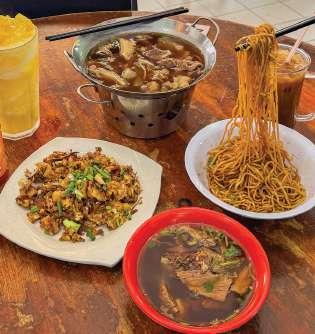
My day started bright and early with a morning flight from KL to Miri. Before continuing to Mulu, I squeezed in a quick stop for breakfast at Nancy Beef Noodle, a local favourite in Miri that instantly won me over with its rich broth and melt-in-your-mouth beef slices.
By early afternoon, I was on a short MASwings flight to Mulu. Upon arrival, I checked into the stunning Mulu Marriott Resort &Spa, where the rainforest literally envelopes the property. After lunch, it was time to get my hiking shoes on.
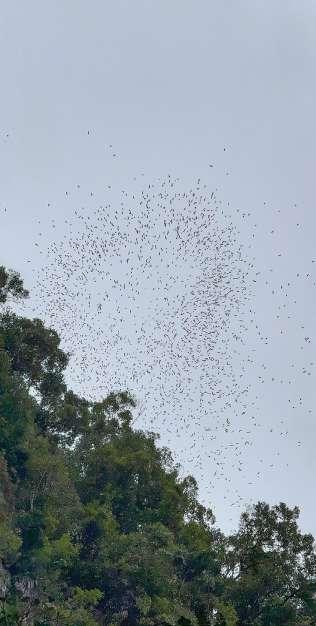
We headed into Mulu National Park (https://www.mulunationalpark.com/) for a three-kilometre plank walk to Deer Cave and Lang Cave. Deer Cave is jaw-droppingly massive and home to over three million wrinkle-lipped bats, while Lang Cave dazzles with intricate stalactites and stalagmites.
At dusk, the highlight of the walk finally arrived: the bat exodus. Watching millions of bats stream out in waves, painting swirls across the evening sky, is surreal. It feels like nature’s very own fireworks show.
Dinner back at the resort wrapped up the magical first day.
Clockwise From Top: The daily bat exodus at dusk in Mulu National Park, as millions take to the evening sky; A comforting start in Miri. A hearty bowl of beef noodles at Nancy Beef Noodle before flying deeper into Sarawak’s rainforests and A network of walkways leading deeper into Gua Niah.
» DAY 2: LONGBOATS, CLEARWATER WATERS & PENAN ENCOUNTERS
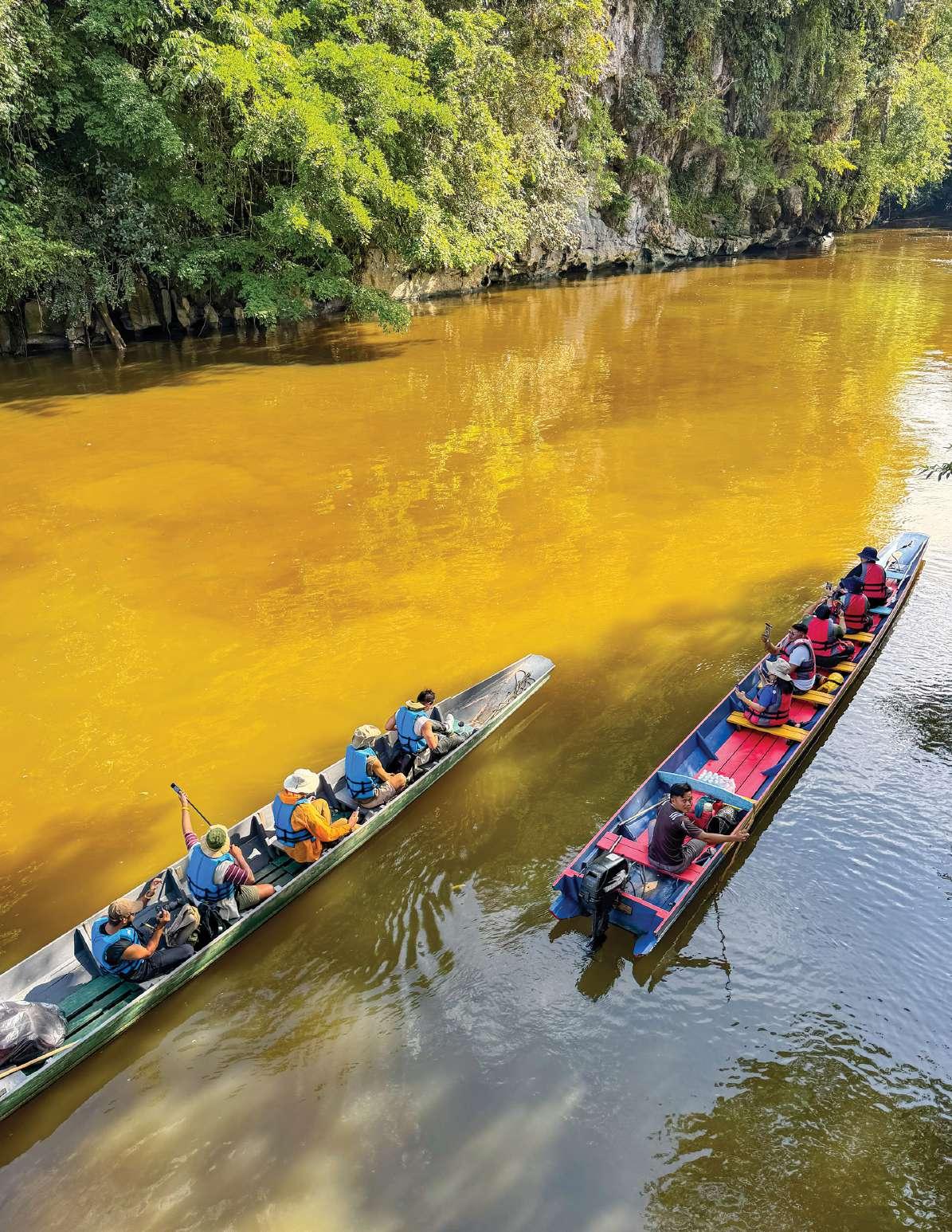
After a hearty breakfast, we set off on an adventurous longboat ride along the Melinau River. Our first stop was Batu Bungan Penan Settlement, where I had the chance to meet members of the Penan tribe, one of Borneo’s last nomadic ethnic groups. Their handicrafts are beautiful, and buying directly from them supports their livelihood, so don’t forget to bring enough cash.
Next, we explored Wind Cave, with its cool, breezy chambers, followed by Clearwater Cave, the longest cave system in Asia. After all that walking, nothing felt better than taking a dip in the crystal clear, icy cold, and oh-sorefreshing Clearwater Spring.
We enjoyed a picnic lunch at the Summer Huts before heading back to the resort. The rest of the evening was free, which I happily spent exploring the resort’s lush surroundings and indulging in a relaxing dinner.
» DAY 3: FAREWELL MULU, HELLO MIRI
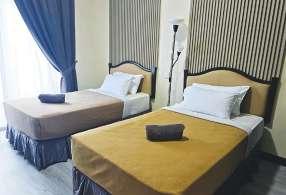
After two incredible days in Mulu, it was time to fly back to Miri. We checked into the chic Mercure Miri City Centre before setting off on a city tour.
During the tour, my travelling companions and I stopped at Miri’s famous landmarks such as The Grand Old Lady at Canada Hill, which is Malaysia’s very first oil well dating back to 1910; the “Miri” big sign, also on top of Canada Hill; and Miri Waterfront for a seaside stroll.
Dinner was seafood galore at Yi Hah Hai (https://www.facebook.com/pages/ Yi-Hah-Hai/347744732329578?_rdr), where the butter prawns are a must-try.
» DAY 4: UNESCO TREASURES AT NIAH NATIONAL PARK
This was the day for history buffs and nature lovers. After breakfast, we set off for Niah National Park, about an hour from Miri. The park gained UNESCO status in 2024, and for good reason: it is home to archaeological sites that date back over 40,000 years.
The trek started with a three-kilometre boardwalk through the jungle to reach the Great Cave. Its sheer size took my breath away. From there, we continued to the Moon Cave and finally to the Painted Cave, where faint but haunting prehistoric wall paintings are still visible. Standing there, I felt an incredible connection to the people who once lived in these caves thousands of years ago.
On the way back, we stopped by an Iban Longhouse homestay for a late lunch. Sharing food with the locals and learning about their traditions made my day even more meaningful.
» DAY 5: MARKET HOPPING, KEK LAPIS & FAREWELL
On my last day, I dove into Miri’s culinary and market scene. Breakfast was at Tamu Muhibbah, where I tried local Sarawak noodles (highly recommended). The market itself buzzes with stalls selling everything from fresh seafood to exotic fruits.
We also visited Tamu Khas, where indigenous traders sell unique items, for example wild honey, traditional herbs, and handicrafts.
Before leaving, I just couldn’t miss Kek Lapis Siti Payung (https://www. facebook.com/siti.payung.1257/) for a peek (and taste!) of Sarawak’s iconic layered cake. The cakes’ colours and patterns were so beautiful that I almost didn’t want to eat them at first… but of course, in the end I did.
Lunch was at Mumbu Restaurant in Marina Parkcity before heading to the airport for my flight home.
Travel tip:: Pack light: MASwings flights allow 20 kilograms of checked in luggage.
» Must-bring items: insect repellent, raincoat, torchlight, reusable water bottle, hiking shoes, and swimwear.
» Cash is king in rural areas like Mulu and Penan settlements.
» Be eco-conscious: stick to boardwalks, avoid single-use plastics, and support local communities
» A JOURNEY WORTH TAKING
This trip to Mulu and Miri reminded me why Sarawak is such a gem for travellers – where else can you go from ancient caves to modern seafood feasts, from tribal settlements to heritage markets, all in a span of just a few days?
Whether you’re a nature enthusiast, history buff, or foodie, Sarawak has something to offer. And the best part?
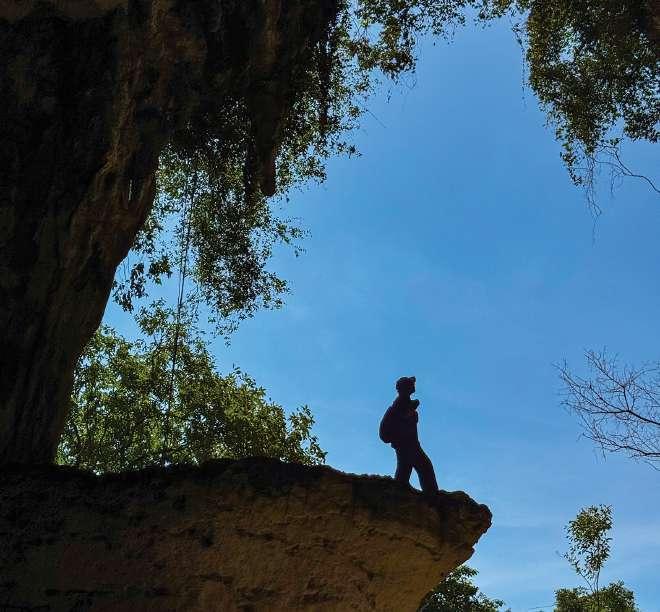
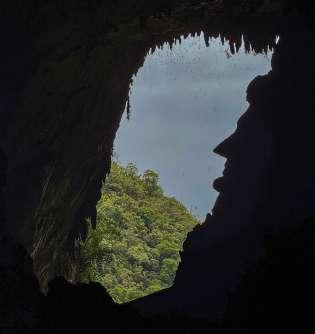
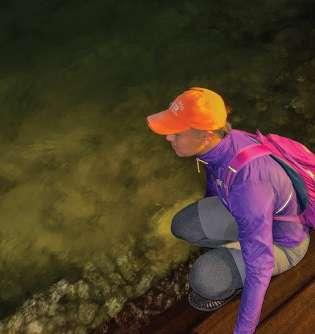
Clockwise from previous page, top, left: Silhouetted against the light standing at the mouth of Gua Niah; Nestled within the rainforest, a private villa at Mulu Marriott Resort & Spa offers quiet immersion in nature; Sunset over the South China Sea, viewed from Canada Hill; At the edge of the crystal-clear waters inside Clearwater Cave and A curious rock formation in Mulu National Park, its silhouette resembling Abraham Lincoln’s side profile — a reminder that nature has a quiet sense of humour.
Every step of the journey supports ecotourism and community livelihoods, making your adventure meaningful and memorable.
So, pack your bags, book those flights, and get ready to discover the wonders of Sarawak for yourself!
Gaya Travel team members extend our heartfelt gratitude to the Sarawak Tourism Board (https://www. sarawaktourism.com/web/home/index/) for making the writer’s trip to Mulu and Miri possible and smooth sailing.
Johor, Reimagined: From Neon Stadiums to Private Islands
Discover the hidden symphony of Johor, where pulsating urban vibes collide with emerald islands and timeless flavours, inviting you to trade the ordinary for a tapestry of neon thrills, salty breezes, and soul-stirring escapes.
There is a rhythm to Johor that often escapes the hasty traveller. It is a state of contrast, where the steel-and-glass ambition of the south meets the timeless, salty breeze of the east coast. For the wanderer willing to look beyond the usual causeway crossings, Johor unfolds as a tapestry of flavours, islands, and yes, the unexpected winters.
Text & Images by ED JUNAIDI
Previous Page: Pulau Rawa is the stuff of postcards, offering a barefoot escape where rustic wooden decks meet the azure sea.
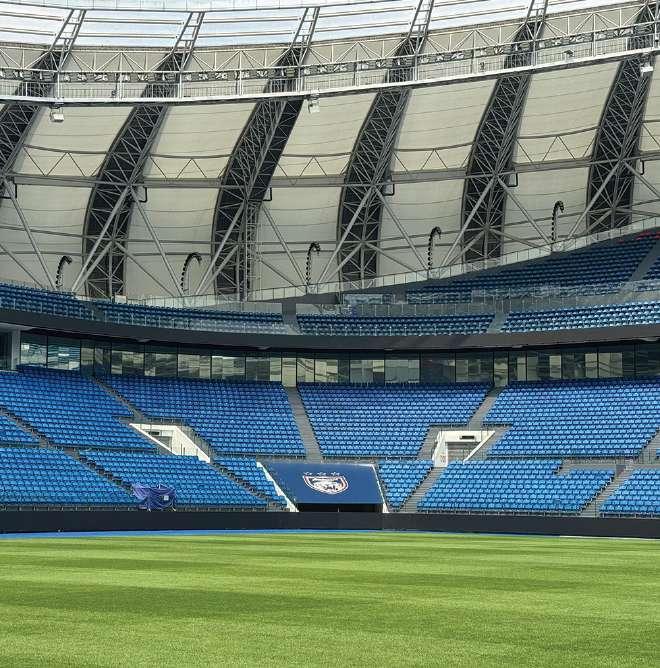
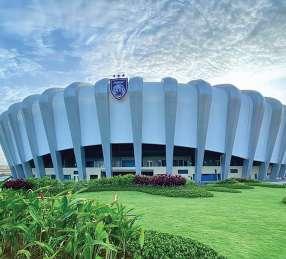
This page, from left to right : A twist of irony in the tropics, escaping the humidity for a -10°C winter wonderland at Snowland JB and Overlooking the wellmanicured grass of Sultan Ibrahim Stadium, which features a roof canopy inspired by banana leaves, giving the massive structure a distinct, organic elegance.
» THE URBAN PULSE: JOHOR BAHRU & ISKANDAR PUTERI
Let’s start our journey in the heart of the action, Johor Bahru. The city has grown up since my last visit prepandemic, shedding its rough edges for a sophisticated sheen. In the city centre, St. Giles Southkey (https:// www.stgileshotels.com/southkey/) offers a polished retreat integrated into the Mid Valley complex, boasting a rooftop infinity pool that overlooks the frenetic energy below.
Alternatively, for those gravitating towards the spacious avenues of Iskandar Puteri, the Sunway Hotel Big Box (https://www.sunwayhotels.com/ sunway-bigbox/) is a revelation. Nestled within a retail and adventure park, it marries industrial-chic design with family-friendly practicality, proving that the south has truly mastered the art of the integrated stay.
Just a stone’s throw from the Sunway enclave lies Sireh Park (https:// sirehpark.org/), boasting a 343-acre natural heritage site recognised by the Malaysian Book of Records as the most extensive urban community green recreational park. Whether you are kayaking on its serene lakes or hiking its biodiversity-rich trails, it feels miles away from the urban sprawl.
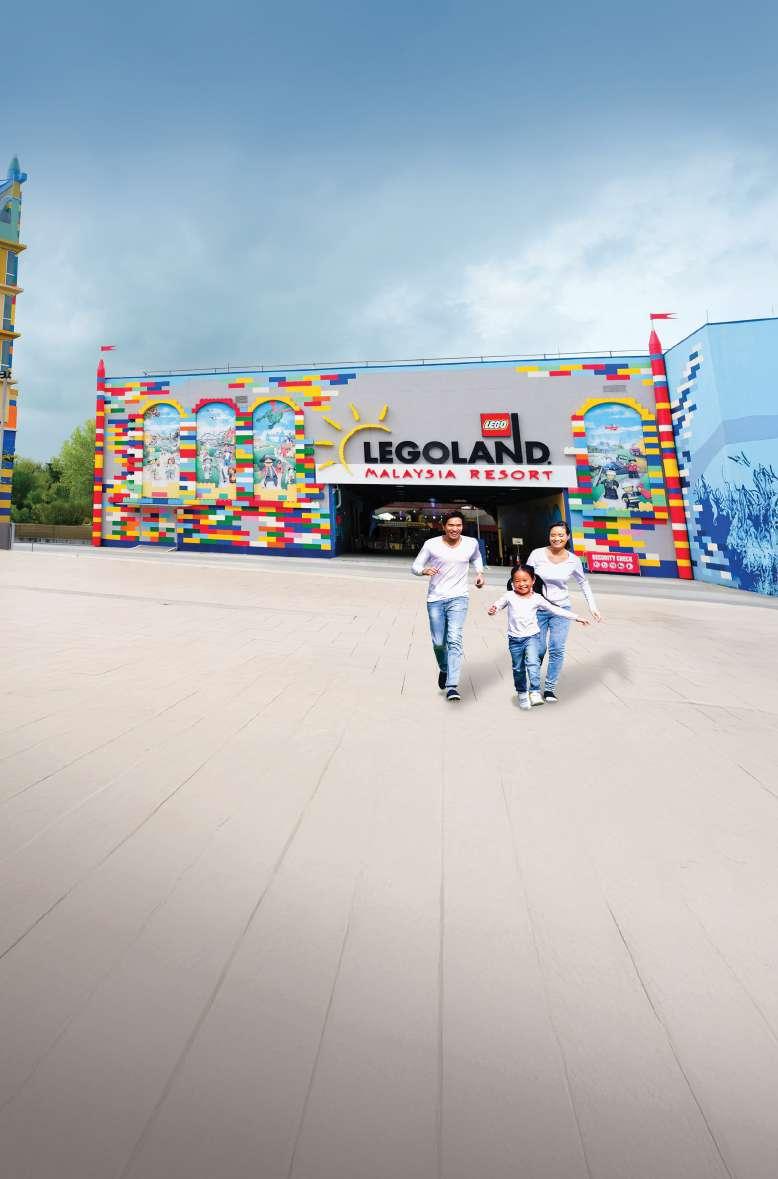
For a completely different kind of chill, we visited Snowland JB (https:// www.facebook.com/snowland.jb/) at Medini Mall. In a twist of irony only Malaysia could provide, you can escape the tropical humidity for a -10°C winter wonderland. It’s a surreal, joyful detour where families bundle up in parkas to slide down ice slopes, right across from Legoland.
Sports enthusiasts have their own cathedral nearby: the Sultan Ibrahim Stadium (https://www.facebook.com/ JDTSultanIbrahimStadium/) – SSI for short. Home to the Johor Darul Ta’zim (JDT) Football Club, this architectural marvel glows at night, with the roof-canopy akin to an arrangement of curved banana leaves, giving the stricture a more organic and less rigid look. Even if you aren’t catching a match, the JDT Hummer Tour offers a swaggering lap of luxury around the grounds. Alternatively, you can take a behind-the-scenes walk through the player tunnels where legends are made.
» A CULINARY DETOUR: GELANG PATAH & YONG PENG
No Malaysian road trip is complete without a pilgrimage to the best food spots in the destination. In Gelang Patah, Restoran Lobstam (https://www.instagram.com/ restoranlobstamviraljohor/) awaits in Taman Nusantara. It’s a rustic, village-styled haven that takes seafood seriously. The star here is the ‘shellout’, a communal feast poured directly onto the table. Although we did not exactly try their shellout, our servings that day were more akin to a kenduri (a traditional Malay banquet) style. The real secret lies in the restaurant’s lobster and the piquant Ikan Siakap Stim Limau. It is honest, messy, delicious fun, and the perfect pitstop for a hearty lunch.
Heading north before cutting east, we stopped at Yong Peng, a town that invites you to slow down. Here, the Kluang RailCoffee (https://www. facebook.com/OriginalKluangRailCoffee) branch offers a slice of history without the heat of the train station. This reimagining of the original kopitiam has a modern setting. Still, the soul remains old-school: thick, aromatic kopi, charcoal-toasted bread slathered with kaya and butter, and half-boiled eggs. It is a breakfast of champions that has fueled generations.
»
THE EASTERN BECKONING: MERSING & THE ISLANDS
Our journey eventually leads to the sea. Mersing is the gateway to an archipelago that rivals any in the
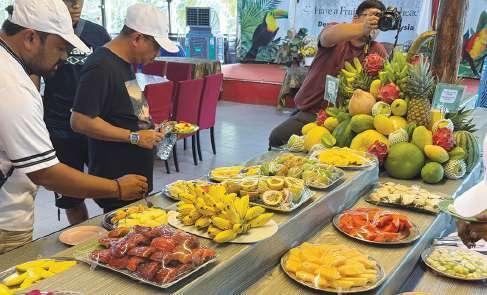
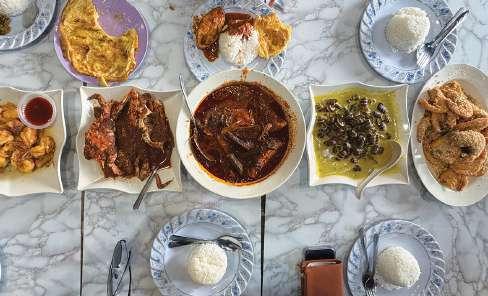
Clockwise from left: Batu Batu Resort seamlessly blends luxury with nature, offering a frontrow seat to the turquoise sea just beyond its balconies; The pristine white sands and turquoise waters fronting Bayu Lestari Island Resort offer a relaxed escape framed by lush rainforest; Visitors feast on the season’s best harvest at the Desaru Fruit Farm buffet, featuring a colourful array of freshly picked tropical delights; Our table at Restoran Lobstam in Gelang Patah was laden with a communal spread of spicy crabs, prawns, and the piquant Ikan Siakap Stim Limau and Ed was enjoying a stand-up paddleboarding session on the pristine shores of Pulau Rawa, a destination that truly lives up to its postcard reputation.
region. Before you hop on a boat, a stop at Kedai Perusahaan Keropok Haji Putih (https://www.instagram. com/keropokhajiputeh_mersing/) is mandatory. The air here is thick with the savoury scent of keropok lekor. These fresh fish and flour sausages are the ultimate road snack; chewy, delicious, and impossible to eat just one.
For a stay that whispers rather than shouts, Kampungstay at Teluk Buih (https://www.instagram.com/ kampungstay_telukbuih/) offers a charming retreat. With only ten “English cottage” style villas, it blends modern comfort with the soul of a fishing village. It’s intimate and quiet, a place to watch the sun dip low over the mangroves.
Then, there are the islands. Pulau Rawa is the stuff of postcards; a private island where the Rawa Island Resort (https:// rawaislandresort.com/) offers a barefoot, family-friendly escape complete with iconic water slides that shoot you straight into the azure sea. Nearby, the trio of Pulau Besar, Pulau Tengah, and Pulau Hujung offers a spectrum of experiences. On Pulau Besar, the rustic wooden chalets of Bayu Lestari Island Resort (https://bayulestari.com/) invite you to a relaxed, classic beach holiday under the palms. Pulau Tengah is the eco-luxe sanctuary, home to the exclusive Batu Batu Resort and a registered non-profit organisation, Tengah Island Conservation. Pulau Hujung remains a wild, uninhabited beauty, perfect for a snorkelling day trip.
» THE GRAND FINALE: DESARU COAST
We end our journey at Desaru Coast (https://www.desarucoast.com/), a destination that has reinvented itself as a premium playground. The stays here are world-class. We visited the Hard Rock Hotel (https://hotel.hardrock. com/desaru-coast/) and saw that it was bustling on a Saturday morning, an indication that it brings a familyfriendly energy that pulses with life. For those seeking wellness, The Westin (https://linktr.ee/westindesaru) provides a restorative beachside calm.
Even budget travellers have a home at the rustic Bayu Balau Beach Resort (https://bayubalau.com.my/), where the local spirit is kept alive. This is an excellent getaway for those who prefer a quiet place in a pristine beachside village.
But Desaru is more than just plush pillows. The Desaru Fruit Farm (https://dff.world/) offers a sweet connection to the earth, where you can tour 180 acres of tropical orchards, ride ATVs, and feast on the season’s best harvest.
From the neon lights of JDT’s stadium to the silent, starry nights on Rawa, Johor is indeed a story of a destination with many facets. It invites you to read it and peel it slowly, one layer, one bite, one wave, and one mile at a time, making it a destination that is not just visually memorable, but majestic in physique and soul…
Gaya Travel Magazine extends a heartfelt gratitude to Tourism Johor (https://tourismjohor.my/) for organising this amazing familiarisation trip and making the writer’s trip to Johor unforgettable.
First Glimpse of Langkawi : A Newcomer’s Guide to What’s Worth Seeing
Langkawi is no longer just a postcard; it’s blossoming into a mosaic of culture, nature, and tucked-away wonders that first-time visitors absolutely need to explore. Here’s a warm, friendly blend of authentic experiences to help you see beyond the usual and fall in love with the real island.
» RUSTIC SHORES & WATERFALL WONDERS
Start your journey north of the tourist hubs, and you’ll find Temurun Waterfall, Langkawi’s tallest cascade. That first glimpse of misty water tumbling against lush green cliffs will take your breath away. Remember to bring swimwear, as early morning dips here are truly magical.
Nearby, Tuba Island is a hidden gem. Slow-paced village roads, creaky kampung houses, and rooftop views of speckled fishing boats. Jump on a scooter and let the sleepy lanes surprise you.
» PADDLES & MANGROVES –A GREEN ESCAPE
Kayaking through Kilim Karst Mangrove, you’ll understand the island’s true heartbeat. Navigate narrow canals as sunlight filters through ancient roots overhead. Keep your eyes peeled for kingfishers, monitor lizards, and maybe even an otter or two.
» LEGENDS AND LANDMARKS: FEATURING MAHSURI’S TOMB, TELAGA TUJUH
For first-timers, no visit is complete without stopping at Makam Mahsuri, the mausoleum of Langkawi’s most enduring legend. The tale of Mahsuri, a wrongly accused woman whose dying curse was said to have brought hardship to the island, is deeply etched into local hearts. Wander through the small museum, admire her tomb, and listen to echoes of a story that still shapes Langkawi’s soul.
Not far off is Telaga Tujuh (Seven Wells), a series of natural pools formed by a waterfall cascading down Mount Machinchang. Brave the stairs, and you’ll be rewarded with a panoramic view and refreshing dips between each rocky ledge. Local lore says the place is guarded by forest spirits, so tread respectfully.
TEMURUN WATERFALL
MAKAM MAHSURI
» PRIVATE VIEWPOINTS –FROM SKY TO SAND
If it’s your first time in Langkawi, SkyCab and SkyBridge are must-do experiences that truly set the tone for what the island is all about. The cable car ride lifts you above ancient rainforests and jagged cliffs, slowly revealing Langkawi’s wild heart from above. Then, traverse the SkyBridge, a curved marvel suspended in the clouds. There, you’ll feel the breeze, the vastness, and the wonder of it all. It’s the perfect way to see Langkawi’s natural beauty unfold right before your eyes.
Come evening, trade the sky for sand at Pantai Pasir Tengkorak, which is less crowded and more heartfelt. This little
beach feels like a secret shared by locals. The waves hush gently at your feet, the trees sway without a fuss, and with a paperwrapped snack or a chilled coconut in hand, time slows just right.
» HIDDEN CULTURE & COASTAL TRADITIONS
For a deeper connection, try “Fish with the Locals” on Tuba Island – throw traditional nets from shore, or hop aboard round basket boats. It’s real, hands-on culture: no glitz, no gimmicks, just salt, surf, and shared stories.
Follow it up with brunch at a seaside café serving freshly grilled fish, the kind seasoned with authenticity, sea breeze, and maybe a kampung cat purring under your table.
PRACTICAL TIPS FOR FIRST-TIME VISITORS
Getting around: Renting a scooter or car is worth it because Langkawi’s quiet roads make exploring easy.
Timing your visit: Beat the heat. Head out early to the mangroves, waterfalls, or villages before 9:00 a.m.
Local encounters: Smile and ask. Fishermen, artisans, and kampung elders love sharing their stories.
Stay hydrated: Always carry a reusable bottle and sun protection—exploring Langkawi is sun therapy.
In short, Langkawi is bound to welcome and embrace you. So, skip the obvious, chase the quiet trails, wave at friendly locals, and keep your camera on standby because you’re about to see the island through new perspectives.
This story is brought to you by Langkawi Development Authority www.lada.gov.my
SKY BRIDGE
TUBA ISLAND
PANTAI PASIR TENGKORAK
Discover Malaysia in Style
Majestic Johor: Beyond the Familiar Names
Text & Images by TUNKU ILYANA
When people speak of Johor, conversations often revolve around the state’s bustling capital city Johor Bahru – the gateway to Peninsular Malaysia for those coming from Singapore – or Muar, a foodie’s paradise famous for asam pedas (spicy sour gravy dish) and otak-otak (grilled ground fish cake mixed with spices and wrapped in leaf parcels). But Johor is actually more than these familiar names. Stretching from inland farms to coastal mangroves, it is a state stitched together by stories both humble and majestic, where every district carries its own rhythm of life.
Over four days, I travelled through Segamat, Kluang, Batu Pahat, and Pontian during the Majestic Johor familiarisation trip organised by Tourism Johor and Gaya Travel Magazine. Along the way, I discovered a Johor that is quieter, greener, and infinitely more soulful, a Johor that lingers in my mind long after the journey ends.
» SEGAMAT –
ROOTS IN THE COUNTRYSIDE
Coming down to Johor from Klang Valley, Segamat was our entry point, and Walters Farm our first stop. This recreational farm seems like a playground for all ages; the farm is part mini zoo, part waterpark, part adventure park. Families flocked to the outdoor water fun area, where children splashed under the sun with squeals of delight. Elsewhere, bumper cars buzz, trampolines bounce, kids’ trains chug happily along, and ATVs rumble over dirt paths. There are even horse rides, colourful chalets for overnight stays, and friendly little animals for feeding sessions. It was easy to see why Walters Farm had become a favourite weekend escape for Segamat locals: fun, wholesome, and just far enough from the city’s rush.
A short drive away, the Railway Monument stands in quiet dignity. It isn’t grand, but in its simplicity lies a reminder of Segamat’s connection to history and journeys once carried by iron tracks.
From there, we wandered through Lorong Seni & Budaya, a lane made vibrant by splashes of colour across walls and pathways. It wasn’t about one specific artwork, but about the mood it created: cheerful, lively, and instantly Instagrammable.
The highlight of Segamat’s town centre awaits at the Dataran Batu Hampar, also known as the Rock Garden. Here stands the striking Monumen Kemahkotaan Johor, crowned with four symbolic cannons and topped with a replica of the Johor coronation emblem. A fountain bubbles at its base, surrounded by landscaped greenery. By day, the monument stands proud under the sun; by night, it transforms into a luminous spectacle, lighted with colourful lights that lure visitors.
Lunch at Port Baung Taman Yayasan followed. The dishes served here are simple but hearty, the kind you
remember not for extravagance but for comfort. By afternoon, we arrived at Kebun Haus Glamping, which possesses a curious blend of canvas tents, fairy lights, and the whispers of nature all around. I realised glamping wasn’t just about staying outdoors, but about rediscovering the luxury of simplicity.
As evening fell, Sunrise Labis Farm welcomed us with a rustic dinner. Lanterns glowed softly, conversations mingled with the sound of crickets, and the air turned cool. It felt cinematic, like the beginning of a story you knew you’d want to tell again.
» LABIS & KLUANG –OF DURIAN AND COFFEE
The next morning brought with it our encounter with the king of fruits, durian, which is divisive because you would either love it or hate it. But here in Labis, surrounded by trees heavy with spiky treasures, there is no room for hesitation when it comes to savouring the fruit. We cracked open the durians with sticky fingers, laughter punctuating every “this one is sweeter” or “that one is creamier.” It wasn’t just about eating; it was about how the
durian brings people together like a festive reunion.
Later, we made a brief stop at Achi Gold Café, a cosy corner that reflected the charm of small-town Johor. The café’s air is filled with the scent of fresh brews and light chatter, the kind of place where time slows down.
By afternoon, we reached Kluang and had a comforting lunch at Kellypojawani, which serves homecooked Johor dishes that feel familiar yet special. Then came the highlight, My Liberica Coffee Farm in Simpang Renggam, where we were greeted with rows of coffee plants thriving under the sun. When we stepped into the mill, the aroma of freshly roasted beans enveloped us. Coffee here isn’t just a beverage; it is heritage, pride, and part of the local identity. As I sipped a cup brewed on-site, I realised how extraordinary the taste of something that we take for granted in daily life can be when it is experienced at its source.
Dinner at Ngepot Kabin, simple yet heartfelt, closed the day before we rested at Hotel Prime Kluang.
Left: Adrenaline rush incoming! Excited for a thrilling ride on the buggy at 53 ATV Park.
Right: Farm-to-table feast! Ending the day with a massive Shellout dinner spread at Sunrise Labis Farm.
Fiery, pungent, addictive in the way that only petai can give. Each bite was a reminder that true comfort is often found in the simplest plates, cooked with heart.
Afterwards, Yok BP Cruise offered a slower rhythm. The boat cuts through calm waters, reflections rippling as we drifted. From the deck, the town revealed itself differently, appearing gentler from the water and more contemplative.
Our adventure continued at 53 ATV Park, where the roar of engines and the rush of adrenaline set the mood. Riding through sandy tracks and uneven ground brought a different thrill, contrasting beautifully with the slower pace of the cruise. By evening, we headed to Pantai Minyak Beku, where the sun slipped gracefully into the horizon. The sky turned gold, then orange, then dusky pink. The sunset seemed to pause time itself.
» BATU PAHAT –COLOURS AND COASTLINES
Our third morning began with a hike up Gunung Lambak. The trail isn’t punishing, but the morning mist and birdsong give the atmosphere a magical quality. Each step upward felt like shedding the weight of hurried life, replacing it with calm. At the summit, the view wasn’t just scenic, it was grounding. Back at Hill & Heal Café, breakfast tasted richer for the effort made.
By mid-morning, we were on the road to Ayer Hitam, home to the bustling Bazar Arena Warna. Known among locals and visitors alike, this marketplace is a treasure trove of small business, a space where Johor’s industrious spirit thrives. Stalls brim with handicrafts, ceramic goods, local snacks like chips and crackers, fresh flowers, ornaments, traditional dodol (sticky, chewy, and caramel-like local confection), cakes, and seasonal fruits.
Walking through the bazaar is an experience of its own: colours spill from one stall to another and vendors call out with warm smiles, while the air is thick with the aroma of local delicacies.
It struck me that Arena Warna wasn’t just a place to shop, but a way to connect with the community. Every purchase, whether a packet of crackers or a handcrafted vase, feels like a direct contribution to the livelihoods of small traders who keep Johor’s traditions alive.
Later, in Batu Pahat, we stopped for lunch at Pak Lurah Bistro, a place that felt like coming home to savour authentic kampung cooking. Our table was quickly covered with dishes of familiar flavours: gulai lemak (creamy and spicy coconut-based stew), fried fish, and stir-fried greens, each one carrying the warmth of Johor’s culinary heritage. But it was the sambal udang petai (sweet and spicy shrimp cooked with stink beans) that stole my heart.
Night fell with the hum of the Vintage Market. Stalls brimmed with trinkets, chatter filled the air, and the buzz of community was strong. When we finally arrived at Barokah Sri Village for overnight rest, fatigue melted into comfort. This village balances tradition with modern touches, offering soporific hospitality.
» PONTIAN –AT THE EDGE OF ASIA
Our final day led us to Pontian, where we visited Amanda Pineapple in Ayer Baloi. Here, the experience was more than just seeing rows of spiky crowns in the field. We had the chance to plant pineapples ourselves, appreciate the patience needed to nurture a fruit that the world so often enjoys in seconds. Afterwards, we tasted freshly cut pineapples from the farm, their sweetness sharp and refreshing, and sipped on pineapple juice so pure it needed no sugar. There was also bird’s nest served alongside the drink, delicate and nourishing, but it was the juice, with its honest and unadulterated
Left: A calm spot to unwind after the hike, with fresh air and rustic charm in every corner.
Right: Chip heaven! An endless aisle of colorful local crackers and snacks at Ayer Hitam’s famous bazaar.
sweetness drawn straight from the fruit, which lingered in my memory.
What made it even more special was knowing that this wasn’t an experience locked behind glass doors; anyone passing through Ayer Baloi can easily savour it. Along the roadside, stalls brim with pineapples of every shape and size, offered by local traders whose livelihoods are rooted in this land. If you find yourself here, stop and pick up a fruit or two, not just for the taste, but for the story of Pontian that comes with it.
Lunch at Legasi Engkong Johor evoked nostalgia. Here, the recipes are preserved across time; the dishes are cooked with a sense of legacy. Every bite feels like partaking in a story much older than I.
But it was Tanjung Piai that left me with the deepest impression. Standing at the southernmost tip of mainland Asia, I gazed out at the meeting point of the mangroves and the sea. It wasn’t just geography; it was perspective. To be at the edge of a continent is to feel small yet connected, a reminder of how vast the world is and how precious are places such as this.
At last, our journey ended at Jermanpine Café. But little did I know, this final stop would be one of the most memorable. From the outside, it looked like a cosy family café, but stepping in revealed something I had never encountered before: a mini swimming pool for children, right in the heart of a dining space. The sound of splashing water mixed with the clatter of cutlery creates a kind of joy you can’t describe. It is whimsical, almost surreal, and even makes me smile.
Then came the adventure. We climbed onto all-terrain vehicles (ATVs) and rode out towards the café’s very own pineapple plantation and tart factory. The air smells faintly sweet as rows of pineapples glisten under the sun. Inside the factory, we watched the
From Top: Lunch with heritage Nasi ambeng at Legasi Engkong Johor, a Pontian classic served the way families have enjoyed it for generations; Middle : Nature’s gold! Getting a close look at the amazing nest of stingless bees and their honey products; Bottom: Farm life looks good! Exploring the pineapple fields and learning to harvest at Amanda Pineapple.
process unfold as the pineapples were turned into golden jam, pastry shells carefully filled, and trays were slid into ovens. And then came the moment: pineapple tarts, still warm, straight from the oven. I bit into one. Buttery, fragrant, molten with jam and for a second, everything else faded away. It wasn’t just a tart; it was Johor itself, wrapped into one perfect bite.
Back at the café, we sat down for a meal. The menu at his café is generous, from local hot dishes to Western favourites, a reflection of Johor’s openness to both tradition and variety. Families chatted, children played, plates arrived steaming from the kitchen. It feels less like a café, and more of a gathering place, the kind you return to not just for the food, but for the memories it creates.
If you ever find yourself in Pontian, don’t just pass through. Swing by Jermanpine Café. Ride its ATVs, taste the tarts, let your children swim, while let yourself linger. Because sometimes, the places we least expect end up being the ones we carry home with us.
» A DIFFERENT JOHOR
Travel teaches us that beauty often lies in the unexpected, in small towns, in quiet corners, in simple meals. Johor is full of these moments, waiting for those willing to look beyond the obvious. What makes it majestic is not only its landscapes, but the way it makes you feel balanced, welcomed, and alive.
And perhaps that’s why you should come to Johor, especially to the districts of Segamat, Kluang, Batu Pahat, and Pontian . Not to rush through destinations, but to sit, taste, wander, and let Johor reveal itself in its own quiet ways, which grows on you and stays with you forever…
Gaya Travel Magazine team members express our heartfelt gratitude to Tourism Johor for making the writer’s trip to Johor possible and smooth-sailing.
Where to Eat (and Explore) on an N9–Melaka Road Trip
Looking for a short, easy getaway with great food and heritage experiences? A road trip from Negeri Sembilan to Melaka is the perfect option. Just a few hours’ drive from Kuala Lumpur, this route combines local flavours, cultural highlights, and scenic spots, making it ideal for Gen Z travellers who love casual, spontaneous trips.
Here’s a quick guide on where to eat and explore along the way.
Text by TUNKU ILYANA Images by TUNKU ILYANA & GAYA TRAVEL MAGAZINE
NEGERI SEMBILAN
» AKASIA BY KERONGSANG EMAS, SEREMBAN
Start your morning at Akasia by Kerongsang Emas, a cosy warung in Seremban that serves one of the most satisfying breakfasts in Negeri Sembilan.
Their menu includes local favourites such as lempeng with spicy sambal, lontong, nasi dagang, nasi lemak, and laksam. Western options like spaghetti carbonara, bolognese, lasagna, and desserts such as bread pudding and kek batik indulgent are also available.
The café is family-friendly, with a small mini zoo that kids will enjoy. The environment is calm, a nice place to enjoy breakfast before continuing your drive.
Address:
Lot 707, Batu 6½, Jalan Pantai, Seremban
Best time: 8:00 AM – 10:00 AM
» HOMESTAY RAWA, LENGGENG
From Seremban, drive about 30 minutes to Homestay Rawa in Lenggeng. A peaceful kampung known for its warm hospitality and traditional
activities.
Visitors can join cooking demonstrations led by villagers, including how to make dodol cair (soft dodol) and ayam masak lemak cili api. Both are cooked the traditional way, using firewood and large woks.
The homestay also offers horse-riding activities, perfect for families travelling with children. It’s a great stop to experience authentic local life and learn about Negeri Sembilan’s culinary culture.
Address: Lot 23, Kampung Rawa Hilir, Lenggeng
Best time: Late morning to afternoon
»
MUZIUM NEGERI SEMBILAN, SEREMBAN
Before leaving Seremban, drop by the Muzium Negeri Sembilan, the state’s main heritage museum showcasing Minangkabau architecture and local traditions.
The museum features exhibits on Negeri Sembilan’s history, culture, and crafts. Occasionally, visitors can join makan bersilo sessions. It’s a simple yet meaningful way to experience the local food culture.
Address: Jalan Sungai Ujong, Seremban Best time: 10:00 AM – 12:00 PM (Closed on Mondays)
» WAK LEMPENG, SEREMBAN
Another breakfast stop worth trying is Wak Lempeng, a popular eatery in Kampung Pantai. Locals come here for their lontong darat, nasi ambeng, and kacang pool.
The setting is simple and relaxed. A true kampung-style dining experience where food is made fresh every morning.
Address: Lot 439A, Jalan Pantai, Kampung Pantai, Seremban Best time: 7:30 AM – 9:30 AM
» UNCLE WONG HAPPY FARM, LUKUT
For a short break before reaching Melaka, stop by Uncle Wong Happy Farm in Lukut. It’s a family-friendly attraction where you can feed animals, try ATV rides, and take fun outdoor photos.
This stop is great if you’re travelling with kids or simply want a quick outdoor detour before continuing your trip south.
Address: Lot 11886, Bukit Permata, Lukut
Best time: 3:00 PM – 5:30 PM
Clockwise from top, left: Guests can experience a taste of local culture with a cooking demonstration alongside the village residents. Definitely a must-try! The Lempeng at Warung Akasia is seriously good and Welcome to Uncle Wong Happy Farm! This view captures the entrance and part of the activity area, giving you a glimpse of the fun and adventurous spot where all the action starts.
MELAKA
» EXPLORING MELAKA CITY
Once you arrive in Melaka, start exploring the city’s historical landmarks around Bandar Hilir.
Here are some must-visit spots:
• The Stadthuys & A Famosa: Iconic Dutch and Portuguese landmarks that represent Melaka’s colonial past.
• Jonker Street: Perfect for evening walks, shopping, and trying street snacks.
• Masjid Selat Melaka: Known as the “floating mosque,” it offers stunning views during sunset.
• Menara Taming Sari: Take a 360° ride for panoramic views of Melaka city.
• Beca Ride: Hop on a colourful trishaw for a fun city tour, each one decorated with lights and themed designs.
Area: Bandar Hilir, Melaka City Best time: 4:00 PM – 6:30 PM
» ASAM PEDAS CLAYPOT, KOTA LAKSAMANA
After exploring, head to Asam Pedas Claypot in Kota Laksamana for dinner. It’s one of Melaka’s most popular spots for the state’s signature dish, Asam Pedas.
The dish is served bubbling hot in a claypot, with a tangy and spicy broth that pairs perfectly with white rice. Choices include ikan pari, ikan jenahak, and tetel.
Address: Kota Laksamana, Melaka
Best time: 7:00 PM – 9:00 PM
» MELAKA RIVER CRUISE
End your day with a relaxing Melaka River Cruise. The 45-minute boat ride passes through the city’s main attractions. Vibrant street art, colonial buildings, and riverside cafés.
At night, the lights reflect beautifully on the water, creating a calm and scenic experience to wrap up your trip.
Departure Point: Muara Jetty or Taman Rempah Jetty
Best time: 7:00 PM – 8:00 PM
FINAL TIPS FOR YOUR ROAD TRIP
• Plan your journey to start early in Seremban and reach Melaka by evening.
• Bring cash because some local eateries and stalls may not accept e-wallets.
• Dress comfortably for outdoor activities, especially in Homestay Rawa and Lukut.
• Don’t rush. Part of the charm of this trip is taking time to explore each stop. This N9–Melaka route offers a balance of food, fun, and culture.
From kampung-style breakfasts in Negeri Sembilan to riverside nights in Melaka. Whether you’re travelling solo, with friends, or as a family, this easy weekend drive is proof that memorable adventures can be found just a few hours from home.
Gaya Travel Magazine team members extend our heartfelt gratitude to Tourism Malaysia for making the writer’s trip to Negeri Sembilan & Melaka possible and smooth-sailing.
8 Must-Visit Experiences in Kuala Lumpur
Text & Images by TUNKU ILYANA
Kuala Lumpur often comes with familiar images: glittering skyscrapers, bustling malls, and the endless hum of traffic weaving through its veins. But beneath that polished surface lies a city layered with stories, flavours, and quiet surprises. Where alleys whisper tales of the past, art spaces bloom with modern creativity, and even the forest canopy makes room for you to breathe again.
To wander KL with an open heart is to see it in fragments that slowly form a whole: the taste of hand-pulled noodles, the murmur of morning coffee, the vibrance of lanterns overhead, the hush of treetops swaying above. If you wish to truly know this city, these are the experiences you must not miss.
Previous page: A beautiful piece of cultural street art, often found celebrating the local heritage and characters of KL’s historic lanes. This mural features a man playing the Erhu (Chinese two-stringed fiddle), blending seamlessly with the surrounding textures.
This page, from left: Irama Dining KL – A cozy spot blending traditional charm with modern comfort; Authentic kampung-style dishes that bring the flavours of home to your plate and the path to breathtaking heights – a walk leading up to the Skywalk adventure.
Bottom page: A bird’s-eye view from the Skywalk, where the city unfolds beneath your feet.
WHAT TO DO
» BEGIN THE MORNING AT LUCK BROS KOPI, PETALING STREET
The day here doesn’t begin with the rush of traffic or the glare of glass towers. It begins in a shophouse café, just steps away from Four Points by Sheraton Kuala Lumpur, Chinatown. At Luck Bros Kopi, ( https://www.instagram.com/ luckbrosmy/?hl=en) breakfast isn’t just about kaya toast and kopi-0; it’s about reliving the nostalgia of a Chinatown morning, where time slows down for just a while.
Sit by the window and watch as the neighbourhood wakes: shop shutters rolling open, vendors setting up their wares, and sunlight gently spilling onto the five-foot ways. In that quiet hour, KL reveals its heart: simple, familiar, and unhurried.
Travel Tip: Just a five-minute walk from MRT Pasar Seni.
» DISCOVER THE INDIE SPIRIT AT THE ZHONGSHAN BUILDING
Just a short drive away lies a different world. The Zhongshan Building (https://www.facebook.com/ thezhongshanbuilding/) in Kampung Attap is more than a repurposed 1950s shophouse; it is a beating heart of KL’s creative scene.
Standing at its entrance, the towering presence of Merdeka 118 looms in the distance, a visual reminder of how this city constantly balances the old and the new. Zhongshan is where you come not just to see art, but to feel the pulse of a younger, bolder Kuala Lumpur writing its own narrative.
Travel Tip: Take MRT to Pasar Seni, then hop on a short Grab ride (5 minutes). Walking is possible, but easier with e-hailing in the heat. Check the social media for ongoing exhibitions or pop-ups
This page from left: Witness the stunning ‘Cosmic Whale’ exhibit at Immersify Kuala Lumpur. This digital installation features vibrant, immersive 360-degree projections, blurring the lines between art and reality; Chasing the perfect durian Durich KL in Chinatown has you covered and a nostalgic stroll through Kwai Chai Hong’s heritage lanes. Next page, from the top: A cozy retreat awaits – the bedroom at Four Points by Sheraton Chinatown and wake up to this view – the iconic Menara 118 gracing the Kuala Lumpur skyline.
» LOSE YOURSELF IN LIGHT AT IMMERSIFY KUALA
LUMPUR
Step into Immersify Kuala Lumpur (https://immersifykl.com/ ) at Lalaport, and the city outside dissolves into another universe. Here, technology meets imagination across 11 themed zones: glowing gardens, neon jungles, and cascading waterfalls of light, including immersive tributes to Van Gogh, Monet, and Klimt.
The space is alive with colour, sound, and movement. A 12-metre-high 360° hall swallows you whole, and for a few moments, you are not a spectator but part of the art itself. Children laugh, cameras click, and yet there is also room for quiet wonder. In a city that often rushes, Immersify insists you stop and simply marvel at the exhibition.
Travel tip: Directly accessible via MRT Hang Tuah or BBCC/ Lalaport station. Wear light or white clothing, it makes your photos glow beautifully against the digital backdrops.
» SAVOUR HERITAGE AT IRAMA DINING
Lunch at Irama Dining ( https://www. iramadininggroup.com/restaurants/ irama/) is a celebration of flavours that straddle past and present. The restaurant offers traditional Malaysian dishes elevated with modern touches – refined plating without losing soul.
Each bite feels like a story retold: recipes that carry whispers of kampung kitchens, now dressed for the urban table. It is a reminder that in Kuala Lumpur, heritage is not a relic to be preserved in glass, but something living, adaptable, and always delicious.
» WALK THROUGH MEMORY AT KWAI CHAI HONG
Hidden behind Lorong Panggung is Kwai Chai Hong, (https://www. kwaichaihong.com/), a restored alleyway where the past lingers in vibrant strokes of paint. Murals breathe life into the stories of 1960s Chinatown: children playing on the street, uncles sipping kopi, women in cheongsam strolling past.
It is history made playful. Interactive, colourful, and free for anyone to experience. As the sun dips, lanterns glow overhead, casting a soft light that makes the whole place feel like a scene from another time. In Kwai Chai Hong, memory is not something distant; it is something you can step into, touch, and carry with you.
Travel tip: Just a short walk from MRT Raja Chulan or Bukit Bintang. Make a reservation for groups, and don’t be shy to ask the staff about their signature dishes.
Travel tip: Only a two-minute walk from MRT Pasar Seni, and right across the street from Four Points by Sheraton. Visit in the late afternoon and stay until evening to enjoy both daylight and lantern-lit ambience.
» EMBRACE THE CHAOS AT PETALING STREET
If Kwai Chai Hong whispers, Petaling Street shouts. This is the KL that never sits still: stalls overflowing with trinkets and clothes, wok fires flaring as hawkers fry noodles, voices bargaining over the price of souvenirs. The air is thick with aromas of smoky char kway teow, sweet cendol, and roasted chestnuts.
It is messy, loud, and utterly alive. To walk Petaling Street at night is to feel the city’s pulse. A little overwhelming, a little chaotic, but intoxicating all the same. This is where Kuala Lumpur bares its teeth, and somehow, you can’t help but love it.
Travel tip: Located right beside MRT Pasar Seni.
» TASTE THE TRADITION AT MEE TARIK & TRY THE KING OF FRUITS
For dinner, simplicity reigns supreme at Mee Tarik Restaurant. (https://www. instagram.com/zhanglalameetarik/?hl=en). Watch as the noodles are hand-pulled, stretched, and twisted. There is beauty in the skill – fast, precise, almost like a dance – and comfort in the taste that follows.
And then comes the durian. No visit to Kuala Lumpur is complete without this bold experience. Whether you adore or dread its pungent aroma, durian hunting is a must at Durich KL (https:// www.instagram.com/durich_kl/?hl=en).
Travel tip: Bring wet wipes because the smell loves to linger. Try rubbing your durian-tainted fingers against the whitish durian locules under running water to remove the scent, which might or might not work (at least you have given a try).
The fruit is buttery, sweet, and divisive, a taste of Malaysia in its purest, unapologetic form.
» FIND STILLNESS AT FRIM
SKYWALK
When the noise of the city grows too much, head to FRIM Skywalk (https:// www.instagram.com/frimkepong/?hl=en) in Kepong. Suspended 30 metres above ground, the walkway allows you to drift among treetops and admire the lush tropical greenery from the above.
Here, the chaos fades and is taken over by the sounds of birds and rustling leaves. You can see the city from a distance, softened by a veil of green; for a while, Kuala Lumpur seems gentler. It is proof that this metropolis, despite its relentless pace, still makes room for stillness.
Travel tip: Nearest MRT is Kepong Sentral, then a 10-minute Grab ride to FRIM. Wear good walking shoes. Morning visits are cooler and less crowded.
WHERE TO STAY
» FOUR POINTS BY SHERATON KUALA LUMPUR, CHINATOWN
To explore the heart of Kuala Lumpur, location is everything. Four Points by Sheraton Kuala Lumpur, Chinatown (https://www.facebook.com/ FourPointsKualaLumpurChinatown/) offers exactly that, perched right in the middle of KL’s historic quarter. From here, Petaling Street is just steps away, Kwai Chai Hong is directly opposite, and even your morning coffee at Luck Bros Kopi is within a short stroll.
The hotel itself is a balance of comfort and modern design yet infused with local flair. Its rooms overlook either the old charm of Chinatown or the city’s glittering skyline.
Travel tip: The hotel is directly connected to MRT Pasar Seni station. Request a room facing the skyline to take in the city lights at night from your window, which possesses its own kind of magic.
Kuala Lumpur is not one thing; it is many. It is the clatter of cups in a kopitiam and the hush of a rainforest canopy. It is hand-painted murals and neon-lit art halls. It is noodles pulled by hand and skyscrapers piercing the sky.
To experience KL is to embrace its contrasts – wander both its alleys and its malls; eat both street food and fine dining; see both heritage walls and futuristic screens. In just 48 hours, you may not know everything about this city, but you will understand this: Kuala Lumpur is alive, layered, complex, and awaiting you with open arms…
Gaya Travel Magazine team members express our heartfelt gratitude to Tourism Malaysia (https://www.malaysia.travel/) for making the writer’s exploration of Kuala Lumpur possible and smoothsailing.
Sepang: Selangor’s Emerging Tourism Gem
Often seen merely as Malaysia’s main entry point—thanks to the Kuala Lumpur International Airport (KLIA) and the world-renowned Sepang International Circuit—Sepang is more than a transit hub. This district in Selangor quietly offers a trove of culture, local flavours and distinctive experiences waiting to be explored.
Text & Images by AISYAH RAZALI
Above: Panoramic view of Golden Palm Tree Sepang during sunset.
Bottom: Hilltop Cuisine, Kota Warisan has a ‘stairway to heaven’ installation for patrons’ pleasure.
»
MÖVENPICK HOTEL & CONVENTION CENTRE KLIA
Just minutes from KLIA, the Mövenpick Hotel & Convention Centre KLIA is a striking structure designed by one of Malaysia’s foremost architects Hijjas Kasturi. The hotel’s architecture takes inspiration from the silhouette of hands raised in prayer, blending Islamic design elements with a sleek modern façade.
More than just a transit hotel, Mövenpick is a popular choice for travellers seeking comfort within a syariah-compliant (Islamic law–observant) and alcohol-free environment. The hotel features separate swimming pools for men and women—an uncommon amenity among international airport hotels— making it especially appealing for Muslim travellers.
» HL DRAGON FRUIT ECO FARM
HL Dragon Fruit Eco Farm is a vibrant agro-tourism destination offering hands-on experiences. Visitors can explore four varieties of dragon fruit—Red Ruby, Honey White, Yellow King and Pink Ruby—through guided tours and interactive activities such as fruit-picking, pollination, planting and DIY workshops.
The farm also houses a café and restaurant serving creative dragon fruit–based dishes, including nasi lemak buah naga (dragon fruit–infused rice steamed with coconut milk accompanied by traditional spicy condiments), nitrogen-cooled drinks with dramatic visual appeal, and dragon fruit bread served with chicken curry. A standout is the chicken dish prepared using dragon fruit enzymes
for a tangy twist.
The highlight of the visit is the world’s largest dragon fruit–shaped structure, officially recognised by the Guinness World Records. Inside, visitors are treated to a glowing visual exhibition that brings the history and heritage of Sepang to life using glow-in-the-dark paint.
» SEPANG INTERNATIONAL CIRCUIT (SIC)
A visit to the Sepang International Circuit is a thrilling experience, especially for motorsport enthusiasts. Hosting international events such as MotoGP and Formula 1, the circuit offers rare behind-the-scenes access.
One of the key attractions is the control room, referred to by the management as the heart of SIC, where race operations—including monitoring, communications, and safety—are meticulously managed. Visitors can also explore the media centre, which buzzes with international journalists during race seasons. The visit provides a newfound appreciation for the intricacies of managing a world-class racing venue.
» NATIONAL AUTOMOBILE MUSEUM
Located within the circuit grounds, the National Automobile Museum is more than a collection of vintage cars—it’s a time capsule of Malaysia’s automotive evolution. From classic models to early national cars, the museum showcases the journey of local engineering and vehicle design.
Highlights include a lineup of firstgeneration Proton Saga and Perodua Kancil models, rare prototypes never released commercially, vintage motorcycles, and engine displays that trace the country’s industrial growth. The exhibits go beyond technical specs, offering insights into how these vehicles shaped everyday Malaysian life.
» HILLTOP CUISINE, KOTA WARISAN
Perched on a hill in Kota Warisan, Hilltop Cuisine is known for its relaxed ambience and scenic sunset views. Its signature shellout seafood platter—a generous mix of prawns, crabs, squid and clams in a spicy-sweet sauce—is a local favourite.
» BANGHURIS HOMESTAY
For a more immersive village experience, Banghuris Homestay invites guests to live with local host families in a traditional kampung (village) setting. The warmth of hospitality, often likened to being cared for by one’s own parents, includes nostalgic breakfasts that evoke childhood memories.
Formed by the union of three villages—Kampung Bukit Bangkong, Kampung Hulu Chuchuh, and Kampung Hulu Teris—Banghuris offers agro-tourism packages with hands-on activities like rubber tapping,
coffee planting, weaving, and the production of kerepek (local crisps) at Agro Chips.
» SAUDAGAR NANAS
What began as a modest pineapple farm has grown into a sustainable agro-business led by 46-year-old Mr. Hardy. Despite challenges during the pandemic, Saudagar Nanas now boasts a processing facility, café and educational centre.
Spanning 14 acres, the farm cultivates premium pineapple varieties, for instance, MD2, Yankee, Maspine Jambul Emas, and Keningau Diamond. Embracing full recycling practices, pineapple skins and waste are repurposed into by-products, enhancing sustainability.
Visitors can join baking classes that incorporate pineapples into cakes and biscuits. The on-site bakery and café open as early as 7 a.m., greeting guests with the enticing aroma of freshly baked pastries.
Previous page: clockwise from top, left: Nasi Lemak Buah Naga ; Among the cars on display at the National Automobile Museum; Rubber tapping at Banghuris Homestay and The entrance of Sirip Biru Jetty.
This page: Enjoying sunset at Golden Palm Tree Sepang.
» H.M. SERI BAGAN FLOATING RESTAURANT
Known for its freshly cooked seafood, H.M. Seri Bagan Floating Restaurant is famed for its chilli crab, served generously with thick, flavourful sauce and tender crab meat.
» SIRIP BIRU JETTY
Located along the Sepang River, which borders Selangor and Negeri Sembilan, Sirip Biru Jetty offers a unique getaway. Floating chalets here cater to families or groups of 10 to 20, with overnight stays priced between MYR700 and MYR800.
A key activity is the one-hour river cruise through Little Amazon, a lush waterway flanked by verdant mangrove trees and home to natural wildlife in the Sungai Tuntung area.
» GOLDEN PALM TREE SEPANG
Although the resort was undergoing renovations during our visit to enhance guests’ experience, Golden Palm Tree Sepang, (formerly AVANI Sepang Goldcoast Resort) retains its warm hospitality. Guests are welcomed with cool towels at the lobby, a truly appreciated gesture in dealing with Malaysia’s midday heat.
Gaya Travel Magazine is grateful towards Projek Travel for making the writer’s trip possible and smooth-sailing.
Into the heart of Negeri Sembilan’s Wild Beauty
The Forestry Department of Negeri Sembilan, in collaboration with Gaya Travel Magazine, recently uncovered the eco-tourism gems found in the Malaysian state of Negeri Sembilan, popularly known for its spicy yellow gravy dishes cooked with coconut milk and turmeric, as well as its unique matrilineal culture called Adat Perpatih
The journey began under the towering canopy of PD Forest at Sungai Menyala, a place where silence is broken only by the rustle of leaves and the distant call of birds.
» 1. The Sun Clock
Unlike any ordinary landmark, this timepiece is carved from marble and designed with precision. It doesn’t just tell the hour but it also points to the Qibla and marks the passing of months through the movement of shadows.
From there, the path led to Ecology Plot 102, a living library of the rainforest. Giant trees rise like guardians, their roots weaving into the earth, competing for sunlight in an endless race of survival. Each seed that falls, each winged fruit that spins down to the forest floor, carries a story of resilience.
» 2. Ecology Plot 102
Some will grow, others will wither, but together they sustain the delicate balance of the ecosystem. It is here that researchers patiently study growth, decay and renewal where a cycle that has been unfolding for centuries.
» 3. Entrance of Gua Batu Maloi
Then came the thrill of Gua Batu Maloi. Unlike the open expanse of the forest, the cave demanded courage. To enter was to crawl through narrow passages, squeeze between ancient granite boulders, and sometimes submerge in cool, flowing water.
» 4. The inside of Gua Batu Maloi
The darkness pressed close, but every step deeper revealed the raw power of the earth, sculpted by time and water. It was exhausting, yes, but equally exhilarating where the kind of challenge that leaves you breathless and proud.
» 4. Entrance of Jeram Enggang and Jeram Tiga Lapis
Nature’s softer side awaited at the waterfalls. Jeram Enggang and Jeram Tiga Lapis felt like twin siblings where both of them had their own rhythm, yet sharing the same untamed energy.
» 5. Jeram Enggang Waterfalls
Jeram Enggang greeted us with cascades that tumbled gracefully over mossy rocks, while Jeram Tiga Lapis lived up to its name with three striking tiers, each offering a natural pool where weary explorers could pause and cool off. Together, they embodied both power and serenity, a refreshing reminder of the forest’s generosity.
» 6. Jeram Tiga Lapis Waterfalls
Jeram Berungut, on the other hand, was an adventure in itself. The journey there required wading through streams and slipping past boulders, but the reward was unlike any other.
» 7. Jeram Berungut
The waterfall, tucked deep within the forest, seemed hidden on purpose. As though only the most determined could witness its beauty. Its waters roared in defiance, echoing through the gorge, creating a wild symphony that stirred both awe and adrenaline.
Finally, there was Latar Kijang, a place where time seemed to slow down. Unlike the Jeram Berungut, this waterfall carried an air of elegance. Its tall, silvery curtain of water descended into a tranquil pool, inviting not just a swim but reflection.
» 8. Latar Kijang Waterfalls
Surrounded by lush greenery, it felt almost sacred. A sanctuary where nature whispered instead of shouted. The adventure didn’t stop at exploration. A survival session in the forest taught us to look at the wild differently.
Learning how to find direction from the sun, identify useful plants, and respect the land reminded me that survival is not about conquering nature, but about coexisting with it.
By the end of the journey, I realised Negeri Sembilan isn’t just a destination but it’s a classroom, a playground, and a sanctuary all at once.
From the precision of the Sun Clock to the mystery of Batu Maloi, from the roaring waterfalls to the quiet wisdom of the forest, every stop had its own story. Together, they wove an unforgettable adventure. One that connects you not only to the land, but to yourself.
Gaya Travel Magazine team members extend our heartfelt gratitude to the Forestry Department of Negeri Sembilan for making the writer’s trip to the state’s eco-tourism gems possible and smooth-sailing.
Experience Kedah
Kedah is a place where ancient civilisations forged iron, traders from India and Persia once anchored their ships, folklore still walks at dusk, and nature remains generously unspoilt.
Kedah does not shout for attention. It never has. Instead, it reveals itself slowly, like a well-thumbed manuscript with margins full of stories. Known affectionately as Malaysia’s Rice Bowl, this northern state offers far more than green paddy fields rippling under vast skies.
Anchored by its understated capital, Alor Setar, Kedah blends agricultural heritage, archaeological wonders and island escapes with an easy confidence. It is both grounding and surprising, a destination that rewards curiosity rather than haste.
Here are just some of the must-visit places that one has to go when in Kedah!
» PEKAN RABU
(www.facebook.com/ pekanrabualorsetarkedah/)
Located at the heart of Alor Setar, Pekan Rabu began operating in the 1920s as a modest Wednesday market, founded to encourage Malay participation in commerce. Among its early traders was a young Tun Dr Mahathir Mohamad, who would then become Malaysia’s fourth and seventh Prime Minister, selling goods during the Japanese Occupation.
Today, Pekan Rabu is a bustling daily affair, housed in a modern complex yet still deeply traditional. Locals shop for bahulu and pekasam while visitors seek handicrafts and the iconic “Tun-style” songkok. It remains the place where commerce and community meet naturally.
» ZAHIR MOSQUE
(www.facebook.com/masjidzahirofficial/)
Nearby, the Zahir Mosque rises with dignified grace. Built over a century ago and inspired by North Sumatra’s Azizi Mosque, its five black domes and Moorish façade have earned it a reputation as one of Malaysia’s most beautiful mosques. Still very much active, it continues to host the annual State Quran Recitation, anchoring spiritual life in the city.
» PASAR BISIK
Situated along Kedah’s coast, Pasar Bisik offers a rare cultural experience. Known as the ‘Whisper Market’, this seafood trade began around 1946, allowing fishermen to sell their catch quickly through discreet, whispered negotiations.
Although briefly replaced by an open auction system, the whispering trading tradition returned after the 2004 tsunami and remains popular today. Buying seafood here is less about the transaction and more about witnessing a centuries-old trading culture that has quietly endured.
PEKAN RABU
ZAHIR MOSQUE
» SUNGAI BATU ARCHAEOLOGICAL SITE KEDAH TUA
(linktr.ee/ancked)
Few sites are as revelatory as Sungai Batu in Kuala Muda. Archaeological research has scientifically confirmed the existence of the Kedah Tua (Old Kedah) civilisation as early as 788 BCE, with evidence of organised industry even earlier.
Excavations reveal iron smelting furnaces, tuyere pipes, harbour piers and a harbour master complex, suggesting a technologically advanced and well-structured society. A ritual site nearby indicates continuous religious use from animism through HinduBuddhist traditions.
Today, Sungai Batu has evolved into a dynamic archaeotourism destination. Guided tours incorporate QR codes and AI-generated reconstructions, allowing visitors to visualise this historical site during its height. Hands-on activities, from mock excavations to brick-making, make history tangible and engaging, particularly for younger travellers.
Located near Sungai Petani, the Bujang Valley Archaeological Museum offers a fascinating glimpse into Kedah’s early role as a maritime trading powerhouse from the second to the 14th century. As Malaysia’s first archaeological museum, it houses Hindu-Buddhist figurines, pottery, beads and votive tablets uncovered through decades of excavation.
A short walk from the museum reveals ancient temple ruins such as Candi Bukit Batu Pahat and Candi Pengkalan Bujang, quietly emerging from the landscape like punctuation marks in a long, unfolding story.
SUNGAI
BATU
ARCHAEOLOGICAL SITE
KEDAH TUA
» SUNGAI MERBOK RIVER CRUISE
(Call or Whatsapp: +60124987923 or +60104044636)
The Merbok River once powered Kedah Tua’s economy, bustling with ships from across the ancient world. The Merbok estuary river cruise offers the chance to imagine that past while enjoying the present.
This 90-minute journey glides through mangrove forests, which is home to rare flora and abundant birdlife such as Brahminy kites and kingfishers. Visitors may also spot the unique langai fishing system, where mangrove trees are cleverly adapted with nets to gather fish, a technique found nowhere else in Malaysia. It is both a scenic and educational experience, underscoring the importance of mangroves to ecology and livelihoods.
» DREAM FOREST LANGKAWI (dreamforest.com.my/)
Langkawi reveals a different personality at night through Dream Forest Langkawi, an immersive night walk that brings local folklore to life. Along a 1.2-kilometre trail, projection mapping, sound and light retell legends such as Dayang Bunting and the epic battle between Merong Mahawangsa and Garuda. Opens until midnight, this attraction gives visitors a memorable way to experience storytelling beyond the page.
» KUBANG BADAK BIOGEO TRAIL
(Call: +60125736453)
For daytime exploration, the Kubang Badak BioGeo Trail offers a quieter, more contemplative journey. Known as Langkawi’s UNESCO Global Geopark, the trail weaves through mangroves, tidal estuaries and geological formations shaped over millennia. Birdwatching is excellent, fossils may be spotted, and a visit to the Orang Asli village adds a cultural layer grounded in ancestral knowledge and traditional practices.
» PULAU SONGSONG (Whatsapp: +60178742849 for tour package)
Off the coast of Yan lies Pulau Songsong, one of the four islands within Jerai Geopark. Once a naval training site, it opened to visitors in 2016 and remains refreshingly uncrowded.
With pristine beaches, calm waters and minimal development, Pulau Songsong is ideal for picnics, snorkelling, fishing and camping. Beneath its waters lie coral reefs currently being rehabilitated through conservation efforts, preserving the island’s natural allure. It is an escape for those who prefer stillness over spectacle.
» TASIK PEDU (pedulake.com/)
Often described as the Jewel of Padang Terap, Tasik Pedu offers a tranquil retreat. Visitors can stay in floating houseboats or lakeside lodges, kayak across glassy waters, fish at dawn or camp beneath star-filled skies. It is a peaceful conclusion to a journey rich in discovery.
If you are curating your next meaningful journey, be sure to put Kedah on the list. Its blend of rich heritage, unspoilt nature and quietly confident culture makes it a destination worth seeking out. Go with curiosity, and leave with awe...
For more travel inspiration, visit
experiencekedah.my.
Beyond the Horizon:
Terengganu’s Living Heritage and Natural Wonder
Terengganu isn’t just a place you visit, it’s a place you feel. Stretching along Malaysia’s East Coast, it offers a tapestry of experiences woven from ageold traditions, rich coastal culture, and natural beauty that speaks for itself.
From the emerald islands of Redang and Perhentian to the deeply rooted artistry in places like Kampung Losong and Chendering, every corner pulses with authenticity.
Guided by Tourism Terengganu’s vision to shape the state as a leading ecocultural destination, recent initiatives have centred on empowering local communities, strengthening sustainability, and safeguarding the heritage that makes Terengganu truly timeless. It isn’t about creating something new — it’s about honouring what’s already here and inviting travellers to experience it with depth and meaning.
From pristine marine parks and riverside mornings with warm nasi dagang, to the mesmerising precision of traditional boat carvers at work, Terengganu embraces visitors with an authenticity that’s hard to forget. Its islands, meanwhile, continue to steal the spotlight. Redang dazzles with crystalline waters, Perhentian charms with its laid-back tropical rhythm, Lang Tengah offers tranquil seclusion, while Kapas — with its iconic Bukit Singa cliff trail — rises as a favourite among nature lovers. Each island is a chapter of its own, blending conservation, adventure, and coastal magic. Terengganu isn’t just a destination. It’s a feeling — one that stays long after the journey ends.
» WHERE HERITAGE LIVES
At the heart of it all is the Crystal Mosque, gleaming with its glass and steel curves by the riverbank in Taman Tamadun Islam. It’s a modern structure, but its design still reflects the intricate beauty of Islamic architecture.
Just across the drawbridge, Kampung Cina offers a different kind of story. One of the oldest Chinese settlements in the country, the neighbourhood is full of character. With rows of pastel-painted shophouses, red lanterns swaying above narrow lanes, and handpainted murals that nod to the community’s rich heritage.
Nearby, the Terengganu State Museum, Southeast Asia’s largest, is the house to centuries of stories like wooden fishing boats, ancient Islamic manuscripts as well as traditional textiles like songket and batik woven with gold threads. Every corner reveals Terengganu’s devotion to its heritage. Remember to drop by Terengganu Cultural Village, situated within the state museum’s grounds, to immerse yourself in traditional local Terengganu culture when the village comes alive with cooking and craft-making demonstrations, including traditional games and musical performances.
TAMAN TAMADUN ISLAM
KENYIR LAKE
CHINATOWN NASI DAGANG
» A CRAFT LEGACY
For those who want to witness the old ways of boatmaking can head over to Chendering and Pulau Duyong, tucked away from the main roads, where seasoned boatbuilders shape huge wooden hulls by hand. No nails are used, just wooden pegs, steady hands, and a deep understanding of the material passed down through generations.
Further inland, the small village of Kampung Losong has made a name for itself with the popular local snack called keropok lekor (fish fritters). Locals will tell you there’s nothing quite like it because the fritters are all fresh from the fryer.
For those drawn to textiles, Kampung Pulau Rusa offers insight into the delicate art of songket weaving. Travellers can watch artisans craft intricate patterns using golden threads, a regal fabric once reserved for Malay royalty.
» ISLAND ESCAPES AND COASTAL CALM
Off the mainland, Terengganu’s islands are legends in themselves. Redang Island, famed for its crystalline waters and coral reefs, welcomes snorkelers and divers, while Perhentian Kecil and Besar cater to both the budget-conscious and the luxuryseeking beachgoer. Here, the days slow to the rhythm of the waves, and nights are serenaded by lapping tides and star-studded skies. Closer to the coast, Pantai Batu Buruk and Pantai Penarik present long stretches of golden sand, dotted with swaying casuarinas and traditional fishing boats. At Penarik, travellers may have the chance to see fishermen hauling in their catch. Nearby, small seafood stalls offer fresh grilled fish, squid, and other local treats, perfect for a quick bite while sitting by the shore.
BY
BOAT-MAKING
REDANG ISLAND -
PHOTO
MERAKAM FOTO PHOTO
» PLACES TO STAY: FROM ISLANDS TO INLAND RETREATS
Whether you’re seeking seaside serenity or city-side comfort, Terengganu’s hospitality scene offers a diverse mix of stays to suit all preferences.
In Kuala Terengganu, Duyong Marina & Resort offers waterfront luxury with views of moored yachts and city lights, while Raia Hotel & Convention Centre caters to business and family travellers with spacious rooms and facilities.
For a boutique experience, Hotel Tanjong Vista provides city convenience with a touch of heritage charm, while Permai Hotel sits near the beach, perfect for sunset strolls along Pantai Batu Buruk. On the same note, Terrapuri Heritage Village in Setiu – which laudably attempts to conserve and preserve the Terengganu Malay architectural heritage – invites guests to stay in salvaged and elegantly rustic traditional wooden local Terengganu abodes, with an atmosphere likened to a palatial setting during the ancient Langkasuka kingdom that once ruled parts of Southern Thailand down to Terengganu and Kedah. At the same time, the property’s younger sister, Terramalai in Kuala Nerus, provides guests the experience of staying in nostalgic old Malayan Houses sourced from different parts of Peninsular Malaysia.
Over on the islands, The Taaras Beach & Spa Resort on Redang Island is a slice of barefoot luxury with its private beach and crystal-clear waters. For something more laid-back, Shari-La Island Resort and Bubu Resort on Perhentian offer beachfront chalets with stunning ocean views and easy access to snorkelling spots.
Travellers heading inland towards Kenyir Lake will find tranquillity on board the well-equipped Quinara and Razna houseboats as they bring guests for a scenic cruise around the lake surrounded by the age-old rainforest. Alternatively, travellers can opt to stay at quaint resorts that dot around Hulu Terengganu district such as The Serai Cottage (Boutique Hotel), bringing them closer to lush greenery.
» SPIRITUAL ECHOES
The spiritual heart of Terengganu beats loud and proud in its mosques and mausoleums. The Floating Mosque of Kuala Ibai seems to hover above a reflective lake, a serene sight especially at sunset. Meanwhile, the Masjid Abidin, made of pure marble and adorned with intricate carvings, stands as one of the state’s oldest and most revered.
In Marang, hidden trails lead to small kampung mosques where the community gathers for daily prayers that are constant reminders of Terengganu’s deep-rooted Islamic values that remain gracefully woven into everyday life.
» NATURE AND NOSTALGIA
Nature lovers can explore Tasik Kenyir, Southeast Asia’s largest man-made lake. With over 340 islands and home to the Kenyir Elephant Conservation Village, the lake is a haven for eco-tourists, birdwatchers, and those seeking peace in the forest’s embrace. River cruises, jungle treks, and hot springs dot this inland sanctuary, far removed from the ocean’s call.
For a slice of nostalgia, head to Kampung Jambu Bongkok where time stands still. Wooden homes on stilts, kids cycling barefoot, and elders weaving rattan baskets. Truly shows Terengganu in its purest form.
» WHY TERENGGANU, NOW?
As Malaysia pivots toward a future shaped by sustainable tourism, Terengganu stands out as a model of harmony and balancing preservation and progress, land and sea, heritage and possibility. Here, age-old traditions thrive alongside protected landscapes, creating a destination where authenticity isn’t curated, it’s lived.
Whether you come for its masterful crafts, poetic coastlines, vibrant communities, or its islands that sparkle with marine life, Terengganu leaves travellers with more than memories as it leaves them with a connection that lingers long after they return home.
For more information on Terengganu, visit
https://www.beautifulterengganu.com and www.discoveryterengganu.com
CRYSTAL MOSQUE
TRADITIONAL WAU MAKING
TERRAPURI HERITAGE VILLAGE
PHOTO BY MERAKAM FOTO
Kuala Langat : Where Sea Breeze, Heritage, and Stillness Linger
Looking for a getaway that’s calm, authentic, and just a little off the tourist radar? Then head southwest to Kuala Langat, a coastal district that offers a mix of heritage, nature, and sea-swept serenity.
From royal landmarks to cultural villages and peaceful mangrove walks, Kuala Langat is perfect for travellers who crave connection over crowds.
» WATCH THE SUN STRETCH OVER MORIB BEACH
There’s nothing complicated about mornings here. At Pantai Morib, families stroll the shoreline, kids chase waves, and the sun takes its time. It is not flashy, but therein lies the charm. You start your day slow, and that’s the whole point.
» TIME STANDS STILL IN JUGRA
In the heart of Jugra, echoes of royal legacy still linger. Walk past the grand arch of Masjid Sultan Alaeddin, and you’ll find Istana Bandar, a timeworn palace that stands quietly, its wooden panels whispering stories of a Selangor long past.
If you’re up for it, you must try paragliding off Bukit Jugra! It lets you hover above river bends and tiny kampung rooftops. But even if your feet stay grounded, the view from the top is breathtaking enough.
» FEEL
THE SPIRIT OF PULAU CAREY
At Pulau Carey, the Mah Meri community members share their living traditions through woodcarving and cultural dances. Visitors can learn about the community’s unique heritage, see award-winning masks up close, and experience firsthand how the community continues to practise and preserve their customs today.
» WALK GENTLY THROUGH THE MANGROVES
Before you go, take a slow walk-through Taman Rekreasi Paya Bakau. Wooden walkways lead you past whispering trees and tiny crabs that scurry between roots. The entire atmosphere is peaceful, serving as a constant reminder that nature doesn’t rush, and neither should you.
»
KUALA LANGAT: UNHURRIED AND UNDERRATED
Kuala Langat isn’t loud. But maybe that’s exactly what makes it worth visiting. It is not just the place that you simply tick off your list; it is the place where you simply be. And in a world that never stops moving, places like this matter more than ever…
For more information on Kuala Langat,
Visit https://www.mpkl.gov.my/.
Tracing the Blue Domes of Samarkand:
My Journey Through Uzbekistan’s Timeless Silk Road City
Steeped in legend and laced with history, Samarkand remains one of the Silk Road’s most captivating cities with its grand madrasahs, vivid bazaars, and centuries-old craftsmanship. Since AirAsia X now connects Malaysia directly to Uzbekistan, visiting this UNESCO-listed city of blue domes has become easier than ever.
I had always imagined Samarkand as a faraway, ancient name from a history book, a place of caravans and conquerors, where spices and silk once crossed continents, and now replete with ruins and vestiges of the past. But when I arrived, I realised this wasn’t just some forgotten chapters in that history book – Samarkand is very much alive and even thriving! The domes still glimmer under the sun, the call to prayer still echoes across rooftops, and the warmth of the people makes you feel like you’ve been here before.
Text & Images by HADY ARMEEN
Top: Daylight reveals the full grandeur of Registan Square, where monumental madrasahs frame an open plaza that once anchored the Silk Road’s most powerful city.
Bottom, left: A quieter view of Bibi-Khanym Mosque, where weathered brickwork, soaring minarets, and open courtyards reveal the monumental scale of one of the Silk Road’s most ambitious mosques.
Bottom, right: After dark, Registan Square transforms into a living canvas, as light and shadow bring centuries of Silk Road history vividly back to life.
ARRIVING INTO THE CITY OF LEGENDS
Getting here was easier than expected. I flew on AirAsia X, which now directly connects Malaysia to Uzbekistan, making this onceremote Silk Road destination far more accessible to Southeast Asian travellers. The flight was comfortable, the crew friendly, and landing directly in Tashkent felt effortless. From there, it was a scenic two-hour train ride to Samarkand aboard the Afrosiyob, Uzbekistan’s high-speed rail service. Watching the desert roll by and the distant mountains fade into view felt like the beginning of a true journey.
When I finally stepped out of the station, Samarkand greeted me with golden sunlight and a gentle breeze that carried the scent of baked bread and apricots. My first stop was one of the city’s most important landmarks: the final resting place of the great conqueror, Amir Timur.
» GUR-E AMIR
– The Resting Place of an Emperor
Gur-e Amir, or “Tomb of the King,” stands as both monument and memory. Built in 1403 by Timur for his grandson Muhammad Sultan, it became his own resting place after he died in 1405. The dome, a perfect sphere of turquoise and blue, gleamed like a jewel under the afternoon light.
Inside, the mausoleum was quiet, the marble floor cool beneath my feet. A local guide shared stories of Timur’s empire and the legend of his curse, that opening his tomb would bring disaster. It’s said that Soviet archaeologists did just that in 1941, the day before Nazi Germany invaded the USSR. Whether or not you believe in omens, standing there felt powerful as if time itself paused in respect.
The site is open daily, and tickets usually range from 50,000–100,000 UZS. Visit early or late in the day for soft light and fewer crowds, and if you can, linger until evening when the dome glows softly against the Samarkand sky.
» REGISTAN SQUARE
– The Beating Heart of Samarkand
Every city has a centre, but few are as spectacular as Registan Square. Surrounded by three grand fomer madrasahs, namely Ulugh Beg, SherDor, and Tillya-Kori, this spot is the perfect starting point for understanding Samarkand’s character.
The symmetry, the scale, and the craftsmanship of this square are astonishing. The Ulugh Beg Madrasah reflects the ruler’s passion for science, its facade adorned with star patterns symbolising his astronomical work. Across from it, the Sher-Dor Madrasah displays tigers chasing deer, which are bold, golden, and unusual in Islamic art. Completing the trio, the TillyaKori Madrasah glows with an interior so richly gilded it seems to radiate its own light.
Wandering between these masterpieces, I stopped to admire artisans selling handmade ceramics, embroidered scarves, and small mosaic boxes. The square feels different at every hour. It can be calm in the morning, lively by day, and utterly magical at night when it is illuminated. Entrance is around 100,000 UZS (https://www.iticket.uz/ en/venues/registan-square), and the evening light show is worth staying for.
» BIBI KHANUM MOSQUE
– The Queen’s Monument
Just a short walk from Registan lies the magnificent Bibi Khanum Mosque, built by his beloved wife for Amir Timur in honour of him after returning
from his Indian campaign. Even partially restored, the mosque still looks breathtaking. The monumental archways and patterned tiles make you feel small in the nicest possible way.
A guide told me the story behind the mosque: it’s a tale of love, jealousy, and power. While Timur was away, Bibi Khanum commissioned the mosque as a gift, but the architect fell in love with her. When he dared to kiss her, Timur’s wrath was swift, and legend says that was when the veil became mandatory in his empire.
Entry costs about 30,000–75,000 UZS, and mornings are best for photography, when the sunlight paints the domes in shades of turquoise and gold.
» SIYOB BAZAAR – The Heartbeat of Local Life
Next to Bibi Khanum sits Siyob Bazaar, Samarkand’s main marketplace. The moment I stepped inside, the aroma of spices, nuts, and freshly baked non (staple bread) filled the air. It’s busy, colourful, and wonderfully chaotic, the kind of place where you instantly feel part of the rhythm of the city.
Vendors called out greetings as I passed pyramids of dried apricots, saffron, pistachios, and halva. I couldn’t resist buying a loaf of non, still warm from the oven, and a handful of sweet figs for the journey. In one corner, I watched women arranging herbs while the men weighing mounds of almonds on old brass scales.
If you want to see Samarkand beyond its monuments, come here. Bargaining is expected but friendly, and even if you don’t buy anything, the energy of the bazaar stays with you.
Below: The elegant entrance of Ulugh Beg Observatory, where geometry, astronomy, and quiet curiosity once shaped one of the Islamic world’s greatest centres of learning.
» SHAH-I-ZINDA
– The Street of the Living King
A few kilometres away lies Shahi-Zinda, one of Samarkand’s most sacred sites. The name means “The Living King,” and legend says it’s where Qusam ibn Abbas, cousin of the Prophet Muhammad, is buried.
This necropolis stretches like a corridor of blue, each mausoleum more intricate than the last, covered in turquoise, navy, and white tilework. Climbing the long staircase to the top, I passed families praying, students sketching, and travellers quietly taking it all in.
This is still an active place of reflection, so dress modestly. Mornings are quieter, and the soft light brings out the depth of colour in the tiles.
» ULUGH BEG OBSERVATORY
– Measuring the Heavens
High on a hill overlooking the city sits the Ulugh Beg Observatory, built in the 1420s by the scholarking himself. It was one of the most advanced observatories in the world during its time, centuries before telescopes started to exist.
Standing by the remains of the giant sextant, I imagined Ulugh Beg and his astronomers mapping the stars, driven by curiosity and intellect rather than conquest. The adjacent museum displays his Zij-i-Sultani star catalogue, remarkably accurate for its time.
It’s a peaceful, thought-provoking stop, especially if you’ve already visited Registan and seen Ulugh Beg’s name there. His love for learning still defines Samarkand’s spirit today.
» ST. DANIEL MAUSOLEUM – Faith and Harmony
Beyond the city’s edge lies St. Daniel Mausoleum, a quiet sanctuary where Muslims, Christians, and Jews all come to pay their respects. The sarcophagus, an astonishing 18 metres long, is said to grow a little each year.
A clear spring flows beside the shrine, and locals believe its water brings good health. Standing under the shade of mulberry trees, I felt an incredible sense of peace, reminding me that Samarkand has always been a crossroads not just of trade, but of faith and understanding.
» MEROS PAPER MILL (https://meros.uz/)
– Crafting Tradition by Hand
In Konigil Village, about 20 minutes from the city, the Meros Paper Mill preserves an ancient craft once famous across Asia. Here, artisans make paper from mulberry bark using
the same water-powered method used in the 8th century.
I joined a short demonstration, stirring the pulp and pressing a sheet myself. It dried into a soft, cream-coloured paper, surprisingly strong and beautiful. For a small entrance fee (about 10,000 UZS), visitors can tour the workshop and purchase notebooks or artwork made from the handmade paper. Each piece serves as a link to Samarkand’s creative heritage.
Samarkand isn’t only about the past. The newly built Silk Road Samarkand Touristic Centre shows how the city is embracing modern tourism while celebrating tradition. The complex features luxury hotels, restaurants, and a canal for rowing and evening walks.
Its highlight is The Eternal City, an open-air cultural park where artisans and performers bring Uzbekistan’s history to life through crafts, music, and food. It is a lively contrast to the heritage landmarks that I visited earlier, proving that Samarkand continues to evolve with the times.
Clockwise, from left: At Meros Paper Mill, a freshly formed sheet of mulberry paper is lifted by hand, a revolutionary ancient technique that linked Samarkand to the Silk Road’s written legacy for centuries; At Ulugh Beg Observatory, the scholar king Ulugh Beg is remembered not as a conqueror, but as a visionary who once measured the heavens from this very city; Inside a traditional workshop in Samarkand, skilled hands patiently knot silk into intricate carpets, preserving a craft that has travelled the Silk Road for generations; Between narrow passages of blue and gold at Shah-i-Zinda, intricate tilework lines a sacred avenue where devotion, artistry, and centuries of history quietly converge; Beneath the turquoise dome of Gur-e Amir Mausoleum, stunning intricate mosaics can be seen cladding the structure, a resting place shaped by empire, faith, and time.
THE SILK CARPETS OF SAMARKAND AND BUKHARA
Before leaving, I stopped at a local silk carpet factory, where women sat weaving brilliant patterns by hand. Each carpet can take months to finish, with natural dyes and silk threads that catch the light differently, depending on your angle.
Guided tours explain every step of the process, from boiling cocoons to knotting the intricate designs. The genuine carpets come with a certificate for export, and even if you don’t buy one, watching the craft in action alone is mesmerising.
LEAVING SAMARKAND
On my final evening, I returned to Registan Square. The sky turned deep orange, and the blue domes began to glow under the city lights. Around me, families strolled, couples took photos, and children played.
As I looked up at the madrasahs one last time, I realised that Samarkand’s beauty isn’t just in its monuments, but in the way it connects people from past and present, traveller and local. Flying home with AirAsia X, I felt grateful that this once-distant dream was now just a flight away.
Gaya Travel Magazine team members express our heartfelt gratitude to AirAsia (https://www.airasia.com/) for making the writer’s trip to Samarkand possible and smooth-sailing.
Perth: The Quiet Confidence of the West
Text & Images by ED JUNAIDI
There is a particular quality to the light in Western Australia, a clarity that seems to sharpen the edges of the world. Flying into Perth with AirAsia, I was blessed to catch the last bruising purple of a winter sunset. As usual, coming to a new city I’ve never visited before, I was excited but braced myself for the unfamiliar. Luck has it for us, and I am not exaggerating, but our arrival was greeted with the coldest winter Perth had seen in half a century.
Yet, as I stepped out onto Murray Street, the late evening air crisp and biting at 9°C, I didn’t feel the disorientation of long-haul travel because the time zone is in perfect sync with Kuala Lumpur; my body clock remained unruffled.
Perth is not a city that shouts. Unlike the frenetic energy of Sydney or the self-conscious cool of Melbourne, the Western Australian capital moves with a leisurely, unhurried rhythm. It is a city of balance, where glass towers reflect the Swan River’s ancient flow, and the wild bushland is never more than a heartbeat away.
The view from Kings Park offers a breathtaking perspective of Perth, where the urban skyline sits comfortably alongside the wild beauty of the Swan River.
Clockwise from top, left: Capturing the iconic Blue Boathouse, a little structure that offers a perfect snapshot of Perth’s picturesque charm; Yagan Square is a central meeting place, cultural hub, and transport connector, physically linking the CBD and Northbridge while celebrating Indigenous Noongar heritage; Housed in this distinctive Victorian building since 1897, the Fremantle Markets buzz with energy and a sensory overload in the best possible way; Elizabeth Quay is one of Perth’s most picturesque redevelopments; A 94-kilogram goldencrusted rock specimen called King Henry being displayed at The Perth Mint.
spent our time playing bowling and karaoke at Strike Bowling. Then we ended our shopping day with frozen yoghurt at Yo-Chi, Perth’s answer to the viral dessert craze.
Tucked between modern skyscrapers lies London Court, a 1937 open-air arcade that feels like a hallucination of Tudor England. Mock-Gothic turrets loom over narrow lanes, yet palm trees sway at the entrance—a delightful incongruity that sums up Perth’s charm.
THE CITY’S PULSE
My exploration began in the city’s chest, beating steadily despite the winter chill. Ibis Perth, my base of operations, sat squarely in the thick of it. Mornings here start with a breakfast at Chelsea Social—a playful nod to London café culture, but with an unmistakably Aussie laid-back attitude. Special on Friday mornings, breakfast comes with a little bit of rave, with a DJ playing live music.
Wandering through the Central Business District (CBD), I found a city comfortable in its own skin. Forrest Chase offers the retail therapy we Malaysians enjoy so much, from the immersive beauty halls of Mecca to the nostalgic charm of Australia The Gift. But the real soul of the city reveals itself when you look backwards. And that was not all; we had the whole day here, continuing with an Australian classic lunch at Betty’s Burger. We
I wandered down towards Elizabeth Quay, one of Perth’s most picturesque redevelopments. Here, the city spills elegantly into the Swan River, with a boardwalk lined by cafés, art installations, and a sweeping pedestrian bridge curving over the water like a ribbon. I paused by The Bell Tower, its glass panels gleaming like cut emeralds. Inside are the historic bells from St Martin-in-the-Fields of London, a symbolic link between Perth and its colonial past. What struck me most about Elizabeth Quay was its sense of openness. You can stand at the water’s edge, look across the river, and see the city mirrored perfectly on its surface.
Not far away, the Perth Mint stands as a testament to the gold rush that built this state. Holding a 12-kilogram gold bar (or trying to) is a humbling experience, but watching molten gold poured at 1,200°C is hypnotic—a fiery reminder of the raw wealth beneath this land.
Culture here is not static. At the WA Museum Boola Bardip (meaning “many stories” in the local Whadjuk Noongar language), ancient Indigenous heritage sits comfortably alongside blockbuster exhibitions like the Terracotta Warriors.
And when hunger strikes, the city’s culinary scene blazes, quite literally. I dined at Karla, a restaurant located in Yagan Square, named after the Noongar word for fire, where local ingredients are kissed by flames and smoke, creating a modern Australian feast that warms the soul.
FIELDS OF GOLD AND RIVER BENDS
To understand Perth, however, one must leave the concrete behind. A mere thirty-minute drive transforms my worldview into the Swan Valley. In winter, the landscape is a rolling tapestry of green, punctuated by the shocking yellow of canola fields, hence the famed and poetic “fields of gold” nickname.
Our guide, Hafiz Ramelan, steered us through this larder of the west. We stopped at The House of Honey to taste the medicinal richness of Jarrah honey. We indulged in the guilty pleasures of Morish Nuts and Mondo Nougat. But the valley is also wild. At Caversham Wildlife Park, the barriers between humans and nature dissolve. Hand-feeding kangaroos, meeting koalas and witnessing the sheep shearing process isn’t just a tourist box-ticking exercise; it’s a moment of connection with a land that evolved in isolation.
We passed through Guildford, one of the oldest towns in Western Australia. Its quaint, heritage-lined streets felt frozen in time, a mix of colonial-era cottages, character houses, and old shopfronts that whispered of centuries past.
The day ended with a sensory overload in Fremantle (“Freo” to the locals), before racing back to the city. Fremantle Markets have been a beloved institution since 1897. Housed in a red-brick Victorian building, the market buzzes with energy: a kaleidoscope of colours, scents, and sounds. I wandered between stalls selling handmade crafts, local art, organic produce, and steaming street food. It is a sensory overload in the best possible way.
On our way back to Perth city centre, Hafiz pulled over at the Crawley Edge Boatshed, better known as The Blue Boathouse. This little blue house on the river sat stoically on the glassy water as the sky turned violet. It’s an image burned into Instagram feeds worldwide.
Our final destination for the day was Kings Park and Botanic Garden, one of the largest inner-city parks in the world, even bigger than Central Park in New York. Set atop Mount Eliza, it offers panoramic views of the Perth CBD and the Swan River below. From the State War Memorial, the view was breathtaking with the city lights twinkling like a constellation at my feet.
ISLAND WHISPERS AND OCEAN GIANTS
If the valley is Perth’s garden, the ocean is its wilderness. A ferry ride from Barrack Street Jetty whisked us away to Rottnest Island. “Rotto,” as it’s affectionately known, is a car-free paradise of 19 square kilometres where the air is salt-clean, and the pace is dictated by bicycles.
And, of course, the quokkas. These impossibly cute marsupials are the island’s true owners, greeting visitors with their permanent, cheeky grins. We cycled past the turquoise waters of its beaches and the white guardian of Bathurst Lighthouse, feeling the freedom that only an island can grant.
But the true giants lie further out. The next morning, we departed from Hillarys Boat Harbour. We ventured into the deep blue waters for the humpback whale migration. The Indian Ocean can be moody, dark and mysterious, but when a 40-tonne creature breaches the surface, crashing down with a thunderous splash, the cold wind is forgotten. Watching a mother whale teach her calf to breathe was a spiritual encounter; a reminder of the majestic, untamed life that thrives just off the coast.
Previous page, left: Enjoying the car-free paradise that is Rottnest Island while attempting to spot quokkas
Previous page, bottom: A mother whale swimming with her calf
This page, clockwise from top, left: The Bathurst Lighthouse watching over the turquoise waters like a guardian; Travellers board the Sealink boat to witness the giants of the ocean; Feast mode on at Sedap Place where comfort food feels like home; Strolling around Hillarys Boat Harbour; The path that leads to Pinky’s Beach Club, where fresh fish and chips are served.
THE TASTE OF HOME
On my final evening, after days of truffles, seafood, and wood-fired meats, a familiar craving hit. I found myself at Sedap Place, a beloved Malaysian eatery about a 20-minute drive from the CBD. The smell of sambal and kopi ais hit me like a warm hug. Digging into a plate of nasi lemak with crispy fried chicken, surrounded by the chatter of families speaking ‘Manglish’, I realised why Perth feels so special to us.
It is a city that allows you to be an explorer by day—chasing whales and wandering ancient forests—and yet, by dinner time, offers the comfort of home.
As I looked out over the city lights from Kings Park one last time, Perth now didn’t feel like a foreign land I was leaving. It felt like a friend I would undoubtedly see again. It is a city of open skies and hidden corners, of wild oceans and warm fires—a place that doesn’t just welcome you, it settles into you.
The Gaya Travel Magazine team is deeply grateful to AirAsia, Tourism Western Australia, and Ibis Perth for making the writer’s trip to Perth possible and smooth sailing.
Darwin It Right: AirAsia’s Gateway to the Northern Territory
Text by SHAHIDA SAKERI
Images by SHAHIDA SAKERI & PRODUCT OWNERS
The Northern Territory is famous for crocodiles: bold, clever, and fierce creatures that will sneak up and catch you off guard. Which, as it turns out, are exactly how I would describe my recent trip to this vast federal territory of Australia famed for its Outback desert landscapes. The region kept sneaking up on me too, delivering moments that were wild, thrilling, and, unexpectedly beautiful.
Take, for instance, my time touring across the Finniss River floodplain on an airboat. We were skimming across the water at breakneck speed, wind in my face, my hijab doing its own chaotic thing, the landscape unfurling in all its untamed splendour. I was grinning like a fool, thinking this was the highlight. Then, without warning, the engine cut. The boat slowed to a hush.
And there it was. Out of the stillness came a flock of birds, rising together and moved in a perfect unison. It was absolutely breathtaking. Now I’ve never thought of myself as a birdwatcher, but sitting there, caught in that moment, I understood why people fall in love with it. It was a simple pleasure, yet it shifted something in me.
That’s the Northern Territory for you. Just when you think you’ve got its measure, it shifts. One minute you’re chasing thrills, the next you’re utterly stilled by its beauty. Its landscapes are diverse, making it a perfect playground for every kind of traveller, from the adrenaline hungry to those who prefer life in slow motion.
Meals are not included in the base fare, so consider pre-booking your favourites online or selecting something from the onboard menu. The Santan menu is far more tempting than you might expect, and if you take just one piece of advice from me, make sure it’s this: don’t leave without trying their signature OG Burnt Cheesecake. It’s worth the indulgence. Bookings are simple via AirAsia Move’s website.
Experience friendly AirAsia hospitality as soon as you step on board. AirAsia Malaysia (flight code AK) operates four weekly flights between Kuala Lumpur and Darwin. The journey takes just over five hours on the Airbus A320neo, which I say an easy hop for travellers craving something a little different from the usual ASEAN circuit.
The all-economy cabin is set in a 3-3 layout, with the option to upgrade to Hot Seats for extra legroom (up to a 29” pitch) and wider space. While there’s no builtin seatback entertainment on AK flights, the hours pass easily. Bring a good book, enjoy the in-flight magazine, or take the opportunity to catch some rest before arriving at the Darwin International Airport.
This direct connection doesn’t just make Darwin more accessible to Malaysians. It also opens the door for Territorians to explore some of Asia’s most exciting destinations. From Malaysia’s culinary capitals to the beaches of Thailand, Vietnam, and the Philippines, and onwards to Sri Lanka and India, the world feels just that little bit closer.
FLIGHT SCHEDULE BETWEEN KUALA LUMPUR (KUL) AND DARWIN (DRW)
All timings are in a 24-hour format based on a local time
AirAsia Window View
Santan The OG Burnt Cheesecake
On this page, right: The Cage of Death at Crocosaurus Cove
On this page, bottom: Travellers can see crocodiles launchinh themselves almost entirely out of the river during the Jumping Crocodile Cruise by Croc Spot Tours
On the next page, clockwise from top, left: Posing in front of Wangi Falls; Camel ride at Mindil Beach; The famous Darwin Laksa at Mindil Beach Sunset Markets; Helicopter ride with Nautilus Aviation; Sunrise Jet Ski Tour at Stokes Hill Wharf.
TOP THINGS TO DO IN AND AROUND DARWIN
If you’re planning your itinerary, here are just a few experiences to inspire your journey:
» CAGE OF DEATH AT CROCOSAURUS COVE
Some people run from adrenaline. Others lean right into it. I’m somewhere in the middle, curious enough to try something bold, cautious enough to question my life choices while doing it. And if you’re in the same camp, the Cage of Death at Crocosaurus Cove is a cracking way to kick off a trip.
The Cage of Death lowers you (and, if you wish, a brave friend) in a transparent cylindrical enclosure into a pool with one or two massive saltwater crocodiles for 15 minutes. As the croc is fed, you get a front-row seat to its raw power. I shared my cage time with Baru, a 5.1-metre giant who, thankfully, seemed more curious than cranky. Having his eyes lock onto mine was unnerving, to say the least, but when else can you safely get this close and study every inch of such an extraordinary creature?
Beyond the cage, Crocosaurus Cove also houses the world’s largest display of Australian reptiles, along with exhibits featuring unique species found only in the Northern Territory.
» JUMPING CROCODILE CRUISE WITH CROC SPOT TOURS
If crocodiles in tanks feel a bit tame, head to the Adelaide River for a wild encounter with Croc Spot Tours. The one-hour cruise takes you into crocodile territory, where the water’s surface can erupt without warning. Watching a croc launch itself almost entirely out of the river is both thrilling and slightly surreal. I’d seen photos before, but nothing prepares you for how high they can actually jump.
Rex and Yvonne, our guides, were fantastic storytellers. Their knowledge and respect for these animals made me leave with a far deeper appreciation for crocodiles and their environment. The tour is run responsibly, with care taken not to disturb the crocodiles’ natural behaviours or habitat.
»
HELICOPTER TOUR WITH NAUTILUS AVIATION
Darwin from above is something else entirely. With Nautilus Aviation, I soared over vast national parks, twisting creeks, endless bushland and patchworks of farmland, the colours shifting from red to deep green. The beauty of a helicopter? It can land almost anywhere. My pilot casually descended at Sandy Creek and parked next to a waterfall. A waterfall! I couldn’t help grinning like a child. We even had time for a quick swim before
taking off again.
» LITCHFIELD NATIONAL PARK
Speaking of waterfalls, the Northern Territory is brimming with them, and Litchfield National Park is one of the best places to find them. Just an hour’s drive south of Darwin, the park covers roughly 1,500 square kilometres and is an easy day trip. Most spots are accessible by standard vehicle, though a 4WD is worth considering if you want to explore more remote tracks.
Wangi Falls is a perennial favourite, a dramatic cascade that’s even better for swimming. Nearby, Buley Rockhole is a series of tiered rock pools, popular with families as proven during my visit. Both sites have facilities, so you can swim, dry off, and carry on exploring in comfort.
» MINDIL BEACH SUNSET MARKETS
Foodies, Mindil Beach Sunset Markets should be on your list. More than 200 stalls line the foreshore, offering everything from sizzling satay and Korean hotteok to handmade crafts and locally made treats.
Yes, the much-loved Darwin laksa is a highlight. And to my fellow Malaysians: I know, I know. But give it a try. It’s different, but it works. The prices here are a touch higher than average, but the experience are more than makes up for it. The atmosphere is vibrant, and the market plays an important role in supporting local and regional Northern Territory artists, making it a great excuse to browse a little longer.
» DARWIN CAMEL RIDES
Here’s something I didn’t expect to do in Darwin: ride a camel on the beach. But with Australia home to the world’s largest wild camel population (yes, really), it started to make sense.
Mindil Beach is already a brilliant place to catch the sunset, but from the back of a camel? That’s something else. The colours of the sky were simply gorgeous. Jessi and Nader, the guides, have this easy warmth about them that makes the whole experience feel even more special. I loved watching families with children on this tour; the children’s wide-eyed amazement as they met the camels was as memorable as the ride itself. And honestly? The camels were kind of charming.
» SUNRISE JET SKI TOUR FROM STOKES HILL WHARF
If you love the water, this one’s for you. I joined a sunrise tour with 00Seven Jet Ski Adventures, skimming across Darwin Harbour as the first light painted the sky pink and orange. The combination of speed, open water, and that incredible morning light feels absolutely euphoric. The operator runs a range of tours, from shipwreck explorations to WWII history rides, but there’s something about the sunrise trip that feels magical. I couldn’t stop looking at the beautiful sky.
Safety is taken seriously, so even if you’re new to jet skis, you’ll have fun.
BEST PLACES TO STAY
» FINNISS RIVER LODGE
Ever wondered what it’s like to stay on a ranch? I hadn’t, until Finniss River Lodge showed me that “working cattle property” doesn’t have to mean roughing it. It can mean waking up in the middle of 50,000 acres of Northern Territory bush, farmland, swamp, and floodplain, and somehow still feeling completely indulged.
The lodge is under two hours’ drive southwest of Darwin, but it feels like another world. There are only six rooms here, which immediately sets the tone: calm, unhurried, deeply personal. Each space is stylish without being showy, designed to mirror the colours and textures of the surrounding landscape. There’s a bathtub in every room and the minibar is complimentary and generously stocked. And the bathrobes? I know it’s a funny thing to single out, but I’m still thinking about them. Hands down, the comfiest I’ve ever worn!
Meals are also part of the package, and they do them beautifully. The menus are flavourful without being fussy. My standout moment, however, was breakfast among the giant termite
mounds. I can’t quite explain why, but there’s something magical about sipping coffee in a place that feels like it belongs to another time.
In each room, there’s a little notebook listing the local birdlife, turning your stay into a quiet game of “spot the species.” You’ll also want to get out on the floodplains; the aforementioned airboat tour is the kind of experience that wakes something up inside you. But if you prefer your adventures with a glass in hand, there’s the Cows and Canapés tour, which takes you out to meet the property’s beautiful Brahman cattle while sipping something chilled and nibbling on canapés. It’s as delightful as it sounds.
What really makes Finniss River Lodge special for me, though, is the people. Chase, Brad, Harriet, Lachlan… and Peter, who once lived in Malaysia and taught me about everything from migratory birds to the surprising uses of green ants. By the end of my stay, it really felt like I was leaving friends.
So if you ever find yourself in this part of the world, don’t just pass through. Stay. Let this place surprise you, soften you, and remind you what it feels like to be properly looked after.
This page, from left to bottom: Lachlan petting a friendly cow during the Cows and Canapes tour; Peter bringing guests to the secret breakfast spot; The beautiful scenery at Finniss River Lodge; the interior of the suite at Finniss River Lodge.
Next page, clockwise from top, left: The room at the Courtyard by Marriott Darwin; the room at Adina Apartment Hotel Darwin Waterfront; The swimming pool area at Finniss River Lodge.
»
COURTYARD BY MARRIOTT DARWIN
For travellers who prefer to base themselves in the city, the Courtyard by Marriott Darwin offers comfort and convenience in equal measure. Rooms are spacious, well-appointed, and designed with functionality in mind, ideal for families, couples, or solo travellers.
One of its best features is its location. The hotel sits close to supermarkets like Woolworths and Chemist Warehouse, and is surrounded by plenty of dining options, including the much-loved Hanuman.
Though my time at the property was brief, the staff made a lasting impression with their warmth and attentiveness. There’s also a gym and swimming pool on site for those who like to stay active while travelling.
» ADINA APARTMENT HOTEL DARWIN WATERFRONT
Families travelling with children will find the Adina Apartment Hotel Darwin Waterfront a particularly appealing choice. Located right in the heart of the Waterfront Precinct, the property is surrounded by restaurants, cafés, and bars, as well as a sheltered children’s beach and a wave pool for some safe, splashy fun.
The vibe here is relaxed, with just enough bustle to keep things interesting. A five-minute stroll takes you into the city centre, making it an excellent base for sightseeing. Rooms are apartment-style and generously sized, complete with all the conveniences needed for a comfortable stay. Guests can also make use of the spa, swimming pool, and fully equipped fitness centre.
TIPS FOR MALAYSIANS
» Malaysians are among the selected passport holders eligible for Electronic Travel Authority (ETA) application to enter Australia, which can be accessed using the Australian ETA mobile app (downloadable from the App Store and Google Play Store).
» The process is rather simple as long as the applicants ensure that all necessary documents are ready before submission. The estimated processing time for an ETA is up to seven business days. However, I highly recommend travellers to plan ahead and lodge the application at least four weeks in advance.
» To avoid unnecessary disappointment, I advise travellers to confirm their online bookings only after receiving their visa approval, or to book tickets that allow date flexibility.
» Please have all the necessary documents at hand upon arrival at the airport.
» Travellers are encouraged to make a clear plan of what they want to do and visit in Australia, so that they can answer confidently when asked by the immigration officer.
» Australia has a strict biosecurity procedure at the international borders. Do note that certain food items brought into the country, even in small amounts, need to be declared.
» Don’t forget the sunscreen! The weather may be pleasant, but the Australian sun is known for being stronger compared to other places around the world.
Gaya Travel Magazine extends our heartfelt gratitude to AirAsia and Tourism NT for making the writer’s trip to this beautiful region possible. Visit https://northernterritory.com/ for more information regarding Darwin and beyond.
Johor Bahru ETS Dah Sampai
Pantas, mudah, penuh momen
Imbas untuk
Jadual perjalanan
Tempat Duduk
Lampu Membaca AVOD
Ruang Letak Kaki
Tandas
Tempat duduk Kelas Biasa
Tempat duduk OKU
Kafe
Ruang Tukar Lampin
Rak Bagasi
Soket Kuasa
Tandas
Surau
Keeping Malaysia Clean, Green and Prosperous How SWCorp is shaping a sustainable future ahead of Visit Malaysia 2026
In a country celebrated for its natural beauty, from lush rainforests to towering city skylines, the question of how Malaysia manages its waste is more than a logistical concern - it reflects national identity. Behind the clean streets, efficient waste systems and increasingly eco-conscious communities stands the Solid Waste and Public Cleansing Management Corporation (SWCorp), an agency quietly driving Malaysia’s mission towards sustainability.
Established on 1 June 2008 under the Ministry of Housing and Local Government (KPKT), SWCorp was formed through the Solid Waste and Public Cleansing Management Corporation Act 2007 (Act 673) as part of the National Solid Waste Management Policy. Its purpose is to build a system that is not only comprehensive and cost-effective but also rooted in environmental stewardship and public well-being. Over the years, the agency has evolved from managing waste to managing change, inspiring communities, industries and travellers alike to see sustainability as a shared responsibility. As the nation prepares for Visit Malaysia 2026 (VM2026), SWCorp’s work has never been more relevant.
Recently, Gaya Travel spoke with Mr. Khalid bin Mohamed, Chief Executive Officer of SWCorp Malaysia, to learn more about how the organisation is redefining cleanliness and sustainability in line with the principles of Malaysia MADANI.
A CLEAN AND CONSCIOUS MALAYSIA
For Mr. Khalid, sustainability is not merely a catchphrase. It is a responsibility that touches every part of society. “Through SWCorp 2.0, we are introducing innovative approaches that embrace green technology and circular economy principles,” he explained. “This not only improves cleanliness governance but also contributes to the green tourism sector ahead of Visit Malaysia 2026.”
In the spirit of Malaysia MADANI, which centres on compassion, respect and balance, SWCorp’s initiatives are designed to help Malaysians live harmoniously with their environment. Green tourism, in particular, is viewed as a golden opportunity to showcase Malaysia as a clean and eco-conscious destination, where natural beauty and civic pride go hand in hand.
ACHIEVEMENTS THAT SPEAK VOLUMES
SWCorp’s work has earned recognition both locally and internationally, reflecting the agency’s commitment to sustainability and innovation. One particularly creative example is the Heaviest Bird Sculpture Made from Recycled Materials, a 905-kilogram masterpiece now proudly displayed at Kuantan Art Street. Recognised by the
Malaysia Book of Records, the sculpture transforms waste into art, showing how environmental responsibility can also inspire creativity. Riding on this creative momentum, SWCorp plans to install another 49 sculptures at public spaces and tourist attractions nationwide in 2025.
On the international stage, SWCorp’s efforts were acknowledged with the Green Apple Award 2025 in London, and the agency was appointed Green World Ambassador 2025 for implementing sustainable practices at the Langkawi International Maritime and Aerospace Exhibition (LIMA).
Closer to home, SWCorp also received recognition at the Minister of KPKT Excellence Awards, achieving Third Place for the Wellbeing Organisation Award, while its Chief Executive Officer was honoured with Third Place for the Best Leadership Award.
Meanwhile, Hari Cuci Malaysia (Malaysia Cleaning Day) has grown into a national movement. In its second year, it mobilised over 100,000 volunteers in the largest singleday gotong-royong and collected 27,679 kilograms of used cooking oil, achievements that earned two entries in the Malaysia Book of Records. To complement this, SWCorp introduced a WhatsApp-based whistleblower channel under SWCorp 2.0, making it simple for the public to report illegal dumping and other waste issues. Since its launch, 1,220 complaints have been received and addressed within 24 hours, thanks to
coordinated efforts across relevant agencies.
Together, these efforts contributed to Malaysia receiving the Special Citation Award for Contributions to Zero Waste Living from the Zero Waste Foundation in Istanbul, Türkiye.
Mr. Khalid bin Mohamed, Chief Executive Officer of SWCorp Malaysia
Mr. Khalid bin Mohamed receiving the Best Leadership Award at the Minister’s Excellence Awards, KPKT
The Green Apple Award 2025, London
The heaviest Bird Sculpture made from recycled materials
INSPIRING AWARENESS AND ACTION
A critical aspect of SWCorp’s mission lies in public education. Through its Communication, Education, and Public Awareness (CEPA) initiatives, the agency empowers Malaysians and visitors alike to take shared responsibility for the environment.
Flagship programmes such as the Zero Waste Community Programme, National Recycling Day, and Garbage Man Day aim to normalise recycling and waste reduction behaviours in communities. These initiatives, often implemented in collaboration with local councils and tourism operators, remind the public that sustainability begins with simple and consistent actions.
Beyond advocacy, SWCorp is also implementing Public Cleansing Reformation (RePA) measures such as Deep Cleaning and Dust-Free operations in public and tourist areas. Leveraging modern technology and mechanisation, these reforms ensure that Malaysia’s most-visited spots, from bustling urban centres to idyllic beach destinations, remain spotless, comfortable, and attractive to both domestic as well as international travellers.
Enforcement remains a key pillar of SWCorp’s overall implementation strategy. More than 24,000 enforcement operations have been conducted nationwide, focusing on illegal dumping hotspots. Effective 1 January 2026, for littering, offenders whether local or foreign nationals may be subject to fine not exceeding RM2,000 with an additional punishment up to 12 hours within a six-month period community service.
During the community service period, offenders will have to participate in practical task, including litter collection, drain cleaning, and the cleaning of public facilities such as public toilets. Beyond enforcement and penalties, these measures are intended to instil accountability, encourage behavioural
change, and foster a deeper respect for shared public spaces, in line with SWCorp’s educational and preventive enforcement approach.
Community engagement remains equally important. Through the Urban Community Sustainability Programme (PKKB) in Kota Bharu, Kelantan and Sg. Putat, Melaka. SWCorp encourages residents to take an active role in keeping their neighbourhoods clean and harmonious. Its C4E approach (communicate, educate, engage, enforce, and empower) guides initiatives that transform mindsets and foster sustainable living practices.
Beyond recognition and accolades, SWCorp’s impact is most evident at the grassroots level. Malaysia generates more than 17,000 tonnes of food waste daily, underscoring the urgent need for structured and sustainable intervention measures. In response, SWCorp has implemented a food waste collection programme within the commercial sector in selected areas of Kuala Lumpur and Negeri Sembilan. The programme utilises three-wheeled motorcycles, supported by a distinctive jingle to enhance awareness and participation among premises operators. Collected food waste is subsequently treated using the Black Soldier Fly (BSF), enabling the conversion of organic waste into value-added resources and supporting a circular economy approach in solid waste management.
Further to this, the MADANI Community Programme reached Semporna and Tawau in November
The Urban Community Sustainability Programme (PKKB) at PPR Kota Bharu, Kelantan
Gluten Vaccum Machine
The Malaysia Clean-up Day 2025
Deep cleaning carried out at public hotspots
Appreciation Award at Garbage Man Day
2025, involving hundreds of residents in inclusive activities such as plogging, communal clean-ups, 3R workshops, composting, charity sales, and traditional sports. These programmes successfully collected 600 kilograms of recyclables, 496.65 kilograms of used cooking oil, 326 kilograms of plogging waste, and 331 kilograms of other recyclable materials, strengthening connections with local communities and reinforcing sustainable practices.
Kampung Bukit Pulau, Melaka has been adopted by SWCorp under the Santuni MADANI Programme, with initiatives to improve community participation and waste management, including a Composting Facility and 3R Park. To strengthen 3R practices (Reduce, Reuse, Recycle), the village will receive two recycling machines for producing souvenirs from plastic and glass, expected by early next year. SWCorp has also piloted house to house waste collection to improved waste collection.
Initiatives has been announced for the village’s development, covering projects such as, Repairs to underprivileged houses, upgrading the 3R Park and Smart Compost House, redevelopment of the entrance arch, upgrading of public toilets, installing 3R signage, and organising benchmark visits. The programme reflects SWCorp’s commitment to community empowerment, sustainable waste management, and the Malaysia MADANI aspiration..
INNOVATION FOR A CLEANER TOMORROW
Looking ahead, innovation continues to guide SWCorp’s work. Under
SWCorp 2.0, the agency is introducing Artificial Intelligence (AI) and Waste-toEnergy (WtE) technologies to make waste management more efficient and less reliant on landfills. These technologies turn waste into resources, helping to close the loop and reduce environmental impact.
In addition, SWCorp is gradually expanding the use of electric vehicles (EVs) for waste collection and public cleansing. This move reduces noise and air pollution while reinforcing Malaysia’s journey towards carbon neutrality by 2050. By integrating technology and sustainability, SWCorp is modernising the nation’s waste management ecosystem and paving the way for cleaner cities.
A WHOLE-OF-NATION APPROACH
SWCorp’s success is built upon collaboration. The agency embraces a “whole-of-nation” approach, working closely with ministries such as KPKT and the Ministry of Tourism, Arts, and Culture (MOTAC), as well as state governments, local authorities (PBT), NGOs, and the private sector.
These partnerships ensure that both urban and tourism areas are consistently maintained to the highest cleanliness standards. Community engagement remains a vital pillar, through volunteerism, education, and circular economy initiatives. The focus is not only on managing waste efficiently, but also on instilling a cultural shift towards sustainability and civic responsibility.
TOWARDS VISIT MALAYSIA 2026 AND BEYOND
As Visit Malaysia 2026 approaches, SWCorp’s ambitions extend beyond waste collection. The agency envisions a nation
where cleanliness and sustainability are second nature. “Our goal is for every Malaysian and every visitor to become an ambassador of cleanliness,” said Mr. Khalid.
Through SWCorp 2.0 and continued partnerships with ministries, local councils and communities, SWCorp is confident that the vision of “Malaysia Bersih, Indah dan Sejahtera” (a clean, beautiful and prosperous Malaysia) can be achieved. At the same time, the agency will continue to build strategic partnerships with leading international industry players with proven expertise, ensuring that Malaysia’s solid waste management and public cleansing standards are on par with those of advanced nations.
In many ways, SWCorp is not just managing waste; it is managing the future. Its work reflects a belief that a truly progressive nation is one that values both its environment and its people. And as Malaysia moves forward, the story of SWCorp serves as a reminder that a cleaner tomorrow begins with the choices we make today.
The CSR Programme in Sabah
The Drivethru Recycling Centre in Sg Putat, Melaka
The Malaysian delegation at the Special Citation Award for Zero-Waste Living in Istanbul, Türkiye
Cooperatives Powering Community Tourism for Visit Malaysia 2026
An Exclusive Interview with the CEO of the Malaysian Cooperative Societies Commission
As Malaysia accelerates preparations for Visit Malaysia Year 2026, cooperatives are quietly emerging as one of the nation’s strongest grassroots tourism engines. To better understand how this sector is being mobilised, Gaya Travel Magazine sits down with Madam Noor Afifah binti Abdul Razak, Chief Executive Officer of Suruhanjaya Koperasi Malaysia (the Malaysian Cooperative Societies Commission or SKM), to discuss how cooperatives are shaping sustainable, inclusive, and authentic tourism experiences ahead of Visit Malaysia Year 2026.
COOPERATIVES AND THE NATIONAL TOURISM AGENDA
With a cooperative movement that has existed for over 100 years, SKM sees tourism as a natural extension of its economic and social mandate.
“As the regulatory and developmental agency for Malaysia’s cooperative movement, SKM recognises the enormous potential of tourism as a driver of inclusive growth,” says Madam Noor Afifah. “Cooperatives today are involved in a wide range of economic activities, and tourism has become one of our key priorities — especially as we approach Visit Malaysia Year 2026.”
She notes that there are currently 250 cooperatives operating within the Tourism, Personal Care, and Health Sector, many of which are deeply embedded in local communities.
“These cooperatives do far more than generate income. They serve as community ambassadors, showcasing Malaysia’s culture, heritage, and way of life to domestic and international visitors alike,” she adds.
Several of these cooperatives have achieved international prominence for their commitment to sustainability and community ownership, proving that small communities can deliver world-class tourism experiences.
EMPOWERING COMMUNITY-LED TOURISM
According to Madam Noor Afifah, SKM’s approach to community-based tourism is anchored in collaboration, professionalism, and scale.
“Our strategy is to empower cooperatives to lead — not follow — sustainable and inclusive tourism development,” she explains.
SKM places strong emphasis on building community capacity through targeted training in management, marketing, and hospitality skills, while also ensuring
the professional management of tourism products.
Another key thrust is strengthening the cooperative model itself.
“We actively encourage homestay operators and those involved in rural, agro-, eco-, and cultural tourism to unite under cooperatives. This allows them to scale more effectively, strengthen competitiveness, and ensure long-term sustainability.”
Promoting authentic culture and sustainability remains central, alongside forging strong partnerships with government agencies and industry stakeholders.
One flagship initiative is the Malaysia Homestay Experience Programme (PPHM and PPHM 2.0), implemented in collaboration with the Ministry of Tourism, Arts and Culture (MOTAC).
“By organising homestay operators under cooperatives, we improve efficiency, coordination, and marketing. Most importantly, visitors get a truly authentic experience — whether rural, agro-tourism, eco-tourism, cultural, heritage, or halal tourism,” she says.
SUCCESS STORIES THAT SET THE BENCHMARK
When asked about standout examples of tourism cooperatives, Madam Noor Afifah points to several that have become national and international benchmarks.
Among them is Koperasi Pelancongan Mukim Batu Puteh Kinabatangan Berhad (KOPEL) in Sabah, a recipient of the prestigious UNWTO Best Tourism Village award.
“KOPEL is an excellent example of how environmental sustainability and community-based tourism can coexist successfully,” she notes.
In Langkawi, Koperasi Komuniti Kampung Kilim Berhad operates within the Langkawi UNESCO Global Geopark, integrating conservation with tourism to benefit the local population.
Meanwhile, Koperasi Lenggong Geopark Berhad in Perak has transformed the area’s natural and cultural assets — including the Legend of Dragon Lake — into economic opportunities by training residents as certified “Lenggong Geopark Geoguides”.
“What these cooperatives share is strong member commitment, professional management, effective use of natural and cultural heritage, continuous training, and supportive government incentives,” says Madam Noor Afifah. “Their models are replicable across the country.”
ARTS, CULTURE, AND LOCAL IDENTITY AS TOURISM VALUE
Community tourism is inseparable from local identity, and SKM actively works to help cooperatives unlock the value of arts and culture.
“Through PPHM and PPHM 2.0, homestay operators are more systematically organised under cooperatives,” explains Madam Noor Afifah. “This not only improves management but positions local heritage as an authentic and sustainable tourism product.”
SKM further supports cooperatives through training for tour guides, heritage product development, and digital promotion. Activities such as craft demonstrations, guided cave tours, and participation in traditional practices enhance visitor engagement while delivering economic benefits directly to communities.
FINANCIAL SUPPORT AND STRATEGIC INCENTIVES
To ensure tourism cooperatives are fully prepared for Visit Malaysia Year 2026, SKM provides wide-ranging financial and developmental support.
These include the JEJAK Programme, offering incentives of up to RM12,500 per cooperative — RM10,000 in tourism subsidies and RM2,500 for digital marketing. Cooperatives may also access development grants of up to RM300,000 and financing through the SKM Revolving Capital Fund that provides up to RM30 million for eligible cooperatives.
“In Terengganu alone, 22 cooperatives have received nearly RM200,000 in JEJAK incentives,” she shares. “This reflects strong grassroots enthusiasm and real growth potential.”
LOOKING AHEAD TO VISIT MALAYSIA YEAR 2026
Madam Noor Afifah remains confident that cooperatives will play a defining role in Visit Malaysia Year 2026.
“Many cooperatives already offer structured, unique, and competitive tourism packages — from agro-tourism and ecotourism to cultural and Muslimfriendly experiences,” she says.
With organised cooperative networks, strategic collaboration through the Federation of Malaysian Tourism, Personal Care and Health Cooperatives Berhad (FEDCOOP), and sustained government incentives, cooperatives are ready to welcome the world.
“Our message is simple: experience Malaysia through its communities,” she concludes.
“By supporting cooperativebased tourism, visitors and locals alike help ensure that tourism growth is authentic, inclusive, and internationally recognised.”
For SKM, Visit Malaysia Year 2026 is not just about numbers; it is about showcasing the soul of Malaysia, driven by communities working together through the cooperative spirit.
For more information on SKM, visit https://www.skm.gov.my/en/.
KOPEL:
Where Community, Culture, and Conservation Converge
By Siti Zuraiyni Yassin
Deep in the lush heart of Sabah’s Lower Kinabatangan, a small riverside village has just made history: Kampung Batu Puteh has been crowned one of the world’s “Best Tourism Villages” by UN Tourism — the only village in Malaysia to receive the prestigious honour.
But this isn’t just another award on a shelf. It is living proof that ordinary people can protect one of the planet’s oldest rainforests while building a brighter future for their children — and they’re inviting the world to come and see it for themselves.
Welcome to the KOPEL Experience: where adventure meets purpose. Picture this: you glide along a mirror-calm river as the sun dips behind towering dipterocarp trees. Hornbills call overhead, proboscis monkeys crash through the canopy, and a smiling Orang Sungai villager waves you ashore with a warm “Selamat datang!” You’re not just a tourist here — you’re a guest, a learner, and, if you choose, a guardian of the forest.
FROM HUMBLE BEGINNINGS TO GLOBAL RECOGNITION
The story began nearly thirty years ago when a group of local youths, backed by WWF Norway, launched the MESCOT project to save Kinabatangan’s wildlife and forests. In 2003 they formed KOPEL Bhd — a fully community-owned cooperative that now employs more than 120 villagers (most from B40 households) and is run by 400 proud members.
As KOPEL chairman Abd Sanih Nasri puts it: “Our success comes from the unbreakable volunteer spirit of people who care deeply for each other and for the forest that has fed us for generations.”
In 2021, UN Tourism recognised that spirit, naming Kampung Batu Puteh a “Best Tourism Village” for its outstanding work across people, prosperity, and planet — ticking seven of the UN’s Sustainable Development Goals in the process.
AN ADVENTURE THAT GIVES BACK
Visitors don’t just look — they live it. Stay with an Orang Sungai family at Miso Walai Homestay, camp under the stars at Tungog Rainforest Eco Camp, drift along the river on a sunset wildlife cruise, or
tuck into local delicacies at the Smiling Boat Riverside Café. Plant a tree, restore ancient caves, learn traditional crafts, or simply sit on a wooden jetty and watch Borneo’s “Big Five” — sun bears, proboscis monkeys, saltwater crocodiles, orangutans, and pygmy elephants — wander past.
Every ringgit spent goes straight back into the village: into schools, clinics, forest patrols, and the next generation of guardians.
As KOPEL general manager Saidal Udin @ Jai says with a grin: “When you choose KOPEL, you’re not just having the trip of a lifetime — you’re helping write the next chapter of a rainforest that’s older than the Amazon.”
A BEACON OF HOPE
In an age when travel can sometimes feel hollow, KOPEL offers something rare: a journey that leaves the place — and the traveller — better than it found them.
So pack curiosity, bring an open heart, and head to Kinabatangan. The forest is waiting. The community is ready. And the adventure of a lifetime — one that actually changes the world, one tree, one smile, one story at a time — is yours for the taking.
From Rock Bottom to Pineapple Royalty: How Agrotourism and a Timely Government Grant Changed One Man’s Fate
Agrotourism in Malaysia has evolved rapidly in recent years. What once revolved around simple orchard walks and homestay stays has grown into an industry that attracts visitors eager to explore farms, livestock centres, food production labs and everything in between. Travellers are increasingly curious about the country’s agricultural backbone, and many are discovering a fresh world of experiences beyond the usual holiday circuits.
This growth has been made significantly easier through the support of the Ministry of Agriculture and Food Security (KPKM). Malaysia, like many developing nations, is expanding its tourism offerings and the government has played an active role in empowering communities to develop new agrotourism sites. These efforts create new income streams, nurture rural entrepreneurship and uplift local socioeconomic conditions.
In line with the National Agrofood Policy 2021–2030 (DAN 2.0) and the National Tourism Policy 2020–2030, the government aims to continue strengthening the quality and safety of agrotourism centres across the country. The strategy includes upgrading basic facilities, improving accommodation options and ensuring better transportation access, all of which contribute to a smoother visitor experience.
KPKM leads the development of the
sector, while the Ministry of Tourism, Arts and Culture (MOTAC) and Tourism Malaysia take charge of promotion. Within KPKM, its advisory agencies guide operators directly by offering technical knowledge, business advice and continuous support.
Funding for these initiatives comes through KPKM’s Agrotourism Programme under the Food Industry and Agribased Division (IMAT). One of its key tools is the Agrotourism Grant, which provides up to RM200,000 in assistance. It helps small operators upgrade infrastructure, increase capacity and grow without the burden of loans.
One of the Top 20 recipients of this grant is Saudagar Nanas Agrofarm, a pineapple sanctuary in Sungai Merab that has become popular among local travellers and, increasingly, international visitors as well. The farm’s success is a story rooted in passion, perseverance and a willingness to trust life’s unexpected turns.
» WHEN ONE DREAM SHATTERS, ANOTHER TAKES ROOT
The owner, Mohd Noorhardy Mohd Noorzain, or Hardi as he is fondly known, did not begin as a farmer. In 2014, he left his 9-to-5 job to open a restaurant. The dream was sincere, yet circumstances were unkind. The business collapsed. His car was repossessed. His home had to be given up. He and his family lived with his in-laws for over a year. The financial struggle gradually deepened into emotional weight, and he found himself facing depression.
At his lowest point, a close friend offered him a lifeline in the form of a fully sponsored Umrah trip. In Mecca, away from the noise of everyday worry, Hardi found clarity. Pineapples came to mind. He felt drawn to the idea in a way he could not fully explain, and he interpreted it as a calling.
He returned home with fresh resolve. As he puts it, “This was God’s decree, and I saw great potential in pineapple cultivation.”
» STARTING AGAIN, ONE SEEDLING AT A TIME
In 2018, Hardi received seed assistance from the Malaysian Pineapple Industry Board (LPNM). He learned the techniques of growing and caring for the fruit and began cultivation on a modest 1.21-hectare plot belonging to his fatherin-law. Progress was steady. He refined his skills, observed market behaviour and explored ways to improve his produce. Eventually, he began selling pineapple
juice, cut fruit and fresh whole pineapples to generate income. His confidence grew alongside his harvest. In February 2022, Saudagar Nanas Agrofarm officially opened its doors to visitors. The project expanded significantly and now sits on 13 acres of wakaf land owned by Perbadanan Wakaf Selangor (PWS).
» THE GRANT THAT CHANGED EVERYTHING
According to Hardi, the Agrotourism Grant played a crucial role in strengthening his business.
“It helped because it provided additional capital without the need for loans. It also gave me the confidence to grow and allowed me to improve my infrastructure,” he explains.
With better facilities, the farm could offer a more comfortable and structured visitor experience. The entire operation started to take shape as a full agrotourism destination rather than just a farm.
» A BUSINESS THAT LIFTS A COMMUNITY
The benefits of Saudagar Nanas Agrofarm extend far beyond income. The enterprise now creates jobs for local residents, supports other small businesses through collaborations and offers free educational visits to schools and universities. The aim is to encourage young Malaysians to understand agriculture not as a last resort but as a field full of opportunity.
Pineapples themselves have proven to be surprisingly versatile. Visitors learn that the fruit can be transformed into tarts, jams and ice cream, while its leaves can be turned into fabric, rope and specialty papers. Pineapple essence is used in cough remedies, personal care items and even cosmetics. Hardi enjoys showcasing these possibilities because they show just how valuable a single crop can be when fully explored.
» A VISION THAT REACHES ALL THE WAY TO JAPAN
Hardi’s ambitions stretch far beyond Selangor. He plans to introduce his pineapple products to Japan, where the fruit is celebrated as a “super fruit”. He has already begun exploring expos, potential collaborations and market studies.
» A STORY THAT REFLECTS THE HEART OF MALAYSIAN AGROTOURISM
Saudagar Nanas Agrofarm is more than a pineapple farm. It is the story of a man who hit rock bottom and refused to stay there. It shows how support, faith and determination can turn one of life’s toughest chapters into a thriving enterprise. It also illustrates how government assistance, when channelled effectively, can empower real people to rebuild their lives and contribute meaningfully to the economy.
Malaysia’s agrotourism industry is filled with stories like this, but Hardi’s stands out because it reminds us that success is rarely linear. Sometimes it begins with failure. Sometimes it grows quietly from a field of pineapples. And sometimes, with the right care, it blossoms into something far bigger than anyone first imagined.
OTHER AGROTOURISM HOTSPOTS
WORTH VISITING
Malaysia’s agrotourism landscape stretches far beyond a single farm. Travellers looking to explore more of the nation’s agricultural charm will find plenty to love at these standout destinations.
TAMAN AGROTEKNOLOGI MARDI CAMERON HIGHLANDS
WHITE CHALET SN AGRO FARM
MIDORI HOMESTAY
T’MOR ON THE ROCKS
TAMTEH MULTICENTRE
KOLAM PANCING PNK
SUMPITAN GLAMPING
Taman Agroteknologi MARDI
Cameron Highlands, Pahang
A classic favourite featuring Malaysia’s oldest tea garden and first tea factory. The park also hosts the Tulip Festival every February, adding a burst of colour to the cool highlands.
Punten n Coffee, Perak
Ideal for those who enjoy paddy field vistas. Verdant green views appear in July and December, while harvest seasons in August and February bring a lively atmosphere. Visitors can try traditional dishes, climb the 360° viewing tower, and try hands-on farming activities such as planting and pest control.
Taman Agroteknologi MARDI Langkawi, Kedah
Set at the foot of Gunung Raya, this lush park offers more than 20 types of tropical fruits, controlled-environment vegetable farms and untouched rainforest. From May to July, guests can pick rambutans and mangosteens fresh from the trees.
SH Agro Highlands Chalet, Pahang
Malaysia’s first syariah-compliant accommodation set within a strawberry farm. Guests wake up among the berries and enjoy activities centred on fresh produce and cool highland living.
Tamteh Multicentre, Kedah
A serene village escape surrounded by paddy fields. Visitors come for the warm hospitality and peaceful scenery while staying close to local attractions.
Aji Heritage Farm, Perlis
A central hub of farm produce featuring English roses, Harum Manis mangoes, and Perlis Sunshine melons.
Borneo Happy Farm, Sarawak
A family-friendly destination blending nature, animals and cultural experiences within a sprawling countryside setting.
T’mor On The Rocks, Selangor
A charming spot for authentic Malay cuisine. Nearly all ingredients come from the owners’ own farm, which includes freshwater prawn and fish.
Ogersland, Perak
Set on four acres in Ulu Kangsar, this campsite and accommodation centre is a favourite for group activities and
family retreats. Facilities include spacious campgrounds, chalets, a homestay, multipurpose hall, prayer room and clean amenities.
Sumpitan Glamping & Piokopi, Perak
An eco-resort offering a pure glamping experience in a quiet village surrounded by natural beauty, designed to nurture appreciation for the environment.
Restoran & Hotel Pen Mutiara, Penang
Well known for its signature fish head curry, the restaurant seats up to 600 people and is ideal for events. The hotel offers 33 rooms, a hall, meeting spaces and a pool.
Chalet Seri Idaman, Penang
A floating chalet built entirely above the sea, with 28 rooms overlooking the waters and easy access to nearby attractions.
Hotel Sportfishing & Chalet PNK, Penang
Located near Penang’s major nature and adventure spots. Guests enjoy fresh seafood, comfortable rooms and close proximity to Escape Theme Park and Penang National Park.
D’Aman Inn PNK, Penang
Another floating chalet concept with seven rooms and a dorm, perfect for travellers seeking a simple seaside retreat.
PNK Sepang Resort, Selangor
A relaxed beachfront chalet facing the Strait of Malacca, popular for its sunset views and affordable rates.
Nelayan Beach Resort PNK, Johor
A peaceful beach escape ideal for unwinding or setting up camp along the coast.
Chalet Sri Nelayan PNK, Pahang
A cosy beachside stay with its own seafood celup tepung stall offering fresh catches of the day.
Kolam Pancing PNK, Pahang
A unique fishing pond known for its competitions, including heaviest catch challenges. Basic facilities such as eateries and shaded resting spots make it a laidback recreational venue.
Medan Ikan Bakar PNK Kabong, Sarawak
A popular seafood spot serving fresh, locally sourced fish and shellfish straight from Kabong’s waters.
Yellow Inn and Café PNK Kabong, Sarawak
A convenient stopover with accommodation, dining options and a fishermen’s shop providing essential travel facilities.
White Chalet SN Agro Farm, Pahang
A homely stay surrounded by vegetable patches and fruit gardens.
Midori Homestay, Sabah
Located at the foot of Mount Kinabalu and close to top attractions including Desa Dairy Farm, Mesilou 360 Peak and local aquafarms. A popular choice for visitors seeking cool mountain air.
Aminah Rahmat Agrofarm, Johor
An integrated farm offering freshwater fish breeding, organic poultry, Bentong ginger cultivation, camping areas and recreational activities such as fishing and river raft rides.
OGERSLAND
CHALET SRI NELAYAN PNK
POWERING PROGRESS, SUSTAINING LIFE
Inside Malaysia’s Ministry Of Energy Transition And Water Transformation (PETRA)
When Malaysia established the Ministry of Energy Transition and Water Transformation (PETRA) on 12 December 2023, it marked the beginning of a new era in how the nation governs two of its most essential resources: energy and water.
Under the leadership of YAB Datuk Amar Haji Fadillah bin Haji Yusof PETRA is entrusted with a mission that goes far beyond policy and regulation. Its core ambition is to ensure that every Malaysian household and business enjoys reliable, affordable and sustainable access to electricity and clean water which are the resources that underpin economic growth, environmental stewardship and quality of life.
» A NEW ENERGY ERA
PETRA plays a central role in managing and regulating Malaysia’s electricity supply industry, focusing on the transition towards cleaner energy sources. By promoting renewable energy adoption and enhancing energy efficiency, the Ministry seeks to build a system that is dependable, affordable and environmentally sustainable.
To attract greater participation from the renewable energy sector, PETRA’s rebranding is designed to spark innovation and investment in emerging technologies. Initiatives such as the Net Energy Metering (NEM) programme have been introduced to make solar energy more accessible to all electricity consumers. To further enhance its attractiveness and boost solar installation growth in the domestic segment, PETRA has also introduced the Solar Incentives Scheme for Rakyat (SolaRIS) incentive.
Beyond the environmental benefits, these efforts promise tangible
improvements in daily life, from reducing dependency on fossil fuels to encouraging households to adopt smarter and more efficient energy habits. The result is a more resilient national energy landscape, aligned with Malaysia’s long-term commitment to achieve net-zero carbon emissions by 2050.
» SECURING EVERY DROP
If energy fuels progress, water sustains life, and PETRA is equally determined to protect this essential resource. The Ministry’s water sector initiatives are anchored in sustainability and security, aiming to improve access to clean water while mitigating risks associated with climate change.
Among its flagship initiatives is the Flood Mitigation Programme, a proactive effort to reduce the impact of floods through long-term infrastructure and preventive measures. Complementing this is the National Flood Forecasting and Warning Programme, which leverages data and technology to issue timely alerts, helping communities prepare before disaster strikes.
Equally important is PETRA’s focus on restoring Malaysia’s rivers through the National River Trail Programme and the River Conservation and Cleaning Programme, the initiatives that reflect the Ministry’s commitment to environmental rehabilitation and public health.
At a structural level, PETRA is addressing the persistent challenge of Non-Revenue Water (NRW) — water lost through leaks or theft — through the National NRW Programme. Other ongoing efforts include the development of Riverbank Water Storage (TAPS) projects, Reclaimed Water Production, a Comprehensive Water Tariff Adjustment, and a Sewerage Charge Rebate Programme under Indah Water Konsortium Sdn Bhd (IWK).
Together, these initiatives underscore PETRA’s resolve to build a resilient water ecosystem that ensures reliable supply, reduces flood risk, and preserves water quality for generations to come.
» THE MACHINERY BEHIND THE MISSION
Among the ten departments and agencies under PETRA’s purview, one that plays a particularly fascinating role is the National Water Research Institute of Malaysia (NAHRIM). The institute’s mission is to safeguard national water security by deepening understanding of water quality, hydraulics and aquatic ecosystems, all of which have a profound effect on daily life.
One of NAHRIM’s ongoing efforts is its water sampling initiatives, which ensures that Malaysia’s rivers, lakes and coastal areas remain safe, whether for consumption, recreation or the growing eco-tourism sector. After all, pristine rivers, clear lakes and clean beaches do more than boost biodiversity; they also attract visitors seeking authentic naturebased experiences.
To achieve this, NAHRIM’s experts conduct water sampling at various points identified using GPS coordinates. Using equipment such as Van Dorn samplers, they collect water which is stored in pre-conditioned polyethylene bottles to preserve its integrity. The samples are then analysed in laboratories following globally recognised procedures, including those from the American Public Health Association (APHA) and the World Health Organization (WHO).
This meticulous process helps authorities detect potential contamination early and ensures Malaysia’s natural water bodies meet international benchmarks. It is the
kind of quiet diligence that keeps our taps running clear, our rivers vibrant, and our tourism destinations, from highland lakes to coastal lagoons, thriving sustainably.
» DRIVING THE CLEAN ENERGY TRANSITION
While NAHRIM guards Malaysia’s waters, the Sustainable Energy Development Authority (SEDA) Malaysia is busy transforming the way the nation powers its growth. As one of PETRA’s core implementing agencies, SEDA leads the charge in renewable energy development, turning renewable power from a concept into a reality.
Its mechanisms, such as the Feed-in Tariff (FiT) and Net Energy Metering (NEM) schemes, encourage homes, businesses and major corporations to generate their own renewable energy—and be rewarded for it. These policies may sound technical, but the impact is tangible: lower energy costs, cleaner air, and a smaller carbon footprint for all.
A shining example of the FiT scheme’s impact can be seen at Malaysia Airports (Sepang) Sdn Bhd, which operates the Kuala Lumpur International Airport Terminal 1 and Terminal 2. The airport operator is one of the major participants in the FiT scheme, which provides long-term power purchase agreements to encourage renewable energy production.
Through this initiative, Malaysia Airports (Sepang) Sdn Bhd has embarked on significant solar energy projects managed by concessionaires under Taliworks Renewables Sdn. Bhd. Since 2012, a 14MW solar photovoltaic (PV) system has been installed on the rooftops of the Satellite Building and at the long-term car park. This system generates clean energy not only to power
airport operations but also to feed into the grid.
The results have been remarkable. The solar PV system produces an average of 18,808MWh of electricity annually equivalent to reducing carbon dioxide emissions by approximately 13,052 tonnes each year. Between 2016 and 2025, Malaysia Airports has saved nearly RM15 million thanks to the project’s fixed solar rate, which remains more cost-efficient than conventional electricity tariffs subject to fluctuating charges.
And there’s a practical bonus too. The solar panels at the airport’s long-term car park double as shade for parked vehicles, an absolute win for the airports’ visitors.
Of course, keeping such a large solar system running smoothly isn’t without its hurdles. Maintenance, fire safety and equipment quality require constant attention. But the results speak for themselves: the initiative has become a benchmark for what large-scale renewable energy projects in Malaysia can achieve when backed by the right policies and expertise.
» TOWARDS A GREENER TOMORROW
At its heart, PETRA’s mission is simple: to ensure that future generations inherit a Malaysia that’s clean, safe and self-sustaining. The ministry’s work is setting the tone for what progress should look like in the 21st century: smarter policies, greener technologies and communities that thrive in harmony with nature.
26 Must Visit Icons in Johor for Unforgettable Holiday
Sun-soaked islands, roaring rollercoasters, royal palaces, and lush rainforests, Johor is bursting with attractions that cater to every type of traveller. Whether you’re here for a quick weekend escape or a full-blown family holiday, Johor delivers memorable experiences in spades.
Let this list of 26 iconic destinations be your go-to guide for exploring the very best of what this southern Malaysian state has to offer.
JOHOR BAHRU
» LAMAN MAHKOTA (ISTANA BUKIT SERENE)
While visitors can’t enter the palace grounds, Laman Mahkota offers a spectacular vantage point of Istana Bukit Serene, the official residence of the Sultan of Johor. The royal crown sculpture and well-manicured gardens make it a popular stop for photo ops, especially in the evening when the palace lights up.
Johor’s diverse offerings, from theme park thrills and nature trails to cultural treasures and architectural marvels, make it an irresistible destination for both young travellers and families. So, whether you’re seeking splashy excitement or a dose of history, Johor promises a well-rounded escape full of discovery, delight and memorable moments.
» SULTAN IBRAHIM BUILDING
Once the administrative centre of Johor, the Sultan Ibrahim Building is a magnificent blend of colonial and Malay architecture. Perched on Bukit Timbalan hill, it offers panoramic views of the city and a glimpse into Johor’s regal past. It’s not always open to the public, but the exterior alone is worth a photo stop.
» SULTAN ABU BAKAR MOSQUE
With its sweeping white façade and Moorish-style minarets, the Sultan Abu Bakar Mosque is one of Malaysia’s most beautiful mosques. Overlooking the Straits of Johor, this 19th-century architectural masterpiece is serene, grand and open to visitors outside of prayer times. Just remember to dress modestly.
» KOTA ISKANDAR
The heart of Johor’s government is Kota Iskandar, the state’s administrative centre and architectural gem nestled within 320 acres of manicured gardens. Home to over 6,000 civil servants, its buildings are crafted in Johor-Malay and Moorish styles, each precisely aligned towards the qibla (the direction of Mecca). The mosque, commanding the highest ground, stands as a quiet beacon of faith and leadership. Guided group tours are available upon request.
» SULTAN IBRAHIM STADIUM
Football enthusiasts, take note: Sultan Ibrahim Stadium, home to Johor Darul Ta’zim FC, is a futuristic stadium that rivals some of Europe’s best. Even if you’re not catching a match, it’s worth seeing the striking architecture and high-tech design of this sports landmark.
» KOMPLEKS WARISAN SULTAN ABU BAKAR
Immerse yourself in Johor’s cultural identity at this vibrant heritage complex. Traditional music, crafts, and performances are celebrated here, offering visitors a glimpse into the state’s artistic legacy.
» KOTA JAIL
Once a functioning prison, the 140-yearold Ayer Molek Prison, has now been transformed into a heritage attraction called Kota Jail. Visitors can explore preserved cells, historical exhibits, and a National Art Gallery annexe along with plenty of cafés. The site also regularly hosts exciting events.
» JOHOR ZOO
One of the oldest zoos in Malaysia, Johor Zoo offers an up-close encounter with over 100 species, including majestic lions, cheeky monkeys and colourful tropical birds. Entry fees are famously affordable, making this a fantastic choice for families on a budget.
Bring a hat and a sense of curiosity!
SULTAN ABU BAKAR MOSQUE
PONTIAN
» PULAU KUKUP (JOHOR) NATIONAL PARK
Pulau Kukup (Johor) National Park, spanning 647 hectares, is a vital sanctuary for mangrove ecosystems and wildlife. The park also sustains local communities, with its mangroves nurturing fish stocks for the fishing industry and its mudflats yielding shellfish for food and income. Visitors can explore the park through self-guided boardwalks, birdwatching, mangrove planting, fishing, or taking a tranquil boat ride along Sungai Ular.
» TANJUNG PIAI
NATIONAL PARK
Nature meets geography at Tanjung Piai, the southernmost tip of mainland Asia. This national park is a biodiversity haven, home to mangroves, migratory birds and cheeky monkeys. A network of boardwalks lets you explore mangrove forests teeming with wildlife, from mudskippers to proboscis monkeys. Educational, scenic and surprisingly peaceful, it’s ideal for eco-loving families.
KULAI
» GUNUNG PULAI
A lush climb with a reward. Gunung Pulai is a favourite among hikers for its forest trails, waterfall stops, and breathtaking summit views. With flora, fauna, and fresh air in abundance, it’s a great place to reconnect with nature.
» JOHOR PREMIUM
OUTLETS
If you’ve got a soft spot for designer labels at unbeatable prices, head over to JPO. Featuring brands like Coach, Michael Kors, and Nike, this open-air outlet mall is a shopper’s paradise. With cafes and snack stops sprinkled throughout, even the non-shoppers in the family will find something to enjoy.
TANGKAK
» GUNUNG LEDANG
Climb into folklore. With cool forest trails and waterfalls, this mountain draws hikers and story lovers alike. Legends aside, it’s a scenic climb and worth the effort for those who enjoy the outdoors.
» SAWAH SAGIL
Tucked away in Kampung Sawah Sagil are serene rice fields and a unique weekend ritual: radio-controlled seaplanes gracing the skies. Visit on 16 September annually to witness the annual Radio Control (RC) competition, where enthusiasts gather in celebration of flight and fellowship.
KOTA TINGGI
» TANJUNG BALAU
Fishermen’s tale by the sea. This coastal gem welcomes visitors with gentle waves, wide shores, and the fascinating Tanjung Balau Fishermen Museum. Come for the ocean air and stay for the stories of coastal life past and present.
» DESARU COAST WATERPARK ADVENTURE
Set along the pristine Desaru Coast, this waterpark is perfect for cooling off under the tropical sun. With massive wave pools, family rafting rides and dedicated kids’ zones, the Desaru Coast Adventure Waterpark is one of the region’s largest and definitely one of the most fun. Don’t miss the Kraken’s Revenge roller coaster for a splash of excitement.
» KOTA TINGGI MUSEUM
This two-storey museum, launched by His Majesty Tunku Ibrahim Ismail Ibni Sultan Iskandar, reveals the evolution of the Malay Sultanate through rare exhibits and cultural displays, including dance, costume, and historical architecture.
MERSING
» ENDAU-ROMPIN NATIONAL PARK
A true jungle experience. One of Johor’s most rugged nature spots, this park is rich with greenery, wildlife, and waterfalls. Whether you’re up for trekking, camping, or just fresh air, it’s the real deal.
» SULTAN ISKANDAR MARINE PARK
For those craving the call of the sea, Sultan Iskandar Marine Park in Mersing is a must. Made up of a cluster of pristine islands such as Pulau Rawa and Pulau Lang Tengah, this protected marine park boasts crystal-clear waters, vibrant coral reefs, and a tranquil escape from the city. Snorkelling, diving, or simply beachcombing, take your pick and let nature work its magic.
SEGAMAT
» DATARAN SEGAMAT
The heart of the town. With its iconic durian monument, Dataran Segamat is a central spot for community events, weekend strolls, and snapshots. It’s a symbol of local pride and a good place to feel the town’s pulse.
»
LABIS HOT SPRING
Soak and unwind. Hidden off the beaten path, this public hot spring offers a simple and soothing experience. Come for a dip and leave feeling a little more relaxed than when you arrived.
MUAR
» DATARAN TANJUNG EMAS
This is where the river meets leisure. Situated at the mouth of the Muar River, Dataran Tanjung Emas Park is a welcome escape for casual strolls, river cruises, and weekend family time.
» MUAR STREET ART
Over 30 striking murals bring Muar to life, celebrating Johorean heritage with depictions of traditional music, dance, and daily life. Don’t miss “Loving Sisters”, a monumental work by Siberian artist Julia Volchkova.
KLUANG
» KLUANG RAILWAY STATION
Where old meets contemporary. The Kluang station is more than just a transit point; it’s a local hangout thanks to its famous rail cafe. Come for the aromatic kopi, stay for the laid-back vibe, and watch the trains roll by.
» KLUANG STREET ART
Walks that talk. Around the town centre, you’ll find murals bursting with colour and character. From cartoon cows to snapshots of daily life, they tell stories that are as fun to spot as they are to snap.
BATU PAHAT
» PANTAI MINYAK BEKU
Waves, wind, and legends. This coastal spot offers a breezy escape with sea views, fishing piers, and a laid-back charm. Named after the old tale of solidified oil, it’s not only rich in folklore but also known as a favourite fishing spot among locals. Whether you’re casting a line or catching a sunset, it’s the perfect place to unwind by the sea.
» DATARAN PENGGARAM BATU PAHAT
Dataran Penggaram stands as a proud symbol of the town’s origins. A monument commemorates the legend behind Batu Pahat’s name, while the square itself hosts lively festivals, family outings, and evening strolls, complete with food, toys, and community spirit.
Discover Pahang: Nature’s Gem of Malaysia
adventurers and nature lovers alike. Nestled on the eastern side of the peninsula, it is embraced by the South China Sea and surrounded by lush mountain ranges and tropical rainforests, creating an awe-inspiring landscape.
The state capital, Kuantan, is a vibrant coastal filled with urban charm city that invites you to explore its scenic beaches. Pekan, the royal town, stands proudly as the residence of the Sultan of Pahang. Rich in natural beauty, Pahang offers iconic experiences, such as Taman Negara, one of the world’s oldest rainforests, and Gunung Tahan, the highest peak in the peninsula.
Perkampungan Kraf Diraja Tunku Azizah Local Dishes
Via Ferrata Tasik Hati
Taman Negara Pahang Kuala Tahan
Tree Top Walk, Taman Negara Pahang, Sungai Relau
Kuantan 188 Tower
Enjoy the refreshing coolness of Cameron Highlands, Genting Highlands, Fraser’s Hill, Bukit Tinggi, and Janda Baik, where lush landscapes provide perfect retreats. Along its 210 kilometers of coastline, Pahang showcases breathtaking beaches like Teluk Chempedak and Cherating, as well as serving the gateway to Tioman Island, a dream destination for diving and snorkeling.
Home to around 1.75 million people, Pahang is a tapestry of cultures, including Malays, Chinese, Indians, and Indigenous peoples. This diversity shines through in its vibrant traditions, mouthwatering cuisine, and colourful heritage. Whether you seek adventure, relaxation, or cultural exploration, Pahang opens the door to an unforgettable journey in one of Malaysia’s most captivating destinations.
Cameron Highlands Floral Park
Gua Sisik Naga
Tioman Islands
Malaysia’s most stunning dive spots - Tioman Islands Air Terjun Pelangi
Enjoy freshly brewed tea at Cameron Valley
LEONG CHEE WAI
TAN AI BEE
WEI SIANG
HAZIZE SAN TAN SOO LIANG
TAN KOK KIAT
WAN NURFAIRUZ ADRIANA
MOHAMMAD SAIFUL SCKL
FELISHER SEN JIA WEI
LEE POH CHOO
Curved Roofs & Smoked Flavours: Discover the Magic of Negeri Sembilan
Text by JUHAN BIN KAMARUDDIN
Images by MUHAMMAD QAIYYUM BIN AZIAN
Tourism Malaysia (https://www.tourism.gov.my/) in collaboration with Gaya Travel Magazine organised a three-day and two-night familiarisation trip to Negeri Sembilan, the Peninsular Malaysian West Coast state located south of Selangor, as part of the Visit Malaysia 2026 and Cuti-Cuti Malaysia campaign.
Known for its cuisine, Minangkabau traditions, and laidback vibe, Negeri Sembilan is popular and constantly attracts travellers seeking quick and relaxing getaways filled with a mix of culture, cuisine, local kampung vibes, and nature.
Read on to find out where to go and what to do whenever you find yourself in Negeri Sembilan!
» KRAFTANGAN
MALAYSIA CAWANGAN
NEGERI SEMBILAN
(https://www.facebook.com/ kraftanganmalaysian9)
Located in Kuala Pilah, this branch of the Malaysian Handicraft Development Corporation serves as the region’s official centre for promoting and preserving local crafts, particularly those unique to Negeri Sembilan. Its unique selling point is its role in showcasing and sustaining the artistry of local artisans, offering a direct link to the state’s cultural heritage. Travellers can expect to view high-quality handicraft displays, observe demonstrations (depending on the schedule), and purchase authentic items like woven products, batik, and traditional pottery. As a promotional and developmental body, entry is typically free, with traveller expenditure focused solely on the purchase of craft products, which vary widely in price based on material and complexity.
» ZAINI SALAI HOUSE
(https://www.facebook.com/ ZainiSalaiHouse/)
Zaini Salai House is a restaurant in Kuala Pilah, Negeri Sembilan, famous for its traditional village cuisine, particularly its smoked food-based products and dishes with ancestral recipes. It is a popular spot for locals and travellers, known for preserving the authentic taste of Negeri Sembilan, with popular offerings including masak lemak daging salai with rebung (smoked meat cooked in a coconut milk gravy with bamboo shoots) and gulai telur itik (duck egg curry).
» LADANG ALAM WARISAN
(https://www.facebook.com/ladang.alam. warisan/)
Ladang Alam Warisan is a family-friendly agro-tourism destination located in Seri Menanti. Its unique selling point is its focus on hands-on activities and cultural experiences centred around farm life and heritage in the Negeri Sembilan royal town setting. Highlights include a Mini Zoo with petting opportunities for tame animals, archery, and horse riding (joyrides or introductory lessons). Travellers can expect a fun, educational day out, especially for children. The expected spending includes a low entry fee (MYR3 for adults, MYR2 for children) plus separate charges for activities: archery starts from MYR5 (6 arrows), and horse joyrides are about MYR10 per round.
The Cape Rachado Lighthouse (Rumah Api Tanjung Tuan) is located atop Tanjung Tuan, near Port Dickson, marking the state border with Melaka. Its unique selling point is its dual historical significance—as one of the oldest lighthouses in the country—and its location within a designated forest reserve, providing stunning panoramic views of the sea and the surrounding coastline. Highlights include the lighthouse structure itself, the historical ruins of a Portuguese fort, and the annual migratory bird-watching event (raptor watch). Travellers can expect a short, moderately challenging hike up the hill and a rewarding scenic vista. The entry fee is typically low, around MYR1, with expenditure being minimal aside from travel.
» WARUNG TEH ‘O’ 50 SEN (https://www.facebook.com/p/Warung-TehO-50-Sen-100062939365330/)
Warung Teh ‘O’ 50 Sen is a humble roadside stall in Bagan Pinang, Port Dickson, known for its incredibly inexpensive beverage. Its unique selling point is its commitment to social service by offering hot and cold Teh O (plain tea) for only 50 sen per cup, a price maintained despite rising costs, allowing the owners to show gratitude and support charity. Highlights are its charitable concept and the refreshing simplicity of the drink. Travellers can expect a quick, affordable, and heartwarming stop with minimal spending. Estimated expenditure is extremely low, with the core product costing MYR0.50, although other items may be available at standard prices.
» P.D. OSTRICH SHOW FARM (https://www.facebook.com/ pdostrichshowfarm/)
The P.D. Ostrich Show Farm, located in Port Dickson, offers a lively, interactive agricultural experience. Its unique selling point is allowing visitors to get up close and personal with the ostriches, including feeding, riding, and viewing their eggs, alongside a variety of other farm animals, a petting zoo, and the Planet Jurassic dinosaur park extension. Highlights are the hands-on ostrich experiences and the fun, diverse offerings suitable for families. Travellers can expect to spend the day engaging in activities. Entry fees vary by citizenship and season: for Malaysian adults, non-peak is around MYR22 and MYR25.50 for peak, with separate charges for food for petting and other optional activities like specialized tours (e.g., Herbal Oasis tour with lunch can be over RM50).
» PANTAI TELUK KEMANG
Pantai Teluk Kemang is arguably the most popular and vibrant public beach area in Port Dickson. Its unique selling point is its expansive stretch of sand, calm waters, and the concentration of water sports and recreational activities available, making it a hub for local beach culture. Highlights include opportunities for parasailing, jet skiing, banana boat rides, and the famous Dickson Dragon Sunset Cruise (which can include a saltwater jacuzzi experience). Travellers can expect a classic beach day with numerous vendors and service providers. Entry to the beach itself is free, but participation in water sports and activities will incur significant costs, with cruise tickets starting around MYR110 to MYR120 per adult.
» IN CASE YOU HAVE EXTRA TIME IN PORT DICKSON
MUZIUM
TENTERA DARAT
(https://www.facebook.com/ muziumTD)
The Army Museum (Muzium Tentera Darat) is situated in Port Dickson, the home of the Malaysian Army Training Centre. Its unique selling point is its comprehensive, dedicated collection of Malaysian military history, from the Melaka Sultanate era up to modern peacekeeping missions, featuring large outdoor displays of armoured vehicles, aircraft, and artillery. Highlights include a subterranean tunnel system used by Communist insurgents and several themed galleries. Travellers can expect a highly engaging and educational visit. After a long period of free admission, the museum has recently introduced entry fees: MYR2 per Malaysian adult and MYR5 per non-Malaysian adults, with lower rates for children and seniors. The museum is closed on Tuesdays.
» NABILA AGROFARM
(https://www.facebook.com/nabilaagrofarm)
Nabila Agrofarm is a family-oriented leisure farm located in Kampung Pantai, Seremban. Its unique selling point is its affordable and diverse range of hands-on farm activities and entertainment suitable for all ages, promoting outdoor fun close to the city. Highlights include a petting zoo/ mini zoo, horse riding, archery, and a train joyride. Travellers can expect a fun-filled day engaging with animals and enjoying various outdoor leisure options. Entry is very affordable at only MYR5 per person (adults/children), but additional activities are charged separately (e.g., horse ride/ archery at MYR11, petting food at MYR10 per bucket), allowing visitors to customize their spending.
» HARD WOOD KAFE
(https://www.instagram.com/hardwoodkafe/)
Hard Wood Kafe is a popular F&B spot located in Persiaran S2 B2, Seremban 2. Its unique selling point is its appealing atmosphere and reputation for serving a range of delicious meals, drawing both locals and food bloggers. Highlights include its cosy, modern interior and a menu that often features a mix of local and Western favourites, making it a reliable spot for casual dining. Travellers can expect a comfortable and quality food experience, often frequented for breakfast or lunch.
» MUZIUM NEGERI SEMBILAN
(https://www.facebook.com/ muziumnegerisembilan)
The Negeri Sembilan Museum (Muzium Negeri Sembilan) is located in Seremban and is dedicated to preserving and showcasing the state’s rich history and unique Minangkabau heritage. Its unique selling point is the display of the Istana Ampang Tinggi (a replica of the traditional royal palace) and the Rumah Contoh Negeri Sembilan (a traditional house), which are integral to the museum complex and exemplify the Adat Perpatih culture. Highlights include its beautiful architecture and comprehensive galleries detailing local history. Travellers can expect an educational and culturally immersive experience. Entry fees apply: MYR6 for Malaysian adults and MYR10 for non-Malaysian adults, with low rates for students and free entry for seniors and young children.
» IN CASE YOU HAVE EXTRA TIME IN SEREMBAN
WAK LEMPENG
(https://beacons.ai/waklempeng)
Wak Lempeng, located in Seremban, is a local eatery renowned for its signature traditional Malay flatbread. Its unique selling point is its authentic, delicious, and extremely affordable menu centred around lempeng (pancakes) served with various accompaniments, alongside other local dishes. Highlights include the variety of Lempeng available, such as Lempeng Pisang (banana) and Lempeng Kelapa (coconut). Travellers can expect a simple, nofrills local dining experience, often praised for its hearty portions and nostalgic taste. As a casual eatery, expected spending is very low, with a standard Lempeng costing around MYR2.50 to MYR3.50, making it highly budget-friendly.
Hotel Seri Malaysia Seremban is a locally branded hotel conveniently located in Seremban town. Its unique selling point is offering good value for money with its clean, spacious rooms and strategic location close to key areas like Palm Mall and Seremban Gateway, making it ideal for short stays and business travellers. Highlights often mentioned by guests include its cleanliness and accessibility. Travellers can expect standard 2-star amenities, including air-conditioned rooms, private bathrooms, and free WiFi, with an in-house restaurant. Expected spending for a standard room generally ranges from MYR100 to MYR160 per night, depending on the season, with breakfast available for an additional charge (around MYR18).
So go on—drop by Negeri Sembilan in 2026 and beyond to see what makes it such a delightful escape!
Gaya Travel Magazine team members extend our deep appreciation towards Tourism Malaysia for the opportunity to work together in promoting Negeri Sembilan.
For more info on Malaysia, visit https://www.malaysia.travel
The Westin Kuala Lumpur: A Sanctuary of Luxury in the Heart of the City
Text
GAYA
Discover Elevated Comfort, Exceptional Dining, and World-Class Facilities
by
TRAVELLER Images by THE WESTIN KL
INTRODUCTION
Nestled amid the vibrant buzz of Bukit Bintang, The Westin Kuala Lumpur stands as a beacon of sophistication and comfort. Whether you are a business traveller seeking efficiency or a leisure guest yearning for indulgence, this five-star hotel offers a seamless blend of luxury and convenience right in the heart of Malaysia’s capital.
The hotel’s prime location places guests just steps away from the city’s premier shopping, dining, and entertainment options. Pavilion Kuala Lumpur, Suria KLCC, and the legendary street food of Jalan Alor are all within easy reach. An MRT station, numerous multinational corporations, and top financial institutions are mere minutes away.
The Westin Kuala Lumpur was proud to be the official hotel for Sheila Majid’s 40 Years in Music concert, extending its renowned hospitality and luxurious accommodations to guests and performers alike. This partnership underscored the hotel’s commitment to supporting iconic cultural moments in
Malaysia, cementing its reputation as the preferred choice for distinguished occasions. As avid concert-goers, The Gaya Travel Magazine team simply could not miss this milestone event, thus staying at the official hotel also offered the thrilling possibility of take glimpses of the performers in the lobby!
For three blissful nights, The Westin Kuala Lumpur became our home away from home. We stayed in a Club Twin Room, which granted access to the exclusive Westin Club Lounge and a breathtaking higher-floor view of the city skyline.
ROOMS: WHERE COMFORT MEETS CONTEMPORARY STYLE
Step into any room at The Westin Kuala Lumpur and you will immediately notice the meticulous attention to detail. The hotel’s greatest selling point remains its Heavenly® brand, where guests’ quality of rest is placed at the utmost priority. Each room is crafted as a true sanctuary, featuring the plush Westin Heavenly
Bed®, crisp linens, and soothing earth-toned décor. Floor-to-ceiling windows frame sweeping views of the bustling cityscape, creating a sense of tranquillity amid the urban excitement.
Our nights here were nothing short of heavenly. Three nights of invigorating sleep on the patented pillow-top mattress were so divine that we were reluctant to leave our beds each morning. A luxurious soak in the deep bathtub, accompanied by signature Heavenly® Bath amenities, soothed body and mind, while the Lavender Sleep Balm gently coaxed us into deeper slumber. For those who fall in love with the bed (as we did), the Westin Heavenly Bed® is available for purchase at www.thewestinklshop.com.
Rooms are, of course, equipped with every modern convenience: high-speed Wi-Fi, large flat-screen televisions, ergonomic workspaces, Nespresso machines, and spacious marble bathrooms stocked with premium toiletries. For families or those desiring extra space, the suites provide separate living and sleeping areas, perfect for relaxation or entertaining.
THE WESTIN CLUB LOUNGE: EXCLUSIVITY REDEFINED
For travellers craving an elevated experience, the Westin Club Lounge is an absolute highlight. Reserved exclusively for guests in Club Rooms and Suites, this serene haven offers privacy and personalised service. Privileges include private check-in and check-out, complimentary breakfast, afternoon tea, and evening cocktails accompanied by a tempting selection of canapés. With panoramic city views and a calm ambience, the lounge is ideal for informal meetings, catching up on work, or simply unwinding.
We can personally attest that upgrading to a Club Room is worth every penny, especially on a staycation when you have no intention of leaving the hotel!
DINING: A CULINARY ADVENTURE AWAITS
Guests can embark on a culinary journey without ever stepping outside. Having won numerous awards, including the Halal Central Kitchen Excellence Award 2024 from the World Halal Excellence Awards, the hotel offers Muslim guests complete peace of mind alongside menus designed to tempt every palate —
including the thoughtful Eat Well selections.
The Living Room This elegant all-day dining venue serves sumptuous buffet spreads blending international classics with authentic Malaysian flavours, in an airy and sophisticated setting.
443 Bar Lounge A chic spot to unwind, offering creative cocktails, premium spirits, and light bites — perfect for both lively gatherings and quiet evenings.
Splash Conveniently located beside the swimming pool, this relaxed outlet is ideal for quick snacks or leisurely breaks. It also features a selection of games for children and families, making it a delightful spot for casual fun and quality time together.
FACILITIES: BEYOND THE ROOM
The Westin Kuala Lumpur offers an impressive array of facilities to elevate every stay:
• WestinWORKOUT® Fitness
Studio – Open 24/7 with state-of-theart equipment, free weights, a sauna, and separate changing rooms for ladies and gentlemen.
• Meeting & Event Spaces – 19
flexible function rooms and a grand ballroom, suitable for conferences, celebrations, and everything in between.
CONCLUSION
The Westin Kuala Lumpur is far more than just a place to stay — it is a destination in its own right! With luxurious rooms, exemplary service, world-class dining, an exclusive Club Lounge, and outstanding facilities, it delivers a stay that is both deeply restful and genuinely invigorating. For travellers seeking the perfect fusion of comfort, convenience, and indulgence in Kuala Lumpur, The Westin remains the ultimate choice.
Gaya Travel Magazine team thoroughly enjoyed our Westin hospitality experience and left feeling truly rejuvenated. The brand’s promise — that guests will leave feeling better than when they arrived — was wholeheartedly fulfilled!
The Westin Kuala Lumpur 199, Jalan Bukit Bintang, 55100 Kuala Lumpur Malaysia Telephone: +603 2731 8333
https://linktr.ee/thewestinkualalumpur
The Art of Being Spoiled at The St. Regis Langkawi
Text by SHAHIDA SAKERI
SAKERI AND THE ST. REGIS LANGKAWI
From the ceremonial strike of a gong to the legendary touch of a private butler, Shahida Sakeri embraced the art of the “spoiled life” at The St. Regis Langkawi, a sanctuary where an elevated breakfast menu and relaxing massages redefined what it meant to live like modern-day royalty.
“Dearest gentle reader…”
If there was one thing Bridgerton taught me, it was that holidays should always be taken in style. Or was it The White Lotus? Either way, that detail was beside the point. My recent stay at The St. Regis Langkawi embodied exactly that philosophy. The trip left me feeling faintly aristocratic and extremely spoiled.
It all began with a gong. Yes, an actual gong. Not a metaphorical one. Someone physically struck it to announce my arrival, and that almost never happened in my daily life. Moments later, my companion and I were ushered into the light-filled lobby, where welcome treats awaited. The resort’s signature torch ginger–infused drink was delicately aromatic and refreshing, paired with a chempedak confection that leaned unapologetically tropical. The signature St. Regis scent lingered in the air, quietly recalibrating the senses and setting the tone for what was to come.
The lobby alone warranted a moment of admiration. Floor-to-ceiling windows framed sweeping views of the Straits of Malacca, allowing natural light to pour in generously. The space struck a careful balance between modern Asian chic and European mansion grandeur, with just enough Moorish detailing to keep the eye intrigued.
Images by SHAHIDA
Check-in was completed in under five minutes, which immediately put me in a benevolent mood, and we were promptly introduced to our butler. The St. Regis Butler Service is legendary, but experiencing it first-hand was another matter entirely. The butler was available around the clock via phone, message, WhatsApp, or a discreet appearance at the lobby desk. It felt less like service and more like a lifestyle support system, which I found infinitely more appealing.
With only 85 suites and four overwater villas, the resort felt refreshingly intimate. The suite I stayed in was spacious and calming, featuring a separate living area, a king-sized bed, and a balcony that opened out to the sea. The colour palette was classic The St. Regis: muted beiges, soft gold lighting, and natural textures
that soothed rather than sterilised. Two television sets—one in the living area and one in the bedroom—subtly eliminated any potential heated negotiations with my companion. The bathroom was a highlight in itself, complete with an oversized bathtub and his-and-hers (or, in my case, hers-and-hers) vanity areas that made mornings feel positively civilised.
Then came the unpacking service. I was not proud to admit how quickly I became accustomed to someone else arranging my wardrobe, but here we were. The butler service included the option of having up to three cups of coffee or tea served in-room, along with daily pressing for up to four items of clothing.
At 6.30pm each evening, The St. Regis Langkawi invited guests to its
Champagne Evening Ritual on the terrace. I would urge anyone to attend, even if alcohol was not their preference, as non-alcoholic options were available. A bottle of champagne was sabred open with theatrical precision, followed by a silat performance that honoured local culture. There was something grounding about standing there at dusk, watching tradition unfold and feeling momentarily part of a shared ritual. The occasion also proved an excellent way to strike up conversations with fellow guests, should one feel sociable.
Food, unsurprisingly, played a starring role. Mornings were spent at L’Orangerie, where breakfast felt less like a meal and more like a celebration of fine flavours. The spread rotated local favourites alongside indulgences such as the signature truffle and caviar scrambled eggs, which I tried once and then found it difficult to return to ordinary eggs. The St. Regis Iced Tea—a fragrant blend of infused black tea, coconut syrup, passion fruit syrup, and orgeat syrup—became my drink of choice. Lunch was equally satisfying, with a local butter chicken standing out as comfort food done properly.
Dinner at Pantai Grill offered a relaxed beachfront experience. We shared a seafood platter that was unapologetically generous, even between two peckish diners. Everything tasted fresh, sweet, and confidently seasoned, best enjoyed with the sound of waves nearby.
Another evening led us to the resort’s whitewashed Kayuputi restaurant, set above the water and feeling like a destination in its own right. Under the direction of Executive Chef Unaver V. Unabia, the menu leaned into haute Asian-inspired cuisine using fresh catches from Langkawi’s waters and locally sourced produce. Dining here felt special, regardless of the occasion.
One afternoon was devoted entirely to the St. Regis Spa, which felt like discovering a hidden sanctuary. After a brief consultation, I opted for a stress-relief massage. My therapist, Bib, a local Langkawian, began the session by placing warm stones in my palms to encourage circulation and
ease the body into stillness, followed by a foot soak featuring milk bath, rock salt, rose petals and lime. The massage itself was expertly done, with pressure that was gentle yet purposeful. I left the spa feeling absolutely rejuvenated afterwards.
For those who like balance, there is a 24-hour fitness centre, a children’s pool, and an infinity pool that quietly encourages you to lose track of time. During my stay, I ignored the gym entirely in favour of pretending the infinity pool was my private lagoon.
What lingered most, however, was the hospitality. Staff appears often enough to make everything perfect, but not too often that it feels intrusive. Whether you are dining, lounging, or simply
existing, there is a constant sense of genuine care. I caught myself smiling at random staff members, probably awkwardly, but I like to think it conveyed gratitude and charm.
By the end of my stay, there was no denying it. For a few glorious days, I lived like a princess. And really, who would not want that?
For more information about The St. Regis Langkawi, visit www.marriott. com/en-us/hotels/lgkxr-the-st-regislangkawi/overview/.
The Gaya Travel Magazine team extends its heartfelt gratitude to The St. Regis Langkawi for making the writer’s stay at the resort possible and notably memorable.
Shangri-La Rasa Ria: The Epitome of Sustainability
Text by JUHAN BIN KAMARUDDIN
Images by SHANGRI-LA RASA RIA, KOTA KINABALU & JUHAN BIN KAMARUDDIN
Fronting the secluded Dalit Beach and embraced by meticulously landscaped gardens and a pristine coastal forest nature reserve, including a beautifully manicured 18-hole golf course, Shangri-La Rasa Ria, Kota Kinabalu truly functions as a self-contained sustainable sanctuary, catering to the desires of every discerning traveller.
Opened in 1996, the iconic and family-friendly Shangri-La Rasa Ria, Kota Kinabalu – directly owned by the esteemed Shangri-La Group –initially featured 330 rooms within what is now known as the Garden Wing. In 2004, the resort added 164 exclusive and energy-efficient Ocean Wing Junior Suites within the Ocean Wing that is seamlessly connected to the Garden Wing, boosting the resort’s total room count to 494.
Shangri-La Rasa Ria, Kota Kinabalu holds the distinction of being the sole five-star resort in the Tuaran area that is 45 minutes’ drive away from Kota Kinabalu International Airport, an
hour from the majestic Mount Kinabalu, and 40 minutes from Kundasang, a popular highland retreat nestled at the mountain’s base.
Upon entering the resort’s expansive grounds, guests are immediately struck by the sheer sense of space. These sprawling premises are particularly appealing to corporations, offering ample room for large-scale events accommodating thousands. In fact, the beachfront itself can host up to three thousand people. For indoor conferences and functions, corporations can readily utilise the well-equipped facilities within the resort’s Garden Wing.
GOOD TO KNOW
January to February and July to August are the hotel’s peak periods.
PREMIUM STAY EXPERIENCE
For an unparalleled stay, Gaya Travel Magazine highly recommends reserving one of the Ocean Wing Junior Suites. Each accommodation unit is generously proportioned, exquisitely adorned with tasteful Sabahan-inspired motifs, and equipped with state-of-the-art conveniences, including a complimentary mini-bar. A truly extraordinary feature is the private balcony complete with an outdoor bathtub, inviting guests to immerse themselves in a luxurious soak while enjoying unobstructed ocean views. Furthermore, the suite’s television provides access to YouTube and various streaming services, ensuring in-room entertainment is always at hand—a significant advantage for modern travellers.
All rooms are designed with families in mind, and beyond the customary daily housekeeping, a thoughtful turndown service is provided each evening. As an endearing touch, the housekeeping staff leaves a leaflet containing an abridged version of a traditional Sabahan bedtime story, adding a unique cultural dimension to the guest experience.
The resort’s commitment to being family-friendly extends far beyond its rooms, permeating every aspect of the property. Guests and their companions will find endless engagement with over 60 recreational in-house activities, ranging from insightful visits to the EcoRia glass-bottle crushing plant to the invigorating Sunrise Hike up the 98-metre Timpak Pogimpaan summit within the adjacent nature reserve. The hike offers breathtaking views of Mount Kinabalu in the distance, weather permitting (guests should book at the Activity Centre the day before; rates are MYR83 per adult and MYR51 per child). Guests can also venture out to visit local landmarks within the Tuaran district, for instance the legendary Tamparuli Bridge and its vibrant local market, including thriving local enterprises like Uinah Craft Beverages and Our Land Eco Farm Seafood Restaurant. On Fridays, the resort hosts a mini bazaar in the Garden Wing lobby, showcasing Sabah’s artisanal products, perfect for unique souvenirs.
Dining, a renowned hallmark of all Shangri-La properties, ensures guests are perpetually spoilt for choice with
seven distinct food and beverage outlets. Oceano Modern Grill is celebrated for its delightfully comforting Italian fare, with its pizza a la patate and “to-die-for” tiramisu. Kozan offers top-notch Japanese cuisine, where the unagi kabayaki is a personal favourite of the writer. The Coffee Terrace at the Garden Wing presents a splendid buffet spread for breakfast, lunch, and dinner, while Tepi Laut, with its “all-you-can-eat” concept, provides an intimate, Malaysianinspired setting.
Guests can then work off their culinary indulgences at the wellequipped gym or take a refreshing dip in the large swimming pools (Ocean Wing guests enjoy exclusive access to both the Ocean Wing and Garden Wing pools). For ultimate relaxation, The Spa offers the unique Urutan Malaysia massage, a harmonious blend of Malay foot-washing rituals, Chinese qigong breathing techniques with reflexology, Indian head massage based on Ayurvedic principles, and the Dusun ethnic group’s full-body deep tissue massage.
LIVING AND BREATHING ESG
Shangri-La Rasa Ria, Kota Kinabalu stands as a compelling example of how sustainability can be embedded into everyday resort operations. According to its warm and perceptive General Manager, Fiona Hagan, the resort places strong emphasis on people and destination through a holistic implementation of Environmental, Social, and Governance (ESG) initiatives. Its first sustainability report, issued in 2021, positioned the resort among the Shangri-La Group’s pioneers in formalising sustainability efforts and demonstrating positive impact for both guests and stakeholders.
When Fiona took on her role in 2017, no hotel in Malaysia had yet achieved ISO 20121 certification. Recognising the resort’s importance as a leading MICE destination, she mobilised her team to pursue this standard. The certification has since proven commercially advantageous, attracting organisations keen to work with a
venue that demonstrably champions sustainable practices.
Achieving ISO 20121 required rigorous governance, education, and close engagement with suppliers. Fiona recalls that her team only felt ready to proceed when they believed it was “the right thing to do”. The process extended beyond the resort itself, involving suppliers ranging from audio-visual providers to food vendors. Through this journey, suppliers began to understand that sustainability is not merely compliance-driven, but fundamental to responsible business.
Each Shangri-La property sets ambitious targets for energy, water, and food conservation, alongside commitments to diversity and inclusion. Individual hotels are encouraged to tailor initiatives to local contexts, a freedom Fiona describes as both empowering and celebratory.
Shangri-La Rasa Ria, Kota Kinabalu closely monitors energy, water, and food waste. Electricity and water
meters installed across the resort allow precise measurement and identification of inefficiencies. For example, excessive water use during nightly kitchen cleaning led to the installation of highpowered water guns with automatic shut-off features, resulting in a 20% reduction in water consumption. Water stewardship extends further through the resort’s on-site sewage treatment plant, rainwater harvesting for landscaping, and use of grey water for irrigation. The resort is also collaborating with a local university to study the feasibility of treating rainwater for potable use. Even guest amenities have been reassessed: bubble baths in Ocean Wing Junior Suites now incur an extra charge, a change that has significantly reduced water usage.
On the energy front, 65% of the resort’s lighting has been converted to LED, delivering an 8% reduction in electricity consumption in the first half of 2025 compared to 2024, with further savings expected as upgrades continue.
Food and beverage operations are guided by Shangri-La’s “Rooted in Nature” programme, which prioritises local sourcing, even at higher cost, to support communities and reduce transport-related emissions. The resort conducts independent audits on suppliers covering hygiene, food safety, preparation practices, and staff welfare. Ingredients such as pineapples from Kiulu and whole garlic from nearby farms are favoured for quality and nutrition, while menus are adjusted to seasonal availability to minimise waste.
Food waste is carefully weighed, segregated for composting or animal feed, and tracked per cover to optimise portion sizes. Buffet formats have been refined after recognising that excessive spreads encourage over-serving. At Oceano Modern Grill, breakfast combines a focused buffet with à la carte options, achieving an 8–10% reduction in food waste over three years. Tepi Laut restaurant adopts an all-you-can-eat hawker-style concept, where dishes are cooked to order on smaller plates. Although more labourintensive, the approach has proven popular with guests and effective in reducing waste.
Beyond environmental measures, ESG at Shangri-La Rasa Ria, Kota Kinabalu is fundamentally social. Eighty percent of staff come from Tuaran, most living within five kilometres of the resort. This deliberate choice strengthens community ties and reduces commuting impacts. Some employees represent third-generation resort staff, reflecting deep trust and shared growth. Staff development and talent nurturing remain central priorities.
Employee-led initiatives further demonstrate this culture. During the COVID-19 pandemic, the resort was the first in Tuaran to adopt sustainable packaging. After repeatedly encountering plastic straws during Dalit Beach clean-ups, staff independently stopped serving them— without waiting for management direction.
Community engagement is consolidated under the EcoRia brand, encompassing initiatives that directly benefit locals. These include inviting them to teach traditional cooking, selling batik-painted bags made from recycled linens at market nights, tree-planting programmes, and junior naturalist activities for children.
A standout EcoRia initiative is the resort’s glass bottle-crushing plant. In 2024 alone, five tonnes of glass were crushed, mixed with concrete, and repurposed as construction materials around the resort—an uncommon practice in Malaysia.
Shangri-La Rasa Ria, Kota Kinabalu also supports local schools by improving hygiene and infrastructure, particularly dormitories, and hosts educational visits to the nature reserve, which is the resort’s crown jewel. Once a sanctuary for orphaned orangutans before their relocation to Sepilok in 2017, the reserve continues to shape sustainability decisions.
Today, its guided trails led by trained local naturalists introduce guests to Sabah’s biodiversity, from bearcats and pangolins to the rare Tabon scrubfowl. The Discovery Centre and Sunrise Hike offer meaningful opportunities to connect with Sabah’s natural heritage.
Looking ahead, the resort aims to achieve LEED certification, explore a solar farm, and invest in a more energyefficient chiller system—further proof that sustainability at Shangri-La Rasa Ria, Kota Kinabalu is not a static goal, but an ongoing commitment.
CONCLUSION
Staying at the Shangri-La Rasa Ria, Kota Kinabalu, particularly in the exclusive Ocean Wing, is a profoundly rewarding and uplifting experience that all travellers should include on their bucket list. Not only will you enjoy a truly rejuvenating getaway, but you will also contribute to a vital movement that actively preserves Mother Nature and uplifts the local community, bringing a tangible positive impact to both people and the planet since the resort meaningfully anchors itself to Tuaran’s enduring spirit and its staff united by a shared commitment to building a more sustainable Sabah.
The Gaya Travel Magazine team extends its sincere gratitude to Shangri-La Rasa Ria, Kota Kinabalu, for facilitating the writer’s efficient and memorable stay at the resort.
For more info and reservation, visit https://www.shangri-la.com/ kotakinabalu/rasariaresort/
FIONA HAGAN
» MALAYSIA DESTINATION SEMINAR IN CONJUNCTION WITH VISIT MALAYSIA 2026 (VM2026)
» WELCOMING INAUGURAL FLIGHT FROM ISTANBUL TO KUALA LUMPUR
» ADDRESS SESSION BY THE DIRECTOR-GENERAL OF TOURISM MALAYSIA 2026
PHOTO CREDIT : TOURISM MALAYSIA
ISTANBUL
KLIA
PUTRAJAYA
» TOURISM MALAYSIA WINS GOLD AT THE PUTRA ARIA BRAND AWARDS 2025
PUTRAJAYA
» VISIT BY THE DEPUTY MINISTER TO TOURISM MALAYSIA
» JOM KE SARAWAK: NEW ADVENTURES AWAIT AT SARAWAK DELTA GEOPARK 7.
KUALA LUMPUR
KUALA LUMPUR
KUALA LUMPUR
» TOURISM MALAYSIA AND ORIENTAL KOPI STRATEGIC PROMOTIONAL COLLABORATION 8.
» BATIK AIR AND TOURISM MALAYSIA STRENGTHEN EFFORTS FOR VISIT MALAYSIA 2026 9. KLANG
» SELANGOR LOCAL COMMUNITY HOST (HKSS) 10.
» VISIT JOHOR 2026 PRE-LAUNCH EVENT
ZOO JOHOR
KUALA LUMPUR
PHOTO CREDIT : TOURISM JOHOR
@MINGLEENG
MASJID TERAPONG @ MASJID 1000 SELAWAT PULAU PANGKOR, PERAK
@VANILLA_EIL BARIO, SARAWAK
GAYA SNAPSHOT: MALAYSIAN WONDERS
Many of us are increasingly drawn to meaningful journeys that reconnect us with nature and offer moments of calm, away from busy routines. Experiences such as hiking to hidden waterfalls deep within lush jungles or enjoying a leisurely picnic surrounded by nature have become favoured ways to unwind and rediscover Malaysia’s natural beauty. Through #GayaTravel on Instagram, the Gaya Travel Magazine team has been observing a growing preference among travellers seeking serenity and tranquility.
In conjunction with the Visit Malaysia 2026 (VM2026) campaign, this renewed appreciation towards Malaysia’s rich landscapes, diverse ecosystems, and outdoor experiences could not be more timely. With this in mind, the following are Gaya Travel Magazine’s selected picks of images captured by fellow travellers who included #GayaTravel in their posts.
Interested in having your images featured on Gaya Travel Magazine’s Instagram platform? Simply share your travel photos on Instagram and tag us (@gayatravel). Don’t forget to include #GayaTravel so our team — and other fellow travellers — can discover your journey too.
Each selected Instagram user will receive an exclusive Gaya Travel Magazine t-shirt and a copy of our magazine. Who knows, your photos might just be featured on this page.
Thank you for your continued support, and congratulations to those whose images have been chosen!