Why I Created This Guide
I run a business where I collect customer data through my website, contact forms, and other online channels. As data privacy rules became more important, I realized I needed a Consent Management Platform (CMP) to manage customer consent properly.
The problem was that I didn't know which CMP was the right choice. Every platform claimed to be the best, but it was difficult to understand which one was actually suitable for businesses in India and could support DPDP compliance.
Instead of choosing a platform without proper research, I decided to compare the available options. I spent time learning about their features, ease of use, compliance support, pricing, and overall value.
Based on my research, I found five Consent Management Platforms that stood out because of their features, usability, and support for privacy compliance. I created this guide to share what I learned. If you're also looking for a CMP and don't want to spend hours comparing different platforms, this guide will help you understand the available options and choose the one that best fits your business needs.
Note: The platforms mentioned in this guide are presented for comparison and are not ranked from best to worst. Each platform has different strengths and may be suitable for different business requirements.
The 5 Platforms Compared
1 Digital Anumati
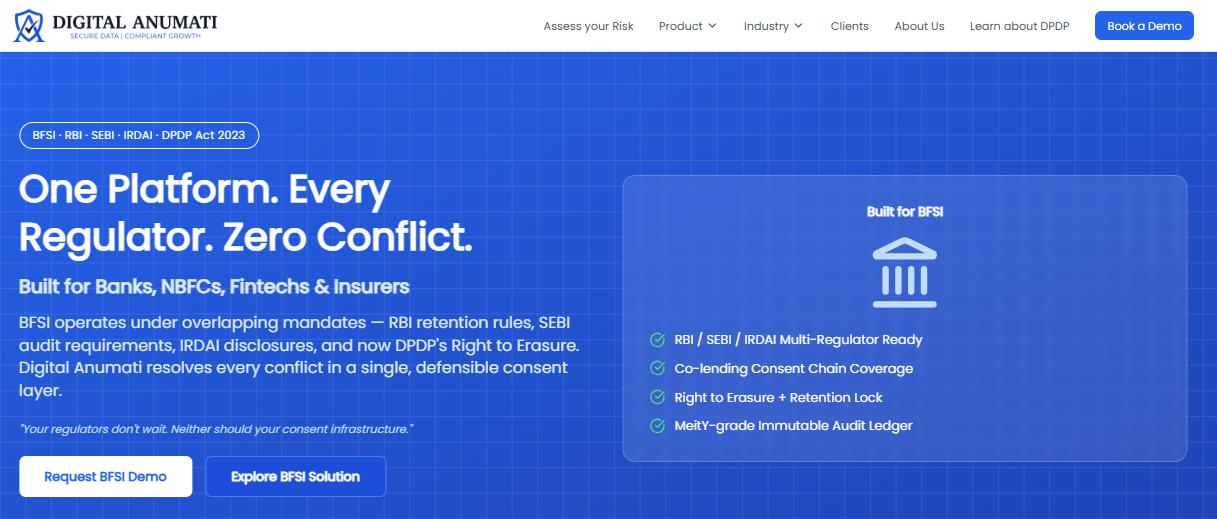
Digital Anumati is a Consent Management Platform built with the DPDP Act as the starting point, not as an afterthought. Many platforms in this space were originally developed for GDPR and later adapted to support Indian compliance. Digital Anumati took a different approach by building its platform around India's privacy requirements from the beginning.
It supports purpose-based consent collection, maintains audit-ready consent records, allows users to withdraw consent easily, and provides a self-service privacy portal where users can manage their consent preferences without contacting support. The platform also offers multilingual privacy notices, making it easier for businesses to communicate with users across different regions of India.
For organizations that process children's data, Digital Anumati includes parental consent workflows with age verification. It also integrates with websites, mobile apps, CRMs, and other enterprise systems, making implementation smooth for most businesses.
Key Features
Purpose-based consent collection
Easy consent withdrawal
Audit-ready consent records
Multilingual privacy notices
Self-service privacy portal
Integration with websites, mobile apps, and CRMs
Best For: Businesses looking for a Consent Management Platform built specifically for India's DPDP Act.
Visit digitalanumati.com →
2 OneTrust
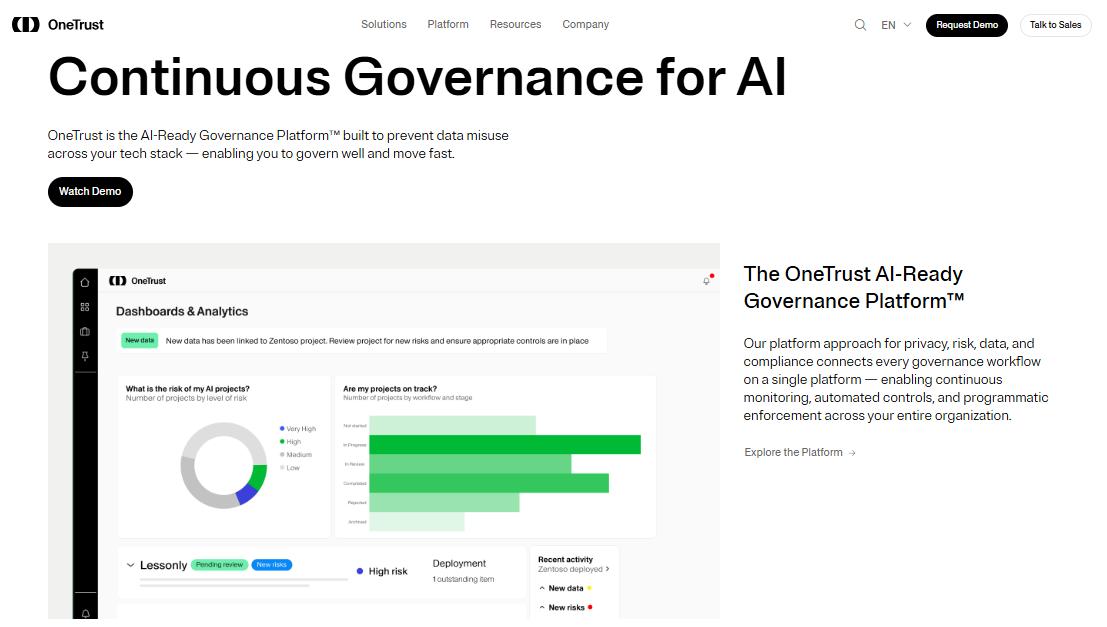
OneTrust is one of the best-known privacy management platforms worldwide. It supports major privacy regulations, including GDPR, CCPA, and the DPDP Act.
The platform offers cookie and consent management, consent lifecycle management, thirdparty risk assessments, and enterprise privacy governance tools.
Although implementation can take time, OneTrust is a strong option for large organizations operating across multiple countries and compliance frameworks.
Best For: Large enterprises and multinational organizations managing multiple privacy regulations.
3 Seqrite Data Privacy
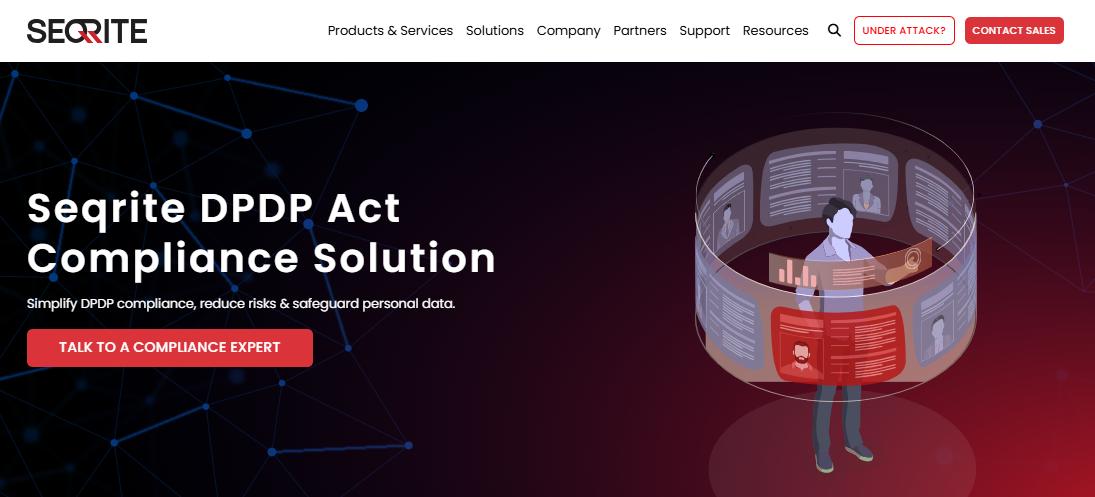
Seqrite combines data discovery with consent management. Before managing consent, businesses need to know where personal data exists across their systems. Seqrite helps identify and classify personal data stored in databases, cloud environments, and internal applications.
Along with consent management, the platform provides multilingual privacy notices, data classification, and workflows for handling data breaches, making it a complete privacy management solution.
Best For: Organizations looking for both data discovery and consent management in one platform.
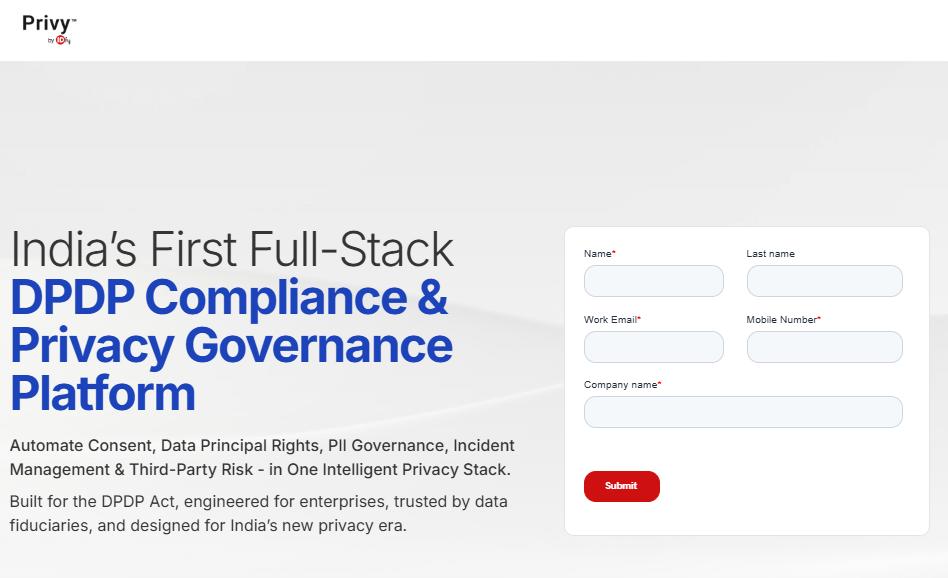
Privy by IDfy builds on the company's expertise in digital identity verification. Consent records are digitally signed and securely stored, making them easier to verify during audits.
Because of its strong identity verification capabilities, Privy is especially useful for industries where confirming a user's identity is just as important as collecting consent.
Best For: Businesses in regulated industries that require strong identity verification along with consent management.
4 Privy by IDfy
5 ComplyDP
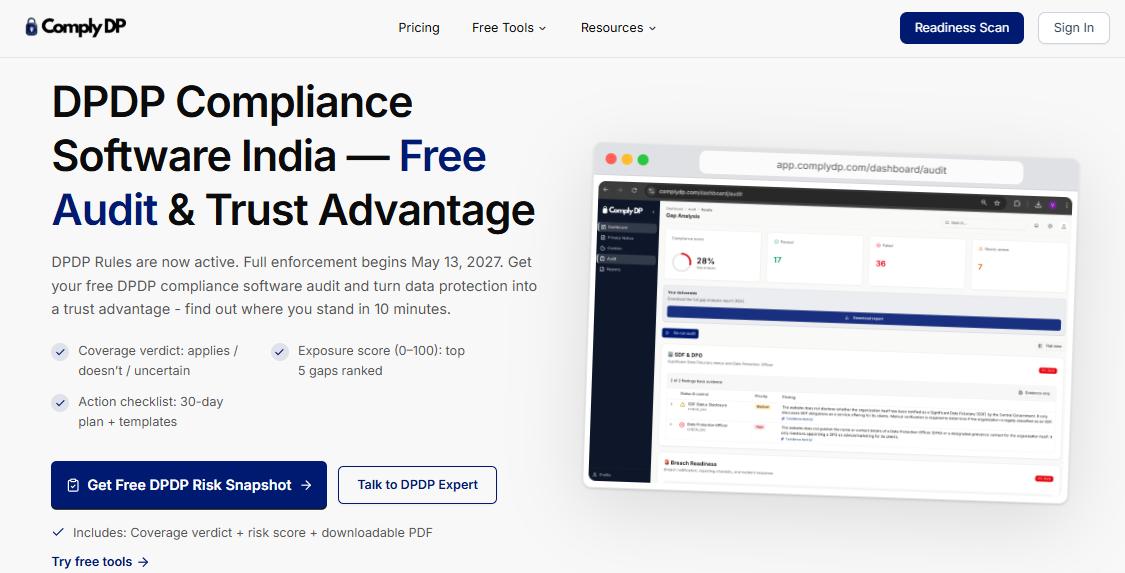
ComplyDP focuses entirely on helping businesses comply with the DPDP Act. In addition to consent management, it includes privacy impact assessments, vendor risk management, and breach notification workflows.
The platform is relatively simple to implement, making it a practical choice for small and medium-sized businesses that need DPDP compliance without a lengthy implementation process.
Best For: Small and mid-sized businesses looking for a simple DPDP compliance solution.
How to Choose the Right Consent Management Platform
Before selecting a Consent Management Platform, ask yourself these important questions:
Was the platform built for the DPDP Act, or was support added later?
✓ Does it offer purpose-based consent instead of a single "Accept All" option?
✓ Can users withdraw their consent easily?
✓
✓ Does it maintain detailed audit logs?
✓ Does it support the languages your customers speak?
Will it integrate with your website, mobile app, CRM, or other business systems?
✓
✓
Can it grow as your business expands?
A cookie banner is only one part of consent management. What matters most is whether the platform can collect consent correctly, store it securely, allow users to withdraw it easily, and provide proof of consent whenever required.
Final Thoughts
Privacy regulations in India are becoming increasingly important, and businesses can no longer treat consent management as optional.
Global CMPs offer advanced features and enterprise-level capabilities, while India-focused platforms are designed around the specific requirements of the DPDP Act.
The right choice depends on your business size, industry, technical requirements, and compliance goals. Take time to compare your options before making a decision. Choosing the right Consent Management Platform can help simplify compliance, build customer trust, and prepare your business for future privacy requirements.
Frequently Asked Questions
1 What is a Consent Management Platform (CMP)?
A Consent Management Platform (CMP) is a software solution that helps businesses collect, manage, and store user consent for processing personal data while complying with privacy regulations.
2 Why do businesses need a CMP?
A CMP automates consent collection, maintains audit-ready records, and helps businesses comply with privacy laws like the DPDP Act without relying on manual processes.
3 Is a cookie banner enough for DPDP compliance?
No. A cookie banner alone is not enough. Businesses also need valid user consent, proper consent records, and an easy way for users to withdraw their consent at any time.
4 What features should a good CMP have?
A good CMP should provide purpose-based consent collection, audit-ready records, multilingual privacy notices, simple consent withdrawal, and integrations with existing business systems.
5 Which industries benefit the most from a CMP?
Industries such as BFSI, healthcare, e-commerce, EdTech, SaaS, retail, and telecom benefit the most because they collect and process large amounts of personal data every day.
Disclaimer
This guide is based on independent research and comparison of publicly available information at the time of writing. The platforms mentioned are included for informational purposes only and are not ranked from best to worst.
Every business has different requirements based on its size, industry, technology setup, and compliance needs. Before selecting any Consent Management Platform, businesses should evaluate their specific requirements and conduct additional research or seek professional advice where required.