Greenpoolsareacommonproblemthatarisesduetoalgae growthandimbalancedwaterchemistry.Thisissuecan affectbothresidentialandcommercialpools,leadingto unsightlywaterandpotentialhealthrisks.Thepresenceof algaeisoftenaresultofimproperchemicallevels,suchas insufficientchlorineorhighpHlevels,whichcreateanideal environmentforalgaetothrive.Effectivecleanupisessential notonlyforrestoringthepool’sappearancebutalsofor ensuringthesafetyandhealthofthoseusingthepool.
Propermaintenanceandregularwatertestingcanprevent suchissues,keepingthepoolwaterclear,clean,andsafe forswimming.
Algae growth due to poor circulation, filtration, or sanitation.
Inconsistent chemical balance, especially low chlorine levels.
Debris build-up and stagnant water.
Water appears cloudy or greenish.
Slimy texture on pool walls and floors.
Algae blooms visible on pool surfaces.
Unpleasant odor from water.
Test pool water using a test kit or service to check pH, alkalinity, and chlorine levels. Adjust these parameters to ensure proper water balance, which is crucial for effective pool cleanup and maintenance.
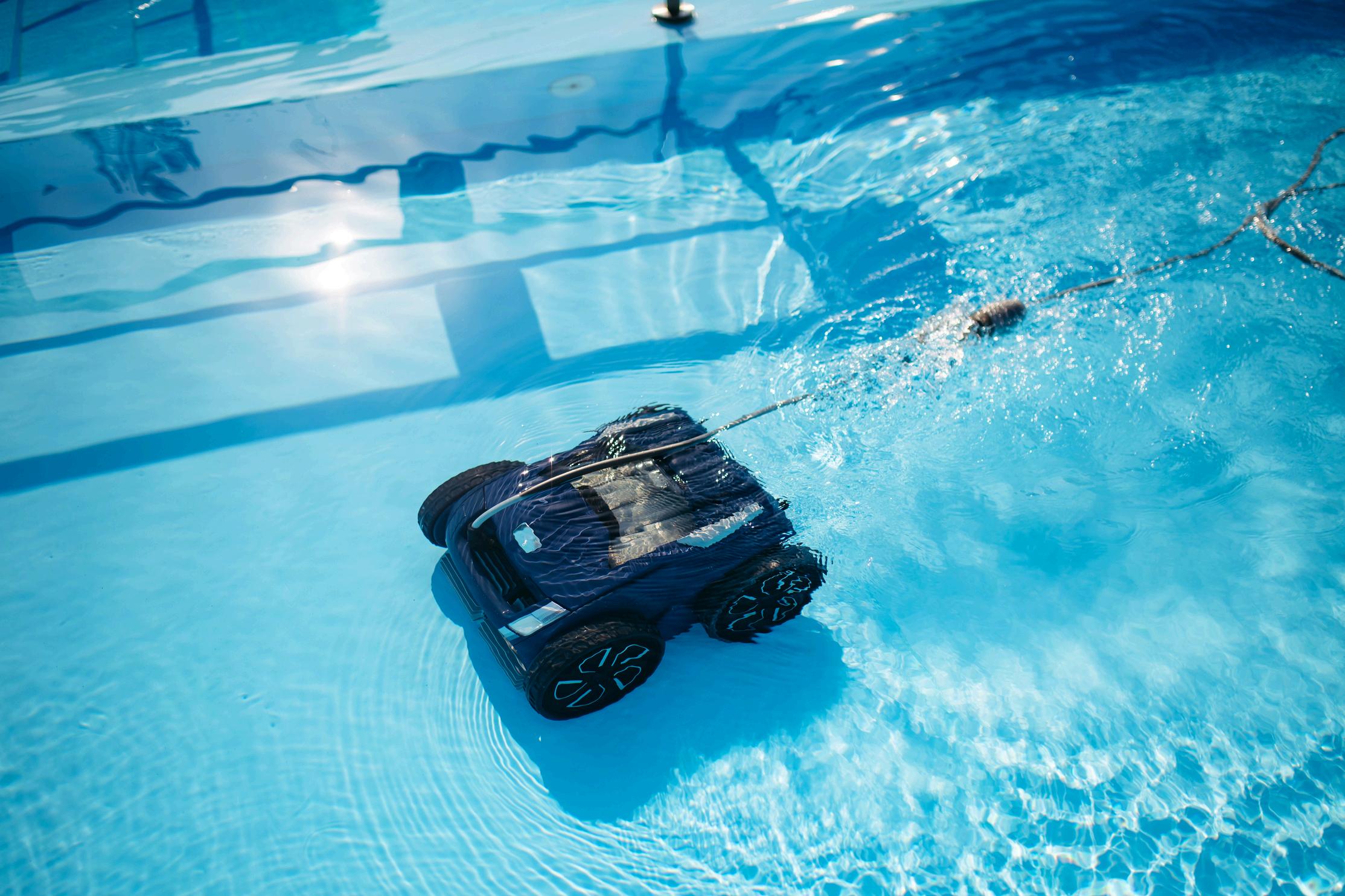
Brush the walls, floors, and corners of the pool to remove algae buildup.
Vacuum the pool thoroughly to clear debris and dead algae.
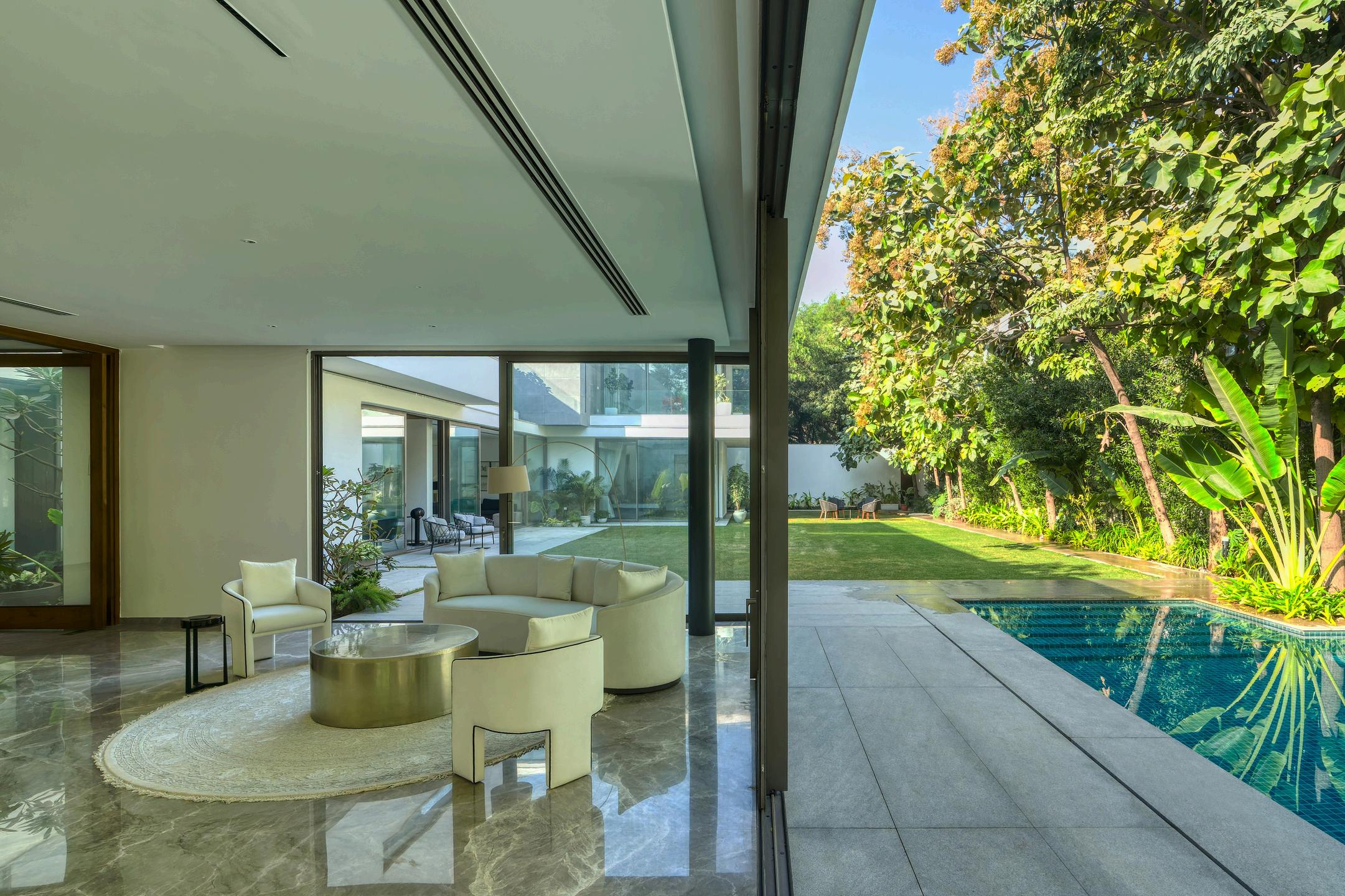
Maintain regular pool cleaning and chemical balance.
Run the filter regularly (at least 8-12 hours daily).
Use algaecide and stabilizer to prevent future algae growth.
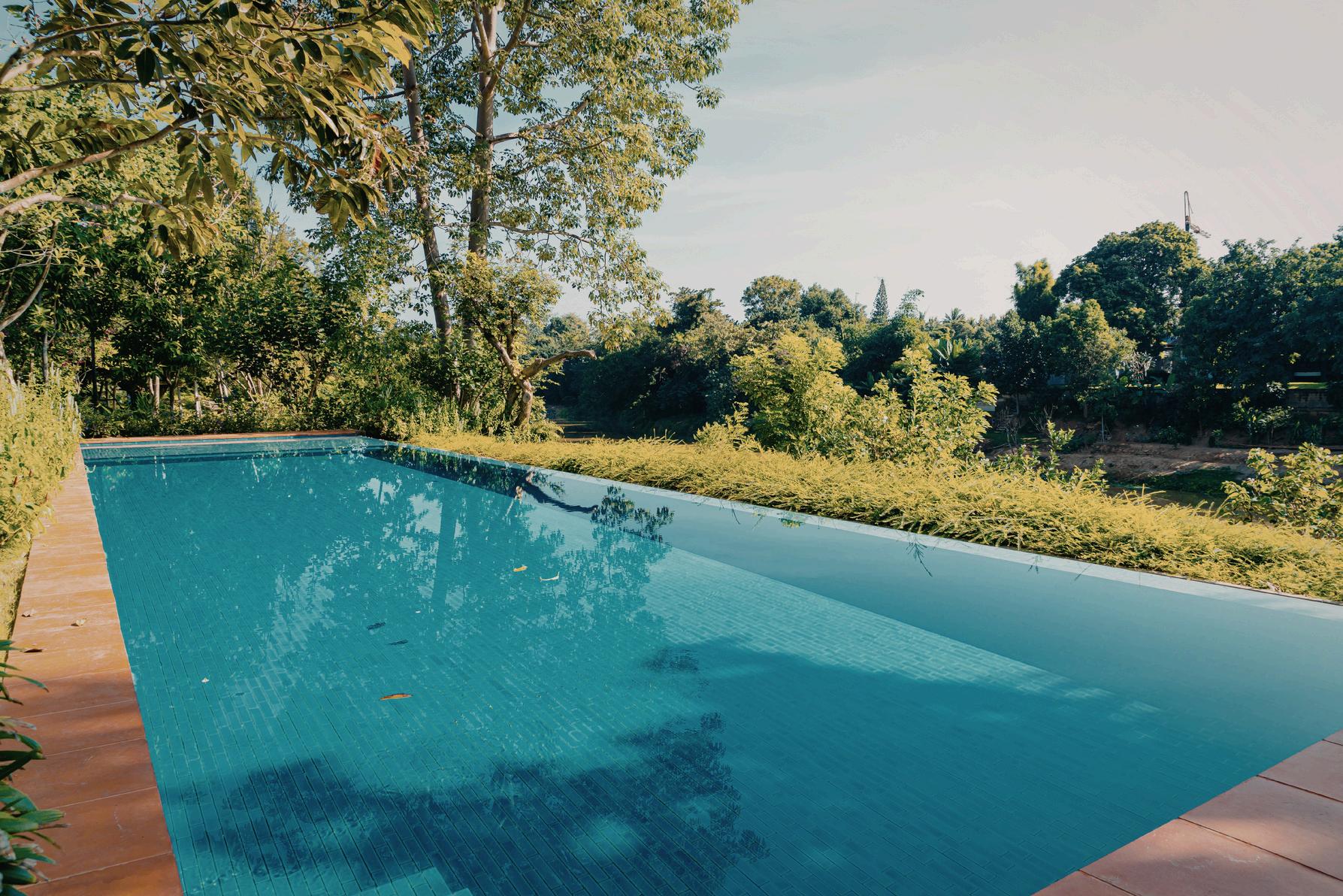
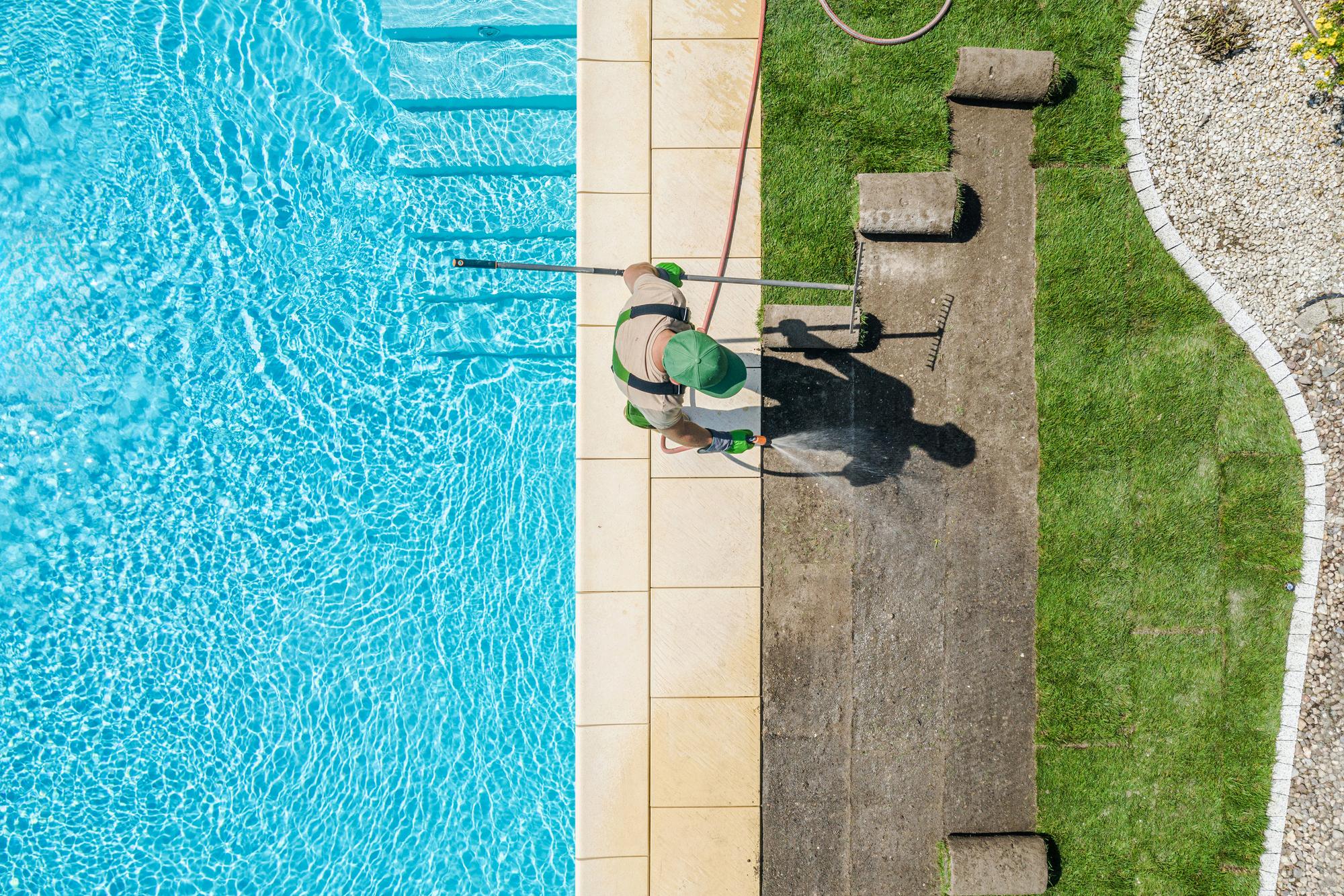
Green pool cleanup requires balancing chemicals, shocking the pool, brushing, and cleaning the filter. Regular maintenance and vigilance prevent algae growth, ensuring the pool remains visually appealing and safe for swimmers.