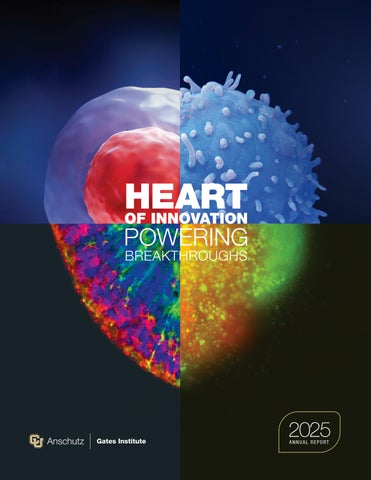
HEART OF INNOVATION
POWERING BREAKTHROUGHS
EXECUTIVE
Anne
MANAGING EDITOR:
Toni Lapp, Communications Manager
LAYOUT AND DESIGN:
Michael Wittkop,
The Corner Design Group, Inc.
CONTRIBUTORS:
Joleen Bohnen
Jill Cowperthwaite
Terry Fry
Jordan Krause
Toni Lapp
Anne McDonnell
Lacey Mesia
Jane Rech
John Sampson
IMAGES
Edward DeCroce
Toni Lapp
Jane Rech
Gates Institute is a premier translational research institute with biomanufacturing capabilities. Based at the
of Colorado Anschutz,
are part of a rich biomedical ecosystem, enabling the development of life-saving treatments for a host of
at unmatched speed and scope. We bring together and support researchers and clinicians who specialize in regenerative, cell and gene therapies, accelerating their discoveries from concepts to cures.
gates.cuanschutz.edu
CU Anschutz | Gates Institute
A NEW CHAPTER AMBITION, OPPORTUNITY, AND A CLEAR STRATEGIC PATH
This past year has been a defining moment for our campus and for the future of cell and gene therapy at CU Anschutz. What stands out most to me is the extraordinary level of collaboration that has taken root across our community. Faculty, clinicians, trainees, and external partners are working together with a clarity of purpose that is both energizing and deeply impactful, now and into the future. That shared commitment is the foundation on which the Gates Institute was built, and it continues to guide everything we do.
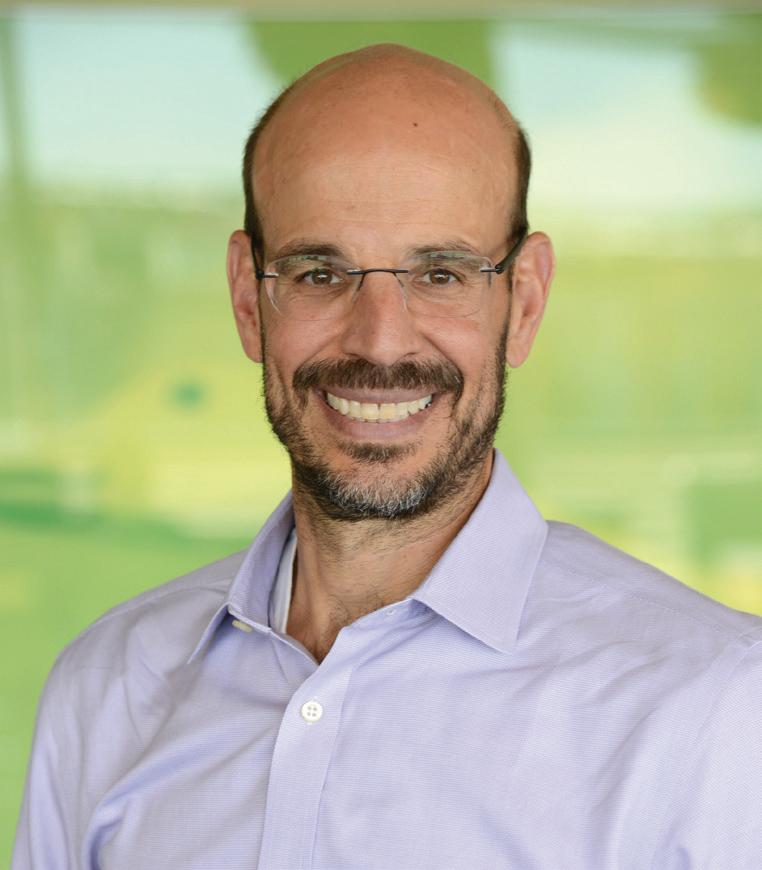
The launch of ASCEND (Accelerating Solutions for Cell and Gene Therapy Evaluation) represents a powerful example of this collective momentum. By aligning expertise across departments, schools, and partner hospitals, ASCEND is creating the coordinated research environment required to lead nationally in cell and gene therapy. I am proud that the Gates Institute serves as a central pillar of this effort, providing the scientific leadership, translational expertise, and connective framework that allow innovative ideas to move efficiently from discovery to patients. Given the inherent complexity, this is exactly the kind of integrated model our field demands of leading institutions, and it is gratifying to see it take shape so strongly on our campus.
Terry Fry, MD, Executive Director, Gates Institute at University of Colorado Anschutz
As I reflect on the past year, I am incredibly proud of what we have accomplished together. We have strengthened our manufacturing capabilities, expanded our translational reach, and supported investigators whose work is pushing the boundaries of what is possible. We are near the launch of three programs that will extend our impact to acute myeloid leukemia (AML), colorectal cancer, pediatric sarcoma, and brain tumors. We have engaged with the FDA on two novel regenerative medicine products, including one developed by Gates Center founder, Dennis Roop. These achievements are not isolated successes; they are harbingers of things to come and result from a campus that believes in partnership, invests in shared infrastructure, and understands that progress in this field requires us to move forward as one.
We are now entering a new chapter—one defined by ambition, opportunity, and a clear strategic path. The national landscape for cell and gene therapy is evolving rapidly, and CU Anschutz is poised to lead in ways that will shape the field for decades to come. The Gates Institute will remain at the heart of this work, serving as a catalyst for collaboration and a driver of translational excellence. Our role is not only to support innovation, but to ensure that the breakthroughs happening here reach patients safely, efficiently, and equitably.
I am grateful for the dedication and vision of our campus partners, and I am inspired by our community. Together, we are building a model for how academic medicine can lead in cell and gene therapy, one rooted in collaboration, compassion, and a relentless focus on patient benefit.
The progress we have made is remarkable. The possibilities ahead are even greater. I am honored to be part of this journey with you.
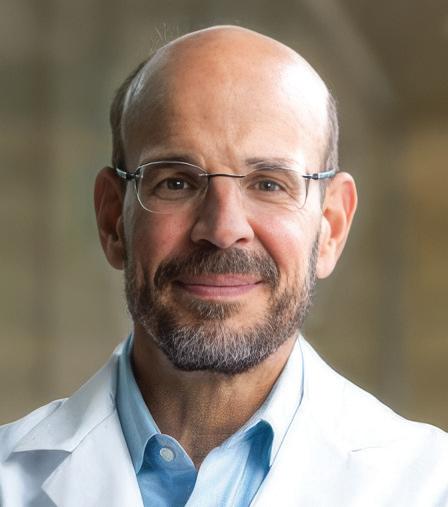
Terry Fry, MD
Terry Fry, MD
Executive Director, Gates Institute at University of Colorado Anschutz
HEART OF INNOVATION POWERING BREAKTHROUGHS
As Dean of the University of Colorado Anschutz School of Medicine— and as the newest member of the Gates Institute’s Executive Committee— I am pleased to reflect on a year marked by momentum, partnership, and shared ambition.
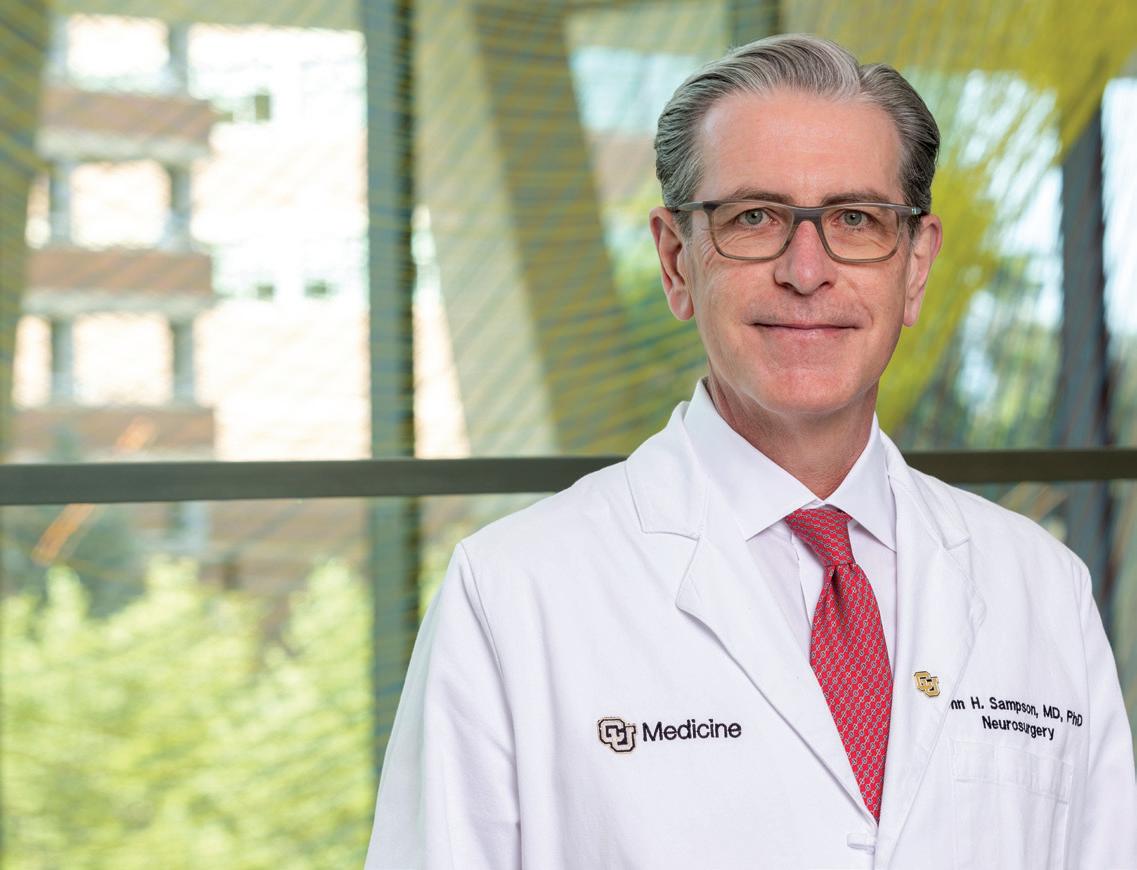
Together, we are building something greater than the sum of our individual strengths... “
CU Anschutz School of Medicine Dean John Sampson, MD, PhD, MHSc, MBA
CU Anschutz is a community of achievers and dreamers who work with compassion every day to improve the lives of others. That spirit is embodied in our research enterprise, and it is advanced through our partnership with the Gates Institute. Together, we are building something greater than the sum of our individual strengths: a collaborative ecosystem that accelerates discovery, translation, and patient impact.
We took an important step toward this goal recently with the launch of ASCEND (Accelerating Solutions for Cell & Gene Therapy Evaluation and Novel Delivery), a campuswide effort to advance cell and gene therapy clinical research. ASCEND unites expertise across our campus with clinical partners in a shared commitment to a centralized, strategic, and harmonized approach to this rapidly evolving field. Gates Institute’s scientific and translational leadership is a central pillar of this work—providing the foundation, connectivity, and vision required to move innovative therapies from bench to bedside.
Cell and gene therapy is advancing at an extraordinary pace, and our campus is uniquely positioned to lead nationally. Through ASCEND and related initiatives, we are improving the speed, safety, and consistency of trials; creating shared infrastructure that increases efficiency; and strengthens coordination among departments, schools, campuses and external partners. Gates Institute plays a critical role as a catalyst—bridging disciplines, aligning priorities, and enabling investigators across campus to do their best work.
This collaborative model is essential to our broader aspiration: for the CU Anschutz School of Medicine to become one of the top 10 medical schools in the nation. Achieving that goal will require more than excellence within individual units. It demands an integrated research environment that fosters partnership, supports innovation, and translates discovery into benefit for patients. Gates Institute is indispensable to this vision. Its commitment to collaboration, shared infrastructure, and translational excellence strengthens our entire academic community and amplifies our national standing.
I am grateful for the Gates Institute’s work which exemplifies what is possible when we align around a common purpose and invest in one another’s success. I look forward to deepening our partnerships in the years ahead as we continue to advance science, educate the next generation of leaders, and improve the lives of patients everywhere. Together, we are building the future of cell and gene therapy—and shaping a campus defined by collaboration, compassion, and discovery.
John Sampson, MD
John Sampson, MD, PhD, MHSc, MBA

IN THEIR OWN WORDS
Gates Institute at CU Anschutz partners with leading researchers from diverse areas of medicine, each bringing a unique perspective to the development of transformative therapies.
On the following pages, we proudly highlight five investigators working at the forefront of innovation in their respective areas, representing oncology, dermatology, orthopedics, and ophthalmology. From engineering targeted cancer treatments to restoring vision, regenerating tissue, and treating complex skin disorders, their work exemplifies the breadth and potential of the rapidly evolving fields of cell and gene therapies and biologics.
By fostering cross-disciplinary insights, we are accelerating discovery and translation of life-changing treatments and speeding their delivery to patients. Together, we are developing innovative therapies that will transform the practice of medicine.

IN THEIR OWN WORDS
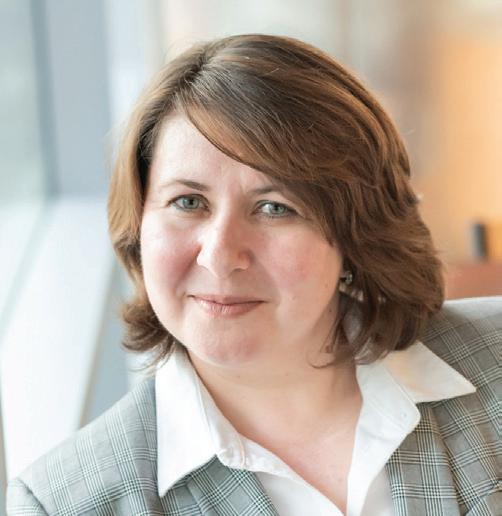
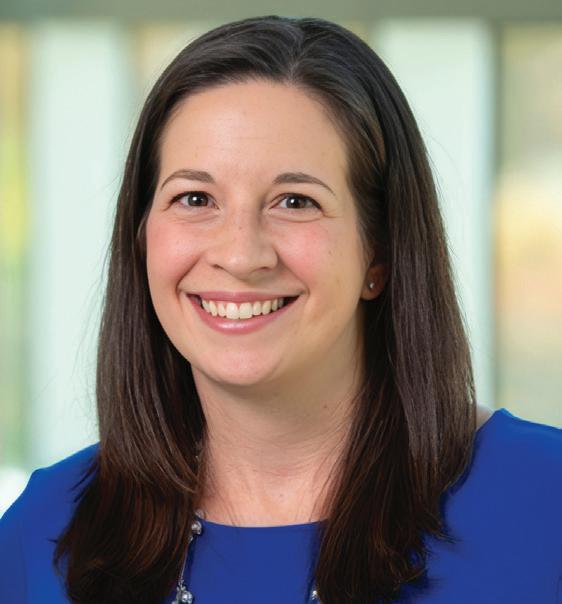
KARIN PAYNE, PhD
Karin Payne, PhD, is an Associate Professor of Orthopedics and Director of Education in the Colorado Program for Musculoskeletal Research at CU Anschutz. Her lab works to develop innovative ways to repair damaged growth plates and joint cartilage. She has extensive research expertise stemming from her PhD in Bioengineering from the University of Pittsburgh and has been included in multi-institutional projects such as AB Nexus and the ARPA-H NITRO program, which aim to create “selfhealing” joints.
What do you love most about your work?
What I love most is the opportunity to focus on research aimed at developing new approaches to regenerate damaged or diseased cartilage—work that has the potential to improve the lives of patients with musculoskeletal injuries or diseases. I love that research is often not linear and that each day can bring an unexpected turn or fork in the road. I also enjoy being part of interdisciplinary teams where each of us brings unique expertise to move discoveries toward clinical translation. And I’m grateful to work with an amazing research group and to have the opportunity to mentor and teach trainees in both the classroom and the lab.
How has cell and gene therapy revolutionized your field?
Cell and gene therapy have advanced our ability to understand how progenitor cells become bone- or cartilage-forming cells and what signals they require. Gene therapy lets us deliver those cues directly, helping cells regenerate new tissue. This allows more targeted interventions.
Tell us about your current research.
My current research focuses on developing regenerative medicine solutions for injuries to the growth plate and articular cartilage—tissues that are essential for children’s skeletal development and for maintaining healthy, pain free movement throughout life. My team studies the molecular and cellular mechanisms that drive injury, degeneration, and repair, with the goal of engineering next generation therapeutics. We aim to harness stem cells, biologics, and biomaterials to restore tissue structure and function.
Gates Institute has helped me advance my work by … Gates Institute provides access to the expertise, infrastructure, and collaborative networks that accelerate the translation of biologic discoveries into clinical possibilities. Their support—and funding through the Grubstake Award—has been instrumental in moving our research forward.
What does philanthropy mean to you?
Philanthropy represents a shared commitment to advancing scientific progress. It can provide the early support needed to generate preliminary data for new ideas that can later compete for traditional funding. It is also essential for moving forward innovative research that may fall outside conventional funding mechanisms but has the potential to make a meaningful impact on patients.
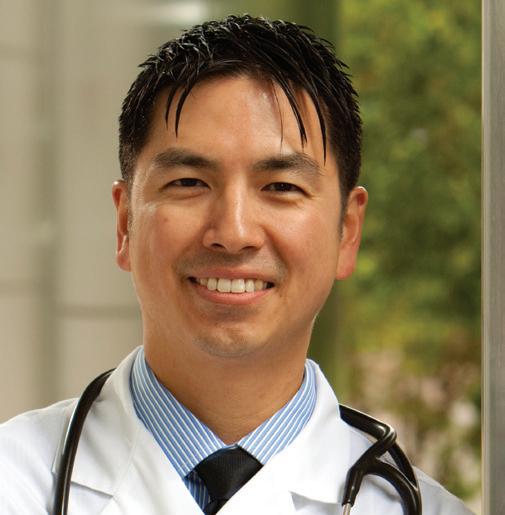
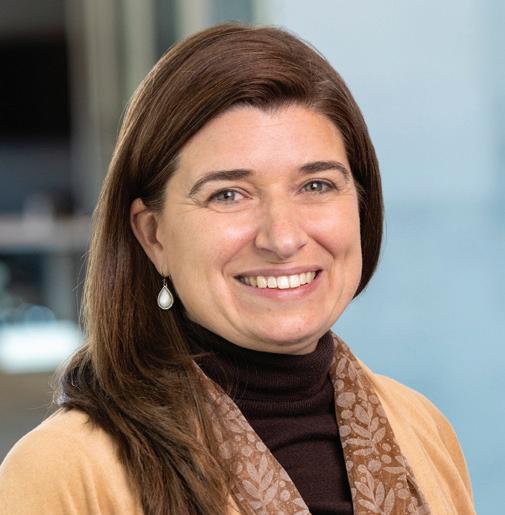
CHRIS LIEU, MD
Chris Lieu, MD, wears many hats at CU Anschutz and beyond. His clinical research in gastrointestinal oncology has focused on early-onset conditions, resistance mechanisms, and advancing experimental therapeutics to first-in-human clinical trials. A professor in the Division of Medical Oncology and a member of its Gastrointestinal Cancer and Developmental Therapeutics research programs, Lieu is also associate director for clinical research at the CU Anschutz Cancer Center and codirector of GI Medical Oncology. When the Dudley Solid Tumor Cellular Therapy Fund was formed, creating a partnership between Gates Institute and CU Anschutz Cancer Center, he was a natural fit to lead research that aims to develop and manufacture a first-in-class treatment for colorectal cancer that is pushing the boundaries of cellular therapies.
What do you love most about your work?
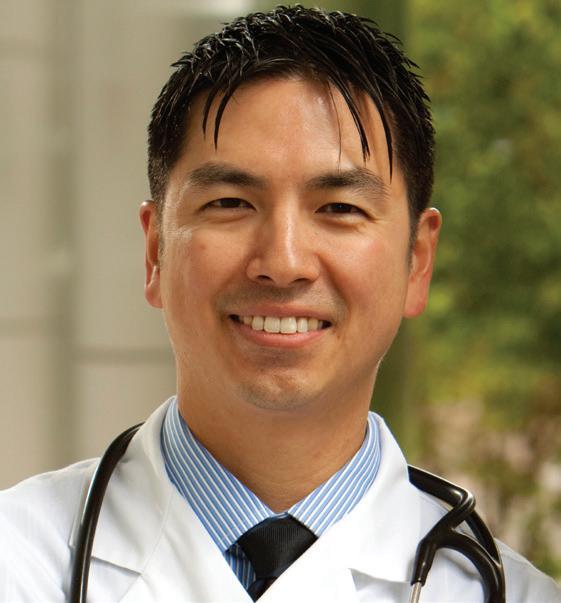
First and foremost, I love the opportunity to take care of patients and to treat this deadly disease with the best therapies possible. Our patients are inspirational heroes, and it’s an honor to be part of their care team. However, we know that our current treatments are not nearly as good as our patients deserve them to be. So, the other part of my work that I love is pushing the field further and faster through cancer research. Research is changing the field of cancer medicine faster than any other field in medicine, and being part of improving cancer outcomes through the most cutting-edge treatments possible is incredibly exciting.
How has cell and gene therapy revolutionized your field?
Cell and gene therapies have revolutionized the field of cancer, but in many GI cancers, particularly colorectal cancer, they have not had a significant impact. So, for our patients with GI cancers, cell and gene therapy have yet to revolutionize their field, and this is something that absolutely needs to change. This is why research is desperately needed for our patients. The ability to utilize the body’s immune system to fight cancer is a revolutionary step in treating this disease, but the correct strategy hasn’t been unlocked for patients with GI cancers, and this represents a huge gap that needs to be filled.
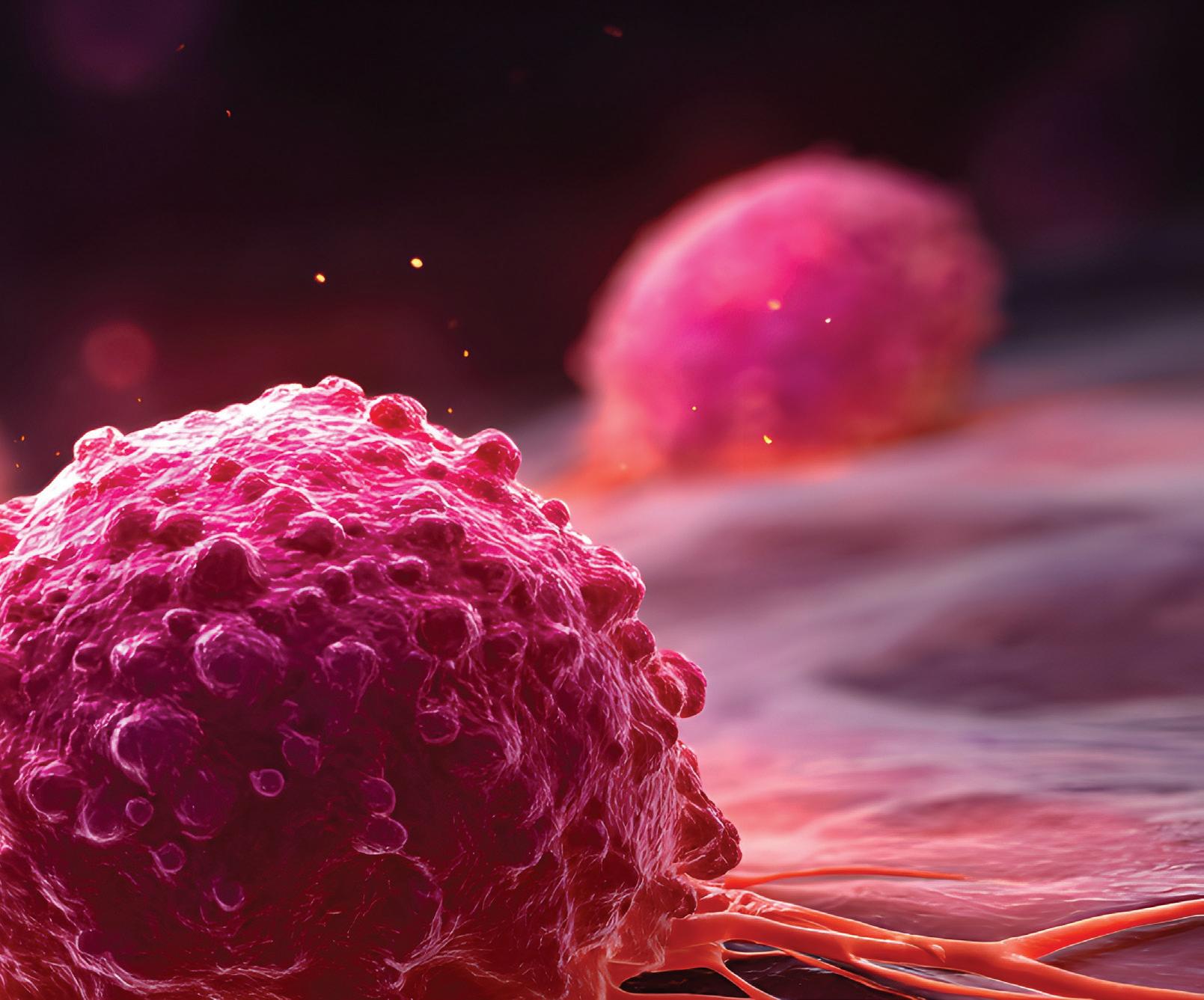
Tell us about your current research for the Dudley Family Solid Tumor Cellular Therapy Fund. We are designing and conducting a chimeric antigen receptor T-cell (CAR-T) study in colorectal cancer. It is a completely new and novel strategy to attack colorectal cancer cells using engineered T-cells trained to target a receptor that colorectal cancer cells overexpress. This represents a potentially new and groundbreaking treatment for colorectal cancer, where immune-based treatments have been ineffective for a vast majority of patients. None of this would have been possible without the Dudley Family Fund.
What does philanthropy mean to you?
Philanthropy is an investment in hope and a strategic partnership. It represents a shared vision that we can and will do better for our patients with cancer. It’s also a partnership where investment into groundbreaking research connects the vision of our donors with the cutting-edge science needed to bridge the gap between the laboratory breakthroughs and the patient’s bedside as quickly as possible.
IN THEIR OWN WORDS
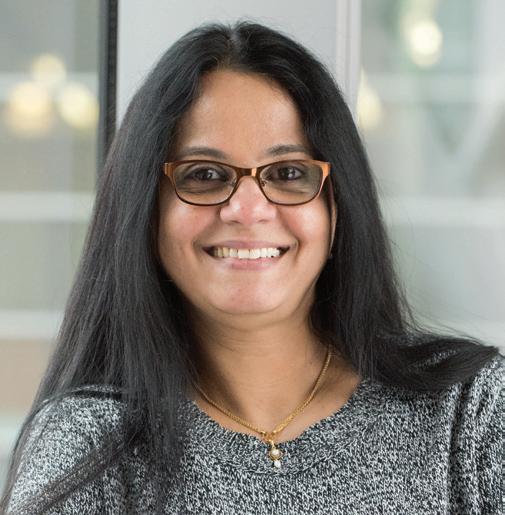
SUJATHA VENKATARAMAN, PhD
Sujatha Venkataraman, PhD, associate research professor of pediatric hematology/oncology and bone marrow transplantation in the CU Anschutz School of Medicine, began her research career focused on adult cancers. But after losing her son, Rishi, to cancer in 2004, Dr. Venkataraman committed herself to finding new treatments for childhood cancers. Thanks to collaborations forged at the Gates Institute, she has made strides in this effort, particularly for one of the deadliest cancers, diffuse intrinsic pontine glioma (DIPG).
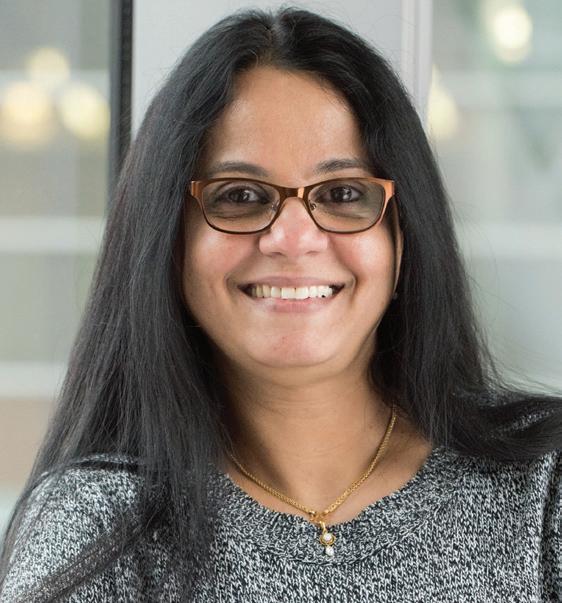
What do you love most about your work?
The love for my work stems from my commitment to improving treatment for children with fatal brain tumors. Identifying novel therapeutic strategies, collaborating with multiple investigators, receiving guidance from experts in the field, working with intelligent, hardworking laboratory staff, and mitigating research challenges fulfill my love and interest in the work I do.
How has cell and gene therapy revolutionized your field?
My work began by identifying a crucial cell surface antigen to target in pediatric brain tumors. We first developed an antibody with Dr. Rajeev Vibhakar, and we are currently manufacturing it for FDA approval to start clinical trials. We built on the success of this antibody work when Dr. Terry Fry arrived at CU Anschutz and we collaborated with his then-fellow, Dr. Eric Kohler, to develop novel “gated” CAR T-cells for pediatric brain tumors. These are next-generation, engineered immune cells designed for more precise cancer treatment by requiring multiple, specific tumor signals before activating. This allows the CAR T-cells to target tumor cells with precision, while leaving healthy cells untouched. The cell therapy work I do now is in collaboration with Drs. Kohler, Vibhakar and Fry and is now under development at the Gates Biomanufacturing Facility, led by Dr. Fry.
Tell us about your current research.
Our research focuses on developing the next generation of novel, safe, and highly potent CAR T-cell therapies to treat DIPG, a universally fatal pediatric brain tumor. Despite decades of effort, the longterm survival rate for children diagnosed with DIPG remains 0%, underscoring the urgent need for transformative therapies. Our team has engineered gated CAR T-cells that target two distinct tumor antigens simultaneously, thereby enhancing tumor specificity while minimizing toxicity.
The Gates Institute has played an instrumental role in advancing this work, by providing essential funding and expert scientific guidance. In addition, the Gates Biomanufacturing Facility team brings rigorous, methodical expertise to proof-of-concept studies, ensuring that our novel cell therapy progresses efficiently and safely toward first-in-human testing and CAR T biomanufacturing. This collaboration is speeding up the process of turning a promising scientific idea into a potential lifesaving treatment, united by the shared goal of transforming DIPG into a treatable condition.
What does philanthropy mean to you?
Donor support is essential for pediatric brain cancer research, especially in the current tight federal funding environment for pediatric cancer research. Donor support enables us to explore bold, innovative ideas, particularly for rare childhood cancers, where each discovery counts. Philanthropy doesn’t just bridge a gap; it gives hope. It accelerates breakthroughs and turns promising concepts into treatments for children and families desperately seeking answers. Truly, we thank our philanthropists for their generosity, which shines light on the path to new treatments and brighter futures for these children.
CU Anschutz | Gates Institute
ANYA BILOUSOVA, PhD
Anya (Ganna) Bilousova, PhD, is an Associate Professor of Dermatology at the University of Colorado Anschutz and a core faculty member of the Gates Institute. She plays a crucial role in the field of regenerative medicine, primarily studying stem cell reprogramming and skin regeneration with an emphasis on the inherited skin condition, Epidermolysis Bullosa, or EB. Her lab’s ability to create patient-specific stem cells is a cornerstone of the Institute’s mission to develop personalized regenerative medicine.
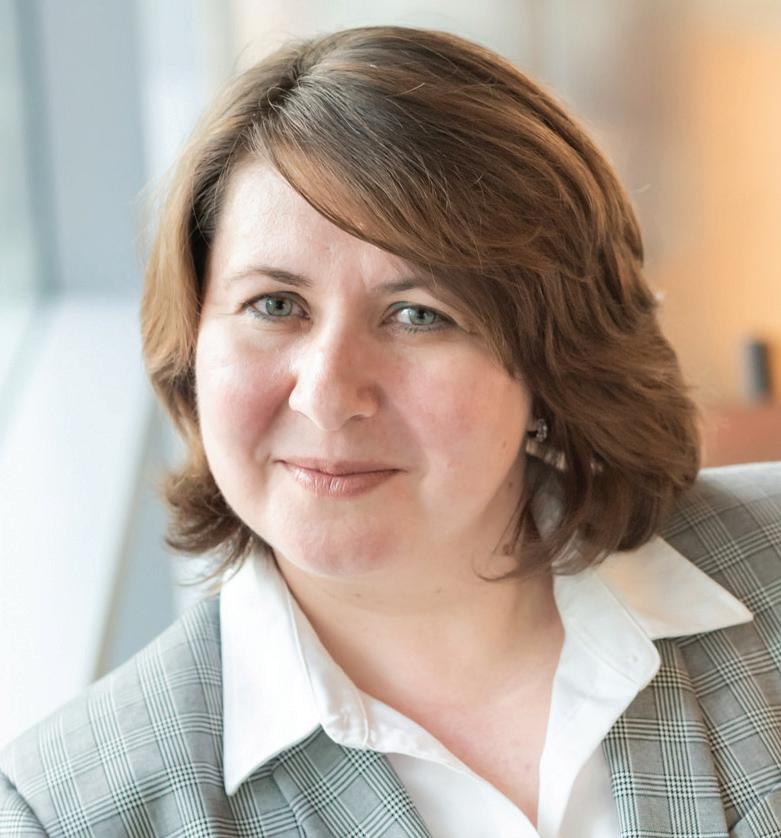
What do you love most about your work?
I love having a clear focus on patients. We are not just studying biology in theory. We are working to correct the root cause of devastating genetic diseases and restore normal tissues in the same individual who donated the cells.
The science, like gene editing and stem cell biology, is not an endpoint. It is a bridge. When done rigorously and safely, it can change a patient's life from debilitating to functional.
How has cell and gene therapy revolutionized your field?
Cell and gene therapy enables us to address the root cause of disease, which has been transformational. In the past, we could only manage symptoms by providing wound care, pain relief, and supportive treatments for skin disorders like EB. Now, we can directly target the faulty gene responsible for the condition.
Advances in gene editing tools, safer delivery systems, and stem cell technologies, especially induced pluripotent stem cells (iPSCs), have made it possible to repair a patient’s own cells, grow healthy tissue in the laboratory, and prepare it for transplantation. These technological advances shift the focus from temporary management to potentially durable, long-term correction.
Tell us about your current research.
My research centers on EB, with a particular emphasis on the most severe type, Recessive Dystrophic EB, or RDEB. People born with EB have very fragile skin that blisters and tears easily because of a mistake in one of their genes. Right now, there is no cure, but we hope to change that.
In our lab, we take a small sample of a patient’s skin cells and reprogram them into iPSCs. These cells can turn into many different types of cells in the body. We fix the genetic mistake in these cells and then grow them into healthy new skin cells.
This work is highly collaborative. I work closely with Dr. Dennis Roop and Dr. Igor Kogut on the scientific development, and with clinicians such as Dr. Anna Bruckner and Dr. Emily Gorell, who care for EB patients. Their expertise and partnership make it possible to advance this work from the laboratory toward real patient treatment.
Gates Institute has helped me advance my work by … …providing the infrastructure and expertise needed to translate our discoveries into clinical-grade therapies. At the Gates Biomanufacturing Facility, we can produce patient-specific stem cells and genecorrected skin cells under the strict quality and safety standards required for human trials. This ensures that what we develop in the laboratory can move toward clinical trials.
In addition, the Institute has supported the regulatory pathway. Its guidance in preparing materials for FDA engagement has been critical in refining our manufacturing strategy, safety testing plans, and overall translational roadmap.
IN THEIR OWN WORDS
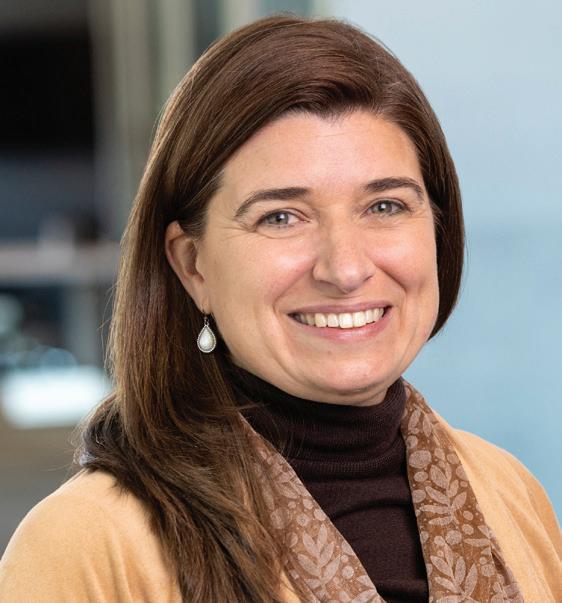
VALERIA CANTO-SOLER, PhD
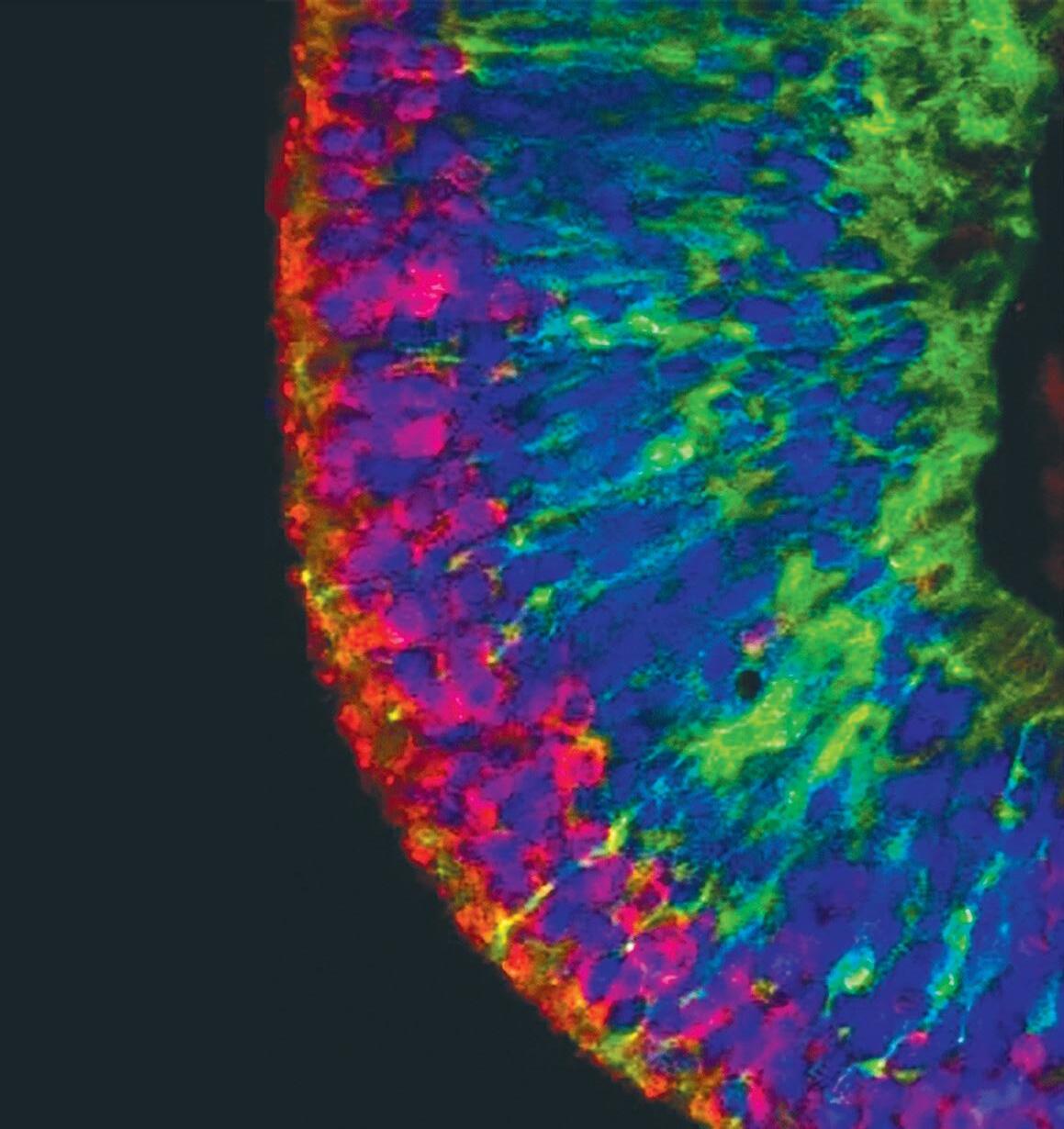
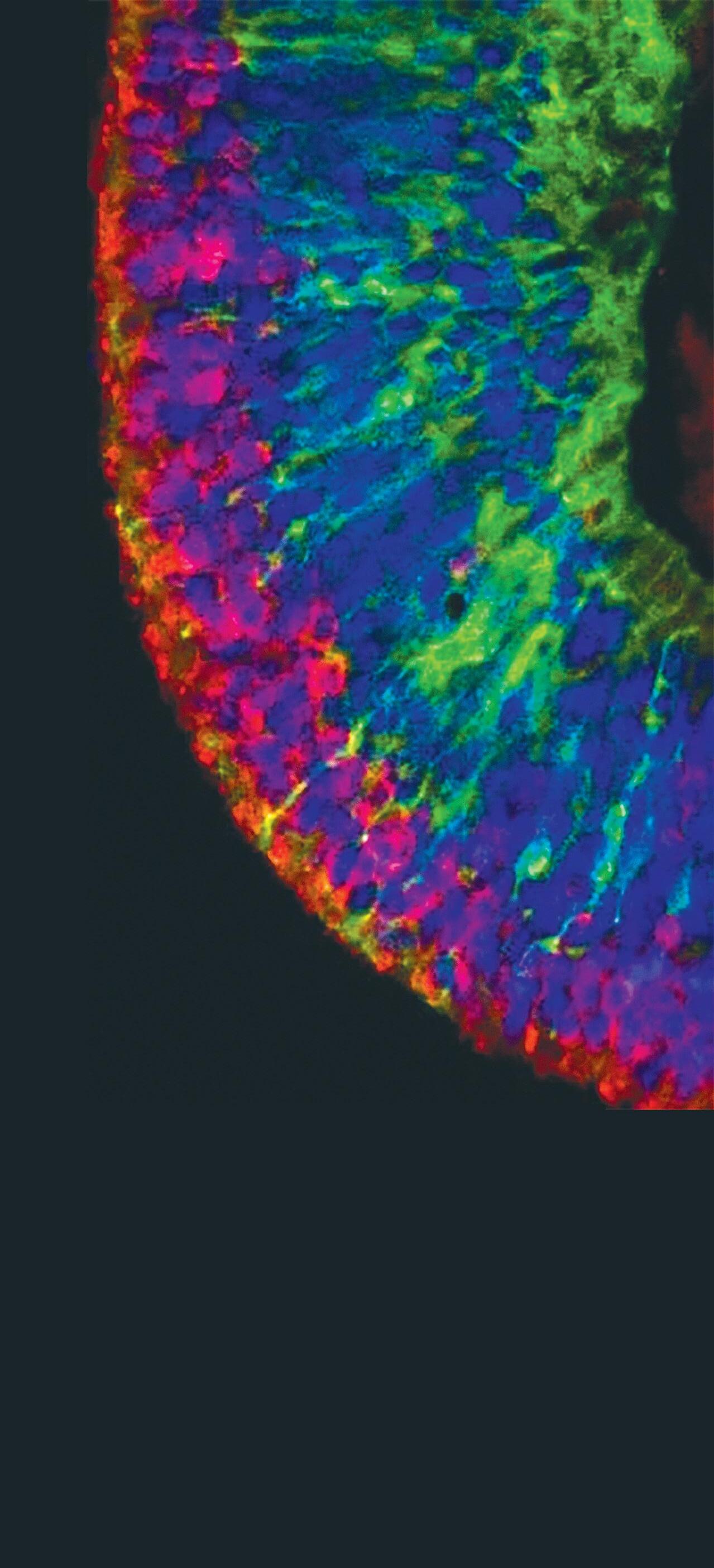
Valeria Canto-Soler, PhD, is a professor of ophthalmology in regenerative medicine whose pioneering work is at the heart of the Gates Institute’s mission to accelerate the transition of lab-based discoveries into life-saving clinical applications. As the Doni Solich Family Chair in Ocular Stem Cell Research and Director of CellSight at CU Anschutz, Dr. Canto-Soler has revolutionized the field through the development of "retina-in-adish" technology. Her lab was among the first to successfully grow three-dimensional human retinal tissue from induced pluripotent stem cells (iPSCs), which mimics the structure and function of a human retina. By integrating these advanced models with high-throughput screening and biomanufacturing strategies, she is bridging the gap between benchtop innovation and next-generation therapies for blinding diseases like macular degeneration. Her work exemplifies the spirit of collaborative, translational excellence that defines the Gates Institute and its global impact on patient care.
What do you love most about your work?
The aspect I cherish most about my work is the deep sense of hope it brings… the belief that through our work, we may one day change patients’ lives forever.
How has cell and gene therapy revolutionized your field?
The emergence of human induced pluripotent stem cell technology in 2007 revolutionized the field of cell therapy. In my personal experience, this discovery opened research opportunities I could not have imagined previously. It inspired me to dream about innovative cell therapies for blinding diseases, which has become the focus of my team’s current work.
Tell us about your current research.
Several years ago, we developed a method to generate light-sensitive miniature human retinas in a laboratory dish. To make these mini retinas we use human induced pluripotent stem cells, a type of stem cells that are derived from adult cells such as skin or blood. These miniature retinas replicate the cellular composition and organization of the human retina and contain functional rods and cones. Using these mini retinas, we are working on a retinal transplant that could one day restore vision for patients with macular degeneration.
Gates Institute has helped me advance my work by … ...playing a pivotal role in advancing our project toward testing in patients. Their amazing team brings expertise in specialized areas complementing our own knowledge and skills. The collaborative spirit shared by both groups ensures we work as one unified team, fully committed to the project’s success.
What does philanthropy mean to you?
Philanthropy, to me, is all about the people who make it possible: the philanthropists. When I think of philanthropists, I picture fairy godmothers, angels, dream makers, visionaries, partners…
ADVANCING SCIENCE THROUGH FUNDING
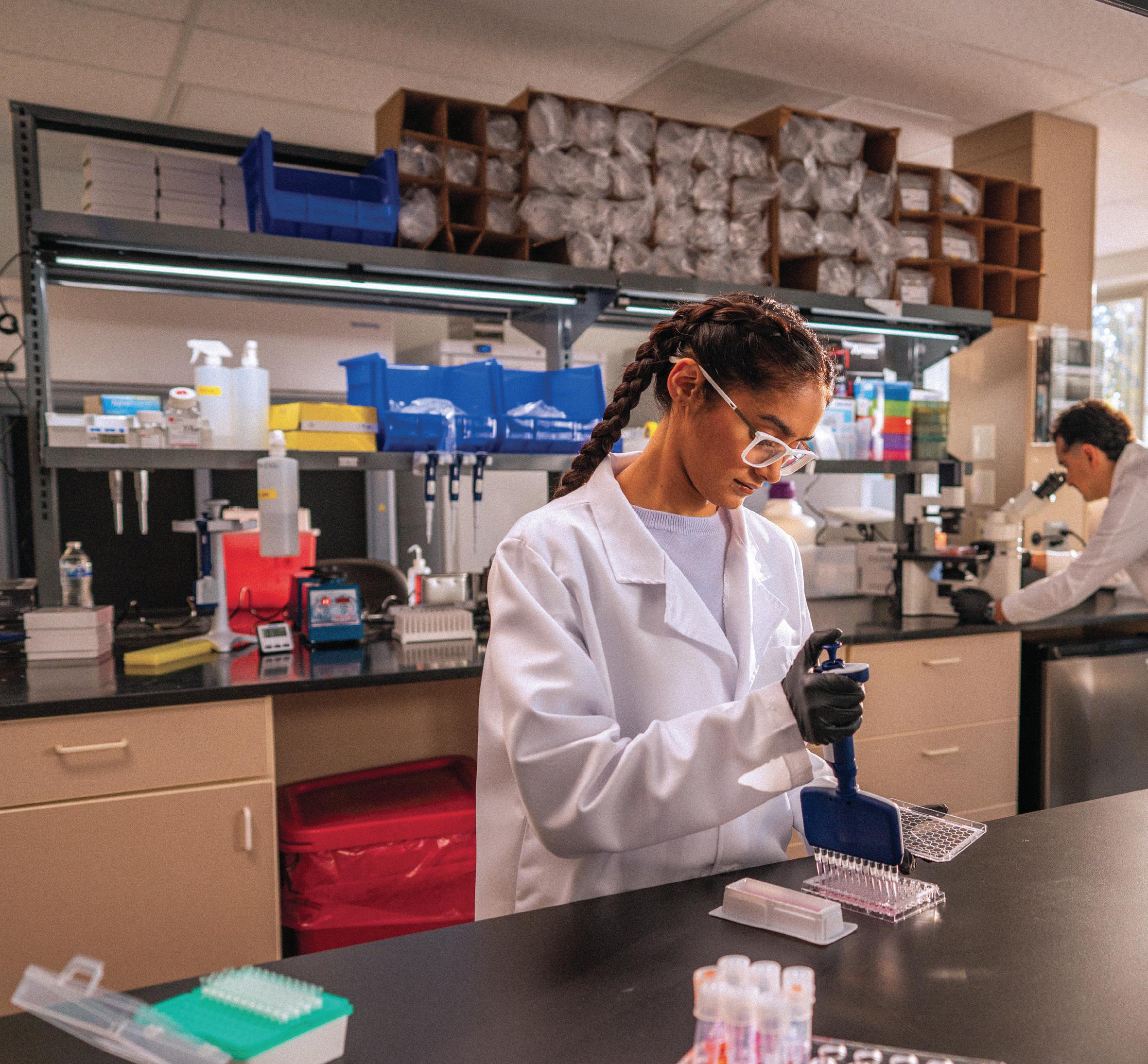






$1,500,000 AWARDED TO CU RESEARCHERS IN 2025
By funding bold ideas and fostering collaboration, the Gates Institute is supporting innovators who are translating scientific potential into transformative health solutions.
The Gates Grubstake awards, named for the “grubstake” support once given to prospectors during the Gold Rush to help launch their expeditions, provide critical early-stage funding for bold ideas in cell and gene therapy, regenerative medicine, biologics, and diagnostics/devices. This seed money support enables investigators to generate proof-ofconcept data, de-risk novel approaches, and position their work for larger external investments to progress
toward clinical applicability. By continuing to back these projects, the Gates Institute at CU Anschutz sustains a pipeline of innovative science, accelerates the translation of discoveries into therapies, and strengthens our ability to deliver transformative treatments to patients with few or no options.
Five principal investigators received Gates Grubstake awards in 2025, each leading a high-potential project poised to advance the field of cell and gene therapy. Together, their work reflects the depth of innovation across our community and underscores why sustained and strategic funding remains essential to moving transformative ideas toward patient impact.
continued >
2025 GATES GRUBSTAKE AWARDEES
CHRISTINA
COUGHLAN, PhD
AD-Exo as a Plasma-Based Diagnostic for Alzheimer’s Disease
Alzheimer’s disease begins causing changes in the brain up to 20 years before noticeable symptoms appear. One major challenge in developing better treatments and understanding the disease is the lack of accurate, easy, and non-invasive tests to detect, track, and manage Alzheimer’s. This serious brain disorder affects about 7 million people in the United States, and there is currently no cure and only limited treatment options, making the need for reliable and widely accessible testing especially urgent. CU Anschutz Assistant Professor of Neurology Christina Coughlan, PhD, and her research team, including Professor of Neurology Huntington Potter, PhD, and Kristyn Masters, PhD, Professor and Chair in the Department of Bioengineering, have created a new blood-based test, called AD-Exo, that can identify Alzheimer’s patients as accurately as advanced brain imaging scans. Funding from the Grubstake Award will support further research and patient monitoring, helping advance this test toward FDA approval.
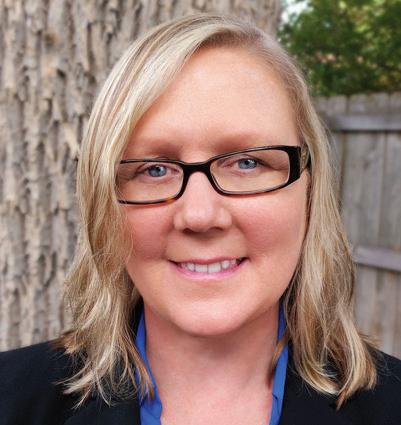
JAY HESSELBERTH, PhD
Universal ASO Platform for Cryptic Exon Correction Across Genetic Diseases
Antisense oligonucleotide (ASO) treatments have shown great success in treating certain genetic diseases, but the high cost of required safety testing makes it difficult to develop these therapies for rare conditions. CU Anschutz Professor of Biochemistry Jay Hesselberth, PhD, working with colleagues Sujatha Jagannathan, PhD, and Scott Demarest, MD, has created a new treatment approach that can be used across many different genetic mutations rather than being tailored to just one. This approach targets hidden errors in how genes are processed, called cryptic exons, which occur when genetic changes cause normally inactive parts of RNA to be mistakenly included, resulting in faulty proteins. The team has developed a novel method to systematically find these harmful cryptic exons throughout the genome. This work has led to the creation of a database of medically relevant targets, giving the team a more efficient and strategic way to choose promising therapies compared to one-off discovery methods. Gates Grubstake funding will support key early testing needed to turn these laboratory findings into strong therapeutic candidates ready for further development.
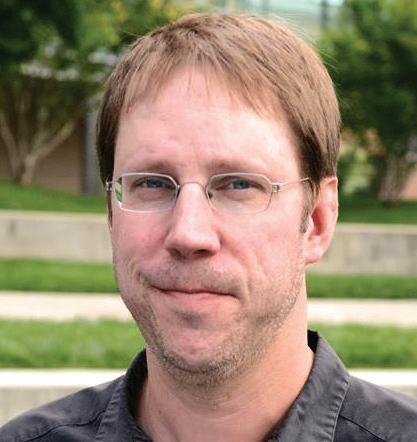
WYATT SHIELDS, PhD, and BENJAMIN BITLER, PhD
Macrophage Backpacks for Delivering Olaparib to High-Grade Serous Carcinomas
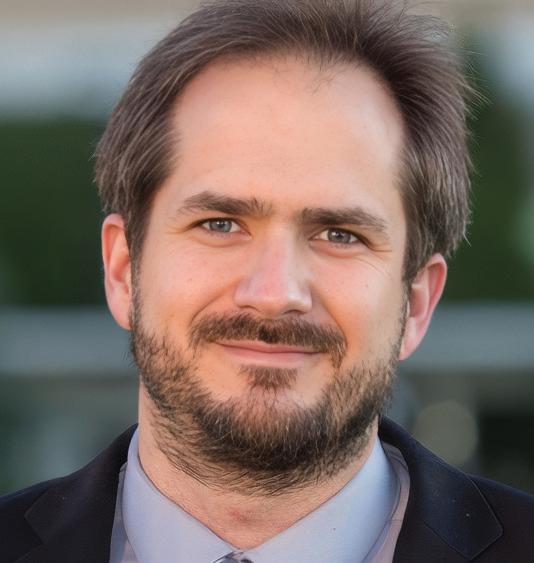
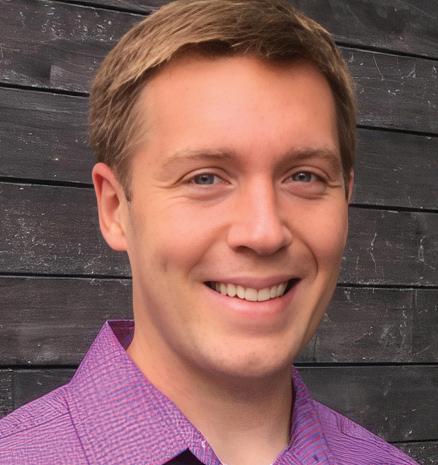
High-grade serous carcinoma (HGSC) is the deadliest form of ovarian cancer. Drugs called PARP inhibitors, such as olaparib, are often given after chemotherapy to help keep the cancer from returning. While these drugs work especially well for patients with BRCA gene mutations, they can cause serious side effects throughout the body and, in rare cases, increase the risk of dangerous blood cancers. CU Boulder Assistant Professor in Chemical and Biological Engineering Wyatt Shields, PhD, CU Boulder Biomedical Engineering Graduate Student Courtney Bailey, and CU Anschutz Associate Professor in Reproductive Sciences Benjamin Bitler, PhD, have developed a new way to deliver this medication more safely and directly to tumors. Their approach uses tiny, disc-shaped particles made from biodegradable material that attach to immune cells called macrophages, acting like a “backpack” that carries the drug. The shape of these particles allows them to stay attached to the cells and release the drug gradually as they travel to the tumor, helping limit harmful side effects. Gates Grubstake funding will support the next development steps needed to prepare this technology for FDA approval and future clinical use.
2025 GATES GRUBSTAKE AWARDEES
NATALIA VERGARA, PhD
Development of a Novel Therapy to Prevent Vision Loss in Age-Related Macular Degeneration
Age-related macular degeneration (AMD) is the leading cause of permanent vision loss in people over 60, affecting more than 200 million people worldwide. The most common form, called dry AMD, accounts for about 90% of cases, and today, there is no cure. Current treatments may slow the disease slightly, but they cannot stop the progressive loss of vision.
At CU Anschutz, Assistant Professor of Ophthalmology Natalia Vergara, PhD, is developing an innovative gene therapy designed specifically for dry AMD. This therapy delivers a protective peptide to retinal cells, helping shield them from damage and prevent cell death. Unlike many existing approaches that focus on a single disease pathway, this strategy is designed to address several key causes of retinal degeneration at the same time. Grubstake Award funding will support critical laboratory studies using advanced human retinal models, helping generate the data needed to advance this therapy toward regulatory review and future clinical trials. This support brings us one step closer to preserving vision for millions of patients.
GRUBSTAKES ACKNOWLEDGMENTS
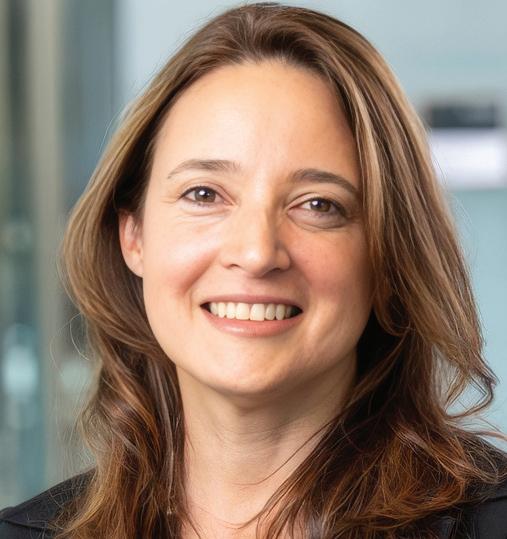
These awards represent deliberate investment decisions by the Gates Institute, reflecting a commitment to directing resources toward projects with the greatest potential for impact. Each application undergoes a competitive, merit-based review and is evaluated through a rigorous process that assesses scientific innovation, feasibility, and translational promise. All funding decisions are made by a diverse Scientific Investment Advisory Committee, whose expert oversight ensures that awards are granted with integrity, transparency, and alignment to the Institute’s mission. We thank these individuals for their work in this process.
• Mark Brunvand, MD
• Ryan Kirkpatrick, MBA
• Kimberly Muller, JD
• Matt Seefeldt, PhD
• Daniel Welch, MBA
• Heather Callahan
• Mani Mohindru, PhD
• Grant Petersen, BSE
• Robert Traver, PhD, JD

Developing a cutting edge therapeutic or novel healthcare technology is challenging and requires a different skill set than academic research. To address this need, the Toolbox Microgrant Program was conceived by Gates and CU Anschutz Innovations to support Grubstake awardees and early stage entrepreneurs in the advancement of high potential discoveries. Together, these programs provide guidance, services, and resources that help investigators navigate early development and commercialization.
EDUCATIONAL RESOURCES AVAILABLE: The Toolbox Microgrant Program offers workshops, mentorship,
• Sibylle Hauser
• Doreen Molk, MS
• Mark Petrash, PhD
• Mike Verneris, MD
IMPORTANT DATES
AUGUST: Applications due
SEPTEMBER: Select investigators notified
NOVEMBER: Presentations made to advisory committee
DECEMBER: Awardees notified
and access to a network of industry experts who help innovators manage scientific, regulatory, and business complexities. These resources are widely used by Gates researchers working in cell, gene, and regenerative medicine. Additional resources, preferred service providers, and staff support can be found at: https://www.cuanschutz.edu/ innovations/campus-innovator/funding/toolbox-microgrants.
SUPPORTING PATHS TO COMMERCIALIZATION: The Healthcare Innovation & Entrepreneurship (HIE) Initiative expands this support through campus wide commercialization pathways, industry partnerships, and an upcoming Business of Science education platform delivered through Amplifire. CU Anschutz Innovations experts guide researchers from idea through execution. Learn more at: https://www.cuanschutz.edu/innovations/HIE
For more ways to bring your technology to fruition contact CU Anschutz Innovations: https://www.cuanschutz.edu/innovations
GATES BIOMANUFACTURING FACILITY (GBF)
10 YEARS OF DISCOVERY AND INNOVATION
By Toni Lapp
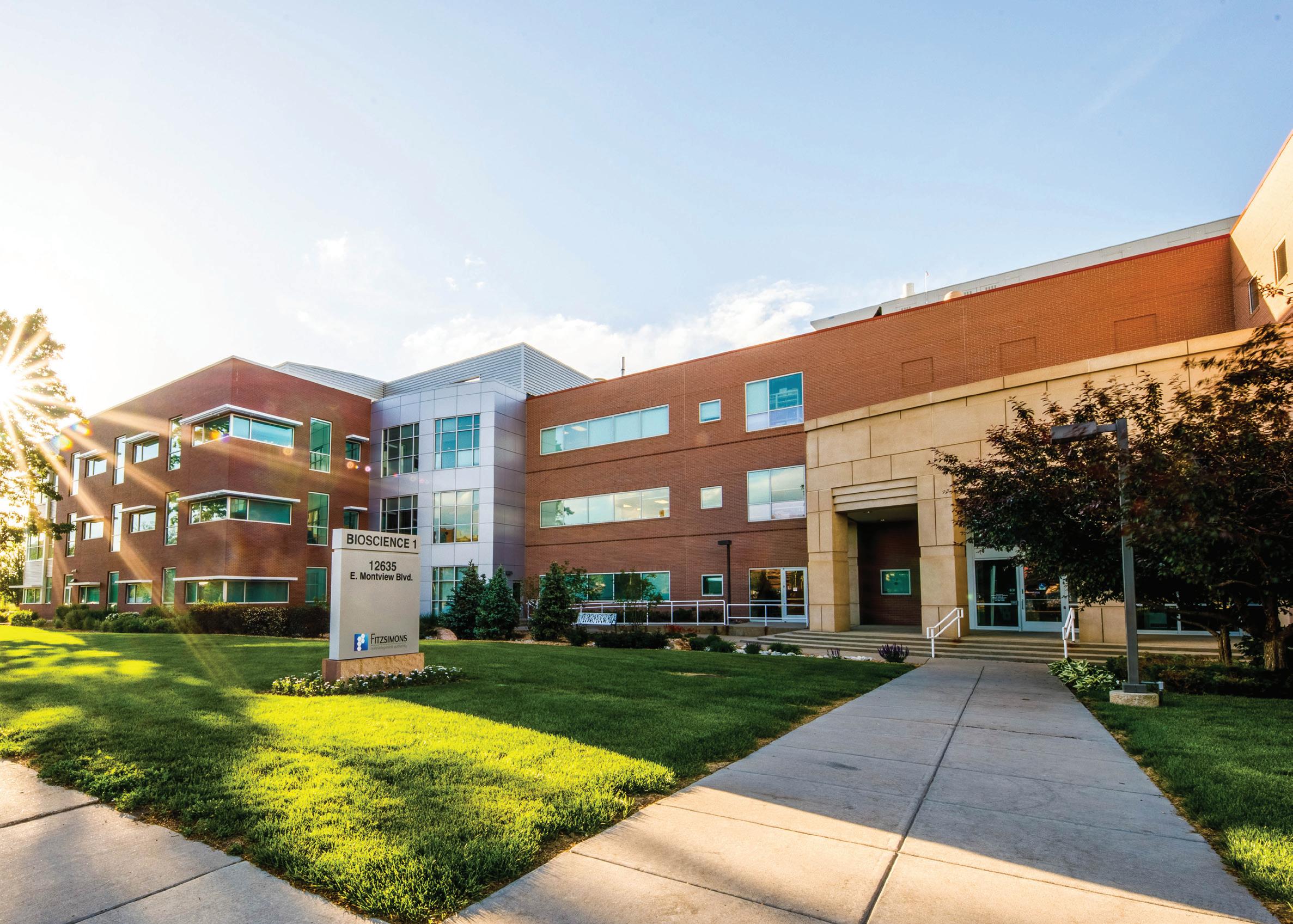
The GBF was launched in 2015 to produce proteins, biologics, and cell and gene therapy products for external clients and CU researchers.
When the Gates Biomanufacturing Facility opened its doors in 2015, cell and gene therapy (CGT) was just beginning to come into its own.
Chimeric antigen receptor (CAR) T-cell therapies were in human clinical trials at the National Institutes of Health and messenger RNA (mRNA) technology was quickly advancing to deliver new vaccines and treatments. Thought leaders in Colorado were keen to advance CGT research at University of Colorado Anschutz and knew that having biomanufacturing capabilities following FDA-compliant current Good Manufacturing Practice (cGMP) regulations would be key. cGMP establishes systems for the proper design, monitoring, and control of manufacturing processes, products, and facilities. It ensures the identity, strength, quality, and purity of drug products by requiring manufacturers to adequately control all aspects of their operations.
One of the early GBF employees, Jordan Krause, began as technical lead for the GBF’s protein biologics group and is now Assistant Director of Product Management at Gates Institute.
“As with any new venture, everything was new and we encountered not only technical, but significant logistical challenges as we built systems from the ground up,” Krause said. “We started with pen-and-paper inventory tracking and grew into a sophisticated, predictive resource-planning system. In the early days, simply moving therapeutic products across campus to the hospital was a major hurdle; today, we’ve successfully treated more than 50 patients at those very hospitals. With every hurdle, we leaned on our collective dedication to quality, innovation, and patient care, and we found a way.”
MULTIDISCIPLINARY EXPERTISE
Among academic biomanufacturing facilities, it is somewhat unusual to offer both biologics and protein production alongside cell and gene therapy manufacturing. The GBF does both, by design.
“Having both biologics and CGT manufacturing capabilities co-located on campus provides not only operational, but scientific and strategic advantages that set the University of Colorado apart from most academic institutions,” said Christopher Garbe, Director of Technical Operations at Gates Institute. Having these specialized resources and subject matter expertise accessible to researchers enables the acceleration of more diverse and novel therapeutics from development into first-in-
human clinical trials. Furthermore, the proximity of these distinct groups naturally encourages collaboration and cross-pollination of ideas and learnings between R&D, manufacturing, and analytical personnel.
The GBF Biologics Team specializes in process development of technically challenging so-called “tricky” protein products, in particular extensive expertise in refolding and formulation to support Phase I human clinical trials. Over the past 10 years, this expertise has been expanded to include other biologics like mRNA, nanoparticles, and plasmids. GBF products target a broad range of indications, from Alzheimer’s disease to kidney angiogenesis treatment. Some of this work is done in collaboration with external clients, such as ongoing work with the Institute of Molecular Medicine, which is running Phase I human clinical trials for an Alzheimer’s vaccine.
The foundation established over the GBF’s first decade is paving the way for ‘next generation’ CGT programs, including novel CARs for leukemia and solid tumors, tumor infiltrating lymphocytes (TILs) for solid tumors, and induced pluripotent stem cell (iPSC) therapies for treating diseases such as age-related macular degeneration and epidermolysis bullosa.
PATIENT IMPACT
The evolution of the GBF over its first decade reflects more than just progress—it reflects real impact. A few of the milestones achieved include:
• 59 patients participating in clinical trials at CU Anschutz have been treated with CAR T-cells manufactured by the GBF as of March 2026.
• Six approved clinical protocols have been developed under three CU-sponsored investigational new drug applications. The first protocol, for a trial that has ended, is now closed to accruals, with five actively accruing protocols.
• 15 GxP (“good practice”) large-scale manufacturing runs for high-quality protein and biologics therapeutics.
“Looking back over the past decade at GBF, it’s remarkable to see how far we’ve come,” said Krause. “I had the unique privilege of being one of the first employees—a small team of scientists fueled by enthusiasm and a shared commitment to excellence. With little more than vision and determination, we began laying the foundation for what would become a GMP-compliant manufacturing facility built on the highest quality standards.”
GATES INSTITUTE CELL AND GENE THERAPY PRODUCT PIPELINE
Clinical Products
■ CD19 CAR T: Blood Cancers
• Adult Relapsed/Refractory (R/R) B-Cell Non-Hodgkin Lymphoma (B-NHL)
• Adult B-Cell Acute Lymphoblastic Leukemia (B-ALL)
• Pediatric Relapsed/Refractory (R/R) B-Cell Acute Lymphoblastic Leukemia (B-ALL)
• Pediatric Relapsed/Refractory (R/R) B-Cell Non-Hodgkin Lymphoma (B-NHL)
■ CD19x22 CAR T: Blood Cancers
• Adult Relapsed/Refractory (R/R) B-Cell Non-Hodgkin Lymphoma (B-NHL)
• Pediatric Relapsed/Refractory (R/R) B-Cell Acute Lymphoblastic Leukemia (B-ALL)
■ CD64 CAR T: Blood Cancers
• Adult Relapsed/Refractory (R/R) Acute Myeloid Leukemia (AML)
Pipeline Immune Effector Cell (IEC) Products
■ CAR T: Solid Tumors
■ CAR T: Brain Tumors
■ Engineered Tumor-Infiltrating Lymphocytes (TILs): Solid Tumors
Pipeline iPSC Products
■ iPSC: Age-Related Macular Degeneration (AMD)
■ iPSC: Epidermolysis Bullosa (EB)
LEADERSHIP HIGHLIGHTS
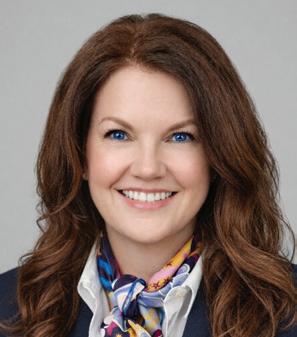
STEFANNIE EMERSON was named Chief Operating Officer of Gates Institute after Laura Borgelt transitioned into the role of Executive Vice Chancellor for Academic and Student Affairs at CU Anschutz. Emerson oversees the strategic and operational functions supporting the Institute’s growth and translational mission. She partners closely with leaders across campus to strengthen alignment, coordination, and impact.
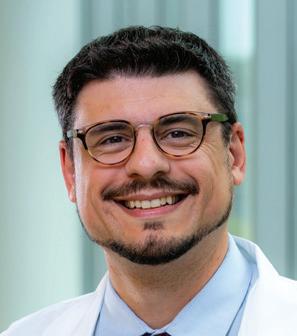
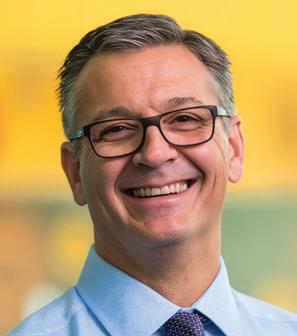
MATHEW ANGELOS, MD, PhD, assistant professor of hematology at the CU Anschutz School of Medicine, was named Gates Biomanufacturing Facility Medical Director, a role that oversees the clinical and scientific aspects of producing cell therapies, gene therapies, and biologics. That role was previously held by MIKE VERNERIS, MD, professor of pediatrics-hematology/oncology and bone marrow transplantation (BMT) in CU Anschutz School of Medicine, who was named Chief of Research for the Institute.
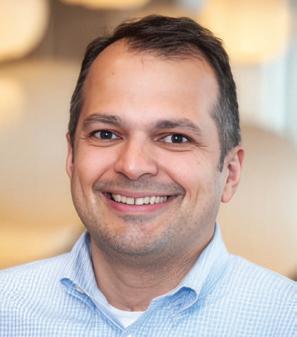
NAVIN PINTO, MD, professor of pediatrics-hematology/oncology and BMT, was named Chief of Medical Affairs.
MILESTONES
The Gates Institute at CU Anschutz has received Investigational New Drug clearance from the U.S. Food and Drug Administration for the first CAR T-cell therapy developed entirely on the CU Anschutz campus to be authorized for clinical testing in the United States. Engineered to target the CD64 protein on aggressive leukemia cells, the therapy offers a novel approach for patients with relapsed or refractory disease.
The FDA clearance represents years of work by a team committed to moving cellular therapies from discovery into meaningful clinical impact, said TERRY FRY, MD, Executive Director of the Gates Institute. “Launching this clinical trial is an important first step toward a different approach for this very aggressive disease, one we hope will ultimately change how myeloid leukemias are treated.”
The Phase 1 clinical trial will evaluate the safety, tolerability and optimal dosing of CD64 CAR T-cells in adults with relapsed or refractory AML. Enrollment is anticipated to begin in June 2026, with patients treated at UCHealth University of Colorado Hospital.
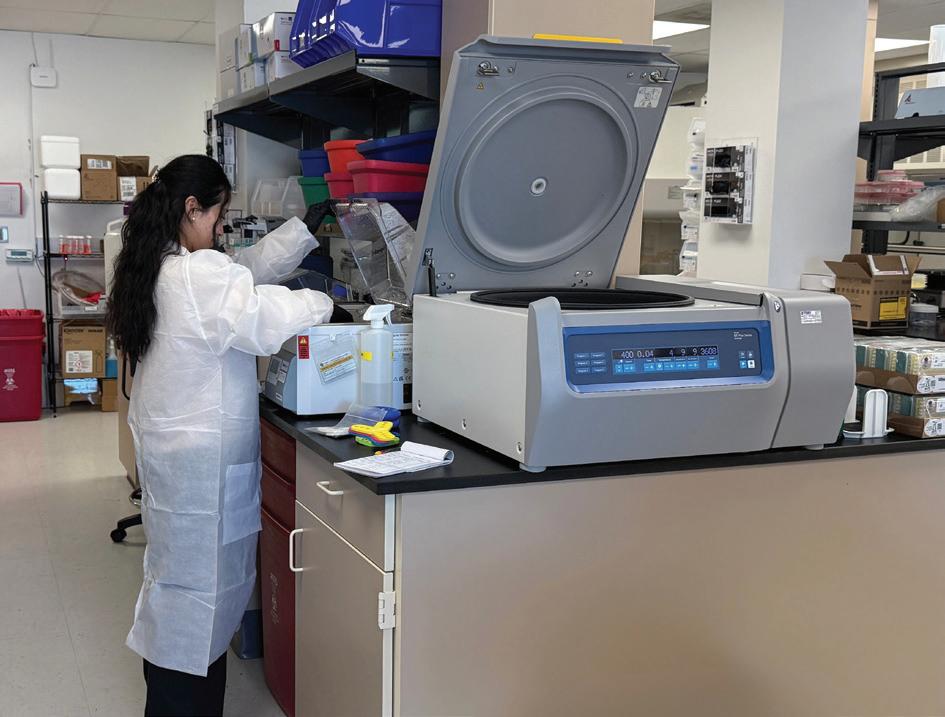
In early 2025, the Translational Sciences Lab (TSL) opened in the Bioscience 1 building as a new Gates Institute hub dedicated to bridging research and clinical application in cell and gene therapy. Shortly after, the TSL received a ScaleReady grant to build a modular manufacturing platform centered on G-Rex technology. This platform will support investigators across CU
Anschutz in developing patient-focused products. The grant aims to accelerate the pipeline of innovative therapies for cancers and rare diseases, guiding them from concept to manufacturing readiness—a complex process that individual labs often struggle to sustain independently. By combining a structured approach to process development with a close partnership with the Gates Biomanufacturing Facility, the TSL streamlines the transition from the bench to clinical trials for a diverse range of therapies. Ultimately, the TSL's opening and the ScaleReady grant represent a crucial capacity-building milestone that will drive new technologies from proof-ofprinciple to eventual clinical testing at CU Anschutz.
Angelos Verneris Pinto
The Translational Sciences Lab (TSL) opened in 2025
MILESTONES
Matter of Time, a documentary featuring scenes shot in the labs of Gates Institute's very own research members ANYA (GANNA) BILOUSOVA, PhD, and IGOR KOGUT, PhD, debuted at the Tribeca Film Festival in 2025 and is now available to stream on Netflix. The documentary follows the fight to cure epidermolysis bullosa (EB), a group of rare genetic disorders that cause the skin and mucous membranes to be extremely fragile. EB research at CU Anschutz was spearheaded over a decade ago by DENNIS ROOP, PhD, Associate Director of Gates Institute, and has evolved into a comprehensive therapeutic development enterprise. Under the scientific leadership of Drs. Bilousova and Kogut, working in close collaboration with clinical partners ANNA BRUCKNER, MD, and EMILY GORELL, DO, the team is working with key partners, including the University of Colorado Boulder, Exthymic and Stanford University, to translate groundbreaking stem cell technologies into potentially curative treatments that could transform the lives of EB patients globally.
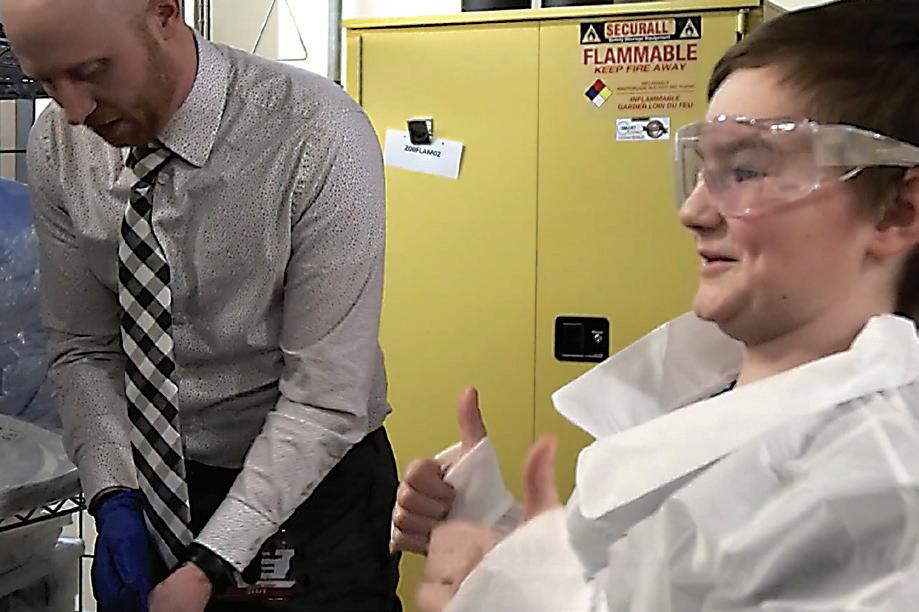
A significant milestone was reached in July 2025 when the 50th patient was treated with CAR T-cell therapy at CU Anschutz. This represents a major growth point for the campus’s cell and gene therapy portfolio, reflecting years of investment in scientific discovery, manufacturing capability and clinical infrastructure. By the end of 2025, a total of 55 patients had received CAR T treatment on clinical trials, demonstrating a steady enrollment pace and an indication that CU Anschutz is emerging as a regional center for advanced cellular therapies. This clinical activity is supported by the Gates Biomanufacturing Facility (GBF) and in 2025, families of pediatric patients who were enrolled in clinical trials at Anschutz were invited for behind-the-scenes tours, where they could see the clean rooms and equipment used to produce CAR T products, helping to demystify the process and demonstrate the tangible impact of the institute’s manufacturing and quality systems.
TERRY FRY, MD, Executive Director of Gates Institute, has been elected to the Association of American Physicians. Election to the AAP is one of the highest honors in medicine, with only 70 scientists inducted annually. For Dr. Fry, this is a well-deserved recognition of a distinguished career dedicated to shifting the paradigm for cancer care.
From left: Biomanufacturing staff Zachary Bricker welcomes Lucas Thompson for a tour of the GBF.
A scene from the documentary Matter of Time, released in 2025, features Gates Institute research faculty Anya (Ganna) Bilousova, at right.
Igor Kogut, PhD, in the documentary Matter of Time.
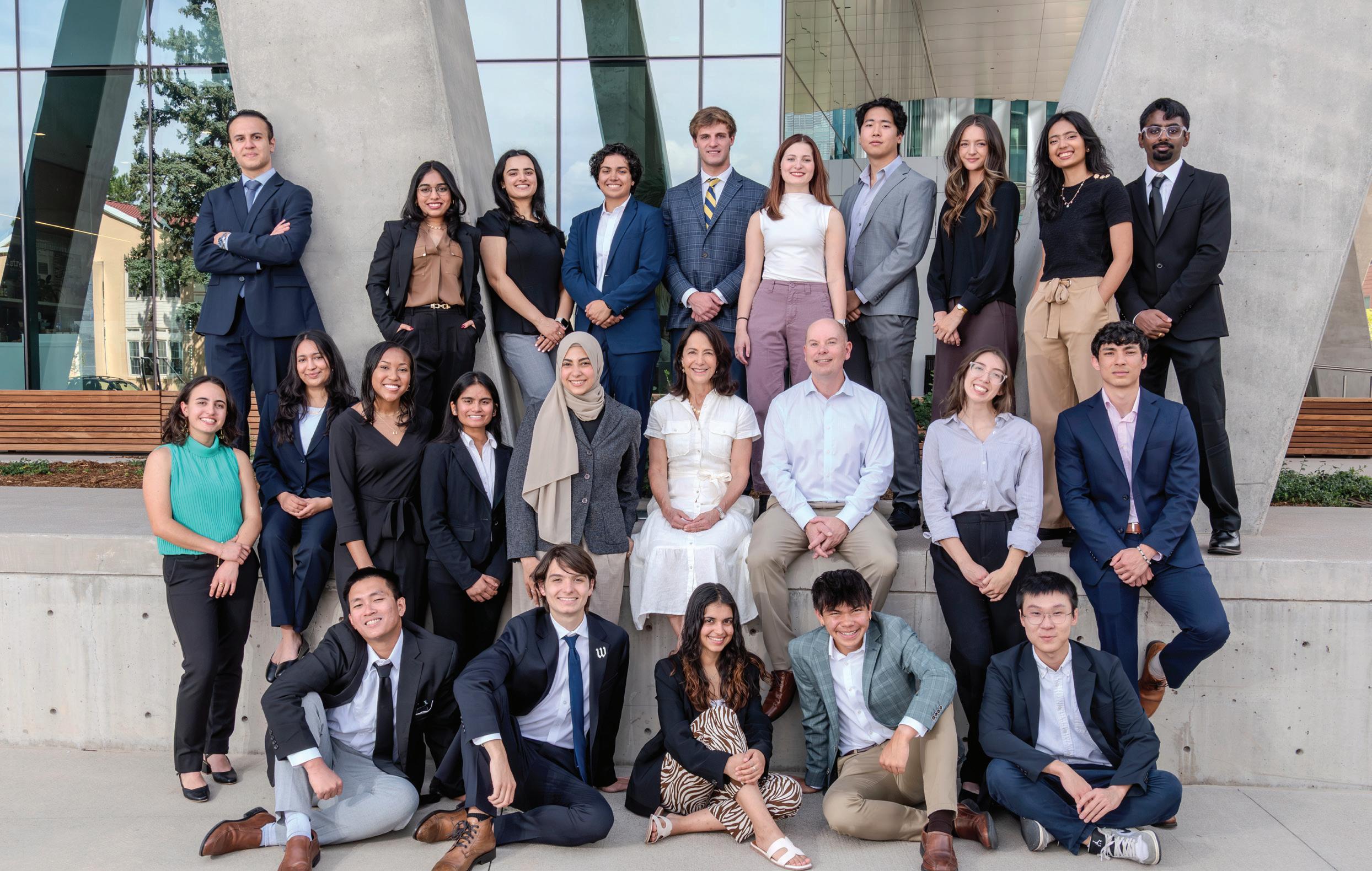
Brzezinski, Marissa Benavidez, Nicolas Knaupp,
row from left: Anas Shahood, Shravani Dhawane, Paree Sharma, Cove Andrews, Henry Mastrion, Sophia Gerrans, Joshua Lee, Alexa Macklin, Tanisha Mehrotra, Sam Fredrick
GATES SUMMER INTERNSHIP PROGRAM 2025
As the Gates Summer Internship Program (GSIP) entered its second decade, it continued to serve as a gateway to regenerative medicine – shaping academic paths and cultivating the next generation of scientific leaders.
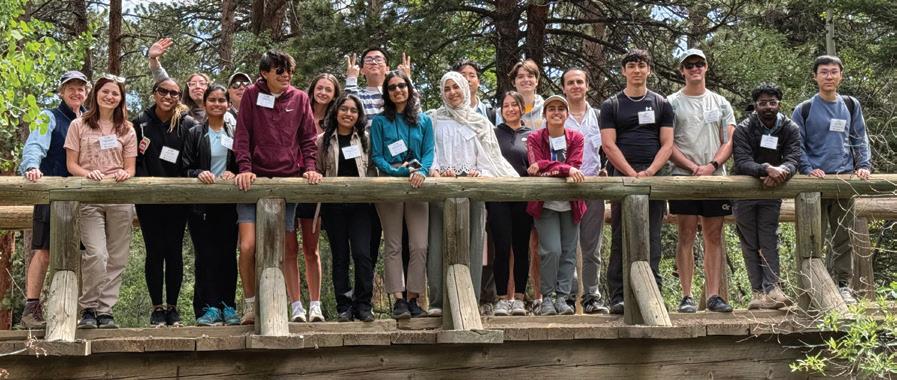
In late May, 22 interns arrived on campus for what one described as “a transformative experience that will continue to shape my academic and career choices.”
Students came from 15 colleges and universities across Colorado and the United States as well as from countries including China, Egypt, Germany, India, Kenya, Nepal, and Vietnam. This diverse cohort brought curiosity, talent, and global perspective to the Gates Institute community.
Each intern was paired with a Gates Institute mentor and embedded in a research laboratory, pursuing hands-
on projects covering a variety of medical disciplines including cell and gene therapies. Beyond the bench, seminars and professional development programming introduced interns to a myriad of career paths within regenerative medicine and the biomedical sciences.
GSIP’s success reflects a community far beyond any single summer cohort: the mentors and labs who open their doors; the Gates Institute, which champions GSIP as its flagship educational initiative; and the donors whose generosity over the past eleven years sustains and strengthens the program.
Equally vital is the growing network of alumni who remain engaged – serving on the admissions committee, judging the GSIP Research Symposium, and staying in touch as they pursue advanced degrees and careers across academia, medicine, and industry. Their continued involvement demonstrates GSIP’s lasting impact through lives shaped by mentorship and opportunity.
Together, these efforts advance GSIP’s mission: empowering talented undergraduates to contribute meaningfully to cell and gene therapy research and to pursue careers at the heart of innovation.
GSIP CLASS OF 2025 Front row from left: Duy Tan Nguyen, Charles Cuttino, Mishal Sara Lalani, Nathan Yang, Hank Wang Middle row from left: Yasmine Ackall, Nimisha Gautam, Ukari Verner, Ananya Alfred, Basmala Aldamak, Co-Director Jill Cowperthwaite, Co-Director Joseph
Back
GSIP PROGRAM QUICK FACTS (as
of 10/25)
228 INTERNS have participated in GSIP since its inception in 2015, from 105 US COLLEGES AND UNIVERSITIES.
25 INTERNSHIP ALUMNI
have or are pursuing degrees at the University of Colorado Anschutz School of Medicine or graduate programs at the University of Colorado Anschutz.
141 PROGRAM ALUMNI are pursuing or have obtained advanced degrees (BE, DVM, JD, MD, MD-PhD, MS, MSc, MSE, MPH, PhD, PharmD).
94 RESEARCH ARTICLES AND PUBLICATIONS have included our GSIP alumni as authors.
$
268 SCHOLARSHIPS AND AWARDS have been received by GSIP alumni.
Employment Industry
Advanced Degrees* MD, PhD PhD MD, DO
*Advanced degrees include: BE, DVM, JD, MS, MSc, MSE, MPH, PharmD
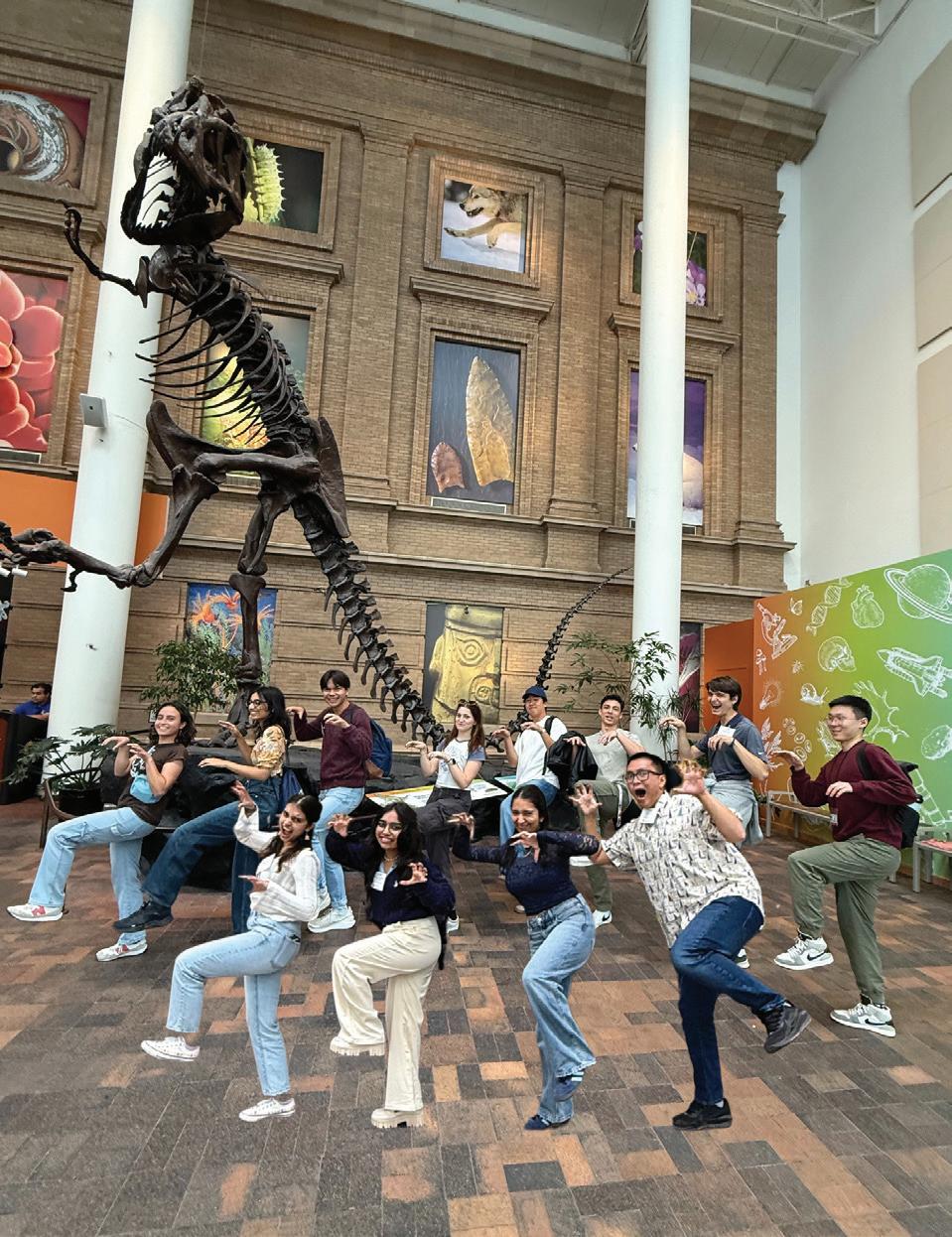
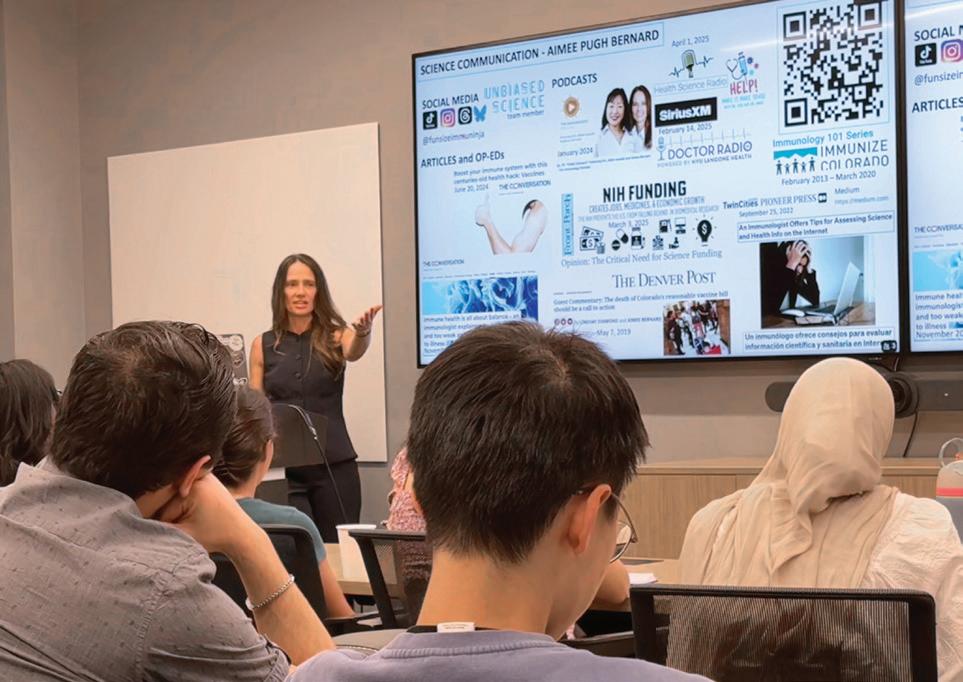
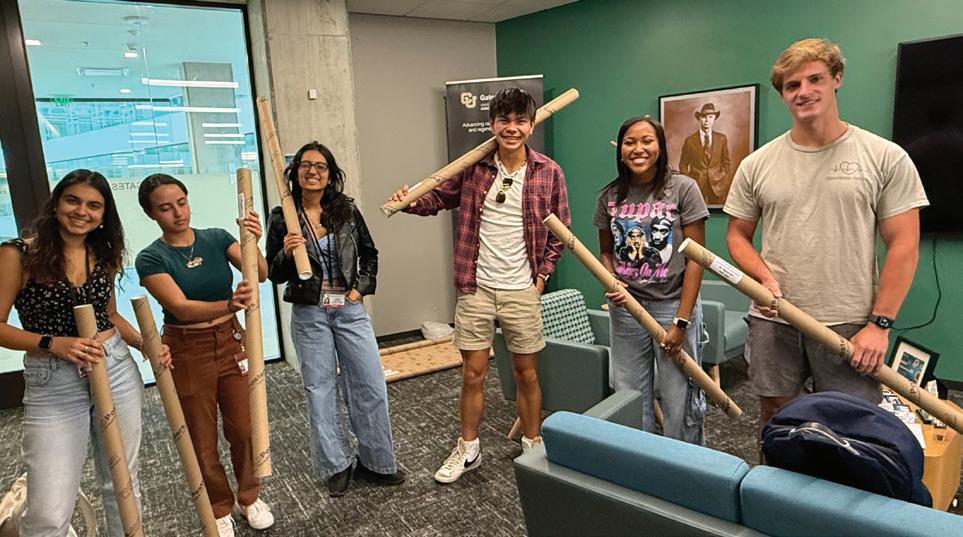
Top left: Aimee Bernard, PhD, on “The Art of Making Science Interesting and Relatable to the General Public” was one of 14 summer seminars. Bottom left: Interns dropped by the Gates Institute suite to pick up their research posters – a happy day! Right: The Class of 2025 had fun posing during their visit to the Denver Museum of Nature and Science!
GSIP STUDENTS AND MENTORS
Yasmine Ackall
The University of North Carolina at Chapel Hill
Mentor: Sujatha Jagannathan, PhD
Associate Professor, Biochemistry and Molecular Genetics
Basmala Aldamak
Iowa State University
Mentor: Benjamin Kopecky, MD, PhD Assistant Professor, Medicine/Cardiology
Ananya Alfred
University of Colorado Denver
Mentor: Jeffrey Jacot, PhD
Associate Professor, Bioengineering
Christal (Cove) Andrews University of Colorado Boulder
Mentor: Kristen Watt, PhD Assistant Professor, Craniofacial Biology
Marissa Benavidez
University of Colorado Colorado Springs
Mentor: Mi-Hyun Nam, PhD Assistant Professor, Ophthalmology
Charles Cuttino
The College of Wooster
Mentor: Sujatha Venkataraman, PhD Associate Professor, Pediatrics/ Neuro-oncology
Shravani Dhawane
Smith College
Mentor: Clyde Wright, MD Professor, Pediatrics-Neonatology
Top
Bottom
Sam Fredrick
University of Colorado Denver
Mentor: Lori Sussel, PhD Professor, Pediatrics-Barbara Davis Center for Diabetes
Nimisha Gautam
Cornell University
Mentor: Ronald Vagnozzi, PhD Assistant Professor, Cardiology/Medicine
Sophia Gerrans
Cornell University
Mentor: Joseph Brzezinski, PhD Associate Professor, Ophthalmology
Nicolas Knaupp
Davidson College
Mentor: Curtis Henry, PhD Associate Professor, Immunology and Microbiology
Mishal Sara Lalani
Middlebury College
Mentor: Patricia Ernst, PhD Professor, Pediatrics and Pharmacology
Joshua Lee
University of Colorado Boulder
Mentor: Karin Payne, PhD Associate Professor, Orthopedics
Alexa Macklin
University of Colorado Boulder
Mentor: Miguel Flores-Bellver, PhD Assistant Professor, Ophthalmology
Henry Mastrion
Georgia Institute of Technology
Mentor: Dan Sherbenou, MD, PhD
Associate Professor, Hematology
Tanisha Mehrotra
Johns Hopkins University
Mentor: Bruce Appel, PhD
Professor, Pediatrics, Section of Developmental Biology
Duy Tan Nguyen
Cal Poly Pomona
Mentor: Jennifer Richer, PhD Professor, Pathology
Anas Shahood
St. Lawrence University
Mentor: Santos Franco, PhD Associate Professor, Pediatrics
Paree Sharma
Johns Hopkins University
Mentor: Xiying Fan, PhD Assistant Professor, Dermatology
Ukari Verner
University of Denver
Mentor: Elizabeth Kovacs, PhD Professor, Surgery
Hank Wang
Middlebury College
Mentor: Christina Coughlan, PhD Assistant Professor, Neurology
Nathan Yang
The College of William and Mary
Mentor: Natalia Vergara, PhD
Assistant Professor, Ophthalmology
Anschutz | Gates
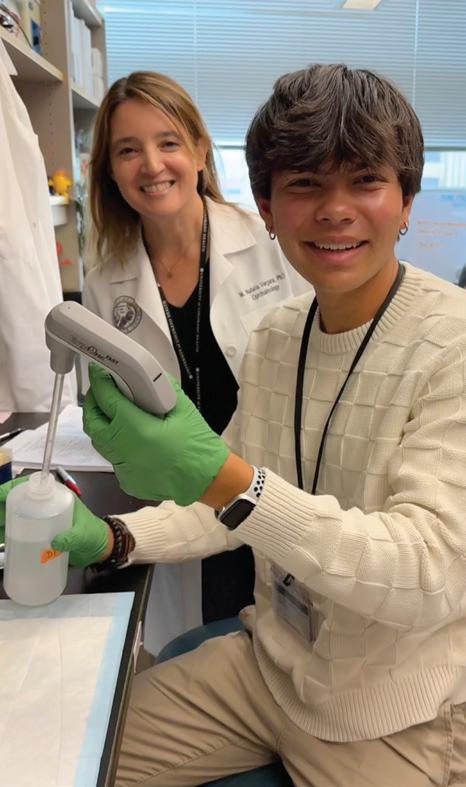
Left: Mentor Natalia Vergara, PhD, and intern and College of William and Mary undergraduate Nathan Yang, who was one of two GSIP interns generously supported by the Glendorn Foundation.
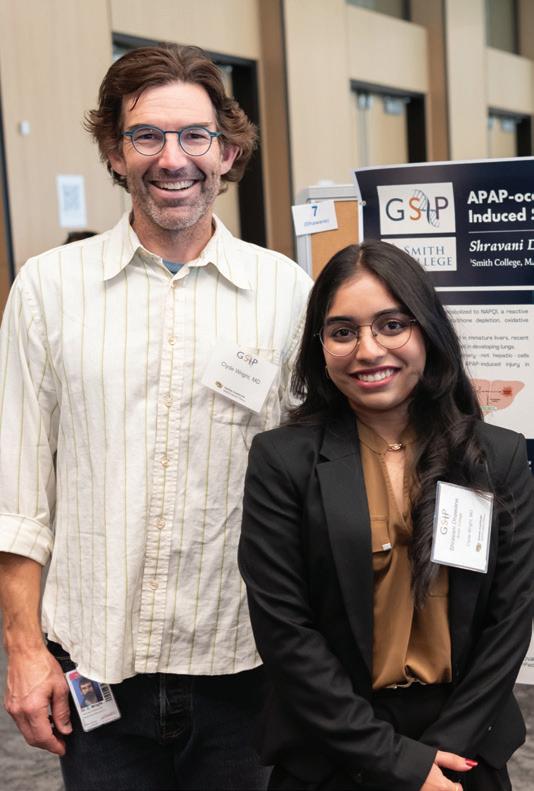
Middle: Clyde Wright, MD, and GSIP intern and Smith College undergraduate Shravani Dhawane
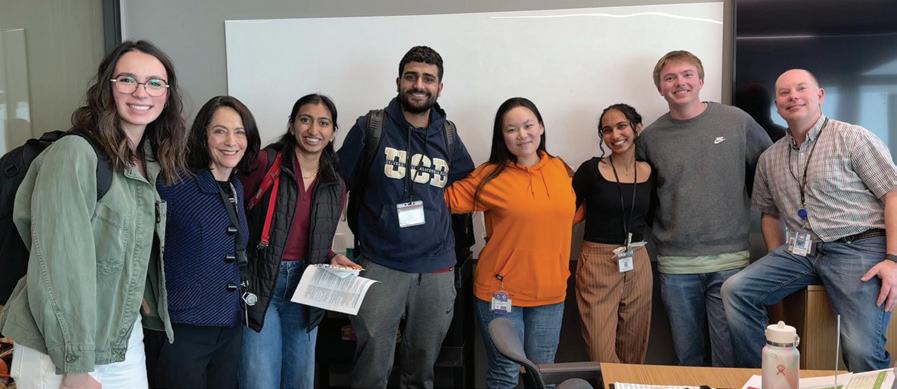
Right: GSIP alumni served alongside CU Anschutz faculty and staff on the 2025 Admissions Committee. From left: Kanita Hrustanovic ‘23, Co-director Jill Cowperthwaite, Tvishi Yendamuri ’24, Jeevan Mann ’23, ’24, Yifei Chen ’22, ’23, Zeb Trovinger ’23, Co-Director Joseph Brzezinski, PhD
Right: Thanks to donors Rhondda and Liza Grant, the class had a fabulous day hiking and picnicking in Rocky Mountain National Park.
FINANCIAL OVERVIEW
By Joleen Bohnen, MBA
Over the past fiscal year, the Gates Institute at CU Anschutz has continued to advance its mission of bringing transformative therapies to patients made possible through the generosity and partnership of our donor community. With a steadfast commitment to financial stewardship, the Institute has expanded operational capabilities, strengthened critical partnerships, and accelerated programs toward key clinical milestones, including Investigational New Drug (IND) submissions. Every investment has been guided by a focus on maximizing impact, ensuring that donor support translates directly into meaningful progress for patients.
Acentral theme of the year has been the alignment of financial discipline with strategic collaboration. By building integrated partnerships across development and manufacturing, the Institute is creating a more efficient and scalable path from discovery to the clinic. Collaborations with industry partners such as Vector BioMed, Exthymic, and Volnay Therapeutics have been instrumental—accelerating timelines, optimizing costs, and expanding access to the specialized capabilities required to bring therapies to patients faster. These partnerships amplify the impact of philanthropic investment by leveraging external expertise and infrastructure.
This progress has been achieved amid a rapidly evolving and challenging market environment. The cell therapy sector continues to face significant headwinds, including consolidation and, in some cases, company exits due to the capital-intensive nature of development and manufacturing. At the same time, continued investment and strategic transactions underscore the longterm promise of the field. Changes at the federal level, including shifts in NIH and FDA leadership and funding priorities, have added further complexity. In this environment, the Institute’s disciplined, mission-driven approach has been critical to sustaining momentum.
Recognizing that breakthrough science requires exceptional people, the Institute has also made a deliberate investment in top-tier talent. Rather than broad expansion, leadership has focused on recruiting and retaining highly specialized experts who facilitate program execution, manufacturing excellence, and clinical readiness. Looking ahead, the Institute remains committed
to building a resilient and forward-looking platform. This includes expanding beyond CAR-T therapies into complementary modalities such as RNA and gene therapies and continuing to invest in enabling technologies that will broaden patient impact. Together, these efforts reflect a cohesive strategy in which financial stewardship, strategic partnerships, and investment in people work in concert, to ensure continued scientific discovery and real progress toward delivering lifechanging therapies to patients in need.
GATES INSTITUTE ADVISORY BOARD
Scan this QR to review the
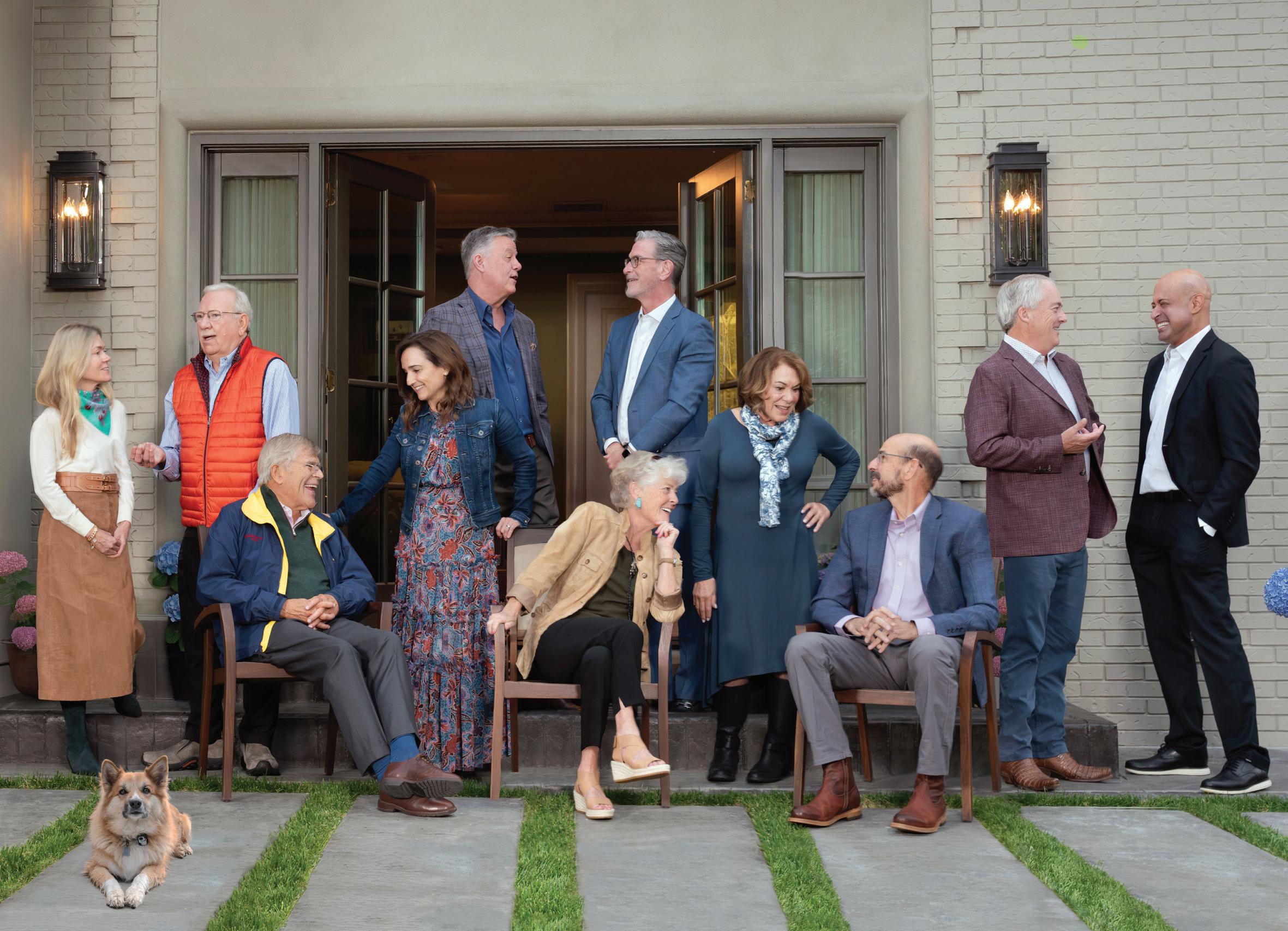
The Gates Institute Advisory Board, from left: Janelle Blessing, Dennis Roop, Chancellor Don Elliman, Yvette Pita Frampton, Daniel Welch, Diane Gates Wallach, Dean John Sampson, Ann Sperling, Gates Institute Executive Director Terry Fry, Kevin Reidy and Shane Smith. Not pictured: Marc Bonaca, Tom Gronow, and Raphe Schwartz.
DONORS
We gratefully acknowledge the following individuals, foundations and organizations for supporting our research and mission during 2025.
• ABN Ohana
• Sandy Adams & Ron Sherbert
• Anonymous
• Kristin Baird, MD, & Terry Fry, MD
• Jo & Dennis Battock
• Randall & Jeffrey Bellows
• Alice & John Benitez
• Ganna Bilousova, PhD & Igor Kogut, PhD
• Janelle & Buck Blessing
• Laura Borgelt, PharmD
• Brewster Boyd
• J. Scott Bradley
• Balbi A. Brooks
• Margaret & Trevor Brown
• Dr. Jacqueline R. Voss & Dr. Grant L. Campbell
• Children's Hospital Colorado
• Davidson College
• Phyllis M. Coors Foundation
• W illiam Kistler Coors Foundation
• Suzanne & Carter Cowles
• Jill Cowperthwaite & Charles Jones
• Rick Crandall
• Paula & Jack Crowley
• Marguerite & Thomas Detmer, Jr.
• The Dudley Family
• Cathey & Dick Finlon
• Stephanie Foote
• Glendorn Foundation
• Yvette & Christopher Frampton
• Gates Frontiers Fund
• Gates Family Foundation
• Barry Gilbert
• Dana Gordon
• Liza Grant
• Rhondda Grant
• Julie & Martin Harrington
• The Honnen Family, Eileen Honnen and her children
• The Ber nice Gates Hopper Family Fund
• Joyce & Wayne Hutchens
• Montjoy & Frank Kugeler
• The Charlie Kurtz Family
• Susan & Stephen Lehman
• LGA Family Foundation
• Gretchen & Charles Lobitz
• Steven MacDonald
• Margaret & Gerald Martinez
• Sarah McGregor & Peter Naseth
• Jennifer & Court Miner
• The New L Family Fund
• Madison Perkins
• Robert Pickard
• The Poha Fund
• Jane Rech, PhD & Chris Toll
• Betty & Dennis Roop, PhD
• Legacy III Fund
• Jim W. Schwietert
• Ann Sperling, MBA
• Douglas Thacker
• UCHealth
• University of Colorado Anschutz, Office of the Chancellor
• University of Colorado Anschutz, School of Medicine
• Mary & Robert Vinton
• Diane & Marshall Wallach
• Marie & Daniel Welch
• Pamela & Olgesby Young
TRIBUTE: BERTINA MINJARES
In 2025, Gates Institute mourned the passing of one of its own staff members – Bertina Minjares, manager of quality control at the Gates Biomanufacturing Facility (GBF). Bertina joined the GBF in 2017 after former colleagues there recruited her.
“The work was innovative, interesting, and wasn’t like any place I had worked in before,” she had said in an employee engagement forum in 2024. “I’m continually blown away by the amazing scientific discoveries that are taking place on this campus and that we get to play a role in advancing some of those discoveries into lifesaving therapies.”
She immediately immersed herself in the role and relished the opportunity to have an impact on the advancement of research, say her colleagues.
“Bertina was driven by a deep sense of purpose,” said her manager, GBF Director of Quality Chandresh Undhad. “Every task she took on, she approached with determination and focus, always keeping the bigger mission in mind. She never measured her work only by deadlines or deliverables, but by the impact it could make for others. That is what set her apart.”
Minjares earned her bachelor's degree in biochemistry from Colorado State University. In 2025, she earned her master’s in applied biostatistics from University of Colorado Anschutz.
She enjoyed hiking, backpacking, skiing and biking, as well as numerous sports, from hockey to tennis. She was active in the community, serving as an ambassador at the Denver Zoo and volunteering for the Colorado Fourteeners Initiative and Volunteers for Outdoor Colorado. This spirit of giving was central to her character.
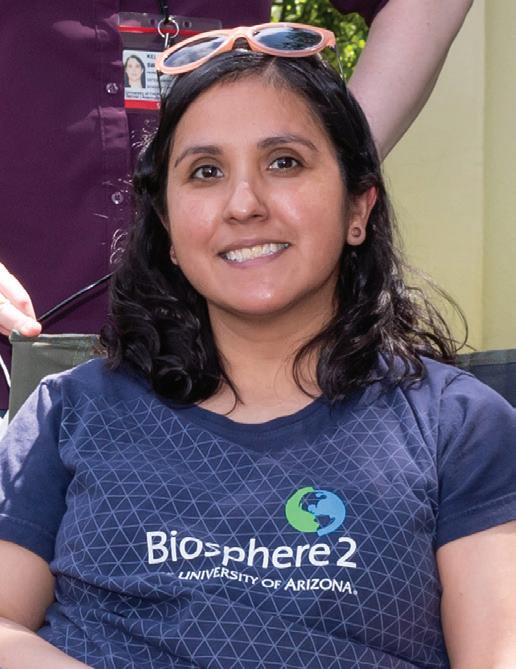
“She was the kind of person who leaned in when others needed help,” said Undhad. “No matter how much was on her plate, she would step up without hesitation, quietly taking on more to lighten the load for her team. She carried her strength with grace, and her generosity with humility. “ “But beyond her professional excellence, what I will always cherish most is the way she cared for people. She listened, encouraged, and reminded us of our own resilience in moments when we doubted ourselves. Her kindness created ripples far greater than she may have realized, and her absence leaves a space that cannot be filled.”
2025 PHOTOS: CHARLIE'S PICNIC
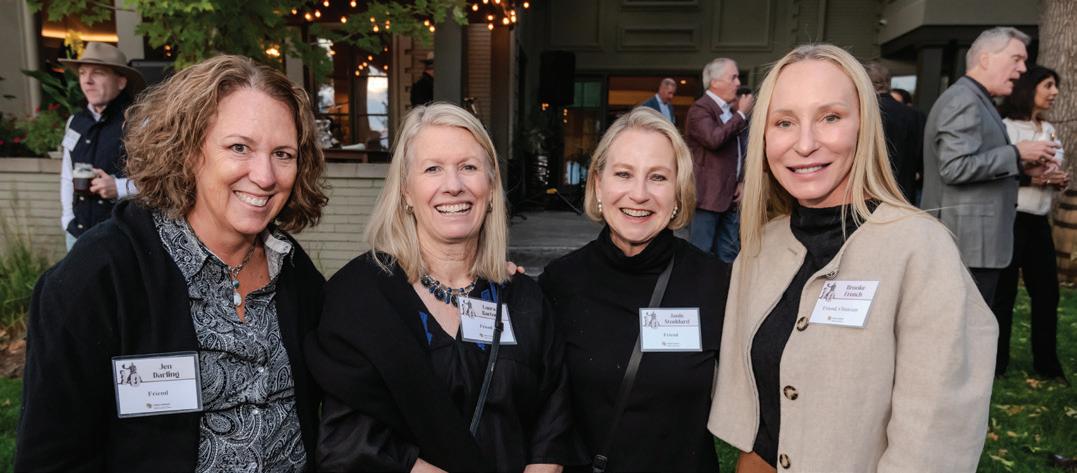
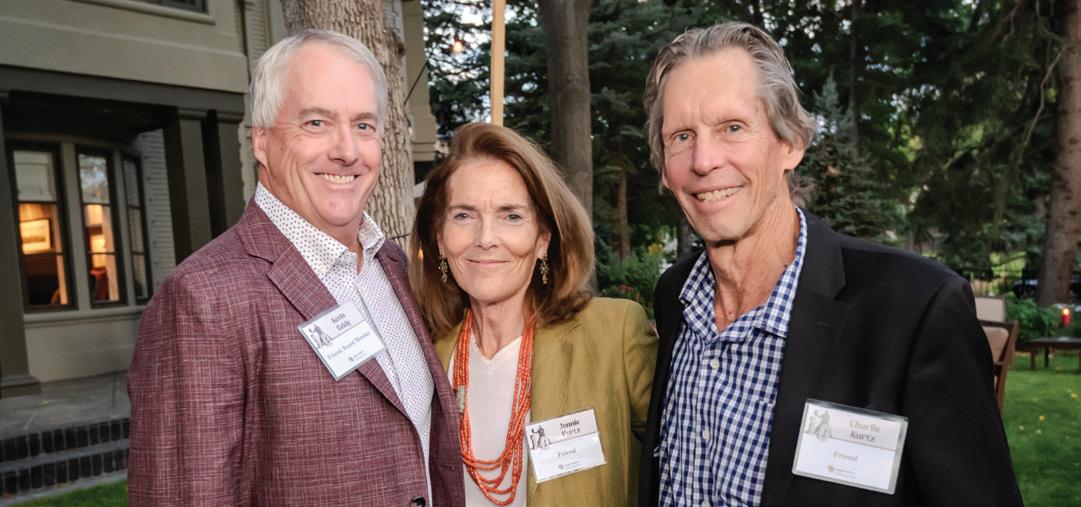
Diane Wallach and Terry Fry welcome Picnic partygoers. Top (from left): Jen Darling, Laura Barton, Janie Stoddard and Brooke French. Bottom: (from left): Kevin Reidy, Jennie and Charlie Kurtz.
2025 PHOTOS: CHARLIE'S PICNIC
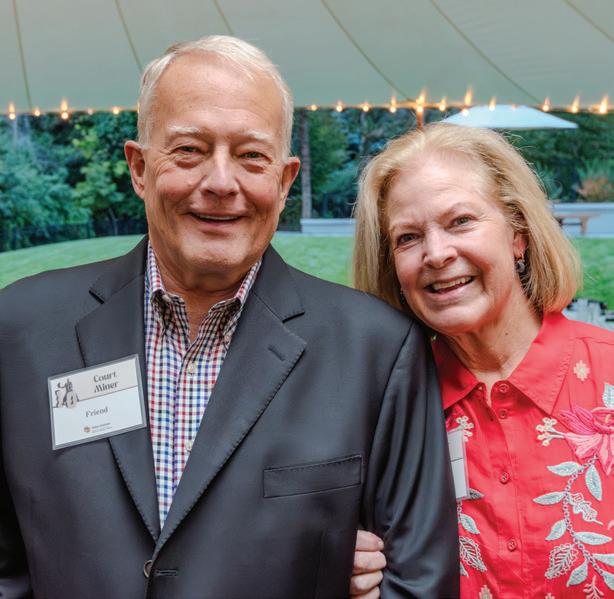
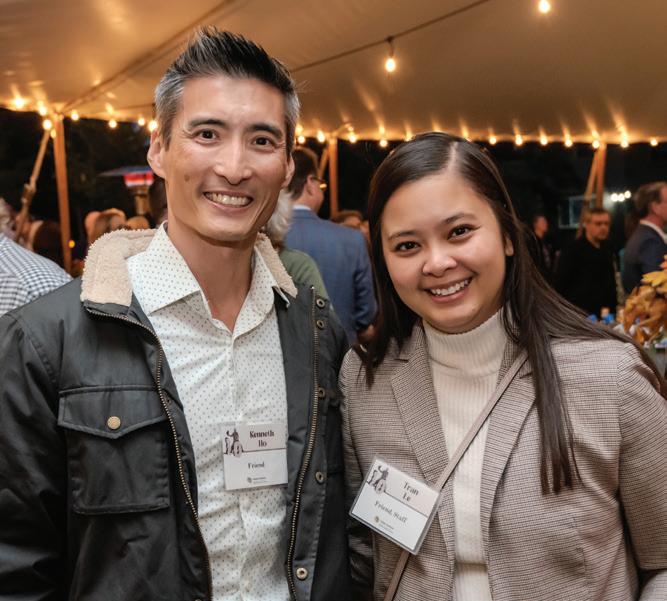
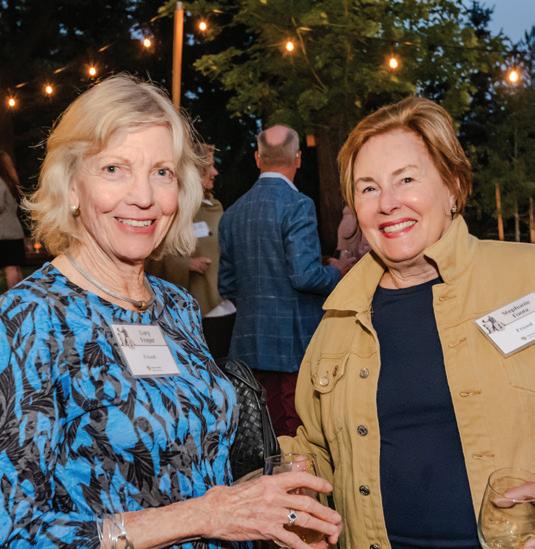
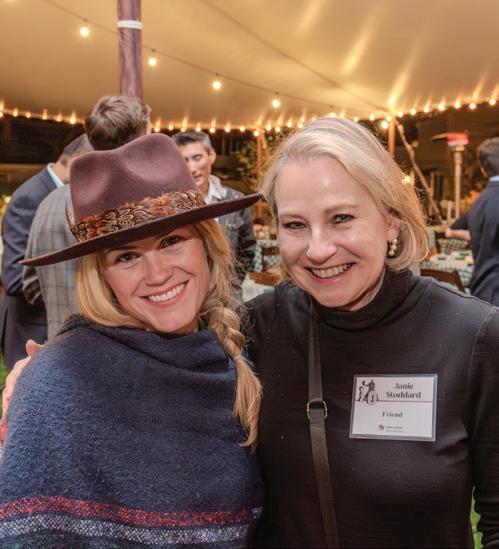
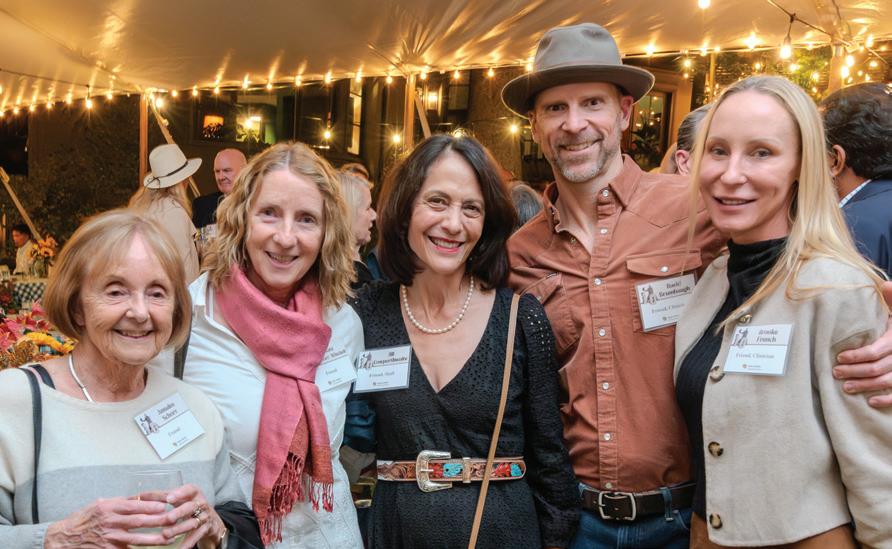
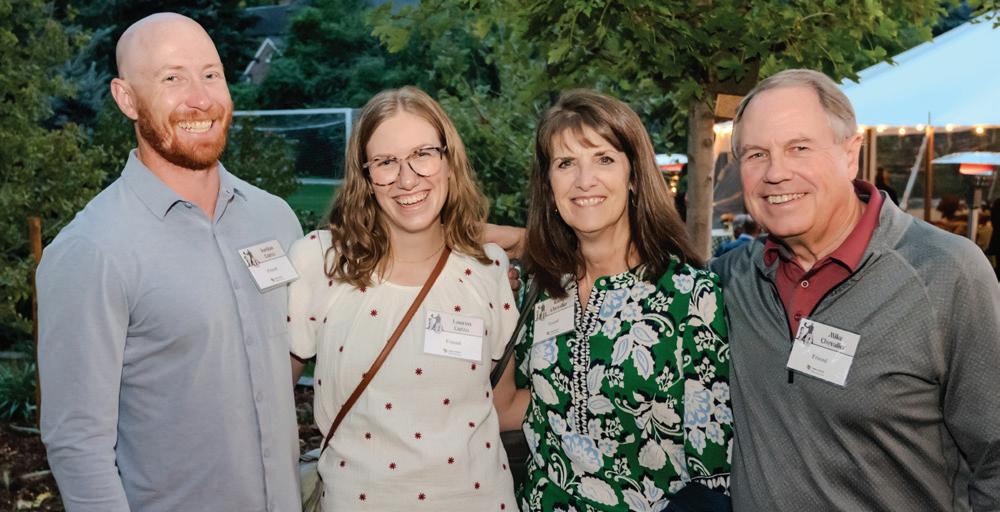
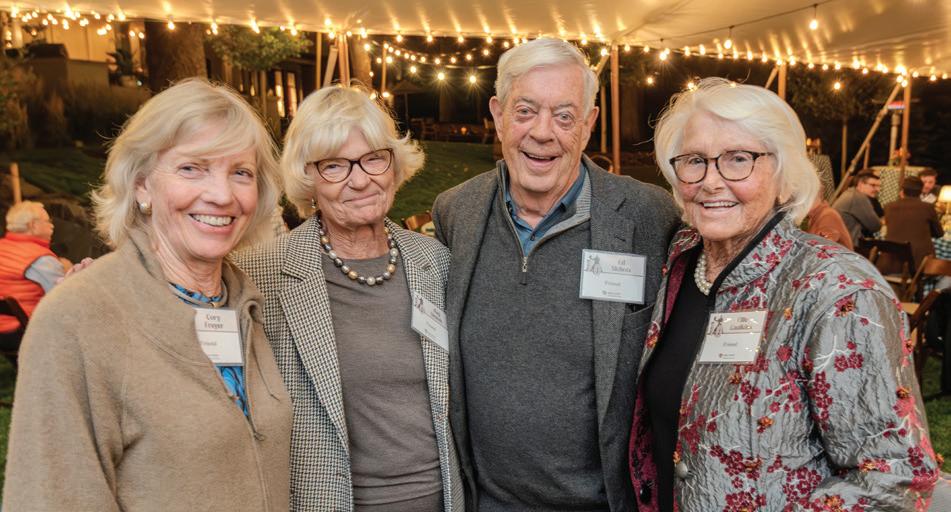

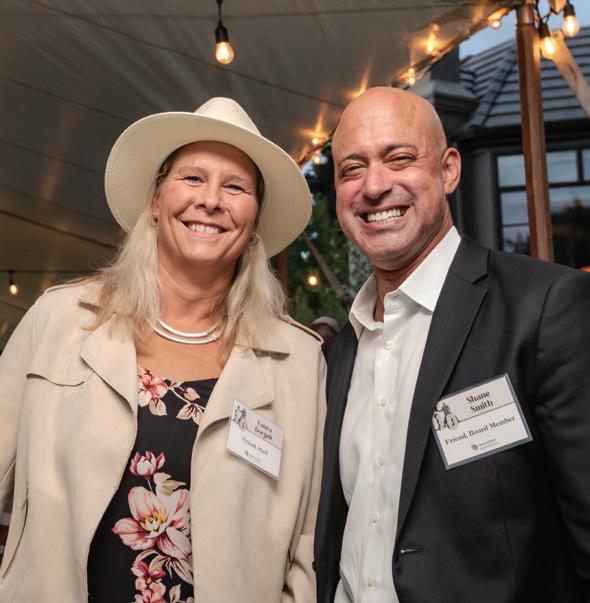
Joyce and Wayne Hutchens. Laura Borgelt and Shane Smith.
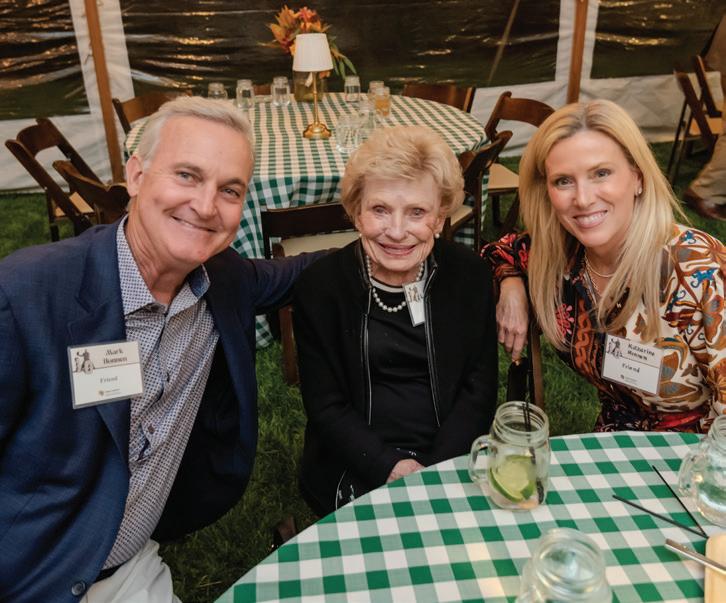
From left: Mark, Eileen and Katherine Honnen.
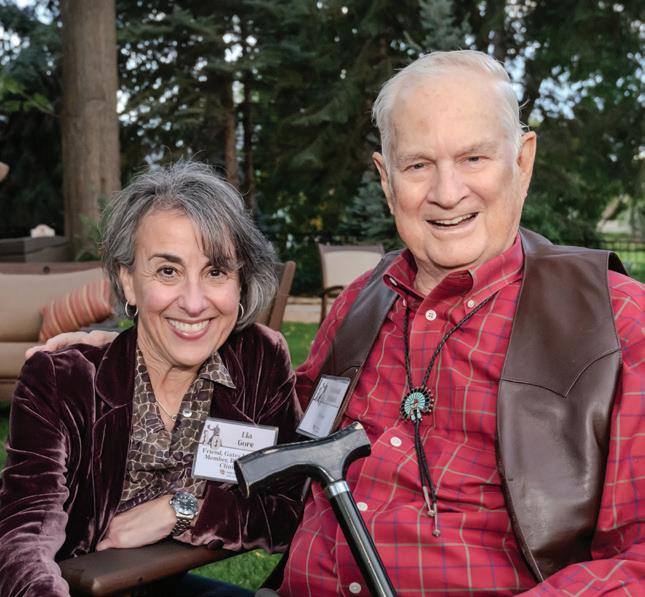
Lia Gore and Marshall Wallach. Court and Jennifer Miner.
Kenneth Ho and Tran Le.
Cory Freyer and Stephanie Foote. Eileen Attar and Janie Stoddard. From left: Annalee Schorr and Kate Schorr, Jill Cowperthwaite, David Brumbaugh and Brooke French.
From left: Jordan and Lauren Cutto and Kathy and Mike Chevalier. From left: Cory Freyer, Meg and Ed Nichols and Ellie Caulkins.
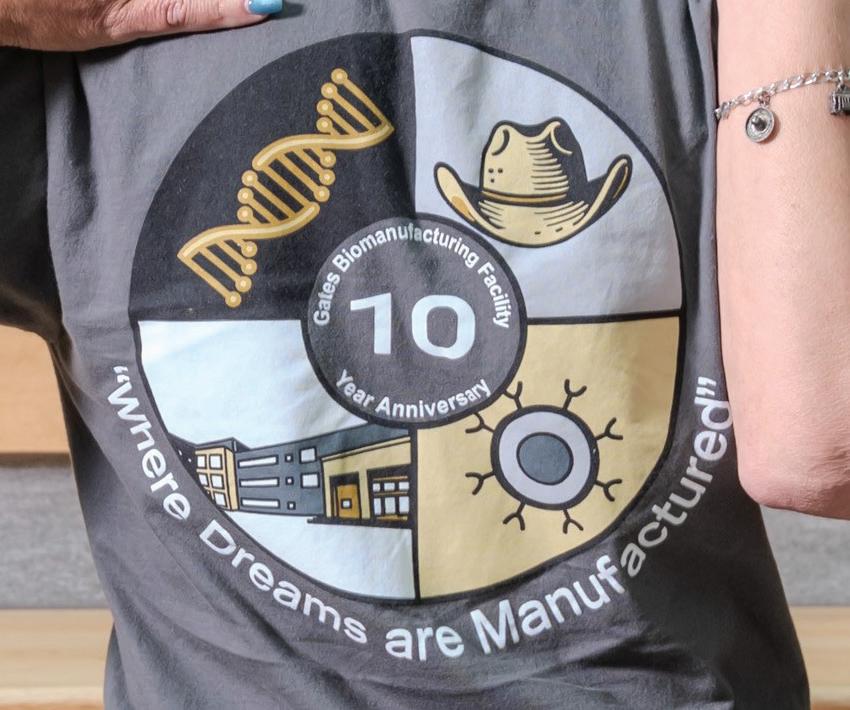
2025 PHOTOS: GBF 10TH ANNIVERSARY
2025 PHOTOS: LOVE COLORADO
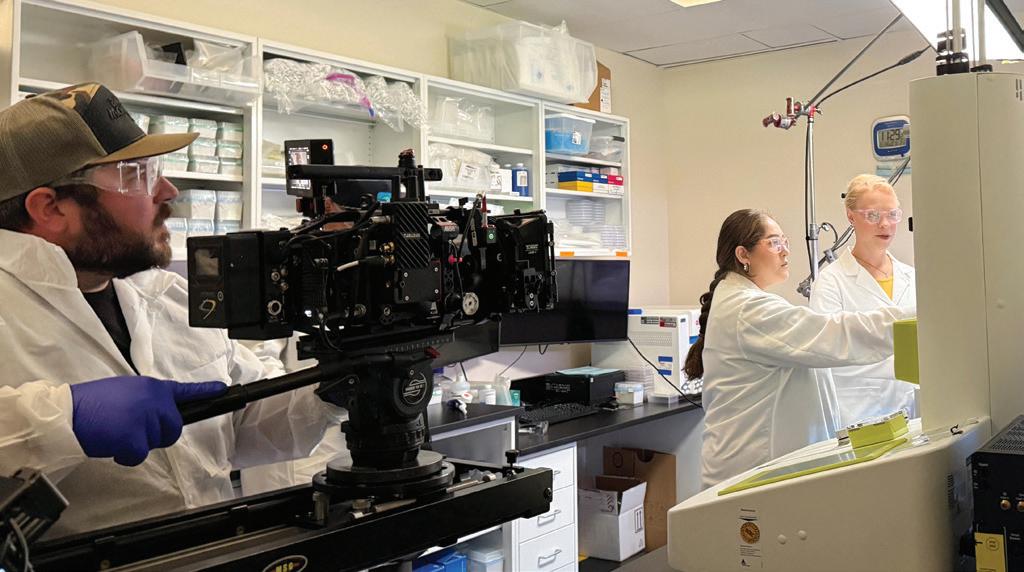
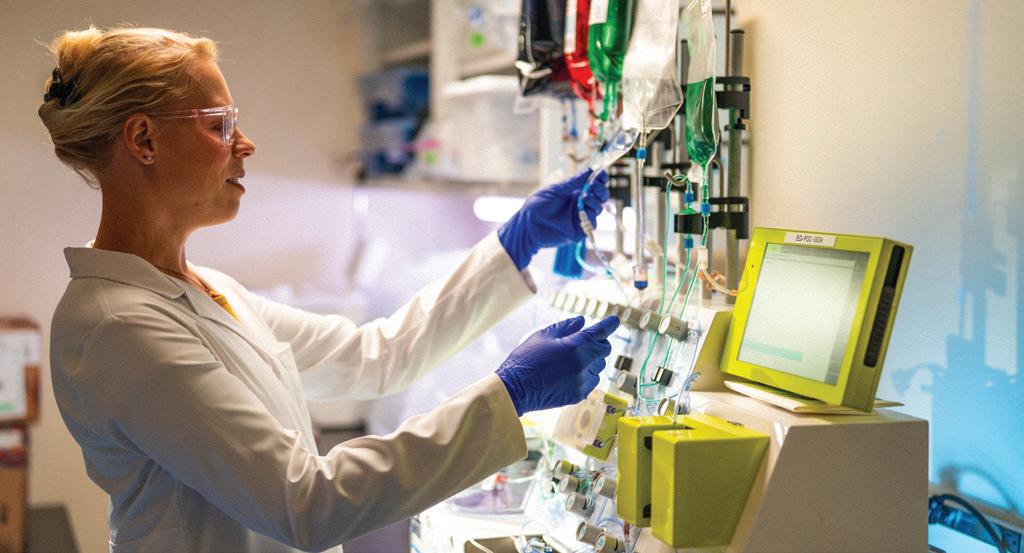
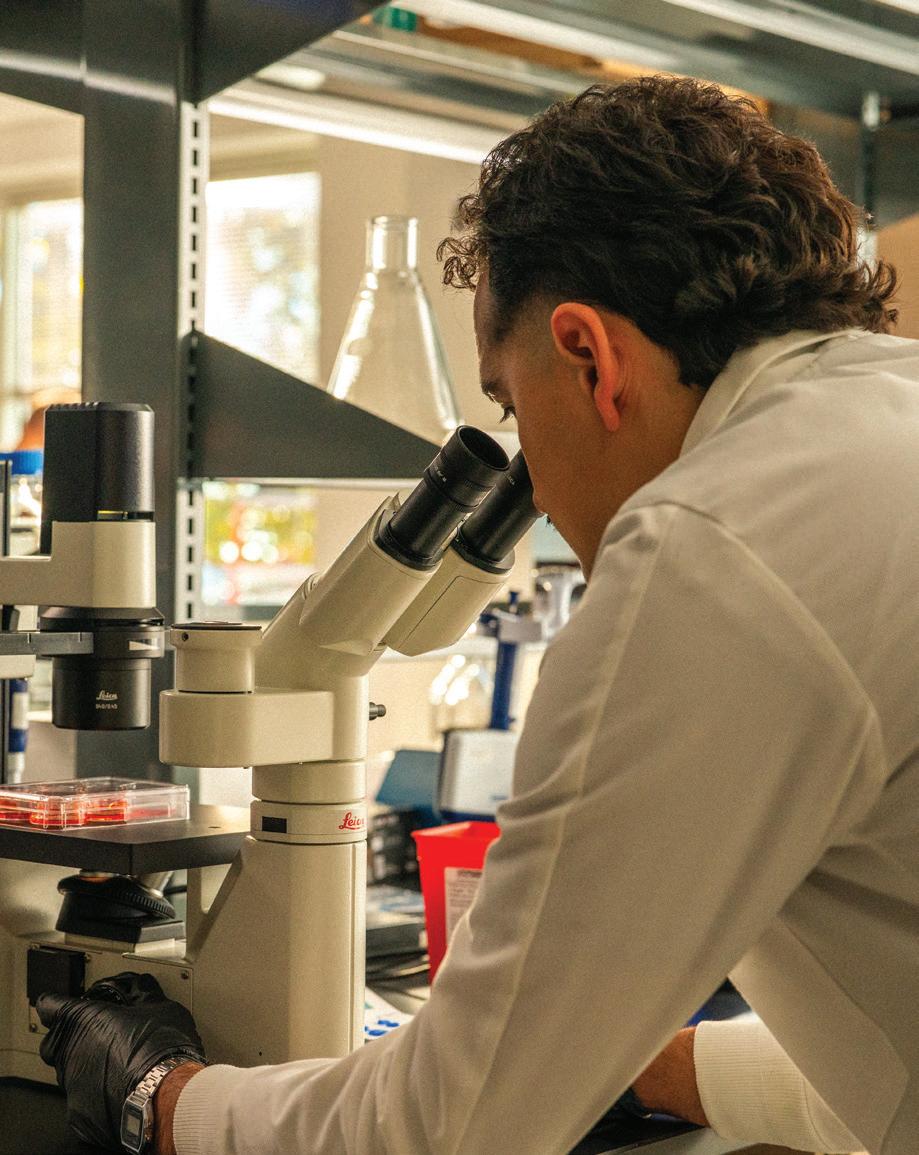
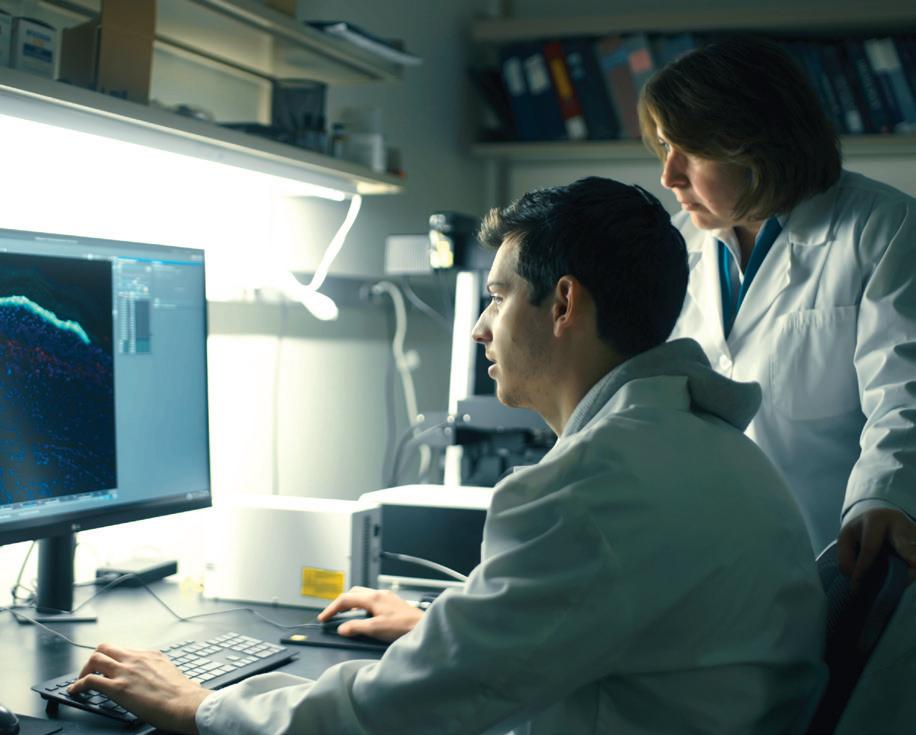
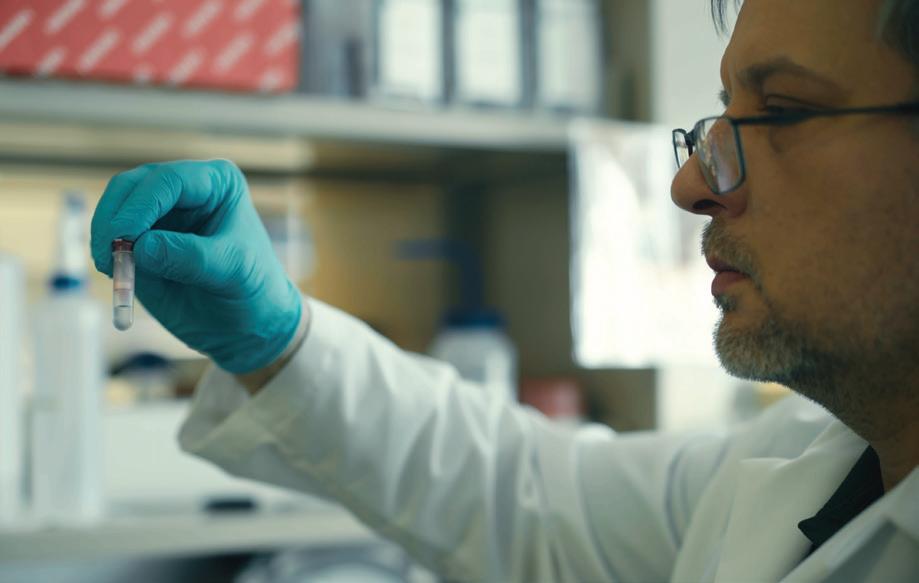
A video crew spent the day at the Gates Biomanufacturing Facility to capture footage for University of Colorado's Love Colorado marketing campaign.
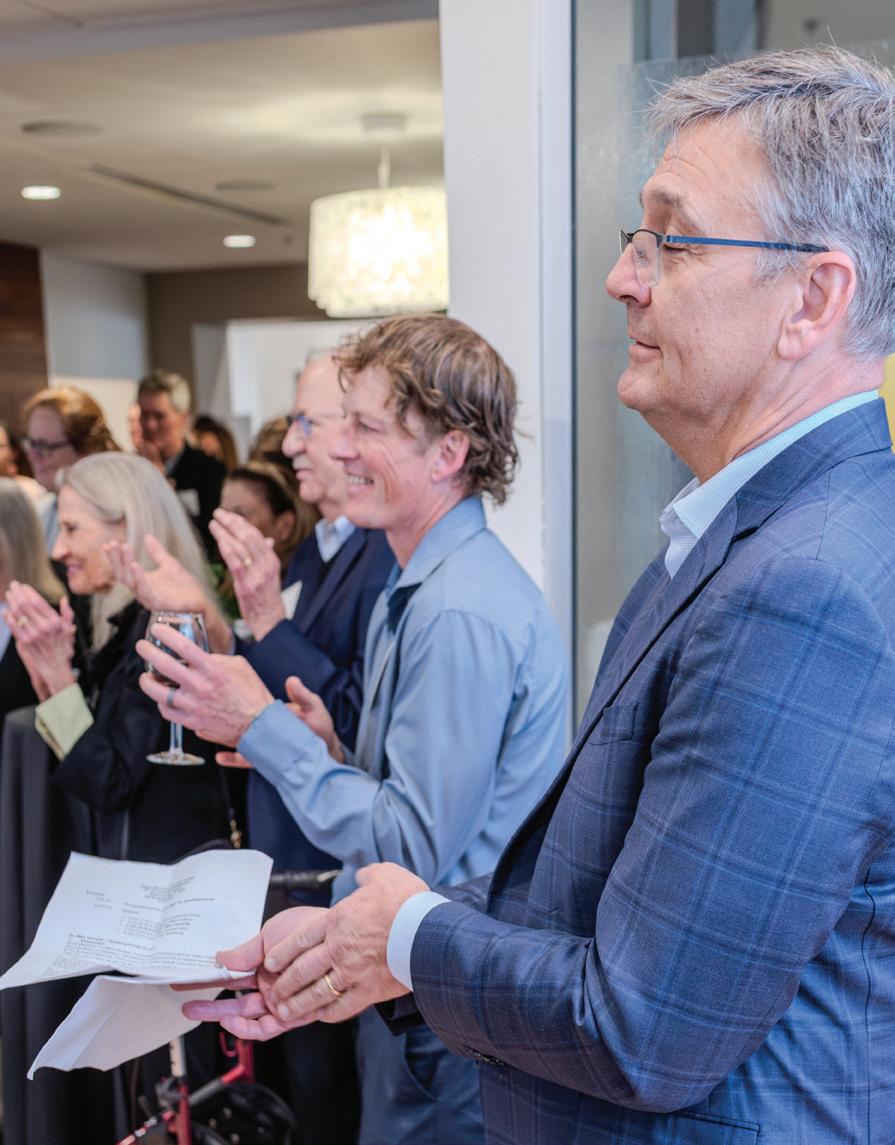
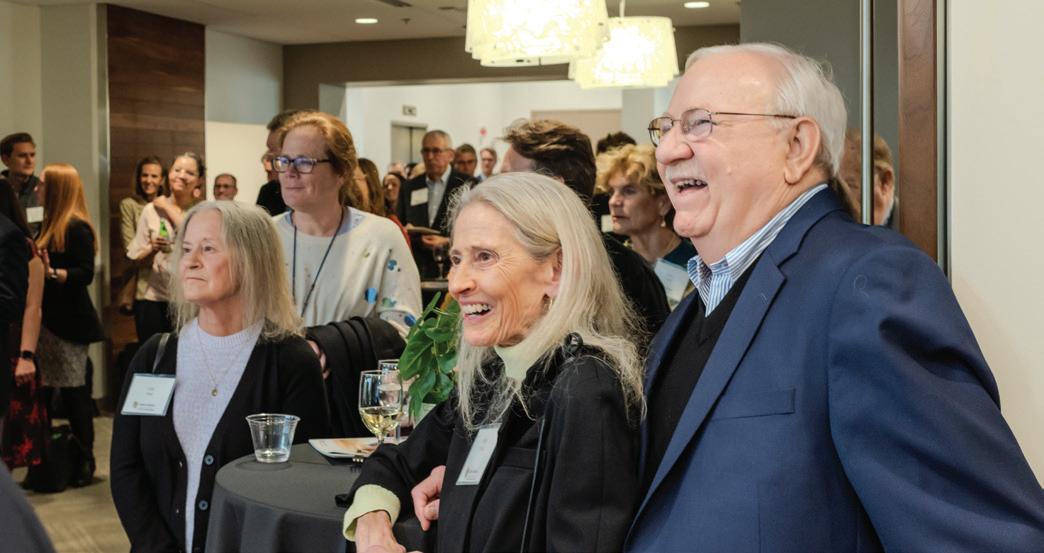
Former GBF Executive Director Matt Seefeldt (center) and Michael Verneris (right).
Top photo: Gates Institute Associate Director Dennis Roop (right) and Betty Roop.
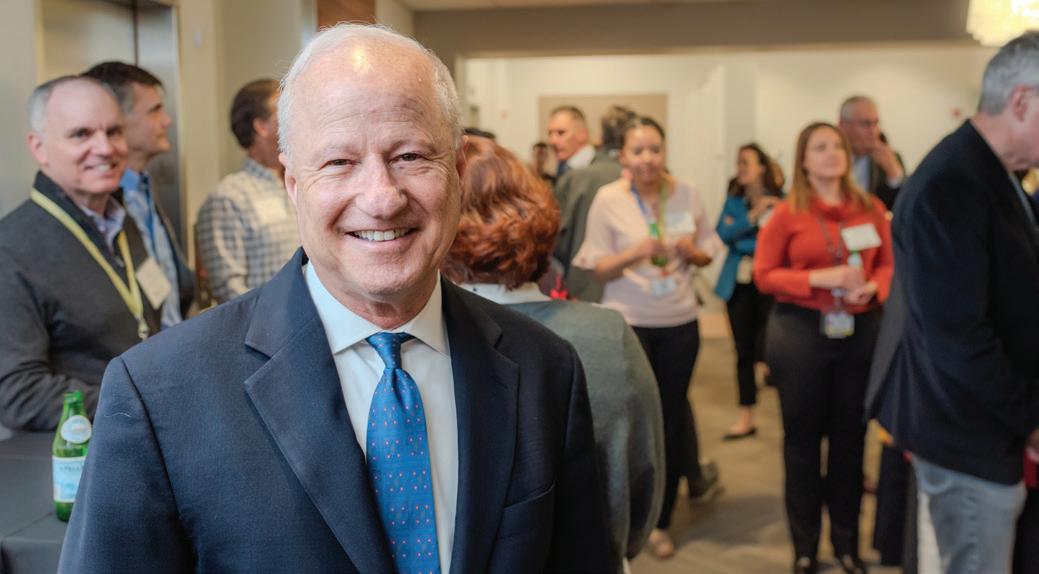
Bottom photo: Aurora Mayor Michael Coffman.
CONTACTS
Gates Institute
Administrative Office 1890 N. Revere Court Aurora, CO 80045
303.724.1494
gates.cuanschutz.edu
Gates Biomanufacturing Facility (GBF) 12635 E. Montview Blvd. Aurora, CO 80045
For Inquiries About the GBF
Please visit www.gatesbiomanufacturing.com, email christopher.garbe@cuanschutz.edu or call 303.724.1494
For Giving Opportunities
Contact Anne McDonnell, Office of Advancement, at 201.965.0033. or email anne.mcdonnell@cuanschutz.edu