TAKING IT ALL IN HER STRIDE:
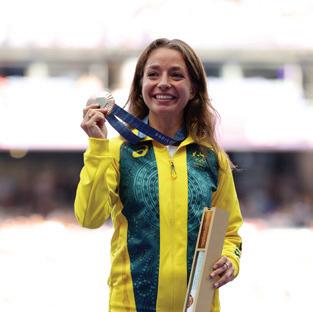
Olympic racewalker
Jemima Montag’s story
‘THE LOVABLE ROGUE’: Meet Jeremy Rosens
FIRST-HOME BUYER CHEAT SHEET: The terms you really need to know

THE PLACES, SPACES & FACES OF
YOUR
COMMUNITY
Image: Australian Athletics
FROM THE EDITOR
The first quarter of the year is always exciting. Especially when it brings a new edition of The Peer Review
Obviously, for such an occasion, we wanted to start things off strong. And we did exactly that with our cover star, Olympic racewalker Jemima Montag.
Jemima embodies what I admire most: consistency, determination and endurance. Those are the traits that define elite athletes. But they’re also the traits I see time and time again in successful people in business, and life more broadly.

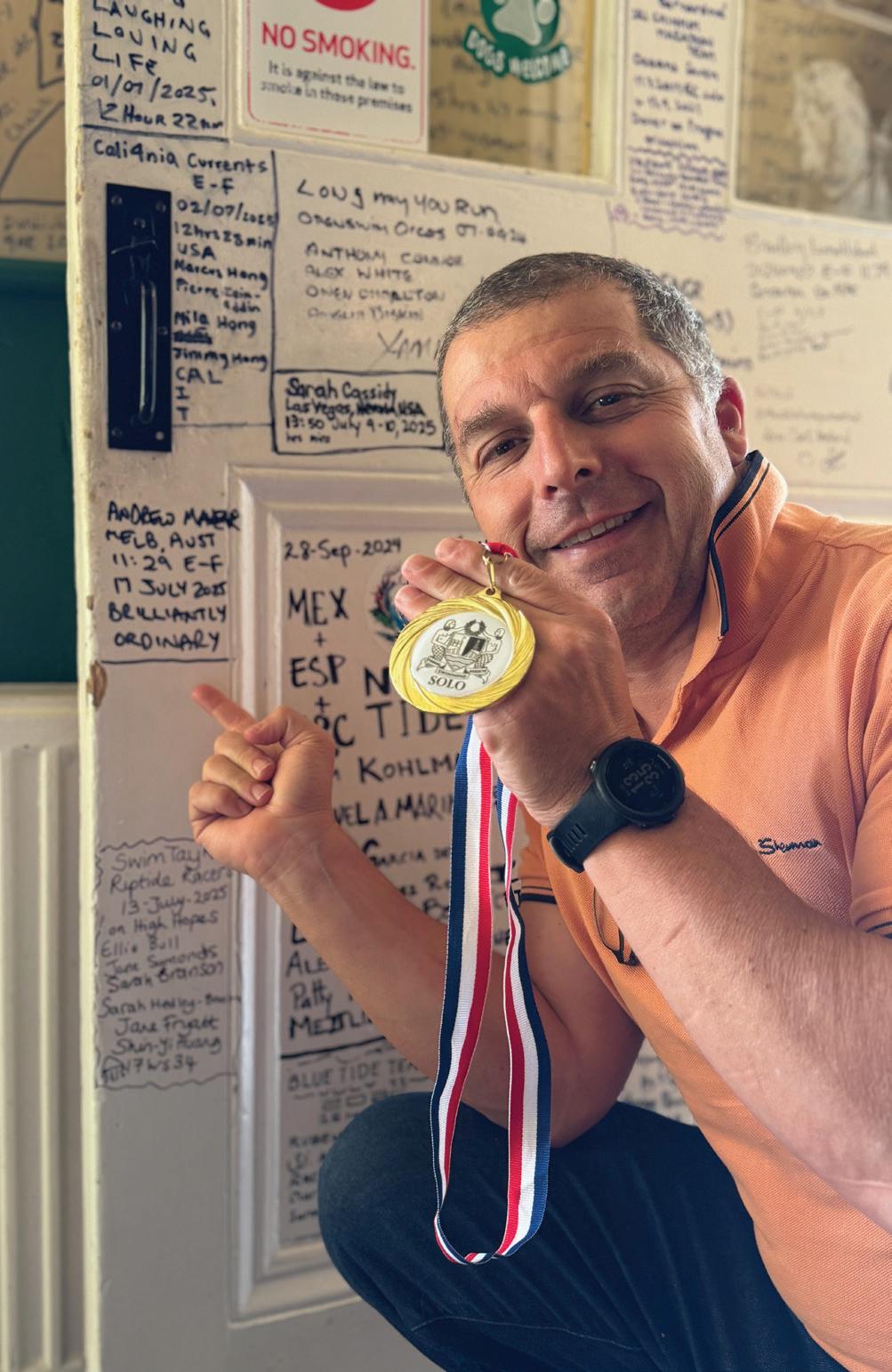
In many ways, Jemima’s story sits alongside another in this issue – Andrew Maver. On the surface, Andrew might describe himself as an ordinary person. But swimming the English Channel is pretty extraordinary, if you ask me.
Closer to home, we take you inside what our team really gets up to on a Saturday night, introduce you to what makes St Kilda Director Jeremy Rosens the man he is, and then step into Levi in Murrumbeena for a cup of coffee.
New to the real estate world? This issue’s for you, because we’re also breaking down the key terms every first-home buyer should know.
And of course, our Sales, Property Management and New Projects teams are back with their take on the market and where things stand after Q1.
But I won’t give it all away. Go on – flip the page.

Gary Peer Co-founder & Director
In this issue

and about. From big nights out to wholesome nights in, here’s how the Gary Peer team makes the most of a
of
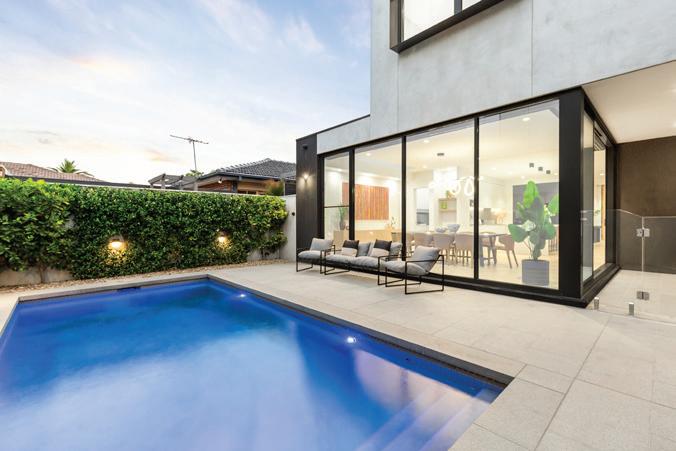
Explore the latest market insights from our experts on the ground. Browse your suburb’s key property sales data – and its most beautiful homes.

Kilda
COFFEE CORNER:
How Levi became Murrumbeena’s not-so-hidden gem
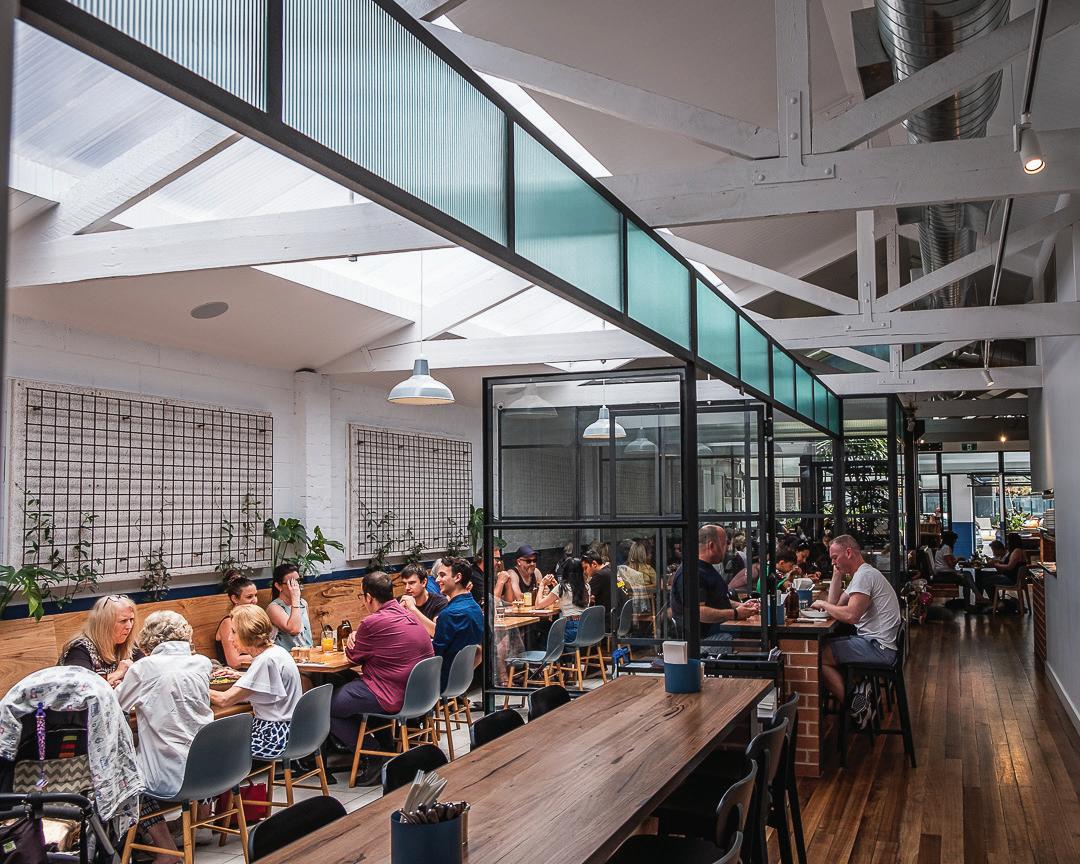
It’s a weekday mid-morning at Levi in Murrumbeena, and the rhythm is already set.
A tradie silently slips in and out, order already known and ready to go. A woman sits with a coffee and her German Shepherd – every second person stopping to give it a pat on their way to the counter.
There’s a steady hum of hellos, small talk and familiar faces. No rush or fuss in sight.
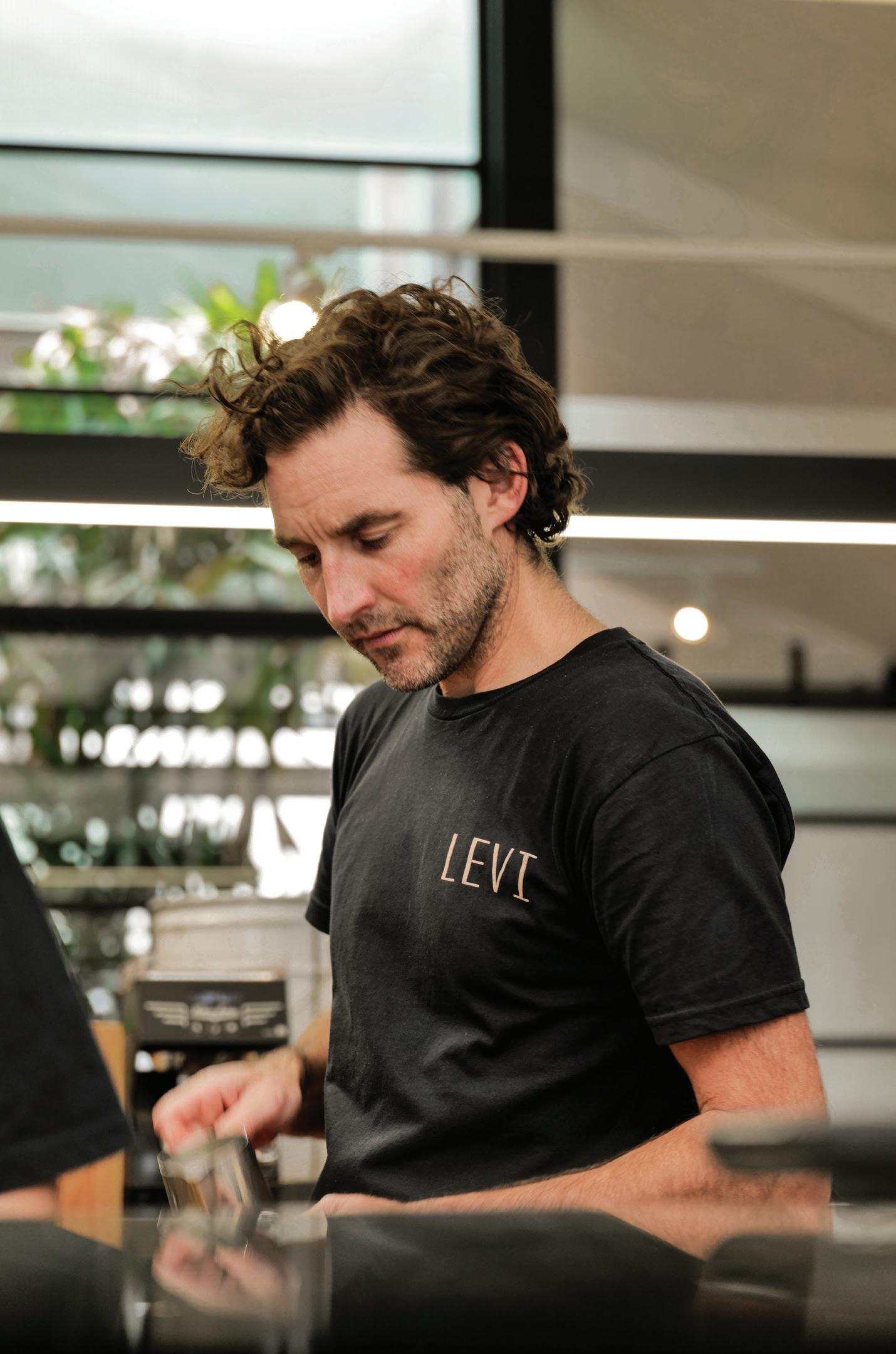
Before long, co-owner Harry steps out from behind the counter for a chat, greeting us the same way he seems to greet everyone – like he’s got all the time in the world.
The (many) paths that led to Levi
Harry didn’t exactly follow a straight line into cafés.
‘I worked everywhere,’ Harry says. ‘Surf shop, abattoir, hardware store… I did it all.’
A business degree, a stint in recruitment, time overseas, then labouring and carpentry – it all added up to one realisation: the office life wasn’t it.
‘But I still had the business side burning in me.’
That spark turned into a food truck, then into his first café, Frank’s in Cheltenham – tucked away in a backstreet that didn’t exactly scream foot traffic.
‘We absolutely crushed it, though. We still do,’ Harry says. ‘It’s so busy there.’
But Levi came later – and it almost didn’t happen.
It was an old denim factory on the wrong side of the tracks (literally). The train line was down, and all the activity was on the other side of the road. On paper, there wasn’t much to love. And yet, Harry was intrigued.
‘I thought, I’d love to do it, but I need a partner.’
Then Lucas – a good friend and mentor to Harry as he found his way into cafés – walked into Frank’s.
‘I told him to check out the site. A couple of hours later, he texted me: let’s do it.’
Naming it, building it – and almost burning it down
Harry and Lucas were tossing up hundreds of different names when someone mentioned the building’s past life.
‘They said, “A denim factory? What was it? Levi’s?” And I was like, “No… but I like that name,”’ Harry remembers.
And so, Levi was born. Simple and uncomplicated. Although, getting to opening day was anything but.
‘We were supposed to open a few times before we did, but our permit kept getting denied over the smallest things,’ Harry recalls. ‘Leading up to opening day, we were working back-to-back 20-hour days to make it all work.’
It came to a point where Harry didn’t even want to look at Levi anymore. In fact:
‘I was ready to set this place on fire.’
But by then, word had already spread about the new café in the old denim factory – so Harry was just about the only person feeling that way.
When the locals made it theirs
Harry’s beef with Levi was, obviously, short-lived.
‘You watch the community genuinely engage with it, and you go, oh, we’ve actually built something people love,’ he says. And they do.
There’s the group of older men that come in every week to banter with each other. There’s Diana, who pops in in the afternoons. There’s Rose, who comes in with her dog. There are the regulars who disappear for a year, and then come back like nothing’s changed.
‘That last group are the ones who end up saying they’ve been overseas for a year, and this was their first stop, now they’re back,’ Harry says.
And the first thing they’ll order?
‘Our chicken roll has got a real cult following,’ Harry shares. ‘It even got a feature in the Daily Mail UK!’
A place that fits around you
If there’s one thing Levi doesn’t try to do, it’s be the centre of attention.
‘Hospitality is about being hospitable, we’re simply there for our customer,’ Harry says. ‘It’s never about Levi. It’s about you catching up with your friend, or family member, or partner, or colleagues, or dog – whoever!
‘That’s why I always say to new staff who seem a bit nervous, it’s bacon and eggs in Murrumbeena. We’re not saving lives. Just be happy and be nice!’
And at Levi, that philosophy really shows.
‘It’s about us fitting into the lives of our customers,’ Harry concludes. ‘And we couldn’t be more grateful to be a part of it all.’
OUT AND ABOUT:
Our team’s Saturday night vibe

You can tell a lot about a person by the way they spend their Saturday night. Do they want to lose themselves in the energy of a packed dance floor? Or do they prefer a cosy night in with a good book? We asked our team exactly that. And while their answers may differ, one thing’s for sure: we certainly know how to make the most of a weekend!
Robert Silverman keeps it classic


For Leasing Consultant Robert Silverman, Saturday night is all about the simple pleasures done well. A proper counter meal, a cold beer in hand and the footy on the screen – it’s really that easy.
Whether it’s a local pub or a favourite spot he’s been going to for years, Robert knows exactly what he’s in for. And that’s the point.
Want a Saturday like Robert’s?
We suggest hitting up Richmond’s London Tavern Hotel.
David Thomson turns up the volume
Grace Horsey hits the town


For Executive Assistant Grace Horsey, Saturday night starts with getting ready – and ends somewhere delicious. She’s going full glam, heading out to a favourite restaurant or wine bar and settling in for a night of great food and a spicy margarita (or two).
Italian, Asian fusion – she’s not too picky, as long as it hits the mark.
Want a Saturday like Grace’s?
Book into Glen Iris’s Grazia Restaurant for some authentic Italian food – and wine.

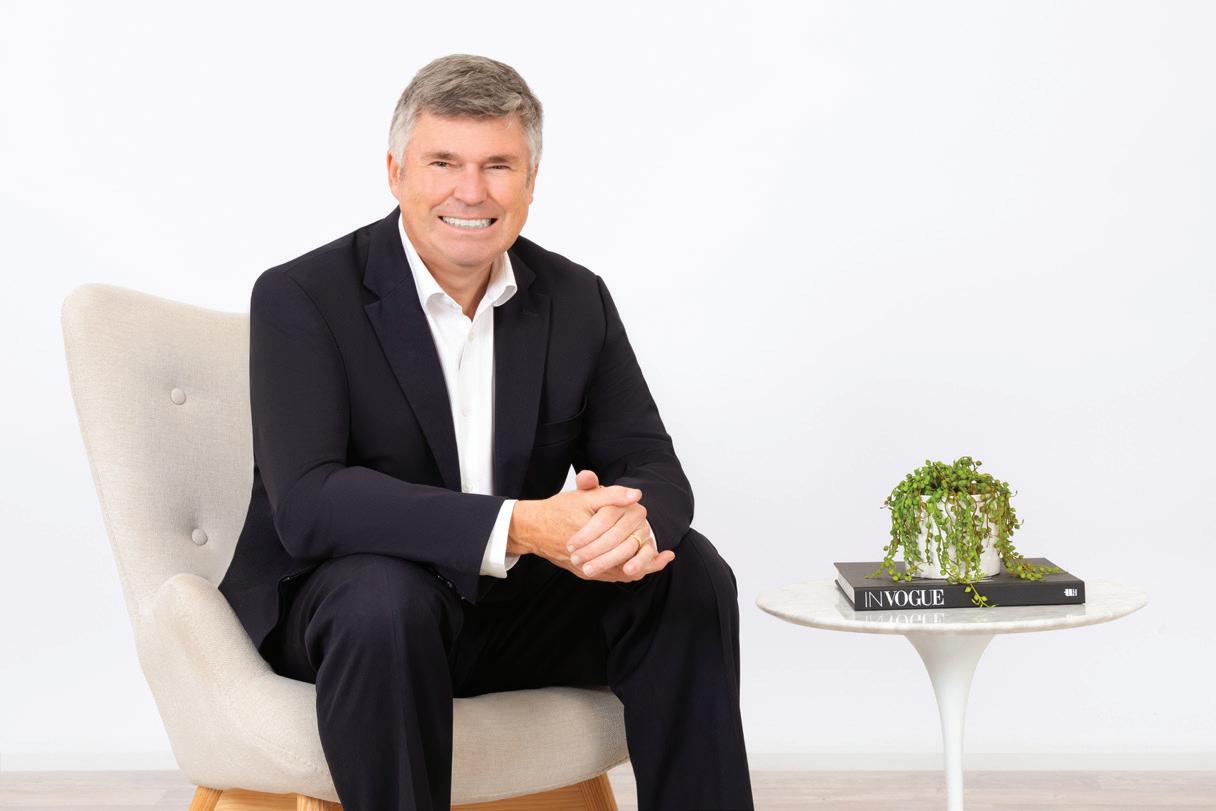
Licensed Estate Agent & Auctioneer
come with a soundtrack of his very own. As part of the 5-piece cover band, Down For The Count, David spends bringing the biggest hits of the 70s
It’s high energy, a little nostalgic and a whole lot of fun. For David, there’s nothing better than live music done right – especially when he’s the one
Want a Saturday like David’s? What better way than to check out Down For The Count’s next show?
Joel Ser follows the spotlight
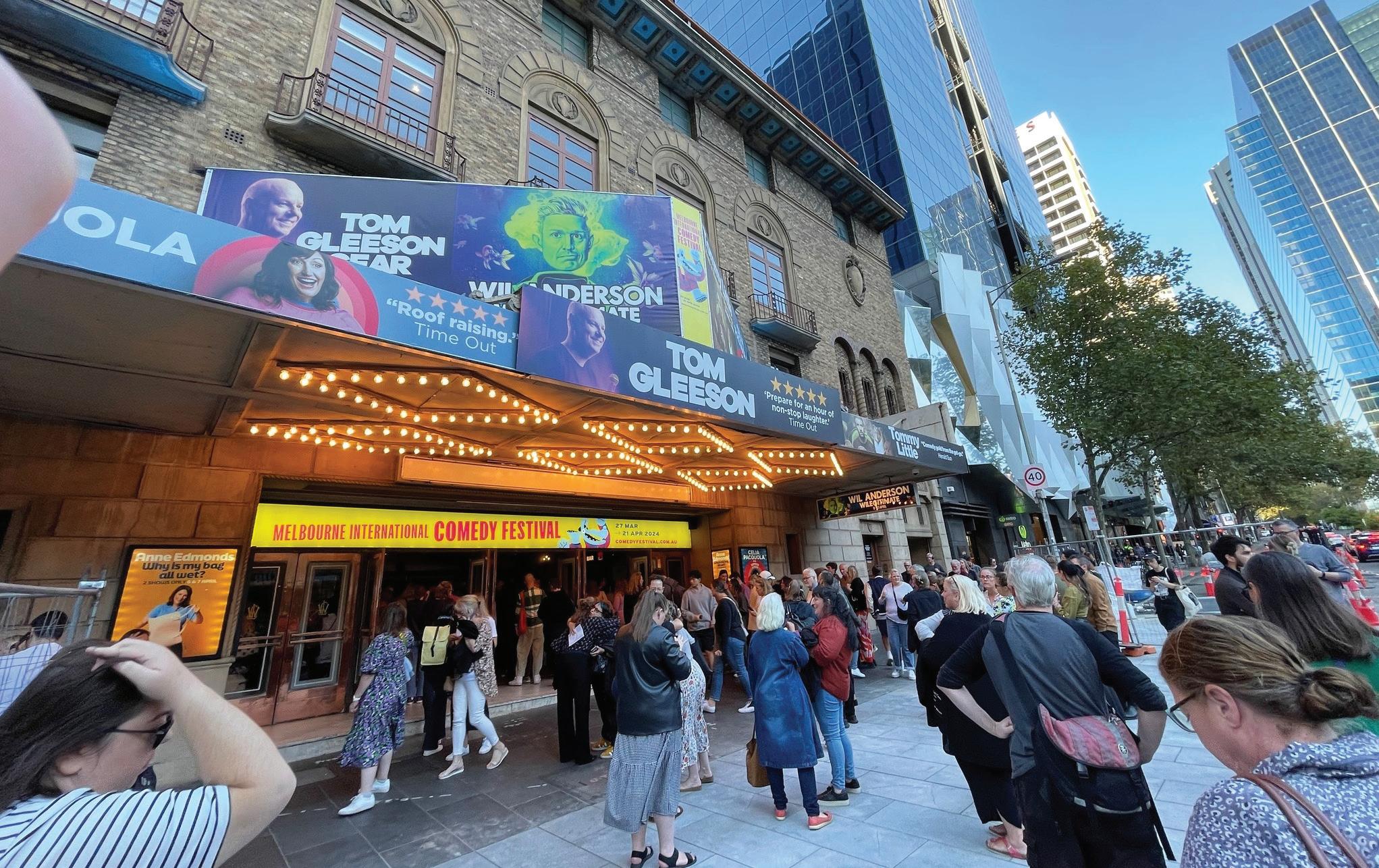
If it’s live, Partner & Licensed Estate Agent Joel Ser’s already got a ticket. His ideal Saturday night revolves around entertainment – concerts, theatre, musicals, even the occasional big-name comedian. Anything with atmosphere and a sense of occasion.
Debra Popov-Conroy gathers the family

Murrumbeena Administrator Debra Popov-Conroy’s Saturday night is about connection.

Emma Spencer rolls the dice


Nothing quite beats the buzz before a curtain – any curtain – starts to rise. Just like nothing quite beats the postshow debrief.
Want a Saturday like Joel’s? Take a look at the Marriner Group’s What’s On page.

A dinner table filled with family, something delicious to share and a few drinks to go with it. Because, really, it’s tough to beat that feeling of carving out time at the end of the week to catch up with loved ones. We all know it’s the company that makes the weekend.
Want a Saturday like Debra’s? Go through the RecipeTin Eats website to find your food and drink accompaniments!
Sales Administrator Emma Spencer’s Saturday nights are all about a little friendly competition. Board games on the table, a glass of wine nearby and a group of friends ready to compete. There’s laughter, a few disputed rules, surprise wins and the occasional flipped table. What more could you need?
Want a Saturday like Emma’s? Mind Games Hawthorn will keep you and your friends busy!
Victor Ng embraces the challenge
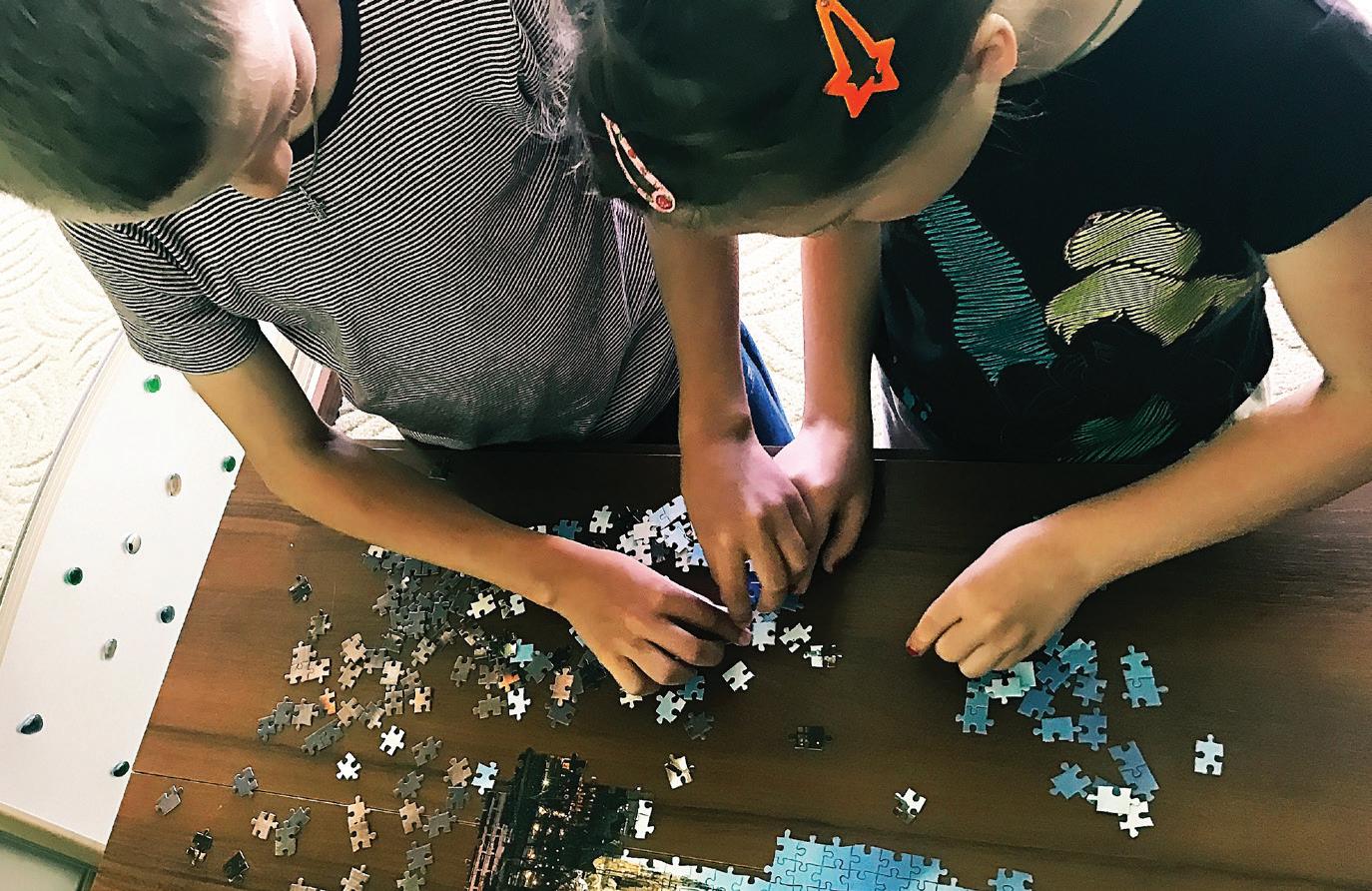
Video Production Lead Victor Ng’s ideal Saturday night is a little different – and that’s exactly why it works. While others are out and about, he’s focused on a 1000-piece puzzle. Piece by piece, slowly bringing it all together. It’s a chance to switch off from the noise and settle into something

more mindful. And proof that a great night doesn’t have to be loud to be rewarding.
Want a Saturday like Victor’s? Pick up your next puzzle from Elwood’s The Grumpy Swimmer.
Kylie Cruthers goes

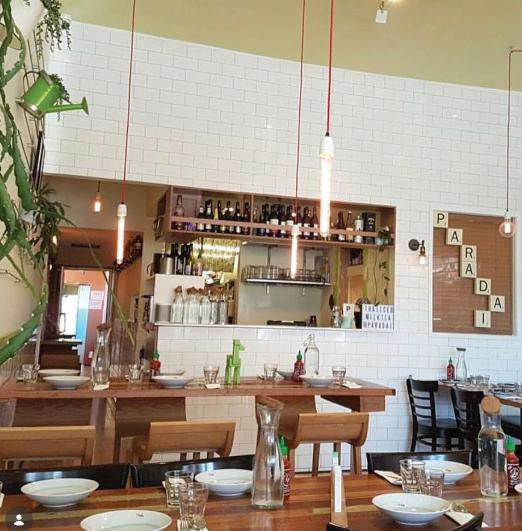
People and Culture Manager Kylie Cruthers keeps her Saturdays spontaneous. Some weeks, it’s dinner and drinks with friends. Other times, it’s a quiet night in with takeaway Thai and a good movie.
Just whatever feels right in the moment.
Want a Saturday like Kylie’s?
Whether you’re eating in or taking home, Carnegie’s Paradai Thai will hit the spot.
Ben Rothschild keeps it flexible

Arlene Joffe makes it meaningful

Adam Lipszyc keeps it low-key

Senior Property Consultant Arlene Joffe’s Saturdays are about slowing down and soaking it in.
That might mean spending time with friends over some good food and good conversation. Or, just as often, it’s time spent with her three granddaughters –dress-ups often involved.
Different pace, same outcome: a night well spent.
Want a Saturday like Arlene’s? Elevate your dress-up drawer with some statement pieces from Bentleigh’s Costume Wonderland.


Head of Marketing Adam Lipszyc doesn’t need much to make a Saturday night feel right.
A quiet night in, something good on TV, spending quality time with family and enjoying the chance to properly switch off. That’s the goal. And when it comes to comfort viewing, Law & Order: SVU is hard to beat.
Sometimes, staying in is exactly where you want to be.
Want a Saturday like Adam’s? Kick your feet up and log into Amazon Prime – Olivia Benson awaits.
Senior Sales Consultant Ben Rothschild’s Saturday night plans depend on the week – and that’s exactly how he likes it.
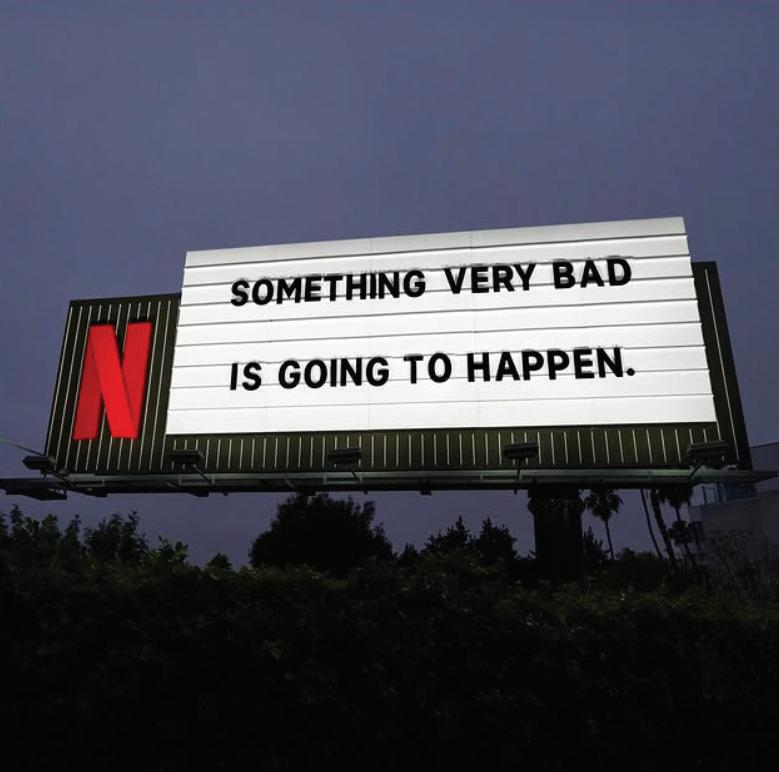
After a big run of auctions, it might be a quieter night in. Something easy for dinner, a glass in hand and Netflix doing the heavy lifting. But when the timing’s right? He’s just as happy heading out for dinner, drinks and a bit
Low-key or lively, Ben reads the room –and the week – and goes from there.
Want a Saturday like Ben’s?
If you’re after a good spot for a bite, check out Balaclava’s Bounty of the Sun. And if it’s a night in you’re craving? Get stuck into Netflix’s Something Very Bad Is Going to Happen. (The name does give a plot point away…)
Keen to discover more of the people behind Gary Peer –and the places and moments they love? Explore more stories on The Peer Blog.

TAKING IT ALL IN HER STRIDE:
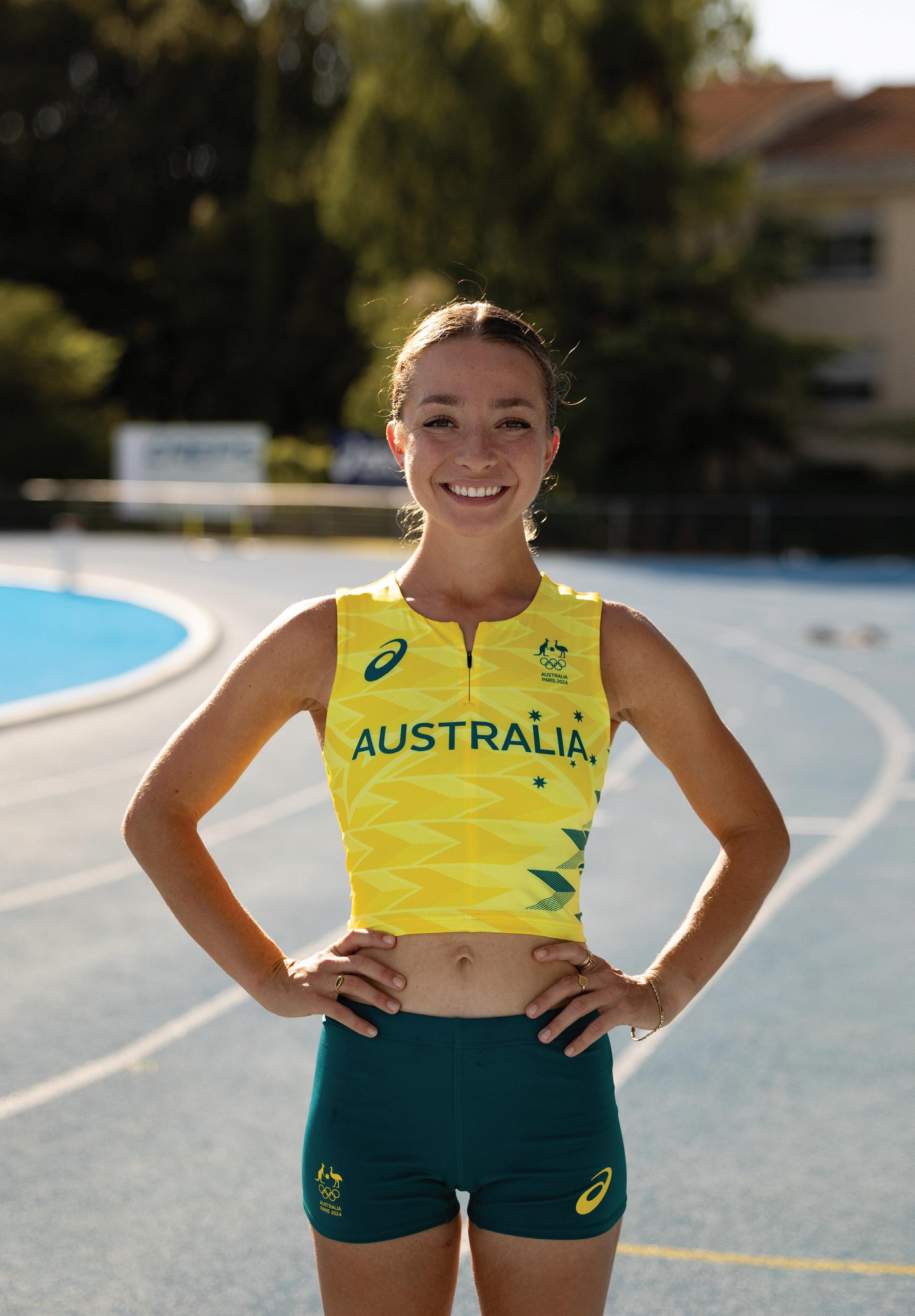
Olympic racewalker Jemima Montag’s story
Image: Australian Athletics
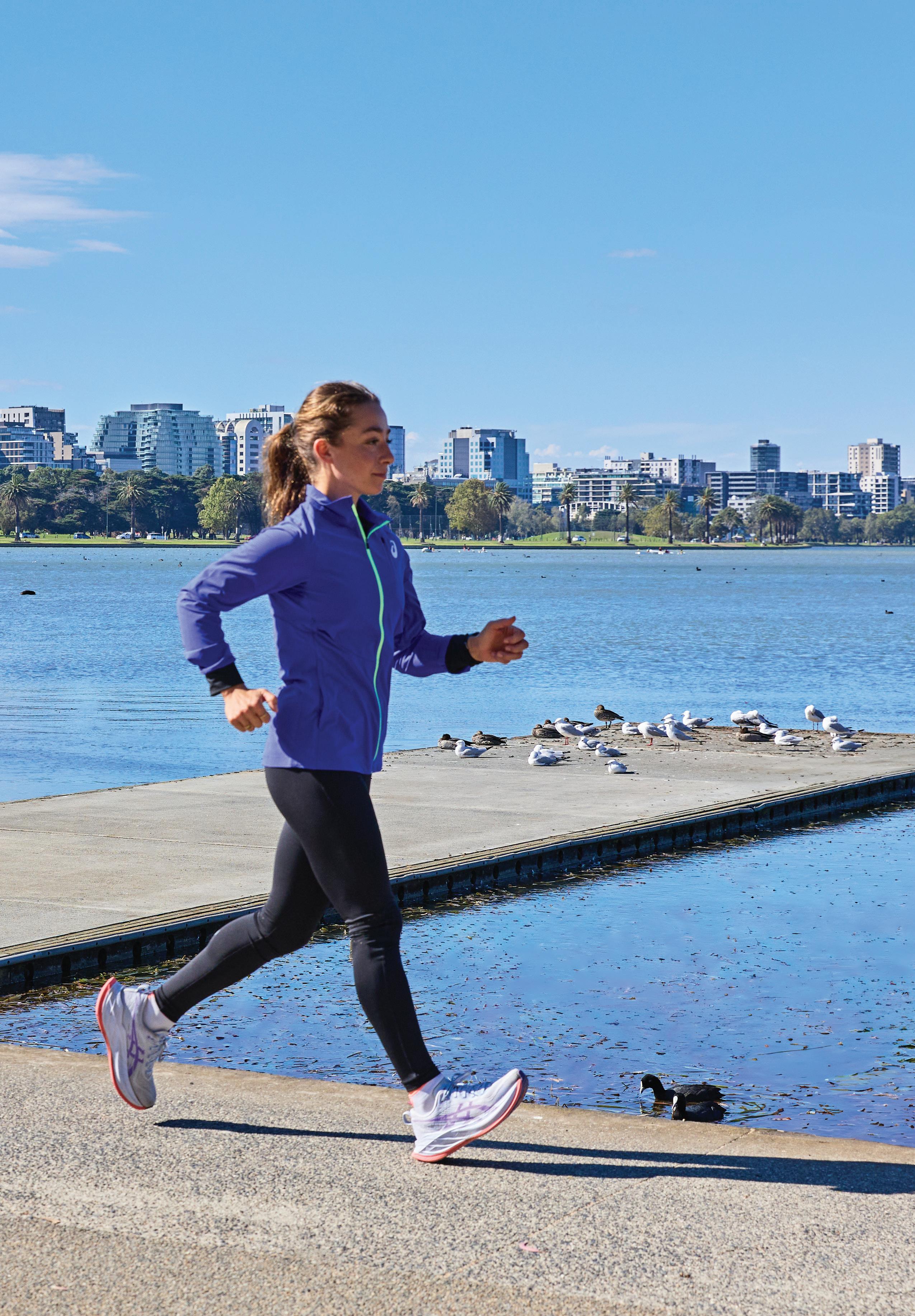
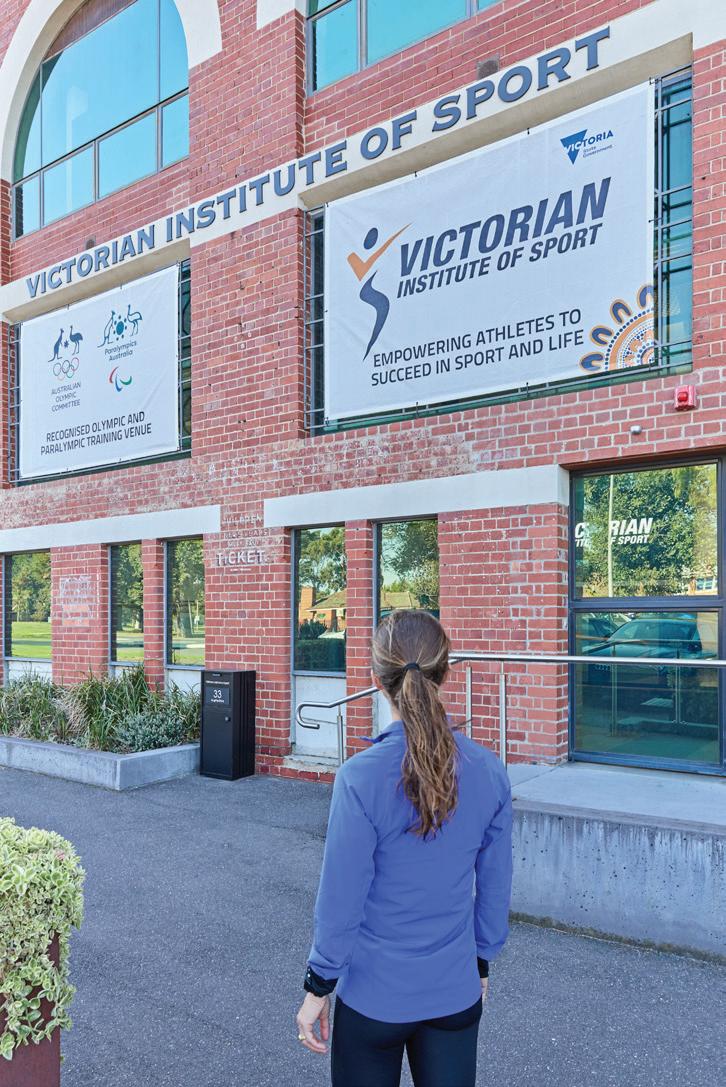
If you’ve spent any time along Beach Road, you may have seen her.
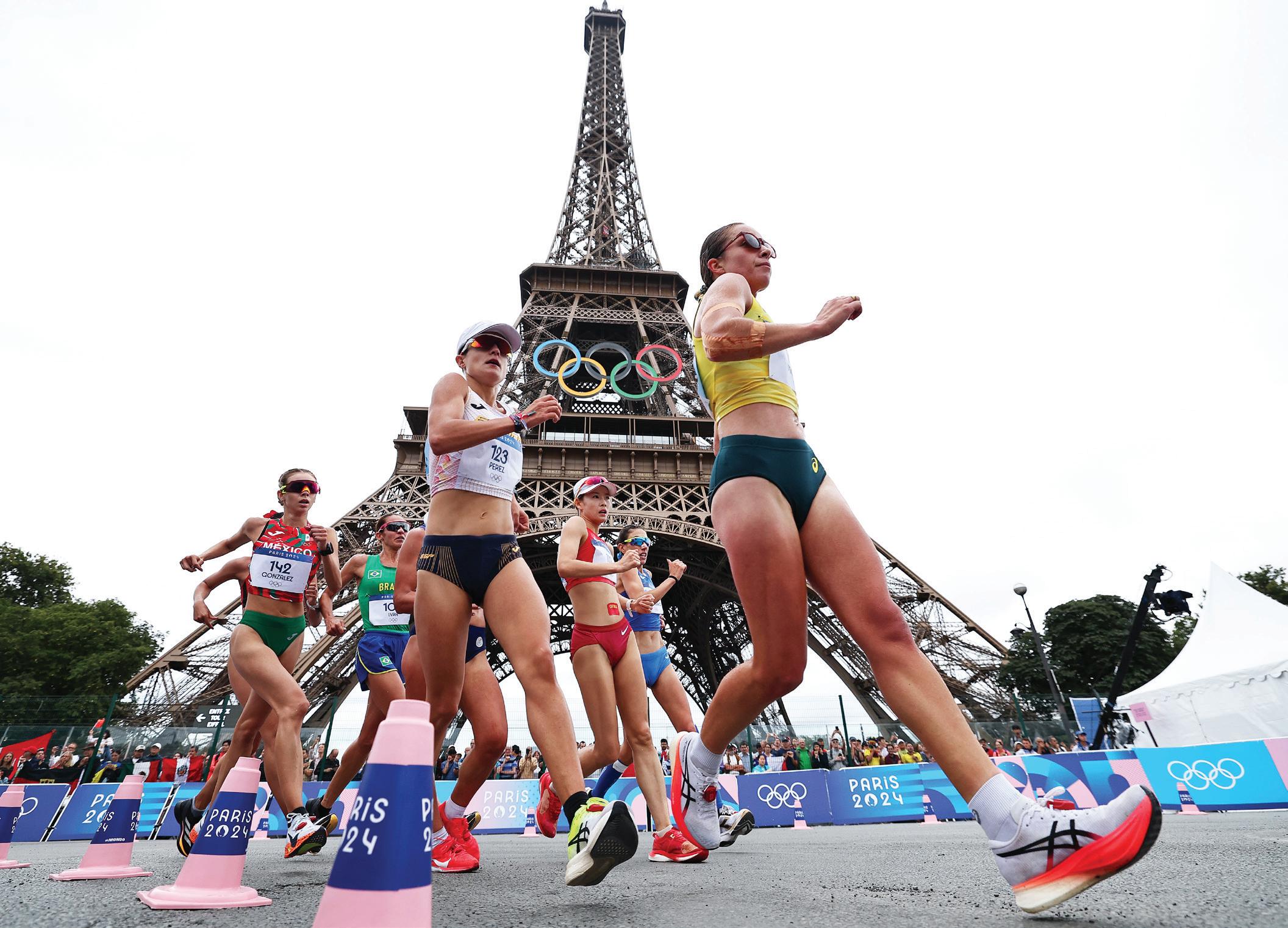
Jemima Montag, deep in a training session, moving with focus and precision as the kilometres tick by. Beside her, Jemima’s mum rides along on a bike, carrying her gear and keeping her company.
It’s a simple image – but it says everything. Because behind every elite athlete is a story of balance, belief and the people who support them along the way.
From Elwood to everywhere
Jemima’s story starts close to home – and stays firmly grounded in it.
‘I grew up in Elwood as the oldest of three girls,’ she says. ‘We were a pretty sporty family, but we were also encouraged to just have a normal childhood.’
It was a life filled with variety.
‘I did Little Athletics, but also surf lifesaving, basketball, soccer, ballet… I just gave everything a go,’ she explains. ‘Mum and Dad emphasised the importance of effort, enjoyment and friendship rather than outcomes.’
There was also a deeper sense of perspective shaping that upbringing.
‘My grandparents were Holocaust survivors,’ Jemima says. ‘They endured the unimaginable, and came to Australia to give our family a better life.
‘It makes you want to make the most of every opportunity. To really take life with both hands and give things a go.’
So, for the Montag family, joy always came before the pursuit of greatness – because they know it should never be taken for granted.
Finding her stride
Racewalking began as just another event, but soon became Jemima’s focus.
‘I realised pretty quickly I was more of an endurance, long and slow person… less speed or power,’ she laughs. ‘So I gave the walk a go when I was 8 years old.’
And something clicked.

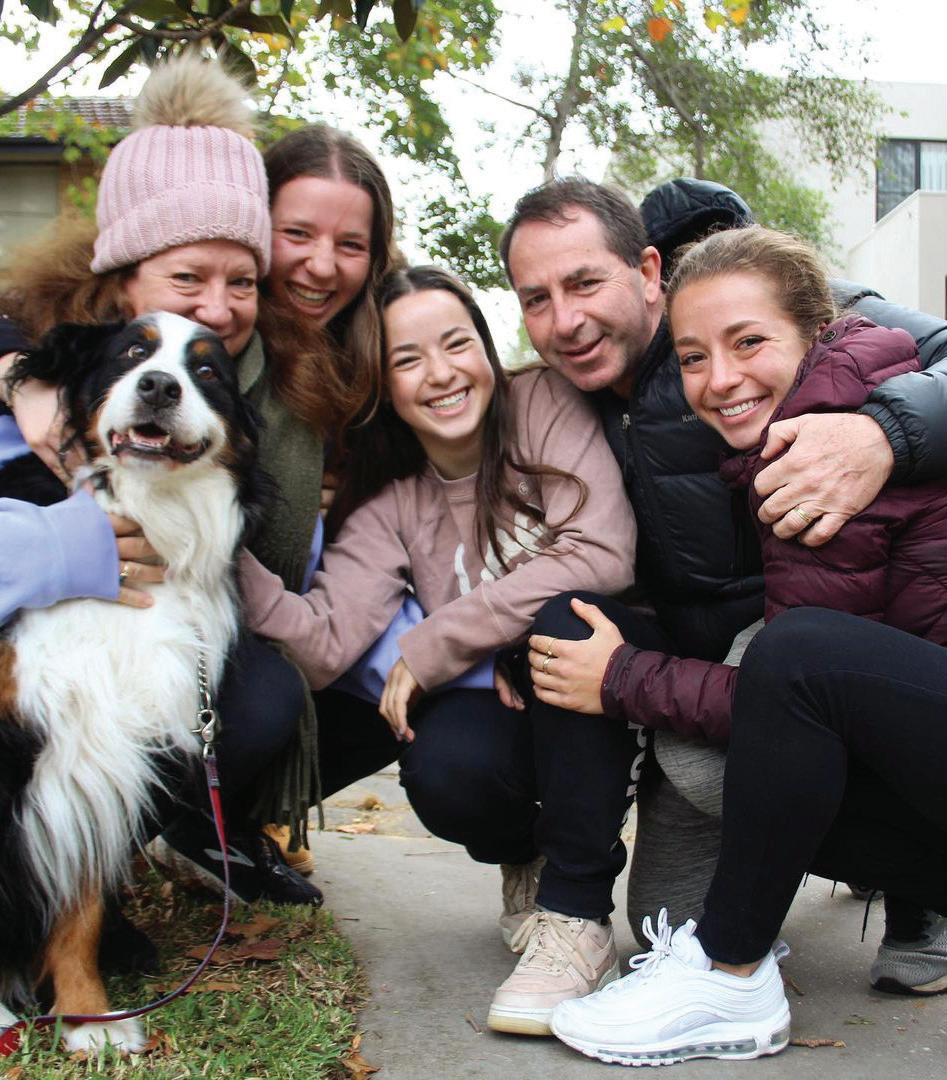



‘It just feels good as a kid to be okay at something, and then win a little ribbon,’ she says. ‘I was hooked.’
Especially when Jemima had no shortage of inspirations to look up to.
‘There’s a strong history of racewalking in Australia,’ she says. ‘Which meant I had role models, and I could see what the path looked like.’
But even then, it almost didn’t happen.
‘When I was nearing the end of high school, I’d thought, maybe I just want to be a normal teenager,’ she admits. ‘Just go to uni, socialise… avoid the uncomfortable sacrifices that are required to make it to the pinnacle of sport.’
It took one conversation to change everything.
‘But then Mum reminded me, this opportunity isn’t afforded to everyone, and I think you have what it takes,’ Jemima recalls. ‘That was the moment that ignited the flame.’
Walking the tightrope
As the stakes grew, so did the juggling act.
‘It has not been a glamorous balance at all,’ Jemima says of combining elite sport with study.
Because Jemima doesn’t take it easy off the track, either. She’s over halfway through a medical degree at the University of Melbourne – and it hasn’t come without sacrifices, or a fair share of imperfect moments.
‘I’ve extended my course by a couple of years for the Olympic Games, and some of my assessments haven’t reflected my best work due to time missed while competing.’
But she’s never seen it as a burden. Because, in many ways, the two worlds strengthen each other.
‘Sport teaches you to perform under pressure,’ she says. ‘Medicine gives you perspective.’
And it’s that perspective that matters most to Jemima when things get tough.
‘You might dread a training session,’ she says. ‘But after learning on hospital wards all day, you realise how lucky you are to be able to train at all.’

The moment it all changed
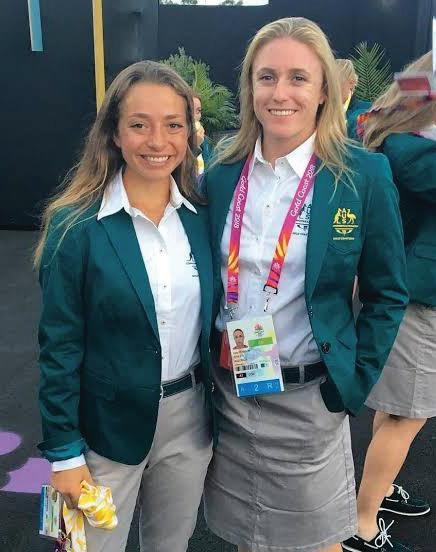
It was 2018. The Gold Coast Commonwealth Games. The first real taste of the world stage.
‘I remember feeling so excited to be there,’ Jemima says. ‘To wear the uniform, and to be on the same team with my heroes.’
It was surreal from the outset.
‘I saw Sally Pearson and asked her for a photo,’ she laughs. ‘It was a pinch-me moment.’
And with that excitement came freedom.
‘I was the new kid on the block, so I didn’t face any external pressure,’ she explains. ‘No one expected anything from me.’
Then came the race itself, which was anything but straightforward.
‘It was hot and humid – really challenging conditions,’ Jemima recalls. ‘I was neck and neck with another Australian, and she got disqualified with 2 km to go. It was bittersweet. Because, on the one hand, I was devastated for my teammate. But on the other hand, I went on to win.
‘And from that moment, everything changed.’
Image: Australian Athletics
Mum reminded me, this opportunity isn’t afforded to everyone, and I think you have what it takes. That was the moment that ignited the flame.

When expectation catches up
Success doesn’t simplify things, contrary to popular belief.
‘My coach says your second medal is always harder than your first. And it’s true,’ Jemima says.
Because suddenly, the narrative shifts.
‘People expect it from you. You expect it from yourself,’ she says. ‘That pressure only builds.’
The environments didn’t get any easier either.
‘My next major competition was the World Athletics Championships in Doha. It was over 30 degrees, so we raced in the coolest part of the day – midnight,’ she recalls.
‘I came 10th, and I was really excited about it.’
Because, as amazing as it was to win the Commonwealth Games, that was just the Commonwealth countries. The World Athletics Championships is the world.
‘The Tokyo Olympics were supposed to come next, but they were delayed by the pandemic,’ Jemima continues.
‘Having dreamt of becoming an Olympian in 2020, I felt heartbroken. I had to reframe it as a bonus year of training, and in the end, that probably helped me.’
Progress came in increments.
Jemima finished 6th at the Tokyo Olympics, then 4th at the Eugene World Athletics Championships. Next came another
gold at the Birmingham Commonwealth Games and a silver at the Budapest World Athletics Championships.
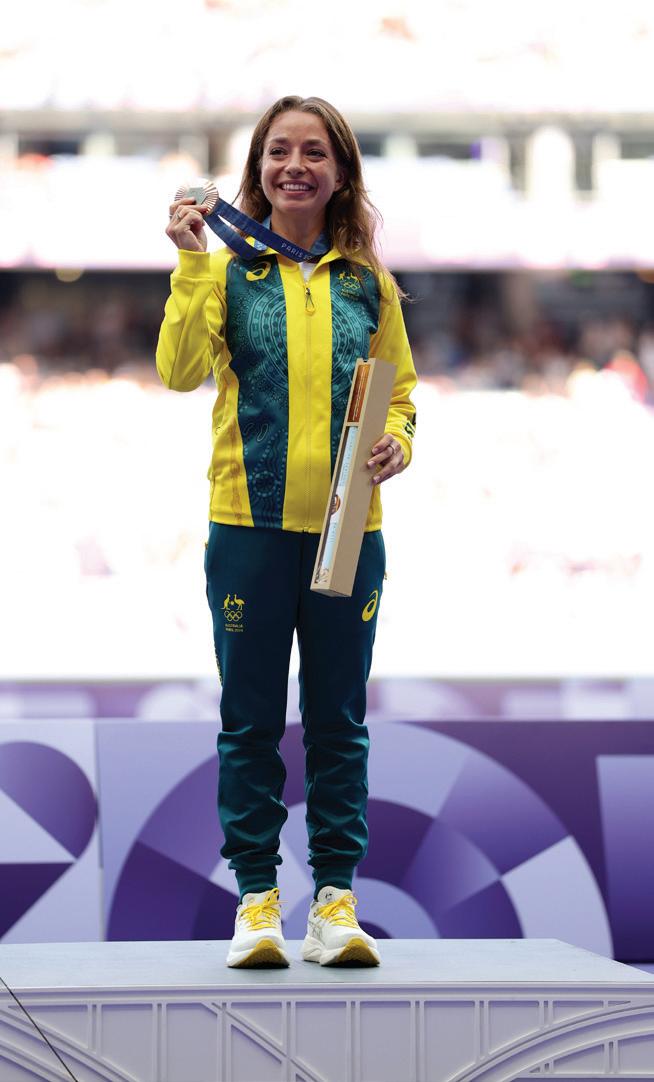
And, most recently, two bronze medals at the 2024 Paris Olympics.
‘Those last couple of competitions taught me the power of courage. Especially Budapest,’ Jemima says. ‘Because when the winning move is made with 5 km to go, and you’re already feeling the full effects of fatigue, it’s that willingness to lean into the unknown that creates incredible performances.’
Why girls should play on
Somewhere along the way, Jemima stopped measuring success in medals.
‘I was thinking a lot about how there’s a big drop off in girls staying in sport,’ she says. ‘Especially in those same teenage years that I considered giving it up.’
So she decided to do something about it.
‘In partnership with the International Olympic Committee’s Young Leaders program, I launched Play On to give girls the tools to stay involved in sport,’ she explains. ‘Not to create Olympians, just to keep them active.’
Because the benefits go far beyond sport. Confidence, discipline, self-awareness – these skills can shape who you are.
Image: Australian Athletics

My coach says your second medal is always harder than your first. And it’s true. People expect it from you. You expect it from yourself. That pressure only builds.
‘A lot of this comes back to identity,’ Jemima says. ‘And it’s so important to diversify your identity. It can’t just be sport or study – it needs to be broader. That’s what allows you to stand on the starting line or on a stage or in a meeting room at work wanting a great result, rather than needing one.’
Which is a mindset Jemima’s worked hard to build.
‘I know at the end of the day, I’m still a great sister, daughter, wife, friend… and I can put on a great dinner party,’ she smiles. ‘I have all of these other interests that make me who I am. No one thing defines my self-worth.’
Eyes forward, feet moving
Even now, motivation isn’t guaranteed.
‘There are so many mornings when I don’t feel like training,’ Jemima admits. ‘Bad weather, long days, residual fatigue… it happens.’
So she doesn’t rely on it.
Loved hearing Jemima’s story?
Head to The Peer Blog to discover more inspiring people shaping our community.
‘I come back to discipline. Routine carries you.’
Identity, a common theme in her life, plays a part, too.
‘James Clear, author of Atomic Habits, taught me that true behaviour change is really identity change. Shift your perspective, and actions naturally follow. And then, outcomes,’ she explains.
Looking ahead, there’s still plenty on the horizon.
‘The upcoming Commonwealth Games and the LA 2028 Olympic Games are exciting,’ she says. ‘But I’m also thinking about life beyond sport.’
Medicine is one of those paths.
‘I’m in my final years, figuring out where I belong,’ she says. ‘Public health really interests me.’
But no matter what comes next, the mindset stays the same: say yes to every opportunity, and be willing to have a crack.
Image: Australian Athletics
Image: Australian Athletics
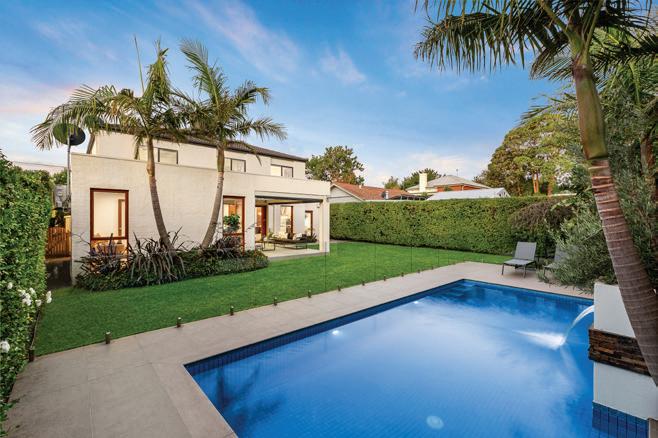
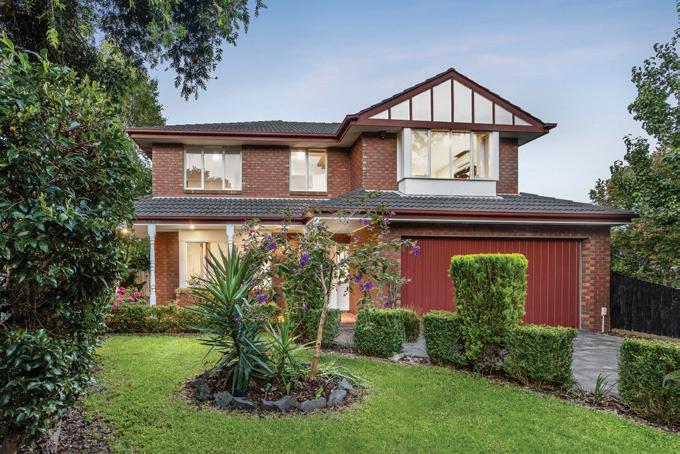
13 Farnham Street, Caulfield
Sold at a competitive midweek twilight auction with 4 bidders

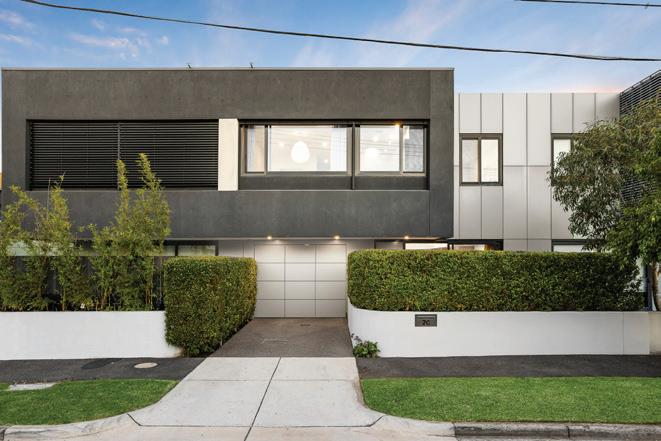
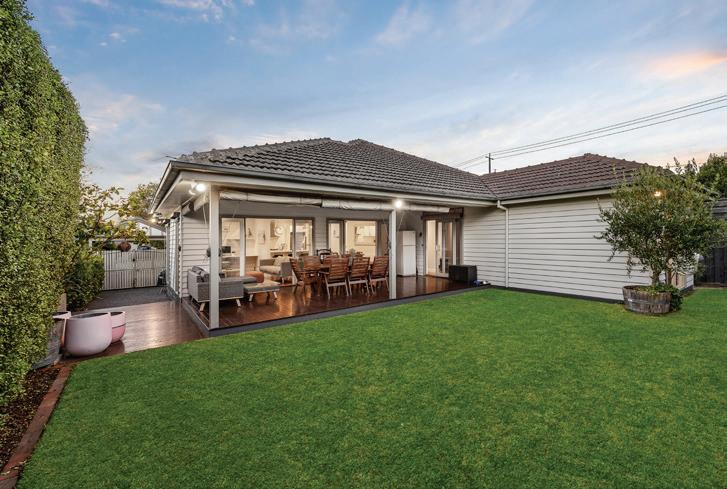
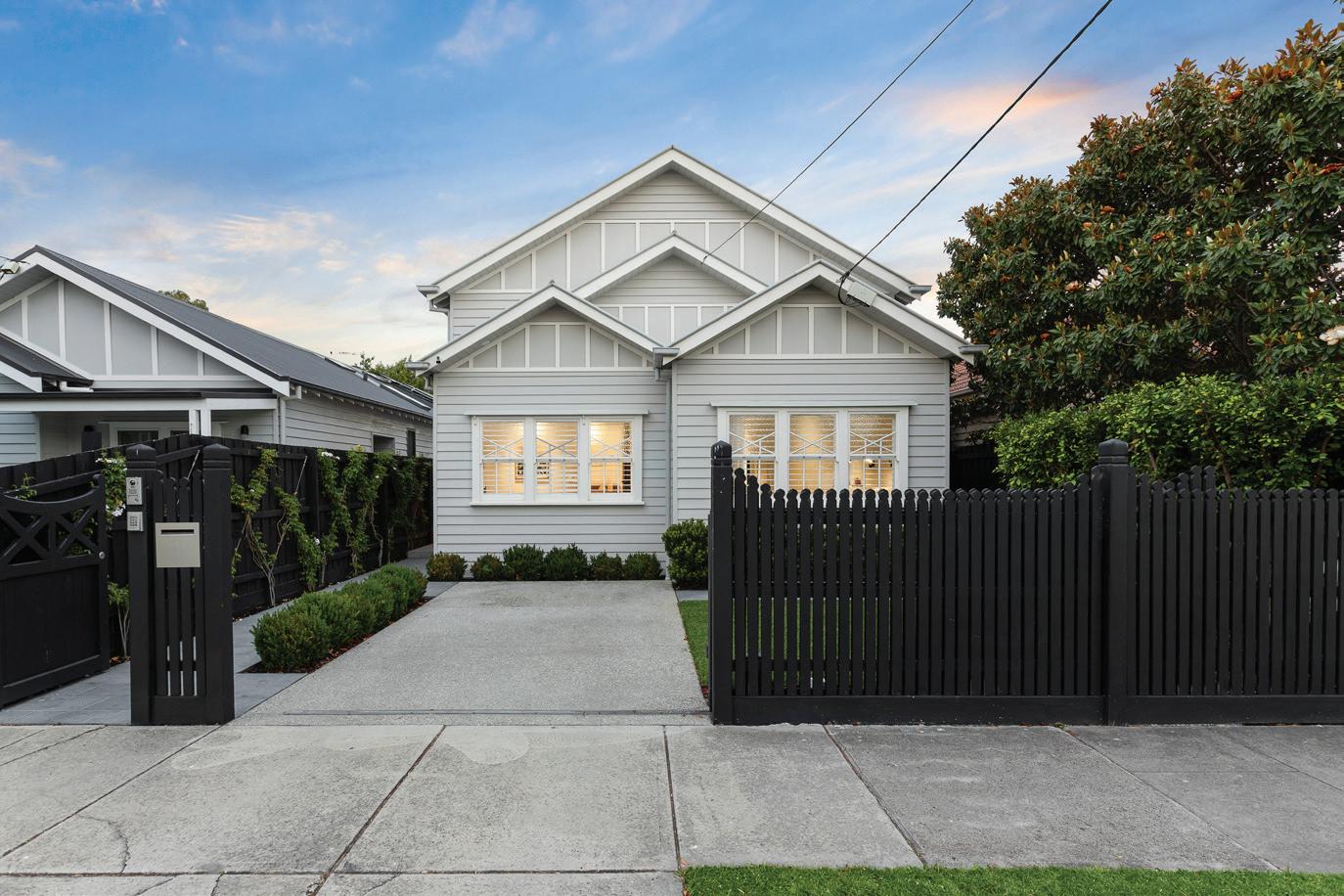
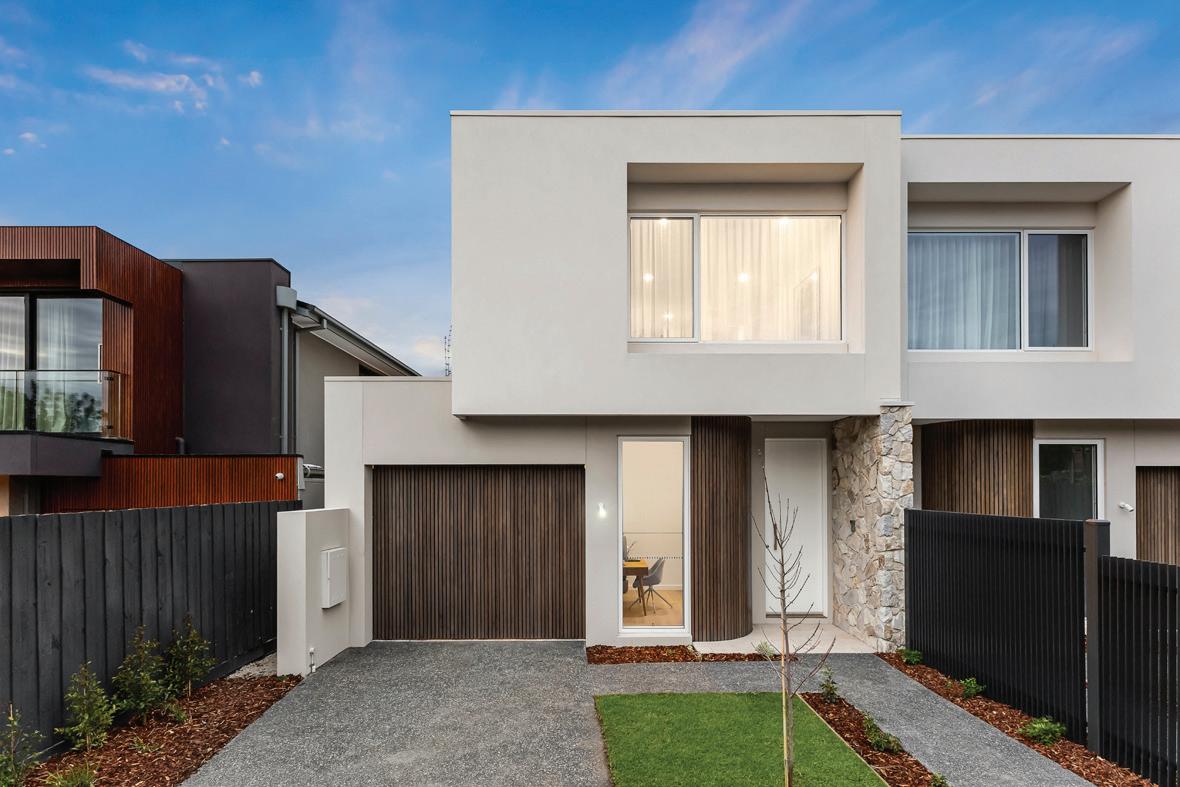
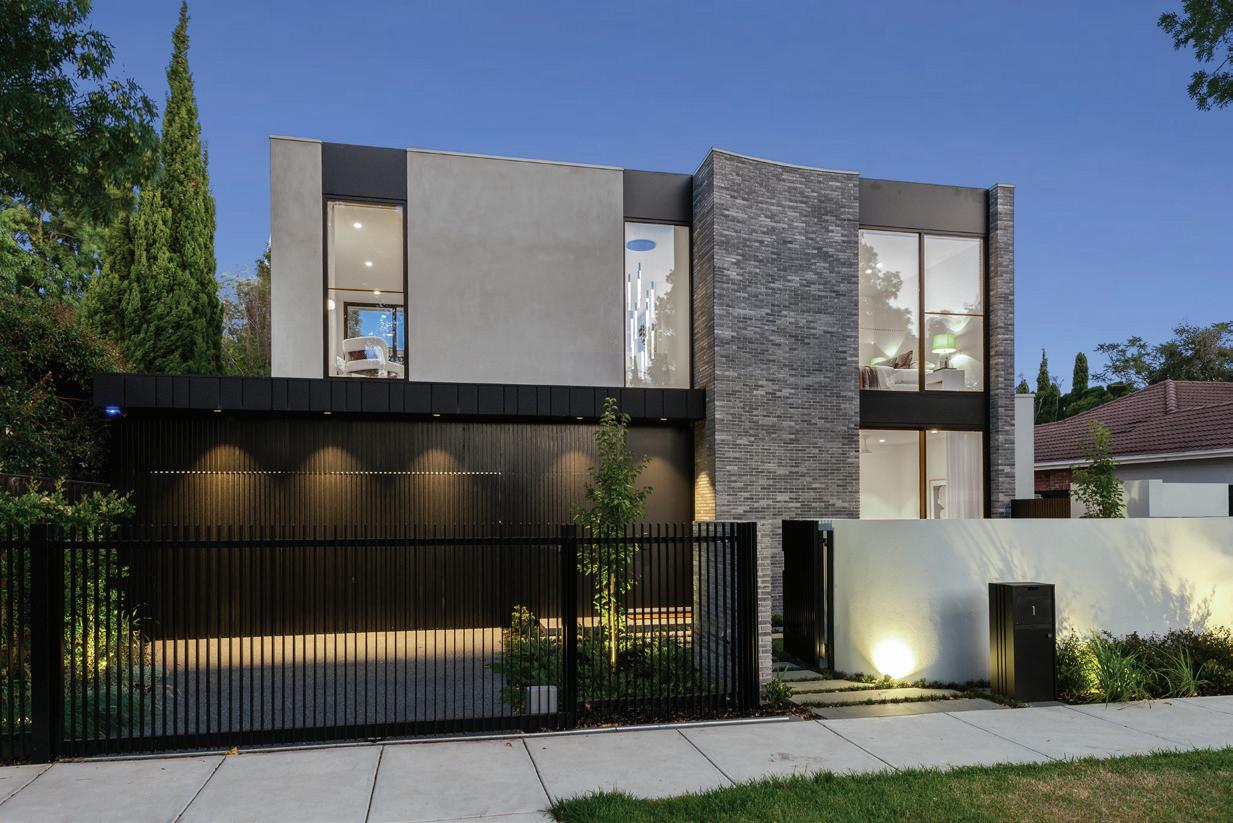

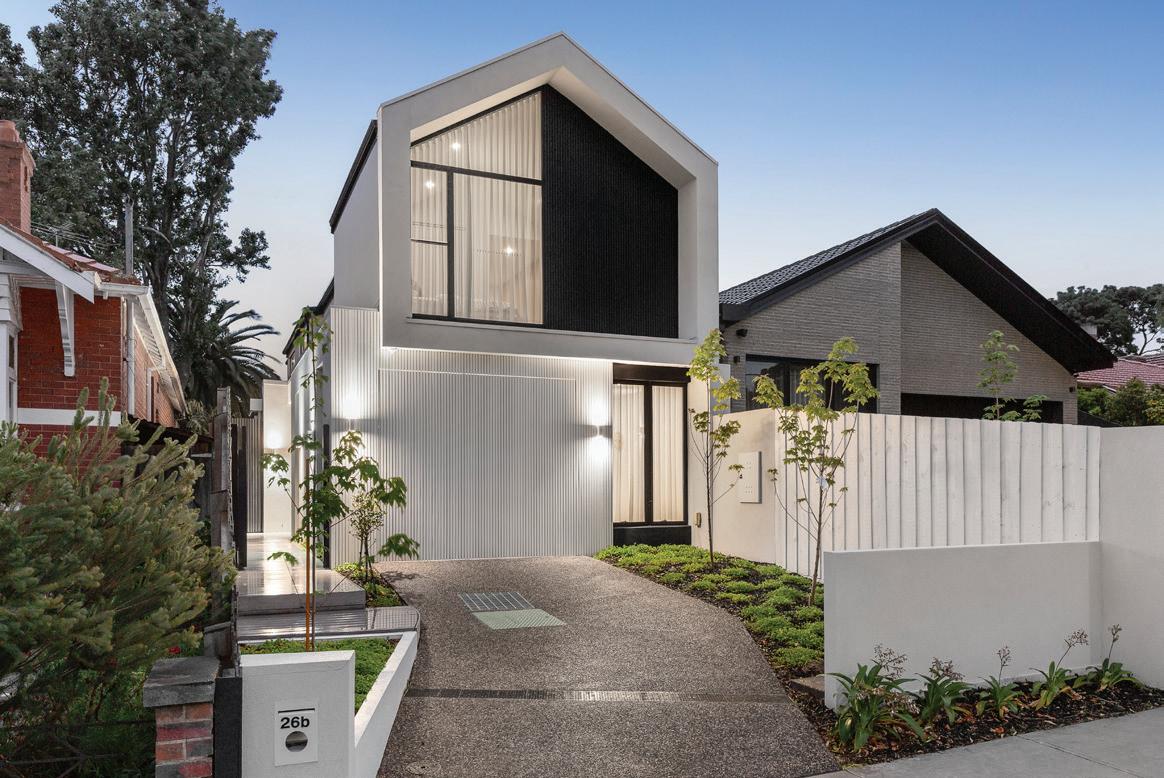
12a Loch Avenue, St Kilda East
14 Albert Street, Caulfield North Sold at auction with multiple bidders
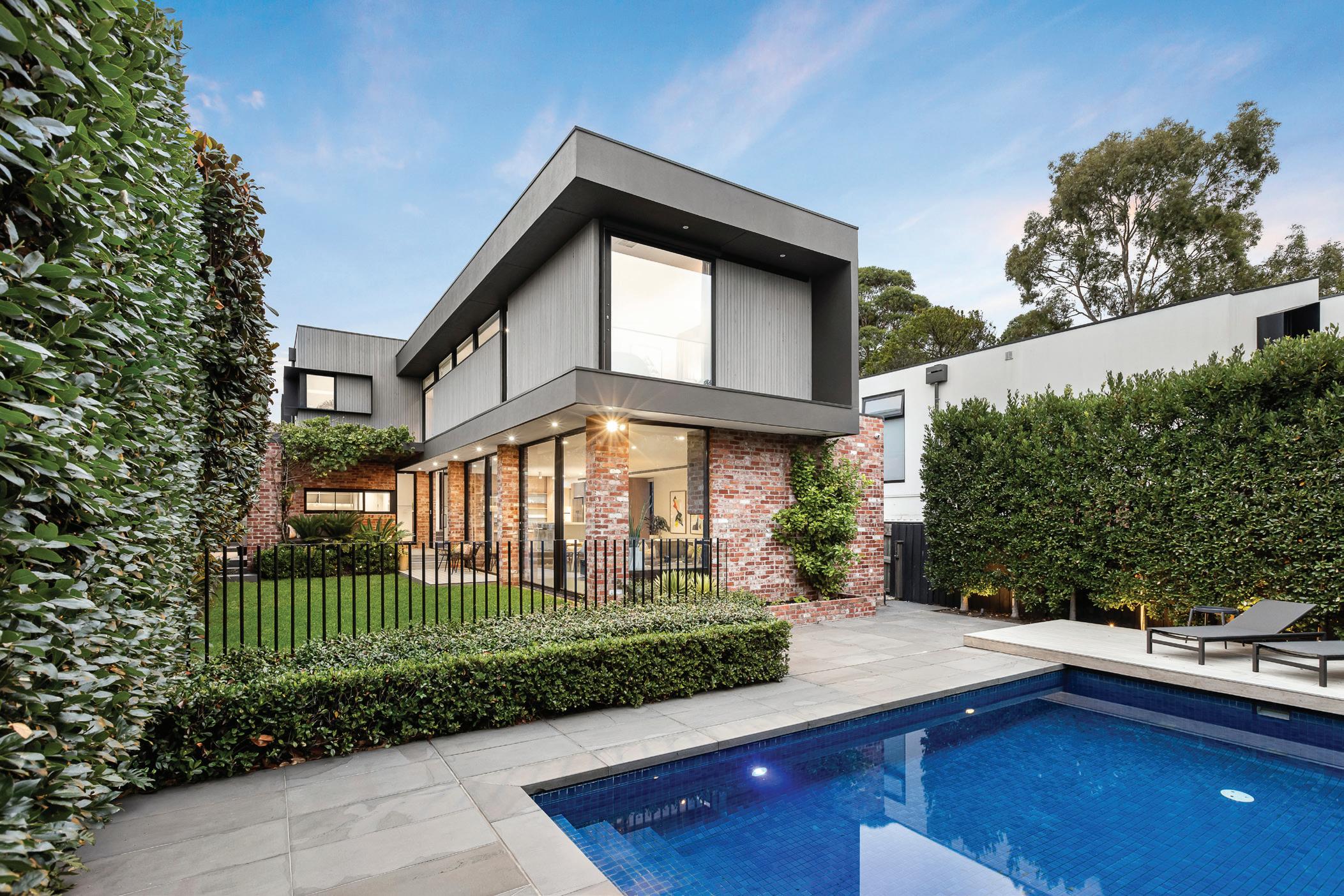
1/1 Stephens Street, Caulfield Sold at a midweek twilight auction
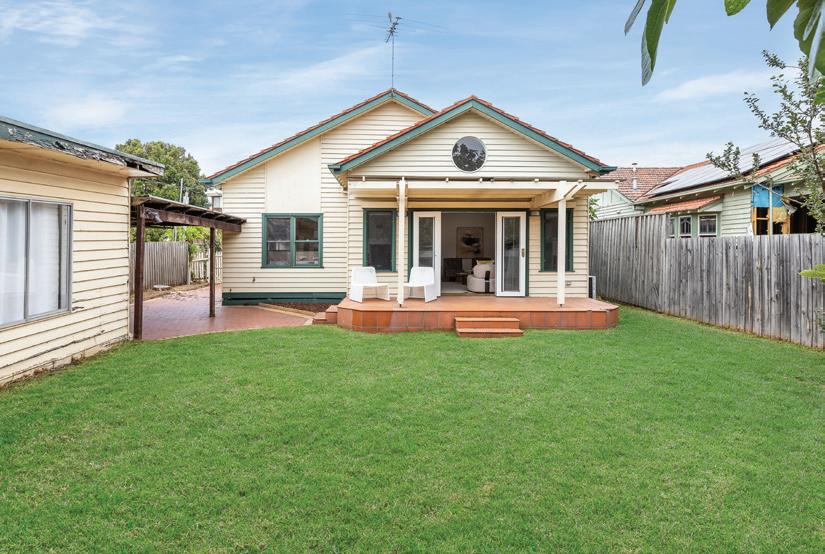
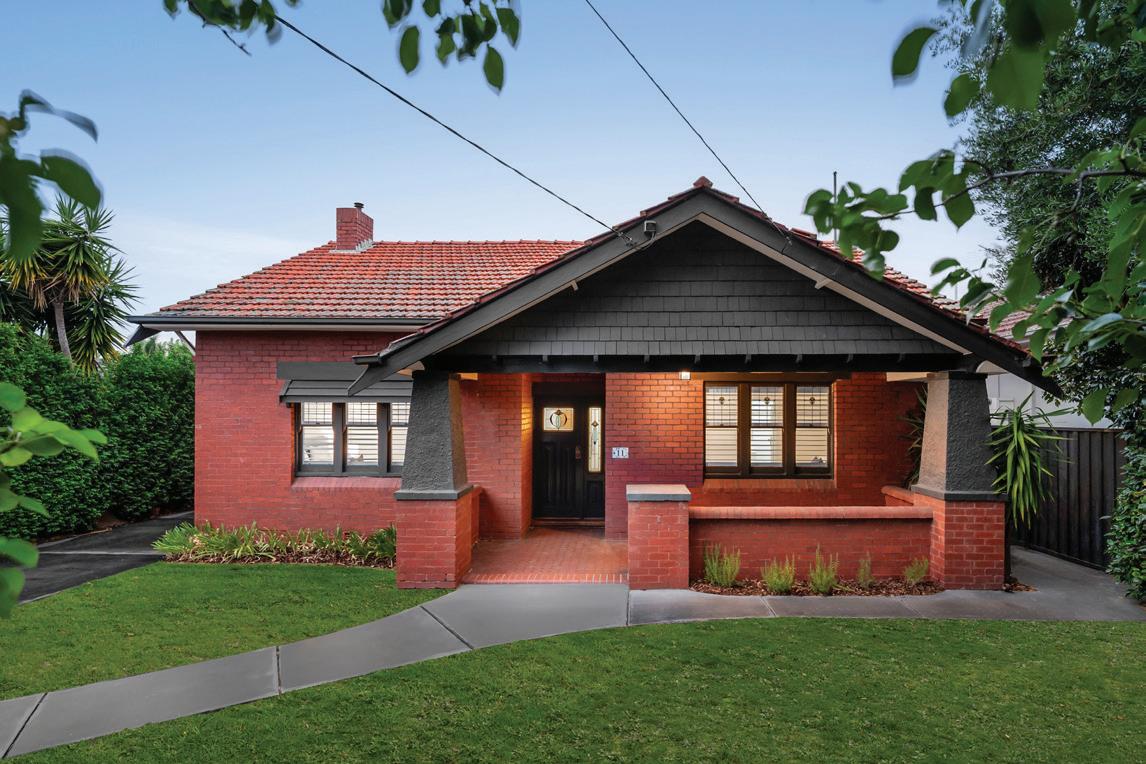
11 Hawson Avenue, Glen Huntly
Key data by suburb
The data sourced in this report covers properties sold by the entire industry. Data is extracted from reiv.com.au with a date range of January to March 2026. Please note that some suburbs may not have any statistics due to insufficient data.
Balaclava
Bentleigh
Bentleigh East
Brighton East
Carnegie
Caulfield
Caulfield North
Caulfield South
St Kilda East
St Kilda West
Market updates from your local property experts
Gary Peer, Jeremy Rosens, Leor
Samuel and Leon Gouzenfiter offer their latest takes on southeast Melbourne’s property market.
Find out which properties are in vogue across the Glen Eira and Bayside areas. Explore last quarter’s standout sales. And keep your finger on the pulse
of what’s selling on the streets
you call home.
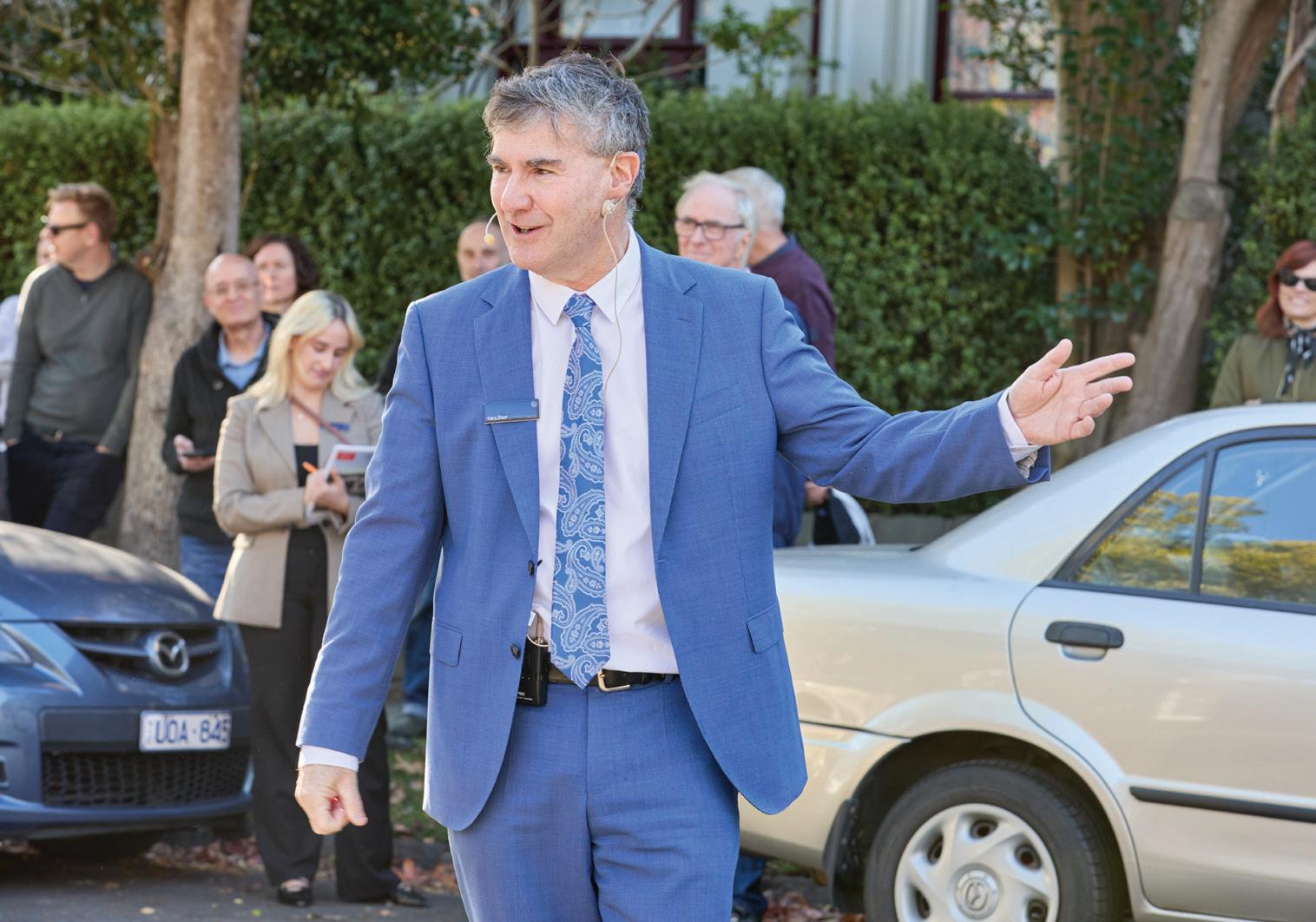
What’s happening in the market right now?
LEON : The market is a bit of a mixed bag at the moment. What’s interesting is that median house prices in areas like Bentleigh, McKinnon and Brighton East are still rising – particularly in that $900,000 to $1.5 million range, where demand is strong. But anything above $2 million is a bit tougher. That said, quality properties are still selling, and there’s a real opportunity here – especially for buyers looking to get in or trade up while the gap between price points has narrowed.
JEREMY:
JEREMY : Q1 was strong, specifically through February and March. But the market isn’t booming – I’d describe it as fine. Prices have stabilised, and we’re seeing more properties transact at fair market value rather than with standout, above-expectation results. That’s likely because buyer behaviour is closely tied to interest rates. When rates move, budgets shift – though buyers don’t disappear. So, someone who was looking at $1 million might now be looking at $800,000, but they’re still active in the same area.
LEOR : There’s less urgency in the market compared to late last year, and less competition at auction, but transactions are still happening. As we always say, it’s cyclical. And often, the buyers who act when things feel uncertain are the ones who benefit the most in the long run. In Carnegie, we’re seeing more off-market deals and more properties selling prior to auction. Investor activity has shifted, too. While local investors have been quieter, we’ve seen strong interest from interstate buyers in more affordable investment stock. Overall, the market feels stable – it’s just the way deals are getting done that’s changed.
GARY : It’s definitely a more challenging market, but our clearance rates have been very strong – stronger than the broader industry. A big part of that comes down to setting realistic expectations with vendors. When people understand where the market is, they’re more likely to make good decisions. We’ve also seen strong results in apartment blocks, driven by interstate buyers. And more first-home buyers are looking at individual apartments, as they face less competition from investors.
LEON:
GARY:
LEOR:




There are clear sweet spots. Houses between $900,000 and $1.3 million are selling very well, and apartments in the $500,000 to $700,000 range are also seeing strong demand. These more accessible price points are where the bulk of buyer activity is sitting.
Renovated homes are far and away the most in-demand. Buyers want something they can move straight into without dealing with rising building costs or uncertainty. Period homes or apartments that have been updated are especially popular. At the same time, anything under $1 million continues to attract strong competition.
Affordable family homes are the standout, such as townhouses or one-of-two homes in that $1 million to $1.5 million range. Buyers are prioritising practicality and longevity over large landholdings, which are increasingly out of reach.
LEOR : Fully renovated, single-level homes are performing exceptionally well, especially with downsizers. There’s strong demand for low-maintenance living where everything’s already been done, so buyers can move straight in without any extra work.
What have been this quarter’s standout sales?
LEOR : A great example was 3/16–18 Murrumbeena Road, Murrumbeena, where two buyers competed strongly for a fully renovated single-level villa unit. We also saw strong competition at 1/202 Neerim Road, Carnegie, where four bidders were drawn to a well-presented townhouse. The inclusion of a downstairs bedroom set it apart, appealing to downsizers, families and buyers who want accessibility without relying on stairs.
JEREMY : A standout was definitely 62 Barkly Street, St Kilda – three bidders, strong competition and a result well above reserve. We also had a great outcome at 2/7 Wando Grove, St Kilda East, which sold at auction with two bidders.
We saw a standout result at 50 Charles Street, Brighton East, which sold for over $3 million. Another highlight was 52 Daley Street, Bentleigh, where we had over 130 groups through the campaign, five bidders at a midweek auction and a result well above reserve.
What are your predictions for the coming months?
JEREMY : April is always a quieter month due to holidays, but we expect things to pick up again through May. As stock levels tighten heading into winter, conditions could shift slightly in favour of vendors. Buyer demand tends to remain consistent – it’s supply that fluctuates.
GARY : Well-presented, well-priced homes will continue to perform strongly – particularly those that don’t require additional work. Buyers are increasingly looking for finished homes where they can move straight in, rather than taking on renovations. That preference is shaping how we advise vendors to prepare their properties for market.
LEON : A lot will depend on interest rates, the federal budget and broader economic conditions. Melbourne is still seen as good value, especially by interstate investors, so it’ll be interesting to see how that continues to play out. There’s definitely still opportunity, especially for buyers who are ready to act.
LEOR : Despite some seasonal disruption, we’ve been busy behind the scenes with off-market transactions. May is typically a strong month, and we expect that to continue. The key will be how properties are sold, not just how many are listed. It’ll come down to strategy – knowing when to auction, when to sell early and when to wait just a little bit longer for the right result.
Thinking of selling your home? Contact your local Gary Peer & Associates agent today to request an appraisal. LEOR: JEREMY:
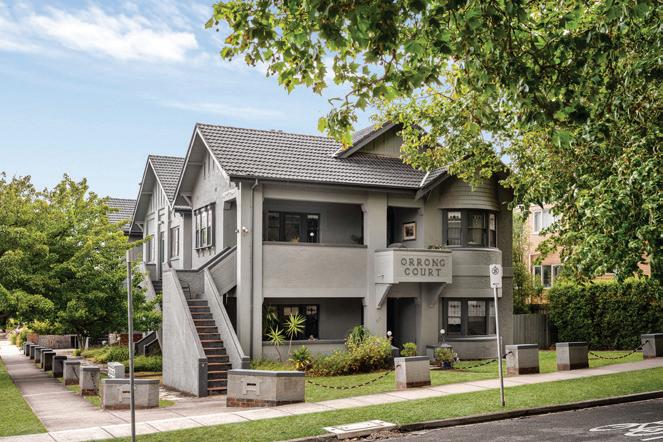
GARY : There was a great result at 17 Virginia Court, Caulfield South, where this 60s-style family home sold under the hammer with three bidders competing. In another strong result, the team also sold three blocks of apartments in one day - 1-12/45 Blackwood Street, Carnegie; 1-6/213 Orrong Road, St Kilda East and 1-10/281 Balaclava Road, Caulfield North.
JEREMY:
Property Management update
The first quarter of the year unfolded in an evolving landscape, as the market absorbed ongoing legislative change with growing confidence.
January, February and March have been defined by stability.
After several years of strong rental growth, we’re now seeing a more balanced environment, with rents largely plateauing and the pace of increases easing. This shift was expected, signalling the market is settling into a more sustainable rhythm.
That said, conditions remain tight. A lack of available stock continues to underpin demand, while many renters are choosing to stay put. Movement across the market is less about opportunity and more about necessity – driven by changes in work, lifestyle or circumstance, rather than a desire to test what else is out there.
We’re seeing enquiry levels soften slightly, with fewer attendees at opens and a drop in applications per property. But the fundamentals haven’t changed. Wellpresented, compliant homes priced in line with the market are still leasing quickly, with average days on market sitting around the 10- to 12-day mark.


For rental providers, it’s been a period of adjustment. The past few years have brought ongoing legislative change, and while more is still to come, the market is learning to move with it. Preparation remains key. With the right advice and enough lead time, these changes become far more manageable – and far less disruptive.
We’re proud to see team members continuing to grow within the business, stepping into new roles and building long-term careers in property management.
Kellie Finlayson, one of our senior property managers, is expanding her team with an assistant to support a growing portfolio, while Mia Gualano has stepped up from reception into property management. It’s this kind of internal growth, backed by the systems and support we’ve built around our team, that allows us to deliver a consistent, high level of service. This remains true regardless of broader industry trends, including the increasing shortage of property managers.
You may also notice continued improvements in how we communicate and manage properties day to day. Tools like our mobile-friendly PropertyMe platform are there to make things easier for renters and rental providers, offering a more convenient way to manage requests, access information and stay connected. Importantly, it’s entirely optional and free to use.
Looking ahead, we expect much of the same in the coming months. The market remains steady, with further legislative changes on the horizon, but nothing that signals significant disruption.
Our focus, as always, is on staying one step ahead, preparing early and guiding our clients through each change with confidence.
Are you looking for an experienced and engaged team to manage your investment? We’ll treat your property like it’s our own.
A CONVERSATION WITH Allira Skews, Team Leader and Senior Property Manager
Want to learn more about Allira? Head to our website to get to know her even better.
So, Allira, how did your real estate journey begin?
I actually started my career in customer service, working at Telstra and the Police Academy.
Those roles gave me a strong foundation in communication and problem-solving, so when my previous role led me to real estate, it felt like a natural progression. Nearly 20 years later, I’m still here!
What’s been your career journey since then?
My first job in real estate was in reception, which gave me a great grounding in how everything works. From there, I moved into property management. I quickly realised how much I enjoyed the pace, the people and the variety that comes with it. No two days are ever the same.
Now, as a Team Leader, I get to support our clients and my team, which I love.
What’s your approach to property management?
I focus on staying one step ahead, communicating clearly and really listening to what my clients need. Good time management is a big part of it, too. My goal is always to deliver the highest possible standard of service.
How did you build such strong customer service skills?
My time at Telstra and the Police Academy played a huge role.
Both environments taught me how to communicate effectively, stay calm under pressure and find solutions quickly. You’re dealing with all kinds of people and situations, so you learn how to adapt, listen properly and respond with empathy. Those experiences have definitely influenced how I work today.
What do you love most about Gary Peer?
The people. Without a doubt. There’s a genuine sense of support and teamwork here, which makes such a difference day to day. I’ve been here nine years now, I think that says it all.
And when you’re not at work?
You’ll usually find me at the Springvale Districts Football Club, where I volunteer as a sports trainer. I’m a huge AFL fan (go Saints!), so it’s great being involved in sports at a local level.
Outside of that, I love going out for good food and drinks. Cheeky Squire in Frankston is a favourite.


New Projects update

There’s real excitement building across our portfolio –and Q1 has set the tone for what’s already shaping up to be a massive year ahead.
A strong start to the year
Q1 has delivered exactly what we hoped for: measured confidence.
Buyers are more considered, but when the product aligns, decisions are made.
We’re seeing particular strength from first-home buyers, largely thanks to the first-home buyer scheme. The downsizer and lifestyle-driven purchasers –the people who know what they want and are willing to act – are also still coming out in droves, as always.
Céline: A lifestyle to love in St Kilda East
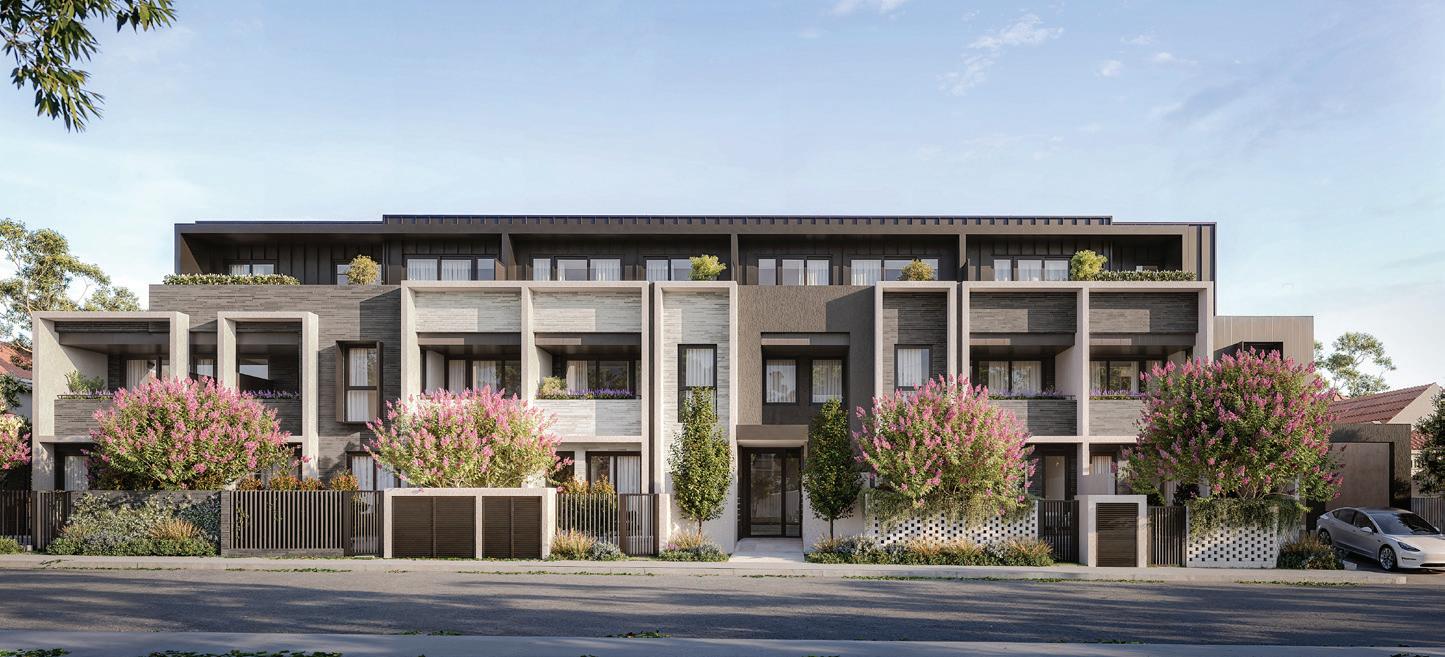
Céline Residences by Martell Pty Ltd has struck a chord early. Alongside our Wellington Place project, it ranks among the two most enquired projects in Melbourne on realestate.com.
Tucked into a quiet, tree-lined pocket of St Kilda East, Céline offers calm living without losing connection. Inspired by the suburb’s eclectic energy, the design caters
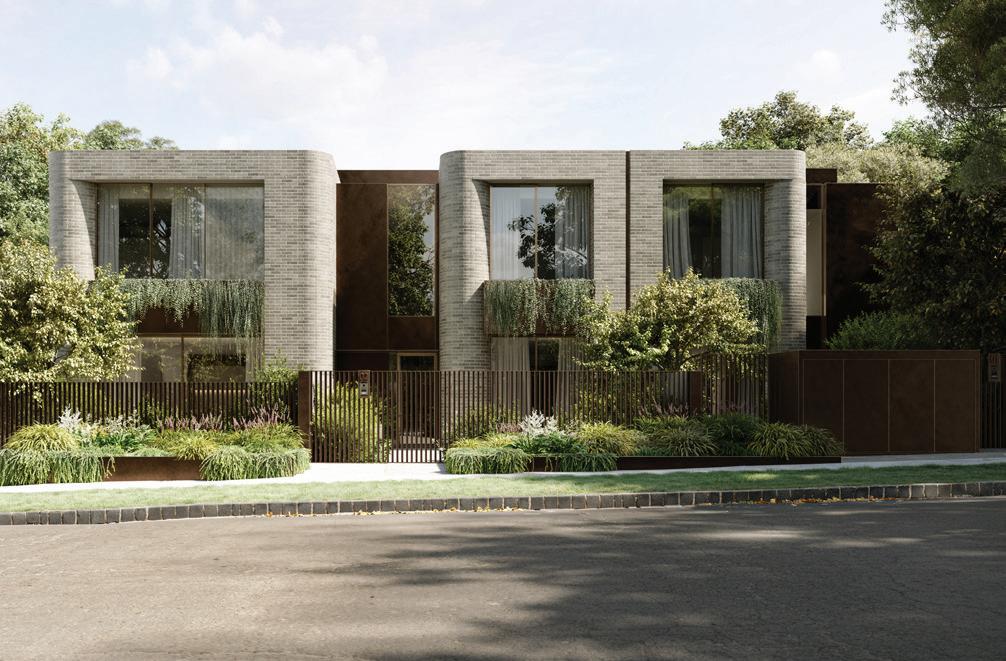
to a broad mix of residents, supported by a lifestyle that unfolds with ease.
With a top Walkscore, three nearby tram routes, Balaclava station right at your doorstep and a 10-minute cycle away from St Kilda Beach, convenience comes naturally.
A rooftop designed for gathering, as well as viewadmiring, adds to the appeal, with buyers quick to secure apartments almost straight out of the gates.
Sandham Place: Heritage charm. Modern-day character.
Sandham Place, designed by Cera Stribley, brings a different kind of energy – one grounded in character.
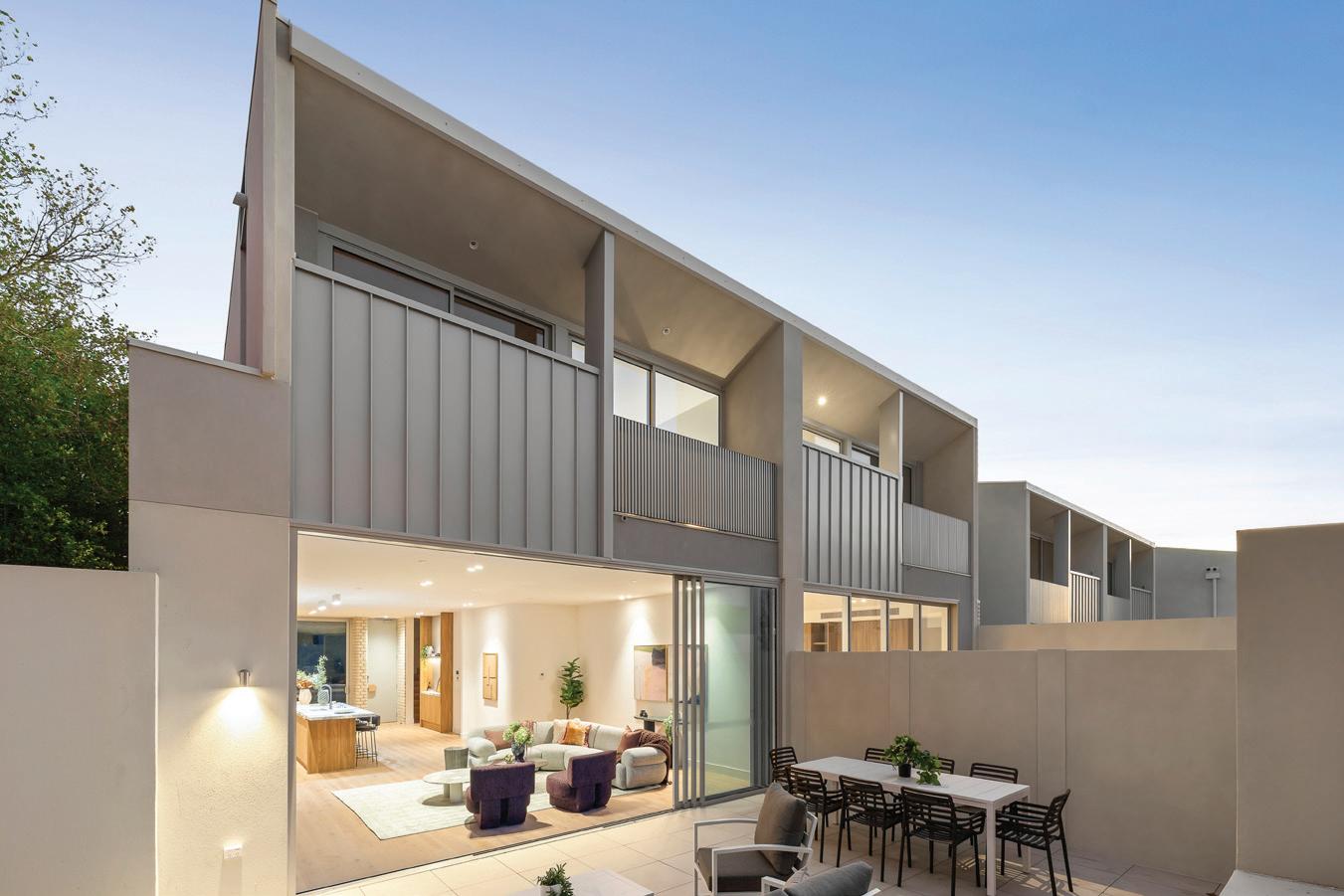
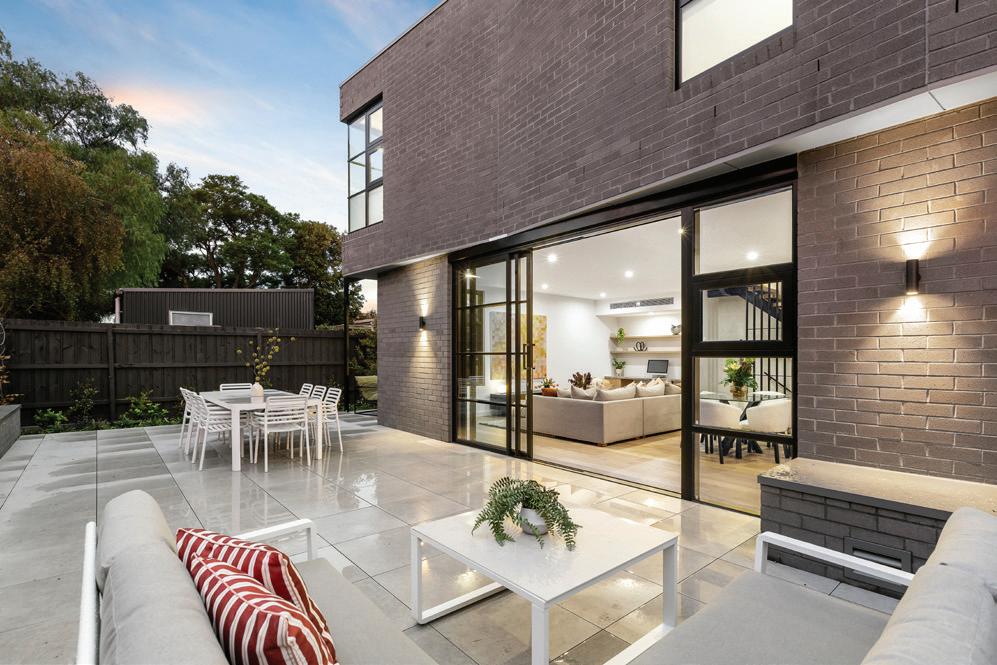
Set within Elsternwick’s established streetscape, this collection of townhomes blends heritage cues with a contemporary edge. Think curved brickwork, bronze
Sandham Place
Céline


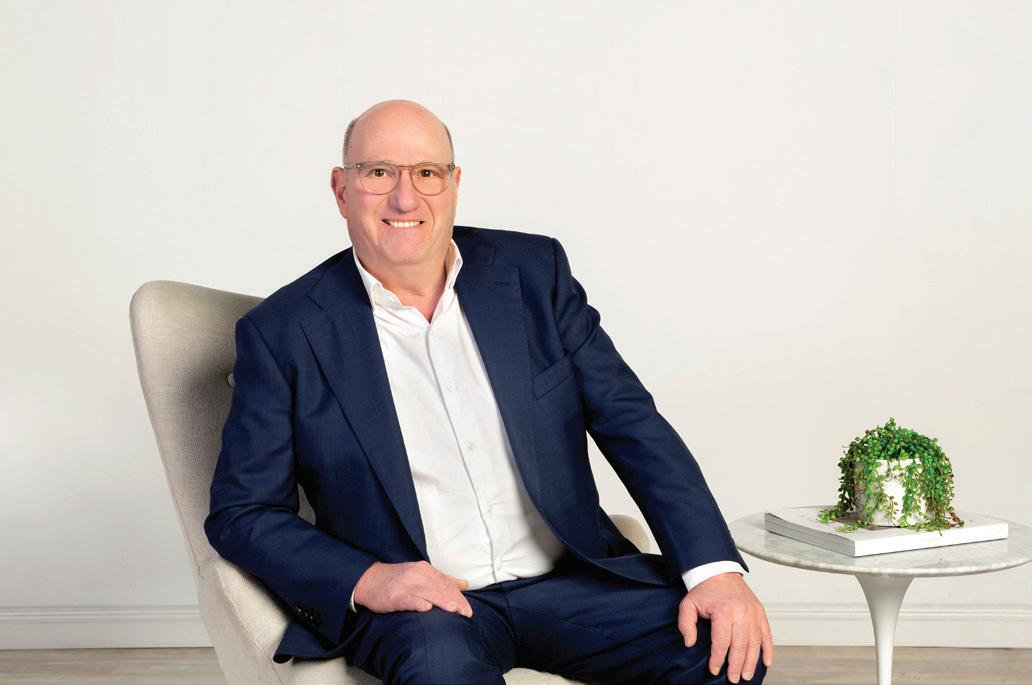



detailing and proportions that feel more like a classic home than a townhome.
The offering is resonating strongly with downsizers and families alike, both drawn to its liveability and long-term appeal. Not to mention its private courtyards, garages, lifts and rooftop terraces.
Olive Green: A statement of architectural excellence
Olive Green continues to attract attention as construction nears completion.
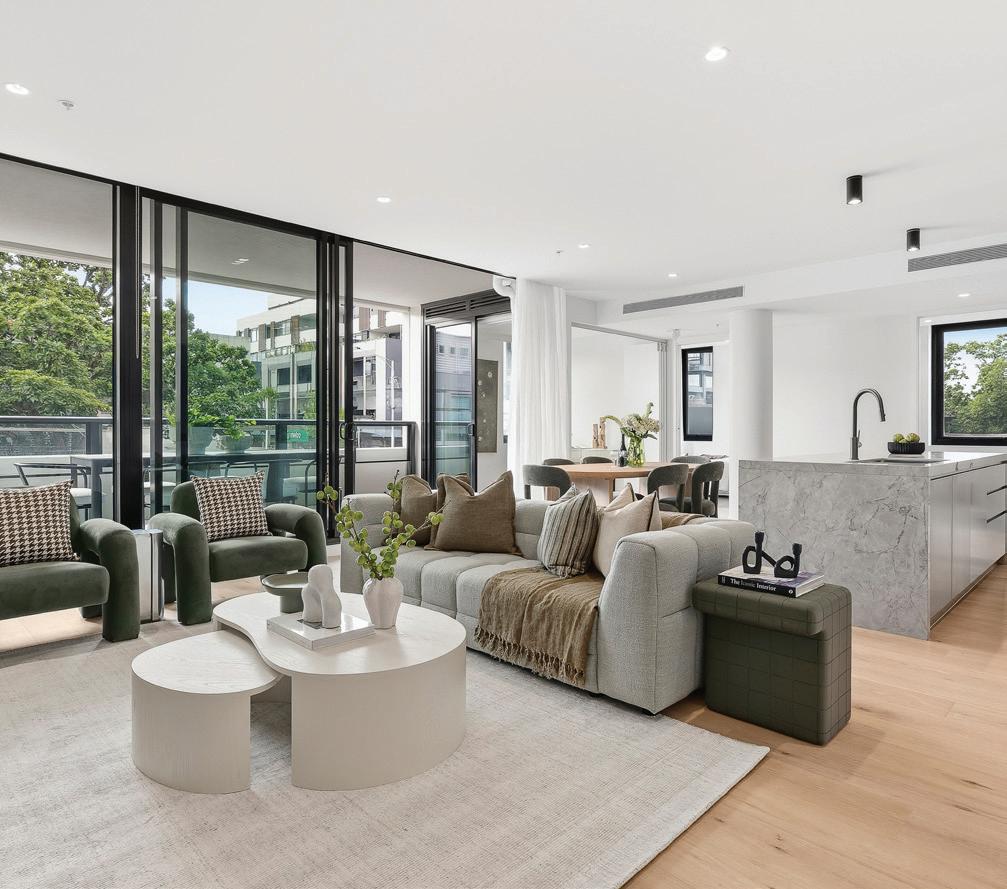
Led by Freeman Group, Olive Green speaks to buyers seeking value without compromise. Comprised of spacious, well-designed residences, it sits within a vibrant Caulfield South precinct that makes everyday living easy.
Construction is on track for completion mid-year, and residents are expected to move in come spring. Which means, Olive Green is quickly taking shape as a place to call home. A prototype apartment is now available to inspect.
Looking ahead
As we move into the next quarter, the pipeline only strengthens.
New launches are on the horizon. A boutique, luxury building of only 5 residences in Orrong Crescent, Caulfield North, is already generating early interest. All the while, existing projects continue to progress.
Our verdict: buyers are engaged, but selective. Projects that lead with design and lifestyle will continue to outperform. We’re excited about what’s coming – and even more excited to share it.
We’re dedicated to helping you enjoy the highest standards of living – in bold, brand-new, luxurious residences.
To discover what’s available and what’s coming up, head to the Gary Peer Projects tab on our website.
Project Marketing & Licensed Estate Agent
Olive Green
ASIAN
What the Year of the Horse signals for the market
As we move from the reflective Year of the Snake into the energy of the Horse, a clear shift is taking shape in both buyer and vendor behaviour.
The
Year of the Snake: A lesson in patience
Last year was defined by planning and precision.
In many campaigns, success came from careful preparation, with every detail thoughtfully considered and executed. Because buyers were taking longer to make decisions, vendors needed to trust the process. In some cases, properties only had a single serious buyer. But that was all it took – provided the campaign was handled with care.
It was a year that rewarded patience. You only get one opportunity to go to market, so taking the time to get it right made all the difference.
The
Year of the Horse: Momentum takes over
The arrival of the Year of the Horse is quite poignant. Because in one sense, it’s no longer the time for strategy. It’s the time for doing
After a more measured period, we’re seeing buyers and sellers step forward with greater intent. Decisions that were once delayed are now moving, with less hesitation and more clarity around expectations. This is where experienced agents play a critical role, guiding both sides through the process and keeping negotiations on track.

GARY PEER Co-founder, Director
PHILLIP KINGSTON Co-founder, Director

KEVIN HUANG Sales Consultant
For our team, the focus is simple: execute. That means maintaining the high level of service we’re known for and working closely with our clients to help them cross the line with confidence.
Advice for vendors: Choose clarity over guesswork
In a market like this, honesty matters more than ever. Vendors need to be fully aware of the market that they’re in. They’re best served by clear, realistic advice – not inflated expectations or empty promises. Understanding what’s likely, not just what’s possible, is key to making confident decisions.
The right agent will lay out a clear pathway, backed by experience and a deep understanding of the market. Because when conditions are more measured, getting the strategy and execution right the first time is critical.
Advice for buyers: Recognise the window of opportunity
For buyers, this moment presents a rare opportunity. With rental costs and mortgage repayments closer in value than they’ve been in years, the gap between renting and owning has narrowed. For many, that changes the question –from ‘maybe later’ to ‘why not now?’
While prices may not stay where they are forever, the current conditions offer a chance to enter the market with more confidence – and potentially less competition.
Thinking of selling your home? Or buying your next one?
Contact your local Mandarinspeaking agent at Gary Peer & Associates for an appraisal.



亚洲社区市场快讯:
马年将为房地产市场带来什么信号
随着我们从充满反思意味的蛇年, 迈入充满活力的马年,买家与卖家 的行为模式出现了明显的转变。
蛇年:关于耐心的一课 过去的一年是注重规划与精准执行的一年。
在许多销售活动中,成功往往来自周密的准备,其中每一个细节都经 过认真考量并妥善执行。由于买家需要花更长时间去做决定,卖家也 更需要相信整个销售过程。在某些情况下,一处房产可能只有一位真 正的买家。但只要营销得当,这一位买家就已经足够了。
这是奖励耐心的一年。房产上市销售只有一次关键的机会,因此花时 间把每一步做好,往往能带来截然不同的结果。
马年:动能开始接管 马年的到来,具有相当深刻的意义。因为从某种角度来看,现在已 经不再只是制定策略的时候,而是要付诸行动的时候。
在经历了一段相对谨慎、节奏放缓的时期后,我们看到买家与卖家 正以更明确的意图向前推进。过去被搁置的决定,如今正在逐步落 实,不再犹豫,预期也变得更加明确。此时,经验丰富的房产经纪 人发挥着至关重要的作用,他们能够引导买卖双方顺利推进流程, 并确保谈判保持在正确轨道上。
对我们的团队而言,重点很简单:执行。这意味着继续保持我们一贯 高标准的服务,并与客户紧密合作,帮助他们满怀信心地达成交易。
给卖家的建议:选择清晰,而不是猜测
在这样的市场环境中,诚实比以往任何时候都更重要。
卖家需要充分了解自己所处的市场。他们最需要的是清晰、现实的 建议,而不是被抬高的预期或空洞的承诺。了解什么是可能实现 的,而不仅仅是什么看起来有可能,是做出正确决策的关键所在。
合适的经纪人会根据自己的丰富经验和对市场的深刻理解,为您制 定清晰的路径。因为在对市场环境更加理性、更加审慎的分析之 后,第一次就可以把策略和执行做好至关重要。
给买家的建议:把握机会
对买家而言,此刻正呈现出一个难得的机会。
随着租金成本与房贷还款金额之间的差距,达到多年来最接近的水 平,租房与买房之间的距离正在缩小。对许多人来说,这也改变了 原本的思考方式,从“也许以后再说”,变成“为什么不现在行动?”
虽然房价未必会永远停留在当前水平,但现阶段的市场条件,为买 家提供了一个更有信心入市的机会,同时买家也可能面对相对较少 的竞争对手
正在考虑出售您的房产? 或购买下一套房产?欢迎您联系 Gary Peer & Associates
讲普通话的房产经纪人, 获取专业市场评估。

ACROSS THE ENGLISH CHANNEL:
Andrew Maver’s 49-km leap of faith
What does
it
take to swim from England to France?
For 55-year-old Andrew Maver, it’s got nothing to do with bravado or bucket lists. It’s sparked by a need for a challenge and supported by a lifelong love of water.
We caught up with Andrew to unpack everything that went into his recent trip across the Channel: endurance, doubt, jellyfish… and what really carries you across 49 km of open sea.
A
childhood measured in laps
The question of whether Andrew has gills dates back to his childhood.
‘Our grandparents had a pool in their backyard,’ he says. ‘My earliest and fondest memories are spending summers in that pool. The water has always been my happy place.
‘I think I could actually swim before I could walk,’ he laughs. By 13, that early love had turned competitive. ‘I went from just starting out to state champion in the space of about 18 months,’ Andrew recalls. ‘I didn’t have a lot of speed, but I had this capacity for endurance swimming.’
Still, the grind took its toll.
‘It’s very demanding, mentally and physically,’ he says. ‘So, after school, I took a break from swimming altogether.’
To be exact, it was nearly two decades before Andrew returned to the sport. But this time, racing wasn’t on his mind.
‘I didn’t want to be competitive; I just wanted to swim.’
The idea that waited 20 years
Andrew wouldn’t call the idea of swimming the English Channel a whim, per se. But there was a certain moment that brought the idea back to life.
‘I was clearing out our office and found a file dated 2003 called English Channel Research,’ he says. ‘So the idea has been there for at least 20 years.’
But the timing just never felt right. Until it did.
‘In late October 2024, I needed a challenge. Something outside of work. Looking back, I feel like I was just going through the motions,’ Andrew says. ‘I mentioned that to someone at the pool who had swum the English Channel a few years ago, and he knew someone who might have a last-minute window – just eight months away.’
His family was equal parts supportive and sceptical.
‘It’s not uncommon for me to do something a little out of the norm,’ Andrew explains. Which, of course, is an understatement. He did the 19.7 km Rottnest Channel swim solo in 2017.
‘My family is incredibly supportive, but they also think I’m a bit mad,’ he jokes.
Eight months to build a body (and a brain)
Andrew wasn’t given much time to prepare for one of the world’s toughest swims.
‘My first month of training was really just about showing up,’ he says simply. ‘Three mornings a week at 5.30 am and a longer swim on Saturdays.’
His first 5 km session was sobering. ‘I thought I was going to die,’ he laughs.
The Channel is roughly 35 km as the crow flies. With tides, it can be much, much longer. How am I ever going to do this? he remembers thinking.

It made things easier that he trained with people who had done it. ‘I trained with John Van Wisse, who coached me. He’s done multiple crossings, including a double, so I couldn’t have had a better person guiding me.’
Andrew’s long swims crept up: 10 km. Then 12, 14, 15. ‘Some days in the pool, some in open water. But if I was a few hundred metres short, it wasn’t the end of the world. I just tried harder the next time.’
And it was just as much about mentality as it was physicality.
‘You’ve got to get comfortable with being physically tired,’ Andrew summarises. ‘And you need to be tough enough to keep going despite it.’
Touching English soil
Flying into London made it real.
‘We were flying over the Channel and took a photo of the flight display,’ Andrew says. ‘I remember thinking how easy it was to cross from the sky.’
The swim began at 4 am. ‘But I wasn’t nervous,’ Andrew remembers. ‘At that point, I just wanted to get it done.’
At the beach, protocol ruled. The boat stopped 300 m offshore before the swim officially began.
‘You jump off, swim to English soil, walk out of the water, then someone blows a horn, and you walk back in. That’s when it starts.’
That moment – walking back into the dark water – was stark.
‘You go, there is absolutely no turning back now. The next time I hit land will be in France.’
Eleven and a half hours in open water
The first hour of the swim was about rhythm.
‘I was just trying to focus on finding a groove and not going too fast,’ Andrew shares. But then came the jellyfish…
‘I got stung twice in the first hour,’ he exclaims. From there, for hours, he played dodge-the-jellyfish. ‘Visibility was maybe two or three metres, so you’ve only got seconds to react when a jellyfish does, inevitably, pop up.’
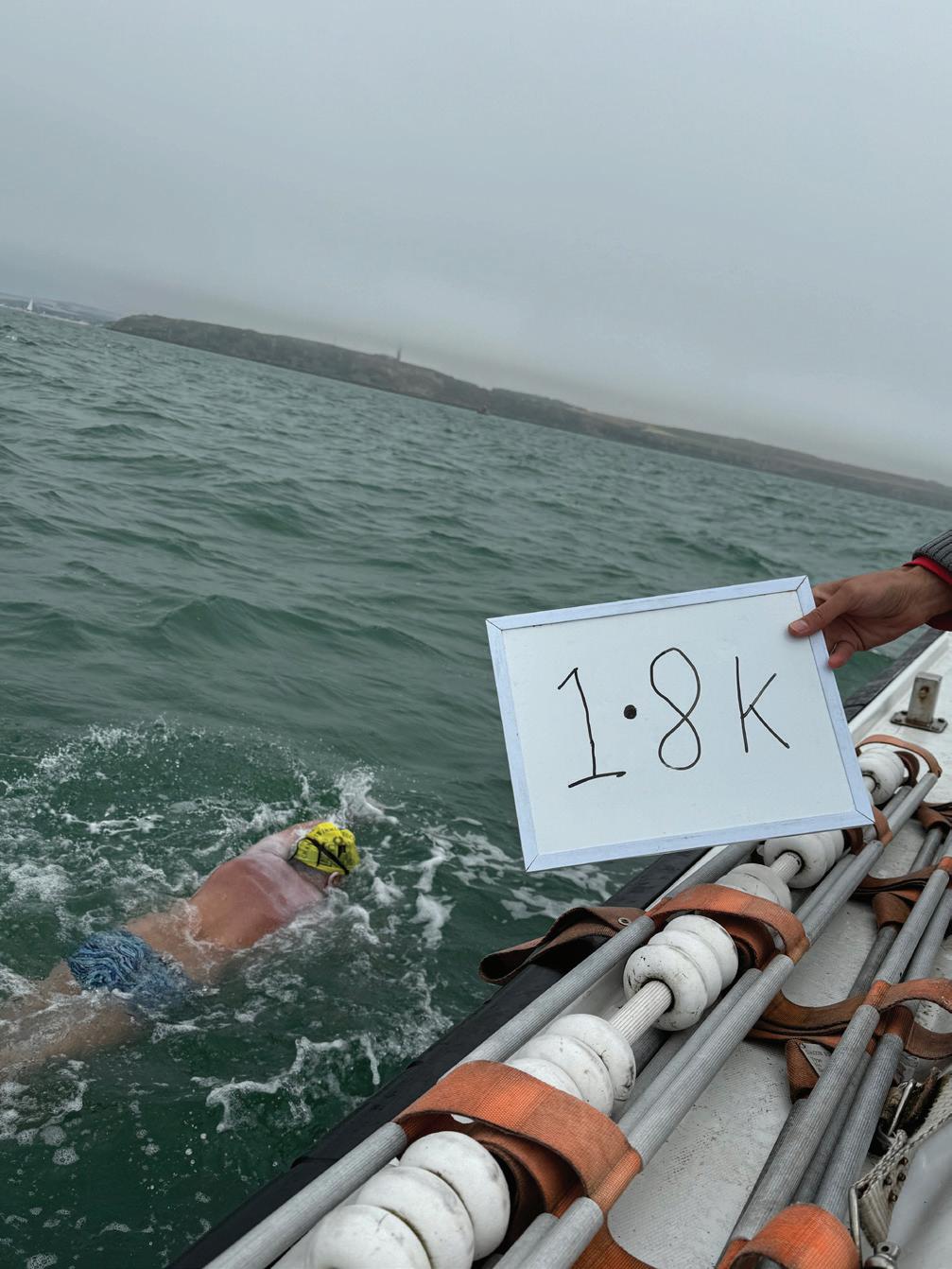
But, funnily enough, the jellyfish ended up being a welcome distraction. ‘It actually takes your mind off what you’re doing!’
Food came every 30 minutes. Conditions changed. Diesel fumes from the escort boat clogged his nose. And yet, Andrew swam.
‘I spent a lot of time thinking about my aunt, who was in hospital in excruciating pain,’ Andrew shares. ‘I kept thinking to myself that I was lucky to only be in temporary pain by comparison.’
Then came the hardest part: seeing France. ‘When you see land, you think you’re there, but you’re not. I was less than a kilometre from shore for at least an hour and a half.’
That’s because that pesky tide forced him sideways. As a result, Andrew’s swim ended up being 49 km – and 11.5 hours – long.
Regaining your land legs
Eventually, after so long of swimming parallel to the shore, Andrew finally got the ‘all clear’ to head inland.
‘There’s a moment when you can see the sand on the bottom,’ he says. ‘That’s when you go, I’ve actually done it.’
He stood carefully. ‘They tell you to make sure you’re stable,’ he says. ‘You’ve been horizontal for 10, 12 hours. The last thing you want is to fall over.’
And then, relief. ‘Euphoria. It was a massive sense of accomplishment.’ He sat down. Took it in. ‘I wanted to imprint that moment like a photograph.’

The Channel is roughly 35 km as the crow flies. With tides, it can be much, much longer. I remember thinking, how am I ever going to do this?
But there’s one thing Andrew said he would change if he could.
‘My partner, Alison, endured the whole journey just as much as I did, but she was still out on the boat when I hit land. I wish she could have been with me on the beach to share the moment when I finally stood up.’
Soon enough though, Andrew turned around and headed back towards Alison and the boat – where reality inevitably hit.
‘I threw up a couple of times, and then promptly fell asleep until we ended up back in Dover.’
What stays with you
Andrew was the 302nd Australian to complete the crossing.
‘There’s been more Australians who’ve won Olympic gold than crossed the Channel,’ he says. He’s proud, obviously, but grounded. ‘That said, I know a dozen people who’ve done it. So, I guess it depends on how you look at it.’
The body takes a lot longer to recover than the ego.
‘There’s this deep-seated fatigue that doesn’t kick in for four to six weeks.’ And, by all accounts, it’s humbling. ‘You go from being incredibly fit to thinking, I can’t even swim a kilometre anymore.’
But that integral drive, the thing that pushed him towards a challenge of this magnitude in the first place? That hasn’t gone anywhere.
‘I’ve been thinking about the other Ocean Seven swims, but we’ll have to wait and see if the stars align on that.’
For now, Andrew is content adding this stretch of open water to his swimming cap. And getting back in the pool to conquer that once again elusive kilometre.
Want to get to know more familiar faces from your community? Read their stories on The Peer Blog.
FIRST-HOME BUYER CHEAT SHEET:
The terms you really need to know
Pre-approval. Section 32. Variable rate. Settlement.
Buying your first home is exciting. It’s also full of words you’ve probably never heard or used in everyday conversation.
It can feel like learning a new language overnight.
So here it is – your no-fluff, first-home buyer cheat sheet. What each term means, why it matters, how it plays out in real life… and how it can help you secure your first home.
Credit rating
Your credit rating (or credit score) is simply a snapshot of your financial track record.
It shows lenders how reliably you’ve handled money in the past – from credit cards and personal loans to car finance and even phone plans.
Banks use this score to assess risk. A strong credit rating can mean faster approval and, sometimes, better loan terms. A weak rating, on the other hand, can narrow your options.
The good news is that this is something you can improve. Before applying for a loan:
• Check your credit file
• Pay down outstanding debts where possible
• Avoid making multiple credit applications in a short timeframe
Small, steady financial habits build trust over time. And in lending, trust translates to borrowing power.
Mortgage broker
Think of a mortgage broker as your home loan matchmaker. Instead of approaching just one bank, a broker compares products from multiple lenders to find a solution that best suits your situation.
They assess your income, expenses and goals, then recommend loan structures and interest rate options. They also manage the paperwork and lender communication along the way.
For first-home buyers, having the right broker on your side is invaluable. Because the right broker goes beyond securing approval. They help you understand the loan and structure it to support both your immediate purchase and your longer-term plans.
Our recommendation? Aqua Financial Services, which specialises in guiding buyers through the process with clarity and confidence.
Pre-approval
Pre-approval (also known as conditional approval) is when a lender agrees, in principle, to lend you a certain amount before you’ve secured a property.
It’s based on your income, expenses, debts and credit history. While it’s not a final guarantee, it shows sellers and agents that you’re serious, organised – and financially ready.
In practice, pre-approval gives you a clear budget. You know your ceiling. You understand your range. So now you can search with confidence and avoid falling in love with homes outside your budget.
Also, if you’re looking in competitive markets –particularly if you’re considering auctions – pre-approval is a must-have.

Remember that the purchase price isn’t your only upfront cost. You’ll need to budget for stamp duty, legal fees and moving expenses.
Borrowing capacity
Your borrowing capacity is the maximum amount a lender is prepared to loan you. It’s influenced by your:
• Income
• Existing debts
• Living expenses
• Number of dependents
• Current interest rates
However, just because a bank is willing to lend a certain amount doesn’t mean it’s the right one for you. When setting your budget, you need to consider future rate rises, career changes, and more importantly, your broader life plans. Property should support your lifestyle rather than stretch it.
A broker can model different scenarios so you understand what repayments may look like if interest rates increase.
Our advice? Treat your borrowing capacity as a limit, not a target. It’s better to choose a level that feels comfortable and sustainable.
Deposit
Your deposit is your upfront contribution toward the purchase price of your home.
In Australia, buyers often aim for a 20% deposit to avoid paying Lenders Mortgage Insurance (LMI). On an $800,000 property, that’s $160,000 upfront. You can buy with a lower deposit – sometimes as little as 5 to 10% – but additional costs may apply.
Your deposit also directly impacts your loan size, monthly repayments and overall financial flexibility. So generally, the higher your deposit, the better.
It’s also important to remember that the purchase price isn’t your only upfront cost. You’ll need to budget for stamp
duty, legal fees and moving expenses. Planning your deposit carefully puts you in a stronger position from day one.
First Home Owner Grant (FHOG)
The First Home Owner Grant is a government incentive designed to help eligible buyers enter the market.
In Victoria, it generally applies to buyers purchasing or building a new home under certain value thresholds. The grant amount and eligibility criteria can change, so always check the latest details before making plans.
In practical terms, the grant can:
• Boost your deposit
• Reduce the amount you need to borrow
• Work alongside stamp duty concessions
It’s free money – but only if you qualify. Do your homework early so you don’t miss out.
Interest rate (fixed vs variable)
Your interest rate determines how much you pay to borrow money – and it directly affects your monthly repayments.
• Fixed rate: This locks in your interest rate for a set period (typically 1 to 5 years). So your repayments stay steady, even if market rates rise.
• Variable rate: This moves with the market. If rates fall, you benefit. But if they rise, your repayments increase.
Some buyers choose a split loan – part fixed, part variable – to balance stability and flexibility. The right structure or choice depends on the market conditions, your risk appetite and your long-term plans.
Auction
An auction is a public sale where buyers bid competitively, and the highest bidder secures the home. In Victoria, auctions are common – and they move quickly.
But here’s the critical point: when the hammer falls and the property is declared sold, the contract is unconditional. That means no cooling-off period. No subject-to-finance clause. You’re legally committed – on the spot.
With the right preparation, however, you’ll know exactly what you’re committing to. To bid with confidence, make sure you:
• Have pre-approval in place
• Review the Contract of Sale beforehand
• Arrange a building and pest inspection before auction day
Contract of Sale (including Section 32 and Vendor Statement)
The Contract of Sale is the legally binding document that sets out the terms and conditions of your purchase. It includes the price, settlement date and any special conditions.
The agreement comes attached with the Section 32 (Vendor Statement), which discloses key information about the property, such as:
• Title details
• Zoning
• Easements
• Outgoings
• Restrictions
Before signing, you should have a conveyancer or solicitor review both documents. They’ll explain your obligations, clarify the fine print and raise any red flags. Once signed, this contract carries serious legal weight.
Stamp duty
Stamp duty (or land transfer duty) is a government tax payable when you purchase property. In Victoria, the amount is calculated based on the purchase price.
For first-home buyers, concessions or exemptions may apply below certain price thresholds.
Many buyers underestimate this expense, but stamp duty can add tens of thousands of dollars to your upfront costs. So, it’s essential to plan for it early.
The good news? With careful preparation – and potential concessions – you can structure your purchase strategically and avoid last-minute surprises.
Settlement
Settlement is the final step – the moment ownership officially transfers from the seller to you. This typically happens 30 to 90 days after the contract is signed, unless otherwise negotiated.
Before settlement, you’ll complete a final inspection to ensure the property is in the agreed condition. Then, on settlement day:
• Your lender transfers the funds
• Legal documents are exchanged
• The keys become yours
Congratulations, you now officially own your home!
Ready to take the next step? Explore more first-home buyer tips, suburb insights and property advice on The Peer Blog.
Meet Jeremy Rosens

I’m always looking for ways to improve. I never want to settle.
With nothing but a school bag slung over his shoulder, a 10-year-old Jeremy Rosens set off from home with a bold plan: to get a head start on life.
Five hours later – and after causing no small amount of panic for his family – he returned, slightly less convinced after discovering his packed snacks weren’t quite up to scratch.
Still, even a loving family and a charmed upbringing couldn’t slow that early ambition. Today, as Director of our St Kilda office, Jeremy is still chasing growth, always looking for what’s next.
We caught up with him over coffee to find out where that drive really comes from.
Home among the gum trees: A typical Australian upbringing
Jeremy was born and raised right here in southeast Melbourne. And he wouldn’t have had it any other way.
‘My parents divorced when I was one, so I lived with my mum and older brother in a maisonette on a big block of land,’ Jeremy explains.
And right next door? His aunty, uncle and cousin.
‘I have a really great relationship with my brother and cousin, and the way we lived helped foster that,’ he continues. ‘We had a cricket pitch in the backyard, so we’d always go outside to play cricket together.’
But it wasn’t just cricket. Whatever the sport of the season – footy, soccer, swimming – Jeremy and his family were right there.
‘I had a typical Australian upbringing,’ says Jeremy. ‘With a great education on top.’
A great classmate, a not-so-great student:
Jeremy’s school career
Jeremy’s school career didn’t follow the typical script for success.
‘I wasn’t the most studious person,’ admits Jeremy. ‘I wasn’t a disruption in class – but I could always be relied on to do something stupid.
‘In fact, one of the teachers called me a lovable rogue.’
It was a phrase that stuck.
‘That comment always resonated with me,’ Jeremy explains. ‘Teachers loved and hated me at the same time. I learned early on that I could get away with most things as long as I didn’t push the boundaries too far.
‘And I’ve carried that lesson through to today!’ he confesses with a laugh.
But even with all the fun Jeremy had at school, it wasn’t always easy.
‘I envied people who knew what they wanted to be,’ says Jeremy. ‘I didn’t have a family business to go into, I wasn’t a great student, and I didn’t agree with the career counsellor’s suggestion: real estate.’ (Hello, irony.)
‘So when it came time to prepare for uni – I had no idea what to do.’
From setbacks to success: Heading to university
When 18-year-old Jeremy Rosens rang up to get his score after Year 12, expecting to have done alright, his actual score made his heart sink. And yes, maybe he swore at the message bank a little.
‘It wasn’t what I wanted,’ he remembers. ‘And I still didn’t even know what I wanted to do!’


I’m a father, husband, son, brother, cousin, friend, human being – before a real estate agent.


On a whim, he took off to Victoria University to study business management. Making a whole new group of friends while he was at it.
‘I became quite close with one of the guys, and we started up STP (Standard Tuesday Procedure) – which involved going out for lunch every Tuesday at this place next door to a real estate agency.’
And as those real estate agents trickled into the cafe for their midday coffees in their nice suits, holding the keys to their nice cars, Jeremy couldn’t help but think, hmm, they look pretty cool.
So, one and a half years after enrolling at Victoria University, Jeremy decided to leave the institution and forge his own path. And that’s just what he did.
Family first: Jeremy’s favourite people
In 1998, Jeremy made another life-changing decision: he jumped on a plane to Thailand with a big group of friends.
And there at the same time? His future wife, Michy – as if it was fate. Literally.
‘We found out in Thailand she was actually named after my aunty,’ Jeremy shares. ‘Her parents met my aunty 20 years prior and just loved her name.
‘Michy – my wife – even ended up going to school with my cousin and then housemate, Sonny!’
Fast forward to now, Jeremy and Michy share two kids – a 19-year-old son, Ryder, a 16-year-old daughter, Indigo – and a dog, Pepsi.
‘My friends often remark that we’re like the typical ‘white picket fence’ family,’ Jeremy laughs. ‘Even though my picket fence is black!’

‘We love to go out for dinner together, we watch TV together, we all barrack for the Carlton Blues, we go on holidays together,’ he continues. ‘We just really enjoy each other’s company.’
And their number one rule? Family first – always. Even, and especially, before work.
Third time’s the charm: Jeremy’s early real estate career
Again – family has always been the priority for Jeremy. But that’s not to say he didn’t need to work incredibly hard in the early days of his career.
After a few false starts at different agencies, Jeremy found his stride – and received a call from his now-fellow director, Darren Krongold.
‘I’ve been seeing your name all over,’ Darren said. ‘You’re doing some great stuff; we’d love to have a chat with you.’ ‘Thanks, but no thanks,’ was essentially Jeremy’s reply. Until he agreed to meet with Gary and Phillip.
‘There was this instant feeling of, this place feels like home,’ Jeremy remembers. ‘And instantly, I knew that what I had done in real estate so far would pale in comparison to what I’d have the opportunity to do at Gary Peer.’
New kids on the block: Early days at Gary Peer
As Jeremy describes, he arrived at Gary Peer right as they were taking off. And they haven’t slowed down since.
‘I missed their hard-toiling early days, but I arrived during what I believe was the beginning of their upward trajectory,’ Jeremy shares. ‘They cared more because they could – and we still do now.’
And Jeremy’s start at the business was a similar story.
‘I came on as a salesperson, and it was really just about trying to get as many sales as possible to keep up with all our success,’ Jeremy recalls. ‘It was electric. There was a really young, motivational energy to the office.’
But it was more than an energy. Jeremy had real ambition, which continues to develop even now.
‘Back then, it was all about getting runs on the board – I had to earn my stripes,’ he continues. ‘Then, when I started to do well, it was all about earning an income and providing for my family.’
And Jeremy’s purpose today?
‘Helping the members of my team be successful, and finding joy in their growth.’
Which, as Director of our St Kilda office, Jeremy gets to experience every day.
Lately, that impact’s gone beyond the four walls of the office – as Jeremy’s stepped in front of the camera to help shape our upcoming podcast, The Peer Talk, along with other video content.
Fake it ‘til you make it: The director’s cut
When Gary and Phillip first approached Jeremy about directing their St Kilda office, they didn’t get the reaction they expected.
‘I didn’t think I was ready for it,’ Jeremy admits. ‘Sometimes, even today, I still don’t think I’m ready for it –but someone did say fake it ‘til you make it!’
And has he made it?
‘I’m directing our office in St Kilda – the suburb that, in my opinion, puts Melbourne on the map. I’ve had clients cry about how I’ve changed their lives for the better after a sale. But I’m always looking for ways to improve. I never want to settle,’ Jeremy explains.
‘Although, when I look around at my team of great real estate agents – and even better people – I feel really proud of the environment we’ve created.’
But still, there’s more to life than real estate.
‘I’m a father, husband, son, brother, cousin, friend, human being – before a real estate agent,’ says Jeremy. ‘This job doesn’t define who I am.
‘But I love what I do.’
Want to learn more about the other members of our incredible team? Head to The Peer Blog to get to know us.

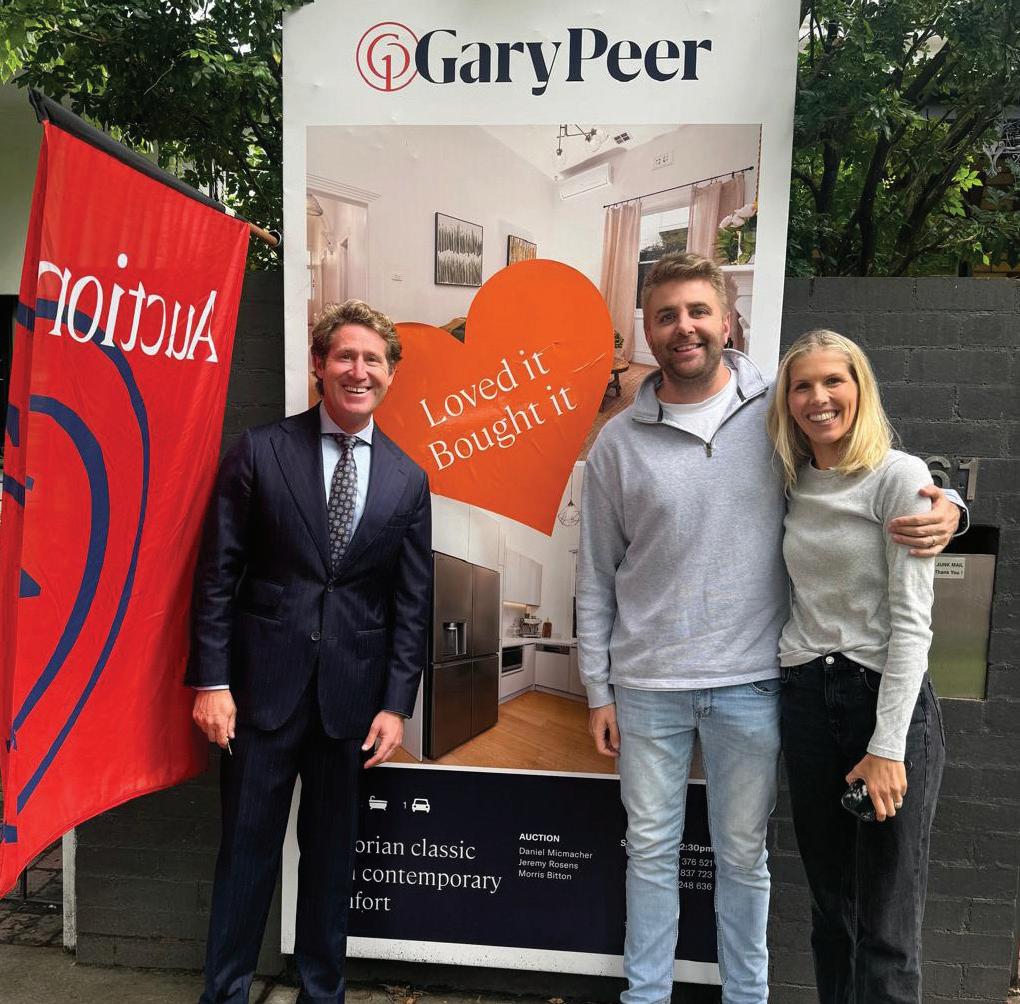
Team Rosens - left to right: Morris Bitton, Charlotte Hellier, Jeremy Rosens, Daniel Micmacher.
PICTURE–PERFECT PETS:
Show off your furry friends to win!
In the last issue, we invited our readers to share photos of their beloved pets for a chance to win two movie tickets to Classic Cinemas. And while we were absolutely spoilt for choice with so many adorable entries, there could only be one top dog (or cat). So, a big congratulations to Amy, featuring the fabulous Ollie!
A special shout-out goes to our other finalists – you’re all looking paws-itively fabulous.
Think your pet could steal the spotlight? Scan the QR code below and submit the most adorable photo of your pet for your chance to win.

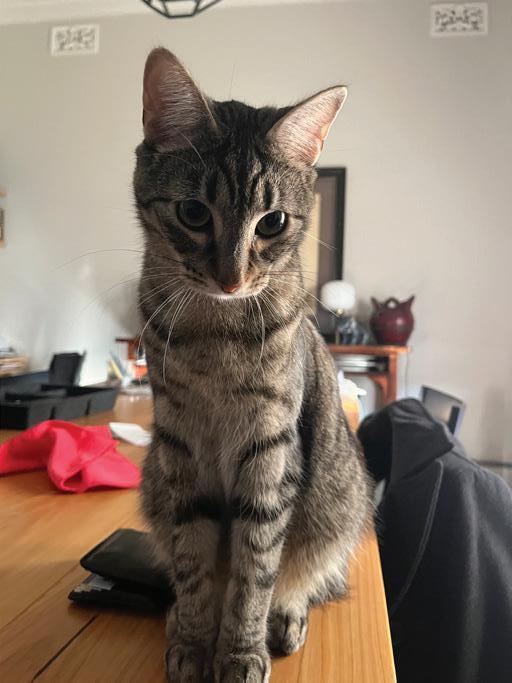


Sent in by Amy
Goku Sent in by Taya
Hiro Sent in by Andrea
Jinx Sent in by Chris
THINKING CAPS ON:
Brainteasers and games
In this issue, you read, you laughed – and hopefully, you learned. But how much have you remembered?
Crossword
These words may be familiar to you – but only if you’ve read this issue thoroughly!

Spot the difference
We’d like to think we know a bit about property. But what about you? Can you
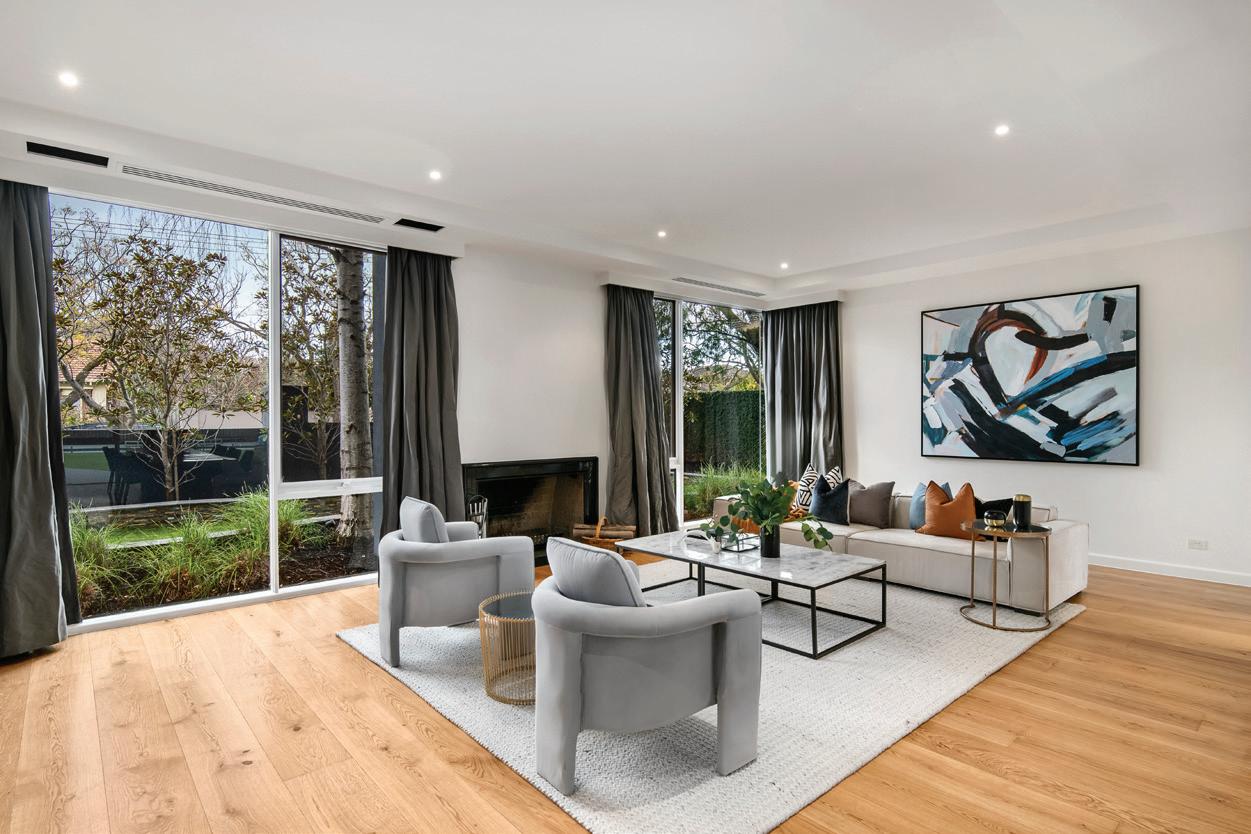
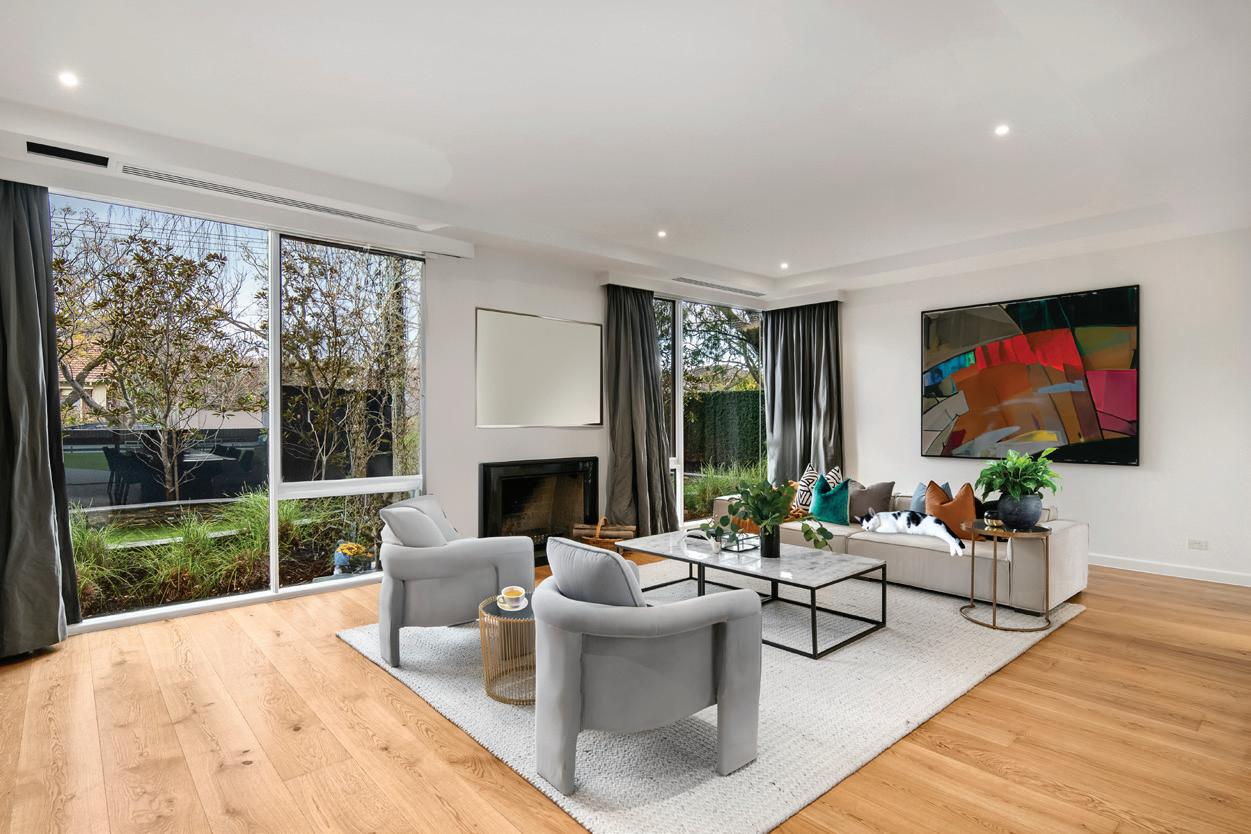
ACROSS
1 Where Jemima Montag had to race at midnight to beat the heat.
2 Elwood’s ill-tempered swimmer, where you can pick up a puzzle like Victor Ng’s.
3 The sea creature that dramatised the first few hours of Andrew Maver’s swim.
6 Your home loan matchmaker is a ____ broker.
9 Jeremy Rosens’s life-changing holiday destination in 1998.
10 The place to be for a Saturday night like Grace Horsey’s.
1 The upfront contribution towards the purchase of your home.
2 The location for Jemima Montag’s first big competition in 2018.
4 The month in 2024 where Andrew Maver decided he needed a challenge.
5 The Gary Peer office Jeremy Rosens is Director of.
7 The organisation, launched by Jemima Montag, aimed to keep girls in sport.
8 Abbreviation for the government incentive designed to help eligible buyers enter the market.
What’s been happening at Gary Peer?
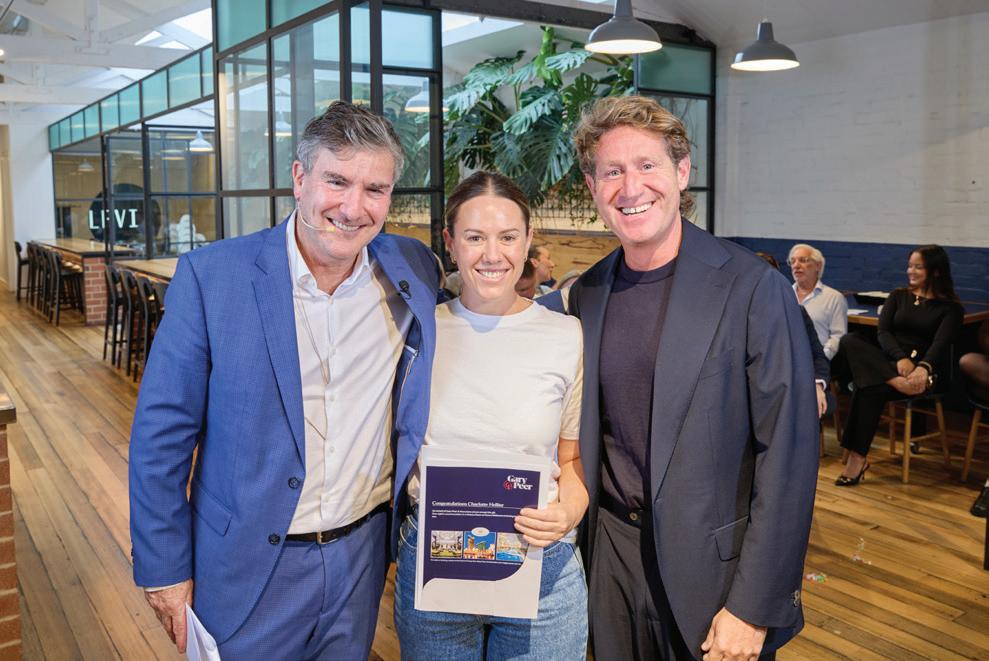
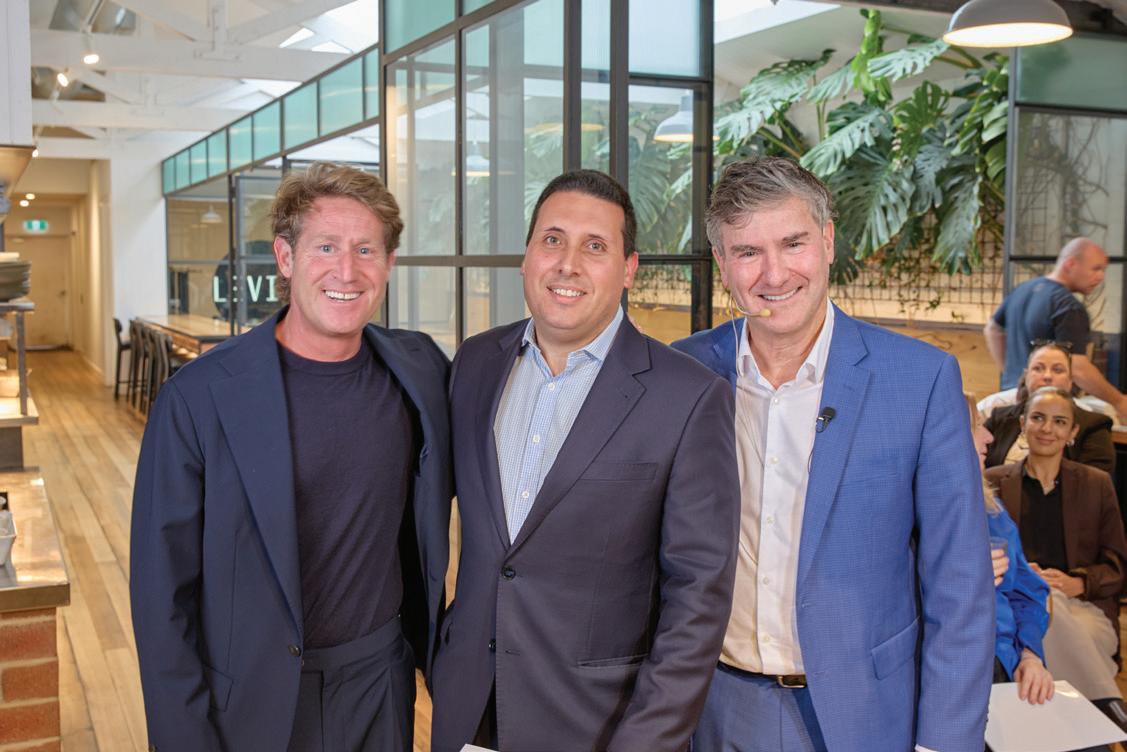
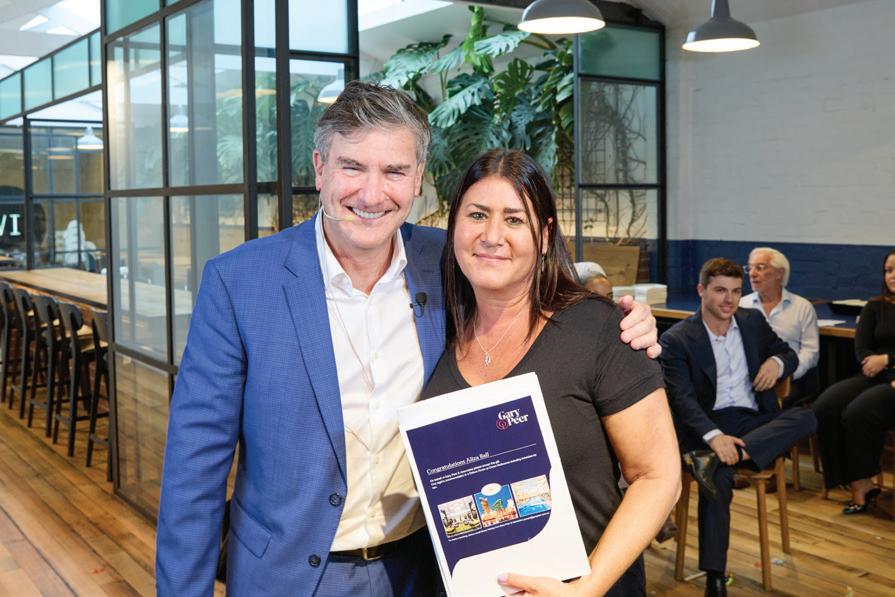
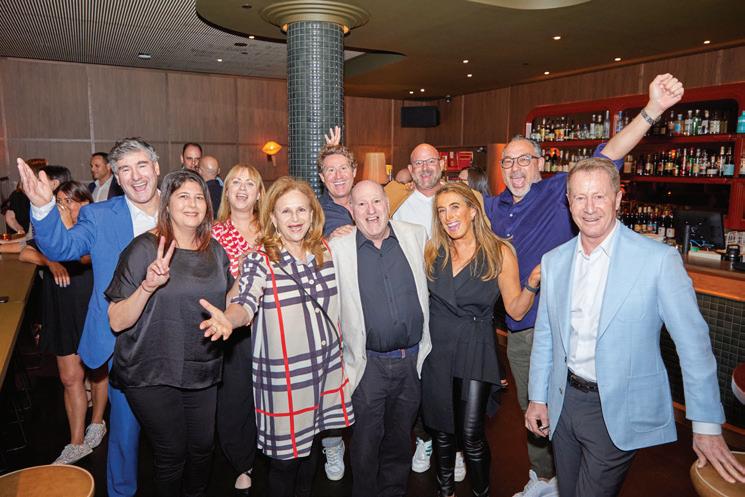
Another night worth celebrating
Our team nights are a regular fixture in the Gary Peer calendar – and for good reason.
They’re a chance to step away from the day-to-day and celebrate the people behind it all. This latest get-together was no exception, with great food, flowing drinks and plenty of stories shared.
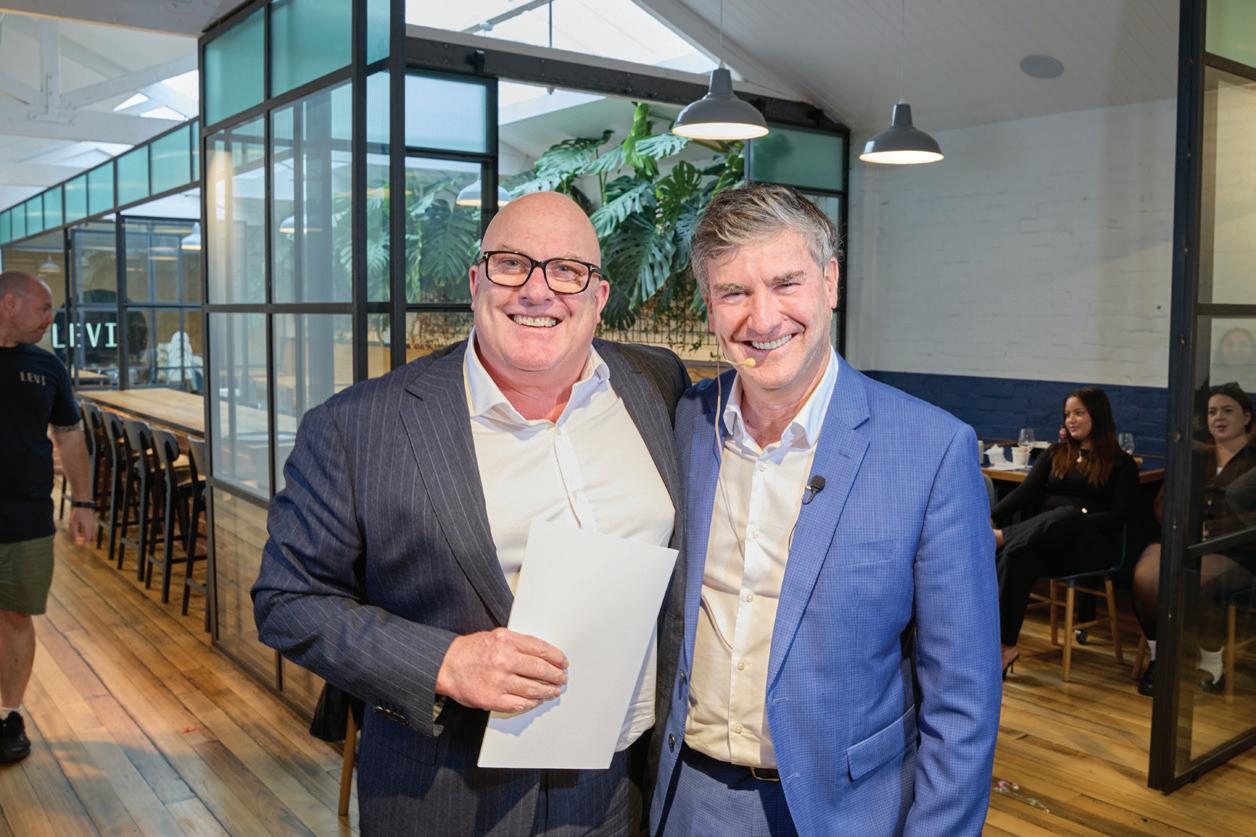
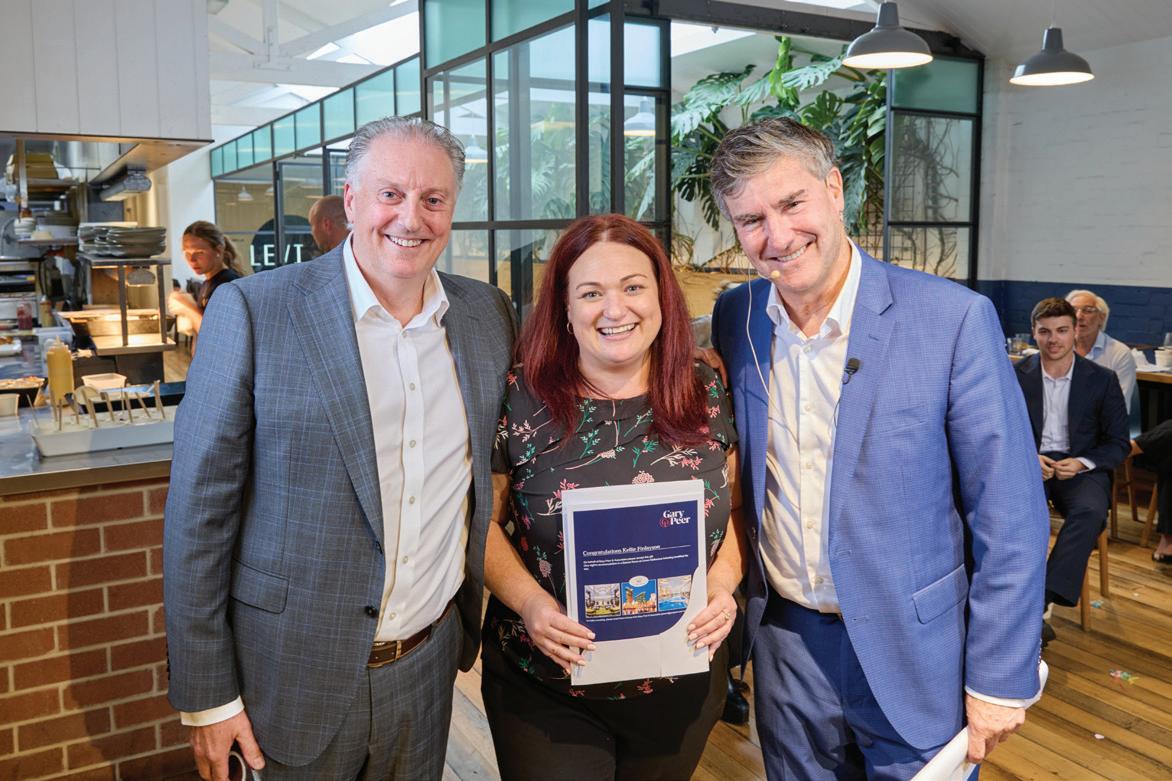
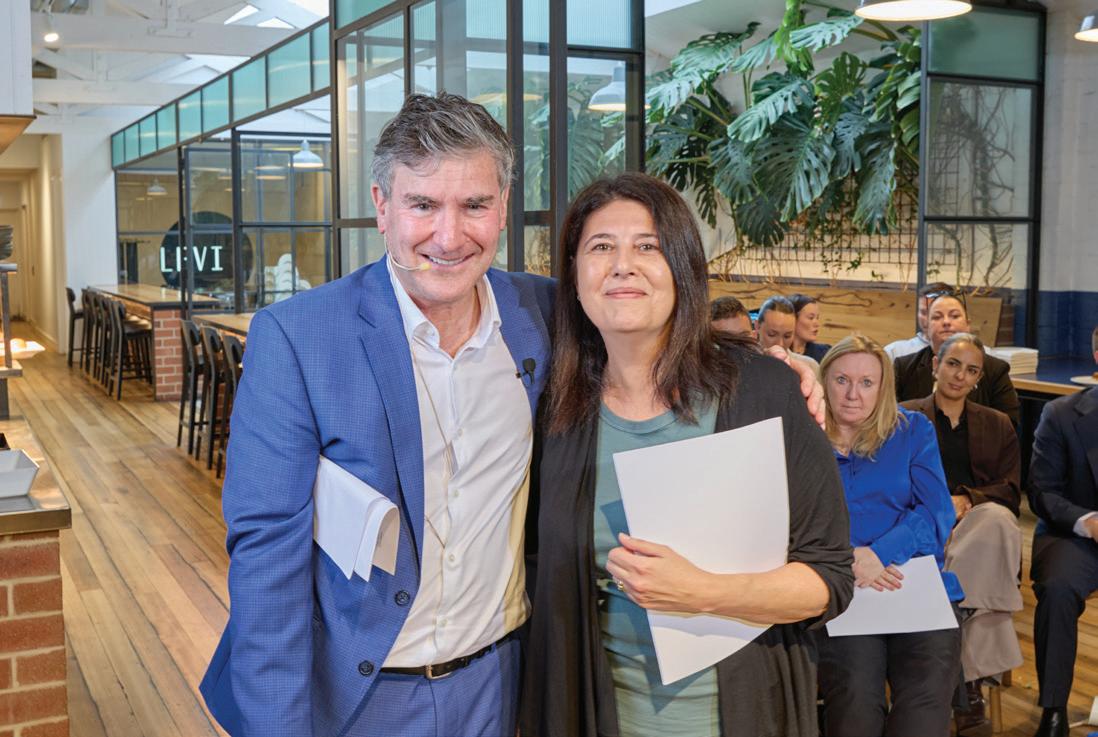
Of course, we also took the opportunity to recognise some standout performances across the team.
Our Property Managers of the Month were Kellie Finlayson, Tracey Freestone and Amanda Hocking –three names that continue to set the standard.
In sales, Mark Kirkham (December) and Daniel Micmacher (February) took out top honours with the Sales Person of the Month award, while Morris Bitton added another achievement to his name with the Sales Associate Award.
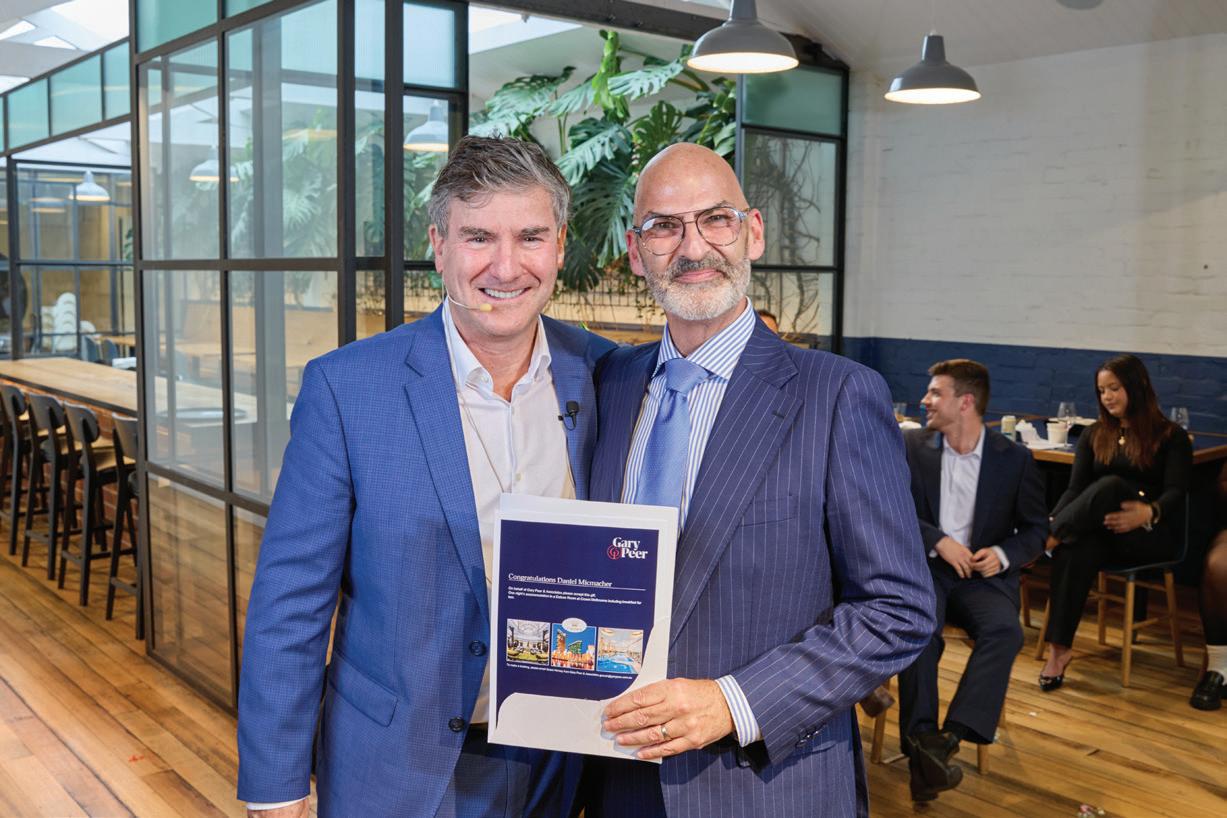

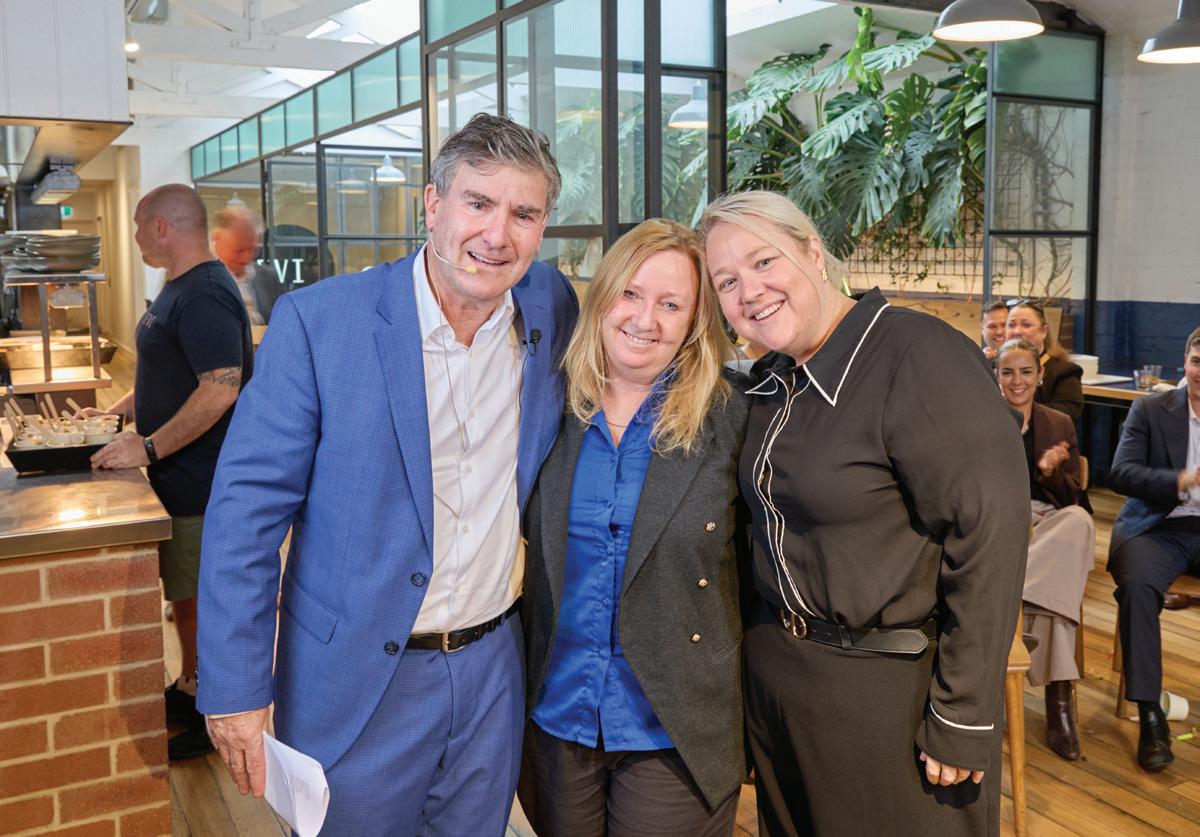
And behind the scenes, our admin team was well represented, with Aliza Ball, Charlotte Hellier and Lisa Alberts recognised as Team Members of the Month.
A big congratulations to all – and to the wider team for making these nights what they are.



40 years of Gary Peer
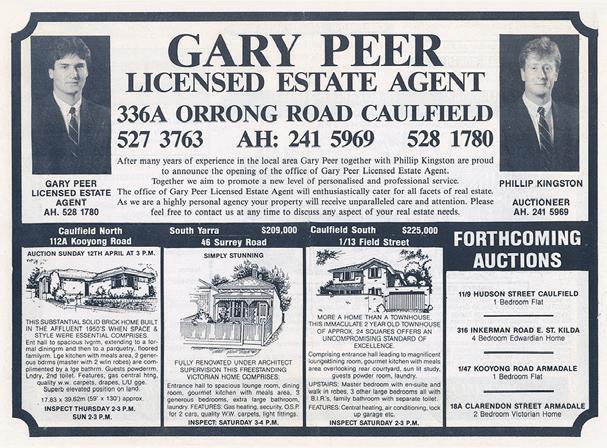
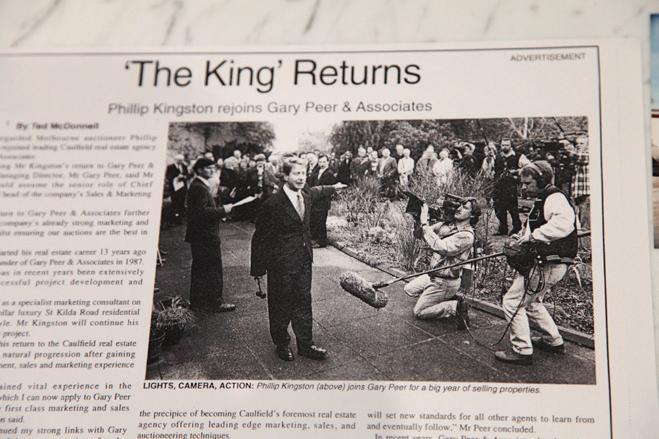
This year marks a milestone worth celebrating: 40 years of Gary Peer.
It all started back in 1986. Two lifelong friends – Phillip Kingston and Gary Peer – opened the doors to a small office on Orrong Road in Caulfield. The haircuts might not have been much to write home about, but the vision was clear.
The duo set out to do things differently. To bring first-class service back to the southeast Melbourne property market.
From those early days, Gary Peer & Associates grew steadily into one of Melbourne’s leading independent agencies, built on relationships and results. Four decades on, that same spirit still drives everything we do.
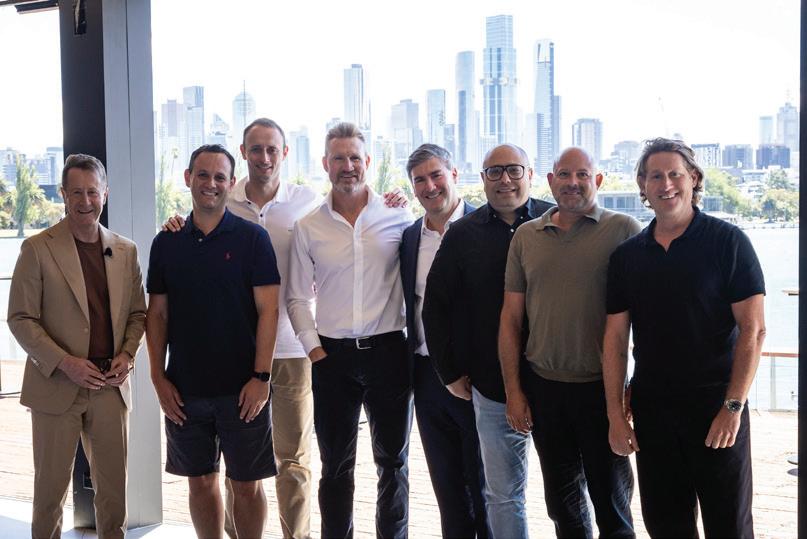
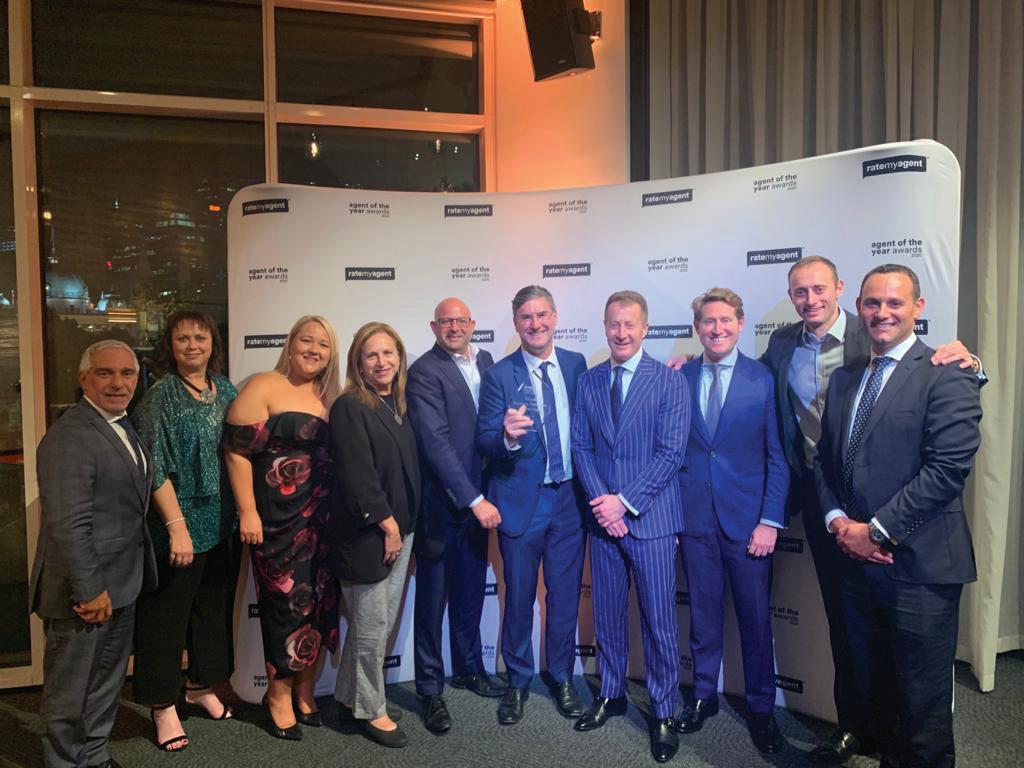
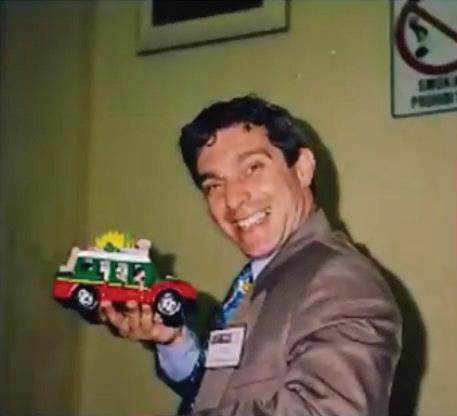
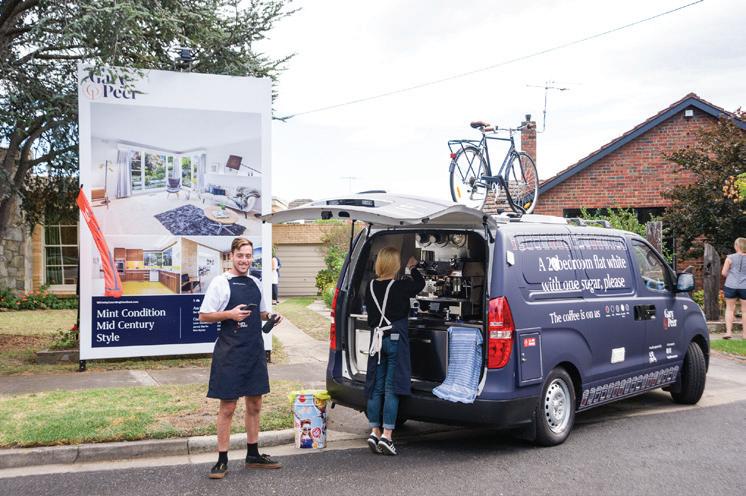
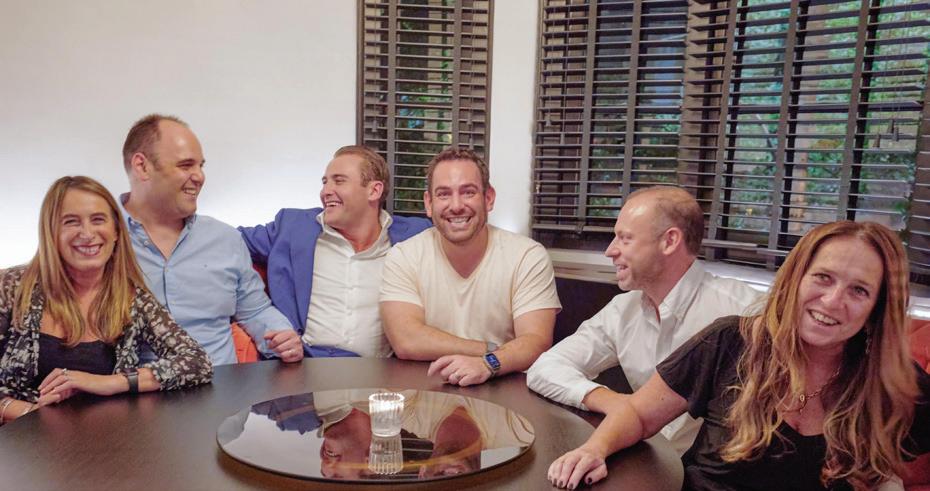
As we celebrate this milestone, we’re taking a walk down memory lane with a collection of moments, wins and familiar faces that have shaped the journey. And as you can see, the pictures alongside really are worth a thousand words!




Our people






























































Grace Meadowcroft
Julian Millman Leon Gouzenfiter
Darren Krongold Sally Zelman
Leor Samuel Jeremy Rosens Gary Peer Phillip Kingston
Graeme Callen Rafi Joffe
David Thomson
Benjamin Rothschild Simon Radolnik
Mark Kirkham Arlene Joffe Jacob Kingston
Bernard Mel
Izzy Anstey
Jessica Filipovic
Liam Elbaum Adi Ignatius
Romy Szkolnik
Leor Bar Rheno Pabillore
Charlotte Hellier Amanda Davenport Talia Cohen
Jason Fotopoulos
Shania Jacobson
Victor Ng Arich Chuson
Stephanie Karasavidis Lisa Alberts
Rogie Florida
Shane Camus Angelique Mancilla
Abby Rose Sernio
Michy Rosens Georgia Milenkovski
Cynthia King Kristy Heyneker
Jenny Caughey
Catherine Flint
Toby Sher Emma Spencer Rikki Krongold
Nicole Evans
Ned Hellier Robert Silverman
Alanah O’Donnell
Zanthea Zanas Elizabeth Taylor Keeley McLean
Rebecca Schulz
Kellie Finlayson Suzanne Vitagliano
Zoe Swinnerton
Angela Skarlatos
Anthony Lee Danijela Krstic
Samantha Weir Olivia Johns
Steven Tsimiklis






















































Daniel Peer Aviv Samuel Matthew Morley Daniel Micmacher
Daniel Fisher Joel Ser
Limor Herskovitz Nikki Janover
Vanessa McGlynn Kevin Huang
John Tsui-Po
Nataliya Koropets
Rishi Thaker Morris Bitton
Isabella Bracka Idan Gutman
Ghazaleh Sadat
Grace Horsey
Amanda Ferguson
Britney Krongold
Billy Cohen
Adam Lipszyc
Lucy Morley Jessica Madi
Kim Cardenas
Lex Mae Lascuña
Jed Santos
Donna Pelobello
Mariam David Aliza Ball
Yvette Lipovetsky
Shannon Mosselson
Trixie Ibay Natalie Santangelo
Brad Graham Allira Skews
Harry Lustig
Tracey Freestone Cristina Trapler
Lachlan Hardiman Edwina Wheatland Martina Ticha
Amey Shinde
Felix Agudelo
Amanda Hocking Robert Litinetsky
Chloe Stares
Brooke Griffiths
Mia Gualano Lexie Wegener Louisa Tyrrell
Tammy Nadelman
Sonya Vashevnik
Nikki Baglieri