Discovered: 1,000 genetic switches that shape immunity
‘Housekeeping’ immune cells attacking live melanoma
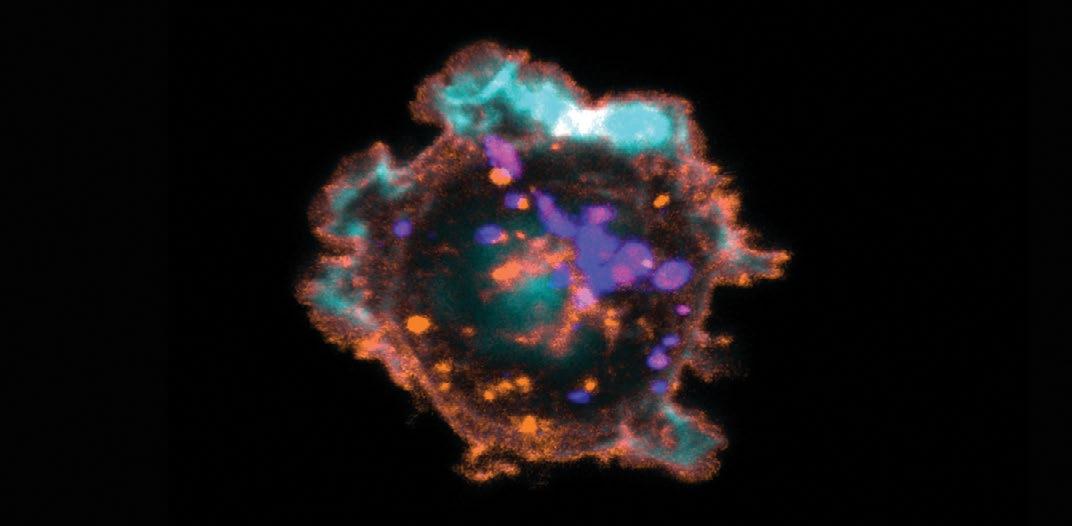
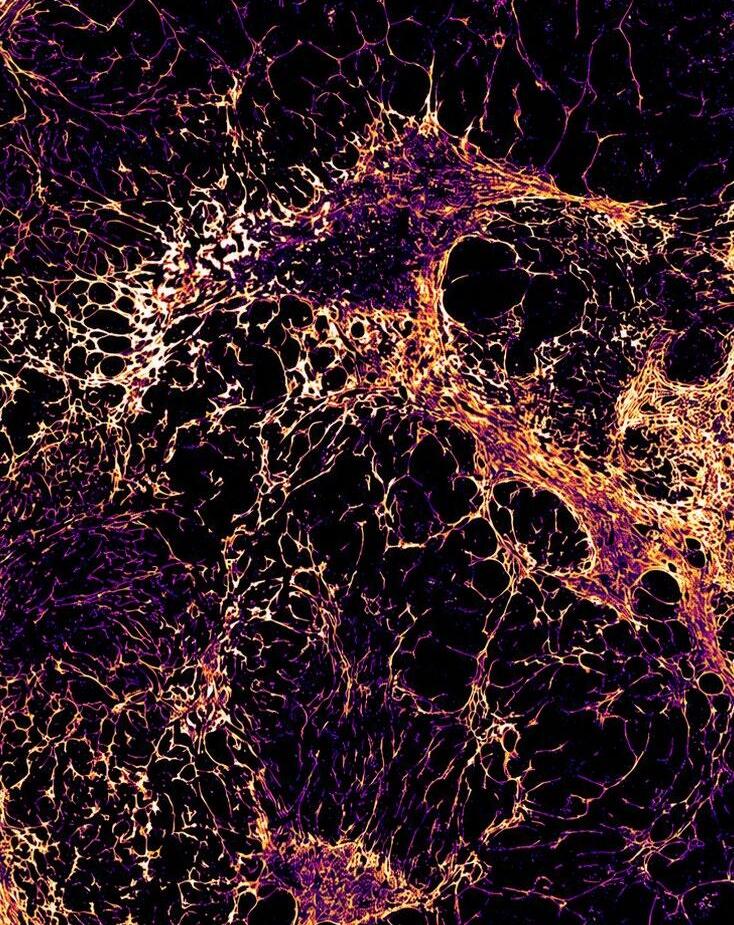
Ticking breast cancer cells offer new clues to late relapse
Dear Garvan family,
So much of medical research is about bringing the invisible into focus.
In this issue of Breakthrough, you will see how our scientists are exposing the hidden mechanisms of disease. One of our focus areas is the intersection of cancer and immunology, where we are uncovering how cancer cells disguise themselves to get past our immune defences and continue to grow unchecked – and how we can unmask them to develop better cancer treatments.
To accelerate this work, we are delighted to welcome two exceptional new Faculty members, Dr Clare Puttick and Dr Philipp Rommel, whose expertise will help us decode these microscopic battlegrounds.
You can also see how we make the unseen visible at our Art of Discovery exhibition. I warmly invite you to visit Garvan and experience the breathtaking imagery behind our science.
Thank you for helping us bring these discoveries to light.
Yours sincerely,
Professor Benjamin Kile Executive Director and CEO
Cover image
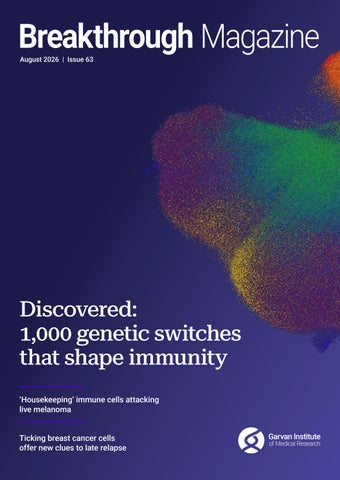
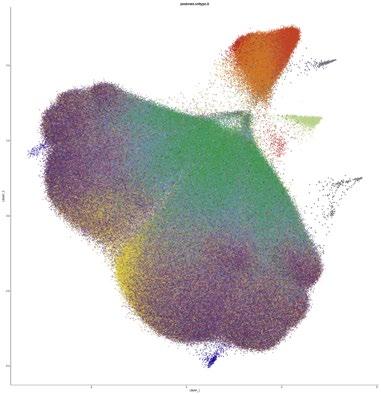
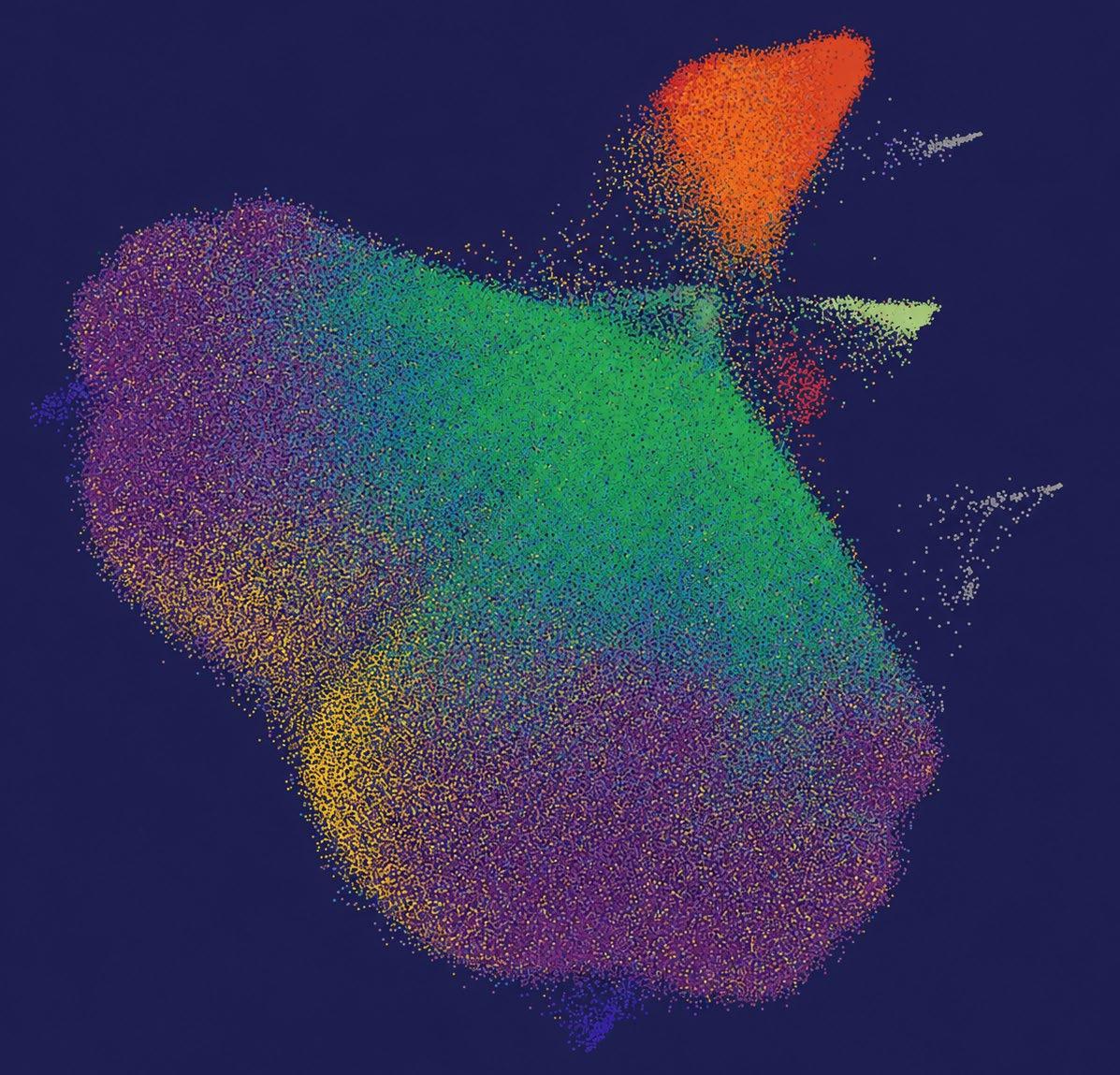
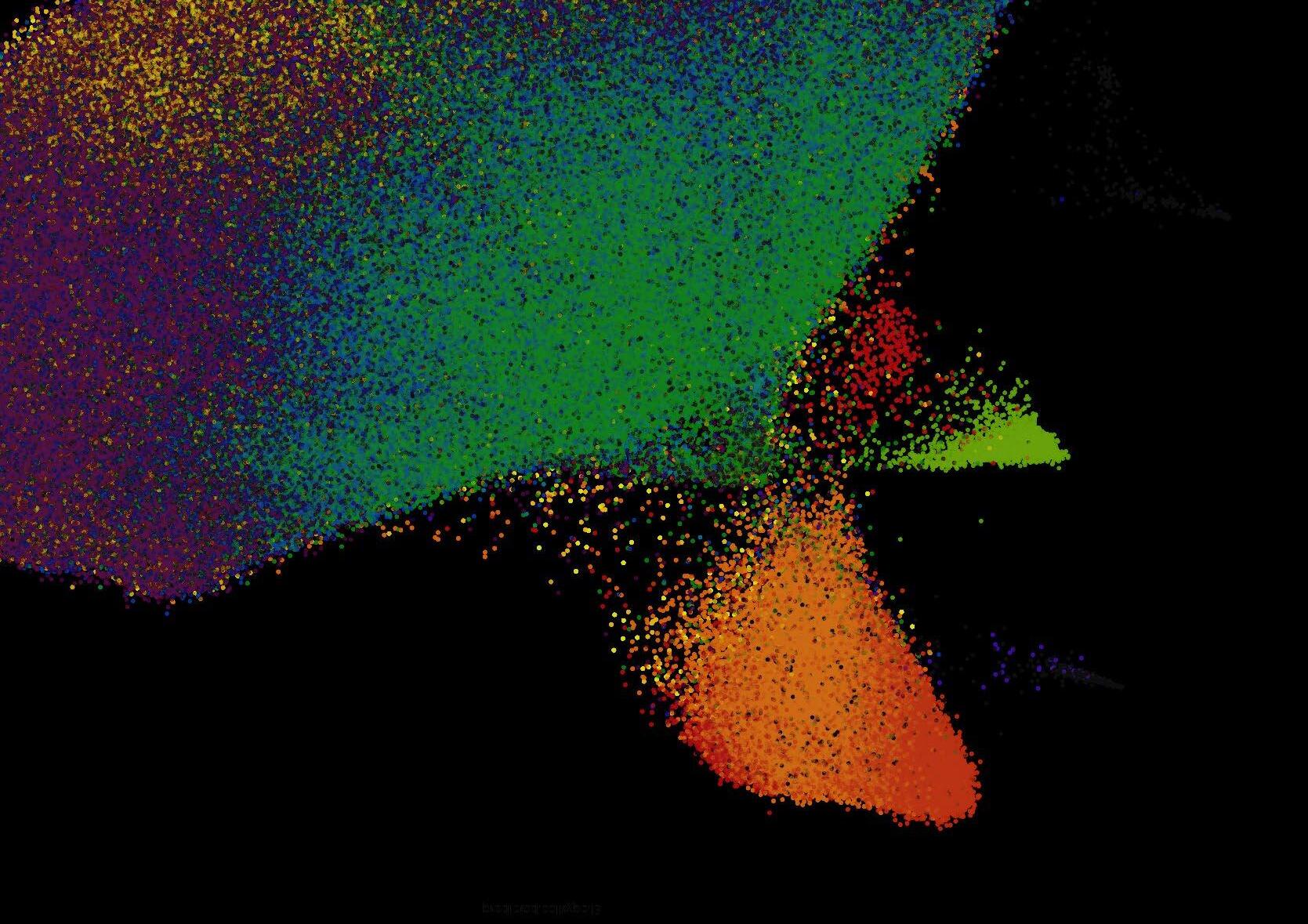
This image visualises the activity of over a million individual immune cells. The dots represent cells clustered by similarities in gene expression, and coloured by their specific job in the immune system
Cancer’s disguise
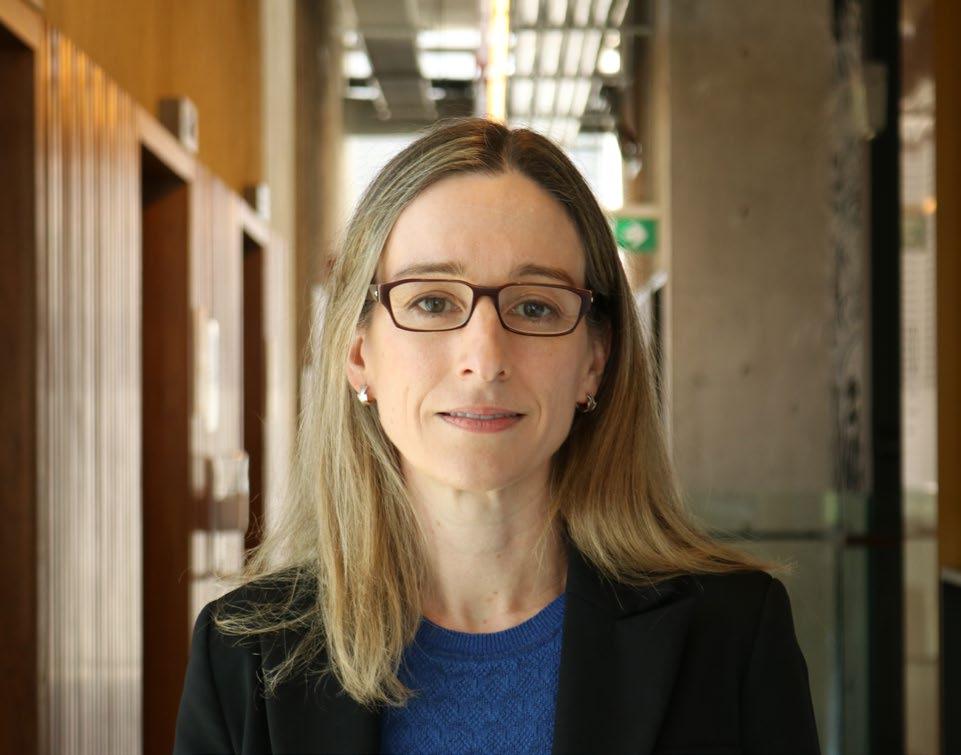
Dr Clare Puttick is investigating how disrupted immune signalling allows cancer to go undetected.
Our immune system is constantly scanning the body for threats, identifying and eliminating abnormal cells before they can cause harm. So, how do cancer cells manage to evade detection and go on to cause tumours?
One of our newest Faculty members, Dr Clare Puttick, is investigating one possible answer. Her research focuses on human leukocyte antigen (HLA) molecules, which sit on the surface of cells holding up antigens – markers that tell the immune system if something is abnormal. But when those molecules are disrupted, that information is no longer displayed, allowing cancer cells to hide from immune attack.
Using advanced computational approaches, Dr Puttick has shown that HLA disruption is common across multiple cancer types. Now, her lab is exploring what causes these disruptions and whether they can be reversed.
“If we can understand what’s causing this HLA disruption, there is real potential to develop treatments that help re-expose these cancer cells to the immune system,” she says.
Her work could help improve responses to immunotherapy and may provide new insights into diseases such as endometriosis, where abnormal cell growth similarly evades immune surveillance.
Dr Clare Puttick is supported by a Love Your Sister Foundation Fellowship.
Listen to Dr Puttick on our Medical Minds podcast garvan.info/podcast-s4e3
Discoveries in Focus
Cellular time travel
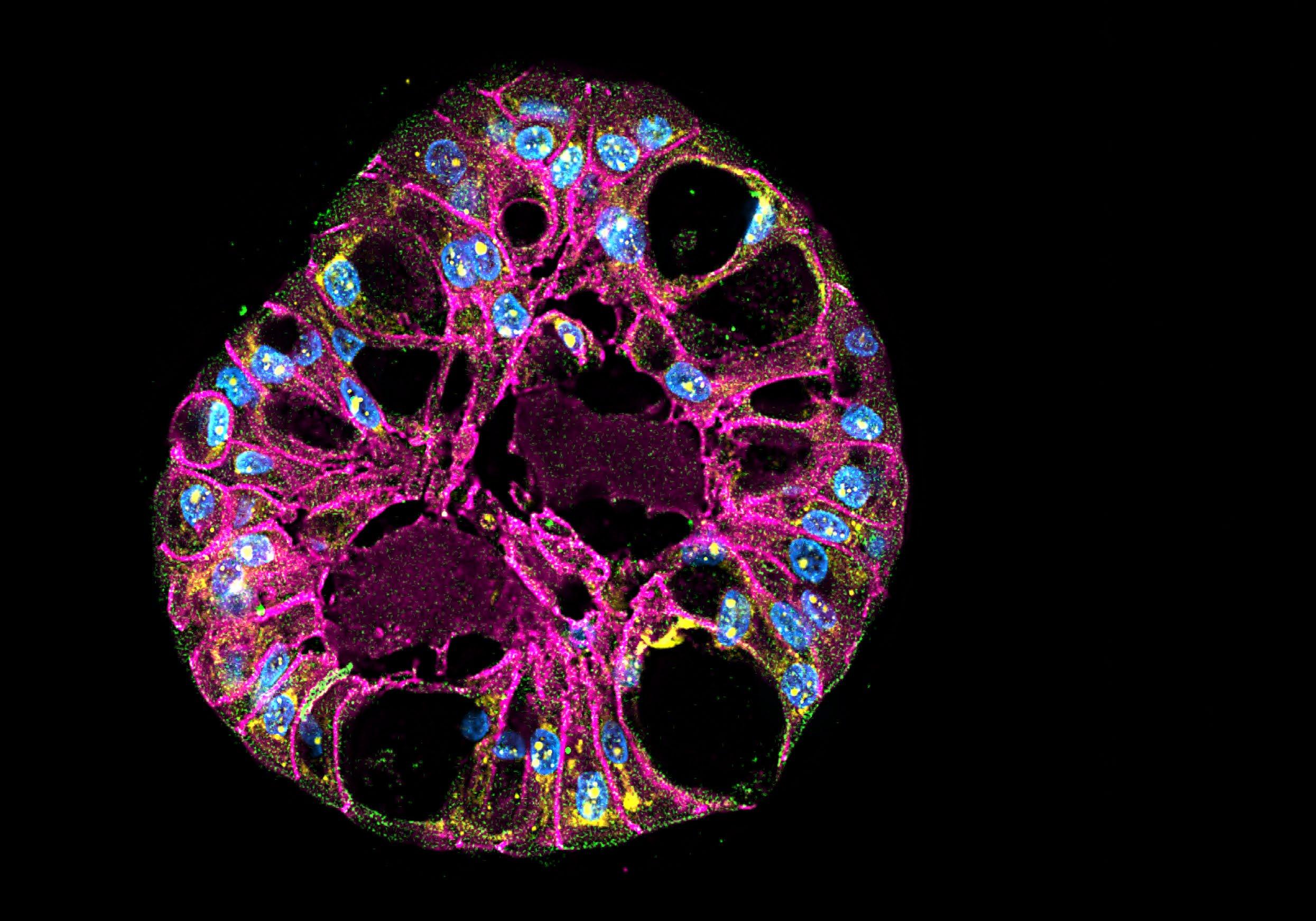
This striking image, captured by PhD student Dana Idais, resembles stained glass. In fact, it is a ‘mini-liver’ smaller than a grain of sand. The structure, called an organoid, is grown in our labs from patient-donated liver tissue, when cells selforganise into spheres over several months.
Garvan researchers have previously found that as liver cancer develops, cells surrounding the tumour (known as the microenvironment) can ‘rewind’ their biological clock, switching on gene programs from early development. This transformation is thought to help cancers grow. By recreating the microenvironment in the lab, our researchers are identifying the genetic changes driving liver cancer progression.
In this image, fluorescent colours map the organoid’s architecture: magenta outlines the boundary of each cell, blue is their nuclei, and yellow and green trace internal structures. Using this map, our researchers are then able to overlay the changes to gene expression that each cell has undergone. Finding out how nearby, non-tumour tissue around a liver cancer cell changes to enable tumour growth is a first step toward discovering more precise treatments for future patients.
See more images like this at our Art of Discovery exhibition during August For more information about the exhibition, please visit garvan.org.au/aod
Cancer cells don’t exist on their own. The tumour microenvironment is a major focus at Garvan, and we’re uncovering how its changes can drive liver cancer.
Dana Idais
Daphne’s story
An unexpected diagnosis forced Daphne to reimagine her future. By leaving a gift in her Will, she’s helping fund the discoveries she hopes will transform countless others.
After her father was diagnosed with Alzheimer’s disease, Daphne volunteered for a Garvan-led dementia and cognition study, hoping to contribute to research while learning more about her own risk. Instead, an MRI conducted as part of the project revealed something no one was expecting.
She received a phone call urging her to see a neurologist and, shortly afterwards, was diagnosed with multiple sclerosis (MS), an autoimmune disease that affects the brain and spinal cord.
“It came as a huge shock,” she says. “I cried for three days. But then I decided to just get on with it.”
For the former marketing consultant, life suddenly felt too short to waste. Fascinated by archaeology, anthropology and different cultures, travel took on a new significance. She embraced every opportunity to explore, journeying through Africa, the Middle East and Asia, with South America and the south of Japan next on her growing list.
“I just want to see as much of the world as I can,” she says.
Determined not to let her condition narrow her life, Daphne also began to think about the legacy she wanted to leave.
Long before her diagnosis, Daphne had admired Garvan’s work, attending public lectures and following the Institute’s discoveries. What impressed her most was not only the breadth of the research, but the dedication of the people behind it.
“It’s not just a job to the researchers,” she says. “It’s a passion.”
So when she updated her Will, becoming a Garvan Partner for the Future felt like a natural decision.
“Garvan was very, very high on my list because of the incredible work that’s done there,” she says. “I don’t know that there’s any other institution that comes close to doing what they do.”
Today, fatigue, pain and numbness are part of everyday life, but Daphne refuses to let MS shape what’s possible. Through her future gift, she hopes to help Garvan’s researchers answer the questions that still surround the disease and, ultimately, prevent it altogether.
For Daphne, it’s a way of helping others spend less time fearing disease and more time dreaming, exploring and living life on their own terms.
MS is a very confounding and confusing disease. But if researchers could stall its progression or prevent it altogether, what a miracle that would be.
Daphne, Partner for the Future
Like Daphne, would you consider leaving a gift in your Will? For more information, please visit garvan.org.au/giw
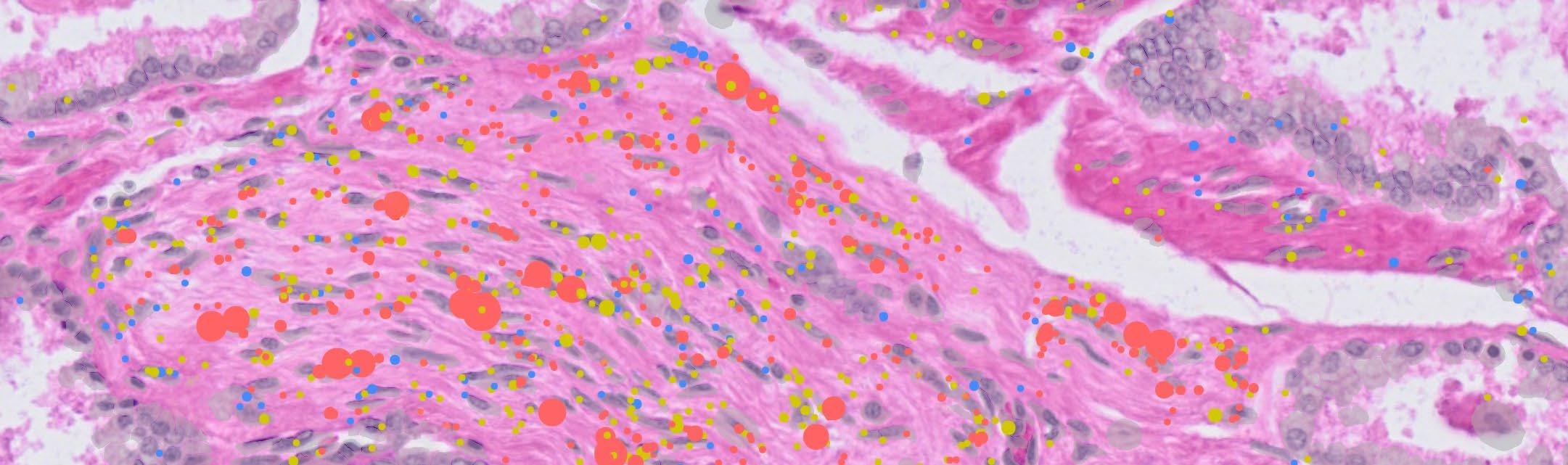
The newly discovered cell type (yellow) shown clustering around a prostate cancer nerve bundle.
The hidden origins of prostate cancer
A groundbreaking cellular map reveals that normal-looking prostate cells can already harbour cancer-related changes, opening doors for earlier detection.
Imagine seeing a normal-looking prostate cell under a microscope, only to discover it already has molecular changes that lead to cancer. This is the surprising reality uncovered by a Garvan team. Led by Professor Alex Swarbrick, the team have built the world’s most detailed cellular ‘atlas’ of early-stage prostate cancer.
Mapping the microscopic world
To trace how prostate cancer truly begins, the researchers used advanced sequencing and spatial mapping to analyse tissue from 24 early-stage prostate cancer patients. This cuttingedge technology allowed them to read the genetic activity of individual cells while pinpointing their exact locations.
The resulting map is incredibly detailed, identifying 11 major cell types and 50 minor subtypes.
Hiding in plain sight
The atlas revealed a fascinating insight: cells that appear perfectly ordinary to a pathologist can already carry cancerassociated changes in gene expression. Because standard diagnostics rely on spotting visible structural irregularities, these molecular changes currently fly under the radar and suggest the journey towards cancer begins long before any physical changes are visible.
Rethinking early detection
Understanding this invisible transition opens new doors. If future molecular tests can spot these hidden molecular warning signs, it could fundamentally shift how early the disease is diagnosed. This foundational atlas gives scientists worldwide a powerful tool to develop predictive tests that could ultimately benefit the one in five Australian men diagnosed with prostate cancer in their lifetime.
Did you know?
What’s particularly surprising is the significant number of prostate cells that look perfectly ordinary but have already acquired cancer-related changes.
The tissue samples powering this atlas came from the Garvan St Vincent’s Prostate Cancer Biobank. As the largest facility of its kind in the Southern Hemisphere, it holds vital contributions from over 16,000 patients spanning three decades.
Read more about this research garvan.info/news-cell-atlas
This research was supported by The Petre Foundation.
Professor Alex Swarbrick
Professor Alex Swarbrick
The immunity gap
Our findings add strong evidence that female and male autoimmune diseases may not be the same, and the way we should treat them may not necessarily be the same.
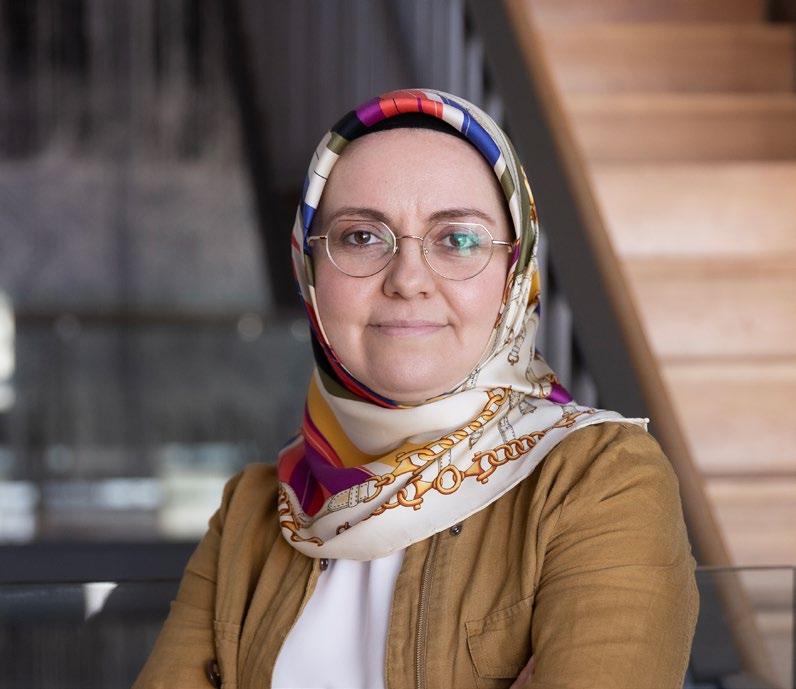
Dr Seyhan Yazar
Why do autoimmune diseases disproportionately affect women? New research reveals the hidden genetic switches driving female immunity.
Over one million Australians live with an autoimmune disease –conditions like lupus, rheumatoid arthritis and type 1 diabetes. In these illnesses, a hyper-vigilant immune system mistakes the body’s own healthy tissue for a dangerous intruder, unleashing a barrage of ‘friendly fire’ with often serious consequences.
For decades, a major medical mystery has persisted: why are 80% of autoimmune patients women? In lupus alone, nine women are affected for every one man.
Now, Garvan scientists are piecing together this puzzle, showing that the female immune system is wired differently at a genetic level.
Cell by cell by cell
Historically, studying immunity via a person’s blood sample was like listening to a large choir – you hear the overall harmony, but you can’t pick out an individual singer’s voice. In these standard ‘bulk’ analyses, the genetic activity of millions of cells is averaged out, masking what specific types of cells are actually doing.
Using single-cell sequencing – a transformative technology driving discoveries across many of Garvan’s research areas – Dr Seyhan Yazar and her team examined over a million individual immune cells from nearly 1,000 people. They found that female immune cells, particularly the B cells that produce antibodies, naturally run ‘hotter’. Their genetic activity is skewed towards defensive, inflammatory responses. While this gives women a distinct edge in fighting off viral infections, it leaves them more susceptible to accidental self-attack.
Mapping the activity of a million male and female immune cells showed unexpected differences
Autoimmunity by the numbers
1 in 20
Australians are living with an autoimmune condition
80% of autoimmune patients are female
5 years + is the average time to receive an autoimmune diagnosis
The volume dials
But what exactly is pushing these female cells into overdrive? The team found that the underlying cause was over 1,000 sex-specific genetic switches. These are like tiny volume dials, controlling how strongly an immune gene is turned on or off. Surprisingly, most of these switches aren’t located on the sex (X and Y) chromosomes. They sit on autosomes – the chromosomes that men and women share.
A clearer picture
While this research focused on autoimmune conditions, its findings represent a step forward in how we understand and treat all diseases. For a long time, medical research relied on broad population studies that used male physiology as the standard baseline, inadvertently assuming that male and female presentation of disease – and therefore treatment – should be the same. As science evolves, studies like this highlight the need to research diseases with sex in mind.
For autoimmune disease this knowledge could reshape how we manage these conditions. Instead of relying on broad immunosuppressants that blanket the entire immune system, the future of treatment may lie in highly targeted therapies tailored to a patient’s fundamental biology. For the millions of women waiting for better answers, mapping these hidden genetic differences is a critical first step.
Understanding female immunity
At Garvan, we are tackling the mystery of why autoimmune diseases disproportionately affect women through multiple approaches. While Dr Yazar’s team discovered that immune genes on shared chromosomes run ‘hotter’ in women, this is only one part of the autoimmune puzzle. Dr Ksenia Skvortsova is investigating a complementary angle: the unique behaviour of the female X chromosome.
Males have one X and one Y chromosome, while females have two X chromosomes. Because the X chromosome houses hundreds of immune genes, having two active copies would cause a toxic overload. To prevent this, female embryos naturally ‘switch off’ one X chromosome.
However, Dr Skvortsova’s research is revealing that this silencing isn’t always permanent. Using advanced sequencing technology, her team discovered that during normal immune cell development, parts of this inactive chromosome temporarily ‘reactivate’.
In autoimmune disease, this reactivation can become chronic and uncontrolled. Together with Dr Yazar’s autosome discoveries, this research builds a more complete picture of female immunity, helping identify new biomarkers – early biological warning signs – to catch autoimmune damage before it becomes permanent.
Dr Ksenia Skvortsova is supported by The Kinghorn Foundation. This research was supported by Mr Bob Magid OAM and Mrs Ruth Magid, Mr Richard Scheinberg AM and Mrs Jacqui Scheinberg.
Research like this only happens with the support of people like you. Please support us today garvan.org.au/give-now
Dr Ksenia Skvortsova
The unlikely melanoma killer
Discover the humble immune cells now seen as a potentially powerful frontline defence against melanoma growth.
Historically, immune cells called macrophages were considered the body’s humble housekeepers, sweeping up dead cells and debris. Their exact role in melanoma was unclear: were they accidentally helping the tumour grow, or somehow hindering it?
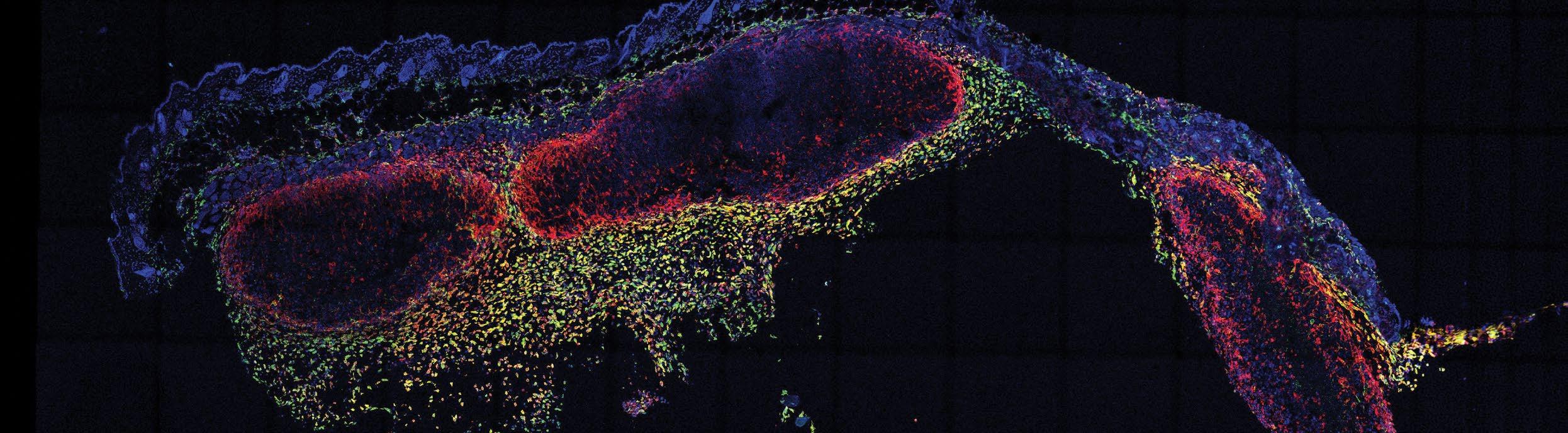
Now, by using advanced microscopy to watch biology unfold inside living tissue, Dr Yuki Keith and Professor Tri Phan have studied the mechanics of this microscopic battlefield. They discovered that a highly specific subpopulation of these cells – carrying a unique protein called CD169 – is breaking away from its stereotypical housekeeper role.
Patrolling the edges of melanoma tumours in the skin, these specialised macrophages form a boundary wall, actively nibbling away at live cancer cells and physically constraining the tumour’s growth.
Bypassing the barricade
This discovery could help overcome a major problem in cancer treatment. Some melanomas are incredibly adept at locking out T cells – the immune system’s primary attackers – bringing conventional immunotherapy to a standstill. But this newly observed macrophage strike operates without needing T cell support.
What’s more, these macrophages function as biological informants. After consuming a threat, they can process it and display pieces on their surface like a ‘red flag’ to signal to the wider immune system. The research team suspects this makes them capable of calling the T cell cavalry into tumours that were previously unreachable. By finding ways to boost and mobilise this built-in biological defence, future immunotherapies could be improved to treat many cancers beyond melanoma.
We always suspected macrophages were doing more than we gave them credit for –now we have the video footage to prove it.
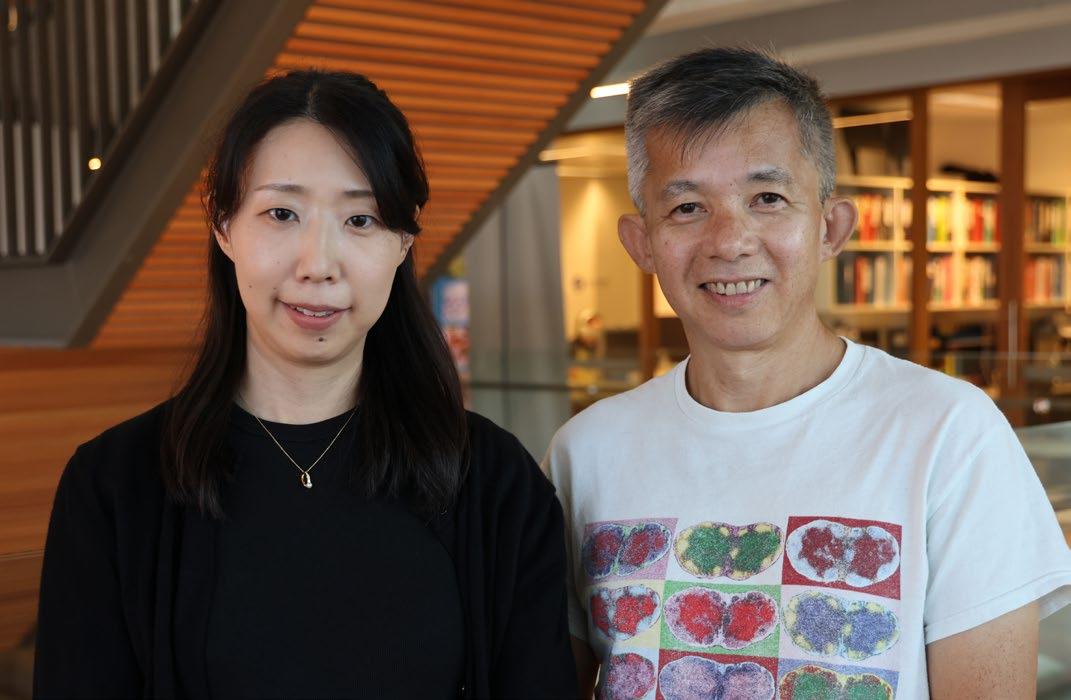
Dr Yuki Keith and Professor Tri Phan
Dr Yuki Keith
New hope for a rare immune disease
Researchers discover the faulty trigger behind a rare, life-threatening immune disorder, opening the door to new treatments.
It begins with an everyday virus, but instead of a normal recovery, the body goes into overdrive. For people living with mevalonate kinase deficiency (MKD), a rare autoinflammatory disorder, a simple infection triggers life-threatening episodes of high fever and severe joint pain. For decades, scientists thought they understood why this happened – but because treatments targeted the wrong cells, half of all patients were left without relief.
Our researchers decided to look closer, discovering that the true instigators driving this disorder are natural killer (NK) cells, the body’s first responders against infection.
Faulty trigger found
Normally, NK cells release toxic granules to destroy infected cells. In MKD, however, the researchers
This research was supported by John Brown Cook Foundation, The CORIO Foundation, Mrs Janice Gibson and Ernest Heine Family Foundation, The David and Dulcie Henshall Foundation and The Kinghorn Foundation.
found that the cells malfunction and their ammunition remains trapped inside.
“When an NK cell fails to kill its target, it compensates by shouting for help, pumping out large amounts of interferon gamma – a powerful inflammatory signal,” explains Professor Mike Rogers. This false alarm activates other immune cells, triggering the dangerous fevers and widespread inflammation seen in MKD patients.
A new path forward
This fundamental shift – turning 30 years of medical dogma on its head – paves the way for existing drugs, like JAK inhibitors, to be repurposed to block these signals and offer profound hope for patients enduring long diagnostic journeys.
Finally, an answer
Steve was just six months old when he began experiencing near-monthly episodes of severe inflammatory flares. For the next 42 years, he endured dangerously high fevers, vomiting, swollen glands and countless hospital visits without ever knowing why. His diagnosis of MKD was finally made last year, informed by Garvan’s research. “We thought for a long time that my episodes were related to concurrent illnesses,” says Steve. Today, his flares are finally being managed effectively with medication, and he recently marked his longest streak without a severe episode.
Read more about this discovery garvan.info/news-mkd
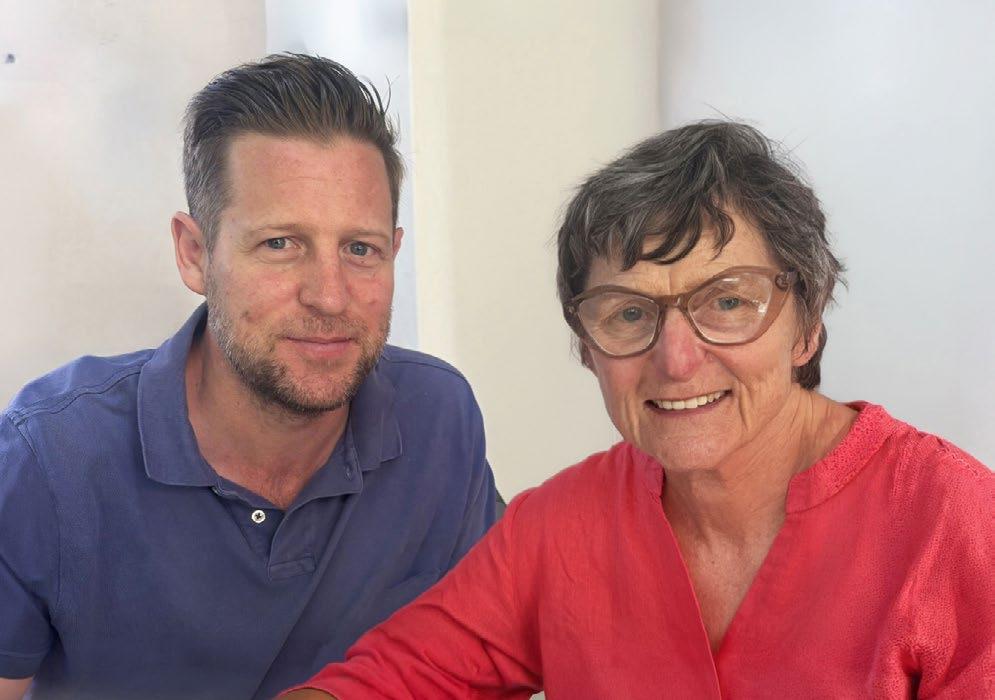
Steve and his Mum, Jo
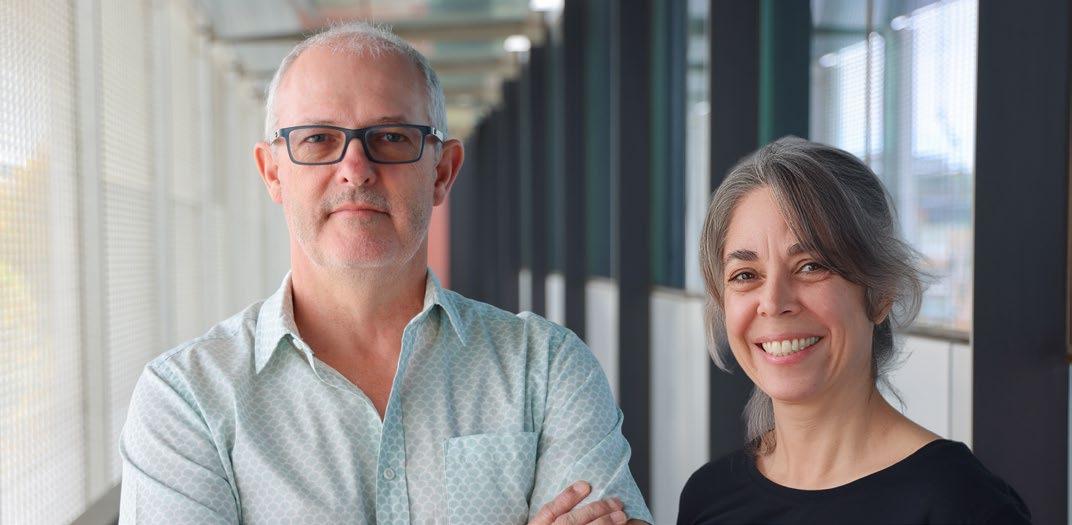
Professor Mike Rogers and Dr Marcia Muñoz
Trapped toxic granules (magenta) inside a faulty natural killer cell.
Rewriting the rules of relapse
New research reveals that breast cancer cells don’t always hibernate to survive –sometimes they just slow down.
Even after five to 10 years of successful hormone therapy, up to 30% of patients with estrogen receptor-positive (ER+) breast cancer experience an incurable relapse.
While breast cancer relapse often occurs after cancer cells enter complete hibernation – an area of intense research at Garvan – Associate Professor Liz Caldon’s team has uncovered an important parallel strategy. Some rogue cells never stop dividing; they survive by growing at an extraordinarily slow pace.
Escaping therapy
Standard treatments target fast-growing cells, but because tumours contain a mix of different cell types, slower-growing cells can evade treatment. Left behind, these remnants form tiny tumours that tick away in distant organs like the bones or lungs.
A new target
Once these microscopic secondary tumours grow large enough to disrupt vital organs, they become life-threatening and are often resistant to chemotherapy. Fortunately, finding this alternative survival mechanism gives researchers a new target.
The team found these slow cells rely on a communication network called the Rac1 pathway. By blocking it with experimental drugs, researchers successfully shrank tumours in lab models.
The next step is investigating whether these drugs can be used preventatively to stop the cancer from ever returning, offering long-term peace of mind to patients living with the threat of relapse.
Lorem ipsum dolor sit amet, consectetur adipiscing elit. Sed do eiusmod tempor incididunt ut labore et dolore magna.
These breast cancer cells survive by growing extremely slowly in the background, until a tiny speck eventually becomes a pebble.
Lorem ipsum dolor sit amet.
Name Surname, Role here
Associate
Professor Liz Caldon
Read more about the team’s research on breast cancer relapse garvan.info/news-rac1
This research is supported by Kedje Foundation; Mostyn Family Foundation; National Breast Cancer Foundation; Marina Rizzo; Santina Rizzo and Yasmina Sadiki; and Tour de Cure.
A slow-growing breast tumour successfully reduced by experimental treatment
Team Garvan takes on the Sydney Marathon
Garvan joins major race, running to accelerate research breakthroughs.
Garvan is thrilled to launch as an official charity partner for the 2026 TCS Sydney Marathon, now an iconic Abbott World Marathon Major. As runners from around the world prepare to take on this major event, Team Garvan will be amongst them, raising vital funds to support life-changing medical research.
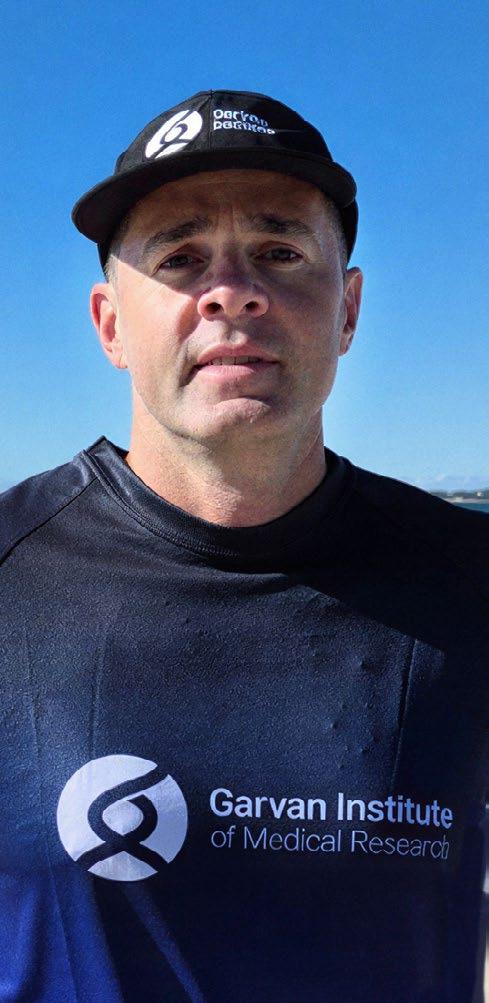
One of those runners is Daniel, who is taking on the challenge in honour of his daughter, Ava, who lives with a rare genetic condition linked to the RNU2-2 gene. After experiencing developmental delays and hundreds of seizures a day, Ava’s family spent years searching for answers.
Then, genomics researchers helped identify Ava’s condition, leading to a world-first diagnosis and providing clarity.
For Daniel, joining Team Garvan is a way to give back: “We believe that rare disease research is vital, not only for families like ours, but for the broader medical community.”
Suttons Motors driving innovation and treatments
Thanks to the Sutton family and Suttons Motors’ support, Garvan now has additional capability to develop lifechanging medicines.
This marathon isn’t for me – it’s a way to say thanks to the research community who helped change my family’s life.
Through its Biologics and Development platforms, Garvan has now become capable of taking a biologic therapy from the bench right through to early-stage clinical trials. Biologics are medicines such as antibodies that are revolutionising the treatment landscape of cancers and immune diseases.
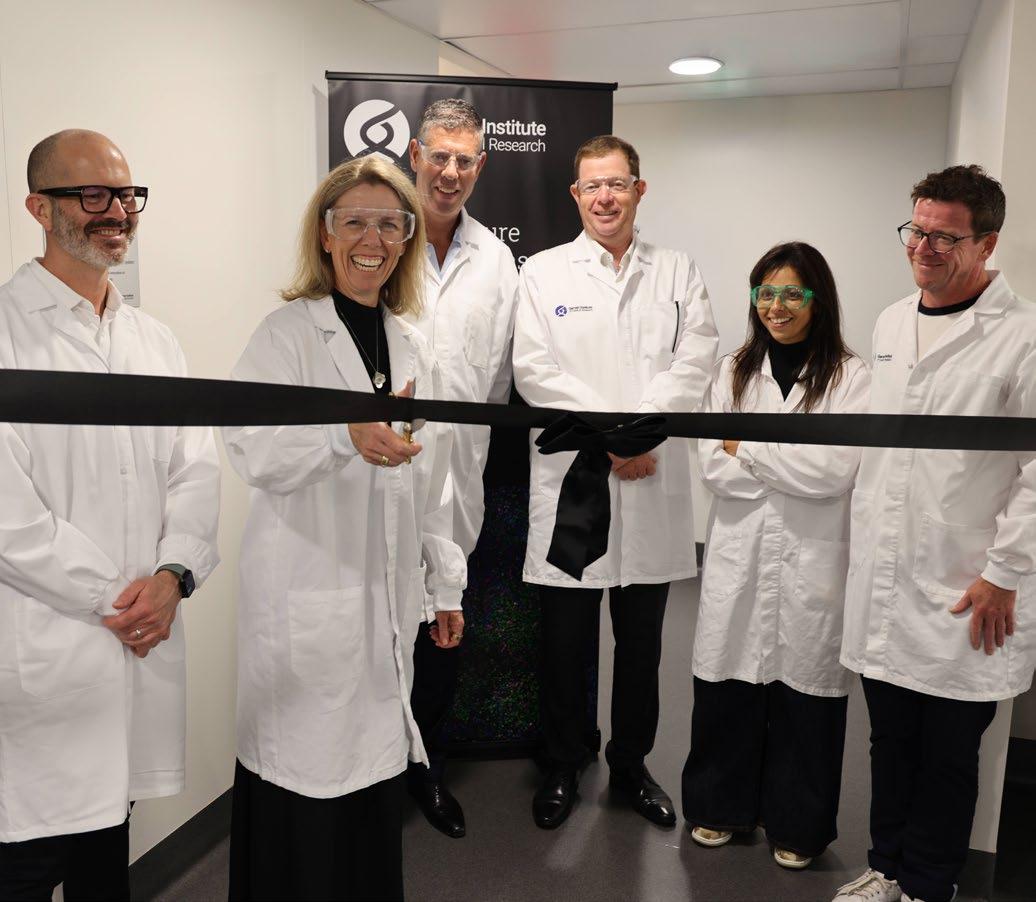
Now, Garvan’s biologics capabilities have significantly expanded thanks to the generosity of Suttons Motors, whose contribution enabled the acquisition of an ÄKTA Fast Protein Liquid Chromatography system. This advanced system enables the purification of new molecules produced by the Biologics Platform, filling a critical gap in Garvan’s goal of translating our research into new therapies for patients.
Lauren Adlam (Sutton) states: “It is an honour to support Garvan’s Biologics Platform through this amazing new technology. We’re excited to see where it takes Garvan!”
Professor Benjamin Kile, Lauren Adlam (Sutton), Ryan Sutton, Craig Sutton, Dr Rachel Galimidi, and Professor Paul Timpson at the ribbon-cutting ceremony to open the new ÄKTA system
Breakthrough Magazine
I’m leaving a gift in my Will to help researchers find preventions as well as cures. I don’t want others to experience what I have, living with MS.
Daphne, Partner for the Future
Support us Help us make discoveries that will improve health for all. Visit garvan.org.au/give-now
Learn more
Stay up to date with the latest resources, news and events. Visit garvan.org.au/news-resources