4th year academic work
Site: Des Moines, IA, USA
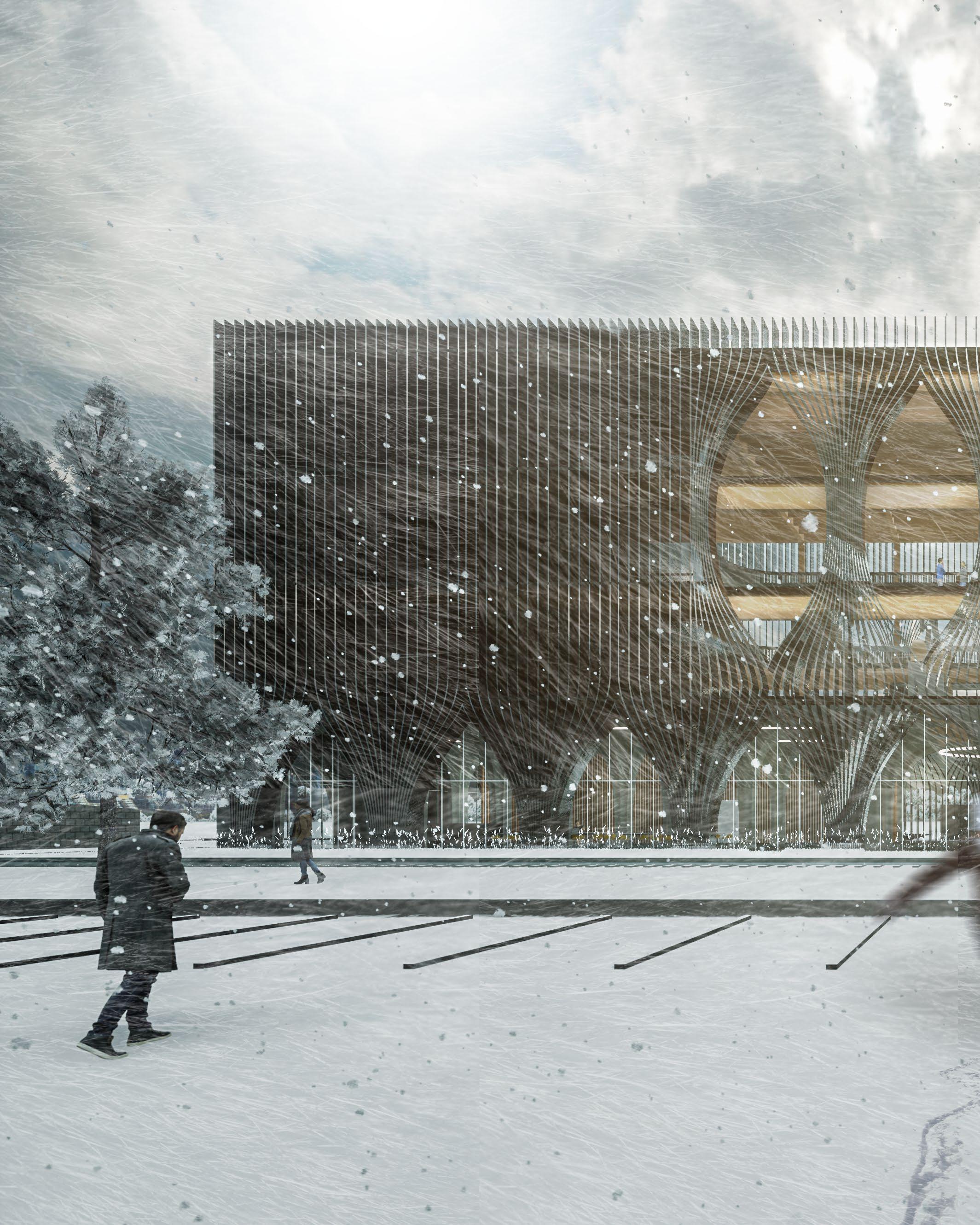
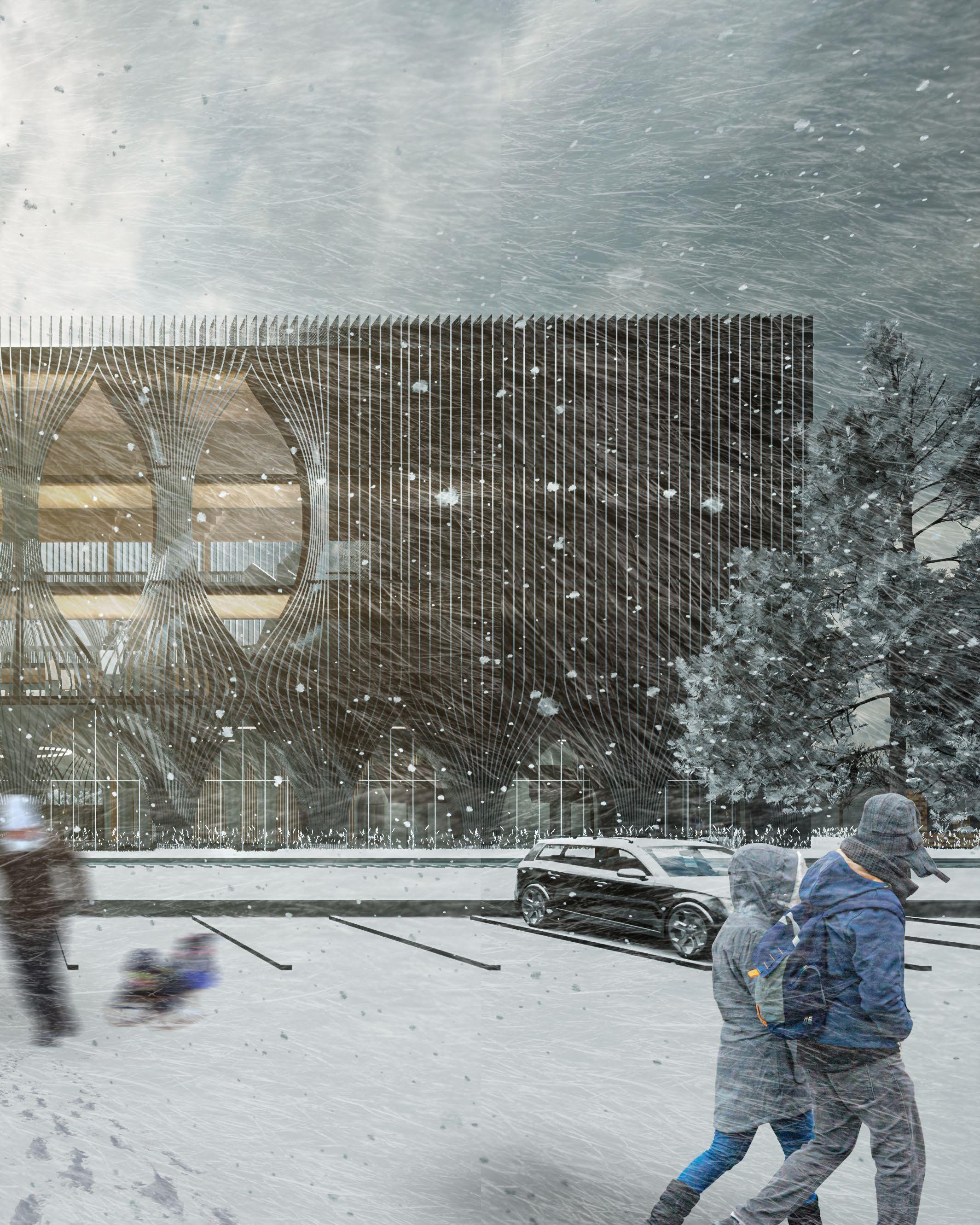



In 1933 Franklin D. Roosevelt passed the New Deal as a series of programs designed to aid financial growth during the great depression. One of the programs created by the New Deal was the Home Owners Loan Corporation(HOLC), this program created the contingent 30-year federally-backed mortgage loan that is still used today. The HOLC also devised a discriminatory practice known as Redlining. Redlining was a prejudicial practice that incentivized banks to offer loans to wealthy white areas while refusing loans to predominantly black areas that they deemed risky. Redlining was based on a series of maps drawn up by the federal government in the 1930s. Residents in redlined areas were completely cut off from loans or investments from banks. This nearly barred all African Americans from receiving any financial support from banks. Even though redlining maps were created at a federal level in the 1930s, they were continually used as a basis for offering loans until the passing of the 1968 Fair Housing Act.
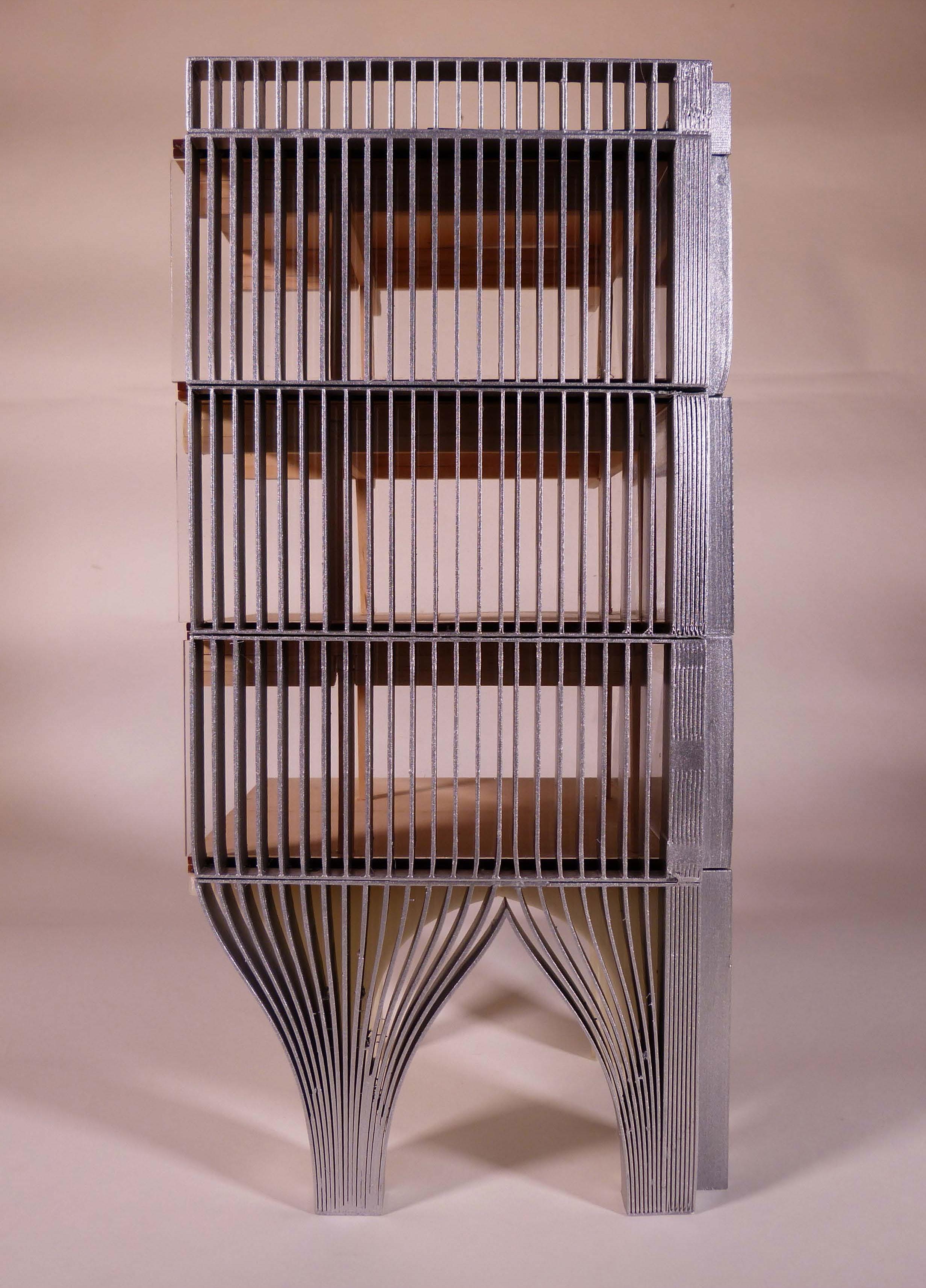
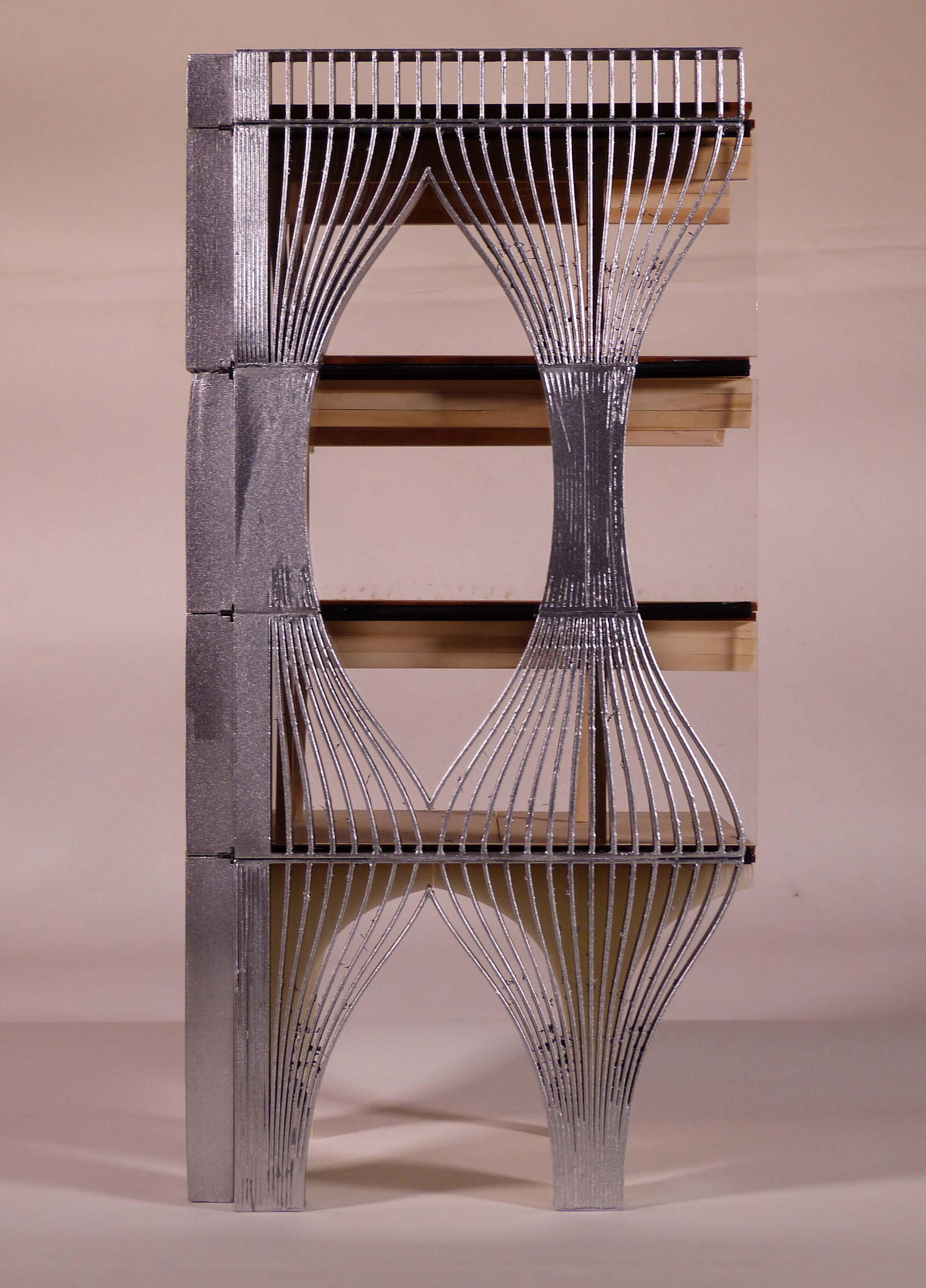
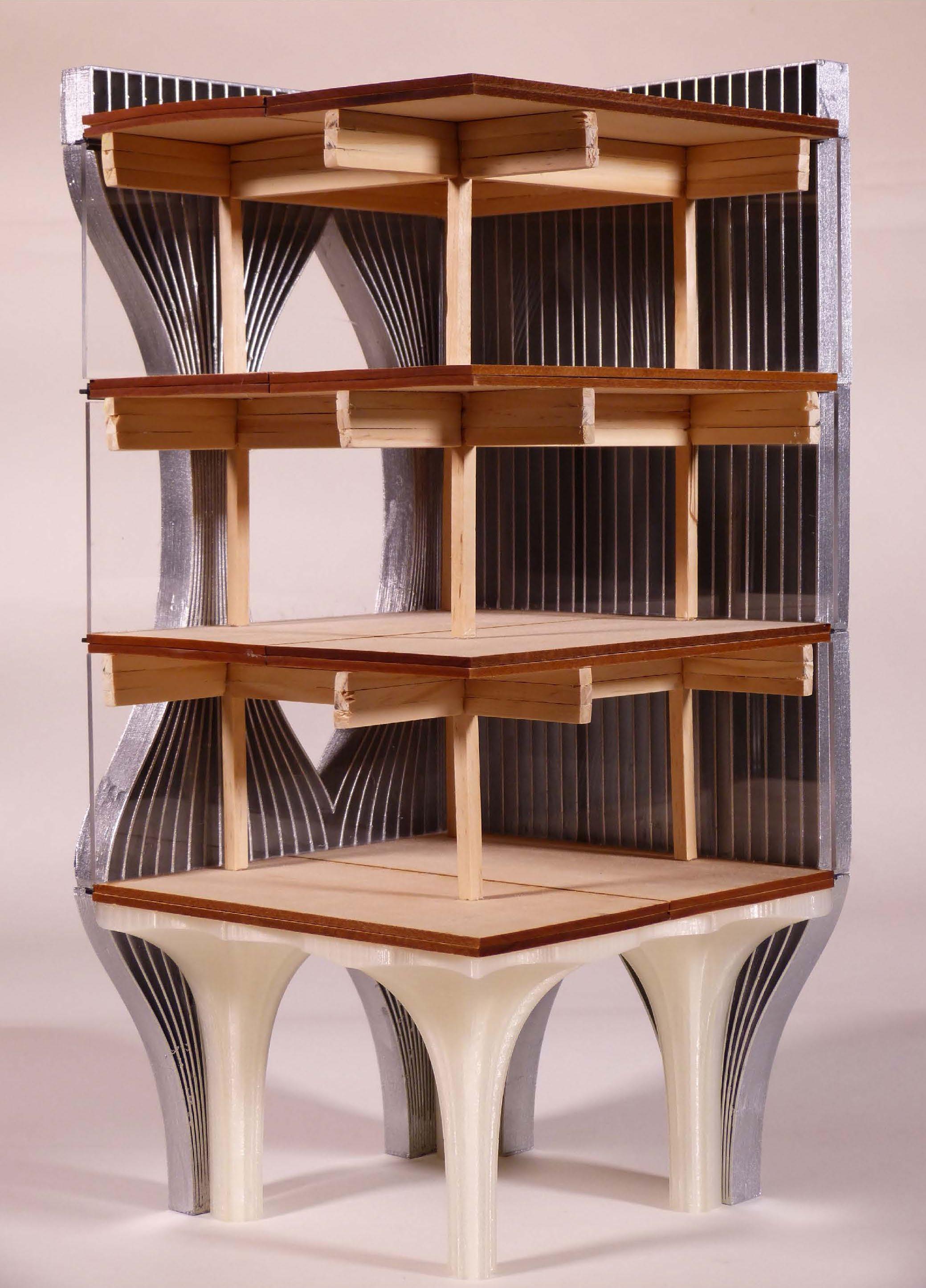
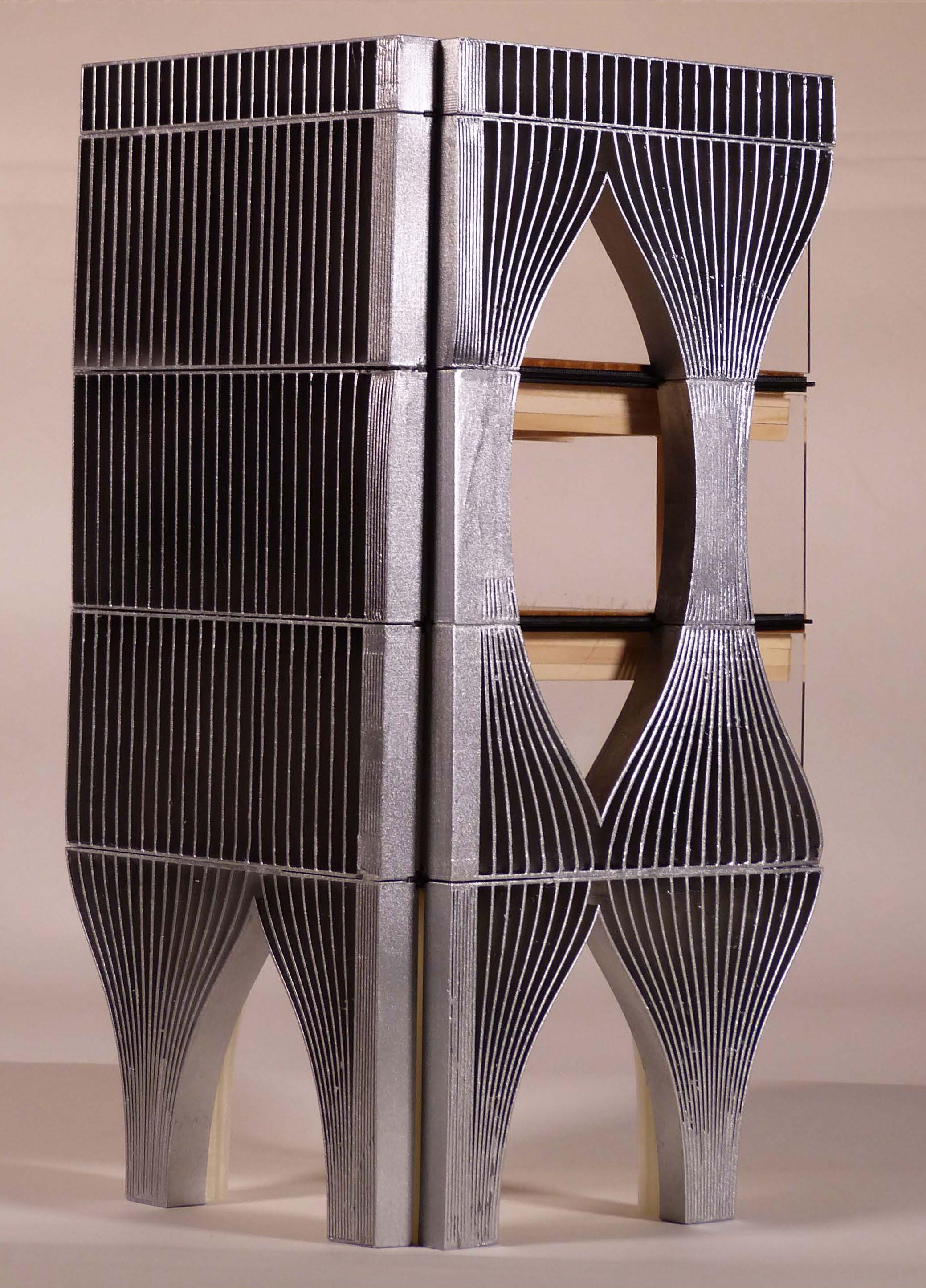
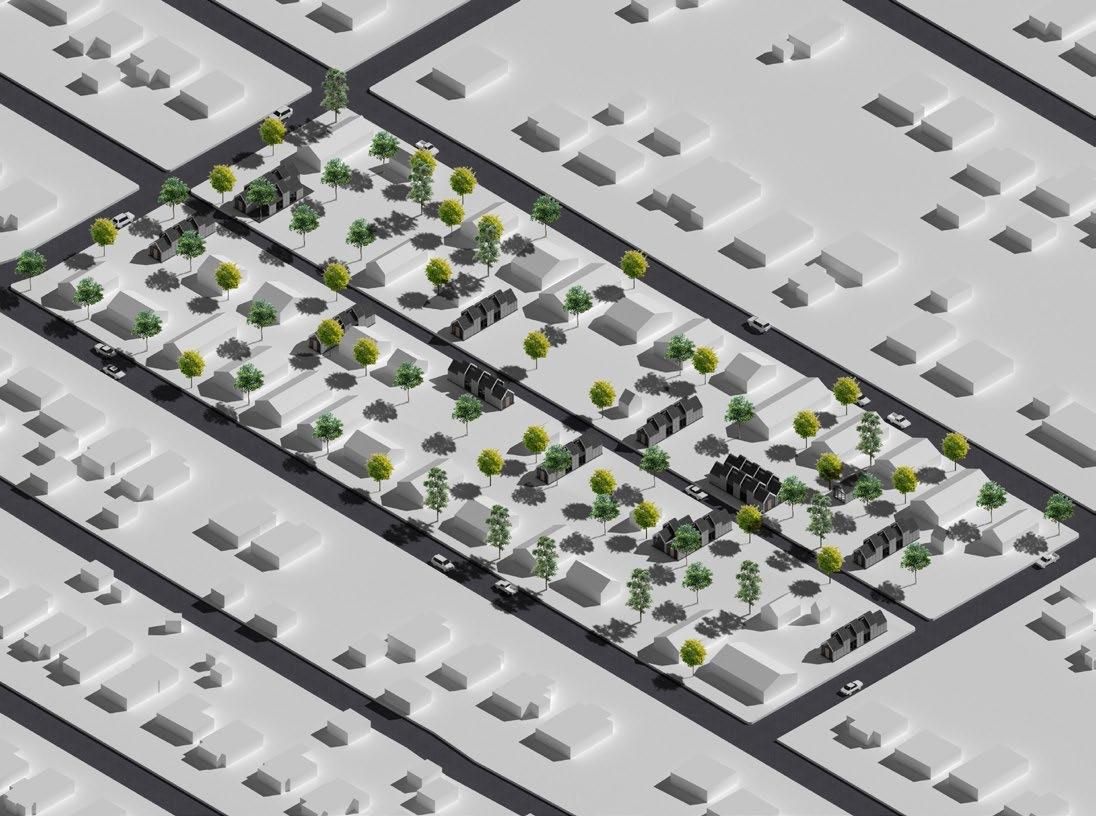
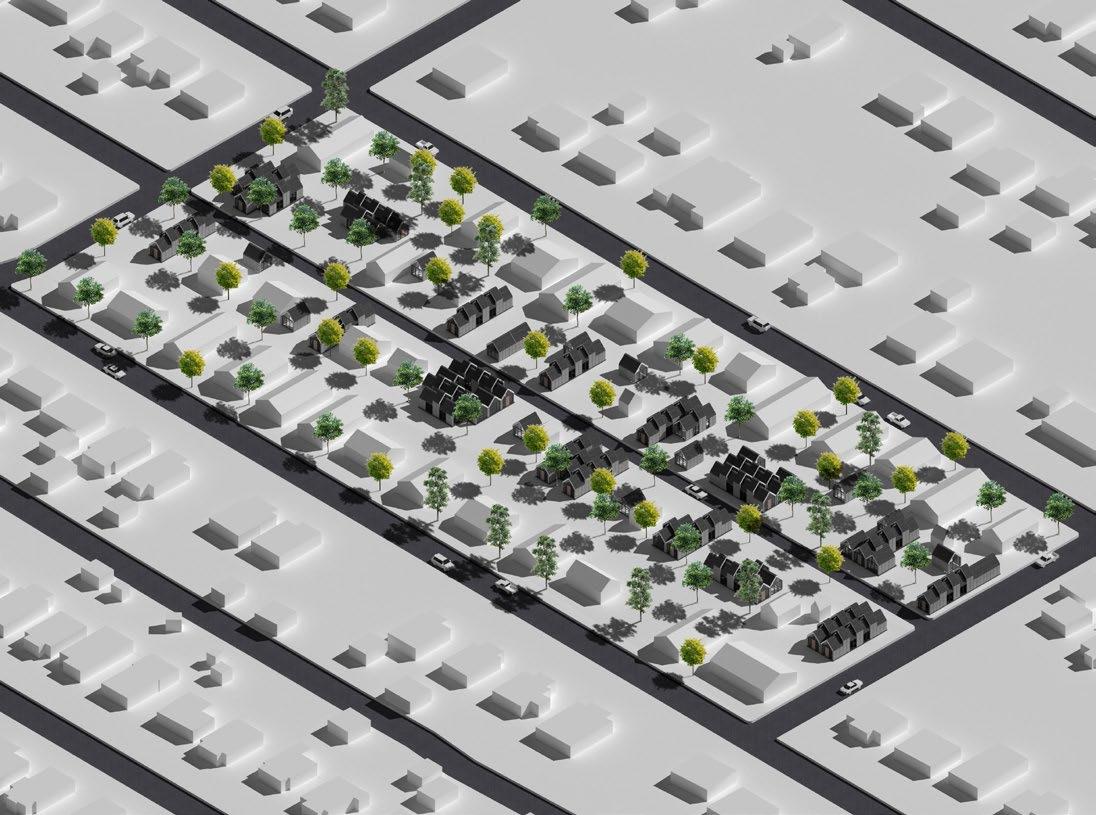
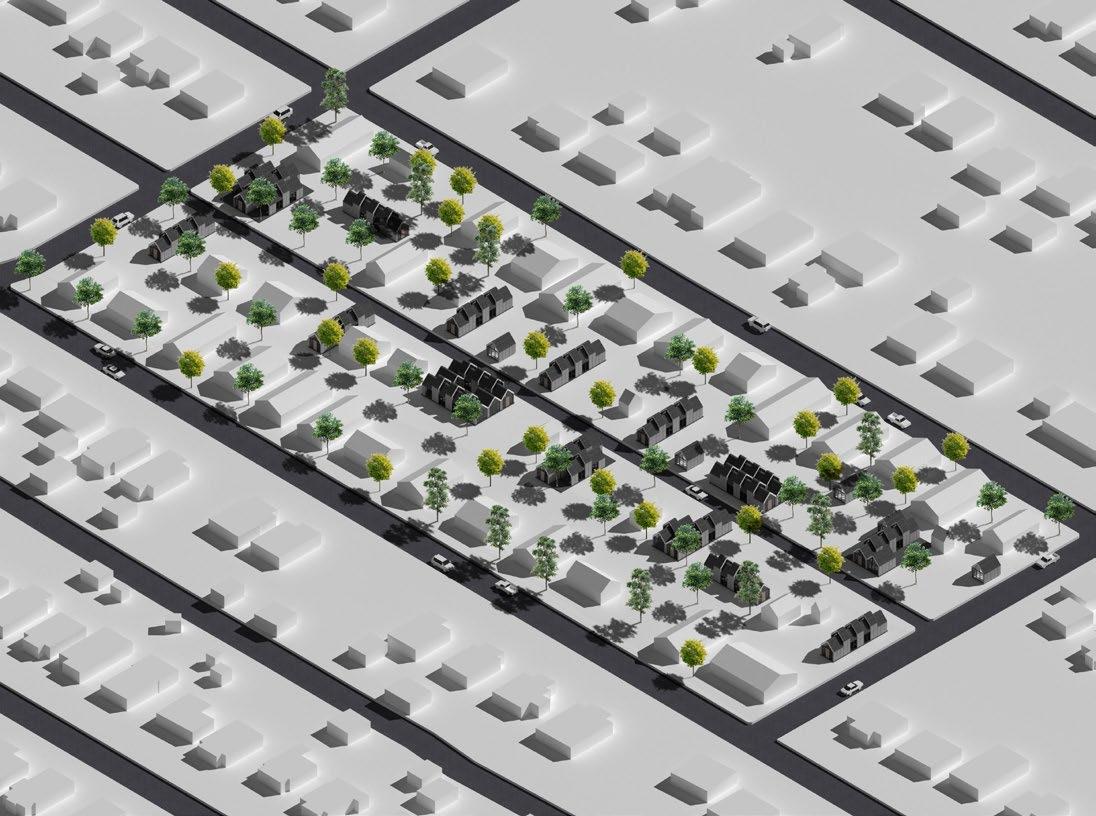
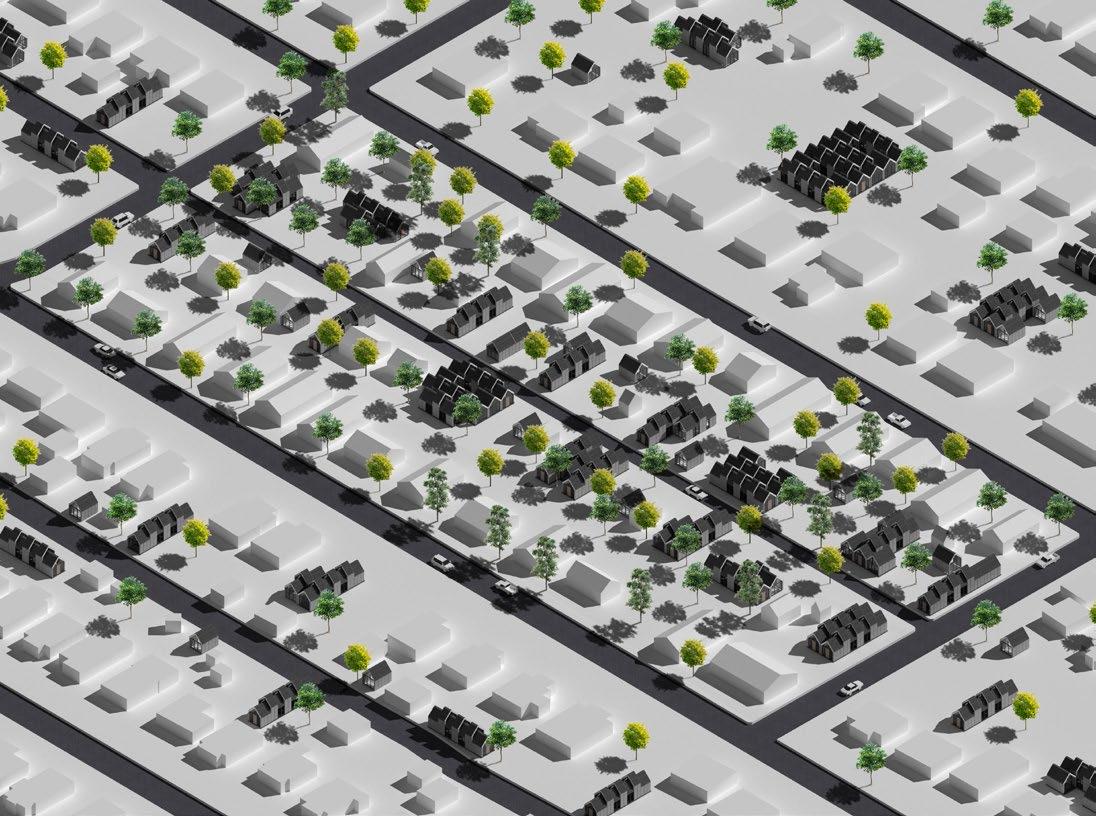
These actions from the mid-20th century still disproportionately effect African Americans in Des Moines, this housing proposal aims to alleviate these discrepancies that were created through the redlining practices of the 20th century.This proposal will not completely solve these created inequalities. However, this proposal will assist in the regrowth of the African American community.
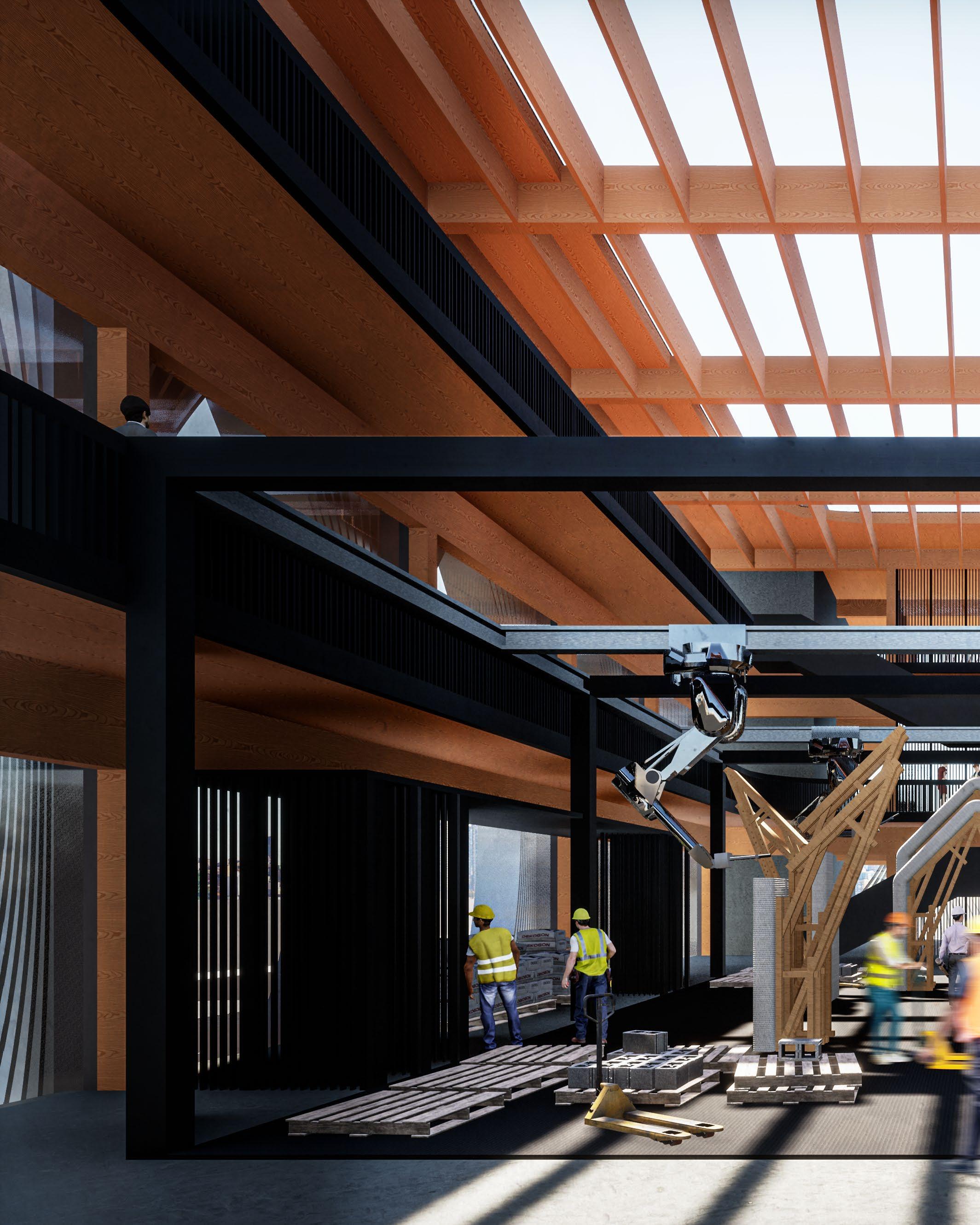
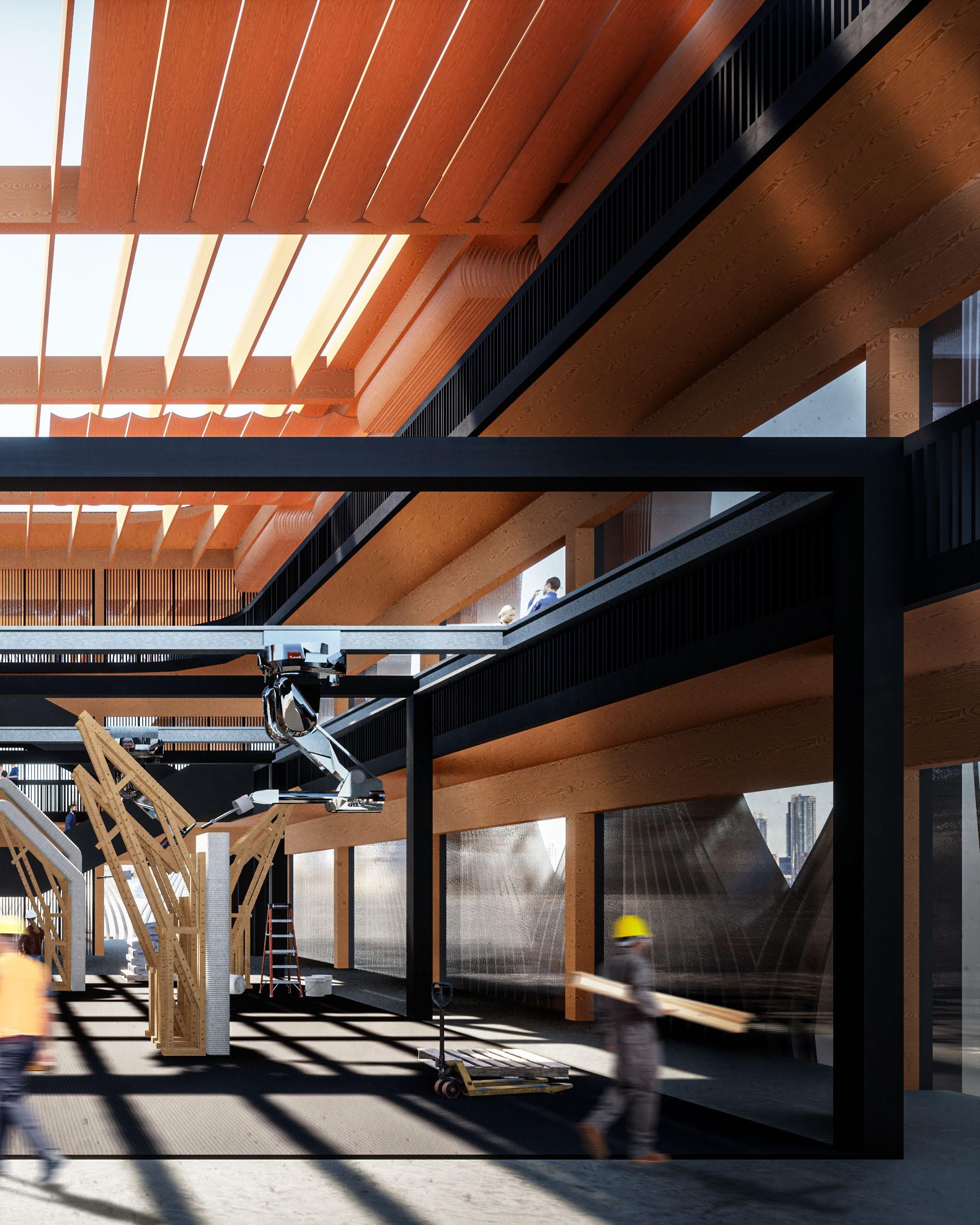
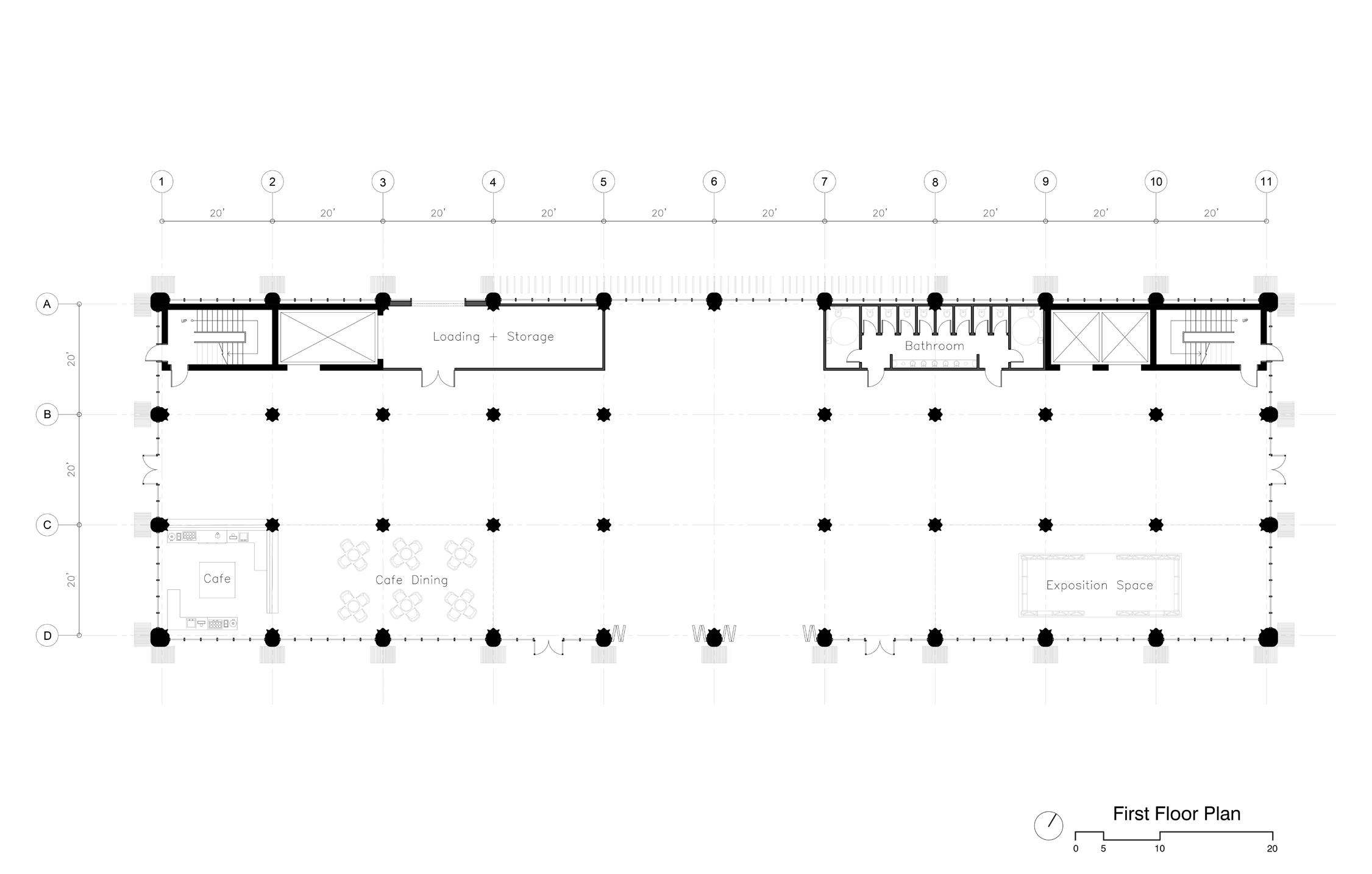
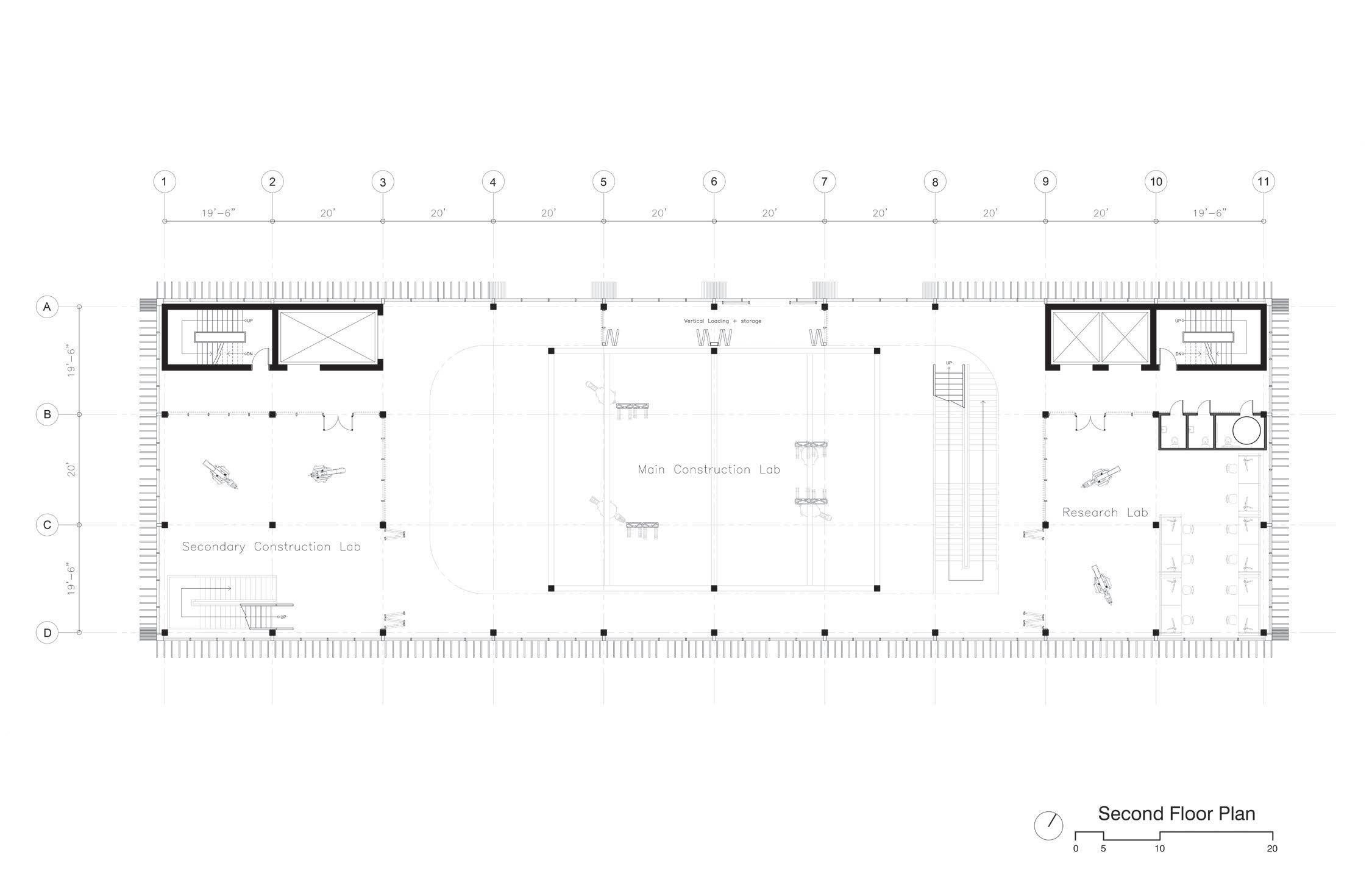
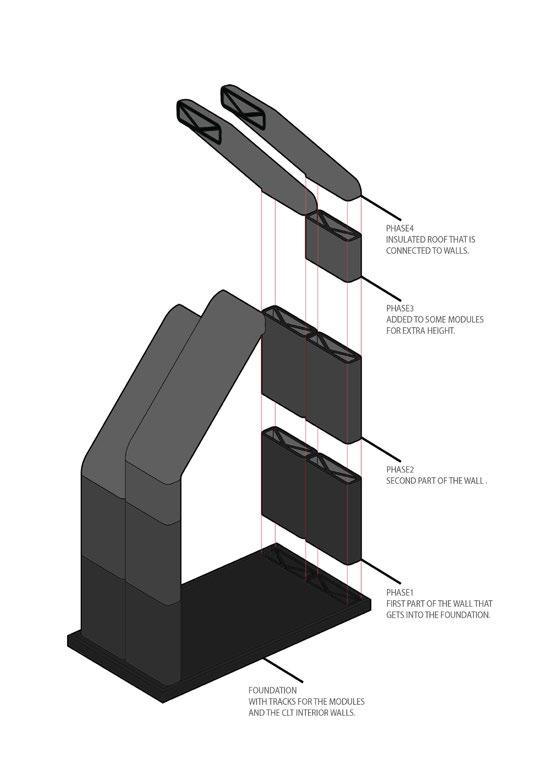
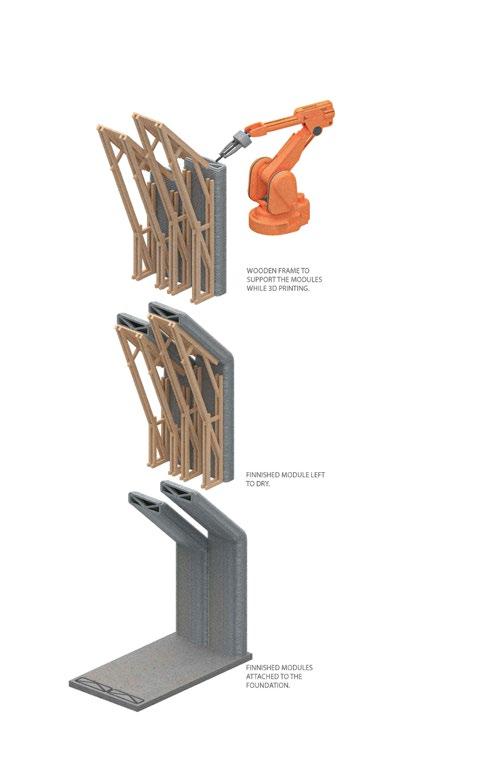
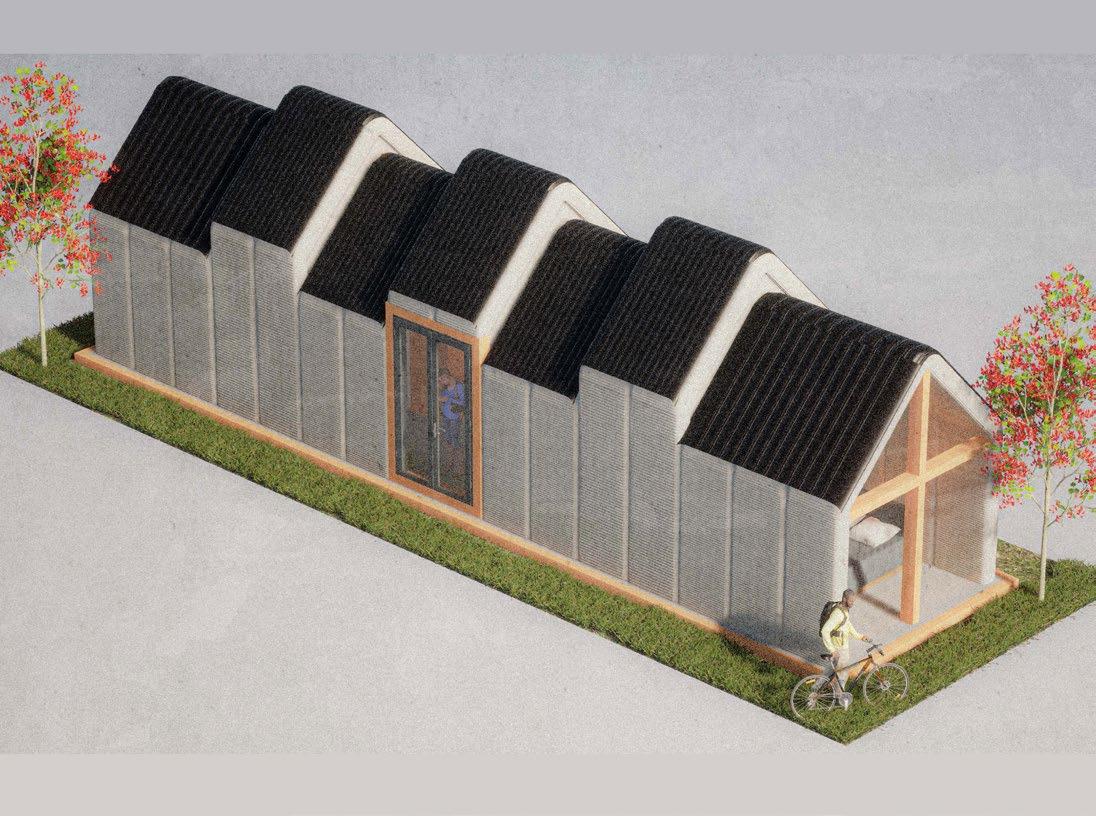
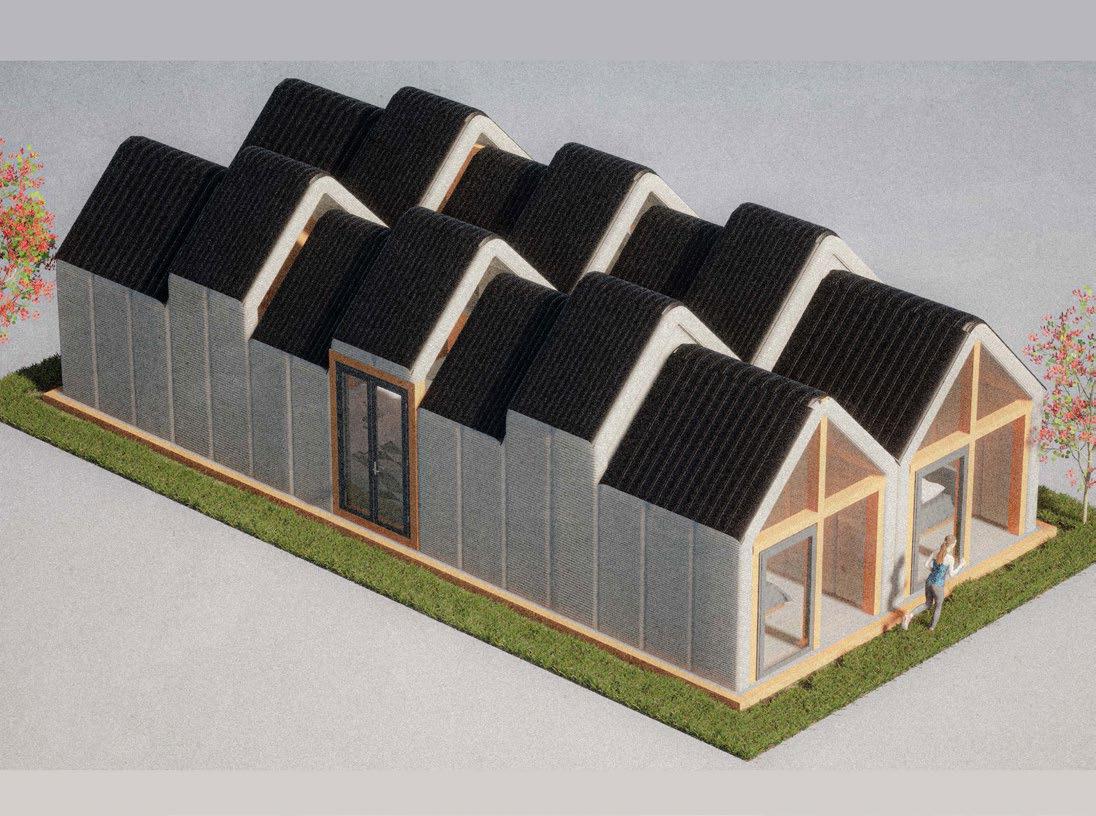
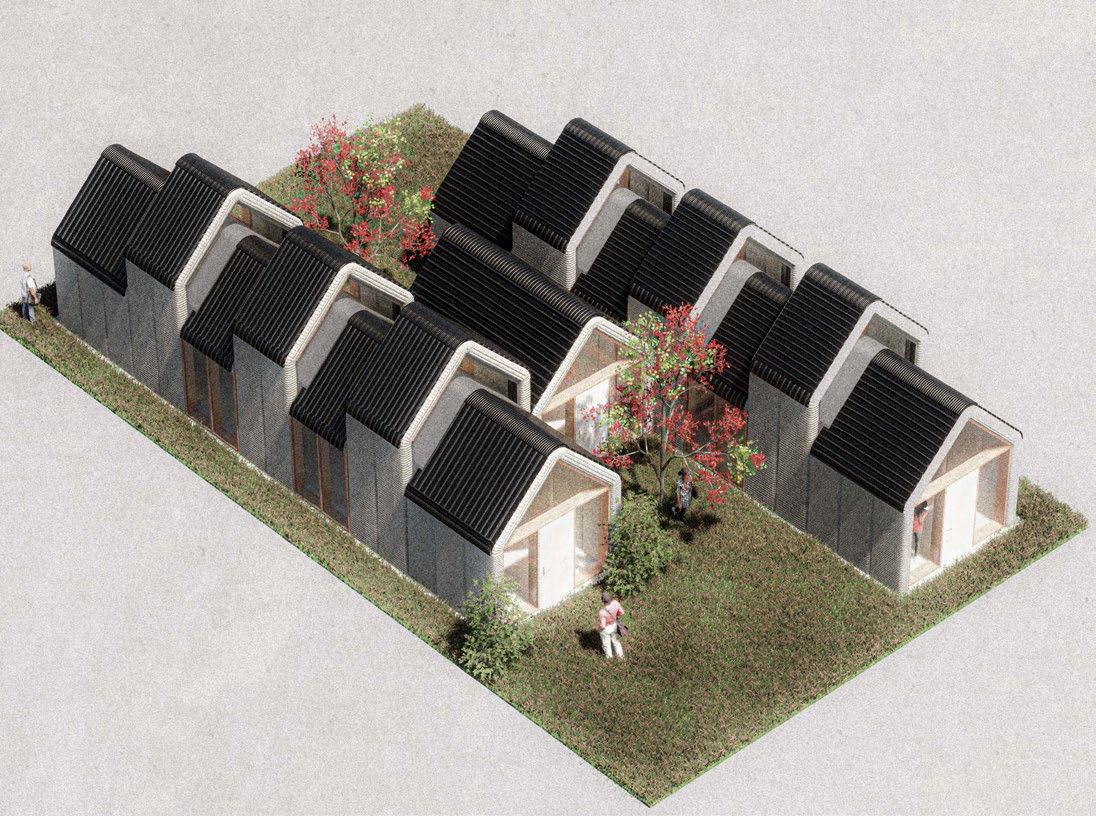
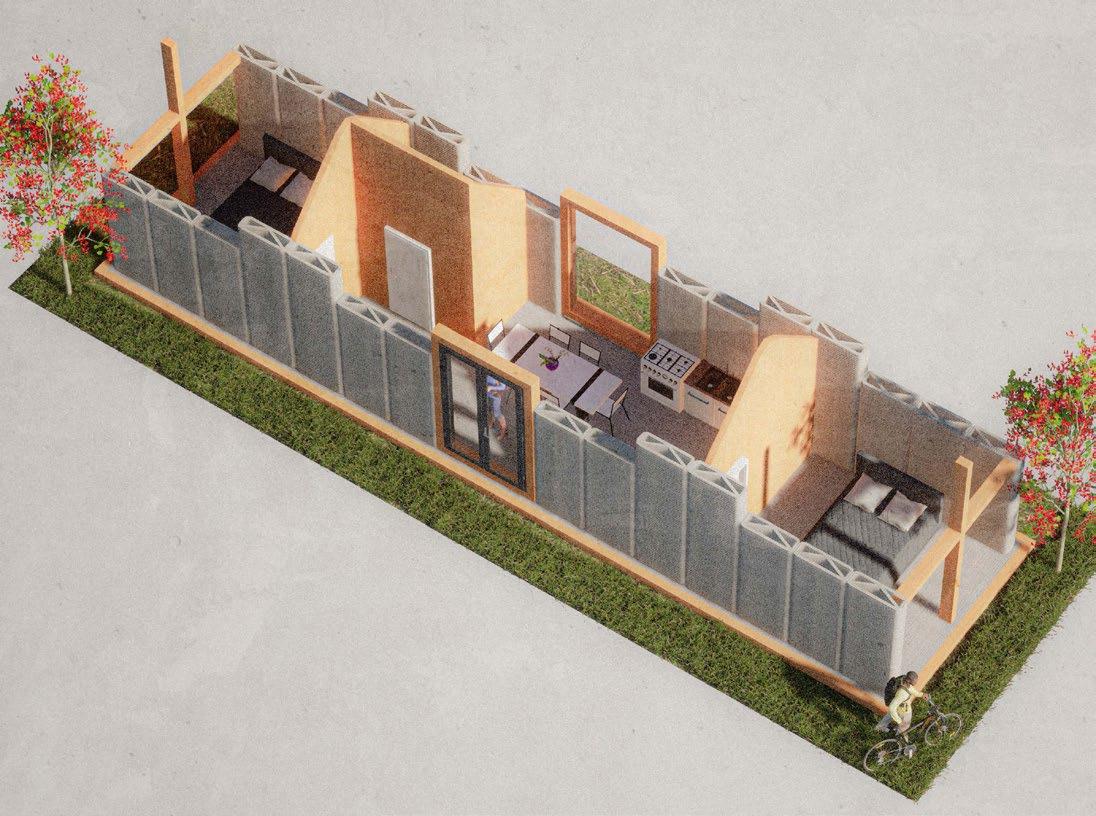
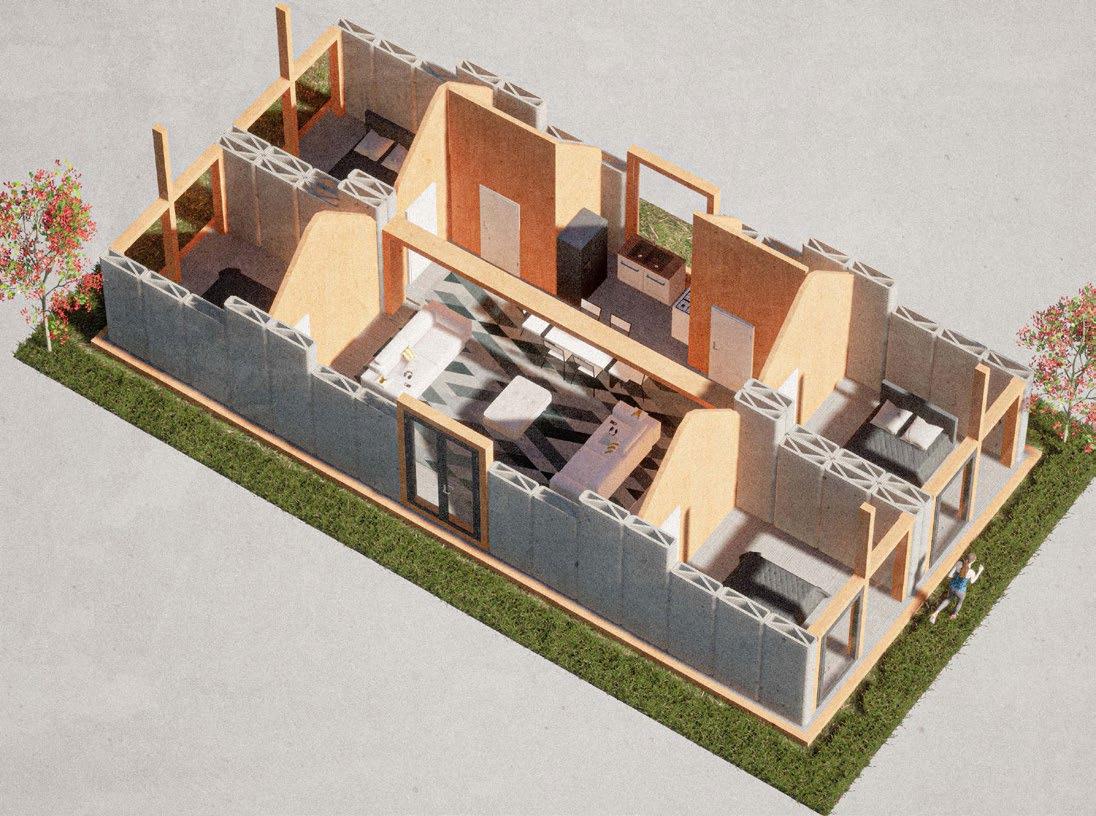
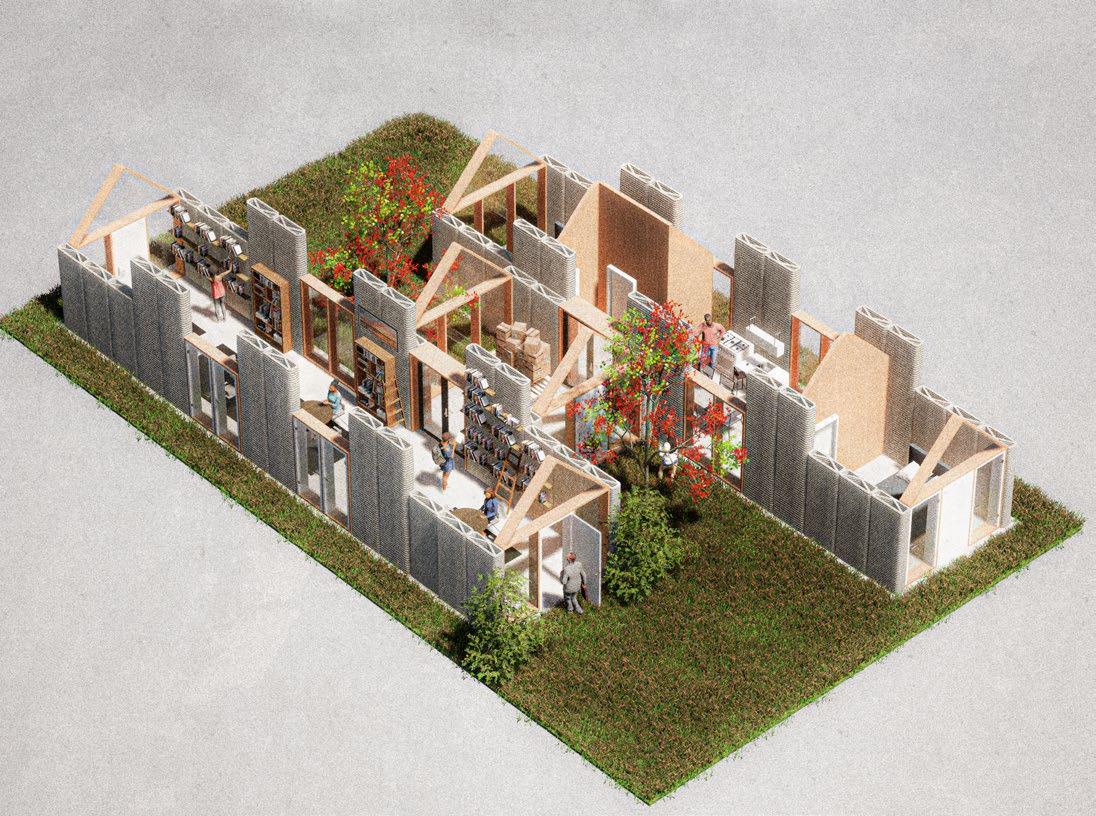
This affordable housing proposal involves accessible dwelling units(ADU), which are to be built alongside existing homes based on the needs of the homeowner. To achieve affordability these homes will be 3D printed with concrete, a form of additive manufacturing, that does not waste any unnecessary materials in the process. This 3D printing will be done off-site at a factory designed specifically for this purpose.
The ADUs that are developed for this housing proposal will place an emphasis on starting and developing businesses, in an attempt to revitalize the social and economic fabric of the African American community. These businesses can be large or small, traditional or unconventional, based on homeowners desires.
ADUs offer the possibility of expansion, the starting model for most houses will be in the range of 300-500 sq.ft. If this program experiences great success, these modulus can be expanded up to 2000 sq.ft. or larger.
When considering architectural reparations for the discriminatory practices of redlining, this project aims to revitalize the cavatiy that was created by the destruction of the African American communities in the 20th century
4th year academic work
Site: Hejaz Mountains, Saudi Arabia
Instructor: Ayodele Iyanalu
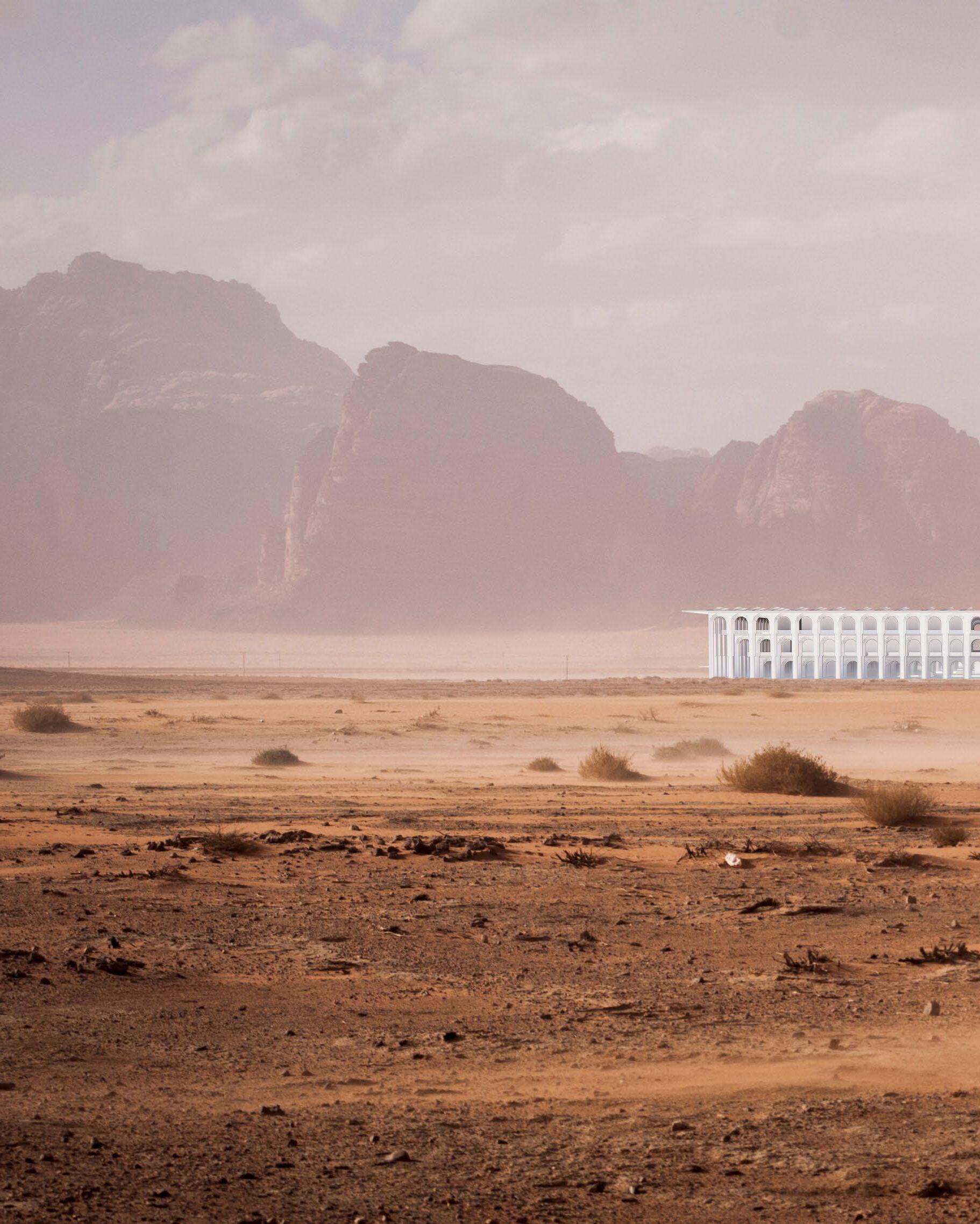
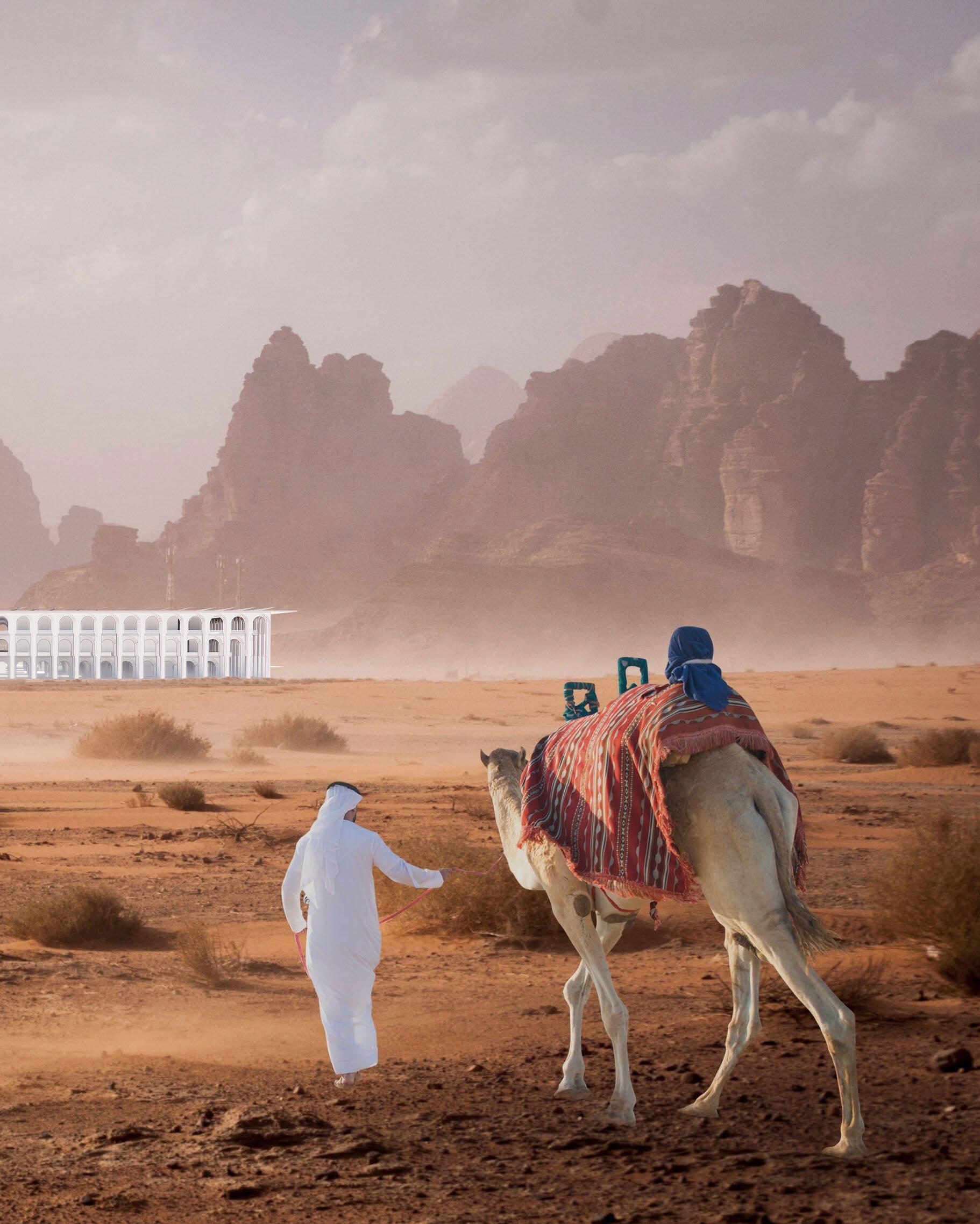
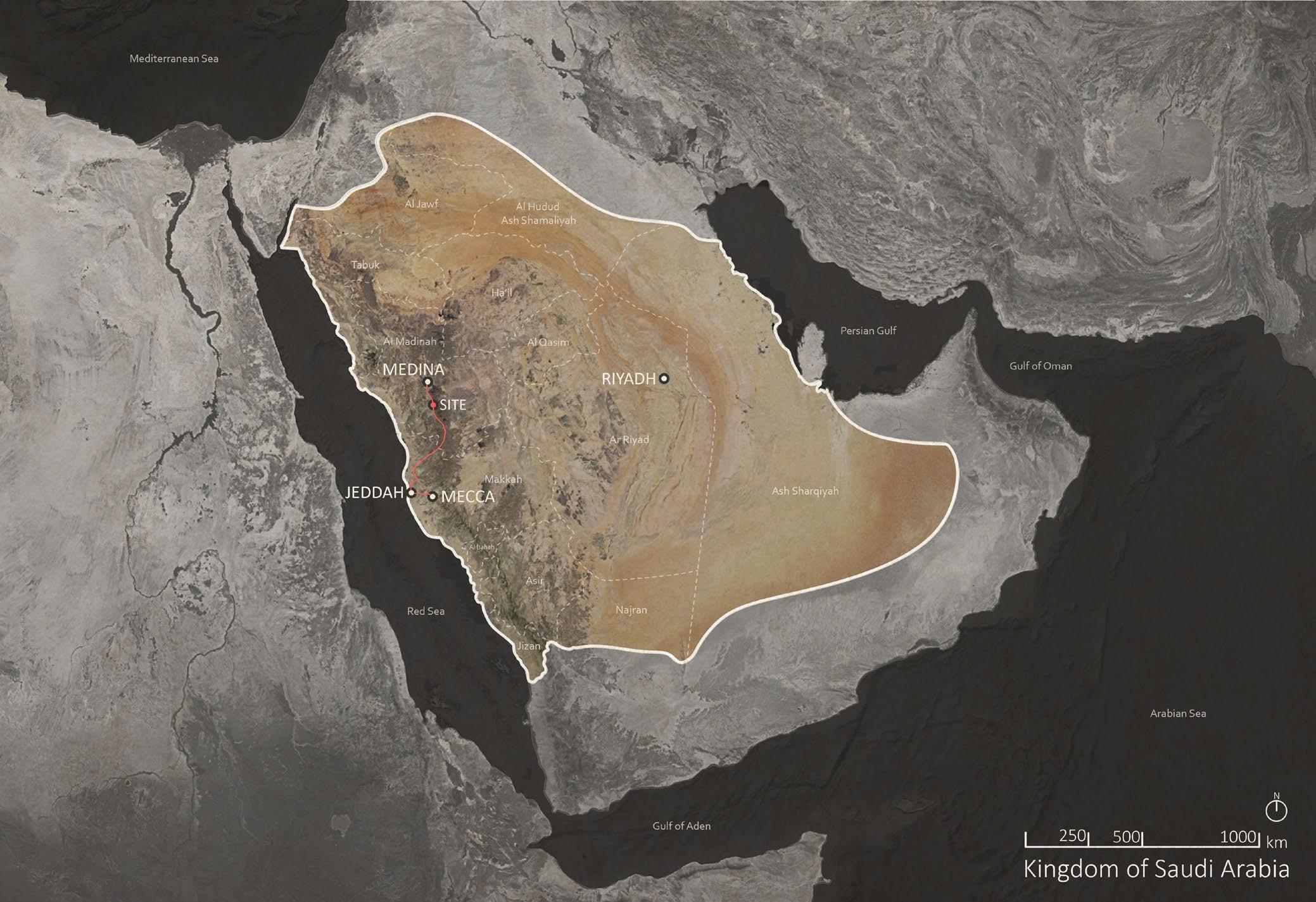
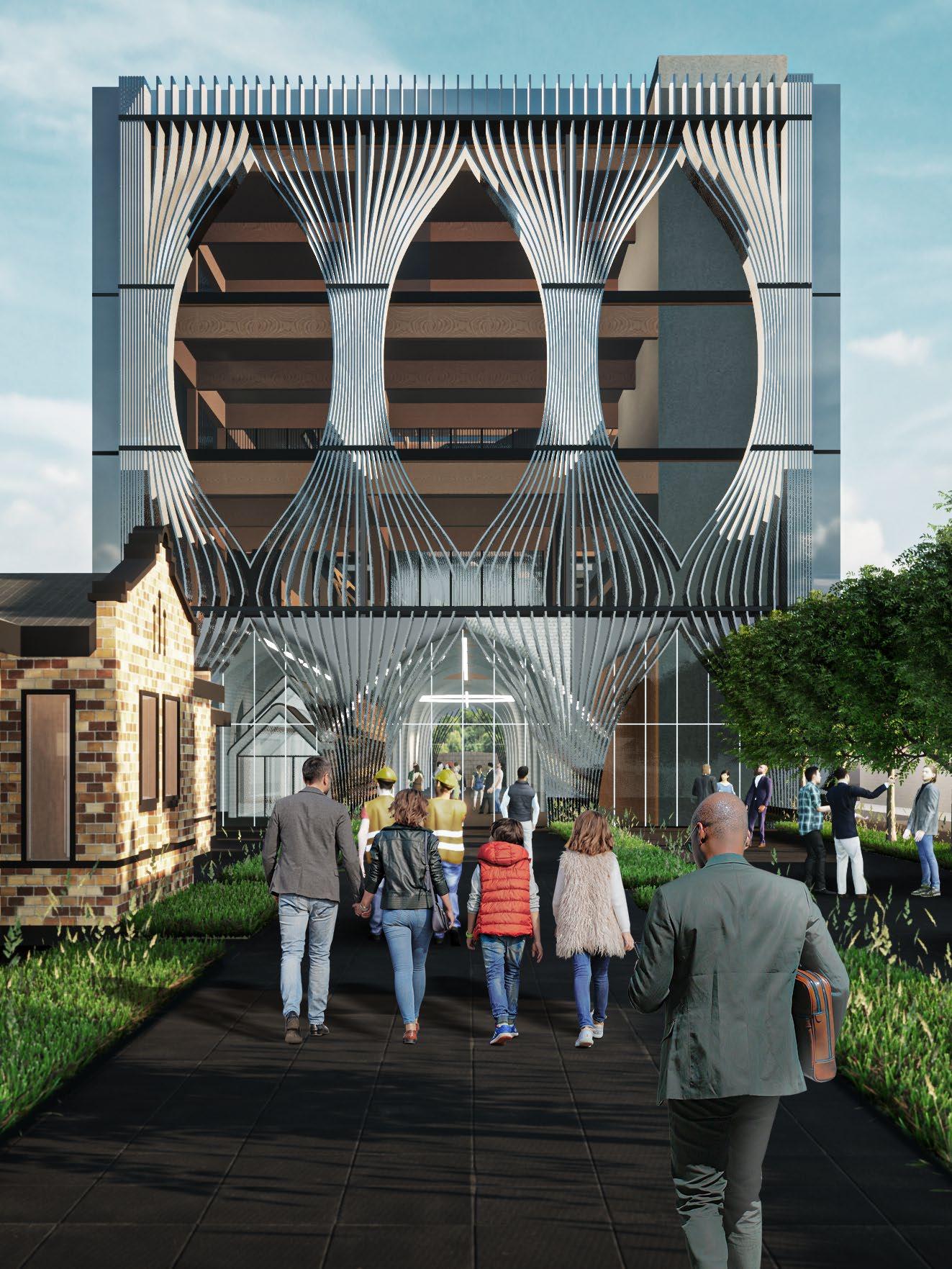
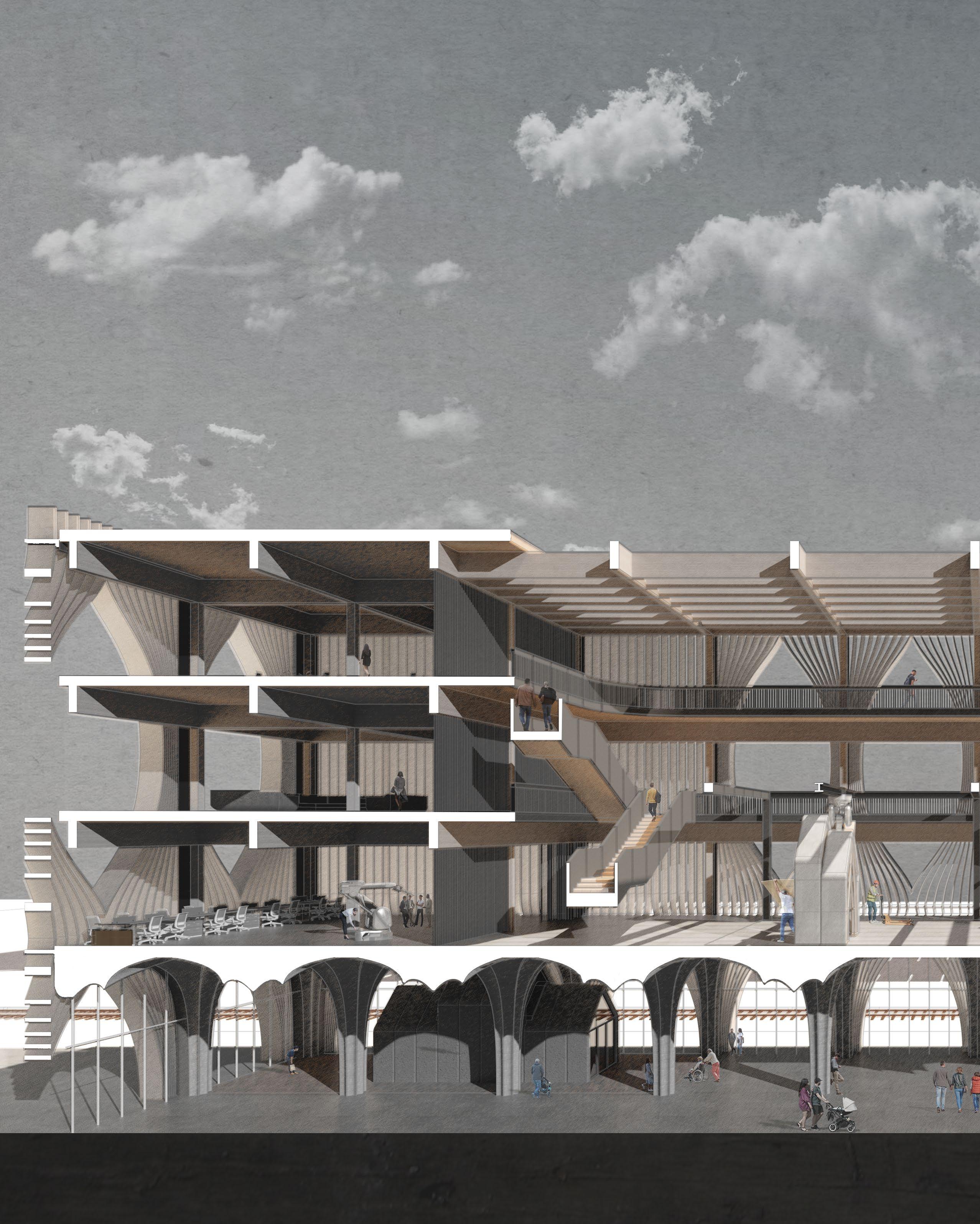
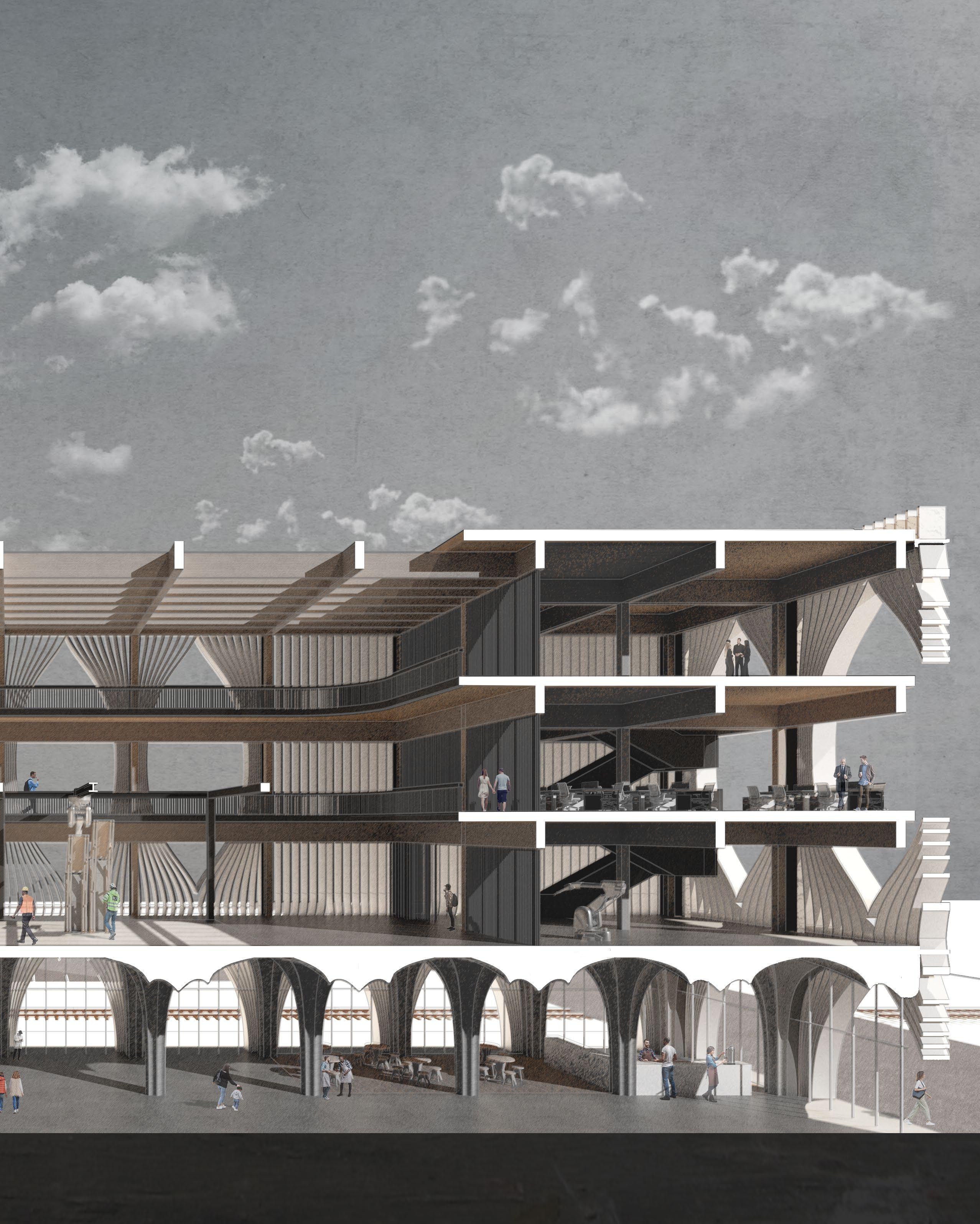
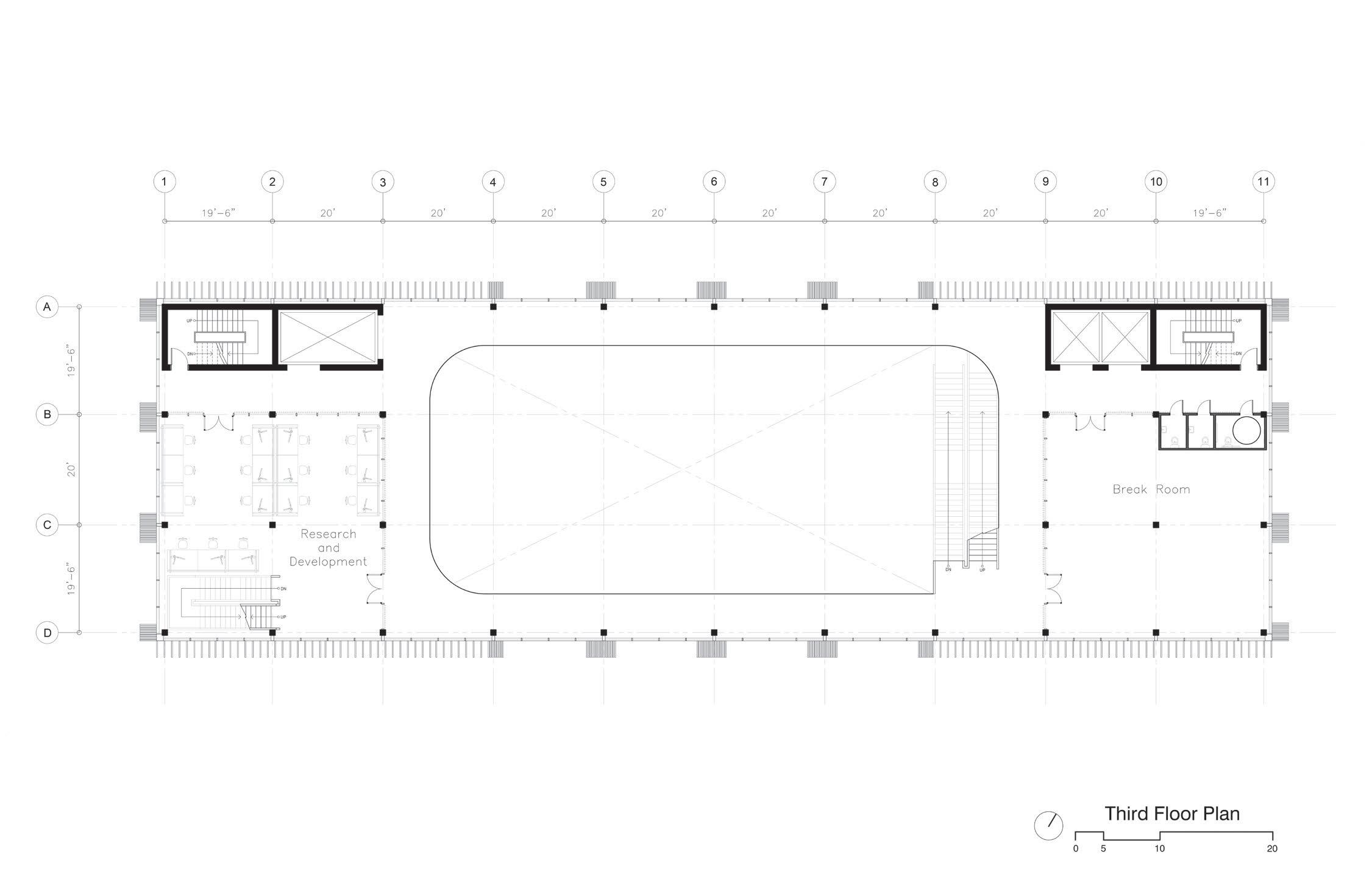
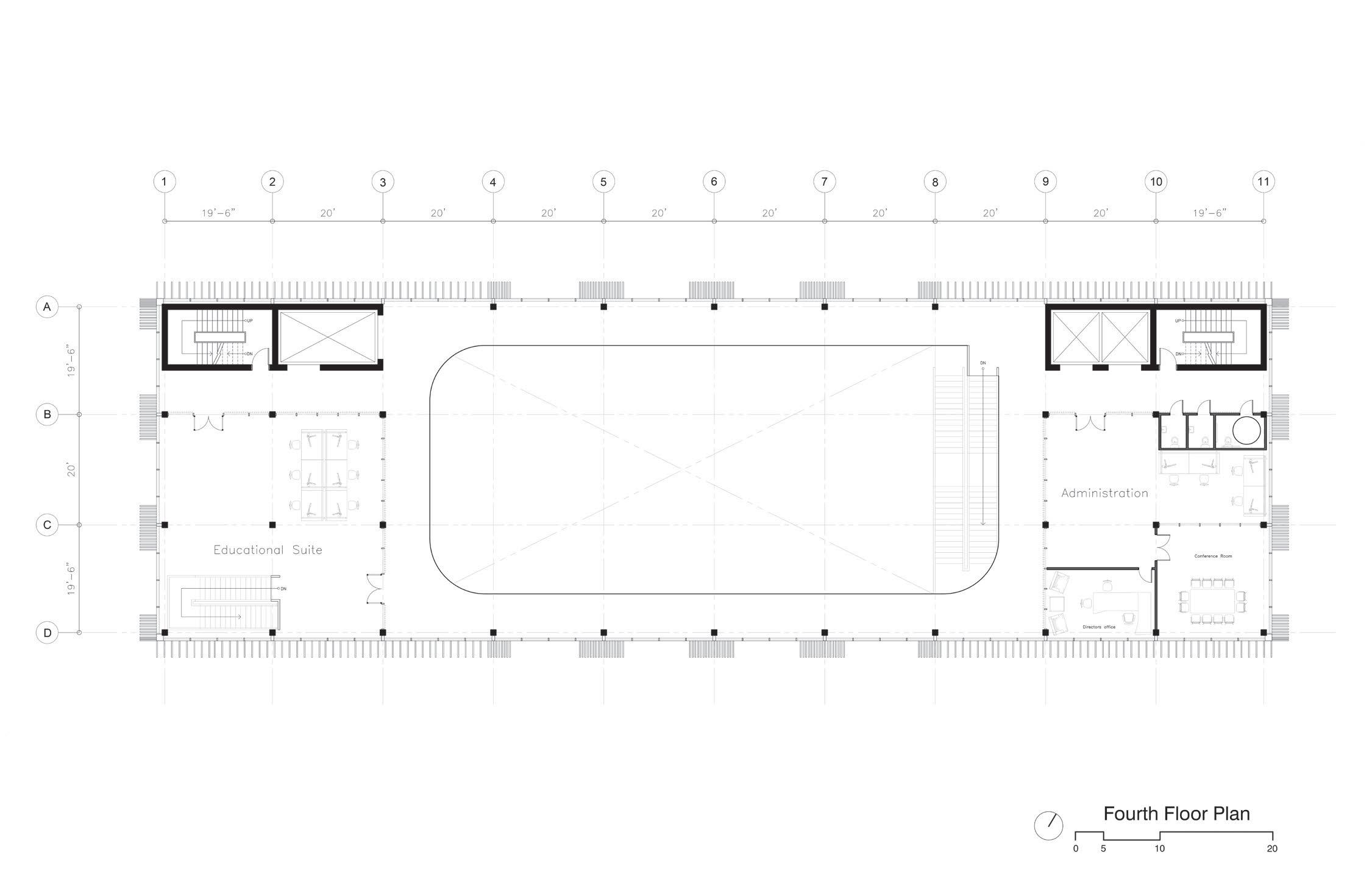
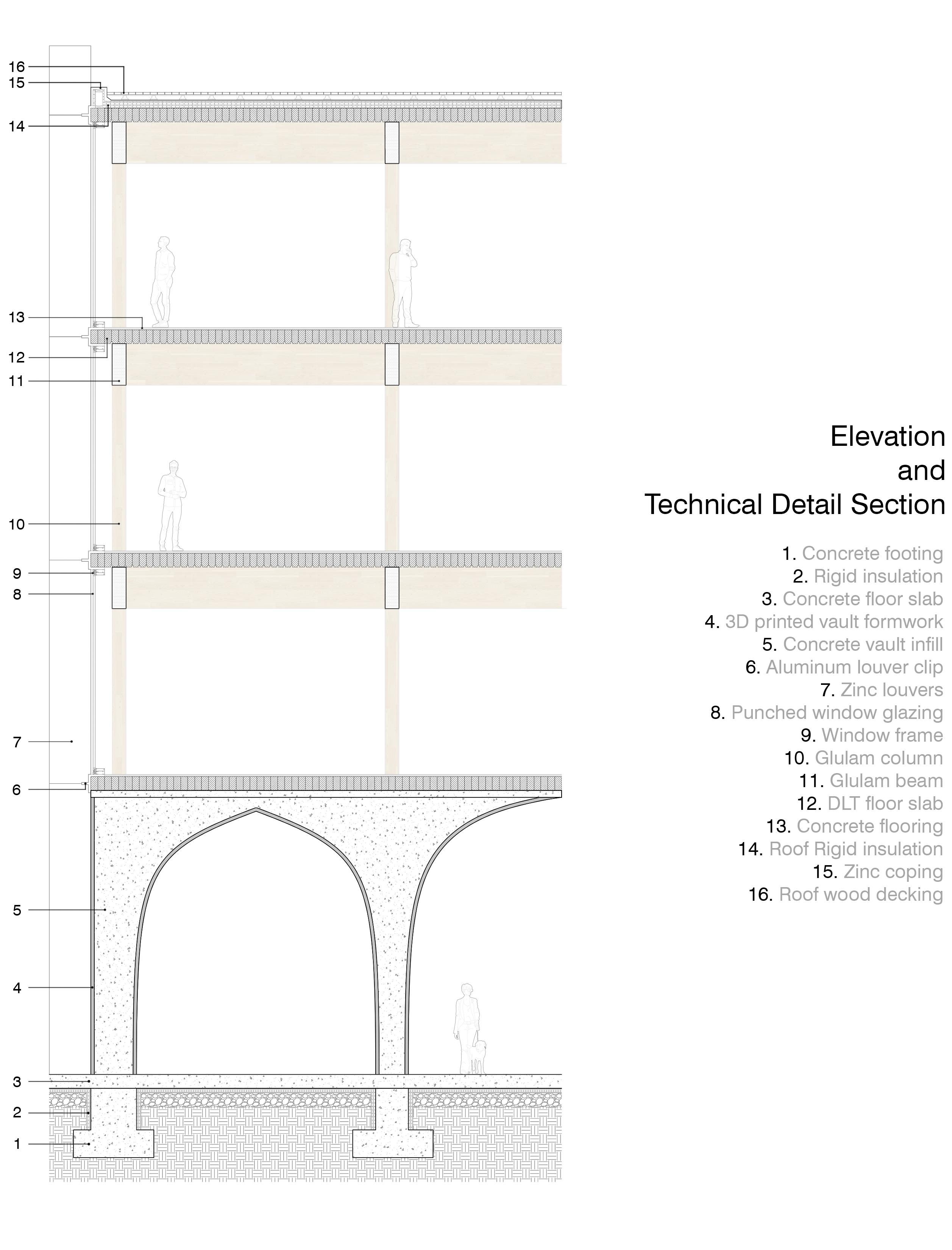
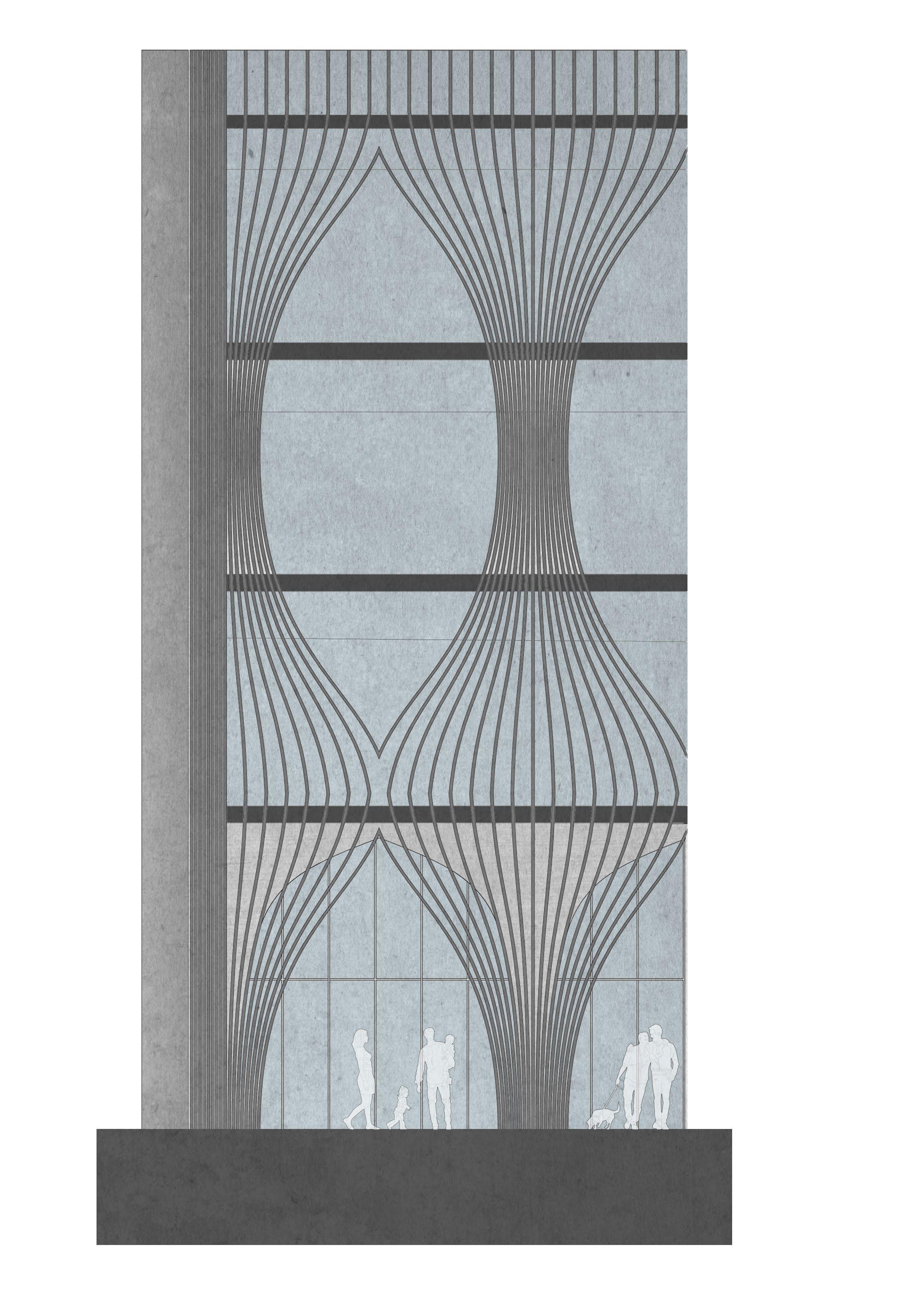
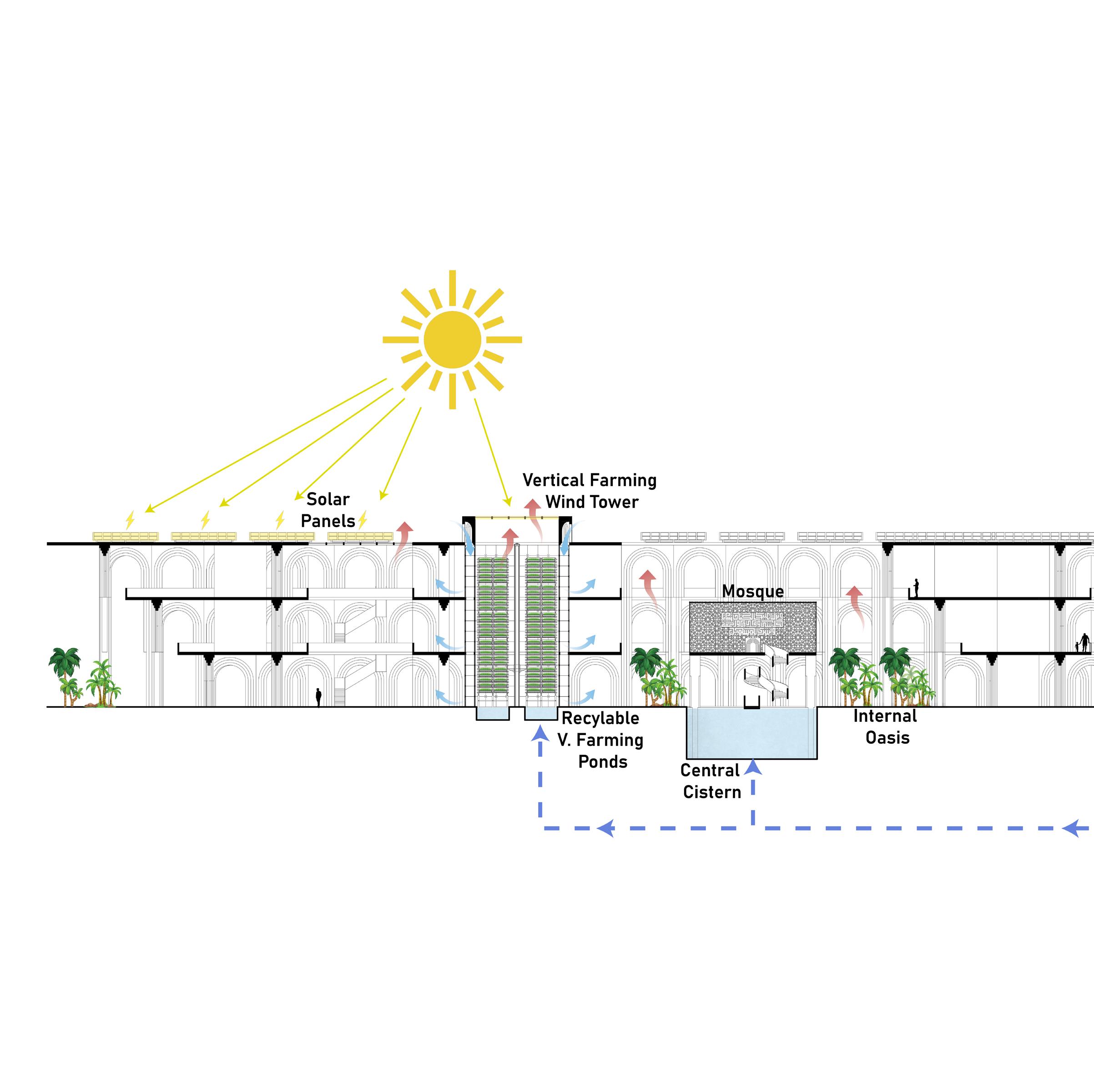
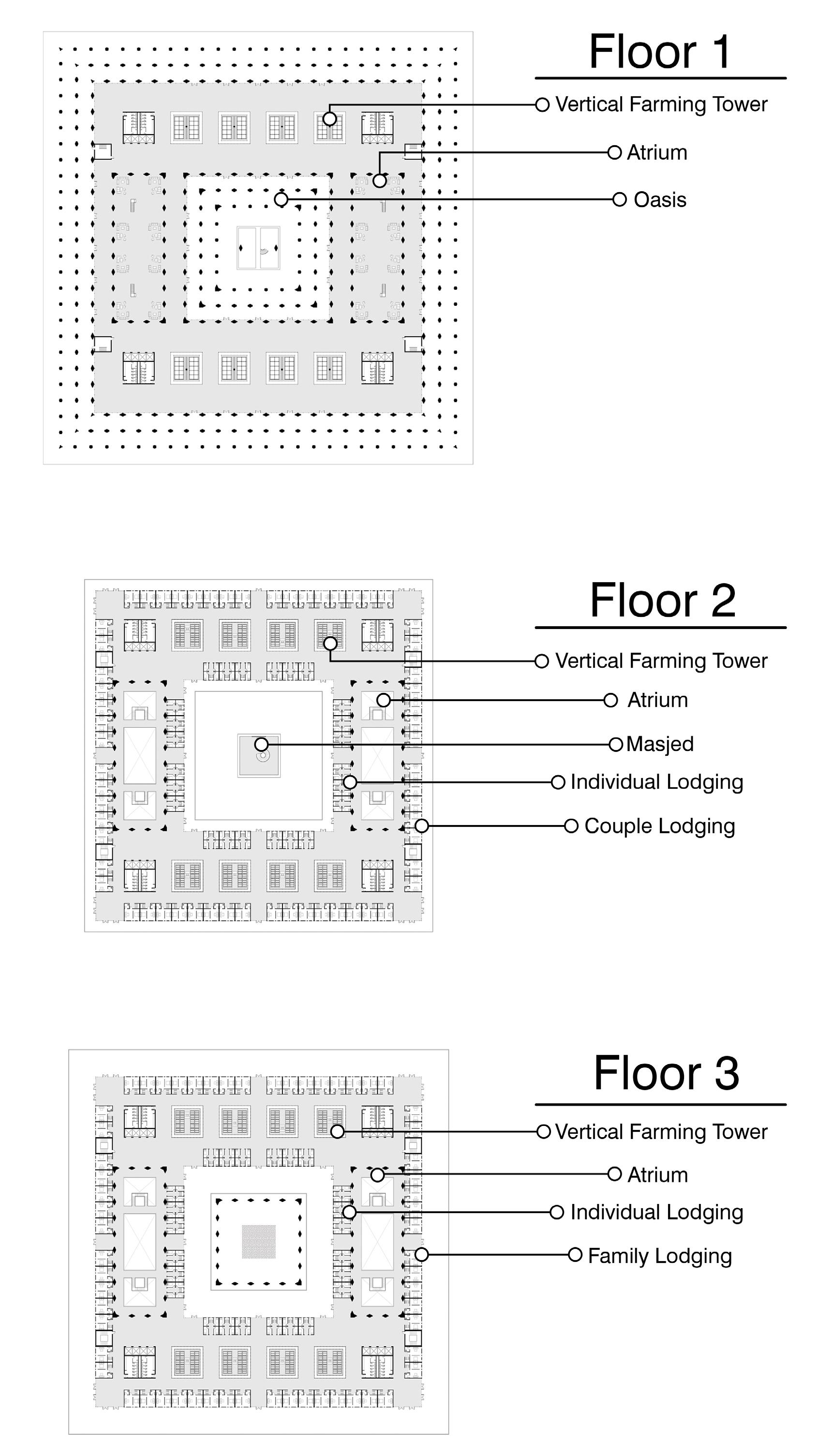
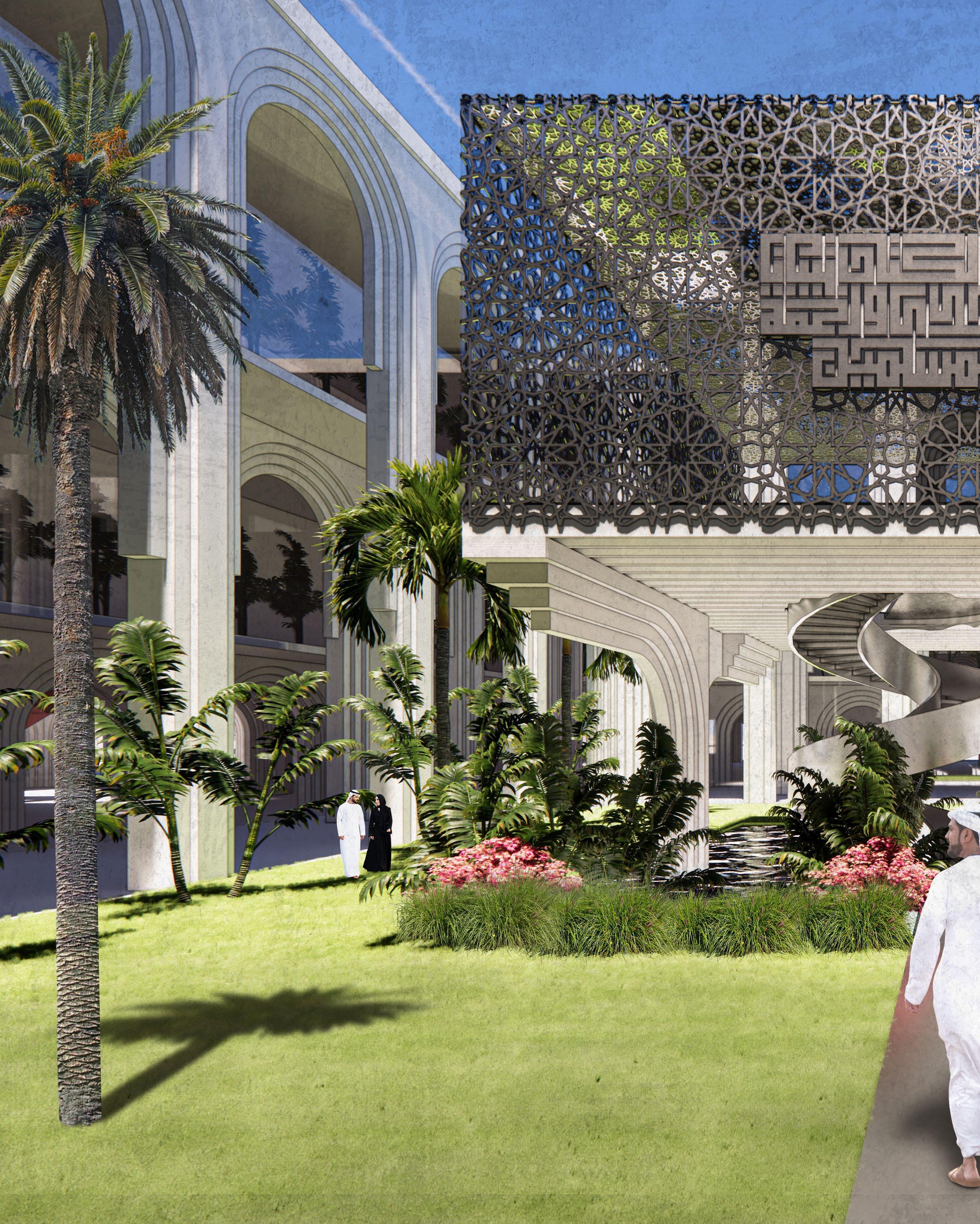
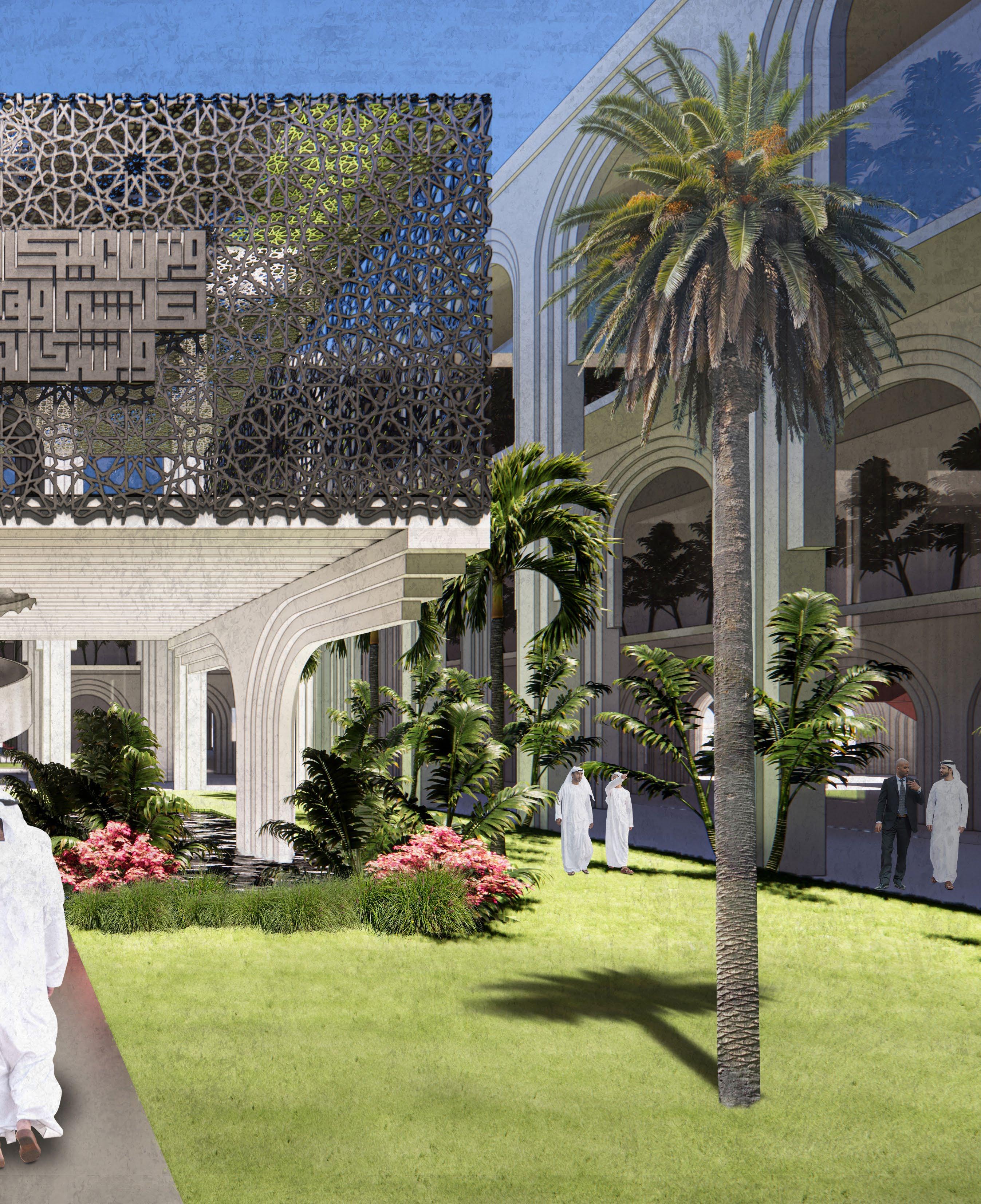
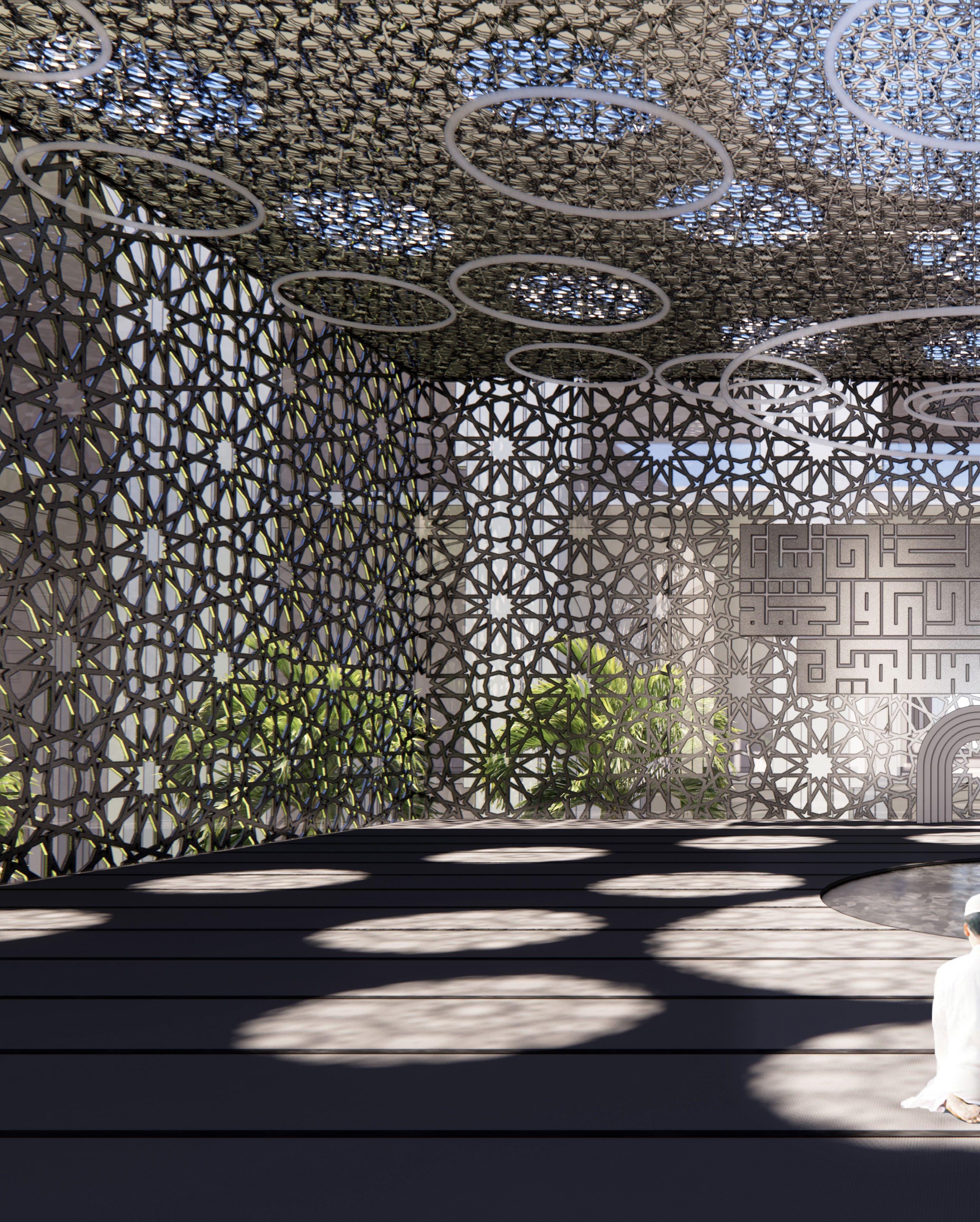
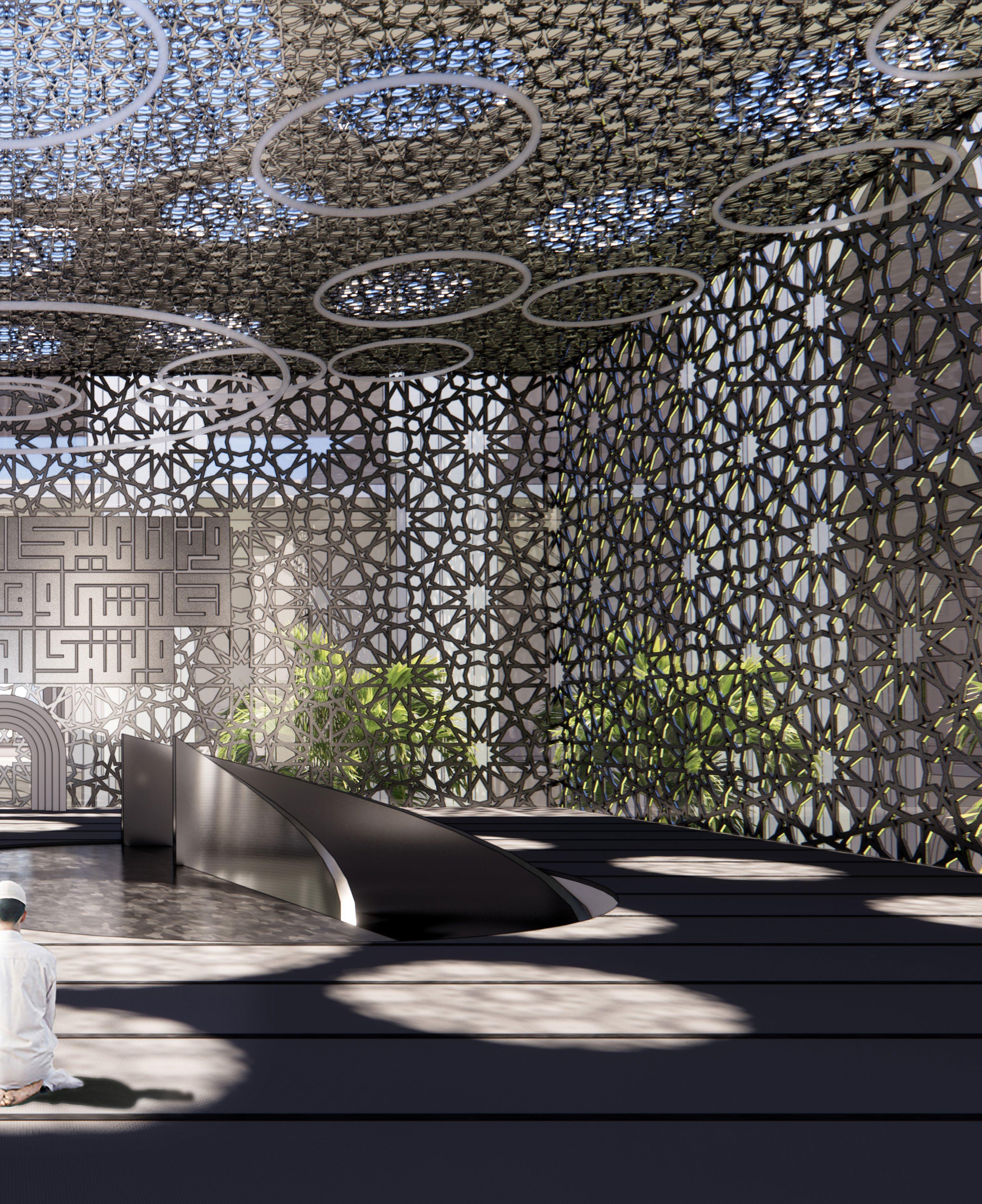
Sanctuary is a refuge for travelers venturing through the Saudi Arabian mountainous desert-region between Mecca and Medina. Designed to imitate the natural function of an oasis, the proposal provides abundant greenery within this arid environment and offers its inhabitants shelter and rest in this harsh region.
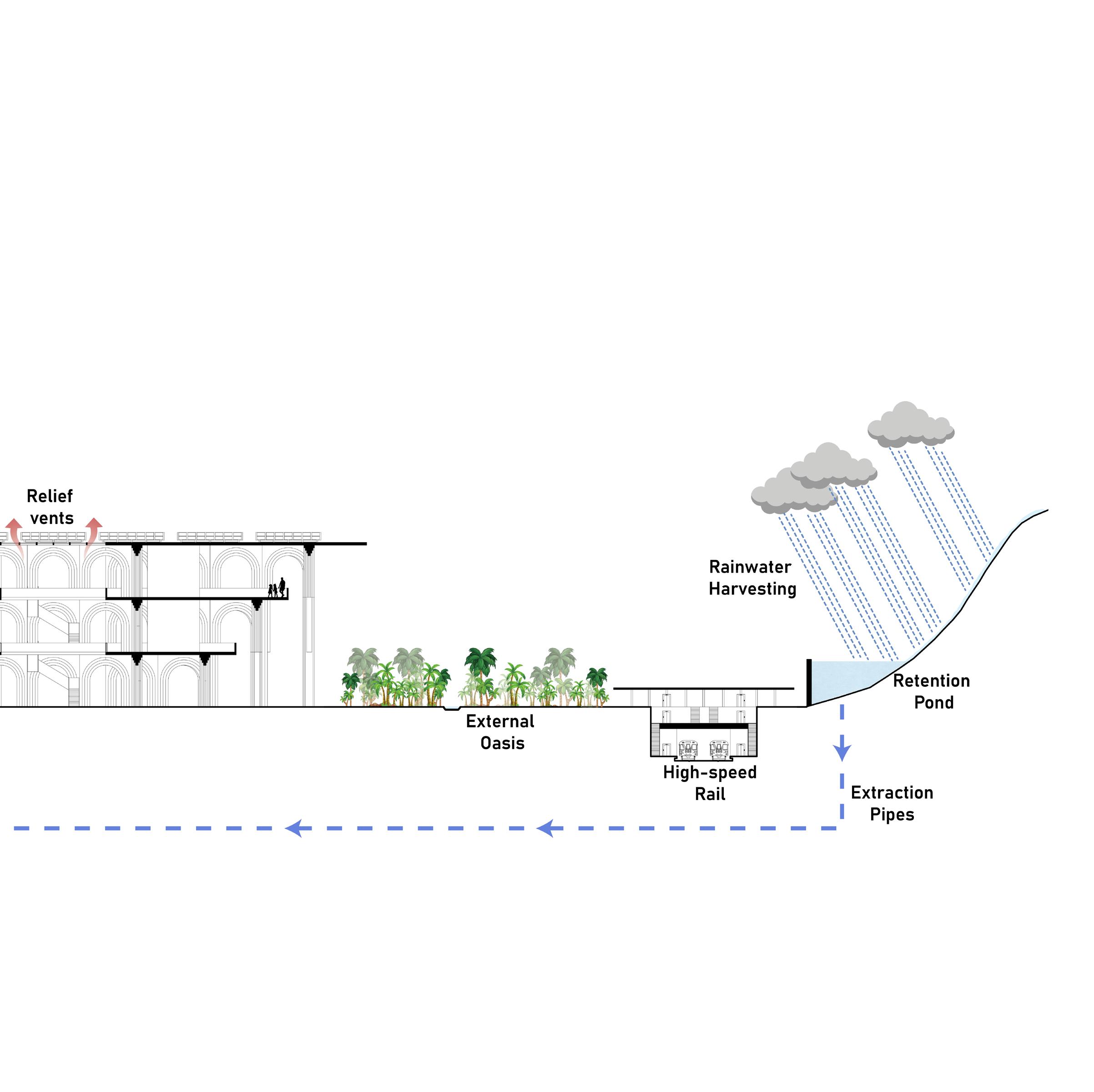
The project is situated between the great cities of Mecca and Medina, which receive countless streams of religious tourists that migrate and make pilgrimage between these cities every year. The proposal is designed to be accessible by high-speed rail and car travel.
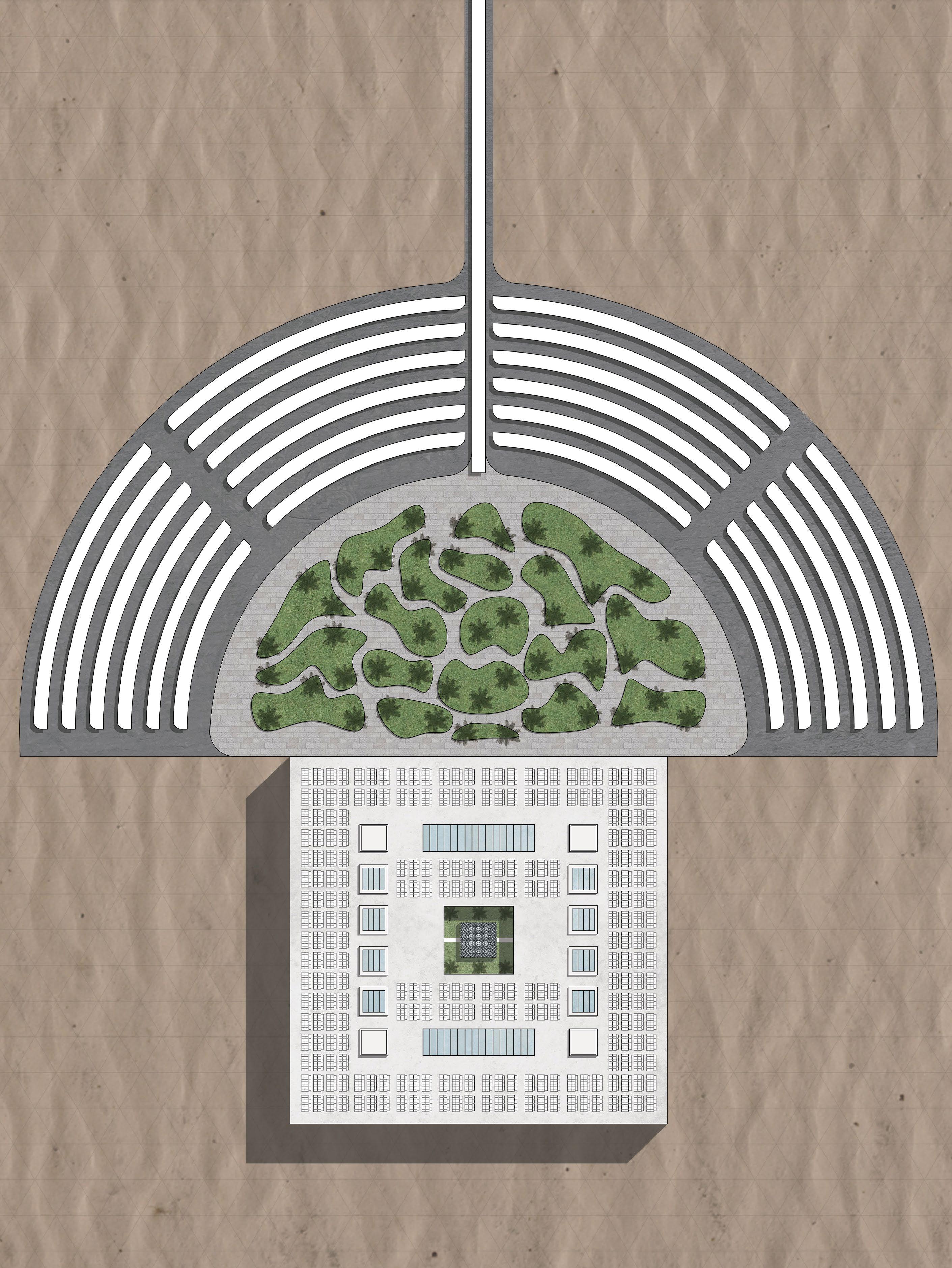
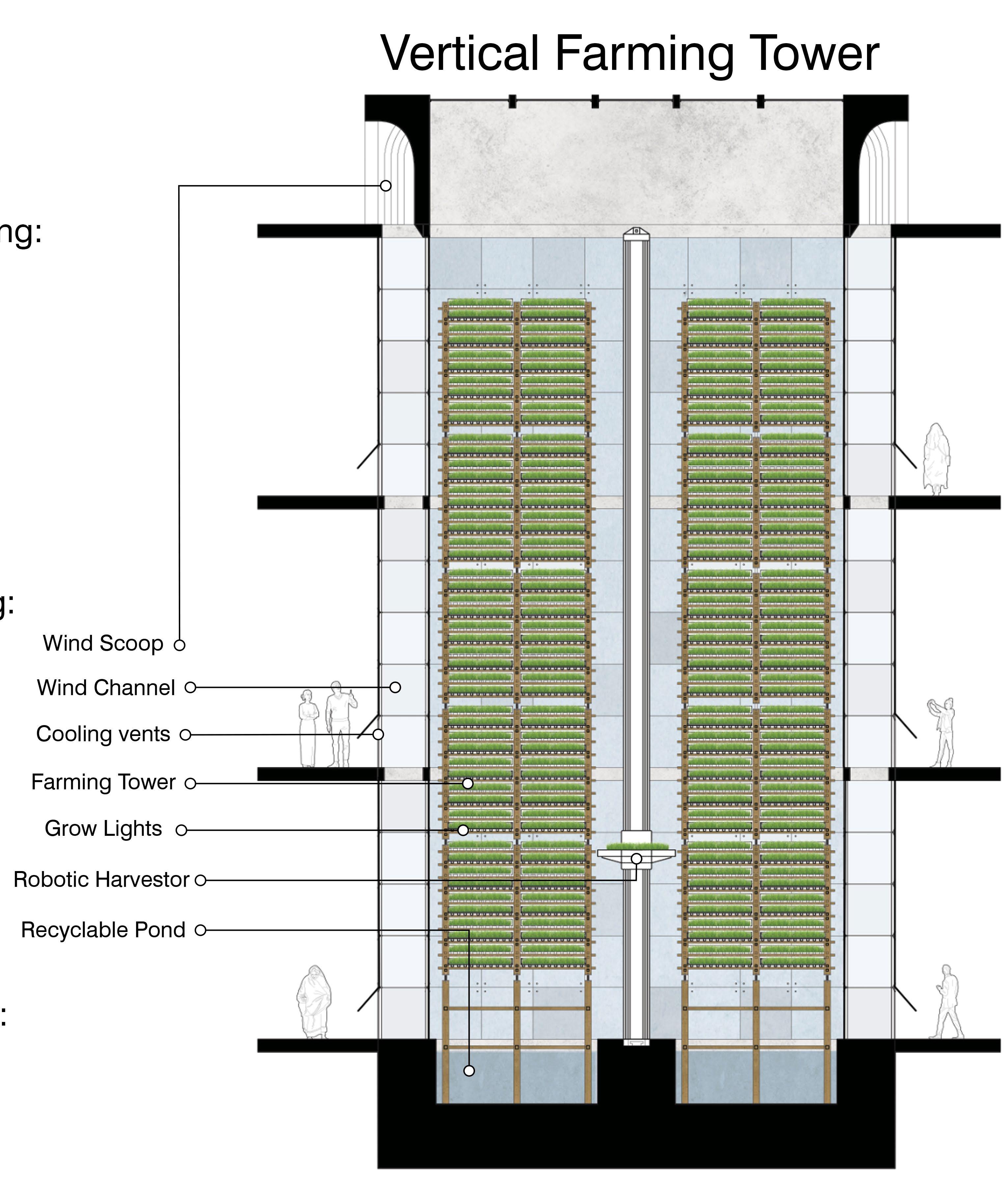
This proposal challenges the brutal essence of the desert by operating a series of vertical farming towers that require less water and yield more significant outputs than contemporary farming methods currently utilized in Saudi Arabia. Water is collected through rainfall runoff from the nearby mountains and stored in a retention pond. These methods are indefinitely sustainable compared to contemporary Saudi Arabian desalination, groundwater extraction, and center-pivot irrigation practices.
Just as a natural oasis regulates its ecology, this proposal functions independently for water and sustenance while providing abundant greenery in the desert for users to rest on their journey.
3rd year Competition submission
Site: Adéane, Senegal
Partner: Yahia Mohamed
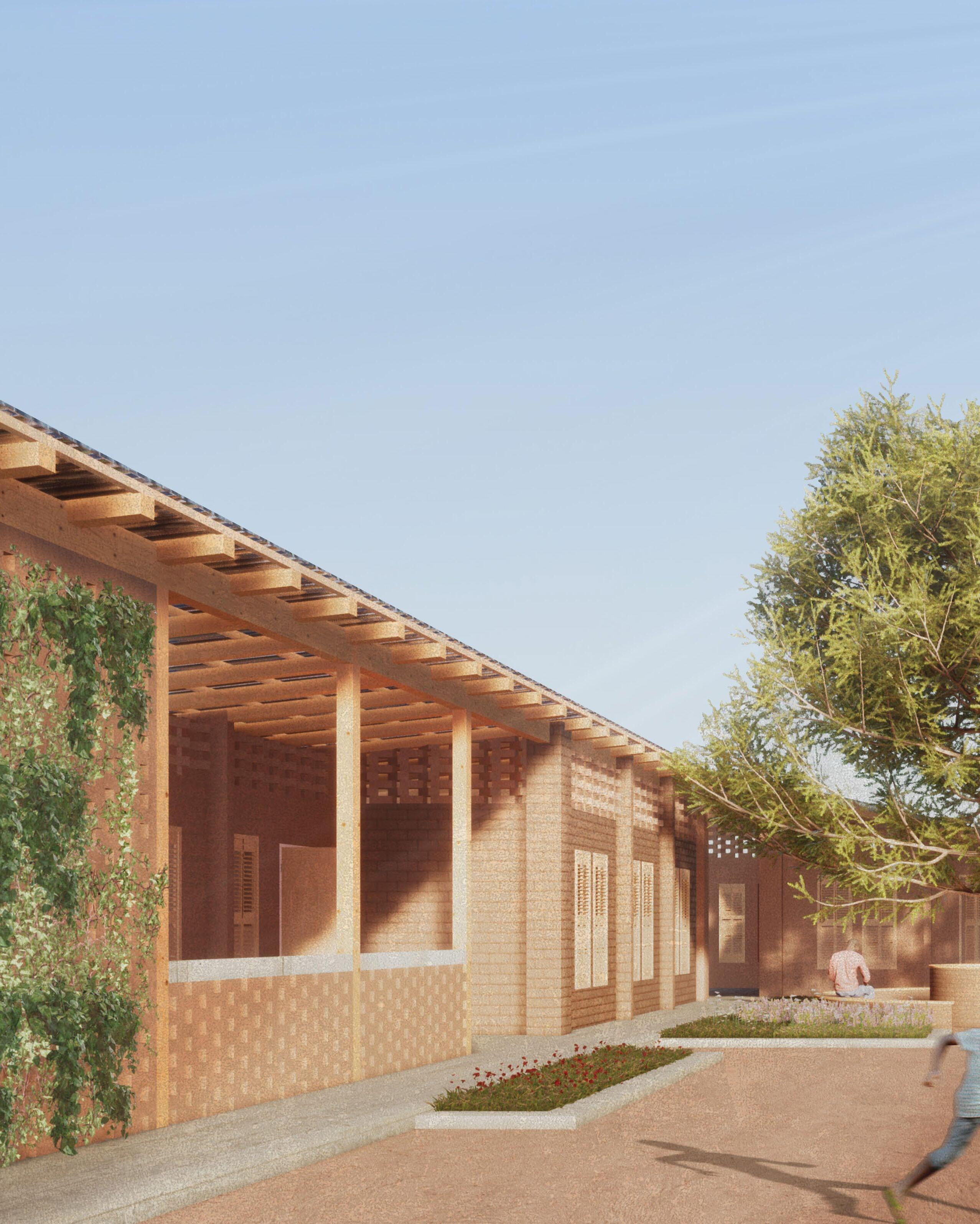
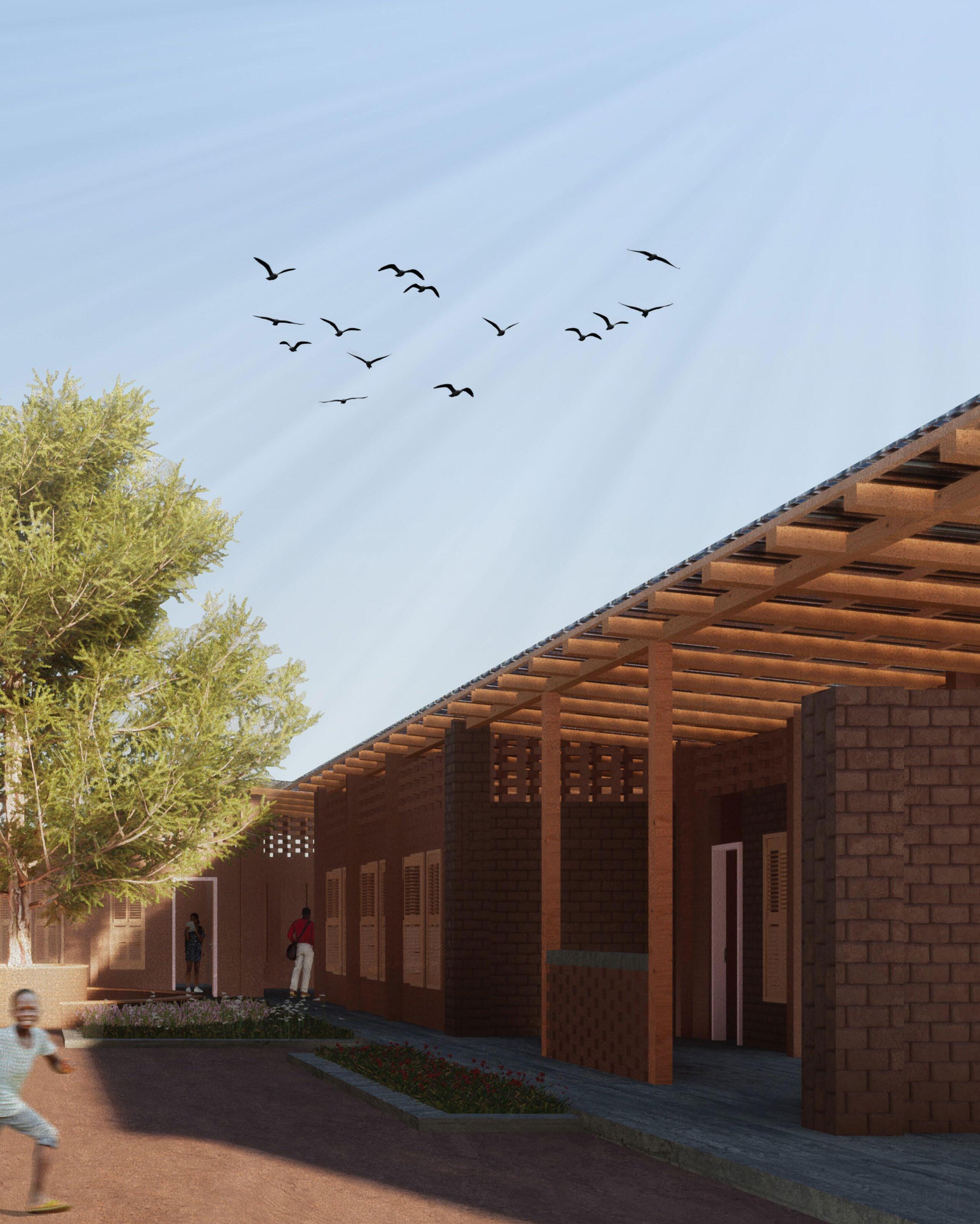
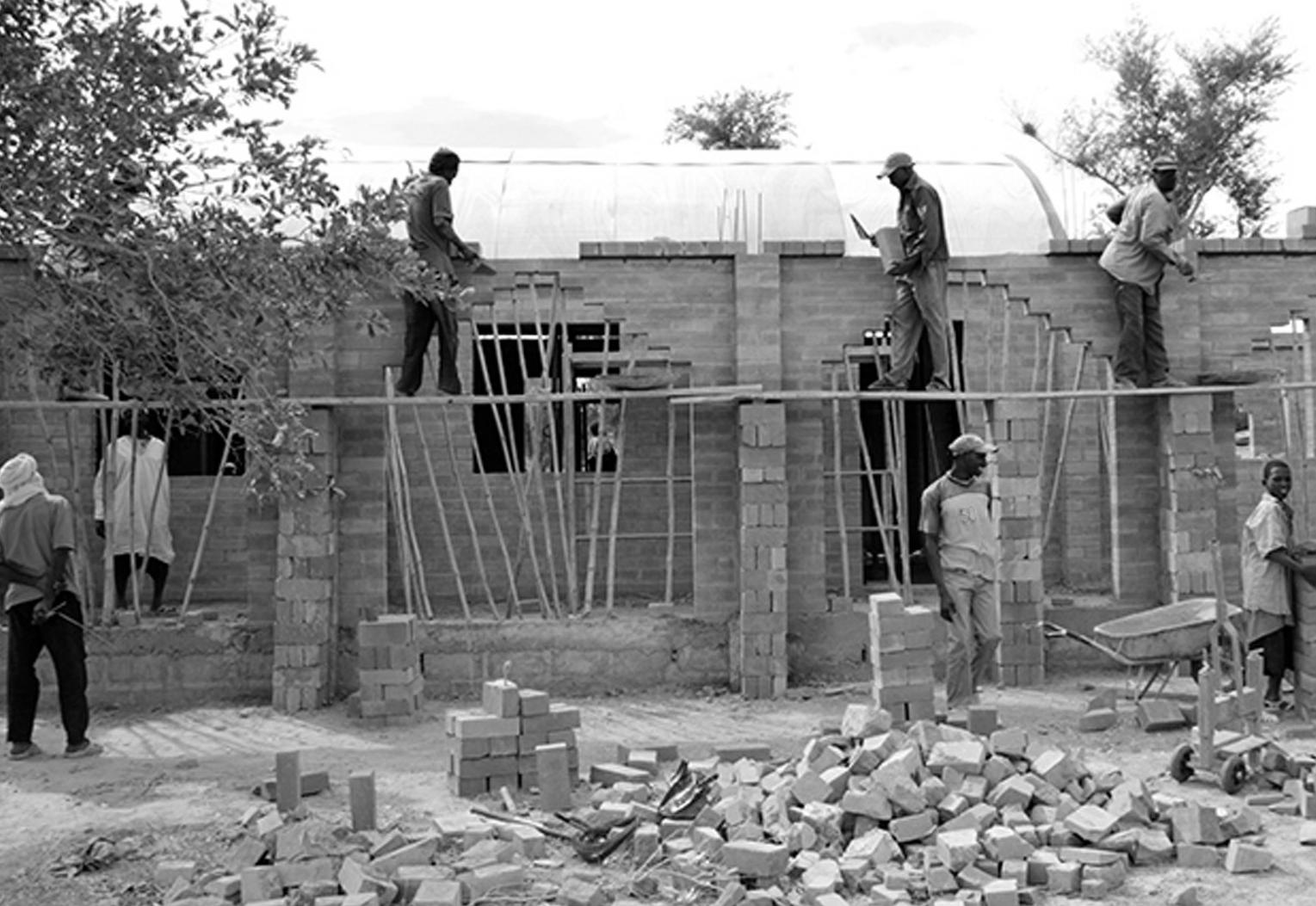
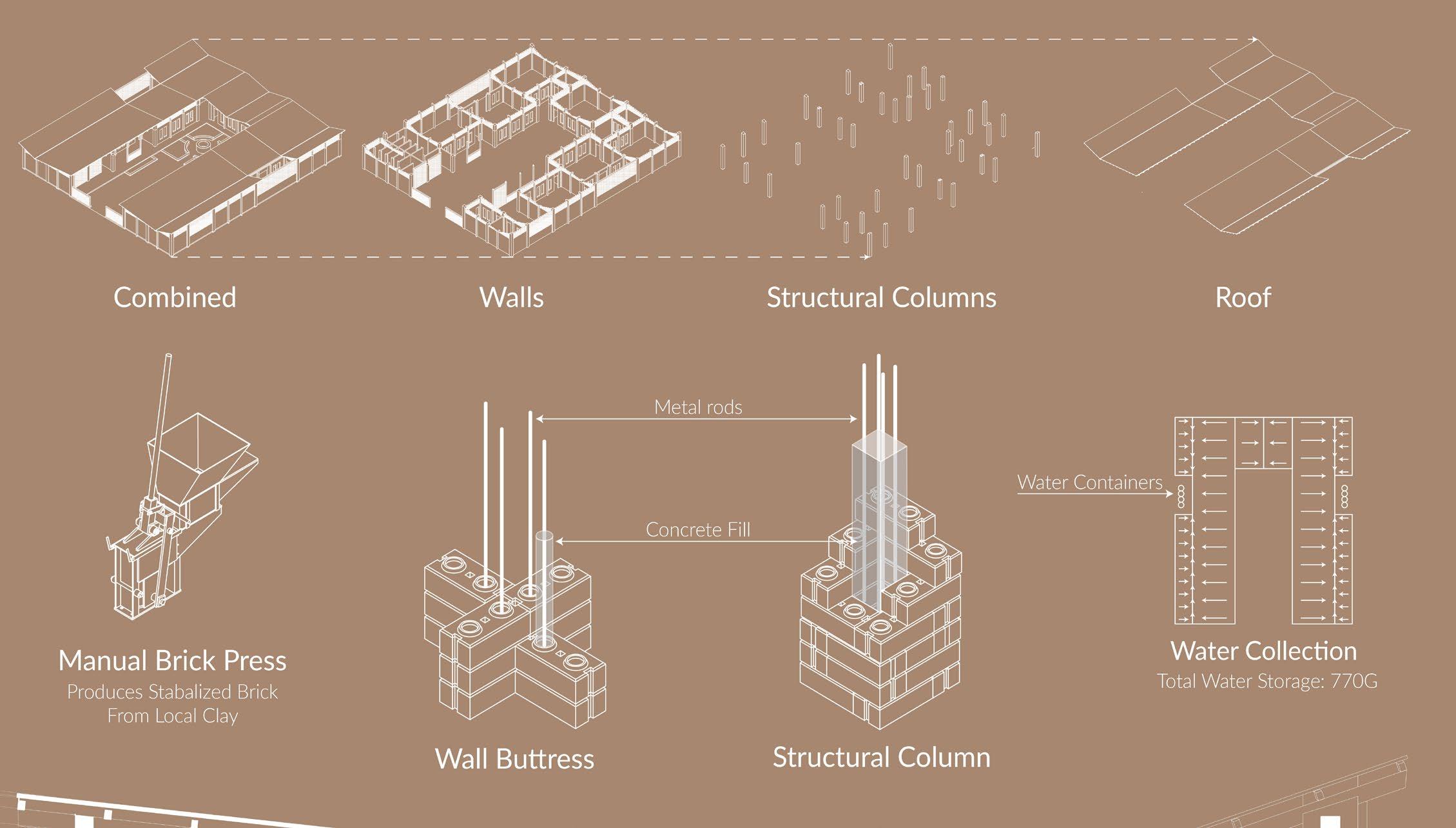
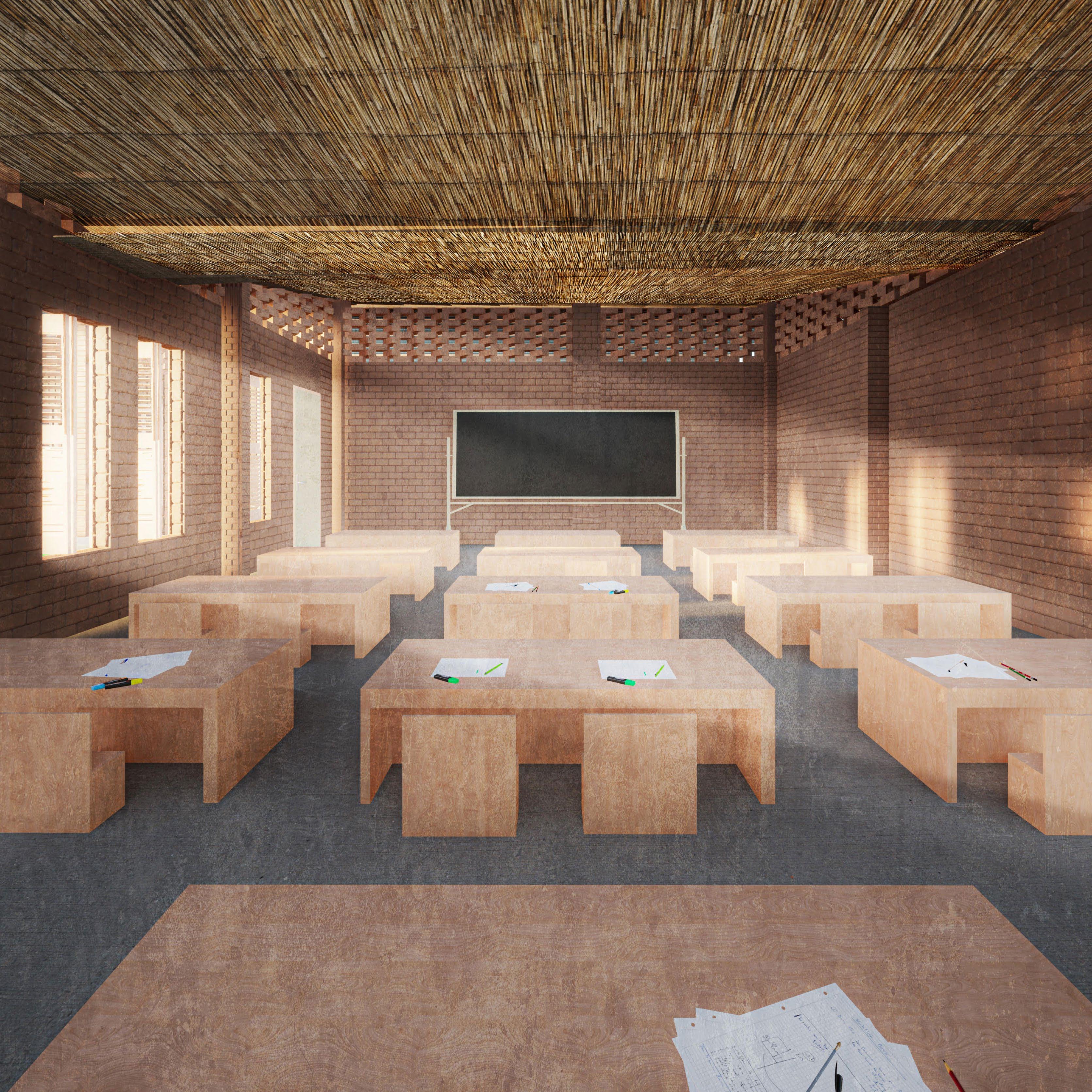
Croissance employs compressed stabilized earth bricks for construction, which are mortarless and made using locally sourced clay. These bricks are produced with a simple brick press that requires just two people to operate. They are highly energy-efficient, as they absorb and regulate heat from the Senegalese climate. This method allowed for the inclusion of breeze walls along classroom heights, enabling natural light to enter and promoting ventilation through the upper sections of the classrooms. Due to its simplicity, efficiency, and adaptability, this construction approach can be easily replicated for other local buildings.
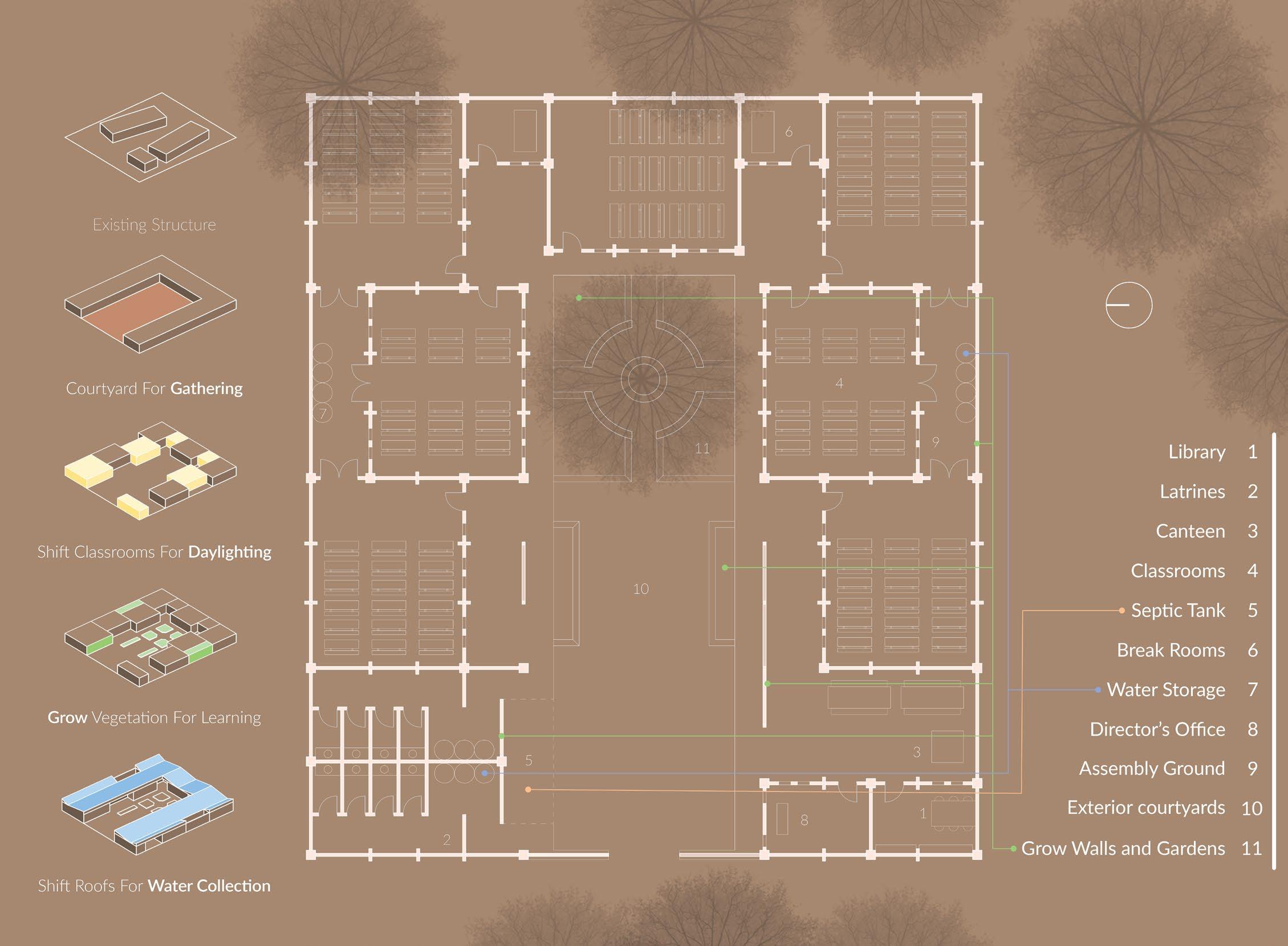
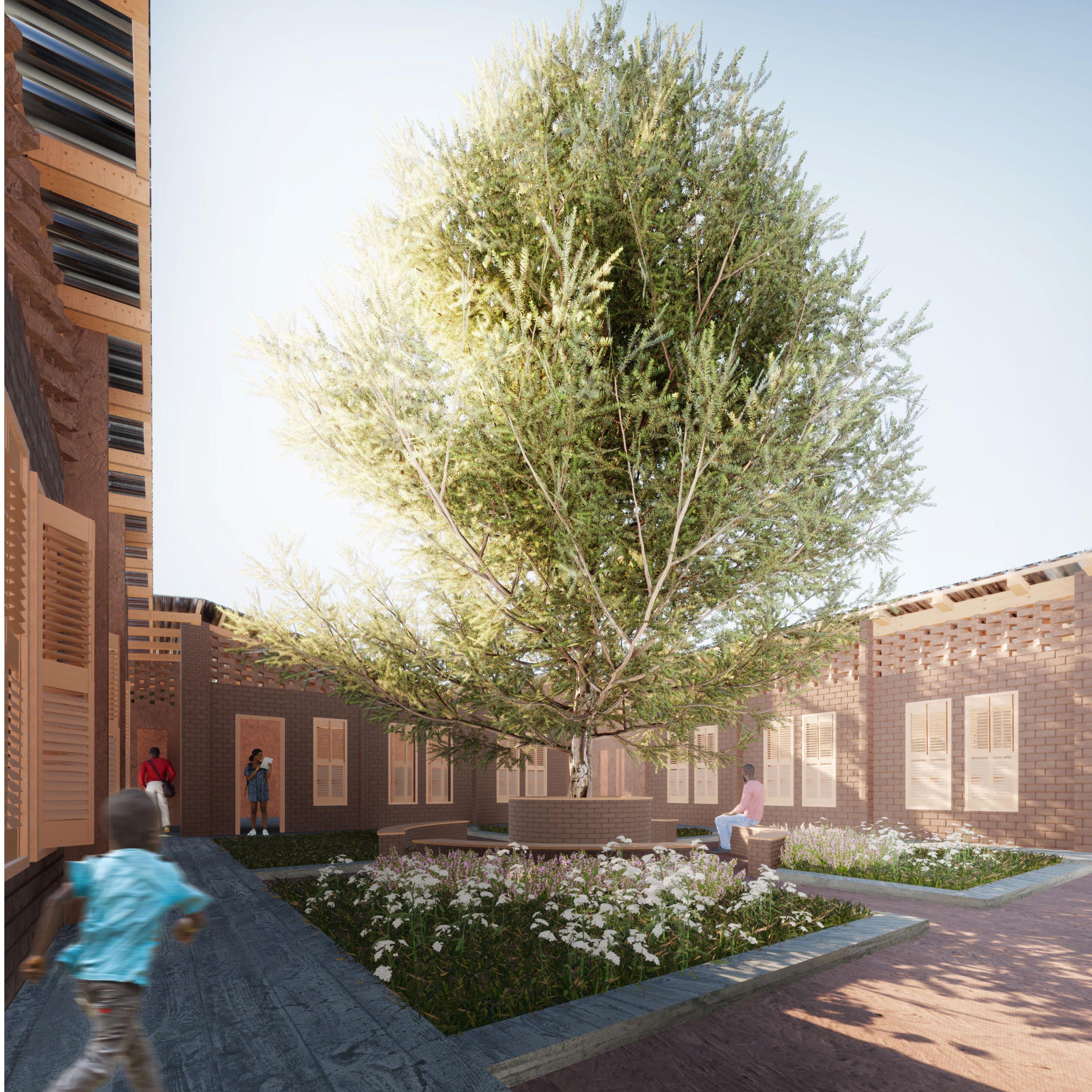
The project’s heart is a central courtyard built around an existing Moraceae tree, which connects architecture, people, and nature. The design integrates nature as an educational tool by incorporating vegetable gardens around the tree and vertical farming along the breeze walls. The crops harvested at the school will be used both to provide food and to facilitate cooking lessons in a semi-enclosed canteen.
The school’s roof consists of a corrugated sheet metal running from north to south, supported by a wooden framework anchored in load-bearing concrete columns hidden within the brick walls. Designed to capture over 300,000 gallons of rainfall annually, the roof ensures students can access 1-2 gallons of water per day while also supplying the school’s latrine system.
Fourteen 55-gallon containers store the collected water, with eight placed within private courtyards that function as alternative walkways between classrooms. These courtyards also feature vertical farming walls that engage students from all three classes. Six additional water containers are positioned near the bathrooms to provide water for flushing and sinks while also irrigating a vertical farm at the bathroom entrance.
The director’s office is strategically placed at the school entrance, adjacent to the library and canteen, ensuring oversight of the school grounds.
Croissance Elementary School is a community-centered learning space designed to be cost-effective, sustainable, easy to construct, and conduct a healthy learning environment for children.

3rd year academic work
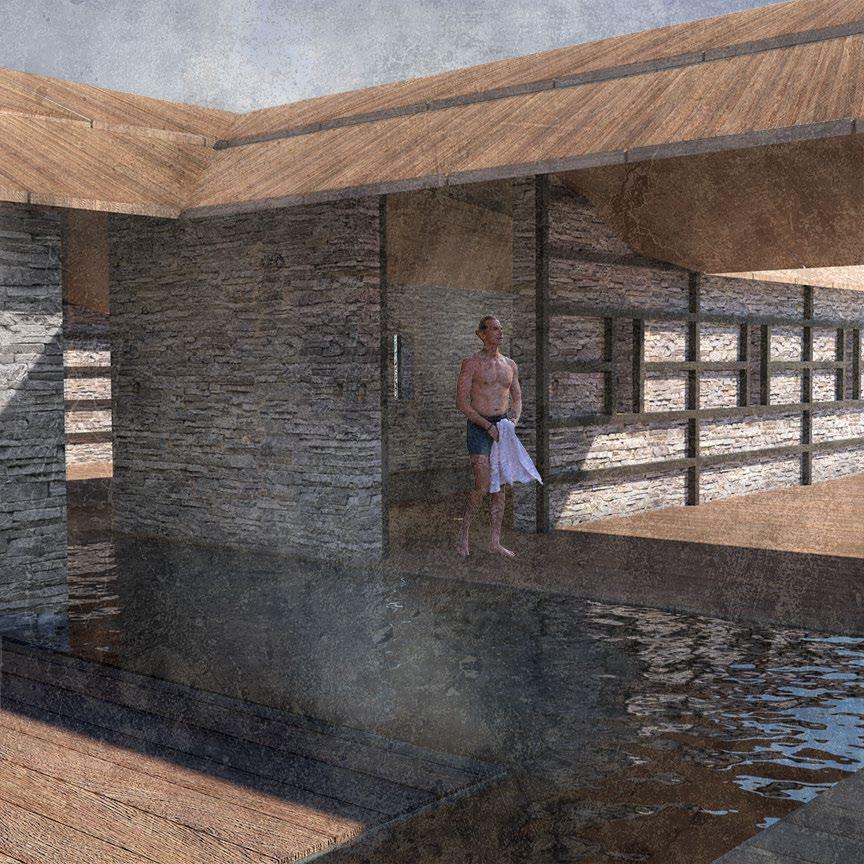
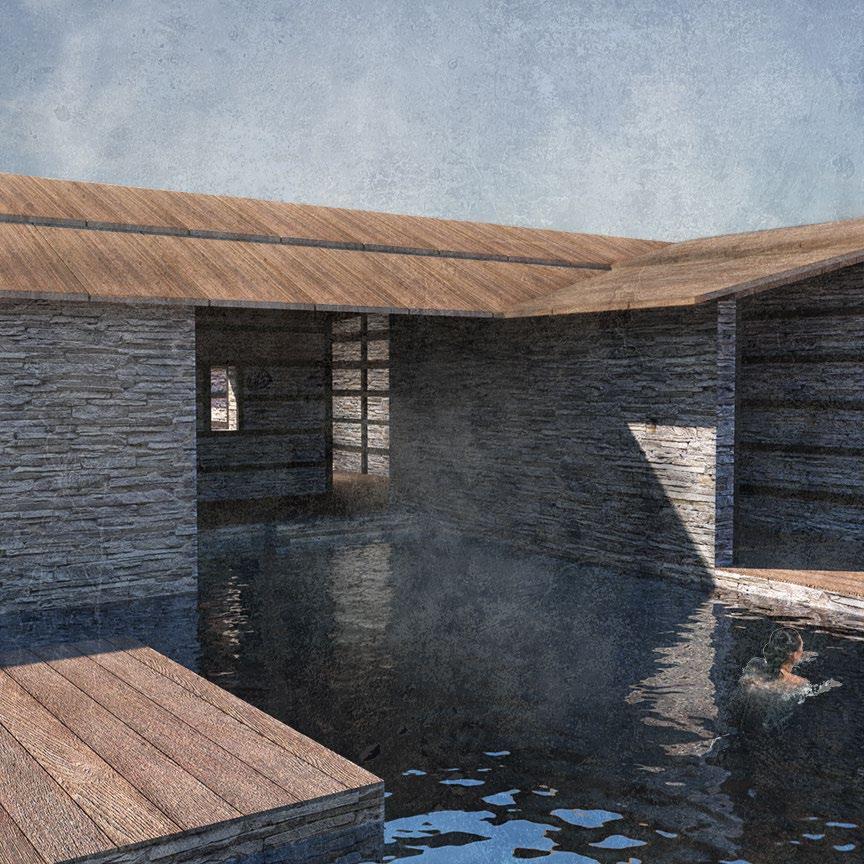
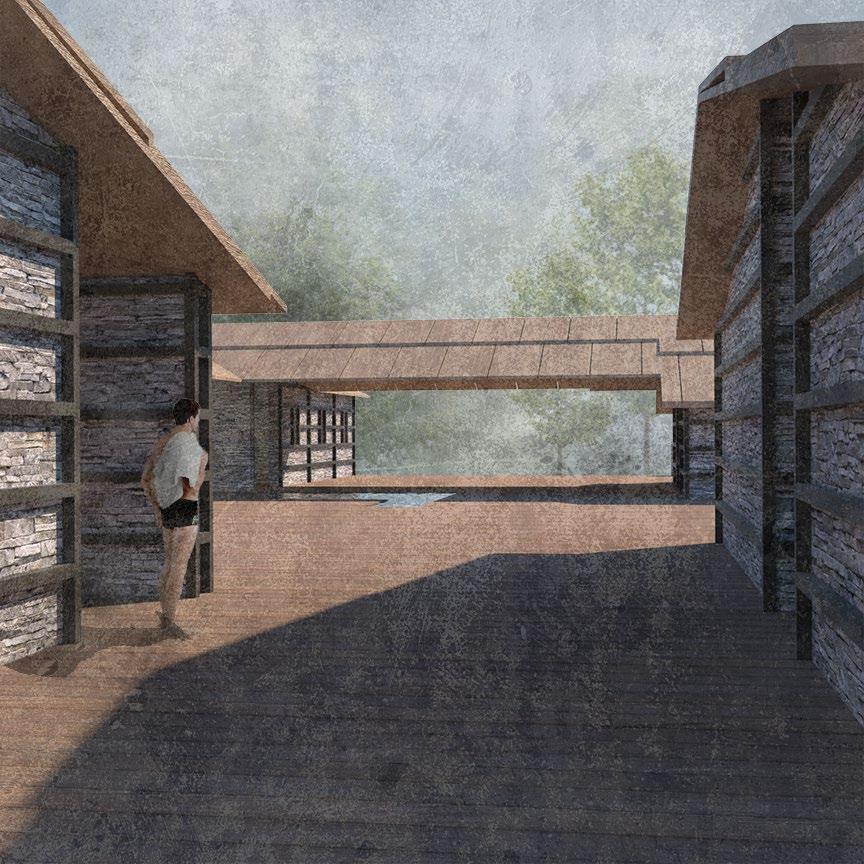
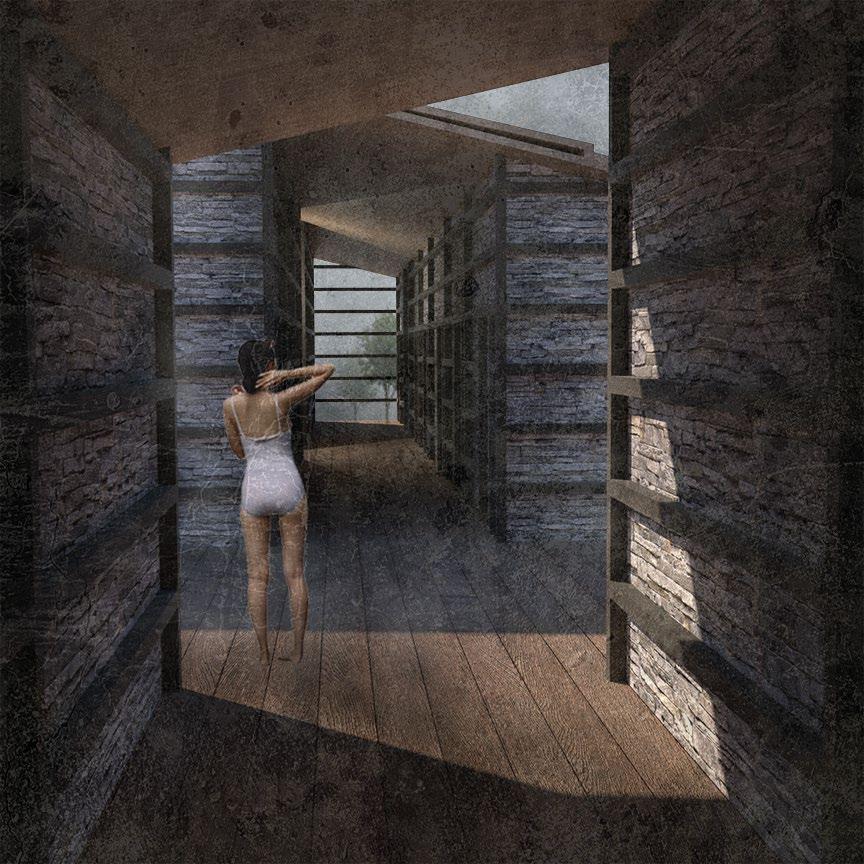
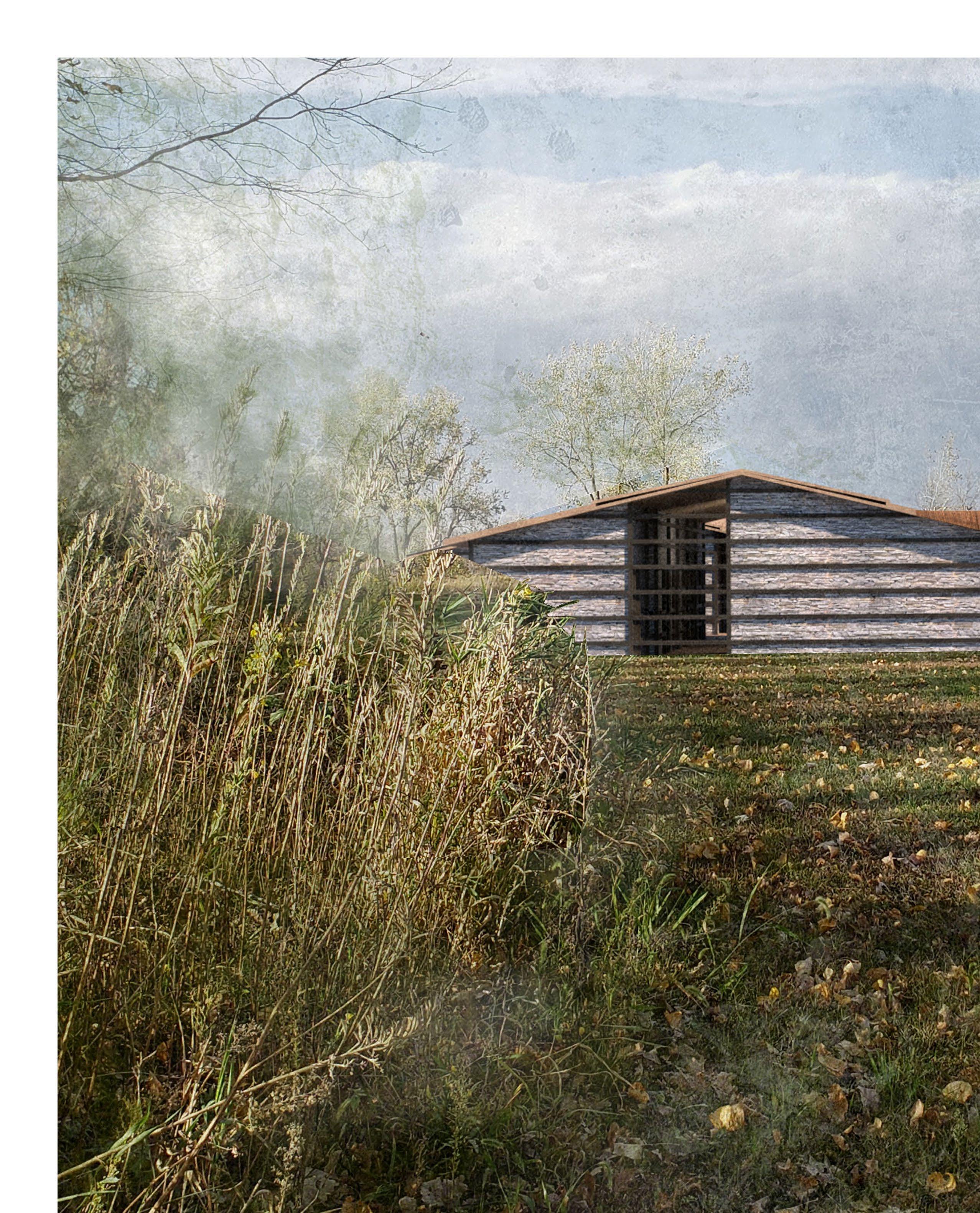
Site: Jester Park, Polk City, IA
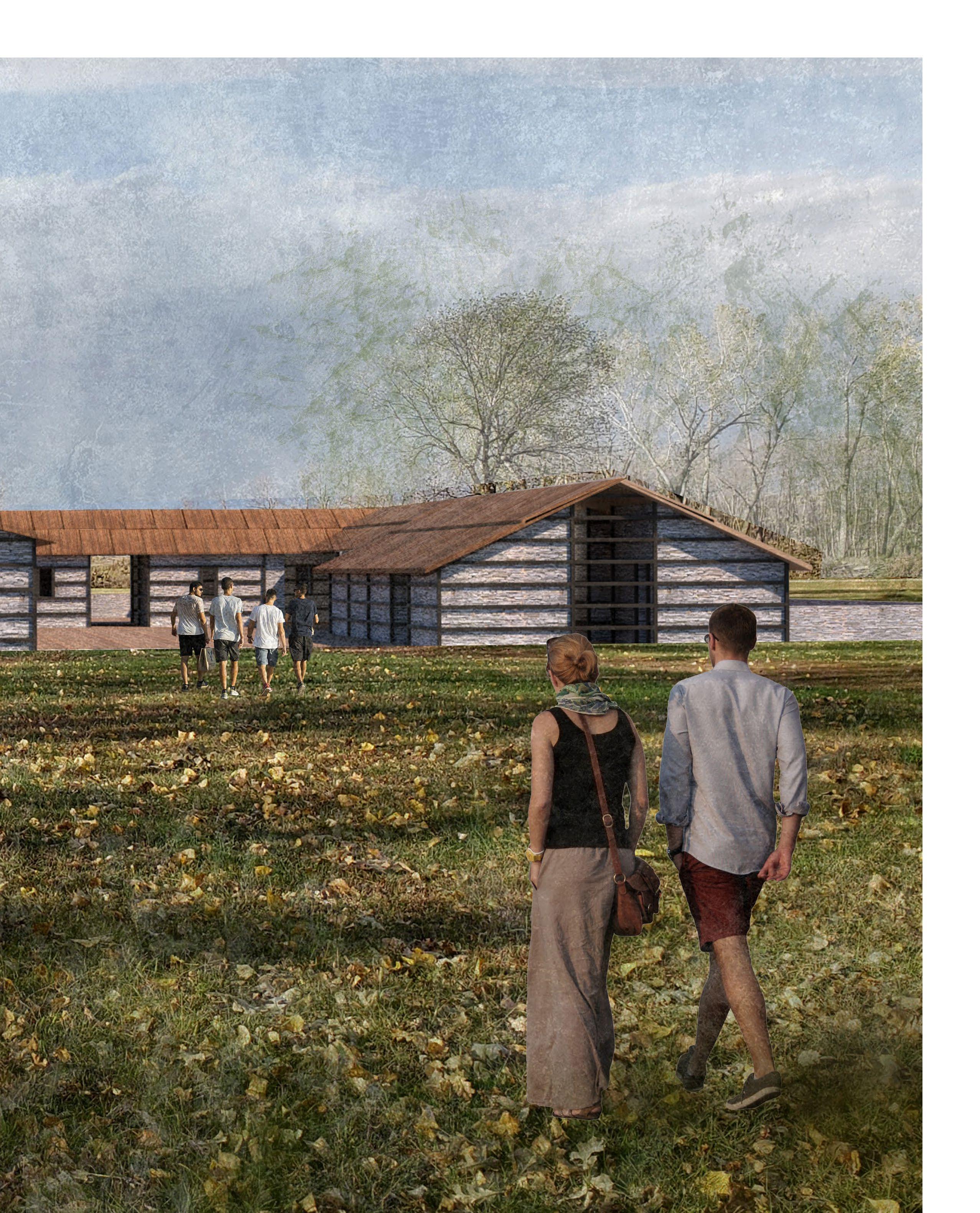
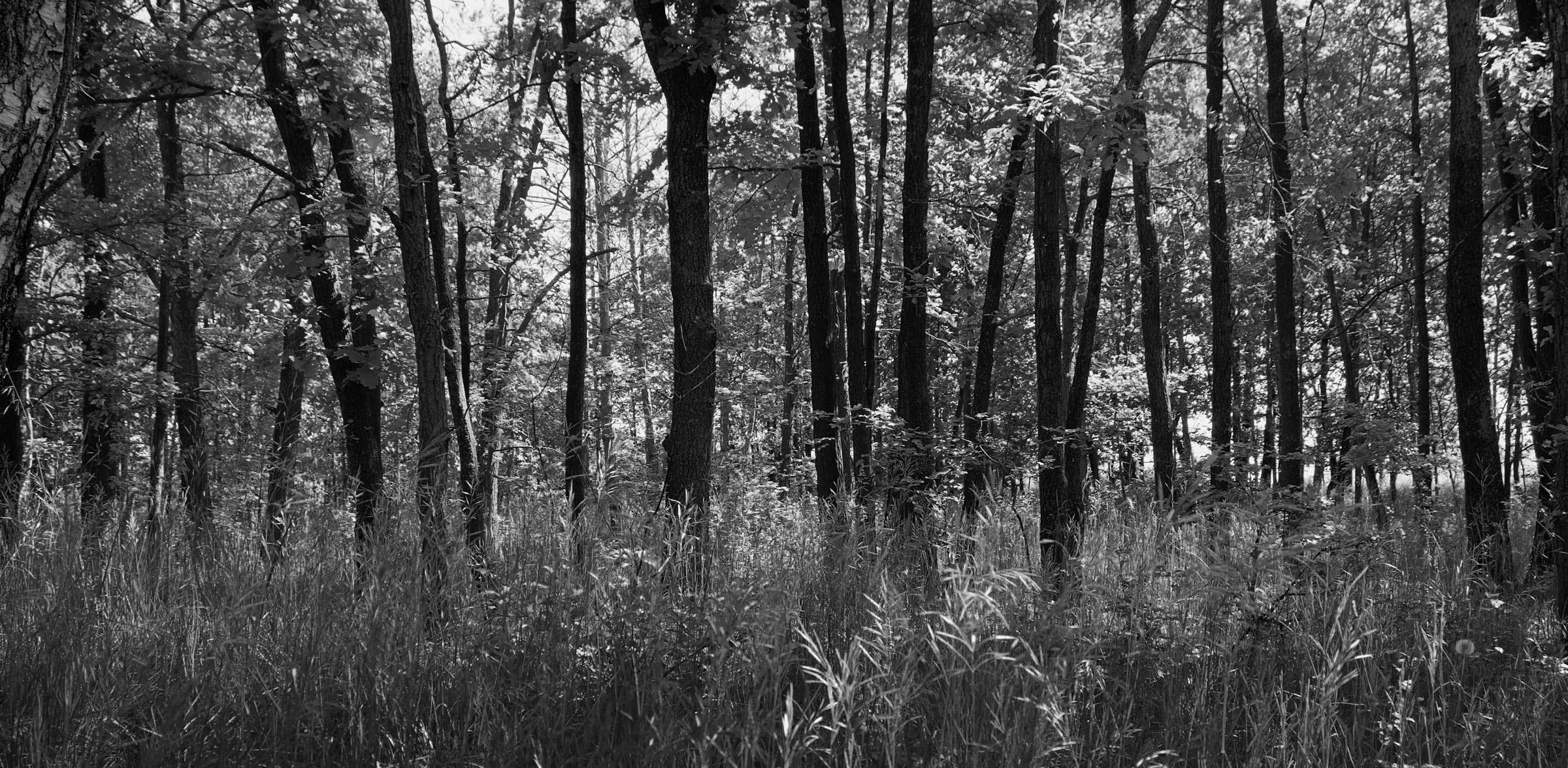
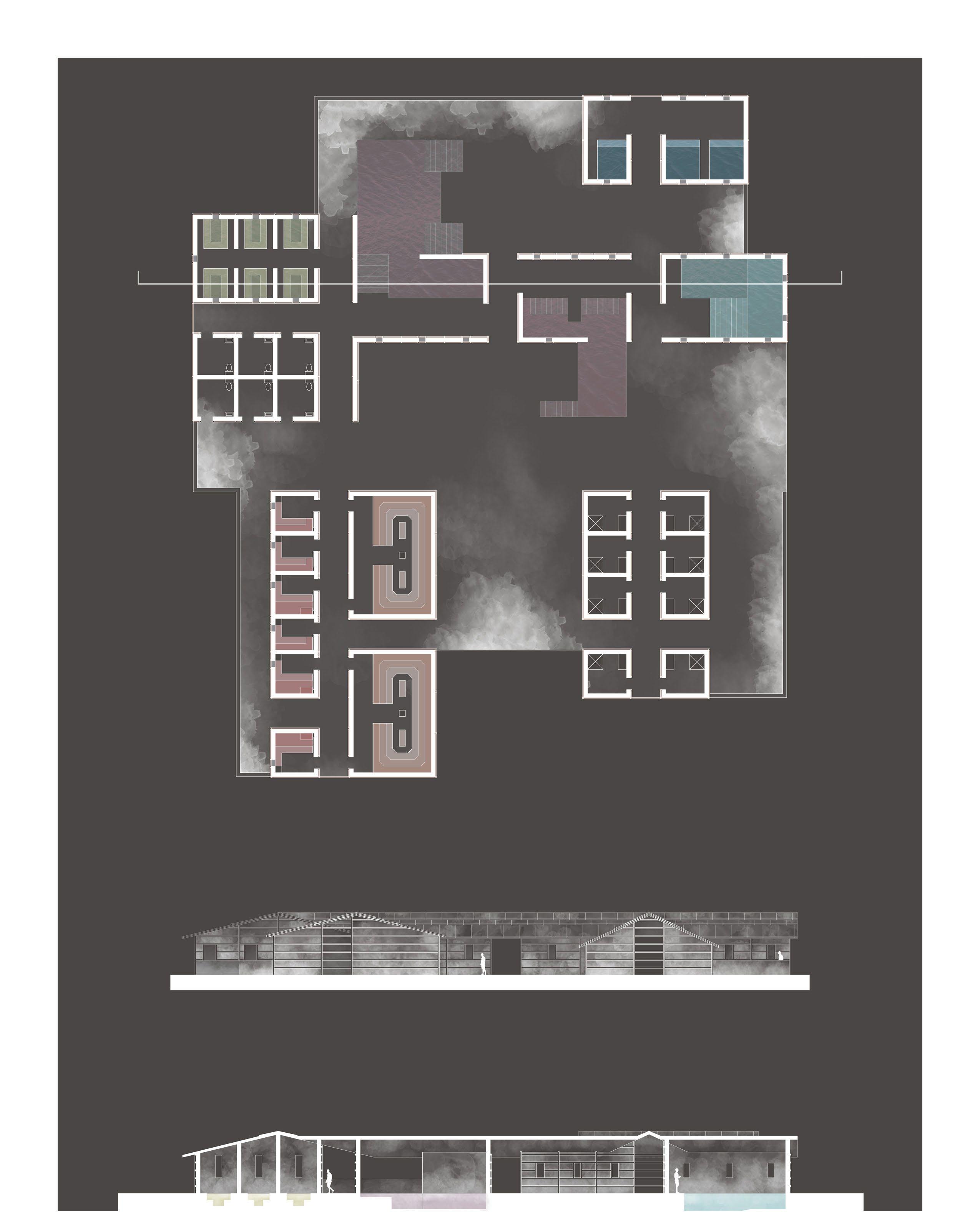
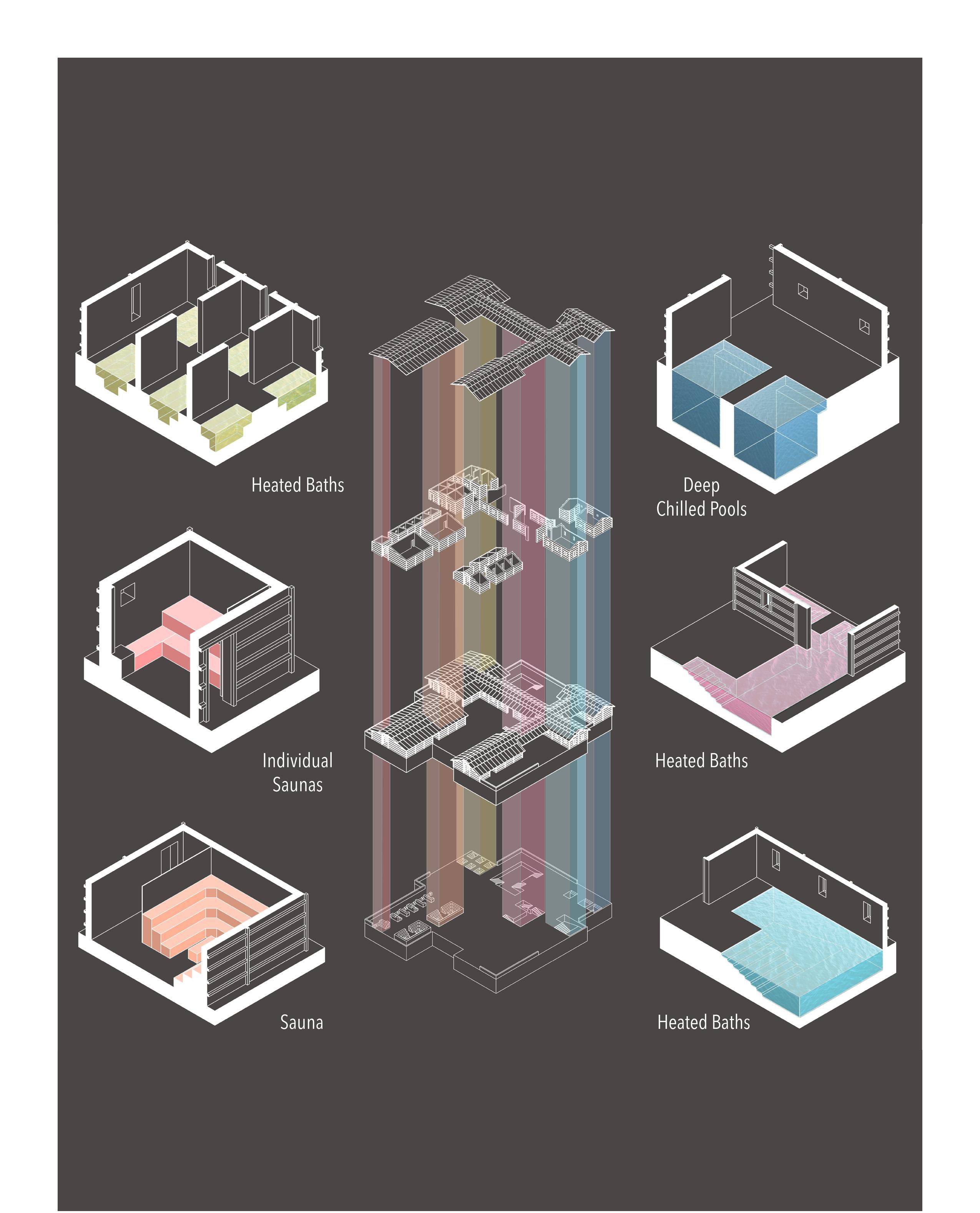
Serenity is a meditative center for abstract healing. The project is situated in Jester Park, a nature center. There is an emphasis on removing oneself from the context of the modern world and experince the natural world how primitive humans once did. This is done through heated baths, chilled tanks, and saunas. These programs are intended to be used successively. These rapid changes in temperature will shock the individuals nervous systems and elevate their perceptive awareness. Once the indivduals systems have been shocked, there is plenty of open space throughout the project with outward views into the nature landscape of Jester Park. This practice is designed to be ritualistic, occurring on the solstices and equinoxes of the calendar year. Through this form of abstract healing, Serenity offers a unique way to connect with the natural world that has long been forgotten with the advent