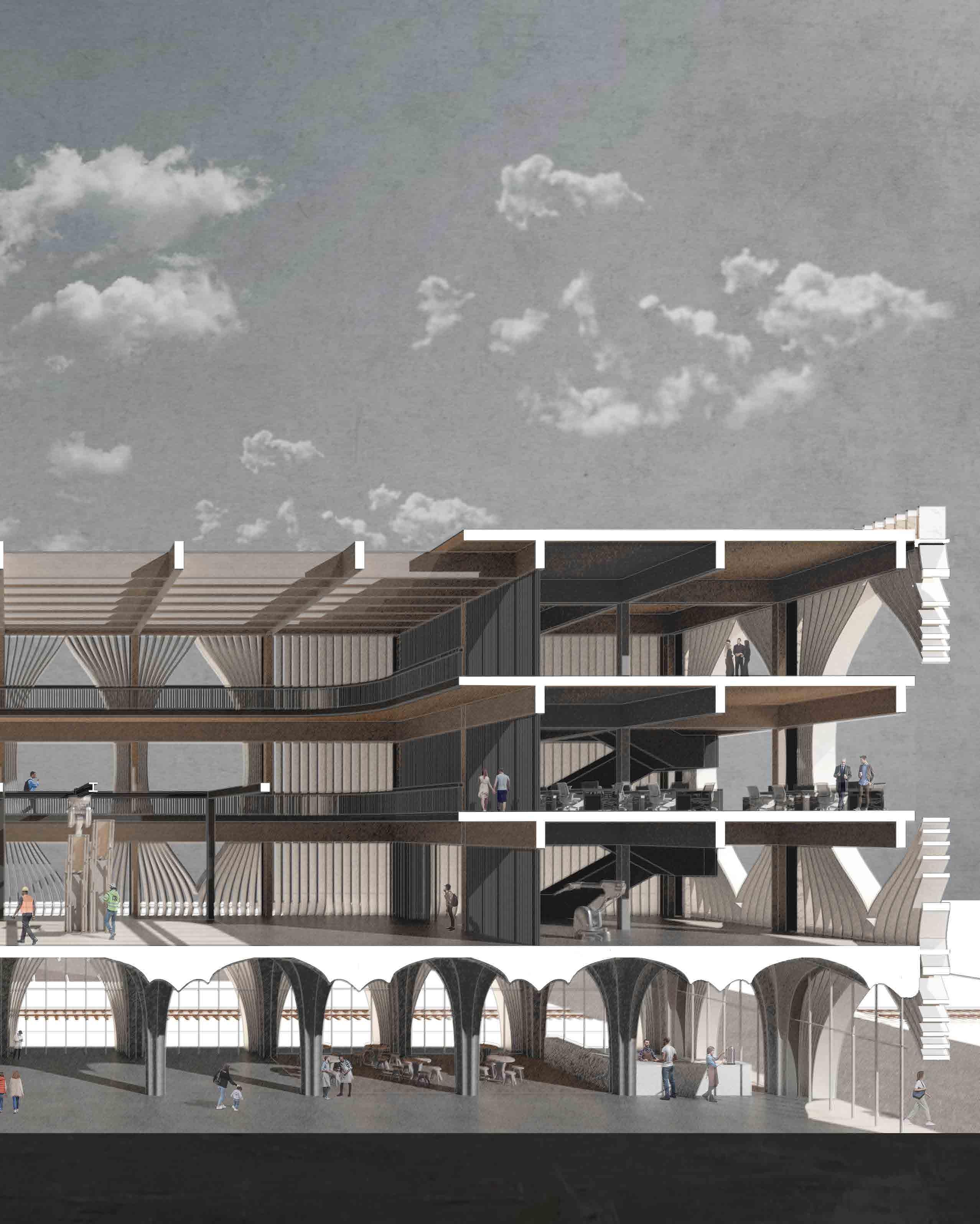
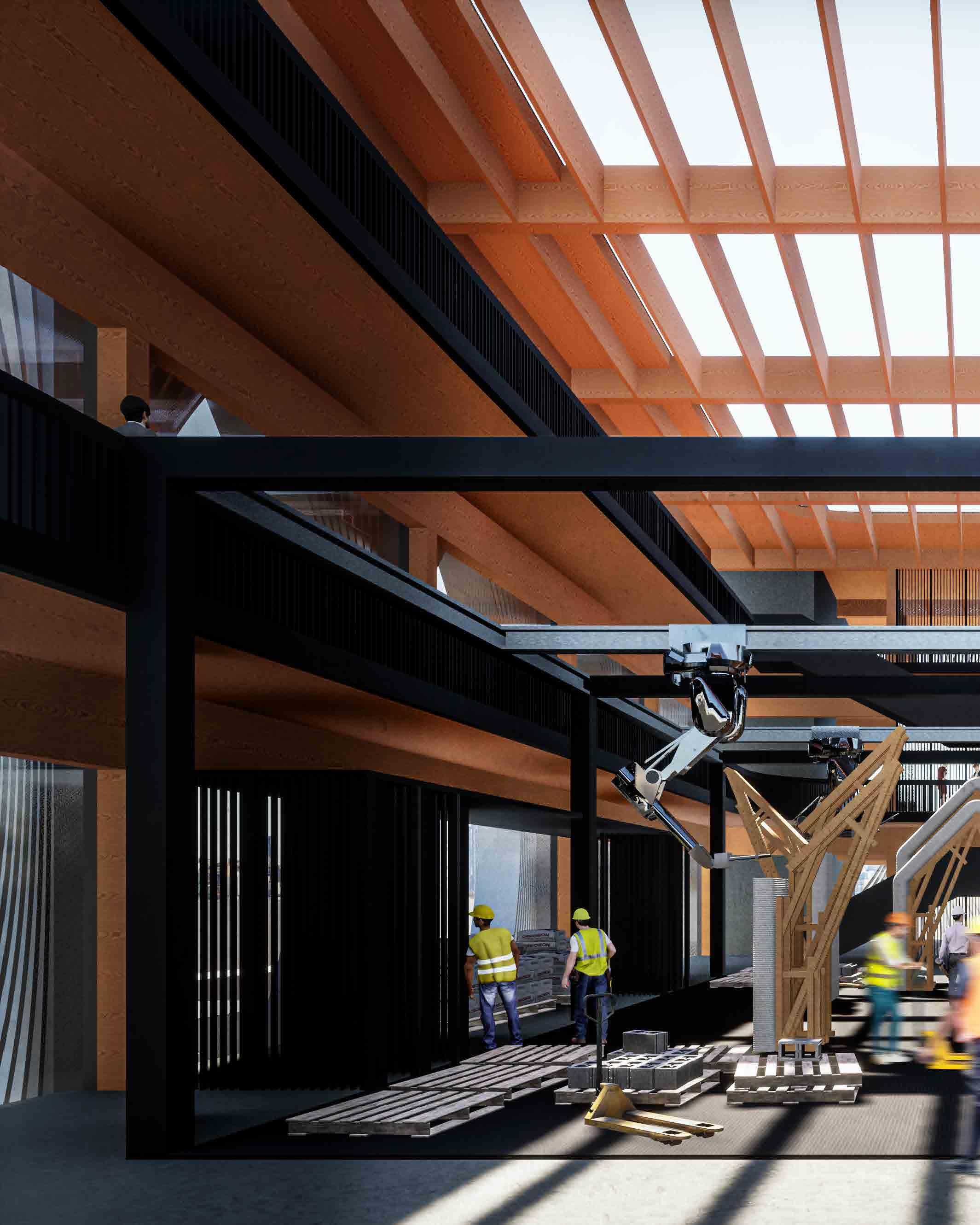
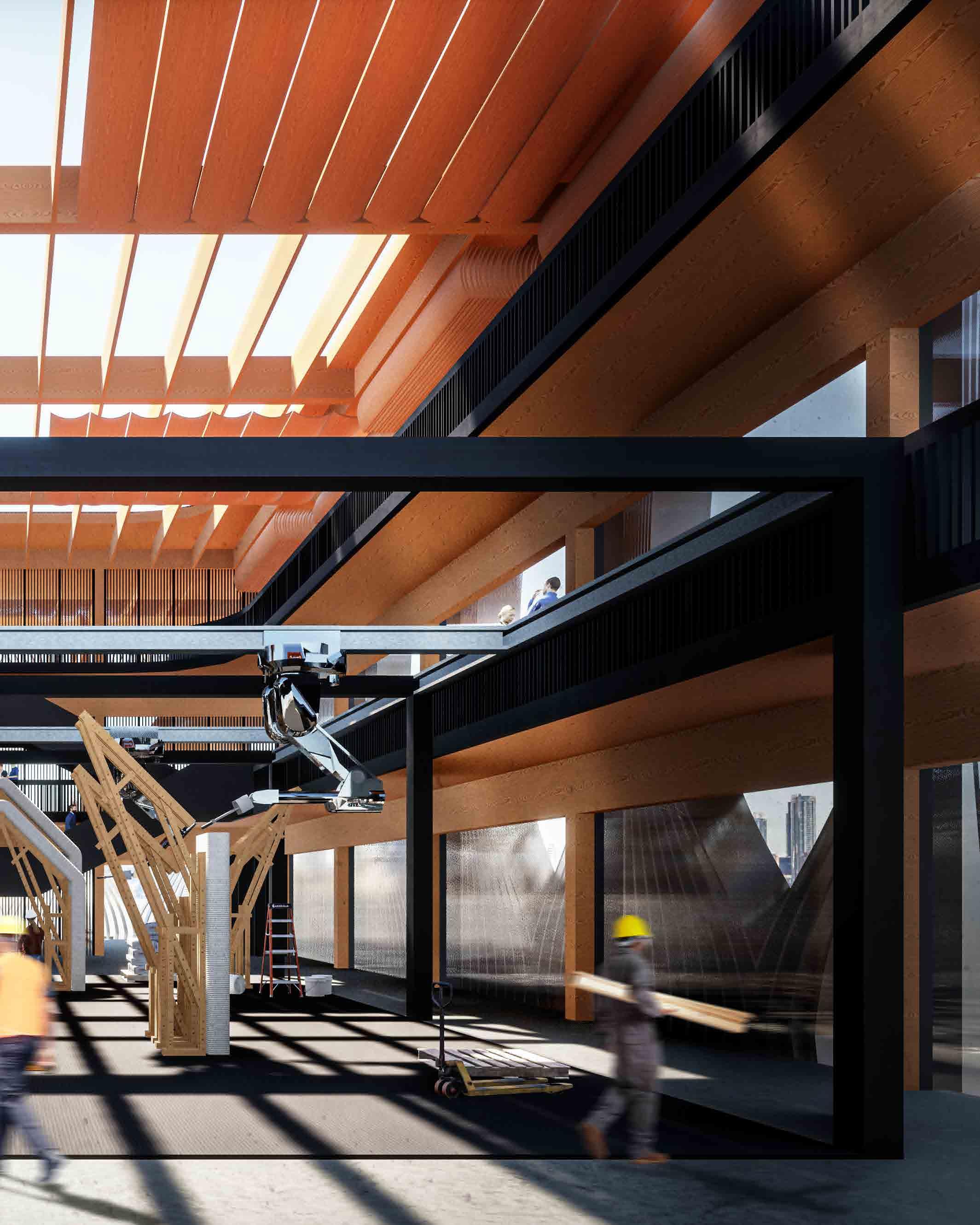
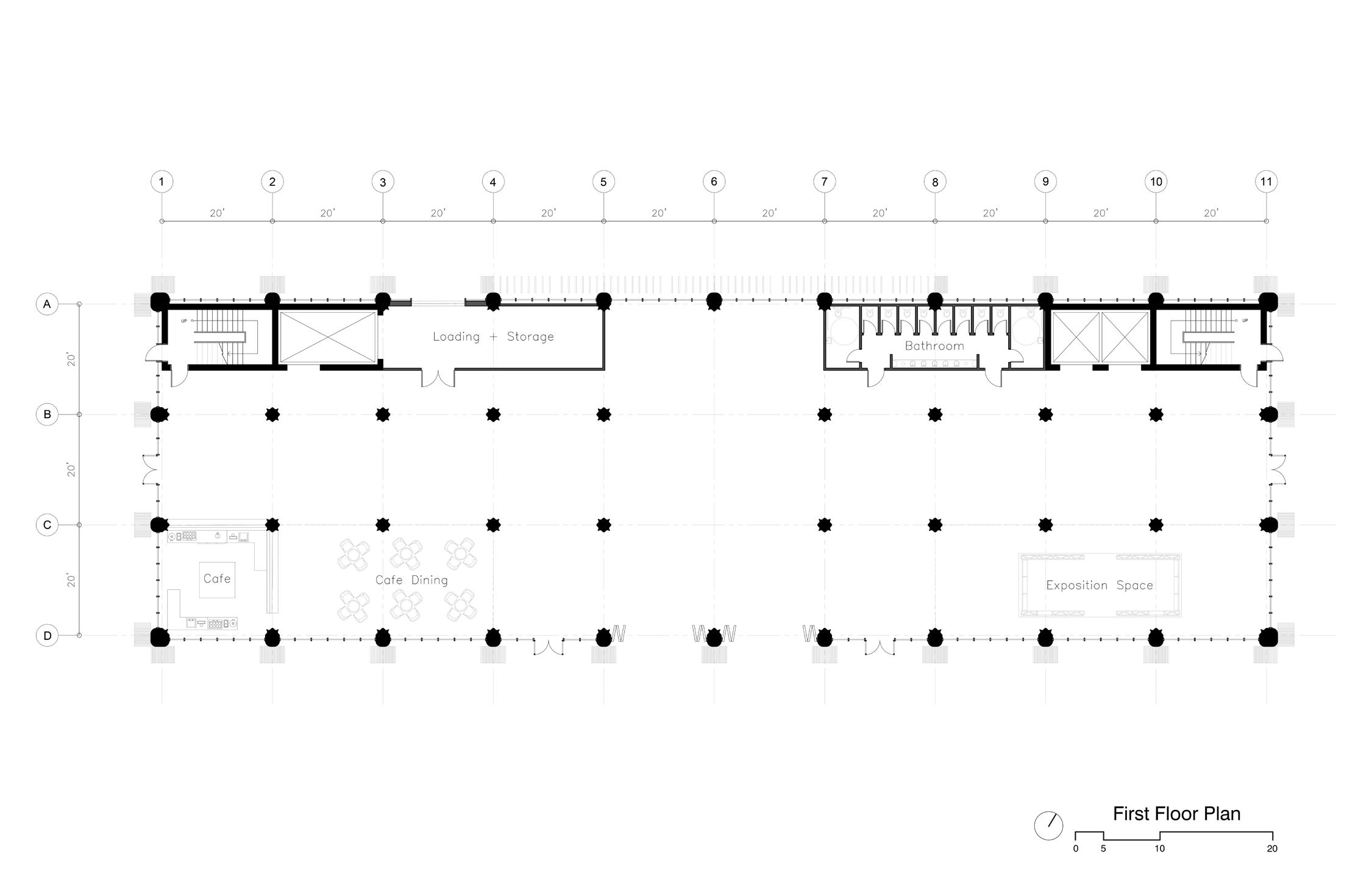
Instructor: Shelby Doyle Studio Partner: Yahia Mohamed
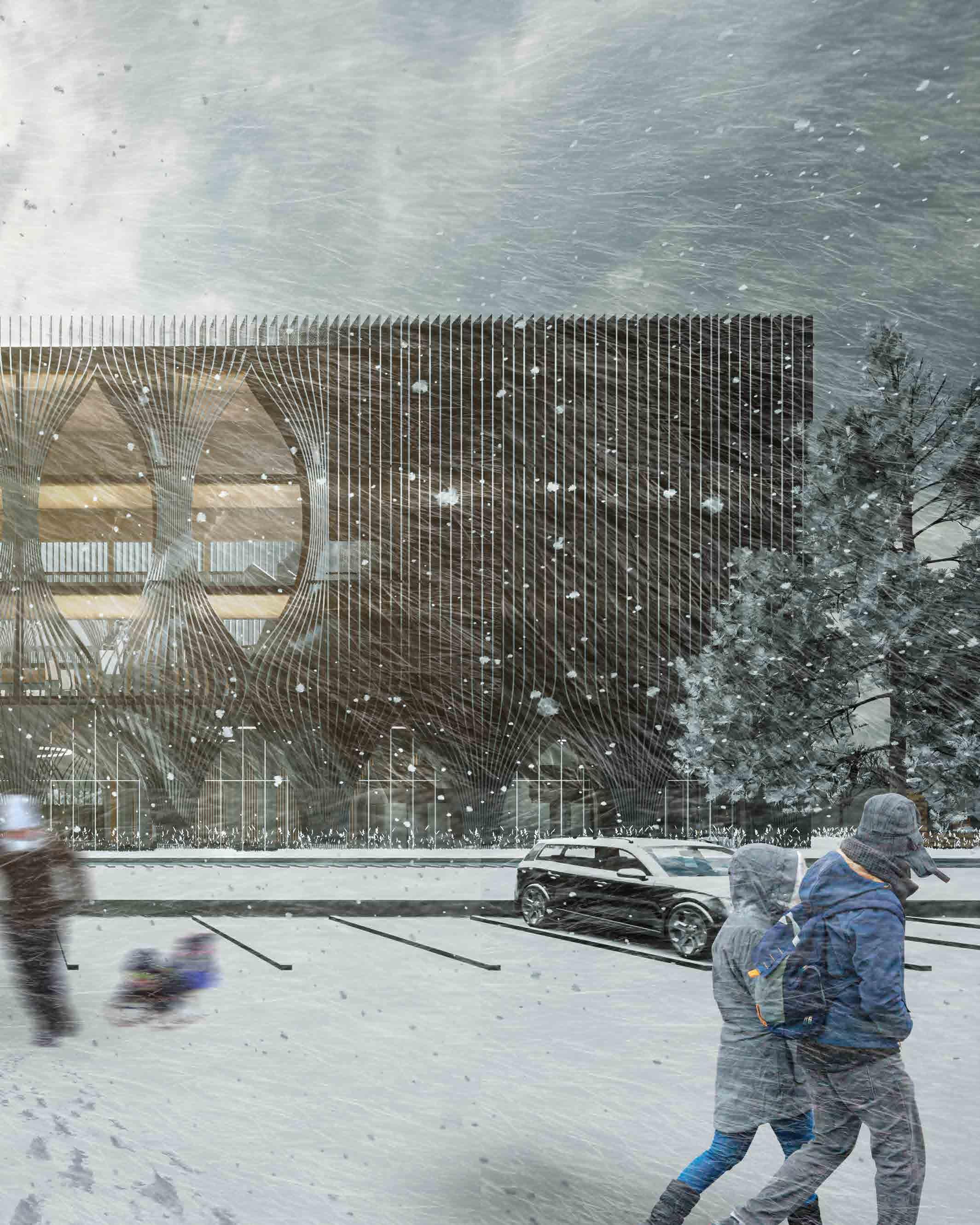
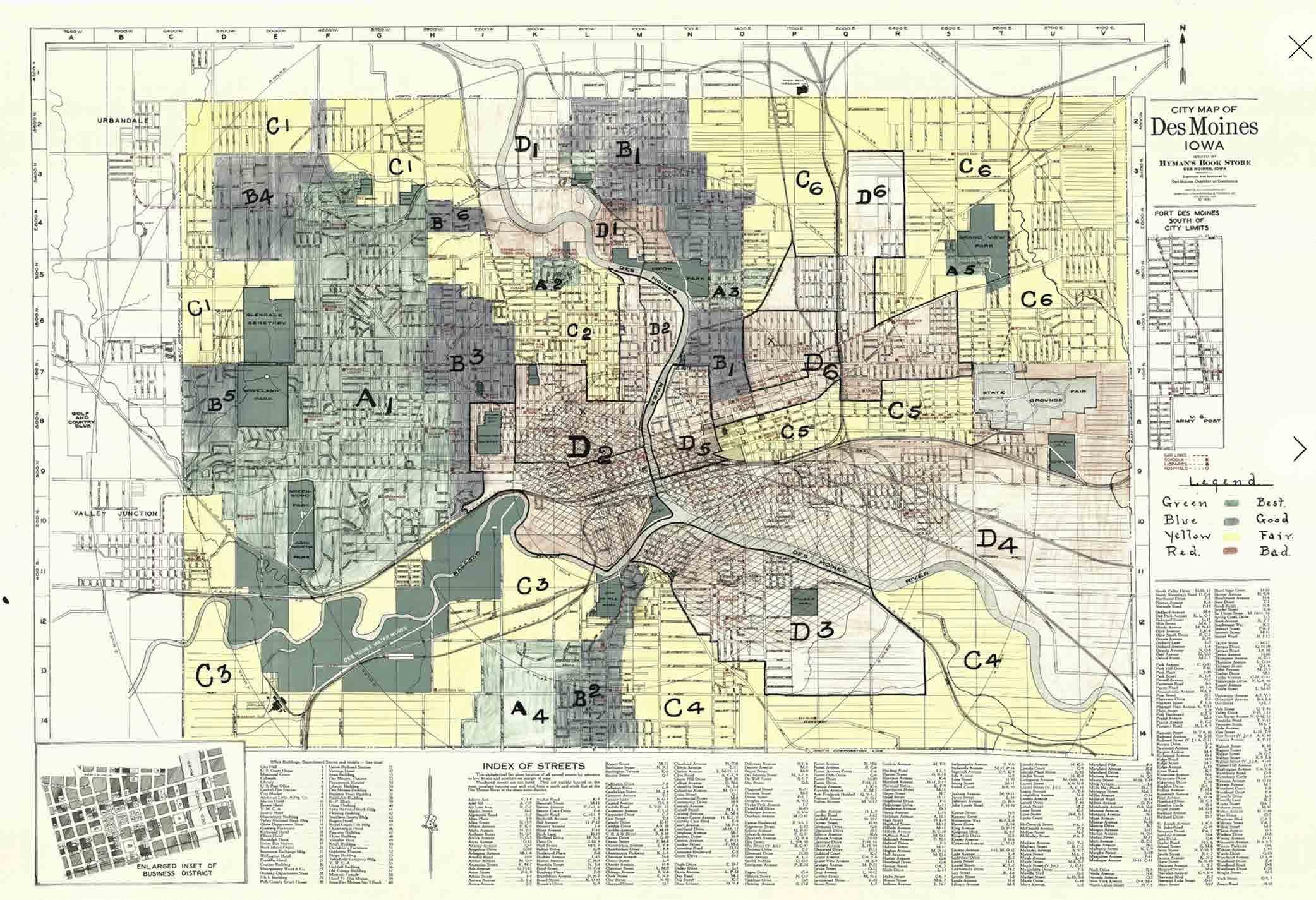
In 1933 Franklin D. Roosevelt passed the New Deal as a series of programs designed to aid financial growth during the great depression. One of the programs created by the New Deal was the Home Owners Loan Corporation(HOLC), this program created the contingent 30-year federally-backed mortgage loan that is still used today. The HOLC also devised a discriminatory practice known as Redlining. Redlining was a prejudicial practice that incentivized banks to offer loans to wealthy white areas while refusing loans to predominantly black areas that they deemed risky. Redlining was based on a series of maps drawn up by the federal government in the 1930s. Residents in redlined areas were completely cut off from loans or investments from banks. This nearly barred all African Americans from receiving any financial support from banks. Even though redlining maps were created at a federal level in the 1930s, they were continually used as a basis for offering loans until the passing of the 1968 Fair Housing Act.
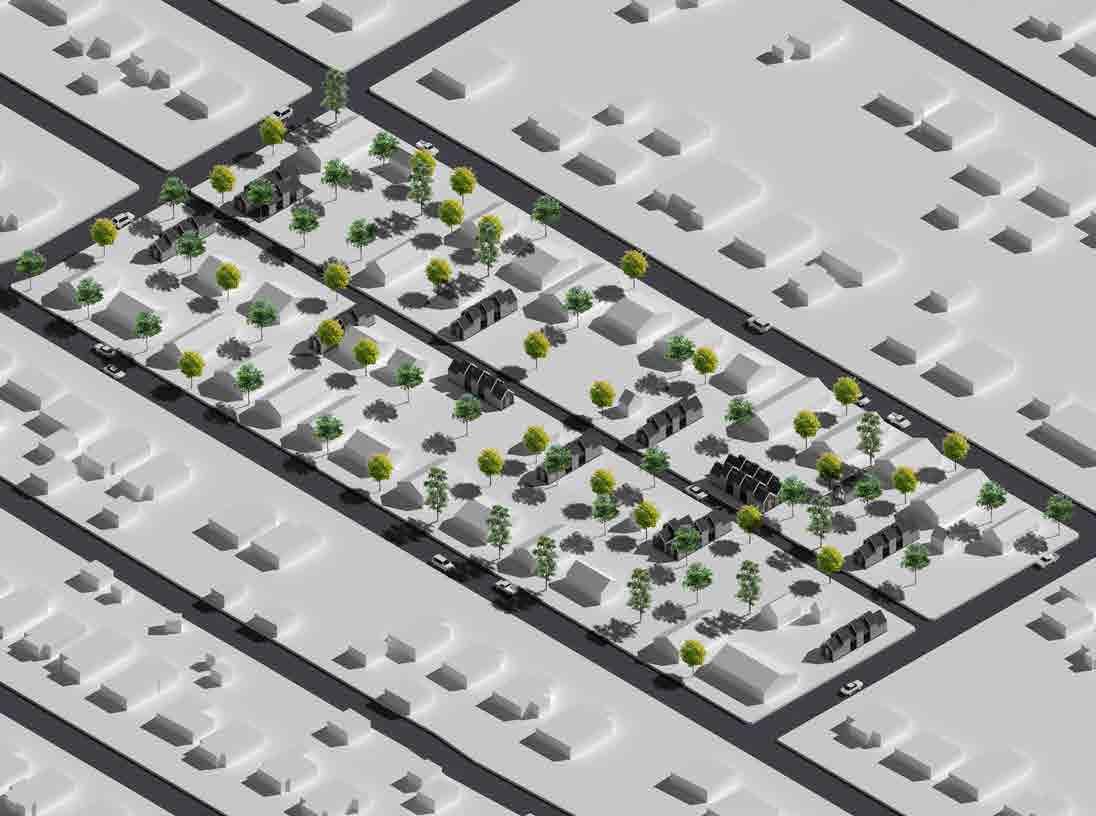
These actions from the mid-20th century still disproportionately effect African Americans in Des Moines, this housing proposal aims to alleviate these discrepancies that were created through the redlining practices of the 20th century.This proposal will not completely solve these created inequalities. However, this proposal will assist in the regrowth of the African American community.
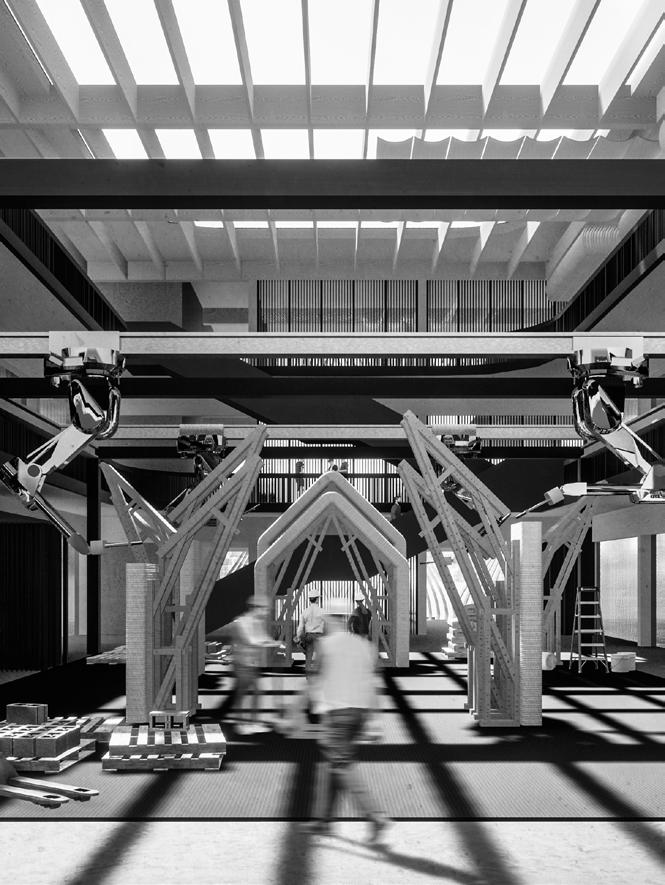
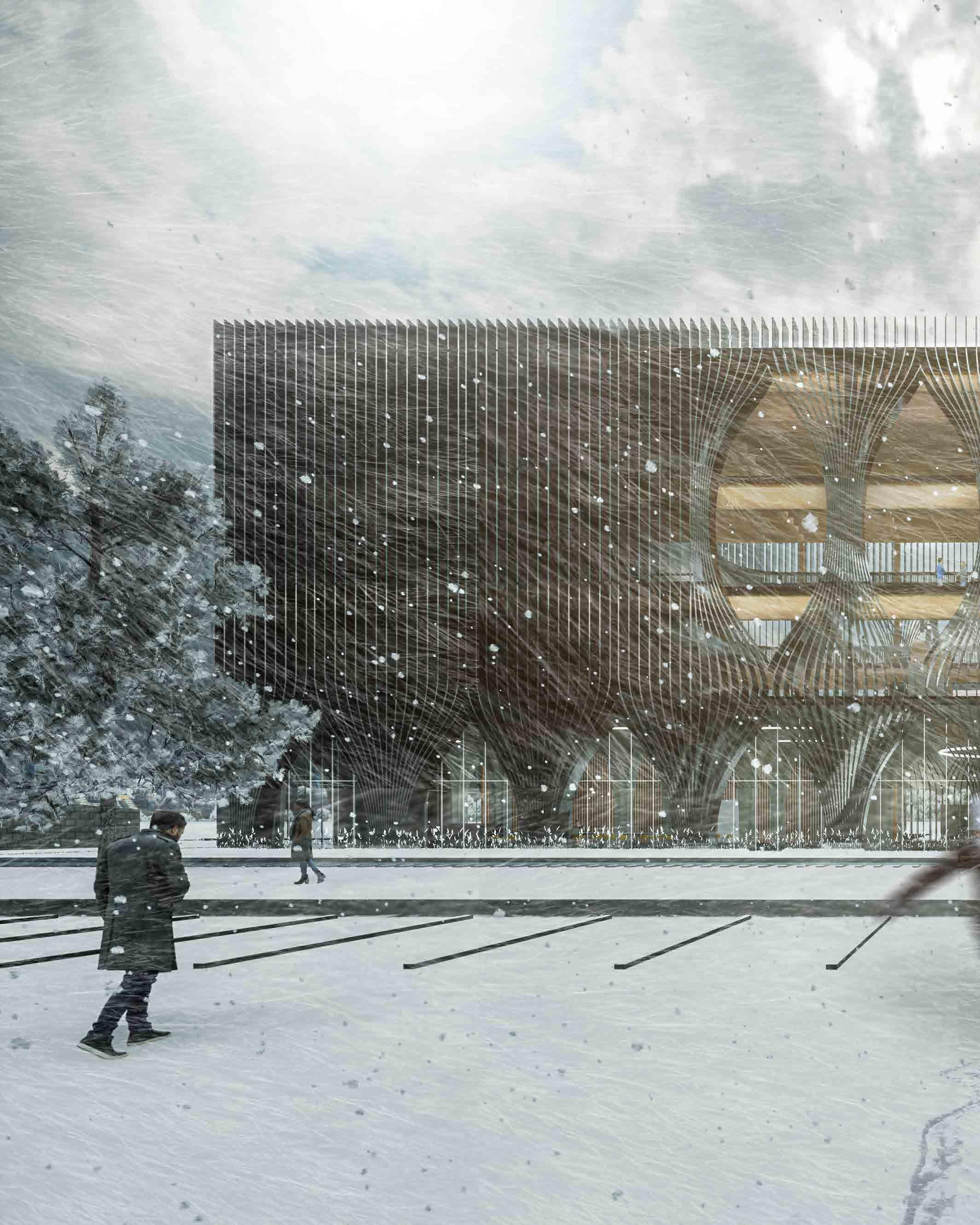
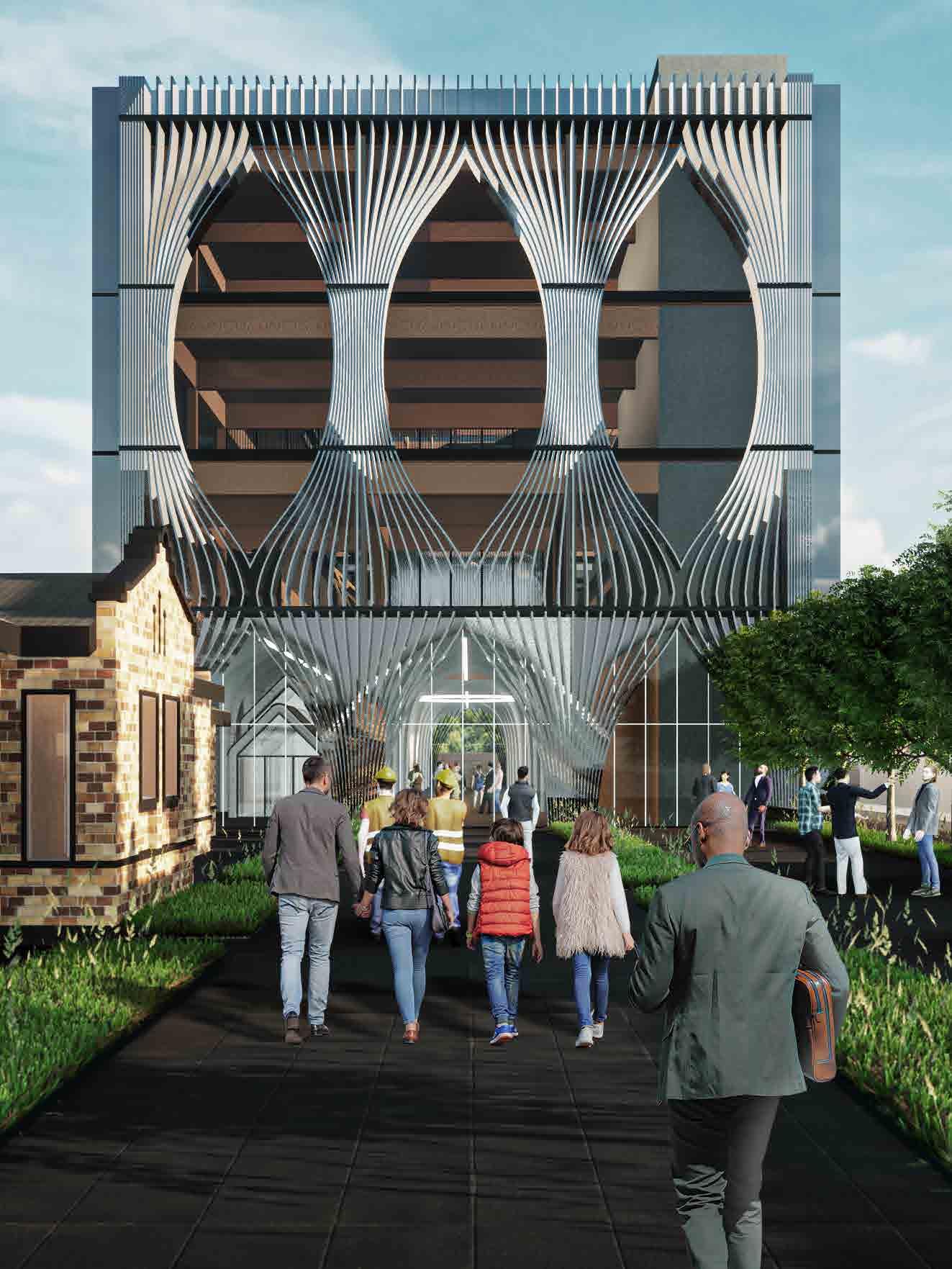
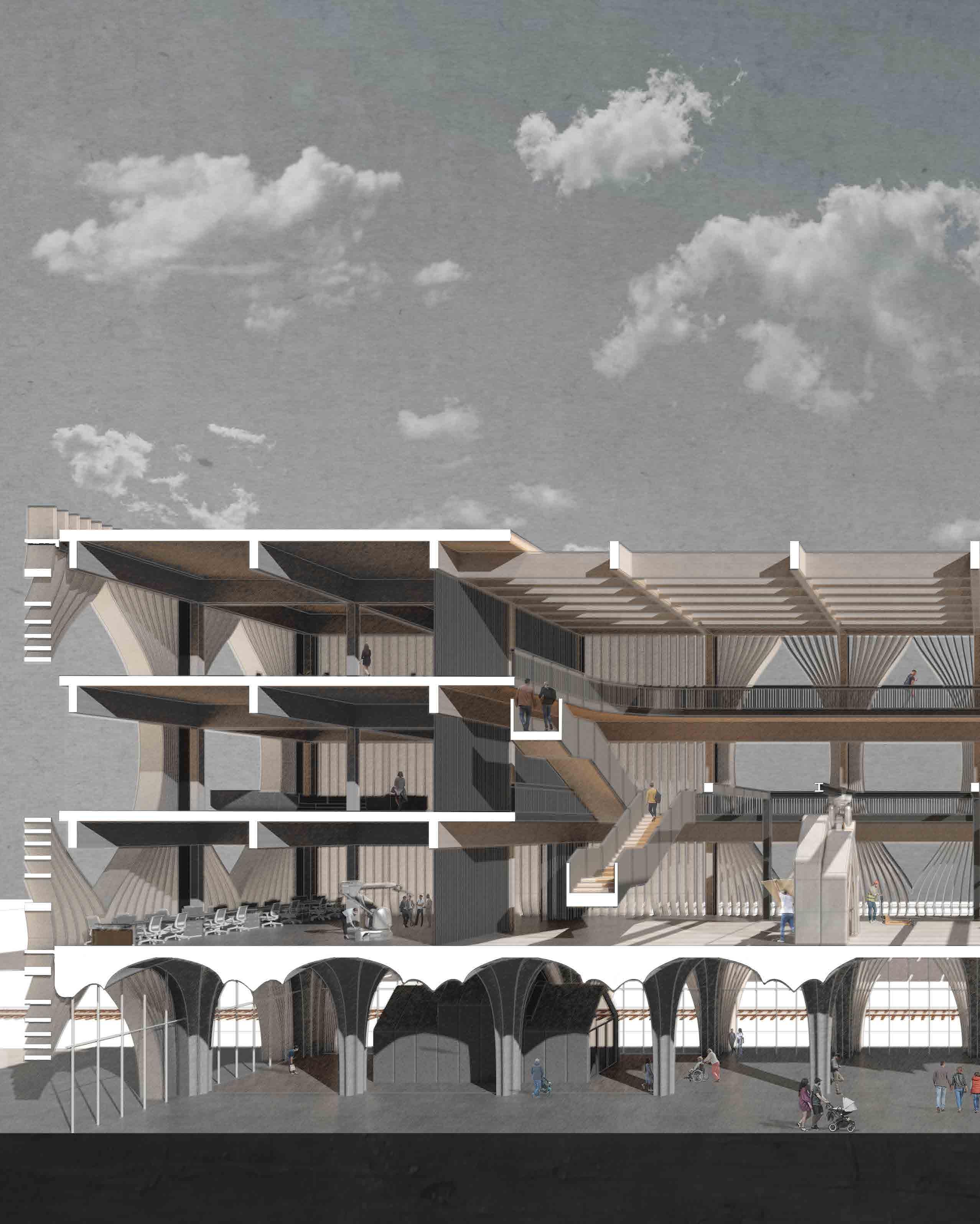
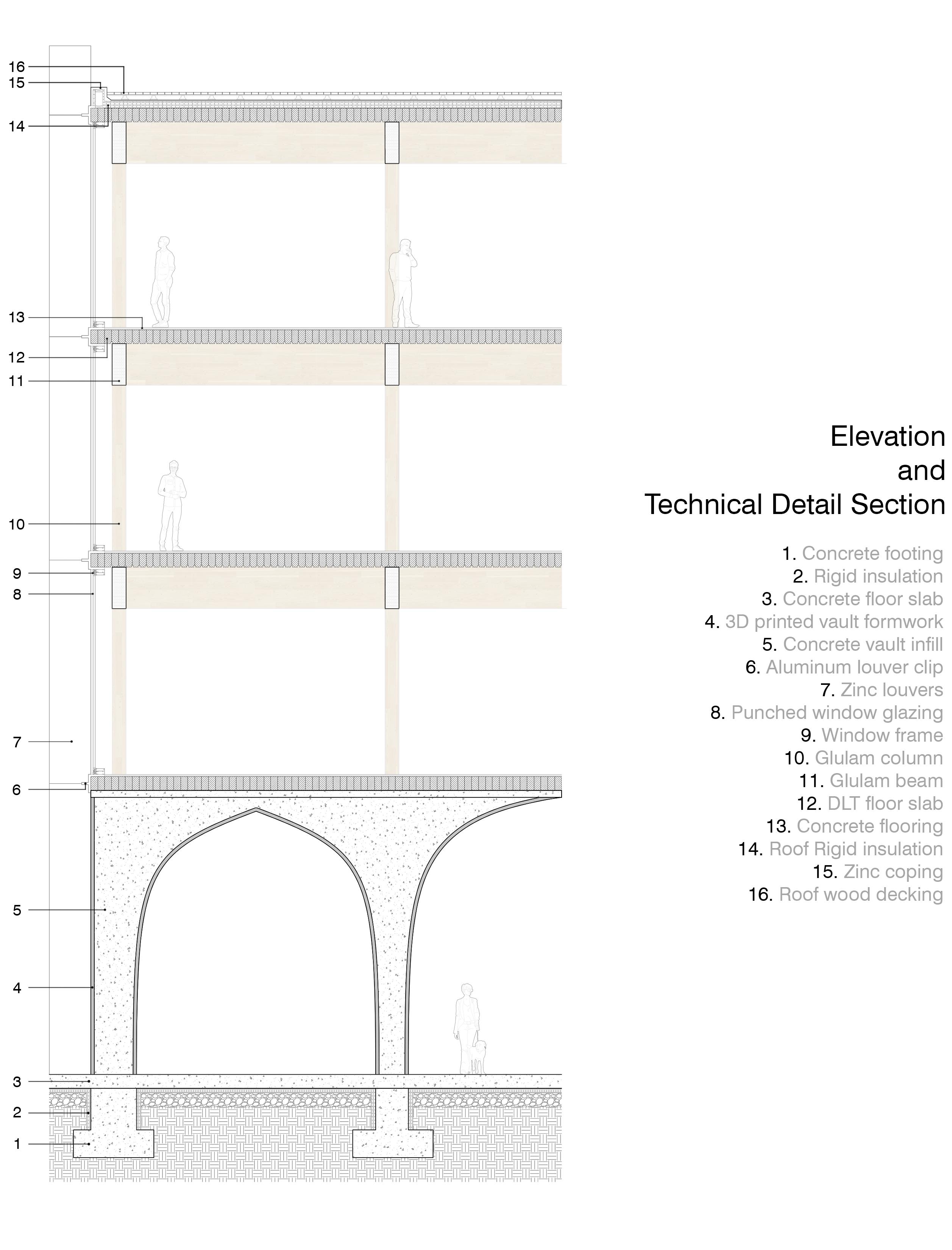
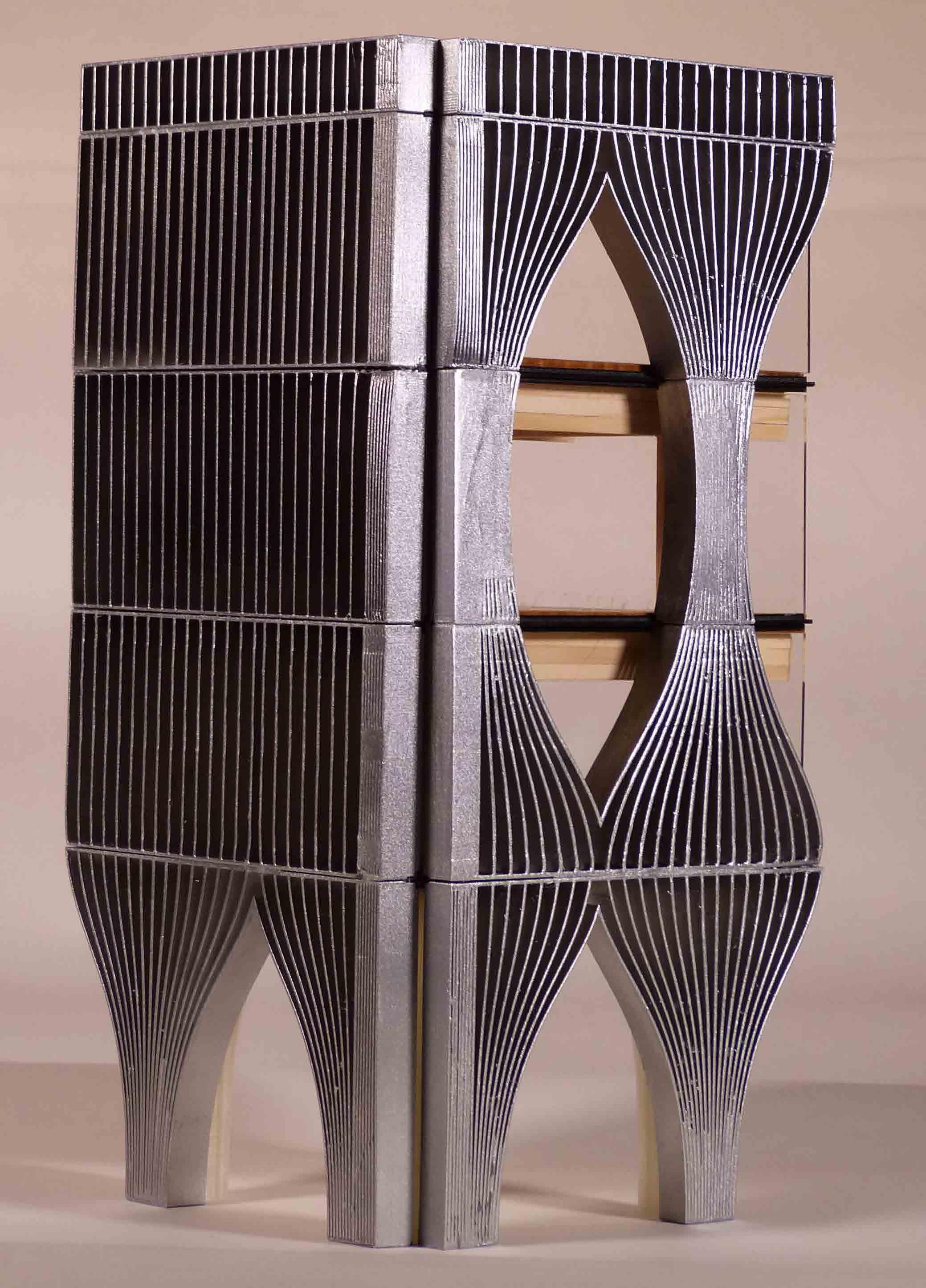
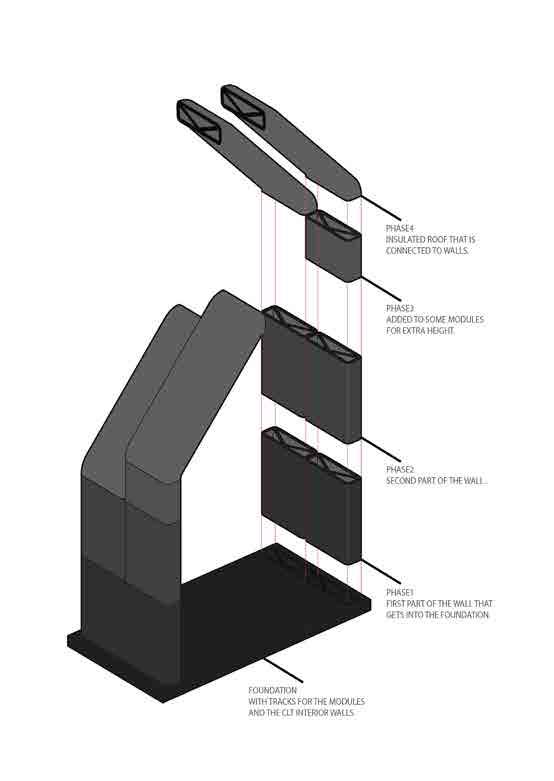
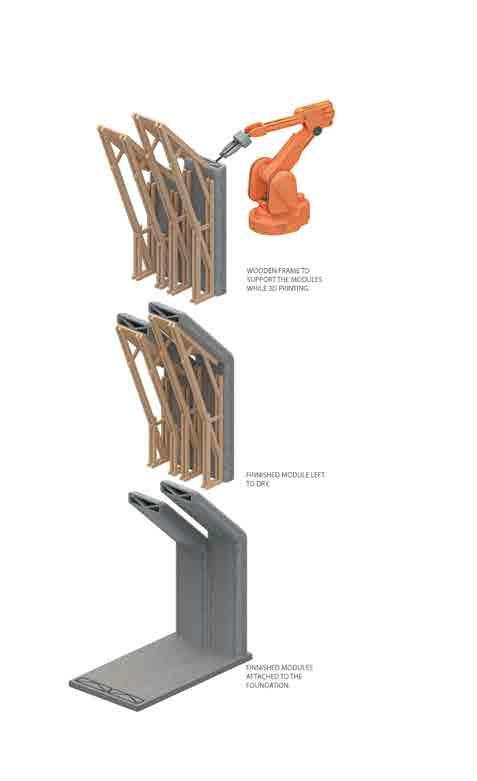
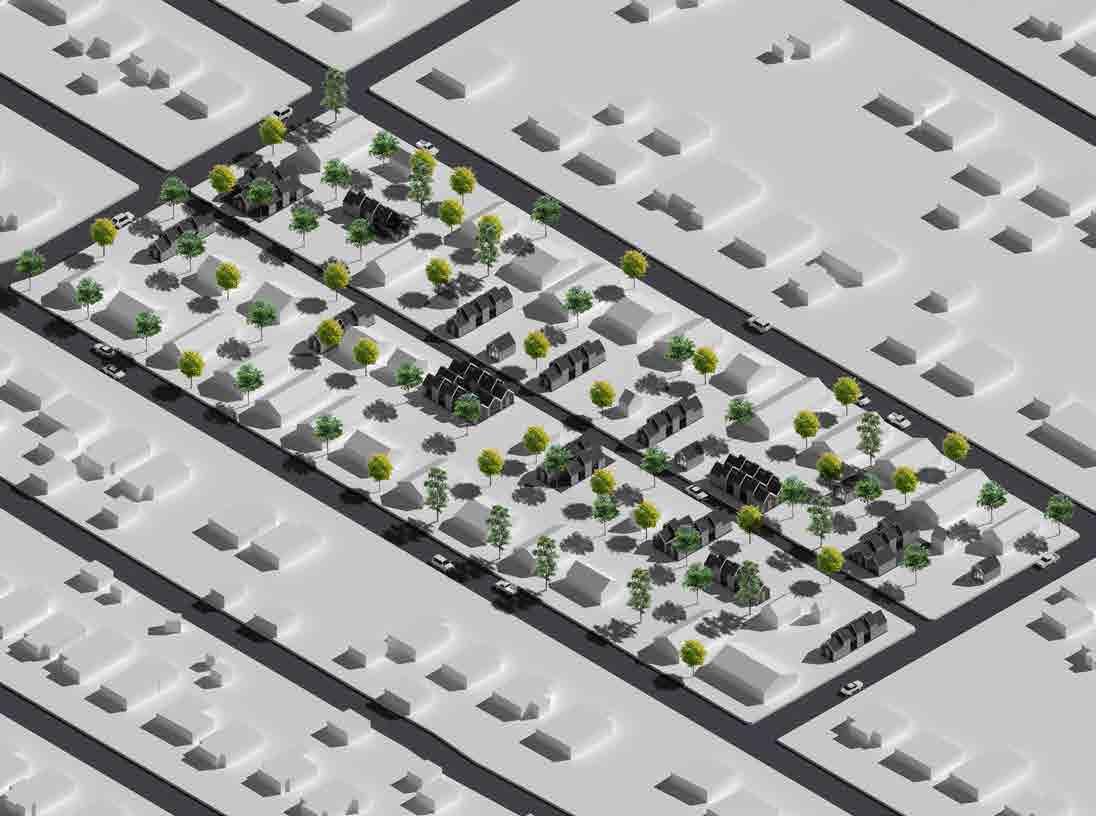
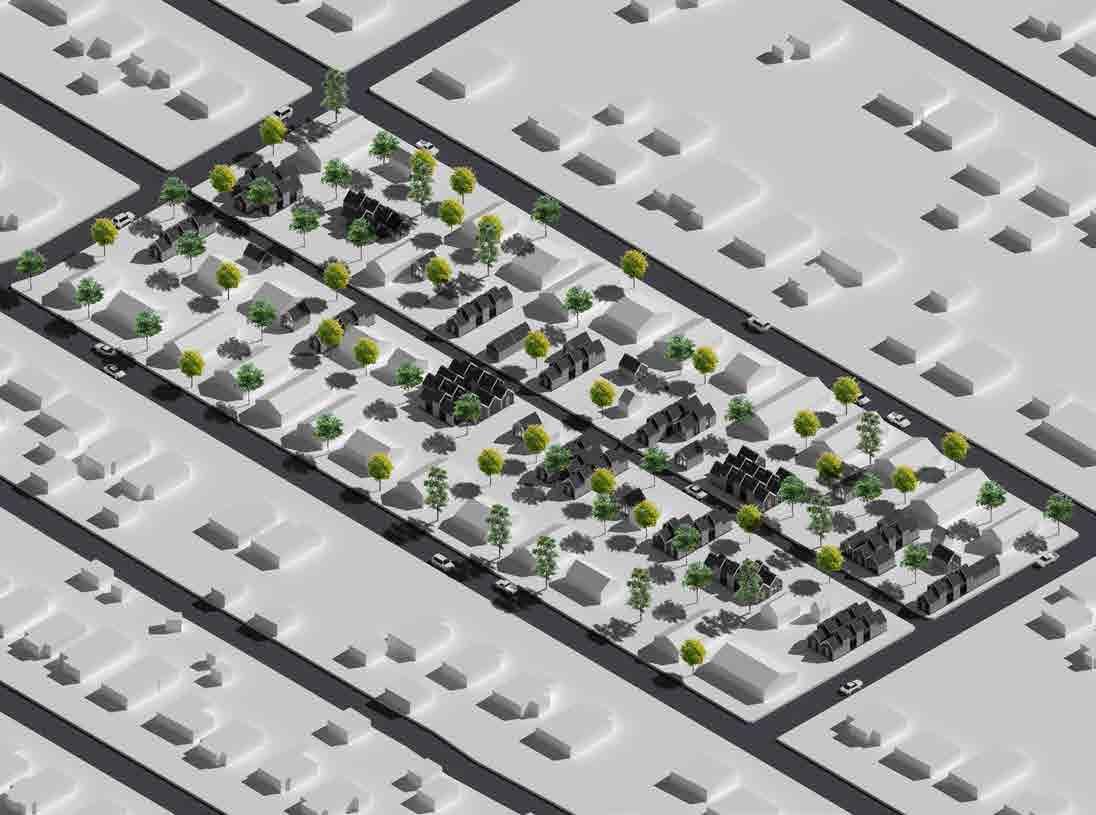
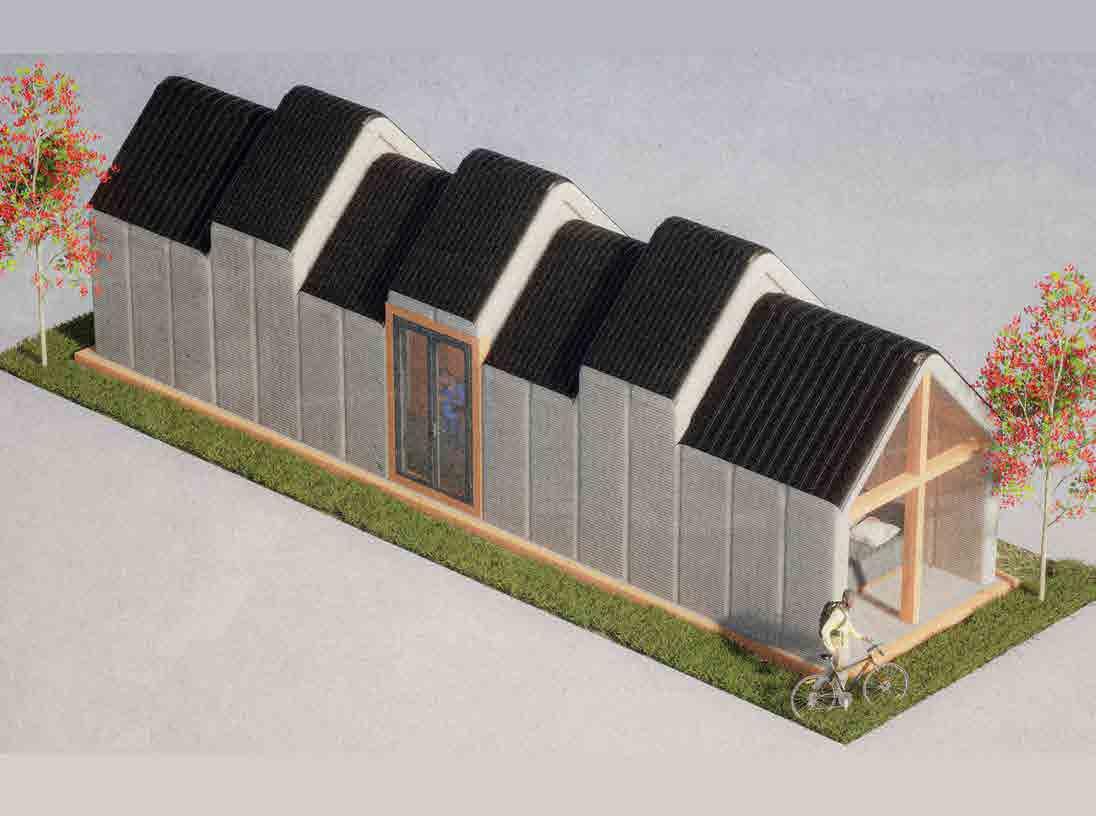
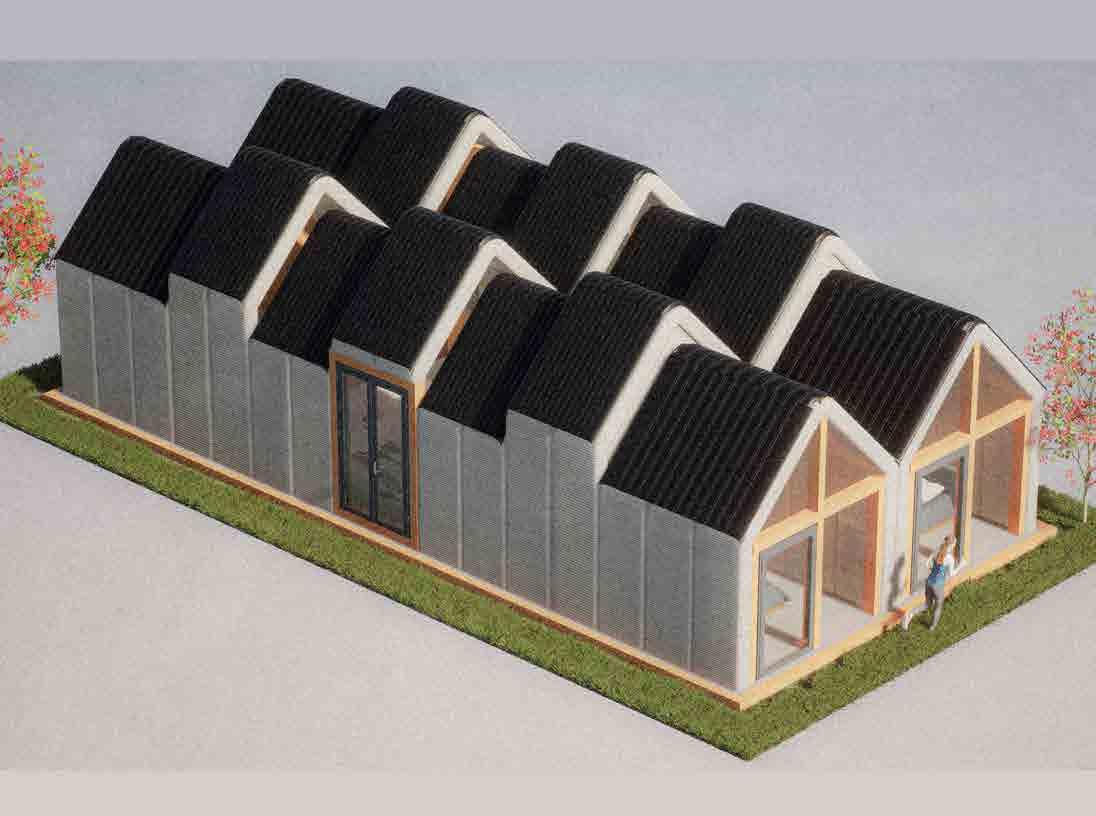
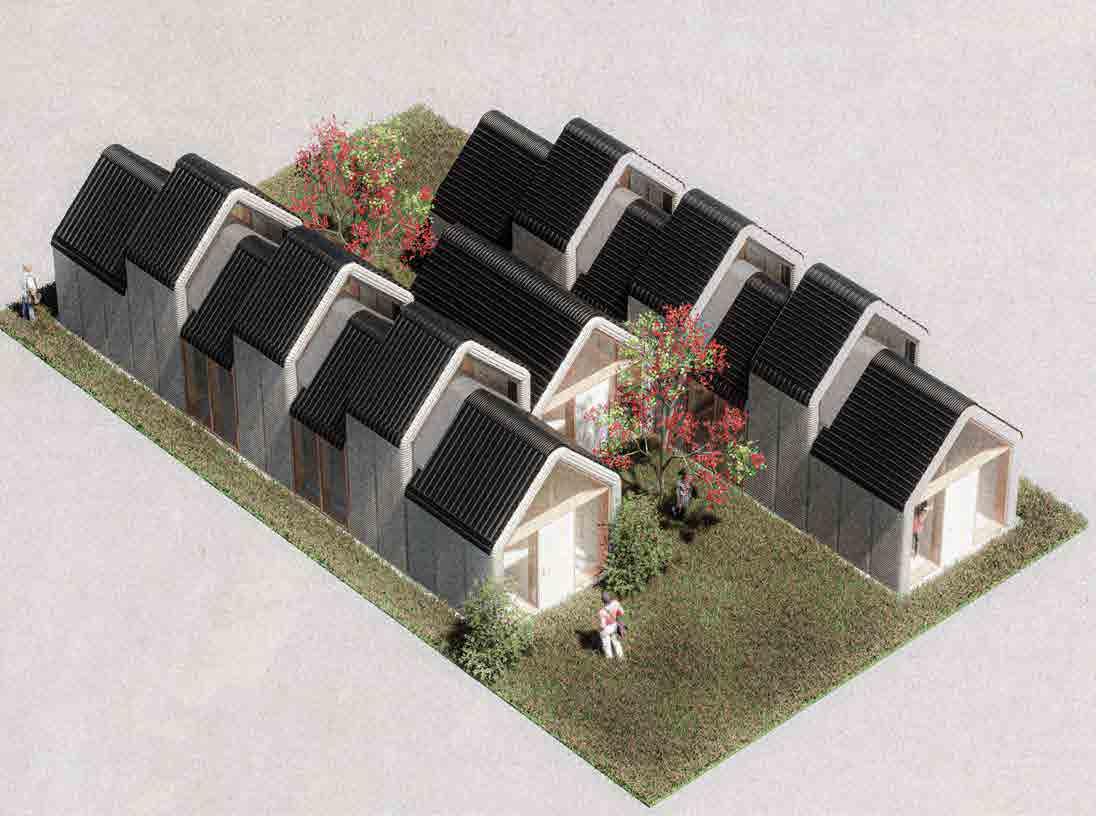
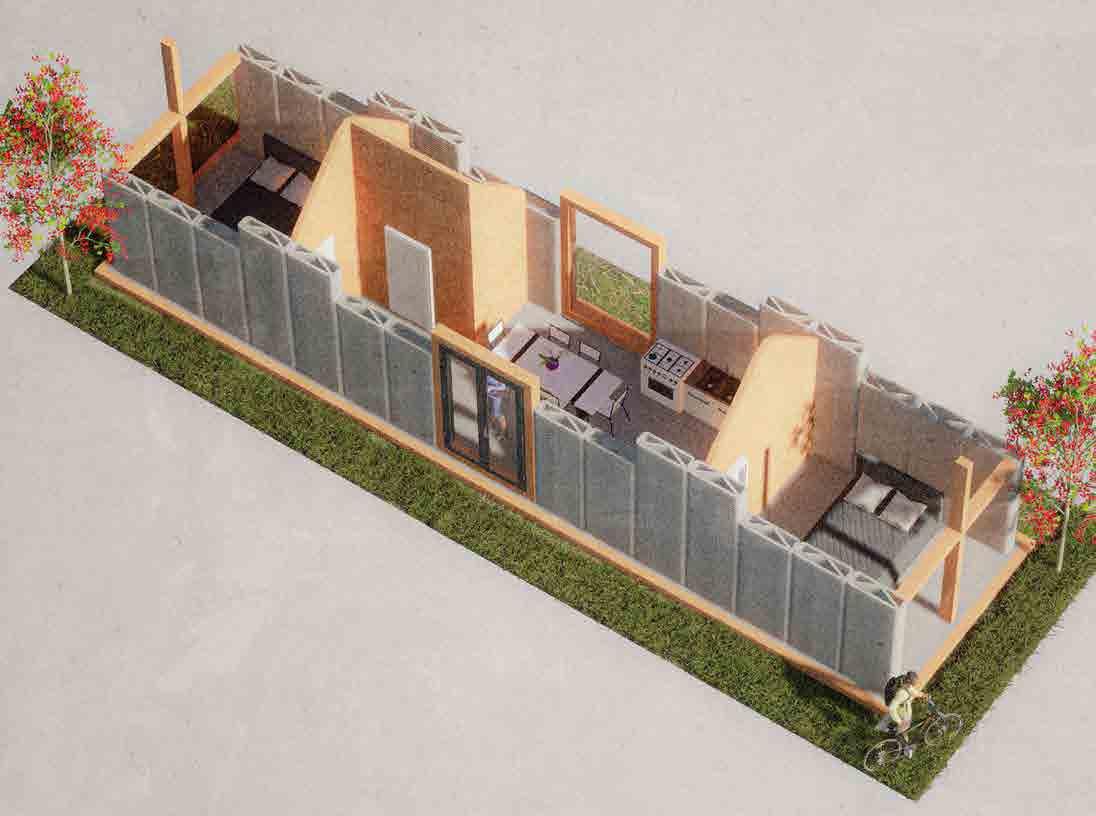
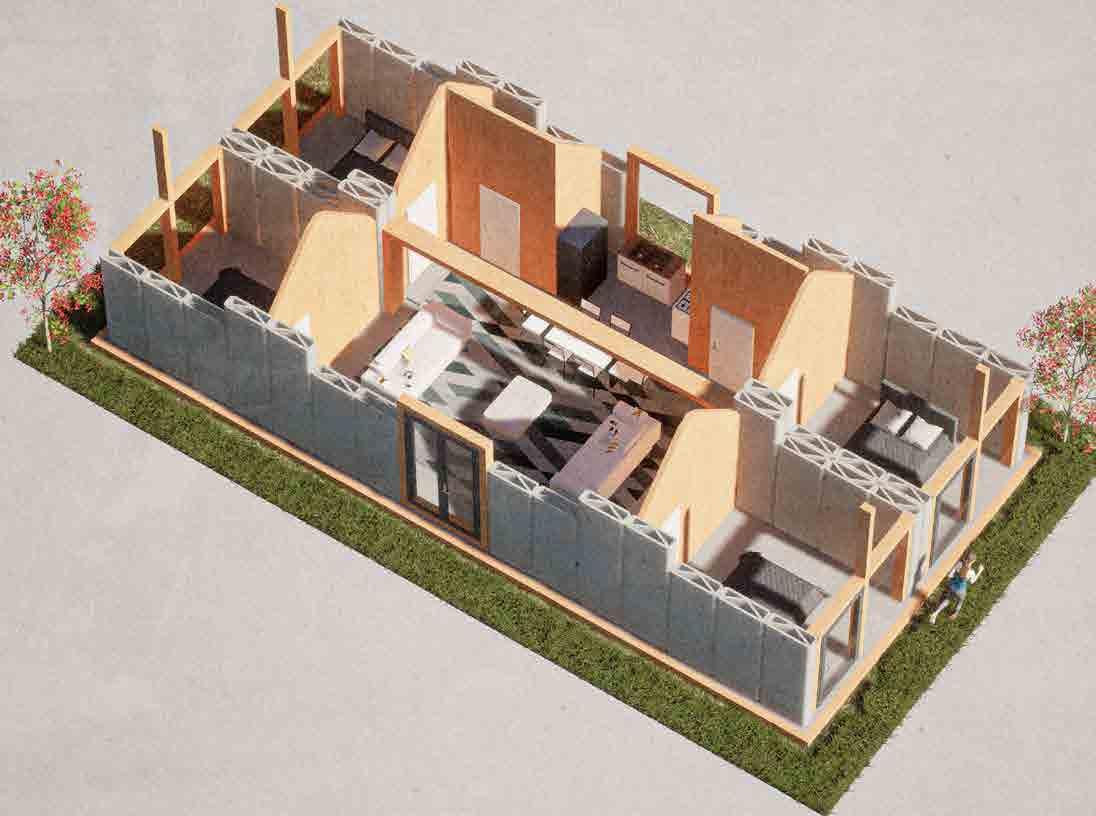
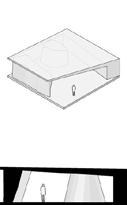
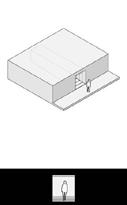
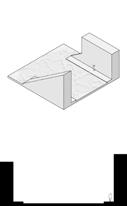
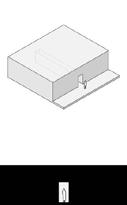
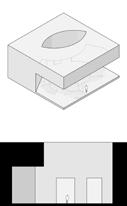
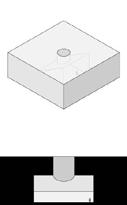
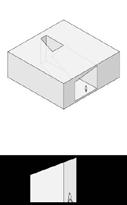
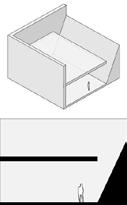
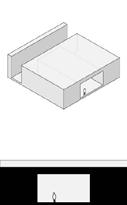
This affordable housing proposal involves accessible dwelling units(ADU), which are to be built alongside existing homes based on the needs of the homeowner. To achieve affordability these homes will be 3D printed with concrete, a form of additive manufacturing, that does not waste any unnecessary materials in the process. This 3D printing will be done off-site at a factory designed specifically for this purpose.
The ADUs that are developed for this housing proposal will place an emphasis on starting and developing businesses, in an attempt to revitalize the social and economic fabric of the African American community. These businesses can be large or small, traditional or unconventional, based on homeowners desires.
ADUs offer the possibility of expansion, the starting model for most houses will be in the range of 300-500 sq.ft. If this program experiences great success, these modulus can be expanded up to 2000 sq.ft. or larger.
When considering architectural reparations for the discriminatory practices of redlining, this project aims to revitalize the cavatiy that was created by the destruction of the African American communities in the 20th century
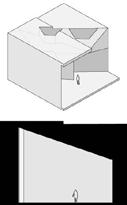
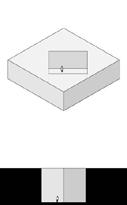
ADU Assembly Process and Neighborhood Implementation
Unforgotten
5th year academic work
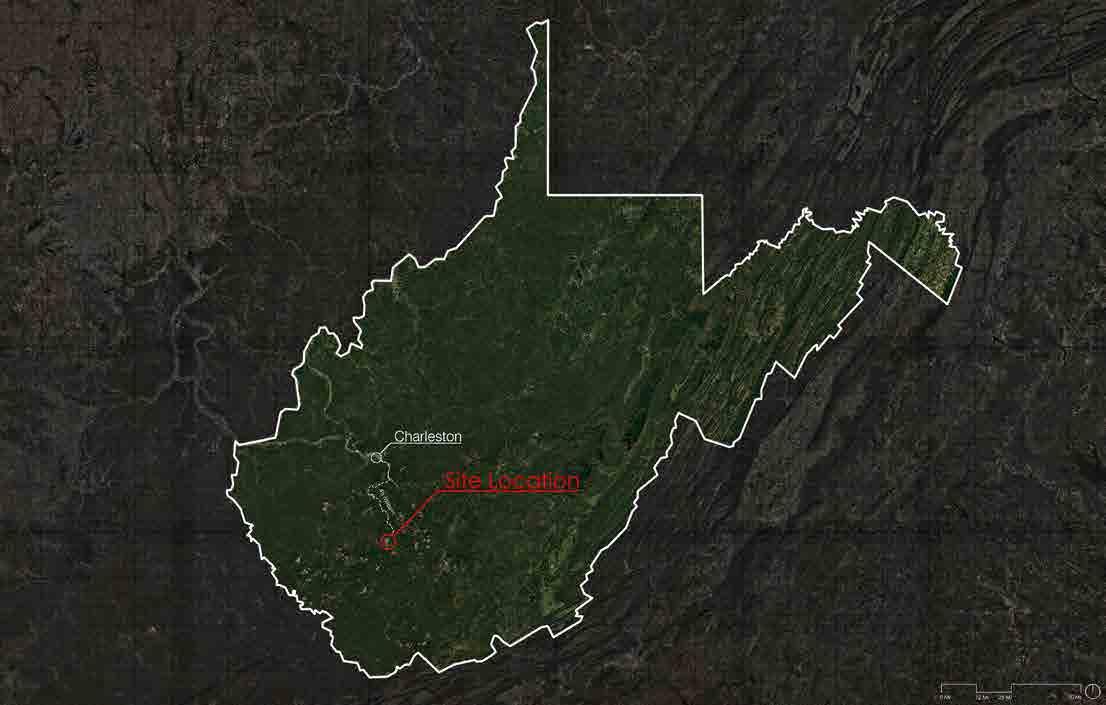
Site: Montcoal, West Virginia, USA
Instructor: Bosuk Hur
Studio Partners: Layne Klose, Tori Nemesio
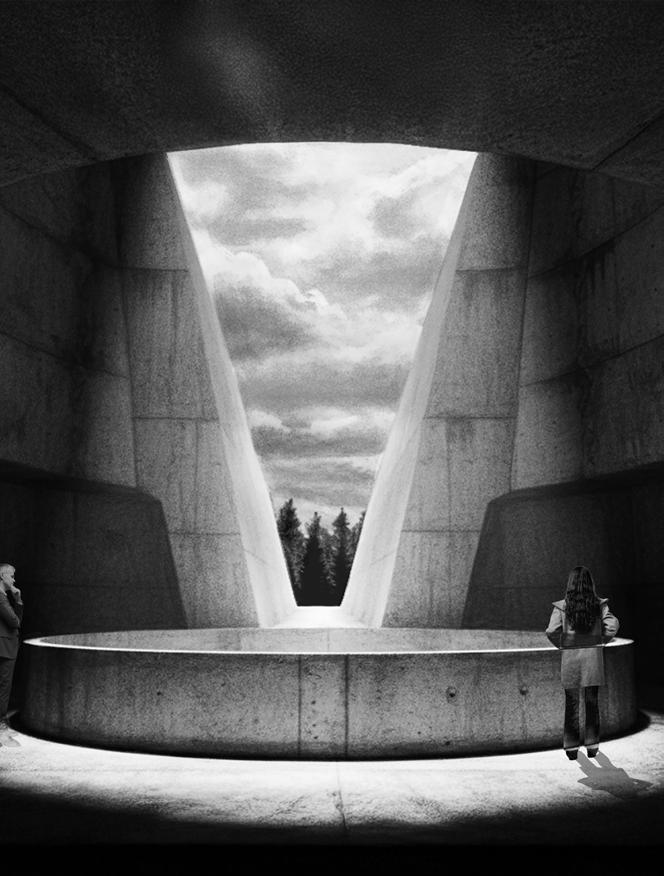
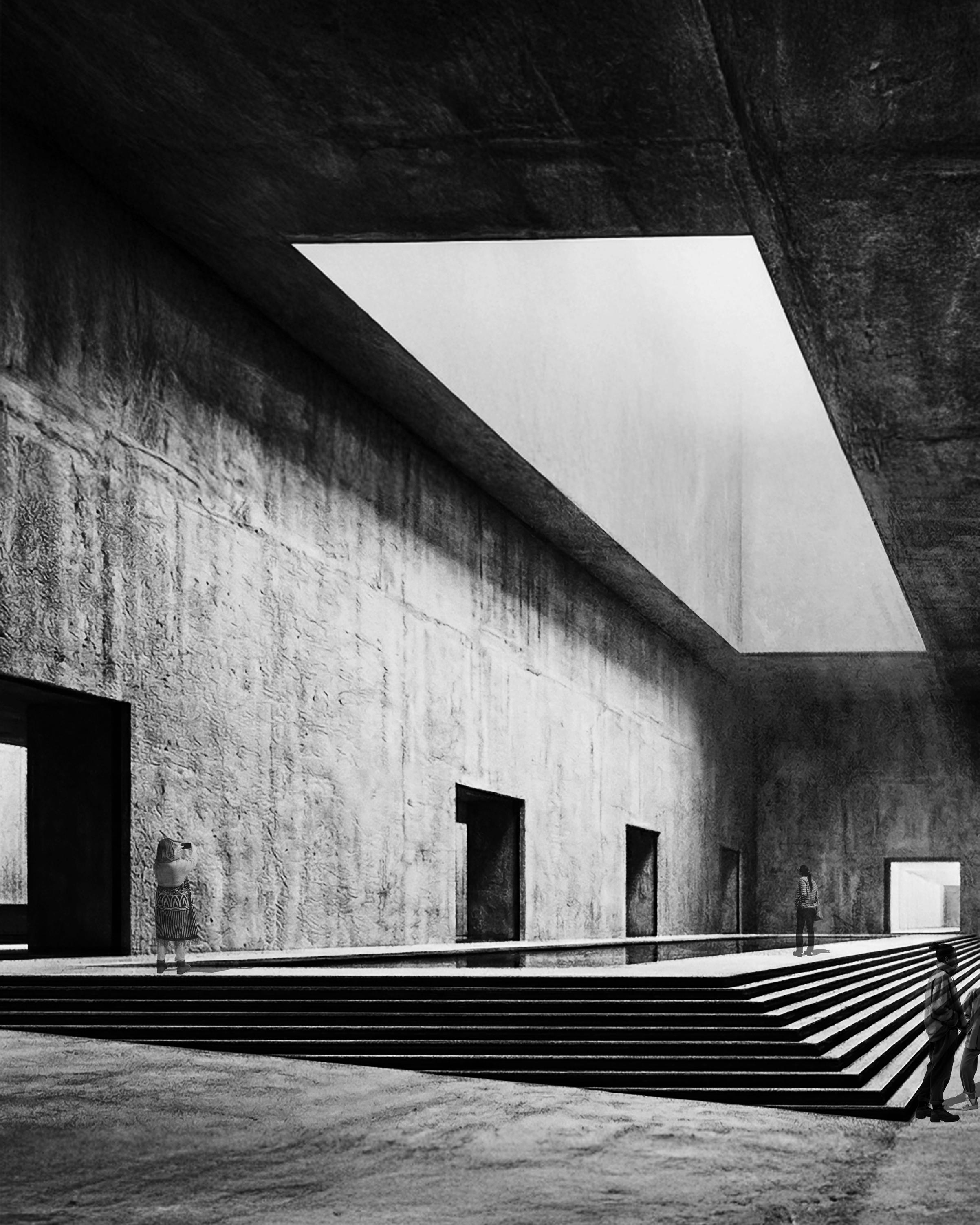
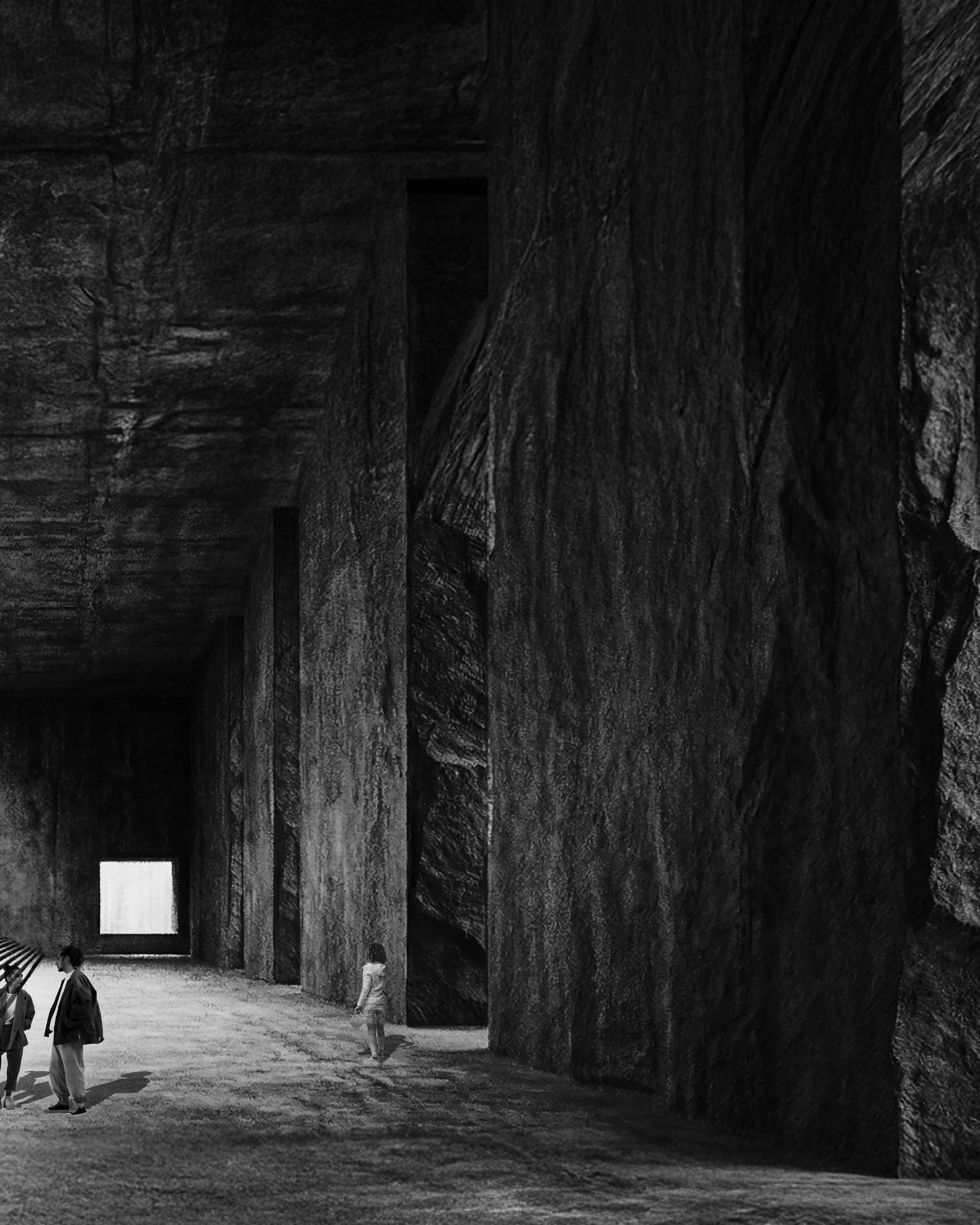
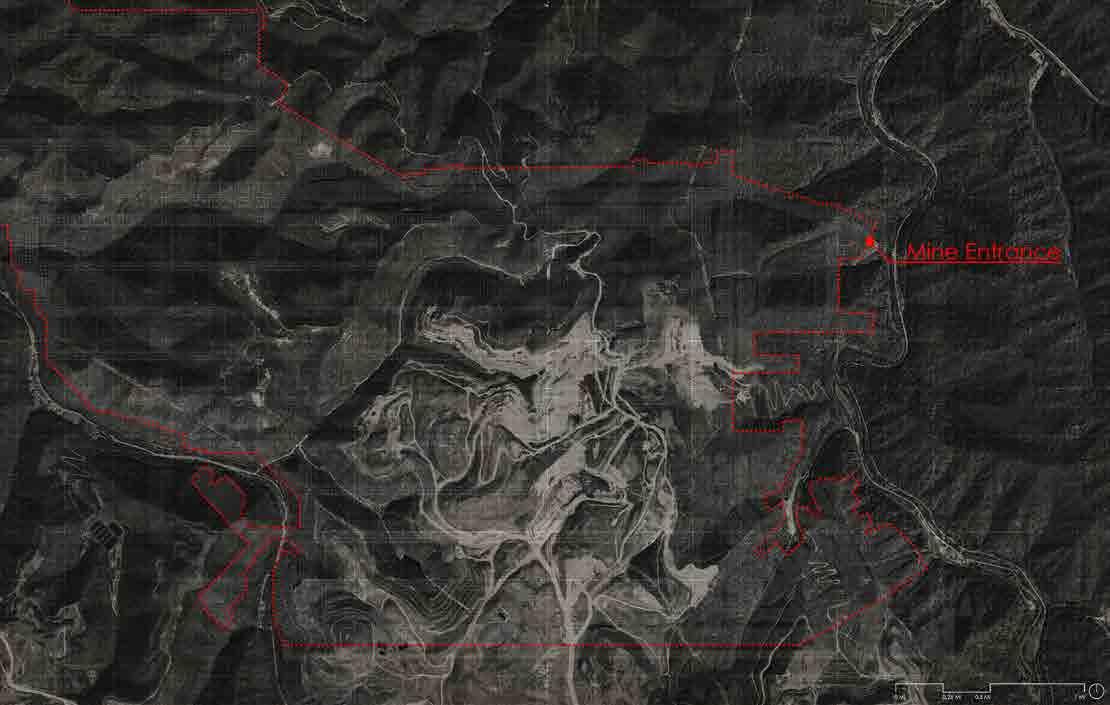
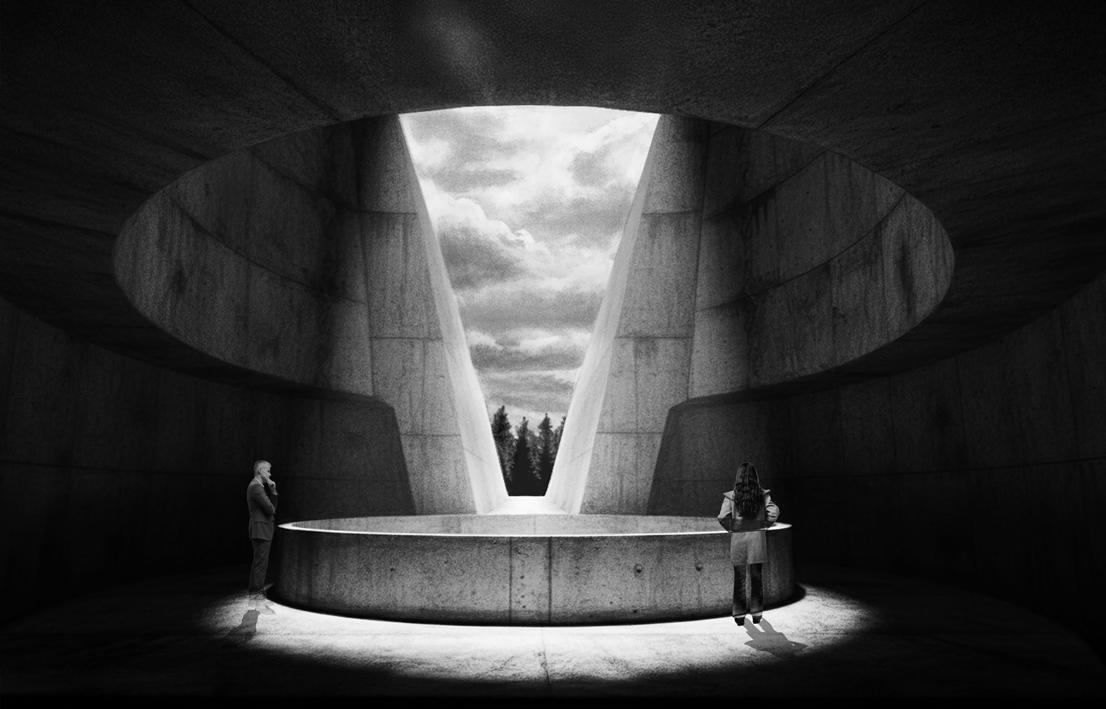
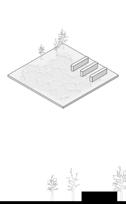
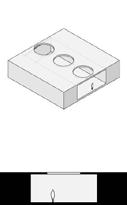
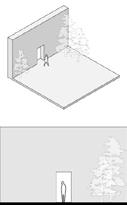
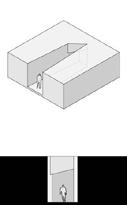
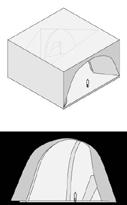
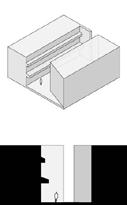
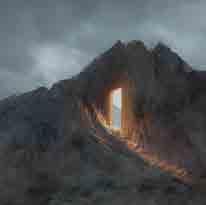
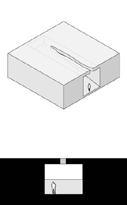
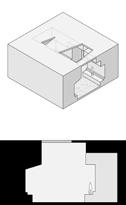
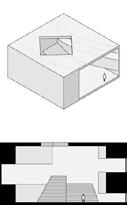
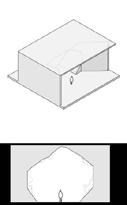
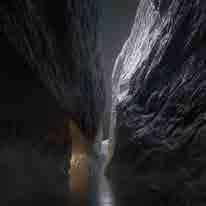
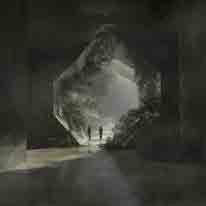
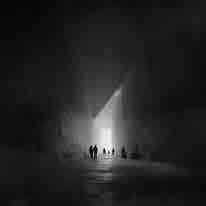
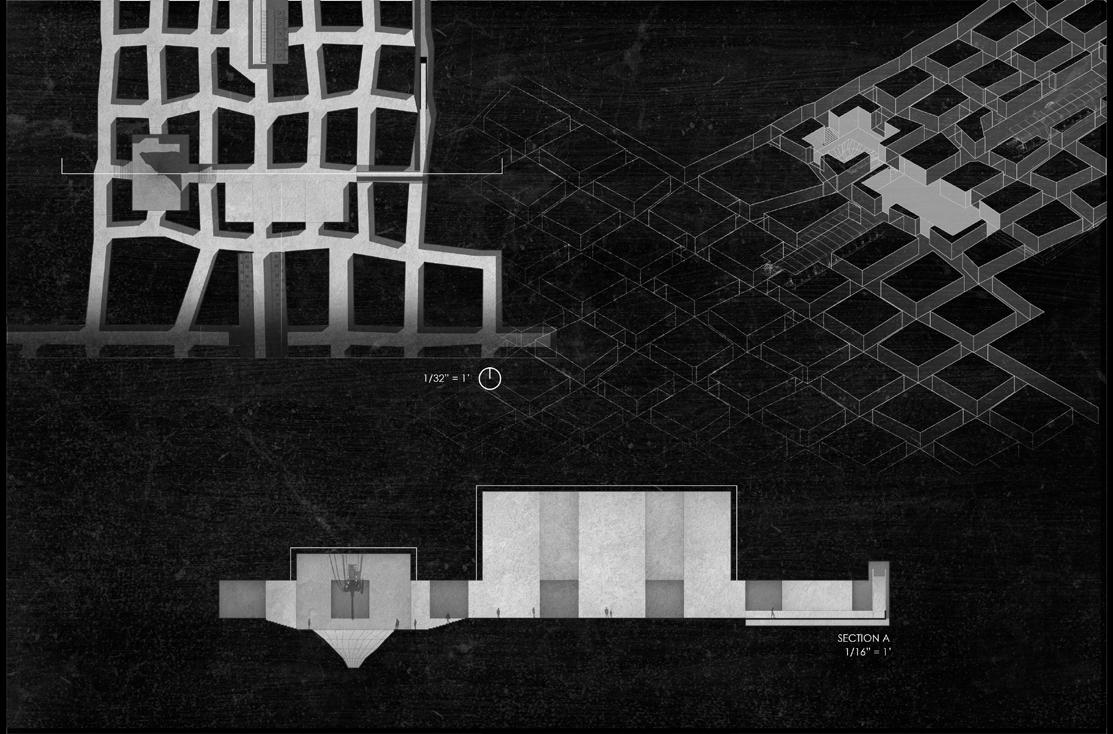
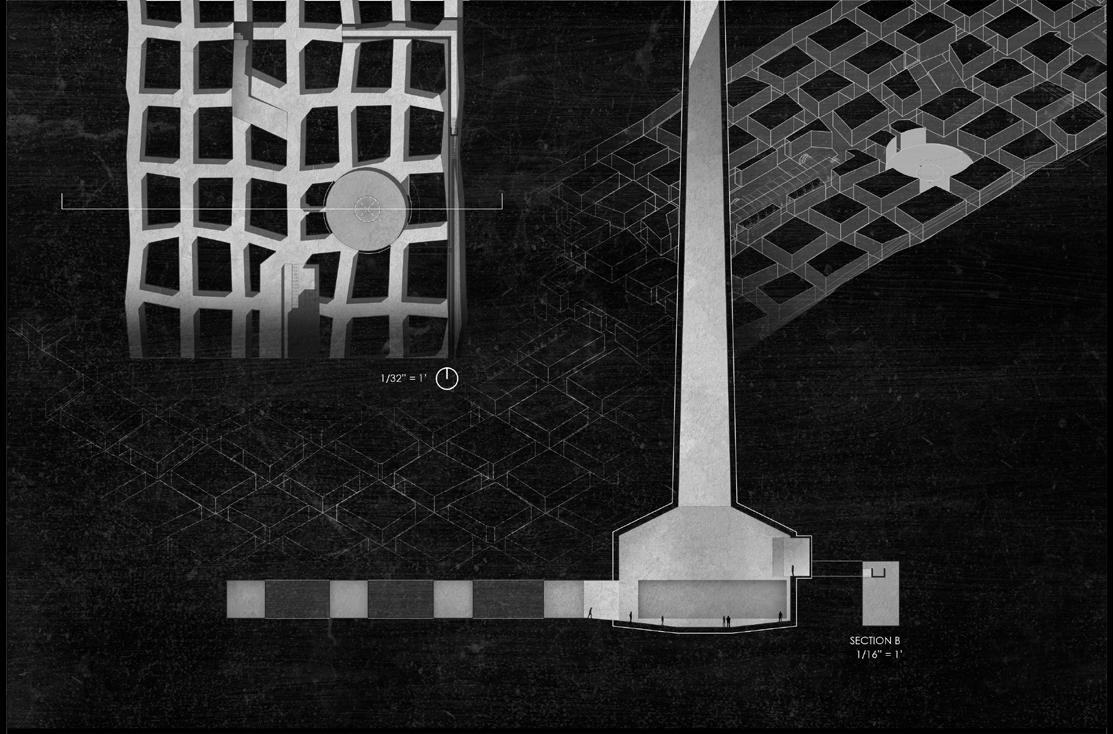
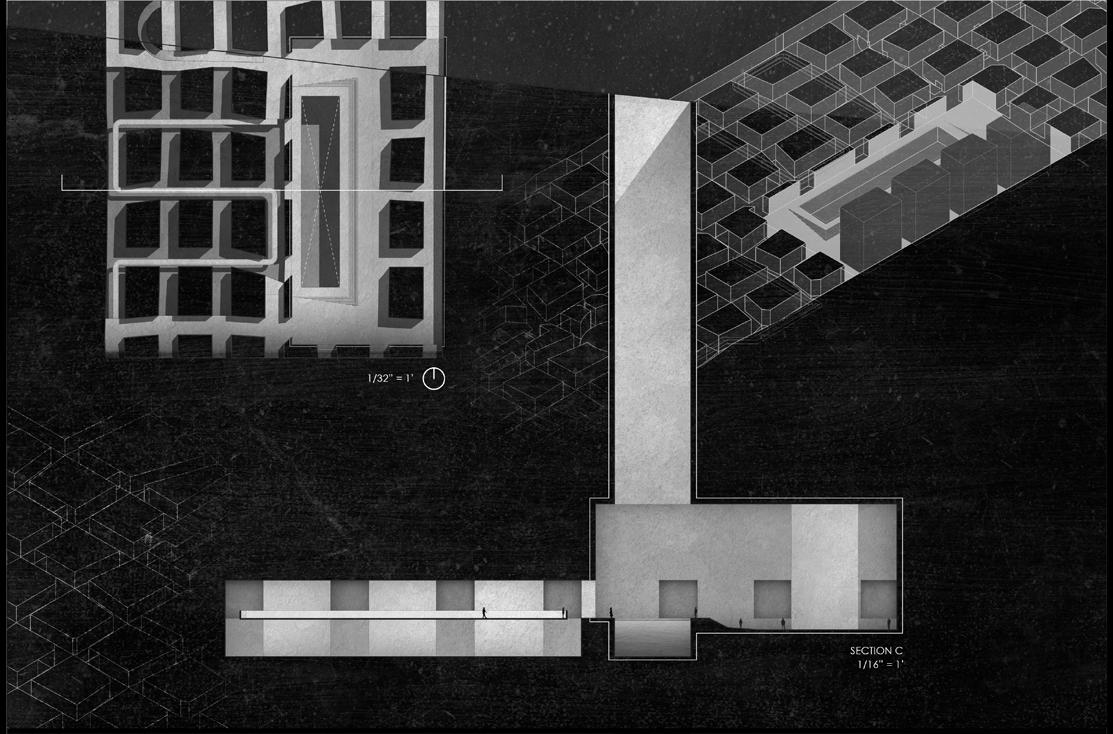
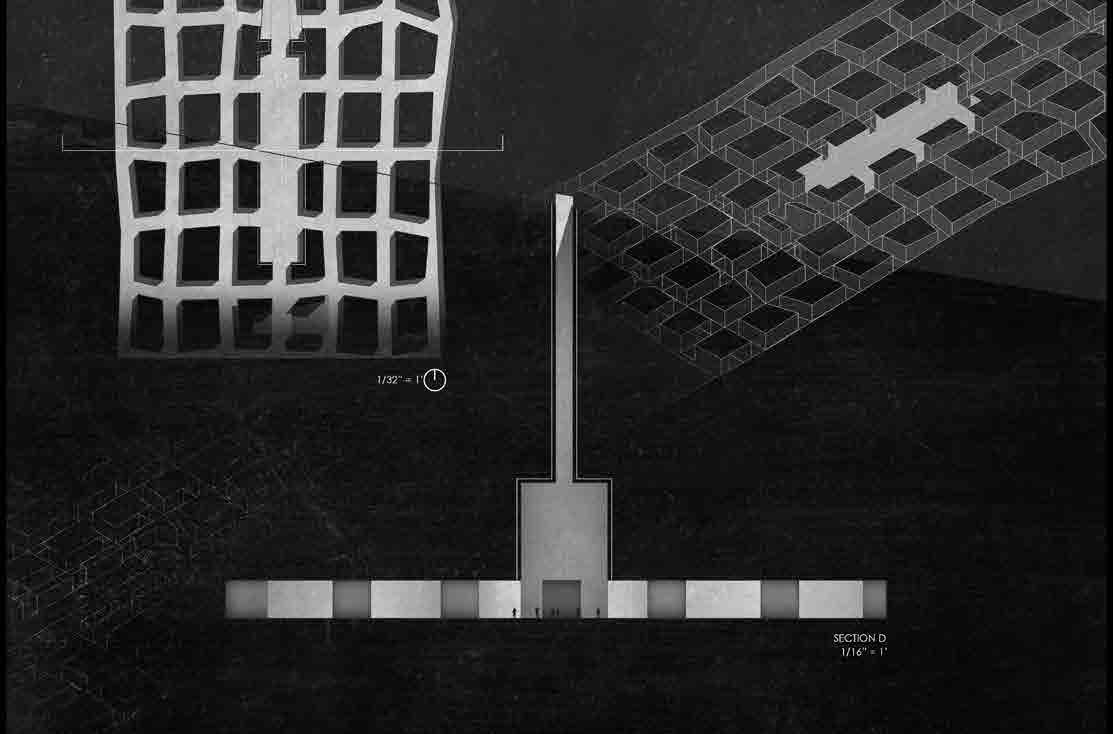
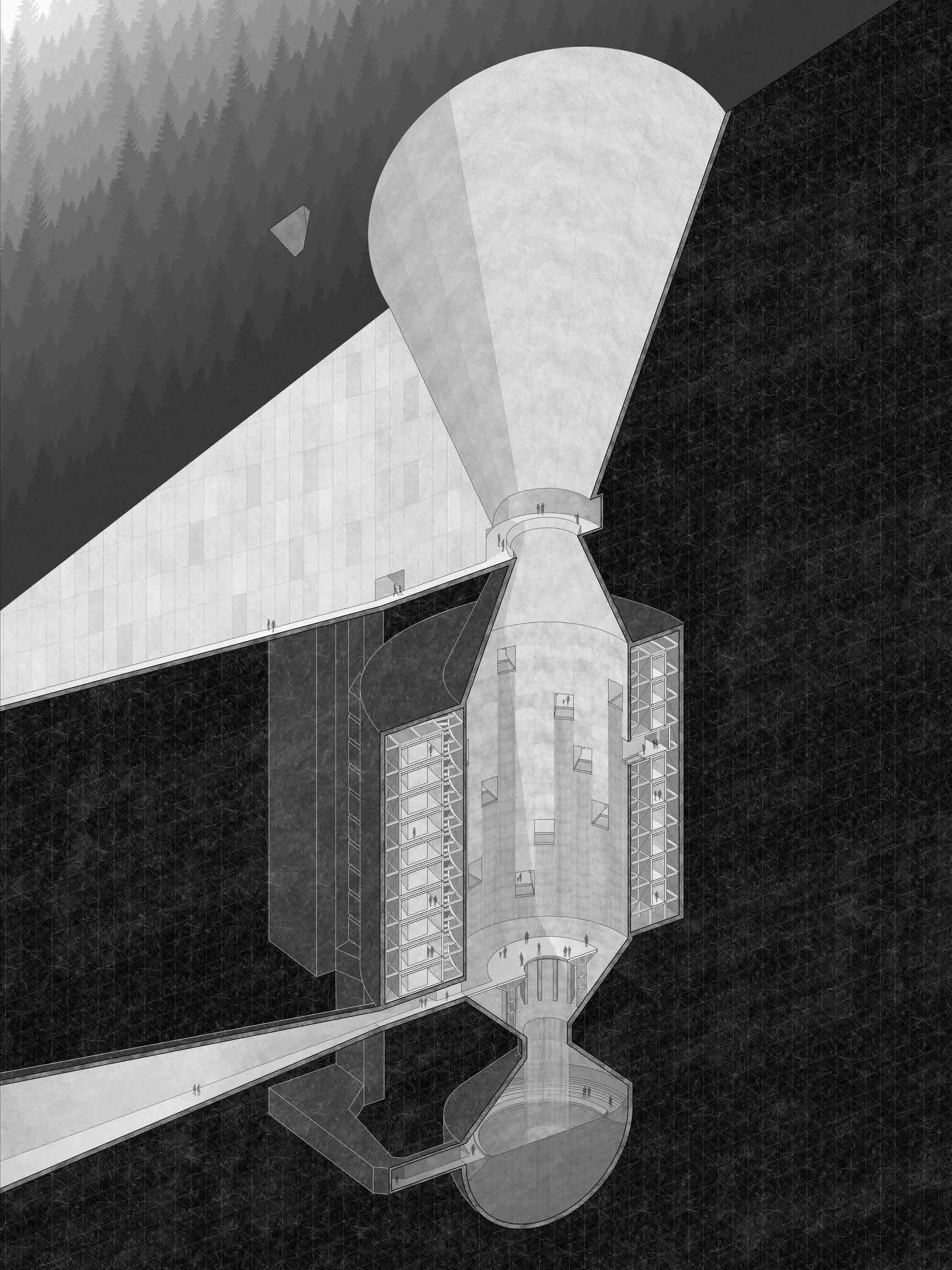
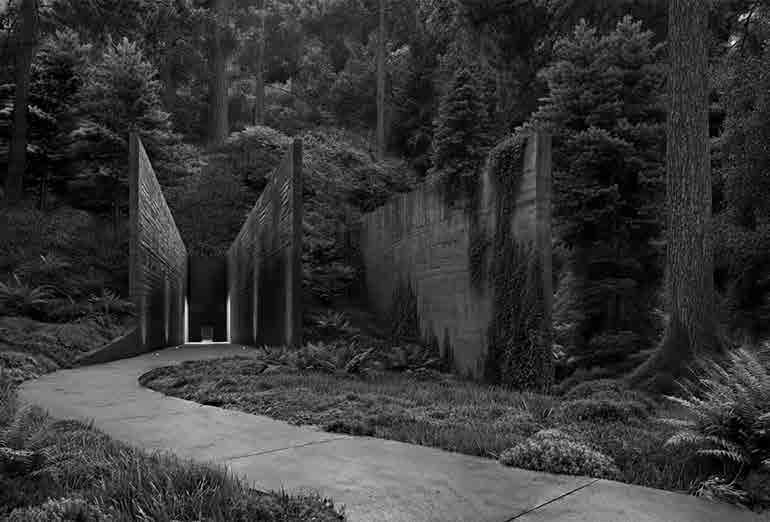
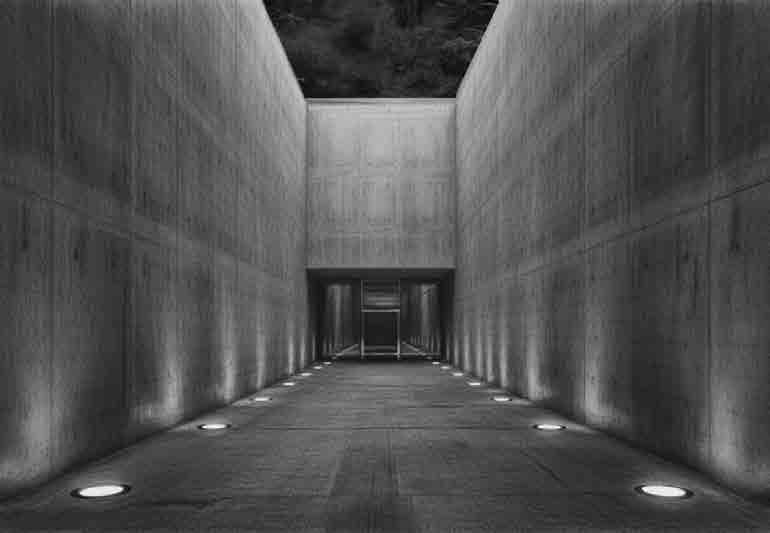
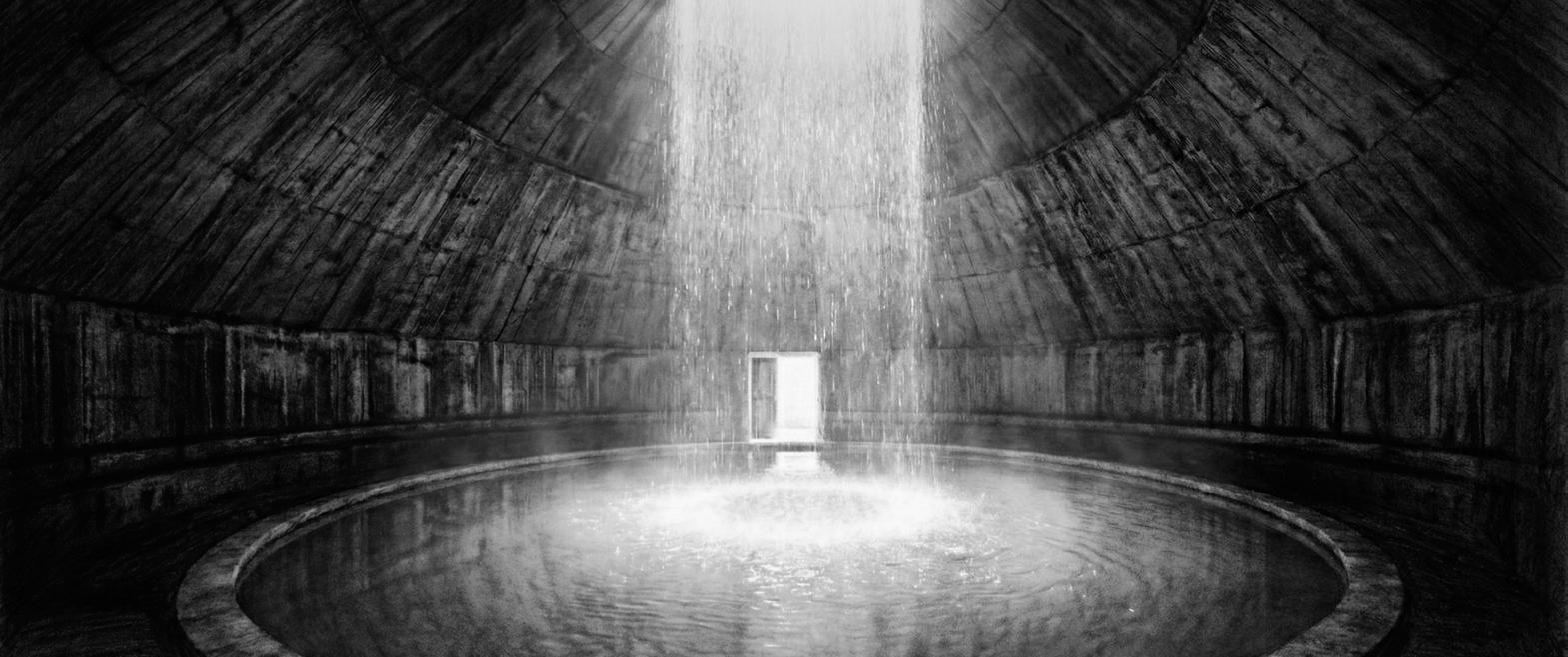
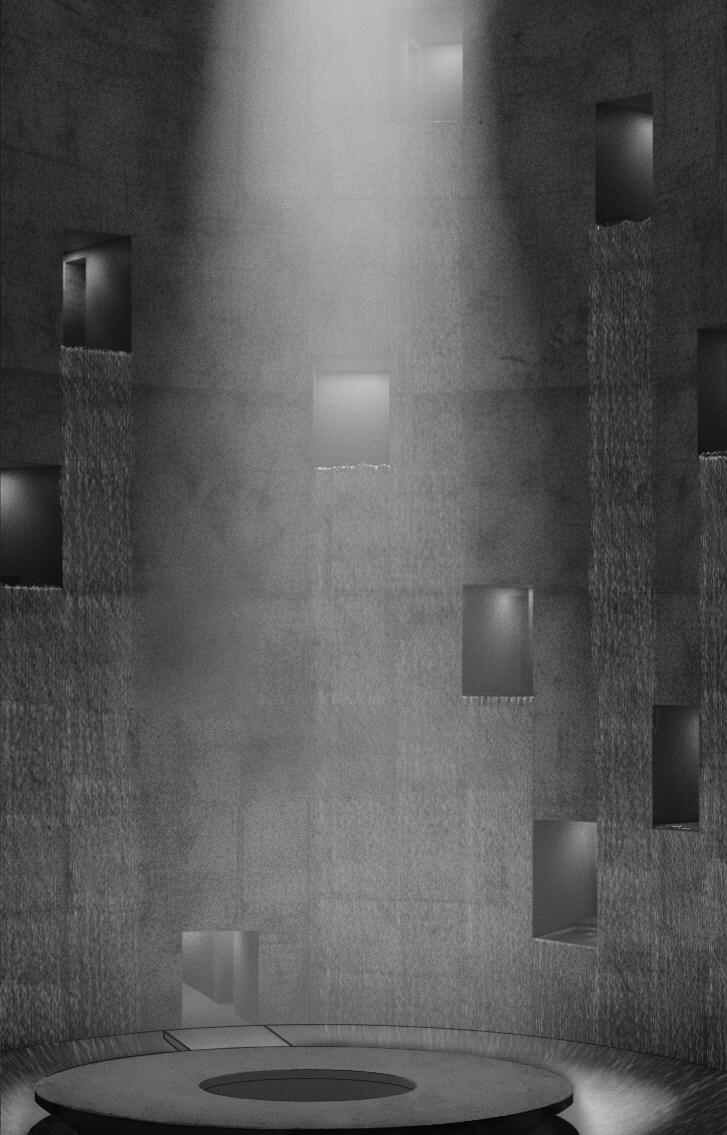
Unforgotten is an architectural intervention located at the site of the Upper Big Branch Mine in West Virginia, honoring the 29 miners who lost their lives in the April 5, 2010 explosion. Fifteen years after the disaster, the mine remains sealed, but the effects of the tragedy continue to impact the families and communities that were affected by the tragedy. Through an immersive architectural journey, this project seeks to preserve the memory that reconnects visitors to the mine, the event, and the individuals whose lives were cut short.
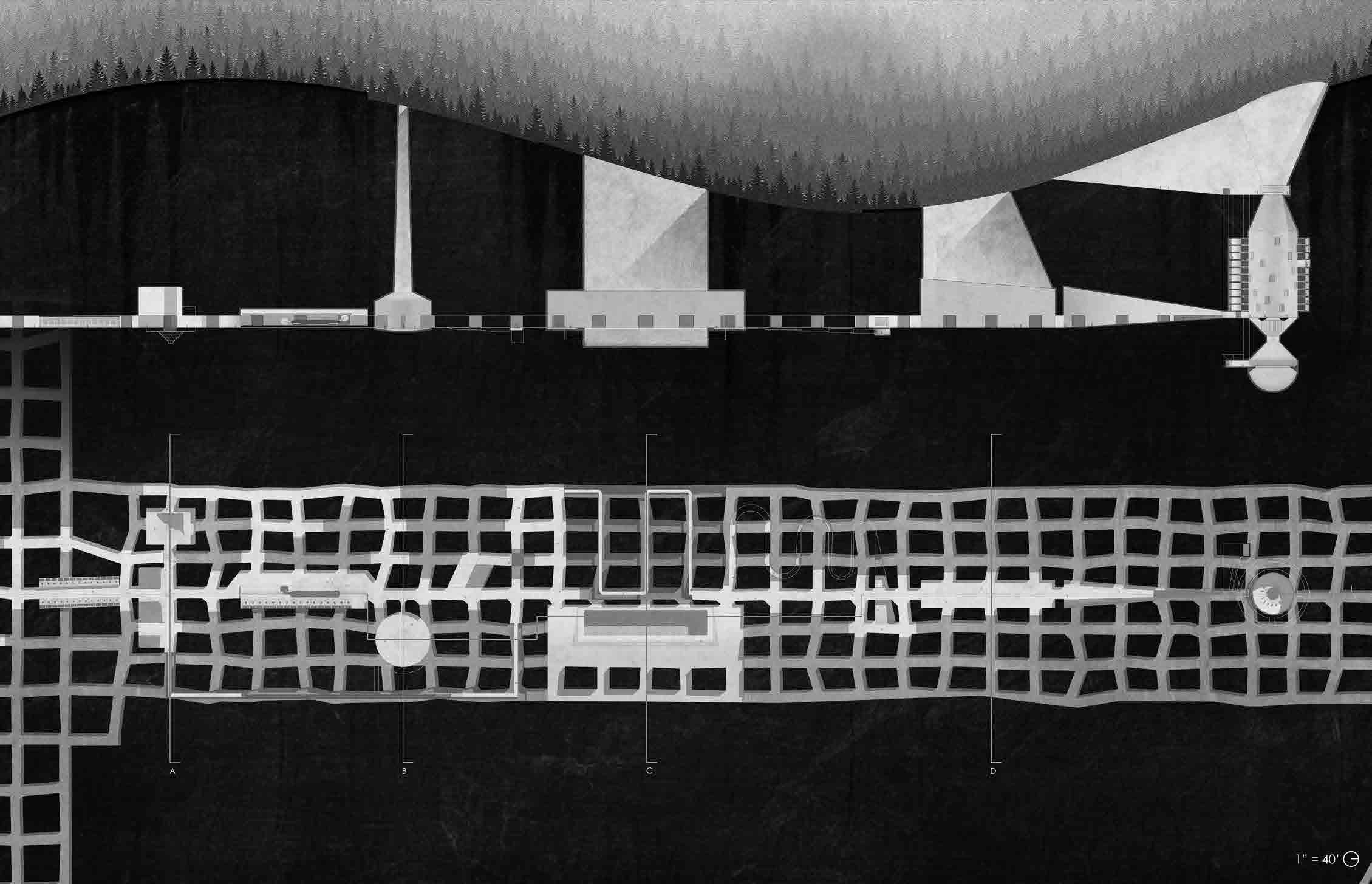
The Upper Big Branch Mine stretches over seven miles in length beneath the Appalachian mountains, situated between multiple coal mining towns. The mining disaster was the result of systemic safety failures: a methane leak ignited by a long wall mining shear, which was intensified by excessive coal dust and inadequate ventilation. Rather than erasing or concealing this history, Unforgotten engages the existing mine as both site and artifact, carving new spatial experiences into what already exists.
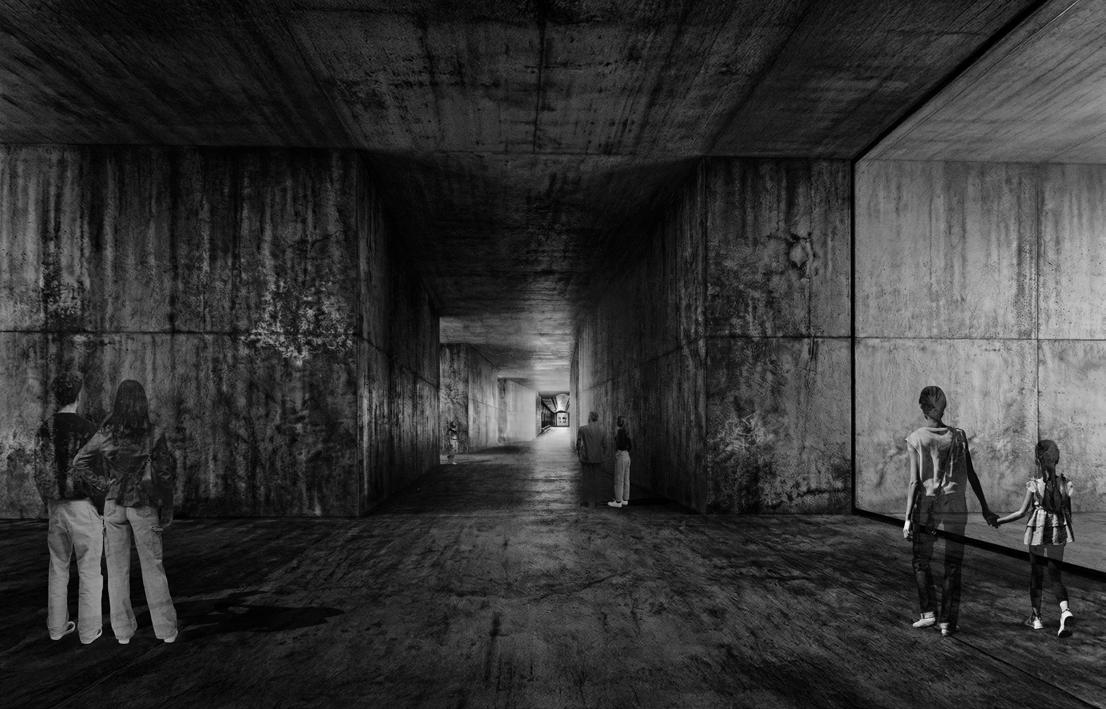
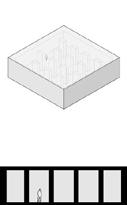
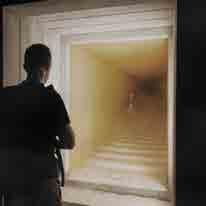
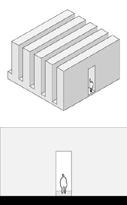
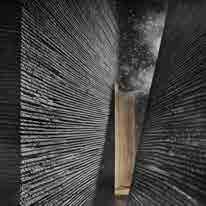
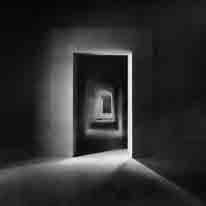
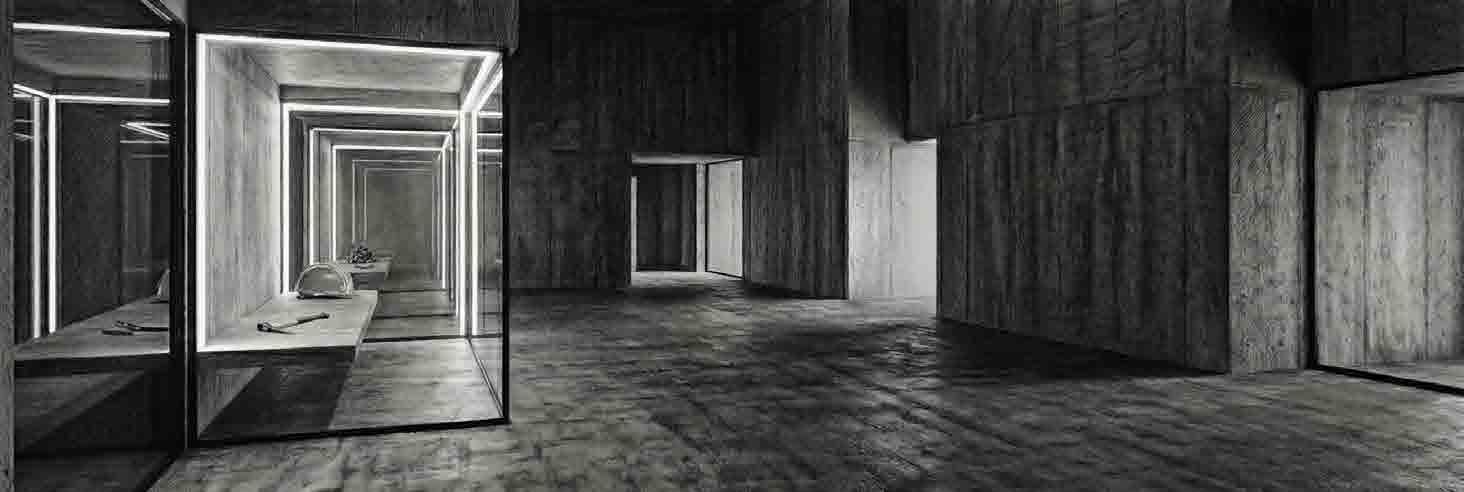
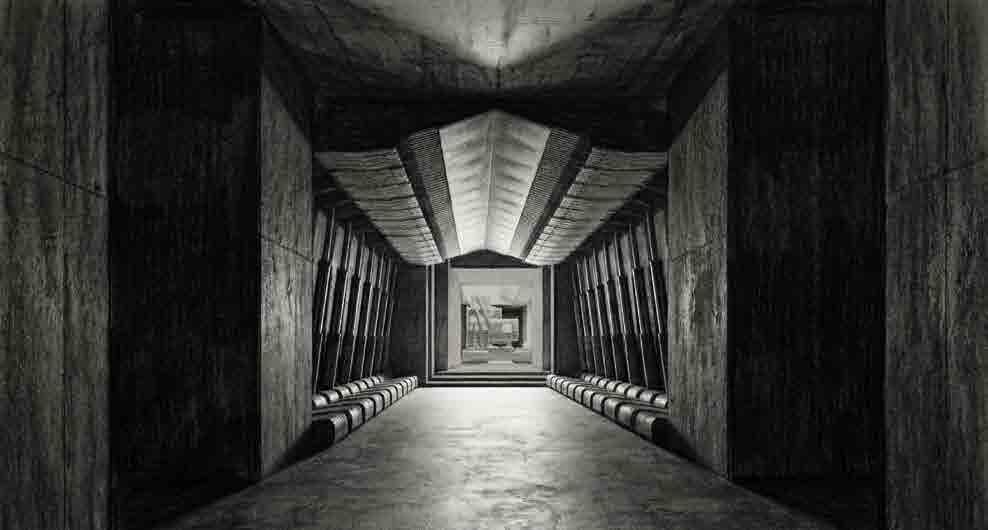
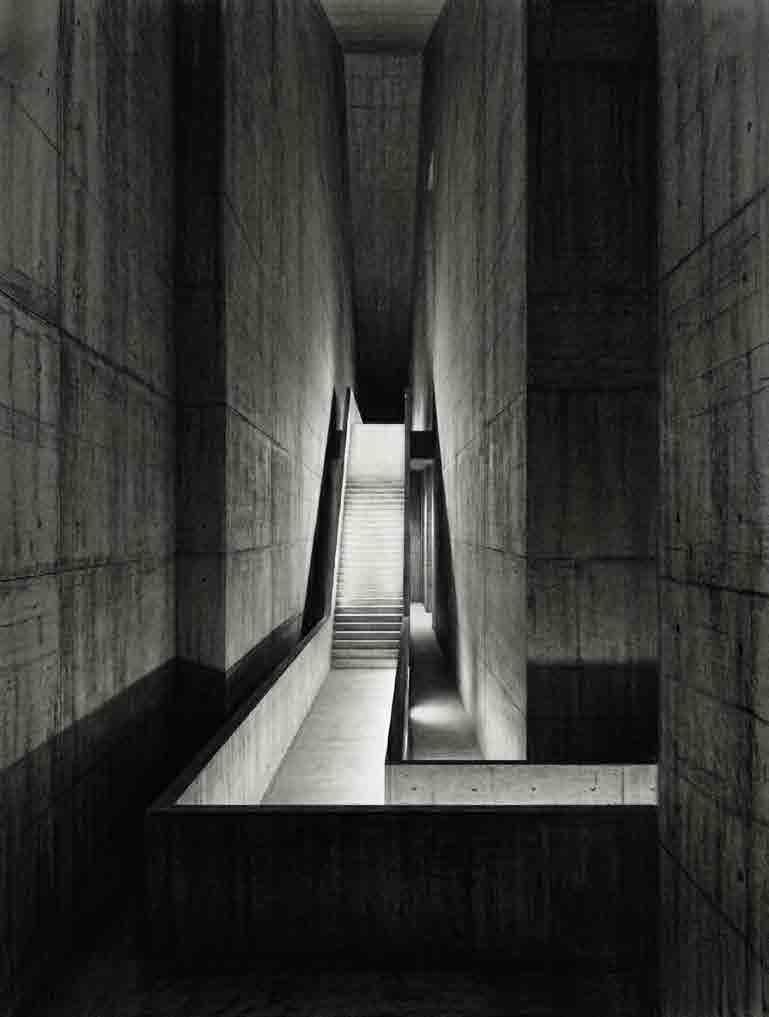
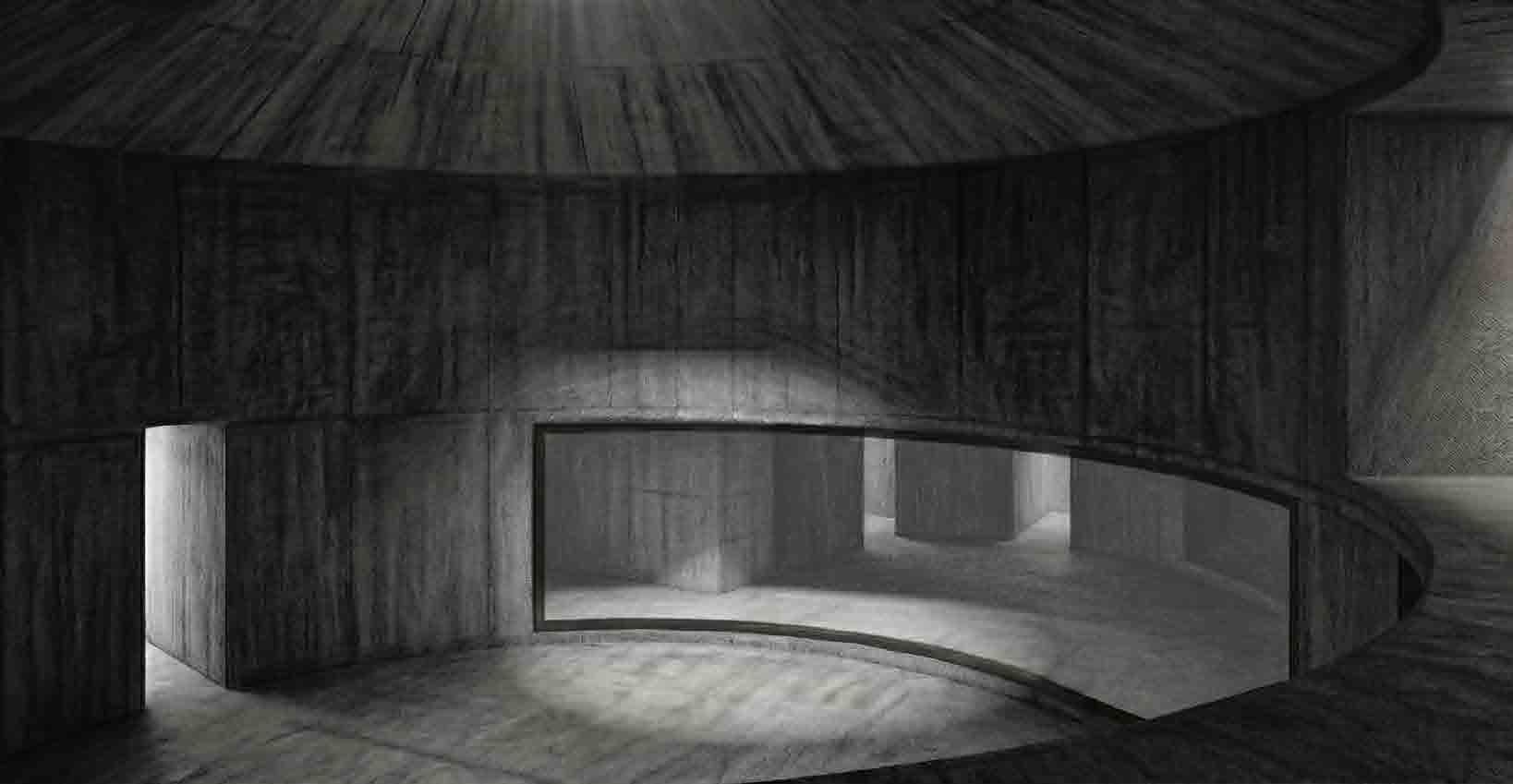
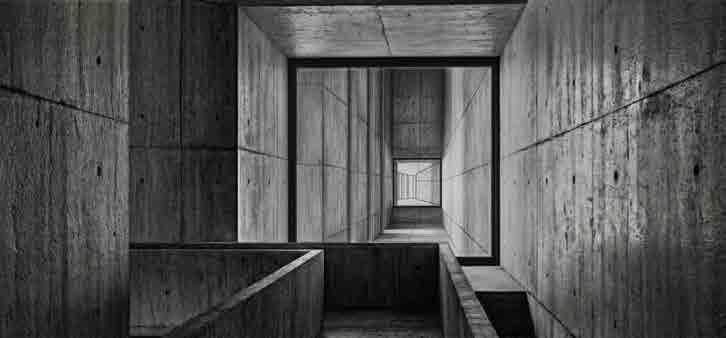
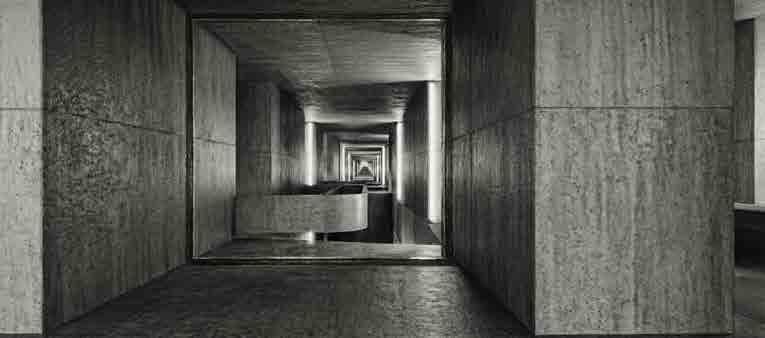
Conceptually, the project aims to challenge the notion of monument and memorial. Traditional monuments are static objects to be observed, while memorials often provide open spaces for collective grief. Unforgotten merges and expands these ideas by creating a personalized, sensory-driven experience rooted in placeness. The architecture is not an object separate from the site, but a sequence of spaces that unfold through movement, sound, light, and material, allowing visitors to experience memory individually while remaining connected to the collective.
Unforgotten is not simply a memorial, but a passage through darkness and light, above and below, individual and collective memory. Through architecture, it seeks to preserve presence, honor labor, and ensure that
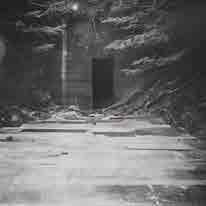
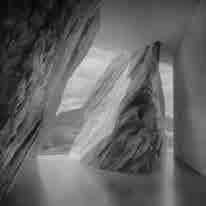
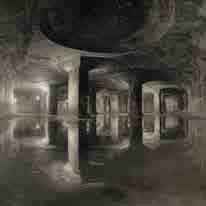
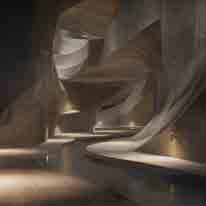
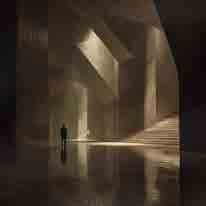
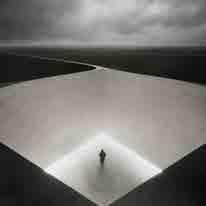
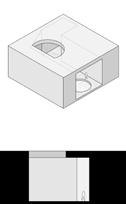
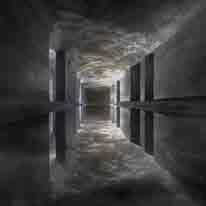
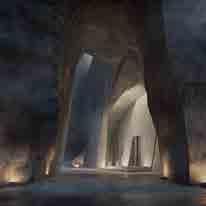
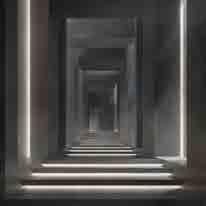
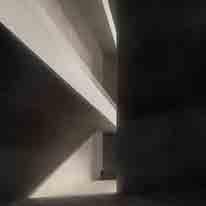
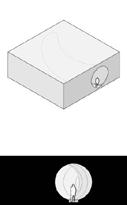
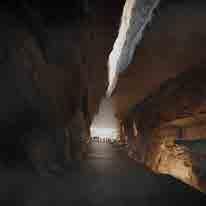
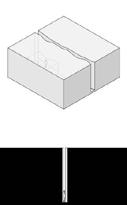
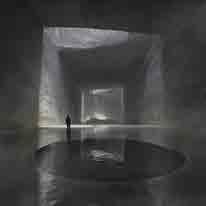
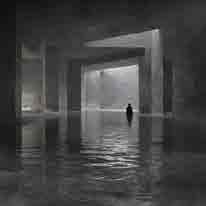
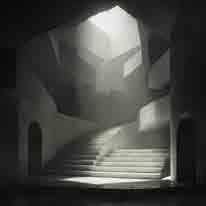
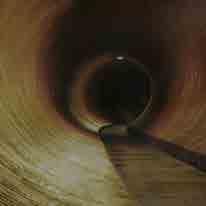
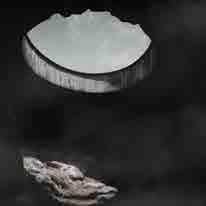
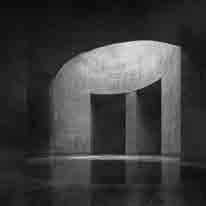
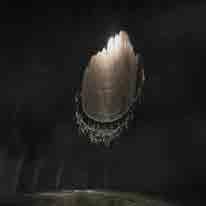
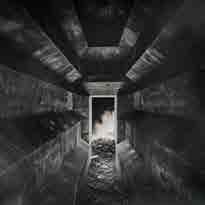
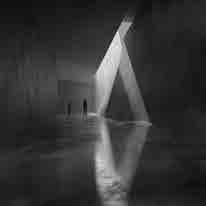
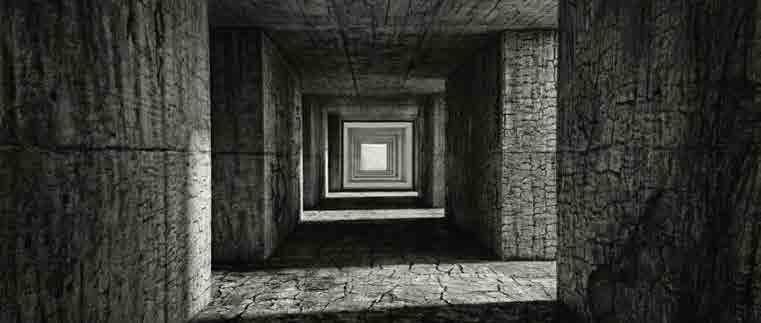
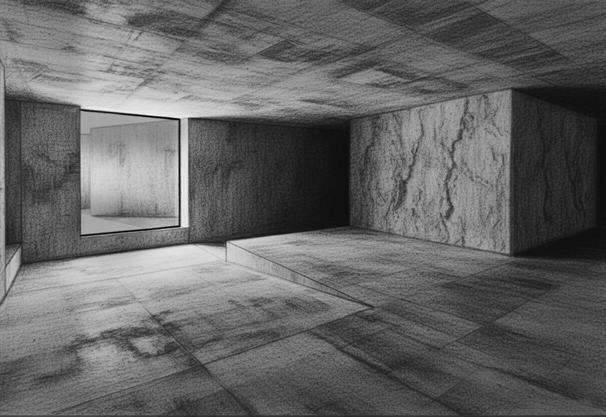
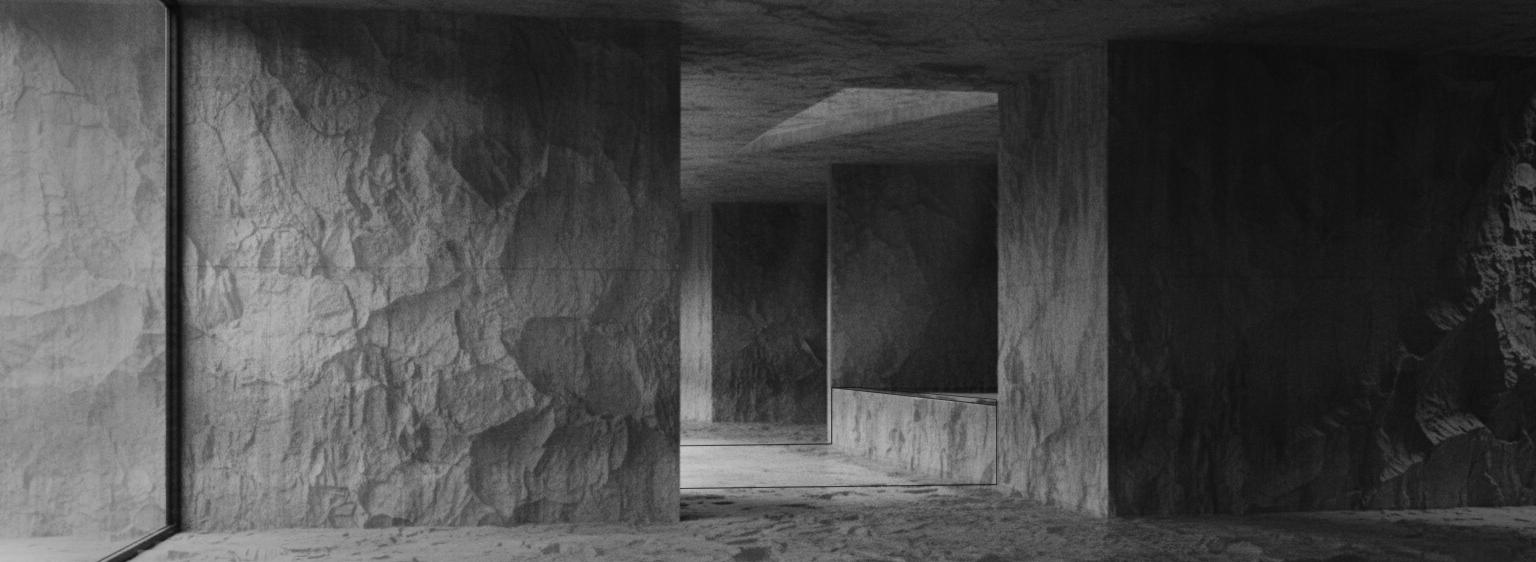
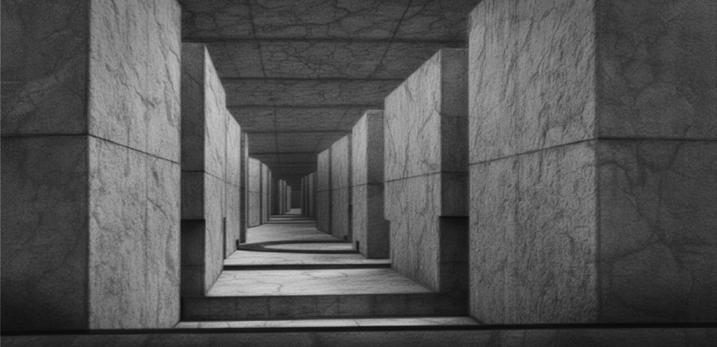
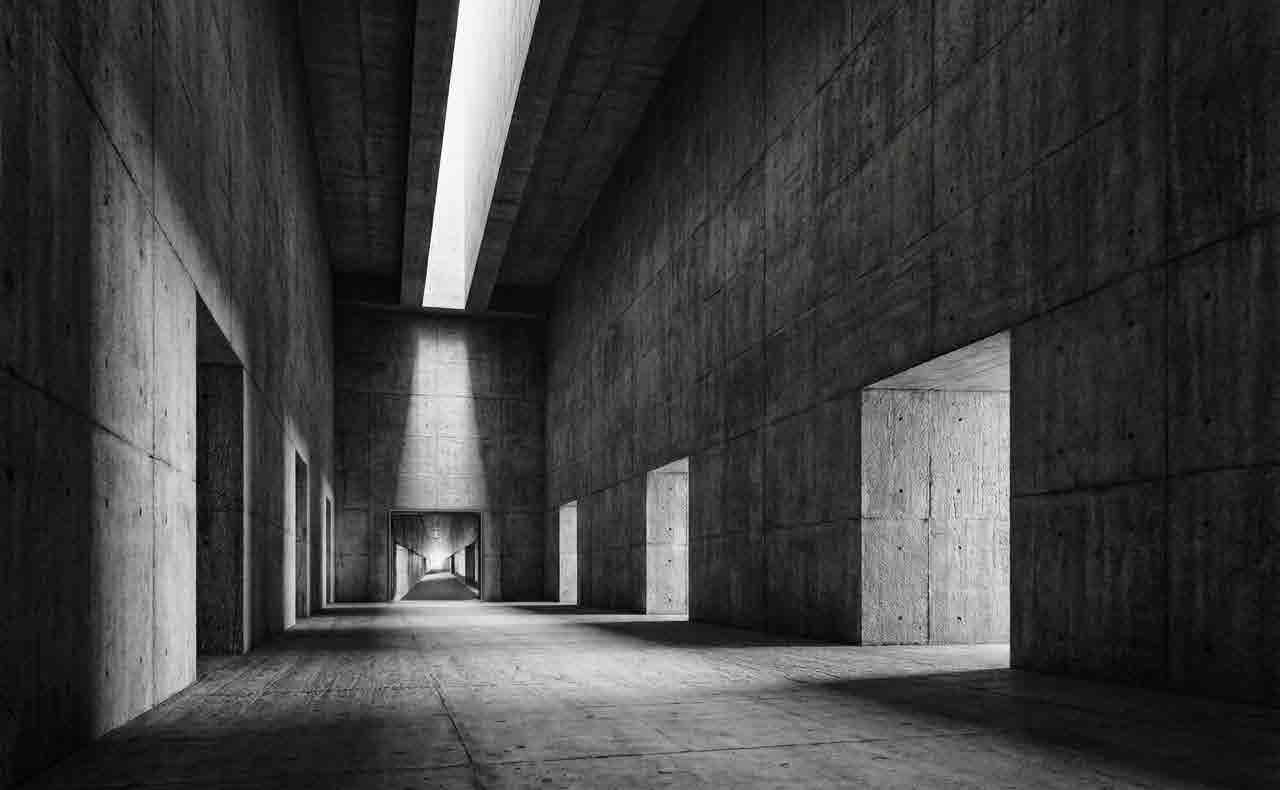
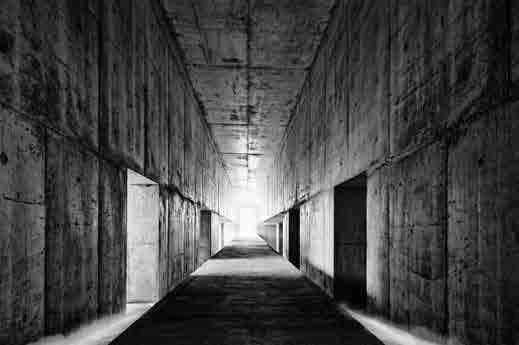
We started our architectural exploration through AI imaging. The organizational strategy of our matrix moves from light to dark, left to right. The top of the matrix represents the most natural conditions, and as you move downward, the level of intervention increases. For each image, we evaluated the levels of light, airflow, and the built environment.
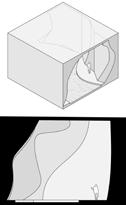
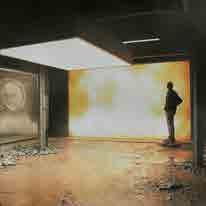
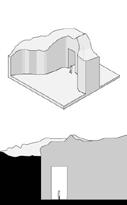
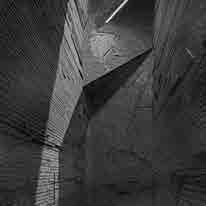
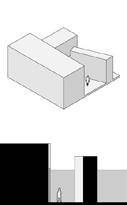
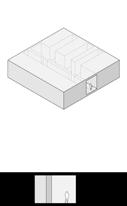
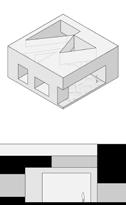
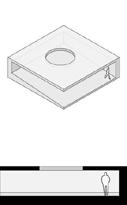
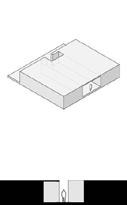
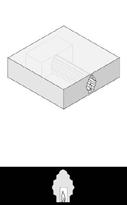
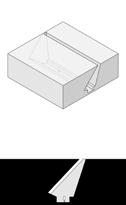
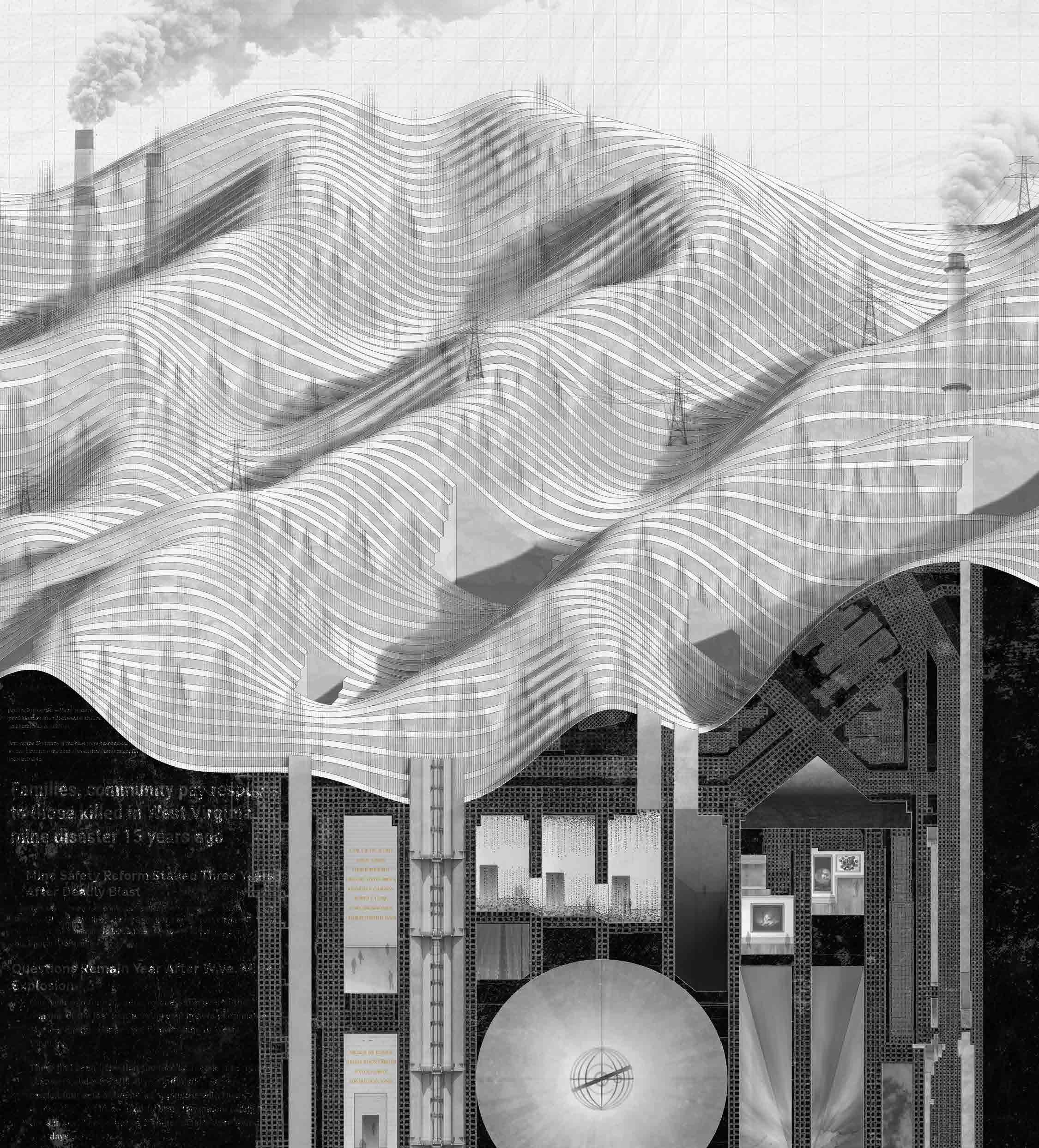
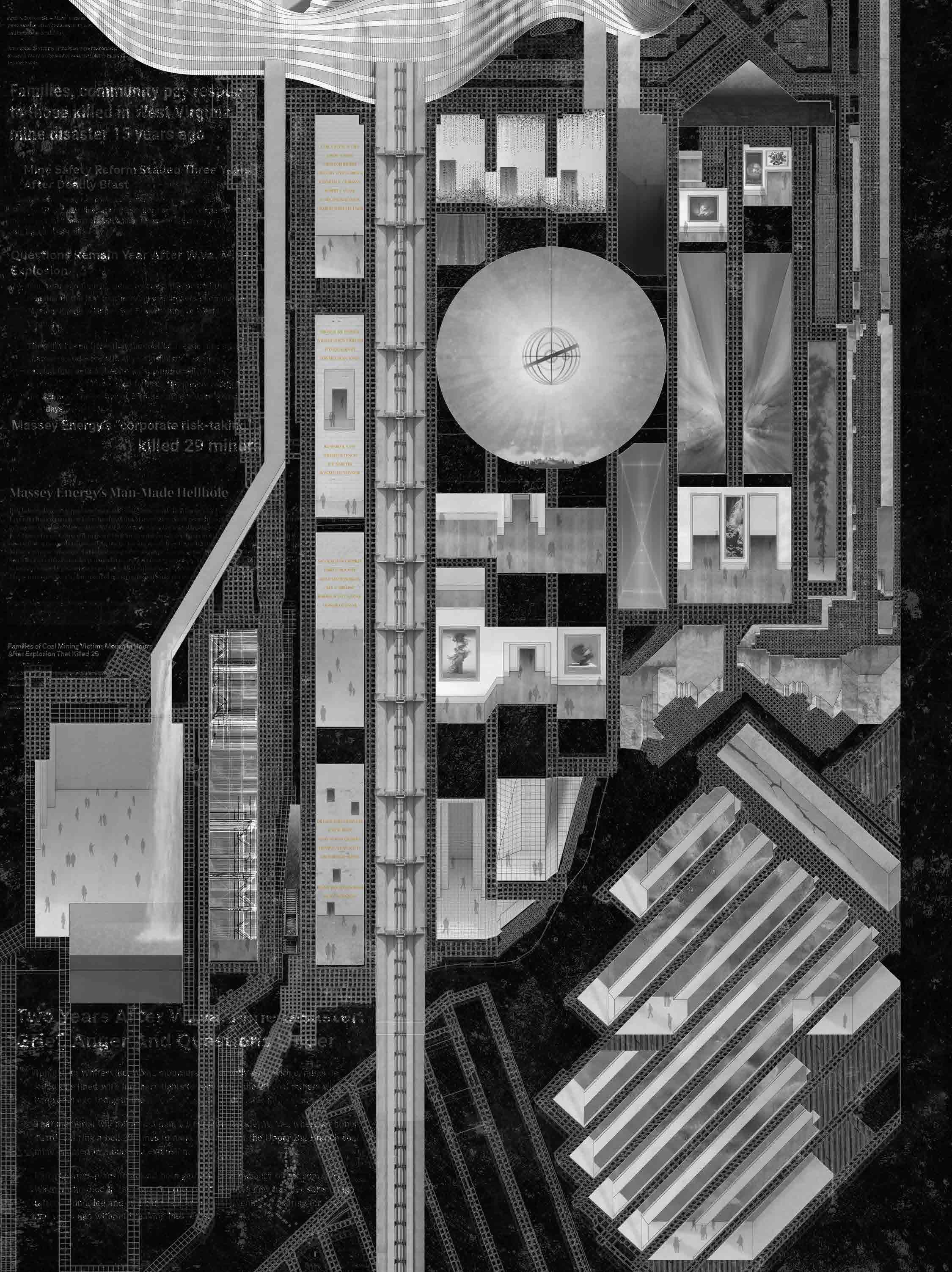
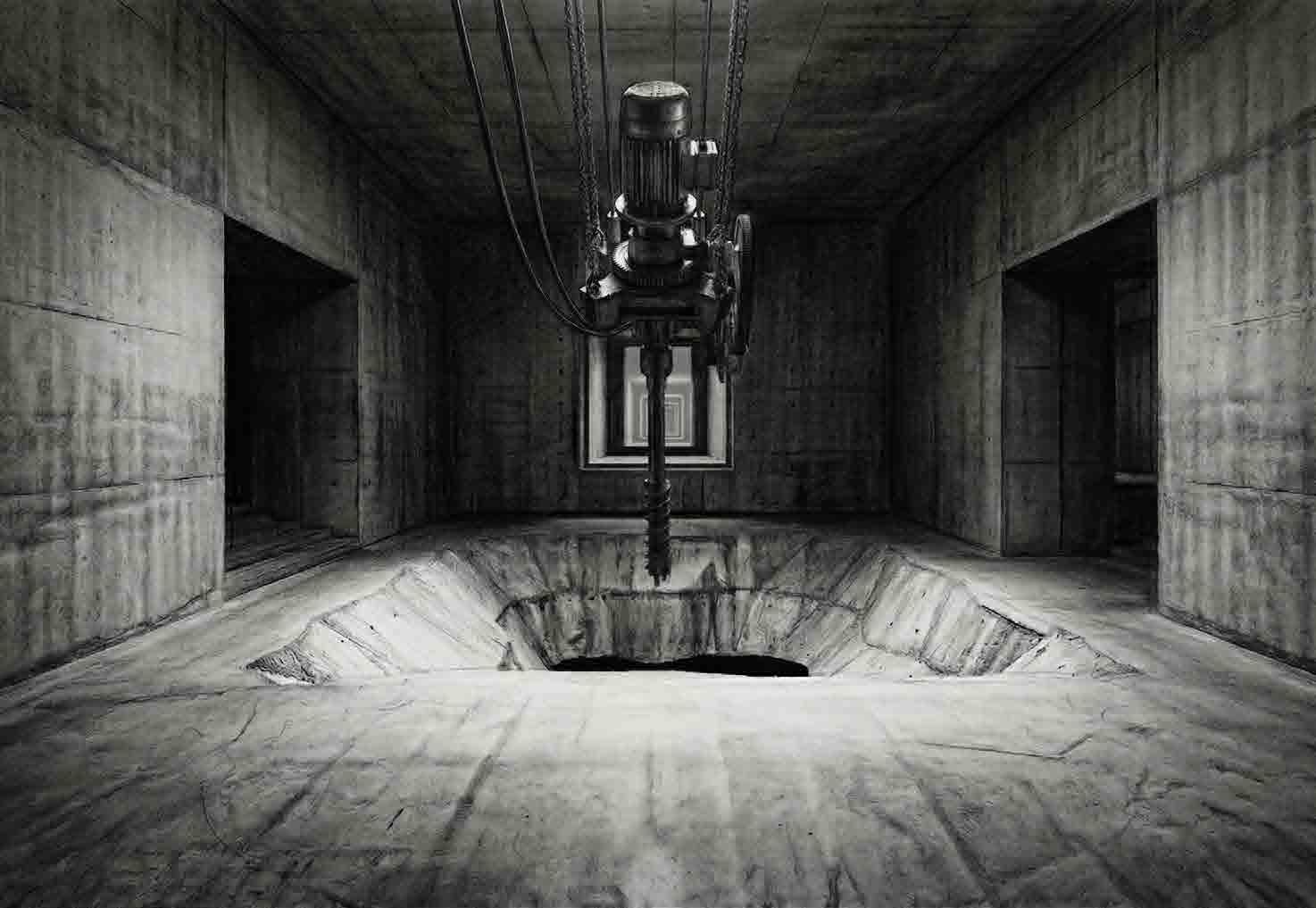
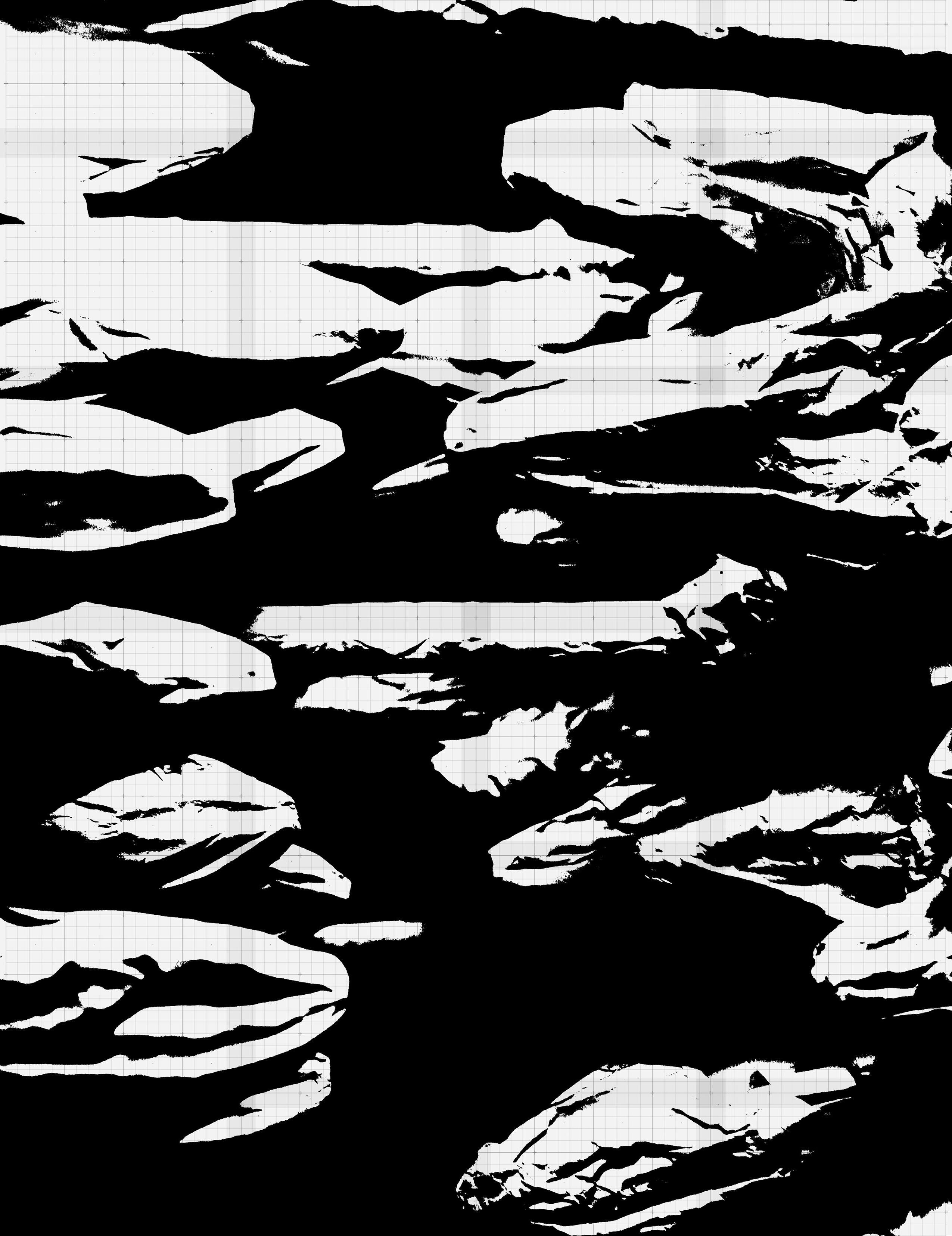
In our manifesto, we highlight the concept of above and below. The world above connects to the natural landscape of West Virginia, while the subterranean relates to the pre-existing mine and our proposal. The black of the section cut incorporates clips from news reports and a map of the mine. Interior spaces illustrate the different experiences we were aiming to create on the site, including art installations, sensory experiences, cave imagery, and mechanical elements, which came together to make our architectural experience.
Sanctuary
4th year academic work
Site: Hejaz Mountains, Saudi Arabia
Instructor: Ayodele Iyanalu
Studio Partner: Yahia Mohamed
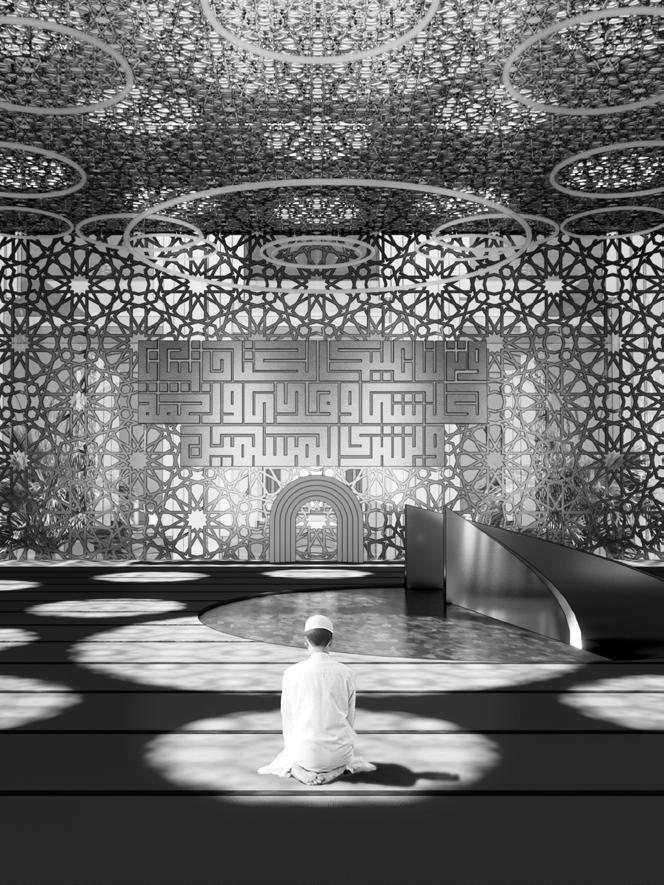
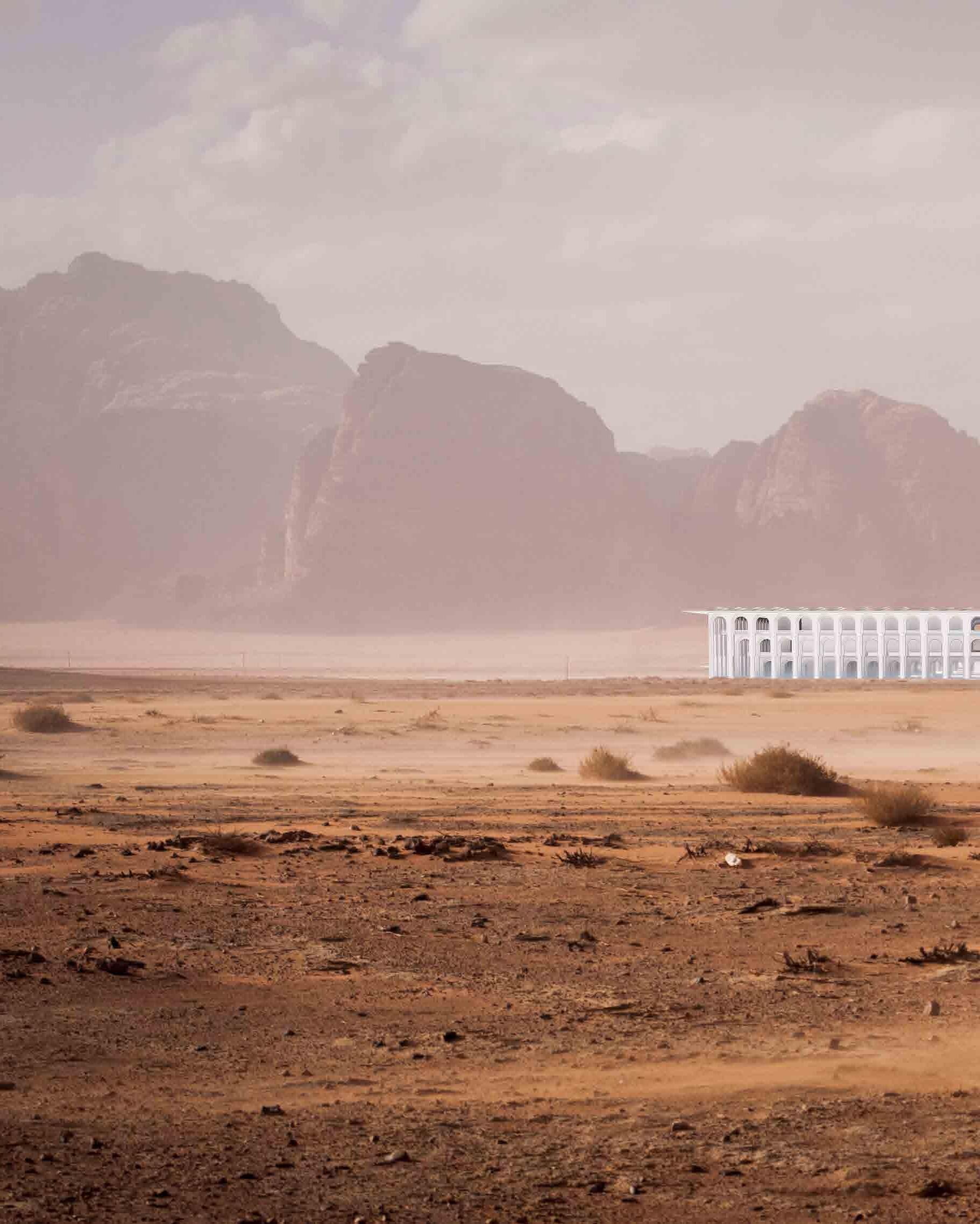
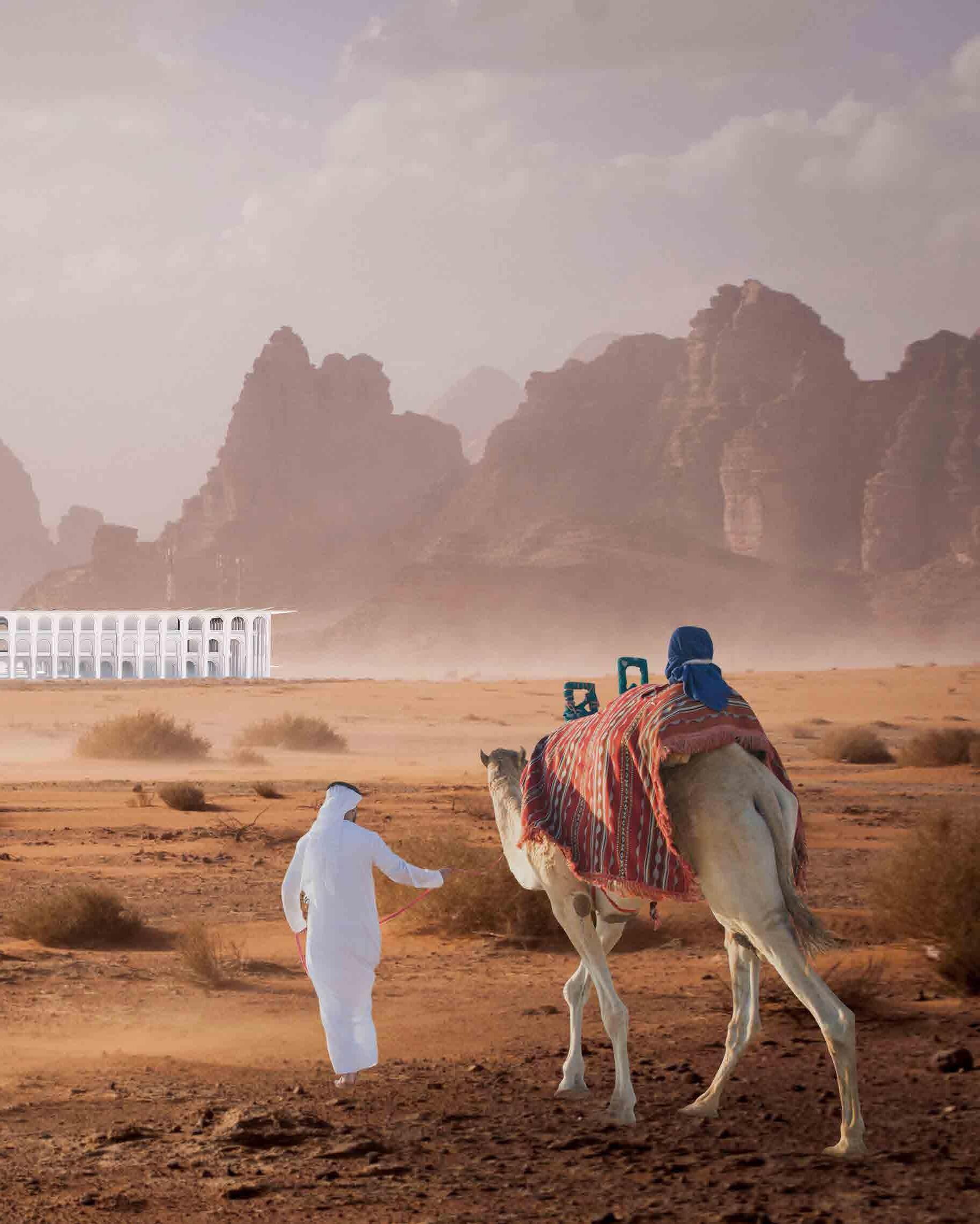
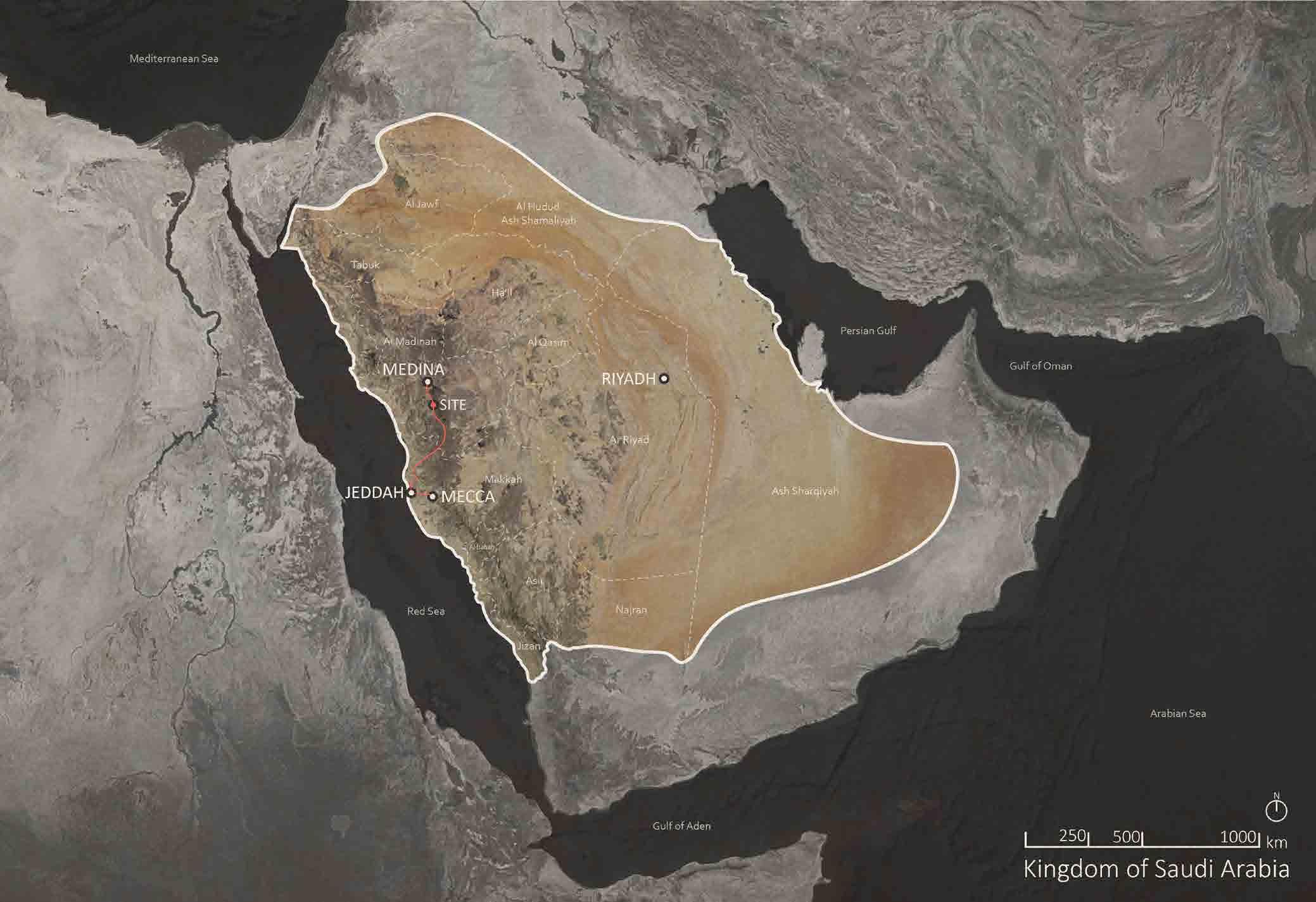
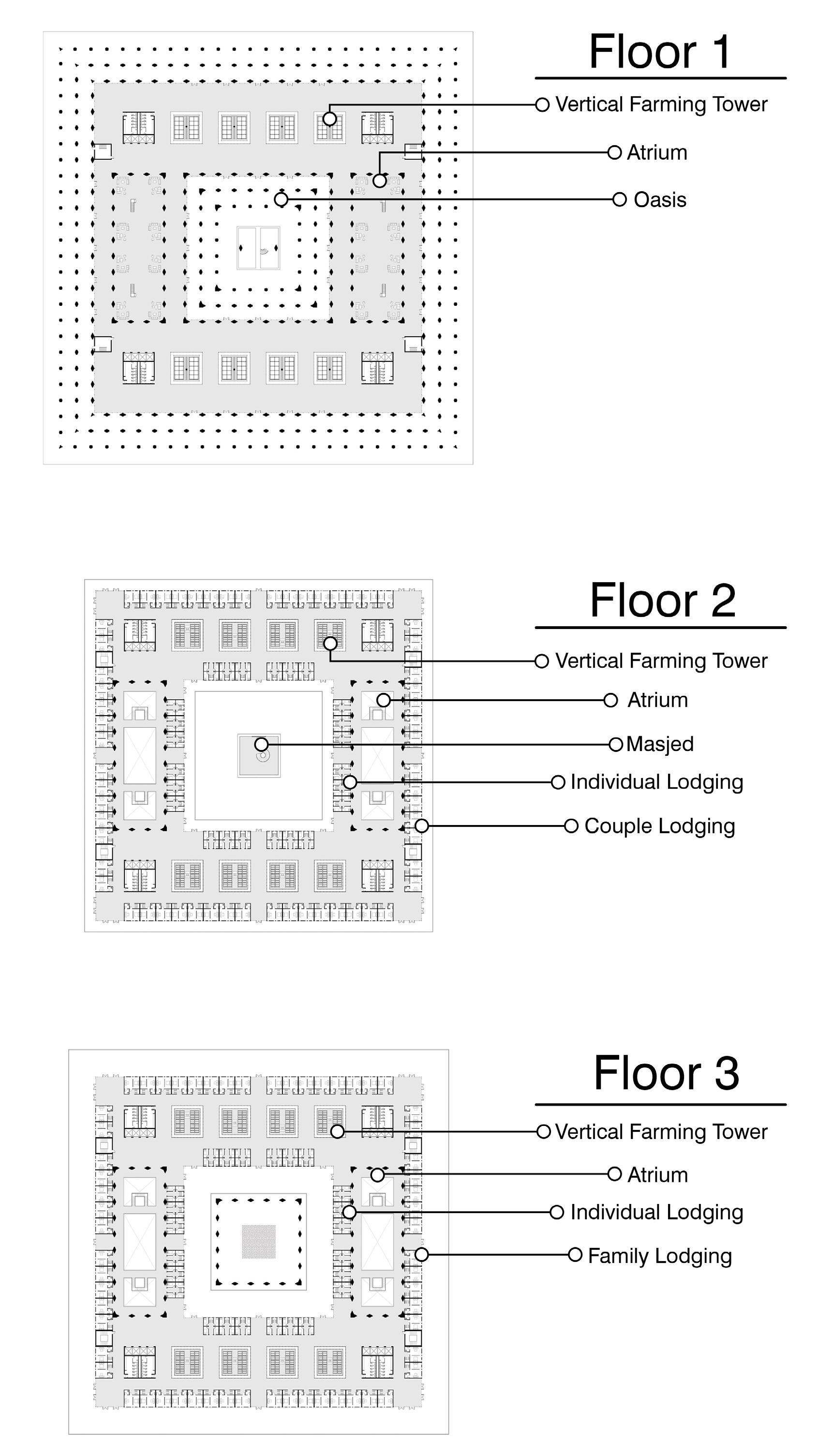
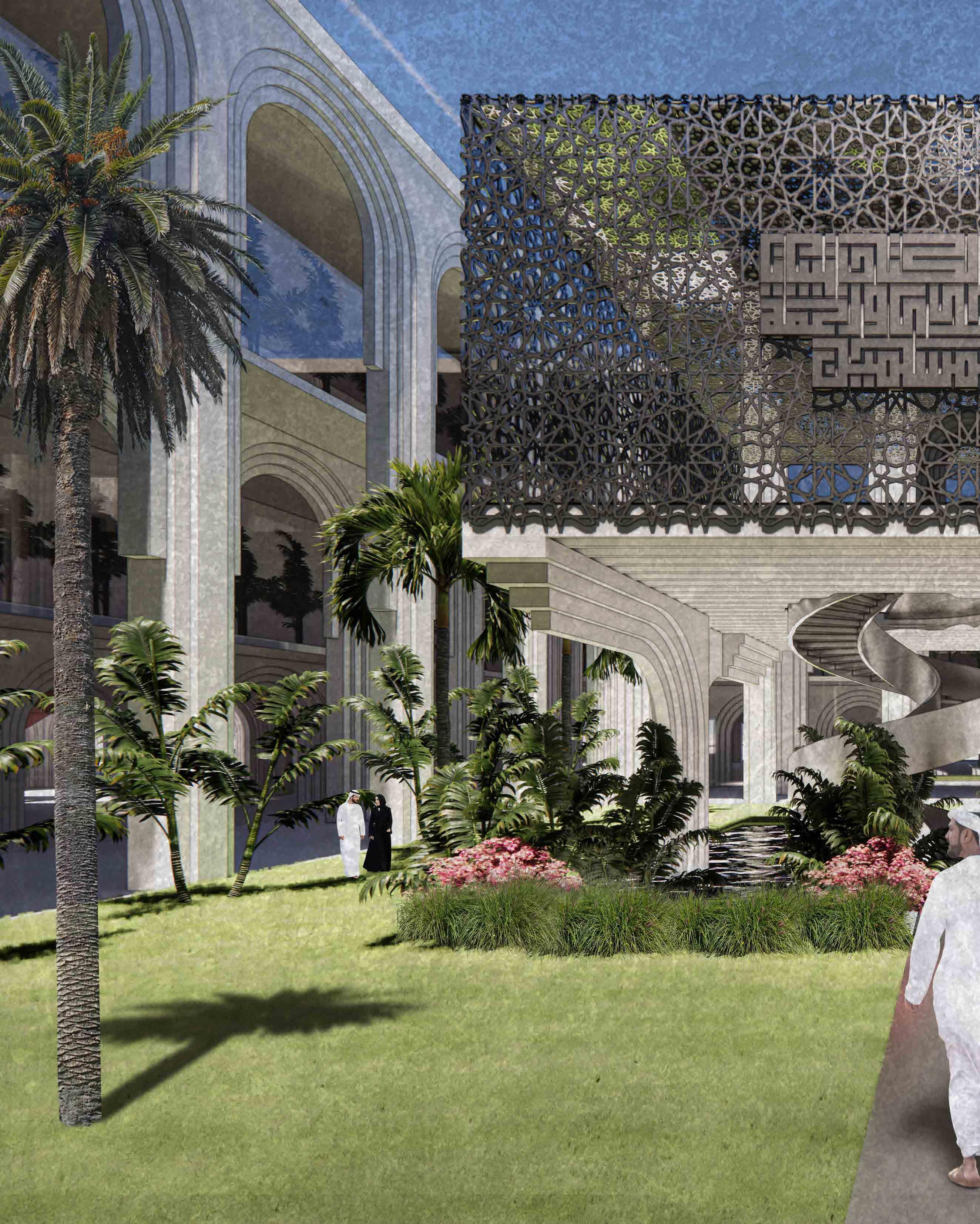
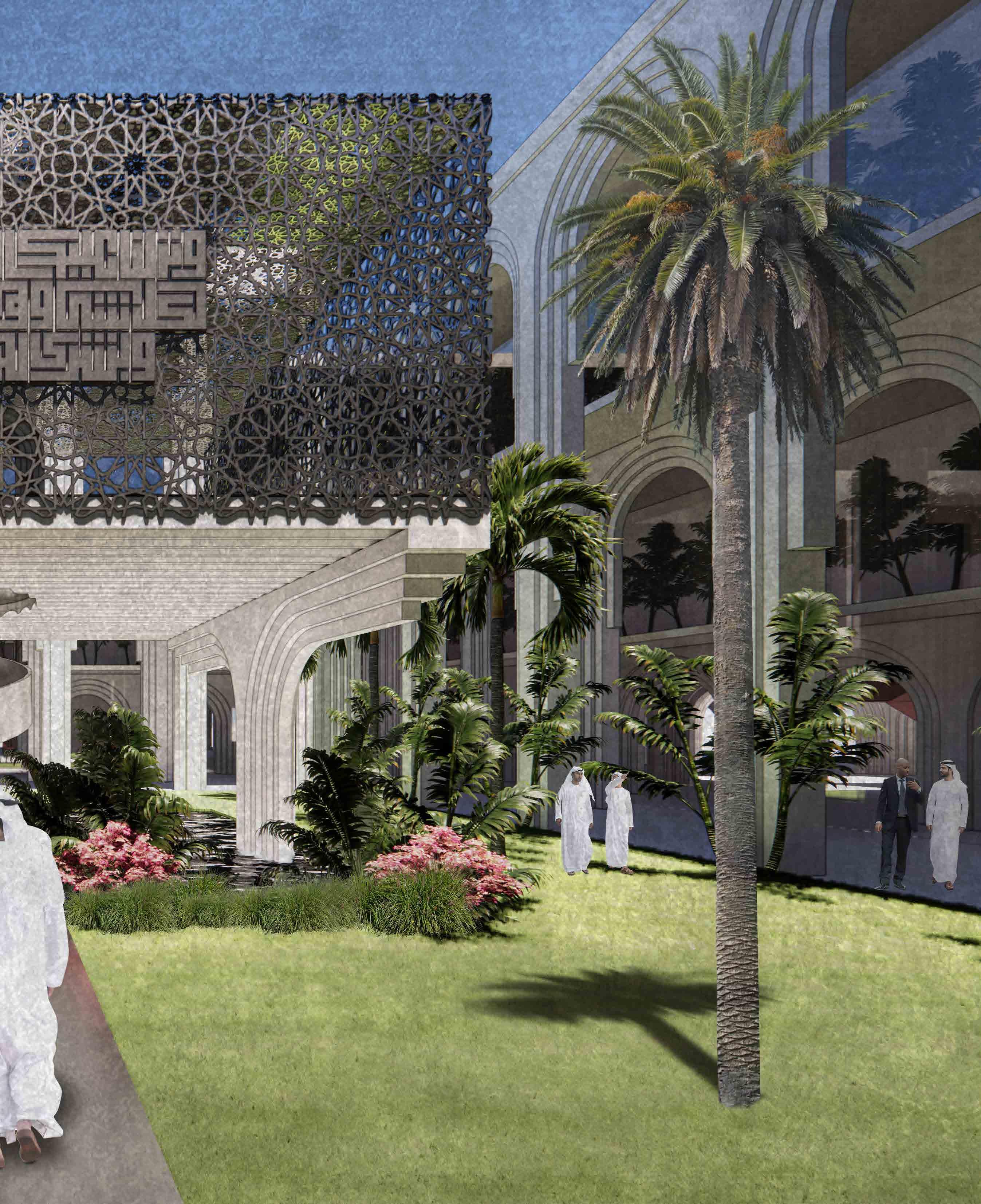
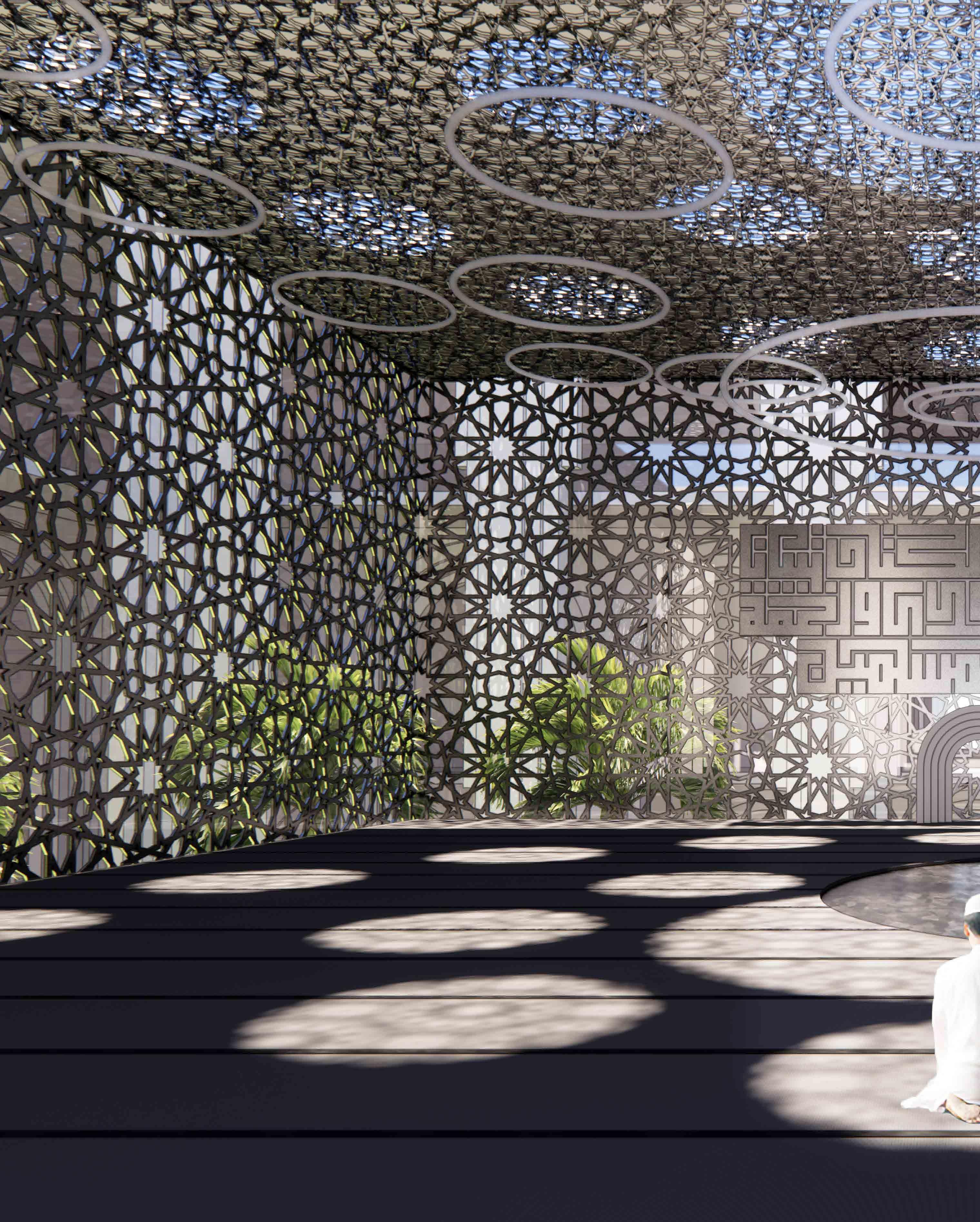
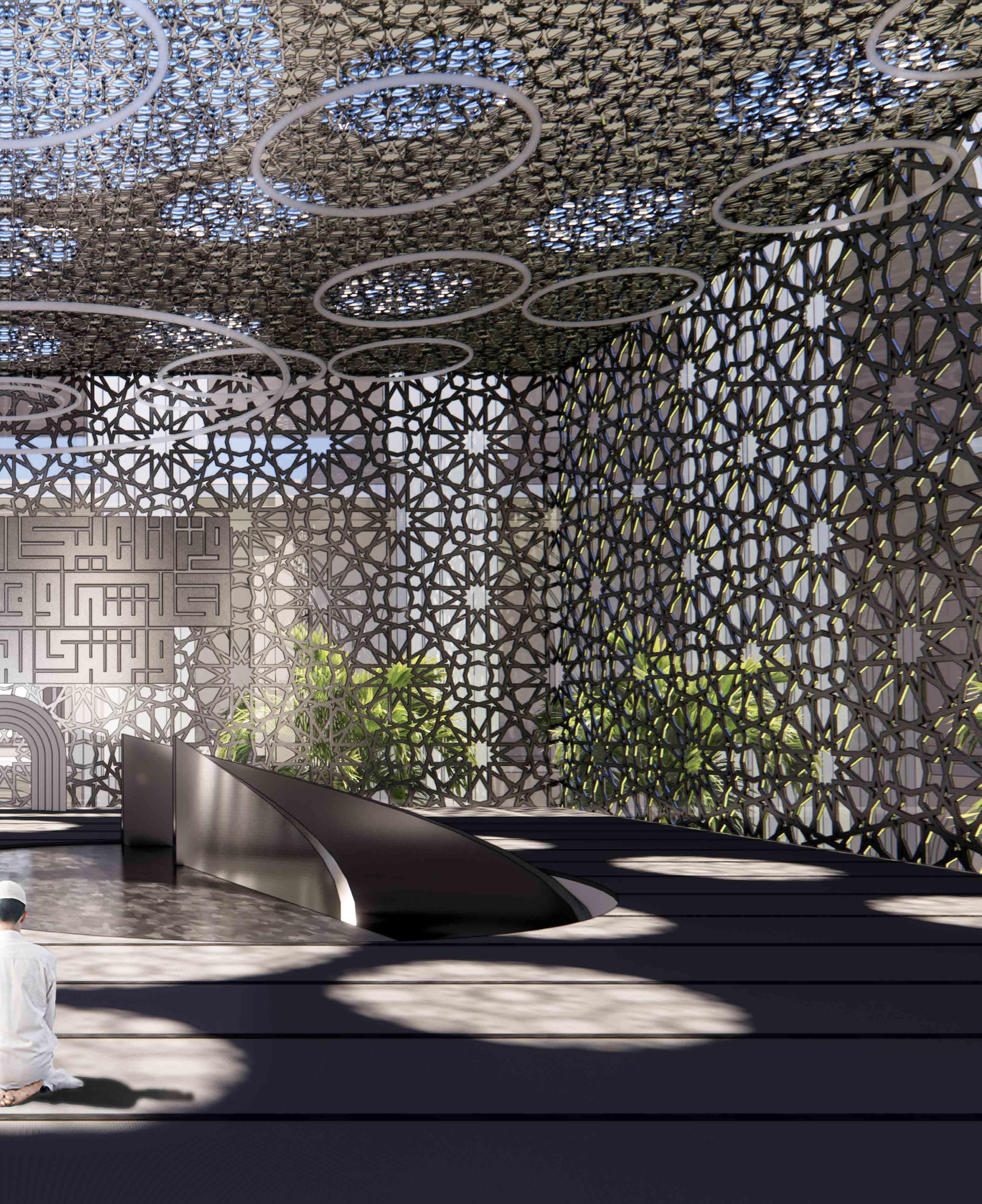
Sanctuary is a refuge for travelers venturing through the Saudi Arabian mountainous desert-region between Mecca and Medina. Designed to imitate the natural function of an oasis, the proposal provides abundant greenery within this arid environment and offers its inhabitants shelter and rest in this harsh region.
The project is situated between the great cities of Mecca and Medina, which receive countless streams of religious tourists that migrate and make pilgrimage between these cities every year. The proposal is designed to be accessible by high-speed rail and car travel.
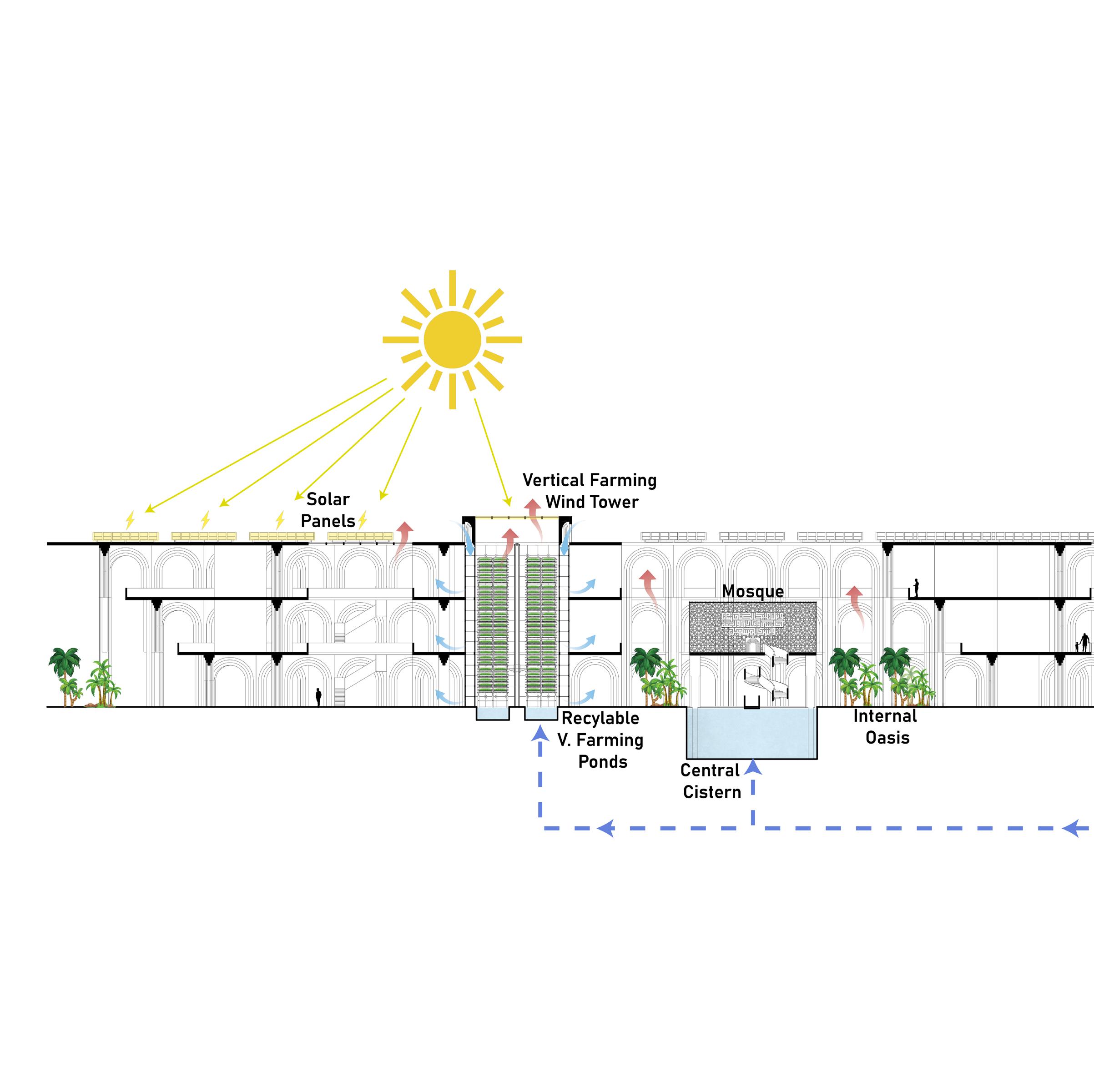
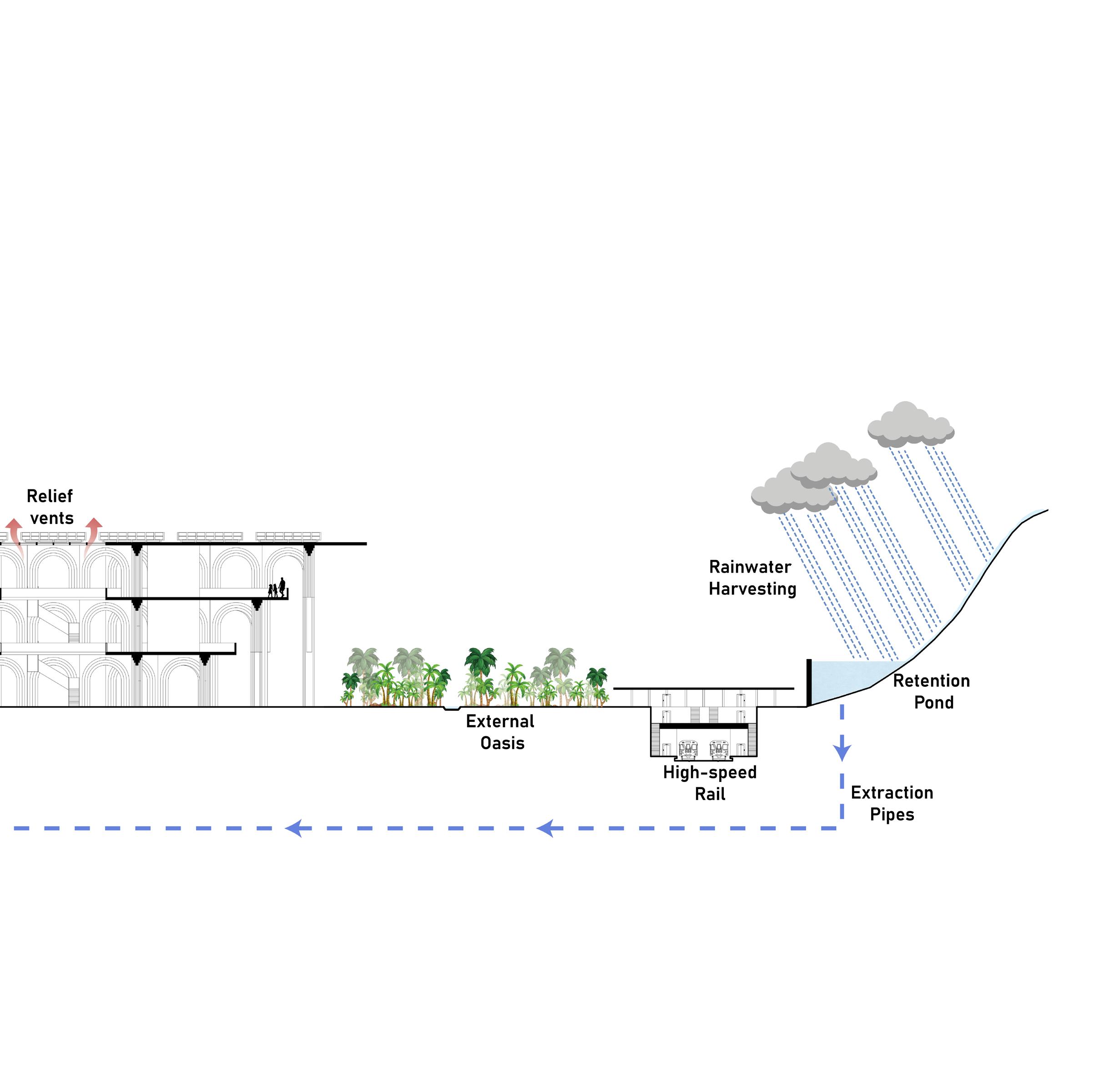
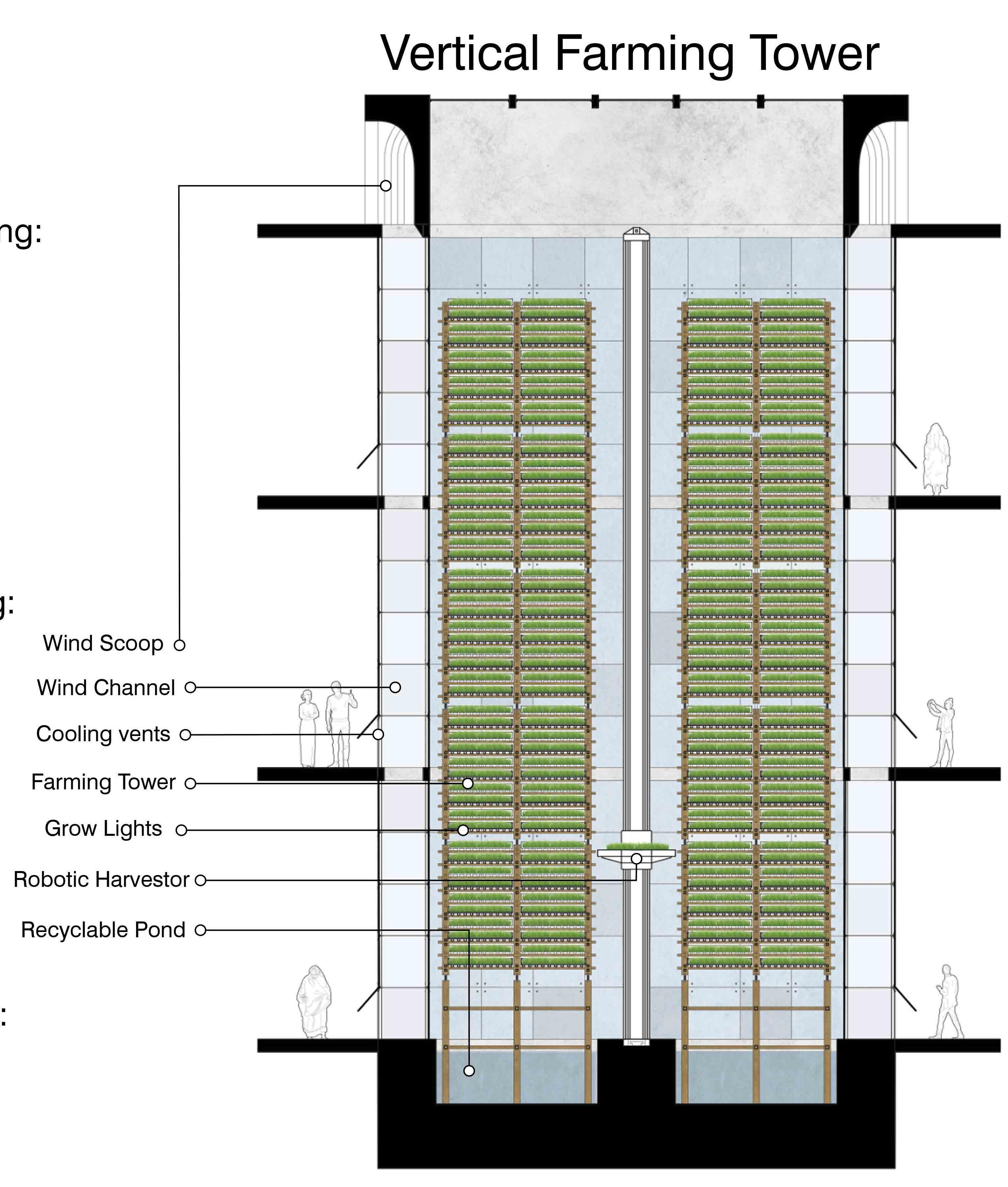
This proposal challenges the brutal essence of the desert by operating a series of vertical farming towers that require less water and yield more significant outputs than contemporary farming methods currently utilized in Saudi Arabia. Water is collected through rainfall runoff from the nearby mountains and stored in a retention pond. These methods are indefinitely sustainable compared to contemporary Saudi Arabian desalination, groundwater extraction, and center-pivot irrigation practices.
Just as a natural oasis regulates its ecology, this proposal functions independently for water and sustenance while providing abundant greenery in the desert for users to rest on their journey.
Croissance
2nd year Competition submission
Site: Adéane, Senegal
Partner: Yahia Mohamed
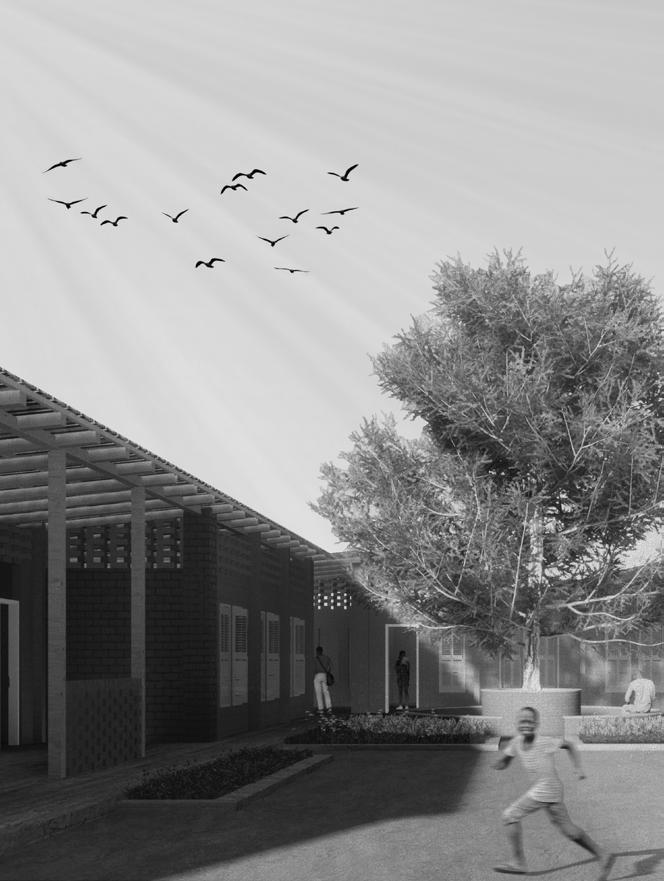
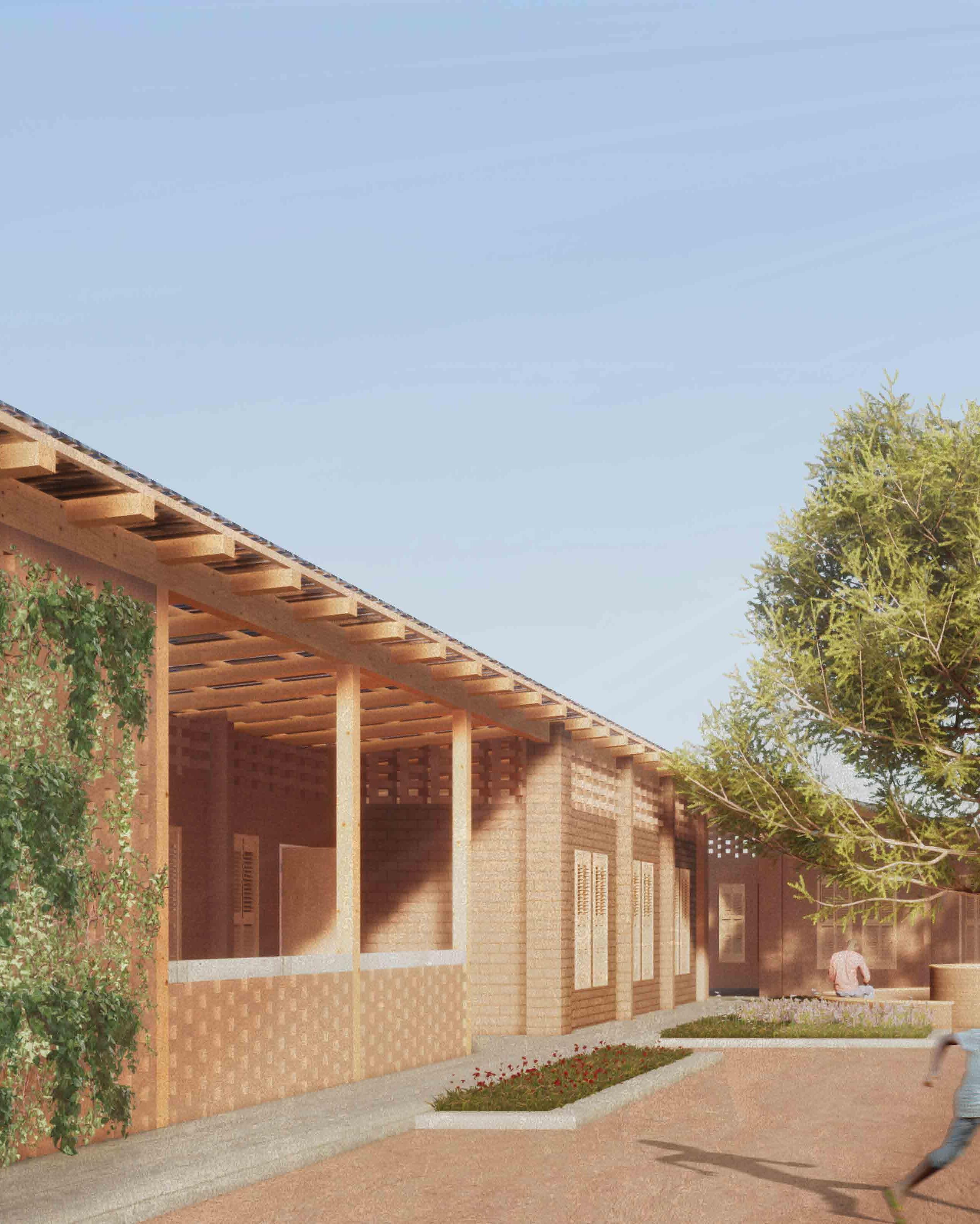
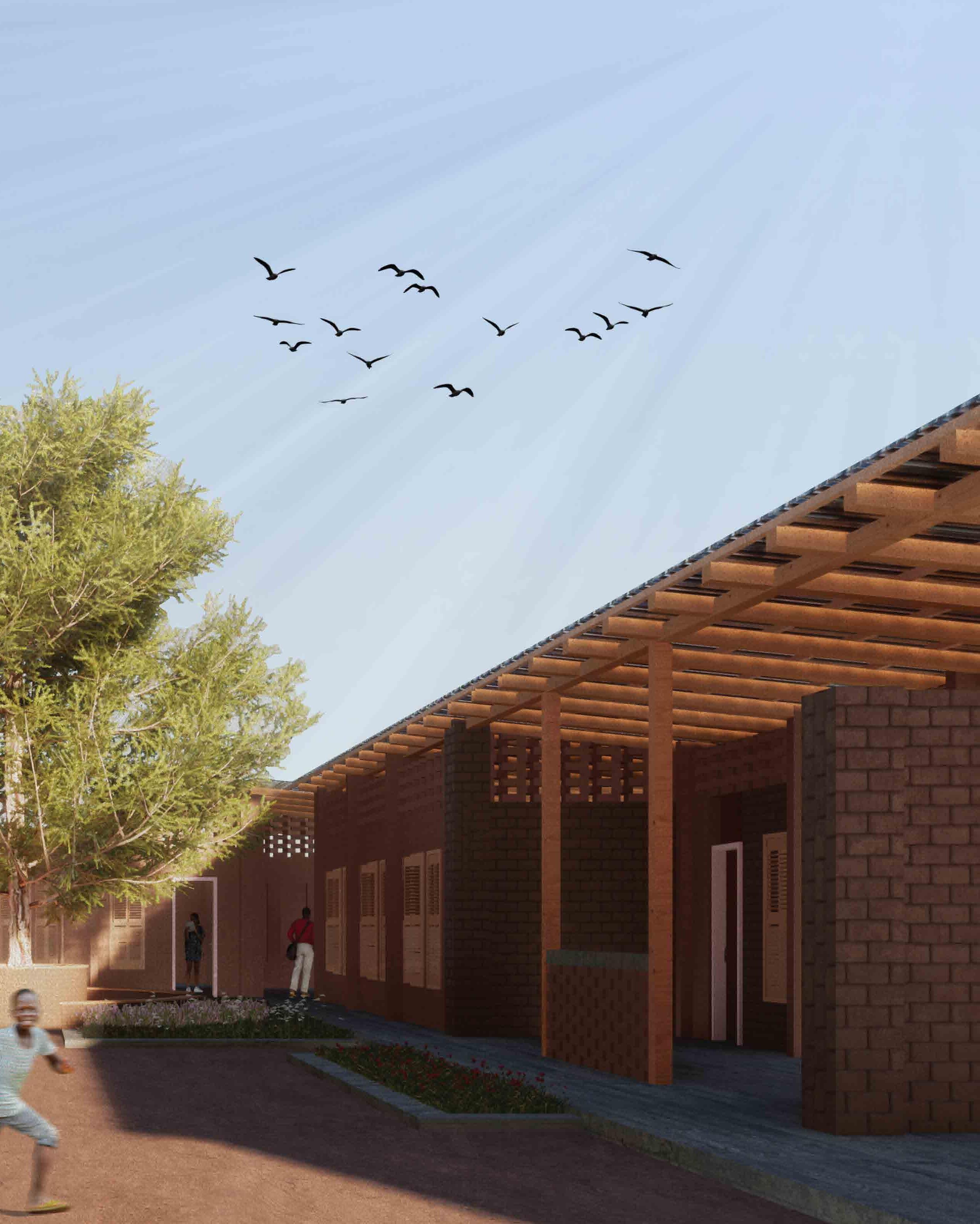
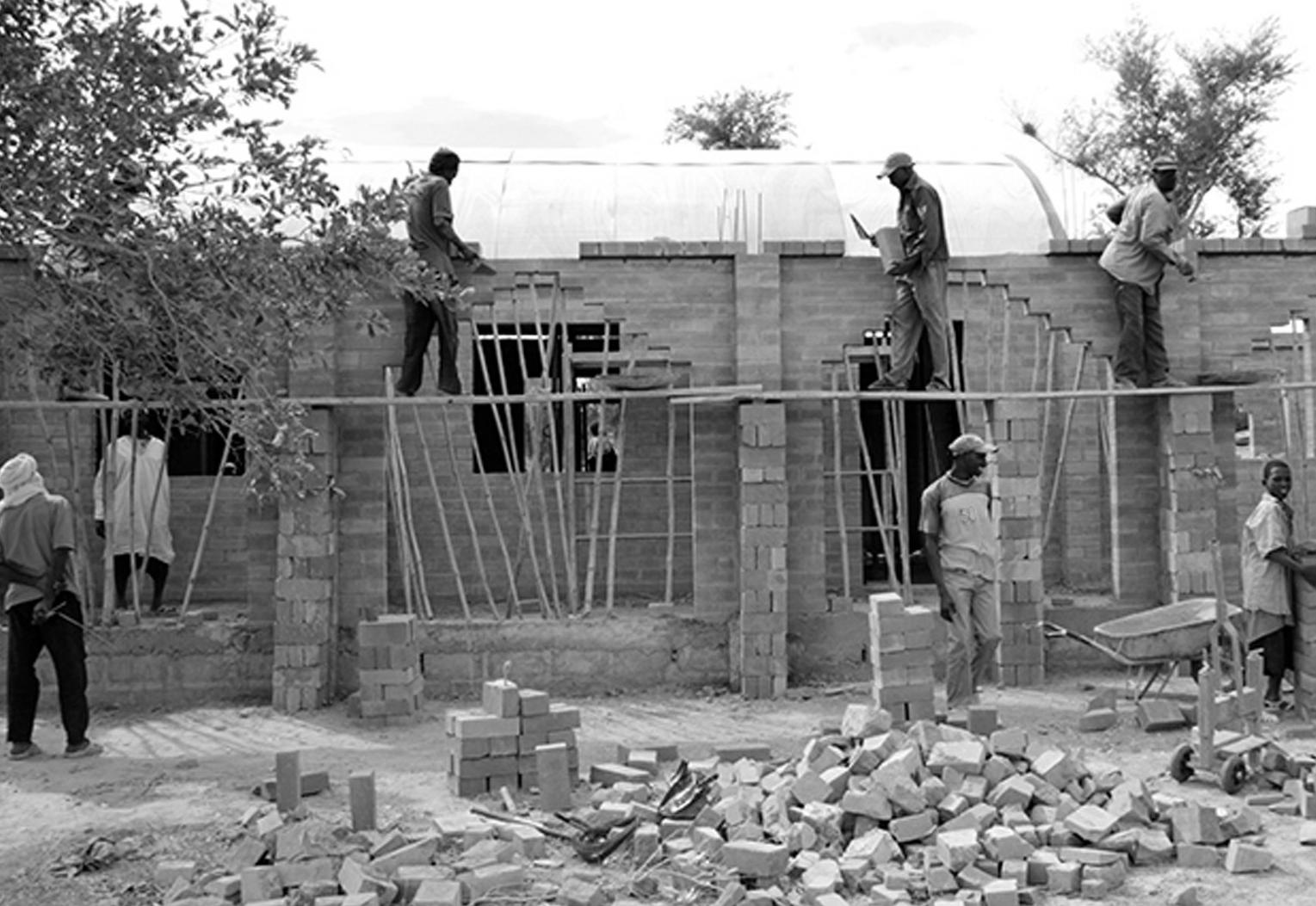
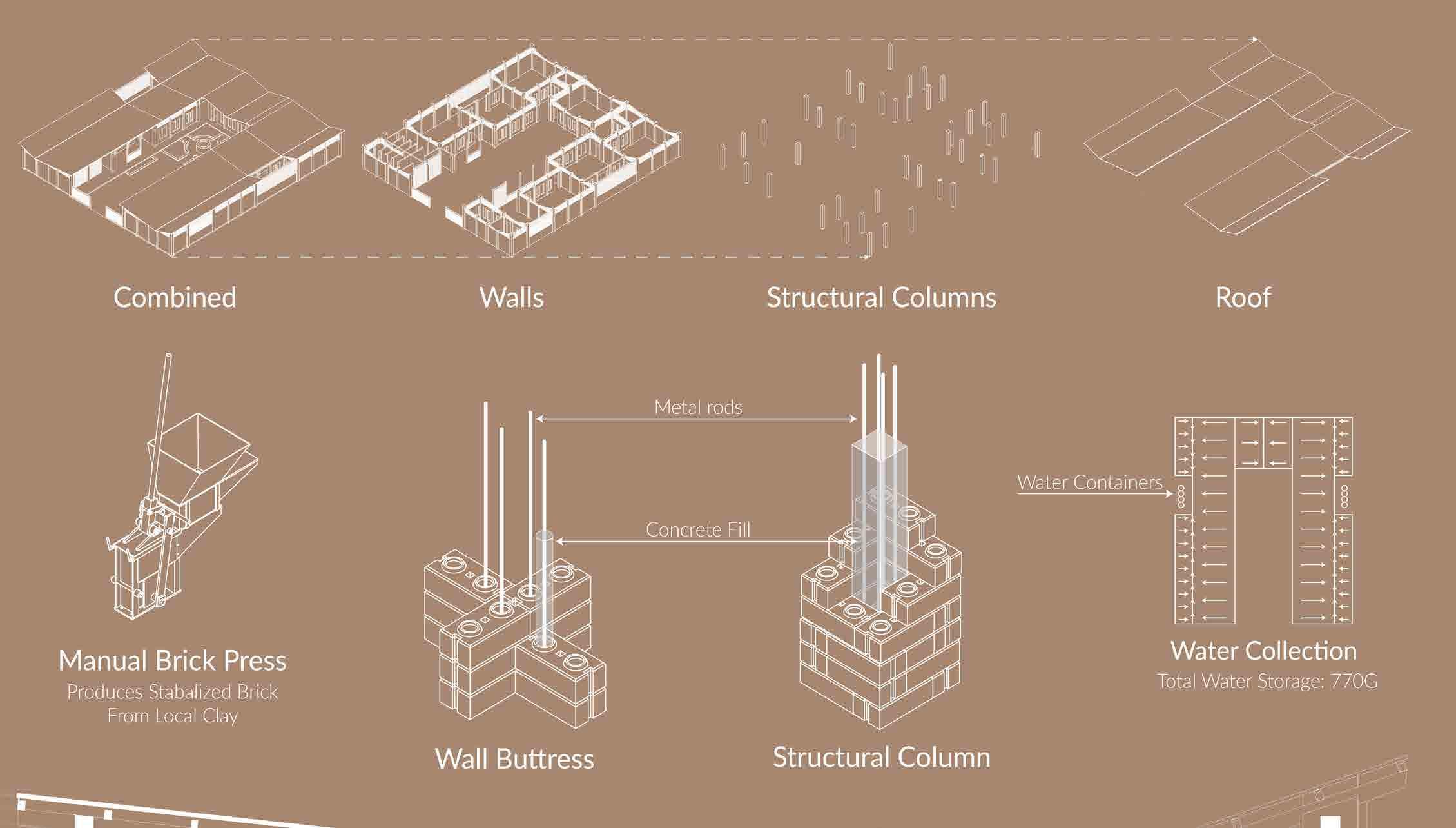
Croissance employs compressed stabilized earth bricks for construction, which are mortarless and made using locally sourced clay. These bricks are produced with a simple brick press that requires just two people to operate. They are highly energy-efficient, as they absorb and regulate heat from the Senegalese climate. This method allowed for the inclusion of breeze walls along classroom heights, enabling natural light to enter and promoting ventilation through the upper sections of the classrooms. Due to its simplicity, efficiency, and adaptability, this construction approach can be easily replicated for other local buildings.
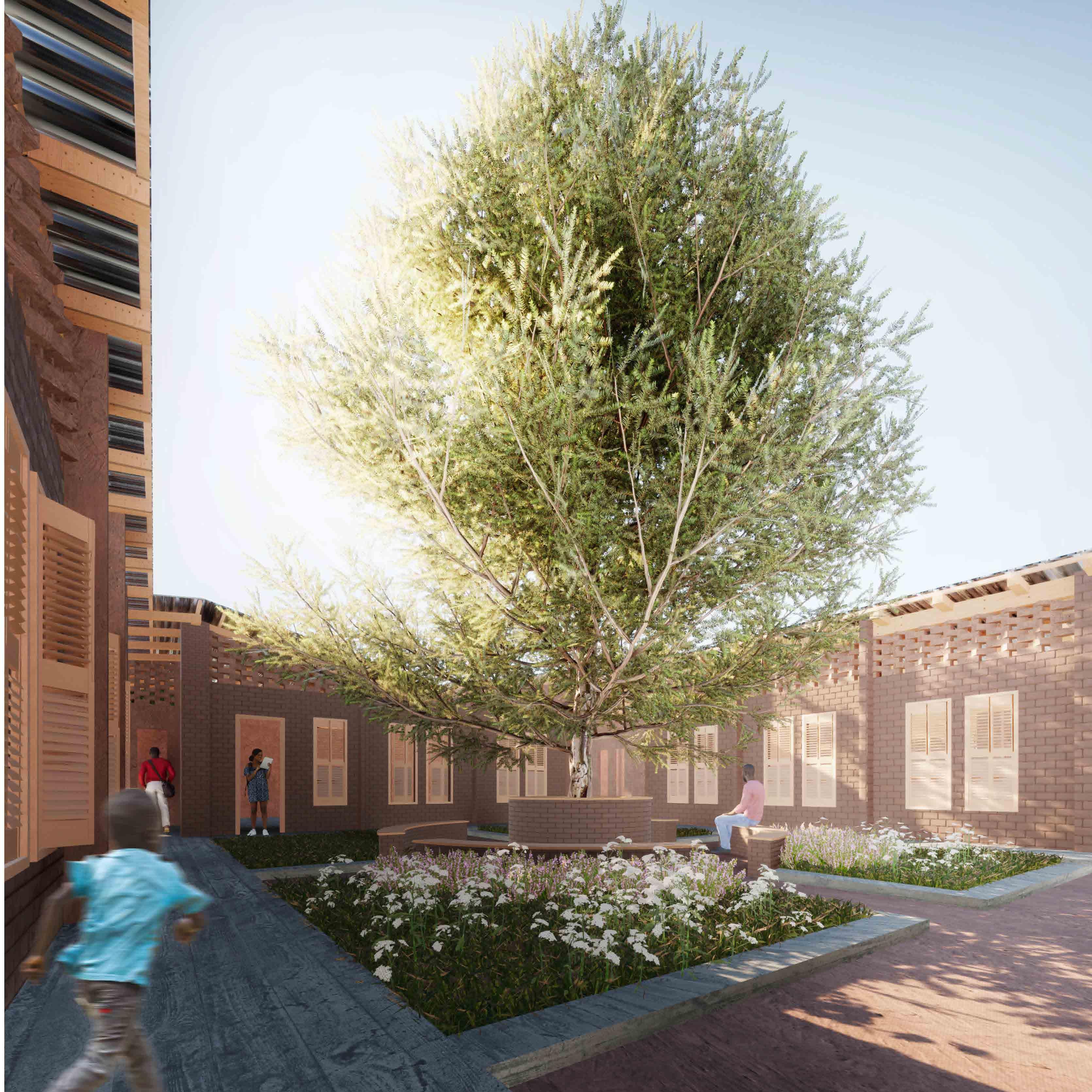
The project’s heart is a central courtyard built around an existing Moraceae tree, which connects architecture, people, and nature. The design integrates nature as an educational tool by incorporating vegetable gardens around the tree and vertical farming along the breeze walls. The crops harvested at the school will be used both to provide food and to facilitate cooking lessons in a semi-enclosed canteen.
The school’s roof consists of a corrugated sheet metal running from north to south, supported by a wooden framework anchored in load-bearing concrete columns hidden within the brick walls. Designed to capture over 300,000 gallons of rainfall annually, the roof ensures students can access 1-2 gallons of water per day while also supplying the school’s latrine system.
Fourteen 55-gallon containers store the collected water, with eight placed within private courtyards that function as alternative walkways between classrooms. These courtyards also feature vertical farming walls that engage students from all three classes. Six additional water containers are positioned near the bathrooms to provide water for flushing and sinks while also irrigating a vertical farm at the bathroom entrance.
The director’s office is strategically placed at the school entrance, adjacent to the library and canteen, ensuring oversight of the school grounds.
Croissance Elementary School is a community-centered learning space designed to be cost-effective, sustainable, easy to construct, and conduct a healthy learning environment for children.