WATER QUALITY REPORT 2025
In 1996, Congress amended the Safe Drinking Water Act requiring community systems to provide customers with an annual report on the quality of their drinking water. We are proud to present our annual Water Quality Report. This report covers all testing completed between Jan. 1 and Dec. 31, 2025. Garland Water Utilities is a municipal water distribution and wastewater utility that is owned by the City of Garland. Treated drinking water is purchased from the North Texas Municipal Water District (NTMWD) and delivered to the residents and businesses of Garland. The wastewater collection system treats and releases the water that we send down the drain after use. For both systems, rigorous testing is conducted every month to ensure the quality of our drinking water and the proper handling of our wastewater.
An electronic copy of this report is available year-round at GarlandWater.com/ConsumerConfidenceReport
Este informe contiene información importante sobre el agua potable. Si tiene preguntas o comentarios acerca de este informe, por favor llame al número de teléfono 972-205-3205 para hablar con una persona bilingüe en español.
All Drinking Water May Contain Contaminants
To ensure that tap water is safe to drink, the U.S. Environmental Protection Agency (EPA) prescribes regulations limiting the amount of certain contaminants in water provided by public water systems.
The U.S. Food and Drug Administration (FDA) regulations also establish limits for contaminants in bottled water, which must provide the same protection for public health. Drinking water, including bottled water, may reasonably be expected to contain at least small amounts of some contaminants. The presence of contaminants does not necessarily indicate that the water poses a health risk.
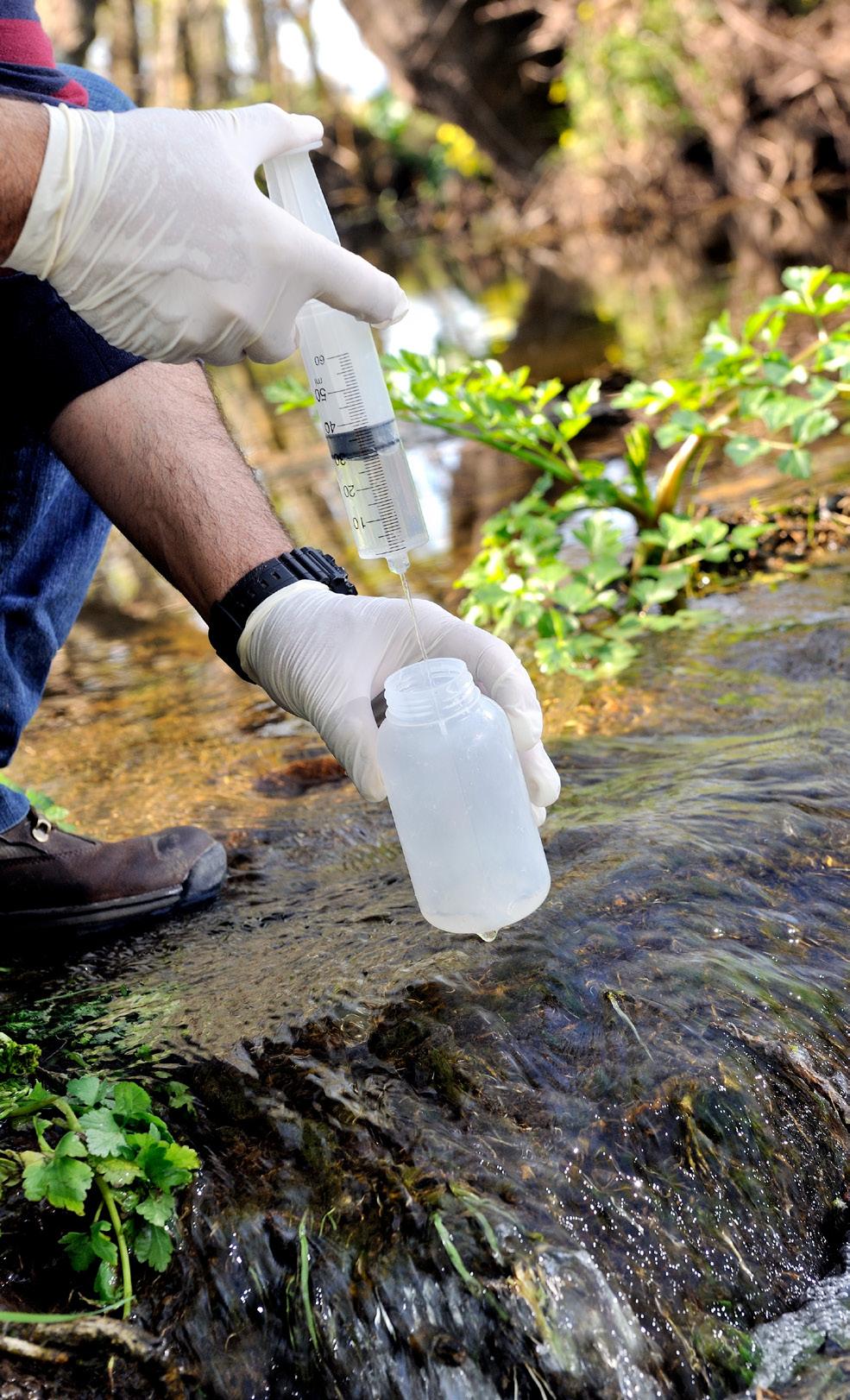
The sources of drinking water (both tap and bottled water) include rivers, lakes, streams, ponds, reservoirs, springs and wells. As water travels over the surface of the land or through the ground, it dissolves naturally occurring minerals and, in some cases, radioactive material and substances resulting from the presence of animals or from human activity. Contaminants that may be present in source water include: microbial contaminants, such as viruses and bacteria, which may come from sewage treatment plants, septic systems, agricultural livestock operations and wildlife; inorganic contaminants, such as salts and metals, which can be naturally occurring or may result from urban storm water runoff and industrial or domestic wastewater discharges, oil and gas production, mining or farming; pesticides and herbicides, which may come from a variety of sources such as agriculture, urban storm water runoff, and residential uses; organic chemical contaminants, including synthetic and volatile organic chemicals, which are byproducts of industrial processes and petroleum production, which may also come from gas stations, urban storm water runoff and septic systems; and radioactive contaminants, which can be naturally occurring or may be the result of oil and gas production and mining activities.
Contaminants may be found in drinking water that may cause taste, color or odor problems. These types of problems are not necessarily causes for health concerns. For more information on the taste, color or odor of our drinking water, contact Water Operations at 972-205-3210. For more information about contaminants and potential health effects, call the EPA’s Safe Drinking Hotline at 800-426-4791.
What is Cryptosporidium?
The NTMWD tests both the lake and treated water for the presence of crytosporidium and it has been absent in all of the samples tested. Cryptosporidium is a protozoan that is so small it can be seen only with a microscope. It affects the digestive tract of humans and animals. At this time, there is no specific drug therapy proven to be an effective treatment, but people with healthy immune systems will usually recover within two weeks. Symptoms of infection include nausea, diarrhea and abdominal cramps. However, immunocompromised people are at greater risk of developing a life-threatening illness. We encourage immunocompromised individuals to consult their doctor regarding appropriate precautions to take to avoid infection. Cryptosporidium must be ingested to cause disease, and it may be spread through means other than drinking water.
Where Does My Water Come From?
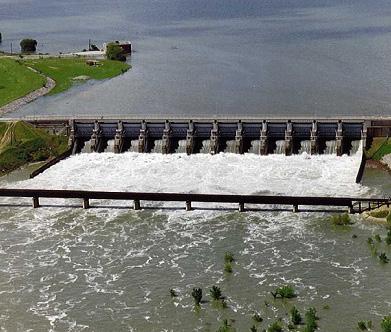
All of Garland’s treated water is purchased from the NTMWD. The water district pumps surface water from six sources: Bois D’Arc Lake, Lavon Lake, Jim Chapman Lake, Lake Tawakoni, Lake Texoma and the East Fork Raw Water Supply Project, commonly known as the “wetland.” Lavon Lake is currently the primary source of raw water. NTMWD conducts daily tests on both the raw water in Lavon Lake and the treated water it delivers to the City of Garland. The treated water is stored in eight ground storage tanks and four elevated storage tanks. The Garland Water Utilities water distribution and wastewater collection system includes approximately 1,850 miles of pipeline. A centralized water control system and customer call center with on-call maintenance assures that safe, high-quality water is available to customers 24 hours a day.
Important Health Information
You may be more vulnerable than the general population to certain microbial contaminants, such as cryptosporidium, in drinking water. Infants, some elderly or immunocompromised persons, such as those undergoing chemotherapy for cancer; those who have undergone organ transplants; those who are undergoing treatment with steroids; and people with HIV/AIDS or other immune system disorders, can be particularly at risk from infections. If you suffer from one of these disorders/diseases, you should seek advice about drinking water from your physician or healthcare provider. Additional guidelines on appropriate means to lessen the risk of infection by cryptosporidium are available from the EPA’s Safe Drinking Water Hotline at 800-426-4791.
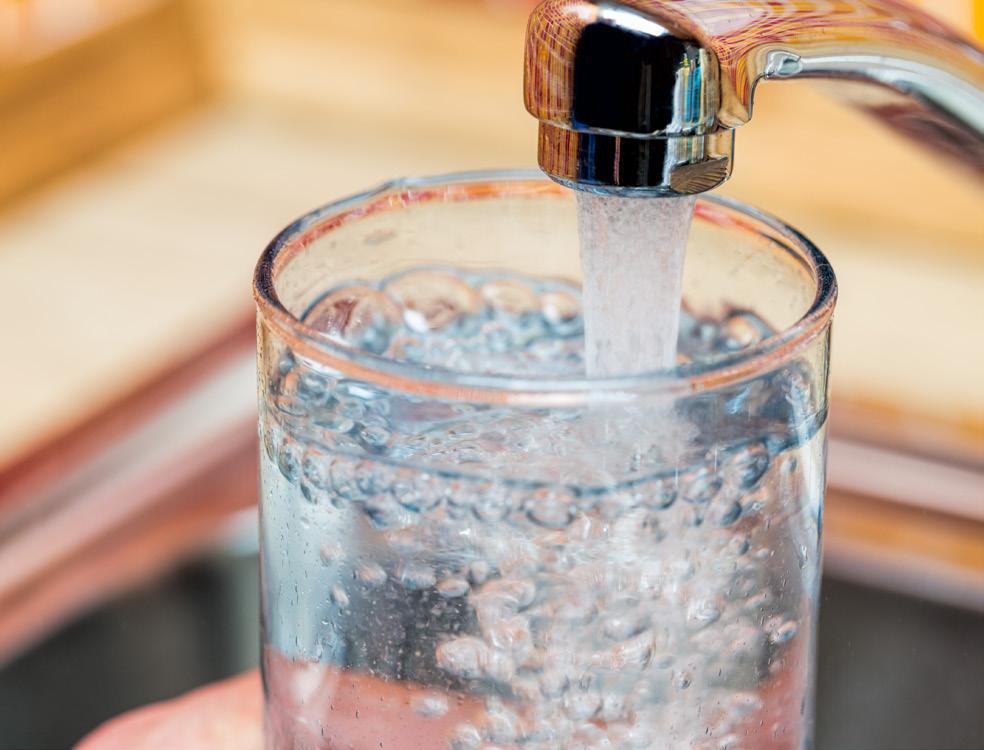
Lead Service Line Inventory
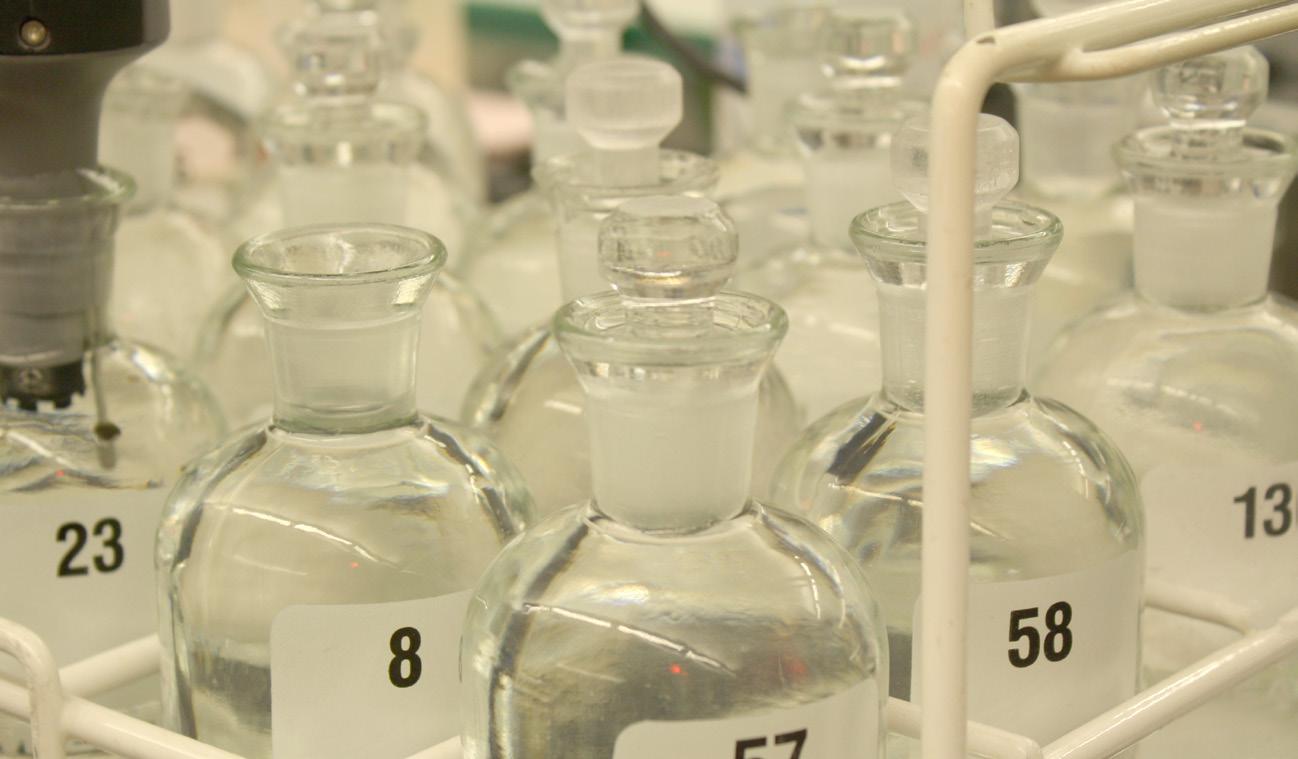
Garland Water Utilities has developed a publicly accessible service line material inventory. This inventory allows customers to view the material type of Cityowned (public) and customerowned (private) service lines throughout the distribution system. Visit GarlandWater.com and click the “View Service Line Inventory Map Here” to access the map.
If present, elevated levels of lead can cause serious health problems, especially for pregnant women and young children. Lead in drinking water is primarily from materials and components associated with service lines and home plumbing. Garland Water Utilities is responsible for providing high-quality drinking water, but cannot control the variety of materials used in household plumbing components. When your water has been sitting for several hours, you can minimize the potential for lead exposure by flushing your tap for 30 seconds to two minutes before using water for drinking or cooking. If you are concerned about lead in your water, you may wish to have your water tested. Information on lead in drinking water, testing methods and steps you can take to minimize exposure is available from the Safe Drinking Water Hotline or at epa.gov/safewater/lead
Source Water Assessment
The Texas Commission on Environmental Quality (TCEQ) has completed a Source Water Susceptibility Report for all drinking water systems that own their sources. This report describes the susceptibility and types of contaminants that may come into contact with the drinking water source based on human activities and natural conditions. NTMWD received the assessment report. For information on how you may obtain a copy of this report, contact Water Operations at 972-205-3210.
Sampling Results
During the past year, several hundred water samples have been taken to determine the presence of any radioactive, biological, inorganic, volatile organic or synthetic organic contaminants. The results of this testing are displayed in the tables on the next four pages. The state allows the City to monitor for certain substances less than once per year because the concentrations of those substances do not change frequently. In these cases, the most recent sample data are included, along with the year in which it was taken. This report includes a list of all substances with range levels that were greater than zero. For a complete list of tested substances, visit GarlandWater.com


Conserving Water
Severe drought conditions and associated water restrictions remind us just how precious water is and how much we tend to take it for granted. With less than 1% of the earth’s fresh water source available, we need to learn to use water wisely. Water conservation is critical for the environment and for meeting both local and the state’s long-term water needs.
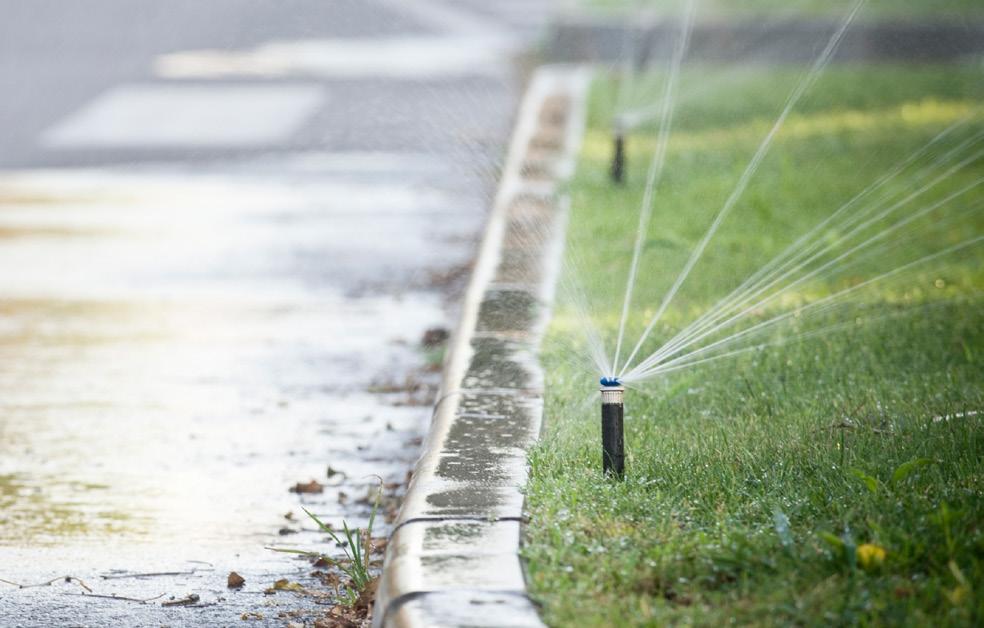
Lawn Watering
Many homes and businesses in Garland are equipped with automatic sprinkler systems that can account for more than 50% of water use during the summer months. The EPA estimates that approximately 40% of outdoor water use is wasted due to the overwatering of lawns. Establishing a lawn watering schedule or performing an annual automatic water sprinkler tuneup are effective ways for reducing water waste.
Lawn watering schedules should change throughout the year based on weather patterns, the presence of drought conditions or limited water supplies. To see current watering schedules and restrictions, visit GarlandWater.com To get customized weekly watering advice based on local weather data, sign up for alerts at WaterMyYard.org.
Community Participation
Garland City Council supports water efficiency and encourages residents to do their part in conserving this limited natural resource by using water wisely.
Coliform Bacteria
NOTE: Reported monthly tests found no fecal coliform bacteria. Coliforms
harmful bacteria may be present.
Regulated Contaminants
NOTE: Not all sample results may have been
and
of
of natural deposits.
of
of
Turbidity
Lead and Copper
Corrosion of household plumbing systems; erosion of natural deposits.
Erosion of natural deposits; leaching from wood preservatives; corrosion of household plumbing systems.
LEAD AND COPPER RULE: The Lead and Copper Rule protects public health by minimizing lead and copper levels in drinking water, primarily by reducing water corrosivity. Lead and copper enter drinking water mainly from corrosion of plumbing materials containing lead and copper.
ADDITIONAL HEALTH INFORMATION FOR LEAD: If present, elevated levels of lead can cause serious health problems, especially for pregnant women and young children. Lead in drinking water is primarily from materials and components associated with service lines and home plumbing. City of Garland is responsible for providing high-quality drinking water, but cannot control the variety of materials used in plumbing components. When your water has been sitting for several hours, you can minimize the
by flushing your tap for 30 seconds to two minutes before using water for drinking or cooking. If you are concerned about lead in your water, you may wish to have your water tested. Information on lead in drinking water, testing methods, and steps you can take to minimize exposure is available from the Safe Drinking Water Hotline or at epa.gov/safewater/lead
Unregulated Contaminants
NOTE: Bromoform, chloroform, bromodichloromethane and dibromochloromethane
Secondary and Other Constituents Not Regulated
NOTE: No violations in 2025.