

Restore Balance, Layer By Layer
Executive Wellness Program
Executive Wellness Program
Speaking for all members of the team at Strata Med (Strata) and the Lyda Hill Institute for Human Resilience, we consider it an honor and a privilege for us to become involved in your wellness journey with the specific goals of developing a shared commitment to enhancing your personal and professional life. Executives are the pillars of an organization holding up its vision, enabling its strength, and ensuring its structure endures The Strata Executive Wellness Program is designed to fortify and support these pillars through a comprehensive, whole-person approach that addresses the mind, body, and spirit This program is based on a unique partnership between Strata Med and Milestones Resilience Care, based at the Lyda Hill Institute Milestones’ program at the University of Colorado, Colorado Springs The goal: to provide a unique experience that can be transformative for your physical and emotional well-being
Our team of expert physicians, leadership coaches, clinicians, estheticians, therapists, and support staff are here to facilitate you learning as much about yourself and the current state of your total health as possible Based on this information, we will assist you in mapping out a comprehensive and actionable plan to optimize your total health and gain a deep understanding of how your health integrates into your leadership We like to view our program not as a “wellness evaluation” but as a “wellness journey” and emphasize that while you may only choose to spend a limited amount of time with us, during this time we hope to gain your trust and confidence in addition to providing you with the skill set and ‘tools’ to allow you to successfully pursue the best path possible We term this approach ‘precision resilience wellness’ and while we cannot truly reverse the chronological process of aging, we can ensure to the best of our ability, that whatever path you are destined to take is the optimal one for you Please note, this path is not always an easy one Personalized precision resilience health planning is part of the Strata-Milestones model and requires that our team as well as you develop shared goals with the objective of a long-term plan For our part, we developed an integrative approach utilizing the best of science-based traditional, functional, naturopathic and complementary medicine combined with cutting-edge resilience programming into a true integrative program
You will receive a comprehensive cardiovascular and fitness evaluation, along with an assessment by Strata’s functional and integrative medicine team While the fitness evaluation may feel familiar, your experience with our naturopathic, chiropractic, nutrition, medical massage, acupuncture, mindfulness, and lifestyle medicine teams will be unique This is complemented by sessions with a personal resilience leadership coach from Milestones, who will help you understand your stress–resilience profile and its impact on your leadership A final unique aspect of our program is our focus on what makes you, as an executive, so valuable to your company The insights and experience from this overall journey will add a new dimension to your life, health, and leadership skills
We look forward to joining you in your journey and hope that you will find your experience here at Strata to be truly life changing.
Warm regards on behalf of the Strata and Milestone’s team,

Michael J. Barber, MD, PhD, FACC, FAHA, FHRS Medical Director Strata Integrated Wellness




Charles Benight, Ph.D.
Executive Director, UCCS Milestones Program
Key Contacts and What to Expect
STRATA MED CONTACT AND OFFICE HOURS:

David Kidd |Client Relations Manager
Phone: 719.428.2319
Main Strata Line: 719.428.2202
Email: services@stratawell.com
STRATA OFFICE HOURS:
Our regular office hours are Monday through Friday, from 9:00 AM until 5:00 PM (MST) and Saturday from 9:00 AM to 3:00 PM (excluding holidays).
Outside of office hours, if you wish to leave a non-urgent voicemail you can do so by calling 719.428.2202 and following the prompts.

M ONTACT:
Nicole Weis, MA, LPC, LAC | Director of Healing and Community Programs
Lyda Hill Institute for Human Resilience University of Colorado Colorado Springs
Phone: 719.255.8076
Email: nweis@uccs.edu
With a multi-day commitment, our team of multidisciplinary clinicians will provide you a comprehensive, integrative assessment with guidance to help you move forward along a path of long-term wellness. Here is what is accomplished in the time you spend with the Strata clinical and Milestones teams: WHAT TO EXPECT:
1 A comprehensive evaluation of your current health status, including an extensive battery of assessments and laboratory tests
2 Written plan to mitigate future health risks
3 Personal resilience leadership coaching from Milestones to understand your stress–resilience profile
4 An action plan crafted to get you from your current state to your desired outcome
5 A long-term strategy for your well-being and healthy living
You will complete a comprehensive online health assessment, which will guide our clinicians in your evaluation and determine the appropriate laboratory studies, which will be conducted before your visit. This battery of information will be reviewed by our clinical team prior to your arrival to allow our clinicians to fully prepare for your visit. You will have sessions with your clinical team to discuss your findings and results so as to develop an ongoing tactical plan and plot your course going forward for optimal health and vitality.
Your Executive Wellness Team
MEET THE STRATA MED TEAM OF DOCTORS AND CLINICIANS

The Strata clinical team is headed by MICHAEL J.BARBER, MD, PhD, FACC, FHRS, FAHA, a board-certified Cardiologist, Internist and Electro-physiologist. Dr. Barber received his B.A. in Biology and Chemistry from Wabash College where he graduated cum laude. He went on to Loyola University of Chicago where he completed his PhD with distinction in Cardiovascular and Exercise Physiology. After graduate school, he attended the Indiana University School of Medicine where he received his M.D. Dr. Barber performed his internship and residency at the University of Virginia before completing fellowships in Cardiology and Electrophysiology at Duke University.
Dr. Barber has been in clinical practice for over 40 years. He has been listed in America’s “Top Doctors” and “Best Doctors” for 25 consecutive years as well as in multiple editions over the past two decades of Marquis “Who’s Who” including “Medicine”, “Healthcare” and “The World”. He is a longstanding Health Grades recommended and preferred physician and has been awarded designation as a “Top Doctor in Cardiology” and “Integrative Medicine” by Colorado Springs Magazine as well as a “Best Doctor for Executives” by Colorado Business Magazine. Dr. Barber is a fellow of the American College of Cardiology (FACC), the Heart Rhythm Society (FHRS) and the American Heart Association (FAHA). He also has served on many professional advisory boards and committees.

JENNIFER HABASHY, NMD, MS, brings with her a wealth of knowledge and training in naturopathic primary care, as well as women’s health, weight management, and anti-aging medicine. Born in Southern California and grew up in Nevada, Dr. Habashy studied biology at the University of Nevada, Las Vegas, received her Master’s degree in medical health sciences from Touro University Nevada, and received her Doctor of Naturopathic Medicine from Southwest College of Naturopathic Medicine in Tempe, Arizona.
She’s thrilled to now call Colorado home, where she and her husband enjoy being outside and staying active. Dr. Habashy is excited to join the Strata team and add her experience in an integrative setting to the already collaborative space. She focuses on counseling patients in diet and lifestyle changes, and offers specialized services including hormone balancing, weight optimization, advanced metabolic testing, and individualized nutraceutical supplementation. She advises all patients that prevention is key, and one of the most important steps you can take to manage your health. Dr. Habashy is a member of the Women’s Lifestyle Wellness team.
Your Leadership Coaches
MEET THE DISTINGUISHED LYDA HILL INSTITUTE OF RESILIENCE LEADERSHIP COACHES

JOAN GURVIS SHEILDS, BCC, is a seasoned executive coach, with more than 25 years of experience advising C-suite executives and leadership teams from most industry sectors. Her clients include Fortune 100 companies, healthcare systems, and private foundations. She brings deep credibility from having held senior leadership roles herself, including Senior Vice President and Program Officer at a private foundation and Managing Director of the Center for Creative Leadership’s Colorado business unit. Known for her ability to create rare space for clarity and strategic reflection, Joan partners with executives navigating complexity, transition, and sustained performance under pressure. Her work integrates leadership
effectiveness with executive wellness, informed by her background as a healthcare administrator and nurse clinician. Joan is a Board-Certified Coach (BCC) and is qualified in a comprehensive suite of leadership and psychometric assessments, including the Hogan Suite, EQ-i 2.0, and Center for Creative Leadership assessments.

KATE BEATTY, Ph.D., BCC, ACC works with leaders who seek to enhance their skillsets and achieve challenging business and/or personal goals. In her coaching work, she harnesses years of her own leadership experience as the Global VicePresident of Learning and Organization Development at a manufacturing firm, and in various executive leadership roles at the world-renowned Center for Creative Leadership. Her clients include global, for-profit, not-for-profit, education, government, professional services, manufacturing, technology, private equity, and family-owned businesses. Kate is known to be a trusted partner who complements her experience with listening, curiosity, empathy, and a strong mission to help clients with solutions that meet their unique needs.


Dear Executive,
It is both an honor and a pleasure for us to become involved in your wellness journey. The doctor-client relationship is unique, often challenging, and almost always a singular factor in quality of care and positive outcomes. From over 75 years combined of working with thousands of clients, we have learned that there are three elements essential to an ideal doctor/client relationship:
• SHARED COMMITMENT: The day you became our client we made a commitment to you: To provide you with the highest quality of care, information, advice, and support to enable you to take care of yourself and thrive. Meeting our commitment requires a commitment from you both to yourself and to us: That you will follow our advice and keep our agreements.
• TWO-WAY COMMUNICATION: To help you thrive, we need lots of good information. Lab test results tell us only part of the story. The rest of the story comes from you. We need to know what you are doing (and not doing), how you are feeling, and what questions and concerns you have. Only then, can we give you the information and guidance that is best for you.
• AGREEMENTS: So that we can meet your needs and keep our commitment to you and to all of our other clients, it is necessary that we have certain agreements, which we refer to as Client Policies. It is truly essential to our relationship that you understand these policies.
This Strata Med Client Reference Guide is provided to enable us to keep our commitments to each other. It outlines the various Client Policies that underlie our agreements and provides information to facilitate communication and support keeping those agreements. As these Client Policies are, in essence, our “contract,” if you have any questions or comments about them, or wish to discuss anything in this Guide, please let us know right away. Thank you for the trust and confidence you have placed in us, and for the opportunity to make a positive difference in the quality of your life.
Representing Your Strata Wellness Team,

Michael J. Barber, MD, PhD, FACC, FHRS, FAHA Medical Director


CARDIOVASCULAR ASSESSMENT
Specialty Testing
CARDIAC TESTING INSTRUCTIONS
You have decided to have a cardiac workup to assess your current health and plan for the future. The full battery of testing listed below requires approximately 2.5-3 hours of your time.
You are scheduled to have a series of tests including the following:
Stress Echo Study
Pulmonary Function
Exercise Stress Test
Carotid Artery Ultrasound
Resting Echocardiogram
Other:
Follow these simple instructions for the best possible experience:
1. No food or exercise at least two (2) hours prior to stress testing (water encouraged unless otherwise specified.
2. Continue all current medications unless otherwise advised by your doctor.
3 Please let the technician know if you:
a. Have a pacemaker;
b. Have had any cardiac issues in the past; and/or
c. Are feeling any current symptoms including:
i.Chest Pain
ii.Shortness of Breath
iii.Arm/Shoulder Pain
4. Wear loose fitting, comfortable clothing for this test:
a. Men: shorts or loose exercise pants- you will be shirtless for the test unless you request wearing a shirt. If you need a shirt, be sure it is loose.
b. Women: loose work-out shirt and sports/jog bra with loose shorts/pants.
5. Tennis/running shoes and socks for stress test.
6. Do not use any kind of scents or lotions as this can interfere with these tests.
A physician and/or a technician team will be taking care of you. You will have vital signs taken before your testing begins to be sure the test is safe for you. After the tests, your Physician will discuss your results with you and plan your path forward. What can you expect during testing?
Cardiac Testing
FREQUENTLY ASKED QUESTIONS
Please explain the Baseline Electrocardiogram (ECG):
“Baseline electrocardiogram” (ECG) – an electrocardiogram is a painless, noninvasive examination of the heart’s electrical system. This test evaluates the heart’s basic rhythm as well as providing valuable information about previous or possibly future cardiac issues.
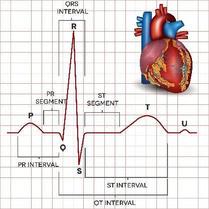
Baseline electrocardiogram (ECG) takes 15 minutes to perform ECGs are usually performed no more than once a year. Abnormal results do not usually suggest any significant lifestyle alterations are required. This is used as a benchmark for future testing results.
I’ve heard about checking my arteries for blockage, but I don’t understand its significance. Tell me more about the Carotid Intimal Medical Thickness (CIMT) Test.
Carotid Intimal Medial Thickness, or CIMT, is a noninvasive sonographic (sound) evaluation of the anatomy and physiology of the neck (carotid) arteries. These measurements allow an estimation of the ‘functional’ age of the blood vessels of the body and can assist in directing whether more aggressive or management of the findings. This potentially life-saving test takes only 10 to 15 minutes to perform. Carotid Intimal Medial Thickness (CIMT) is usually tested no more than annually.
CIMT testing exams whether the vascular system has been, through the years, placed under undo stress most usually from persistent longstanding hyper- tension and/or tobacco use. As with the Ankle-Brachial Index (ABI), abnormal results might also lead us to look for additional underlying causes or etiologies. The end result may be in the form of more aggressive management of the client’s blood pressure, discontinuation of tobacco use, dietary modifications and/or exercise changes. Again, in a case where metabolic or hormonal issues appear to be a significant contributor to the abnormal results, more aggressive physician management of this problem either with supplements or medications may be beneficial.
Tell me about the different types of Exercise Treadmill Tests.
Exercise Treadmill Testing (ETT) – Everyone knows what a treadmill is and most people have, at least once, used a treadmill for exercising. An exercise treadmill test is a standardized, programmed study that uses the treadmill to provide progressively harder and harder levels of exertion while monitoring heart rate, blood pressure and the ECG changes. The objective of the study is to determine the person’s level of fitness and whether any significant cardiac or cardiovascular issues may exist. This test takes approximately 20-30 minutes.
• Exercise Treadmill Testing (ETT) results from this study, again depending upon the findings, may have a tremendous influence on how the client moves forward. The ETT provides information regarding overall physical (exercise performance) function as well as whether any cardiovascular, blood pressure or cardiac issues exist. An abnormal study, depending upon the results, may suggest a need for lifestyle changes which could include aggressive diet changes, alteration or modification of exercise program, need for supplement or medication changes, secondary referral to a specialist or sub-special- ist or other additional, more aggressive testing.
• ETT w/Complete Echo (Stress Echo) is a combination of a baseline echocardiogram and treadmill test with pre- and post-exercise echo images obtained to assist in evaluating the overall cardiac performance and cardiac risk for heart issues. ETT w/Complete Echo (Stress Echo) lasts approximately 60 minutes. ETT w/Complete Echo (Stress Echo) usually does not need to be performed more than annually and if normal no more often than every 3 to 5 years unless new symptoms or problems develop.
• ETT w/Resting and Exercise Metabolic Measurements is a combination of a baseline (resting) metabolic rate measurement combined with an exercise treadmill test and subsequent measurements of metabolic rates, oxygen consumption, aerobic thresh- olds, etc., during and after exertion to measure the level of overall cardiovascular fitness. ETT w/Resting and Exercise Metabolic Measurements take about one hour. ETT w/Resting and Exercise Metabolic Measurements usually needs to occur no more than annually and if normal no more often than every 3 to 5 years unless new symptoms or problems develop.
• ETT w/Resting and Exercise Metabolic Measurements and Complete Echo. The full package (and really not for everyone), looking at peak exercise performance, metabolic responses to maximal exertion and cardiac/cardiovascular levels of fitness. This test is for those interested in determining their overall level of fitness and potential athletic performance. ETT w/Resting and Exercise Metabolic Measurements and Complete Echo takes about 75 minutes to perform. ETT w/Resting and Exercise Metabolic Measurements and Complete Echo usually occurs no more than annually and if normal no more often than every 3 to 5 years unless new symptoms or problems develop.
What is a Baseline Echocardiogram (Echo)?
A Baseline Echocardiogram, or Echo, is a painless, noninvasive examination of the heart using ultrasound technology. Sound waves (think SONAR) are passed from a transducer through the chest wall and allow precise imaging of the heart’s structure and function. This test evaluates the heart’s basic structure including views of the four-heart chamber and the four heart valves as well as providing valuable information as to the functioning of the chambers and valves. Pressures inside the heart may be estimated and any valve dysfunction (leaks or blockages) is determined.
This test, similar to the electrocardiogram, provides tremendous amounts of information about previous or possibly future cardiac issues.
The baseline complete echocardiogram (echo) generally lasts about 30 to 45 minutes.
Baseline complete echocardiogram (echo) usually needs to occur no more than annually and if normal no more often than every 3 to 5 years unless problems develop.
Baseline complete echocardiogram (echo) results from an echocardiogram, depending upon the findings, may have a tremendous influence on how the client moves forward. The echo provides information regarding overall heart function, whether any structural abnormalities exist and what exactly the heart chambers and valves look like. An abnormal study, depending upon the results, may suggest a need for lifestyle changes which could include aggressive diet changes, alteration of exercise program, need for supplement or medication changes, secondary referral to a specialist or sub-specialist or other additional, more aggressive testing.

BODY COMPOSITION ASSESSMENT
Specialized Testing
BODPOD BODY COMPOSITION ASSESSMENT
The BodPod® Body Composition Systemis oneofthe mostaccurateand reliable methods available for measuring body composition. This advanced, in-office assessment evaluates several key health metrics, including:
Body fat percentage
Lean muscle mass
Resting metabolic rate (the number of calories your body burns at rest)
Overall body composition
These measurements provide valuable insight into your body’s unique caloric needs, metabolic efficiency, and potential health risk factors. Over time, BodPod testing can also be repeated to track progress and measure improvements related to nutrition, exercise, and overall wellness goals. The BodPod test typically takes less than 30 minutes to complete if participants arrive prepared. You may either wear the appropriate attire under your street clothes or change at the facility prior to testing.
Preparation Guidelines Before Your Appointment
To ensure accurate results, please follow these preparation instructions carefully:
Do not eat, drink, or exercise for at least two (2) hours prior to testing.
Arrive dry, relaxed, and at normal body temperature.
Inform staff if you currently have or recently had a fever.
Do not arrive with wet or damp hair.
Avoid lotions, perfumes, oils, or scented products on the skin prior to testing.
Clothing Requirements
Compliance with clothing requirements is extremely important to ensure accurate test results. Minimal, form-fitting clothing must be worn.
Men
Form-fitting Speedo-style swimsuit or Lycra/Spandex compression shorts (single layer, no padding)
Women
Form-fitting Speedo-style swimsuit or Single-layer Lycra/Spandex compression shorts (no padding)
Sports or jog bra
A swim cap (provided) must be worn during testing to compress hair.
Deviations from clothing protocol may result in invalid test results.
Accessories and Personal Items Before testing, please remove:
Jewelry
Eyeglasses
Watches
Hair accessories
Any other metal items (including earrings and wedding bands)
Please inform the technician if you have any metal implants or medical devices in your body.
What to Expect During the Test
1.You will first be weighed on a highly accurate scale connected to the BodPod system.
2.You will then sit comfortably inside the BodPod chamber and breathe normally during the first portion of the test.
3.During the second portion, you may be asked to breathe into a tube while remaining seated and relaxed.
4.The BodPod will gently compress and decompress the air in the chamber as it measures body volume and density.
5.Your complete body composition results will be available immediately following the test, typically within your 30-minute appointment window.
Arrival
Please arrive at least 15 minutes prior to your scheduled appointment.
Bod Pod Testing
What is the focus of the BodPod and why is it unique? The CosMed BodPod is considered to be the “gold standard” in the measurement of body composition and is used by facilities like the military, the Olympic Training Center, Jewish Hospital, and the University of Colorado Medical Center. With this brief test, the client will have measured and documented their precise weight, percent lean body mass, percent body fat, resting metabolic rate and pulmonary capacity. These data provide a baseline or starting point to allow future comparison of body composition once the client begins any type of wellness program. This is especially important where the objective is to improve overall health and decrease the amount of body fat. Remember that the real goal of “weight loss” may not necessarily be related to loss of pounds, but rather a change towards a healthier body composition.
BodPod Testing
The BodPod test takes approximately 30 minutes to perform. It can be repeated as often as you like, based on the progress you are attempting to measure.
What information is given once the test is complete?
This study specifically evaluates the body’s composition as it relates to both ‘lean’ body mass and fat mass. While a certain amount of fat content is not only good but healthy, higher levels of body fat can be associated with a number of health issues including type II diabetes, cardiovascular disease, metabolic syndrome, lipid (cholesterol) abnormalities, joint deterioration and other problems. The BodPod most accurately and reproducibly measures the body’s fat content and metabolic rate allowing our clinicians (doctors, dietitians, nutritionists, personal trainers, etc.) to make the most beneficial recommendations on diet, exercise and lifestyle.

LABORATORY EVALUATION
Test Results
MAKING SENSE OF ADVANCED LABORATORY TEST RESULTS
Before you look at your results, please take a moment to review this guide. Test results can be concerning, especially if there are a lot of out-of-range numbers on the page. Remember, the purpose of the results is to gather facts and move forward, not berate yourself or be discouraged. You need to know your risk. You need to know how to improve your health. We are here to help you! Remember, lasting change doesn’t happen overnight, but you can make positive steps for your future! Our clinical team has personally devoted their lives to helping people live a higher quality of life, feel good, and be free from needing medical treatments whenever possible. We are confident that we can work together to help you create a healthier, happier life.
Most chronic diseases are caused by:
What we eat
How we sleep
Stress
How we use our physical body
What Really Causes Disease?
The Basics: Cholesterol Testing versus Advanced Lab Testing
Most individuals, and even MOST doctors, have never seen some of these labs before. We use these specific tests because they help predict your risk for future or chronic lifestyle-related conditions better than anything else.

Medical health providers make treatment decisions everyday with LIMITED INFORMATION. For instance, a traditional blood cholesterol or lipid test gives us very limited information about risk. DID YOU KNOW that 50% of people who die from a heart attack have NORMAL lipids?
What UNIQUE Information Does this Lab Give Me?
This special laboratory test was designed to give you MUCH MORE INFORMATION about your CURRENT AND FUTURE RISK for chronic diseases like high blood pressure, heart disease, stroke, diabetes, metabolic syndrome, and diseases of aging. The advanced laboratory test looks “INSIDE THE HOUSE” at the foundation. The advanced lab looks for the foundational drivers of chronic diseases. According to the most current scientific information, CHRONIC INFLAMMATION plays a major role in chronic diseases like diabetes and high blood pressure, heart disease and stroke, depression and Alzheimer’s.
What is Inflammation?
Inflammation is a chemical process that the body uses to protect and heal itself. The body’s security guard is called the immune system. The immune system is really just a group of cells that have a special job — the immune system cells produce chemicals that fight infection. The result of these immune system chemicals is called “inflammation.”
There are TWO kinds of inflammation or defense processes: Acute and Chronic
Acute inflammation is short term. You’ve seen this as a small cut or surgical scar heals over several weeks. The redness, heat, and discomfort are signs of inflammation. Over time, it all goes away. Chronic inflammation is a long-term, low-grade form of inflammation that occurs throughout the entire body. Chronic inflammation is one of the big causes of chronic diseases and obesity. In fact, virtually every chronic disease is linked to inflammation…even depression!
What is Oxidant Stress?
Oxidant Stress is a term that most people are not familiar with. Think of oxidant stress like “rusting” of metal. Rusting is a chemical process called oxidation. Salt and water cause metal to rust by “oxidizing” the metal. When your body is exposed to “oxidation,” your body tissues can stop functioning properly and a disease develops.
Inflammation Testing
hs-CRP stands for “highly sensitive C-Reactive Protein.”

CRP is a protein that is made by the liver. We think that the “job” of CRP is to help clean up after the body’s immune system fights an infection. hs-CRP is elevated when there is immune system activity going on. HbA1C is a percentage (%) measure of how much blood sugar your body has been exposed to over the past 3 months.
The HbA1C is converted into an average glucose (blood sugar) number. This number can help medical practitioners understand your health better.
Generally, if a CRP level is about 10, you probably had ACUTE (short-term) INFLAMMATION. Maybe you had a cold, flu, or some type of major stress in your body around the time that you had this test done. You want your hs-CRP level to be below 1.0. This may take time. hs-CRP levels that are in the 1.5 to 5.0 range tend to tell us that the body has CHRONIC INFLAMMATION. People with a constantly elevated hs-CRP level probably have increased risk for chronic diseases.
oxLDL is a type of LDL “low density lipoprotein cholesterol” that has been “oxidized.” Think of oxLDL as an indicatory of your risk for diseases like Metabolic Syndrome. oxLDL is prob- ably caused by POOR diet, chronic inflammation. An abnormal oxLDL is a good indication that YOU NEED TO GET PROCESSED FOOD, SUGARS, FLOURS, and all those white powders and sugary beverages OUT OF YOUR LIFE!
GOALS: If you have higher risk (yellow or red) labs,focus on changing your diet to see the numbers improve when you have your lab test repeated later!
Lipids Testing
The Lipids section has traditional lipid levels like cholesterol, LDL, HDL, triglycerides. The information is good, but it doesn’t tell the whole story.
The Advanced Lab test looks to find other risk factors for high blood pressure, metabolic syndrome, diabetes, and heart disease.
The Advanced Lab test tells you if the size of each lipid particle is LOW RISK or HIGHER RISK. The more out of range the numbers, the greater the total number of Risk Factors.
GOAL: Shoot for fewer RED numbers on the repeat test by deeply learning how to: change your diet, improve your stress, drink more water, reduce the processed foods!
LP-IR Scores
The LP-IR Score tells your risk for “Insulin Resistance.” Insulin Resistance is when your body cannot regulate the blood sugar well. Insulin Resistance occurs when your body has CHRONIC INFLAMMATION (hs-CRP) or OXIDANT STRESS (oxLDL). If your LP-IR Score Risk is high, it is another indication that you are at risk for diabetes, heart disease, high blood pressure, and chronic disease.
GOAL: Add exercise little by little. Exercise helps the body regulate its blood sugars! And, as you now know, you should reduce your processed foods, sweetened beverages, sugars, and flour intake. (These are the PRIMARY DRIVERS OF CHRONIC DISEASE!)
Metabolic Blood Testing
HbA1C is a Percentage (%) measure of how much blood sugar your body has been exposed to over the past 3 months. The HbA1C is converted into an average glucose (blood sugar) number. This number can help medical practitioners understand your health better.
Basic Facts About Biometrics
Biometrics means “MEASURES OF THE BODY.”
Body Mass Index (BMI) is a calculation used in research and gives you a sense of the risk of your body weight based on your height. Obviously, taller people will carry more weight. Elevated BMI is a risk factor for chronic diseases.
Blood Pressure is a measure of how flexible your blood vessels are. We want flexible blood vessels! Ideally, you want your blood pressure below 120 / 80.
Body fat (if measured) and waist circumference are also measures that you can follow over time, without doing blood tests, that will help you know you are making progress.
KNOW THIS: Your waist circumference (measured at the belly button level) is probably the BEST measure of progress. It’s not all about the numbers on the bathroom scale. As you reduce your inflammation, your body fat and waist circumference will gradually reduce as well!
GOAL: Aim for gradual improvements in BMI, blood pressure, body fat, and waist circumference over the coming years. Yes, years. If these are normal, great. Watch them because these can creep up on you and can be the first sign of increased risk.
Out of range means that you have higher risk results. Use these markers to MEASURE YOUR PROGRESS OVER TIME and compare to the Advanced Lab results at the end of this program. As you continue with visits you can watch these lab results over the next 24 to 36 months.
• Eat: Whole food, natural food, and lots of antioxidant rich veggies.
YOU CAN START YOUR CHANGE NOW!
• Avoid: Processed foods, especially sugar, flour, fructose, and bottled oils.
• Cooking at high heat damages food and increases the oxidant stress the food puts on your body. Don’t char, grill, broil, or super-heat your meats.

Fitness

Eliminate the noise: ditch the TV, the “News,” the newspaper. Someone else will tell you the bad news. Listen to uplifting music or take some time to be quiet! Never put bad news in your head first thing in the morning!
Stress Sleep
Sleep more than 7 hours per night. Sleep is not optional, not a luxury, and not something your body can live without!
Move your body. Avoid sitting as much as possible. Stretch and deep breath all the time. Activate your large muscles by deep bending. Take one minute at least 3 times a day to breathe and stretch!
General Testing
FREQUENTLY ASKED QUESTIONS
If testing results are out of range, how does it affect short- and long-term health? Simply finding that certain results are ‘out of range’ may or may not raise a significant concern. The goal of any Strata Med (Strata) protocol is to look at all of the tests, laboratory, and physical examination results as an overall lens into the client’s general health and wellness. It then becomes the job of the clinician(s) to determine on an individual basis what these results signify in regard to the client.
What health risk(s) / disease(s) are linked to out-of-range numbers?
Integrative physician’s lab values typically look at optimizing your health and reducing risk factors. Traditional physician’s lab value normal ranges are used typically to diagnose disease. Both are useful for treatment. Also, bear in mind that there are different standards for different types of physicians. Traditional physicians will have one set of acceptable values, while integrative physicians tend to have a more stringent parameter of acceptable ranges. The team at the International Health & Wellness Center will work with you to try to optimize your numbers.
When should someone seek another specialist (if ever)?
This is an important part of the individualized approach to program development. Strata’s goal is to provide supplemental and complementary information to allow each client to achieve the best results possible toward a goal of ‘optimal health.’ While our experts are eclectic in their training and capabilities, there will be times when a referral to an outside specialist (traditional medical doctor, physical therapist, acupuncturist, etc.) is indicated. There are no hard and fast rules dictating when a referral to a specialist is indicated and this will be determined on an individual basis at the discretion of the client and the practitioner.

INTRAVENOUS (IV)
IV Therapy
IV therapy, also known as intravenous therapy, is a medical treatment that involves administer- ing fluids, medications, and nutrients directly into the veins. This method offers a range of benefits and has gained popularity in recent years. Below are key advantages of IV therapy:
IV therapy allows substances to bypass the digestive system and be delivered directly into the bloodstream. This results in faster and more efficient absorption compared to oral medication or supplements. This is especially beneficial for individuals who have impaired digestive function or difficulty absorbing nutrients through the gastrointestinal tract.
IV therapy is an effective way to replenish hydration levels and correct electrolyte imbalances. IV therapy can provide a wide range of nutrients such as vitamins, minerals, antioxidants, and amino acids, tailored to meet individual needs. These nutrients can be delivered in a higher concentration compared to oral supplementation, supporting optimal cellular function and overall well-being.
IV therapy can be customized to address specific health concerns or conditions such as reducing inflammation, boost immune function or support detoxification processes. IV treatments can also be utilized for general wellness purposes, offering an energy boost, improving skin health or aid in stress reduction. The ability to directly target the bloodstream allows for precise dosing and immediate effects, making IV therapy a valuable tool for both acute and chronic conditions.

NAD+ IV Therapy
During the procedure, a healthcare professional will insert a cannula into a person’s vein. They can then attach a tube with an IV bag containing fluids, which then drip down the tube directly into the vein. It is important to note that while IV therapy offers many benefits, it should be administered by trained healthcare professionals in appropriate clinical settings. Individual needs and medical history should be considered to determine the most suitable IV therapy approach. The fluids or nutrition in IV therapies are specific to each person requiring the treatment.
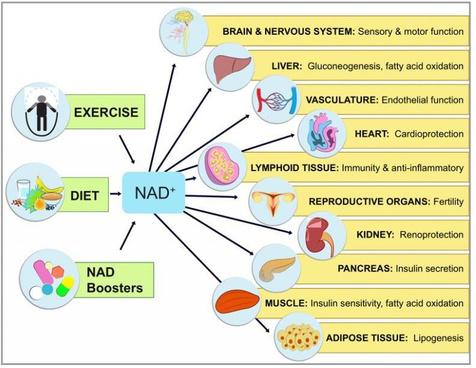
We are excited to announce that we are offering NAD+ (Nicotinamideadenine dinucleotide) IV therapy. NAD+ is a coenzyme naturally found in every cell in every cell in the body and is responsible for converting energy from food into cellular energy, ensuring proper cellular function, protecting our DNA as we age and maintaining healthy metabolism. As we age or with chronic illness, NAD+ levels decrease with no natural reproduction in the body. NAD+ IV therapy is an effective route to restore the levels of this coenzyme, delivering directly to the cells. Studies have shown that NAD+ can slow down the aging process, improve anxiety and depression symptoms, improve brain fog and mental clarity and much more!

LEADERSHIP COACHING AND BEHAVIORAL HEALTH
Leadership Coaching
WHAT ARE LEADERSHIP COACHING SERVICES?
Leadership coaching can assist leaders of an organization to improve how they think, act, and lead others around them. Leadership coaching involves a trained coach who works with a leader to strengthen skills, increase self-awareness, and achieve specific personal or organizational goals. It often includes a series of interand intrapersonal assessments to examine leadership and communication styles, evaluations from colleagues, and personal growth opportunities.
Leadership coaching often focuses on key areas of personal leadership, including self-awareness, communication, decision-making, emotional intelligence, managing and motivating teams, leading change and managing complexity, and executive presence and confidence. Leadership coaching is not clinical and is not considered therapy, consulting, or mentoring. Rather, it is a one-on-one development process with a certified coach identifying patterns and opportunities for personal growth.
Executive-level leadership coaching is specifically tailored for senior leaders who are navigating high- stakes roles and complex organizational environments. It is designed to enhance effectiveness, expand leadership capacity, and support leaders in leading with clarity, confidence, and with strategic impact. Through a confidential, one-on-one partnership, an experienced, credentialed coach works with leaders to deepen selfawareness, sharpen leadership capabilities, and advance clearly defined individual and organizational goals. The coaching process will integrate validated leadership and interpersonal assessments, 360-degree feedback, and structured reflection to illuminate leadership patterns, communication styles, and growth opportunities. Outcomes include enhancing both personal effectiveness and organizational impact. Leadership coaching is a highly individualized developmental process designed to identify patterns, challenge assumptions and support sustained behavior change and is distinct from therapy, consulting, or mentoring.
Behavioral Health
WHAT ARE BEHAVIORAL HEALTH SERVICES?
Behavioral health refers to the branch of healthcare that focuses on the connection between a person's behaviors and their overall well-being, including their mental and emotional health. It encompasses the study, diagnosis, and treatment of various mental health disorders, as well as the promotion of overall well-being. Behavioral health takes into consideration how behaviors, thoughts, and emotions can impact a person's
mental health. It recognizes that mental health is influenced by a range of factors, including genetics, environment, social interactions, and lifestyle choices.
Professionals in behavioral health utilize various approaches such as therapy, counseling, medication, and lifestyle interventions to help individuals manage and overcome mental health issues. The field of behavioral health covers a wide range of conditions, including but not limited to anxiety disorders, mood disorders (such as depression and bipolar disorder), eating disorders, addiction, personality disorders, trauma-related disorders, and developmental disorders. It aims to provide support and treatment to individuals experiencing psychological distress and to enhance their overall quality of life.
According to the Substance Abuse and Mental Health Services Administration (SAMHSA) one in five adults in the U.S. have a clinically significant mental health or substance use disorder. Furthermore, the prevalence and severity of mental health conditions among children and teens has increased sharply. Yet, many people fail to receive treatment due in part to the long-standing shortage of behavioral health providers.
A potential solution for closing this gap, particularly for those with low- to moderate- conditions, is Behavioral Health Integration (BHI), according to a 2020 RAND study conducted in collaboration with the AMA
Behavioral Health Integration (BHI) is the result of primary care teams (or teams in other care settings) and behavioral clinicians working together with patients to provide patient-centered care using a systematic approach. Different approaches or models may be taken to integrate behavioral health into primary care (such as family practice, internal medicine, pediatrics, obstetrics and gynecology) or other specialty care (such as cardiology or gastroenterology).
According to the Behavioral Health Integration Compendium, which serves as a tool to learn about effectively BHI implementation, integrating medical and behavioral health care services helps promote more accessible and equitable treatment of patients’ mental and physical health needs while reducing the stigma associated with behavioral health treatment. BHI is also essential to advancing job satisfaction and overall improved quality of life for physicians and the broader care team as they report feeling less burnout knowing they can more fully care for their patients’ most pressing needs.
Additional benefits may include:
• Promoting whole-person care
• Closing treatment gaps;
• Enhancing greater access to long-term monitoring and services;
• Reducing risk of self-harm;
• Increasing positive health outcomes;
• Improving patient satisfaction and convenience; and
• Promoting long-term, cost-effective value for practices.
By bringing together medical and behavioral health services, the primary care team is better positioned to not only address the comprehensive needs of the patient but evolve their efforts as patient and workflow needs shift and change.

FITNESS ASSESSMENT
Fitness & Physical Activity
WHAT TYPE OF EXERCISE IS RIGHT FOR YOU?
Have you ever felt overwhelmed or confused about what is the best type of exercise for you? The majority of us know (or have been told) that exercise is important and good for our health; however, the ubiquitous nature of exercise “research” and fitness trends can often times be misleading. According to the CDC, nearly 80% of adults do not meet the recommended guidelines for physical activity in the United States. Furthermore, it is expected that the percentage of individuals who are unaware of the guidelines and/or what the different types of physical activ- ities are expected to be much higher. The U.S. government recommends adults get at least 150 minutes (2.5 hours) of moderate-intensity aerobic exercise each week or 75 minutes (1.15 hours) of vigorous-intensity activity, or a combination of both. Adults are recommended to also engage in muscle-strengthening activities like lifting weights or exercises such as push-ups at least two times a week. Now you are in the know! Several individuals present to Strata Med (Strata) wondering what exercise program will help generate the best results in the least amount of time. As with most aspects of health, this will be different for everyone. Therefore, the talented team of practitioners at Strata utilize a customized, educational, and holistic approach to health and wellness. This unique and integrated wellness experience is intended to help answer your questions and facilitate a sustainable path to optimal performance. The following physical activity information will help inform you on the four main types of physical activity (cardiovascular, strength, high intensity interval training and balance/flexibility) and the aspects discussed as you collaborate with the Strata Med (Strata) team to create a plan to help you reach your highest potential. Thank you for taking part in this program and we look forward to working with you.
Cardiovascular/ Endurance Training
Chances are you are familiar (and somewhat comfortable) with cardiovascular physical activity (cardio). Whether it is walking, running from meeting to meeting, scheduled aerobic classes, yard work, etc., it is probable that you have recently engaged some level of cardiovascular physical activity. Cardiovascular physical activity or endurance training is defined by the American College of Sports

Medicine (ACSM) as any sport of activity that works large groups of muscles, continually maintained to increase your heart rate and increase oxygen consumption to the body. This type of physical activity is reliant on oxygen, aerobics, to generate energy.
Benefits of Cardiovascular Exercise
Increase oxygen supply to the body and brain
Strengthens and increases the efficiency of the cardiovascular system: heart, lungs, veins, arteries…
Reduce blood glucose
Reduce stress
Improve sleep
With increased intensity and time, fat is utilized as a main fuel source-resulting in weight loss
Strength / Resistance Training
Examples of Cardiovascular Exercise
Walking (30+ min)
Running (30+ min) Biking (30+ min)
Swimming (30+ min)
Racquetball (30+ min)
Household chores (30 min+ mopping, vacuuming, walking up and down stairs)
Strength / resistance training, like cardiovascular exercise, has several health benefits. Strength / Resistance Training is defined as exercising a muscle or muscle group against an external force such as: weights; exercise machines; resistance bands, and objects. Oftentimes, strength/resistance training can be intimidating without proper training or instruction. In contrast to cardio, strength training utilizes glucose as the main source of energy without the use of oxygen, anaerobic. In general, strength training is done in bursts until fatigue.

Benefits of Strength / Resistance
Increase strength
Larger muscles, burn more energy throughout the day-facilitating weight loss.
Muscle strength helps to support joints and proper posture to reduce pain
Increases bone density through weight bearing physical activity
Increases ability to perform activities of daily living
Increase strength
Intensity Interval Training (HIIT)
Examples of Strength / Resistance
Leg Press machine
Chest Press
Bicep dumbbell curls
Bodyweight squats
Weighted Lunges
Leg Press machine
Many individuals identify time as a major barrier keeping them from being regularly physically active. High Intensity Interval Training (HIIT) is a cardiorespiratory training technique which incorporates short intervals of speed and/or resistance followed by a recovery period. These repeated, alternating intervals provide both cardiovascular and strength benefits in a short amount of time (approx. 20- 30 min). . . deal for busy individuals looking to achieve optimal physical perfor- mance. HIIT is versatile and can be done doing the activity you enjoy the most: walking; running; biking; rowing; swimming; yoga; Pilates; household chores; playing with (grand)children, etc.
High
High Intensity
Reduced Time
Reduce Blood Glucose
Burn Fat
Increased Energy Throughout the Day

Examples of a HIIT Workout
Stamina Time
5 minutes
1 minute
2 minutes
1 minute
2 minutes
1 minute
2 minutes
1 minute
5 minutes Interval
22 minutes total time (4 min total speed)
Balance and Flexibility are often overlooked elements of physical health; however, without these aspects of fitness, individuals are less likely to be able to perform the activities they enjoy. As we age, muscles become imbalanced, stability and balance decreases while joint mobility and range of motion is reduced. The impact of the body’s natural aging tendencies can increase one’s risk for injury. Thus, the integration of balance and flexibility into an exercise program is key.
Benefits of Strength / Resistance
Increase stabilization
Reduce fall risk
Increase joint mobility
Improve your golf swing

Examples of Strength / Resistance
Yoga
Stretching
Bosu ball exercises
Stability ball exercises
Our team at the Strata will help develop an individualized program to help blunt the effects of natural wear and tear which occurs in the body as we age. We can help tailor the types of exercise to the activities you enjoy doing to make this an effective and sustainable form of regular physical activity.

NUTRITIONAL ASSESSMENT
Eating for Executives
Operating at a high cognitive level requires strong executive function, including attention, memory, mental clarity, processing speed, and decision-making. These processes place significant demands on the brain, making how you fuel yourself a key driver of both performance and overall well-being. These functions require a constant supply of energy and nutrients. As cognitive demands increase, so do the brain’s metabolic needs, making nutrition a foundational component of focus, clarity, stable energy, and sustained performance. Just as importantly, the gut plays a central role in how well nutrients are absorbed, how inflammation is regulated, and how effectively the body supports mood, stress resilience, and cognitive function through the gut-brain axis.
The challenge is that the very demands requiring peak cognitive function; stress, long hours, travel, poor sleep, and inconsistent meals, are often the same factors that undermine it. Over time, these patterns can impair digestion, disrupt blood sugar regulation, increase irritability and fatigue, reduce resilience, and contribute to brain fog, poor recovery, weight gain, and a greater risk of burnout.
Optimal performance is not just about managing workload. It also depends on how well you support the systems that drive focus, energy, mood, and long-term well-being. This guide is built around a five-pillar framework designed to help you better understand how the body’s demands increase when cognitive demand is high, recognize the signs that your system may be under strain, and ultimately make more intentional nutrition decisions to support both performance and wellbeing, whether at home or on the road.
The 5-Pillar Performance Framework
1.Fuel the Brain for Cognitive Performance
2.Regulate Stress Through the HPA Axis
3.Support the Gut to Support the Brain
4.Stabilize Energy, Mood, and Focus
5.Build a Performance Plate Anywhere
1.Fuel the Brain for Cognitive Performance
Even though the brain accounts for only about 2% of our body weight, it requires roughly 20% of the body’s total daily energy expenditure, making the brain a very metabolically demanding organ. Higher mental demand increases the brain’s need for energy and support, which places greater strain on the systems responsible for energy production, neurotransmitter balance, and stress regulation. When these demands are not consistently met, performance may begin to falter.
This may show up as brain fog, slower recall, difficulty concentrating, mental fatigue, irritability, reduced creativity, and poorer decision-making. While these symptoms are often written off as stress or lack of sleep, nutrition is often a major and overlooked contributor.
Better supporting cognitive performance starts with providing the brain with the raw materials it needs to produce energy, maintain communication between neurons, regulate inflammation and hormone production, and sustain mental stamina throughout the day.
Key Nutrition Priorities for Cognitive Performance
Supply the Brain with Stable Fuel
Glucose is the brain’s preferred source of energy, and we tend to perform best when that energy is delivered steadily throughout the day. Eating at consistent times, avoiding long periods without adequate fuel, and building meals around colorful fruits and vegetables, lean protein, fiber, and healthy fats can help support more stable blood sugar and a more consistent supply of energy to the brain, improving focus, energy, and cognitive function.
Prioritize Protein Early in the Day
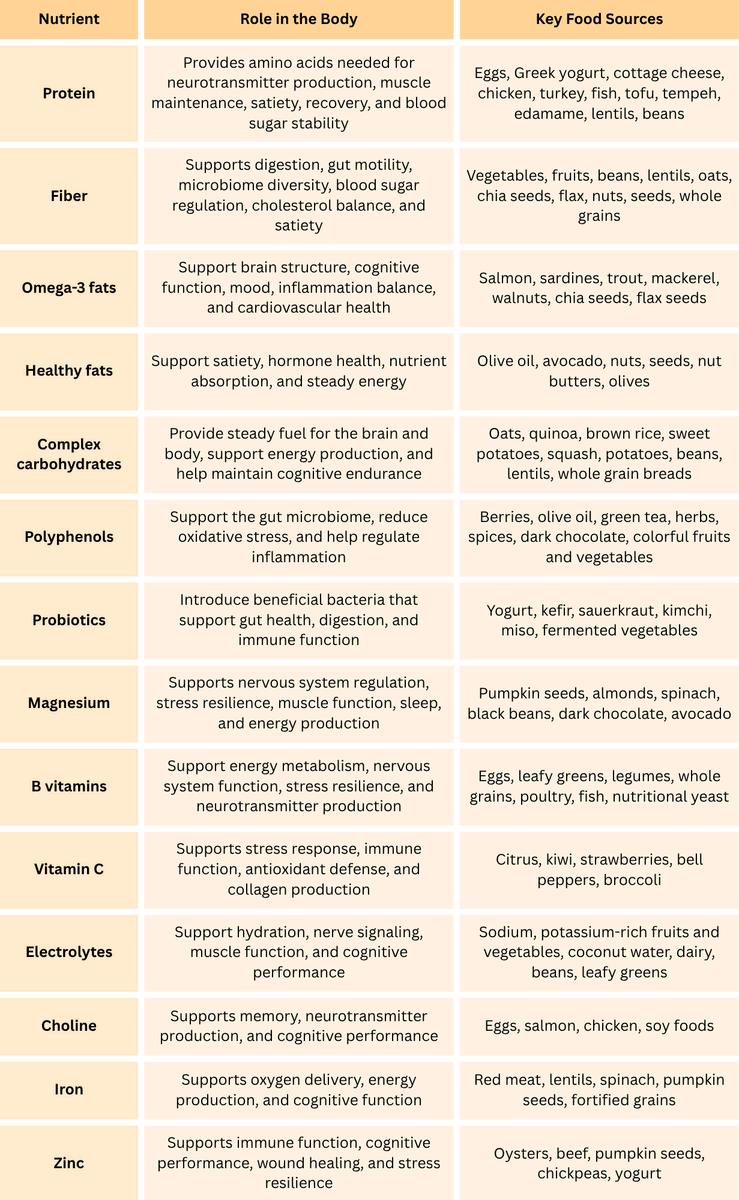
Protein provides amino acids needed to produce neurotransmitters that influence focus, motivation, attention, and mood. Starting the day with adequate protein can also support satiety, and steadier energy throughout the day.
Include Healthy Fats
The brain is highly reliant on fat for structure and function. Omega-3 fatty acids, in particular, support neuronal, memory, mood, and inflammation balance. Regular intake of fatty fish, walnuts, chia seeds, flax, and olive oil can support both cognitive and long-term brain health.
Fill Micronutrient Gaps
B vitamins, magnesium, iron, zinc, and choline all play critical roles in energy production, neurotransmitter synthesis, and cognitive performance. Low intake, poor absorption, stress, and inconsistent eating can all increase the likelihood of insufficiencies that affect mental performance.
Hydrate Regularly
Even mild dehydration can impair concentration, memory, mood, and mental performance. Many symptoms commonly attributed to fatigue or stress, including headaches, irritability, and poor focus, may be worsened by inadequate hydration.
Practical Strategies to Get Started:
Eat a protein-rich breakfast within 1–2 hours of waking
Build meals around protein, fiber, and healthy fats
Limit caffeine on an empty stomach
Keep a water bottle visible and accessible throughout the day
Include omega-3-rich foods several times per week
Avoid skipping meals during high-demand work periods
Pair carbohydrates with protein or fat to support steadier energy
2.Regulate Stress Through the HPA Axis
Stress is more than just feeling overwhelmed or stretched too thin. It is a physiological process that influences nearly every system in the body.
If you often feel wired but tired, anxious, struggle with poor sleep, or notice unexplained weight gain, it may be a sign that your stress response is no longer functioning as efficiently as it should.
What Is the HPA Axis?
The HPA axis, or hypothalamic-pituitary-adrenal axis, is one of the body’s primary stress response systems. It is a communication network between the brain and adrenal glands that helps you respond to and recover from stress.
This system is essential for performance, adaptation, and survival In the short term, it helps mobilize energy, sharpen focus, and increase alertness Over time, however, chronic emotional, physical, or environmental stress can over activate this system and reduce the body’s ability to regulate stress effectively. When this happens, the stress response becomes less efficient, contributing to fatigue, poor recovery, disrupted sleep, mood changes, and metabolic dysfunction.
How Chronic Stress Affects Performance
When the stress response remains activated for too long, its effects extend well beyond energy levels and can begin to impact multiple systems tied directly to performance:
Digestion: Stress can reduce stomach acid, suppress digestive enzymes, and impair gut barrier function
Immune function: Chronic stress can weaken immune defenses and increase susceptibility to illness
Metabolic health: Long-term stress can impair blood sugar regulation, increase cravings, and contribute to central weight gain
Mood and cognition: Stress hormones influence neurotransmitters, emotional regulation, memory, and mental clarity
Recovery and resilience: Chronic stress can reduce the body’s ability to recover, adapt, and maintain steady energy
Nutrition Strategies to Support the Stress Response
Nutrition plays a central role in helping regulate our stress response and improve resilience. Key priorities include:
Build meals around adequate protein and healthy fats
Emphasize low-glycemic, whole-food carbohydrates to support more stable energy
Prioritize micronutrient-dense foods, especially colorful fruits and vegetables, legumes, and whole grains
Reduce excessive caffeine
Avoid skipping meals, which can further amplify the stress response
Support recovery with nutrients commonly depleted by stress, including magnesium, vitamin C, and B vitamins
Support the Nervous System
The nervous system also needs consistent signals of safety to shift out of stress mode Supporting the stress response is not only about reducing workload, but also about improving how the body interprets and responds to it.
Practical strategies include:
Support sleep quality by going to bed at a consistent time each night and keeping your room cool, dark, and quiet
Use breathwork, gentle movement, and restorative practices to help signal safety and promote a greater sense of calm
Create more consistent daily rhythms around meals, movement, and recovery to support nervous system regulation
Stress management is not just about feeling calmer. It is about improving how the body regulates energy, recovery, focus, and resilience under pressure.
3.Support the Gut to Support the Brain
Your gut and brain are closely connected through the gut-brain axis, a two-way communication network between the digestive tract, including the gut microbiome, and the brain. This system plays an important role in mood, cognitive function, stress resilience, and inflammation, making gut health an important and often overlooked part of mental and physical performance.
The gut microbiome is a complex ecosystem made up of trillions of microorganisms, including bacteria, viruses, fungi, and other microbes that live primarily in the digestive tract These microbes play a critical role in digestion, nutrient absorption, immune regulation, inflammation, and the production of compounds that influence brain function and mood.
Diet is one of the most powerful drivers of microbiome health. What we eat directly influences the diversity, abundance, and function of the microbes that support us. Diets rich in a variety of plant foods tend to promote greater microbial diversity, which is associated with better gut health, stronger immune function, and improved metabolic resilience. Fiber-rich foods, polyphenol-rich plants, and fermented foods help nourish beneficial microbes and support a healthier gut environment.
While the microbiome can respond quickly to short-term dietary changes, long-term dietary patterns have the greatest influence on its overall composition and stability. Lifestyle factors such as sleep, stress, travel, and physical activity also play a meaningful role in shaping the gut environment. When gut health becomes compromised, the effects often extend well beyond digestion. Imbalances in the gut can contribute to inflammation, impair nutrient absorption, disrupt immune function, reduce stress resilience, and increase the risk of chronic disease.
Signs Your Gut May Need More Support
Gut dysfunction does not always show up as obvious digestive distress. In many cases, the signs are subtle and can appear in areas that seem unrelated to digestion. Common signs include:
Bloating, gas, constipation, or loose stools
Frequent heartburn or indigestion
Feeling overly full after meals
Food sensitivities or increased reactivity to certain foods
Low energy or fatigue, especially after eating
Brain fog or poor concentration
Skin issues, including acne, eczema, or unexplained irritation
Increased cravings, especially for sugar or highly processed foods
Mood changes, irritability, or feeling more stressed than usual
Nutrition Strategies to Support Gut Health
Supporting the gut starts with creating an environment that allows beneficial microbes to thrive and digestion to function more efficiently.
Eat more fiber-rich foods, including vegetables, fruits, beans, lentils, nuts, seeds, and whole grains
Aim for greater plant variety throughout the week to support microbial diversity. A practical goal is 20 to 30 different plant foods each week, including vegetables, fruits, legumes, whole grains, herbs, spices, nuts, and seeds.
Include fermented foods such as yogurt, kefir, sauerkraut, kimchi, or miso when tolerated
Prioritize polyphenol-rich foods like berries, olive oil, herbs, spices, green tea, and dark chocolate
Stay well hydrated to support digestion and regular bowel movements
Slow down when eating to support digestion and reduce stress on the gut
Limit excess alcohol, ultra-processed foods, and frequent high-sugar intake, which can disrupt the microbiome
Support regular meal timing to help regulate digestion and gut motility
A healthier gut supports more than digestion. It supports energy, mood, resilience, immune function, and how think, f l d rform each day.
4.Support Metabolic Health for Energy, Focus, and Resilience
Your metabolism is the body’s operating system. It is the sum of the chemical processes that convert food into usable energy and the raw materials needed to power, maintain, and repair every system in the body. How efficiently this system functions has a direct impact on both physical and cognitive performance
Metabolic health is the foundation that helps tie energy, focus, mood, stress resilience, recovery, and long-term performance together. At its core, metabolic health reflects how efficiently the body produces, regulates, and uses energy.
When metabolic health is functioning well, energy is more stable, focus is sharper, mood is steadier, and the body is better equipped to adapt to stress, recover efficiently, and perform consistently. When metabolic health begins to decline, the effects often show long before disease does, often as fatigue, cravings, brain fog, irritability, poor concentration, disrupted sleep, and changes in body composition.
In high-performing individuals, poor metabolic health rarely appears first as an obvious disease. More often, it shows subtle but meaningful declines in energy, resilience, and performance that are easy to normalize, but important not to ignore.
Metabolic health influences far more than blood sugar. It affects how well the body maintains stable energy, regulates appetite, responds to stress, recovers from high demands, and sustains mental clarity throughout the day.
When metabolic health is impaired, the body becomes less efficient at regulating glucose, responding to insulin, and shifting between fuel sources. This can lead to greater energy variability, more cravings, poorer stress tolerance, reduced cognitive function, and increased inflammation, all of which can directly affect performance.
A Quick Pause for Menopause
If you, or someone you are close with, are navigating perimenopause or post menopause, it is worth noting that this stage of life can have a significant impact on metabolic health, cognitive performance, and overall wellbeing.
Shifts in estrogen and progesterone can influence blood sugar regulation, insulin sensitivity, sleep, mood, stress resilience, body composition, and cognitive function, all of which can directly affect day-to-day performance. For many women, this can show up as increased brain fog, disrupted sleep, reduced stress tolerance, changes in energy, and feeling like routines that once worked no longer have the same effect.
These changes are common, but they are not something to dismiss. This is a meaningful physiological transition that often requires a more intentional approach to nutrition, recovery, movement, and stress support.
Quick tips:
Prioritize protein to support muscle maintenance, satiety, and blood sugar balance
Include strength training to support muscle, metabolic health, and long-term resilience
Build meals around fiber-rich carbohydrates to support steadier energy and digestion
Be more intentional with sleep and recovery, as both become more important during this stage
Reduce added stress where possible and support nervous system regulation daily
Pay attention to symptoms and advocate for support when needed
Supporting metabolic health during this stage can make a meaningful difference in energy, resilience, cognitive function, and overall quality of life.
Just as performance is measured in business, metabolic health can be measured through several meaningful biomarkers. These numbers can offer useful insight into how well the body is regulating energy, managing inflammation, and supporting long-term resilience.
Key markers to know:
Fasting glucose – a snapshot of blood sugar regulation
Hemoglobin A1c – a three-month view of blood sugar patterns
Fasting insulin – a useful marker of insulin sensitivity and early metabolic strain
Triglycerides – often elevated when blood sugar regulation is impaired
HDL cholesterol – a helpful marker of metabolic and cardiovascular health
Waist circumference – a practical indicator of central metabolic risk
Blood pressure – a useful measure of cardiovascular and metabolic strain
Additionally, a standard Comprehensive Metabolic Panel (CMP) can also provide helpful context around hydration, electrolyte balance, liver function, kidney function, and protein status, all of which influence energy, recovery, and performance.
These markers are not just disease screening tools. They are useful performance data that can help identify early signs of metabolic strain before more significant dysfunction develops.
Symptoms Are Often Early Signals
Many people wait until lab values become abnormal to pay attention, but symptoms often appear much earlier.
Energy crashes, cravings, brain fog, poor recovery, disrupted sleep, and central weight gain are often early signals that metabolic health needs more support. These symptoms are not just inconveniences; they are insightful feedback.
The earlier these signals are recognized, the easier it becomes to intervene before they progress into more significant metabolic dysfunction.
Where to Start
The most effective way to support metabolic health is not through taking extreme measures, but through consistent daily habits that improve how the body uses energy.
Start with the basics:
Eat regularly and avoid long gaps without fuel
Build meals that support more stable blood sugar by incorporating sources of protein, healthy fats, and fiber-rich carbs
Reduce excessive reliance on caffeine and ultra-processed foods
Move regularly, especially after meals
Support sleep and recovery as part of metabolic health
Pay attention to symptoms and use lab work as feedback
Metabolic health is not just about preventing disease. It is one of the strongest levers for improving energy, focus, resilience, and sustained performance.
5.Build a Performance Plate Anywhere
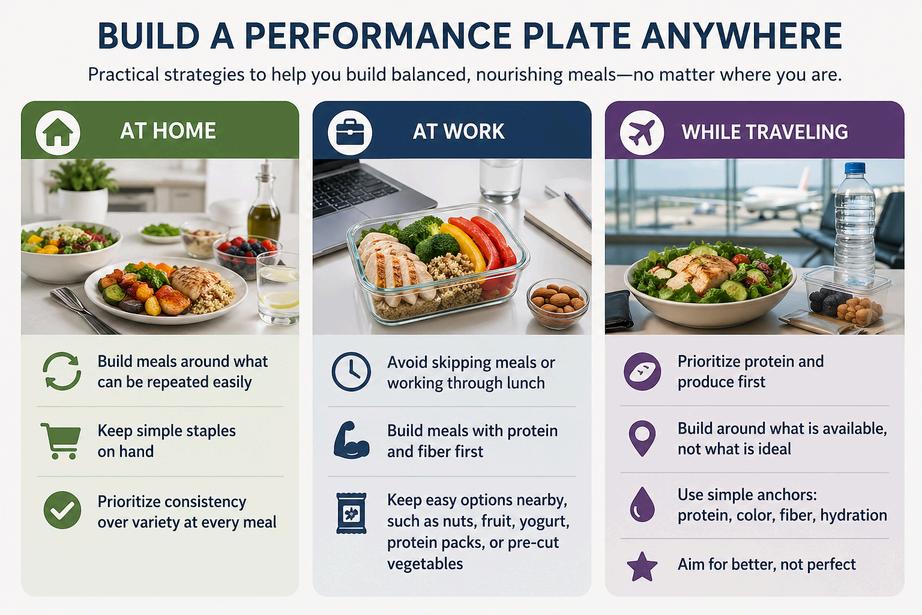
Whether at home, in the office, or on the road, learning how to build a better plate is one of the most practical ways to support cognitive performance, gut health, metabolic health, and sustained energy throughout the day.
While nutrition does not need to be perfect to be effective, meal structure matters. Building balanced meals consistently can help support steadier blood sugar, improved focus, better digestion, more stable energy, and fewer cravings, all of which directly influence how you think, feel, and perform.
A well-built plate does not need to be complicated. It simply needs to provide the body with the nutrients required to support energy production, satiety, and metabolic stability.
The Performance Plate Framework
A simple way to build meals is to use a balanced plate model:
Half your plate: colorful vegetables and fruits
One quarter of your plate: lean protein
One quarter of your plate: whole grains or starchy vegetables
Add: a source of healthy fat
This framework helps create meals that are more nutrient-dense, more satisfying, and better equipped to support focus, digestion, and steady energy. Each part of the plate plays a distinct role in providing the nutrients and support your body needs to perform well:
Colorful vegetables and fruits
These provide fiber, antioxidants, polyphenols, vitamins, and minerals that support gut health, immune function, reduce inflammation, and improve long-term cognitive health. Greater color and variety also support a healthier and more diverse microbiome.
Lean protein
Protein provides amino acids needed for neurotransmitter production, muscle maintenance, satiety, recovery, and stable energy. Including protein at each meal can help improve focus, reduce cravings, and support blood sugar regulation
Examples include: Chicken, turkey, fish, eggs, Greek yogurt or cottage cheese, tofu, tempeh, edamame, lentils, beans, and higher-protein grains
Whole grains or starchy vegetables
These provide the brain and body with accessible energy. Choosing higher-fiber carbohydrate sources helps support steadier blood sugar, a healthy gut, and more sustained cognitive performance.
Examples include: Oats, quinoa, brown rice, sweet potatoes, squash, potatoes, beans, lentils, whole grain breads or wraps
Healthy fats
Healthy fats support satiety, hormone health, nutrient absorption, and brain function. They also help slow digestion and support more stable energy. Examples include: Olive oil, avocado, nuts or nut butters, seeds, and olives
Where to Begin
Making meaningful changes often starts with awareness.
Begin by paying closer attention to how you feel day to day, including your energy levels, cognitive function, digestion, mood, sleep, and any signals your body may be giving you. These patterns can offer useful insight into where your system may need more support.
From there, take a closer look at your daily food choices, both during your typical work routine and in the environments that tend to challenge consistency most, such as weekends, travel, or high-stress periods. Start by identifying what you are already doing well and lean into those habits first. Building on what is already working is often the most effective place to begin.
Then look for one or two areas where small, intentional changes may offer the greatest return That may mean prioritizing a protein- and fiber-rich breakfast, eating lunch more consistently, building more balanced meals while traveling, or staying better hydrated throughout the day.
The goal is not to change everything at once. Start small, build consistency, and let those habits strengthen over time. Sustainable change is rarely built through extremes. It is built through small, repeatable decisions that support how you think, feel, and perform each day
TREATMENT PLAN


Your Treatment Plan
This section of the Summary Plan Description (SPD) is yours. It is recommended that you keep any documentation related to your physical exams, test results, course(s) of treatment, handouts, or any other information related to your overall health and wellbeing in this section. That way, you’ll know where everything is and can easily refer back to it, as needed.
A treatment plan is a documented guide or outline for a patient’s therapeutic treatment – it describes the patient's current condition and any procedure(s) that will be needed, detailing the treatment to be provided, expected outcome, and expected duration of the treatment prescribed by the physician.
Treatment plans are also a summary assessment for referrals when required. In general, they’re used by professionals such as psychologists, psychiatrists, behavioral health professionals, and other healthcare practitioners as a way to:
Analyze and diagnose Design
Evaluate and Enhance a patient’s condition over time for positive health outcomes.
“Effective treatment planning can identify potential challenges that may arise during a patient’s therapy. Moreover, it increases client engagement in the process because the plan is developed collaboratively between the patient and their provider.” – Tracie Keller