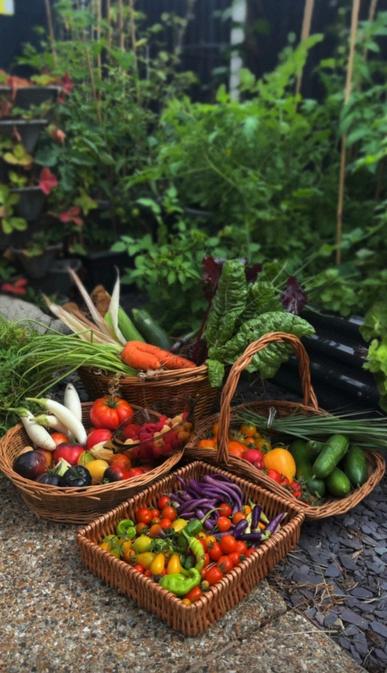
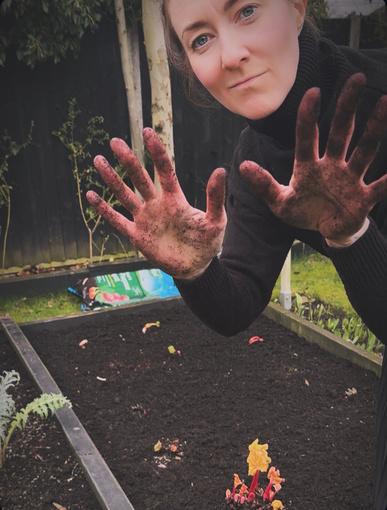
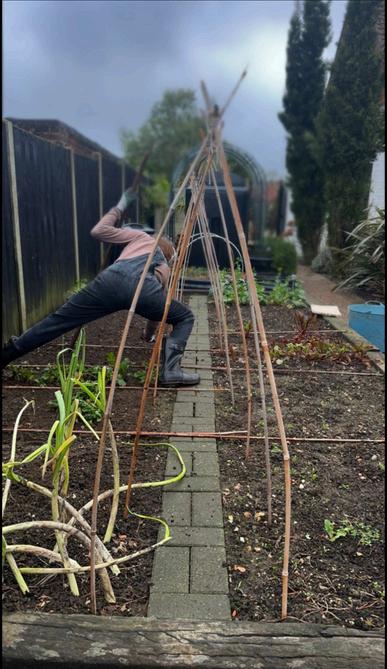
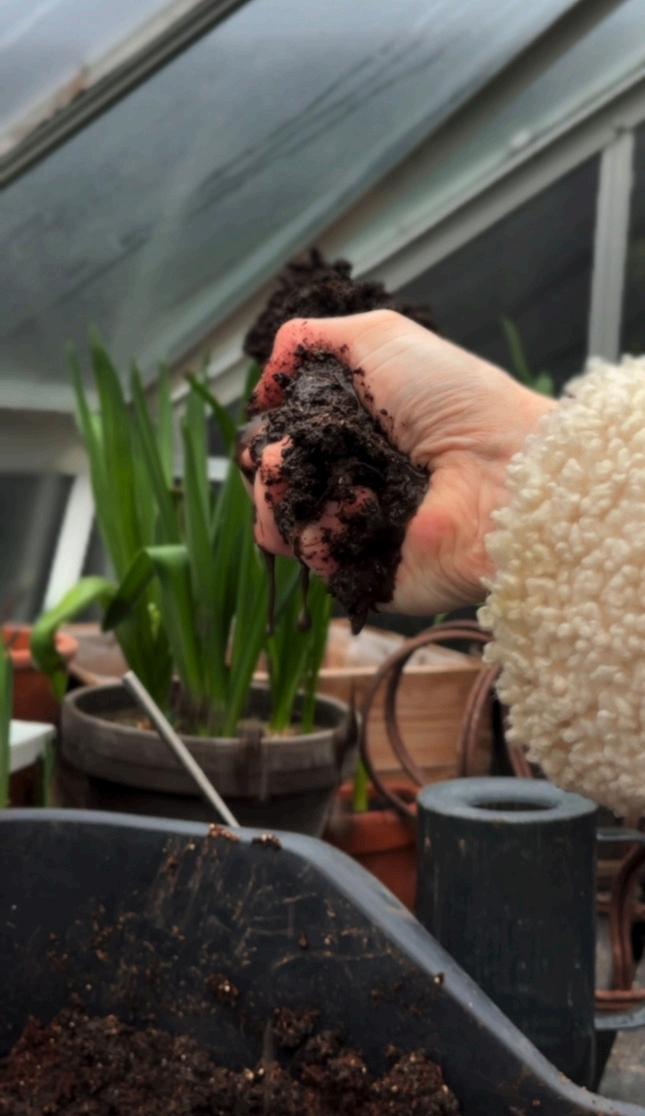
Woohoo! Spring has sprung and April is the month to really start enjoying yourself in the garden
I absolutely love the heady promise that warmer, lighter days and fresh new green growth bring and every newly raked patch of soil brings a little thrill of excitement of what is to come.
This month we have lots of inspiration for you to grow more food, appreciate more of the incredible natural world around us, and connect with the awesome community of gardeners both online and in person in your area.
Spring reminds us that everything is interdependent if it wants to succeed Let’s grow stronger by supporting one another
Anjee x
The mornings are getting lighter earlier, and I’m starting to feel the sun ’ s warmth as I potter around the garden. I’m settling into a more rural way of life. I’ve met many of the neighbours, a lot of whom are keen gardeners. Our closest neighbours are establishing a new woodland, another volunteers for the national park, and many people along our road keep chickens and sheep of their own.
That said, one weekday morning I had to make some neighbourly connections quite quickly.
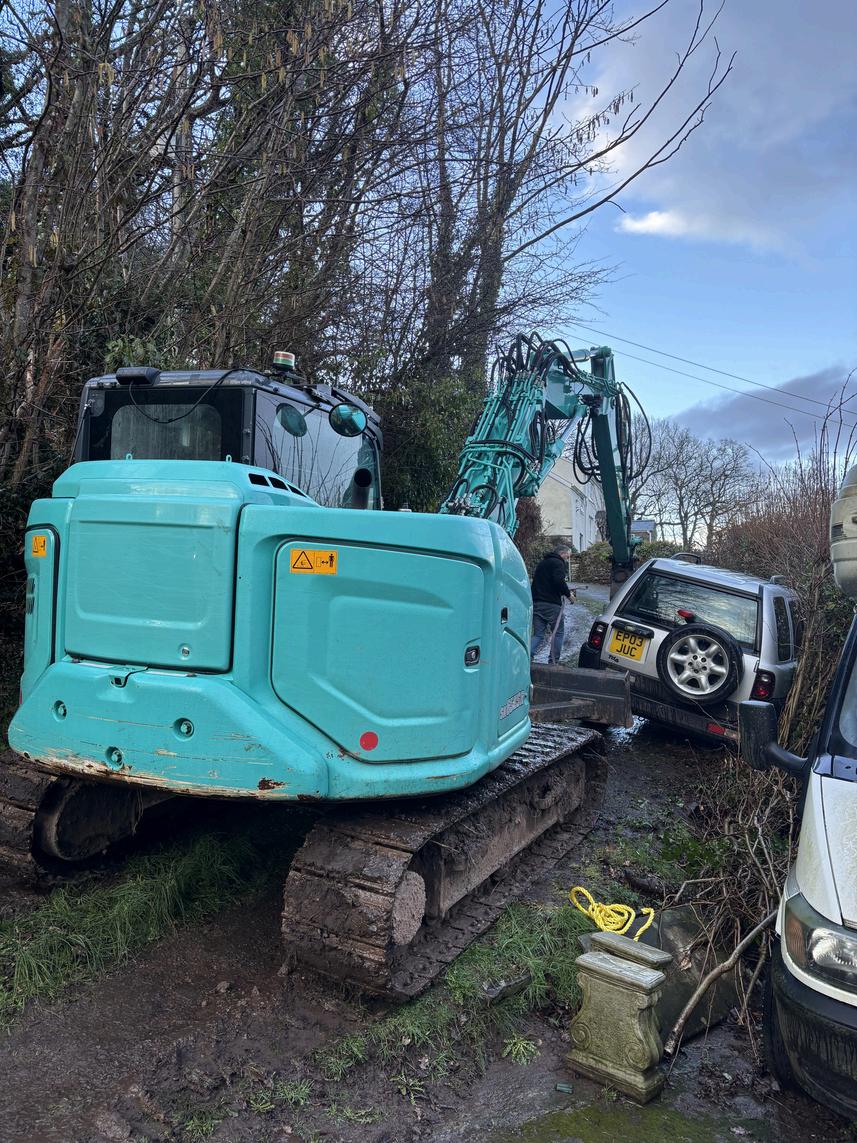
We’d bought an old Land Rover to get us to and fro, mainly for nursery runs and tackling the hills, but I managed to get it stuck halfway down the drive. The back wheels were wedged against a stump, and the rear right wheel had wrapped itself in some old wire fencing. I found someone local with a 4x4 through a slightly desperate call-out on TikTok, but even that couldn’t shift it and we snapped several ropes trying In the end, Steve, who runs a haulage business at the farm at the end of our road, spotted the situation and turned up with a huge digger to lift it free I suspect I’ll be known locally for a while as the English bloke who got his car stuck
One of my main priorities moving here was to get livestock, not for breeding or eating, more aesthetic Like pets, but a few levels up They’ll also play a role in keeping the grass down across the four fields, and natural grazing is great for land management and biodiversity My original plan was goats, but after a very informative call with a breeder, I quickly learned they’re not quite what I thought. There are hidden costs like vaccinations, improved fencing, trailers and, crucially, goats don’t actually eat grass. ‘Goats eat up, sheep eat down,’ he told me. So now I’m thinking of six to eight sheep. I’ve made a few enquiries, but it’s proving tricky to pin anyone down, perhaps it’ll be easier once lambing season settles.
It’s been brilliant watching the garden come to life, and we ’ ve definitely moved at the right time to see spring arrive. Snowdrops have appeared along the drive and under the hedgerows Swathes of daffodils have come up in the garden and the bottom field, and we ’ ve all enjoyed picking them as a family and putting them in every room in the house Primroses and bluebells are flowering beneath the apple trees, and there’s an abundance of muscari I even made a video about muscari or grape hyacinths, as they’re more commonly known Did you know you can eat them? They’re quite bitter raw, but I picked the little blue flowers and turned them into a syrup with sugar and water It’s earthy and floral, probably best with sparkling water or in a cocktail
I am now over two months in and I think we have found our rhythm as a family It’s been a period of taking stock, observing and planning and in doing this I have realised several things. Firstly, I need the right tools. Now I have a bigger garden and land to manage, one small saw and a few trowels isn't going to cut it. Two, work on one small section at a time and don't rush things. Three, meet people, talk to the neighbours, go to the pub, they will have knowledge that is useful and often vital. Four, get my compost bins set up, I've got lots of pruning and clearing to do and the sooner I get that good stuff the better.
I am really looking forward to getting into May, see you then
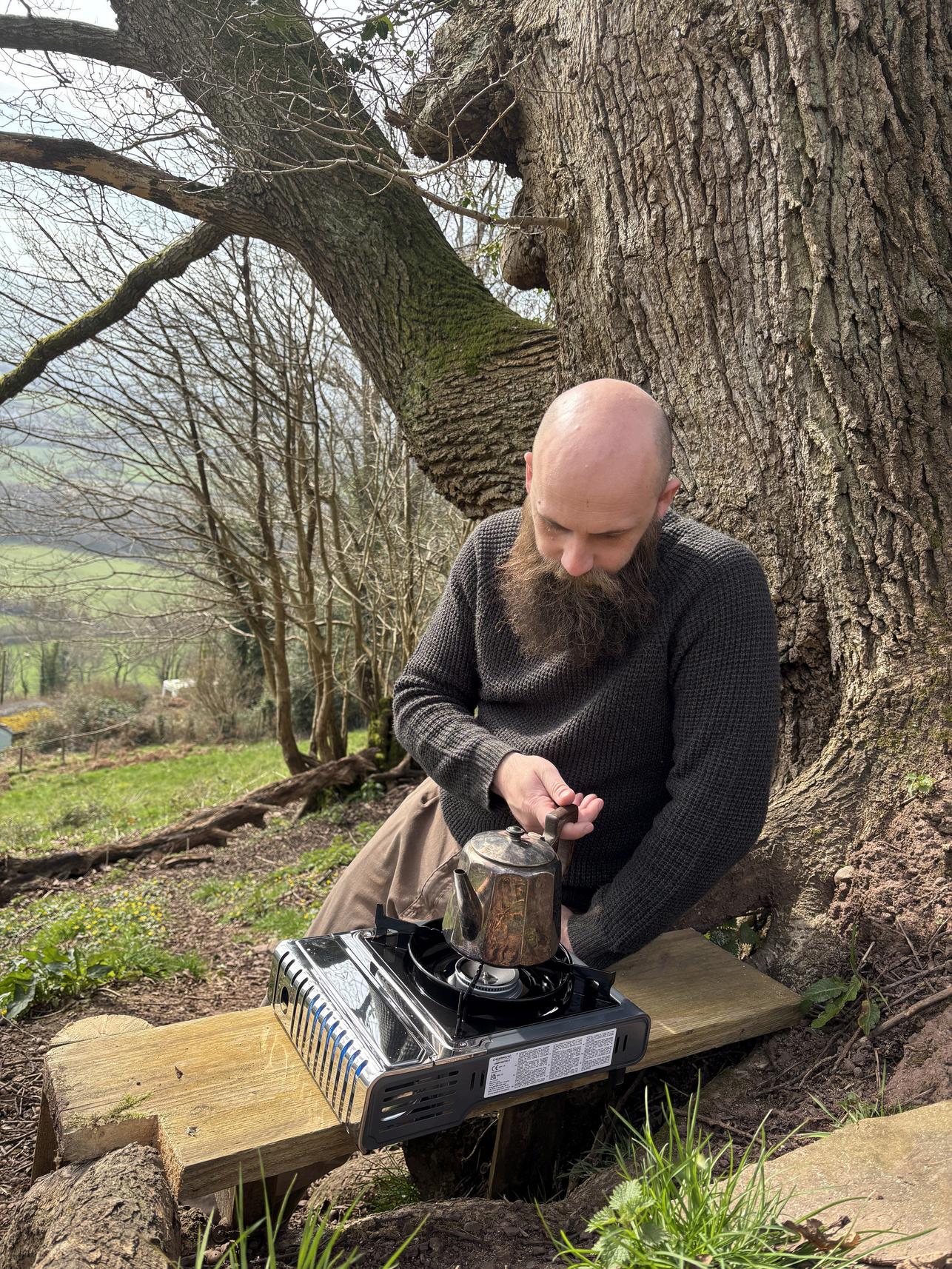
By Leigh Johnstone @beardygardener
The garden is coming to life
Liv Living Off the ing Off the Land: Land: Growing with Growing with Intention Intention
There is a quiet shift happening, and you can feel it if you spend enough time close to the soil. It is not loud, and no one really says it outright, but it’s there. A subtle shift. A quiet awareness. The kind that makes you look at your garden a little differently I don’t think it’s fear I think it’s clarity
For a long time, things have felt easy Accessible Predictable You go to the supermarket, and what you need is there But lately, there has been this gentle nudge; this sense that maybe relying on that entirely isn’t where the comfort lies anymore And without even realising it, you start to lean back into the land Not in a dramatic way Not all at once Just small decisions, made differently
Living off the land isn’t about stepping away from the world. It’s about rooting yourself more deeply in it. It’s about creating something steady, something that feels quietly reliable when everything else feels like it’s shifting slightly out of reach.
Earth Week always brings these bigger conversations; sustainability, responsibility, climate; but when you are actually living this way, it becomes much simpler than that. It becomes daily routine. It becomes a habit. You stop thinking in big ideas and start noticing the small ones The compost that replaces waste The seeds you save without thinking The way water is used, not wasted It becomes second nature And then, without really planning it, your garden starts to change
You begin to grow with more intention Not just what looks good, but what feeds you What lasts What carries you through the seasons A row of onions feels different when you realise what they will become months from now Potatoes feel grounding in a way that’s hard to explain unless you ’ ve grown them yourself Herbs become more than garnish; they become everyday essentials It’s not about growing everything. It never has been.
It’s about growing enough of what you need, and that is where space starts to shift. Lawns, for me, used to just be there; something to keep tidy, something that framed the garden. Now I look at them and see potential. Not in a rushed, tear-it-all-up kind of way, but in a considered one. A bed here. A container there. A slow reshaping of space so that it begins to give something back.
The garden starts to work with you Design changes too, but not in the way you might expect It becomes less about how it looks at a glance, and more about how it feels to move through Where the sun lingers longest Where things will actually thrive Where you’ll naturally walk, harvest, pause It becomes intuitive And somehow, in doing that, it becomes more beautiful than before There’s a softness to a garden that feeds you A kind of quiet intention
Perhaps we can begin to depend more on our own gardens
By Tori Thomas
@torisallotment
Connecting with the soil is grounding
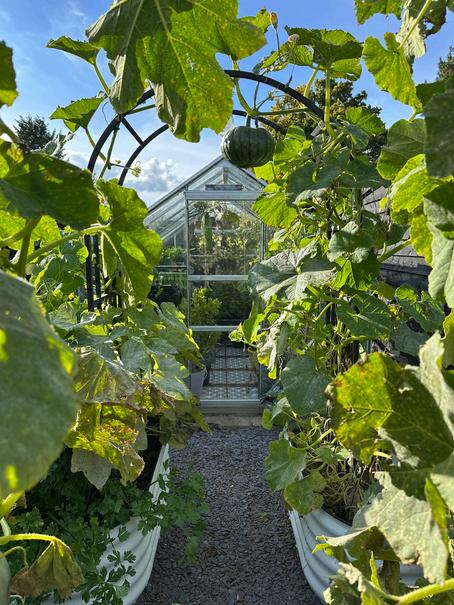
The greenhouse has become a bit of an anchor in all of this for me Not just a place to put plants, but a space that holds a season slightly ahead of everything else It’s where things begin, where you get a bit of control back when the weather is doing its own thing. You start to understand it over time; the heat, the air, the balance. It teaches you, if you let it. And alongside all of this, there’s a return to using what you have.
I find myself reaching for old containers, repurposing things without even thinking about it. Buckets, trays, anything that can hold soil becomes useful again. It’s not about making do; it’s about seeing differently About valuing what’s already there instead of constantly bringing more in That shift alone changes everything
Even flowers feel different now I still grow them, still love them just as much, but there’s a deeper awareness woven through it They’re not just for looking at; they bring life into the space, support pollinators, soften everything in a way that feels necessary rather than decorative They belong here, just as much as anything edible does And somewhere within all of this doing, there’s stillness too
Moments where you sit, or write, or take a photo, or just notice. The way the light has changed. The way something has grown without you realising. The way you ’ ve changed alongside it. The garden has this quiet way of holding all of that.
Living off the land, especially now, doesn’t feel extreme. It feels grounding. It feels like a return to something we ’ ve always known, just perhaps forgotten for a while. A way of living that doesn’t rely so heavily on what sits beyond your control, but instead builds something steady, right where you are
Not perfectly Not completely But enough to feel secure in a way that isn’t loud, or obvious, or showy Just quietly certain Because sometimes, it’s not about having more
It’s about knowing you can grow what you need
Edibles can be beautiful
By Marc Ridpath
@gardeneriddler
Let’s start with the quote “When life hands you dirt, plant seeds” from the Canadian philosopher Matshona Dhliwayo Considering how much dirt is currently getting thrown, let’s all just sow some seeds To grow your own food isn’t just a hobby I would say, now more than ever, it’s a act of defiance Taking control of some of your own food security and saying to the big corporations ‘I have had enough of your practices and I am going to grow food that I know what’s been sprayed on (hopefully nothing) and I know exactly where it has come from’
Obviously you are unlikely to ever be fully self sufficient and let’s be honest, it’s not a secure thing to do anyway because what we really need is a community of people to produce food and then everyone can contribute their unique skills and of course 20 courgettes a day in the height of summer!
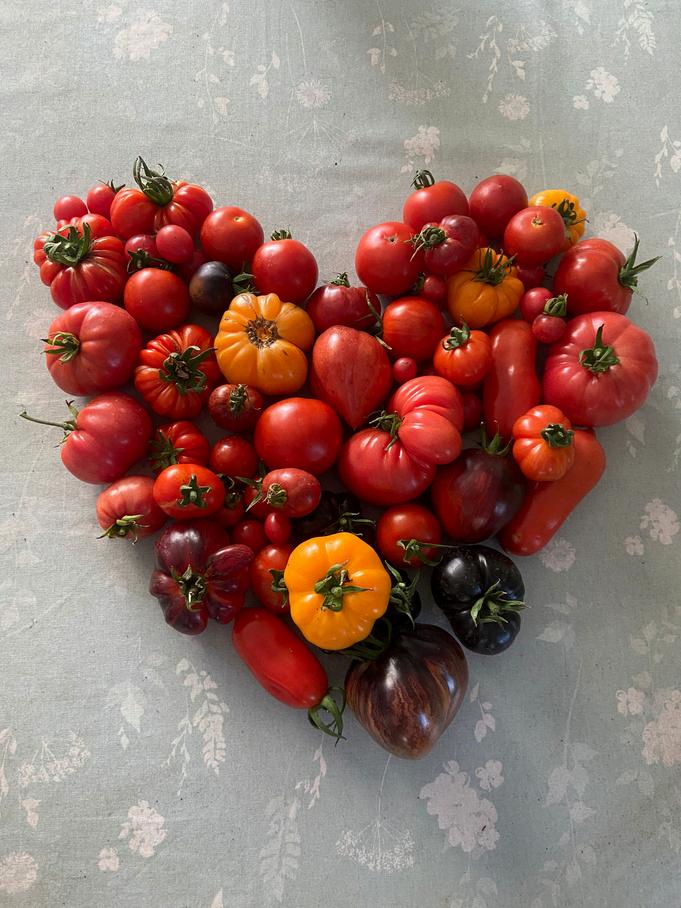
That being said, the way I try and do things is to try and be self sufficient in one more thing each season. So far I have potatoes, tomatoes, chilli’s, garlic, asparagus and onions down. I usually manage to grow enough salad to keep us going though the growing season also but now we have a hungry tortoise to keep fed I also need to up my salad game this season I really want to try and crack carrots and parsnips this year and my dad wants us to try and grow some of the ridiculously long carrots in drain pipes
is a crop that will come back year after year.
Did you know Britain hasn’t been self sufficient for all of its food since the early 1800’s? In 1984 we were at 78%, in 2026 we are at about 62% but in terms of vegetables it’s 52% and fruit is a terrible 15% which is a scary fact when there are currently conflicts that are disrupting global supply chains
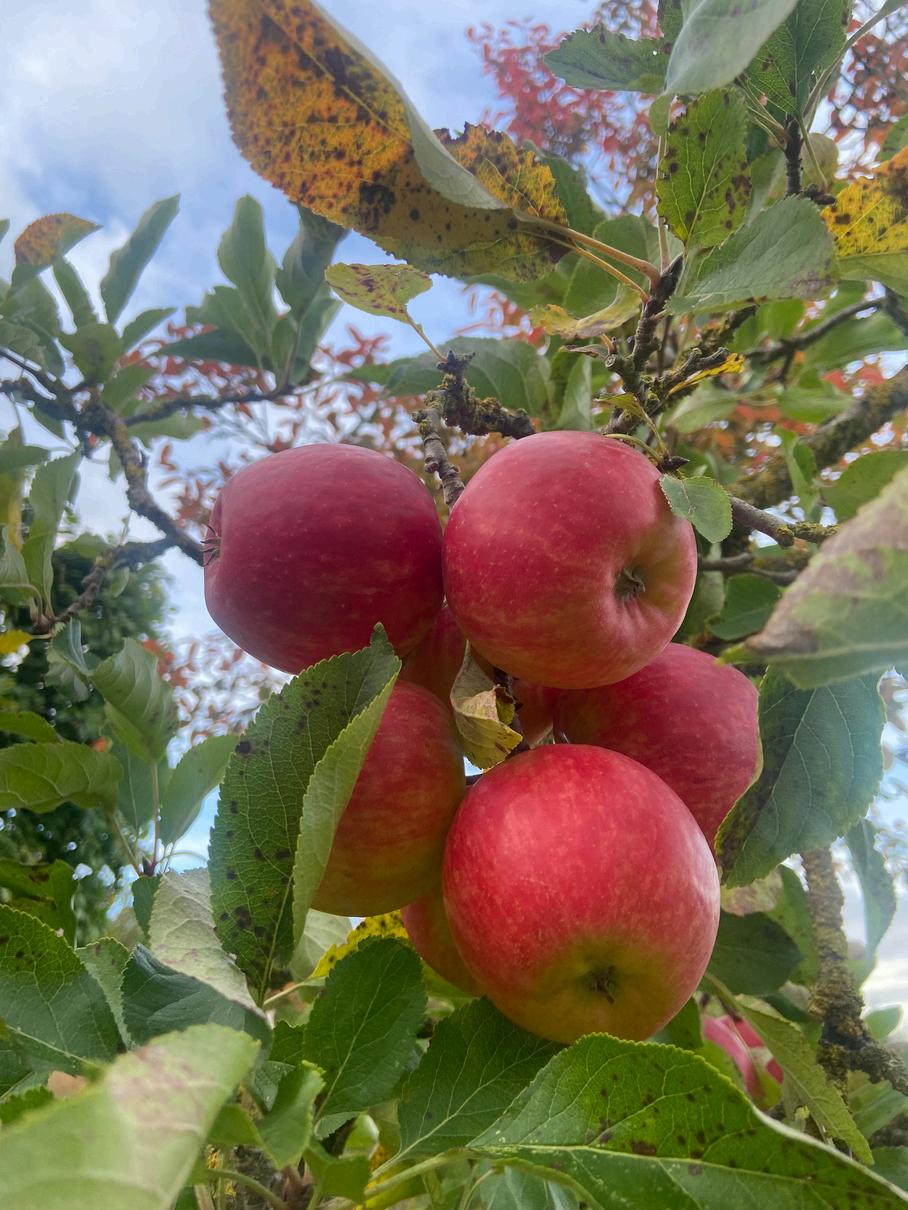
Time for another quote; “The best time to plant a tree was 20 years ago, the second best time is today” so go and get some fruit trees and get them in your garden You can even get varieties that you can grow in pots on your patio or balcony Or you could grow them along your boundary as a espalier or cordon which means growing a tree against a wall or fence in a flat structured way
Fruit trees are a brilliant way to grow more of your own food.
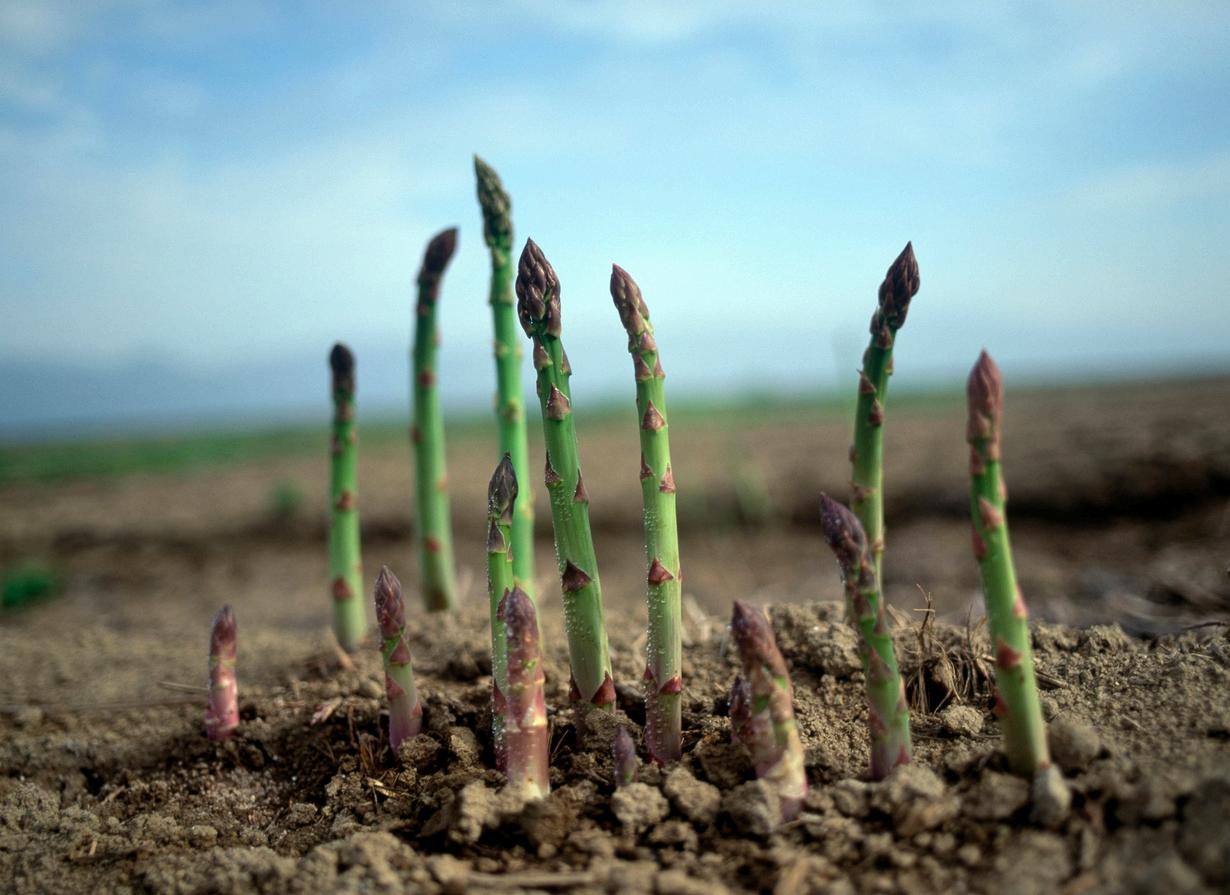
Asparagus
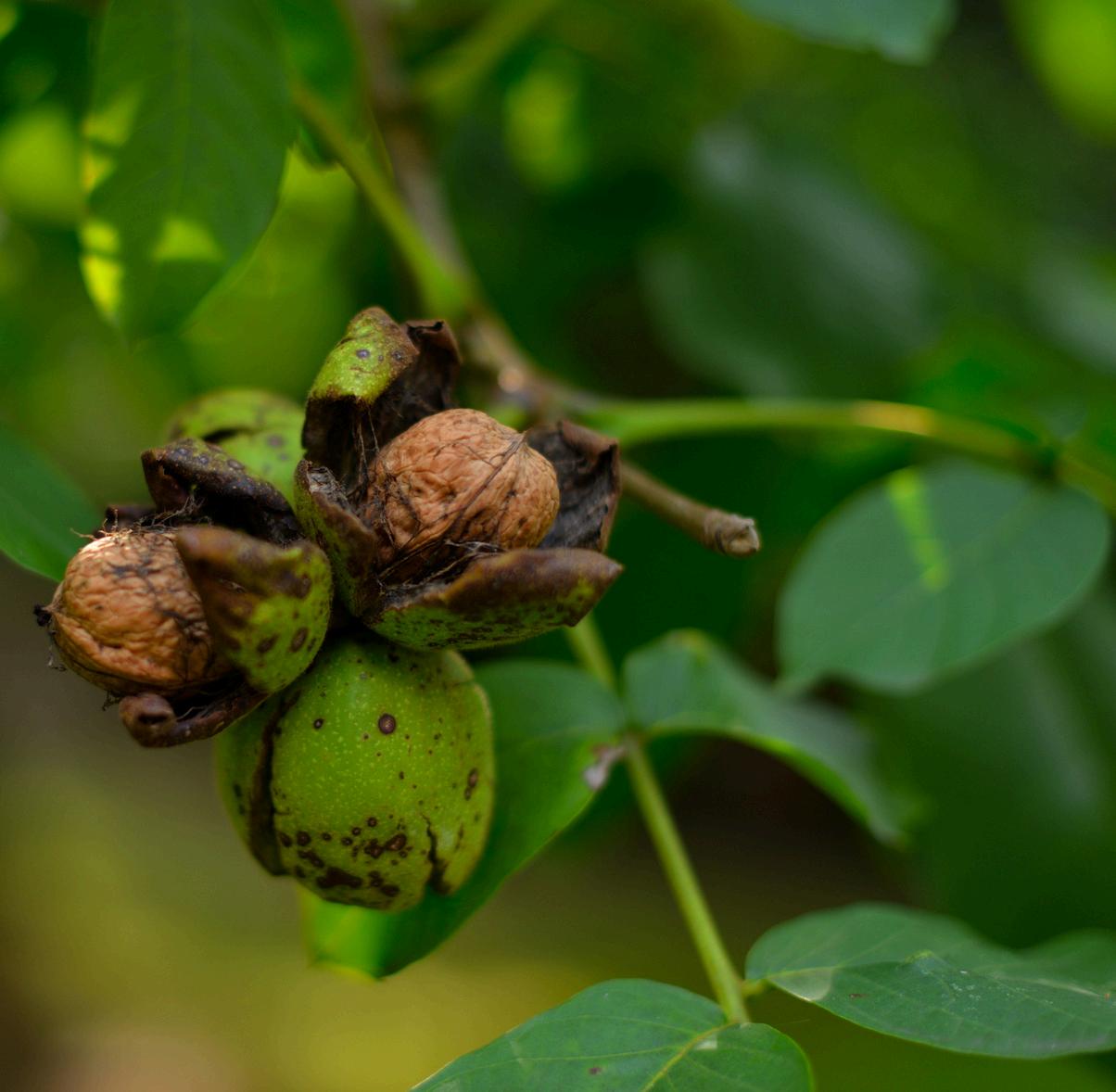
Not a lot of people have room for a walnut but if you do they are my absolute favourite trees, they are such a stereotypical shaped tree just like a child’s drawing It will take a while to get big enough to give you a decent supply of walnuts but eventually it will and walnuts are expensive More achievable in a smaller garden is a hazel tree which has a multi stem shrub habit. Once mature, it will give you nuts and it is native to the UK.
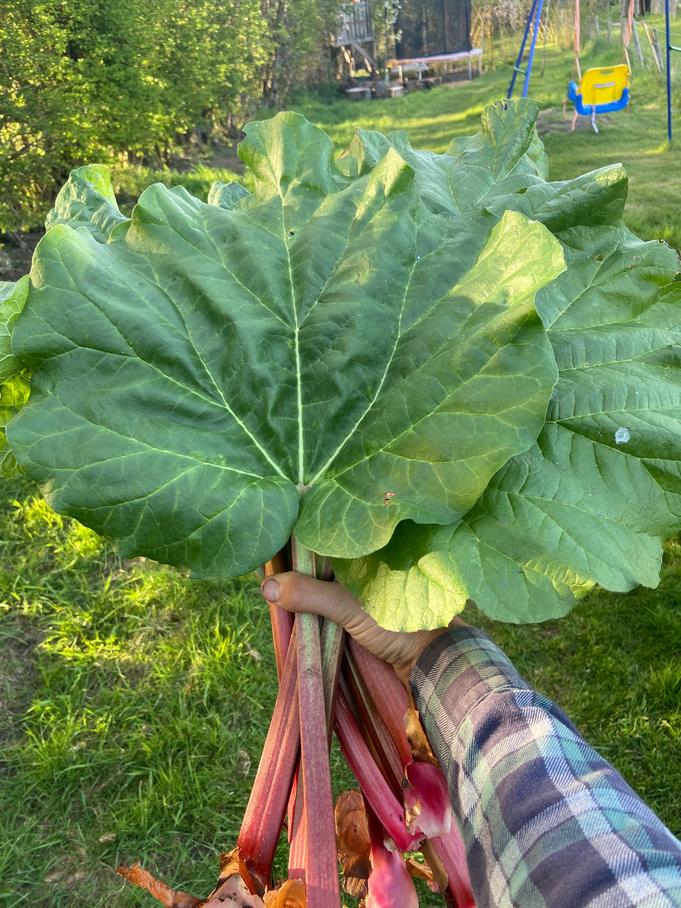
Right now is Rhubarb season, and if you haven’t got some, why not? They are such low maintenance plants, if you have them in a damp spot they will just do their thing every year and I can never eat it fast enough. If you have a few plants you can put a container over the top of the plant and force the plant to produce sweeter stems earlier than they would usually be really.
I hope that I have inspired you to take some control back and try to create yourself a small amount of food security for yourself Start small and expand as you get more confidence If you can’t grow your own, do the next best thing and buy local and put the money in to the hand of your local grower rather than a faceless, morally bankrupt supermarket
Tree nuts are a great addition to the edible garden
Take control of one food at a time.
Nature Lead
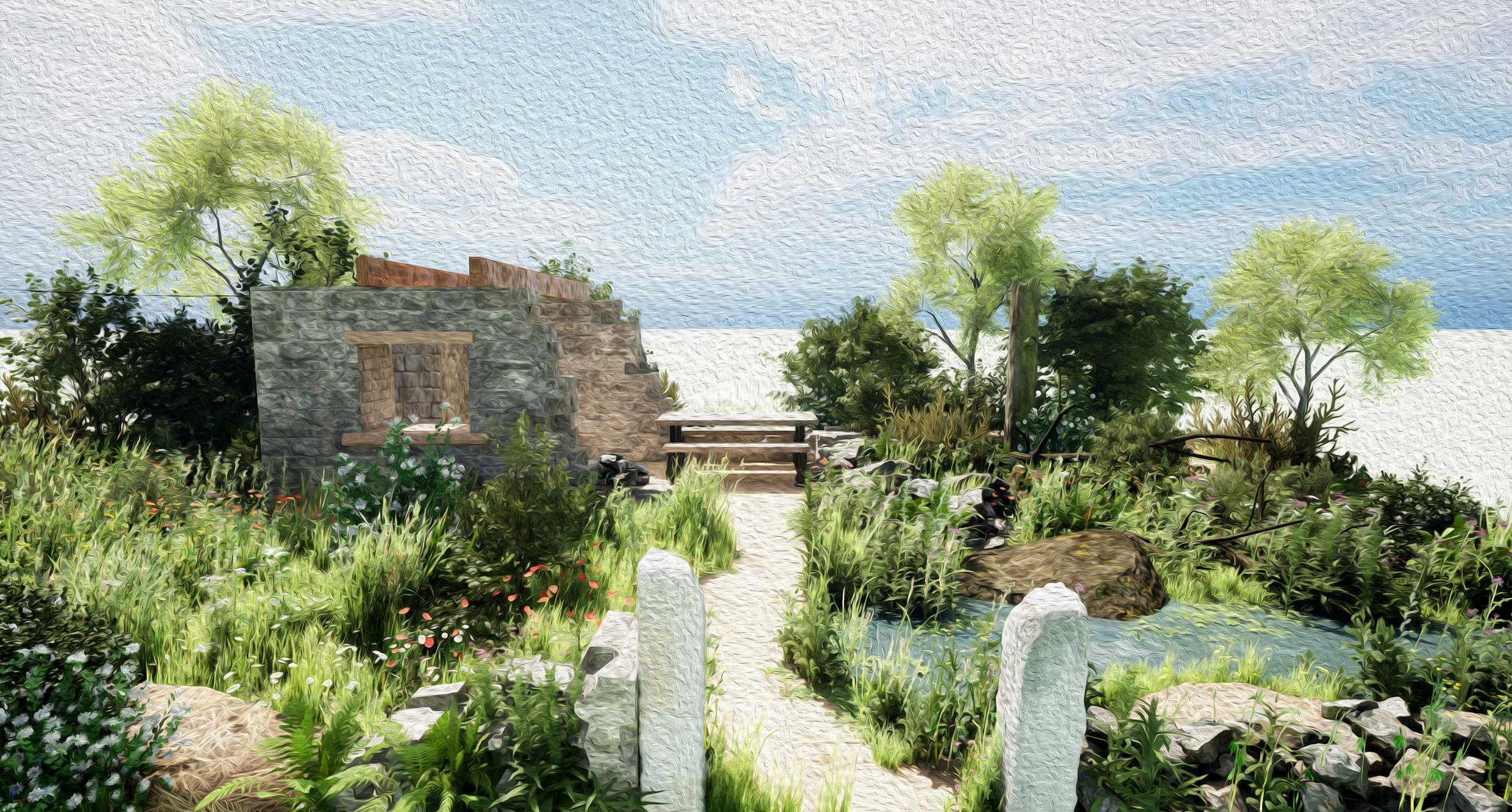
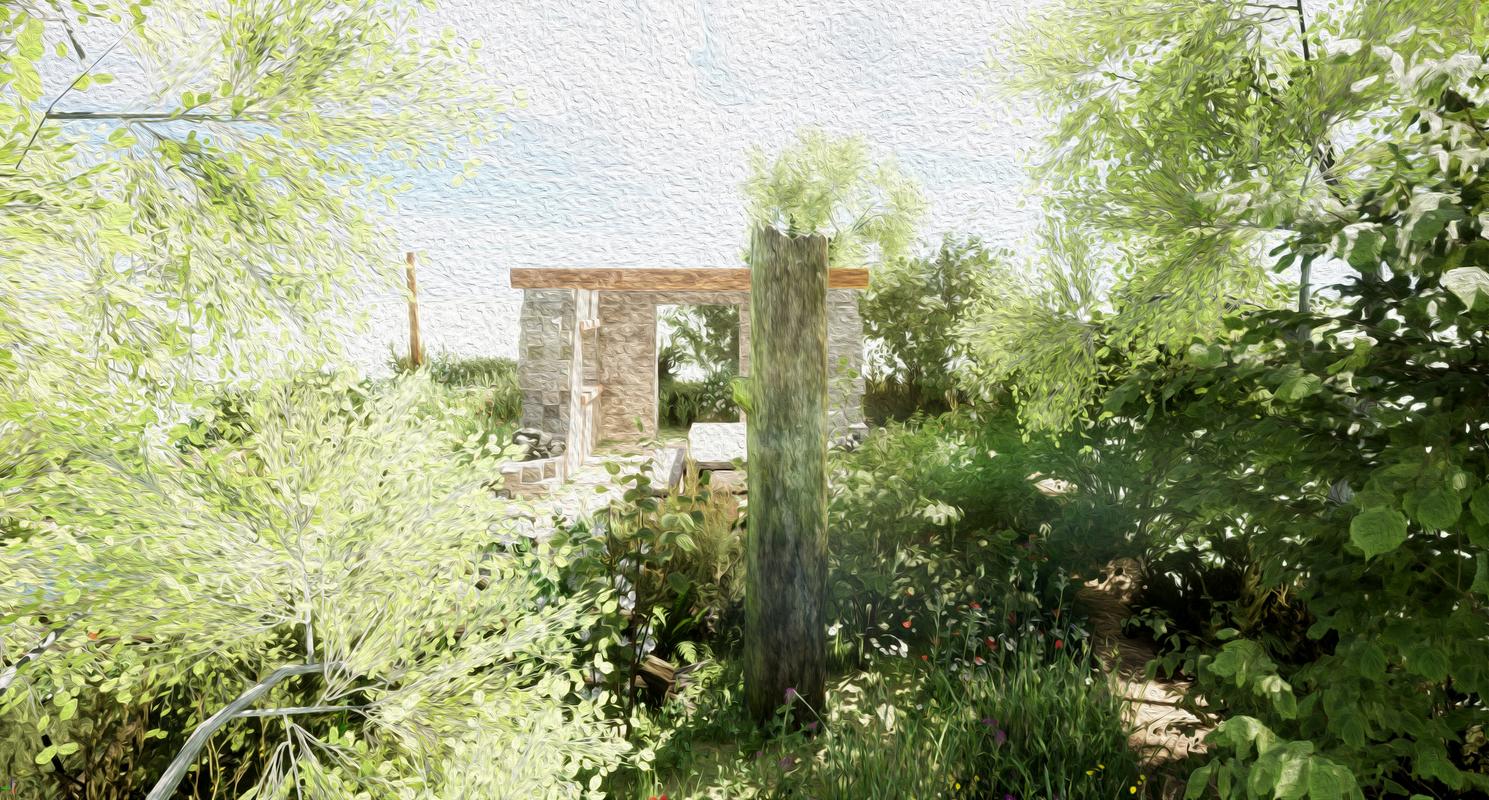
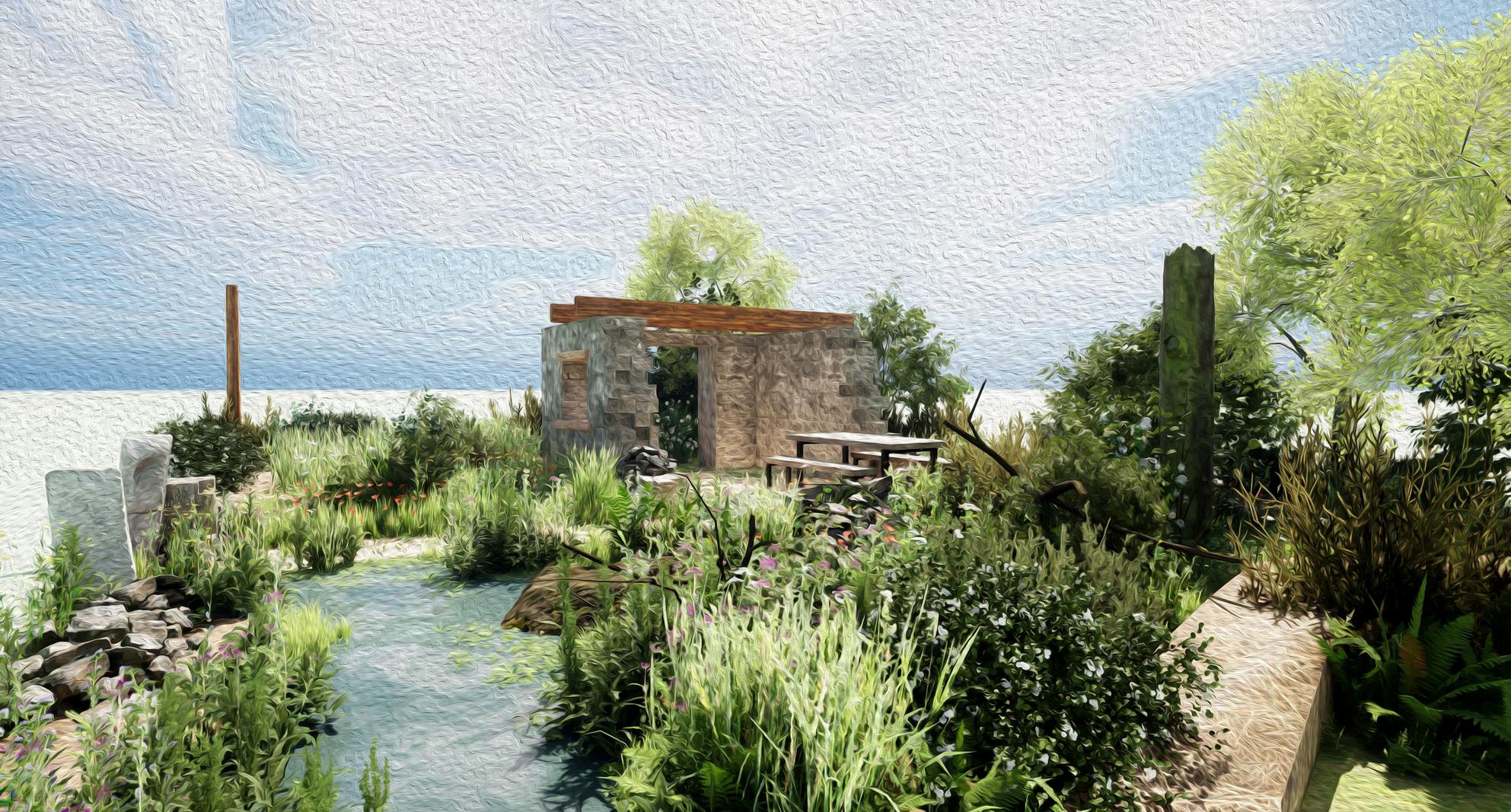
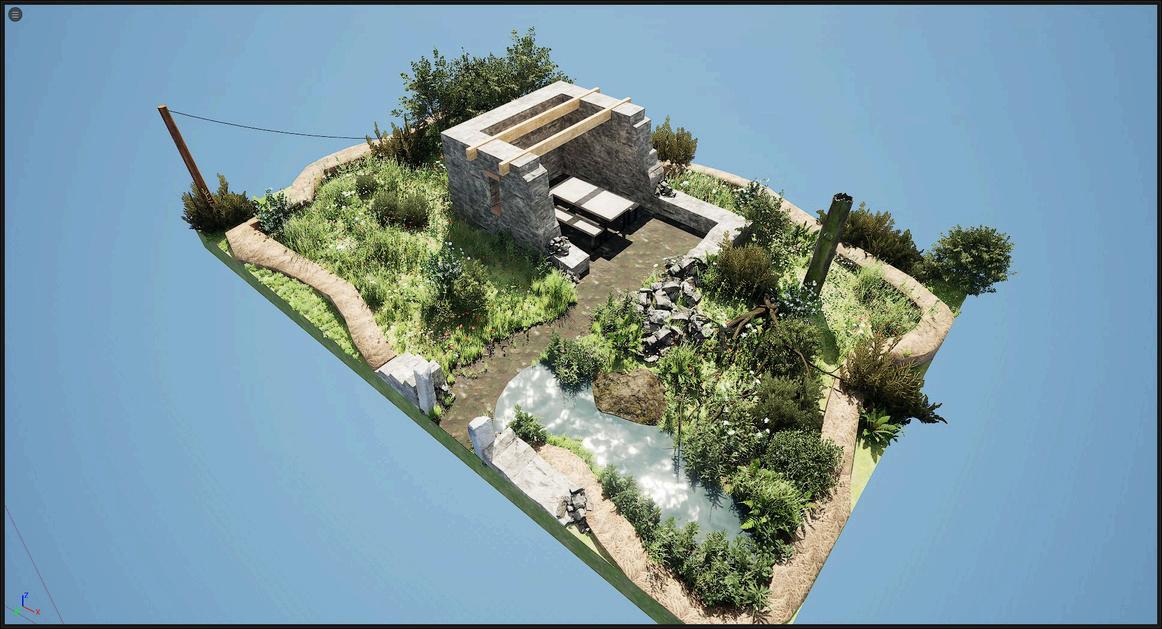
When the RHS Malvern Spring Festival opens its gates this May, one garden in particular will invite visitors to look up.
A Garden Rooted in Ecology
The project began with a simple but radical premise: build a garden the way a bird might choose to inhabit it. That meant stepping away from the traditional showgarden formula and instead embracing ecological intelligence - layered habitats, varied food sources, and a mosaic of microclimates.
By
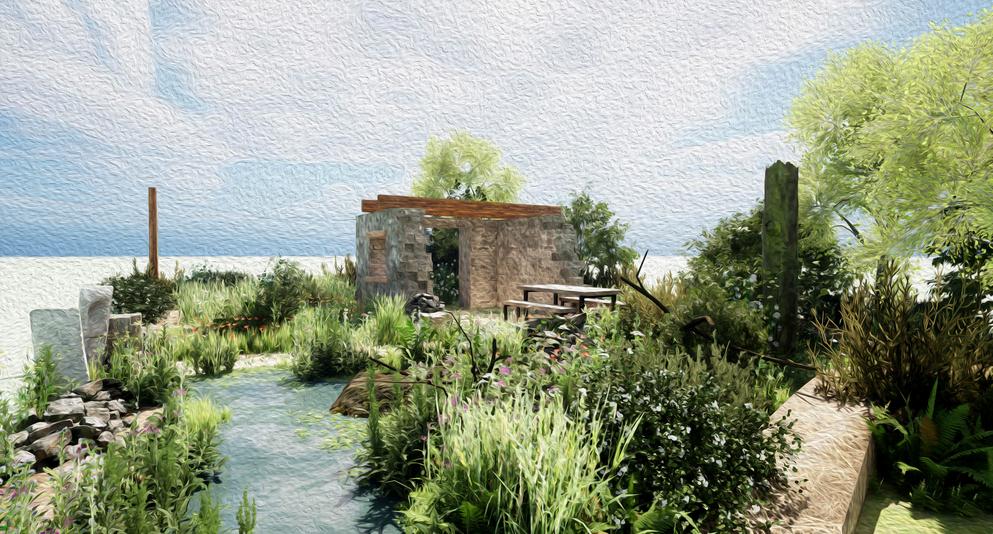
Lifted by Birds - a collaboration between garden designer Tom Saunders from Skylark Garden Design, ornithologist Amie, landscape architect, Jon from Intrinsic Link, and conservation partners including the British Trust for Ornithology (BTO) and Protect the Andes - is not just a show garden. It’s a living argument for a different kind of horticulture: one where birds shape the blueprint, biodiversity is the brief, and human hands work in service of something wilder.
At a time when the RHS Gardening Report continues to highlight the urgent need for wildlife-rich spaces, Lifted by Birds arrives as both a response and a provocation. It asks: what if gardens weren’t simply places where birds visit, but places designed for them - structured around their needs, behaviours, and seasonal rhythms?
The designers whose practice is grounded in sensory experience and narrative ecology, describes the approach as “letting the birds write the first draft ” Working closely with Amie, whose fieldwork spans both British species and migratory patterns across the world, the team mapped out the kinds of habitats that support the widest range of avian life
The result is a garden that feels less like a curated exhibit and more like a fragment of living landscape -one that could be dropped into a suburban plot, a school, or a community green space and immediately begin working for nature
We'll highlight five birds commonly found in our gardens:
Blue tit Wren Dunnock House Sparrow Goldfinch
Tom Saunders@skylarkgd
Habitats in Harmony
At the heart of ‘Lifted by Birds’ is a rich diversity of habitat types, each chosen for its ecological function:
Pictorial Meadows
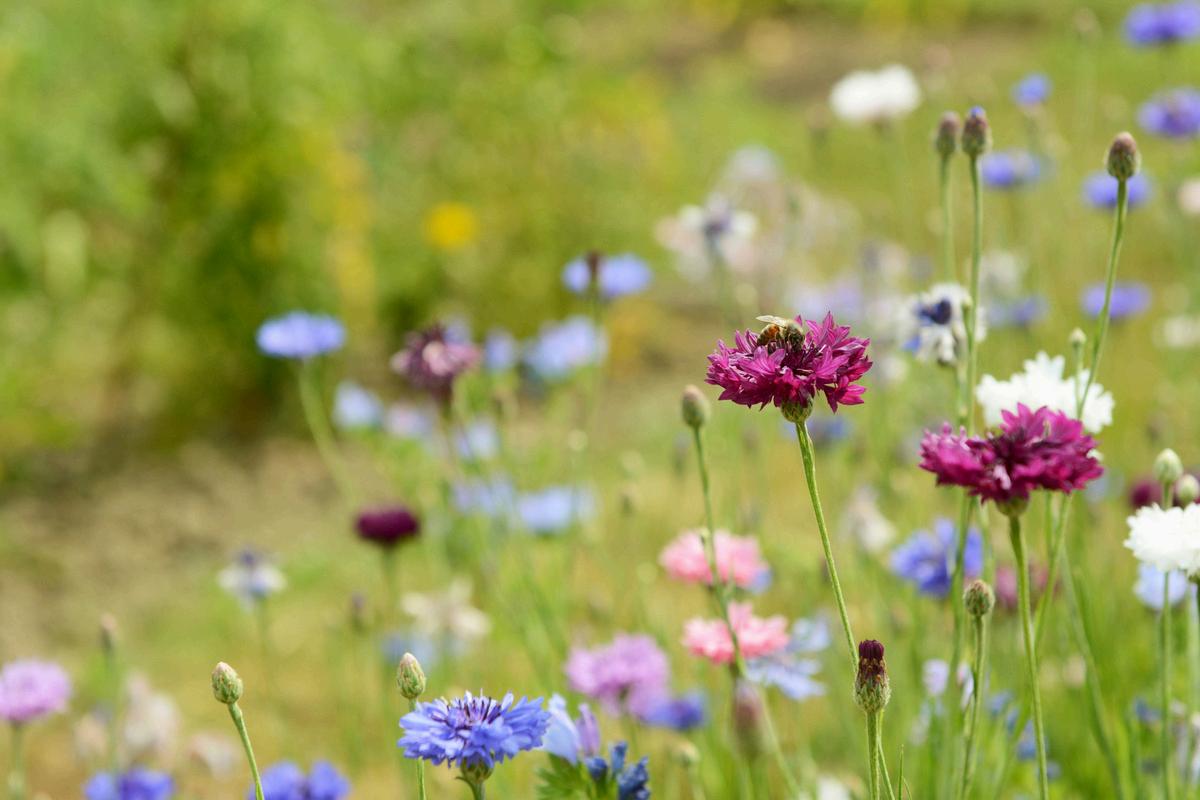
Inspired by the research of Nigel Dunnett and others, the garden’s meadow zones are designed not as decorative flourishes but as dynamic feeding grounds. Seed heads, nectar sources, and invertebrate-rich stems provide yearround value. For finches, warblers, and the many species that rely on insects, these meadows are a lifeline.
Shrub Layer and Understorey
Dense thorny and structurally varied this layer offers
Science, Storytelling, and Collaboration
What sets Lifted by Birds apart is the depth of collaboration behind it The team has brought ecological modelling and habitat assessment into the design process, ensuring that every element - from soil composition to plant densitysupports measurable biodiversity outcomes
Partnership with the BTO provided data on local bird populations, migratory behaviour, and habitat decline, grounding the garden in real-world conservation needs. Meanwhile, Protect the Andes contributed a global perspective, highlighting the interconnectedness of ecosystems and the migratory routes and rich biodiversity.
This blend of science and storytelling gives the garden its emotional resonance. It’s not just about creating a beautiful space; it’s about recognising that gardens can be part of a continental network of life.
A Garden That Belongs to the Future
As the RHS continues to champion wildlife-friendly gardening, ‘Lifted by Birds’ offers a blueprint for what the next generation of gardens could be: biodiverse, functional, and deeply connected to the natural world.
Visitors to RHS Malvern won’t just see a garden - they’ll witness a living system in motion. Birds will move through it. Insects will hum. Water will gather and disperse. And people, perhaps for the first time, will feel what it means to be lifted by birds.
The garden will live on on ‘Islands of Resources’ in various locations.
Creating a wildlife Creating a wildlife garden: garden: A monthly
step-by-step A monthly step-by-step guide
guide
April: Spring in Motion
April is a month full of movement and growth The days are brighter, the garden feels busier, and new life is visible everywhere you look
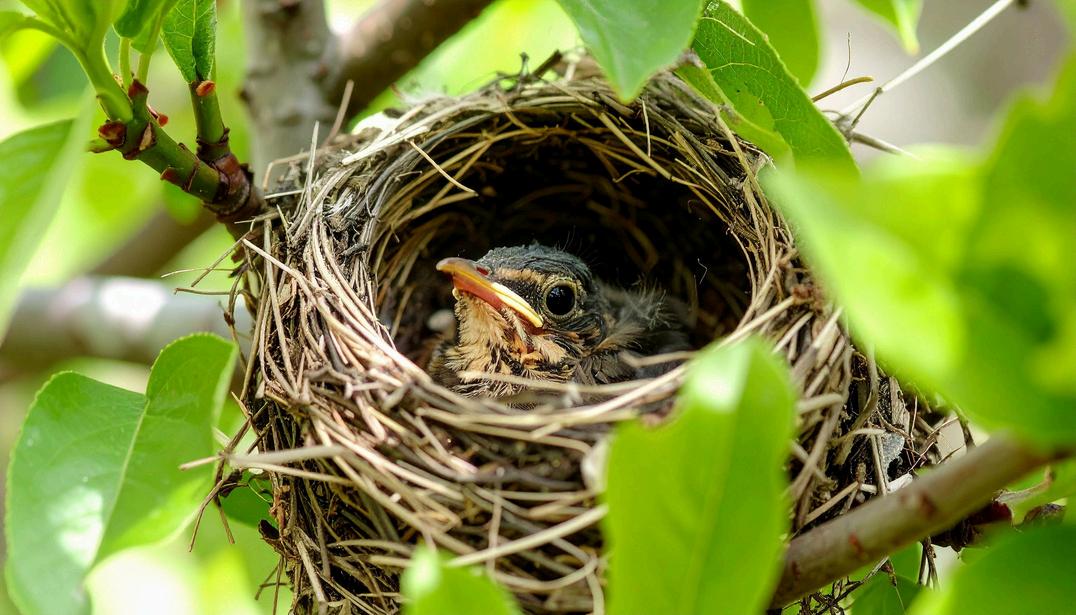
For wildlife, April is a time of urgency and abundance Nesting is well underway, pollinators are more active on warmer days, and many animals are raising their young and searching for a steady source of food During this period, our gardens become especially important for wildlife and they can offer them a safe place to feed, rest, and find shelter amidst all this activity.
After the gentle preparations of the earlier months, April invites us to support wildlife in practical, meaningful ways, helping the garden keep pace with the season ’ s energy while still working in harmony with nature.
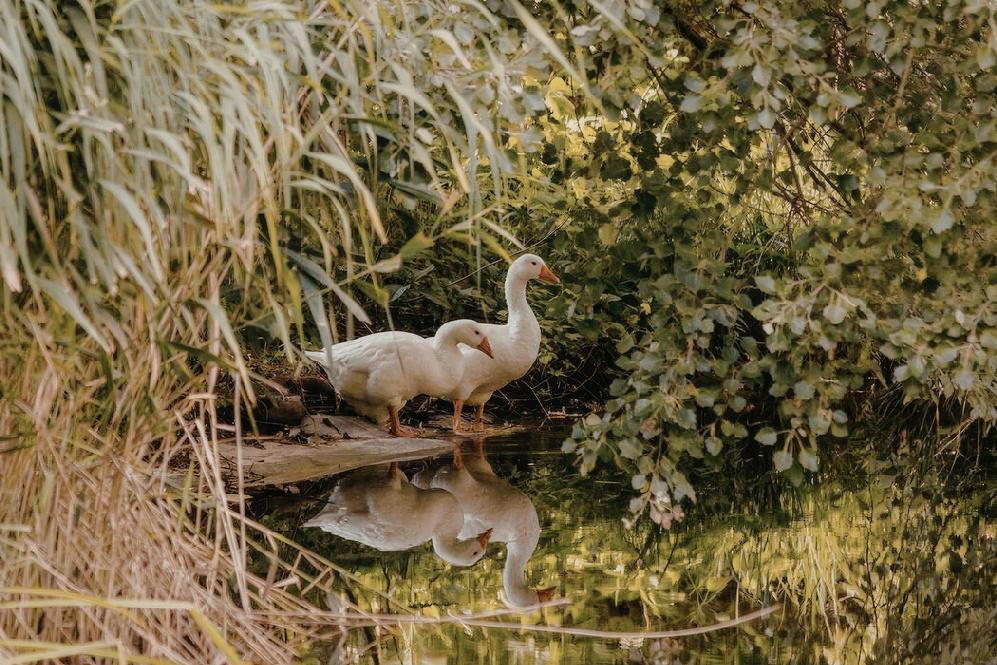
Water is one of the most valuable resources you can Water is one of the most valuable resources you can offer wildlife. Birds use it for drinking and bathing, offer wildlife. Birds use it for drinking and bathing, insects rely on it for survival, mammals love to stop insects rely on it for survival, mammals love to stop by to have a sip, and amphibians use it as a place to by to have a sip, and amphibians use it as a place to breed. breed.
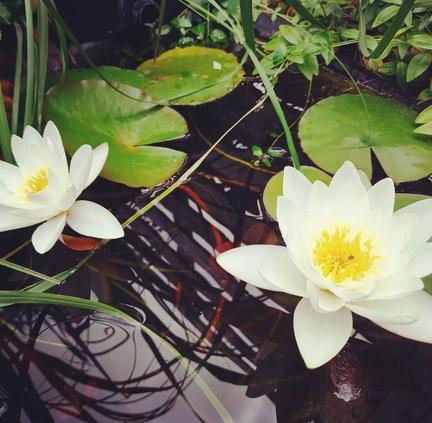
Even the smallest water feature can quickly become
Even the smallest water feature can quickly become one of the most visited areas of a wildlife garden. one of the most visited areas of a wildlife garden. Adding a pond or water feature this month helps Adding a pond or water feature this month helps support garden visitors at a time when activity is high support garden visitors at a time when activity is high and energy needs are increasing. Whether you have and energy needs are increasing. Whether you have space for a small, simple water feature or a larger space for a small, simple water feature or a larger pond, both options can make a meaningful difference. pond, both options can make a meaningful difference.
This Month’sWildlife Project: Adding aWater Feature
Option 1: Creating a Micro Pond Using What You Have
A micro pond is one of the easiest and most accessible ways to introduce water into your garden It can be made using containers you already have and works well in gardens, patios, and balconies
What you can use
A watertight container such as an old washing-up bowl, ceramic pot, sink, or bucket
Stones, gravel, or pebbles
A few small aquatic or marginal plants (optional)
How to create a micro pond
Choose a suitable container: Make sure it holds water securely and is deep enough to stay cool on warmer days.
Pick the right location: Place your micro pond in a spot that gets some sunlight but isn’t in full sun all day This helps prevent the water from overheating or drying out too quickly
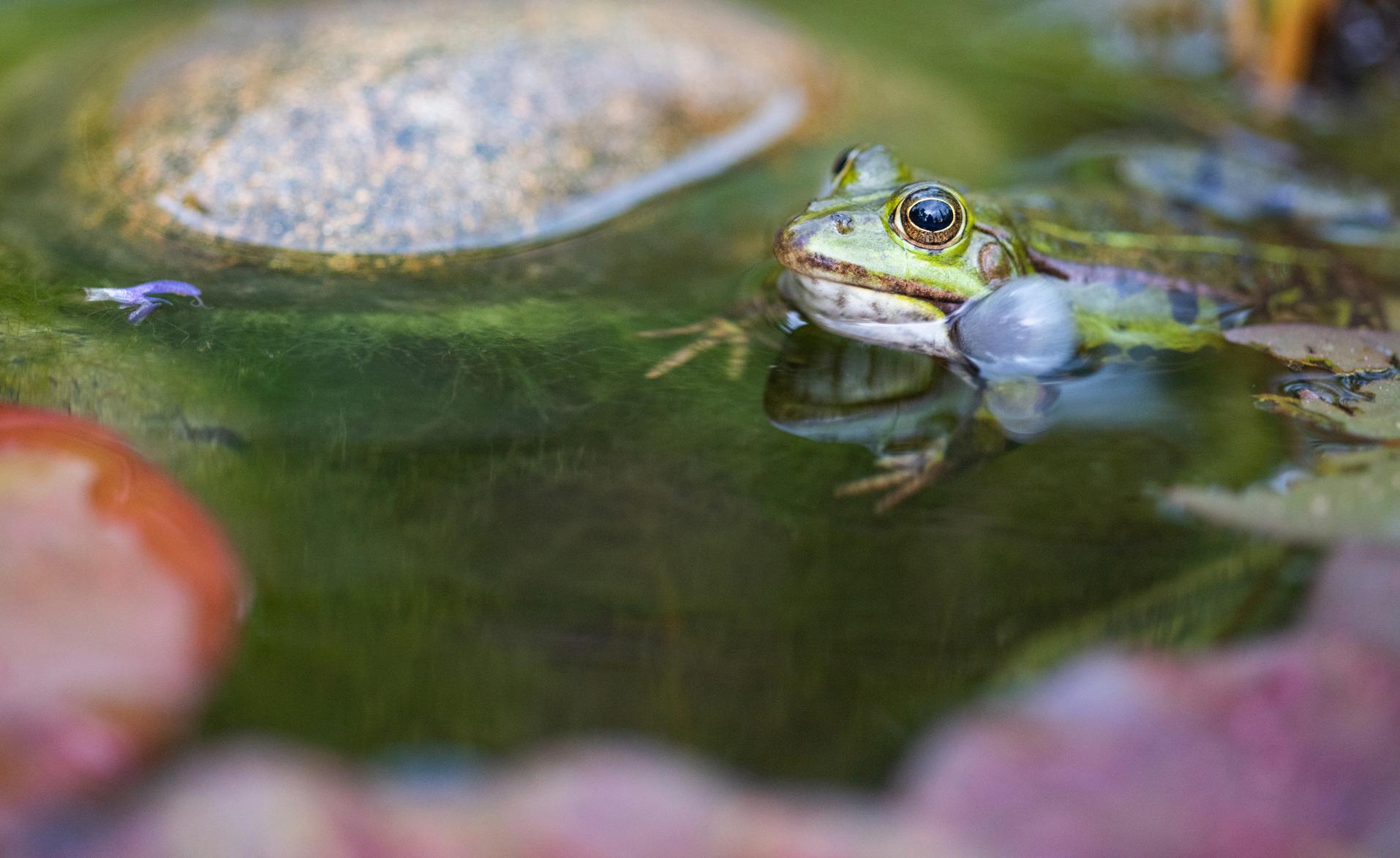
Frogs are a wonderful help in the garden
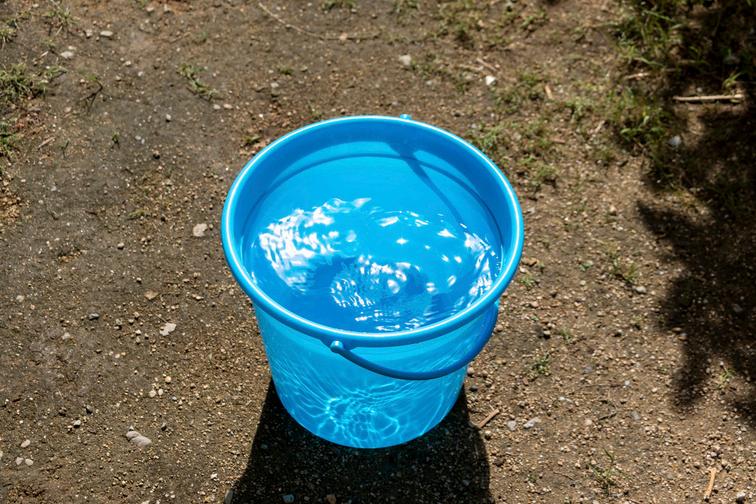
Use an old bucket for your pond.
Add stones and access points: Place stones or pebbles inside so insects and small animals can safely enter and exit the water Sloped edges or raised stones are especially helpful
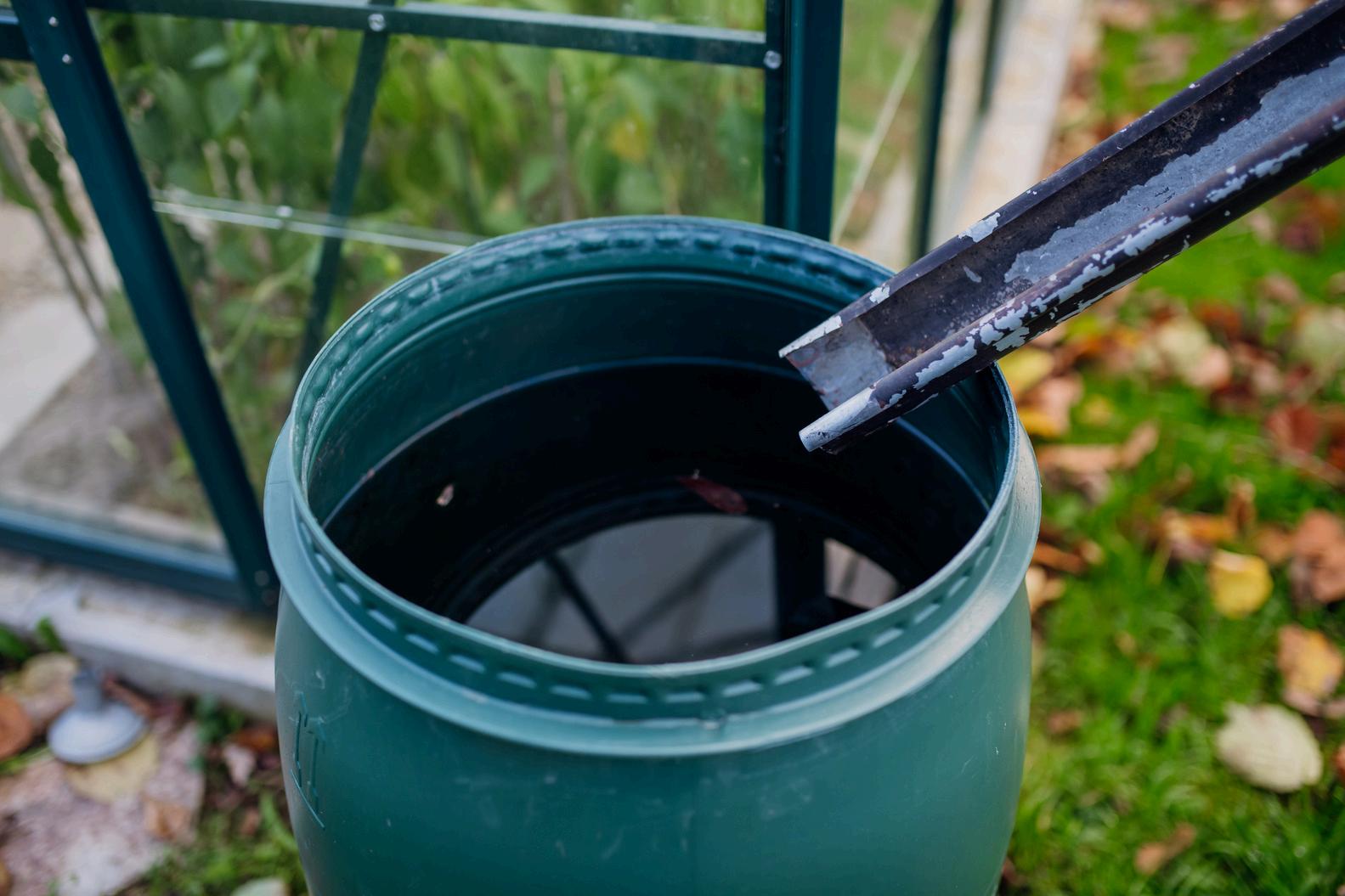
Fill with rainwater: Rainwater is best for wildlife and helps avoid chemicals often found in tap water.
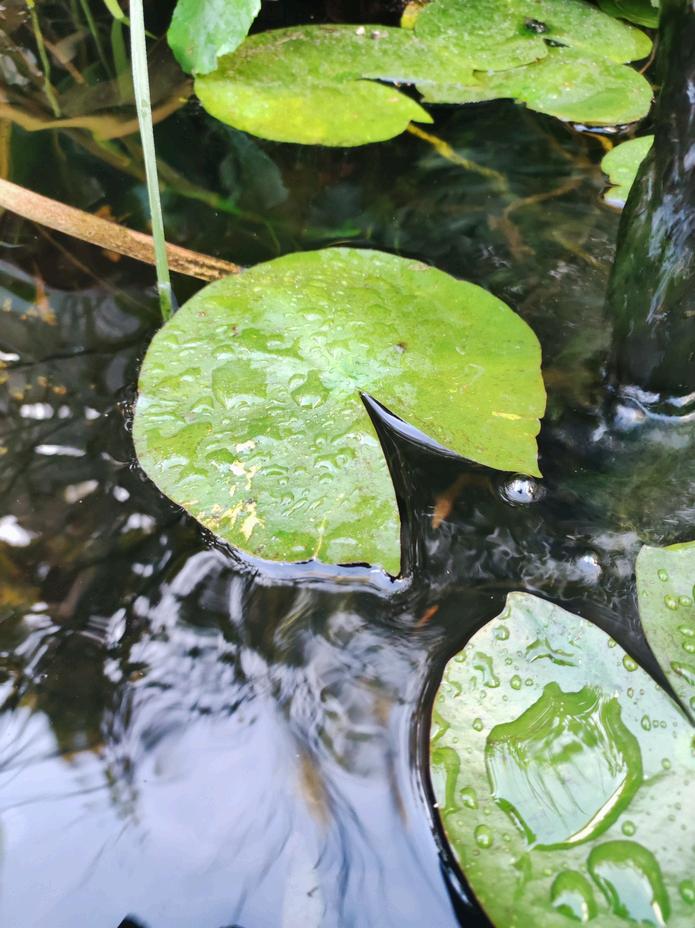
Add plants sparingly: A small amount of aquatic plants can provide shade and shelter, but keep it simple to avoid overcrowding.
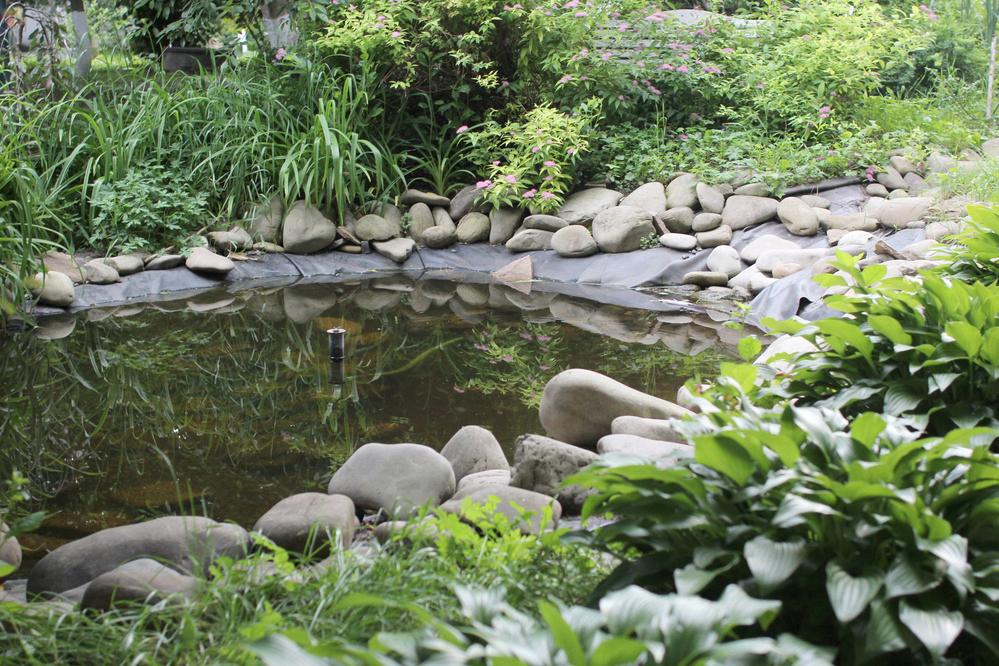
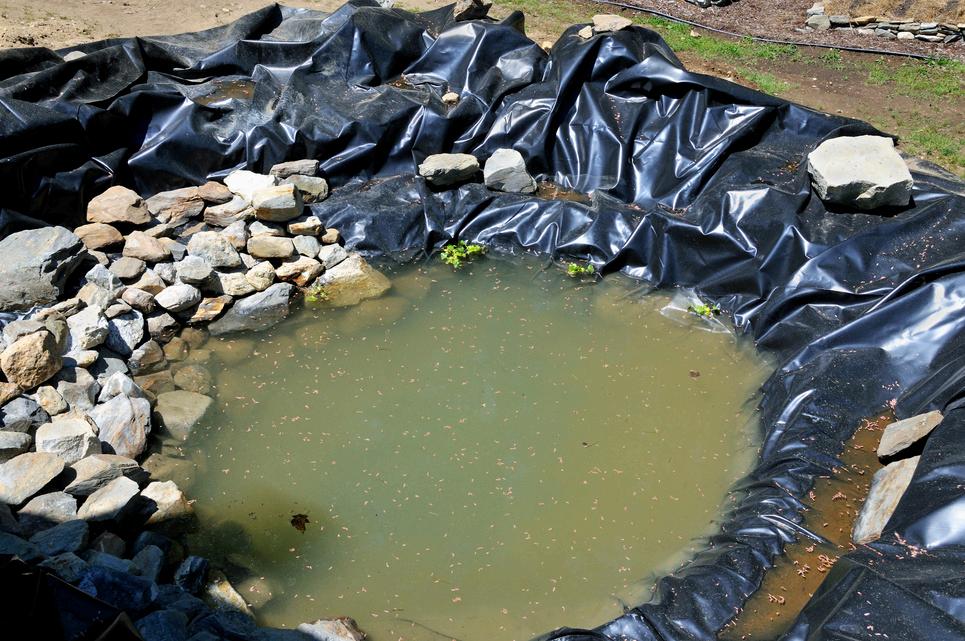
Option 2 : How to create a larger pond
Choose the right spot
A lightly sunny area away from overhanging trees is ideal Too much shade can limit plant growth, while falling leaves can make maintenance harder
Dig and shape the pond
Get yourself a water butt for a constant water supply.
Create a tiered or terraced structure, with shallow shelves around the edges and gradually deeper areas toward the center. This provides easy access for insects, frogs, and birds while offering deeper water for amphibians to shelter.
The shallow edges also allow marginal and oxygenating plants to grow, improving water quality and providing shelter.
The deeper center ensures the water doesn’t overheat and offers a safe retreat for wildlife during warmer months
Secure the liner or pond shape
Once in place, firm the edges with soil or sand to keep everything stable
Create wildlife-friendly edges
Add stones, logs, or planted shelves around the edges to help animals climb in and out safely.
Winter is hard on the birds.
Provide a way in and out.
Don’t forger about other widlife this month too. Add plants gradually
Use oxygenating plants (like hornwort or waterweed) in the deeper water to keep it healthy and clear. Plant marginal species on the shelves for cover and nectar sources. Avoid floating or invasive species that can dominate the pond.
Fill with rainwater
Use rainwater and allow the pond to settle naturally before adding plants or encouraging wildlife
Other monthly wildlife jobs:
April is a busy month in the garden, and there are many small actions you can take to support wildlife:
Encourage nesting birds
Continue providing safe nesting materials such as dry grass, moss, and leaves
Plant for pollinators
Sow hardy wildflowers, herbs, or early nectar-rich plants to provide food for emerging bees, butterflies, and other pollinators.
Create microhabitats
Leave small piles of leaves, twigs, or undisturbed corners for insects, amphibians, and small mammals to shelter in.
Check your new pond or water feature
Ensure water levels are maintained and edges remain safe for wildlife Watch for early visitors like insects, frogs, or birds, and make small adjustments as needed
Observe and record wildlife activity
Note which species appear, what areas of the garden are most used, and how the garden responds to the changes of spring This will help guide future wildlife-friendly projects
Winter is hard on the birds.
With pollinators emerging, birds busy with nesting, and water returning to the landscape, every small action we take has a ripple effect. By adding a pond or water feature, you’ve created a vital source of life and movement, supporting insects, amphibians, and birds as they settle into the season.
Spring is a time of energy and growth, and your garden reflects that with every ripple on the pond, every flower opening, and every bird visiting your feeding stations. The wildlife you’ve nurtured over the past months is beginning to thrive, and the garden is becoming a sanctuary; alive with sound, movement, and colour. Happy wildlife gardening, and see you all next month!
By Mel Lord
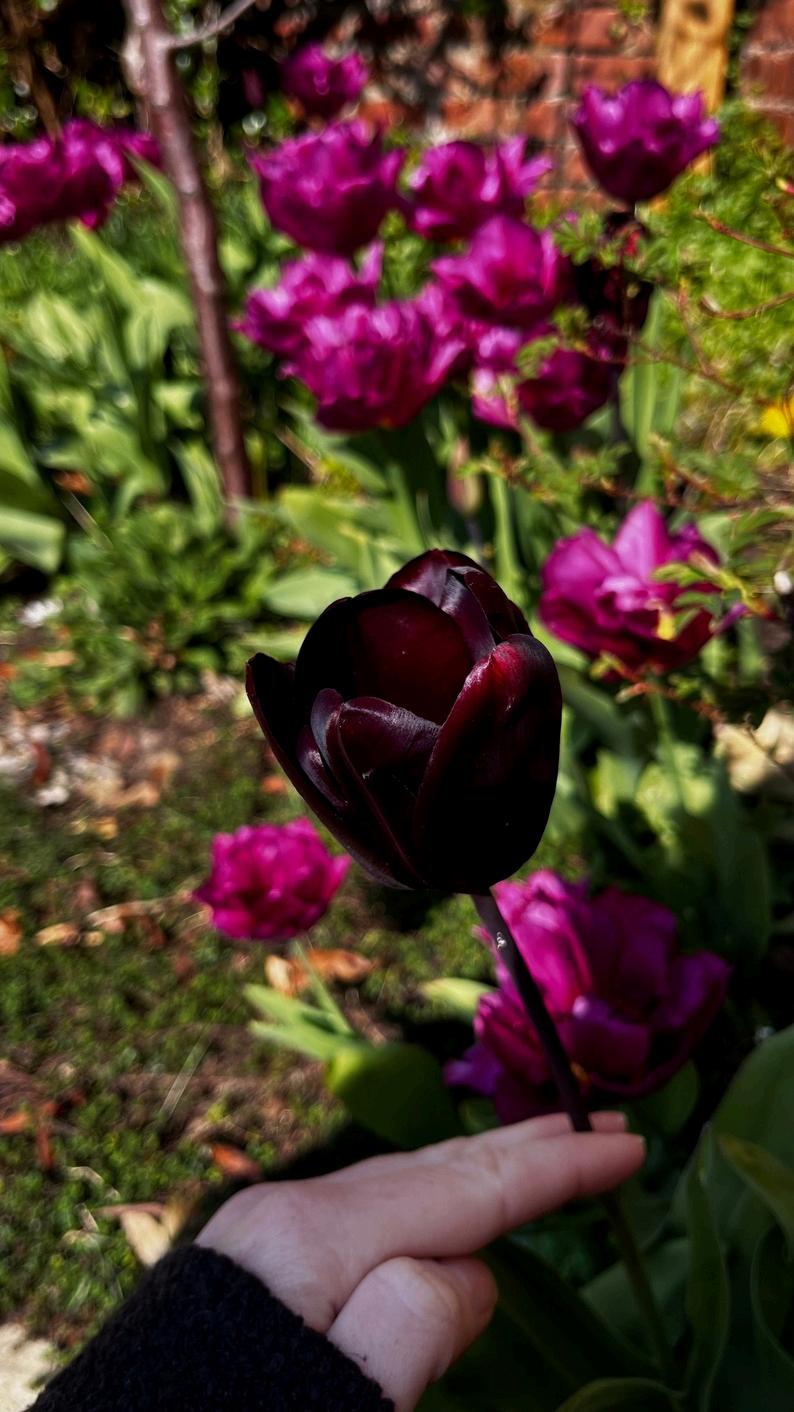
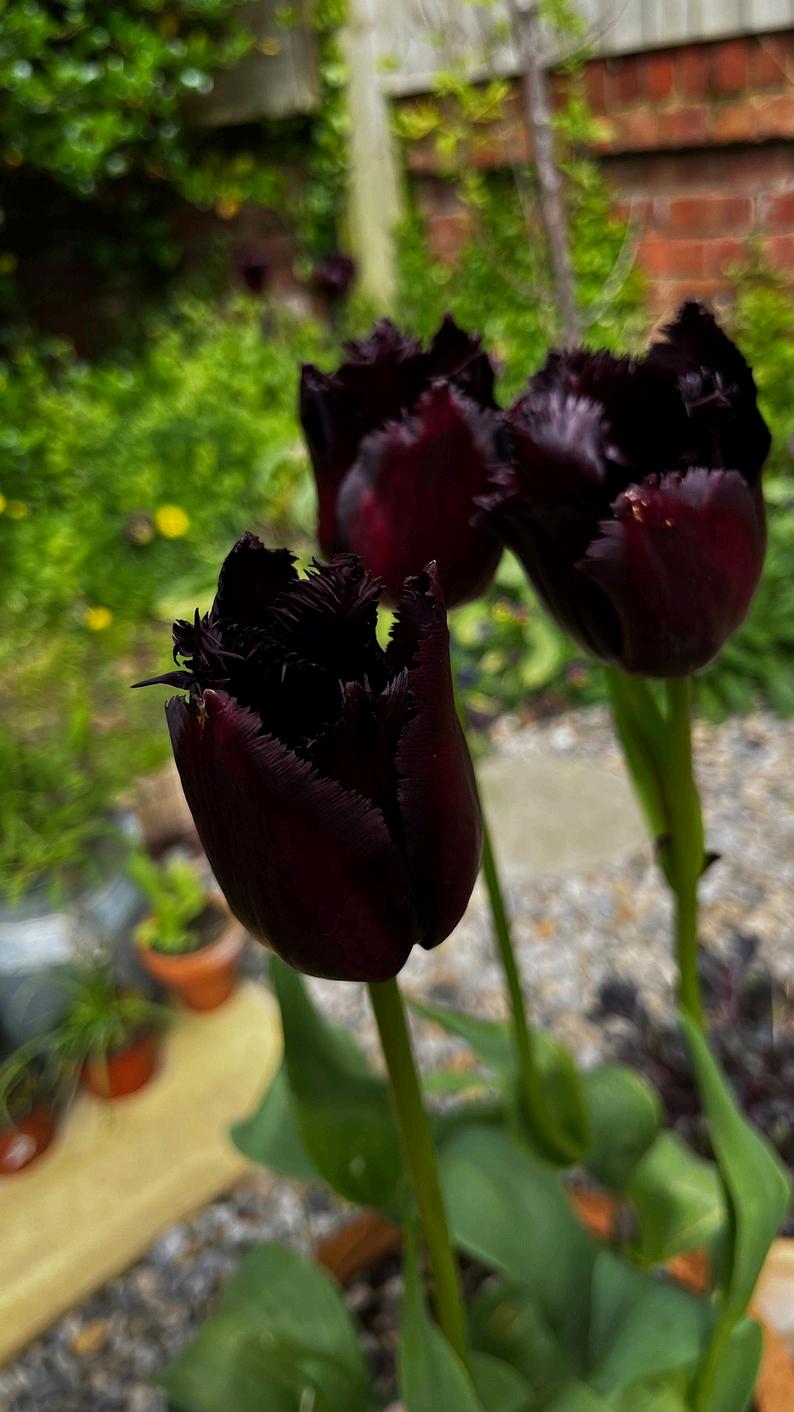
A sensational symbol of spring in our gardens, the tulip was once so sought after that a single bulb could cost thousands. In the language of flowers a variety with a black centre symbolised a burnt heart With red blooms representing declarations of passion but yellow a hopeless love Though they were first cultivated in the 11th century, our devotion to and desire for tulips didn't really begin until the 1630s. During the crazy time that is often referred to as “Tulipmania”. They became iconic in the Netherlands at this time, with nurseries breeding hundreds of hybrids Incredible displays comprising millions of bulbs can still be seen there today They remain deeply significant in Hungarian culture too, as their national flower. Tulip motifs have been used on aristocratic women ’ s gowns, in the coats of arms of Kings, on the swords of princes and to decorate royal chapels. They were also allegedly found on several Hun tombs in the Carpathian basin Suggesting that Attila and his army might have encountered and worshipped them. Which has led to some speculation about their role as a fertility symbol in ancient Hungarian paganism.
In Dartmoor a patch of these plants has been immortalised in a local folktale. The story claims that there was once an old woman who lived in a small, thatched cottage on the outskirts of a quiet village This lady dwelt alone but was a kind soul who cared for the hamlet’s children and wildlife. Often sharing her food with animals and birds. She had a beautiful and lovingly tended garden too and one night, as she tried to sleep, she heard music outside. It was pixies frolicking amongst her flowers Playing lullabies for their babies, who were using the tulips as cots The blooms swayed in time to the tune Just like rocking cradles.
The old woman was amaz provide for the fairies eve sure that a bed of tulips available for them. How eventually came when this l and her house changed han old man who only wan vegetables So he pulled u fenced off the garden, so a couldn’t eat his produce. T They’d lost their cribs so the Promising that nothing wo there again. This spell work year the old man ’ s crops fa pixies chose to honour the mass of tulips magically a grave A mark of respect a her friends.
In the Southwestern Asia native flower the tulips' orig to be a touch darker than Persian romance, similar t “Romeo and Juliet”, claim sprouted from the spilt blo prince named Farhad Wh his own life after hearing t he’d fallen in love with, ca dead. This was revealed to a cruel plot to get rid of t Shirin was still alive. Howev for the poor boy, though th the tulip from his untim
They are at their best bet May, which must be when born too. So keep an eye o grown for cutting! Violet varieties are a great optio due to their colour. Despite scent they can still provide for bees that have returned are a magical addition to a
Grow some tulips for
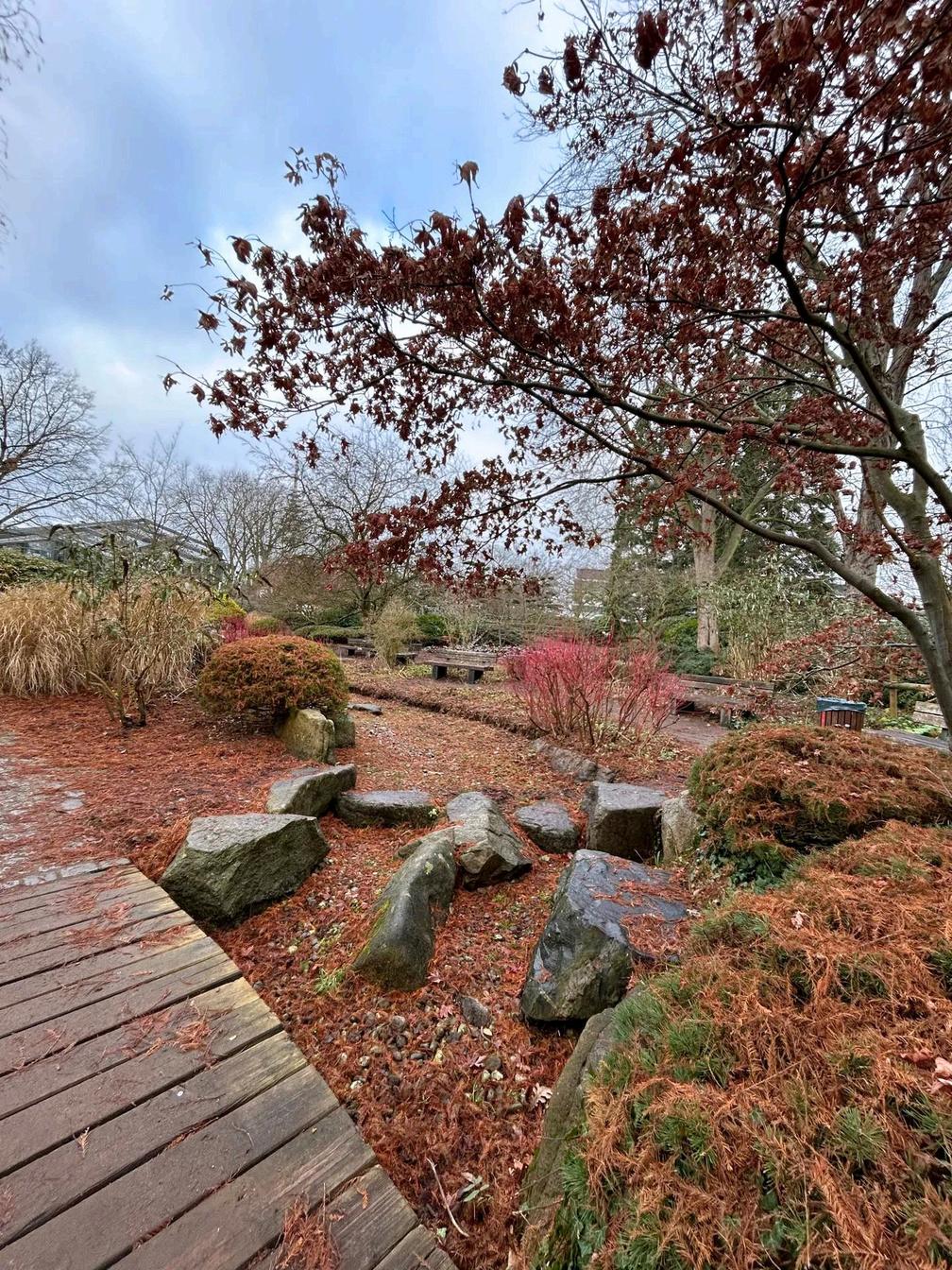
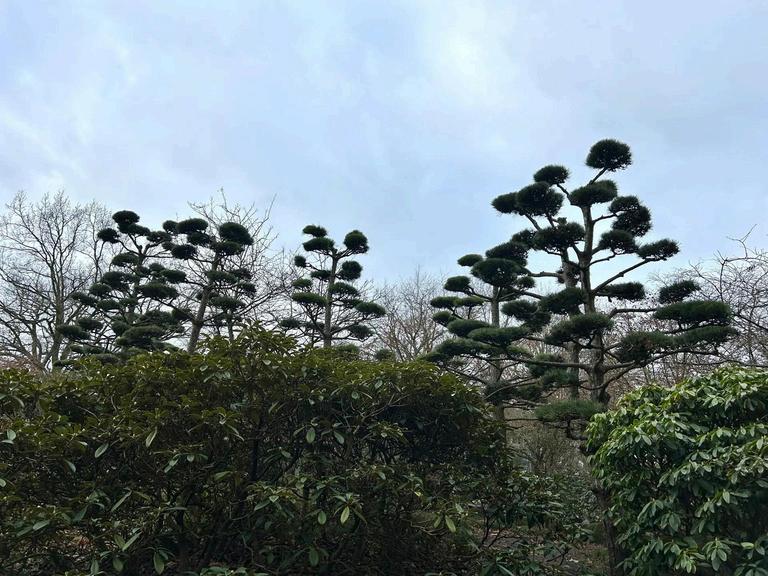
Germany at this time of year is magical and these incredible gardens hold a history that has been founded and built upon for hundreds of years, culminating in this fantastic botanical display Walking through the cloud trees and into the Japanes rock-scape brings an immediate and peaceful retreat from the bustle of the city There are a wealth of skyscrapers surroundin the garden, but far from being a stark juxtaposition of the natural and the man-made, these towering buildings actually serve to cocoon the gardens and compound the feeling of safety and security among this sanctuary in the heart of a maj German city
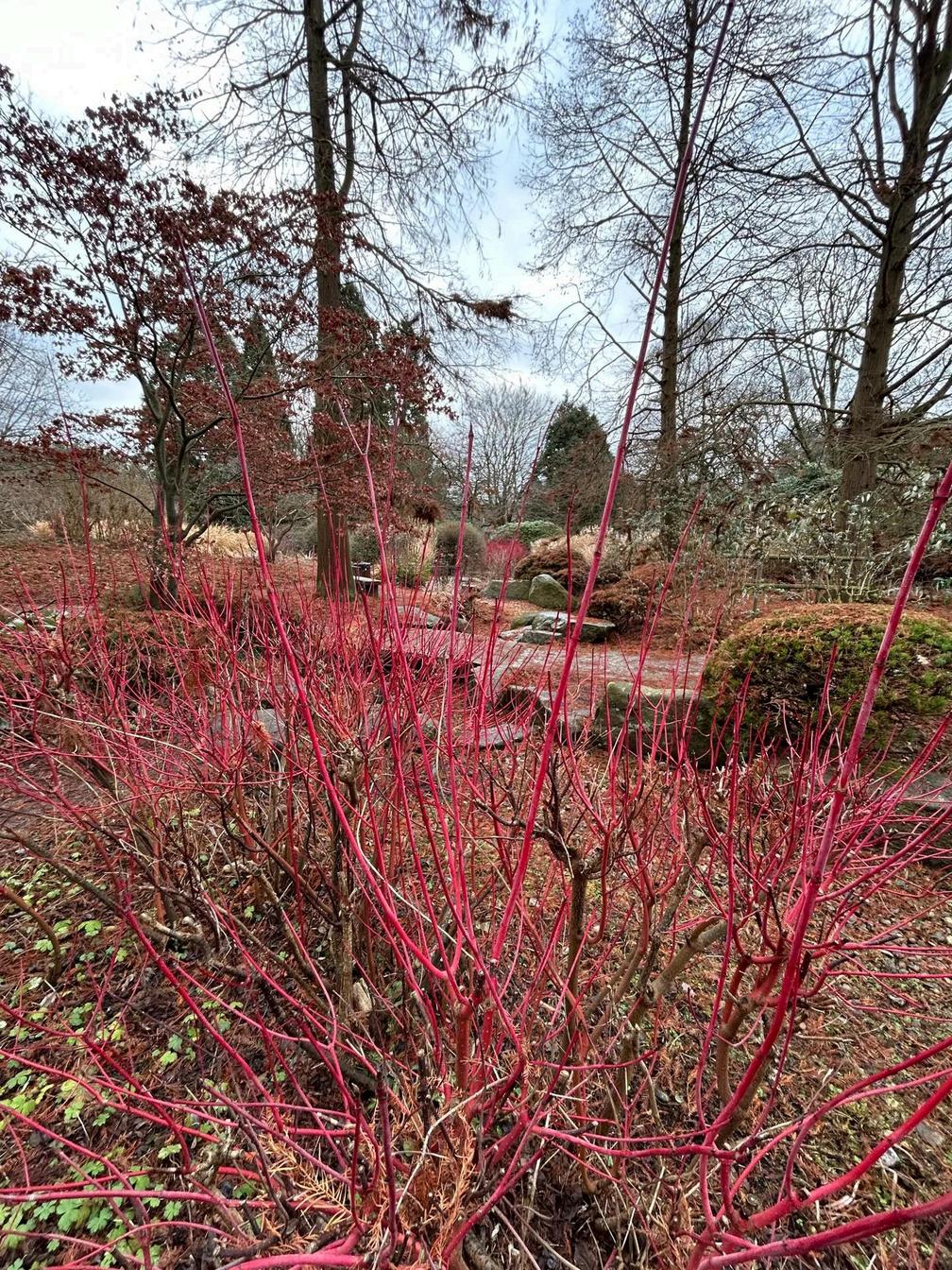
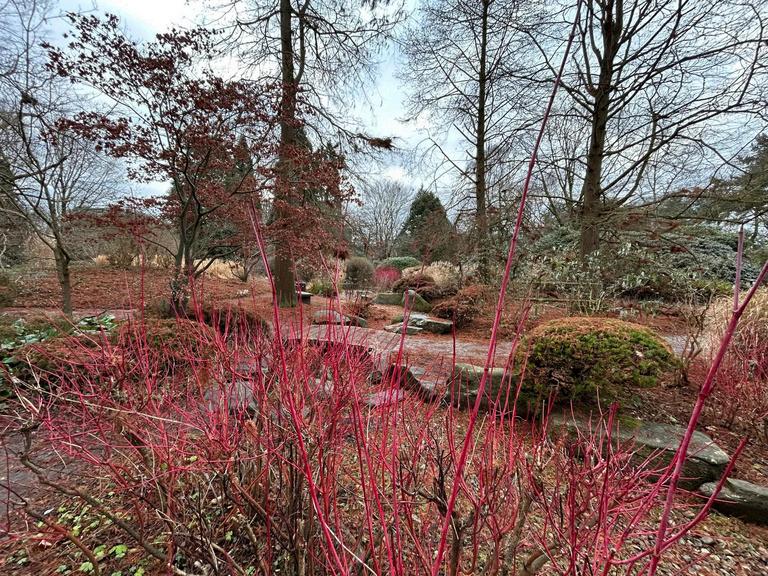
For the time of year, the gardens are surprisingly vibrant There are rich earthy tones of oranges and reds of the cornus (Cornu sanguinea ‘Midwinter fire’), evergreen pines and conifers in bottle greens, and the golden stipas are towering and magnificent as they sway in a gentle breeze. The still lowish su at this time of year casts lighting and shadows that heighten th goldenness of the garden, making it seem even more magical.
By Kim O’Brien @gardenwithkim
The stunning contrast of cornus against the winter days is a sight to be seen.
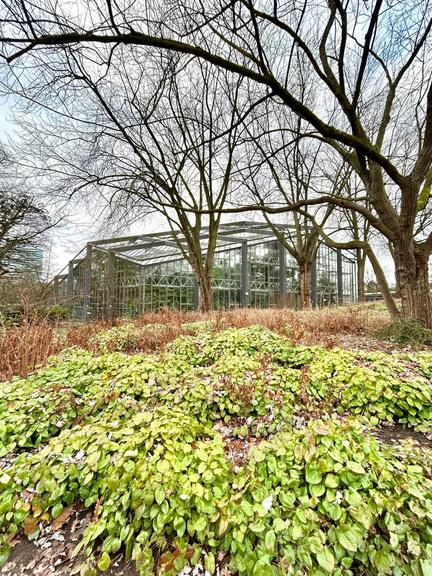
The Planten un Blomen itself (which translates literally to ‘Plants and Flowers’) harks back to Hamburg’s fortification 200 years ago when it was a fortress with ramparts, a moat and bastions. The moat is still there today and can be crossed by an impressive stone bridge, but the ramparts have been removed and the bastions levelled and planted with the oasis you can visit today This horticultural transformation began in the early 1800’s when the first tree, a plane, was planted by botanical garden founder and botanist Johan George Christian Lehmann Today, the magnificent greenhouses at the garden (the Botanischer Garten) have gained credence as a worldrenowned botanical research centre, and the garden itself is a major tourist attraction which has flourished to become one of Hamburg’s most beloved green spaces
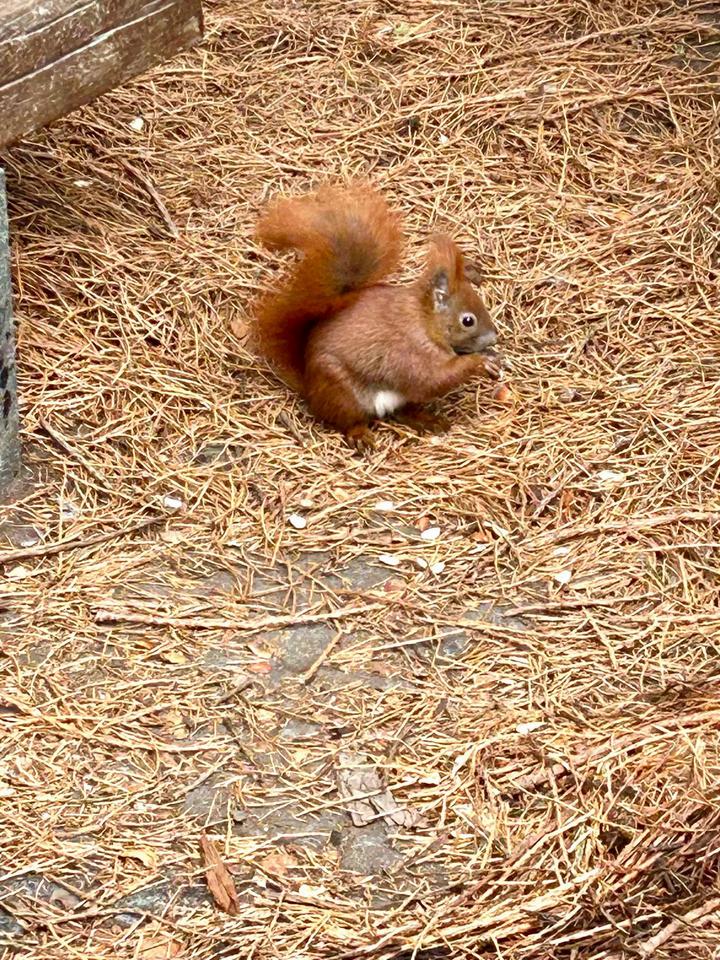
The extensive Japanese garden that greets visitors at the entrance is only the tip of the iceberg The gardens are a 45 hectare ‘ green lung’ which also boast an apothecary garden dedicated to the curation of medicinal plants and herbs and a rose garden, which I have resolved I must go back and visit in the peak of its beauty. Vast Mediterranean terraces angle down from the upper garden to the extensive parkland below and lead to the moat which, still and glassy, creates additional wildlife habitat that supports the ecosystem of the gardens. Testament to the garden being a fantastic resource for the natural world, it boasts a thriving population of red squirrels which have been out populated by their North American grey cousins throughout much of Europe These beautiful creatures happily run amok here in the Botanical gardens and some are so tame they will even eat from your hand
The plants of the moment on my visit were definitely the cornus and the stipa, but it was the landscaping as a whole which worked so perfectly to draw the gardens together and create a tranquil retreat in a busy city, proving that when the fast-pace of the world takes over, nature is there to provide a place of restoration and calm
Wherever you are in the world, I hope this month you are able to find the same wonderful peace in your own green spaces
Love Kim
The cloud pruned trees are stunning
...and help us keep making the Garden Folk Mag
We appreciate all the support given to the magazine by all the Garden Folkour readers, writers, industry supporters and anyone else who cheers us on Running the magazine each month does incur financial costs though, so if you are able to contribute, either with a one off payment or by becoming a member, it would really help to keep the magazine going... and growing.
There are currently three membership tiers to choose from, all with great benefits
It’s been brilliant seeing so many of you take those early steps with such care, and a huge thank you to everyone who joined me and Ally on the Growalong Live at the start of last month
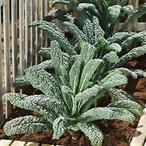
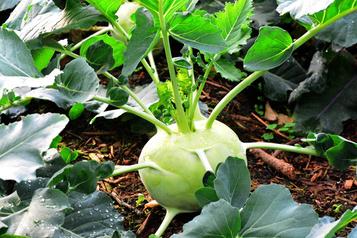
Now that your seedlings are up and growing (I hope!), if you have any problems, don’t forget you can always drop me a DM and we can troubleshoot together. April is where we shift into steady progress: potting on, protecting young plants, and setting them up for a strong season ahead
Potting On Seedlings
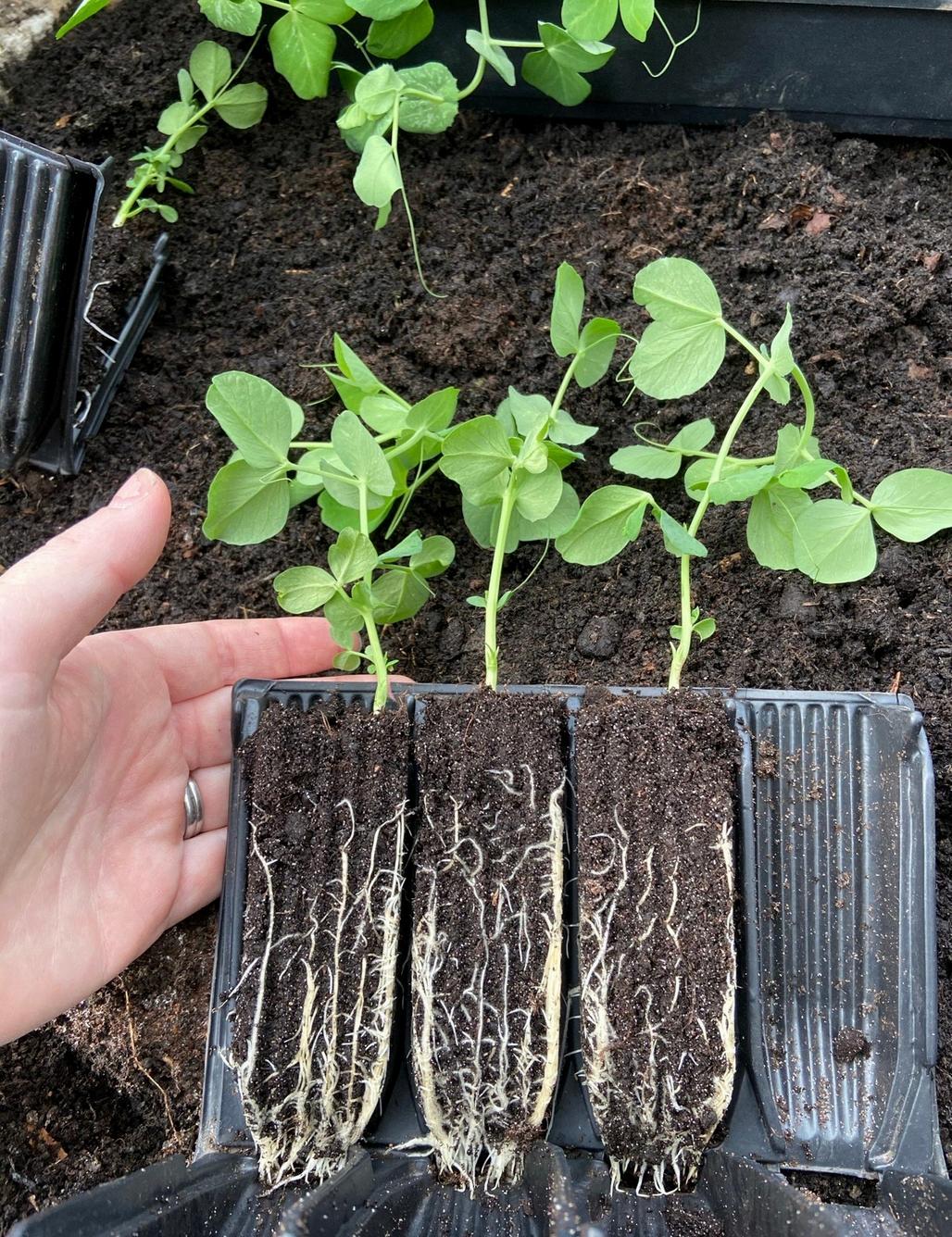
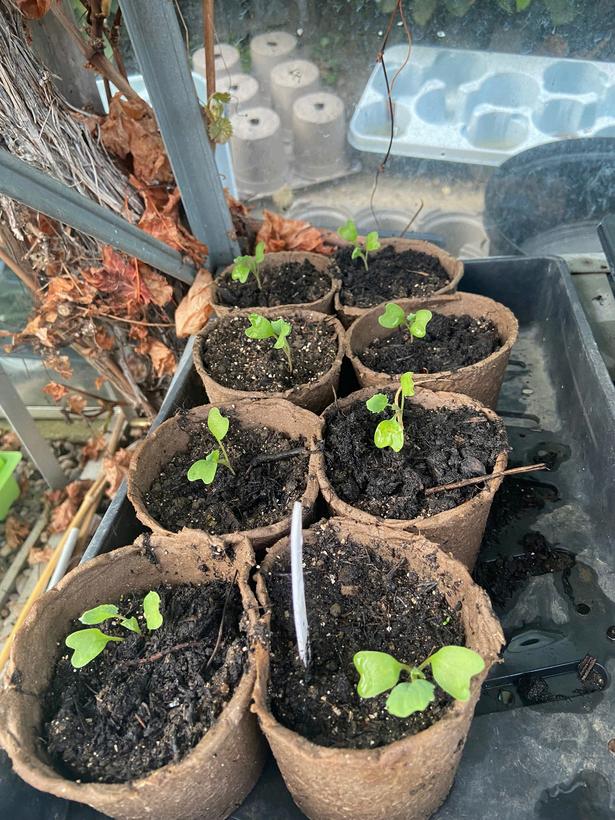
If your seedlings have two true leaves, it’s time to pot them on into individual modules or small pots
What to look for:
Roots just starting to reach the bottom of the tray
Seedlings getting crowded
Leaves shading each other
How to do it:
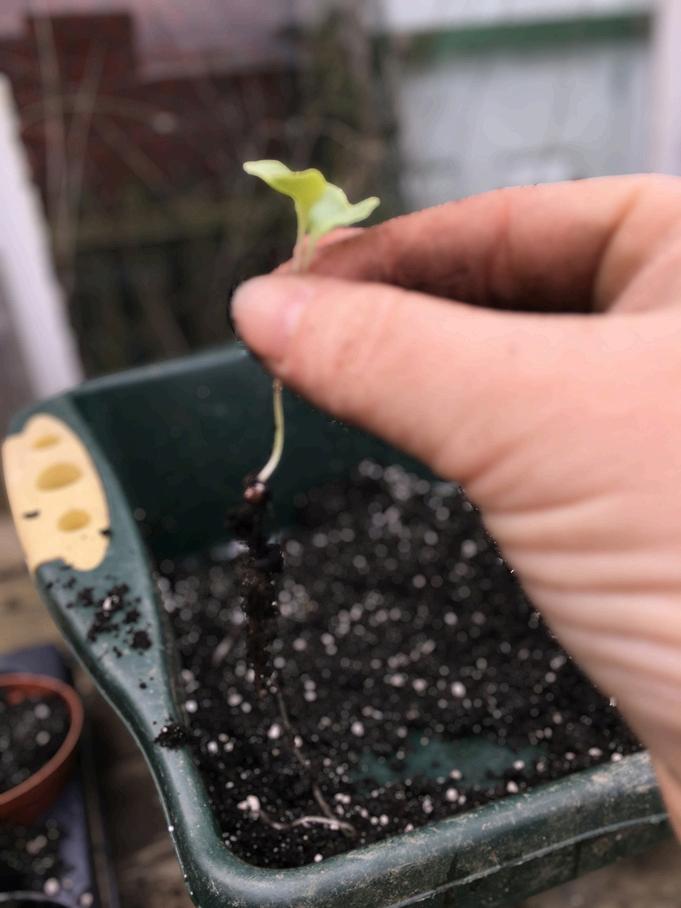
Hold by the leaves, not the stem
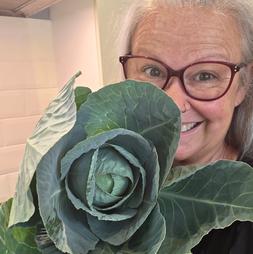
Plant slightly deeper, especially if they’re leggy, but I find brassicas always respond well to potting on deeply, and also planting out deeply as at that time it helps to minimise wind rock.
Use a firm but not compacted compost
Water in gently
This stage sets the tone for strong, sturdy plants later.
True leaves means it’s time to pot on.
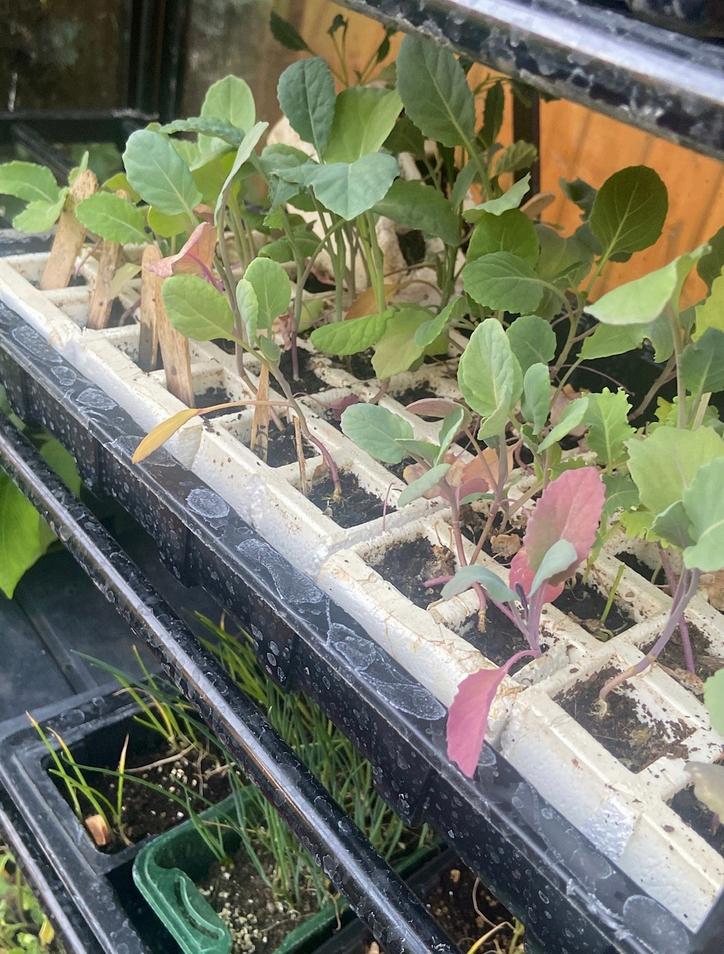
Keep Growth Steady (Not Fast)
Brassicas don’t need feeding at this stage they need light, airflow, and consistency.
Give them as much natural light as possible
Turn trays regularly to prevent leaning
Water from the base when the compost is dry on top
Slow and steady wins the brassica race.
Protection Is Everything
April weather is unpredictable. Your brassicas will thank you for a bit of shelter.
Keep them in your greenhouse or in a cold frame until nights are reliably above 8°C. Avoid warm, stuffy rooms in your house as this is a sure fire recipe for leggy plants Even if you don’t have a greenhouse to keep them in, there are plenty of workarounds you can use to protect them but still have them outside. The simplest, a clear plastic underbed storage box! Just be sure to have the lid off during the day so they don’t swelter, cover up at night and keep it somewhere sheltered from wind so it doesn’t blow away
If they’re outside during the day, give them shelter at night
Watch for slugs - they love tender brassica seedlings
A little protection now means fewer setbacks later.
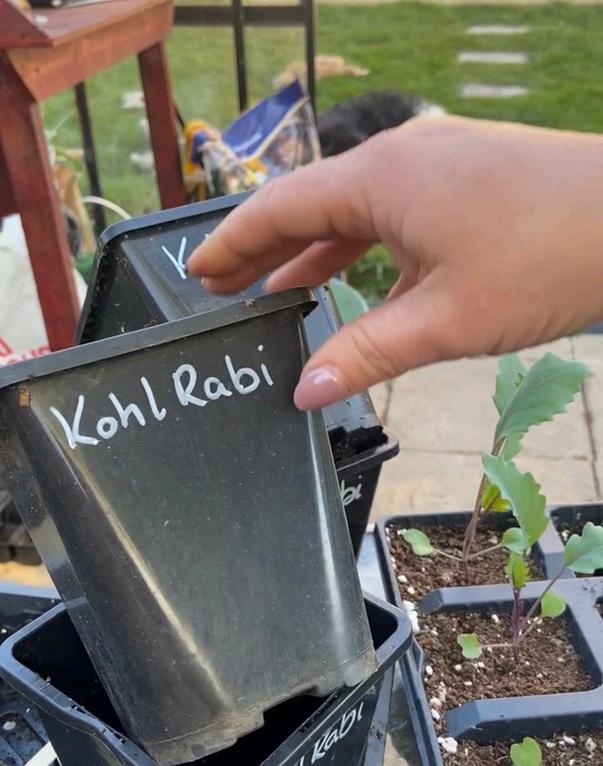
Label your seedlings
Keep an Eye on Pests
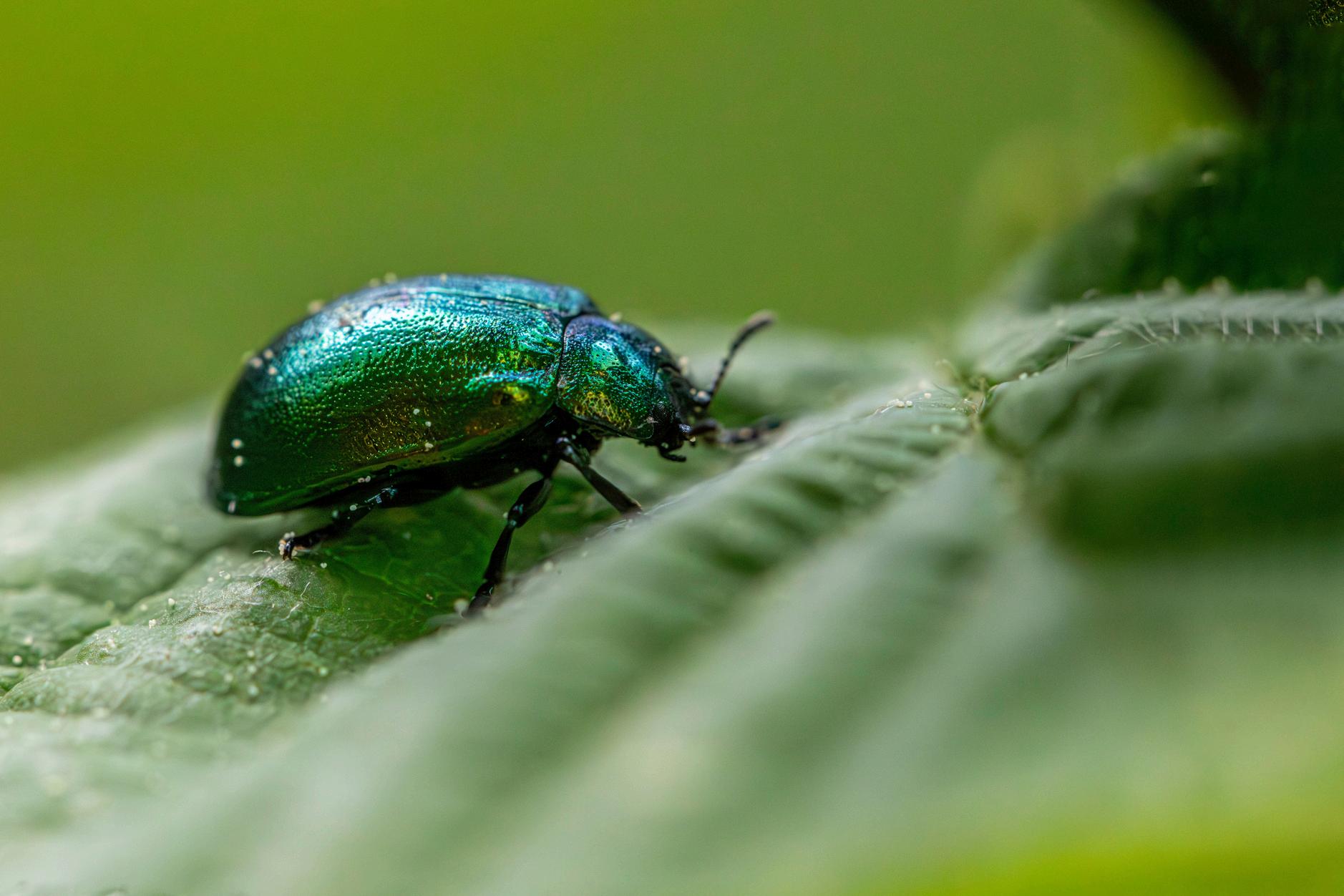
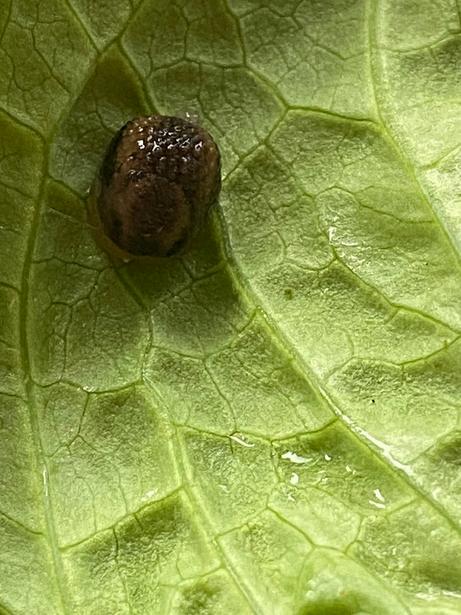
April is when flea beetles start to wake up.
Signs:
Tiny holes in leaves
Seedlings looking “peppered”
Prevention:
Mesh or fleece
Good watering (they prefer dry conditions)
Strong, healthy seedlings
Don’t panic - a few holes won’t stop growth. If you need any more insight into the challenges you mig face with your brassicas, we covered this in February’s edition. You’ll find the info on page 6. And next month talking more about the pests and soil borne diseases you might face and how to prevent or remedy them if you encounter them
Preparing Your Planting Areas
(Perfect Easter Weekend Job)
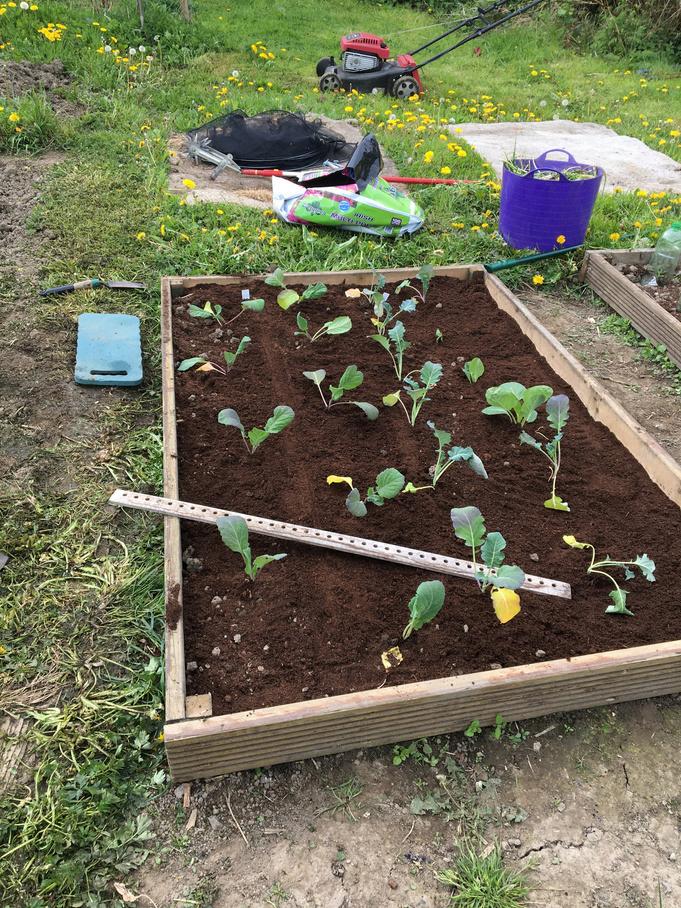
The long Easter weekend is one of my favourite moments in the gardening year. Four days in a row where I can get ahead before the real rush begins. April is the perfect time to prepare the spaces where your brassicas will be planted out in May.
Here’s what I’ll be focussing on:
Clear the area
Remove weeds, old roots and any leftover de
Check for perennial weeds (docks, dandelion bindweed) and lift them now while the soil is
Rake the surface level so you can see what yo working with
Flea Beetle
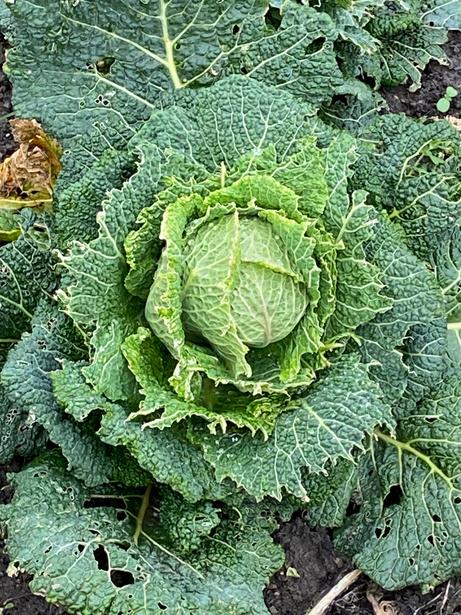
Prep will help you avoid a holey cabbage.
Improve the soil
Brassicas love firm, fertile ground.
It’s late, but you can still get away with adding a layer of compost, some garden lime or well rotted manure
If your soil is light or low‑nutrient, you can sprinkle a general organic fertiliser (like chicken manure pellets or fish/blood/bone) and rake it in. Brassicas are hungry plants - they’ll appreciate it.
Fork or hoe it in lightly - don’t over fluff the soil
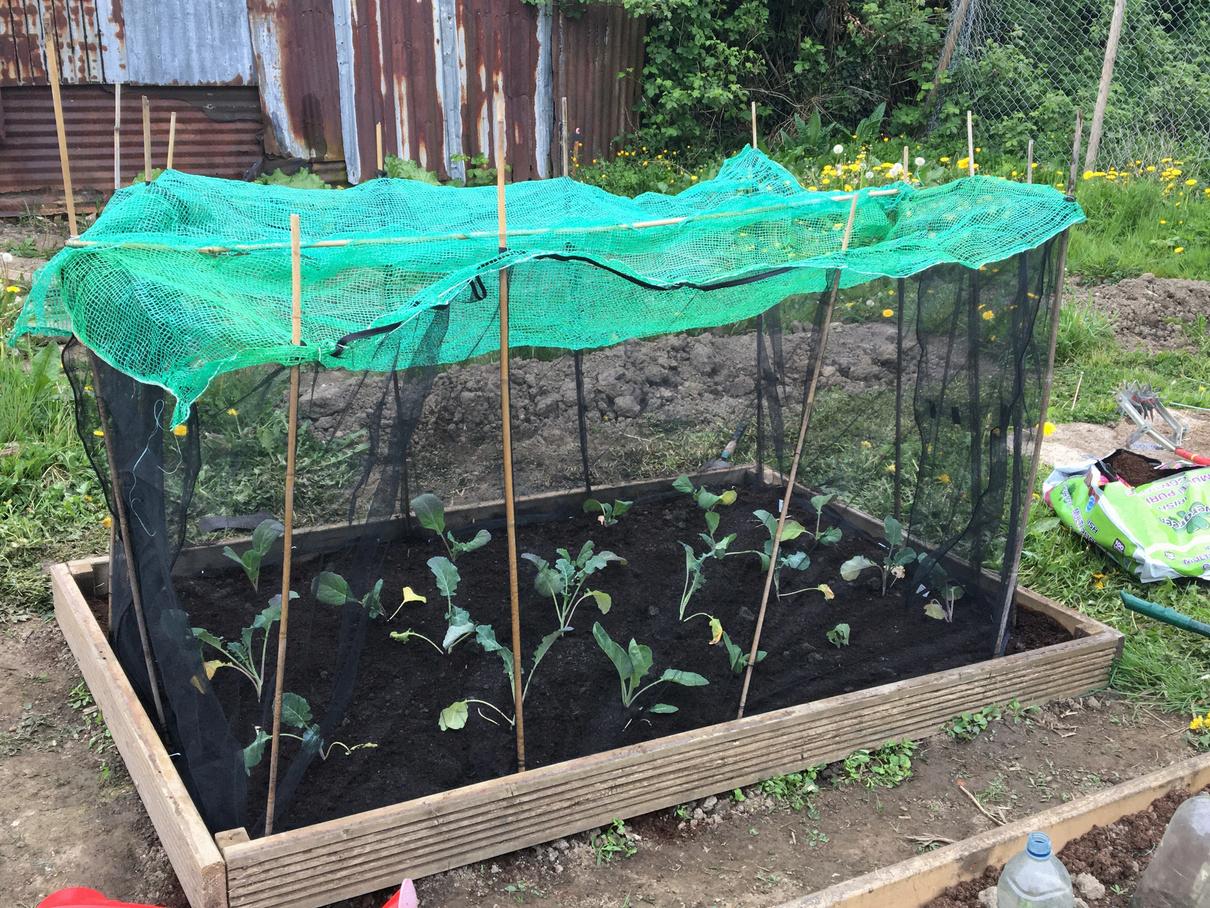
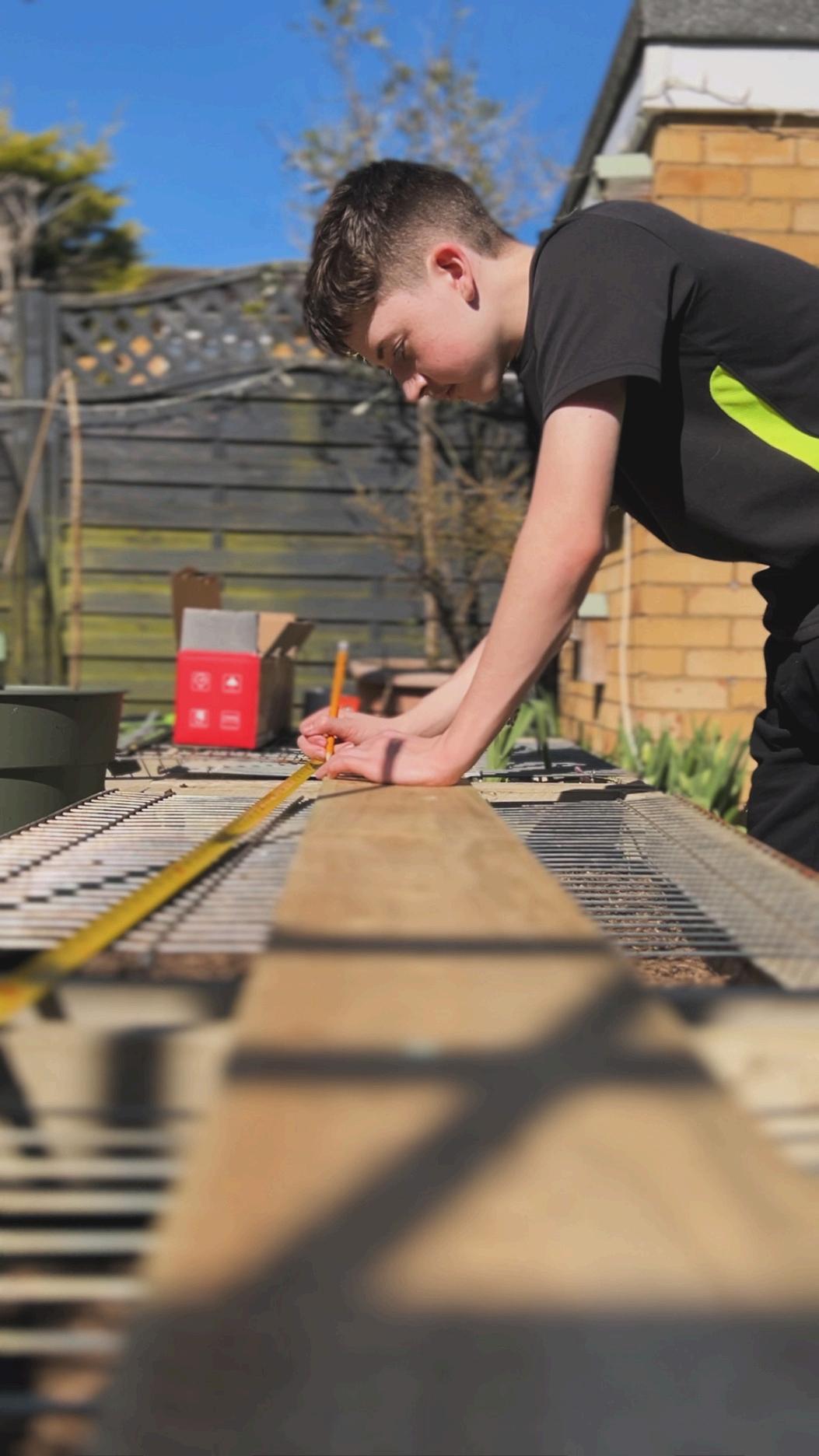
A plan for building your brassica cages in early May
May is planting out month - and you’ll be ready
As always, if you have any questions feel free to reach out to me direct @collieflowers.co.uk
If you ’ re not a supporter but would like to join in with the GFM Growalong, you can purchase seeds from Collie Flowers They have a Brassicas Mini-Bundle available, which gives you 5 packs of seed for £8
During 2026 Collie Flowers are offering all of our readers 20% off the value of any orders if you use the code GARDENFOLKMAG at checkout.
But of course, if you have some of these varieties sitting around waiting to be sown, get them out and join in with the growalong!
If you are sharing your gardening journey on instagram or facebook, we’d love you to tag @gardenfolkmag and @collieflowers.co.uk so we can follow your progress.
This month hasn’t been full of big gardening wins, but it has marked the end of an era
With the allotment being packed down and brought home piece by piece, I’ve been knee deep in some of the less glamorous gardening jobs Clearing, cleaning and trying to make space for everything that comes next
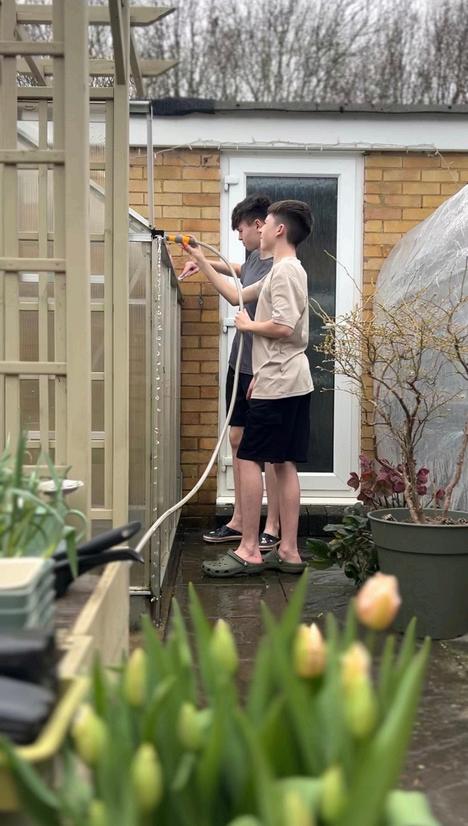
That’s meant plenty of time spent tackling the jobs I’d been putting off I started by roping the kids in to help with a full greenhouse clean and getting the patio area back in some kind of order Together we cleared the space where the old chicken coop had been, removed surplus plant pots and organised them before emptying the greenhouse ready for its hose down The boys did a terrific job and now the greenhouse sparkles along with the freshly scrubbed patio.
My husband and I were pretty ruthless on the clearing front, with most items being removed to make way for our improved plans.
Much of this clearing has been driven by necessity as I’ve been closing down the allotment and bringing as much back as I can salvage. I’ve saved as many plants as possible, with some making their way into our planting scheme, while others will be gifted to family and friends I had two full bins on the plot of the most wonderful homemade compost, so each day when I walked the dog, another flexi-tub of black gold was ferried home
I’m trying to view this whole process as a transition rather than a loss, but with each visit to the plot, I feel my heart crack a little wider This allotment has been more than just a patch of land to grow on; It’s been a haven for me, my mum, and my family over the past 4 years
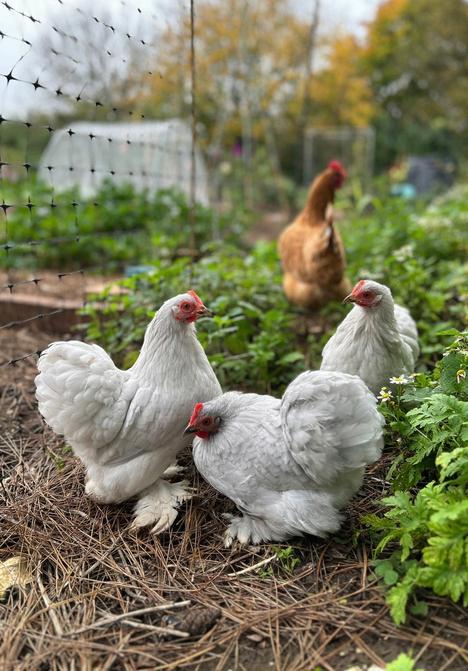
We’ve spent evenings picnicking here, harvesting on Christmas Eve as tradition, and it’s where our dog spent the majority of her puppyhood It’s also where I became a chicken mum to 7 wonderful hens over the years Caring for them brought me outside on days when I felt low and they offered both companionship and plenty of ‘hen-tertainment’ whilst I gardened.
The allotment brought me and my mum closer together and kept us moving in the process. It’s been the perfect hideaway, tucked away in the countryside at the bottom of The Bigg’s family garden; a place that felt entirely our own.
There will never be another space like this and as I close the allotment gate for the final time, I am reminded of just how lucky we were to have had it all And while it’s an ending that I hadn’t chosen, it’s one that’s gently shaping what comes next as everything we ’ ve learned there finds its way into this new chapter at home
As the plants and compost make their way back from the allotment, the boys and I have been creating space for them by building another raised bed and finally setting up a compost system of my own
Join me next time for a little tour of the Kitchen garden
By Kerry Tomlinson
What a duo!
The garlic is popping in Kerry’s garden.
@lottie thyme
The most beautiful girls.
Young Folk Young Folk
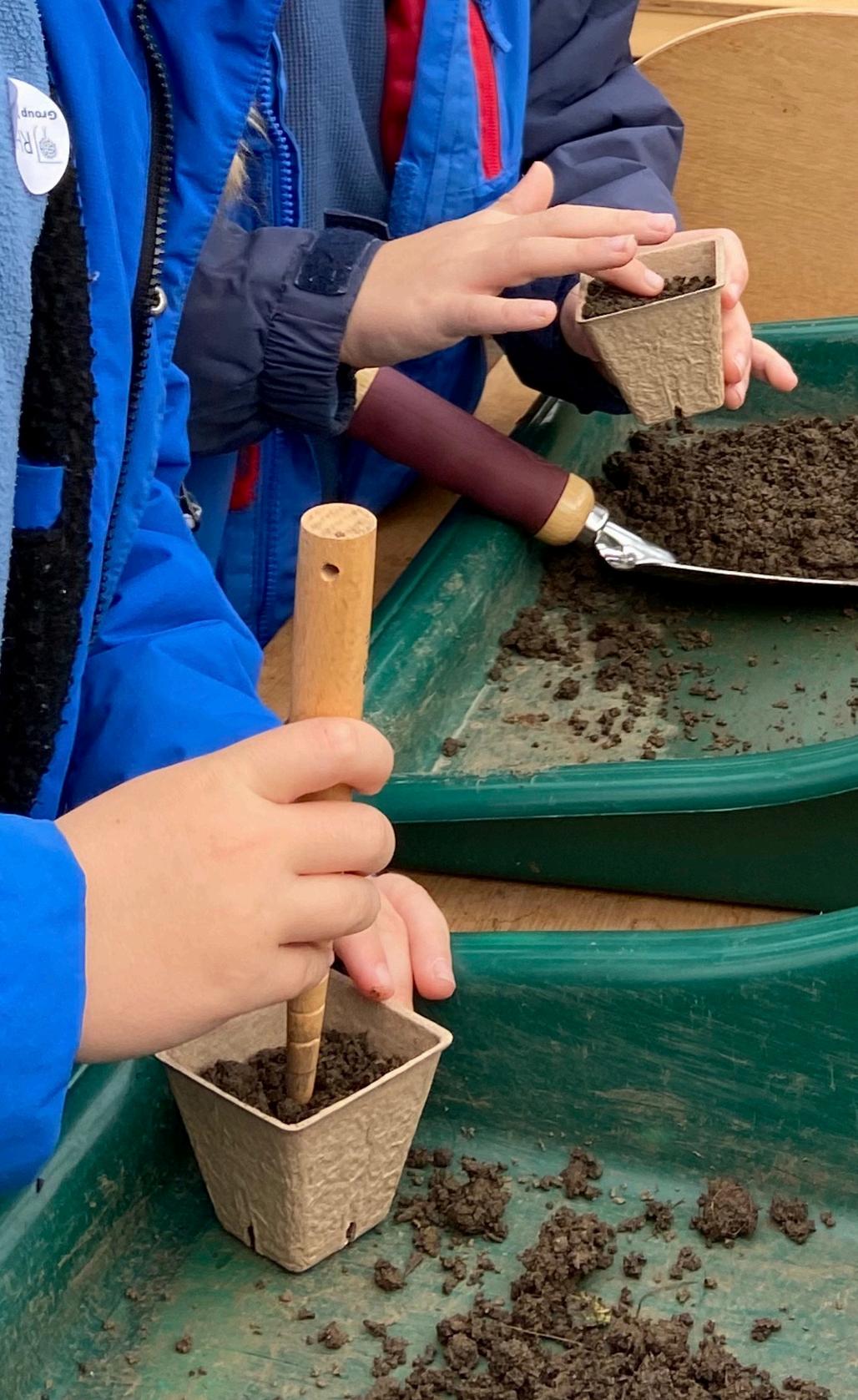
Hello, I'm Maddy , Anjee’s daughter. I volunteer as a leader at my local scout group with the squirrel section (4-6 year olds) A couple of weeks ago we started working towards their ‘Growing Plants’ Badge
We learnt about the lifecycle of plants and the things they need to grow. We planted peas and salad (a lot of mess was made but we also had a lot of fun!) The squirrels were fascinated by the thought that something would grow from such a tiny seed They also had some funny ideas about how plants grow!
I asked them what they thought plants might need to grow: ‘‘I think they’ll need food, like maybe a sandwich’ was one idea Another child said, "Maddy, my parents make me eat vegetables so that I grow does that mean plants have to eat vegetables too?" They were shocked to hear that plants use sunlight and water to make their own food
This week we looked at the seedlings that had grown and they were all amazed There were a couple of tears for the ones that hadn't grown as tall as others but all in all it was a great experience for them. I love how mesmerising they find the process of a plant growing and I'd have to agree with them; plants are pretty cool!
The blossom is out, the garden has stretched its leaves, and the daytime temperatures are rising Beekeeping can start at last! April is the month us Beekeepers can finally have a peak into our hives to see what the bees have been up to.
Wakey Wakey bees!
I’ve primed my smoker, and nervously, I crack the off the crown board where the bees have propolised it shut in defence against drafts and intruders. There’s an initial buzz of irritation as I disturb them for the first time, then we both go calmly about our work.
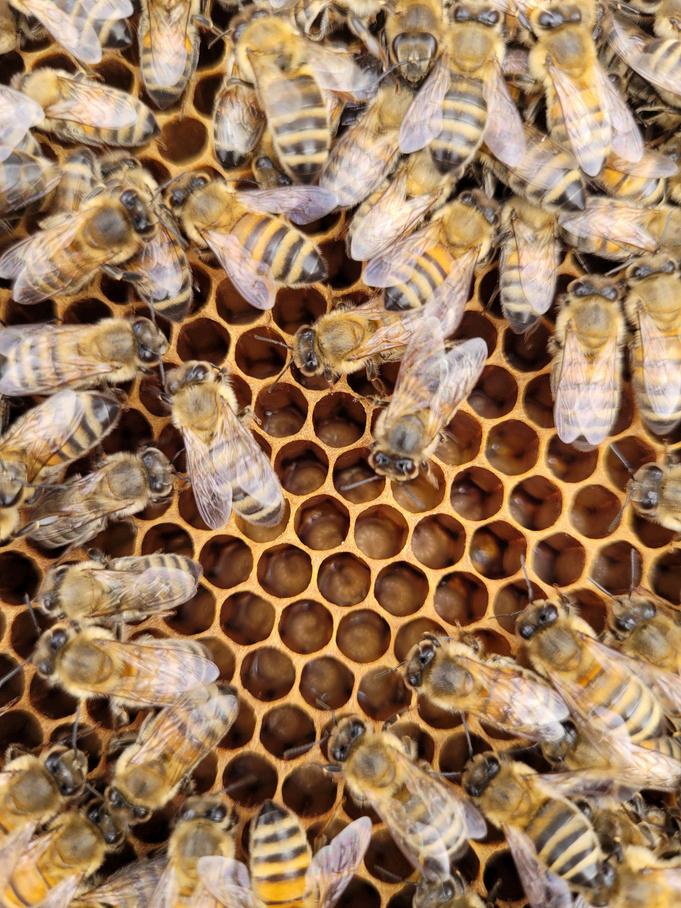
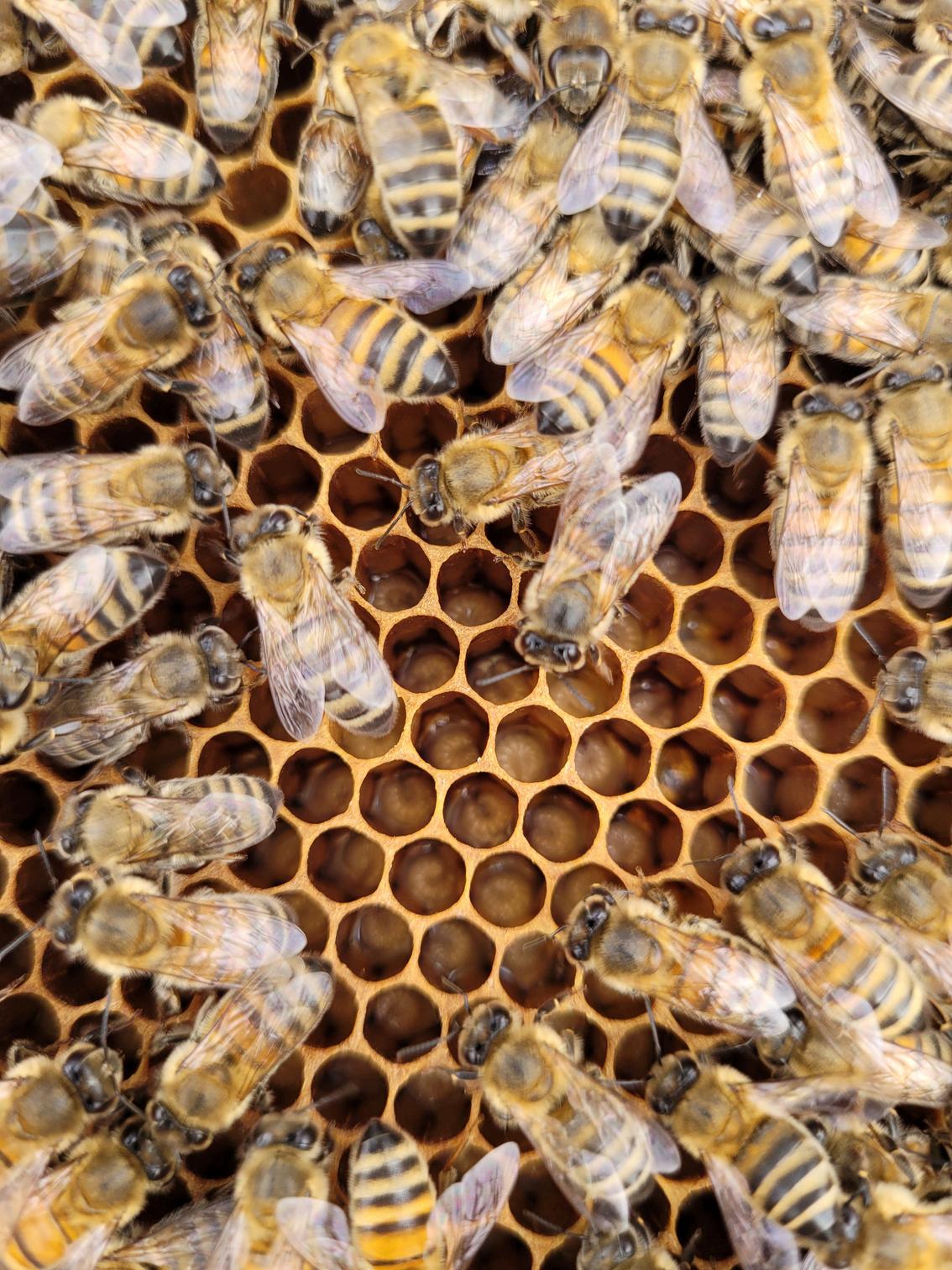
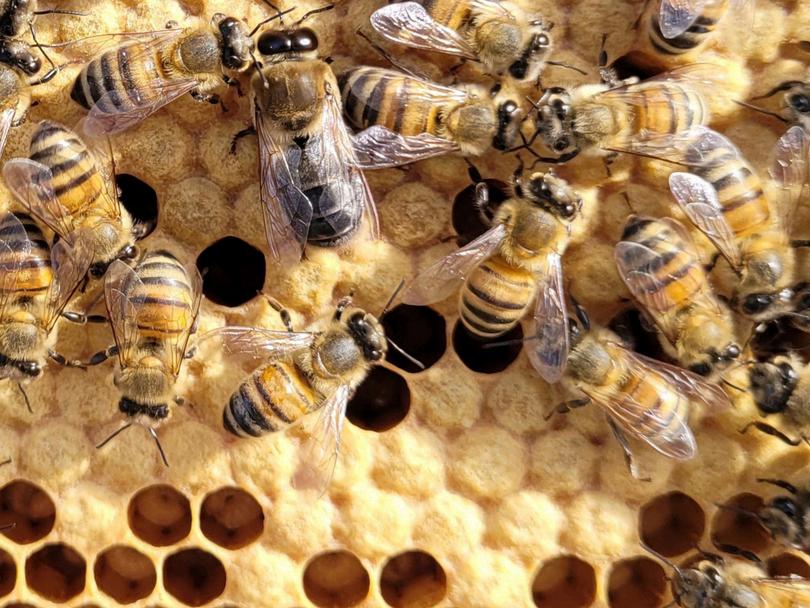
This early inspection is fairly quick, I want to ensure the colony still has a Queen bee, that they are healthy, and that there is worker brood. Having worker brood shows the Queen is doing her job, the spring bees are taking over from the tired winter bees, and the colony can build up numbers quickly One or 2 frames with capped brood is sufficient at this time of year, any more is fantastic and means the colony is strong I’m also looking for drone brood This is distinctive, as it stands proud and rounded from the frames rather than nice and flat like worker brood It’s a bit early for mating season so although some male eggs might be laid, I’m not expecting to see that much until mid April
I’m always fascinated watching bees emerge fully grown and ready to work from their cells Each bee has a part to play in their colony’s survival and they instinctively know what their role is in the hive The first job of a newly emerged bee is to clean their cell where they were born from. They clean and polish it ready to receive the Queen Bee’s next egg. They clean the cells for the next few days of their lives and also keep the un-hatched brood warm. At 3-5 days old the worker bee is allowed to feed the older larvae from pollen stored by older bees, and from 6 days old that worker bee is now mature enough to feed the very young larvae. She can secret a solution of royal jelly which every young larvae will get fed a small amount of. This is full of vital proteins enabling the bees to grow healthy new cells.
Wax cappings.
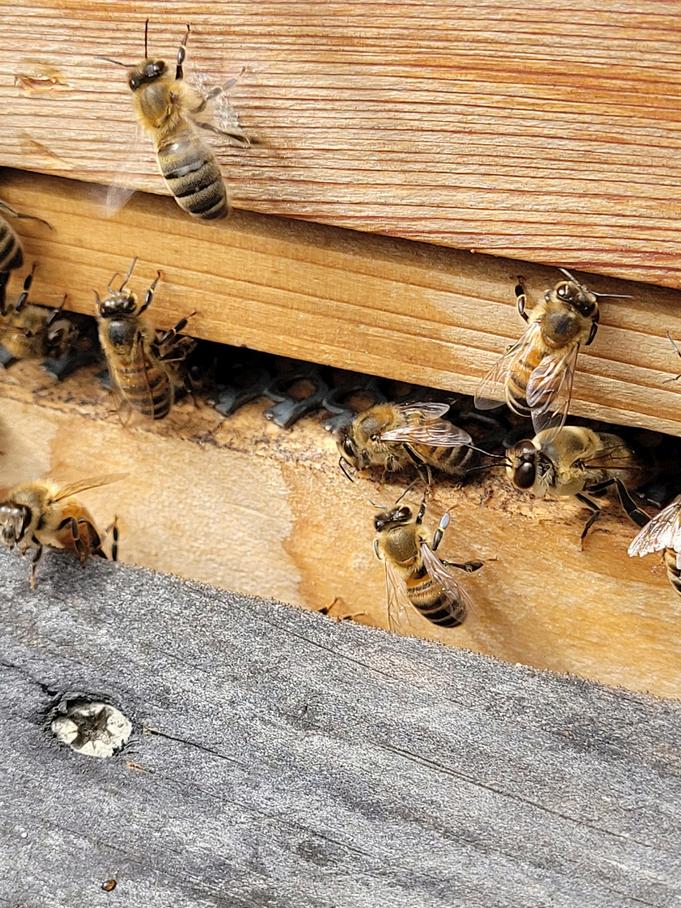
At 11 days old, the bee still hasn’t left the hive but can now produce wax from her wax glands and build the amazing honeycomb wax structures used to house eggs or honey. They also provide undertaker duties, which means removing any dead bees from the hives. The bee will carry another bee a short way from her hive – seen from the front of the hive in the morning. I often see resident robins and blackbirds waiting eagerly to snatch up this protein rich treat to take back to their young
At around 18 days old the worker bee will be on defender duties, ensuring no foreign bee or predator such as wasps enter the hive They can be pretty fierce in this duty and trust me, you don’t want to be stared at by a defender bee! The other role at this time is to receive the nectar, pollen and water foraged by her sisters She will receive what they bring back and distribute it where it’s needed in the hive
By Annette Hurt @mypatchofnorfo k
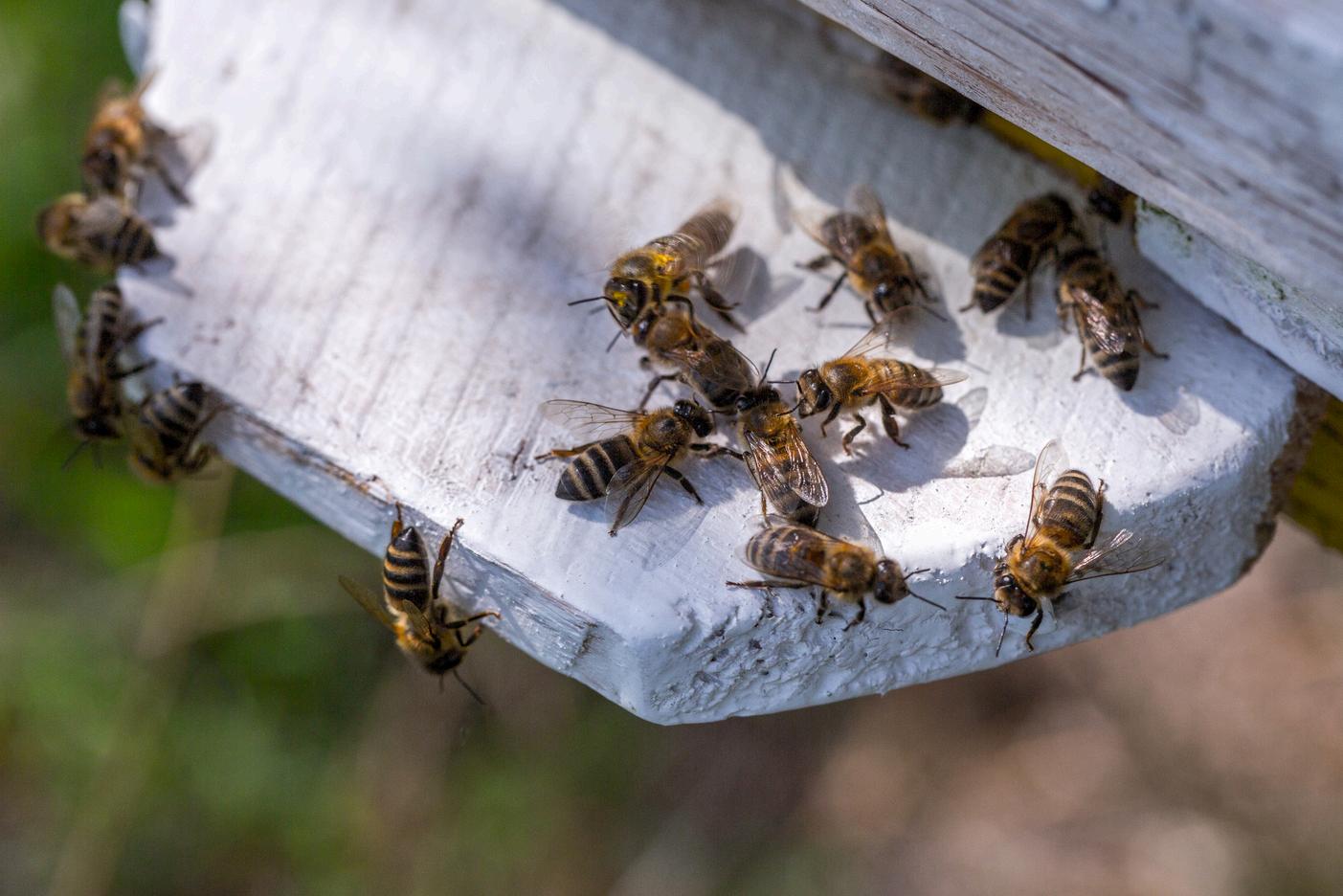
Busy Bees
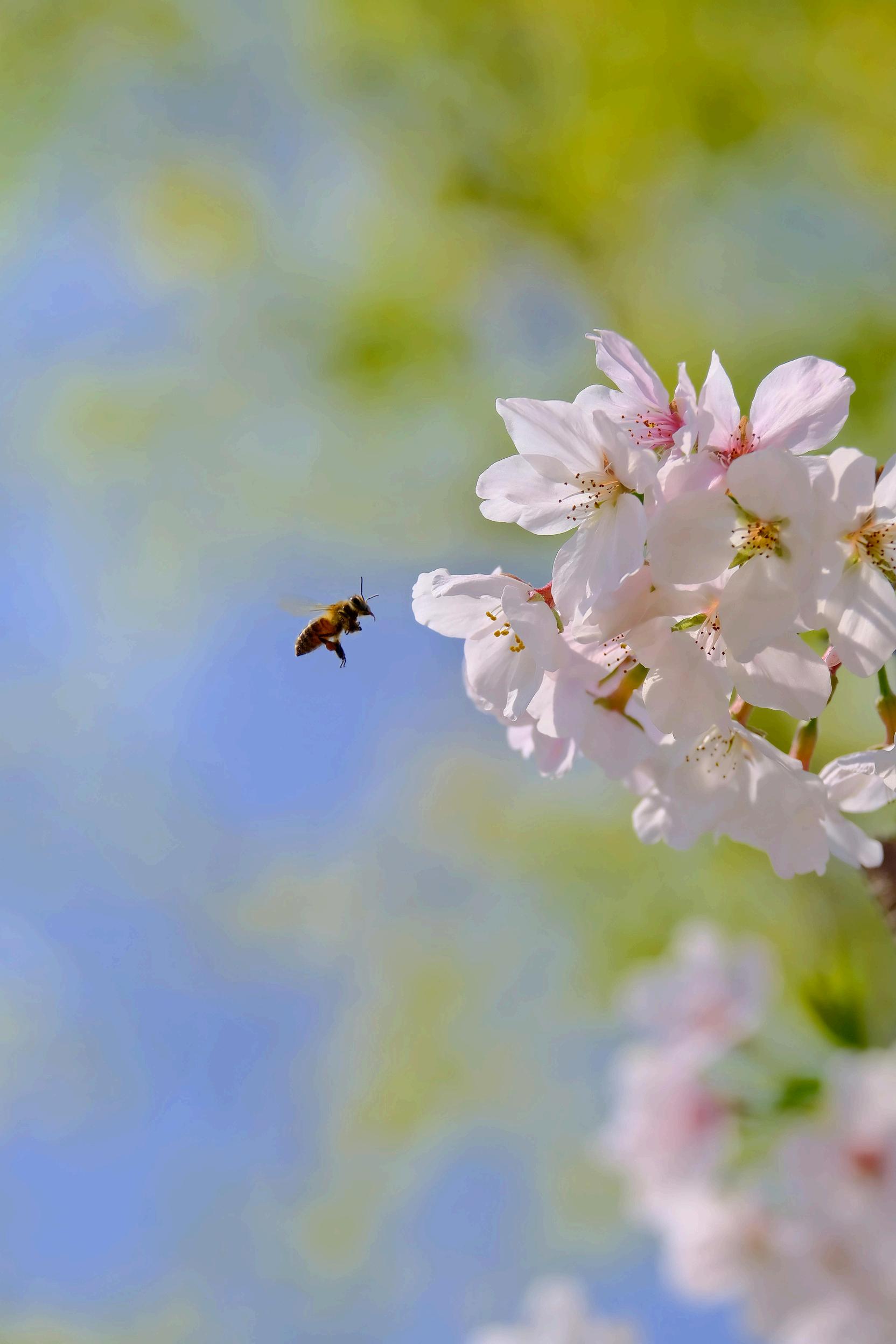
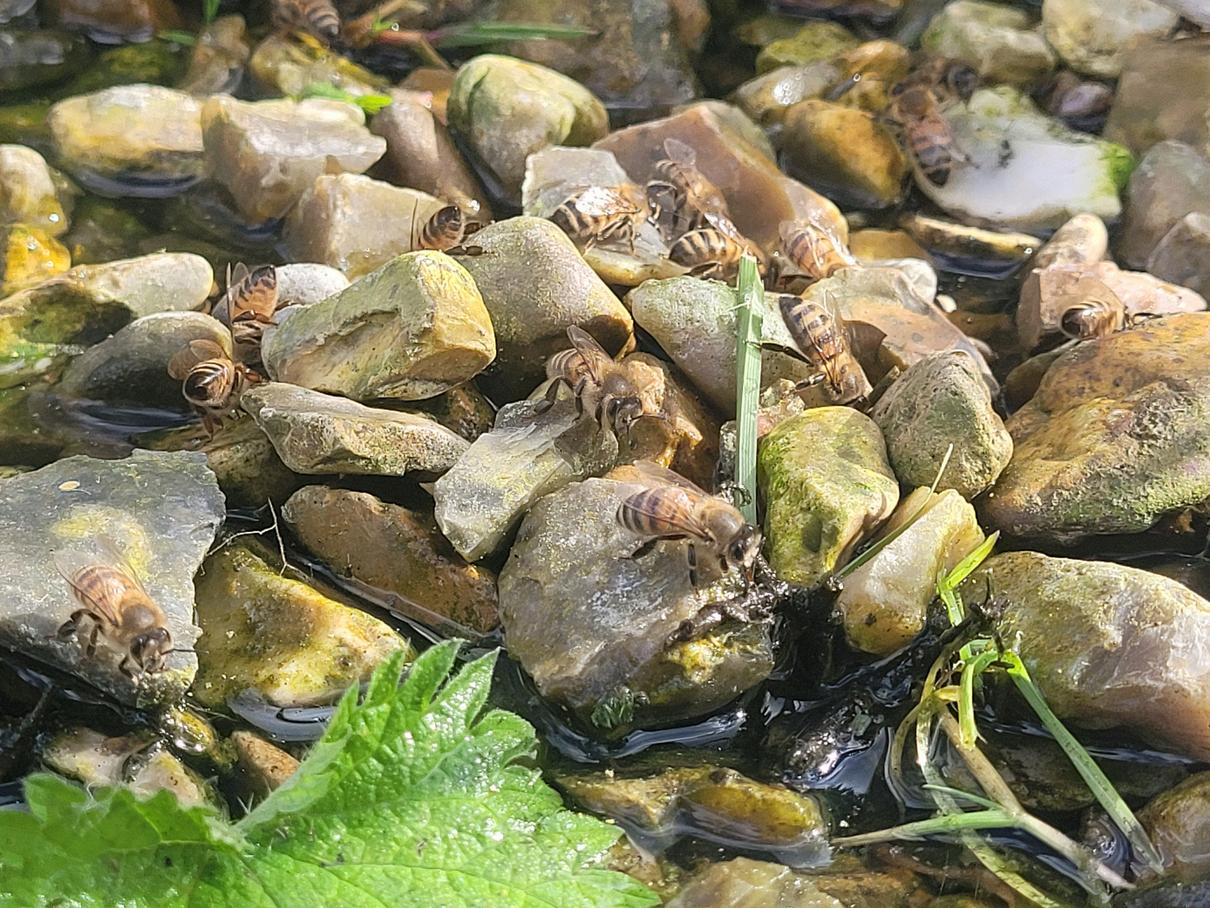
Bees need a water source nearby
At 21 days old the bee is finally allowed to leave the hive to forage for nectar, pollen or water. They can fly up to 3 miles from the hive for this although preferably closer to home. Once a food nectar source is found, the bee will return to her hive and communicate where this is using a complicated dance called the Waggle dance. It is performed in a figure of eight, the angle and direction communicates the distance and direction in relation to the sun Her sisters will then also be able to find the source with ease Worker bees live for just 45 days, so it’s a lot of work to do in each short life
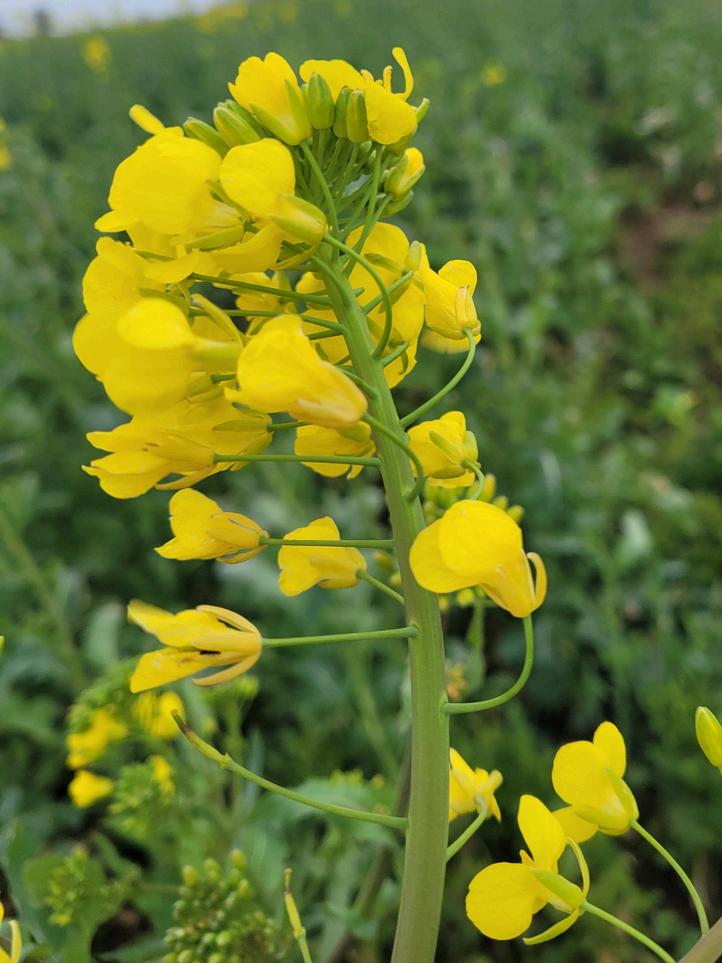
In my area, April sees the farmer’s Oil Seed Rape crop in flower This is an immensely important nectar source for countryside bees and once found they will spend all their time using it to build up honey reserves As a beekeeper, it’s time for the honey supers to be added with the promise of a spring honey harvest at the end of May Next month I will look at the Drone bee and what swarming is all about
The ‘waggle’ dance is pretty incredible
By Shona Price@starof 72
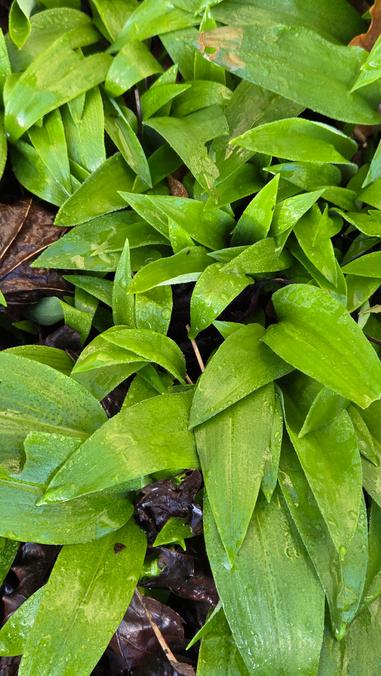
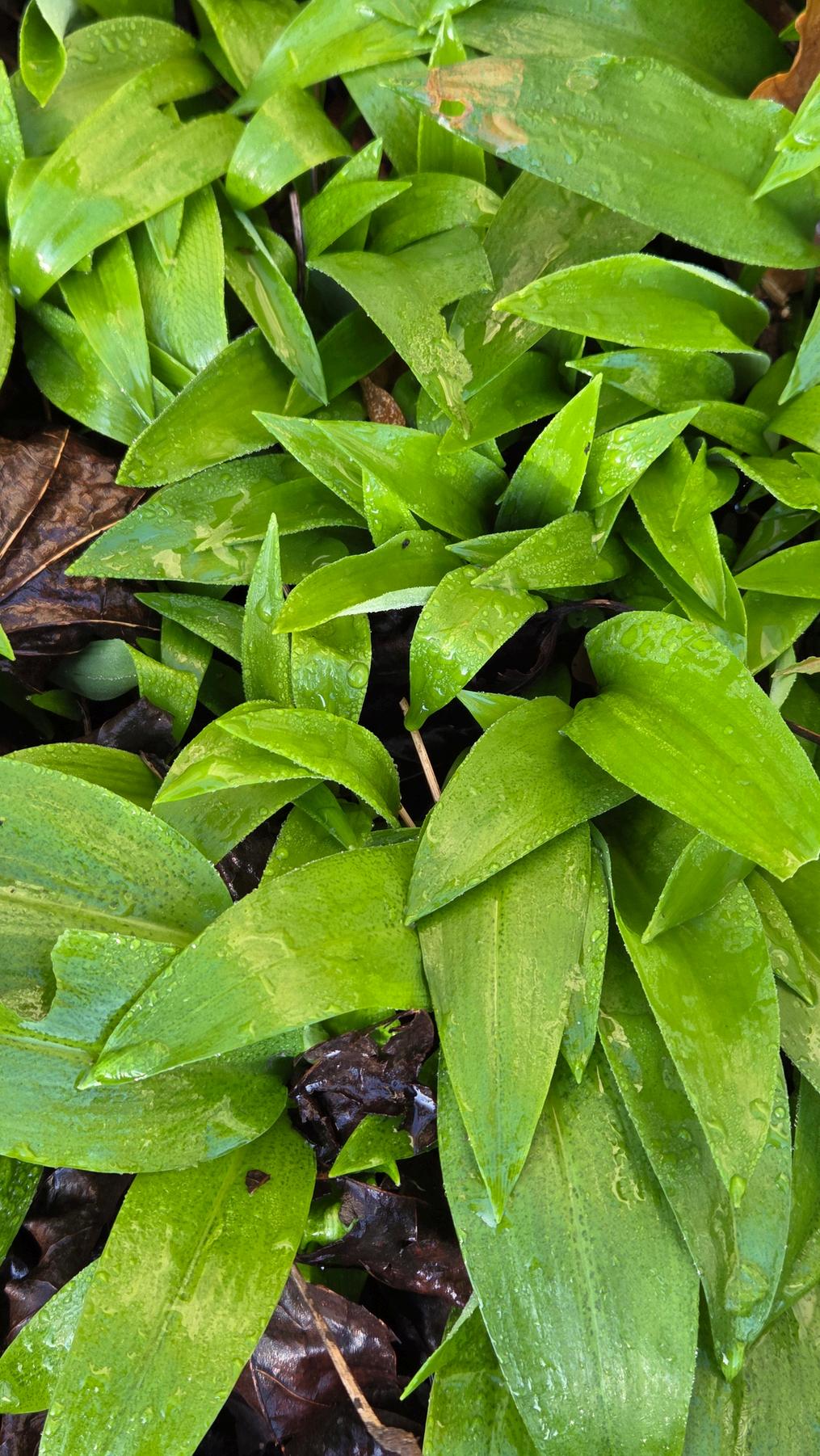
Wild garlic - a large bunch
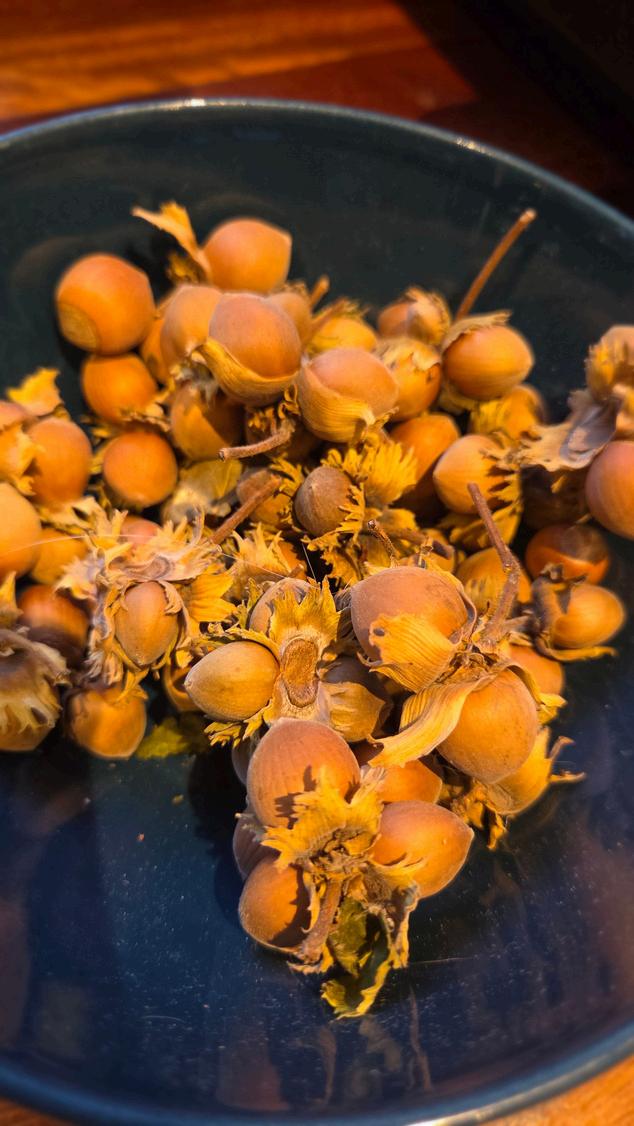
Cob nuts - you can use hazlenuts or pine nuts as an alternative
Parmesan - you can use any dried hard cheese
Olive oil - you can use an alternative, but I find olive oil the best kind for pesto
Lemon juice - fresh or bottled
Salt and pepper
For this recipe you want the nuts and the cheese to each be about half the weight of your wild garlic.
Wash your wild garlic and throw it into a food processor/blender Blitz until the leaves are broken up Add the parmesan and nuts and blitz again, this will also break the wild garlic down even further Slowly add the olive oil, little by little until you get the desired consistency for your pesto
Add salt, pepper and lemon juice to taste
This will keep in your fridge for about 3 days in an airtight container. Alternatively, you can freeze it to enjoy later in the year. This pesto is so delicious and fresh that it can be used in a
Cobnuts
Wild Garlic pesto is vibrant and delicious
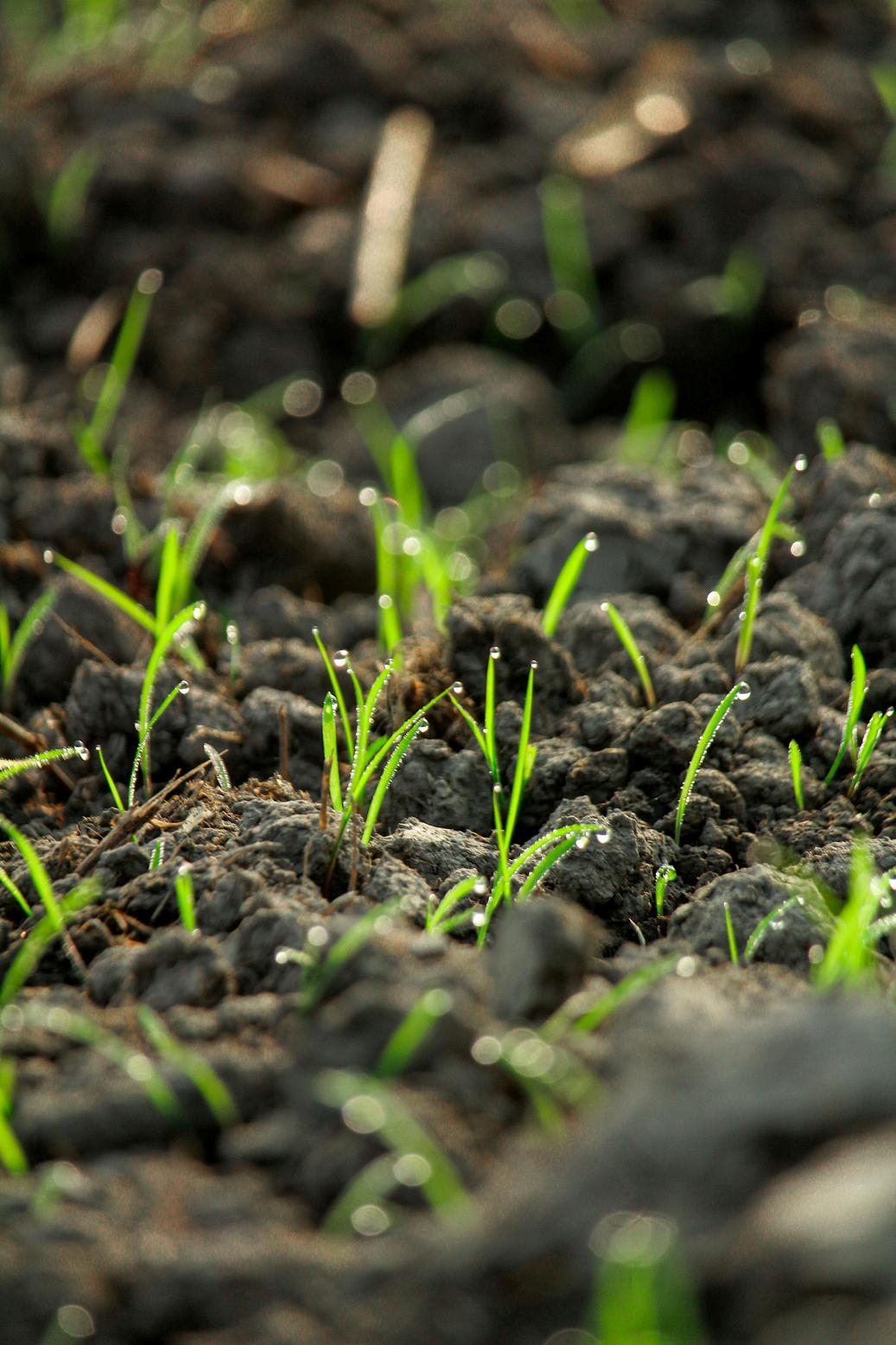
April arrives and even the most reserved of gardeners can’t help but get stuck in. There’s abundant seeds to sow, the ground is warming, leaves are appearing on the trees and bushes and blossom is in the air. Pull out the list, get your hands in the soil and make sure you enjoy every sunny day that comes along!
Things to sow/plant
Flowers
Sunflowers
Calendula
Cornflowers
Nasturtium
Marigolds
Rudbekia
Yarrow
Cosmos
It’s time to get busy and enjoy all those extra hours of daylight in the garden.
Pot on seedlings as they grow to avoid stunting their growth and keep them healthy.
Sweetcorn
Cucumbers
Lettuce
Brassicas
Parsnips
Carrots
Beetroot
Swiss Chard
Come and join the @gardenfolkmag team for live garden updates throughout the month over on Instagram.
Weaving connection, sharing ancient wisdom, breathing life into shared stories, and rekindling the embers of our shared calling and activism, much needed in today’s world.
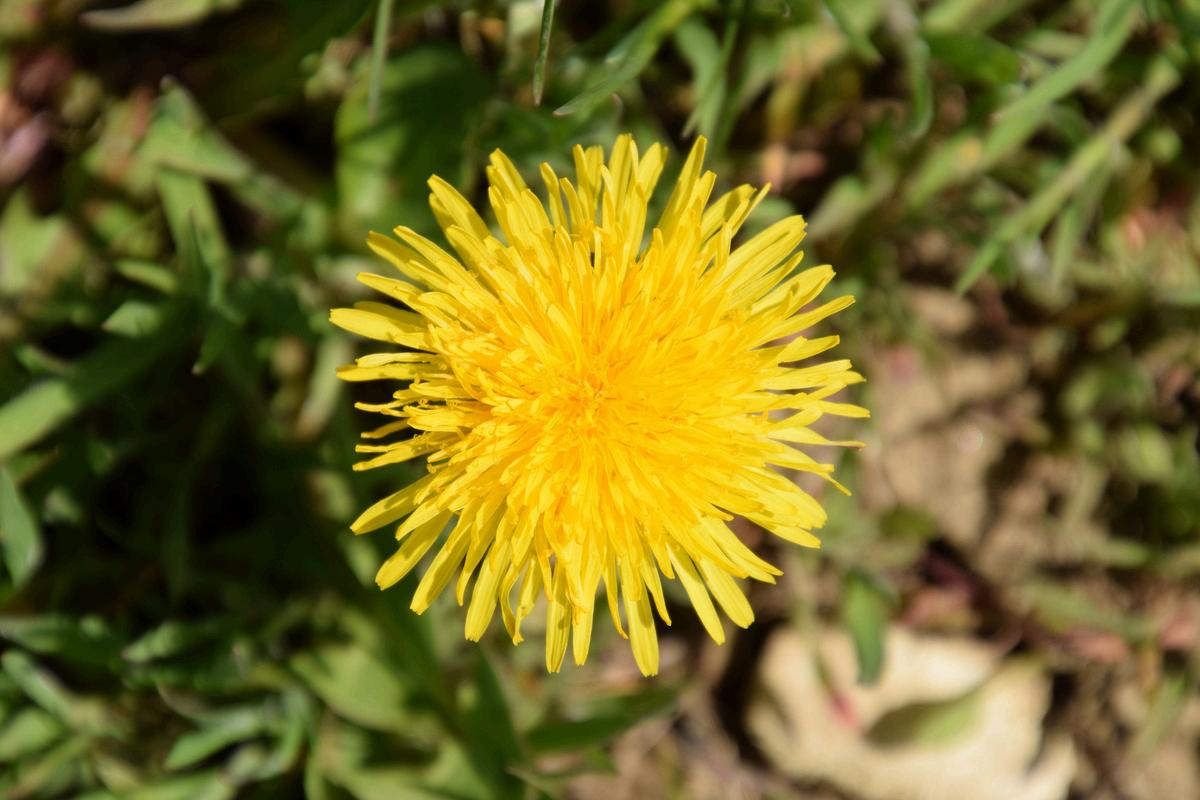
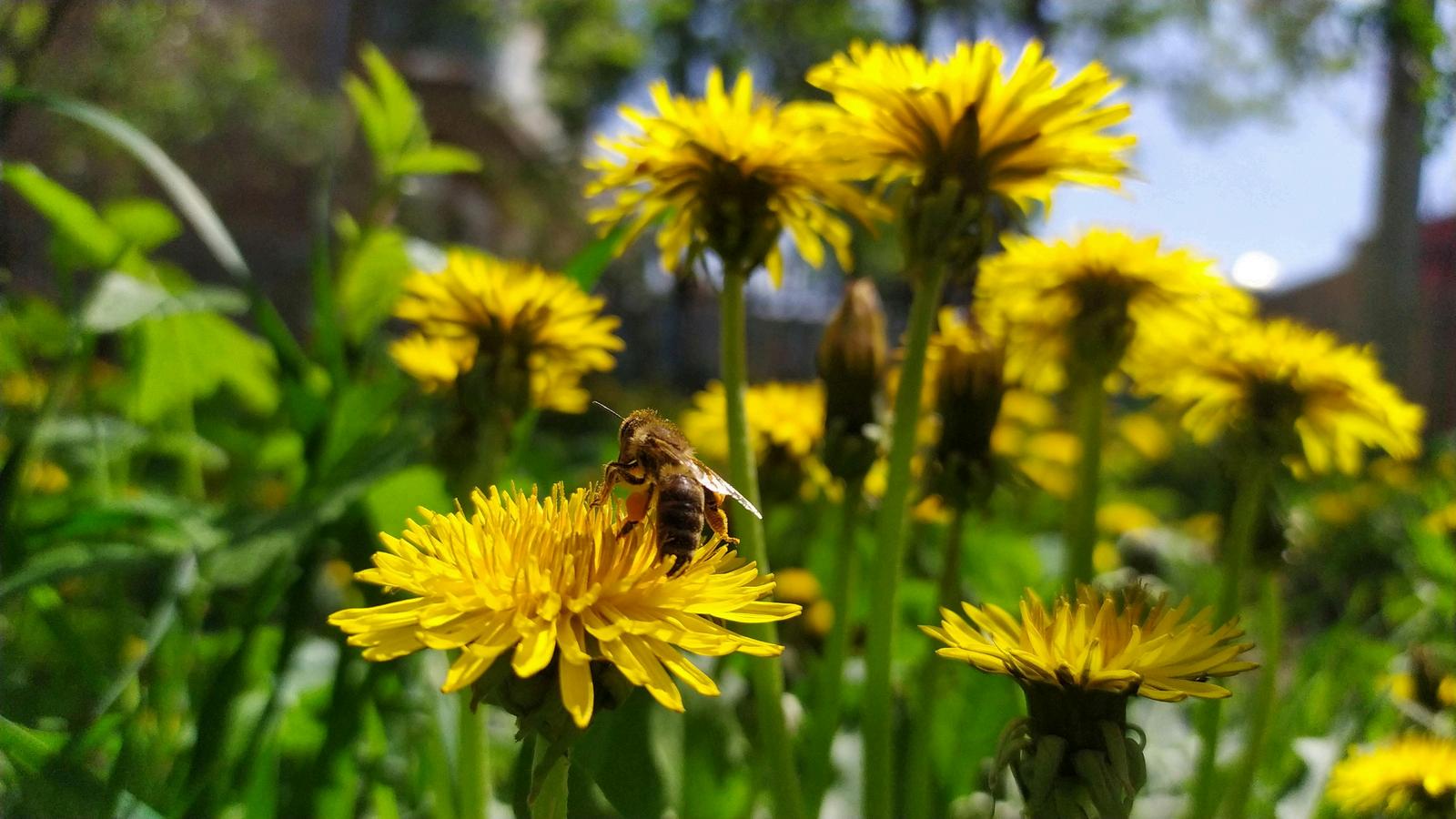
Leave the dandelions to flower and feed the bees
.
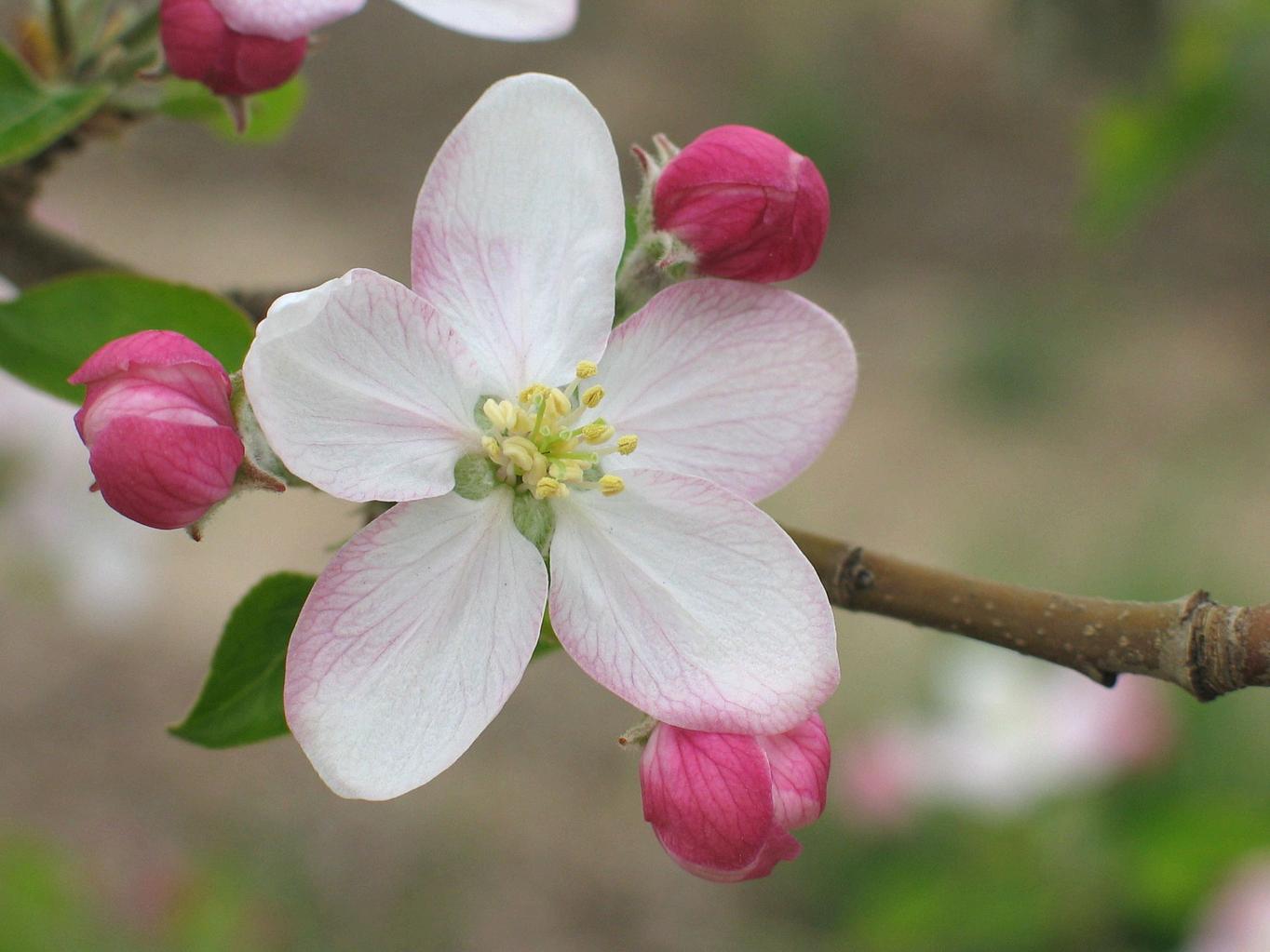
Enjoy the spring blooms and blossoms and bring some into the house for a vase
Take cuttings to create new dahlia plants
Sow little and often to ensure consistent and manageable harvests of salad crops.
Forage for new spring growth of edible plants.
Tie in climbing plants as they grow
Keep on top of deadheading spring flowering plants
Pay attention to wildlife ponds and look out for frogspawn and tadpoles.
Watch the birds building their nests and feeding their young.
Share seeds you won’t use.
Create a new seating area from which to enjoy a new view of the garden