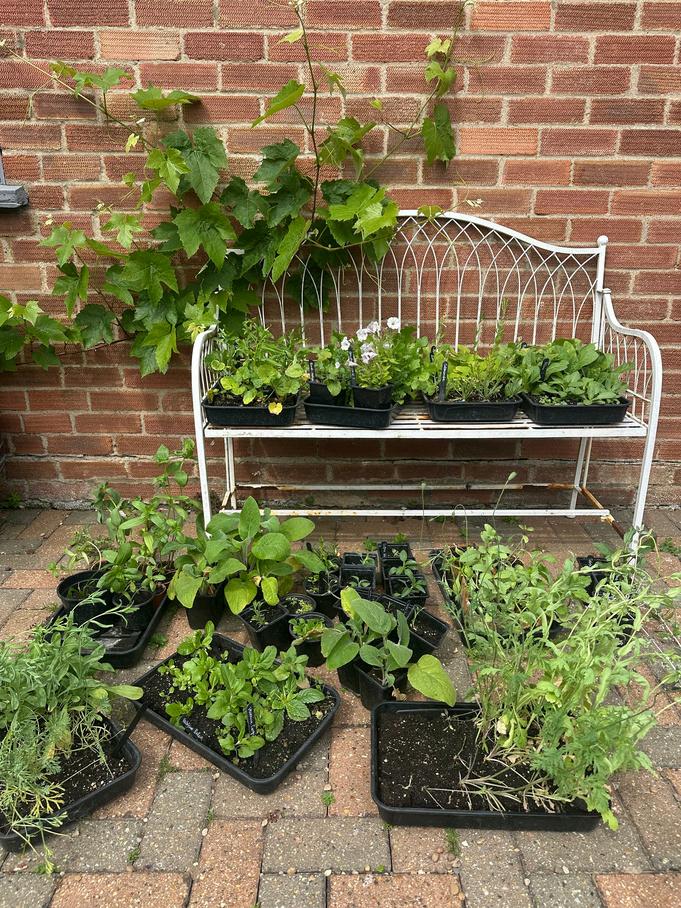
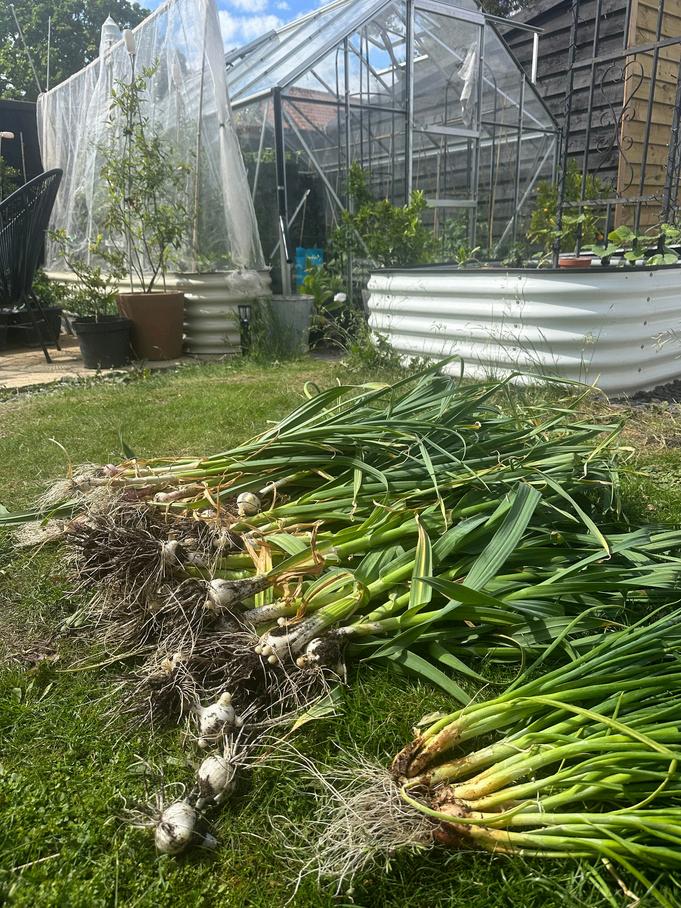
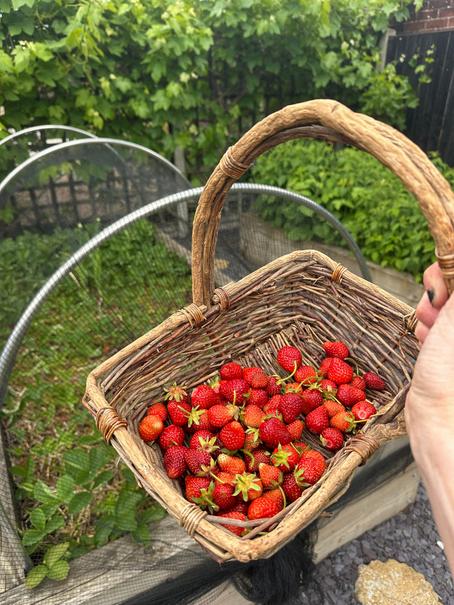
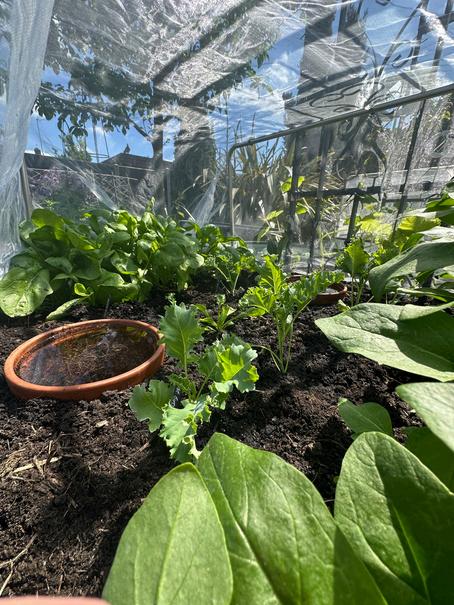
Hold onto your sunhats (hopefully) cause summer has arrived!
As gardeners, this is the season most of us look forward to Plants are blooming, growing and surrounding us with beauty and the wildlife and us are enjoying it all under the warmth of the sun
well that’s the hope If other summers are anything to go by, we may also be needing our wellies and raincoats, be faced with various creepy crawly infestations and be battling slugs and rabbits as we try to encourage stunning blooms to grow or produce to ripen.
Life would be boring if it was easy right?
The June issue of Garden Folk Mag is here to celebrate the season and offer solidarity in your gardening journey- whatever course it takes.
Happy June!
Anjee x
Let’s talk honey!
The bees’ hard work is paying off and the honey supers (boxes) are filling up nicely which means it’s time for a honey harvest. Most people know that bees produce honey but I’m often asked exactly how it gets from the flower to the jar
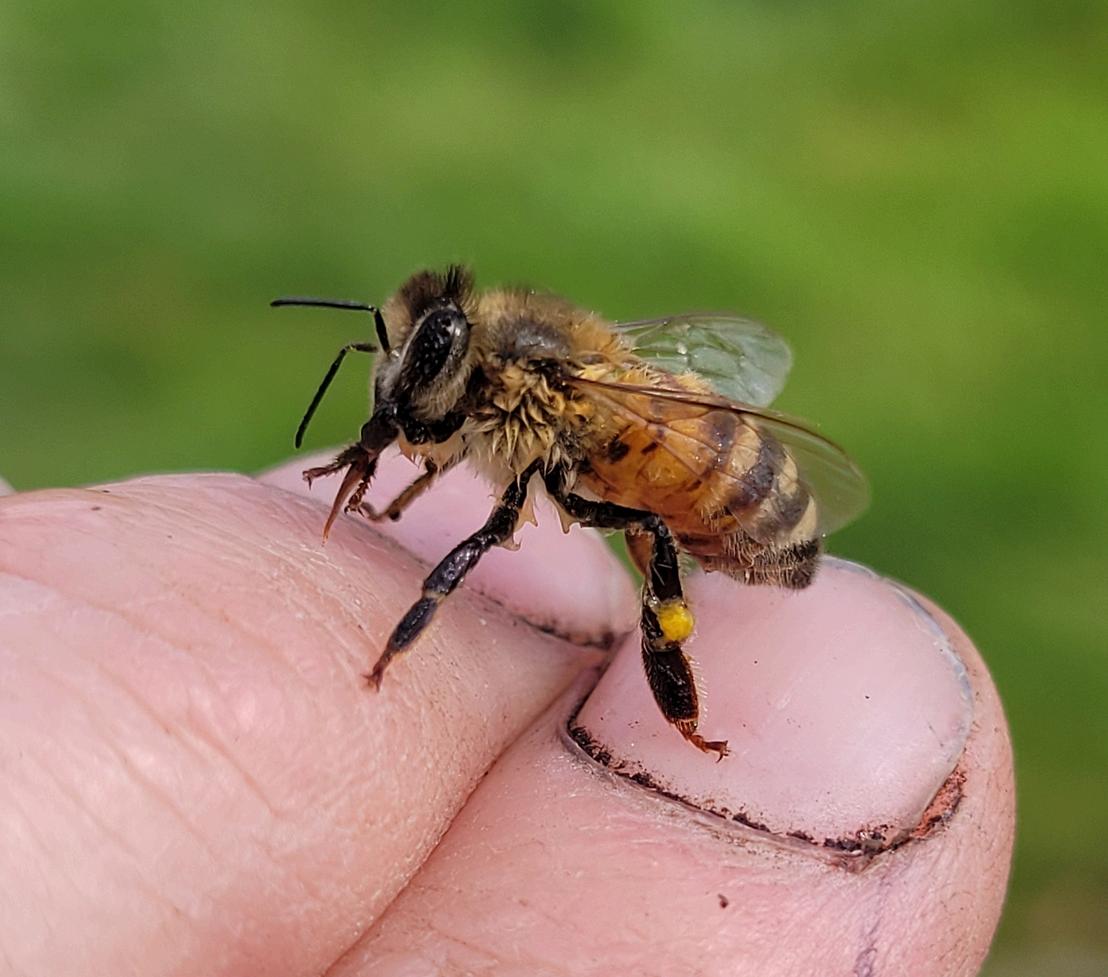
Honey bees are specialist foragers which mean they will find a single flower source to forage on at one time rather than wandering from one flower species to another A forager scout is sent out to find a suitable nectar source then returns to relay the location to her sisters by doing a ‘Waggle Dance’ – a sophisticated figure of eight dance which communicates direction and distance. The rest of the foragers follow to find the nectar. Bees can fly up to three miles for their forage which needs to contain enough nectar to sustain their flight and return with enough to store.
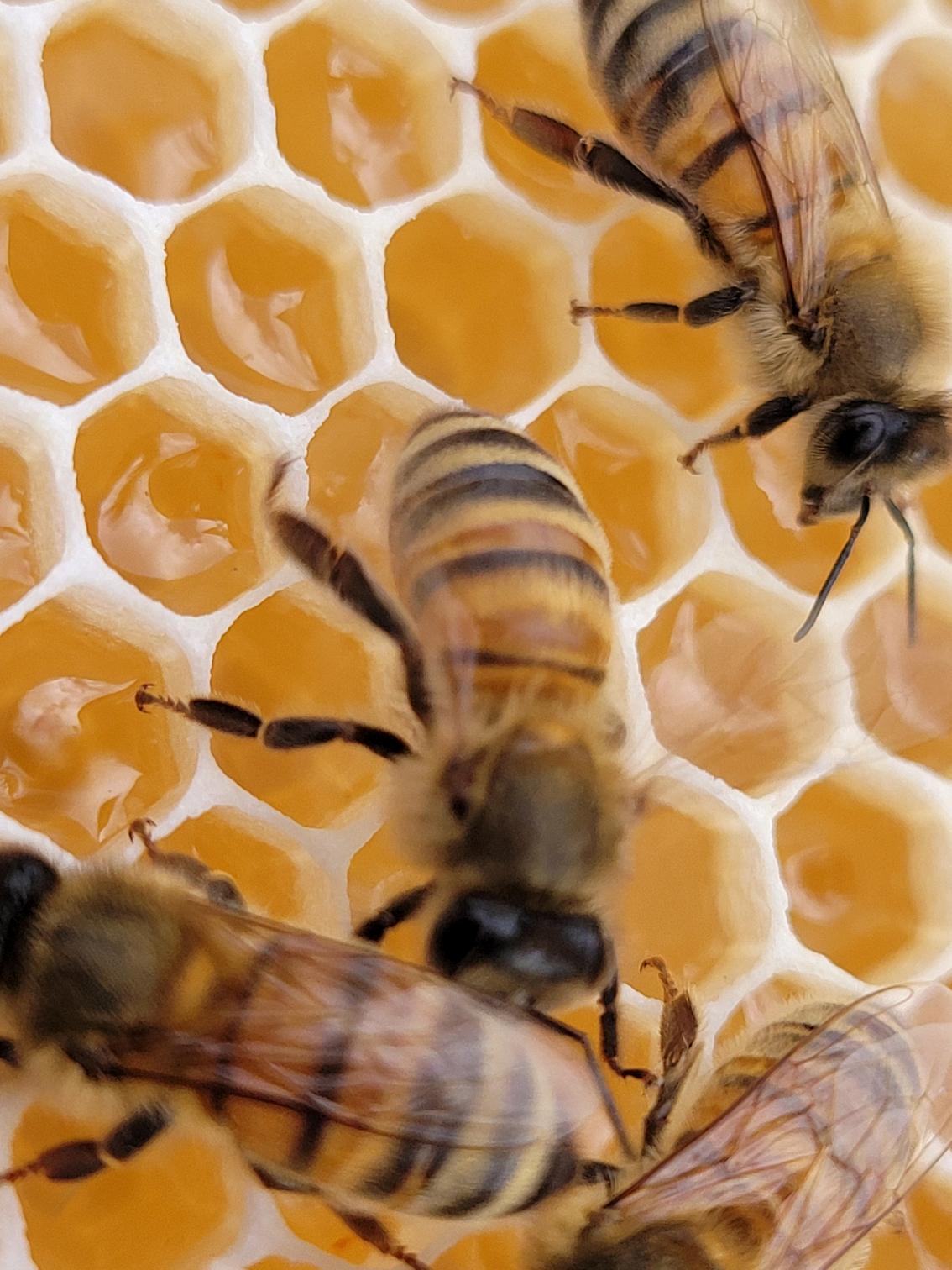
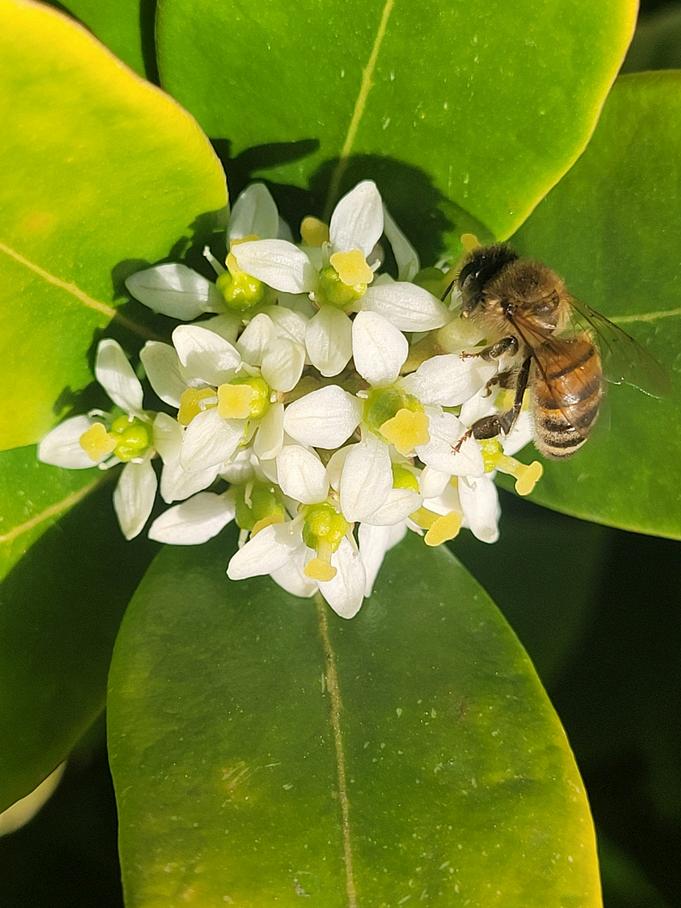
The fields here in rural Norfolk have been ablaze with the vibrant yellow of the Oil Seed Rape flowers which the bees adore. On a warm day they fly back and forth collecting the nectar, gathering it through their proboscis – a straw like tongue, and store it in their honey stomach where it is mixed with enzymes On return to the hive this mixture is passed to one of the home bees who stores in a bees wax honey cell At this point the nectar is about eighty percent water, the worker bees vibrate their wings to dehydrate it until it becomes twenty percent or less then they cap it with a fine layer of wax until it’s needed
Beekeepers will only take the excess honey and should leave enough for the bees to eat If there isn’t enough, we don’t take it, a honey harvest is never guaranteed
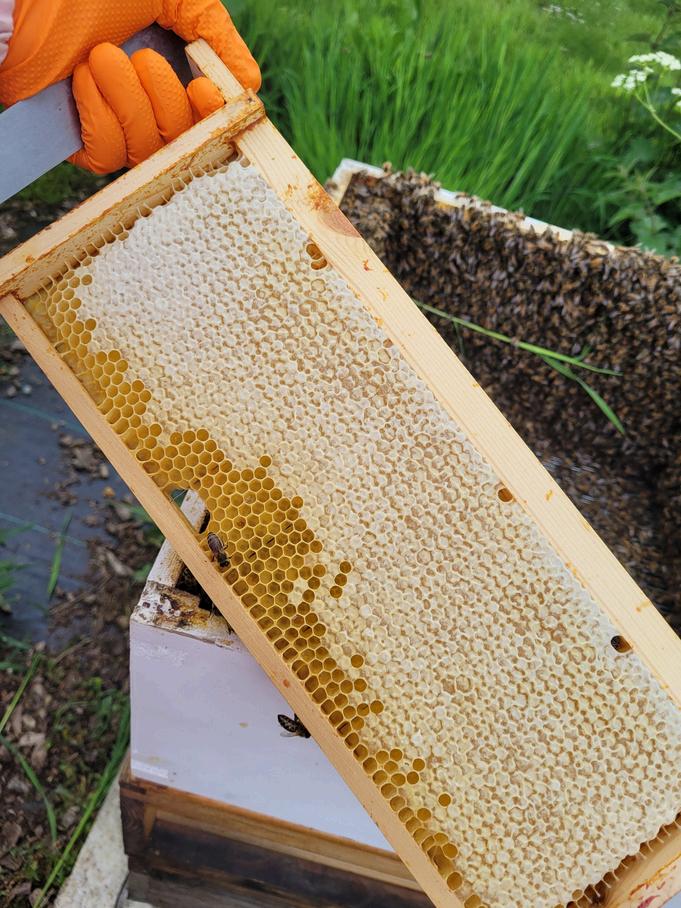
The first thing we do is remove the bees from the honey super. A one way board is put in between the brood box and the honey super twenty four hours before extraction. This allows the bees to return downstairs to their queen but can’t get back up, so when we return, usually only a few bees remain. These are carefully brushed off and the frames of honey are taken inside.
Each frame is uncapped by hand using a serrated knife to remove the thin capping of wax. The frames are put in a honey extractor which slowly spins the honey out of the wax cells The honey flows from the extractor, through a double mesh sieve to remove any wax or debris then straight into a food grade settling tank The honey is left for a day or so to settle, and then it’s ready to be put into a jar and labelled
By Annette Hurt @mypatchofnorfo k
A frame of capped honey.
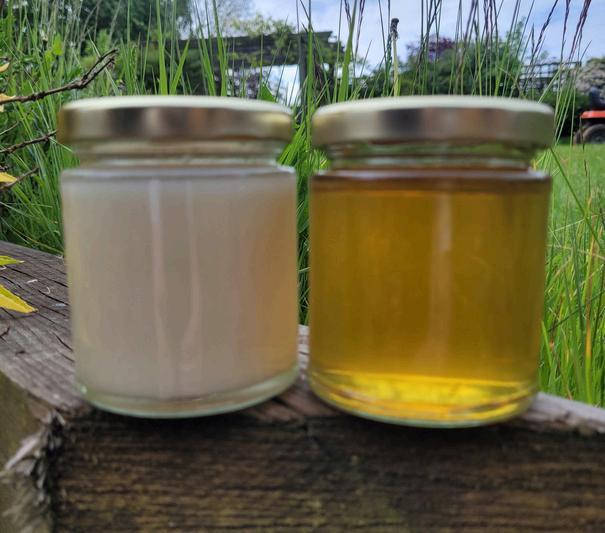
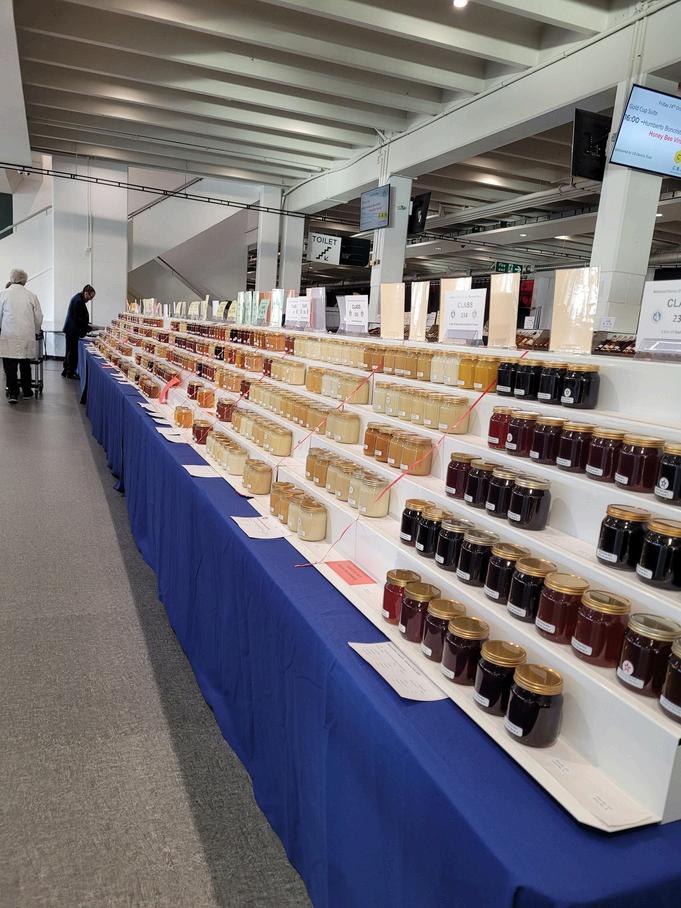
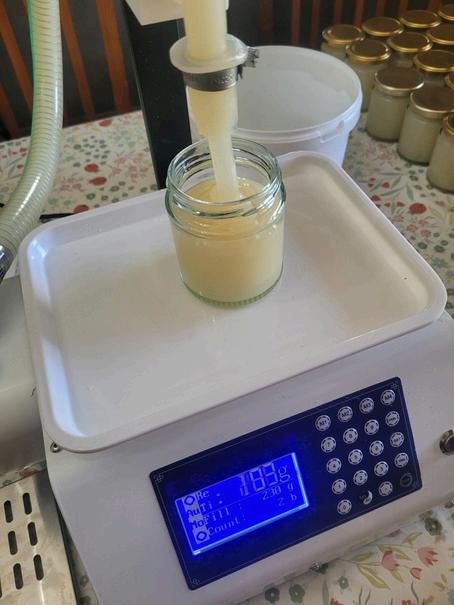
Each honey will taste different depending on the flowers the bees have foraged. My spring honey is white and opaque and has a fudgy texture due to the large glucose crystals in the oil seed rape nectar. I use this to produce my silky smooth soft set honey, a process where it’s stirred for 15 minutes in each hour for 5- 10 days. (Yes, I do have a machine for this!) My summer honey, which stays runny for longer, is usually a light golden brown and has a light floral flavour. The bees forage on hawthorn, bramble, lavender and wild flowers. All pure honey will crystallise over time and it is perfectly safe to eat
Local honey is a premium product and should be valued as such The extraction process preserves all the pollen and enzymes of the honey, resulting in a beautiful tasting product, rich in antioxidants, with antibacterial properties It’s perfect on your morning yoghurt, or to take a spoonful of to help with hay fever or a cold Please support your local beekeeper and ask them about their honey and where their bees have foraged Many will let you taste before you buy and you’ll be surprised by the difference in flavour
If you are interested in keeping bees, come to one of my Beekeeping Experiences throughout the summer. Details can be found on my website and there is a discount if are a Garden Folk Magazine subscriber.
Every honey harvest will taste different.
The oil seed rape is a brilliant nectar source.
Spring and Summer honey
By Mel Lord
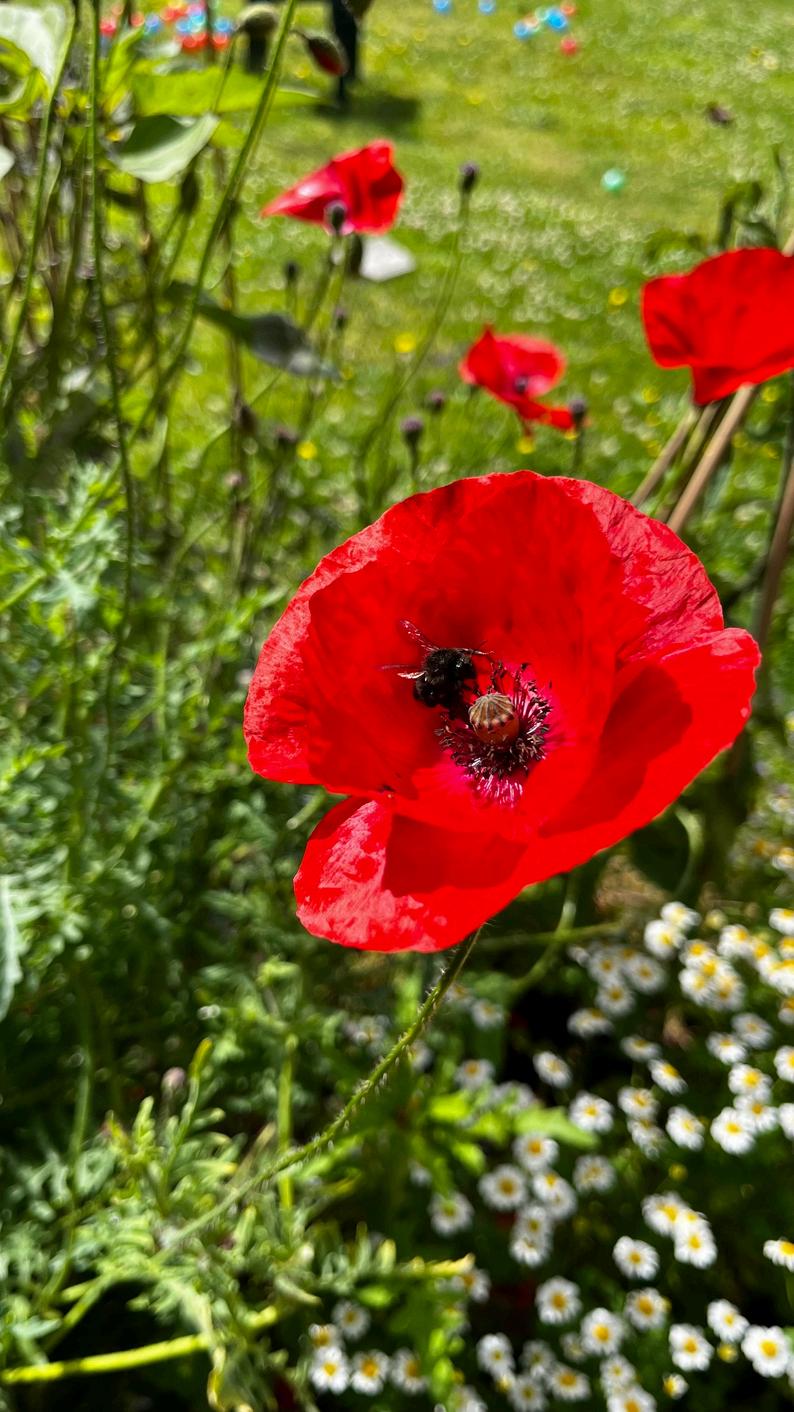
Synonymous with the summer months and strewn across wildflower meadows at this time of year the poppy, especially the common annual ‘ papaver rhoeas’ or ‘flanders poppy ’ , is an emblem of remembrance and sacrifice. Their crimson heads bow in pastures across Europe, as if in somber reflection. Often they have emerged in the aftermath of battles, particularly during the First World War, due to the soil being disturbed. Which can cause them to germinate. Poppies even appear in the grasslands of Tolkien’s ‘Middle Earth’ and since the author was a veteran of the Somme himself that might be why. Though yellow ones represent wealth and success and white poppies stand for peace and sweet dreams. So they should be considered signs of hope as well.

Their association with conflict dates back to Ancient Greece. Primarily because they produce the potent sedative opium. Greeks credited the poppy ’ s creation to Demeter, goddess of agriculture. Who blessed their fields and farmers. Known to the Romans as Ceres she was also the mother of Proserpina, or Persephone, who was abducted by Hades when out gathering a bouquet. Her grief after losing her daughter in this way was so severe that she could not sleep and wandered the world for days trying to track Persephone down. This heartbreak made poppies pop up wherever she stepped and she used them to help her get some rest too. Though a second myth claims that she metamorphosed one of her admirers into the flower after he passed away. Mekon was a youth loved by the goddess who died prematurely so, to honour him, she turned him into a poppy. Demeter was occasionally depicted holding the flower for this reason. Just as the gods Hypnos and Thanatos were painted wearing crowns of them. These twins represented sleep and death and were the sons of the nighttime deity Nyx. Many of her children were spawned alone, without a partner, including Eris and Nemesis the goddesses of strife and retribution as well as Moros the personification of doom.
Hypnos once made the King of Olympus pass out so that Hera could plot against her husband in peace. Though he wasn’t powerful enough to incapacitate Zeus for long and poppies aren’t mentioned specifically in this myth as part of his attempt.
@ thequietplace
However as well as his floral di pictured clutching their stems, soaked ward or with a
Their link to snoozing and abil dreams can also be utilised to a questions you might have. First w slip of paper and then push it i pod. Place that pod under your to bed and recite a charm. Th ensure that you see the solution wrote down in a vision. Though p be a dangerous business. Not on technically toxic but if they’re pl and the petals drop off then it wa struck by lightning later
However if there are edible “bre your plot you could harvest the s of them in a divination ritual. To where a lover may arrive from, them and toss a chunk of it out th dog to bring it back again, tho easier said than done. Whichev comes home from will be the w match travels too. Perfect if you p and charming them with a slice seed cake.
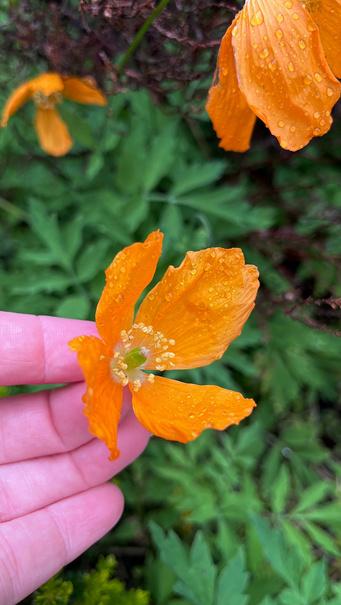
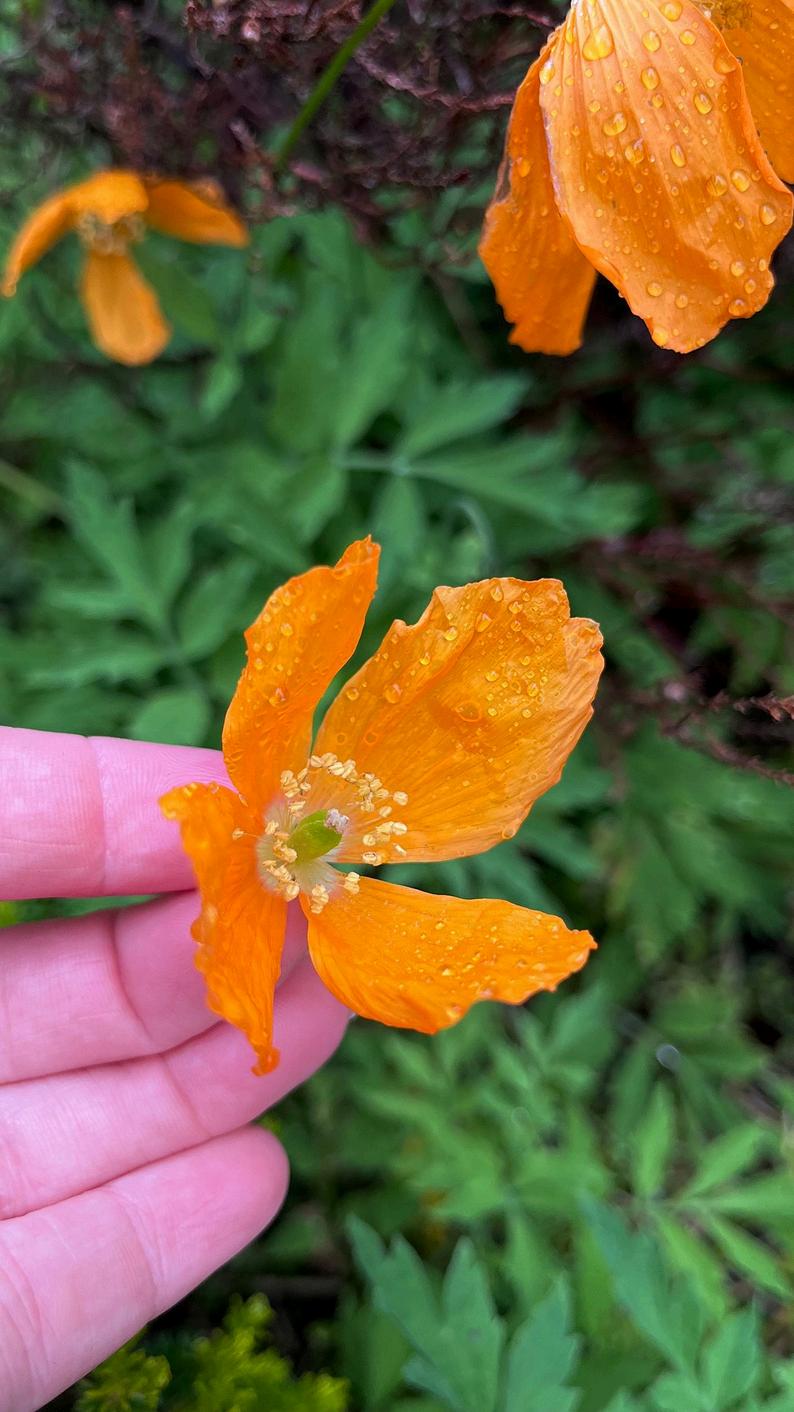
The tangerine or lemon colour Welsh variety, called “ papaver c of its connection to Cymru, wer only in their native environment. G on home turf. Yet the plants seem relax that rule a little and this is As these garden escapees are o Wales now too
In general they are wonderful for seed and love unkempt areas. pollinators and often sprouting other flowers may struggle. Eve pavement. Most varieties enjoy Alpine poppy is a great option fo poppies really are quite dre
Creating a wildlife Creating a wildlife garden: garden:
A monthly step-by-step A monthly step-by-step guide guide
June: The Early Summer Garden
June is a month of growth and vibrancy. The garden is lush, flowers are in full bloom, and the days are long and warm. For wildlife, June is a time of activity and abundance. Gardens provide vital sources of nectar, shelter, and water as creatures take advantage of the longer days to thrive
After the careful planting and preparation of the earlier months, June invites us to maintain and enhance the garden’s wildlife-friendly spaces, keeping it safe, productive, and welcoming for all its visitors
Keep a space wild in your garden for passing pollinators.
By June, butterflies are active and abundant in
By June, butterflies are active and abundant in the garden. They need safe spots to rest, warm the garden. They need safe spots to rest, warm their wings, and gather nutrients from damp their wings, and gather nutrients from damp soil or shallow water (a behaviour known as soil or shallow water (a behaviour known as puddling). puddling).
Creating a dedicated sunbathing and puddling
Creating a dedicated sunbathing and puddling area helps support these delicate visitors, area helps support these delicate visitors, providing warmth, essential minerals, and a providing warmth, essential minerals, and a safe space during the busy summer months. safe space during the busy summer months. This project includes one sunbathing area and This project includes one sunbathing area and one puddling area, with the puddling spot one puddling area, with the puddling spot adaptable depending on your space. adaptable depending on your space.
This Month’sWildlife Project:
Creating a Sunbathing and Puddling Spot for Butterflies
Sunbathing Spot
Choosing the right spot
Pick a sunny, sheltered area where butterflies can bask without strong winds.
Ensure the surface is flat or gently sloped so butterflies can rest comfortably.
Creating the sunbathing area
Use flat stones, slabs, or tiles that warm in the sun. Butterflies will rest here to absorb heat.
Surround the area with low-growing flowers or herbs so they have nectar nearby and can escape predators easily
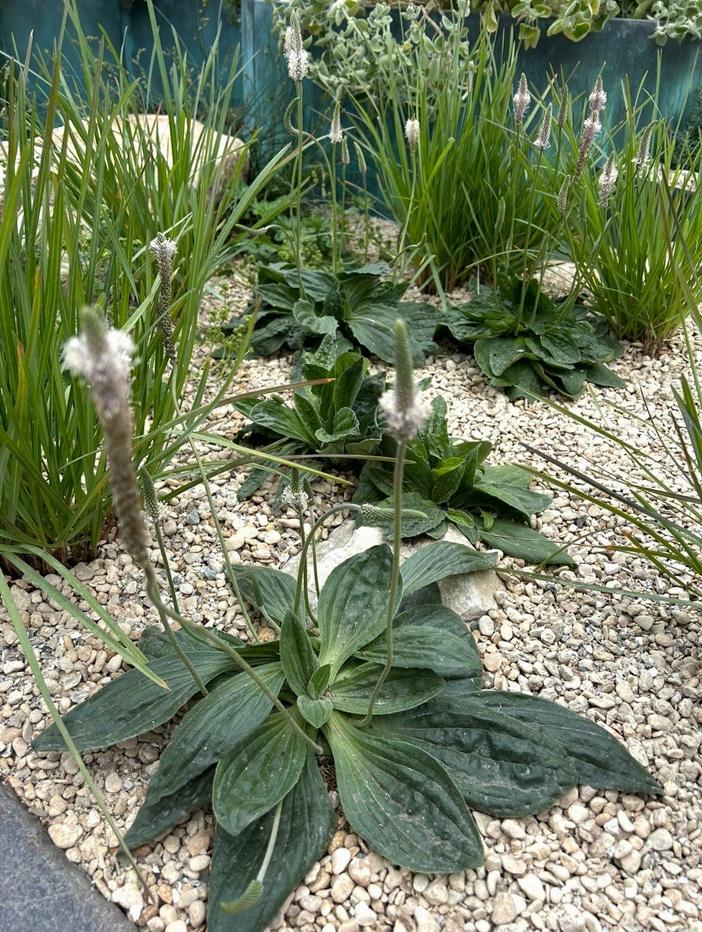
Provide a selection of low growing flowers.
Puddling Spot: Two Ways to Do It
Butterflies need shallow, damp areas to gather minerals from soil or water. You can provide this in one of two ways:
Option 1: Puddling in a Garden Patch
Select a sunny, sheltered patch of soil, sand, or gravel.
Dig a shallow depression, a few centimetres deep, and fill it with water.
Add a pinch of sand or crushed eggshells to provide essential minerals
Surround the area with flat stones or low plants so butterflies can safely land and move around
Option 2: Puddling in a Container
Use a shallow dish, tray, or saucer filled with damp soil or sand.
Add a few flat stones or pebbles for butterflies to perch on.
Add a pinch of sand or crushed eggshells to provide essential minerals.
Place the container in a sunny, sheltered spot near flowers to make it easy for butterflies to find
Maintenance and Observation
Keep the puddling area slightly damp, refilling water as needed
Avoid using pesticides nearby, as butterflies are sensitive to them.
Watch which species visit and which surfaces they prefer. This can help guide adjustments to the setup.
Other monthly wildlife jobs:
Keep water sources topped up
Refill ponds, shallow dishes, butterfly puddling spots, and bird baths regularly, especially during warm spells
Avoid disturbing nesting birds
Check hedges and shrubs carefully before trimming Many birds are still raising chicks this month
Support pollinators with continuous blooms
Deadhead flowering plants to encourage more blooms, and add nectar-rich plants to keep food sources steady
Let parts of the lawn grow longer
Leaving a patch unmown provides shelter for insects and foraging areas for birds and hedgehogs.
June is a month of energy and activity in the garden and by taking these small, thoughtful steps, you’ve helped your garden become a sanctuary for pollinators and other wildlife.
Each action, from providing a sun-bathing spot for butterflies to creating mineral-rich puddles, leaving some corners of your garden more wild, and sowing nectar-rich flowers, contributes to a thriving ecosystem right at your doorstep. Happy wildlife gardening, and see you all next month!
Winter is hard on the birds.
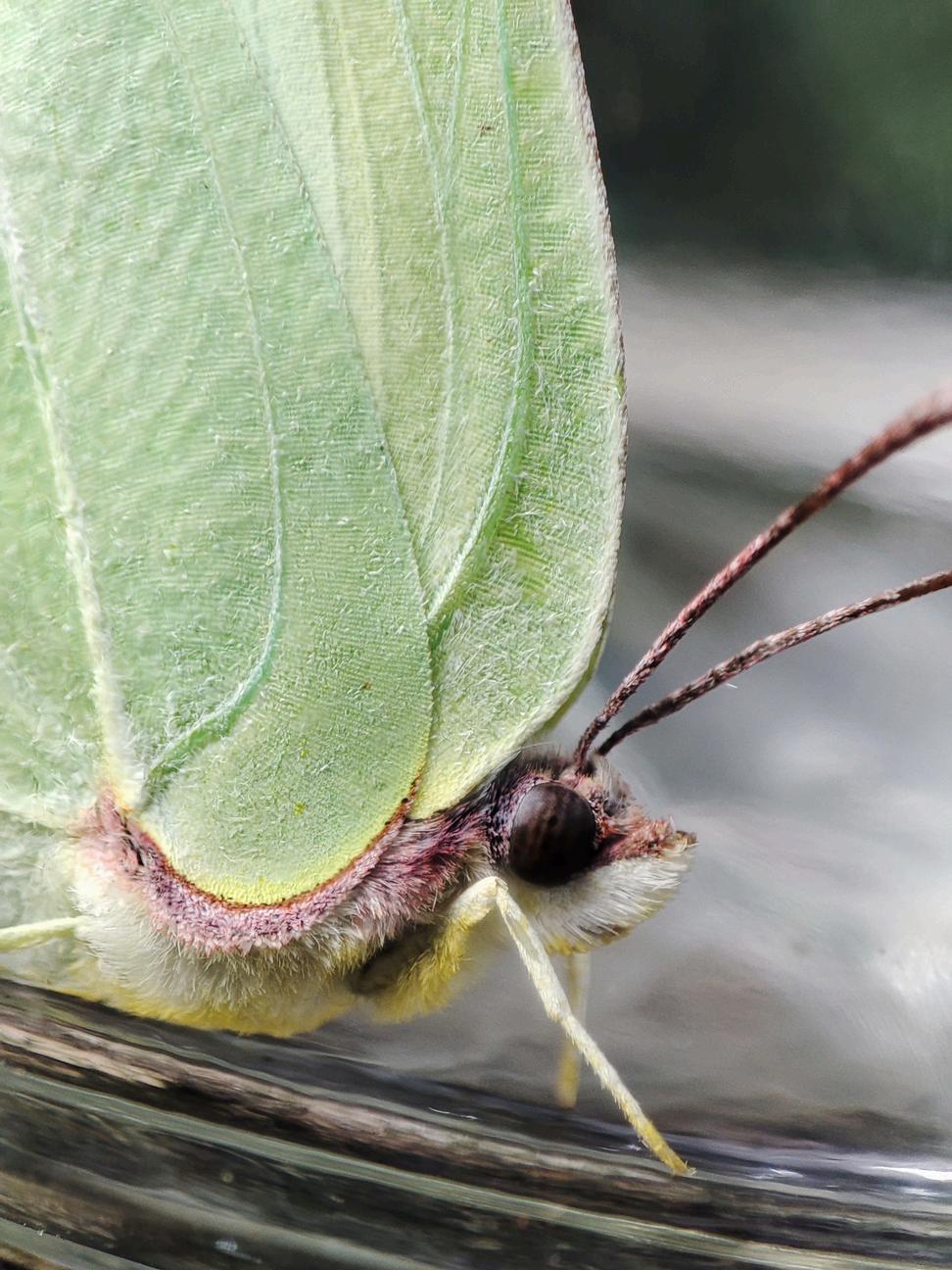
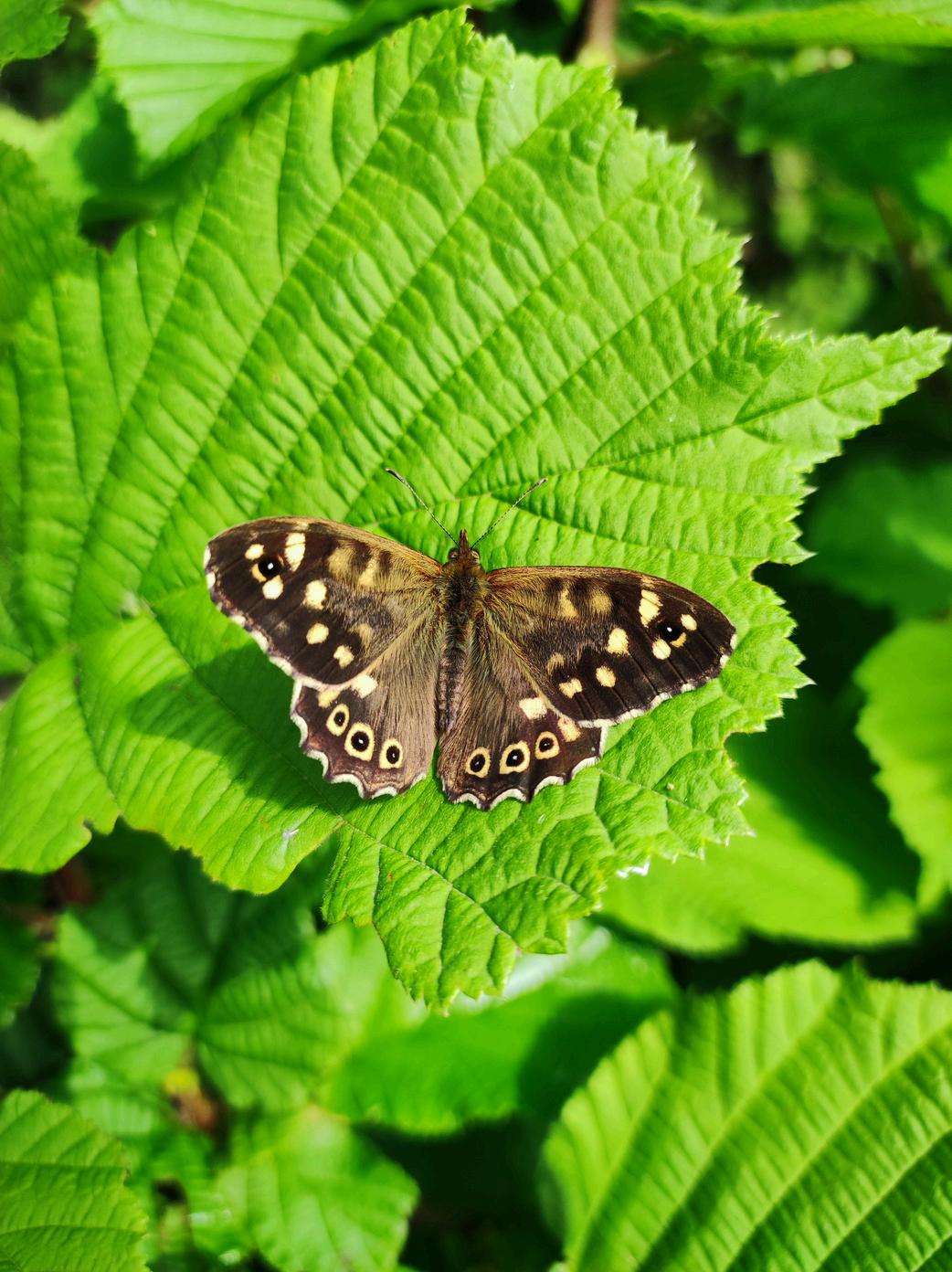
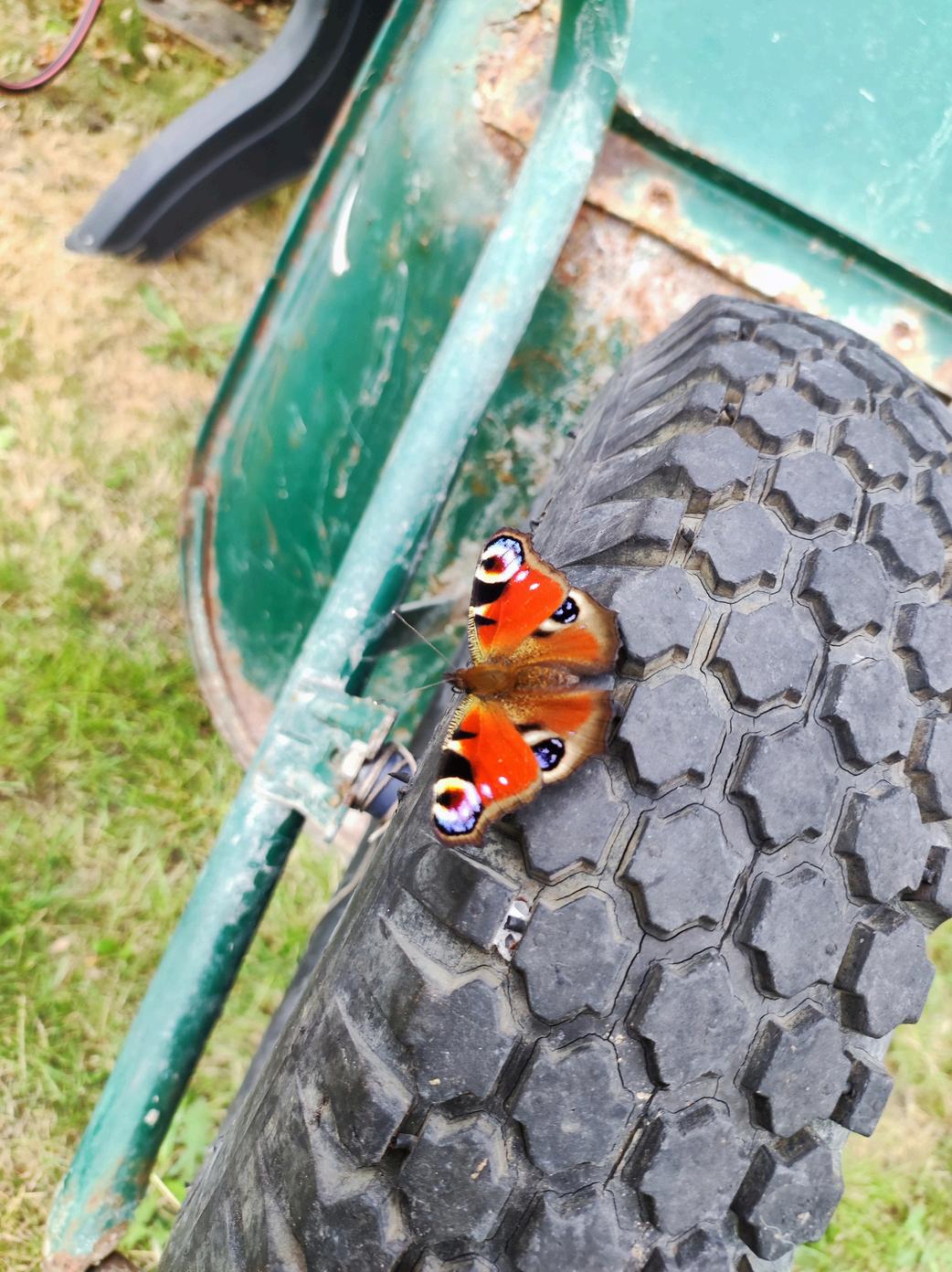
Butterflies will enjoy the sun wherever they can.

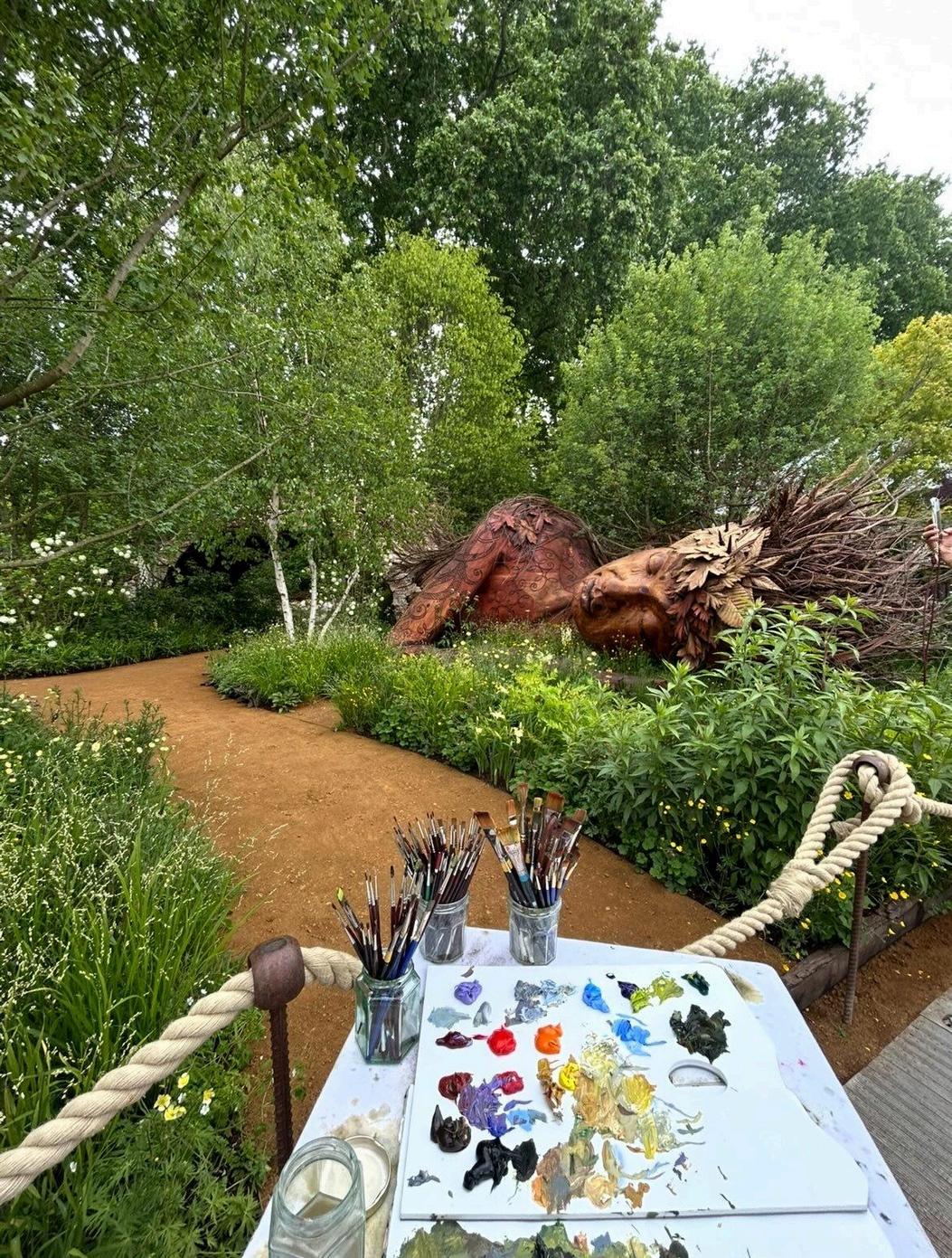

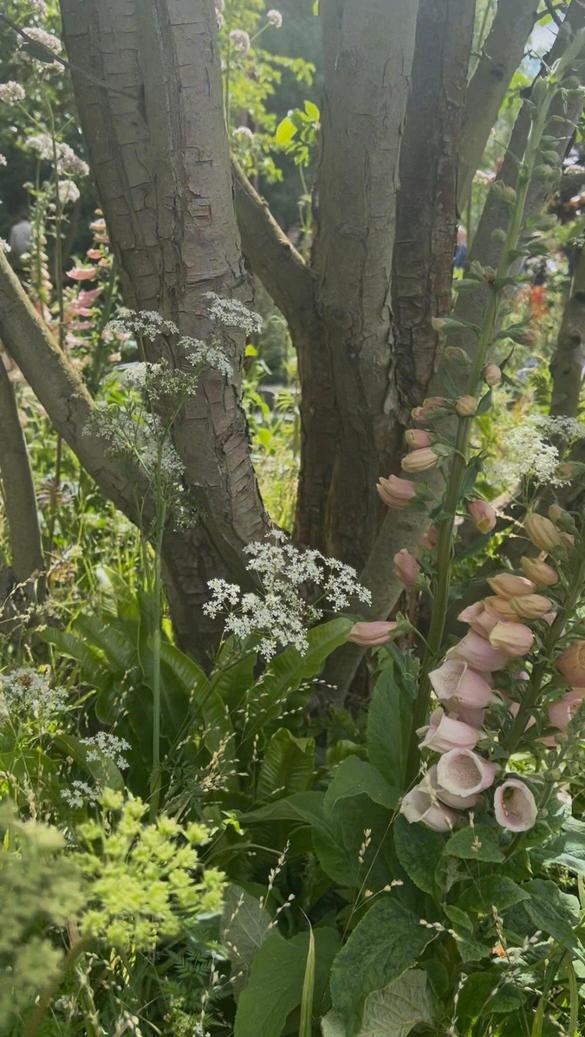
This season, the planting had diversified into a refreshing new style Gone were the rigid planting schemes and tightly-controlled colour palettes of vibrant purple and orange that dominated the show gardens of last year These were replaced by a more romantic aesthetic inspired by wildflower meadows (Buttercups (Ranunculus repens) was a favourite); and naturalistic planting The incorporation of, for want of a better definition, ‘weeds’, was evident all over the show, and a range of these typical ‘plants in the wrong place’ including cow parsley (Anthriscus sylvestris), and plantain (Plantago major) were showcased unapologetically. The over-riding effect was of gardens appearing almost to have grown rather than having been designed. Airy swathes of loose meadow drifts betrayed the true complexity of their planning by whispering ‘ we were created effortlessly’. A credit to every designer who meticulously planted to achieve a light, feathery air of perfection; one that breathed nature and calmed the senses (read as ‘calmed the overstimulated nervous system of someone who fought their way across London on the tube’) and it was mission accomplished These gardens were the epitome of peace and tranquillity
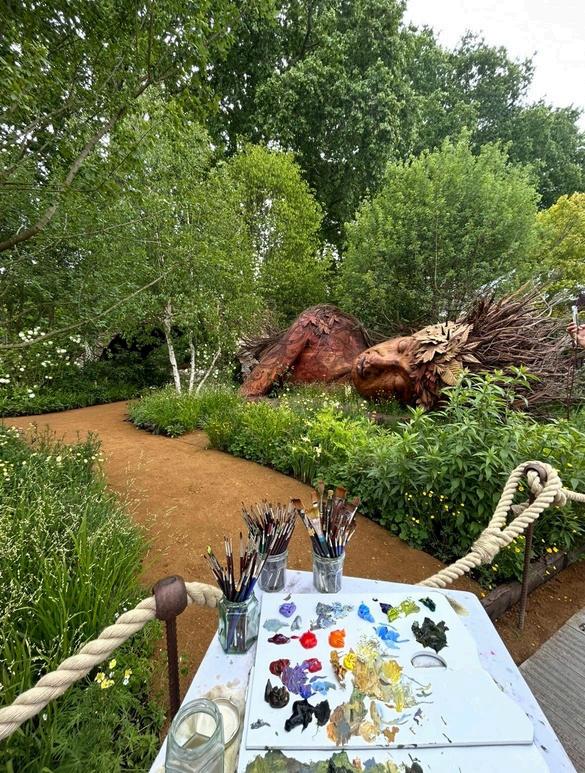
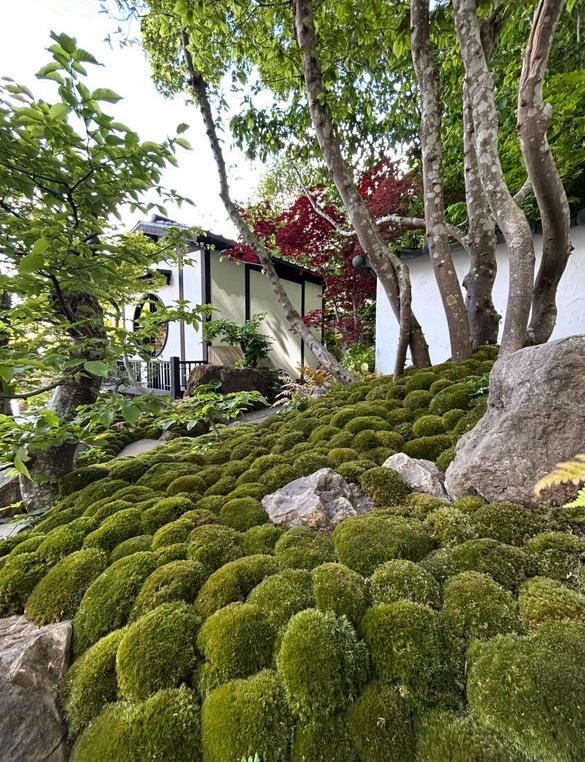
New colour combinations of pastel yellow and blue populated the palette of various areas, with buttery geums and lemon verbascums, and blue camassia with irises being favourites Sculptures in natural materials (a meticulously carved metasequoia Gaia was THE talking point of the show), a Japanese moss garden; and rustic woven willow bird houses were utilised to show sustainability
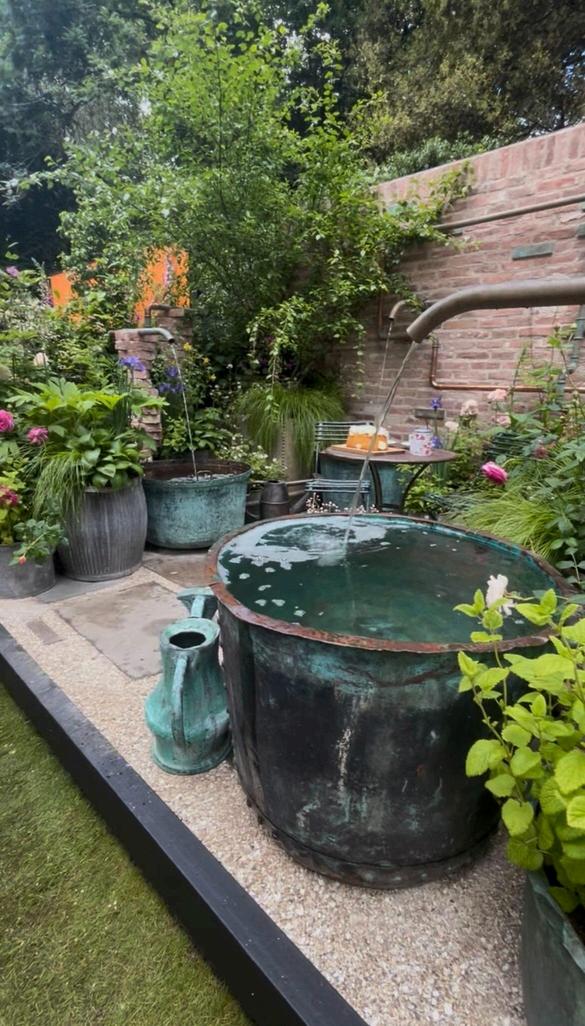
Oxidised copper featured in show gardens and on the balcony and container exhibits; its weathered turquoise finish lending an aged look to contemporary designs. Pipes were left exposed as decorative features, which fed rills, fountains and pools while reflective water features echoed the same blue-green patina. Several designers used the material sculpturally, suggesting a growing trend towards garden ornamentation that feels moody, artistic and brutally industrial. The cool metallic tones paired beautifully with the relaxed planting, reinforcing the sense that these gardens were intended to settle naturally into the landscape rather than to dominate it, and this trendy new material could potentially enjoy the run of popularity that Corten steel has commanded in recent years
By Kim O’Brien @garden.with.kim
Copper piping was visible in serveral designs.
Another striking development this year was the increasing overlap between garden design and art, including performance art Chelsea has always blurred the boundaries between horticulture and spectacle, but this year the theatrical element was more evident than ever On a balcony garden, interpretive dancers moved slowly and purposefully among the planting At the next balcony, an artist worked live at an easel, translating the surrounding blooms into sweeping brushstrokes as visitors looked on with curiosity
Along Main Avenue, a number of show gardens incorporated paintings, canvases and easels directly into the designs Some stood untouched, functioning as symbolic invitations to creativity, while others were actively being used by artists throughout the day. One garden even encouraged visitors to contribute to a communal painting; offering us the chance to add a brush stroke or two. It was an unexpectedly charming touch and one that captured the spirit of this year ’ s spectacle perfectly. A show that was participatory, expressive and revelling in championing naturalistic design and planting that felt edgier than ever before
The moss balls were so perfect
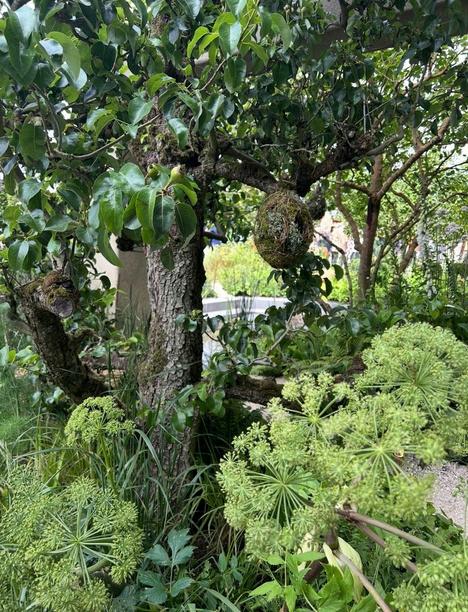
Natural bird boxes.
Liv Living Off the ing Off the Land: The Art Land: The Art of Enough of Enough
By midsummer, the garden begins to teach a different kind of lesson. Spring is hopeful, full of anticipation and plans scribbled onto seed packets and scraps of paper, but summer asks something else of you entirely. It asks whether you are paying attention.
The days are longer now, warmer, heavier with growth, and everything feels alive in a way that is almost impossible to keep up with. The courgettes become overnight giants if you dare look away for a day. Tomatoes begin blushing quietly on the vine. Herbs spill over pathways, brushing against your legs as you walk through the beds. The garden no longer feels careful or restrained. It feels abundant.
And yet, living off the land during this stage is not really about abundance at all. It is about continuation. It is about learning how to keep feeding yourself long after the excitement of the first harvest has faded Succession planting has become one of the most important parts of that for me There was a time when I thought sowing happened once in spring and that was that, but living this way teaches you to think differently As one crop finishes, another quietly takes its place Empty spaces are never really empty for long A row of lettuce harvested one week becomes beetroot or kale the next Peas are followed by autumn brassicas More herbs are sown More greens The cycle continues gently in the background without needing to announce itself
It changes the way you think about food security too You stop relying on one large harvest and begin creating steadier, smaller harvests over time. You stop thinking in extremes and begin thinking in continuity. What can feed us now? What can feed us later? What can still be growing when summer begins to fade?
That mindset alone changes everything.
I think living off the land has also made me more creative in ways I never expected. Once you begin growing closely with nature, you stop seeing plants only as something to consume You begin seeing usefulness everywhere Weeds become materials Willow becomes structure Dried grasses become texture and decoration rather than waste
It is incredibly grounding to make things with your hands from what the garden has already given you Twisting together a small summer wreath from herbs and flowers Drying seed heads to use later Weaving flexible stems together simply because they are there It feels old in the best possible way, like remembering something we were always supposed to know
And perhaps that is why this way of living feels so comforting during uncertain times. It reconnects you with capability. Not perfection. Capability.
The ability to grow food. To preserve beauty. To reuse what you already have. To make something from very little. Those things matter more than people realise.
By Tori Thomas
Succession planting is in full swing.
@torisallotment
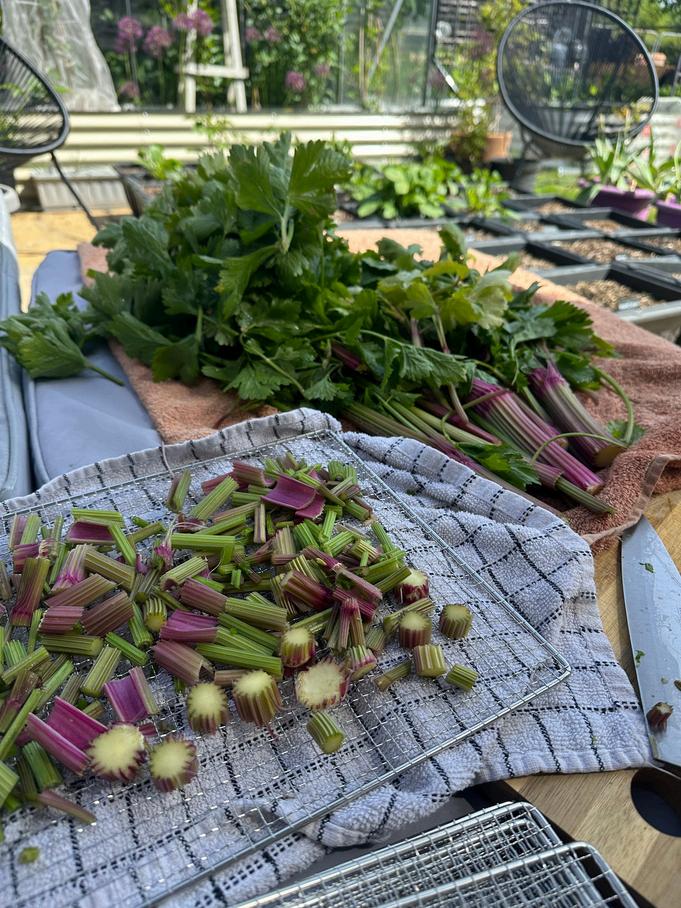
Harvest season has arrived.
Even the sensory side of the garden begins to feel important in a different way during summer Lavender warming in the afternoon sun. Mint crushed between your fingers. Tomatoes smelling green and earthy on the vine before they even ripen. The sound of bees moving lazily between flowers. Water trickling slowly into dry soil. You realise the garden is feeding more than your stomach. And in a world that feels increasingly loud, fast, and disconnected, that sensory grounding becomes its own kind of nourishment.
Water, especially now, feels precious in a way it perhaps did not before. Summers are hotter. Dry spells linger longer. Living off the land makes you acutely aware of resources because you begin to witness their absence firsthand You start watering differently Earlier in the morning Later in the evening Mulching heavily to protect the soil Reusing water where you can Letting the garden teach you restraint rather than excess
I have found that the more connected you become to growing your own food, the harder it becomes to waste anything Water included And strangely, that awareness does not feel restrictive It feels grounding It feels like participation rather than consumption It is beautiful about how wild summer gardens can become when you stop trying to control them too tightly A little density creates shelter Flowers tumble between vegetables Herbs bolt and bloom for pollinators. The lines blur between productive and ornamental, and suddenly the garden feels less like a project and more like an ecosystem quietly supporting itself. That shift changed the way I garden entirely. P
I used to think productivity meant neat rows and perfect spacing, but now I think it looks more like resilience. Diversity. Plants supporting one another naturally. A space that feels alive rather than managed within an inch of itself.
Living off the land has taught me that there is a difference between owning a garden and belonging to one. And by summer, when everything is growing faster than you can fully keep up with, you begin to understand that more clearly than ever.
Because this way of living is not really about self-sufficiency in the rugged, isolated sense people often imagine It is about relationship With the soil With the seasons With your own ability to adapt
It is about learning that enough does not have to look extravagant to feel deeply abundant
And perhaps that is the real art of living off the land
Not having everything
Just learning how to make the most of what is already growing around you.
So keep going and you will have plenty of success!
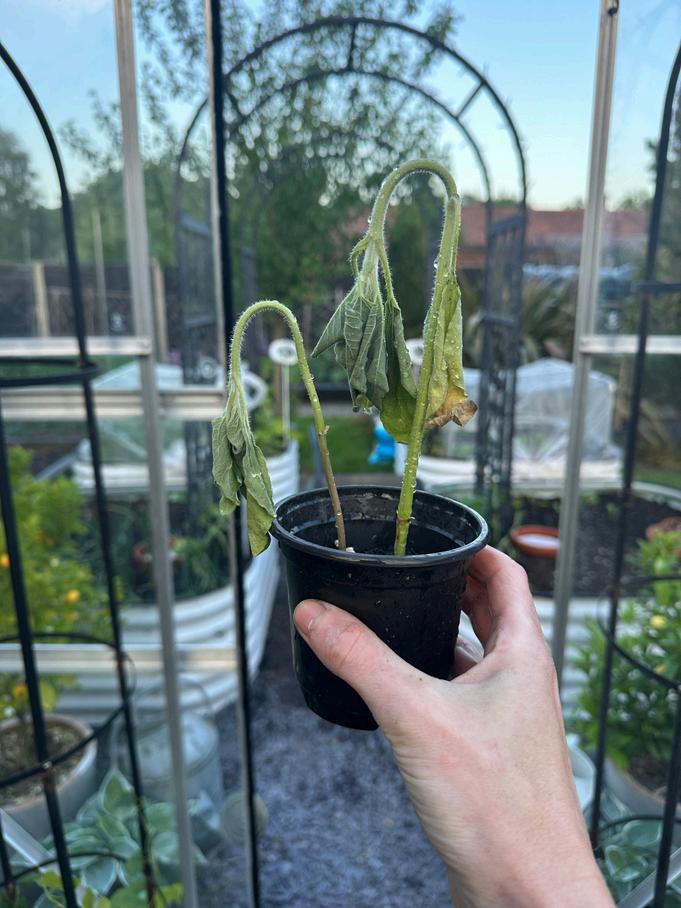
Even the most experienced gardneners will have plant losses.
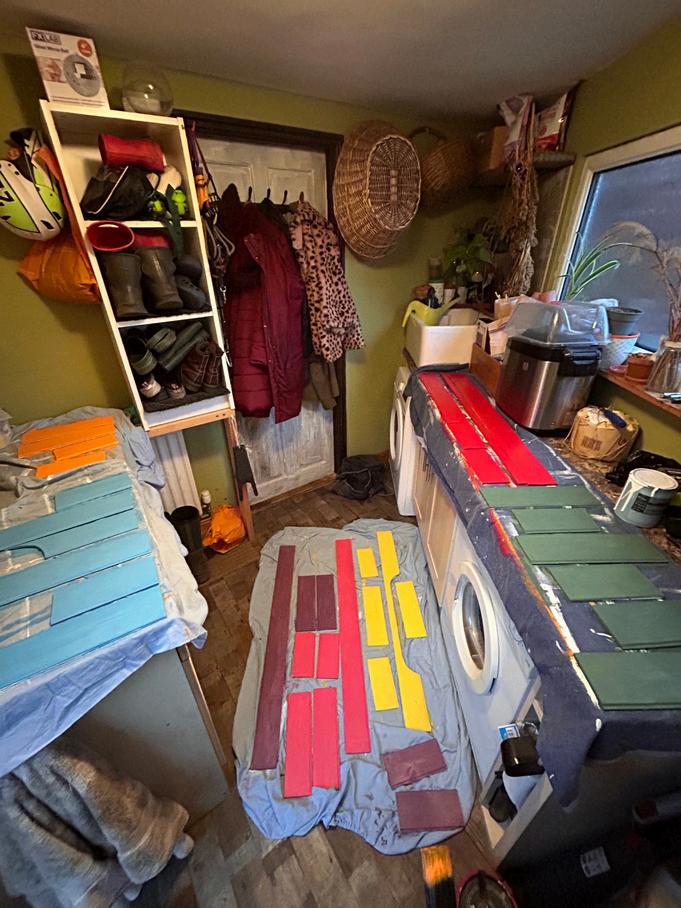
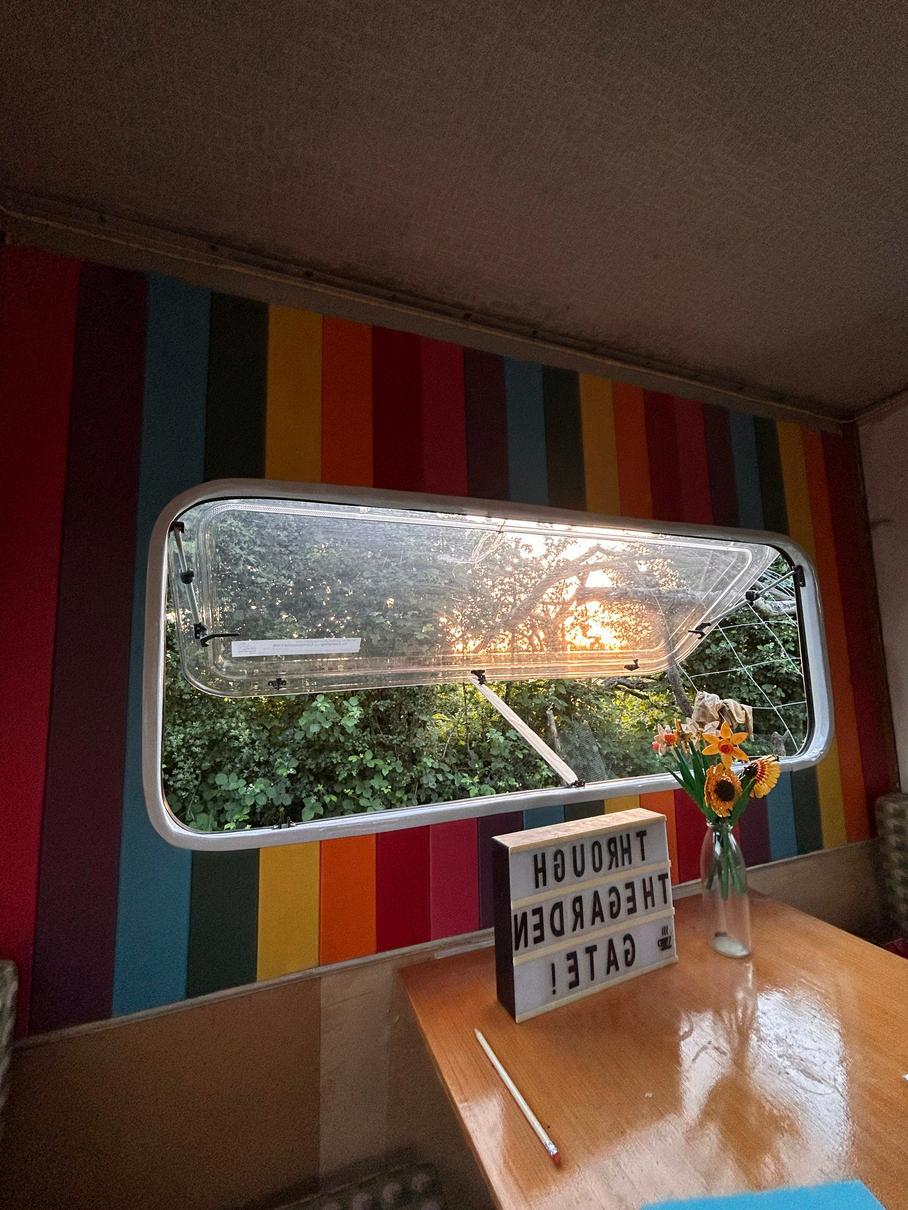
The other walls we are in the process of painting orange We wanted the space to be bright, colourful and uplifting It already feels like such a different space in the month that we have been working on it
By Marc Ridpath
@gardeneriddler
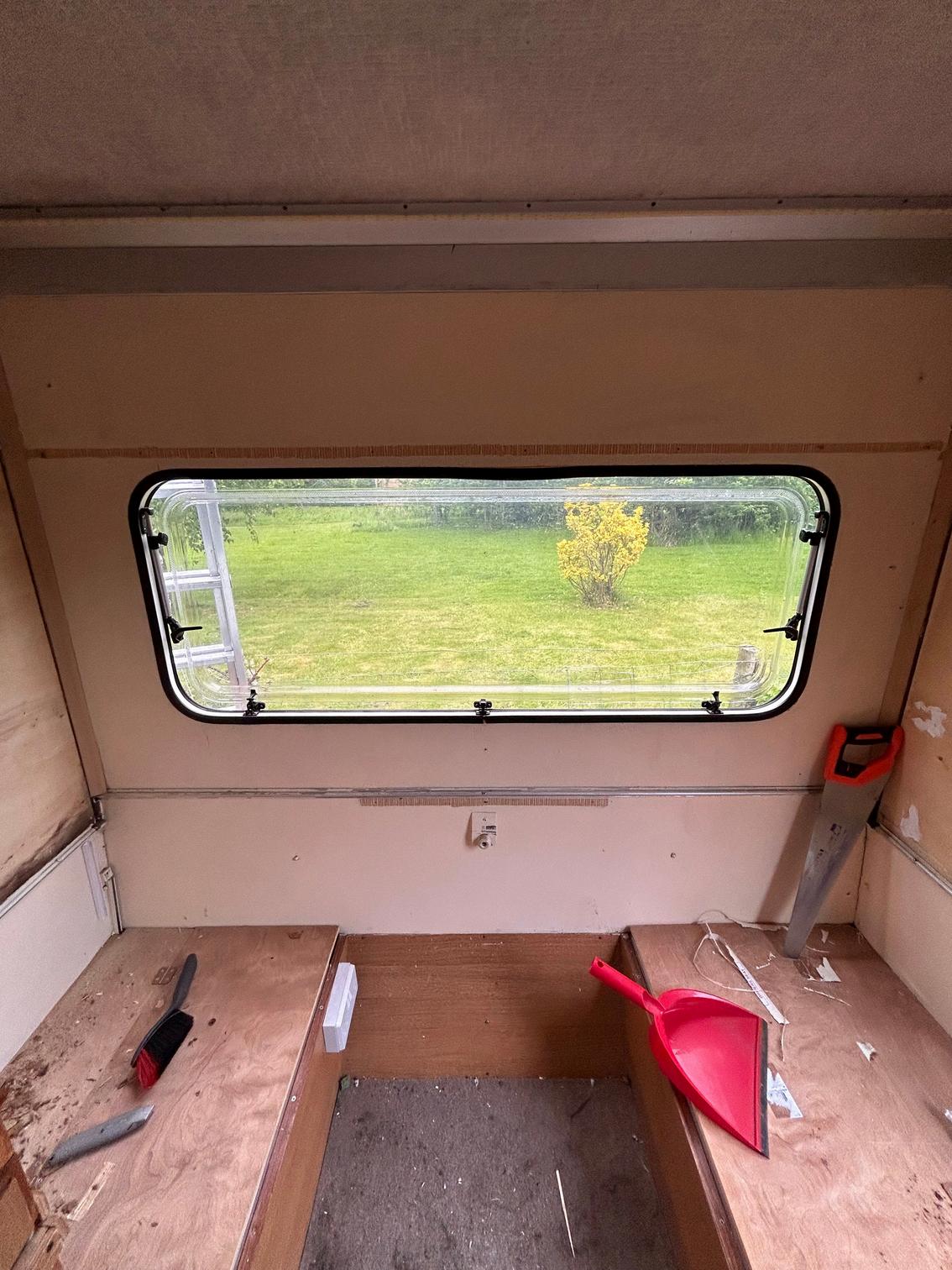
Our next project is to try to transform the space outside the caravan where we are planning to have an eating area and lots of mixed planting with both vegetables and ornamentals I also want to brighten up the outside of the caravan by possibly painting some flowers on the side, if anyone knows someone that’s good at painting send them my way
Since I last spoke to you, I have had an absolute disaster with mice eating loads of my seedling and seeds hours after sowing them. So I created a swinging bench in my polytunnel that has completely solved the problem. I used a pallet upside down and cut it in half with wood from the discarded side to line the edge to create a tray like shape. I then used a large plastic tray which retains water so that my seedlings stay damp throughout the day. I burnt the wood to protect it using the Shou Sugi Ban technique that I regularly use, which is just burning the surface of the wood to stop burrowing insects from damaging the wood.
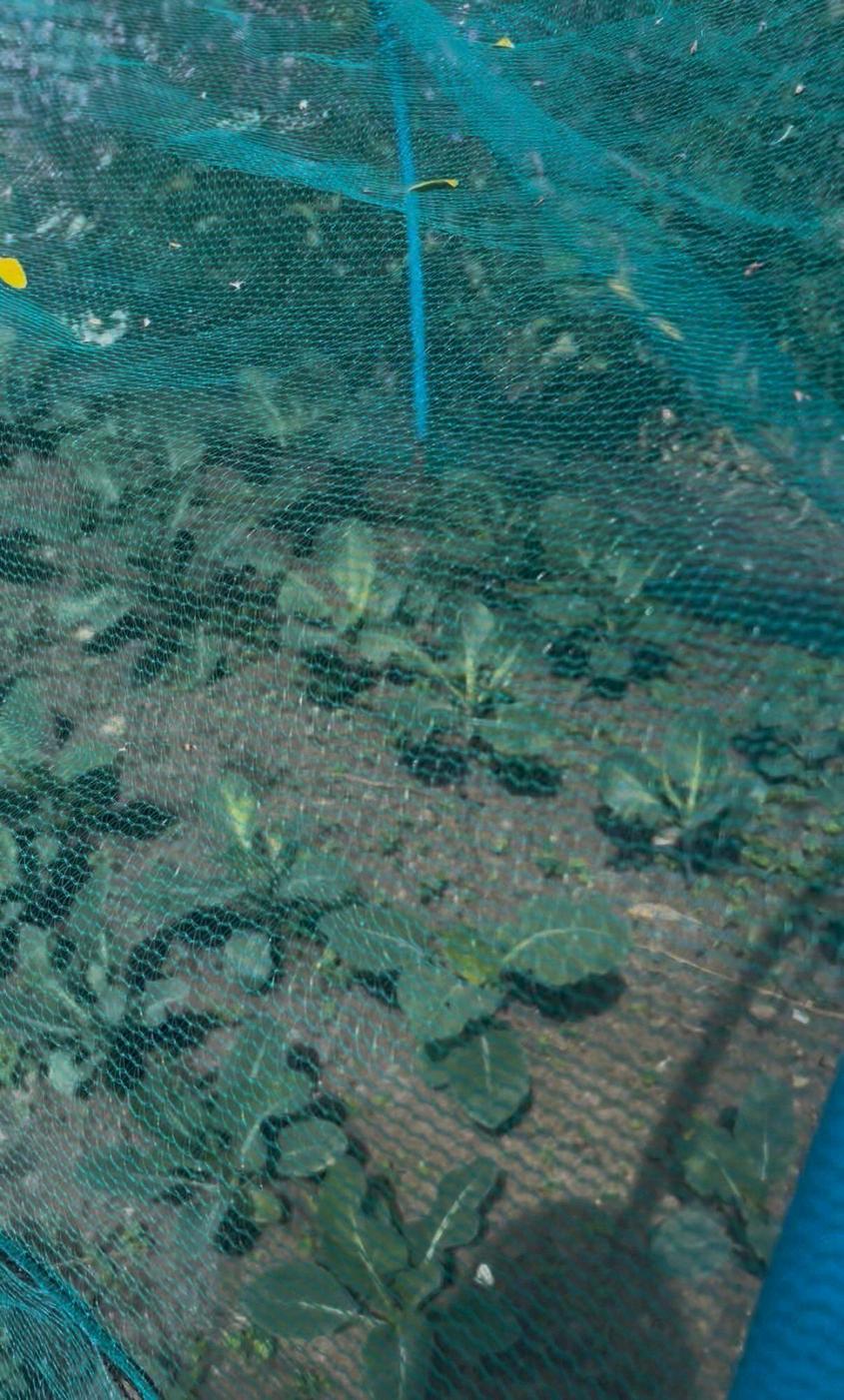
My next problem is how to stop the mice eating my plants once planted This has happened to loads of my brassicas, which I netted to avoided the butterflies and pigeons If anyone has any ideas I am all ears!
Marc has been busy creating magic the last month.
Don’t you just want to take up residence in this colourful caravan!
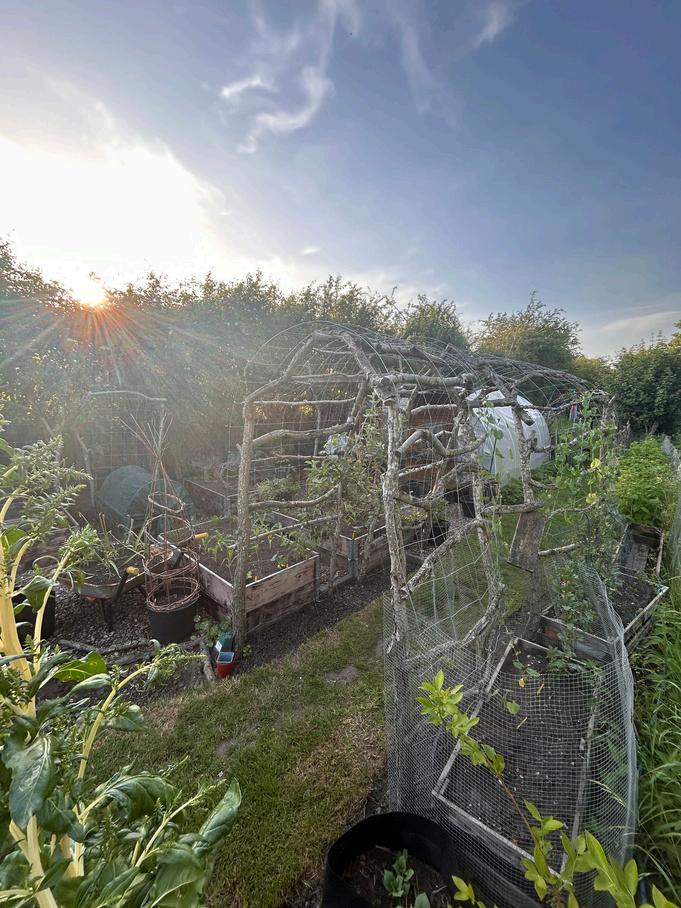
I am currently in the process of expanding the squash arch as it was such a roaring success last season I have grown over 14 varieties this year as I got very excited when ordering seeds- we ’ ve all been there! I have added a new bed using two pallet collars that I have also burnt, I just need to fill them up which I will use the Hugelkultur technique for. This is where you use larger organic material at the bottom such as branches and scrap wood, then sticks and larger material, then I put some fresh grass cuttings on top and finally a thick layer of compost at least 3 inches thick.
On the other side of the arch will be one of my viral pallet planters. Then I will make the arch using large pieces of hawthorn that I have cut from my mature hedge. Finally I will use wire stock fencing for the squash plants to climb up and be supported by. This will be my project for this weekend as the plants are desperately needing planting.
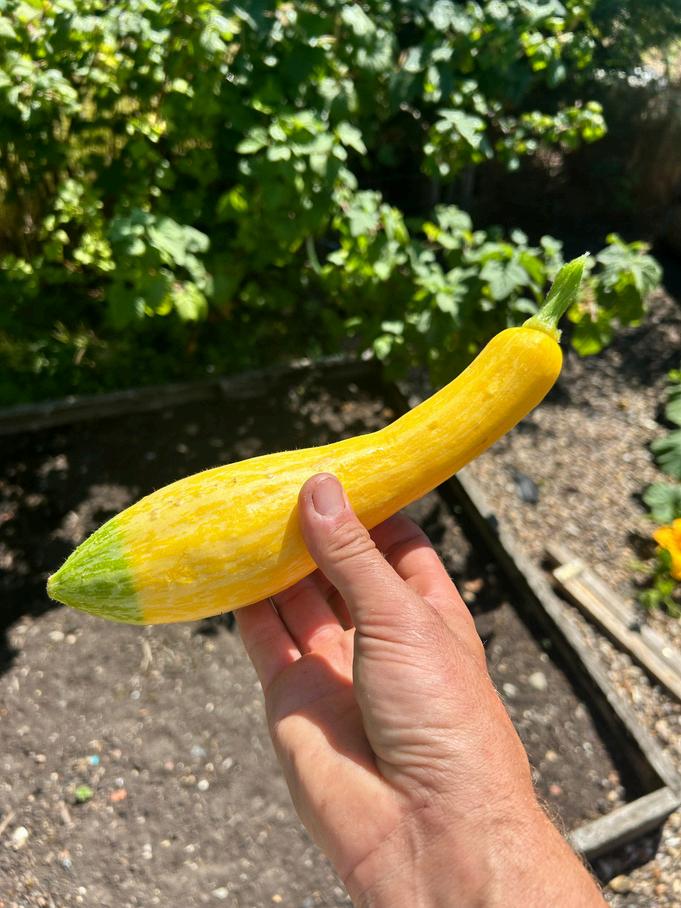
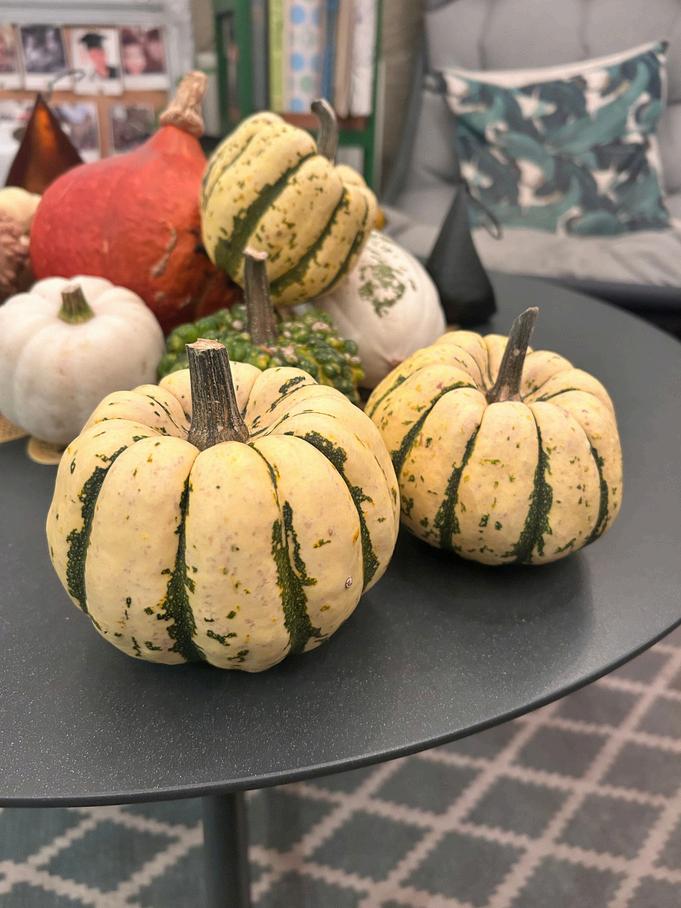
Some of the varieties that I will be planting are: Crown Prince which is a medium sized squash with bluey green skin and is absolutely delicious. Warty Mixed which are a small squash which are more for decoration but you can eat them, they dry really well If I get enough to dry I really want to create some bunting using them Zephyr is a very versatile variety that you can use as a courgette when small or you can leave it to get large then you can cure it and use it like a butternut squash The final one I’ll recommend is Sweet dumpling which is a small squash absolutely gorgeous mostly creamy white with green lines extremely tasty really vigorous so it climbs really well
Have a wonderful month everyone Get outside grow some plants and talk to people I promise you, you will feel a lift Also remember to just be in your garden; it doesn’t have to be all hard work.
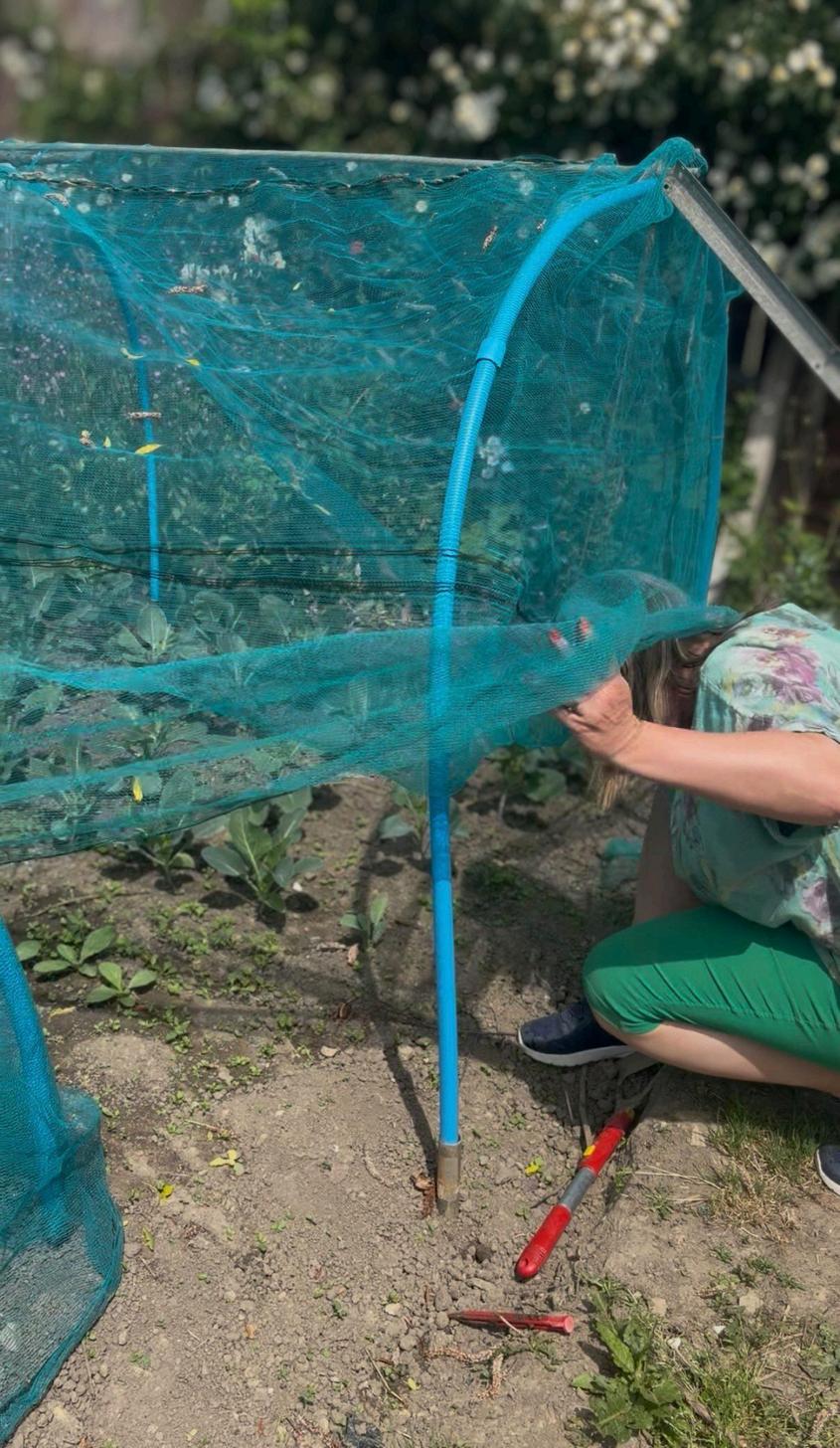
For me, the main jobs this month are simple: keep them weed‑free and keep them butterfly‑free Brassicas hate competition, and even a small carpet of weeds can slow them down. A quick weekly pass with a hoe is enough. And with the first cabbage whites already fluttering about, make sure your netting is secure, taut and fine enough to keep them out. One gap is all they need When it comes to running the hoe through my rows I often just crawl under the netting to do this rather than exponse them to the butterflies and risk trapping one in there to decimate them in my absence
Your kohl rabi needs the same weed and butterfly vigilance, but it also has one extra demand: water. In dry spells, give them a deep soak so the bulbs swell properly Without it, they can end up as a shrivelled impression of a radish rather than the crisp, juicy globes we ’ re aiming for A mulch around the base helps hold moisture if the weather turns hot.
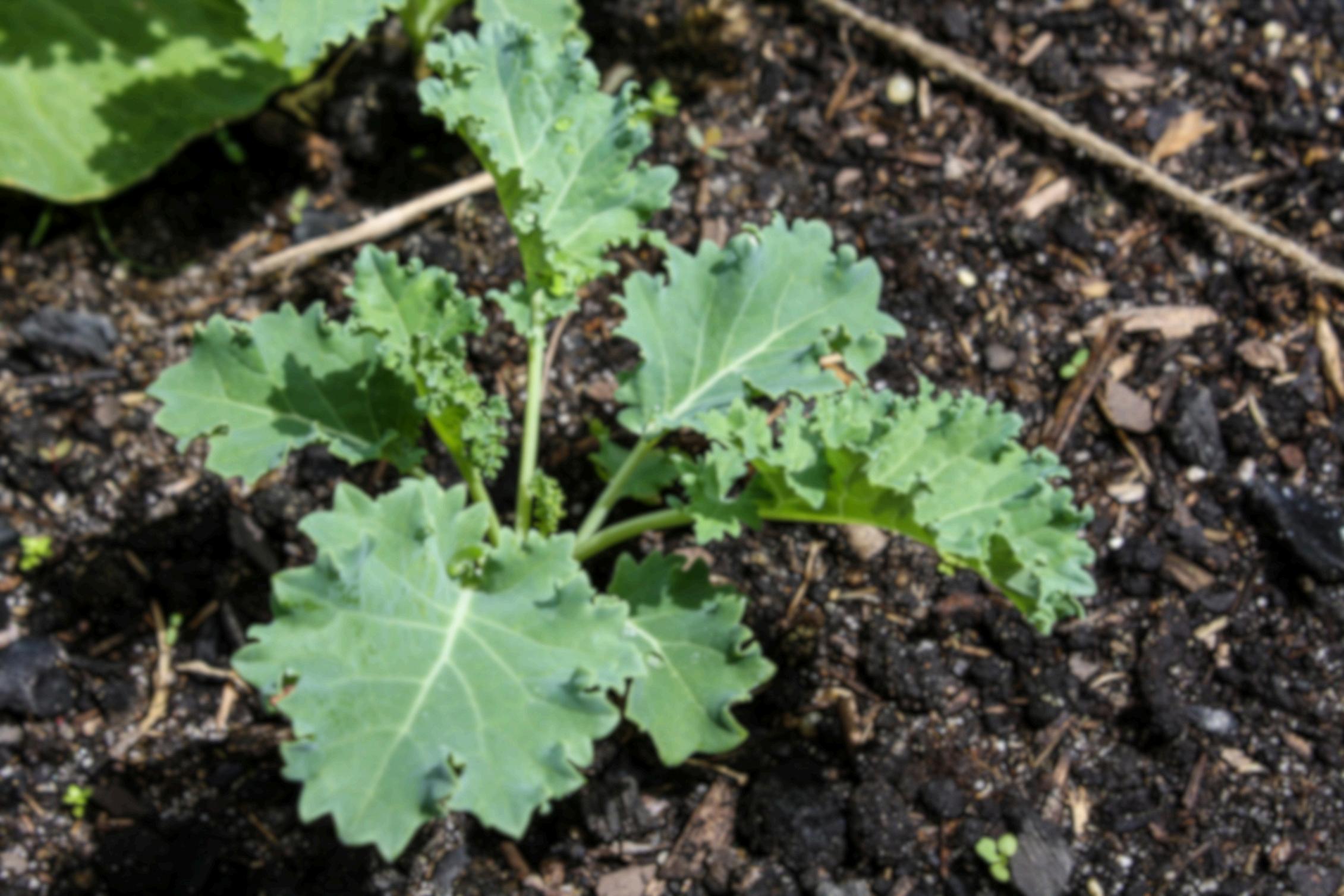
If you planted out in May, your brassicas should now be settling in and starting to put on steady growth. Keep an eye out for flea beetle on young kale and cabbages - tiny holes in the leaves are the giveaway. A bit unsightly, but plants usually grow through it once they’re bigger Consistent watering and good airflow help reduce stress and make them less appealing to pests.
June is also the month to check your supports and spacing. Sprouts and taller cabbages appreciate a firm heel in and a top up of soil around the base to keep them steady. If anything looks wobbly after wind or rain, firm it back in Brassicas like to feel anchored
And finally, don’t forget (if you did any direct sowing) your later sowings of kale and kohl rabi from April and May. These will carry you later into autumn with your harvests, so keep them ticking along with the same simple routine: weed, water, net, repeat. It’s not glamorous, but it’s the backbone of good brassica growing
If you ’ re itching to squeeze in one final sowing, June still gives you a couple of options Kale and kohl rabi can both be direct sown now and will crop beautifully later in summer and into autumn. You can also sow fast summer cabbages (but not the Savoys we're growing as part of the Growalong), and All Year Round and Sicilian Violet Caulis (not the de Purple from the Growalong) though they’ll stay on the smaller side.
For the rest of the brassica gang - sprouts, summer cauliflowers and winter cabbages - we ’ re past the window. Stick with the plants you already have growing and focus on keeping them weed free, watered and well netted Or, head to your local garden centre and pick up some plug plants if you really want these veg but haven't started them yet They should still have them in stock for the next few weeks
In July, things begin to pick up again as the plants shift from settling in to building real structure, and you’ll start to see which ones are powering ahead. It’s also when we get our first hints of cabbage white chaos, so next month is all about staying one step ahead while keeping growth steady and stress free.
As always, if you have any questions feel free to reach out to me direct @collieflowers.co.uk
During 2026 Collie Flowers are offering all of our readers 20% off the value of any orders if you use the code GARDENFOLKMAG at checkout
If you are sharing your gardening journey on instagram or facebook, we’d love you to tag @gardenfolkmag and @collieflowers co uk so we can follow your progress
Make sure to fit the netting securely.
By Shona Price@starof 72
Berry Bark
Greek yogurt - or any yohurt if you prefer
Rose Icing sugar - normal Icing sugar or honey can be used as an alternative sweetener
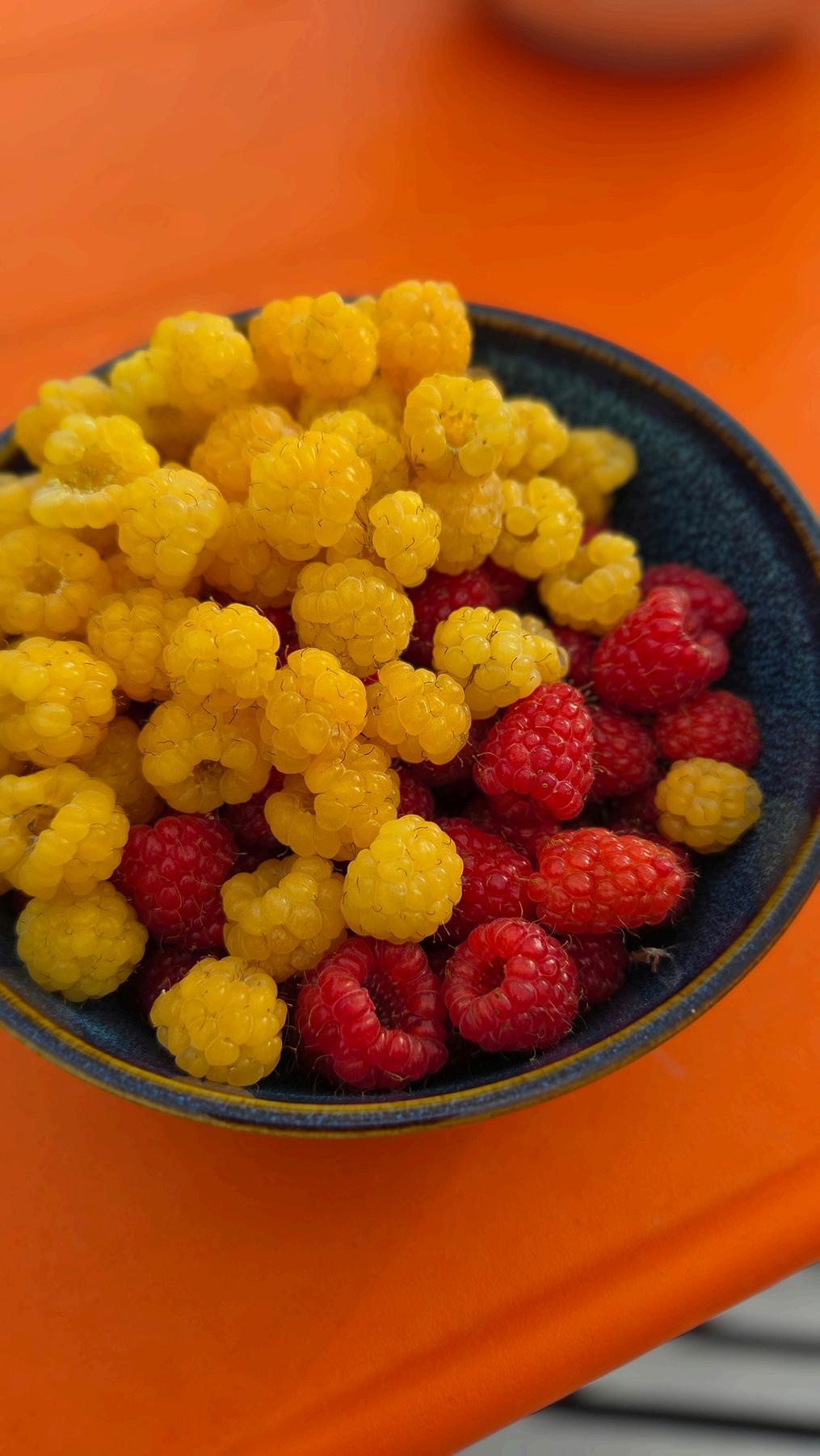
Berries - whatever you have to hand
Large bar of Dark chocolate - you can use milk or white if that's your preference
Sea salt
Coconut oil (optional)
1 Get a baking tray and lay a piece of baking paper on top.
2 Mix the Greek yogurt with whatever you're using to sweeten it. I used rose sugar which I made by dehydrating rose petals and then blitzing them into a powder with some caster sugar to make powdered rose sugar. This gives it the slight taste of Turkish delight
3 Spread the mixture into a layer on the baking sheet and top with some berries Pop this in the freezer Save some berries for the next layer
4 Break your chocolate up and melt with a teaspoon of coconut oil (this keeps the chocolate shiney) in the microwave in short bursts until melted If you aren't bothered about shiney chocolate then leave out the coconut oil
5 Get the yogurt and berries out of the freezer Pour the chocolate over the top and then add some berries and sea salt. Be quick, the semi frozen yogurt will make the chocolate set quickly. If you want you could change the topping to nuts, dessicated coconut or just have chocolate. Theres no rules with this recipe.
6 Put the tray back in the freezer for about 3 hours. Then take the tray out, break up the bar into small pieces and then pop in a bag or tub to keep in the freezer. Take out a piece whenever you fancy a sweet treat.
Top tip: If you've made a
Top tip: If you've made a thick bar, put a knife into thick bar, put a knife into boiling water to heat it, it boiling water to heat it, it will make cutting the bar will make cutting the bar up easier. up easier.
...and help us keep making the Garden Folk Mag
We appreciate all the support given to the magazine by all the Garden Folkour readers, writers, industry supporters and anyone else who cheers us on Running the magazine each month does incur financial costs though, so if you are able to contribute, either with a one off payment or by becoming a member, it would really help to keep the magazine going... and growing.
There are currently three membership tiers to choose from, all with great benefits
June is here and summer has arrived! This is the time to see the garden become abundant. The plants are growing at a fast pace and whilst seed sowing may be slowing down, the weeding, deadheading, watering and mulching will certainly keep us occupied.
Things to sow
Flowers
Cosmos
Sunflowers
Nasturtiums
Sweet Williams
Foxgloves
Night scented stocks
Wall Flowers
Coreopsis
Whether the weather be sunny or not, get out into the garden and let it work it’s magic.
Edibles
Rocket
Lettuce
Runner beans
French beans
Carrots
Beetroot
Kohl Rabi
Swede
Courgettes
Sweetcorn
Coriander
Come and join the @gardenfolkmag team for live garden updates throughout the month over on Instagram.
Whether you want to learn how to start a vegetable patch, discover what to plant each season, or simply enjoy lively conversations about the ups and downs of gardening life, Home Grown is the podcast that helps you grow more and grow better Click on the image to head to the latest episode
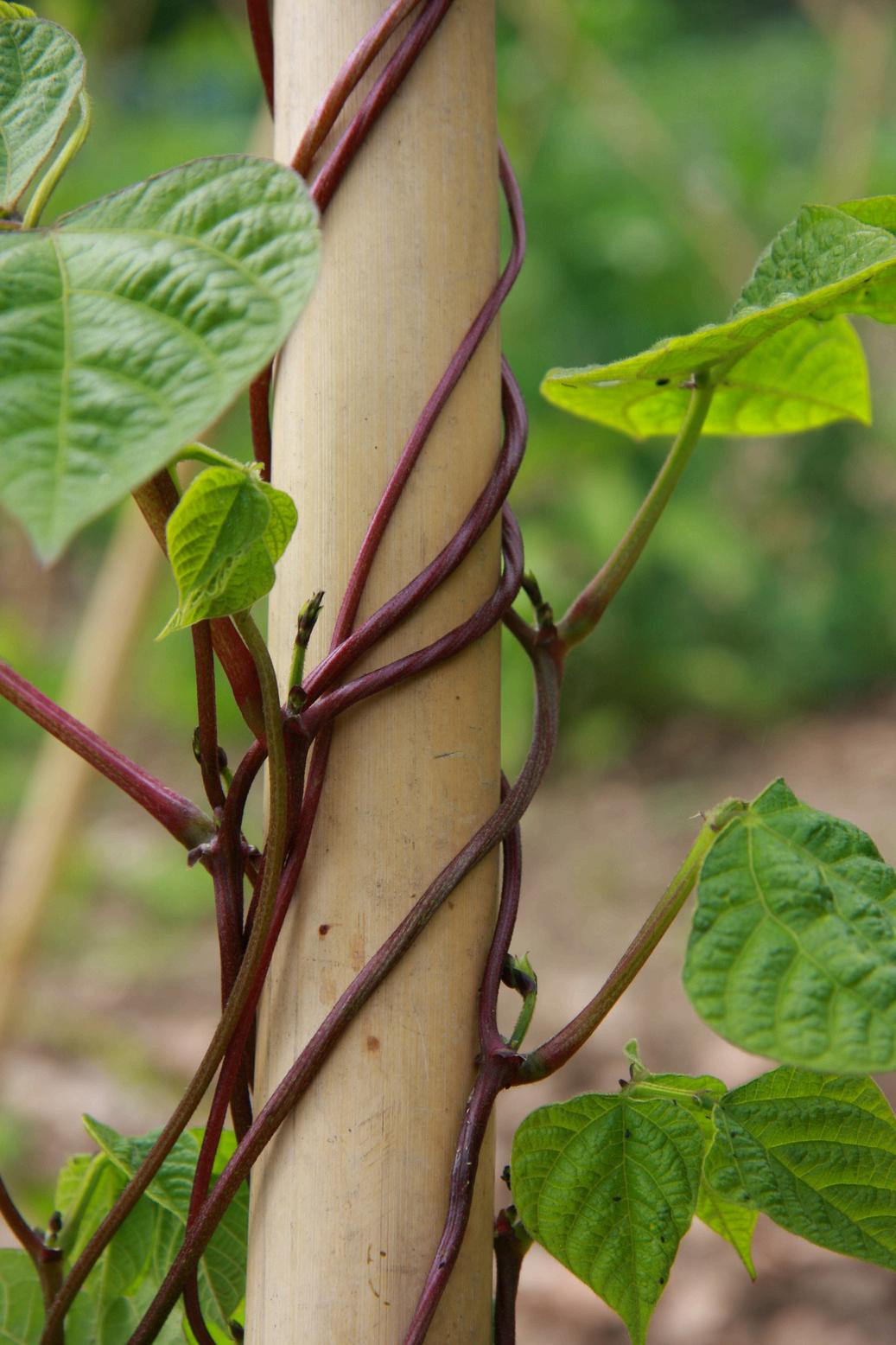
Continue to provide support to climbing and tall plants
Sow succesion crops such as beans, carrots, salads, beetroot and kohlrabi.
Direct sow some squash if you live in an area that won’t get frost till late October
Remember to water plants in pots even after rain- After rain is also a great time to feed them
Plant out on cloudy days to avoid wilting until plants establish
Pinch out tomato side growth if you are growing cordon varieties.
Harvest, eat and preserve soft fruit as it ripens Earth up potatoes
Start to prepare your soil ready for the hardier plants to be planted out
Deadhead roses and other perennial flowers to keep them producing blooms for longer
Have half an hour sat in the garden with no phone.
Keep composting your garden waste
Set the date for July 10th for the next issue