




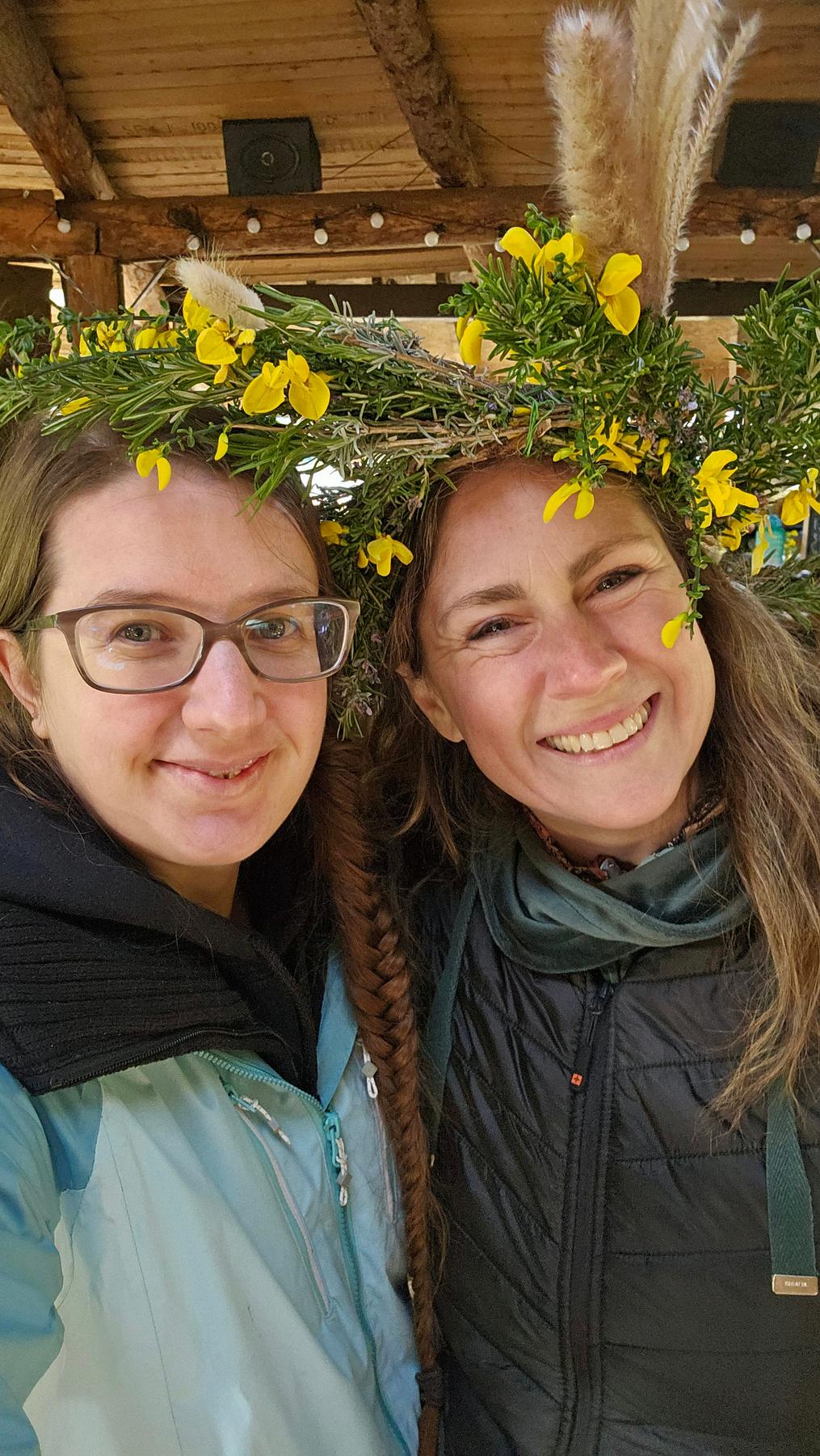
Welcome to our anniversary edition!
Three years ago we launched our first issue of Garden Folk and I think both Anjee and I can say that it has changed both our lives and those of so many of our writers and readers Watching the community bloom and our writers develop has been a real honour
I always wanted the magazine to become something that could help spread the love of gardening and inspire new growers. It has become so much more than that. We have given a platform to aspiring writers, helped spread important messages and brought people together.
I thank each and every one of you for supporting us over these past years and look forward to another year of spreading Garden Folk joy!
Ally
I never imagined when I wrote that first article for Garden Folk Mag three years ago that this amazing magazine would become such a large part of my life.
Creating Garden Folk each month with Ally (who has become such a good friend) is truly a source of pride and joy. It has introduced me to so many awesome gardeners and budding writers, taken me on some wonderful adventures, and through reading each and every article (in minute detail) I have definitely become a better and more informed gardener.
I hope we can continue to build the Garden Folk community and assist even more awesome gardeners to share their journeys through these pages
Huge thanks for all your support here’s to year 4!
Anjee x

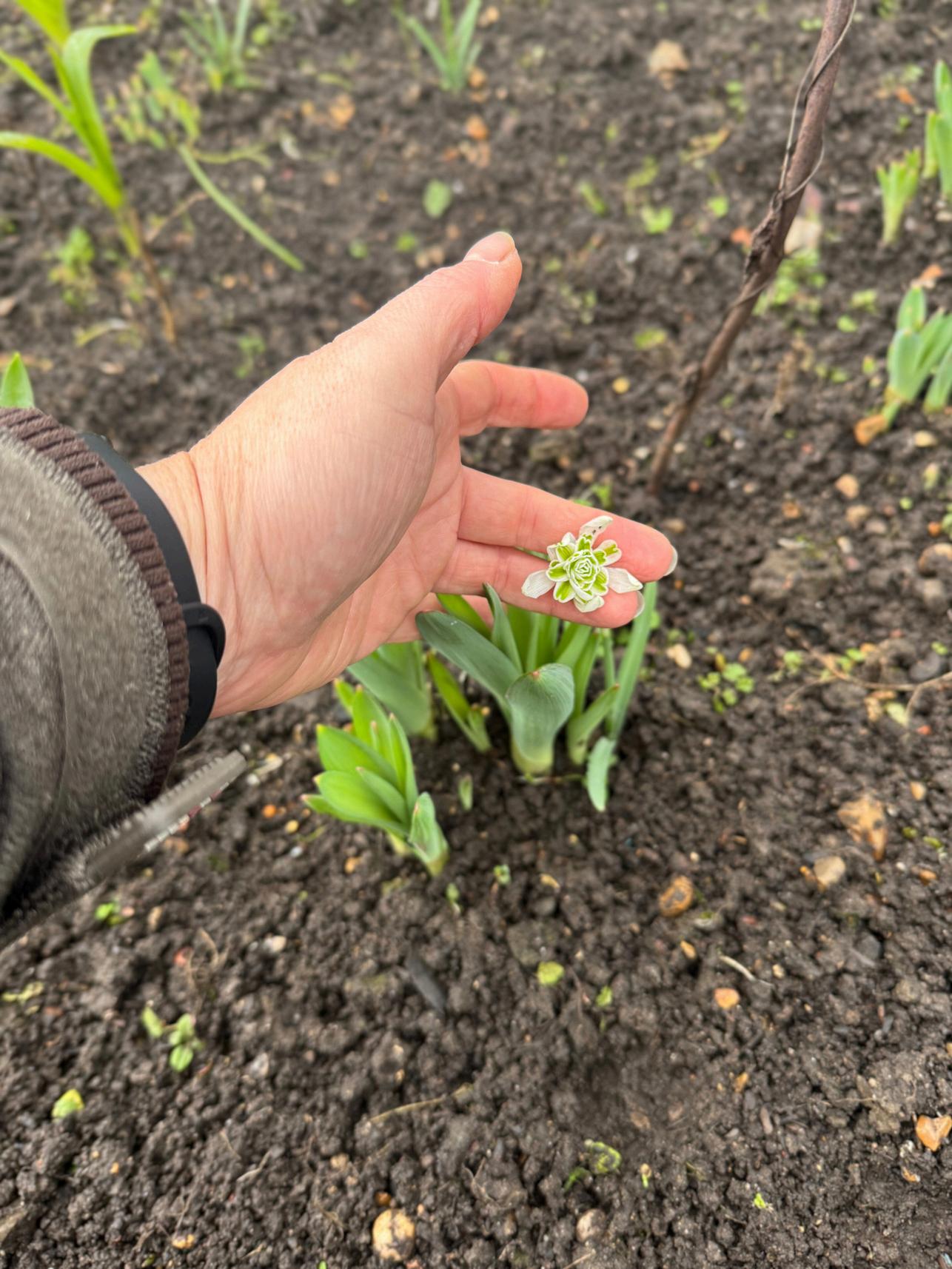
Imbolc, celebrated at the beginning of February, feels like a quiet anniversary of sorts A marker of change A turning point in the gardening year. It isn’t quite spring yet, but it carries the promise of it. For me, Imbolc isn’t just about new plants or bulbs pushing their way through the soil, it’s about potential. It’s about noticing the subtle shift in the season, and also thinking about the people who are just beginning their gardening journey. The first blooms bring all the joy of the year to come.
The signs of spring arrive softly at first Brighter mornings that feel just a little lighter than the week before More birdsong in the air Tiny buds beginning to swell on trees The earliest snowdrops appearing as if by magic, pushing through cold soil to remind us that the garden is waking up again.
After the stillness of winter, there’s a gentle change in energy. Not a rush, but a quiet stirring.
The calendar New Year has never quite felt like the right time for new beginnings for me. January often feels like a month for resting and hibernating. The garden is quiet, and in many ways, so are we. But spring is different. Spring brings light, movement and momentum. It invites us back outside, back into our growing spaces, and back into ourselves
Imbolc often marks the moment when many people begin thinking about gardening for the first time That first visit to a garden centre Buying seeds and not quite knowing where to start Trying to understand the language on plant labels hardy, perennial, annual and wondering if you ’ re getting it right
There’s excitement in those early steps, but it can feel overwhelming too
New gardeners need support and encouragement, just like new gardens do. The world of gardening can be incredibly nourishing and grounding, but when you ’ re starting out it can also feel daunting. Worrying about planting something in the wrong place. Choosing sun when it actually prefers shade. Planting bulbs at the wrong time of year.
If that’s you, welcome.
You don’t need to get it all right.
Gardening is now a core part of my life and identity, but it didn’t begin that way It grew slowly over time, through curiosity, mistakes, trying things out, and learning as I went Some plants thrived, others didn’t And that’s part of it
Because gardening isn’t about perfection It’s about paying attention It’s about showing up, season after season, and noticing what the garden is teaching you
This time of year reminds me to return to the garden with fresh eyes To feel the soil beginning to warm To notice the small signs of life returning, the buds, the birds, the earliest flowers To plan, but not rush. To nurture, rather than control.
Imbolc is a reminder that growth begins quietly.
Spring doesn’t arrive all at once. And neither do gardeners.
you like to write for

We are always looking for new writers to join the team, no experience needed and everyone is welcome.
If you have a story you would like to share or just want to try your hand at writing, get in touch and pop us an email

Get in touch
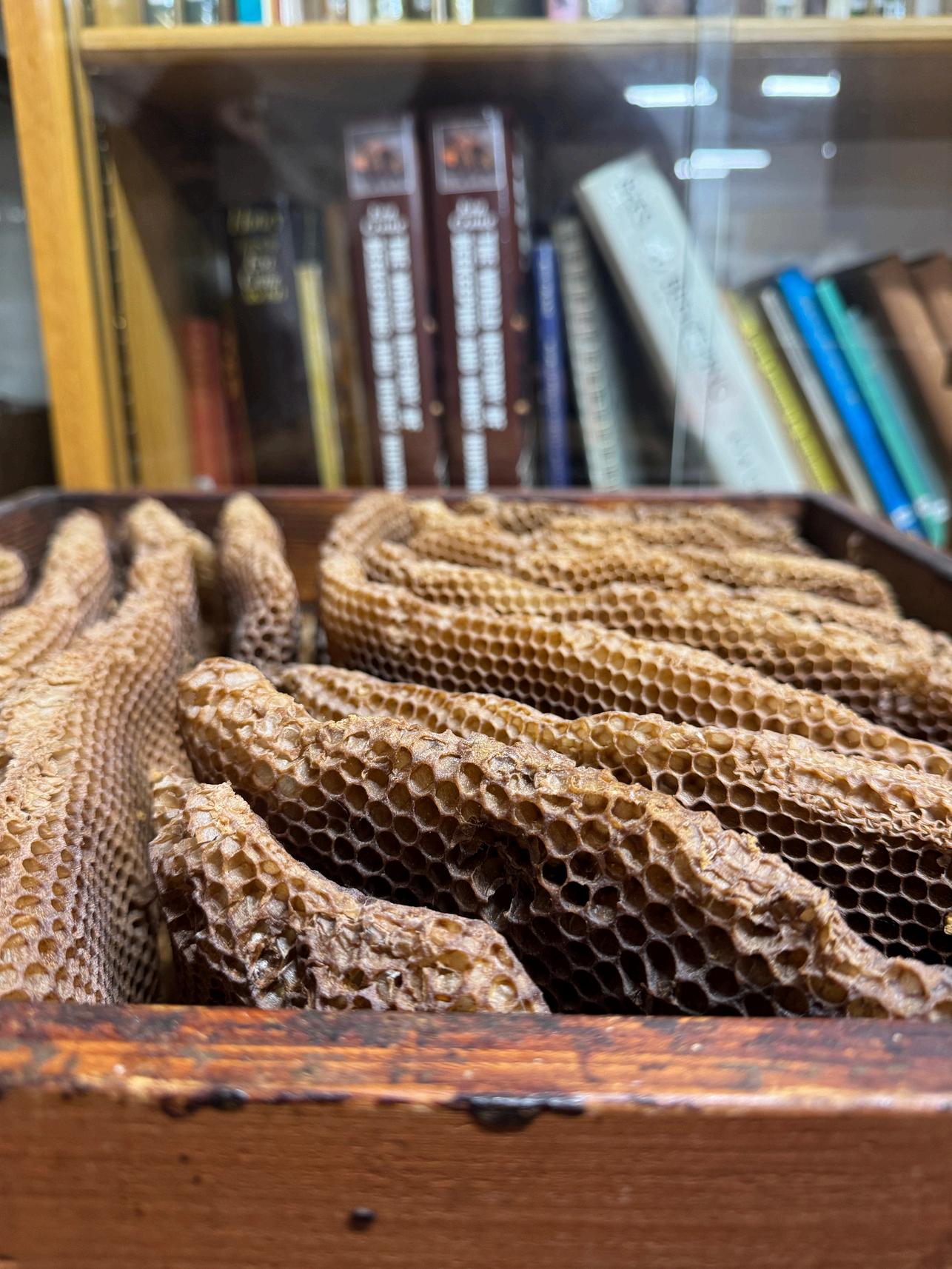


“I am very much not convinced that I want to be a beekeeper.”
By Jessie Sheffield
About 15 years ago, a lady my mum knew asked if she could put a beehive on our allotment The hive appeared buzzing for the summer but the colony didn’t make it through the winter and she gave up the whole idea shortly after It was my first introduction to the potential heartbreak of beekeeping and it’s been a pattern repeated In the deepest days of lockdown, when previously too-busy people went mad for self-sufficient ideals - 3 new sets of beehives appeared across my allotment site and the area was briefly alive with honey bees I am sad to say that in the subsequent years all (most almost immediately) failed and are now left as an empty, sad reminder that it's not an easy pastime.
Then in the spring of 2023 a guy from the local Beekeepers Association came to talk at our allotment forum about the perils of the Asian Hornet, now known as the Yellow Legged hornet - an invader species that preys on honey bees, among others, with almost inevitable obliteration of the hive targeted. More heartbreak.
This guy whose name I sadly can’t remember, had a room full of people expecting to discuss their woody waste collection issues, practically in tears His description of the bee’s plight was so impassioned and graphic we all came away a little shell shocked but it also made something glaringly obvious to me - beyond their importance as pollinators, my actual understanding of bees and how they operate was really quite limited and so here I am on this cold, wet January evening, shuffling through Twickenham towards my first night of Bee School
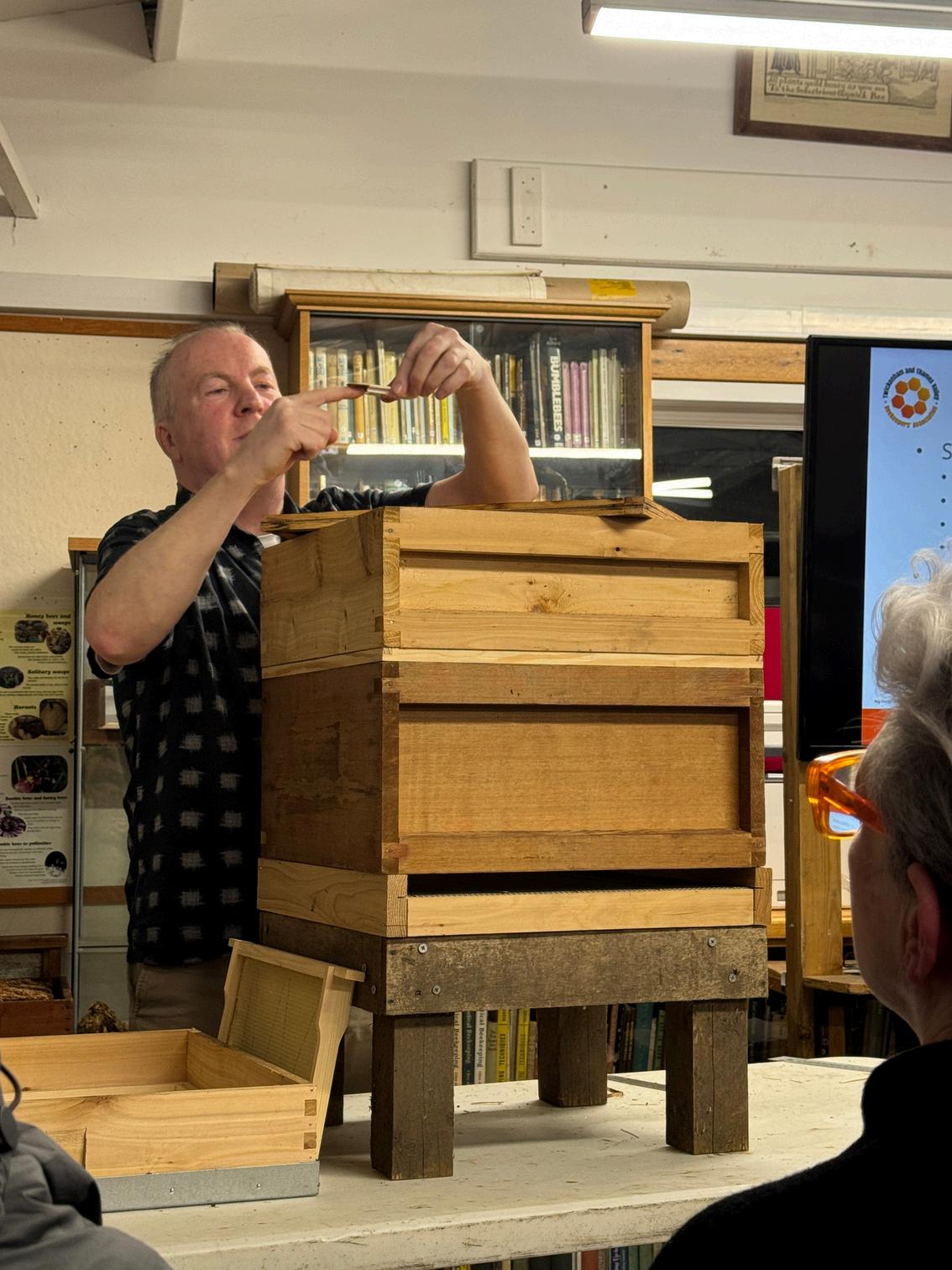
Twickenham and Thames Valley Beekeepers Association run an Introduction to Beekeeping course every year. Its a bit of a scramble to get on it, as I discovered but I'm still surprised when we (my mum is in tow) creak open the door, because of how many people are here. I later counted 40+ of us arranged in our plastic picnic chairs facing the front, keen and eager.
Ray and Warwick, respectively very Scottish and very Australian, are obviously passionate about bees and beekeeping but I am immediately impressed to find that they are not here to encourage their audience into keeping bees themselves The very fact that there are 40 or so of us crammed in here shows quite how popular the idea is but the session begins talking about the importance of all pollinators and doesn’t shy away from the legitimate and rising concern about the bloom in beekeeping and questions of competition between honey bees and solitary bees
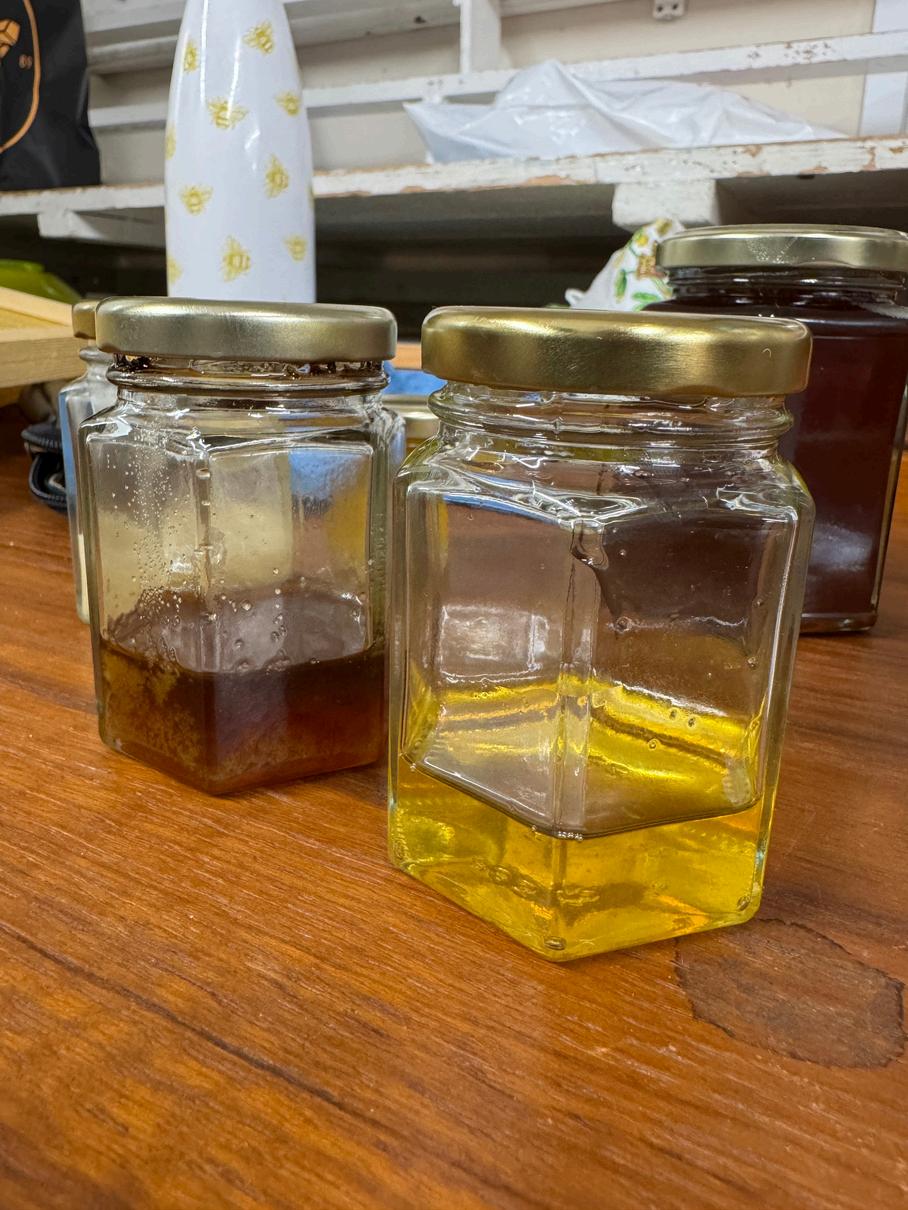
Honey (milifera melifera/ligustia) and Bumble (bombus) are the two most often thought of Bees but there are just the 2 honeybee and 26 species of bumbles in the uk in comparison to the 250+ species of solitary bee who have an equally important role. Not to mention the vast array of other insects providing the pollinator service and requiring the nectar. In a purely production sense, there is a discrepancy between how much honey we produce in the UK vs how much we consume There are some 45 thousand beekeepers in the UK but of them, only 400ish are a ‘business’ We consume 25million litres of the golden stuff each year and yet only produce 11million litres
But on the hobbyist front - London in particular, where we are, is heavily over-subscribed with honey bee hives You can catch sight of them across the rooftops of the city since their inclusion in planning permission became an easy ‘ eco ’ tick box for developers This influx is quite possibly at the cost of our other bees who traditionally have done well in a built up environment but where nectar is limited I’ve spoken to a lot of people keeping bees in the last few years. Many conversations were sparked by having a bee hive (unoccupied) on our allotment show garden at Hampton Court this past summer. And I have been surprised by the wild variation in approach… The majority seem to have done a day course and jumped straight in. One person hadn't even done that, just brought the kit. A few have done more in-depth research before taking the leap. The one thing they all have in common is that regardless of if they studied up beforehand or learnt ‘ on the job’, the fascination with bees just seems to grow the longer you ’ ve been around them I’m here this evening because I want to know more and am gratified to report that in these first 2 hours we are taken on a magical mystery tour of honeybee biology, their communications and life cycles
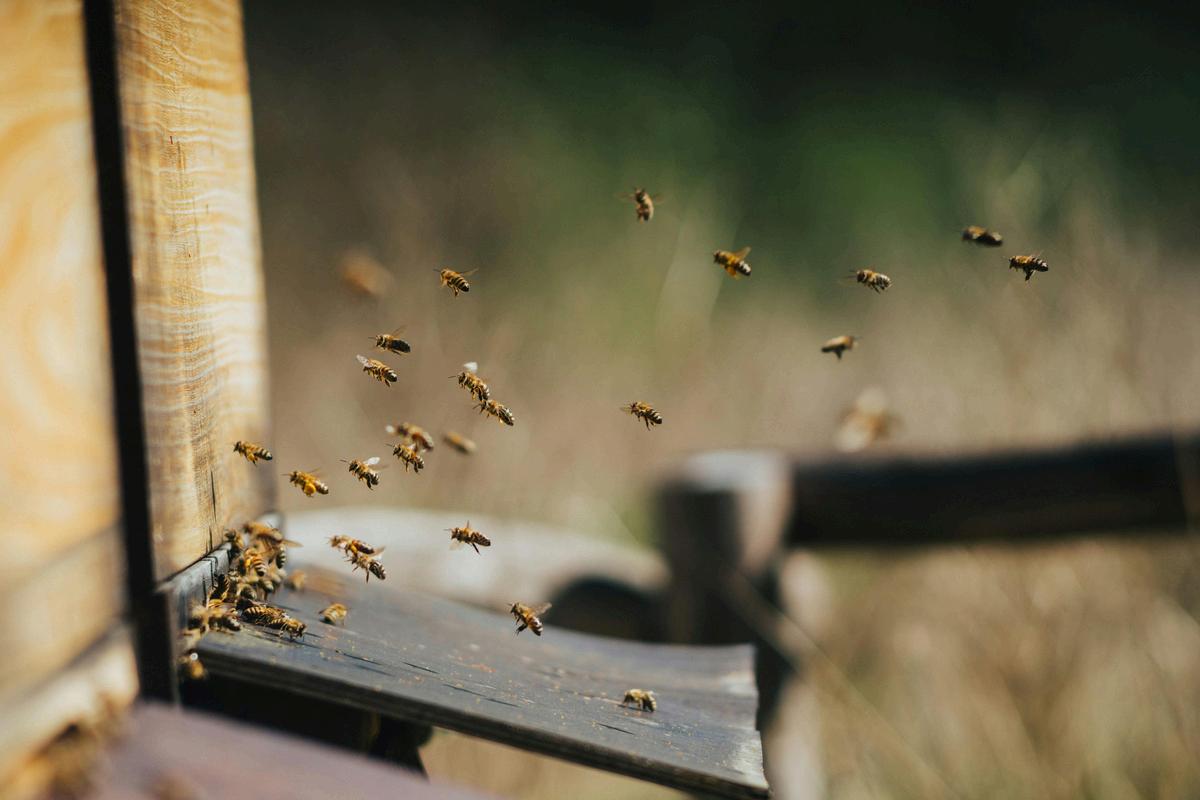
Honey bee species are the only bees that over-winter as a colony, hence the making of honey to store as winter food They operate as a Eusocial group with cooperative brood care, overlapping generations and division of labour A queen can live for between 3 and 5 years, not counting disasters The worker's life span is less certain - living for between 6 weeks (if summer) and 6 months if they are over wintering, dying of exhaustion after serving their time Duties in the hive are not divided up by role but rather by age so young bees have house duties and then when they are of an age they go out to forage and essentially fly themselves to death. Charming.
Some folk argue that a honey bee colony could be considered a Super Organism due to that division of labour. The worker bees' coordinated activities function as the muscles, organs and nervous system - mortuary bees (kidneys?), hive temperature control, environmental control, hive breathing and specialist cells and the queen ’ s pheromones regulating behavior and development much like hormones control our bodily functions
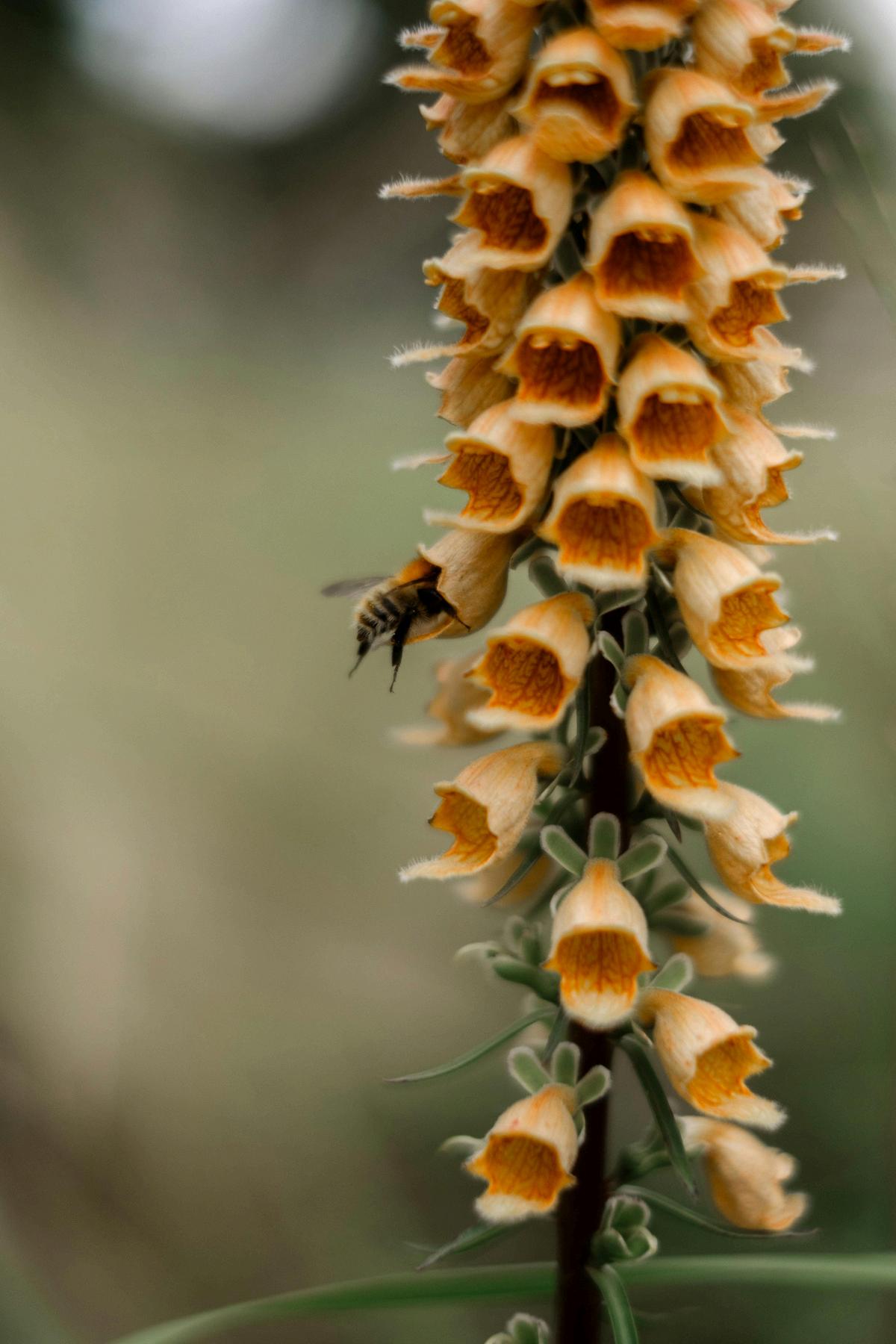
Throughout the year be on the lookout for bees in your garden.
But it's the communication in the hive that's the most fascinating Everyone's heard of the waggle dance but I didn't know that it was a direct and understandable series of moves that give distance and direction of the target It was deciphered by a man called Karl von Frisch in the early 30s by arranging sugar water targets at various points around a field Marking the scout bees that discovered each target and recording how they relayed that information. Imagine that moment when he realised the angle of the second part of the dance was the exact angle of the target from the sun's position in relation to the hive… wow!
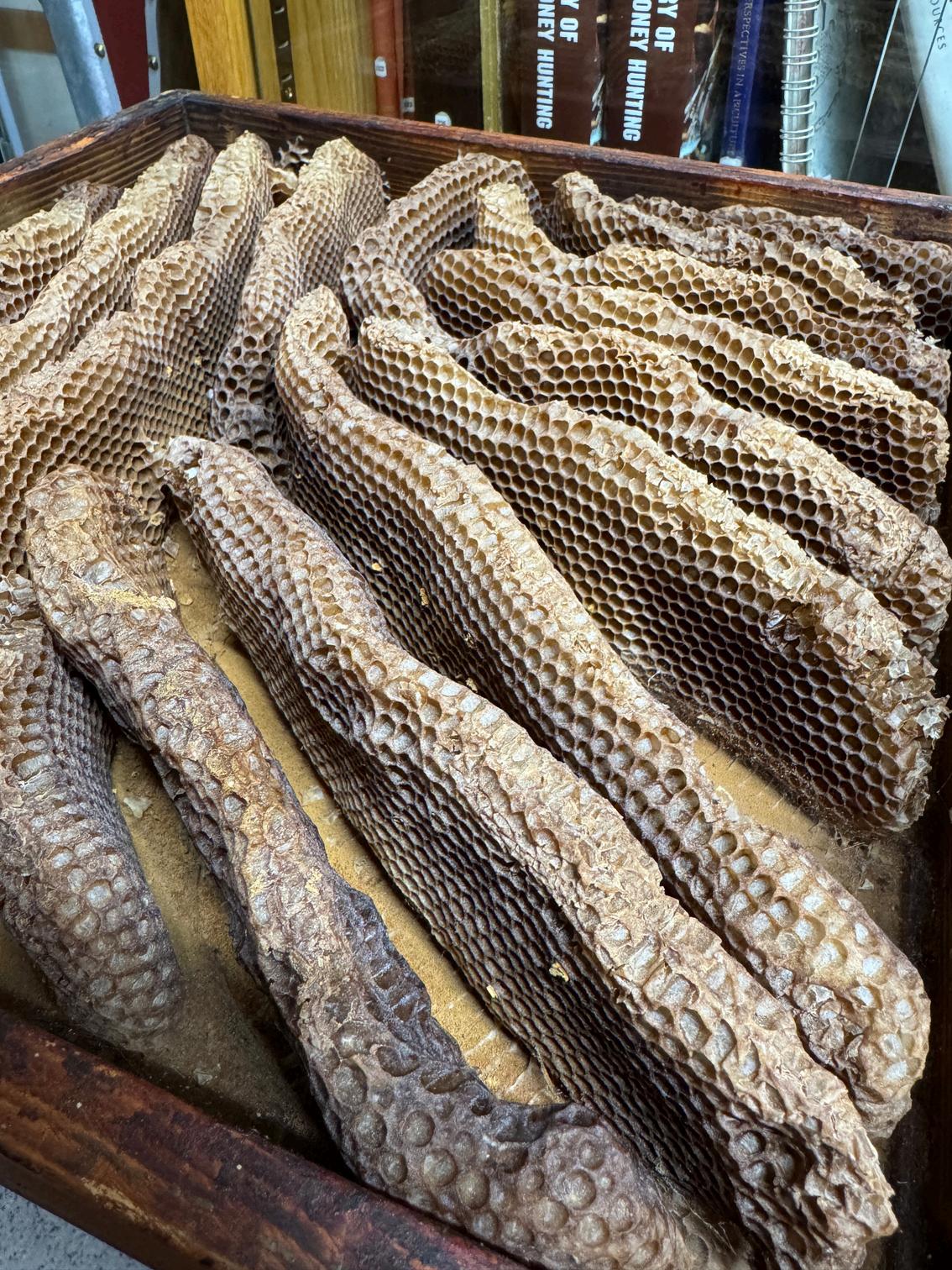
The format of these sessions is a slide show of prompts but it is very much the anecdotal information where the really interesting stuff lies. Warwick, the guy leading this session (great waggle dance demonstrator, by the way talked at length about how bees can learn and teach and how demonstrable that is when you have been around bees for a long time. Bee can work things out They can perform actions that are not naturally found in their day-to-day experience such as pulling on a string to pull a pot of nectar out from under a cloche and not only that - they can then teach that to the next bee that comes along At this point my brain wanders to the wel documented intelligence and problem solving prowess of the octopus but their downfall lies in the fact that they are generally solitary and don’t teach their offspring The octopus mother dies after her eggs hatch and they all go their separate ways, knowledge is not passed from generation to generation Each time starting from scratch imagine if that wasn’t the case If they handed that learned experience on to the next generation - I suspect humans would not be the dominant species on this earth!
A tangent, sorry..
The waggle dance, although we are ‘seeing’ it performed, in fact happens in the darkness of the hive and so the bees are not visually receiving the info… The movements are picked up by the pair of antennae at the front of the head. These are incredible receptors of all variety of information including the complex system of pheromones which are used by the queen to keep everyone on the same page and by the workers to guide others, spread information and warn of attacks.
Talking of attacks, more charming details of the bee’s life are that, as we all know, unlike wasps who live to fight another day, a bee’s barbed stingers cannot retract from our skin if they sting us and the bee will eviscerate itself trying to fly away As a kid I remember being told that a bee will only string you if absolutely necessary because they know its a suicide mission but it appears they might not actually know that They can, and do, repeatedly sting other targets like insects without gut-spilling Its only us mammals that they can't retract the barbs from leaving a complex series of glands attached that continue to pump the sting into you even as the bee is long gone The act of stinging itself releases yet more pheromones with the message ‘oi girls, fights up ’ and they will all come racing over to get a bit of the action This isn’t great if you ’ re the mammal that's just been stung…
By the time this overview introduction is done and its time to head back out I realise I know even less than I thought I did walking in. I think the next 7 weeks are going to be very interesting. The weather has sadly not improved though, so we forgo our planned glass of wine at Riccardo’s Wine Bar and head home, bamboozled with bee facts in the January drizzle.
Spring never announces itself loudly It slips in through longer evenings and soil that no longer bites back quite so sharply. When you live closely with the land, you feel the shift before you can fully see it. The beds begin to loosen. The birds start before you ’ re ready for them. There is a softness in the air that wasn’t there last week. Not warmth exactly; just readiness.
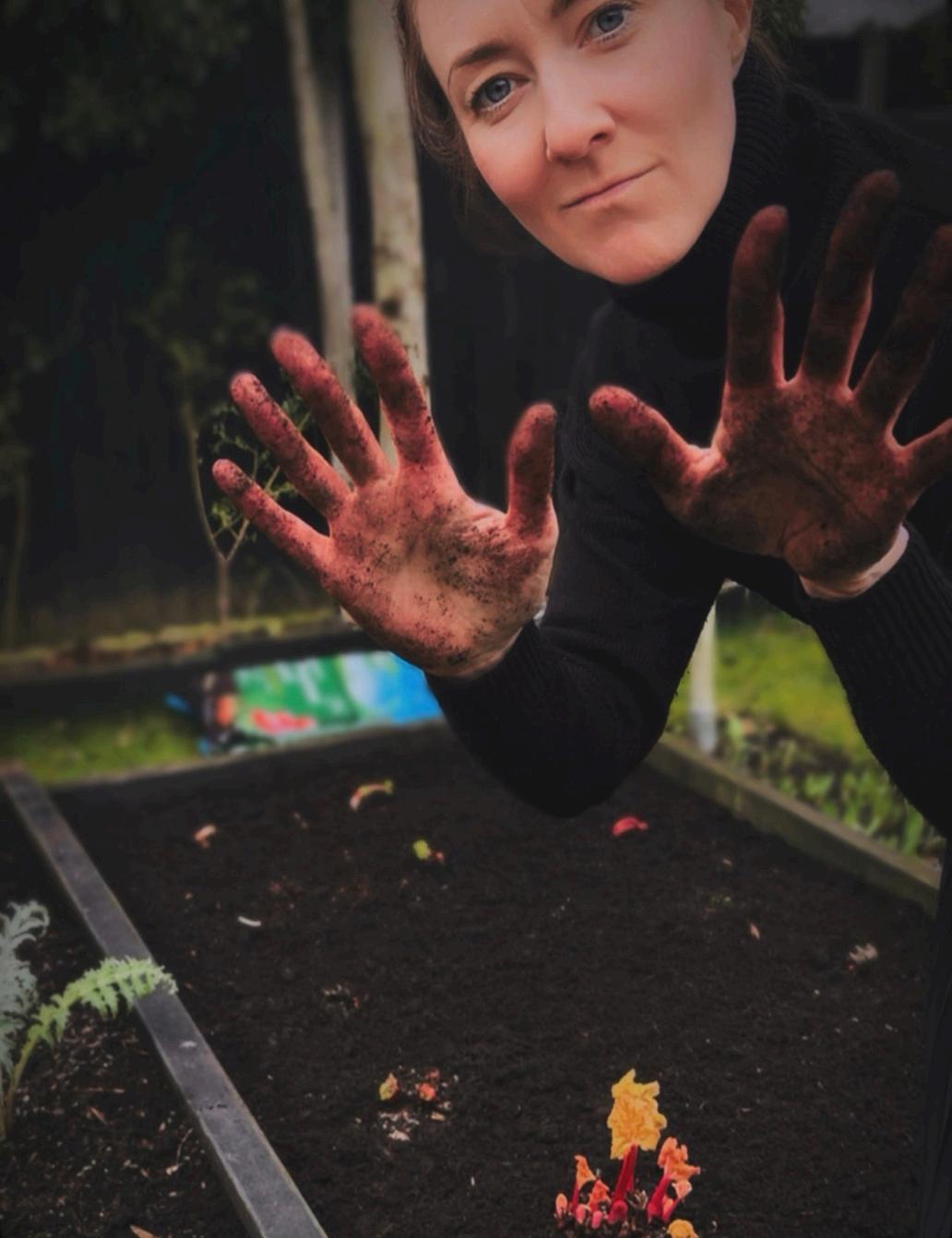
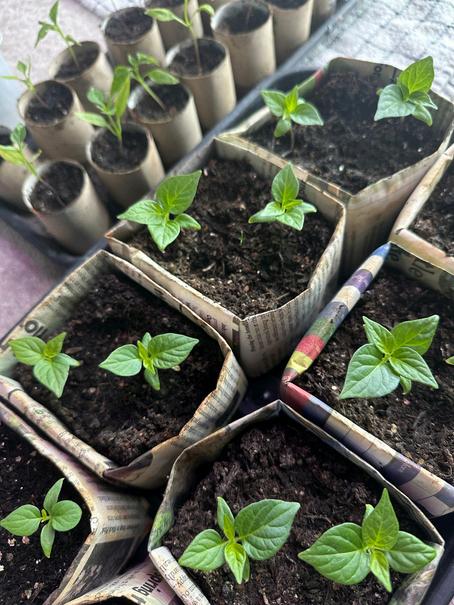
Living off the land teaches you to notice these subtleties It teaches you that seasons turn quietly, and so do people There was a time when spring meant urgency for me Trays everywhere Too many varieties Windowsills crowded with seedlings reaching desperately for light I thought more meant better If there was space, I filled it If there was a new seed catalogue, I folded pages and convinced myself I needed it all I mistook productivity for purpose
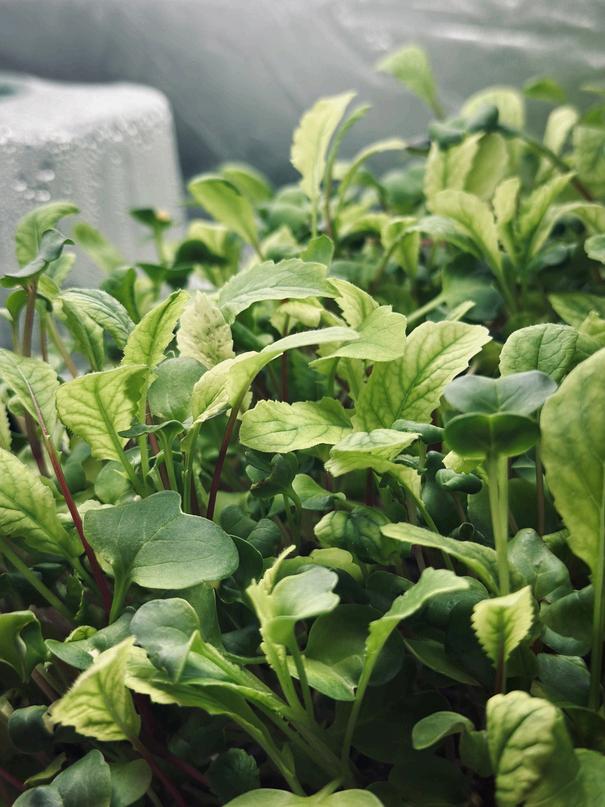
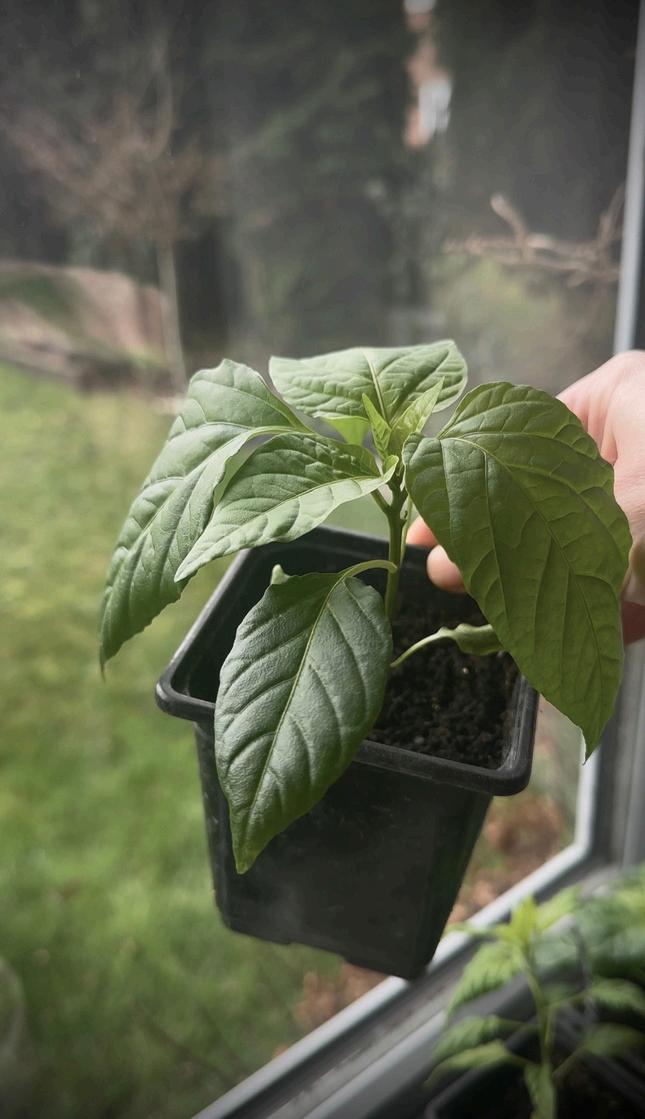
Now, spring feels different Now, I walk the beds first I wait. I press the soil between my fingers and let that tell me what’s possible. I ask what fed us well last year, what stored beautifully, what genuinely mattered in winter when fresh abundance was gone. Onions are no longer overlooked; they are foundational. Hardy greens are valued for their quiet reliability. Broad beans earn their space. Tomatoes remain; they always will; but they are chosen thoughtfully, not impulsively. Chilli and aubergines are started early not because I’m impatient, but because I finally understand that some things simply need time
Living off the land changes your relationship with time more than anything else If I think in threes, I can see the evolution clearly Three plants I once grew for novelty; three I now grow for nourishment Three mistakes that taught me more than success ever did Three truths the soil keeps repeating: observe before acting, feed the ground not just the crop, and grow what sustains rather than what impresses
Early sowing outdoors begins with restraint Hardy seeds meet cool soil when it crumbles instead of clings Broad beans settle confidently. Peas stretch upward with a kind of quiet optimism. Onion sets go in without ceremony, rows forming the backbone of future meals. There is courage in sowing into cold earth. It requires trust; in the seed, in the season, in the process you ’ ve learned to respect.
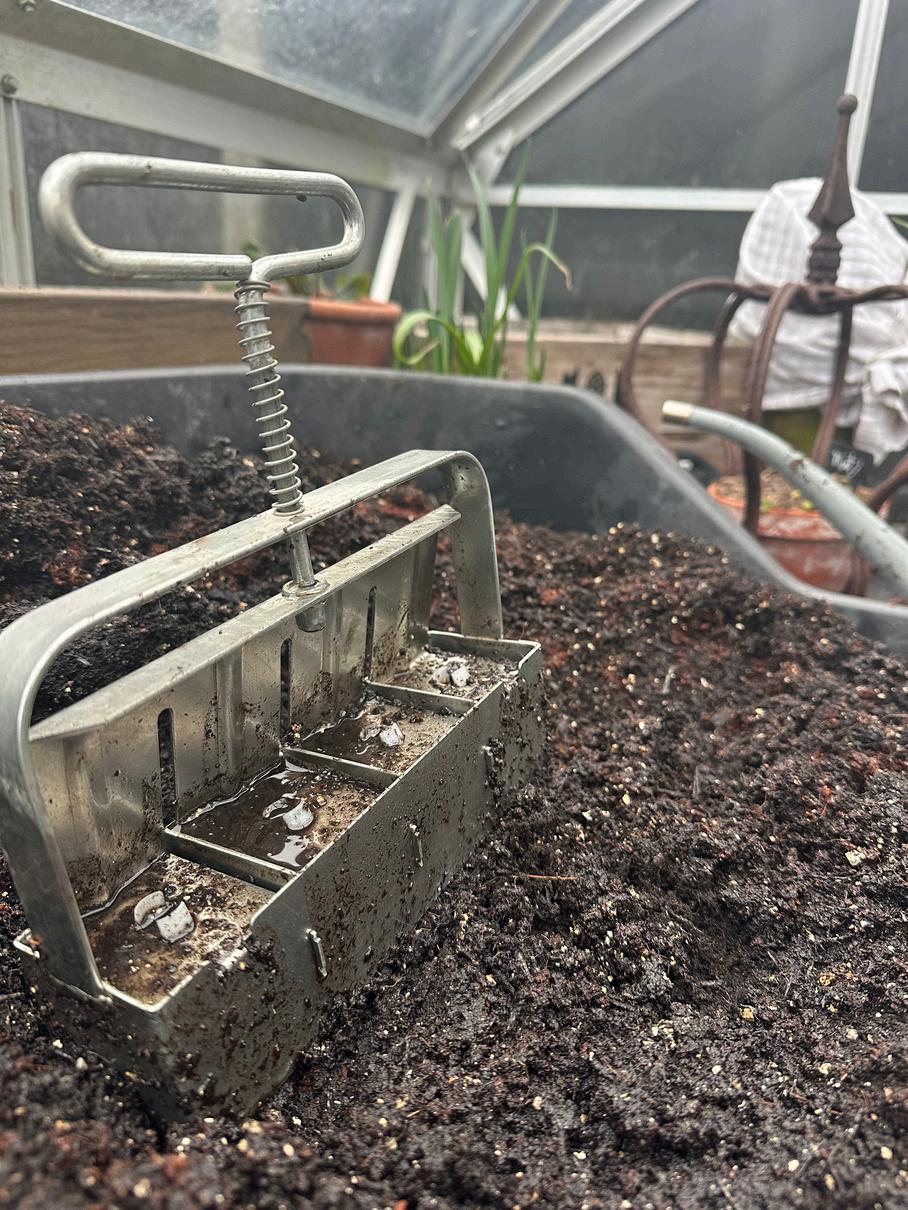
Preparation now is quieter too. I reuse trays. I soil block where I can. Compost is homemade and precious. Mulch is pulled back gently to allow warmth through rather than stripped away entirely Sustainability has stopped being something I speak about and become something I practise instinctively Waste feels heavy in my hands in a way it never used to

By Tori Thomas
And then there are the trees If the vegetable beds are seasonal, the trees are constant Their buds swell before confidence returns to the gardener Their roots work unseen while everything above ground still looks asleep Fruit trees especially teach patience They do not rush for applause They grow in their own time, shaping light, sheltering soil, feeding pollinators before most crops have even been considered
There was a time I barely noticed them Now, I see them as structure As long-term thinking made visible As reminders that living off the land is not about quick wins; it is about steady consistency and commitment
Spring, in truth, is not dramatic. It is deliberate. It asks you to reflect without regret. To choose differently where needed. To plant with more awareness than last year. To understand that growth is rarely explosive; it is cumulative. The first sign of spring is not blossom. It is the moment you realise you are growing differently than you did before.
And that might be the most important harvest of all.
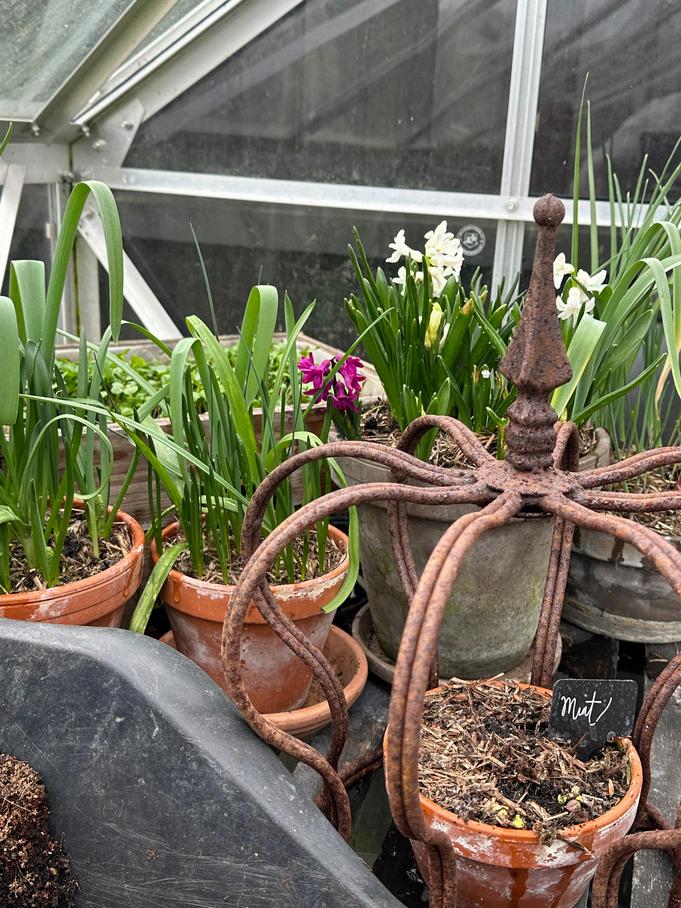
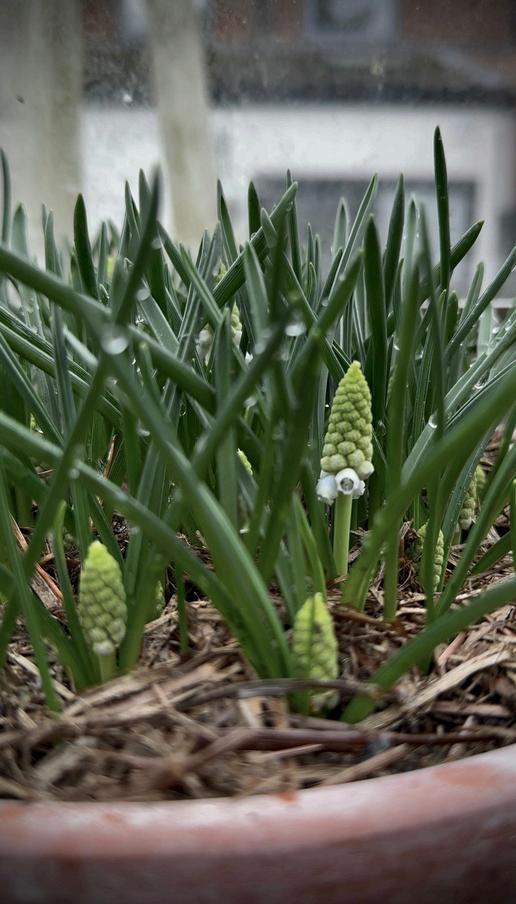


After the most joyful experience at last year ’ s BBC Gardener’s World Live, designing and building my Beautiful Border, ‘Nourishing the Soul’, I am so excited to confirm that I will be back again in June with a new design!
‘A Timeless Tea Party’ is my ‘Alice in Wonderland’ inspired garden with a nod to mental health and well-being At this tea party, there is no need to worry about being late, because time will stand still and all of the clocks will stop This curious space will allow the viewer to pause, breathe and simply be. And the best part? It’s perfectly okay to be mad here, because almost everyone is!
I can’t wait to share my journey with the Garden Folk community once again and show you behind the scenes of this incredible show with my dream build team. I’m already excited to get back on site and see some familiar faces from last year, but first of all I need to get myself organised and sort out the most important part… sponsors! These stunning spaces wouldn’t exist if not for the generosity of the fabulous sponsors, and I hope I will be half as lucky as I was with my 2025 design
I hope you enjoy watching ‘A Timeless Tea Party’ come to life over the coming months, as you join me in selecting a mix of whimsical and edible delights for my garden design I also hope to be able to share my charity partner with you in the coming weeks – last year ’ s garden, ‘Nourishing the Soul’, was largely donated to Marie Curie Hospice in memory of my mum, Marie This year I am looking to partner with a mental health charity so that the majority of A Timeless Tea Party can help others with their mental wellbeing once the show closes
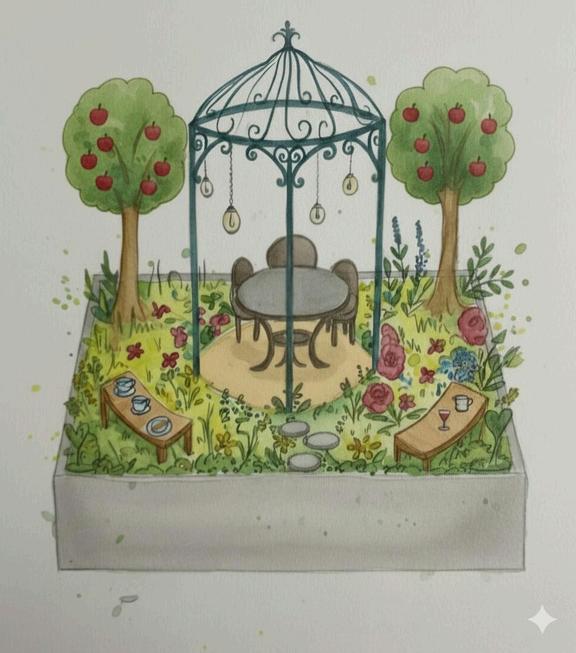
We cannot wait to see the new garden Laura creates.

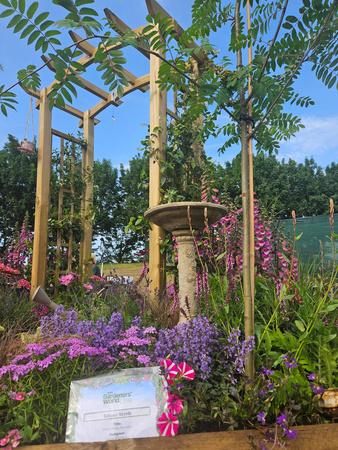
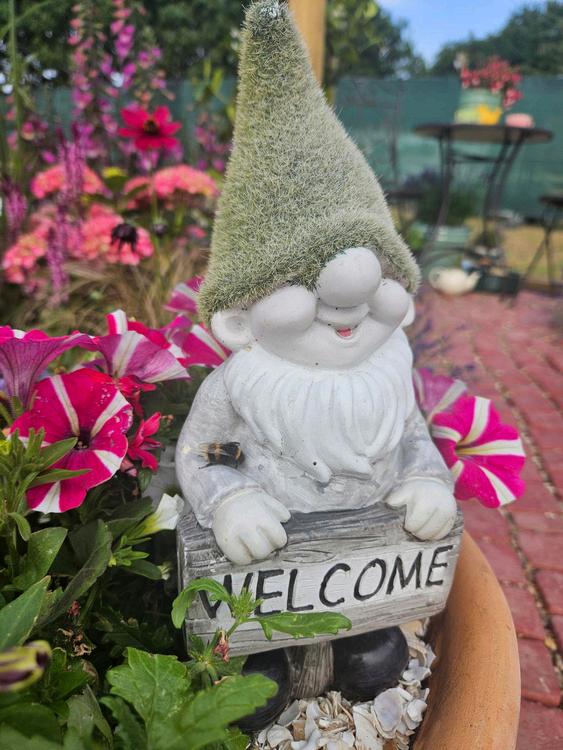
Will the gnome be returning this year?

I don’t know how mushroomy I will get in this month’s magazine if I start my article off with a mycorrhizal network load of death cap puns, but after all I am a Fun-gi hopefully they will grow on you. Okay I am done, no more sporious nonsense and if my hyperbole hasn’t made you flick past on to the next article, I am here to talk about how to grow your own mushrooms in your own garden.
I don’t know how mushroomy I will get in this month’s magazine if I start my article off with a mycorrhizal network load of death cap puns, but after all I am a Fun-gi hopefully they will grow on you. Okay I am done, no more sporious nonsense and if my hyperbole hasn’t made you flick past on to the next article, I am here to talk about how to grow your own mushrooms in your own garden.
This is something that I have wanted to do for a few years after seeing all the fantastic displays the Caley Bros have done over the last few years at various garden shows My opportunity came when we were thinning out the woodland at work and had to fell a couple of oaks to allow space for other trees to thrive and become excellent specimens without competition from other trees

By Marc Ridpath @gardeneriddler
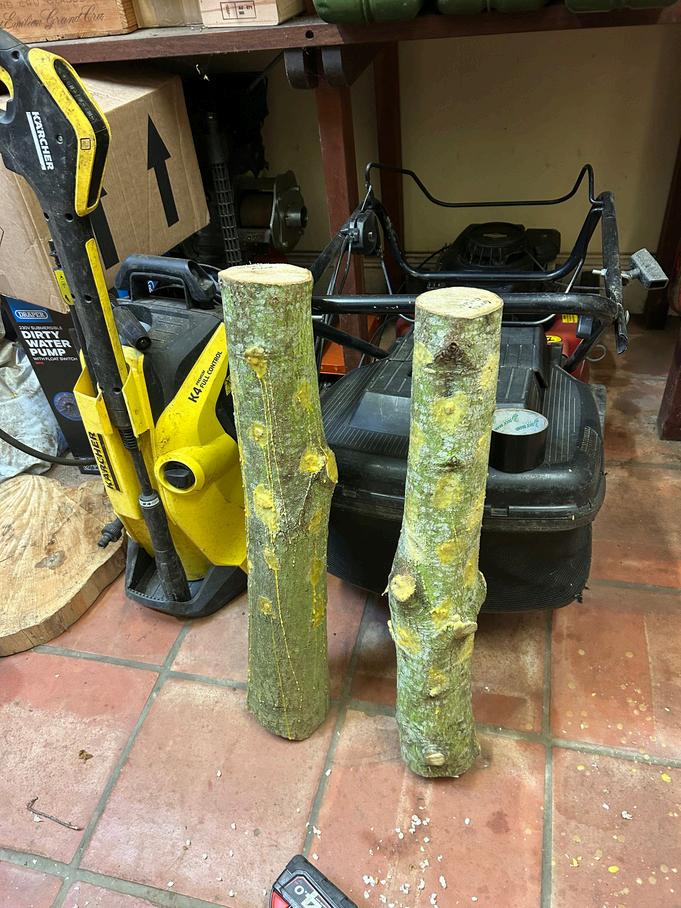
If you want to grow mushrooms in logs you need freshly felled wood, ideally from hard wood or fruit trees. The reason it has to be fresh is because you don’t want any other mycelium getting in to the wood to compete with the variety that you want to grow.
The logs were about a meter long and the width of an arm or leg. For one mushroom variety I cut the log in half so I had two smaller sections, you will see why later on.
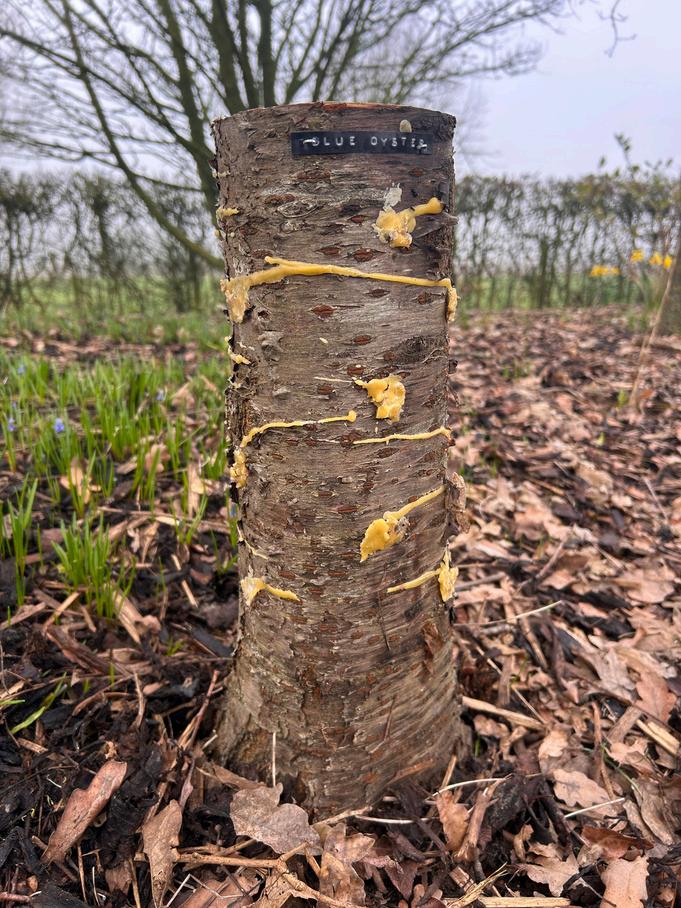
What you need to get edible mushrooms to grow out of your logs is to buy dowels inoculated with the specific varieties of mushrooms I went for Shittake, Blue Oyster and Lions Mane
Next you’ll need to get a drill the same width as your inoculate dowels and mark the depth of the dowel on the drill piece by putting a piece of tape around it
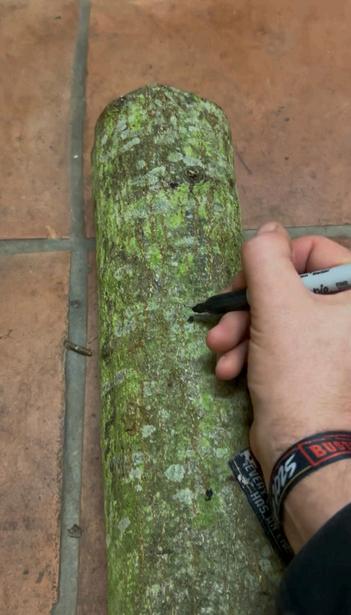
Then you ’ re ready to mark where you are going to drill the hol they need to be about 2 to 3 inches away from each other and a staggered pattern all the way around the logs
Once the holes are drilled, you need to push the dowels into th holes
You will then need some wax which you can melt over some ho water or in the microwave. I used beeswax to be as eco friend as possible. Put a coating of wax over the top of every dowel t seal the mycelium into the log so that it grows in to the core of wood. The wax also prevents any spores from other species getting in.
Remember to label the logs so you don’t forget which log is housing each variety
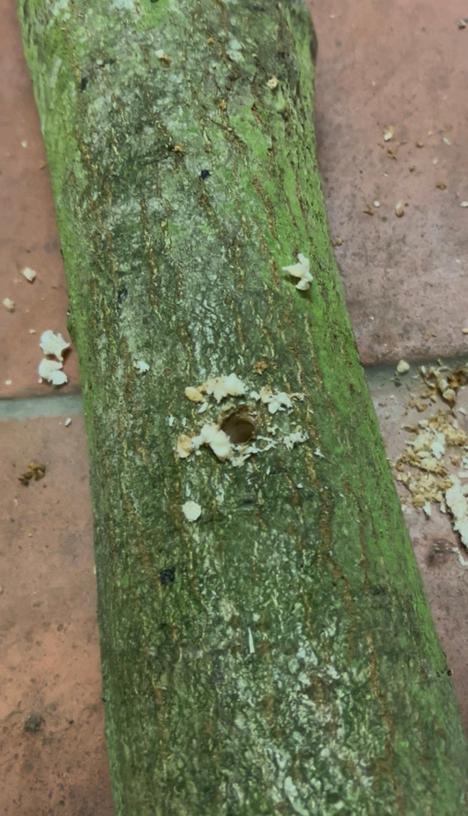

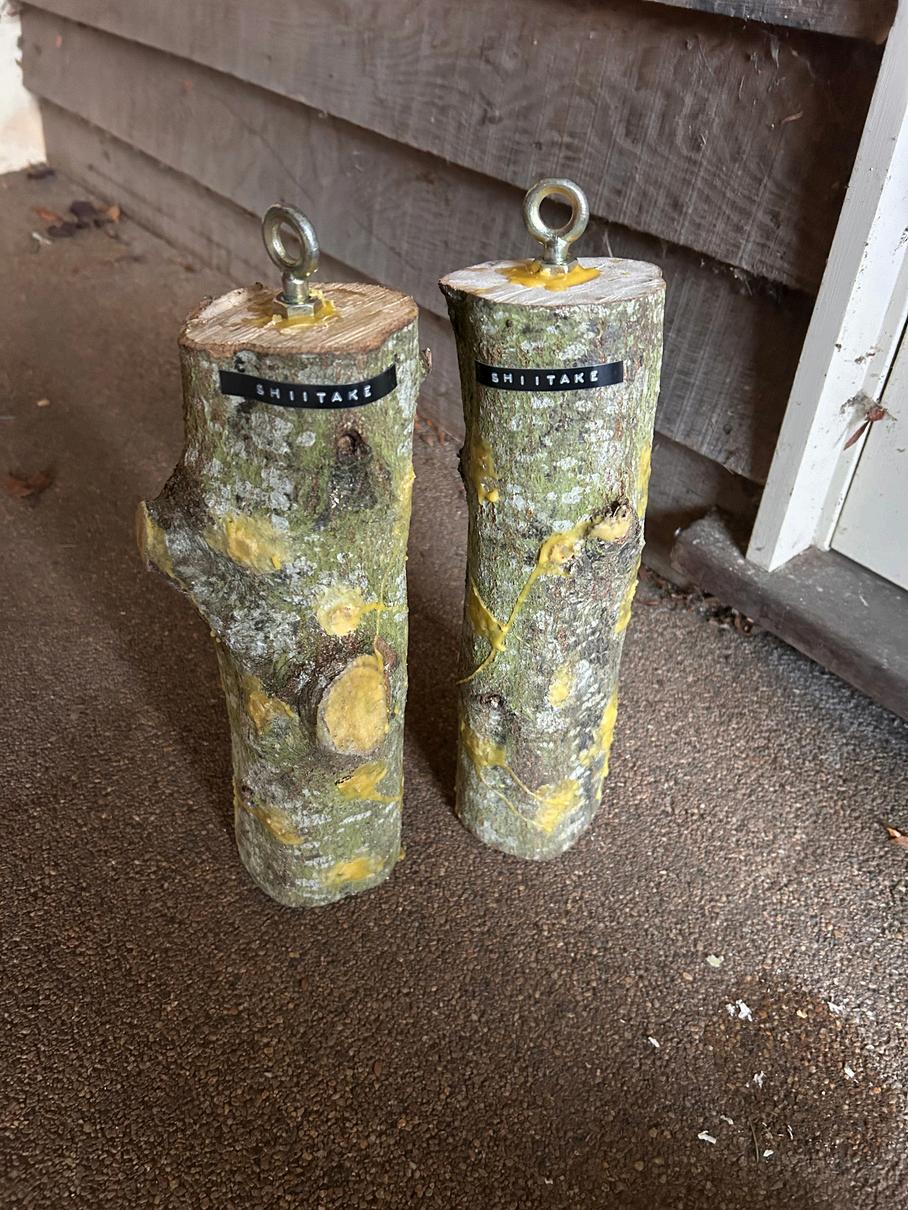
Once you have all this done it’s time to find a shady corner in your garden to place your logs I have a clearing in the Acer woodland where I wanted to create a fungus garden, so this is where I have placed them
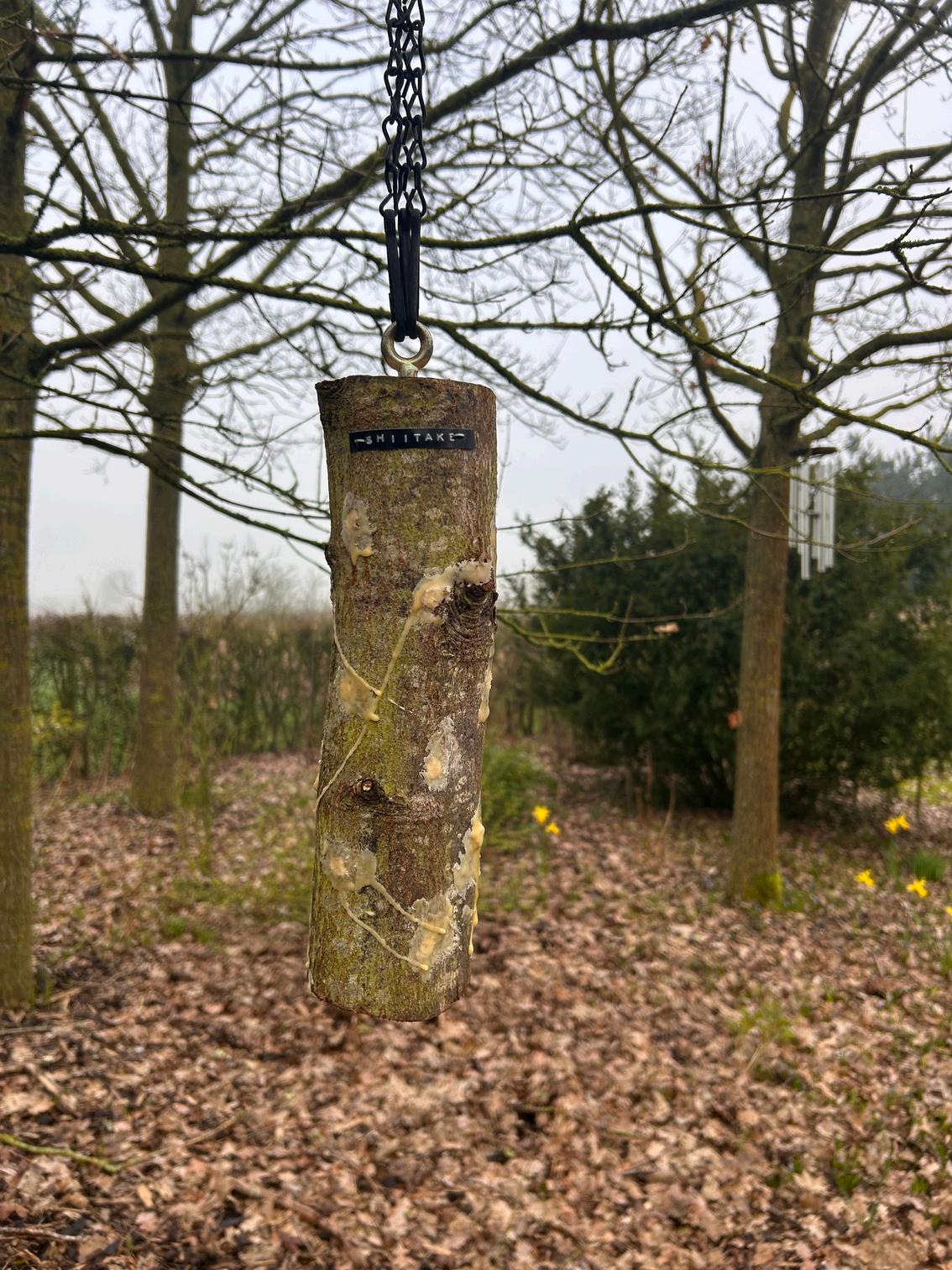
One of the varieties I chose was Shittake and it specifically says the log cannot touch the ground because it’s not a strong mycelium and can get over taken by other varieties in the soil So I decided to create hanging logs using hanging basket chains and an eyelet on top of the log I think they create a really quirky feature hanging from the tree branches, and will look even better when there are mushrooms growing out of them.
As with a lot of things in gardening, it’s not an instant pay off and you will have to wait for about a year before you start to see any mushrooms to harvest. You will need to make sure you keep the logs damp during warmer weather because the mycelium will die if it dries out.
I hope you ’ re inspired to grow some of your own tasty mushrooms
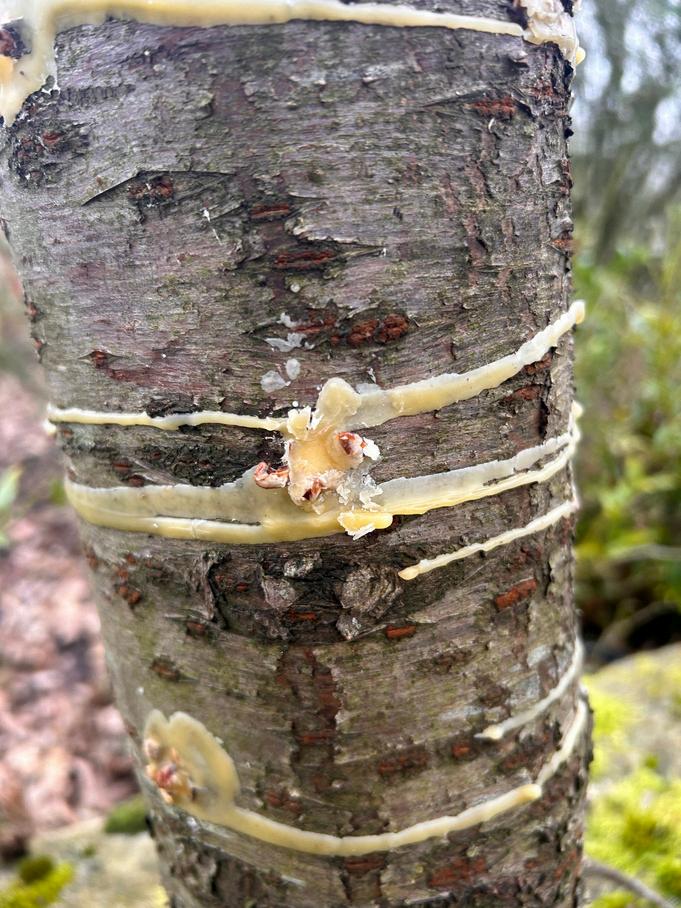
They make really interesting garden features.

of the season. The light is shifting, the compost is cold but promising, and suddenly the whole year opens up in front of you.


Incollaborationwith


By NicWright
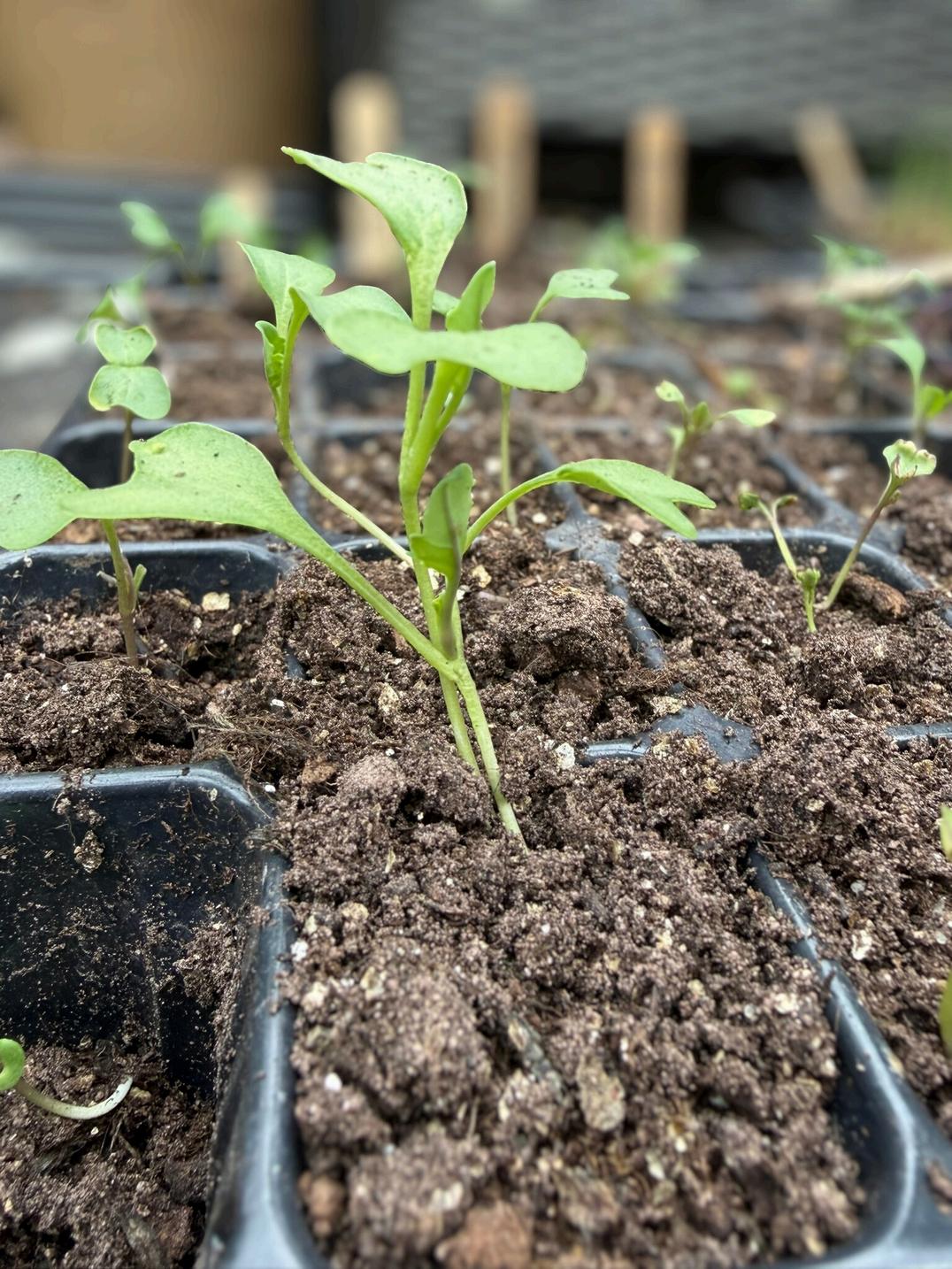
Last month I talked (a lot) about brassicas, and that’s going to continue through the year as I host Garden Folk Magazine’s Growalong Brassicas are the stalwarts of the veg garden, the crops that carry us through the hungry gap and reward patience with real substance This month, we ’ re putting that knowledge into practice and sowing the first seeds of our grow along.
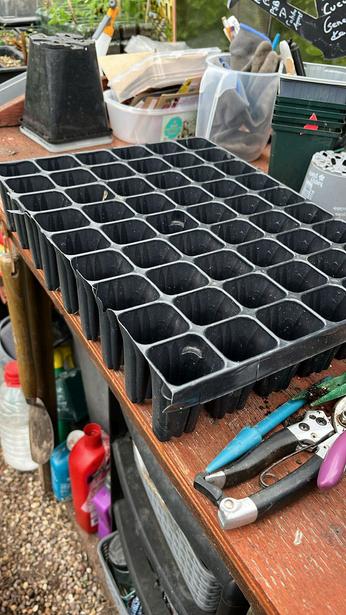
If you ’ re joining in, don’t worry about having a fancy setup. A bright windowsill, a few modules or small pots, and a bag of seed compost is all you need. Brassicas are wonderfully forgiving at this stage They’re steady, reliable, and quietly determined Perfect for all gardeners, irrespective of their experience
Coming up, you’ll find detailed sowing instructions for each of our five crops, plus a clear sense of what to expect as the month progresses. Think of this as your month one roadmap.
Before we dive into the ‘how’, let’s talk about ‘where’ Everyone’s setup is different but the good news is, brassicas are wonderfully adaptable
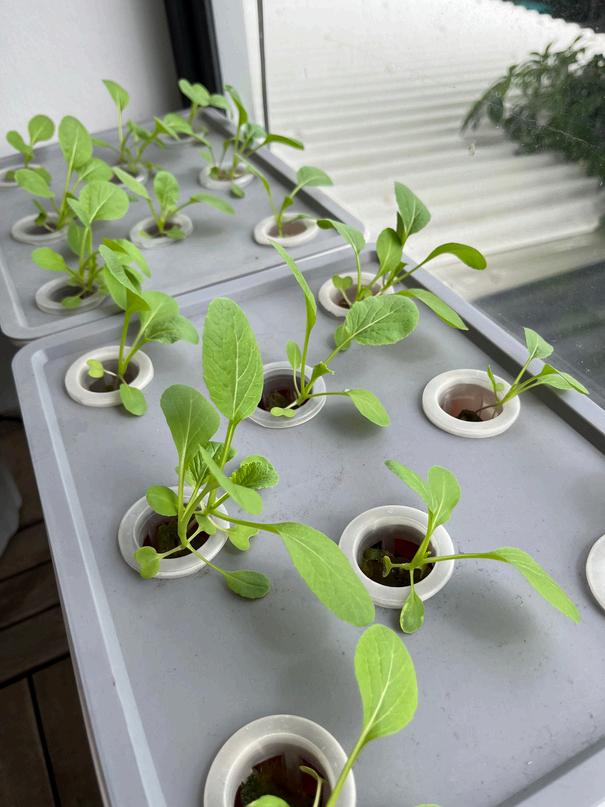
A perfectly good place to start Brassicas don’t want heat. In fact, they prefer cooler conditions. A windowsill gives you: steady light cool temperatures easy access for watering and turning
Just avoid radiators underneath, as warm air encourages leggy seedlings
Not necessary for brassicas, but not entirely harmful. If you ’ re using one for other crops you may as well get the most out of it by allowing your brassicas to have a fleeting visit there. If you do use one:
place brassicas on the edge where it’s cooler remove them once germinated
They’ll be just as happy without it.
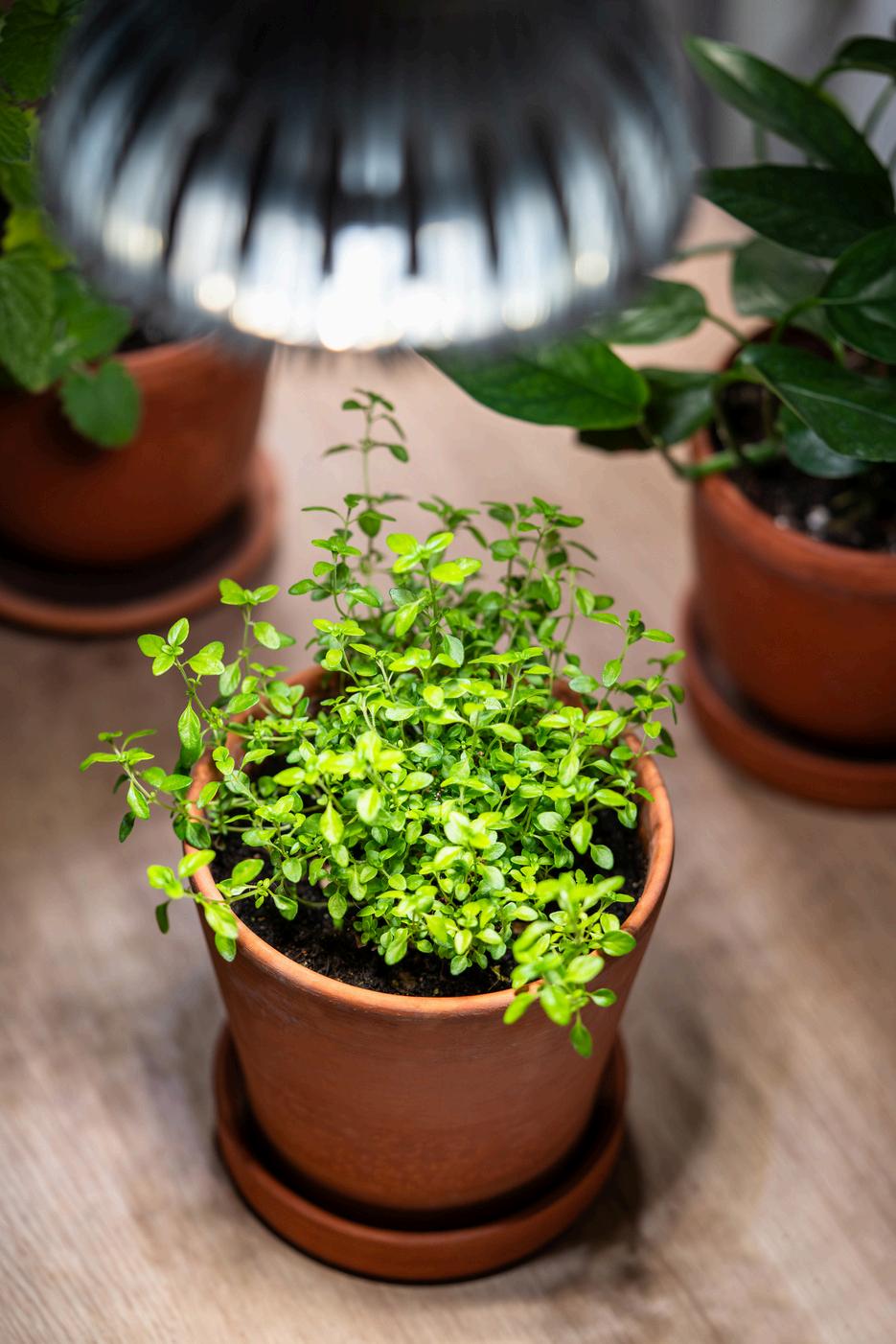
Useful if your windowsill is dark or north facing Under a grow light, brassicas will be: stockier less prone to leaning more uniform
But again not essential
This is where I start mine, and it’s honestly the most natural place for them. Benefits:
perfect cool temperatures bright light slow, sturdy growth no risk of overheating
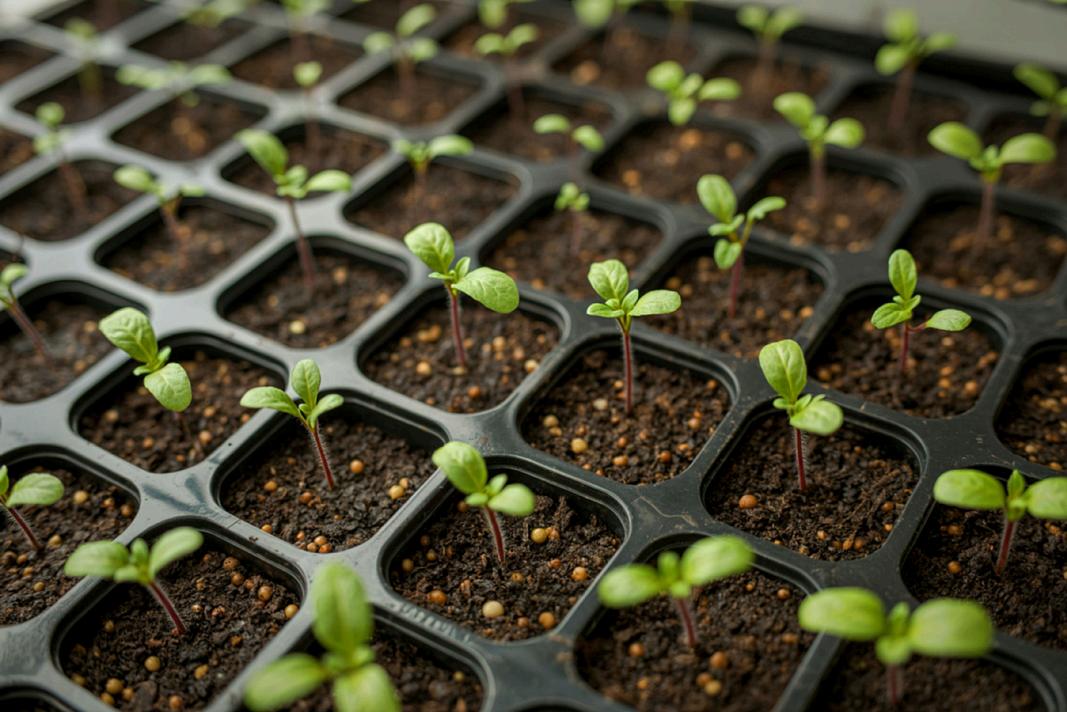
Just protect from mice (they love brassica seeds) and keep an eye on watering: compost dries out faster than you think on sunny days
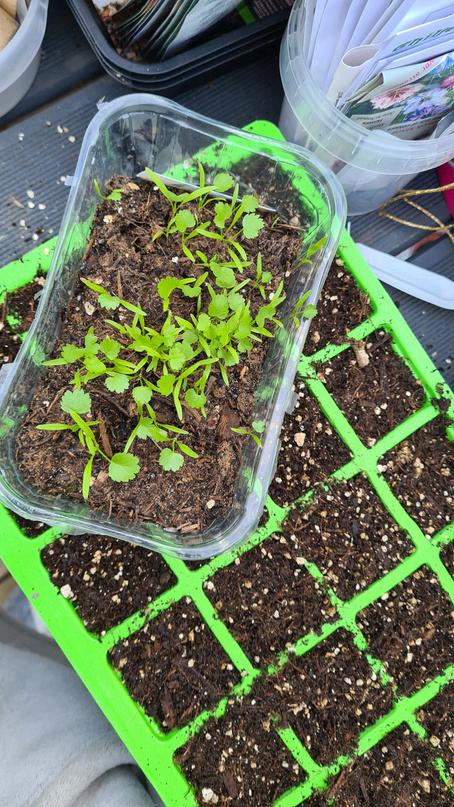

Below wn them able and will often do their own thing in their own time, don t worry if yours are growing at their own pace, not what


Sow in modules or small pots
Cover lightly
Keep cool: 10–15°C
By Week 4
Pot on into 9cm pots if roots are showing. Keep cool and bright.
By Week 2
Germination is steady and reliable with signs of the seedling usually between 4 and 8 days from sowing Seedlings stay compact, with their first true leaves just beginning to form. Growth is slow. Sprouts take their time, but they should be starting to look sturdy and upright

By Week 2
Germination is usually from 7 to 12 days from sowing Seedlings may lean towards the light, so turn trays daily. True leaves begin to appear, and the plants look delicate but determined.
By Week 4
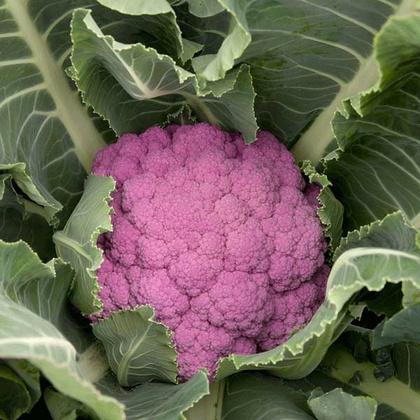
Sow in modules
Cover lightly
Keep at 12–18°C
Pot on if needed Avoid stress, cauliflower is sensitive to sudden changes

Sow in modules or a shallow tray
Cover lightly
Keep at 10–18°C
By Week 4
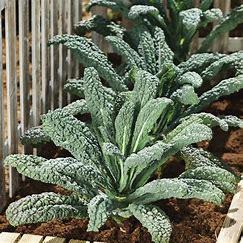
Pot on or thin to one per cell. Kale is forgiving and easygoing.
By Week 2
Fast germination, with seedlings typically appearing 4 to 7 days after sowing and strong early growth. True leaves appear quickly, and seedlings look upright and confident.

Sow one seed per module
Cover lightly
Keep at 12–18°C
By Week 2
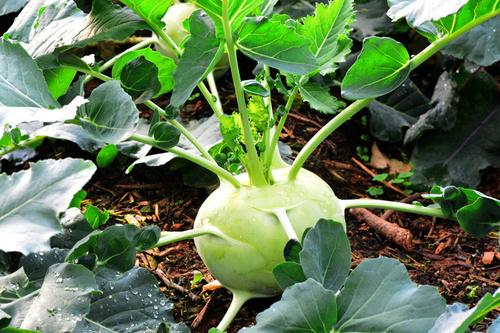
Germination is usually even, with seedlings appearing 7 to 12 days after sowing. True leaves appear and stems begin to thicken slightly, the first hint of th swollen stem to come
By Week 4
Start hardening off on mild days. Kohl rabi is tough and can go out earlier than most brassicas

Sow in modules
Cover lightly
Keep cool: 10–15°C
By Week 2
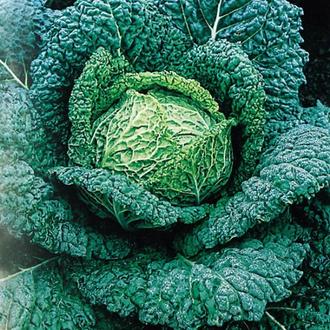
Steady germination from day 4 to 7 after sowing with strong, compact seedlings. True leaves begin to show the first suggestion of crinkle.
By Week 4
Pot on if needed. Keep cool and bright.
By the end of the first month, you’ll be:
Potting on anything that’s outgrown its module
Hardening off kale and kohl rabi on mild days
Turning seedlings daily
Watering lightly, brassicas hate soggy compost
Keeping everything cool
Feeling quietly proud of your little forest of seedlings
This is the slow, steady part of the season. the foundation for everything that comes next.
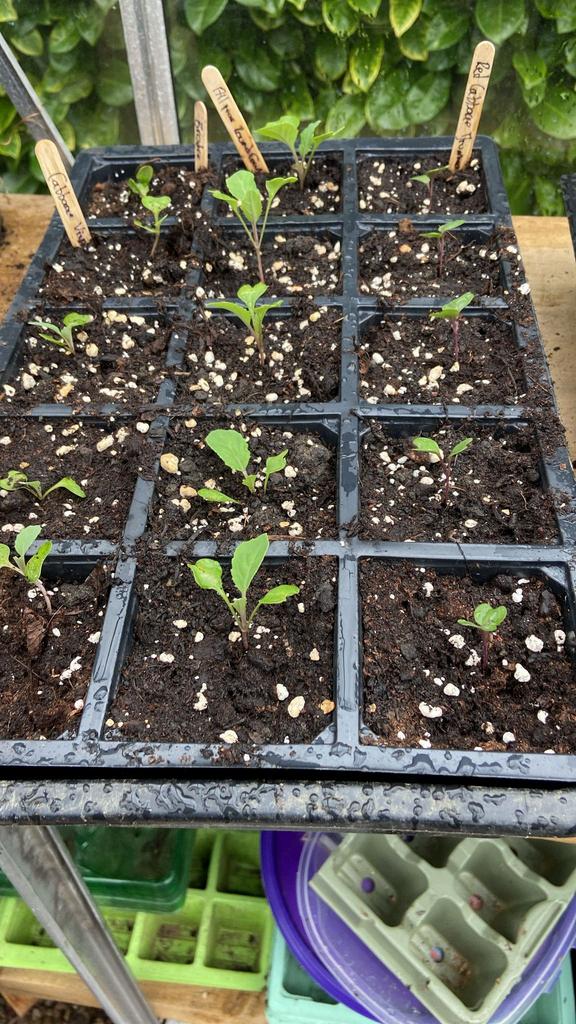


Cause: Too warm, not enough light

Fix: Move to a cooler, brighter spot Turn daily
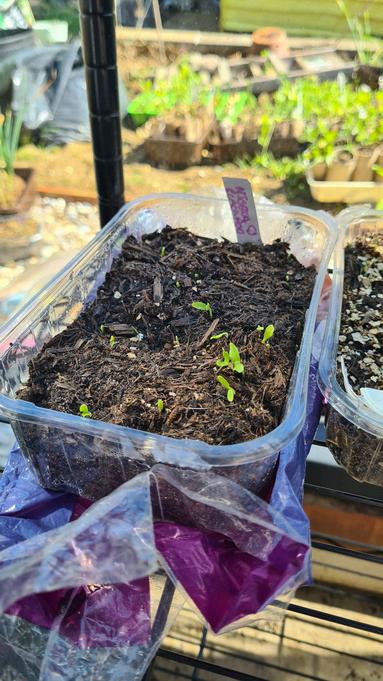
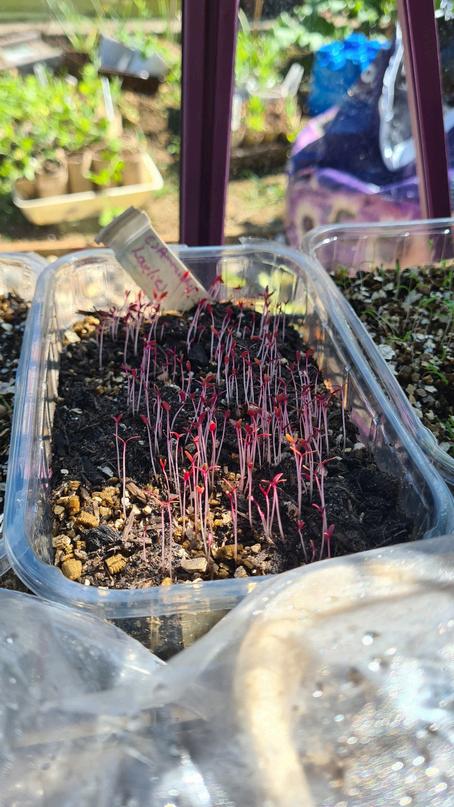

Cause: Damping off (fungal).

Fix: Improve airflow, water less, use clean pots. You may need to resow.

Cause: Uneven moisture, cold compost, or mice (greenhouse culprit!)

Fix: Resow Use a lid or mesh if mice are around

Cause: Overwatering or lack of light
Fix: Let compost dry slightly between waterings Move to brighter spot

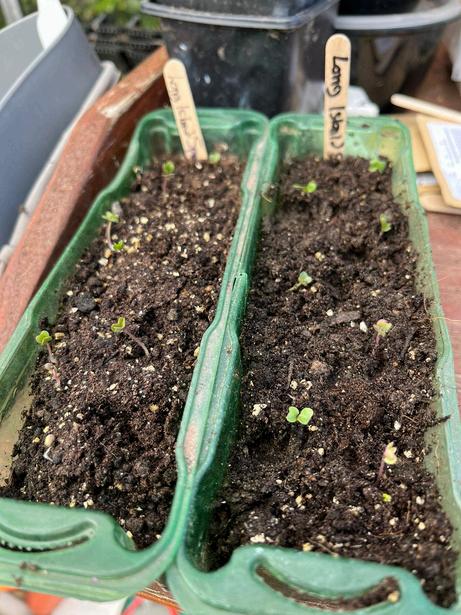

Cause: Too warm Brassicas stall in heat
Fix: Move to a cooler place, an unheated greenhouse or cold frame is perfect.

Last month I ask you to send in your questions for the growalong, here’s what came in along with some answers that will hopefully help you have successs with growing yours.
“Do I need a propagator for brassicas?”
No, they prefer cool conditions. Whilst a propagator can spur on germination, being there too long is more likely to make them leggy
“Can I sow them straight outside?”
Whilst you can direct sow Sprouts and Cauliflower in March I wouldn’t. It’s too cold and too wet. Indoor or greenhouse sowing gives you a strong start. That said, all 5 we ’ ve included in the growalong are typically good for direct sowing in April, so if you want to hang on a month then do, or maybe experiment and do a few inside and a few direct later Seeing which methods work best for you is always a good thing to do
“My seedlings are leaning towards the window, is that bad?”
Totally normal. Just turn the tray once a day and they’ll straighten up.
“When can I plant them out?”
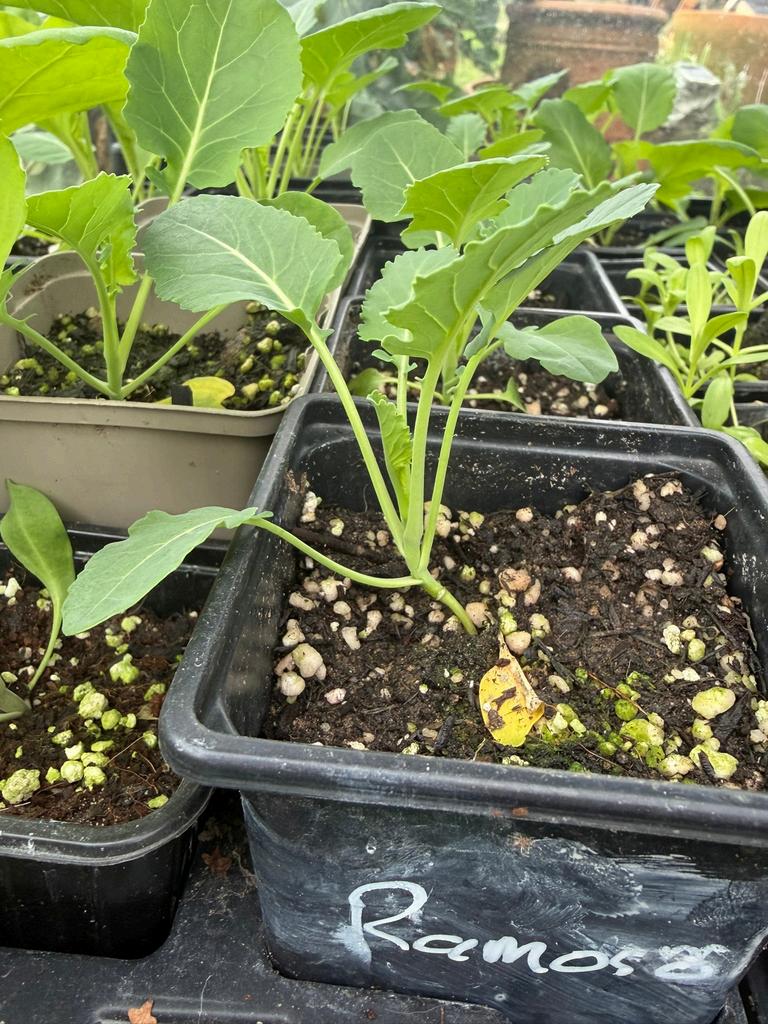
Not until they’re sturdy, hardened off, and the weather settles. Usually April for kale and kohl rabi, May for the others. I’ll be waiting until May to get all of mine planted out, once the area is ready for them.
“Do I need to feed them?”
Not at this stage Seed compost has everything they need for the first few weeks
And a top tip from Collie Flower’s own Head Gardener Hazel “to encourage strong, firm stems on your brassicas (and many other plants) don’t forget to simulate a breeze for them, a light wafting with your hands once a day just to give them some movement is enough, or a short period with a fan blowing on its gentlest setting from a distance, is all you need but it helps ”
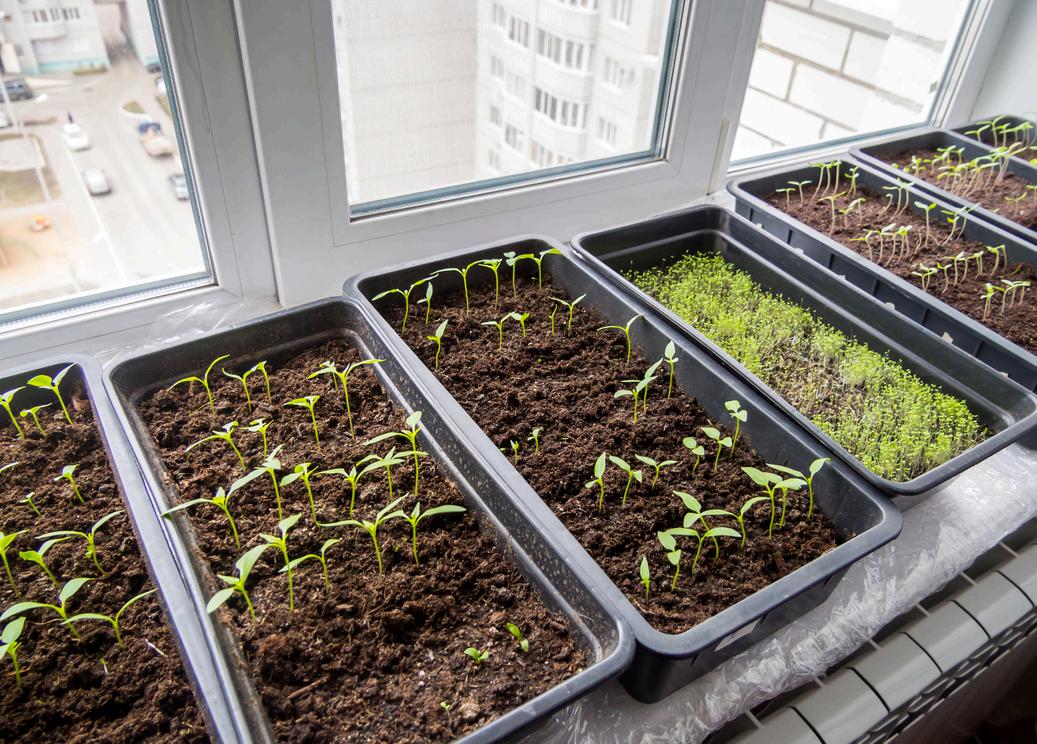
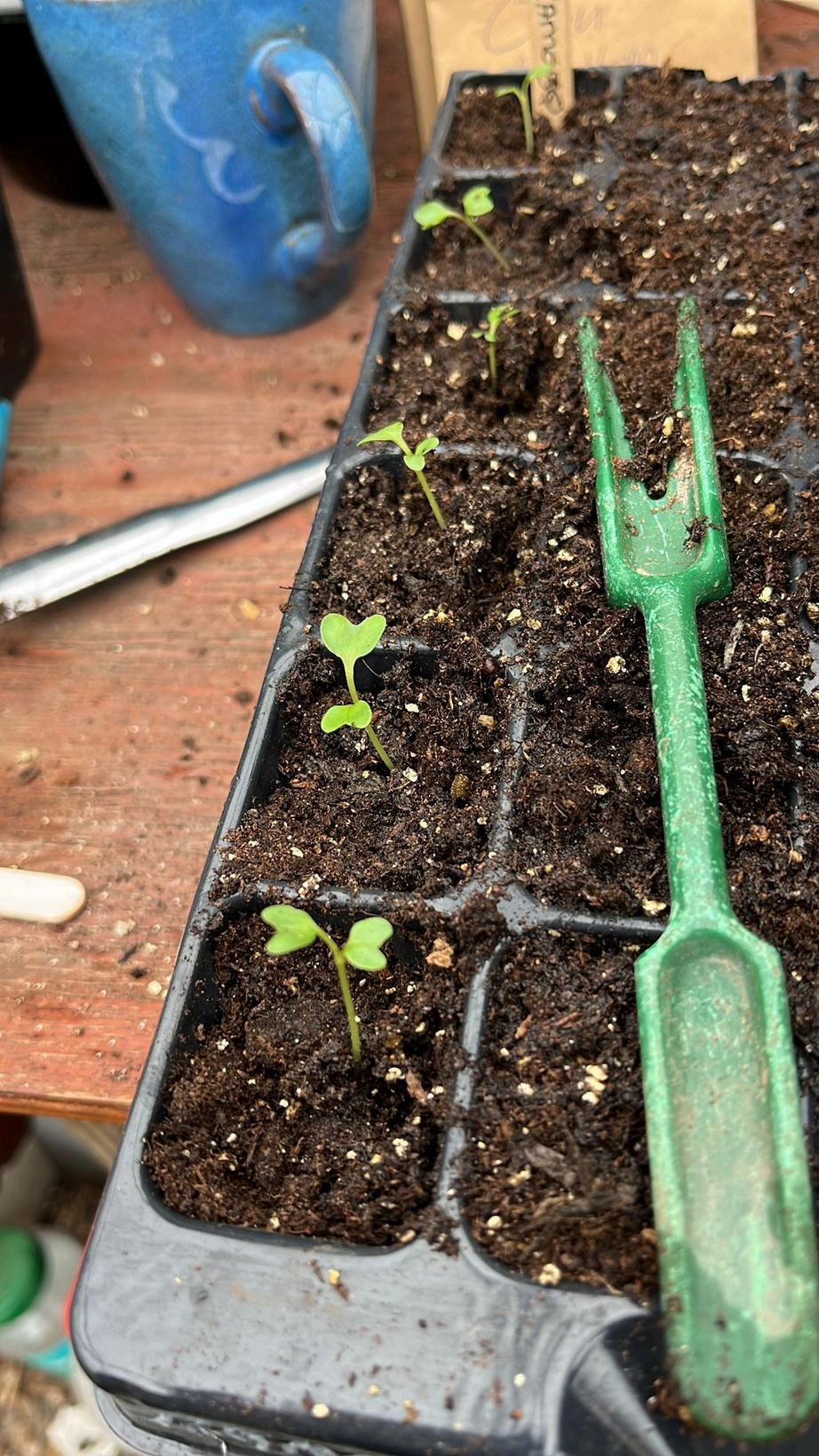
So that’s where we’ll leave things for this month The quiet, hopeful beginning of the season, when a tray of tiny brassica seedlings feels like a promise to your future self. These early sowings don’t ask for much: a cool spot, a bit of light, and your steady hand. If you’d like more detailed step by step guidance, you’ll find expanded sowing notes over on the Collie Flowers website, and even more support inside the Sow & Grow app, where the growalong is unfolding week by week
Next month, in the April edition, we’ll be potting plants on: hardening off, preparing beds, tackling early pests, and possibly considering planting out the first of our cool season crops – it all depends what the weather is like between now and then. It’s the moment everything starts to feel real, and I can’t wait to walk you through it. As always, if you have any questions feel free to reach out to me direct @collieflowers.co.uk
If you ’ re not a supporter but would like to join in with the GFM Growalong, you can purchase seeds from Collie Flowers. They have a Brassicas Mini-Bundle available, which gives you 5 packs of seed for £8. During February and March Nic will be making sure all Brassica Mini-Bundles ordered include the same 5 packs of seeds we’ll be using in the growalong
During 2026 Collie Flowers are offering all of our readers 20% off the value of any orders if you use the code GARDENFOLKMAG at checkout.
But of course if you have some of these varieties sitting around waiting to be sown, get them out and join in with the growalong!
If you are sharing your gardening journey on instagram or facebook, we’d love you to tag @gardenfolkmag and @collieflowers.co.uk so we can follow your progress.




As a nation of pet lovers AND garden lovers, it’s important that we grow more of the plants that are non-toxic to our four-legged friendsjust in case they decide to go nibbling where they shouldn’t! Choosing pet-friendly options to create a vibrant garden is easier than you might think, and while there are some limitations, there are still plenty of non-toxic alternatives. Whether you're a cat lover, dog owner, or both, choosing the right plants is essential for animal safety. Here are a few of my top picks for summer colour, fragrance, culinary use, glamour and even a touch of the tropics! All pet-friendly and perfect for your own garden.
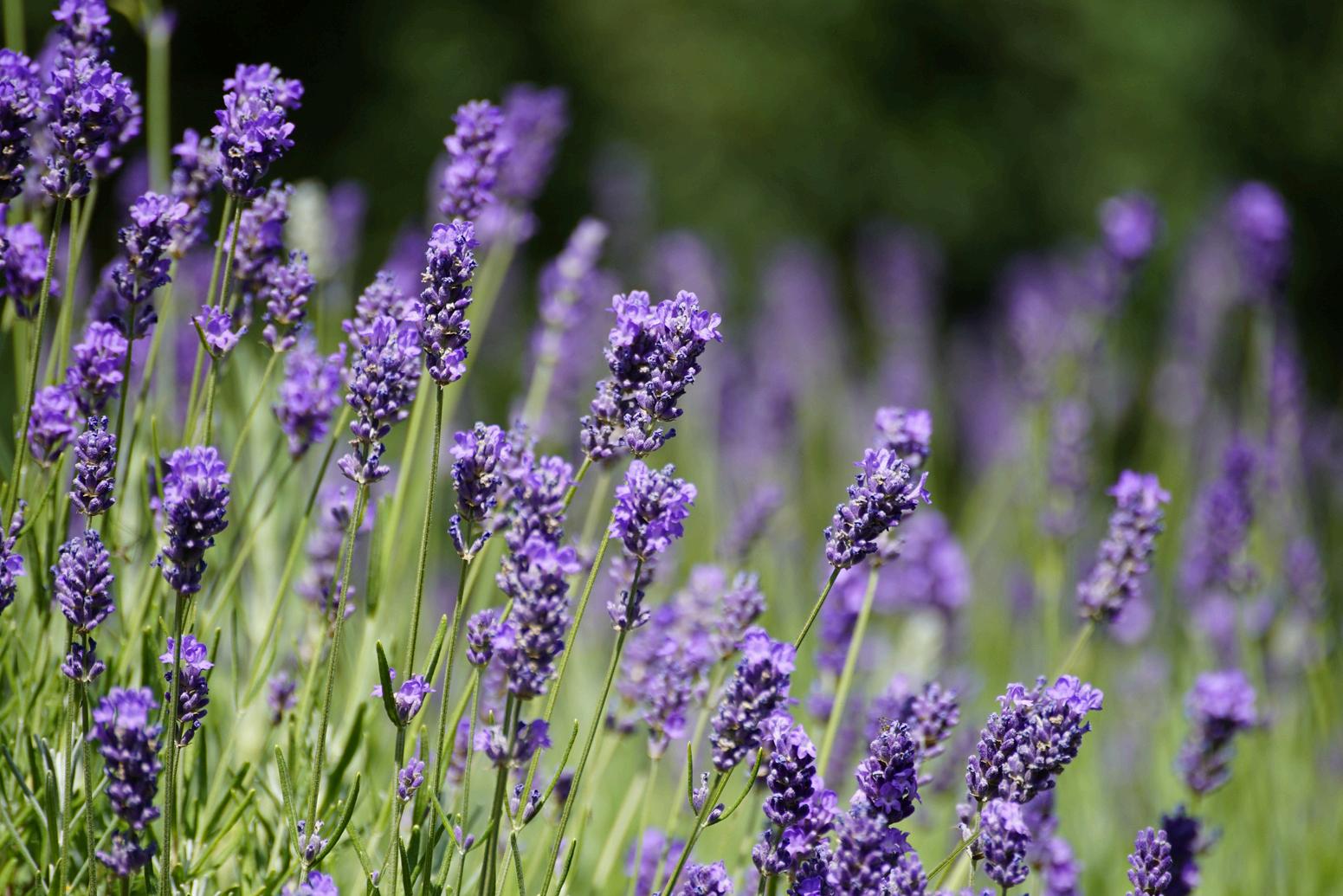
Prized for its calming fragrance and spikey purple blooms, lavender is a hardy perennial that’s generally considered safe for pets. It does come with a caution that ingesting large amounts can sometimes cause a mild stomach upset, but lavender isn’t toxic to dogs or cats. It thrives in sunny spots with well-drained soil and has the added benefits of repelling fleas and other pests naturally with its strongly scented oil, which is always at the surface of both its flowers and its leaves
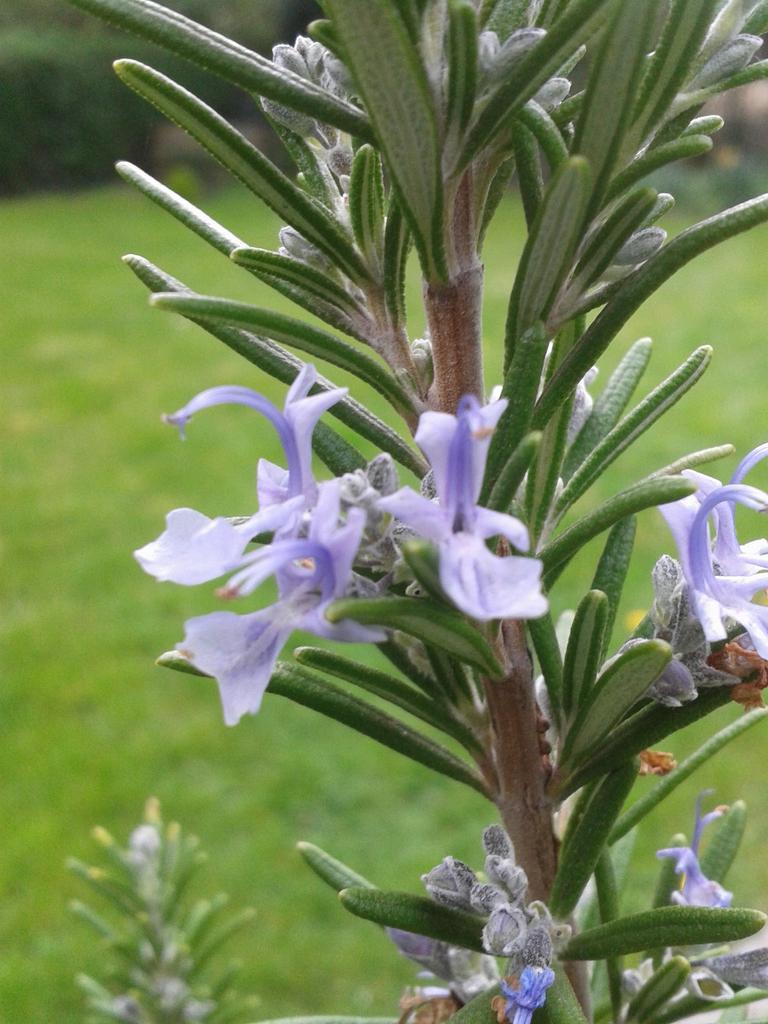


A staple in both the herb garden and the kitchen, rosemary is non-toxic to pets and easy to grow Its fragrant, needlelike leaves not only enhance culinary dishes, but it’s delicate blue flowers also attract pollinators. Rosemary prefers full sun and well-drained soil, and can be pruned into hedges, grown in pots, or added as a fragrant addition to the border.

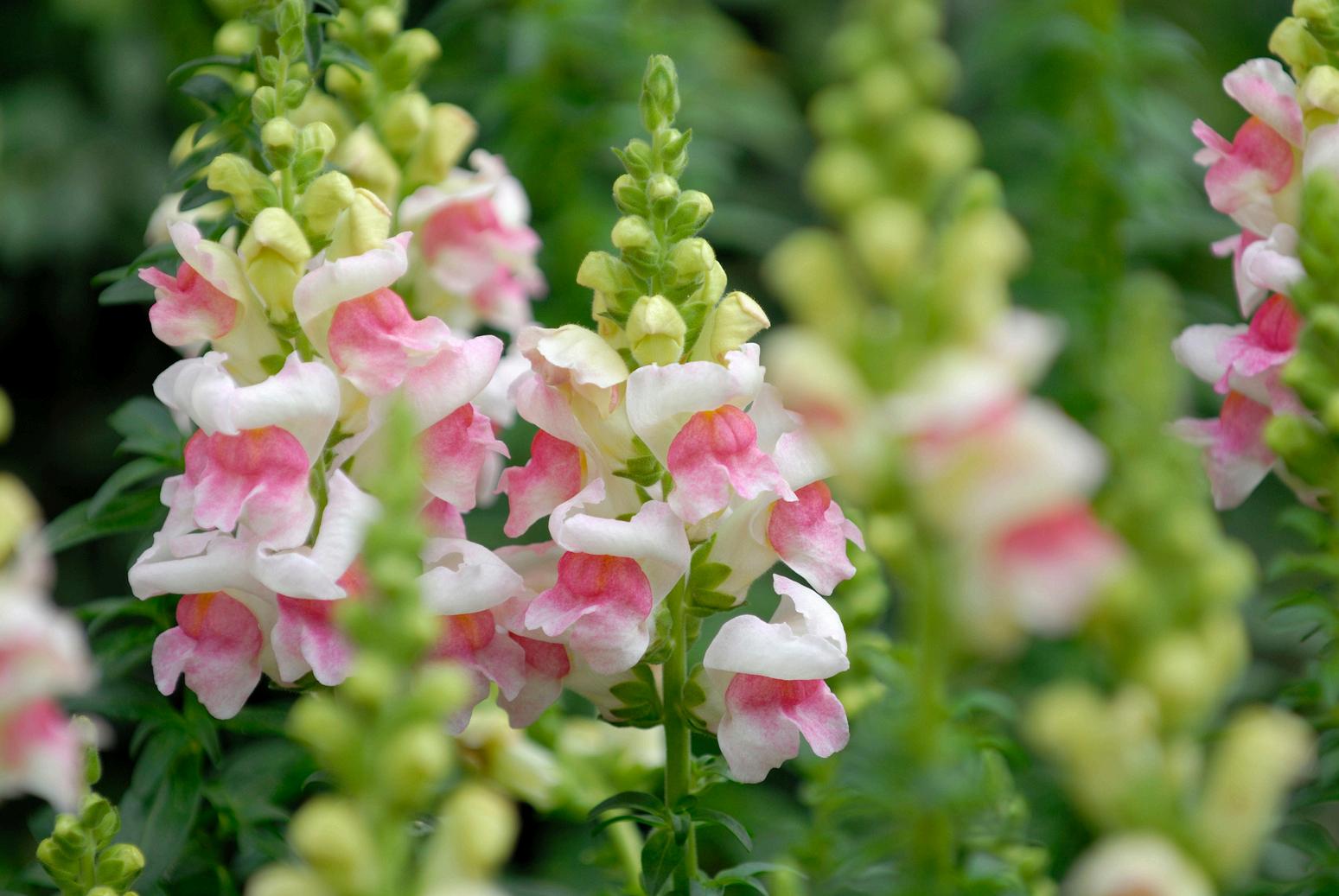
These cheerful, upright flowers come in a rainbow of colours and add an idyllic cottage garden sentiment to any garden border. They also make great cut flowers with terrific vase lives so as an added bonus are safe to bring into the home too! They bloom from spring until the autumn and prefer full sun and moist, well-drained soil
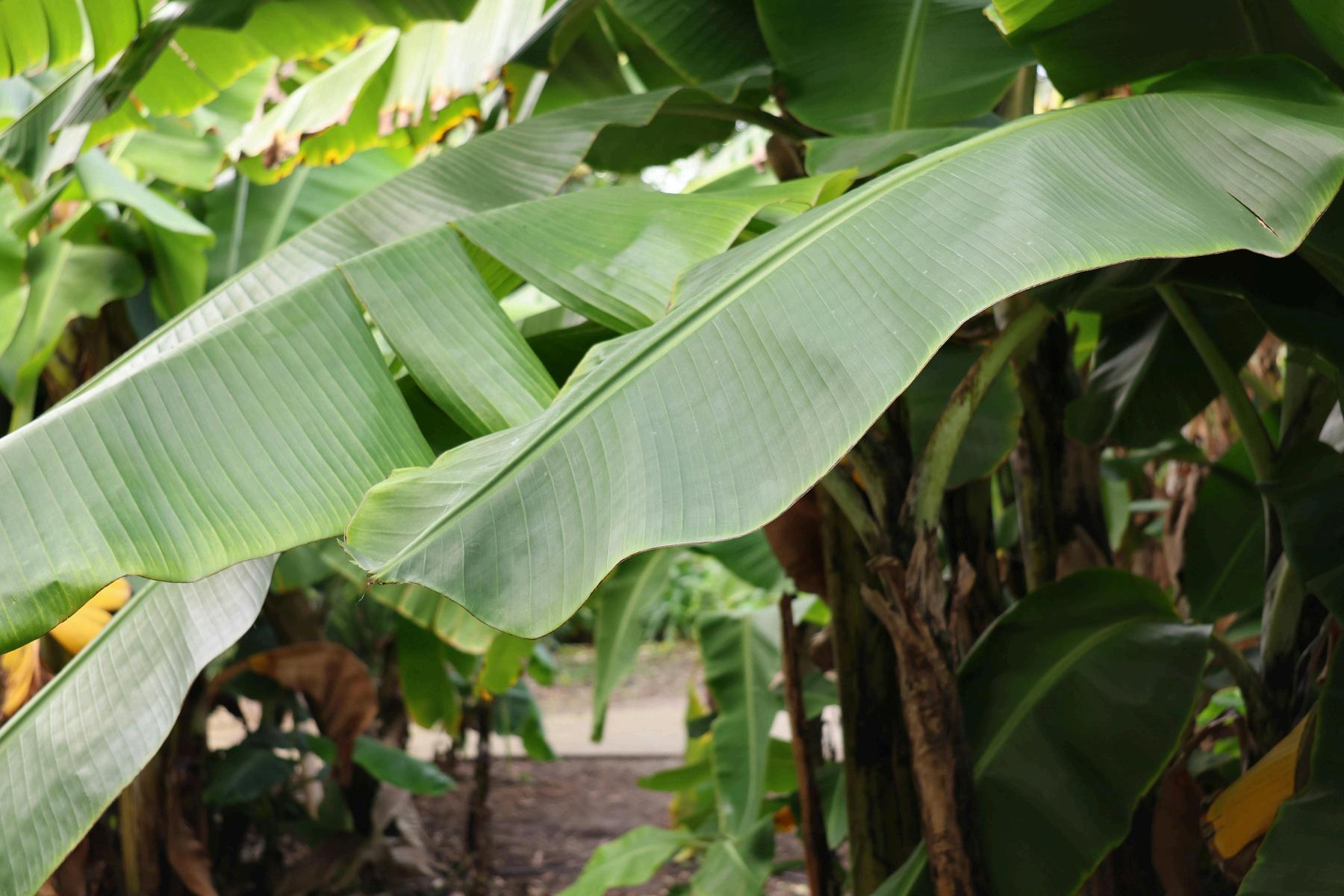


For a more dramatic effect, the banana plant is a safe, non-toxic choice for pet owners. With its large, lush leaves, the banana leaves create a bold statement and if a jungle garden is your vibe this is one for you Bananas can be grown in the ground or in large containers but they are tender and need protecting from frosts when overwintering.

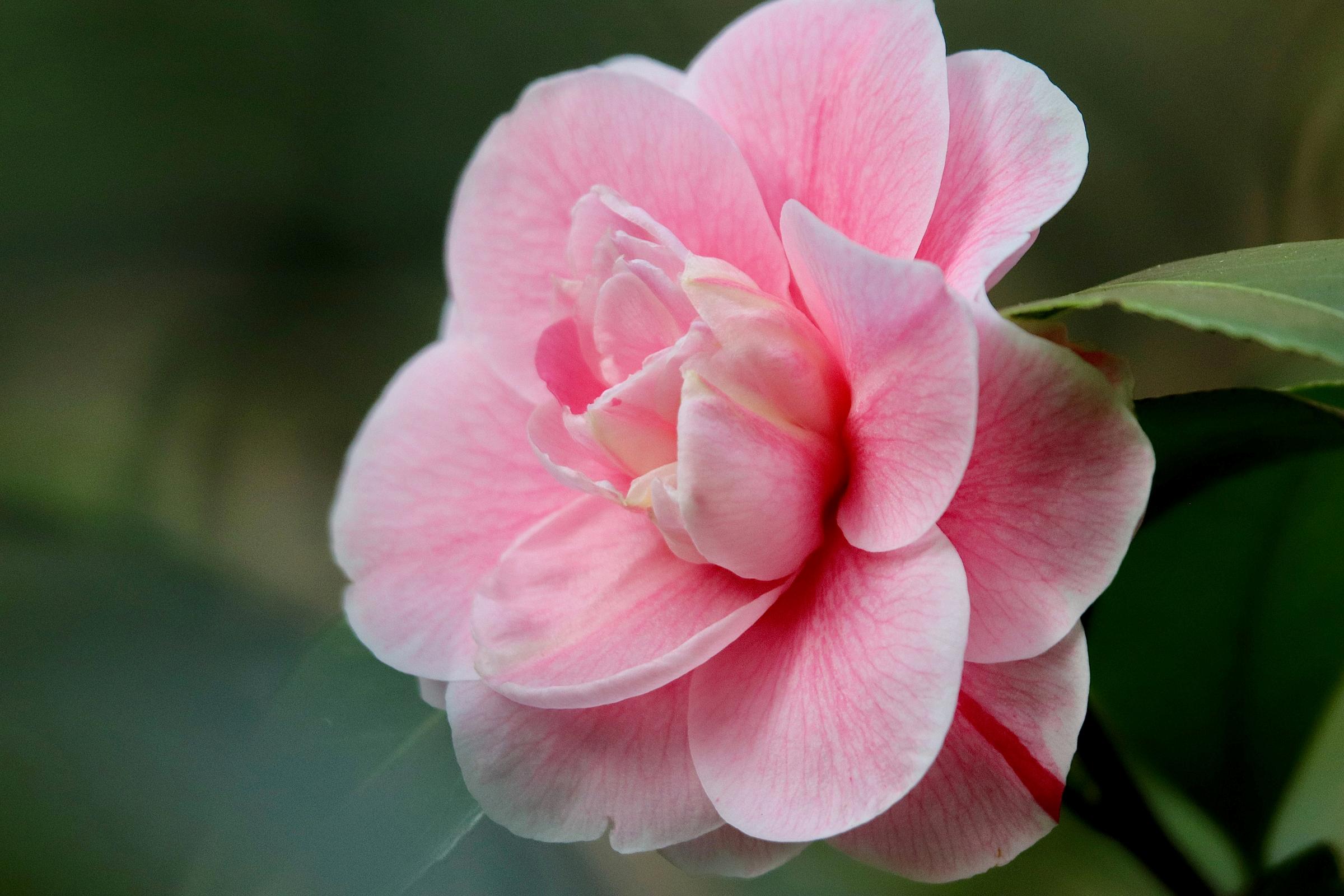
Camellias are well known for their glossy leaves and large, rose-like flowers that bloom in cooler months. Fortunately, they are non-toxic to pets, and I’m glad I did my research because my own puppy Lula, once swallowed an entire camellia flower whole, because, well, that’s what puppies do ! She didn’t have any side effects from her garden flower taste testing – so I’d definitely recommend this as a first-hand verified pet safe plant. Camellia are a great shrub for garden borders or focal points. They prefer partial shade and acidic, welldrained soil and put on an amazing display at the end of winter. They also prefer not to be eaten by naughty puppies... but puppies will do what puppies will do, so if in doubt, do your research before you buy

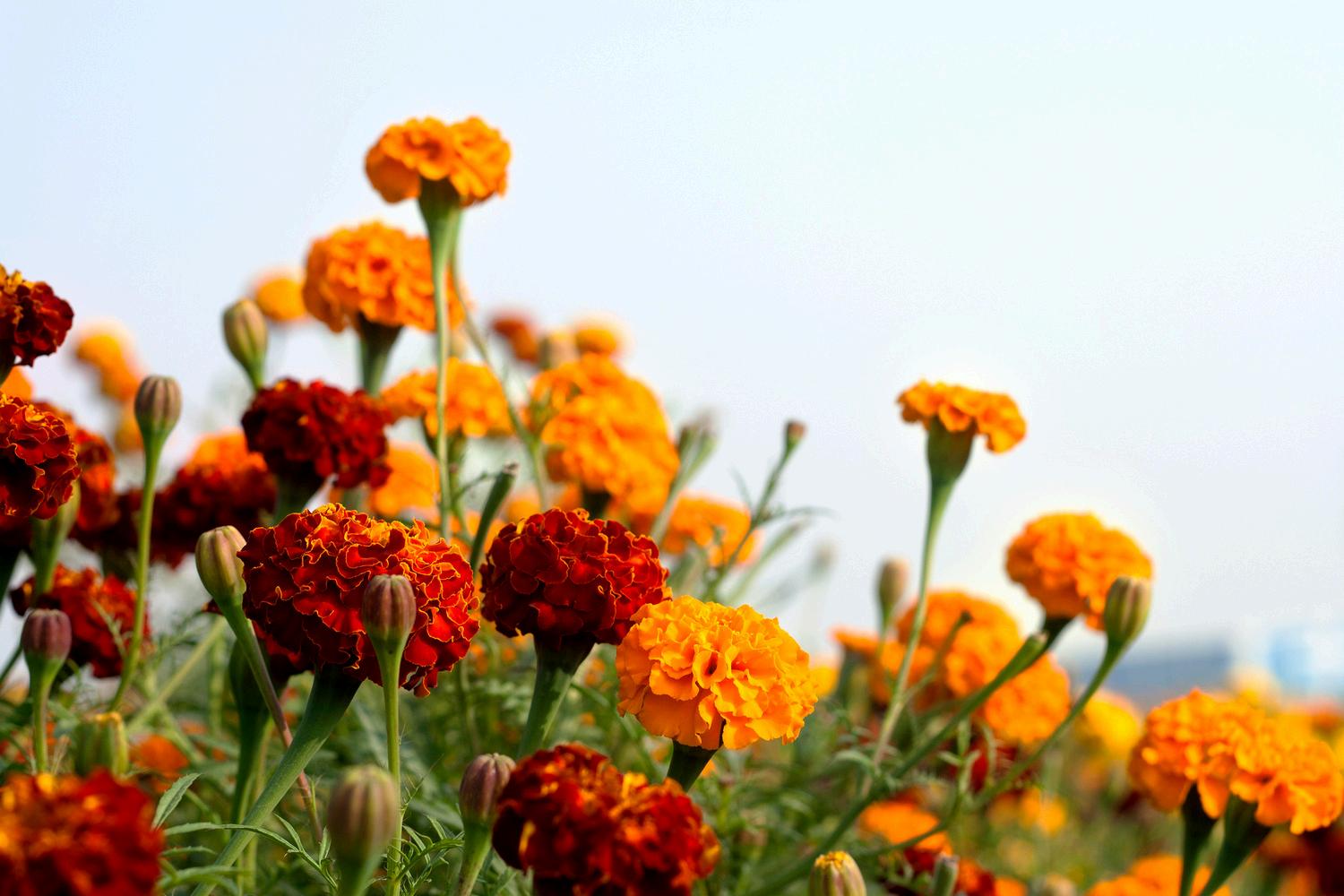
As easy to grow as sprinkling a few seeds around, marigolds add cheerful splashes of yellow and orange to the garden and are relatively safe for pets. While they may cause mild gastrointestinal upset if ingested in large amounts, they’re generally considered non-toxic These annuals are also known to repel certain garden pests, and make great companion plants to the vegetable garden; making them a functional and friendly addition to pet-safe landscaping.



This fragrant herb is not just a kitchen favourite, it’s also a great choice for pet-friendly gardening. Basil is safe for cats and dogs and easy to grow in garden beds, raised planters, or pots It thrives in full sun and well-drained soil, and your pets are unlikely to overindulge thanks to its strong aroma and taste. Be aware that Basil is often grown as a companion plant to tomatoes which are not safe for pets, so consider keeping tumbling toms in hanging baskets out of reach as a pet-safe option.


Enjoy your pet-friendly garden, with all it’s flowers AND it’s cuddles, until next time, Kim x


This is my first article for the magazine so I better introduce myself My name is Leigh but people also know me as The Beardy Gardener I am an award winning garden designer, writer, broadcaster and mental health campaigner who is passionate about helping people connect with gardening and nature to support their positive mental health and wellbeing We cannot wait to watch Leigh’s journey this year!
I re-engaged with gardening during Covid-19, it’s a familiar story that so many of us share. The isolation of lockdowns caused my already poor mental health to decline dramatically so I looked outside to my garden for recovery and support. I haven't looked back. I now understand myself more than ever, what gets me down and what makes me happy, and that's all down to my relationship with nature and the role that it plays in supporting my ongoing happiness This is also what has spurred my family and I to make a huge life change
In early January we moved from our two bed terraced house in central Southampton, to a cottage with four acres in the hills of South Wales, specifically within the Bannau Brycheiniog National Park (Brecon Beacons) My wife and I have wanted to live in a more rural location for many years We want our daughter to have a stronger connection to nature and we want to make a living from the natural world around us This is the first, major step in our new life I am a little scared but more excited
I have the privilege of sharing this journey with you all. I don't know what these monthly articles will cover, I suppose they will unfold as I write them. I would expect some gardening content as I work out what my new garden will look like, including the challenges of growing on a hill. There will be things about nature and the local landscape and how I will try to be more self-sufficient. There might be something about keeping animals, obviously sheep as it’s Wales, maybe goats, let's wait and see.
I better kick things off then and describe what I have been up to so far, although I haven't been here a month yet so go easy on me! I have a large terraced garden which is South facing and looks out over the valley I have been slowly scouting out what I think is growing I seem to have one fig tree, two apple trees, a vast rosemary bush, raspberries, heather, lots of hardy geraniums which I am super happy about as they are one of my favorites There are snowdrops blooming, daffodils coming through but the advice I am giving myself is not to get restless and think I have to transform the garden in the first season or even first year I am going to give it a full year to see what grows, watch the way the sun hits, which parts are colder than others. Where are the wet areas, the dry areas. This requires patience but it will give me a greater understanding of my space and make me a better gardener in the long run. It doesn't mean I can't do anything at all though. I already have one part in mind that I want to use for veg so I will dig out my vast array of seeds that are still packed away somewhere and get sowing.
I look forward to sharing more next month.
By Leigh Johnstone @beardygardener
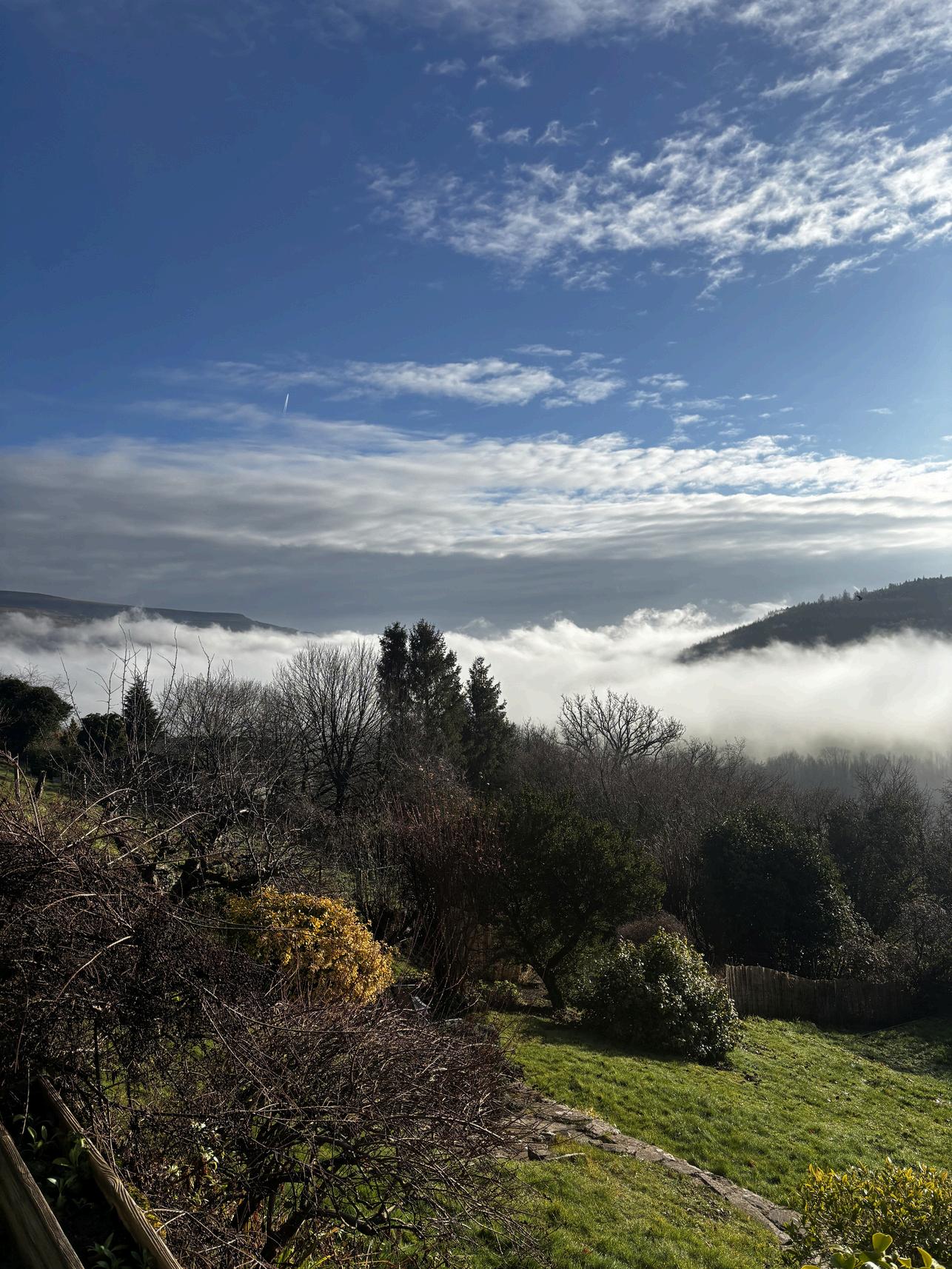
Just look at that view!

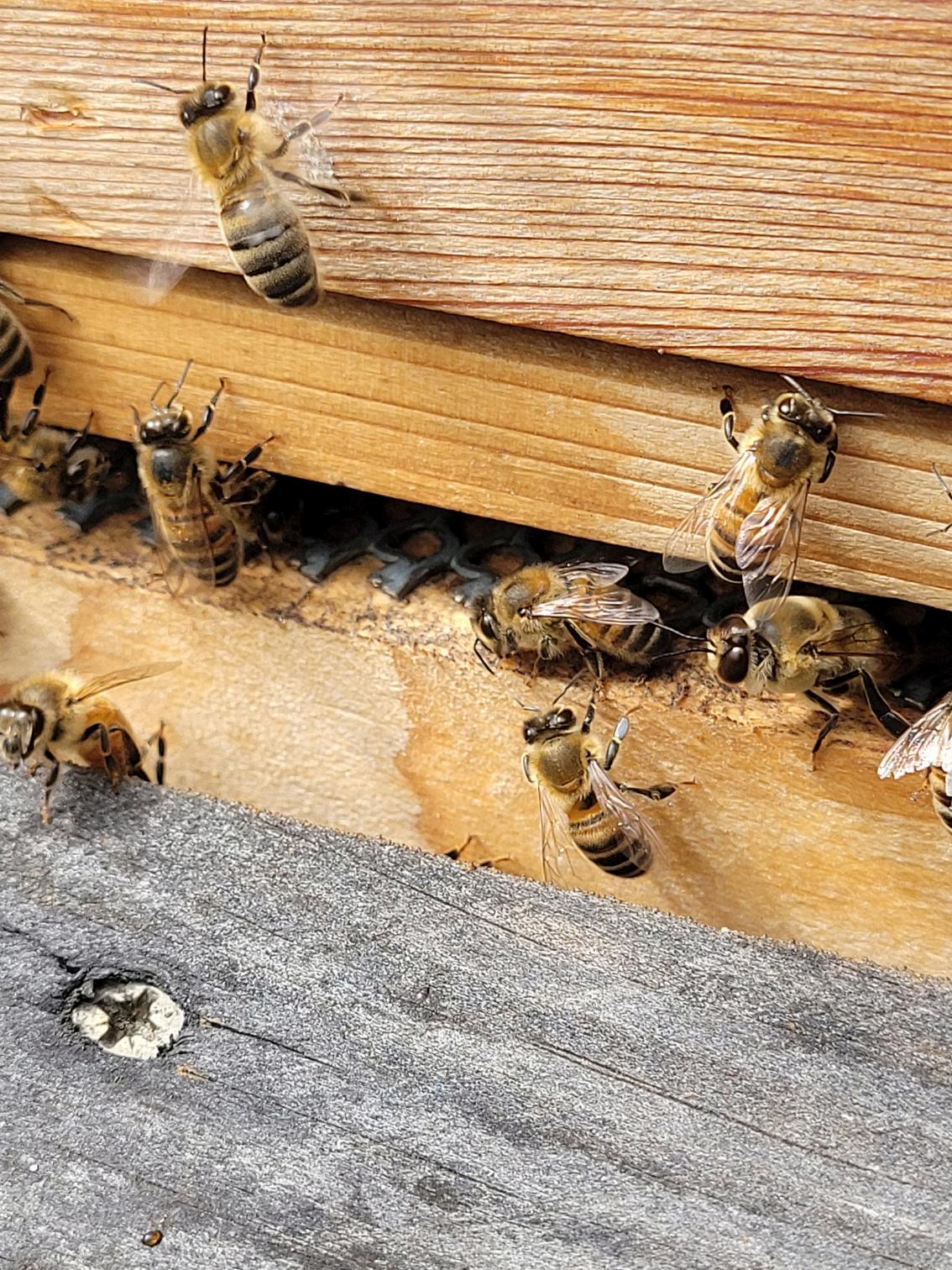
With lengthening days and warmer temperatures, March is an exciting, but nerve racking time for Beekeepers. On sunny days, there is industrious activity around the hive entrance; the bees are visiting white flowered Blackthorn bushes, and early blossoming Prunus trees, however, it’s still too early in the season to inspect our hives to see exactly what is happening.
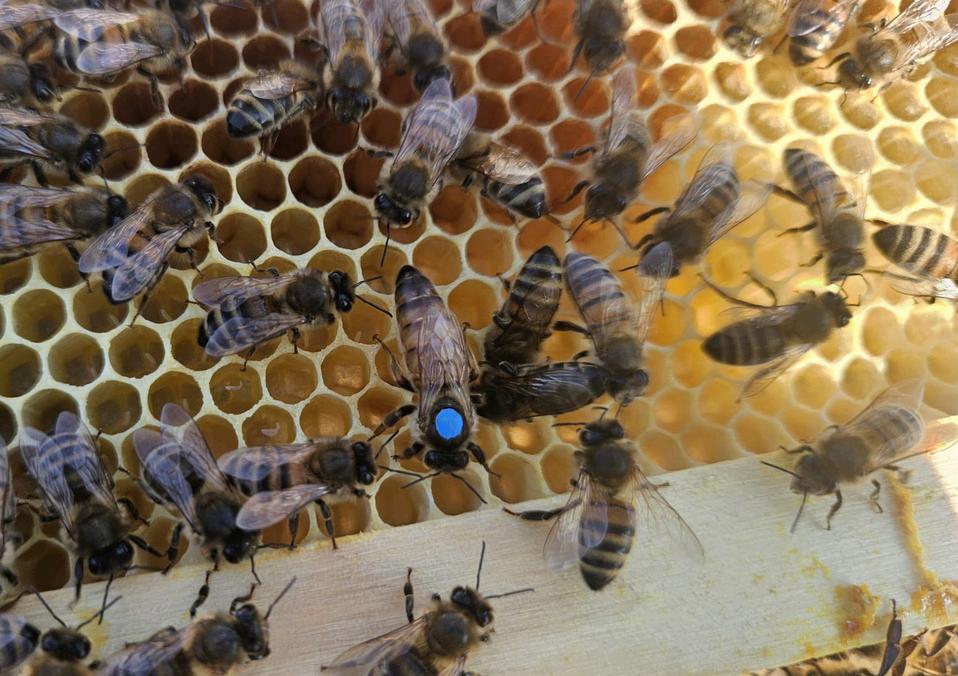
Can you spot the queen? Opening the hive too early comes with many risks. Chilly evenings mean the bee colony doesn’t have enough time to reestablish their core temperature of 33°c and can freeze. The Queen Bee could accidentally get damaged, and with no Drone (male) bees around yet to mate with a new queen, the colony is sentenced to an early demise So we have to be patient and observe from the front and judge if the bees are bringing pollen into the hives
The Queen Bee is arguably the most important bee in the hive There is usually only one at a time and her genetics control the temperament of the whole colony
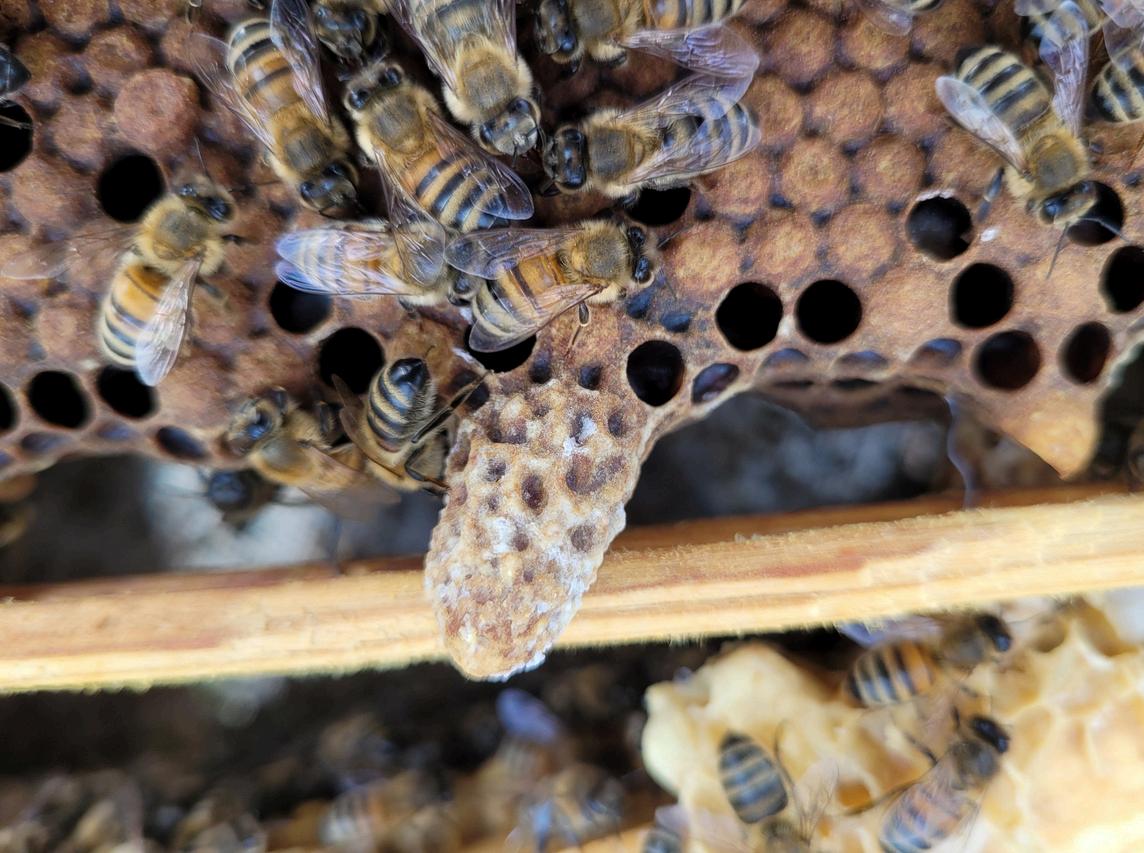
She starts life as an egg, and like a worker bee, is given a first feed of royal jelly, - a protein and nutrient rich substance secreted by younger worker bees While worker bee larvae are fed a diet of pollen, the potential new Queen Bee continues to be fed royal jelly and is housed in a special cell called a Queen Cell, which looks a bit like a peanut. The worker bees feed the queen larvae for 9 days, then seal the cell for the bee to transform into a queen. The new queen emerges after 16 days and has a short window of opportunity to leave the hive and get mated.
By
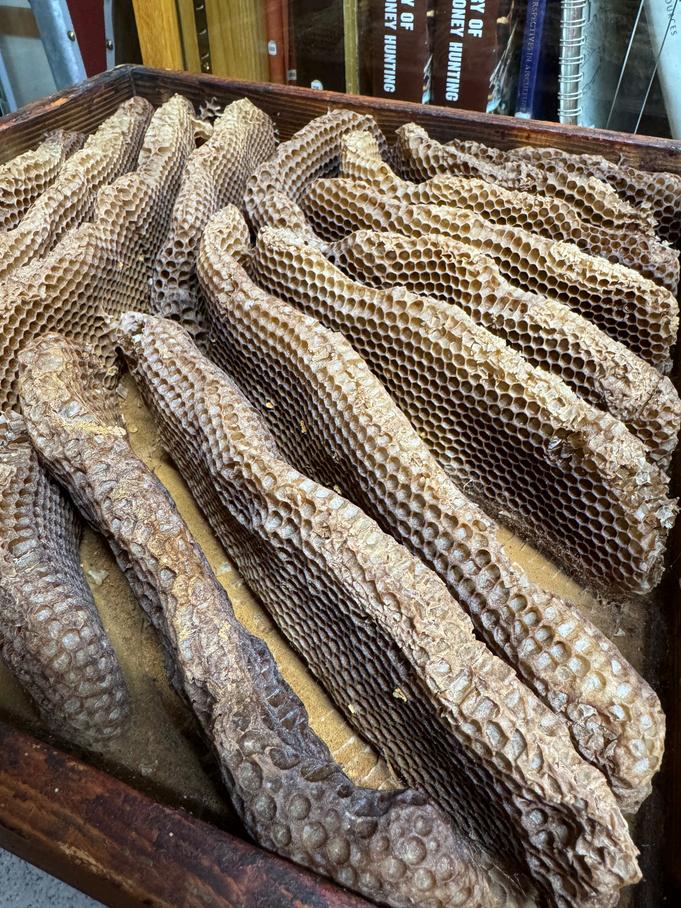
Wax cappings.
The new queen bee is fairly small at this point and can be difficult to see in the hive as she’s a similar size to a worker bee. She will leave the hive on a warm, calm day and mates with around 20 drone bees (a story for another day). She returns to her hive and within a couple of weeks begins to lay eggs, up to 2000 per day. At this point the queen is easily identified as her abdomen is longer and wider from being mated and well fed by her colony Beekeepers will often mark their queen ’ s thorax with the year ’ s corresponding colour in order to find her easily amongst potentially 60,000 bees in the colony during the height of summer Queen bees are marked with different colours depending on what year they emerged, white, yellow, red, green, and blue This year ’ s queen colour is white This queen will live for up to 5 year compared to the workers and drones that mostly only live for around 46 days
March is the time I make sure I have enough clean hive equipment for the season ahead. This includes a clean hive for each colony and honey boxes filled with fresh frames ready for any potential honey crops.
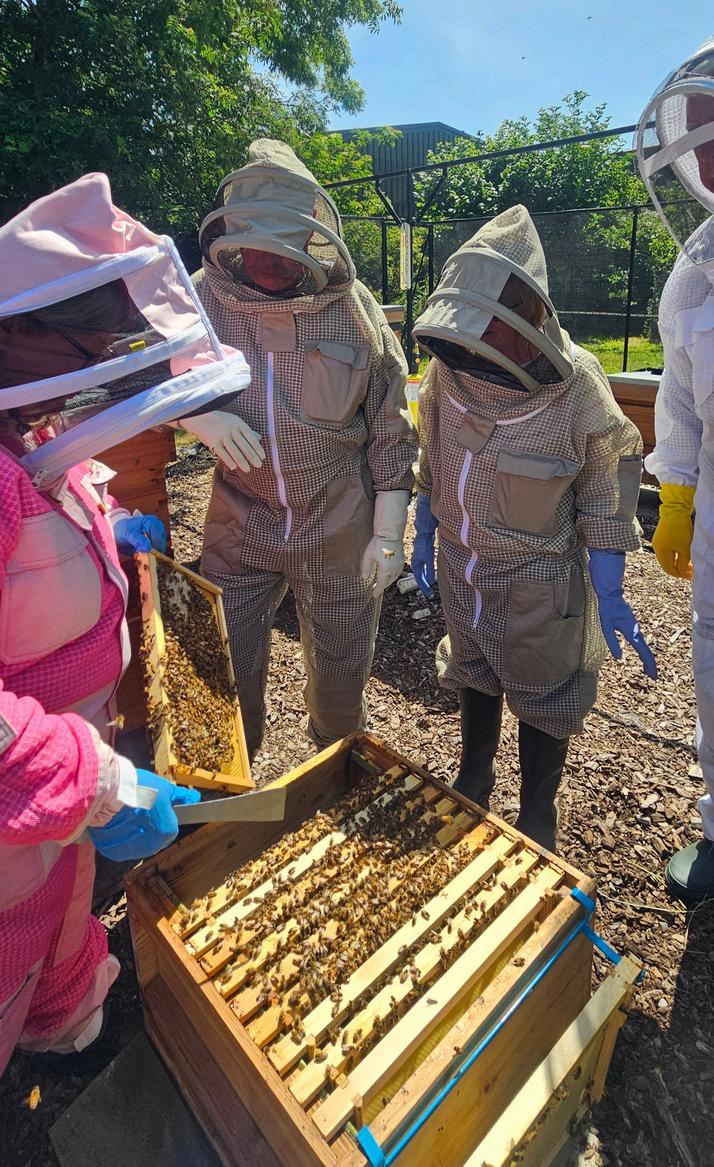
March is also the perfect time for new beekeepers to sign up for Beekeeping courses. If you fancy keeping bees, I would advise starting with a Beekeeping experience. Being around an open colony of bees can be quite intense and is not for everyone, however it is insanely exhilarating too These usually last around 2 hours and you’ll learn a little about the lifecycle of honeys bees, look at hives and equipment and get to experience being dressed in a Beekeeping Suit You will also get to meet some hard working honey bees Once you ’ ve decided you it’s for you, then you can sign up to learn how to keep bees
I run my Beekeeping Experiences from May through to August and Beginner Beekeeping weekends through the year at my garden apiary in the heart of the Norfolk Broads, so if you fancy getting involved please get in touch.

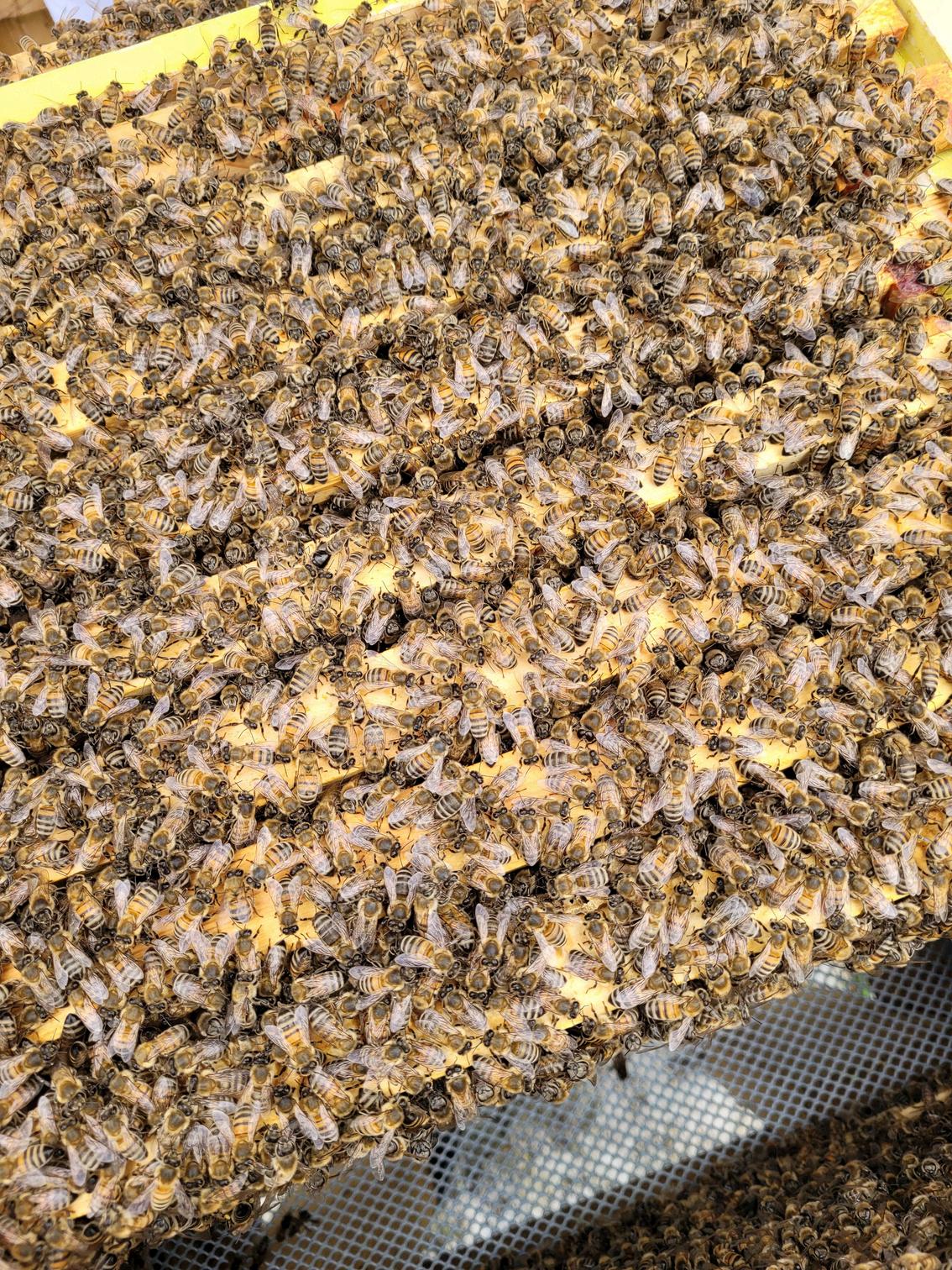
The Christmas decorations are down, the new year is here, for us gardeners we are now more than ready for Spring. But no, it’s not that easy is it? First, we must get through the snow, ice and rain, the short days and very long nights. We try to make Spring appear earlier by growing Hyacinths and Paper White Narcissus indoors, but let’s be honest it’s not the same as that feeling of a little bit of warmth on your skin thanks to the sun whilst smelling the scent of all the flowers you potted up as bulbs back in Autumn
It’s easy to think that Spring will never get here, but over the last couple of years I’ve tried to look for little reminders that Spring is in fact not that far away I now look for those tiny green shoots popping through the soil, slowly growing taller, then the buds slowly starting to take shape. Then from mid- January up come the green and white clumps of snowdrops, it gives me a reminder that change is on the way. I’ve also realised it's a reminder to start thinking about seed sowing.
February started this year with Imbolc, the halfway point between the winter solstice and spring equinox This is the first year I’ve ‘celebrated’ and I lit the candles and incense, bought flowers, it felt a positive time but then came a grey, miserable Monday and I felt flat That was until I saw the first Daffodils flower in my Dad's garden Whilst there was a pain that he isn’t there to see them, it did bring joy knowing passers by can see them and hopefully it will brighten their day Sometimes we expect a glorious day in April for Spring, but every now and then you get early surprises like Daffodils in February.
The signs of spring bring joy to us all.
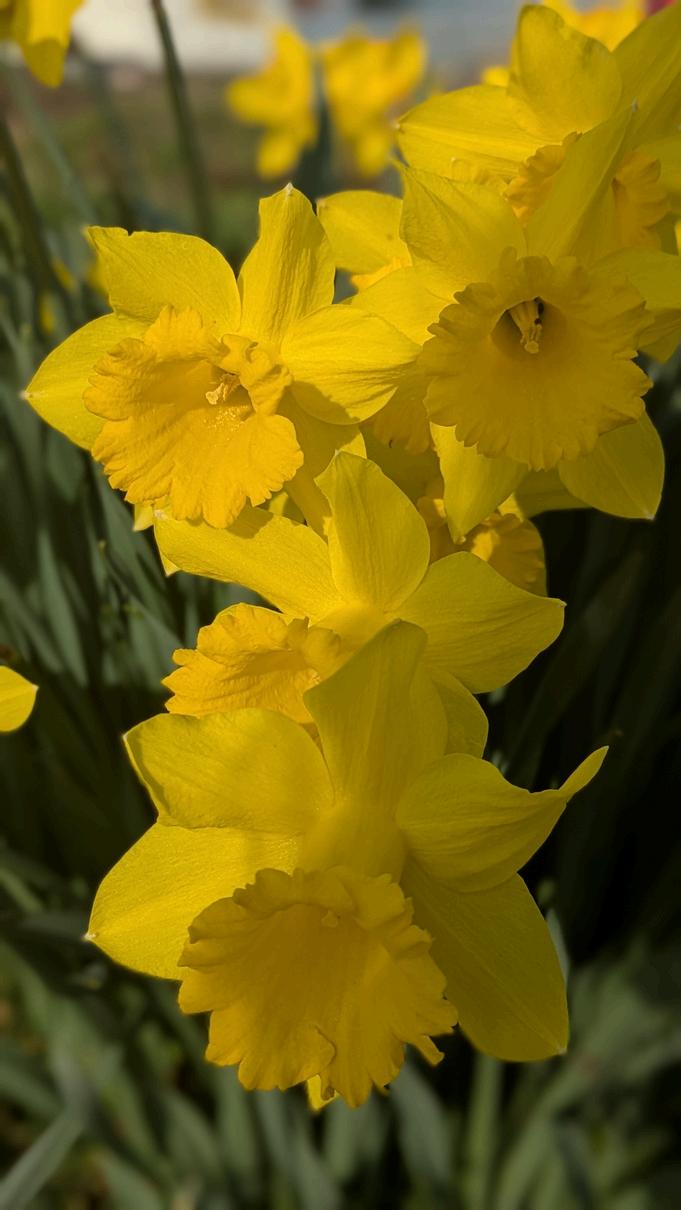


Time goes by so quickly, and Spring will be soon, but for now let’s enjoy the little treats and surprises that mother nature is sending our way.
Get outside and spot the snow drops Sow those seeds Listen to the birdsong Observe the days getting longer Look for the changes in your own growing space.
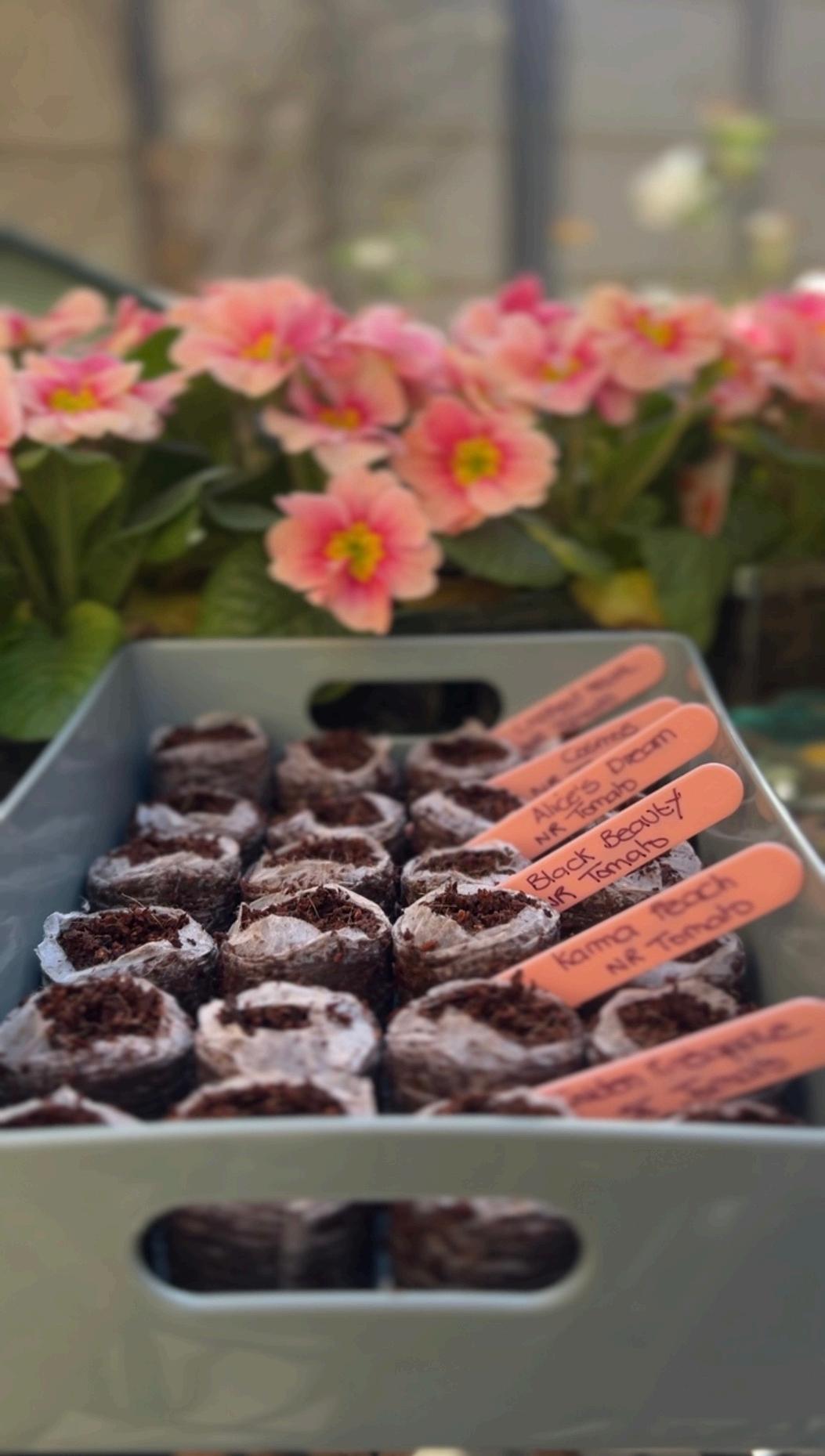

I wonder how many fool’s springs we’ll experience this year before the season fully commits Either way, I’m not complaining; any amount of sunshine is welcome right now I would be very appreciative though, if it would stop raining just long enough for me to find a gardening rhythm
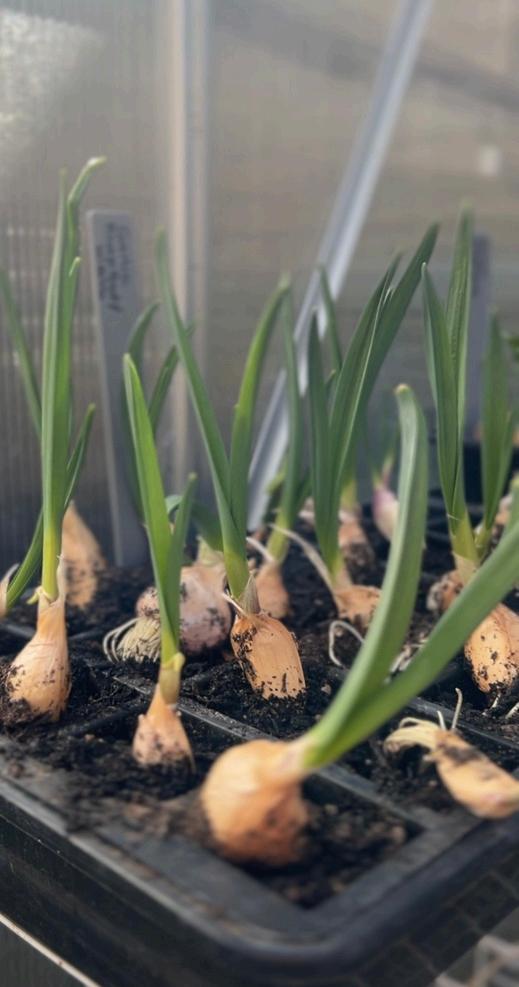
I may not have quite found my groove yet, but the garden is in full dance Flower buds are appearing on the tulips, the potatoes are chitting along, the tomato seeds have been sown and plans for phase two of the kitchen garden are beginning to find their rhythm
We've spent the last 6 years growing the majority of our produce on our full-sized allotment plot. Last year, we received the devastating news that our allotment site was closing down after the landowner sadly passed away. After much deliberation, we decided that we would not seek an alternate plot and instead expand our growing space at home.
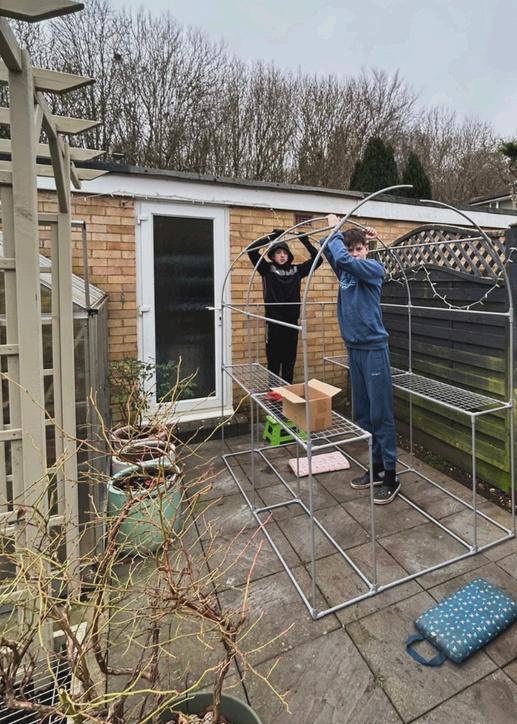
Our current kitchen garden is on a footprint of 3 x 4 meters, but we ’ re now looking to expand this design across the entire top patio, creating a more generous 6 x 4 meter space. This will give us ample room to grow and allow for the addition of more raised beds to house those all important veggies Although this top section of the garden will form the main dedicated growing area, we will also utilise flower beds and pathways to maximise our harvests
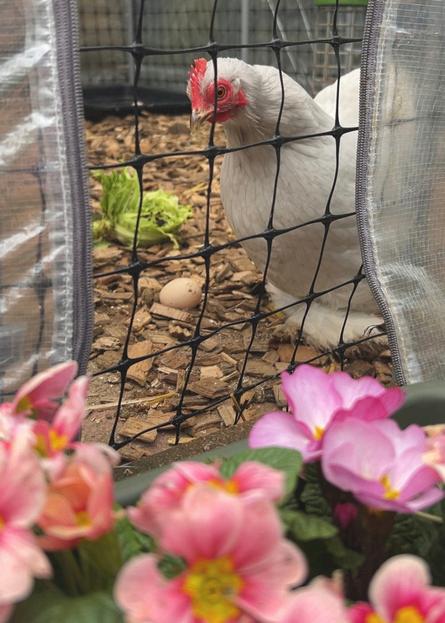
The first step in our new plan was to move the chickens to the other side of the garden In their previous location along the north border, they were shaded by the fence Initially we thought this would keep them cool in summer and offer protection from wind and rain, but over the winter months it hasn’t quite worked out that way The lack of sunlight meant the ground rarely dried properly, making their feathery feet a constant chore to keep clean Although they had a roof over their heads, they were still exposed during bad weather, and I often worried their home wasn’t as comfortable as it should be. They’ve now been relocated to the opposite side of the top patio, where they can benefit from ample opportunity to sunbathe in the afternoons, better drainage underfoot, and a walk-in run that offers much better protection from the harsher elements.
With the larger structures from our design - greenhouse and chicken run - in place, we can begin adapting the rest of the space. The plan includes adding more DIY raised beds along the perimeter, and installing permanent arch supports for vertical growing There will also be a stronger focus on edible flowers with lilacs, climbing roses, calendula, violas and dahlias woven through the garden Our aim is to preserve as much as possible for the pantry, combining beauty with practicality
With plans taking shape, the coming months feel full of promise Join me next time as we begin building the new raised beds and see how this garden dance continues to unfold
By Kerry Tomlinson
cannot wait to see how the garden develops this year.
March marks a quiet turning point in the garden. The official start of spring arrives this month, bringing with it longer days, golden warmth, and the first real signs of growth after winter’s rest. Buds begin to swell, early flowers open, and the garden slowly starts to wake up
For wildlife, this shift is significant Birds are busy preparing for the nesting season, pollinators begin to emerge on warmer days, and many animals start searching for food after the long winter months Energy demands are high, and safe, reliable garden spaces become more important than ever
After the steady, supportive steps taken in January and February, March invites us to gently build on what’s already been created
monthly step-by-step guide
Creating a wildlife garden: A monthly step-by-step guide Creating a wildlife garden:
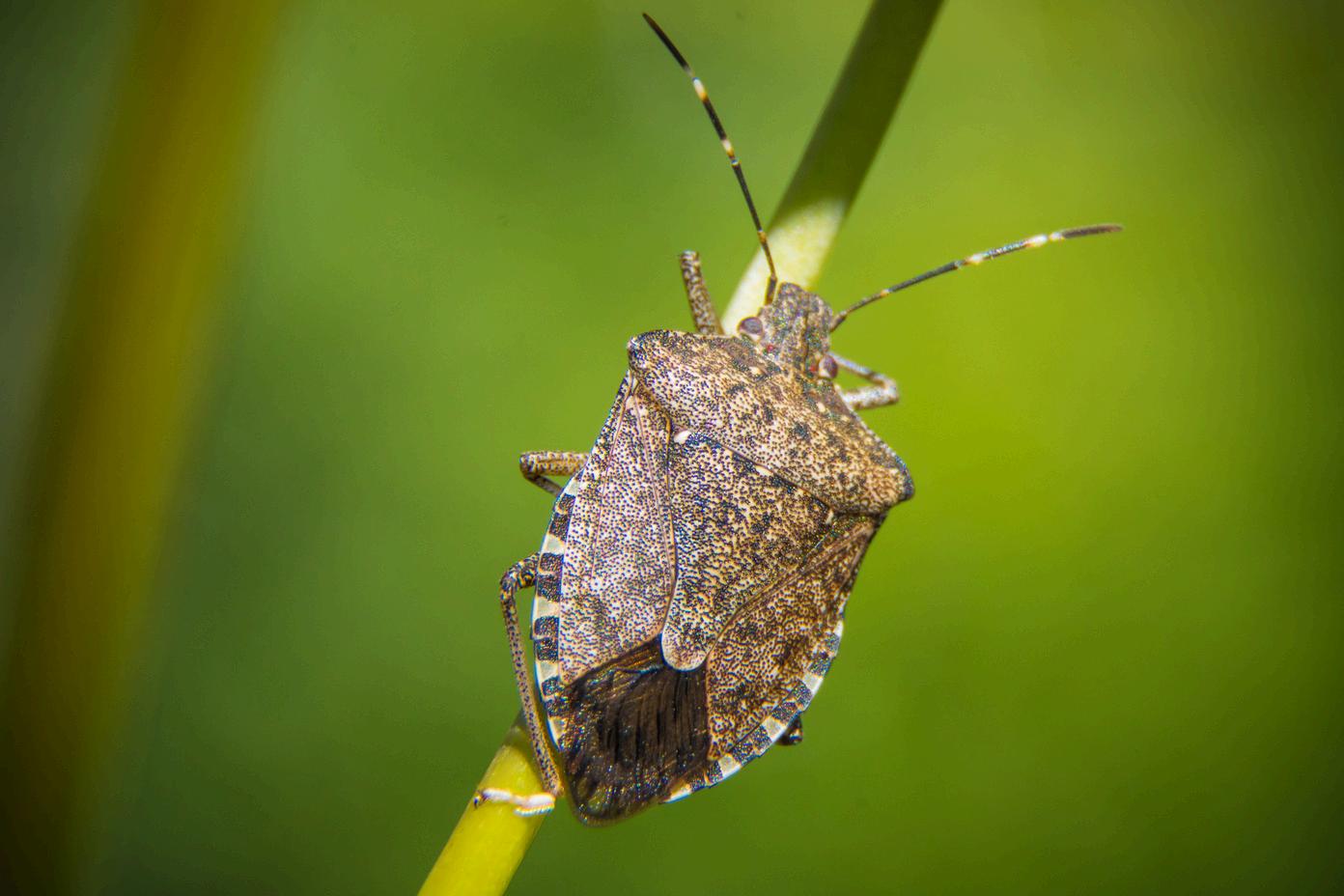
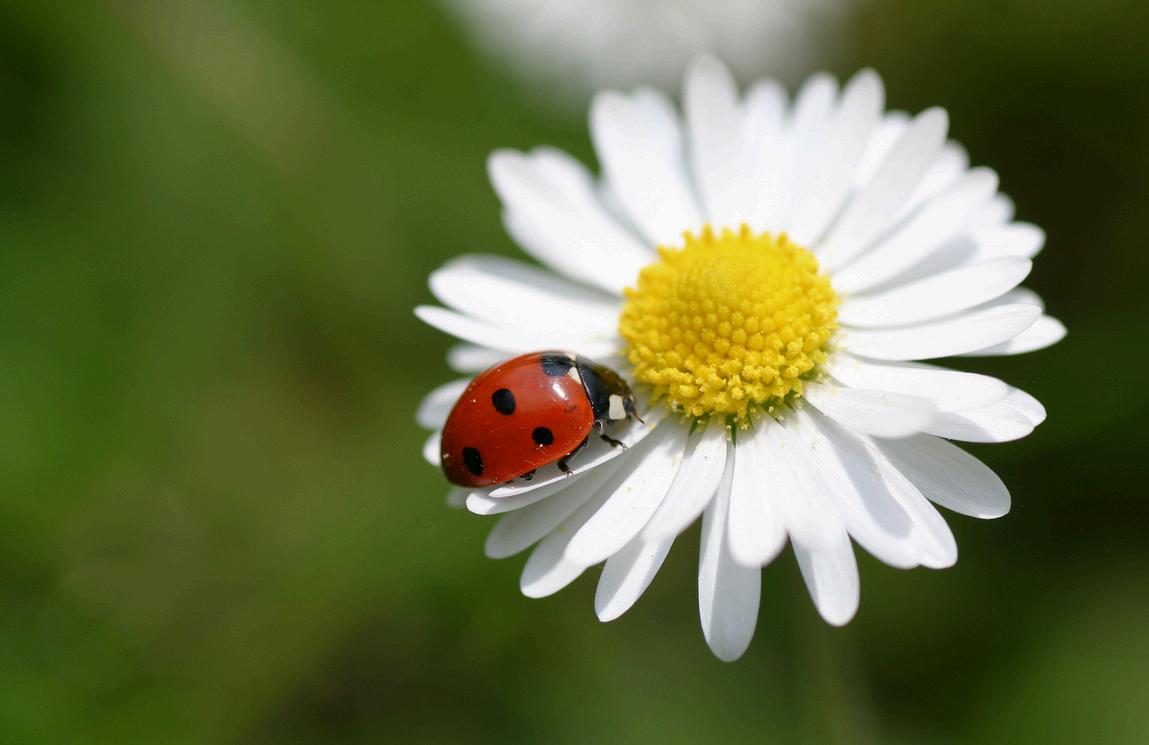
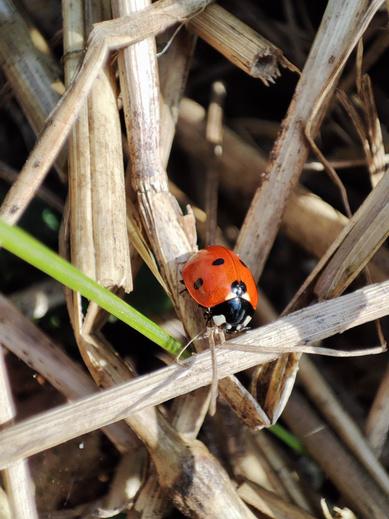
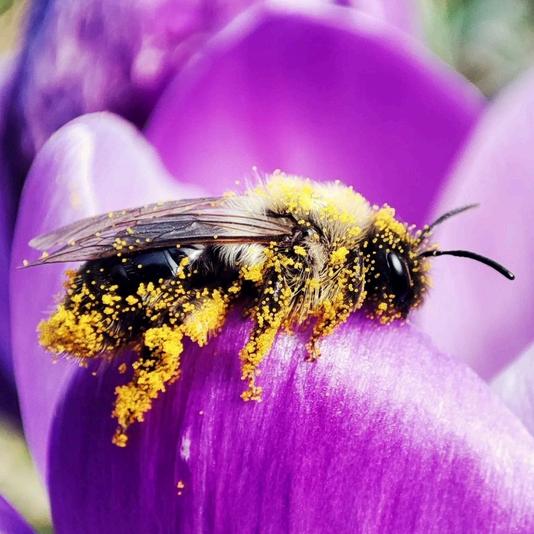
As spring begins to unfold, insects start to reappear in the garden. Solitary bees, beetles, ladybirds, lacewings, and other beneficial insects emerge in search of food, shelter, and safe places to rest and nest. These small creatures play a huge role in pollination, pest control, and keeping garden ecosystems in balance.
As spring begins to unfold, insects start to reappear in the garden. Solitary bees, beetles, ladybirds, lacewings, and other beneficial insects emerge in of food, shelter, safe places to rest nest. These small creatures play a huge role in pollination, pest control, and keeping garden ecosystems in balance.
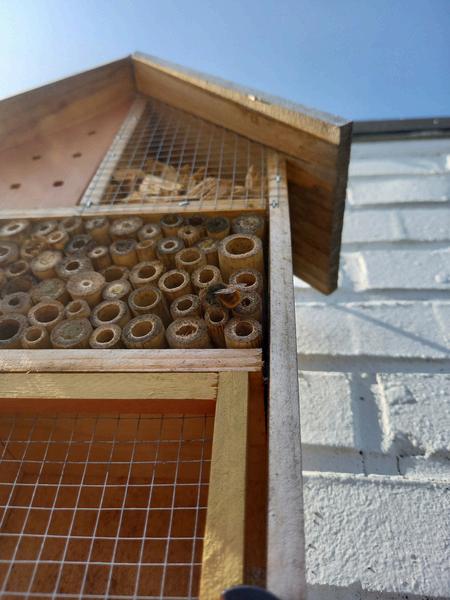
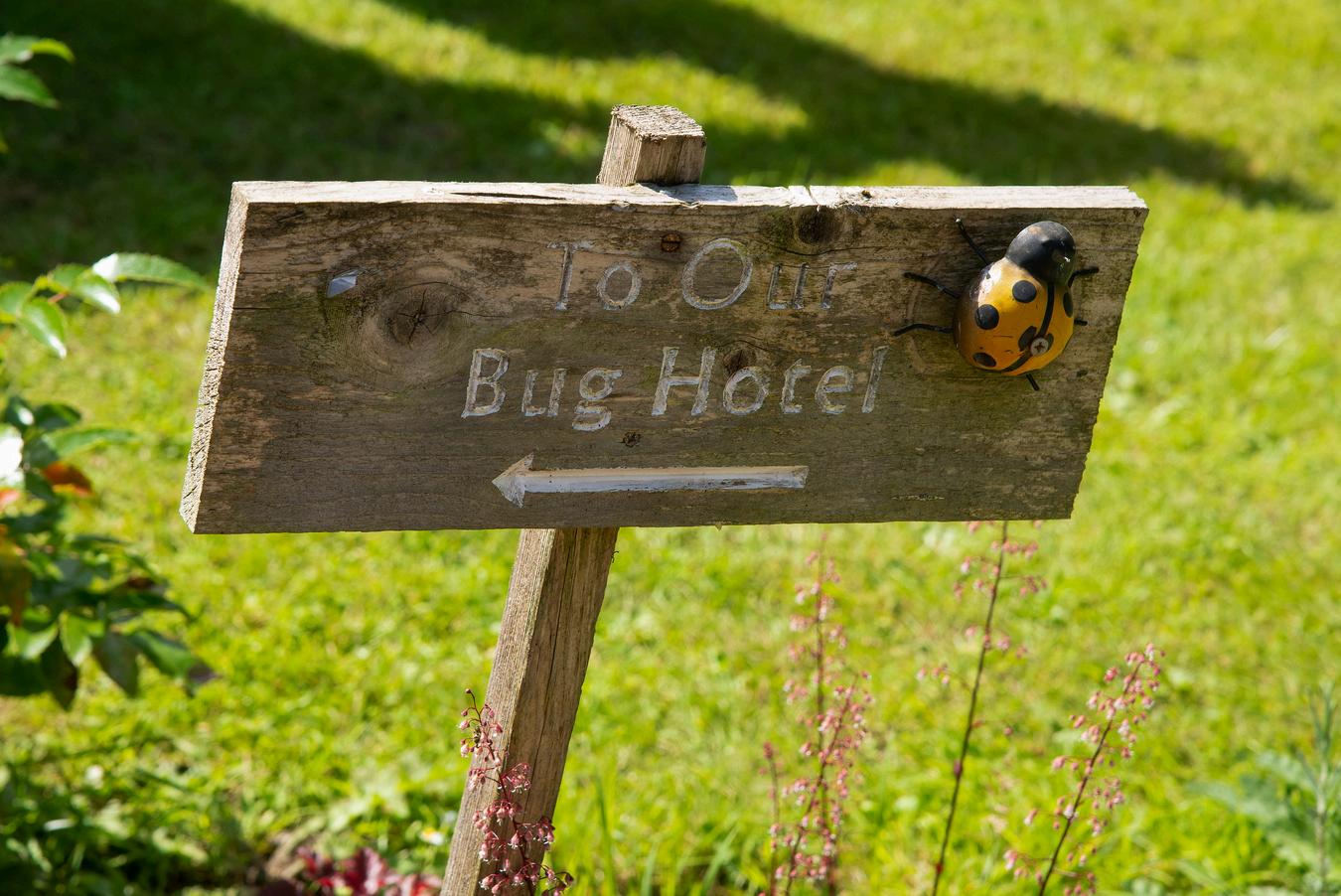
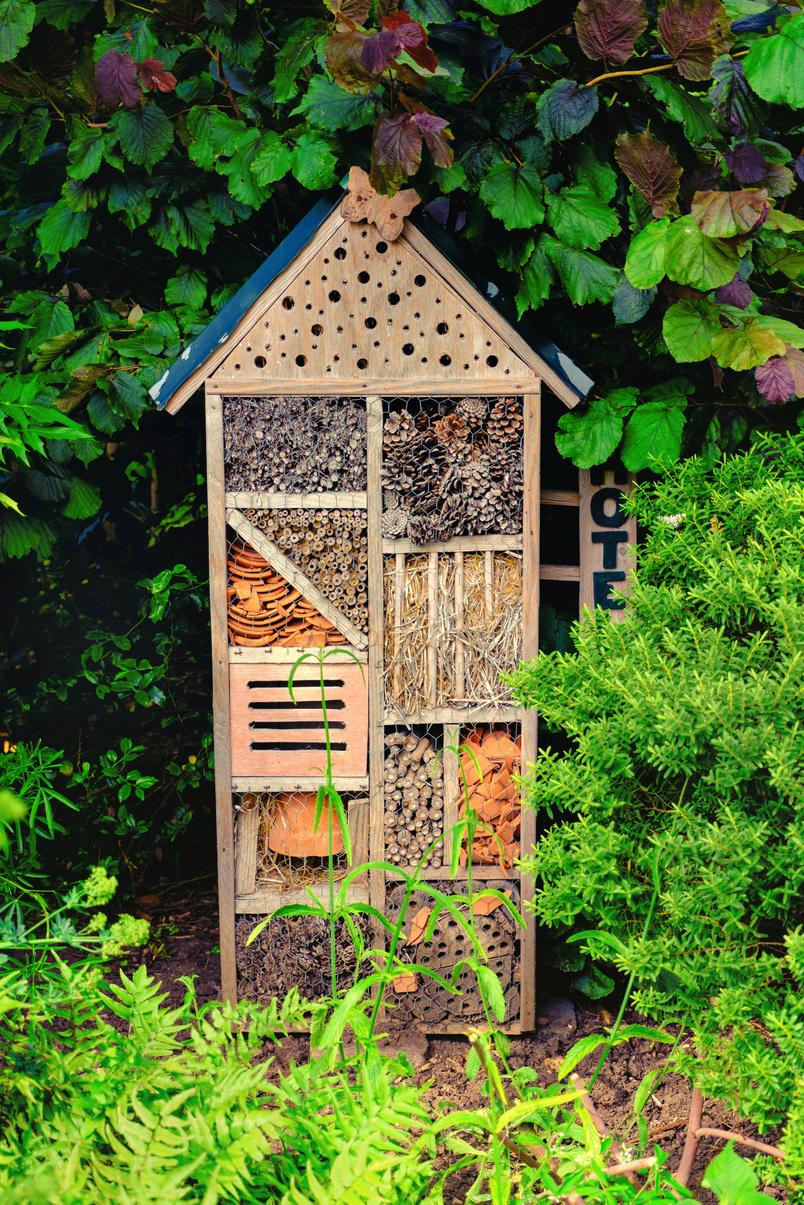
By adding an insect hotel to your garden, you’re offering vital shelter at a time when natural habitats can be scarce. Whether you choose to buy one or create your own, this simple project provides insects with a safe, dry space to call home as the growing season begins.
By adding an insect hotel to your garden, you’re offering vital shelter at a time when natural habitats can be scarce. Whether you choose to buy one or create your own, this simple project provides insects with a safe, dry space to call home as the growing season begins.
If you’d prefer a ready-made option, there are many insect hotels available, but not all are equally helpful for wildlife Choosing the right design can make a real difference to how well it’s used and how long it lasts
When shopping for an insect hotel, keep the following features in mind:
Natural materials: Look for untreated wood, bamboo, hollow stems, pinecones, bark, or drilled logs. Avoid plastic or painted surfaces.
Varied compartments: Different insects prefer different spaces. A mix of materials and hole sizes will attract a wider range of wildlife.
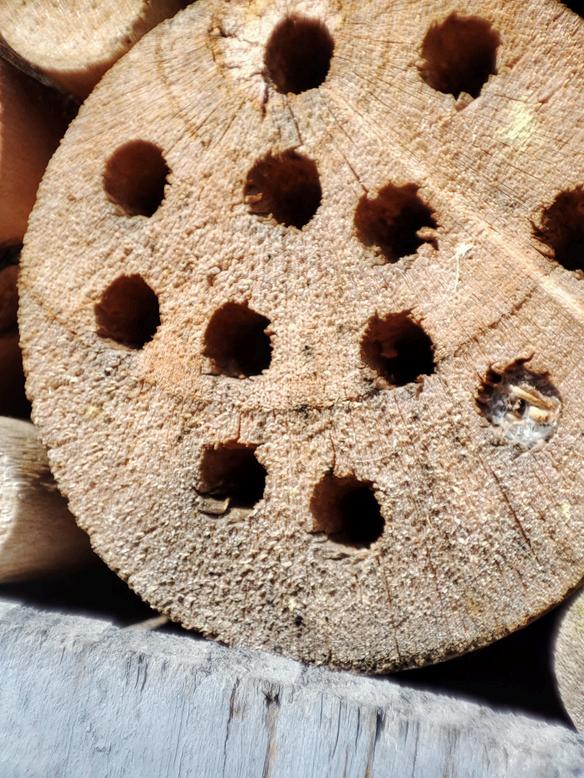
Smooth holes for solitary bees: Drilled holes should be smooth and between 2–10 mm in diameter to prevent wing damage
A solid back and roof: A closed back and a sloping, weatherproof roof help keep the hotel dry and warm
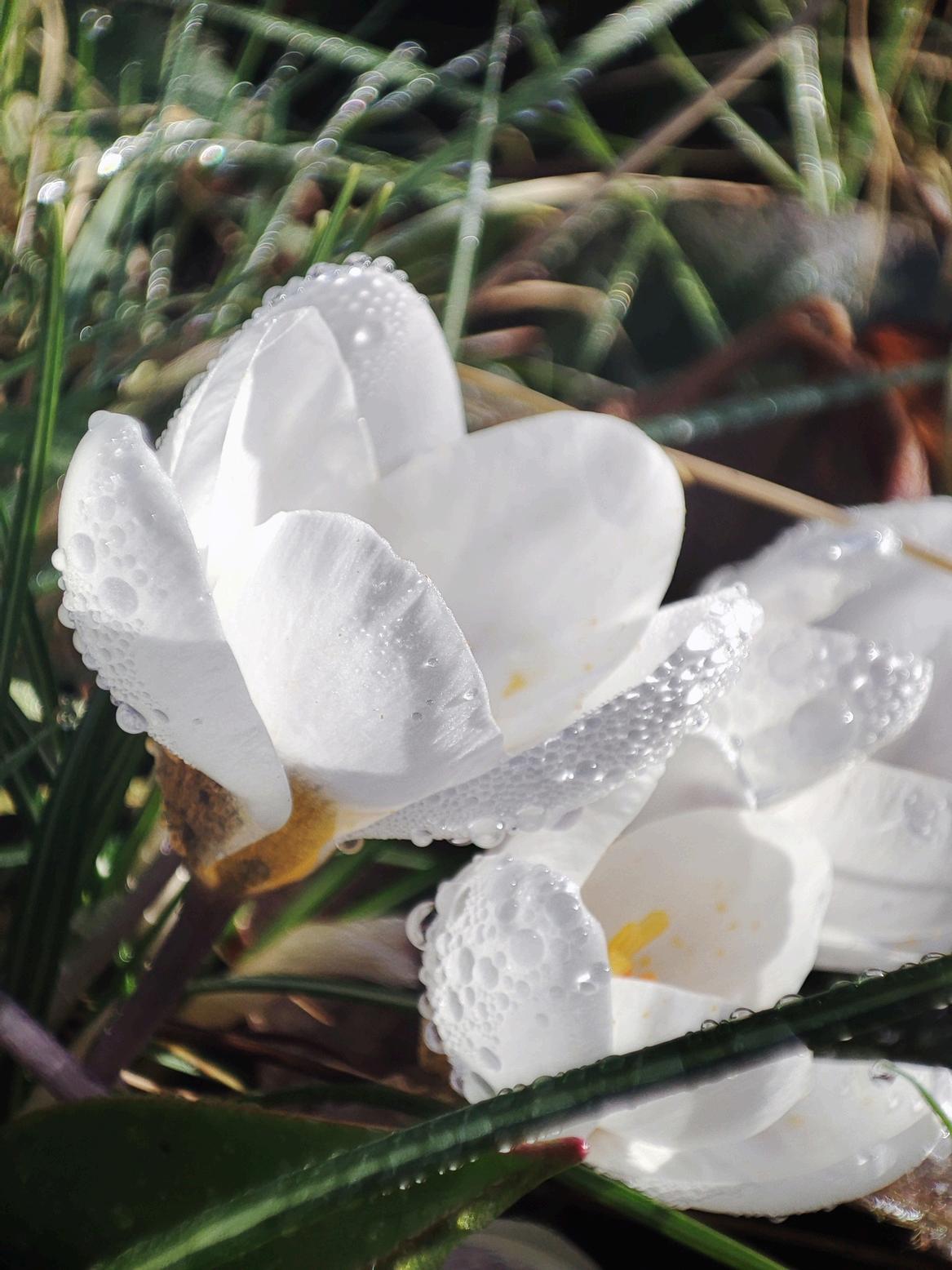
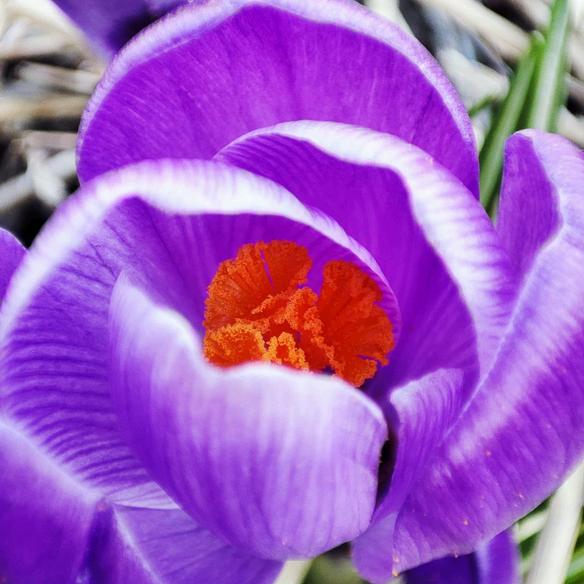
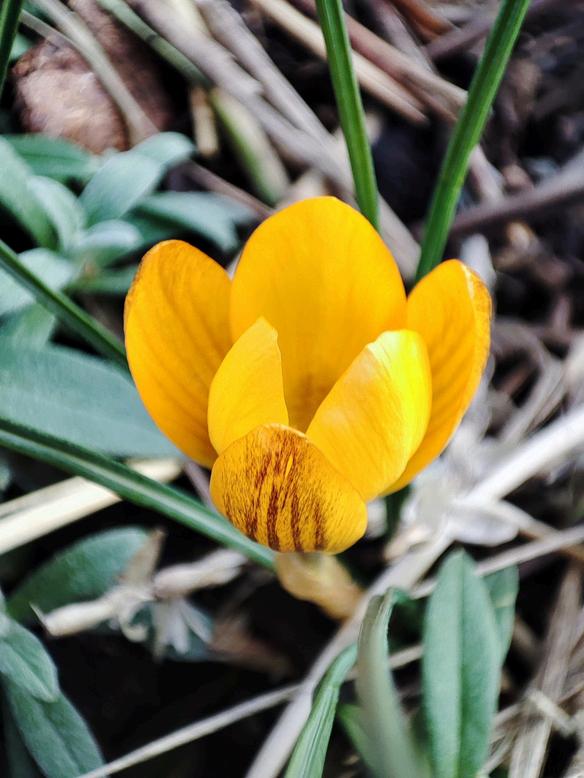
One of the first blooms to appear.
Placement is just as important as the design itself:
Position the hotel in a sunny or lightly shaded spot, ideally facing south or southeast.
Keep it off the ground, at least 30–50 cm high, to protect it from dampness and predators.
Choose a sheltered location, protected from heavy rain and strong winds.
Place it near nectar-rich plants, wildflowers, or shrubs so insects don’t have to travel far for food
Make sure it’s stable and secure, so it doesn’t sway or fall
Making your own insect hotel is a lovely, creative way to support wildlife, and it allows you to tailor the design to your garden and the materials you already have.
Materials you can use:
You don’t need anything fancy. Many useful materials can be found in the garden or reused from everyday items:
Hollow plant stems (bamboo, reeds, elder, raspberry canes)
Logs or branches with drilled holes
Pinecones
Bark
Straw or dry leaves
Old terracotta pots or wooden boxes
Untreated scrap wood
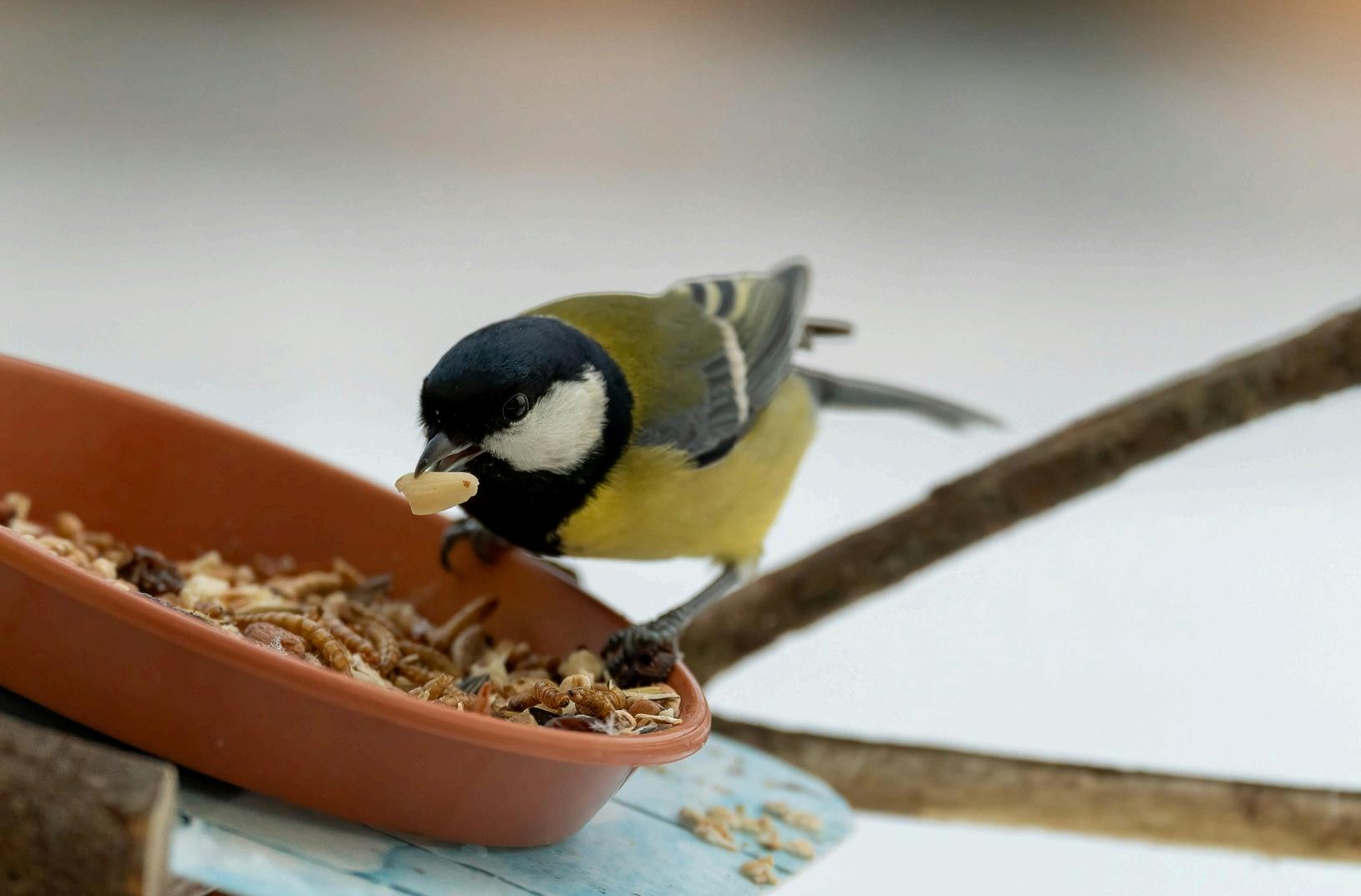
Winter is hard on the birds.
Who will visit your home?
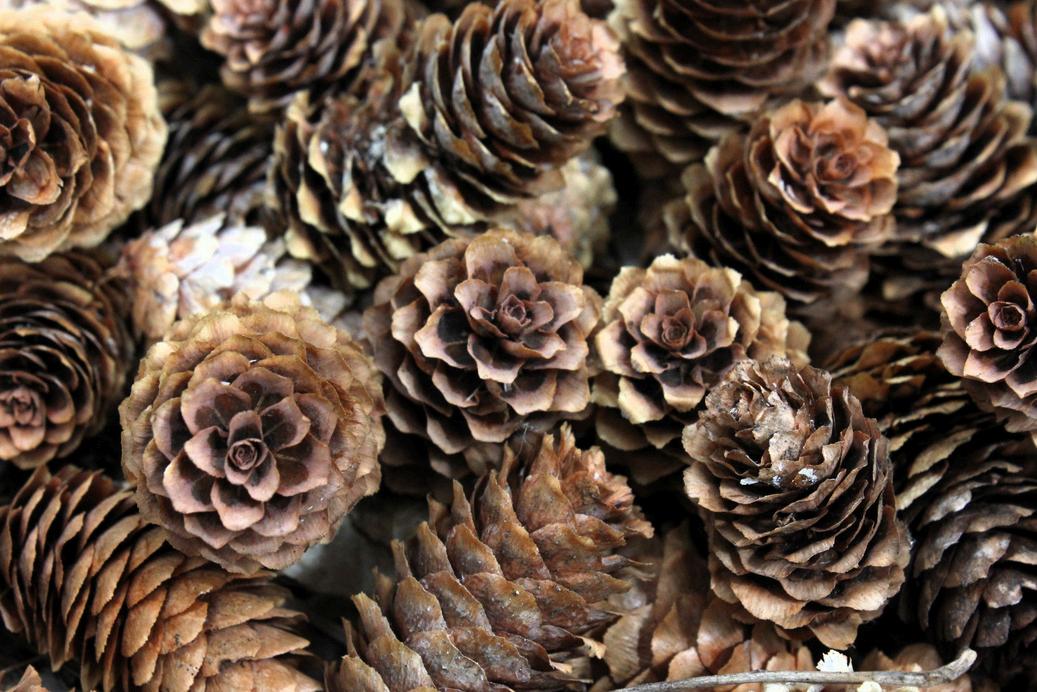
Use what you have to get building.
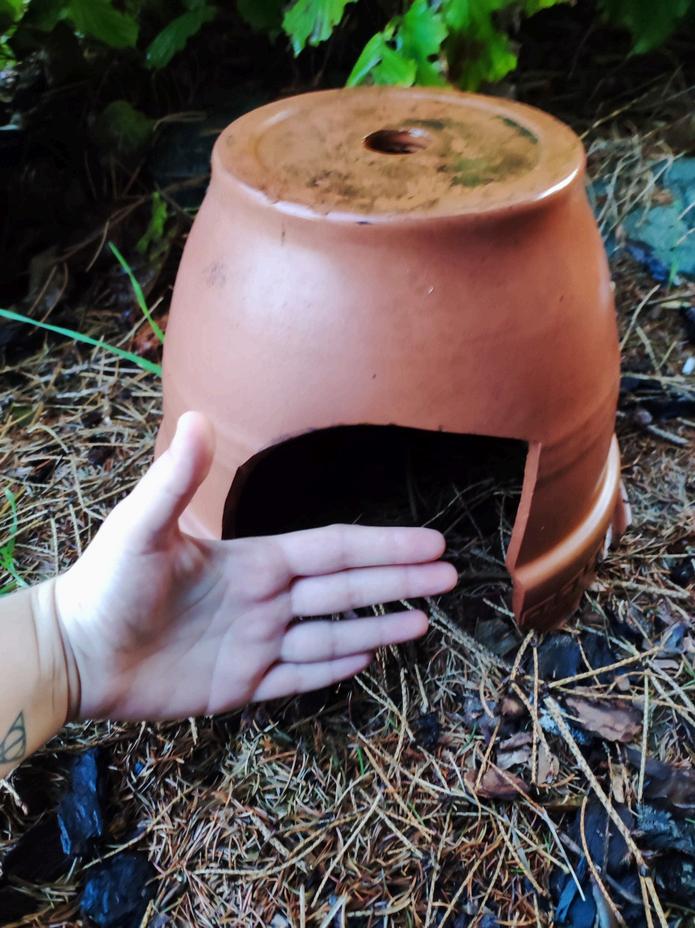
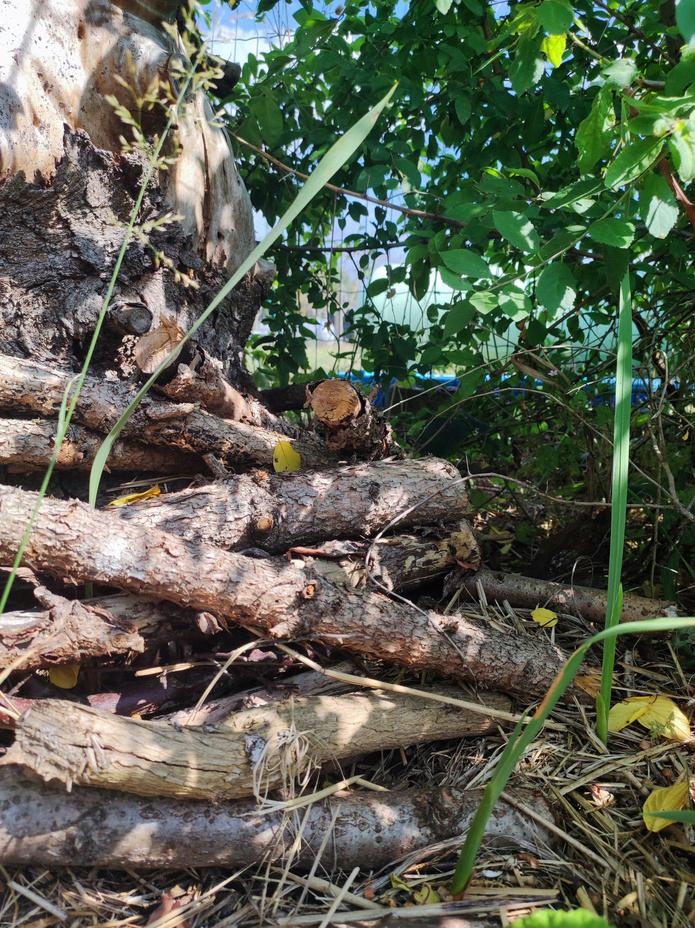
How to start building your insect hotel
Choose a container or frame:
This could be a wooden box, crate, or even a stack of pots or bricks Make sure it’s sturdy and made from untreated materials
Create a variety of sections:
Fill different areas with different mateials to attract a range of insects.
For example:
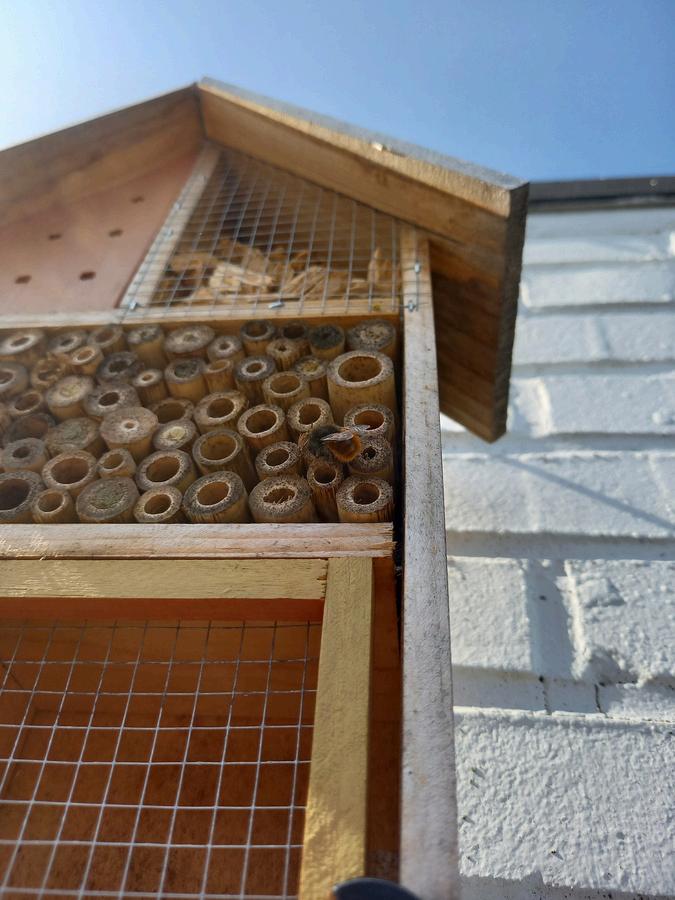
Drilled logs or bundles of hollow stems for solitary bees
Pinecones and bark for beetles and ladybirds
Straw or dry leaves for lacewings and other insects
Keep everything dry and snug:
Pack materials tightly so they don’t move and add a simple roof or cover to protect from rain
Where to place a homemade insect hotel
Just like a bought one, your homemade hotel will be most effective if it’s placed thoughtfully:
Position it in a warm, sheltered spot, facing south or southeast
Raise it slightly off the ground to avoid dampness
Place it close to flowers, herbs, or wild areas of the garden
Avoid moving it once insects begin to use it.
Once your insect hotel is in place, the most important step is patience. Some insects may move in quickly, while others won’t appear until later in spring, or even summer and autumn
Watch for insects investigating the holes and compartments
Notice which sections are most popular
Take mental notes for future improvements or additions
Resist the urge to tidy or interfere
Winter is hard on the birds.
Building your own home is super simple.
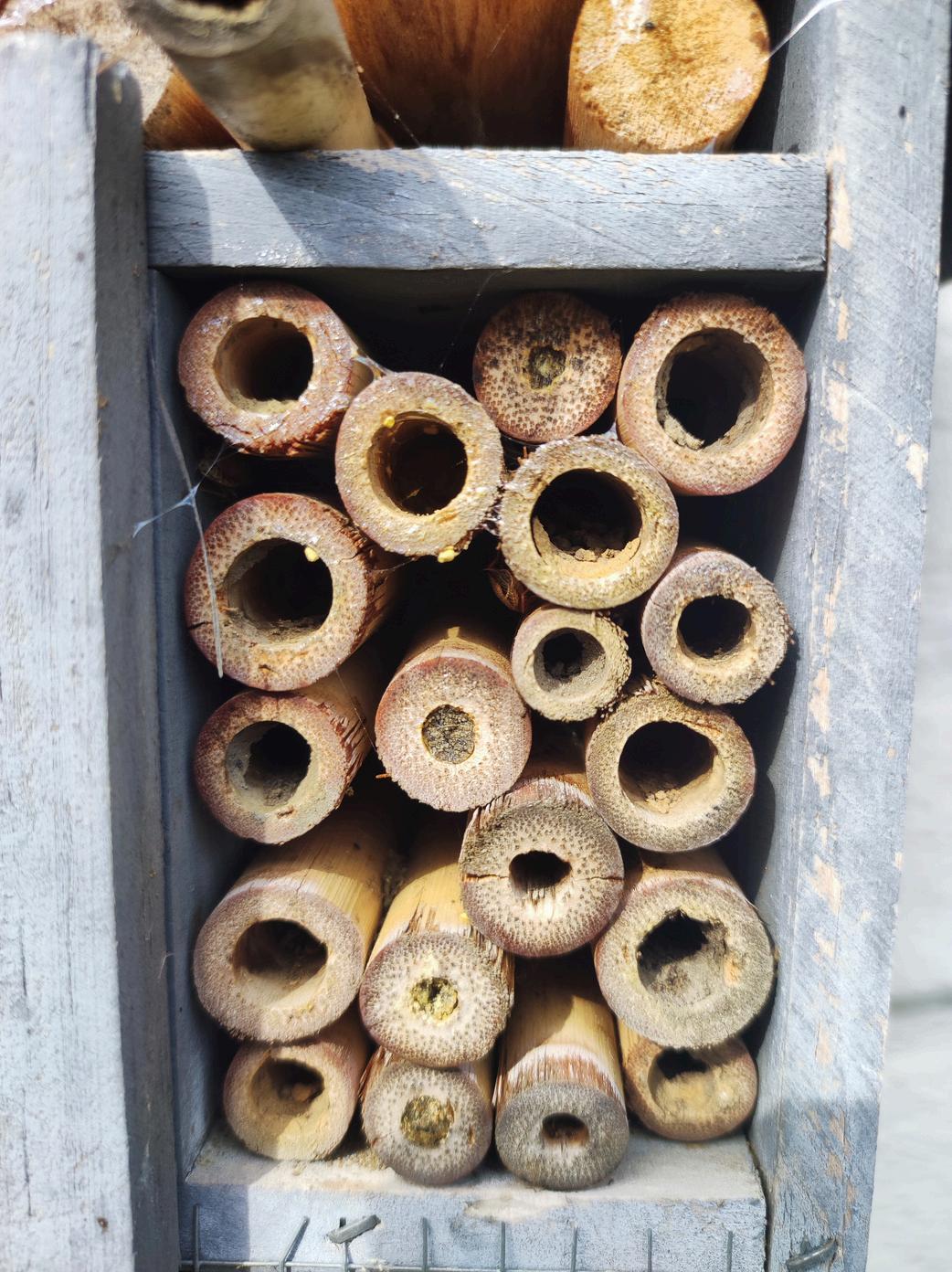
Don’t forger about other widlife this month too.
March is a month of gradual change, and small, thoughtful actions can go a long way in supporting wildlife as activity increases across the garden
Continue supporting birds
Keep bird feeders and water topped up, especially during colder spells As nesting season approaches, birds need reliable food sources and clean water
Leave nesting materials available for birds
Birds will soon begin building their nests and appreciate having safe, natural materials nearby. You can help by leaving small amounts of the following in quiet areas of the garden or in a shallow tray:
Dry grass and straw
Moss
Fallen leaves
Small twigs
Don’t offer:
Synthetic materials or plastics
Long strings, yarn, or ribbon (these can tangle around legs)
Dryer lint or chemically treated fibres
jobs
Leave some areas a little wild: Avoid cutting everything back too quickly Dead stems, leaf litter, and seed heads still provide shelter and food for insects and birds emerging from winter
Provide food for early pollinators: Plant early-flowering plants and sow hardy wildflower seeds to provide nectar for early bees
Check existing shelters: Take a gentle walk around the garden and make sure birdhouses, feeding stations, and insect hotels are still secure after winter weather.
Be mindful when tidying: Move slowly and carefully when clearing or digging, as insects, frogs, and other wildlife may still be resting beneath the surface.
Observe and note changes: Watch for the first pollinators, nesting behaviour, or new plant growth, and make simple notes about what appears and where
Winter is hard on the birds.
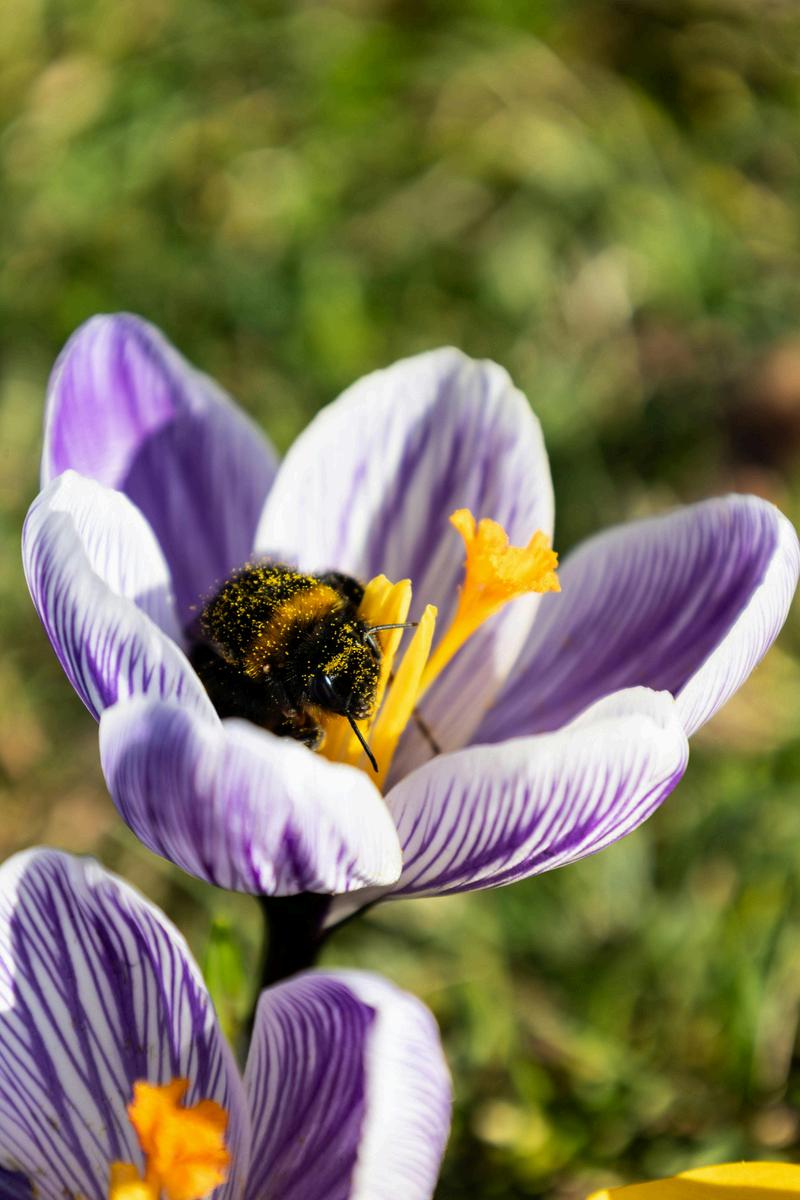
March reminds us that change doesn’t always arrive all at once. It begins quietly in small moments: the first bee on a warm afternoon, birds gathering nesting materials, fresh green shoots pushing through the soil.
By offering shelter, food, and space, you’re giving wildlife the support it needs at the very start of the growing season. Happy
gardening, and see you all next month!


...and help us keep making the Garden Folk Mag
We appreciate all the support given to the magazine by all the Garden Folkour readers, writers, industry supporters and anyone else who cheers us on Running the magazine each month does incur financial costs though, so if you are able to contribute, either with a one off payment or by becoming a member, it would really help to keep the magazine going... and growing.

There are currently three membership tiers to choose from, all with great benefits















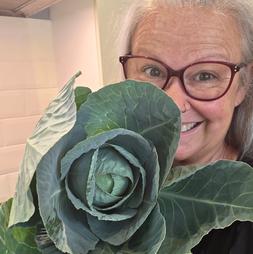
By Shona Price

I have been asked by the folks at Garden Folk Mag to write some plot to plate recipes for you. If you follow me on Instagram you will know that I cook from the heart, rather than using exact measurements. I am a huge believer that a recipe is simply a guide rather than a set of strict rules to follow. If there’s something you don’t like, then switch it out with something you do. If there’s something you don’t have, then substitute it with something you do. It invariably means that you will never recreate the exact same dish twice, but experimenting in the kitchen is half the fun.
I have been asked by the folks at Garden Folk Mag to write some plot to plate recipes for you. If you follow me on Instagram you will know that I cook from the heart, rather than using exact measurements. I am a huge believer that a recipe is simply a guide rather than a set of strict rules to follow. If there’s something you don’t like, then switch it out with something you do. If there’s something you don’t have, then substitute it with something you do. It invariably means that you will never recreate the exact same dish twice, but experimenting in the kitchen is half the fun.
We are currently in the hunger gap, however that doesn’t mean we can’t do a plot to plate. If, like me, you have got some winter squash stored then I have just the thing for you to try.
We are currently in the hunger gap, however that doesn’t mean we can’t do a plot to plate. If, like me, you have got some winter squash stored then I have just the thing for you to try.
Winter Squash. I’m using Turk’s Turban but any squash or pumpkin would work.
Sage I’ve used dried You could also use fresh You could use marjoram, thyme or oregano as an alternative Pumpkin Seeds. I’ve used shop bought, but you could dry and use the seeds from the squash
Feta cheese. Goats cheese would work well too.
Olive oil. If you don’t use/have olive oil, then any oil will do Greens. I’ve used mustard wasabi, but you could use lettuce, kale, cabbage or any other greens. Maybe add some extra pepper or chilli flakes for heat
Chinese 5 spice.
Lemon Juice. Freshly squeezed or from a bottle
Salt & Pepper
Start by preheating your oven to 180 degrees or gas mark 4 while you prep your squash
Chop your squash up into slices or chunks, you decide the size I don’t peel my squash, the skin is edible and I think it is deliciously nutty in flavour Pop your squash in a roasting dish, season with salt & pepper to taste and sprinkle with sage Drizzle in your oil and use your hands to ensure all of the squash is covered Put this in the oven until the squash has softened, timings will depend on the size you chop your squash up into If you have cut big chunks you may need to cover your roasting tray with some foil to stop the squash from burning towards the end.
If you want to use the seeds from your squash then rinse them and dry them thoroughly, coat in olive oil (or whatever oil you have) then season to your own taste. I usually season mine with a little garlic powder and paprika. Put these on an oven tray and roast along with the squash for about 10-12 minutes. Keep checking them and shaking the tray to ensure they don’t burn
Once the squash is starting to get soft, crumble some Feta over the top and put the roasting tray back in the oven until the squash is soft You want your feta to be in the oven for about 10 minutes
Wash your greens, dry well and rip them into pieces Drizzle with olive oil and add a good dash of Chinese 5 spice Make sure your greens are covered in the mix I throw these in the air fryer on 200 for about 6 minutes until they are nice and crispy If you don’t have an airfryer then put them in the oven Whichever way you are cooking them, make sure you keep checking every few minutes to make sure they don’t burn
When the squash is nice and soft, plate it up, squeeze some lemon juice over the top then sprinkle some seeds and some of the crispy greens over the squash. There you have it, a very simple squash dish which you can either eat as a main or as a side.

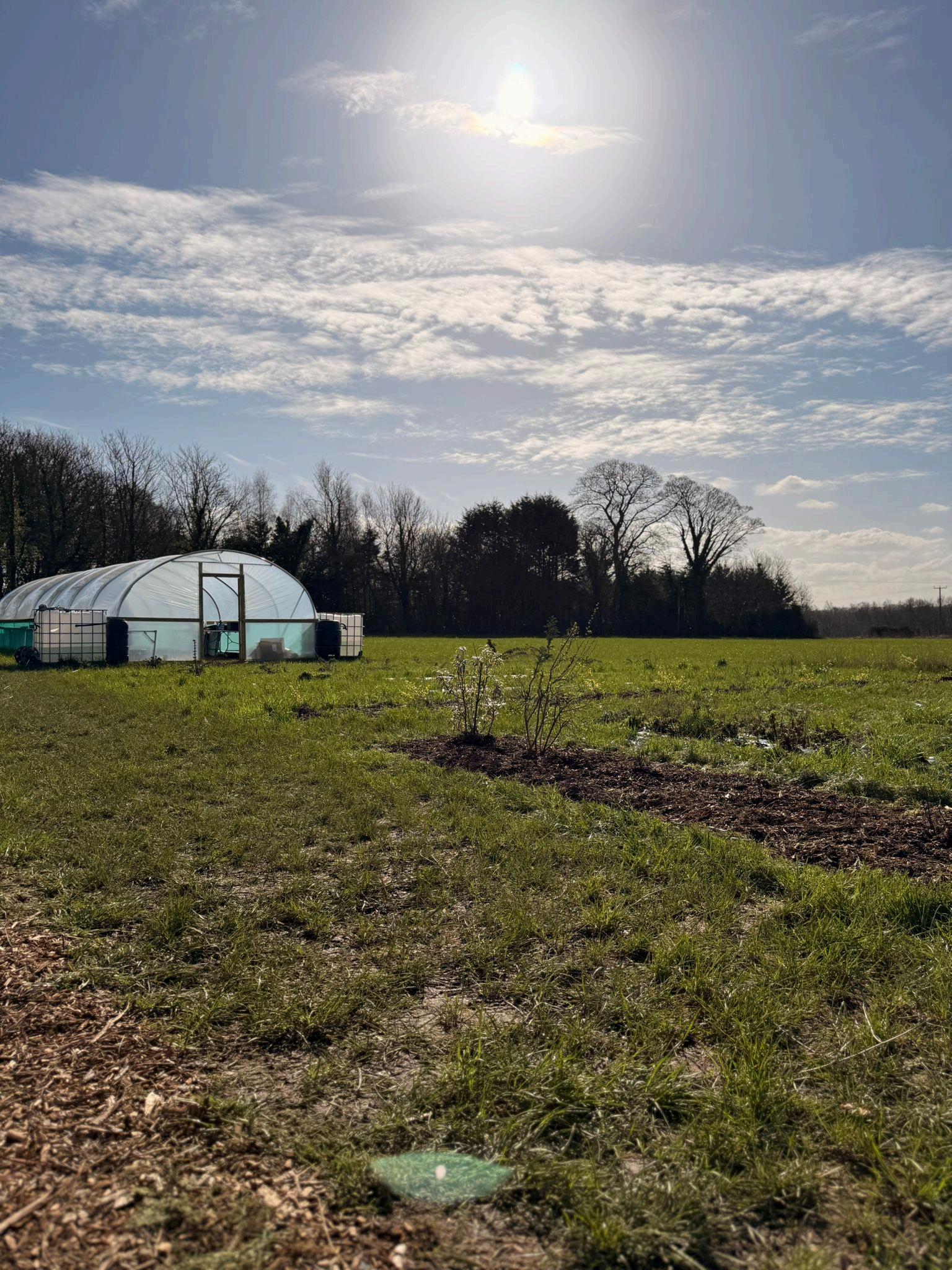

It’s March on the flower farm and everything seems to step up a gear! Suddenly, the rain seems to have stopped (for now anyway) and the ground dried out quickly I spent pretty much the whole of February – not being able to do much due to the wet conditions so its all systems go now! Spring is springing! March arrived and it brought some sunshine!
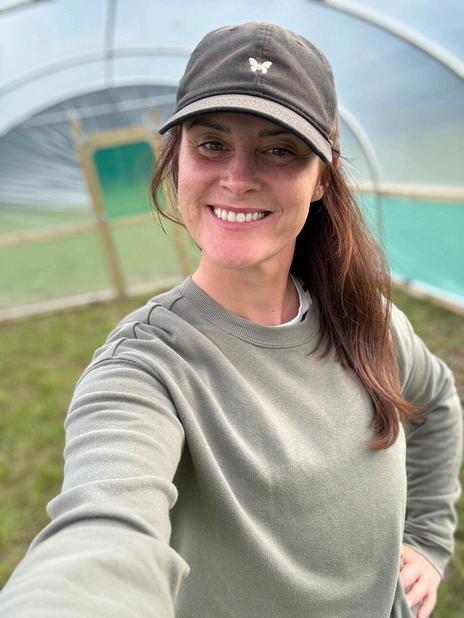
Jobs for March tend to vary quite a bit, clearing the remnants of last years growth, weeding and preparing beds, mulching and most of all seed sowing
We have a very full list of things we need to be getting sown this month, in what is an already very full polytunnel.
One of the most asked questions I get all the time is… How do I manage to get it all done by myself?
It’s a lot. That’s not in question, so I must plan my time carefully at the farm to make sure everything gets done.
Here is my weekly structure: (This moves about during the week depending on the weather!)
1 Day – Dedicated to Seed Sowing and Potting On Planned in at the start of the week based on the weather forecast
90 Mins per day – Maintenance – things like strimming and grass cutting
30 Mins – Watering – First thing every morning
I then spend the rest of the time on bed preparation or clearing, planting out, netting etc The farm is split into grid sections, so I tend to tackle it section by section, so I don’t get too overwhelmed. And that’s the trick at this time of year, not to get too overwhelmed. Its much easier said than done. This year as I go into my second season, I’m feeling much less overwhelmed.
I spent most of these months last year wondering if anything would grow, at least that weight is off my mind now! And lots of perennials that were grown from seed or very small last year seemed to have their teeth sunk in now, some lovely little bonuses that I didn’t have last year
I also feel like I’m beginning to understand the space a little more, what works for it rather than doing what works for me I didn’t have any of that knowledge going in blind last year so that’s helping combat that overwhelming feeling
But if you are feeling that spring overwhelm, don’t worry – we ALL get it!

March may have a few wintery surprises up its sleeve yet but there’s no denying that the year is moving on. The longer brighter days, the ever increasing colour, and the occasional sunny spell means every gardener in the land will have a smile on their face.

Flowers
Zinnia.
Sweet peas.
Nigella.
Nasturtium.
Stocks.
Poppies.
Coreopsis.
Cosmos
Edibles
Tomatoes
Peas
Broad Beans
Spinach
Pak Choi
Lettuce
Brassicas
Leeks
Carrots
Beetroot
Swiss Chard
Come and join the @gardenfolkmag team for live garden updates throughout the month over on Instagram.

What to listen to while you sow:
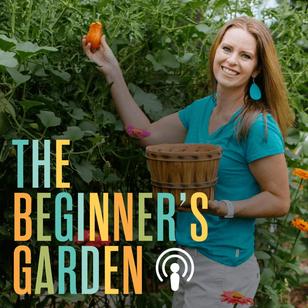
This is the podcast with easyto-understand resources, tips, and information to help beginning gardeners get the most out of their gardening adventure big or small.

You’ll no longer be forcing yourself out into the garden this month, you’ll be only too glad to be out there shaking out the winter creases and getting stuck into the new gardening year .
and other
Mulch and weed borders
Tidy borders and start to cut back and divide perennials
Start off dahlia tubers
Brush off any significant snow from evergreen trees and shrubs to prevent branches snapping under the weight.
Plant early potatoes
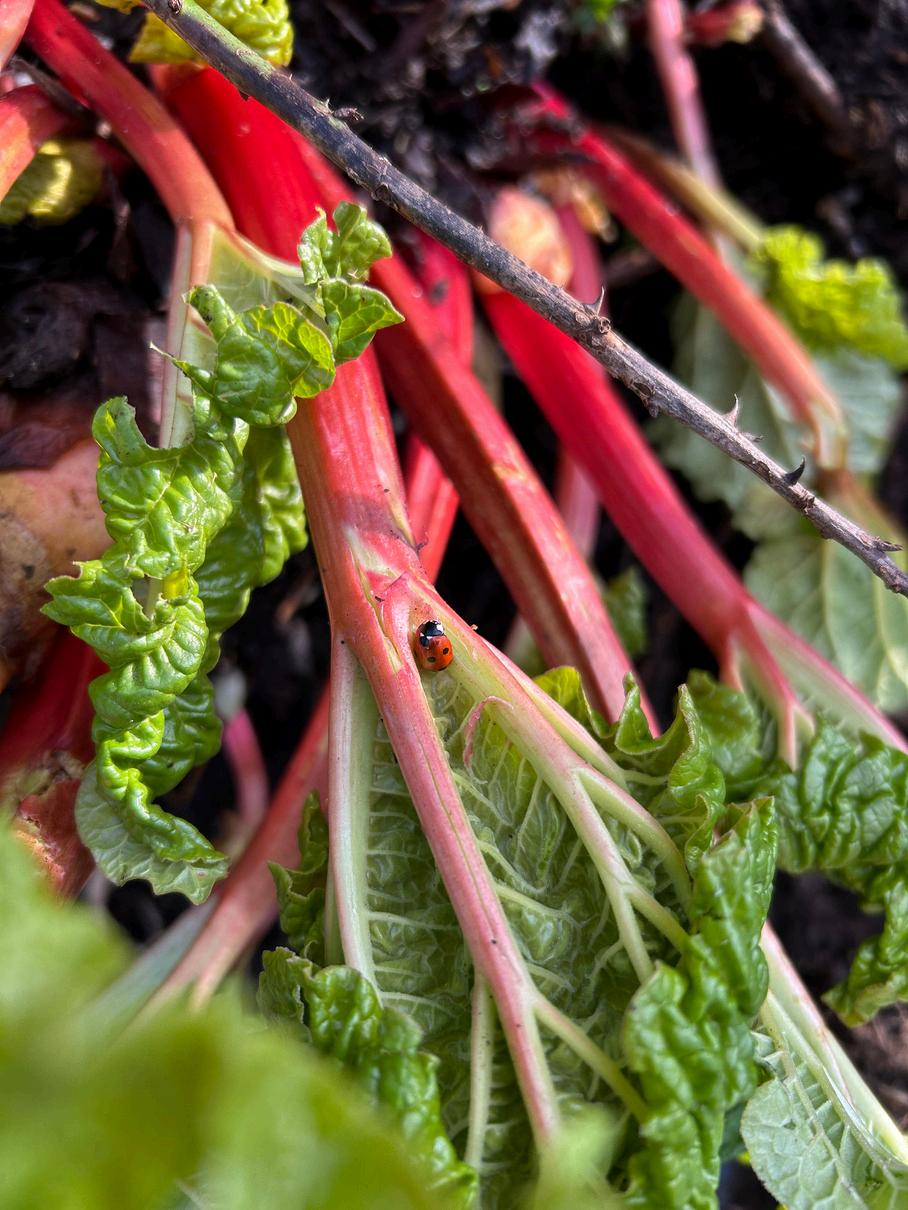
Pick the first rhubarb
De-head daffodils as they finish flowering and let the leaves die back naturally
Plant lilies and summer flowering bulbs
Plant native hedges or add more pollinator plants to your garden.
Sow seeds!
Sit outside on a sunny day

If you’re in need of Garden related ‘stuff’ remember that Garden Folk Supporters get some amazing discounts with some great companies!
Set the date for April 3rd for the next issue