
The Perfect Perennial: A Guide to Choosing and Growing Peonies
By Kathleen Gagan







New Jersey Pesticide Container Recycling Program-2025
This Program is offered to agricultural, professional and commercial pesticide applicators who hold a valid NJDEP applicator license. Other entities that qualify for program participation also include state, county, and municipal government agencies.
Participants must provide proof of licensure at each drop-off location. A representative from the New Jersey Department of Agriculture will be on-site to inspect recycled containers and issue the receipt of pesticide credit to the
Drop-off Sites:
applicant. Only one CORE credit will be issued to each applicator per year.
Container Requirements:
Used containers must be correctly processed prior to arrival. Accepted containers are limited to the following:
Empty, triple rinsed, drained and dry on the inside
Free of residue (other than stains)
Containers will be accepted at each location from 9AM-12PM
Salem County
Helena Agri-Enterprises, LLC.
440 N. Main St., Woodstown, NJ
• 5/22/26
• 6/19/26
• 7/24/26
• 8/24/26
• 9/18/26
• 10/23/26
Atlantic County
Helena Agri-Enterprises, LLC.
66 Route 206 (North of the Route 30/206 Intersection) Hammonton, NJ • 5/15/26 • 6/12/26 • 7/17/26 • 8/14/26
9/11/26
10/10/26
Foil seal and EPA registered label must be removed
Non-refillable containers, with either ¼ inch hole or 6 inch slit at the bottom
Embossed with HDPE or recycled #2
Adhere to size requirements (will accept sizes up to 55 gallons)
5 gal: cut in half
30 gal: cut into (4) pieces
55 gal: cut into (8) pieces
Monmouth County
Rutgers Fruit and Ornamental Research Extension Center
283 Route 539
Cream Ridge, NJ
• 5/29/26 • 6/26/26 • 7/31/26
For further information, or questions, please contact Rachel DeFlumeri. Email inquiries to rachel.deflumeri@ag.nj.gov
Additional program information can be found through the New Jersey Department of Agriculture’s website https://www.nj.gov/agriculture/divisions/anr/nrc/recycling.shtml
In 2008 NJ DEP announced the discovery of a rare new plant in the wilds of Sussex County. Plant lists for NJ began in 1753, so for almost 250 years purple phacelia, Phacelia bipinnatifida , remained hidden. This fact is hard to understand since purple phacelia is a very conspicuous plant and thousands of people visit the NJ park which shelters this delicate plant.
Purple phacelia is a relatively small plant at 1-2 feet tall, but in May it is totally covered with ½ to ¾ inch blue-purple flowers with five lobes and a white star shaped pattern on the corolla tube; there are five stamens, and a central pistil which is split in the middle. Blooming continues for about a month. Thus, it is difficult to comprehend how this beautiful plant was not identified for 250 years since it is hard to miss when in full bloom. The purple phacelia in NJ appears to be a remnant of a previously widespread population. Currently our NJ isolate is about 300 miles away from the closest documented next natural population in Virginia.
Purple phacelia leaves range

The Native Plant Society of New Jersey
By Hubert Ling Horticulture Chair
Rare Plant Found and Lost?
in size up to about five inches long and three inches wide.
The leaves are borne alternately and are deeply divided into 3-5 leaflets which are again deeply divided. All these divisions give the plant an attractive fern-like appearance.
I have a photo from about 2015 which shows hundreds of vigorous purple phacelia plants in large beds scattered over about ½ acre in NJ. However, when I visited the same site in 2021, I only found about four dozen plants in four locations, although we did find and report a white form of the plant along with the normal purple. By 2023 there were only about 30 plants remaining and of those only four or five were over one foot tall. The rest of the plants were stunted and were
being crowded out by invasive shrubs. Unless I missed populations, this endangered plant appears headed for extinction (extirpation) in NJ within two or three years.
In nature purple phacelia grows best in light shade in moist, slightly acid, rich loam. The plant will tolerate rocky shallow soil and some alkalinity. It is found naturally in young woodlands, trail edges, along streams, in moist depressions, and on the lower slopes of ravines.
Although the plant is a biennial it produces numerous seeds, the seed capsules rapidly mature after blooming. By the time the lower capsules release their seeds, the upper capsules have dried out and contain ripe seeds. Don’t wait too long to
collect the seeds or you will find that all the capsules have already cast out their contents of four seeds each.
The dark brown seeds are very distinctive when seen in the microscope; they are uniformly coated with small pits which are overlayed with a netting which also covers the entire seed.
The plant can grow to five inches the first year and then remains a greenish-purple throughout the winter. The next spring it can grow to two feet high and flower profusely. Since it is a biennial be sure to allow it to set seed.
If given enough room and a little weeding, you can easily maintain a vigorous population indefinitely simply by leaving it alone to self sow. After
8/28/26
9/25/26
10/30/26
cultivating it for about ten years in my garden, it appears to be a very easy plant to reestablish in the wild if it is given a little help.
Purple phacelia is naturally found from NJ west to IL and south to GA, and MS. It is rare in NJ, OH, PA, MS, and SC. However, in the mountains of NC where it is common, large tracts can be populated with this ground cover.
The plants provide nectar and pollen and are sought out by all types of bees. It is also visited by butterflies, skippers, and wasps.
It would be great if we could organize a campaign to ensure that the wild population does not again become lost.
For more details and pictures on this plant check out our website at: https://www. awesomenativeplants.info/ photo_galleries/photo_pages/ phacelia_bipinnatifida.html
Editor’s Note: Hubert Ling is Past President of The Native Plant Society of NJ and Horticulture Chair. He can be reached at milhubling@verizon.net.
The Jersey Fresh season has begun and there are greens, asparagus, herbs, leeks, spinach, and more already on the shelves of your favorite farm market and in supermarkets.
If you are new to the area and not familiar with the wide array of agricultural products offered in the Garden State, we encourage you to visit www. FindJerseyFresh.com to find a retail market near you, check out some exciting recipes, and see what is in season all throughout the spring, summer, and fall harvest seasons.
Jersey Fresh is a statewide branding and quality-grading program that assures fruits and vegetables branded with that logo meet “USDA number one” or better quality standards. It also happens to be the oldest such program in the country. You may have seen programs from other states, but Jersey Fresh was the first.
In fact, over the program’s 42-year history, we’ve been asked by other states’ agriculture departments to advise them on setting up Jersey Fresh-inspired state-sponsored marketing efforts of their own.
As you are reading this in

NJ Dept. of Agriculture
By Joe Atchison III Assistant Secretary of Agriculture
The Season’s Upon Us!
May, my coworker and I have just returned from a trip to Toronto, Canada for the Canadian Produce Marketing Association (CPMA) trade show during the last week of April. This is a nearly yearround part of our efforts to build and expand the markets for New Jersey farm products, as we get to interact with buyers from all over the world and underscore for them the benefits of Jersey Fresh produce.
Jersey Fresh’s primary market area is the immediate New Jersey, New York, and Philadelphia market. The secondary market is into New England, and we attend their trade show in August. And then, there is Eastern Canada. Because of the nature of weather, New Jersey’s harvest begins typically about six weeks ahead of the Canadian harvest of
similar products.
A majority of the fresh agricultural products that are leaving New Jersey across international borders are headed into Canada. Whenever the CPMA trade show is in Montreal or Toronto, the New Jersey Department of Agriculture makes sure that Jersey Fresh has a presence. And, frankly, regular attendees have come to expect that from us.
As we head into the height of New Jersey’s fresh-produce seasons, we begin to launch our full marketing campaign, which runs from mid-April and then goes heavily from June through September. We have digital billboards along some of the busiest roads in the nation, which are rotated weekly to showcase which of these products are in
Jersey Tastes. Jersey Tastes.
season.
We also sponsor traffic and weather radio spots during the weekends and update those regularly with spotlights on different products. And, just as in everyday life, social media is larger than ever, as we continue to provide messaging to consumers no matter where they are.
We also will continue to do our Jersey Fresh product giveaways along the Jersey Shore boardwalks in Seaside, Atlantic City, and Wildwood, with pints of blueberries for National Blueberry Day on July 8 and National Eat A Peach Day in the third week of August. And new this year, we are partnering with the Jersey Shore Blue Claws for the season and particularly for one special game on August 6. On that date, the
Blue Claws have petitioned Minor League Baseball and will be renamed and re-uniformed for one game as the “Jersey Tomatoes.” The Jersey Fresh team will be on site and will have free pints of grape tomatoes, Jersey Fresh shopping bags, and other fun prizes for all attendees.
All these messages have an impact of over 120,000,000 gross impressions or “sets of eyes and ears on the messaging.” It is essential that we all continue to support New Jersey farmers and the best way to do that is to visit your local farm market, and if you don’t see Jersey Fresh at your local supermarket, ask them why they aren’t supporting the great Garden State growers.
It’s going to be a fantastic season with all of your fresh, local favorites. Enjoy the season and enjoy Jersey Fresh!
Editor’s Note: Joe Atchison III is the New Jersey Assistant Secretary of Agriculture. Atchison is also the Director of the Division of Marketing and Development for the New Jersey Department of Agriculture. He can be reached at (609) 292-3976.
NUTRITIONFACTS:
NUTRITIONFACTS:
ALL AB
SpinachisarichsourceofvitaminK, whichstrengthensyourbones,andis highinvitaminA,whichisgoodforthe growthofbodytissues,hair,andskin.
Spinach is a rich source of vitamin K, which strengthens your bones, and is high in vitamin A, which is good for the growth of body tissues, hair, and skin
Asparagusisagoodsourceof potassium,vitaminsA,C,andK, folate,andfiber.It'salsolowin caloriesandcontainsantioxidants
Asparagus is a good source of potassium, vitamins A, C, and K folate, and fiber. It's also low in calories and contains antioxidan , ts
FUNFACT:
Asparag spri
W:
Asparagus is planted as crowns un ground and it takes three years f plant to mature or be ready to ha
Popeye,introducedin1929,wascreditedbyU.S. spinachgrowersforboostingdomesticspinach consumptionby33%duringtheDepressionera. Hiscartoonspromotedthemessagethathis strengthcamefromeatingspinachdaily,making itthethirdmostpopularchildren'sfoodafter turkeyandicecream
Popeye, introduced in 1929, was credited by U S spinach growers for boosting domestic spinach consumption by 33% during the Depression era. His cartoons promoted the message that his strength came from eating spinach daily, making it the third most popular children's food after turkey and ice cream
Asparagusisplantedascrownsunderthe groundandittakesthreeyearsforthe planttomatureorbereadytoharvest.
Asparagusisaperennialplantthatcomes backeveryyearandoneplantcan produceasparagusfor15-20years.
Asparagus is a perennial plant that back every year and one plant produce asparagus for 15- 20 years. der the or the rvest. comes can
It is grow an
Spinachisacoolseasoncrop;itgrows inthespringandfallinNewJersey, fromApriltoJuneandSeptemberto November.
Asparagusisharvestedinseasoninthe spring,duringthemonthsof April,May,andJune.
Spinach is a cool season crop; it grows in the spring and fall in New Jersey, from April to June and September to
ItisgrownlargelyinSalem,Gloucester, andCumberlandcounties.
FUNFACT:
ALLABOUTNEWJERSEY: HOWDOESITGROW:
us is harvested in season in the ng, during the months of April, May, and June. n largely in Salem, Gloucester, d Cumberland counties.
The G aspar and t a
reeks and Romans believed agus had medicinal powers hat it could cure toothaches nd prevent bee stings.
TheGreeksandRomansbelieved asparagushadmedicinalpowers andthatitcouldcuretoothaches andpreventbeestings.
Spinachlikestobedirectlyseededinto thegroundanditgrowsintoaleafy green,whichisthepartoftheplantwe eat.Spinachlovesthecoolerweather andifitlivesthroughafrostthelegend isthatitactuallybecomessweeter!
Spinach likes to be directly seeded into the ground and it grows into a leafy green, which is the part of the plant we eat. Spinach loves the cooler weather and if it lives through a frost the legend is that it actually becomes sweeter!

https://www.nj.gov/agriculture/farmtoschool
https://www.nj.gov/agriculture/farmtoschool
Green mulch is a term that has become popular of late as an alternative name for groundcovers. The term references not only the green color of the plants, but also how they benefit the environment!
Oddly and for reasons unknown, many great groundcovers are simply overlooked. For example, the plant I came to know as Stephanandra incisa ‘Crispa’ (Cutleaf Lace Shrub), now reclassified under the genus Neillia is a fantastic, deer resistant groundcover that needs to be overlooked no more!
A member of the Rose Family or Rosaceae, Stephanandra was initially a small genus with around four species before being merged into the genus Neillia to create 15-17 species. Neillia incisa is native to North Central and Southeast China, Korea, Taiwan, and Japan. It was originally ‘found’ in Japan by the Swedish Naturalist and Physician Carl Peter Thunberg (1743-1828) who published it as Spirea incisa in1784. The genus of Stephanandra did not appear until 1843, when the German botanical team of Philipp Franz Balthasar von Siebold (1796-1866) and Joseph Gerhard Zuccarini (17971848) were describing another species they named Stephanandra flexuosa. Jumping forward to 1885, the German Botanist Hermann

Morris County Park Commission
By Bruce Crawford Horticultural Manager
By Any Name, Truly A Green Mulch
Zabel (1832-1912) determined Lace Shrub was indeed not a Spirea and renamed it Stephanandra incisa, which remained intact until 2006.
Based on DNA studies by Dr. Sang-Hun Oh of South Korea, it was determined this species is best nested within the genus Neillia and hence, the name change.
The name of Stephanandra was crafted from the Greek Stephanos for crown and Aner for male, referring to the crown-like appearance of the male stamens, perched atop the hypanthium (defined below). The name Neillia was first scribed by the Scottish botanist David Don (1799-1841) in honor of his friend Patrick Neill (1776-1851). Neill was a British horticulturist who owned a successful printing company that afforded him the luxury of crafting gardens and authoring articles on Horticulture. The species name of
incisa as described by Thunberg refers to the rather attractive 2-3inch long, egg-shaped leaves which display incised or notched leaf margins.
Whether known by Stephanandra or Neillia, the selection called ‘Crispa’ remains an awesome groundcover! The straight species matures to heights of 6-8 feet tall by 9 feet wide with a loose and arching habit. By contrast, ‘Crispa’ has a compact habit, only reaching 2-3 feet tall by 3-5 feet wide. ‘Crispa’ is Latin for curly or wavy and describes the attractive nature of the leaves, which curl along the margins. The leaves are borne along strongly arching, ¼-inch diameter branches that display an attractive deep pink color throughout the growing season. These arching branches root upon touching the ground,
enabling the plant to slowly expand over time and provide a dense, nearly weed proof mat of foliage and stems.
Come May, white flowers appear on 2-3-inch-long panicles extending from the tips of the stems and the leaf axils. Each starshaped flower is roughly ¼-inch in diameter and consists of a basal cup or hypanthium formed from the fusion of the outer sepals, the base of the petals and the stamens. The interior of this cup has a lightyellow blush with five white petals and ten yellow anthers appearing along the upper rim of the cup.
In early to mid-November the foliage transitions to a pumpkin yellow, enhanced in sunnier locations with red highlights. As the weather grows colder, the foliage filters down through the branches and vanishes from sight,
Plants flourish in moist and acidic soils in full sun or light shade, although where soils are more droughty, afternoon shade is preferred. Since it overcomes most herbaceous plants, consider paring it with larger shrubs such as the deep red foliaged Physocarpus opulifolius Summer Wine® (Ninebark) or small trees like the white flowered Chionanthus virginicus (Fringe Tree).
Should you wish to reduce the amount of energy-consuming turf or simply reduce the annual reapplication of shredded-bark mulch in your garden, give consideration to Neillia incisa ‘Crispa.’ It truly is a ‘Green Mulch’ that no one should overlook!
Editor’s Note: Bruce Crawford is a lover of plants since birth, is the Manager of Horticulture for the Morris County Parks Commission, and a Past President of the Garden State Gardens Consortium. He can be reached at BCrawford@ morrisparks.net virtually eliminating leaf cleanup! The remaining mass of arching stems provides for wonderful winter architecture, only enhanced by light dustings of snow!
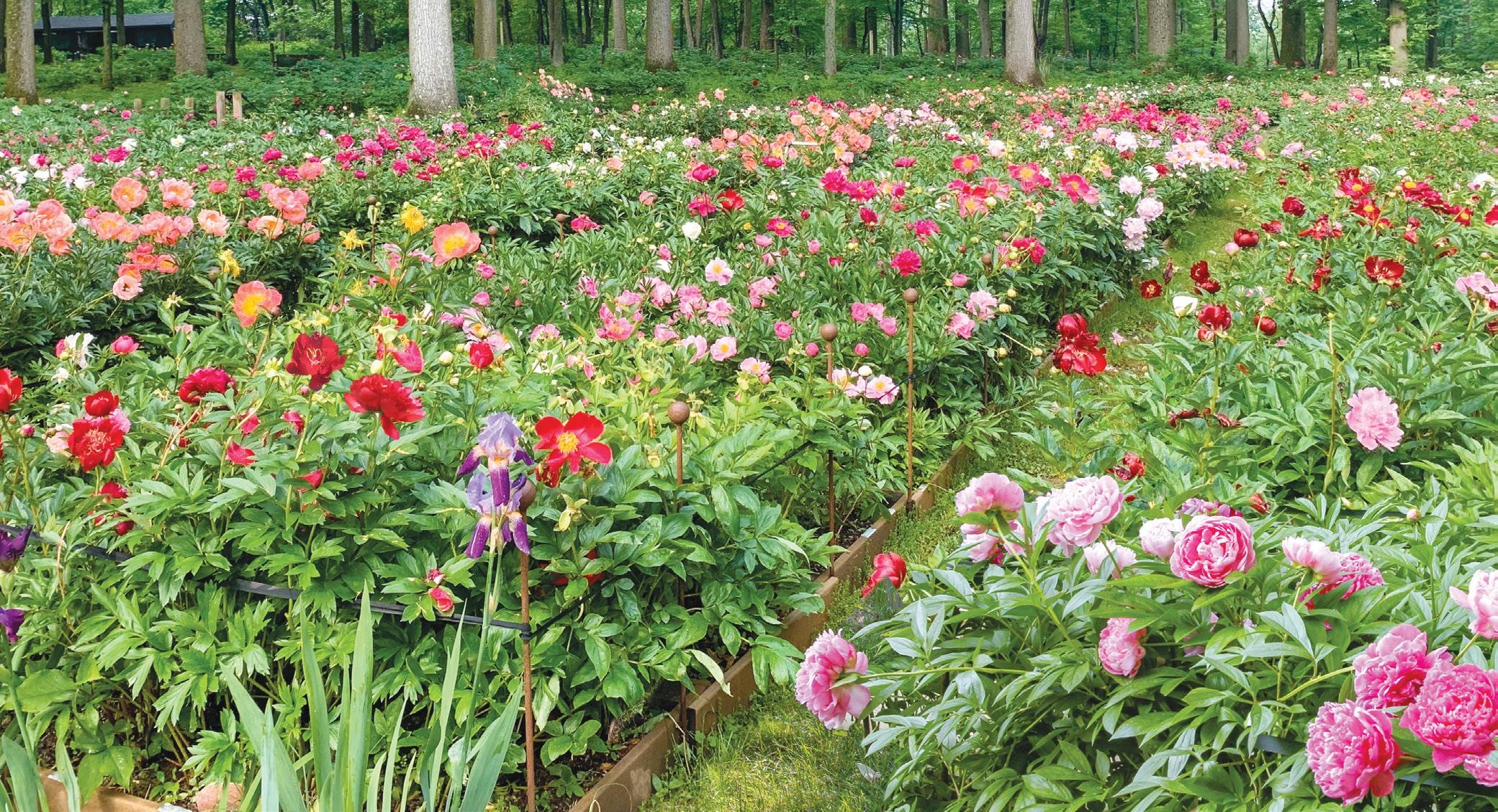
The Perfect Perennial: A Guide to Choosing and Growing Peonies
drought-tolerant, deer proof, and disease resistant. They thrive for generations, becoming part of a family’s legacy, requiring little more than the perfect amount of sunshine and good drainage. While the blooms take center stage in early spring, the lush foliage remains an attractive backdrop in the garden all season long. Whether you choose a classic herbaceous variety, a stately tree peony, or a prolific intersectional hybrid, the peony is truly a plant for a lifetime. Traditionally planted in the fall, peonies can absolutely be planted in the spring. So abandon your reserve and fill your garden with pure joy! Plant now and enjoy them for a lifetime. How to choose? Let’s look at distinct characteristics of each peony group.
Herbaceous Peonies - The Best Cut Flower Ever!
Herbaceous peonies are the classic garden favorite that dies back to the ground each winter and bursts back to life every spring. It is the perfect cut flower, with long vase life and the ability to be stored for months. Cut the flowers before they open. Remove the
(Continued from page 1)
leaves to avoid dehydration, and store in the refrigerator either in water or wrapped lightly, lying horizontally.
To plant herbaceous peonies successfully, choose a sunny spot with at least six hours of direct light and well-drained soil — they hate wet feet. Dig a hole about 12 inches wide and 12 inches deep, mix in some compost, and set the root so the “eyes” (the small pink or red buds) are no more than one to two inches below the soil surface. This is the most important rule with herbaceous peonies: plant them too deep and they simply won’t bloom — too shallow and they will dehydrate in winter. Water in well after planting — don’t mulch! Sorry, peonies cannot be mulched, not even a little bit. Once established, they are remarkably lowmaintenance — feed with a balanced fertilizer or compost in early spring and again in the fall, deadhead spent blooms and cut the foliage back to the ground in fall to prevent disease.
Take your peonies with you when you go. Contrary to popular belief, peonies can be moved easily. It is best
to move them in the fall, but relocating them so they get more sunshine, to protect them during a construction project, and to take them to your new home are all good reasons to dig them up and move them to a new location. This is also a great time to divide them. They will take a year or so to recover, so use this opportunity to divide them and expand your peony garden, share them with friends and family, and enhance the legacy.
Tree Peonies – The Richer Cousin
Unlike their herbaceous cousins, tree peonies are woody shrubs that keep their stems year-round and can live for decades — even centuries — with the right care. This stately and very rare plant is made for the landscape. When they bloom, your garden will be the envy of your neighbors as the dinnerplate sized flowers amaze even the most seasoned gardener. Plan a dinner party around their bloom and show off just a little! Plant them in a location with morning sun and afternoon shade, as their large, silky blooms can fade quickly in intense heat. Dig a generous
hole 12 inches in diameter and at least 2 feet deep to provide adequate drainage as tree peonies will need to be watered well and often the first few seasons as they get themselves established. Enrich the soil with compost and plant deeply. (The graft union should sit four to six inches below the soil surface — this encourages the plant to develop its own root system over time.) Tree peonies are slow to establish, but well worth the wait. Don’t be discouraged if they seem to sulk in their first year or two. Water regularly, especially during dry spells, avoid heavy fertilizing, and resist the urge to prune much — only remove dead or crossing branches in early spring, and you’ll be rewarded with spectacular blooms year after year.
Intersectional (Itoh) Peonies - The New Kid
Intersectional peonies, often called Itoh peonies after their Japanese creator, are a hybrid cross between herbaceous and tree peonies — and they bring out the best of both worlds. They produce the sturdy, woody base of a tree peony combined with the




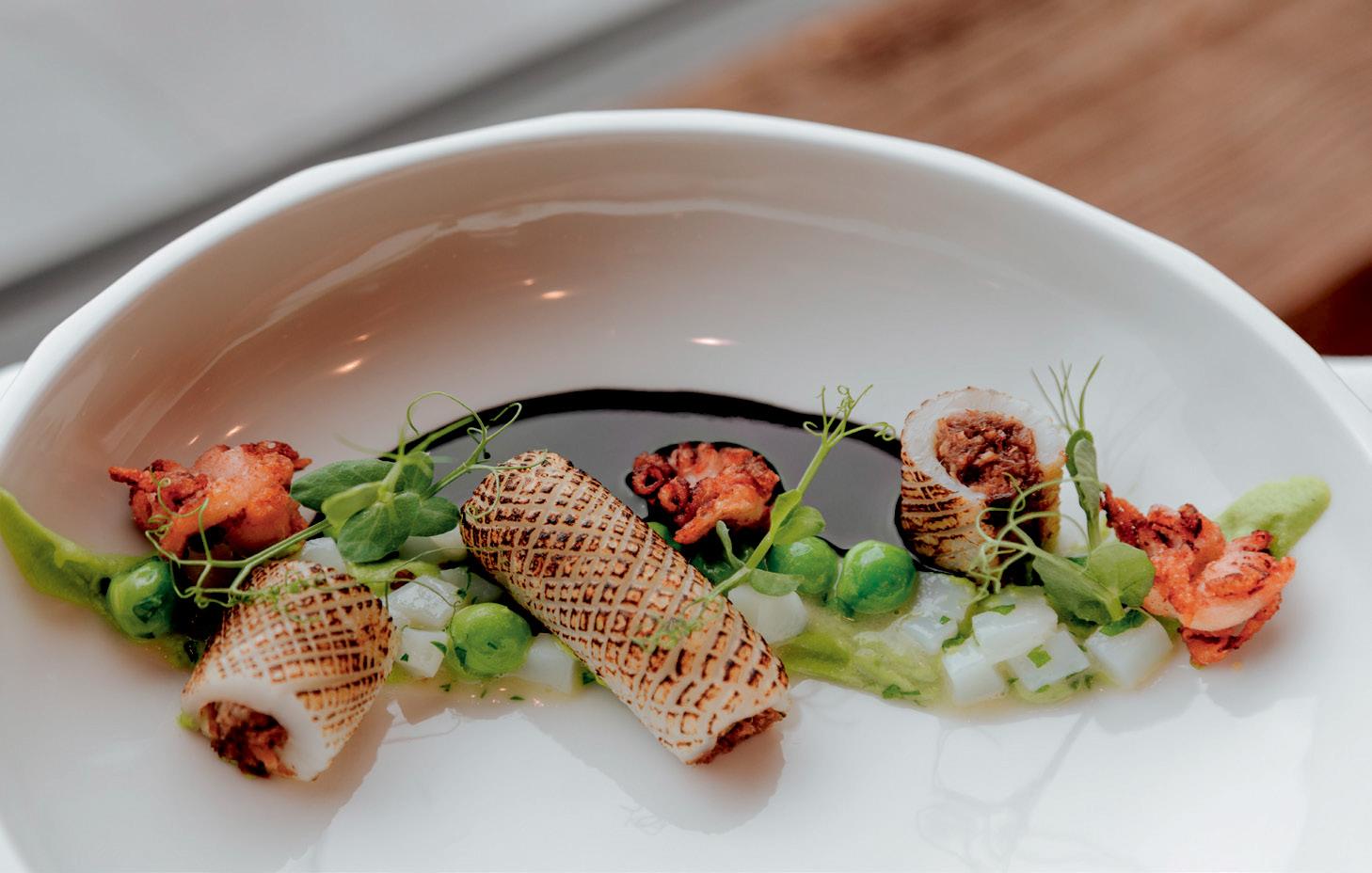

restaurant latour is an elegant oasis where refined cooking meets the beauty of a pristine mountain setting. revel in our warm hospitality with a three or seven-course seasonal menu, or join us friday evenings for an exclusive chef’s table experience.
led by chefs florian wehrli and matt laurich, our innovative kitchen celebrates new jersey’s bounty through modern techniques like foraging and fermentation — bringing the spirit of the woods to your table.
@restaurant_latour
hamburg, new jersey
thecrystalspringsresort.com

In the Chef’s Corner
By Andy Lagana Chef
Lamb Meatloaf with a Trio of Mashed Roots
Greetings Gardener News readers. I hope you and your loved ones are well as we get into the warmer months of the year. In continuing with my lamb recipes, I have chosen Lamb Meatloaf paired with a Trio of Mashed Roots for this month. Serving this dish during springtime is an excellent choice because it aligns with peak availability, cultural traditions, and demand for fresh, vibrant flavors. Spring is the traditional season for lamb, offering milder, tender meat that is nutritious and versatile.
Unlike heavy winter comfort foods, lamb meatloaf in spring can be brightened with seasonal ingredients. It pairs perfectly with fresh herbs or Mediterranean sides. Additionally, spring lamb is generally leaner and high in essential nutrients like zinc, iron, and vitamin B12. It offers a higher concentration of omega-3 fatty acids than grain-fed beef, supporting a healthy, balanced diet.
And one more comment regarding meatloaf in general. Once upon a time, it was considered too budget-oriented to serve to your guests. Nowadays, it is considered an excellent idea for a cozy, economical and crowd-pleasing dinner party, especially when it is elevated with quality ingredients, a savory glaze, and an appealing presentation. It is a popular comfort food that reduces host stress given that it can be prepared ahead of time.
For the meatloaf preparation, gather together 1 tsp. extra virgin olive oil, 1 red onion – diced, 5 cups spinach – chopped, 1 lb. ground lamb, 1 egg, 1/3 cup almond flour, ½ cup ketchup – divided, 1
tbsp. oregano, 2 tbsp. dried mint, 1/4 tsp. pepper and 1 tbsp. maple syrup.
Pre-heat the oven to 350°F. In a large skillet over medium heat, add the oil and onion. Sauté for 5-6 minutes until the onions are soft. Stir in the spinach and cook until wilted. Set aside.
In a large bowl, mix together the lamb, egg, almond flour, ¼ cup of ketchup, oregano, mint, salt, pepper, and the onion spinach mixture. Mix all ingredients together until combined. Press into a loaf. You can also form into a loaf shape and bake it on a sheet pan. Mix together the remaining ketchup and maple syrup and spread over the top of the meatloaf mixture. Bake for 45-50 minutes until the center is no longer pink, 160°F on an instant thermometer. Allow to cool for 10 minutes before slicing.
The trio of mashed roots is appealing because it balances sweet and earthy flavors with a creamy yet rustic texture. This vibrant, nutrient-dense side dish combines the sugary sweetness of carrots, the earthy pepperiness of turnips, and the subtle, sharp depth of parsnips, offering a comfort food alternative to traditional mashed potatoes.
This combination is high in fiber, antioxidants, and vitamins (such as C, K, and folate). Parsnips, in particular, provide potassium and hearthealthy nutrients. Further, the combination of orange (carrots) and white/yellow (parsnips/turnips) creates a bright, sunshine color that adds brightness to a plate.
For this side you will need 6 carrots - peeled and chopped, 4 large parsnips - peeled and
Gardener News
chopped, 2 turnips - peeled and chopped, ½ cup butter or to taste, ½ cup heavy whipping cream, ¼ teaspoon ground nutmeg, 1 pinch cayenne pepper, plus salt and ground black pepper to taste.
Place carrots, parsnips and turnips into a pot and cover with cold, lightly salted water. Bring to a boil and cook until a fork easily breaks the vegetables apart, about 25 minutes, then drain. Return vegetables to the pot.
Mix butter, cream, nutmeg, cayenne pepper, salt, and black pepper into vegetables; roughly mash together with a potato masher until vegetables are broken down but individual colors are still visible.
The best wine for lamb meatloaf is generally a mediumto-full-bodied red with good acidity to cut through the fat and complement the rich flavors. Syrah/Shiraz is an excellent choice, as its spicy and smoky notes match well with lamb›s gamey flavor, while Merlot or Cabernet Sauvignon (from Bordeaux or California) provides the structured tannins needed for a richer, heavier loaf.
As lamb meatloaf is rich and savory, pairing it with a dessert that is either bright and acidic, or light and fruity, works best. Good options include lemon-based desserts (lemon bars, lemon tart, or a light lemon ricotta cake), fresh berries (a light fruit mousse or a no-bake cheesecake topped with berries offers a creamy but not too heavy option), or light puddings (panna cotta with fruit coulis is a nice option that is light on the stomach, often served with a raspberry or strawberry sauce). Enjoy!

RUTGERS NJAES/RCE
LAND-GRANT UNIVERSITY NEWS
Rutgers Gardens was selected as a site for the American Iris Society’s 2026 Convention
The American Iris Society will host its annual convention from May 18-23, featuring garden tours, exhibits, discussion panels, auctions, and more for the iris lover to enjoy. We are thrilled to share that the AIS 2026 Convention will tour Rutgers Gardens as a featured garden site on Friday, May 22nd! It’s an enormous honor to be included in the convention activities alongside other prominent gardens such as the Brooklyn Botanic Garden, Gary Slagle’s “Phanaticville” Garden, Presby Memorial Iris Gardens, and the Grounds for Sculpture.
Visitors may have noticed guest iris plants installed in the Donald B. Lacey Display Garden beds in 2024-2025, as well as in a row next to the Rutgers Gardens Student Farm upper fields not far from the DBL. Look for those plants to be in full bloom again within the next few weeks. Both bearded and beardless irises will contribute a spectacle of color to these garden beds. It’s especially fun to see the creative names for each hybrid. Look for Banana Wind, I Remember Mama, So Busted, Born to Party, and many, many more!
These irises were planted and continue to be cared for by our horticulture team including Assistant Director: Horticulture Maxine Marvosa and our student interns and volunteers.
Rutgers Hosts 35th Annual Turfgrass Symposium
The Rutgers Center for Turfgrass Science hosted its 35th Annual Turfgrass Symposium on March 19, bringing together faculty, students, researchers and industry leaders for a day of collaboration, innovation and knowledge exchange.
Held at Rutgers University–New Brunswick, the symposium highlighted the breadth of turfgrass research underway across the university while reinforcing Rutgers’ leadership in advancing sustainable turf systems.
Josh Kohut, dean and director of research at the School of Environmental and Biological Sciences and the New Jersey Agricultural Experiment Station, welcomed attendees and underscored the importance of interdisciplinary collaboration in addressing emerging environmental and industry challenges.
The keynote address was delivered by Rutgers alumnus Eric Watkins, professor in the Department of Horticulture and Vice Provost for Distributed Learning at the University of Minnesota. His presentation, “Investigating New Strategies for Turfgrass Survival in a Changing Winter Climate,” explored how innovative tools are being used to better understand and mitigate the unpredictable effects of winter stress on turfgrass systems.
According to James Murphy, director of the Center for Turfgrass Science, the symposium also featured a distinguished group of invited speakers. Susana Milla-Lewis of North Carolina State University presented insights from 14 years of collaborative warm-season turfgrass breeding. Lisa Bern of Syngenta reflected on 25 years of innovation in plant protection, while James Brosnan of the University of Tennessee addressed evolving strategies for managing Poa annua, a persistent challenge in turfgrass systems.
The symposium also showcased research from Rutgers faculty, postdoctoral associates and graduate students.
Stephanie Rossi discussed early detection of heat and drought in creeping bentgrass. Mark Labarge presented results from his research on bermudagrass and zoysiagrass fairway turf. Juan Gonzalez presented his research on high-volume turfgrass monitoring using drones. Ryan Earp described his experience at Bandon Dunes Golf Resort during the U.S. Women’s Amateur Championship. Leandro
Rutgers Gardens Student Horticulturists
Lopes da Silva discussed his research on SDHI fungicide resistance in Clarireedia jacksonii (the dollar spot pathogen). Matthew Brown presented research on the interactions among entomopathogenic nematodes, fungicides, silicon and plant hosts. Katie Diehl Tuck described the effects of plant growth regulators on goosegrass and cool season turfgrass.
Graduate student excellence was a central highlight of the event. Three students were recognized for awardwinning presentations at the Crop Science Society of America Annual Meeting in Salt Lake City. Ryan Earp earned first place in the Turfgrass Breeding, Genomics, Physiology and Molecular Biology poster session, while Devan Gladden received second place in Turfgrass Water Conservation, and Emmanuel Nwachukwu placed third in Golf Turf Management and Remote Sensing.
Earp was also recognized as the fourth recipient of the Sean S. Pattwell Graduate Student Internship, an experiential learning opportunity established through the generosity of Sean Pattwell in 2022. The program supports graduate training through immersive industry experiences; Earp recently completed a three-week internship at the renowned Bandon Dunes Golf Resort.
The success of the symposium was made possible through the efforts of the planning committee, chaired by Bingru Huang and including Jim Murphy, Stacy Bonos, Ning Zhang and Ming-Yi Chou. Barbara Fitzgerald and Kelly Esposito served as co-editors of the symposium proceedings. Technical support for livestreaming and event production was provided by Bernard Ward, Phil Wisneski and Brad Park.
“The center is grateful for the wonderful partnership with the turfgrass industry in New Jersey and beyond, which enables us to delve into these exciting topics in turfgrass science,” Murphy said.
As the symposium marks its 35th year, it continues to serve as a vital platform for advancing research, fostering collaboration and preparing the next generation of turfgrass scientists—further strengthening Rutgers’ impact on agriculture, environmental sustainability and the green industry.
and Rutgers
Alumni Celebrate
an Award-Winning Collaboration at the North Jersey Orchid Society Show
The North Jersey Orchid Society show returned to the Douglass Student Center on the Rutgers–New Brunswick campus this January, featuring a dynamic botanical display that showcased some of the plants growing at the Floriculture Greenhouse.
Held January 16–18, the free annual event welcomed hobbyist growers, commercial producers and plant enthusiasts to enjoy and connect over this muchloved flowering plant family. Rutgers Gardens was a 2026 co-sponsor and exhibitor. Daniel Jacobs, assistant director: greenhouses for Rutgers Gardens, coordinated
the activities for students to show off their skills and creativity in this year’s exhibit.
Lauren Errickson, director of Rutgers Gardens and campus stewardship, says “co-hosting the NJOS annual orchid show reinforces how Rutgers Gardens, as the university botanical garden, can facilitate key connections between our students, community and the horticulture industry, including with alumni who continue to engage with our school and help support the next generation of plant enthusiasts along the way.” North Jersey Orchid Society volunteers come to the
Rutgers Floriculture Greenhouse four to six times per year to pot up and care for orchid plants, and to share their knowledge with students. At the annual show, Rutgers Gardens staff were also given a special behindthe-scenes tour by Joseph Rohal, co-chair of the NJOS Annual Show. Says Jacobs, “The team learned about the American Orchid Society and its judging criteria, the role local chapters like NJOS play in building community and spreading knowledge, and a little bit about this very diverse plant family. Despite the cold and snow, I would call the show a success!”

RUTGERS NJAES/RCE
From the Director’s Desk
Rutgers Outreach
Provided by Brian Schilling Director
Rules of Thumb Are Both Old and New
Gardeners love their “unwritten rules,” the bits of wisdom passed down through experience rather than textbooks. They’re not laws of physics, but they’re remarkably reliable guides that make gardening easier and more intuitive.
Few other hobbies have such a rich collection of adages and oralhistory shortcuts. Their longevity is due in part to longstanding publications like The Farmer’s Almanac and The American Gardener, but also to the handmedown nature of gardening knowledge shared from one generation to the next. Here are several familiar examples along with the science that supports them.
Spring Planting Begins on Mother’s Day This rule has an interesting history. In 1914, President Woodrow Wilson established the second Sunday in May as Mother’s Day, which quickly became one of the biggest plantshopping weekends of the year. Gardeners in the northeastern United States had long used May 15 as a rule of thumb for safe spring planting, and the proximity of the new holiday helped merge the two ideas. The phrase “Begin planting after Mother’s Day” did not appear in print, however, until the late 1980s, but the association stuck.
Regardless of its origin, the rule’s purpose is sound: avoid planting warmseason crops before the danger of frost has passed. In New Jersey, the last frost typically occurs between mid- and late April. Coolseason crops such as lettuce, spinach, kale, peas, broccoli, onions, and potatoes can be planted earlier, as soon as soil temperatures reach 50°F. Warmseason plants such as tomatoes, peppers, basil, squash, and beans perform best when soil temperatures remain above 60°F, which usually occurs by midMay.
Right Plant, Right Place This principle appeared in print long before it became a catchy slogan.
A 1902 newspaper advised readers to “plant trees… in the right place,” one of the earliest known uses of the idea. By 1905, the Journal of the Royal Horticultural Society referenced “right plant in the right place,” and by 1907, the phrase was being used to describe artistic garden design. The concept became widely popular after Nicola Ferguson’s influential 1984 book Right Plant, Right Place
The principle remains foundational today. Matching a plant to the conditions it naturally prefers, including light, soil, moisture, and exposure, results in healthier plants and less work for the gardener. When a plant is placed where it wants to be, it thrives; when it isn’t, the gardener ends up fighting nature.
Plants Sleep, Creep, Then Leap This familiar phrase describes the threeyear establishment period of most perennials. In the first year, the plant appears to “sleep” as it recovers from transplanting and focuses on root development. In the second year, it begins to “creep,” producing modest new growth. By the third year, the plant has settled in and begins to “leap,” showing its full vigor. Understanding this timeline helps gardeners avoid unnecessary worry and gives plants the time they need to mature.
Afternoon Sun Counts Twice
Light exposure can be tricky to judge, and gardeners often rely on the saying “Afternoon sun counts twice.” Morning sun is cooler and gentler, while afternoon sun is more intense and drying. A plant labeled “part shade” may tolerate several hours of morning sun but only half as much in the afternoon. This rule helps gardeners place plants more accurately than relying on clock hours alone.

Leave the Leaves A newer movement among nativeplant and sustainability advocates encourages gardeners to “Leave the Leaves,” allowing them to decompose naturally and provide habitat for overwintering insects. This idea is an extension of the older phrase “Leaves are brown gold,” a reminder that fallen leaves enrich soil, conserve moisture, and support beneficial organisms.
Many traditional sayings are now backed by research. Here are a few examples. Healthy Soil Smells Sweet: Sour or metallic odors indicate poor drainage or anaerobic conditions. Water Once and Well: Deep, infrequent watering encourages stronger root systems. Cloudy Days Are for Gardening: Transplanting in low light reduces stress and helps plants establish more quickly.
Rutgers Cooperative Extension plays a vital role in connecting realworld community experience with current, practical science. County agents and staff work closely with local farmers and gardeners, whose rich generational knowledge informs research and outreach. Ongoing projects include studies in cranberry and blueberry production and native plant use in landscapes along with collaborative work addressing emerging horticultural and agricultural challenges across the state. The wisdom of those with deep, lived experience remains invaluable as we work toward a greener, healthier, and more beautiful Garden State.
As we move into the heart of the growing season, Extension Agents continue to support New Jersey’s horticulture and agriculture communities. Every county has an Extension office to support its local community. To find yours, go to https://extension. rutgers.edu/county.
Editor’s Note: This article was written by Ruth Carll, State Leader for Consumer Horticulture and County Agent, Department of Agriculture and Natural Resources, Rutgers Cooperative Extension.
Atlantic County Phone: 609-625-0056
Bergen County Phone: 201-336-6780
Burlington County Phone: 609-265-5050
Camden County Phone: 856 216 7130
Cape May County Phone: 609-465-5115
Cumberland County Phone: 856-451-2800
Essex County Phone: 973-228-2210
Gloucester County Phone: 856-224-8040
Hudson County Phone: 201-915-1399
Hunterdon County Phone: 908-788-1339
Mercer County Phone: 609-989-6830
Middlesex County Phone: 732-398-5260
Monmouth County Phone: 732-431-7260
Morris County Phone: 973-285-8300
Ocean County Phone:732-349-1246
Passaic County Phone: 973-305-5740
Salem County Phone: 856-769-0090
Somerset County Phone: 908-526-6293
Sussex County Phone: 973-948-3040
Union County Phone: 908-654-9854
Warren County Phone: 908-475-6505



The Garden Historian
By Lesley Parness Garden Educator
A Treasury of Tisanes
It’s only March as I write this and my cache of dried herbal teas is gone. With flu, colds, and an extended freeze, we drank a lot of herbal tea this winter. So, I’m re-designing the vegetable beds to make room for tisanes. Instead of beans and carrots, I’ll be growing plants whose parts can be infused or decocted in hot water and imbibed for better health, for improved mood, for more energy.
and restore the nervous system. These annual yellow blooms taste great infused with slivers of Chinese rock sugar.
Bachelor Buttons or Centaurea cyanus makes a mild tasting tea. But its protocyanins make for its fabulous blue color both dried and in the cup. Long used in Europe in tisane blends for this reason, it also is a most soothing poultice for eye irritations.
teas. I gently wash and dry them. I hang small bunches by the stems upside down in a warm, airy place with a slow fan on them. Herbs are ready when they are crumbly with no moisture (about a week). I store them in labeled glass, airtight jars.
Anise hyssop or Agastache foeniculum is a native whose flowers earn it the moniker, “hummingbird mint.” Indigenous peoples plucked its leaves and brewed a licorice-tasting tisane to relieve congestion and coughing. It can tolerate a bit of shade but needs moist conditions.


The French word “tisane” means herbal tea. Herbal teas are not the black, green, oolong, or white teas made from the leaf of the Camellia sinensis. You’d have to live in the Carolinas and southwards to grow this perennial shrub. But tea lovers and non-tea lovers enjoy tisanes for the flavors, characteristics, and therapeutic properties obtained from steeping leaf (i.e., peppermint), bark (i.e., cinnamon), roots (i.e. NJ Tea or Ceonanthus americanus), fruit (i.e. peach), flower (i.e. rose), seed (i.e. fennel), or berry (i.e. elderberry) Herbal tea’s phytochemicals possess powerful antibacterial, antioxidant, and anti-inflammatory properties, which help prevent infections and optimize immune health.
Here are some familiar choices for a New Jersey Tisane Garden –Mints, I particularly like apple mint for tisane and grow it in big terra cotta pots to prevent spread. Chamomile is delicious and calming – the annual German cultivar is sweeter and more florific than the perennial Roman version. Rosemary, sage, pineapple sage, oregano, lemon balm, lemon verbena, and calendula all make wonderful tisanes.
New to my garden this year are - Chrysanthemum morifolium Yes, “Mum” tea has been enjoyed in China for centuries. Its flowers are said to lower blood pressure
Hibiscus sabdariffa - aka Florida Cranberry, Red Sorrel, Roselle, is an edible, woody shrub in the Mallow family. In tropical and subtropical regions, its leaves are considered a vegetable. Both calyx and flowers are used to make teas. Anne’s Heirloom Seeds carries seeds for a number of cultivars.
I’ll be thinking of these factors when planning – 6+ hours of full sun. Tallest plants at the back or on the north side. Group plants with similar cultural needs together. Plant fennel by itself – it’s allelopathic actions are deleterious to other herbs. No dill with lavender or rosemary. Dill attracts an array of pests lethal to them both. And, of course, how the colors, shapes, and heights will work together from a design standpoint.
When to harvest your tisane?
Harvest on a sunny morning after the dew has dried but before noon. For leafy herbs, take no more than one-third of the plant at a time. For flowering herbs, pick flowers in bud for the most concentrated flavors.
This is how I dry herbs for
At brewtime? Use filtered or distilled water. Smash the (fresh) leaves with the back of a spoon to release volatile oils. Cover the cup or pot while it’s steeping. Steep fresh herbs for up to 10 minutes and dried herbs for half that time. Per cup, you will need 1t. of dried vs. 3t. of fresh herb material. Don’t boil the herbs, as it can make them taste bitter.
Drink single variety tisane or blend a custom mix. Experiment with herbal combinations for unique flavors, scents, and added herbal benefits. A simple recipe calling for dried herbs is 3T peppermint leaves, 1T catnip leaves, 1T rose petals, and 1T lemon verbena leaves. Combine in pot, cover with 8 oz. boiling water, steep for 5 minutes and sweeten with honey, sugar, agave, or your own garden grown stevia.
Want to learn more? Read “Growing Your Own Tea Garden,” by Jodi Helmer. Interested in the fascinating history of tea ceremonies? Chestnut School of Herbal Medicine’s website has a long, great article.
And finally, a poem to recite whilst sipping, from Buddhist monk and teacher, Thich Nhat Hanh: “I drink the tea, the essence of the leaves becoming a part of me. I am informed by the tea, changed. This is the act of life, in one pure moment, and in this act, the truth of the world suddenly becomes revealed. All the complexity, pain, and drama of life is a pretense, invented in our minds for no good purpose. There is only the tea and me, converging.”
Editor’s Note: Lesley Parness offers a variety of presentations and workshops for garden clubs, plant societies, and horticultural gatherings. Recently retired from her position as Superintendent of Horticultural Education at the Morris County Park Commission, and with four decades of teaching environmental science and garden education, her focus now is garden history. A complete listing of her talks can be seen at lesleyparness.com and she can be reached at parness@verizon.net. This column will appear in the paper every other month.



Bobcat® T7X Electric Compact Track Loader




















Everyone has heard stories about insurance fraud, whether it is the ex-policeman who is retired due to a “disability” who is working as a ski instructor, or a “disabled” teacher who shows up on social media skydiving out of a plane. These are just a couple of examples of instances where people try to take advantage of a system that was set up to provide a safety net for those people in society who are truly in need of some kind of help or assistance. And these people who take advantage of these systems make it much more expensive for the 99.9 percent of the population who is honest and actually deserving.
Unfortunately, agriculture is not immune from unscrupulous people who try to take advantage of crop insurance programs. Recently, there was an agriculture/ farming-based reality TV show on Bravo and Peacock called McBee Dynasty. Think John Deere meets the Kardashians. And while the bulk of the plot was focused on the families’ personal lives and relationships as well as their lavish lifestyles, there was still quite a bit of their farming

The Town Farmer
By Peter Melick Agricultural Producer
Insurance Fraud
operation that was shown during the show. But what came out after the show first aired was that the patriarch of the family had been indicted and then convicted of defrauding the Federal government by making false claims with their crop insurance. There were a lot of details concerning the case, but it basically came down to the fact that they had claimed to be farming more acreage than they actually were, and then under-reporting the amount of crops that they were harvesting. These claims had enabled them to receive millions of dollars in excess insurance payments. As a result, Steven McBee Sr. was sentenced to two years in Federal prison.
I also read about a case where a husband and wife had,
instead of farming the soil, had been “farming” the Federal government as well as various crop insurance companies. They would plant a crop, and then after it had grown for a while, they would take matters into their own hands and state that the entire crop was lost. They even went so far as to have their employees go out and beat their tomato plants with sticks and scatter ice cubes around their plants to make it seem as if they had been hit with hail. They would then photograph the damage and submit the pictures to their insurance carriers. They had even gone so far as to purchase sophisticated printing equipment that they used to generate fake receipts and invoices for fertilizer and other growing supplies that
they then submitted to “prove” their expenses. To me, it seems as if they went to a lot of trouble just so they could defraud the government and the insurance carriers. If they had spent all of that time and effort on raising and marketing their crop, they would have been better off, and they still could have gotten a good night’s sleep.
And then there was another instance where some apple growers discovered and then exploited a loophole in the crop insurance regulations. The government had set different coverage rates for apples intended for the fresh market and apples that were grown specifically for processing. Because there are much higher grading standards for fresh market
apples, they are insured for a much higher value than apples that are grown for processing. But some growers decided to insure their processing apples as if they were intended for the fresh market, even though they had absolutely no intention of selling them as fresh. This way, when they did not meet the grading standards that they were insured for, the grower would be able to collect on their insurance policy. And then they would still be able to sell the apples so that they could be processed, just as they had intended to do all along. Here’s to some nice Spring weather!
Editor’s Note: Peter Melick is co-owner of Melick’s Town Farm in Oldwick and a 10th-generation New Jersey farmer. Peter is Mayor of Tewksbury Township, Hunterdon County, NJ. He also served as a director for the New Jersey Farm Bureau and is a past president of the New Jersey State Board of Agriculture. Peter has also been featured on NJN, News 12 New Jersey and on the Fox Business Network.
The Perfect Perennial: A Guide to Choosing and Growing Peonies
die-back habit of an herbaceous peony, making them a welcome addition to the garden. Plant them at the front of the border as flowers and leaves are lush and full from the ground up! Plant in full sun in rich, well-drained soil, and set the eyes just one to two inches below the surface, the same as you would for an herbaceous variety. Intersectionals tend to bloom longer than either parent, producing dozens of flowers in flushes for as long as four weeks — the more sun, the more flowers per plant, and they do not need to be staked! Care is straightforward: fertilize/compost lightly in spring and fall, water during dry periods, and in fall cut the stems back to about three to four inches above the ground rather than all the way down, as the woody base benefits from a little protection heading into winter.
(Continued from page 6)
The More Peonies - The More Joy!
All the planning, planting, and patience come together in May, when peonies put on one of the garden’s greatest shows. From the earliest tree peonies opening in the first weeks of the month to the herbaceous and intersectional varieties following close behind, a wellplanned peony garden can deliver weeks of successive bloom. It is a fleeting but unforgettable season — one that reminds you of your grandma’s garden and the glory of childhood; school graduations, first communion, and Memorial Day celebrations with rooms filled with this glorious fragrant flower; and of course, your wedding bouquet! Recreating these memories for the current and next generation is why you planted them in the first place. Mark your calendar, cut a whole bunch of stems for the table, and
enjoy every moment of this spectacular season.
Examine The Planting Area - Test and Amend the Soil
One of the most important, and often ignored, pieces of creating a successful garden involves creating a healthy soil environment. There are two ways to go about this in your garden — you can either choose your plants to match the current state of your soil, or you can adapt your soil to support the type of ecosystem you desire. Either way, in the end the composition of your soil should match the plant species it supports.
A good place to start in the process is to evaluate the current state of your soil. Any plant species that are currently present will be key indicators of the health and composition of the soil - is the vegetation lush and thick, thin, and
weak, composed of wetland plants, a solid mat of one particular species? Once you infer as much information as possible, it is best if you have your soil tested. Your local Cooperative Extension service offers soil testing. Be sure to look at the composition of microorganisms in addition to the pH and mineral content of your soil.
Remember that soil is a living ecosystem unto itself and requires ongoing maintenance to remain healthy and functioning. If you are currently having problems in your garden, the soil is the best place to begin your investigation. Peonies prefer a neutral pH of 6.5-7.
Ants — Myth vs. Reality
Did you know that ants are good for peonies? They protect peonies from the chafer beetle which
(Cont. on Page 23)
I just returned from a business trip that took me to Essen, Germany, and Amsterdam. Most European cities have treelined streets, and considerable effort is taken to keep the street trees healthy and protect new street trees in their youth to make sure they will thrive over time.
Throughout the MidAtlantic, in many communities it is evident that street trees are an important natural resource. In addition to providing beauty to a community, the benefits of street trees are multifold.
Street trees help cool communities by reducing the urban heat island effect through shade and evapotranspiration. Trees are key to supporting biodiversity. In Doug Tallamy’s Bringing Nature Home, he states, “…oaks are the quintessential wildlife plants: no other genus supports more species of Lepidoptera, producing more types of bird food, than the mighty oak.” It is estimated that a white oak, Quercus alba, supports more than 500 species of insects, birds, and mammals. Trees play an important role in stormwater management. Roots of trees prevent erosion, and trees absorb large amounts of water during storm events. Cleaning the air is another benefit. Pollutants like ozone and CO2 are absorbed, while oxygen is released.

The Value of Street Trees Pennsylvania Horticultural Society
Economically, tree-lined streets contribute to the value of a home. They create pleasant shopping environments. Street trees also save energy by reducing the need for air conditioning and reducing infrastructure costs, especially for stormwater management. There are also numerous social benefits that can be attributed to street trees, including improving health. Studies have shown that when living in close proximity to trees, there are lower rates of asthma, heart disease, and depression. Treelined streets foster community pride and result in greater social interactions.
Protecting, diversifying, and expanding this community asset is led by local tree committees and tree authorities. The committees work with members of the community to plant, promote and care for street trees. Additionally, Tree Tenders is a program through the Pennsylvania Horticultural
By Andrew Bunting Vice President of Horticulture
Society which teaches individuals all aspects of tree care including tree planting, protection, pruning, and how to work with volunteers to plant trees.
Homeowners and business owners can also play a critical role in caring for street trees. In periods of drought, and especially when trees are newly planted, they can provide supplemental watering. When a new tree is planted, it is often staked. After a year or so, when the tree is established, the straps holding the tree and the stakes can be removed.
One of the most important roles people can play is to make sure the tree is properly mulched. Two to three inches of mulch can be spread in a circular pattern around the base of the tree. It is critical to keep the mulch pulled away from the trunk of the tree. The mulch helps to conserve water for the tree, especially during periods of drought, but the mulch also
helps provide a buffer between lawn mowers and weed whips and the trunk of the tree. Hitting the trunk of a young tree with a mower or weed whip can lead to injuring the tree which can ultimately kill it.
An additional resource is the Pennsylvania Horticultural Society’s (PHS) Gold Medal Program which can be accessed through the PHS website. There are many excellent street trees promoted through this program, including many stalwart, urban tough trees like the native American hornbeam, Carpinus caroliniana, which is both adaptable to dry conditions as well as very wet conditions. This relatively small tree is excellent for planting under powerlines. In the fall it has outstanding yellow fall color. The Yellowwood, Cladrastis kentukea is a medium-sized tree. The relative of legumes has the ability to fix nitrogen in the soil. In the spring it is covered in pendant trusses of fragrant,
white flowers. In the fall the foliage turns a golden yellow. Over time this vase-shaped tree will develop an attractive smooth grey bark. In addition to the aforementioned, white oak, Quercus alba, the swamp white oak, Quercus bicolor, is one of the very best of the large shade trees for urban areas.
Editor’s Note: Andrew Bunting is Vice President of Horticulture for the Pennsylvania Horticultural Society. He is one of the most recognized horticulturists in the Philadelphia, Pa., region and a highly regarded colleague in the world of professional horticulture. Bunting has amassed a plethora of awards, including the American Public Gardens Association Professional Citation, Chanticleer Scholarship in Professional Development, Delaware Center for Horticulture’s Marion Marsh Award, and the Certificate of Merit from the Pennsylvania Horticultural Society. In addition, Bunting has lectured extensively throughout North America and Europe, and participated in plant expeditions throughout Asia and Africa. Learn more at https://phsonline.org/team/ andrew-bunting
The Pennsylvania Horticultural Society (PHS) Welcomes Spring with Volunteer Tree Planting in the Philadelphia Region
The Pennsylvania Horticultural Society (PHS) ushered the spring season by planting trees throughout the Greater Philadelphia region from April 14-19, 2026. With assistance from its network of PHS Tree Tenders groups, volunteers, and community organizations, 650 trees were distributed and planted across local neighborhoods.
Tree distribution took place from April 14-17 at the Philabundance Warehouse (401 Domino Lane, Philadelphia PA), where volunteers helped unload and sort hundreds of bare-root trees before they were delivered to communities across the region, with neighborhood planting events on April 18-19. This semi-annual initiative is part of PHS’s ongoing commitment to grow the Philadelphia region’s tree canopy and promote healthier, greener communities.
“Spring is a season of growth and renewal, and there’s no better way to welcome it than by planting trees across our neighborhoods,” said Dan Preziosi, PHS Director of Trees. “Each tree we plant strengthens the city’s canopy, improves community health, and gives neighbors a chance to come together and care for the places they call home.”
PHS carefully matches each tree to the planting site, considering factors such as soil, sunlight, infrastructure, and community needs to ensure longterm growth and impact. Trees planted by PHS and its Tree Tenders groups have a survival rate exceeding 85%, helping to improve air quality, reduce urban heat, and create vibrant, thriving neighborhoods across the Greater Philadelphia region. By planting the right trees in the right places and working with PHS Tree Tenders groups, PHS ensures that each tree contributes meaningfully to the region’s growing canopy and the well-being of the communities it serves.
PHS Tree Tenders groups are at the heart of PHS’s mission to grow and sustain the region’s urban forest. These committed Tree Tenders provide essential support by ensuring the health and survivability of the trees, sharing expert knowledge, and rallying neighbors to become stewards of their local environment.
The PHS Tree Tenders program offers semiannual, affordable training in tree planting and care for individuals and volunteer groups. Since the program began more than 30 years ago, over 6,200 volunteers
have been certified as Tree Tenders, contributing to the planting of more than 36,000 trees across the Greater Philadelphia region. For more information on how to become a PHS Tree Tender in your neighborhood, visit: https://phsonline.org/events.
ABOUT PENNSYLVANIA HORTICULTURAL SOCIETY
The Pennsylvania Horticultural Society (PHS), an internationally recognized nonprofit organization founded in 1827, uses horticulture to advance the health and well-being of the Greater Philadelphia Region. PHS programs create healthier living environments, increase access to fresh food, expand access to jobs and economic opportunity, and strengthen deeper social connections between people. PHS’s work spans 250 neighborhoods; an expansive network of public gardens and landscapes; year-round learning experiences; and the nation’s signature gardening event, the Philadelphia Flower Show. PHS provides everyone with opportunities to garden for the greater good as a participant, member, donor, or volunteer. For information and to support this impactful work, please visit PHSonline.org.
The Pennsylvania Horticultural Society (PHS) Predicts Top Gardening Trends from the 2026 Philadelphia Flower Show, “Rooted: Origins of American Gardening”
The Pennsylvania Horticultural Society (PHS) is proud to unveil its predictions for global gardening trends to emerge from the 2026 PHS Philadelphia Flower Show, “Rooted: Origins of American Gardening.”
The PHS Philadelphia Flower Show has a nearly 200-year history as a globally recognized platform for floral and garden design. Garden designers, floral designers, and landscape artists alike come together each year at the Flower Show to showcase their talents through breathtaking displays and creations.
In 2026, the theme “Rooted: Origins of American Gardening” shaped the way designers approached their work, inspiring a deeper exploration of heritage, ecology, and cultural tradition. This year’s Show invited visitors to reflect on the gardening legacies we have inherited and the ones we are continuing to grow.
“The Philadelphia Flower Show has long been a place where new ideas take root and influence gardening worldwide,” said Seth Pearsoll, Vice President and Creative Director of the PHS Philadelphia Flower Show. “From towering tropicals and massed floral forms to rewilded, ecologically minded landscapes, the 2026 trends highlight bold, immersive gardens that connect to heritage, place, and plant care.”
2026 Flower Show Trends
Trending Plants
• Carnivorous Plants: Carnivorous plants are growing in popularity for their striking and unusual shapes and bug-eating abilities. Varieties like pitcher plants, including purple and sweet types, add visual interest while helping manage pests naturally.
• Terrariums and Small-Scale Plantings: Terrariums are being reimagined in more unique vessels such as Wardian cases, cloches, bowls, and glass containers of varying shapes and sizes. These contained environments offer an accessible, design-forward way to engage with plants on a more personal scale.
• Bold Tropical Plants: Tropical plants will continue to anchor large-scale displays and home decor, adding texture and structure to garden and personal spaces. Monstera deliciosa is joined by accessible favorites such as rubber plants, fiddle leaf figs, and weeping ficus, part of a resurgence of ficus as a design staple. Newer introductions like Philodendron Birkin, Xanthosoma, and silver-toned Scindapsus pictus add striking foliage and collector appeal. Schaffer Designs’ Flower Show exhibit FLORAMERE: A LIVING NETWORK, showcased tropicals to create a lush, sculptural canopy.
Floral Trends
• Sculptural Floral Installations: Large, structured arrangements incorporate branchwork, texture, and unexpected materials, turning florals into art. Arrange LLC, The Flower Show’s “2026 Best in Show – Floral” award winner, demonstrated this in My Atomic Number, blending floral plantings with architectural forms.
• Massed Blooms and Rounded Forms: Hydrangeas, delphiniums, roses, and sunflowers are used to create sculptural, rhythmic compositions. The Flower Show’s Entrance Garden, The Forest Floor, highlighted this approach with layered, flowing plantings that highlighted rounded shapes.
• Unexpected Botanicals: Designers are highlighting elements that were once overlooked and thought to be unattractive, including petal-less flowers, seed heads, and dissected plant forms. These features bring texture and structure to arrangements, shifting floral design toward natural authenticity.
• Monochromatic Color and Repetition: Jewel tones, including deep blues, burgundies, and rich pinks, reinforced bold visual statements. The American Institute of Floral Designers’ exhibit Grow Deep–Live Tall used saturated pinks to create a high-impact, cohesive display.
• Locally Grown and Sourced Florals: Regional cut flower farms are influencing floral choices, with designers prioritizing seasonal, locally sourced blooms to strengthen the connection between growers and gardens.
Landscape Trends
• Soil as a Design Element: Designers are emphasizing soil health with tailored blends and amendments, connecting soil care to overall garden wellness. Unknown Studio’s The Ghost Forest treated soil as a visible, central design feature.
• Textured Top Dressing: Stone, sand, crushed shells, and terracotta are replacing traditional hardscaping to add texture and depth. Etta Studio’s North of the White Barn used rocks to create a grounded, naturalistic finish.
• Accessible and Customizable Design: Affordable tools and customizable outdoor features make garden design more accessible and unique. Features like solar lighting, once requiring costly wiring, are now simple and budget-friendly to install alongside colorchanging bulbs, app-controlled lighting, and
other customizable elements. According to the USDA NASS 2024 Horticulture Operations Report, U.S. nursery stock sales reached $5.34 billion, up 17% since 2019, reflecting increased investment in outdoor spaces.
• Rewilded Landscapes: Designers are continuing to create landscapes that appear untouched but are carefully guided to support ecological balance. Native and pollinatorfriendly plants help restore local systems while reducing maintenance. Laurel-Brook Gardens’ exhibit, Phoenix Rising, evoked a self-sustaining, natural environment.
The PHS Philadelphia Flower Show continues to set trends in gardening, blending beauty, ecology, and storytelling. The 2026 Show “Rooted: Origins of American Gardening” demonstrated how gardens can reflect history, identity, and ecological systems, inspiring gardeners to bring these ideas into their own spaces.
The Flower Show returns to the Pennsylvania Convention Center March 13 – March 21, 2027. PHS Members’ Preview Day is March 12th. Be the first to learn about Flower Show and ticketing updates by signing up at phsonline.org/the-flower-show.
ABOUT THE PHILADELPHIA FLOWER SHOW
The award-winning PHS Philadelphia Flower Show is the nation’s largest, and the world’s longest-running horticultural event and features stunning displays by some of the world’s premier floral and landscape designers. Started in 1829 by the Pennsylvania Horticultural Society, the Show introduces diverse and sustainable plant varieties and garden and design concepts. In addition to acres of garden displays, the Flower Show hosts world-renowned competitions in horticulture and artistic floral arranging, gardening presentations and demonstrations, and special events.
ABOUT PENNSYLVANIA HORTICULTURAL SOCIETY
The Pennsylvania Horticultural Society (PHS), an internationally recognized nonprofit organization founded in 1827, uses horticulture to advance the health and well-being of the Greater Philadelphia region. PHS programs create healthier living environments, increase access to fresh food, expand access to jobs and economic opportunity, and strengthen deeper social connections between people. PHS’s work spans 250 neighborhoods; an expansive network of public gardens and landscapes; year-round learning experiences; and the nation’s signature gardening event, the Philadelphia Flower Show. PHS provides everyone with opportunities to garden for the greater good as a participant, member, donor, or volunteer.
NORTHEASTERN ASSOCIATION OF STATE DEPARTMENTS OF AGRICULTURE NEWS
The Northeastern Association of State Departments of Agriculture convenes the following 10 states: Connecticut, Delaware, Maine, Massachusetts, New Hampshire, New Jersey, New York, Pennsylvania, Rhode Island, and Vermont.
NEW YORK DEPARTMENT OF AGRICULTURE
State Agriculture Department Reminds Farm that New
Produce Safety Rule Requirement is Now in Effect for Small Operations
The New York State Department of Agriculture and Markets reminds farmers that a revised requirement under the FDA Food Safety Modernization Act (FSMA) Produce Safety Rule is now in effect for small farm operations as of April 6, 2026. The requirement includes the need for farms that are covered by the Produce Safety Rule to complete a pre-harvest agricultural water assessment. The water assessment will help farms identify potential food safety concerns and make risk-management decisions.
Commissioner Ball said, “The Produce Safety Rule provides our growers with a comprehensive, preventative approach to food safety on the farm. Our growers take great care in producing food the right way and already implement many of these food safety practices, whether it be through participation in the voluntary NYS Grown & Certified program or the USDA’s Good Agricultural Practices programs. And, while the Department has long been working with our New York farms that need to meet these requirements, we want to remind them of this new effective date and that we are here to help them as needed.”
As part of the new agricultural water assessment requirement, farms will need to consider several elements, including location and nature of the water source; water distribution system used; the degree to which the system is protected from possible sources of contamination; the type of application method; the time interval between the last direct application of agricultural water and harvest; and other elements, such as testing.
The Produce Safety Rule sets standards for growing, harvesting, packing, and holding of produce, and applies to covered fruits and vegetables normally consumed raw, such as apples, carrots, lettuce, onions, and tomatoes. The Produce Safety Rule does not apply to produce rarely consumed raw (such as winter squash) or produce grown for personal consumption.
The Produce Safety Rule requires that covered farms have to ensure that agricultural water that is intended to, or likely to, contact covered produce or foodcontact surfaces is safe and of adequate sanitary quality. It is one of seven areas that farmers must comply with as part of the Produce Safety Rule. farms that are covered by the FSMA’s Produce Safety Rule that are expected to be in compliance with the new pre-harvest agricultural water rule requirements and subject to inspections, unless they have a qualified exemption, include large farms with an average annual monetary value of produce sold during the previous three years of more than $500,000 and small farms (less than $500,000 and more than $250,000). Very small farms (less than $250,000 and more than $25,000) have until April 5, 2027 to comply with these new requirements. All farms are already subject to other Produce Safety Rule requirements, including those for harvest and post-harvest agricultural water.
The Department has been implementing the new produce safety standards as required by FSMA since it was signed into law on the federal level to encourage a proactive, preventative approach to food safety on farms. Department staff has been conducting outreach and actively educating New York farms that are required to meet these new standards and performing the required inspections.
Additional information on FSMA can be found on the Department’s website https://agriculture.ny.gov/food-safety/food-safety-modernization-act. Questions about this new requirement for small farm operations, or the Produce Safety Rule in general, can be directed to Steve Schirmer at (315) 487-0852 or steve.schirmer@agriculture. ny.gov.
CONNECTICUT DEPARTMENT OF AGRICULTURE
Baylee Drown Named 2026 Connecticut Outstanding Young Farmer
A farmer whose commitment to soil health, community partnerships, and year-round diversified food production has reshaped a corner of southeastern Connecticut was honored today at Ag Day at the Capitol. Baylee Drown, owner of Long Table Farm in Lyme, has been named the 2026 Connecticut Outstanding Young Farmer of the Year.
“I am pleased to accept this honor, and acknowledge that there are many outstanding Connecticut farmers, who care for their land, crops, livestock, and communities daily. I had the privilege of choosing where to start my career as a farmer, and I chose Connecticut,” said Drown. “Connecticut has a social safety net that most other state’s lack, the state is committed to improving the health of our environment, we are proximal to populations of eaters, and I’ve witnessed the growing support of the government of CT for farms.”
Drown’s agricultural roots run deep. Raised on a Michigan dairy farm, they were immersed in daily chores, FFA, and 4-H from an early age. In college, they competed on Michigan State University’s winning Dairy Challenge and dairy judging teams, later managing Green Mountain College’s 25-acre farm while completing a master’s degree in Sustainable Food Systems. Drown founded what would become Long Table Farm in 2014, bringing their academic training and handson experience to Connecticut.
What started as a test of whether sustainable agriculture could also be economically viable has matured into a thriving, diversified operation. Over the past twelve years, Drown and their partner, Ryan Quinn, have raised vegetables, fruit, Berkshire hogs, ducks for eggs, grass-fed beef and milk, and pasture-raised poultry. Compost production has become a growing part of the business, with sales set to begin this year. Looking ahead, the pair is exploring aquaculture, as well as grain and legume production, aiming to become a full-diet farm within the next eight years.
Their barn on Beaver Brook Road already functions as a seasonal farmers’ market and will soon host a community commercial kitchen in partnership with the New London Community Meal Center and River Valley Food Collective.
Every choice at Long Table Farm is guided by soil and water conservation. Drown’s soil tests show consistent improvement, reflected in growing bird and insect diversity. The farm has completed a Comprehensive Nutrient Management Plan, expanded cover cropping, added pollinator habitat, and upgraded irrigation through federal conservation programs. Drown and Quinn also partner with the Lyme Land Trust on meadow care and safeguard endangered turtle habitat along the Eight Mile River.
The farm has used no chemical pest controls—organic or otherwise—since 2019. Instead, Drown relies on biological and mechanical methods, livestock integration, and soilbuilding practices that have reduced pests and strengthened natural predator populations. Wildlife habitat is encouraged through standing dead trees for cavitynesting birds, maintained biodiversity zones for overwintering insects, bluebird boxes, and carefully timed mowing and grazing.
Drown’s service to the broader agricultural community is equally extensive. They serve on the boards or steering committees of the Connecticut Farmland Trust, Lyme Planning and Zoning, the Connecticut Compost Alliance, and co-lead the NCTFA Queer Farmers Circle. The farm partners regularly with local nonprofits, schools, and foodaccess organizations. In 2026, Drown spoke at multiple statewide and regional conferences.
Administered by the CT Ag Info Council (CAIC), the purpose of the Outstanding Young Farmers (OYF) Program is to bring about a greater interest in the farmer to foster better urban-rural relations through the understanding of the farmers’ endeavors, to develop further appreciation for their contributions and achievements, and to inform the agribusiness community of the growing urban awareness of farmers’ importance and impact on America’s economy. The Connecticut OYF program is modeled directly on the National OYF program. Drown can now apply to compete for the National OYF award.
“Baylee shows what’s possible when thoughtful land stewardship, innovation, and community connection all move in the same direction,” said Agriculture Commissioner Bryan P. Hurlburt. “Their leadership is helping shape the future of Connecticut agriculture, and we’re proud to recognize their achievements.”














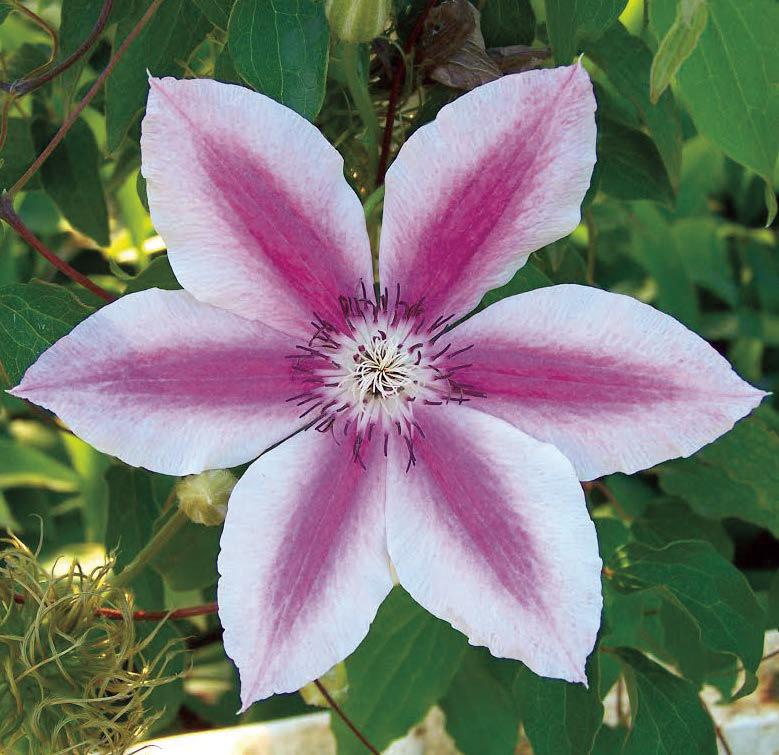

The Perfect Perennial: A Guide to Choosing and Growing Peonies
(Continued from page 17)
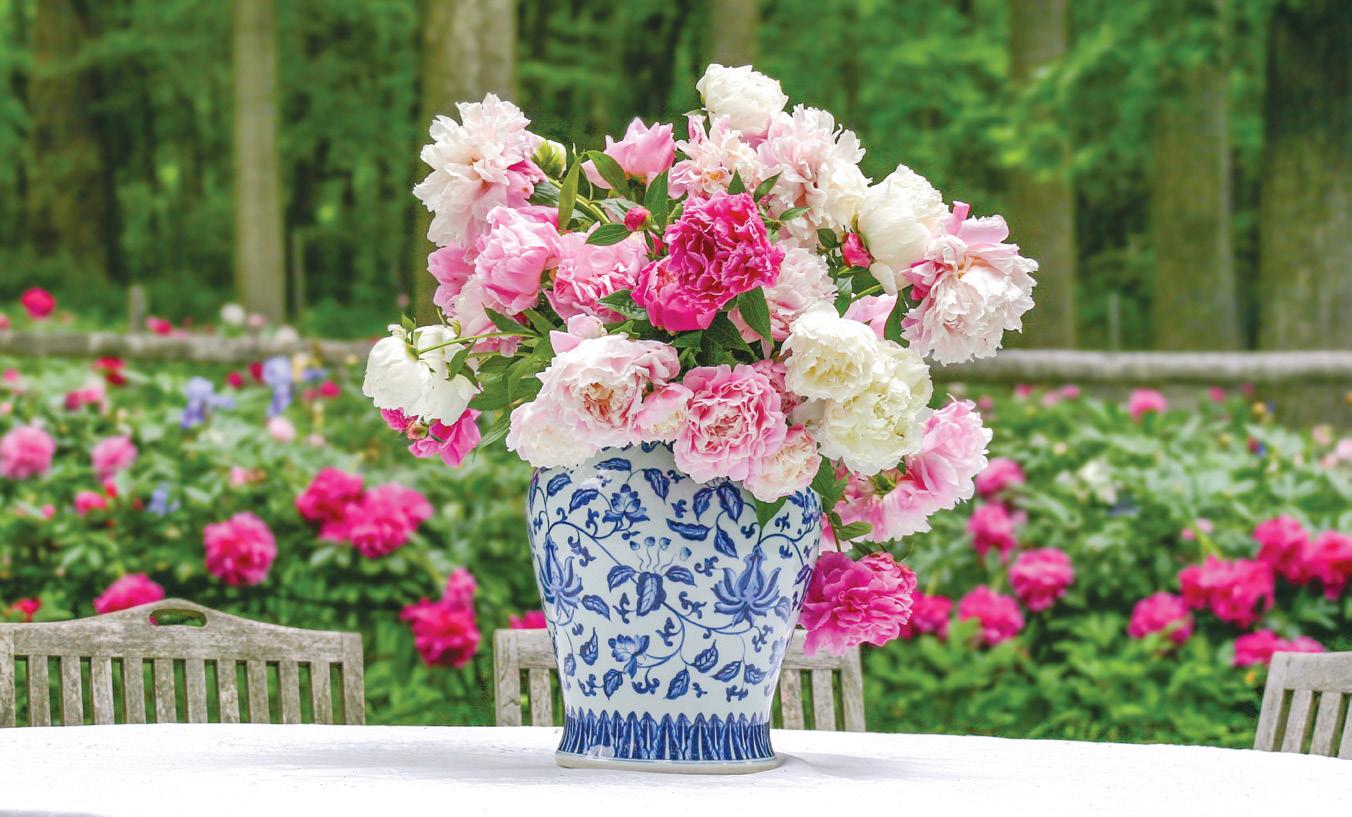
destroy the flowers and prevent them from opening. Cut your peonies while they are still in bud - the ants are easily removed from the buds, and the flowers will last longer in the vase when cut early. Enjoy the ants outside. They are good for your peonies!
Sunlight Requirements
The more sun, the more flowers! The less sun, the fewer flowers the plant will produce and the longer it will take to mature.
Soil Moisture
Peonies cannot tolerate wet feet. Add compost and grit to heavy clay soil to create a sandy loam and increase drainage. Do not plant in low-lying areas that retain water. Peonies, like all long-lived perennials, take a few years to mature. The adage SLEEP, CREEP, LEAP and ROOTS, STEM, FLOWERS aptly apply to the patience needed to confidently grow peonies.
Editor’s Note: Kathleen Gagan is a peony expert, lady farmer, and proprietor of Peony’s Envy, a nursery and display Garden in Bernardsville, Somerset County, New Jersey. Founded in 1997, her farm has grown into one of the most extensive peony collections in the United States — a living library of woodland, tree, herbaceous, and intersectional cultivars, with trails that invite visitors to wander and discover at their own pace. Learn more at https://peonysenvy.com
Peony’s Envy/Photos
Fragrant peonies adorn a picnic table in the display garden at Peony’s Envy, Bernardsville, Somerset County, New Jersey.
Give Large Agricultural, Slow-Moving Vehicles Space
As farming weather arrives, you may observe an increase in tractors and farm vehicles on roadways. Please stay alert, especially when driving in rural areas, as these agricultural vehicles often travel at slow speeds. Pass carefully. Wait for a safe passing zone, watch for oncoming traffic, signal before changing lanes, and return to the lane once the vehicle is in your rearview mirror. Don’t pass near intersections, around curves, over railroad crossings, or near bridges. If the vehicle is extra-wide, wait to pass until the driver pulls over and signals that it’s safe. Honk your horn beforehand in case the driver can’t see you. Understand the tractors and farm vehicles may be turning into a farm field. Look for entrances to farm fields and consider this possibility before attempting to pass one.










Tom Castronovo/Photo
New Jersey Landscape Contractors Association
Happy “May flowers”! Hopefully, the rain has stopped, and we are looking at beautiful sunny days ahead. Although not too sunny, as we need some of that rain after all. I’m excited to see all of my industry friends diving into their first big projects of the season, as well as fresh cut grass and plant installations. But let’s take a step back and look at where we are as an industry.
The landscape profession has always been built on hard work, craftsmanship, and pride. That hasn’t changed. But what has changed is the number of tools available to help contractors do their job better, faster, and more profitably.
We’re in the middle of a shift— not one that replaces what those in landscape and nursery do, but one that enhances it. Technology is giving contractors, hardscapers, and growers the ability to work smarter, serve customers better, and build stronger businesses.
Let’s be honest—finding and keeping good help is still one of the biggest challenges in this industry. Each year we see fewer people willing to put in the hard work that is the industry. But technology is stepping in to help out!
Robotic mowing solutions are starting to make sense in certain applications, especially where consistency is key and in tough to reach places. And tools like GPS tracking and route optimization are helping crews operate more efficiently throughout the day.

The NJLCA Today
By Gail Woolcott Executive Director
The Technology Shift That’s Elevating the Landscape Industry
None of this replaces good landscaping and nursery teams— it simply helps them perform better, faster and with less stress.
In addition, today’s customers are more informed and more visual than ever before. With everyone using AI, they want the dream now more than ever! The good news? Technology makes it easier to meet—and exceed— their expectations.
With 3D design software and visualization tools, you can show clients exactly what their project will look like and build confidence before the first shovel hits the ground. CRM systems can help to streamline communications with the customer, alleviating miscommunication about the type of paver or color plant they choose.
Hardscaping also continues to evolve in exciting ways. New materials and installation techniques are helping contractors deliver longer-lasting projects, better drainage and performance,
and more consistent, high-quality results. Tools like laser levels, screeding systems, and paver handling equipment are improving efficiency while reducing physical exertion on crews.
At the same time, advanced systems—like permeable pavers and engineered base solutions— are opening the door to new opportunities, especially as regulations and client expectations continue to change.
Nursery and greenhouse technology has come a long way too—and it’s creating incredible opportunities for growers.
Modern greenhouse and planting systems now allow for precise control over temperature and humidity, irrigation and nutrient delivery, and growing conditions. With tools like fertigation systems and automated irrigation, growers can produce healthier plants while using resources more efficiently. Inventory tracking and planning software are also helping operations stay organized,
N.J. Law Requires Plant Dealer Certificate
New Jersey plant dealers must obtain a Plant Dealer Certificate from the New Jersey Department of Agriculture Division of Plant Industry to sell nursery stock, ensuring it is free from pests. The State of New Jersey’s Nursery Law (N.J.S.A. 4:7-15 et. seq.) is intended to ensure that nursery stock sold or distributed in New Jersey is free from injurious insects and plant diseases. Certification as a Plant Dealer will enable you to buy and resell nursery stock in accordance with the Nursery Law. A “Plant Dealer” means a person who purchases nursery stock from other certified nurserymen and offers such stock for sale at a retail outlet or through landscaping services (N.J.A.C. 2:18-1 et seq.).
New Jersey law defines nursery stock as “all plants, shrubs, trees and vines grown for sale, as well as buds, grafts, stocks, scions and other parts of plants, shrubs, trees and vines that may be sold for propagation; but shall not include herbaceous annuals or plants, flowers, vines or cuttings grown under glass and commonly known as florists’ stock.”
Nursery certificates expire on December 31st each year. Before you purchase nursery stock, ask to see their certificate.
Learn more at https://www.nj.gov/agriculture/divisions/pi/prog/nursery.shtml
reduce waste, and better anticipate demand.
One of the biggest opportunities in our industry isn’t just on the job site, it’s behind the scenes. Business technology helps companies stay organized, understand their numbers, and make more informed decisions about purchasing, materials, etc. From estimating software to scheduling platforms and CRM systems, these tools bring clarity to operations.
This is exactly where NJLCA provides value. Because staying on top of all of this can feel overwhelming—but it doesn’t have to be done alone. Through educational programs and training sessions, trade shows like Landscape New Jersey and the NJCSE Demo Day, attendees have hands-on opportunities to see equipment and technology in action and network with professionals sharing real-world experience.
The future of the landscape
industry is incredibly strong. There is demand and opportunity, and now more than ever there are tools to help save time, make more money, and continue growing. Technology isn’t about changing who you are, it’s about helping you become more efficient, more competitive, and more successful doing what you already do best.
The contractors and growers who use these tools will find new ways to grow, improve, and stand out. And that’s what this industry has always been about.
Have a wonderful month and don’t forget to register for NJCSE – NJLCA Demo Day on August 5, 2026, at County College of Morris. See and learn about the latest in equipment and technology there! More information and registration can be found at www.njcse.com.
Editor’s Note: Gail Woolcott is the Executive Director for the New Jersey Landscape Contractors Association. Gail was presented with a community service award from the Borough of Fairview, New Jersey for her assistance in leading the 9-11 Memorial Park project and the Legislative Champion of the Year award from the Federation of Employers and Workers of America. She can be reached at 201-703-3600 or by emailing gwoolcott@ njlca.org.
Pesticide Applicators
If you apply pesticides “for hire” in New Jersey, State law requires that your business obtain a Pesticide Applicator Business License. The definition of a Pesticide Applicator Business is a business (or person) who, either wholly or in part, holds himself out for hire to apply pesticides. Examples are: exterminators, landscapers, tree services, aerial applicators, etc. This Pesticide Applicator Business License is in addition to your Certified Pesticide Applicator license.
In New Jersey, licensed pesticide applicator businesses must display their business license number on both sides of every service vehicle. The numbers must be at least 3 inches high and in a contrasting color to the vehicle. Vehicles must also clearly indicate that pesticides are stored inside.
In New Jersey, failing to properly display a pesticide applicator business license number on a service vehicle results in a $1,000 base penalty.
Before your applicator applies anything to your property, ask to see their license.
Learn more at https://dep.nj.gov/pesticides/licensing-registration-andpermitting/commercial-pesticide-applicator/
USDA Names Trump Administration Appointees to the New Jersey Farm Service Agency State Committee
The USDA Farm Service Agency (FSA) announces the appointment of five leaders in agriculture to serve on the New Jersey USDA Farm Service Agency (FSA) state committee.
Members of the FSA state committee are appointed by Secretary of Agriculture Brooke L. Rollins and, in support of the Trump Administration’s Farmers First commitment, members of the FSA state committee are responsible for the oversight of farm programs and county committee operations, resolving program delivery appeals from the agriculture community, maintaining cooperative relations with industry stakeholders and keeping producers informed about current FSA programs.
Each FSA state committee is comprised of three to five members including a designated chairperson. The individuals appointed to serve on this committee for New Jersey are:
Paul Hlubik, Chair (Wrightstown) – Hlubik owns and operates a multicounty farm recognized for top yields in corn, soybeans, and sorghum. With decades of experience in production
agriculture and farm management, he pairs practical agricultural expertise with leadership in state and federal agricultural policy, including previously serving as FSA State Executive Director in New Jersey and as a member of the New Jersey State Board of Agriculture.
James Abma Jr., Member (Hillsborough) – Abma is a fourthgeneration diversified crop and livestock producer who raises vegetables, hay, pasture, and forage crops. He manages direct-to-consumer beef and hog operations, oversees large scale produce production for wholesale markets, and has led major farm expansion and disaster recovery efforts while remaining deeply involved in New Jersey’s agricultural leadership community.
Alfred Murray, Member (Audubon) – Murray has spent more than 40 years serving farmers through statewide marketing, policy, and program delivery roles. His career includes senior leadership positions within the New Jersey Department of Agriculture and FSA, where he advanced market development,
agricultural program administration, and industry engagement across crop, livestock, and specialty crop sectors.
Raj Sinha, Member (Sandyston) – Sinha operates a multigenerational agricultural enterprise known for grain, vegetable, and specialty crop production, including one of the largest sunflower operations in the state. He was raised on his family’s farm and now farms with his own family. Sinha brings extensive experience in crop production, agritourism, and community focused agricultural initiatives, along with a long record of service on agricultural boards and committees across New Jersey.
James Wenger, Member (Bridgeton) – Wenger is a row crop producer who grows corn, soybeans, and wheat across multiple southern New Jersey counties. With more than four decades of experience in crop production, custom harvesting, grain storage, and soil health practices using food processing residuals, he brings operational knowledge and familybased agricultural management.
“These individuals, selected by
Secretary Rollins in partnership with key stakeholders in each state, are held in high regard in the agriculture industry and are entrusted to ensure FSA programs are delivered in a manner consistent with federal farm policy and in the best interest of all agricultural producers in their state,” said FSA Administrator Bill Beam. “Their appointment to the FSA state committee is a testament to their standing in the industry and their dedication to the agriculture industry, rural America and President Trump’s America First, Farmers First policies.” FSA helps America’s farmers, ranchers and forest landowners invest in, improve, protect and expand their agricultural operations through the delivery of agricultural programs for all Americans. FSA implements agricultural policy, administers credit and loan programs, and manages conservation, commodity, disaster recovery and marketing programs through a national network of state and county offices and locally elected county committees. For more information, visit fsa.usda.gov.
May



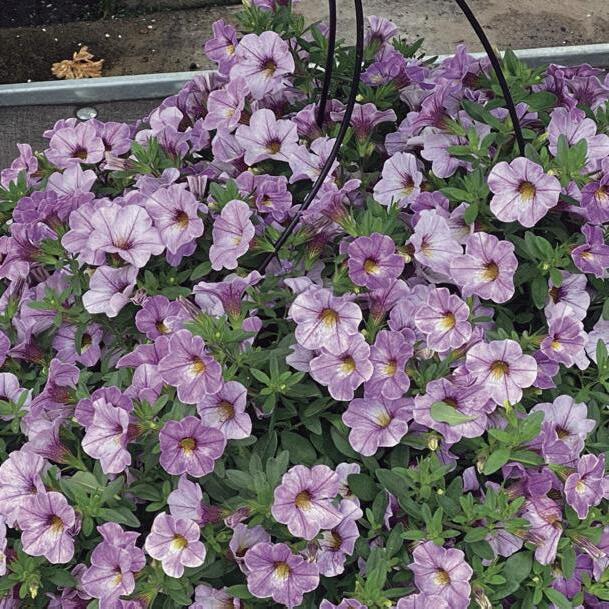
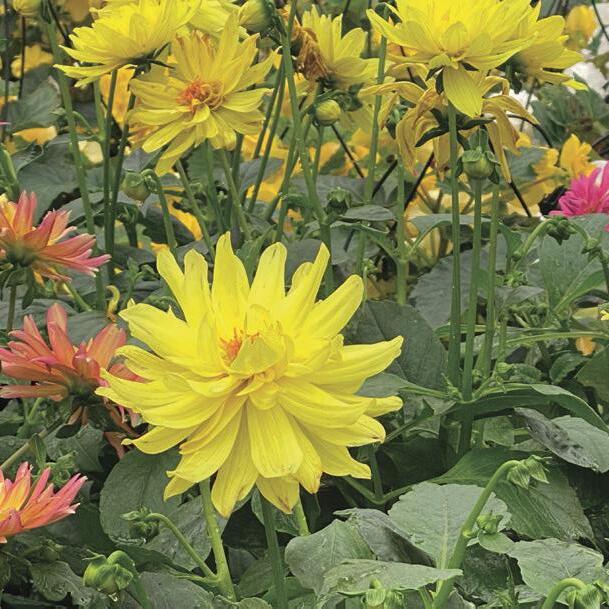
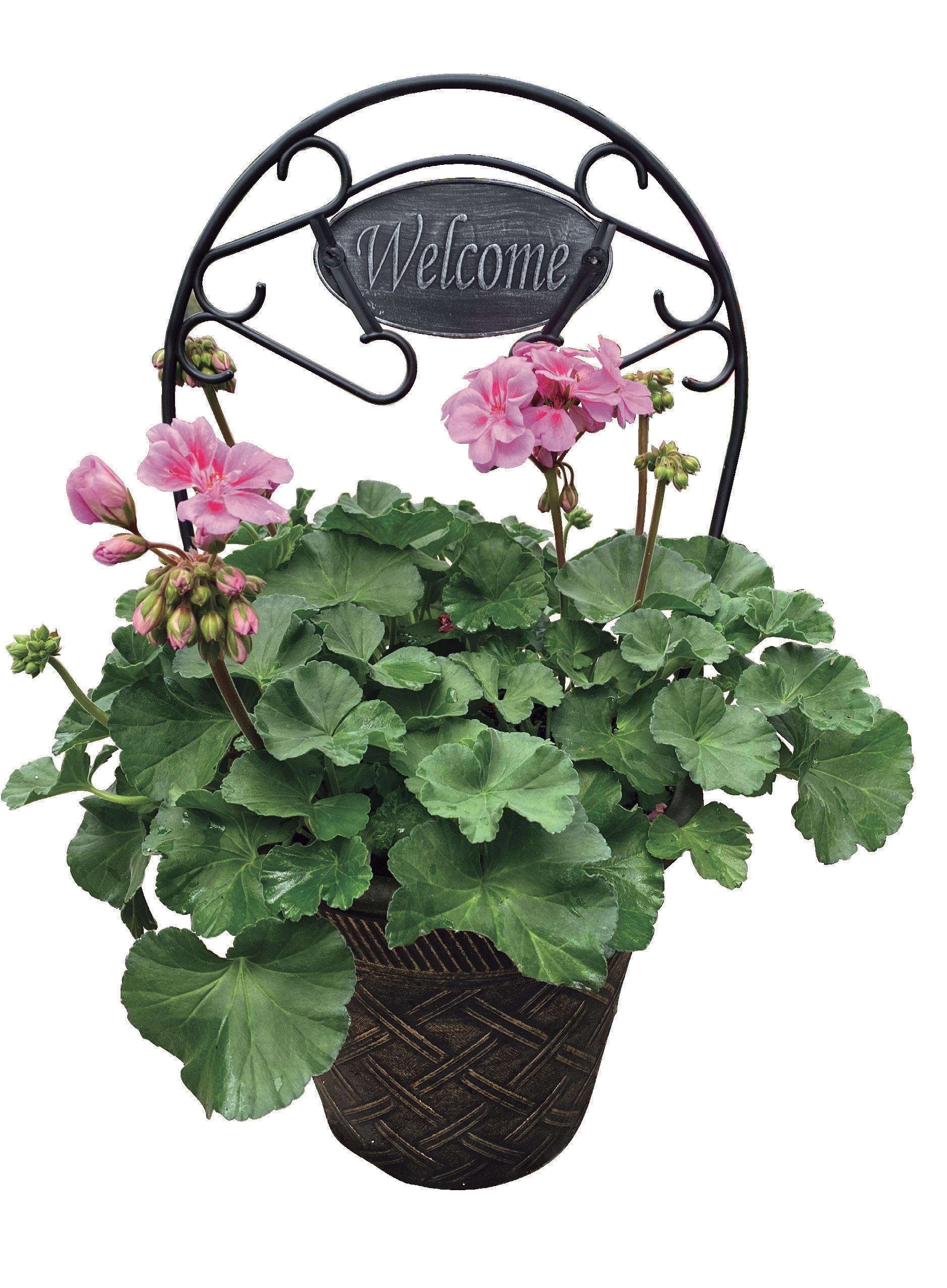



7500-G SERIES ZERO-TURN
96” TURBO FORCE ® CUTTING DECKS
PRODUCTIVITY TO A NEW LEVEL
Impressive 96” wide cutting deck folds to 75” to fit
REVOLUTION HANDHELD PRODUCTS
ALL DAY PERFORMANCE
The fully interchangeable 60V Max*
Flex-Force battery system powers the entire line of Revolution commercial grade handheld tools. The backpack, available as a power source for the leaf blower, string and hedge trimmers, and is built for comfort and ready to keep jobs moving all day.
STAND-ON MOWERS
TRACTION & HANDLING
A wide stance and optimal balance enhance hillside stability and control. 36”-72” TURBO FORCE ® CUTTING DECKS
CUSHIONED SUSPENSION
Flex-Ride operator platform suspension self-compensates for operators of all sizes, resulting in less fatigue and higher productivity throughout the day.
SPRAYMASTER®
Dual
Provide
A variety of attachments and accessories such as Mulch Dump, Pro-Force blower, snow thrower, power broom, tine rake, dethatcher and BOSS snow blade all provide the ultimate in productivity.