
A Festival of Food, Foraging, Wild Edibles, and Wine
What
By Tom Castronovo Executive Editor/Publisher Gardener News

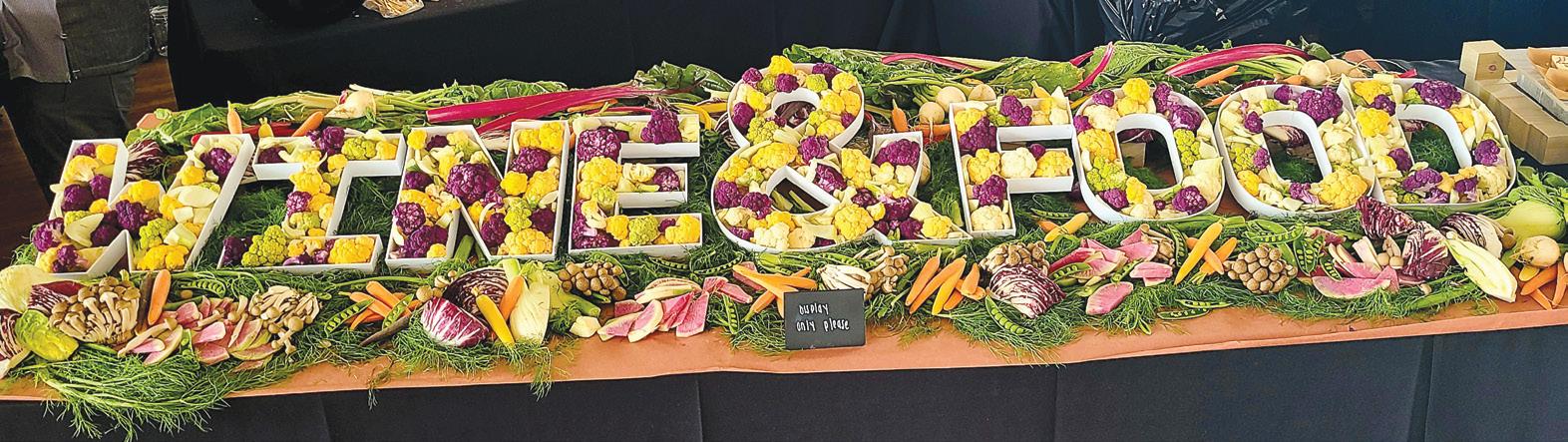
Garden State. Yes, Crystal Springs Resort hosted the New Jersey Food & Wine Festival — one of the premier culinary events in the New Jersey metropolitan area — the weekend of


May 1-3, 2026. Started in 2009, the festival’s events are designed to allow food and wine connoisseurs to meet and mingle with the world’s finest chefs and winemakers


Tom Castronovo/Photo

GardenerNews.com
That would be wild strawberry whose scientific name is Fragaria virginiana (fragrant berry from Virginia). Actually, wild strawberry is found in all 48 lower states, Alaska, and in almost all counties in NJ. Wild strawberry can make a wonderful, nutritious snack in June. This plant is 2 to 5 inches tall and 7 to 12 inches wide.
Wild strawberry thrives in meadows, frequently on the edges of woods, in full sun or partial shade. They grow well with average moisture, in rich loam soil with good drainage but will tolerate silt, clay, and dry soil. The flower is ½ to ¾ inches wide and has 5 rounded white petals, about 20 stamens, and up to a hundred or more pistils scattered on a large conical receptacle. The flowers provide both pollen and nectar to bees, flies, ants, butterflies, moths, and skippers. After fertilization, the receptacle expands to become our familiar strawberry, and each tiny ovary forms only one small seed which are the dots on the surface of the berry.
The wild strawberry fruits, (botanically: aggregate accessory fruits since they

The Native Plant Society of New Jersey
By Hubert Ling Horticulture Chair
Which Native Berry was Named for its Fragrance?
develop from multiple ovaries) are only ¼ to ½ inches in diameter and vary in taste from great to bland with the bland predominating in my yard! The fruits and often the leaves are consumed by bears, birds, chipmunks, deer, elk, groundhogs, mice, opossums, rabbits, raccoons, skunks, squirrels, turtles, farm animals, and a host of insects. However, insect infestation is generally controlled by predators such as parasitoid wasps which are also attracted to wild strawberry.
The commercial strawberry was produced intentionally by crossing a Chilean strawberry F. chiloensis with pollen from our F. virginiana. Thus, the hybrid pine strawberry, F. x ananassa was produced in the gardens at the Palace of Versailles,
France as recorded by Philip Miller in 1759. The common name, pine strawberry, and the species name, ananassa refer to pineapple whose flavor was said to resemble that of the new pine strawberry hybrid. In 2023 the world production of strawberries was over 10 million tons.
Our NJ wild strawberry is easy to propagate since the runners root freely. In fact, you may have to take care that the vigorous plants do not overrun smaller, delicate ornamentals. Propagation can also be done by seeds which must be stratified for 1-2 months before germination occurs.
Wild strawberries have been a beloved part of American culture for thousands of years. The Delaware Indians used the berry for dye, and many
USDA Invests $90 Million to Strengthen Plant Pest Prevention and Clean Plant Programs
The U.S. Department of Agriculture (USDA) announced an investment of more than $90 million under Section 7721 of the Plant Protection Act (PPA 7721) to support 441 projects that will strengthen the nation’s ability to prevent, detect, and respond to invasive plant pests and diseases; safeguard the U.S. nursery system; and enhance pest detection, diagnostics, and mitigation efforts. States, Tribal organizations, federal agencies, universities, and other partners will carry out these projects across 49 states, Guam, and Puerto Rico.
“This investment equips our partners nationwide with the tools they need to safeguard U.S. agriculture, natural resources, and food security,” said Dudley Hoskins, Under Secretary for Marketing and Regulatory Programs. “These
projects strengthen our collective ability to combat invasive plant pests and diseases, support growers, and open new export opportunities for American agricultural products.”
USDA will reserve approximately $17.2 million to support rapid response to invasive pest emergencies—funding that enables swift action against highrisk pests. In previous years, these emergency funds have supported rapid responses to threats such as the box tree moth, spotted lanternfly, Asian longhorned beetle, and invasive fruit flies.
Since 2009, USDA has supported more than 6,200 projects and invested over $1 billion through the PPA 7721 program. These investments help USDA and its partners detect, contain, and eradicate invasive plant pests and diseases that threaten U.S. agriculture and ecosystems.
tribes used it fresh and dried for winter. In fact, Rev. Roger Williams, the founder of the Rhode Island Settlement in 1636, said that the Narragansett Indians cultivated large fields of strawberries which could fill the hold of a good ship. You might keep in mind that the good ship Mayflower (1620) was only 85 feet long, but even if he were exaggerating that still could be impressive since the Mayflower had a cargo capacity of 180 tons (about 163 million wild strawberries, perhaps from 20 acres of fields!).
Strawberries were considered a gift from God. In Iroquois mythology strawberries sprang out of Earth Woman’s heart after she died giving birth to twins. A Cherokee story states that strawberries were created
by the Sun as a peace offering to reconcile a quarreling First Woman and First Man. To this day strawberries are a symbol of good luck and as a reminder in Cherokee homes not to argue.
In the 1700’s in Europe and North America strawberry berries and leaves were used to treat scurvy and a wide range of internal problems possibly because of the vitamin C. I know that a big bowl of strawberries and ice cream will solve most of my problems, but I don’t recommend consuming the leaves as they are fuzzy!
Use this gift from God in hanging baskets, on slopes to control erosion, and in naturalized areas. You can use them as a lawn replacement or simply mixed in with the grass. They will tolerate some foot traffic and an occasional mow. If you can keep the critters away, enjoy the superior flavor of wild strawberries.
Editor’s Note: Hubert Ling is Past President of The Native Plant Society of NJ and Horticulture Chair. He can be reached at milhubling@verizon.net.
A Festival of Food, Foraging, Wild Edibles, and Wine
(Continued from page 1)
and to sample their creations. And I did just that.
Some of the who’s who attending chefs were David Burke, Masaharu Morimoto, Jacques Torres, Daniel Boulud, David Bouley, Thomas Keller, David Kinch, Jose Andres, Michael White, Brandon Campney, and more.
The weekend started off on Friday with dinner in Gino34, the resort’s newest restaurant. The food was plated with meticulous care and was superbly delicious. I then headed over to the Big Sky Pavilion for the popular opening night Cabaret, setting the stage for an evening of indulgence, music, and incredible desserts.
Crystal Springs Resort is knocking it out of the park so far. What a way to start off the weekend.
On Saturday it was off to the Big Sky Pavilion again for the Marketplace Lunch. Here I enjoyed a feast of seasonal fare prepared by a team of chefs serving up spring dishes, fresh oysters, pasta, carved meats, artisanal cheeses, and more, along with a selection of wine, spirits, and cocktails.
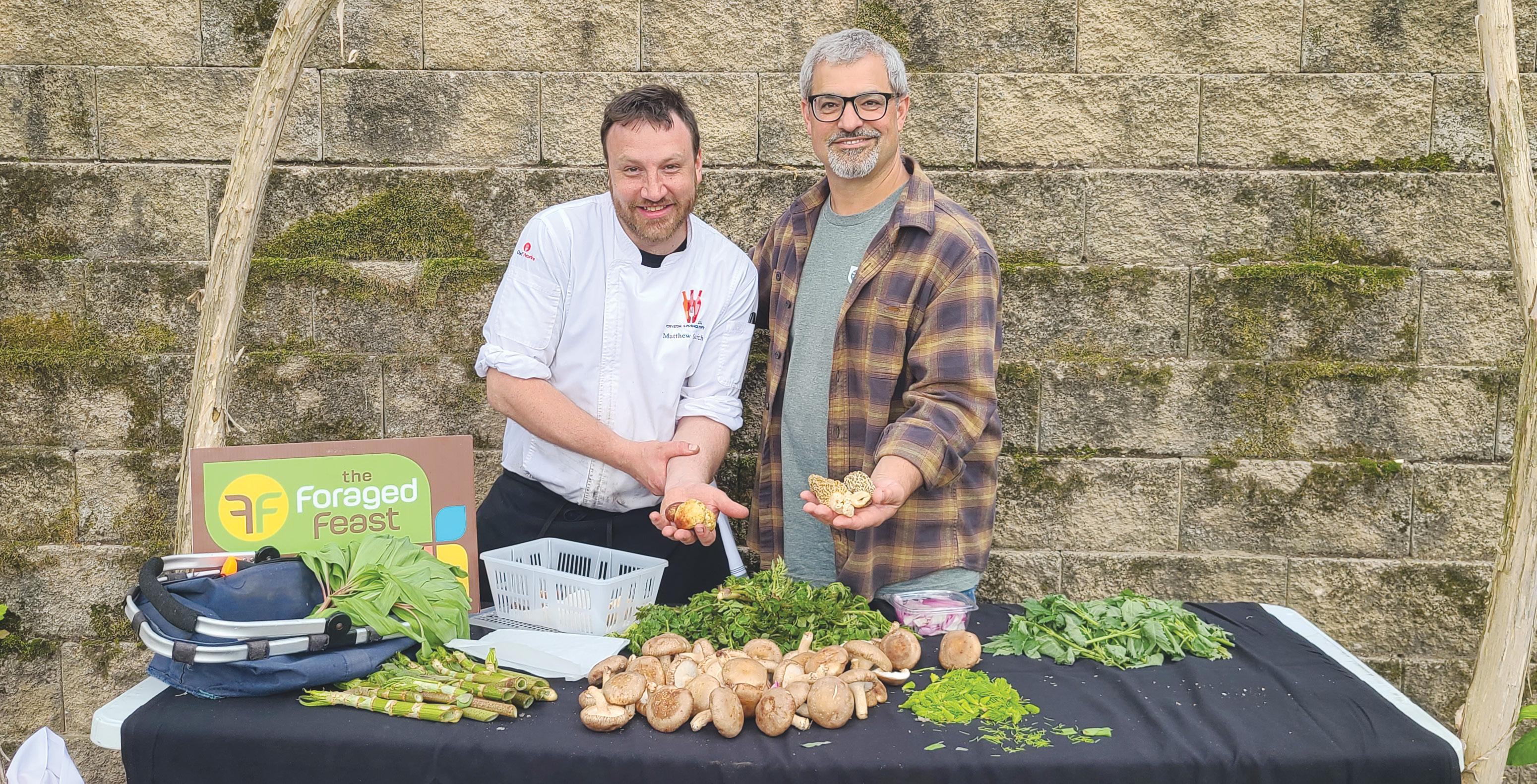
My room looked out over the resort’s Biosphere Pool Complex. While standing on the balcony, I listened to a small group of the resort’s staff setting up a seminar on the patio below. I heard the words mushroom and foraging. I hurried downstairs to participate. The seminar was called Foraging: Forest to Table.
Here I met Dan Lipow, founder and chief forager of The Foraged Feast. I learned that his culinary journey to find the best quality ingredients with the most flavor and highest nutritional value led him to start foraging for mushrooms and other wild edibles almost 20 years ago. Over those years, inspired by the many flavors, textures, and colors of those wild ingredients, Lipow created countless delicious and nourishing meals for his friends and family. Today he continues to bring nutrientrich and delightful flavors of local, wild, and sustainably grown and foraged foods to the broader northern New Jersey community. I also learned that he took the Rutgers Cooperative Extension Essex
The adage goes: “April showers bring May flowers.” The Dad joke adds: “But what do May flowers bring?...pilgrims!”
So, what does June bring for agriculture and its New Jersey customers?
Throughout spring Jersey Fresh growers have greens, herbs, leeks, lettuces, spinach, strawberries, and more. But in June, strawberries start to wane and finish off.
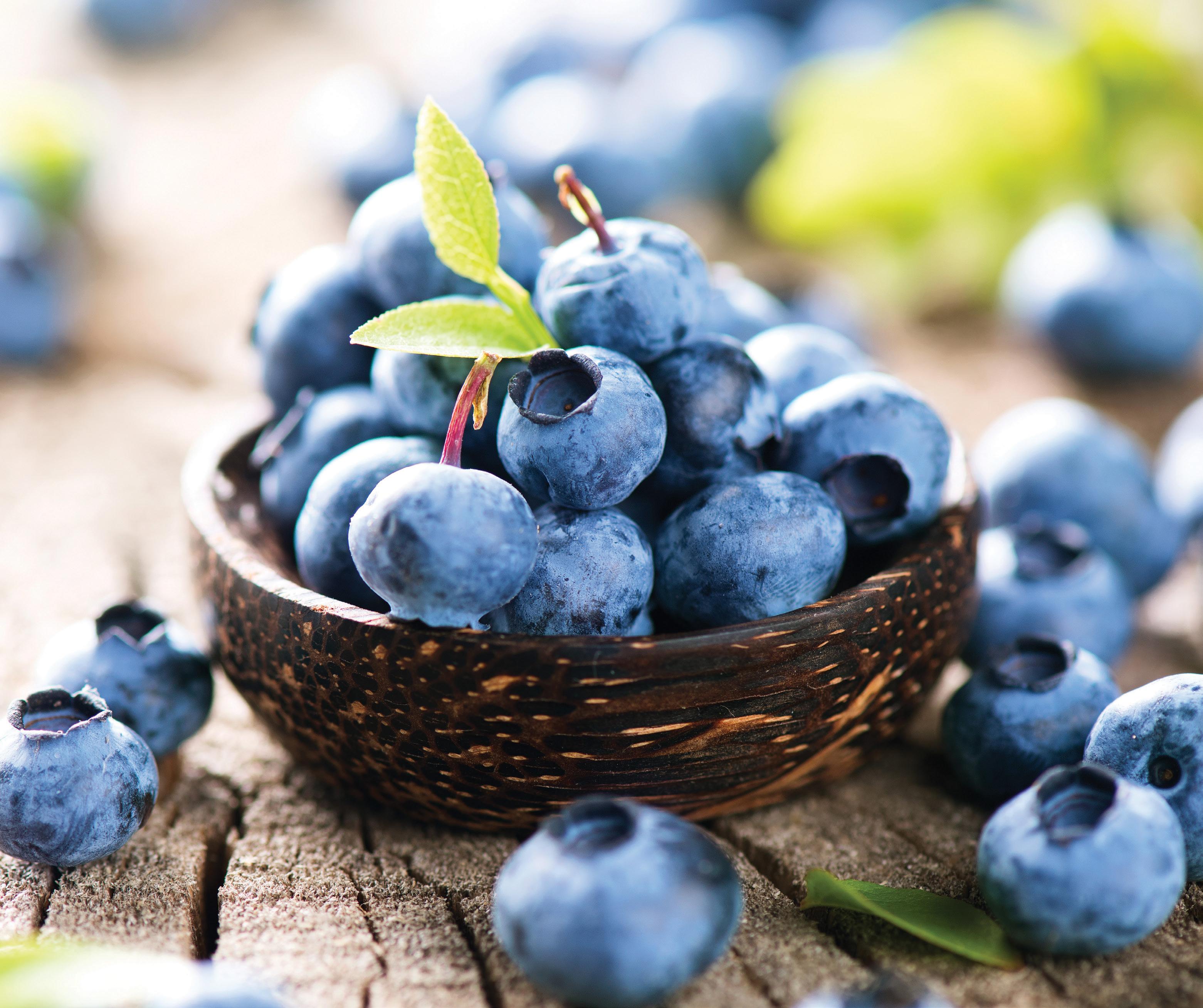
Mid-June sees the arrival of the Jersey Fresh blueberries people wait for all year. The indigo jewels are available for about six weeks – June 15 through late-July – grab some while you can. Freeze several pints for use throughout the offseason.
Wash and thoroughly dry the berries and place them on a baking sheet in the freezer for two to four hours until they’re solid. Then place them in a freezer bag. They can be stored up to 12 months. This process prevents berries from becoming a frozen clump that is hard to work with. They’re great for pancakes, muffins, added into cereal or oatmeal, or just snacking.
June also brings the arrival

NJ Dept. of Agriculture
By Joe Atchison III Assistant Secretary of Agriculture
What Does June Bring for NJ Agriculture?
of Jersey Fresh squash, like zucchini, yellow squash, and Goldbar. These are nutritional additions for summer meals and can be cut into “planks” for grilling or used in stir fries and other dishes.
One cup of cooked zucchini has 27 calories, while providing 2 grams of protein, 5 grams of carbs, and 2 grams of fiber. They support vision, immune health, and digestion. And they’re a good value, with consumerfriendly prices.
Jersey Fresh has produced a recipe video for “Zucchini Boats” with the zucchini cut in half lengthwise and scooped out along the middle, then filled with mozzarella cheese and halved grape tomatoes. This video was repeatedly shared across social media to a total of
tens of millions of views. This recipe and many others can be found on www.FindJerseyFresh. com.
In southern New Jersey, we get some of the Garden State’s famous summer favorites in late June. With favorable weather and early planning, some northern farms will have them, too. We are talking about Jersey Fresh sweet corn and tomatoes! It just wouldn’t be summer without these classics. The question is, what sweet corn is your choice –white, yellow or bi-color?
Growing up in Pittsburgh, all I knew was yellow. When I moved to New Jersey, around 10 years old, I saw my first white corn and was afraid it wouldn’t be as good as yellow. Boy, was I wrong! It was crisp and had crunch. It was sweeter than I had
Jersey Tastes. Jersey Tastes.
tasted. These days, I have tried corn all over the state, and our farmers do them all right!
Traditionally, we boil it for a couple of minutes, then slather with butter and salt. But I’ve had it grilled, cooked in-husk, even cooked in a cooler. And, I’ve been lucky enough to eat it in the field, pulled off the stalk without butter and salt, because it doesn’t need it.
Jersey Fresh tomatoes are famous all over. Our sandy, acidic soils allow for perfect growing conditions. These hearty red globes of goodness are perfect on sandwiches, burgers, and in salads, or just alone. In addition to the red slicing tomato, New Jersey farmers grow a variety of tomatoes in different shapes, sizes, colors, and flavors. Seek them out and have a taste test
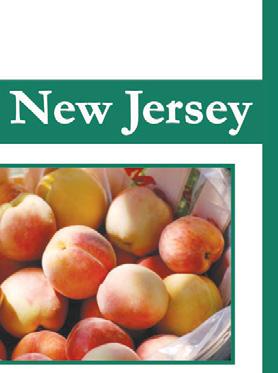
with several options. Toward late-June, we see the emergence of peaches. Yellow peaches usually start the season, with white and donut peaches following, along with nectarines. This brings us to a delicate topic farmers face yearly.
The late frost in April affected many crops, mostly fruit. We’ll likely see reduced numbers of berries, peaches, and apples, along with grapes, this season. It’s important to remember farmers face challenges all year with weather, costs, and regulatory issues.
When you see local fruits and vegetables at your favorite market this season, keep those challenges in mind. And, if prices are a little higher this season, consider supporting our neighbors who toil to bring us the best produce anywhere.
Editor’s Note: Joe Atchison III is the New Jersey Assistant Secretary of Agriculture. Atchison is also the Director of the Division of Marketing and Development for the New Jersey Department of Agriculture. He can be reached at (609) 292-3976.
HOWDOESITGROW: NUTRITIONFACTS:
Strawberriesareveryrichin manganese,antioxidantsandvitaminC. VitaminChelpsmaintainahealthyimmune systemandreducesinflammation.
Strawberries are very rich in manganese, antioxidants and vitamin C Vitamin C helps maintain a healthy immune system and reduces inflammation.

Strawberriesareeasytogrowina gardenoreveninapot.Theplants staylowtothegroundandsendout runnersthatgrowintonewplants. Withsunlightandwater,they producesweet,juicyberries.
Strawberries are easy to grow in a garden or even in a pot. The plants stay low to the ground and send out runners that grow into new plants. With sunlight and water, they produce sweet, juicy berries


StrawberriesareinseasoninNewJersey duringlatespringandearlysummer, duringthemonthsofMayandJune.
Strawberries are in season in New Jersey during late spring and early summer, during the months of May and June.
Strawberriesareoneofthefirstfruitsto growduringtheNewJerseygrowing season.Youcanpurchasethematalmost anycommunityfarmersmarket,local farmstandorpick-your-ownfarms.
Strawberries are one of the first fruits to grow during the New Jersey growing season You can purchase them at almost any community farmers market, local farm stand or pick-your-own farms.

Thestrawberryistheonlyfruit withseedsontheoutsiderather thanontheinside.Theaverage strawberryhasroughly200seeds ontheirsurface!
The strawberry is the only fruit with seeds on the outside rather than on the inside The average strawberry has roughly 200 seeds on their surface!
https://www.nj.gov/agriculture/farmtoschool
A Festival of Food, Foraging, Wild Edibles, and Wine
County Master Gardener course. I took the Master Gardener course in Somerset County. We had something in common.
Lipow definitely has a love of Chanterelle mushrooms, and he knows where they grow all over New Jersey.
I also learned that you can eat the new growth of Norway and Alberta spruce trees. Bartenders use these foraged, fresh, tender, new growth tips to add a lemony note to drinks.
They also float whole, fresh spruce tips on the surface of a cocktail so the aromatics hit your nose before you take a sip. I’ve found myself sampling spruce tree growth every time I see one.
I also learned that the new growth can be enjoyed as an addition to salads. Yum!
Another great seminar that was offered was called Explore the World of 90+ Point Wines with Michael McNelis, wine educator, and certified sommelier. This guided tasting showcased exceptional, critically acclaimed bottles while breaking down the flavors, styles, and stories that set them apart. What a great experience this was to learn all about tasting and how to discover wines worth remembering.
The Grand VIP Saturday Night Tasting started at 6 PM.
Right out of the gate I met up with David Burke, one of the best known and most respected chefs in modern American cuisine with his signature whimsical, boundlessly creative approach to food. In addition to being an internationally celebrated chef, Burke is a restaurateur, artist, philanthropist, businessperson, author, educator, art collector, puppeteer, minister, and a Doctor of Business Administration, honoris causa. David Burke Hospitality Management (DBHM) owns, manages, licenses, and consults with restaurants, hotels, clubs, and schools worldwide. Currently, Burke and his DBHM team operate or orchestrate the culinary
component of 22 restaurants, an historic event venue, and a bakery. They also oversee a growing roster of David Burke branded products, including cookware, bakeware, steak sauce, cutlery, and wine.
In my opinion, Burke is a rock star of the culinary world.
Later in the evening I was introduced to Chef Masaharu Morimoto — known to millions as the star of Iron Chef and Iron Chef America and now executive producer and head judge for Roku’s Sushi Master — who has garnered critical and popular acclaim for his seamless integration of Western and Japanese ingredients.
I even met Mr. Chocolate. Jacques Torres is the authority on all things related to this confectionery delight. Raised in France, Jacques fulfilled his American dream in 2000 with the opening of his first chocolate store and factory, Jacques Torres Chocolate in Brooklyn, New York. He prides himself on specializing in fresh, handcrafted chocolates using premium ingredients free of preservatives and artificial flavors. He has served as
Executive Pastry Chef at Le Cirque for 12 years, has hosted several of his own series on Food Network & PBS, as well as written three cookbooks. Jacques is the featured Head Judge on the Emmy nominated series “Nailed it!”, a baking competition show on Netflix. He has retail locations in New York City.
I also came across Chef Brandon Campney. He graduated from The Culinary Institute of America in 2012. After a few years of working in the Hudson Valley, he made his way to New Jersey in 2015 to work at The Stirling Hotel in Long Hill Township, Morris County. In 2016, the Baldassarre family, owners of The Stirling Hotel for over 40 years, set their sights on opening a new modern American restaurant. At the young age of 24, Brandon’s passion and drive led to his role as opening chef of Stirling Tavern in Morristown, New Jersey.
Since then, both Stirling Tavern and Chef Campney have earned plenty of recognition and numerous accolades. Chef Campney’s personality, along with his brand of innovative and modern American cuisine, caught the eye of

Food Network producers in 2020, when he appeared on Guy’s Grocery Games. His Food Network competition appearances didn’t end there; he went on to be featured on Chopped and Kitchen Crash, winning both.
In 2024, the Stirling team partnered alongside the owners of the Dublin Pub in Morristown. After a remodel and a menu overhaul that Brandon spearheaded, they reopened in October 2024 to rave reviews.
Just one year later, Chef Campney partnered as co-owner with John Baldassarre to open the modern Italian restaurant, Cotto, also in Morristown. Though it has only been open since December 2025, Cotto has received no shortage of press and acclaim.
Best of all, I enjoyed chatting with Crystal Springs Chef Andy Lagana. Chef Lagana specifically oversees the Ballyowen and Black Bear Golf Clubs as Director of Food & Beverage and Executive Chef. Chef Lagana is also a featured columnist for Gardener News After the Grand Tasting, I was treated to an over-the-top After Party in the Biosphere Pool Complex. More food, more desserts, and more music. The Biosphere is the first structure of its kind in the U.S. to incorporate advanced German Foiltec roofing material, allowing nearly 100% light transmission for year-round tanning. In addition, a retractable roof which produces an extraordinary outdoor effect is a truly singular offering in the Northeast.
The New Jersey Food & Wine Festival is a great place to discover a medley of agriculture, horticulture, the end product of viticulture, and most of all, food education, and taste bud satisfaction, all in a friendly, environmental setting like no other place in the Garden State.
Editor’s Note: Tom Castronovo is executive editor and publisher of Gardener News . Tom’s lifelong interest in gardening and passion for agriculture, environmental stewardship, gardening, horticulture and landscaping, led to the founding of the Gardener News, which germinated in April 2003 and continues to bloom today. He is also dedicated to providing inspiration and education to the agricultural, environmental, horticultural, and landscaping communities through this newspaper and GardenerNews. com.
Tom Castronovo/Photo
Biosphere Pool Complex from the 5th floor of the Grand Cascades Lodge at Crystal Springs Resort.
Tom Castronovo/Photo






Family Owned Retail Garden Center for over 40 years!
GardenerNews.com
I enjoy hiking throughout our various National Parks for many reasons. For the gardener in me, hiking provides the opportunity of seeing plants reveling in their natural environments. Often, this is when I have that ‘aha moment’ and suddenly realize what the plant actually needs to thrive at its best.
Such was a recent experience with the blue flowered Campanula rotundifolia, commonly known as Harebell. It is a plant I have grown for years and although it flowers admirably, it always looks ‘tired’. When I saw it growing at 12,000 ft in Rocky Mountain National Park, I suddenly understood – this delicate looking plant actually prefers rather harsh growing conditions to look its best, and not the pampered conditions I was inadvertently providing. Who knew!
The genus Campanula is a member of the Campanulaceae or Campanula Family with over 500 species found throughout a broad range of temperate and tropical regions of the northern hemisphere. Campanula rotundifolia has an equally broad native range, stretching from Europe across Russia, China and much of North America. This broad range is matched by an equally diverse number of environments where
With the longer days and increasingly warm temperatures that we get during the month of June, now is a great time to plant tomato plants. As long as the plants are healthy and are of good size, with the proper care, they should be yielding fruit by mid to late August. And with proper care, these plants will continue to produce quality tomatoes right up until frost.
Here are a few tips and pointers on how to manage tomatoes in your garden.
I think that this first tip should go without saying but make sure that you plant your tomatoes in well drained soil that is as close to full sun as you can get. You should also make sure that the soil has been properly limed and fertilized before planting. (Recommendations are available through your County Extension office or online through Rutgers Cooperative Extension.) Raised beds or even containers, if they are large enough, work great. Tomatoes do not do well in areas that are not well drained, and growers should do everything possible to avoid these instances. Tomato

Morris County Park Commission
By Bruce Crawford Horticultural Manager
Harebell is One Tough Contender – Who Knew?
it is found growing, including meadows, rocky slopes, wooded hillsides, alpine regions, and sandy beaches near lakes.
The genus and species were originally described in 1753 by the Swedish botanist and physician Carl Linnaeus (1707-1778). Inspired by the bell-like floral shape, he crafted the genus from the Latin Campāna meaning bell and the diminutive suffix Ula – translating to ‘Little Bell’! Harebell was believed to flourish where Hares (Rabbits) lived, leading to the common name!
Beginning in late fall, Harebell produces a dense basal clump of small, rounded leaves with a lightly dentate or toothed margin. These leaves only reach 1-2 inches tall with each leaf measuring roughly 1 inch in diameter. It is the shape of these leaves that inspired

Linnaeus to pen the species name of rotundifolia, from the Latin Rotundus for round and Folia for leaf. Beginning in mid-April, a number of slender floral stems begin to emerge through the basal foliage. These stems ultimately branch as they stretch to 6-18 inches tall. Appearing alternately along the stem are slender, lanceshaped leaves measuring 1-3 inches long, along with numerous bellshaped blue flowers. Interestingly, the overwintering basal leaves gradually wither and fade as the floral stems expand, only to reappear come late fall.
These attractive blue flowers last from June through September, with a few still opening as late as early November! In some instances, the flowers are also white or pink in color. The flowers consist of 5 petals, each ½-1¼ inches long that
are fused together along the lower ⅔ of the flower. The remaining ⅓ of the flower flairs outward with each petal coming to a point at the tip. At the center of the flower is a very pronounced white female style which splits threefold at the tip into a tripartite stigma. The flowers are typically bee pollinated, although they can also self-pollinate in windy environments. Plants are not prodigious at producing seedlings, but it is not uncommon for one or two seedlings to appear each year, typically in crevices between stones or where gravel is used as a mulch.
The key to growing Harebell attractively lies in locating them in lower fertility, well-drained soils as I discovered in the Rockies. Where soils are too rich, the floral stems weaken and flop while in gritty, well-drained soils the stems
The Town Farmer
By Peter Melick Agricultural Producer
Growing Tomatoes
plants should be planted two feet apart in the row, with five to six feet between the rows. One common mistake that I see gardeners make is to space their plants too close together. This will cause reductions in size and yield later on when the plants start to produce fruit. Make sure that the plants are well watered at the time of planting but then be careful not to over water them for the first month or so. They do not really need much water until the actual tomatoes start forming and over-watering them at this stage can lead to disease problems in the future. It is also important to keep the tomato plants off the ground. This can be done by using either stakes or cages. When this is done, the plants will
be less likely to get diseases and the fruit will be of higher quality as well.
As the plants grow, it is important to implement a fungicide program. There are a host of bacterial and fungal diseases that can attack tomato plants, especially during periods of wet weather, and it is important to try and stay ahead of these diseases as much as possible. If not, yields can be severely curtailed. It is also important that when watering your plants, water the soil around the plants and not the foliage. It is also crucial to not handle or work with tomato plants when they are wet because this could further spread any disease that is already present.
Another note to remember
is that while tomato plants need full sun, the tomato fruit itself should be completely shaded from direct sunlight by the foliage of the plant. The optimal tomato plant will look like a green bush with no visible tomatoes. Any tomatoes that are hit with direct sunlight for any amount of time are subject to sunburn and cracking. That is why it is so important to maintain the canopy of the tomato plant. The longer in the growing season you can maintain healthy plants, the more tomatoes you will be able to harvest.
As the tomatoes start to mature, it is also important to protect them from any wildlife. Squirrels, rabbits, deer, ground hogs, and raccoons can do a lot of damage in a short
Granted, it may be tough to replicate the gritty hillside soils from a National Park in Utah or the gravely alpine conditions of Colorado. However, having the opportunity to see Campanula rotundifolia growing in the wild gave the gardener in me a far better appreciation for its preferred growing environment. This delicate looking plant is actually one tough contender and performs at its best when not pampered. Who knew?
Editor’s Note: Bruce Crawford is a lover of plants since birth, is the Manager of Horticulture for the Morris County Parks Commission, and a Past President of the Garden State Gardens Consortium. He can be reached at BCrawford@ morrisparks.net stand proud and nicely present the flowers to the viewer. Best grown in zones 3-6 in full sun to light shade, consider paring them with Beardtongue (Penstemon species), Prickly Pear (Opuntia species), various species of Pussytoes (Antennaria) or the grassy foliage of Little Bluestem (Schizachyrium scoparium).
amount of time, so some type of wildlife-proof fencing is usually necessary.
While the tomato plants do need to be watered right through harvest, be careful not to over water them as this can cause the fruit to crack. It will also result in a decrease in flavor.
And finally, make sure to plant some basil to go with your tomatoes. And because basil matures much faster than tomatoes, it should be planted four to six weeks after the tomatoes so that you can enjoy them both at the same time. Good Luck!
Editor’s Note: Peter Melick is co-owner of Melick’s Town Farm in Oldwick and a 10th-generation New Jersey farmer. Peter is Mayor of Tewksbury Township, Hunterdon County, NJ. He also served as a director for the New Jersey Farm Bureau and is a past president of the New Jersey State Board of Agriculture. Peter has also been featured on NJN, News 12 New Jersey and on the Fox Business Network.
LAND-GRANT UNIVERSITY NEWS
Senior Shelin Pompey SEBS’26 Brings Living Wall Back to Life Through Experiential Learning
What began as a grey, aging installation inside the Floriculture Greenhouse on the George H. Cook campus has been transformed into a vibrant, living work of art—thanks to the vision, persistence and creativity of Rutgers graduating student Shelin Pompey.
A senior majoring in plant science with a concentration in horticulture and turf industry at the School of Environmental and Biological Sciences (SEBS), Pompey took on the ambitious task as part of her experiential learning (EL) journey. The project: redesign and restore a living wall that was originally installed nearly 20 years ago by alumni Michael Coraggio and Ryan Burrows.
Pompey began her Rutgers journey in 2020 at the School of Arts and Sciences but transferred to SEBS in 2024, initially choosing to major in food science “but ended up loving plant science and switched majors!”
For her, the EL opportunity was more than an academic assignment; it was a defining moment.
“The living wall was grey and barren for months, while behind the scenes there was tons of research and prep,” Pompey said. “We really had to trust the process—but seeing it come back to life made everything worth it.”
The project was coordinated by Nrupali Patel, undergraduate program director of Plant Science, and supervised by Rutgers Gardens Assistant Director (Greenhouses) Daniel Jacobs. It required both technical expertise and creative vision, with Pompey involved in every stage—from repairing irrigation systems to selecting plant varieties suited for a vertical aquaponic environment..
“Shelin could not have done a better job with the project,” said Jacobs. “From day one, she asked thoughtful questions, set
clear goals, and was attentive to every detail. She made biologybased decisions about plant selection and demonstrated both professionalism and a strong work ethic throughout.”
Behind the scenes, Pompey tackled real-world challenges that pushed her beyond the typical classroom environment.
“My most memorable obstacle was fixing a stubborn leak in the irrigation system,” she said. “It seemed simple at first, but it took weeks of trial and error before we found the right solution. In the end, we had to replace part of the pipe entirely, but that process taught me patience and problem-solving.”
Through that experience, Pompey deepened her technical knowledge while developing critical soft skills, like adaptability, resilience and collaboration.
“I learned that you could plan everything perfectly, but nature will still do its own thing,” she explained. “You have to stay adaptable and open-minded. The plants don’t follow your plan— you learn to work with them.”
The project also became a powerful example of mentorship and community within SEBS. Pompey credits Jacobs, greenhouse staff, faculty members and alumni collaborators for guiding her along the way.
“Research is important, but the most impactful lessons came from the people I connected with,” she said. “Learning to accept help and ask questions made all the difference.”
With support from alumni—including EcoWalls founder Michael Coraggio, who provided plant recommendations and resources—the wall now reflects a renewed diversity of plant life and student-driven design.
Beyond technical growth, the EL experience reshaped Pompey’s outlook on her future as her SEBS tenure comes to an end in May.
“This project opened my eyes to how I can combine horticulture and art,” she said. “It showed me that creativity has a place in plant science and that I can build a career doing something that fulfills me.”
Looking ahead, Pompey hopes to continue working in green spaces—gardens, parks and conservatories—where she can merge environmental stewardship with creative expression.
“Plants teach us resilience, patience and growth,” she said. “I want to create spaces where people can connect with nature the way I have.”
Patel could not agree more and is working towards developing additional opportunities for students to connect.
“The Plant Science undergraduate program is currently developing new experiential learning projects in the floriculture greenhouse, with upcoming opportunities in hydroponics, flower bulb production and soil amendment assays—all in partnership with industry to build practical, career-ready skills,” she said.
For students considering experiential learning opportunities in any major, Pompey offers simple but powerful advice:
“Never stop learning and don’t be afraid to get your hands dirty.”
Through her work, Pompey has cultivated a lasting example of what experiential learning can achieve, fulfilling its goal to practically apply disciplinary knowledge, discover passions and build confidence to prepare students for what comes next.
Graduate Students Help Professor Bring Plant Species Back to Life
Sue Huang is using speculative and critical design to bring long-dead plant species in New Jersey back to life in the collective human consciousness.
Her latest work is a collaborative effort founded in both science and the imagination – one that involves graduate students and mixes research, history, software development, visual design and plant biology.
Central to the effort is the development of a software tool – “the heart of the project in many ways,” Huang said – that reconstructs plant forms from historical descriptions, generating three-dimensional models using artificial intelligence.
“The project reintroduces lost or disappearing plant species from New Jersey’s ecologies into contemporary culture by giving them new form,” said Huang, the inaugural Rutgers UniversityNew Brunswick Laureate.
Her laureate project, Bodies of Flora, will culminate with what the artist and designer described as a “lecture performance” that explores botanical loss and visualizes the resurrection of vanished plants.
Huang, an assistant professor with the Department of Art & Design at the Mason Gross School of the Arts, has enlisted help from the Chrysler Herbarium and Mycological Collection as well as the Department of Plant Biology and the Department of Ecology, Evolution and Natural Resources, all of which are part of the Rutgers School of Environmental and Biological Sciences.
She also tapped graduate students – including two general research assistants with the Art & Design department at Mason Gross and a software engineering student from the Rutgers School of Engineering – in critical roles to help her realize this blending of art and science.
Asem Kiyalova, a graduate teaching fellow with the Art & Design department who teaches undergraduate courses in design and typography at Mason Gross, is helping Huang on a website for the project, particularly the user interface and user experience aspects.
“She was my first professor when I arrived,” said Kiyalova, who hails from Almaty, Kazakhstan, and graduates in May with a master of fine arts degree in design. “I was dreaming about working with her at some point. And when she offered, I was like, ‘This is
the dream come true.’”
Kiyalova said that while testing the website, “We found that many people are not aware of the herbarium on the Rutgers campus, or even what an herbarium is, despite it being such a valuable resource. The website we are designing aims to highlight this space, bringing greater recognition to the herbarium and showcasing the important and fascinating work carried out there. In this way, it helps tell the broader story of herbaria and their significance.”
She also credited Huang for trusting her and others and involving them in “the conceptual part of this project.”
“I’m learning from her how to lead a project and how to make things happen from scratch,” said Kiyalova, who speaks Kazakh, Russian and English, received her bachelor degree in graphic design from Teesside University in the United Kingdom and worked for years in the advertising industry. “I’m so happy that I’m a part of a team. I’m so excited about the upcoming performance.”
Another Mason Gross graduate student, Anukriti Kaushik, is a lecturer with the Art & Design department who is pursuing a master of fine arts degree in design. She is conducting materials research and physical fabrication for the project.
Initially, when she started the project, Huang said her thought was to research scientific and historical archives “in which we would examine the morphological descriptions of the plants,” including extirpated plants – ones “that no longer exist locally in their original habitats” – and extinct plant species.
“We are looking at these descriptions, and I was thinking about ways of using this language, which describes the plant body, to bring these plants back into the cultural consciousness through a range of social practices and material explorations, including the generation of visual and audio materials” she said. “I use language to give these botanical ghosts a body.”
Kundan Kumar Reddy Digavinti, a graduate student attending the Rutgers School of Engineering, is working to make the project’s 3D-modeling software tool a reality.
Digavinti, a native of Chennai, India, who earned his bachelor degree in electrical and electronics engineering from the SRM Institute of Science and Technology in India, said he was “just scrolling through” Rutgers webpages when he came across news about Huang and her laureate project.
“The point which took my attention was the resurrection of the plants, the historical plans where we didn’t see them,” said Digavinti, further explaining that the challenge was to represent these lost plants based on archived descriptions of researchers from the past century or earlier. “It was like bringing back them to life in the form of art or something.”
He added that his role – “to produce a good artwork based on the texts that were historical” – is to bring “all the tools by using the AI, the AI models and integrate it into one tool where the user will get an output by giving one single prompt.”
Working on multiple artificial intelligence models was a “first for me,” said Digavinti, who is pursuing a master degree in electrical and computer engineering with a focus on software engineering.
“I was completely involved in building and designing a pipeline to generate images by processing natural language from the texts,” he said. “And since this was the first time that I was entirely working on a project from the beginning to the end working with multiple models, it was a good learning experience. It was also not my discipline.”
Huang also is collaborating with Megan King, a graduate student and the collections manager at the Chrysler Herbarium who assists with access to the collections and offers insight into herbarium practices, and Lena Struwe, the director of Chrysler Herbarium and a professor at the School of Environmental and Biological Sciences, “who has been very instrumental to our understanding of what needed to be considered in the software tool development.”
The professor said she has enjoyed having graduate students work with her on the project, adding that their mix of scholarly pursuits were critical to bringing Bodies of Flora to fruition.
“They bring their own set of skills, which enhances the work we’re doing on the project,” Huang said. “I have my own areas of expertise, but I see deep knowledge in research as knowing how to bring together the skills of others to move the work forward.”
“From another point of view, I would say the students bring vibrancy, excitement, optimism and a strong work ethic to the project.”
This article first appeared in Rutgers Today.

RUTGERS NJAES/RCE
From the Director’s Desk
Rutgers Outreach
Provided by Brian Schilling Director
What If Your Garden Had a Genius on Call?
Artificial intelligence could transform cooperative extension outreach for home gardeners, and New Jersey has more to gain than almost anywhere.
The Garden State’s 9,000 square miles of the most densely populated land in America don’t always live up to its nickname’s botanical billing. Its 9.3 million residents are overwhelmingly urban and suburban, squeezed onto small lots in a state that spans hardiness zones from the cool highlands of Sussex County to the nearsubtropical warmth of Cape May. They grow tomatoes on balconies, plant native gardens in postagestamp yards, and battle deer, clay soil, spotted lanternflies, and the steady encroachment of invasive species. They are, by any measure, a massive audience for expert horticultural guidance.
That guidance has traditionally come from Rutgers Cooperative Extension at your state’s land-grant university, with a mission to bring science-based knowledge to every resident. The knowledge is there. The question increasingly being asked across the extension system nationwide is whether delivery is keeping pace with what’s possible. Artificial intelligence suggests it isn’t, but it could be.
The Extension Foundation’s 2025 National AI Report offered the first systemwide snapshot of its kind. It found that land-grant institutions across the country are actively exploring how AI can reshape and strengthen their outreach mission. The window of opportunity is wide open, and what’s emerging in some states offers a preview of what’s achievable.
Oklahoma State University’s Cooperative Extension was among the first to act. Its system launched an AI-powered chatbot that draws on more than 400,000 publications, articles, and research documents from 30 state extension networks and the USDA to answer questions about agriculture, natural
resources, and home horticulture.
The goal, as described by extension leadership, was to ensure that AI-generated responses remain unbiased, research-based, and peerreviewed—avoiding the common pitfalls of online advice shaped by social media algorithms. Instead, users receive guidance grounded in decades of land-grant science, along with the ability to ask more targeted follow-up questions of local specialists.
This matters enormously in a state like New Jersey, where the complexity of local conditions— microclimates, dense urban heat islands, coastal salt exposure, and a patchwork of soil types, from the Pinelands to the Piedmont, means generic gardening advice from national apps often falls short.
An AI system trained on Rutgers’ deep library of New Jersey-specific research could do something no commercial platform can: answer a question like “Why are my blueberries struggling in Burlington County?” with the precision of a county agent and the availability of a smartphone.
The applications extend well beyond chatbots. AI-powered image recognition is already demonstrating the ability to identify plant diseases from a photo with competitive accuracy. A New Jersey homeowner noticing yellowing leaves or suspicious spots on tomato plants could photograph the issue and receive a research-backed diagnosis in seconds—one that accounts for pests and pathogens documented in their specific region. Early detection matters, and timely AI-assisted intervention could significantly reduce plant disease losses compared to problems caught too late.
For a state whose floriculture industry alone generates more than $300 million annually—and whose home gardening culture is as varied as its ZIP codes—those outcomes carry real weight. But the potential isn’t just economic. New

Jersey is navigating a rapid shift in home landscape culture, including increased interest in native plants, pollinator gardens, reduced lawn coverage, and climate-resilient planting. Connecting that shift to science-based guidance, at the scale New Jersey requires, is something webinars and static fact sheets struggle to accomplish alone.
AI can also transform how extension reaches communities that have historically been underserved. A multilingual AI tool, accessible via smartphone and available at any hour, is a democratizing force. It extends the reach of every extension educator and helps compensate for the reality that staffing has not grown in proportion to the populations these offices serve.
Washington State’s extension system offers another glimpse of what’s possible. Its “Climate Action Team” within the Master Gardener program uses AI-assisted curriculum development and data tracking to continuously measure outcomes. In 2024, Master Gardener field days reached nearly 500 communities with consistent, climate-focused messaging amplified by digital tools. The structure of the program remained the same—the intelligence behind it evolved.
This is the real promise of AI in extension. It doesn’t replace the human expertise that makes cooperative extension trustworthy—it multiplies it.
A county agent’s knowledge, combined with AI’s availability, personalization, and reach, creates something neither could achieve alone. New Jersey, home to one of the most horticulturally diverse and enthusiastic gardening populations in the country, is well positioned to realize this vision. The tools exist, and so does the will to modernize Extension’s delivery of resources and impact across communities. Now is the time to embrace AI’s potential and help New Jersey’s gardeners flourish.
Editor’s Note: This article was written by Ruth Carll, State Leader for Consumer Horticulture and County Agent, Department of Agriculture and Natural Resources, Rutgers Cooperative Extension.
Atlantic County Phone: 609-625-0056
Bergen County Phone: 201-336-6780
Burlington County Phone: 609-265-5050
Camden County Phone: 856 216 7130
Cape May County Phone: 609-465-5115
Cumberland County Phone: 856-451-2800
Essex County Phone: 973-228-2210
Gloucester County Phone: 856-224-8040
Hudson County Phone: 201-915-1399
Hunterdon County Phone: 908-788-1339
Mercer County Phone: 609-989-6830
Middlesex County Phone: 732-398-5260
Monmouth County Phone: 732-431-7260
Morris County Phone: 973-285-8300
Ocean County Phone:732-349-1246
Passaic County Phone: 973-305-5740
Salem County Phone: 856-769-0090
Somerset County Phone: 908-526-6293
Sussex County Phone: 973-948-3040
Union County Phone: 908-654-9854
Warren County Phone: 908-475-6505



Bobcat® T7X Electric Compact Track Loader

•




New Jersey Landscape Contractors Association
We’re officially in the thick of the season. Trucks and trailers are loaded, crews are moving, and everywhere you look, there’s fresh mulch, new plantings, and lawns that finally look like they’ve shaken off winter.
It’s also the time of year when homeowners start getting quotes—and let’s be honest, that’s where things can get a little…interesting.
Because no matter how many times we see it, there’s always someone who says: “Why is this so expensive? I got another quote for half the price.” And that’s where I want to spend a little time this month.
Not because price doesn’t matter—it absolutely does. But because in landscaping, like most things, the lowest price is rarely the best value. And sometimes, it ends up being the most expensive decision you make.
Unfortunately, you get what you pay for, whether you like it or not. Landscaping isn’t just about putting plants in the ground or laying down pavers. It’s about understanding soil conditions, drainage, grading, plant selection, installation methods, and long-term performance.
When a price comes in significantly lower than others, you have to ask: what’s missing? You are likely not comparing apples to apples. Is the base material under that patio being installed

The NJLCA Today
By Gail Woolcott Executive Director
The True Cost of “Cheap” Landscaping
correctly—or at all? Are the plants sized and spaced properly for long-term growth and planted in the right conditions for their needs (sunlight, drainage, etc.)? Is drainage being addressed, or ignored? This can cause huge problems for you and/or your neighbors. Are the crews trained and experienced, or just available?
Here’s the reality: if something is done wrong underground, you won’t see it right away. But you will feel it later—when that patio shifts, when water pools where it shouldn’t, or when plants fail within a season.
And fixing those issues? That’s where the true cost comes in. One of the most common things we hear from homeowners is: “We had it done a few years ago, but now we need to redo it.” That usually means one thing— the original job wasn’t done correctly.
Maybe corners were
cut. Maybe materials were downgraded. Maybe installation techniques weren’t followed. Or maybe the contractor simply didn’t have the experience needed for that type of project. Whatever the reason, the homeowner now pays twice: once for the original job, and again to fix it. At that point, the “cheap” option isn’t cheap anymore.
Another portion of the cost of a properly completed project, which people don’t always consider, is what goes into running a legitimate, professional landscape business. Insurance. Licensing. Training. Equipment. Safety protocols. Continuing education. These aren’t extras—they’re necessities.
Professional contractors invest a lot in doing things the right way. That protects not only their business, but also the homeowner. If something goes wrong, you want to know that the company you
hired is properly insured and operating above board. When a price seems too good to be true, sometimes it is. And sometimes it means those protections simply aren’t there.
When doing your next landscaping project or hiring for maintenance, instead of asking, “Who’s the cheapest?” a better question is: “What am I getting for this price?”
Look at experience, past work, and how the contractor communicates. Look at whether they’re asking the right questions about your property and your goals. And don’t be afraid to ask why something costs what it does. A good contractor will walk you through it and help you understand the value behind the number.
This is exactly why organizations like the New Jersey Landscape Contractors Association exist. Our members are committed to professionalism, education, and doing the job right.
An Important Announcement Regarding Online Pesticide Exams
Effective September 2026, the pesticide exam program will transition to in- person exam sessions only. Please review the important details below regarding this change.
• If you are currently registered for an online exam, you have until August 31, 2026, to complete the exam online. No extensions or exceptions will be granted.
• If you do not complete your online exam by August 31, 2026, you need to contact the Rutgers Office of Continuing Professional Education at pacer@njaes.rutgers.edu no later than December
1, 2026 to transfer your online exam registration to an in-person exam session. Failure to do so will result in the forfeit of your exam registration and you will be required to register and pay again to take the exam. No exceptions will be granted.
• Online exam registration will remain open until August 1; however, all online exams must be completed by August 31, 2026. No extensions or exceptions will be granted. Please contact the Rutgers Office of Continuing Professional Education with any questions or concerns at pacer@njaes.rutgers.edu or 848.932.9271 ext.7
They’re investing in their businesses, their teams, and their craft. And that shows up in the quality of the work they produce.
Could you find someone cheaper? Probably. Will you get the same result? That’s the real question.
Landscaping is an investment in your property, your home, and how you experience your outdoor space every day. It should be done right the first time. Because at the end of the day, the goal isn’t just to have something that looks good for a few months—it’s to have something that performs, lasts, and continues to add beauty year after year. So, as you’re out there getting quotes this season, take a step back and look beyond the number. Your future self—and your landscape—will thank you.
Editor’s Note: Gail Woolcott is the Executive Director for the New Jersey Landscape Contractors Association. Gail was presented with a community service award from the Borough of Fairview, New Jersey for her assistance in leading the 9-11 Memorial Park project and the Legislative Champion of the Year award from the Federation of Employers and Workers of America. She can be reached at 201-703-3600 or by emailing gwoolcott@ njlca.org.
Secure Your Load
New Jersey law, specifically N.J.S.A. 39:4-77, prohibits operating a vehicle loaded in a way that allows contents to spill, leak, or scatter on a highway. Loads extending above the vehicle’s body must be secured or covered by a tarp, with fines for violations reaching up to $500 per violation. This includes mulch.
In Doug Tallamy’s nationally recognized book Bringing Nature Home, he describes different ways the home gardener can enhance the ecology in their backyards. He discusses native oaks, but especially the white oak, Quercus alba and how it hosts over 500 insects, birds, and other animals.
In the spring the oaks, in particular, host many species of caterpillars which support many native birds, especially the over 20 species of native warblers that move through the area in April and May. The “mighty oak” is also an important component of our local native woodland where there are many native species. Additionally, nearby in the New Jersey Pine Barrens, there are several other native oaks. Not only are native oaks very important for supporting biodiversity, but many of them have proven to be stalwart trees for the urban landscape and have many ornamental attributes.
The swamp white oak, Quercus bicolor has goldenyellow fall color. Today, Quercus bicolor is used frequently as an urban street tree because it is tolerant of a host of conditions including poorly drained soils, reflected heat, and soil compaction. A recent introduction, ‘Beacon’

Native Oaks Pennsylvania Horticultural Society
is selected for its more upright habit.
The Mid-Atlantic area is the northern native range of the willow oak, Quercus phellos, but it is perfectly hardy. It is called the willow oak for its narrow, willow-like leaves. Because of the narrow leaves it produces a dappled shade, making it a great street tree and tree for planting on plazas in urban areas. It has a yellow fall color and at maturity can reach nearly one hundred feet tall with an upright oval canopy. It is also recommended because it is a fairly fast-growing oak.
In recent years, many native oaks in the “red oak group” including pin oak, Quercus palustris; red oak, Quercus rubra; scarlet oak, Quercus coccinea and the black oak, Quercus velutina have become susceptible to Bacterial Leaf Scorch which can cause dieback and eventual death. Because these species are key species to the biodiversity of the region
By Andrew Bunting Vice President of Horticulture
they should still be considered. Also, oaks are more susceptible to Bacterial Leaf Scorch when they are more mature. Young trees, in general, due to their vigor can be more resistant to this issue and other diseases and insect infestations.
Related to the white oak with broad leaves are both the chestnut oak, Quercus prinus and the swamp chestnut oak, Quercus michauxii, which is sometimes called the basket oak. The large and bolder leaves can provide a different textural quality in the garden to the other oaks. These are less known than some of the other oaks and might require some searching to find them available in garden centers.
Gaining in popularity as a street tree due to its durability is the chinkapin oak, Quercus muehlenbergii. The leaves are smaller than many oaks. In the fall the leaves turn a goldenbrown color.
With a changing climate it is
important to start considering the provenance of the tree. For example, the white oak, Quercus alba has a native range from Maine to Minnesota and south from Florida to Texas. It is likely that the trees growing in the southern parts of the United States have genetics that would make them more heat tolerant. Nurseries should start growing local native species that have a range into Southern states so their tolerance to heat and humidity can help to mitigate climate change. Additionally, we should also consider more southern species like the overcup oak, Quercus lyrata and there has been work done in recent years to make collections of acorns of the iconic live oak, Quercus virginiana. This evergreen oak becomes a majestic spreading tree often festooned with Spanish moss. The northernmost range of this oak is found in Virginia. Through work done by the Morris
Arboretum of the University of Pennsylvania, trees have been planted in the Philadelphia area where they are exhibiting considerable hardiness. Planting any of the native oaks is a great way to provide habitat for a myriad of insects and birds and build biodiversity in the home garden.
Editor’s Note: Andrew Bunting is Vice President of Horticulture for the Pennsylvania Horticultural Society. He is one of the most recognized horticulturists in the Philadelphia, Pa., region and a highly regarded colleague in the world of professional horticulture. Bunting has amassed a plethora of awards, including the American Public Gardens Association Professional Citation, Chanticleer Scholarship in Professional Development, Delaware Center for Horticulture’s Marion Marsh Award, and the Certificate of Merit from the Pennsylvania Horticultural Society. In addition, Bunting has lectured extensively throughout North America and Europe, and participated in plant expeditions throughout Asia and Africa. Learn more at https://phsonline.org/team/ andrew-bunting
Pennsylvania Horticultural Society (PHS) Announces PHS Garden Season with New Citywide Gardening Challenge and Full Slate of Activities
As the Philadelphia region bursts into bloom this spring, The Pennsylvania Horticultural Society (PHS) is launching PHS Garden Season with an invitation to residents across the region to get outside, get growing, and take part in a season of hands-on gardening experiences, community programs, and public garden exploration.
At the center of this year’s PHS Garden Season is the inaugural Citywide Gardening Challenge, a new, season-long initiative highlighting outdoor home gardens across Philadelphia. PHS invites residents to submit their outdoor home gardens for recognition as outstanding examples of creativity, care, and environmental stewardship. Throughout the season, registered participants will receive gardening tips, educational resources, and photography guidance from PHS to help their gardens thrive as they compete for awards and prizes, ending with a celebration event for finalists in September. From front porch containers to backyard vegetable gardens and pollinator-friendly landscapes, the Challenge highlights the many ways Philadelphians are contributing to a more
beautiful and greener city.
PHS Garden Season also offers a wide range of opportunities to experience the joy of gardening at every experience level. Programming includes hands-on workshops, volunteer opportunities, public gardens and landscapes to explore, and seasonal events that will inspire you and grow your gardening knowledge.
“Gardening brings people together in a way few other activities can,” said Matt Rader, President of the Pennsylvania Horticultural Society. “PHS Garden Season is an invitation to get outside, learn by doing, and experience the joy of growing in your own community. Our new Citywide Gardening Challenge celebrates home gardeners and highlights the care and commitment that people bring to tending the places where they live, helping to build healthier neighborhoods through gardening.”
For nearly 200 years, PHS has played a leading role in shaping the Philadelphia region, using gardening as a tool to improve quality of life while spreading the joy and beauty of gardening
throughout communities. PHS programs create healthier living environments, expand access to green space, and help build closer communities. Through its work, PHS continues to drive positive social and environmental change while engaging a diverse community of supporters, volunteers, and gardeners.
The Challenge is free and open to all Philadelphia residents with outdoor home gardens. Participants can enter their gardens across a range of categories, including flower gardens, vegetable or herb gardens, combination gardens, decorative container gardens, and pollinator or wildlife gardens, with prizes awarded to first, second, and third place winners. Registration is open until June 22, with photo submissions accepted June 23 - July 6. Judging will take place in multiple rounds, including photo review and in-person visits for finalists, with winners notified in early September. All finalists will be invited to a special celebration event. Learn more and register at phsonline.org/challenge or contact gardenchallenge@pennhort.org with questions.
































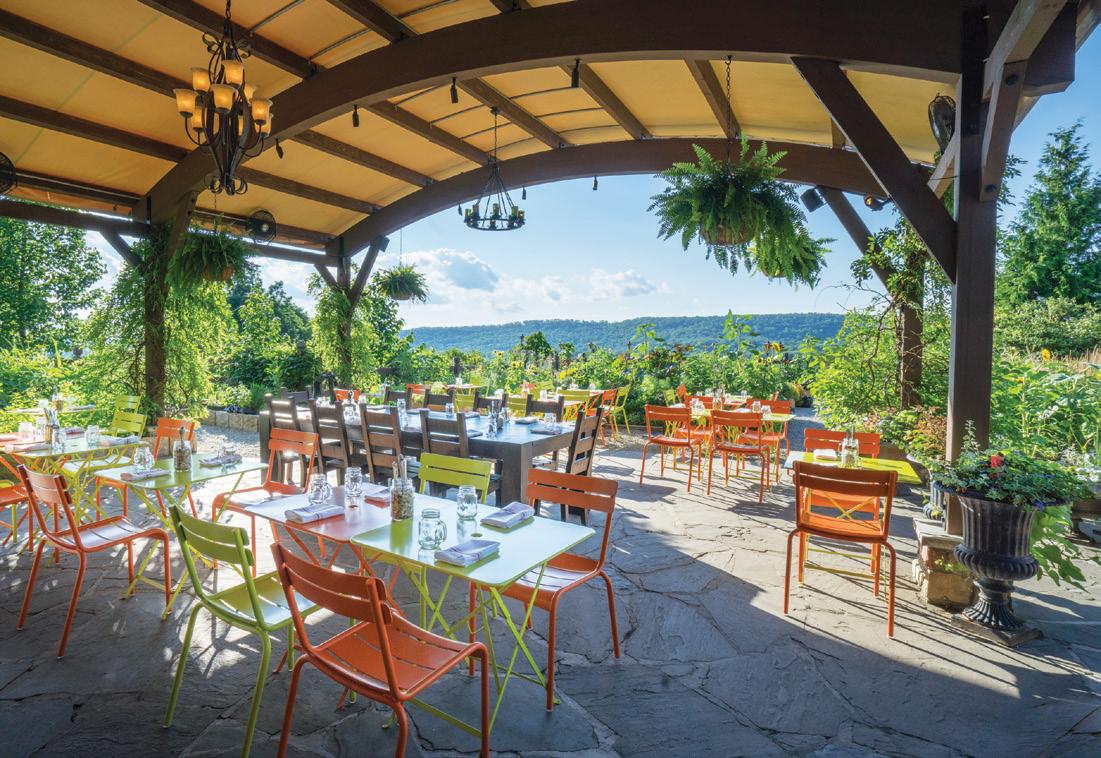


In the Chef’s Corner
By Andy Lagana Chef
Herb-Crusted Pork Chops with Balsamic Onions
Hello Gardener News
readers. As the lush greens of early summer begin to take hold across the Northeast, our gardens offer up a bounty of aromatic treasures that need to be in the kitchen. This month, I am sharing a recipe that perfectly captures the spirit of the season: Herb-Crusted Pork Chops with Balsamic Onions. This dish is an ideal choice for this time of year because it provides a quick, light, and savory meal that celebrates the fresh, seasonal herbs that will be flourishing in our garden beds.
Crispy on the outside and juicy on the inside, these herb-crusted pork chops represent the ultimate in garden-to-table comfort food. By featuring a golden, aromatic breadcrumb coating seasoned with handpicked herbs, this dish brings a sophisticated flavor to your table in under thirty minutes.
To begin, gather half a cup of all-purpose flour, 2 lightly beaten eggs, and one cup of Panko breadcrumbs, which provide a great crunch compared to standard crumbs. For the herb mix, you will need two tablespoons each of finely chopped thyme and rosemary, along with two teaspoons each of finely chopped sage and basil. You will also need four pork chops, salt and pepper for seasoning, and enough olive oil to coat your pan for frying. For the balsamic onions, set aside two tablespoons of olive oil, one large onion sliced very thinly, and two tablespoons of quality balsamic vinegar. Prepare by preheating your oven to 400 degrees Fahrenheit. While the oven
reaches temperature, prepare a traditional breading station by placing the flour, the beaten eggs, and the breadcrumbs into three bowls. This is the time to infuse your crust with the essence of the garden by stirring the chopped thyme, rosemary, sage, and basil directly into the breadcrumbs until the mixture is fragrant and well combined. Season the pork chops with salt and pepper on both sides. To bread them, dip each chop first into the flour, shaking off any excess, then into the egg wash, and finally press it into the herbed breadcrumbs to ensure a thick, even coating. Once coated, set the chops aside to allow the breading to adhere.
In a large sauté pan, heat your olive oil over mediumhigh heat. Wait until the oil is shimmering and hot before adding the meat. Carefully place the pork chops in the pan and fry them until they achieve a beautiful goldenbrown color, which usually takes about two to three minutes per side. Once the exterior is nicely seared, transfer the chops to a cookie sheet and place them in the oven. Bake them for an additional five minutes until they are cooked through. After removing them from the oven, resist the urge to cut into them immediately. Instead, allow the meat to rest briefly so the liquid can redistribute, ensuring every bite is juicy.
While the pork chops are finishing in the oven, you can prepare the balsamic onions in the same sauté pan. Heat two tablespoons of olive oil over medium-high heat and add your thinly sliced onions, sautéing them until
U.S. Organic Produce Sales Climb
Organic produce sales reached $10.6 billion in 2025, marking 5.9% year-over-year growth—or roughly $1.1 billion in added sales compared to 2024. Sales grew nearly five times faster than conventional produce, which grew by 1.3%. Organic Produce Network again joined forces with Category Partners to compile an annual report, State of Organic Produce 2025, showcasing the top-performing organic produce categories, along with key drivers that shaped sales.
they become translucent. Season them with a little salt and pepper and continue cooking until they begin the process of caramelization. At this stage, stir in the balsamic vinegar and continue to cook until the onions are very soft, and have absorbed that rich, dark tang. These sweet and acidic onions should be served generously on top of the finished pork chops.
To round out the meal, consider side dishes that balance the savory, aromatic herb coating with either comforting textures or bright flavors. My top recommendations for this pairing are roasted Brussels sprouts tossed with crispy bacon or smooth garlic mashed potatoes. Both options provide a grounding element to the meal that lets the herbs shine.
The best wine pairings for herb-crusted pork chops are Pinot Noir, Chardonnay, or a Dry Riesling. These varietals complement the earthy flavors of the sage and rosemary and the rich texture of the pork without overpowering the delicate herbs. Medium-bodied wines with a touch of acidity or a moderate amount of oak work best to balance the natural fats and enhance the overall seasoning of the dish.
Finally, no meal is complete without a proper dessert. I suggest choosing something fruit-based to provide a sweet contrast to the herbs. Dishes featuring apple, peach or cherry are effective at complementing these flavors. Top choices include a warm apple crisp, a classic peach cobbler, or a tart strawberry rhubarb cake. Enjoy!
Organic produce held a 13% share of retail produce sales in 2025, increasing one percentage point year-overyear, while volume share reached 8%, also up one point. The sector’s sales experienced year-over-year gains across the country, as they did in 2024. The South again led growth with an increase of 8% year-over-year. As demand for organic options grows, retailers and growers are expanding assortments to capture a larger share of spending among health-focused shoppers.
Organic berry sales once again outpaced all other categories, marking a third straight year at the top. Sales grew by more than 12% to reach $2,352B. Packaged salads with $1,413B in sales and apples with $740M claimed the No. 2 and No. 3 spots.
By volume sales, bananas led the category, growing by 9.7% to reach 697M pounds. The volume of berries sold reached 436M pounds, growing by a stunning 24% over 2024 volume. Apples sold the next largest volume with 275M pounds sold. Although citrus was No. 5 by volume sold, it is notable that volume increased by more than 20% over 2024. Citrus experienced the largest growth by sales as well, increasing by nearly 18% to reach $363M.
Source: Organic Produce Network










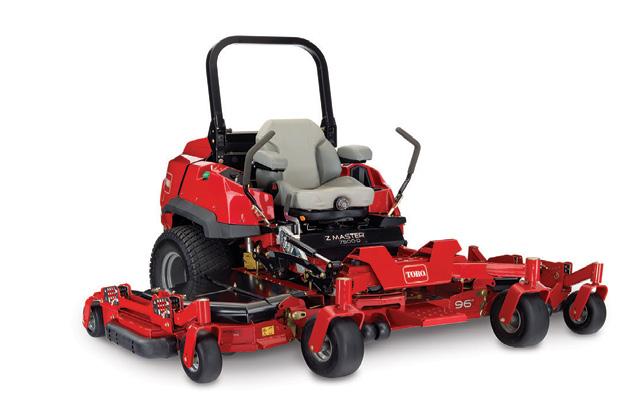
7500-G SERIES ZERO-TURN
96” TURBO FORCE ® CUTTING DECKS
PRODUCTIVITY TO A NEW LEVEL
Impressive 96” wide cutting deck folds to 75” to fit
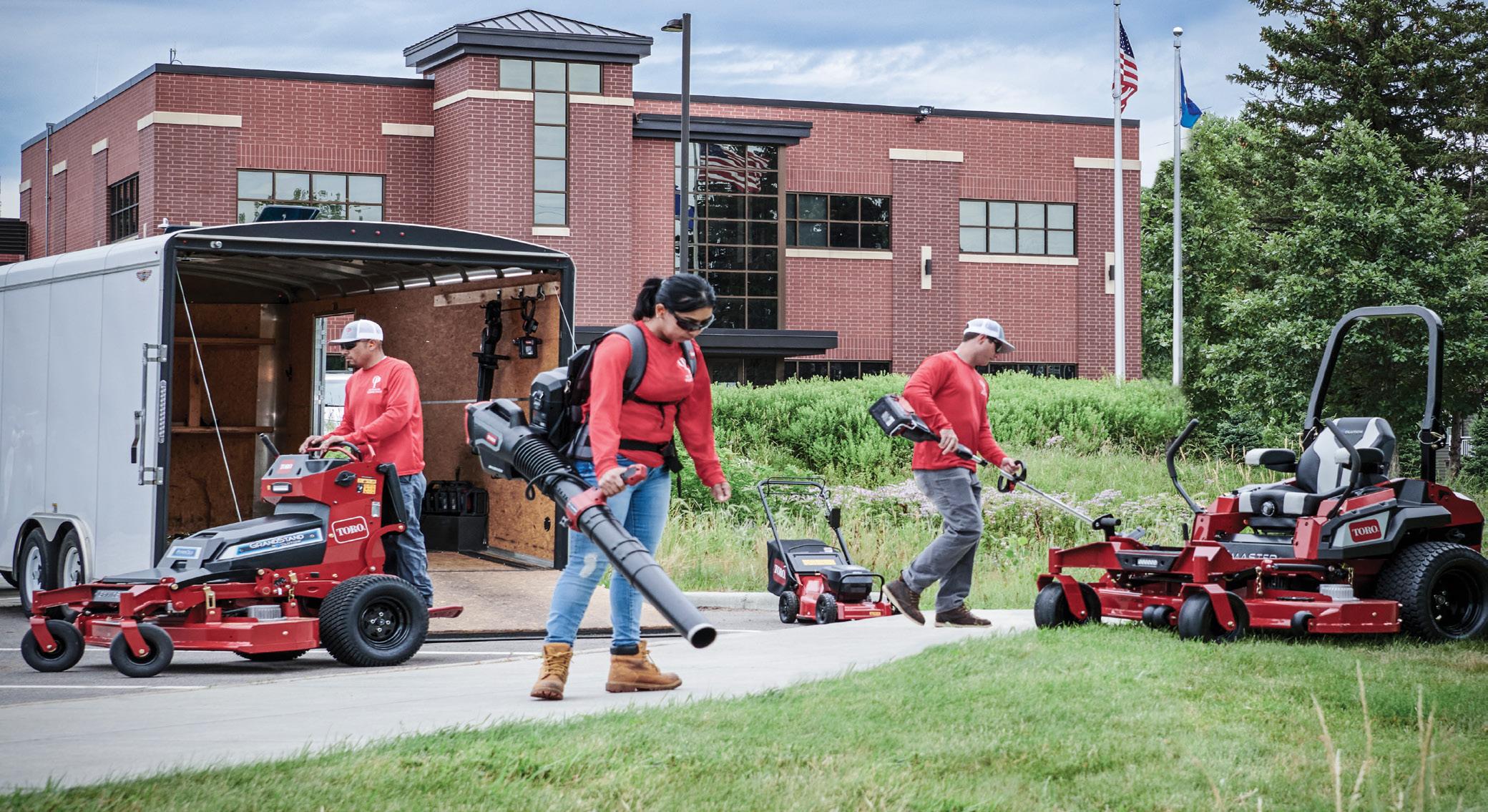
REVOLUTION HANDHELD PRODUCTS
ALL DAY PERFORMANCE
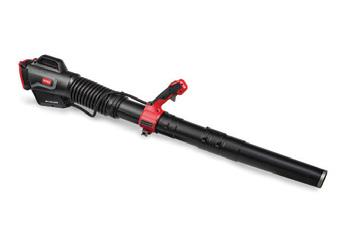
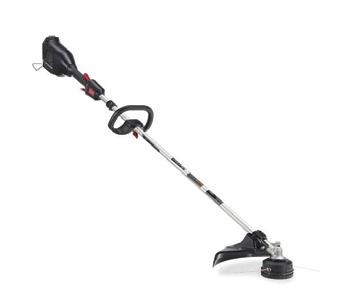
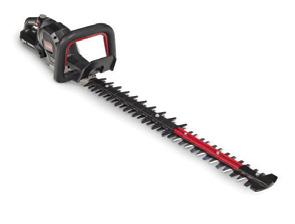
The fully interchangeable 60V Max*
Flex-Force battery system powers the entire line of Revolution commercial grade handheld tools. The backpack, available as a power source for the leaf blower, string and hedge trimmers, and is built for comfort and ready to keep jobs moving all day.
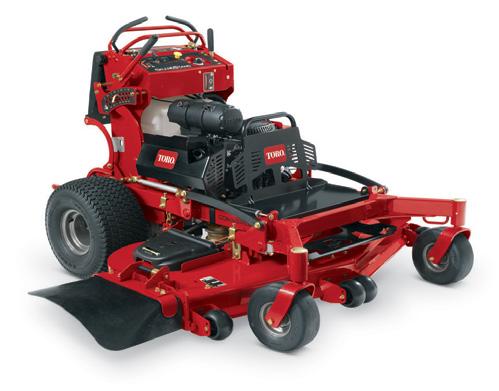
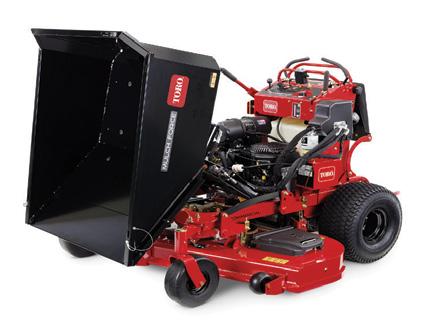
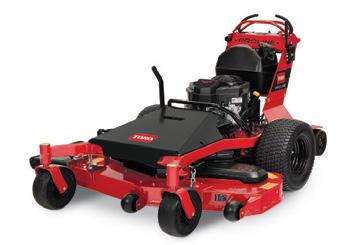
STAND-ON MOWERS
TRACTION & HANDLING
A wide stance and optimal balance enhance hillside stability and control. 36”-72” TURBO FORCE ® CUTTING DECKS
CUSHIONED SUSPENSION
Flex-Ride operator platform suspension self-compensates for operators of all sizes, resulting in less fatigue and higher productivity throughout the day.
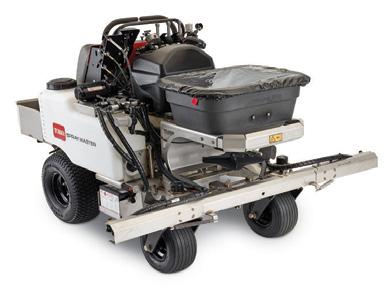
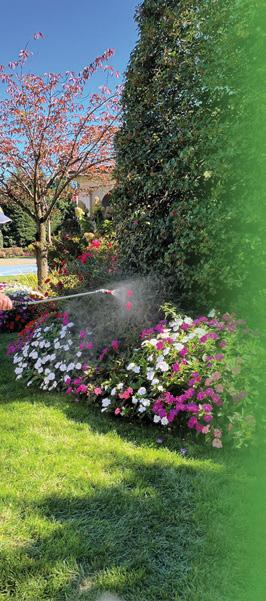
SPRAYMASTER®
Dual
Provide
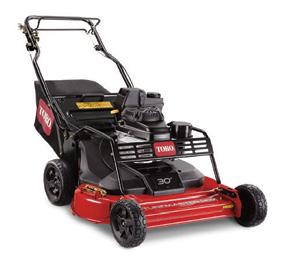
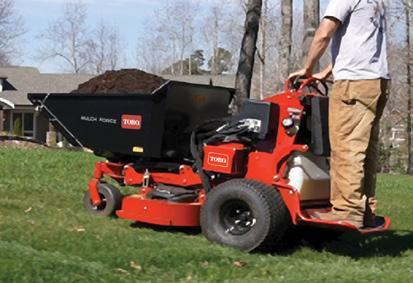
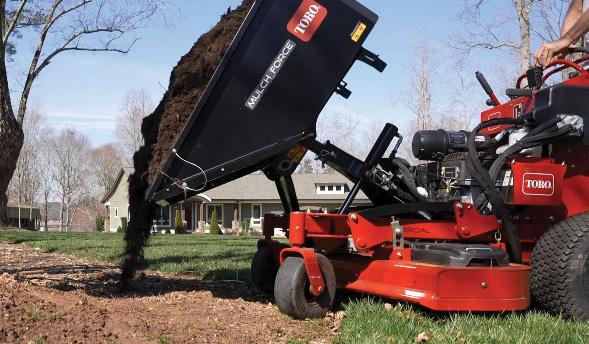
A variety of attachments and accessories such as Mulch Dump, Pro-Force blower, snow thrower, power broom, tine rake, dethatcher and BOSS snow blade all provide the ultimate in productivity.