
Buy Jersey Fresh This Summer






Most plants are well-suited to being displayed on their own and yet, there are those few that serve the garden best when grown in combination with other plants – selections I like to call companion plants! Usually, they have a slender form and look rather awkward when grown on their own. However, when interplanted among plants of more mass, they unassumingly weave their way upward through these plants until the flowers open, providing that wonderful pop of color, uniting the composition. For me, Drumstick Allium or Allium sphaerocephalon is one of the quintessential companion plants!
Allium is a large genus with a range of 260 to over 900 potential species, showcasing the uncertainty over what constitutes a true species! A member of the Amaryllidaceae or Amarylis family, the Drumstick Allium is native throughout much of Europe, East into the Caucasus and south to Iran and Northern Africa. The genus is the Latin name for Garlic and was formally published in 1753 by the Swedish botanist and physician Carl Linnaeus (17071778). Linnaeus also crafted the species name in 1753 from the Greek Sphaira for round or
The short answer is yes. Unfortunately, the very striking, popular, trumpet creeper, Campsis radicans, can easily get out of control. Although trumpet creeper is a native plant, it is a very vigorous grower, and you may soon seriously regret that you ever introduced it into your garden.
The USDA and several websites consider trumpet creeper to be an invasive weed. The genus name Campsis, from the Greek word kampe meaning bent, refers to the bent stamens of the flowers. The species name radicans means stems with aerial rootlets.

Morris County Park Commission
By Bruce Crawford Horticultural Manager
Drumstick Allium – A Great Companion
spherical and Kephale for head, alluding to rounded flower heads. Like many members of this genus, Allium sphaerocephalon grows from a true bulb. Plant growth begins in early spring, with the appearance of the grasslike foliage. Each bulb produces 3-7 green to blue-green leaves that are round in cross-section and stretch to 12-14 inches tall. Similar to other members of the Amarylis family, Drumstick Allium presents the blossoms atop a specialized floral stem called a scape. A scape is a stem, usually leafless, that arises from a bulb or compressed stem located underground. The flowers, in turn, are connected to the top of the scape by short stems called pedicles. In this case, all the individual pedicles originate from a central point atop the scape, forming a floral structure called

an umbel.
In early to mid-June the floral scape of Allium sphaerocephalon can be seen emerging from the foliage with an oval flower bud at its tip. The scape rapidly grows to 18-24 inches tall before the three papery bracts encasing the bud peel back to reveal the tightly packed green florets within. For Drumstick Allium, the pedicles at the top of the umbel expand further than those along the side, creating an oval or egg-shaped umbel. The overall appearance of the long scape combined with the oval floral bud atop gives the appearance of a drumstick and hence the common name!
By the end of June, the scape has reached its mature height and the florets at the top of the umbel have begun to stretch upwards as they change from green to a rich rosy purple. Interestingly,
the basal florets of the umbel initially remain shamrock green, presenting an attractive twotone composition. Ultimately, the petioles near the base expand as the florets mature to rosypurple, creating an overall eggshape. Once mature, the umbels are 1½-2 inches in diameter and are effective for 3-4 weeks. The foliage remains at the more modest height of 12-14 inches and does not interfere with the display, inconspicuously entering dormancy once flowering is complete.
Drumstick Allium naturally grows in open and dry terrain of meadows or along the edge of woodlands and is tolerant of hot, droughty summer conditions. Come fall, plant the bulbs with a companion plant preferring a similar, sunny location. Typically, I place 4-10 bulbs per 6-10-inch
The Native Plant Society of New Jersey
By Hubert Ling Horticulture Chair
Is Trumpet Creeper Invasive?
Well, why then is trumpet creeper available in garden shops and native plant nurseries? The popularity of the plant stems from the numerous three-inch, bright, orange-red trumpetshaped flowers which are a great favorite of hummingbirds, longtongued bees, butterflies, and sphinx moths, Blooming season starts in July and lasts for about two months. In addition to the bountiful floral nectaries, there are extra-floral nectaries at the outside base of each flower. These nectaries attract bees, flies, and ants which help to protect the plants from herbivores.
The plants grow fast and are easy to raise, in fact it has been said if you can’t grow this plant, give up gardening. The flowers of trumpet creeper are followed by 3-5-inch-long beanshaped, fat, seed pods; when mature these pods split open to release hundreds of 2-winged seeds which are disbursed by the wind. Propagation is easily done by stratifying these seeds or by planting the numerous, vigorous, rooted runners. The plant was first reported by English colonists in Virginia and was shipped to England in the early 1600’s, and since then it has been a popular garden vine in America, Canada, Europe, and parts of Latin America. Trumpet creeper grows well with full sun, in mildly to moderately acidic loam
or sandy soil. It is mildly resistant to drought, and tolerant of partial shade, heat, soil compaction, and clay soil.
In pre-Columbian times trumpet creeper was restricted to bottomlands and swamps of the Southeastern US, but with the colonization of North America the plant has since moved into fencerows, along forest edges, and into abandoned farmland. Trumper creeper was not listed in NJ by Willis in 1877, and it is a hard plant to miss. Its current locations in NJ are almost all along roads and in gardens. I suspect that it is not really native to NJ and was brought up to the state from Virginia in the late 1600’s. I have never seen it in the wild.
Trumpet creeper is a longlived, climbing, perennial woody
diameter hole, dug 4-6 inches deep. Plants prosper in soils with a pH between 6 and 7.5 and are hardy in zones 4-8. I have found the flowers combine well with the pink blossoms of Indigofera gerardiana, commonly known as Himalayan Indigo as well as floating above the silvery bracts of Mountain Mint (Pycnanthemum muticum).
Often gardeners fail to consider the new unique color combinations and dimensions possible when these slender companion plants are woven into and allowed to grow through other plants. As you study your garden during this summer, consider which plants might benefit from an outstanding companion and make certain to order plenty of Allium sphaerocephalon to weave through those plants this fall!
Editor’s Note: Bruce Crawford is a lover of plants since birth, is the Manager of Horticulture for the Morris County Parks Commission, and a Past President of the Garden State Gardens Consortium. He can be reached at BCrawford@ morrisparks.net
heights of 40-50 feet with thick twining stems, climbing rootlets, and adhesive discs which are used to ascend trees or structures. The large leaves are opposite, pinnately compound, and the leaflets are coarsely toothed. It has no serious insect or disease problems.
vine which can grow to robust dimensions. Thus, it needs a very sturdy support. The tough large stems can damage buildings, driveways, and sidewalks. In addition, trumpet creeper should not be planted near your property lines because you may be in for endless complaints from your neighbors. If you really must have this plant, place it away from all man-made structures and prepare for high maintenance. Locate it in an isolated area surrounded by grass so you can mow the runners to suppress spreading. At least once a year prune vigorously to keep it under control. The plant has a high flammability rating so place it well away from your house. The plant can also cause a mild contact dermatitis and is mildly toxic.
Trumpet creeper can reach
For different colors and less invasiveness, you could try varieties such as ‘Flava’ which has orange-yellow flowers, ‘Crimson Trumpet’, ‘Atropurpurea’, or ‘Apricot’ and ‘Indian Summer’ which are more compact and less invasive.
There are only a few native plants on my do not grow list. These are: cane (native bamboo), moneywort, horsetail, Canadian anemone, most goldenrods, and trumpet creeper. Keep in mind the plant’s growth habits have led to its common names of ‘Hellvine’ and ‘Devil’s Shoestring’ and your decedents and neighbors will thank you!
Editor’s Note: Hubert Ling is Past President of The Native Plant Society of NJ and Horticulture Chair. He can be reached at milhubling@verizon.net.
July is traditionally a great month for all the Jersey Fresh fruits and vegetables we all love.
Blueberries, corn, tomatoes, peaches, peppers, and so many more are springing forth from our farms. Fourth of July always means Jersey Fresh corn on the cob, whether it’s white, yellow, or bi-color. It just wouldn’t be a BBQ without this staple. I like it steamed or grilled, but I’ve also had it right off the stalk as it’s being harvested. Shuck it open and take a bite, no steam, no butter, no salt. It doesn’t need it. The perfection of summer.
Jersey blueberries provide a great treat for dessert or a snack right out of the pint clamshell. These gems are not just greattasting, they also are full of healthy benefits, too. They are low in calories but high in nutritional goodness. A onecup serving contains 13 percent of your daily fiber, 14 percent of your vitamin C, and 24 percent of your daily intake of vitamin K. They are rich in antioxidants and can help lower your blood pressure and improve brain health, according to multiple studies.
Jersey tomatoes are

NJ Dept. of Agriculture
By Joe Atchison III Assistant Secretary of Agriculture
The Ups and Downs of Jersey Fresh This July
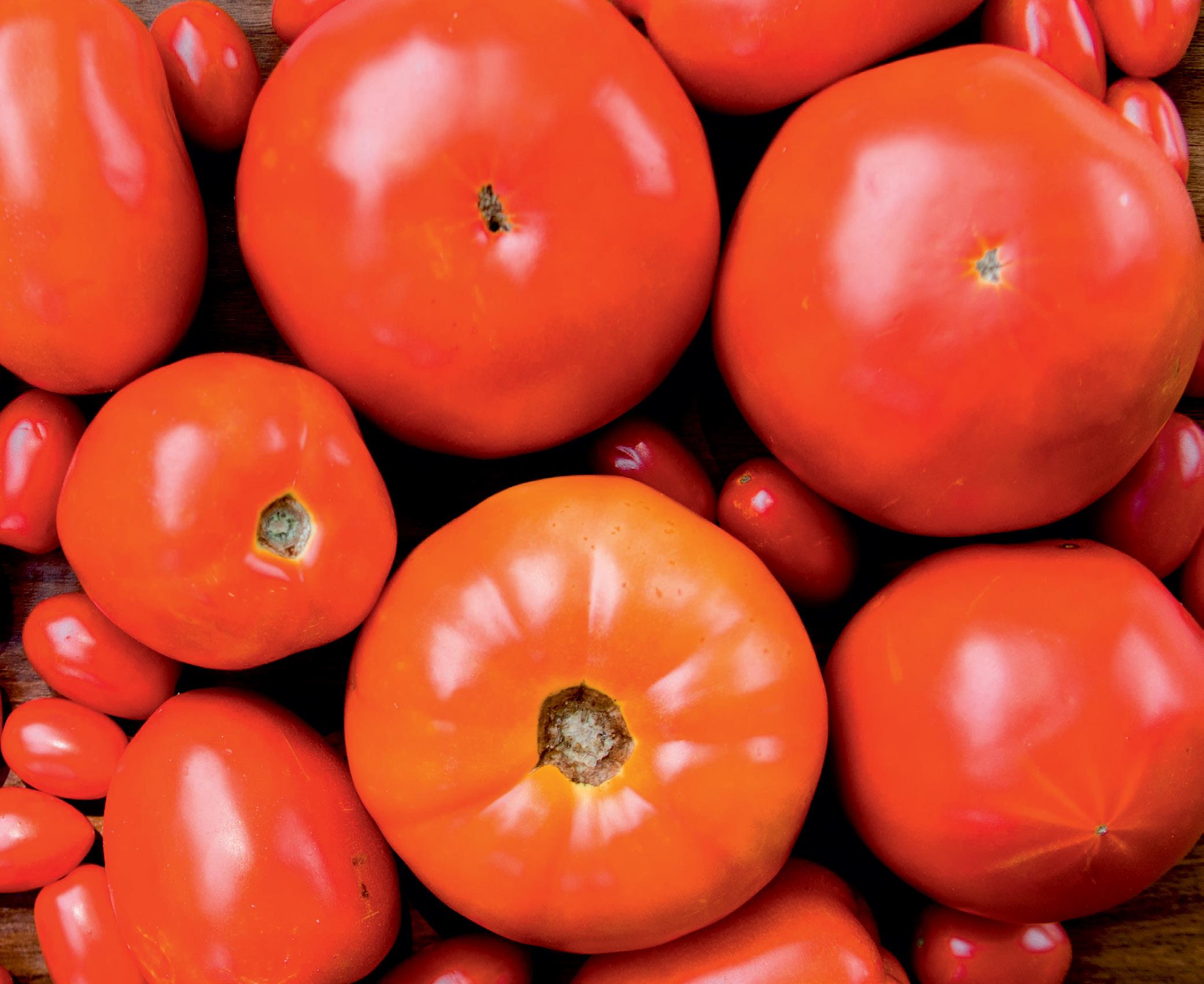
nationally known and loved. Of course, everyone thinks about the traditional “beefsteak” tomato, a variety that is great for slicing and putting into salads and on burgers and sandwiches. But we also have plum or Roma tomatoes that make excellent sauce (or gravy), and you haven’t lived until you’ve explored the array of varieties of heirloom tomatoes. They may not look pretty but they are full of tremendous flavor.
And New Jersey is a Top10 producer of peppers in the United States, both sweet and hot and everywhere in between. We have many varieties of bell peppers which fall on the sweet/ mild end of the scale. But our farmers also grow dozens of other peppers, from cubanelles,
jalapenos, and habaneros to the more exotic Thai chili peppers and sizzling hot ghost and scorpion peppers. I prefer hot peppers myself, but my wife and kids prefer sweet. And one thing you might not know about this amazing vegetable is that bell peppers have significantly more vitamin C than an orange.
We also have a series of pretty important soccer (known to people living outside the U.S. as football or futbol) game being played in New Jersey this July. The eyes of the world will be on the Garden State while these matches, including the Finals for the championship, are played, and we plan on showcasing our favorite produce, Jersey Fresh. However, July won’t be all sunny days this year. With 90-degree days in April
Jersey Tastes. Jersey Tastes.
immediately followed by two nights of below freezing temperatures, there were devastating impacts on a few crops.
Jersey Fresh peaches will be limited if you can find them at all this summer. The freeze hit as trees were just beginning to blossom and developing the tiny fruits that come from those flowers. Some farms may have a few days of harvest, but many were wiped out of peaches completely this year. The same thing occurred with many cherry growers, and apple orchard operators were hit with 75 to 100-percent losses of their crops. Wine grapes were also near total losses in many places and may need years to recover, as a grapevine typically takes at least two years to become established.
The Secretary of Agriculture, Ed Wengryn, has been working closely with Governor Sherrill and federal agencies to find relief for these farmers, but the farmers can also use your support year in and year out regardless of whether a catastrophe like those frosts occurs.
So, as the United States celebrates 250 years this summer, remember that New Jersey has been here since the beginning and played a critical role in the formation, advancement, and continuation of this Union.
And farmers, likewise, have shaped this Garden State all along. Remember to support our local farmers this year and next so that farmers will be here in another 250 years!
Happy birthday America!
Editor’s Note: Joe Atchison III is the New Jersey Assistant Secretary of Agriculture. Atchison is also the Director of the Division of Marketing and Development for the New Jersey Department of Agriculture. He can be reached at (609) 292-3976.
Jersey Fresh Harvest of the Month: Zucchini
ALL ABOUT NEW JERSEY: NUTRITION FACTS:
Thevibrantgreenskinofzucchiniisfullof nutrients.ItisespeciallyhighinvitaminC whichsupportstheimmunesystemand vitaminB6.Itisagoodsourceoffiber,which helpskeepyourdigestionregularandkeeps yousatisfiedlonger.
The vibrant green skin of zucchini is full of nutrients. It is especially high in vitamin C which supports the immune system and vitamin B6 It is a good source of fiber, which


HOWDOESITGROW: NUTRITIONFACTS: FUNFACT:
Zucchini is in season in New Jersey during the summer months: June, July & August. Zucchini grow very well in warm weather and is relatively low maintenance Space and consistant helps keep your digestion regular and keeps you satisfied longer.


Youcaneasilygrowzucchini yourselfinyourbackyardorschool garden.Whenaddingzucchinito yourgarden,justoneplantshould doit.Onezucchiniplantcan producesixtotenpoundsof zucchini.
You can easily grow zucchini yourself in your backyard or school garden. When adding zucchini to your garden, just one plant should do it One zucchini plant can produce six to ten pounds of

ZucchiniisinseasoninNewJersey duringthesummermonths:June,July& August.Zucchinigrowverywellinwarm weatherandisrelativelylow maintenance.Spaceandconsistant harvestingisthekeyforasuccessful productionofzucchini.
harvesting is the key for a successful production of zucchini.

Boththezucchiniandtheflower partofazucchiniplantare edible.Thelongestzucchini recordedwas8feet3.3inches long!Andthebiggestweighed morethan64pounds.
Both the zucchini and the flower part of a zucchini plant are edible The longest zucchini recorded was 8 feet 3.3 inches long! And the biggest weighed more than 64 pounds.
https://www.nj.gov/agriculture/farmtoschool
JerseyFreshHarvestoftheMonth:Zucchini
Since 1984, Jersey Fresh has been a proud partner of the hardest working people in the Garden State who produce some of the finest fruits and vegetables in the USA. When you see the Jersey Fresh logo, you know it’s Grown Right. Right Here. By Your Neighbors. Fruits and vegetables from New Jersey are frequently picked, packed and on shelves for you in the same day. Please support our local farmers and buy Jersey Fresh! (And if you don’t see it, ask for it!)
Continental Colors Fly in the Garden State
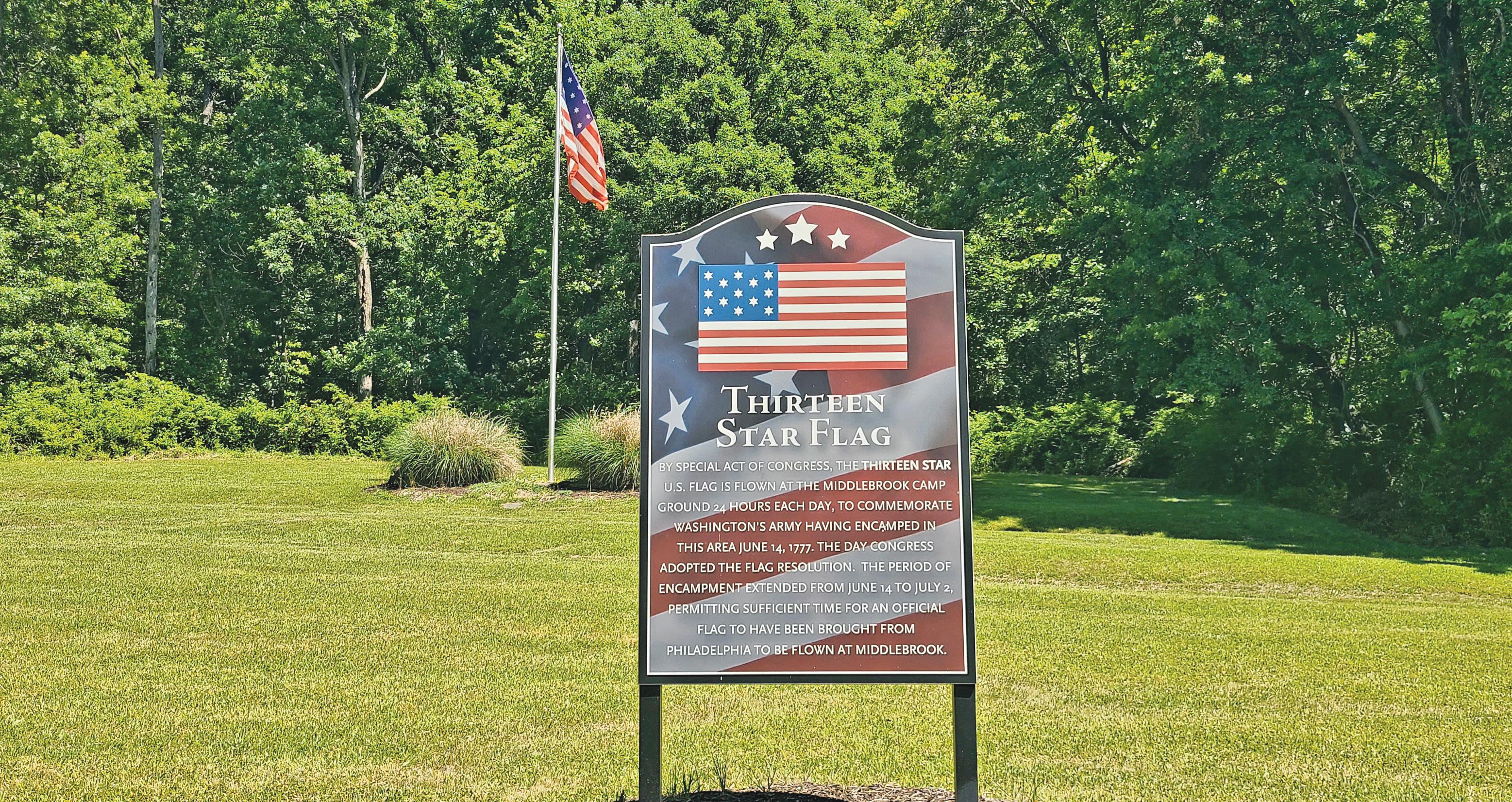
The first official flag of the United States of America was raised by the Continental Army in what is now
Somerset County, New Jersey.
New Jersey is fortunate to be able to celebrate our independence on hallowed ground. Especially America’s 250th Anniversary.
The Continental Army encampment where the first official American flag was raised is located in the mountains of New Jersey at Camp Middlebrook.
Camp Middlebrook is a tiny section of
Atlantic County Fair
3210 Rt.50, Mays Landing
August 7 - 8
Bergen County Fair
land just south of Warren Township and just north of US Route 22 in Bound Brook.
By special Act of Congress, a 13-star flag continuously flies here 24 hours each day. This is to commemorate Washington’s Army having encamped in this area on June 14, 1777, the day Congress adopted the Flag Resolution. The period of encampment extended from
June 14 to July 2, permitting sufficient time for an official flag to have been brought from Philadelphia to be flown at Camp Middlebrook.
Betsy Ross, among other seamstresses, is credited with having sewn this flag based upon a design submitted to Congress by Francis Hopkinson, a delegate to the Congress from New Jersey, who possessed
knowledge of heraldry.
Since 1895, the Washington Camp Ground Association has hosted the annual reading of the Declaration of Independence on the 4th of July.
The 20-acre encampment park at 1761 Middlebrook Road is operated and maintained by the Washington Camp Ground Association.
2026 Agricultural Fair Dates
Cumberland County Fair
3301 Carmel Rd, Millville
July 7 - 11
Gloucester County Fair
199 Challenger Road, Ridgefield Park
Sept 19 - 20
Burlington County Fair
Burlington County Fairgrounds, 1990
Jacksonville-Jobstown Road, Columbus
July 21 - 25
Cape May County Fair
Cape May County 4-H Fairgrounds,
355 Court House South Dennis Road,
Cape May Court House
July 16 - 18
4-H Fairgrounds, 275 Bridgeton Pike (Rt. 77), Mullica Hill
July 23 - 26
Hunterdon County Fair
Hunterdon County Fairgrounds, 1207 Route 179, Lambertville
August 19 - 23
Mercer County Fair
70 Woodens Lane, Hopewell Twp.
July 25 - 26
Middlesex County Fair
655 Cranbury Road, East Brunswick
August 3 - 9
Monmouth County Fair East Freehold Showgrounds, Kozloski Road, Freehold
July 22 - 26
Morris County Fair
High View Farms, 416 Sand Shore Rd., Mt. Olive
July 24 - 26
Ocean County Fair
Robert J. Miller Airpark, County Rd. 530, Bayville, Berkeley Township
July 15 - 19
Salem County Fair
Salem County Fairgrounds, 735 Harding Hwy (Route 40), Pilesgrove
August 3 - 7
Somerset County Fair
North Branch Park, 355 Milltown Road, Bridgewater
August 5 - 7
Sussex County Fair
Sussex County Fairgrounds, 37 Plains Road, Augusta
July 31 - August 8
Warren County Fair
1350 Strykers Road, Phillipsburg
July 25 - Aug 1
Tom Castronovo/Photo
known as Bound Brook,
July 4 approaches and many of us will fly the American flag. Today’s flags are made of polyester or nylon and colored with synthetic dyes manufactured from petrochemicals. But on a recent visit to the Smithsonian’s National Museum of American History, I veered into a dark tunnel and came out in front of the awe-inducing 30-foot x 42-foot large Star-Spangled Banner. That is, the exact flag which hung at Ft. McHenry during the War of 1812, and inspired Francis Scott Key to write our national anthem. Its magnificence made me wonder - what plants were used to make America’s earliest flags?
Early American flags were hand-sewn from one or more of these natural fibers - wool, cotton, linen, silk, or hempdepending on the availability of the materials and the flag’s intended use.
Wool bunting, a tightly woven wool, was the preferred material for standard ensigns and naval colors because it unfurled well in the wind and held up to the elements. So wool bunting fabric, produced in England, was the material of choice for early American flags. In 1865 President Lincoln signed a law requiring that the federal government purchase flag bunting only from American manufacturers, which ended the use of English-produced wool bunting materials.
Cotton was first grown by Spanish settlers in Florida as early as the 1500’s. By early American times, it was cultivated primarily in the South, with slave labor. There are more than 50 cultivars of Gossypium, hirsutium being the most widely grown, barbadense or Sea Island the second. The removal by hand of cotton’s many seeds made the process even more difficult. The invention of the cotton gin in 1793 sped up the process 10-fold and

The Garden Historian
By Lesley Parness Garden Educator
The Botany of Our Flag
resulted in readily available cotton for the making of flags, along with a Southern economy which, based on slavery, ultimately lead to another war.
Linen, made from the Flax plant, has been prized for its strength and durability for millennia. Linen was mostly utilized for reinforcement, sewing thread, or to make the white stars. Linnium usitatissimum grows well in New Jersey. It must undergo a rigorous transformation of retting, processing, and spinning to become linen. Early Americans used a hetchel, a wicked sharp tool, in the process. If you want to grow linen – go to www.paflaxproject.com, a worker-owned coop trying to revolutionize the textile industry one acre at a time.
Silk was expensive, so reserved for military regimental colors, parade standards, and special occasions. Most silk was imported from Europe and even China, but some silk was produced in 18th century America. Early attempts at sericulture began in the 1600s, but most silk made during the colonial period was created by families, with the women of the household feeding the worms, and carefully unwinding the delicate threads from the cocoons by hand. The industry failed in the South because tobacco was far more lucrative and easier to grow. Silk farming had better success in the Northeast, especially Connecticut, Pennsylvania,
and New Jersey. In the late 1760s, Benjamin Franklin advocated for a silk industry in Philadelphia. A reeling mill (filature) opened in 1770, processing raw silk grown locally. In neighboring New Jersey, Paterson was emerging as “Silk City,” a title it held while the silk industry thrived there from 1839 until the end of the Civil War, by which time it was producing half of the silk made in America.
Hemp was ubiquitous in 18th century America. Used in the maritime industry and in flag making, hemp spun into a durable, flexible canvas-like fabric. Cultivated since 8000 B.C., some historians believe it was used to make the first American flags ever distributed. In the 1700-1800’s, industrial hemp growing was an essential part of our agricultural landscape. Our Founding Fathers grew it and encouraged farmers to do the same. One could barter and pay their taxes with hemp, as it was a kind of currency. After centuries of exclusion Cannabis sativa is once again being cultivated in New Jersey for medicinal, recreational, and industrial use.
Now – as to dyes - the first synthetic dye, Perkin’s Mauve, was not developed until 1856, so early Americans used natural dyes to create their flags.
Undyed and sometimes bleached fabrics were used for the white portions of the flag. Bleaching was often done with urine, usually
human. “The Compleat Servant-Maid” by Hannah Wooley, published in 1677, recommended, “lay it (the clothing) all night in urine, the next day lay it in more urine and so do till you find they be quite white.”
The red dye was usually obtained from the root of Rubia tinctorum, the Madder plant, which was also used to produce the British Army’s famous red coats (another of history’s ironies.) This resilient perennial grows well in New Jersey requiring minimal effort to cultivate. Madder needs well-draining, sandy, or loamy soil and prefers full sun. It spreads rapidly through underground runners and can easily take over a garden area, so it’s recommended to plant it in a container or raised bed.
The tiny, spiky hairs on its stems can cause a rash, so wear gardening gloves and long sleeves when working with it. The deep red dye is extracted from its roots, but roots must mature for at least 2 years before they are ready to harvest, so be patient.
The earliest flag’s blue dye was made from Woad, Isatis tinctoria. Later flags would obtain their blue cast from Indigo, Indigofera tinctoria, and that plant deserves an article all by itself. Isatis tinctoria is a flowering plant in the Mustard family with an ancient history of use as a blue dye and medicinal plant. The first archaeological finds of Woad seeds date to the Neolithic period. From the late 16th century, Indigo
started to replace Woad here in America and even in Europe as a source of blue coloring. Within 100 years both were replaced by synthetic blue dyes.
If you are hankering to see more early American flags, here’s an online exhibit just in time for America’s semi quincentennialwww.amrevmuseum.org/ virtualexhibits/banners-ofliberty
One last note: It is now believed that although Betsy Ross may indeed have sewn the “first American flag” it is less likely that she designed it. I don’t want to think about this because as a child I wrote many an excellent book report about Betsy Ross. Now, it is thought that Francis Hopkinson, a Burlington County, New Jersey lawyer and signer of the Declaration of Independence, designed the flag that Washington and the Continental Congress approved. Well, as my old friend Napoleon said, “history is a fable, and the version of events we agree upon.” My money is still on Betsy. Our nation’s first flag origin is complex, but whoever designed Old Glory, and whoever made it, and for all the flags that followed, long may they fly.
Editor’s Note: Lesley Parness offers a variety of presentations and workshops for garden clubs, plant societies, and horticultural gatherings. Recently retired from her position as Superintendent of Horticultural Education at the Morris County Park Commission, and with four decades of teaching environmental science and garden education, her focus now is garden history. A complete listing of her talks can be seen at lesleyparness. com and she can be reached at parness@verizon.net. This column will appear in the paper every other month.
LAND-GRANT UNIVERSITY NEWS RUTGERS NJAES/RCE
Youth Represent New Jersey at 4-H Leadership Academy Program in Washington, D.C.
Five New Jersey 4-H teen members traveled to Washington, D.C., from May 19–21, 2026, to participate in the national 4-H Leadership Academy, a program that aims to develop young leaders into lifelong problem-solvers who are passionate about tackling society’s biggest challenges. Representing New Jersey 4-H were Aditi Anand (Middlesex County), Raima Bera (Morris County), Rylie Fellin (Somerset County), Ethan Karuru (Bergen County), and Aily Wei (Essex County).
Across the United States, 4-H clubs and camps form the youth component of a partnership among local, state, and federal governments and public land-grant universities. In New Jersey, 4-H Youth Development is a department within Rutgers Cooperative Extension (RCE). Faculty and staff are based in each of New Jersey’s 21 counties, delivering research-based, evidence-backed science from the university to families throughout the Garden State.
The New Jersey 4-H youth are supported throughout the program by Kelly Dziak, Morris County 4-H agent, and their adult 4-H mentors: Rodrigo Sanchez Hernandez (Hudson County), Alyssa Glynn (Bergen County), Laura Bovitz (Middlesex County), Lisa Rothenburger (Somerset County), Marissa Staffen (Essex County), and Valerie Smit (Morris County). Additional support is provided by Harry Brochinsky, 4-H administrator.
Announcement: Grayson Tung Joins RCE as Senior Coordinator for the Pesticide Safety Education Program
Announcement by Dina Fonseca, professor and chair of the Department of Entomology, and director of the Center for Vector Biology
We are pleased to announce that Grayson Tung has joined Rutgers Cooperative Extension as the new Senior Coordinator for the Pesticide Safety Education Program (PSEP).
Tung recently completed his Ph.D. in Entomology at Rutgers University. During his Ph.D., which was partly funded by an NSF graduate research fellowship in insect physiology, he nonetheless amassed extensive experience in teaching, outreach, and student mentorship. He developed instructional laboratory materials, organized insect collecting trips, and delivered guest lectures on topics including insect biology, physiology, and mosquito biology.
He has also been deeply involved in mentoring undergraduate students in research and has contributed extensively to outreach activities across Rutgers and the broader community. His efforts have included presentations for prospective students, school outreach programs, Rutgers Day activities,
and mentorship programs supporting undergraduate education and career development in entomology. In recognition of these contributions, Tung received the 2026 SGS Graduate Student Excellence in Leadership and Teaching Award.
As Senior Coordinator of PSEP, he will help lead statewide educational and certification programs for pesticide applicators across New Jersey. The Rutgers Pesticide Safety Education Program provides training and educational resources to farmers, landscapers, pest management professionals, mosquito control personnel, and other stakeholders to support safe, effective, and legally compliant pesticide use throughout the state.
Tung brings strong expertise in insect biology, applied entomology, education, and public engagement. We are excited to welcome him to Rutgers and look forward to the many contributions he will make to Rutgers Cooperative Extension and New Jersey integrated pest and mosquito management.
Please join us in welcoming Grayson Tung to Rutgers University!
Reimagining the SEBS Campus as a Health and Wellness Arboretum
What if a walk across campus could be as restorative as it is educational?
That question is inspiring a new vision for the Rutgers School of Environmental and Biological Sciences (SEBS), where faculty, students, and campus leaders are exploring how the grounds of the George H. Cook Campus might evolve into a Health and Wellness Arboretum—a living landscape that supports learning, research, environmental stewardship, and human well-being.
For generations, college campuses have served as shared spaces where students, faculty, and staff live, work, study, and connect. At SEBS, the campus already offers a rich mosaic of forests, farms, gardens, open spaces, and historic landscapes. The emerging Health and Wellness Arboretum concept asks a simple but transformative question: How might these landscapes be intentionally connected and enhanced to support the health of both people and the environment?
This spring, students in the Planting Design course taught by Holly Grace Nelson, professor of practice in the Department of Landscape Architecture, took on that challenge. Through a semester-long design exploration, students imagined the campus as more than a collection of labeled trees. Instead, they envisioned a network of themed “tree gardens” and health and wellness landscapes linked by an arboretum loop that would connect existing forests, trails, agricultural lands, gardens, and other campus features.
Their vision builds upon the traditional role of an arboretum as a living museum dedicated to the cultivation, study, and conservation of trees and woody plants. While arboreta have long served as centers for scientific research, education, biodiversity conservation, and recreation, the Health and Wellness Arboretum expands that mission by intentionally integrating human wellness into the landscape experience.
The project began with listening.
Students organized a design charrette that brought together faculty, staff, and students from across the campus community to discuss what makes outdoor spaces meaningful, welcoming, and restorative. The conversations generated ideas about accessibility, environmental education, quiet reflection, social connection, and opportunities for physical activity.
Jason Grabosky, professor in the Department of Ecology, Evolution, and Natural Resources, and director of the Rutgers Urban Forestry Program, shared his work documenting and geolocating significant campus trees. His insights highlighted the extraordinary diversity of the campus landscape and the ecological stories already embedded within its forests and tree collections.
Patty Oehmke, director of wellness at SEBS and professor of practice in the Department of Family and Community Health Sciences, encouraged students to think beyond traditional notions of health. Drawing on the eight dimensions of wellness, she challenged participants to consider how landscapes might support emotional, social, cultural, spiritual, intellectual, occupational, environmental, and physical well-being.
The resulting ideas ranged from contemplative garden spaces and outdoor classrooms to sensory plantings, wellness walking routes, interpretive signage, gathering spaces, and immersive nature experiences designed to encourage reflection, movement, and connection.
The initiative aligns closely with Rutgers’ broader commitment to sustainability and environmental leadership. Increasingly, colleges and universities are recognizing that campus landscapes can serve multiple purposes simultaneously—as classrooms, research sites, biodiversity refuges, community gathering spaces, and places that contribute to mental and physical health.
A Health and Wellness Arboretum also reflects the growing understanding that human health is deeply
connected to environmental health. Exposure to nature has been associated with reduced stress, improved mood, enhanced cognitive function, and increased opportunities for physical activity. By weaving these principles into the design and management of campus landscapes, institutions can create environments that actively support learning and well-being.
The concept continues to gain momentum this summer as landscape architecture junior Saanvi Bhattarai further develops some of the most promising ideas through the Public Design Internship Program in Landscape Architecture, funded through a grant secured by Nelson. Based in Rutgers Institutional Planning and Operations, Bhattarai is working with Brian Clemson, University Landscape Architect, to explore how student-generated concepts might inform future campus planning efforts. Co-directed by Clemson and Nelson, the internship provides an opportunity to advance the Health and Wellness Arboretum vision beyond the classroom, connecting academic design exploration with real-world campus planning and landscape stewardship.
For Nelson, the initiative represents an opportunity to connect the strengths of SEBS—its expertise in environmental science, agriculture, ecology, design, and human well-being—into a unified vision for the future.
“A Health and Wellness Arboretum ties together our campus grounds with our campus mission for a healthy and sustainable future,” Nelson said. “It invites us to think about how every landscape can support learning, stewardship, community, and wellness while reinforcing our responsibility to balance the wellbeing of all living organisms with the health of the earth.”
As the concept evolves, the Health and Wellness Arboretum offers a compelling vision for what a modern land-grant campus can be: a living laboratory, a place of discovery, and a landscape designed not only to educate, but also to nurture.

RUTGERS NJAES/RCE
From the Director’s Desk
Rutgers Outreach
Provided by Brian Schilling Director
From the Garden Out: What’s Growing in Home Horticulture
There’s a quiet revolution happening in backyards, on balconies, and along windowsills across New Jersey. It doesn’t make the front page, but it might be one of the most meaningful shifts in how people relate to their homes and their communities. Gardening is having a moment, and it looks like it’s here to stay.
At Rutgers Cooperative Extension, we’ve spent decades helping New Jersey residents grow food, manage landscapes, and care for the land beneath their feet. What we’re seeing right now, both in the research coming out of our programs and in the conversations, we’re having with home gardeners across the state, reflects something deeper than a passing hobby trend. People are gardening with purpose, and the results are showing up in healthier families, more resilient neighborhoods, and more sustainable communities.
So what exactly is changing? Let me share a few of the current trends.
The most significant shift is what experts are calling “intentional gardening.” Home gardeners today aren’t simply filling a flower bed or planting a few tomatoes on a whim. They’re thinking about why they plant, what they plant, and how it connects them to something larger. Research by Monrovia Nursery, surveying more than 1,400 homeowners, found that edible gardening is now a top goal across every age group and that the primary motivation isn’t even the food itself. It’s stress relief. It’s the simple, grounding act of putting your hands in the soil and watching something grow.
That resonates with what we hear every day at our county extension offices. Gardening
is good medicine. It’s gentle exercise, mindfulness, and nutrition all in one.
We’re also seeing a remarkable surge of interest in native plants and what the horticultural world calls “rewilding.” More and more homeowners are moving away from high-maintenance, chemically dependent lawns and formal plantings in favor of landscapes that work with nature rather than against it. Native species, the plants that evolved here in New Jersey alongside our insects, birds, and pollinators, require less water, fewer fertilizers, and far less intervention once they’re established. For a state that prides itself on its environment, this is a genuinely exciting development. And it’s something our Rutgers Master Gardener volunteers are helping residents navigate every season.
Technology is also playing a growing role. Artificial intelligence tools are now being used to help homeowners design their outdoor spaces, identify plant diseases from a photo, and monitor soil moisture through smartphone-connected irrigation systems. This is a significant opportunity for home gardeners, particularly those who are just starting out. But it’s also a reminder that there’s no substitute for local, sciencebased knowledge — the kind our extension agents provide when they help a Bergen County homeowner figure out why her hydrangeas aren’t blooming, or advise a Gloucester County farmer on cover crop timing.
Container gardening deserves mention too. As our communities become denser and lot sizes shrink, gardening has followed us onto patios, porches, and rooftops. This is one of the most inclusive
trends we’ve seen. It opens the door to people who don’t have traditional garden space but still want the experience of growing something. Even a single pot of herbs on a fire escape counts. And we have resources to help.
One trend that speaks particularly close to our mission is the renewed enthusiasm for locally grown cut flowers. New Jersey’s farms and home gardens are increasingly supplying resources to local venues, a small but meaningful part of building regional systems providing plant products to our communities. These products are more than food items. They support cosmetics (for example locally sourced products such as soaps), crafts (such as natural dyes, dried flowers), seedlings (of native plants or garden heirlooms), cut flowers and more, all of which strengthens the circular, community-based economy and reducing reliance on imports.
What ties all of this together is something that Rutgers Cooperative Extension has always believed: that the health of individuals, families, and communities is inseparable from the health of the land around them. Whether you’re pulling weeds in a community garden, teaching your grandchildren to plant tomatoes, or experimenting with your first rain garden to manage stormwater, you are doing important work.
If you’d like guidance on any of these topics, Rutgers Cooperative Extension is here for you. Our offices serve every county in New Jersey, and our Rutgers Master Gardener program connects trained volunteers with residents who have questions. Visit us online at www.extension.rutgers.edu or call your local county office.
Editor’s Note: This article was written by Ruth Carll, State Leader for Consumer Horticulture and County Agent, Department of Agriculture and Natural Resources, Rutgers Cooperative Extension.

Atlantic County Phone: 609-625-0056
Bergen County Phone: 201-336-6780
Burlington County Phone: 609-265-5050
Camden County Phone: 856 216 7130
Cape May County Phone: 609-465-5115
Cumberland County Phone: 856-451-2800
Essex County Phone: 973-228-2210
Gloucester County Phone: 856-224-8040
Hudson County Phone: 201-915-1399
Hunterdon County Phone: 908-788-1339
Mercer County Phone: 609-989-6830
Middlesex County Phone: 732-398-5260
Monmouth County Phone: 732-431-7260
Morris County Phone: 973-285-8300
Ocean County Phone:732-349-1246
Passaic County Phone: 973-305-5740
Salem County Phone: 856-769-0090
Somerset County Phone: 908-526-6293
Sussex County Phone: 973-948-3040
Union County Phone: 908-654-9854
Warren County Phone: 908-475-6505
Historic $125 Million Annual Investment in Agricultural Research Infrastructure Across America
U.S. Secretary of Agriculture Brooke L. Rollins and U.S. Secretary of Education Linda McMahon hosted several land-grant university leaders at USDA for a roundtable discussion and announced the opening of the FY2026 funding opportunity for the Research Facilities Act program. President Trump’s Working Families Tax Cuts provided $125 million annually for the Research Facilities Act program and this historic investment will help address decades of deferred maintenance and accelerate modernization of agricultural research facilities across the country.
“A nation that cannot feed itself is not secure and for too long, many of our land-grant universities have faced aging facilities and mounting deferred maintenance costs that threaten their ability to conduct world-class agricultural research,” said Secretary Rollins. “Today we are announcing a $125 million investment to ensure America’s farmers and ranchers continue to benefit from the innovation that secures our vital U.S. agriculture industry and allows us to feed, clothe, and fuel not only our nation but the world.”
“Agricultural advancement is not an accident of history; it is the product of generations of Americans’ hard work and ingenuity,” said U.S. Secretary of Education Linda McMahon. “Our land-grant universities have driven agricultural development for more than a century – advancing critical scientific breakthroughs, pioneering cutting-edge technologies, and cultivating dedicated Americans who have strengthened America’s food and farming systems. Thanks to President Trump, today’s investment ensures these institutions continue to anchor American strength at home while leaded the world in competitiveness.”
“Agricultural innovation has enabled our nation to feed millions, eradicate emerging threats, and maintain one of the safest food supplies in the world,” said USDA Under Secretary for Research, Education, and Economics and Chief Scientist Dr. Scott H. Hutchins. “The Research Facilities Act program will ensure that future food and agricultural research is conducted in state-of-the-art facilities equipped with cutting-edge tools. This program is a win for American
As we move into July, which, here in New Jersey, is normally our hottest month of the year, it is time to start thinking about our irrigation needs for the remainder of the summer months. And because July is our hottest month as well as the month in the middle of our growing season, it is the one month where a drought can really wreak havoc on some of our spring and early summer planted crops. In May and June, many of these crops are still in the early stages of growth and do not yet have a very large water requirement. And then in August, September, and October, most of these crops have started to mature, meaning that they won’t need as much water then either. But July is a critical month for the growth of many of these crops. And this is where irrigation comes into play. First, a majority of New Jersey’s agricultural acreage is not irrigated at all. That is because most of the field crops (field corn, soybeans, wheat, barley, and various types of hay), as well as pasture, are generally not considered valuable enough to warrant the expense of pumping and delivering water

to those crops on a consistent basis. Sure, there are plenty of exceptions to this, especially in the sandier parts of Central and Southern New Jersey where the soil does not have as much capacity for retaining moisture and adequate water is readily available. But many of these types of crops are solely reliant on the whims of Mother Nature to provide adequate water to have a successful harvest. When it comes to higher value crops like fruits, vegetables and flowers, most growers do not want to risk a crop failure due to drought and will usually employ some type of irrigation to try and ensure a successful harvest. There are three main reasons for this. First, the potential value of the crop is too great to take
agriculture and for the next generation of scientists and producers.”
The USDA National Institute of Food and Agriculture (NIFA) will administer this competitive funding opportunity, and the funding will support renovation, expansion, and construction projects that strengthen research capacity and ensure America’s agricultural research enterprise remains equipped to meet the challenges facing America’s farmers, ranchers, and producers. Applicants must provide a dollar-for-dollar non-federal cash match to ensure strong local investment and stewardship of taxpayer resources and eligible entities may receive funds for only one project at a time. Projects will be funded at four levels:
• Level I—Planning Grants: $100,000 to $200,000 for activities like needs assessments, site surveys, preliminary designs, and cost estimates
• Level II—Small Facility Upgrades: $250,000 to $2 million for activities like renovations and lab modernization
• Level III—Mid-Scale Construction/Expansion: $2 million to $10 million for expansions, specialized research wings, and major retrofits
• Level IV—Large-Scale Research Complex: $10 million to $30 million for entire new buildings, specialized labs, and controlled environment research facilities
“For 164 years, USDA has partnered with America’s great land-grant and agricultural universities to produce the discoveries, service, and education needed to keep the nation fed and to fuel U.S. agricultural progress around the world,” said NIFA Director Dr. Jaye L. Hamby. “This investment reaffirms our commitment to that valued partnership and to the next generation of agriculturists. We are excited to see the tremendous impact this program will have to accelerate research from the lab to the marketplace and the fields to improve profitability for our farmers, ranchers, and producers and secure our nation’s food supply.” The deadline for applications is July 17, 2026. For more information, visit the Research Facilities Act Program page on the NIFA website or email ree.nifa. rfap@usda.gov.
The Town Farmer
By Peter Melick Agricultural Producer
Irrigation
a chance. Second, the expense of growing the crop is too great to take a chance on also. And finally, an adequate crop insurance program is generally not available, feasible, or cost effective for these types of higher-value crops. That is why growers invest in irrigation. Although there a many different types of irrigation systems around the world, the two that are the most used here in New Jersey on fruit and vegetables are “overhead” and “drip” irrigation. Overhead irrigation is usually, but not always, applied through sprinklers that distribute the water in an even pattern over the top of the growing plants. With these types of systems, the size and scope of these can vary from a very small capacity of
only a few gallons a minute, to a very large capacity that can flow thousands of gallons a minute. Of course, this is entirely dependent on the amount of water that is available and the acreage that is planted. Overhead irrigation works well on crops such as sweet corn, potatoes and many of the leafy green vegetables that are not so susceptible to foliar diseases.
But there are some drawbacks to using overhead irrigation. Crops such as tomatoes, peppers, and squash, which are prone to fungal and bacterial diseases can be negatively affected by overhead irrigation. It can also cause cracking and rain checking as well as other fruit finish issues.
Drip irrigation distributes
water through tubing that is either on top of or just under the ground. It emits water in a slow and steady rate to the plants in a very controlled manner and works well for three main reasons. First, it uses far less water than overhead irrigation because it is applied where the plants need it most. Second, it does not get the foliage of the plants wet which helps to control disease pressure. And lastly, it is much cheaper to operate. Its main drawback is that it only delivers water to a certain area of the soil and if dry conditions persist, it can be difficult to deliver enough water. Happy watering!
Editor’s Note: Peter Melick is co-owner of Melick’s Town Farm in Oldwick and a 10th-generation New Jersey farmer. Peter is Mayor of Tewksbury Township, Hunterdon County, NJ. He also served as a director for the New Jersey Farm Bureau and is a past president of the New Jersey State Board of Agriculture. Peter has also been featured on NJN, News 12 New Jersey and on the Fox Business Network.








Bobcat® T7X Electric Compact Track Loader
•
•













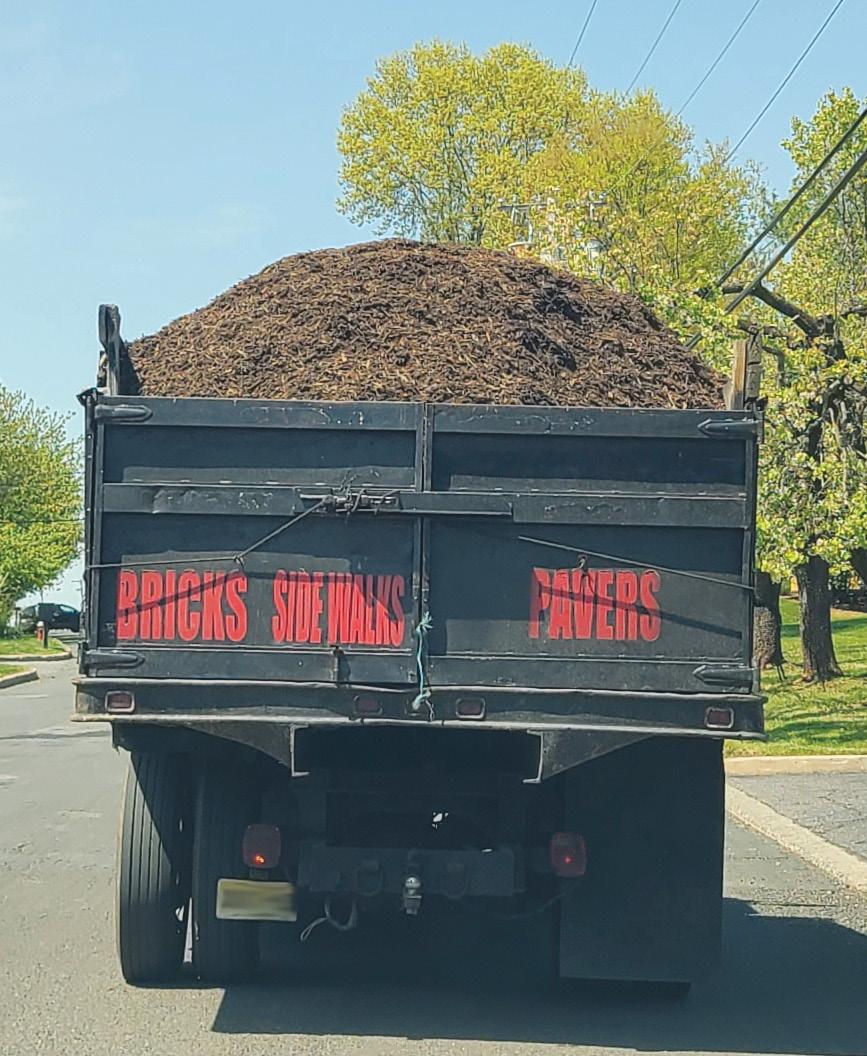
No person shall cause or permit a vehicle to be so loaded or operate a vehicle so loaded that the contents or any part thereof may be scattered in any street.
New Jersey law, specifically N.J.S.A. 39:4-77, prohibits operating a vehicle loaded in a way that allows contents to spill, leak, or scatter on a highway. Loads extending above the vehicle’s body must be secured or covered by a tarp, with fines for violations reaching up to $500 per violation. This includes Debris, Decorative Stone, Sand and Mulch.
This law is directed towards open trailers, pickup trucks, dump trucks, and rack body trucks.
If you’re in a lost or unsecured load accident and suffered damages, you should call 911 and then contact an attorney with experience in lost or unsecured loads and accidents. A qualified attorney will assess the particulars of your case and know the best way to proceed.
With a lost or unsecured load, multiple entities may be involved and potentially liable for the crash, including the driver, company, and those who packed the load. Your attorney will investigate which third parties to involve in the claim.
Stay Safe Out There!
SADC Needs Your Input Developing a New Woodland Preservation Program in New Jersey
The New Jersey State Legislature passed major legislation (Bill S699/A682) to establish a new preservation program for privately owned woodlands. This initiative aims to protect forest ecosystems from development pressure while respecting private property rights. This legislation creates a program within the State Agriculture Development Committee (SADC) to acquire development easements on private woodlands, to permanently restrict the development of privately owned woodlands to promote long-term stewardship for agricultural, silvicultural, and horticultural use.
SADC needs your input to develop this new program. Please complete the survey linked below to provide your thoughts and opinions on woodland easements. Your responses will be used to develop regulations to implement the legislation.
https://forms.cloud.microsoft/g/ bYPfZpW5kx
New Jersey Landscape Contractors Association
If you’ve never attended NJLCA’s Demo Day - New Jersey Contractors Showcase Expo (NJCSE), this is the year to change that.
Next month, on Wednesday, August 5, 2026 (rain date August 6th), NJLCA will host the 6th Annual New Jersey Contractors Showcase Expo at County College of Morris in Randolph, NJ, which benefits the NJLCA Education Fund. What started as an idea to create a handson outdoor event for landscape professionals has quickly grown into one of the most anticipated days of the year for contractors across the state.
And the best part? Attendance is completely free. Free admission. Free parking. Free lunch. Free education.
NJCSE is designed differently than a traditional trade show. While there will be plenty of exhibitors to visit, the real focus is on seeing equipment, products, and techniques in action. It is a day built specifically for landscape contractors who want to learn, compare equipment, sharpen their skills, and have a little fun while they’re at it.
Last year’s event attracted hundreds of landscape professionals. Contractors came from across New Jersey and neighboring states to network with vendors, participate in demonstrations, attend educational sessions, and see the latest products available to the green industry. The feedback was overwhelmingly positive,

The NJLCA Today
By Gail Woolcott Executive Director
NJCSE Returns August 5th for Its Biggest Year Yet
and many attendees told us it was one of the most productive industry events they attended all year.
This year, we’re raising the bar once again.
Throughout the day, attendees will be able to participate in live equipment demonstrations featuring everything from compact equipment and loaders to the latest mowers and handheld tools. There is simply no substitute for seeing and trying out equipment in realworld conditions before making a purchasing decision.
The exhibitor area will feature companies representing virtually every segment of the green industry. Whether you’re looking for heavy equipment, commercial mowers, handheld equipment, trailers, trucks, technology solutions, business services, landscape materials, hardscape products, nurseries, sod, seed, artificial turf, irrigation products, lighting, safety equipment, or specialty
services, you’ll find them at NJLCA’s Demo Day.
One of the biggest additions this year is NJ pesticide education. Attendees will have the opportunity to earn valuable NJ Pesticide Credits while attending the event. We know how important continuing education is for our members, and we’re excited to bring this new opportunity to NJCSE.
Of course, this event isn’t just about learning—it’s also about having fun.
The skills competitions have become one of the most popular attractions at the event. These contests allow contractors and crew members to put their abilities to the test while competing for prizes and bragging rights. Whether you’re participating or cheering on your coworkers, the competitions create an energy that you simply don’t find at most industry events.
And speaking of excitement, get ready for one of the newest
attractions coming to NJLCA’s demo day this year—mower races. That’s right. Mower races.
If you’ve ever watched landscape professionals debate the speed and performance of their favorite commercial mower brands, you’ll understand why this is guaranteed to draw a crowd. It’s all about friendly competition, industry camaraderie, and having some fun with the equipment we use every day.
Throughout the day, attendees will also have opportunities to connect with fellow contractors and exchange ideas with some of the most successful professionals in the industry. The networking alone makes the trip worthwhile. Some of the best business ideas, partnerships, and friendships in our industry start with a simple conversation at an event like this.
As an association, one of NJLCA’s goals has always been to create opportunities where members can learn, grow, and
strengthen their businesses. NJCSE embodies all three. It combines education, equipment, demonstrations, networking, and hands-on learning into a single day designed specifically for landscape professionals.
Whether you’re an owner looking to evaluate your next equipment purchase, a manager searching for new products and technology, or a crew member interested in expanding your skills, there is something for everyone at NJCSE.
Mark your calendar now for August 5, 2026, and plan to spend the day with us at County College of Morris in Randolph. Bring your team. Bring your questions. Bring your appetite. We’ll take care of the rest. We look forward to seeing you there. Register today at www.NJCSE.com for free!
Editor’s Note: Gail Woolcott is the Executive Director for the New Jersey Landscape Contractors Association. Gail was presented with a community service award from the Borough of Fairview, New Jersey for her assistance in leading the 9-11 Memorial Park project and the Legislative Champion of the Year award from the Federation of Employers and Workers of America. She can be reached at 201-703-3600 or by emailing gwoolcott@ njlca.org.
Farmers Against Hunger Celebrates 30 Years of Delivering Fresh Produce &
In 1996, a small group of New Jersey farmers came together through the New Jersey Agricultural Society with a simple but powerful idea: if good food was going unharvested, it should help feed people.
Current economic trends are hurting both residents and farmers across New Jersey. Today, 1 in 9 New Jerseyans are food insecure; and farmers are facing rising costs, international competition, and unpredictable weather.
For 30 years, Farmers Against Hunger (FAH) has worked with farmers to provide fresh, surplus New Jersey produce to community food banks, churches, and soup kitchens. It all starts with a dedicated network of volunteers. They help harvest excess Jersey tomatoes,
Food Across the Garden State
peppers, spinach, corn, and much more, that would otherwise be left in the fields. What started with a handful of farmers has grown into a statewide network of growers, volunteers, trucks, packing lines, and community partnerships—all working together to make sure fresh food reaches the people and places that need it most.
FAH works hand-in-hand with food banks, churches, senior centers, schools, community groups, and grassroots organizations across New Jersey to help move fresh, local produce deeper into the Garden State communities. When a growing season is difficult, farmers feel it first. Crop loss, unpredictable weather, and rising costs can leave less produce available to glean, which means
less fresh food reaching families in food-scarce areas of our state.
That’s why, more recently, Farmers Against Hunger has begun purchasing produce directly from New Jersey farmers when community need is high.
FAH works behind-the-scenes as a bridge between New Jersey’s agricultural sector and hunger relief organizations. When farmers throughout the state calls with produce to share, whether boxed and ready to go, or still out in the fields, FAH is standing by with one of our iconic trucks.
If you would like to make a donation to help this organization, or if you would like to become a volunteer, please visit https://www.njagsociety.org.
NORTHEASTERN ASSOCIATION OF STATE
The Northeastern Association of State Departments of Agriculture convenes the following 10 states: Connecticut, Delaware, Maine, Massachusetts, New Hampshire, New Jersey, New York, Pennsylvania, Rhode Island, and Vermont.
VERMONT DEPARTMENT OF AGRICULTURE
Vermont Launches “Seek & Savor” Agritourism Marketing
Campaign
The Vermont Agency of Agriculture, Food & Markets (VAAFM) announced the launch of Seek & Savor, a statewide agritourism marketing campaign designed to connect visitors with Vermont’s authentic farm and food experiences.
Funded through a Federal-State Marketing Improvement Program (FSMIP) grant from the United States Department of Agriculture’s Agricultural Marketing Service (USDA AMS), the campaign will run through fall 2027 and aims to increase visibility, visitation, and engagement with Vermont farms, food producers, and agritourism destinations.
As part of the campaign, visitors can explore agritourism experiences across the state through expanded content on VermontVacation.com, making it easier to discover farms, food trails, and seasonal activities.
“Vermont’s farms are at the heart of our communities, economy, and identity,” said Anson Tebbetts, Secretary of the Vermont Agency of Agriculture, Food & Markets. “Seek & Savor gives visitors and Vermonters a chance to experience the people, products, and landscapes that make Vermont unique. From farm stands and maple producers to cheesemakers and farm stays, this initiative helps shine a light on Vermont’s rich agritourism economy while supporting the farmers and small businesses behind it.”
Campaign Activities
Over the next 18 months, Seek & Savor will promote Vermont agritourism through a coordinated set of marketing efforts, including:
• Hosting six social media influencers at agritourism destinations across the state
• Participating in three major travel and tourism trade shows
• Featuring agritourism information at Vermont state welcome centers
• Expanding digital outreach through social media, media placements, and press coverage targeting both in-state and out-of-state audiences
Supporting Vermont Farms and Businesses
To support participation, VAAFM has developed a suite of resources available to Vermont farms and agritourism businesses, including:
• An agritourism marketing toolkit to guide promotion and strategy
• Campaign guidelines for consistent use of Seek & Savor branding
• Downloadable logo files for use in marketing material
• A free stock photo library showcasing Vermont agritourism experiences
All resources, along with campaign updates, are available at https://agriculture.vermont.gov/seeksavor
Vermont farms and businesses are encouraged to ensure their offerings are listed on VermontVacation.com and to incorporate the campaign into their own marketing efforts.
MASSACHUSETTS DEPARTMENT OF AGRICULTURE
State Agricultural Leaders Host 2026 NEASDA Annual Meeting in Massachusetts
The Massachusetts Department of Agricultural Resources (MDAR) hosted the 2026 annual meeting of the Northeast Association of State Departments of Agriculture (NEASDA) this week in Western Massachusetts, bringing together agricultural leaders from across the Northeast to strengthen regional partnerships, exchange best practices, and address shared challenges facing the agricultural sector.
MDAR Commissioner Ashley Randle, who currently serves as NEASDA’s President, welcomed leaders from nine other state departments of agriculture including Maine, New Hampshire, Vermont, Connecticut, Rhode Island, New York, New Jersey, Pennsylvania, and Delaware. Throughout the meeting, members engaged in policy discussions, networking, panel discussions, and farm tours across the Pioneer Valley, showcasing the diversity, innovation and economic impact of Massachusetts agriculture.
“Massachusetts is honored to host this year’s annual NEASDA meeting to foster constructive conversations among our colleagues, share our approaches to solving challenges, and learn more about our respective state-level agricultural sectors so we can find ways to continue supporting the industry,” said MDAR Commissioner Ashley Randle. “As a marquee event, we’re also proud to show off the best of what Massachusetts agriculture
has to offer by showcasing our farms and Mass Grown products.”
The NEASDA Annual Meeting unites state agricultural executives, including commissioners, secretaries, and directors, with a diverse network of stakeholders, from farmers to federal agencies. Hosting this year’s meeting allowed Massachusetts to lead critical and timely regional dialogues on economic sustainability, workforce development, and other policy issues impacting the entire Northeast agricultural sector. Through collaborative discussions and farm tours, attendees shared strategic ideas to help strengthen the region’s farm economy. Attendees discussed topics including how to counter the persistent loss of farmland in the region, and how support for mid-supply chain enterprises can strengthen farms by increasing market access.
The meeting set a record for attendance, with over one hundred sixty attendees from across the Northeast and country. Additionally, international delegates from Kenya, Morocco, Senegal, and Canada attended the event and extended their trip to visit farms in the Pioneer Valley to learn about dairy innovation and value-added production.
NEASDA is a regional division of the National Association of State Departments of Agriculture (NASDA), founded in 1916.
NEW JERSEY DEPARTMENT OF AGRICULTURE
Congratulations to Tameko Webster on her New Role Transition
The New Jersey Department of Agriculture is pleased to announce that Tameko N. Webster has transitioned from her role as Chief of Staff to Deputy Assistant Secretary/Chief Operating Officer.
This expansion in leadership responsibility will position Tameko to manage the organization from a broader, enterprise-wide perspective – driving operational excellence, strengthening strategic alignment, and advancing the Department’s mission forward.
During her tenure as Chief of Staff, Tameko has played a critical role in enhancing organizational effectiveness, supporting executive leadership, and advancing key initiatives that benefit New Jersey’s
diverse agricultural community. Her commitment to innovation, collaboration, and service has helped elevate the Department’s impact across the state.
In her new role, Tameko will work closely in support of the New Jersey State Board of Agriculture and the Secretary of Agriculture, while partnering with the Assistant Secretary to advance departmental priorities. She will continue to build on a strong foundation – aligning human capital, refining business processes, and ensuring the Department remains responsive, efficient, and forward-looking in its support of agriculture.
Please join us in congratulating Tameko on this well-deserved transition and continued leadership!
DEPARTMENTS OF AGRICULTURE NEWS
DELAWARE DEPARTMENT OF AGRICULTURE
DDA’s Plant Industries Section Celebrates First Graduate of AOSCA Inspector Credentialing Program
The Delaware Department of Agriculture’s Plant Industries section is proud to announce that a participant from its program, Olivia Everett, has successfully completed the AOSCA Turfgrass and Small Grains Inspector Credentialing Program, marking a milestone as part of the first cohort to earn this distinguished certification.
Developed by the Association of Official Seed Certifying Agencies (AOSCA), this inaugural credentialing program establishes a new national standard for inspector training in turfgrass and small grains. The program is designed to ensure consistency, accuracy, and excellence in field inspection processes that support the integrity of certified seed.
Participants completed comprehensive training covering key areas such as varietal purity, field inspection procedures, disease identification, and certification standards. By earning this credential, these inspectors have demonstrated a high level of expertise and commitment to maintaining the quality and reliability of seed certification programs.
“This program represents a significant advancement
for our industry,” said Everett, a Seed & Sod Certification Specialist with Plant Industries. “We are proud to have our team among the first in the nation to complete this rigorous training and contribute to strengthening confidence in certified seed.”
Plant Industries conducts the Seed Certification program in Delaware for seed companies and local growers, resulting in the use of higher quality seed for soybeans and small grains. The certification process consists of field inspections of the mature crop, sampling, laboratory analysis, and proper labeling through certified seed tags (Title 3 Chapter 15 §1507).
Plant Industries conducts the Cultivated Certified Sod Program in Delaware for local growers, resulting in marketable certified or approved sod that is of uniform density, color, texture, free of serious amounts of thatch, weeds, insects, disease, nematode, and other crop plants. The certification process consists of multiple field inspections and proper labeling through certified tags issued by the Department.
For more information about the AOSCA Inspector Credentialing Program, visit www.certifiedseed.org.
NEW YORK DEPARTMENT OF AGRICULTURE
Lowers Action Levels for the Presence of Lead
in Certain
Spices by 40 Percent to Protect Public Health and Safety of Food Supply
New York State, ahead of World Food Safety Day on June 7, announced it has formally set new action levels for lead in certain spices, implementing the strictest standards in the country to protect public health and the safety of the food supply. Based on New York State Department of Agriculture and Markets’ (NYS AGM) testing and the New York State Department of Health’s (NYS DOH) assessment, and in the absence of finalized, specific federal limits for lead in spices, the State has lowered its action level for lead in curry, dill seed, dried basil leaves, dried nonbell pepper, nutmeg, sesame seed, and turmeric by 40 percent, to 0.6 parts per million (ppm). Beginning
January 1, 2028, if NYS AGM finds consumer products with lead above the action level and the producer or distributor does not recall the product, NYS AGM will issue a consumer alert and take steps to remove the product from stores.
State Agriculture Commissioner Richard A. Ball said, “With the adoption of the lower action levels for lead in certain spices, the Department will be in a better position to protect public health by requesting businesses to recall dangerous product exceeding the new action levels or, if no recall is initiated, seizing the product. While we have more work to do in this space to ensure public health and safety, we are proud to be leading the
country in setting standards for safer spice options.”
The new lower threshold for lead was determined following extensive review of laboratory surveillance data, toxicity data, and spice consumption rates. NYS AGM also found that there was an 85 percent achievability rate for those spices that are subject to the new action limit. Over the last several years, NYS AGM conducted significant outreach efforts to the spice manufacturing industry, working in close collaboration with the American Spice Trade Association (ASTA), as well as state representatives, to achieve a viable solution for consumers and manufacturers.
PENNSYLVANIA DEPARTMENT OF AGRICULTURE
Scooped Ice Cream Trail Returns for Ninth Year
Department of Agriculture Secretary Russell Redding and PA Tourism Office Executive Director Kaitie Burger visited Lapp Valley Creamery in New Holland, Lancaster County, to officially launch the 2026 Scooped Ice Cream Trail.
Now in its ninth year and bigger than ever, this year’s program includes 59 PA Preferred creameries stretching from one end of Pennsylvania to the other.
“Year after year, the Ice Cream Trail reminds us of what makes Pennsylvania agriculture so special: the people behind it,” said Secretary Redding. “These farm families are up before dawn, working hard every day to bring fresh, local dairy to your cone. Every scoop you enjoy on this trail is a direct investment in Pennsylvania’s farms and the communities that depend on them.”
The 2026 trail marks a milestone of nine summers of connecting dairy lovers with the farm families who make Pennsylvania’s ice cream some of the finest in the country. This year’s trail features 59 participating PA Preferred creameries including the return of Hall’s Ice Cream, rejoining the trail this season. From working dairy farms where visitors can meet the cows to artisan micro creameries crafting bold, rotating flavors, the 2026 lineup offers something for every kind of ice cream adventurer across all corners of the Commonwealth.
“The Ice Cream Trail is economic development you can taste. When a family stops at a creamery in a small Pennsylvania town, they’re not just buying a delicious treat. They’re supporting a local business, a farm family, and a community,” said Kaitie Burger, Executive Director, PA Tourism Office. “The Shapiro Administration is committed to growing Pennsylvania’s tourism and agriculture sectors together, and this trail is a perfect example of what that looks like in action.”
Lapp Valley Creamery, located in New Holland, is a fitting host for the 2026 kickoff. The farm-to-cone experience invites visitors to meet friendly farm animals, feed calves, and learn about the benefits of A2 milk, all while enjoying handcrafted ice cream made from the farm’s own herd. It’s the kind of immersive, hands-on dairy experience that defines what the Ice Cream Trail is all about.
Travelers can plan their 2026 Ice Cream Trail adventure, explore participating creameries, and sign up for free at visitpa.com/scooped. The digital passport rewards dedicated dairy lovers with points for every stop and purchase made between June 4 and September 7, 2026.
With 4,940 dairy farms and 468,000 cows producing 10 billion pounds of milk each year — about 2,501 gallons per cow — Pennsylvania ranks eighth in milk production nationally. Pennsylvania’s dairy industry provides more than 47,000 jobs and supports our state economy to the tune of $11.8 billion annually. Pennsylvania also ranks sixth in number of dairy cows, second in butter production, third in ice cream and Swiss cheese, and fourth in sour cream.
A garden can be a habitat for attracting a myriad of native birds. A good backyard habitat will take into consideration food sources for native birds. Being aware of these needs will help attract birds to your garden. It is important to be mindful and use regionally adaptable plants that are native to your gardening region.
The hawthorns, Crataegus provide an abundance of orangered fruits, especially in the winter when it is not uncommon for their fruits to persist. Most hawthorns have a dense canopy and thorns on their branches which provide good protection for nesting birds. Crataegus viridis ‘Winter King’ is a native hawthorn with large, plump orange-red fruits. Considerable work has been done recently to taxonomically classify Crataegus and there is thought to be 150-190 species in North America. The Cedar Waxwing, American Robin, and Catbirds are frequent visitors. Hollies, Ilex also have persistent fruits. The winterberry holly, a deciduous holly, is grown for its ornamental fruits which can last from September to March. Ilex verticillata ‘Winter Red’ has striking red fruits and ‘Winter Gold’ has salmon-colored fruits.
There are many fruit and berry sources noted for antioxidant-rich fruits. There are many species of service berry, Amelanchier. Amelanchier x

Plants That Attract Birds Pennsylvania Horticultural Society
grandiflora ‘Autumn Brilliance’ is a PHS Gold Medal recipient noted for its white flowers in May followed by an abundance of fruits that change from pink to purple followed by excellent red fall color. There are many native viburnums that should be considered as a food source in the garden including the arrowwood, Viburnum dentatum; maple leaf viburnum, Viburnum acerifolium; possumhaw, Viburnum nudum and many others. There has been considerable breeding and selection work done with the chokeberries, Aronia, in recent years. The red chokeberry, Aronia arbutifolia ‘Brilliantissima’ is a selection that has been around for decades. This upright shrub has fire engine red fall color and a late summer abundance of plump red berries. There have been new introductions of Aronia melanocarpa including Ground Hug® which is noted for its small stature in the garden and heavy setting blue-black fruits in the
The Pennsylvania Horticultural Society (PHS) celebrates the expansion of its nationally recognized PHS LandCare program into Chester, Pennsylvania, bringing its proven vacant land stabilization and greening model to Delaware County for the first time. In partnership with the Delaware County District Attorney’s Office and its Chester Partnership for Safe Neighborhoods, the City of Chester, and local community stakeholders, PHS LandCare will transform and maintain approximately 100,000 square feet, or nearly 2 football fields worth of vacant land across Chester through regular cleaning, mowing, landscaping, and ongoing care.
The PHS LandCare program works to stabilize and maintain vacant land through regular cleaning, greening, mowing, and community care. For decades, the program has transformed abandoned lots into healthy green spaces that improve neighborhood safety, support public health, reduce illegal dumping, and foster a stronger sense of community for residents and families. Today, PHS LandCare maintains more than 12,000 vacant lots across Philadelphia. The Chester expansion marks the first time the LandCare model will be implemented outside of Philadelphia by PHS. Research has linked the PHS LandCare model to
By Andrew Bunting Vice President of Horticulture
fall. ‘Viking’ is a more upright cultivar.
There are many native seed-eating birds including the American Goldfinch, sparrows including the Song Sparrow, grosbeaks, Northern Cardinal, and the towhees. It is important to keep seed sources in the garden throughout the seasons.
Many of the native coneflowers are important seed sources for birds. There are several species of coneflower including the purple coneflower, Echinacea purpurea and the pale coneflower, Echinacea pallida noted for their purple or pink flowers and their “cone” of seeds in the center of the flower. These can be left standing throughout the winter to provide a food source for goldfinches and sparrows. Similarly, the rudbeckias produce a central cone of seeds. Rudbeckia hirta and the giant coneflower, Rudbeckia maxima are both highly ornamental with striking golden-yellow flowers as well as good seed sources. There
are many native species of Liatris, including blazing star, Liatris spicata. All are noted for their upright stalks of purple flowers that are followed by fluffy seeds.
There are many outstanding native ornamental grasses which provide great vertical architectural qualities in the garden and also provide a very important food source in the fall and throughout the winter. It is important to leave these grasses up for the winter so overwintering birds have a seed source. Little bluestem, Schizachyrium scoparium has fluffy white seed heads. ‘Standing Ovation’ has upright bluish foliage that turns maroon-burgundy in the fall. Smoke Signal® is an upright selection that turns purplered in the fall. Every addition of a plant can provide a food source. Even the smallest garden can play an important role. Planting a garden rich in trees, shrubs and perennials will both support bird life and inevitably will also support
measurable improvements in neighborhood well-being, including reductions in depression and stress, decreases in gun violence, and increases in nearby property values. Studies found that residents living near greened lots reported a more than 40 percent reduction in feelings of depression, while neighborhoods below the poverty line experienced reductions in gun violence of up to 29 percent, reinforcing the important connection between community investment and public safety. Additional research found that homes within 1,000 feet of a PHS greened lot experienced an average increase in value of 4.3 percent within the first year, rising cumulatively to 13 percent over six years.
“This expansion into Chester reflects PHS’s belief that every neighborhood deserves safe, healthy, and welcoming green spaces,” said Matt Rader, President of the Pennsylvania Horticultural Society. “For years, the PHS LandCare program has demonstrated how sustained investment in vacant land can positively impact communities. We are proud to partner with leaders in Chester to bring this work to more residents and help support healthier, more connected neighborhoods.”
The Delaware County District Attorney’s Office and its Chester Partnership for Safe Neighborhoods is proud to
pollinators and build biodiversity. Small steps like installing some native plants that can provide a seed or fruit source will make an impact, or converting a small part of your lawn to native plantings will contribute to greater biodiversity.
Editor’s Note: Andrew Bunting is Vice President of Horticulture for the Pennsylvania Horticultural Society. He is one of the most recognized horticulturists in the Philadelphia, Pa., region and a highly regarded colleague in the world of professional horticulture. Bunting has amassed a plethora of awards, including the American Public Gardens Association Professional Citation, Chanticleer Scholarship in Professional Development, Delaware Center for Horticulture’s Marion Marsh Award, and the Certificate of Merit from the Pennsylvania Horticultural Society. In addition, Bunting has lectured extensively throughout North America and Europe, and participated in plant expeditions throughout Asia and Africa. Learn more at https://phsonline.org/team/ andrew-bunting
join the Pennsylvania Horticultural Society and the City of Chester as part of the PHS LandCare initiative. This project was financed in part by a grant from the Commonwealth of Pennsylvania, Office of the Budget and by the Green Family Foundation.
For the District Attorney’s Office, participation in PHS LandCare reinforces an ongoing commitment to supporting initiatives that improve quality of life, strengthen neighborhoods, and empower local communities through sustainable investment and partnership.
The program also supports local economic opportunities through partnerships with community organizations, workforce development initiatives, and small businesses. In Philadelphia, 87 percent of PHS LandCare contractors are minority- and/or women-owned businesses, and the program works alongside community partners to create job opportunities connected to neighborhood greening and maintenance.
The Chester expansion represents an important milestone for PHS and demonstrates the continued growth of a model that has become nationally recognized for its impact on public health, neighborhood stabilization, and community revitalization.




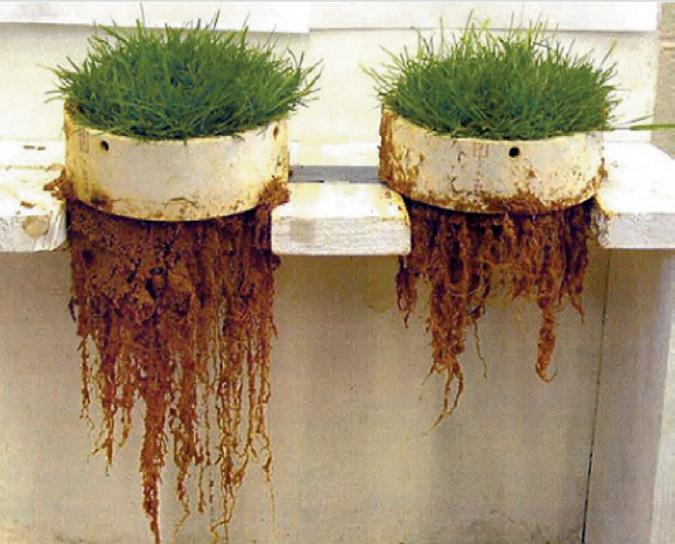











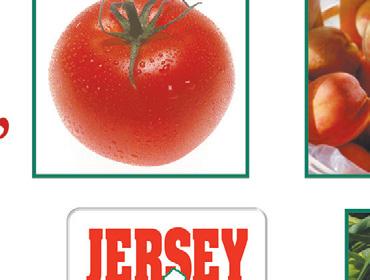








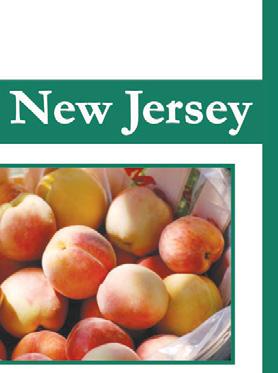











Buy Jersey Fresh This Summer
farming operation, or to refinance certain debts. FSA will review the loans based on the extent of losses, security available, and repayment ability.
Impacted Area: New Jersey
Triggering Disaster: Freeze from 4/19/26 –4/22/26
Primary New Jersey Counties Eligible: Atlantic, Bergen, Burlington, Camden, Cape May, Cumberland, Gloucester, Hunterdon, Mercer, Middlesex, Monmouth, Morris, Ocean, Salem, Somerset, Sussex, Warren
Contiguous Counties Also Eligible: New Jersey: Essex, Hudson, Passaic, Union New Jersey grows more than 100 different varieties of fruits, vegetables and herbs and is ranked nationally in the top 10 as producer of such items as blueberries, peaches, bell peppers, squash,
(Continued from page 1)
tomatoes, and cranberries. Produce harvested locally and more recently is fresher and has better flavor than produce that travels across the country.
On farmers.gov, farmers and agricultural producers can find the Disaster Assistance Discovery Tool, Disaster Assistance-at-a-Glance fact sheet, and Loan Assistance Tool to help determine program or loan options. To file a Notice of Loss or to ask questions about available programs, contact your local USDA Service Center. Application Deadline: February 8, 2027.
Consumers, please look for the Jersey Fresh logo whenever, wherever you shop for fruits, vegetables, cheese, milk, meat, beer, wine, spirits, sauces, salsas, juices, frozen foods, chocolate, etc. This will really help our local farmers and agricultural producers. When we buy local, we
support family-owned farms and as a result those families can afford to stay on the farm, doing the work they love.
Editor’s Note: Tom Castronovo is executive editor and publisher of Gardener News. Tom’s lifelong interest in gardening and passion for agriculture, environmental stewardship, gardening, horticulture and landscaping, led to the founding of the Gardener News, which germinated in April 2003 and continues to bloom today. He is also dedicated to providing inspiration and education to the agricultural, environmental, horticultural, and landscaping communities through this newspaper and GardenerNews.com.
Gardener News

FSA Administrator Discusses Freeze Losses with New Jersey Farmers
By Gabi Grunstein N.J. Farm Service Agency
U.S. Department of Agriculture (USDA) Farm Service Agency (FSA) Administrator Bill Beam met with New Jersey farmers and agriculture professionals at Summit City Farms in Glassboro, Gloucester County, New Jersey to hear how the April freeze event impacted agricultural operations and to provide information on disaster assistance programs that can help producers with recovery efforts. Administrator Beam was joined by Bob Andrzejczak, FSA state executive director for New Jersey, USDA Rural Development, Rutgers Cooperative Extension, the New Jersey State Board of Agriculture, and New Jersey Farm Bureau. Local farmers in attendance shared how their operations were impacted by the freeze, with the biggest impact to fruit bearing trees, bushes, and vines.
As several attendees pointed out, the freeze, which occurred April 19-22, was exacerbated by unseasonably warm weather the prior week with highs in the upper 90s. The warm weather pushed bud development ahead of schedule, leaving the vulnerable flowers and fruit ripe for injury.
“Following natural disasters, like this freeze event, FSA is here to help producers recover by providing much needed disaster assistance,” said FSA Administrator Bill Beam. “Following a natural disaster, producers should contact their local FSA office to submit a notice of loss and to learn more about disaster assistance programs that can help their operation.”
USDA Assistance
Administrator Beam, whose family farms in Elverson, Pennsylvania, understands the impact that natural disasters can have on an operation. He reviewed the disaster assistance programs available from USDA. Producers who have crop insurance or coverage through the Noninsured Crop Disaster Assistance Program (NAP) should timely report losses to their crop insurance agent or FSA county office.
FSA also discussed assistance through the Tree Assistance Program (TAP), which provides disaster
assistance to eligible orchardists and nursery tree growers to replant or rehabilitate trees, bushes, and vines that were lost because of an eligible natural disaster, including freeze events. TAP processes payments to producers of nursery, ornamental, fruit, nut, or Christmas trees once replanting and rehabilitation activities have been completed. Producers should submit an application and supporting documentation to FSA within 90 calendar days of either the disaster event or from the date when the loss was apparent to the producer. Unlike NAP or crop insurance, producers do not need to sign up for TAP coverage in advance.
At the listening session, FSA reminded producers to submit crop acreage reports.
“While the deadline to file an acreage report for 2026 fruit and nursery has passed, applicants can latefile fruit acreage reports, for a fee, until Jan.15, 2027,” said Andrzejczak. “Producers are encouraged to file acreage reports to maintain program eligibility for future programs. However, late-filing for ornamental nursery is no longer available.”
Additionally, New Jersey Governor Mikie Sherrill has officially requested a disaster designation for all New Jersey counties from USDA. If approved, the disaster designation would make emergency loans available to impacted producers. The current loan rate (June 2026) is 3.750% and the maximum loan is $500,000. Additionally, FSA offers several loan servicing options available for borrowers who are unable to make scheduled payments on their farm loan program debt to the agency because of reasons beyond their control.
Freeze Losses
Lewis DeEugenio, owner of Summit City Farms in Gloucester County, which grows 500 acres of peach, nectarine, and apple orchards, provided a full rundown of the weather event including efforts his farm and others took to save their fruit using wind machines to pull warm air down into the orchard. Despite expending tremendous effort and fuel to run the machines, they were unsuccessful and losses were significant.
Brandon Raso of Variety Farms in Atlantic County, used irrigation to try to save their blueberry crop, but
he estimates losses at 70%. An 11th generation farmer whose farm in Salem County has grown peaches since the mid-19th century, currently has over 100,000 trees. Prior to this year, the biggest loss he’s experienced was around 40%. This year his losses will teeter at 100%, a figure echoed by several growers in the room, ending the season before it even began.
Other crops that were hit hard include apples, cherries, pears, and grapes. William Heritage of Heritage Winery in Gloucester County added that vineyard losses are yet to be fully determined. The freezing temperatures killed close to 100% of the newly developing fruit. However, there may be longerterm damage to the vines, which might not be evident until next year.
Fruit bearing trees, bushes, and vines were not the only crops impacted. Jimmy Abma, of Abma Farms in Somerset and Bergen Counties, a member of the New Jersey FSA State Committee, lost his strawberries even though they were under cover. Strawberry losses varied throughout the state though all growers experienced some level of loss.
Joel Viereck of Viereck Farms, a south Jersey vegetable farmer in Gloucester County, experienced losses to his high tunnel tomatoes and cabbage, which is a cold tolerant crop.
As the session wrapped up, farmers expressed appreciation for the opportunity to share their experiences directly with FSA leadership. For assistance, producers should contact their local FSA office to report losses and to apply for assistance.
Additional USDA disaster assistance information can be found on farmers.gov, including USDA resources specifically for producers impacted by winter weather. Those resources include the Disaster Assistance Discovery Tool (www.farmers. gov/protection-recovery/disaster-tool), Disasterat-a-Glance fact sheet (www.usda.gov/guidancedocuments/disaster-protection-and-recovery/fpac-bc/ usda-disaster-assistance-programs-glance), Loan Assistance Tool (https://lat.fpac.usda.gov), and Natural Disasters and Crop Insurance fact sheet (www.usda. gov/guidance-documents/crop-insurance/rma/naturaldisasters-and-crop-insurance).
Legislation Would Connect New Farmers with Experienced Agricultural Mentors to Support the Future of Farming in New Jersey
Legislation sponsored by Assemblywoman Andrea Katz to help support the next generation of New Jersey farmers by establishing a statewide beginning farmer mentoring program was approved by the Assembly Agriculture and Natural Resources Committee on June 15, 2026.
Bill A158 would require the Department of Agriculture, in consultation with agricultural organizations and stakeholders across the State, to develop and implement a mentoring program that connects experienced farmers with individuals entering the profession. Through the program, veteran farmers would provide guidance, advice, and practical support to beginning farmers as they build and grow their operations.
“The future of New Jersey agriculture depends on our
ability to support the next generation of farmers,” said Assemblywoman Katz (D-Atlantic, Burlington), Chair of the Assembly Agriculture and Natural Resources Committee. “Farming requires knowledge that can only be gained through years of experience, and we cannot afford to let that expertise disappear as more farmers reach retirement age. This bill creates opportunities for experienced farmers to share what they have learned, helping new farmers overcome barriers, build successful operations, and keep New Jersey’s agricultural industry strong for years to come.”
According to data from the New Jersey Department of Agriculture, the average age of farmers in New Jersey is 58.7, and two‐thirds of all farmers in the State are 55 or older. Supporters of the legislation say connecting
experienced farmers with newcomers will help preserve agricultural knowledge and strengthen the long-term viability of farming in New Jersey.
Under the bill, the Department of Agriculture would work with the State Agriculture Development Committee, Rutgers University, the New Jersey Farm Bureau, county boards of agriculture, the New Jersey Agricultural Society, and other partners to establish the structure of the program. The department would also be required to incorporate existing online resources and develop additional opportunities for mentorship.
Bill A158 still needs to be voted on by the entire Assembly.
Identical Bill Number S4334 is currently moving through the New Jersey Senate.






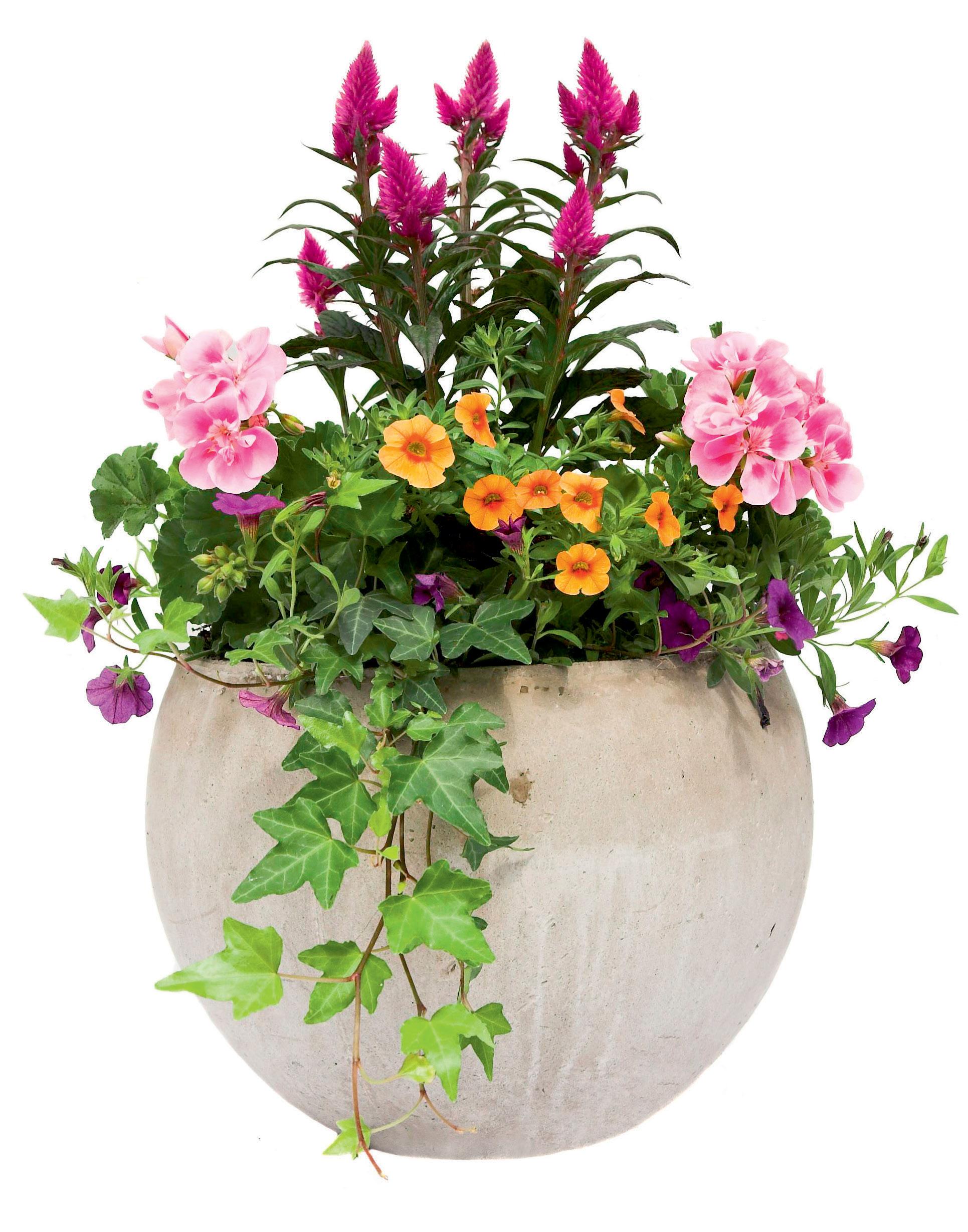

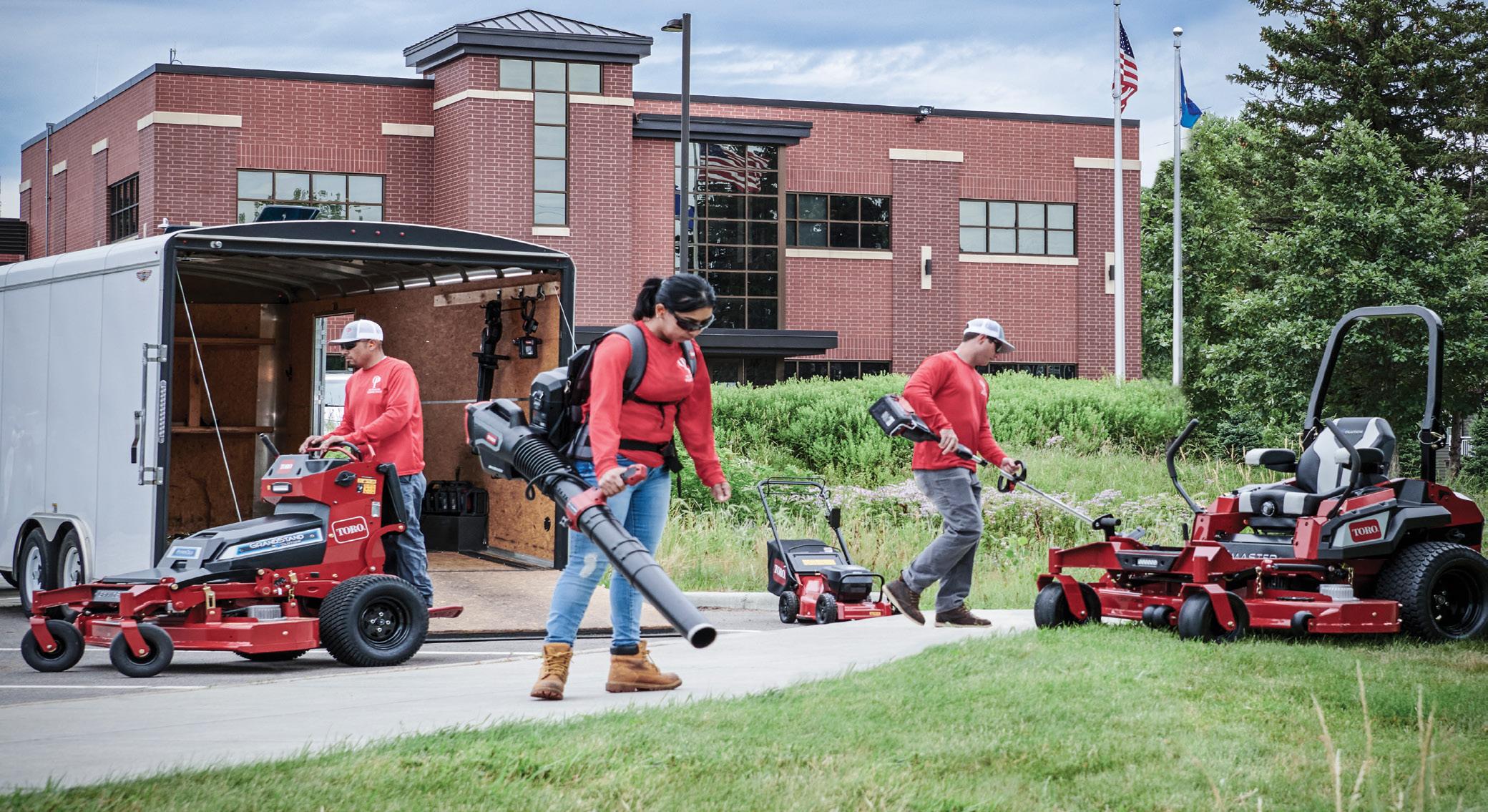
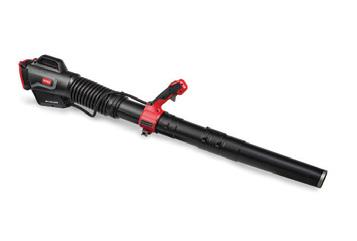
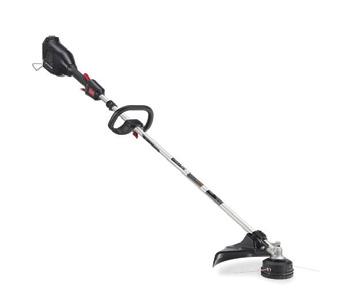


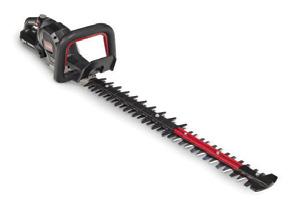
7500-G SERIES ZERO-TURN
96” TURBO FORCE ® CUTTING DECKS
PRODUCTIVITY TO A NEW LEVEL
Impressive 96” wide cutting deck folds to 75” to fit
REVOLUTION HANDHELD PRODUCTS
ALL DAY PERFORMANCE
The fully interchangeable 60V Max*
Flex-Force battery system powers the entire line of Revolution commercial grade handheld tools. The backpack, available as a power source for the leaf blower, string and hedge trimmers, and is built for comfort and ready to keep jobs moving all day.
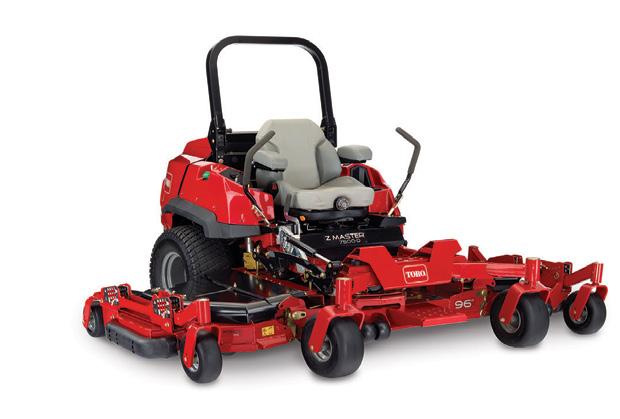
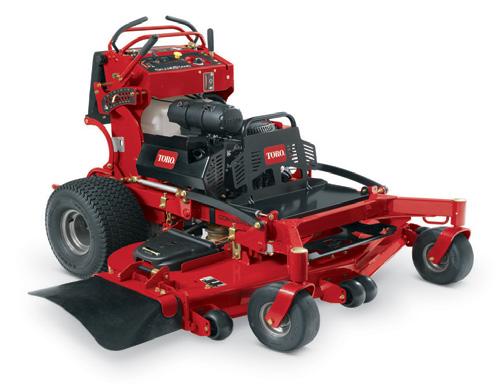
STAND-ON MOWERS
TRACTION & HANDLING
A wide stance and optimal balance enhance hillside stability and control. 36”-72” TURBO FORCE ® CUTTING DECKS
CUSHIONED SUSPENSION
Flex-Ride operator platform suspension self-compensates for operators of all sizes, resulting in less fatigue and higher productivity throughout the day.
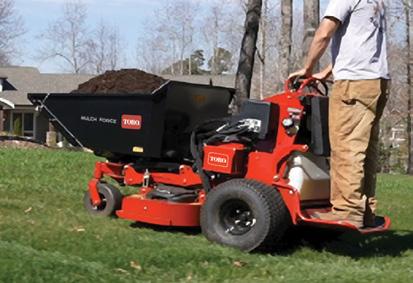
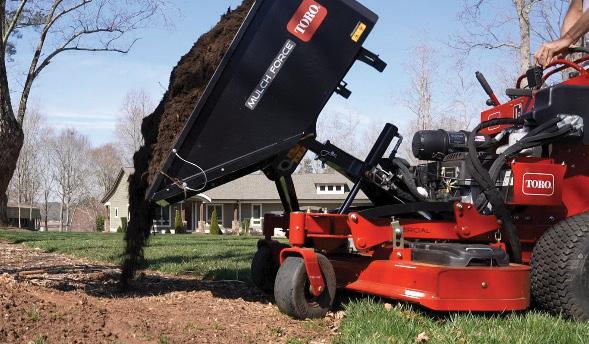
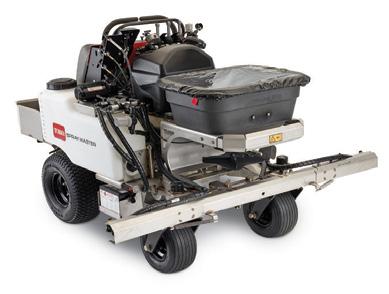
SPRAYMASTER®
Dual
Provide
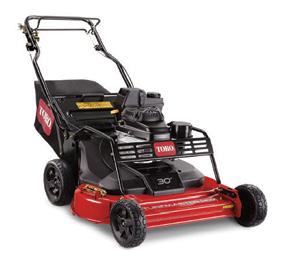
A variety of attachments and accessories such as Mulch Dump, Pro-Force blower, snow thrower, power broom, tine rake, dethatcher and BOSS snow blade all provide the ultimate in productivity.