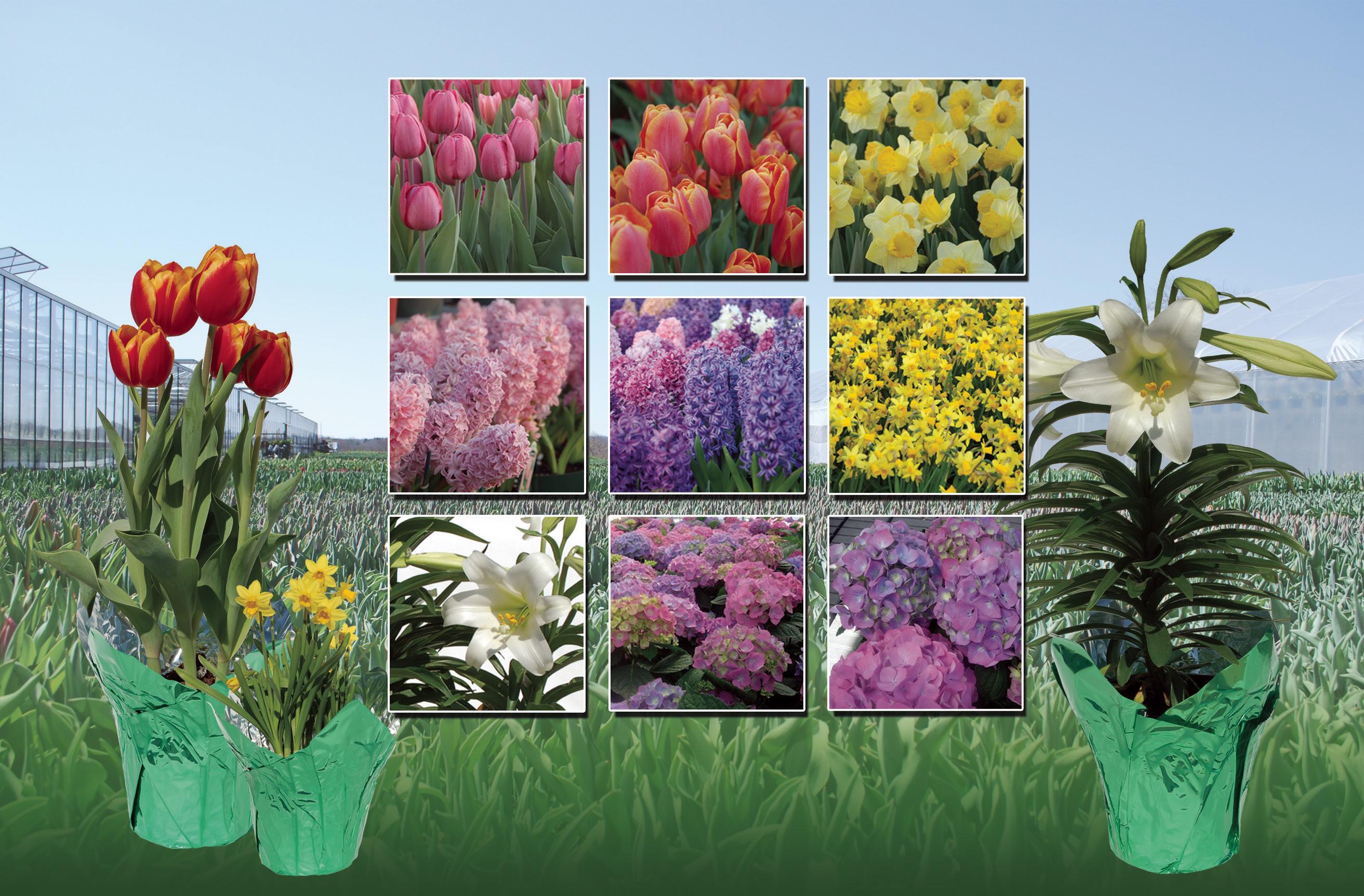
Floriculture and Horticulture Showcased in the Garden State
2026, and Saturday, March 14, 2026, at Mercer County Community College in West Windsor, NJ.
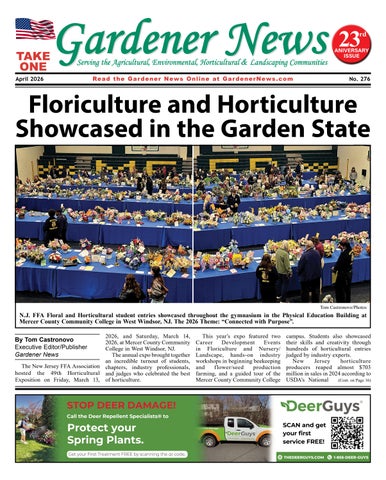
The New Jersey FFA Association hosted the 49th Horticultural Exposition on Friday, March 13,
The annual expo brought together an incredible turnout of students, chapters, industry professionals, and judges who celebrated the best of horticulture.
This year’s expo featured two Career Development Events in Floriculture and Nursery/ Landscape, hands‑on industry workshops in beginning beekeeping and flower/seed production farming, and a guided tour of the Mercer County Community College
campus. Students also showcased their skills and creativity through hundreds of horticultural entries judged by industry experts.
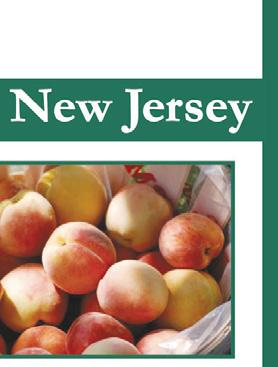
New Jersey horticulture producers reaped almost $703 million in sales in 2024 according to USDA’s National
There is an old saying that you learn more from failure than you do from success. There is certainly truth in that adage, yet there is also much to learn from success –failure is just more dramatic!
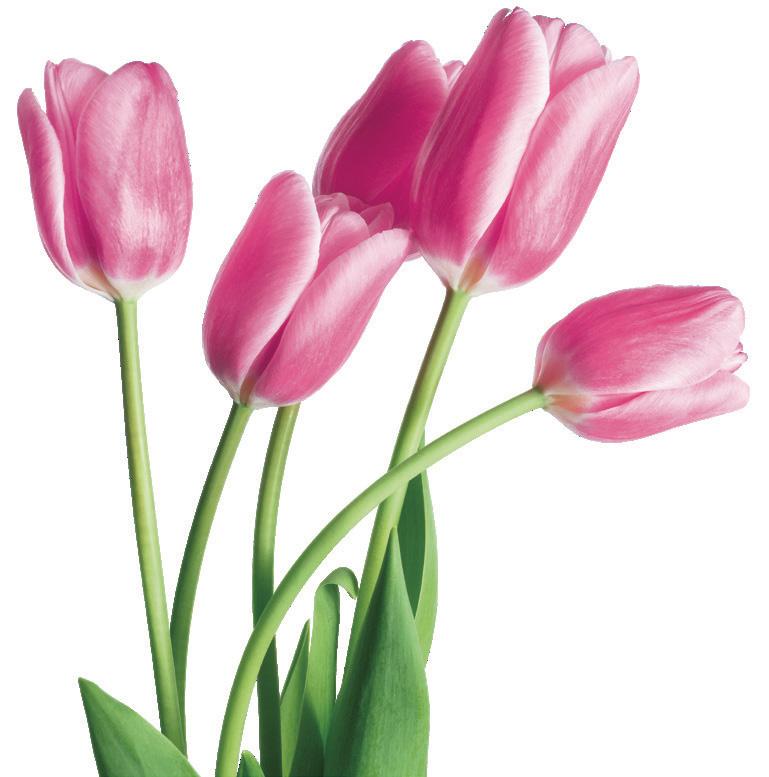
My experience with Tulips certainly showcases this point. Like many gardeners, I was first drawn to the large flowered hybrids but they typically failed to flower following the first season. One year I tried a hybrid between two species tulips named ‘Little Princess’. That was over 20 years ago, and the plants bloom as well today as when first planted. A success story showcasing the benefits of species Tulips!
Botanically known as Tulipa, the Tulip is a member of the Liliaceae or Lily Family and contains between 90 120 species. Although the Swedish botanist Carl Linnaeus (1707 1778) officially authored the genus in 1753, the name dates to the mid 1500’s and the Flemish writer and herbalist Ogier Ghiselin de Busbecq (1522 1592). Busbecq served as the Ambassador to Turkey from 1554 1558 under Ferdinand I, the King of the Holly Roman Empire. During a typical disjointed discussion with the Sultan owing to language
Morris County Park Commission
By Bruce Crawford Horticultural Manager
Success with Species Tulips
barriers, Busbecq pointed to a tulip flower in the Sultan’s Turban and asked for its name. Thinking he was referring to his turban, the Sultan replied Tülbend, the Turkish term for Turban. Busbecq misinterpreted the word as Tulip and thus, the name was born!
Species Tulips are certainly not as large as the hybrids, but they do present plenty of colorful and charming drama! True to all Tulips, the three inner petals and three outer protective sepals look identical and are collectively called tepals. ‘Little Princess’ is a rather recent cross between Tulipa hageri and Tulipa aucheriana and was registered by Wim van Lierop & Zn Nursery in 1991. Each bulb of ‘Little Princess’ yields 3 4 flowers that stretch 4 8 inches tall. In bud, the outer tepals are green and salmon with dark
orange feathering. As the 2 3 inches diameter flowers open in mid April, a fiery orange interior is revealed with a dark purple central blotch and a yellow band separating the two colors!
If red is preferred, I suggest Tulipa linifolia, the Flax leaved Tulip. This species was described in 1884 by the German Horticulturist and Botanist Eduard August von Regel (1815 1892). The species name is derived from the Latin Lini for flax or thread and Folia for foliage, describing how the slender rosettes of foliage resemble that of Flax or Linum Naturally occurring at elevations up to 10,000 feet in Afghanistan, Iran, Tajikistan and Uzbekistan, plants only reach 6 8 inches tall in order to reduce the impact from the harsh, mountainous environment. The beautiful soft red flower buds open
to reveal brilliant red, bowl shaped flowers measuring 3 inches in diameter with a dark purple center. If a yellow flower is of interest, consider Tulipa kolpakowskiana . Named in 1877 by Regel, the plant honors G. A. Kolpakowsky, an honorary member of the Russian Geological Society. Native to Afghanistan, Kazakhstan, Kyrgyzstan, and China (Xinjiang), it is often found at elevations near 6,000 feet in the desert foothills and gravelly alpine meadows. Typically, I do not find Tulip foliage to be overly unusual, but this species is an exception! The gray green, 8 12 inch long leaves have a folded or keel shape, such that each half of the leaf is oriented upwards, showcasing the pronounced wavy margins. The liliform flowers appear in early April with a blush red outer blotch
SCHOLARSHIP ANNOUNCEMENT
and open to reveal a clear yellow within!
Tulips grow from a bulb, consisting of layers of modified leaves and should be planted 4 6 inches deep. Although Tulips require full sun and well drained soil, they can easily by woven into the spring garden. Consider paring them with the chartreuse flowers of Donkey Tail Spurge (Euphorbia myrsinites) or the many selections of creeping Stonecrops, such as Woodland Stonecrop (Sedum ternatum).
Like many young gardeners, I wished to add the largest and most dramatic Tulips to the garden and became discouraged as the hybrids failed. Granted, it took a few decades, but I learned far more from my success with species Tulips than I ever did from those many dramatic failures!
Editor’s Note: Bruce Crawford is a lover of plants since birth, is the Manager of Horticulture for the Morris County Parks Commission, and a Past President of the Garden State Gardens Consortium. He can be reached at BCrawford@ morrisparks.net
The Friends of The Frelinghuysen Arboretum 2026 Benjamin C. Blackburn Scholarship
One or more scholarships totaling up to $3,000.00 for County College of Morris (CCM) students Enrolled in the Landscape and Horticultural Technology Program.
The Friends of The Frelinghuysen Arboretum (a partner of the Morris County Park Commission) awards scholarships annually. The scholarships were established to honor the memory of Dr. Benjamin C. Blackburn, a professor of Botany at Drew University in Madison, New Jersey, and a well known writer in his field.
Professor Blackburn’s expertise and professional support were a great help to the Arboretum and to the Friends during their fledgling years. Scholarships are administered by the Board of Trustees of the Friends of The Frelinghuysen Arboretum with payment of the scholarships made directly to County College of Morris to be applied toward student tuition.
Scholarship recipients will not receive direct payment. Eligibility requirements:
• New Jersey residency
• An academic average equivalent of 3.0 or higher
• Enrollment in the Landscape and Horticultural Technology Program at County College of Morris
• The ability to submit a brief article with a picture to our quarterly newsletter, thanking the Friends and describing your interests, horticultural accomplishments, and future goals to members of the Friends.
Applications must be postmarked by April 10, 2026. The winners will be notified on May 15, 2026.
Learn more at https://www.arboretumfriends.org/blackburn/
There is a saying that we hear often at the New Jersey Department of Agriculture (NJDA). It is: “Agriculture touches every New Jerseyan’s life every day.”
It is true that there is a direct line from farms to consumers in that everyone eats daily. But the line between fruit and vegetable farmers – filling our grocery stores, supermarkets, and on farm markets with produce and ranchers who produce the products that come from livestock like meat and eggs to our state’s consumers – isn’t the only way we’re touched by the industry.
In fact, the largest segment of farms here isn’t normally looked at as a food producer.
Horticulture – including nursery/greenhouse/sod/ Christmas trees/floriculture – is New Jersey’s largest agricultural sector by sales. That’s why you’ll see at least one representative of that sector on the New Jersey State Board of Agriculture, the policymaking body of the NJDA.
We’ve come to expect growth in the sector’s sales numbers, from year over year and especially every five years when the USDA’s National Agricultural Statistics Service (NASS) releases its
NJ Dept. of Agriculture
By Joe Atchison III Assistant Secretary of Agriculture
New Jersey Horticulture Sales Skyrocket
“Census of Horticulture” report that assigns dollar values to the sector both nationally and in each state.
However, during the five years measured (2020 2024) in the latest Horticulture Census, even some of us who expect to see growth in the sector were amazed that it has grown by about 40 percent over the previous five years.
New Jersey went from approximately $505 million in horticultural sales in 2019 to $703 million in the 2024 census.
That means that growth actually flew in the face of what was going on economically during the earliest part of the five year timeframe. That was during the COVID 19 pandemic when many businesses were being closed. And, at least initially in New Jersey, that meant garden
centers, too.
However, NJDA leadership led the charge in having garden centers and nurseries named as essential businesses, similar to other farm related businesses that were needed to keep people in the products they needed to survive.
The move to include nurseries and garden centers as essential meant people were able to source seeds, plants, trees, and shrubs, as well as other plant material, implements, and supplies to ensure their plants grew up healthy.
This also gave people the opportunity to grow their own food, improve their garden landscape, and spend time outdoors after feeling cooped up in their homes. That was a large part of the argument to keep these businesses open as
Jersey Tastes. Jersey Tastes.
NUTRITIONFACTS:
essential, the idea that people whose lives had been upended by a massive pandemic could, at the very least, get outside around their own homes and engage in a healthy, physically oriented hobby that also relieved their minds of thinking solely about COVID.
That freedom to dig and plant and be creative helped with people’s mental well being, just as it still does today. Whether in 2020 or today, the benefits of gardening are clear. It reduces stress and anxiety, boosts your mood, provides physical activity, and helps people reconnect to nature.
For many residents, the pandemic time provided their first real foray into gardening, and it’s clear that many of them stuck with it beyond that period, helping to boost the sector’s sales
even further within that five year period measured by this census.
As our Secretary Edward D. Wengryn said upon release of the census data, the impressive piece that jumps out of the data is not only the overall numbers for the sector as a whole, but the breadth and depth of how many different types of horticulture are thriving in New Jersey, from nursery and greenhouse plants to floriculture sales. New Jersey growers are ranked third nationally in cut flower sales at around $22 million in 2024, and fifth nationally in total floriculture sales, at $356 million, and fifth in total nursery stock sales at $211 million.
No matter how long you have been gardening, we are glad you’ve begun and hope that you support your local garden centers and nurseries and keep horticulture a vibrant part of the Garden State!
Editor’s Note: Joe Atchison III is the New Jersey Assistant Secretary of Agriculture. Atchison is also the Director of the Division of Marketing and Development for the New Jersey Department of Agriculture. He can be reached at (609) 292-3976.
Spinach is a rich source of vitamin K, which strengthens your bones, and is high in vitamin A, which is good for the growth of body tissues, hair, and skin
Spinach is a rich source of vitamin K, which strengthens your bones, and is high in vitamin A, which is good for the growth of body tissues, hair, and skin
Popeye, introduced in 1929, was credited by U S spinach growers for boosting domestic spinach consumption by 33% during the Depression era. His cartoons promoted the message that his strength came from eating spinach daily, making it the third most popular children's food after turkey and ice cream
Popeye, introduced in 1929, was credited by U S spinach growers for boosting domestic spinach consumption by 33% during the Depression era. His cartoons promoted the message that his strength came from eating spinach daily, making it the third most popular children's food after turkey and ice cream
Spinach is a cool season crop; it grows in the spring and fall in New Jersey, from April to June and September to
Spinach likes to be directly seeded into the ground and it grows into a leafy green, which is the part of the plant we eat. Spinach loves the cooler weather and if it lives through a frost the legend is that it actually becomes sweeter!
Spinach likes to be directly seeded into the ground and it grows into a leafy green, which is the part of the plant we eat. Spinach loves the cooler weather and if it lives through a frost the legend is that it actually becomes sweeter!
Rutgers Cooperative Extension projects give Rutgers undergraduate students and community volunteers meaningful opportunities to engage with horticulture in ways that feel tangible, relevant, and connected to real community needs. Rather than learning concepts in isolation, participants work side by side to create resources that directly support residents across New Jersey. These shared tasks naturally build a rhythm of collaboration: volunteers contribute practical experience and local insight, while students bring fresh perspectives, scientific grounding, and a willingness to experiment.
This dynamic enriches the work and the outcomes. Volunteers have years of handson gardening knowledge, familiarity with local soils and microclimates, and an intuitive understanding of what their communities need. Students, meanwhile, contribute current academic training, exposure to emerging horticultural techniques, and comfort with new technologies. When these strengths intersect, projects become more innovative, more resilient, and more responsive to the people they serve.
One of the most powerful results of this model is the emergence of mutual mentorship. Unlike traditional topdown teaching, extension environments encourage learning in every direction. Creating collaborative models where students gain valuable realworld experience is a priority within Rutgers Cooperative Extension’s strategic initiatives, and these projects demonstrate why: they create spaces where everyone grows.
A recent example is a team of undergraduate interns and Rutgers Master Gardener volunteers working together to develop written resources—Fact Sheets—for the Rutgers website. The students participate through an internship titled Science Writing for the Popular Audience Volunteers, extension agents, and
students collaborate through an online platform that allows the team to work fluidly from across the state. This structure mirrors the distributed nature of extension work itself: grounded in local expertise but connected through shared purpose.
For undergraduates, working alongside experienced volunteers can be transformative. Students gain a sense of purpose as they see their work leading to tangible outcomes that will be used by gardeners statewide. Volunteers mentor students by sharing practical skills, demonstrating realtime problem solving, and modeling the patience and adaptability that horticulture demands. They also help students strengthen their writing skills and deepen their content knowledge, ensuring that the final resources are both accurate and accessible.
Students describe these relationships as grounding and motivating. Volunteers report that the collaboration has renewed their enthusiasm for service work and expanded their sense of connection to the broader extension mission. Through realworld projects supported by mentors who are invested in their success, students gain confidence, learn to navigate authentic challenges, and see how horticultural knowledge lives beyond the classroom.
The mentorship, however, is not onedirectional. This exchange is especially important as younger generations differ significantly from Baby Boomers in their interests, motivations for volunteerism, and relationship to horticulture. Transitioning from a program designed for one generation to one that resonates with Gen Z requires mutual understanding. Students’ openness and questions help volunteers reflect on the purpose of the program, its value to the community, and the challenges of sustaining it into the future. Because these conversations are rooted in genuine relationships, volunteers find the process energizing rather than intimidating.
Extension programs thrive when people feel valued and capable. When students and volunteers collaborate, the community feels the impact: gardens become healthier and more productive, educational programs reach more people, and research projects gain the hands and minds needed to succeed. And because the work is shared, the outcomes feel shared as well.
Projects such as this also serve as a model for volunteer programming in general. Volunteers bring a vast amount of real world experience to the table, not just hands and boots to do work. The platform for this project was designed and implemented by a retired systems manager. There are retired English teachers and other skill sets that combine to create a system of success that would be unattainable without their knowledge and willingness to contribute their wealth of experience.
Perhaps the most compelling reason this approach works is that it evolves naturally. As students gain experience, many return as volunteers or pursue careers in horticulture, agriculture, or environmental fields. Volunteers, inspired by student enthusiasm, often take on new roles or explore new areas of learning. The cycle continues, each generation enriching the next.
At a recent meeting where newly published work was shared, both students and volunteers spoke about the significant impact this project has had on them. Their celebration together illustrated the power of Extension—not only in the resources produced for the community but in the growth and connection fostered within the team itself.
To explore the work of this team and learn more about Rutgers Cooperative Extension, visit our newly revised website at https:// Extension.Rutgers.edu, where you can find details about Extension’s impact across New Jersey and opportunities to get involved.
RUTGERS NJAES/RCE
LAND-GRANT UNIVERSITY NEWS
Scientists Document Fight Against Basil Disease in New Video Series
In laboratories and greenhouses at Rutgers University New Brunswick –alongside collaborators at the University of Massachusetts Amherst, University of Florida and Bar Ilan University –scientists are advancing plant breeding innovations to protect one of the world’s most widely used herbs: basil.
Now, supported by a $3.2 million grant from the U.S. Department of Agriculture’s National Institute of Food and Agriculture, that research story is coming to life through a new science in action video series that captures both the urgency and the ingenuity behind the work.
Basil (Ocimum spp.), a staple in cuisines around the globe, has faced mounting threats from destructive plant diseases. Since the early 2000s, downy mildew, caused by Peronospora belbahrii, has severely disrupted basil production worldwide. In 2007, researchers at the Rutgers School of Environmental and Biological Sciences initiated breeding efforts to develop sweet basil varieties resistant to the pathogen. Their early successes offered growers hope and new tools for disease management.
Yet the challenge quickly evolved. The pathogen adapted, generating new strains capable of overcoming previously resistant varieties. At the same time, bacterial leaf spot emerged as an additional and complicating threat. The dynamic nature of these diseases demanded a faster, more sophisticated scientific response.
In response, Rutgers scientists helped launch the U.S. Basil Consortium, an interdisciplinary, multi university collaboration bringing together plant breeders, pathologists, chemists, geneticists, extension specialists and molecular biologists to tackle the problem. Their goal is to develop sustainable, cost effective and environmentally responsible solutions that reduce reliance on chemical controls while protecting growers from economic losses.
Today, the fight for basil has moved to the molecular level. Researchers are identifying new sources of genetic resistance and tracking them using DNA markers. Whole genome sequencing of resistant and susceptible basil varieties is helping scientists pinpoint critical differences in disease response.
Greenhouse and field trials across the United States and internationally are providing insight into the genetics of both the pathogen and the plant itself.
Advanced technologies are accelerating progress. Gene editing tools are being used to better understand and potentially enhance resistance pathways. Large scale bioinformatic analyses are helping to uncover the genetic foundations of key traits, while conventional breeding strategies are stacking, or “pyramiding,” resistance genes to create cultivars with long lasting protection. Together, these approaches aim to ensure that specialty crop farmers can grow basil with fewer pesticide inputs and greater confidence in their harvests.
The newly launched video series documents this scientific journey. Produced through the Rutgers Immersive Learning through Science Storytelling Research Lab, the series offers an inside look at research in action by capturing lab discoveries, field trials, setbacks and breakthroughs in real time.
“The team assembled by Jim Simon is the epitome of transdisciplinary. Their stakeholders are the focal point of all their efforts and are fully invested in the scientific process,” said Thomas Bewick, National Program Leader –Horticulture at the U.S. Department of Agriculture (USDA) National Institute of Food and Agriculture (NIFA). “They use video to document the impact of their projects in innovative ways that engage their stakeholders and inspire them to change. What you get is the whole package.”
Developed as part of the USDA supported research initiative on disease resistant basil cultivars, the series blends rigorous science with storytelling, making complex plant genetics accessible to growers, students and the broader public.
Weekly episodes will be released on the project’s science science video stories webpage and shared via YouTube and Instagram (@BasilLaboratory), bringing audiences alongside the researchers as they work to safeguard a global food favorite.
Watch the videos at https:// usbasilconsortium.rutgers.edu/science video stories/
Rutgers Ag Field Day and Rutgers Day 2026
Rutgers Ag Field Day Rutgers Day is an annual, family friendly event held on the Cook Campus in New Brunswick, showcasing agricultural research, student animal shows, and a massive plant sale. Held on the last Saturday of April (April 25, 2026), it is integrated into Rutgers Day, featuring activities like a petting zoo, farm tours, and cockroach races. Celebrate the day from 10 a.m. – 4 p.m. on the Busch Campus in Piscataway and the College Avenue and Cook/Douglass campuses in New Brunswick. This is the ultimate celebration of everything Rutgers, featuring hundreds of programs, exhibits, hands on activities, live entertainment, and more.
George Hamilton Retires After 38 Years of Service to Rutgers and New Jersey Agriculture
George Hamilton, extension specialist in pest management and professor in the Department of Entomology, has retired from Rutgers University, concluding a distinguished 38 year career marked by excellence in extension, research, teaching and service to the university and the agricultural community.
A member of the faculty since 1987, Hamilton made significant contributions to the fields of entomology, pesticide safety education, and the management of invasive insects affecting agriculture in New Jersey. He served as chair of the Department of Entomology for 15 years and held numerous university and statewide advisory roles related to pesticide regulation, environmental protection and agricultural policy.
Trained as an environmental biologist and entomologist, Hamilton earned his doctoral degree in entomology from Rutgers in 1985. Over the course of his career, he authored more than 200 research and extension publications addressing integrated pest management, pesticide use and environmental protection.
Through his work with Rutgers Cooperative Extension, Hamilton became widely recognized for advancing pesticide safety education and integrated pest management programs that support New Jersey’s agricultural industries while protecting environmental and public health. His extension efforts reached
thousands of growers, professionals and residents each year through workshops, training programs and outreach presentations.
Among his many contributions, Hamilton played a key role in statewide and national efforts to manage the invasive brown marmorated stink bug, a pest that threatens fruit, vegetable and specialty crops. His research helped improve monitoring and management strategies and contributed to multi state integrated pest management initiatives aimed at reducing the pest’s impact on agriculture.
He also led and supported the development of integrated pest management programs for a range of crops in New Jersey, including tree fruit, vegetables, blueberries and field crops. These programs helped growers reduce pesticide use while maintaining crop productivity and environmental stewardship.
Nationally, Hamilton was an active leader in the Entomological Society of America, serving as treasurer and president of the Eastern Branch and completing two terms on the ESA Board of Governors.
During his career, Hamilton received numerous state, national and international honors, including awards from the ESA and the U.S. Department of Agriculture recognizing his contributions to research, extension and integrated pest management programs.
New Jersey Landscape Contractors Association
Happy spring everyone! Everyone loves a deal, me included!
We comparison shop and scan reviews. We collect multiple estimates. And when it comes to landscaping, it can be tempting to go with the lowest number on the page. But here’s the truth: cheap landscaping is rarely cheap. In fact, it can be one of the most expensive decisions a homeowner makes.
Let me explain why.
At first glance, a lower bid might seem like a win. The patio is installed. The plants are in the ground. The lawn is seeded. Everything looks fine — for now.
But landscaping isn’t about how something looks the day it’s finished. It’s about how it looks and grows over time.
Improper base prep under pavers? That beautiful patio could shift, settle, or heave after one freeze thaw cycle. Ask me how I know.
Bad drainage planning? Water may pool against your foundation and flood your basement.
Wrong plant in the wrong place? Expect it to die, become diseased, or have to be replaced within a year or two.
The cheapest contractor often cuts costs where you can’t see them — under the surface.
And that’s where the real problems begin.
Drainage is not flashy, nor pretty to look at. It’s not something homeowners get excited about. But it is one of the most critical elements of any landscape installation.
If grading is off by even a small margin, water can flow toward your home instead of away from it. If downspouts aren’t
The NJLCA Today
By Gail Woolcott Executive Director
The Hidden Cost of Cheap Landscaping
properly extended or managed, soil erosion and foundation issues can follow. If retaining walls aren’t engineered correctly, failure is only a matter of time.
I had a friend whose retaining wall recently fell onto her car because the contractor did not follow proper drainage principles.
Fixing drainage problems after installation can cost two or three times what it would have cost to do it right the first time.
Plants are living investments. And yet, many low cost installations are based on availability, not suitability.
The wrong soil conditions. Too much or too little sunlight. Improper spacing. Ignoring mature size.
What looks full and beautiful at installation can quickly become overcrowded, stressed, or unsustainable. During the achievement awards judging, I have heard many times, “when that grows in it’s going to look terrible.”
Replacing dead or failing plant material year after year adds up quickly — financially and emotionally. A thoughtful landscape plan considers long term growth, maintenance needs, and environmental conditions.
That level of planning takes experience and knowledge. And
knowledge has value.
Something homeowners don’t often consider: legitimate landscape contractors carry proper insurance. They have workers’ compensation and liability insurance. They follow safety standards. They invest in training. This costs money.
When you hire someone significantly cheaper, you have to ask yourself where the savings are coming from. Is the company properly insured? Are employees trained? Are permits being pulled when required?
If an uninsured worker is injured on your property, you are exposed to liability. If a structure is built without permits, you could face fines or forced removal.
The hidden cost of cheap landscaping sometimes shows up in legal notices, not just repair bills.
Professional landscape companies invest heavily in their businesses. Equipment, trucks, fuel, maintenance, continuing education, software systems, safety programs, employee benefits — all of it contributes to delivering consistent quality.
A low bid may mean old or inadequate equipment, untrained labor and little to no warranty. If a company disappears a year after your installation, who stands
behind the work?
There’s also a cost we don’t talk about enough: frustration. I have been here!
Missed deadlines. Unreturned calls. Unclear contracts. Surprise add ons. Projects that drag on for months.
A poorly managed project can turn what should be an exciting time into a stressful experience. Professionalism matters. Clear communication matters. Written contracts matter. Timelines matter.
And those qualities are rarely found in the cheapest bid.
Let me be clear: the most expensive contractor is not automatically the best either. And the least expensive isn’t automatically the worst.
But if one estimate is dramatically lower than the others, it’s worth asking why. What materials are being used? How is the base prepared? What warranty is included? Is drainage addressed? Is there a written scope of work?
A well designed, properly installed landscape adds value to your property. It enhances usability. It improves curb appeal. It can even reduce maintenance costs over time.
That’s an investment.
A rushed, underbuilt project
often becomes a nightmare of repairs, replacements, and regret. That’s an expense.
The landscape industry is evolving. Homeowners need to be more educated. Expectations are higher. Projects are more complex.
The contractors who are thriving today understand that they’re not just selling patios or plantings. They’re delivering expertise, planning, structural integrity, and long term value.
As an industry, we have a responsibility to elevate professionalism — through education, ethical standards, and accountability. When contractors commit to those principles, homeowners benefit.
So before choosing the lowest bid, take a moment to look deeper. Ask about preparation. Ask about training. Ask about insurance. Ask about long term performance.
Because in landscaping — just like in life — you often get what you pay for.
Editor’s Note: Gail Woolcott is the Executive Director for the New Jersey Landscape Contractors Association. Gail was presented with a community service award from the Borough of Fairview, New Jersey for her assistance in leading the 9-11 Memorial Park project and the Legislative Champion of the Year award from the Federation of Employers and Workers of America. She can be reached at 201-703-3600 or by emailing gwoolcott@ njlca.org.
Pesticide Applicator or Dealer Storage Inventory with Cover Letter Due May 1st to Fire Department
All licensed pesticide applicators, as well as dealers, who store pesticides are required by law to send a copy of their storage inventor(ies) with an explanatory cover letter to the local fire company by May 1st each year. In New Jersey, all licensed pesticide applicators and dealers who store pesticides are required per N.J.A.C. 7:30 9.5 to maintain a list of the pesticides stored, or likely to be
stored, during the license year. A storage inventory should be kept separate from the actual storage area.
New Jersey regulations also specifically require a written description or diagram depicting the exact location of the area on the property where the pesticide is stored.
This does not pertain to pesticides stored for personal use, or to those storing pesticides at loading or application
areas for less than 7 days.
Applicators and dealers must keep the cover letter on file for a minimum of three years and should have it available for NJDEP upon request.
Learn more at https://pestmanagement.rutgers.edu/ pesticide applicator or dealer storage inventory with cover letter due may 1st to fire department/
Farm Credit East Accepting Applications to Support Northeast Farmers Markets
Farm Credit East is now accepting applications for its Farmers Market Grant program. This annual program provides small grants to Northeast farmers markets to support their promotion and development efforts. Interested farmers markets may apply through April 15.
The more than 1,600 farmers markets across the region provide Northeast producers an important channel to market and sell their products as well as connect with consumers in both rural and urban communities. Many farmers markets are located in urban centers providing underserved communities access to fresh food.
The grant funding is intended to assist farmers markets efforts to support participating farmers, complete market enhancements, conduct marketing efforts, and/or host programs that support disadvantaged communities or improve food access.
Any farmers market located within Farm Credit East’s eight state territory: Connecticut, Maine, Massachusetts, New Hampshire, New Jersey, New York, Rhode Island and Vermont, is eligible to apply. Grants will be offered up to $500. Special consideration will be given to first time applicants and markets supporting underserved communities with limited access to fresh, local food.
Applications will be reviewed and awarded on a rolling basis. The deadline to submit an application is 4:00 p.m. on Wednesday, April 15. Visit FarmCreditEast. com/FarmersMarket to learn more or to apply.
In the Chef’s Corner
By Andy Lagana Chef
Greek-Style Lamb Meatballs with a Traditional Greek Salad
Greetings Gardener News readers. What a winter we have had! After some record breaking snowfalls in our area and the Northeast, spring is finally here. And with this season comes one of my favorite lamb recipes. Lamb is inherently tied to spring because it is the time of year when these animals are born and historically became available as the first fresh meat after winter.
A year ago, at this same time, I provided a recipe for a traditional Herb Roasted Lamb. This month, I’m sharing one for Greek style Lamb Meatballs. This dish, also known as keftedes, has ancient roots in the Mediterranean, likely originating as a way to use leftover meat scraps. These savory, herb infused meatballs, often made with ground lamb or a mix of lamb and beef, have been a staple for centuries, enjoyed for their crispy texture and aromatic flavor. And they are very easy to prepare.
Ingredients needed are 1 pound of ground lamb, 1 large clove of garlic minced or grated, zest of 1 lemon, 1/2 tsp. dried oregano, 1/4 tsp. garlic powder, 1/2 tsp. sea salt, 1/4 tsp. black pepper, 2 3 thin slices of fresh lemon and 1 2 tbsps. extra virgin olive oil.
Preheat the oven to 400 º F. In a mixing bowl, combine the ground lamb, garlic, lemon zest, oregano, garlic powder, sea salt, and black pepper until the spices are all well incorporated into the meat. Form the meat into approximately 9 12 meatballs and place into an oven safe dish. Place
the lemon slices into the pan on top of some of the meatballs.
Bake for 20 25 minutes or until the meatballs are cooked all the way through or are just slightly pink in the center. Drizzle the extra virgin olive oil over the meatballs upon serving.
These meatballs are fantastic with a traditional Greek salad on the side. A classic, authentic horiatiki is a refreshing, lettuce free mix of chopped tomatoes, sliced cucumbers, red onion, green bell peppers, Kalamata olives, and a block or cubes of feta cheese, topped with dried oregano and olive oil. It is best served chilled with crusty bread to soak up the dressing.
Ingredients needed are 3 4 tomatoes coarsely chopped, 1 cucumber sliced or cubed, 1/2 red onion thinly sliced, 1/2 green bell pepper sliced, 1/2 cup Kalamata olives, and 7 oz. feta cheese blocked or cubed.
For the dressing, set aside 1/4 cup extra virgin olive oil, 1 2 tbsps. red wine vinegar, 1 tsp. dried Greek oregano, and salt to taste. Combine the veggies, olives, and feta in a large bowl. Whisk together dressing ingredients and pour over the salad. Toss gently to coat. Top with extra oregano and a drizzle of olive oil, then serve.
You should note that traditional Greek salads do not include lettuce, as it wilts and dilutes the dressing. I recommend that you buy a block of feta in brine for better flavor instead of the pre crumbled varieties. Finally, don’t overdress the salad! It is intended to be light, with just enough dressing to coat
the vegetables. As always, I like to provide a wine pairing with my recipes. The best wines to serve with lamb meatballs and Greek salad are dry, high acid, and medium bodied reds that can bridge the gap between rich meat and tangy, acidic salads. Top choices include Greek Xinomavro, an Italian Sangiovese (Chianti) or Agiorgitiko, which is the most widely planted red grape of Greece. It offers a wide range of styles, from rosé to red. The most exceptional Agiorgitiko wines are the full bodied reds from Nemea, which is a historic town and archaeological site in the northeastern Peloponnese region of the country, located within the Corinthia regional unit. Apart from wine, it’s known for its ancient ruins— including the Temple of Zeus. Finally, some delicious desserts to serve with lamb meatballs and Greek salad are light citrus forward, or honey sweetened options that balance the savory, rich, and acidic flavors of the meal. Top choices include creamy puddings like rizogalo – traditional Greek rice pudding, classic baklava, or lemon based desserts (gelato, cake, or posset). Posset is a cold, creamy, no bake dessert made by simmering heavy cream and sugar, then thickening it with lemon juice and incorporating Greek yogurt for added tang and body. Unlike the traditional British version, this version uses yogurt instead of just cream and lemon to create a lighter and tangier texture. If you live within striking distance of an authentic Greek bakery, take the ride and splurge. Enjoy!
Editor’s Note: Andy Lagana is a Chef at Crystal Springs Resort in Hamburg, Sussex County, N.J. For more information on its culinary program, visit www.CSResort.com.
Bobcat® T7X Electric Compact Track Loader
•
GardenerNews.com
Plants with the scientific genus name of Rhododendron are divided into two groups, confusingly with the common names of azalea and rhododendron.
In general, azalea flowers are borne singly, and the flowers have five stamens, are trumpet shaped, and plants have small, thin, hairy, deciduous leaves. Plants we generally call rhododendrons have flowers with ten stamens. The bell shaped flowers are in clusters (trusses), and plants have large, thick, leathery, evergreen leaves. Thus, despite the scientific name Rhododendron atlanticum, this month’s native plant is commonly called a coastal or dwarf azalea.
Rhodo in the Greek means rose and dendron is tree. Atlanticum refers to the plant’s normal distribution along the eastern coast of North America. Azalea also comes from the Greek and means dry; many azaleas prefer dry soil (but not this one).
Dwarf azalea is a rare plant in NJ and has only been reported three times in recent years on iNaturalist; it is found in the sandy soils of the pine barrens. It grows naturally in light, well
Now that we have finally turned the corner (hopefully) on one of the coldest winters in recent memory here in the Garden State, it is time to start evaluating some of our agricultural crops for cold weather damage that they may have received over the winter months.
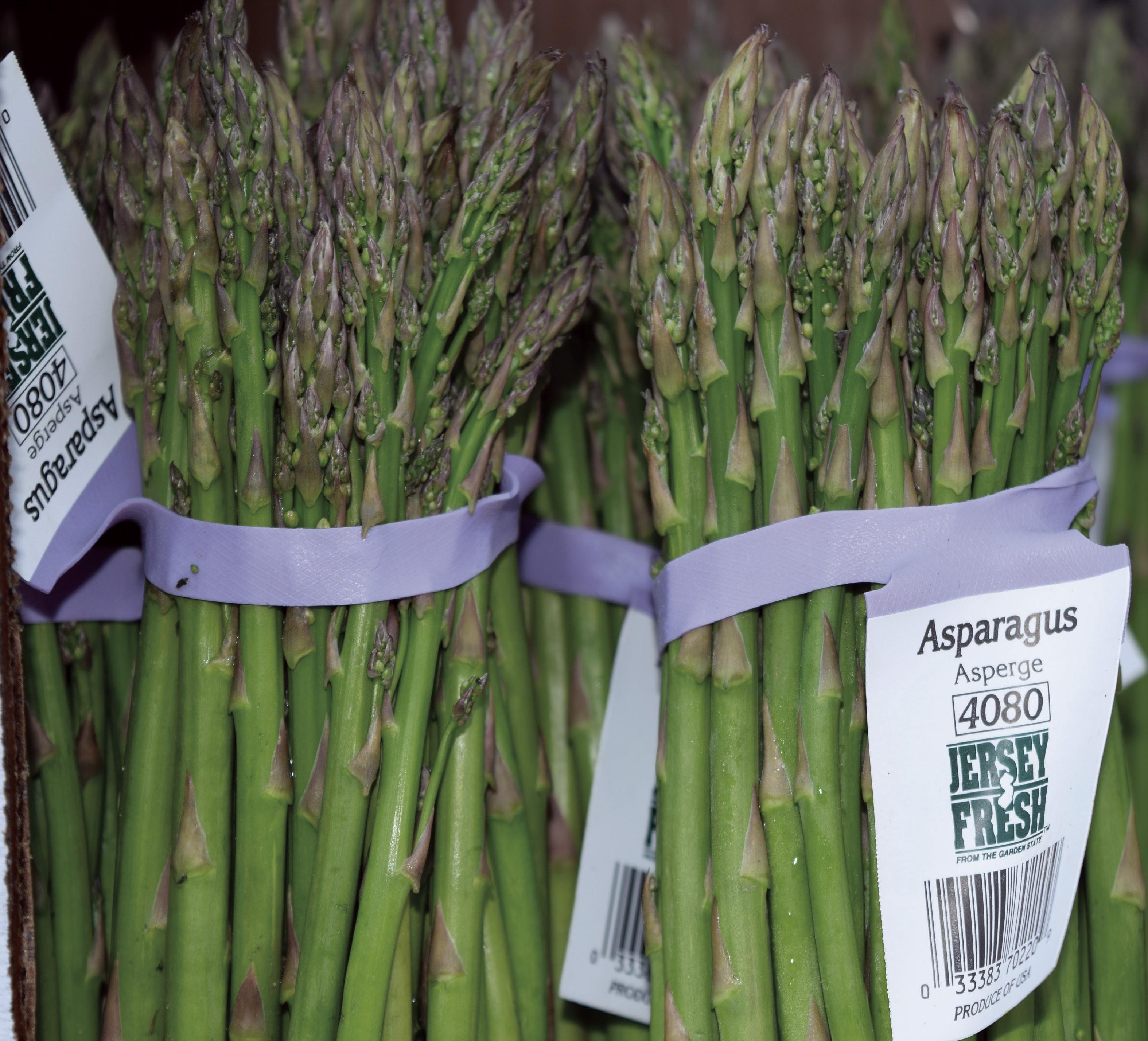
When it comes to vegetable crops, most of our vegetables that we grow here in New Jersey are annual crops, which means that they are planted and harvested in the same season, so they are not susceptible to any type of winter injury. But there are a few crops that are perennial or bi annual that we must keep an eye on.
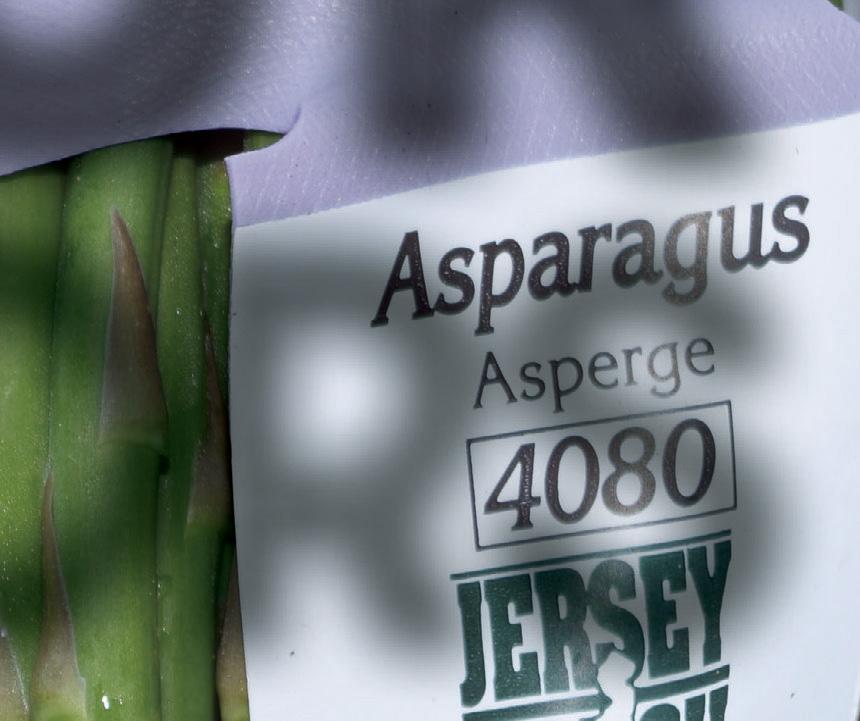
Garlic, spinach, and asparagus come to mind as crops that are still in the ground during the winter months. Garlic and asparagus are underground throughout the winter so they should be protected pretty well from any type of cold injury. Spinach, however, can be susceptible. Because spinach can be planted in the fall and then over wintered (spinach can also be treated as an annual and planted in the spring), it can suffer some winter injury from cold temperatures during the winter. What can help to stop this from happening is to
The Native Plant Society of New Jersey
By Hubert Ling Horticulture Chair
Why is Rhododendron atlanticum an Azalea?
drained, acidic soil in partial shade. It is perfectly at home in a variety of well drained, acidic soils in your garden; however, you should consider a raised bed if you naturally have a clay base. If the plants are maintained in full sun they will need additional moisture.
Although the plant can tolerate some salt spray, it is not tolerant of salt in the soil. The mature height is generally about 3 feet with a 3 foot spread. As such it is very popular as a container and patio plant; just protect it from strong, cold winter and early spring winds. The plants will also benefit from a thick layer of mulch to conserve moisture. There are several good reasons to add dwarf azalea to your garden. As a deciduous azalea it will fill your April Spring Garden with wonderful, impressive,
cheerful, fragrant, 1.5 2 inch white flowers, which emerge from pink buds. The flowers are often also tinged with pink and occasionally with yellow. Since it is a very rare plant you may actually contribute to saving this plant’s presence in NJ. This is a tough plant which, in nature, responds to overgrazing and fire by vigorously resprouting.
The normal plant distribution is along the Atlantic coast from NJ south to Georgia. It is relatively common in North Carolina and is available commercially from nurseries located there. With global warming the prudent gardener should be looking long term to plants from the south. Your grandchildren will thank you!
Dwarf azalea is important to the environment; the flowers attract bees, butterflies, and
hummingbirds. The plant can tolerate rabbits, black walnut, and moderate drought, and is easy to maintain.
Propagation is generally done through semisoft hardwood cuttings, layering in the fall. Seed propagation can also be used, and the seeds need cold stratification for good germination. If conditions are just right the plant may spread by means of stolons and you can simply separate rooted portions of a colony.
Dwarf azalea is frequently used for breeding programs since it has such a sweet, strong honeysuckle fragrance. The plant hybridizes naturally with R. canescens in the south and R. periclymenoides in the north. The species may have originally arisen as a hybrid between R. canescens and R. nudiflorum
The Town Farmer
By Peter Melick Agricultural Producer
Winter Injury
cover the spinach with a fabric row cover or straw. And another way to protect it is for the plants to be covered by snow (which definitely happened this year).
The snow is actually an excellent insulator against the coldest air temperatures that we get here in New Jersey. The other thing snow does is that it keeps the plants from warming during the day and then dropping well below freezing at night. That daily freeze/thaw cycle is not good for any type of plants and anything that growers can do to mitigate that will serve them well in the long run.
When it comes to fruit trees, most of the damage they receive from cold weather generally occurs right around bloom. That is when the fruit buds are the
most susceptible to freeze injury. But injury from extreme cold temperatures while the trees are in full dormancy is possible, especially in years like this one where we have colder than normal temperatures. Fortunately for us here in New Jersey, pome fruit (apples and pears) can withstand low temperatures down to 30 to 40 degrees below zero while they are in full dormancy. And full dormancy means that the fruit buds have hardened off from the fall and have not yet started to grow and swell from the warmer temperatures in the late winter and early spring. So, because our temperatures do not get that cold, we do not have to worry about winter injury to apple and pears like they do in places like Minnesota and Canada.
Dwarf azalea was introduced into Britain in 1922. It won the Award of Merit on May 25, 1964, by the Crown Estate Commissioners, Windsor Great Park, and the 2016 Rhododendron of the Year award from the Mid Atlantic region American Rhododendron Society.
Dwarf azalea is sometimes attacked by insects and diseases, but healthy plants usually bounce back from most attacks. Root rot from poor drainage and deer damage are probably the biggest problems in cultivation.
Although the plant is known to contain toxic compounds, the risk of poisoning from leaves, stems, or honey is considered low. However, precautions should be taken to ensure that pet rabbits, dogs, cats, and tortoises do not consume the foliage.
Consider adding this rare NJ native to your garden or patio. It will provide you with many years of pleasure for your entire family.
Editor’s Note: Hubert Ling is Past President of The Native Plant Society of NJ and Horticulture Chair. He can be reached at milhubling@verizon.net.
While cherries and plums are somewhat susceptible to severe cold, they are not nearly as vulnerable as peaches. My rule of thumb is that when the trees are fully dormant, I don’t worry about damage to peaches as long as the temperature does not go below zero. But that was not the case this past winter, however. Depending on your location, temperatures could have dropped even lower than ten below here in NJ so there is definitely some cause for concern.
But luckily for peach growers, not all peach varieties are created equal when it comes to their tolerance of cold winter temperatures. Certain varieties of peaches are much more tolerant of cold temperatures than others. And this tolerance did
not happen by chance. Breeding programs in northern states where peaches are grown such as New Jersey and Michigan will make selections based on a variety’s cold tolerance for the obvious reason that cold weather is a real issue in those states. Unlike in areas like the southeast and in California where winter temperatures never approach those in the more northern states. There, the breeders are actually looking for varieties that are more heat tolerant and will set fruit with very little exposure to cold temperatures. But let’s hope we have a good crop of all types of peaches!
Editor’s Note: Peter Melick is co-owner of Melick’s Town Farm in Oldwick and a 10th-generation New Jersey farmer. Peter is Mayor of Tewksbury Township, Hunterdon County, NJ. He also served as a director for the New Jersey Farm Bureau and is a past president of the New Jersey State Board of Agriculture. Peter has also been featured on NJN, News 12 New Jersey and on the Fox Business Network.
Proven Winners® Partners with Pure Line Seeds to Offer High-quality Vegetable Plants
Proven Winners® and Pure Line Seeds, Inc., have entered into an agreement to offer an exclusive collection of top performing vegetable plants under the Proven Harvest® by Proven Winners® brand name. By adding Pure Line Seeds as a brand licensee, Proven Winners is proud to grow its offerings and partner with one of the world’s leading suppliers of innovative, flavorful and nutritious vegetable plants and seeds.
As the exclusive licensee for the Proven Harvest by Proven Winners brand in North America, Pure Line Seeds will be developing a grower network to produce two distinct collections of garden and patio vegetables with the goal of beginning consumer sales in 2027. Like all Proven Winners plants, Proven Harvest plants will require Proven Winners branded containers and tags.
“We’re excited to expand our footprint in the garden center once again and continue working on our strategy of being the broadest and most complete garden brand. With the addition of Proven Harvest, we’re able to offer consumers a single trusted source for all major plant categories,” says Kevin Hurd, senior vice president of product development for Proven Winners. “We’ve always been impressed with Pure Line, the way they conduct business and their professionalism. They bring a lot of value to the Proven Winners brand.”
This new partnership gives growers access to exclusive, retail proven genetics with strong brand support and merchandising, as well as improved sell through and margin potential. For retailers, Proven Harvest by Proven Winners offers a trusted, unified vegetable brand to bring in more foot traffic with strong store within a store opportunities and higher value sales.
Backed by the Proven Winners brand, consumers can
enjoy confidence in these plants from the brand gardeners trust, along with improved success and satisfaction with their vegetable gardens.
Using both internal breeding and outside genetics, Pure Line Seeds is an established expert in the vegetable market. Like all Proven Winners propagators and licensees, Pure Line Seeds is focused on providing only the best plants with proven garden performance to market. As such, this partnership will result in greater cross selling with Proven Winners annuals, perennials, shrubs, houseplants and caladiums, benefitting all aspects of the brand.
“The Proven Winners brand is iconic within the garden centers, and we’ve always had great admiration and appreciation for it,” says Ethan Rosen, president of Pure Line Seeds. “We’ve always known that it represents superior plants and exceptional marketing. So it’s almost like a dream come true to be a part of the team.”
Pure Line Seeds is looking forward to bringing its breadth and depth of knowledge, as well as its connections within the vegetable market to bolster the Proven Harvest program, telling the story of their flavorful, nutritious and beautiful plants directly to the consumer.
The initial rollout will include two distinct collections of vegetable and herb plants. The Garden Grown collection will include traditional varieties with improved plant performance and nutritional benefits for in ground planting. Options will include garden classics like tomatoes, peppers, eggplants, beans, cucumbers, broccoli and squash.
The Petite Patio collection is made up of naturally dwarf varieties for containers, raised beds and even hanging baskets, including tomatoes, peppers, beans, basil, broccoli, mini melons, cauliflower and more.
Floriculture and Horticulture Showcased in the Garden State
A grower network is being developed in 2026 to supply Proven Harvest by Proven Winners plants to retail garden centers, initially including both Proven Winners Carleton (formerly Four Star Greenhouse) and Proven Winners Loudon (formerly Pleasant View Gardens). Interested growers should contact Pure Line Seeds at 920.342.8981. The rollout will begin with a strong selection of vegetable and herb varieties, and Pure Line Seeds will work to add varieties in coming years. “This is just a little scratch on the surface of what we can provide,” says Kirsten DeLong, Pure Line Seeds manager of product development. “That’s going to be the fun part — working with growers to see what else we can do. We’re really trying to hit Proven Winners’ strengths of bringing a high quality branded product to market.”
Pure Line Seeds is family owned independent company that delivers high quality vegetable seeds to companies around the world. Through breeding innovation and research, the Pure Line Seeds team has been providing open varieties and their own proprietary material at a higher standard for more than 75 years. More information about Pure Line Seeds is available at purelineseed.com
Proven Winners is a global plant brand that introduces the industry’s leading annuals, perennials, shrubs, trees, houseplants and bulbs to the market through a network of top propagators. It combines extensive experience, innovative thinking and world class customer service to ensure professional growers and home gardeners have the most efficient tools and dynamic growing solutions for ongoing success. Look for Proven Winners products in garden centers throughout North America in their signature white branded container. More information about Proven Winners is available at provenwinners.com.
(Continued from page 1) April is Packed with Gardening
Agricultural Statistics Service (NASS). The recently published Horticulture Census found considerable growth since the 2019 Horticulture Census, which totaled $505 million in sales.
New Jersey growers were 8th nationally in total horticulture sales. New Jersey growers ranked 3rd in cut flower sales at almost $22 million, 5th nationally in total floriculture sales at $356 million, and 5th in nursery stock sales at over $211 million.
The students also took a general knowledge exam, identified plants, pests, diseases and more, sold plants one on one, and demonstrated their knowledge of retail pricing.
FFA is an intracurricular student organization for those interested in agriculture and leadership. It is one of the three components of agricultural education.
It is a youth organization that changes lives and prepares members for premier leadership, personal growth, and career success through agricultural education.
FFA students are future farmers, chemists, veterinarians, government officials, entrepreneurs, bankers, international business leaders, teachers, and premier professionals in many career fields.
With more than 1,042,245 FFA members
in 9,407 chapters in all 50 states, Puerto Rico, and the U.S. Virgin Islands, the National FFA Organization has a strong presence as the largest student led organization in the nation.
The National FFA Organization or FFA is an American nonprofit career and technical student organization, which offers middle and high school classes that promote and support agricultural education.
New Jersey currently has 38 statewide chapters with 3,305 high school and middle school members.
The New Jersey Association was granted their charter to the FFA on November 20, 1928, and is a part of N.J. Department of Agriculture.
Editor’s Note: Tom Castronovo is executive editor and publisher of Gardener News. Tom’s lifelong interest in gardening and passion for agriculture, environmental stewardship, gardening, horticulture and landscaping, led to the founding of the Gardener News, which germinated in April 2003 and continues to bloom today. He is also dedicated to providing inspiration and education to the agricultural, environmental, horticultural, and landscaping communities through this newspaper and GardenerNews.com.
Anchored by National Garden Month
National Gardening Day is Tuesday, April 14, 2026
Visit plant retailers to see what’s new.
Earth Day is Wednesday, April 22, 2026
Help celebrate by contributing to the health of our planet.
National Arbor Day is the last Friday in April
Help celebrate by planting a native tree.
Gardener News
NORTHEASTERN ASSOCIATION OF STATE DEPARTMENTS OF AGRICULTURE NEWS
PENNSYLVANIA DEPARTMENT OF AGRICULTURE
Another Round of Grants to Boost Sales and Expand Export Markets for Pennsylvania Products
Secretary of Agriculture Russell Redding opened the latest round of funding for Agricultural Product Promotion, Education, and Export Promotion Grants — making available up to $381,810 in competitive matching grants to support nonprofit organizations engaged in market research, education, promotion, and export development for agricultural products grown, raised, or produced in Pennsylvania. These grants work to strengthen domestic sales and expand export markets for Pennsylvania grown agricultural products.
“Pennsylvania’s food, fiber, and hardwood products reflect the strength, quality, and innovation of our agricultural community,” Secretary Redding said. “Through the Shapiro Administration, we are investing
in creative partnerships that expand markets, strengthen exports, and connect consumers, both here at home and around the world, with the people and products that define Pennsylvania agriculture. These grants help grow our farm and food economy, support hundreds of thousands of jobs across the Commonwealth, and ensure that Pennsylvania agriculture continues to nourish our communities and drive economic opportunity.”
Guidelines and application procedures for the Agricultural Product Promotion, Education, and Export Promotion Matching Grant Program are published in the Pennsylvania Bulletin. Applications will remain open through April 10, 2026.
Learn more at https://www.pacodeandbulletin.gov/
NEW YORK DEPARTMENT OF AGRICULTURE
Nominations Being Accepted for 2026 AEM Leopold Conservation Award
New York State Agriculture Commissioner Richard A. Ball announced applications are being accepted for New York State’s 2026 Agricultural Environmental Management (AEM) Leopold Conservation Award. Presented in partnership with the Sand County Foundation, the annual award honors a farm and its nominating Soil and Water Conservation District for extraordinary achievement in environmental stewardship. In New York, the $10,000 award is presented in partnership with national sponsor American Farmland Trust and state partner Cornell Cooperative Extension.
Commissioner Ball said, “The prestigious New York AEM Leopold Conservation Award recognizes farmers who are committed to protecting the environment and leaving the land better than how they found it through voluntary conservation of soil health, water quality, and wildlife habitat on working land. Our farmers, alongside their Soil and Water Conservation Districts, are working hard to implement on farm, best management practices that are directly benefiting the environment and it’s a privilege for us at the Department to help highlight their work. I thank the Sand County Foundation for collaborating with us to host this award program and encourage all eligible farmers to contact their Soil and Water Conservation District to apply.”
County Soil and Water Conservation Districts (SWCDs) apply for the AEM Leopold Conservation Award on behalf of farms. Eligible candidates successfully incorporate AEM best management practices into the management of their farm, assisting the farmer in meeting business and environmental goals. Applicants should demonstrate conservation leadership and outreach in the agricultural sector and be an inspiration to other farmers. Applications must be received by the New York State Department of Agriculture and Markets by May 15, 2026.
Nominations will be reviewed by an independent panel of conservation leaders. Interested candidates should contact their county Soil and Water Conservation District. Contact information for districts can be found at agriculture.ny.gov/soil and water/soil water conservation district offices.
Given in honor of renowned conservationist Aldo Leopold, the Leopold Conservation Award recognizes landowners who inspire others to consider conservation opportunities on their land. In his influential 1949 book, “A Sand County Almanac,” Leopold advocated for “a land ethic,” an ethical relationship between people and the land they own and manage.
The application can be found at www. sandcountyfoundation.org/ApplyLCA.
Vermont Barn Painting Project Returns in 2026
- Now Accepting New Applications
The Vermont Barn Paining Project has been part of the Vermont landscape for years, with Angelo Pizzagalli and the A. Pizzagalli Family Farm Fund leading the effort to restore barns to their former glory, through minor repairs and a fresh coat of paint. Mr. Pizzagalli recognized that many of our generational farm families who care for these historic barns may not be able to keep up with the care these large structures often need. In collaboration with a number of different entities since 2010, many barns have been refreshed and brightened by these efforts.
In 2025, eight barns around the state received a fresh coat of paint through the Vermont Barn Painting Project. These barns were painted by their owners, who then received up to an $8,000 micro grant from the A. Pizzagalli Family Farm Fund. This program reimburses barn owners for improving and preserving their barns and farm property for future generations and improves their roadside appeal across Vermont, for their local communities, visitors, and tourists.
Now, the program has reopened for the 2026 painting season, with the hope of approving new painting requests from ten barn owners in need of rejuvenation. To apply, visit https://agriculture.vermont.gov/ paintbarn or email Scott Waterman at Scott.Waterman@vermont.gov
The Northeastern Association of State Departments of Agriculture convenes the following 10 states: Connecticut, Delaware, Maine, Massachusetts, New Hampshire, New Jersey, New York, Pennsylvania, Rhode Island, and Vermont.
Award Winners Announced for 2026 PHS Philadelphia Flower Show, Rooted: Origins of American Gardening
The Pennsylvania Horticultural Society (PHS) is pleased to announce the award winners of the 2026 PHS Philadelphia Flower Show, Rooted: Origins of American Gardening. This year’s Flower Show was in full bloom inside the Pennsylvania Convention Center, running until March 8, 2026. Featuring breathtaking landscapes, imaginative floral artistry, and innovative design, the 2026 show invited visitors to explore how gardening traditions continue to evolve and inspire.
“We are proud to recognize this year’s award winners whose exceptional design, horticultural skill, and storytelling elevate the Flower Show experience. Their work not only honors the rich roots of American gardening but also demonstrates how creativity and innovation can inspire more resilient, beautiful, and connected communities,” said PHS’s Vice President and Creative Director of the Flower Show, Seth Pearsoll.
The 2026 Theme, ROOTED: Origins of American Gardening, brought to life the personal stories, cultural traditions, and horticultural inspiration that connect us to plants, each
Tom Castronovo/Photo
The PHS Gold Medal Plant Program is a resource for anyone looking for the perfect tree, shrub, edible, vine, or perennial plant to add to their garden. Gold Medal Plants have been selected for their ease of cultivation, multiple seasons of interest, commercial availability, appropriateness for the Mid Atlantic region, and ecological value.
Gold Medal plants are selected each year by a convening group of nursery owners, horticulturists, expert gardeners, and professional growers to conduct a review of both newly available and classic species and cultivars, selecting the best performing and most beautiful for inclusion in the Gold Medal Program.
A selection of the bluestar, Amsonia tabernaemontana ‹Storm Cloud› is a native perennial that is one of the first Amsonia to emerge and bloom in the spring and produces deep inky purple stems followed by darker than usual blue flowers. It develops beautiful golden fall color. This reliable deer resistant plant forms a dense, clumping mound, almost like a small shrub and is good for smaller space gardens. This species can also take a little more shade and moisture than others while remaining adaptable to full
PHS Gold Medal Plants for 2026 Pennsylvania Horticultural Society
sun and drier soils as well. It typically reaches a height of 24 30 inches and a width of 36 42 inches. It is hardy in zones 4 through 8.
Chionanthus
retusus ‘Tokyo Tower’ is a selection of the Chinese fringetree. It is a small to medium sized, upright tree with an abundance of fluffy white flowers in the spring. In the fall it produces blueberry like fruit and dark green foliage which turns bright yellow. It is good for small space gardens and can also be used as a street tree since it is tolerant of urban conditions. It grows 12 to 15 feet tall and 4 to 6 feet wide. It is hardy in zones 5 through 9.
Daphniphyllum
macropodum has shiny green leaves with attractive pink petioles. It is a great broad leaved evergreen shrub that tolerates sun and shade, especially dry shade, and exhibits considerable resistance to deer. It typically
By Andrew Bunting Vice President of Horticulture
grows to be 15 25 feet tall. Over time it can develop into a large tree or a small tree. With some pruning it can also be an effective screen or hedge in the garden. It is hardy in zones 6 through 9.
Juniperus
virginiana ‘Taylor’ is a native tree commonly known as Eastern red cedar. It is a popular choice for landscapes needing a tall, slender evergreen screen or accent, especially in situations where space is limited. It’s known for its drought tolerance and resistance to deer, making it a relatively low maintenance option. It can grow to be 15 25 feet tall and 4 feet wide. It is also effectively grown in a permanent container. An effective combination is pairing it with the aromatic sumac, Rhus aromatica ‘Gro low’. It is hardy in zones 4 through 8.
Sorghastrum
nutans Golden Sunset™ is commonly called Indian grass. This native grass
has olive green foliage and golden yellow flowers that attract butterflies. It is a very vigorous grass and works well when interplanted with native perennials and other native grasses. In the garden it provides a strong vertical effect. It is deer resistant and its blue green summer foliage transitions to shades of yellow orange and golden tan as autumn arrives. It grows to be 4 6 feet tall and 3 feet wide. It is hardy in zones 3 through 9.
Symphyotrichum
laeve ‘Bluebird’, smooth aster, is an herbaceous perennial native to central and eastern USA. It is a must have for the garden due to the late season blooms and the many pollinators it attracts. It is covered in daisy like purplish blue flowers in September to late fall. This aster is easy to grow in well drained average garden soil in full sun to partial shade. It is drought tolerant once established and can be used in
perennial borders, a pollinator garden, or naturalized areas. ‘Bluebird’ can grow to be 3 4 feet tall and 24 inches wide. It is hardy in zones 4 through 8.
These Gold Medal Plant selections can be found on the PHS website. They are also sold at many garden centers through New Jersey and the Delaware Valley.
Editor’s Note: Andrew Bunting is Vice President of Horticulture for the Pennsylvania Horticultural Society. He is one of the most recognized horticulturists in the Philadelphia, Pa., region and a highly regarded colleague in the world of professional horticulture. Bunting has amassed a plethora of awards, including the American Public Gardens Association Professional Citation, Chanticleer Scholarship in Professional Development, Delaware Center for Horticulture’s Marion Marsh Award, and the Certificate of Merit from the Pennsylvania Horticultural Society. In addition, Bunting has lectured extensively throughout North America and Europe, and participated in plant expeditions throughout Asia and Africa. Learn more at https://phsonline.org/team/ andrew-bunting
Award Winners Announced for 2026 PHS Philadelphia Flower Show, Rooted: Origins of American Gardening
are among the many coveted awards bestowed on designers.
The PHS Philadelphia Flower Show Cup for Best in Show – Floral was awarded to Arrange, LLC for their exhibit, “My Atomic Number.” This unique floral exhibit reflected the founder’s personal gardening origin story, shaped by his curiosity, discovery, and an enduring connection to the natural world. Drawing on memories of exploration and wonder, the exhibit channeled energy, pressure, and transformation into a bold floral expression. Through layered textures and dynamic form, the arrangement captured a journey of growth where fascination with nature evolved into a powerful creative force seeking a new shape.
The PHS Philadelphia Flower Show Cup for Best in Show – Landscape was awarded to Mark Cook Landscape & Contracting, LLC for their exhibit, “The Unseen Palette”. This exhibit captured the instinctive nature of artistic creation, where unspoken ideas took form through bold color, layered plantings,
(Continued from page 20)
and expressive design. Rooted in the rich history of horticulture, the exhibit envisioned an infinite palette in which flowers and textures emerged in a dynamic, purposeful composition.
Recognizing outstanding emerging talent in the Educational Exhibits category, which features high school and university participants, The PHS Philadelphia Flower Show Cup for Best in Show – Educational Exhibits for the highest scoring exhibit demonstrating exceptional educational merit was awarded to Mercer County Community College (MCCC) for their exhibit, “Peter Henderson to Present: The Horticulturists of the Garden State”. This garden traced New Jersey’s horticultural legacy from pioneering 19th century grower Peter Henderson to modern innovators who shaped plant production across the state. The exhibit recreated a working farm environment that illustrated how research, industry, and education continue to influence gardening and agriculture today.
MCCC also received the prestigious Chicago
Horticultural Society Flower Show Medal, awarded to an educational exhibit showing outstanding horticultural skill and knowledge in a nationally recognized flower show.
The PHS Philadelphia Flower Show is produced by the nonprofit Pennsylvania Horticultural Society (PHS) and is a fundraiser to support its mission to use horticulture to improve the health and well being of the Greater Philadelphia region. PHS harnesses the power of gardening to advance its four impact priorities: creating healthy living environments; increasing access to fresh food; expanding economic opportunity; and building meaningful social connections.
The Show is a one of a kind, marquee event known the globe over for its exquisite and immersive floral exhibits, world class plant competitions, family friendly activities, educational offerings, and shopping.
For a full list of the 2026 Flower Show award winners, please visit https://phsonline.org/the flower show/about the show/awards judging.
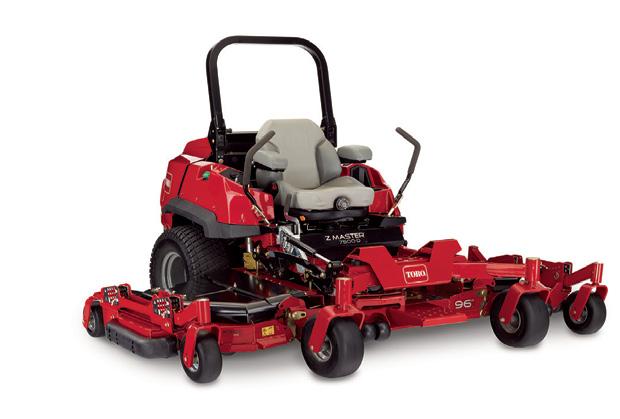
7500-G SERIES ZERO-TURN
96” TURBO FORCE ® CUTTING DECKS
PRODUCTIVITY TO A NEW LEVEL
Impressive 96” wide cutting deck folds to 75” to fit
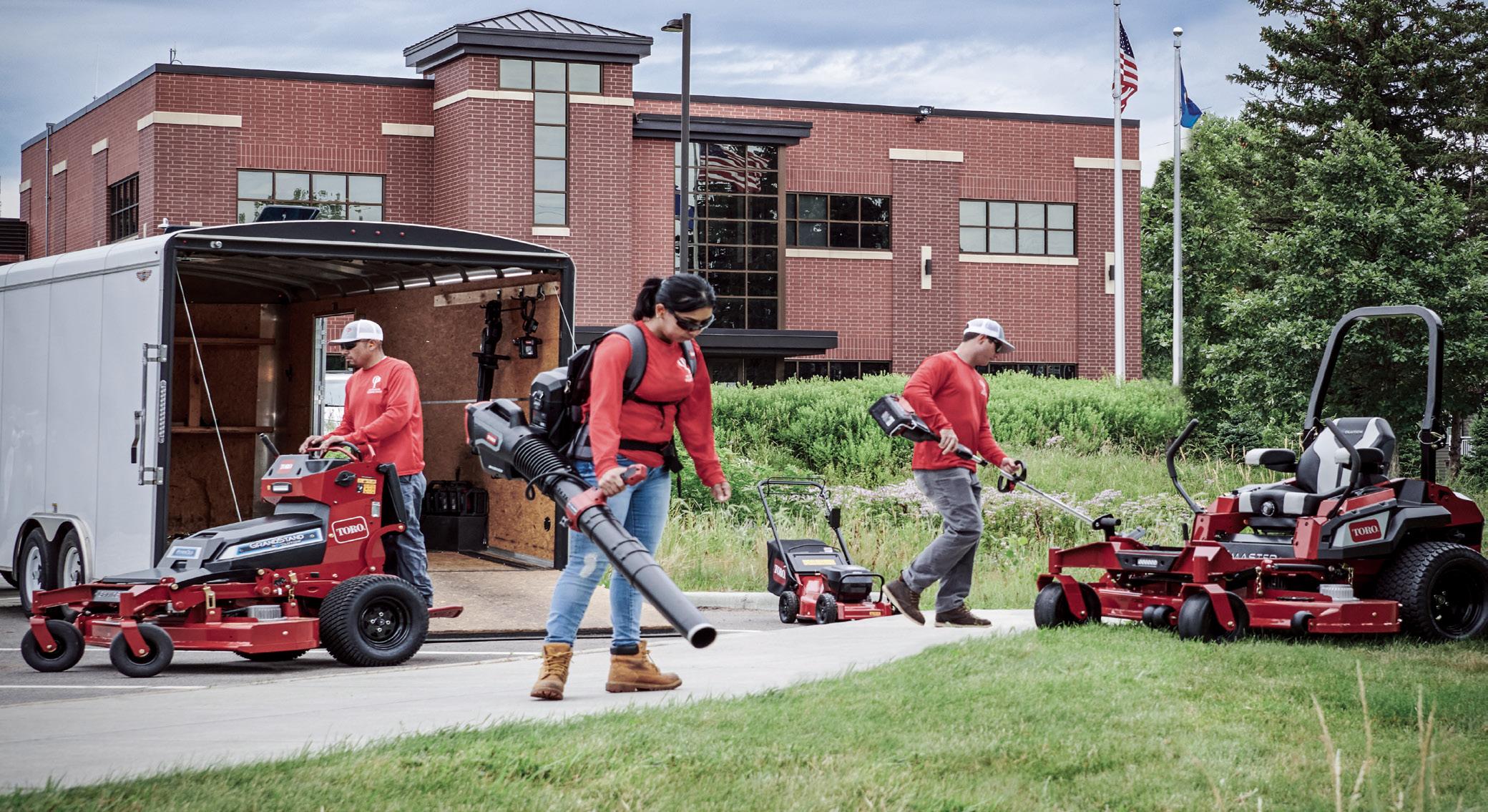
REVOLUTION HANDHELD PRODUCTS
ALL DAY PERFORMANCE
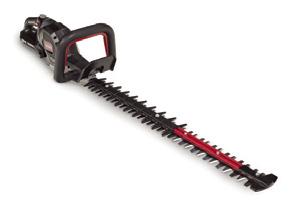
The fully interchangeable 60V Max*
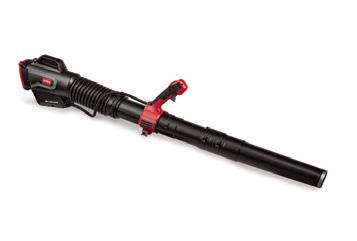
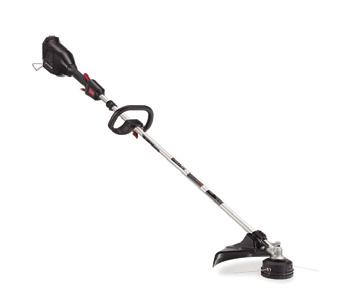
Flex-Force battery system powers the entire line of Revolution commercial grade handheld tools. The backpack, available as a power source for the leaf blower, string and hedge trimmers, and is built for comfort and ready to keep jobs moving all day.
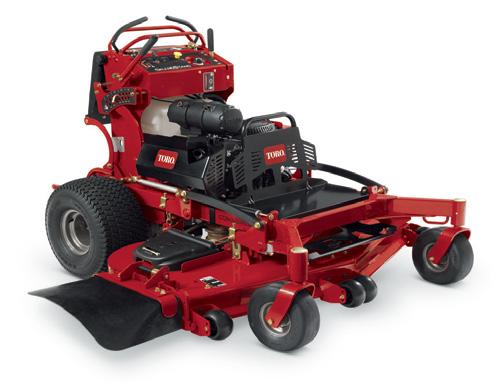
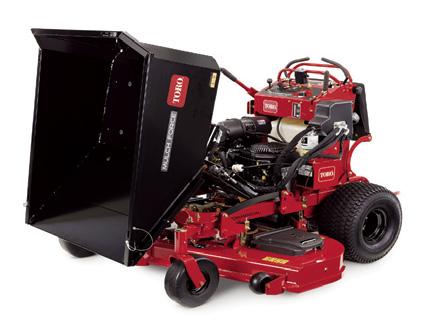
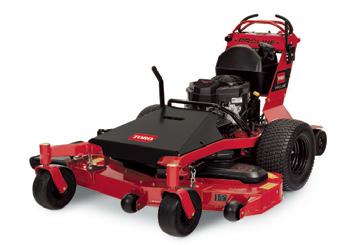
STAND-ON MOWERS
TRACTION & HANDLING
A wide stance and optimal balance enhance hillside stability and control. 36”-72” TURBO FORCE ® CUTTING DECKS
CUSHIONED SUSPENSION
Flex-Ride operator platform suspension self-compensates for operators of all sizes, resulting in less fatigue and higher productivity throughout the day.
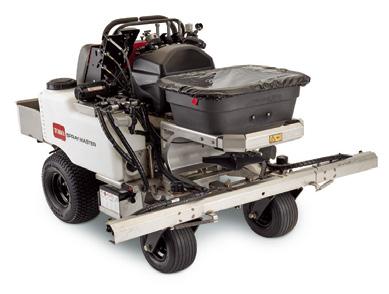
SPRAYMASTER®
Dual
Provide
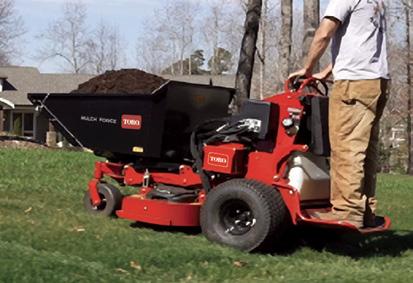
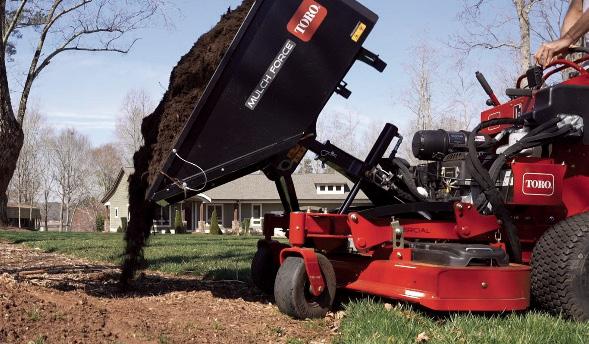
A variety of attachments and accessories such as Mulch Dump, Pro-Force blower, snow thrower, power broom, tine rake, dethatcher and BOSS snow blade all provide the ultimate in productivity.