


relax, we got you covered...

relax, we got you covered...
Turn your passion for growing into real-world know-how with the Garden Culture Magazine YouTube channel. Whether you’re a seasoned grower, a curious urban farmer, or just getting your hands dirty for the first time, this is your destination for expert insight, fresh perspectives, and real conversations from the world of cultivation.
Go deeper than ever before with Behind the Grow — an honest, unfiltered look into the stories, struggles, and successes behind today’s leading growers and innovators. From legacy farms to emerging techniques, you’ll meet the people shaping the future of growing.
See the grow through the eyes of the pros. Our Professional POV series brings you face-to-face with cultivators, breeders, farm supervisors, and industry experts. Pull up a seat as they share their strategies, insights, and lessons learned at scale.
From cultivation tips and case studies to lifestyle content and beyond, every video is packed with inspiration and information to help you grow smarter and more creatively.































Garden Culture has always been about sharing knowledge, questioning old habits, and advancing progressive gardening. Behind every great crop and every hard-earned lesson, there are professionals quietly doing the work: the growers, consultants, agronomists, researchers, retailers, and operators who live in this industry.
That is what Professional POV is all about.
We are excited to welcome a new contributor, Mexx Holweg, PhD, whose background in light science is second to none. Quite simply, I have never met anyone who understands lighting and its effects on agriculture better. His article “From Root Zone to Air: Managing Water Flow and VPD for Vegetative Growth” is a must-read for growers who want to deepen their understanding and improve results.
In “Oversteering Your Grow Off a Cliff”, Dustan McLean delivers one of the best lines I have ever read: “The best nutrient for a plant is the shadow of the grower.” He reminds us that more is not always better, and that data can never fully replace observation and experience. We are fortunate to feature two articles from Dustan in this issue. In his second piece, “Let’s Talk About Topping”, he shares practical, lowstress training techniques used by growers worldwide.
In “The Microbial Renaissance: Why the Future of Cultivation Won’t Be Sterile”, Colin Bell, PhD, highlights the essential role biology plays in a healthy garden. And finally, Tyler Simmons tackles an oftenoverlooked factor in cultivation success: water quality. In “Why Some Cultivation Facilities Run for Years Without Problems” down what long-term success really looks like in well-run facilities. These are just some of the amazing articles this edition has to offer.
Whether you are running a commercial facility, advising growers, managing a retail floor, or simply pushing your own operation to the next level, my hope is that this issue sparks ideas, conversations, and a deeper respect for the professionals shaping modern cultivation.
SPECIAL THANKS TO:
AC Moon Cameron, Anne Gibson, Av Singh, Catherine Sherriffs, Colin Bell, Dustan McLean, Gareth Hopcroft, Haley Nagasaki, Jennifer Cole, Martyna Krol, Mexx Holweg, Regi Oneton, Steve Wong, Tyler Simmons, & Xavi Kief.
PRESIDENT
Eric Coulombe eric@gardenculturemagazine.com +1-514-233-1539
VICE PRESIDENT
Celia Sayers celia@gardenculturemagazine.com +1-514-754-1539
EXECUTIVE EDITOR
Catherine Sherriffs cat@gardenculturemagazine.com
DESIGN
Job Hugenholtz job@gardenculturemagazine.com
DIGITAL & SOCIAL MARKETING social@gardenculturemagazine.com
ADVERTISING ads@gardenculturemagazine.com
PUBLISHER
325 Media INC
44 Hyde Rd, Mille-Isles QC, Canada J0R 1A0 GardenCultureMagazine.com

ISSN 2562-3567 (Print) · ISSN 2562-3575 (Online)
Garden Culture is published six times a year, both in print and online.


Creation Wholesale
One Love Inc
IKON
© 325 Media INC
• Highlight Horticulture
• HydroGarden
All rights reserved. No part of this publication may be reproduced, stored in a retrieval system or transmitted in any form or by any means, electronic, electrostatic, magnetic tape, mechanical, photocopying or otherwise, without prior permission in writing from 325 Media Inc.
Let’s give a warm welcome to Mexx Holweg, Garden Culture Magazine’s newest contributor. Mexx is the Technical Solution Manager and Crop Advisor at Dutch Lighting Innovations, and he’s got you covered when it comes to finding real-world lighting applications for your indoor growing ventures. He has a Bachelor’s in Applied Biology, a Master’s in Plant Sciences, a PhD from Wageningen University & Research, and, it goes without saying, a ton of knowledge to share!
How did you decide to pursue a career focused on plants?
I always had a general interest in biology. My bachelor’s was quite broad, focusing on ecology, animals, and plants. In my third year, I chose to delve deeper into plants because the Netherlands is at the frontier of technological innovations in horticulture. I decided to focus on medicinal plants during my master’s and PhD, as an alternative to opioids. Medicinal plants were a new field of study in the Netherlands back then!
The lighting industry is constantly evolving; Is there a specific kind you recommend to indoor growers right now?
Don’t believe marketing and beautiful stories sold without solid argumentation! The required light spectrum and intensity are determined by your cultivation system, the crop you want to grow (and its shape), and energy costs. Both LEDs, HPS, and hybrid systems can be used to grow a highquality crop efficiently. However, when investing in a light fixture, be aware of how long it will last (quality components determine the light degradation of your fixture) and how it will directly affect your yield over the years and your return on investment.
Do you have a garden at home?
I have a small balcony on which I have been growing medicinal plants. Sadly, it was only for a short time, as the landlord is not as appreciative of these plants as we are.
Do you prefer to grow indoors or outdoors?
Indoors! The Netherlands does not have ideal conditions for these helophytes (light-loving crops)! High yield, quality, and especially consistency can only be maintained by providing an optimal, stable climate year-round.

What are your favourite things to do outside of work?
Driving my Kawasaki VN 1500 Mean Streak! Last summer, I spent two months driving through Scandinavia, the Baltics, and Eastern Europe. Back in the day, I also enjoyed playing rugby, although a broken shoulder put an abrupt end to it. Still love watching the Bokke play, though!
What are your favourite things to eat?
Dakgalbi by a far shot! I could also be woken up in the middle of the night for Hete Bliksem (aka Hot Lightning)—a mash dish containing potatoes and apples. Believe me, it tastes better than it sounds. 3
Are you interested in writing for Garden Culture Magazine?
We’d love to hear from you! Send us an email introducing yourself with a sample of your work editor@gardenculturemagazine.com


Boost your flowering phase with ATAMI Bloombastic and Rokzbastic, two powerful bloom stimulators designed for growers who want to maximise taste & yield.
• Bloombastic enhances sugar and flower production, delivering bigger, denser, and more aromatic blooms.
• Rokzbastic pushes ripening to the next level with extra weight, firmness, and intense flavour.



Together, they form the perfect combo that elevates quality, visual appeal, taste, and yield. For optimised results, divide the flowering phase: use Bloombastic in the first half and switch to Rokzbastic in the second, maximising performance all the way through.

If you’re aiming for compact flowers, rich taste, and a truly impressive harvest, Bloombastic and Rokzbastic are the finishing touch your plants deserve.
Check out ATAMI.com to learn more about the full range of products.

The perfect choice for commercial and professional growers, where simplicity is key, but quality and consistency cannot be compromised. Budplus All-Mix+ contains black and white peat, perlite, and a specially blended organic slow-release fertiliser package. The thing that really sets Budplus All-Mix+ apart is the added Biochar: An organic, carbon-rich material which vastly improves soil structure, nutrient availability, and water retention. Like all Budplus products, this innovative and premium mix contains the highest-quality raw materials available; no expense has been spared, and no corners have been cut.
Check out BudPlus.com for their full product line.

You aske d, we list ene


Light Mix+ is the latest exciting addition to the Budplus media range. Engineered for fast root formation and vigourous early growth, Light Mix+ features the same blend of professional Sphagnum moss peat, milled peat, perlite, and biochar found in All-Mix+ but with less slow-release fertiliser and therefore a lower E.C. Each ingredient is sustainably sourced and specially blended to ensure the correct nutrients reach your plants and give them the best possible start. Budplus Light Mix+ growing media is the perfect launchpad for strong, healthy plants.
Visit BudPlus.com for more info.
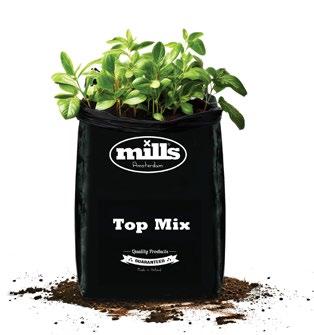

Mills Top Mix is a high-quality potting soil fertilised by Mills (NPK 14-16-18). It contains a premium blend of the finest black, brown, and white peat with added lime extract. Additionally, Mills Top Mix contains perlite, a volcanic material that absorbs substantial amounts of water and oxygen. It contains EC 1,2-1,4 and added calcium nitrate for an explosive start. It is perfect for exotic cuttings and seedlings.
Visit GrowWithMills.co.uk for more information.
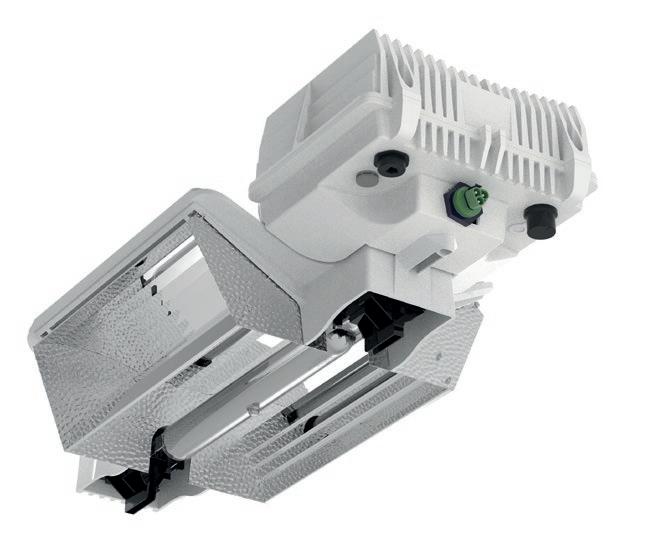
The Maxibright VARIDRIVE 500W/1000W LED is built for growers who want high output and real flexibility.
This unique fixture splits into two fully independent 500W units, each powered separately, allowing it to run as a single 1000W light or as twin fixtures across different zones. Multiple units can be fastened together in runs of three, four, or more, creating a seamless, uniform lighting area for larger grow spaces.
With onboard dimming and a clean, practical design, Varidrive scales effortlessly from single setups to full-room installs, keeping power, control, and coverage exactly where you need them.
Ask for it at your local store. Maxibright VARIDRIVE
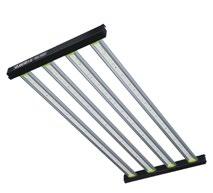
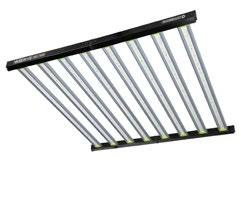

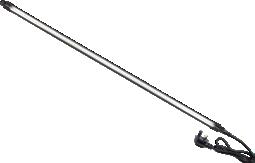
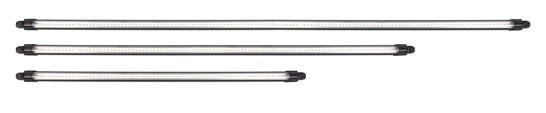
The Gorilla Propagation LED Range delivers reliable, energy-efficient lighting for seedlings, cuttings, and early-stage plants. Available in 60cm (12W), 90cm (18W), and 120cm (24W) sizes, these lights provide a balanced blue spectrum to encourage strong root development and compact growth. Whether you’re working with a small propagation tent or scaling up to larger grow racks, Gorilla LEDs offer practical, no-fuss solutions to get your plants off to a solid start.
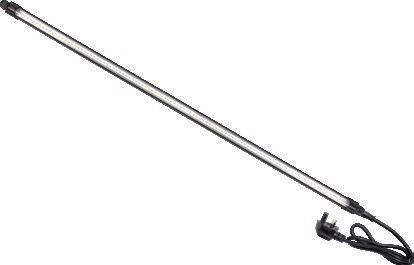
Designed with growers in mind, these lightweight LED strips can be daisy-chained together, making them easy to customise for setups of any size. Power leads are sold separately, so you only need one per chain, saving you money when linking multiple strips. Built to perform without driving up running costs, Gorilla Propagation LEDs are a reliable choice for budget-conscious growers who need lighting that works.
Distributed by Highlight Horticulture, available at a store near you.
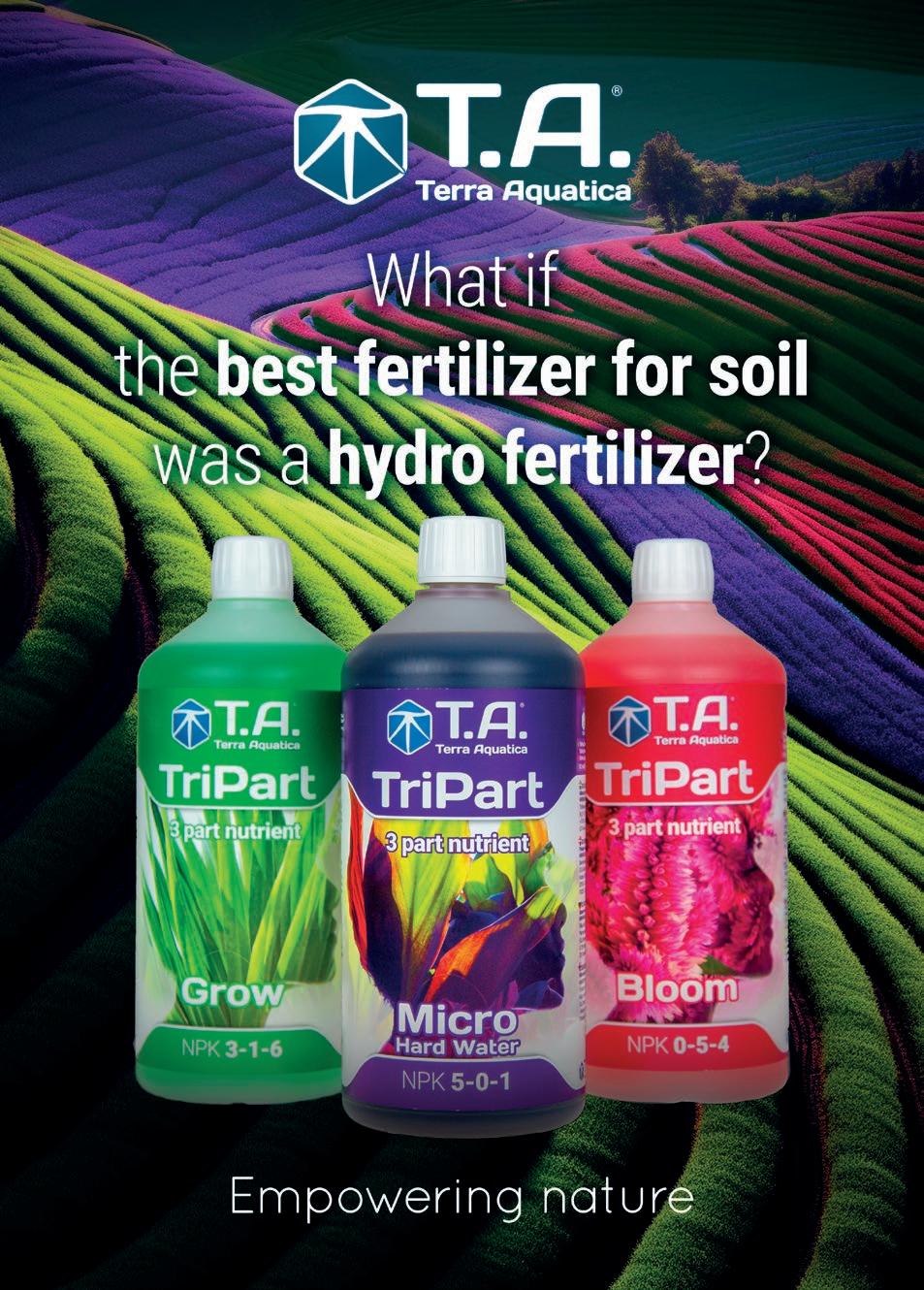
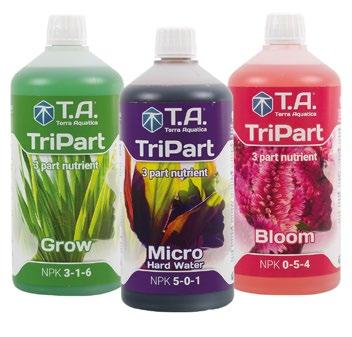
Many nutrient systems can seem rather complex: two bottles for growth, two for flowering, and essential supplements. That’s why Terra Aquatica created TriPart® fertiliser. Complete, easy to use, and effective. With its three parts, it meets the needs of plants at every stage of their life, whatever your growing medium (hydroponics, coco, or soil).
Used by top universities and research laboratories, including NASA, TriPart® remains the ultimate formula based on over 30 years of testing. It goes well beyond basic nutrients by offering a full range of chelated micronutrients for optimal absorption and stability.
TriPart® Micro, available in soft- and hard-water formulas, optimises calcium levels in the nutrient solution, helping prevent blockages and deficiencies often seen with universal fertilisers.
Available in: 0.5 L, 1 L, 5 L, 10 L, 60 L, and 1000 L.
Check out TerraAquatica.com for more info.

Garden Culture is more than a magazine—it’s a community. Follow @gardenculturemagazine for expert voices, authentic stories, and a front-row seat to the evolving world of cultivation.




Follow us!


Welcome to 2026 - and a reality none of us expected.
Many of us know him as Pawski: graffiti artist, creative force, loyal mate, and a constant presence in our community. The year didn’t begin with fresh walls or new ideas, but in a hospital room. After spending Christmas and New Year’s gravely ill, Pawski has been diagnosed with Acute Myelogenous Leukemia (AML), and the months ahead are defined by chemotherapy, transfusions, and the long road toward a stem cell transplant.






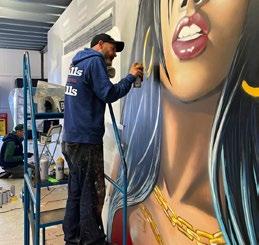


This is a story we wish we didn’t have to tell, but one we feel compelled to share; Pawski needs community. When someone who has given so much of himself to others suddenly can’t work, can’t create, and can’t live day-to-day without help, it’s on all of us who love him to show up.
If you’ve ever stood in front of a Pawski piece, shared a laugh with “The Badger,” or felt his impact in your world, this is a moment to gather around him - to help carry the weight, and remind him he’s not walking this path alone.
What follows are words from that community - messages of encouragement, memories, and support from friends. A few notes of solidarity that, taken together, speak loudly: Pawski is loved, he is missed, and he has an entire crew standing behind him as he faces the fight ahead.
I still believe to this day that the Pawski murals are the best marketing campaign I have ever seen worldwide. Not just because James and Pawski would come to your store and create a bespoke mural for free, or because the store owner could choose the mural’s theme. It was because the guy painting was one of the most real and beautiful people you’ll ever meet. Anyone who has had the privilege of having a piece of his art in their shop knows exactly what I am talking about.
Pawski hasn’t painted a new mural in a while. But my God, I hope he has lots more to do in the future. He is fighting one of the toughest battles of his life right now and could use some help. He, of course, did not ask anyone for help. Like many of us, he is too proud for that. But he needs our support, both financially and emotionally.
Please help with whatever you can, even if it is just 10 pounds. We are all part of a special community; it’s time to help a brother in need.
I met Pawski at the Sun, Sea & Spray graffiti event in Blackpool while volunteering as a steward for the artists. He kept sneaking off for a smoke, and we all know that’s a team event, so I joined him. I think he was a bit surprised when the steward pulled out a grinder and a vapouriser and offered him a Rizla. A short conversation later, it was agreed that Pawski would come and do some art for me. The Mills Roadshow was born.
We did our first job together; I remember it was a shutter in Atherton, and we did Bob Marley. From there, we went all over the country together, and as the events grew, so did the walls. We even went to Tenerife and painted at the Abandoned Leper Colony there in the old church.
His passion for his art has always been an inspiration to me; the dedication it takes to be as good as he is with the spray cans takes years. Not only that, he’s an accomplished DJ with residencies at some of Sheffield’s biggest clubs. Scratch Master Pawski! King of the ones and twos – it’s sickening how talented one person can be, to be honest with you!
If you’re reading this magazine, then you have a connection to Pawski. You may be a close friend or an acquaintance. Perhaps you’ve shared a deep and meaningful conversation in the bar or smoking area with him. Maybe you have never even met him. But if you’ve been part of this scene within the last decade and a half, then you’re intrinsically linked to The Badger. And now would be a great time to buy your brother that drink. Much love.

The successful facilities catch problems upstream. The struggling facilities chase symptoms downstream.
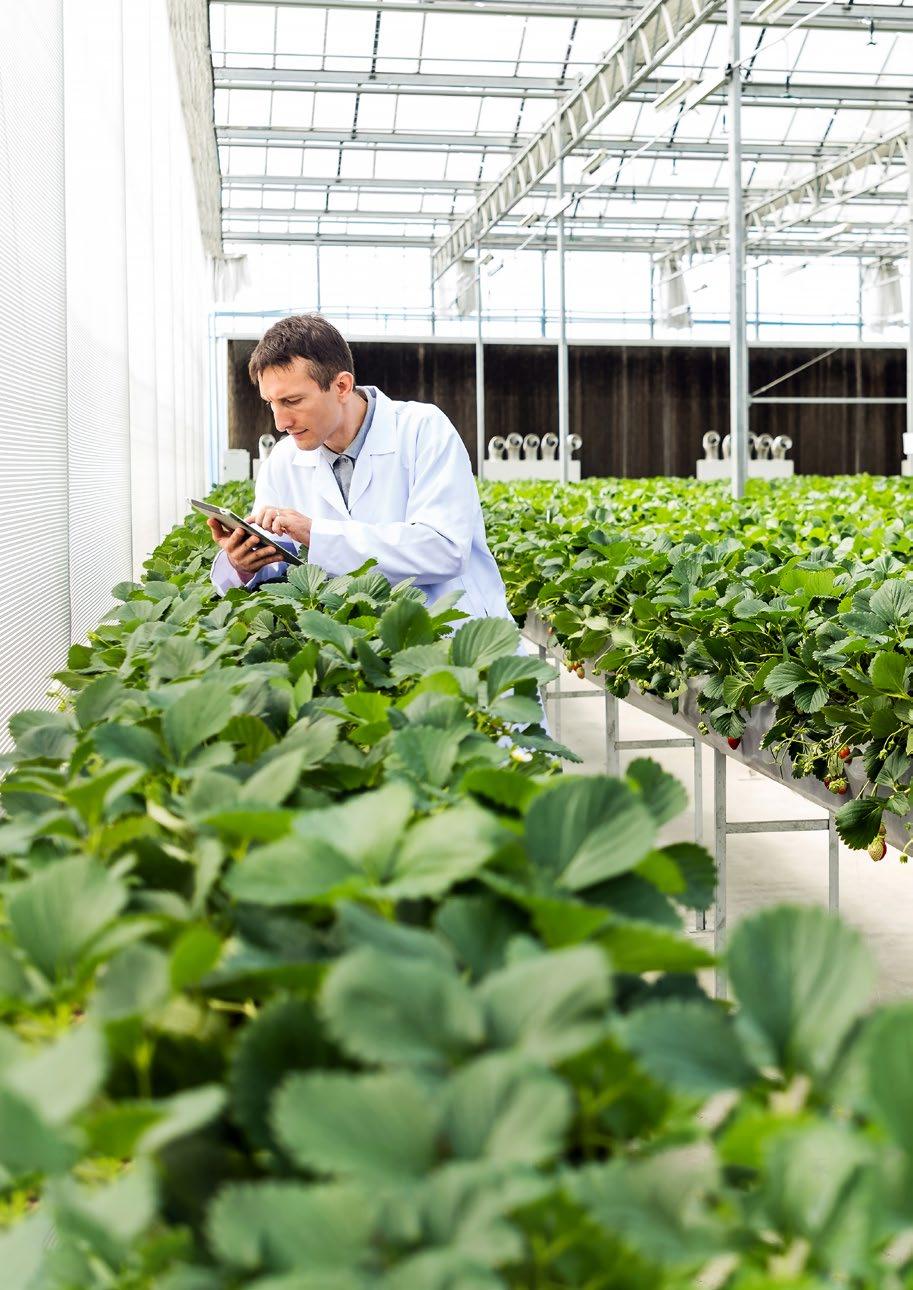
BY TYLER SIMMONS
I’ve spent enough time inside commercial cultivation facilities to notice a pattern that isn’t discussed much in the industry. Some facilities run for years with minimal crises. Same genetics, similar equipment, comparable staff expertise - yet they rarely face the emergency situations that consume other operations. Their irrigation lines don’t clog unexpectedly. Pythium doesn’t establish. Nutrient deficiencies don’t appear mysteriously despite correct dosing.
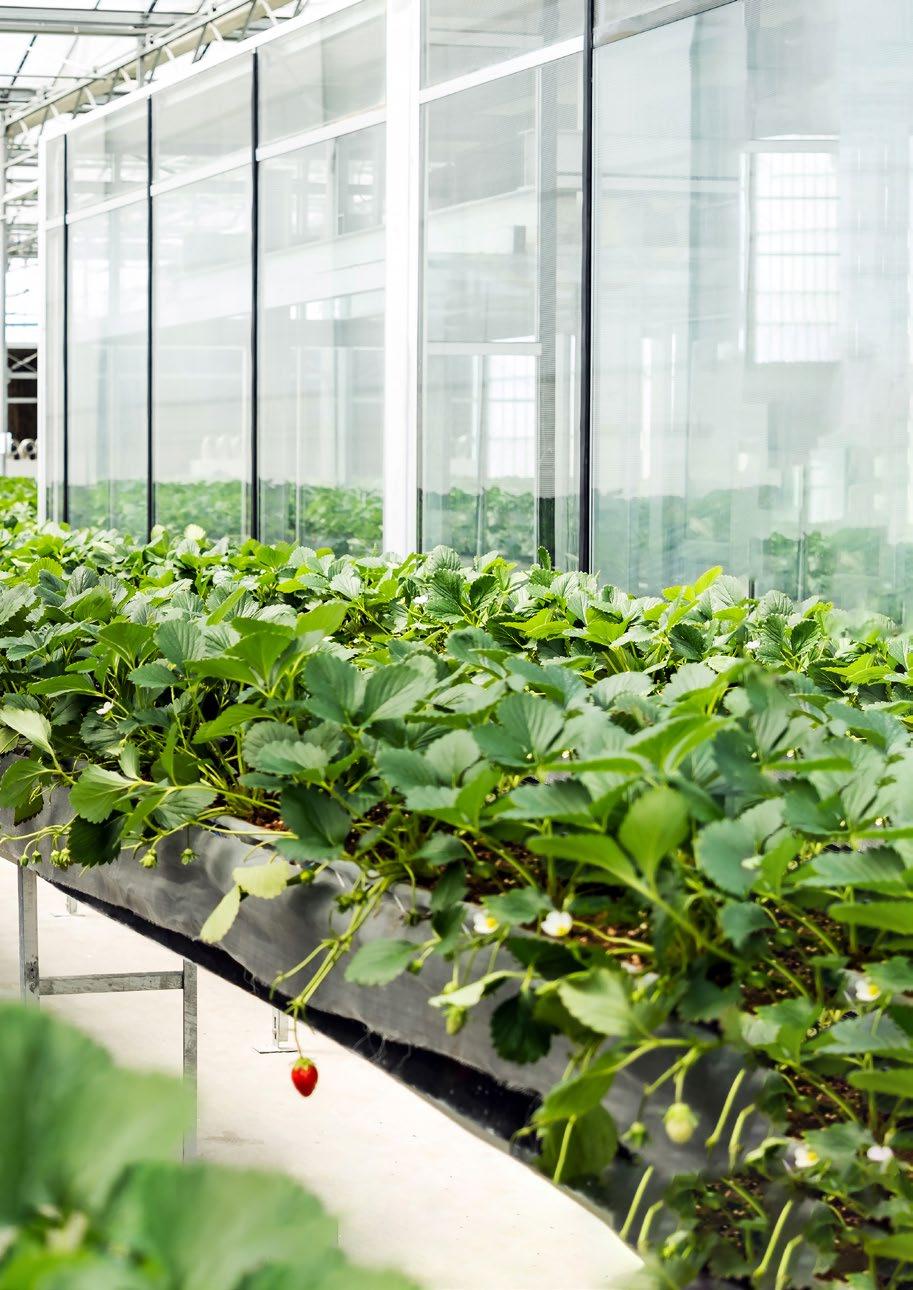


Tyler Simmons is a cultivation consultant specialising in controlled environment agriculture and crop steering optimisation. Cultivation science communicator and Technical Advisor for Front Row Ag, Tyler has been a pioneer of data-driven cultivation methodologies. He is known for co-founding the California flower brand Northern Emeralds and his contributions to AROYA Education.
WANT TO READ MORE OF TYLER’S WORK? SCAN THE QR:

Other facilities lurch from one problem to the next. They troubleshoot constantly. They try new products. They blame vendors, genetics, and staff. The problems keep coming.
As technical advisor for Front Row Ag, I get to see both types up close. The difference between them isn’t what most people assume.
The struggling facilities almost always have one thing in common: they don’t measure water quality beyond basic pH and EC. The successful facilities measure what most operations consider invisible: temperature at multiple points, oxidation-reduction potential, residual sanitiser levels at the dripper, dissolved oxygen in reservoirs, and fluctuations in source water elements. They track these numbers regularly, not just when problems appear.
This matters because water quality problems don’t announce themselves immediately. A temperature drift, a biofilm colony, a shift in source water chemistry: these changes are invisible until they build to visible symptoms weeks or months later. By then, you’re treating effects while the cause persists.
The successful facilities catch problems upstream. The struggling facilities chase symptoms downstream.
Let me describe what I see in facilities that run smoothly for extended periods.
They know their source water intimately. They test source water and holding tanks seasonally, not just at installation. They know how winter temperature drops affect their RO output. They understand their alkalinity and have configured their pH strategy accordingly: pH-up for low-alkalinity RO water, pHdown for high-alkalinity municipal or well water.
When their results change, they check the source water first. They’ve learned that “the water changed” explains more problems than “the nutrients are bad.”
Many water sources outside of RO contain enough calcium that fertiliser rates need adjustment. A facility running well water with 80 ppm calcium doesn’t need the same calcium dose as one running RO. Successful operations test for hardness and adjust their fertiliser inputs accordingly. Otherwise, they’re either wasting money on redundant calcium or creating precipitation risk from excess.
They monitor temperature at multiple points. Not just ambient temperature or reservoir temperature; they track source water entry, post-treatment, storage, and nutrient mixing. They know where heat enters their system (pumps, ambient conditions, long pipe runs) and where cold water causes problems (RO efficiency loss, nutrient solubility issues).
Facilities that only watch pH and EC are always reacting to problems that have already progressed
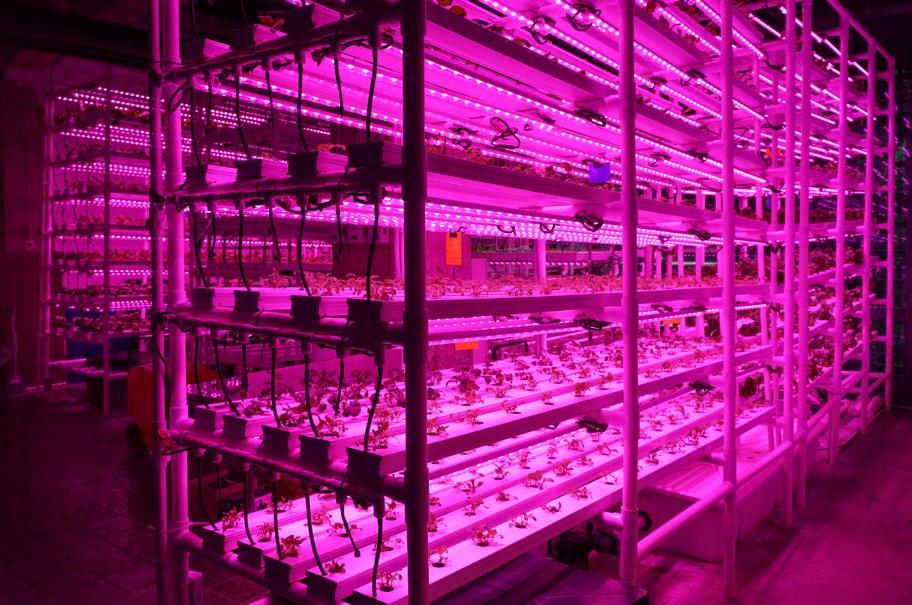
They maintain the 18-22°C (65-72°F) range not because someone told them to, but because they’ve seen what happens outside it. They keep fluctuations under 2-3°C per hour because they’ve watched plants stress from rapid swings.
They respect biofilm’s invisibility.
Biofilm coats the inside of irrigation systems. You can’t see it from outside the pipes. You can’t smell it. You only discover it when it breaks loose and clogs emitters, or when laboratory testing reveals elevated microbial counts.
Successful facilities assume biofilm formation is always possible and maintain practices that limit its growth: adequate system turnover, consistent sanitation, elimination of dead zones in plumbing, and regular cleaning before problems appear. They don’t wait for clogs to tell them maintenance is overdue.
They verify sanitation at the endpoint.
Injecting chlorine at the source is ineffective if chlorine demand consumes it before reaching the emitters. Successful facilities test residual free chlorine at the farthest dripper from the injection point, the spot where sanitation is most likely to be compromised.
They maintain a 0.5-2 ppm residual, providing ongoing protection without phytotoxicity. They know this number varies with temperature, contamination levels, and system condition. They test it, not assume it.
They prevent precipitation rather than clearing it. Precipitation forms when conditions favour it: high pH (especially above 6.0) in combination with high EC (above 3.0), temperature swings, and biofilm microsites. Successful facilities manage these conditions proactively rather than clearing deposits after the fact.
The struggling facilities share different patterns.
They treat every problem as isolated.
Clogs? Must be the fertiliser. Deficiency symptoms? Adjust the feed. Pathogens? Add fungicide. Each problem gets its own solution without investigating whether they share an upstream cause.
This approach generates endless troubleshooting cycles. The facility accumulates products and protocols without improving outcomes, because the root cause - often a water quality variable nobody measuredpersists through every intervention.
They measure pH and EC, nothing else.
pH and EC matter, but they’re not comprehensive indicators. By the time pH drifts or EC readings are unexpectedly high, the problem that caused the change has been developing for a while.
Temperature, ORP, dissolved oxygen, source water PPMs, and residual sanitiser are leading indicators. They shift before visible symptoms appear. Facilities that only watch pH and EC are always reacting to problems that have already progressed.
They assume their water is constant.
“We have city water” or “we run RO” implies that water quality is handled. But city water chemistry changes seasonally. RO membrane efficiency degrades over time and varies with temperature. Systems sized for summer temperatures underperform in winter. Sanitation protocols that work in cool seasons may fail when temperatures rise.
Struggling facilities are surprised by water-related problems because they stopped verifying what they assumed was constant and designed for average conditions rather than worst-case scenarios.


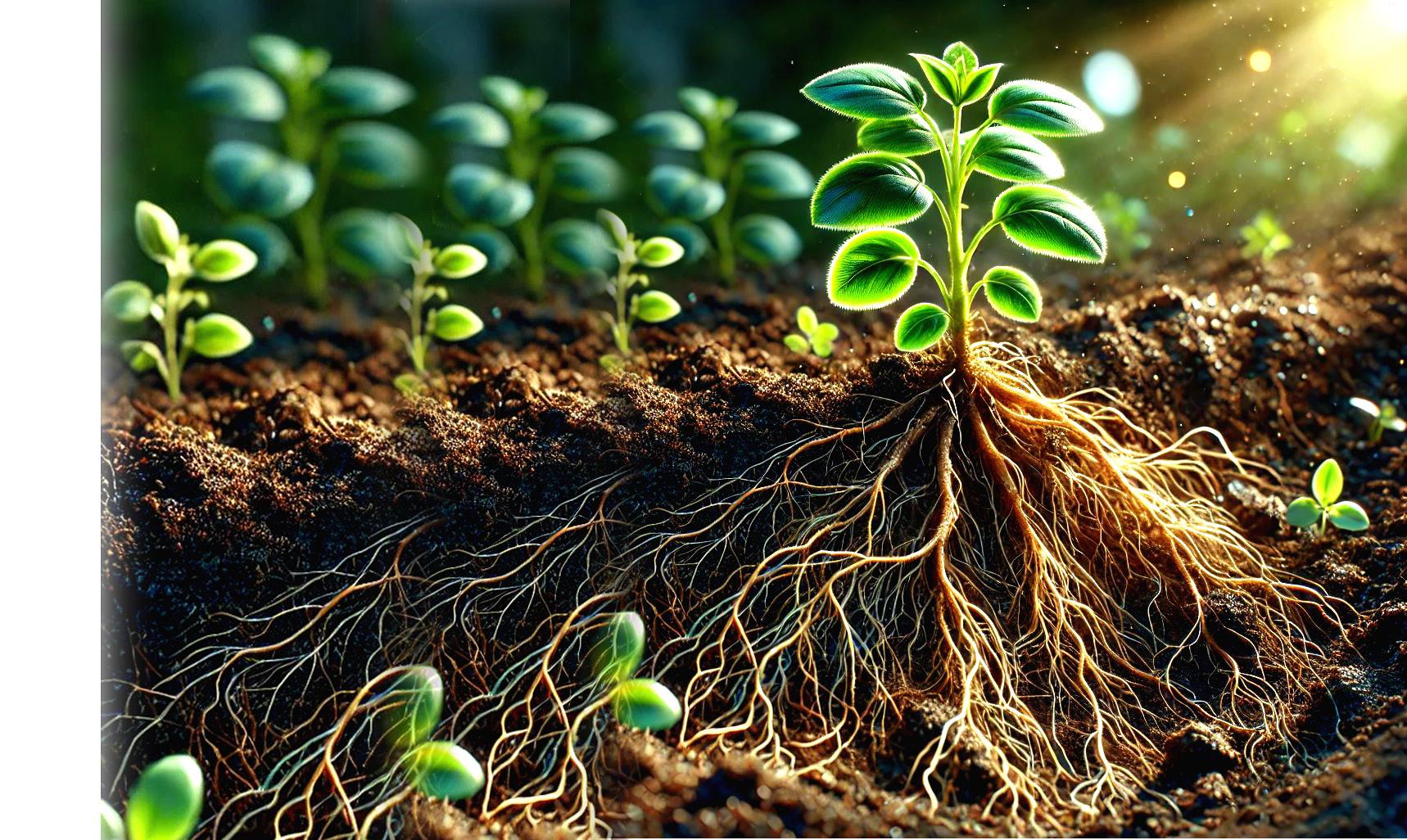


Here’s what successful facilities actually track:
These are key factors where system behaviour changes; where sanitation stops working, where precipitation accelerates, and where pathogens gain advantage.
Parametre
Water temperature
Residual Cl at dripper ORP
Dissolved oxygen EC
Feed pH
Source water hardness
Source water alkalinity
Bacteria/fungi counts
18-22°C (65-72°F)
0.5-2 ppm
Trend monitoring
>4 ppm minimum
<0.2
<6.0
Know your baseline
Know your baseline
Test quarterly
The Cascade You Can’t See Water quality problems cascade. One variable drifting triggers others.
RO membrane degrades unnoticed → alkalinity, carbonates, and bicarbonates begin passing through → source water chemistry shifts → grower continues using the same pH-up dosing → feed pH creeps upward over weeks → eventually pH rises above 6.0 while EC remains high → precipitation begins → calcium phosphate forms in lines and emitters → emitters begin to clog.
Temperature rises → dissolved oxygen drops → pathogen pressure increases → existing sanitation protocol no longer achieves adequate residual chlorine at the dripper → grower doesn’t realise sanitation has failed → biofilm begins forming in lines → colonies grow and aggregate over weeks→ chunks break loose → emitters clog suddenly → grower troubleshoots nutrients and emitter quality → problem continues because sanitation failure was never identified.
Facilities that ignore water quality remain trapped in reactive mode, fighting recurring problems because the root cause was never visible to them.
Below: RO efficiency loss, solubility issues. Above: pathogen pressure, low DO
Below: sanitation fails. Above: phytotoxicity risk increases.
Use as a verification tool correlated with free chlorine and pH; absolute values vary by probe, temperature, and oxidant chemistry
Avoid hypoxic conditions.
Be prepared to adjust pH and fertiliser strategy at higher ECs
Precipitation risk begins to increase with high EC + pH above 6.0
High Ca/Mg requires fertiliser adjustment; creates precipitation risk if unaccounted for
Determines pH strategy (up vs. down) and buffering behaviour
Elevated CFUs indicate sanitation failure or contamination source; catch problems before they spread
These cascades take weeks to fully develop. By the time symptoms appear, the trail back to the root cause is cold. Without continuous monitoring of upstream variables, the connection remains invisible.
Water is upstream of everything in a cultivation facility. It dissolves your nutrients. It carries your inputs. It determines whether your sanitation works. It affects root oxygen, pathogen pressure, and precipitation chemistry.
The facilities that recognise this enjoy a structural advantage. They solve problems at their source instead of chasing symptoms. They prevent cascades rather than recover from them. They spend their time optimising rather than troubleshooting.
Facilities that ignore water quality remain trapped in reactive mode, fighting recurring problems because the root cause was never visible to them. 3
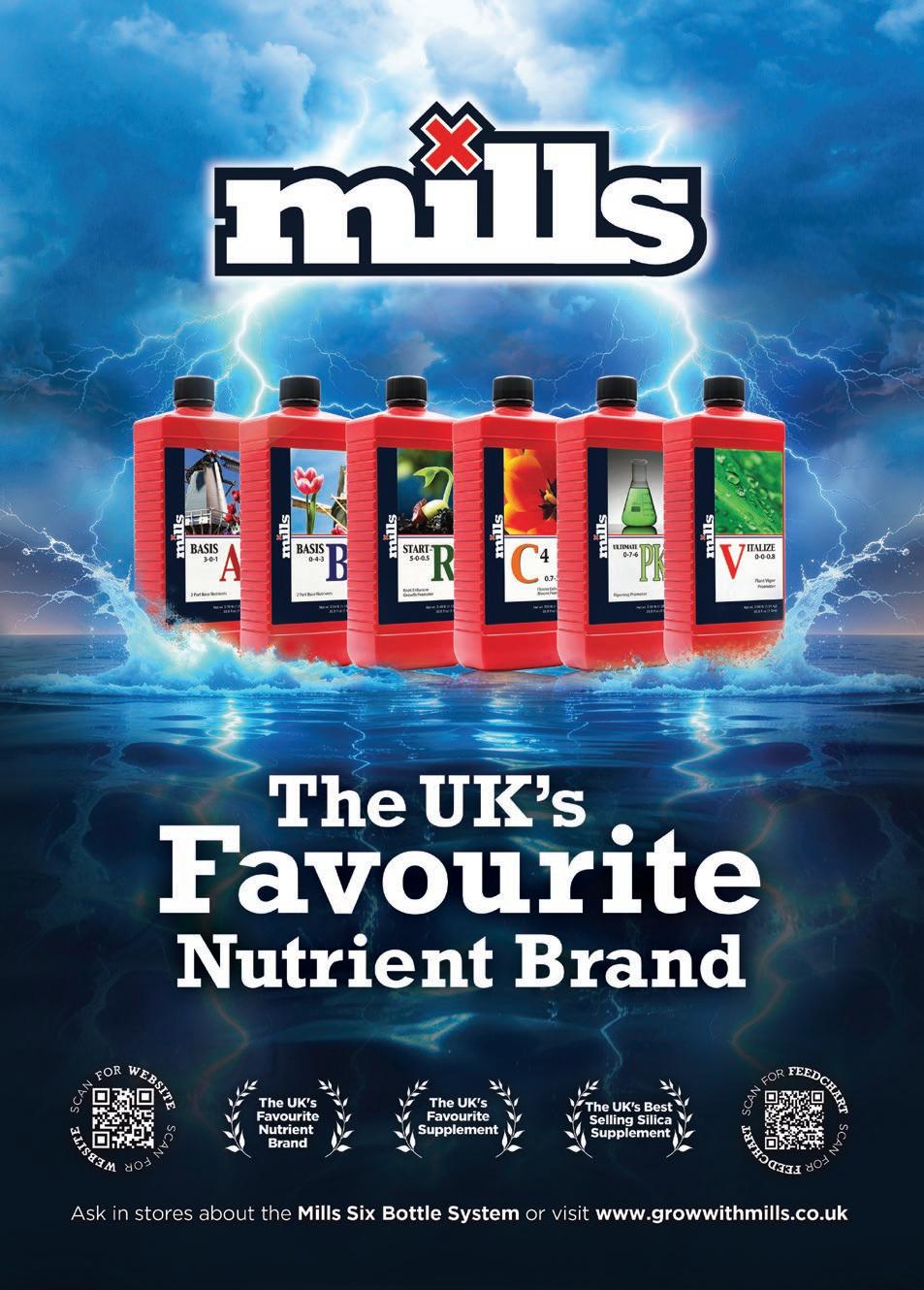
No need for a separate growth and bloom base feed.
Basis A&B will give your plants access to all the necessary micro and macro nutrients in their perfect ratios.
Use throughout the grow cycle.

Contains two types of nitrogen compounds for rapid root growth.
Provide s plants with a healthy root system in vegetative and early flowering stages, leading to larger yields during harvest.
Use in growth /early-f lower phase.
Flowering booster and activator.
When used with Mills Basis A and B, C4 alters the NPK introducing carbohydrates and higher phosphorus and potassium levels to maximise flowering sites.
Use mid- f lower phase.
Ripening promoter and PK booster. Provides the plant with all the nutrients needed during ripening for harder, denser fruit sets. Promotes oil and terpene production.
Use late-flower phase.
More than just silica. Formulated to make your plants healthier, heartier and more resistant to stress factors. It can be used as a root soak or foliar spray.
Use throughout the entire grow cycle.
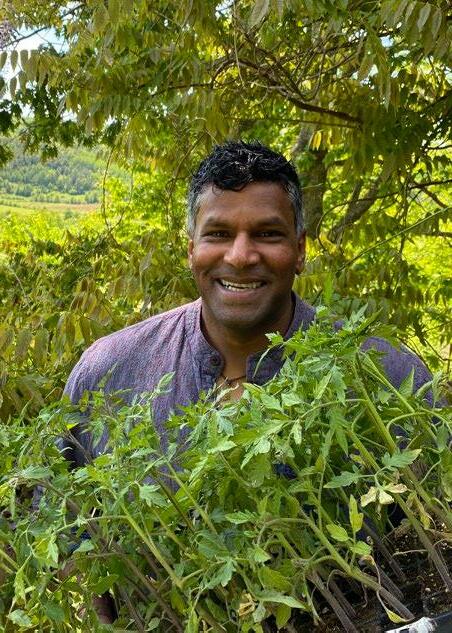
Av Singh’s professional career spans continents and decades, rooted in a lifelong commitment to agronomy and organic agriculture
Av Singh’s professional career spans continents and decades, rooted in a lifelong commitment to agronomy and organic agriculture. Holding a PhD in crop management, Singh has lived and worked across Canada, from the Maritimes to the Prairies. His contributions have earned international recognition, including acknowledgement from Dr Vandana Shiva, world-renowned author, biologist, and leading voice of the small-scale organic farming movement.
Dr Shiva is known for defending seed sovereignty and heirloom genetics, and for her outspoken opposition to corporate agriculture conglomerates, namely Monsanto. Chances are, if you’ve studied ecology since the late 20th century, you’ve studied her work.
In fact, Shiva personally sought out Singh years ago in pursuit of a Canadian researcher with similar values and scientific accolades. Their relationship continues today, with Singh making annual visits to speak and lead discourse at her Indian conservation and education centre, Navdanya, and to lecture broadly on agronomy and, more specifically, on regenerative agriculture, biodiversity, and Vedic biodynamics.
For Singh, his journey began with a passion for organic agriculture. Dalhousie University professor and founding researcher of the organic movement in Canada, David Patriquin, encouraged Singh to work alongside University of Guelph academic and farmer Ann Clark.
“So, my Master’s work was in grazing management,” he says.
It wasn’t until digging deep into soil ecology and biology that he understood the profound connection between grazing management and organic agriculture. Singh went on to do a doctorate at the University of Manitoba, spending time in Saskatchewan, Alberta, and North Dakota. He then worked at the Organic Agriculture Centre of Canada.
“That’s really where most of the knowledge comes from,” he says. “Working with farmers on their farms, and learning from and observing all the new innovative technologies.”
Historically, agriculture has been a deeply communal practice, and grazing management is a great example of how farmers can lead social movements. “When you look at the whole grazing management movement, there’s very little industry involvement. I mean, really, what can you sell? A little bit of fencing, a little bit of seed, and maybe some semen? There’s not a lot of industry involvement in that.”
Farmers had strong networks with the ability to share ideas through conferences, pasture walks, and so on. They relied on community learning to refine their practices and collectively advance land stewardship. However, over time, Singh says these networks have eroded.
“We’ve gone from that type of collaborative work in agriculture to almost making it seem like your neighbour is your competitor. And that, in my opinion, has broken a big part of the culture of agriculture in general, let alone of organic systems.”
True, the culture of agriculture seems to have waned in our modern world, but grassroots groups still exist nationwide, even though government funding is sorely lacking.
While a double-edged sword, one of the silver linings of our highly industrialised, interconnected information age is that more people conduct self-appointed research aligning with their own values and integrity. Finding spaces to share ideas, especially in person, is more valuable perhaps than ever.
“When I was the organic farming specialist in Nova Scotia, I quickly realised that my role was not to disseminate information,” says Singh. “My role was often to offer wine and whiskey and chocolate and invite farmers to just come and talk.
BY HALEY NAGASAKI


Haley is a legacy journalist and former B2B magazine editor in the Canadian cannabis sector. As an editorial and communications strategist, she drives con tent and business development, advocating for small-scale organic farming and global community-building initiatives. Connect with her on Instagram @haleynagasaki
WANT TO READ MORE OF HALEY’S WORK? SCAN THE QR:

“If I talked about compost teas, a month later I’d have a farmer who knew phenomenally more, was practicing compost teas, and had seen all these results from looking under the microscope on a daily basis. The learning curve for farmers was so immediate once they got passionate about it.”

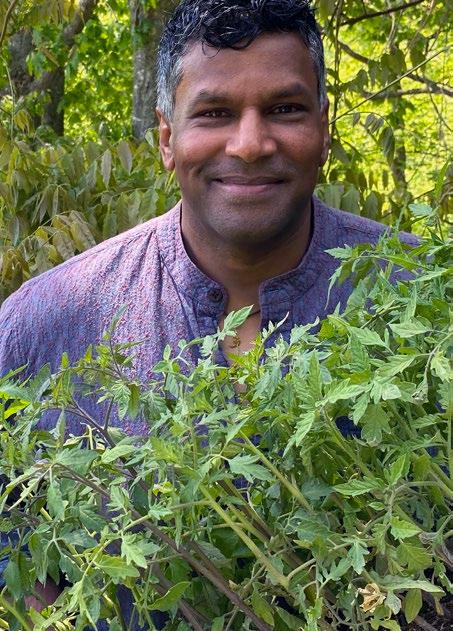


At its core, Av Singh’s work is a reminder that agriculture has always been about more than yield or profit. It’s about the relationships between soil and plants, and between farmers and communities
By combining soil biology with the introduction of microbes and other biostimulants, Singh has created super soils. Biostimulants are important inputs widely used in growing today. These include microbial inoculants, humic and fulvic acids, kelp and seaweed extracts, amino acids, peptides, and more.
“I’m a big pusher of the biostimulants,” he says. “I think it’s very respectful of that ‘less is more’ philosophy. And that, in my opinion, should be our philosophy for how we live.”
For example, squid juice at 50mL per litre is a fertiliser, but at 5mL, that’s a biostimulant. These additives are used for specific purposes, such as enhancing nutrient uptake or improving plant health.
“I see this as a huge opportunity for farmers to perhaps save money, and arguably more important, save the environment by using less fertiliser,” Singh says.
Singh says because the margins are so small, the most important thing, especially with new entrants, is that the owners put in most of the initial work. This notion of small, family-oriented micro-cultivators, willing and able to put in 18-hour days in the beginning, has helped several small market gardeners establish themselves.
“It’s so important to go in there, know that this is farming, roll up your sleeves, and just keep working until it happens,” he says.
At its core, Av Singh’s work is a reminder that agriculture has always been about more than yield or profit. It’s about the relationships between soil and plants, and between farmers and communities. Throughout his career, he’s learned that progress happens when people come together with integrity, curiosity, and care for the land, and in doing so, he has taught us that how we grow matters just as much as what we grow. 3


What if I told you there was a way to increase the yield and quality of your crops with one simple trick?
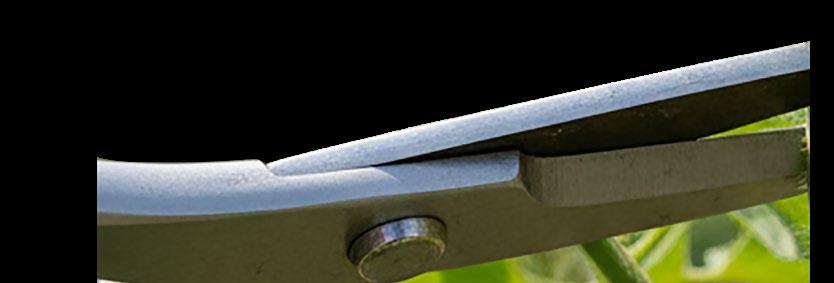
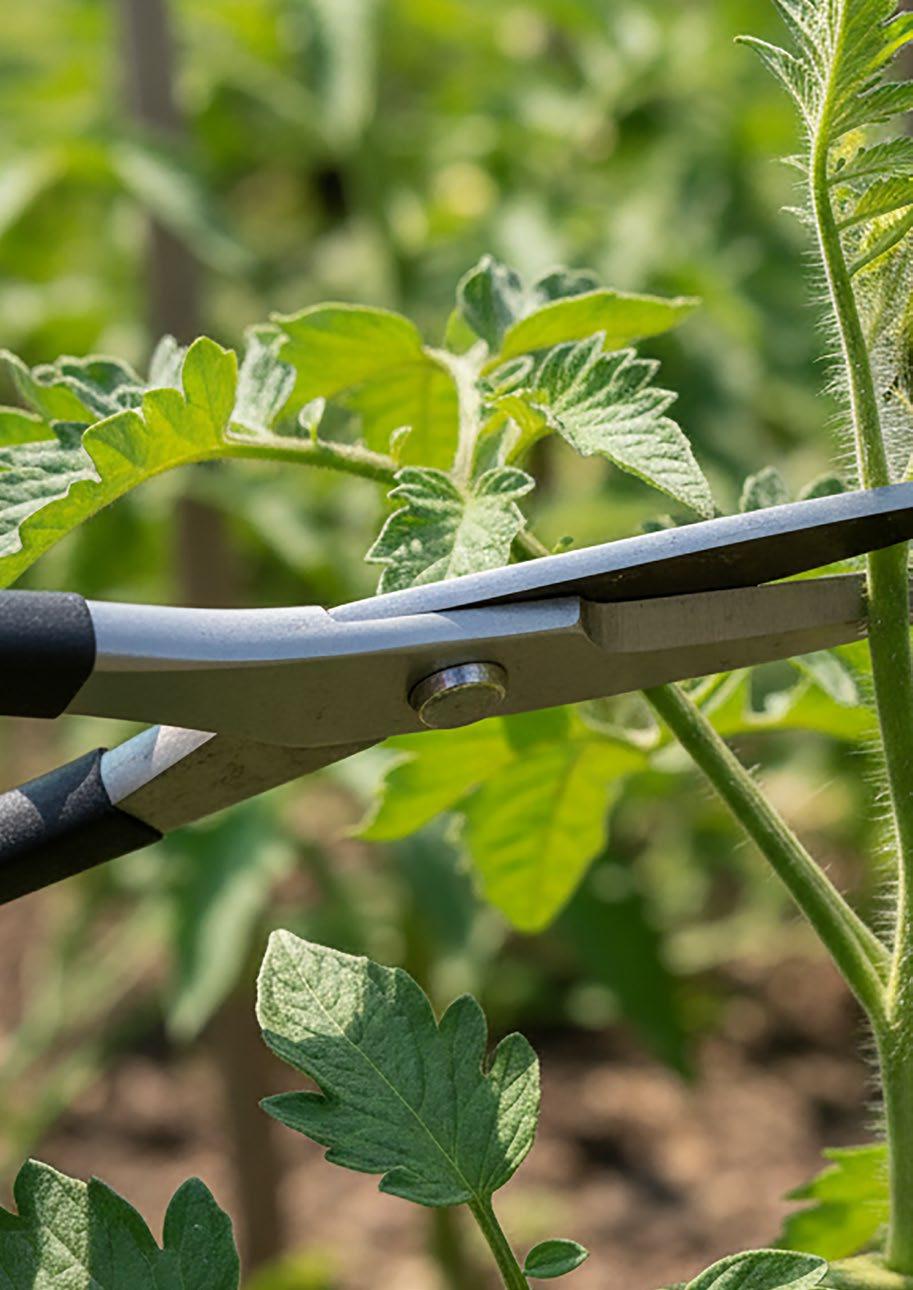
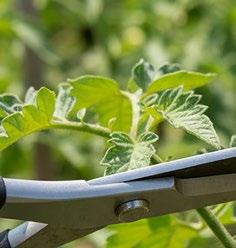
Think of topping as a highstress training technique for your plant. It involves removing/cutting the plant’s main stem to promote more lateral growth — resulting in a bushier plant with more main branches
BY DUSTAN MCLEAN
If you’re new to growing — or looking for ways to improve your garden — you’ve come to the right place. What if I told you there was a way to increase the yield and quality of your crops with one simple trick? Well, there is. Let’s talk about ‘topping’ — what it is, when to do it, and how topping will help your crops produce more with very little effort.
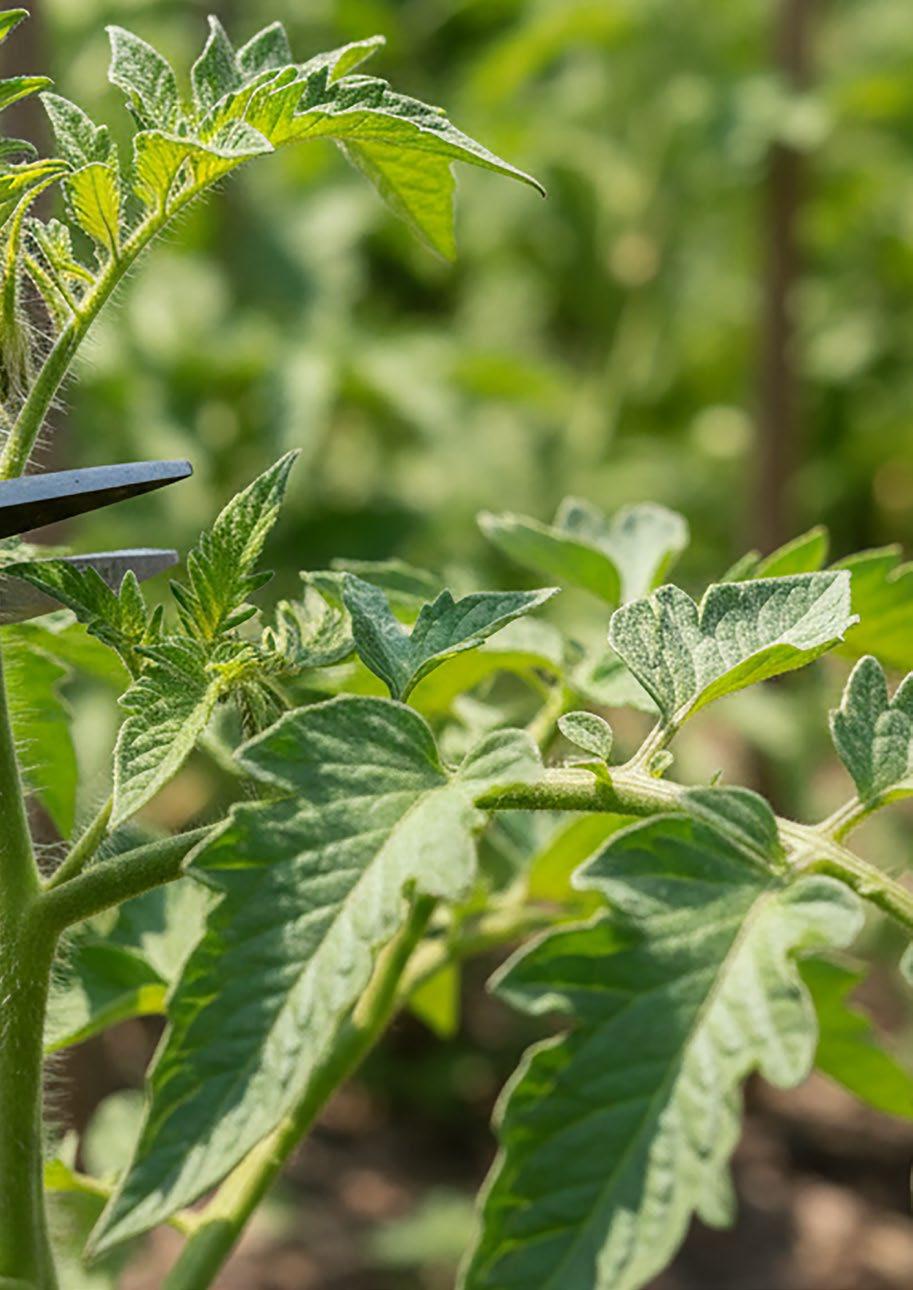
Topping has been around for years, and many gardeners use the technique to get the most out of their crops. Think of topping as a highstress training technique for your plant. It involves removing/cutting the plant’s main stem to promote more lateral growth — resulting in a bushier plant with more main branches. It opens the plant up for better light penetration, which typically leads to higher yields. Topping is commonly used in certain plant crops, including grapevines, tomatoes, and cucurbits (zucchini, pumpkin, squash, cucumber).
How topping works is relatively straightforward. Naturally, a plant exhibits ‘apical dominance’ — where the centre (main) stem has the most vigourous growth because it has the highest concentration of growth hormones called ‘auxins’ — which are at the tip of the plant. That tip is called the ‘apical meristem’. When the main tip is removed, that apical dominance no longer exists, and the plant’s energy and auxins are redistributed to the lower parts of the plant where lateral branches exist. As those branches take on more energy and hormones, they begin to grow outward and upward, resulting in more main stems on the plant.


With 30 years of cultivation experience, Dustan has dedicated a good portion of his life to medicinal plants. He was a founding partner and Head of Cultivation/Master Grower for Parkland Flower Inc. He provides incredible genetics to Canadian producers and selected flower and concentrates for the international market. He is also a cultivation consultant with Chief Grow Officer Consulting. He is currently working on several projects, including developing a cultivar to help with opioid addiction and a drought-resistant variety.
WANT TO READ MORE OF DUSTAN’S WORK? SCAN THE QR:

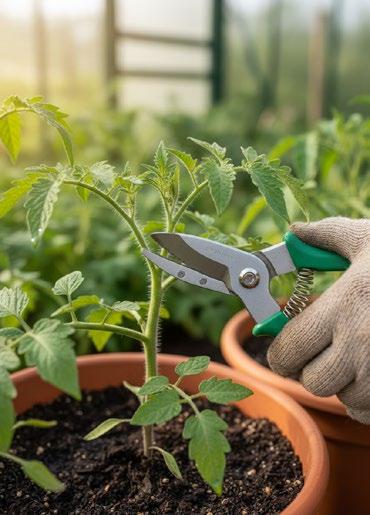
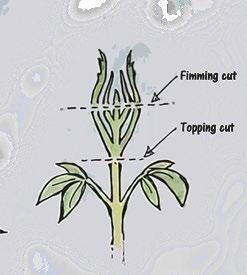

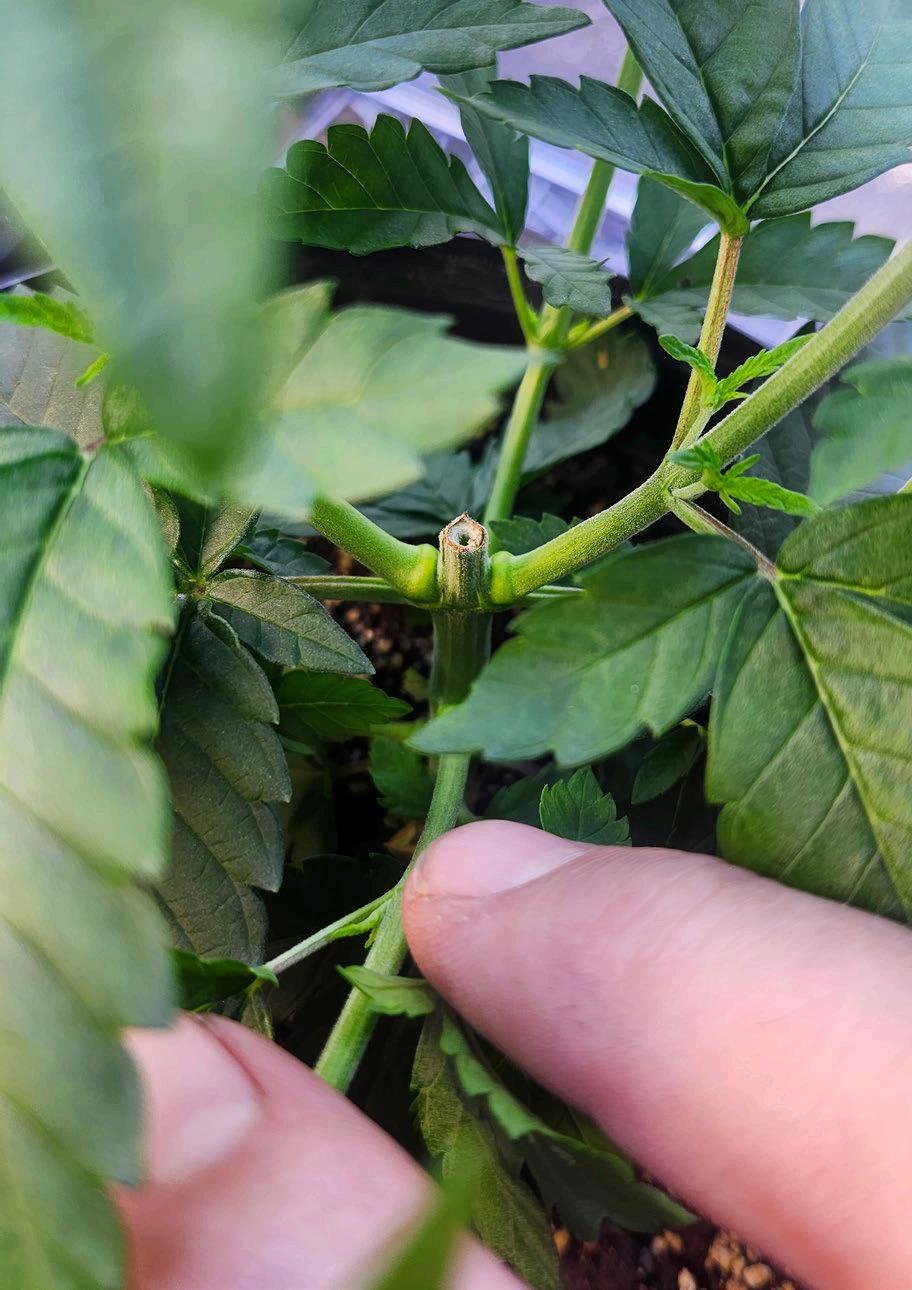
Topping also helps strengthen the plant’s lower structure, improves airflow, and increases sunlight penetration to developing fruit, which is super beneficial for preventing fungal diseases like powdery mildew
Numerous tomato varieties respond well to the technique. Topping can be done as the plant is growing in a vegetative state, but not during flowering until near the end. If done during early or mid-flowering, the plant will become stressed, and flowering development will be disrupted, resulting in lower yields and, more importantly, reduced quality. Topping can be done during late flowering in tomatoes and other vine crops. When this is done late in flowering or near harvest time, the plant no longer grows vertically and instead focuses its energy on ripening fruits before harvest or cold weather sets in.
Cucurbits (zucchinis, cucumbers, squash, pumpkins), grapevines, and broad beans can all be topped to limit excessive vine growth. Topping also helps strengthen the plant’s lower structure, improves airflow, and increases sunlight penetration to developing fruit, which is super beneficial for preventing fungal diseases like powdery mildew.
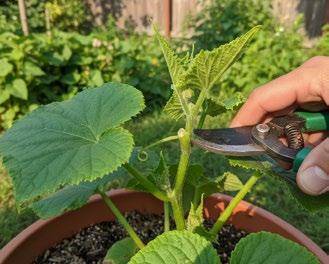
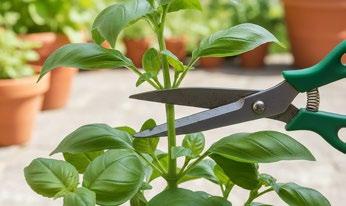
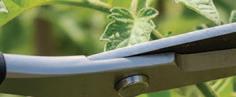
Use clean tools. I can’t stress this enough.
Enjoy growing Basil? Removing the apical meristem prevents the plant from flowering and going to seed. This makes the plant produce more leaves and helps preserve the plant’s flavour. Who doesn’t love having perpetual basil on hand?
In most cases, topping should occur during the vegetative phase while the plant is still developing. Don’t do it too early either, or you won’t have enough lateral branches developed to make a significant difference.
Use clean tools. I can’t stress this enough. Always ensure your scissors or blades are sanitised and cleaned before use, and after topping is completed, to prevent viroids, pathogens, or bacteria from being passed from plant to plant in your garden.
Recovery time is very important for plants that have been topped. Allow your plant at least several days, up to a week, before performing any other defoliation and/ or topping. The plant needs time to recover from the stress it’s been put under. Once recovered, it will grow more vigourously from the bottom and mid-section.
Topping helps increase the number of flower/fruit sites. By diverting the hormones from one main stem to many, not only will your yield increase, but the quality of what you’re growing will improve as well. 3
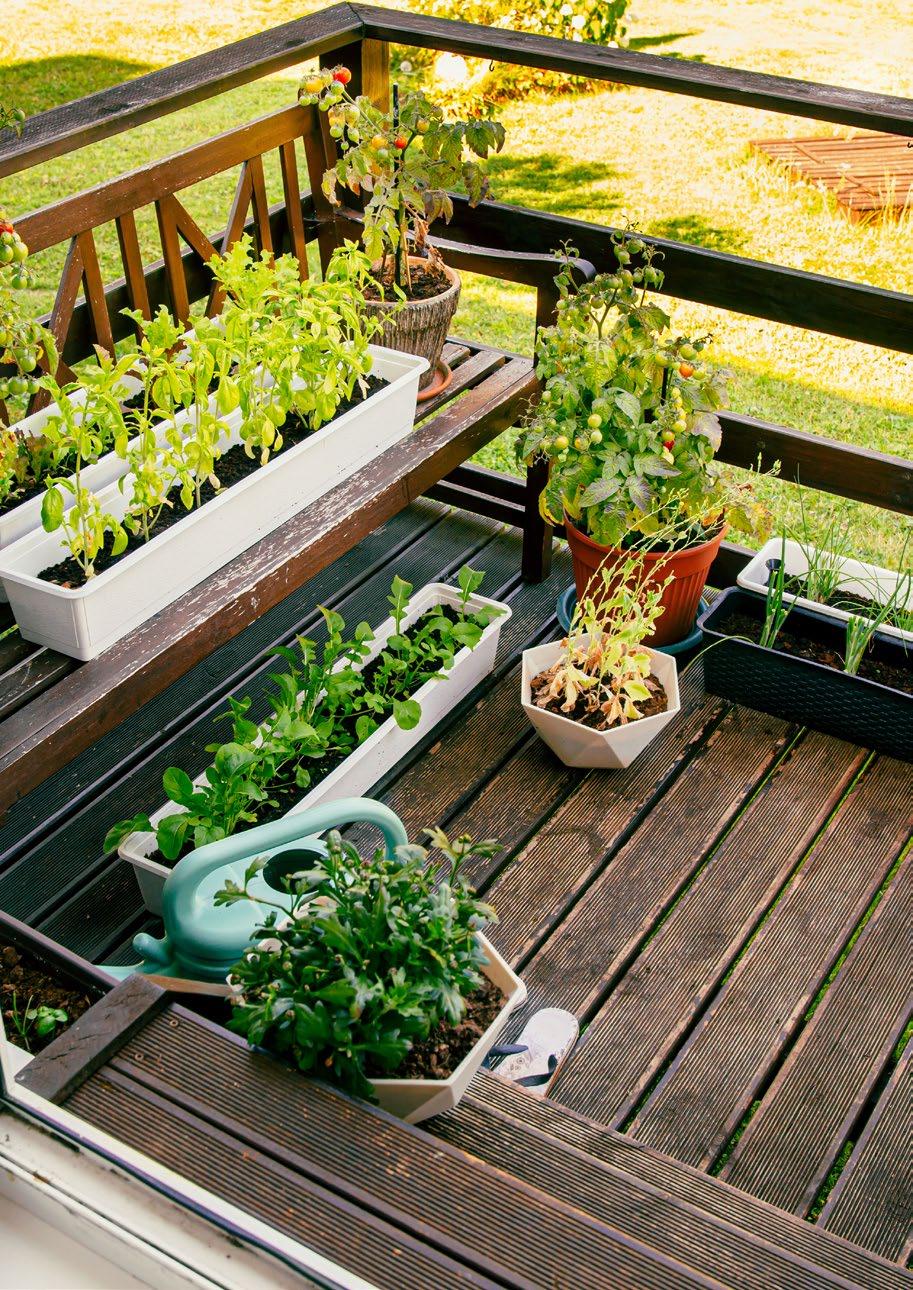
“How do the plants we grow and the design elements we include help us enjoy and optimise our space?”
“How do the plants we grow and the design elements we include help us enjoy and optimise our space?”
Over the past 15 years of coaching, most of the gardeners I’ve worked with have had small suburban blocks or compact growing areas. Many find it challenging to visualise how to design and use their space efficiently. They’re often paralysed with overwhelm, hesitant to make decisions, and worried about getting it wrong. An outside, objective perspective can help them ‘see’ their garden with fresh clarity.
When we look at our space with intention and real data, new opportunities emerge to optimise the garden design and make confident, well-matched plant choices.
When I’m helping clients move past overwhelm and see the true potential of their garden, I’ve found that using an analogy can be incredibly effective. I find that thinking like a ‘landlord’ when planning and managing our garden ‘real estate’ helps us view our space through a more objective lens. We’re effectively ‘leasing’ out the various zones or ‘rooms’ to short or long-term plant ‘tenants’ with a view to a return on investment (ROI).
The space may be a balcony, suburban front or backyard, community garden plot, courtyard, rooftop, or shared zone. It’s helpful to consider: How do the plants we grow and the design elements we include help us enjoy and optimise our space?
Our needs vary from person to person, but a ‘good return’ on using our space could be, for example:
• A productive harvest from food crop ‘residents’;
• A fast-growing hedge screen or windbreak to solve neighbour privacy or wind exposure;
• A fruit tree that provides food and shade for other plants during hot weather;
• A habitat garden with insectary species for pollinators and shelter for birds;
• Medicinal plants for health and healing;
• Cut flowers for the house or as gifts;
• Room for compost, a worm farm, a potting bench, or a propagation area.
BY ANNE GIBSON


Anne Gibson, The Micro Gardener, is an author, speaker and urban garden community educator on the Sunshine Coast, in Queensland, Australia. Anne is passion ate about inspiring people to improve health and wellbeing, by growing nutrient-dense food gardens in creative containers and small spaces. Anne regularly presents workshops, speaks at sustainable living events, coaches private clients and teaches community education classes about organic gardening and ways to live sustainably. She has authored several eBooks and gardening guides. Anne shares organic gardening tips and tutorials to save time, money and energy on her popular website - TheMicroGardener.com.
WANT TO READ MORE OF ANNE’S WORK? SCAN THE QR:

Sometimes, in a small garden space, we have to be tough landlords! For example, while I was walking around a client’s garden this week, there were numerous mature, established trees and shrubs, many of which are fulfilling valuable roles or providing a return for ‘leasing ’ their current space. The natives along the boundary fence provided a much-needed privacy screen, climate control, bird habitat, flowers, a shady microclimate for plants below, a wind buffer, and visual amenity from the house. This is an example of the Permaculture principle that ‘each element performs many functions.’ Those species as a group are definitely earning their keep and providing value. So, they get to renew their lease and stay put.
However, many ornamental plants were taking up prime, full-sun positions in the garden, offering little beyond their aesthetic appeal. Some species were creating unnecessary work by dropping seed pods or suckers that will require continual removal, time, and effort. Their current tenancies may be up for negotiation soon! They may be replaced with more deserving plant residents.
Where premium ‘real estate’ positions are limited, we may have to compromise by removing plants that don’t serve our needs to free up space for those that do. However, if we consider removing plants, we can recycle the embodied energy and nutrients into mulch or compost, which can contribute to the garden in another form. This still provides a ‘return.’
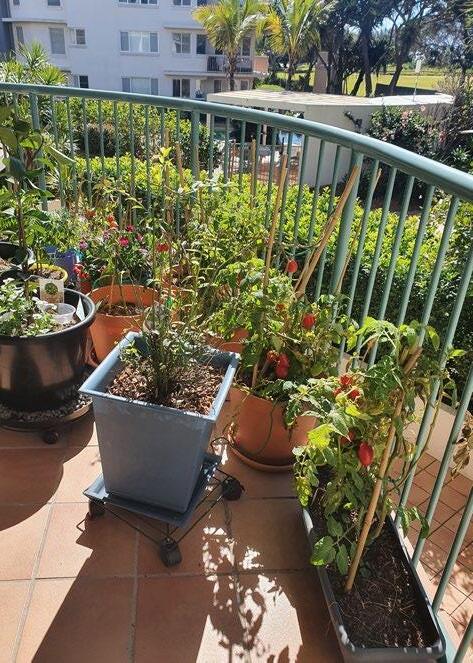
Taking an hourly photo diary of each zone from sunrise to sunset gives gardeners accurate data on where sunlight and shady microclimates fall.

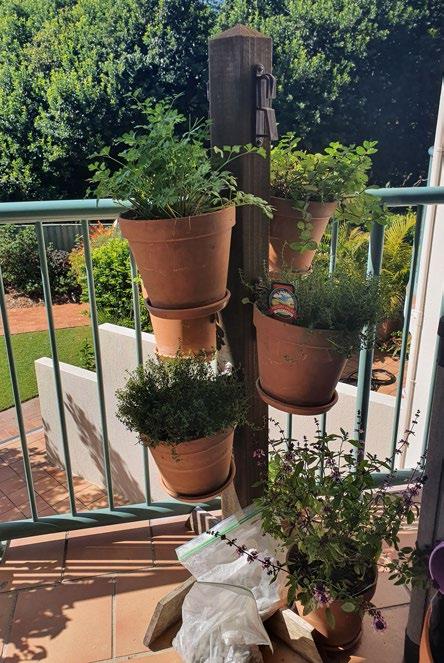

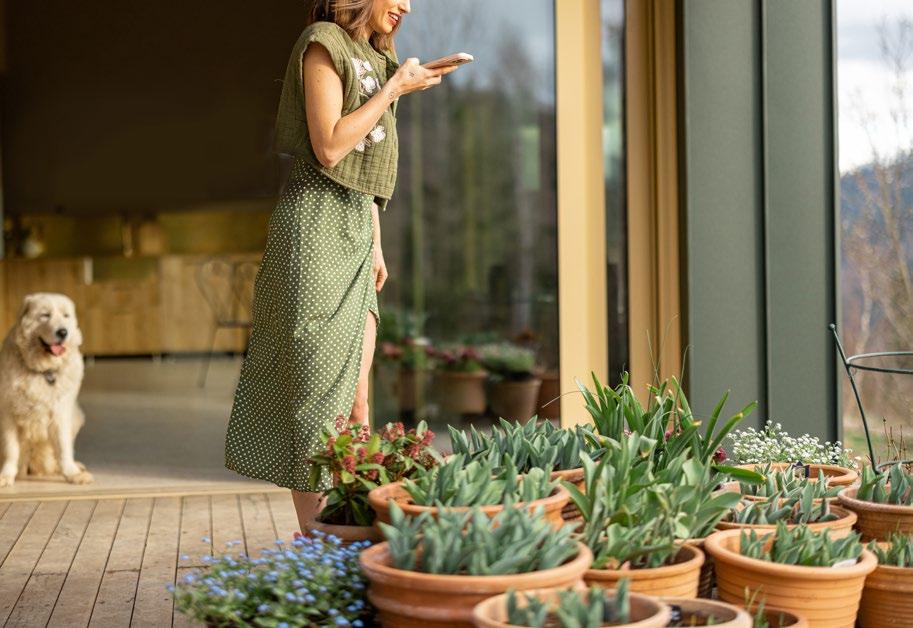
In a small garden, every choice carries more weight than it would in a larger space
As many of my small-space garden clients prioritise growing food, they need to find the best locations for what they want to grow. In our subtropical climate, sometimes that means partial sun for many edibles or shade for leafy greens during the heat of summer.
Full sun positions are ideally allocated to VIP’s (Very Important Plants) – long-lived perennial species. These include fruit trees and fruiting crops like eggplant, herbs, and chillies. These are the ‘permanent residents’ who should take priority over annual ‘shortterm’ rental tenants who come and go each season.
Conducting an ‘audit’ of our gardens can be a practical exercise to determine which plants have value and stay, or those we can let go. It can be a great relief to replace a plant that doesn’t serve our needs with one that does.
In a small garden, every choice carries more weight than it would in a larger space. That’s why it’s essential to be clear about what we want our garden to provide. Writing down our wish list and needs helps us identify the key functions the space should perform, making each decision easier and more intentional.
I suggest starting with a goal list for the next 6-12 months and working backwards. If, for example, the goals are to start a herb garden, grow at least some food and medicinal plants, improve privacy, and have a place to raise seedlings, then these are the elements we need to prioritise finding spaces for.
Taking an hourly photo diary of each zone from sunrise to sunset gives gardeners accurate data on where sunlight and shady microclimates fall. By combining these insights with a simple sketch map that includes aspects, prevailing winds, and nearby structures, we can confidently match each plant to the position where it will most likely thrive.
I encourage clients to repeat this sunlight mapping exercise in both winter and summer, when day length, sun angle, and shadow patterns differ considerably. Most herbs, fruit trees, and fruiting crops need full sun or at least several hours of direct sunlight each day to remain productive and healthy. Lower-priority plants can fill in the gaps.
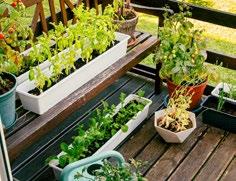
There are many overlooked and underused spaces we can ‘rent’ to plants in tiny gardens. Vertical surfaces such as arbours, fences, downpipes, wall-mounted planters, balcony railings, hanging baskets, trellises, and tiered stands all offer valuable growing real estate.
The possibilities are surprisingly broad. Some of my clients live in small apartments, villas, or retirement units with very limited outdoor space and sunlight. By thinking creatively, we’ve discovered pockets of opportunity - sunny indoor windowsills, pots on sun-drenched coffee tables, or containers on outdoor tables. We’ve also used mobile containers on castors as ‘meals on wheels’, so plants can be moved between sun and shade throughout the year, and even shared fence lines with neighbours.
Tight urban spaces also come with challenges, especially the urban heat island effect. Reflected heat and glare from metal fencing, along with restricted airflow between buildings, can make conditions uncomfortable for both plants and people. In these situations, adding garden art or using stackable vertical planters can help manage sun and shade, soften reflective surfaces, and create cooler microclimates. Vertical gardens not only improve plant performance but also enhance the overall livability of small spaces. These are just a few of the many ways we can use compact areas wisely.
• Set goals for the next season or 6-12 months.
• Get clarity on the functions you want your garden to perform.
• Focus on these priorities first and take small steps towards your dream garden.
• Create a photo diary and map sun and shade to match suitable plants.
• Think like a landlord – lease out your garden rooms to worthy plant tenants that provide you with multiple benefits.
• Be prepared to experiment. Even the best planned decisions need tweaking! Luckily, gardens are very forgiving.
A small garden invites us to dig deep into our creativity and design skills to bring our vision to life. Hopefully, these shared experiences and insights help you approach your own space more clearly.
“No single sort of garden suits everyone. Shut your eyes and dream of the garden you’d most love, then open your eyes and start planting. Loved gardens flourish, boring ones are hard work.” —Jackie French 3
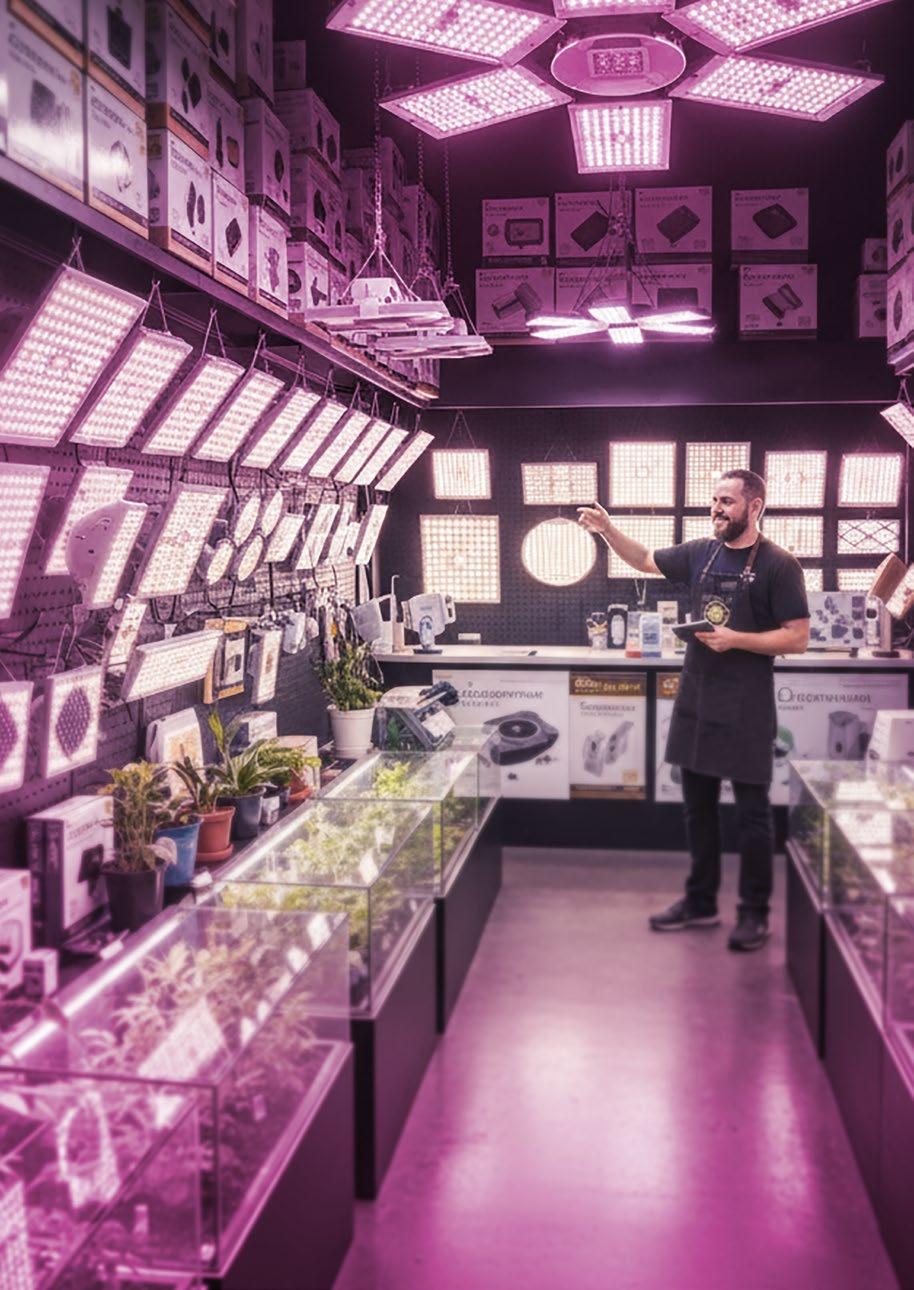
Steve Wong is back with his second piece in our Behind the Grow Shop series with his take on the LED lighting available today and how to make the right choice in a flooded market.
LEDs have come a long way quickly, and while budget LEDs have set a new precedent, competition is fierce. The industry is locked in a race to the bottom, all in the name of producing the “most efficient” light at the lowest price.
But what’s the real difference? Why is there such a huge gulf in price when efficiency figures look similar at face value? Let’s dive in.
How can a 720w LED claiming 3.1 µmol only cost £125, while a 300w LED with the same stated efficiency costs four times as much? Short answer: they’re aimed at completely different ends of the market. The former have effectively become what I’d call ‘disposable LEDs,’ meaning you use them a few times before replacing them.
To better understand the evolution of LEDs, it helps to look back at a few milestones. Around 2020, we put our first bank of LEDs on display in the shop. These included a Telos 10 and a couple of Spider Farmer units, an SF2000, and an SF4000. They looked great hanging up, and I’d hooked them up to a Bluetooth power bank so they could be remotely switched on and off individually from a phone. This was extremely high-tech back then!
The Telos 10 was making waves in the industry until three game-changing LEDs entered the market: the Luxx LED 645w at 2.67 µmol (RIP, but I hear these fixtures are still trading very well), the Lumatek 600w at 2.3 µmol, and Gavita, which joined the race with their 645w 1700E at 2.6 µmol. Being a giant lighting company, there was a huge build-up and fanfare when Gavita landed its LED on our shores. Unfortunately, there were three sticking points.
First, the price was higher than any competitor’s at £1,800. Second, the design. The lights were not foldable, so transporting these 1.1m square, 13kg units carefully and discreetly was a nightmare. Finally (and this was the actual dick punch), to dim the light, after parting with £1,800, you needed an additional adaptor (£170) and a dimmer (£90) for every unit! Those must have been some very difficult and awkward after-sales conversations for store owners who were unaware of this design feature. Incidentally, if you do have these Gavita LED adaptors still in your possession, they’re gold dust!
BY STEVE WONG FROM HYDRO BROS


Steve Wong is the co-founder of The Hydro Bros, one of the UK’s most recognised hydroponics retailers. What began as a small Croydon grow shop has grown into a global brand built on expertise, humour, and a genuine drive to help growers succeed. Known for understanding what customers actually need, Steve juggles buying, marketing, and day-to-day operations while keeping the customer experience at the heart of it all. He also co-owns Southside Kings Fight Academy, a BJJ and MMA gym where he somehow finds time to train - proving that balance, discipline, and adaptability matter just as much in business as they do on the mats.
Everywhere you look, there’s an LED. New models are released monthly, making it difficult to choose the right one
Five years later, and everywhere you look, there’s an LED. New models are released monthly, making it difficult to choose the right one.
So, how do you make your choice? Budget, purpose, and brand and build quality.
This is self-explanatory. How much are you willing to invest in this? Light is the starting pistol for plants. Light powers photosynthesis; if light is weak, the plant cannot use nutrients properly, no matter how much feed you give it. That is why overfeeding often happens in low-light environments.
We all know now that power alone is not the determining factor in light output. Efficiency (how much light you get per watt) and quality of spectrum matter more. Low cost usually means poor-quality components, and if you’re okay with knowing these are disposable, then have at it.
These £100–£125 720w LEDs are shit. There, I said it.
However, there are cases where these are the sensible choice, such as growing in unknown territory or where managing heat is difficult.
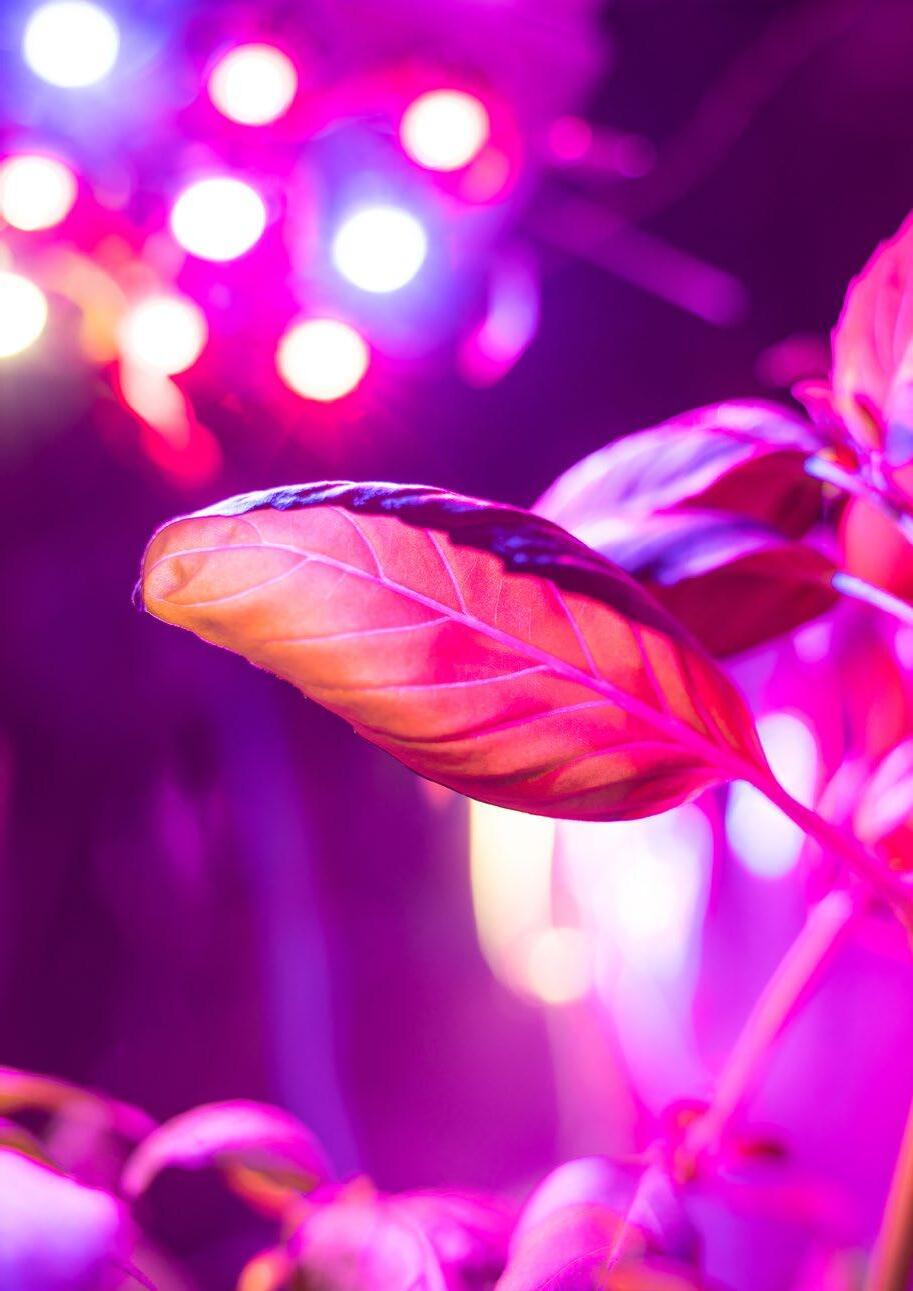
Any brand can print a µmol number and slap a fancy spectrum chart on a box, but very few can back it up with consistent performance, solid engineering, reliable components, and good customer service
The best advice I can give is to buy the light that makes sense for your space, your budget, and your goals. Purchase from brands that stand behind what they sell
Does the light physically fit your space? Does it cover the growing area? Newer LEDs have brought some genuinely useful design upgrades. Some units are now split into two separate fixtures, like the Solar Tech 720w I.D Split (£200) and the recently released Maxibright 500/1000w LED (£290). Both units can run as one main light or split into two independent lights.
LEDs come in all different shapes and sizes, and coincidentally, I recently saw a video by Matrix Lighting of a double-ended HPS x LED unit moulded into one. Very interesting innovation, and I think it has a lot of appeal. Another design feature you may want if you’re into automation is controller compatibility. Many LEDs now play nicely with controllers. You can link multiple units, set schedules, and, in some cases, like the TrolMaster-controlled ThinkGrow LEDs, even custom-tune the spectrum, running everything from your phone.
Nobody can actually confirm the information on spec sheets. So, instead, brand reputation becomes a key influencer, and it boils down to whether you trust a brand.
Do you believe the people behind the product aren’t lying about their stats (efficiency claims are as easy as printing a number on a box!)? Have they had real design input and testing in the manufacturing process? If you don’t know the brand or have no history with it, recommendations from trusted sources are your go-to. A good local hydro store is invaluable, but also find out what LEDs your peers are running. Real-world results trump spec sheets every time.
Customer service is equally important. Does the company have a UK contact number? Will they honour warranty periods without it being a marathon of painful admin? Customer service is one of the reasons I rate brands like Maxibright and Lumatek so highly. Not just for their lights, but for their knowledge and care of after-sales.
LEDs can claim to have the best efficiency, and they might on paper, but it means f*ck all if they’re only good for a few months before you see a noticeable drop-off in yield. The rate of degradation is caused by many things, but the number one killers are poor components and heat.
Any light using proper heat sinks, especially aluminium fin designs like those on Telos Dynamic LEDs, will last far longer than the competition. Another factor is how hard the drivers push the diodes. Budget LEDs may deliberately hammer diodes to inflate PPFD figures (the amount of light hitting your canopy per square metre), but over time, those numbers drop fast.
Behind the Grow Shop EXCLUSIVE: It’s an open secret in the industry that some budget LEDs are chatting complete bish about their performance specs, and their safety certifications are questionable at best.
How do you measure degradation? Use a decent light metre and measure PPFD at the same height periodically. Apogee metres are the industry-wide standard, but honestly, even a phone app will do as a benchmark. If that number drops noticeably from your baseline after a few weeks or months, then Houston, you’ve got a problem.
Another trick to inflate efficiency figures is loading the LED with more red than advertised. Reds are more efficient, so the µmol number looks great on paper, but plant performance suffers due to an unbalanced spectrum. If manufacturers could offer degradation guarantees, that would be incredible and would separate the real ones from the noise. But that would be a nightmare to implement.
Whether a light is 2.9, 3.1, or whatever µmol doesn’t really matter to the home grower. Real-world performance, reliability, and recommendation go a long way. Making sure you have the right light for the space will have far more impact on results than chasing numbers.
So, don’t get hung up on efficiency and don’t get bogged down in LED spec sheets. Any brand can print a µmol number and slap a fancy spectrum chart on a box, but very few can back it up with consistent performance, solid engineering, reliable components, and good customer service.
Disposable LEDs do have a place in the market, and they’re simply another option available. Are you playing football in Primark plimsolls or Nike Phantoms? Both technically work, but one will last longer and do a much better job. The best advice I can give is to buy the light that makes sense for your space, your budget, and your goals. Purchase from brands that stand behind what they sell.
“You’re always in good hands with Telos, Sanlight, Lumatek, and Maxibright.” 3

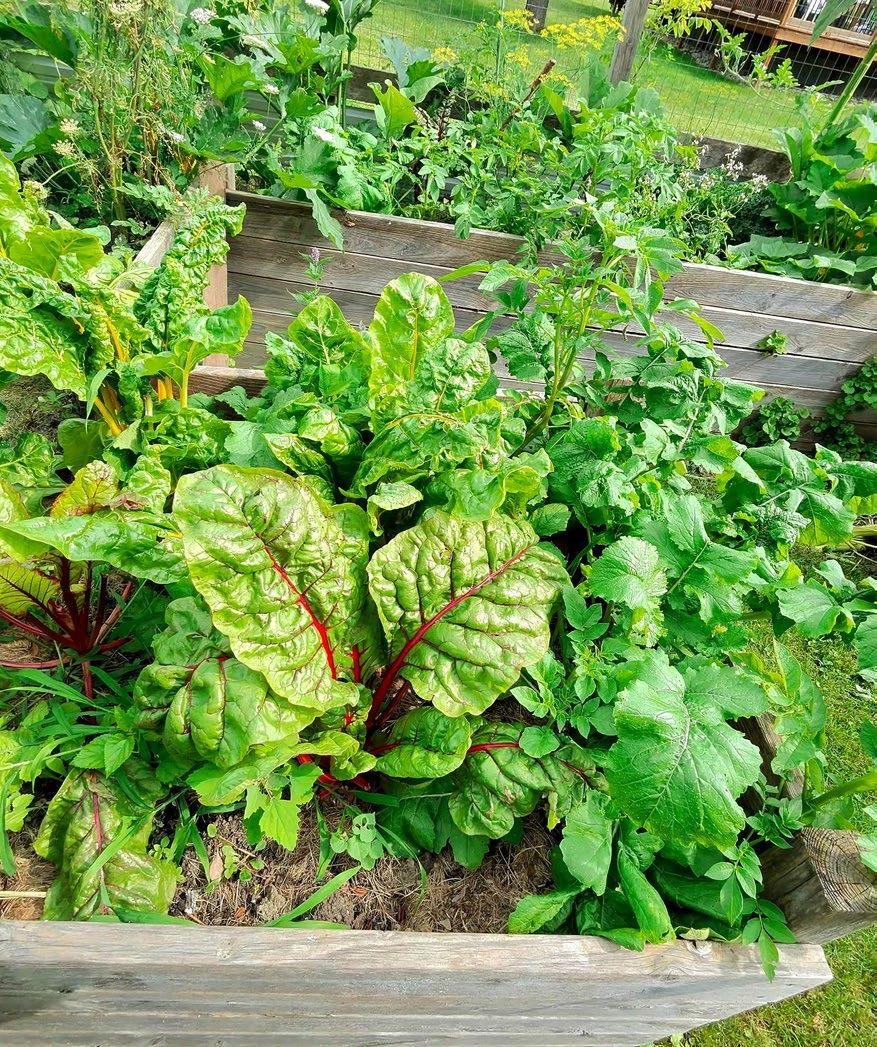
“The future of food isn’t on a grocery store shelf—it’s in the soil of your garden, whether that starts on an acre of land, or in a cup on your apartment balcony.” –Beats, Beds & Browns
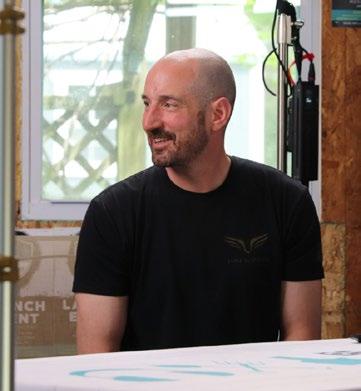
In Northwest Indiana, a powerful grassroots effort aims to fight food insecurity by connecting 100,000 people with gardening and homegrown food over 10 years. Joseph Skibbie, founder of the Beats, Beds & Browns brand, is behind #100kin10yrs and believes that, although simple, sending a packet of seeds to thousands of people across the nation can be transformative.
Sending a packet of seeds to thousands of people across the nation can be transformative
“Put some seeds in the ground and get started,” Skibbie says. “Hopefully, you’ll get hooked, and you’ll see the physical, emotional, and mental well-being benefits from that task [...] I feel so overwhelmingly happy when I’m in the garden. How could I not share that with other people?”
Skibbie came up with the concept of Beats, Beds & Browns during the COVID-19 pandemic. An extrovert by nature, he was desperate to find ways to connect with others while in lockdown. He decided to combine three of his passions: Hip-hop (beats), gardening (beds), and brown spirits (browns) to create educational, entertaining, and empowering conversations with people from diverse backgrounds. In addition to a podcast featuring interviews with artists, gardeners, and distillers, Beats, Beds & Browns now has a community of followers on social media and its website (beatsbedsbrowns.com).
“I didn’t initially see how those were all connected; they were just three random things I was interested in,” Skibbie explains. “But we’re starting to see more urban agricultural installations. You’ve heard of Detroit’s Agrihood [....], and you can’t have whiskey without corn. So, as we interview these distillers, [we’re talking] about how they’re sourcing different ingredients from across the country because of the conditions they’ve been grown in, which provide different flavour profiles for their craft whiskey. I’m always shocked at the straight line and the small business stories of our artists and the distillers as they try to grow brands from scratch.”
BY CATHERINE SHERRIFFS


Catherine is a Canadian award-winning journalist who worked as a reporter and news anchor in Montreal’s radio and television scene for 10 years. A graduate of Con cordia University, she left the hustle and bustle of the business after starting a family. Now, she’s the editor and a writer for Garden Culture Magazine while also enjoying being a mom to her three young kids. Her interests include great food, gardening, fitness, animals, and anything outdoors.
WANT TO READ MORE OF CATHERINE’S WORK? SCAN THE QR:

Skibbie fell in love with the idea of growing what we eat from seed as a child. It started in kindergarten, with a seed in a styrofoam cup. As he grew older, he spent his summers on a friend’s farm, and he remembers being in awe at the meals prepared with fresh ingredients from the garden.
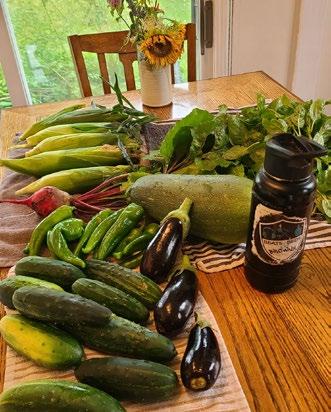
“The first time I started a garden, it was a 4x6 plot in my first home that I purchased in Dallas, Texas, and it was incredible,” Skibbie recalls. “It’s like the story of ‘Jack and the Beanstalk’: you throw seeds into the ground, and out sprouts something edible and magical.”
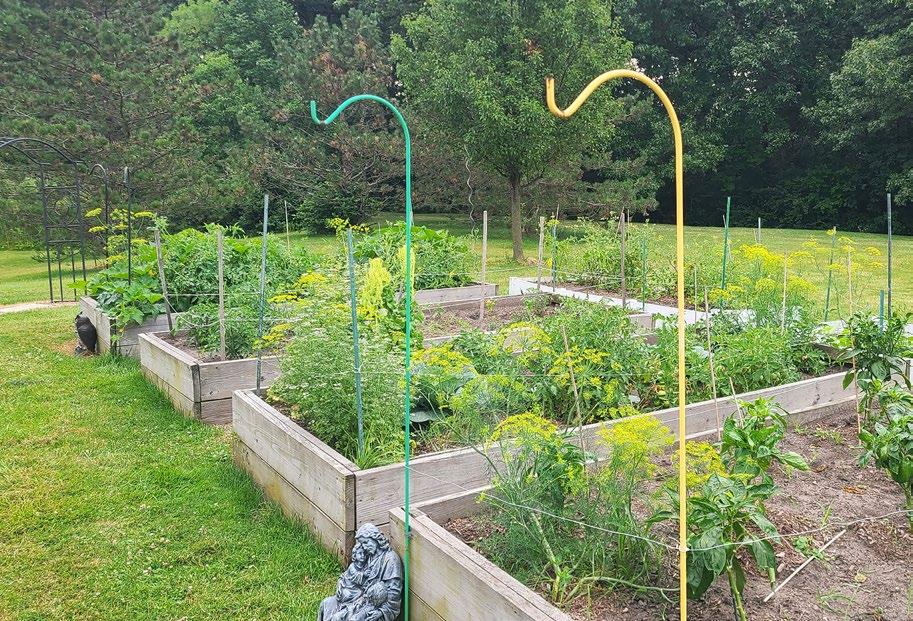
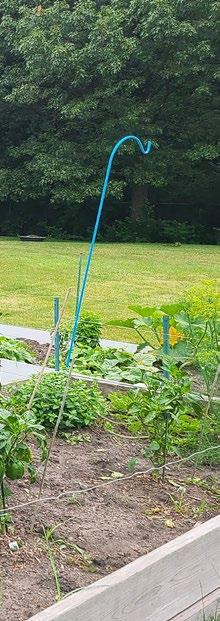
He’s passionate about growing food organically, and beyond yielding better-tasting food, Skibbie is amazed by the impact sustainable practices have on his surroundings. Now living on three-quarters of an acre in an HOA community in Northwest Indiana, he has planted many fruit and nut trees, grapevines, and several raised beds. Pollinators and beneficial predatory bugs are drawn to his native plants, helping keep his garden productive and pest-free, eliminating the need for chemical products, which also benefits human health.
“I had a brother who had non-Hodgkin’s lymphoma. They say that that’s contributed to Roundup and glyphosate,” Skibbie explains. “[Through] native landscaping, I can save seeds. With heirloom garden plants, you can save seeds. So, here I am stockpiling all these seeds, and it came to me that I could be distributing those.”
The #100kin10yrs movement was created to connect people to the three topics Skibbie loves to explore, and because he’s a firm believer that grassroots initiatives are vital to building local food movements and establishing food security. A member of the NWI Food Council, Skibbie has watched his COVID- and future-retirement pet project snowball into something much bigger. He’s participated in speaking opportunities with various health organisations, their cardiac recovery units, and ‘healthy food matters’ programming. He wants to spread the word that people can grow carrots in a loose bag of potting soil or some fresh herbs in a coffee cup on their kitchen windowsill, entirely avoiding a supermarket for the items they love to eat.

Skibbie’s passion project is entirely self-funded and meant to bridge cultures and communities, sparking conversation, connection with others, and action as the grow-yourown movement becomes increasingly important in fighting food insecurity and boosting mental and physical health
“If you’re not growing, where are you going to get fresh produce when, in three days, the grocery store is empty?” Skibbie says. “I’m not a doom and gloom guy, but that’s kind of what we as a nation saw during COVID. So, having your supply chain local, having access to trade and barter, and having canned goods. I’m not homesteading, but we definitely have our sauce, our pears from our tree, our peppers and pickled peppers and other things that we’ve grown and have now stored.”
The seed kits contain half a teaspoon of carrot, lettuce, dill, or chaos seeds and a letter welcoming participants with information on what Beats, Beds & Browns is up to in its current season. Skibbie has created a ton of content on his platforms that helps people get started, from planting the seed in a cup to transplanting into bigger pots and eventually getting the seedling outside. His goal is to make #100kin10yrs as simple as possible and remove any barriers to growing food.



In addition to some excellent growing content, Skibbie features his musical interests on his podcast and social media platforms. Beats, Beds & Browns has met many artists across the United States who are revitalising their neighbourhoods with growing food at the core.
“I hear people, and they’ve got a black thumb, or everything they grow dies, and it’s like, no, that’s not true. Let’s show you the right way to do it,” he says. “When somebody gets a seed kit, they share their progress and journey and tag us in it. We’ve had that happen a couple of times this year, and we’re really happy to see it. That spreads the joy back.”
Over the last three years, 3,000 people have participated in #100kin10yrs . Skibbie will ship anywhere in the 48 contiguous states; all you have to do is sign up for the kit at beatsbedsbrowns.com , and you can expect to receive it within 30 days, sooner as we approach the growing season. The sign-up is completely free with no strings attached. Skibbie’s passion project is entirely self-funded and meant to bridge cultures and communities, sparking conversation, connection with others, and action as the grow-your-own movement becomes increasingly important in fighting food insecurity and boosting mental and physical health.
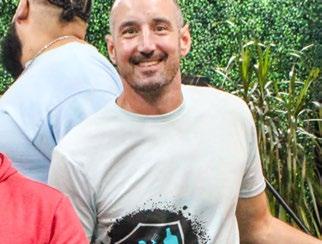
“If I can be listening to amazing artists around my garden and have a cocktail when I’m through, that’s a pretty good retirement by my book”
“Maybe at some point I’ll make some revenue on something that we’re doing. But the long-term goal is retirement,” Skibbie explains. “If I can be listening to amazing artists around my garden and have a cocktail when I’m through, that’s a pretty good retirement by my book.” 3
Join this positive, hands-on solution and enjoy tons of unique content at beatsbedsbrowns.com
Follow along: YouTube: @beatsbedsbrowns Instagram.com/beatsbedsbrowns facebook.com/BeatsBedsBrowns x.com/beatsbedsbrowns
The most innovative growers aren’t choosing between sterility and soil biology— they’re merging the best of both worlds

Sterile cultivation promised control— but plants evolved with microbes, not without them. As indoor growing matures, a hybrid approach is emerging that blends clean systems with living biology for better crop flavour, resilience, and performance.
BY COLIN BELL, PhD
Walk into almost any advanced indoor grow operation, and you’ll hear the same mantra: keep it clean, keep it sterile, keep it controlled. It’s a philosophy shaped by pathogen anxiety, pharma-inspired cultivation standards, and the belief that purity equals performance.
But here’s the irony: plants did not evolve to succeed in sterile environments. When we strip away their microbial partners, we strip away flavour, resilience, and a surprising share of their natural strength. Growers who’ve shifted from sterile systems to microbially active ones often describe the same realisation: Microbes aren’t contaminants. They’re co-creators.
This perspective article challenges a long-standing assumption in indoor cultivation: that sterile systems are the best systems.
Long before agriculture existed, bacteria and fungi shaped Earth’s soils, cycled nutrients, and formed partnerships with the first land plants. These ancient alliances didn’t disappear—they were written into plant biology. Every seed today carries traces of its evolutionary microbial inheritance. These microbes influence nutrient uptake, defence responses, chemical signalling, and early vigour.
So, when growers try to eliminate microbes, they aren’t just disinfecting — they’re unraveling a biological relationship older than agriculture itself.
Growers can reduce microbial loads, but true sterility is impossible to achieve.
• Air carries microbes.
• Tools carry microbes.
• Water carries microbes.
• And plants become microbial habitats the moment they sprout.

Colin Bell is VP of US Business Development at MIIM Horticulture. He has worked as a PhD Research Scientist in Federal and Academic institutions for years. He builds businesses, develops products, and grows brands for indoor cultivation. Reach out: colin@miimhort.com
WANT TO READ MORE OF COLIN’S WORK? SCAN THE QR:

Across natural habitats, microbes dominate every surface, every droplet, every breath of air. Even the cleanest grow rooms contain microbial life—simply far less diverse than what exists outdoors.
To understand just how unavoidable microbes are, consider their abundance across natural habitats (Table 1).
Table 1:
Microbial Abundance Across Natural Habitats Why sterility is scientifically impossible—microbes dominate every environment plants interact with.
Habitat / Microbial
Group
Atmosphere (near surface)
Freshwater (lakes, rivers)
Ocean surface water
Marine sediments (top 10 cm)
Healthy surface soil
Rhizosphere (soil around roots)
Phyllosphere (leaf surfaces)
Endophytes (inside plant tissues)
Human body (for comparison)
10⁵ cells / m³
10⁷ cells / mL
10⁶ cells / mL
10¹⁰ cells / cm³
10⁹ cells / g
10¹² cells / g
10⁸ bacterial & 10⁷ fungal cells / cm²
10³–10⁶ cells / g tissue
10¹⁴ cells/person
Walk into almost any advanced indoor grow operation, and you’ll hear the same mantra: keep it clean, keep it sterile, keep it controlled.
And this brings us to the next point: what actually happens when we put these microbes to work? In short, plants never encounter sterility in nature—and they don’t expect it in cultivation.
Which means the question isn’t: “Should I grow with microbes?”
Instead, it’s: “Do I want to manage and benefit from them—or let randomness decide for me?”
Across dozens of scientific studies, one pattern keeps repeating itself: When plants team up with beneficial microbes, performance improves. Not occasionally. Not marginally. Consistently.
Flavour & Aroma (20–40% Increases)
A Colourado basil producer recorded a 32% jump in volatile intensity after shifting from sterile hydro to a hybrid microbial approach. Similar results have been reported across herbs, leafy greens, and ornamentals (Banchio 2009; Cappellari 2023; Shrivastava 2015).
Stress Tolerance (+15–30%)
Beneficial microbes trigger defence pathways such as ISR, improving resilience to heat, drought, and salinity (Al-Turki 2023; Anas 2024; Zhu 2022).
Reduced Chemical Inputs (30–50%)
Microbial nutrient cycling increases efficiency, reducing fertiliser demand and reliance on chemical disease control (Patle 2023; Sharma 2011; Yousuf 2022).
Yield Boosts (10–25%)
Dense, consistent inoculation improves root architecture, nutrient uptake, and overall biomass (Backer 2018; Li 2022; Liu 2023).
Disease Suppression:
Beneficial microbes create a biological moat that limits pathogen establishment (Bakr 2025; Koskey 2021; Meena 2017).
Grow with microbes, and the plant works with you. Grow without them, and the plant works harder than it should.
Microbes aren’t fairy dust—successful growers need to understand how biology behaves in real systems. Key considerations include:
• Microbial density matters more than frequency
• Underdosing reduces root colonisation
• Native microbes compete with introduced ones
• Large facilities require a uniform application

• Brewing, storing, and applying inoculants requires planning
As microbial products advance, these challenges continue to shrink—and they rarely outweigh the benefits.
MYTH: Sterile growing produces “cleaner, higher quality” crops.
REALITY: Sterility strips away flavour, resilience, and seed-borne microbial partners essential for early vigour. Sterile-grown plants may look perfect, but often taste flat and show weaker stress tolerance.
TAKEAWAY: Clean the room—don’t clean away the biology.
But here’s the irony: plants did not evolve to thrive in sterile environments.



OPTIMISED FOR LED SPECTRUM MAXIMISE UPTAKE ENHANCE POTENCY



VBX, a nutrient developed to compliment the LED spectrum. Combining the power of multiple bottles in one complete powder for optimum results.


Sterile growing gives you control. Microbial growing
The fastest-growing trend in cultivation isn’t sterility or living soil—it’s the hybrid model: clean, controlled environments infused with carefully selected beneficial microbes.
• Start with a controlled hydroponic or substrate-based system
• Introduce multi-strain microbial consortia that colonise the root surface
• Dose consistently and at an effective density
• Let the rhizosphere—not the entire facility—host microbial life
The most innovative growers aren’t choosing between sterility and soil biology—they’re merging the best of both worlds.
• Clean rooms.
• Clean tools.
• Clean systems.
• But a living rhizosphere
This is where you get precision and performance.
In a two-season commercial greenhouse tomato trial, growers tested Bacillus-based microbial inoculants under real production conditions. Plants were grown in a substrate-based system using manure-derived fertilisers—similar to many high-intensity media setups.
When tomatoes were treated with a Bacillus inoculant during the nursery phase and after transplanting, researchers observed:
• 20–30% higher average fruit weight
• 40–75% higher total fruit biomass per plant
• Improved fruit grade (quality), with more extra-large class I fruit appearing only in treated plants
• earlier and more concentrated harvests — 100–200% more yield during the peak marketing window (Bradáčová et al. 2019).
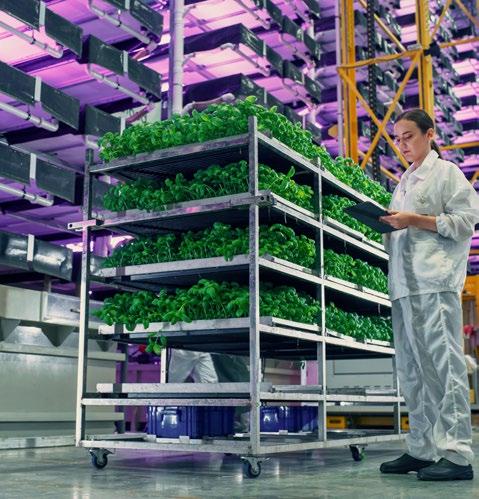
Every major craft industry—wine, coffee, cacao, fermentation, regenerative agriculture— is rediscovering the power of microbial ecosystems. Indoor cultivation is next.
The conclusion is simple: successful cultivators provide plants with the environment they were built for. Microbes don’t just boost yield—they upgrade crop class, size distribution, and timing without overhauling your system.
Note: While this study focused on tomatoes, similar response patterns have been observed across herbs, leafy greens, ornamentals, and fruiting crops.

Across multiple crop types and production systems, growers and researchers consistently report a 10–20% performance gap when microbial partners are removed. Seed-inherited microbes—the tiny passengers packaged inside the embryo—are some of the most valuable partners a plant has. When over-sterilisation wipes them out, growers lose early vigour, enzyme activity, stress buffering, aroma intensity, and secondary metabolite production.
Plants deprived of these partners show:
• Delayed root initiation
• Reduced enzyme activity
• Weaker stress responses
• Muted secondary metabolite profiles
We’ve spent decades asking plants to perform like champions… while removing the biological team that helps them succeed.


When plants team up with beneficial microbes, performance improves. Not occasionally. Not marginally. Consistently.”

Here’s where you can make biology work for you:
• Choose Consortia, Not Lone Strains — teams outperform solo microbes
• Dose for Density — colonisation is a numbers game
• Feed the Microbes — simple carbon sources boost activity
• Sterilise the System, Not the Roots — the rhizosphere should be alive
• Watch for Microbial Signals — colour, vigour, aroma, and roots often improve within days
Every major craft industry—wine, coffee, cacao, fermentation, regenerative agriculture—is rediscovering the power of microbial ecosystems. Indoor cultivation is next.
As controlled environments adopt microbial tools, the top-performing growers won’t be those who eliminate microbes… but those who understand them.
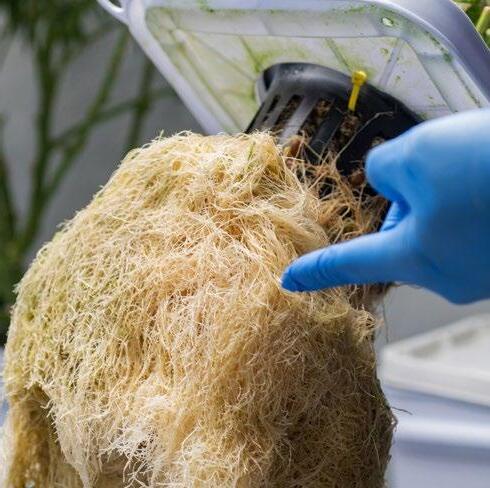
Sterilise the System, Not the Roots — the rhizosphere should be alive
Microbes are not optional. They are foundational. They are built into plant biology. The opportunity isn’t to eliminate them—but to curate them.
Growers embracing microbial synergy are finding crops that are more flavourful, resilient, productive, and sustainable.
Sterile growing gives you control. Microbial growing gives you life. Hybrid growing gives you both. You’re already growing with microbes—whether you realise it or not. Now, let’s learn to intentionally grow with them. 3
1. Al-Turki, A. et al. (2023). PGPR-mediated resilience under drought and salt stress. Frontiers in Microbiology.
2. Anas, M. et al. (2024). Plant–microbe interactions in stress adaptation. Journal of Crop Health.
3. Backer, R. et al. (2018). Plant growth–promoting rhizobacteria: mechanisms and applications. Frontiers in Plant Science.
4. Bakr, R. et al. (2025). Beneficial microbes for sustainable disease management. Microbiology Research.
5. Banchio, E. et al. (2009). Soil bacteria elevate essential oils in basil. J. Agric. Food Chem.
6. Bradáčová, K. et al. (2019). Microbial consortia vs. single inoculants in tomato production. Agronomy.
7. Cappellari, L. et al. (2023). Root colonisation mechanisms under salt stress. Plants.

8. Koskey, G. et al. (2021). Beneficial microorganisms for soil improvement and pathogen suppression. Frontiers in Sustainable Food Systems.

9. Li, J. et al. (2022). Microbial inoculants and crop productivity: a meta-analysis. Journal of Sustainable Agriculture & Environment.
10. Liu, X. et al. (2023). Microbial consortia performance in living soil. bioRxiv.
11. Meena, M. et al. (2017). Beneficial microbes for disease suppression and plant growth. In Plant–Microbe Interactions in Agro-Ecological Perspectives.
12. Patle, T. et al. (2023). The role of microorganisms in soil health and nutrient cycling. Agriculture Today.
13. Sharma, S. K. et al. (2011). Microbial community structure and diversity as indicators of soil quality. In Biodiversity, Biofuels, Agroforestry and Conservation Agriculture.
14. Shrivastava, S. et al. (2015). PGPR and medicinal plants. In PGPR and Medicinal Plants.
15. Yousuf, S. et al. (2022). Microbial nutrient cycling and environmental sustainability. In Environmental Microbiology.
16. Zhu, L. et al. (2022). Induced systemic resistance by beneficial rhizobacteria. Frontiers in Plant Science.


BY XAVI KIEF
Use the 4 W’s to guide decisions about growing and saving seeds! Here’s a rundown of how to decide which seeds you want to produce and at what scale.
One of the most significant decisions you’ll make as a seed producer is the intended audience for your seeds. Their needs are a top priority, and every other decision is made to support the best outcome for them.
Wholesale seedlots serve large operations, while artisanal small batches better suit niche markets. Know your audience, scale, and diversify your offerings accordingly.
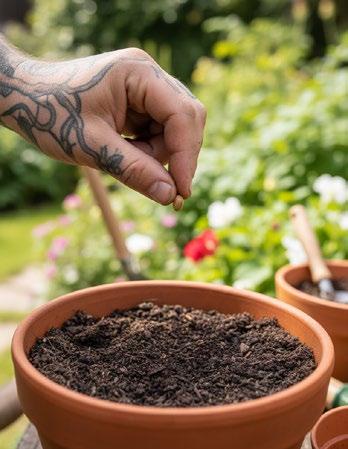
One of the most significant decisions you’ll make as a seed producer is the intended audience for your seeds.
Xavi Kief is a writer, (re)searcher, and lifelong learner with their hands in the dirt and imagination traversing the universe. Seeking always to deepen and integrate their connection with the living planet and its diverse inhabitants, Xavi finds joy by infusing their practical and playful approach to cultivation with a healthy dose of science. They grow food and medicine for their family and community on the northeast coast of Turtle Island.
Instagram: @xavi_kief


WANT TO READ MORE OF XAVI’S WORK? SCAN THE QR:

Is the seed you provide itself an example of the end product your grower will hope to produce? This is the case when you’re growing seed for someone else to grow, like a sunflower farmer making seeds for others to press into oil or use as food.
Seeds for plants that will be enjoyed as greens, fruits/vegetables, flowers, or phytochemicals (e.g., cannabinoids, flavonoids) need to be grown to maturity and evaluated for nutrient profiles, aesthetics, flavours, and effects. After this, the well-controlled genetics are multiplied into larger seed lots.
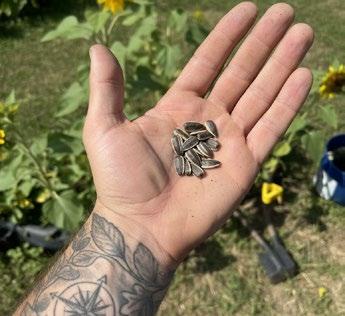
Outline and communicate the limits of what the parent plants (and known ancestors) were exposed to.
Storage requirements differ based on how long seeds will sit between harvest and planting. The viability of seeds also greatly depends on how well they are stored.
Plan so your seeds have destinies you can fulfil, or prepare to scramble for storage space, miss out on trends, and even have to give most away rather than see them go to waste.
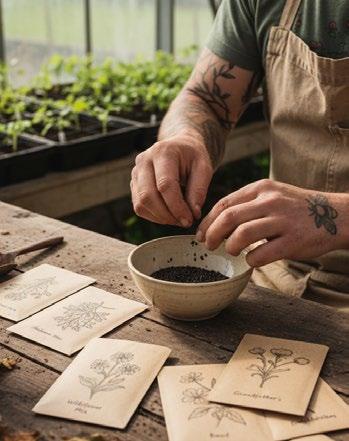
If you and your own family, or folks within your local network of farmers who sell or trade directly to the community, are the target group of growers, it’s worth noting the geographical and climate-specific demands your seeds will likely face. Outline and communicate the limits of what the parent plants (and known ancestors) were exposed to. Though their effect may be subtle, in-seed microbial and genetic inheritances can differ depending on whether they were grown in a field and exposed to wild conditions, or raised in extremely precise, controlled environments.
The usefulness of your seeds depends on an honest evaluation of their suitability for the intended cultivation site and style. Although it sounds bland, if your growing style is not especially unique, you may be able to satisfy a bigger audience with your seeds. 3
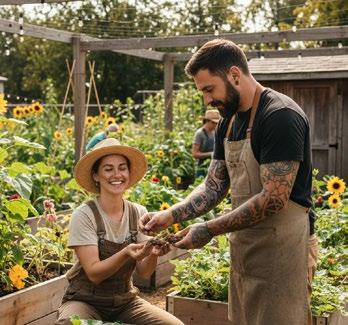
The usefulness of your seeds depends on an honest evaluation of their suitability for the intended cultivation site and style.
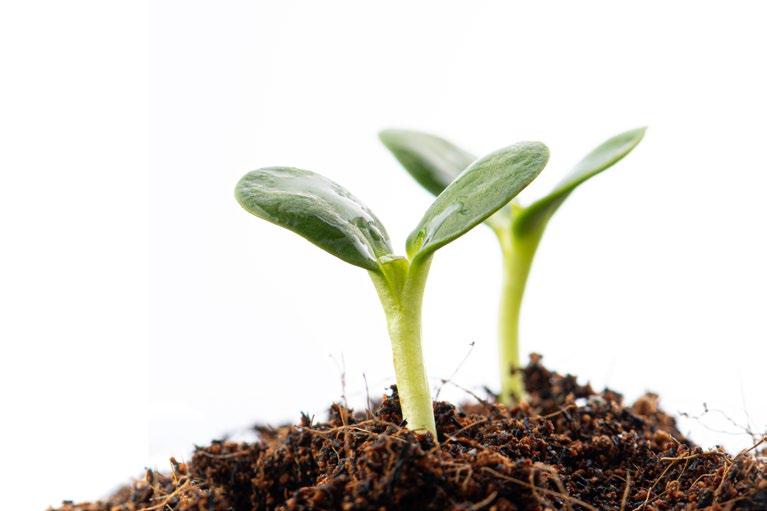

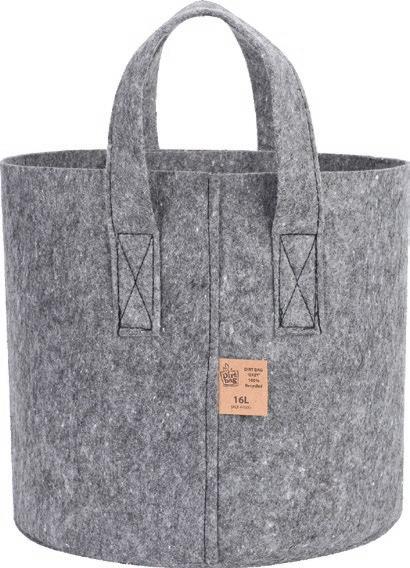

BY XAVI KIEF
Every plant in the garden embodies evolution, ancestry, and a hope for the future. When we set out to grow in relationship with them, our active contribution to their success at reproduction can be a beneficial intersection in this lineage — and likewise, theirs in ours.
Though the choice of starting materials for growers has changed with advances in technologies like micropropagation (cloning) from tissue samples stored in cryogenic (cold) storage, seeds remain the most basic way we can ensure the continuous availability of plant food and medicine in our communities. For this reason, high-quality seed is priceless. Using a professional mindset, specific and dedicated tools, and standardised techniques when selecting, growing, and saving seeds for the next season can radically transform the potential of future harvests. Here, we’ll explore what it takes to go from buying seed for every plant you plan to grow to becoming a reliable source of dependable seed for yourself and other cultivators. In particular, it’s important to consider genetic selection, harvest timing, seed cleaning, grading, testing, and storage.
Professionals don’t fool around with seed quality. Conformity to agreed grading standards is the basis of trust between the seed provider and the grower. Each crop cycle demands an investment of resources, and for most, there’s very little tolerance for risk. People acquiring seed look for purity, reliable germination, vigourous and uniform growth, resilience to disease, pests, nutrient, and other stresses, and, above all, an excellent user experience with the final product.
Be ready with a definition and a protocol for measuring and guaranteeing purity. The collected seeds must be only the seeds the future grower intends to plant. Imagine if even 5% of a bag of canola seeds grew into a thick-trunked broccoli plant instead — at scale, that oil-producing farmer’s field would be a nightmare to sort out, requiring extra labour, possible equipment repairs, and resulting in reduced yield. Even at the small, home scale, if the situation were reversed and you believed yourself to be growing a lovely garden full of broccoli, consider the disappointment of ending up with spindly canola florets instead.
Seeds remain the most basic way we can ensure the continuous availability of plant food and medicine in our communities.
Ensuring purity begins as soon as flowers open and pistils are available for pollination. Based on your crop’s pollination style (e.g. insect, wind), you’ll have to isolate and often hand-pollinate individual flowers to control inheritance and make sure your plants set viable seeds in abundance. Aside from ensuring the right species, preserving genetic integrity is part of maintaining non-GMO status, which is necessary for organic certification.
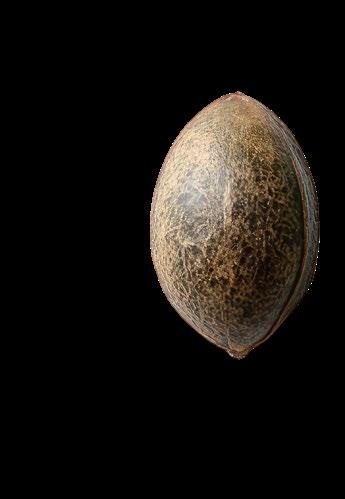
Physical contamination of seeds also starts in the field. Healthy plants store growth-promoting microbiomes in seeds, but some disease-causing microbes can also be passed down within seeds. Except in specialised research environments, only plants that appear disease-free should be chosen for seed production. In some cases, laboratory analysis for the presence of specific viruses is an additional step requested or required by an industry.
Mechanical separation of debris is necessary to remove small bits of organic matter that may contain non-beneficial microbes or serve as food, encouraging their growth. Post-harvest processing may also involve chemical or fermentation treatments to further minimise risk and remove any soil or airborne microbes clinging to the outside of seeds.
Rating your seeds for vigour starts with germination testing. Even germination saves time waiting for seeds to emerge and ensures plants are at the same growth stage at the same time. These factors have downstream effects on nutrient requirements, labour schedules, and harvest dates.
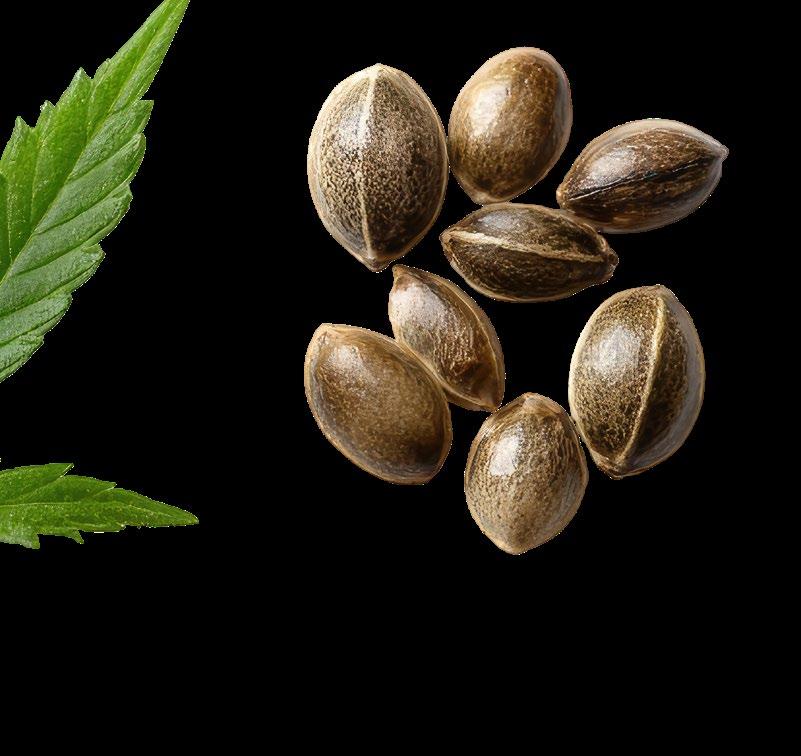
The collected seeds must be only the seeds the future grower intends to plant
Every seed-growing project started with a seed. Somewhere, a plant grew and made a seed. That seed thrived, and someone observed that plant. They collected a seed from it, planted it, liked what it yielded, and decided to grow more of the same thing. That first decision has cascading effects for you and your seed-making projects. It narrowed the genetic contribution to at least half of that one particular plant and its ancestors. Depending on how the species breeds and how abundant and available pollen is during its reproductive period, you could be working with a very specific or very diverse set of genes.
Selection pressure is the way species maintain their suitability to a unique set of conditions or expectations. In the wild, nature does the picking by chance and circumstance. Any control you exert over pollination and survival to maturity, and how differently the plants that grow from your seeds are from the ‘parents’ that produced them, is ‘unnatural’ selection. Pressures also include economics, such as the cost of your initial stock of starting materials and cultivation space.
A keeper is a plant that has traits you want your future plants to have. It’s not necessary to have a full grasp on how plant genetics work to grow and save seeds, but it helps to understand the nature of the seeds you’re starting with before you set out to choose breeding partners.
Ideally, you’re very familiar with the specific crop type, know its nutritional needs, and its natural breeding and seed-setting habits. You know the family history of your starting materials and how consistent you can expect plants to develop. You need to evaluate your work at the ‘user-stage’ of harvest. Choosing keepers can be more complicated for crops that set their seeds later than peak ripeness. You’ll need to carefully track which plants your seeds come from, sample them for user experience, and release only the seeds that reliably produce a similar result.
It’s easier when you are working with a plant type that is capable of self-pollinating, ripens and produces more than once per harvest season (e.g. indeterminate tomatoes, pole beans), is perennial or biennial, or when you can regenerate and grow the same plant (or a genetic copy of it) again.
If you are set up to propagate by taking and rooting cuttings of an existing plant, and can provide a stable home for that plant and its copies (aka ‘clones’), you can control the input of genes from at least one parent over multiple generations. By exposing this same set of genetics to others, observing the results and looking for characteristics you want to maintain, you’re on the way to making an improved version of what you started with or even developing something you can call your own.
You can also work with artificially self-pollinated plants by using a Silver Thiosulphate (STS) treatment. This will hopefully encourage the growing pistils to set “male” flowers and release viable pollen, resulting in a batch of seeds with only one genetic parent. Starting from open-pollinated seeds, rogueing (see sidebar) and isolating them from stray pollen are other ways to reproduce a varietal with relatively reliable consistency. Each species and crop type has its own profile to ensure agricultural standards in seed production. At a minimum, you have to know these parametres and conform to them.
In seed production, “rogues” are living plants that aren’t meeting the production standard. In most cases, removing these individuals from the gene pool is essential for controlling undesirable traits observed during the cultivation season.

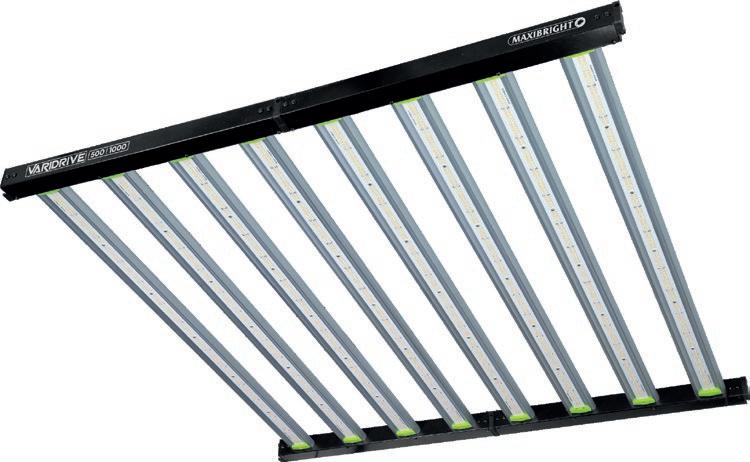
A high-output, flexible fixture built for large grow areas and demanding environments. At the top of the Varidrive range, the 1000W is designed for growers who need maximum coverage with adaptable deployment.
Its modular design allows the unit to run as a single powerful fixture or split into two independent lights, offering freedom when planning layouts or expanding rooms. Integrated drivers and onboard dimming keep control simple and installations clean.
Ideal for large canopies or multi-zone setups where flexibility, and long-term reliability matter.
1000W (500W x 2) full-spectrum LED grow lights
2700 μmol/s PPF / 2.7 μmol/J PPE
Ideal for 1.5 x 1.5m to 1.8 x 1.8m areas
Integrated driver no external ballast required
8-bar frame 1040 x 1090 x 40mm
Split design use as one 1000W or two 500W fixtures
Linkable system expand with a third unit or more
Plug-and-play easy installation
Onboard dimmer (25-100%) and RJ port
Weight 7.6kg
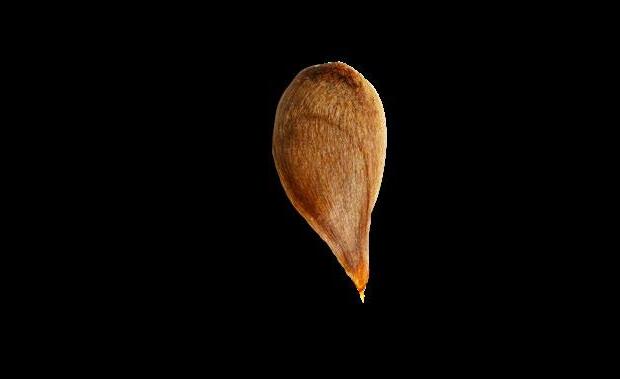
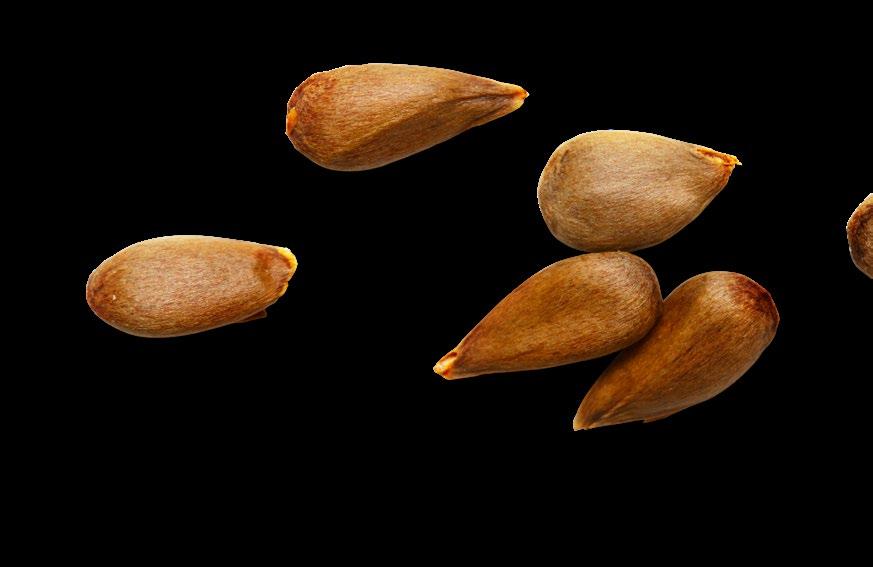
of the entire food and plant medicine infrastructure. Serving this need is an honourable and worthy choice for capable, scalable farms.
ics, creating an artificial version of open pollina tion from a larger population.


After the selected plants reach full seed ripeness, collection and cleaning begin. This is when speciality equipment is generally needed, to scale up and meet defined quality standards. Before building, sourcing, or purchasing gear, make sure it is appropriate (ideally explicitly designed) for the crop type you are working with. You should be able to clean all this equipment exceptionally well, including disassembling seams and joins, and replacing any gaskets, screens, or other parts that could harbour microbes or transfer seeds
Helping one another source, maintain, and develop plant genetics is liberatory –it centres power in the hands of the people doing the daily work that guarantees we have enough to sustain ourselves
After all this work, some seeds will still not meet acceptable standards. Grading criteria are formalised in regulations and defined in contracts, as are the expected methods of sorting, sampling, testing, and discarding or destroying substandard seeds.
Cultivators with a good handle on seed saving for their own operations, who can dedicate more space and resources to producing high-quality seed in greater quantities, are in high demand. Building a yearly seed-multiplying contract into the farm’s business model can be a good way to justify the costs of investing in better, more professional equipment and open doors to networking with other serious growers. Furthermore, as innovation continues to drive plantbased technologies to replace non-renewable, extractive industries, producing seed for crops improved for fibre, construction materials, and fuel are other niches that must be served.
Collaboration and exchange are essential parts of seed culture. Climate uncertainty and shifting politics demand a responsive, redundant seed supply for food and medicine. Helping one another source, maintain, and develop plant genetics is liberatory – it centres power in the hands of the people doing the daily work that guarantees we have enough to sustain ourselves. Ensuring the free movement of these critical inputs to vulnerable populations, where access to arable land from year to year is destabilised, is an act of solidarity.
To achieve these goals, practice excellent record-keeping, careful packaging, and consistent accompanying documentation. Know and abide by the laws and regulations governing seeds in your region, and any place you intend to export to, before you get stuck in bureaucratic back-and-forths, hurt by fines, or end up with large amounts of seed on a quality control ticking clock.
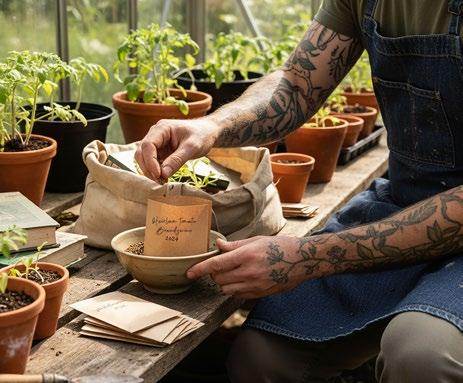
While laws and regulations provide the framework for legal trade in seeds and their harvests, consistent results build confidence and demonstrate professionalism rather than merely promise it. If you follow these guidelines and maintain a professional approach, your seeds will become a point of pride. Each time someone succeeds in growing from the material you provided, it demonstrates optimism, continuity, and resilience. 3
Recommended Resources:
• Organic Seed Alliance Seed Saving Guide
• seedalliance.org/wp-content/uploads/2010/04/seed_ saving_guide.pdf
• GUIDE FOR MAINTAINING PLANT GENETIC INTEGRITY OF CONVENTIONAL VEGETABLES PREPARED IN NOVEMBER 2016 BY THE International Seed Federation (ISF) Working Group AP Vegetable and Excellence Through Stewardship (ETS). (n.d.). worldseed. org/wp-content/uploads/2016/11/ISF-ETS-Guide_Final_10.11.16.pdf
• Heron, M., & Maiti, S. (n.d.). GOOD AGRICULTURAL AND COLLECTION PRACTICES FOR MEDICINAL PLANTS Illustrated Booklet for Farmers and Collectors. coin.fao. org/coin-static/cms/media/8/13069087097420/trainers_manual_on_gacp_for_medicinal_plants1_latest.pdf
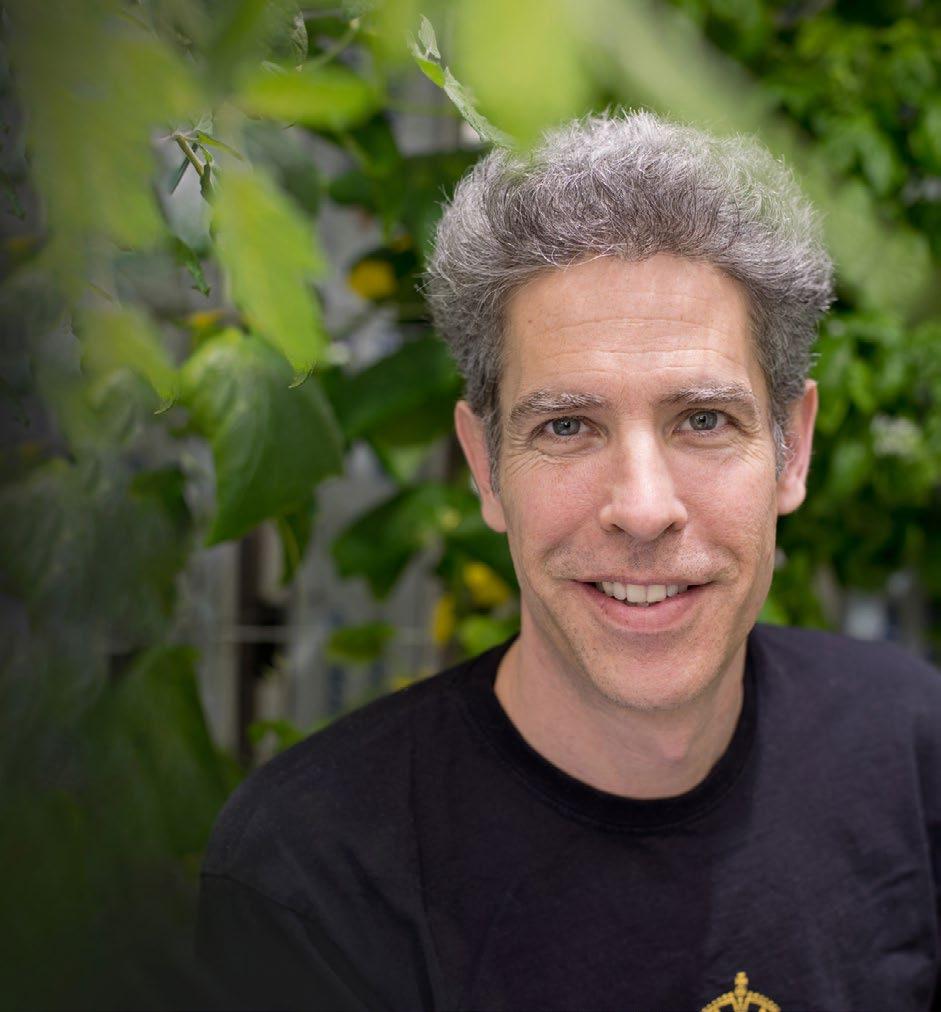
Behind the Grow is where growers, makers, and innovators share the real stories behind their cultivation journeys—successes, failures, weird experiments, and all the lessons in between. Whether it’s hydroponics in a closet, regenerative farms in the countryside, or a balcony jungle in the city, we get into the why behind the grow.
Hosted by Eric Coulombe, publisher of Garden Culture Magazine and lifelong plant nerd with zero patience for BS.
�� Expect real talk.
�� Practical insights.
�� Occasional mushroom tangents.


RBY XAVI KIEF
egulatory systems deal with the ownership of intellectual property (IP) relating to seeds in various ways, and professional growers need to understand their rights and responsibilities when it comes to how they use and develop seeds. These rules are intended to encourage innovation and ensure that the cost of doing the work to improve or preserve unique plant genetics is fairly compensated. Like other forms of copyright, there are many differing opinions about how to define and enforce them.
Think about it this way: if you buy some jeans and like how they fit, you could get the supplies and figure out how to make another pair just like them. That seems reasonable. You’ll be ok with any slight irregularities or other ‘flaws’ in your homemade pants, because you know what you’re getting.
By contrast, say you open a factory, purchase all the equipment to manufacture near-exact replicas of those jeans, and even use some of the same branding to sell them to folks who can’t tell the difference. Now there’s an issue.
“Knockoffs” can hurt breeders’ reputations and cut into their sales numbers, so it’s theoretically in their interest to defend against this kind of activity. It’s also true that you would be capitalising on their prior work, if you do this without contributing anything of your own (innovating), reciprocating (paying a license fee for the right to use the branding), and/or re-purchasing new stock for each batch (let’s say the company offers their proprietary denim for sale to producers, who make the jeans and sell them with the company’s approval).
Supply-chain purchasers and end-users also deserve consistent results when they depend on a varietal name to make important buying decisions. One sweet pepper that was supposed to be spicy is a let-down, but a whole field designated for sale to a hot sauce company is a disaster. Growing proprietary plants for these types of businesses, including maintaining intellectual property rights, is one way to make seed production more lucrative.
Tracking and transparency go a long way to proving your intent to do the right thing when it comes to selection, production, and sales. More than whether or not you’ll be caught, claiming ownership of and profiting from something you didn’t actually intellectually create can be sketchy. This becomes especially relevant when it comes to claims about very special traits,
Professional growers need to understand their rights and responsibilities when it comes to how they use and develop seeds
such as a medically effective phytochemical profile, exceptional disease resistance, or a look, taste, or other feature that drives sales.
Negotiate with the developer to act according to their wishes regarding the use of the name they gave to the unique genetic profile. Be honest with your buyers about what they should expect when it comes to the qualities they associate with that product, and how your version represents or differs from the ‘Original’. Remember, the very concept of ownership over another individual and their progeny is a human invention (e.g., does the dog you live with own its puppies? Do you?). Attitudes and perspectives about it differ greatly. Practice care, integrity, and reciprocity, knowing everything you do is in the context of relationships, not (merely) a transaction. 3
v e r s t e e r i ng Yo u r rG o w O f f a C l i f f

Let me first say this — crop steering works. But only when the grower knows how to observe and read plants, has correct data, and has the capacity to make the necessary adjustments in their room environments
BY DUSTAN MCLEAN
Hot take coming in... Crop steering, as it’s being used now, is nothing more than ‘Colour By Numbers’ for growing, resulting more often than not in growers steering their crops right off the road and over the Boof Cliff.
“Whoa... Hold on there, buddy... That’s a pretty bold statement — what are you talking about?” is probably what you’re saying to yourself. But hear me out.
If you’re going to steer a room properly, you should be able to not only read the data but also have enough sensors to provide reliable data
I get crop steering as it’s being used now, through irrigation and environmental strategies and practices. But in my observations, it results in farming plants, not trichomes, in most cases. The endless push to get an extra two percent out of each crop, when in reality you’re losing five or more.
Why is this happening? Let me first say this — crop steering works. But only when the grower knows how to observe and read plants, has correct data, and has the capacity to make the necessary adjustments in their room environments.
“The best nutrient for a plant is the shadow of the Grower.”
I was taught this by my first mentor, Jacques. He spent hours studying his crops and taking lessons after each run. He taught me the importance of observing plants and getting to know them like you would good friends. Jacques got to know his plants and consistently brought out the best in them — no matter the cultivar. He never used the same room conditions or irrigation strategy — he made adjustments based on what he was seeing. One day, we were in his garden, and he was musing about how much he had written down about each cultivar and its corresponding crops. He said something that I remember to this day. “Got to know each one of em’ pretty good, but it only matters what the girls are doing this run, not the last. You have to know how to read and react when the girls don’t like what you’re doing.” He steered his crops right down the Main Street of Quad City. Not every road was the same to get there — but he made it because of one thing. Observation.
And that’s where some go wrong. They depend on numbers, graphs, and other eye-dazzling data to the point of analysis paralysis.”The numbers have to be what the books say they should be, or what other grower’s notes say,” is the mantra of some. That’s not farming — that’s growing by numbers.
If you’re going to steer a room properly, you should be able to not only read the data but also have enough
sensors to provide reliable data. Having three moisture/EC sensors and two environmental sensors in a large room of 500 plants is just nonsense to me. The problem with these large rooms is the microcli mates. I’ve been in rooms where the outer tables are in a completely different environment than the tables in the middle, but all the tables are getting the same irrigation. How is the grower supposed to steer a room where environmental stability is an issue? That’s just one issue growers can face.
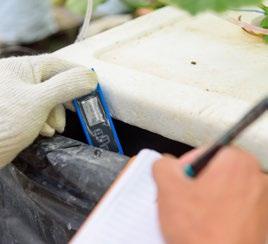
Another is — and I can’t believe I have to say it — not all cultivars are the same. Some love the high EC feedings and getting blasted with photons, high temperatures, and relative humidity, while others perform better with much lower numbers in those categories. Many cultivars exceed conventional VPD recommendations. Get to know how your gear runs and steer your crop using your eyes, not just the data you’re seeing. It’s never wise to drive a car using only the navigation screen. You have to look out the windows.
And finally, the biggest flaw I see in crop steering is the push to get a little more out of every crop when the cultivar just doesn’t have more to give genetically. It results in losses instead of gains, time and time again. The grower ends up farming plants, not trichomes. They may get an extra few kilograms of product, but at the cost of trichome production and, most importantly, quality. They get so focused on delivering quantity over quality, they miss the big picture. Consistency at peak performance is what I was taught by so many successful people in the game.
If you want to keep your crop on the road and steering towards Quad City, focus on what your plants are telling you and learn to adapt beyond what a book or someone’s notes say. That information can be super helpful for sure, but this is now — the present. Grow accordingly. 3
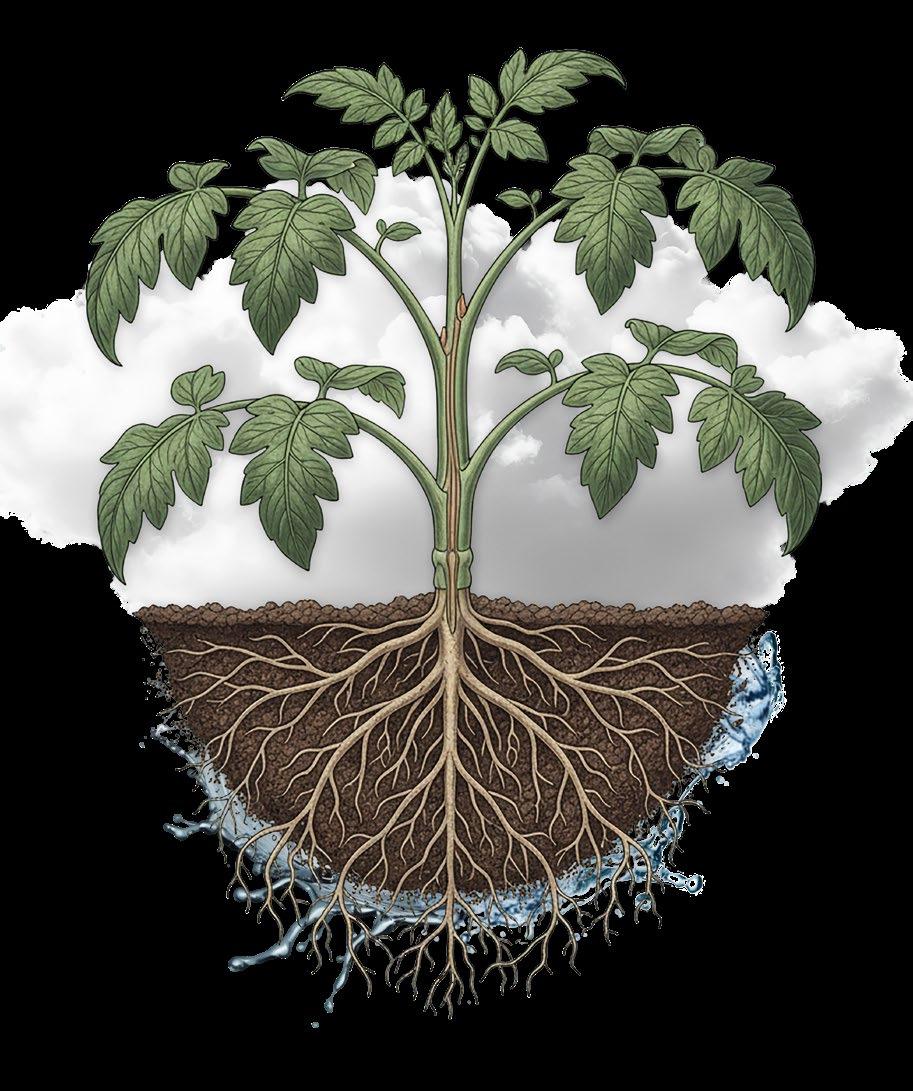
Allowing for healthy root growth and development in early plant cultivation ensures that high light intensities and, thus, photosynthesis can be maintained
During my studies at Wageningen University & Research, we primarily investigated how light, in terms of intensity, spectrum, and its interaction with other environmental parametres, affects plant growth, morphology, and the synthesis of pharmacologically active compounds. However, we always had to ensure that all other variables (except the one under investigation) were held constant and, most importantly, up to the standards of commercial production.
One morphological parametre to consider was root growth and development to ensure sufficient water and nutrient uptake under extreme conditions. Allowing for healthy root growth and development in early plant cultivation ensures that high light intensities and, thus, photosynthesis can be maintained. Before we discuss the physiology and practices used to ensure vigourous root growth, we should consider why we grow plants and how plants determine which organs they should invest energy in.
Plant cultivation can be optimised in many ways, either in terms of the weight of harvestable product per unit of ground area or in the concentration of valuable compounds per unit of ground area. For various crops, these compounds can vary; for instance, they may include total soluble sugars in fruits and vegetables. Total soluble sugars are classified as primary metabolites, such as glucose, sucrose, and fructose, which are necessary for plant growth but also determine the sweetness of the product. These compounds are not directly involved in plant growth but rather in plant defence against environmental stresses such as drought, flooding, high light intensity, and herbivory damage. For plants grown for their specialised metabolites, we must consider how irrigation strategies can optimise both plant growth and, consequently, the harvestable flowers. Also, how can we increase the concentration of terpenoids by introducing stressful conditions, without limiting plant growth?
Here, the growth-defence trade-off comes into play. Carbohydrates that are synthesised through photo-
BY MEXX HOLWEG


Mexx Holweg is the Technical Solution Manager and Crop Advisor at Dutch Lighting Innovations, where he combines scientific expertise with practical horticultural insight to deliver data-driven lighting solutions. He holds a Bachelor’s in Applied Biology from HAS University of Applied Sciences and both a Master’s degree and doctorate from Wageningen University & Research. His research focused on plant physiology and photobiology, with a strong emphasis on optimising light strategies for indoor-grown medicinal plants. Passionate about applied science, Mexx excels at translating complex research into real-world solutions that help growers improve yield, consistency, and crop performance.
How can we increase the concentration of cannabinoids and terpenoids by introducing stressful conditions, without limiting plant growth?
synthesis can be either directed towards primary metabolites to increase plant growth, or towards plant specialised metabolites to improve plant defence (but also the quality of the harvestable product!). Under environmental conditions in which stressors are absent, plant growth is prioritised over plant defence, which, from an evolutionary perspective, makes sense. Young plants should allocate most of their energy to stem elongation and leaf area expansion. This strategy enables plants to outgrow their neighbours and compete more effectively for light, thereby increasing their chances of survival through greater growth.
Now, when we consider irrigation, we want to ensure that root initiation (the formation of adventitious roots from cut tissue) is increased, which can be done by applying external rooting powders or gels. One of them is auxin, the primary plant hormone that accumulates at the base of the cutting. Under these conditions, we must ensure that the relative humidity is maintained at around 95%, as there is limited water uptake to compensate for water lost through transpiration. This would otherwise be comparable to being left in the desert without any water. However, as soon as calluses and root tips form, we want to gradually


Young plants should allocate most of their energy to stem elongation and leaf area expansion. This strategy enables plants to outgrow their neighbours and compete more effectively for light, thereby increasing their chances of survival through greater growth.
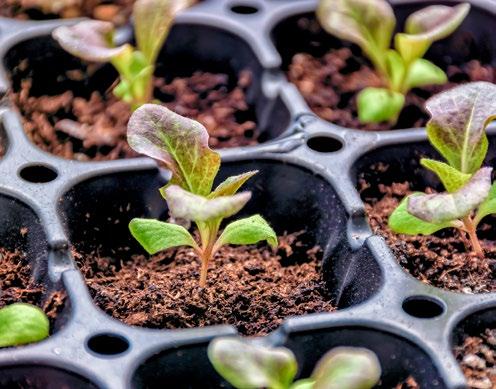
As mentioned earlier, during the early phases of plant cultivation, we aim to promote vigourous vegetative growth. This can be maintained at high temperatures and moderate relative humidity. To understand the influence of temperature and relative humidity on transpiration, feel free to calculate the VPD yourself through the following calculation:
=es ×(1-RH100 )
0.6108×exp?[(17.27T)/(T+237.3)]
saturation vapour pressure in kPa
Actual vapour pressure in kPa
the ratio of es and ea*100 in %
Air temperature in °C
Up to this point, we have discussed the physiology of plants, focusing on how environmental factors such as light, temperature, humidity, and substrate water content interact to influence plant growth and internal water flow. In the next article, we will delve more deeply into how you can use VPD, substrate water content, irrigation frequency, and shot sizes to actively steer vegetative growth during the early cultivation phases, and later adjust these environmental setpoints to induce stress, thereby increasing the production of your pharmaceutical active compounds. 3
At Winsome Farms in Chilliwack, BC, Martina de Rover and her husband shepherd a flock of 15 sheep [1]. Each spring and fall, the animals are sheared, and the usable fleece is spun and turned into wool fibre and yarn. But therein lies the challenge: only 3% of that fleece is actually used for fibre [2]. The wool sheared from the sheep’s belly and hind quarters is dirty and full of discharge. It’s expensive to clean, it’s knotted, and traditionally has sat unused in barns.
Confronted by the massive pile of fallow wool at Winsome Farms, de Rover was struck by inspiration.
“I put it into the garden! I think I always knew intuitively that wool was good for the [soil].”
Aside from the birds gathering the wool lying on top of her garden beds for their nests, the results were immediate.
“There were lots and lots of worms and less watering,” she says.
Fortified by what she had seen, de Rover did some research and discovered she could turn waste wool into fertiliser pellets. She bought a wool pellet mill, started a side business, and hasn’t looked back since [3]. The only preparation required is to remove any foreign objects stuck in the wool, such as stones and sticks, and to cut the wool into manageable pieces that the machine can digest.
“The dirtier the wool, the better,” she says.
Using heat and pressure, the machine can create 20-30 pounds of fertiliser pellets per hour, which she packages and sells directly to local market gardens and home gardeners through her website. And it’s not just her wool that she is recycling – farmers from all across the area are happily selling their waste wool to de Rover as well.
Nica Rabinowitz is the brand engagement and supply chain development manager for Fibreshed’s climate-beneficial programme. This nonprofit organisation develops regional fibre systems to expand opportunities for eco-friendly agriculture [4]
BY JENNIFER COLE


Jennifer is an avid gardener and journalist whose bylines have appeared in publications such as Reasons to be Cheerful, Sierra Digital, Canadian Geographic, and Rewilding. When not writing about how to create and maintain climate-friendly home gardens, you can find her planting and enjoying her small urban garden in Vancouver.
WANT TO READ MORE OF JENNIFER’S WORK? SCAN THE QR:

“Across the U.S., small and midsize farmers and ranchers are shearing sheep and ending up with excess wool,” she explains. “Belly wool, tag wool, or any wool with fibres too coarse to use for textile manufacturing. These wool pellets are a brilliant solution that can transform overlooked fibre into food for soil and plants.”
Considering that over 1,977,300 tons of wool were produced globally in 2022, and approximately 1,477,300 tons were estimated to have been wasted, this represents a significant amount of wool and offers many benefits for gardeners [5]
Wool’s
Because wool pellets can absorb up to 30% of their weight in water, they can slowly release moisture as the plant requires it.
“When moisture hits the pellet, it poofs up,” de Rover explains. “All the pockets in the layers of the compressed pellet open up, adding more oxygen to the soil.”
Wool naturally resists compression, so once the pellet has expanded, it stays open. During hot weather, the wool will absorb excessive heat and release it as temperatures drop, helping avoid extreme fluctuations in soil temperature. This is great for cool-season crops such as lettuce and kale, which will bolt in the heat.
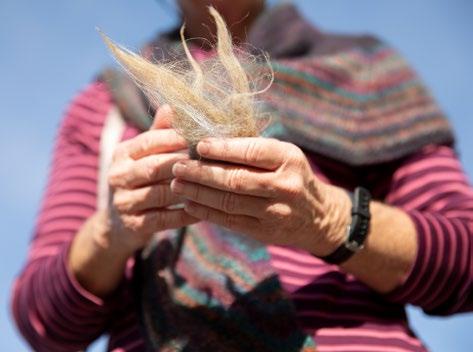
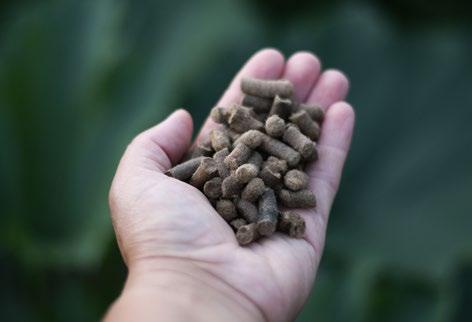
Biodynamic, regenerative, and organic farmers love using wool as an amendment because it supports healthy soil and is rooted in a waste-not-want-not philosophy that promotes re-purposing all farm resources as part of a closed-loop system
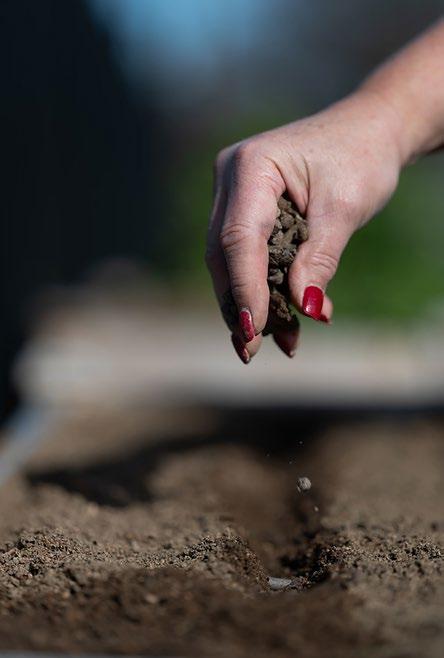
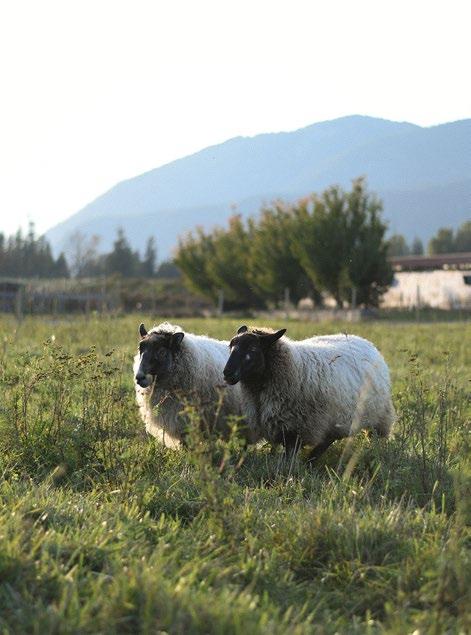
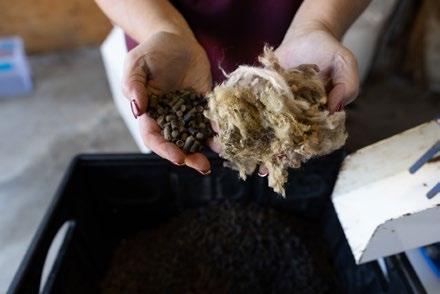
Wool naturally contains nitrogen, which slowly returns to the soil as it biodegrades without harming the environment or contributing further to climate change. And yes, wool will deter garden pests, especially slugs
While synthetic fertilisers may provide essential nutrients to plants, such as nitrogen, their long-term and excessive use can negatively impact soil health. Synthetic nitrogen fertilisers, in particular, acidify the soil, reducing its ability to support a diverse microbial community. More concerning is the release of nitrous oxide (N2O), a potent greenhouse gas with a global warming potential far greater than that of CO2 [6][7]
Wool naturally contains nitrogen, which slowly returns to the soil as it biodegrades without harming the environment or contributing further to climate change. And yes, wool will deter garden pests, especially slugs.
“It tastes gross,” de Rover says. “It has lanolin in it, and that’s kind of a waxy thing that keeps sheep dry, like a grease, and pests don’t like the taste of it. Slugs are really sensitive. Think of a really scratchy, itchy wool sweater; it tickles them, and they don’t like that.”
Winsome Farms recommends adding 1/2 cup of pellets to 1 gallon of soil, or 2 pounds of pellets per 2125 square feet of garden. Although de Rover initially spread the raw wool on top of her garden beds, she recommends burying the wool pellets just below the soil surface for maximum results. You can even mix wool pellets directly into potting soil in the outdoor container garden! The pellets will expand as they absorb moisture, so don’t pack containers too tightly. Applying wool in the spring will provide nutrients throughout the growing season with just one application. In the fall and winter, the pellets decompose due to cold, rain, and snow. This process further enriches the soil, helping prevent cold erosion and rain from washing away nutrients [8]
Although wool as a garden augment has not yet reached mainstream notoriety, its popularity is growing. Biodynamic, regenerative, and organic farmers love using wool as an amendment because it supports healthy soil and is rooted in a waste-not-wantnot philosophy that promotes re-purposing all farm resources within a closed-loop system.
“Fibreshed has over 75 affiliates globally, and in many regions producers are also marketing wool pellets for gardeners and farmers in their region,” says Rabinowitz.
For de Rover, what makes the wool pellets a win is not just that she has found a use for all the discarded wool stacked in the back of the barn, but that she is adding to the Earth’s natural carbon cycle. Sheep and the wool they produce are considered biogenic, which refers to carbon absorbed and stored by living organisms during their lifetimes. Sheep’s wool is 50 per cent biogenic carbon [9]
“The sheep are actually eating the grass, which is carbon, converting it to wool, and then we’re returning it to the soil. So, it’s like a whole beautiful cycle,” she says.
Jim is an Icelandic ram and is well known for his imperial crown of curly horns and a big shaggy coat. His friends include a harem of Blue-Faced Leicester ewes, sometimes called Blue-Face Maines. With little hair covering their faces, the sheep’s blue/grey skin stands out. Known for their maternal calm, the Leicester ewes at Winsome Farms have been paired with the Icelandics to birth the most adorable lambsbright-eyed, with warm, plush coats. 3
1. Winsom Farm (winsomfarm.ca)
2. Where is all this waste wool coming from? The importance of closing the – EcoWool Canada (ecowool.ca)
3. Understanding the Working Principle of Wool Pellet Machines - Organic Fertiliser Pellet Machine (fertiliserpelletmachine.com)
4. Home - Fibreshed (fibreshed.org)
5. Where is all this waste wool coming from? The importance of closing the EcoWool Canada (ecowool.ca)
6. How Do Fertilisers Negatively Impact the Environment? - The Institute for Environmental Research and Education (iere.org)
7. Nitrogen supplying capability of wool pellets as an alternative fertiliser depending on soil biological activity | Biologia Futura (link.springer. com/article/10.1007/s42977-025-00266-2)
8. Wool Pellets: Organic Fertiliser That Transforms Your Garden (epicgardening.com/wool-pellets)
9. Circular Economy & Wool | International Wool Textile Organisation (iwto.org/sustainability/circular-economy)
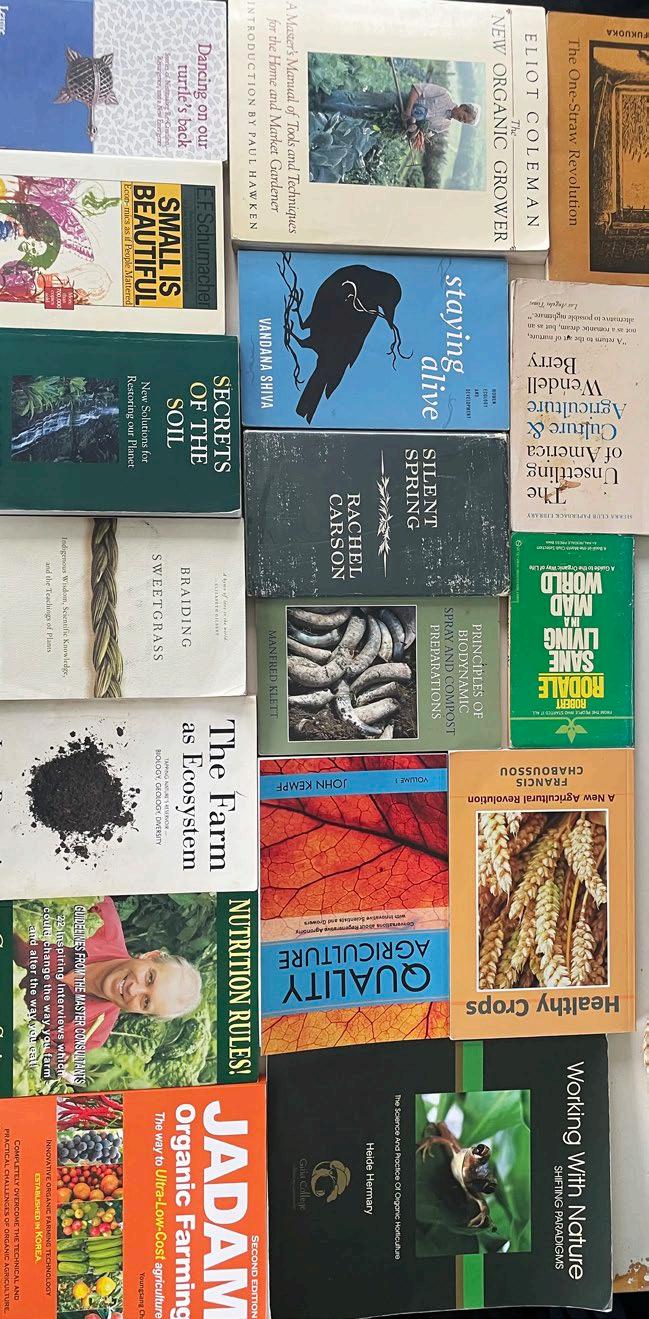
“Call me a Luddite or a laggard, but I am not an early adapter of new ‘technologies’ ”
Wendell Berry, arguably the poet laureate of agrarianism in North America, wrote an article in 1987 titled “Why I am not Going to buy a Computer.” It’s an article I go back to again and again, especially when a new technology is thrust on society. Call me a Luddite or a laggard, but I am not an early adopter of new ‘technologies’ and using Berry’s filter that a technology must be cheaper, smaller, less-energy intensive, repairable locally, and improve work without disrupting the community, it is rare for me to jump on the technological fundamentalist bandwagon.
Some books have shaped (and continue to reshape) my worldview, and I will periodically return to them to see how relevant they remain.
So, Artificial Intelligence (AI - as in ChatGPT; Gemini; Grok; Meta AI, etc. - all of which fail every aspect of Berry’s definition of a new technology) has me longing to return to the sound of turning a page, reading and re-reading books, and having conversations with my friends about what I have just read. For me, this is the best Professional Development possible, as it brings old and new ideas and perspectives into the now and keeps historical knowledge relevant, allowing it to evolve to suit current generational needs and values.
There are definitely some great hands-on courses (e.g., Frenchy Cannoli, Sandor Katz, Elaine Ingham, Vandana Shiva, Jean-Martin Fortier, etc.) and university/college courses that have been influential in my life. However, as someone with 12 years of post-secondary education, I often reflect on Matt Damon’s comment in “Good Will Hunting” about paying hundreds of thousands of dollars for a Harvard education that could have cost you $1.50 in overdue fines at the public library.
Some books have shaped (and continue to reshape) my worldview, and I will periodically return
BY AV SINGH
Av Singh, PhD, PAg is an advocate of regenerative organic agriculture serving various organisations, including Regeneration Canada, Navdanya, and the Canadian Organic Growers.


WANT TO READ MORE OF AV’S WORK? SCAN THE QR:

So, Artificial Intelligence (AI - as in ChatGPT; Gemini; Grok; Meta AI, etc. - all of which fail every aspect of Berry’s definition of a new technology) has me longing to return to the sound of turning a page, reading and re-reading books, and having conversations with my friends about what I have just read.
to them to see how relevant they remain. From E.F. Schumacher’s “Small is Beautiful”, Wendell Berry’s “The Unsettling of America” and Vandana Shiva’s “Staying Alive” to Rachel Carson’s “Silent Spring”, all are constant reminders of the bounty of Nature (inclusive of humans) and how the pitfalls of greed and extractivism take us away from our pursuits of peace, justice, and health. More recently, I have also been enlightened by the works of Leanne Betasamosake Simpson (“ Dancing on your Turtle’s Back” ) and Robin Wall Kimmerer (“Braiding Sweetgrass”), gaining an increased appreciation for traditional and Indigenous knowledge systems. When it comes to an applied appreciation of traditional ecological knowledge or Indigenous knowledge systems, I turn to David Holgrem’s book “Permaculture: Principles & Pathways beyond Sustainability.” These books provide a value-based filter by which I read more technical and applied agricultural books to help create a methodology that meshes philosophical beliefs with economic outputs.




I’m not sure what the future holds for AI’s interpretation of these works. Still, I don’t think it will be able to capture the feeling of curling up in your favourite chair, having a wee dram of whisky by your side, and the sound of turning pages—that, to me, is professional development at its finest.
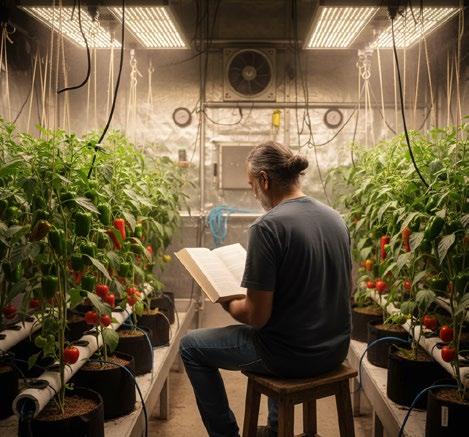
As a holistic thinker, when I read, my mind is constantly trying to integrate new learnings into a coexistence with other teachings, which may explain the first series of books I recommend. Jerry Brunetti ( “The Farm as Ecosystem” ), Francis Chaboussou ( “Healthy Crops” ), Peter Tompkins and Christopher Bird ( “Secrets of the Soil” ), and Heide Hermary ( Working with Nature - Shifting Paradigms) are authors who are very inclusive of many different ways of knowing and at times conflicting philosophies. Providing a synthesis of the works of pioneers like Rudolf Steiner (Biodynamic), Masanobu Fukuoka (Natural Farming), William Albrecht (Mineral Balancing), Carey Reams (Soil Biophysics), Philip Callaghan (Paramagnetism), readers get a deeper appreciation of the complexities of natural systems and a great sense of humility in how little we actually know.
With decades of agricultural extension in practice, certain foundational books helped shape my onfarm knowledge. They are too numerous to mention, but for market farmers, Eliot Coleman’s The New Organic Grower brought together the concepts of Alan Chadwick, John Jeavons, and others who built upon the Bio-intensive gardening movement in Europe, and spurred generations of organic farmers. Similarly, Jean-Martin Fortier ( “The Market Gardener” ) has added another chapter to this movement.
With decades of agricultural extension in practice, certain foundational books helped shape my on-farm knowledge.
For the past decade or more, I have been preoccupied with the phenomenon of biostimulants. This stems from my interest in quantum physics and metaphysics, which undoubtedly influenced my draw towards biodynamics. Manfred Klett’s book, “Principles of Biodynamic Sprays and Compost Preparations,” is a nice introduction to biodynamic agriculture. Arguably, these biodynamic sprays were among the earliest biostimulants used in agriculture. The last three books that I want to mention not only highlight the importance of biostimulants in agriculture but also tie together many of the concepts expressed by the pioneers of the organic, regenerative, and natural farming movement. Graeme Sait ( “Nutrition Rules” ) uses a series of interviews to weave together a farming system centred on biodiversity and low-tech solutions, including biostimulants, to reduce the use of excessive fertiliser and pesticides. Youngsang Cho authored “JADAM Organic Farming,” which touts ultra-low-cost technologies, such as DIY fermented plant extracts and teas that serve as fertilisers and pest deterrents. Lastly, John Kempf’s “Quality Agriculture” builds on the many guests he has featured on his “Regenerative Agriculture” Podcast, who often help advance his philosophy of the plant health pyramid, which simply states that the foundation of agriculture is optimising photosynthesis!
I’m not sure what the future holds for AI’s interpretation of these works. Still, I don’t think it will be able to capture the feeling of curling up in your favourite chair, having a wee dram of whisky by your side, and the sound of turning pages—that, to me, is professional development at its finest. 3
the Indoor Organic Garden That Fits You
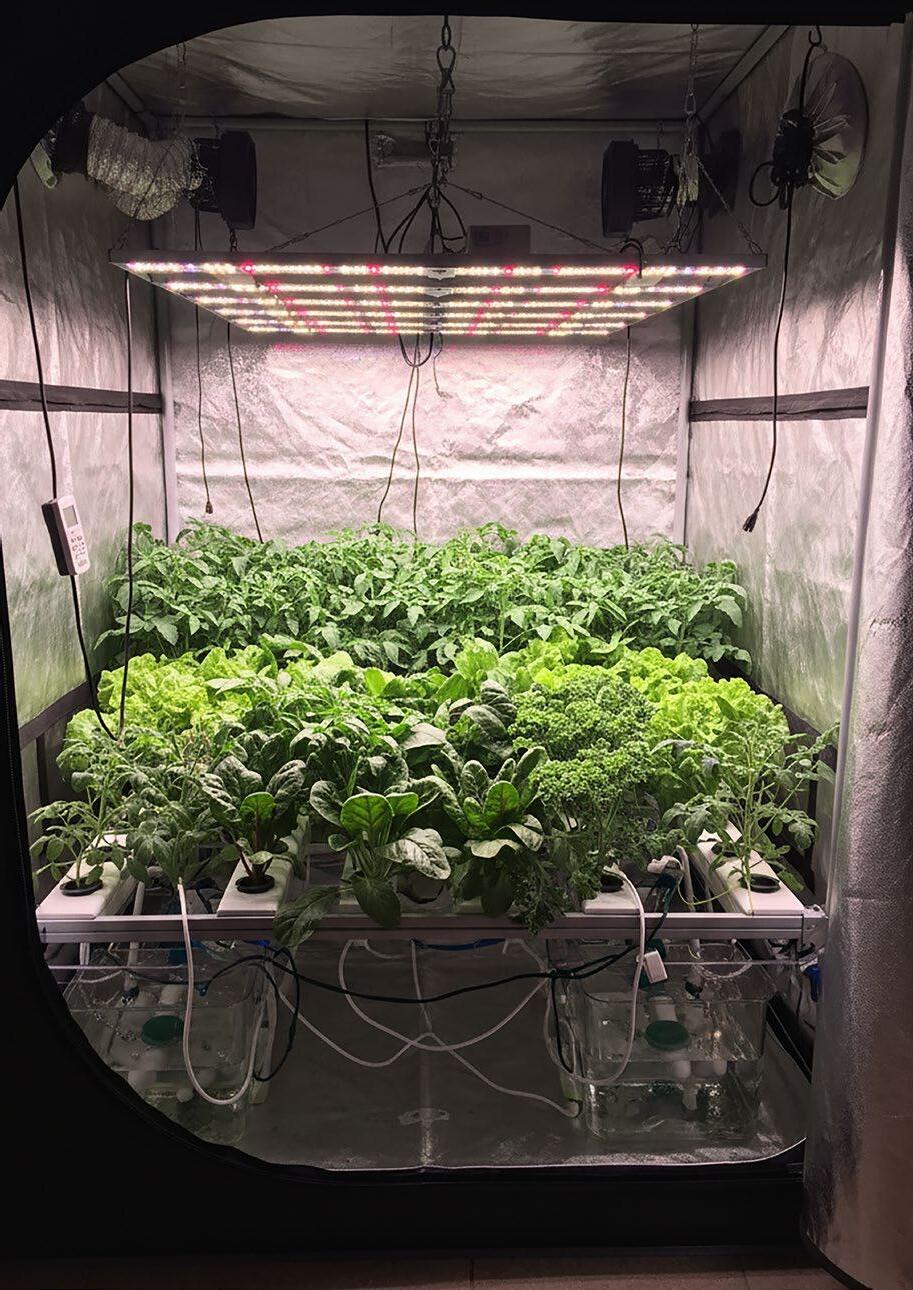
Growing organically indoors works best when the approach is built around the grower, not the other way around
Growing organically indoors works best when the approach is built around the grower, not the other way around
Organic indoor gardening is a world full of opinions. Spend five minutes online, and you’ll find someone insisting that raised beds are the only “real” way to grow organically, while someone else swears that anything bigger than a 20-litre (5-gallon) pot is a waste of space. Others passionately defend their favourite bottled “organic” nutrient as the best solution to controlling fertility. And somewhere amongst all that noise is the everyday grower, trying to make the best choices for their plants, their space, and their life.
My view is simple: after my early years in the industry, working in a grow shop and advising indoor growers in practically every situation imaginable, and now answering many questions daily about optimising organic living soil, there is no universally perfect organic growing method. Growing organically indoors works best when the approach is built around the grower, not the other way around.
The method that’s ideal for you depends primarily on your limitations, your environment, your goals, and the logistics of your daily life. Once you understand those factors, you can use methods that suit your situation, then everything should fall into place.
When I talk to new growers or even experienced ones trying to refine their setup, the very first thing I ask isn’t about soil, nutrients, or genetics. It’s this: “What are the non-negotiables in your space?” Because those limitations shape everything.
If you’re growing in a rented house, for example, you may need to dismantle your entire grow every few months. Lugging 500 litres of soil out of a flat and back again is no one’s idea of fun, so a raised bed is out of the question. On the other hand, if you own your home and grow in a basement, then a bed might be the best decision you ever make. Once established, a living-soil bed becomes a mini-ecosystem with lower day-to-day maintenance than in pots, offering greater stability, resilience, and enhanced soil life.
BY GARETH HOPCROFT

Gareth Hopcroft is a certified plant geek and all round organic gardening devotee. Gareth has been involved in the UK hydro industry for 15 years and is currently the owner of Ecothrive; known mostly for bringing frass to the UK scene through his product ‘Charge’. When he’s not talking about indoor growing or microbes, you’ll find Gareth getting his hands dirty on his allotment or falling off his skateboard.
Follow Gareth @ecothrive
WANT TO READ MORE OF GARETH’S WORK? SCAN THE QR:

Once established, a living-soil bed becomes a mini-ecosystem with lower day-to-day maintenance than in pots, offering greater stability, resilience, and enhanced soil life
For some growers, the limitation is physical. I’ve worked with plenty of people who can only access their grow room from one side, or who have mobility challenges that make heavy pots impractical. In those cases, smaller containers aren’t just practical— they’re essential. A 25-litre (7-gallon) pot that can be lifted, rotated, or slid out of the way is infinitely more manageable than a 56-litre (15-gallon) container that blocks their path.
Another significant consideration is time, and how much you can dedicate to your garden. If you want a low-maintenance organic garden, consider larger pots or beds. Smaller pots tend to need more regular watering and supplementation.
The critical thing to remember is that soil is alive!
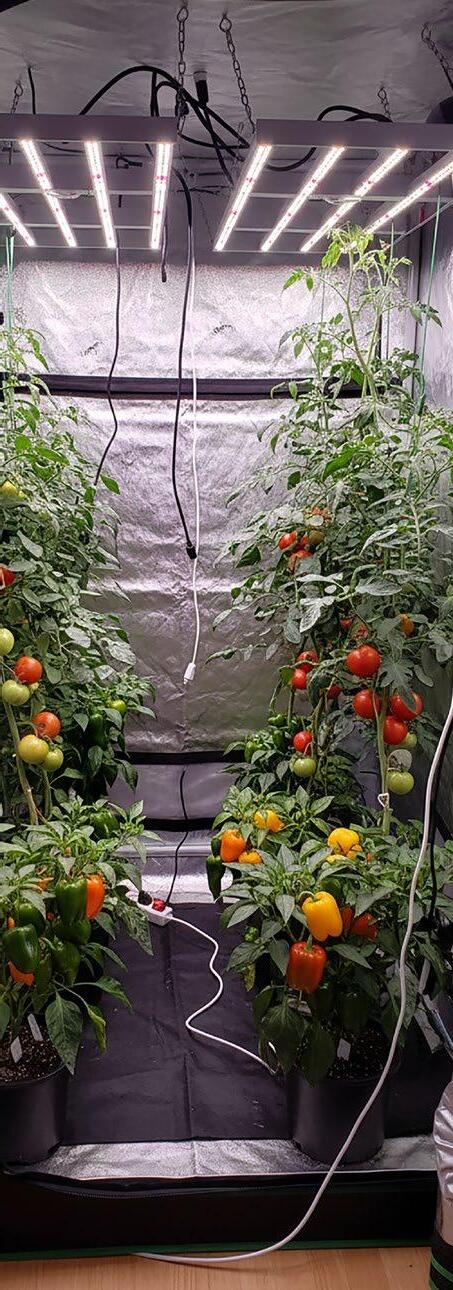
Well-grown organic plants finish well with minimal intervention.
Once the limitations are clear, you can start thinking about container size. Along with how many plants you intend to grow, container size is your most crucial decision for organic growing, especially with living soil. This is where many growers encounter unnecessary pressure, because large living-soil systems are often portrayed as the only “true” organic method. They’re brilliant when they suit the situation, but they don’t suit everyone.
A raised bed gives you a deep reservoir of nutrients, highly active soil biology, and wide buffers against moisture swings. Watering becomes easier, and top-dressing or feeding is less frequent. Plants tend to grow with a certain confidence in a bed, as though they know they’ve got everything they need. But beds are heavy and difficult to move; they require a level of long-term commitment that simply doesn’t match everyone’s situation.
Larger pots in the 40- to 70-litre (10-20-gallon) range offer a lovely middle ground. There’s enough soil to support vigourous biological activity, but you still retain some ability to rearrange your layout. They’re excellent for growers who want the benefits of living soil without the permanence of a bed.
Then you have the smaller pots, ranging from 20 to 30 litres (5 to 7 gallons). These are a lifesaver in certain situations. If you’re running multiple seedlings and searching for a standout plant, small pots keep everything manageable. If your canopy contains a mix of vigourous and compact varieties, small pots let you raise or lower individual plants to maintain an even-ish canopy. And if you simply need the freedom to move things around, small pots give you that flexibility every single day.
The catch, of course, is that small pots don’t hold enough soil to feed a hungry plant through its entire life, or provide the physical surface area of soil and biological habitat needed to break down the top-dresses and create enough nutrition to support a fast-growing plant. In small pots, that process simply can’t always keep up. So you end up supplementing the frequent top-dresses and regular compost extracts with fermented plant extracts, or liquid organic nutrients. Some growers consider liquid feeds “un-organic”, but that’s the reality for success that a small pot growing system requires.
Beds. Big pots. Small pots. Teas. Top-dressing. Liquid feeds. They’re all just optional tools in the organic gardener’s toolbox.
Tip - You don’t have to purchase organic bottled feeds; you can make your own using soluble organic powders or craft your own fermented extracts.
No matter which container size you choose, a good organic grow begins with healthy soil
Here is a quick guide to pot size and approaches for success from my point of view:
Up to 15 L (up to 3 gal)
20–30 L (5–8 gal)
40–60 L (10–15
Low plant count (4–6 plants per 1.2×1.2 m)
High plant count (around 9 plants per 1.2×1.2 m). For 4–6 plants, mixed methods are ideal.
Ideal for 4 plants per 1.2×1.2 m
Great for low plant count (2 plants per 1.2×1.2 m).
Perfect for water-only growers.
Ultimate organic setup; works with any plant count
True living soil is difficult to sustain in this volume. Organic liquid feeds are recommended. Top dressing alone requires weekly amendments plus compost extracts or microbial teas.
Living soil principles can function well at this size with a high plant count. Top-dressed amendments perform reliably; supplement with feeds, especially in late veg and early flower.
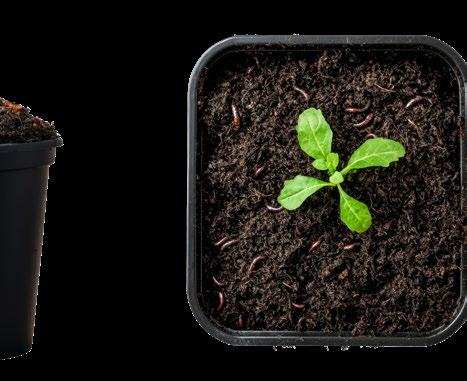
Maintenance Level
to
A stable living soil system is achievable at this volume. Top dress in late veg and early flower; add compost extracts or teas every 1–2 weeks.
Soil volume can support a true water-only approach. Light top dressing remains beneficial. This size provides a robust environment for a fully functioning living soil.
Water-only with occasional top dressing. Provides the most stable and resilient living soil environment.
No matter which container size you choose, a good organic grow begins with healthy soil. There are many off-the-shelf mixes available that will get you off to the races quickly and easily. If you want to build your own soil mix, I always steer growers toward a simple, balanced mix that includes:
• 20-30% high-quality compost or worm castings
• 40-60% growing media peat or coco
• 20-30% aeration, such as pumice or perlite.
Add essential mineral sources such as gypsum and calcium carbonate, use optional soil-building inputs such as rock dust and humates, then mix everything evenly. Now, you have a base soil that supports microbial life without being overly complex or fussy. You can use this as a ‘light mix’ in small pots for liquid feeding, or add extra amendments to increase fertility and begin creating a living soil mix full of nutrients and long-term fertility.
Notes
A combined approach (liquid feeds + dry amendments) often works best.
Expect to top dress every 1–2 weeks and use feeds twice weekly during peak demand.
Growing fewer than 4 plants will require more frequent top dressing.
Excellent hands-off pot size for long-term living soil performance.
Soil moisture management is the key factor for success.
The critical thing to remember is that soil is alive! Your job as an organic grower is to support that life by watering correctly, avoiding harsh chemicals, and feeding the soil with raw, organic dry amendments to help it develop into a dynamic ecosystem that naturally and consistently feeds your plants.
Watering is where many new growers trip themselves up. Organic living soil generally likes a steady rhythm: deep watering, followed by a gentle wet to moist ‘dry-back’, then the cycle repeats with another deep watering. The goal is to maintain a comfortable moisture level that the microbes and roots both appreciate. Overwatering will suffocate the biology, while underwatering disrupts nutrient cycling. If you are new to living soil, get yourself a moisture meter; you won’t regret it.
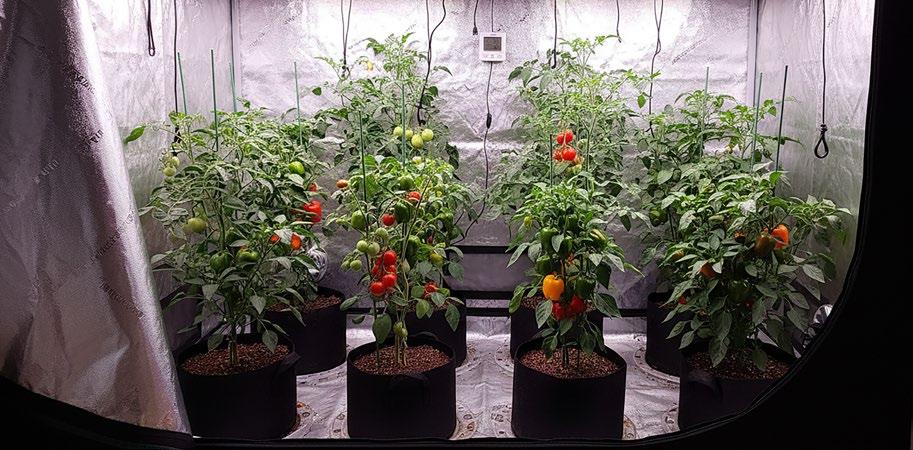
What you add to that water depends on your system. In large soil volumes, you may go weeks without adding anything except clean, dechlorinated water. In smaller pots, you need to give a little extra help: a weekly top-dress of an amendment blend suited to vegetative growth in the early stages, regular compost extracts to boost microbial diversity to ensure nutrient cycling is at full-tilt, or liquid feeds to top-up the nutrition that the soil can’t release fast enough.
The key is not to treat these inputs as religious rituals. They’re tools to use when the system needs support.
Compost teas have taken on an almost mythical status in some circles, but in reality, they’re simply a way to introduce beneficial microbes or provide a slight, organic nutrient boost. For watering the soil, brewing a tea for 12-24 hours is not really necessary, and can cause problems if you are not checking the biology with a microscope. Making a quick compost extract is far safer and often brings similar benefits.
Simply use high-quality worm castings or purchase biologically complete compost to make extracts with. If you want to spike the extract with extra nutrition, blend the compost with 5-10% alfalfa or insect frass before making the extract to encourage vigourous vegetative growth. And during flowering or fruiting, a biologically rich compost extract spiked with potassium sulphate can help support the plant through its most demanding phase.
How often to use a compost extract depends on your system. In a raised bed, you might use extracts only 3 or 4 times throughout the whole cycle. In small pots, they may become a regular part of your weekly routine.
As your plants approach their final weeks, try not to overcomplicate it. Well-grown organic plants finish well with minimal intervention. One nutritional aspect you must pay attention to for a high-quality finish is nitrogen; aim to enter the final few weeks with low soil nitrogen availability. Timing your top dresses and additional feeds is key to this.
Many growers transition to plain water or very mild biological inputs, allowing the soil to wind down naturally. Good airflow, comfortable temperatures, and a stable watering rhythm help plants express themselves fully as they reach maturity.
At the end of the day, the real secret to success is designing an organic grow that fits your reality. When you work with your limitations instead of against them, everything becomes easier. You stop fighting your space and start enjoying the process. You stop copying someone else’s “perfect” setup and begin building your own.
Beds. Big pots. Small pots. Teas. Top-dressing. Liquid feeds. They’re all just optional tools in the organic gardener’s toolbox. The art lies in choosing the right combination for your environment and your lifestyle. The truth is, there’s no single correct way to grow indoors organically. There’s only the correct way for you 3
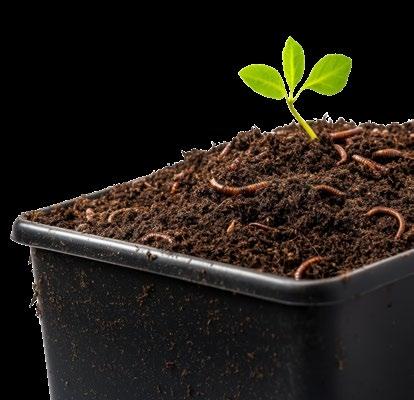
Introducing the PAR Meter Test any grow light with accurate PAR readings and data logging.
LIGHT MEASUREMENT RANGE:
0 to 3999 μmol/m²/sec
PRECISION READINGS:
Repeatability of +/-1 μmol/m²/sec
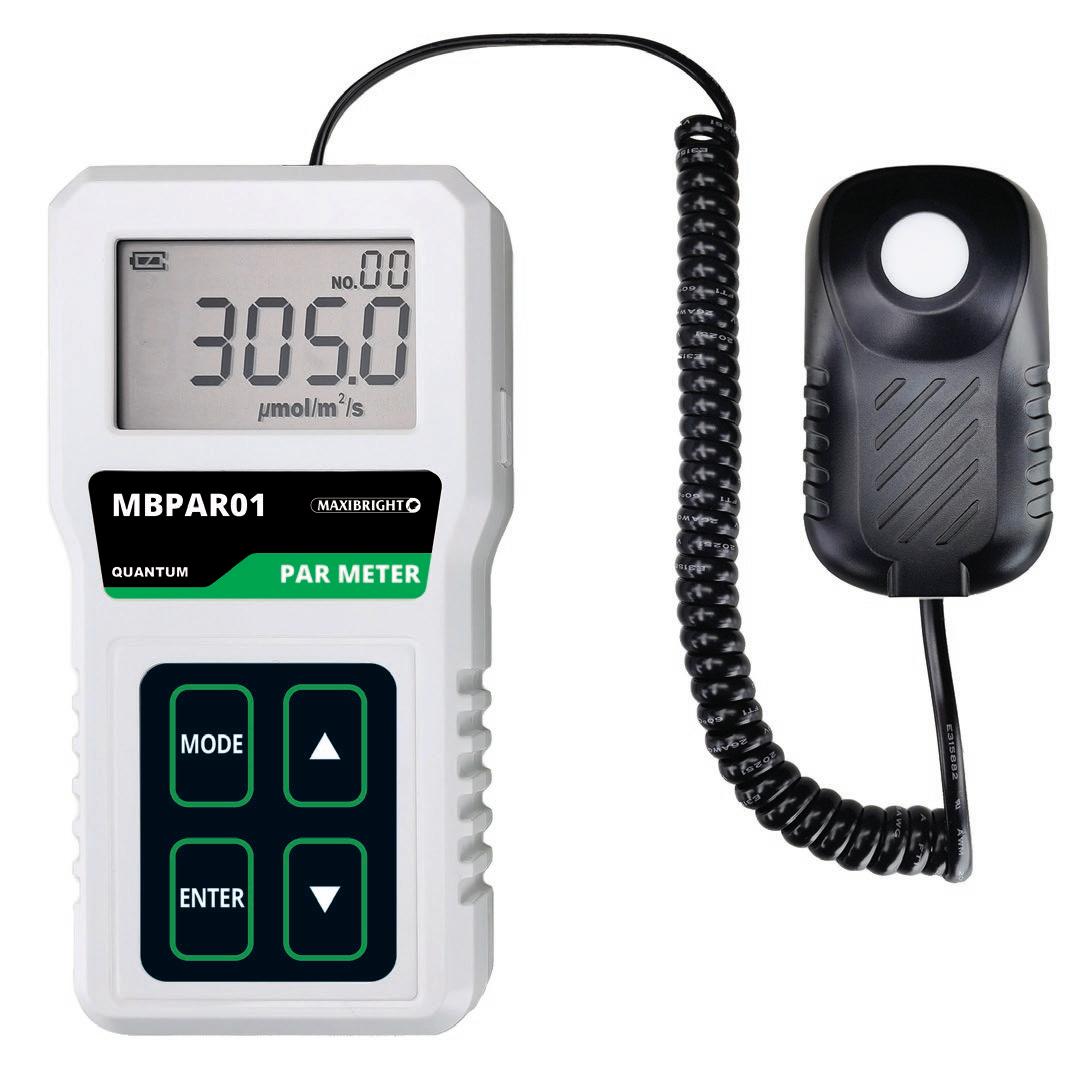
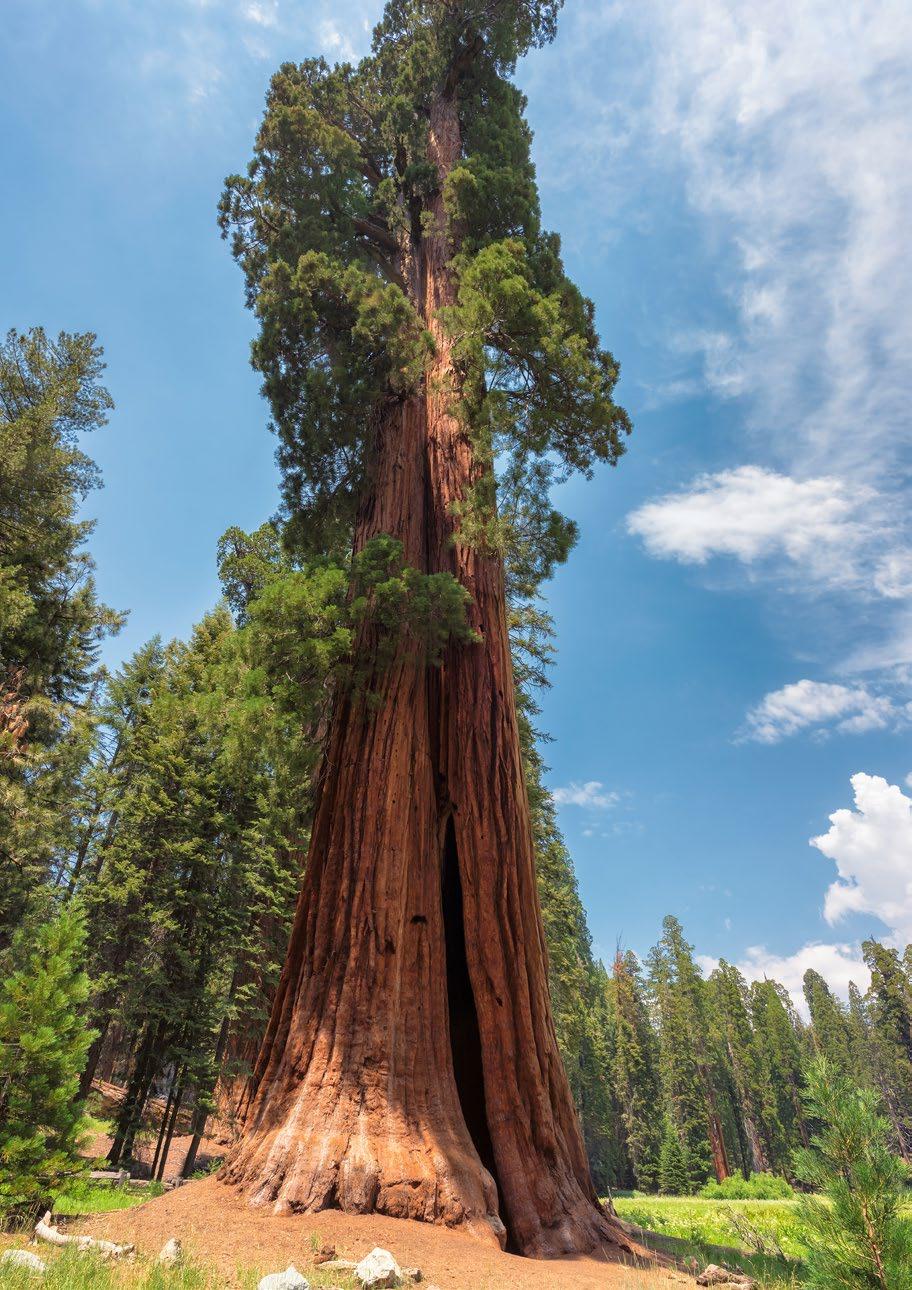
Have you ever wondered how plants are named? Plants, fungi, and algae all have two types of names. Common names, such as a Redwood Tree, as well as a true scientific Latin name ( Sequoia sempervirens ). Latin is a key scientific system called Binomial Nomenclature, which is used by botanists to create a standardised system for naming organisms worldwide. This is true for all life and is one aspect of taxonomy, the naming and classification of all life, which is based on Latin terminology.
The word Sativa in Latin simply means “cultivated”, while a vast amount of core words describe other aspects, such as “sempervirens”, translating to “forever green”. If botanists add giganteum to the Latin binomial nomenclature, it identifies that it is the Giant Redwood (Sequoia sempervirens giganteum), opposed to the California Coastal Redwood (Sequoia sempervirens californicum).
A few select groups of botanists govern these naming systems under the International Code of Nomenclature (ICN), previously known as the International Code of Botanical Nomenclature (ICBN). These codes are sets of rules for creating a linear global identification system. The plants in this classification were discovered in nature, named using their identifiers, and then classified taxonomically using this system.
A second system for naming plants created by humans is known as the International Code of Nomenclature for Cultivated Plants (ICNCP). It uses a different set of classification rules and relies heavily on genotyping.
Groups of botanists create rules or codes at the International Botanical Congress (IBC), which meets at various locations worldwide every few years to vote on changes and amendments to plant, algal, and fungal classifications. These research papers, plant judgments of codes written by the botanists, are collected and maintained by the primary governing body, the International Association for Plant Taxonomy (IAPT).
IAPT is a membership platform that connects many aspects of taxonomy education, but is primarily known for being the seat for the well-respected scientific publication TAXON, which publishes and holds the findings and research of scientists and taxonomists since 1952, and for producing the event IBC.
The botanical meeting of the International Botanical Congress migrates between continents, coming together every six years; the last event was
Latin is a key scientific system called Binomial Nomenclature, which is used by botanists to create a standardised system for naming organisms worldwide
BY A.C. MOON CAMERON


A.C. Moon Cameron is a 26-year veteran of the growing industry and the patented inventor of Croptops Greenhouses. From Northern California, she owns a 40-acre offgrid farm in the Sierra Nevada Mountain range.
These codes are sets of rules for creating a linear global identification system.
held in Madrid, Spain, in July 2024, with decisions made there, referred to as ‘The Madrid Code’. The next Botanical Congress will be held in Cape Town, South Africa, in 2029. The very first IBC meeting was held in 1864 in Brussels, in partnership with a horticultural exhibit, with the second meeting held in Amsterdam, where the decision was made to create a system of linear plant identification.
If you believe that you have discovered a new species, you will need to gain membership to the IATP and create a publication of your research and findings in association with a master botanist in their TAXON scientific journal of taxonomy or other accredited scientific publication, which is rigorously peer reviewed. After you submit genotype mapping and all publication materials along with the herbarium sample information you’ve documented, the peer-accepted research will then become official, and your discovery will be added to the International Plant Name Index (IPNI).
If your research forms a discovery to which you desire to add or change the classification of an already discovered plant, algae, or fungi species, you then follow up with adding your scientific discovery abstract to the International Botanical Congress meeting agenda and attending to present your findings for discussion. The final process to correctly identify your cultivar or species in the future is to ensure that samples and specimens are deposited at museum sites such as Herbaria and plant vaults. This will preserve your research and plant findings and share them throughout the scientific community worldwide. 3

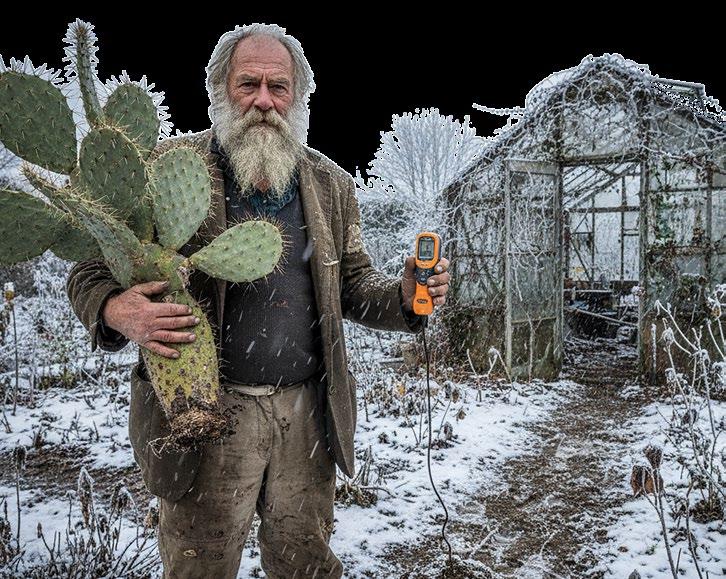
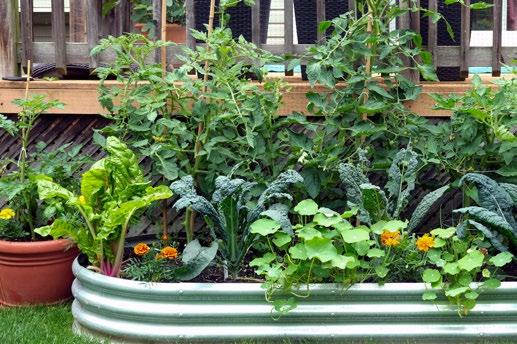
The remnants of last season’s garden are buried under a blanket of seasonal depression, and all that is left to do is look forward and pontificate about next year’s possibilities
Up here in my personal patch of Canada, we are balls deep in winter. This is litreal for me as I am getting older and the snow is stacked shit house high, grazing my old prunes as I stroll through the property. The remnants of last season’s garden are buried under a blanket of seasonal depression, and all that is left to do is look forward and pontificate about next year’s possibilities. I am full of witty observations and far-fetched hypotheses, so let’s get straight into it with this dirty old man’s personal point of view on some of the industry’s predicted trends for the next year or so.
The more data points you have, the more successful your crop will be.
It’s crazy to me that the same thing you need to feed AI is the same thing that keeps gardens running on all cylinders: data. The more data points you have, the more successful your crop will be. Whether it be PPM or pH, if you log and then react accordingly, your chances increase exponentially. The way these datasets are being “harvested” is evolving. What was once a visual observation with the naked eye has gone microscopic. pH was once tested with slips of paper, and now we have highly accurate digital readings from a plethora of devices available on today’s market. In the future, you might just be able to dip your finger into your water and get a pH reading sent directly to your retina. All the data will help make more informed decisions for more successful and long-lasting gardens.
As you may have read here before, the seasons are seemingly getting harder and harder to grow in, so the trend is now to plant more “climate resilient” edibles to ensure you don’t starve or get disappointed as often. Some options are drought-tolerant, such as millets, figs, and prickly pear cactus; cold-hardy, such as kale, spinach, and rhubarb; and heat-tolerant, such as sweet potatoes and southern peas. Just make sure your area has the appropriate climate. I planted some rhubarb last season, and the damn thing is a beast. I didn’t even
BY REGI ONETON


Regi Oneton is a multi-disciplinary artist and daytime executive. He’s been a member of Socan since his first album release at the age of 20 and is a selftaught audio engineer and self-proclaimed studio rat. Regi is a late-blooming street artist and painter whose works can be found hanging in the offices of Burton and Vans Canada. Long-time contributor to the Under Pressure Graffiti Festival and lover of the Arts. As the years plow forward, he has added botanical enthusiast/plant father to his litany of passions. His interests include writing and spending too much time looking at his phone.
WANT TO READ MORE OF REGI’S WORK? SCAN THE QR:

need to water the bastard! Due to harsh, unpredictable climates, people are taking their most treasured plants indoors. A growing trend in rare and collectable plants is here, with orchids and Birds of Paradise among them. It’s like Pokémon; you want to collect the rare ones so you can show off to your friends. Not sure if a mint condition Charizard will get you laid, but a couple of well-groomed Banana Shrubs might do the trick.
The forest floor can get drier than my humour sometimes, and districts are issuing more fire warnings than ever, which has led gardeners and landscapers alike to start what’s known as “Firescaping”. This is the selection and arrangement of vegetation that can withstand and/or recover from a fire. This type of landscaping isn’t just reserved for at-risk areas; you never know where lightning will strike or some jerk like me will flick his cigarette. The main principle here is to create a buffer zone with less flammable vegetation closer to the house by selecting fire-resistant plants, hardscaping with rock or gravel, and establishing zones with varying vegetation densities. Better safe than sorry, so look into implementing this one. I have already pushed the treeline back an extra 20 feet from the house and have installed rock gardens as a fireline. Look, Mom, I am an amateur firefighter!
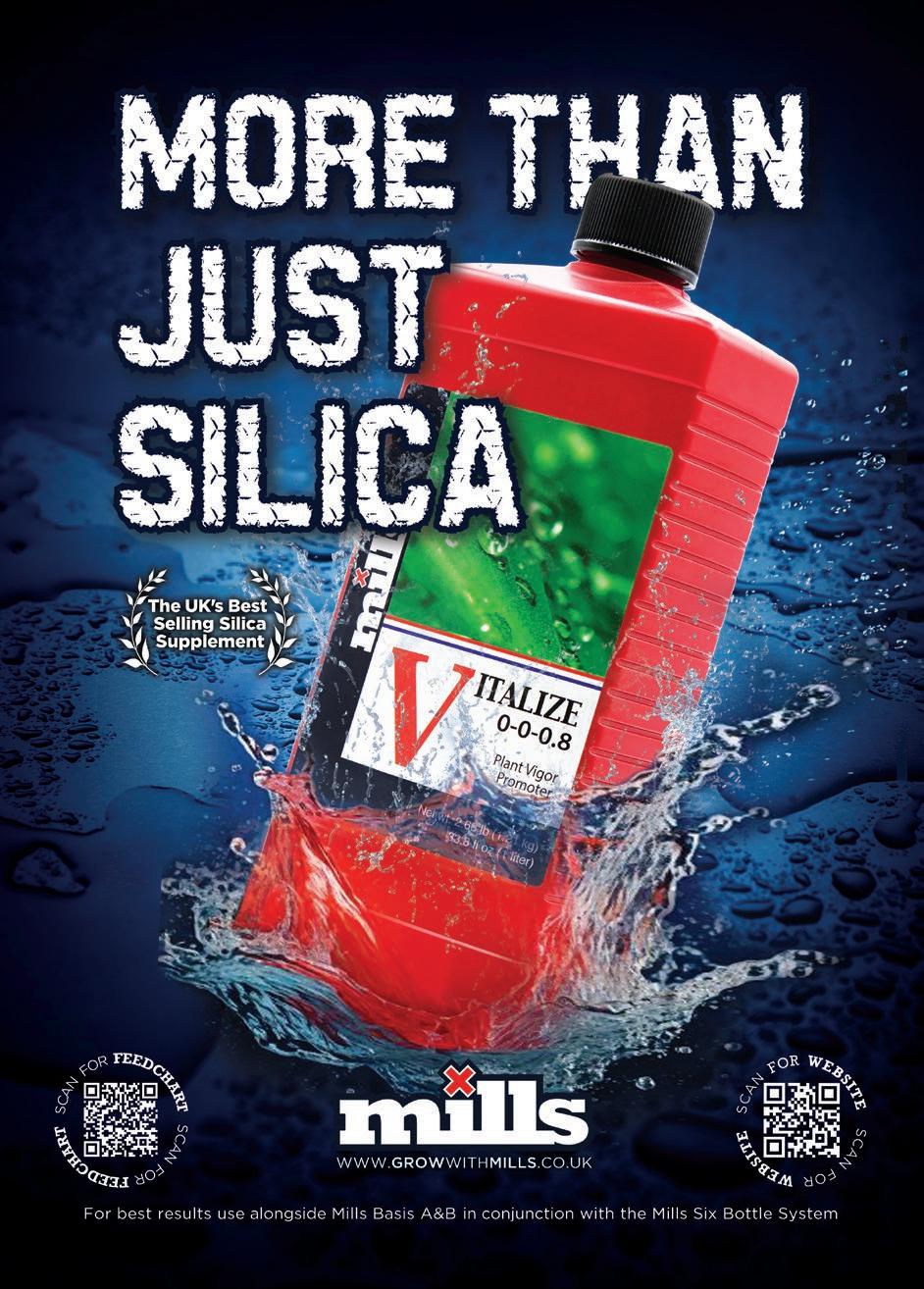
Simply put, turning your lemons into lemonade. The act of creatively turning a difficult situation into a positive one by reframing challenges as opportunities for growth
Aesthetically, the move away from rows and rows of raised garden beds and into a more Wabi-Sabi approach has been growing. Wabi Sabi is a Japanese concept that is often described as the appreciation of beauty that is “imperfect, impermanent, and incomplete”. In the garden, you could allow your plants to break through the borders and edges and let a little chaos take over. Allow your plants to have a little attitude, like a pubescent teenager. Another aesthetic trend developing steam is the patio. A cacophony of different pots and mixed and matched furniture of varying colours is what you will be seeing. More and more people are incorporating sculpture and art into their spaces, from pieces that react to sunlight and wind to those that remain sombre and static. Simply put, people are looking for ways to express their characters through something other than their plant choices. Stick a life-sized statue of “David” in the garden if you see fit. Just remember to put a leaf over his prunes.
Finally, the trend of “Lemonading” is more of a concept than an actual gardening technique. I have been doing it for years. It’s defined as a focus on turning challenges like climate anxiety into opportunities by
finding joy in the garden through creativity, mindfulness, and simple pleasures. Simply put, turning your lemons into lemonade. The act of creatively turning a difficult situation into a positive one by reframing challenges as opportunities for growth. It’s a simple way to stay positive amid today’s outdoor growing challenges. Your dogs won’t stop pissing on the Begonias? No need to get angry! That’s your new “pet-friendly” corner. You just made some lemonade.
As time marches forward, our climate will dictate more and more of these trends; some may change, and some may intensify. I feel these changes from season to season, and things are evolving quickly. Whether it be a concept like Wabi Sabi or focusing on the positive through “Lemonading”, staying on top of trends will make you a better plant parent. Don’t forget to add your own whimsy to your plot of land; be a trendsetter. It is going to take a hive of minds to create enough new concepts and techniques to surmount the challenges and steer nature in the right direction. I will catch you on the flipside of winter, my little bean sprouts. During my hibernation, I will be salivating at the chance to jump on some trends and maybe even create some of my own. See you out in the garden. 3
ucked into a corner of Alice Park on Gloucester Road in Bath lies a small revolution. Alice Park Community Garden began as an idea sparked by Transition Larkhall in 2014, a response to both the global climate crisis and the local community’s needs. What started as empty ground has grown into something far more significant: a 24/7 accessible space where neighbours become gardeners, strangers become friends, and the simple act of growing food becomes a pathway to resilience.
“We aim to showcase good practice so that people can take away ideas for their own growing spaces,” explains Garden Manager Kathy Cook. “The garden constantly evolves and adapts to meet local needs.” This adaptability runs deeper than seasonal plantings; it reflects a community learning to respond to changing times together.
Volunteers tend polycultures where companion plants support each other naturally. The chemical-free approach relies on natural pest control and on building healthy soil to create a biodiverse environment. Children from the nearby nursery press their faces against the fence, watching tadpoles in the wildlife pond. The greenhouse hums with quiet conversations about seed varieties and soil health.
This is regenerative, vegan, no-dig organic growing in practice, but it’s the human elements that make it extraordinary. Weekly drop-in sessions welcome new volunteers who arrive tentatively and leave with muddy fingernails and plans to return. The workshops reflect the garden’s commitment to accessibility - all free, covering everything from low-input gardening and soil health to making natural plant remedies and zero-mile recipes harvested from the beds. When families with young children wanted forest school experiences, the garden partnered with Holly Dabbs from Foxglove Forest School to offer sessions for children aged one to eight.
Kathy’s approach recognises the reality many growers face: the need to future-proof the garden. This translates into a practical focus on building healthy soil, conserving water, maximising plant diversity, and selecting resilient seed varieties.
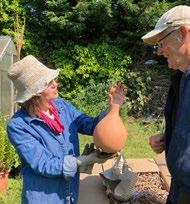
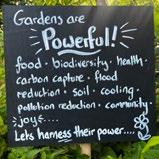
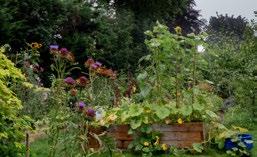
The garden’s year flows with community rhythms, festive wreath-making as winter approaches, seed swaps when spring stirs, plant sales supporting ongoing projects, and open days during the annual Larkhall Festival. These events transform the space from a quiet growing haven to a vibrant community hub, demonstrating that food security and social connection grow from the same soil.
transitionlarkhall.wordpress.com apcgrowers@gmail.com @aliceparkcommunitygarden @alicepark_communitygarden

Would you like to be featured as one of our local growers? If you’ve got a garden, grow room, or farm and have a story to share, contact us at growers@gardenculturemagazine.com.
Neville Portas is a wild gardener and compost activist near Birmingham. His fascination with growing began in the early 1980s. While accompanying his father on a Youth Training Scheme, Neville found himself standing inside a polytunnel, thinking, “I’d love one of these.”
It wasn’t until Neville had children of his own that gardening evolved beyond a pastime. Thinking deeply about the future—for his family and humanity—led him to question resilience, food systems, and the myth of individual selfsufficiency. An allotment or two followed, along with a profound realisation: true resilience doesn’t come from isolation, but from community. “The only way to be selfsufficient is to take the self out of sufficiency,” he reflects.
This understanding drew Neville into community work across the Midlands. He collabourated with local authorities and organisations in North Birmingham to help open and protect green spaces, supporting community hubs and neurodivergent and SEN children. Through weekly sessions that combined access, education, and care, he discovered that keeping green spaces open and welcoming to all was as important as growing food itself.
Over time, Neville’s attention shifted to the foundation beneath it all: soil. Soil health became central to his work, with no-dig methods initially guiding his growing style. While valuing compost as a vital means of recycling waste streams and regenerating degraded landscapes, he grew increasingly aware of the limitations and resource demands of constant compost application, particularly at scale. This curiosity led him deeper into soil biology and regenerative agriculture.
Diving into microbes, garden ferments, and the soil food web transformed how Neville understood growing. Learning how bacteria and fungi unlock nutrients revealed a living system powered by relationships rather than inputs. This holistic view led to an interest in Taoism and eastern philosophy, which in turn drew him to Korean
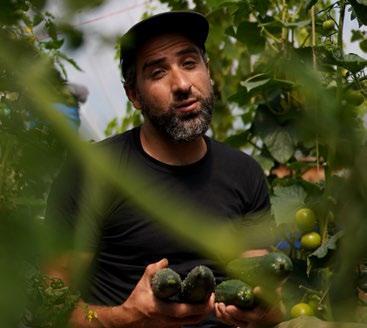
Natural Farming (KNF)—a sustainable method that harnesses indigenous microorganisms and locally sourced materials to create self-sustaining farm ecosystems.
Today, Neville works with organisations including Old Tree Soil, The Geyer Foundation, and Bala Botanicals, raising awareness around healthy food systems and regenerative growing. He focuses on signposting people towards free, accessible, practical resources that empower confident growing while caring for living soil. He also runs an online store that provides essential tools for regenerative growing, supporting growers transitioning from extractive methods to long-term soil health.
nativebiota.substack.com portasneville.wixsite.com/nativebiota instagram.com/nodiggitygdns
Yes, this edition is jam-packed with fantastic growing advice. The thing is, you can never have enough pro gardening tips, and that’s why we’re letting the good times roll with a list of 5 Cool Ways the Pros get the Most from their Grows. We’ve asked some of our expert gardeners, growers, and regular contributors to share some final words so that you can get back to your plants feeling confident as hell.
“Want to have more robust plants with higher yields? Let’s talk about topping,” says Dustan McLean, one of our regular writers. Topping is a high-stress training technique typically used by more experienced growers to push their plants to reach their maximum potential. It involves removing the top of the main stem to block hormone flow and force the plant to redistribute its energy to lower branches. The plant will take up to a week to recover from this technique before launching into rapid growth; new branches will form along the main stem, creating a uniform canopy and more fruiting sites. Topping works on a wide variety of plants; try it on vegetables, fruits, and herbs! “One of the easiest ways to increase your crop yield is topping your plants,” Dustan promises.
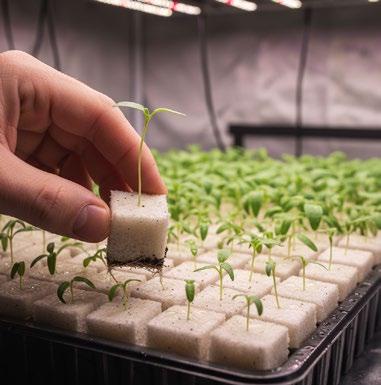
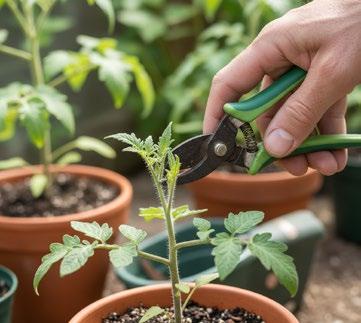
One of the cornerstones of Integrated Pest Management is to take time each day to walk through the garden or grow room and take note of any changes in your plants. This is one of our favourite things to do because it gives us an excuse to take a break and connect with nature! Regi Oneton of the ‘Dirty Old Gardener’ series is all about being an attentive parent to his plant babies. “You want my top growing advice? First, be present enough to offer proper care and be tenacious enough to survive the pitfalls; the rest is all background noise,” he says. The more in tune you are with your garden, the sooner you’ll notice any potential problems, giving your plants a better chance at survival. In case you’re wondering, Regi’s tip applies to many facets of life. “The same advice works for children, pets, and girlfriends.” Good to know.

Xavi Kief loves a good acronym (who doesn’t?), and using them in the garden is no exception. Xavi is an excellent grower who actively seeks connections with communities, whether human or microbial. Their pro growing tip is to FOCUS:
• Formality: Put your procedures and any agreements in writing.
• Objectivity: Use third-party auditing or testing to verify your work.
• Care: Give a darn about what you’re doing and how you do it (or do something else).
• Understanding: Make learning about your chosen crop and factors that can influence its success an ongoing priority.
• Support: Pros support one another through peer-to-peer problem solving, resource sharing, and by holding one another accountable.
A little FOCUS can go a long way in the garden and grow room; we recommend following this acronym to a T.
We live in a society where many emphasise that more is better, and Garden Culture contributor Av Singh says this philosophy can spill into our horticultural practices, too. Excessive fertiliser applications, for example, are costly and can damage the environment. “As with most things in life, there is an optimal balance, and when we exceed those limits, we create other problems,” Av says. He explains that magnesium (Mg) deficiencies result from either too little Mg or too much calcium, potassium, or sodium. They can also be caused by an excess of available Mg, which causes plant cell walls to limit the uptake if there’s too much in the root zone. “The emerging market growth of biostimulants may provide an increased acceptance of the ‘less is more’ principle, as many biostimulants like kelp, humic acid, and beneficial microbes often work better with lower concentrations than they do when applied in excess,” he explains. With one of this year’s predicted gardening trends being a shift to simpler ways, Av’s advice seems spot on.

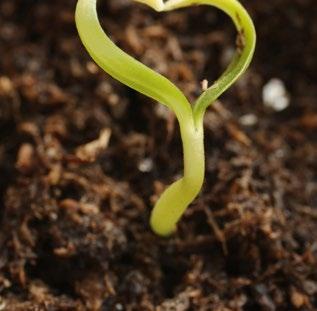
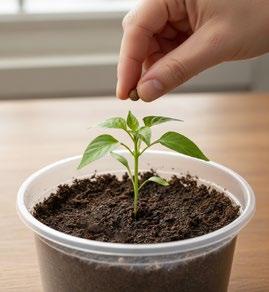
Any expert will tell you to grow what you love. If you don’t like to eat a particular food, don’t waste your time, energy, and resources growing it. Garden Culture’s Martyna Krol can’t help but agree; she believes that all things we do in the realm of plants should begin with love. The garden is a place for positivity and leaving toxicity behind. If you do something because you feel you have to, you’ll feel uninspired, and the result will likely fall short. “Creating from the energy of love brings better results,” she says. “For example, growing flowers that make your heart smile vs what’s trendy on Instagram. Making a wonky wreath you’re proud of vs a perfect one that wrecks your nerves and your pocket. Telling your poorly plant you love it even if your Mum told you to get rid of it. The vibration of love is felt in your garden and repays tenfold.” Beauty is in the eye of the beholder. Make your garden your happy place, do what you love, and great things will come. 3

Get the best of Garden Culture delivered straight to your inbox—original stories, expert insight, behind-the-scenes perspectives, and cultivation culture worth your time.