fig. a Taking Control of the Root Zone







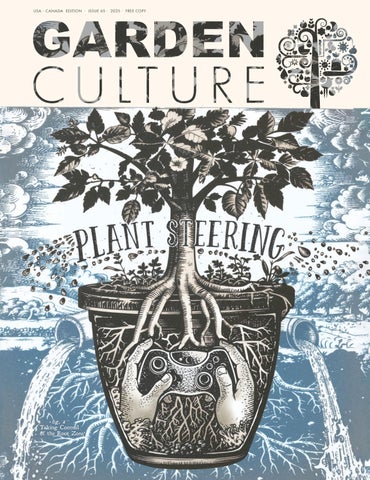























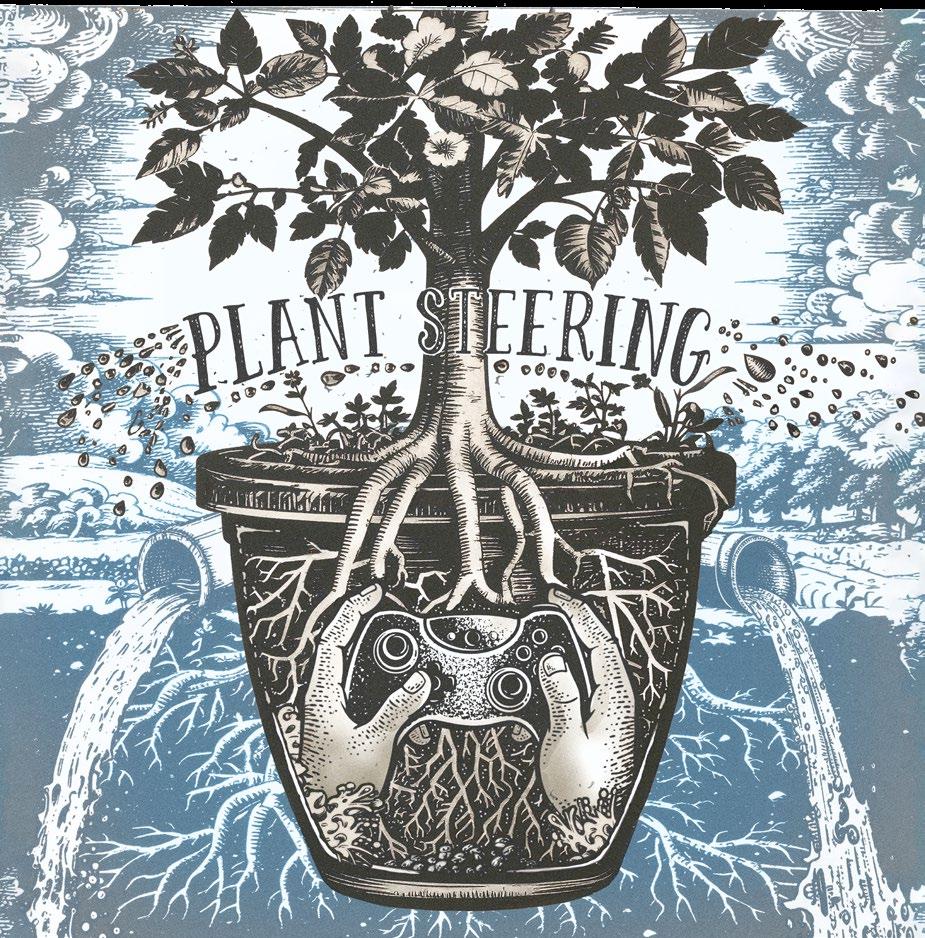
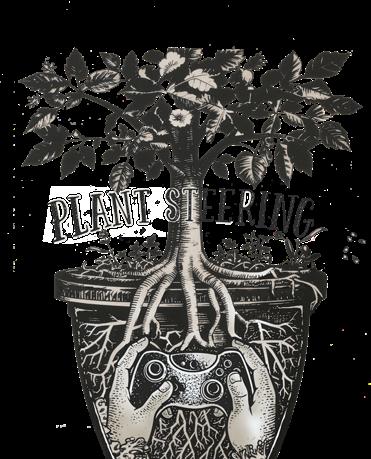
This issue of Garden Culture focuses on one of the most widely discussed concepts in cultivation: crop steering. Whether you work on a small indoor setup at home or you manage a full commercial facility, plant steering is all about understanding your plant’s signals and giving it the right push at the right moment. While there’s no single perfect approach, seeking expert guidance can help you avoid common mistakes.

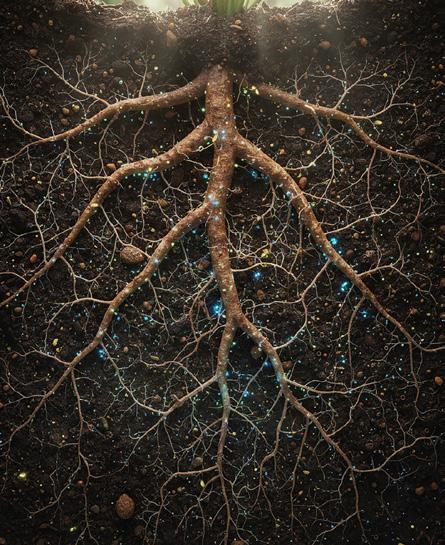
This edition gathers some of the sharpest minds in the industry to help you master that process. Our featured author, Tyler Simmons from Front Row Ag, dives into the idea of the root zone as your primary joystick. His article breaks down irrigation and EC tools in a way that demystifies the data and brings the whole concept back to plant behaviour.
We also sit down with Chad Rigby from Grodan in this issue’s Professional POV. Chad shares practical strategies from years on the ground with commercial growers and offers a clear view of how substrate, timing, and plant observation all come together to steer a crop with intention.
If you have ever wondered how foliar feeding fits into a steering plan, Av Singh brings clarity with his piece on canopy nutrition and the future of foliar fertilisers. For growers working in organic containers, Everest Fernandez explains how to steer plants by working with the soil rather than fighting it. And for those looking toward the next frontier, Colin Bell, PhD, introduces microbial plant steering and how biology can guide growth in ways that synthetic controls never could.
Due to intense pressure to grow the best product at the lowest price, commercial cultivators have dialed in some easy-to-follow techniques that any hobbyist can do at home. I hope these articles help you achieve your gardening goals. If you do try something new from this edition, please let us know.
Enjoy the issue, learn something and as always, happy growing.
SPECIAL THANKS TO:
A.C. Moon Cameron, Adam Clarke, Av Singh, Coleman Retzlaff, Colin Bell, Cosmic Knot, Everest Fernandez, Haley Nagasaki, Jennifer Cole, Reggie Weedman, Tyler Simmons, and Xavi Kief.
PRESIDENT
Eric Coulombe eric@gardenculturemagazine.com +1-514-233-1539
VICE PRESIDENT
Celia Sayers celia@gardenculturemagazine.com +1-514-754-1539
EXECUTIVE EDITOR
Catherine Sherriffs cat@gardenculturemagazine.com
DESIGN
Job Hugenholtz job@gardenculturemagazine.com
INTEGRATED SALES & BUSINESS DEVELOPMENT
Haley Nagasaki Haley@gardenculturemagazine.com +1 (604) 401-7209

DIGITAL & SOCIAL MARKETING social@gardenculturemagazine.com
ADVERTISING ads@gardenculturemagazine.com
PUBLISHER
325 Media INC
44 Hyde Rd, Mille-Isles QC, Canada J0R 1A0 GardenCultureMagazine.com
ISSN 2562-3567 (Print) · ISSN 2562-3575 (Online)
Garden Culture is published six times a year, both in print and online.


@GardenCulture @GardenCulture @GardenCultureMagazine @Garden_Culture

DISTRIBUTION PARTNERS
• Hydrofarm
• 5.8 Distribution
• Central Coast Garden Products
© 325 Media INC
• Biofloral
• Autopot USA
• Hydrofarm Canada
• Quality Wholesale
All rights reserved. No part of this publication may be reproduced, stored in a retrieval system or transmitted in any form or by any means, electronic, electrostatic, magnetic tape, mechanical, photocopying or otherwise, without prior permission in writing from 325 Media Inc.
Tyler Simmons is relatively new to Garden Culture Magazine’s lineup of writers, and we sure are happy to have him. Tyler’s articles offer a wealth of knowledge on controlling environmental conditions to boost plant performance. A Cultivation Science Communicator and Technical Advisor for Front Row Ag, Tyler’s background is in biology and nutrition. His keen interest in human physiology has helped him in his career working with plants, which he knows aren’t all that different from people; we all need a little steering in the right direction sometimes! Welcome to the team, Tyler!
What is the number one thing you would like growers to know about crop steering?
Growers are crop steering whether they know it or not. Crop steering is the net effect of a plant’s response to various inputs, such as irrigation, climate, and pruning. We’re always sending signals to the plant about how to respond. Crop steering is the practice of doing this deliberately and intentionally, rather than by accident.
How did you become interested in growing and working with plants?
I’ve always been interested in human physiology and performance, with a background in biology, nutrition, and strength and conditioning. When I got the opportunity to start working with plants, I realized that plant performance was a lot like human performance and that you could apply many of the same principles. At that time, nobody was really applying a specific experimentation and optimization process to cannabis growing, so I got to develop a lot of interesting knowledge early on.
Was science your favorite subject in school?
Science was definitely one of my favorites - along with math, physics, history, reading, and chemistry. Ironically, writing was actually my least favorite subject, which is hilarious given that’s how I apply most of my knowledge now.
What do you like to do outside of
I spend a lot of time backpacking in the wilderness, often venturing off-grid for several weeks each year in remote areas. I spend a lot of time reading and learning about various topics, and I tend to become obsessed with them. My other business is customized performance and longevity consulting, and that’s where I’ve been focusing a lot of development efforts and time recently.


Is there a food, meal, or cuisine you can’t live without?
Tough choice between raspberries and Alaskan salmon.
What does a perfect day look like for you?
A perfect (week)day for me involves waking up around 6:30 am after a great night of sleep, feeling well rested. I’ll meditate for 15 minutes and then spend an hour and a half reading and sipping coffee with my cats on my lap. I’ll then spend several hours on my work projects, taking a break halfway through the day to go on a trail run, play basketball, practice jiu-jitsu, or lift weights. I’ll have lunch with a friend and then return to work for a few more hours, finishing out the day with a sauna session with friends. We’ll make dinner together, and then I’ll get to bed by 10 pm. 3
Are you interested in writing for Garden Culture Magazine?
We’d love to hear from you! Send us an email introducing yourself with a sample of your work editor@gardenculturemagazine.com

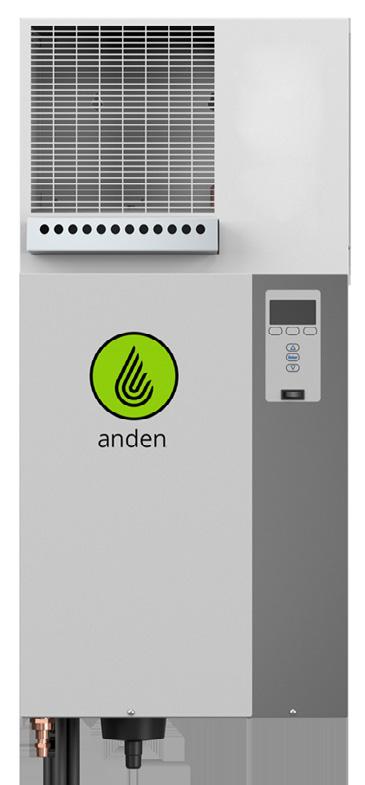
1,200 Pints (150 Gallons) Per Day of Clean Steam
Built-in Fan Pack for Easy, Ductless Installation
Accurate and Responsive Control With Web-Based Interface
Three Power Supply Options to Fit Your Needs
Model Voltage
AS150 240VAC, 3-phase
AS150-V2 208VAC, 3-phase
AS150-V4 480VAC, 3-phase











We at Grow Light Science are excited to join forces with Biofloral as our exclusive Canadian distribution partner. BioFloral’s deep market experience and robust network across Canadian commercial growers perfectly complement our mission to deliver high-performance LED lighting systems engineered for full-cycle cannabis cultivation. Together, we’re offering cultivators the opportunity to move beyond outdated HPS technology and achieve true production excellence — reaching canopy PPFD levels of 1500 µmol/m²/s to maximize photosynthesis and increase biomass production.
We look forward to a powerful partnership that drives superior yields and advances the Canadian cultivation industry.
Kevin Givens, CEO, Grow Light Science



As one of Quebec’s leading licensed producers, C3 Innovative Solutions continually evaluates technologies that can strengthen our cultivation performance and operational efficiency. Over the past two years, we have completed a full transition from legacy HPS fixtures to Grow Light Science LED systems across our Saint-Eustache facility. The results have been measurable and consistent — increased biomass production, improved harvest quality, and enhanced terpene and cannabinoid expression, all while reducing heat load and energy consumption. Grow Light Science delivered not only advanced horticultural lighting but also exceptional technical support and reliability throughout deployment. Based on our firsthand success, we strongly recommend Grow Light Science to Biofloral and believe their LED solutions set a benchmark for professional cannabis cultivation in Canada.
Gilles Labelle, Executive Vice President, C3 Innovative Solutions
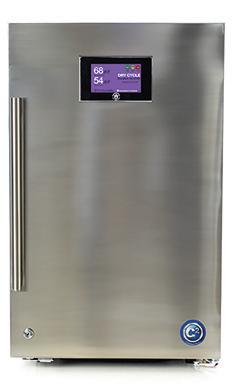
The C2 has a durable design, including an easy-access 1-liter front water tray, a food-grade ABS interior, and stainless steel shelves, with Wi-Fi and Bluetooth connectivity that integrates with a smartphone app for remote monitoring and control. A vibrant touchscreen enables quick control of your dry, cure, and store cycles, while usercontrolled, multi-color internal LED lighting enhances visibility.
Check out Cannatrols.com to learn more.

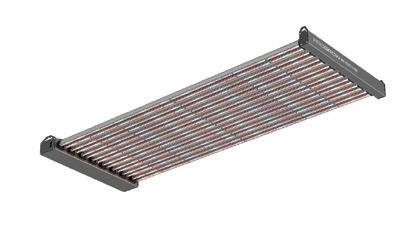
lighting system. AVAILABLE SOON
The DLI NOVA Series is a powerful, full-spectrum light that supports every stage of plant growth. Built in the Netherlands with top-tier Osram diodes, it delivers an exceptional efficacy of up to 2.9 umol/J. Its full-spectrum white light maximizes plant health and yield, while low-light degradation ensures long-term consistency. The modular design adapts seamlessly to any rack setup, with daisy-chainable power cords that dramatically reduce installation costs. Intelligent cable management and accompanying rails ensure bars are mounted straight and level, providing maximum light uniformity.
Visit DLI.nl for their complete product line.



Designed for professional growers, House & Garden Coco Pots deliver exceptional drainage, low EC levels, and optimal pH for healthy, vigorous root development. The durable black-and-white poly exterior prevents light from damaging roots while promoting even moisture distribution throughout the coco. Among the fastestexpanding blocks on the market, these pots are ready for planting immediately after irrigation. Each comes predrilled for irrigation stakes, streamlining setup and ensuring consistent watering.

Available in 1-gallon and 2-gallon sizes, House & Garden Coco Pots provide a clean, efficient, and high-performing solution for any serious grow operation. Learn more at Hydrofarm.com
Achieve pro-level results with this complete nutrient and training package.The bundle includes 5-lb bags of Part A, Part B, and Bloom—a powerful 3-part dry nutrient system that produces over 525 gallons of premium feed solution. Enhanced with Phoszyme enzymes for faster nutrient uptake and vigorous vegetative growth, and Front Row Si for stronger, more resilient plants through monosilicic acid application.
Plus, access the Front Row Ag Certified online training platform and dedicated technical support, empowering you to grow with confidence.
Atami is excited to introduce B’Cuzz Coco A&B. These high-quality concentrated base nutrients provide all essential nutrients for the development of strong & healthy plants. This two-part formula can be applied throughout the plant’s entire life cycle and is specifically designed for coco-based substrates. Coco A supplies, among others, essential calcium, while Coco B delivers key phosphorus and micronutrients.
Available soon in 1000L totes, 200L barrels, 20L, 10L, 5L cans and 1L bottles. Give your plants the best nutrition to maximize taste, flavor, and yield!
To learn more, visit ATAMI.com




FrontRowAg.com for more details.







The Biobizz All·Pack is a complete, 100% natural cultivation system, providing everything for growth from seedling to harvest.
Available in two versions: All·Pack Indoor (with Bio·Grow) and All·Pack Outdoor (with Fish·Mix).
What’s inside the box?
• Root·Juice for fast starts.
• Bio·Grow / Fish·Mix to stimulate vegetative growth.
• Bio·Bloom provides natural phosphorus and potassium for compact, resinous flowers.
• Top·Max amplifies volume, sweetness, and aromatic profile.

• Bio·Heaven provides continuous energy and accelerates stress recovery.
• Alg·A·Mic is a seaweed-based tonic for vigorous leaves.
Available in 250 ml (1–4 plants) or 500 ml (1–8 plants) formats.
Used together, plants react faster, resist stress better, and produce visible, fragrant, and flavourful crops. The All·Pack is the best way to experience the Biobizz philosophy of simplicity, sustainability, and flavour. Visit Biobizz.com for more information.

PinkChamps x Rootbeer BC2 by FreeBorn Selections 12 REGULAR Seeds.
These beautiful, resin-heavy plants combine vanilla and fruit flavors, described by some as berry cream soda, fermented kombucha, or tepache. The cross balances the parents’ traits: Pink Champs added density, and Rootbeer added stretch.
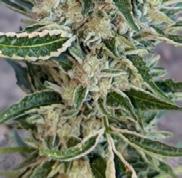
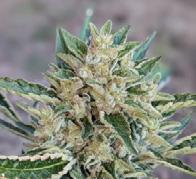
Born on a West Maui hillside, The Kriz (a daughter of HP13) is a lovingly re-sown, unbroken thread of genetics since its first bloom. Its perfume—lime, geranium, skunk, and rotten pineapple over floral resin—reflects its breeder’s history and path. This fragrant, living piece of horticultural history is available for its first seed release.
Available now at AlpineSeedGroup.com


Double OG Chem 15 by Rebel Grown 12 FEMINIZED seeds.
A combination of two favorite gassy varieties for a truly special result. Expect super gassy nose, vigorous growth, and chunky, frosty flowers—perfect for heavy gas connoisseurs.

Mondi™, the original inventor of the patented propagation tray’s design, style, and performance, introduces the latest innovation in Mondi™ Premium Propagation Trays, designed for growers who require exceptional strength and durability for extended use. Manufactured with Avara Technology—a proprietary, food-grade material—this tray sets a new benchmark in durability, safety, and environmental sustainability. The white surface increases light reflectivity, while the black base prevents light from penetrating the root zone and reduces the risk of root disease. It’s a perfect fit for the Mondi™ Mini Greenhouse and standard 1020 inserts.
Ask for Mondi™ at your local grow shop.
Check out Qualityhort.com for more great products.
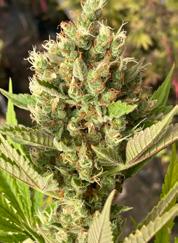

Mondi™, the original inventor of the patented propagation tray’s design, style, and performance, introduces the latest innovation in the Mondi™ Commercial Propagation Trays, designed to balance durability and affordability, making it ideal for professional growers. Manufactured using Avara Technology—a proprietary, food-grade material—this tray sets a new benchmark in durability, safety, and environmental sustainability. Key features include reinforced tray ends and sidewalls, continuous channels, and wide “level fit” ridges that prevent water pooling. It’s a perfect fit for the Mondi Mini Greenhouse and standard 1020 inserts.
Ask for Mondi™ at your local grow shop. Visit Qualityhort.com for more details.

Eazy Plug is an innovative propagating and growing medium with predetermined EC and pH levels that self-regulate to exactly the right air-to-water ratio. Thanks to its sophisticated bonded organic components, there is no need for pots or sleeves, which promotes the
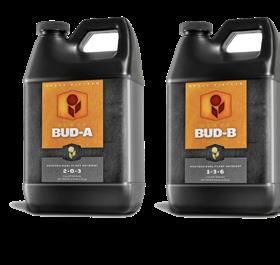
Master-crafted precision for bloom nutrition, designed for growers who demand exceptional quality and yield. Built on next-generation plant nutrition principles, this two-part formula transitions plants seamlessly from vigorous veg growth into peak flower development. Featuring highly bioavailable phosphorus, potassium, calcium, and trace elements, Bud A & B enhance fruit set, structure, and flavor complexity while maintaining balanced stress for optimal dry matter and potency.
Simple yet powerful, these premium nutrients embody craftsmanship and innovation— delivering clean, efficient performance without a long list of additives.
Learn more at Hydrofarm.com
again!



Introducing the newest addition to their line of Premium Soils, Soilless, and Amendments: SPECIAL RESERVE. A high-performance blend of Coco, Peat, and other superior ingredients, Special Reserve features a powerful amendment charge designed to keep your plants thriving for weeks or even months! Perfect for container gardens of all shapes and sizes, as well as houseplants, raised beds, flower gardens, and more.This fresh offering from the industry-leading Royal Gold team is sure to make waves with hobbyists and professionals looking for a versatile powerhouse for all their gardening needs, large and small!
Visit RoyalGoldCoco.com for the full lineup.

The Cool Cure C2 by CannatrolTM has a durable design, including an easy-access 1-liter front water tray, a food-grade ABS interior, and stainless steel shelves.
Wi-Fi and Bluetooth connectivity, integrating with a smartphone app for remote monitoring and control. A vibrant touchscreen enables quick control of your Dry, Cure, and Store cycles, while user controlled multi-color internal LED lighting enhances visibility.
802-738-0709 | cannatrols.com
Mondi’s new line of trays and domes redefines propagation performance with eco-smart design and professional-grade durability. The Mondi Mini Greenhouse Dome (7”) features crystal-clear Avara™ food-grade material for maximum light transmission, a secure Perfect Fit system, and an easy two-finger vent for precise humidity control. Pair it with Mondi Propagation Tray 1020, crafted with reinforced sidewalls, deep channels for even drainage, and a black-andwhite finish to balance temperature and light. Both products are BPA-free, non-off-gassing, and made with reclaimed ocean plastics—reusable, recyclable, and ready to grow.
Learn more at Hydrofarm.com
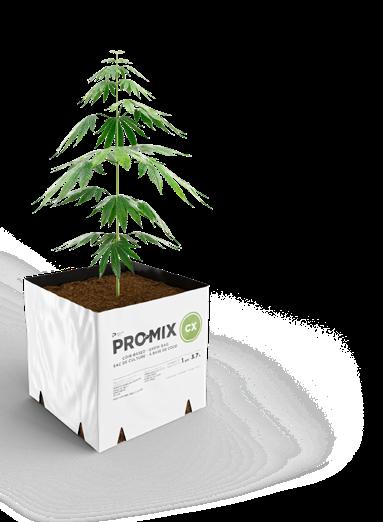


CX 100% coco-based grow bags leverage coir’s exceptional drainage and water retention tailored blend provides air-filled porosity and maximum water-holding capacity, giving you improved control over your growing results.
Key features include a preformed center hole that creates an opening upon expansion, making the transplanting process faster and easier. Additionally, drip holes make it easier to insert your watering system, resulting in quicker expansion and more effective watering.
CX grow bags are OMRI Listed (US) and Ecocert (Canada) approved, ensuring they meet the
CX grow bags and experience efficiency!
PThorticulture.com for more information.
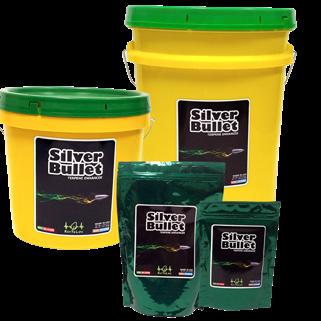
A 97% Sulfur + Enzymatic Ionic Wetting Agent that self-mixes and spreads evenly on plant tissue. It leaves little to no residue with an average size of 3 microns. Sulfur is directly related to the terpene levels in plants. It also promotes great structure and growth in vegetative stages. Silver Bullet is safe to spray on vegetables, ornamentals, fruits, vines, and cannabis.
SilverBullet boosts nitrogen uptake and promotes the absorption of carbon, hydrogen, and oxygen. Sulfur is an essential element for life, found in the amino acids cysteine and methionine.
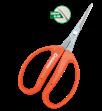
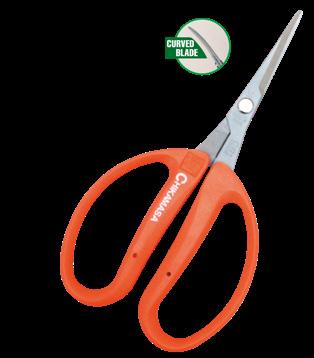
Made from the highest-quality stainless steel, the CRI550 shears by Chikamasa provide ergonomic comfort with a true curved blade.This curved blade design allows for more efficient and making them ideal for trimming and pruning plants.The innovative, sap-resistant coating prevents buildup on the scissor blades, allowing for longer use between cleanings and increased proficiency experienced user.
Ask for Chikamasa at your local grow shop.
Learn more: Qualityhort.com
Visit KeyToLifeSupplies.com to place your order now.

BY HALEY NAGASAKI
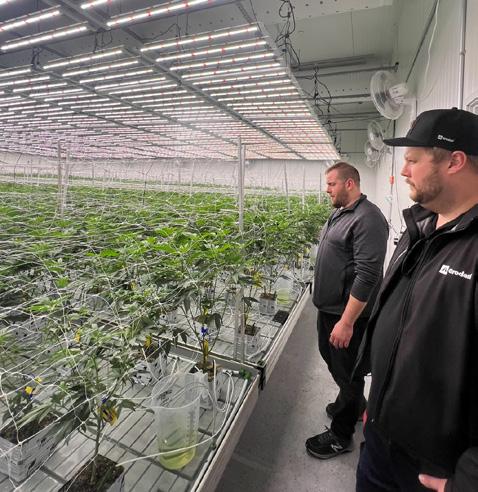
Chad Rigby has spent the past six years as Grodan’s Crop Specialist for Canadian accounts, working handson with 50-100 licensed producers across the country. With a background in Environmental Biology and Plant Science, Rigby transitioned from cultivation roles to consulting with some of the biggest names in Canadian cannabis. Here’s his take on crop steering and irrigation using stonewool substrate.
I always tell my customers my objective is to transfer all the information so they are comfortable making their own decisions, but they can still call me whenever they want.”
Grodan’s product, stonewool, is a soil-less substrate product that comes in different shapes and sizes, depending on what type of crop you’re growing.
Grodan’s product, stonewool, is a soil-less substrate product that comes in different shapes and sizes, depending on what type of crop you’re growing.
HN: Tell me about your role at Grodan.
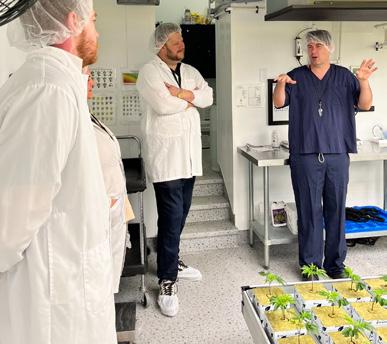
CR: : I take care of all the customers in Canada. What that entails is anything from quarterly visits to if they want to do any trials with different substrate configurations, or if they’re running into any problems, I can be an extra set of eyes.
I always tell my customers my objective is to transfer all the information so they are comfortable making their own decisions, but they can still call me whenever they want.
HN: What’s it like working with cannabis?
CR: Every cultivar is different, but once you figure out what they like and dislike, then you can create a strategy, and you can optimize it. You can start pushing the envelope to figure out the min/max, and over time, you can gradually refine. That’s how you get really, really tight strategies where you’re maximizing your yield and potency by creating uniformity until you’re getting the most out of that crop.
After I ran facilities for a while, I realized that my love for cannabis was more about troubleshooting and the R&D aspect of it. So, seeing the problems that growers were having and trying to assess them head-on.
HN: What is stonewool?
CR: Grodan’s product, stonewool, is a soil-less substrate product that comes in different shapes and sizes, depending on what type of crop you’re growing.
We also have our own in-house sensor system, E-gro. So, when growers utilize our substrates, they’re able to use our sensors, which monitor water content percentage, electrical conductivity, and substrate temperature.
HN: What’s the difference between precision growing and crop steering?
CR: They go hand-in-hand, but they’re different.
Precision growing is the most efficient and effective way to grow a crop, where you’re focusing on maximum outputs while using minimum inputs. Using sensors, growers can see what’s going on in the root zone and in their climate with the plants. You can apply irrigation events very precisely to where you’re not creating much drain.
Really, it’s the ability to dial in what you’re doing. To make money, you need to understand your costs.
The genetic also needs to produce what you’re looking for. When you have this genetic, there’s going to be specific climate and rootzone parameters the plant’s going to like best. Once you have all three (the genetic, climate, and root zone), that’s where crop steering comes in.
Crop steering is a method of managing plant growth by adjusting irrigation and climate settings to create a desired response in the plant. Climate and irrigation are our main focus when we’re trying to steer a crop toward either more generative or vegetative growth. As things progress, there are other ways to steer the crop, like the nutrient recipe you’re using or tuning the light spectrum. Under canopy lighting is really big now.
At the end of the day, everyone wants to grow super high-potency, loud cannabis, and be able to sell it for a fair price so that they can just keep doing what they’re doing.

Precision growing is the most efficient and effective way to grow a crop, where you’re focusing on maximum outputs while using minimum inputs chad rigby
HN: What makes Rockwool so steerable compared to peat, coco, or soil?
CR: : It’s a few things. By virtue of being a manufactured product, it’s very uniform. You can get a uniform crop because the product is uniform. Also, the low CEC (cation exchange coefficient): our product doesn’t really hold onto nutrients.
In the event you need to refresh the EC, so refresh the nutrient solution in the block, you’re able to modulate it much faster than other products because they tend to have a higher CEC; they bond to certain elements in the fertilizer, so it becomes more challenging to flush or refresh. Usually, it takes a bit more nutrient solution and water to bring those values down if you’re seeing your EC spike.
if you’re not at least trying to push the crop in a certain direction, you’re leaving money on the table.
And then last but not least, our product has a very robust dry-back. And I think for some people it’s a little bit nerveracking at first, but as long as your system is capable of applying numerous precise irrigation events, you’re really able to push that plant to its maximum.
More irrigation events lead to greater vegetative growth. Every time you give a plant a shot of nutrient solution, you’re sending a vegetative signal. By doing so, the plant will want to grow leaves, stems, and roots. So, how that nutrient solution is applied will affect how it grows morphologically. For a vegetative shot, it’s a smaller shot – 3% of the substrate volume, which is 96 mLs in a Grodan Hugo block – versus a generative shot, which is 6%, or 192 mLs. By virtue of having smaller shots, you’re going to be applying more. Bigger shots, you’re applying less, and that’s going to push the plant more to focus all of its energy on producing bud.
Climate and irrigation are our main focus when we’re trying to steer a crop toward either more generative or vegetative growth

HN: If I asked you this seven years ago, would you have the same response? How have things shifted since 2018?
CR: It’s a transition; it was the wild, wild west.
Before legalization, their strategy was more around: ‘how can I make sure this is going to keep these plants alive?’ And ‘I don’t have to be here all the time, because if I’m here all the time and the cops show up, it’s going to be a problem.’ Eight to ten years ago, people used much more substrate, larger pots, fewer irrigation systems, and more hand watering. A lot more ebb-and-flow flood systems. People have always been crop steering. Not to the same level as we are today, but people were aware of it. It was more common in vegetable production; they weren’t really applying it to cannabis.
Even the commercialization of sensors and things like that, where a home grower can have sensors in his root zone and in his grow room – he can keep tabs on things when he’s not even there. Growers can create an environment much more easily than, say, five to ten years ago.
So, I’d say there have always been guys crop steering, but the percentage of people crop steering was probably less than ten. Now I’d say, if you’re not at least trying to push the crop in a certain direction, you’re leaving money on the table. 3













At the end of the growing season, I find myself storing away a seemingly endless supply of plastic containers. From propagation trays and domes to garden center flats and plant starter pots, they pile up in the greenhouse in a big plastic tote, next to one, two, and three-gallon plastic containers. I tell myself I’ll reuse them, and I do, but the stack keeps growing.
A familiar story for most gardeners; plastic is ubiquitous in its cheap and convenient form, but it’s also relentless (How cute, the irony that we as consumers in the West each have a credit card-sized mass of microplastics in the brain. Remember that this holiday season, y’all!).
In the garden, we have plastic watering cans and hoses, nutrient bottles, and media bags. Tools, labels, row covers, tunnels, greenhouses, and finally, irrigation pipes. Is there another way to water without plastic? Could it be cost-effective? And could it be used in commercial ag as well as at home?
Top of mind, we have clay tiles and pipes, which the farmers of old used. Galvanized piping is available and pricy; copper might be ideal, but costs an arm and a leg at scale. What about bamboo?
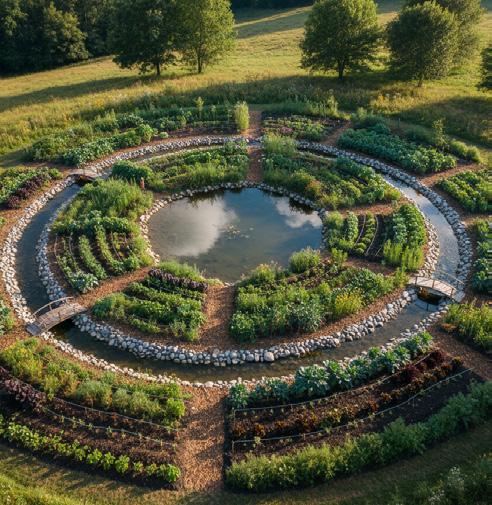
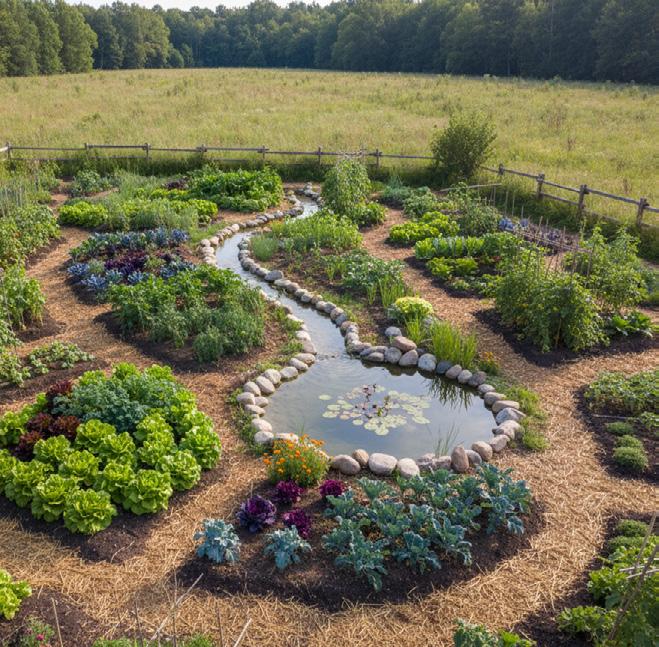
Some permaculture systems thrive on pond-based ecosystems. The Water Wizard of Oregon – Don Tipping, for example, has nine interconnected ponds on his property in southern Oregon.
Watch this informative report about Tipping and his methods by Andrew Millison: youtube.com/watch?v=BuYGS5pLRZg

He uses a “multi-pond system with swales and keyline canals to fan the water out over the landscape. Whether we’re doing this actively to irrigate crops, or passively when it’s raining, we’re following the principle that we should slow it, spread it, and soak it,” he says.
Tipping opens the valve of a holding pond, which induces the snaking of “rapid flood flow irrigation” down the sloping of his fields to the terraces of his crops.
This is called ‘contour farming’ and has been used for millennia as a method that works with the natural contour of the land when planting or plowing. Following elevation lines reduces runoff and soil erosion. Flooding fields in this way removes the need for plastic irrigation pipes entirely.
In the commercial greenhouse, flood tables, which allow plants to absorb water through the bottom of their pots, mimic this permaculture principle on a smaller, more controlled scale.
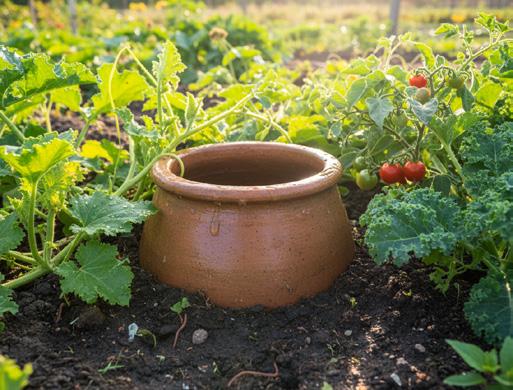
Last year, I met a new company selling an automated olla watering system, though these systems are anything but new. Olla, meaning pot in Spanish, uses unglazed terracotta pots buried beneath the earth, with the tops above ground filled with water. A process similar to osmosis, the water leaches out through the porous clay pots and into the surrounding soil. Depending on their size, they only need to be filled twice a week.
An automated system might connect these pots with plastic irrigation lines, though they could be hand-filled or connected with pipes made of other materials. Olla subsurface irrigation safeguards against water waste, surpassing drip irrigation, sprinklers, and hand watering in efficiency.
Clay drainage tiles work to remove excess water from fields, mitigating anaerobic conditions and the buildup of salts and sediment. These tiles might be simple perforated clay pipes or shaped like tiles.
Perforated plastic polymer pipes (say that five times fast) are used mainly today, but the clay pipes are still around! Tiles reduce surface water and runoff, increasing precipitation absorption, while padding the reservoir tank or holding pond.

Is there another way to water without plastic? Could it be cost-effective? And could it be used in commercial ag as well as at home?

The global irrigation company, Rain Bird, did have a subsurface copper dripline. Copper irrigation systems are also being used for plumbing and HVAC; however, the cost is the main deterrent.
The Copper Development Association cites the use of subsurface copper lines installed by plumbers to service crops, lawns, and golf courses.
A small copper system for the home grower could be more cost-effective and involves drilling holes in copper piping, fitting emitters and installing them above. More of an experiment than a tested method, it’s doable but could cause problems.
Copper is reactive and will corrode with salts or acids. Leaching copper ions in excess can lead to plant toxicity. Galvanized steel is also susceptible to acid corrosion, so this method may be best for growers who cultivate living soil!
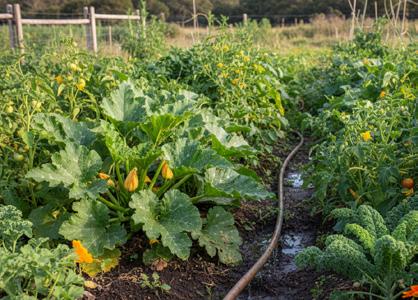
Before poly tubing took over, gravity was Old MacDonald’s best bud. Rainwater collection stored in metal cisterns or wooden barrels enabled growers to irrigate without pumps or polymers. Elevated tanks provide natural pressure, sending water through metal or bamboo piping, or directly into clay ollas.
Returning to contour systems, large-scale cisterns can integrate into plots without ponds or into greenhouse gutters. Backyard growers can start with a modest barrel and tap.
Austrian forester, inventor, and researcher Viktor Schauberger’s life’s work revolved around the idea that water is a living entity that naturally flows in a vortex-like motion, a key to its vitality. His theories have influenced permaculturists, biohackers, and engineers, though some dismiss them as pseudoscience.
Regardless, Scauberger helped design and optimize log driving in Eastern Europe. His systems were used to guide felled logs downstream, drawing on his knowledge of natural water flow. His innovations upheld his belief that working with nature’s forces led to superior solutions.
Aside from logging booms, during his research, Schauberger not only freed water from rigid right-angled infrastructure but also sent it through copper vortex fountains, creating beautiful displays he claimed energized the water. He believed that water, when forced through straight lines, is stripped of life force, and healthy water should spiral and oxygenate, remaining cool as it moves through streams and rivers.
In a world of harsh edges and plastic piping, Schauberger’s legacy reminds us to look to the wisdom of flow: whirling, cool, and alive! How could this play into your garden? 3






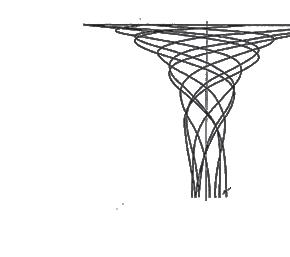
Viktor Schauberger’s life’s work revolved around the idea that water is a living entity that naturally flows in a vortex-like motion, a key to its vitality
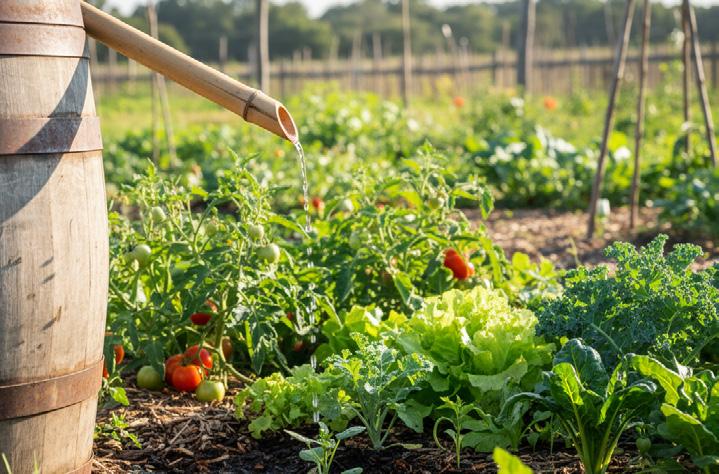
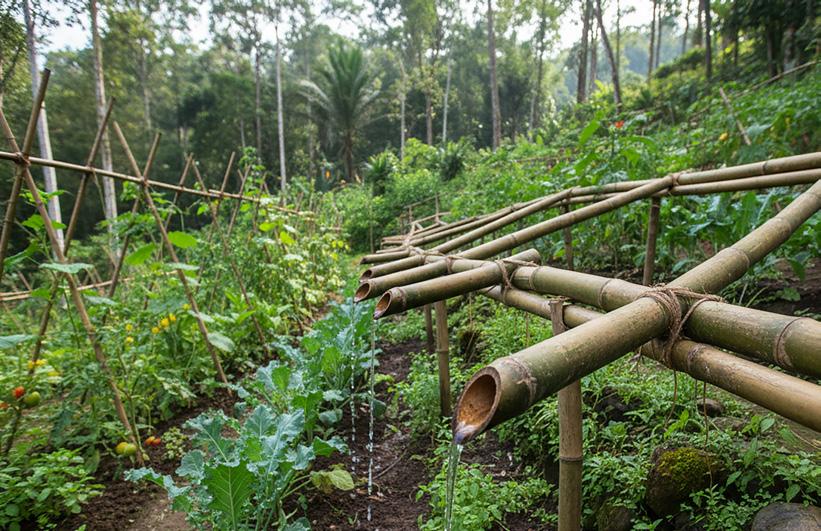

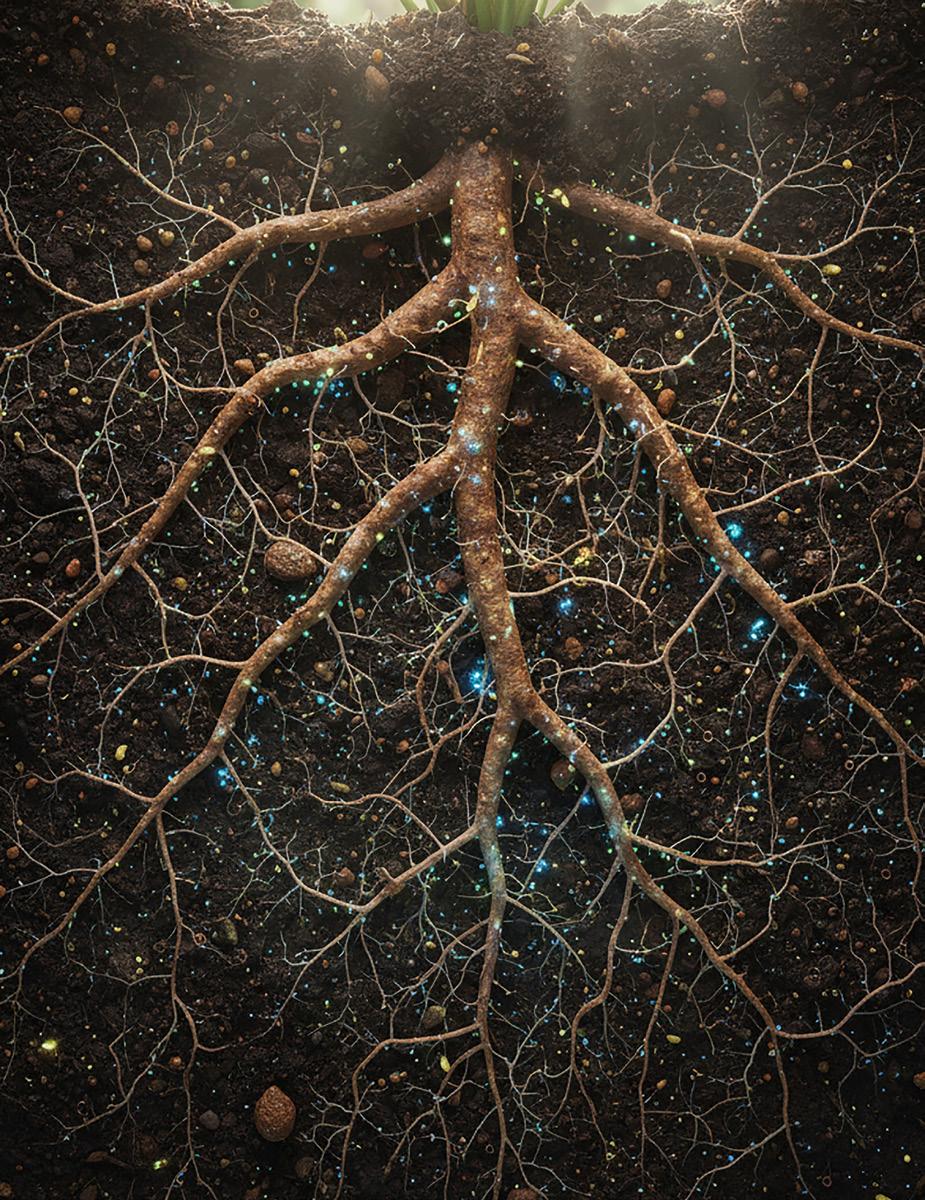
Now more than ever, we are turning to soil microbes to steer plant-soil feedback to maximize plant success throughout the growing season
Picture a garden where invisible partners help plants fight disease, deepen aroma and flavor, and thrive during droughts. Your tomatoes shrug off powdery mildew while the neighbor’s wilt—same sun, same soil. The difference? A hidden root crew of soil microbes. For millennia, humans have shaped farming—from taming wild wheat to today’s laser-guided sprayers. Now gardeners are inviting microbes to the party. They steer the secret conversation between plants and soil to keep crops thriving all season.
For millennia, humans have shaped farming—from the domestication of wild wheat to today’s precision crop systems. Now more than ever, we are turning to soil microbes to steer plant-soil feedback and maximize plant success.
Farming began with ancient seed selection, transforming wild grasses into wheat and maize. Mendel’s 1860s pea experiments launched modern genetics; Pasteur revealed microbial roles in agriculture. The 20 th-century Green Revolution, led by Norman Borlaug, introduced high-yield crops and synthetic fertilizers, feeding billions. GMOs emerged in the 1980s amid innovation and debate.
Today, the $1.8 billion (USD) biostimulants market1 signals a global shift toward microbial solutions. Microbial plant steering—the practice of using beneficial bacteria and fungi—is one of the fastest-growing market segments in Agriculture, widely utilized as the next Green Revolution to unlock plants’ genetic and metabolic potential and maximize desirable traits. 1Grand View Research (2024).
Biostimulants Market Size, Share & Trends Report, 2030.
Plants and microbes have co-evolved intimate partnerships in roots and leaves. Microbial inoculants—beneficial bacteria or fungi brushed onto seeds, mixed into soil, or misted on foliage—enhance nutrient uptake, stress resistance, pathogen defence, and growth without genetic modification.
Your
tomatoes shrug off powdery mildew
while
the neighbor’s
wilt—
same sun, same soil. The difference? A hidden root crew of soil microbes.
These allies shield plants from biotic threats, such as disease and insects, by outcompeting invaders or triggering the plant’s immune response. They also buffer abiotic stresses such as drought, heat, or salty soil by improving water retention and stabilizing cell chemistry.
Backyard gardens and commercial growers alike report healthier plants and bigger harvests when adding microbes to their routine.
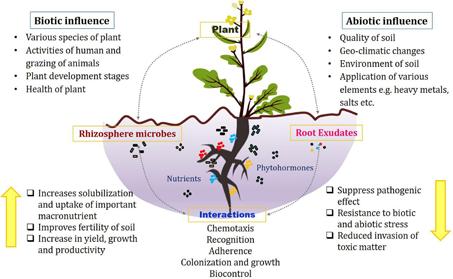
credit: frontiersin.org
Table 1. Key Microbial Mechanisms (strain- and condition-specific; field translation varies)
Mechanism Microbes Key Effect Evidence Gardener Benefit
Nutrient Acquisition
Stress Tolerance
Pathogen Defence
Disease Suppression
Pseudomonas, B. megaterium
Bacillus licheniformis, Mycorrhizae
Bacillus, Pseudomonas
Trichoderma
10–30 % yield boost
30–40 % better drought survival
Up to 60 % less mildew
Up to 50 % less blight
Fukami et al., 2023
Nie et al., 2023
Nie et al., 2023
Liu et al., 2023
Less fertilizer
Thrives in dry summers
Fewer sprays
Healthier leaves & fruit


Integrate microbes into your gardens, and watch your plants thrive with their invisible allies
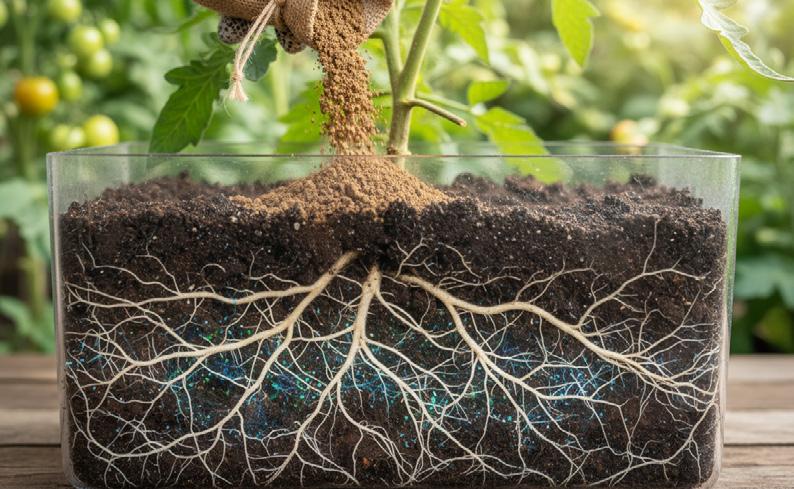
Microbial plant steering supports every growth stage with practical, scalable benefits. Here’s how:
• Biofertilizers (Rhizobium, Azotobacter, mycorrhizae) fix nitrogen and unlock phosphorus—cutting fertilizer use 10–30 % while boosting yields.
• Biocontrol agents crowd out pathogens and trigger plant immunity, thereby reducing the need for pesticides.
• Soil health microbes recycle nutrients, improve structure, and suppress diseases.
• Climate-tough strains store carbon and boost tolerance to drought or salinity.
Tailor microbes to the plant phase (see table below):
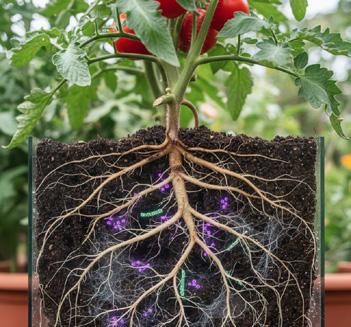
1. Buy: Bacillus subtilis or B. licheniformis in powder (or liquid) form.
2. Mix: 1 tsp (or 5 ml) per gallon of water.
3. Apply: Soak seeds for 15 minutes or drench soil at transplant.
4. Result: Treated tomatoes needed 30 % less water and still set fruit (Nie et al., 2023).
From ancient seed savers to today’s microbe managers, agriculture continues to evolve. Microbial plant steering raises yields, suppresses disease, and cuts chemical inputs. In dry-summer trials, treated tomatoes needed 30 % less water and still set fruit. Integrate microbes into your gardens, and watch your plants thrive with their invisible allies. 3
Bacillus, Glomeromycetes
B. megaterium, Azospirillum
Trichoderma, B. velezensis
Bacillus licheniformis, Enterobacter
1. Grand View Research. (2024). Biostimulants Market Size, Share & Trends Analysis Report By Active Ingredient (Acid-based, Seaweed Extracts), By Application, By Crop, By Region, And Segment Forecasts, 2024–2030. ➜ grandviewresearch.com/industry-analysis/biostimulants-market
2. Fukami, J., et al. (2023). Plant growth-promoting rhizobacteria: Biological tools for the management of abiotic stress in plants. Microbiome, 11, 109. ➜ doi.org/10.1186/s40168-023-01587-6 (Table 1: Nutrient Acquisition)
3. Nie, P., et al. (2023). The mycorrhizal symbiosis as a central hub for plant–microbe interactions under drought stress. New Phytologist, 240(1), 45–61. ➜ doi.org/10.1111/nph.19423 (Table 1: Stress Tolerance & Pathogen Defence)
4. Liu, H., et al. (2023). Trichoderma-induced systemic resistance in plants: Mechanisms and applications. Plant Physiology and Biochemistry, 198, 107678. ➜ doi.org/10.1016/j.plaphy.2023.107678 (Table 1: Disease Suppression)
BIO Colin Bell is VP of US Business Development at MIIM Horticulture. He has worked as a PhD Research Scientist in Federal and Academic institutions for years. He builds businesses, develops products, and grows brands for indoor cultivation. Reach out: colin@miimhort.com
In a business defined by variables, Kush Mountain co-founder and master grower Tyson Wall swears by CANNA to eradicate uncertainty. With consistent results and traceable batches, CANNA lets growers focus on what matters: the plants.
Tyson Wall, co-founder and master grower of micro-cultivation and processing facility Kush Mountain, found his passion in cannabis early in life. He grew up accustomed to seeing the plants, and later started cultivating within the medical framework. As the regulations continued to evolve, he knew he needed to be part of the adult-use market.
“Some people really get addicted to seeing growth and seeing results every day,” he says. “It’s a lifestyle now.”
A millwright by trade, Wall tailored several grow rooms during the medical days. So, when it came time to build his own facility, he already had the blueprints.
The core Kush Mountain team, consisting of his wife and best friend, built redundancy into their plans.
“[We have] extra ACs in case we have a failure. Extra dehumidifiers, backup power – just doing everything we can to ensure the consistency that we’re after,” Wall explains.

While foresight in redundancy addresses inevitable mechanical failures, helping to meet those quality marks along the way, the path to market requires more than formidable precision tech. It requires the raw materials that are the essence of the plant’s expression.
With 20 years of growing experience, Wall encountered CANNA products long before legalization.
“When we came into the facility, going from legacy into the legal market, there’s a lot more that needs to be tracked and traced,” he says. “CANNA makes it easy [...] You can go to their portal and pull all the COAs; every batch of coco has a lot number. We can trace it in-house. What I love about CANNA Coco Flex is that it has a batch number right on it.”
In addition to substrate, Kush Mountain runs CANNA A&B nutrients, as well as PK.
“We’re having great success with it,” he says, “so there’s no need to go in and complicate things.”
From there, Wall tracks his grow with changes to the environment and irrigation strategies.
Currently, Kush Mountain grows Rainbow Pavé and Strawberry Froyo. Their team consists of 13 part-time staff members and one full-time assistant grower. Naturally, in-house R&D and phenohunting are top priorities. The team has four more key strains they’re getting ready to release – then they’ll have to see which market they fit.
Because international market characteristics vary, Wall begins by working directly with the client. Approximately 90% of their product is distributed overseas, while 10% feeds BC Direct Delivery, which is used strategically for limited drops. Wall finds Direct Delivery helps build local relationships, while trialling to see which products move faster.
“I like to feel confident and say I know exactly what’s going to work in a market, say in Europe or the UK, but the truth is they have completely different tastes than us,” he says. “So, it’s up to the buyer at that point to find something that really speaks to them.”
Fortunately for all of us, new buyers are finally catching on to the 2527% THC strains with a higher terpene profile.
“26% with big terpene numbers often perform better than a 33% that’s flat,” he says.
To date, they’ve had international success with more classic strains, like the OG Kushes and Hazes. The BC system is great for maintaining local connections while tracking price points, SKUs, and velocity.
The cannabis industry is tough, and everyone has their days, including Tyson Wall.
“I think for me, all the days where I struggle – where the workload becomes a lot – I walk into my rooms and I feel like the plants have always lifted me up and given me that energy to keep going; I’m addicted to the growth of it all,” he says.
That constant push-and-pull between challenge and reward keeps Wall dialed in. While Kush Mountain operates at 30% of its cultivation footprint, its growth is planned and intentional. Rather than getting tangled in policy or politics, Wall keeps his head down and his hands in the grow.
“I think you can spend all this time lobbying and focusing and trying to talk to the people. Or, you can just find something that works.”
That mindset carries through to how he manages his team and the plants themselves. Sometimes it doesn’t matter how many procedures are in place; the best safeguard against chaos is the expertise that comes with decades of growing.
“You can catch things before they happen.”
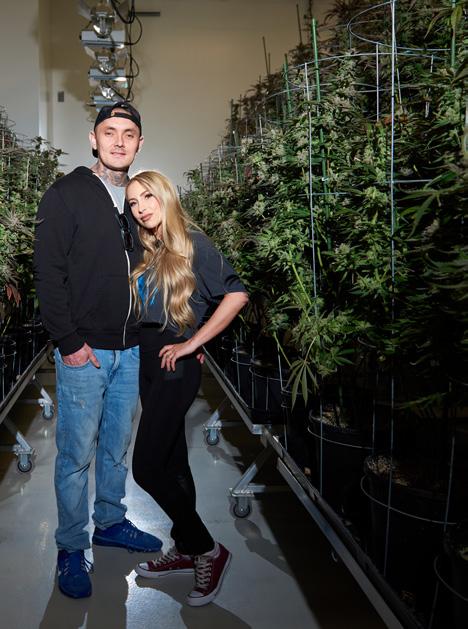
The cannabis industry is tough, and everyone has their days, including Tyson Wall
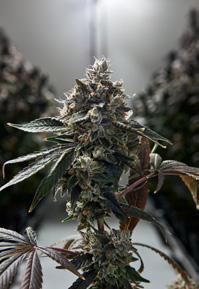
For Wall, using CANNA helps keep his instincts sharp, so when problems arise, CANNA’s reliability eliminates the nutrient guesswork.
“Typically, if I’m seeing something, I can look in other directions just because I have the trust and the consistency that they provide.”
Years of experience have taught the Kush Mountain team about the value of adaptability and diversification. Retailer relationships are another key component of operations, and brand recognition is driven by quality rather than marketing. For new growers, Wall says, “stay in your lane, master what you do, and build your buyer list before you grow.”
At the end of the day, there will always be a place for the fire craft cannabis Canadians produce. It’s this knowing that keeps the fire alive. Wall spells it out for Seed to Success: Lean into it, because even when the days are long, the plants have a knack for giving that energy back. 3

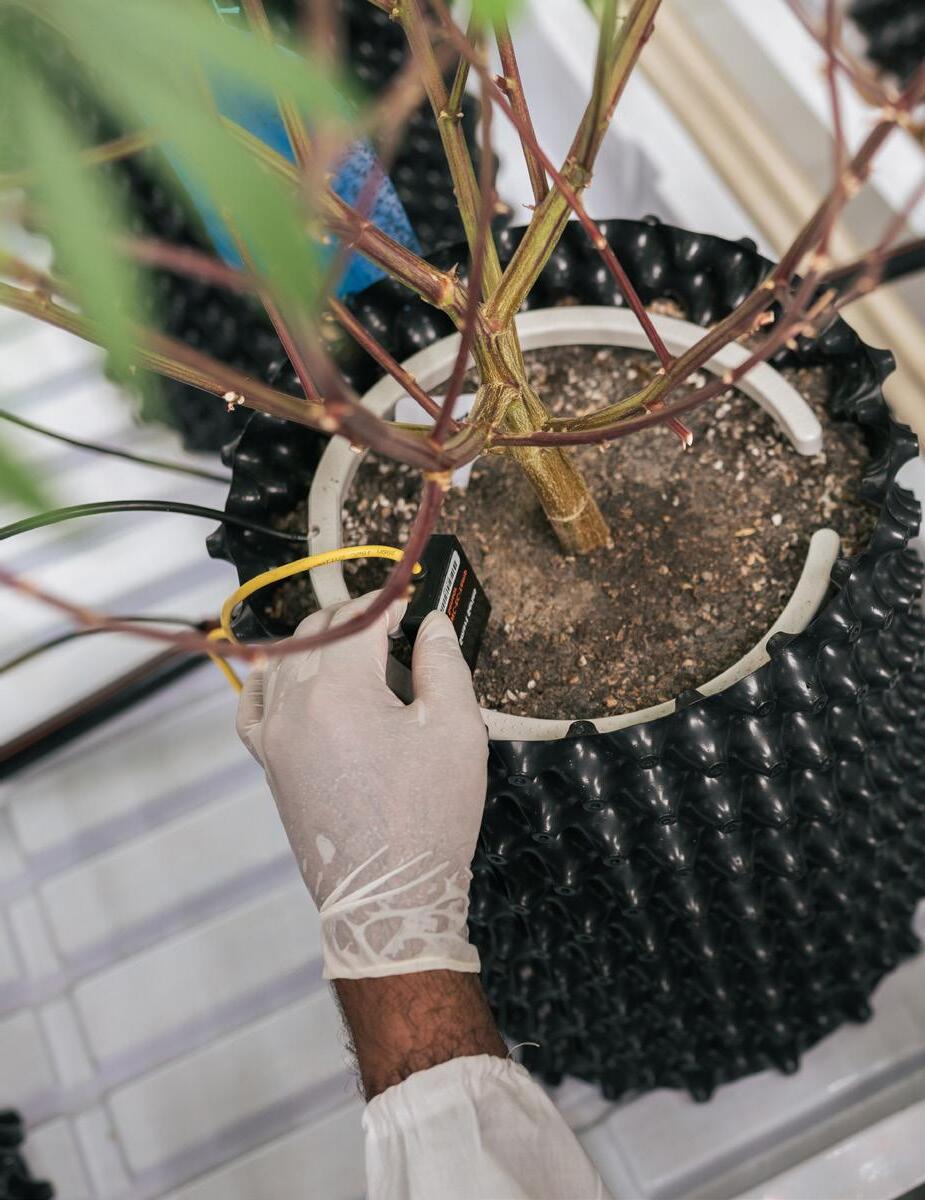
Finding the exact moment between enough water and too little is challenging without the correct sensors
Crop steering is about guiding your plants toward the direction you want to achieve better results, including higher-quality products and bigger yields. For almost all aspects of crop steering, you must measure and decide when it’s the right time to change temperature, irrigate, push dry back and transpiration, etc. There are so many variables, I suggest you focus on one at a time and build your grow from there.
The simplest variable in crop steering is changing the room’s RH and temperature. If you have recently transplanted and are in a very saturated bag, say, coco, you want to try to get those plants to take up the water or have the bag evaporate it off as quickly as possible. Increasing the room temperature allows the air to hold more moisture at the same RH, helping it evaporate and transpire, so running your room at, say, 82/83 rather than 80/81 works. Monitor room conditions with a simple temperature and RH sensor. I go a step further and love using the Aranet Wet 150, which is a temperature, EC, and soil moisture meter.
Crop steering with irrigation promotes better root growth, so it’s essential to drive the roots to reach and drink all the water available in the media. Do not leave the media saturated overnight or let it dry out too much; the plants will start to wilt. Finding the exact moment between enough water and too little is challenging without the correct sensors. With my soil moisture sensor, I can monitor the soil moisture throughout the day and predict when I need to water next. I still go through my grow and pick-up bags to check water levels; however, with the moisture sensor, I generally know how long it takes for them to dry back and at what level the plants will wilt. I make sure to water just before the plants are thirsty. The goal is to water just enough in the morning so we don’t need to water again that day. The next morning, the plants will be ready for a drink about 30 minutes after sunrise. Without my soil moisture sensors, I would need to be in my grow multiple times a day to track water usage. The sensor lets me check soil moisture content on my phone! I also use my sensors to manage nutrient delivery. I can read the EC in the media, so I only flush when I’m concerned about buildup. Typically, I try to do three to four short feeds before I do a long one to run off.
Watch your plants and stress them just enough to produce more of the good stuff
If I had an unlimited budget, I would use slab weight sensors, as their higher percentage accuracy provides better feedback for dry back. You can add 500ml in a day and know precisely how many ml are leaving the plant in a given unit of time. These sensors cost about five times as much as a soil moisture sensor, so they are not available to the average grower.
As with so many sensors, don’t cheap out—get ones with higher accuracy. The Wet 150 is within 1.5% of the water content in the bag, whereas my previous sensors were off by ±15%, which is useless for proper dry-back in crop steering.
If you want to dive into other aspects of crop steering, I suggest using infrared leaf-temperature sensors to measure VPD. If you drive the VPD, you can control fertilizer uptake and improve your plants’ steering. Remember to make only one change at a time and make them slowly. Watch your plants and stress them just enough to produce more of the good stuff. Walking the line is a very conscious decision, and you should be vigilant if you choose to steer this hard! 3
BIO Adam has provided planning and design services for cultivation and processing facilities over the last seven years with Stratus. His projects involve outdoor cultivation, indoor cultivation, drying, processing, extraction, storage, bottling and packaging, and more. Living on a hobby farm, Adam loves all plants, including flowers, vegetables, and microgreens, but is most passionate about hemp and is in awe of the fast-growing plant and all of the benefits it offers to humans and the environment alike.


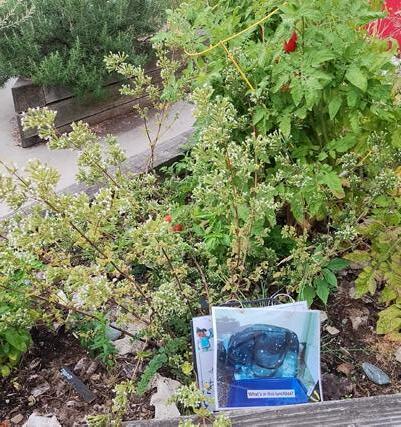
In the forecourt of Vancouver’s iconic geodesic dome, also known as Science World, is Ken Spencer Park. Visitors and school groups visiting the 35,000-square-foot ecosystem are invited to learn about sustainable growing practices and innovative foods that can be grown in any home garden. Each year, a different theme sets the tone, and in 2025, “What’s in Your Lunchbox” explored garden-to-table foods. Shaped in the form of a triangle to represent a pizza slice, the signature garden cultivated tomatoes, oregano, basil, and wheat. Sarah Tulga, a climate education specialist and my park guide, says the scientific inquiry is, “What does it actually look like to grow the things that I see on my plate?”
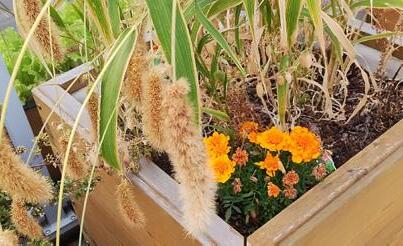
For me, the surprise was the wheat growing in the raised garden bed alongside the tomatoes and herbs. But then again, grains are big at Science World. Rice, millet, oats, wheat and quinoa (recognizable by its red cone-shaped flowers) are everywhere. The quinoa, according to Tulga, has a mind of its own, having self-seeded from last year’s original crop.
That is the essence of the garden – nature, not science, gets to lead the way. The garden beds aren’t perfect – some are a mesh mash of edimentals, mixed with herbs such as basil, cucumbers, and sunflowers growing alongside the wayward quinoa. It’s a scene reminiscent of a mad scientist’s laboratory, where various substances are tested until the right formula is achieved. That is precisely how Tulga wants it. A self-taught gardener, Tulga happily admits that experimentation is the essence of all great science, and this garden is a living experiment.
“I think sometimes gardening can be really intimidating,” she says. “It’s complicated and scientific. There’s a lot that goes into it: soil chemistry, science, and weather patterns. We work with many educators, and they are so happy to hear that they can just plant some experiments and try things out.”
As you walk from one part of the park to another, the experiment begins to make sense, and out of the randomness, a sense of connectiveness emerges. The reflection walk leading to the newly created wetland is lined with native plants that once grew in the area, including salal bushes, Oregon Grape, and wild roses. Here, interpretative signage lists the Indigenous plant names in Squamish and Hul’qum’inum (the language of the Musqueam and Tsleil-Waututh First Nations). Each sign describes the reciprocal relationship Indigenous peoples had with these plants and how they were used for medicine, shelter, or food.
In the wetland area, marsh grass and sedges surround the edges of the pond, their roots acting as a natural filtration system to keep pollutants out of the crystal-clear water that has become a pollinator’s watering hole. Tulga tells me that the hummingbirds love the wetland and often a dragonfly or two will visit. Once their thirst is quenched, they happily meander over the sunflowers or tomatoes, ensuring they do their job of pollinating the plant so that the fruit is produced. Standing out from the crowd of wetland foliage is a clump of sunflowers.
“If nature wants you to be there, I’m not going to say no,” Tulga says, laughing.
At Ken Spencer Park, science graciously steps aside to let Mother Nature perfect the algorithm.
Although clearly not a wetland plant, the presence of sunflowers further emphasizes the connections between ecosystems and how one can support another. A small wetland environment, in this instance, supports a food garden. On a larger scale, it’s a marsh next to a wheat field that also supports a diverse array of pollinators, plants, and birds, all working together to help each part of the whole thrive. Then there is the pièce de résistance.
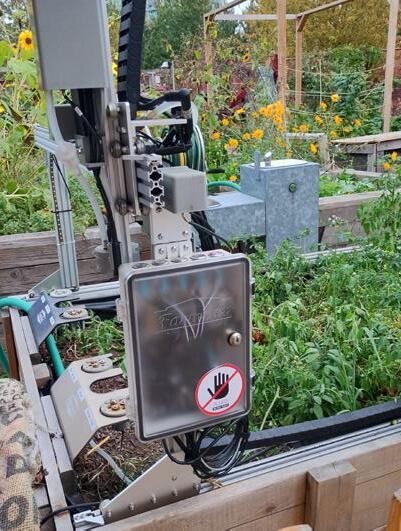
“I call him MIKE,” Tulga says, “He’s my incredible CNC robot.”


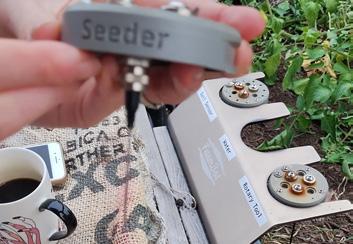
“When I think of sustainable communities, I think of food,” Tulga says. “Of people coming together over meals, of regenerative food systems, and a deep connection to nature.”
CNC stands for Computer Numerical Control, a type of robotics that operates incredibly quickly and precisely. Mike is remote-controlled and can be scheduled and programed to perform tasks. He runs along tracks attached to a raised bed. By attaching 3D laser-printed tools to his frame, he can perform things such as seeding. He grabs seeds using a vacuum suction, holds them on the tip of a needle, and plants them as he moves along the track. He can measure soil moisture by judging the electric current in the soil. The wetter the soil is, the more current flows through it. If dry, there is less, and it’s time to water.
MIKE can’t harvest, but despite this drawback, his most impressive feature is affordability. He costs about the same as a laptop. His purpose at Science World is to show how the use of technology can augment sustainable growing.
“Often, gardening is people’s first entry point to having a more reciprocal relationship with nature,” Tulga explains.
Science is about vision, and Science World believes that within a generation, Canada will be a country of thriving, sustainable communities rooted in science, innovation and a deep connection to nature.
“When I think of sustainable communities, I think of food,” Tulga says. “Of people coming together over meals, of regenerative food systems, and a deep connection to nature.”
Tulga hopes that anyone visiting the park is inspired by the selection of creative foods growing in the garden beds and the organic and natural methods used to cultivate them. I have to admit, I left inspired, eager to try growing rice or quinoa. 3
To learn more about Science World and Ken Spencer Park, check out: scienceworld.ca/exhibition/sciencepark
‘What’s

How are garden inventions created? As a single mom farming off-grid in deep California, I decided to take the leap and try to figure it out.
Iwas raised by a doomsday prepper mom who believed homesteading could save humanity. I learned how to be resourceful, to live off the land and make the land work with us to ensure our survival. What we needed was sewn, grown, hunted, or stored during long, snowy winters, when months would go by with no human contact. In this selfsustaining environment, I learned to invent. I crafted anything you can think of at an early age. Christmas was made up entirely of handmade goods, which was our tradition.
Never be afraid to reinvent yourself
So, it made sense that, after years of battling the elements growing medical cannabis, my frustrated brain invented a greenhouse umbrella and skirt. This innovation creates a perfect environment for cultivation and protects plants from various issues, including mud bud, breaks, lost flowers, cold damage, cross-pollination, bud rot, and more.
I trademarked it as Croptops Greenhouses, and my innovations company was born. After many years of perfecting, designing, and manufacturing the basic design, I was granted a full federal patent in 2016 with 21 microclaims appended to it.
I accomplished this using technology from 2012: basic phones, no laptop and dial-up internet access. It can be an exhausting journey, one that takes you out of the peace and harmony of being just a gardener or farmer and thrusts you into a vast world of commerce and trade. But, for some, the adventure of inventing in the garden makes the mind bloom bigger.
Crop Tops pop-ups create a perfect environment for cultivation
• “Necessity is the mother of invention”. When you find a need for or a way to do something easier or better, write it down. Think of ways to solve the puzzle, from a new latch style to a bearing on a wheelbarrow. The world is ripe with innovation space, and there is no limit to what can be created. Say you think of a new tool, such as a heart-shaped shovel for burying bad vibes or something. First, try to sketch your concept on a napkin and refine your thoughts into a solid product.
• Google your ideas. Research and investigate any version that may be out in commerce. Be specific, such as shovel designs, in your search engine queries.
• Run a Patent search. You can visit the United States Patent Office, the UK Patent Office, or the patent office in any other country and research existing patents. It’s wise to look at least one foreign patent body, as patents are country-specific. Lawyers and businesses will attempt to charge you to do patent searches, but with a little time commitment, you can accomplish this yourself.

I was raised by a doomsday prepper mom who believed homesteading could save humanity
Once you find your perfected product concept, it’s possible to file your own patents for just a few hundred dollars. I’ve personally been preyed on for tens of thousands of dollars, eventually learning that the hard way.
Stay away from the “Let me Help You Invent” platforms. They are built to capitalize, not help inventors.
• What are the product’s uses?
• What is the target market? Gardeners or farmers?
• What is the potential profit?
• How many people would purchase this product? Is it novelty or applicable?
Ultimately, becoming an inventor is all about profit margins. The person who invents a new irrigation valve may earn more money than someone who creates an entirely new tractor tool, which illustrates the concept of volume versus gains.
Consider the other tools available or objects that achieve the same goal. For example, my heart-shaped shovel idea (conceived while writing this) may be good for root crops or root removals. I would research root pullers, tuber harvesters, etc. It can also be made for satire or novelty gifts. It all depends on how you look at the idea. Perception is everything.
Research manufacturing companies or figure out how to make it locally or at home. It may be cheaper for me to buy already-made shovels and use a torch to cut them into a heart shape, rather than creating an entirely new product line. Look into the cost-effectiveness of its creation. 3D printers offer easy opportunities for creating prototypes and basic models.
Go through the process, break down and patent your own idea, and make it with earth-conscious materials. You can sell your patent to larger, established companies. However, that adventure in itself is an arduous goal. I chose not to sell out to larger, well-known companies that may be known for toxic practices. I have completely self-funded and self-distributed.
Inventing in your garden is a passion with a purpose. I hope to see many new, eco-friendly and well-made resourceful tools being created by you in the future. Never be afraid to reinvent yourself. 3
BIO A.C. Moon Cameron is a 26year veteran of the horticultural industry and the patented inventor of Croptops Greenhouses. From Northern California, she owns a 40-acre off-grid farm in the Sierra Nevada Mountain range.


Are Foliar Fertilizers in Your Future?
Full disclosure: I am loyal to the soil. The world of foliar fertility can feel like uncharted waters. The buffering capacity of soil is remarkably forgiving, allowing for less precise nutrient application, which is far more conducive to my gardening style. My application of foliar treatments has been limited to the use of biodynamic preps (i.e., BD 501 and horsetail), perhaps a biopesticide, and the occasional spritz of my tomatoes with Epsom salts or a kelp extract. However, having the opportunity to visit countless farms and gardens, the popularity among growers of addressing acute nutrient deficiencies by feeding their leaves left me wondering if I’m missing out on something.
For many growers, the root zone has been viewed as the primary portal for nutrition, utilizing fertigation to deliver a finely tuned recipe of micro- and macronutrients. Such simplicity seems counterintuitive to the complexity of Nature, with its built-in redundancies and problem-solving capabilities. As such, foliar feeding —the practice of applying nutrients directly to the leaves —offers growers another tool in plant nutrition, plant health, and overall plant productivity. Research in other horticultural crops has shown that foliar feeding can enhance not only yield but also quality attributes, such as antioxidant levels in berries, essential oil content in herbs, or aroma volatiles in fruit. Early anecdotal and observational data from cannabis growers suggest similar outcomes, indicating that properly timed foliar applications of micronutrients, kelp extracts, or amino acid complexes may enhance terpene expression, increase cannabinoid content, and strengthen plant immunity. Like any tool, foliar feeding is not a panacea, but when used judiciously, it can be just what the doctor ordered, helping a crop recover or even thrive.
When we think of the function of leaves, we immediately focus on light capture for photosynthesis, and perhaps recognize leaves as sites for gas exchange and transpiration. However, they also present an interface that allows nutrients to pass into the plant, often with great ease and in a short period. It isn’t self-evident because when you look at the cuticle of the leaf - the outer waxy layer - it is hydrophobic, repelling water. When you look closely at leaf structure, you will see that it contains stomata and has pores and aqueous channels designed for the diffusion of ions and small molecules.
For high-value crops such as cannabis, where nutrient deficiencies at the wrong time can be disastrous for yield or have a devastating impact on cannabinoid potency, foliar applications offer growers a rapid-response tool. For example, with the rapid transition from vegetative to reproductive stages, a deficiency in manganese (Mn) can delay the transition by days or even weeks. Similarly, plants deficient in phosphorus (P) at the time of flipping may exhibit stunted growth during the stretch period. During this transition phase, a grower cannot afford to wait weeks for soil amendments to correct a deficiency.
Indoor and greenhouse cultivation often subjects plants to high-intensity light, elevated CO2, and dense planting arrangements—all of which amplify metabolic rates and nutrient demand. These demands are arguably more easily met with fine-tuned hydroponic systems rather than
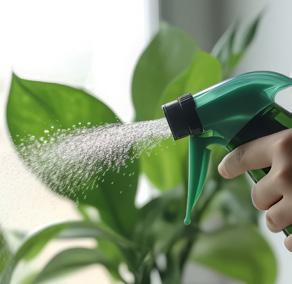
a Living Soil Organic (LSO) system. As an advocate of LSO beds, foliar fertility can help address acute deficiencies and mitigate the potential for creating imbalanced soils. In efforts to ensure the plant has access to all potential nutrients, some growers using LSO beds will stack their soils with incredibly high volumes of amendments as a guarantee. Unfortunately, such systems invariably lead to deleterious soluble salt levels, high Na and S, and nutrient interactions resulting in reduced uptake. And of course, as a bed system, these imbalances not only affect the current crop but also subsequent crops until balance is restored. The short-term solution is foliar fertilization.
Micronutrients like zinc (Zn), iron (Fe), Mn, and boron (B) are particularly well-suited for foliar uptake due to their small ionic size and high mobility in liquid solutions. Macronutrients (N, P, K, Ca, Mg, S) can also be absorbed, but with varying degrees of efficiency. For instance:
• Nitrogen (as urea): Rapidly absorbed and translocated will help “green” up leaves to enhance photosynthetic capacity during high-demand periods. The inclusion of humic acid with urea-based foliar sprays will significantly increase nitrogen-use efficiency.
• Micronutrients (Fe, Zn, Mn, B, Cu): Often highly effective when applied foliarly, especially when in a chelated form. Chelation increases solubility and reduces phytotoxic potential, improving leaf penetration and mobility.
• Potassium, Magnesium, Sulfur: Moderately mobile and can be effective when applied foliarly in acute correction scenarios or for stress mitigation.
• Calcium and Phosphorus: Generally poor systemic mobility when applied foliarly; calcium is immobile in the phloem, and foliar applications typically address only local symptoms.
• Biostimulants: Seaweed/kelp extracts, fish/squid hydrolysates, amino acids, humic/fulvic acids and microbial metabolites are gaining traction as foliar biostimulants that may activate plant defence pathways and secondary metabolite production. Certain biostimulants provide signaling molecules, plant hormones or hormone-like compounds (cytokinins, betaines), attributed to stress mitigation and potential increases in secondary metabolites.
• Silica and Structural Strengthening Products: Silicon (especially monosilicic acid) can enhance cell-wall strength and reduce susceptibility to abiotic stress, with some suggestions that it may also trigger increased production of secondary metabolites.

Foliar fertilization is neither a silver bullet nor a gimmick. It is a nuanced practice, rooted in plant physiology, that offers growers agility and precision in crop managemen

Research in other horticultural crops has shown that foliar feeding can enhance not only yield but also quality attributes
Leaf uptake of these various foliar elements is governed by a variety of physical and chemical factors (e.g., molecular size, ionic charge, solubility), adjuvant use (surfactants, wetting agents), and environmental context (i.e., contact time, light and temperature, and stomatal condition). The use of yucca extract as a wetting agent can help increase coverage, while the use of fulvic acid enhances the absorption of most of the aforementioned elements and molecules.
Vegetative Phase: Foliar applications of N, Mg, and micronutrients, such as Zn and Fe, can rapidly correct deficiencies and support robust canopy development. Biostimulants such as kelp extracts or humic/fulvic acids enhance leaf expansion and chlorophyll density.
Pre-Flower Transition: Foliar P and K can prime the plant for reproductive development. Si sprays strengthen cell walls, preparing plants for the stress of flowering.
Early Flower: Gentle micronutrient applications may continue, but caution is advised to prevent residue on flowers. Stress-alleviating sprays (e.g., calcium-magnesium with amino acids) can help address the metabolic demands during this, the most rapid growth phase.
Mid-to-Late Flower: Foliar feeding is typically avoided due to the risk of residue, mold, or contamination.
Foliar sprays should not be “shots in the dark.” Tissue testing, visual diagnosis, and understanding the crop’s developmental stage are prerequisites. Too often, growers apply nutrient cocktails without knowing which deficiencies actually exist. The bulk of nutrition should still flow through the roots, with foliar sprays providing precision adjustments. Furthermore, if you are constantly using foliar fertility to address nutrient deficiencies in every crop cycle, you may want to revisit your fertigation plan.
• Droplet Size: Fine misting (100–200 microns) ensures good leaf coverage without excessive runoff.
• pH and Temperature: Slightly acidic solutions (pH 5.5–6.0) improve penetration. Sprays should be applied during cooler parts of the day, early morning (immediately after lights-on) or evening (immediately before lights-off, ensuring good airflow to prevent leaf wetness for an extended time) to maximize stomatal opening and reduce evaporation.
• Frequency: Light, frequent applications are more effective than heavy, infrequent ones. A “little and often” philosophy prevents leaf burn and optimizes uptake.
• High-Light Intensity: Spraying under high-light intensity or full-sun can cause phototoxicity. Similarly, spraying during high temperatures may cause phytotoxicity by causing rapid uptake.
• Late-Flower Application: Spraying too close to harvest may cause molds and mildews in the inflorescences. The cannabis flower with its sticky resin can, at times, concentrate these molecules, causing residue accumulation or even leaf burn.
Foliar fertilization is neither a silver bullet nor a gimmick. It is a nuanced practice, rooted in plant physiology, that offers growers agility and precision in crop management. When integrated thoughtfully, it can prevent deficiencies, enhance resilience, and potentially elevate plant quality. As with so much in agronomy, the art lies in balance. 3
BIO Av Singh, PhD, PAg is an advocate of regenerative organic agriculture serving various organizations, including Regeneration Canada, Navdanya, and the Canadian Organic Growers.

When soil is in good health, water flow is not necessarily this unidirectional; infiltration pathways allow reserves of water to be drawn against gravity when needed, from wetter to drier areas
Whatever the weather, season, or system, getting water to plants is only half of the job. A well-managed irrigation system also ensures reliable drainage, drawing excess water away from roots and back to soil reserves.
When considering how much water my garden actually needs, I find it helpful to picture each finished veggie or flower as an accumulation of water over time; what comes out must first go in. If I want a lot of fresh cucumbers in the summer, I hold a cucumber and think, “How much of this is water?” Realistically, how much water needs to be available as the plant is ‘building’ cucumbers so that it can be stored in each one?
Some years, nature handles this more than adequately. Bloated zucchini and split tomatoes, as well as soggy, limp, and stressed plants, are signs that there’s just too much for the garden to convert into food and medicine. Instead of feeling well-hydrated, it’s now like they’re on a road trip with a full bladder and the driver is refusing to pull over. Something’s got to give!
Designing a garden with natural buffers against extremes of wet and dry allows the assemblage of life to negotiate its own water use. As system stewards, we can handle the large-scale jobs and trust the fine details of this work to our soil-dwelling partners.
Adequate drainage ensures that fresh water entering the system remains available when needed and is not wasted, while preventing clogs and backlogs that can create a toxic root environment and slow plant growth.
Infiltration refers to the ability of water to move through the soil, and thanks to gravity, we generally think of this as a one-way street. Water enters the surface, travels down and through the growing substrate, and then continues further underground to flow through wetlands, fill basins, recharge streams, run in rivers, and eventually return to the sea.
When soil is in good health, water flow is not necessarily this unidirectional; infiltration pathways allow reserves of water to be drawn against gravity when needed, from wetter to drier areas through capillarity*, until balance is achieved. Sub-surface irrigation relies on these fine channels to harmonize the effects of evaporation and above-ground storage of water in plant (and fungal) tissues.
Plant roots and mycelial networks explore these natural soil drains and grow within them, causing soil particles to push closer together. There has to be some amount of room for air exchange, so the ratios of mineral soil types, how they are mixed, and the amount and type of organic matter available to cushion these particles and prevent blockage are all factors contributing to infiltration capacity.
A well-managed irrigation system also ensures reliable drainage, drawing excess water away from roots and back to soil reserves
“Capillary” originates from latin for “small hairs”, and capillarity describes the way fluids move through narrow, hairlike pathways. In simple terms, water molecules are attracted to other water molecules and to surfaces they come into contact with. In small spaces, this force can beat gravity’s pull.
Capillary action is how the structures within plants evolved to deliver water where it’s needed, through the trunk of a tree to the very tips of its branches, or along the length of a vine, all the way to each budding flower. If you picture how a candle wick acts as the pathway for melted wax to run up against gravity and provide a constant source of liquid fuel to a flame, you’ll understand why capillary action is sometimes called “wicking.”
What happens when infiltration capacity is exceeded?
Washout (erosion), compaction, and pooling are all signs that the amount of water present exceeds the infiltration channels’ capacity to drain. To retain or improve the infiltration capacity of soil, consider the biological and physical characteristics of the subsurface environment.
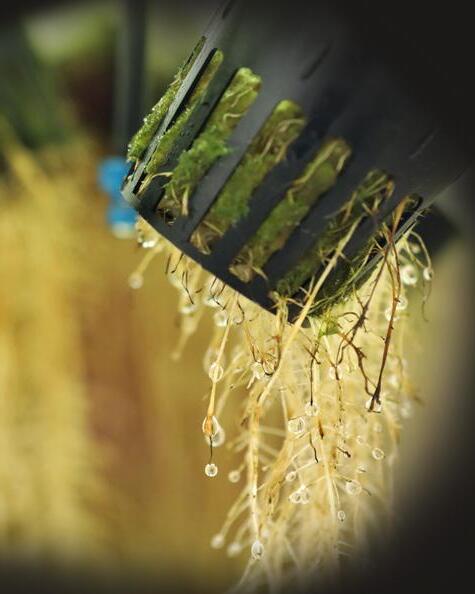
As a grower, you can learn to recognize the signs of suffering and act quickly to provide relief
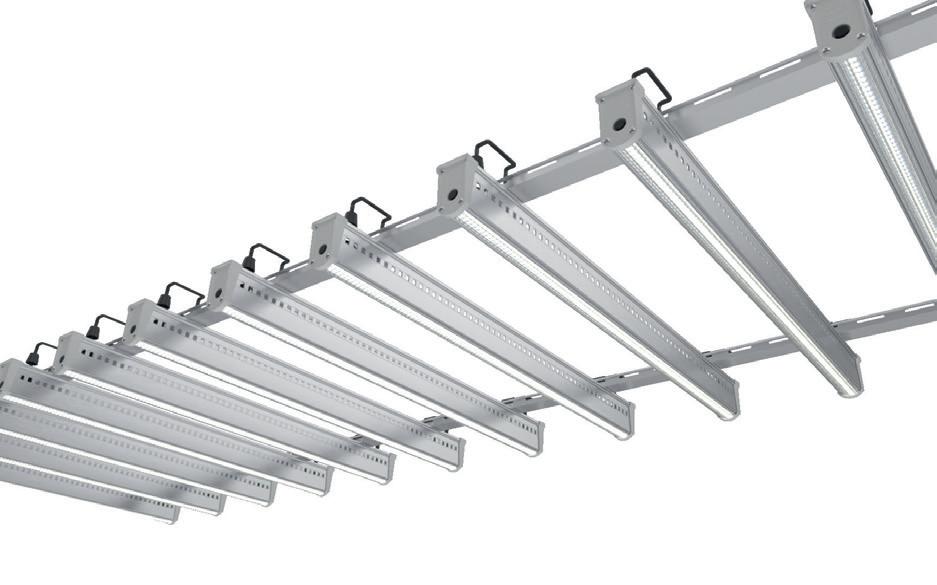
Healthy plants are a bit like an open tap: less moisture returns to the soil than what is absorbed. Water and dissolved molecules are constantly being drawn in through the roots and used to build new cells, and enough new water has to come in to keep enabling these processes. This includes extra water to allow the flushing out of broken-down food ‘waste’ so these molecules don’t accumulate to toxic levels.
When merely a single plant is living in a volume of soil, it can only sacrifice its own needs when water is in short supply. As a grower, you can learn to recognize the signs of suffering and act quickly to provide relief.
While the first and fastest way is to activate a macro-scale irrigation system, which is triggered by biology (the gardener who observes, decides, and turns on the tap), it’s clearly better not to let the plant get stressed in the first place. In a precision agricultural setting, sensors and meters observe and act on our behalf. If the data is logged, we can use it to understand our plants’ needs better and make operational or structural adjustments.
Plants in shared spaces negotiate their water needs, with fungi often acting as mediators. The specific lifeform(s) receiving priority access changes based on what processes are happening and how the whole network is thriving (or not).
A plant at the end of its life withers and dies, and its stored water is sent back to the greater system. When you chop and drop living mulches, the stems and leaves release their water into the topsoil, and the roots are digested and recycled. This process occurs rapidly with the assistance of soil microbes, arthropods, and insects, and all this vital activity promotes the maintenance and construction of new infiltration pathways.
Water held in the roots is also released when above-ground plant parts are removed, and it too becomes available for reclamation. In the case of veggies cut down in their prime, we’re the benefactors of that local ecology’s good water management. Where species with different water needs and rooting depths grow together, and on different timetables, fast-growing grasses and leafy plants can suck up extra water when needed, and be sacrificed in times of need.
It’s much more efficient to conserve the ingredients of a meal and let the longer-season plants use soil-stored moisture, rather than continually adding water while a barren top layer of soil allows it to evaporate and deplete deeper reserves.
Rather than paving high-traffic areas, gravel pathways resist compaction while still allowing water to penetrate. It is a myth, however, that gravel in the bottom of containers assists drainage. Instead, these stones merely occupy usable space and actively discourage water from leaving the pot through the holes at the bottom, thereby increasing the risk of root rot.
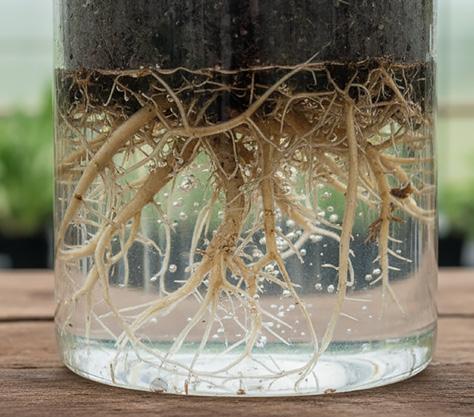
Letting natural forces guide water movement in the garden is much less mentally strenuous than attempting to control every drip and drop
Perlite and vermiculite are much better “rocks” (both are chunks of minerals that have been treated with heat) to incorporate in potting soil.
Chipped-wood pathways, buried logs, and the roots of dead-standing or chopped-down trees are also adequate, longer-term buffers against rapid soil drying. Unlike rocks, they add both food and structure to the immediate area.
If you’ve ever noticed that a used hanky gets really hard when it dries, you’ll appreciate the power of bioslimes. Bacteria, slugs, and snails glue particles together to form pores of different sizes, creating aggregate chunks of mineral soil that don’t collapse when organic matter is digested and removed, leaving room for much-needed air in the rhizosphere.
A constant, slow diffusion of moisture between the tiniest spaces in soil is better for the system’s stability than a rapid blast of pressure. Mushrooms emerging after a heavy rain are a good example of how fungi act quickly to make use of water in sudden excess. They channel this pressure and, with their harder-than-dirt, chitin-based cell walls, burst above the surface, removing about 90% of their weight in water that could have otherwise flooded and destroyed infiltration channels.
Letting natural forces guide water movement in the garden is much less mentally strenuous than attempting to control every drip and drop. By designing a system that requires minimal intervention on our part, and maintaining it with care for the health of the living inhabitants, reliably good infiltration is an achievable result. 3
References and Resources: nrcs.usda.gov/sites/default/files/2022-10/Soil%20Infiltration.pdf Nimmo, J., & Shillito, R. (2023). Infiltration of Water Into Soil. Oxford Research Encyclopedia of Environmental Science. doi.org/10.1093/ acrefore/9780199389414.013.768





As we wrap up another year in our grow rooms and gardens, it’s time to reflect on our achievements and failures and fine-tune how we approach the next growing season. It’s impossible to predict the successes we’ll have or the problems we might face, but we can look ahead to what’s trending in the world of plants, and 2026 is already shaping up to be an optimistic year where we grow and live with intention! Garden Media Group (GMG) has released its 25th annual Garden Trends Report, which pegs an overall theme for where gardeners and growers are and where they want to be. As we continue to face the climate crisis, it’s no surprise that we’re looking at the positive, something GMG refers to as ‘Lemonading’. To be clear, lemonading isn’t about pretending that everything is okay. According to GMG, it’s about recognizing the problem, feeling it, and then finding ways to be part of the solution. When life gives you lemons…
Are more of us ready to put our smartphones away and focus on genuine connection with each other and the natural world?
The History of GMG’s Garden Trends Report
Garden Media Group compiles its Garden Trends Report by scouting global consumer trends and consulting with media and experts worldwide. It’s had a pretty good run, successfully predicting several gardening trends over the years:
• 2003: Predicted the container gardening craze
• 2004: Saw the surge in vegetable growing
• 2007: Recognized the renewed interest in native plants
• 2009: Anticipated a keen interest in vertical gardens
• 2018: Projected turning to plants for well-being
• 2021: Forecasted the rise of tech and AI in the garden
• 2025: Witnessed as living fences offered pretty forms of privacy
Based on its research, GMG finds that we’re burnt out and want to shift to what really matters: leading simpler, more authentic, and slower lives, where success is defined by emotional well-being and not wealth or tangible things. Are more of us ready to put our smartphones away and focus on genuine connection with each other and the natural world? We can only hope the 2026 prediction is spot on! If it is, we can look forward to more intentional living, and it’s never too late for that.
• Connection over consumption
• Simplicity over hustle
• Joyspan instead of lifespan
• Celebrating Minorstones over milestones
How to ‘Lemonade’ in the Garden or Grow Room
Gardeners and growers are perfect candidates for reaping the benefits of ‘lemonading.’ The GMG report suggests we experiment with something new — whether a growing method or a crop type — and enjoy the process even if we fail. We can also practise the art of connection by transforming our spaces into living experiments that bring us joy, from growing herbs on a kitchen windowsill or setting up a grow tent to vibrant houseplant corners that ooze positivity and happiness. GMG’s report points to several ways gardeners can make lemonade. On the next page you will find some of their bold predictions for 2026.

Why we grow plants is changing…
The forecasted trend of purpose-driven gardening excites us because we’re all about planting with a purpose here at Garden Culture Magazine. Planting patches of milkweed and vibrant, native flowers helps make a difference for our struggling pollinator friends. Edible and edimental growing spaces are not only beautiful to look at but offer fresh food to our families and neighbors. How about creating a preserver’s garden, explicitly grown for fermenting, canning, pickling and more? As we struggle to cope with the effects of climate change and uncertain supply chains, we can view gardening as a way to take visible action right outside our front doors. Gardening with a purpose can be an excellent coping mechanism for anyone suffering from climate anxiety.
How we garden is changing…
Sustainability is the name of the game in 2026 because it leads to healthier plants and less waste in the garden. Growers will be zeroing in on precisely what their crops need using various tools and technology. Precision gardening uses site-specific, data-driven information to achieve optimal results and higher yields. No more guessing games, wasted time and resources; it’s all about gardening with intention to avoid mistakes like overwatering and overfertilizing. Careful consideration of growing sites can help gardeners take advantage of microclimates, various soil conditions, and an area’s resilience to climate-related catastrophes like drought, fires, or flooding. Growers will increasingly turn to gadgets such as soil sensors, weather-tracking tools, and other plant-monitoring tools to make informed decisions about their crops. Instead of doing more, GMG predicts we’ll be doing things
To be clear, lemonading isn’t about pretending that everything is okay.


Setting ourselves apart from the rest with our personal collections…
Collecting is making a comeback, and GMG predicts that Gen Z and Millennials will be leading the way. Rather than falling into consumer traps and buying things we don’t need, we’ll focus on curating our individual collections that express who we are without breaking the bank. The fastest growing category for collectors is, you guessed it, plants! People are looking for rare cultivars, interesting foliage colors, or simply collecting plant groups that serve a purpose, such as supporting the local ecosystem, pollinators, or building an edible landscape. Foraging in the wild is a significant part of creating a personal museum; for instance, collecting branches, berries, moss, and seed pods to make homemade bouquets or wreaths. These items are not only free but incredibly unique, telling a personal story of time and season. Foraging is collecting with purpose, helping us connect with nature on a deeper level and become more seasonally aware. It emphasizes the need to slow down and observe to transform the mundane into something meaningful.
Making our gardens pet and animal-friendly…
Any pet owner will tell you their furry friends are like family, so it makes sense to create spaces that accommodate them. GMG forecasts a boom in people seeking non-toxic plants for their indoor and outdoor areas, clover lawns to better handle dog waste, and trees and shrubs to add shade to the yard. Beyond cats and dogs, backyard chickens are booming, and so are geese, runner ducks, and quail. Gardeners are including bat boxes, bird houses, and insect hotels in their designs to help the local ecosystem thrive. People, pets, livestock, and wild critters coexisting harmoniously is a homesteader’s dream, and we love it.
For the full 2026 Garden Trends Report by Garden Media Group, check out gardenmediagroup.com 3 gives you
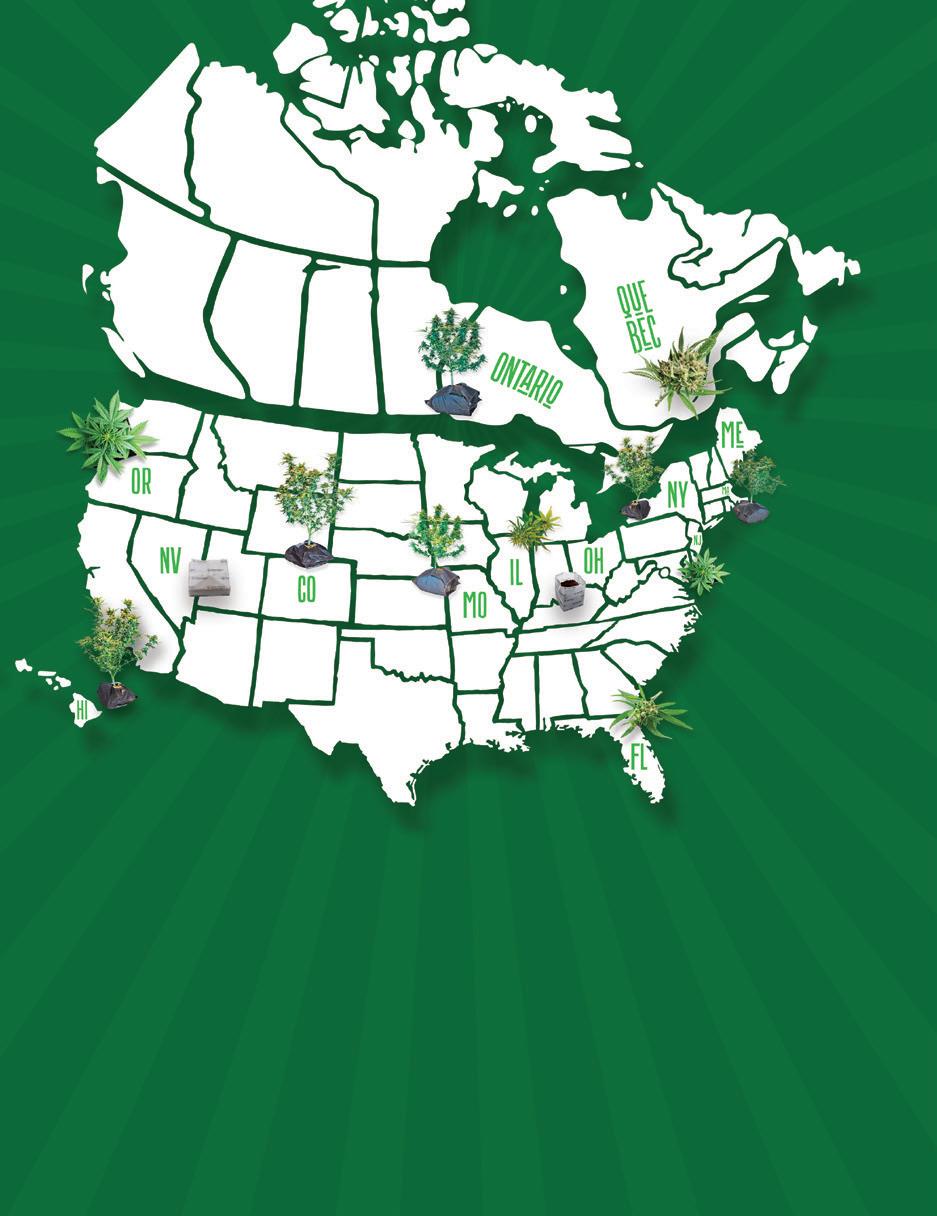
Whether they’re talking about yield, potency, water conservation, or reduced fertilizer usage – growers are loving their experience with HydroMatrix.
And they’re quickly moving from running trials to growing full crops — using the industry’s only scientifically engineered and thermally refined hydroponic cannabis growth matrix, made with 100% compostable, 100% recycled Southern Yellow Pine.
If you haven’t started a trial yet, what are you waiting on?
For years I grew in coco and Rockwool because they made sense to me. Everything was measurable, predictable. I could nudge the EC up a fraction or tweak irrigation timing and watch the plants respond the same day. The causeand-effect loop was tight and satisfying — I knew exactly what was happening and when.
That sense of control becomes addictive. Sensors, timers, data — it all feeds this idea that you’re in constant dialogue with your crop. Every dripper pulse feels like a message, and the plant always replies. And yeah, it scratched my ego a little bit!
Then I made the move to soil. I still remember how that first run stripped the illusion of control away from me almost immediately. What had once been a neat conversation turned into silence. I’d water, wait, feed, and wait some more. The plants didn’t “reply” the way they used to.
Learning to read soil was like learning a new instrument. The signals were there all along; they just came slower and softer.
In hydroponics, steering is mechanical. You alter feed strength or play with irrigation intervals to push the plant toward a desired phase. You move, the plant reacts. And it works!
Organic soil, especially in large containers, just doesn’t play that way. Here, your adjustments take a more how shall I put it “scenic” route through microbial life, moisture gradients and
That extra layer — the living biology — brings depth and unpredictability. It adds a kind of intelligence to the system that’s both liberating and, in my case, more than a little humbling. You might ease off irrigation to hint that it’s time for the plant to move from vegetative growth toward flowering. Or you might try to alter nighttime humidity to encourage a hormonal shift. But you’re no longer flipping switches—it’s more a case of suggesting, hinting and waiting for the ecosystem to agree.
Steering in soil is a mindset shift: and you definitely need patience.
When growing in organic soil, your overarching goal is to create a living habitat of microorganisms, rather than just a physical buffer to hold moisture and nutrients for your plants’ roots. It’s the “soil food web” in a container—a living microcosm: bacteria down organic matter, fungi forming symbiotic networks, nema todes cycling nutrients and microarthropods helping structure the soil. If you’re cultivating fast-growing, short-cycle annual plants, you need to use every trick in the book to create this ecosystem, so your plants can benefit in time from a bunch of unseen rations.


But don’t infer that you need to be in a rush. These things don’t run according to your timeline. Sure, you top-dress organic inputs mixed with a little high quality compost, but you need to wait for the soil life to work when conditions are right. That used to frustrate me. Now, I see it for what it is: a natural buffer that keeps extremes in check.
Rather than riding a rollercoaster of highs and crashes, the plant coasts along a steady slope. The soil softens your errors, mutes your overcorrections and prioritizes long-term balance over im mediate payoff.
And in doing so, it reins you in. It simply won’t let you microman age. It asks you to step back, trust the process and only intervene when you really need to.


That sense of control becomes addictive. Sensors, timers, data — it all feeds this idea that you’re in constant dialogue with your crop
Don’t fret, fellow grower! You’re still involved. You just steer with your hands on the wheel a little more gently.
Take water, for instance. It’s not just about keeping things wet. In this context, watering patterns can shift plant priorities. A carefully timed dry-down can send the signal that it’s time to start moving into flowering. But go too far, and you’re harming your microbial life. Nutrients lock up. Growth stutters.
It’s a fine line. You’re balancing biological activity with plant signaling. To be honest, some days it feels like threading a needle. Environmental controls can help reinforce your intentions. I like to keep VPD in the neighborhood of 1.0 kPa through veg — keeps the leaves breathing. When flower kicks in, I’ll let it rise a little, closer to 1.4, to guide plant architecture in a more compact direction.
Same with light. As I approach the flowering peak, I gradually up the daily light load — not a dramatic change, just enough to fuel the metabolic shift. These tweaks aren’t commands; they’re cues. And
If you’re looking to harness the benefits of growing organically but the prospect of spending a month’s rent filling large beds with living soil isn’t appealing, you still have some tried and tested options. Pre-charged mixes like Biobizz All-Mix or its lighter sibling, LightMix, offer the benefits of organics (improved tastes and aromas) while striking a balance between biology and control.
All-Mix is slow and buffered, loaded with organic matter and inoculants that keep the biology humming with minimal input—at least for the first three or four weeks of growth. Light-Mix, on the other hand, gives you a bit more agility. It’s not as heavy with nutrients, so you can guide the plant more actively with teas or organic liquid feeds, almost from the get-go.
Instead of 50-liter gargantuan pots, you can use 10–20 liter containers, where changes show up faster and course-corrections are more immediate. It’s practical and accessible — organic, but responsive.
Environmental controls can help reinforce your intentions.





Bio can walk through a room and know, almost instantly, what’s off and what’s working.
is a well-respected indus try educator, veteran hydroponic grower and grow light enthusiast, based in France. He works primarily as a marketing and cultivation consultant and was the founding editor of Urban Garden Magazine in the UK, US and Canada. He also writes and researches for the popular hobby horticulturalist YouTube channel, Just4Growers.

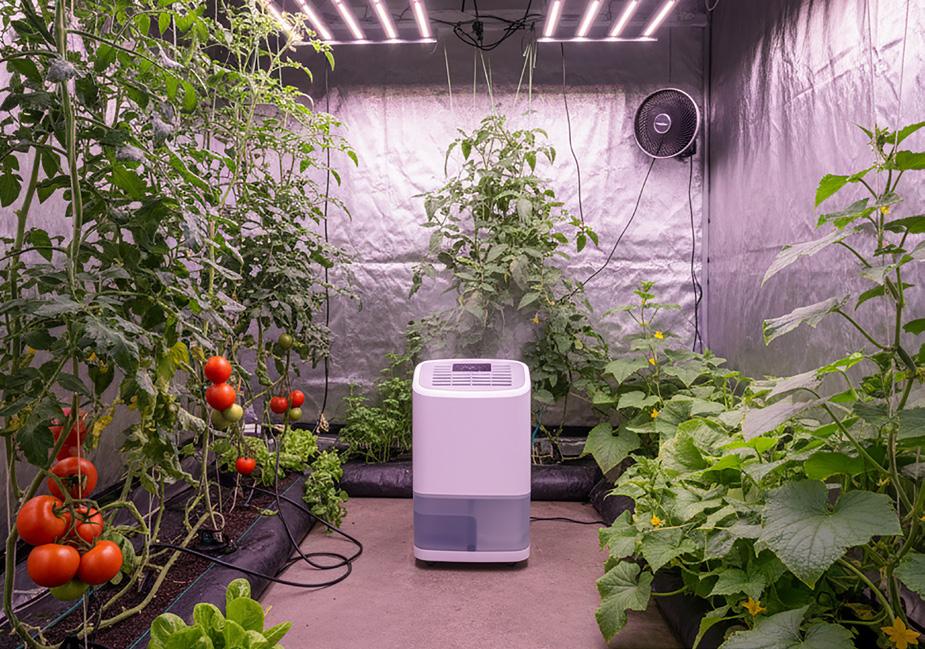
Even the best-engineered grow rooms need to be able to handle surprises. Here’s how portable dehumidifiers give growers room to breathe.
Experienced growers know that no grow room stays static for long. Late-flower spikes, frozen coils, high outdoor dew points, or seasonal construction— every facility faces its share of unpredictability. And when those moments hit, it’s not your AI dashboard or airflow model that saves the crop. It’s your portable dehumidifier.
Fixed HVAC can’t do it all. Portable dehumidifiers fill the gaps, manage the unexpected, and keep your harvest on track.
I’ve spent the better part of a decade walking cultivation sites, from tightly managed urban micro-grows to sprawling commercial canopies. One thing I’ve learned: the growers who
sleep best at night have contingency gear ready to roll. And a portable dehumidifier is one of the smartest tools in that kit.
Let’s get one thing straight: portable dehumidifiers are not a replacement for properly engineered systems. Your baseline dehumidification should be dialed in, spec’d for the facility, and rock-solid. But in this industry, even the best setups face variables that can overwhelm your fixed units.
A good portable dehumidifier gives you the ability to respond immediately when:
• A unit needs repair in the middle of flower
• An RH spike creeps in during drying
• Your latent load jumps unexpectedly with seasonal swings
• You’re waiting on a part or a tech, and the plants aren’t going to hit pause
when those moments hit, it’s not your AI dashboard or airflow model that saves the crop. It’s your portable dehumidifier.
Not all portables are created equal. Here’s what experienced growers should prioritize:
• Mobility: Big stair-rated wheels, lightweight, and a compact frame. If it can’t get to the problem fast, it’s not worth it.
• Plug-and-play readiness: Look for integrated pumps, hose storage, and low amp draws (ideally sub-7 amps @ 115V) so you can drop it in without tripping shared circuits.
• Ductability: Some portables allow targeted airflow using lay-flat ducting—great for directing relief where it’s needed most.
• Stackability: You don’t want these units eating up space when not in use. A flat-top, stackable design is key for storage.
Let’s talk real-world applications. These are the top five places I see veteran cultivators deploying portables:
1. Emergency Maintenance
Things break. Portables are your buffer. Instead of scrambling or risking plant loss, you roll one in and keep the RH stable while service gets handled. Minutes matter in this game.
2. Latent Load Support
Retrofit building? Dense canopy? High transpiration cycle? A fixed system that was spec’d two years ago might not keep up. Portables let you bridge that load without redesigning your infrastructure mid-cycle.
3. Dry Room Reinforcement
We all know dry rooms are finicky. Wet biomass, limited airflow, and tight timelines mean RH can jump fast. A portable unit helps you to stabilize and reduce microbial risk post-harvest.
4. Spill and Sanitation Response
Routine cleaning or an unexpected leak can saturate floors fast. Combined with air movers, portables reduce dry-out time and help mitigate microbial and slip hazards in shared spaces.
5. Contingency SOPs
If you don’t have a written SOP for what happens when your dehumidification fails (or any piece of facility equipment for that matter), now’s the time. Who grabs the portable? Where does it go? Is it clean, tested, and ready to go?
Preparedness here separates pros from panickers.
Yes, rental units exist, but you don’t know where they’ve been. I’ve seen portables come out of sewage backups and flood zones. Even cleaned, they’re a microbial nightmare waiting to happen.

Ownership puts you in control. You know the unit’s history, maintenance, and performance. For most facilities, the ROI on even a single unit is evident after the first near-miss.
It depends on your risk profile. Some growers keep one per wing or per dry room. Others start with a single unit and build from there. I recommend two approaches:
• Engineer-led sizing: Have someone calculate the shortfall in latent removal and match it to unit capacity.
• Anecdotal trial: Start with one, watch where RH consistently drifts, and deploy accordingly.
Either way, the key is to have the gear on-site and ready.
These units aren’t hardwired into your BMS, which means someone needs to own them. Designate a team member to check filters, test pumps, and make sure the portable is always deployment-ready. Don’t wait until you need it to find out it’s buried under in your supply closet.
Portable dehumidifiers may not be glamorous, but they’re pure utility. They go where they’re needed, they work when you need them most, and they turn chaos into control.
In an industry where an unexpected humidity spike can wipe out a crop, preparedness isn’t optional. It’s professional. 3
BIO Coleman Retzlaff works directly with cultivators across the globe to optimize environmental control strategies. With over a decade of experience in grow room design, equipment deployment, and climate risk mitigation, Coleman helps growers bridge the gap between precision engineering and real-world resilience.

Herbs have long been a staple in the garden, serving not only culinary purposes but also as a valuable source of medicine.

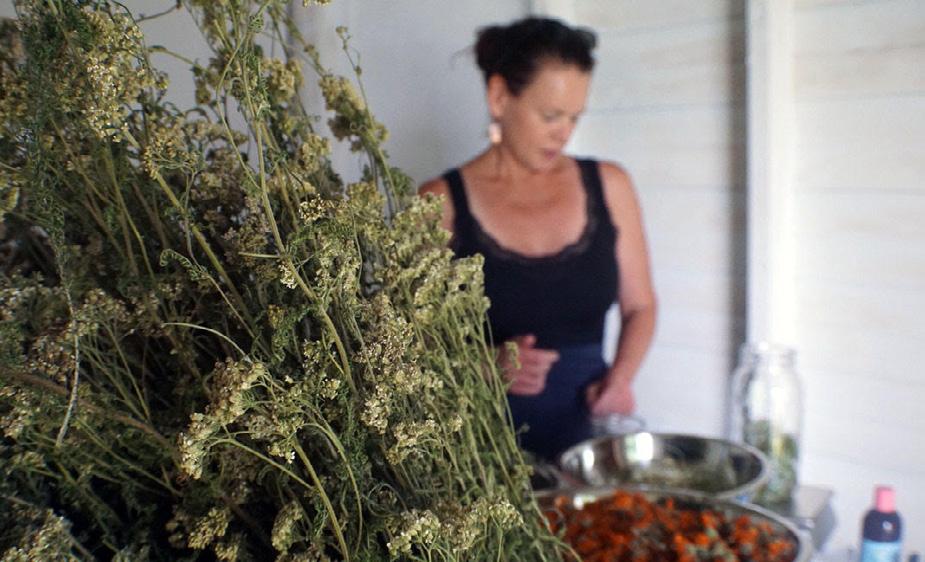
Emily Springer of Meeting House Farm in Scarborough, Maine, is on a mission to connect people with locally grown herbs [1]
“I was lucky to grow up in a family that used food as medicine,” she says.
career in financial services, but she continued to grow her own food and herbs. It was when she ran out of a plant called elder, which grows locally throughout the Northeastern United States, that things began to change.
anywhere, and I ended up ordering it from a compashe says. However, when it arrived, she saw it had been imported from Bulgaria. “I was so shocked by the whole something has to change here.”
So she quit her job and, together with her husband, bought a farm, where they started growing herbs as a business. Meeting House Farm has 2.5 acres on which more than 80 different medicinal herbs grow. Still, Springer was unable to keep up with demand. In 2019, she formed the Meeting House Farm Herb Collective. Today, over 20 farm partners are part of the collective.
“Most of our customers are looking for apothecary or medicsays.
traditionally defined as a collection of plants, flowers, that can be used for both medicinal and . The plants are without woody stems and have leaves or other green parts appreciated for their fragrance or arwhich are used to flavor food or as natural medicines. Springer states that there is no difference between an apothecary herb used for healing and a culinary herb used for cooking. It’s a matter of how they are being used.
“Our ancestors often used what we would consider today a culinary apothecary,” Springer explains. “Basil, thyme, and cilantro, all of which are considered culinary herbs. Lavender and even historically have been used in the apothecary.”
The oldest written evidence of the use of medicinal plants in the preparation of drugs has been found on a Sumerian clay slab, approx[3]. Even the father of medicine, Hippocrates, be thy medicine, and medicine be thy food,” essential qualities of hot and cold, moist and dry, and developed a system of diagnosis and prognosis using herbs [4]
The oldest written evidence of the use of medicinal plants in the preparation of drugs has been found on a Sumerian clay slab, approximately 5,000 years old
In the Middle Ages, the cultivation of medicinal herbal plants moved to monasteries. Therapy was based on 16 medicinal plants, including sage, anise, mint, Greek seed, savory, and tansy. Charles the Great (742 AD–814), the founder of the reputed medical school in Salerno, Italy, ordered which medicinal plants were to be grown on the stateowned lands, including sage, sea onion, iris, mint, common centaury, poppy, and marsh mallow. In fact, the Latin name of sage originates from the old Latin, salvation plant (salvare meaning “save, cure”).
One of the easiest herbs to start growing in an herb garden, according to Springer, is calendula. With bright yellow or orange flower heads, calendula is a non-invasive plant, which is one of Springer’s growing prerequisites for an herb garden. It is self-seeding, can be grown in a pot, and is also very easy to harvest. Many herbalists recommend harvesting calendula in mid-morning, after the new blooms have opened. Pick or cut off the flower head where it meets the stem [5]. Historically, calendula has been cultivated in apothecary gardens for the treatment of upset stomachs and skin irritations [6]
Holy basil, also known as Tulsi, is easy to grow. In a 2017 systematic review of 24 clinical studies, researchers identified several positive benefits of Tulsi in humans, including metabolic benefits. However, the long-term effects of using the herb daily are unknown, and to date, there isn’t a scientifically proven recommended dosage or daily limit [7][8]
Whether it’s Tulsi, calendula, or other herbs, organic growing is paramount to Springer.
“We focus on soil health always, constantly building [it] and making it better year after year,” she says.
Springer never uses plastic materials; wood chips and leaf mulch are the stars at Meeting House Farm.

Just as the moon’s gravitational pull causes tides to rise and fall, it also influences moisture levels in the soil

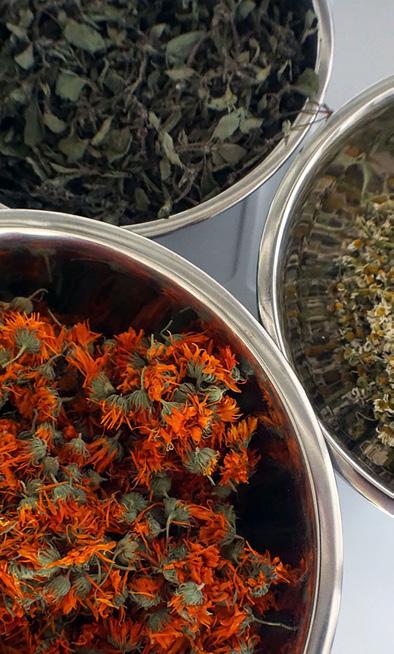

It is self-seeding, can be grown in a pot, and is also very easy to harvest
Planting and harvesting at this operation follow the moon’s cycle. Just as the moon’s gravitational pull causes tides to rise and fall, it also influences moisture levels in the soil. Seeds absorb more water between the new moon and the full moon because moisture is increasingly drawn to the soil’s surface during this period. This extra moisture causes seeds to swell, promoting germination and the establishment of better plants [9]
For the home gardener looking to start an herb garden, whether in a raised garden bed, pots on the patio, or a large garden plot, Springer’s best advice is to spend time with the plants.
“If you only know these plants without growing them, you can’t really have a relationship with them,” she says.
She also urges anyone eager to grow apothecary herbs to find a mentor either locally or online.

“I think having some guidance on what to do and what not to do sets you up for success.” 3
Disclaimer: Before consuming any herb for medicinal purposes, check with a medical professional to learn about the plant’s makeup, any potential side effects and to make sure it is not toxic or interacts with current medications, underlying health issues or concerns.
Footnotes:
1. Meeting House Farm (meetinghouse.farm)
2. What is in an apothecary garden? - Green Packs (greenpacks.org)
3. Historical review of medicinal plants’ usage - PMC (pmc. ncbi.nlm.nih.gov/articles/PMC3358962)
4. Medicinal Botany. What Are Herbs? (www.fs.usda.gov/wildflowers/ethnobotany/medicinal)
5. All About Calendula: How to Grow, Harvest, Dry, & Use Calendula Flowers ~ Homestead and Chill (homesteadandchill.com)
6. Premier Online Herbalism Courses: Chestnut School of Herbal Medicine (chestnutherbs.com)
7. 5 Health Benefits of Holy Basil (health.clevelandclinic.org/ benefits-of-holy-basil)
The following five herbs have a long history in the apothecary garden:
Tall with white flowers resembling Queen Anne’s Lace, Anise needs full sun and well-drained soil. During Biblical times, the seeds, leaves and stems of the herb were used to bring down a fever.
Peppermint is a perennial plant that can survive on just three hours of sun per day and happily grows in a pot. It has been used to help soothe upset stomachs, diarrhea, and headaches for thousands of years.
A tall perennial, valerian is easy to grow in a sunny or partially shaded location, but is challenging to eliminate. A mainstay in the apothecary garden for over two thousand years, valerian’s name stems from the Latin valere, “to be well.” Its roots were historically used to relax aching and tired muscles.
A plant that prefers a sunny spot, which historically was used by ancient Romans and the Indigenous peoples of North America to disinfect wounds. At Meeting House Farm, Springer cuts yarrow plants into tiny pieces and makes a cold tea to spray onto plants infected with fungal conditions, such as powdery mildew.
Grow in full sun and well-draining soil. Throughout the ancient Mediterranean world, this herb was considered sacred by both priestesses and beekeepers and was regarded as especially beneficial for nervous or anxious states.
8. The Clinical Efficacy and Safety of Tulsi in Humans: A Systematic Review of the Literature - PMC (pmc.ncbi.nlm.nih. gov/articles/PMC5376420)
9. Planning A Garden By The Light Of The Moon | Garden Culture Magazine (gardenculturemagazine.com)
Sidebar References:
1. Gardening Know How - Gardening Is Easy! Let us Show You How (gardeningknowhow.com)
2. Top 14 Herbs of the Bible that Heal & Nourish - Dr. Axe (draxe.com/nutrition/the-top-14-herbs-of-the-bible)
3. Premier Online Herbalism Courses: Chestnut School of Herbal Medicine (chestnutherbs.com)

BIO A writer and garden enthusiast with a bachelor’s degree focused on history from Simon Fraser University, and a freelance writing career spanning two and half decades, Jennifer lives in Vancouver British Columbia. Her by-lines have regularly appeared in the opinion section of the Toronto Star and her portfolio includes articles in various newspapers, magazines, and websites across Canada. When not writing her own blog or visiting local garden centers, you can find her puttering, planting, and nourishing her own urban garden oasis.





Meanwhile, the safety side of the COA, while essential, is not immune to circumvention either. Although regulated markets mandate testing for banned pesticides, herbicides, fungicides, and heavy metals, enforcement is inconsistent. Some cultivators exploit regulatory loopholes by using chemicals not expressly forbidden — sidestepping the spirit of the law while still technically passing COA requirements. This reveals a deeper problem: without robust, adaptable oversight, even well-intentioned regulations can become checkboxes rather than true safeguards.
Together, these dynamics contribute to a chemically and genetically homogenized industry. Cultivars with complex profiles, rare minor cannabinoids, or subtler effects pushed aside — not because they lack value, but because they don’t fit the COA-driven model of marketability. with them, we risk losing centuries of cultural, medicinal, and agronomic knowledge embedded in diverse cannabis lineages.
This pattern mirrors what has happened in other industrial crops, from bananas to corn, where uniformity and marketability have come at the cost of resilience and biodiversity. But with cannabis — a plant with enormous untapped medical potential and ecological stakes may be even higher. The loss of diversity today could foreclose innovation and adaptation tomorrow.
Preserving cannabis diversity is not just a matter of heritage — it’s a practical strategy for futureproofing the plant must act now to protect landraces, support seed libraries, and allow room in the legal market for experimental and heirloom varieties.
The cannabis industry stands at a critical crossroads. Will we allow short-term incentives and inflated numbers to define the future of Cannabis sativa? Or will we embrace a more complex, regenerative approach — one that values experiential quality, chemical diversity, and ecological resilience? Biodiversity is not a boutique concern; it is the root system of everything cannabis can become.

Until our science and systems catch up with the full complexity of this plant, we must resist the temptation to reduce it to a percentage on a label. The true power of cannabis lies not in what can be easily measured, but in what can be preserved, experienced, and evolved. 3
BIO Reggie Weedman, the historian, is a long-time Humboldt County/ Maui cannabis breeder, researcher, and collector from Washington state. He focuses on cannabis diversity, preservation, and regenerative practices at his farm and at Teddy Blair’s Canna Country Farms. Weedman works to educate folks, especially in the face of THC bias.
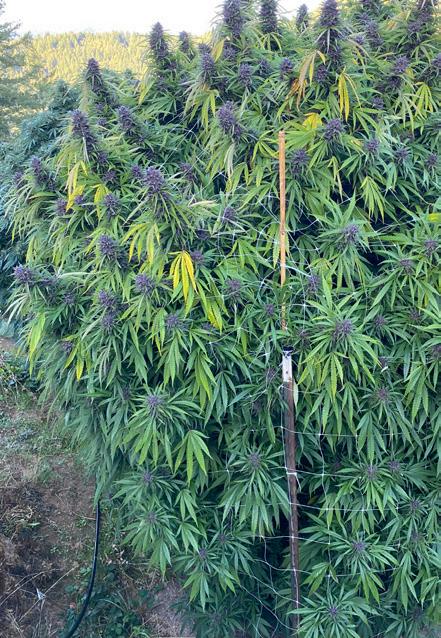


In Part 1, we explored water potential, the science explaining why plants respond to environmental manipulation. Now let’s connect that theory to what matters in commercial cultivation: profitability.
Part 2 shows you how to control that stress through irrigation and why it matters for your bottom line. The only metric that truly matters is revenue dollars per square foot of canopy per day ($/ft²/day)
The only metric that truly matters is revenue dollars per square foot of canopy per day ($/ft²/day). Not yield alone. Not grams per watt. This metric captures the complete picture: how much money your facility generates from each square foot over time.
This metric comprises three components: yield in grams per square foot, cycle time in days, and quality, reflected in the price per gram. Crop steering lets you optimize all three. Shaving a week off cycle time increases annual capacity by 10-15%. Improving structure to pack more flower sites per square foot directly increases yield. Enhancing secondary metabolite production can improve quality grades by 20-40% in price per gram. Each improvement compounds to drive $/ft²/day upward.
Learn more about the $/ft 2 /day metric at frontrowag.com/kpi
For the purposes of increasing $/ft2/day, crop steering pursues specific, measurable outcomes at each growth phase:
Vegetative phase: Rapid structure establishment with optimal nodal spacing and vigorous roots. Timeline target: Reach flip-ready size within the minimum number of days. Every week saved is 5-7% more annual capacity.
Early flower: Earlier initiation (save 3-7 days), maximum flower sites per ft², dense node spacing, minimal stretch. These outcomes set the stage for everything that follows.
Mid-flower: Rapid cellular expansion and maintained turgor. Build bulk fast. Time saved here compounds capacity gains.
Late flower: Secondary metabolite production (cannabinoids, terpenes), controlled finish, no late vegetative reversion.
Every goal is achieved by manipulating water potential through root-zone controls. That’s your joystick.
Think of each 24-hour cycle as three distinct phases with five practical irrigation controls you adjust to create specific water stress patterns.
Phase 1 (P1): Replenishment begins with the first irrigation and ends at the first runoff, typically 1-3 hours after lights-on. Climb from overnight minimum water content (WCmin) to maximum (WCmax) while pushing substrate EC from peak (ECmax) to target minimum (ECmin). Reach runoff within roughly three hours.
Phase 2 (P2): Maintenance runs from the first runoff to the last irrigation. Hold water content in the target range, maintain steady inter-shot dry-backs matching your steering intent, and manage EC through shot frequency and runoff percentage.
Phase 3 (P3): Overnight Dry-back spans from the last irrigation to the next morning’s first irrigation. Achieve target overnight dry-back and arrive at morning’s WCmin and ECmax targets by lights-on. Controlled water stress builds overnight.

Crop steering is precision tuning, not rescue protocol.



These irrigation parameters are among your most direct tools for manipulating root-zone water stress. Specific numbers vary by facility, substrate, and cultivar.
Start-of-Day Delay (SOD) controls P1 dry-back magnitude: how thirsty plants are when irrigation begins. A longer SOD (60120 min) creates a deeper morning deficit and a more generative signal. Shorter SOD (15-45 min) provides quick recovery and vegetative support.
Shot Size controls WC climb rate and inter-shot dry-back intensity. Larger shots spaced further apart (6-10% of substrate volume) create bigger inter-shot dry-backs (4-6%) for sustained generative pressure. Smaller shots (2-4%) provide tight control and vegetative stability.
Shot Frequency controls how often WC is replenished, working in both P1 and P2. In P1, a higher frequency accelerates the climb to runoff. In P2, frequency determines the magnitude of intershot dry-back and daily runoff accumulation. A higher frequency (every 45-90 minutes) helps maintain WC levels, with smaller intershot dry-backs, promoting vegetative stability. Lower frequency (every 2-3 hours) allows for larger inter-shot dry-backs, facilitating a generative rhythm.
Cut-off Time controls P3 duration and overnight dry-back. An earlier cut-off (4-6 hours pre-lights-off) creates a long P3 with a large dry-back (20-25%) for strong generative pressure. A later cutoff (1-2 hours) creates a shorter P3 and a vegetative lean.
Feed EC Strategy controls osmotic potential, the energy cost of water uptake. Higher feed EC (targeting a substrate of 6-12 mS/cm) establishes a generative baseline stress. Lower feed EC (substrate 4-7 mS/cm) supports vegetative growth. Always ramp substrate EC gradually.
Think of each 24-hour cycle as three distinct phases with five practical irrigation controls you adjust to create specific water stress pattern
Here’s how to apply these controls across major growth phases. These are starting points; tune to your cultivar’s response.
Goal: Fast structure with minimal timeline.
Moderate vegetative bias: SOD 15-45 min, shot size 3-5%, frequency every 45-90 min, cut-off 2-3h prelights-off, feed EC 2.5-3.0 mS/cm (substrate 4-6 mS/cm).
Effect: Moderate P1 dry-back, tight inter-shot control, moderate P3. Plants stay hydrated without saturation.
Goals: Earlier flower site initiation (save 3-5 days), max flower sites/ft², dense nodes, minimal stretch.
Strong generative pressure: SOD 90-120 min, shot size 6-10%, frequency every 30-90min, cut-off 4-6h prelights-off, feed EC 3.0-3.5 mS/cm (substrate 6-12 mS/ cm).
Effect: Deep P1 dry-back, large inter-shot dry-backs (5-6%), extended P3 (20-25% overnight), elevated osmotic pressure. Early flip signal, tight internodes, minimal stretch.
Revenue impact: 3-7 days faster to flower = 5-10% more cycles/year. Compact structure = higher flower sites/ft². 1 3 2 4 5
These five dials work together. Pushing all five toward generative settings creates strong generative pressure. Pulling toward vegetative settings supports growth and expansion.

The root zone is your joystick. Steer with intention.


Higher runoff (25-30%) flushes accumulated EC.
Effect: Moderate P1 dry-back, tight inter-shot (2-4%), moderate P3 (12-18%), lower osmotic resistance. Lowstress period with high water and nutrient availability increases yield by allowing cells to maintain turgor and expand efficiently.
Revenue impact: Faster bulking = earlier harvest and higher yield. Higher yield per ft² from optimal expansion conditions.
Goals: Secondary metabolites, controlled finish, quality focus.
Return to generative: SOD 60-120 min, shot size 6-10%, frequency every 45-120min, cut-off 4-6h pre-lights-off, feed EC 1.6-3.0 mS/cm (substrate 6-8 mS/cm, often taper nitrogen).
Effect: Deep P1/P3 dry-backs resume, large intershot (4-6%), elevated EC, reduced night moisture. Metabolism shifts to defense compounds.
Revenue impact: Higher quality grades = 20-40% premium pricing.
Shift gradually by changing 1-2 dials over 2-3 days. Watch turgor; wilting or tip burn means you pushed too hard. When ramping EC, increase feed EC in 0.2-0.4 mS/cm steps. Cultivar variation matters: some need gentler transitions.
decision-making.
Irrigation uniformity: Make sure all of your emitters are flowing at a consistent and uniform rate across the room. Distribution uniformity (DU) ≥ 0.85 minimum, target ≥ 0.90. Test 16 emitters × 1 minute. Fix pressure issues, clogs immediately.
Environmental stability: VPD, temperature, PPFD controlled to targets. Adequate air movement. Managed disease/ pest pressure.
Without these, steering inputs won’t produce predictable outputs and can have net-negative effects on $/ft2/day.
Part 1 explained water potential, the science behind plant responses. This article provided practical implementation: five irrigation controls that manipulate water potential across three daily phases to achieve specific agronomic outcomes.
The connection to revenue is direct. Earlier flower initiation = more cycles/year. Dense flower sites = higher yields/ft². Faster bulking with optimal conditions = higher total yield. Quality finishing = premium pricing. Each improvement compounds to drive $/ft²/day upward.
Master these controls, understand what each affects in the root zone, and you’re steering toward measurable goals that drive profitability.
The root zone is your joystick. Steer with intention. 3
BIO Tyler Simmons is a cultivation consultant specializing in controlled environment agriculture and crop steering optimization. Cultivation science communicator and Technical Advisor for Front Row Ag, Tyler has been a pioneer of data-driven cultivation methodologies. He is known for co-founding the California flower brand Northern Emeralds and his contributions to AROYA Education.

BY TOM WALL, COSMIC KNOT
Michigan students just planted the first-ever Old Growth Urban Reforestation Project in Downtown Detroit for Earth Day 2025.
Guided by the notion that we need to make a change and help Mother Nature, Dave Milarch of the Archangel
Ancient Tree Archive and Arboretum Detroit initiated a new project focused on reforesting vacant sections of inner cities with trees sourced from ancient sequoia genetics. They’re calling it “Tree School.”
The plantings took place in areas that were in desperate need of regeneration, including the former sites of homes that had been bulldozed into their basements and covered with dirt due to safety concerns. It’s incredible to think that these barren sites might generate 300-foot trees in a couple of hundred years!
As the students worked, they were able to hear the newly planted trees make music with the help of Cosmic Knot ’s Florganoleptic Music of the Trees. One by one, the students interacted with the musical tree. The trees make music with their internal fluctuations, and they respond to human touch, demonstrating the interconnectedness of nature. What an incredible lesson!

It’s incredible to think that these barren sites might generate 300-foot trees in a couple of hundred years!

By the end of the planting, the students were clapping along as a coastal redwood played music on a guitar while we all sang a tune. Many expected the Detroit land to remain vacant for decades to come; however, a strong community effort helped make this happen, and plans are in place for additional urban plantings in the months and years to come.
In a world driven by technology, many are losing touch with Mother Nature. There are many ways to connect, but many don’t know how. There’s nothing like going to a forest and basking in its glory. The tranquillity and serenity found in a working forest have been shown to have dramatic health benefits that go far beyond the physical. Forest bathing, which involves immersing oneself in the forest environment, has been shown to enhance one’s ability to focus and overall mental well-being.
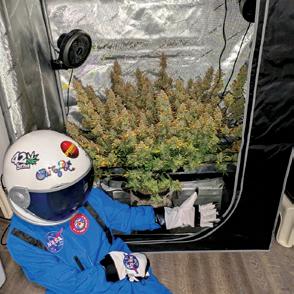
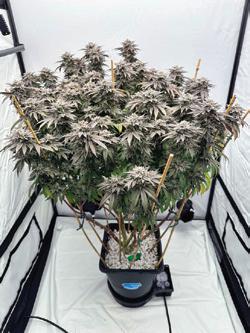

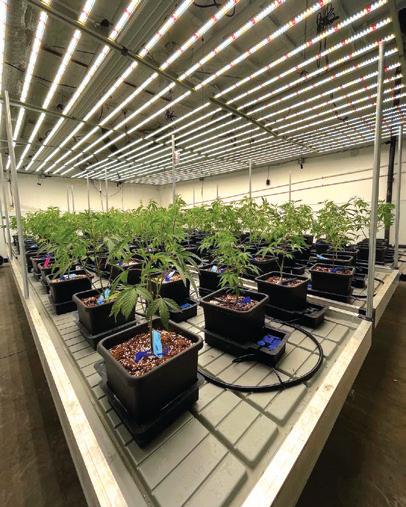
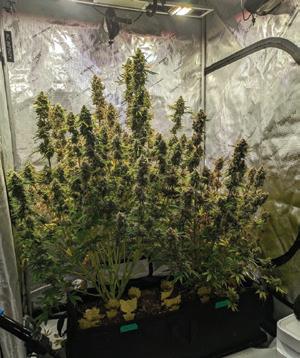
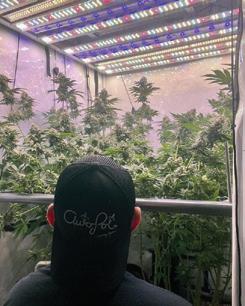
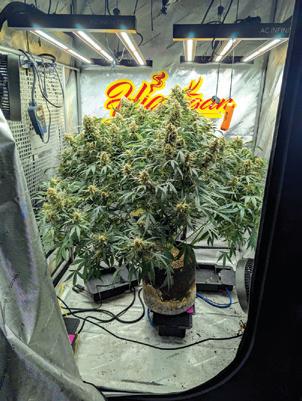
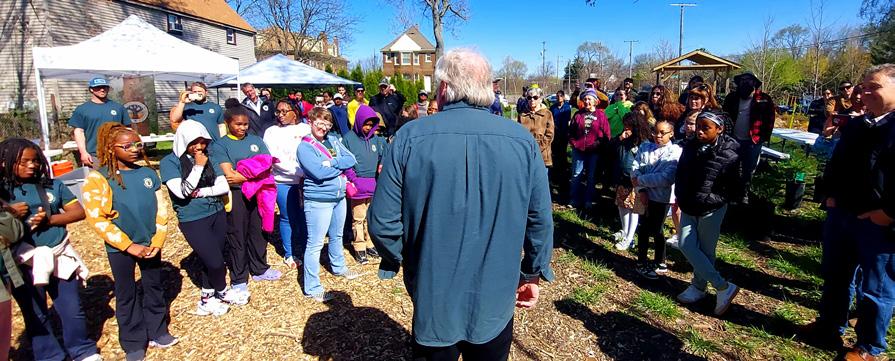
Find a lack of natural green vegetation in an outdoor urban environment, and you’ll find humanity struggling. This correlation is not a coincidence. It is a direct indication that we need to honor and maintain our connection with the natural world.
There is an urgent need to refocus on nature, much like the projects happening at the Archangel Ancient Tree Archive and Arboretum in Detroit. In a rapidly warming climate, we need to reassemble the pieces of the ecosystem that have been torn apart. We must act before people lose sight of how nature even worked in the first place, and it’s easier than you might think. It takes organization and ambition. Plant some trees. We still have time. Let’s make the best of it!
If you’d like to help or donate, please reach out to the Archangel Ancient Tree Archive at Arctrees.org. Working together in harmony within our communities for the greater good of the earth is the key to our salvation. 3
BIO TOM WALL
Professional Musician, Writer and Gardening Consultant
Cosmic Knot/Therapeutic Horticulture Consultations
Growing up on a deer farm located on 79 acres of land along the banks of one of Lake Michigan’s tributaries, Tom grew a love for nature and all the beauties it could hold. Through that passion Tom has channeled his influences into educating the community on sustainable agriculture, becoming an activist, writing for magazines and creating music tuned to nature in his band Cosmic Knot.
Follow Tom and all of his passions: facebook.com/tom.wall.946 instagram.com/cosmicknotmusic artistecard.com/cosmicknot

Plant some trees. We still have time. Let’s make the best of it!

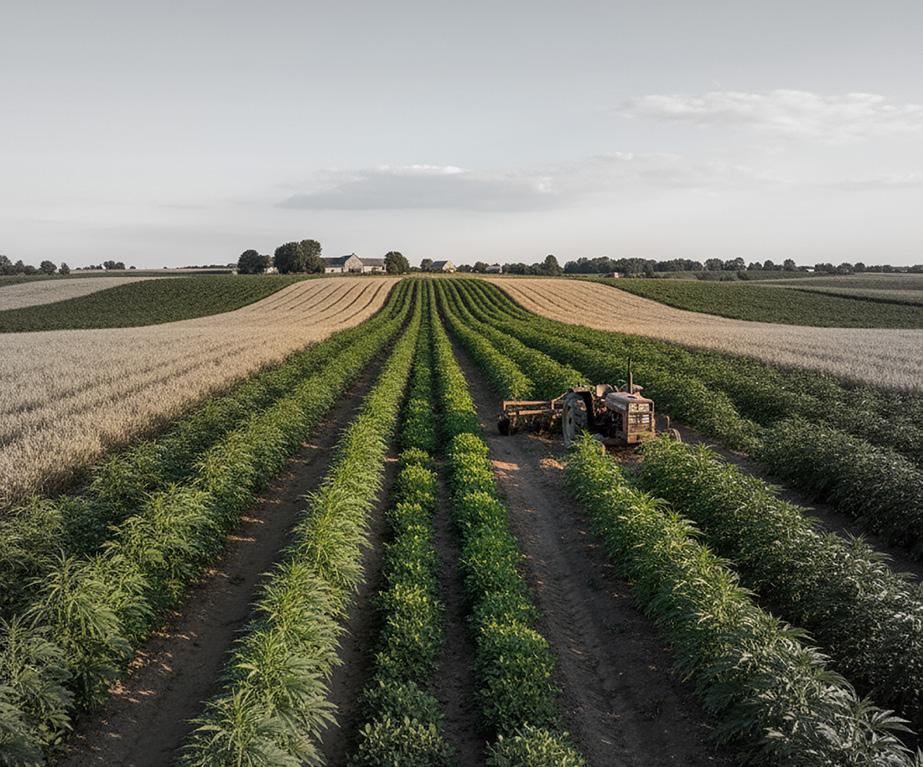
How To Add Value by Rotating a Cannabis Crop into Your Regenerative Growing Strategy
How To Add Value by Rotating a Cannabis Crop into Your Regenerative Growing Strategy
Adding a new crop to a garden or farm rotation involves considering its impact on the entire system’s economy. It’s easy to be enthusiastic about the potential of a promising addition like cannabis, especially as there are so many types to grow and for almost limitless reasons. But what’s a farmer (or ambitious gardener) to do with all the excess sticks, stems, and rootballs, especially as scale increases?
Depending on where you live and your cultivation goals, you may only have four plants to process. Even these, if grown quite large, can produce some incredibly hearty stalks, with equally impressive roots. This often results in having a great deal more material to deal with than what is prized for processing.

Such “problems” relating to the disposal of bulk hemp biomass are also traits that make it so environmentally valuable in the agricultural balance. Directly-sown cannabis plants in particular can penetrate farther into the earth than grasses and pulses, increasing the depth and volume of soil activity. It’s a very active and gregarious species that partners with a range of microbiota and thrives in environments with vast biological diversity.
Directly-sown cannabis plants in particular can penetrate farther into the earth than grasses and pulses, increasing the depth and volume of soil activity
and heavy rainfall, thereby preventing pooling and nutrient leaching.
Cannabis is also a highly effective bioaccumulator, improving access to necessary micronutrients for crops fertilized with hemp compost.
Which varietals are best suited for crop rotation?
It’s no big surprise that the overhead cost and bureaucratic complexity of entering the cannabis market, for farmers already invested in other types of agriculture at scale, can be prohibitive.
Through nutrient exchanges, threads of soil fungi, bacterial decomposers, and the nematodes and larger soil critters that eat them promote the formation and retention of soil pores. These structures enhance water infiltration in deeper soil during periods of snowmelt
Cannabis bred for fiber is not only good for the production of textiles like linen, rope, and paper, but is also being sought in more markets and used increasingly in local communities as a building material. It’s arguably the most straightforward field conversion for farmers already practiced at and equipped for forage harvesting.

Cut about 10cm from the soil surface for maximum yield, cannabis field stubble is full of nitrogen, phosphorus, and potassium, as well as all the micronutrients and speciesspecific molecules assembled by the plant. Many of these metabolites, as well as the bacteria and fungi that cannabis attracts to its root system, are naturally life-supporting. They encourage non-destructive insects and suppress populations of crop-endangering microorganisms that cause soil-borne diseases, such as mildews, root rot, and wilts.
Whether you’re dealing with a backyard plot or acres under management, the aim is the same. Growing in places where cannabis was cultivated in a previous season will ideally preserve these benefits and reduce costs.
Spray, Spray, It’s OK!
Rather than labor to rip out and till (or garden-fork) the remainder of a sturdy hemp harvest, consider using aboveground applications of biologically active sprays to speed
up the decomposition process. These sprays contain an assemblage of bacteria and fungi with the ability to break down and swiftly recycle stubble and roots into their constituent components.
You may choose to seek a commercially-proven formula, especially if working under a license or other scheme that requires third-party auditing and verification of products and processes.
Alternatively, brewing a microbial tea can also utilize additional ‘excess’ cannabis (e.g., fan leaves and branches, which would otherwise be composted), which can be accomplished easily with minimal further input and will not harm other crops or prevent the emergence of the next season’s seedlings. This type of spray is relatively safe for workers in the field, especially when compared to many chemical formulations.
By decomposing field stubble in place quickly, nutrients and minerals accumulated by the cannabis plants become almost

immediately available for the next planting. The result is a lower fertilizer bill and less concern about losing valuable inputs to washout during periods of heavy rain or snowmelt.
Be creative and push the boundaries of what could be an excellent fit for your growing plan
As markets mature, and stigma and legality issues fade into obscurity, it will only become easier for cannabinoid farmers to connect with secondary and subsequent processors, and for this supply chain to further circulate wastes back into agriculture.
In the USA, unfortunately, it’s estimated that where cannabis is farmed for flowers, producers may currently find themselves with about 90% of the total per-acre yield in unsaleable biomass. Without a fast, inexpensive, and legal way to utilize these parts, growers are left to cope with raw materials that naturally resist rotting and are nutrient-rich but incredibly tough to chew and digest.
Where domesticated non-human animals (such as birds, rabbits, and pigs) are cared for, fiber- and protein-rich, oilseedtype cannabis rotations can reduce spending on food and bedding materials.
In Europe, about 63% of hemp from industrial fiber processing is repurposed as animal bedding. For every kilo of fiber extracted from the harvest, 1.7kg of biomass remains. It’s appreciated for being able to absorb moisture up to four times its dry weight, by contrast to mature dry hay (3x), chopped oat straw (2.4x), and wood shavings (1.5x), although the manner of processing and nature of the liquid to be absorbed are essential factors when attempting to draw conclusive comparisons.
Natural farming expert Dr. Youngsang Cho promotes using the same microbial spray used to break down crop residues in the field to quickly convert straw, sawdust, and other harvest ‘byproducts’ used as bedding and spread on the floors of barns to absorb animal waste into material safe for use as fertilizer, or even to be consumed by the inhabitants.
In a 2022 study evaluating cannabis ‘waste’ for potential as animal food, Greek researchers experimented with growing oyster mushroom mycelia on industrial hemp extract residues (post-extraction of cannabinoids by ethanol extraction). They found that rapid pre-digestion by the fungus converted tough plant parts into a nutritious and safe food for animals.
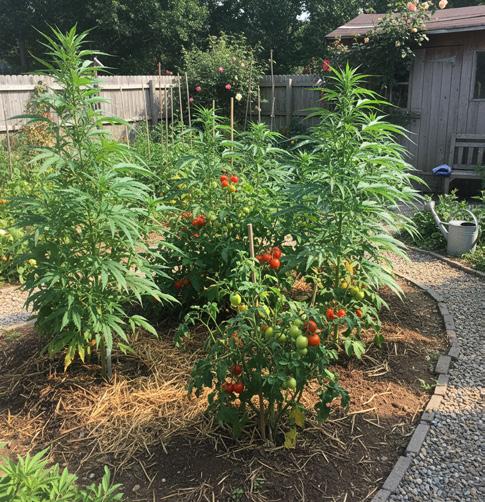
Whether you’re dealing with a backyard plot or acres under management, the aim is the same


Appetite for reconstruction
In Europe, about 63% of hemp from industrial fiber processing is repurposed as animal bedding

No-till plots, raised beds, and containers eagerly await low-cost, high-quality compost amendments to replenish the bounty they produce during peak season. A rotation of fast-growing autoflowering cannabis could be just the ticket to refreshing this soil and freeing up a portion of the greenhouse for a rotation of king stropharia (Stropharia rugosoannulata) mushrooms. Their decomposition of standing stubble, ‘crop and drop’, and soil mulch amendments, similar to the multimicrobe sprays described above, results in a value-added harvest of easily identified, quite palatable, and storage-friendly mushrooms. A recent trial in northern Canada compared hemp straw with alder wood chips and barley straw as a substrate for cultivating king stropharia in raised beds. They found hemp to be the fastest and highest-yielding among the three. They also noted a promising assemblage of plant-promoting bacteria in the test plots, suggesting a possible benefit to future crops grown in those spaces.
By decomposing field stubble in place quickly, nutrients and minerals accumulated by the cannabis plants become almost immediately available for the next planting
Remember that indoor, precisioncontrolled environments create conditions for the expression of genetics under specific parameters. Don’t be afraid to think outside of the box and push the limits – deep in its DNA, cannabis is wild and resourceful.
For approved growers, participatory plant breeding projects and collaborative germplasm banks can be amazing resources for finding source material and making connections within the industry. Regional advocacy organizations unite cultivators with patients, researchers, retailers, specialist agronomists, and innovative startups. You never know what doors this crop could open! 3
These days, a great deal of passion is being channeled into cannabis breeding for all specializations and uses. Agriculturalists are developing types with unique phytochemical profiles, adapting plants for climate resilience, and discovering new ways to optimize post-harvest protocols. They’re partnering with the industry to trial higher-protein seed crops for plant-based meat alternatives and high-value animal feeds, improving farm equipment designs to lower barriers to entry, and creating opportunities to close gaps and establish circular hemp economies.
If cultivating any cannabis is legal where you grow, adopt a flexible mindset and allow yourself to try different types. As fun as they might be, this year’s new hype versions of the same polyhybrid genetics are only one niche. Be creative and push the boundaries of what could be an excellent fit for your growing plan.
• Carus, M. (n.d.). The European Hemp Industry: Cultivation, processing and applications for fibers, shivs, seeds and flowers. eiha. org/media/2017/12/17-03_European_Hemp_Industry.pdf
• Fiber Harvesting Equipment - Canadian Hemp Trade Alliance (2024). Hemptrade.ca. hemptrade.ca/content.aspx?page_ id=22&club_id=950211&module_id=409610
• juniper.oregonstate.edu/comparison-absorptive-capacity-animalbedding-materials-western-juniper-western-redcedar-and unbc. arcabc.ca/dissertations-and-theses/30518
• Eliopoulos, C., Markou, G., Chorianopoulos, N., Haroutounian, S. A., & Arapoglou, D. (2022). Preliminary Research Concerning the Enrichment of Industrial Hemp Extract Residues via Solid
• State Fermentation with Pleurotus ostreatus. Applied Sciences, 12(5), 2376. doi.org/10.3390/app12052376
• Olson, N. E., Neher, D. A., & Holden, V. I. (2024). On-Farm Conversion of Cannabis Sativa Waste Biomass into an Organic Fertilizer by Microbial Digestion. Compost Science & Utilization, 31(1-2), 38–54. doi.org/10.1080/1065657x.2023.2296947

BY JENNIFER COLE
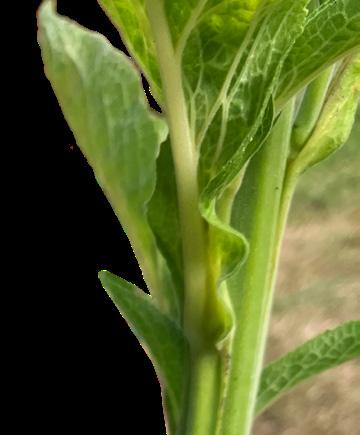
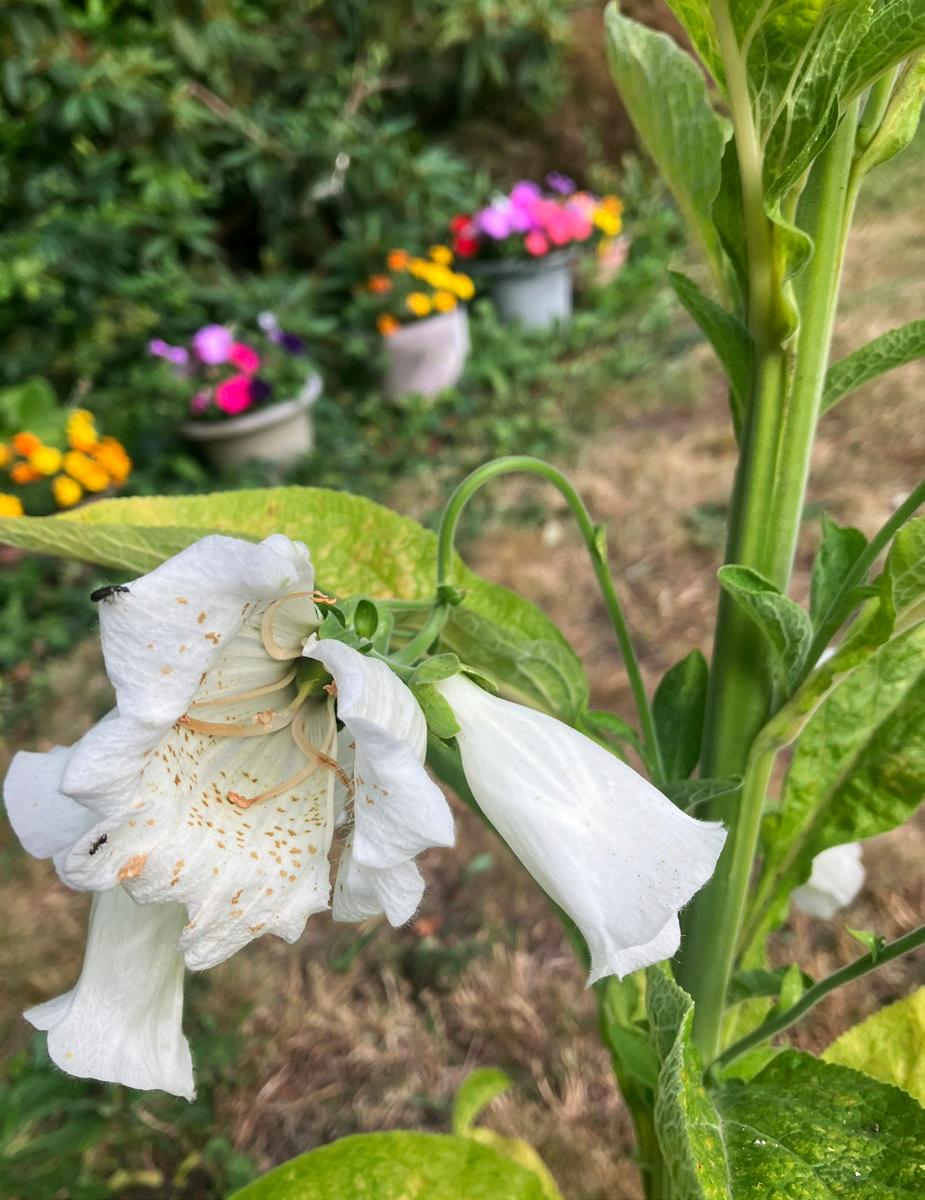
An odd foxglove and Mother Nature’s adaptive powers create confusion and excitement in the garden.
Deciphering all of nature’s twists and turns isn’t easy. When a friend discovered a strange-looking foxglove blooming in their garden, we had a mystery to solve. The issue? The top blossom of the plant, which typically droops down on a foxglove, was wide open with its head up, resembling a hibiscus bloom more than anything else.
As the neighborhood plant expert, I was called to the scene to diagnose the problem and offer a remedy. I had no idea what to expect based on my friend’s description. Would I find a monster plant ready to pounce? A garden cordoned off with yellow caution tape? Or, perhaps a foxglove just fallen to its side? Taking on the role of the intrepid garden detective, off I went with my plant identification app, decades of gardening knowledge, and, just in case it wasn’t a mystery I could solve, a couple of very heavy horticultural books. It didn’t take long to figure out. The foxglove was not in any danger, nor a danger to anyone else. It was a healthy, happy plant – just doing its thing. That strange top blossom causing all the stir was simply a peloric flower, which was the natural result of a recessive gene in the plant that had come to the forefront. It’s not uncommon and is Mother Nature’s way of coping with changes in the local ecosystem [1]. According to researchers at the University of Oxford, these kinds of mutations are increasing because of climate change.
Most plant mutations are a result of a change within the plant cells, often triggered by cold weather, rainfall fluctuations, or insect damage [2]. For some plants growing in the wild, environmentally triggered mutations can result in species extinctions, while others offer clues to increased global food security. In a recent paper published in the journal Nature, for example, researchers found that genetic changes in wild and regional crops, including the ability to duplicate genes and give them new functions, could provide significant breakthroughs in improving global food production [3]
Learning the different kinds of natural plant mutations that might show up in your garden is a great way to experience firsthand the adaptive powers of Mother Nature [4]
This floral mutation transforms a normally irregular (bilaterally symmetrical) flower into one with radial symmetry. It’s common in snapdragons, orchids, petunias, penstemon, and, of course, foxglove. The condition can occur spontaneously but may also be triggered by stressors such as cold, heat, chemical exposure, or viral infection. My friend’s garden has not been exposed to chemical fertilizers or pesticides, and all other plants are healthy, eliminating the possibility of a widespread garden infection or insect infestation. Therefore, the foxglove’s peloric blossom was likely a result of a cool spring that suddenly became warm, and a dry, mild winter.
Called the flattening phenonium, instead of producing a normal round stem or flower stalk, the plant’s growth is elongated, flattened, or crested. This can cause bizarre ribbon-like stems, fused flower heads, or thick, fan-shaped rosettes that are a crinkled version of the plant. One of the many ways it’s caused is by hormone irregularity and nutrient imbalance. It’s an excellent reminder to always add organic compost and mulch to keep the soil healthy. This mutation is most common in rudbeckia, echinacea, succulents, delphinium, dandelions and tomatoes.
In botany, a chimera is a single plant composed of two or more genetically distinct tissues growing side by side. Unlike a hybrid, where two sets of DNA are blended, chimeras carry separate sets of DNA in different layers or cell lines within the same plant. This mosaic can result in eye-catching patterns and structures. Chimera flowers often appear asymmetric, rather than symmetrical or patterned. It’s common in houseplants such as the snake plant, philodendron, pathos, or even camellia flowers.
As the neighborhood plant expert, I was called to the scene to diagnose the problem and offer a remedy



For some plants growing in the wild, environmentally triggered mutations can result in species extinctions, while others offer clues to increased global food security
A sport mutation is often called nature’s happy accident. It is a spontaneous mutation that occurs in a single part of a plant often a branch, leaf, flower, or shoot causing it to genetically from the rest of the plant. This can result in a color change or a new leaf shape.
Growers often propagate the new part of the plant to create an entirely new cultivar. Many of the plants you see in nurseries today began this way. It’s easy to recognize: look for a branch or flower that looks different from the other parts of the plant. A green-leafed shrub, for example, may suddenly produce a white-edged shoot or a hydrangea blooms with double petals, on a bush with all sin gle-petalled flowers. This type of mutation is generally most common in hostas, camellias, and azaleas.
These plants are devoid of chlorophyll, the green pigment in foliage essential for photosynthesis. Plants appear pale yellow, white, or even translucent. Because they cannot convert sun light into energy, albino plants are extremely short-lived. This type of gene modification is common in tomatoes and pers, edimentals such as hostas and in roses and coleus. Most albino seedlings should be culled early, as they cannot grow independently.
When these odd-looking plants show up in your garden, and they will, let Mother Nature do her thing and leave them be. A foxglove with a peloric blossom may look strange compared to the rest of the uniform clump of flowers around it, but also an important bellwether of our ever-changing and warming world. It is showing you that it and all other plants in the gar den are evolving and adapting in the best ways they know how, which is something they have done for a long time. 3
Footnotes
1. Mutations: plant / RHS Gardening
2. Global warming may increase plant mutation rates | Depart ment of Biology
3. Plant mutations could be key to global food resilience | Royal Botanic Garden Edinburgh
4. Plant Mutations Every Gardener Should Know
Additional Resources
• Plant Mutations Every Gardener Should Know
• What Does Plant Mutation Look Like: What Causes Plant Mutations | Gardening Know How
• Exploring Plant Mutations: A Comprehensive Guide - Green Packs
• Mutations in Your Garden - Laidback Gardener
• Mutation examples and how they happen - Agriculture
• Exploring Plant Mutations: A Comprehensive Guide - Green Packs
• Solanum pan-genetics reveals paralogues as contingencies in crop engineering | Nature
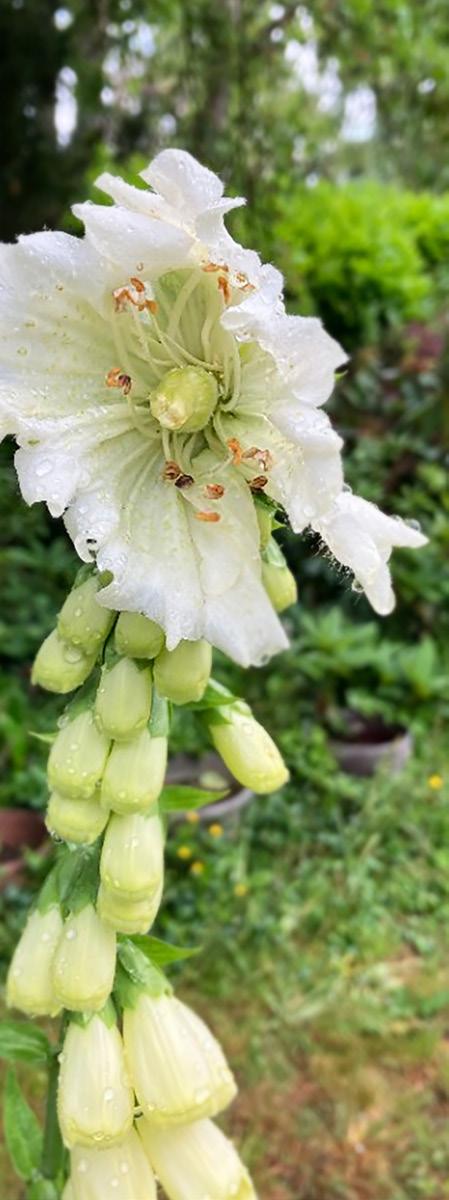
sport mutation is often called nature’s happy accident.








Few people have the opportunity in life to walk onto a piece of land and know instantly that it’s their forever home; Lindsay Lochkart experienced exactly that when she visited an acreage in Abbotsford, British Columbia. Lindsay had grown up on ten acres, surrounded by animals and plenty of room to roam. She wanted the same for her own children, and so the adventure began with a whirlwind of painting the house and planting the gardens. In November 2021, five months after purchasing the property, devastating floods swept through the family’s new home and fields. Lindsay recalls leaving with her kids in the early morning hours, returning to save the animals, and watching her once-vibrant land turn bleak. She felt tremendous grief, but when you know you’re meant to be somewhere, you do anything to stay.
Lindsay turned to her garden for therapy, working tirelessly to bring life back to her farm. As the plants flourished again, so did her spirit. She rebuilt the surrounding ecosystem, connecting deeply with nature. She spent the winter reading gardening books and listening to podcasts. After watching the documentary series ‘Growing Floret’, Lindsay knew she wanted to transform her property into a flower farm. She gathered the courage to say it out loud to her family, setting off a wonderful chain of events; there was no turning back.
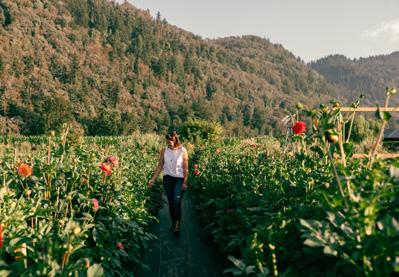



Today, the farm offers a wide range of cut flowers grown with the seasons and using eco-friendly practices; Integrated Pest Management and organic fertilizers minimize the environmental impact. The blooms are cut fresh at their peak of beauty for every bouquet. Customers can purchase seasonal wreaths, floral arrangements, and porch installations. End-of-season U-Pick events are a lot of fun, and so are the magical long table dinners the farm hosts and the wide variety of workshops for young and old.To deepen the connection with the community, Lindsay has launched a “Sponsor a Senior” program; for $20, a fresh bouquet is delivered to a local retirement home, spreading joy and kindness to those who may not get out as much as they’d like.
In addition to flower subscriptions, Rookie Blooms also offers a bi-weekly Fall Harvest Box subscription. Customers receive a selection of seasonal produce, supporting local agriculture while enjoying fresh, nutritious food. Farm-fresh, free-range rainbow eggs are also available for purchase, with shells ranging in colors of soft blue, brown, and more.
At the end of every growing season, planning the next one begins. In the spring, Lindsay’s dining room turns into a jungle with seedlings waiting to be transplanted outdoors. Nobody says small-scale farming is easy, but Lindsay wouldn’t have it any other way. Surrounded by mountains, animals, and beautiful blooms, it’s no wonder she never wants to leave.
rookieblooms.ca facebook.com/rookiebloomsflowerfarm Instagram: rookieblooms





Would you like to be featured as one of our local growers? If you’ve got a garden, grow room, or farm and have a story to share, contact us at growers@gardenculturemagazine.com.
Desert Verde Farm is the first and only indoor aquaponics farm in New Mexico, but this growing venture is unique for many reasons. Andrew Neighbor, PhD, founded the farm with the intention of addressing the food crisis in New Mexico, where one in five children goes to bed hungry every night. Andrew is a firm believer in building local food systems to address food insecurity by bringing nutritious produce closer to people and avoiding disruptions to the supply chain. Even better is finding a sustainable way to grow food year-round.
With a background in microbiology, Andrew couldn’t help but turn to aquaponics for his indoor farming venture. In this closed-loop system, fish are fed a high-protein diet that provides most of the essential nutrients plants need to grow. The water in the fish tank is pumped through a drum filter that removes uneaten food and fish waste, and a biofilter converts ammonia into plant fertilizer. The nutrient-rich water then flows through troughs to feed the plants. Finally, the water that circulates through the troughs is cleaned by the plants and pumped back to the fish tanks.
Desert Verde says this growing method uses about 95% less water than conventional farming, and there’s no need for chemical fertilizers or pesticides. The greens mature in about 6 weeks and are delivered to customers within 2 days of harvest. Plus, on just 0.1 acres, this indoor space can produce just as much food as a typical 4-acre rural operation.
Desert Verde Farm sells most of its produce to schools and food banks, getting nutritious food into the bellies of those who desperately need it. Customers can also order online for pick-up at the farm on Tuesdays and Fridays. Desert Verde produces about 4,000 heads of lettuce, bok choi, spinach, and culinary herbs every week! Andrew and his team are currently expanding with the intention of boosting production to 6,000 heads a week. If there’s a particular green that customers love but don’t see on the order sheet, Desert Verde Farm will try to find it and grow it for them. The farm only orders from certified seed companies and buys organic whenever

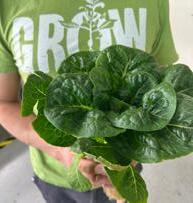
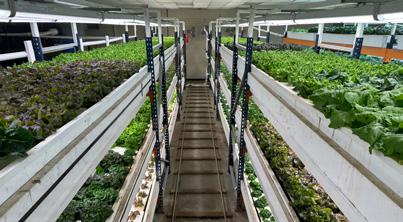
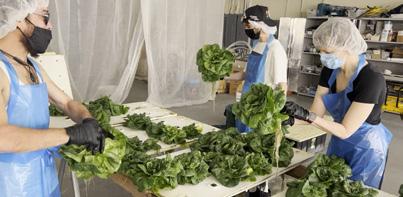
possible. The seeds are sown weekly in biodegradable coco coir plugs. The tilapia in the aquaponics system are purchased from a top-rated breeder, and after two months in a quarantine tank, are moved into one of four 1,000-gallon tanks. Once they grow large enough, the fish are harvested and sold whole to local restaurants.
Desert Verde Farm is passionate about local food and finding sustainable ways to grow it. It offers mentoring and training in Controlled Environment Agriculture, including soilless farming techniques such as aquaponics and hydroponics. 3
desertverdefarm.com facebook.com/desertverdefarm

central coast grown 2.0 (40% and easy): this is why I use this product man

and

craftcannabisohio Love the product hands down the best, Si doesn't hold a matchstick to the double G as we call it round here

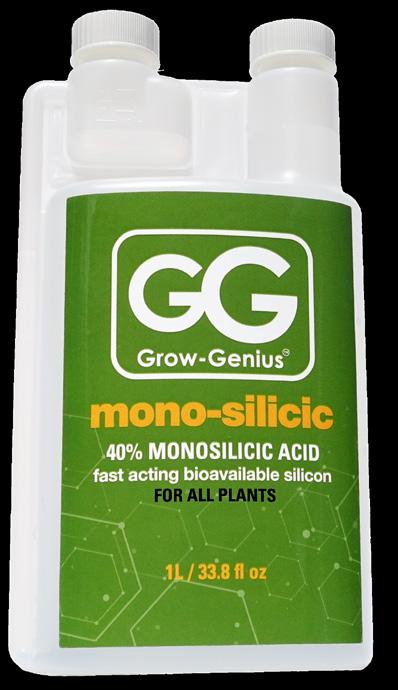


michigannja Multiply everything by 40....

talesofchronica I bought a bottle of GG Mono months ago and I still have about 10% left Great stuff I even went heavy with it at times!

4twentygrow ! Want your babies to super grow? BUY THIS PRODUCT!!! I use it in all my projects!

ROGUE_VALLEY_FARMS_OMMP Absolutely love this stuff!

canberracrops Definitely one of the best products I've ever used



The term crop steering might seem intimidating, but it’s really all about understanding a plant’s fundamental needs and delivering the goods. Pretty basic, right? Luckily, there are several gadgets, tools, and methods to help growers better understand what’s going on below the surface or above the leaf canopy. Not everything can be solved with a bottle; honing in on various growth factors will help you achieve optimal results in the garden. We’ve got a few ideas in our list of 5 Cool Ways to Master Crop Steering
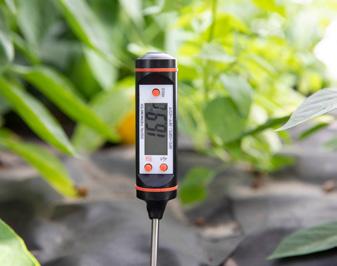
Vapor Pressure Deficit (VPD) is a hot topic for indoor growers, because monitoring and regulating it can help mitigate or even prevent many problems during the vegetative and flowering stages. VPD is the amount of water the air in a room can hold when saturated. A high VPD means the room is hot and dry, and your plants are thirsty. A low VPD indicates a cool and muggy environment, leaving crops susceptible to rot and disease. Investing in a qualityVPD monitor will help keep your room in check and lead to healthy, flavourful harvests. Many of these compact gadgets can measure room temperature, humidity, and VPD, sending the information directly to your smartphone. Infrared leaf-temperature sensors are excellent tools for measuring VPD at the source. Plugging the information into a VPD chart can help keep you and your plants in the green zone. Growers who understand VPD have better success because they start using other controls properly, including humidifiers, dehumidifiers, thermostats, lighting, and fans; all the pieces of the puzzle come together.
Crop steering and irrigation go hand in hand, and that’s because getting moisture levels right promotes better root growth. Saturating a growing medium for extended periods will discourage plant roots from growing deeper and reaching for moisture. If the medium is too dry, plants will wilt. It’s a delicate balance, but a good-quality moisture sensor will make it attainable. Many options on the market let growers monitor moisture levels on their smartphones so they can plan irrigation before their crops get thirsty. A tensiometer is another option for gauging how hard the plants are working to take up moisture. Of course, there’s the good old-fashioned grow room walk-through to pick up grow bags and check water levels.We always recommend spending time observing the garden rather than exclusively depending on technology! Once you’ve determined your plants need water, how you deliver it is up to you. Doing it by hand with a watering can is perfectly fine, but setting a digital irrigation timer and connecting it to hoses or drip lines ensures your plants get what they need, even when you’re not there.
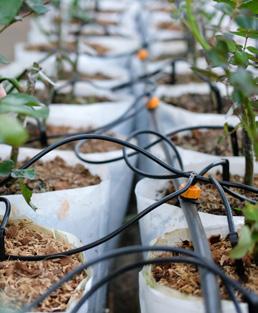
If only a successful indoor grow was as easy as turning on some lights! We know plants need the rays to photosynthesize, but how much is too much? Enter the trusty PAR meter, a tool that measures the amount of light crops receive from artificial lighting. This gadget helps prevent under- or over-lighting, leading to healthier plants and better energy efficiency. Speaking of efficiency, many growers have switched from HID to LEDs because LEDs last significantly longer and reduce irrigation needs. Studies also show that yields and quality under LEDs exceed those under HID. If you’re in the market for new grow lights, use a PAR meter to take readings from all parts of the garden so you know the intensities your plants need in various growth stages; this will help you choose the right LED fixture for the space. Remember, the grow light industry is constantly evolving, so it’s essential to stay up to date on current technology and determine what’s best for your grow.
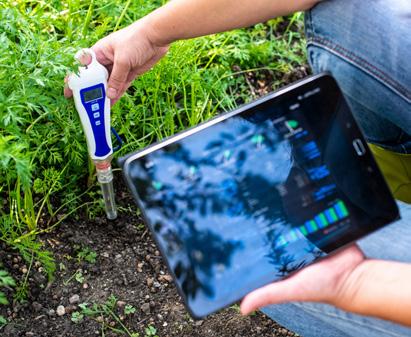
Not everything has to be fancy when it comes to crop steering; whether you realize it or not, even the most basic of tools can help plants reach their full potential. For example, a good pair of pruning shears or scissors can be used to shape, trim, and stress plants (in a good way!). Stakes and trellis are perfect supports for vining and tall-growing plants, or other crops you want to train upwards. It’s good to have a plant mister or fog machine on hand for plants that need a little extra humidity. Finally, we won’t blame you if you’ve got a few copies of Garden Culture Magazine in the grow room; we’re always game to steer you in the right direction! 3
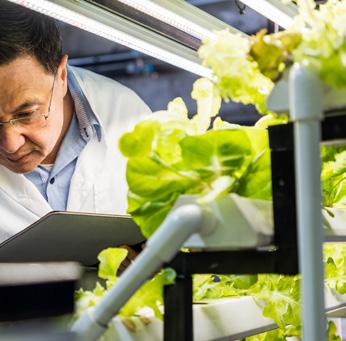
When it comes to pH levels, every plant has a sweet spot for optimal growth. pH measures the acidity or alkalinity of soil; when levels are too high or too low for a specific plant, the absorption of essential nutrients becomes more challenging. Most plants prefer a pH range of 6 to 7, but it’s best to know precisely what your crop needs and adjust accordingly. Testing pH levels can be done in many ways; the least expensive options are litmus paper or a basic soil pH test kit. However, the results will likely be less accurate. A wide variety of pH probes exist at different price points; spend the extra money to get one that performs well. Professional growers tend to read pH levels with either the dilution paste method or the pour-through method, both of which require a top-quality pH probe but deliver highly accurate results. Understanding and correcting pH is one of the best ways to steer plants towards success.