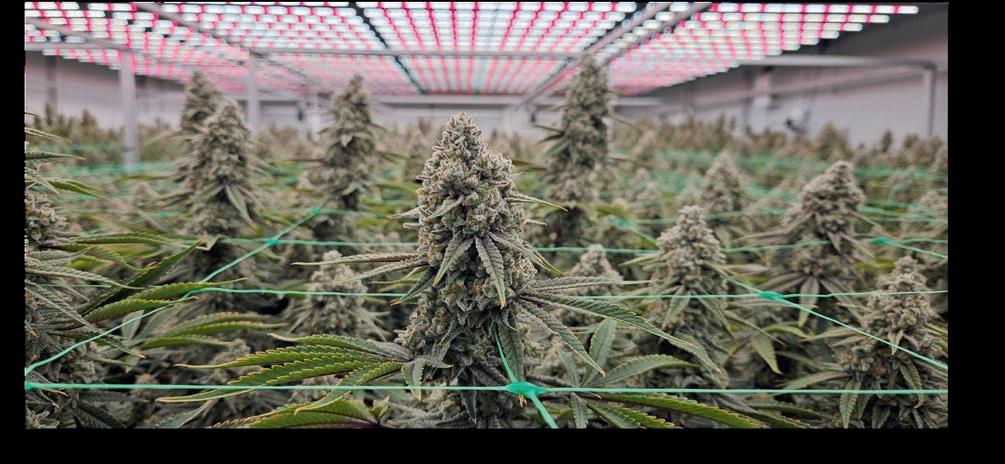
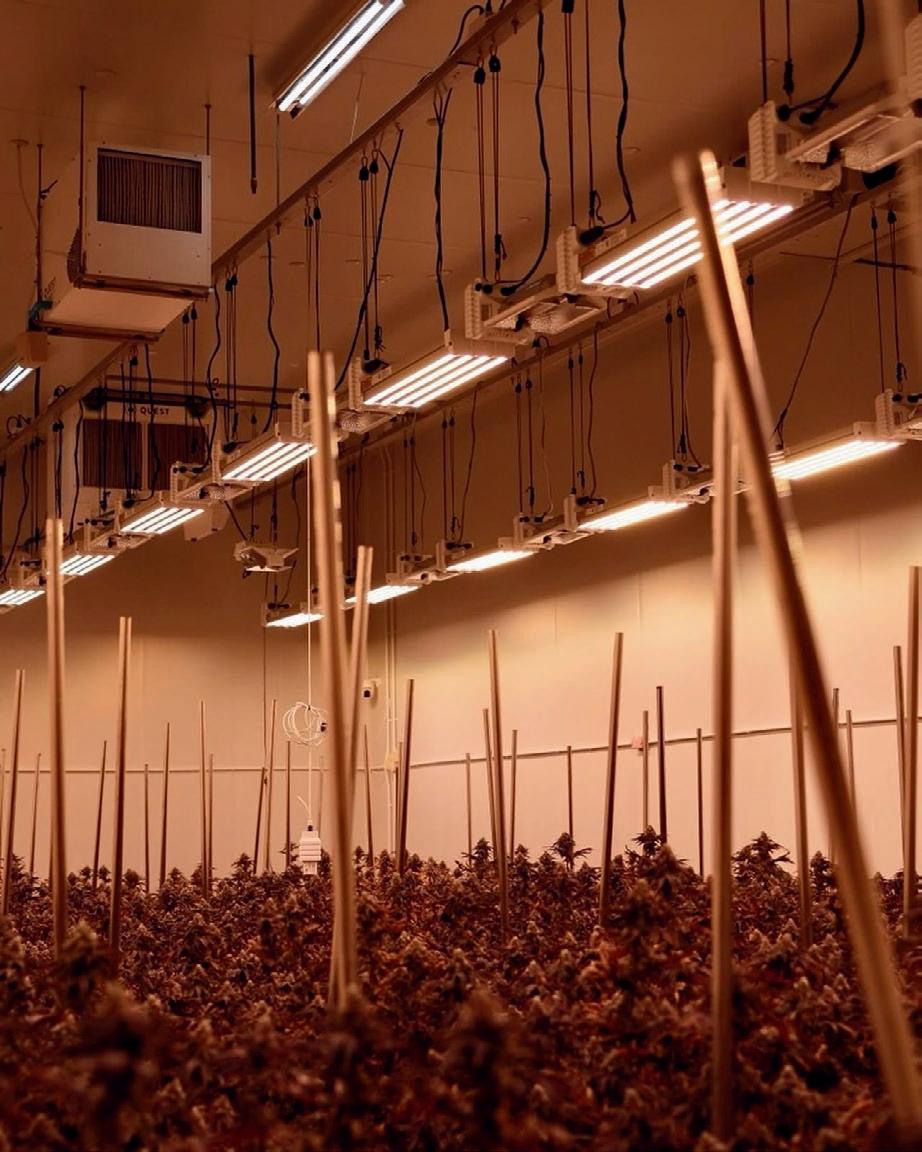
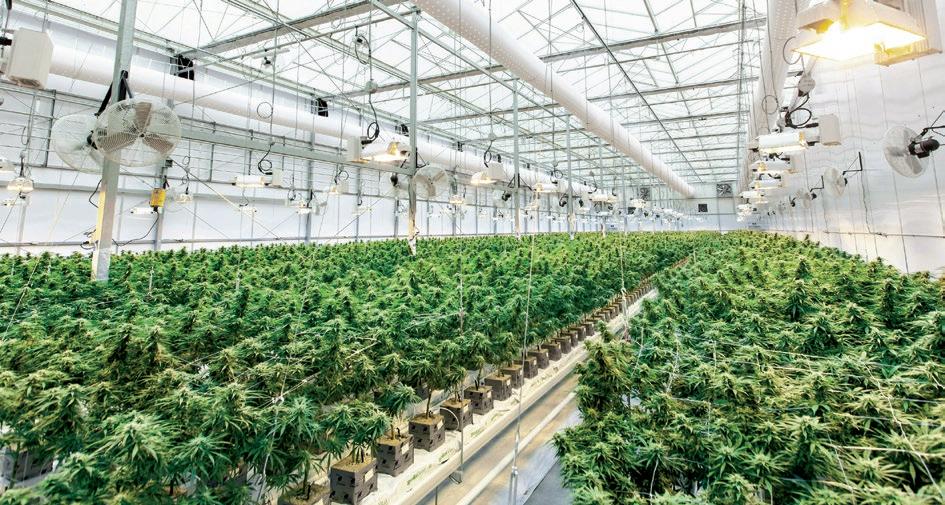
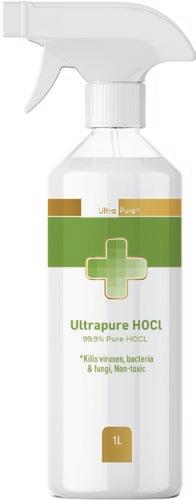
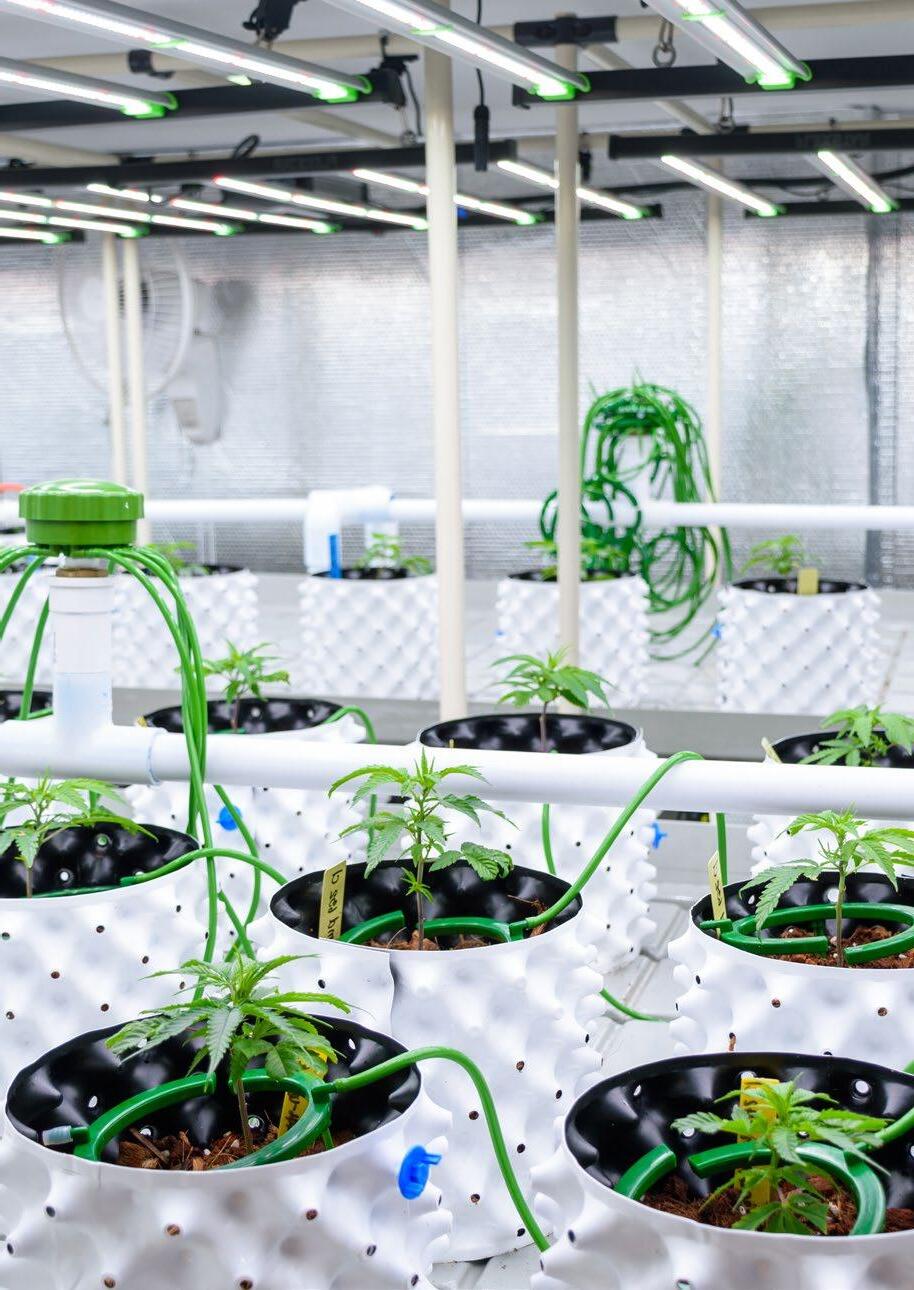
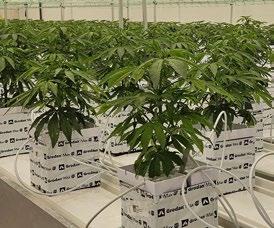
We import directly from the world’s most recognised and trusted cannabis cultivation brands, giving you access to proven technology and inputs — from seed to harvest. Whether you are planning a new facility, expanding an existing operation, or optimising daily production, our experienced team provides expert guidance backed by a proven track record.
At Hydrobiz, we combine best-in-class products with responsive service, long-term partnerships, and practical cultivation expertise.
Cultivation
Infrastructure
Cultivation
Lighting
Climate Control
Growing
Post-Harvest Production
Facility and Room Design
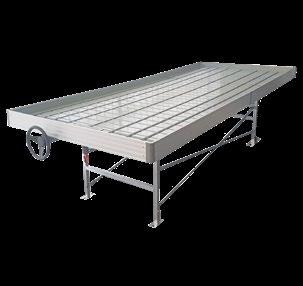
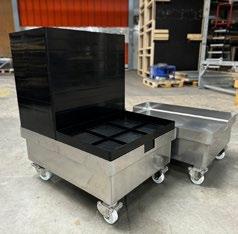
Rolling benches
High-tech greenhouses & tunnels
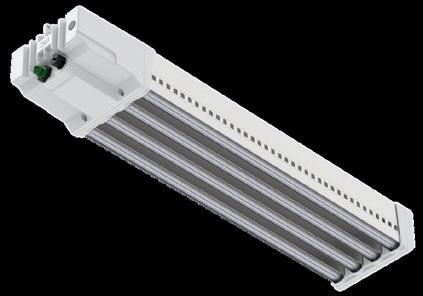
LED (630w Toplight, 720W folding fixture, 860W ex fixture, Clone lights, Under canopy fixtures)
HID (1000w HPS/CMH, 315CMH)
Quest Dehumidifiers
Trolmaster controllers
Fans
Cezio Humidifiers
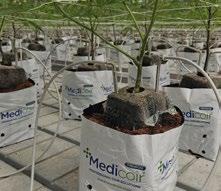
Grodan rockwool MediCoir
ProGuard
Jiffy
Quick Plug
Pots and Scrog nets
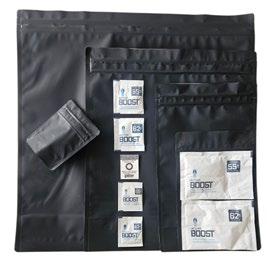
Integra Boost Mylar Bags
C-Cell
Hash washing machines
Freeze driers
We have many more products, please visit
www.hydrobiz.co.za
info@hydrobiz.co.za 021 534 1115
Foreword
Author Spotlight
Marketplace
The Objectification of Cannabis
Mastering Organic and Natural Pest Management
Home Growing as a Potent Harm Reduction Tool
Illuminating Growth: The Science of Light and Plant Development
My Years Fighting Powdery Mildew Indoors
ECO-OPTIMISM - Wild & Free: Reclaiming Community Through Gardening
The Scoop on Insect Poop – and How it Can Help Your Garden
A Home Gardener’s Guide to Integrated Pest Management
A Look Behind the Scenes and Screens in Organic Seed Production
Living Soil Indoors: Practical Guidance for Stable, High-Performance Systems
It's Organic, Don't Panic!
Why Biological Controls Fail...and How to Make it Work
The Dance of Nature: Building a Balanced IPM Strategy
Crop Steering in Cannabis; Guiding Plants Toward Performance, Not Just Growth
Notes from a Dirty Old Gardener: Passion of the Chrysanthemum
Cultivating Resilience: Innovative Growing Strategies at Galiano Grow House
5 Cool Ways to Outsmart Garden Pests - Naturally!
FOREWORD CREDITS
Like so many gardening enthusiasts, this is my favourite time of the year. Planning, building, and planting my outdoor gardens is something I look forward to all winter. Yes, I have an indoor garden that satisfies my gardening addiction, but it isn’t the same as being outside. I am a bipolar grower; mineral-based nutrients indoors and organic outdoors. I love amending and feeding my soil garden beds. I make my own compost, teas, and ferments, testing new methods, often getting my inspiration from these very pages. We’re fortunate to have exceptional writers passionate about various feeding and growing regimes.
In this edition, we focus on two distinct subjects: organic growing and Integrated Pest Management (IPM). We have consistently advocated for reducing all dangerous chemical inputs, primarily toxic sprays used to kill bugs. Many IPM strategies help manage pests and diseases. As put so perfectly by Dr Colin Bell in his article, Mastering Organic and Natural Pest Management, “Natural pest management is not about spraying after an outbreak. It is about building resilient growing environments through healthy soil, biodiversity, and cultivation practices that strengthen the growing system as a whole.”
A.C. Moon Cameron, our featured author in this edition, echoes Colin’s sentiment in The Dance of Nature: Building a Balanced IPM Strategy. When we establish a conservative, balanced organic grow site, it fosters long-term homeostasis for the garden and lets Mother Nature work her magic.
Gareth Hopcroft is a UK-based organic guru, and if you are thinking about giving organic a try, don’t miss Living Soil Indoors: Practical Guidance for Stable, High-Performance Systems. The advice he offers in all of his articles will surely provide you with the knowledge and confidence to give organic growing a try and succeed.
These are just some of the amazing articles in this edition. Trying new things is a big part of what makes life exciting and interesting. Hopefully, we can motivate you to try something new.
Life is a lot like organic growing. When you force things, problems show up fast. But when you work with nature, stay patient, and keep things in balance, everything grows stronger over time.
Happy Growing
SPECIAL THANKS TO:
A.C. Moon Cameron, Adam Clarke, Adrian Coutts, Anne Gibson, Av Singh, Brett Young, Catherine Sherriffs, Claude Robert, Colin Bell, PhD, Dustan McLean, Eric Coulombe, Gareth Hopcroft, Mexx Holweg, PhD, Myrtle Clarke, Regi Oneton & Xavi Kief.
PRESIDENT
Eric Coulombe eric@gardenculturemagazine.com +1-514-233-1539
All rights reserved. No part of this publication may be reproduced, stored in a retrieval system or transmitted in any form or by any means, electronic, electrostatic, magnetic tape, mechanical, photocopying or otherwise, without prior permission in writing from 325 Media Inc.
DISTRIBUTORS OF QUALITY
GROW BRANDS
GARDEN CULTURE AUTHOR
A.C. Moon Cameron
In this edition of Garden Culture Magazine, A.C. Moon Cameron explores the philosophy of achieving balance in the garden as a fundamental component of Integrated Pest Management (IPM). She’s a 26-year veteran of the horticultural industry; you might know her as the inventor of Croptops Greenhouses , portable pop-up greenhouses designed to help plants adapt to the outdoors and protect them from the elements. A.C. owns a 40-acre off-grid farm in California’s Sierra Nevada mountain range and also spends a lot of time with growers in the Caribbean, where she focuses on plant education equity and preserving the legacies of local farming communities and their innovations.
What is your favourite plant to grow and why?
Mimosa sensitive plant and fruit of all forms. Honestly, all plants and fungi are my jam!
Do you prefer to grow indoors or outdoors?
As a patented inventor of a greenhouse, my favourite is greenhouse farming.
What led you to become an innovator?
Necessity is the mother of invention. As an off-grid homesteader and city business maker, innovation comes naturally to me.
What is one of the biggest growing challenges you’ve ever faced?
This is an extremely hard question to answer. While on a Caribbean island, we had a volcanic eruption that spewed massive amounts of ash onto farms.
What about one of your greatest successes as a grower?
Helping the people of the Caribbean and worldwide understand the workings and whys of plant adaptation in genetics.
Where in the world would you like to travel next?
I am blessed with working in some beautiful places in the world. I would like to help Tasmania and New Zealand breach their changes next. Home (California) is also super neat!
What is your favourite food?
I love Thai Thom Ka... vegetarian life... also some good fried artichoke hearts. 3
Are you interested in writing for Garden Culture Magazine?
We’d love to hear from you! Send us an email introducing yourself with a sample of your work editor@gardenculturemagazine.com
Marketplace
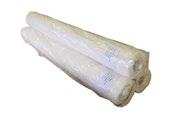
SCROG Netting has become an essential cultivation tool for growers looking to train and support heavy and valuable flowers.
HydroBiz SCROG Netting has a 15cm x 15cm grid @ 8g/m2 and is available in the following options: 1.9 x 100m, 1.9 x 500m, and 1.9 x 1000m.
SCROG nets are easy to install on rolling benches with net poles. Rolling benches are essential for optimising canopy in a growing space and maximising efficiency in your operation. Hydrobiz stocks the following sizes: 1.22 x 2.44m, 1.22 x 3.05m, 1.53 x 3m, and 1.53 x 4.5m.
Custom sizes and multi-tier rolling benches are also available.
Don’t miss out! Hydrobiz is offering a special discount on these products, exclusive to Garden Culture readers. Scan the QR code now!
NEW High Dome Propagators
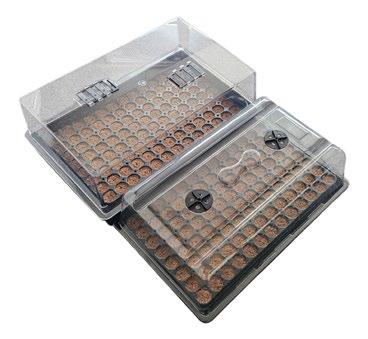
High Dome XL: 58 x 38 x 24 cm high. This propagator has a moulded plastic tray and dome with two vents. It’s made from high-quality, thick plastic for long-lasting and repeated use.
High Dome L: 56 x 36 x 22 cm high. This propagator is a thermo-formed plastic tray and dome with two vents. The large propagator offers good quality at a budget-friendly price.
Designed to comfortably fit most regular-sized propagation trays, such as the Quickplug 104 tray, they can be used for seed germination and cloning, maintaining elevated humidity levels around young plants and cuttings. The increased dome height provides extra vertical space for developing clones, while the vents improve airflow and humidity management.
Don’t miss out! Hydrobiz is offering a special discount on these products, exclusive to Garden Culture readers. Scan the QR code now!
SCROG Netting and Rolling Benches Commercial Instruments 300L Tote Liner NEW
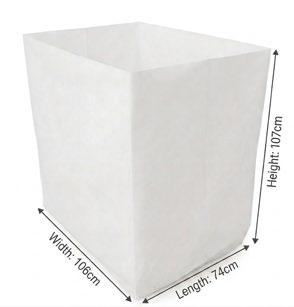
The 300L Food Safe, Anti-Static Tote Liner provides a flexible solution for handling wet and dry plant material throughout cultivation and processing.
Ideal for batch segregation, harvested-flower transfer, trim collection, biomass storage, and quarantine holding, it helps maintain product integrity while reducing the risk of contamination. The food-grade construction supports GMP-aligned operations and simplifies cleaning requirements by creating a clean barrier within standard totes. The added anti-static formulation also reduces buildup of debris and trichomes.
Whether moving material between departments, storing extraction feedstock, or managing production waste streams, the 300L Tote Liner improves traceability, operational efficiency, and hygiene standards across the facility while protecting product quality.
Exclusively available from HydroGarden South Africa. Visit HydroGarden.co.za for more info.
RAM AirTECH Filters
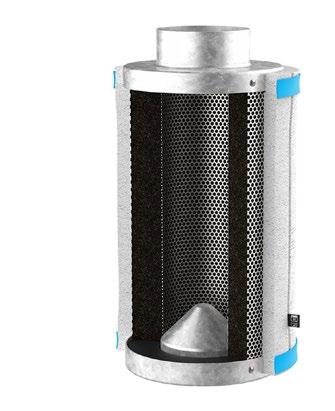
Professional growers know – odour control is essential. RAM AirTECH Filters are the silent warriors of your extraction system, working tirelessly to remove unwanted grow room smells before they escape.
• Australian Activated Carbon: Premium, machine-packed carbon delivers superior odour absorption for a truly fresh environment.
• Impressive Airflow: Maintain optimal air circulation within your grow room without sacrificing odour control.
• Long-Lasting Performance:
· Superior Compaction: Machine-packed carbon and an Acoustafoam ring ensure long-lasting odour removal and peak filtration.
· Rugged Zintec Construction: Built to withstand the demanding grow environment.
· Washable Pre-Filter: Traps dust particles, extending the life of your main odour-fighting filter.
Available in 100mm/150mm/200mm/250mm/315mm.
Exclusively available from HydroGarden South Africa. Check out HydroGarden.co.za for more info.
Cure Puck Gen 2
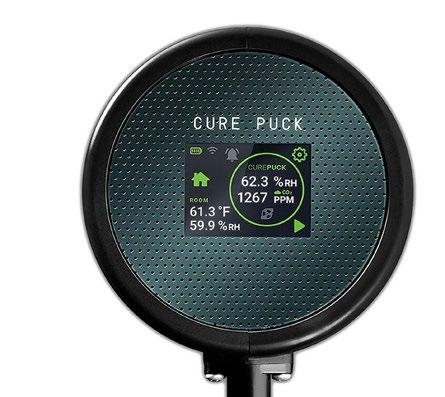
The Cure Puck Gen 2 brings data-driven precision to one of the most critical stages of cannabis production—curing. Designed for licensed cultivation and processing facilities, it continuously monitors humidity, temperature, CO₂, and water activity in curing containers and automatically manages gas exchange to maintain optimal curing conditions.
Intelligent AutoCure technology eliminates the guesswork and labour associated with manual burping while preserving terpene profiles, aroma, flavour, and shelf life. Advanced features, including CO₂ limit control, Hydrate Mode, remote monitoring, and real-time alerts, help protect valuable harvests from curing failures. For facilities focused on consistency, quality assurance, and premium flower production, the Cure Puck Gen 2 delivers repeatable results at commercial scale.
Exclusively available from HydroGarden South Africa.
Visit HydroGarden.co.za to learn more.
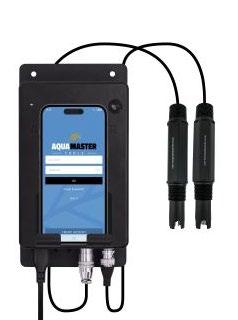
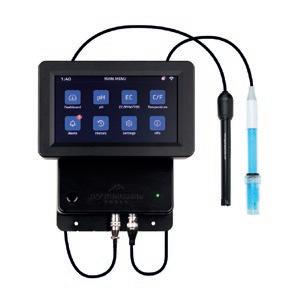
AquaMaster Tools W650 Pro INLINE Online Monitor
The AquaMaster Tools W650 Pro Inline Monitor provides continuous, real-time measurement of key nutrient quality parameters, helping maintain real-time visibility of their fertigation.
Capable of monitoring pH, EC, TDS, PPM, and temperature, the W650 Pro eliminates the need for constant manual testing while improving accuracy and consistency.
Its inline design allows permanent installation directly into irrigation or dosing systems, providing instant feedback on nutrient solution performance.
Paired with the Aquamaster App, the W650 provides online data logging and immediate notifications when real-time results fall outside of set parameters.
Exclusively available from HydroGarden South Africa.
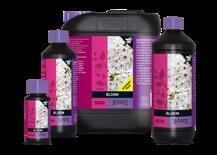
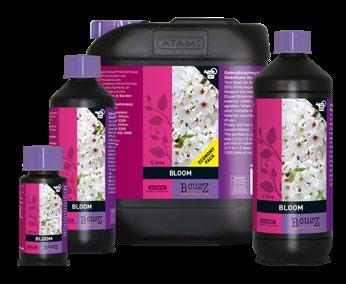
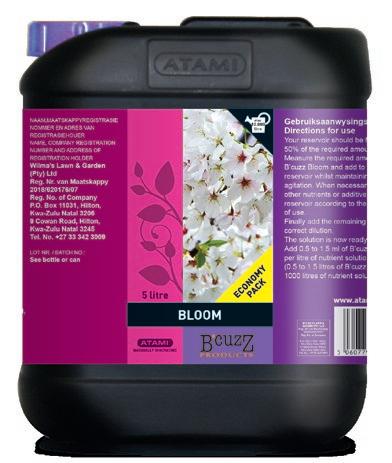
B’CUZZ BLOOM
Denser, firmer and more flowers & fruits
Looking to maximise plant production? Independent trials conducted by INNEXO, a leading agricultural research company, confirm that Bloom delivers measurable and significant results.
The bloom phase marks a critical transition in the plant life cycle, during which vegetative growth slows, and generative development takes over. When Bloom was applied at 1 ml/L during the generative phase, plants produced 36% higher dry flower yield than untreated controls. In addition, cannabinoid yield increased by 25%, while terpene production rose by 18%, enhancing both quantity and quality.
Bloom supports efficient flower formation and bulking without altering the base nutrient programme, making it compatible with virtually any nutrient line. Highly concentrated and easy to use, Bloom gives plants the advantage they need when it matters
Learn more at ATAMI.com
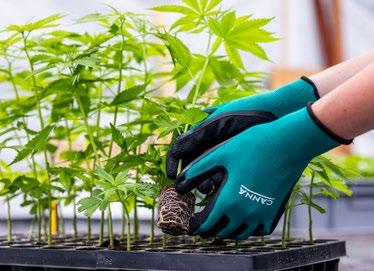
CANNA Rootplugs:
Root faster, grow stronger
Start your favourite crop the best way with CANNA Rootplugs—the ultimate solution for rapid, vigorous rooting of seeds and cuttings. Engineered for natural substrates like coco and peat, these plugs ensure quick water absorption and optimal humidity, slashing pre-veg time. Perfect for every cultivator seeking a head start. Available in pre-filled trays and as loose plugs.
Root with confidence. Grow with CANNA.
Visit CANNA.co.za/canna-rootplugs for more information.
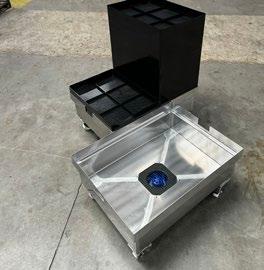
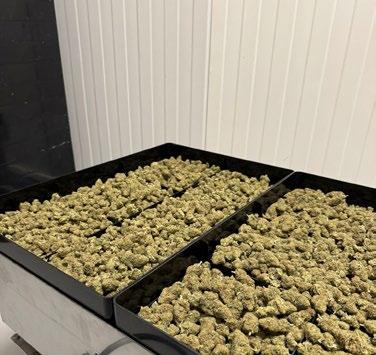
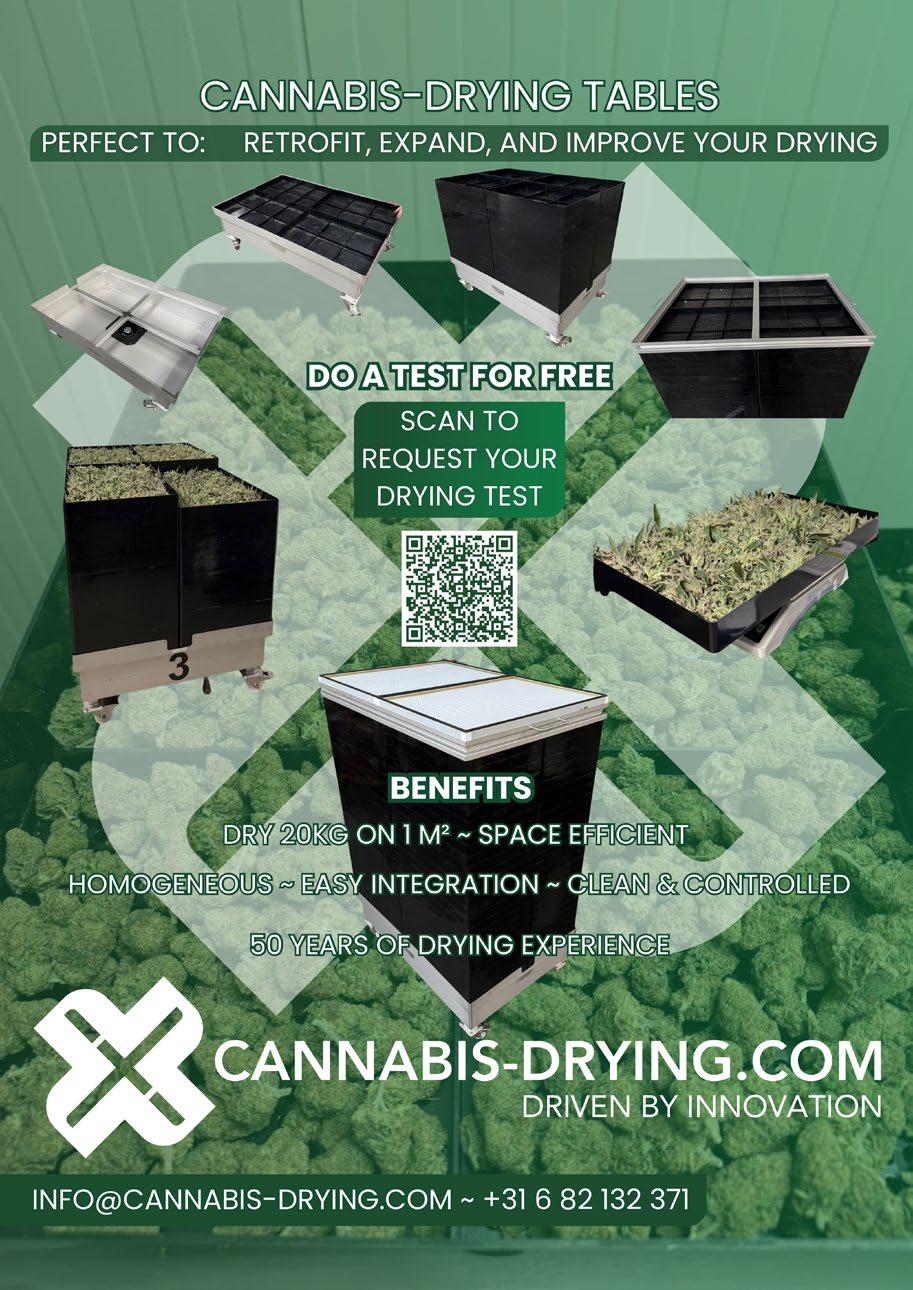
The Single Drying Table
The Single Drying Table is a compact solution for professional cannabis drying. Designed for placement in an existing drying room, it combines hygiene, flexibility, and reliable airflow control. The Stainless steel drying table comes equipped with HEPA filters, Canna-Trays, and a controllable fan (0–10).
Benefits:
• Up to 10 kg dry weight on 0.5 m²
• Space efficient
• Homogeneous end result
• Easy integration in existing drying rooms
• Clean and controlled drying environment
Want to test it for yourself?
A test setup is possible to experience the performance in practice.
For more information, visit: Cannabis-Drying.com
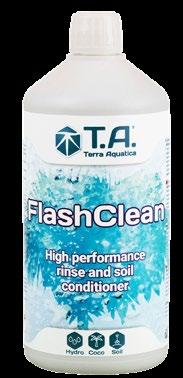
Terra Aquatica FlashClean
With the highly concentrated nutrients available today, and high EC levels running in many systems, nutrient lockout can also be an invisible limit on your grow. FlashClean® solves all these problems and more:
• Dissolves accumulated fertiliser salts
• Corrects nutrient balance
• Treats nutrient lockout
• Nourishes microbial life and refreshes soil and coco coir
• Maximises final stage growth (especially with FinalPart®)
Available from GroHydro.co.za
Mylar Bags and Integra Boost humidity packs
Protect and preserve your flower freshness with Mylar pouches and Integra Boost from Hydrobiz.
Mylar bags are available in 5g, 50g, 200g, 500g and 1kg sizes. The matt-black mylar bags are constructed with multi-layer materials to protect your flower from moisture, oxygen, and UV light, maintaining quality during storage and transport.
Combine mylar bags with Integra Boost 2-way Humidity Packs. Integra Boost utilises 2-way humidity control technology that actively releases or absorbs moisture to maintain a stable humidity. This protects your flower from over-drying, terpene loss and mould. Each pack includes a smart replacement indicator card, making maintenance simple and foolproof.
Available in 55% and 62% options across multiple sizes, Integra Boost packs are ideal for cultivators, GMP facilities, retailers and consumers who demand consistent product quality from cure to consumption.
Don’t miss out!
Hydrobiz is offering a special discount on these products, exclusive to Garden Culture readers. Scan the QR code now!
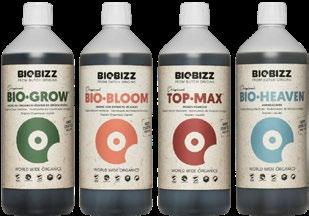
Biobizz Organic Fertilisers
Elevate your organic grow with Biobizz - a range of liquid organic fertilisers of Dutch origin. At their core is Dutch sugar beet vinasse, meeting strict European organic input criteria, and rich in betaine, a powerful microbial activator!
Feeding with Biobizz provides the perfect balance of efficiency and longevity: 30% of the nutrients are immediately available to the plant, while the remaining 70% become available over a few days as the soil microbiome breaks them down. This approach feeds the soil microbiome, which in turn feeds the plants - the true essence of organic gardening for heavier, more flavorful harvests.
Available at: Hydroponic.co.za
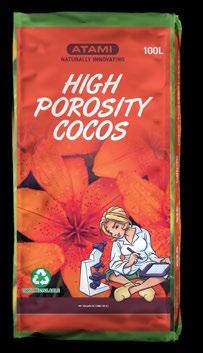
ATAMI High Porosity Cocos
Atami High Porosity Cocos 100L is designed for cultivators who require consistency, cleanliness, and predictable crop performance. Produced from high-quality aged, washed, buffered coco and blended with 30% perlite, it delivers exceptional air-filled porosity, rapid drainage, and vigorous root development.
Unlike many local alternatives, where batch variability, excess salts, weed seeds, fungus gnats, and other pests can create operational risk, ATAMI's controlled manufacturing process provides confidence from propagation through harvest.
The 100L bulk bale format reduces substrate cost per litre and improves logistics efficiency, delivering outstanding value at the facility door.
Exclusively available from HydroGarden South Africa. Visit Atami.com to learn more about the entire range.
Objectification
THC The Objectification Cannabis of
Why our infatuation with THC is killing our medicine
For over 10 millennia, perhaps more, our species has turned to Cannabis sativa L. for food, fibre, and medicine. With only a few exceptions, cannabis was legal globally, with criminalisation only beginning in the early 20 th century. In fact, at the time of US prohibition, cannabis extracts were a main ingredient in the majority of medicines available for doctors to prescribe.
As a result of cannabis activists and enthusiasts, we are witnessing a global trend to ease restrictions on cannabis as a medicine over the last decade. But we are simultaneously witnessing a trend that may cause a significant setback in recognising cannabis as a medicine: an over-infatuation with one molecule - THC. Tetrahydrocannabinol (more specifically, Delta-9 THC) is the chemical found within cannabis that is largely responsible for intoxication (the high) caused by its consumption. THC, when consumed orally, topically, or via inhalation, has a whole host of other medicinal benefits ranging from reducing inflammation and pain to addressing depression, anxiety, insomnia, nausea, and decreased appetite. The widespread medicinal benefits of THC are often mimicked by the over 150 other cannabinoids found within cannabis. Perhaps equally important is that the cannabis plant has another 500 chemicals, including terpenes, flavonoids, esters, thiols, flavorants, etc., that also offer a plethora of health paybacks.
So, if your medicine has hundreds of active ingredients, why do we focus on increasing the concentration of just one ingredient (THC)? Well, if I could sum it up in one word, that word would be ‘stigma’. Despite a trend of easing regulations on cannabis, there remains a severe deficit in cannabis education, and the stigma around the plant has not significantly reduced; in some instances, increased cannabis consumption has further perpetuated stereotypes of ‘stoners’. To the vast majority, cannabis is equated solely as a means of getting high, and THC is the main culprit. Systemic bias against cannabis is still evident in countries that have legalised cannabis, like Canada. In Canada, you would be hard-pressed to find any public location that permits the consumption of cannabis; most places prohibit its consumption and make no distinction between cannabis that has intoxicating properties or not. This messaging is reflected in the mandatory Health Canada warning labels on the packaging.
BY AV SINGH
Av Singh, PhD, PAg is an advocate of regenerative organic agriculture serving various organisations, including Regeneration Canada, Navdanya, and the Canadian Organic Growers.
WANT TO READ MORE OF AV’S WORK? SCAN THE QR:
But we are simultaneously witnessing a trend that may cause a significant setback in recognising cannabis as a medicine: an over-infatuation with one molecule - THC
When we fail to see the whole, we become overly fixated on some parts, creating an imbalance that is unnatural with potential long-term consequences. Who is at fault for this reductionist view of this amazing plant? In other words, who is killing cannabis? The logical target would be the breeders and phenohunters who tirelessly search for that unicorn with high THC, a good yield, easy trimming, and a great taste/ smell. These last three traits—yield, trim, and organoleptic quality—should apply to all commercial selections because they reflect economic sustainability and quality. Selections based on high THC are founded on an arbitrary factor that may have no bearing on the product’s quality or the effects from its consumption; essentially, the notion of high THC as an indicator of quality or effect has been misapplied. In my opinion, the notion that there is some sort of bravado to be gained by seeking the highest-THC flower is largely false, but it is also patronising to breeders who genuinely recognize the plant as a gift to our species and appreciate all it can provide. Their pursuit is a simple response to the demands of an uneducated consumer.
Why is the consumer uneducated? Perhaps this lack of awareness among many consumers stems from the fact that government regulators in countries like the US and Canada lacked sufficient knowledge when formulating legal frameworks for this medicinal prod-
For many cultures, religions, and humans in general, the cannabis plant is part of a sacred relationship that is continually evolving -it is a gift that we can’t afford to not accept
uct. To some extent, later adopters (e.g., the UK, Germany, Australia, and South Africa) are simply adopting North America’s mistakes. The reductionist mindset of regulators equated cannabis to alcohol, imposed age restrictions on its consumption, and then, based on stigma, overregulated the sector to such a point that self-sustainability trumped campaigns to better inform cannabis users on how to best consume for both health and desired effect.
Arguably, the dramatic rise in THC potency in the past few decades is an artefact of prohibition. Since a criminal conviction for possession or trafficking was based solely on the amount rather than potency, legacy growers sought higher THC levels. In the 1990s, the average THC potency was under 10%, while currently, with slightly inflated lab testing, it is common to find most cultivars in excess of 25%.
If we turn to our retailers, their response is that the consumer wants the “highest THC at the lowest price,” and apparently, they have listened, as it is nearly impossible to find SKUs containing THC of less than 20%. This becomes a self-fulfilling prophecy, as consumers have limited selection. There are very few SKUs that contain CBD flower, let alone minor cannabinoids like CBG, CBC, CBN, or THCv. The result is that a new entrant to cannabis consumption or a seasoned veteran who appreciates more than just high THC is forced to experience a potentially less desired effect. This may turn off the newbie from cannabis as a medicine and may turn the seasoned veteran back to their dealer.
Our fixation on equating THC with our perceived level of intoxication has other negative impacts on its users, ranging from increased dependency and addiction to psychoses and cyclic nausea and vomiting. Cannabis flower with THC potencies nearing or exceeding 30% is more likely to induce mental health problems, especially in youth (i.e., frontal lobe development age 27 in males and 25 in females) and those with a genetic predisposition (e.g., schizophrenia). Similarly, cannabis with higher THC percentages, or perhaps a disproportionately higher concentration of THCA/THC relative to total cannabinoid composition, has also been correlated with increased levels of cannabis use disorder (CUD), or in other words, cannabis addiction. Also, an all too com-
mon experience for some cannabis consumers is cannabis hyperemesis syndrome, which entails abdominal pain, nausea, and vomiting.
These unwanted side effects of high THC cannabis may have been the basis for the provincial government in Quebec, Canada, to place a limit of 30% on all cannabis products, regardless of whether they are flower, extract, or concentrate. This is a precautionary approach that other governments should consider when contemplating legalisation. Alternatively, there are other potential solutions that could help save our medicine from becoming too one-dimensional. The amount of cannabis that enters your bloodstream is not as straightforward as you might think. In the case of oral inhalation, the moisture content, the size of the ground material, and the tightness of the roll may all impact combustion and, therefore, the amount of THCA being converted to THC and, essentially, how much you will consume. As such, our labels on THC content could be as simple as “Above 20%” or “Below 20%,” which reaffirms previous studies that have highlighted that THC potency is not correlated with your level of “highness.”
Governments could also look into creating policies that encourage a higher proportion of other cannabinoids. For example, studies have shown that increased levels of CBD alongside THC may attenuate the impact of THC. This phenomenon is referred to as the “Entourage Effect,” which hypothesises that other compounds, such as terpenes, flavonoids, and other cannabinoids, can influence how THC binds to receptors and, in turn, alter its effects on your body and mind. Another solution to complement the consumer experience is to enable the buyer to smell the cannabis that they are thinking of purchasing. Recent research has validated the “nose knows” concept that your body and mind have increased desired effects if you enjoy the aroma of the cannabis you are going to consume.
Cannabis flower that has been relegated as a vessel for THC has lost its meaning as a medicine for our species. For many cultures, religions, and humans in general, the cannabis plant is part of a sacred relationship that is continually evolving -- it is a gift that we can’t afford to not accept. Our enduring bond with the cannabis plant must look beyond one or two molecules, and we must seek the whole for both our species. 3
Regenerative Integrated Pest Management (IPM) derives stability from biology itself.
Mastering Organic and Natural Pest Management
Mastering Organic and Natural Pest Management
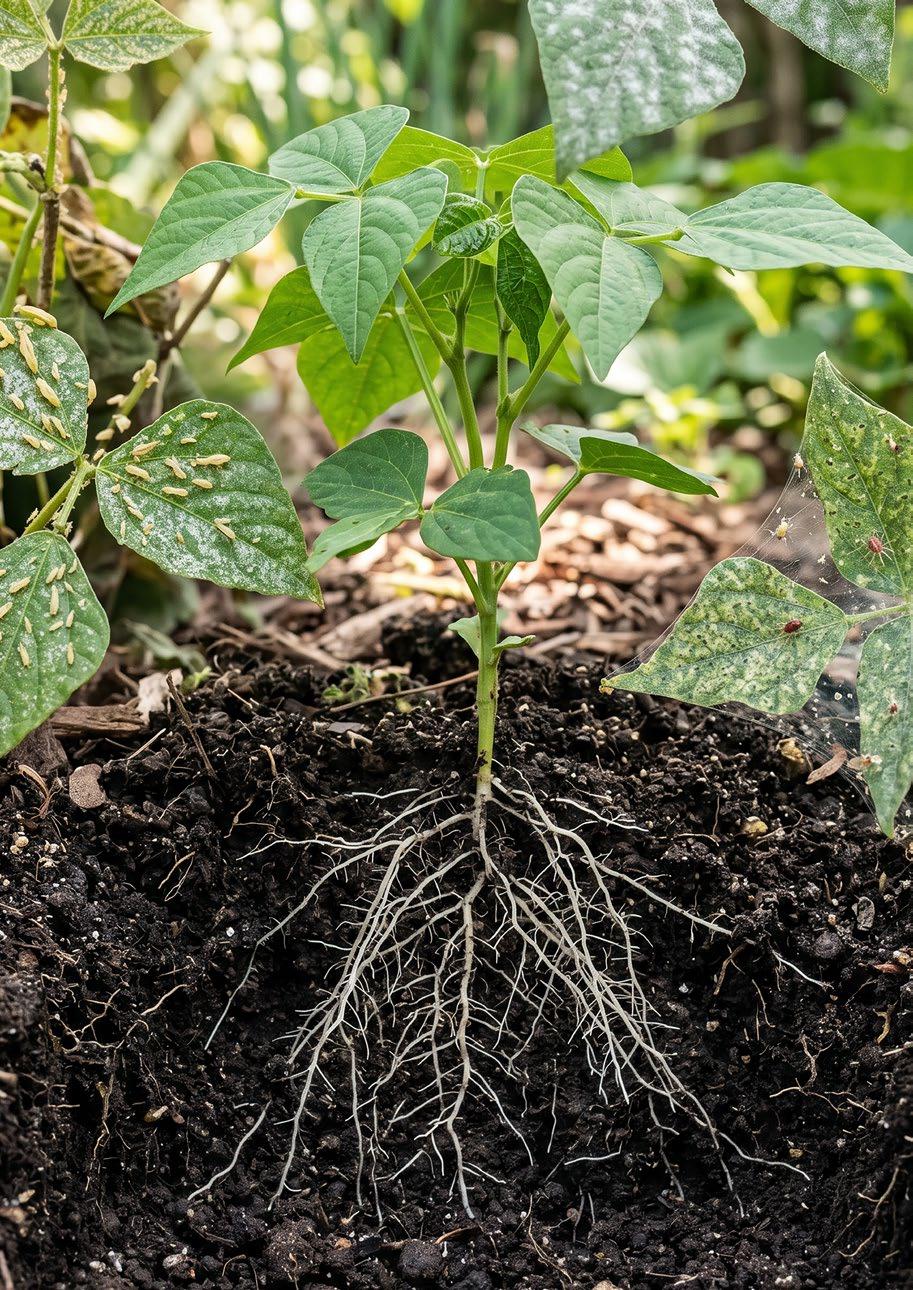
Conventional systems rely heavily on external inputs to maintain stability. Regenerative Integrated Pest Management (IPM) derives stability from biology itself. Natural pest management is not about spraying after an outbreak. It is about building resilient growing environments through healthy soil, biodiversity, and cultivation practices that strengthen the growing system as a whole.
This reflects a broader shift in how pest management is understood. Conventional approaches treat pests as isolated problems requiring immediate suppression. Regenerative approaches focus on building healthy systems that naturally resist pest pressure and become far more resilient over time than systems dependent on continual intervention.
Healthy Soil Changes Everything
One of the most important ideas in regenerative growing is understanding that insects and disease are often symptoms of deeper imbalance within the growing system itself. The goal is always to maintain healthy plants. Stressed plants become far more vulnerable to opportunistic pests, while healthy plants are naturally better equipped to resist pest pressure.
Maintaining healthy, biologically active soil is one of the most important ways to support strong, resilient plants. Soil is a living biological system that shapes plant health and ecosystem stability. Balance becomes part of the defence system. Healthy ecosystems rarely remain overwhelmed by pest pressure for long.
Observation Is Awareness
One of the biggest differences between natural and conventional pest management is the level of restraint. Conventional practices treat every visible insect as a problem requiring immediate action, while regenerative management promotes intentional restraint before reacting, so as not to disrupt the natural systems already working to restore balance.
BY COLIN BELL, PhD
Colin Bell is VP of US Business Development at MIIM Horticulture. He has worked as a PhD Research Scientist in Federal and Academic institutions for years. He builds businesses, develops products, and grows brands for indoor cultivation. Reach out: colin@miimhort.com
WANT TO READ MORE OF COLIN’S WORK? SCAN THE QR:
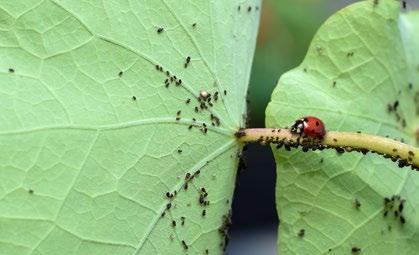
There is no such thing as zero pest pressure in the garden. Management comes down to timing, magnitude, and observation. Aphids may already be attracting predator insects, while spider mites often reflect plant stress, drought, or environmental imbalance.
The shift is from asking, “How do I eliminate this pest?” toward asking, “What conditions allowed this imbalance to emerge?”
That mindset shift changes everything for longterm success.
Biodiversity Is The Baseline
Biodiversity—both below and above ground—is part of the balance that maintains healthy growing environments. Monoculture systems naturally create vulnerability, while diverse gardens create layers of ecological regulation through companion planting, flowering species, perennial habitats, and plant diversity that support pollinators and predator insects.
Over time, gardens become less dependent on continual human intervention and more capable of self-regulation. Even when intervention becomes necessary, regenerative systems rely on biological and low-impact approaches that conventional systems struggle to support. Conventional approaches can weaken ecosystem biology while simultaneously increasing pest resistance over time.
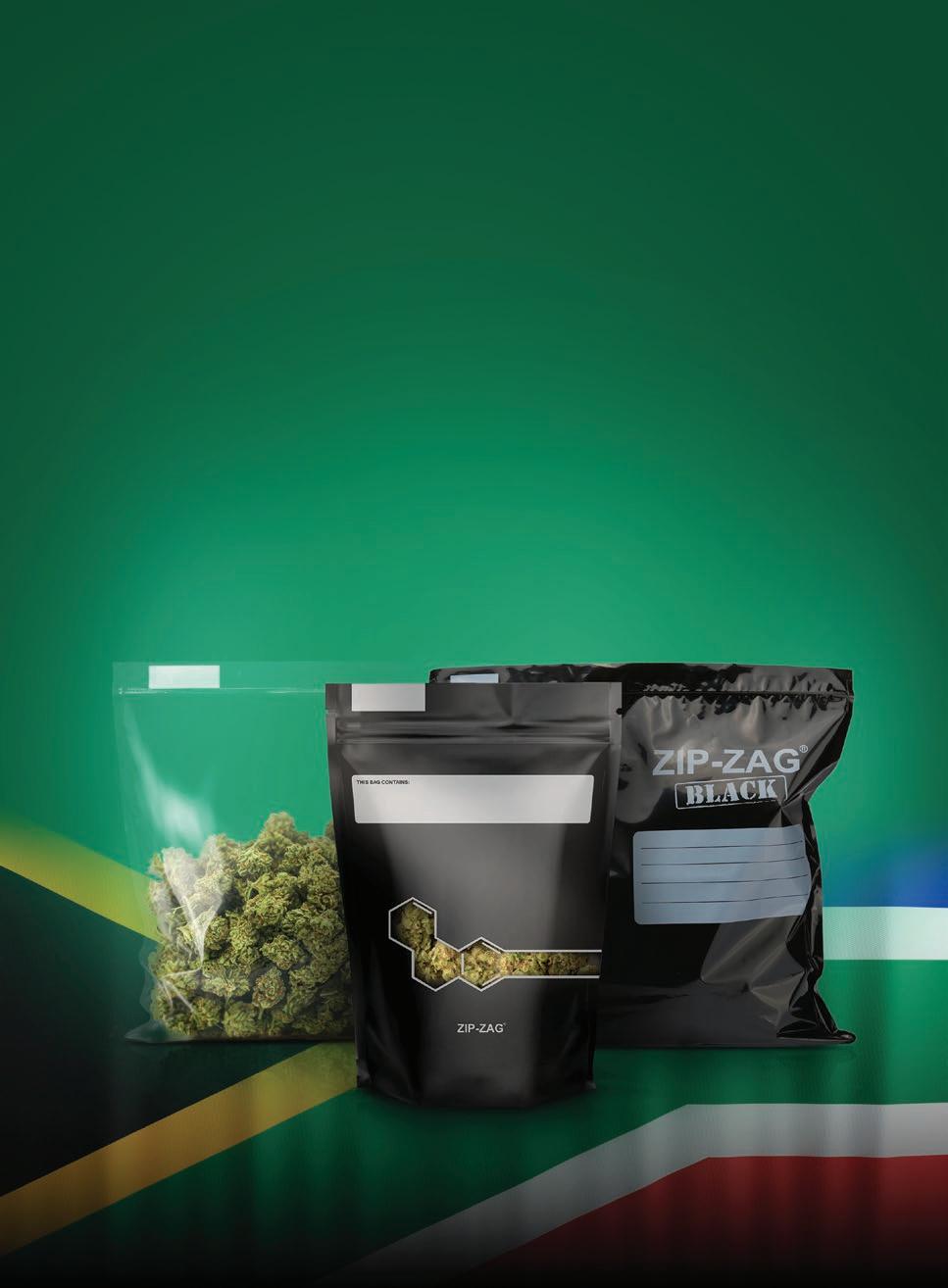
Zip-Zag® Brand Bags deliver total discretion with a secure, airtight seal that locks in all aromas while protecting your cannabis from external environmental conditions. Whether you’re carrying your personal stash or storing cannabis long-term, smells stay fully contained. Designed to maintain the ideal storage environment,
Zip-Zag® bags are airtight, watertight, and UV-resistant, preserving humidity levels and preventing overdrying, mould, or potency loss. The UV-blocking barrier protects cannabinoids and terpenes from degradation, while our patented, resealable zipper ensures freshness is sealed with every zip, keeping your cannabis sticky, fragrant, and potent for longer.
Mastering organic and regenerative pest management is not about eliminating every pest. It is about building healthy, resilient ecosystems that are strong enough that serious imbalances struggle to take hold in the first place.
This is one reason more growers are moving away from dependency on chemical inputs and toward biological approaches. The underlying philosophy is simple: when biology becomes stronger, the entire system becomes more resilient. Pest management shifts away from chasing stronger interventions and toward understanding the biological conditions shaping the growing environment.
Ecological Understanding Is The Advantage
The most important advances in modern pest management come from a deeper understanding of ecology. Regenerative growing depends on observation, systems thinking, biology, and ecological understanding. Healthy ecosystems emerge from understanding the interactions occurring within the environment.
More growers are combining traditional growing knowledge with ecological science to build systems that are resilient, adaptive, and biologically alive. The future of pest management belongs to growers who understand how to work with those interactions instead of against them.
Step One is Adopting an IPM Mindset
No single method fully defines regenerative pest management. Across regenerative agriculture and ecological horticulture, the same core principles continue to emerge:
• build healthy soil,
• increase biodiversity,
• observe consistently,
• encourage beneficial insects, and
• intervene only when necessary, using the lowest-impact solutions possible.
Over time, the goal is not simply healthier plants. It is the development of healthier systems.
Mastering Organic and Natural Pest Management
Mastering Organic and Natural Pest Management
The most important advances in modern pest management come from a deeper understanding of ecology
In Conclusion
Mastering organic and regenerative pest management is not about eliminating every pest. It is about building healthy, resilient ecosystems that are strong enough that serious imbalances struggle to take hold in the first place.
Gardens function as living ecological systems shaped by soil, plants, insects, microbiology, and climate. The goal is not to dominate those systems, but to understand them well enough to guide them toward balance. Over time, the healthiest gardens become those that require the least intervention because healthy systems learn to regulate themselves. 3
South Africa has done something extraordinary with Cannabis law reform, although most people don’t realise it yet
Home Growing as a Potent Harm Reduction Tool Home Growing as a Potent Harm Reduction Tool
South Africa has done something extraordinary with Cannabis law reform, although most people don’t realise it yet. We became the first country in the world to legalise home growing, before ever establishing a formal medical Cannabis system or a fully regulated commercial market.
South Africa’s Unique Path to Reform
Around the world, Cannabis reform usually follows a predictable path. Governments legalise highly regulated medical systems first, followed by tightly controlled commercial adult-use markets. Home growing, if permitted at all, often comes later and under strict conditions. South Africa flipped the script entirely. We started with the plant itself, the soil beneath our feet, and the right of ordinary people to grow at home.
Historical Resistance and Legal Turning Point
The story of how we got here is rooted in resistance. For decades, Cannabis users and growers across South Africa faced arrest, police harassment, confiscation of property, and criminal records. Yet despite prohibition, cultivation continued everywhere – from hidden suburban gardens to vast rural fields cultivated by communities whose relationship with Cannabis stretches back generations.
When the Constitutional Court handed down the landmark judgment in 2018, it recognised that the criminalisation of private Cannabis use and cultivation violated the constitutional right to privacy. The Court did not create a commercial Cannabis industry. It acknowledged that the State had overreached into the homes and gardens of ordinary citizens. In many ways, that judgment planted the first legal seed for a completely different approach to Cannabis reform.
Home Growing as Harm Reduction
Home growing is one of the most overlooked harm reduction tools available to society. Harm reduction is often discussed in the context of substance use disorders and public health interventions, but Cannabis cultivation belongs firmly within that
BY MYRTLE CLARKE
Myrtle Clarke is a veteran South African Cannabis activist. She and her late partner, Julian Stobbs, were dubbed ‘The Dagga Couple’ by the SA media in 2010 af ter charging the SA government with enacting unconstitutional laws. She is the Managing Director of Fields of Green for ALL and works both locally and internationally towards achieving rational, evidence-based laws and regulations for Cannabis in South Africa.
Myrtle is also the secretary of the South African Cannabis and Hemp Industry Development Association and a founding member of the Cannabis Embassy, an international collaboration of grassroots Cannabis activist associations.
Myrtle lives at The Jazzfarm, on the outskirts of Johannesburg, with her support team, Ami and Seth, three dogs, three cats, and a tortoise.
We became the first country in the world to legalise home growing, before ever establishing a formal medical Cannabis system or a fully regulated commercial market
conversation. Growing your own Cannabis reduces dependency on unregulated production, allows people to know exactly what they are consuming, and removes the risks associated with the possibility of contaminated products, synthetic cannabinoids, and exploitative supply chains. A person who grows their own plant gains direct knowledge of what goes into the soil, onto the leaves, and ultimately into their body.
The Therapeutic Value of Cultivation
There is also something deeply therapeutic about cultivation itself. Growing Cannabis teaches patience, observation, and responsibility. A healthy garden requires attention to light cycles, soil biology, nutrients, pests, airflow, and water. The process reconnects people with nature in an increasingly disconnected world. Many home growers describe the experience as calming, meditative, and empowering. Watching a seed germinate and mature over months creates a relationship with the plant that is impossible to replicate through commercial transactions alone.
CANNABIS
If Cannabis reform simply replaces outright prohibition with overregulation, many of the original harms remain intact
Contradictions and Legal Uncertainty
Of course, South Africa’s Cannabis journey remains deeply contradictory. Despite the Constitutional Court ruling and the enactment of the Cannabis for Private Purposes Act, ordinary people still face enormous uncertainty. The draft regulations published earlier this year revealed just how uncomfortable the state remains with genuine Cannabis freedom. Among the most controversial proposals were strict limits on the number of plants adults may cultivate privately. Plant counting sounds simple until you actually grow Cannabis.
The Problem with Plant Limits
A single plant can be tiny or enormous, depending on genetics, environment, and growing style. One experienced outdoor grower cultivating a few large seasonal plants may produce enough Cannabis for an entire year, while another person growing indoors may require multiple smaller plants to achieve the same result. Counting plants instead of measuring actual harm demonstrates a fundamental misunderstanding of cultivation.
Cultural Heritage and Modern Regulation
The proposed limits become even more irrational when viewed through a South African lens. For centuries, communities have cultivated Cannabis openly and at scale. Entire regions developed sophisticated indigenous knowledge systems for climate adaptation and cultivation techniques long before prohibition was imposed through colonial and international drug control systems. To suddenly reduce this rich agricultural heritage to arbitrary plant numbers feels disconnected from both reality and history.
Enforcement and the Risk of Overregulation
Plant limits also create practical enforcement problems. As it stands, the South African Police Service will be tasked with entering your private space to count your plants. Will households with multiple adults face investigations over who owns
simply replaces outright prohibition with overreg ulation, many of the original harms remain intact.
The Case for Collective Growing
Home growing, apart from being our constitutional right in South Africa, keeps Cannabis grounded in something human: the simple act of tending a plant. But what if you can’t grow your own? Urban living, limited space, security concerns, and time constraints are real barriers. The next alternative is collective growing. Unfortunately, this option has not been outlined within the draft regulations for the Cannabis for Private Purposes Act. South Africa has an opportunity to lead the world in developing foundational Cannabis regulations rooted in rights, culture, and harm reduction. That opportunity will be lost if lawmakers continue trying to force this remarkable plant into rigid frameworks imported from elsewhere. Cannabis has always grown here. The question is whether we will allow our laws to grow alongside it.
We have our rights, and our culture is centuries old. However, as South Africans, we need a deeper awareness of where, how, and by whom our Cannabis is grown. Tick that box if you grow your own. Tick that box if you belong to a private club that grows collectively. Tick that box if you’ve met your club’s cultivators. When consumers follow the mantra of “Know Your Dagga Farmer,” it is the ultimate harm-reduction tool. Knowledgeable consumers have a connection with the plant itself. Let us all make the effort, despite our complicated legal circumstances, to be more connected to this plant we all love. 3
When converted to biomass, chemical energy in the form of light supports food and flower development
The Fundamentals of Photobiology
When converted to biomass, chemical energy in the form of light supports food and flower development. Light is the primary input in cultivation that determines plant growth, as the energy from photons (packets of light) converts water and CO 2 into sugars. In addition to driving plant growth, light also regulates the developmental processes during the plant’s life cycle.
The Fundamentals of Photobiology
Photobiology is the study of how light affects the morphology, physiology, and metabolism of plants. Photobiology (derived from Greek, it combines phōs (light) and bios (life), meaning “study of life and light”) can be roughly divided into five dimensions: light intensity, light quality (spectral composition), photoperiod (duration), direction, and temperature (radiant heat).
Before considering the photosynthetic activity of the light spectrum, intensities from a light fixture were historically expressed in lux or lumens, with photons between 500 and 600 nm (yellowish light) weighted the most in this unit, because our eyes are most sensitive to this colour. However, this metric underestimated the importance of blue and red light in driving photosynthesis and was useless for photobiology. Instead, photons in the 400-700 nm waveband are categorised as photosynthetically active radiation (PAR), weighed equally, and measured with a PAR meter. Far-red light (especially 700-750 nm) is also photosynthetically active when combined with PAR light, so the term ‘extended PAR (ePAR)’ has been introduced. Similarly, UV-A (315-400 nm) drives photosynthesis, independent of PAR. The PAR emitted by a lighting fixture per second is defined as the Photosynthetic Photon Flux (PPF, μmol s-1).
PPF tells us how much light (the number of photons) a single lighting fixture emits per second. To determine how many lighting fixtures we need per cultivation area, we must look at the crop’s perspective. The flux
BY MEXX HOLWEG
Mexx Holweg is the Technical Solution Manager and Crop Advisor at Dutch Lighting Innovations, where he combines scientific expertise with practical horticultur al insight to deliver data-driven lighting solutions.
He holds a Bachelor’s in Applied Biology from HAS University of Applied Sciences and both a Master’s degree and doctorate from Wageningen University & Research. His research focused on plant physiology and photobiology, with a strong emphasis on optimizing light strategies for indoor-grown medicinal cannabis. Passionate about applied science, Mexx excels at translating complex research into real-world solutions that help growers improve yield, consistency, and crop performance.
WANT TO READ MORE OF MEXX’S WORK? SCAN THE QR:
of PAR photons received by the crop is the PPF per square metre, which is defined as the photosynthetic photon flux density (PPFD, μmol m-2 s-1). Within this range, light is absorbed by the primary photosynthetic pigments, such as chlorophylls a and b, and carotenoids.
According to the Stark-Einstein Law, when a photon is absorbed by the chloroplast (the cell organelle that contains chlorophyll) in the leaf, irrespective of the photon’s wavelength, one molecule will undergo a photochemical reaction. This means blue, green, or red photons are equally efficient when absorbed by the photosystem. However, there is a vast difference in the efficiency with which a leaf absorbs a photon. As such, red light is absorbed most efficiently, followed by blue, and lastly green. For this reason, plants also appear green, as this wavelength is reflected the most. The efficiency of each wavelength in driving photosynthesis is determined by the peak absorption wavelengths of different pigments and by the fact that non-photosynthetic pigments relatively absorb more blue and green light than red light. For this reason, PPFD values are not always as informative, as PAR weights each photon equally across 400-700 nm. Instead, we must consider the Yield Photon Flux (YPF), which accounts for leaf absorptance across different wavelengths.
The PAR emitted by a lighting fixture per second is defined as the Photosynthetic Photon Flux (PPF, μmol s-1)
High Light Cultivation: Cannabis and Beyond
Crops such as cannabis are cultivated at extremely high light conditions compared to conventional horticultural crops. In these cases, blue and green light can be more beneficial than red light, which is more effectively absorbed. Blue light alters leaf physiology, increasing stomatal number and aperture (leaf pores), facilitating easier CO2 diffusion into the leaf, and supporting higher photosynthesis rates at higher light intensities. Green light, often thought to be inadequate for driving photosynthesis, can stimulate photosynthesis throughout the leaf via the detour effect, which describes how green photons are more readily reflected within the leaf and absorbed by a greater number of chlorophylls, instead of primarily absorbed by chlorophyll in the top layer of the leaf. In addition, green light can penetrate deeper into the canopy, increasing photosynthesis rates in the lower canopy, which is usually light-deprived in dense-growing crops.
Enhancing Morphology and Physiology through Light
So far, we see that the light spectrum affects photosynthesis and plant growth. However, the primary benefit of the spectrum is to steer plant architecture and physiology, thereby improving crop quality or increasing plant growth through increased light interception. The more light a crop can intercept, the higher the total crop pho -
tosynthesis rate will be. Later, we will examine in greater detail how different colours of light can improve each of these aspects. Still, one example is increasing the blue-light fraction, which allows plants to grow more compactly and eliminates the need for chemical growth regulators to maintain a short stature, as preferred in some ornamentals.
Photoperiod and Light Integrals
Furthermore, another dimension of light is photoperiod, the number of hours of light a crop receives over 24 hours. The photoperiod directly affects plant growth, as a longer photoperiod results in more photons reaching the crop. For this reason, the PPFD, as noted earlier, does not necessarily indicate how much the plants grow. It only shows the number of photons the crop receives per second. Instead, we use the term Daily Light Integral (DLI, mol m-2 d-1), which is directly related to the amount of daily growth the crop would achieve. The extension of the DLI is the Total Light Integral (TLI, mol m-2 cycle-1), which quantifies the amount of light the crop receives over its entire cultivation cycle.
With these values known, a grower can track many metrics throughout their cultivation. Let’s say we want to determine how we can optimise yield and reduce energy costs. We can apply either a PPFD of 1000 or 1500 μmol m-2 s-1 during flowering for about 8 weeks.
Photobiology is the study of how light affects the morphology, physiology, and metabolism of plants
The Total Light Integral during flowering would be 1000 or 1500 (PPFD) x 60 (conversion to minutes) x 60 (conversion to hours) x 12 (photoperiod) x 56 days = 2.419 or 3.628 mols over 8 weeks. Let’s say our yield would be 500 grams per square metre at 1000 μmol m-2 s-1, and 650 grams per square metre at 1500 μmol m-2 s-1.
With these values, we can calculate the Light Use Efficiency (LUE), which indicates the number of grams of flower produced per mol of incident light. 500g/2419mol = 0.21 g/mol and 650g/3628mol = 0.18 g/mol. Technically, these values would be a bit lower, as we should also have considered the light integral during the vegetative phase. But most importantly, we can deduce from this calculation that applying more light does not lead to a more efficient production, which can have a multitude of reasons; CO2 uptake is limited, the strain becomes less efficient at converting light to sugars at higher light intensities, etc.
Harnessing the Power of Light for Better Crops
So far, we have introduced photobiology in general terms and will, in subsequent articles, delve deeper into the potential of different wavelengths to enhance photosynthesis, regulate crop morphology and physiology, and promote the production of specialised plant metabolites such as vitamins, cannabinoids, and terpenes. 3
So far, we see that the light spectrum affects photosynthesis and plant growth. However, the primary benefit of the spectrum is to steer plant architecture and physiology, thereby improving crop quality or increasing plant growth through increased light interception.
The Relentless Battle
fighting powdery my years mildew indoors
The Persistent Threat of Powdery Mildew
BY ERIC COULOMBE
Powdery mildew is one of the most persistent and devastating threats in controlled environment agriculture. I should know, as I have been battling it for the past three years. I have been growing indoors for 25 years and never had it once. Then out of nowhere it appeared, and I can’t seem to get rid of it. I keep it under control with regular cleaning and foliar hypochlorous acid, but it keeps coming back. Why?
Why Powdery Mildew Is So Challenging
Unlike many pests that can be physically removed, this fungal pathogen exists invisibly as airborne spores before you can see it on your leaves. Once established, it can drastically reduce yields, lower product quality, and in some cases, lead to a total crop loss. For both professional and hobbyist growers, the most effective defence is not a chemical spray, but the meticulous management of the grow room environment. I’m working on it!
Suspecting the Source
As I mentioned earlier, I have been growing in the same room for 20 years, and I never even thought about PM. I believe it came in a seed pack. Maybe even in the seed itself, if that’s possible. I believe this is the case because the plant started developing PM in the early stages of veg. I’m lucky to have access to some very smart people and so many products. Most were able to help reduce the negative impacts, but I still can’t completely eradicate PM.
The First Attempt at Control
I sprouted six seeds from that pack, grew them up, and chose the best one to clone (i.e., the healthiest one and the one with the least PM). The rest were trashed. I thought I had beaten the PM back, and I felt pretty confident cutting clones and vegging them out for a couple of weeks. Everything was going to plan; there was a little evidence of PM, but I kept spraying them, and when it was time to put them in the flower room, they looked clean. Unfortunately, they were anything but!
Eric describes himself as a pretty happy person, and how could he not be? He’s a husband, a father, a soccer coach, and he’s also a proud Canadian. Not to mention, he’s been working in the incredibly exciting and dynamic indoor growing industry since 2002. He saw the enormous potential for expansion long ago and decided he wanted to watch the market evolve while also being a part of it. He joined Garden Culture Magazine in 2012, and in 2014, he became the owner. He has been sharing his love and passion for growing ever since.
WANT TO READ MORE OF ERIC’S WORK? SCAN THE QR:
Powdery mildew is one of the most persistent and devastating threats in controlled environment agriculture
Environmental Controls and Strategies
As the plants grew and became bushy, the PM began to return, especially at the walls where airflow was reduced. I should mention that I bought an extra wall fan because I know airflow is very important for reducing PM issues. I defoliated enough leaves so there were no microclimates or leaves overlapping. I also spaced out the plants to allow maximum airflow. I have a dehumidifier that reduces humidity and helps with big humidity swings when the lights go out. And I have a humidifier, which I also add hypochlorous acid to for reducing humidity swings. The room maintains a constant 48-53% RH.
The Work Trip Disaster
I thought I had done everything, and this pesky pathogen was going to be a thing of the past.
Then I went on a 10-day work trip. Typically, I fill my reservoirs to the top, and they last about 8-10 days. I always have someone check in on my room, but I didn’t ask them to spray. I do now, but didn’t then.
AT GOLDEN GOOSE, WE SUPPLY PREMIUM HORTICULTURAL PRODUCTS THAT MEET GLOBAL INDUSTRY STANDARDS. BY WORKING WITH INTERNATIONAL BRANDS SUCH AS DLI AND GOLD LABEL, WE HELP GROWERS ACCESS TRUSTED TECHNOLOGY, MATERIALS, AND INPUTS WITHOUT COMPROMISE.
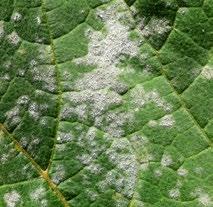
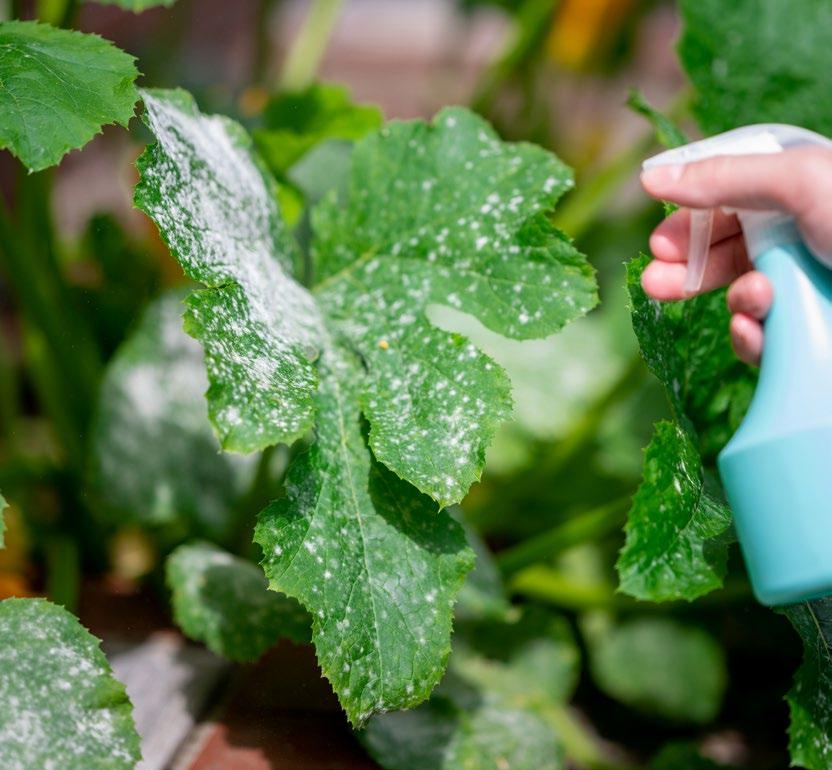
This time, it was my first proper PM outbreak. And it was horrible; so many leaves covered in white powder.
As the plants grew and became bushy, the PM began to return, especially at the walls where airflow was reduced
Dealing with Outbreaks and Regrets
It has also happened with mites. I leave on a trip, and I return to a disaster. This time, it was my first proper PM outbreak. And it was horrible; so many leaves covered in white powder. Had I known then what I know now, I would have thrown out the plants and cleaned the room as if I were going to have open-heart surgery in there. I did not. I thought I could treat the plants and get rid of the PM. What a mistake!
I battled with the dreaded white powder and never did get rid of it. The variety I grew was so amazing that not only did I not toss the flowering plants, but I kept the mother. To be fair, I was able to almost get rid of it. I soaked the flowers in hy pochlorous acid and Enzyme Pods from Key to Life before drying and curing, and my mother looked clean.
So, I went through the whole painful process again. After the second time, I got rid of the mother and decided never to grow that strain again. I also did a deep room clean, and chlorine dioxide bombed the room, which should have killed everything. My veg room is outside my flower room and is in the work area of my basement. Deep cleaning and bombing with gas is not an option.
Unfortunately, that wasn’t enough. Some varieties are way more susceptible, and it was obvious every time I grew multiple strains at the same time.
Somewhere around the second or third week in flower, some varieties began to develop PM. I did make it through one full cycle unscathed, but in every other grow, it has found its way back in.
Key Takeaways: Don’t Underestimate Powdery Mildew
The lesson of this tale is don’t underestimate PM. If you see it, my advice is to trash the plant ASAP. Unless the plant you are growing is super valuable to you. Unfortunately, I am still fighting the battle because I didn’t take enough precautions and didn’t follow my own advice. I think I’ll clean up my grow room now. 3
Wild & Free Reclaiming Community Through Gardening
Starting from Scratch: My Garden Barter Story
After building our home nearly five years ago, I created my gardens from scratch. My former property had many established plants, so I took divisions and waited for end-of-season sales on other perennials to fill my new space, doing it affordably. I searched Marketplace for things I didn’t have or needed more of, and found a woman in my neighbourhood who was offering daylilies in exchange for something from my garden, which piqued my interest. Finding someone who wasn’t looking for financial profit was kind of exciting! I reached out to her and learned she needed hostas, and it just so happened I had about 65 on my property. We had a deal: I divided a bunch of hostas for her, and she dug up several clumps of daylilies for me.
During our exchange, we talked about our young families and the fact that she had recently moved to my region from another country; it was such a pleasant afternoon! The experience was my first time bartering, and I left with the ‘high’ of receiving plants at no cost, sharing something from my garden, and having made a new human connection.
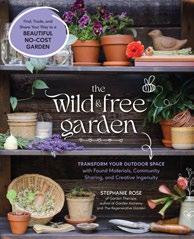
“Bartering is such a lost art,” explains Stephanie Rose of Garden Therapy and the author of the recently released book, The Wild & Free Garden: Transform your Outdoor Space with Found Materials, Community Sharing, and Creative Ingenuity. “I have this and a lot of it, and I’d like to trade it for something else. Just putting that out there gives an opportunity for these connections.”
Bartering can include trading goods or skills. Once a routine practice, the act is no longer central in the modern global economy. However, people are craving human connection, and bartering is making a comeback; not to replace our current economic system, but to add richness to community life.
Beyond Cost:
The Wild & Free Garden Philosophy Rose has written several books, including some of my favourites, Garden Alchemy and The Regenerative Garden. I was initially drawn to her new release because I thought it would appeal to those who see start-up costs
BY CATHERINE SHERRIFFS
PHOTOS: STEPHANIE ROSE
Catherine is a Canadian award-winning journalist who worked as a reporter and news anchor in Montreal’s radio and television scene for 10 years. A graduate of Concordia University, she left the hustle and bustle of the business after starting a family. Now, she’s the editor and a writer for Garden Culture Magazine while also enjoying being a mom to her three young kids. Her interests include great food, gardening, fitness, animals, and anything outdoors.
WANT TO READ MORE OF CATHERINE’S WORK? SCAN THE QR:
as a barrier to gardening. But The Wild & Free Garden is about much more than monetary savings. Rose admits that when she first started writing, the theme was zero-cost gardening. It evolved into an inspiring read about escaping one-click buying and same-day shipping, turning instead to hunting and gathering, the sharing economy, and becoming a villager to build meaningful relationships with neighbours. The word ‘free’ isn’t only about cost savings; it’s about liberating yourself from the rat race, slowing the pace, and reclaiming community.
“There’s this loneliness epidemic,” Rose explains. “[In 2020], the pandemic taught us how to socially isolate and stay safe at home. It’s been hard for us to transition back into making real connections. Also, with technology developments, it’s made it easier than ever to have convenience at our fingertips.”
But convenience can come at the expense of what Rose calls “micro-connections”: the small interactions that happen when we leave the house, hunt for something unique, and chat with people along the way. “It is really important for us to have experiences where we’re connecting with others and feeling a little kindness, joy, and humanity,” she says.
Hunting and Gathering for the Garden
Before ‘hunting and gathering’, Rose recommends spending some time journaling, an essential step to avoiding spontaneous impulse buying. Determine what you’re setting out to do; what kind of garden are you trying to create? Are you building something for your outdoor space? Are you designing something new or improving what you already have? Afterward, make a list of the plants or things that can help you achieve your goal.
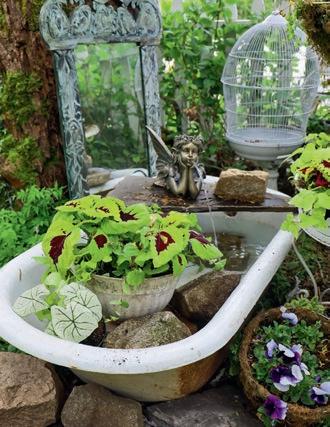
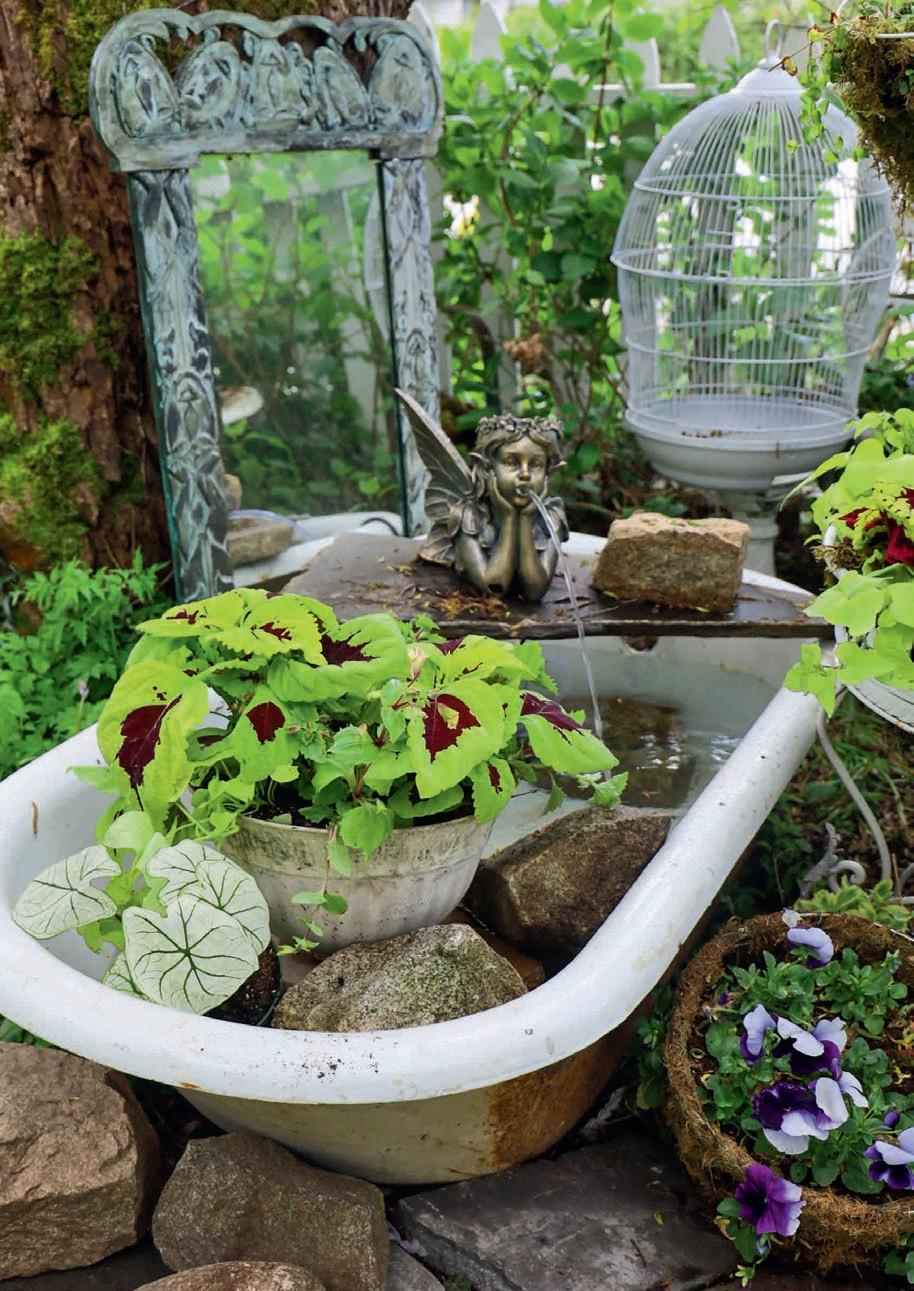
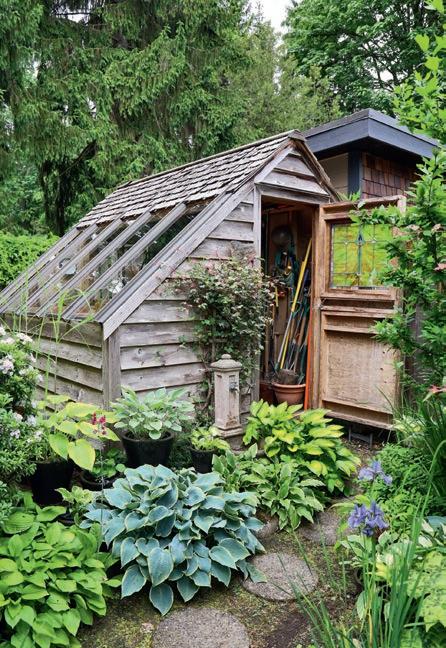
Some might fear that sourcing second-hand items for the garden might look tacky or junky, but Rose believes in the old adage that they don’t make things like they used to, and that if you hunt and gather with quality in mind, you can find beautiful pieces with history. Her book features pictures of a garden fountain made from an old bathtub, a table made with the planks of a former bowling alley, and a gorgeous greenhouse put together with refurbished stained glass windows. It’s all very high-end without the hefty price tag. If you’re in the market for pavers, garden structures, or a new patio set, she suggests searching for something used that might need some sprucing up, promising that you’ll gain much more than just cost savings.
“There’s a set that could be refurbished that might just go to the landfill. So, we’re saving it,” she says. “Secondly, honing our creativity. We can paint our furniture purple and go a little crazy with it, or tile the top of a table. Just the act of refurbishing gives us a sense of pride.”
And pride of place is something we can’t buy online.
The Sharing Economy
After moving into a new home and seeing how many boxes of things she had, Rose embarked on a ‘buy nothing’ year. In addition to only purchasing essential items in 2025, she wanted to get rid of some of the ‘stuff’ she had collected and rarely used. That’s when she tapped into the sharing economy: online marketplaces like Freecycle, Nextdoor, or other community-sharing apps, where you can find items people are lending or giving away for free.
“We can share. We don’t have to hold on to four pairs of bypass pruners,” Rose says. “I give away three good pairs, keep one, and when I need another because mine are worn out, I go to the sharing economy and see if anyone else has some lying around. If we start to trust in building this kind of community, we have access to the largest marketplace in the world, which is all the stuff that we’ve been holding onto.”
Many cities are launching sharing apps and offering incentives to those who want to be involved. Mine recently offered a free subscription to the first 100 people who signed up. I’m now part of a large sharing community where I can borrow items instead of buying them. I can also lend items based on demand.
“These small interactions are bringing us closer together. We’re sharing with people who have needs and practicing generosity,” Rose explains. “It’s an actual psychological phenomenon that when you do something nice for someone, you get these hits of hormones that make you feel amazing. So, you know, it can be purely selfish,
but then also, you get to start practicing being part of your community, so that when you’re walking around the neighbourhood, you see your neighbours and you stop for a chat and start bridging the stranger gap.”
Becoming a Villager: Projects for Connection
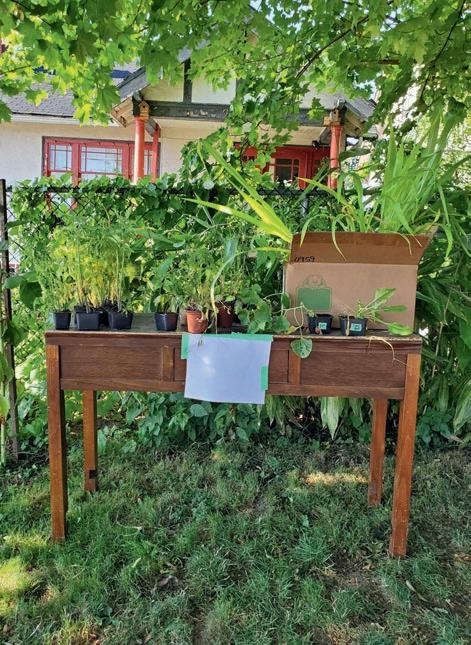
Gardeners are generous by nature. Over the years, I’ve participated in seed swaps, plant divisions, and seedling sharing; the joy of growing something is hard not to pass along. One of my favourite chapters in The Wild & Free Garden is about becoming a villager and offers fun project ideas to help you achieve that goal. Events like tool repair blitzes, soil parties, skill-sharing get-togethers, and produce preserving workshops. One of my most-loved ideas is the plant potluck, where the host sets a date and time and asks all attendees to bring seedlings (spring), cuttings (summer), or divided perennials (fall). Acquiring something new for the garden at no cost while connecting and sharing knowledge with other gardeners? That’s my kind of party.
From Inspiration to Lifestyle Change
During our chat, Rose tells me about her book launch for The Wild & Free Garden and how one reader told her she came looking for garden design ideas but left with a full lifestyle reflection. I agree, and it doesn’t require a complete lifestyle overhaul. Start small by choosing to look for second-hand items before buying new, joining an online sharing community, or offering to mow a neighbour’s lawn or the hell strip—the patch between the sidewalk and road—while you’re doing your own. Rose’s earlier books focus on the healing benefits of gardening, but this one expands that idea to include human connection, creativity, and community. The Wild and Free mindset revives old-fashioned ideas —and the more people participate, the more everyone benefits.
“It’s unusual in our current-day society, but this is how it used to be,” Rose says. “We didn’t sit in our homes looking at screens. We went out of our homes, and that was our portal to the world: our front doors, our front porches, and our front yards.”
Hope to see you out there! 3
Find Stephanie Rose’s The Wild & Free Garden online and at most major bookstores! Check out her website gardentherapy.ca for fascinating content on gardening, sustainability, and more!
The on scoop insect poop poop
The impact insect frass has on plant health, pest management, and soil fertility/performance is far more significant than many farmers and growers realise
Are you the kind of grower who doesn’t want to use synthetic pesticides in your garden? Looking for ways to increase plant health organically without any fancy tricks? I’m the same way, and when I learned about the significant role insect frass plays in the garden, it became a staple for my crops – not only for plant health, but for my integrated pest management (IPM) programme as well.
What Is Insect Frass?
Like us, insects poop. It’s just a part of life. They leave behind droppings, which are known as frass in the scientific world. These droppings are often overlooked and seen as a nuisance rather than a vital part of nature’s life cycle. Some growers may not even notice the droppings within the greenery of their lush gardens – but the impact insect frass has on plant health, pest management, and soil fertility/performance is far more significant than many farmers and growers realise. Those droppings contain something very special… It’s called chitin.
The Power of Chitin
Chitin, a potent and naturally occurring molecule, is the core powerhouse of insect frass. This molecule is present in the shells of crustaceans and the exoskeletons of insects. Closely related to cellulose, chitin plays a crucial role in cell wall fortification and in activating plant immune responses.
Nutrient Benefits of Insect Frass
Farmers and growers have been using other ‘poop’ in crops for years – bat guano, worm castings, etc, all of which are basically a natural compost. Derived from plant material consumed by insects, frass is no different and provides a comprehensive nutrient source because it’s digested plant material (poop) being put right back in the soil. If you want a high-quality, slow-releasing additive to your garden or potted plants, insect frass is a fantastic way to
BY DUSTAN MCLEAN
With 30 years of cannabis cultivation experience, Dustan has dedicated a good portion of his life to medicinal plants. He was a founding partner and Head of Cultivation/Master Grower for Parkland Flower Inc. He provides incredible genetics to Canadian producers and selected flower and concentrates for the international market. In 2024, Dustan was named one of Canada’s Top 50 Cannabis Leaders. He is also a cultivation consultant with Chief Grow Officer Consulting. He is currently working on several projects, including developing a cultivar to help with opioid addiction and a drought-resistant variety.
WANT TO READ MORE OF DUSTAN’S WORK? SCAN THE QR:
enrich your plants with essential nutrients and, even more importantly, beneficial microbes throughout the plant’s lifecycle. You can find fertilisers containing chitin, or add it to your own mix.
Pest Management and Plant Immunity
Another great benefit of frass is that it acts as a pest control agent. Many pests are repelled and deterred by the odour and/or direct contact with frass. When chitin and fertilisers are used together, chitin acts as a trigger to strengthen the plant’s defences against common enemies such as root-feeding insects, aphids, and powdery mildew. What you’re basically doing is tricking the plant into thinking it’s infested, which in turn cranks up the plant’s defences. This helps the plant prepare for and withstand a pest infestation or pathogen outbreak. Made from the excrement of different insects – most commonly mealworms, black soldier flies, and crickets – frass can be premixed into soil, compost, and, more conveniently, brewed into a tea for root drenching. Personally, I’ve found the best way is to pre-mix it into my soil, so I know the frass has been optimally distributed.
WHATSAPP HYDROGARDEN TODAY FOR A PRODUCT DEMO
Dedicated mobile app
The sound of adding insect poop to a garden will turn some heads – and some may be skeptical – but the effects of frass on plants, and the game-changing effects on crop health and vigour can’t be ignored.
Not a Pesticide – But a Powerful Ally
It’s very important to recognise that insect frass is not a pesticide. It’s there to complement natural pest control without harming beneficial insects. It won’t cure an infestation, but it will help prevent one and prepare your plants in case a horde of aphids or spider mites descends upon your garden. It’s also there to help your plants be more resistant to pathogens like powdery mildew by strengthening the leaves so spores can’t take root.
Where to Find Insect Frass
You can find insect frass in many specialised gardening stores. It may be called mealworm castings or cricket frass. For maximum benefits, follow the instructions on the product.
How to Use Insect Frass
Generally, I do the following when using frass:
• For potting plants, I use one cup of frass per seven gallons of soil (one cubic foot) and sprinkle a little bit around the plant every few weeks for continued nutrition.
• For raised garden beds, I aim for half a pound of frass per one square metre of gardening area. I incorporate it into the soil every 3 to 4 weeks throughout the season by topdressing around each plant.
Making Insect Frass Tea
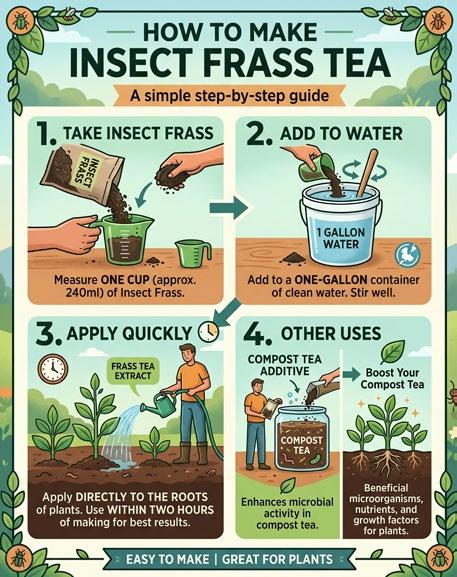
Insect frass tea extract is very easy to make. Take one cup of frass and add it to a gallon of water. Apply directly to the roots within two hours of making. This can be added to your compost tea as well.
Tips and Cautions for Use
There are a few things to keep in mind when using frass in your garden or facility. If used in a hydroponic setup, caution is required to prevent clogging and line sludge. I personally don’t recommend using
it unless it’s being distributed to the plants’ medium via hand watering once per week. Within frass, there are insect exoskeletons, and you must accept and embrace their presence as a contribution to the efficacy and nutritional value of the frass. Avoid overuse! Chitin is potent, and too much can cause nutrient burn, so use it in moderation every few weeks. It can also be used for seedlings. Add a small amount into the transplanting hole. This will help strengthen the new roots and protect them against root-eating insects like nematodes (the bad ones).
Insect Poop – A Hidden Hero
The sound of adding insect poop to a garden will turn some heads – and some may be skeptical – but the effects of frass on plants, and the game-changing effects on crop health and vigour can’t be ignored. When a grower utilises the ‘power of poop’, they cultivate a thriving ecosystem. One reinforced by the transformative effects of insect droppings. So, let’s give some recognition and love to the hidden hero very few think about… insect poop.
Happy growing, everyone! 3
I no longer think of my food garden as an isolated zone with pest problems.
Broccolini in flower kitchen garden lettuce bolting to seed flowers vegetables
A Home Gardener’s Guide to Integrated
PEST Management
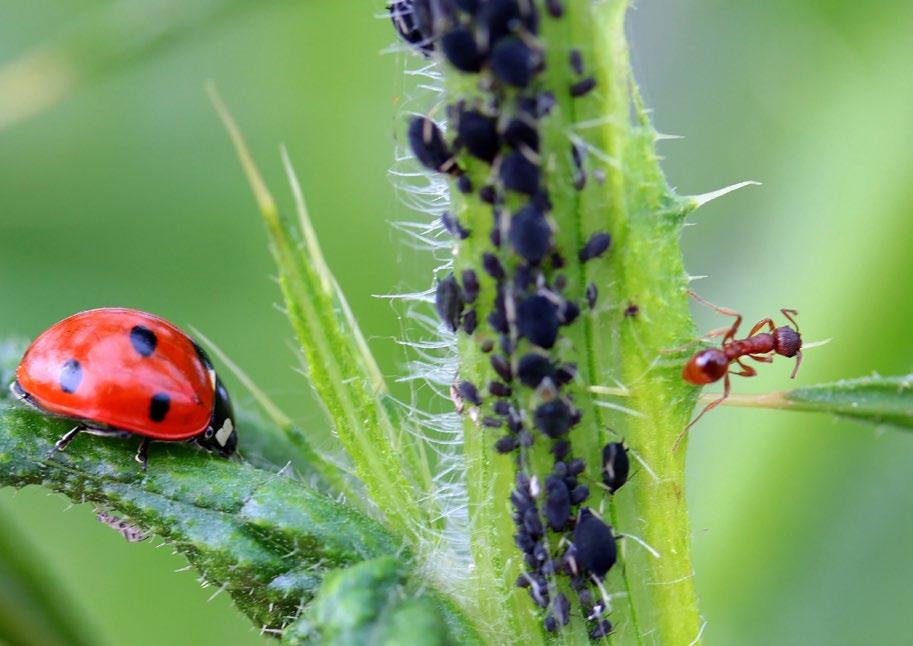
Ladybird ant standoff with aphids in the middle 3 key players in IPM
My paradigm shift in how to manage pests effectively in my organic food garden has been a series of slow lessons in my outdoor classroom. The garden has gifted me with some wonderful insights into what happens when an ecosystem is in balance.
The Ecosystem Mindset: Moving Beyond ‘Pest Control’
I no longer think of my food garden as an isolated zone with pest problems. Now, I see it as part of the wider garden and beyond our boundary fences—a complex, living web of biodiverse plants, birds, and insect species. This new perspective is a big change from where I began.
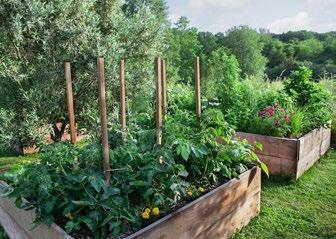
When we bought our property just over four years ago, there were only a few perennial hedges that flowered at different times of year, plus some mature fruit and native trees, but these were far from where I started the kitchen garden near the house. I had to encourage pollinators and predatory insects to visit my patch of edibles. I started small, planning to design and support a healthy ecosystem—one that integrates species-rich plants, insects, and birds.
IPM: The key principles I follow
1. Preparation and Prevention - building living mineralised soil for resilient plants.
2. Intentional Design:
· Selecting disease-resistant varieties that thrive in my specific microclimate and provide habitat and forage for birds and predatory insects.
· Adequate spacing to optimise airflow (including vertical gardens) and minimise nutrient competition.
· Rotation of vulnerable annual crops to prevent the accumulation of soil-borne pathogens.
· Timing planting to outsmart common pest and disease vectors.
3. Good hygiene – Clean tools, removing pest or disease-affected plant material, and weeds that harbor pests.
4. Observing, keeping records, and learning about pest life cycles.
5. Deciding on action and controls where necessary.
6. Reflecting on lessons and tweaking strategies to improve outcomes.
BY ANNE GIBSON
Anne Gibson, The Micro Gardener, is an author, speaker and urban garden community educator on the Sunshine Coast, in Queensland, Australia. Anne is passion ate about inspiring people to improve health and wellbeing, by growing nutrient-dense food gardens in creative containers and small spaces. Anne regularly presents workshops, speaks at sustainable living events, coaches private clients and teaches community education classes about organic gardening and ways to live sustainably. She has authored several eBooks and gardening guides. Anne shares organic gardening tips and tutorials to save time, money and energy on her popular website - TheMicroGardener.com.
WANT TO READ MORE OF ANNE’S WORK? SCAN THE QR:
I had to encourage pollinators and predatory insects to visit my patch of edibles.
The Foundation:
Building soil vitality from the ground up
My first gardens were in raised beds. After some initial soil tests, I added bulk organic matter, compost, and minerals to build plant immunity from the start. The soil I was creating from scratch was rich in organic matter with all my inputs, but without the benefit of an active soil food web of microorganisms – yet. The soil critters had a banquet of food to break down, but earthworms are slow bulldozers, so that was going to take time. I kept working on the soil seasonally, adding mulch and a wide variety of herbs and edibles.
The first year of growing food, I had reasonable harvests and healthy plants, but it was a lot of physical work. I tried to avoid empty ‘dead zones’ devoid of plants to foster a healthy rhizosphere microbial population. However, the soil preparation was only one step in the right direction of preventing pest pressure with nutrient-dense plants and mineral-rich soil.
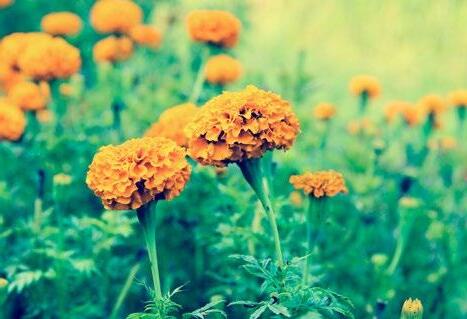
Group of orange marigolds planted en masse ipm
Marigolds have helped fumigate my soil, preventing nematode problems. Wherever they’re planted, the strongly scented foliage and flowers appear to repel aboveground insects from nearby crops.
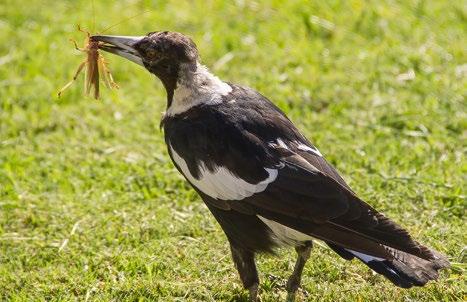
Australian magpie with a grasshopper in its beak pest management
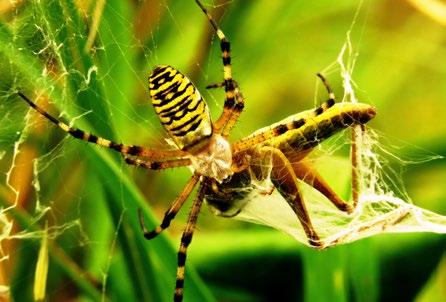
Tiger spider spinning web around grasshopper pest insect to encase it
I take a quick walk around the garden with magnifying and ID apps on my phone to spy and identify insects where needed.
Working with Nature –Intentional design strategies
Later that first year, the common seasonal pest insects arrived. At times, it was a caterpillar or aphid party! Many plants were damaged but not destroyed. Like many gardeners, I felt frustrated after so much effort. I was sitting in the kitchen garden, looking at the plants I’d already sown, and had an ‘ah ha’ moment. Something was missing in my design! The garden was young, and I didn’t have many flowers. My inner voice whispered: “Plant it, and they will come!” That was the start of a massive shift toward ecological balance in the garden. After soil health, that single decision has transformed my pest pressure more than applying any other principle.
Flowers are beautiful but often messy. At least in my subtropical climate, where everything grows at the speed of weeds. I decided to let go of the ‘perfect manicured garden’ ideal. Instead, I carefully selected annuals and perennials that could add value to the garden. There would be blooms throughout the year. I worked with the space I initially had and have since expanded to cover all the gardens near the house and my edible garden. I allowed ‘wild zones’ where some flowers self-sow seasonally and fill gaps. It’s a never-ending patchwork quilt of colour and bees.
Flowers with benefits: The plants include edible blooms like cosmos, dianthus, pineapple sage, marigolds, and nasturtiums; salvia varieties; perennial basil; cat’s whiskers; and many others. All are insectary plants with a buffet of nectar and pollen, attracting many beneficial insects and birds. Natural enemies of common pests include hoverflies, parasitic wasps, lacewings, ladybirds, bees, and beetles. Not to mention the honeyeaters and insectivorous birds that now frequent my garden.
I have selected multi-functional flowering species that provide food for me, birds, and predatory insects; habitat; shade; cut flowers; living mulch; fragrance; companion plants; seeds; fertiliser; weed control; and medicine. The diversity in shape and size offers nectar and pollen to a wide range of insect species. I also allow herbs and vegetables to go to seed. Many Brassica family plants, in particular, are favourites with pollinators.
There are other pest- and disease-management benefits that some flower species provide. For example, the nasturtiums are an excellent sacrificial trap crop for cabbage butterfly and moth caterpillars, allowing me to remove damaged leaves without my edibles being attacked. Marigolds have helped fumigate my soil, preventing nematode problems. Wherever they’re planted, the strongly scented foliage and flowers appear to repel aboveground insects from nearby crops. I have also selected plants that grow well in my local microclimate and region, with saved seeds or sourced as locally as I can. I’ve been breeding my own naturally pest and disease-resistant plants over the past few years by careful seed selection. Each year, they become more resilient. Whilst I still have some disease issues, they are far more manageable than destructive.
The Next Steps in my IPM Strategy
The beneficial majority: Most insects are our allies –decomposers, pollinators, and beneficial insect predators - not ‘enemies.’ There’s only a relatively small number of harmful insects that home gardeners need to learn to identify and manage.
Since adopting a holistic mindset, I’ve realised that integrated pest management strategies help us work with nature. Natural checks and balances between predators and prey function well in a healthy ecosystem. For example, fungus-eating ladybirds arrive to feed on powdery mildew, and carnivorous ladybirds eat insects like aphids, scale, and mealybugs. If pests don’t arrive, there’s no food for these beneficial predators! Spiders are also assets, spinning strong nets that catch winged insects and grasshoppers—aerial prey for them. Their webs signal their presence and ongoing work.
Confuse them and lose them: Another principle is to imitate nature by interplanting with diverse species rather than planting in rows of identical crops. That’s a flight path with lights on for herbivores that use scent signals to find their preferred host plant! They’ll arrive like heat-seeking missiles. I’m not going to make it easy for cabbage butterflies to find my brassicas –they’ll have to wear themselves out looking around a very colourful, strongly scented garden to find what they’re looking for. I hope it’s like finding a needle in a haystack. This tactic seems to work well.
Since adopting a holistic mindset, I’ve realised that integrated pest management strategies help us work with nature.
By understanding the life cycles of different insects, we can learn how to manage them and take advantage of a window of opportunity.
Nasturtiums interplanted with kale and brassicas companion plants for pest management
The Power of Observation and Journaling
In my experience, one of the most powerful tools in IPM is a daily observation routine. I take a quick walk around the garden with magnifying and ID apps on my phone to spy and identify insects where needed. I make notes of when I see different species and which plants they are on. Keeping simple records has enabled me to detect patterns. Since collecting these clues over the years, I’m now familiar with the usual suspects that turn up on cue each season.
By understanding the life cycles of different insects, we can learn how to manage them and take advantage of a window of opportunity. For example, some insects don’t do major damage at a larval stage, just as an adult. By learning to spot early warning signs of damage, I’ve been able to minimise pest problems on many plants. This data makes it easy to anticipate any potential interventions I might need to implement.
Making Informed Decisions and Seasonal Reflection
As home gardeners, we get to choose what kind of damage is acceptable before we harvest a crop. We don’t have the pressure of commercial growers that have a ‘supermarket aesthetic’ in mind. I’m happy to eat an organically grown, nutrient-rich vegetable with minor blemishes. I don’t have unrealistic expectations of perfect produce.
Is insect damage really a problem?
Before deciding whether to intervene when herbivores arrive, I observe if my predatory insect army is already taking care of business. I often step back and let nature take care of it.
I often step back and let nature take care of it.
At other times, such as during a caterpillar infestation, I consider what factors have contributed to the attack—perhaps weather, water, or heat stress. If I need to save a crop, my first defence is small and targeted. Rather than overreacting and causing collateral damage, I aim to respect soil health, support beneficial insects, and maintain ecosystem vitality with simple solutions like manual removal and crop covers.
Seasonal Reflection: Finally, I review what worked in the previous season. I fine-tune my planting plans and reevaluate crops that didn’t thrive or had pest or disease pressure. I assess what I can do better and turn lessons into an informed data-based plan for next year.
What I’ve noticed by applying these integrated pest management principles is that by year three, the garden becomes a beautifully balanced ecosystem. It hits a tipping point where birds, bees, and beneficials are natural ‘pest patrollers.’ They have a reason to be in my garden with habitat, food, and water. The soil has evolved into a healthy environment with an active microbe community and soil food web, taking care of plant health from below ground. All I have to worry about are the seasonal suspects and a daily garden walk. I can handle that. 3
Soil improvements, testing, and amendments
Crop rotation and good hygiene practices
Regular observation and keeping records
What damage is acceptable
Encourage beneficial insects
Journaling, reflecting, and planning
Stronger plant immunity
Disrupts pathogen cycles
Early detection of issues
Prevents unnecessary reaction
Natural population control
Continuous improvement
What's quietly costing you yield
Powdery mildew. Biofilm. Root browning. Contaminated irrigation lines and surfaces don't fail loudly - they slowly erode yield, quality, and consistency.
When margins are tight, small hygiene failures become expensive ones.
Why leading facilities choose UltraPure®HOCL
Not all HOCL is created equal.
UltraPure® HOCl is 99.99% pure hypochlorous acid, produced using patented technology. No added salts, bicarbonates, or stabilisers. Just pure HOCl, delivering maximum efficacy.
Powerfully antibacterial, antifungal, and antiviral, without harsh residues, salts, or system damage.
A simple sanitation strategy that scales
1.Irrigation Hygiene
Keeps irrigation lines clean and reduces biofilm build-up for consistent nutrient delivery.
Pack sizes for scale
From small rooms to multi-site facilities
2. Foliar Programs
Supports clean leaf surfaces and stable foliar programs without harsh residues.
3. Facility Sanitation
Sanitises high-touch surfaces and work areas to keep environments compliant.
A
Look Behind the Scenes and Screens in
But what’s the difference between the organic vegetable seeds and the non-organic ones next to them on the rack?
BY XAVI KIEF
When you’re buying seeds from someone, you have high expectations that they will reliably germinate. It’s pretty obvious that an organic seed was grown in organic conditions, and non-organic seeds come from farms that use non-organic materials and methods. But what’s the difference between the organic vegetable seeds and the non-organic ones next to them on the rack?
At maturity, seeds typically harbor microbes both internally (endophytes) and externally (ectophytes). Some of these microbes are beneficial, adding to what we understand to be the ‘holobiont’ organism that is the combined lifeform of more than one species (like a person and their gut bacteria, for example). Others may easily reintroduce disease-causing conditions to a growing environment. What is passed down, whether it is good or bad, happens through a process called ‘vertical transmission’.
Non-organic seed producers have a wide range of options to make their seeds attractive to commercial and home growers, including fungicides, insecticides, nematicides, synthetic plant growth regulators, and polymer coatings. All of these things can make non-organic seeds easier to ship, store, and sell in less predictable environments over greater distances and longer spans of time. The lower price of non-organic seed reflects the lower cost of these inputs and the ease they offer an average customer in finding greater success with the seed, even if it was grown farther away and longer ago than a high-quality local version.
Maintaining seed viability, especially through vertical transmission of beneficial microbes from one generation to the next, can be critical to a seedling’s success in obtaining nutrition and defending against pathogens. In cannabis, some of these microbial partners are suspected to play roles in activating specific plant genes that influence metabolism and the production of key phytochemicals, including cannabinoids, terpenes, and other molecules of interest.
Considering the love and care organic cannabis growers give their plants, it would be shocking to discover that seeds might be less-than-organic before they even reach the garden. Part of what has been a cherished quality among dedicated, multi-generational medicinal growers is the continuity of genetics, keeping fresh seeds in constant production, always innovating, trading, and re-generating plants
Xavi Kief is a writer, (re)searcher, and lifelong learner with their hands in the dirt and imagination traversing the universe. Seeking always to deepen and integrate their connection with the living planet and its diverse inhabitants, Xavi finds joy by infusing their practical and playful approach to cultivation with a healthy dose of science. They grow food and medicine for their family and community on the northeast coast of Turtle Island.
Instagram: @xavi_kief
WANT TO READ MORE OF XAVI’S WORK? SCAN THE QR:
Maintaining seed viability, especially through vertical transmission of beneficial microbes from one generation to the next, can be critical to a seedling’s success in obtaining nutrition and defending against pathogens
It’s part of this generous culture among breeders to share extra seeds as ‘testers’ or ‘freebies’. Because of the high turnover of seeds within the underground trading community, I recommend using any freely received seeds as soon as possible, because, despite people’s genetic-hoarding habits, many non-professional growers haven’t practiced first-hand how to assure quality control in seed production and storage.
Thanks to precision agriculture, seeds produced indoors and under strict sanitation protocols are likely to carry only selected, beneficial microbes, if any at all. As the industry opens up and more people start experimenting with home-produced cannabis seeds, a knowledge gap around how to treat seeds between harvest and re-planting could mean homegrown seeds underperform, disappointing the grower and even contaminating workspaces and substrates.
Organic vegetable seed contractors often specialise in growing a particular crop for seed, because each species (and sometimes genetic subtypes within a species) responds differently to different treatments. In general, however, organic producers depend on either fermentation, hot water, or surface sterilisation to obtain clean seed for planting.
MEET THE PEOPLE BEHIND THE PLANTS
MEET THE PEOPLE BEHIND THE PLANTS
Eric Coulombe Behind the Grow with Eric Coulombe Behind the Grow with
Behind the Grow is where growers, makers, and innovators share the real stories behind their cultivation journeys—successes, failures, weird experiments, and all the lessons in between. Whether it’s hydroponics in a closet, regenerative farms in the countryside, or a balcony jungle in the city, we get into the why behind the grow.
Hosted by Eric Coulombe, publisher of Garden Culture Magazine and lifelong plant nerd with zero patience for BS.
�� Expect real talk.
�� Practical insights.
�� Occasional mushroom tangents.
Because of the high turnover of seeds within the underground trading community, I recommend using any freely received seeds as soon as possible, because, despite people’s genetic-hoarding habits, many non-professional growers haven’t practiced first-hand how to assure quality control in seed production and storage
Wet-Seeded Vegetables
Fermentation is the name of the game when cleaning wet-seeded vegetable seeds. These are your tomatoes, cucumbers, and squashes – the plants whose seeds are found inside a gooey, juicy fruit at peak (or past) maturity.
Logically, until you open the harvested produce, the seeds themselves are not subject to surface contamination. Crushing, setting the seed-containing goop aside to develop a nicely gross scum over a few days, then washing and drying the seeds, helps naturally eliminate most of the unwanted disease-causing bacteria. It also removes nutrient-rich debris from the surface of stored seeds, which could serve as a nutrient source for disease-causing fungi during germination.
Dry and Sticky Seeds
Grains (including cannabis/hemp) and dry-seeded vegetables and herbs don’t have the same layer of protection from external contamination. Best practices for post-harvest processing include gently removing all non-seed plant bits with the help of air, gravity, and screens.
Grains and dry-seeded vegetables and herbs don’t have the same layer of protection from external contamination.
Zig-zag separators are popular among small-to-medium-scale dry seed producers, and handy folks can build home versions inexpensively from plans available online. Modifications to these units can further sift out kief from collected hemp chaff and debris. The sticky nature of cannabis seed-protecting flower parts may mean you need to disassemble and clean your zig-zag more frequently than a dry-seed collector. If building your own, consider using latches and gaskets (or other innovations) rather than permanent screws and caulking to seal the box.
Healthy Seeds, Healthy People
Remember which of your end products will be used raw and which will undergo further decontamination when deciding where the seeds and seed-cleaning ‘waste’ end up. Seeds destined to be sold for sprouting or growing as microgreens are held to a higher cleanliness standard as food, compared with those that will be sown outdoors, for example.
Hot Water Treatment, Biocontrols, and Essential Oils
Organic methods to further decontaminate seeds generally consist of a one- or two-part process that involves hot-water baths (or, in specialty conditions, steam) and surface sterilisation with hydrogen peroxide, acetic acid, and antimicrobial essential oils.
On the smallest scale, a sous vide machine can be a helpful tool for hot-water treating homesaved seeds or those collected from friends, neighbours, and community groups.
Hot water treatment is crop-specific because seeds vary in size and structure, so they take different amounts of time to reach pathogen-killing temperatures without destroying the seed (cooking it). Reference charts are available that tell you how many minutes a particular seed type should be bathed and at what temperature for effective decontamination.
On the smallest scale, a sous vide machine can be a helpful tool for hot-water treating home-saved seeds or those collected from friends, neighbours, and community groups.
Surface sterilisation of such seeds, as well as any obtained by happenstance from other sources (i.e., ‘bag seeds’, wild-collected indigenous species seeds), is good practice, particularly if the seed is entering a controlled environment where nature can’t help mitigate the effects of wild microbes that came along for the ride.
Resources
It’s up to you to research, build trusting relationships, and develop your own organic, informed protocols for growing to the highest heights!
Usually, these treatments ‘prime’ the seeds to germinate because they involve some amount of exposure to wet conditions. Even after drying back down to a storage-appropriate range, their shelf life can still be limited.
Organic Seeds, Local Seeds
Seeds produced organically near you, adapted to the soil type and regional climate, and even containing some beneficial endophytic microbial partners, can provide a more complex and interesting growing experience than the often homogeneous but sometimes more reliable corporate seeds. It’s up to you to research, build trusting relationships, and develop your own organic, informed protocols for growing to the highest heights! 3
Robinson, L. (2024, June 25). Seed Treatment: Types, Methods & Benefits | Verdesian. Verdesian Life Sciences. https://vlsci.com/ blog/seed-treatment-guide/ Organic Seed Processing: Threshing, Cleaning, and Storage | eOrganic. (n.d.). Eorganic.org. eorganic.org/node/392
OSC RESEARCH: DISINFECTING SEEDS FOR SPROUT PRODUCTION INTRODUCTION. (n.d.). cdn.dal.ca/content/dam/dalhousie/pdf/faculty/agriculture/oacc/en/2022/Organic%20Seed%20Disinfection%20(ENG).pdf
Punja, Z. K., Ni, L., Lung, S., & Liam Buirs. (2023). Total yeast and mold levels in high THC-containing cannabis (Cannabis sativa L.) inflorescences are influenced by genotype, environment, and pre-and post-harvest handling practices. Frontiers in Microbiology, 14. https://doi.org/10.3389/fmicb.2023.1192035
soil living
Practical Guidance for Stable, High-Performance Systems indoors
There’s a strong appeal to living soil systems, especially when you start looking into how natural ecosystems function. The idea of multiple plant species working together, a constant cycling of organic matter, and a self-sustaining soil food web is compelling. And in the right context, it works extremely well.
The issue is that most of these ideas come from outdoor agriculture, where systems are open, buffered, and naturally self-regulating. When you try to apply the same approach inside a controlled environment, things behave differently. Space is limited, inputs are concentrated, and populations can increase very quickly.
What follows isn’t a criticism of living soil methods. It’s a practical look at where things tend to go wrong, and how to use these techniques without creating more problems than you solve.
Cover Crops: Useful, but Not Passive
Cover crops, or living mulches, are often one of the first things people introduce. Clover, vetch, grasses, buckwheat, and even creeping species like dichondra. The logic is sound. More roots in the soil means more exudates, more microbial activity, better structure, and improved moisture retention. It also just looks good. A diverse, green surface feels like a healthy system. And to be fair, it can work really well. Where people get caught out is forgetting that a cover crop is not just ‘soil support’, it’s another crop entirely. It feeds, it drinks, and it hosts pests.
Pest pressure is usually the first issue. Growers are generally quite good at inspecting their main plants, checking leaves for mites, thrips, or aphids. But the cover crop sits lower down, often dense and harder to see into, and it doesn’t get the same attention. Species like clover are commonly observed to act as hosts for pests such as thrips and spider mites, so it’s very easy to build a population there without noticing, and then have it move onto your main crop.
Then there’s competition. In a field, this is less of a concern because the system is large and inputs are distributed. In a pot or even a bed, everything is competing in the same confined volume. Fast-growing
BY GARETH HOPCROFT
Gareth Hopcroft is a certified plant geek and all round organic gardening devotee. Gareth has been involved in the UK hydro industry for 15 years and is currently the owner of Ecothrive; known mostly for bringing frass to the UK scene through his product ‘Charge’. When he’s not talking about indoor growing or microbes, you’ll find Gareth getting his hands dirty on his allotment or falling off his skateboard.
Follow Gareth @ecothrive
WANT TO READ MORE OF GARETH’S WORK? SCAN THE QR:
The idea of multiple plant species working together, a constant cycling of organic matter, and a self-sustaining soil food web is compelling
cover crops, especially grasses, will quickly pull nitrogen from the soil. If you’re not accounting for that, your main plant will feel it.
Water is another subtle one. A cover crop increases overall demand and can change how the soil dries. You can end up with a surface that looks dry but is still holding moisture deeper down, or the opposite. Either way, your irrigation becomes less straightforward. None of this means you shouldn’t use cover crops. It just means you need to treat them as an active part of the system. They need feeding, managing, and inspecting in the same way your main crop does. If you’re not prepared to do that, they tend to cause more issues than they solve.
Chop and Drop: Where Good Intentions Overload the System
Chop and drop is one of those techniques that makes perfect sense on paper. You grow biomass, cut it down, and return it to the soil. Nutrients cycle, biology is fed, and you build organic matter over time. Again, the concept is sound. The problem is scale.
In reality, indoor systems don’t behave like natural ecosystems. They’re smaller, more intense, and far less forgiving.
What I see repeatedly is growers putting down large amounts of fresh plant material in one go, especially after letting a cover crop build up. When that material hits the soil surface, you’re not just feeding microbes. You’re feeding everything. You get a surge in biological activity, which is the intended effect, but alongside that, you get a rapid increase in detritivores like springtails and woodlice. In normal numbers, these are beneficial. They break down material and contribute to nutrient cycling. But if you give them a constant surplus of fresh, high-quality food, their populations will expand quickly.
At that point, behaviour can change. Under high population pressure, particularly if food availability drops or the soil dries slightly, springtails have been observed to opportunistically feed on softer plant tissues, including root hairs of new transplants. Whether it’s direct feeding or incidental damage, the result is the same: poor establishment and stalled growth.
There’s also the issue of nitrogen being tied up during decomposition, especially where large volumes of material are added or where overall carbon levels are elevated. The system has to process that material, and in the short term, that can reduce nitrogen availability to the plant.
The fix is straightforward: don’t treat chop-and-drop as a bulk input. Smaller, more frequent additions are far more stable. If you’ve got a lot of plant material, it’s often better to compost it separately or dry it and bring it back in gradually. You still get the benefit, just without the spike in activity that causes problems.
Feeding the System Means Feeding Everything
This becomes even more apparent when you start looking at insects in the system.
Take rove beetles, for example, commonly introduced for fungus gnat and thrip control. They’re effective predators, but they’re not strictly selective. In systems where nutrient-rich top dressings are applied, particularly those containing frass, fish meal, bone meal, or other protein sources, they have been observed feeding on these inputs as well as prey.
So now you’ve created a situation in which your pest control organism is also supported by your fertility inputs. Their population increases, and once it does, they don’t just stay in the soil. At higher population densities, or when disturbed, they can become more mobile. They climb plants and, in some cases, take flight.
That’s where it becomes a real issue. In enclosed environments, they can end up in the canopy and, in worst cases, stuck in flowers. If you’re producing a harvested product, you don’t want to deal with that.
There’s a broader point here. Increasing biological diversity sounds like a good thing, but every addition brings more interactions. More interactions mean more variables, and in a controlled environment, that usually means more ways for things to go wrong.
For soil pests, more targeted approaches tend to be more reliable. Steinernema feltiae nematodes provide a rapid knockdown of fungus gnat larvae, and predators like Stratiolaelaps/Hypoaspis offer longer-term suppression. They are more predictable and don’t introduce the same level of system-wide complexity.
Mulch Layers: Keep It Light
Mulch is another area where more is often seen as better. Thick layers of straw or hay are often used to mimic a forest floor. In practice, indoors, that’s rarely necessary and can create issues.
A thick mulch layer retains moisture and reduces airflow at the soil surface. This can create conditions that favour saprophytic organisms, including botrytis. Botrytis is naturally present in most environments and will readily colonise decaying organic matter. Under favourable conditions, it can then move onto living plant tissue.
You also begin to limit gas exchange at the surface, creating a more stable habitat for pests and detritivores. The reality is you don’t need much. A light, loose layer that just shades the soil and reduces evapouration is enough. Something that lattices together without compacting. You’re aiming to protect the surface, not bury it.
No-Till: Useful, but Not a Rule
No-till is often treated as a core principle of living soil, and it does have clear benefits. Less disturbance, preserved structure, and reduced labour. But it’s not always the best option in a controlled system, especially over multiple cycles.
In some systems, nutrients from top dressings tend to remain concentrated in the upper layer for longer than intended. At the same time, repeated watering and root cycling can lead to gradual structural changes. In container systems, especially, this can show up as slight compaction over time and less consistent root anchoring.
Thick layers of straw or hay are often used to mimic a forest floor. In practice, indoors, that’s rarely necessary and can create issues
Biology will redistribute nutrients, particularly in systems with active worm populations, but it takes time. If you’re running fast cycles and want consistent results, that delay can work against you.
Lightly mixing amendments into the top 6 to 10 inches between cycles is often a more reliable approach. It ensures more even nutrient distribution, improves early root access, and gives you a chance to assess and correct soil structure. If compaction is present, it can be addressed at that point.
This doesn’t mean abandoning no-till completely. A hybrid approach tends to work well. Leave the soil undisturbed when it’s performing, and intervene when it starts to drift.
Final Thoughts
Most of these techniques are built on solid principles. Cover crops, mulch layers, chop-and-drop, beneficial insects, and no-till. They all have a place, and they all work under the right conditions. Where things go wrong is in assuming that more is always better, or that mimicking nature as closely as possible will automatically lead to better results.
In reality, indoor systems don’t behave like natural ecosystems. They’re smaller, more intense, and far less forgiving. If you add a food source, the population will grow. Adding complexity increases the number of variables you need to manage.
The most reliable living soil systems aren’t the most complex. They’re the ones where inputs are controlled, changes are deliberate, and biology is encouraged without running unchecked. That may be less romantic than the idea of a fully self-regulating ecosystem, but it’s what tends to work in practice. 3
Panic! Don’t Panic! Organic It's Organic
The first question we need to ask ourselves is: what do we mean by organic?
Do South Africans prefer to purchase “organic” products by virtue of being labelled as organic? How does cannabis feature in the push to purchase organic? The first question we need to ask ourselves is: what do we mean by organic? In chemistry, organic merely refers to molecules and compounds that contain the element carbon.
Most people choose an organic product for two reasons: Firstly, it is perceived as a higher-quality, cleaner product with fewer toxic inputs in production. Secondly, producing organically is said to reduce the impact on the earth and the environment. Globally, organic certification systems provide assurance that products are grown and processed in accordance with organic ecological standards. Organic certification agencies exist internationally; some better-known ones are OMRI, Ecocert and CERES. These agencies verify that producers meet organic standards. In South Africa, we do not have a government-recognised organic verification system for our produce, so anything sold as organic is either labelled according to the international standard or with the word 'Organic,' which has no legal backing.
Organic Cannabis Production
The idea of an organic standard for cannabis production for pharmaceutical use, in the legacy marketplace, and everything in between, is no different. To certain clientele, an organically produced flower is more desirable than one produced non-organically.
Without delving into a definitional focus, how would you classify a chemical salt-fed plant that has had humates or fulvates (complex carbon chains) added to the fertigation? This, by its chemical definition, is organic because the addition of carbon introduces an organic component that buffers the ‘inorganic’ parts in the system. From a soil biology perspective, pairing synthetic inputs, such as nitrates or potassium salts, with carbon sources can buffer their impacts and support microbial activity. Is this now organic, or is it just softening the impact of chemical inputs?
Supply chain logistics for transporting certified organic inputs used in cannabis production undermine the organic appeal of these products, given the significant energy and carbon consumed to move them around the world. These organic inputs, used in production and in the legacy market, are certified organic products. Should we really be touting these products as earth-friendly when they're shipped globally? Regardless of its organic make-up, whether it be a sugar beet extract or fish hydrolysate, if it is shipped from a producer nation as a raw ingredient, turned into a product in another country and then shipped in a plastic bottle to all corners of the earth.
In such cases, a “chemical alternative” quite possibly might be kinder to the planet. Also, think about the media used in cultivation; a great example is coir (let’s not even talk about sphagnum peat moss). Coco coir might be an acceptable organic input, but it has been shipped from India or Sri Lanka in a ship -
BY ADRIAN COUTTS
Adrian Coutts is a medical cannabis cultivation and operations professional. When not working and living between Johannesburg and Ha Qiloane, Lesotho, he spends whatever time he can on his off-grid homestead in the mountains of the Klein Karoo. He has honed the art of cultivation over many years, first as a legacy grower and then as the head of cultivation and operations for several facilities. Known for his methodical plant-and-people-first approach, Adrian focuses on building resilient systems and strong teams.
Most people choose an organic product for two reasons: Firstly, it is perceived as a higher-quality, cleaner product with fewer toxic inputs in production
ping container, then trucked from a port to a depot and distributed from there. In most licensed facilities, the contamination risk is considered too great to reuse, so it becomes a single-use product. You can wave an organic flag at it, but it still doesn’t mean it's kind to the earth.
The Ethics of Organic
Let’s talk about what I consider the real ethos behind the term "organic." Friendly to the earth. Clean and safe for the user. An intrinsically better-quality product that comes from the complexities of a truly living way of cultivating.
Ideally, if we want to stay true to this ethos, most inputs should be sourced as close to home as possible. Some easy examples, particularly if you live rurally, would be things like kraalmis (partially or fully composted animal manure) or any good ingredient you might pick up as you travel and come across them, bringing them home with you at very little additional expense beyond what you would normally spend in your day-to-day life. You might add these inputs to a home compost heap with diverse microbial life.
Panic! Don’t Panic! Organic It's Organic
In South Africa, we do not have a government-recognised organic verification system for our produce, so anything sold as organic is either labelled according to the international standard or with the word 'Organic,' which has no legal backing
Some real winners I’ve come across over the years are hoof and horn meal, agricultural lime (CaCO₃, which is technically not organic at all, but is, however, naturally occurring and more commonly known as limestone), kelp from our local Ecklonia maxima found along much of South Africa’s coastline, whether as harvested kelp, rinsed and composted, or kelp meal added directly to your beds, homemade composts, and purchased composts.
Some composts sold in Gauteng, for example, are produced in the Western Cape. And when it comes to compost, not all composts are created equal. Some compost is sterilised. Some is teeming with microbial life. Some are made from clean, relatively repeatable standard inputs, while others are produced from the byproducts of factory farming or municipal waste. Some growers I know will ‘name and shame’ compost suppliers if they feel the compost has carried pathogens into their garden.
These factors are highly variable. The real kicker when it comes to commercial-level production is consistency, repeatability and end-user health. For
example, you can have compost made from municipal waste or from factory farming, which may contain traces of undesirable pesticides, pathogenic microbes, and heavy metals. Another compost made with clean inputs might look much the same. Then comes the process – great inputs with an incomplete composting process result in mediocre compost. The resulting flower produced from these different inputs would certainly differ in its marketability in a regulated market: pathogenic microbes, heavy metals, and pesticides are tested for a very good reason.
Lights-On impact
We can briefly discuss the ethos of organic production regarding the light used to grow cannabis. Even the most finely balanced and tuned LED light spectrums rely on traditional electricity generation. They struggle to match the quality of light produced by the sun, yet it remains a repeatable, controllable, and quantifiable input. When producing something at scale, it often becomes more desirable than taking a gamble on what the season might deal out.
Ultimately, like an organic apple, there is a growing perception locally that organic produce is of a higher quality; if the farmer has taken the relevant steps to ensure that inputs are clean, this should hold true, especially when paired with appropriate beneficial microbiology.
Cannabis is an interesting commodity in that we are still, locally and internationally, moving out of a Wild West production space where nothing was regulated. Where lower-quality products have, over recent years, still found a market and commanded a premium price, based on the risk associated with producing and distributing them. Even the pharmaceutical and legal cannabis space, certainly in South Africa, is still coming to some form of equalisation or price parity, where the price that something costs and is sold for is a function of the actual cost it takes to produce and distribute, instead of a massive premium put on it for risk. In the tomato industry, most tomatoes are produced non-organically because it’s cheaper and easier. There is a niche market for organic tomatoes, which, when done properly, are a far superior product to their chemically farmed cousins. The market still asks for the chemically farmed cousins because they are cheaper.
Higher Quality or Just Hype?
Ultimately, like an organic apple, there is a growing perception locally that organic produce is of a higher quality; if the farmer has taken the relevant steps to ensure that inputs are clean, this should hold true, especially when paired with appropriate beneficial microbiology. People who can afford it pay a premium for quality organic food. I have seen firsthand what beneficial microbes can do for a crop's yield, strength, taste, and enjoyment. This is not pseudoscience – we have seen it and proved it time and again. The defining factors are clean inputs to begin with, a well-executed process, and having these inputs available repeatedly so that production can happen on scale. There should be no chopping and changing from one crop to the next, not in a medical cannabis production framework and not in an efficient farming operation of any kind.
Because of this variability and because it is not always easy to know exactly, on an elemental level, what is in your organic starting material, the commercial industry has, by and large, gone the route of straight chemical salts, because they are repeatable, scalable, and quantifiable.
Most of the time, a well-executed chemical salt-fed grow produces visually appealing, high-THC cannabis. When it comes to designing and maintaining a process from a farmer’s point of view, it is easier to do. To a customer, especially one who isn’t interested in understanding the nuances of farming systems, that product sells itself visually. It has “bag appeal.” Could that same flower be grown cleanly with vast layers of flavour and taste, not achievable with straight salt inputs, if grown organically? Yes, it could. Could that flower be more enjoyable, visibly appealing and with similar levels of cannabinoids? Yes. Is it as easy to hit the mark every time? Unfortunately, not. It becomes a far more complex system of inputs and quality control. 3
FAILS FAILS Why BIOLOGICAL CONTROL BIOLOGICAL
… and How To Make It Work
I grew my first cannabis plants in 1985.
Back in the days, we weren’t thinking about biological control. If some spider mites became an issue, we used sprays like pyrethrins or chemical acaricides, such as abamectin (Avid). When growers reach out to us today, they are usually dealing with a full-blown infestation and are expecting a miracle. Some took precautions by introducing predatory mites in slow-release sachets or using nematode drenches, but didn’t fully understand what they were doing. They’ll tell us that they tried beneficial insects, and they didn’t work.
I’ve heard that line more times than I can count. They introduced predators and had high expectations, but a few weeks later, nothing improved. So, they went back to what felt reliable: spraying their plants with products approved by Health Canada for cannabis production, such as soaps containing potassium salts, fatty acids, minerals, or vegetable oils. What they don’t realise is that the biological control hasn’t failed; it just didn’t behave as they expected it would.
From Reaction to Prevention
When people notice an infestation starting in their plants, they want to act quickly and achieve immediate results. Most chemical and some organic pesticides show rapid improvement. However, pests can build resistance to chemical pesticides, and organic pest deterrents, such as oils and soaps, can cause phytotoxicity. Biological systems don’t work that way.
Predatory mites, insects, and parasitoids are part of a living system. They respond to their environment and the availability of prey. They will establish and reproduce, or won’t, if the temperatures or relative humidity conditions are not right for them. They can’t solve problems overnight. Remember that trying to cure a problem is always harder than preventing it.
BY CLAUDE ROBERT
Claude Robert is an IPM specialist with Anatis Bioprotection in Canada. He works directly with commercial growers and licensed producers to implement biological control programmes, focusing on prevention, system design, and long-term crop stability across greenhouse and indoor production systems. A lifelong gardener with a deep passion for entomology and biodiversity, he has also been involved in environmental activism for the past 35 years.
Remember that trying to cure a problem is always harder than preventing it
Thrips:
The Problem Most People Don’t See
Thrips are a perfect example of why biological control often seems to fail. The first larval stages you see running on the leaf are only a fraction of the population. Thrips have many life stages. Adults lay their eggs directly into plant tissue, where they are protected from sprays and predators. The two larval stages feed on leaves, creating the silver and whitish streaks of damage that growers first recognise. Then they drop into the substrate, where they undergo two pupal stages before emerging as adults. The cycle never stops! The most common species found are the Onion and Western Flower thrips. If your intervention plan targets only one or two stages, usually the visible ones, you never really catch up. Thrips multiply exponentially: in a room kept at 26°C, one thrip becomes 5,800 in 60 days!
Each layer of control reduces pressure at a different stage of the lifecycle. Together, they create stability.
The Role of the Environment
Temperature, humidity, airflow, and crop density can all influence how pests and auxiliaries behave. Dense canopies can protect thrips or create conditions for powdery mildew. Dry conditions can slow predator development. Most species of predatory mites need more than 60% relative humidity to reproduce. Very high temperatures will favour most pests and reduce the activity of certain predators, who need optimal environmental conditions to be efficient.
Learning to Observe Again
Observation remains the most valuable tool. Crop walks are very important for seeing and feeling your plants. Properly identify pests with a good old-fashioned magnifying glass or the new digital ones you can use with your phone. A bang board or a white plate can improve scouting efficiency; place it under the plants, gently shake or tap the foliage, and see what falls. Many pests, predators, larvae, and mites are easy to miss when you’re only looking at the leaves. Observe if the infestation is increasing. Where are the hotspots forming? To get the best results, you need to observe early and consistently: at least once
A Different Way to Think About Control
Biological control doesn’t fail because it’s ineffective. It fails when it’s used too late as a reaction. When using prevention and understanding the life cycles of the pests you may face, you increase your chances of having a healthy crop. It will cost you much less and improve the productivity and quality of plants. It’s always easier to keep a system balanced than to fix one that’s spiraling. Once you start working with that mindset, biological control becomes something your
Sticky card with thrips, fungus gnats, and whiteflies
The Dance of Nature
Building a Balanced IPM Strategy
What is Integrated Pest Management?
IPM is so much more than adding beneficial insects, like ladybugs and lacewings, to the garden. It’s a full field of studies that requires essential research for lasting effects and balance. Every environment is different, so when implementing IPM strategies, one must dive deep into studying their own microclimates and the details of what is present in the area.
Things to Study Before
Implementing IPM Strategies
Temperatures
Temperature is the key component. Managerial pests, such as ladybugs, only thrive in a 30-degree window. Any extreme temperatures will wipe out populations, especially when importing predators from afar. Bugs have programmes that are endemic to their environment and will leave as soon as they are released if not given the proper climate to thrive. The presence of aphids alone will not keep them there if the location is not suited for them. Also, moulds, mildews, and many forms of infection have temperature thresholds for growth.
Flora and Fauna
What types of trees and plants do you have in the surrounding environment? Is it a conifer evergreen forest, a desert, or an oak plateau? The native plants and surroundings dictate the plans and predators or controls that need to be implemented. Often, heavy construction or weed removal can cause a pest to switch to feeding on cultivated plants. Trap plants, such as milkweed, provide a meal for insects that, when removed, will seek other haustoria to exist within. Studying the native plants and organisms in your area will give you valuable insight into potential imbalances you may need to address.
Sun and Shade Exposure
What type of UV spectrum does your grow site receive? Is it in full sun all day, or are there times when light mapping is needed? Most pests and problems thrive in dark, warm spaces, so pay attention to the corners of your map to identify potential areas that need balancing.
BY A.C. MOON CAMERON
A.C. Moon Cameron is a 26-year veteran of the cannabis industry and the patented inventor of Croptops Greenhouses. From Northern California, she owns a 40acre off-grid farm in the Sierra Nevada Mountain range and has been focusing on Caribbean Cannabis research and implementation with Indica Innovations International. Creating the first cannabis curriculum platform for and with the people of the US Virgin Is lands, her focus is on equity in education and preserving the legacy of endemic farmers and innovations.
Integrated Pest Management is not an application, spray, or blanket remedy. It is a dance of nature, where every aspect contributes to the beauty of a successful garden site.
Humidity and Atmosphere
Do you live in a humid or dry climate? Consider how windy the area is and which direction it blows from. Wind is a pest’s preferred mode of travel, so pay attention to the surroundings to spot potential pitfalls from nearby objects. Possibly, a local job site nearby bulldozes a field. Those critters and fungal bodies will become airborne and seek refuge in close environments.
Soil types and pH
Certain soils, in tandem with the flora, harbor issues such as overwintering insects, dormant moulds, and viruses. Other soils may be clay-based and have little to no drainage, thereby increasing the risk of failure. In partnership, the pH of soil and water can either exacerbate or resolve issues depending on the specific infection. Raising pH often eliminates many pests and fungal bodies that cannot thrive in acidic conditions.
When we establish a conservative, balanced organic grow site, it fosters long-term homeostasis for the garden. Instead of purchasing predators such as lacewing and ladybugs, invite them in with ecological preservation and let Mother Nature work her magic.
The
Dance Integrated Pest Management is not an application, spray, or blanket remedy. It is a dance of nature, where every aspect contributes to the beauty of a successful garden site. With IPM, we study organic existence and help nature heal itself by using what is found in our natural ecology.
The very first rule of Integrated Pest Science is monitoring. To be present on your earth, you must watch and see how everything interacts in the garden. For example, knowing that ants protect aphids is vital information. It lets you know that you must balance the ant presence to allow predators to battle the aphid population. It is all the symbiosis of life.
Everything has a Predator, Cause, Effect, and a Balance
Creating a natural and organic space is paramount. Do not use pesticides or herbicides; let Mother Nature balance herself. Chemicals weaken the ecology and allow infections to take over. The most effective plan is to focus on attraction and conservation. Cultivate flowering plants and nectar-rich botanicals such as fennel, dill, alyssum, and other herbal essence emitters. Allow trap or banker plants and weeds to thrive at the edges to give pests an alternative habitat and to invite predatory wasps.
Do not overharvest the forest near your growing sites during the farming seasons, as this major environmental imbalance takes nature a while to repair, and any pressure that may have been naturally present becomes concentrated.
When we establish a conservative, balanced organic grow site, it fosters long-term homeostasis for the garden. Instead of purchasing predators such as lacewing and ladybugs, invite them in with ecological preservation and let Mother Nature work her magic. 3
Pest-Repelling Cultivars
Consider bordering gardens with the following plants for an effective IPM strategy:
• Marigolds: These beautiful flowers produce a phytochemical called Thiophene, which repels nematodes, aphids, and whiteflies.
• Nasturtiums: These act as an effective trap crop and often attract pests from other plants.
• Basil: Repels tomato hornworms, mosquitoes, and flies.
• Lavender: This strong aromatic plant deters moths, fleas, and flies.
• Mints: Effective control of ants, aphids, cabbage moths, and mice.
• Rosemary: This plant helps repel rust flies and cabbage moths.
• Alliums: Onions, garlic, and chives ward off aphids, spider mites, and cabbage worms.
• Dill: This beautiful plant repels aphids, spider mites, and squash bugs while attracting ladybeetles, parasitic wasps, and predator mites.
Crop Steering
in Cannabis
Guiding plants toward performance, not just growth
Crop steering is a cultivation technique that requires the grower to manage the climate, irrigation strategy, and substrate conditions to influence plant behaviour and drive vegetative or generative growth
BY BRETT YOUNG FROM HYDROBIZ PHOTOS: BRETT YOUNG, GRODAN
Cannabis cultivators in South Africa are facing pressure from rising input costs and softening flower prices. With tighter margins and more competition, we must maximise the performance and profitability of every crop cycle. Success requires a team effort to translate infrastructure, environment, crop inputs, and genetics into a consistent, high-quality product, and crop steering is an important technique for achieving this goal.
What is Crop Steering?
Crop steering is a cultivation technique that requires the grower to manage the climate, irrigation strategy, and substrate conditions to influence plant behaviour and drive vegetative or generative growth. When executed correctly, you can produce a more uniform crop with higher yields per square metre, improved flower quality, and enhanced cannabinoid and terpene expression.
Cannabis crops respond continuously to their surroundings. Factors such as photo period, light intensity, temperature, humidity, VPD, irrigation timing, shot size, substrate moisture content, dry-back, nutrition and EC all influence how the plant grows, and these are your main crop steering levers.
During the cannabis life cycle, there are two distinct phases. First, we support vegetative growth, and then we flip to flower. Crop steering is the science and methodology for optimising growth in both phases. How effectively you manage the environment and irrigation strategy during each phase will determine your success, but remember, there is a fine line between controlled pressure and abuse.
Climate and Crop Steering Go Hand in Hand
You cannot properly manage the root zone if the room environment is unstable. Crop steering only works consistently when the grower has control over temperature, humidity, air movement, dehumidification, VPD and light intensity.
Transpiration links the plant’s canopy to its roots. If the room is too humid, the plant may transpire less, reducing nutrient movement, and it will change how the plant responds to irrigation. If the room is too hot or dry, the plant may transpire excessively and behave differently, so your irrigation strategy and climate must work together.
Brett Young is the co-owner of Hydrobiz. Trained as a horticulturist, his first business venture was an indigenous nursery. From this naturally developed Grow-Rite, a leading importer and distributor of horticultural supplies serving the Southern African nursery and fruit sector. In 2018, he co-founded Hydrobiz with James McGregor to focus on the rapidly evolving cannabis sector. Today, Hydrobiz supplies cultivation solutions and technical expertise to the industry. Brett lives with his family in the Southern Suburbs of Cape Town, where his passion for plants and growing continues to shape his work.
Vegetative Steering: Building the Plant
Phase 1 is the cloning period, followed by Phase 2, when you aim to develop a well-developed vegetative foundation. Vegetative steering is achieved by maintaining a higher soil water content, which helps the plant recover from transplant stress and supports strong root expansion, good lateral growth, and time to build a canopy.
Steering During Flower:
Building Weight
Phase 3 is the early flowering stage (Week 1 – 3), and the objective is to control stretch and promote flowering response with a strong generative strategy. During Phase 4 (Week 4-6), you should pull back and lean towards a vegetative strategy to increase flower size. The goal during Phase 5 (Week 7+8) is to maintain plant function, optimise the development of secondary metabolites (cannabinoids), and preserve terpenes by switching back to a more generative strategy. The real skill as a grower is knowing when to transition between stages and maintaining consistency when applying the protocols.
The Root Zone: Where Steering Really Happens
Although environment is critically important, crop steering often comes down to what happens in the root zone. Cannabis roots are incredibly sensitive to oxygen, water and salt concentrations. Playing with this balance by manipulating your irrigation is one of your most powerful crop steering tools, and the percentage difference between the water content maximum at the end of the day and the minimum water content at the start of the first irrigation is known as the dry-back. A small dry-back will keep the plants more vegetative, while a long or large dryback will make them generative. Why? A slightly drier root zone triggers a mild stress response, and the plant shifts resources toward reproductive functions.
Steering with irrigation
Crop steering represents a broader shift in cannabis cultivation — away from reactive growing and toward intentional plant management
The type of substrate will also dictate how effectively you can manage the dry-back. Coir and peat have a high water- and nutrient-holding capacity, but this reduces your control over dry back. Many growers in South Africa opt for coir pith and peat, but should they? If growers in SA want to be globally relevant, we need to use the best inputs and Grodan Rockwool is considered the most responsive and steerable substrate for horticultural crops. In addition, Rockwool offers the benefits of being inert, hygienic, and medically compliant, as well as scalable, providing labour and time savings with the potential to improve crop quality and yield. No surprise, Grodan is the preferred substrate choice for top medical and recreational cultivators in SA and around the world.
Micro-managing Rockwool
Because Rockwool cultivation is very prescriptive, it’s easier to use agronomy guidelines developed for Rockwool to describe crop steering methodologies. Keep in mind that this is a guideline, not a hard rule, and it is imperative that you understand your environment and strain, and adapt your crop steering strategy accordingly.
The period from the first shot after lights on, till the saturation point – the moment when the first runoff is achieved, is known as P1. It’s best to get runoff with several small shots rather than 1-2 big shots.
The period after the first runoff till the last irrigation of the day is known as P2. During week 1 of veg, P2 irrigations might be limited to 1 or 2 shots. However, by week 2 -3 of flower, you could be giving up to 15 shots over P1 and P2.
P3 is the dry-back period, which starts after the last irrigation event of the day and ends the following day when you start P1.
During Phase 2, aim for EC at the dripper between 2.2 and 2.5, and slowly increase the EC in the block to about 3 by the end of veg. The dry-back during this time must be low, and the P3 change could be as low as 5%. Entering Phase 3, the EC in the dripper can increase to 2.5-3, and the EC in the block should increase to between 2.5 and 6, depending on cultivar. At this time, you need to implement a strong generative push using a long dry-back with a water-content difference of 20-25% during P3.
During phase 4, one should reduce the dry-back to 15% and aim to lower the EC in the block to 3.5-4, which allows the flower size to increase. During Phase 5, you should increase the day/night temperature difference to 5°C, lower the relative humidity, and increase the dry-back to 25%. Be sure to maintain a high EC of 4-5 in the substrate to avoid Botrytis issues, and then finally, for the last 5 days, lower the dripper EC to 1. At all times, the pH at the dripper should be between 5.5 and 5.8, and the pH in the block should be 6-6.5. The water temperature at the dripper should be 18-22°C.
The advantage of Rockwool is that you need minimal drain, and you should aim for a runoff of 5 -15% to maintain nutrient balance. This means you generally use less water and fertiliser than with other substrates, improving the ROI of Rockwool.
In the graph, you will notice that the EC of your drain should decrease during P2 and increase during P3. If you want to manipulate EC in the block, the best time to flush EC is during the first two irrigations after saturation. At this point, double the volume of these shots; this should reduce EC in the block.
The Future of Cannabis Cultivation Is More Intentional
Crop steering represents a broader shift in cannabis cultivation — away from reactive growing and toward intentional plant management. It reflects a more mature understanding of the crop. The growers getting the best results today are not necessarily the ones doing the most work. They are often the ones doing the right things at the right time using the best tools. 3
Hydrobiz and experienced crop advisors from Grodan are available to support your conversion to Rockwool.
Chrysanthemum Passion of the Passion of the Chrysanthemum
You don’t feel neutral about Charles Bukowski, and you don’t feel neutral about gardening—both demand a certain kind of obsession that Regi Oneton feels deeply.
Passion Isn’t Polite
If you are a fan of Charles Bukowski, you know he’s either regarded as a genius or a piece of absolute human garbage. He doesn’t leave people apathetic or disinterested. I can certainly relate. I have read all his books ten times over, so trust me when I say he can drop some gems. One of my favourite Quotables is “Find what you love and let it kill you.” For me, the spirit of that is to find what makes the hair on the back of your neck stand up with interest and attack it with passion. For some people, it’s NASCAR, and for others, it’s our gardens. Some people find gardening boring; I say driving in circles is boring and requires only a few brain cells. Let’s tiptoe through what keeps me passionate and toiling in the soil.
Spring Has a Sick Sense of Humor
With spring not rearing its head and sending me snow in mid-April, it’s hard to stay motivated. In fact, I have been litreally cursing at the sky, and the neighbours are an ass hair away from calling someone. They are probably wondering what the hell he is so damn mad about. Well, dear reader, I get mad when someone or something interrupts my passions. In this case, it’s my damn garden still being frozen and a grow tent full of juveniles that are getting too big for their britches. Papa is sick of going downstairs to water the kids. Thank the plant gods I am a passionate gardener; I am down there, like clockwork, misting those little guys. Every sliver of sunlight I get through this constant barrage of clouds, rain, and SNOW reminds me of the good times ahead. Take what nature gives you and try not to bitch too much because she might make it snow until mid-April just to mess with you.
The Great Seed Mystery
My season has already been a bit of a Gong Show. I neglected to label my seeds from last year’s harvest, and now I have six trays of Lord knows what growing downstairs. There isn’t a tomato amongst them; I have the feeling Peter Piper packed plenty platters with pepper plants and will be making hot
BY REGI ONETON
Regi Oneton is a multi-disciplinary artist and daytime executive. He’s been a member of Socan since his first album release at the age of 20 and is a selftaught audio engineer and self-proclaimed studio rat. Regi is a late-blooming street artist and painter whose works can be found hanging in the offices of Burton and Vans Canada. Long-time contributor to the Under Pressure Graffiti Festival and lover of the Arts. As the years plow forward, he has added botanical enthusiast/plant father to his litany of passions. His interests include writing and spending too much time looking at his phone.
WANT TO READ MORE OF REGI’S WORK? SCAN THE QR:
Let’s tiptoe through what keeps me passionate and toiling in the soil.
sauce for the foreseeable future. Why am I not racking the shotgun and taking out a couple of trays? You guessed it, I love this shit. I’ll take the blessings as they come. Lemons into lemonade, remember? It will most certainly be a short season, given Mother Nature has her tits in a knot. But what she doesn’t know is I’ll take what I can get, just get me outside for crying out loud! There is soil to till, poop to scoop, and new beds to build; the prospect of these things keeps me warm and fuzzy enough to endure SNOW IN FUCKING APRIL.
The Sweet Smell of Commitment
I know I am not the only one, so don’t go looking at me cross-eyed when I say this, but I sure do love the smell of shit. Not yours or my cousins’ but the manure they spray on fields at the beginning of the season. Whether it be horse, sheep, or chicken, I love nothing more than opening the windows of my car when driving into town and taking deep breaths like I am taking a bong hit. Now that’s passion! I don’t recommend doing that with people in the vehicle, as it might induce vomiting in the less passionate individual. In my retirement years, if I can be the guy driving the poop tractor on a farm somewhere, I’ll be smiling ear to ear, taking deep fecal-infused breaths. Disgustingly passionate.
Retail Therapy for the Reluctant Gardener
If you feel that passion waning and you just can’t muster the bloody courage to get out there in the garden this season, let me suggest picking up a few new toys to play with. It could be as simple as a trowel or a sprinkler, or perhaps a rake with an AM/FM radio? I’m old, pardon me. If nature’s own miracle isn’t enough to get your blood pumping, then go ahead with the retail therapy, spoil yourself, and reenergise your passion. If nothing comes to mind immediately, then take a stroll at the garden store if you can bear it and pick up the first thing that catches your eye. I don’t like to spend much money on my garden as it is supposed to provide for me; however, I have been known to turn other people’s garbage into treasure. Having a few new items to create a fresh environment in the garden can really help motivate. I am big on repurposing. I have a shovel older than my father and am currently in the market for a nice old garden hoe. Feel free to leave yours by the curb. I’ll be by to pick it up shortly.
Loving the Game, Even When It Kicks You
In some seasons, there are no rewards. Crops fail, and people get depressed sometimes, but what keeps the farmer or clandestine gardener going is their love of the game. I will not be defeated by a long winter, a bad season, or a couple of mislabeled seeds. A great poem by Bukowski speaks of a little Bluebird that sings in his chest, even though he abuses it and pours liquor and cigarettes on it. For me, that Bluebird still singing represents your passion. It’s unwavering and unkillable. The sun is now hitting the windows just right again, and
let your garden know who it’s messing with this season: a passionate, knowledgeable gardener that’s ready to get down to business
things are sprouting. I hear the frogs next door croaking, and the grouse are flying around signalling that the bright blessings of the garden are here. The grow light in the basement radiates throughout the house, illuminating my way to the kitchen for a 2 am drink. Poetry, I think I’ll leave to the professionals. My domain is the dirt.
Get Your Hands Dirty
Whether you are reading this in a timely fashion or sitting on the toilet in the fall with an old, rusted copy, dropping the kids off at the pool, let your garden know who it’s messing with this season: a passionate, knowledgeable gardener that’s ready to get down to business. Grab your new AM/FM radio rake and get cracking, or buy a label machine on sale and name your god damn seeds so you don’t feel like a complete idiot come spring. Bukowski only got famous in his 50s and slept in rooming houses and on park benches. He stuck with it and showed immense passion and guts. So, let’s all get out there and produce some fruit and not be outdone by a raging alcoholic.
Good luck out there, my little bean sprouts. Stay motivated and keep your windows rolled up when passing a farmer’s field in the spring, unless, of course, you’re passionate about that sort of thing. 3
Innovative Growing Strategies
Galiano Grow House
We focus on biodiversity and working with the land to create new opportunities and help our plants thrive
Galiano Grow House hosts many farming-related activities. We focus on biodiversity and working with the land to create new opportunities and help our plants thrive. We employ many different techniques for the various crops and locations on the farm. Let’s take a closer look at how we manage our outdoor, indoor, and greenhousegrown crops as well as the unique methods we use to support plant health and resilience.
Outdoor Crop Management
We strive to grow our outdoor crops as organically as possible. However, we are not certified organic and see no reason to pursue this in the future. Knowing what we put into the soil and our bodies is very important for us. We use high-quality products, such as MIIM (Microbial mass), BioCanna (our fertiliser), Dynomyco (symbiotic fungi for roots), and Grow Genius (the highest level of monosilicic acid on the market). Each of these products brings a different balance to the soil and the plants, reducing pest and disease pressure. Starting plants with the best possible root system increases their chances of success. We treat all our crops with these additives before planting, and we see a remarkable difference in the plants in comparison to what we used to grow. It’s incredible to go from plants blown over in the wind to crops withstanding 100km/hr winds with more robust root systems. I also believe that without these key pieces to the puzzle, we would have significantly more bug and disease problems. You must get your plants as healthy as possible before planting them if you want the best-quality flowers and fruit.
Greenhouse Growing Strategies
For our greenhouses, we use super soil and add more additives and some organic 4:4:4, along with lots of insect frass and other natural fertilisers. We try to keep this growing space as simple as possible, since it runs 365 days a year for our personal food production. We light the greenhouse in winter and use direct evaporative cooling in summer to cool the space. The greenhouse is a breeding ground for bug problems, and without proper control, we can create big issues for ourselves. Ants and aphids are a death sentence in a greenhouse that runs year-round. Watch for ants and kill them promptly to control the aphid population. Ants farm aphids, and aphids spiral out of con-
BY ADAM CLARKE
Adam has provided planning and design services for cannabis and hemp cultivation and processing facilities over the last seven years with Stratus. His projects in volve outdoor cultivation, indoor cultivation, drying, processing, extraction, storage, bottling and packaging, and more. Living on a hobby farm, Adam loves all plants, including flowers, vegetables, and microgreens, but is most passionate about hemp and is in awe of the fast-growing plant and all of the benefits it offers to humans and the environment alike.
WANT
TO READ MORE OF ADAM’S WORK? SCAN THE QR:
trol very quickly without IPM. For the greenhouse, we typically release 20,000+ ladybugs each year as a kill step against aphids. We have tried other approaches; however, it seems extreme measures are needed to handle aphids in our greenhouse. The wonderful thing is the aphids don’t seem to leave the greenhouse, so our outdoor crops tend to be rather aphid-free.
Indoor Facility Best Practices
Our indoor growing facility takes a completely different approach. We focus on maintaining an environment that doesn’t allow bugs to start or exist. We have a full gowning and scrub-in procedure, and we use beneficial insects to control thrips and fungus gnats that get into the building. The key to an indoor grow is to make sure you never get bugs, or you’ll likely always have them. Our indoor space is quite small, so we take a break between crops and run ozone as a kill step. Indoor farming is nice because you can grow in winter; however, it is significantly more work than outdoor or greenhouse farming, and it always reminds me that nature knows best. The sun is a better source of light for the plants, and you certainly can see the difference.
Conclusion
Nothing beats growing plants and enjoying a connection with the earth and your food. We love having the opportunity to engage with such wonderful crops and people. Every year we have fewer bug problems and better crops. We’ve learned that careful consideration of planting and amendment choices will go a long way toward improving crops and yields. 3
WAYS
1 Smart Organic Pest Management Strategies to Outsmart Garden Pests —Naturally!
In The Climate Change Resilient Vegetable Garden, Kim Stoddart writes about how changing weather patterns increase pest and disease risks in outdoor gardens. Extreme weather weakens plants, and wet, muggy conditions breed pests. There are many ways to protect crops, but at Garden Culture Magazine, we insist on organic, regenerative practices that benefit plants, people, and the planet. Enjoy our list of 5 Cool Ways to Outsmart Garden Pests—Naturally!
You can’t control everything, but you can minimise pest invasions with simple tricks. If you have a longer growing season, adjust your planting dates to avoid a particular pest’s egg-laying season. Use trap crops to attract pests away from prized plants, then dispose of them properly. Alternatively, plant a few seedlings early as decoys; toss the invaded plants before transplanting the clean ones. Some gardeners become so overrun with specific pests (like Colorado potato beetles, root maggots, or squash vine borers) that they skip planting the target crops for a year or two to disrupt the pest’s life cycle. Interplant aromatic herbs and flowers to boost biodiversity and repel bugs. Mulch between crops to deter egg-laying pests, but avoid excess around stems. When buying seedlings, always inspect them for pests and diseases.
Use Aphid Nurseries to Attract
Allies
Yes, you read right: we’re suggesting you build a nursery to attract aphids to the garden. In her book, Garden Alchemy, Stephanie Rose explains that pest populations must reach a certain threshold to encourage predatory insects to patrol your space. Similar to trap crops, an aphid nursery helps you determine where the aphids set up in the garden; ideally, away from your kitchen garden. Once the aphids move in, so will the chickadees, wasps, hoverflies, and ladybugs. Aphids love nasturtiums, mustards, kale, and Shasta daisies, which are all hardy enough to handle an infestation. If the aphid population takes over more than 20% of the plant, prune the affected leaves or spray with a hose.
Create Habitats for Helpful Wildlife 3
Don’t forget to provide food and habitat for beneficial insects and birds to support natural pest control. Dandelions are an early food source for bees and attract predatory bugs like hoverflies, whose larvae feed on aphids, mealybugs, leafhoppers, and caterpillars. Stinging nettles are not only medicinal but also offer habitat for ladybugs and lacewings, and Queen Anne’s lace attracts bees, wasps, and predatory flies. Birds are excellent natural pest control agents; they can easily tackle excessive caterpillar and slug populations. Winter bird feeders and a clean water source are crucial for keeping birds near your gardens year-round. Leaving seed heads on flowers and some leaf litter on the ground also greatly benefits the local bird population.
4
Water Wisely to Prevent Pests
Did you know that stressed plants send out chemical signals that attract plants? Pests love it when plants are under duress because they lack the energy to defend themselves and are easier to feed on. Over- or underwatering the garden is one stressor you can manage by developing good gardening techniques. Water plants in the early morning with a drip irrigation system or soaker hoses so moisture reaches the plant’s roots. If you’re forgetful, consider using basic timers so plants receive moisture at consistent intervals, and remember to adjust the watering schedule as plants grow and the weather warms. Sometimes plants that appear to be wilting in the heat are not actually thirsty. Invest in a moisture meter; this simple gadget will gauge how much water is near the root zone and whether watering is even necessary. Conserve moisture with mulch, but don’t pile it up too high around the stem; doing so will only encourage pests and diseases.
Sources:
Organic Pest Removal 5
Hands-On
Are Japanese beetles chewing holes in your bean plants? Get some garden gloves and squash ‘em. It’s not fancy, but it works! Be warned: these guys are crunchy. The same method can be used to kill the squash vine borer or aphids. Speaking of aphids, the good old-fashioned garden hose can help eliminate them; just be sure to check your plants regularly because they will return. Finally, there are many recipes for non-toxic herbal sprays that help deter insect pests, rabbits, and deer. Ingredients often include garlic, chilli peppers, and aromatic herbs such as basil, catnip, chives, lavender, mint, or rosemary. Ensure you’ve properly identified the pest in question and that the population is out of control before using an organic spray, as some herbs may also repel the good guys in the garden! 3
• The Climate Change–Resilient Vegetable Garden: How to Grow Food in a Changing Climate (Kim Stoddart)
• The Vegetable Garden Pest Handbook: Identify and Solve Common Pest Problems on Edible Plants - All Natural Solutions! (Susan Mulvihill)
• Garden Alchemy: 80 Recipes and Concoctions for Organic Fertilisers, Plant Elixirs, Potting Mixes, Pest Deterrents, and more (Stephanie Rose)
BIGGER YIELD
in weight, cannabinoids & terpenes
Explosive production of thick & compact flowers with enhanced aromatic properties & oil content.