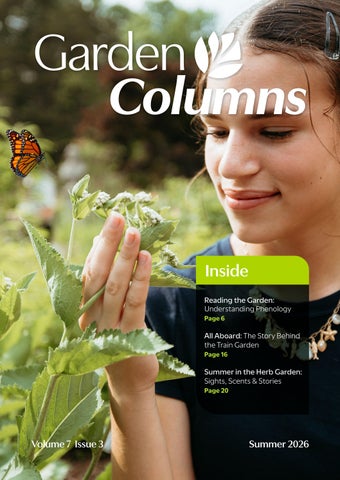
Summer in the Herb Garden: Sights, Scents & Stories
Page 20
Volume 7 Issue 3 Summer 2026
Our Mission
The Garden exists to connect people to plants to support a healthier quality of life for the region.
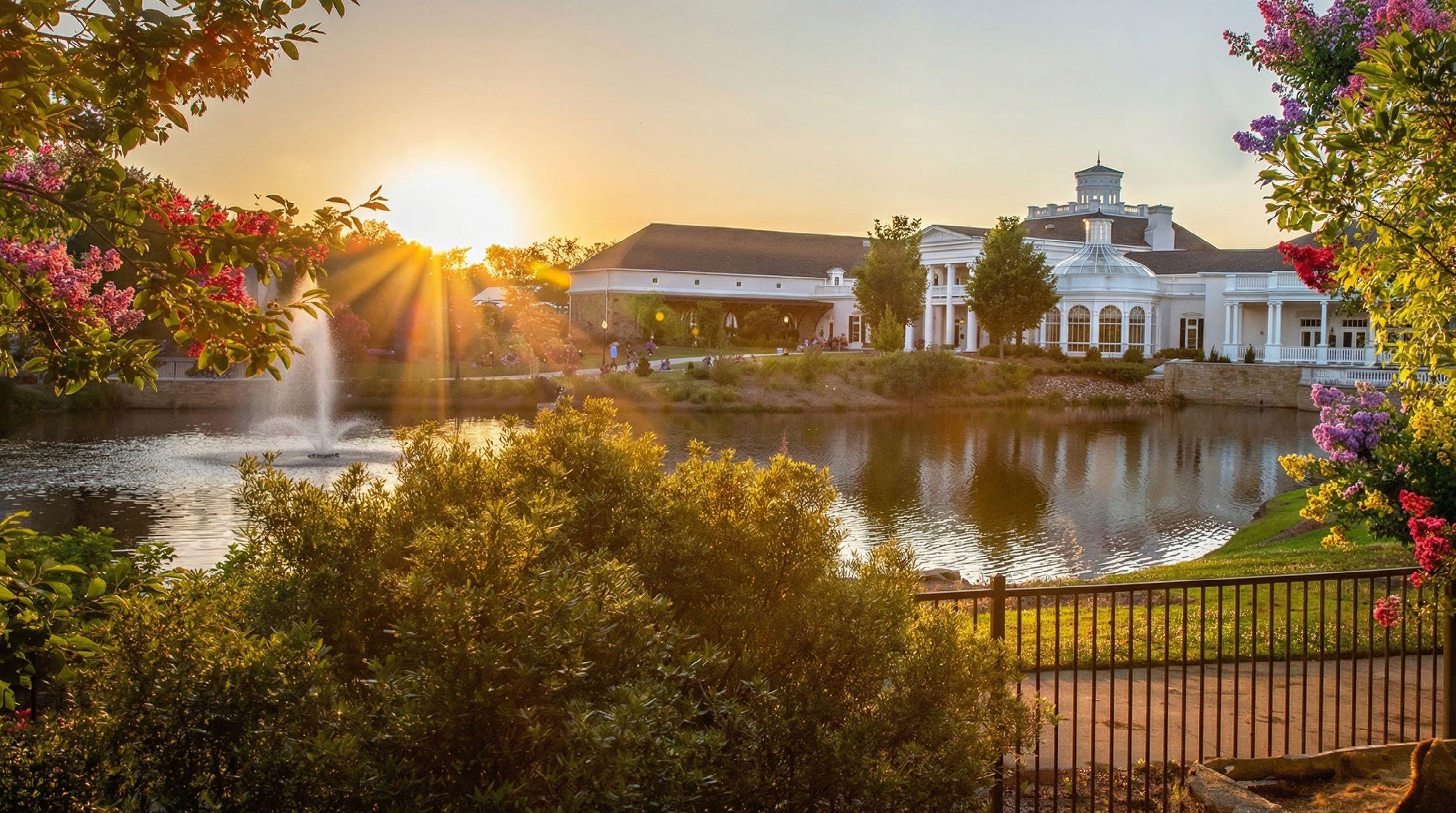
GOLDEN HOUR AT THE GARDEN
Select Friday Evenings | May – September
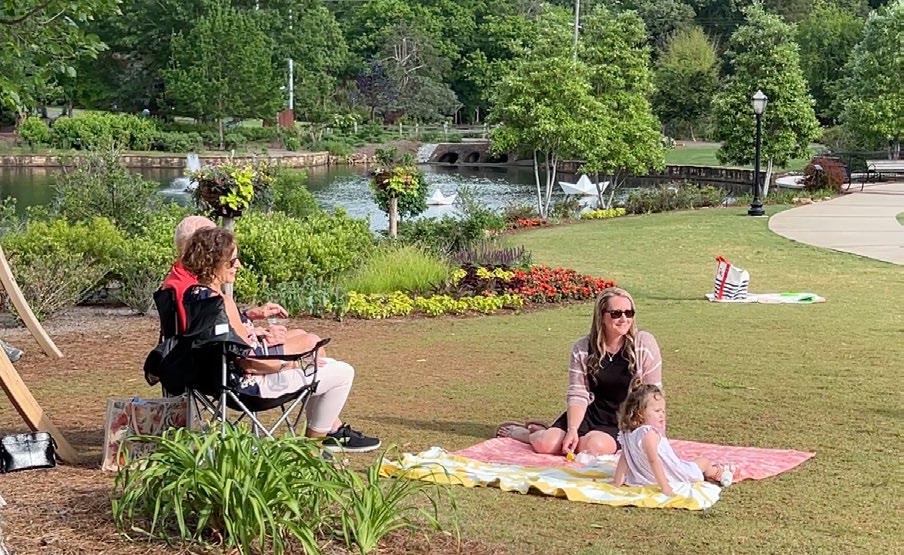
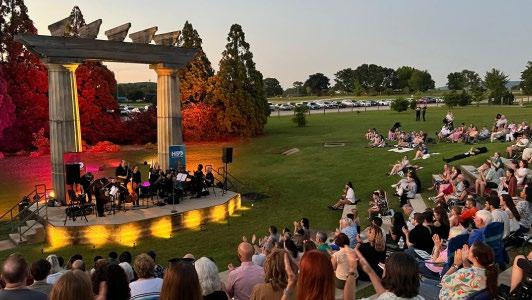
Ease into your Friday nights with Golden Hour, a laid-back summer series where live music, nature, and community come together at sunset.
NEW THIS YEAR: FREE ADMISSION
Enjoy the Garden at no cost during Golden Hour events, starting at 5:00 p.m. through closing, thanks to support from the Huntsville Music Office and the City of Huntsville’s Office of Multicultural Affairs.
WHAT TO EXPECT
Live music in the Cedar Glade
Picnics, friends, and open green space
Strolling paths and relaxing garden views
A welcoming, vibrant evening atmosphere
FOOD & DRINK
Garden Bar with alcoholic & non-alcoholic beverages
Bring your own picnic or enjoy made-to-order concessions from Fern & Feast On-The-Go
EVENT HOURS
May – August: 5-8 p.m.
September: 5-7 p.m.
Bring a blanket, gather your friends, and unwind as the sun sets. Golden Hour is your Friday night, reimagined.
Third Fridays at Golden Hour
On the third Friday of May, June, July, and August, Golden Hour expands with “Third Fridays,” featuring local makers for a mini market that adds even more creativity and community to the evening.
View details and this season’s musical lineup.
Greetings from the CEO: Spring 2026
Hello Everyone!
Summer at Huntsville Botanical Garden is alive with bold color, long sun-filled days, and the steady buzz of pollinators at work. From early morning light to warm evening strolls, this season offers countless opportunities to experience the Garden in ways both familiar and new.
This summer also introduces new ways to see the Garden through an artistic lens. We are excited to launch Nature Unframed, a new art program featuring work from local and regional artists, transforming the Dogwood Trail into an open-air gallery. This initiative invites guests to experience the landscape differently, where art and nature intersect in thoughtful and unexpected ways.
Across the Garden, seasonal highlights offer something for every visitor. The Train Garden continues to delight guests of all ages, while the Van Valkenburgh Daylily Garden reaches its peak in a vibrant display of color. Whether you are exploring with family, enjoying a quiet walk, or simply taking in the beauty of the season, there is always something to discover.
In this issue of Garden Columns, we explore ways to deepen your connection with the natural world. Discover the flavors, fragrances, and everyday uses of herbs, learn how to interpret the signals your plants are giving you through phenology, and find inspiration in the beauty found throughout the Garden.
Summer is a season of observation and discovery, and we hope this issue encourages you to look a little closer, learn something new, and enjoy all that the season has to offer.
2026 Board of Directors
Michelle Stark Board Chair
Brittney Shonk Vice Chair
Drew Davenport
Treasurer
Sherrie Hodges
Assistant Treasurer
Kristina Hendrix
Secretary
Lindsay Rice
Immediate Past Board Chair
Tracy Barrett
Hal Brewer
Kohler Damson
Melanie Forbes
Camillia King-Stanley
Michael Kirkpatrick
Angie McCarter
Riley Parker
Will Pylant
Kaitlynn Roark
John Mark Russell
U’Meeka Smith
Julie Stephens
Sara Beth Wilcox
Jennifer Wu
Sue Wagner CEO, Huntsville Botanical Garden
06 Reading the Garden: Understanding Phenology 10 Fresh Herbs for North Alabama Home Gardens 13
Cultivars, Endless Color: The Van Valkenburgh Daylily Garden in Summer
This summer, Huntsville Botanical Garden invites you to soak in the season’s vibrant energy with programs and events designed to spark wonder, connection, and discovery. From sun-drenched blooms to hands-on adventures for all ages, every visit promises new memories and endless inspiration!
JUNE
▲ Golden Hour Select Fridays · 5-8 p.m. June: 5, 12, 19, 25; July 3, 10, 17; August 14, 21, 28
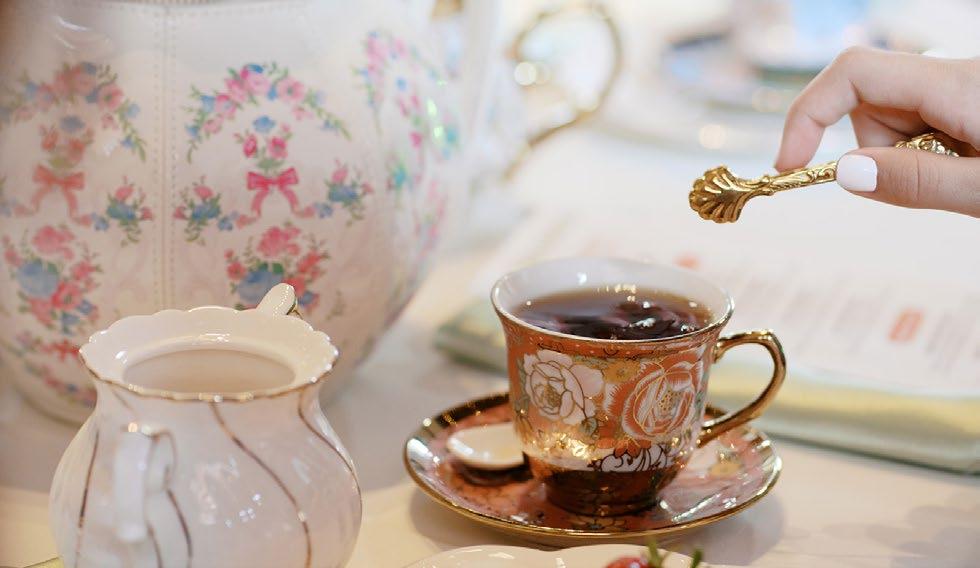
▲ Taylor Swif-Tea Saturday, June 14 · 3-5 p.m.
▲ Summer Solstice Concert Sunday, June 21 · 6:30-9 p.m.
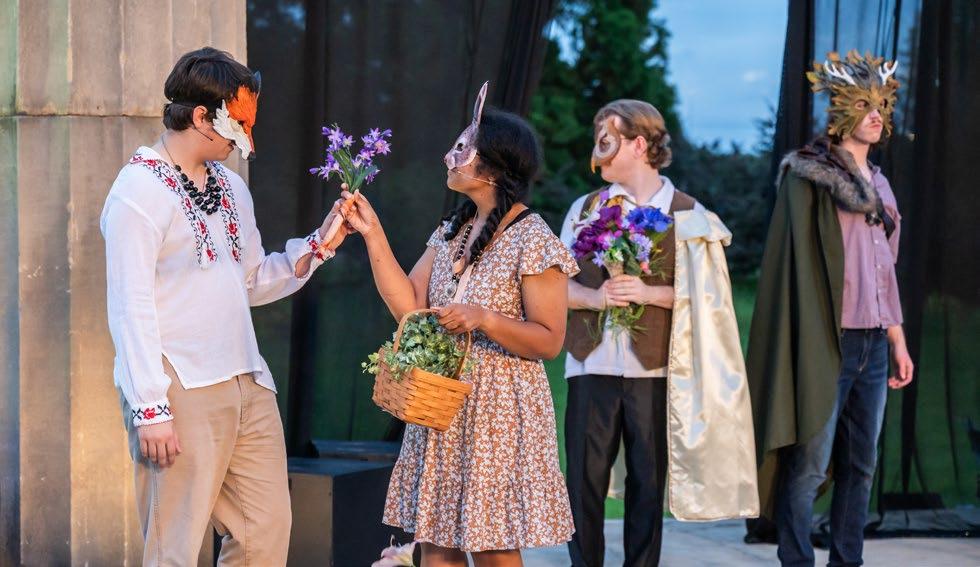
▲ Shakespeare in the Garden Fridays & Saturdays (July 24, 25, 31; August 1, 7, 8) · 6:30-9 p.m.
Visit hsvbg.org/calendar for details and registration.
▲ Daylily Open House and Picnic Saturday, June 6 · 9 a.m. – 8 p.m.
▲ Family Field Day Saturday, June 20 · 3-6 p.m.
▲ Midsummer Night’s Tea Sunday, July 12 · 6-8 p.m.
Every garden keeps its own quiet calendar, a rhythm shaped by the changing seasons. Some years, flowers arrive early; other times, they linger. Leaves, blooms, and even insects follow subtle patterns that shift from year to year.
By learning to notice these natural cues—from the first bloom to the arrival of wildlife—you begin to see the deeper story of your garden. These signs offer quiet insights into its health and harmony, guiding you to work in sync with its natural rhythm.
Gardening by Nature’s Calendar
Phenology is nature’s calendar— the study of seasonal changes in plants and animals. It tracks events like when flowers bloom, leaves change color, or birds return in the spring. Every living thing follows its own rhythm, and phenology helps us notice and understand those patterns over time.
But phenology isn’t just for scientists—you can practice it right in your own backyard.
By observing a plant or small area of your garden throughout the year, you notice meaningful patterns. When do buds appear? When does flowering begin? When do leaves drop? Over time, these observations help you understand how your garden responds to weather and climate.
Instead of relying strictly on planning dates, phenology allows you to garden based on what’s happening in your environment. It becomes a powerful decisionmaking tool rooted in observation rather than guesswork.
Some gardeners sketch their observations on a phenology wheel, while others track weather, moon cycles or wildlife alongside plant changes. Digital tools can help too—apps like 1 Second Everyday allow you to create a visual timeline of your garden transformation across seasons.
What Your Plants Should Look Like in Summer
Practicing phenology helps you recognize what “normal” looks like in your garden.
“Instead of relying strictly on planning dates, phenology allows you to garden based on what’s happening in your environment.“
– Karen Colvin
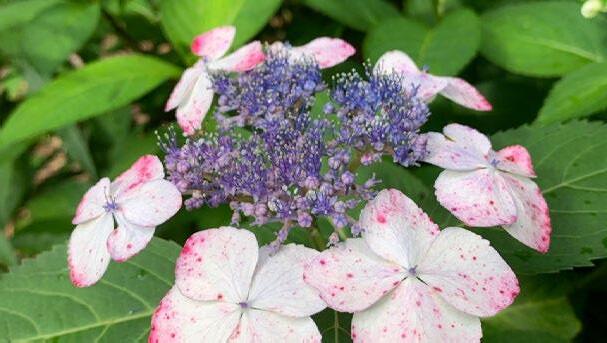
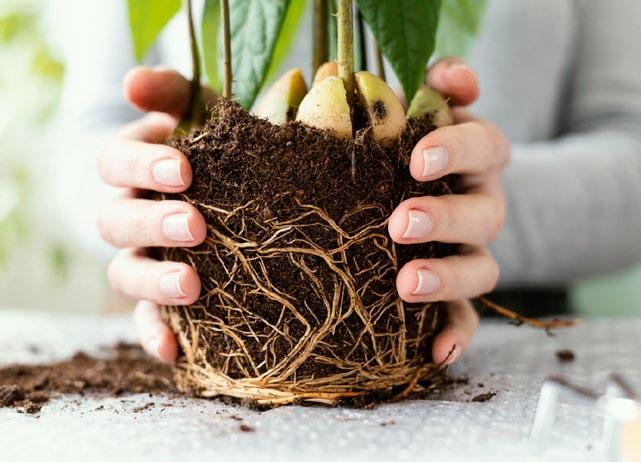
Healthy summer growth typically includes vibrant green leaves, steady new growth, and strong stems. Roots should be firm and light-colored, and branches on woody plants should be flexible rather than brittle. You may also notice seasonal cues, like tomatoes flowering once nighttime temperatures stay consistently warm, or hydrangeas budding after a period of steady moisture.
When you know what’s typical, you can quickly recognize when something is off.
When Something Isn’t Right
Phenology helps identify phenological asynchrony—when plants fall out of sync with their usual seasonal timing due to environmental stress.
Signs of stress may include:
• Flowering out of season
• Stunted or slowed growth
• Leaf discoloration, curling, or drooping
• Premature leaf drop
• Dull or dry-looking foliage
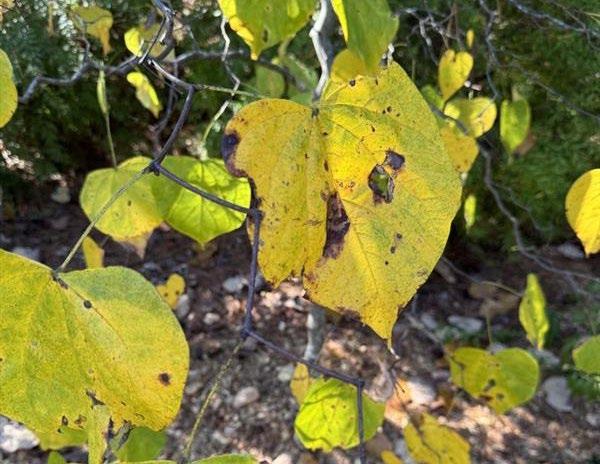
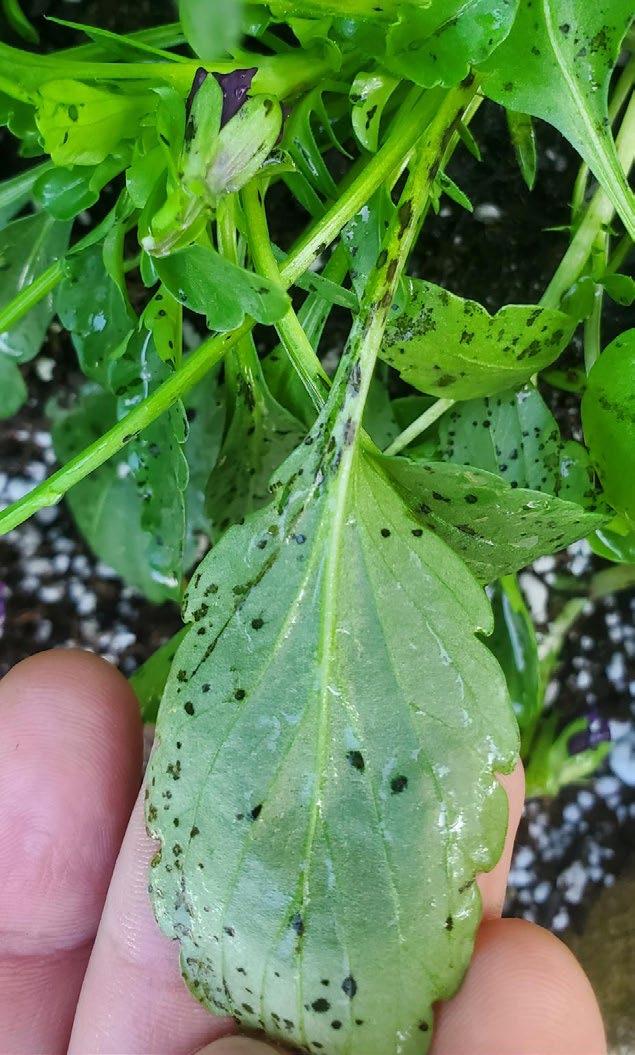
Leaves are often the first indicators. Drooping in the morning may signal underwatering; while yellowing or curling can point to nutrient imbalance or overwatering. Crisp edges may indicate heat stress or inconsistent watering, and spots or holes can suggest pests or disease.
In some cases, plants may produce flowers as a last survival effort – a response known as stress-induced flowering, often triggered by drought or extreme heat waves.
By tracking your garden’s normal cycles, you’ll spot these warning signs earlier and respond more effectively to them.
Leaf discoloration on redbud
Fungus on Violas
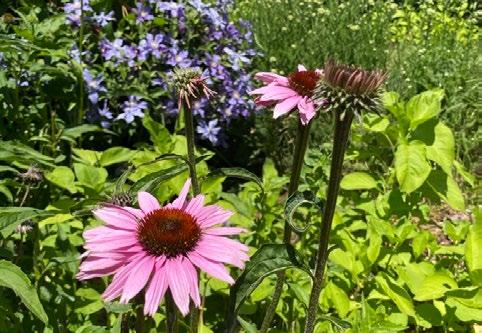
Purple coneflower (Echinacea purpurea)
Drought-tolerant and pollinator-friendly
What You Should Do
Start with the Right Plants
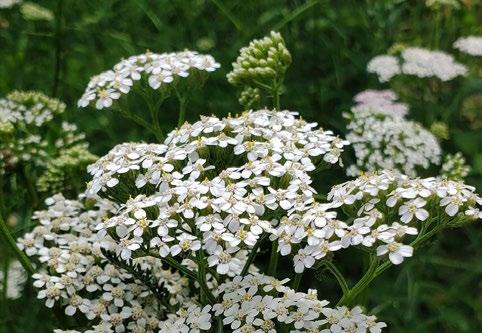
(Achillea
Thrives in heat and poor soil
The best defense against stress is choosing plants suited to your environment. Native plants are especially resilient and adapted to local conditions.
For North Alabama gardens, great options include:
• Purple coneflower (Echinacea purpurea) – drought-tolerant and pollinator-friendly
• Yarrow (Achillea millefolium) –thrives in heat and poor soil
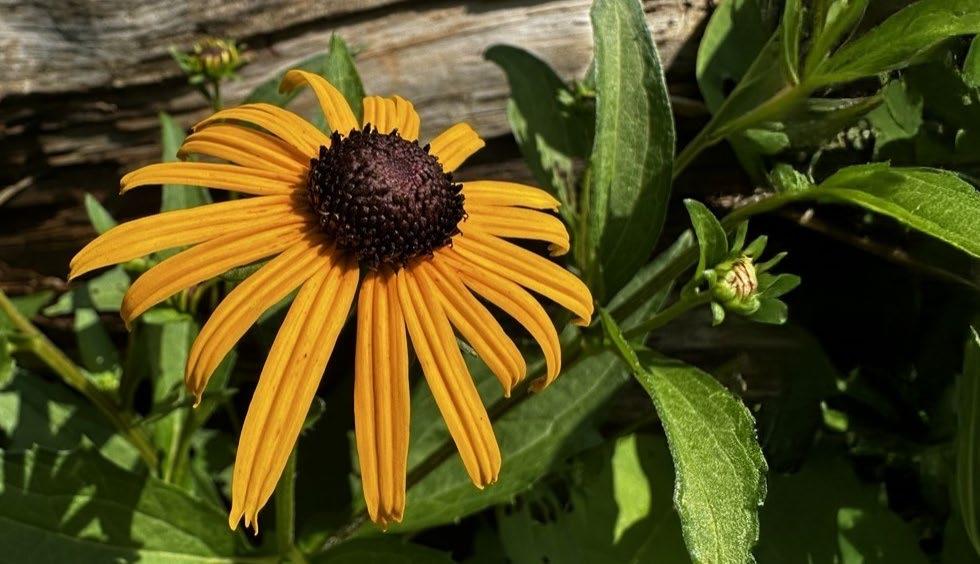
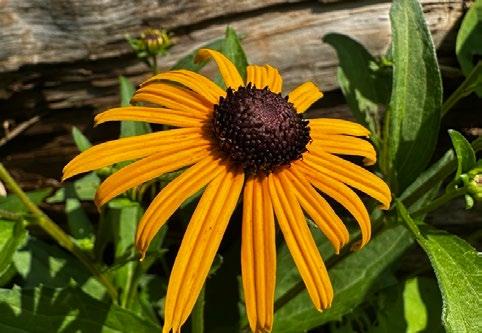
• Black-eyed Susan (Rudbeckia hirta) – reliable summer color
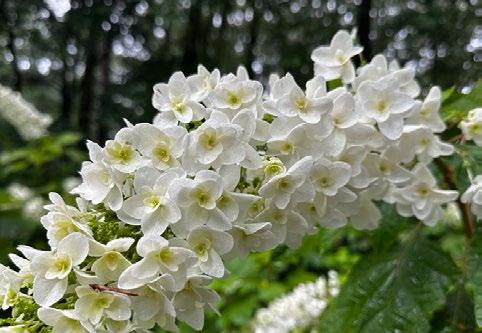
• Oakleaf hydrangea (Hydrangea quercifolia) – well-suited to Southeastern climates
These plants work beautifully in both naturalistic and more formal garden designs.
Always follow the principle of “right plant, right place” matching light, soil, and moisture conditions to the plant’s needs.
Black-eyed Susan (Rudbeckia
Reliable summer color
Water Wisely
Native plants often require less supplemental watering once established, making them a sustainable choice. If irrigation is needed, use drip irrigation when possible to reduce evaporation. Water early in the morning to improve absorption, and adjust or turn off irrigation after rainfall.
Care for Your Soil
Healthy soil supports healthy plants.
Mulch helps retain moisture, regulate temperature, and suppress weeds. Options include pine bark, shredded leaves, or even lining groundcovers like native phlox or sedges. Leaf mulch breaks down quickly, enriching soil structure and nutrients over time.
Fertilizing should align with plant activity. Apply fertilizer during active growth periods (late spring through early fall) and avoid fertilizing during extreme heat or drought. During stress, plants slow their metabolism and
At Huntsville Botanical Garden, visitors can follow a dedicated Phenology Trail featuring approximately 15 plants. Guests can observe seasonal changes and contribute data through an online form, helping track what’s happening in the Garden throughout the year.
On your next visit, explore the trail and compare your backyard observations with what’s happening at the Garden. Plan your visit at hsvbg.org.
Oakleaf hydrangea (Hydrangea quercifolia) Well-suited to Southeastern climates
primarily just need water – not additional nutrients.
Start Observing
You don’t need to track everything – start small. Choose one to three plants and observe them weekly. Note changes in buds, leaves, flowers, seeds, and wildlife interactions. Keep a simple journal, take photos, or use your phone to log observations. Over time, your awareness (and confidence) will grow.
Learning from the Garden
When you practice phenology, gardening becomes less about guessing and more about understanding. You begin to anticipate changes - when pests might appear, when to prune, or when plants need extra support.
Most importantly, you develop a relationship with your garden. Its rhythms become familiar, and each season feels less like a surprise and more like a story unfolding.
Yarrow
millefolium)
hirta)
by the Garden
Seasonal guidance for garden, table, home, and gifting—rooted in nature and inspired by spring.
In The Garden
Summer tasks and timely guidance for a healthy home garden.
In The Garden
Spring tasks and timely guidance for a healthy home garden
Summer gardening is about steady care and continued growth— maintaining the garden through the heat while enjoying the rewards of the season. In June, warm-season vegetables and flowers are planted and established, mulch is refreshed, and consistent watering helps build strong, resilient roots. This is also a time to fertilize plants, monitor for pests, and encourage new blooms through regular deadheading.
As temperatures rise through July and August, gardens move into peak production. Harvests of vegetables and herbs become more frequent, while continued watering, pruning, and pest management keep plants healthy and productive. Late summer is also the time to begin planning ahead—starting seeds for fall crops, preparing beds, and transitioning from heat-loving plants to those suited for cooler days.
Our gardening experts have created a year-round, monthby-month checklist to help you cultivate a happy, healthy, and naturally delightful home garden. Visit hsvbg.org/ learn/plant-science/ to explore it in full.
bytheGarden
At The Table
Recipes, traditions, and hands-on ways to gather with the season
From Garden to Table:
Fresh Herbs for North Alabama Home Gardens
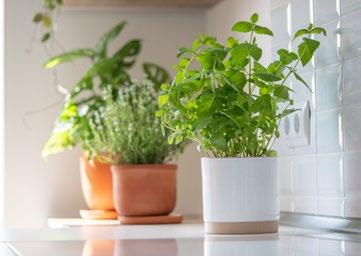
There’s something special about stepping outside, snipping a few fresh herbs, and bringing them straight into the kitchen. In North Alabama, a handful of easy-to-grow herbs thrive in our warm climate, making it simple to add fresh flavor to everyday meals.
A summer favorite that loves the heat. Perfect for pasta, salads, and homemade pesto.
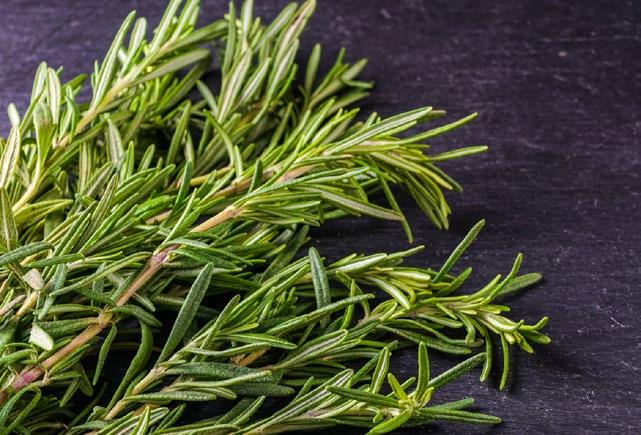
Rosemary Hardy and fragrant, rosemary holds up well in the Southern sun. Ideal for roasted vegetables, meats, and grilling.
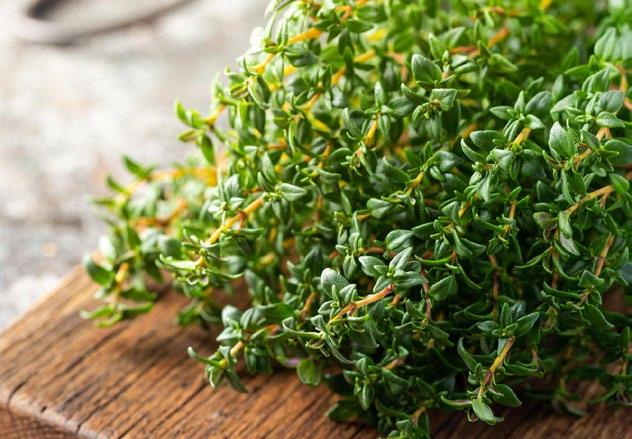
Low-maintenance and versatile, thyme pairs beautifully with everything from chicken to vegetables.
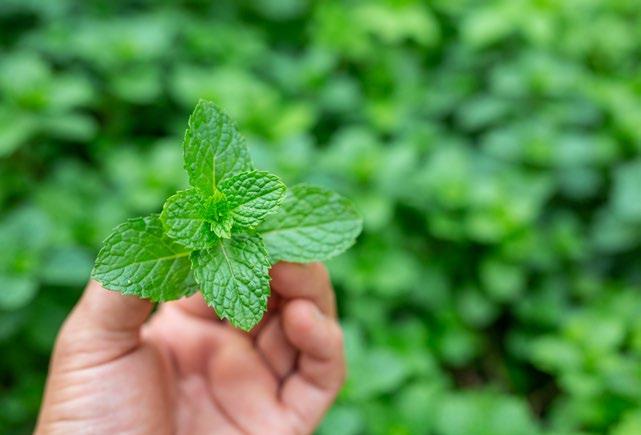
Fast-growing and refreshing, mint is great for teas, desserts, and seasonal drinks.
(Tip: plant in a container to keep it from spreading!)
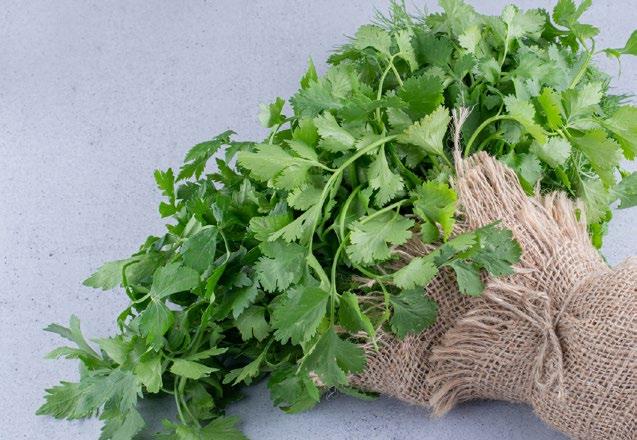
A kitchen staple that’s easy to grow and even easier to use—fresh, bright, and perfect for finishing dishes.
Grow & Gather Tips
• Plant herbs in full sun (6+ hours daily)
• Water regularly, but don’t overdo it
• Harvest often to encourage new growth
Whether you’re working with a backyard garden or a few pots on the porch, fresh herbs are one of the simplest ways to bring the garden to your table. See p. 20 to learn more about HBG’s Herb Garden.
Basil
Mint
Thyme
Parsley
At Home
A place set for summer, welcoming the season indoors
Summer Reads & Slow Evenings
Summer has a way of stretching time—longer days, warmer nights, and quiet moments that invite you to slow down. It’s the perfect season to take your reading outdoors, whether that’s a shaded porch, a garden bench, or a blanket under the trees.
Let the rhythm of the evening settle in as you open a book. A glass of something cold, the hum of cicadas, and the soft fade of sunlight create the kind of atmosphere that makes it easy to linger a little longer on every page.
Create a simple space to unwind—comfortable seating, a bit of shade, and a book you’ve been meaning to start. Summer reading doesn’t need much else.
Looking for Inspiration?
This season is perfect for:
Light, immersive fiction
Nature-inspired reads
Memoirs and slow storytelling
Books you can pick up and return to with ease
Settle in, turn the page, and let summer linger.
Book lovers are invited to experience Botanical Bookworms, a new Adult Education Program at HBG, where stories and nature come together. Discover new reads, connect with others, and enjoy a shared love of books in a beautiful garden setting.
Visit hsvbg.org/series/botanicalbookworms/ to learn more!
Botanical Bookworms
bytheGarden
From The Garden
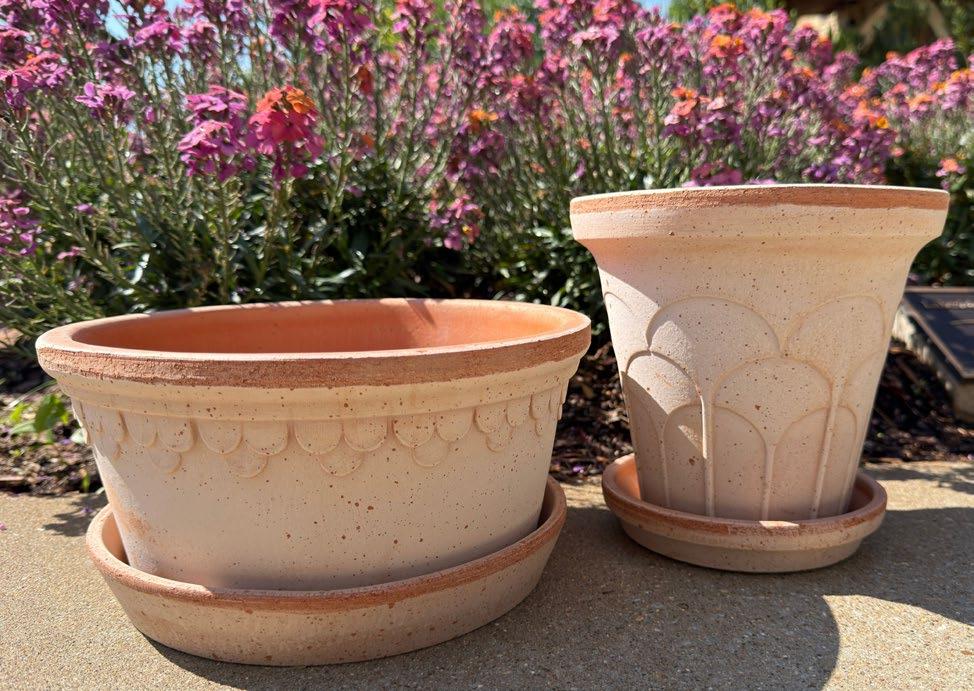
▲ Crafted from premium Italian clay and shaped by timehonored techniques, Bergs Potter terracotta brings an effortless elegance to any space. Whether gathered on a sunlit windowsill or anchoring a favorite plant indoors, they offer a timeless way to bring the beauty of the garden home.
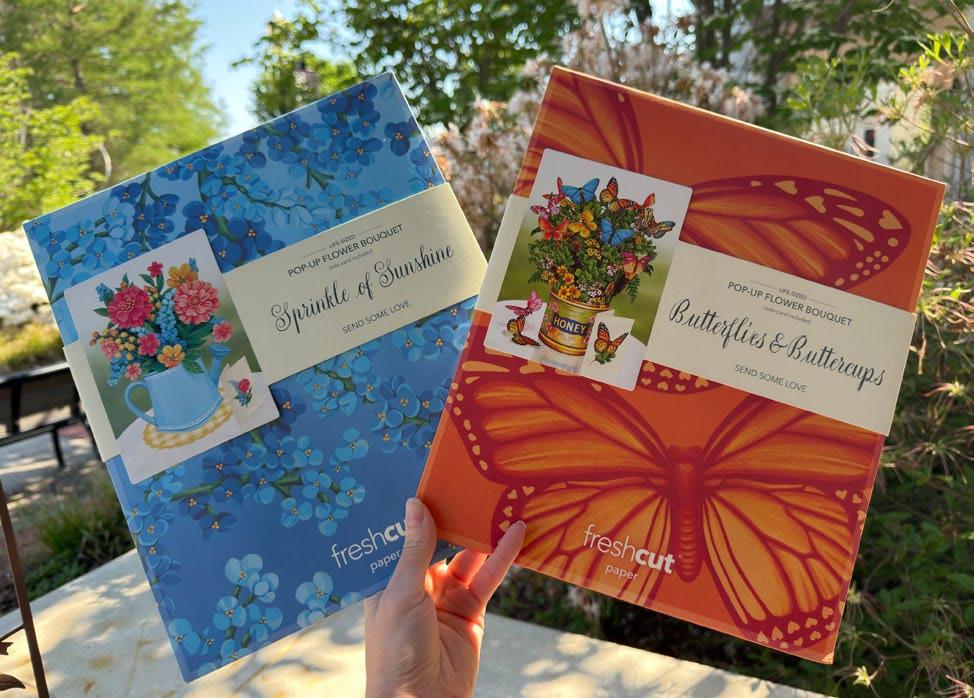
▲ For a gift that lasts and gives back, discover FreshCut Paper’s pop-up bouquets. Thoughtfully crafted from recyclable materials and paired with a mission to plant a tree for every purchase, each arrangement offers a joyful and lasting way to celebrate connection, kindness, and the beauty of nature.
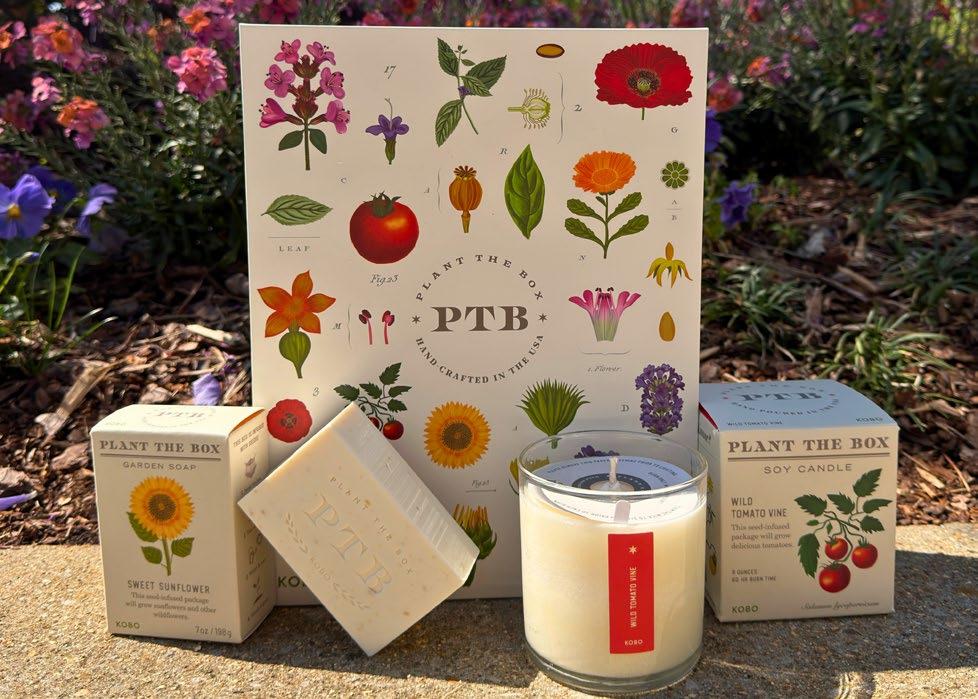
▲ KOBO’s Plant the Box collection transforms everyday rituals into something naturally delightful with seedinfused packaging that grows into the very botanicals that inspired each scent. From softly layered candles to beautifully curated gift sets, these pieces fill your space and invite you to carry that beauty even further.
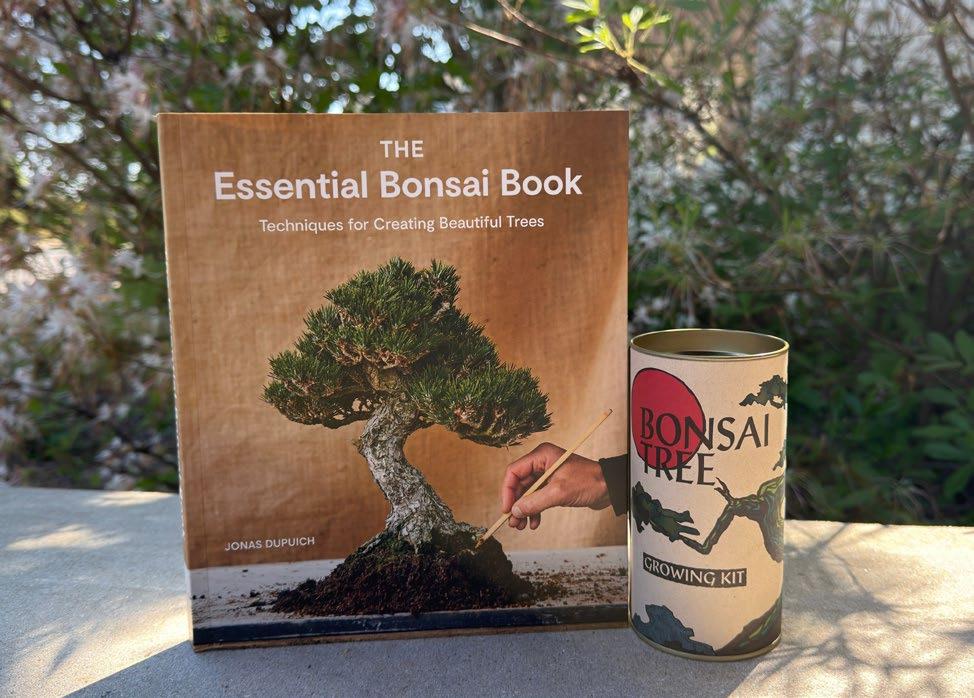
▲ Cultivate patience, creativity, and a living work of art. Paired with The Essential Bonsai Book by Jonas Dupuich, this Bonsai Tree Growing Kit offers a thoughtful introduction to a timeless practice—where each branch invites you to slow down and discover a deeper connection to the natural world.
850+ Cultivars,
Endless Color
The Van Valkenburgh Daylily Garden in Summer
ByCameronOldham,CultivatedAreasSupervisor
A Garden in Motion
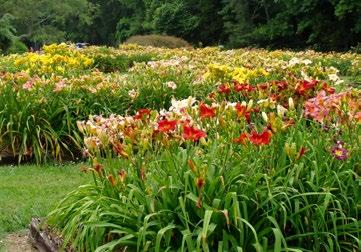
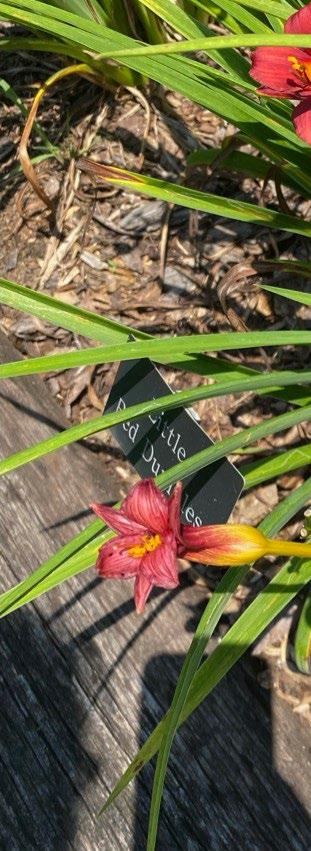
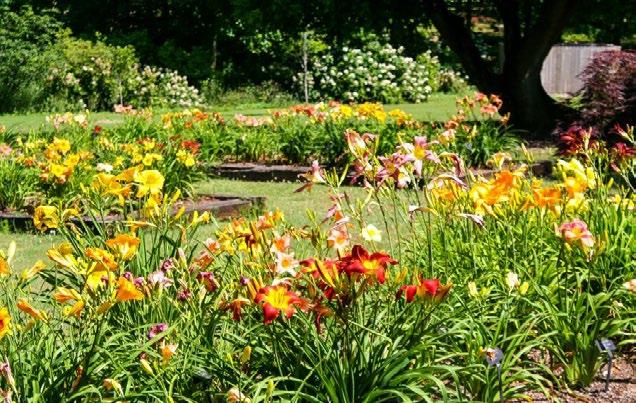
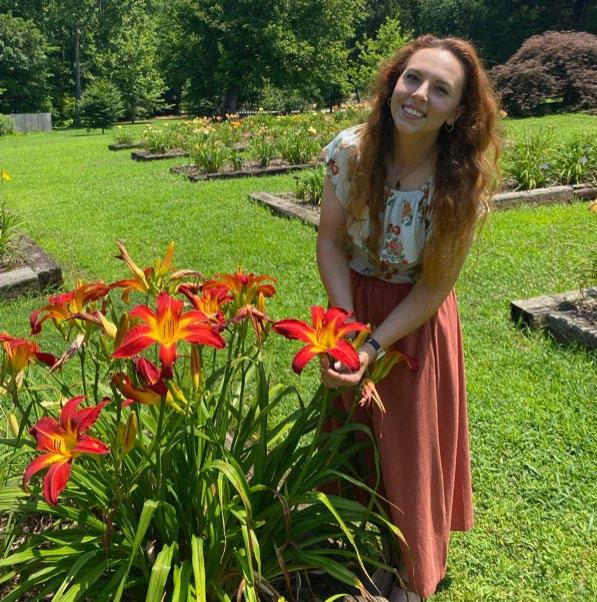
The Van Valkenburgh Daylily Garden on the eastern side of Huntsville Botanical Garden is home to more than 850 unique daylily cultivars—each one offering a bloom that lasts just a single day before another takes its place. Known by its scientific name, Hemerocallis, meaning “beauty for
a day,” the daylily brings a sense of constant change and renewal to the summer landscape.
This ever-changing cycle allows the garden to remain vibrant throughout the hottest months of the year. With each visit, something new is in bloom, offering fresh color, texture, and form for guests
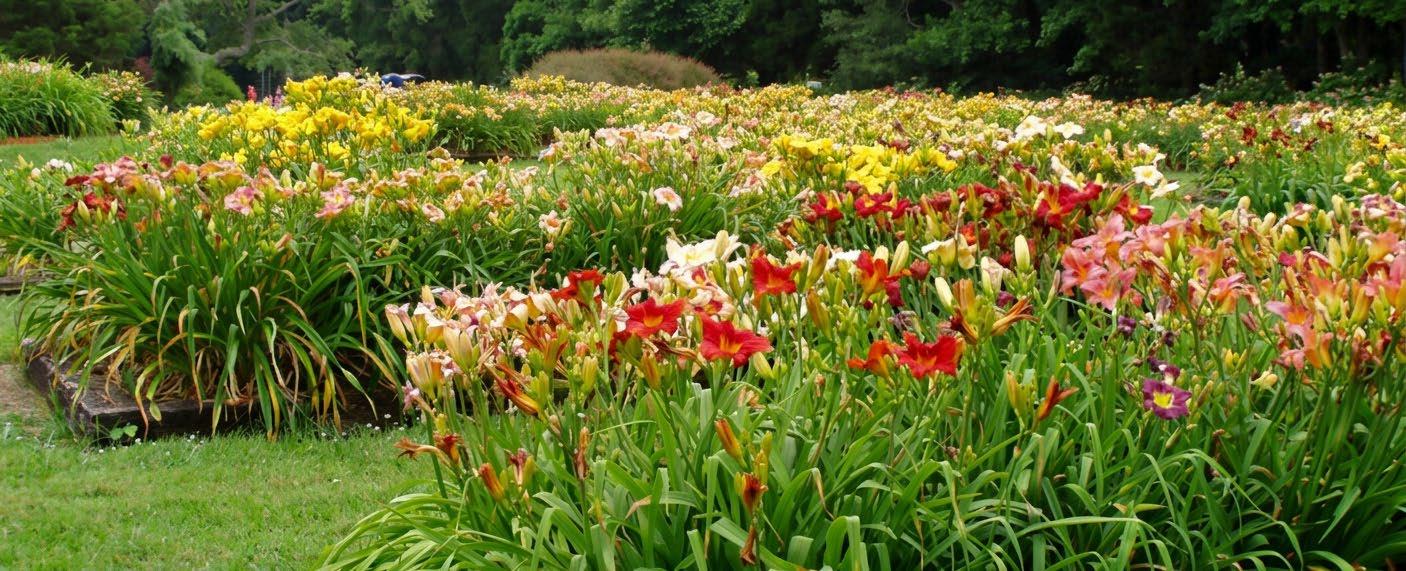
to discover, enjoy, and photograph as they wander across the landscape. The garden features a centralized gazebo set on a wide lawn, overlooking radiating rows of raised beds filled with daylilies. It is an inviting space to relax, take photos, enjoy a picnic, or simply take in the color and movement of the season.
History of the Garden Area
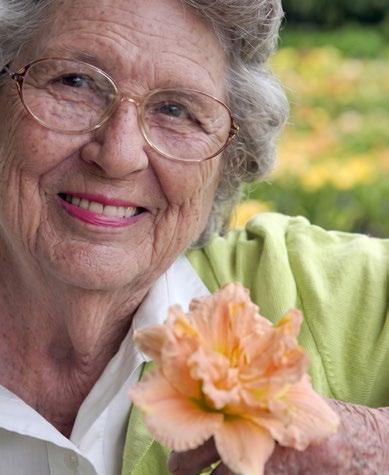
The Van Valkenburgh Daylily Garden is named for Rosa Belle Van Valkenburgh, one of the original fourteen founding members of the HuntsvilleMadison County Botanical Garden, now known as Huntsville Botanical Garden, or HBG. Van Valkenburgh was an active member of several local and national organizations focused on daylilies, including the Birmingham Hemerocallis Society and the American Hemerocallis Society.
She had a lifelong love of gardening and volunteered at HBG from its early days in 1979 until 2015, when she was no longer able to continue physically. Her dedication to both the Garden and the wider horticultural community left a lasting impact.
The first documented daylily plantings at the Garden took place in 1984, when Grady Kennedy, one of North Alabama’s early daylily hybridizers, began cultivating the space. The Kennedy family donated more than 500 cultivars, along with materials that
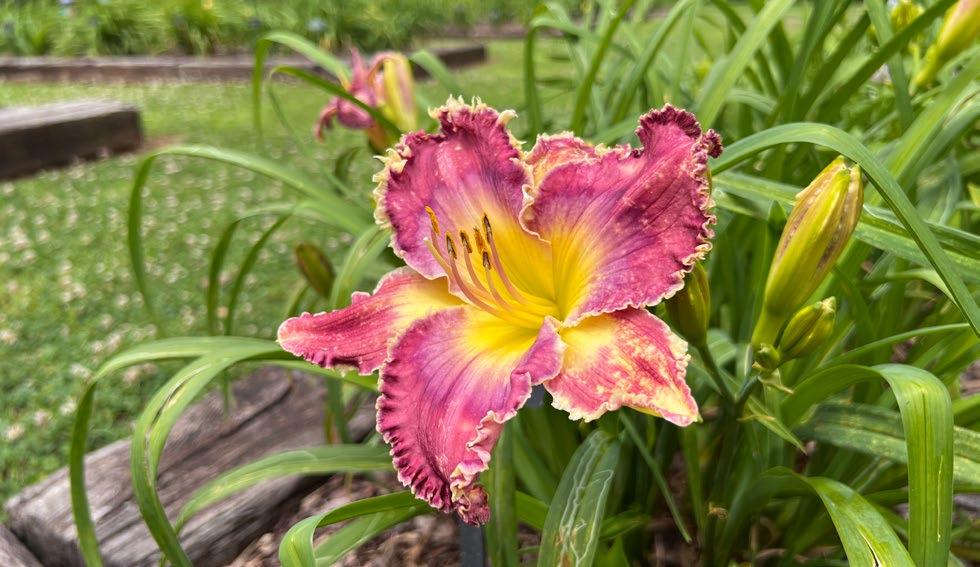
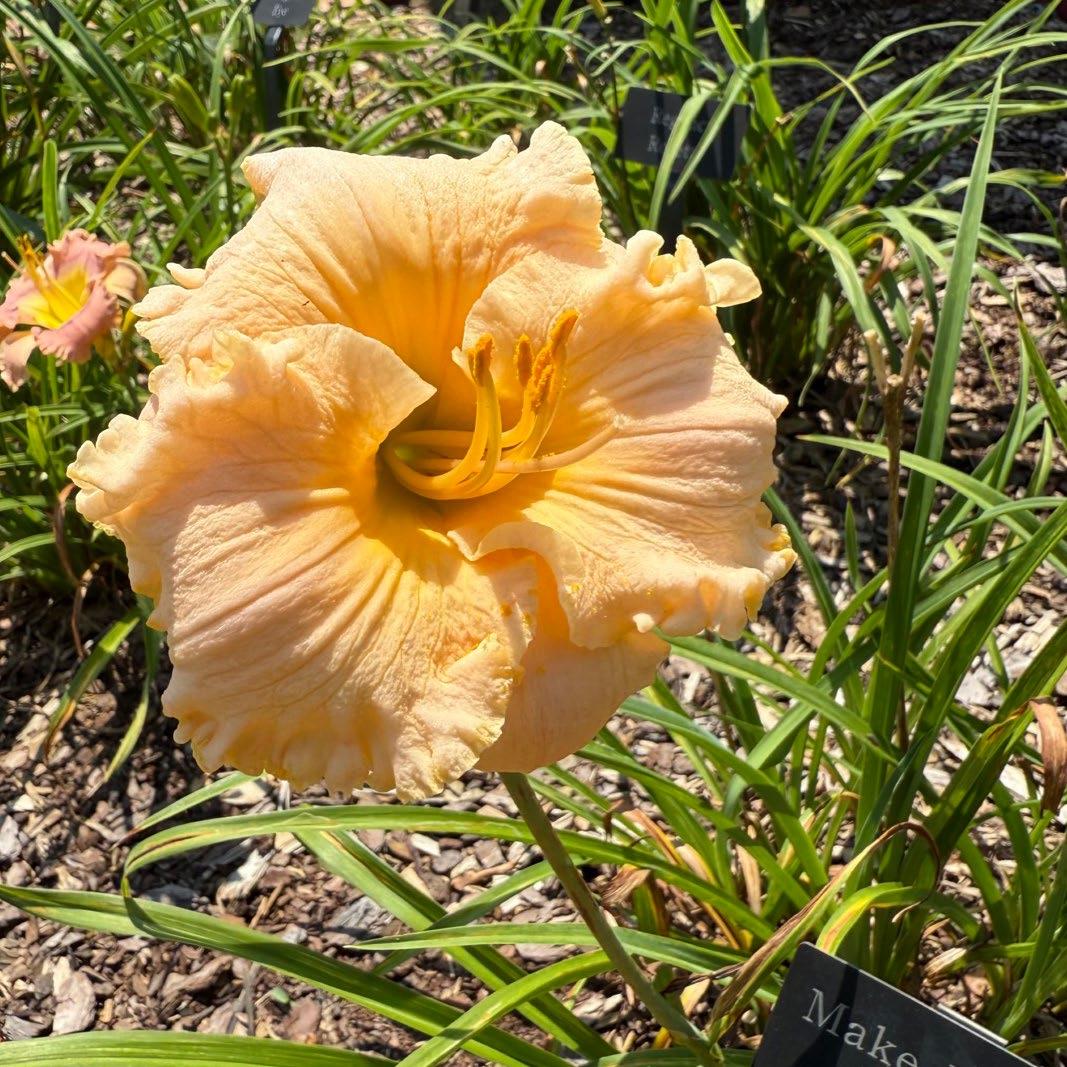
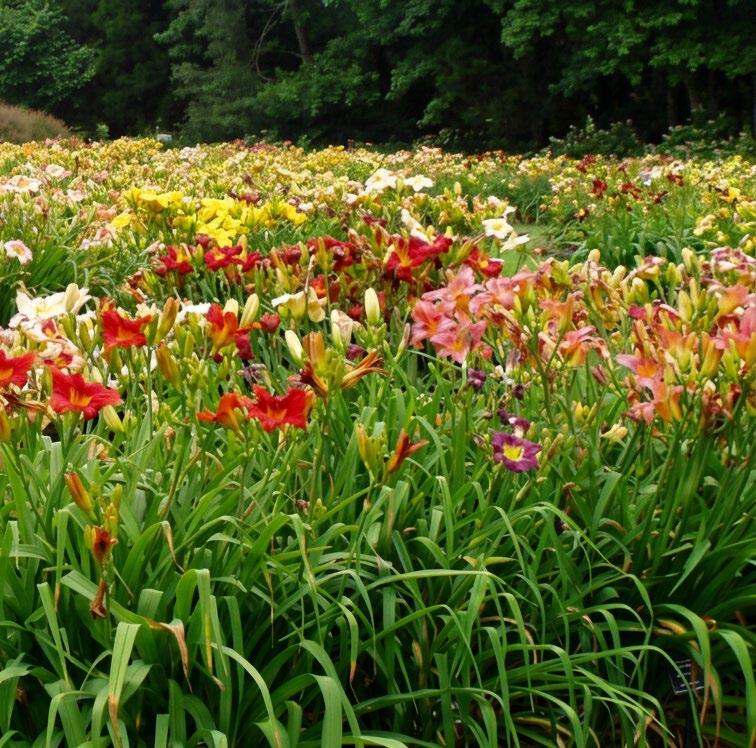
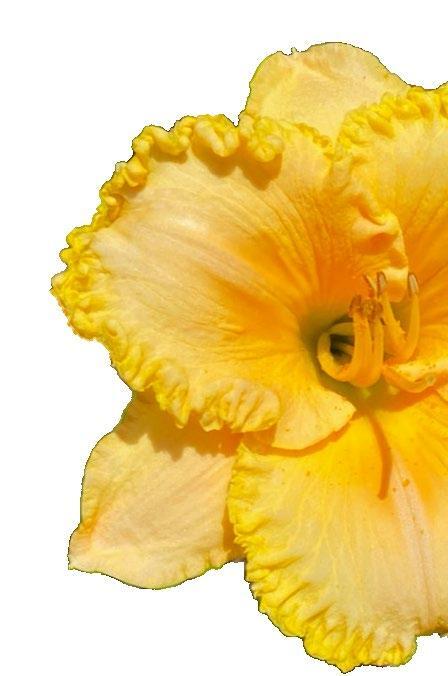
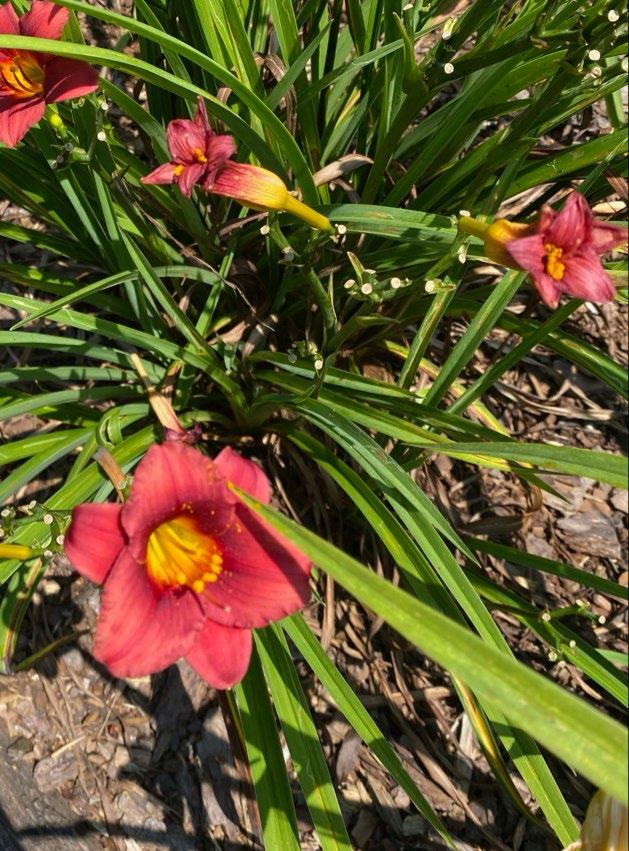
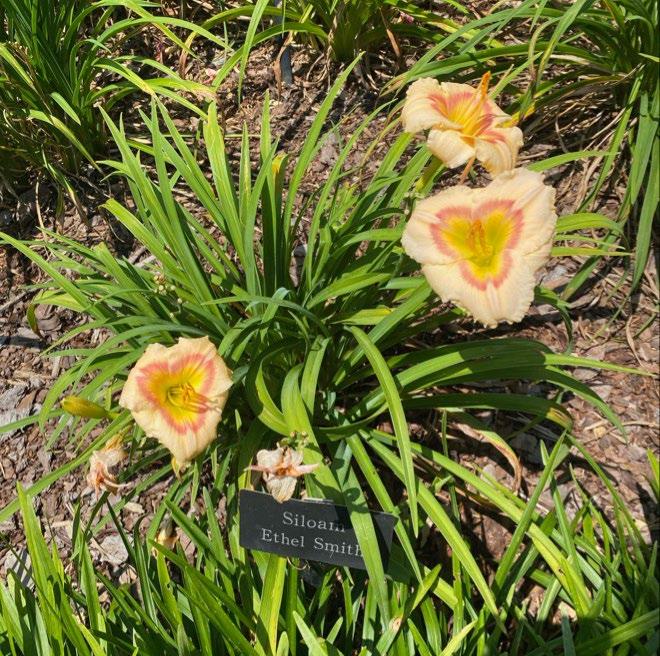
The Van Valkenburgh Daylily Garden contains more than 850 cultivars, showcasing a wide range of colors, shapes, textures, and sizes.
helped shape the garden into what it is today. Van Valkenburgh served as the lead volunteer for the Daylily Garden from 1987 to 2015. In recognition of her contributions, June 18, 2011, was proclaimed Rosa Belle Van Valkenburgh Day by the City of Huntsville during the American Hemerocallis Society’s meeting.
Her legacy continues to be felt throughout the garden, where guests from across the region are often struck by the sheer number and variety of daylilies on display.
Daylilies in Bloom
Today, the Van Valkenburgh Daylily Garden contains more than 850 cultivars, showcasing a wide range of colors, shapes, textures, and sizes. It is one of the few monoculture gardens within Huntsville Botanical Garden, offering a focused and immersive experience for all guests.
While the garden is maintained year-round, many visitors find the
peak bloom season especially rewarding. In North Alabama, daylilies can begin blooming as early as April, with peak bloom typically occurring from late June through July. Even after peak season, blooms continue to appear into late summer.
The garden is a popular spot for photos, quiet moments, and gathering with friends and family. The annual Daylily Open House offers a special opportunity to experience the garden in full color, and this year, guests are encouraged to bring a picnic and enjoy the day among the blooms.
Because each individual flower lasts only one day, the garden is constantly changing. Visitors who return throughout the season are able to experience different varieties at their peak. To see all 850 cultivars in bloom would require multiple visits from late spring through early fall—each visit offering something new.
Join us for the Daylily Open House and Picnic!
Saturday, June 6
9 a.m. – 8 p.m.
Daylily Garden volunteers will be available for questions from 9 a.m. – 12 p.m.
Scan for picnic details.
Garden Volunteer Involvement
The Van Valkenburgh Daylily Garden was established by volunteers and continues to be maintained by them, alongside Garden staff today.
Members of the Daylily Society are among the dedicated volunteers who help tend the garden, bringing both handson care and deep knowledge of daylilies to the space.
Volunteers typically work in the garden weekly, helping with
general maintenance and care of the beds. Many members of the volunteer team have been involved for years and bring a wealth of knowledge and experience. Mary Shaw, the current lead volunteer in the Daylily Garden, began her work alongside Mrs. Van Valkenburgh and continues to carry forward her legacy.
Shaw developed her interest in daylilies while living in Florida and, after relocating to Alabama, sought to expand her knowledge of growing plants in the region. She remains inspired by Van Valkenburgh, who was known for working closely with volunteers— teaching them how to divide and pot plants for the annual Plant Sale.
That tradition continues today. Daylily bulbs from the garden are often featured in the Garden’s annual Fall Plant Sale, giving visitors the opportunity to take a piece of the Garden home and incorporate these beloved blooms into their own landscapes.
Shaw appreciates both the ease of care and the wide variety of colors that daylilies bring to the landscape. Her favorite cultivar,
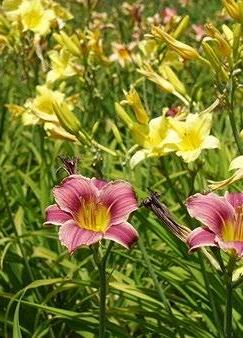
“Clothed in Glory,” is a soft pink variety with a yellow throat and deeper yellow edges.
Visitors are encouraged to take note of the many unique cultivars throughout the garden—often with memorable names—as well as the ongoing efforts of the Daylily volunteers and Garden staff who make the space possible. Through their continued care, the legacy of the Daylily Garden remains vibrant and ever-changing.
See The Symphony of Color
From early blooms to peak summer color, the Van Valkenburgh Daylily Garden offers a season of constant change and beauty. Each visit reveals something new—an unexpected color, a different form, or a moment of quiet appreciation.
Visit the Daylily Garden this summer and experience the ever-changing beauty of these remarkable plants—where each bloom, though fleeting, contributes to a naturally delightful landscape that continues to inspire and connect us to the world around us.
ALL ABOARD!
The Story Behind the Train Garden
ByAngelPuigdeRobles,BuildingMaintenanceManager
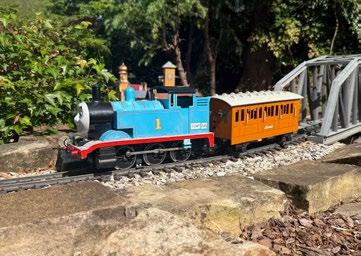
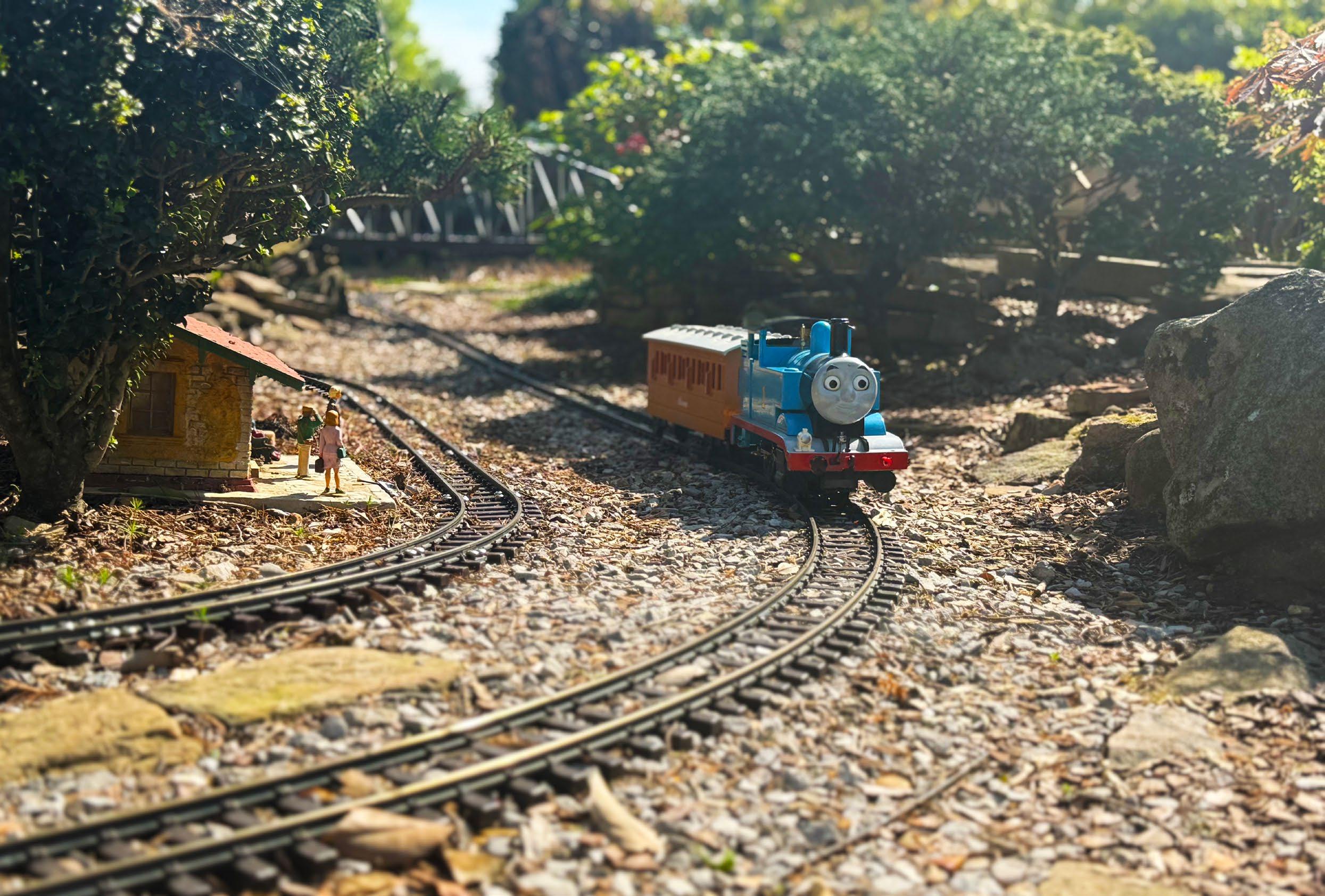
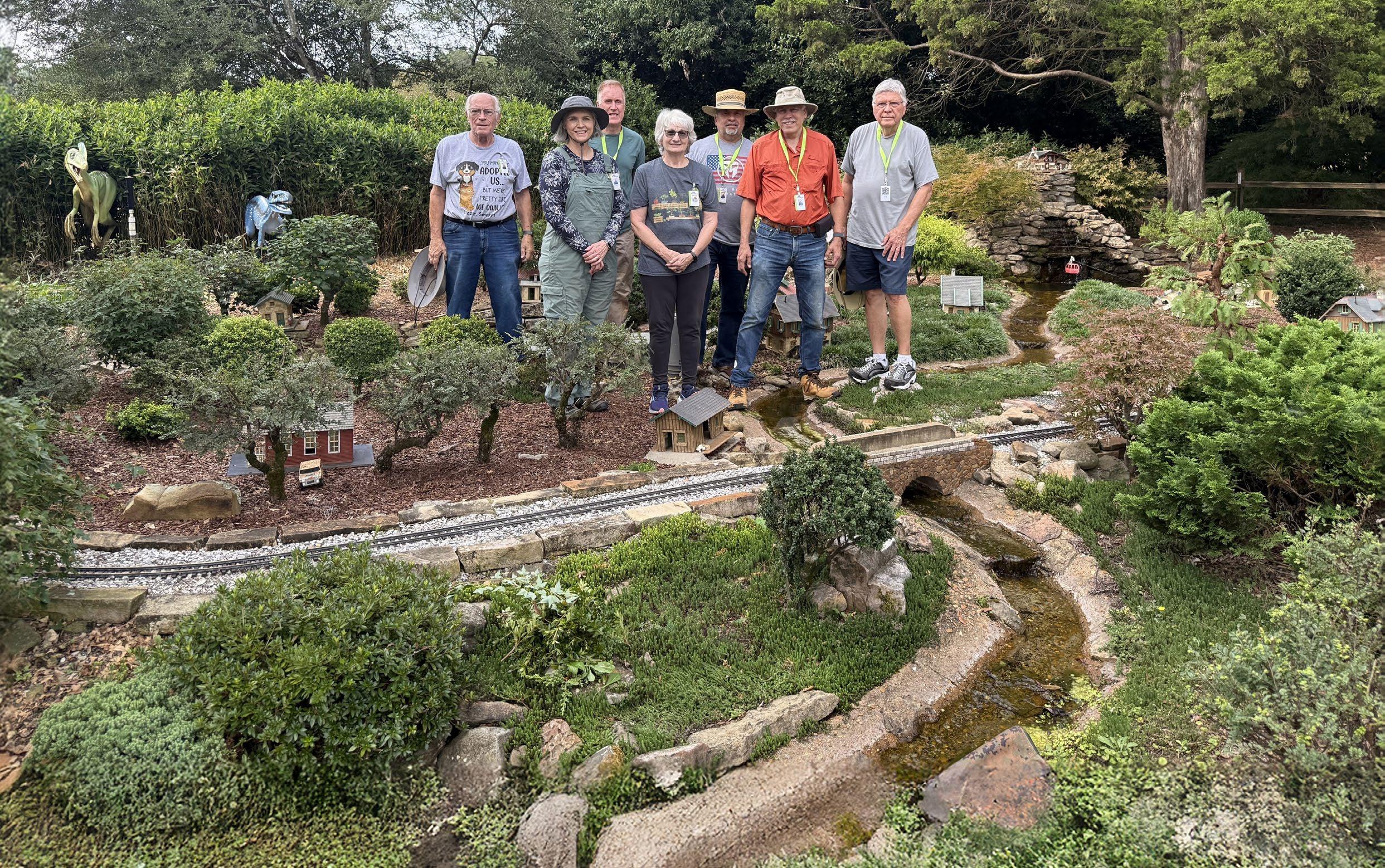
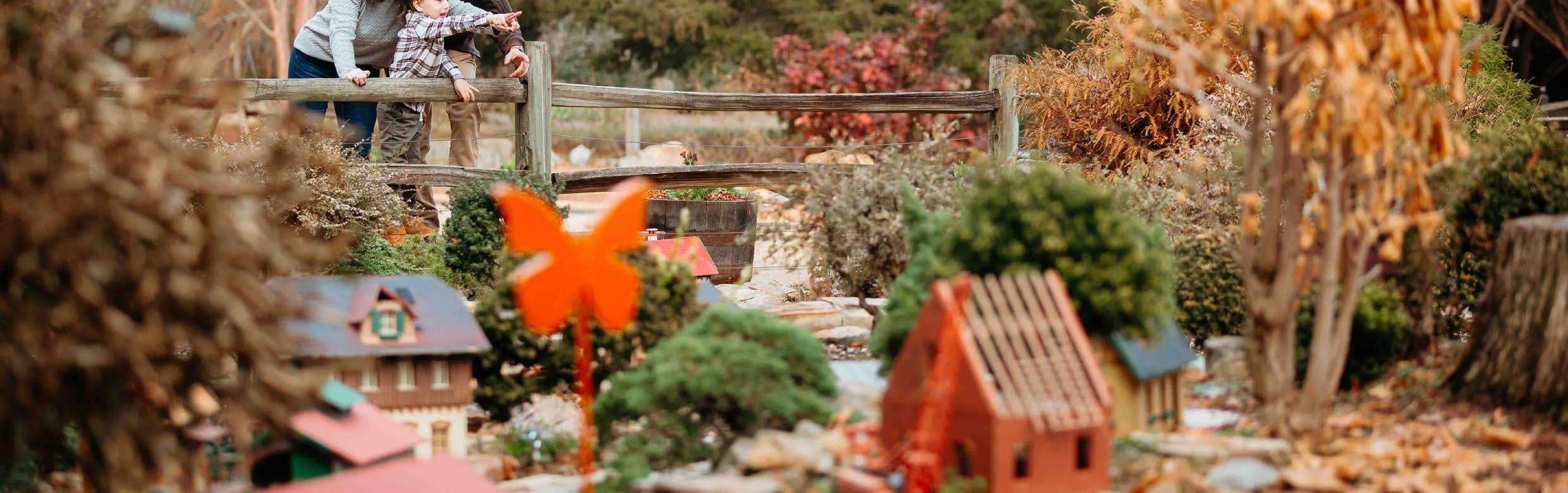
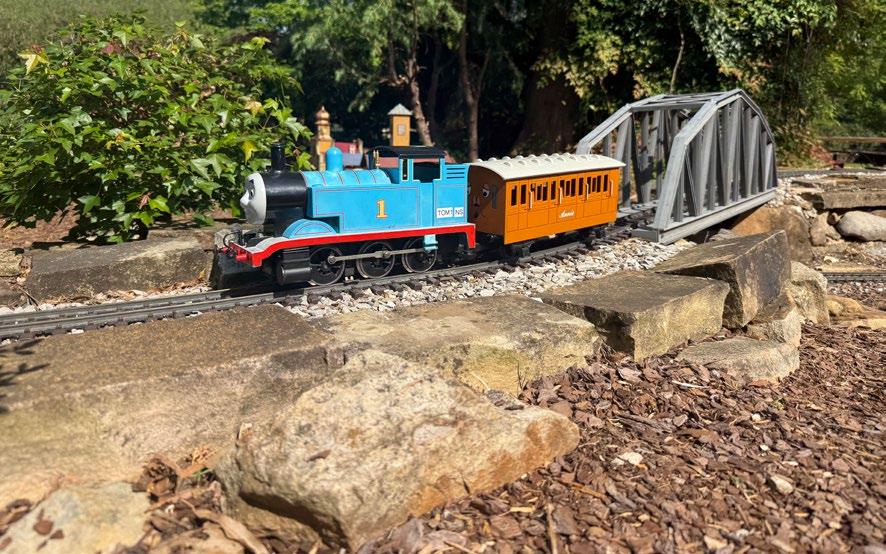
One of the many popular display gardens at Huntsville Botanical Garden is the G-scale garden railway, a space where imagination, craftsmanship, and nature come together in motion. Miniature trains wind their way through a living landscape of carefully shaped trees, detailed structures, and thoughtfully designed scenes, creating an experience that captures the attention of guests of all ages.
The development of the Train Garden reflects the spirit of the Garden itself. What began as a donation of track, buildings, and trains from a dedicated garden member quickly grew into a collaborative effort. Boy Scouts took on the creation of the village
and the installation of the track as part of their Eagle Scout projects, while the Living Arts Bonsai Society brought the landscape to life, adding the finishing touches that transformed the space into a cohesive and immersive exhibit.
Today, the Train Garden resembles a small European village, complete with a church, fire station, restaurant, and homes set among a waterfall, two ponds, and a flowing stream. Forested areas, a bog environment, and a farm scene complete the setting.
A diverse collection of plants, ranging from evergreen and deciduous trees to ground covers and seasonal plantings, is carefully maintained to remain in scale with the trains and structures. As the trains travel over bridges, under waterfalls, and through the village, the sound of a steam locomotive often draws visitors in before they even see it.
While the Train Garden is visually engaging, what truly sets it apart is the craftsmanship and care that go into maintaining it. Behind the scenes, the space is continuously shaped and improved through
hands-on work that blends design, maintenance, and creativity. Structures are built, restored, and repainted to maintain their detail and character, while the landscape is carefully managed to preserve the illusion of a miniature world.
One of the most unique aspects of the Train Garden is how horticulture is used to create scale.
As Roger Rayes, Vice President of the Living Arts Bonsai Society and a dedicated volunteer, puts it: “Bonsai 101—bonsai is a tree in a pot.”
While the Train Garden is not technically a bonsai collection, it uses bonsai-inspired techniques to shape plants in a way that creates the illusion of a full-sized landscape in miniature.
“We like to say they are bonsaied from the waist up,” explained volunteer Carol Bates.
The trees are carefully pruned and managed to maintain proportion while still growing naturally. This process takes time, consistency, and a strong understanding of plant care, making horticulture a key part of the exhibit’s success.
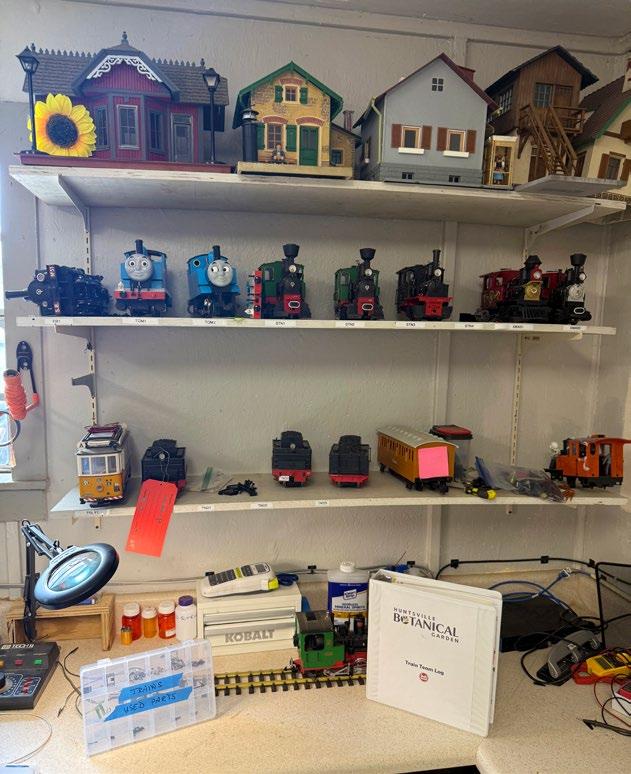
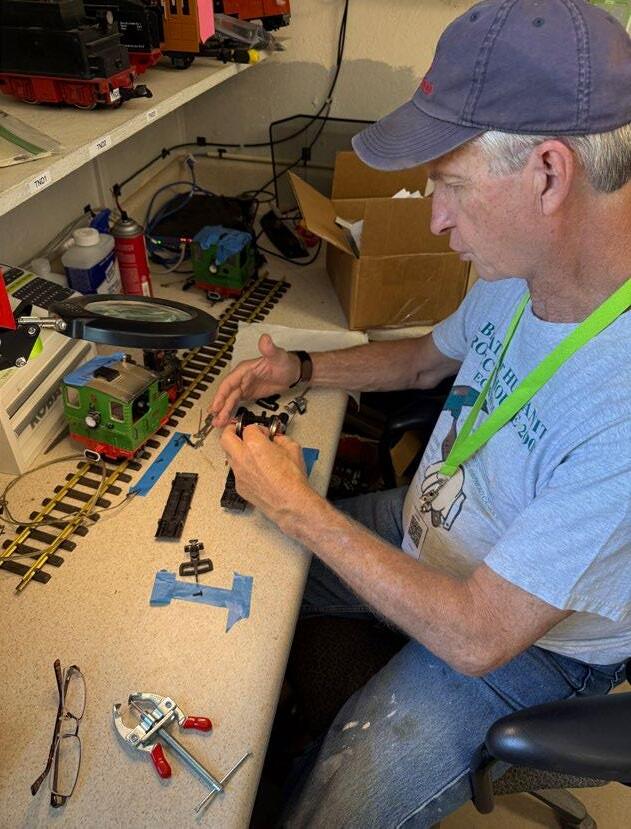
There is also a strong engineering side to the Train Garden. The locomotives require regular maintenance and repair, much like their full-sized counterparts. Many components are fully replaceable, similar to real locomotive systems, and the team often develops creative solutions and custom
tools to keep everything operating smoothly. This includes everything from detailed mechanical work to innovative problem-solving, such as designing and 3D-printing tools to improve precision and replace outdated repair methods. The trains operate year-round, pausing only during heavy rain, and this level of care helps ensure a reliable and enjoyable experience.
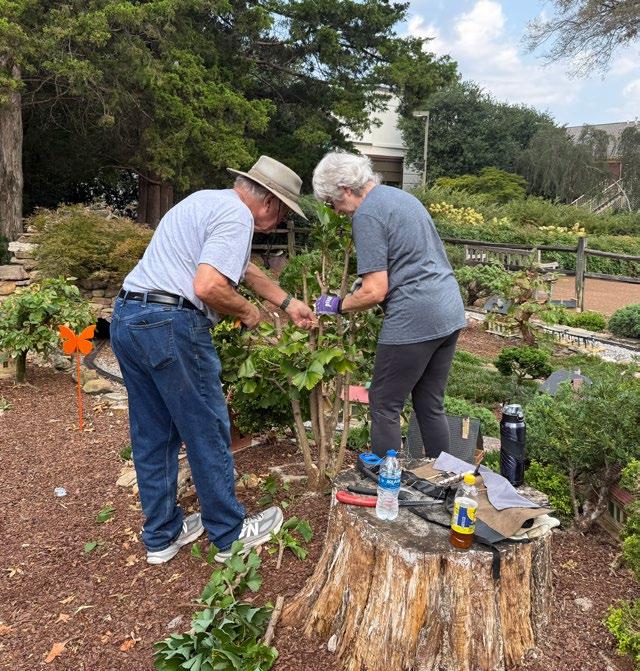
At the heart of the Train Garden is a dedicated volunteer team that was intentionally created to support the long-term success of the exhibit. The goal is to invite enthusiasts, artists, and hands-on problem solvers into the process in a structured, accountable, and Garden-led way—people who bring passion, creativity, and time to help shape and sustain the experience.
The Train Team places volunteers into specialized roles where they can take ownership, collaborate, and contribute their unique skills. The program is organized in a way that keeps things running smoothly while still allowing room for creativity, problem solving, and hands-on learning.
The team is divided into three primary branches.
1. Train Technicians focus on locomotive maintenance and repair. These volunteers are often engineering-minded and enjoy working with intricate systems. They manage detailed craftsmanship, parts organization, and overall train operation, ensuring the system continues to run smoothly.
“As a retired engineer, I greatly enjoy repairing things. Even though when I started working with the trains I didn’t know a single thing about model trains, I love learning--and this gives plenty of opportunity to do just that,” said volunteer David Sayre. “I also truly enjoy working with other volunteers who put time and effort into bringing a beautiful setting to life for the enjoyment of all.”
2. The Model Props Artists and Infrastructure Team brings creativity into the space through restoration and design. Volunteers in this group restore structures, paint props, and support seasonal displays, helping bring the Train Garden to life visually.
3. The Bonsai-Trained Pruning Team supports the horticultural side of the exhibit. This group works closely with Horticulture, using bonsai-inspired techniques to shape and maintain the plant collection.
Together, these groups form a highly collaborative and capable team. Each volunteer contributes their own skills and perspective, creating a program that is both structured and adaptable.
The Train Garden is always evolving, shaped by the creativity, care, and dedication of those who build and maintain it. Throughout the year, seasonal displays bring new life and character to the space, offering fresh experiences.
The other thing that keeps me engaged is seeing the look on children’s faces as the watch the trains,” said Sayre. “I so enjoy their captivated expressions.
Many volunteers come from the Bonsai Society, bringing specialized knowledge and strong attention to detail.
For those interested in getting involved, the Train Team offers a unique and unconventional volunteer opportunity to support the Garden’s mission of connecting people to plants. Whether your interests are mechanical, creative, or horticultural, there is a place to contribute and grow within the program.
Email volunteer@hsvbg.org to get involved!
THANK YOU Corporate Partners!
The Corporate Partners Program is designed to strengthen the relationship between Huntsville Botanical Garden and the corporate community in the region. Through the annual support of Corporate Partners, the Garden can provide first-class programs that allow Garden guests to connect to plants and gain a deeper understanding of the role they play in their own environment.
Gold
y International Motors
Silver
y Blue Cross and Blue Shield of Alabama
y Cepeda Systems & Software Analysis
Bronze
y Barrios Technologies
y Biscuit Belly
y Blue Origin
y Buckeye Turf Solutions Cadence Bank
y LG Electronics
y Huntsville Hospital
y Signalink
y Window World
y Lola’s Cocina
y Manning & Napier
y Melt
y Mission Driven Research MTSi
y Prohibition
y Redstone Federal Credit Union
y Schoel Engineering
y Starfish Holdings Super Chix
Details and tickets coming soon to hsvbg.org/calendar
Summer in the Herb Garden A Sensory Escape Rooted in Story
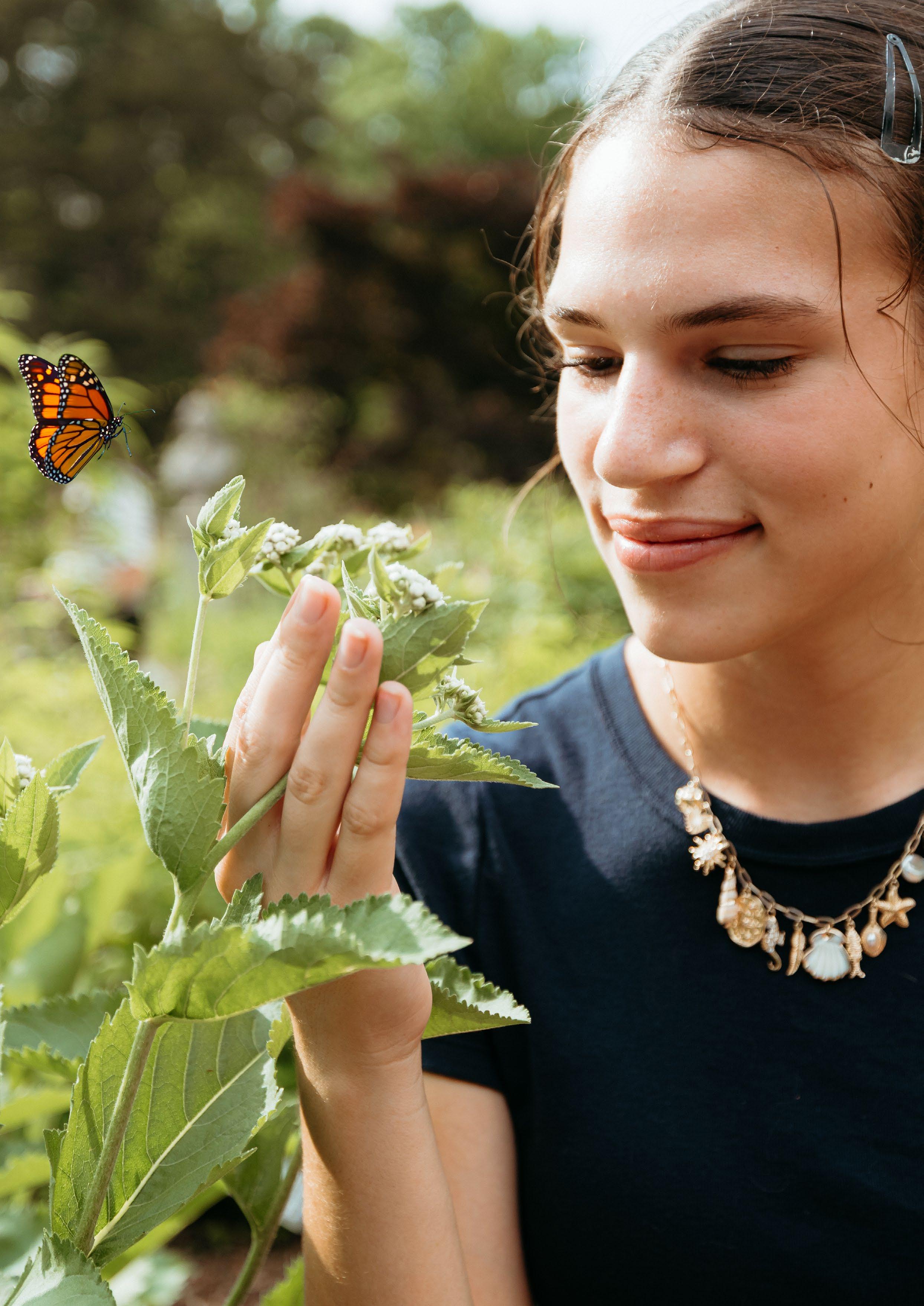
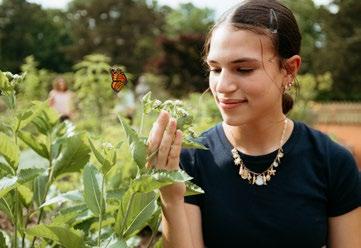
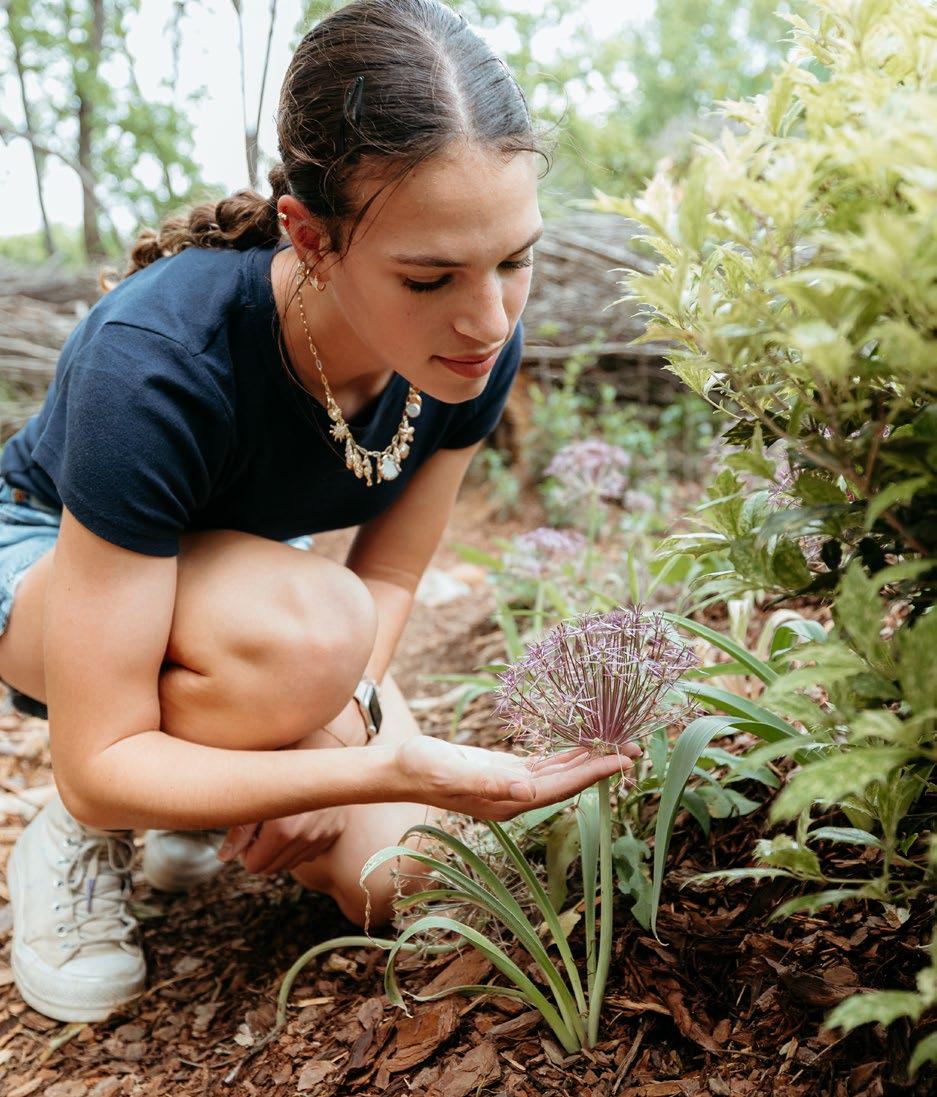
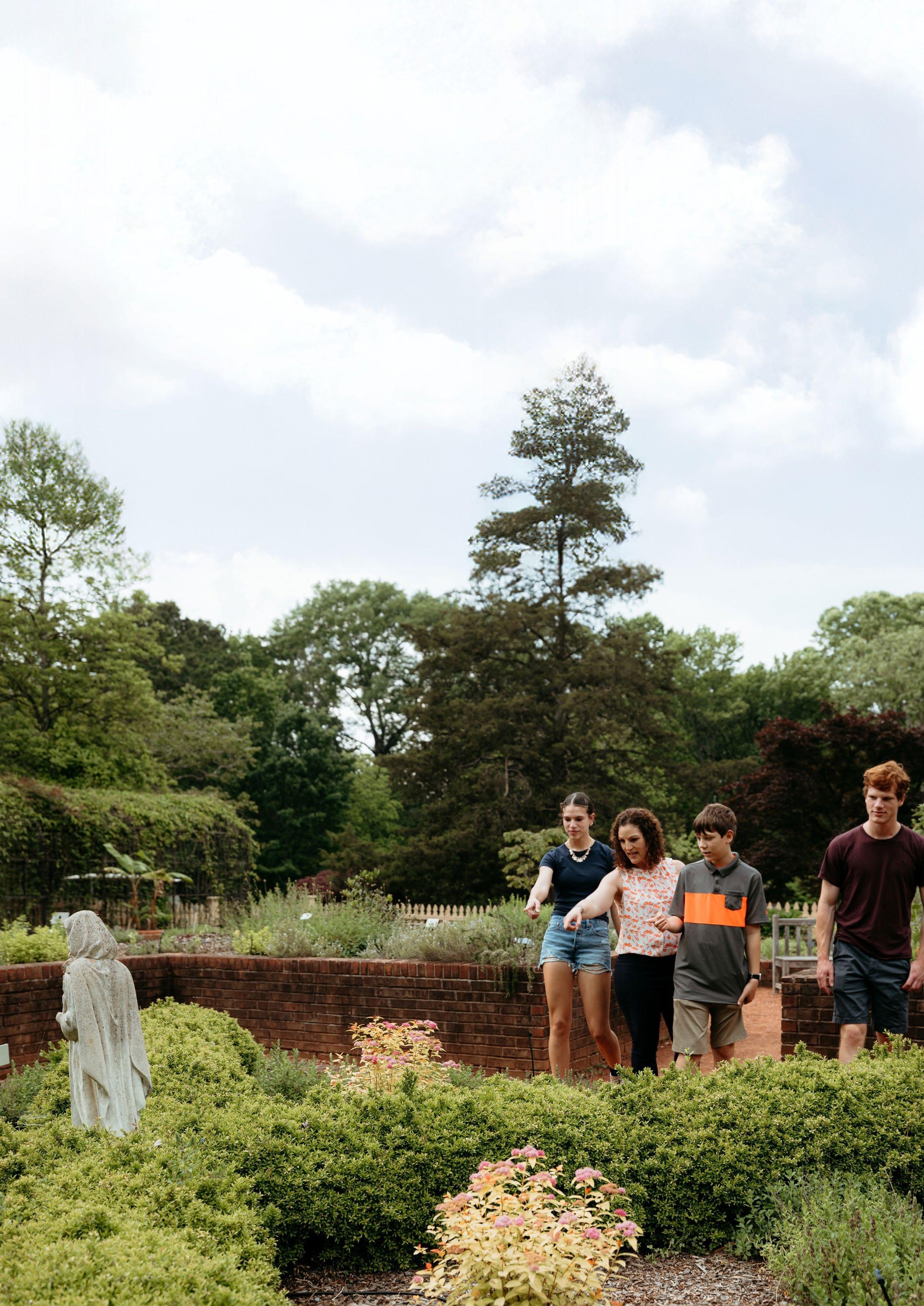
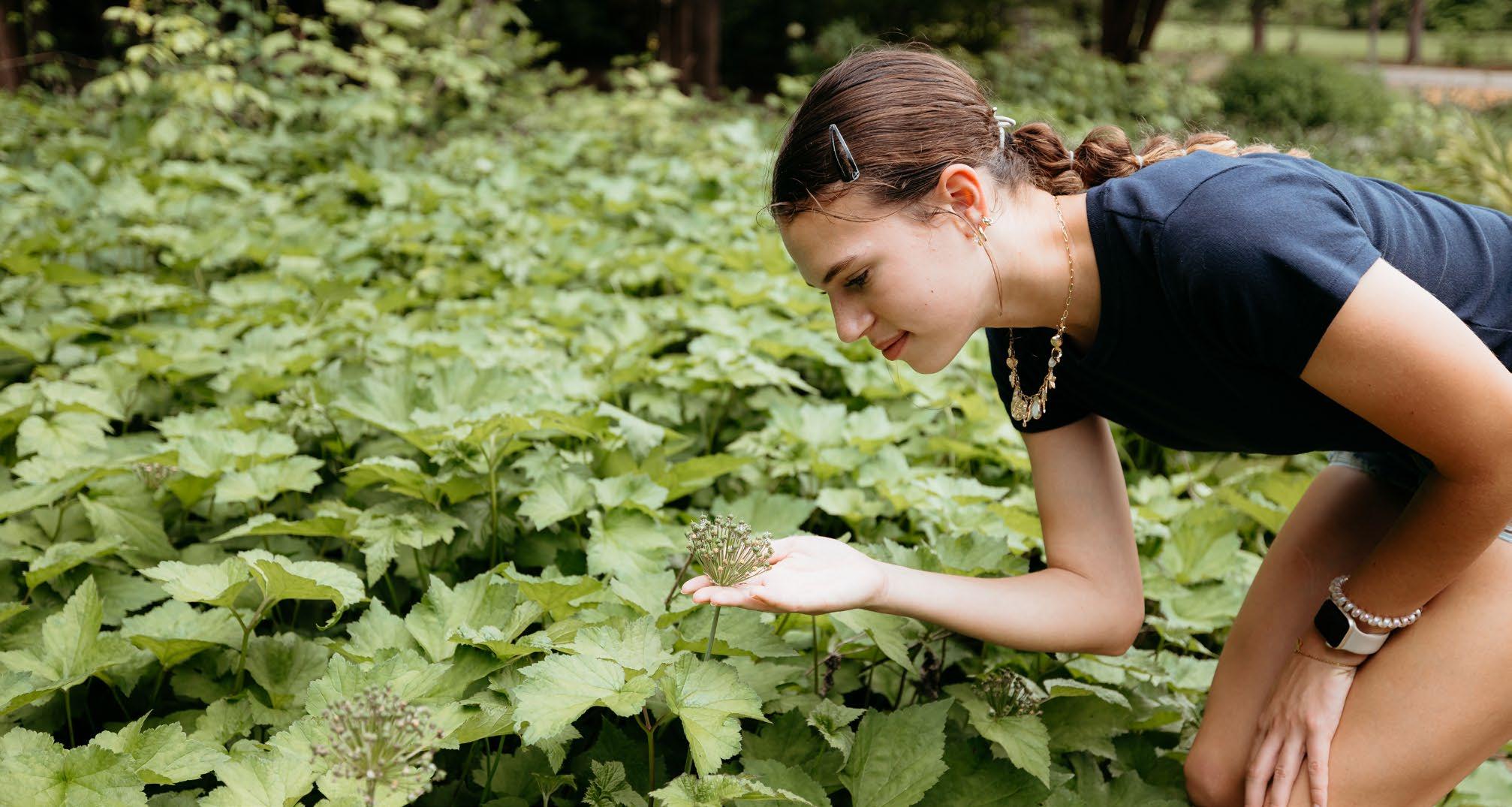
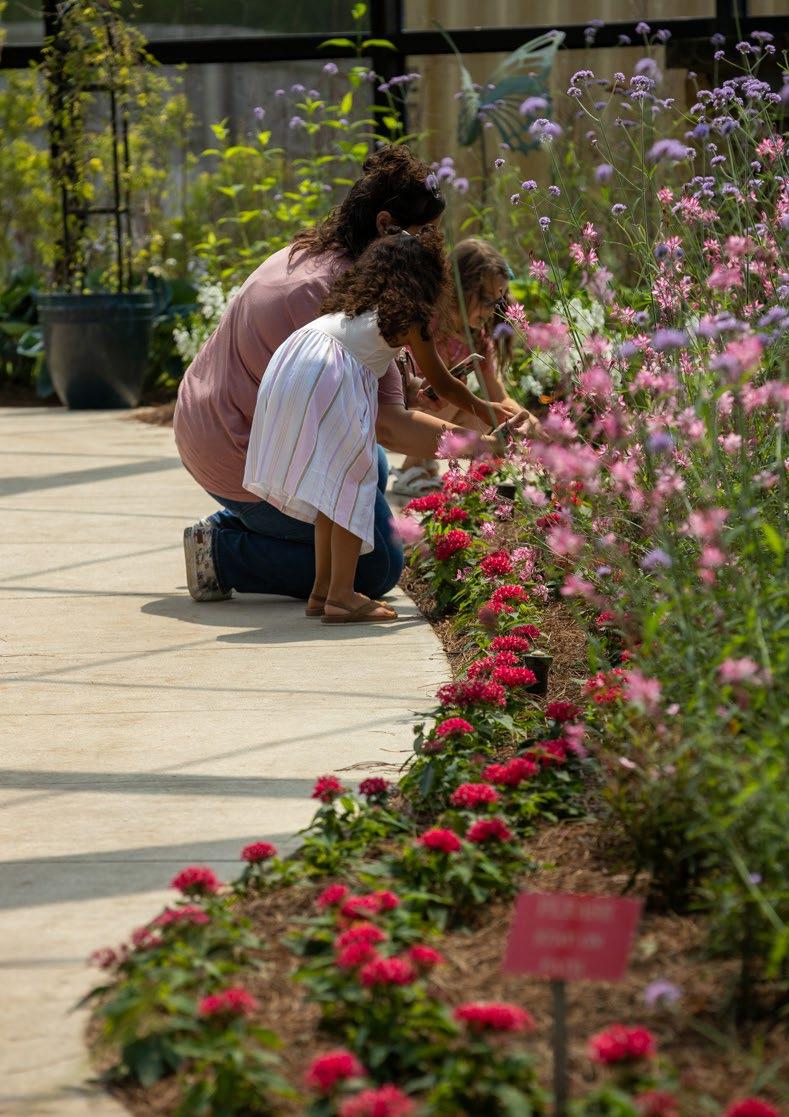
Step into the Herb Garden in summer, and something shifts almost immediately. The air feels fuller—carrying hints of lavender, basil, and sun-warmed earth. Paths invite you to slow down. Leaves brush your fingertips. And suddenly, plants you’ve only known as dried flakes in a jar come alive with texture, color, and fragrance.
This is a garden designed not just to be seen, but to be experienced.
A Garden That Engages
All the Senses
The Herb Garden is organized into themed beds, each telling a different story. Some highlight herbs used for fragrance or tea, while others explore plants historically used for dyes or symbolic bouquets. Around every corner, there’s something unexpected—whether it’s a plant you recognize by scent before sight or one you’ve never encountered at all.
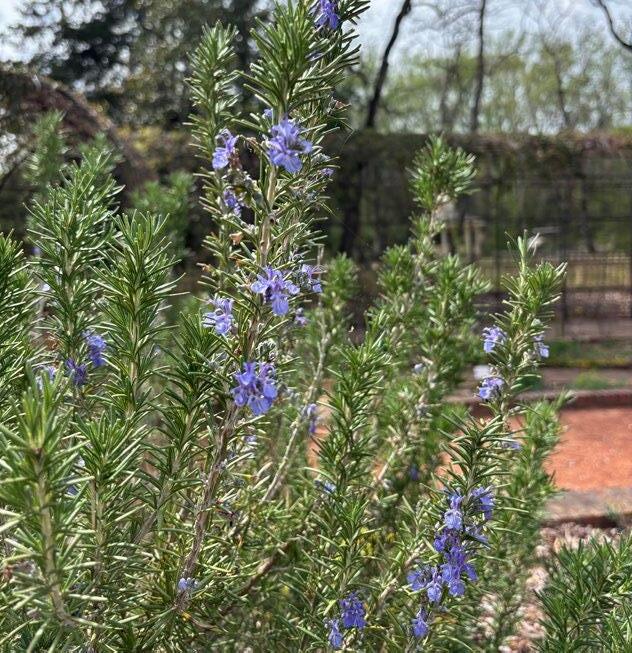
For many visitors, it’s a moment of discovery. That rosemary you cook with? It’s a woody, evergreen shrub. The thyme in your spice rack? A delicate plant with tiny leaves and surprising resilience.
And for those who garden at home, the takeaway is simple: herbs are approachable.
Most thrive in full sun and grow just as happily in containers as they do in the ground—making them an easy and rewarding addition to any space.
A Living Legacy
The Herb Garden is more than a collection of plants—it’s a testament to community.
Established in 1987 by the Huntsville Herb Society, the garden continues to reflect decades of care, curiosity, and shared passion. Volunteers still play a vital role in tending the beds, working alongside staff to keep the space vibrant and welcoming.
For many of them, it’s not just about gardening. It’s about connection.
The Herb Garden is “a peaceful place to be working in nature—a chance to breathe, listen, and let your mind rest,” says Barbara White, Herb Garden Volunteer.
More Than Just Cooking
While herbs are often associated with the kitchen, their stories stretch far beyond flavor. Across cultures and centuries, they’ve been used for healing, symbolism, beauty, and ritual.
“Herbs are approachable. Most thrive in full sun and grow just as happily in containers as they do in the ground“
–
Leanne Ferryman
• Rosemary has long been linked to memory and friendship.
“Historically, rosemary has been known to represent memory in floriography, the language of flowers,” noted by Renee West, HBG Volunteer.
• Thyme has symbolized courage—and was once used as a disinfectant.
• Sage carries a legacy tied to wisdom and healing.
• Basil, beloved in cuisines around the world, has also been a symbol of love.
Walking through the garden, you begin to see these plants differently—not just as ingredients, but as threads woven through human history.
Beauty with Purpose
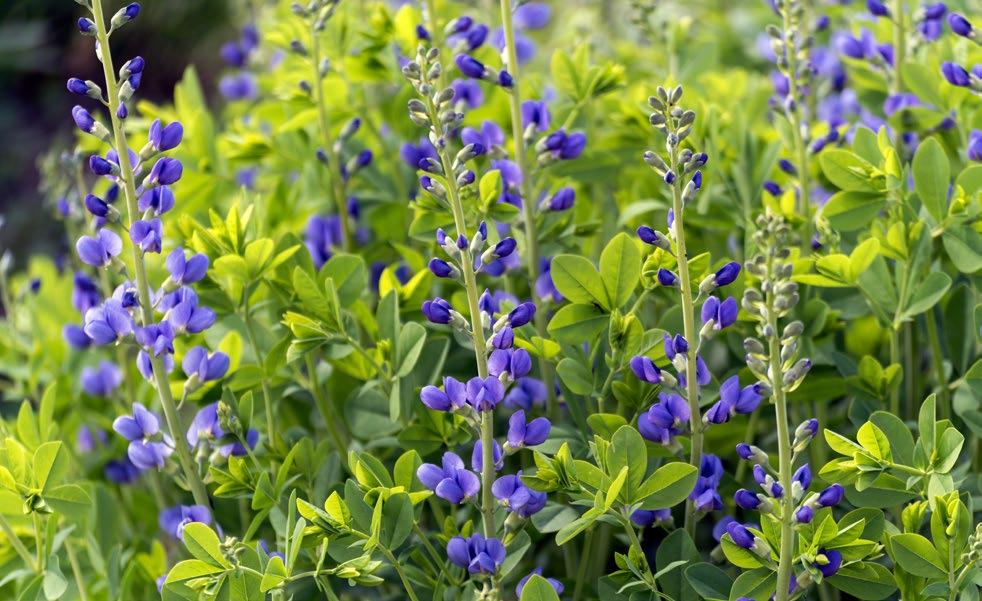
Several beds highlight the practical roles herbs have played over time. In the Dye Garden, plants once used to color textiles remind us of a time before synthetic pigments. “My favorite plant in the Dye Bed is Baptisia australis, or false blue indigo. It has the most beautiful purple-blue flowers,” shares Pam Price, Herb Garden Volunteer.
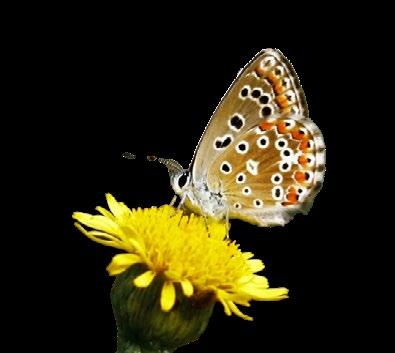
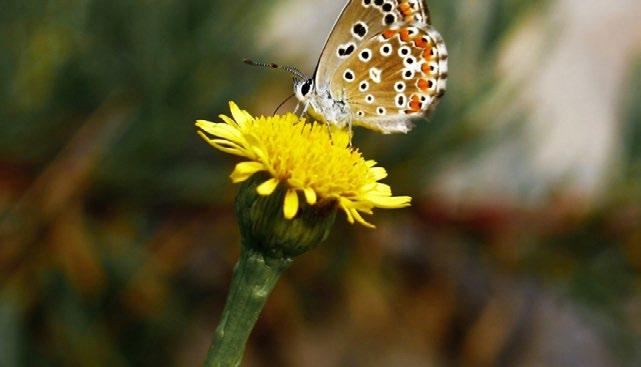
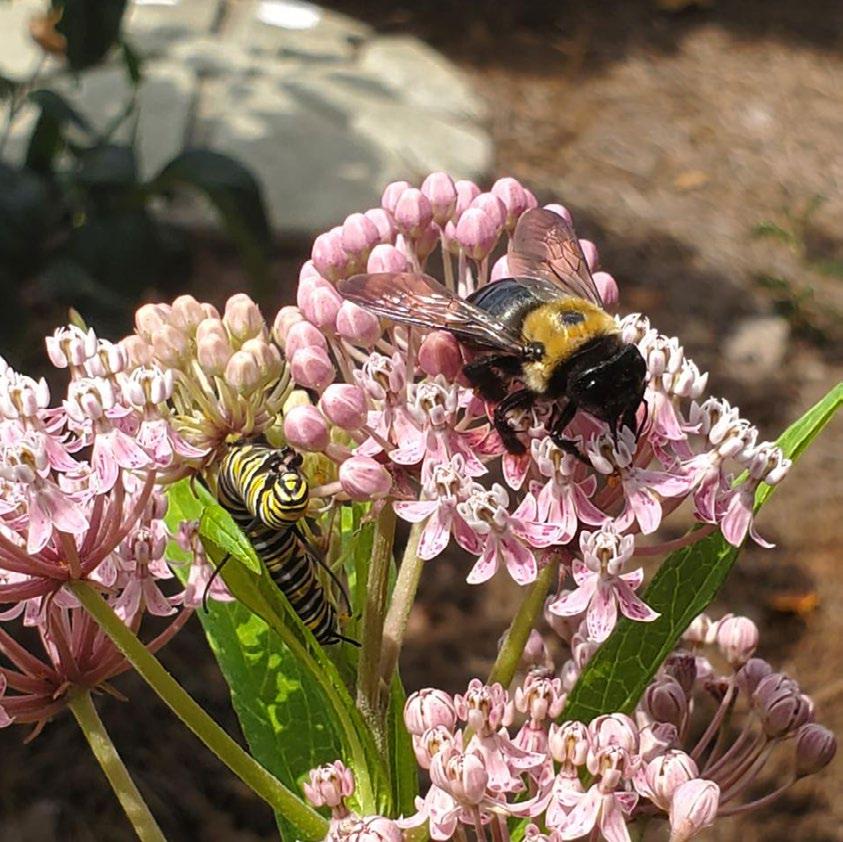
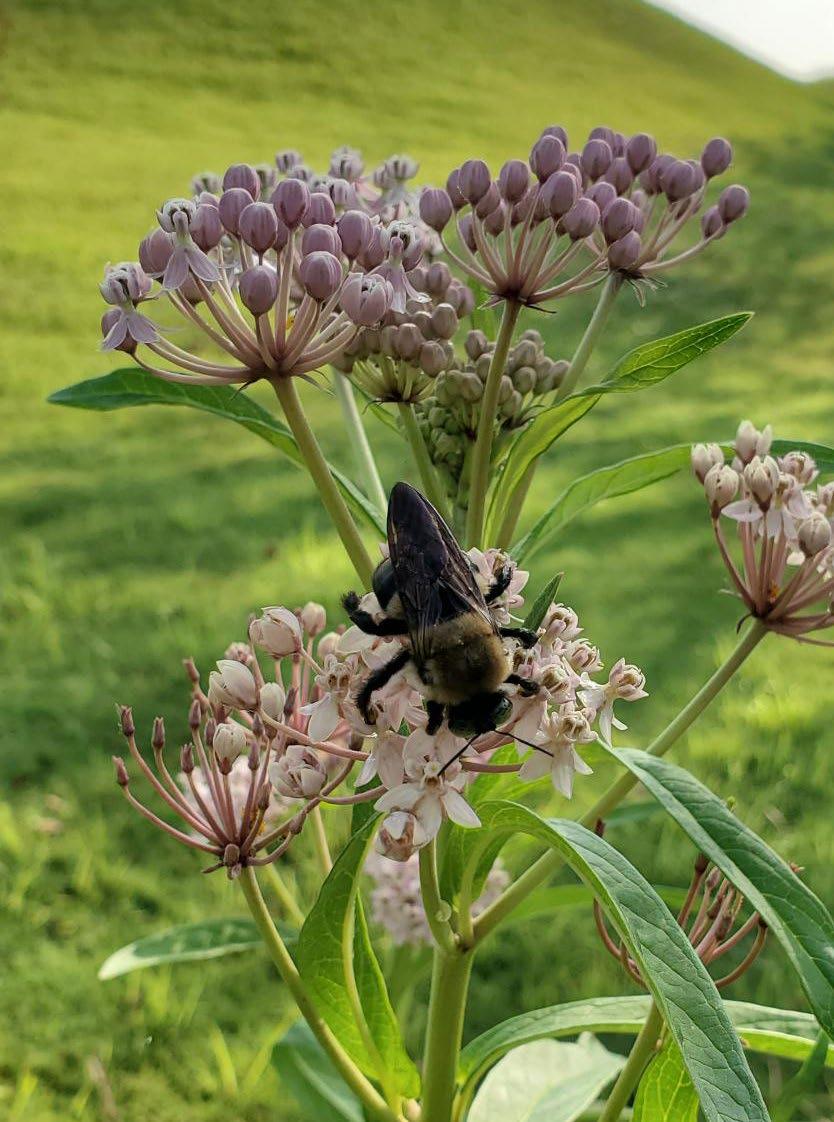
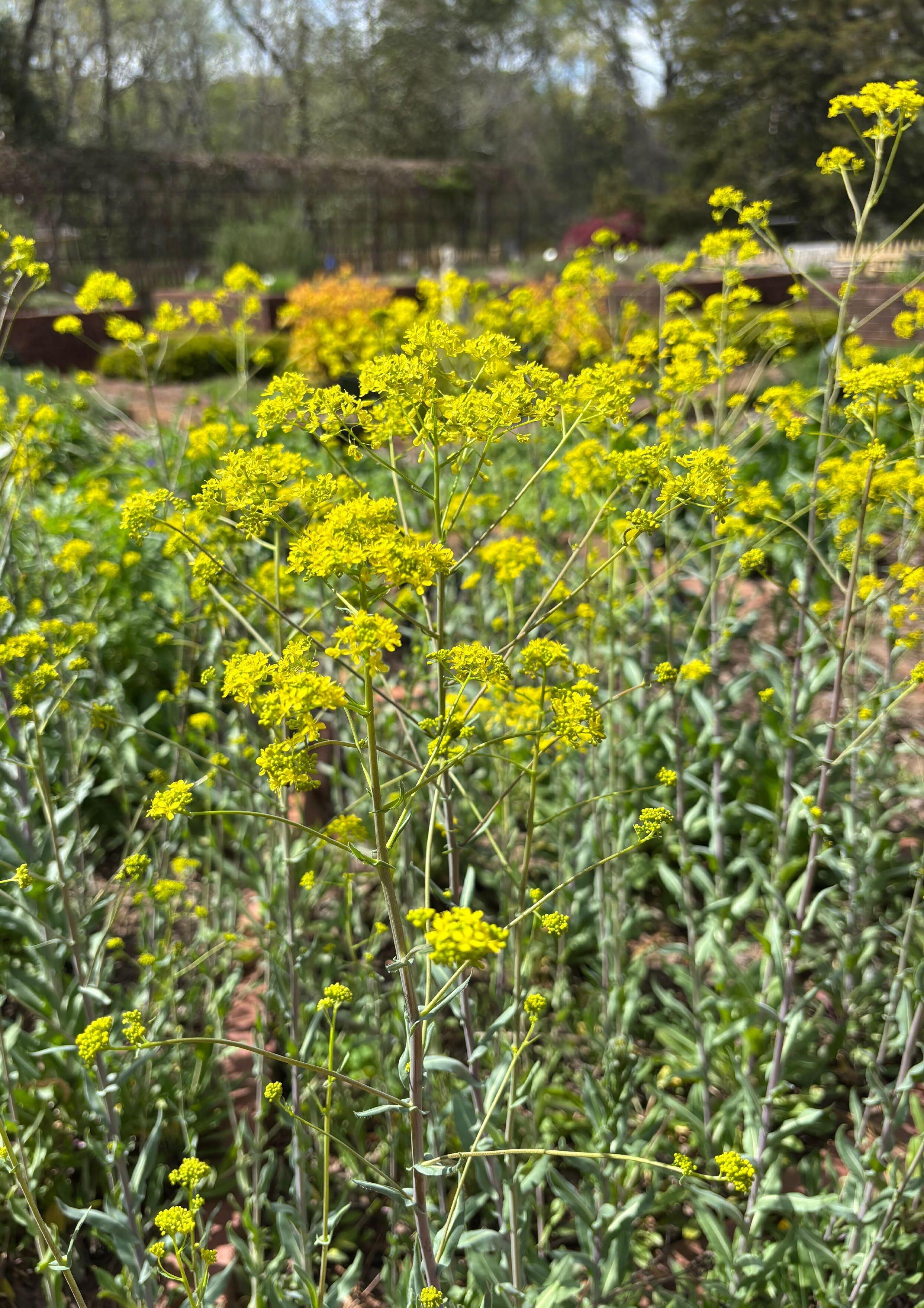
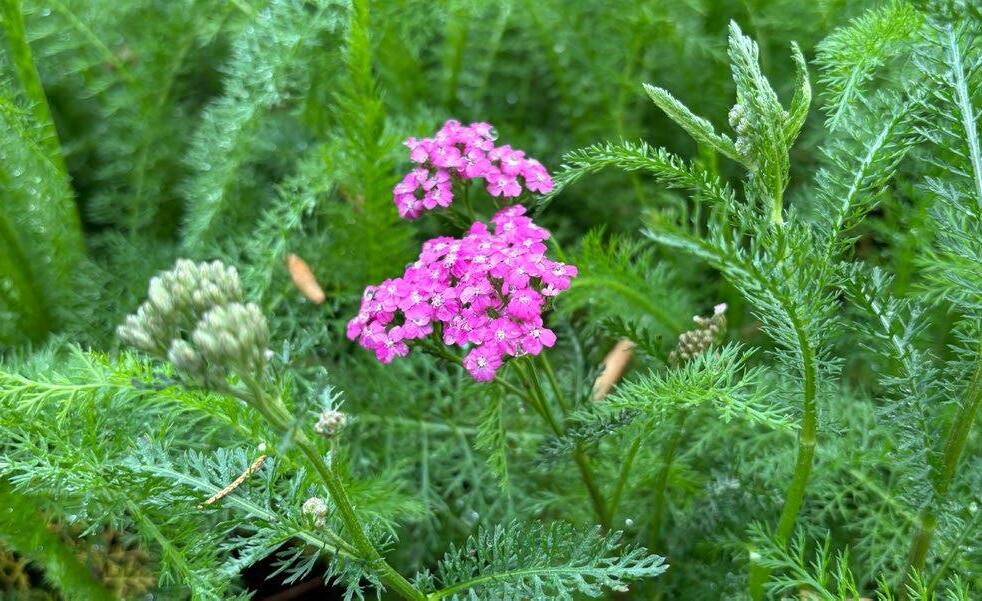
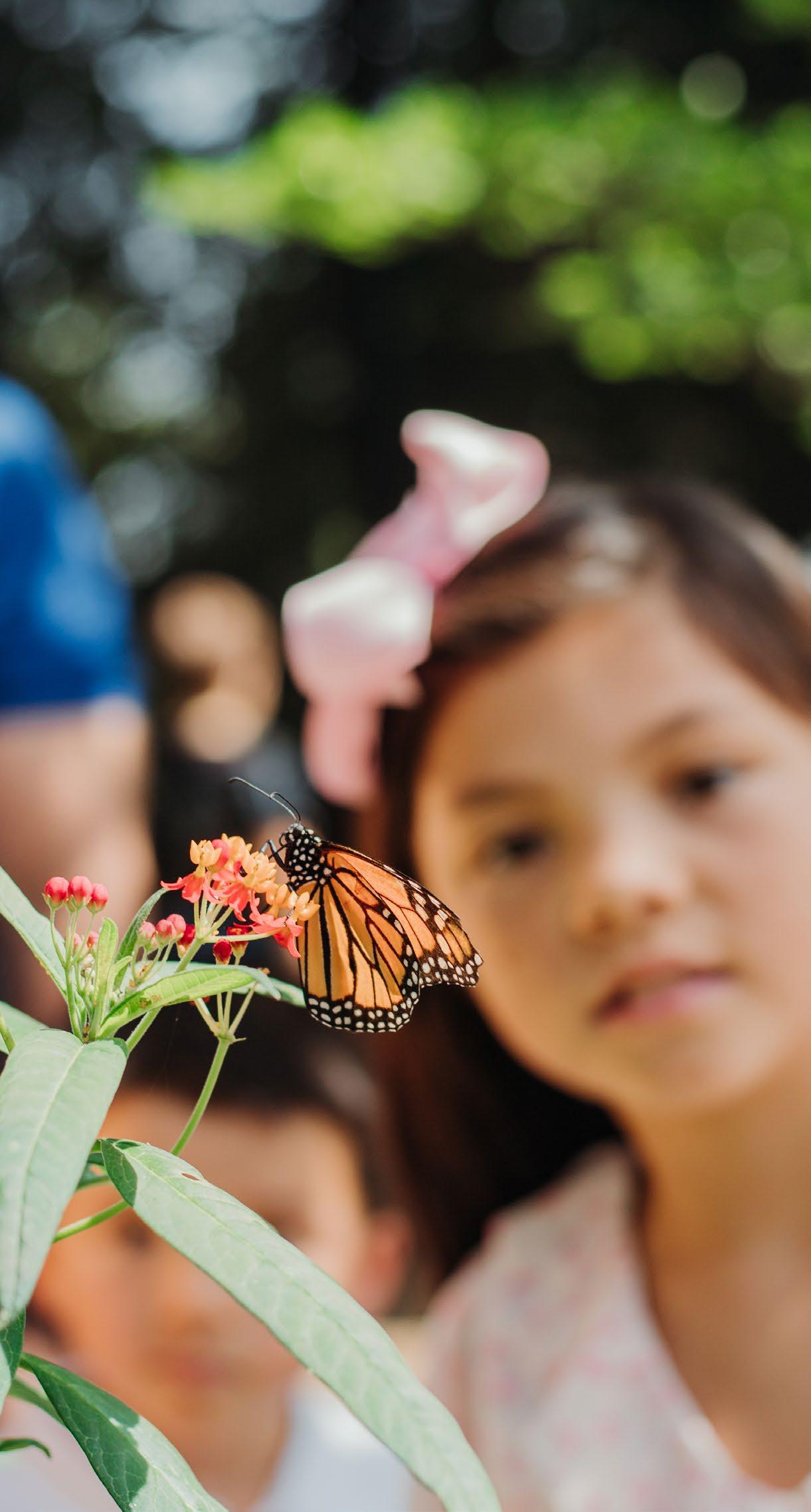
In the Butterfly Garden, species like yarrow quietly support pollinators, bringing movement and life to the space.
Rosemary (Salvia rosmarinus)
Then there’s the charmingly named tussie-mussie bed—a nod to the Victorian tradition of small, symbolic bouquets. These arrangements once carried hidden messages, blending beauty with meaning in a way that still feels relevant, today.
“It’s a historical thing—about how plants were used not just for beauty,” notes Renee West.
The Magic of Summer
Summer is when the Herb Garden truly comes into its own. Blooms emerge, fragrances intensify, and the garden feels alive in a way that’s both energizing and calming.
“Whether
you’re drawn by curiosity, nostalgia, or a love of plants, the Herb Garden offers a kind of quiet richness—one
that
reveals itself slowly, visit after visit.”
– Mike Shelton
It’s a place where you can:
• Pause between commitments
• Learn something new without trying too hard
• Reconnect with nature in a simple, tangible way
Whether you’re drawn by curiosity, nostalgia, or a love of plants, the Herb Garden offers a kind of quiet richness—one that reveals itself slowly, visit after visit.
An Invitation to Explore
In a fast-paced world, the Herb Garden offers something increasingly rare: a chance to engage deeply with the everyday. To notice. To smell. To remember.
This summer, take a walk through—and see how something as simple as an herb can tell a story, spark a memory, or inspire something new.
Common Yarrow (Achillea millefolium)
False Blue Indigo (Baptisia australis)
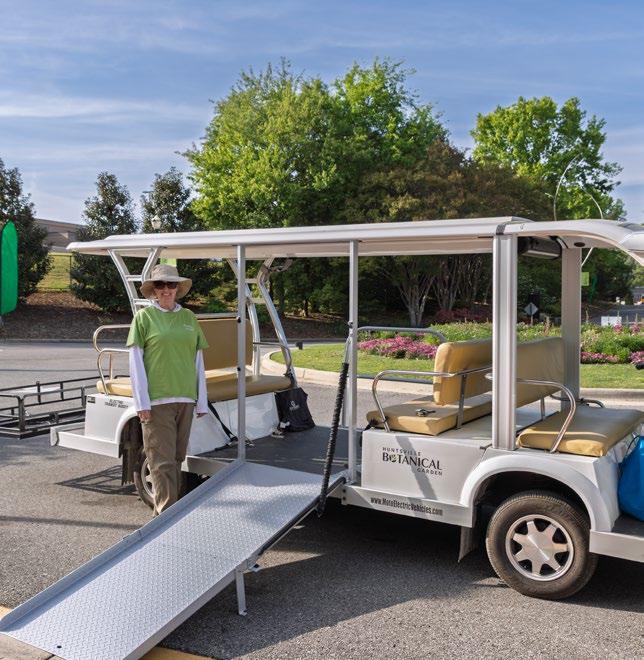
Guided Garden Tram Tours
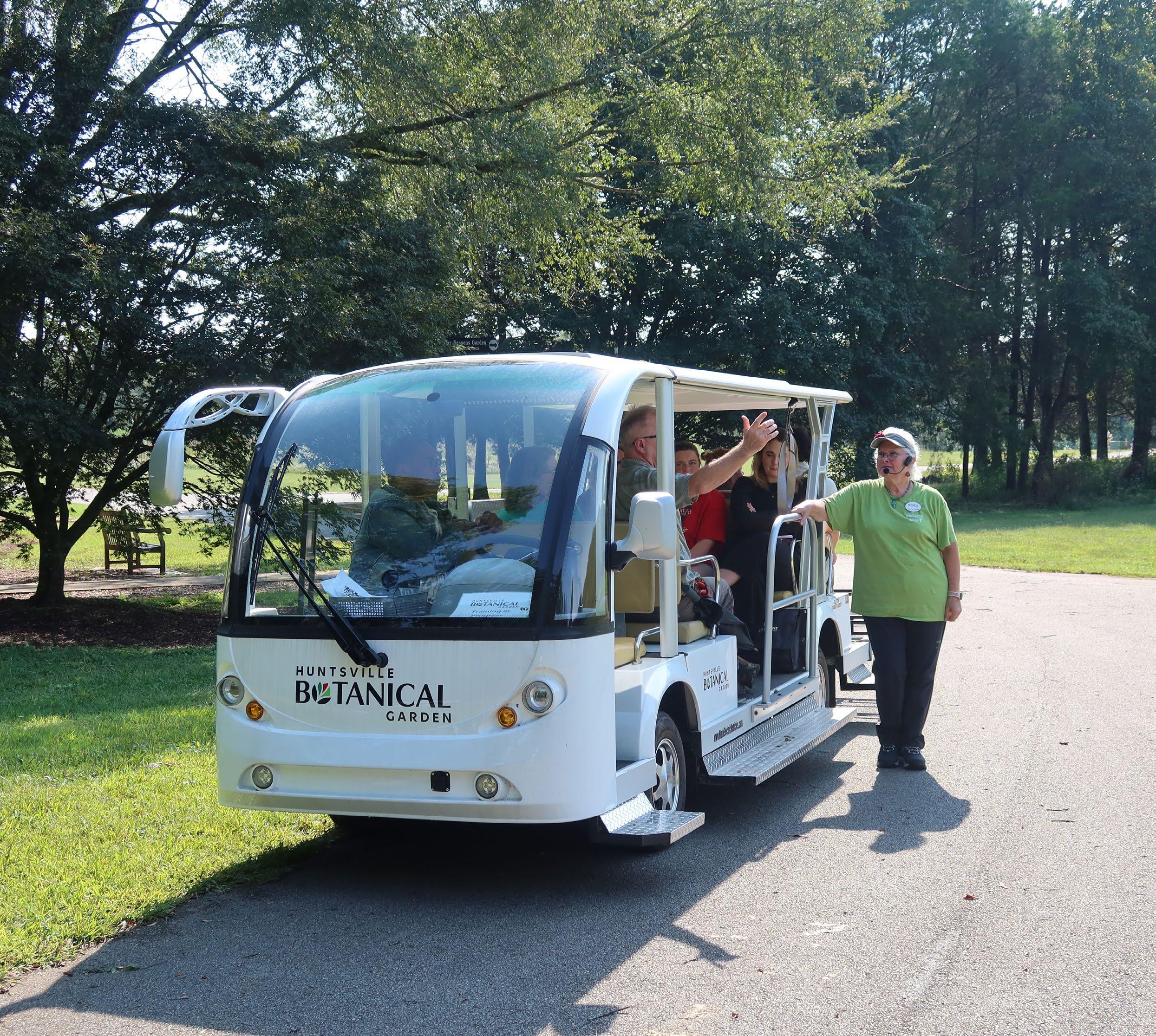
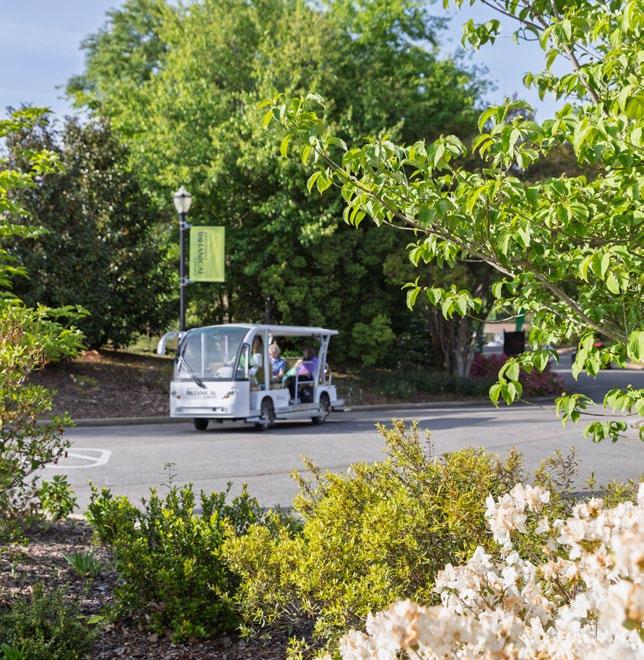
Sit back, relax, and discover nature’s beauty from the comfort of our open-air tram as you are guided through some of the Garden’s most beloved areas. Along the way, our knowledgeable tour operators will share fascinating stories about the Garden’s history and highlight seasonal points of interest you won’t want to miss.
Perfect for visitors of all ages who want to see more, learn more, and make their visit even more memorable.
Learn more & schedule your tour at hsvbg.org/visit/ garden-tram-tours/
June 5 - October 31, 2026
Nature Unframed opens Friday, June 5, transforming Huntsville Botanical Garden’s Dogwood Trail into an immersive outdoor art experience where sculpture, sound, light, and interactive installations inspire new connections with nature. Featuring four artworks by Alabama-based artists, this all-ages exhibition invites guests to explore, play, and experience the Garden in unexpected ways through October.
“It has been an honor and a privilege to support the Huntsville Botanical Garden. My late husband, Fred Wessel, was an early champion of beautification initiatives in our city. I remember how excited he was when a committee was formed to establish a botanical garden in Huntsville. Both of our families shared a deep appreciation for nature. Its beauty has a way of soothing the soul and quieting the spirit. Happy Summer to all—visit your garden soon!”
Jean Wessel Templeton GardenSupporter
Host Your Next Event at Huntsville Botanical Garden!
Celebrate your special moments surrounded by breathtaking gardens and natural beauty. Whether you’re planning a wedding, party, or corporate gathering, our versatile spaces offer the perfect setting to make your event truly unforgettable.
Reserve your date today at rentals@hsvbg.org!
Like what you read?
We want to hear from you! Scan the QR code to take our survey.