What Defines a True All-Weather Wardrobe for the UK Climate
What Features Define a True All-Weather Wardrobe
Whether you're navigating the unpredictable British spring, enduring a chilly winter commute, or soaking up a rare summer downpour at a music festival, having an all-weather wardrobe isn't just convenient it's essential The UK’s famously changeable climate demands clothing that can transition seamlessly between cold gusts, sudden rain, and surprisingly warm interludes. But how exactly do you build a wardrobe that stands up to all four seasons, sometimes in the same week?
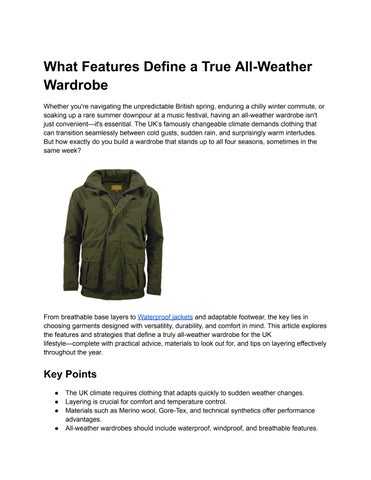
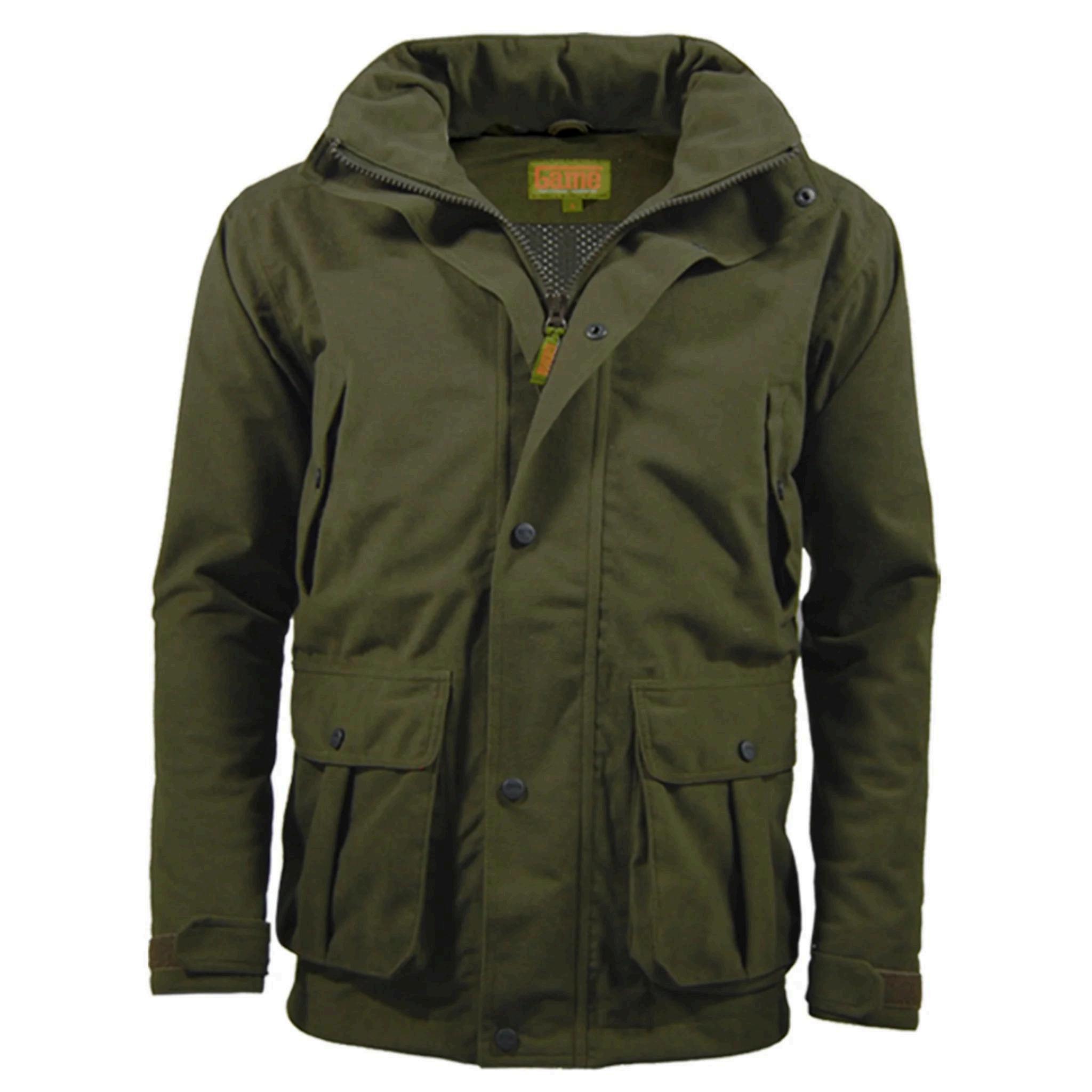
From breathable base layers to Waterproof jackets and adaptable footwear, the key lies in choosing garments designed with versatility, durability, and comfort in mind. This article explores the features and strategies that define a truly all-weather wardrobe for the UK lifestyle—complete with practical advice, materials to look out for, and tips on layering effectively throughout the year
Key Points
● The UK climate requires clothing that adapts quickly to sudden weather changes.
● Layering is crucial for comfort and temperature control
● Materials such as Merino wool, Gore-Tex, and technical synthetics offer performance advantages.
● All-weather wardrobes should include waterproof, windproof, and breathable features
● Footwear, accessories, and storage options also play a role in weather-ready dressing
Understanding the UK Climate: Why You Need an All-Weather Wardrobe
The UK is characterised by its maritime climate mild, wet, and often unpredictable Rain is frequent, temperatures can swing dramatically, and even in summer, a cold snap isn't unheard of This volatility makes it essential to dress in layers and be prepared for a range of conditions rather than relying on the season's calendar alone.
Microclimates and Regional Variation
Scotland’s Highlands differ hugely from the coastlines of Cornwall City dwellers in London experience different conditions compared to those in the Lake District. Understanding your local climate helps tailor your wardrobe to fit your everyday needs more accurately, whether that involves commuting or countryside hikes.
The Foundation of an All-Weather Wardrobe: Functional
Layering
Layering is the cornerstone of any adaptable wardrobe. It allows you to regulate your body temperature, stay dry, and be prepared for whatever the skies throw at you
1. Base Layers: Moisture Management
The base layer sits closest to your skin and should wick moisture away to keep you dry. Fabrics like Merino wool and synthetic blends are excellent choices They offer breathability, odour resistance, and warmth without bulk ideal for fluctuating conditions.
2. Mid Layers: Insulation
Mid layers trap body heat and offer insulation Fleece, down, or synthetic insulated jackets serve well in this role. The key is flexibility opt for zippered versions that you can adjust easily as conditions change
3. Outer Layers: Protection
The outer layer serves as your shield against wind and rain Choose jackets that are windproof, waterproof, and breathable Modern Waterproof jackets often incorporate ventilation zips and adjustable hoods, making them practical for various activities and weather scenarios.
Essential Features of All-Weather Clothing
Waterproofing
Perhaps the most talked-about necessity in UK wardrobes Look for garments with a high waterproof rating and sealed seams. Technologies like Gore-Tex or eVent offer reliable protection while maintaining breathability DWR (Durable Water Repellent) coatings add an extra layer of water resistance on outer shells
Windproof Capabilities
Even when it’s not raining, wind can sap your body heat quickly Windproof jackets and trousers help retain warmth and prevent wind chill from becoming a discomfort or even a risk.
Breathability
Protection from the elements is vital, but so is preventing overheating. Breathable fabrics allow moisture vapour to escape, keeping you dry from the inside and avoiding the dreaded clammy feeling under your coat
Adjustability
Features like drawcord hems, adjustable cuffs, and zippered vents provide customisation for comfort and performance. These are particularly useful for adapting to microclimate changes during outdoor activities
Packability
In the UK, you may leave for work under clear skies and return home in a thunderstorm. Lightweight, packable layers especially rain jackets are invaluable Look for items that fold into their own pockets or compress easily into a rucksack.
Materials That Make a Difference
Merino Wool
Naturally sourced and incredibly versatile, Merino wool regulates temperature, wicks moisture, and resists odours It’s equally suitable for base layers or mid-layer jumpers
Technical Synthetics
Modern synthetics such as polyester fleece or Thinsulate provide warmth without the weight They dry quickly and are generally more affordable than natural options, making them ideal for high-output activities like hiking or cycling
Gore-Tex and Other Membranes
These high-performance materials offer reliable waterproofing and breathability They’re commonly found in outer layers and are worth the investment if you spend a lot of time outdoors.
Footwear: Often Overlooked, Always Important
What you wear on your feet can make or break your comfort level In the UK, waterproof, supportive footwear is a must year-round.
● Waterproof boots: Essential for walking through wet terrain, especially in autumn and winter.
● Breathable trainers: Ideal for warmer months or urban settings, particularly those with mesh panels and quick-dry features
● Insulated options: Winter boots with thermal linings keep feet warm during cold spells.
Accessories That Complete the Wardrobe
● Hats: A beanie or wide-brimmed waterproof hat keeps your head warm and dry
● Scarves and gloves: Lightweight, breathable versions are suitable for layering without overheating
● Umbrellas: Compact and wind-resistant models are handy, though not always suited for high-wind areas.
● Backpacks: Look for waterproof or water-resistant options, or use a rain cover to protect contents during showers.
Adapting Your Wardrobe by Season
Spring
Focus on light layers and waterproof shells. Temperatures vary, and sudden showers are common A lightweight waterproof jacket and breathable base layers are your best allies
Summer
Don’t be fooled by sunshine. Pack a rain jacket or umbrella, and opt for quick-drying, UV-protective clothing for holidays or festivals
Autumn
This transitional season demands flexibility Layering is essential, and waterproof footwear becomes more relevant as ground conditions get soggier.
Winter
Insulation and moisture management are key. Choose thermal layers, insulated outerwear, and accessories like gloves and scarves for added warmth
Wardrobe Maintenance: Keeping Your Gear Functional
Even the best gear won’t perform well if it’s not cared for properly. Regular maintenance extends the life of your wardrobe and keeps it performing effectively
● Wash tech fabrics carefully: Use specialised detergents and avoid fabric softeners that can damage waterproof membranes.
● Reproof waterproofs: Over time, waterproof coatings wear out Use a spray or wash-in treatment to maintain protection.
● Air dry when possible: Excessive heat can distort materials and damage technical fabrics
FAQ: Building a True All-Weather Wardrobe
What is the most important item in an all-weather wardrobe?
A high-quality waterproof jacket is arguably the most critical piece It provides protection from rain and wind and can be layered over other garments according to the season.
Can I use the same outer layer all year round?
Yes, many modern outer layers are designed with adaptability in mind. Look for features like zip-in liners, ventilation systems, and lightweight build to ensure year-round applicability
Is wool better than synthetic for layering?
Both have their strengths. Wool is natural, breathable, and odour-resistant, while synthetic materials often dry faster and are more durable It often comes down to preference and intended activity.
How do I know if a jacket is truly waterproof?
Check for a waterproof rating (measured in mm), taped seams, and the presence of a waterproof membrane like Gore-Tex. DWR coatings help but don’t guarantee full waterproofing alone
How many layers should I wear in winter?
Generally, aim for three: a moisture-wicking base layer, an insulating mid layer, and a protective outer shell Adjust based on your activity level and the day’s forecast
What’s the best way to store seasonal clothing?
Clean items before storing, and keep them in breathable containers in a dry, cool place Avoid plastic bags, which can trap moisture and lead to mould.