

STANDING OUT, STANDING STRONG
Isn’t today’s world supposed to be fully digital? Global Gaming Insider assesses the resilience of land-based gaming in Asia...
Company profiles and a look ahead to the Global Gaming Awards ceremony
The big questions on prediction markets, payments providers and new verticals
The Venetian, an exclusive with the Ainsworth CEO and raising Arizona
























Editor-in-Chief
EDITOR’S LETTER
When I saw that Marina Bay Sands' adjusted EBITDA outperformed Flutter Entertainment's whole group for 2025, my mind was truly blown. That is no poor reflection on Flutter, either, as the Marina Bay's 2025 earnings outperformed all of Sands' Macau properties, too. It is, instead, a tribute to the three-pronged behemoth that stands tall in Singapore.
There is a reason land-based casinos in Asia (not just the Marina Bay) remain such a resilient proposition for both players and investors. Yes, there aren't many of them around and there are high barriers to entry – so it is proportionately easier to make money in the digital sector. But the maturity of brick-and-mortar means integrated resorts remain some of the most attractive investment propositions across Asia.
Just look at Sands' market capitalisation (which we do in our data section); it remains the pick of the gaming bunch. Although Kalshi's $22bn valuation puts the new phenomenon of prediction markets well and truly on the market map, so to speak, Sands, Galaxy, SJM, Wynn, MGM, Aristocrat, Novomatic and more have stood the test of time. Simply put, bettors keep coming back.
While Thailand is yet to enter the conversation after last year's failed attempts at legalisation, Japan offers promise for the future. Singapore, Vietnam, the Philippines and South Korea, meanwhile, offer growth – and even Crown Resorts and The Star Entertainment have revived outlooks in Australia.
Macau, of course, remains king.
That's why the main theme of this Global Gaming Insider issue is dedicated to celebrating Asian gambling. Plenty has and continues to be achieved, despite a constantly changing regulatory and political landscape. Celebrating that success is something we don't do enough of in this industry.
Elsewhere in our cover section, I speak exclusively with Entain Australia & New Zealand CEO Andrew Vouris – who operates where online gaming is far more of a factor. We hear, too, from the supplier POV as Novomatic walks us through casino floor trends across APAC.
Our attentions, however, will never neglect gaming's other key regions: EMEA and the Americas. In the former, we feature a series of in-depth articles ranging from how payments providers approach the illegal market to regulation in the Isle of Man. I speak exclusively to Edo Haitin of Playradar, Sportradar's new brand, about a different form of gaming: sportsbased casino games. Long-time contributor Paul Sculpher also contributes a double feature, including an interview about a Walking Nudge Unit...?
To conclude our May magazine, the American Gaming Association provides us with eye-catching data on US sports betting advertising – and highlights how prediction markets bypass fundamental guardrails in this regard. From Las Vegas, the fountain of knowledge that is Oliver Lovat honours us with his analysis once again.
Finally, we speak exclusively with Ainsworth Acting CEO Ryan Comstock, before heading to Arizona to hear from Kome Akpolo of the Arizona Lottery and Jackie Johnson, Director of the Arizona Department of Gaming.
Every corner of the gaming industry in one place? There's never been a better time to become an Insider. Sign up for FREE at globalgaminginsider.com to do so at the click of a button!
TP,
Editor
COO, EDITOR IN CHIEF
Julian Perry
EDITOR Tim Poole
Tim.Poole@globalgaminginsider.com
STAFF WRITERS
Will Underwood, Kirk Geller, Eddie Overs
CONTENT WRITER
Megan Elswyth
LEAD DESIGNER
Olesya Adamska DESIGNERS
Gabriela Baleva, Medina Mammadkhanova
JUNIOR DESIGNER
Monika Petrova
ASSISTANT DESIGNER
Tanya Aleksova
ILLUSTRATOR Judith Chan
MARKETING DIRECTOR
Mariya Savova
FINANCE AND ADMINISTRATION OFFICER
Katherine Blakey
HEAD OF DIGITAL
Tom Powling
VIDEO PRODUCER
Callum Flett
COMMERCIAL DIRECTOR
Deepak Malkani
Deepak.Malkani@globalgaminginsider.com
Tel: +44 (0) 204 591 3117
ACCOUNT DIRECTOR
Michael Juqula
Michael.Juqula@globalgaminginsider.com
Tel: +44 (0) 207 039 9186
SENIOR ACCOUNT MANAGER
William Aderele
William.Aderele@globalgaminginsider.com
Tel: +44 (0) 203 884 9277
ACCOUNT MANAGERS
Irina Litvinova
Irina.Litvinova@globalgaminginsider.com
Tel: +44 (0) 203 855 0662
Serena Kwong
Serena.Kwong@globalgaminginsider.com
Tel: +44 (0) 203 787 4615
ACCOUNT EXECUTIVE
Joe Church
Joe.Church@globalgaminginsider.com
Tel: +44 (0) 203 882 9693
AWARDS SPONSORSHIP MANAGER
Michelle Pugh
Michelle.Pugh@globalgamingawards.com
Tel: +44 (0) 207 360 7590
CREDIT MANAGER
Rachel Voit
WITH THANKS TO:
Kome Akpolo, Bruno Ascenção, Jorge Godinho, Michael Barsin, Ryan Comstock, David Forman, Alex Gitsik, Edo Haitin, Jackie Johnson, Oliver Lovat, Paul Sculpher, Dan Thwaites, Andrew Vouris, Richard Williams, Lyle Wraxall, Arcangelo Lonoce, Omniplay, Betby, Gameplay Interactive, Z-Gaming, Interblock, EGT, Aardvark Technologies and Konami .

Global Gaming Insider magazine ISSN 2978-5723 (Print) ISSN 2978-5731 (Online)
Produced and published by Players Publishing Ltd
All material is strictly copyrighted and all rights reserved. Reproduction without permission is forbidden. Every care is taken in compiling the contents of Global Gaming Insider but we assume no responsibility for the effects arising therefrom. The views expressed are not necessarily those of the publisher.
Julian Perry, COO,
Tim Poole, Editor

C ONTENTS

Entain Australia & NZ CEO Andrew Vouris speaks
With the shortlist finalised, Global Gaming Insider looks ahead to the ceremony of the industry’s most prestigious awards
Sportradar’s EVP of iGaming Edo Haitin speaks exclusively to Global Gaming Insider about the launch of Playradar
Paul Sculpher conducts a deep-dive into the process behind land-based player ratings
Sculpher interviews behavioural science expert Dan Thwaites to explore the benefits of nudging our basic human instincts
ANDREW VOURIS


The Great British prediction?
Richard Williams explores the potential of prediction markets making the journey across the pond
Consistency and refinement
Arcangelo Lonoce, Head of Business Development at Habanero, discusses the Italian market, Latin America and 2026 plans
Payments’ RG responsibility?
Global Gaming Insider asks the big question surrounding the payments sector; should providers be doing more?
Clarity = Confidence
Digital Isle of Man CEO Lyle Wraxall explains the importance of trust, and regulatory clarity to enable
62 The Venetian renaissance
Long-time Global Gaming Insider contributor Oliver Lovat examines the success of The Venetian in Vegas
66 IGA review
Global Gaming Insider reflects on key themes and memorable moments from the key tribal conference of 2026
68 Bypassing guardrails
AGA VP of Research David Forman discusses how prediction markets are reshaping gambling’s advertising landscape
70 The Soft2Bet view
The supplier’s CMO Alex Gitsik explores everything Mexico ahead of the 2026 World Cup
72 Ainsworth CEO Q&A
Speaking exclusively to Global Gaming Insider, Ainsworth Acting CEO Ryan Comstock reflects on his initial phase in the top job
74 Destination: Arizona
Jackie Johnson, Arizona Department of Gaming Director, reflects on how her tribal roots influenced her regulatory journey
76 Growing responsibility
Arizona Lottery Chief Legal Officer Kome Akpolo examines the increasing prevalence and importance of responsibility around digital player data
79 Product reviews
80 Gaming in pictures 82 Event calendar
JACKIE JOHNSON KOME AKPOLO
FACING FACTS
Before we analyze the factors behind land-based gaming’s success in Asia, Global Gaming Insider takes a look at the numbers behind this source of strength
(US$ - AS OF LATE MARCH 2026)


MACAU REV VS NEVADA – 10 YEARS (US$BN) (AT EXCHANGE RATE AS OF LATE MARCH 2026)
(including BetMGM joint venture)
ADJUSTED EBITDA 2025 (US$ BN)
LAS VEGAS SANDS
Las Vegas Sands Entain
Marina Bay Sands (1 property)
DraftKings
Sands’ Macau Operations (5 properties)
Flutter
*Entain

STANDING OUT, STANDING STRONG
Wasn’t the world supposed to be fully digital by now? Global Gaming Insider assesses the resilience of land-based gaming in Asia...
Land-based gaming in Southeast Asia has, in recent years, been one of the brightest and most consistent emanations of strength that can be found across the global sector. Both inside and outside the gambling industry, those in the Western world will often jump to the bright lights of iGaming apps and prediction markets – but it is Macau and Southeast Asia that remain the true king of the wagering world. Indeed, few casino resorts define the skyline of a nation quite like the imperious Marina Bay Sands –a globally recognized postage stamp of the modern Singaporean experience.
Those focusing on Asian gaming specifically may point to 2019 statistics that still haven’t yet been fully recovered, ignoring the Asian retail resilience of what turned out to be one of the great survival stories in gambling history through the Covid-19 pandemic. Observing the deep-seated nuances of this complex and evolving sector, Global Gaming Insider consults expert contributors to unpick the strength and potential of land-based gaming – in a region that defines the very sector itself.
MACAU: THE GIANT THAT NEVER SLEEPS
Macau’s casinos generated gross gaming revenue of MOP247.4bn ($30.84bn) for 2025, marking the strongest annual performance since the pandemic disrupted the sector. In many ways, though, Macau is no longer the same market that defined Asia’s gaming landscape prior to 2020; and that transformation is now influencing how operators, regulators and investors approach the region more broadly. There are, in fact, changes over time that may have
reduced the occasional peaks to create a more stable base for sustainable growth.
Finding the progression sweet spot has been Macau’s key imperative since the pandemic. Visiting Professor of Gaming Law and Anti-Money Laundering Law at the University of Macau Jorge Godinho tells Global Gaming Insider: “Macau has only now reached the stage that people had predicted more than 20 years ago. The predominance of the mass market is finally a reality, and it sets the stage for a much more stable and less volatile industry. Macau is also increasingly turning towards non-gaming activities, as required under the new concession of contracts; there is a flurry of live concerts and sports events, for example. These two pillars – the mass market basis (not the VIP sector) and the rise of non-gaming – were the basic components of the vision underlying the historic reforms of 2001, when the monopoly ended. It took a while to get here, but it is finally happening and it’s great to see it unfolding.”
Indeed, recent Macanese growth has been clearly driven by the mass and premiummass segments, rather than the traditional junket-led VIP model that once dominated the market. As noted, the 9.1% year-onyear increase in 2025 exceeded both analyst consensus and government projections, with December alone posting a 14.8% rise. However, as BBA Legal’s Bruno Ascenção, a gaming lawyer specialising in Macau, explains to Global Gaming Insider, the shift away from junkets does not mean highvalue play has disappeared altogether.
He says: “Since the lifting of most Covid-19 border restrictions on 8 January 2023, Macau’s recovery has been remarkably swift, but still
incomplete in absolute terms. Growth has been clearly driven by the mass and premium-mass segments rather than the traditional junketdriven VIP segment. However, high rollers have not been eliminated altogether.”
Instead, much of that activity has been reabsorbed into new channels. Ascenção notes that a significant portion of former junket clientele has transitioned into premiummass and direct-VIP programs operated in-house by concessionaires, blurring the distinction between traditional segments.

Jorge Godinho
ASIA SOUTH EAST

“The post-junket Macau market has channeled many of them into premium-mass and directVIP programs, so that what appears statistically as ‘mass-driven’ growth in fact incorporates a substantial portion of re-badged VIP play.”
NO NEED FOR JUNKETS
Macau’s strength as a pillar of gaming can be seen in last year’s movie, The Ballad of a Small Player. The film, in which Colin Farrell plays the role of unreliable narrator – and high roller/problem gambler in Macau –was well received by those we’ve spoken to in the industry. In it, there is an accurate portrayal of the grandeur of Macau’s casinos.
But, amid Macau’s growth and resilience, the dismantling of the junket model, accelerated by regulatory pressure from Beijing and formalized under Macau’s 2022 Gaming Law, has fundamentally reshaped how operators manage their customer base. Functions that were once outsourced to junket promoters, including credit provision, player acquisition and relationship management, are now being internalized. This has forced operators to develop more sophisticated direct marketing capabilities, while simultaneously strengthening compliance frameworks. Ascenção highlights that this transition has required not only operational restructuring but a shift in expertise within operator teams.
He adds: “Junket-driven VIP volume has been reshaped into a mix of premium-mass
and direct-VIP play, supported by more sophisticated direct marketing teams, often staffed by people who understand that former junket clientele, alongside tighter credit and AML controls in line with the new Gaming Law and a much more demanding enforcement environment.”
At the same time, the removal of the satellite casino model has further consolidated operations within concessionaire-controlled properties. The closure of Macau’s last satellite venue, Landmark Casino, on January 1 2026, marked the end of a structure that had long supported smaller, third-party-run gaming operations. “Ending the satellite casinos was a painful process, but it had to be done”, states Godinho, “The number of casinos plummeted from 42 to 20 in a short period: a truly remarkable development. The pandemic helped, and all “satellites” were either closed or absorbed directly into one of the six operators. As a result, there are six concessionaires in Macau and that is it. No more confusing and debatable grey areas or subcontracting practices, which actually had a very long history in Macau. This process improved the transparency of the regulatory system for the public and for investors.”
DIVERSIFY TO SURVIVE AND THRIVE Macau’s new concession framework has placed diversification at the center of the industry’s long-term strategy, requiring operators to invest heavily in non-gaming assets such as entertainment, culture, sports and MICE infrastructure. On this front, Ascenção is clear that operators have delivered – and, in some cases, exceeded expectations. What is interesting is that the case for diversification was always debatable to begin with. When you think of Macau, what does it offer? With all due respect... gambling tops the list. For any other area of tourism, there are myriad better options.
Bruno Ascenção
And yet diversification has undoubtedly yielded positive effects. “Operators deserve significant credit for how quickly and comprehensively they have responded to the diversification agenda embedded in the new concession contracts,” he says, noting that the scale of capital-intensive projects has, at times, gone beyond what might be considered organically sustainable.
However, the broader question is whether this diversification is translating into meaningful structural change, or simply adding layers to an economy that remains heavily dependent on gaming revenue. With gaming taxes still expected to account for around 80% of government income in 2026, the challenge lies in balancing expansion with preservation of Macau’s core strength. “Macau would make a huge mistake if it were to harm its core strength in casino gaming,”
Ascenção said. “This serendipitous historical legacy should be used to underwrite genuine, not cosmetic, diversification.”
He also points to inconsistencies in urban planning that undermine the Government’s stated tourism ambitions, citing underdeveloped land on Cotai as a key example. “Nothing captures the irony of Macau’s current approach better than Parcels 7 and 8 on Cotai,” he says. “In a city that claims it wants more tourism and less dependence on pure gaming, some of its best-located land for hotels and attractions is literally being used as a dump.”
THE STRENGTH OF SINGAPORE
While Macau remains the dominant gaming hub in Southeast Asia, performance elsewhere in the region, particularly in Singapore, is drawing increasing attention. But one hub that always had our attention is Marina Bay Sands (MBS). It reported adjusted property EBITDA of $2.92bn for 2025, a 42.4% year-on-year increase. But, as our data section earlier in the magazine outlines, this was more than the whole of Flutter Entertainment’s global group EBITDA for 2025. In Q4 alone, the property generated $806m, with Las Vegas Sands describing it as “the greatest quarter in the history of casino hotels.”
Notably, that single property outperformed the combined EBITDA of the operator’s Macau portfolio over the same period. For Ascenção, the contrast highlights the advantages of a tightly controlled, high-margin model supported by diversified revenue streams. “Marina Bay Sands is a fascinating case because it shows what a tightly controlled duopoly with strong non-gaming pillars can achieve in EBITDA terms,” he tells Global Gaming Insider
He attributes MBS’s performance to a combination of operational efficiency, a highyield international customer base and targeted product innovation, including the use of smart baccarat tables and side-bet features designed to enhance hold. “MBS does not cannibalize Macau since it segments the market. Singapore captures a very high-yield, time-constrained international clientele, while Macau remains the dominant destination for Mainland-driven mass and premium-mass play.”
Building on the subject, Godinho emphasizes that the success of Marina Bay Sands has vastly contributed to the Singaporean gaming model and, subsequently, the nation’s economy. The foothold the property has given Sands in Asia is so strong that it led the operator to pivot away from the US entirely. Godinho underlines that, when it comes to matters so significant in the long term, the finer details decide everything.
“The decisive moment was winning the public tender back in 2006 and doing so by understanding exactly what the Singapore



authorities wanted. For example, the project had to be totally modified; it is well-known that the iconic towers that you see there today are very different from the Las Vegas-style building that had been originally conceived. In general, it cannot be overemphasized that in a mostly closed industry, public tenders are decisive. They are ‘big bang’ moments where any aspiring casino resort company must strive to offer the best it can in light of the tender conditions.
“Then after winning the concession there are no excuses, and professional proactive management should do the job. In some jurisdictions it is of course easier than in others, as the tax environment may vary a lot. LV Sands made the right move at the right time and gave Singapore a major contribution to the intended tourism boom. Some opportunities only come once in a lifetime.”
JAPAN: OPPORTUNITY WITH CONSTRAINTS
Looking ahead, Japan remains one of the most closely watched potential entrants into the integrated resort market. Could it compete on the highest level with Macau and Singapore? While the country has established a legal framework for IR development, regulatory complexity and political caution are expected to shape its trajectory.
Godinho comments: “In the last decade the major advance clearly has been Japan, which built upon and developed the Macau/ Singapore IR model. The Osaka IR construction is underway and there are increasing signs that the two other locations allowed by law may be awarded and go ahead in the next few years. On the other hand, the legalization of casino gaming within integrated resorts in Thailand
“Like the bricks that keep those properties standing tall, land-based gaming in Asia is going nowhere – no matter how many betting apps, slot games or new verticals enter the market ”
was not passed, but it may perhaps still go ahead one day when conditions are ripe.”
Elsewhere, Ascenção sees Japan as a complementary market rather than a direct competitor to Macau: “Japan has the potential to be a serious long-term competitor in the Asia-Pacific premium and mass-tourism space, but more as a complement than a substitute for Macau.” The model, he argues, will prioritize tightly controlled, high-value gaming alongside broader tourism infrastructure, reflecting a regulatory approach designed to manage political risk as much as to drive revenue.
“Japan’s IR projects, if delivered as planned, will pair large-scale MICE, entertainment and tourism infrastructure with a relatively small number of tightly controlled, high-value gaming positions, under a framework where a specialized national casino regulator sits alongside a separate national - and - local system for IR area approval and oversight, a deliberately complex web of safeguards that will slow the gaming ramp-up even as it offers a strong benchmark for governance and social protection in the region.”
STANDING OUT, STANDING STRONG Macau’s recovery confirms that the post-
junket, post-satellite model is not only viable, but potentially more resilient than many had expected. Mass and premium-mass segments are driving growth, visitor numbers are improving and operators are investing heavily under a new concession framework that ties them more closely to the city’s broader economic goals. Singapore, meanwhile, shows resounding strength – as Japan offers promise for the future. That is not to mention the likes of Vietnam, the Philippines, Australia and more...
While challenges remain ahead – naturally, it isn’t all plain sailing – there is so much to celebrate within Asian land-based gaming. And celebration is something this industry needs more of. Over the next few pages, we’ll look at the supplier and operator points of view in APAC. But, from what our expert analysts have helped us explore so far, it’s clear to see why Marina Bay Sands can generate more adjusted EBITDA than the whole of Flutter Entertainment; and it’s clear to see why players and investors alike are still drawn to Macau in their droves. Like the bricks that keep those properties standing tall, land-based gaming in Asia is going nowhere – no matter how many betting apps, slot games or new verticals enter the market.





THE SUPPLIER VIEW
Industry giant Novomatic lends its expertise on all things APAC, as Michael Barsin talks APAC trends – and the differences between gaming in Southeast Asia and Australia
Why has land-based gaming proven so strong and consistent within Asia, both to casino players and investors?
Land-based gaming in Asia has demonstrated remarkable resilience and sustained growth, even as global markets fluctuate. Several structural and cultural factors underpin this strength. Asia’s integrated resort (IR) model continues to outperform global benchmarks. Destinations such as Macau, Singapore and the Philippines have built ecosystems where gaming is only one component of a broader entertainment, hospitality, and retail experience. This diversified value proposition attracts both mass market and premium players, reinforcing stable visitation and spend.
Cultural preferences in Asia favour in-person, social gaming experiences. Table games –especially Baccarat – remain deeply embedded in regional gaming culture and the tactile,
communal nature of land-based play continues to draw players who value atmosphere, ritual and prestige. The IR properties also offer world-class eateries and hotels, offering much more than just the casino floor. Other attractions such as shows and entertainment facilities also help attract customers to spend their weekends and holidays.
Operators in Asia have been early adopters of hybrid engagement models. Industry experts note that 2026 marks a shift from geographic expansion to consolidation, with operators focusing on integrating digital touchpoints –such as free-to-play apps, loyalty ecosystems and social entertainment – into their landbased offerings. These digital extensions strengthen brand loyalty, drive repeat visitation and help stabilize revenue during seasonal fluctuations. Investor confidence remains high due to Asia’s long-term regulatory maturation. Governments demanding more non-gaming
“ APAC’s strength lies in its ability to blend tradition, technology and experience into a single, high-performing ecosystem ”
investments to balance the IR offerings also helps diversify the customer base, attracting customers who may not have been previously interested to visit the properties.
What are the biggest trends on the casino floor within APAC right now, and how different are they to the Americas and EMEA?
One of the most dominant trends on APAC casino floors right now is the continued rise of linked progressives. What’s particularly interesting is the shift in player preference: instead of chasing the previously dominant, life-changing mega jackpots, players are increasingly gravitating toward smaller, more attainable grand jackpots. Achievable wins feel more realistic, more frequent and ultimately more engaging. This shift is reshaping jackpot strategy across the region.
At the same time, three-pot/five-pot perceived persistence features remain a major driver of performance. Players are clearly signalling that they want feature-rich gameplay with layered surprises, rather than relying solely on traditional hold and respin mechanics or simple free-game structures. Games that visually communicate progress, tease upcoming features, or build anticipation

over time are outperforming more static legacy formats.
Another major trend is the rapid rise of standalone electronic table games (ETGs). Player behavior is maturing: there is growing trust in full RNG outcomes, supported by strong regulatory oversight and increasingly sophisticated hardware. Standalone ETGs also give players something they value highly: control over the pace of play. Without the constraints of a dealer or a “no more bets” timer, players can enjoy a more personalized experience at their own pace. This autonomy is proving especially attractive to younger demographics and experienced players who prefer efficiency and uninterrupted flow.
How different are casino trends in Southeast Asia versus Australia?
Casino trends in Southeast Asia and Australia continue to diverge in meaningful ways, shaped largely by player preferences and regulatory environments. In Southeast Asia, players show a strong and consistent preference for linked progressive games, whereas Australia maintains a robust market for standalone progressives (SAPs). This difference reflects not only player psychology but also the distinct product ecosystems that have evolved in each region. Regulation plays a major role in shaping innovation. Slot manufacturers enjoy significantly more freedom in Southeast Asia, where regulatory frameworks allow for faster experimentation with new mechanics, volatility profiles and feature sets. As a result, SEA markets tend to see quicker adoption of fresh concepts and more aggressive iteration cycles. The same dynamic appears in the ETG
segment. Australia’s market has multiple specific protocols for each state, requiring bespoke engineering for each jurisdiction. Meanwhile, Southeast Asia benefits from the widespread use of the standardized SAS protocol, enabling manufacturers to innovate rapidly and compete directly with one another across the region. This standardization has created a highly dynamic ETG environment where new game types, features, and hardware concepts reach the floor much faster.
As a supplier, how do you adapt your approach or offerings in these areas?
As one of the leading technology partners in the region, we adapt by continuously evolving both our content and our platforms to meet the distinct needs of APAC markets. Our focus is on delivering feature-rich linked progressives that align with regional player preferences, and this is reflected in the success of our newly launched VISION LINK™ and XTENSION LINK™ families. We are consistently advancing our hardware and software ecosystems to introduce fresh experiences, stronger engagement, and more dynamic floor performance.
In the ETG segment, our Novo Unity™ Pro platform allows us to innovate beyond traditional table gameplay and offer players new forms of entertainment. A strong example is Lucky Lady’s™ Roulette, our multiplier-based roulette variant that gives players the chance to hit wins of up to 210x their bet - without requiring any side bets. This type of innovation resonates strongly in APAC, where players value fast-paced, intuitive and rewarding experiences.
Which Novomatic products do you find are the most successful in Asia?
Across Asia, several Novomatic products continue to deliver exceptional performance, driven by strong brand recognition and alignment with regional player preferences. Our blue-chip NOVO LINE™ Edition X5 titles remain firm favourites in markets such as Korea and the Philippines, where traditional high-volatility titles continue to resonate strongly with players.
Our latest linked progressives – VISION LINK™ and the XTENSION LINK™ family – are also gaining significant traction. These products introduce fresh interpretations of the region’s most popular mechanics, attracting new players while maintaining the depth and volatility profile that longtime Novomatic fans expect. Their success is further amplified by our premium hardware lineup, particularly the DIAMOND X™ 1.55J Quattro, which provides the visual impact and ergonomic comfort that APAC operators value on high-traffic floors.
In the ETG segment, our Novo Unity™ Pro system remains a standout performer. Its flexibility, reliability and multigame capabilities continue to make it a preferred choice for
operators across the region. Innovations such as Lucky Lady’s™ Roulette – which offers multiplier wins of up to 210x without requiring side bets – are helping attract new demographics to ETGs and expanding the appeal of our electronic table portfolio.
What developments and innovations do you foresee taking place within APAC in 2026?
AI is set to dominate the conversation and its influence will extend well beyond headline buzz. The most immediate growth will come from AI-driven analytics, where operators leverage machine learning to better understand player behavior, optimize floor layouts and refine game mix decisions in real time. This shift will enable faster, more precise operational adjustments and more personalized player engagement.
On the product side, AI will begin shaping gameplay mechanics and development workflows. From assisting designers in prototyping new concepts to generating variations of features and math models, AI has the potential to significantly accelerate the pace of innovation. This means new game ideas can be tested, iterated and brought to market far more quickly than before.
As APAC remains one of the world’s most competitive and fastmoving gaming regions, AI-enabled tools will give suppliers and operators a meaningful edge – driving smarter decision making, faster product cycles and more dynamic gaming experiences across both slots and ETGs.

Michael Barsin

MAKING IT COUNT
Andrew Vouris , Entain Australia & New Zealand CEO, speaks exclusively with Global Gaming Insider Editor Tim Poole . The exec discusses the pivot to a wider sports betting portfolio, while also assessing the general Australian – and New Zealand – landscape
Thanks for joining me, Andrew; since you became CEO on a permanent basis in September, what are your early reflections?
We’ve got a great business here. It’s about us being a disciplined business. Everyone went through a period of growth during the Covid-19 pandemic, and I think there was a point in time where we tried a number of different things post-Covid. We embarked on a Venues strategy. We also had the complexity of standing up in New Zealand, which is no mean feat. We got into a racehorse ownership strategy, which was Ladbrokes Racing Club. What Dean Shannon – the Founder, who I know very well – started with was the
product, the digital product and, when you’re doing all those additional things, you don’t go back to where the actual game is.
The game is: whoever’s got the best product wins. So it was important for me to look at what we are here to do. We’re here to sell bets, right? That’s our job. If we can get back to the core of what we do here, I think we’ve got a fantastic business. A lot of the other things we embarked on were very cash-intensive, very labour-intensive – and not where the market was. It became clear to me that if we go back to the core of what we’re here to do, the team we have here and the digital architecture we have will enable us to be really competitive again. We can go
back to being the leader we should be.
Given those aims and only a few months to action them so far, how achievable has that strategy been and how would you rate the progress to date?
Well, we’ve achieved so much in such a short space of time. We’ve removed about AU$70m ($49.4m) worth of costs out of the business. So, from a group perspective, we’re getting back on track for the expectations we have of being a cash-generative business. We have actually closed down Entain Venues, so that’s been sold. In terms of the racehorses, I sold 33 racehorses in this period of time, which was no mean feat!
In terms of business performance, we’re in a business that was really very racingdominant. We were racing or sports, and that was a mantra in our business; we’re now unashamedly racing and sports, and the results from that are pretty exceptional. We’re seeing the racing business grow: it has grown 11% year-on-year; so racing, which was in decline, is now back in growth. Then we pivoted in New Zealand: we had both brands pointing at racing. We’ve now got both brands showing our capability in sport. The New Zealand racing business is growing at 22%, but sport is growing at 55%. So it’s a testament to the strategy we’re deploying for sure.
Taking that growth into account, how do you assess your position within the Australian landscape?
We’re third in the market. Sportsbet, which is owned by Flutter, is the dominant market leader. They’re about 40%+, we’ve got about 17% of the market and Tabcorp on the digital market side’s probably got about 20%. Our opportunity is to get number two in a short to medium space of time; that’s our ambition. And I think we win in that space by upgrading our sports capability.
You mention Tabcorp and you’ve got history there, spending over nine years with the operator. What were your biggest learnings in that time and takeaway points, particularly when it comes to retail versus online?
I was Deputy CEO of the Wagering & Media business, so my portfolio was everything wagering and media: digital, retail, fixedodds, and then I ran the Sky channel. All the domestic operations of the Wagering & Media business at Tabcorp were under my portfolio. As far as retail goes, it’s a bit of a different customer segment. It generally skews older, as you can imagine. But it’s a very expensive channel to run. It’s bricks and mortar, and if you want to undergo a full retail transformation, well, you can imagine what that looks like
I think Tabcorp has anywhere between 1,200 and 2,000 stores. And they want to embark on a retail transformation project. There’s always tension because the Sky Channel business would sell the media rights
to the retail outlets, that was a huge cost on retail and then you’re saying ‘well you can claw it back through wagering channel sales.’ Sometimes that mix doesn’t pay for itself on its own, or especially on the longer tail of retail. Tabcorp is experiencing growth in retail at the moment and they’re trying to renegotiate terms there. It’s got upsides, but I think it’s probably had a bit of a tailwind from BetStop.
On the flip side, in New Zealand retail, where we have a monopoly, we’re seeing 21% growth in that space, so it seems like retail is having a kick along in both jurisdictions. We’ve done a full brand new refit as Entain joined that market. There are some similarities between the two jurisdictions, but there are also some significant differences.
Land-based casinos are obviously a different sector entirely but something we are looking at closely in this magazine. Do you keep an eye on how that segment is progressing from afar?
It’s a bit of a different world to me, but we look at them more from a regulatory point of view. Where the regulators are saying ‘we need the casino that’s handling cash to operate in this manner,’ we try to understand; because we’re an adjacent industry and potentially those same concerns a regulator would have on the cash handling.
Although, we think they’re very, very different customers. The bet sizes are extremely different, but we do just watch out – because it’s important we understand where trends are happening in that space.
A mantra of yours is “win but not at all costs.” That line of thinking is perhaps synonymous with Australian gambling – there’s been plenty of research from the likes of Professor Sally Gainsbury into responsible gaming. Australians, traditionally, are some of the biggest gamblers in the world – how does that impact day-to-day strategy?
I think Australians have just always grown up with gambling and it’s been a part of our pub culture, which is a little bit different to the rest of the world. We’ve got standalone shops, but most of the action is in pubs and it’s complementary to what everyone else is doing in a pub.
“The game is: whoever’s got the best product wins. If we get back to our core, we can be the leader we should be”
The ‘win but not at all costs’ for me is about... A lot of the time, when compliance comes in, it’s seen as a handbrake, right? You don’t get this paradigm of ‘well, can we win if we’ve got a compliance culture?’ For me the balance is win, but we want to showcase our capability in compliance.
So it’s getting that mix right. I 100% want to make sure we’ve got the best selfservice, safer gambling tools available for customers, and also that we’ve got a team that’s capable of intercepting customers where they potentially don’t see the dangers they’re putting themselves into.
Then on an AML/CTF risk front, again, we want to lead in that space and, historically, we’ve closed cash channels down that the rest of the market hasn’t. We’ve turned off customers who potentially continue to bet in the rest of the market, because we don’t think they meet our current risk appetite for that customer base. We’re making sure we get the mixture right of winning, being competitive and trying to gain market share, versus also leading in the compliance space. That is what ‘win but not at all costs’ means to me.
Whenever I speak to executives within the Australian gaming space, I always have to bring up the fact in-play sports betting is still illegal –except for over the phone. That’s always blown my mind, given that, by the time you make a call, the game may have changed enough to make the bet worthless. I almost don’t have a question here… but how is this still the state of play?
“It’s essentially a legacy regulatory position that was locked in during a period when the digital betting landscape looked very different, and frankly, the political appetite to revisit it just hasn’t been there. What’s interesting now is that Tabcorp’s move to create a digital in-store betting product is starting to naturally prompt the question of whether the original policy rationale still holds – and hopefully that opens the door to a broader conversation about whether live betting online should be reconsidered. The challenge in the meantime is that the black market doesn’t operate under any of those constraints…”
The challenge I have is: you’ve got a black market that’s growing, and it’s growing very bloody quickly. Those black-market operators, they don’t have a live and play click-tocall betting product. They are just betting live, right? And so when we talk about the differences between regulated white-market operators, that’s just another challenge for us to overcome. Let alone they’re not paying tax, they’re able to offer bonuses and generosity to customers to a larger degree than us.

Strategically, how much of a hindrance is the live betting situation in Australia? Has the regulated market simply adapted, or does it continue to hold the sector back? Everyone has fallen into line and adapted, but what’s happened is that live betting volume in Australia is unlike anywhere else in the world. Compared to markets like the UK or US, it’s a much smaller part of the overall mix here. In New Zealand, where customers can bet in-play more freely, live betting makes up a significantly bigger part of our business than it does in Australia.
That comes down to customer friction. By the time a customer gets onto an operator, the prices may have changed, something may have happened in the game, and suddenly
they no longer want to place that bet. As a result, live betting is a smaller part of the portfolio in Australia than it is in New Zealand or most other global markets.
That’s a good segue into New Zealand... Could you walk me through Entain’s current position there, especially with the regulatory developments underway? New Zealand is about to regulate online casino, and the current suggestion is there will be up to 15 licences available. We’re already one of the largest employers in the gambling category in New Zealand, with around 400 staff based there.
At the moment, if you want to offer online gaming services, you can’t reside in New
“We want to win, but not at all costs –showcasing our capability in compliance while remaining competitive”
Zealand, which creates an unusual setup. Our parent company is an expert and market leader in this space, so we will absolutely be applying for licences. We believe we’re well positioned to cut through in that marketplace as a reputable, licensed operator, while also delivering significant economic value through local employment – arguably more than any other operator in the market.
I saw recent reports suggesting Entain may apply for three licences. That’s specifically for online casino, correct? Yes, that relates to online casino. In the other segments of the market – online sports betting, online racing, retail racing and retail sports – we already hold a monopoly position.
So, aside from exciting developments ahead, is it largely a waiting game for now?
It is still early, but what’s important is that New Zealand currently has a very large grey-market gaming sector, and they’re now taking steps to regulate it. I think that’s fantastic.
Bringing that market into the light creates transparency around money flows and ensures reputable operators can provide services to New Zealand customers. I think that’s exactly the right way to approach regulation.
It’s easy to see comparisons with Ontario, given Canada’s previous grey-market challenges pre-regulation... Yes, definitely. I think Paul James, CEO of the Department of Internal Affairs, has said they’re looking closely at markets like Canada and learning from those examples. They’re using that experience as one of several data points when shaping how they regulate the New Zealand market.
Finally, is there anything else you’d like to highlight – and any key final messages you’d like readers to take away?
I think it’s important for us to get back to being innovators in this space. When you look at where our digital assets are heading, we’re about to embark on territory others haven’t explored yet – and we’re very proud of that.
One of the things we’ve focused on is maximising the value of our sponsorships. Where we do have sponsorship assets, we intend to leverage them more aggressively than we have in the past. You’ll start to see those show up more prominently in digital channels, and we believe we’re going to be quite disruptive and innovative in that space.
We’re already seeing significant early results from those initiatives. It’s especially important to deliver in a World Cup year – you only get that opportunity once every four years; so you need to make it count.
Andrew Vouris
SCAN HERE for more info on thisexcitinggame



MOVERS AND SHAKERS
With this edition of the magazine delving specifically into the APAC region, let’s take a look at some of the biggest recent moves in the rection – both land-based and digital
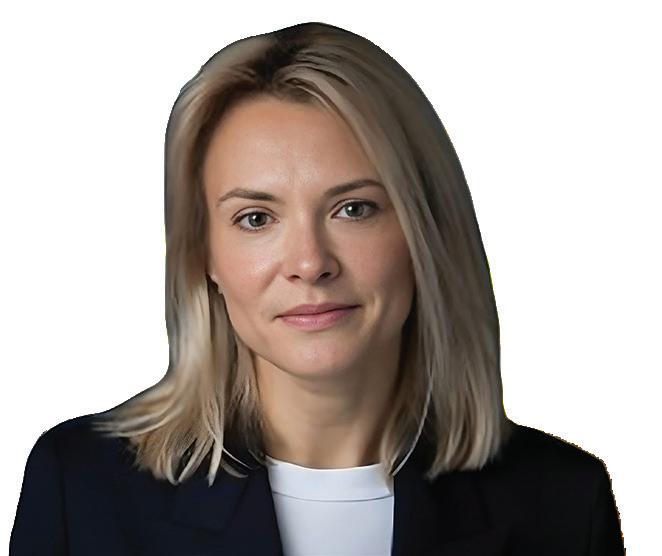
Elen Barber
Online Managing Director, Sky Entertainment Group
Barber became the Managing Director of online operations for the largest tourism, leisure and entertainment company in New Zealand – SkyCity Entertainment Group. She will lead the next phase of online growth in the company and will utilise her strategic experience.
Barber is no stranger to leading globally respected companies, with an impressive educational background including MIT Sloan Executive Education, London Business School and the prestigious Harvard Business School. With a varied work background, Barber formerly served as Super Group Chief Marketing Officer and began her career in Moscow, Russia, as a Public Relations Manager for App Holdings Ltd. A further 13 years were spent at Kindred Group, where Barber eventually became CMO.
Barber held another managerial role in Moscow, Russia, at Kamay Holdings, where she led 15 marketing staff in program design and content writing

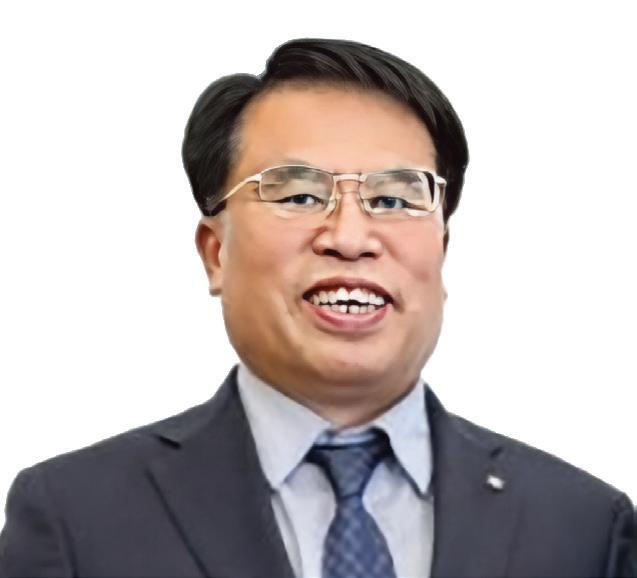
A veteran of the casino industry, John Koster was appointed CEO for The Star Sydney under Bally’s Corporation. He succeeds Janelle Campbell who departed the role in 2024. Koster’s experience covers four decades and includes senior roles at leading casino entertainment brands Caesars, Eldorado Resorts and Harrah’s.
Before he was appointed as CEO on 2 March, Koster previously served as Regional President at Caesars East. Involved in three corporate acquisitions and five property takeovers, Koster’s work history has spanned five different countries across the Pacific Rim. His hiring will continue to reshape The Star Sydney’s organisation amid its ever-growing and changing leadership structure.
Koster gained an executive MBA from Duke University in 1996, as well as a Bachelor of Science from Florida International University in 1981
Kangwon Land has appointed Nam Han-gyu as Interim CEO after the resignation of Choi Cheol-gyu. Several changes in strategic growth have since been introduced since his stepping into the role, including the continuation of the “K-HIT Project,” as well as energy conservation and safety initiatives.
Before beginning his longstanding tenure at Kangwon Land in 2024, Han-gyu built a considerable amount of experience in the South Korean government service. He served as Director of the Regulatory Reform and Legal Affairs Division at the Ministry of Trade, Industry and Energy. Kangwon Land has recently undergone significant revamps and will be looking to build in the near future.
In March 2026, Han-gyu introduced the “1st High1 Bootcamp,” a program designed to help young job seekers improve their interview and application skills
John Koster CEO, The Star Sydney
Nam Han-gyu Interim CEO, Kangwon Land
CSR: THE NOMINEES

With the Shortlist for Global Gaming Awards APAC 2026 now finalized, organizations that have showcased the greatest commitment to CSR will be celebrated in Manila on June 2
The Global Gaming Awards are set to return to the Asia-Pacific region for their fifth consecutive year on June 2, celebrating the very best performers in gaming over the past 12 months. The Awards are powered by Global Gaming Insider and feature a rigorous and transparent judging process independently adjudicated by KPMG US. For a half-decade, the Global Gaming Awards APAC have been a staple across the region, and represent an achievement every entity in gaming sets out to obtain. The Global Gaming Awards serve as the only industry Awards to publicly disclose the reasons behind every nomination, ensuring credibility and trust throughout the entire process.

Prior to the Global Gaming Awards APAC 2026 ceremony on June 2, the Shortlistwas finalized in late March, with the full list to become available to the public on May 10. To maintain fairness, each company can only be shortlisted once per category, meaning organizations with multiple brands are only allowed one representative in any given category.
Winners are then selected by an exceptional panel of senior industry executives with deep expertise in the Asia-Pacific gaming market, but Judges are excluded from voting in any category where a conflict of interest may exist. The Global Gaming Awards APAC 2026 will honor companies in categories such as Casino and Digital Operator of the Year, Integrated Resort of the Year and, of course, Executive of the Year.
One category which routinely emphasizes its importance across gaming is the Corporate Social Responsibility of the Year award, given to the company which showcases the greatest commitment to CSR over the past 12 months. CSR efforts extend further than just
operating in a fashion which creates a positive social impact, but highlighting the need to put player safety and reducing harm at the forefront.
Mariya Savova, Marketing Director, Global Gaming Insider, said: “Corporate

Asia-Pacific region, including the Hong Kong Jockey Club, Galaxy Entertainment Group and Aristocrat Gaming. Not to be overshadowed are operators like MGM China and Melco Resorts & Entertainment, as well as organizations such as DigiPlus, The Lottery Office and IDX Games.

Social Responsibility isn’t just a buzzword, it’s fundamental to how leading organizations define success. What this category highlights is that true impact goes beyond good intentions; it’s about embedding sustainable practices, player protection and community support into the core of the business. The companies recognized here are those setting the standard for a safer, more sustainable future for gaming.”
The Corporate Social Responsibility of the Year Award Shortlist features a group of the most recognizable names in the
The Hong Kong Jockey Club expanded its long-term sustainability strategy in 2025 with the opening of its Nature Conservation Center, reinforcing its environmental commitment beyond racing operations. The Club also hosted the Asian Racing Conference, calling for global collaboration amid industry headwinds. Through conservation leadership and international dialogue, HKJC demonstrated measurable social impact and sector stewardship.

Aristocrat Gaming became a leading example of diversity and inclusion in 2025, reinforcing its commitment to building a more sustainable and all-encompassing industry for Asia-Pacific gaming and beyond. In 2026, Aristocrat was named principal sponsor of the ANZCHAM International Women’s Day event, helping drive meaningful industry dialogue around diversity, equity and inclusion. Having achieved a neutral gender balance throughout its workforce, Aristocrat Gaming continues to focus on increasing female 2026
Galaxy Entertainment Group’s philosophy of “what is taken from the community is to be used for the good of the community” was supported in 2025 with a series of events and donations from the operator, while several CSR announcements were made every month. Recent examples from Galaxy Entertainment Group include the 15-year anniversary celebration of its Youth Achievement Program, its Community Caring Program hitting 10 years of service and a three-day coffee festival to support local small and medium enterprises across Macau.



asia - p a c ific

representation, especially in executive and fellow leadership roles.
MGM China also continues to support a healthier and more resilient Macau by equipping the area’s youth with enhanced financial knowledge, strengthening families through shared learning methods and supporting high‑risk occupations with preventive knowledge. Over the past year, MGM China programs have engaged with approximately 5,000 residents, including training more than 130 students as Responsible Gaming Ambassadors in partnership with City University of Macau.
After gaining recognition in the S&P Global Sustainability Yearbook as an Industry Mover and earning BREEAM “Excellent” certification for Studio City Phase Two, Melco continues to set high standards for CSR in the APAC region. The operator also put forth major renewable energy and waste reduction initiatives over the past 12 months, while taking the time to recognize various responsible gambling programs.
Elsewhere, DigiPlus showcased CSR leadership across APAC through its rebranded DigiPlus Foundation, delivering healthcare, education, disaster relief and empowerment programs across the Philippines. With over 900,000 beneficiaries served and nearly 10,000 inclusive wishes granted up to this point, DigiPlus has consistently made a notable and meaningful community impact in the APAC region.
The Lottery Office’s 2025 CSR program in Australia helped deliver significant impact across a range of charitable initiatives, including a strong focus on health and environmental causes. The operator donated over AU$55,000 (US$37,644) to Canteen to support young people affected by cancer and AU$35,000 to the Sea World Foundation, helping the rescue of four humpback whales during the 2025 migration season.
in the APAC region was displayed through its IDX Green Commitment, which plants a tree for every X‑Trend
are truly deserving of recognition, each demonstrating commitment and leadership within the CSR space. We also recognize that there are many more organizations making a positive impact across the industry and we look forward to shining a light on even more of this important work at the Global Gaming Awards in the years to come. For now, we’re excited to celebrate this year’s nominees and their contributions on 2 June.”
The Global Gaming Awards APAC 2026 ceremony will be held in the same week as the SiGMA Asia Summit in Manila, which drew approximately 16,000 delegates from
around the world as part of last year’s show. The conference would go on to feature over 250 speakers, 300 exhibitors and sponsors, and 3,100 operators, as 87% of total attendees confirmed they were likely to return for the 2026 event.
The Shortlist represents an incredible achievement any company or individual in gaming should be extremely proud of, and acts as a key representative of their accomplishments over the past 12 months. The Corporate Social Responsibility of the Year category for this year is just one example. There is so much to look forward to!








IN FOCUS: OMNIPLAY
Beyond the game, we power your growth: Omniplay unveils Asia’s newest breakout games at SiGMA Asia 2026
As the Asian iGaming market evolves, Omniplay (OP) is firing up the industry with Asia’s newest breakout games. Though entering as a fresh game content provider, Omniplay’s titles were catapulted to fame immediately after their first launch, having been proven in the Philippines and now ready for global scale. This rapid success has established the company’s content as a preferred choice across major regional platforms.
Building on this momentum, Omniplay will bring its high “Beyond the game, we power your growth” This DNA-level commitment focuses on providing assets that optimize the operator’s bottom line and ensure long-term player retention.
“At Omniplay, we don’t just launch, we optimize,” an Omniplay spokesperson said. “While others focus on standard mainstream libraries, we stand apart by delivering a powerful combination of mainstream titles and immersive casino-style games. We provide
a growth engine designed to capture attention and sustain success through deep partnerships and market-specific optimization.”
PROVEN IN THE PHILIPPINES: THE POWER OF BREAKOUT GAMES
Omniplay arrives with a portfolio of verified hits that have already dominated the Philippine market. Leading the charge is Super Gem, a vibrant slot featuring a dynamic Feature Wheel. Players can trigger a chain reaction of up to 50 respins, with rainbow multipliers accumulating to build massive momentum and anticipation with every spin.
For sports fans, Gold Rush captures the electrifying atmosphere of a World Cup match. Its unique Special Reel multiplier wheel boosts every win, while the Respin Ball symbol triggers “extra time” action. With multipliers reaching up to 500x and long respin chains, it delivers
“ We provide a growth engine designed to capture attention and sustain success through deep partnerships and marketspecific optimization ”
the high, energy thrill of a last-minute winning goal.
The latest sensation, Lucky Festival, has recently launched on major casino floors in Entertainment City, Philippines, to widespread acclaim. The game’s power lies in its triple, feature potential:
Double Feature: Adds an extra reel that replicates coins, offering a path to the GRAND Jackpot.
Multiple Feature: Randomly triggers multipliers up to 24x on all coin credits.
Extra Feature: Increases free spins to four and resets with every new coin, significantly extending engagement and win potential.
DEEP PARTNERSHIPS. REAL SERVICE.
Omniplay’s scalable technology ensures seamless integration and peak operational efficiency for global partners. By combining innovative design with deep regional insights, the company acts as a growth consultant to ensure long-term market success.
LET’S TALK AT STAND 2670
Industry professionals are invited to meet the Omniplay team at Stand 2670 to discover how Asia’s newest breakout games can scale their business. The future of gaming awaits at SiGMA Asia 2026, where Omniplay continues to go beyond the game to power your growth.

IN FOCUS: DELIVERING IN ASIA
Betby’s Head of Innovation and R&D Kirill Nekrasov explores the strength, promise and pitfalls of the diverse and ever-evolving Asian gaming landscape
Which regions/markets within APAC are currently showing the most growth?
Asia is a very complex region – largely fragmented and in many cases still unregulated – but the long-term potential is huge.
If we look at recent developments, the Philippines remains one of the most active hubs, especially from an operational perspective, although pressure is increasing. The regulatory environment is becoming more demanding, with new fiscal measures like the Minimum Guaranteed Fee and restrictions on esports betting already affecting overall volumes. In a market where titles like Dota 2 and Mobile Legends: Bang Bang are as popular as basketball, this is a significant blow for operators.
India is also impossible to ignore because of its scale. Despite regulatory uncertainty, including the still-unimplemented ban on online gaming, the market has shown strong resilience, recovering quickly after the start of the Indian Premier League. Overall, strong underlying demand, illustrated by Macau eclipsing Las Vegas in land-based GGR, combined with gradual regulatory progress including developments in markets like the UAE which has launched its first licensed sports wagering platforms, continues to drive growth across the region.
How should products be localized in Asia not only to differ from EMEA or the Americas, but also to ensure effective differentiation within the Asian market? Asia already has its own well-established betting ecosystem, with formats and user behaviors that have been working effectively for years. In many cases, users are very familiar with sportsbook logic, and there is no strong indication that the core experience needs to be changed.
Therefore, what makes the region different is not the need to replace existing formats, but to understand how diverse user expectations can be. For instance, alongside experienced bettors, there is also a growing audience – particularly younger users – who are looking for faster,
more intuitive and entertaining experiences.
This means localization in Asia is mainly about offering the right mix; maintaining a strong sportsbook for users who expect it, while also introducing alternative formats that cater to different preferences. This balance is particularly important in the region because regulatory frameworks, market maturity and user behavior can differ from one country to another.
How would you rank innovation within sports betting technology in APAC? And how much room is there here for further growth?
Innovation in APAC has always been very strong and, in many areas, the region has actually been ahead of global trends, particularly when it comes to mobile-first experiences and alternative betting formats.
What’s changing now is the direction of that innovation. Instead of adding more complexity to sportsbooks through Bet Builders or highly statistical markets, the industry is expanding into faster, more entertainment-driven formats. The rise of slot and mini-game players –basically fast betting formats with instant outcomes – is a clear example of this shift. At the same time, this does not replace the core sportsbook experience but complements it. Formats like Betby. Games, our esports feed with ultra-fast matches in sports like kabaddi, fit perfectly into this trend.
That said, there’s obviously still room for growth. For example, combining these fastpaced formats with prediction markets – as seen with Betby Predictions, a fixed-odds solution that brings real-world events, from politics to entertainment, into a sportsbookfriendly format – represents a key area for further innovation.
Finally, looking at 2026, what are the main trends of change you see in Asia? Will the biggest changes come in the way players bet, product, marketing or another area? The biggest changes will come from the product side, but they are driven by how player behavior
is evolving. The main focus for operators should be how to adapt their offering to the rise of a new generation of users who expect a completely different experience and are not necessarily interested in analyzing odds or spending time understanding complex markets.
Once again, this does not mean replacing traditional betting formats, but expanding the overall experience to better match how different user segments engage with content. Making the experience more accessible and investing in products inspired by strong entertainment value should be top priorities, and that’s why prediction markets have huge potential. They connect to real-time topics, public attention and modern user behavior, creating a betting experience that feels more relevant and interactive, while also playing an important role in retention because they capture attention and keep users engaged over time.
Looking ahead to 2026, the key will be blending betting, gaming and entertainment into a single, continuous and always-on experience.

Kirill Nekrasov


IN FOCUS: IMMERSIVE ENGAGEMENT
Gameplay Interactive is an established provider of online gaming solutions, specializing in the development and delivery of high-quality casino games and platforms for global operators
Built on a philosophy of creating engaging and meaningful player experiences, Gameplay Interactive has positioned itself as an innovative force in the fast-evolving digital gaming landscape.
At its core, Gameplay Interactive believes in designing games that genuinely connect with players. This commitment is reflected in its extensive portfolio, which includes more than 800 slot games, a wide selection of live dealer offerings and mobile-enabled solutions tailored to modern gaming habits. With over 120 operators supported worldwide, the company continues to expand its reach across diverse markets while maintaining a strong focus on quality and user engagement.
Gameplay Interactive offers a comprehensive suite of gaming platforms, including web-based, downloadable client applications and fully optimized mobile solutions for iOS and Android devices. Its HTML5 slot games provide cross-browser compatibility and seamless performance across devices, while its downloadable platforms cater to regions with limited bandwidth by enabling faster load times after initial installation. The company’s mobile-first approach ensures players can enjoy a smooth and immersive experience anytime and anywhere.
A key strength of Gameplay Interactive lies in its live casino offerings. Leveraging advanced streaming technology, the company delivers high-definition, real-time gaming experiences that replicate the excitement and trust of physical casinos. Its adaptive streaming system automatically adjusts video quality based on users’ network conditions, ensuring accessibility even in areas with lower connectivity. With more than 20 live dealer tables in operation, the company provides a robust and scalable solution for operators seeking premium live gaming content.
Innovation remains central to Gameplay Interactive’s growth strategy. The company consistently introduces new titles, averaging around 10 new games per quarter. Its team of skilled designers and 3D animators continuously develops fresh concepts, blending Asian cultural themes with international appeal. Popular titles inspired by legendary folklore, such as adaptations of classic tales like the Monkey King and the Three Kingdoms, resonate strongly with regional audiences while maintaining global relevance.
In addition to its diverse game library, Gameplay Interactive is recognized for its proprietary “first-in-the-world” innovations. Unique offerings such as Super 98 Baccarat,
“At its core, Gameplay Interactive believes in designing games that genuinely connect with players”
Super Color Sic Bo, Super Fantan and Texas Mahjong showcase the company’s ability to reimagine traditional casino formats with creative mechanics and enhanced gameplay features. These innovations not only differentiate its portfolio but also provide operators with new revenue streams and player engagement opportunities. Security, fairness and regulatory compliance are fundamental to Gameplay Interactive’s operations. All products undergo rigorous testing and certification by internationally recognized laboratories, ensuring adherence to strict industry standards. The company operates under regulatory oversight and employs a professionally trained monitoring team that conducts 24/7 surveillance of gaming activities. Features such as video replays and transparent gameplay systems further reinforce player trust and operational integrity.
To ensure uninterrupted service, Gameplay Interactive maintains robust technical support systems, including backup infrastructure and contingency planning. Its dedicated support team is available around the clock via multiple channels, including live chat, call centers and email, ensuring prompt assistance for partners worldwide.
The company’s partnership model is designed to be flexible and collaborative. Gameplay Interactive offers product integration for existing operators, full white-label solutions with integrated systems such as CRM and payment gateways and opportunities for codevelopment with other game providers. This adaptability allows the company to cater to a wide range of business needs, from startups to established operators.



IN FOCUS: Z-GAMING
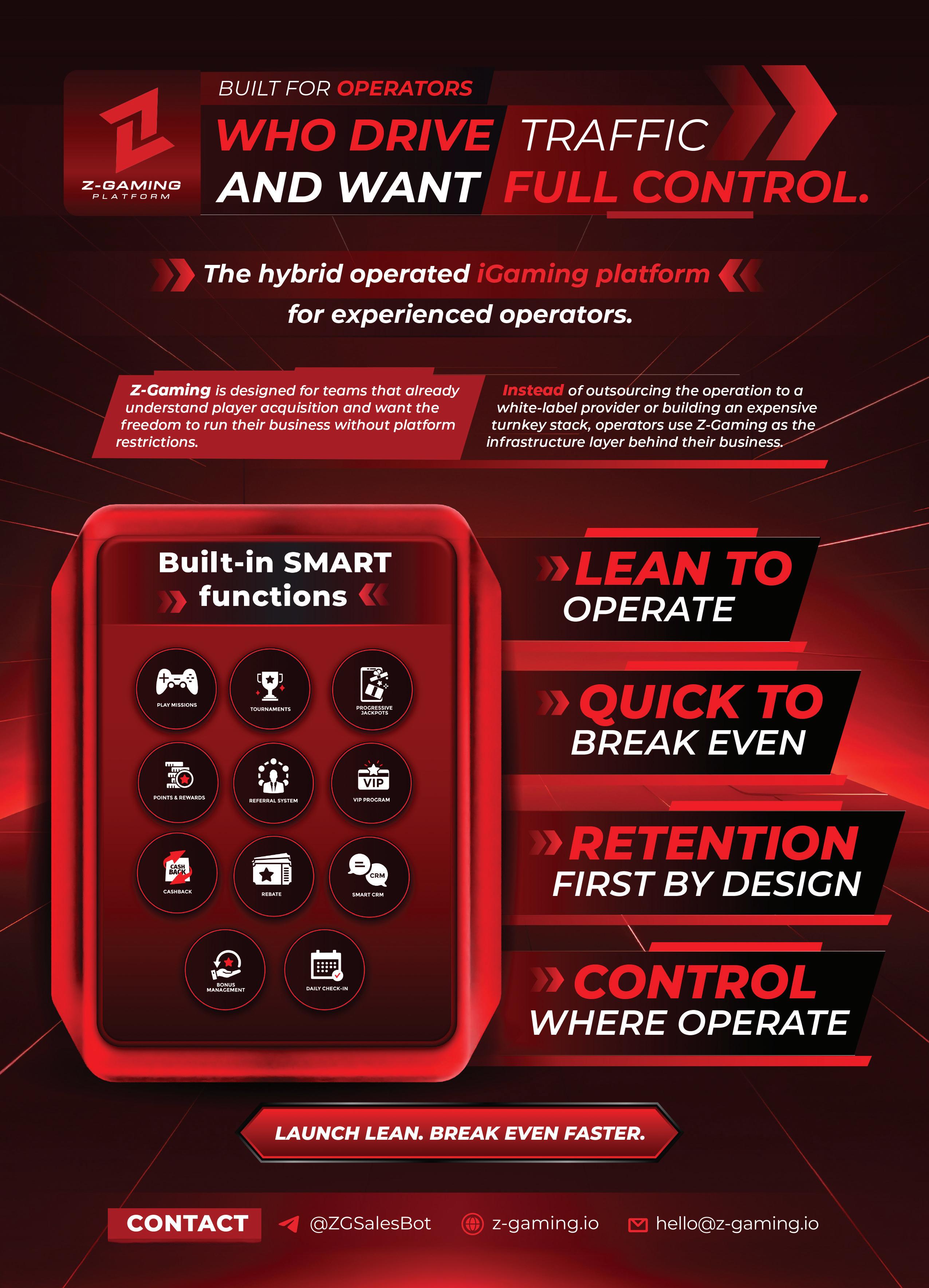
A lean, hybrid operating iGaming platform built for operators who want to scale fast, stay in control, and reach profitability quickly in emerging markets
A hybrid operating casino platform built for growth
Designed for operators who know how to drive traffic and want to break even fast, Z-Gaming is a next-generation B2B iGaming platform built for efficiency, control, and scalability.
Originating in Asia and proven across some of the world’s most competitive emerging markets, Z-Gaming enables operators to launch quickly, operate lean and scale sustainably without carrying unnecessary operational or cost overhead.
Z-Gaming is not a traditional white-label; and it is not a heavy turnkey solution. It sits deliberately in between. A hybrid operating model where operators control the business, while Z-Gaming powers the infrastructure, automation, and technology behind it.
A PLATFORM BUILT FOR REAL OPERATOR GROWTH
Z-Gaming is designed around the realities of emerging markets, where success depends on speed, efficiency and adaptability.
We focus on what actually drives performance:
• Fast time to market
• Low operational overhead
• Retention-driven monetization
• Full operational control
The result is a platform that aligns with how successful operators build lean, data-driven and scalable from day one.
BUILT IN ASIA, PROVEN IN COMPETITIVE MARKETS
Developed and refined in Asia, Z-Gaming is shaped by one of the most demanding iGaming environments globally. This translates into:
• Lean operating structures
• Fast deployment timelines
• Minimal fixed costs
• Automation that reduces headcount
For traffic-driven teams, this removes platform friction and allows operators to implement their conversion and retention strategies without restrictions, significantly accelerating the path to profitability.
CORE PLATFORM PRINCIPLES
1. Lean to operate Z-Gaming is built to minimize operational complexity:
• Full-stack gamification built in
• Payment orchestration and automation
• Managed game aggregation
• Streamlined back-office workflows
• Operators can run efficiently without large internal teams.
2. Quick to break even. The platform is structured to shorten the gap between launch and profitability:
• Low fixed platform costs
• Flexible commercial models
• Retention-first monetization
• Minimal reliance on third-party tools
• Retention-first by design
3. Retention is embedded at system level:
• In-session triggers based on player behaviour
• Automated cashback, reloads and rewards
• Gamification levels, quests and missions
• Multi-tier referral systems with lifetime rewards
This allows operators to maximise player value without scaling operational costs.
CONTROL WHERE IT COUNTS
Operators retain control over the elements that define success:
• Payments and local methods
• CRM and promotional strategy
• Risk management and segmentation
• Marketing execution and positioning
• Licensing
Z-Gaming provides:
• Platform infrastructure
• Stability and scalability
• Game aggregation
• Data, reporting, and analytics
• Hybrid operating model
Z-Gaming bridges the gap between:
• White-label solutions (fast but restrictive)
• Turnkey platforms
(flexible but heavy and expensive)
• With Z-Gaming:
• Operators control the business
• Z-Gaming powers the platform Operators bring their own licenses, payments and operational strategy, while Z-Gaming delivers the technology, automation and content framework.
WHAT THE PLATFORM COVERS
Z-Gaming is a modular, full-stack solution:
• Casino & Live Casino aggregation
• Sportsbook (iframe or direct integration)
• Wallet & payment orchestration (fiat & crypto)
• Bonus, cashback, and reward engines
• Gamification (levels, quests, points systems)
• Retention and reactivation tools
• Referral & affiliate systems
• Back-office, reporting, and analytics
• Operators can launch lean and expand as they scale.
WHO IT’S BUILT FOR
Z-Gaming is designed for operators who:
• Already understand traffic acquisition
• Run or plan to run their own operations
• Want full control over payments and CRM
• Operate in emerging or high-growth markets
• Prioritise speed, efficiency, and ROI
• It is not built for hands-off operators looking for a fully managed white-label setup.
COMMERCIAL PHILOSOPHY
Z-Gaming is built on performance alignment:
• Flexible, shorter-term agreements
• No artificial lock-ins
• Full ownership of data
• Transparent reporting and KPIs
• Pricing focused on ROI
• Operators stay because the platform delivers, not because contracts force them to.
If you can drive traffic, we give you everything you need to turn it into profit; faster, leaner, and with full control. Get in touch. Launch fast. Operate lean. Break even quickly. Scale smarter.

IN FOCUS: INTERBLOCK
We hear from the Interblock team as it buils momentum in Asia-Pacific
Interblock has spent more than three decades shaping how players experience the casino floor. Since 1989, the company has helped establish electronic table games (ETGs) as a core category alongside slots and live table games. Today, its portfolio spans every major segment of the industry, with a continued focus on developing new concepts that align with how player behavior and operator priorities are evolving.
Its ETG lineup includes Stadium, Smart Pit, Standalone, and Universal Cabinet platforms, offering both automated and live table gaming experiences. These solutions combine real dealers and physical game elements with digital precision, giving operators a scalable and consistent way to manage their floors.
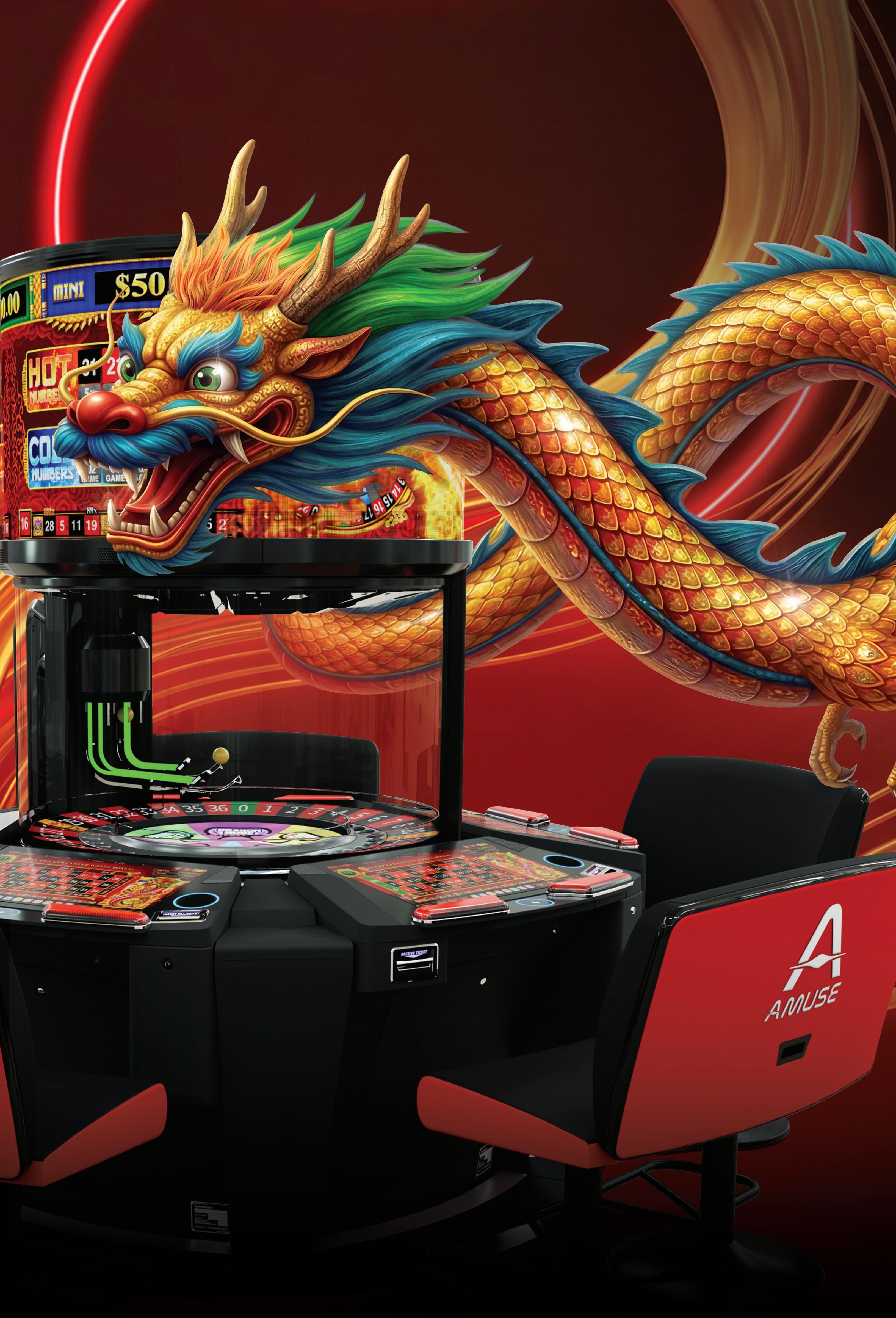
More recently, Interblock introduced AMUSE, a category of arcade-inspired casino entertainment that blends interactive play with real-money wagering. The games are designed to be intuitive and visually driven, making them easy to engage with from the outset. In doing so, they open the floor to a broader
range of players while sitting comfortably alongside more traditional formats.
This is supported by Interblock’s global scale. With more than 200 product variations deployed across 348 regulated markets in 145 countries, the company operates at a scale that allows it to adapt quickly while maintaining consistency across regions. This is particularly evident across Asia-Pacific, where demand for electronic and automated table gaming continues to grow steadily.
Over the past two years, Interblock has installed more than one thousand electronic table games across Singapore, Macau, Malaysia, the Philippines, and Vietnam. Technologies such as automated dice recognition and realtime analytics are helping operators improve accuracy, streamline operations, and run more efficiently. With demand expected to grow by a further twenty per cent into 2026, this trajectory is expected to continue.
This growth has taken place under the leadership of Michael Hu, President of Interblock Asia-Pacific. Over more than two decades, he
“ Interblock has spent more than three decades shaping how players experience the casino floor ”
has overseen more than 20,000 installations and expanded the company’s presence across markets including Taiwan, Vietnam, Laos, and Korea, while strengthening its position in Macau, the Philippines, Cambodia, and Malaysia.
Interblock will return to G2E Asia 2026 at Stand A1019 from May 12 to 14 at The Venetian Macau, where it will showcase a range of its latest products, including the introduction of AMUSE to the Asia-Pacific market. The team is looking forward to connecting with partners, having conversations, and hearing direct feedback from customers.
Building on that momentum, Interblock has been shortlisted for the Global Gaming Awards (GGA) Asia-Pacific 2026 in three categories: Casino Supplier of the Year, Casino Product of the Year, and Table Game Product of the Year. The awards will take place on June 2 in Manila.
Among the nominations, UC Sic Bo has become one of the most widely deployed electronic table games in the region, with more than three hundred and fifty installations across Macau and Singapore in 2025. Dragon Sic Bo continues to expand its presence as well, with more than three hundred seats installed in Macau and ninety-six seats added in Singapore.
Interblock continues to focus on developing products that support operators while creating engaging experiences for players, with a clear emphasis on practical performance and longterm usability.




WHAT’S NEW ON THE MARKET?
Need to know the latest products on the gaming market?
Global Gaming Insider has you covered
OMNIPLAY’S LUCKY FESTIVAL
Omniplay Unveils Asia’s Newest Breakout Game “Lucky Festival” at SiGMA Asia 2026
More than games: We deliver growth. This isn’t just a slogan, it’s the DNA of Omniplay’s service model. We understand that in today’s fierce competitive market, operators aren’t just looking for content, they are looking for assets that optimize their bottom line and keep players coming back.
PROVEN IN THE PHILIPPINES: THE POWER OF BREAKOUT GAMES
Lucky Festival has recently launched on major casino floors in Entertainment City, Philippines, and quickly received widespread acclaim.
positive, with the game’s core mechanic centered on collecting gold coins, creating a sense of anticipation with every spin. The thrill reaches its peak when all three features activate at the same time, including the Double, Multiple and Extra features.
Double Feature: An additional 3-5 reel appears, replicating coin symbols from the original reel in the exact same positions. Collecting 15 coins unlocks the GRAND Jackpot, offering a dramatic boost in win potential.
Multiple Feature: Players can randomly trigger multipliers on coin credits, reaching up to 24x. Even Mini and Minor coin values can be multiplied, creating continuous high-excitement
Extra Feature: Free spins increase from three to four, with the count resetting to four each time a coin appears. This significantly extends gameplay duration and enhances overall player engagement.
Omniplay is a fresh, dynamic force in the iGaming industry, specializing in mainstream titles and casino style games that bridge the gap between creative entertainment and commercial success. Built on the guiding principle, beyond the game, we power your growth, OP provides not only high, performing content but also deep, tier partnership services and optimization strategies. With a track record of a sensational debut in the Philippines, Omniplay is now scaling its “Fire Up” spirit globally to empower
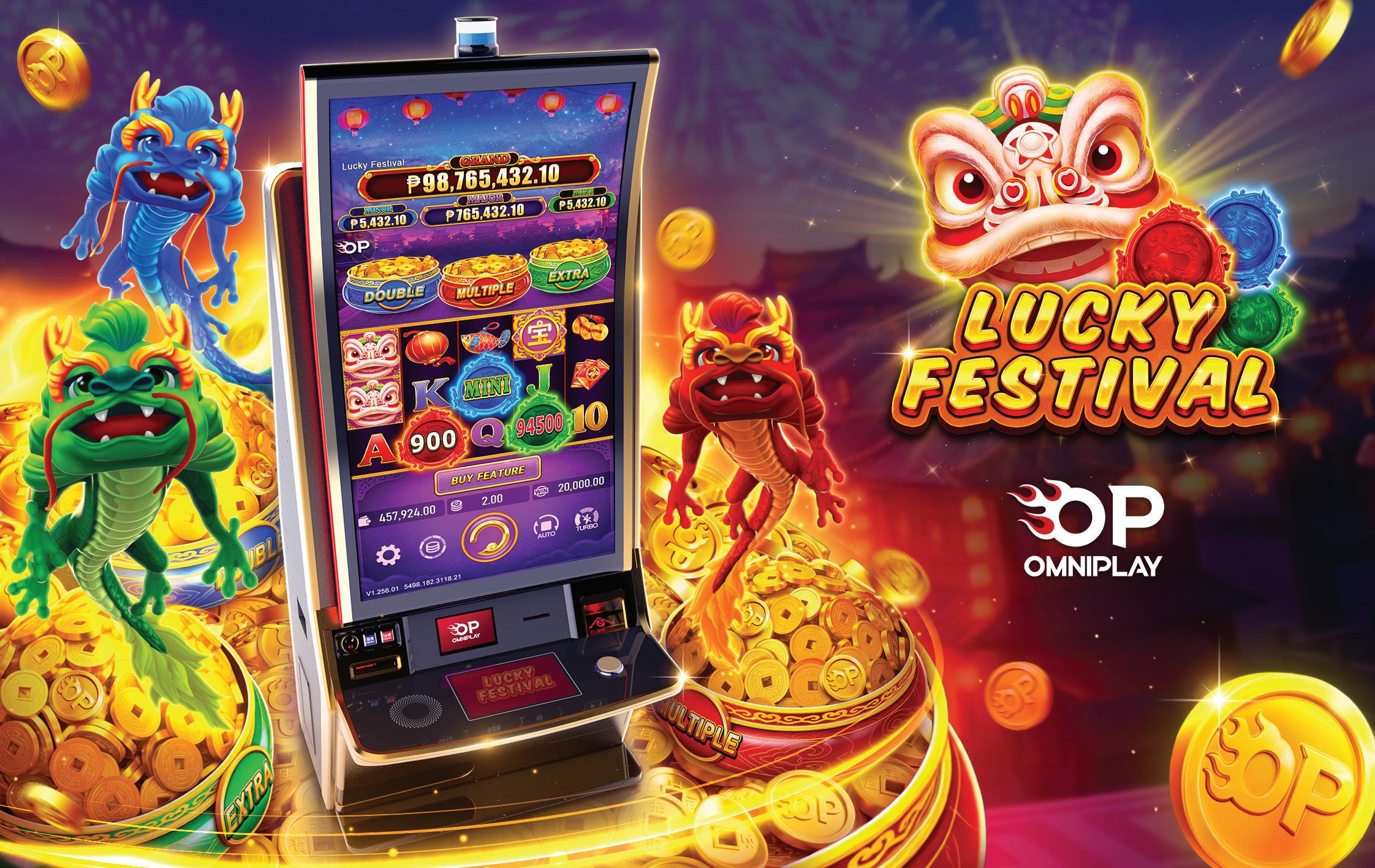
EGT’S SHENG SHENG BU XI
Sheng Sheng Bu Xi by EGT will take you where growth knows no bounds
The Asian-themed Sheng Sheng Bu Xi is among the most preferred products of EGT. Since its debut, it has made a strong impression on the international gaming community and quickly become one of the most beloved jackpots in the company’s portfolio, currently present in gaming halls in a number of countries around the world.
Sheng Sheng Bu Xi will be a major highlight in EGT’s selection for this year’s G2E Asia, where the Bulgarian gaming equipment manufacturer will participate for the first time.
Sheng Sheng Bu Xi perfectly combines eye-catching design, high winning chances, irresistible bonuses and engaging gameplay and embodies the high gaming standards that have turned EGT into a benchmark in the global industry.
Powered by Exciter IV platform, the jackpot offers an exhilarating experience on 4 levels, filled with special elements and symbols, that trigger unique bonus features. The different colored symbols make the game even more exciting, as they hold the power to unleash a jackpot combo, adding an extra layer of adventure and entertaining.
The jackpot includes two titles - Bonus Boom and Bonus Craze, which reveal a world where the possibilities for fortune are infinite.
Compatible with the popular slot cabinets from the Supreme, General and Phoenix series, Sheng Sheng Bu Xi has demonstrated excellent results in every market where it has been installed so far, and features everything needed to catch the attention of the visitors of G2E Asia 2026, who will be able to explore it at EGT’s stand B1701.

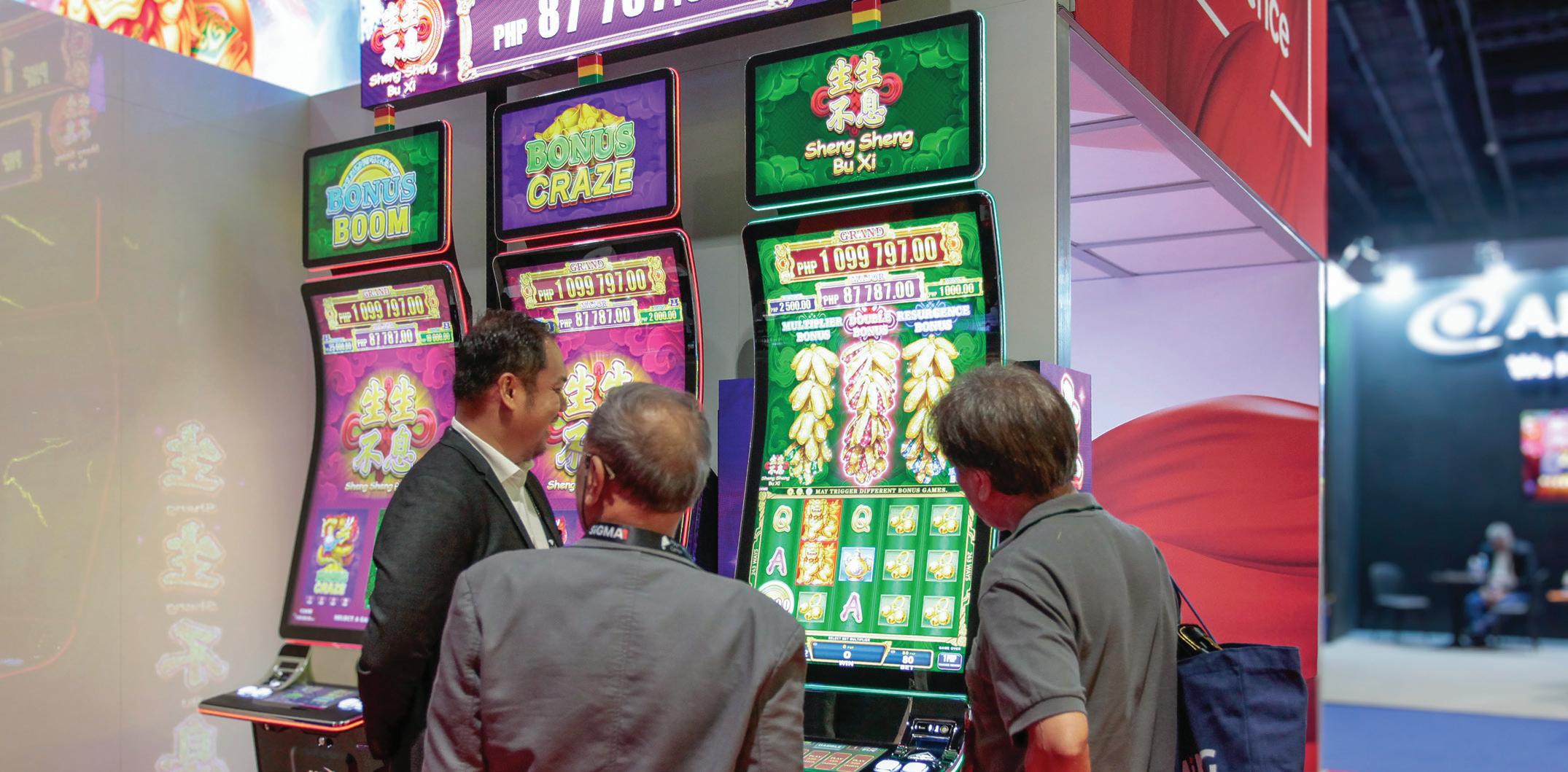

EUROPE, MIDDLE EAST & AFRICA
TAKING STOCK
Global Gaming Insider looks at monthly stock prices from the opening day of the past six months across the EMEA region, observing November 2025 – April 2026
• Six-month high: November (26.09 USD)
• Six-month low: April (16.95 USD)
• Market capitalization: US$5.02bn (As of April 3, 2026)
• Six-month high: April (363.5 GBp)
• Six-month low: November (255.5 GBp)
• Market capitalization: US$1.32bn (As of April 3, 2026)
• Six-month high: December (653.4 SEK)
• Six-month low: March (547 SEK)
• Market capitalization: US$12.71bn (As of April 3, 2026)
• Six-month high: December (136.7 SEK)
• Six-month low: March (104.9 SEK)
• Market capitalization: US$330m (As of April 3, 2026)
MOVERS AND SHAKERS
We look at the latest moves across Europe, following a period of change in British horseracing, and appointments for regulations in Sweden and the UK
Brant Dunshea CEO, British Horseracing Authority
After working in the BHA for over 11 years, Dunshea has been promoted to CEO following Julie Harrington’s departure in December 2024. Building on his already extensive experience in the BHA, Dunshea previously served as Chief Operating Officer for over four years at Harness Racing Victoria. As CEO, Dunshea’s initial tasks will include leading the review announced after the Cheltenham Festival – completing the BHA’s work to design a new model of stewarding.
Dunshea’s confirmation as CEO follows the resignation of Lord Charles Allen as BHA Chair earlier in March. David Jones has been hired as Interim Chair.

Sue Young
Executive Director of Operations, Gambling Commission
A former Director of Debt Management at HMRC, where she led 6,000 colleagues and a commercial partnership within a £260m ($348.7m) budget, Young has now been appointed as new Executive Director of Operations by the Gambling Commission in the UK. She brings substantial leadership experience across the public sector – holding previous senior roles from companies and organisations such as the Home Office, Border Force, HM Inspectorate of Constabulary, the Department of Health and Social Care and a leadership role as a Covid-19 Director.
Taking over after the resignation of Kay Roberts in March 2025, Young will lead several operational functions.

Madelaine Tunudd
Board Chair, Spelinspektionen
Tunudd was named Chair of the Board by The Swedish Gambling Authority in April 2026. Joining in April 2018, Tunudd has spent the last eight years at Spelinspektionen and another eight years prior as a former Judge at the Uppsala Administrative Court.
Studying Law at the University of Uppsala, Tunudd has built a career in the judicial system, beginning as Chancellor for the Ministry of Finance in Stockholm County for six years. Since then she has accumulated experience in the Subject Responsible Tax Education as Court Administrator and served as Deputy Chairman of the Ethical Review Authority for 12 years.
Dunshea was born in Australia but now resides in the UK and has been working at BHA since 2015
Young created the UK’s first Tax Debt Strategy and delivered the first reduction in the national tax debt balance in over a decade
Madelaine Tunudd still currently works for four senior positions across Sweden. Staying busy!
FACING FACTS
In the wake of its FY2025 financial results, Betsson faces the crossroad of maturity as it carves its path through a fast-shifting EMEA landscape
BETSSON REVENUE (€M)


• In 2025, Betsson’s casino revenues reached €867.5m ($1.1bn), up 9% from €795.4m in 2024
• Sportsbook revenues reached €323.5m in 2025, up 7% from the €303.4m recorded in 2024
ISN’T CHANGING
• Betsson’s revenue by sector remained almost identical across the full year 2024 & 2025 periods, with sports betting accounting for 27% and iGaming accounting for around 72%
• While Betsson’s casino/sportsbook balance did not change, it saw clear growth in its LatAm operations. This is indicative of a wider industry trend towards Latin America
• West Europe also grew, while CEECA (including Asia) fell


WILL PLAYERS BUY INTO NEW IDEAS?
Edo Haitin speaks exclusively to Tim Poole about the launch of Sportradar’s new online casino brand. Rather than just cross sell, Playradar is looking at a new vertical
Playradar’s recent launch signified a new chapter for Sportradar. In our eyes, the timing – just months before the World Cup – certainly made sense. Another sports betting firm turning to iGaming also seemed inevitable, especially given the data Sportradar can leverage to capitalise on the new launch.
The main consideration we had at Global Gaming Insider was Sportradar’s allegiance to sport. Why would an operator go to Playradar for iGaming, when there are so many big players who already specialise particularly in casino? A hypothetical sales pitch at ICE comes to mind with a potential buyer asking that very question…
I put that notion to Edo Haitin, former Playtech Live CEO and Sportradar EVP
of iGaming (now head of Playradar). His response, however, highlighted an interesting corporate direction. If his ideas are to be applied successfully, the industry should anticipate less cross-sell in the traditional sense – and more sports-themed casino games…
“We wouldn’t go into the casino market, which has plenty of great suppliers and great games coming out every month, without a real strategic plan of why Sportradar has the right to play in that market,” Haitin tells me, highlighting the need to “move the needle.”
“Once we established that we have an initial line of products and we see that we can create a new category, we decided to look at the whole casino category and see where we can compete as a tier one.”
A whole new vertical: What are the mechanics?
On the product itself, Haitin is insistent Playradar won’t just “reinvent the wheel.” Indeed, every game is based on “sports mechanics” such as data. (Here is where Sportadar would bring a natural edge). But the games would still be built on “old-fashioned, proven gaming mechanics.”
“For example, the golf game we’re bringing out is basically roulette, where you predict where the ball will land based on historical golf shots. We split the golf course into sections and that’s basically roulette being delivered to the players in a different way, maybe even more of a fun way, because they can still watch some content, talk about the content and create communities around a certain sport.”

The appeal of creating a new vertical is ambitious but arguably necessary. It answers a question Global Gaming Insider raised earlier this year on whether there is innovation in sports betting anymore. Of course, this minor twist simply blends sports a little more with casino – so we are hardly redefining the art of placing a wager itself. But in today’s economic industry, subtle tweaks go a long way. Awager’s creation of the slots streaming vertical was enough to get Aristocrat’s attention – combining mobile gaming with land-based slot machines and seeing Aristocrat purchase the company.
As much as cross-sell is a viable business strategy, meanwhile, it is getting a bad rap in certain markets. There are those who naturally enjoy sports betting and don’t want to be bombarded with free spins on casino games. Playradar is betting there is at least a segment of those players who would much prefer sport-themed RNG games – without missing out on the house regulars.
Haitian adds: “We will still cater for the classic casino games, which I’m a big fan of, starting with blackjack, roulette and baccarat. So we’re not going to just go and reinvent and put sports in everything. Actually, if you look at the US, I think the most converting game from sports is actually blackjack, just good old blackjack. In the UK, I believe it will be roulette. Those games are there to stay and will be a central part of our portfolio and our P&L while we beef it up.”
“Las Vegas is my love… but this is a huge opportunity”
The week of Playradar’s launch was “definitely the craziest” of Haitin’s life. On a personal level, he is locked down in Israel as we speak on video call, due to the military conflict in the Middle East. Throw into the mix the launch of a global company, however, and it’s a week the executive will not forget quickly – for the right reasons. Several months of work have culminated in this “meaningful moment.”
“I don’t want to diminish anything that was done in the past, especially not Las Vegas,” Haitin says. “Las Vegas is still my love and everything that we’ve done there in the past with Playtech Live, but I think Playradar now being established is a huge opportunity for Sportradar. The responses from the industry have been very, very positive.”
Haitin genuinely sees player interest in “sports casino games” and “sports themes within casino.” “I was not a very big expert in golf... Now I know a lot about golf – and it’s a fascinating process, I think, to build this new category and these new types of games, pitching them to the licensees.”
Until today, these games were difficult to produce, according to the former Playtech executive. You need an array of data, streams and integrations. But that, of course,is where Sportradar comes in.
Does increased regulation now attract bigger players?
One of the most notable aspects of Playradar's announcement was that it included the UK as a core market – launching at a time when UK remote gaming duty rose to 40%. Big-named operators like Entain and Bally’s had previously spoken to me about the “opportunity” this created in the UK. As taxes rise, smaller players will become marginalised as the top dogs increase market share. Was that part of the thinking behind Playradar?
“For the bigger companies that are there to make the investment and deliver something which is not a commodity, the opportunity is still there,” Haitin responds. The UK’s regulatory changes are, a “big worry for mainly the slot suppliers,” according to the EVP. They are dependent on manufacturing “more and more products that are totally oversupplied” already. “A lot of what I’m seeing is the slot suppliers speaking about lowering the RTP, which I think will be a bad experience for the players.”
Bluntly, Haitin says this will “create very boring gameplay.” Instead, Playradar aims to utilise the “liquidity of the sports fans” and bring more people into casino. There are, naturally, plenty of resources behind this well-publicised project –which we analysed on Global Gaming Insider as soon as the news broke. But creating a whole new sports/casino genre remains an ambitious goal.
On taxation changes, Haitin adds: “For big suppliers, the UK situation is like the US. There is a big investment barrier to entry, which is always a blessing for big suppliers that the market is more closed. The UK is very appealing because of the sports orientation and the popularity of sports, not only football, but darts.”
The small matter of the World Cup… Given the obvious cross-sell appeal – and, as Haitin has clearly explained, not just cross-sell but a new type of content – how important was the World Cup behind the timing of the launch? Here, Haitin plays the impact down.
“You know, the World Cup opportunity is bigger for Sportradar than for Playradar,” he tells me. “Obviously, we will have a few products coming out for the World Cup. But I’m only for sustainable growth and income in the business. So we are not building anything just for the World Cup and hoping these 30 days will define our business. A lot of supply is going to be around the World Cup and, for us, the main event is the sports betting in the World Cup, and then to create some extra experiences for the fans.”
Haitin wouldn’t be being “very honest” if he denied the “huge opportunity” this summer’s showpiece tournament presents. Playradar, though, is not building content solely for the summer: “The World Cup comes and goes but we are here to stay.”
Of course, Haitin’s closing line is exactly what will define Playradar’s success. If sports fans, accustomed to betbuilders, in-play wagers and accumulators, can be drawn to sports-style casino games – and stay – Sportradar will have first-mover advantage. After one of the craziest week’s in Haitin’s life, though, there is only one question that matters long term: will they?
Edo Haitin
THE LOAD- BALANCING DIMENSION
Paul Sculpher, long-time Global Gaming Insider contributor and land-based casino expert, discusses the process behind rating players in a land-based property
DEFINITIONS:
Average Daily Theo (ADT): Average theoretical loss per day the customer gambles in the casino
Theo: Theoretical loss (calculated by multiplying average bet, house edge, hands per hour and hours played)
Back-end comps: Money taken off your hotel/F&B bill at the end of the trip, based on actual play
Trip value: Theo or actual loss across all days of a casino stay
Coin-in: Total amount staked on slots (or ETGs)
The basic process for rating players, to determine comp value and promotional offers, hasn’t changed too much over the last couple of decades. The informationgathering process sure will do in the next few years, as AI player tracking on tables

– and facial recognition pinning sessions to player names on all games – gather pace. But what’s done with the data has, consistently, been pretty stable.
In most operations, it’s just a case of focusing on some combination of Average Daily Theo (ADT) and trip or lifetime value. Historical ADT might drive pre-offered room rate, while that allied with trip, demographic data and a ton of algorithmic CRM stuff will decide who gets what kind of offers for future trips. Back-end trip comps will generally just be a factor of trip theo.
THE MISSING METRIC
But are we missing another, fundamental metric? My operational experience has mostly been in the UK, and in most sites we’re limited to 20 slots per casino (or were until recent legal changes – but the busier sites are still capacity constrained enough that the point below stands). I get that what follows is an extreme example, but the principles below apply to every casino – in the sense that if your slot floor is at the optimal size, you’ve ample capacity much of the time but capacity constraints at peak times.
The point I’m driving at is this: not all £100 ($133) theo per visit players are the same; speed of play makes a difference. As an operator with a very low, artificially restricted slot allocation, I’m at capacity or certainly comfort capacity a lot of the time – and the guy who racks up his £1,200 of coin in in 30 minutes (£5 a spin, rapid spins) is materially more valuable to me than the guy who plays at £1 a spin and takes his time, needing five hours to hit the same coin-in and theo.
Player 1 is out of his seat and makes it available to the next player (who, in many UK casinos at peak times, is pacing up and down looking for a spot to play). But in every marketing programme I’ve ever seen, the two players are dealt with pretty much identically.
The same theory applies to low-demand periods. If player 3 is worth £50 per session,
and plays Tuesday afternoon when there are only five players in the room, but player 4 has the exact same spending profile but only visits on a Saturday night, player 3 is obviously materially more valuable. She’s not taking up a seat someone else wants – but we treat them both the same.
What about the daytime slot player?
It’s certainly fair to say operators incentivise players to visit at quieter times – triple points Wednesdays and so on – but the base player who chooses to play at quieter times doesn’t generally get assigned any value for it.
As a side note, it infuriates me how poor we sometimes can be at servicing daytime slot players, with this in mind. In a sleepy daytime, some operations fall into something of a torpor; they forget that people visiting at these periods absolutely have added value, just by virtue of being there when those seats aren’t in huge demand.
There’s clearly going to be a safer gambling element to the speed of play question – we certainly wouldn’t want to be pushing people to play faster to increase their value directly – but it’s high time we recognised the value of players who choose to play in a way that’s more optimal to the house.
The principle applies in all operations. The UK slot market is obviously an extreme case, but all playing positions have a cost to provide. The shorter the time that ADT takes to generate, the less resources are used to secure it, and that matters to all casinos across slots, tables and Electronic Gaming Terminals.
“ We treat players the same, even when their value to the casino is clearly not ”
Paul Sculpher
GIVING A NUDGE...
What on Earth is a Nudge Unit? At the intersection of psychology, marketing, consumer industries and – of course – gambling, Paul Sculpher interviews Dan Thwaites to explain...
When I was offered the chance to meet someone who’s an expert in behavioural psychology as it pertains to gaming, but also the direct descendant of a legendary brewer, it didn’t take too long to accept... Despite the fact that my guest Dan Thwaites did not, in fact, bring along a barrel of “samples” to our meeting, the insights he spoke of were well worth the time and effort.
Some readers may remember the Government’s Behavioural Insights Team –better known as the “Nudge Unit.” It’s fair to say that when the general public found out about it, it didn’t get the best reception, but there’s a big gap between the target population being told that an apparent quango is going to be influencing their behaviour, and Dan and his Co-Founders finding subtle (and invisible) ways to improve betting and gaming businesses.
A standard approach with a new client for Dan (or, more accurately, his company Capuchin Behavioural Science) would be to build a quantitative psychometric instrument to work from – basically a survey of either the customer’s existing (anonymised) database, or a more wide-ranging target list from across the relevant market. This latter is an important distinction – looking at your own database of players has enormous value, but if you’re trying to reach a market you currently don’t have great access to, you’re going to need to look outside of the people you know. If you don’t have the reach within, the typical method would be to use a survey.
Then you’re into use cases, and there are evidently a number of areas where behavioural science can help operators, with growing sales value being a headliner. We’re all familiar with demographic segmentation – age bracket, gender, expected discretionary spend based on postcode etc etc. The principles of how to use the behavioural science approach to grow businesses revolve around segmentation based on psychological segments. For example, and to use a bit of a blunt-force case, Dan told me you can make a reasonably accurate assumption about personality types based on how people bet on, for example, a football match. There’s a clear split (on average) between personality types of people who make multiple small bets in play on a game, to people who’ll have one larger bet on the same sport, late at night the
day before the game. The former tend to be younger and more sociable, where the latter tend to be more disagreeable characters, and skew older. Obviously most operators would tailor their incentives for these players based on the bets they prefer, but having insight into their character should also lead to a way to optimise how you try to build loyalty with them. The nature and presentation of offers to those two groups would be very, very different.
Then there’s the subtle art of persuasion –or rather in this context, while it’s still subtle, it’s as much science as art. Dan talked me through how our brains have a ton of stuff to deal with, so aggressively filter out the noise to only allow through stuff that’s high priority. Part of the list is the 3 F’s – food, faces and fu… erm … sex. You won’t get far as a species without food, dealing with other people and some element of procreation, so if you’re trying to get attention in a world of distractions, those three are good options. Similarly, cuteness (Andrex puppy, anyone ?) sparks the parenting / caregiving urge, and tickling our other emotions, John Lewis Xmas ad style, will jump the brain’s queue to get people interested.
Then there are the custom nudges. None of us are especially comfortable thinking we’re being manipulated (although obviously we are relentlessly being manipulated every time we open our eyes), and it’s important to note that not every nudge method works for every person – but you’re trying to change behaviour on the meta scale (not Meta, although actually …). Dan talked me through one online betting client his firm helped simply by redesigning their primary digital ads. While, for obvious reasons, he asked me not to share the before and after actual ads, the contrast is fascinating and, with reference to the above concepts (and more subtle points he articulated to me) he tells me the difference in actual measurable results was very material.
Finally, it’s hardly a secret that our business is a bit different from most sectors. Dan and his team work across free main sectors, with betting and gaming being just one of them. When I asked him what was the primary difference with our trade, he pointed out the
responsible gambling angle. In most other sectors in which Capuchin operates, the primary objective is simply to boost sales, whether that’s new customers or increasing spend levels. With betting and gaming, there’s a bit more to it – not every customer is one who should be spending. The behavioural science approach can help here too, however, with profiling being helpful in identifying players who might need to throttle back a bit; and the whole nudge concept being tailorable to suit the long-term objectives of (most) operators. Which, of course, is to make their money only from genuinely discretionary spend.
So, overall, this was a fascinating topic. We all have some knowledge of the base material to some extent, whether consciously or not, but speaking with Dan helped me understand just how far you can take this topic. Sticking a fluffy puppy on your ads isn’t rocket science, but the depth and detail to which a genuine sector specialist can poke customers is wildly larger than I would have anticipated and certainly gave me food for thought. Not all marketing material has to be sledgehammer simple – why whack them over the head when you can give them a little nudge…

Dan Thwaites
THE UK QUESTION
Richard Williams, Partner at Keystone Law and Global Gaming Insider contributor, addresses prediction markets from a Great Britain perspective
At the start of 2026, there was a widely held expectation that US-based prediction market operators would begin expanding internationally, with Great Britain being an obvious target. That expansion has not materialised to date, as the sector has become increasingly preoccupied with regulatory challenges on its home turf.
Indeed, recent months have seen a marked escalation in scrutiny from US state regulators. While federal oversight via the Commodity Futures Trading Commission (CFTC) remains central to the legal positioning of prediction market operators, individual states, notably Nevada and Arizona, have taken steps to disrupt activity where prediction contracts resemble sports wagering. In Nevada, regulators have issued cease-and-desist orders, and Kalshi has been temporarily barred from offering sports, entertainment and election contracts, following an order obtained by the Nevada Gaming Control Board.
Furthermore, a bipartisan bill has been introduced in the US Senate, seeking to prohibit CTFC-regulated prediction market platforms from offering sports-related event contracts and contracts that resemble casino-style gambling. Those opposing prediction markets argue that the products are really gambling in disguise, but with few safeguards and that operators are exploiting a loophole in commodities law to provide online sports betting in states where it is illegal.
A RAPIDLY GROWING MARKET
Despite growing regulatory pressure in the US, prediction markets have experienced significant growth. Their appeal lies in their simplicity; users stake on binary outcomes, “yes/no” propositions, across a wide range of subjects, including elections, financial markets, commodities and sports. Estimates suggest that total notional trading volume (the face value of all contracts traded) in 2025 reached between $44-64 billion, with Polymarket and Kalshi dominating the industry. And that’s without taking into account the $1bn Kalshi recently raised at a valuation of $22bn...
THE LEGAL ARGUMENT IN THE US
The central legal argument advanced by US prediction market operators is that their products are not gambling, but financial instruments, specifically ‘event contracts’ that are regulated under federal commodities law and not state gambling law. Where contracts are
listed on, or cleared through, a CFTC-regulate exchange or designated contract market, operators argue that federal law pre-empts state gambling regulation. However, this position is not universally accepted, particularly where contracts resemble sports betting.
NEW ENTRANTS TO THE MARKET
The growing sector in the US is now attracting new participants. Crypto.com has explored prediction-style products within a regulated framework, while Robinhood has partnered with Kalshi to distribute event contracts to retail users. FanDuel and DraftKings have indicated an launched prediction markets in partnership with regulated exchanges, in US states where remote sports betting is not currently permitted.
GREAT BRITAIN: A CLOSED DOOR?
In Great Britain, the regulatory position is clearer, as peer-to-peer betting is not a novel concept. Betfair launched the first peer-topeer betting platform in the UK in 2000 and exchange operators are licensed under the Gambling Act 2005 as betting intermediaries.
The Gambling Commission has already issued a pre-emptive warning to prediction market operators thinking of entering the British market. In February 2026, Brad Enright, Director of Strategy, said prediction market operators offering services to British consumers would fall squarely within the statutory definition of betting. A person facilitating bets between others would require a licence as a betting intermediary.
The Commission also warned prediction market operators to take steps ensuring they are not targeting or transacting with consumers in Great Britain, which is a criminal offence without a licence. Another issue to consider is that some operators, notably Polymarket, accept cryptocurrency deposits, while this is not currently approved as an acceptable payment method by the Gambling Commission.
THE FINANCIAL SERVICES BOUNDARY
One unresolved question is whether certain prediction markets, particularly those linked to financial indices, could fall within financial rather than gambling regulation. Certain financial contracts, such as bets structured as regulated derivatives, are regulated activities under FSMA 2000 and are specifically excluded
from the definition of a bet.
These activities fall within the remit of the Financial Conduct Authority (FCA). However, wagers with a binary payoff, even if the subject is a financial index, are still likely to be characterised as betting rather than a derivative. The FCA banned the sale of binary options on the price of stocks, currencies and commodities to retail consumers in 2019, stating that they were “gambling products dressed up as financial instruments.” It is therefore apparent that prediction market bets on financial indices could carry similar risks.
COMMERCIAL VIABILITY
The Gambling Commission has expressed scepticism as to whether the commercial drivers underpinning US growth of prediction markets will translate to GB, where remote sports betting is well established and available under a single overarching regulatory framework. However, some operators will not be deterred by this view. Matchbook has been operating a betting exchange in Britain since 2014 and has recently added Yes/No prediction markets to its offering. It is likely more operators will follow this lead. My personal view? Despite all the hype, I don’t expect this category will ultimately take a significant share of the British gambling market.

Richard Williams


CONSISTENCY AND REFINEMENT
Arcangelo Lonoce, Head of Business Development at Habanero, discusses the Italian market, Latin America and potential sources of growth in 2026
Italy has been important to Habanero – has the revamping of that iGaming market gone the way you expected, or have there been road bumps that surprised you?
Italy has been fundamental for us for many years, so we have followed the revamp very closely. Broadly speaking, the direction has not really been surprising. Greater regulation, consolidation and a stronger focus on sustainability were already part of the market’s trajectory, and in many ways this is simply the next phase of a very mature market continuing to evolve.
Naturally, there have been some delays and moments of friction as the new framework settles, but that is typical of a market of this size and history. Italy has a very established player base and a strong retail heritage, so any structural change takes time to filter through properly. What we are seeing now is a market that is becoming more streamlined and more clearly structured, with larger operators and a growing emphasis on multichannel thinking.
For us, Italy remains highly engaged and commercially significant. It is where players treat gaming very much as entertainment, and where
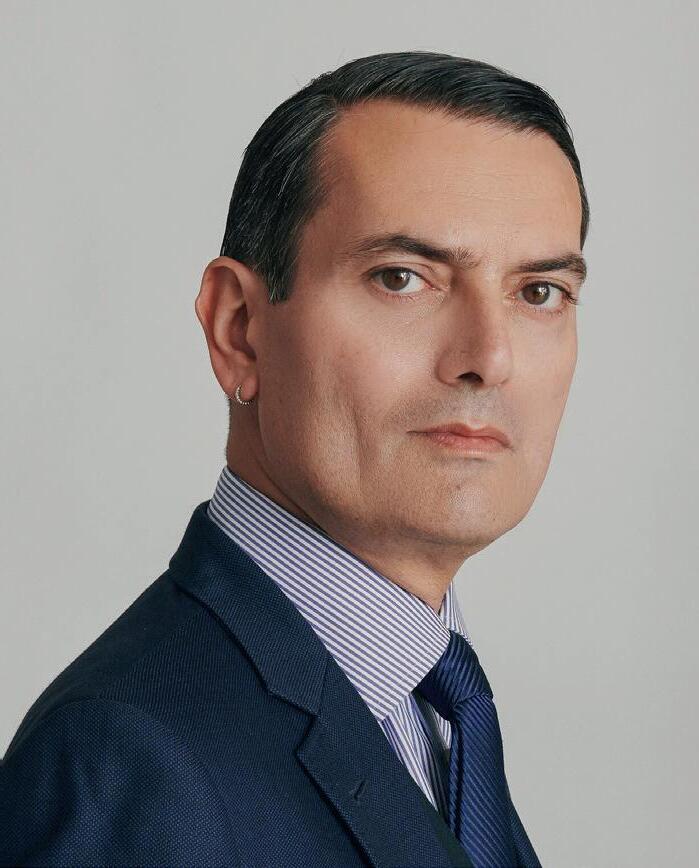
long-term partnerships with operators really matter. Our approach has always been to move in step with the market rather than react to short-term noise, and that mindset continues to serve us well as the new framework beds in.
Security and compliance are necessarily large parts of your games and solutions, but do you foresee them becoming increasingly tied to growth and success throughout 2026?
Yes – and that link is already becoming more visible. As more jurisdictions regulate and frameworks tighten, compliance and security are not simply operational necessities, they become growth enablers. Operators are looking for partners who can meet regulatory standards efficiently and consistently across multiple markets. In a more consolidated environment, that reliability builds trust and long-term relationships. Now we are in 2026, I believe that the ability to combine strong content with strong compliance will be increasingly decisive.
You’ve made inroads in various South American markets, Peru, Colombia, Argentina and of course Brazil. Where do you feel in LatAm Habanero is best placed to make rapid strides forward relative to the size of the market?
Brazil is clearly the market with the greatest long-term opportunity due to its sheer scale, but it is also the most complex and competitive. If we look at rapid strides relative to market size, Colombia and Peru remain very efficient environments. They are regulated, commercially active and familiar to us, which allows growth to build in a steady and structured way. Argentina is also interesting, although its provincial structure requires a slightly more segmented approach. Brazil is about long-term positioning and growing alongside the market as it matures, whereas some of the other LatAm jurisdictions allow for faster consolidation of gains in the short term.
In Brazil, regulation and the cultural conversation is moving very quickly
– how do you stay operationally alert and flexible to deal with unpredictable regulatory shifts?
Brazil is evolving at pace, both legally and culturally, so flexibility is essential. We have always operated with a modular compliance and localisation framework, which makes adapting to new requirements far more manageable. That technical flexibility is one part of it. The other is staying close to partners and maintaining constant dialogue within the market. When a jurisdiction is still shaping itself, you need to understand not only what the rules are, but where the direction of travel is heading. In my opinion, being prepared for that evolution really is just as essential as reacting.
Which markets do you think will surprise people in 2026 and why?
Sometimes the markets that surprise people are not the largest, but the most stable. Certain regulated markets in LatAm or the Balkans for example may continue to outperform expectations because they stem from established cultures, offer commercial consistency,and clear frameworks. North America is also still evolving. It remains competitive, but structurally it is relatively young and there is space for steady, sustainable growth for suppliers willing to adapt carefully to each jurisdiction. It is often the biggest surprises that come from markets when they grow quietly but consistently.
This year, will your focus be more on innovating or on refining the products and solutions you already offer?
It will always be a balance, but this year the emphasis is slightly more on refinement and consistent delivery, in truth. Innovation remains central to what we do, particularly around engagement and entertainment value, but in a more regulated and consolidated industry, execution is what becomes even more important. Building on products and solutions that are already performing well – and ensuring they are delivered effectively across multiple markets –holds just as much value as launching something entirely new.
Arcangelo Lonoce


"Canada o�ers a credible, well-regulated market, where the right licensing support can significantly accelerate time to market - contact our team to explore your entry strategy!"

PAYMENTS AS GATEKEEPERS
As regulators sharpen their focus on illegal gambling, payment providers are increasingly being drawn into the enforcement net. But how far should their responsibility go –and where should the line be drawn between financial infrastructure and regulatory oversight? Jack Found explores...
THE BREAKDOWN...
• Should the financial sector do more to combat illegal gambling?
• Payment providers are increasingly being drawn into regulatory efforts to combat illegal gambling
• As financial intermediaries, they sit at a critical junction between players and operators
• How far their responsibility should extend remains an open and highly contested question
• The European Commission has previously noted that payment blocking alone is unlikely to fully eliminate illegal gambling, but can be effective when combined with measures such as domain blocking
As regulators intensify efforts to curb illegal online gambling, attention is increasingly turning toward an often underexamined part of the ecosystem: payment providers. Banks, e-wallets and payment processors sit at a critical junction between player and operator, prompting a growing question for the industry – should they play a more active role in tackling unlicensed gambling?
The logic behind this line of thinking is straightforward. Illegal operators may be able to change domains, rebrand or relocate, but they cannot function without moving money. As a result, payment flows have become a key enforcement lever in several jurisdictions, with regulators adopting a “follow the money” approach to disrupt unlicensed activity.
A GROWING REGULATORY TREND
Across Europe, there is clear evidence that policymakers increasingly view payment providers as part of the enforcement toolkit. In markets such as Finland, payment service providers are already required to block transactions to operators identified as illegal by authorities, reflecting their “key position” in restricting access to unlicensed gambling. Similarly, Lithuania has introduced a whitelist system, obliging financial institutions to block payments to unregulated operators, with penalties for non-compliance.
Elsewhere, regulators are expanding cooperation with the financial sector. In Sweden, for example, closer coordination between gambling and financial authorities has been identified as a way to improve

oversight, alongside new powers to compel payment blocking.
Meanwhile, Dutch authorities have reportedly relied on banks and payment firms for nearly a decade as part of their strategy to combat illegal online gambling.Taken together, these developments suggest a clear direction of travel: payment providers are no longer peripheral actors but increasingly central to regulatory enforcement.
THE CASE FOR GREATER INVOLVEMENT
Proponents of a stronger role for payment companies argue that this shift is both logical and necessary. First, payment systems represent one of the few scalable control points in a fragmented digital landscape. Blocking transactions can directly limit player access to illegal operators and reduce the viability of their business models. EU policy discussions have long recognised that restricting payments can make unauthorised gambling less accessible and deter casual participation.
Second, greater payment oversight aligns with existing anti-money laundering (AML) obligations. Financial institutions are already required to monitor transactions, flag suspicious activity and prevent illicit financial flows. In some jurisdictions, transactions linked to unlicensed gambling are explicitly treated as high-risk indicators, reinforcing the expectation that payment providers should intervene. Third, there is a competitive argument. Licensed operators – who invest heavily in compliance, taxation and safer gambling –are often undercut by unregulated rivals. By restricting payment access to the latter, regulators can help level the playing field and protect the integrity of regulated markets. Finally, there is a consumer protection dimension. Payment blocking can act as a
safeguard against fraud, reduce exposure to unsafe operators and signal to players that a site is not licensed or supervised.
THE LIMITS OF PAYMENT BLOCKING
Despite these advantages, the case for expanding the role of payment providers is far from straightforward. One of the primary challenges is effectiveness. Evidence suggests that payment blocking systems can be circumvented, for example through alternative payment methods, intermediaries or frequent changes to payment details. If restrictions apply only to certain channels, players may simply migrate to less transparent or less regulated options, including cryptocurrencies.
There are also concerns around overreach and unintended consequences. Blocking mechanisms can inadvertently affect legitimate transactions, particularly where merchant classification systems are imperfect. This raises the risk of disrupting lawful business activity and exposing payment providers to legal or reputational challenges.
Operational complexity is another significant barrier. As highlighted in Lithuania’s recent reforms, payment systems often lack the granular data needed to reliably identify prohibited transactions, complicating enforcement efforts. In more complex payment chains – where intermediaries are involved – tracing the ultimate destination of funds can be even more difficult. Finally, there is the factor of cost. Implementing and maintaining effective blocking systems requires substantial investment in technology, compliance and monitoring. For payment providers operating across multiple jurisdictions, each with different regulatory definitions of “illegal gambling,” this burden is multiplied.
A QUESTION OF RESPONSIBILITY
Underlying the debate is a more fundamental issue: where responsibility should sit within the gambling ecosystem – and how far it can realistically be extended. Payment companies have historically positioned themselves as neutral infrastructure providers, facilitating transactions rather than policing them. From this perspective, determining whether an operator is legal or licensed is a regulatory function, not a commercial one. This distinction matters, as payment firms typically lack the legal mandate and jurisdictional clarity required to make such determinations independently.
However, this position is becoming harder to sustain. In practice, payment providers
already engage in forms of “soft enforcement” through fraud detection, AML controls and risk-based monitoring. These systems require firms to assess the legitimacy of transactions, blurring the line between passive infrastructure and active gatekeeping.
There is also a question of consistency. If payment providers are expected to block transactions linked to sanctions breaches or financial crime, it raises the issue of why illegal gambling should be treated differently – particularly in clearly regulated markets. At the same time, expanding this role creates challenges around accountability. If a payment provider fails to block a transaction, is it a compliance failure or a regulatory gap? Conversely, overly aggressive blocking risks turning private firms into de facto regulators without the transparency or safeguards of public oversight. Jurisdictional fragmentation further complicates matters. An operator may be licensed in one market and prohibited in another, leaving global payment providers to navigate conflicting legal frameworks.
Ultimately, the debate is less about whether payment providers should play a role, and more about how that role can be defined. A system that relies too heavily on private enforcement risks overreach and inefficiency, while one that excludes payment providers entirely may overlook one of the most effective intervention points available.
THE MOVE TOWARDS A SHARED MODEL
Rather than framing the issue as a binary choice, the emerging consensus points toward a shared responsibility model. Under such an approach, regulators would provide clearer guidance, such as official blacklists or whitelists, while payment providers would focus on implementation. Improved data sharing between authorities and financial institutions could enhance accuracy, while technological advances in transaction monitoring may reduce false positives.
Ultimately, the question is not whether payment providers should play a role in combating illegal gambling. They already do. The more pertinent question would seem to be how that role can be defined in a way that is effective, proportionate and operationally feasible.
As enforcement strategies continue to evolve, the payments sector is likely to remain at the centre of this debate – positioned not just as a conduit for transactions, but as a potential gatekeeper of the regulated gambling ecosystem.
“ Illegal operators may be able to change domains, rebrand or relocate, but they cannot function without moving money ”

CLARITY BREEDS CONFIDENCE
Lyle Wraxall, CEO, Digital Isle of Man, speaks to Global Gaming Insider about building trust, responding to regulatory change and adapting to enable growth
How and why do you think the approach of UK Government and that of the IoM is currently so different?
There’s a fundamental distinction between the UK and the Isle of Man, and it’s important to be precise about that. The Isle of Man is a self-governing Crown Dependency. UK fiscal and regulatory changes do not apply to our licence holders, and an Isle of Man licence does not provide access to the UK or European markets. So, when we talk about instability in the UK post-Autumn Budget, we’re observing it as part of the wider international landscape, not as something that directly impacts our framework.
That distinction allows us to take a deliberate, long-term approach to the sector. We are not responding to short-term political
cycles. Our framework is structured around stability, supervisory consistency and clear risk appetite. What that wider landscape does highlight, however, is the importance of stability. Across Europe, operators are facing rising tax burdens, shifting regulatory interpretations and increasing political pressure. That environment naturally creates uncertainty for businesses trying to plan long-term investment, scale across markets or secure capital.
The Isle of Man has taken a deliberately different approach. Our Government has publicly reaffirmed its long-term commitment to iGaming as a core part of our economy. That commitment is not rhetorical; it reflects more than two decades of regulatory maturity and institutional alignment around the sector.
How does Digital Isle of Man balance the impacts of taxation with growth?
For us, growth and quality standards are not opposing forces. We believe legitimate global operators actively seek clarity, consistency and predictability – and are actively committed to meeting international standards. They want to understand how a framework works, how decisions are made and how supervision is applied, and they want that to remain stable over time.
That stability also extends to our fiscal framework. The Isle of Man offers a competitive and predictable tax environment that has been consistent for many years. For operators making multi-year investment decisions, certainty around cost base and governance is often more valuable than short-term fiscal shifts elsewhere.
It allows boards and investors to model growth from a stable foundation.
We don’t reconcile taxation and growth by lowering standards or chasing volume. We reconcile them by ensuring that our regulatory integrity, supervisory consistency and fiscal stability operate together. That balance is what creates long-term commercial confidence. In a tightening global market, jurisdictions are increasingly judged not just on what they promise, but on how consistently they deliver. Our focus is to remain a stable, credible base for legitimate international operators and suppliers who value resilience over short-term convenience. And, in the current climate, that clarity is proving more valuable than ever.
How would you advise iGaming organisations in your jurisdiction adapt their digital marketing approaches, in light of any regulatory and financial uncertainty?
Across the sector, expectations around transparency and responsible engagement continue to rise. In many respects, those licensed in the Isle of Man are already accustomed to working within a well-defined regulatory environment. What’s becoming increasingly clear is that trust extends beyond compliance and into everything we do – it has become a differentiator for our jurisdiction. Partners, and often players, are all more conscious of who they engage with and where those businesses are licensed. Being able to demonstrate strong player protection and a reputable regulatory base strengthens a brand’s position. For customers, player protection is fundamental. The Isle of Man’s unblemished record in this area gives players confidence that their funds are secure with an Isle of Man licensee, and that assurance becomes a meaningful part of the value proposition businesses can promote.
Marketing today is less about volume and more about credibility. Sustainable growth comes from building long term trust with customers and stakeholders, rather than chasing short term gains. For Isle of Man licensees, anchoring their brand in a stable, internationally respected jurisdiction supports that credibility. In a more scrutinised global environment, that alignment between reputation and regulation becomes a genuine competitive advantage.
How does Digital Isle of Man advise that iGaming companies compete with the black market in terms of marketing spend and strategy? Naturally, this is a topic discussed ad nauseum in the industry – but it is an issue that persists... Players value security, transparency and the confidence that their funds are protected. While black-market operators may attempt to build market share based on short-term
factors such as price and promotional spend at the expense of good regulation and player protections, what they cannot replicate is institutional trust.
Operators who invest in strong governance, responsible practices and player protection build sustainable brands that can stand up to scrutiny. That’s something illegal operators struggle to replicate.
From our perspective as a jurisdiction, our role is to maintain a robust and well-supervised framework that supports legitimate businesses and makes clear that criminal activity won’t be tolerated. Strong regulation, proportionate enforcement and industry alignment ultimately strengthen channelisation and protect consumers. In the long run, credibility and integrity are what differentiate sustainable businesses from the rest.
Digitain recently picked up its iGaming software supplier licence – how do you reflect on the process here, and the overall development itself?
It’s mutually beneficial because quality businesses reinforce the Island’s standing and a credible jurisdiction enhances the long-term positioning of those businesses. That alignment is exactly what we want to see. For a supplier of Digitain’s scale, jurisdictional choice is a strategic decision. Large B2B providers operating across multiple regulated markets look carefully at where they anchor their licence because it directly impacts how they’re perceived by operators, banks, investors and regulators in other jurisdictions.
When an established international supplier chooses the Isle of Man, it signals confidence in the depth and credibility of our regulatory environment. From our perspective, attracting established suppliers strengthens the overall resilience of the ecosystem. As a mature jurisdiction, the Isle of Man’s offering isn’t defined purely by operator numbers, it’s defined by the depth of its infrastructure, compliance capability, corporate governance and regulatory discipline.
Digitain’s decision reinforces that there is clear commercial value in regulatory credibility. In a tightening global environment, where scrutiny around ownership, control and supply chains is increasing, being licensed in a wellregulated jurisdiction carries weight.
Finally, what is your strategy for building trust on the Isle of Man – and what is it that people misunderstand about building that trust?
Our strategy is straightforward. We focus on maintaining robust regulatory integrity, being clear about our risk appetite, strengthening collaboration across government and the
regulator, meeting international standards and ensuring the Island remains internationally visible. The Isle of Man Government, and all of its relevant agencies and bodies, has a zerotolerance attitude towards criminal activity. Through our National Risk Assessment and National Risk Appetite Statement, we’ve strengthened our understanding of emerging risks, particularly around ownership and control, complex group structures and cross-border exposure.
That clarity gives serious operators confidence. They know where the lines are drawn and how standards are applied. At the same time, we work closely with our ecosystem of corporate service providers, infrastructure partners, compliance specialists and advisers, because trust is reinforced by capability. Businesses need more than a licence. They need a stable, experienced environment that understands complex international models. One misconception is that high standards make a jurisdiction less commercially attractive. In reality, the opposite is increasingly true.
As global scrutiny rises, serious operators actively seek environments where governance is predictable and supervisory expectations are clear. Trust in any jurisdiction’s offering is something that is built over time. The Isle of Man has built that reputation deliberately over decades through consistent regulation, political and economic stability, and the willingness to take decisive action where necessary. Our role at Digital Isle of Man is to ensure that credibility is visible, understood and supported and that the Island remains a stable base for long-term, well-governed growth. That’s how trust travels internationally.

Lyle Wraxall
WHAT’S NEW ON THE MARKET?
Need to know the latest products on the gaming market? Global Gaming Insider has you covered
AARDVARK TECHNOLOGIES: SKYPILOT
SkyPilot – Raising the standard in the crash category
The crash segment has expanded rapidly, but meaningful innovation has remained limited. Many titles follow the same formula, offering little beyond visual variation. For operators, this often results in short-term engagement without sustained player retention.
SkyPilot, developed by Aardvark, is taking a more deliberate approach and has gained attention in a highly competitive and increasingly saturated category.
At its core, SkyPilot introduces a random 2x multiplier that can trigger at any point during a round, instantly doubling player winnings. The
mechanic is intentionally straightforward, but its impact lies in genuine unpredictability. The absence of patterns or exploitable behaviour maintains tension and encourages repeat play without relying on artificial engagement features.
A defining factor is ownership. SkyPilot is fully built and maintained in-house by Aardvark, eliminating dependency on third-party suppliers. This enables faster iteration, direct incorporation of operator feedback, and a development roadmap aligned with commercial realities rather than external priorities.
Performance has also been a central focus. Online, the game supports Picturein-Picture functionality, allowing players to remain engaged while navigating across the
platform. In retail environments, SkyPilot has achieved leading positions across several sub-Saharan markets, demonstrating stability across varied devices, connectivity levels and operational conditions.
In addition, Aardvark facilitates crossoperator network tournaments, introducing a competitive layer that extends beyond individual deployments and supports retention at scale.
SkyPilot reflects a shift in the crash category toward execution over concept. As the market matures, operators are placing greater emphasis on control, performance, and consistency. In that context, differentiation is no longer optional – it is expected.
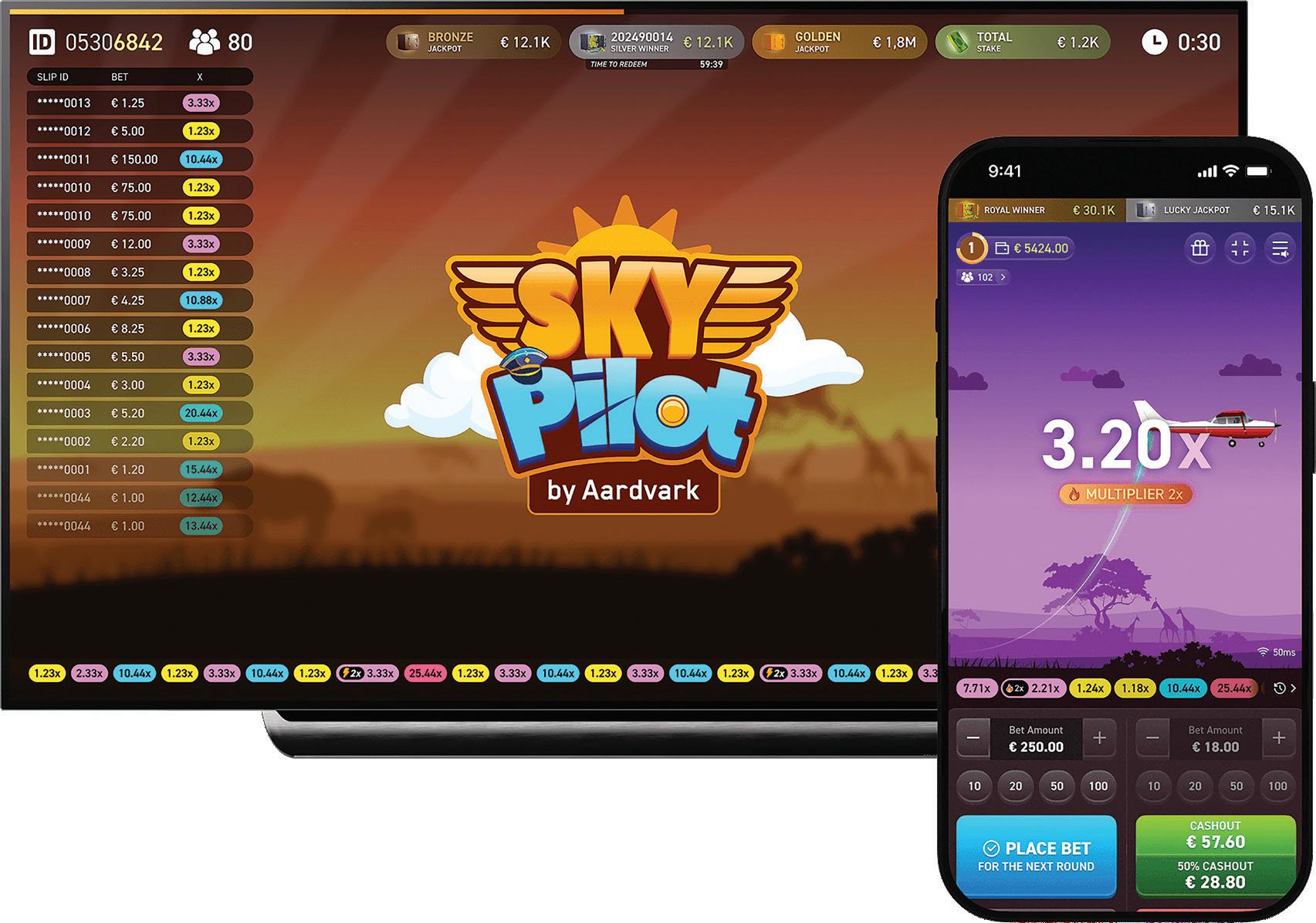


TAKING STOCK
Global Gaming Insider looks at monthly stock prices from the opening day of the past six months across the Americas, analyzing November 2025 – April 2026
• Six-month high: January (35.66 USD)
• Six-month low: April (22.16 USD)
• Market capitalization: US$11.5bn (As of 3 April 2026)
• Six-month high: November (16.62 USD)
• Six-month low: February (12.60 USD)
• Market capitalization: US$2.01bn (As of 3 April 2026)
• Six-month high: November (148.46 SEK)
• Six-month
March (93 SEK)
• Market capitalization: US$1.49bn (As of 3 April 2026)
• Six-month high: February (62.10 USD)
• Six-month low: November (52.79 USD)
• Market capitalization: US$5.6bn (as of April 3, 2026)
MOVERS AND SHAKERS
In the US, Fanatics Betting and Gaming, as well as the Commodity Futures Trading Commission (CFTC), unveiled new appointments to assist with regulatory and legal affairs. In Brazil, meanwhile, Flutter brought on an additional hire


Alex Smith Chief Legal Officer, Fanatics Betting & Gaming
Representing the first C-level position of his career, Alex Smith has been tasked with overseeing all legal, regulatory and compliance operations and strategy for Fanatics Betting and Gaming. Having originally joined Fanatics Betting and Gaming in 2021, Smith oversaw a major multi-state rollout of the operator’s sports betting product and was promoted to SVP of Legal & Regulatory Compliance by March 2024.
Now, with prediction markets also on Fanatics’ radar, Smith may have his work cut out!

David Miller Director of Enforcement, CFTC
With questions surrounding insider trading with prediction markets, the CFTC appointed David Miller as its Director of Enforcement to “play a critical role in ensuring the division is focused on its core purpose of policing fraud, abuse and manipulation rather than setting policy.”
CFTC Chairman Michael Selig highlighted Miller’s “proven track record of defending market participants against the novel legal theories of overzealous regulators and plaintiffs.”

Head of Customer Operations, Flutter Brazil
Flutter Brazil appointed Leonardo Chiarini de Mattos as its new Head of Customer Operations to help integrate the customer support capabilities of its Betnacional and Betfair Brasil brands. The operator confirmed Chiarini de Mattos’ appointment reflects a greater focus on operational efficiency and customer feedback, especially with Brazil’s regulated betting market continuing to mature.
Prior to attending law school at Vanderbilt University, Smith worked as an Artillery Officer for the US Army from 2008-2013
From 2016-2023, Miller served as a technical advisor for the “Billions” television program on Showtime
Chiarini de Mattos is also VP of LGBTennis+, which maintains the mission of making amateur sports a place of inclusion for the LGBTQIAP+ community
Leonardo Chiarini de Mattos
FACING FACTS
The US finds itself at a crossroads, with the ‘big two’ sports betting operators having turned into a ‘big four’ over the past year following the explosion of prediction markets
• Kalshi and Polymarket’s explosion has caused havoc for Flutter and DraftKings’ stock price and respective valuations
• Flutter’s market capitalization has dropped $26.1bn over the past six months (Flutter has several brands outside of FanDuel too)
• DraftKings’ market capitalization has also fallen $6.7bn over the past six months
• Meanwhile, Kalshi’s valuation (albeit on a private not publicly listed basis) has risen to $22bn, with Polymarket’s also sitting at $9bn
• Flutter’s share price has dropped by almost US$200 – or over 60% – since its 12-month peak in Q3 2025
• Revenue grew for the operator across Q4 and FY 2025; however, the full year saw it experience a net loss of $407m
• The FanDuel Predict launch in Q4 2025 has propelled the operator’s offerings into all 50 states – but has done little to stop the share price plummet
• Nevertheless, FanDuel revenue rose 33% in Q4 and reached $7bn for the full year, up 20%
• DraftKings’ share price has dropped around 50% since its 12-month peak in Q3 2025
• Despite this, FY 2025 revenue increased 27% to $6.1bn for the operator
• The launch of DraftKings predictions recovered share prices in late 2025, with Q4 EBITDA up 283.7%
• The operator’s Prediction market products launched in February via a partnership with Crypto.com
DraftKings Kalshi Polymarket
AMERICAS VEGAS STRATEGY

THE VENETIAN RENAISSANCE
As we celebrate Sands’ success in Singapore in this issue, Oliver Lovat, Denstone Group CEO and long-time Global Gaming Insider contributor, looks at the success a former Sands property is enjoying in Las Vegas
In recent years Las Vegas has seen several new owners and operators; Palms, Rio, Virgin and Cosmopolitan all changed hands, with Fontainebleau, Resorts World new to market.
New brands arrived, and across the market new leadership teams have taken control of iconic assets, implementing a range of divergent strategies. At this stage, none have had the success or acclaim, of Apollo’s acquisition of The Venetian’s operating business.
As outsiders, if not total newcomers, Apollo saw value at both the property and across the market, implementing a strategy and appointing leadership, that offers significant insights to the wider industry.
THE MAN WITH A PLAN
Much has been written about Sheldon Adelson, both before and after his passing in 2021.
Rob Goldstein, the long-time executive that succeeded Adelson as CEO of Las Vegas Sands, said of Adelson, “He saw Las Vegas as a multi-faceted entertainment experience. Rooms would be very valuable, food and beverage very valuable… conventions would be incredibly valuable. In those days, people laughed at conventions, they did not want that business…. It
was gambling, gambling, gambling. Sheldon said, that rooms were more valuable than gambling… he was incredibly correct.”
In terms of coming to market and implementing a business strategy that had worked in other markets, but counterintuitive to the established narrative, Adelson was a trailblazer. Initially acquiring The Sands Hotel in 1989 and building the convention center in 1990, The Sands hotel was imploded in 1996 and The Venetian opened in 1999 with Palazzo following in 2007.
Adelson’s Venetian redefined the business model that was to drive Las Vegas’ growth for the subsequent generation. It was the first fully integrated resort in Las Vegas, blending retail, convention, an all-suite hotel, leisure amenities, entertainment, and the casino. As non-gaming revenues (and customers) grew across the market, the casino was a secondary beneficiary to a more diversified revenue model: a win-win.
Sands was also an innovator by hiring smart, entrepreneurial, young executives from outside the industry to come to Las Vegas. Many of those early hires can be found across the city today, with continued impact on the industry.
However, despite his success in Las Vegas, it was the bold moves to enter Macau (when others were still undecided on the market) with Sands Macau opening in 2004, followed by investment and expansion in Cotai (on reclaimed swamp land), opening The Venetian Macao in 2007, followed by a Four Seasons, Sands Cotai (now The Londoner) and Parisian. The company operates over 12,400 rooms in the region, over 25% of the market. In 2024, The company generated over $7bn in revenue from the enclave. Marina Bay Sands opened in 2010, breaking records for performance in a casino resort. In 2025, the property reported $5.6bn in revenue.
Witnessing the record-breaking casino performance in Asia, the business model that Adelson had originally conceived and proved, had shifted; LVS was not just a conventions driven hospitality company, but the global leader in gaming, and one of America’s largest companies. Indeed, transporting high-end gamers from high-tax locations to the more beneficial regime in Nevada was to prove lucrative to the bottom line of the company, turning the once gaming agnostic property to home of some of the world’s highest rollers.
The Las Vegas resort, impressive by most

commercial metrics, was only a relatively minor part of the company’s revenues, as Covid shuttered the global tourism economy. Company revenues shrank to nil. As others cut costs, Adelson, who’s own childhood was scarred by poverty in economic hardship, maintained the payroll.
However, after Sheldon Adelson’s passing, LVS sold the Las Vegas properties to concentrate on the Asian market. The identity of the new owners of The Venetian surprised many.
SUN, SONG, HEALING… AND PLAGUE
If Steve Wynn is seen as the engine behind Las Vegas’ emergence in the late 1980s, his fuel was provided by Drexel Burnham Lambert’s junk bonds.
Innovative financing for non-traditional businesses had been part of Las Vegas’ story for decades, long before “the original” junk-bond king, Meshulam Riklis, acquired the Riviera in 1973, however that particular tool had proved both lucrative and effective for all parties long after Riklis’ departure.
It was at Drexel’s originative deals team where Leon Black cut his teeth. After the bank’s demise, the entrepreneurial Black, and
a handful of former Drexel employees, notably Marc Rowan and Josh Harris, founded Apollo, initially playing in the distressed finance arena, a field they understood well.
Apollo continued to invest around the gaming space, but finally became the emperors of Las Vegas, when, in a joint bid with TPG, they agreed a leveraged buy-out of Caesars Entertainment. The rebranded Harrah’s had become a darling of investors, employing data science and sophisticated management models; the anthesis of the structures found at Adelson and Wynn’s properties, with the company continually outperforming expectations. The deal closed in January 2008.
If the timing had been different, we could be writing a different story.
The financial crisis and recession that followed the acquisition had disastrous consequences for both Las Vegas and the US gaming industry. Whereas Sands, Wynn and MGM had exposure to Asian markets, Caesars did not, and despite reinvestment, development, managerial changes and restructuring, bankruptcy and bitter lawsuits were to follow. The eventual outcome of a long process was the equity holders wiped out, and from the remaining embers, was the
creation of a new, listed operating company for Ceasars’ properties, with the real estate being held in a newly created REIT, named somewhat controversially, VICI.
VICI has grown to own not just Caesars’ real estate assets, but collects rents from many established operators, including MGM and Hard Rock, in a growing portfolio of gaming and leisure property. The REIT has a market cap of over $30bn at time of writing.
Despite the public fallout, financial loss, and heavy criticism of Apollo, the company continued to see value in the gaming industry, investing throughout industry verticals, from gaming manufacturers, service providers, suppliers and international operators.
However, in a surprise to many, Apollo was ready to return to The Strip... as an operator.
It was reported in March 2021, that Apollo, the one-time owner of Caesars was paying $2.25bn for the Venetian Las Vegas’ operating business, alongside VICI, who had agreed a $4bn deal for the underlying real estate, in one of the largest single asset transactions in US history.
Questions were asked. Could this investment make a return considering the enormous price,
AMERICAS VEGAS STRATEGY
how would it operate without the top-down vision of Adelson, and based on the past experiences owning Caesars, could Apollo effectively manage America’s largest resort out of a generational pandemic?
STRATEGIC OVERVIEW OF LAS VEGAS
As addressed in multiple forums, successful strategy development follows three pathways. Firstly, identifying your customer and meeting their needs and loyalty drivers. Secondly is understanding the market and competitive environment, and third is developing or acquiring internal capabilities required to compete.
Historically this was set at The Venetian. Adelson knew the convention business arguably better than anyone, however others had planted their tanks on his lawn. The city-wide offer had improved significantly, with Aria, Cosmopolitan, Mandalay Bay, Caesars Palace and Wynn all investing heavily in conventionled amenities and quality room additions, and the LVCVA had undertaken a huge expansion and modernization of their own product.
The food and beverage offering on property, although outsourced operationally, had been re-curated to be market leading, after a period of relative underperformance. The retail had been sold to raise capital for Asian expansion. On the gaming floor, the property had ceded the gaming business to focus on the small group of high rollers, predominantly transported directly from Asia.
Indeed, the overall Las Vegas customer demographic had changed since the property had opened; it had become younger, more affluent and eager to be entertained, partying
all day and all night. That wasn’t Adelson’s intended customer.
Although operated externally, there was a planned expansion to Tao Beach Club after seeing the comparable performance in other properties, and the company announced support to the speculative (and much doubted) Sphere project that was under construction behind the convention center on land owned by the company. Adelson had always been cautious in entertainment investment, and the resort had eschewed joining the growing entertainment race, as The T-Mobile Arena, The Colosseum, Park Theatre, Chelsea Showroom, Gardens Arena and Allegiant Stadium had all joined the competitive landscape attracting big name talent, to the benefit of their associated resorts.
Looking citywide, in the early 2020s, newcomers Resorts World and Fontainebleau were poised to supplant The Venetian in the top-tier property range, and after the acquisition of the wildly popular and successful Cosmopolitan, MGM had added another premium resort to their portfolio. Hard Rock was coming out of the ground, directly across from The Venetian’s front door.
The Venetian under Adelson, was significantly more top-down, reliant on a small number of high-end gamers, and operationally siloed than comparable Las Vegas operators. If Apollo were to drive a return on their investment, the challenges posed required not just financial muscle, but also strategic and operational guile.
DRIVING FORCE
Undoubtedly Apollo’s team had acquired significant insights to operational challenges

on The Strip from Caesars, but the case study for managing a successful turnaround belonged to private equity rivals, Blackstone at The Cosmopolitan. Instrumental to that process was Patrick Nichols.
Originally from Minnesota and working in hotels and hospitality from a young age, Nichols arrived in Las Vegas in 2008, with a degree in Hotel Administration from Cornell, to work in the finance team at The Venetian. As one of Adelson’s smart hires, Nichols opened Marina Bay Sands with the company before moving down the street to open The Cosmopolitan, where he shaped the strategy of the property.
The Cosmopolitan, like the Venetian had done in 1999, redefined the business model for The Strip, driving a new, younger, generation of customer to Las Vegas. Nichols completed his tenure at the property as General Manager and Chief Strategy Officer, one of the few executives holding this role on The Strip.
Although Apollo focused on distress, The Venetian was certainly not a distressed asset, but in February 2022, when the deal closed, there was still much uncertainty around the Las Vegas market. In 2021, visitation to market was 10m fewer, some 24% lower, than in 2019. Midweek occupancy hovered above 60%, with only one-third of the typical convention customers returning. The conventional wisdom was that a full recovery was years away.
Where others saw a market challenge, the new owners saw an opportunity. Considering the strategic challenges as set out above, plus the relative slowdown in business, competitors pulled investment and raised prices seeking to increase margins. The Venetian did the opposite and produced a near flawless case study for future casino owners.
Although successful, and certainly profitable, the new owners believed that Venetian had the potential to be more. The strategy started with meeting changing customer needs and addressing the increased competitor pressure, developing the capabilities required to compete at the highest level.
The $1.5bn of new capital invested saw a full renovation of the convention and meeting rooms, introducing specialist lounges for convention customers. Improvements were made to guest rooms and high-limit gaming areas. The additions to the gaming floor and restructuring of the Players’ Club saw the Venetian refocus on gaming customers, a segment that the previous owners had not focused on. Taking the lead from the data-driven strategy found at Caesars, Nichols was also able to measure and monitor not just what was going on in the building, but who was there and understand various performance metrics that he hoped to improve, such as property EBITDA, slot revenue and overall customer mix.
Food, beverage and entertainment was further enhanced, with Voltaire, a boutique
Oliver Lovat
cabaret room hosting global superstars, demand for Kylie Minogue tickets literally breaking the website, with reported 700 hour wait times. Tao Beach reopened in summer 2022, bringing top tier DJs and the party crowd to the property’s pool deck with more attractive economics, seeking to attract a more diverse customer base.
On September 29th, 2023, The Sphere finally opened with a residency from U2. Not since the Bellagio fountains first shot through the air to collective gasps of delight, has there been such global attention at an attraction in the town, but this time, with amplified awareness thanks to social media, Las Vegas found an instant, new global icon…and it was at The Venetian.
Like the Bellagio’s fountain, The Sphere attracted thousands of visitors to the Venetian each day to witness the spectacle, but unlike the fountains, each customer had committed to purchasing tickets to either a live show or a movie experience. These customers were likely to eat, drink or play prior to or after each show. Moreover, unlike a traditional Vegas showroom, and more like a sports venue or arena, The Sphere holds up to 20,000 people, but unlike those venues, tickets for various shows are available several times each day.
New ownership groups are frequently met with suspicion by longstanding employees, with new cultures, practices and management. At Blackstone’s exit of The Cosmopolitan, all employees received a cash bonus. Having employees share in the success of the property was not novel (at the Mirage, all day one staff received stock in the company), but to do so in such a public manner proved very effective in driving loyalty and engagement within the workforce. Apollo implemented the Venetian Las Vegas Appreciation Award, where based on performance, all employes benefit from the resort’s success. It was reported over $32m has been distributed in bonuses to employees since 2022.
“Everything we do is to maximize the team performance and guest experience,” said Nichols. “It’s incredible what happens when you get your entire team to think like owners, because they are owners in the success of the resort.”
In 2025, Harvard Business School undertook a case study into Frontline Engagement as a Value Driver at The Venetian. They reported that EBITDAR had grown from $487m prepandemic to $777m in 2024. As the decade closes, with continued market evolution and strategy maturation, it is not inconceivable that The Venetian becomes the highest performing property in market.
STRATEGIC OUTCOMES
In explaining the narrative behind the renewed success at The Venetian – and that what seems apparently absent at many of the competitive resorts over the past 5 years, is the heavy emphasis on strategy.

The Venetian, Las Vegas
The initial positioning of the property, a legacy bequeathed by Sheldon Adelson, was ahead of its time, and while others had caught up, the core customer focus and infrastructure remained solid. As we have seen in plenty of examples, new owners seek to rebrand, reposition and even de-theme properties, with mixed success. By realigning the corporate and operating strategy to focus on established core customer needs for the 2020s and beyond, The Venetian once again is ahead of the pack within the target customer segment.
Furthermore, at a property with a history of contradictory decision making, the resort adopted a counter-intuitive postCovid strategy. As others cut, The Venetian continued the investment plan, and the new owners made further investments, doing things properly for the long-term, not with the aim to capturing as much of today’s pie as possible, but knowing that tomorrow’s pie would be bigger, tastier and last longer. It is proved prescient, and all key customer segments are rewarding the resort with their loyalty and repeat visitation.
The decision to appoint Nichols as CEO and President of The Venetian was a bold move by Apollo. Frequently in Las Vegas, property leaders have significant operational expertise rising from casino or hotel, but in this specific role, at this particular time, entrusting a leader, who prized strategy as a core proficiency has proved pivotal to outcomes.
It is often quoted that people make their own luck, which is certainly true, and although leadership made very astute, forward thinking decisions to enable success, The Venetian also got lucky! Lucky that the conventions business
bounced back faster and stronger than anyone anticipated, lucky that having been locked in during Covid, people wanted to get out and have fun with Las Vegas a beneficiary. Lucky that the Sphere confounded the pessimists’ expectations and became a global rockstar in its own right, and lucky that the potential rivals that sought to challenge The Venetian missed the mark on opening.
THE RENAISSANCE ARRIVES
Having spent 15 years researching, teaching and writing about strategy and strategic positioning of casino resorts, and over a decade working professionally in this city, this case study demonstrates many of the positions that I have long advocated; strategy matters, timing matters, people matter.
The counterintuitive thinking of Sheldon Adelson – with the thesis that those in Las Vegas (and latterly Macau and Singapore) didn’t fully comprehend what they could have – were important reasons for the industry’s growth, positioning and narrative.
This same thesis is being replayed under the new ownership and management, with their own applied philosophies and understandings of today’s customer and the competitive landscape, believing that untapped potential and opportunities for growth remain.
What we are seeing is a reimagining of what is possible in Las Vegas, and the heart of this renaissance can be found at The Venetian.
Oliver Lovat is the CEO of the Denstone Group. He consults on development and the strategic positioning of casino resorts.
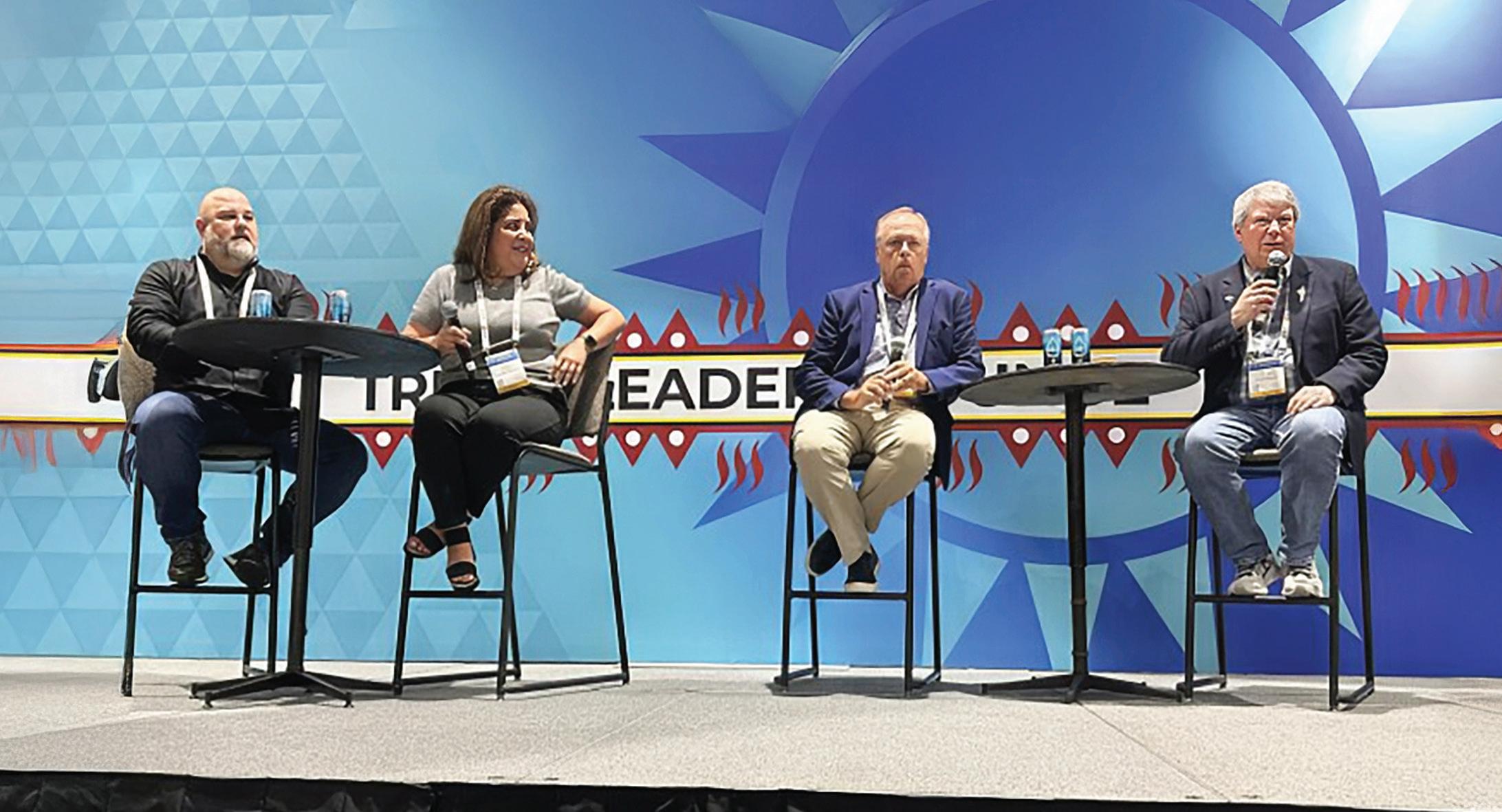
REVIEW: IGA 2026
Much of the 2026 conference was dedicated to Chairman Ernie Stevens Jr., but the looming threat of prediction markets’ impact on Tribal gaming could certainly be felt across San Diego
Each year, the impact of Tribal gaming can be felt throughout the industry and is routinely exemplified during the Indian Gaming Association (IGA) Tradeshow & Convention, hosted from San Diego, California. Global Gaming Insider was once again on-site to take part in the conference, which carried two distinct themes across the 2026 rendition.
Following the unfortunate passing of IGA Chairman Ernie Stevens Jr. on September 26, this year’s tradeshow would represent the first to be held without his leadership. The Association held numerous events and celebrations in honor of his legacy, including having members of the Stevens family take part in a ribbon-cutting
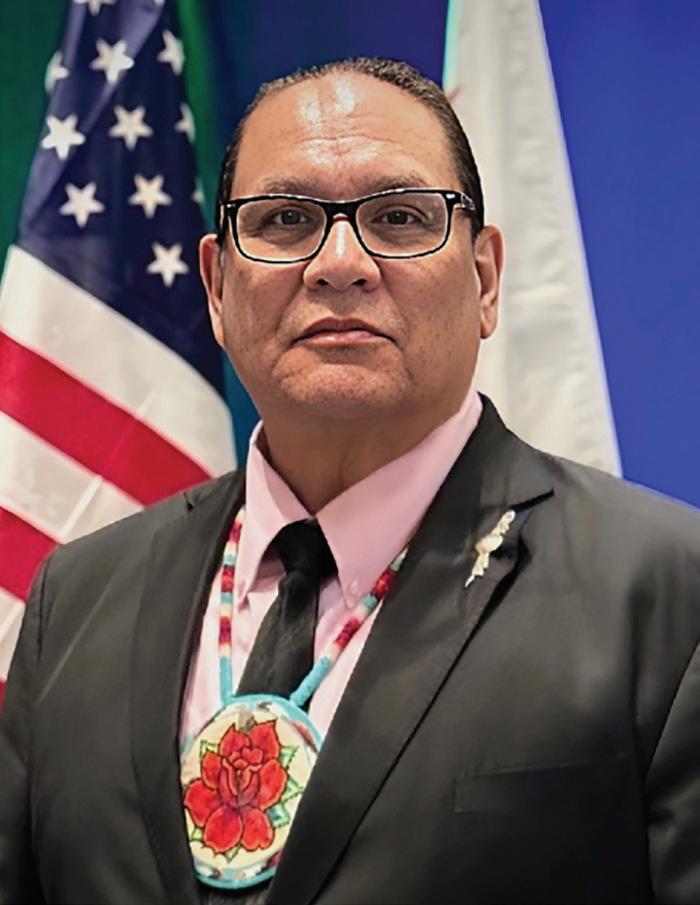
ceremony to open the expo hall floor, and the Chairman’s Sovereign Warrior Luncheon. For the first time in IGA history, the conference also hosted the Chairman Stevens IGA Tradeshow Wellness Walk/Run.
To extend its efforts in honoring the Chairman’s incredible legacy, IGA also unveiled a new statue in honor of Chairman Stevens Jr., cementing his ever-lasting presence across Tribal gaming. Without question, IGA ensured the memory and spirit of Chairman Stevens Jr. lived on not only at this year’s conference, but will continue to do so for generations.
The second theme that took over the entire week of IGA was prediction markets, and the seemingly unrelenting threat operators play to Tribal sovereignty. All four of the opening panels hosted at IGA covered the fight against prediction markets and featured speakers such as IGA Chairman David Bean, Conference Chair Victor Rocha and California Nations Indian Gaming Association (CNIGA) Chairman James Siva.
Rocha even managed to offer a new nickname for Commodity Futures Trading Commission (CFTC) Chairman Michael Selig, now dubbed ‘Safe Space Selig’ by the IGA Conference Chair based on his belief Selig avoids interviews where tough questions are asked. Bean hosted a press conference with IGA Executive Director Jason Giles on March 31, claiming prediction markets are “no innovation, this is illegal gambling dressed up as finance.”
“We have to let folks know they are not protected through these illegal online prediction markets. This is an overreach and outright blatant disrespect of Tribal sovereignty.”
The Chairman also claimed that during discussions held with federal lawmakers, IGA was told such officials were in a “tough position”
due to having to “choose between friends.”
“Our respectful pushback to that was this isn’t a choice between friends, this is a choice between following the law or ignoring the law,” Bean said. “When you pull the curtain back here, it’s just going to be a bunch of people counting money; it’s a cash grab. We do not want to wait for what started out as a brushfire, but is now a wildfire, to remain unchecked.”
During a separate panel held on April 1, Siva confirmed Tribes are “in a really tough spot” with prediction markets, but “can’t afford to lose the fight.” When questioned as to whether a future exists where Tribes would compete in event contract trading, the CNIGA Chairman admitted “we will do what we have to do” if found on the losing side in court.
A key insight made by Rocha discussed how the impact of sweepstakes casinos and prediction markets have delayed the integration of online gambling across Tribal communities.
“We would have done it already if it wasn’t for some bad actors. We were playing offense and then all of a sudden we had someone jump in and grab our ball and go ‘we want to play too,’” Rocha said.
“There was a plan in place, it was interrupted and the new plan is to get it ready for 2028 to start bringing in sports betting and stuff. We see the future… this is short-term and we will win the future.”
While IGA showcased the unity Tribal organizations have built in establishing heightened regulations around prediction markets, operators have still managed to grow even when facing legal pushback. If state, federal and now Tribal regulatory bodies are able to find common ground, however, an extended coalition against prediction markets could present significant opposition to the CFTC.
Chairman Ernie Stevens Jr





















A LIBRARY BUILT TO ENTERTAIN
From proven player favorites to bold new titles, our deep game portfolio delivers something for every floor and every player.
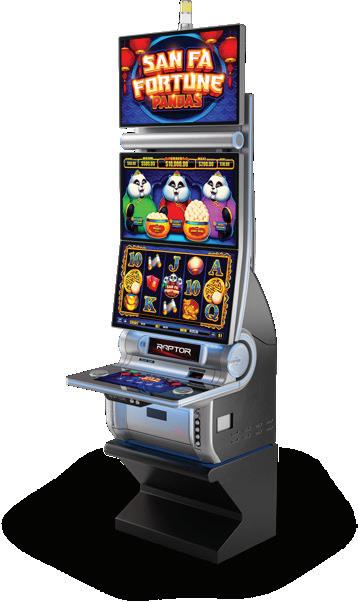
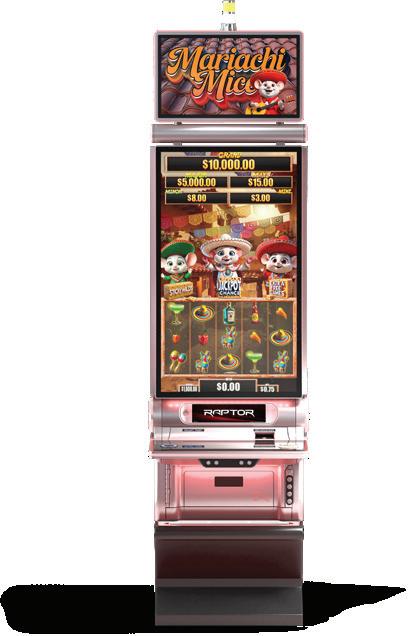
A832 RAPTOR DUAL GAME LIBRARY
A849 RAPTOR PORTRAIT GAME LIBRARY
AMERICAS PREDICTION MARKETS
ADVERTISING WITHOUT GUARDRAILS
Dave Forman, VP, Research at the American Gaming Association, returns to the pages of Global Gaming Insider to discuss how prediction markets are influencing the advertising landscape
If it feels like sports betting ads don’t carry the same responsible gaming messages that they used to, you’re right: in the first two months of this year, nearly half of them were from prediction markets. And why does that matter?
While advertising levels from state and Tribal-regulated sportsbooks have declined dramatically since their 2021 peak, online sports betting advertising is increasingly coming from prediction markets that operate – and advertise – outside of state regulations designed to protect consumers. This means the ads do not include the same safeguards – like responsible gaming messaging, age verification and clear disclosures – that are required and enforced in the legal market.

SPORTS BETTING ADVERTISING
As legal sports betting expanded into new markets between 2018 and 2021, sports betting advertising naturally increased annually. Operators were working to gain market share, raise awareness of legal options and convert bettors from the illegal market. Those ads were originally jarring to audiences who had never seen one before; some had become accustomed to the idea that sports betting was an illicit activity. But then overall sports betting adverting volume peaked in 2021 and has fallen 27% since, with TV sports betting ad volume falling nearly 50% from the peak in 2025.
ADVERTISING IN CONTEXT
Today, sports betting represents a small share of overall TV ad volume. Less than one half of a percent (0.3%) of tv ad units are for sports betting, compared to 0.6% for alcohol and nearly 14% for pharmaceuticals.
Put simply: for every sports betting ad, viewers see four telecom or wireless commercials – and a staggering 39 pharmaceutical ads. The context matters. Public perception often overstates the prevalence of sports betting advertising, but in reality it remains a very small player in the broader advertising arena.
FLOODING THE SCENE
Like on TV, consumers are seeing fewer digital ads from state and Tribal regulated sportsbooks. In 2025, digital ad impressions for online sportsbook brands fell 14%, while in contrast, ads from prediction markets, often featuring students, exploded. In 2025, nearly one in five digital sports betting ads seen by consumers came from prediction markets and in just the first two months of 2026, that figure has surged to nearly half. This is a fundamental change in who’s targeting sports betting audiences – and how.
These ads are not subject to the same standards regulated sportsbooks and AGA members must follow, including responsible gaming messaging, no marketing to children and following other consumer protections in their advertising. Prediction market ads, by contrast, don’t follow those rules.
A major concern is the audience these ads appear to target. Many prediction market digital ads prominently promote wagering from collegeaged individuals and in campus environments. Unlike regulated sportsbooks, which in most states require users to be 21, prediction platforms allow participation at 18 nationwide.
Just two months into 2026, Kalshi has emerged as the most visible sports betting brand by digital ad impressions – generating nearly 5.2 billion views – trailed by FanDuel with 2.9 billion. That’s a serious concerns for consumers. Many fans encountering these ads may reasonably assume they are engaging with a state-regulated sportsbook, when in reality, they are not.
REGULATION MATTERS
States, Tribes and the industry have built a carefully structured framework for legal sports betting advertising – one that includes licensing requirements, consumer protections, responsible gaming safeguards and strict standards. Prediction markets offering sports wagering through “event contracts” are operating outside of that system, inundating consumers with sports betting ads disguised as an investment product.
As their constituents are increasingly exposed to advertisements that openly flout state gaming laws, policymakers and regulators need to take action against these companies. Misleading advertising not only puts consumers at risk but also undermines and harms the reputation of the legal market.
Dave Forman
June 9–11, 2026
Broward County Convention Center Fort Lauderdale, Florida
10,000 DELEGATES
400+ EXHIBITORS
250 SPEAKERS
MEXICO FOCUS
Soft2Bet CMO Alex Gitsik discusses the football factor, Diego Simeone and all things Mexico
How is Mexico different from other markets around the world?
What makes Mexico different is that you cannot approach the market with a standard international playbook and expect it to work. The regulatory model is more complex than in many European markets, so local partnerships are essential from the outset, as they shape how you enter, build and operate. Just as importantly, the player journey has to feel familiar, especially around payments, where trusted local methods such as SPEI and OXXO often determine whether a player completes the journey or leaves early.
Mexico is also a mobile-first market with a young audience that can tell straight away when a brand has simply translated a global campaign instead of building something that feels locally relevant. In my experience, the brands that perform best in Mexico are those that feel familiar, easy to use and clearly built with local players in mind, both in how they communicate and in how the product works. You can see that in CampoBet Mexico itself, which has been designed as a localized, mobile-first brand for players whose passion for sport goes well beyond matchdays.
Are there any specific marketing techniques or campaigns you must tailor for Mexican players?
In Mexico, the marketing has to feel local, and that starts with understanding what
fans actually follow and talk about. It is not enough to speak about football in broad terms. You need to recognize the place Liga MX holds in everyday sports culture, understand that Liga de Expansión is part of the wider football conversation and acknowledge the growing attention around women’s football. When those references are used naturally, they show the brand understands the country’s sporting culture.
Player confidence grows when the experience feels consistent from start to finish. When the campaign, the product and the service all support each other, the brand feels more relevant to Mexican players and is better placed to build long-term loyalty.
Tell us more about your Diego Simeone partnership and what you hope to achieve in Mexico via this deal?
For Soft2Bet, the Diego Simeone partnership is about strengthening CampoBet’s connection with players in Mexico through football, which plays such an important role in the country’s culture and identity. Simeone brings credibility, recognizability and a natural link to the player journey, reflecting the progression from Beginner to Legend in a way that mirrors his own story and gives the experience more meaning for players. Brands that offer more than the product alone will always connect more strongly with local players, especially in a market where relevance, ease of use and a sense of familiarity matter so much.

Give us more details on the new Football Manager game you’ve worked on as part of the Simeone partnership?
With MEGA11, the idea was to turn the Simeone partnership into something players could actually engage with inside the product, rather than keeping it at the campaign level. It works as a free-to-play football manager experience alongside the sportsbook, where players build squads, set lineups and compete in leagues and head-to-head contests. As they place bets, they earn points, move through five levels from Beginner to Legend and unlock rewards along the way, which creates a much stronger connection between gameplay and the wider sports experience.
That is what makes it especially relevant for Mexico. Football has a huge emotional pull there, and when you combine that with someone like Simeone and an experience that feels interactive and rewarding, you give players something more personal than a
standard betting journey. It also reflects how we use MEGA more broadly at Soft2Bet, bringing together gamification, progression and personalization to create a more engaging experience around the core product.
How big can Mexico become compared to other markets globally, perhaps using Brazil as a reference point?
Mexico has all the ingredients to become one of the standout growth markets in global iGaming. The country brings together scale, a highly engaged audience and mobile-first habits that create real opportunities for brands that get localization right. Brazil naturally gets a lot of attention because of its size and the speed of activity there, but Mexico has a very strong case in its own right. It has the audience, the mobile-first habits, the passion for sport and importantly, a player base that responds well when the experience feels genuinely local.
What makes Mexico so attractive is that the opportunity is not only about size. It is also about long-term value. It gives operators access to a large, engaged Spanish-speaking audience and creates real room for brands that get localization right to build loyalty over time. So while Brazil may lead in volume, I see Mexico as a market that can become hugely valuable in its own right and one of the clearest long-term growth opportunities in the sector.
Finally, what do you expect in Mexico for 2026, especially given recent regulatory developments?
I expect 2026 to be a defining year for Mexico, as the opportunity remains strong but the regulatory direction is becoming clearer. Player demand is high, digital adoption continues to rise, and football remains a major driver of engagement, yet the market still operates under an older legal framework that leaves some uncertainty about how online activity is regulated.
What we are seeing now points to tighter oversight, stronger tax enforcement and clearer rules around advertising and operator conduct. I see that as a natural stage in the market’s development rather than something negative, even if it brings a degree of short-term uncertainty. In that kind of environment, the operators that succeed will be the ones built for the long term, with strong local partnerships, responsible marketing and a compliance-first mindset.
Alex Gitsik


WHOEVER OUR OWNER, OUR JOB DOESN’T CHANGE
Ainsworth Acting CEO Ryan Comstock speaks with Global Gaming Insider’s Kirk Geller on how his early stages of leadership have fared, as well as his vision for the supplier’s growth path in 2026
You were named Ainsworth Acting CEO in October 2025. How do you feel the transition has fared up to this point? It’s been great. The support from people inside and outside of Ainsworth has been incredible. I didn’t expect such a warm welcome from both customers and the staff I’ve worked with for a very long time, so it’s been good. I’m very fortunate to be surrounded by amazing and talented people. My background has helped me have a deep appreciation and understanding of the business, how it works and how everything
comes together in the end. Also, I appreciate that everyone in the company has an important role and we’re all going to succeed together. Being able to align each of the different groups and departments to be successful is probably the biggest benefit, having worked through the various aspects in the company.
Since you first joined Ainsworth in 2012, have there been any key milestones to help shape how you approached leadership?
One of the big lessons for me with Ainsworth
has been our market share transitioning quite a bit from the bulk of our business being in Australia to North America becoming our key market. Understanding how to motivate people from different countries and cultures that may also have different benefits and economic profiles. In Australia, it’s more of a socialized insurance and benefits program whereas, in the US, we all need our health insurance and 401Ks. It boils down to just understanding people and who’s on the team, what motivates them and adapting the leadership style to work with them.
The team at Ainsworth’s Las Vegas HQ
How is Ainsworth currently navigating recent developments, such as the takeover bids from Novomatic and Kjerulf Ainsworth?
For me, the focus is really on our customers and employees. The takeover bids continue in the background and it’s easy to get distracted by them. But at the end of the day, it doesn’t really matter who our shareholders are. They all expect the same thing, which is the greatest value in return for their investment. My dayto-day focus is on driving the business and supporting our customers to generate the best profitability and return we can as a company.
How does Ainsworth balance its presence in North America while continuing to expand operations across LatAm, Europe and APAC?
Those are our key regions and we have very experienced leaders for each who have the empowerment to make decisions within their market to grow and take on strategic initiatives. The challenge becomes how do you pull all that together to get synergies across the globe and not be just regionally focused? Those are some of the big initiatives we have right now. Aligning our strategic initiatives within each region to gain synergies as we move forward.
Following the leadership transition, what were your first and main priorities when taking over as Acting CEO?
Stability was key for me. We had a lot of transition in 2025, particularly in North America. Our North America President left about a year ago, so our CEO was also our Acting North America president. It wasn’t just one role I took on, it was a couple; so stabilizing our key North America business and the employees within the company, given all the disruption, was first and foremost on my list.
What are Ainsworth’s current strategies for innovation, particularly with slot machines and digital integrations?
We have many exciting things coming; I don’t even know where to start! It’s been drinking from a fire hose. On the game side, we spent 2025 transitioning to our Unity game platform, which has really set us up for 2026 with expanded capabilities. Now, when we design and deploy games, we’re able to do that very rapidly across our different markets. Class II, class III, HHR, whereas before there was a bit more lag in bringing games across our different verticals.
Now it’s much more streamlined – and we’ll see the efficiencies of that to hopefully deliver better products quicker to our customers as we work through 2026. On the HHR side, which is a key business segment for us, we’ve
“ At the end of the day, it doesn’t really matter who our shareholders are, they all expect the same thing: value ”
redeveloped our historical horse racing system from the ground up. We have a new system we’ll be launching this year and it solves all the problems we’ve heard from operators and our integrated partners over the last five years.
Given you’ve been with Ainsworth for many years now, which products in the supplier’s portfolio do you believe hold the most potential going forward? We’re just now rolling out our Raptor dual screen cabinet in North America. It launched at the beginning of last year in Australia and has been extremely successful, so we’re excited to get that hardware released to the market. The San Fa game family continues to be a huge success for Ainsworth on the single screen raptor cabinet, and we believe creating exciting brand extensions for that will help drive additional market growth.
For the A849, we’re just about to begin the rollout of two very exciting new families from Dragon Legacy, which is a five-pot game, and Fa Cai, which is a true gambler’s game that continues to build on our hold and re-spin library.
As a Las Vegas resident, how does living in one of the country’s largest gaming markets help broaden your expertise on player interests?
Living in Las Vegas drives home the point that there’s different types of players in different markets. Vegas is… I’ll call it a microcosm of the gaming industry in that we have the Strip, we have local casinos, bars and taverns and they all attract a different kind of player. They all expect a different experience. It’s no different as you go across the US or across the world that you need to be in tune with what the players expect in that region, and deliver a product to them that supports that.
In addition to your role as Acting CEO with Ainsworth, you also serve as AGEM Chairman. What do you believe are the biggest opportunities and threats to gaming equipment suppliers in 2026? Gaming suppliers aren’t just regional companies anymore. We’re global companies that have sophisticated technologies and supply chains, so any forces that disrupt the markets or shipping and logistics channels – whether that’s tariffs, trade policies or government
and military intervention – creates large challenges. Our space is highly regulated and tends to be more sensitive to disruption from regulatory uncertainty.
The opportunities out there for us are continued expansions of gaming. It’s been a big effort over the last 12-24 months to globalize AGEM a bit more. We’ve recently started a subcommittee in Europe to focus on the global reach of AGEM and be able to address all the different markets that we operate in to advocate not just here in the US but around the world.
Turning back to Ainsworth, what are your visions for future expansion, whether it’s entering new markets or perhaps developing new technologies? That’s an area we’re being very focused on given the size of our company. We can’t be everything to everybody. We have to put the financial hat back on, evaluate our resources and find which areas can have the biggest ROI for us. We have some pretty exciting and big markets we’re going after. Hopefully next time we meet, we’ll be able to get into the details of those!

Ryan Comstock
AN UNPREDICTABLE JOURNEY
Arizona Department of Gaming Director Jackie Johnson joins Global Gaming Insider’s Kirk Geller , discussing how her Tribal upbringing has influenced her journey and approach to regulation
Walk me through your early years growing up on the Flathead Reservation, and as part of the Confederated Salish and Kootenai Tribes in Montana?
My dad was a PE (physical education) teacher and I have two older brothers, so from a very early age sports was my life. I played all kinds of sports. My mom was a postal carrier, always aware of the dynamic between Tribal jurisdiction and state/local jurisdictions. That all came to light as I got into law. I went to do undergrad at Dartmouth College in New Hampshire, which is where I first took an Indian law class and learned about the Indian Gaming Regulatory Act. Once I got interested
in wanting to study law, I went to school at the University of Michigan and was involved in the Native American Law Students Association there.
I then found my way back west because I wanted to work with Tribes doing economic development and become a transactional attorney. I never wanted to be a litigator. I was a trained mediator in law school, so very much about collaboration and bringing parties together to come to solutions. I found my way to Arizona knowing there are a lot of Tribes out here I could work with. At the Department of Gaming, the breadth of what we regulate is very wide.

Did your initial interest in gaming stem from your early sports background, or as you gained knowledge at Dartmouth? Back home, our Tribe has a casino in the town I grew up in. I guess I wasn’t as aware as a kid about what gaming entails, so I was definitely more sports heavy at a young age. Once I got to college, and then of course law school, I became interested in learning about gaming and how the Indian Gaming Regulatory Act came to be. Believe it or not, when I first started practicing law in 2008, I did more transactional work – and it wasn’t just for Tribal communities.
I was part of a real estate group at a large law firm in Phoenix, so I didn’t get introduced to gaming until I moved to a boutique law firm in 2013. There, the firm solely represented Tribes and was doing economic development work. I covered housing, infrastructure projects, rights of ways – but that also led to Tribal gaming. There was a partner I worked with that had been in Tribal gaming since its inception in Arizona with the very first compacts, so I learned a lot from him about the history of gaming and the dynamics between the state and Tribes.
I really got the foundation and the chance to see, whether I was working on gaming matters or other economic development projects, the positive impact of Tribal gaming revenues on local communities. For me, that solidified that this is a worthwhile and important area. You can have physical examples of how these projects helped with education, housing, infrastructure and healthcare. Seeing the positive impact of gaming on local communities early in my career had a large influence on where I am today.
Are there any Tribal cases from your legal background that stood out prior to your career with the Department?
I was representing a Tribe in 2021 and working on their gaming ordinance. Arizona Tribes and
Jackie Johnson
the Governor at the time signed an amended Tribal gaming compact in 2021, and I was a part of the Tribal group that worked with the Department of Gaming. I spent about 10 years working across the table from the Department of Gaming on various regulations, then it really ramped up when there were negotiations regarding the 2021 compact.
We had a group from the Department of Gaming and the Tribes that were working to put new regulations in place for new games under the compact, as well as trying to streamline some other outdated regulations. That propelled me into how I was found for this position three years ago.
How did it feel being appointed as Director of the Arizona Department of Gaming, especially being the first woman to do so and as a lifelong Tribal member? It was humbling. I never thought I would get a call like that. I always tell people I was an attorney that just kept my head down and did my work, but I also felt it was important and that I could do the job because I’ve been working in gaming for a decade. I think what was very helpful is that I didn’t just work on regulation, we always had casino representatives there as well.
I do have a really good perspective and experience in this area, so I was extremely honored and excited. It’s been very interesting. Every day is different and very challenging, but I’ve really enjoyed my time.
Were there any challenges you came across when building your reputation as a female leader in the space?
To an extent. Some of it is youth, as well. Not that I’m super young, but some people think I’m younger than I am. The gaming industry, historically, and same with the legal industry, is more male dominant and older. I was used to working with gaming attorneys that have been practicing since the 1970s and 1980s, so it’s a little intimidating coming in. I’m not sure I necessarily experienced any pushback because I’m a woman or Native. I think I’ve been able to let my experience in the legal career speak for itself, and I’m also very open, collaborative and transparent with people. As long as you let the experience and the work do the talking, all the challenges or potential challenges take care of themselves.
Are there any lessons from your upbringing or college years that can be implemented in your current role as Director?
I’ve always seen myself as somebody who brings people together, sits down and can see both sides of things to find resolutions. I feel like that was the case back when I was a kid too! I like to help people come to agreements.
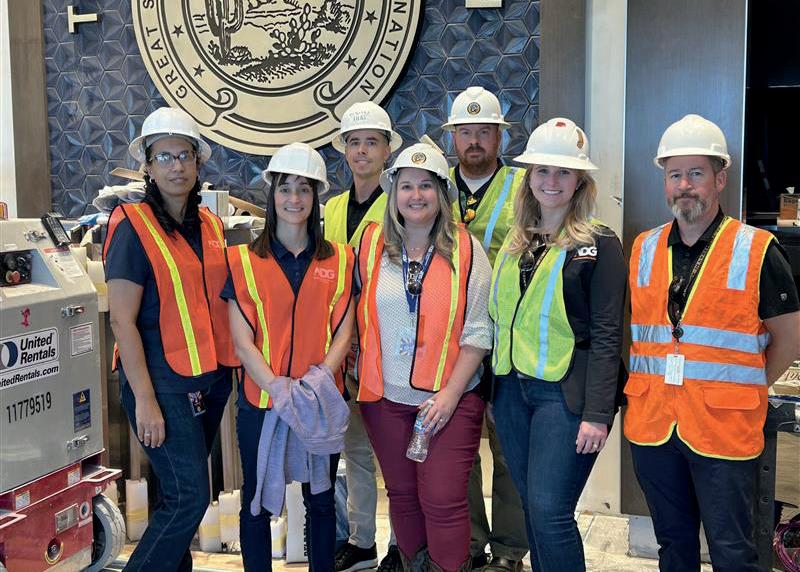

When it comes to businesses and priorities for a regulator, state, Tribe or federal entity, I’ve had much experience in all those worlds to help bridge that gap and come to solutions.
Where do you see Arizona’s regulatory landscape heading in 2026?
Great question, I hadn’t thought about this exactly. We’re already in the preliminary stages of starting to plan for our next fiscal year and we’re obviously looking at advancements of where the gaming industry is moving. Whether it’s cashless or crypto,
as regulators it’s important we understand these things and are looking at best practices for regulation.
We’re working on some new PSAs that will be rolling out very soon, such as our Too Young To Bet campaign. We have a ‘check your bet’ website we created this past year to educate people about what regulated gambling is and the risks of illegal gambling, which contains all the resources when it comes to problem gambling. And, on a larger scale, we will continue to push forward with public education and consumer protection.
Johnson in action with stakeholders across Arizona

GROWING RESPONSIBILITY
Kome Akpolo, Arizona Lottery Chief Legal Officer and Global Gaming Insider contributor, discusses the increasing role of responsibility when it comes to digital player data
In the gaming industry, player data has quietly become a primary asset, similar to a company’s intellectual property and other trade secrets. That reality is easy to miss if the industry frames digital expansion as “just another channel.” Whether an operator is managing full iGaming or iLottery platforms, or simply supplementing retail operations with an internet-based loyalty program, the collection of player information online
is inevitable. The moment play – or even player engagement – moves to the internet, the core security questions and ownership of valuable data fundamentally change.
Although in traditional brick-and-mortar gaming, player data may be acquired, the acquisition is accelerated when dealing with online gaming. Operators cannot simply focus on protecting revenue generated from regular business models; they must also
“ The moment play – or even player engagement – moves to the internet, the core security questions and ownership of valuable data fundamentally change”
focus on the potential revenue that may be generated from the strategic use of player data, either through marketing or transfers to third parties. Additionally, the security of that data is paramount, especially when personally identifiable information (PII) is concerned.
Even if an operator has no plans to acquire player data for commercial use, the regulatory framework of the gaming industry mandates its collection. Under the Bank Secrecy Act (BSA) and its implementing regulations, gaming facilities are classified as non-bank financial institutions. This classification imposes stringent compliance obligations, such as Know Your Customer (KYC) protocols and comprehensive Anti-Money Laundering (AML) programs. Consequently, operators are forced to acquire, centralize and safeguard large volumes of standard player data including names, physical

addresses, and dates of birth – simply to verify identities, monitor transactions and prevent fraud.
WHAT CONSTITUTES “PLAYER DATA?”
“Player data” is a broad term. While PII is certainly a core component, operators must broaden their scope when determining what constitutes actionable and protectable data. Player data encompasses a player’s browsing activity, location, length of session and the device used. This sort of metadata provides a holistic picture of the player, which may help an operator curate games better tailored to a specific demographic profile.
While PII often triggers strict statutory recording and breach notification requirements, data involving wagering history, deposit and withdrawal patterns, session frequency, device identifiers and geolocation logs carry immense intrinsic value. Because of this competitive advantage, operators should treat this behavioral data as a trade secret; therefore, it must be rigorously secured.
Another category to consider is playervolunteered data, such as preferences, self-reported interests and optional profile details. While these details may seem merely supplementary on their own, they possess significant commercial value to an operator when combined with behavioral indicators. In practice, the “player data” conversation is not a single bucket. It involves multiple distinct buckets statutory PII, proprietary behavioral metadata and volunteered preferences –each carrying differing player expectations, differing legal treatments and differing levels of associated risk.
THE VALUATION OF PLAYER DATA
From an operational and compliance perspective, data is an invaluable tool for risk mitigation. Behavioral insights go beyond simply improving the product or reducing consumer friction; they are essential for supporting responsible gaming (RG) interventions. Pattern recognition allows operators to proactively identify problematic play, highlight suspicious account activity, and adjust messaging to discourage harmful behavior. When leveraged correctly, this data serves a dual purpose: it protects the business from regulatory scrutiny and protects the player from gambling-related harm.
The commercial valuation of this data is equally significant. Even when anonymized, aggregated insights are used to build targeted audiences, shape marketing strategies and structure third-party partnerships. However, capitalizing on this value requires strict legal hygiene. Under both the federal Defend Trade Secrets Act (DTSA) and the Uniform Trade Secrets Act (UTSA), information only qualifies as a trade secret if it derives independent economic value from being kept secret and the owner takes reasonable measures to maintain that secrecy. If an operator stores high-value player databases inappropriately or shares them without strict contractual safeguards, they risk waiving these protections entirely.
Courts have consistently ruled that technical barriers alone are not enough; for example, in Yellowfin Yachts, Inc. v. Barker Boatworks, LLC, the court held that merely password-protecting customer
data is insufficient to maintain trade secret status if the company fails to require express confidentiality agreements from those who access it. Operators must therefore ensure that any commercial exploitation or vendor data-sharing is governed by stringent, documented confidentiality policies, lest they inadvertently forfeit their proprietary rights.
NAVIGATING CONSENT AND PUBLIC TRUST
While state and commercial operators may collect identical player data, the ethical
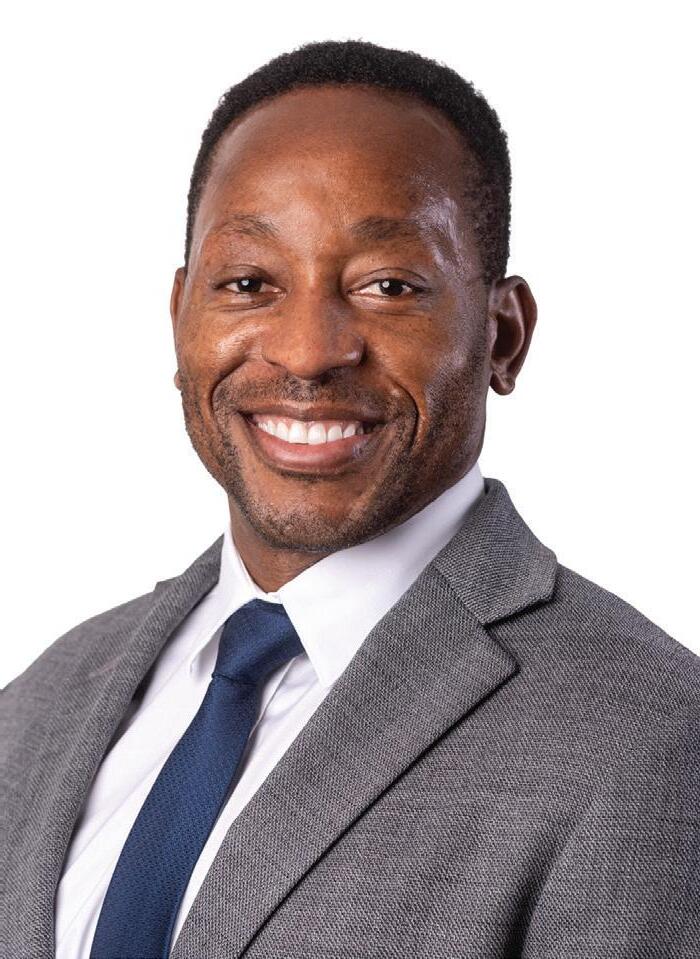
Kome Akpolo
and legal frameworks governing its use are markedly distinct. A state entity operates under a dynamic of public trust. Justifying the monetization – such as the sale or licensing to third parties – of personal data harvested directly from its constituency presents significant ethical, and sometimes political, hurdles. Conversely, a commercial operator faces fewer inherent ethical barriers regarding data monetization, provided they adhere strictly to consumer protection laws mandating transparency and consent.
Ultimately, when any operator seeks to monetize the value of player data, the foundational legal shield is an airtight, conspicuous set of Terms and Conditions (T&Cs) and Privacy Policies. This is where the legal mechanics of consent become critical. There is a profound distinction between data a player knowingly provides (such as an email address) and data passively collected through backend behavioral tracking. To legally and ethically transfer or monetize this data, operators must ensure their policies are clear, frequently updated and expressly authorize such transfers. Without affirmative transparency that bridges the gap between implicit and explicit consent, operators risk regulatory enforcement, class-action litigation and the rapid erosion of player trust.
ASSERTING AFFIRMATIVE DATA OWNERSHIP
A critical mistake operators often make is treating player data as simply “something the vendor handles.” That passive approach fails quickly when partnerships fracture or data is used in unexpected ways. If a vendor is running a platform, processing loyalty enrollment, or providing any service that requires collecting player data, the contract must affirmatively and unequivocally define the ownership and permitted use of that data.
In the realm of intellectual property law, the rules governing independent contractors provide a highly relevant analogy. As federal copyright law dictates, if a magazine hires a freelance photographer to take pictures, or a corporation commissions a musician to develop a commercial jingle, simply paying for the service does not automatically grant the hiring party ownership of the resulting intellectual property. Because such works typically fall outside the strict statutory categories eligible for “work made for hire” status, the hiring
party only secures ownership if the contract includes an explicit, written assignment of rights. Without that express transfer provision, the independent creator retains the copyright. Data collection operates on a similar principle. Even though the vendor is the entity actively gathering and processing the information, they are doing so on behalf of the operator.
Failure to explicitly state in the contract that player data belongs to the operator – regardless of who collects it – leaves ownership entirely to the vagaries of the court. Recalling the lessons from Yellowfin, courts will not automatically impute protective boundaries or ownership rights simply because a business assumed they were mutually understood. If the contract is silent or ambiguous, the vendor collecting the information will invariably argue that it owns the data, or at least possesses broad, unencumbered rights to its use. This is not a theoretical problem; it is a predictable and exceptionally expensive dispute. The best practice is straightforward: define, in plain legal language, that all data collected pursuant to the agreement is the sole property of the operator. Furthermore, the contract must expressly prohibit the vendor from using, selling, transferring, or repurposing that data beyond the contracted scope without explicit written permission. This is particularly vital for smaller jurisdictions and Tribal entities that may lack deep internal infrastructure and must rely heavily on external platform providers.
VENDOR RISK MANAGEMENT AND INDEMNIFICATION
Ownership is only one side of the coin; the other is legal liability. In the event of a vendor-side data breach, operators cannot simply point fingers at their service providers. Regardless of who operates the platform or houses the servers, regulators, plaintiffs’ attorneys and consumers will invariably look first to the operator as the primary custodian of the data. The contract must therefore unequivocally allocate this risk.
To mitigate this exposure, vendor agreements must contain robust, unqualified warranties. Operators should demand that vendors explicitly warrant, without limitation, that they will maintain the highest commercially reasonable security standards and strictly comply with all applicable privacy and data protection laws. Furthermore, the contract must specifically mandate aggressive
“ Mishandling player data is no longer just a technical incident; it is an existential legal and operational threat ”
breach notification timelines, comprehensive regulatory cooperation requirements and unyielding indemnification provisions. These contracts should also anticipate operational realities such as vendor transitions, legally compelling the vendor to transfer all player data histories and associated records back to the operator without disruption, thereby avoiding potential “data hostage” scenarios. The liability standard negotiated in these agreements is paramount. Accepting a “gross negligence” threshold for vendor responsibility is a critical strategic error; it leaves the operator heavily exposed to routine negligence, operational failures, and statutory penalties that fall well below that extremely high legal bar. A legally sound, protective approach dictates that operators must secure broad defense and indemnification obligations for any acts, omissions, or security failures related to the vendor’s services. By demanding that vendors fully indemnify and defend the operator against all third-party claims arising from a breach, operators can ensure that the financial and legal consequences rest with the party actually responsible for safeguarding the digital perimeter.
THE COST OF FAILURE; AND THE COMMERCIAL DIVIDENDS OF COMPLIANCE
Mishandling player data is no longer just a technical incident; it is an existential legal and operational threat. As we have seen across the industry, inadequate data security or unauthorized data sharing can trigger immediate regulatory shutdowns, invite massive class-action lawsuits, and irreparably destroy public trust. For state-regulated entities, the erosion of this confidence can jeopardize the very mandate to operate. However, the conversation surrounding player data should not focus exclusively on liability. When operators prioritize data stewardship and establish airtight legal frameworks, the commercial dividends are profound. Securely leveraging behavioral insights allows operators to optimize their platforms, curating products that are precisely tailored to their customers’ preferences, which inherently drives revenue. When an operator affirmatively secures its data ownership and enforces strict vendor compliance, that data transforms into a highly valuable, proprietary asset. The operator retains the absolute authority to decide how, when and where that asset is utilized, bound only by applicable privacy laws and consumer consent. Ultimately, in the digital era of gaming, rigorous data stewardship is not just a defensive legal measure – it is the bedrock of long-term commercial and operational success.
WHAT’S NEW ON THE MARKET?
Looking at a new Konami release, Global Gaming Insider assesses the casino floor...
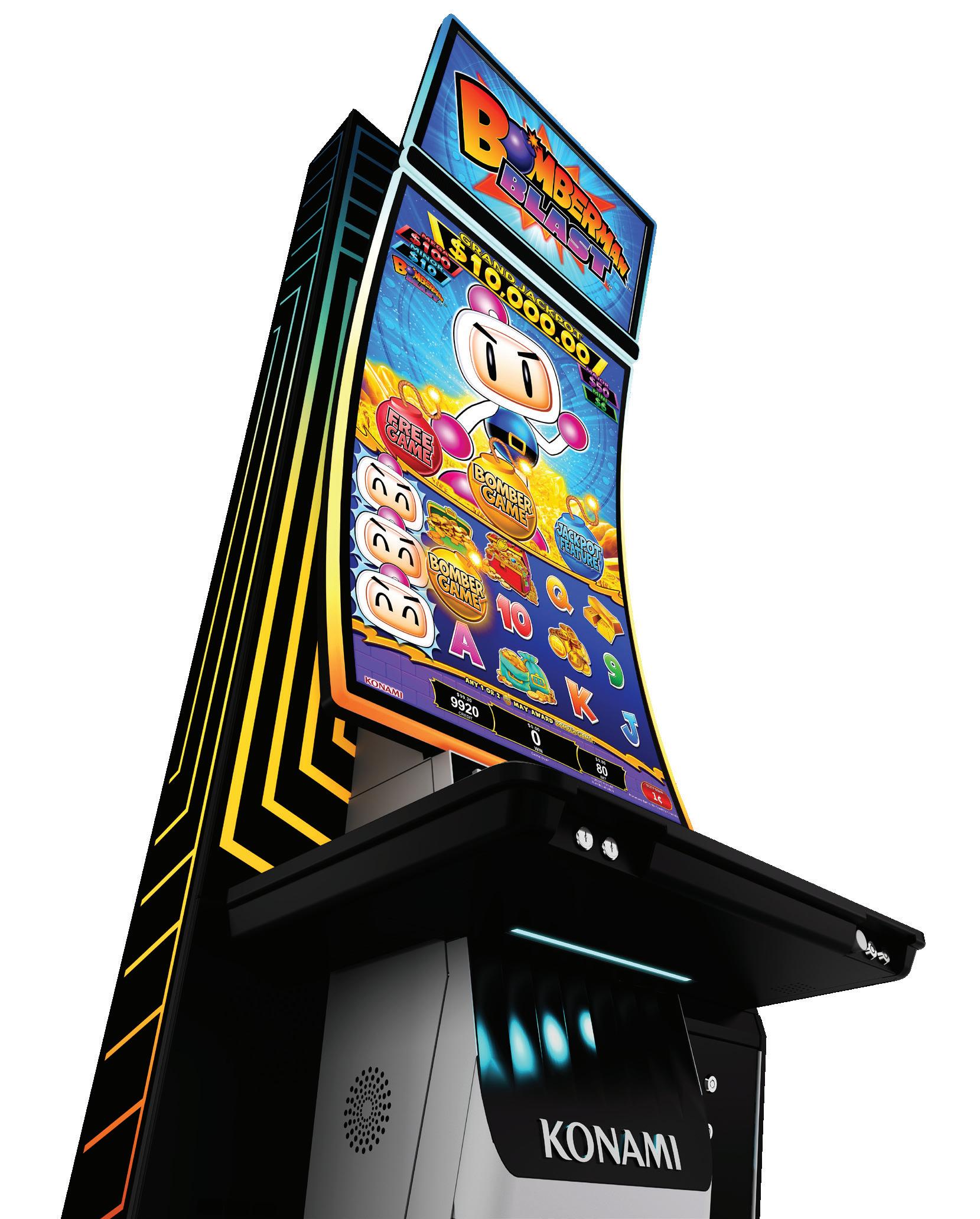
KONAMI – SOLSTICE
Solstice 49C’s arrival is celebrated with a strong game library, including slots inspired by the Bomberman video game series beloved by players for more than 40 years.
Long-time industry provider Konami Gaming, Inc. has a top-ranked slot machine now hitting the casino floor. Konami’s Solstice slot line gives players an exceptional entertainment experience, with enhanced graphics, game power and innovative attraction elements. Konami debuts this new cabinet line with Solstice 49C, with a float-mounted, 49-inch C-curve display in 4K UHD.
Stretching from the height of the topper to below the button deck, Solstice 49C includes first-of-its-kind acrylic lighting elements that interact with in-game features across a dynamic color spectrum. This advanced lighting system delivers real-time visual feedback that reacts to every spin, win and bonus round, for amplified player enjoyment. At the heart of Solstice 49C is an upgraded core chipset and GPU, fueling 4x greater computing power than the preceding platform. Combined with enhanced spatial audio and bass-reflex technology, Solstice 49C creates an elevated gaming atmosphere – both immersive and inviting.
Solstice 49C’s arrival is celebrated with a strong game library, including slots inspired by the Bomberman video game series beloved by players for more than 40 years. Another Solstice 49C debut series called Red Fortune Rail has demonstrated strong early performance, with a high-energy nested bonus in the credit collection feature that amps the excitement for players through lucrative potential multipliers. Konami’s Solstice also has a triple bonus game called Dragon Firecracker, delighting players through its bright animations and jolly hero characters. The machine’s hardware quality, game content and total innovation firmly establish Solstice as a must-have for casino operators worldwide.
GAMING IN PICTURES
Catching the eye is half the battle in a competitive market – here are some sights that caught ours recently

Gaming Insider Co-Founders Gary Roudette, CEO (left) and Julian Perry, COO & Editor-in-Chief (right) at the SBC Summit in Rio
Global Gaming Women (GGW) celebrated its 10th anniversary this year. GGW has grown to more than 9,000 members and has its headquarters in Las Vegas, US




Global

Galaxy Entertainment Group co-hosted a special table tennis fun day event to celebrate its partnership with the Macau Special Olympics in Macau
The recipients of the Dakilang Juana Awards (from left to right) Treasury Officer Zenaida Gebana, Assistant Gaming Officer Jocelyn Sales and Senior Bingo Assistant Elsa Carreon at PAGCOR’s National Women’s month in the Philippines
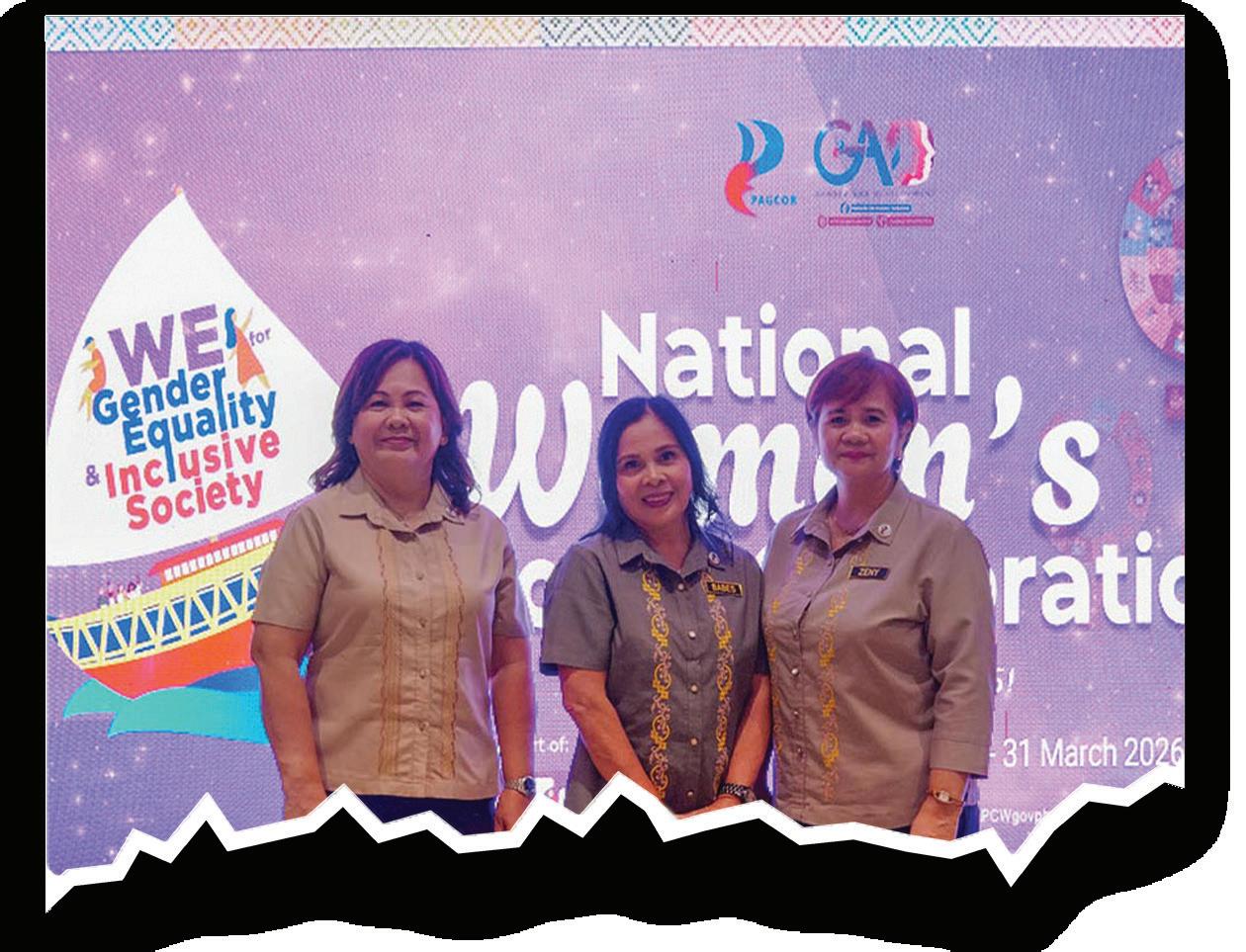
UPCOMING EVENTS:
JUN
1- 3
SIGMA ASIA
JUN
9 -11
SBC SUMMIT AMERICAS

Returning to the SMX Convention Center Manila in June, SiGMA Asia 2026 aims to be bigger than ever. As the APAC market faces rapid change, around 16,000 delegates will gather in the Philippine capital to discuss the latest developments in Asian gambling. With more than 3,100 operators, 300+ speakers and exhibitors, alongside leading industry voices in attendance, it is set to be one of the region’s key events.
Networking: SiGMA Asia 2026 offers extensive networking opportunities. Pre-celebration drinks begin on Sunday 31 May while day one on Tuesday 2 June ends with Networking Drinks and the iGathering Dinner. Panels and presentations run throughout the week, with the SiGMA Official Celebration closing the event on day two.
Manila, Philippines sigma.world/summits/asia

11 JUN
GIBRALTAR GAMING ESUMMIT

Gibraltar, British Overseas Territory
Held on the world’s first five-star superyacht hotel – the Sunborn – KPMG’s Gibraltar Gaming eSummit 2026 promises to be a gaming event like no other. Against the sun-drenched big rock backdrop, the full-day summit will explore all things regulation, innovation and AI in gaming – with a specific view to discussing how to ‘future-proof’ the industry.
Networking: With an integrated casino resort on board, delegates will certainly not be short of post-conference networking opportunities at this KPMG summit. Throughout the day, however, a plethora of networking opportunities await via dozens of engaging panels, presentations and workshops featuring some of the industry’s brightest minds.
kpmg.com/gi/en/insights/2026/01/ gaming-e-summit-2026.html

Fort Lauderdale, Florida
Acclaimed by SBC as the only gaming event that gathers the intersection of North, Central and South America – SBC Summit Americas boasts an anticipated 10,000 participants and 400+ exhibitors. This year, all four corners of the industry will gather to explore regulation, strategy, compliance, innovation and affiliation – with premier speakers from the very top of each sector in gaming on the agenda from across the Americas.
Networking: With multiple side summits – including Affiliate Leaders’ Summit and the Payment Expert Summit – SBC Americas 2026 provides the best networking opportunity for delegates with LatAm or North American operations or interests. The blended identity of the Americas provides attendees ample opportunity to discuss sectors and regions that align with their interests.
sbcevents.com/sbc-summit-americas

JUL

IGB LIVE 2026
London, UK

London’s calling as one of the industry’s most established iGaming networking events on the annual calendar returns for its summer outing. iGB Live London 2026 will see an anticipated 15,000+ attendees from across the globe convene to explore everything iGaming – with a key focus on the UK and continental European markets.
Networking: With affiliates, operators, game studios and technology suppliers all in attendance, iGB Live provides a premium partnership and networking opportunities for innovative iGaming professionals across all sectors. In the wake of last year’s event, 88% of attendees officially labelled this year’s conference as a ‘must attend’ event.
igblive.com 1-2