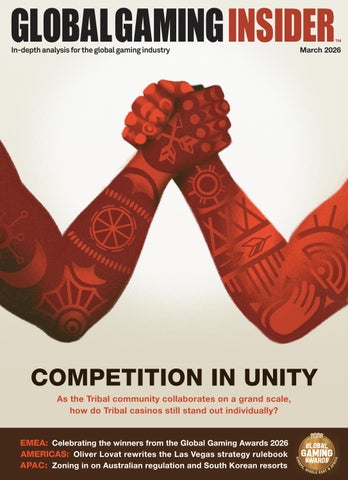
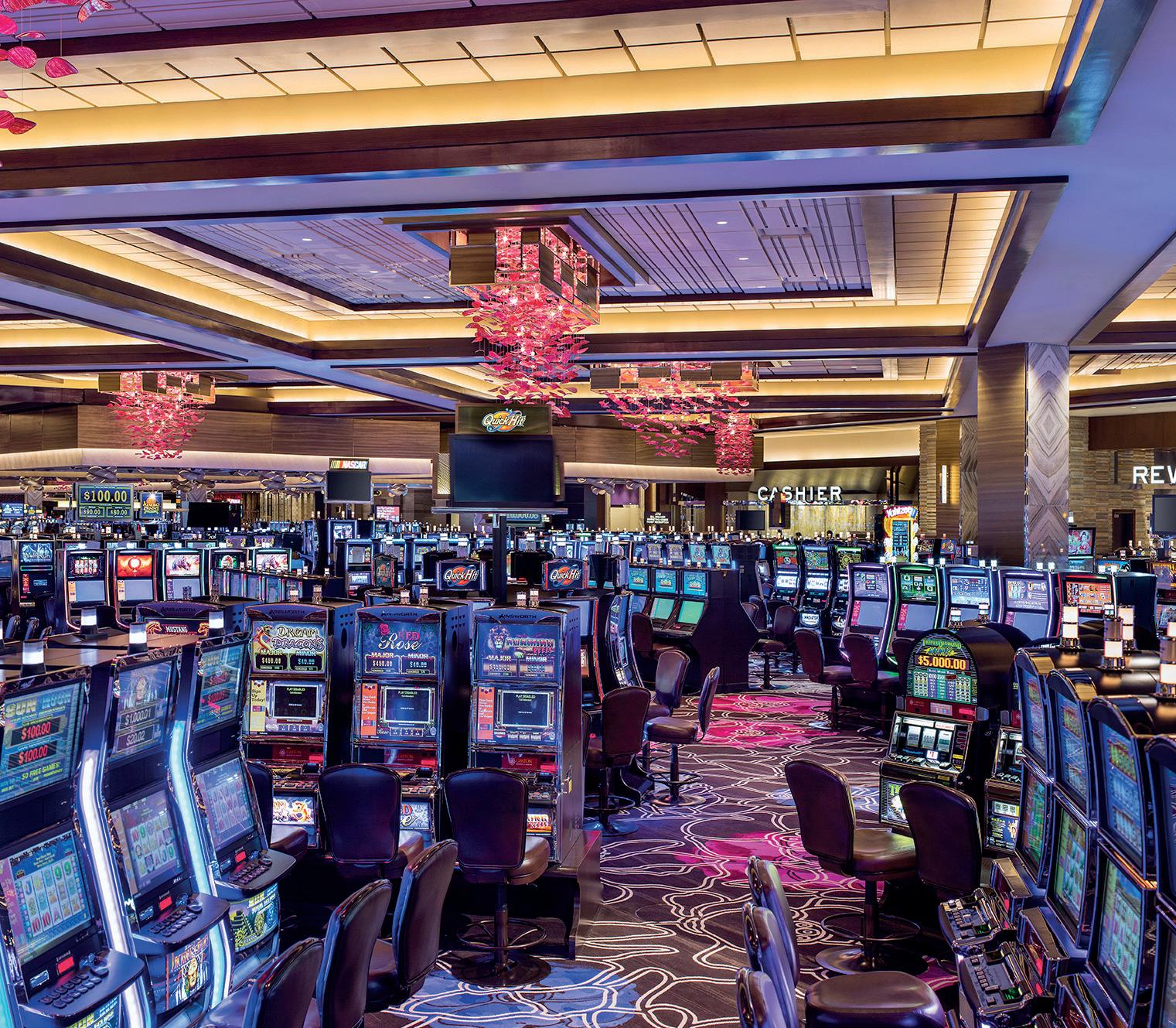
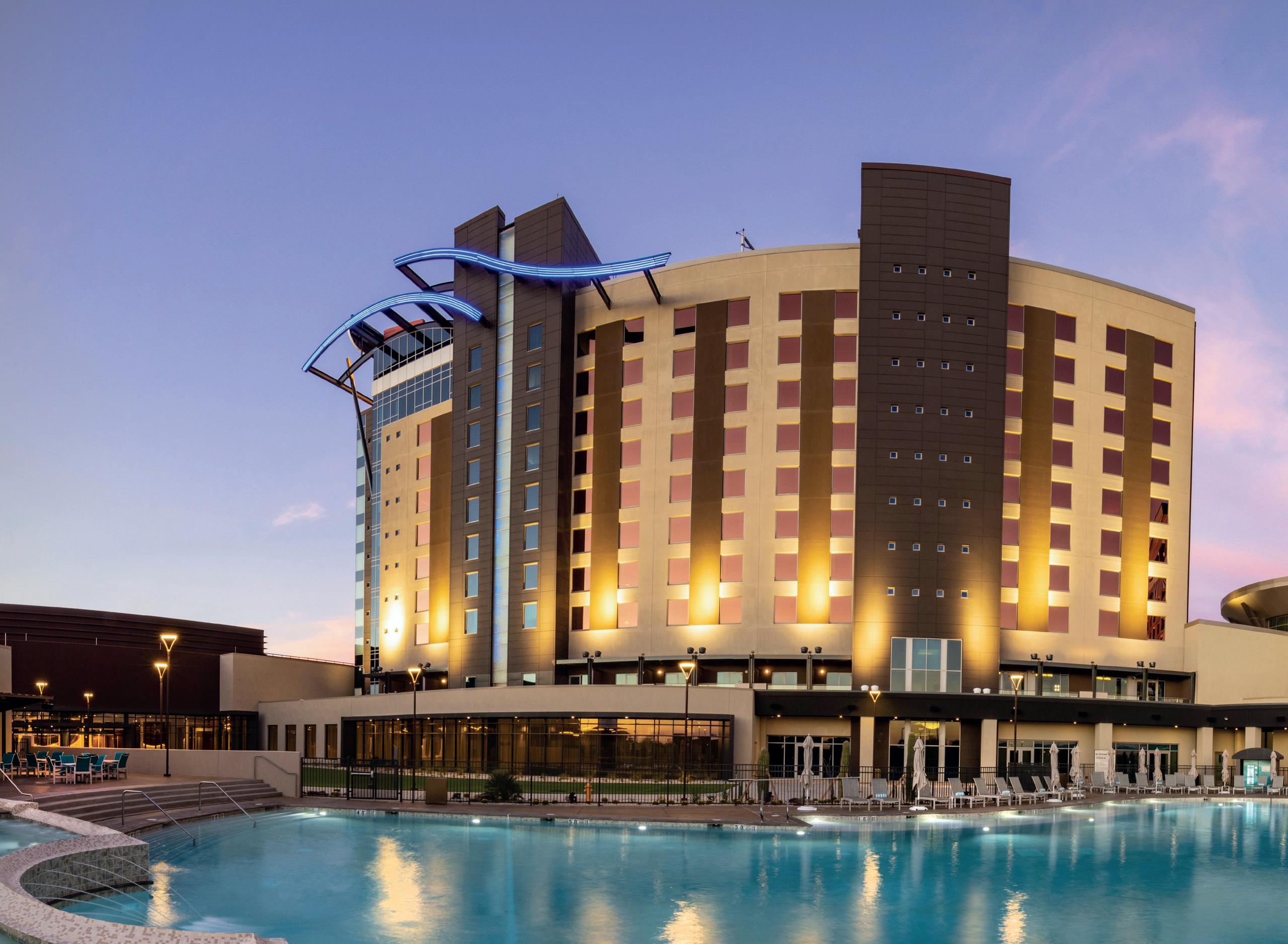
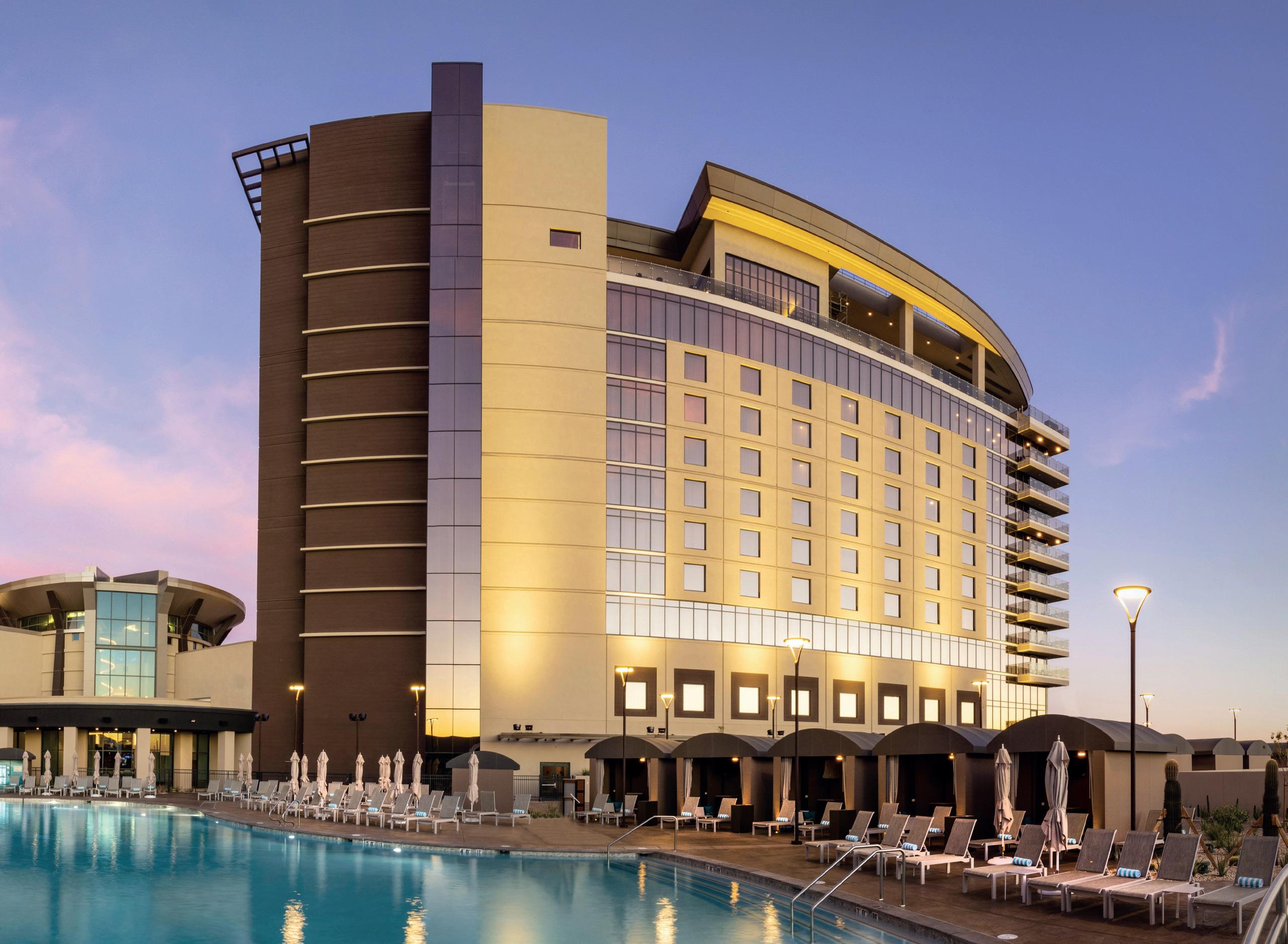
As the Tribal community collaborates on a grand scale, how do Tribal casinos still stand out individually?
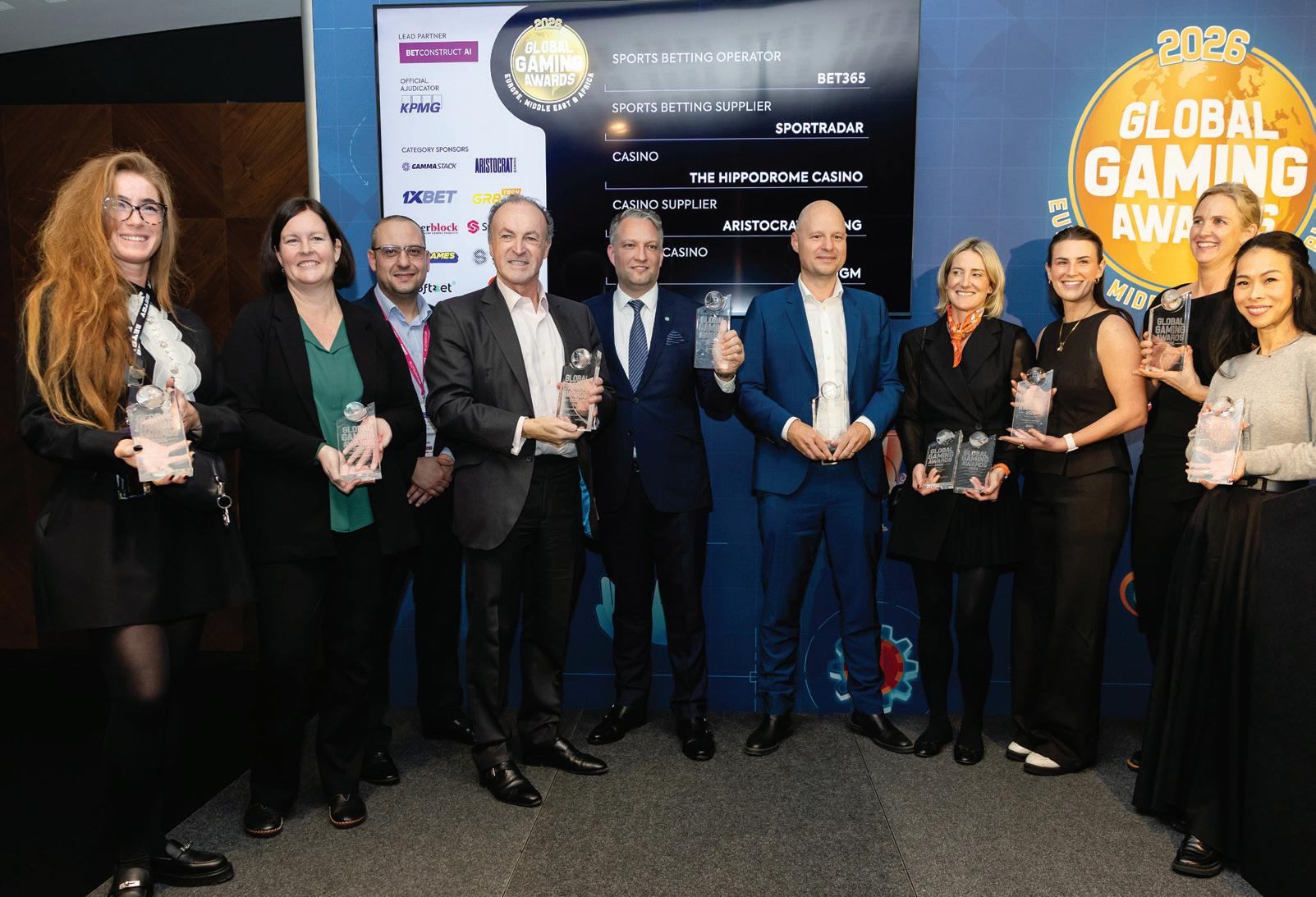
EMEA: Celebrating the winners from the Global Gaming Awards 2026
Oliver Lovat rewrites the Las Vegas strategy rulebook
Zoning in on Australian regulation and South Korean resorts
EDITOR’S LETTER
While today's headlines seem geared firmly towards prediction markets – much to the Tribal community's chagrin – it is worth remembering just how much Tribal gaming generates across the US.
According to the most recent National Indian Gaming Commission figures (from last July) $43.9bn in gross gaming revenue was made across 2024. In the same period, the American Gaming Association reported commercial gaming revenue of $71.9bn.
That gives Tribal gaming a 37.9% share of all legal US gaming revenue – a market segment that just cannot be ignored.
The upcoming Indian Gaming Association (IGA) trade show is one of the biggest annual reminders of just how central Tribal gaming is to US casino life. Our show preview looks into what you can expect in San Diego, as well as reflecting that this, heartbreakingly, is our first IGA conference without the late Ernie Stevens Jr.
IGA Chairman David Bean will look to honour his predecessor's legacy and, for the second year running, prediction markets and their impact on Tribal sovereignty will probably be the show's biggest discussion point.
Elsewhere within our main section, though, we don't look at how Tribes compete against external threats – we focus on how they aim to stand out among one another.
Competition in unity.
The biggest single difference between Tribal and commercial gaming, as has repeatedly been emphasised in our interviews and features over the years, is a family environment and community focus. But a Tribe, or indeed even an individual Tribal casino, still has to make the bottom line pay. One property, therefore, has to stand out above another, as close as their ties may often be.
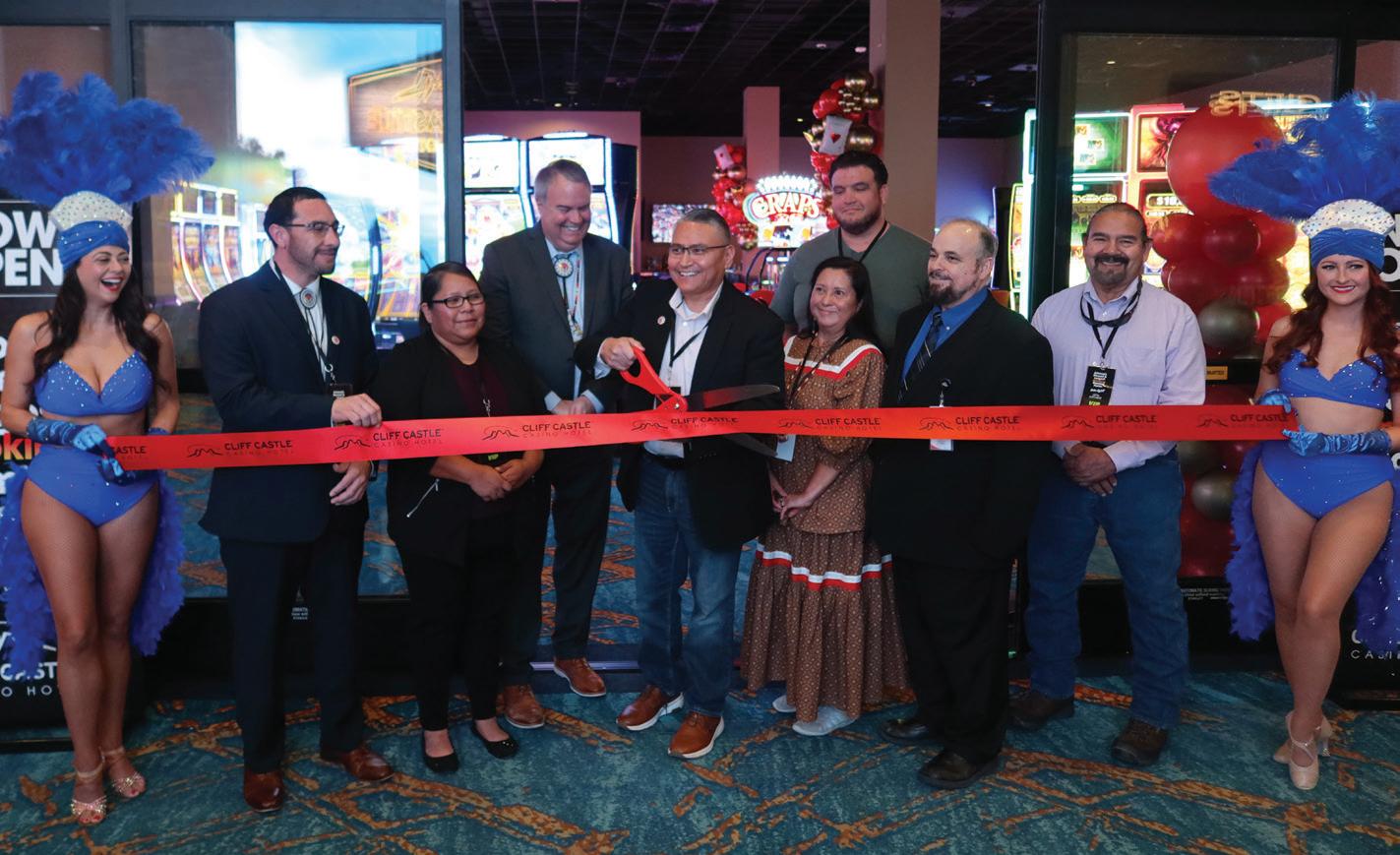
How? We ask three Tribal property leaders all about this topic in our main cover feature. Separately, we also visit Cliff Castle Casino in Arizona, a Tribal property that has embraced a new smoking-friendly gaming section. Interestingly, it has not pursued the anti-smoking route, but rather implemented technology that cleans the air quicker –aiming to make its environment safer while keeping cigarettes on-site.
Beyond our main Tribal theme, the headline feature of our March issue is our Global Gaming Awards winners section. Here, we celebrate every single victor from our EMEA ceremony in Barcelona – and there are some notable names indeed.
Other EMEA highlights include contributions from our regular guests Paul Sculpher, Gustaf Hoffstedt and Marek Plota. Our Americas section, meanwhile, features returning faces in Dr Jennifer Shatley and, of course, who other than Oliver Lovat?
We then visit APAC, examining Q4 data, product reviews and the South Korean market, before a strong Australia focus from Paul Newson and Professor Sally Gainsbury. Concluding our magazine are our usual Gaming in Pictures and Event Calendar features, leaving you as prepared as possible for March, before you're back with us very soon to read the April edition!
TP, Editor
COO, EDITOR IN CHIEF
Julian Perry
EDITOR Tim Poole
Tim.Poole@globalgaminginsider.com
STAFF WRITERS
Will Underwood, Kirk Geller, Rory Calland
CONTENT WRITER
Megan Elswyth
LEAD DESIGNER
Olesya Adamska
DESIGNERS
Gabriela Baleva
JUNIOR DESIGNERS
Medina Mammadkhanova, Monika Petrova
ASSISTANT DESIGNER
Tanya Aleksova
ILLUSTRATOR Judith Chan
MARKETING DIRECTOR Mariya Savova
FINANCE & ADMINISTRATION ASSISTANT
Dhruvika Patel
HEAD OF DIGITAL Tom Powling
VIDEO PRODUCER Callum Flett
COMMERCIAL DIRECTOR
Deepak Malkani
Deepak.Malkani@globalgaminginsider.com
Tel: +44 (0) 204 591 3117
ACCOUNT DIRECTOR
Michael Juqula
Michael.Juqula@globalgaminginsider.com
Tel: +44 (0) 207 039 9186
SENIOR ACCOUNT MANAGER
William Aderele
William.Aderele@globalgaminginsider.com
Tel: +44 (0) 203 884 9277
ACCOUNT MANAGERS Irina Litvinova
Irina.Litvinova@globalgaminginsider.com
Tel: +44 (0) 203 855 0662
Serena Kwong
Serena.Kwong@globalgaminginsider.com
Tel: +44 (0) 203 787 4615
BUSINESS DEVELOPMENT MANAGER - U.S. Miguel Malave
Miguel.Malave@playerspublishing.com
Tel: +1 702 850 8503
AWARDS SPONSORSHIP MANAGER
Michelle Pugh
Michelle.Pugh@globalgamingawards.com
Tel: +44 (0) 207 360 7590
CREDIT MANAGER
Rachel Voit
WITH THANKS TO:
Lana Rivera, Kenneth Manuel, Saverio Scheri, Chris McGahey, Marek Plota, Paul Sculpher, Gustaf Hoffstedt, Oliver Lovat, Dave Forman, David Bretnitz, Matthew Hockenjos, Renato Almeida, Dr Jennifer Shatley, Laura Morganti, AGS, Paul Newson, Professor Sally Gainsbury, SmartLoto and EFCO Technology. Global Gaming Insider magazine ISSN 2978-5723 (Print) ISSN 2978-5731 (Online) Produced and published by Players Publishing Ltd
All material is strictly copyrighted and all rights reserved. Reproduction without permission is forbidden. Every care is taken in compiling the contents of Global Gaming Insider but we assume no responsibility for the effects arising therefrom. The views expressed are not necessarily those of the publisher.
Julian Perry, COO, Editor-in-Chief
Tim Poole, Editor
C ONTENTS COVER FEATURES
08 Competition in unity
We speak with Tribal leaders from three regional properties, about how they aim to stand out within a sense of community
18 Lighting up
Global Gaming Insider travels to Cliff Castle Casino in Arizona for an exclusive interview
20 IGA preview
We look ahead to April's California showpiece
EUROPE,
MIDDLE EAST & AFRICA
23 Movers & Shakers
Key hires and promotions across the EMEA region
24 Winners revealed! The Global Gaming Awards EMEA 2026
40 Market update: Poland
Global Gaming Insider contributor Marek Plota gives us the latest
42 UK prediction markets?
Regular contributor Paul Sculpher explores liquidity and his thesis of 'asymmetrical warfare'
44 Perception vs reality
Another long-time contributor, Gustaf Hoffstedt, discusses problem gambling data from Sweden
46 Strengthening connections
Soft2Bet CPO Yoel Zuckerberg discusses 2026 plans
47 Product reviews
Reviewing the products that triumphed at the Global Gaming Awards EMEA
51 Movers & Shakers
Recruitment from across the Americas
52 Q4 round-up
We provide the Q4 statistics from selected American companies
54 Rewriting the Las Vegas rulebook
Lead contributor Oliver Lovat provides a strategic focus on two Las Vegas properties
LANA RIVERA
ONTENTS
DR JENNIFER SHATLEY
56 Entertainment, not investment
The American Gaming Association puts forward its view on the flaws of prediction markets
58 A unique framework
David Bretnitz, of sports betting supplier Kambi, zones in on Tribal trends
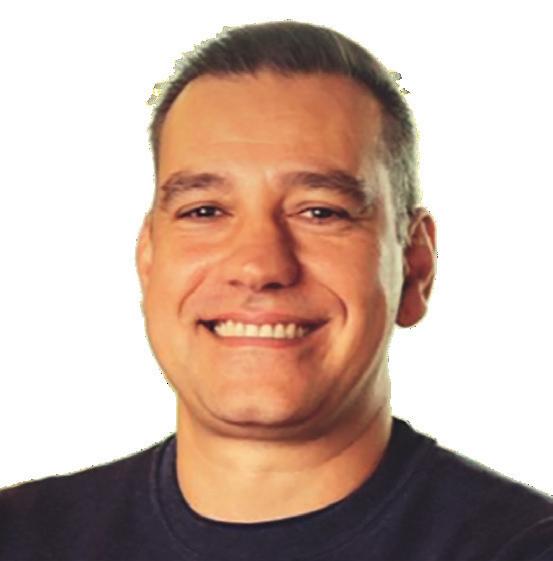
60 RLX Gaming Q&A
All things online casino in the US, with Matthew Hockenjos
62 FBM Q&A
The land-based supplier talks all things Tribal gaming trends
64 Focusing on RG
Global Gaming Insider contributor
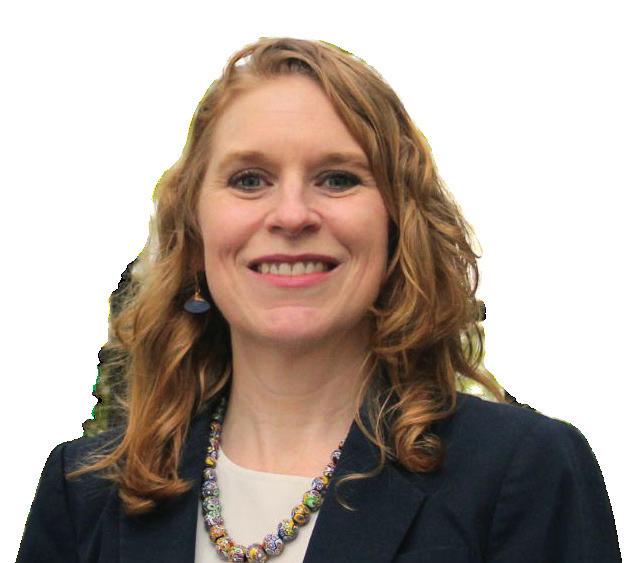
Dr. Jennifer Shatley this time joins us for an interview
65 Brazil focus
BetBoom's Laura Morganti speaks to Global Gaming Insider about why communication is central to protecting Brazilian bettors
66 Product reviews
The newest products in the Americas
ASIA-PACIFIC
69 Movers & Shakers
We track the latest movement from across the APAC region
70 Q4 round-up
Revenue, EBITDA and more from selected APAC-based firms
72 When regulation overshoots
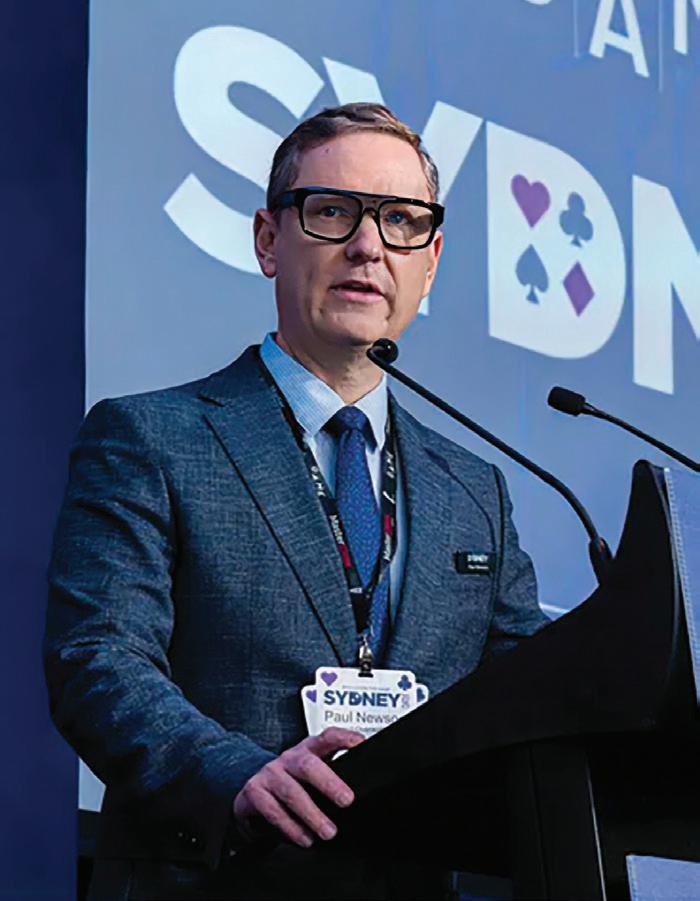
Global Gaming Insider contributor Paul Newson makes a comparison with the tobacco industry in Australia
74 Fund or foe?
We put the spotlight on South Korea and its land-based casinos
76 Sally Gainsbury Q&A
The professor returns to our magazine to discuss harm prevention – and lessons from around the world
78 Product reviews
The newest products available across APAC
BONUS BETS
80 Gaming in pictures
What are the industry's most striking images from the last month?
82 Event calendar
The must-not-miss gaming conferences that lie ahead
COMPETITION IN UNITY
Executives from Gila River Resorts & Casinos, Agua Caliente Casinos and Graton Resort & Casino speak on the attributes of each property, and how their organizations collaborate to protect Tribal sovereignty
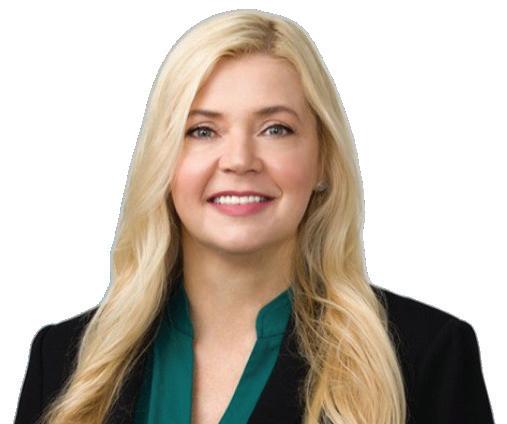
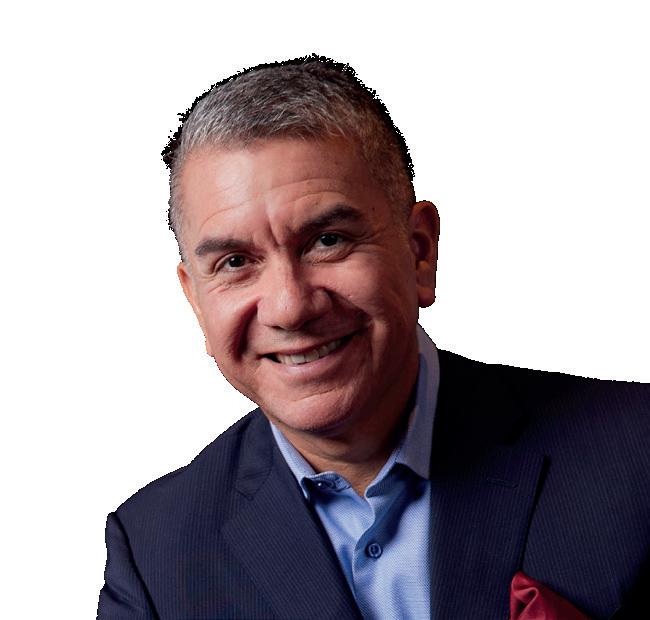
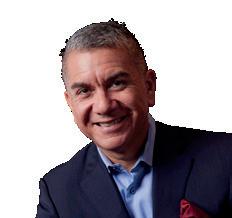
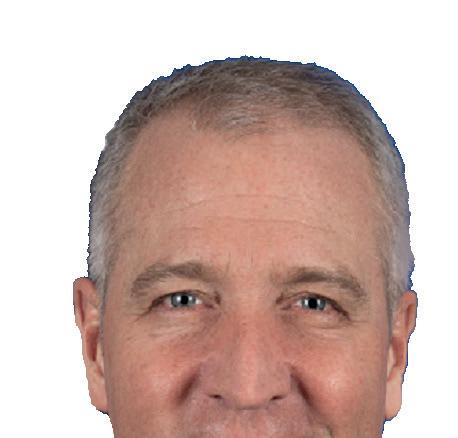
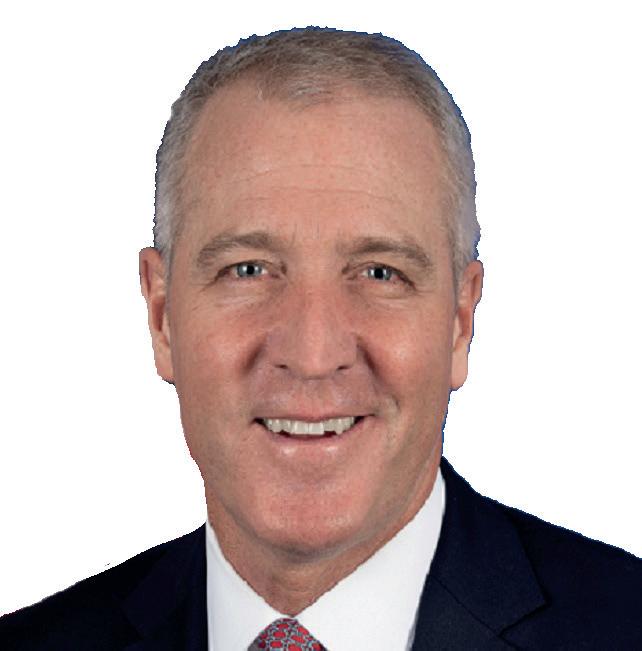
Kenneth Manuel CEO, Gila River Resorts & Casinos
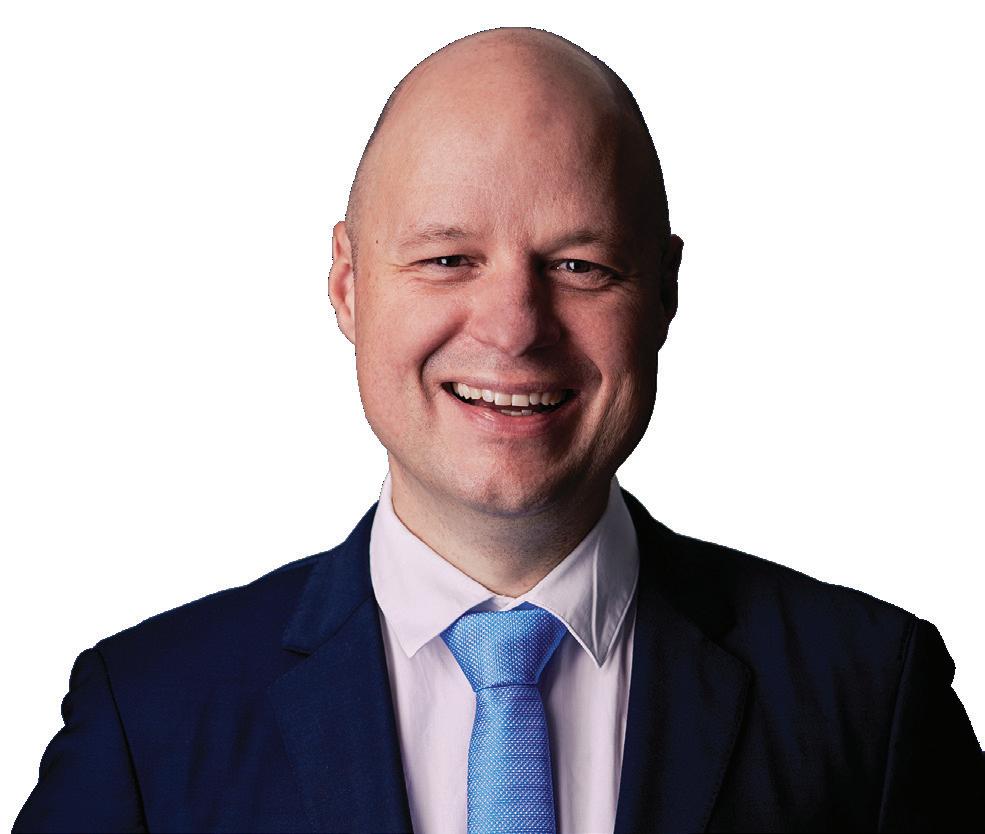
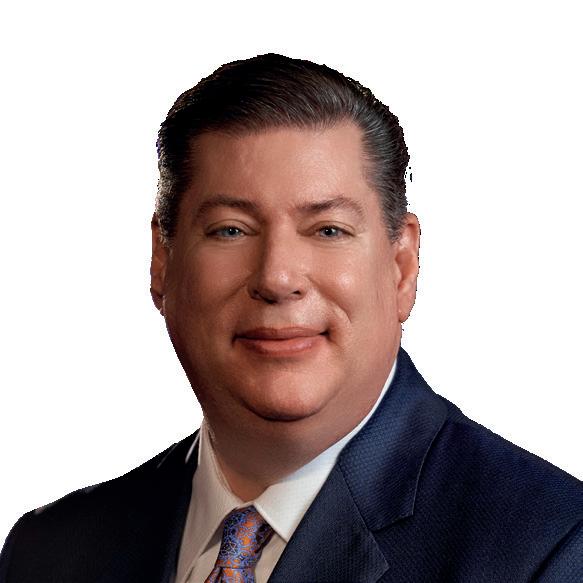
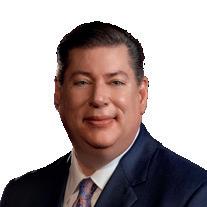
Saverio Scheri COO, Agua Caliente Casinos
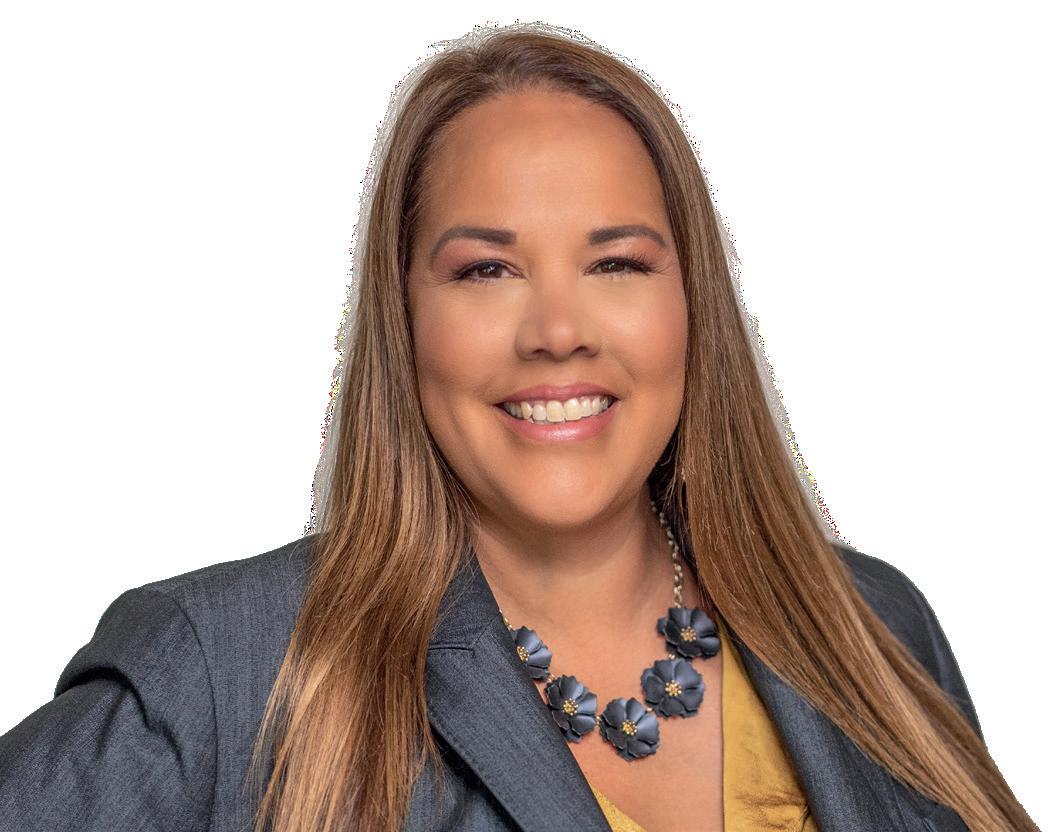
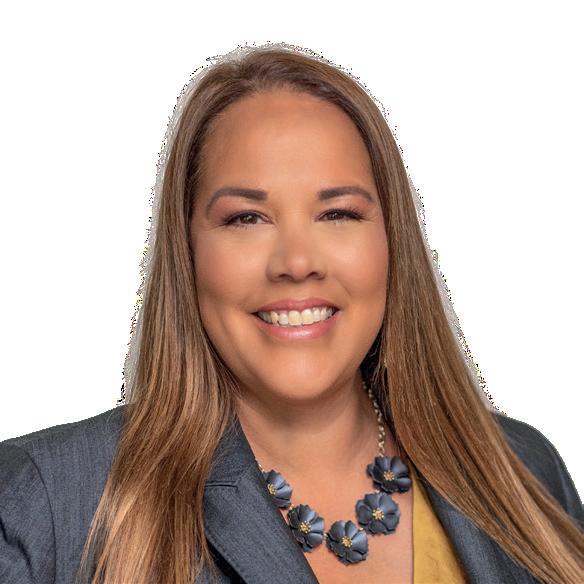
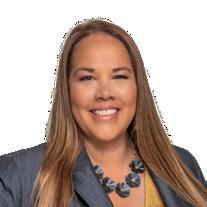
Lana Rivera President, Graton Resort & Casino
Gila River Resorts & Casinos has really focused on technology, innovation, guest experience and guest service. We’ve really engaged our teams at all four of our properties to ensure we’re taking care of our guests and that’s been a success for us. Treating folks well throughout their stay and as long as they’re with us. Our loyalty program is also a very strong offering that we’ve built over the years. My team has done an excellent job with brand recognition as well.
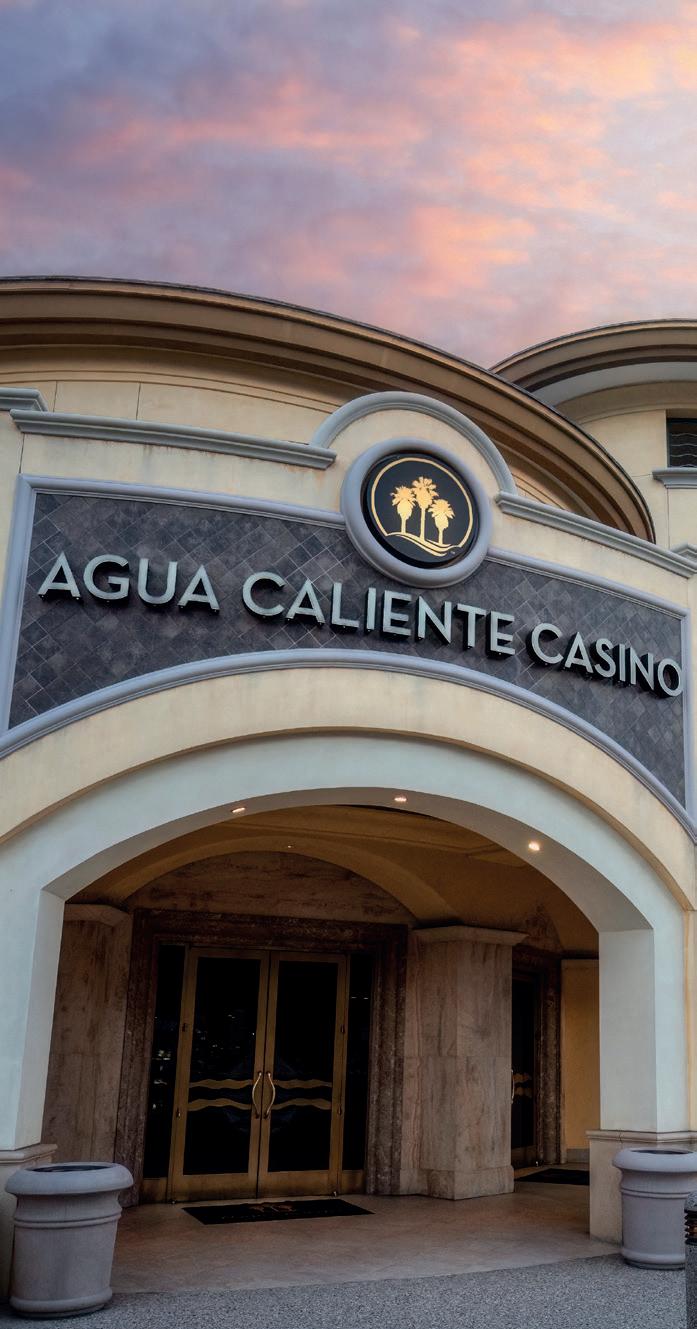
That is the question, right? We draw locally from the Coachella Valley and from the LA area, but how do I get customers to drive past all these other casinos that are in Southern California and come to Palm Springs, Rancho Mirage and Cathedral City? It’s not an easy thing to do. If we’re offering the same product as everybody else, it’s almost like, ‘how do I get somebody to drive past one McDonald’s to go to another one that’s an hour and a half away?’ We all have the same games, we all do a pretty good job with customer service, but where we stand out is with our guest experience. We’ve had a focus on guest experience now for a number of years and I think that is the key differentiator for us – from the time you make that decision to come, to the time you get home and everything in between. It’s not just about the product, it’s not just about customer service, it’s about the experience we deliver. The way we do that is we focus on the five senses, and we make sure we touch on all those five senses, no matter where you are, no matter what you do.
Given the presence of fellow Tribal properties in the region, how do you manage to distinguish your establishment from the competition?
For how we stand out from a competitive standpoint, I truly think you need to come to our property. It is luxurious. When I was hired six years ago, I had never heard of Graton Resort & Casino. I didn’t know what to expect, but when I stepped foot on this property, it was absolutely beautiful. The Tribe supports us 100%. Our Tribal Chairman is on this gaming floor almost every day, and he has a high set of standards; those standards align right with mine. Capital reinvestment in this property is something we don’t take lightly. Everybody’s going to tell you this, it’s guest service, but there’s some key factors when you say guest service is important to you. You have to deliver on that. Myself and our executive teams, we work weekends, we attend events and when we talk to players; you’re talking to me on the floor. I was actually just throwing a glass away when this gentleman asked me how he could get a drink and I helped him. We just got to talking and that’s how you get to learn people, and have that connection with your guests. That’s key.
Gila River Resorts & Casinos operates four different properties throughout the Phoenix Valley in Arizona. Three of our properties are actually located right off of major freeways. So Interstate 10 is a major thoroughfare for us, and we’re very proud that our flagship, the Wild Horse Pass property, is located directly off Interstate 10. It gives us a great location to operate out of. In addition, our Vee Quiva and Lone Butte properties are also directly off of major interstates and freeways. Being one of the closest properties to Phoenix Sky Harbor, our airport, also gives us great advantages.
I think our gaming floor is the number one factor. I’m extremely proud of it. We try to stay up to date with the best, newest and latest games out there. We’ve had a number of world premieres for games; but it’s just staying up with the current trends.
What attributes of the property help attract clientele from markets such as Las Vegas, Arizona or Southern California?
Well, I’ll tell you this, and you may not want to hear it, but we have better weather than in Las Vegas! We don’t get snow flurries here, we’re usually about seven degrees warmer than you on average, so we definitely have that year-round. But all kidding aside, how do we get people to come down to us? It’s offering a different experience than you have in Las Vegas. Las Vegas is definitely a lot more of that hustle and bustle, nonstop, go, go, go feeling right? Here in Palm Springs, it’s a different kind of experience. It’s ‘you get here and you get to relax.’ You don’t have screaming people, you don’t have a bunch of day parties at the pool, you don’t have crazy people running around at nightclubs and bars. We have fun and there’s a lot of different age groups, but it’s not that same level of, ‘oh my God, can I go someplace to sit and have a nice quiet meal.’ While we still offer that chill vibe, we have the excitement too in the casino or in our showrooms so you get the best of both worlds.
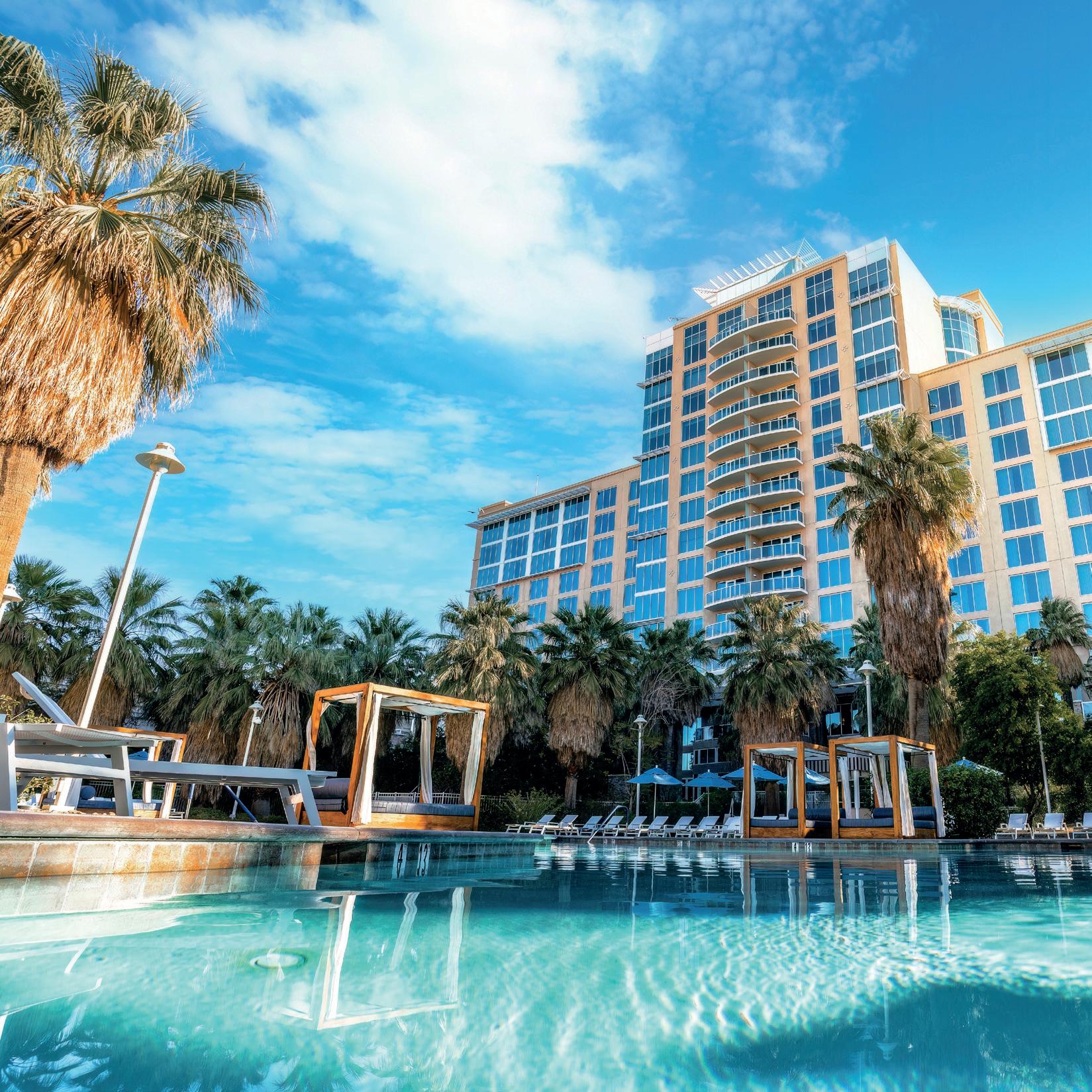
Agua Caliente Casino Resort Spa
One of the things I’m very proud of is I’m also a member of the Gila River Indian Community. Being the Chief Executive Officer for my own Tribe and Community puts me in a great position to not only lead the Gila River Resorts & Casinos enterprise, but also be able to give directly back to my community. I have a great relationship with our Governor, Lieutenant Governor and members of the community council. We’ve established a long history of trust, so just building upon that and being able to generate revenue for the community is something I have a vested interest in. I’ve said this before, it’s almost like running the family business, which is something I’m really proud of. But I can’t do it alone, and I’m very fortunate to have an amazing executive team and leadership team that helps us achieve our mission statement.
I have a fantastic team that I work with. I have a GM at each of the properties, because I’m responsible for all three, and what we try to do is make sure each property has its own personality. So I work with not just our GMs, but our entire executive team to make sure that, first and foremost, we’re delivering on that guest experience I talked about. That we’re coming up with innovative ways for our guests to have fun, game, see shows, relax in the spa, all those different things. And again, my success is really because I have a fantastic team.
What strategic
role
do
you play
in helping ensure the sustained success of your property?
I’m a gambler and I have high standards myself. When we’re walking the floor, I’m just looking for critical factors to make sure we’re here and we have the right tools for our team. I talk to our team members. I’m readily accessible to them and I’m always asking and inquiring, ‘do you have the right tools to be able to do your job?’ I don’t know if anybody is ever going to say there’s an advantage to being a gambler, but there’s certainly an advantage when you’re an operator because you’re out there on other casino floors. If there’s something that is truly the latest and greatest, I get to see it, experience it and, if I like it, bring it back to the property.
Graton Resort & Casino
We are one of the largest employers in the Gila River Indian Community and very proud of the fact we have a large percentage of members from the community who actually work at all four of our properties. A lot of folks have built their careers at Gila River Resorts & Casinos, many who have been there 15, 20, 30+ years, including myself who’s been here for about 31 years. Not only do we provide employment, but we also provide training. We provide mentorship programs and have had a number of successful candidates who completed our mentorship program and now exist in leadership positions. But we also give back to our surrounding communities. Gila River Cares, which is the philanthropic arm of our business, does an amazing job of supporting organizations throughout the state of Arizona and I’m very proud that we continue to do this and create those experiences for other folks too.
One is just providing well-paying jobs. We pay higher than the state minimum wage; our benefits are absolutely amazing. It’s just unbelievable. We’re also good partners within the community. Through our HR program, we provide plenty of help with charity. Not only funding, but we support them with our time. Many of our team members go in for community days where we’ll clean up the creeks or we’ll go help the Humane Society. There’s a group of teams that will go in and just spend 55 hours a day helping the community. It’s really fantastic.
How does the property not only provide opportunities for the Tribes in which they serve, but the surrounding community as well?
Well I believe we’re the second-largest employer in Riverside County, which is pretty substantial, and the Tribe can date themselves back in this area over 10,000 years. That is just incredible. When you think about the evolution of Palm Springs in the Coachella Valley, they were the first ones here, and they have worked to really become great community partners. There’s an amazing amount of donations that they provide throughout the entire community and there’s very few people they don’t help. They work hand-in-hand with the development of the Coachella Valley. Their reservation is located throughout the entire valley almost, and they work to develop that in very meaningful ways. You couldn’t ask for a better community partner, especially with them having so much land. They really do work hand-in-hand to develop this area, and they’re just great community partners.
I think online sports betting or online gaming, especially illegal online gaming, is probably the best example of that. It’s going to require all of the Tribes to come together to ensure we’re paying attention to that, focusing on it and we’re fighting for our rights.
I’m a firm believer that Tribal casinos are strongest when they collaborate, share best practices and advocate collectively for sovereignty. For example, at Gila River Resorts & Casinos, our leadership team has, over the course of time, visited other Tribal venues to learn from their development programs and service offerings. In addition, when it comes to the Tribes in Arizona, they successfully collaborated with the recently amended and restated compact, so it’s great to see Tribal leadership working together for the common good and common cause of their communities, nations and reservations.
How can someone in your position, or the property in general, work with fellow Tribes to ensure sovereignty remains at the forefront?
That’s a great question. There’s revenue sharing between the California Tribes because that’s something that’s important to them. Tribes in general work with other Tribal communities to help them develop not just casinos and not just casino games, but all different types of things. Educational, schools, infrastructure, fire, police, healthcare. It’s very important for the Tribes to do that while at the same time maintaining their sovereignty. That’s something they work very hard at. They spend a lot of time in Washington DC, Sacramento and it’s something that really works.
Gile River Resorts & Casinos – Wild Horse Pass
COVER FEATURE CASINO FOCUS
LIGHTING UP
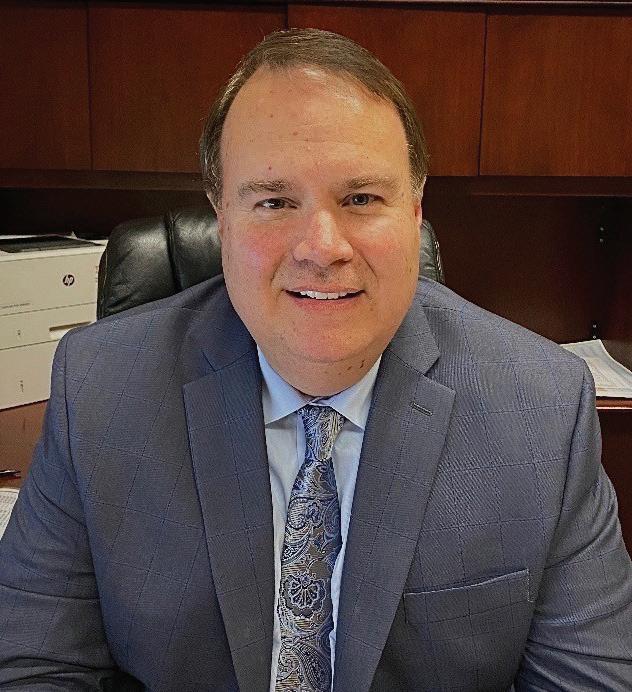
While visiting Cliff Castle Casino in Arizona, Global Gaming Insider’s Kirk Geller spoke with GM Chris McGahey on the property’s new smoke-friendly gaming room and market competition
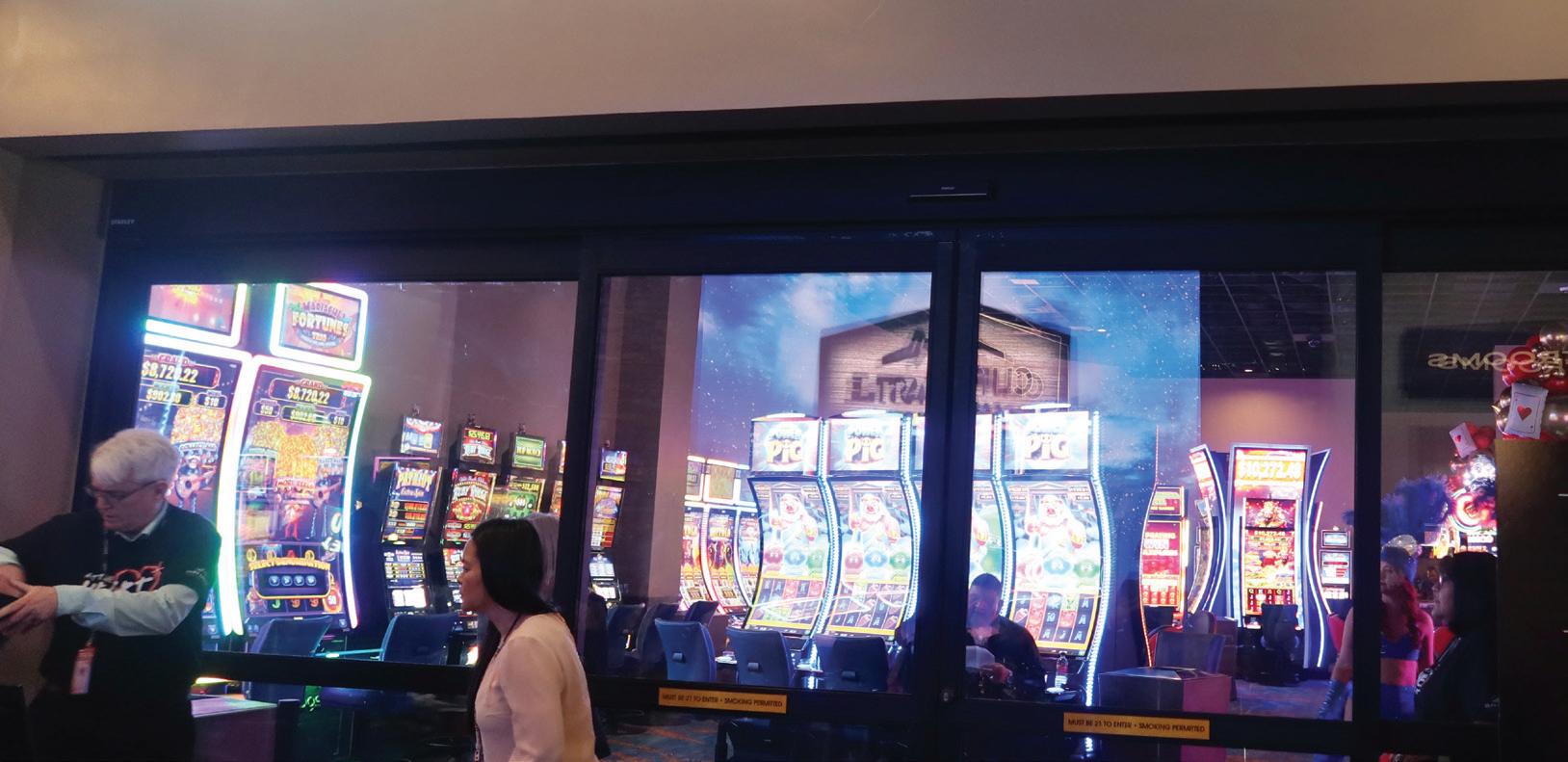
Global Gaming Insider traveled to Camp Verde, Arizona, for the unveiling of Cliff Castle Casino’s new smoke-friendly gaming parlor and its ongoing property-wide expansion. Numerous community locals grouped outside the gaming parlor for a ribbon-cutting ceremony hosted by Cliff Castle Casino GM Chris McGahey, who spoke to us in an exclusive on-site interview.
With Arizona properties routinely searching for ways to attract Las Vegas clientele, the scenery and nature witnessed along the drive could certainly be a selling point for Cliff Castle and fellow Tribal establishments. While Camp Verde itself is a rather small community, the direct access to cities such as Sedona and Phoenix leave residents with plenty of gaming opportunities, encouraging Cliff Castle Casino to begin its renovations in late 2025.
McGahey shared the Yavapai-Apache Nation’s desire to enhance its Arizona casino, as well as insight into his own hospitality journey that includes stops in Las Vegas, Atlanta and multiple areas in California. Having been promoted to GM in September 2025, McGahey also spoke about what it means to lead a Tribal property, and how the family-oriented atmosphere has become a mainstay during his career.
With the new gaming room part of Cliff Castle’s ongoing expansion, what are you hoping to achieve with the investment?
With the expansion, we want to make sure we provide a better experience for our clientele, but not just those who smoke. You should be able to bring in your friends and family, enjoy the different state-of-the-art slot machines, but understand that the air is recycled every 10-to-20 seconds, allowing for a better gaming experience.
How did Cliff Castle determine which suppliers would be included within the new smoke-friendly gaming parlor?
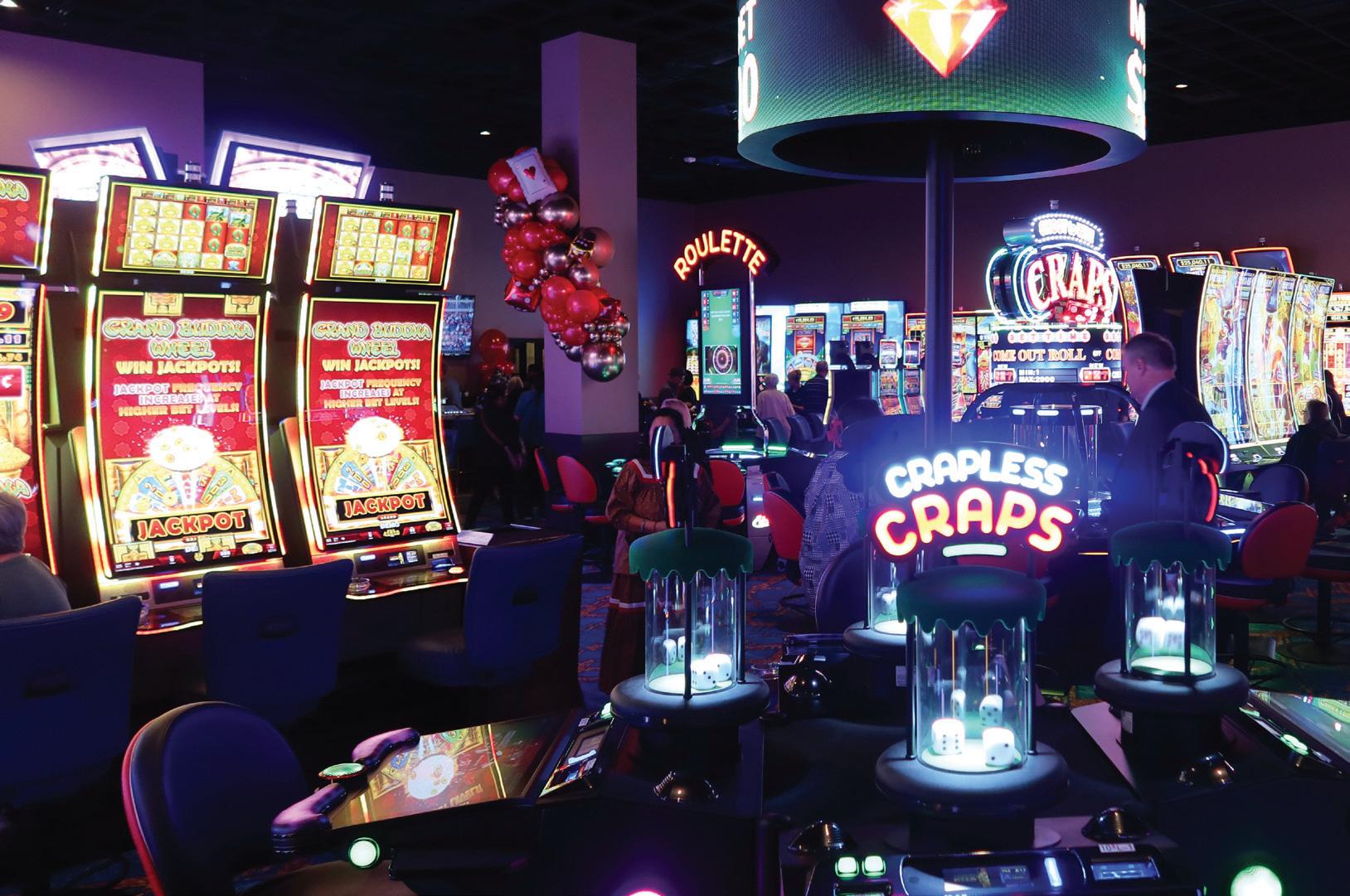
Our Director of Gaming, Paul Hamm, did a great job of negotiating. We’re very proud of the relationship he’s built with those different companies along with many others, and he brought in some of the best of the best. So not only are you allowed to go smoke if you wish and entertain yourself, but also enjoy the bar, over 6,000 sq ft of space and 140 different slot machines. It’s a state-of-the-art gaming facility that is second to none, whether it’s smoking or non-smoking.
Has this type of enhancement been desired since you took over as GM in September?
We’ve always been trying to bring in the best of the best as far as machines. Again, give the kudos to Paul Hamm and his team. On the gaming side, for the last probably eight to nine months, we’ve revamped and redone our whole floor. We still have all your favorites from IGT video poker all the way to the greatest and best that companies like Light and Wonder have to offer.
Given your year-plus tenure with Cliff Castle Casino, how did it feel to be named GM and what are your aspirations for the property going forward?
You know, it’s great to be able to say that I’m the General Manager of this property. The Council put a lot of trust in me, the people of the casino put a lot of trust in me and now is the time where we need to be innovative. Whether it’s the new smoking parlor, great food and beverage specials, but also entertainment. That’s going to be the focus, watching how we grow on the entertainment side. Whether it’s having 300 people in the gathering, 200 in our Dragonfly Lounge or 3,000 in our Stargazer, we’re going to put ourselves on the map by offering the best of the best when it comes to entertainment.
Chris McGahey
The grand unveiling
COVER FEATURE CASINO FOCUS
What features of Cliff Castle Casino do you believe help it stand out among such heavy competition in Arizona, including fellow Tribal properties?
As you can see right now, Cliff Castle is probably the foremost and best casino offering. In northern and even central Arizona, our competition right now is the Phoenix metro area. We feel that, while we have the comfort of a small casino and the friendliness, we offer everything they offer and more. We have the bowling, we have the restaurants, steakhouse, different entertainment venues and now it’s just a matter of getting people to understand that it’s just a quick drive up. These offerings are as good or better than anything they offer in the Phoenix area.
I understand you also have experience in markets such as Las Vegas, how would you compare the work during that tenure to your role as Cliff Castle Casino GM?
In Las Vegas, it’s obviously much larger properties. I’ve worked in everything from 3,000 to 4,000 rooms, but also in smaller properties in northern Nevada. As far as experience, the friendliness and the quality of staff here is second to none. We take a lot of pride with that and we have a lot of team members that have been with us for over 20 years.
We like to think this is not only the number one gaming option in Northern Arizona, but also a place where people can have all the benefits you would receive in a large business, whether it’s best healthcare or retirement plans, to solidify ourselves as the number one place to work in the metro area.
Having also worked with Hard Rock International in the past, what has drawn you to Tribal-operated properties and maintained that interest up to today?
Whether it’s large Tribes or small, it’s all working with a family atmosphere. It’s almost like when I used to work in northern Nevada, you’re working for a family. Certain people you work one-on-one with, yes, they could be opinionated, but they’re no different than the corporate atmosphere. And once you understand and embrace that, it’s great working in the Tribal atmosphere because, for the Tribes, their focus is the community. That’s the way the casino is built and that’s what we try to present.
Were there any experiences during your tenure with Hard Rock that still stand out in your current role?
Yes, for 2026 as well as when I first got here, we’re looking at taking everything when it comes to community involvement to the next level, such as the Phoenix Children’s Hospital or golf tournaments. We’re looking at different charity events, and that’s something that was very big at
Hard Rock. We would have big events not only every quarter but almost every month, and that type of community involvement is what we’re trying to bring here to the Cliff Castle Casino.
Along with the initiatives you just laid out, how does Cliff Castle Casino routinely give back to its local community?
We have to understand that not only are we the
premier entertainment location in northern Arizona, but throughout the state as well. From a local standpoint, not only do we have to be good partners, but we also have to understand that the entertainment is not just about the slot machines, it’s more the bowling, restaurants and different atmospheres that we can provide. We want people to see us as the place to go and have a great time over the weekend or even during the week.
A NEVER ORDINARY AFFILIATE PROGRAMME
INSPIRING FRIENDLY COMPETITION
The Indian Gaming Association Tradeshow and Convention returns to San Diego for 2026
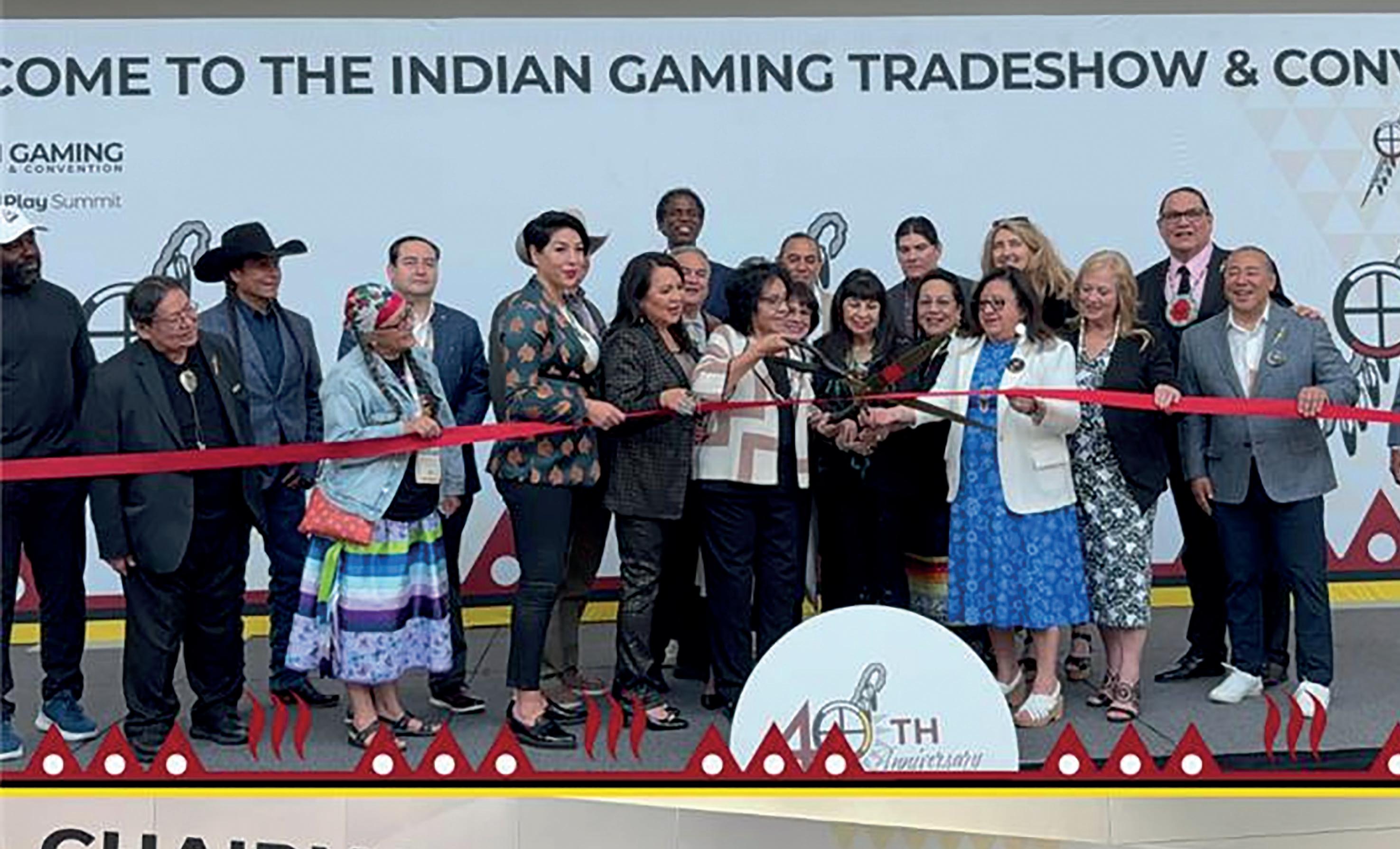
From March 30 to April 2, the Indian Gaming Association (IGA) Tradeshow and Convention is landing back in California at the San Diego Convention Center. Situated at the water’s edge in San Diego Bay, Tribal leaders, regulators and executives from across the industry will gather to share the ideas and initiatives that will drive Tribal gaming forward. Characteristic selfreliance and strength have been at the heart of Tribal gaming for years, and that doesn’t come easily. To see the kind of sustained growth IGA has helped facilitate from the pre-iGaming era through to the heavily digitized gaming landscape we all now find ourselves in, the organization has had to hold competition in one hand and resolute unity in the other. Without the former, you risk losing innovation and dynamism; without the latter, you could lose the whole sector.
SOVEREIGNTY AND SOLIDARITY
As recently as November, IGA was out meeting leaders of the Arizona Indian Gaming Association to renew those shared commitments to sovereignty and solidarity. Chairman David Bean spoke firmly about the threat that prediction markets potentially pose to all Tribal gaming operations, saying: “Prediction markets are illegal; they violate IGRA and undermine every hard-won gain Tribes have achieved in government-togovernment gaming. We cannot and will not permit private tech companies to bypass Tribal sovereignty by rebranding sports betting as something it is not. Indian Country has faced similar challenges before, and our solution remains the same: unity, strength and relentless advocacy.”
The yearly conference is crucial to maintaining the balance of competition and unity, and this edition of the event will be a particularly poignant one. Not only will it be the 40th year of the IGA Tradeshow and Convention, but it will also be the first in this millennium not to have Chairman Ernie Stevens Jr presiding over it. His passing in 2025 was a sombre time not just for IGA but the entire gaming industry, on whom Chairman Stevens had made such a profound and lasting impact. It was also a moment to pause and celebrate the many achievements he had notched up in his 25 years at the helm of IGA – 25 years of continuous growth and positivity of character to match. Similarly, the conference this year will be a time to rally in the face of that loss and continue to carry out Chairman Stevens’ vision. The association’s new leader Chairman Bean has assumed the position and has stated his unwavering dedication to continuing his predecessor’s mission.
INNOVATE. ENTERTAIN. INSPIRE.
Over the 40 years that these conferences have been taking place, steadfast leadership has proved a necessity, not least in the years immediately following the Covid-19 Pandemic. But there is rarely much time for looking back and reflecting, with modernization and futureproofing remaining consistent themes over those years. This year’s theme continues to emphasize the view forward, with the message being: “Innovate. Entertain. Inspire: The Future of Tribal Gaming Begins Here.”
If one were to look back for a moment, there would be much to commemorate this year as well. Not only is it the convention’s 40th birthday, but 2026 has marked the 40th year of operations
at the Yaamava’ Resort and Casino in San Manuel. In advance of this special milestone, the venue was recognized at the Global Gaming Awards Americas 2025 in Las Vegas. The casino was presented with the Property of the Year award for the second year running. The Yuhaaviatam of San Manuel Nation was also named Responsible Business of the year for the fifth consecutive year.
For IGA, education is key and the agenda of the meet will be set towards the end of advancing the social, economic and political success of its members and the wider Tribal community. This will be achieved through educational sessions and seminars, the full program of which is still being finalized. We do know, however, that it is set to feature lessons on efficiency, new revenue generators, smart expansion and adoption of new technology.
HOLE IN ONE
Also in aid of advancing tribal education, this year will again include The Golf Classic. This fundraising event promises to be a lot of fun, featuring a meet and greet with PGA Golf pro, D.A Points. Importantly, though, participation and sponsorship money will be put towards the Native Forward Scholarship Fund and the betterment of Tribal education across North America. Since the start of this programme, the award has awarded over $350m.
Indeed, the largest gathering of Tribal leaders in the country is set to fulfil all of its ambitions handsomely, creating vital networking opportunities while continuing to educate and inspire all of the leaders present.
EUROPE, MIDDLE EAST & AFRICA
MOVERS AND SHAKERS
As regulation evolves across Europe, licences change hands and taxation increases, new leaders and new positions must emerge to lead the industry through the tumult
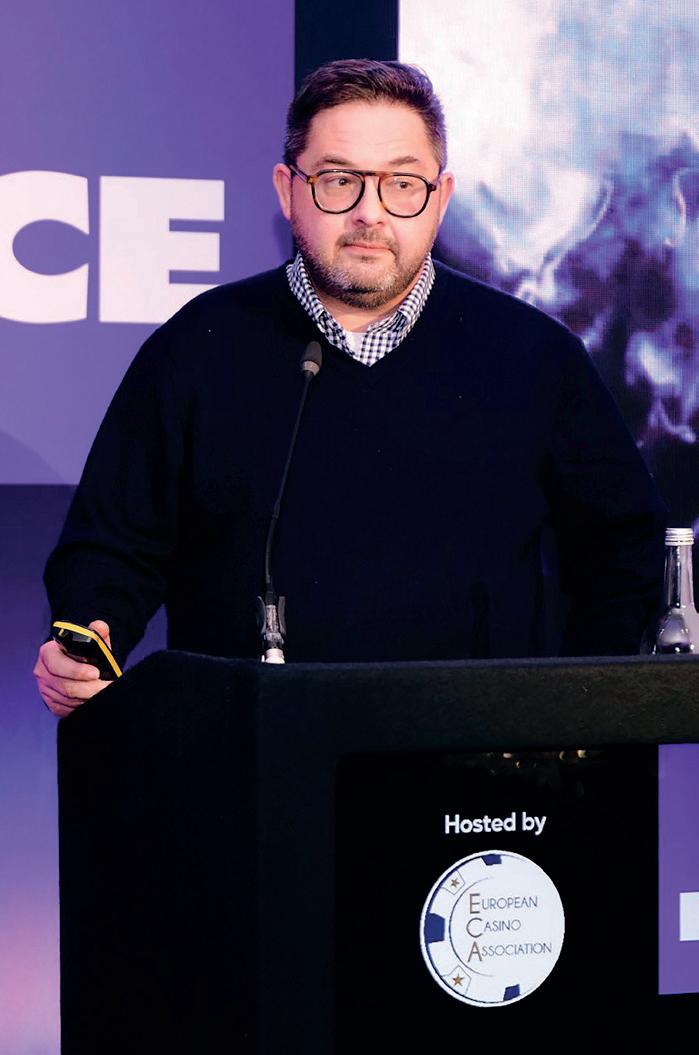
Michael Dugher
Outgoing Chair, Betting and Gaming Council
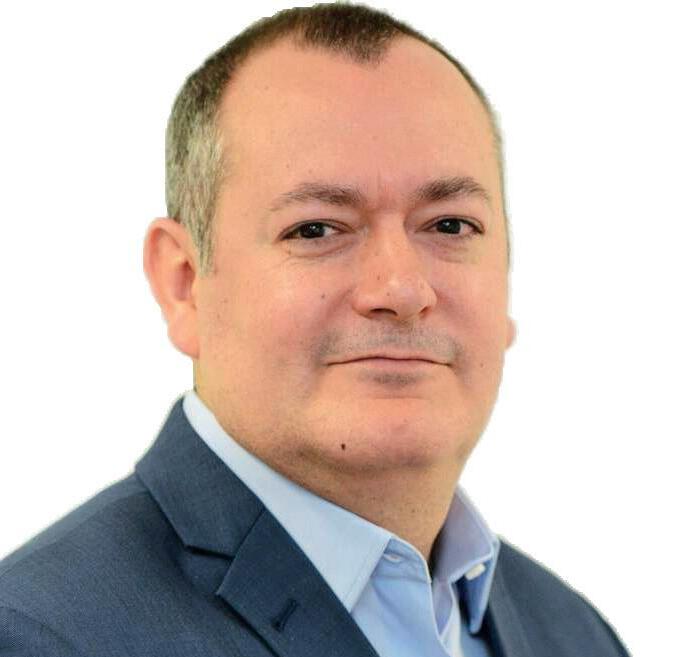
The former Labour MP, Dugher, departed from the Betting and Gaming Council (BGC) with immediate effect in January, having been a key part of the trade association since its inception in 2019. Initially he took on the role of CEO, but later moved into the Chair position after Brigid Simmonds exit at the start of 2024. In this time, the lobbying group has made the case for industry during the release and aftermath of the 2023 Gambling White Paper and the tax reforms legislated in the most recent UK Budget. For the time being, the BGC has not announced Dugher’s successor, but the change marks the end of an era in the UK gambling industry.
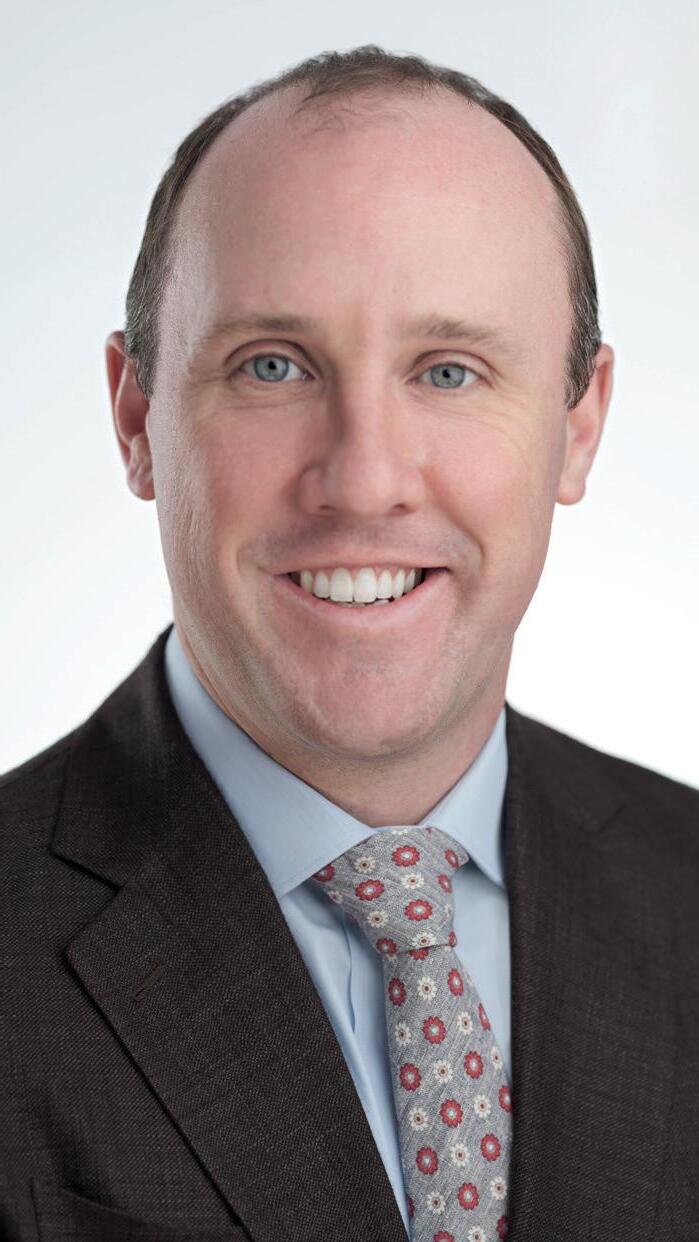
Bridget Lea Managing Director of Retail, Allwyn UK
This role has been created for Lea, who left her position as UK VP and GM at Snap Incorporated. Allwyn UK has been reinvigorating the operations of the National Lottery, and has already overseen a massive technological overhaul. This appointment and Lea’s retail remit has been made to help drive that transformation onwards. One of Allwyn’s major ambitions has been to modernise the customer experience of the lottery, and Lea will be working closely with Allwyn UK CEO Andria Vidler to make that happen.
Pekka Kaidesoja Head of Content, Hippos ATG
The much-anticipated opening of the newly de-monopolised Finnish gambling market in 2027 is now less than a year away. That means many operators, such as Hippos ATG, are now preparing to put themselves in the best possible position. That means getting stocked with talent, which is Hippos’ intention with the appointment of Kaidesoja. The company is planning on covering horseracing, sports betting and online casino, and Kaidesoja’s 30+ years in sports media, TV production and major sporting events lends him the requisite cache and sporting knowledge. The operator will be hoping for an edge here.
Dugher was a special advisor to Gordon Brown, the former British Prime Minister who was a strong advocate for the raising of gambling taxes
Lea is the Chair and Pro-Chancellor of Manchester Metropolitan University. She is herself a Mancunian and an alumnus of the University
Hippos ATG is expected to begin operations in July 2027, dependent on if and when it receives a licence to do so
THE WINNERS
Every winner from the Global Gaming Awards EMEA ceremony in Barcelona
THANK YOU TO ALL OUR SPONSORS
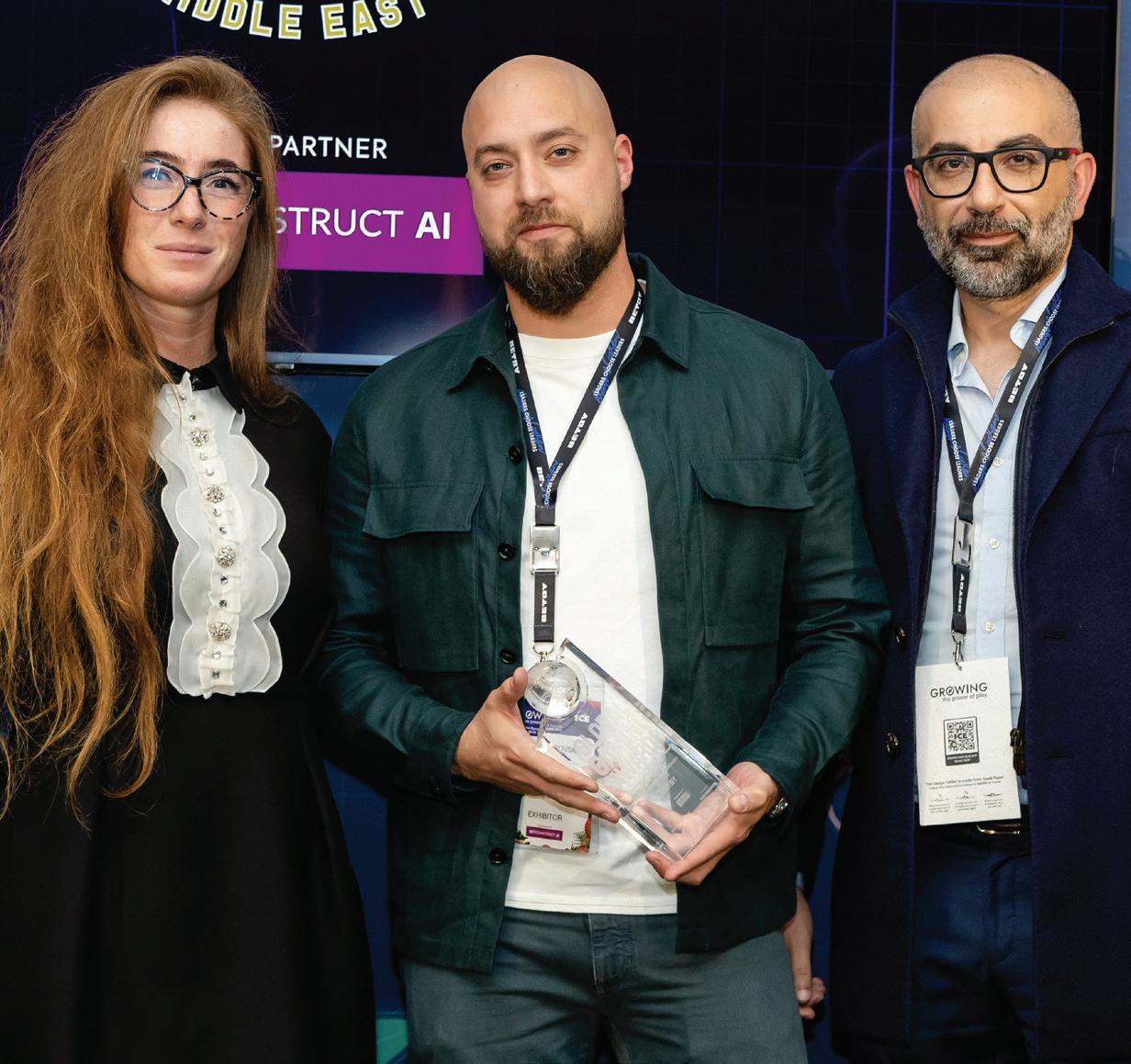
“We take a lot of pride in our program. We go from strength to strength, the team has done a fantastic job and I get to come pick up the award, which is always nice.”
- Neil Fairweather - Chief Marketing Operations Officer - bet365
CRASH GAME AFFILIATE PROGRAM
“It always feels amazing to win a Global Gaming Award, we really deserved to win Crash Game of the Year. Crash games changed the online gaming industry and Aviator is dominating in every market and category!”
- David Natroshvili, Founder & CEO, SPRIBE
77 000 000 MONTHLY ACTIVE PLAYERS
6 000
CLIENTS WORLDWIDE
400 000 BETS PER MINUTE
SPORTS BETTING OPERATOR
“Congratulations to bet365 for winning Sports Betting Operator of the Year and their notable accomplishments over the past 12 months.”
- Julian Perry, Global Gaming Insider Editor-in-Chief
SPORTS BETTING SUPPLIER
SPONSORED BY OF THE YEAR
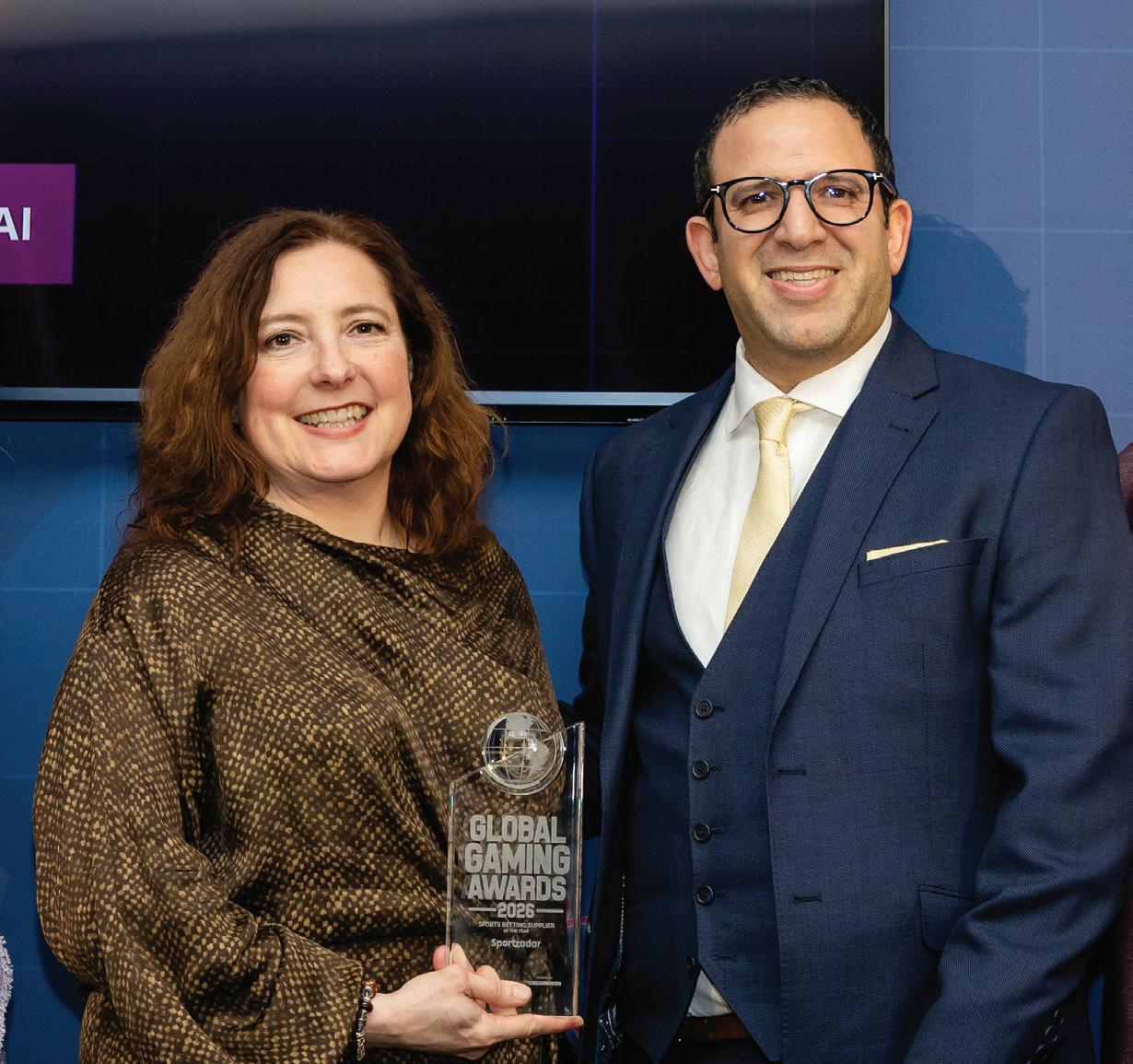
SPORTRADAR
“This is a wonderful recognition for a lot of very talented, hard working people from across the entirety of the Sportradar team.”
- Adam Azor - EVP of Global MarketingSportradar
PLATFORM
PROVIDER OF THE YEAR
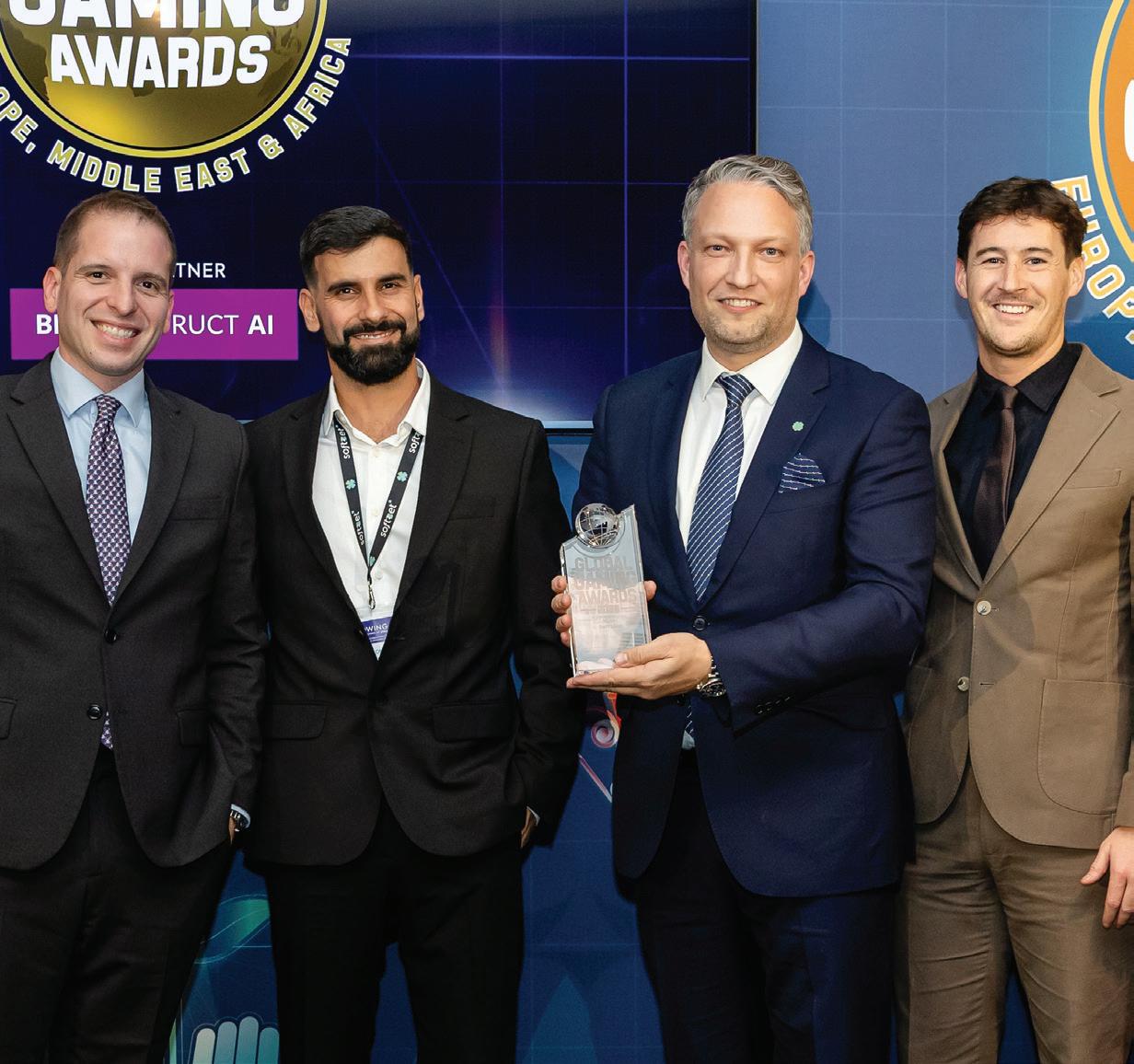
SOFT2BET
“The award is testament to our team across all of our international offices and the work they’ve put in over the last year.”
- Andrew Cochrane - Chief Commercial Officer - Soft2Bet
ONLINE CASINO OF THE YEAR
SPONSORED BY
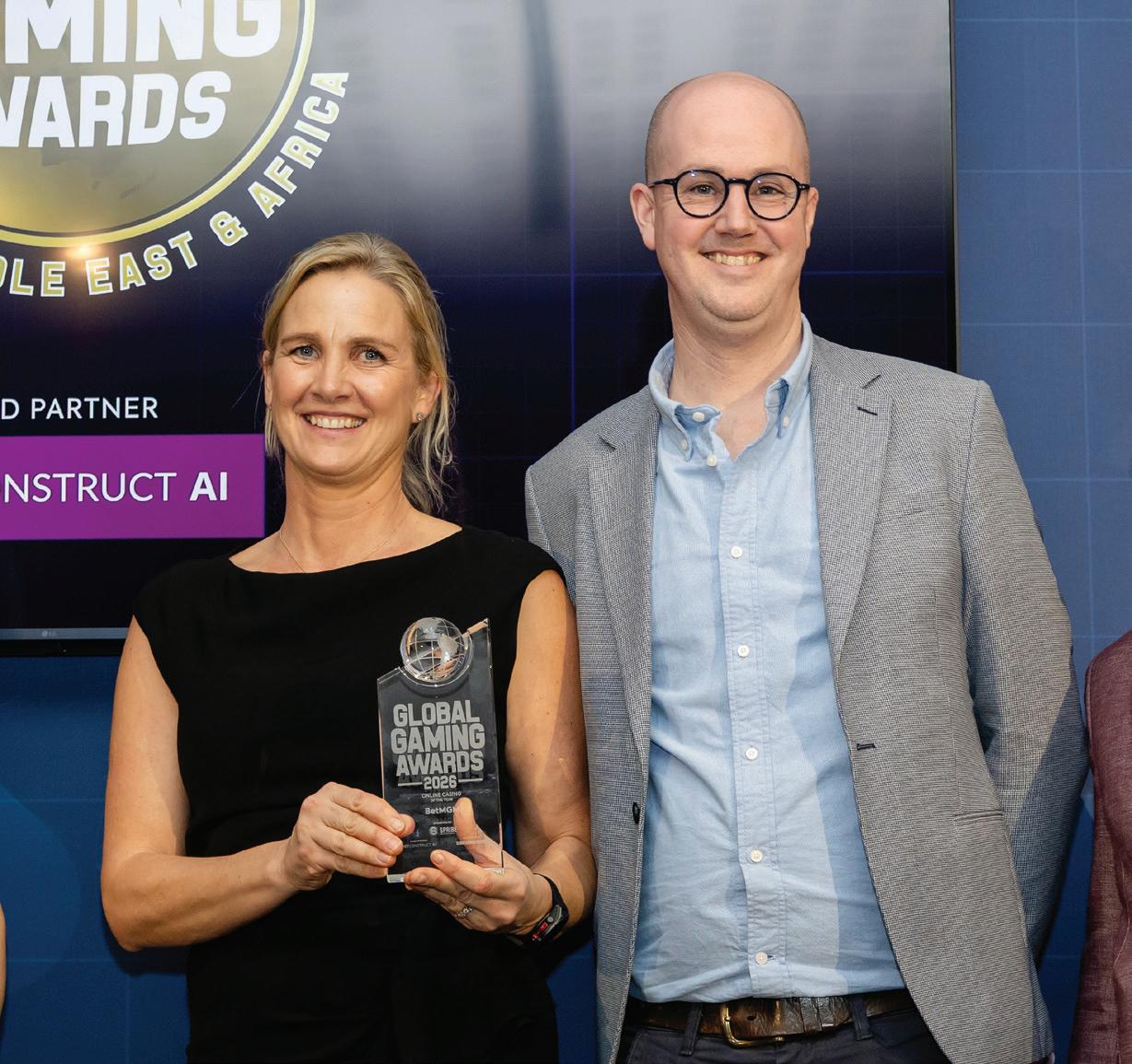
BETMGM
“This is a very great honour for us as a company to win the award for this year. A lot of people worked hard for this prize.”
- Ulrica Falkenberg - Chief Human Resources Officer - LeoVegas, which runs BetMGM
ONLINE CASINO SUPPLIER OF THE YEAR
PRAGMATIC PLAY
“It’s great to be recognised for our partnerships with our operators.”
- Irina Cornides - COO - Pragmatic Play
ONLINE SLOT OF THE YEAR
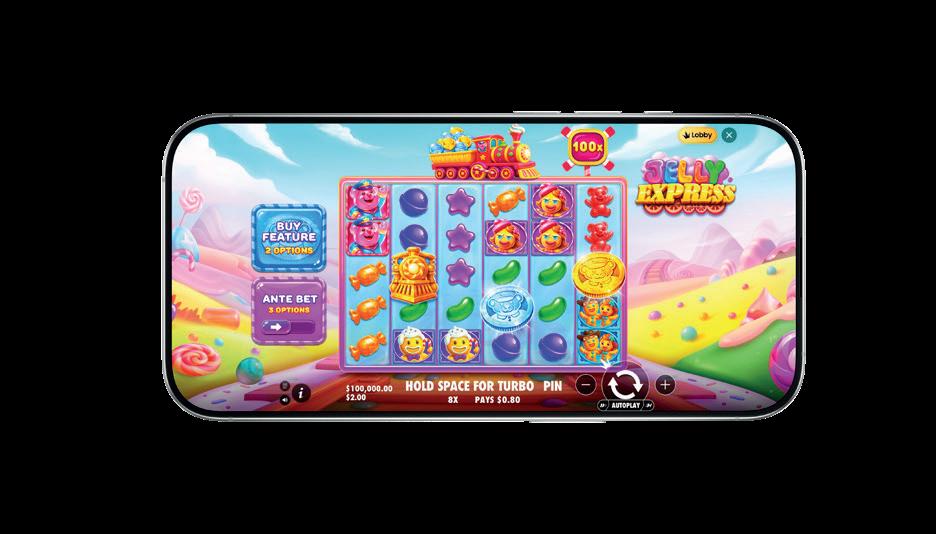
PRAGMATIC PLAY GATES OF HADES
“It’s an honour to be recognised. We love that our players love the games.”
- Irina Cornides - COO - Pragmatic Play
30 MARCH 2026
“Honestly, I’ve been expecting this... From a sense that I know what my company did and how far we went to achieve it.”
- Eva Berkova - COO - BETBY
CASINO SUPPLIER OF THE YEAR
ARISTOCRAT GAMING
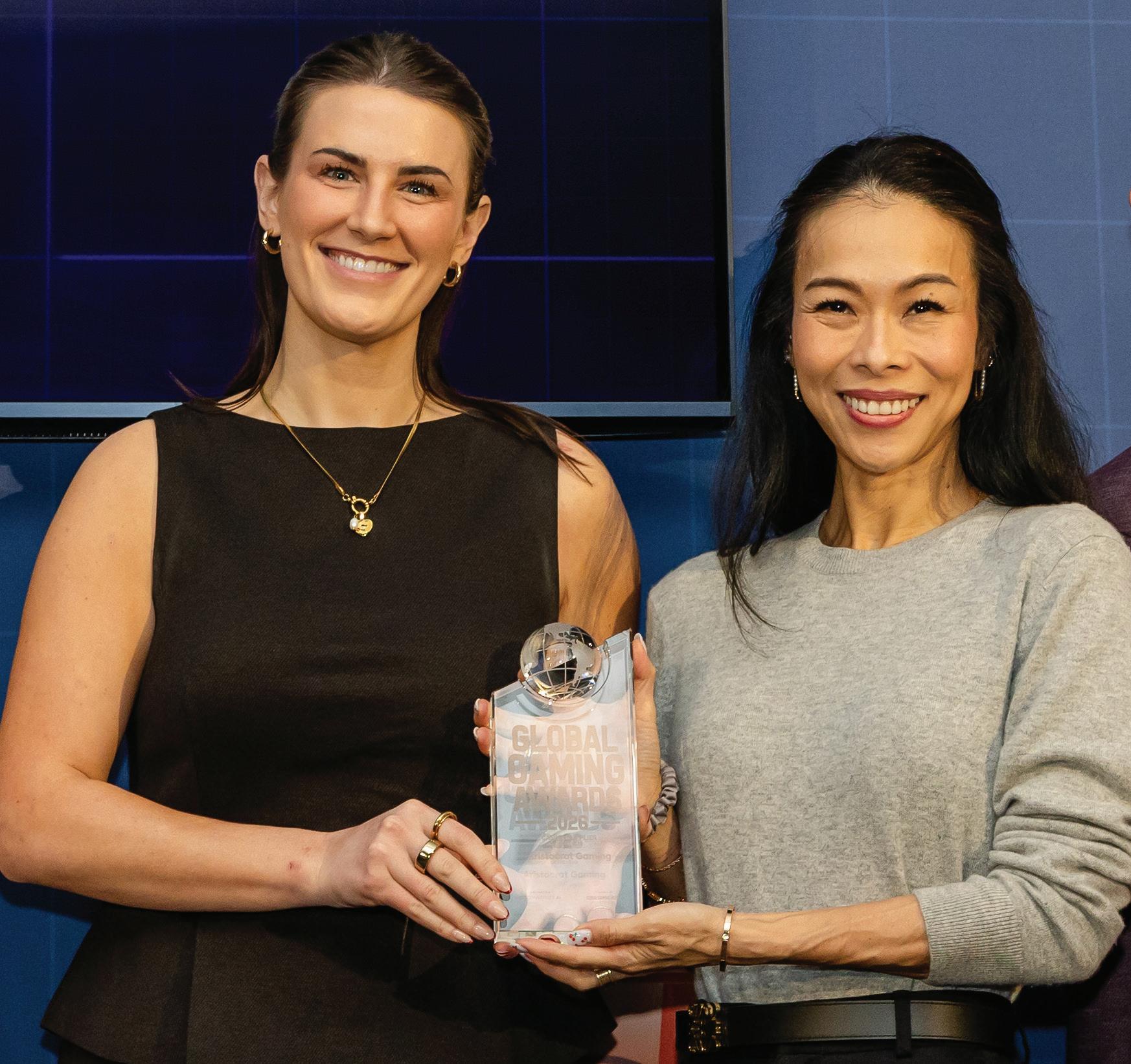
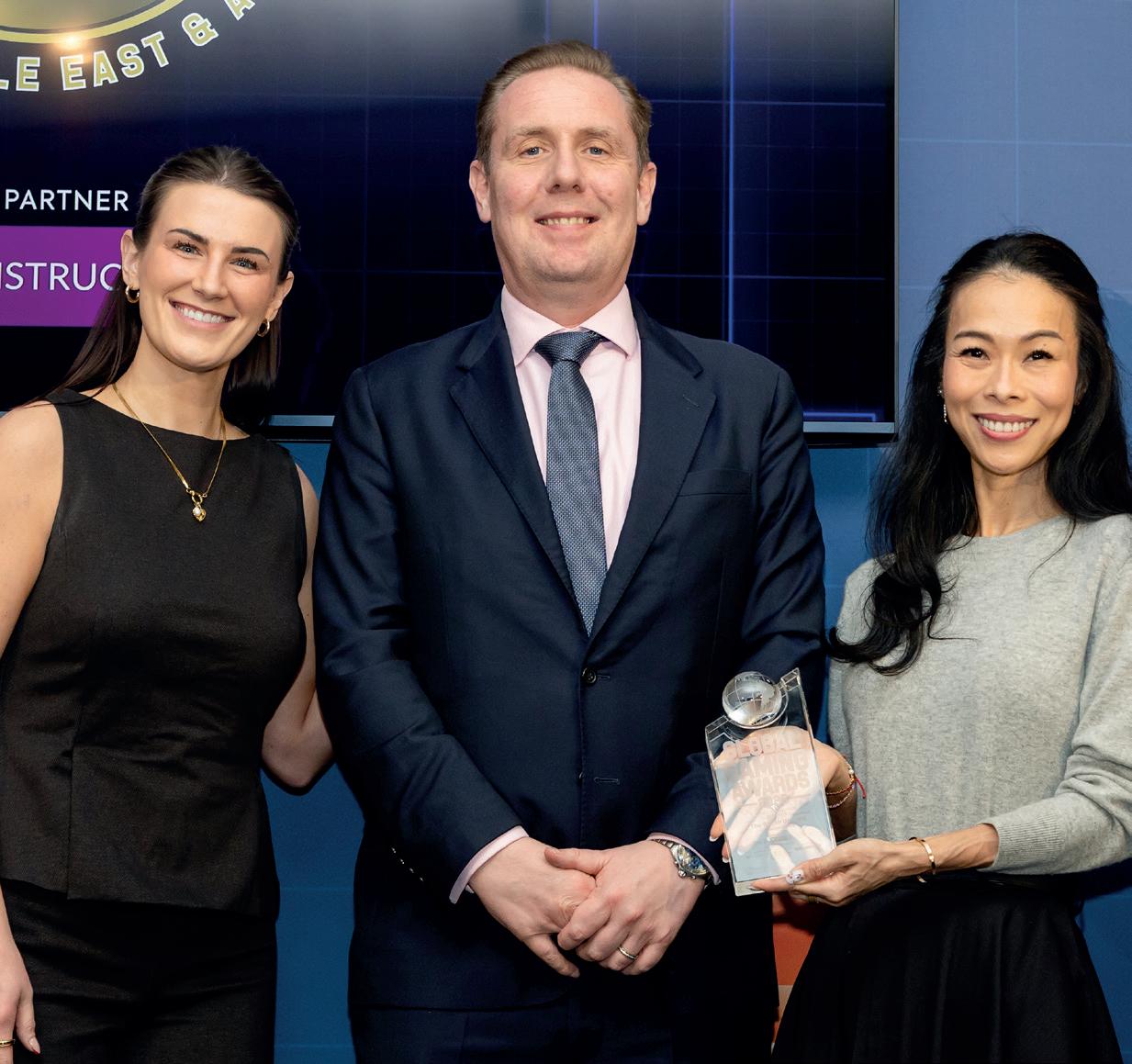
“It’s an absolute honor to continue to be an industry innovator and be recognised for it.”
- Kimmi Siu Dewar - Director of Marketing, Asia - Aristocrat Gaming
PRODUCT LAUNCH OF THE
YEAR
SPONSORED BY
ARISTOCRAT GAMING THE BARON UPRIGHT
“We’re grateful to our team and our partners for this award. Thank you to the organisers!“
- Megan Nimsgern, Senior Manager of International Marketing, Aristocrat Gaming
CASINO OF THE YEAR
SPONSORED BY
THE HIPPODROME
CASINO
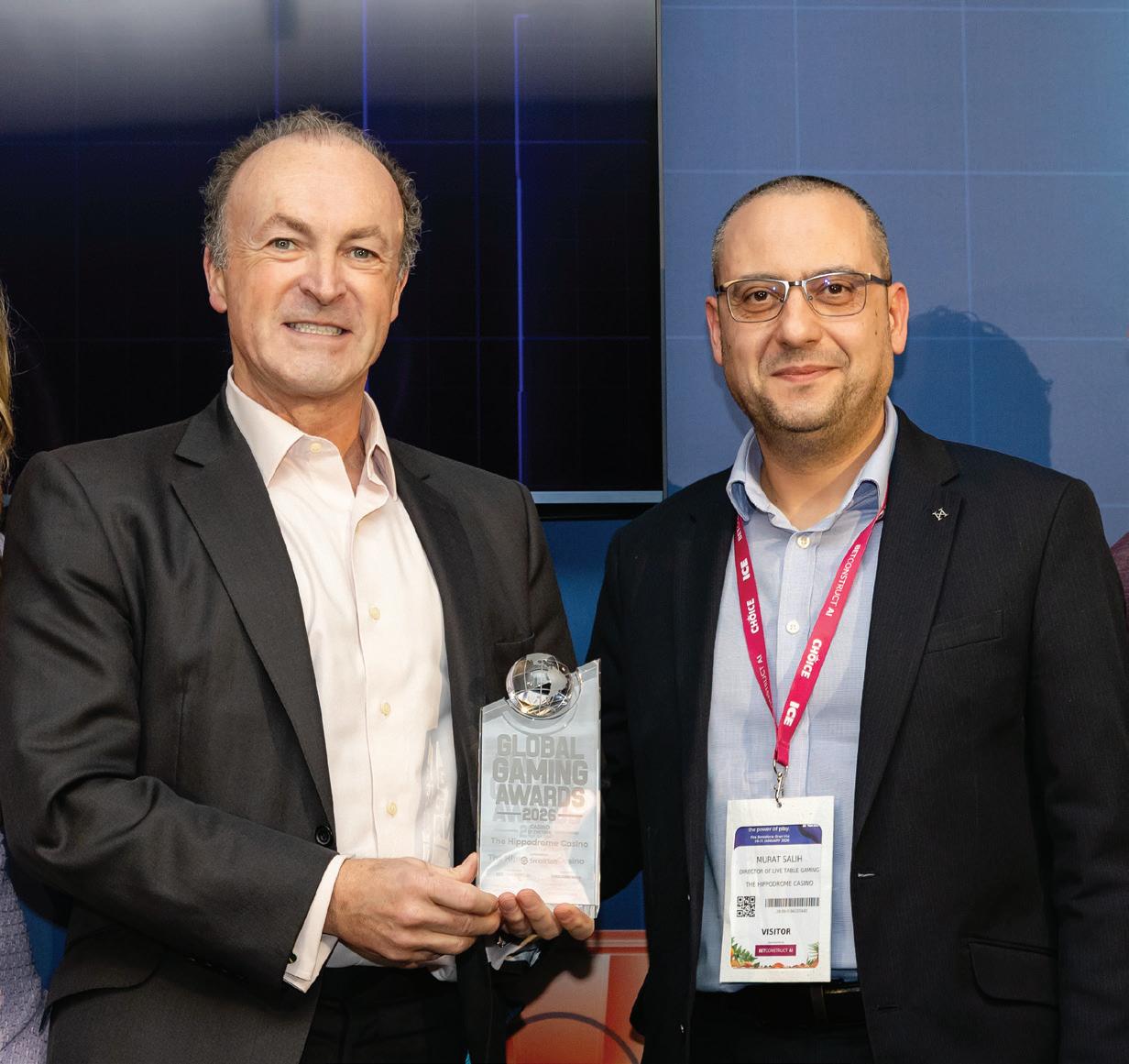
“I have an incredible team of people and they push the limits every single year.”
- Simon Thomas - Executive ChairmanThe Hippodrome Casino
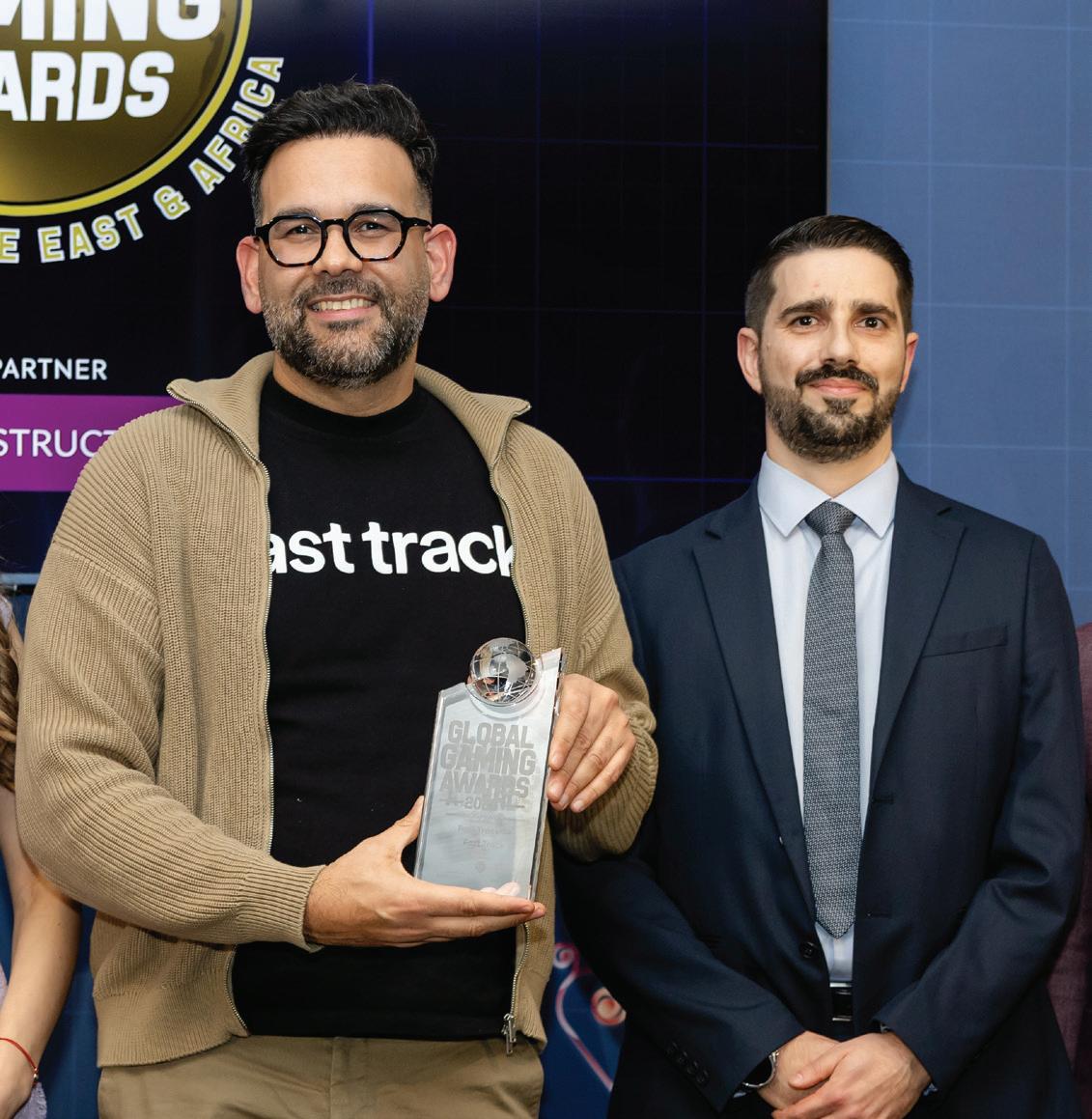
SERVICES PROVIDER OF THE YEAR
SPONSORED BY FAST
TRACK
“When a product works and actually makes your life easier, the proof is in the pudding.”
- Luis Sangiovanni - Chief Marketing OfficerFast Track
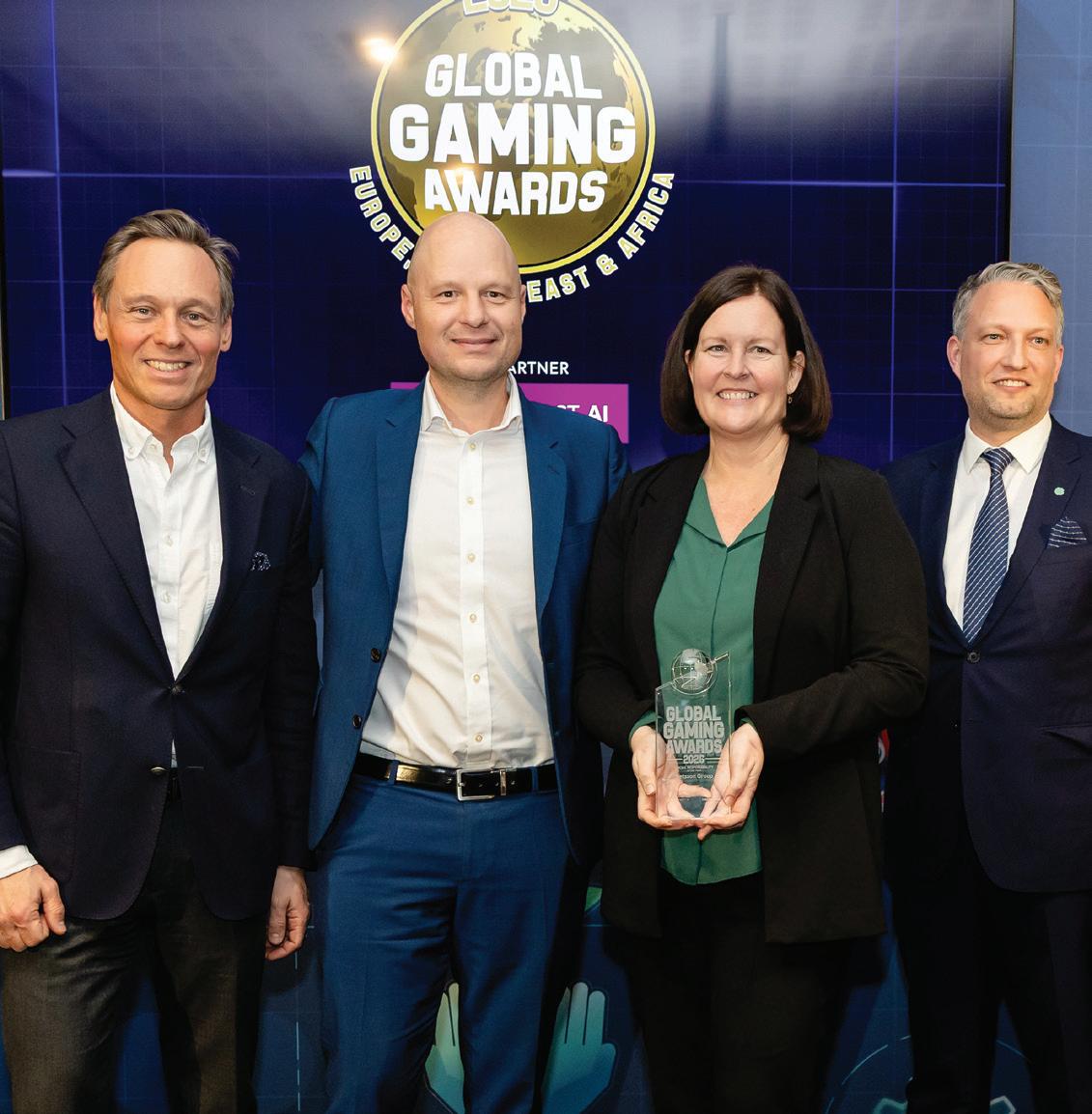
SOCIAL RESPONSIBILITY OF THE YEAR
SPONSORED BY
BETSSON GROUP
“It’s something we work with every day. It’s really important, the ethics of the company. so I’m really pleased the industry has acknowledged that.”
- Jesper Svensson - CEO - Betsson Group
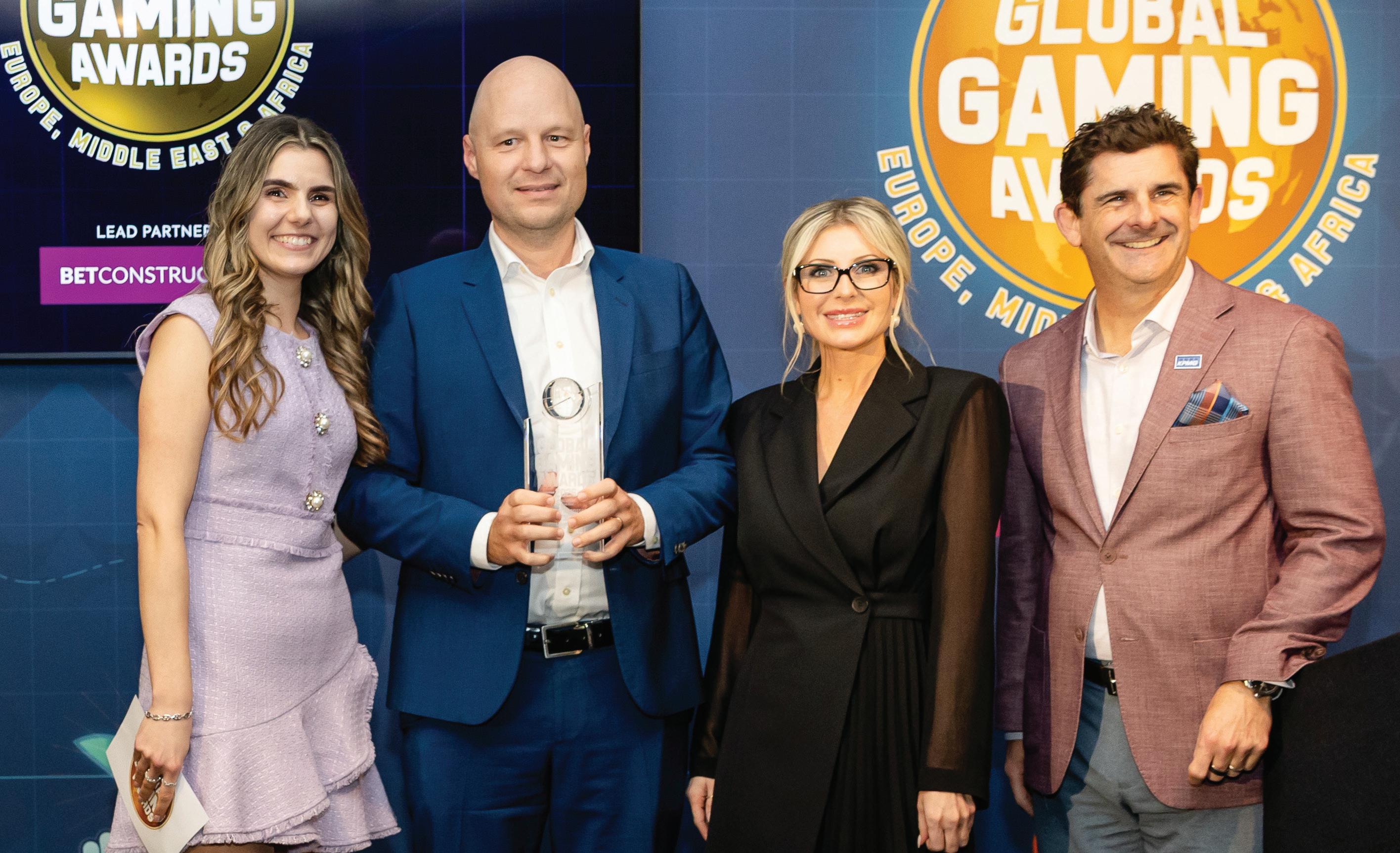
EXECUTIVE OF THE YEAR
SPONSORED BY
JESPER SVENSSON CEO, BETSSON GROUP
“This prize, voted by peers, is something you don’t take lightly. I’m super happy and thank you to everyone who voted for me.”
- Jesper Svensson - CEO - Betsson Group
EMEA POLISH INFLUENCE
A BATTLE STILL IN PROGRESS
Global Gaming Insider contributor Marek Plota, RM Legal and Gaming in Poland Founder, discusses Poland’s war with illegal casinos and influencers
Poland has entered a new and far more confrontational phase in its long-running battle against the illegal gambling market. What began years ago as a system based primarily on domain blacklists has evolved into a multilayered enforcement strategy targeting not only offshore operators, but also payment institutions, social-media influencers and even the legislative grey zones surrounding digital products such as loot boxes.
A GROWING MARKET AND A PERSISTENT SHADOW
The timing is not accidental. Poland’s regulated gambling sector is expanding rapidly. In 2024, sports betting gross gaming revenue (GGR) reached approximately €900m ($1.06bn), with growth of around 25% year-on-year and a channelisation rate of roughly 75-80%. At the same time, the online casino segment remains structurally constrained by the state monopoly held by Totalizator Sportowy.
Despite significant investment in its Total Casino platform, channelisation in the online casino vertical is estimated at only around 60%. Approximately 1.2 million Polish players
continue to use offshore sites, and the annual turnover of illegal online gambling has been estimated at PLN 65bn – a figure that nearly matches the legal market.
Against this backdrop, enforcement has become not only a matter of consumer protection, but also of economic necessity.
PAYMENTS. CUTTING OFF THE OXYGEN
One of the most consequential shifts has occurred in the financial layer of the ecosystem. Payment service providers (PSPs) are under increasing pressure to treat gambling-related flows to unlicensed operators as high-risk transactions under AML and CTF rules.
The Polish Financial Supervision Authority (UKNF) recently issued sector-wide communications urging PSPs to verify and block payment flows to offshore casinos. The practical impact was immediate. Popular payment methods, including BLIK used by approximately 80% of customers of licensed operators began disappearing from illegal sites.
This development is operationally significant. Offshore casinos can rotate domains within hours, but rebuilding disrupted payment
infrastructure is far more complex. By shifting enforcement from static domain blocking to dynamic financial supervision, Poland has targeted the grey market’s most sensitive pressure point.
THE MONOPOLY DEFENDS ITS TERRITORY
The political narrative accompanying these measures is increasingly explicit. Public statements by government representatives and interviews with executives of Totalizator Sportowy have emphasised the need to preserve the state monopoly on online casino as a tool to “protect society” and to ensure tax integrity.
At the same time, Totalizator has openly sought broader promotional powers and a stronger institutional position in order to compete more effectively with offshore brands. The argument is straightforward: without advertising flexibility and robust enforcement against illegal operators, the monopoly cannot achieve higher channelisation.
Yet this is also a fight for market share. With approximately 40% of the online casino segment still outside the regulated offer,
enforcement improvements directly translate into revenue gains for the monopoly. The current offensive therefore serves a dual purpose: combating illegal gambling and reinforcing the commercial viability of the state operator. Whether this strategy will ultimately succeed remains uncertain. Grey-market operators are adaptive, technologically agile and well-funded. The battle is ongoing and its outcome is far from predetermined.
INFLUENCERS. FROM AFFILIATE TO DEFENDANT
Perhaps the most visible escalation has been directed at influencers promoting illegal casinos. Coordinated early-morning arrests and searches of high-profile streamers marked the first enforcement wave of this scale against the socialmedia layer of the grey market. The authorities have clearly signalled that influencer marketing is no longer peripheral and it is now treated as part of the illegal gambling infrastructure.
This reflects broader global trends. Studies on influencer marketing in gambling indicate that younger audiences are particularly responsive to live-streamed casino content, and affiliate-driven acquisition models are increasingly shaped by creator personalities rather than traditional advertising channels.
At the EU level, organisations such as EGBA have begun developing responsible influencer
marketing standards. Meanwhile, industry analyses show that influencers are reshaping the affiliate sector, often operating in legal grey zones that blur the distinction between entertainment and commercial promotion. Poland’s response has been punitive. Proposed amendments to the Criminal Code would explicitly criminalise the presentation or promotion of gambling games conducted in breach of the Gambling Act. The legislative intent is to extend liability beyond operators to those amplifying them.
HIRE THEM INSTEAD OF ARRESTING THEM
There is no doubt that so-called “patostreamers” promoting illegal gambling can cause real harm. But an exclusively punitive strategy may not be the most effective long-term response.
The influencer landscape is not homogeneous. Some creators knowingly and repeatedly violate the law. Others operate in legal grey areas without a clear understanding of regulatory boundaries. Treating both groups identically risks missing an opportunity. Strong criminal enforcement should be reserved for persistent and fully aware offenders. In parallel, there is room for a structured educational approach aimed at those who lack legal awareness rather than intent.
A targeted information campaign, developed with the participation of influencers themselves, could prove far more effective than relying solely on high-profile arrests. The state tend to focus their messaging on mainstream celebrities and professional athletes. Meanwhile, a vast segment of the internet ecosystem remains largely invisible to traditional media. Creators active on YouTube, TikTok and Instagram often command enormous reach among younger audiences, precisely the demographic most likely to engage with online gambling content.
If responsible gambling messaging is to be credible and effective, it must reach these audiences where they actually consume content. That means explaining clearly what is legal and what is not, what consumer protections exist in the regulated market, and what risks accompany offshore platforms. In a digital environment where authenticity drives engagement, influencers who understand the rules and communicate them transparently could become part of the solution rather than remaining permanently framed as part of the problem.
LEGISLATIVE ACTIVISM WITH GAPS
Parallel to enforcement, Poland is witnessing an intense wave of legislative initiatives. Draft amendments address issues ranging from loot boxes to criminal liability for illegal gambling promotion. The Ministry of Finance has created a dedicated Department for Gambling Market Regulation and an Inter-Ministerial Team for Countering the Grey Zone. These
developments indicate institutional maturity and seriousness of purpose.
However, there is growing concern within the industry that several proposals are being advanced without sufficiently broad expert consultation. Some draft provisions contain vague definitions, especially regarding digital content and promotional activity. Legal imprecision may create compliance uncertainty not only for illegal actors, but also for legitimate operators and media platforms.
Overly broad criminal provisions can produce chilling effects, while failing to address the structural economic drivers of the grey market. Without aligning regulatory design with market realities, enforcement alone may not achieve sustainable channelisation gains.
A WAR STILL IN PROGRESS
Poland’s strategy is ambitious and increasingly coordinated. Financial supervision, criminal enforcement, institutional reform and legislative activism are now aligned around shrinking the grey market and strengthening the regulated sector, particularly the state monopoly in online casino.
Yet this is not a settled victory. Offshore operators continue to adapt. Political polarisation complicates major structural reform, including long-discussed changes to the 12% turnover tax on betting and the future of the monopoly model. The current offensive represents a decisive chapter, but not the end of the story. It is, in essence, a struggle over who controls Poland’s €900m+ online gambling economy and the tens of billions of PLN still circulating outside the regulated framework. Whether the monopoly can defend its position in the long run or whether structural reform will eventually become unavoidable remains one of the most consequential questions for the Polish market in the coming years.
Marek Plota
EMEA PREDICTION MARKETS?
ASYMMETRICAL WARFARE
Long-time Global Gaming Insider contributor Paul Sculpher, a consultant and Director of GRS Recruitment, explores prediction markets from a liquidity perspective. Could they ever take off in the UK?
Enough has been written in the pages of this and other publications about many of the threats facing prediction markets (or as one LinkedIn user would insist, Unlicensed Betting Exchanges). They’ve generally focussed on the legal challenges, the ethical standing of some of the markets offered by some providers, player protection and the manipulation and insider trading possibilities – well, some would say evidence – that prediction markets present.
As anyone who remembers dial-up internet will know, those were all challenges faced by the original betting exchanges, from 20 years ago, and they survived fine well. However, I want to focus on the pure commercial challenge that they’ll face in any given geo over the medium term. For me, these focus on… are they fun? The vast majority of bettors do so because it’s fun, and with fixed odds you always feel like the book is balancing up based on weight of money – you could at least tell yourself you only had to know better than the guys betting on the other side.
That might still be true for prediction markets, but it feels like newbies are going to figure out pretty quickly that they’re outgunned on all sides. For a start, casual players are going to fall into two groups, those powered by AI and those who aren’t. It’s trivially easy to prompt up an edge over the guys who don’t use the standard AI/LLM tech available, and while of course there’s still room for niche knowledge, the tech is getting smarter faster than the humans using it. That said, there are levels of
AI support to consider too. The guy with his spreadsheet is going to struggle to keep up with the Chat GPT/Claude user who can analyse a world of data and opinions, but they’re still behind someone using something cutting edge like ‘Inference Engine’ 51folds, perhaps the natural predator of the base level AI user.
Just to get an idea of what a leader in the arms race looks like, we asked Bret Dvoracek, CEO & Co-Founder of 51Folds, and Betfair ace of old, how that might take shape. “We think the edge comes from how you reason, not just what you analyse. A standard LLM can summarise opinions and surface arguments, but it’s just sophisticated pattern-matching on words. What 51Folds does is convert your thesis into a working model; one that maps out how different factors connect and influence each other. So instead of asking ‘what do people think will happen?’, you’re asking ‘if X happens, how does that shift the odds of Y?’ The user armed with that isn’t just getting a smarter summary; they’re getting a tool that can pressure-test their logic and show exactly where their thinking might be wrong. That’s a different kind of weapon to wield that nobody has yet provided to prediction market users.” If the “I have a hunch” guy doesn’t read that and burst into tears and give up, he’s not been paying attention.
The problem is the battle noted above is a huge distance from what the (immense) PR assault is selling as the concept. “It’s a truth engine, we are democratising the truth!” The real truth, however, is going to be a good distance from that
concept. If and when these markets get traction (or swerve the law) enough to be active in most states and many other countries, the liquidity is going to be gigantic – easily enough to bring in the really big sharks. Just look at Robinhood and its partnership with Susquehanna, which alone should be enough to demonstrate to the average bettor that they’ve a peashooter vs a battleship. If you go into this as a retail punter thinking you’ve got to outsmart Dave the plumber from Idaho, you’re in for a shock when in fact you’ve got to outsmart people – or people running analysis engines – that make you look stupider than your own shoes. The key point with this for me is the ability to automate these processes too – if it were just a case of the big boys eating up the edge, Starlizard style, in the big markets, that would be conclusive enough. However, once they can run their systems to wring out value from any and all markets, down to the smallest liquidity level, they’ve likely sponged up most of the value – and therefore most of the fun. Beating automation is one challenge, beating industrialised analysis is quite another.
Adam Shaw on LinkedIn posted a great analysis of prediction markets and their future, where he goes into a bit more detail about long-term elements required for prediction markets to thrive, with the two key groups being market makers/professional price setters, and recreational losers willing to give their money over time. Based on the way this has been sold, the former are queuing up to skin the latter, but are the latter available in almost
unlimited supply? To assume so is to assume the prediction market product is equivalent to traditional sports betting – I don’t think it is. The user experience is different, and the high tech look and feel might be appealing initially; but in the medium term it might reinforce the suspicion that, for most users, they’re outgunned.
Another element yet to be really figured out is an effective way to make a two-way usergenerated parlay product. It’s clearly complex – otherwise Mr Planet Brain and his buddies would already have it humming away – but given algorithms for sportsbooks have pretty much ironed out all player edges in their bet builder products (or equivalent) then it can’t be insoluble. Some kind of parlay exchange/ market must be feasible, but once again that just smells like something where whoever has the most processing power can bag all the value. This might be the area where prediction markets can flourish, but if it’s an automated market maker pricing up parlay products and building in a saucy overround, that looks a lot more like what sportsbooks do than something groundbreaking that you could fit in the same ballpark – or sport – as “democratising truth.”
While we are talking about fun vs money machines, you can’t avoid the question of timing and information. For me, this isn’t as big a threat as prediction markets’ opponents would have us believe. Someone is always going to have information first, whether that’s a courtsider on a wired fast internet connection
(press box, anyone?) or a researcher who gets wind of an imminent political change that is exploitable. It feels to me that this will end up being a caveat emptor situation – if you’re getting eaten by people with quicker information, more fool you, just drop out of that market. The blatant manipulation stuff is a bit more worrying, but it’s in everyone’s interests to make that kind of thing stop. I say everyone’s interests – right now we’re in the part of the cycle that, to some operators, all PR is good PR. Old Mr ‘outraged of Chelmsford’ bleating about how he got skinned on political betting by an insider has, I reckon, more positive value to operators in getting the market’s name in the press than negative value in suggesting the market is too tough to beat.
You also have to add in the critical fact that sooner or later the operators are going to have to introduce a proper margin for themselves (as opposed to front running/participating in the market as an insider with privileged information possibly via a linked but cloaked subsidiary to make an income – nobody would do that, right ?) and that just magnifies the effect – Joe Punter can’t win.
This product is clearly here to stay, but 20 years ago you’d say Betfair was the future of sports (and all) betting in the UK, and it’s now somewhere between a minority and a niche product. With liquidity key to a market of this kind, it’s hard to imagine more than 1 or 2 operators really making this pay, which for my money would be something to think
seriously about when 10-digit valuations are being bandied around. There’s clearly a honeymoon period (possibly forever, I couldn’t say) where they have some state markets more or less to themselves. But once it all settles out, attracting mass losers into an AI/elite human intelligence money threshing machine doesn’t look to me like it’s going to displace traditional sports betting.
Paul Sculpher
EMEA SWEDEN FOCUS
PERCEPTION VS REALITY
The gambling harm debate deserves better data, writes long-time Global Gaming Insider contributor Gustaf Hoffstedt . Hoffstedt is the Secretary General of the BOS –the Swedish Trade Association for Online Gambling
When I shared long-term data on problem gambling in Sweden in a recent Global Gaming Insider column, the response was swift and intense. The reason? The data didn’t fit the prevailing narrative. The column highlighted a fact that surprised many: not only is problem gambling not on the rise, but it has been declining for more than a decade.
That finding challenges what many people believe about gambling harm. It also runs counter to assumptions held even by those working inside the industry. But the numbers are clear. According to economist Ola Nevander’s analysis of data from Sweden’s
Public Health Agency, the share of the adult population struggling with problem gambling stood at around 2% in the early 2000s, peaked at 2.2% around 2010, and had fallen to 1.3% by 2021 – the most recent year for which official data is available.
This spring, a new study will be conducted as part of a joint Nordic initiative. This will be the first comparative prevalence study across Sweden, Denmark, Finland, Norway and Iceland. It promises to add important context and allow for learnings across borders and regulatory frameworks.
But even with the data we already have, it’s clear that a remarkable gap persists between perception and reality. According to a recent opinion poll conducted by Novus on behalf of the Swedish Trade Association for Online Gambling (BOS), the average Swede believes that 23% of the population suffers from gambling addiction. That’s nearly one in four people. The true prevalence is closer to one in a hundred.
This disconnect matters. Not just for the sake of public understanding, but because it influences how media stories are written, how policies are shaped and how the industry is perceived. And we in the industry must shoulder some of the blame.
We like to tell stories of individual harm to demonstrate our concern: the testimonial, the “lived experience,” the personal case study. These stories are powerful as they put a face to the issue. But when left unaccompanied by data, they can distort the public’s sense of scale. We’ve hesitated to speak more broadly –perhaps for fear of sounding cold, or of being accused of minimising the suffering that absolutely does exist.
But in that silence, assumptions and misinformation have grown unchecked. The idea that gambling harm is spiralling out of control has taken hold. And once firmly rooted in public discourse, it becomes very difficult to dislodge.
Of course, public concern hasn’t come from nowhere. Years of effective advocacy and public awareness campaigns have helped reduce stigma, raise recognition of gambling as a health issue and made it easier for people to seek help, through helplines, clinics, or digital tools. That’s a real achievement. But when awareness outpaces understanding, perceptions can drift. And when those perceptions harden into myth, they risk doing more harm than good.
None of this is meant to take away from the seriousness of problem gambling. A 1.3% prevalence rate still represents a major public health challenge. Tens of thousands of Swedes are affected. Roughly 130,000 people live in households where someone is struggling with gambling addiction, including 40,000 children. These numbers demand attention, compassion and evidence-based intervention.
But fear of being misunderstood shouldn’t prevent the industry from speaking plainly. If we’re serious about building trust with the public, with policymakers and with the customers we serve, then we must be willing to share the facts. Even when they challenge assumptions. Even when they complicate the narrative.
At BOS, we don’t claim to have all the answers, but we are committed to playing a constructive role in this dialogue. That begins with a commitment to the truth: to present the data as it stands; to neither downplay nor exaggerate the problem; and to working collaboratively with regulators, public health experts and civil society.
Yes, problem gambling exists and, yes, there’s more work to do. But progress is possible and already underway. If we want to keep moving forward, we must commit to honest conversation, responsible action and evidence-led policymaking. The future of safer gambling – and perhaps the viability of our industry – depends on it.
Gustaf Hoffstedt
EMEA DIGITAL STRATEGY
STRENGTHENING CONNECTIONS
Yoel
Zuckerberg, Soft2Bet CPO, speaks to Global Gaming Insider about potential new markets, sponsorship activation plans, tightening regulation and more
After expansion last year, what can you tell us about any potential market entries for Soft2Bet in 2026?
We are entering 2026 with a focus on scaling what is working in existing markets and bringing the same disciplined approach to new ones, with localisation, payments, KYC and responsible gaming built in from day one. Alongside growing Betinia, Campobet, Swiper, Don.ro, and Elabet, we are building new brand concepts for specific audiences. Across every launch, we deliver a hyper-local experience with native-language support and market-specific configuration. MEGA powers missions, challenges and personalised rewards across the casino and sportsbook, lifting engagement and retention. We will share market specifics once key licensing milestones are secured.
How do you feel your sports sponsorships, such as ToonieBet in Ontario and Betinia and Campobet in Scandinavia, defined Soft2Bet’s brand exposure strategy last year?
They reinforced the principle that sponsorships work best when they support the product and the player journey. In Ontario, ToonieBet’s partnerships with the Canadian Football League and the Ottawa Senators powered us to connect with local fans and build recognition through activations that feel genuinely local. That momentum was recognised by the industry too, with MEGA shortlisted for Product Innovation of the Year at the Global Gaming Awards Americas 2025.
In Scandinavia, Betinia and Campobet proved the same approach at scale. When brand, design and offer align with local preferences, we build community and strengthen long-term connections. We backed that with a secure, fully compliant experience built around responsible gaming and MEGA-driven mechanics that keep players engaged.
Are there any further sponsorship activation plans on the horizon?
We are exploring additional sponsorship activations while remaining selective, choosing partners that strengthen each brand locally and deliver tangible value for fans and players. In the near term, our leading brand CampoBet will soon announce new campaign activity with our official brand ambassador Diego Simeone. We will also support and help power the SBC Legends match at SBC Lisbon, an important moment for the industry and closely reflects our brand values.
Do you feel that successful branding in the gaming industry is now more powerful and important than ever? And, if so, why?
Yes. In key markets, products can easily look similar, especially when several sportsbooks and casinos launch simultaneously. When products start to look similar, successful branding is what makes a player more likely to give you a try and
return repeatedly. It influences who players trust and where they choose to play over time.
Acquisition is also expensive. In 2024, according to the American Gaming Association (AGA), dedicated sports betting ads increased by 5%, with revenue rising 24.8% to $13.78bn AGA and Nielsen data also show TV ad units dropped 17% year over year in 2024, while spend increased 1% from 2023. That is why we place such emphasis on design, trust, MEGAled engagement and strong responsible gaming compliance at the core.
Do you feel that EMEA is still a region that holds the highest potential for iGaming growth, especially in comparison to the US? EMEA remains a major opportunity, particularly in Europe, where regulation is mature and demand is steady. Mordor Intelligence forecasts Europe’s online gambling market at $50.19bn in 2026, rising to $68.19bn by 2031.
North America is a priority as well, but the US grows state by state with varying rules. In EMEA, success comes from localisation and compliance at speed. That is where our platform and MEGA help us deliver a tailored experience with responsible gaming built in.
Do you think Soft2Bet’s approach to compliance and innovation will be altered at all by tightening restrictions in the EMEA market?
Tighter rules in EMEA play to our strengths. We build for markets with responsible gaming controls, clear player protections, and operational processes that align with local requirements at launch and as frameworks evolve.
Innovation continues, with a stronger focus on product-led growth amid tightening marketing restrictions. That means investing in design, UX, and MEGA-driven gamification that support retention through missions, challenges, and personalisation within local rules. We also stay active in industry initiatives, including academies and roundtables, to help raise standards across the sector.
Yoel Zuckerberg
REVIEWING OUR AWARD WINNERS
Global Gaming Insider looks at the products that were victorious at the Global Gaming Awards EMEA 2026
THE BARON UPRIGHT
Aristocrat Gaming’s The Baron Upright remains the industry’s premier slot pick across the globe. After a spellbinding North American debut in 2024, followed by international expansion throughout 2025, Aristocrat Gaming’s The Baron Upright
has gone from strength-to-strength across a multitude of regulated markets.
The Baron Upright’s versatile slot experience has been resonant across the globe. Indeed, Aristocrat Gaming’s imperious European rollout was recently recognised as part of the industry’s most prestigious award
ceremony, the Global Gaming Awards EMEA 2026, which saw the supplier take home the Product Launch of the year Award for the Baron Upright.
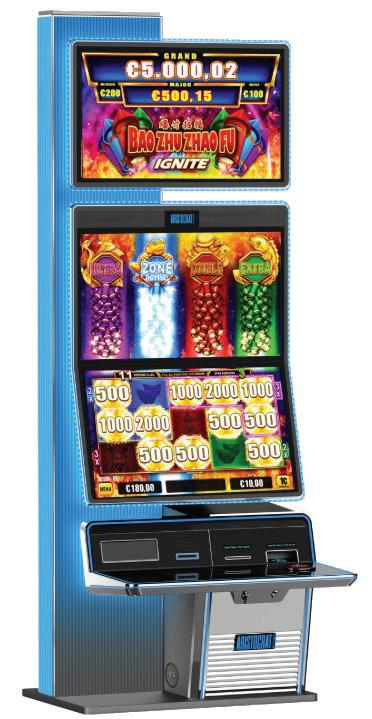
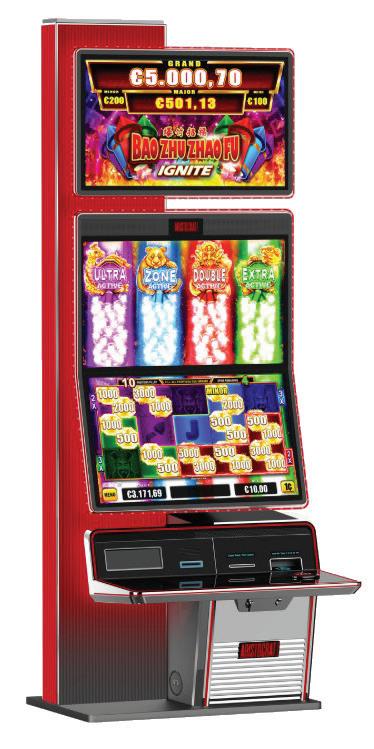
For the past 18 months, this dual-screen cabinet has advanced thanks to its vibrant and versatile play-focused gameplay that demands attention on any casino floor. The Baron Upright’s unique blend of colour coordinated visuals, LED ultra-high definition 4K cabinet frame monitors – combined with a customisable 27” LCD topper – ensures a unique and memorable gaming experience suited to any player’s preference.
The Baron Upright’s unique hidden soundbar is equipped with a pair of state-ofthe-art speakers and an in-cabinet subwoofer, which pairs with tasteful colour coordinated backlighting and a floating virtual button desk, optimising the intersect of functionality and aesthetics for a truly unforgettable gaming experience.
Fully loaded with some of EMEA’s most popular gaming titles, including Bao Zhu Zhao Fu Ignite Blue Prosperity and Red Prosperity, The Baron Upright proved itself as a fan favourite in the region in 2025 –and this is only the beginning.
GATES OF HADES
Pragmatic Play’s Gates of Hades is poised to set the industry ablaze in 2026
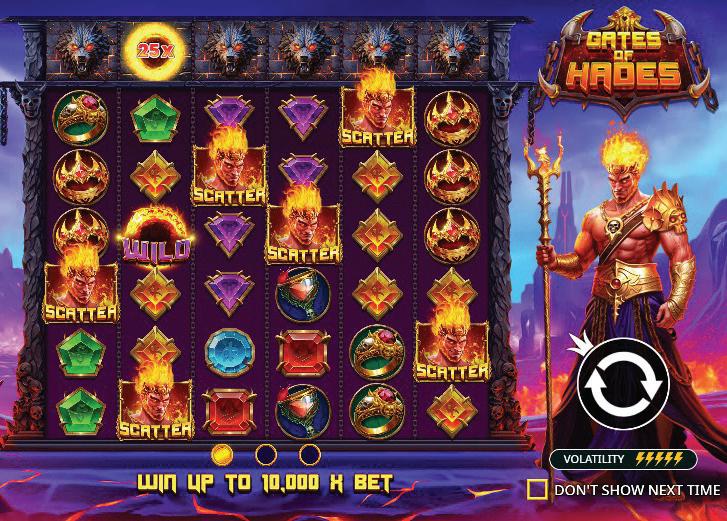
Released in 2025, Gates of Hades represents the pinnacle of Pragmatic Play’s reinventive strategy. Over the course of the past five years, this revolutionary live casino game show has captivated players across the globe, growing in both strength and presence via meticulously curated updates and changes at the hands of the industry’s leading online slot supplier.
Conceptualised to juxtapose the accessible and bright atmosphere of Play’s pantheon of multiplier-driven slot releases, Gates of Hades plunges players into an unforgiving underworld where high volatility and explosive potential
reign supreme. Imposing mythological iconography centres around a cluster-pay format that rewards 8–12+ matching symbols anywhere on the grid, with tumbling mechanics sustaining momentum across each spin.
Central to the title’s appeal are the multipliers. Wild multiplier symbols, ranging from 2x to an imposing 500x, can materialise at random on any tumble in both the base game and bonus feature. When several multipliers converge on a single spin, their values are combined and applied collectively to the total win, introducing sudden, dramatic spikes in payout potential.
The descent intensifies when three or more scatter symbols unlock the free spins feature, awarding a staggering 15 complimentary rounds.
ONLINE SLOT OF THE YEAR
During the bonus, any multiplier symbols that land on winning spins are absorbed into a cumulative multiplier total, which is subsequently applied to wins featuring multipliers.
Brooding, uncompromising and deliberately
AVIATOR
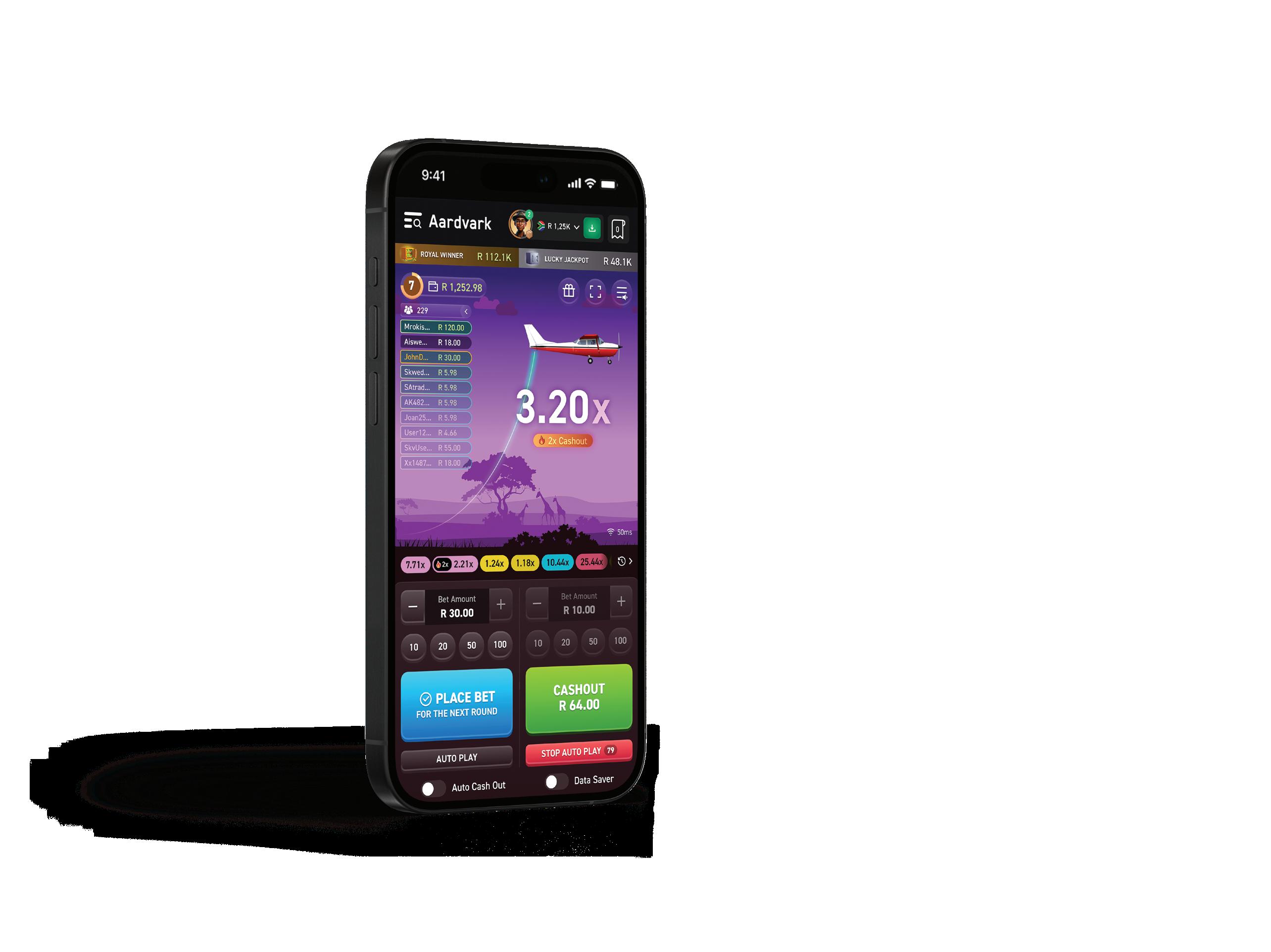
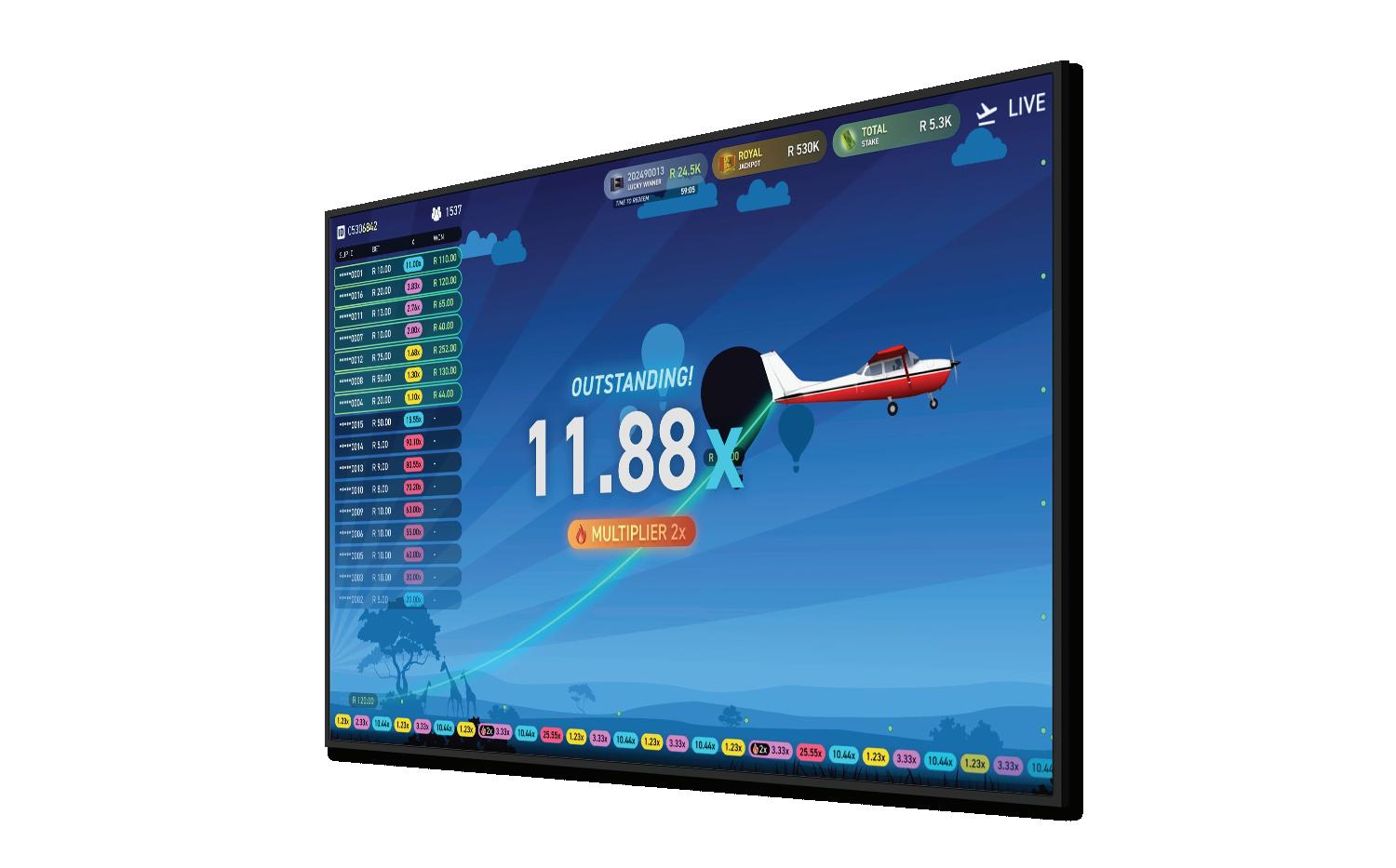
Spribe’s Aviator remains the undisputed global leading crash game title, as the revolutionary game moves into its seventh year.
After celebrating a major milestone of 60 million players in Q4 2025, Spribe’s Aviator reaffirmed its position as the premier crash game title. Indeed, it took home the coveted Crash Game of the year Award at the prestigious Global Gaming Awards EMEA 2026 Ceremony in Barcelona this year.
In late 2025, Spribe underscored the astronomical and consistently rising engagement figures that Aviator still boasts, highlighting that the game was taking 17.4
billion bets every month. Now, as the industry shifts gear in 2026, Aviator promises to re-invent the social multiplayer game format within the same winning gameplay formula that has skyrocketed its success over the past decade.
Light, intuitive and fully adaptable to a multitude of formats – be it despite or mobile – Aviator promises entertainment and engagement for players of all tastes. The in-game chat feature provides a unique and memorable interactive element that keeps players artfully captivated, with live in-game statistics presenting daily, monthly and alltime wins on a global leaderboard.
CRASH GAME
OF THE YEAR
The inventive live bets feature also allows players to see how much their fellow bettors are wagering – with the free bets and promo features further boosting the interactive element. These factors and more have made Aviator the most unique and successful offering in crash games, indeed effectively making the sector what it is today.
MOVERS AND SHAKERS
New markets and verticals call for new faces and ideas – sometimes the best people for the job are those able to bring skills and networks from other industries altogether
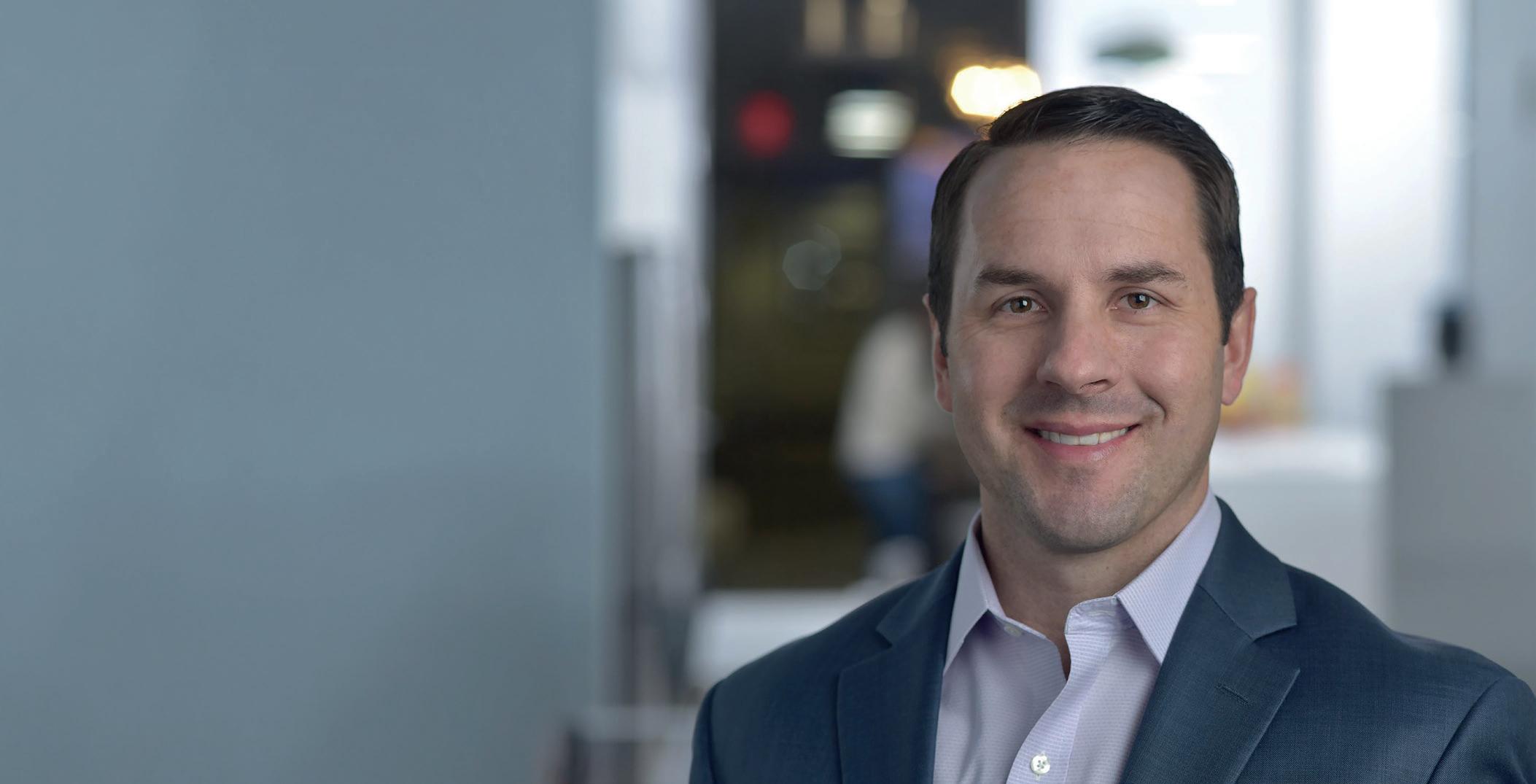
Sean
Patrick Maloney
President, Coalition for Prediction Markets
The Coalition for Prediction Markets was formed with Kalshi at its head in December 2025. In January, the association strengthened its leadership team with the addition of two big ex-congress names. Patrick McHenry, a Republican, has stepped in as Senior Advisor, while Maloney, a Democrat, has taken on the mantle of President and figurehead of the group. Prediction markets have taken a lot of criticism from more established gambling industry segments, as well as other trade associations within the US. This move demonstrates a commitment to telling the other side of the story.
Koin Payments is a major player within payments, a sector with a fast-growing influence on the gambling industry. Increasingly, customers expect fluid and flexible payment solutions when placing bets online. Beth Carpenter’s recruitment as CRO at Koin reflects the company’s growing stature, with Koin President Gary Larkin saying: “Beth is the kind of leader you bring in when you’re ready to scale with focus and speed.” Her stock is high, having served previously as Executive Director and Head of Global Sales for JPMorgan Chase, and she will be a key figure at Koin, as it moves into the next phase of its expansion.
Guilherme Figueiredo
Public Affairs Director, Betano Brazil
A reshuffle at Betano Brazil saw a pair of new appointments in the company’s marketing and institutional relations department. Figueiredo will now take on the important job of liaising with Brazil’s political leaders, regulators and civil organisations. Despite Brazil’s market opening up in 2025, not all are satisfied with the regulatory framework as it is, while opponents to the sector are making themselves heard. As one of the biggest operators in Brazil, how Betano conducts its dialogue with these parties around compliance, advertising standards and consumer protection will be crucial to the industry’s ongoing development.
Maloney represented New York’s 18th District in the US House of Representatives from 2013 through to 2023
Before Carpenter took her position at JPMorgan Chase, she worked for over 18 years at Global Payments Gaming Services
Figueiredo was the Founder and CEO of NSports, a sports technology company in Brazil
Q4 ROUND-UP
Global Gaming Insider unpicks Q4 2025 data from key operators across the Americas
AMERICAS STRATEGIC FOCUS
WRITING NEW RULES
4455 Paradise Road – challenging Las Vegas’ strategic orthodoxy since 1995. Lead Global Gaming Insider contributor and Denstone Group CEO Oliver Lovat writes...
Located on 4455 Paradise Road, a full two blocks off the Las Vegas Strip, The Hard Rock Hotel in Las Vegas opened in 1995. For an entire generation, it changed both Las Vegas and the wider casino industry. In 2021, it reopened as The Virgin Hotel and, with an innovative business model, it sought to rewrite the rulebook of the modern casino resort, again.
DON’T BOTHER KNOCKING
Since the Mirage’s opening in 1989, Excalibur, Treasure Island, Luxor and The MGM Grand had been added to The Strip by the end of 1993, adding nearly 10,000 guestrooms to what seemed a crowded market. These resorts promised something for everyone, with a focus on size and scale.
Hard Rock was different. The house was certainly rocking on March 10, 1995, when doors opened to the sounds of legendary artists that wouldn’t be seen at the megaresorts.
The resort was a joint venture between the listed, northern-Nevada casino operator, Harvey’s and Peter Morton’s restaurant brand, launching as Las Vegas’ first rock and roll themed casino; adopting the restaurant’s hallmark of displaying memorabilia in a contemporary, edgy environment. The 11storey structure featured 339 guestrooms, a 1,200-seat venue, built specifically for live music, and a vibe that permeated throughout the resort.
Leading casino historian, David Schwartz, in his history of Las Vegas, “Something For Your Money” cites The Hard Rock Hotel as one of the handful of properties that changed Las Vegas’ trajectory:
“It was small in an era when megaresorts were the norm; it catered to twenty-somethings when the average Las Vegas visitor was in his fifties; it had no family attractions at a time when casinos were opening with theme parks and indoor rides; it put everything but gambling front and center… Most of what’s happened on the Strip since the end of the 1990s resonates with Morton’s breakthe-mold concept: a resort that catered to a younger and more affluent visitor, one who – and here’s the revolutionary change –wasn’t necessarily a gambler.”
A ROCK STAR STRATEGY
From a strategic perspective, The Hard Rock Hotel in Las Vegas is the case study of perfect alignment in the Las Vegas hospitality experience.
Prior to the advent of data-driven decisionmaking, the positioning was customer centric and top-down. The creative visionary, Peter Morton, knew the customer, understood their needs, both physical and emotional and implemented loyalty drivers accordingly; thus, when developing a casino resort, could format a product that would meet those needs. Customers loved the experience they could get at Hard Rock and sought to repeat it on every Las Vegas trip.
Although Morton sold his interest in The Hard Rock business (except from the Las Vegas resort) in 1996, the brand retained significant awareness, not just in the Las Vegas market, but globally, thanks to the presence of its restaurants in major cities. In a casino, the name above the door serves multiple purposes, but most importantly serves as a rare marketing differentiator, with the intent of attracting the customer that you want into your building. Representing inclusion, energy, freedom, passion and a tinge of nostalgia, and with the motto, “Love All Serve All” the customer and experience were clearly defined at Hard Rock.
Circular casinos had been around since the 1960s, with bars and restaurants at the periphery, concentrating the “action” at the center. At Hard Rock, the bar was at the center, with the casino surrounding it. Evenings began and ended at the elevated spot, a great location for conducting conversations and commencing (and sometimes consummating) relationships.
With Morton in full control of the property from late 1997, the hotel doubled in size, adding appropriately aligned amenities, including Baby’s nightclub, one of the first to feature in a casino resort. The strategy was innovative, offering many “firsts” to the market, with the confidence that the additions would further meet their customer’s needs.
The Palms opened in 2001 as a challenger, and the LVCVA’s “What Happens Here” campaign in 2003 perfectly reflected the
move to a younger customer demographic who were experiencing excess and escapism in entirely new ways. In 2004, Rehab was launched at The Hard Rock, taking the concept of a day-time pool party to new, infamous levels. Although located off-Strip, it remained popular with the younger demographic and, as noted in a previous column, mainstream resort development of the 2000s borrowed copiously from the Hard Rock and The Palms, with elevated “vibe dining,” nightclubs, pool parties and using the “center bar” concept as a design focus. A leading executive once commented to me that every casino needs a beating heart. At the Hard Rock, the Center Bar was the biggest, loudest beating heart in the entire town.
Competitors in the market coveted both the Hard Rock’s customers and their revenues, and the property remained the go-to place for a guaranteed good time throughout the 2000s.
Morton was to sell the property to Morgans Hotel Group in February 2007 for $770m, and the resort was expanded again, with two new towers added, bringing the total room count to over 1,500 and further amenities. However, the 2008 financial crisis caused a decline in visitation across Las Vegas, and the appetite for excess that was all too common in preceding years was to sharply decline. Morgans ultimately reduced its equity and as the lenders took control of the asset, Warner Gaming operated the property on its behalf.
The niche position that Hard Rock once owned was now seen across the city; nearly every property had nightclubs, day clubs, cool bars and restaurants – and with the 2010 opening of The Cosmopolitan on The Strip, what was once a challenger strategy became mainstream. The resort pushed on, but in 2018 the property was acquired by a consortium of investors and shut its doors on February 3, 2020. The house rocked no more.
VIRGIN CONFIDENCE
Richard “Boz” Bosworth, CEO of JC Hospitality, opened the newly rebranded Virgin Hotel as CEO and President, implementing a novel strategy he had advocated for some time,
formulated in his time spent in investment management. The casino was run by Mohegan, restaurants were leased (by as many as eight different operators), Virgin Hotels and Hilton operated the rooms as part of the Curio Collection, entertainment was part of the AEG network; even the gift stores and coffee shops were run externally, much like an airport or shopping mall. Bosworth had correctly identified the theory that loyalty was an important driver of competitive advantage, and with affiliation to both Hilton and Virgin brands (and their extensive databases with a noted redemption pattern in Las Vegas) achieving loyalty through the redemption of points from across two proven networks could be assured for solid bookings.
To many Las Vegas customers, the Virgin brand has limited resonance, however to Brits that came of age in the 1980s and 1990s (of which I am one) there is considerable positivity towards the company. It would not be unreasonable to state that I spent a significant proportion of time and disposable income at Virgin Megastores – for many years. The brand signified challenging authority, whether established business groups (stores, phones, banking, airlines, cruises, trains, record labels, wine… and now the hotel and casino industry) and seeking to be do business the “right” way. Indeed, having read founder Richard Branson’s biography in my teenage years, it was about being positive, fair and daring… if slightly edgy. The brand was for people like me, almost perfectly aligned demographically and in terms of psychographics, more so than Hard Rock, where the brands shared characteristics. Even as a professional working in casino development, I was an eager consumer.
As The Virgin Hotel opened in March 2021, Las Vegas was still in Covid-19 pandemic recovery mode. The customers were younger, seeking fun, engagement and experiences… “meat and drink” to the Virgin brand, however the launch was worlds apart from that of Hard Rock a generation ago.
The renovations had kept some of the previous elements and discarded others. Despite evidence that newer properties to market had borrowed liberally from The Hard Rock, including featuring ever more ornate and spectacular center bars at the heart of their properties, in a desire to prove that The Virgin was to be different from its predecessor, Bosworth removed the center bar feature entirely from the property. This was either incredibly brave, or incredibly stupid. Either way, it was a big gamble.
Across the programming, it was difficult to ascertain who the target customer was. Hilton customers were certainly not the same as Virgin customers. Casino operator Mohegan’s database was nearly exclusively based in
the north-east, thus providing little gaming value. The “Magic Mike” show had decided to relocate to The Sahara. The “party” crowd had better options elsewhere. For foodies, Nobu, which opened in the Hard Rock in 1999 as a signature restaurant, faced competition from two other Nobu restaurants in the market –and a Nobu Hotel at Caesars Palace. Betfred was selected as sportsbook partner – it wasn’t yet licensed and would take two years to do so. What remained was a misaligned collection of outlets, with little differentiation or “draw” for the curious customer. And the famed center bar, which was a draw even in the final days of the old property, had been replaced with several banks of slot machines.
Bosworth stepped down in March 2023.
EXPERIENCE PREVAILS
Virgin is not the first property to have a challenging opening in Las Vegas; however, it was the first to launch with such an idiosyncratic strategy in place. Other properties, notably The Cosmopolitan or even Venetian, emphasized doing thing differently as part of their mission statemen. However, for those of us that have committed time and resource to studying strategic positioning of casino resorts, and translating these theories into practice, the transition from Hard Rock to Virgin has proved a valuable case study, and one that must be fully analyzed and discussed.
In 2021, prior to The Virgin Hotel’s opening, I set out in the predecessor to this magazine, the three strategic verticals that any new owner needs to address when opening a new casino resort: the customer strategy, the competitor strategy and developing internal capabilities required to succeed. I closed, somewhat ominously, with the conclusion:
“Having read this column, you will be in a position to analyze both new and existing properties in the market. Watch carefully. You will see how successful properties capture customer loyalty because they are positioned to do so, and when some owners/operators screw it up, the reasons will now be obvious.”
There is little doubt the opportunity that was bequeathed to the current owners was neither acknowledged nor augmented. Rather, management has retroactively had to reposition to find the correct orientation for commercial stability… whether that is related to the brand above the door… or not.
other facility in market for business) and with actively managed and well marketed programmatic elements to drive footfall (which was clearly not the intended strategy of the new ownership group) there is a potential pathway to sustainability. However, when a resort has to replace strategy with tactics, the opportunities for competitive advantage are severely diminished.
The Hard Rock lesson tells us that... with a clearly recognized brand, or resonant sub-brands, with strong equity, finding unmet demand within a clearly defined customer segment, and developing a product and experiences to meet the needs of the customer... loyalty can be achieved and outsized returns can be made, despite location.
Conversely, the Virgin experiment tells us that... developing and operating a casino resort in a highly competitive market, not aligning the brand with experience, with little consideration of managing customers as a strategic asset, without developing internal capabilities and outsourcing loyalty drivers... not only flies in the face of the considerable research and experience found in the discipline of strategic positioning of casino resorts, but when located in a secondary location, will clearly challenge the viability of a project.
Sometimes it is good to challenge the strategic orthodoxy of an industry. Sometimes it isn’t.
Oliver Lovat is the CEO of the Denstone Group. He advises on development and the strategic positioning of casino resorts.
Subsequently, property leadership has taken control of several of the aspects that had been outsourced, notably the casino, and the customer experience is certainly more integrated than before; but the resort remains a shapeshifter by necessity, thanks to the lack of holistic alignment for customer segmentation. By balancing a diverse range of conventions (competing against every Oliver Lovat
AMERICAS THE AGA VIEW
ENTERTAINMENT, NOT INVESTMENT
Dave Forman, VP, Research at the American Gaming Association (AGA), addresses the imbalance of how prediction markets present sports betting
Engagement with sports betting in the US continued to grow in 2025, with Americans wagering more than $160bn on sports in legal, state-and Tribal-regulated sports markets. That growth has coincided with the expansion of industry messages highlighting the fact that gambling is gambling and should be done for fun and not profit.
Ahead of Super Bowl LX, we estimated that Americans would legally wager $1.76bn on the game – a 27% increase from the year prior. Demand for legal sports betting options is expected to expand with major upcoming sporting moments, including March Madness
and the FIFA World Cup headed to North America this summer.
Today, 39 states and Washington, DC permit sports betting because voters and elected leaders deliberately chose to allow it. These jurisdictions have established stringent regulatory standards, robust consumer protections and oversight by experienced gaming regulators. Legal operators are required to pay taxes that are reinvested back into states to fund critical public priorities.
The decision to legalize betting, or not, reflects the authority of states and Tribes to determine what forms of gaming are permitted within their borders.
That balance is being challenged. Prediction markets offering sports event contracts are offering sports betting outside of the established state and Tribal legal framework, under the guise of financial products. These platforms invite consumers, including those under 21, to bet on sports “in light of your investment experience,” removing the line between sports betting and investing.
That distinction matters beyond the court room and is having a negative impact on how sports bettors on prediction markets think about what they’re doing. Recent AGA research shows that 28% of sports event contract bettors believe they are investing – not gambling – and 25% are using money from their investment budgets to place wagers. The legal gaming industry has long reinforced the principle that gaming is a form of entertainment, not an investment. That commitment has been central to the industry’s commitment to responsible play and sustainable growth.
The US gaming industry has also benefited from a strong regulatory infrastructure that gives consumers confidence that the game isn’t rigged and a neutral avenue to turn to if a dispute arises. That confidence is being undermined. A staggering eight out of 10 (78%) sports event contract users believe
state regulators could assist them in resolving disputes. Those unwitting bettors are largely unaware that prediction market operators claim to be regulated by the Commodities Futures and Exchange Commission (CFTC) – an agency that is neither structured nor resourced to handle individual consumer disputes, or problem gambling concerns.
In early 2025, the CFTC had 636 full-time employees. By comparison, there are nearly as many people regulating commercial gaming in Pennsylvania alone. Nationwide, the gaming industry operates under the oversight of 8,400 experienced state and Tribal regulators who establish and enforce robust regulatory frameworks.
Additionally, consumers struggle to access meaningful responsible gaming tools on prediction market platforms. There are no requirements around self-exclusion, problem gambling resources or age verification standards comparable to gaming. Only 28% of sports event contract bettors say responsible gaming tools are easy to find on their platform, compared to 58% of sportsbook users – reflecting substantially lower visibility and accessibility of safeguards on prediction market platforms.
State- and -tribal regulated sports betting, by contrast, operate under extensive responsible gaming statutes, strict licensing requirements and ongoing compliance. Legal operators also pay taxes that are reinvested into communities where they operate –meanwhile prediction markets pay no state gaming taxes, costing state, local and Tribal governments hundreds of millions of dollars.
Sports betting works when it’s consumed as a form of entertainment, regulated by gaming experts, grounded in consumer protection, and offered in states where voters and lawmakers have chosen to authorize it. Allowing unregulated alternatives to masquerade as financial products threatens that progress, undermines state and tribal sovereignty and puts consumers at serious risk.
Dave Forman
SCAN HERE for more info on thisexcitinggame
A UNIQUE FRAMEWORK
VP
of Sales David Bretnitz speaks on how Kambi finds sportsbook and gaming solutions for Tribal operators, as well as which factors the supplier looks for in a partner
What aspects of Kambi’s sportsbook solution are suitable for Tribal operators, and how can it be customized for retail vs online play?
Kambi’s sportsbook is well-suited to Tribal operators because it combines a fully managed, end-to-end solution with the flexibility to tailor the product to each Tribe’s specific market, player base and long-term strategy. Our Turnkey Sportsbook is built for speed, scale and success, delivering AI-powered trading, advanced risk management, a leading product and full regulatory compliance from day one.
Just as importantly, the solution is open and flexible, allowing Tribes to customize both retail and online experiences. On the retail side, that can include tailored betting menus, localized content and venue-specific kiosk or over-thecounter setups. Online, operators can adapt the front-end, promotions and content to reflect their brand while benefiting from Kambi’s global liquidity and network scale.
What key factors does Kambi consider prior to selecting or approaching Tribal partners?
Kambi takes a consultative, partnership-first approach when working with Tribal operators, recognizing that every Tribe has its own structure, priorities and long-term business objectives. Rather than offering a one-size-fitsall solution, we focus on understanding each partner’s strategic goals, the communities that rely on them, market dynamics and existing operations before recommending the right sportsbook setup.
Key factors include the Tribe’s overall gaming strategy, whether their focus is on retail, online or a combination of both, the competitive landscape of the jurisdiction they’re in and how sports betting fits alongside their broader casino and hospitality offering. We also look at operational preferences, brand positioning and the level of control the operator is seeking.
This approach ensures that each Tribal partner receives a solution aligned with their commercial goals, whether that means launching quickly with a fully managed sportsbook or adopting a more tailored approach that evolves over time.
Prior to its 2026 Tribal sports betting report, which trends did Kambi find to be most prominent during the previous year, whether in turnover growth, player engagement, etc?
In last year’s report, one of the most prominent trends we discovered was the growing importance of loyalty integration and database-driven engagement. Tribal operators are increasingly using sports betting not just as a standalone offering, but as a way to attract younger audiences, build their databases and create crosssell opportunities across the wider casino floor. This was evident from our partner, Potawatomi, who saw large increases in total rewards members, property visits and monthly visits per member after launching their sportsbook. Additionally, they recorded a 14% increase in food and beverage activity across their property.
That engagement continues to be translated into strong year-over-year growth. Operators that migrated to Kambi from other suppliers saw improved hold and overall sportsbook profitability, and experienced increases in both turnover and margins. These findings set the foundation for this year’s report, where we take a deeper look at how loyalty integration, player behavior and supplier performance are shaping the next phase of Tribal sports betting growth.
Has working with Tribes helped influence Kambi’s product development, including from a cultural sensitivity or regulatory compliance perspective? Tribal gaming operates within a unique
regulatory and cultural framework, so it’s essential to work closely with each partner to ensure the sportsbook reflects their values, governance structures and community priorities.
From a product perspective, that has meant placing a strong focus on flexibility, particularly in retail environments where each property can have a different layout, customer profile and operational approach. It also reinforces the importance of robust compliance, as Tribal gaming often involves multiple layers of regulation and oversight.
More broadly, these partnerships have strengthened our consultative approach, ensuring we listen closely to each Tribe’s needs and deliver a solution that aligns with both their regulatory requirements and cultural considerations
What are Kambi’s plans for expansion in Tribal gaming?
Kambi sees Tribal gaming as a key part of the long-term growth of regulated sports betting in North America, and our strategy is centered on building strong, sustainable partnerships rather than pursuing rapid, short-term expansion. We’ve already partnered with a wide range of Tribal operators across multiple states, delivering retail, online and multi-channel solutions tailored to each Tribe’s goals and regulatory environment.
Going forward, our focus is on continuing to work with Tribal partners who want to maintain control of their brand and customer relationships, while leveraging Kambi’s technology, trading expertise and global network.
Just as important is helping Tribes stay informed as the market evolves. We work closely with partners to share performance data, market insights and best practices from across our global network, ensuring they are well positioned to capitalize on major sporting events, new trends and regulatory developments.
David Bretnitz
AMERICAS IGAMING FOCUS
SUSTAINED MOMENTUM
Matthew Hockenjos, Commercial Account Manager for North America at RLX Gaming, discusses the year ahead for the online casino supplier
What opportunities does RLX Gaming see coming to light in the years ahead?
RLX Gaming views this period as one of preparation and opportunity. Over the past few years, the team has spent considerable time laying the groundwork and learning how to properly approach the US market – from navigating regulatory complexity to understanding operator needs and player behavior.
That investment began to show clear results over the past year, with RLX doubling its operator distribution footprint and significantly increasing the number of platforms offering its content. In 2026, the focus shifts toward building familiarity with US players and establishing RLX as a recognizable and trusted content provider.
Throughout the year, RLX will be rolling out several key initiatives, including the introduction of its Bonus Reels feature, the launch of aggregation beginning with exclusive ReelPlay titles in the spring, and entry into the
Michigan market later in the year. Collectively, these milestones represent the beginning of sustained momentum in the US. Rather than chasing rapid expansion, RLX sees longterm opportunity in steady growth, strong partnerships and deeper player engagement.
How have your partnerships, for example with Hard Rock Bet, fared in recent months?
The partnership with Hard Rock Bet has been extremely positive from the outset. Working with the Hard Rock team has been highly collaborative, with a shared focus on quality, performance, and understanding the player experience.
Since reaching agreement, RLX has worked closely with Hard Rock on releasing its back catalog while also planning ahead for upcoming spring launches. The open exchange of insights and performance data has helped RLX better understand player preferences and refine its approach to the US market.
Given the state-by-state iGaming regulations in the US, how does RLX Gaming prioritize which states to target for expansion?
Operating within a fragmented regulatory landscape requires a measured and flexible approach. RLX Gaming prioritizes expansion by closely listening to both market conditions and its operator partners.
Michigan represents the next major milestone, completing what many operators consider the core US iGaming markets alongside New Jersey and Pennsylvania. Being live across these states allows RLX to support broader campaigns, increase brand visibility, and reach a larger share of US players – creating value for both operators and the studio.
At the same time, RLX monitors smaller or more specialized markets such as Delaware and Connecticut, which are driven by a limited number of key partners. Expansion
decisions are made collaboratively, with an emphasis on sustainable growth and longterm market health rather than rapid footprint expansion.
Which innovations or features of RLX Gaming’s portfolio help drive retention and lifetime value for operators?
US players tend to be highly loyal to familiar titles and game series, and this is an area where RLX Gaming performs particularly well. The studio places strong emphasis on developing recognizable game families and narratives across its portfolio, including series such as the Tumble Games, Bill & Coin, Great Western, and Snake Arena to name a few. These recurring themes and mechanics help build familiarity and encourage repeat engagement across multiple titles. As RLX continues to expand its US distribution, players are becoming increasingly acquainted with the studio’s style and flagship content.
New mechanics, including the upcoming Bonus Reels feature, further strengthen retention by keeping releases feeling fresh while maintaining a consistent player experience. This combination supports longer engagement cycles and stronger lifetime value for operators.
What role do omnichannel experiences, responsible gambling tools, and personalization play in RLX Gaming’s market strategy?
RLX Gaming’s core focus is building great games, but long-term success depends on being a strong and responsive partner. Every market has its own dynamics, and RLX draws on its global experience to adapt accordingly.
Trends such as omnichannel alignment, responsible gambling, and personalization are approached collaboratively with operator partners. By listening closely to market needs and staying ahead of evolving player expectations, RLX aims to deliver content and features that are relevant, engaging, and sustainable over the long term.
Matthew Hockenjos
DRIVEN BY PRECISION
Renato Almeida, Director at FBM, discusses the supplier’s US strategy, concentrating particularly on Tribal partnerships
Tell us about the latest developments for FBM and the work you do with Tribal operators.
FBM’s expansion in the US has been deliberate and performance-driven. Over the past three years, we have focused on strategic placements in Florida, Oklahoma and selected Tribal markets, prioritizing quality of partnerships over speed of distribution.
Our most significant recent milestone is the launch of our 4-Card Lotto games, now live in Florida and scheduled to debut in Oklahoma and Kansas in March. These are the first titles built on our new Genisys gaming platform, marking a major technological advancement for FBM in the US.
Our approach with Tribal operators is rooted in alignment and accountability. We work closely with each client, analyze performance data in real time, and refine our product mix to ensure measurable contribution to the floor. Our objective is clear: position FBM as a reliable long-term partner that adds incremental value.
How and why are Tribal casinos expanding their game mix beyond traditional slots? From our perspective, diversification is driven by precision. Operators are looking to optimize floor mix by addressing defined player segments rather than relying solely on broad-based slot performance.
The development of our 4-Card Lotto portfolio reflects that strategy. There is a consistent and loyal demographic of players who prefer numbers-based games such as Lotto, Keno and Bingo. This segment has seen limited new development in recent years, creating an opportunity for innovation within a proven category.
By modernizing this format through updated math models, improved presentation, and a scalable technology platform, we provide
operators with an additional revenue stream that complements traditional slot banks rather than competing with them. Diversification, in this context, is not about replacing core performers. It is about strengthening the overall mix with targeted, data-backed additions.
What is the balance between innovation and keeping the same winning games that draw players to the casino floor?
High-performing legacy titles remain the backbone of any successful casino floor. Protecting those revenue drivers is essential. Innovation should enhance performance, not disrupt it. At FBM, we focus on incremental opportunity – introducing products that capture new or underserved segments without cannibalizing existing strengths. Our 4-Card Lotto titles exemplify this balance. They operate within a distinct category, appeal to a defined audience, and expand engagement without competing directly with top-performing video slots.
The Genisys platform further supports this strategy by providing strong monitoring capabilities and operational stability. For us, innovation is measured by performance metrics, system reliability, and long-term scalability – not novelty.
What emerging trends are there in US casino gaming for 2026 – and is this different for Tribal and commercial operators?
Heading into 2026, operators across the US market are prioritizing disciplined capital allocation, operational efficiency, and measurable return on investment.
Technology is increasingly evaluated through a performance lens: does it improve floor analytics, strengthen system integration, and support longterm scalability? Products that deliver clear value and reliable data insights are gaining traction. For
FBM, 2026 is focused on structured expansion. We will continue to grow in Tribal markets where we have established performance benchmarks, while maintaining our controlled rollout model.
With nearly 30 years of international gaming experience – including operations in highly competitive markets – we understand the importance of adapting to local conditions while maintaining global standards. Our US growth strategy reflects that balance: steady expansion supported by data, reliability and strong customer relationships.
What are the biggest innovations or new products you think could change the market in 2026?
In our view, the most impactful innovations are those that combine technological advancement with clear market demand. For FBM, the Genisys platform represents a foundational innovation. It enhances performance tracking, supports seamless system integration, and creates a scalable base for future product development in the US.
At the product level, revitalizing established categories such as numbers-based gaming presents a meaningful opportunity. The 4-Card Lotto portfolio demonstrates that innovation does not always require reinventing the slot experience; it can also come from modernizing proven formats and delivering them through stronger technology.
As we move into 2026, our strategy remains consistent: expand strategically, deepen partnerships, and focus on products that deliver sustainable performance. FBM may be a newer name in the US slot market, but with decades of global expertise and a dedicated North American team, we are positioned for disciplined and long-term growth.
Renato Almeida
AMERICAS RESPONSIBLE GAMING
CONTINUOUS IMPROVEMENT
Jennifer Shatley, Executive Director of the Responsible Online Gaming Association (ROGA) speaks to Global Gaming Insider. We discuss the evolving discourse around harm prevention in the US – and key initiatives to help operators better protect their players
Two years on from the foundation of ROGA, how do you reflect on the work you have undertaken so far?
I’m extremely proud of the work that ROGA has accomplished, especially with our two-year anniversary being in March. Considering what we’ve built so far from the ground up, it’s been a relatively short time period. In that time, I think we’ve been able to set new standards for RG through initiatives like our VIP best practice guidelines, we’ve done a lot of collaboration with operators, we’ve been able to expand support services with our partnership with institutions like BetBlocker.
Something else I would point out is that ROGA has focused education efforts on that very important college age group through our Know Your Play programme. This was an age group we recognized needed addressing because there is a lot of discourse and support with student athletes from an RG perspective, but the more general student population is often overlooked in that regard. We worked to fill that gap over the past
year, and we’re very much focused on getting more implemented across the US at universities.
In what ways do you think AI has revolutionized RG and harm prevention education initiatives – particularly relating to young people – during the past two years?
AI in the RG field – as well as everywhere else –is still evolving. AI certainly has the potential to bring scale to RG personalization efforts – such as understanding risk assessment and how to recognize changes in personal behavior or betting habits from certain individuals. But it’s then about what we do with those kinds of tools. We need to validate the measures being used, which is one of the reasons why we joined as a Founding Partner of the International Gaming Institute’s AI Hub. I think AI technology has the potential to help us recognize markers of harm, validating the ones that are the most meaningful so that we can help optimize our approach.
Do you find the lack of protection around prediction markets concerning? How would you like to see this issue approached?
Our stance is that, regardless of the vertical or the regulatory classification, meaningful consumer protection should apply to any platform that involves monetary stakes. We believe that for robust responsible gaming – or in this case technically responsible trading, however you want to define it – consumer protection should apply across the board.
What are the goals of your iGaming certification programme being developed with the Responsible Gambling Council? Certainly. When you look at the US, you have a patchwork of regulatory jurisdictions. There is no consistent standard. What we are looking to do is, first, really set the US standard, make it highly consistent and solidify those benchmarks across the US. We are also prioritizing making sure this is not going to be
a stagnant certification; it’s going to be a marker of continuous improvement. Not only will it tell operators that they’re doing well in a certain area, it will also identify areas where they can continue to improve by involving the program. We are starting the certification program with just ROGA members, to get all of them certified – but then we will open it up to non-members.
The World Cup this summer will be huge for US gaming. Do you feel it also has the potential to provide an education opportunity for responsible practices, particularly in sports betting?
Of course! RG is obviously very important yearround; however, there are certain opportunities throughout the year with big sporting events, such as the World Cup, Super Bowl or March Madness, that provide a natural opening to really reinforce responsible gaming. And it’s good to take advantage of these times, especially because a lot of people will either be engaging in sports betting for the first time during these events or it will be the only time during the year they will engage. During these events, we want to remind players that sports betting is about entertainment; it’s about adding excitement to the game. It’s not about making money. What’s unique about the World Cup is that it will allow us to reach a variety of different audiences.
More generally, what can you tell us about ROGA’s hopes and plans for 2026? I feel that we’re still very focused on our core pillars; creating an evidence base and then driving out meaningful initiatives based around the data. We’ll be creating more best practice guidelines that’ll be coming out in 2026 again. Of course, we’re very excited about the certification that will be coming out in the coming months, which is again very evidencebased. More generally, I’m looking forward to setting high standards for continuous improvement and to the self-exclusion data clearing house, which is another huge initiative and milestone for ROGA.
Jennifer Shatley
FUELING ILLEGALITY?
Speaking exclusively to Global Gaming Insider , BetBoom’s Director of Institutional Affairs and Customer Relations for LatAm, Laura Morganti, explains why communication and digital literacy are central to protecting bettors and strengthening Brazil’s market
How can you use communication as a strategic tool to protect consumers and distinguish legal operators in the coming years?
Communication will cease to be merely a commercial instrument and will begin to occupy a central role in consumer protection policy itself. Today, one of the biggest problems is that the average bettor cannot clearly distinguish a legal platform from an illegal one, which generates a huge information asymmetry.
This year, the great challenge will be precisely this: communicating and teaching the consumer to identify where they are betting, what their rights are, what the risks are and what the limits are.
There is also a point that needs to be stated more clearly: betting on an illegal platform is not something neutral or harmless. Those who gamble at illegal betting sites are complicit in the crime, as they are directly fueling the illegality itself.
Betting regulation is often discussed through taxation and crime prevention but what is still missing from this debate?
The consumer needs to be at the center of public policy. The debate is still too focused on revenue collection and too little on the real user experience.
There is almost no talk of educating gamblers, digital literacy, contractual clarity and prevention of problem gambling. There is also a lack of a more honest discussion about the role of the consumer in this ecosystem.
Betting on illegal sites is not just “taking a risk:” it is participating in an illegal activity, giving up any legal protection and, ultimately, financially reinforcing structures that the State itself claims to want to combat.
How do we distinguish genuine consumer protection from policies that unintentionally harm the user?
The distinction is very simple in practice: real protection keeps the consumer within the regulated market; merely rhetorical protection pushes them out of it.
Whenever a rule, even a well-intentioned one, makes the legal environment artificially more
expensive, more difficult, or more bureaucratic than the illegal one, the concrete effect is predictable: the player migrates to where there is no tax, no control, and no protection whatsoever.
A public policy is only good if it works in the real world. If it “protects” on paper, but in practice expels the user to the clandestine market, it has failed in its essential objective.
At what point do you think regulation actually stops protecting the consumer and starts exposing them to greater risk? This happens when regulatory and tax burdens begin to distort competition in favor of the illegal market. The example of the attempt to tax bettors’ deposits through the creation of the CIDE-Bet tax is quite illustrative.
If the bill providing for this contribution passes in Congress, a bettor who deposits BR100 ($19) will only be able to use BR85, while on the illegal site they will still have BR100. The State itself is creating an economic incentive for migration to the clandestine environment.
Where should the legal line be drawn between responsible communication and practices that may mislead consumers, when it comes to advertising and influencer marketing?
This line revolves around honesty and transparency. Responsible communication doesn’t promise gains, doesn’t glamorize risk and doesn’t exploit vulnerabilities. It makes it clear that the bet is entertainment, not an investment.
Influencer marketing needs to follow exactly this logic: the public must know that it’s advertising, they must receive clear information, and they cannot be led to believe that there is any kind of guaranteed gain or illusory advantage.
Brazil now has a robust regulatory framework on paper, still, in practice, where is the biggest gap between legal standards and the consumer’s real experience?
The main gap lies in the fact that the average consumer still cannot easily differentiate between what is legal and what is illegal. As long as this persists, the illegal market
will continue to compete at an advantage, even though it is riskier, more opaque and completely devoid of guarantees for the user.
How should enforcement evolve to be more effective without becoming punitive?
Oversight needs to be very strict with those outside the system and technical, predictable and proportionate with those inside. The focus regarding regulated operators should be on course correction, improvement of practices, and continuous raising of compliance standards.
What lessons from other jurisdictions should Brazil adopt and which should it avoid?
The main lesson is quite clear: when taxation and restrictions on the legal market are excessive, the illegal market grows. There are recent examples in Europe, such as the Netherlands, where excessive tightening of regulations resulted in a drop in revenue and an expansion of the clandestine market. Brazil should invest in effective enforcement, consumer education, and preserving the economic viability of licensed operators.
Laura Morganti
AMERICAS PRODUCT REVIEWS
WHAT’S NEW ON THE MARKET?
Need to know the latest products on the gaming market?
Global Gaming Insider has you covered
AGS – CASH COW BONUS WHEEL AND ULTRA WEREWOLF
Cash Cow Bonus Wheel turns proven math into a franchise-driven performance engine operators can build on and round up the pack with the Ultra Werewolf family of games.
CASH COW BONUS WHEEL
AGS, creator of the chart-topping Rakin’ Bacon! series of games, has added to the farm with AGS Interactive’s newest game, Cash Cow Bonus Wheel. This feature-packed online stepper slot game introduces Bartholomoo the Cash Cow where exciting rewards are just a spin away. With its three-reel layout and dynamic bonus wheel, Cash Cow Bonus Wheel gets players mootivated to spin to win. Land one or more Dollar symbols on the reels to trigger the Wheel Feature, then the fun really begins. Players are given one spin on the Bonus Wheel, which has up to five active pointers, coinciding with the number of Dollar symbols appearing on the reels.
Players should prepare for some fast-paced action with the Wild Feature. All Seven and Bar symbols are wild except when any three differing wild symbols appear on an active payline. However, traditional wilds are combined with multipliers, boosting wins up to 9x.
The Jackpot Feature is where the biggest rewards are waiting. Four jackpot tiers are up for grabs, with the lowest tier triggered by a mix of 3x Wild, 2x Wild, and Wild symbols, and the highest tier unlocked by landing three 3x Wild symbols on an active payline.
A lively, rewarding stepper with engaging features, Cash Cow Bonus Wheel is great for players who enjoy classic reels with modern twists. The game also gives operators multiple ways to leverage the same recognizable character across different verticals. Cash Cow Bonus Wheel and Cash Cow Bounty Board will be available in all licensed real-money online gaming markets in April 2026, and the three-pot video slot, Cash Cow, debuting later in 2026.
ULTRA WEREWOLF
The wolf is back, and he’s howling for more in Ultra Werewolf. Evolving from AGS’ fan-favorite Werewolf series, the two new comic-inspired thrillers Ultra Werewolf Fury & Ultra Werewolf Strike unleash a metamorphic Hold & Spin mechanic powered by a giant, breathing werewolf that dominates the reels.
Housed on the impressive Spectra 75+ Premium, the hair-raising duo of games allows players to feel like they’re in the middle of the action with the characters while trying to stymie the wolf from doing his worst. Enhanced bonus features combined with new Ultra bonuses create nonstop thrills and more ways to win. Trigger an Ultra Werewolf Spin Bonus where royals are removed, and Werewolf symbols are placed
randomly on the reel window for one spin. When a Metamorphic Ultra coin lands on reel five, the Ultra Hold & Win Bonus feature may be triggered.
Once the three free spins run out, a second chance (or Ultra feature) will allow for three additional free spins where the goal is to fill all 12 positions. Once the positions are filled, the fifth reel will open and award jackpots or multipliers. Landing three or more Moon symbols awards the Ultra Midnight Bonus, where plus-one free spin symbols are added (Fury), or cash-on-reel prizes are awarded (Strike). Watch closely as the beast throws down lucky potions, those much sought after midnight bonuses, a nd a suspenseful, thrilling experience sure to captivate any player brave enough to face the wolf.
380+ EXHIBITORS 70+ EDUCATION SESSIONS 4 DAYS OF EVENTS & NETWORKING
All registration packages include access to the DigitalPlay Summit - Featuring sports betting and iGaming exhibits and conference sessions, taking place on the show floor, April 1 - 2. Scan the QR code for more details
MOVERS AND SHAKERS
Sometimes the skills and personnel needed for a role have already been developed in-house – effective hiring processes can be just as much about talent nurturing as talent spotting
Lim Kok Thay
Genting Singapore, Resorts World Sentosa Chairman
When Tan Hee Teck announced his retirement as Chairman and CEO of Resorts World Sentosa, the venue, wholly owned by Genting Singapore, started looking for a replacement. In the end, it didn’t need to look far, and following a recommendation from its nominating committee, the Board of Directors at Genting Singapore gave the job to its own Chairman Lim Kok Thay. He has been Chairman of the parent company since November 1993, Executive Chairman since September 2005 and Acting CEO since June 2025. As a result, he understands the company and its subsidiaries intimately. Tan Hee Teck’s CEO responsibilities, however, have already passed on to Lee Shi Ruh, and day-to-day management will remain with her. Lim, 74, will be working in an oversight capacity.
Lim’s latest term as Chairman of Genting Singapore began in April 2025, when he was re-elected during the company’s 40th AGM
Carter Bair
Crown Melbourne Chief Marketing Officer
Overall marketing strategy for Crown Melbourne is now being shaped by Carter Bair, a figure already well entrenched in the wider Crown Resorts portfolio. Bair has made the shift from a near-identical position at Crown Perth, where his role was the slightly broader Chief Marketing and Gaming Officer.
While at the sister venue, he was in charge of the responsible gaming programme, Crown Playsafe, among other responsibilities. He is now expected to head up the Melbourne property’s digital strategy, brand, promotions, partnerships, events and loyalty program. Beyond the Crown landbased brand, Bair’s long years of experience within gaming stretches back nearly 19 years through two years at the MGM Grand in Detroit and nearly a decade at Boyd Gaming.
Bair was a Marketing Manager at Boyd Gaming from 2013 to 2016, having started out at the company as a Casino Host in 2007
Deron Hunsberger VP of North American Game Sales Konami
Japanese entertainment corporation Konami Gaming made a raft of executive and operational promotions before the end of 2025, and the company has now added Deron Hunsberger as its VP of North American Game Sales. While the previous changes were all internal promotions, Hunsberger has joined from American Gaming Systems, where he was a Sales Director. Nonetheless, the hire does represent a homecoming of sorts, because it is now 20 years since Hunsberger left his position of Director of Sales for North America with Konami Digital Entertainment. Konami exports products to the US and operates a facility in Las Vegas, Nevada where it designs, produces and sells gaming systems and equipment to North America, Europe, LatAm, Singapore and Macau.
In his previous stint with Konami Digital Entertainment, Hunsberger was one of the subsidiary company’s earliest employees
Q4 ROUND-UP
We look into the data behind the Q4 reports of selected APAC gaming organizations
Las Vegas Sands
Melco Resorts
Kangwon Land
MGM China
OVERSHOOTING
Paul Newson, Regulating the Game Founder and Global Gaming Insider contributor, puts forward a commonly held industry view: that well-intentioned gambling reform can fuel the black market
For regulators, the objectives of gambling reform are often presented as deceptively simple: reduce harm, protect consumers and preserve public confidence. In practice, effective regulation must do considerably more. It must channel demand into supervised markets, enable responsible innovation, sustain a viable licensed industry and secure the public revenues that fund oversight, enforcement and treatment.
Yet across multiple jurisdictions, recent experience suggests that when regulation overshoots, becoming excessively restrictive, punitive, or misaligned with consumer behaviour, it fails on all these fronts simultaneously. The result is not safer gambling, but diminished regulatory control. Players migrate. Capital leaks. Visibility collapses. And the black market thrives.
This is not an abstract policy concern. It has real and compounding consequences. Recent scrutiny of unlicensed and lightly regulated gambling platforms has highlighted an uncomfortable reality: when consumers are displaced from the licensed market, regulators lose visibility, intervention capacity and enforcement leverage at the same time that public revenues decline. The most serious gamblingrelated harms increasingly manifest outside the regulated system, in environments deliberately
structured to evade oversight, frustrate consumer protection and avoid accountability.
In these settings, harm does not merely persist. It intensifies. The risk profile does not flatten. It steepens.
THE REGULATORY PARADOX
The central paradox confronting modern gambling regulation is this: the tighter the net around licensed operators, the greater the incentive for some consumers to step outside it. Excessive constraints on stakes, products, advertising or pricing may reduce risk within the regulated perimeter, but they can simultaneously erode the legitimacy, attractiveness and effectiveness of that perimeter itself.
In several mature gambling markets, increasingly prescriptive rules have combined with rising taxes and shrinking product flexibility. For many consumers, particularly higher intensity or more experienced players, the regulated offering no longer resembles the product they are seeking. The response is predictable. Players do not stop gambling. They relocate.
This migration is often framed as marginal. It is not. Once players leave the licensed market, they take with them the very conditions that make regulation effective: supervision, auditability, enforceability and the capacity for timely intervention. The regulatory system does not merely lose customers. It loses control.
FROM REGULATION TO EXPOSURE
A recurring mistake in public debate is the assumption that less legal gambling automatically means less gambling harm. In reality, the relationship is conditional. Harm is shaped not only by the volume of play, but by the environment in which that play occurs and the degree to which the state can observe, intervene, and enforce standards within it. Licensed operators are subject to identity verification, behavioural monitoring, affordability or spend checks, self exclusion systems, and mandatory intervention obligations. Crucially, they are auditable and sanctionable. They operate under continuous regulatory scrutiny and face material consequences, financial, legal and reputational, if they fail. These features do not reflect operator virtue. They reflect regulatory reach.
Unlicensed platforms operate on a different logic. They are typically engineered to be
frictionless, anonymous, and aggressively promotional. Vulnerable customers are not identified. They are cultivated. Losses are not interrupted. They are accelerated. In these environments, the absence of intervention is not a regulatory gap. It is a business model.
The very controls criticised as excessive in the regulated sector are entirely absent in the black market. The difference is not philosophical. It is structural.
OVERCORRECTION AND REGULATORY CREDIBILITY
Regulatory systems rarely fail through a single dramatic decision. More often, they fail through cumulative over correction. Public concern, amplified by tragic individual cases and political expediency, drives calls for tighter rules. Regulators respond with further restrictions on licensed operators, often because they are the only actors within reach. Over time, the legal market becomes more constrained, more expensive and less responsive, while illegal supply remains largely untouched.
This dynamic carries a corrosive effect on regulatory credibility. As compliant operators absorb increasing burdens while clearly unsafe platforms remain readily accessible, the system sends an unintended message: enforcement is uneven, and evasion is tolerated.
That message does not only influence operators. It influences consumers. Some may conclude that regulated platforms are restrictive not because they are safer, but because they are inferior. In that environment, trust in the regulatory system itself begins to erode.
The consequences are not merely reputational. As licensed participation contracts, tax receipts decline, funding for oversight and treatment is weakened, and enforcement capacity is further constrained. Restriction becomes self-reinforcing, not because it is effective, but because other levers are increasingly unavailable.
A PARALLEL FAILURE: TOBACCO AND THE MECHANICS OF BLACKMARKET GROWTH
Australia’s recent experience with tobacco and nicotine regulation provides a cautionary comparator. After decades of global leadership in tobacco control, policy settings combined steep excise increases with the near removal of
Paul Newson
AUSTRALIA
legal pathways for lower risk nicotine alternatives, particularly consumer vaping products. The outcome was not the suppression of demand. It was the rapid emergence of a large, organised, and increasingly violent black market in tobacco and illicit nicotine.
The mechanics are directly relevant to gambling regulation. Successive tax increases pushed the price of legal cigarettes to levels that made illicit supply economically irresistible. At the same time, lawful substitute products were narrowed or eliminated. Consumers did not quit en masse. They substituted both products and channels, shifting to cheaper illegal supply beyond regulatory reach.
Enforcement escalation followed only after the black market had entrenched itself. What emerged was not temporary leakage, but a parallel system characterised by unregulated products, criminal coercion, revenue loss, and the collapse of core policy objectives, including consumer protection and fiscal integrity.
The same structural risk is now visible in gambling policy. In both domains, regulators retained near total leverage over compliant providers while possessing limited and reactive tools against illegal supply. Restriction became the default lever not because it was optimal, but because it was accessible. The legal market absorbed cumulative constraints. The illegal market absorbed displaced consumers.
The tobacco experience demonstrates that channelisation is not rhetorical. It is an economic condition that can be broken. Once legal products become sufficiently unattractive through price, friction or availability, consumer behaviour does not disappear. It reorganises. When that reorganisation occurs outside the regulatory perimeter, harm does not diminish. It compounds.
PROHIBITION BY PROXY FAILS THE VULNERABLE
There is a growing temptation in gambling policy to pursue prohibition indirectly by tightening rules so aggressively that certain forms of gambling become functionally unavailable through legal channels. The assumption is that reduced access will reduce harm.
The evidence suggests the opposite. When gambling is driven underground, the most vulnerable consumers are the least protected.
Problem gamblers are not typically casual participants who disengage when friction increases. They are often the most motivated to seek alternatives, the most responsive to aggressive inducements and the least equipped to assess risk in opaque environments. When licensed platforms intervene or impose limits, these individuals are the most likely to migrate to sites offering anonymity, unlimited play and no questions asked.
In this sense, poorly calibrated regulation does not eliminate vulnerability. It reallocates
regulatory protection away from those who need it most.
Enforcement, design failure and the default to restriction.
None of this is an argument for deregulation. It is an argument about regulatory design failure. In theory, effective gambling regulation balances two objectives: keeping gambling within a supervised and intervenable system and constraining illegal supply. In practice, that balance is rarely designed deliberately. Regulation often evolves reactively, shaped by political pressure, media scrutiny, or isolated tragedies, rather than by a coherent model of market behaviour.
When this occurs, regulators default to what is immediately visible and institutionally accessible: the licensed market.
Restrictions are tightened not because they are the most effective intervention, but because they are the easiest. Advertising bans, stake limits, product prohibitions, and affordability controls can be imposed quickly on compliant operators. Illegal supply, by definition, sits beyond direct reach.
The result is not a calibrated system, but an asymmetric one. Harm reduction becomes equated with restriction, rather than with channelisation and control.
In the absence of deliberate design, regulation drifts toward de facto prohibition through cumulative constraint. Legal products become less competitive, less responsive, and less aligned with consumer behaviour, while illegal platforms face little more than sporadic enforcement. The market does not contract. It fractures.
WHY DESIGN FAILURE MANIFESTS AS HARM
This design failure has direct consequences for harm minimisation. When regulation focuses primarily on constraining licensed operators, harm does not disappear. It is displaced. Consumers, particularly those already at risk, are pushed away from environments that monitor behaviour, intervene in escalation and impose friction, and toward platforms that do none of these things.
This outcome is not accidental. It is the predictable result of a system that treats restriction as a substitute for control.
The tragedy of predatory gambling platforms is not that they exist. It is that regulatory systems repeatedly create the conditions in which they flourish. When legal markets are made unattractive by design, illegal markets do not compete on fairness or safety. They compete on the absence of constraint.
CONTROL REQUIRES DESIGN, NOT DRIFT
The uncomfortable truth for policymakers is this: harm-minimising outcomes do not emerge automatically from tougher rules.
They emerge from deliberate market design that keeps gambling visible, bounded, and subject to intervention while remaining commercially credible to consumers. Product availability, consumer preference, pricing and odds, transactional friction, and confidence in payout and dispute resolution all shape where demand ultimately settles.
A regulatory system that lacks this design discipline will inevitably slide toward increasingly severe measures, not because they work, but because they are politically legible. Over time, this erodes channelisation, weakens regulatory visibility, and amplifies exposure to the very harms regulation is intended to prevent.
In gambling regulation, control is not achieved by squeezing the legal market until it becomes uncompetitive or unattractive. It is achieved by designing a system in which the legal market remains the safest, most reliable, and most rational place for consumers to participate, combining regulatory guardrails with products and experiences that meet consumer demand within supervised boundaries.
When that design fails, the black market does not need to be invited. It emerges by default.
ACCOUNTABILITY FOR SYSTEM
OUTCOMES
This leads to an uncomfortable implication of current policy trajectories: regulatory overreach can increase exposure to harm. When tragic outcomes linked to predatory gambling platforms come to light, they should prompt questions not only about gambling itself, but about how regulatory design may have shaped the pathways that led there.
A system that drives at risk individuals away from monitored and intervening environments and into unregulated ones cannot credibly claim to be harm minimising.
CONCLUSION: CONTROL IS NOT THE SAME AS CONSTRAINT
The true challenge for gambling regulators is not how much control they can assert, but how intelligently that control is deployed. Control exercised solely through restriction, without enforcement parity, creates blind spots. Constraint without channelisation creates leakage.
The lesson from both gambling and tobacco is clear. When regulation confuses moral intent with market reality, the result is not less harm, but less control.
Paul Newson is a Principal at Vanguard Overwatch and the Founder of Regulating the Game, an international conference on gambling law and regulation. He is a former Deputy Secretary of the NSW Department of Justice, where he oversaw emergency management and liquor, gambling, and racing policy and regulation. Paul is a patron and former President of the International Association of Gaming Regulators, and a former Trustee of the NSW Responsible Gambling Fund.
FUND OR FOE?
South Korea is famous for many things, but casino resorts are not usually at the top of that list. As government attitudes change towards them, the big three will have to prove their worth – or risk closing their doors forever. Global Gaming Insider’s Megan Elswyth looks into how casino operations could be affected
It is not uncommon for governments to ask casino operators to ‘do better.’ Whether that is introducing responsible gambling measures, reducing predatory marketing tactics or not facilitating crime on the premises, the gambling industry often feels like a naughty child that always has something to work on. These expectations are usually communicated clearly to the operators, but that was not necessarily the case in South Korea earlier this year.
When Korea’s Minister of Trade, Industry and Resources (MOTIR), Kim Jungkwan, took to the stage, he was vague but firm with his words. “Public institutions are no longer simple policy-executing organisations… they must become drivers of innovation that the public can feel,” he said. If institutions could not prove themselves “with results that meet the public’s expectations, the very existence of public institutions could disappear.”
This was followed by another comment made by South Korea’s President, Lee Jae-myung, only a few weeks earlier. The leader said that, regarding casinos, “significant profits are generated, and it is not appropriate to grant licenses for this to the private sector, to specific individuals.”
He added that “it would be good for the Ministry of Culture, Sports and Tourism to keep this in mind when making policy decisions later. Why grant it to individuals, to specific companies? That is why people call it a favor. Isn’t it better to grant such things to the public sector?”
KOREA INSPIRED
Tourism has always been a point of pride in the country. After the 1997 IMF Crisis, South Korea had to reposition both its economy and its place on the world stage. One of its most successful strategies was in culture, creating K-pop, K-dramas and
skincare lines so desirable that many of them are now worldwide industry leaders. In the wake of this, South Korea has become a major tourism destination, with visitors from around the world descending upon the country all year round. Around 240,000 passengers are believed to pass through Incheon International Airport each day, which is comparable to Heathrow in the UK or LAX in the US.
Interestingly, two of the closest establishments to the Incheon International Airport are integrated casino resorts: Inspire Entertainment Resort, managed by Bain Capital, and Paradise City, operated by Sega Sammy. The first markets itself as a location for major K-pop events or family-friendly experiences, while the latter boasts a quiet luxury for those looking to unwind. Both offer regular shuttle buses to the properties, hotel rooms, spa facilities and anything else weary travellers may want
or need. They also both have casinos on site. Inspire boasts the ‘largest foreign-playeronly casino in Korea’ with 395 slot machines, a 195-seat ETG stadium and 159 table games; while Paradise City takes a very close second place with 353 slot machines,154 ETGs and 180 table games. Whether visitors are in Incheon for a layover, to catch a concert or travelling further into Korea, both properties are ready to welcome them.
Despite this, the current South Korean Government still views gambling as one of the “terminal symptoms that signal a nation’s decline.” Prime Minister Lee stated that “it is predatory lending that exploits poverty and gambling driven by the hope that ‘things will somehow work out’ that are concerning.” Both Inspire and Paradise City operate as foreign-player-only casinos, which makes their chances of harming Korean society much lower. Kangwon Land, however, is a different story.
MINING FOR SUCCESS
The Kangwon Province was once an industrious coal mining town, but after coal was replaced with gas in the 1990s, the area suffered a devastating economic downturn. Despite several government initiatives to restore the economy, the community maintained its stance that it only wanted one
thing. So, in October 2000, the Government capitulated and Kangwon Land opened its doors as Korea’s only casino to accept locals. Since then, it has continuously renovated the property to remain competitive against other resorts, building a golf course, a ski resort, a water park, saunas and swimming pools, and even a free cinema. Kangwon Land has been successful for a long time, but it now risks being left behind by Inspire and Paradise City. Not only is it much further away – Kangwon Land is a fourhour journey by shuttle bus from Incheon International Airport while Inspire is 20 minutes – but allowing locals to play means that it has much higher standards to hit when it comes to success.
This is where the KRW3trn (US$2.04bn) K-HIT 1.0 Project comes in, which will feature a new domed entertainment venue, musical fountains, a K-Culture studio, three new hotel towers, and a five-storey casino building. Kangwon Land also has plans for a spa resort, guided walks, night-sky observation talks and seven new sports facilities. Rather than encouraging fans to spend one or two days at the resort while catching their favourite artist at the new concert venue, Kangwon Land is banking on people making a full cultural experience out of their stay and taking full advantage of the facilities on offer. The operator also believes that more visitors in general will encourage more casino players to visit, while higher table drop can be converted back into facility investments. It is a symbiotic relationship that banks on visitors perceiving Kangwon Land as much more than just a casino, but also a full holiday destination. These plans are expected to be completed by 2035, but with increasing scepticism about a casino’s place in society, there are legitimate concerns that Kangwon Land might not make it that far.
Despite Kangwon Land offering scholarships to students from abandoned mining areas and spending KRW 2bn a year to treat and support pneumoconiosis patients, the operator is still finding its lobbying efforts falling on deaf ears. During a recent meeting, CEO Choi Cheol-Gyu asked Prime Minister Lee
to raise bet limits, formally approve the casino expansion and relax visitation restrictions for locals. At the moment, although locals can visit the property, they can only do so 180 days each year and the casino cannot remain open 24/7. Lee responded that the K-HIT 1.0 expansion was a “risky business” and that Kangwon Land “must not risk failure by such ventures.” Although he did add that while “gambling is considered part of the terminal symptoms of the nation’s decline… It may also promote sport or leisure, so I shall examine it.”
PROSPECTING VS PROSPECTS
Korean Ministers are demanding that casinos “revitalize local economies” with proven results, but perhaps they do not mean simply offering employment or scholarships for people in rural areas. Compared to how other land-based casino properties are supporting their local economies, this may no longer be enough to be seen as a world leader in ‘community spirit.’ For example, in nearby Macau, Galaxy Entertainment Group regularly invites local SMEs to showcase their businesses at its International Convention Center, runs competitions for students and connects start-ups with incubation and investor organisations to help boost their trajectory. In the US, some land-based casinos sustain entire Native American tribes and fund education, healthcare and even international travel initiatives for young people within them.
But do casinos have a responsibility to sustain their surrounding economies to such a degree? Compared to other businesses, this is a very high bar to expect, especially with political leaders toying with the idea of closing the casino doors forever if they do not manage to exceed these expectations. On the other hand, pushing for innovation and success could also be what sets Korea apart from other destinations across Asia. Between MGM Osaka, City of Dreams Sri Lanka and proposed changes to Melco properties in Macau, the land-based gambling sector has more competition than ever – and South Korea does not want to be left behind.
“ If institutions cannot prove themselves with results that meet the public’s expectations, the very existence of public institutions could disappear ”
TRAVEL BROADENS THE MIND
Director at Gambling Treatment, Research Clinic and Professor of Psychology at the University of Sydney, Sally Gainsbury, explores the harm prevention techniques and themes of her recent global travels
Recently, you travelled internationally to learn about how to create digital interventions to prevent gambling harm. Can you tell us about your experience, key takeaways and what inspired this journey?
I was fortunate to be awarded a 2024 Winston Churchill Fellowship to travel internationally and learn from a broad range of experts about the best ways to create a digital intervention to prevent gambling harms. I travelled to Canada, the UK, Netherlands, France and Spain and met with clinicians, policy makers, industry operators, researchers and treatment providers among others. I have a background in treatment and clinical psychology, so I focused on learning about how to engage people who do not think that they need to change their behaviour. One takeaway came from hearing from Dr. Neven Ricijas and Dr. Dora Dodig Hundric from the University of Zagreb who have developed two programmes for young people to prevent gambling harms.
They focus on building core skills such as critical thinking and considered behaviours.
My conversations with clinicians also touched on this – that some of the skills relevant to changing how people gamble have broader implications. This got me thinking about how even if gambling is not leading to harm for some people, many could still benefit from increasing their ability to be self-reflective and intentional with their online spending behaviours. This has led to the product that I am developing, Bet Well. Bet Well is not a tool to help people change their gambling behaviours, it is intended to shift how they think about their gambling; to be aware of how much they are spending and whether this is consistent with their intentions and within the broader context of their lives. In this day and age of digital transactions, enhancing digital financial capabilities is something that many of us could benefit from working on.
How did you find different jurisdictions are now approaching the challenge of
digitising education initiatives around gambling harm prevention?
There are, unsurprisingly, many differences across the world. Spain and France are requiring all operators to provide them with data. This is a very interesting development but, as of yet, I’m not sure whether they are planning on making this data available for research purposes. Spanish gambling regulators are taking an innovative step of developing a platform for all bettors to be able to view their gambling data to see their overall results. They have also developed an algorithm that all operators will be required to implement to detect risky gambling. This is very interesting and I will look to see what happens when these policies are rolled out. In the UK the environment was very uncertain with a lot of public commentary and seemingly adversarial relationships between stakeholders. I was impressed that the Netherlands is funding an independent research organisation to focus on research to evaluate and inform
policies. It was also great to see a high level of cooperation between gambling operators in the Czech Republic. Obviously there are different environments internationally which shape these conditions, but from a harm minimisation viewpoint, greater data sharing and constructive, cooperative conversations between stakeholders are beneficial.
What is one thing you think Australia specifically could teach other markets about harm prevention and one thing you think it needs to take on board? Australia is progressive in some areas. For example, there are requirements for landbased venues to monitor and intervene when a customer has been playing EGMs in a manner that is indicative of harm. However, this policy is not always followed, and it places a lot of responsibility on venue employees without changing the systemic environment and massive numbers of EGMs. I have heard many people say it, but the sheer volume of EGMs in Australia and their distribution throughout communities is unique and has the potential for widespread harms.
However, Australia does have treatment options available with a dedicated funding stream. This is focused on those people who have already experienced severe negative consequences, but it is important nonetheless and impressive given the broad geographic distribution of the population. In terms of prevention, similar to Spain, the Australian Commonwealth has provided a way for all online bettors to see their net outcomes through mandated activity statements. This is an important step towards informed gambling.
Did you find that players’ receptiveness to new digital gambling harm intervention was different by geographical region? If so, how? Everyone is struggling with how to balance a secure, protected regulated online gambling offering with the presence of offshore operators. One group I wish I had more time to speak with during my travels is consumers; I didn’t have many opportunities to speak with people who are using gambling products. This is a consumer group whose voice is often missing in the conversation. My research indicates that customers are often fairly tolerant of interventions designed to minimise harms, as they understand that some people benefit from these. I would encourage policymakers and operators to do more testing to see how customers respond to harm minimisation interventions with clear communication of their intention and the benefits. My hypothesis is that, if communication is clear, there would be greater acceptance of these than people think.
In what way(s) can you now measure whether a digital harm prevention technique has been effective or not? It is critical to define what any intervention is aiming to do. We need to think about specific behaviours we are trying to influence, or before that even attitudes or thoughts. Most practices are not going to ‘stop gambling problems,’ but together they play a role. In my research trials I look at behavioural shifts through account data; however, we also include self-report of perceptions and intentions. People may not always need to change their behaviour, or the shifts may be subtle; but whether they are betting in line with their pre-set intentions is a hugely important outcome.
What would you say has been the most exciting development you have observed in digital harm prevention in recent years? I am very interested to see what happens with the new Spanish regulations, including how they are implemented. I would love to see a state-wide roll out of account-based gambling in New South Wales, where I am based. Currently, account-based gambling is required in the casinos, but hotels and clubs have no restrictions; meaning that there is a huge disparity. Accountbased gambling (i.e., mandatory player cards) does not have to require any restrictions but would allow customers to track how much they are spending. They could set limits or notifications if they wish. I think this would have a strong impact on customers due to people thinking more about how much they want to spend.
Do you believe AI has the potential to revolutionise RG and harm prevention in time?
I am very interested to see what happens with the new Spanish regulations including how they are implemented. I would love to see a state-wide roll out of accountbased gambling in NSW (where I am based). Currently account-based gambling is required in the casinos, but hotels and clubs have no restrictions, meaning there is a huge disparity. Account-based gambling (i.e., mandatory player cards) do not have to require any restrictions, but would allow customers to track how much they are spending. They could set limits or notifications if they wish. I think this would have a strong impact on customers due to people thinking more about how much they want to spend.
Overall, in what way do you feel your recent travels have changed your perception of harm prevention and its evolution into the digital era?
It was a privilege to be able to undertake the Churchill Fellowship which I hope that I made the most of. I will soon release a video report of the trip featuring many of the people who were so generous with their time and knowledge. Travelling recently has definitely shifted how I am thinking about harm prevention. It is not all about changing or restricting behaviour – the first step is to shift how people think to be more critical of what they see and intentional in how they act based on their own situation knowledge.
Sally Gainsbury
WHAT’S NEW ON THE MARKET?
Need to know the latest products on the gaming market? Global Gaming Insider has you covered
PRODUCT REVIEW: SMARTDRAW 1D-02
SmartLoto’s SmartDraw 1D-02 Lottery Drawing Machine breaks new ground in the Lottery sector.
SmartLoto is the global leader in lottery equipment innovation, committed to delivering stable, efficient, and highly credible solutions. Now, its newly launched SmartDraw1D-02 perfectly integrates cutting-edge technology with elegant design aesthetics.
DESIGN EXCELLENCE
The SmartDraw 1D-02 abandons traditional bulky equipment for a sleek, modern aesthetic. Both the mixing chamber and cabinet are crafted from premium high-transparency acrylic material, ensuring the entire lottery drawing process remains fully visible. Every detail – from ball insertion through sophisticated mixing to final draw – is clearly
observable, thoroughly dispelling fairness concerns and establishing an atmosphere where transparency embodies impartiality
ADVANCED TECHNOLOGY
Equipped with a sophisticated AI system and API data docking technology , the 1D-02 supports 24/7 autonomous operation with exceptional stability. What’s more, our product is certified by BMM’s RNG, further guaranteeing the fairness and authority of each draw. This advanced intelligence eliminates manual intervention errors, ensuring infallible precision and seamless integration with existing gaming platforms. Real-time analytics enable centralized control across multiple venues simultaneously.
VERSATILE PERFORMANCE
With compact dimensions of 178cm (H) × 70cm (W) × 70cm (D), the SmartDraw1D-02 adapts
effortlessly to any venue. The 50cm-diameter mixing chamber accommodates up to 100 game balls (40mm diameter), serving lotteries of any scale – from intimate community events to grand international competitions.
WHY CHOOSE THIS?
By minimizing manual intervention through intelligent automation, venues dramatically enhance operational efficiency, resulting in faster draws and fewer errors. The radical transparency combined with AI-driven reliability creates an unassailable foundation of player confidence, transforming the gaming experience while building unshakeable user trust.
The SmartDraw 1D-02 represents the perfect solution for lottery institutions seeking to enhance operational efficiency, establish player trust, and deliver exceptional gaming experiences.
EFCO’S PLUTUS
EFCO’s Plutus provides a one-stop-shop for any casinos sports betting, ticketing, kiosk and lottery terminal needs.
Designed for sports betting, ticket redemption, lottery terminals and kiosk. Plutus provides a stable and reliable hardware platform engineered for continuous 24/7 operation, supporting a broad range of cash-handling devices and peripherals, enabling configurations to be aligned with different project needs and market expectations.
Plutus is powered by EFCO NanoStar, a fanless logic computer engineered for stable, reliable operation.
It delivers consistent performance over time and helps reduce hardwarerelated interruptions. Its compact design (6.81” × 4.88” × 0.94”) enables flexible kiosk layouts without compromising system stability.
With modular options and a consistent system architecture, EFCO reduces the effort you need to source components, align peripherals and manage assembly. This streamlined approach helps shorten integration cycles, simplify testing and accelerate time to market as deployments move from pilot to full rollout, allowing you to stay focused on what truly differentiates your offering: software innovation, compelling content and exceptional customer experiences.
Headquartered in Taiwan with operations across North America, Europe and Asia, EFCO brings longstanding experience in embedded hardware and system integration to the gaming industry. Our global teams combine engineering knowhow, manufacturing capability and responsive international support — helping customers move from development to deployment faster, shortening timetomarket while continuing to innovate on content and customer experience.
EFCO delivers comprehensive gaming hardware solutions through end-to-end design, integration, and manufacturing services.
GAMING IN PICTURES
Catching the eye is half the battle in a competitive market – here are some sights
The BetMGM 2026 Premier League darts got started in February. The biggest names in the game descended on Newcastle and here they are in front of the Tyne Bridge.
In the US, attentions were turned to Super Bowl LX, which gave Coinbase the chance to get people talking –and singing – with its ad. Not only was it included in the Super Bowl broadcast, but it was beamed onto the Las Vegas Sphere.
Global Gaming Insider
Co-Founder and Editor-inChief, Julian Perry, collects the ICE Landmark Award for Players Publishing’s 15-year contribution to gaming industry media.
Opening day at Live! Casino and Hotel Virginia. The full and complete venue in Petersburg, Virginia is set to be completed in 2027; but January saw the ribbon cut on a temporary facility.
UPCOMING EVENTS:
APR
6-9
BIS SIGMA SOUTH AMERICA
Transamerica Expo Center, São Paulo, Brazil
Following the launch of Brazil’s regulated sports betting and online casino markets, the LatAm region has entered a new era of regulated gaming. Football, regulation, new technologies and shifting casino cultures will all be on the agenda for discussion at this year’s event as industry leaders explore what’s next for gambling across the Latin Americas. Networking: A welcome fiesta is scheduled on day one allowing delegates to begin networking from the outset. Further, networking drinks on days two and three present additional connective opportunities as the conference flows in full swing. With all four corners of the industry set to converge on Brazil’s largest city, anyone with LatAm plans in gaming won’t want to miss this one.
sigma.world/summits/south-america
MAY
4-6
IGAMING AFRIKA SUMMIT
Sarit Expo Center, Nairobi, Kenya
Taking place in the Kenyan capital, the iGaming AFRIKA (iGA) Summit aims to bring delegates from across the African gaming sphere and beyond. This premier event gives delegates a chance to showcase, explore and discuss the latest in online gambling as the sector continues to blossom across Africa’s developing landscape.
Networking: With 3,500 expected delegates from across the globe, iGA is the first-ever event of this scale to provide free entry passes to those elsewhere on the continent. Indeed, the conference is set to culminate in a safari tour for selected guests, with additional networking opportunities including the competitive football tournament and after-show drinks.
igasummit.com
MAY
19-21
Global Gaming Expo (G2E) Asia returns after a successful 2025 outing to offer new networking connectivity opportunities for operators, suppliers and regulators across the Asian continent. Held at the prestigious Venetian Macao, G2E Asia will see delegates explore new industry trends and exhibit their latest offerings as part of this premier gaming exhibition experience. Networking: G2E Asia provides one of the premier networking opportunities on the annual Asian gaming calendar. With an expected 6,000+ delegates from across the globe, the event is packed rife with activations, post-conference events and industry meet-ups rife for networking and innovation.
g2easia.com
SBC SUMMIT CANADA
SBC Canada is the evolutionary event of the nation’s longest-running gaming conference and comes at an exciting juncture for the market, as Alberta gears up to regulate online gaming. With 3,000+ expected attendees, registration for the event has grown significantly since the regulation of Ontario in 2022.
Networking: All delegates signed up to attend SBC Canada will gain access to the SBC Connect app – through which they can schedule and book appointments with their fellow attendees. Outside of working hours, the conference’s Opening Party taking place on the 19 May, followed by the Official Networking Party on 20 May following the conclusion of day one.
Metro Toronto Convention Center, Canada sbcevents.com/sbc-summit-canada
A LIBRARY BUILT TO ENTERTAIN
From proven player favorites to bold new titles, our deep game portfolio delivers something for every floor and every player. See us at IGA booth 1621