

Brazil. I could talk about it all day. Indeed, at ICE, I almost did – as we interviewed executives industry wide reflecting on a rollercoaster first year of regulated Brazilian gaming.
In a word, it had: everything. As an Editor, the image that stands out to me most is influencer Virginia Fonseca taking a selfie with a senator mid-hearing, while the Brazilian Government was supposed to be running an inquiry into the state of gambling influencers within the market.
Influencers, rightly, became a huge topic representing the dichotomy of Brazil's entertainment industry and wider culture. Brazilian gaming is booming, with multiple contributors within this magazine citing it as the world's fifth-largest regulated gambling market already (projected to end up third). But there is still so much that has to be ironed out within the nation, including how influencers responsibly tie in with this industry – and a separate rollercoaster when it comes to betting taxation.
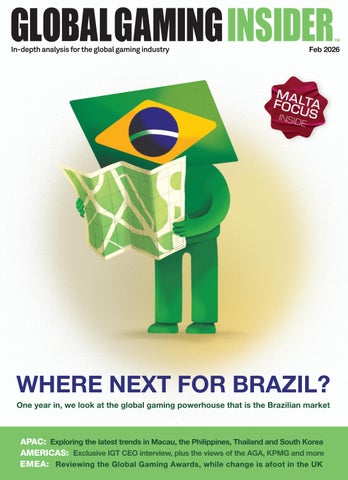
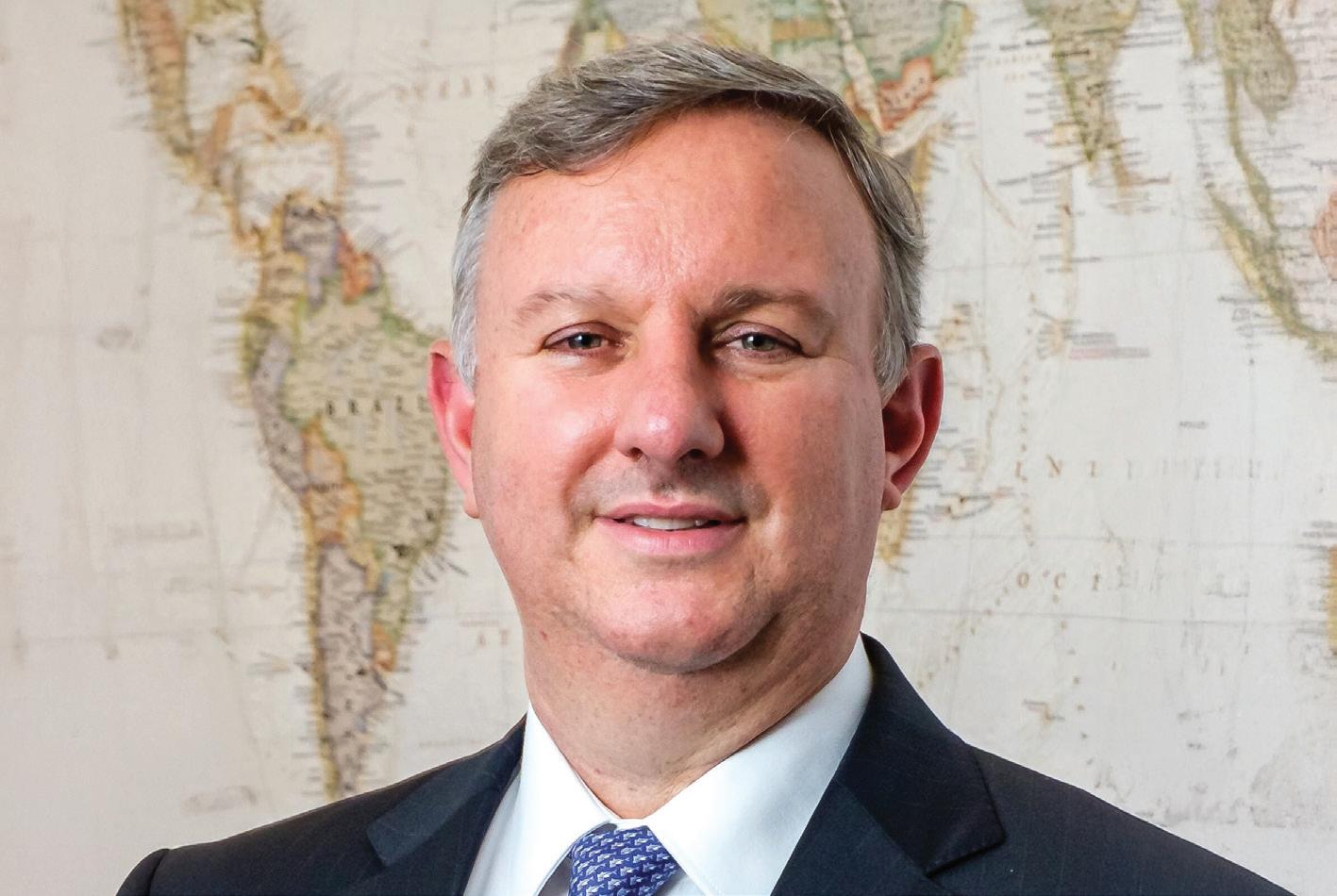
This February issue, which will travel to the SBC Rio show, therefore celebrates Brazil's first regulated gaming anniversary. Indeed, our cover feature delves into the past 12 months, as well as what strategic consolidation the year ahead may hold. Additionally, we have the operator view from Flutter Brazil's new CEO Eduardo Monte and the supplier view from Sérgio Floris, Managing Director Brazil for Sportradar.
Some of our usual Brazilian contributors also give their views, while Ron Mendelson, Eugene Ravdin and more give their outlooks for Asia in our dedicated APAC section. A particular APAC highlight this edition is our exclusive interview with PAGCOR Chairman & CEO Alejandro Tengco, at ICE Barcelona.
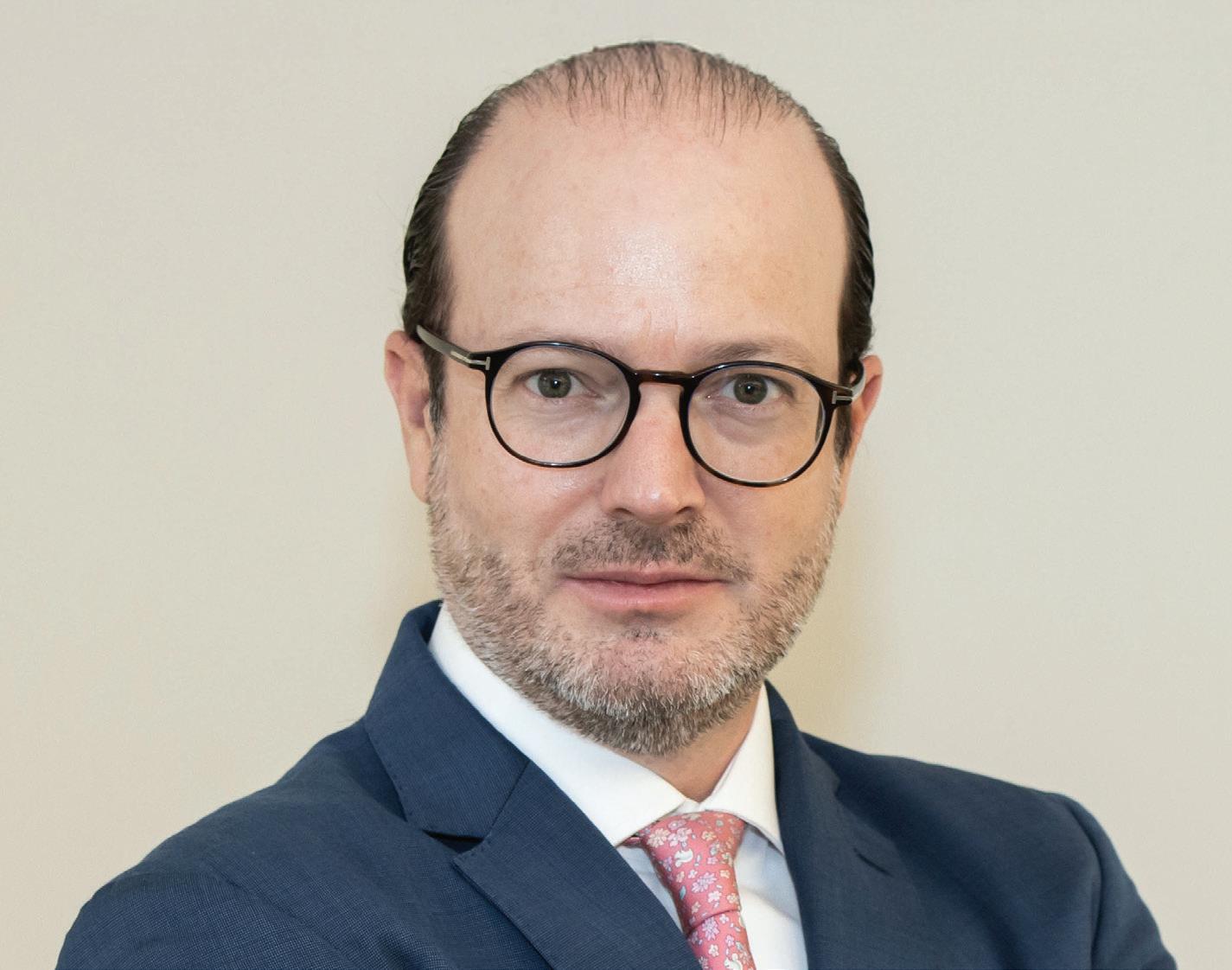
Our exclusive interviews don't get any less high-profile over in the Americas section, as we speak with IGT CEO Hector Fernandez in Las Vegas. A year out of work while he served a non-compete clause has given him time and a fresh perspective. He used that time to study the industry (reading our very own publication as part of that) and even to grow his hair, proving a point to his 15-year-old son!
Moving to our EMEA segment, we preview SiGMA's South Africa show in March and analyse the UK market (as we all anticipate the mammoth taxation increases set for April). Most importantly, however, we review the Global Gaming Awards EMEA 2026, which were a huge success in Barcelona. We will be providing a full winner's breakdown in the March issue but, for now, you can relive the event thanks to our review from the ground.
Finally, Malta still plays a significant role in the global gaming landscape, despite increasing competition from other territories. As such, our annual Malta Focus welcomes Malta Gaming Authority CEO Charles Mizzi, plus company profiles and a review of the latest data and recruitment from the region. More, too, on the story behind Sky Bet's move from the UK to Malta.
With all of the above, it gives me great pleasure to present our February edition (technically our first ever, as we previously only published Jan/Feb issues). After a productive-yetexhausting ICE show in Barcelona, it's well worth taking a moment to reflect and review. As always, we believe Global Gaming Insider magazine gives you the perfect chance to do that. Bora, galera!
TP,
Editor
COO, EDITOR IN CHIEF
Julian Perry
EDITOR
Tim Poole
Tim.Poole@globalgaminginsider.com
STAFF WRITERS
Will Underwood, Kirk Geller, Rory Calland
CONTENT WRITER Megan Elswyth
LEAD DESIGNER
Claudia Astorino
DESIGNERS
Olesya Adamska, Gabriela Baleva
JUNIOR DESIGNERS
Medina Mammadkhanova, Monika Petrova
ASSISTANT DESIGNER
Tanya Aleksova
ILLUSTRATOR Judith Chan
MARKETING & EVENTS MANAGER Mariya Savova
FINANCE & ADMINISTRATION ASSISTANT Dhruvika Patel
PUBLISHING ASSISTANT Abi Ockenden
IT MANAGER Tom Powling
VIDEO PRODUCER Callum Flett
COMMERCIAL DIRECTOR
Deepak Malkani
Deepak.Malkani@globalgaminginsider.com
Tel: +44 (0) 204 591 3117
ACCOUNT DIRECTOR
Michael Juqula
Michael.Juqula@globalgaminginsider.com
Tel: +44 (0) 207 039 9186
SENIOR ACCOUNT MANAGER
William Aderele
William.Aderele@globalgaminginsider.com
Tel: +44 (0) 203 884 9277
ACCOUNT MANAGERS
Irina Litvinova
Irina.Litvinova@globalgaminginsider.com
Tel: +44 (0) 203 855 0662
Serena Kwong
Serena.Kwong@globalgaminginsider.com
Tel: +44 (0) 203 787 4615
BUSINESS DEVELOPMENT MANAGER - U.S. Miguel Malave Miguel.Malave@playerspublishing.com
Tel: +1 702 850 8503
AWARDS SPONSORSHIP MANAGER
Michelle Pugh
Michelle.Pugh@globalgamingawards.com
Tel: +44 (0) 207 360 7590
CREDIT MANAGER Rachel Voit
WITH THANKS TO: Kome Akpolo, Ramiro Atucha, Andrea Avedillo, Ana Bárbara Costa Teixeira, Hugo Bungartner, Edwin D Monzon, Hector Fernandez, Fabio Ferreira Kujawski, Sérgio Floris, Fellipe Fraga, Duncan Garvie, John Giammarella, Alfredo Lazcano, Elvis Lourenço, Oliver Lovat, Eduardo Monte, Neil Montgomery, Elliott Rapaport, Matt Strachan, Alejandro Tengco, Mike Vanaki, Keith Whyte and Richard Williams.

Global Gaming Insider magazine ISSN 2978-5723 (Print) ISSN 2978-5731 (Online)
Produced and published by Players Publishing Ltd
All material is strictly copyrighted and all rights reserved. Reproduction without permission is forbidden. Every care is taken in compiling the contents of Global Gaming Insider but we assume no responsibility for the effects arising therefrom. The views expressed are not necessarily those of the publisher.


Where next for Brazil?
One year on from Brazil’s regulatory revolution, Global Gaming Insider reflects on key highlights from 2025
Sportradar’s
Global
Elvis
EstrelaBet
Ramiro Atucha discusses saturation in the
25 Taking stock
Who’s up and who’s down in APAC?
Movers and shakers
Key hires and promotions in the APAC region
Facing facts
South Korean land-based casino growth data 28 Global Gaming Awards
The prestigious Global Gaming Awards APAC 2026 await around the corner 30 Maturing Macau
Global Gaming Insider reviews Macau’s 2025, with one eye on the horizon
Changing tides in Thailand
The casino that never was...
The APAC region through affiliate eyes
Planting seeds
Global Gaming Insider explores online growth trends across the Asian continent
36 PAGCOR Q&A
PAGCOR Chief Alejandro Tengco talks all things Philippines
38 Kangwon’s reinvention
How has South Korea's Kangwon Land sought to compete?
40 Product reviews
The latest offerings from across the APAC
43 Taking stock
Who’s up and who’s down across LatAm?
44 Movers and shakers
Key hires and promotions in the LatAm region
45 Facing facts
Analysing Chicago’s tax rates in comparison to the wider US market
46 The AGA view
Mike Vanaki underlines why Tribal gaming matters
48 The legacy of Wynn
Oliver Lovat reflects on the legacy of Steve Wynn. Shunned by the industry; revered professionally
52 KPMG... predictions
KPMG explores the industry’s favourite new topic – prediction markets
Keith Whyte makes comparisons between the licensing processes of
Elliott Rapaport calls for increased athlete
Arizona
The
Alfredo Lazcano and Andrea Avedillo underline
Sakura
The latest offerings from across the Americas region
69 Taking stock
Who’s up and who’s down across EMEA?
70 Movers and shakers
Key hires and promotions in the EMEA region
71 Facing facts
Analysing the progress, pitfalls and outlook of Allwyn’s UK National Lottery
72 Review: Global Gaming Awards
Global Gaming Insider reflects on the industry’s most prestigious awards ceremony for the EMEA region
74 Preview: SiGMA Africa
Looking ahead to SiGMA South Africa
76 Risking harm reduction?
Duncan Garvie explains why the UK is playing a risky game
77 Black-market expansion?
Richard Williams assesses UK policy changes
78 Product reviews
The latest offerings from across the EMEA region
80 Events calendar
What industry events are on the horizon?
82 Gaming in pictures
A visual journey of recent news and events in gaming

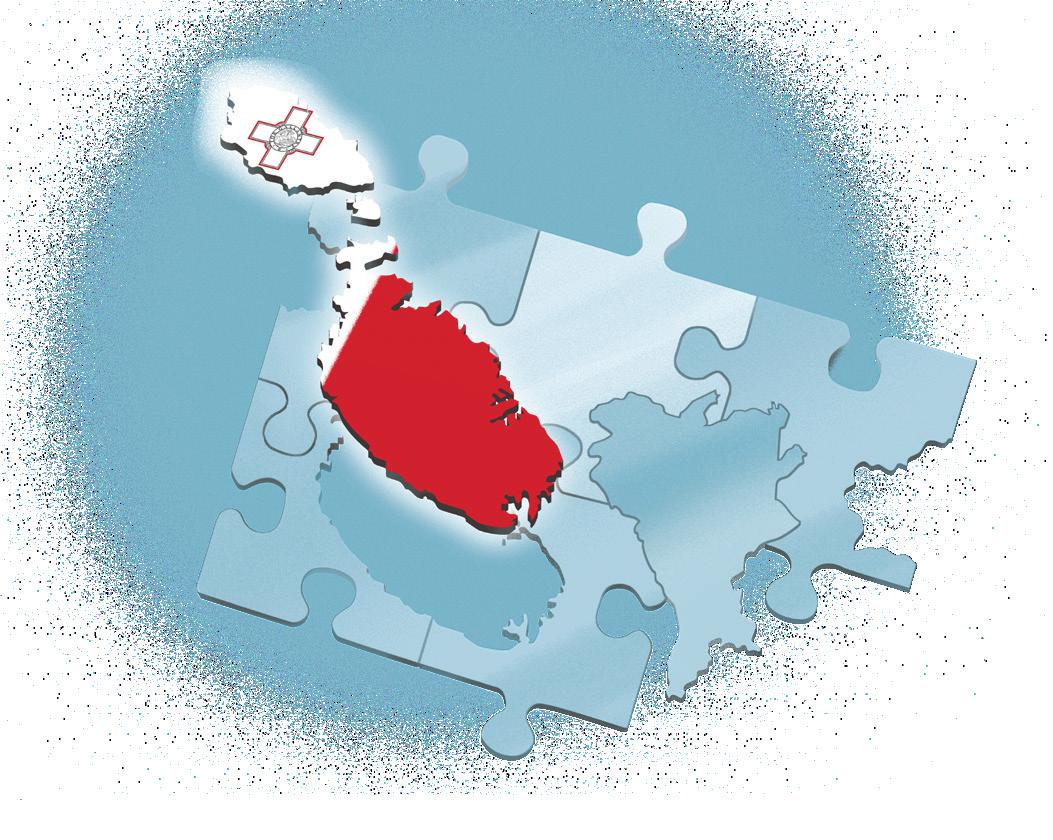


Potholes, pitfalls, promise and potential – Brazil's regulatory roadmap has had it all in its first 12 months. With the help of expert contributors, Global Gaming Insider takes a journey through time, reflecting on what has come to pass – and what may follow
Brazil's regulatory road is a long, winding and technically demanding adventure that has proven as every bit as engaging as the entire gambling industry had anticipated. Winding through a tropical landscape woven by innovation and an undeniably sports-obsessed culture – this newly paved and regulated path is one we all hope stretches farther into the distance than the eye can see. What is over the horizon, of course, remains to be seen. But the road in the rear-view mirror leads back a long way, too.
December 2023 is a brief-yet-significant pit stop in recent history that saw the year end with a flourish as the Brazilian Government announced the long-awaited regulation of sports betting in the nation, with the surprise addition of online gambling granting those in the gambling industry the greatest Christmas gift of all. Work.
And lots of it.
The rush that ensued in 2024 saw regulators, operators and everyone in-between begin to ready their operations for the launch of what was the most hotly anticipated market opening in recent memory. In the grand scheme of Brazil’s gambling journey, 2025 will remain a footnote fleeting and pivotal in equal measure. An onslaught of market entries was followed by fierce competition, licensing contention, influencer arrests and abundant regulatory action.
Now, as 2025 fades slowly into the background, Global Gaming Insider – with the help of a handful of expert contributors –takes a chronological look back at what will surely prove to be one of the most memorable bypasses along Brazil’s long and winding regulatory tale.
BRAZIL: BEGINNERS, BEWARE...
Following President Luiz Inácio Lula da Silva(Lula)'s deliverance on confirmation of gambling regulation, which had first been
conceptualized by the Bolsonaro Administration some years before, the overseas industry began salivating at the astronomical potential of the world’s seventh-most populous nation. Many have forecast Brazil as the world's third-largest betting market. Already, it sits at number five. 212 million potential players aside, Brazil’s sports-manic reputation precedes itself. However, as the gaming sphere became intoxicated with the promise and prospect of a regulated Brazil, seasoned veterans from within the nation’s market were quick to warn that Brazilian gambling was absolutely not for beginners.
They were not wrong. Brazil’s journey through 2024 was something of a soap-operatic saga that at times bordered on the comedic. Nevertheless, in true Brazilian fashion the nation’s regulator – the Secretariat of Prizes and Bets (SPA) and affiliated government entities beat the buzzer at the end of the year by a hair, scrambling regulation over the line prior to the December deadline. A gamechanging regulatory development for the global industry was now complete.
Over the course of 2025, things have settled – but not slowed. As news out of the nation in January was swallowed whole by a frenzy of license applications and news of who had been granted market entry in the nation, those in Brazil’s legal sector fielded what was no doubt one of the busiest periods in Brazilian gambling law history. One of those on the frontlines of this frenzy was Neil Montgomery, Founder of Montgomery and long-term Global Gaming Insider contributor. Reflecting on the period, Montgomery recalls that the key advice he gave foreign operators upon the opening of the Brazilian market has remained simple and unchanged. He tells us: “Hiring local talent – especially rather than partnering with local investors – to occupy the key
corporate and non-corporate roles required for obtaining the license was key at the time. Indeed, this advice continues to be valid but, at this point, those in the position to consider acquiring a licensed operator could also begin exploring that option.”
This sentiment is echoed strongly across all of our legislative contributors, with Ana Bárbara Costa Teixeira, Brazilian Regulatory Law Specialist and Abrajogo Director of Government Relations, adding: “In essence the advice now is much the same as before; you must tropicalize your operation. Naturally this mainly applies to international operators – especially as so many were entering the market at the beginning – and they were not aware of how Brazil works. Unfortunately, those operators really struggled because – without naming names – we have some providers in Brazil that are excellent worldwide, but here in Brazil they do not have the correct setup around data, legal and compliance. So they could not provide to the Brazilian players and operators with the level of service that they require.”
Most in or indeed outside of the gambling industry need no reminding of the importance of localization when prepping and entering new markets. In Brazil, however, the term localization doesn’t seem to justify the depth of analysis and understanding required for a successful market entry. Rather than simply understanding Brazilian player habits, interest and cultural touchpoints – many local gaming experts place an additional non-negotiable emphasis on understanding the Brazilian mindset. Fabio Ferreira Kujawski, Partner at Mattos Filho and long-term Brazilian gaming lawyer, underlines that this sentiment stretches beyond the players and weaves its way into compliance and legal strategy. He tells Global Gaming Insider: “Our advice for foreign operators entering the Brazilian market for the
first time was to understand the peculiarities of Brazil and our legislation, including consumer‑protective rules, the overlapping jurisdiction of multiple authorities over very similar subject matters, among others.
“As the year progressed and rules crystallized and evolved, the guidance shifted from readiness to optimization; refine policies and governance, tighten ad disclosures and influencer use, implement complaints handling and analysis of new regulations and laws to ensure ongoing compliance. As we turn into 2026, we are now also dealing with the first court cases on various topics, making it extremely important to have a robust strategy, even if the cases are of low value, given the multiplying factor over escalated litigation.”
Legal battles in the gaming industry are nothing new. Moving through its regulated infancy into February 2025, perhaps the key point of legal contention in Brazil was the raging battle between federal licenses and the alternative, cheaper Loterj license on offer for the state of Rio de Janeiro. Technically, this license should have only allowed operators to run their operations within state boundaries –but Loterj utilized a legal loophole which was allowing for gaming operations nationwide. This is a loophole that the Federal Government is still scrambling to close, as an increasing number of foreign operators continue to enter market via the more expensive, federal route.

Nevertheless, as local operators – often with less financial backing as the ‘big boys’ who have begun to swarm the market – seek to retain some kind of home advantage, the Loterj license could remain an appealing a potentially temporary option. This home advantage is something that, in Teixeira's opinion, could become increasingly difficult to retain over time: “Before the market became regulated, many of the most successful operations gave a lot of welcome bonuses, used a lot of advertising which suggested guaranteed big winnings – and generally made use of practices that you can’t get away with in any regulated space. Now, the operations that are really successful are the ones that have a good brand, a good product and a good service.
“In this sense, because international operations have come from more mature markets – and consumers are familiar with their brand(s) – I think overseas operators may have an advantage in the Brazilian market. Their experience, funding and product are usually very strong. On the other hand, it’s still incredibly important to know how to communicate with the Brazilian people. For foreign operators, this can be easily solved through good local hires, a good local CRM company, a good local marketing company –and so on.”
Kujawski concurs, pointing out that – although it may be difficult for local operators to remain as competitive, it is not an impossibility – and that some sense of
home advantage will always remain present: “Local operators have some home advantage in Brazil, primarily because they understand the country’s multicultural, continental scale realities, where consumer preferences, payment habits and trusted brands vary significantly by region; and require tailored strategies and communications.
“That edge extends to compliance and governance: fluency with Brazilian laws and regulators, as well as established relationships, can materially reduce friction and execution risk. In short, being local – or having trusted local teams – often makes the difference. However, international operators bring valuable experience from other regulated markets, where the challenges and policy debates are often similar, and they typically have greater capital to invest in product, risk, and marketing. Over time, as foreign groups localize talent and operations, the home field edge may narrow, though it is unlikely to disappear in such a complex market.”
As Brazil concluded its first quarter of regulated action, Q2 began with the SPA’s requirement that all operators must submit their AML/CTF policies. Flutter, meanwhile, began gearing up for market entry via its NSX Group acquisition in early May. Alongside Flutter’s arrival, May 2025 was shaping up to be a memorable month in Brazilian gaming – with a new advertising bill which introduced a ban on celebrity endorsements, live broadcast and print ads and strict time slots to only allow for gambling advertisements to air between 7:30pm and midnight – was approved by the nation’s Senate.
Teixeira reflects on this latter introduction as one of the most significant updates of 2025 overall: “Over the course of the year, I felt some operators were feeling increasingly desperate and concerned because of the strict rules regarding advertising. On one hand, we saw a learning curve from operators who managed to improve their onboarding via faster technology and revalidated databases. On the other, there have been operators who have found these new restrictions very difficult. Overall, looking at significant developments in Brazil, I think the ‘relearning’ of advertising under new regulations in the new market has been pivotal.”
As previously explained by Kujawski, legal battles in Brazilian gaming are becoming increasingly commonplace. While the aforementioned in fighting between the Federal Government and Loterj saw the courts field a battle between two local entities, the conclusion of Q2 last year

LAUNCHING ON FEB 24th

saw an explosion of lawsuits submitted against operators.
In July, a major legal development saw a public civil action lawsuit filed by the Public Defender’s Office for Rio de Janeiro against a total of 43 online wagering operators – including the likes of Betano, bet365, Betfair, Sportingbet, ANJL, Pixbet and more. The suit alleged that operators deliberately omitted important information around the dangers of online gambling from their advertising and outreach, in breach of Brazilian law. The conclusions of the suit remain unclear. Nevertheless, at the mid-point of Brazil’s first year of gambling regulation – this action served as a clear reminder of the polarization between some members of the public and the industry, highlighting tension between the consumer protection expectations in the nation and the industry’s drive for tapping into Brazil’s explosive growth potential.
From the operator’s perspective, remaining compliant amid these kinds of ever-evolving cultural demands and regulatory developments may be just another day in the office – but that doesn’t make it any less difficult.
In the Rolodex of compliance headaches most commonly listed by operators worldwide, advertising sits high up the billing. Prior to regulation in Brazil, Teixeira outlines the popularity of influencer endorsement as one of the most commonly utilized advertisement techniques for online casinos and sportsbooks: “Many Brazilian operators that had partnered with Brazilian influencers found they had a more direct communication with local players.”
The scrutiny on gambling advertising
and influencer endorsement reached a rather spectacular crescendo during the second half of 2025. As specified by Montgomery, “After the launch of the regulated market, influencer advertising has been reduced dramatically. This is because operators face high risks and liability resulting from undue and/or abusive advertising by the influencers they engage.”
Throughout the year, Brazil faced a soap opera of its own in the CPI das Bets. Broadcast to the whole country, a panel of senators conducted an inquiry into gaming influencers. Subsequently, numerous high–profile influencers were summoned to court for the promotion of unregulated casinos. In a "circus" moment, famed influencer Virginia Fonseca ended up taking a selfie with a senator mid-hearing... But, after several legislative courses of action were recommended, the inquiry's final report was rejected by 4 votes to 3 – making the whole process rather redundant. But that doesn’t mean the end of the road for all influencer scandals in Brazil. “The biggest influencers are not partnering at all,” explains Barbara, “But we have an issue now with what we call nano-influencers, who have a much smaller following and are still partnering with illegal brands.
“As I understand it, CONAR, which is the self-advertising national council, is in the process of discussing potential new boundaries and requirements around influencer advertising for 2026 – particularly related to gambling. Influencers in Brazil are a key way for any brand to communicate more closely with its clients – and this is especially true in the illegal gambling market. And as we have
mentioned, prior to the regulation of the market, it was very common to see all kinds on influencer endorsement.”
Kujawski raises the point that protection against underage gambling interaction has been the core argument against influencer advertising sponsorship. “Protecting children and adolescents is a core legal and cultural value, and authorities tend to be highly protective given this group’s particular vulnerability. The past year’s debates and controversies accelerated that trajectory, culminating in the approval of the Digital Child and Adolescent Statute (ECA Digital), set to take effect in March 2026. It requires information technology products and services to implement robust measures to prevent minors from accessing prohibited, unsuitable, or inappropriate content – explicitly including fixed-odds betting. In a national election year, we expect youth exposure and online safety in gambling to receive even greater scrutiny, shaping both enforcement priorities and public discourse.”
Kujawski also argues that operators have a significant role to play in ensuring adequate protection through responsible advertising practices: “Against this backdrop, operators should proactively reassess their controls and advertising practices – across influencer partnerships, audience targeting, age-gating, creatives and placement – to ensure no campaign could be perceived as appealing to, or reaching, minors. That is essential to mitigate regulatory, reputational and platform-compliance risks.”
Brazil’s transition from late Q3 into the year’s final quarter showed no shortage of drama –as October began with Congress unveiling proposals for a 30% tax hike on the industry whil simultaneously formalizing a ban on betting for social welfare beneficiaries, which had been in the works for some time.
Focusing on the former, the industry released an inevitable outcry against the tax hike proposals. However, both President Lula and Brazil’s Finance Minister – Fernando Haddad – doubled down, affirming their commitment to raising taxes on the industry.
“As many of us know, recent research has indicated that 50% of Brazil’s market remains in the unregulated sector,” explains Teixeira, who ponders on the potential ramifications of significant tax rises in Brazil.
“If we captured this market and had more bettors, it would be easy to pay more taxes because, as operations are mostly online, you can control your costs. In that sense, if we can fight the illegal market, I think we can survive with new taxation. The problem is we have between five and 10 very big operators in Brazil that can afford any tax rises easily because they have large profits. The smaller





Discover what operator growth could look like for you
operators are going to struggle. The next issue would be protecting the industry from further tax increases.”
Moving through Q4 2025 into November, taxes swiftly became the key focus of the Brazilian gambling discourse, with Haddad pushing for an 18% tax hike. Regardless of the reduction in possible percentile, many in the industry remain concerned about the thriving black market that remains in Brazil. Outlining his own concerns, Montgomery believes this is “very hard, but not impossible. The Brazilian Government needs to more aggressively restrict financial movements out from and into the country. The black market only exists because bets and winnings are still flowing out from and into the country. If additional restrictions were introduced, the regulated market could stand a better chance to succeed, even in an environment of enhanced taxation.”
Drawing on the other side of the coin, Montgomery reminds us that Brazil’s international appeal remains its biggest strength: “On a more positive note, another significant development was to see the appetite for obtaining a license, despite the costs incurred in doing so and for maintaining the local operation, with more than 80 operators having been licensed at federal level, showing that Brazil is currently the world’s fifth-largest iGaming market. It will be interesting to see how the introduction of new restrictions around PIX payments – which were made to try to clamp down on the illegal market –yield any tangible results.”
Alas, following broad discussions around tax in the nation – 2025 ended in true Brazilian lastminute fashion with the formal approval of a new CIDE-Bets measure, which implements a 15% tax on players gambling deposits to help finance public security programs. Kujawski reacts to this latest significant update with tentative concern: “In the near term through 2026, CIDE Bets is likely to amplify Brazil’s already significant tax and legal uncertainty around betting. Frequent regulatory and fiscal shifts erode predictability, which is a critical precondition for capital deployment and investor trust. Many foreign operators and investors may pause or scale back-market entry until there is a clearer, stable framework on tax incidence, rates and compliance obligations. The risk premium for Brazil rises and cost of capital follows.
“At the same time, the illegal market tends to gain ground under complex and onerous regimes. On the operator side, legitimate brands may reassess the commercial viability of compliance-heavy participation, given margin compression and operational burdens. On the demand side, players may migrate to unauthorized offerings that present fewer
frictions and bureaucracy, even if at higher risk. The net effect is weaker channelization, diminished consumer protection and leakage of tax revenues.”
Montgomery concurs, telling us: “As I have previously advocated, Congress and the Federal Government should avoid looking at the gaming industry as the golden goose. The continuous milking of the industry through continuously increasing taxation (including through the creation of new taxes and contributions – such as CIDE Bets) will strangle the licensed market and contribute to players resorting to the illegal market, especially if the financial transaction restrictions mentioned above are not implemented in the near future.”
Turning over a new leaf in 2026 will see Brazil make its first step away from market infancy and towards market maturity. What happens during this phase depends largely on the effectiveness of the market’s regulation. Expectations are high, but if taxes are higher –innovation could well suffer.
This point was keenly re-emphasized by Teixeira as part of her 2026 market predictions: “In 2026, I foresee two challenges. The first is the fight against the illegal market, and the second is how the industry can survive the massive tax increase that is coming. Everybody that entered the regulated Brazilian market in 2025 will have made a business plan for five years. And then in the first year we have a gambling tax increase, followed by an indirect taxation increase in the second year. This presents a huge hurdle.
“Those operations that are strong and
profitable, of course, will survive. However, other new competitors in the market that do not have very solid equity or sources of funds are going to seriously struggle. Because of this, I think the number of gambling operators in Brazil is going to reduce throughout the year.”
Montgomery offers an operational prediction to build on Teixeira's conclusions, suggesting that we “should see more market consolidation to start in 2026 with an increasing number of M&A transactions. This will be one of the most effective ways of operators gaining market share and securing greater efficiencies, thereby reducing costs, which are very high – and certain to rise further following these latest changes.”
Playing on the pivotal nature of Brazil’s second year of regulation, Kujawski echoes Montgomery’s sentiment: “I agree that Brazil’s fixed-odds betting market may enter a decisive second wave of consolidation, driven by the evolution of the regulatory framework and the escalating demands of robust, ever-evolving governance. After 2024–2025 revealed how smaller operators struggled to launch or sustain regulated operations, I expect many subscale or late-moving players to become acquisition targets.
“In parallel, large brands will continue to extend their lead, using compliance readiness, capital access and marketing heft to consolidate their leadership positions. Finally, politics will catch up to the economics: betting will feature prominently in the 2026 electoral debate, with consumer protection, responsible gaming, advertising and taxation emerging as headline issues that shape the sector’s next regulatory refinements.”
So, Brazil, where next?



Continuing with our main theme, Flutter Brazil CEO Eduardo Monte discusses integration, Brazilian culture – and predicts consolidation in 2026
What do you feel the key challenge currently is for brands like Flutter-owned Betnacional in Brazil as we turn over from 2025 into 2026?
The main challenge is consolidating trust. We have entered a new phase of the market, more mature and regulated, in which brands need to go beyond visibility and consistently prove they operate with responsibility, transparency and a focus on entertainment. Flutter Brazil’s goal is to balance sustainable growth with the construction of a trustworthy reputation for the Betnacional and Betfair brands. This means maintaining open dialogue with society and a real commitment to responsible gaming.
With regulatory changes always on the horizon, how are operators likely to respond to tighter advertising restrictions amid growing pressure to tackle youth gambling?
The sector in Brazil is still new; we are
beginning the second year of a regulated market, so this movement of legal adjustment is natural. The response from responsible operators involves self-regulation, intelligent use of data, strict audience control, and increasingly contextual and adult-oriented communication. Our focus is to ensure advertising speaks to those who can and want to consume the product, always reinforcing messages of responsibility and protection of vulnerable audiences, especially minors.
If you could go back 12 months, what kind of advice would you give to both yourself as an executive and also senior regulators at the SPA – now that we have seen how 2025 panned out in Brazil?
For myself, the advice would be to further accelerate the integration between business strategy, compliance and communication from

Eduardo Monte
day one. For regulators, I would reinforce the importance of constant and strict enforcement against illegal betting operators, which still represent a significant portion of the Brazilian market.
Overall, what excites you the most about the Brazilian market and what are your hopes for 2026 as it continues to mature?
What excites me most is the potential for market maturation combined with the Brazilian passion for sports and entertainment. For 2026, we expect a more stable environment, with more responsible brands, more conscious consumers and a more professional ecosystem. The World Cup will also be an important catalyst to raise the standard of experience and communication in the sector.
Scale aside, what do you think global operators find in Brazil that they won’t find anywhere else?
Brazil offers something rare: a combination of culture, emotion and engagement. Betting was already present in popular culture and is now a regulated practice, so we must consolidate this sector as a legitimate entertainment force. Here, sport is experienced in a collective, emotional and everyday way. For global operators, this represents the opportunity to build brands that truly become part of popular culture, not just transactional platforms. It is a market where cultural relevance weighs as much as technology.
If you were to make one bold prediction about Brazil’s market for 2026 after what we saw last year, what would it be?
My prediction is that 2026 will be the year of consolidation for the brands that did their homework from the beginning of regulation. We will see less noise, fewer empty promises and more differentiation based on trust, experience and responsibility. The market should grow, but above all become more selective for both operators and consumers.


Sérgio Floris , Managing Director of Sportradar in Brazil, gives his supply-side view of where next for Brazilian gaming, including data, regulation and transparency
Following your integration into the regulated Brazilian market, how do you reflect on the key challenges and successes of the process?
The transition to a regulated market represented a defining moment for Brazil’s sports betting ecosystem. Moving away from a grey area brought clearer rules, higher scrutiny and explicit obligations for operators and suppliers alike. One of the main challenges was adapting quickly to a framework that demands strong governance, auditability and demonstrable compliance, while the market itself continued to grow at a very fast pace. At the same time, regulation created a more transparent and predictable environment. This has enabled stronger collaboration between operators, technology providers and authorities, and increased demand for official data, integrity solutions and scalable, reliable technology. Overall, the integration process has marked a significant step toward maturity and long-term sustainability for the Brazilian market.
However, there are still significant challenges as things remain fluid in this everevolving landscape, both from a regulatory and commercial perspectives. Against this backdrop, Sportradar’s experience in markets
going through the process of regulating, as well as across long-established regulated markets proved particularly valuable during Brazil’s first year of regulation. This expertise enabled the company to support clients as they navigated new compliance obligations, strengthened governance and adapted to heightened regulatory scrutiny, while continuing to operate and scale in a fastgrowing market.
In what way do sports data suppliers need to remain alert to regulatory changes and cultural trends in Brazil?
In Brazil, regulatory evolution and cultural dynamics move in parallel. From a regulatory standpoint, suppliers must remain closely aligned with licensing requirements, compliance standards and integrity expectations, ensuring that solutions are transparent, auditable and consistent with global best practices.
Culturally, Brazil is a highly digital, sports-driven market with users who are extremely engaged and experienceoriented. This means technology providers must continuously adapt products to local consumption habits, communication styles and betting behavior. Combining regulatory
awareness with a deep understanding of the local sports culture is essential to delivering solutions that are both compliant and relevant.
Overall, one could say 2025 was a year of adaption, and in many respects 2026 will be similar as the industry continues to evolve in our view.
Within such a sports-obsessed culture, what is most exciting about the potential of sports betting data innovation in Brazil?
Brazil’s passion for sport, particularly football, creates an exceptional environment. We observe that over 80% of turnover is related to football, which is illustrative of our culture and habits. However, this also poses a significant opportunity for other sports to innovate and engage with fans in new immersive ways. High engagement levels amplify the impact of advancements on data, live content and low-latency solutions. Innovation in areas such as real-time data, inplay markets, AI-driven odds and personalized content has the potential to significantly enhance the fan and bettor experience.
What is especially exciting is how technology can transform engagement while supporting
responsible betting and operational efficiency. As the market matures, data innovation becomes not only a growth driver, but also a tool for sustainability and integrity across the entire ecosystem.
In addition, Sportradar’s presence in the Brazilian market for more than a decade provides a deep understanding of local sports culture and fan behavior. Combined with its role as a technology partner across the industry, this long-term perspective offers a holistic, 360-degree view of the ecosystem, helping clients align innovation with the expectations of Brazilian fans and the realities of the local market.
What impact can Brazil’s regulated market have on other LatAm jurisdictions such as Peru, Mexico and Colombia?
Brazil has the potential to become a regional reference point. Given its scale, visibility and economic weight, regulatory and operational standards adopted in Brazil tend to influence discussions in neighboring markets, given Brazil is already the fifth-largest in the world after only one year of regulation.
As Brazil demonstrates how regulation, technology and integrity frameworks can coexist with growth, it may accelerate similar developments across Latin America. This creates opportunities for greater harmonization of standards, cross-border collaboration and the adoption of more sophisticated technological solutions throughout the region.
During the market’s first year of regulation, partnerships have also played a critical role. A recent technical cooperation agreement between the Brazilian Ministry of Sports and Sportradar, focused on information sharing and joint efforts to combat match-fixing, illustrates how collaboration between public authorities and industry stakeholders can strengthen integrity frameworks. Such initiatives can serve as a reference for other jurisdictions, highlighting the importance of partnerships in protecting sport and supporting the sustainable development of industry.
Scale aside, what do overseas gambling operators find in Brazil that they won’t find anywhere else?
Beyond scale, Brazil offers a unique combination of factors: an intensely engaged sports audience, a digital-first population and a deep emotional connection with sport. User behavior is highly interactive, with strong demand for fast, immersive and content-rich experiences. Betting in different forms has been ingrained in our culture since forever.
This is reflected in a population of 213
million people, with four out of five Brazilians showing interest in football according to a recent Brazilian Football Confederation (CBF) survey.
In addition, Brazil’s competitive landscape pushes operators to innovate continuously, not only in products but also in marketing, responsible gaming and customer experience. This combination of passion, connectivity and competitive pressure is difficult to replicate elsewhere.
Finally, if you were to make one prediction about Brazil’s market for 2026, what would it be?
The first year of regulation has largely been a period of adaptation, as operators, suppliers and authorities aligned with new requirements, processes and expectations. By 2026, the market is hopefully likely to
enter a phase of greater stabilization, creating the foundations for a more predictable and sustainable environment, though some continuous adaptation is also very much to be expected (it will be an election year, after all).
In that context, Brazil should be firmly established as one of the world’s most relevant regulated betting markets, not only in terms of size but also in sophistication. Deeper integration of technology, increased use of artificial intelligence, and more advanced integrity and risk-management practices are expected to become standard.
Growth is also likely to be accompanied by higher standards of transparency, responsibility and operational maturity; positioning Brazil as a global benchmark for how newly regulated markets can evolve in a structured and sustainable way.

Hugo Baungartner, an Executive Director at Esportes Gaming Brasil and Global Gaming Insider contributor, explains why identity is the backbone of Brazil’s regulated market
Brazil’s first year of a fully regulated betting market has shown that KYC (know your customer) is no longer a back-office obligation –it is foundational infrastructure. Robust identity verification is what allows players, operators and regulators to share confidence in the system. Without it, regulation exists only on paper.
Effective KYC processes are central to differentiating licensed operators from unlicensed ones. They protect consumers, enable financial traceability and reinforce fair play across the ecosystem. In practice, KYC is one of the most powerful tools regulators have to help them shift demand away from illegal operators and toward safe, compliant environments.
The challenge, however, lies in balance. Excessive friction at onboarding can discourage legitimate users and unintentionally push them
toward informal or unregulated platforms. That is why modern KYC must be risk-based, progressive and technology-driven. Digital identity verification, biometric checks and automated document validation now allow operators to meet strict regulatory standards while preserving a smooth, intuitive user journey.
In Brazil, this balance is particularly critical. The market combines massive scale, fast digital adoption and a population highly engaged with sports and entertainment. If KYC is implemented with intelligence – proportional to risk and supported by innovation – compliance becomes efficient rather than punitive, and security does not come at the cost of accessibility.
Strong KYC frameworks also act as an
economic launchpad, allowing operators to scale efficiently and attract investment. When identity systems are predictable, the market becomes more attractive to genuine, long-term entrants who are ready to meet regulatory standards. This lifts the overall quality of competition and discourages short-term, high-risk entities looking to exploit weak environments.
KYC inspires operational maturity by improving the accuracy of player data throughout the lifecycle – not just at sign-up. Clean, verified data points give operators the power to build better risk models, strengthen anti-fraud controls and refine their responsible gaming interventions. This in time leads to more sustainable revenue streams and reduces the volatility associated with unverified or duplicate accounts.
As Brazil’s market evolves, operators will increasingly depend on cross-border data flows, partnerships and integrations with peers. A consistent identity framework ensures that verification standards are aligned across the ecosystem, minimising compliance burdens while nurturing trust between stakeholders. By embedding KYC as core infrastructure instead of a procedural hurdle, Brazil can foster an environment where innovation, safety and commercial growth reinforce one another –establishing a regulatory model that is futureproof and regionally relevant.
Beyond onboarding, strong KYC underpins long-term market stability. It enables responsible gambling frameworks, strengthens cooperation with financial institutions and limits the operating space of unlicensed actors that thrive on anonymity and lack of oversight. Identity, trust and data integrity become strategic assets, not just regulatory checkboxes.
If Brazil gets this right, it has the opportunity to set a benchmark for responsible regulation in Latin America. A market where verification is rigorous, user-centric and technologically advanced is a market built for sustainability – one where growth, consumer protection and institutional credibility move forward together.
Elvis Lourenço, Consultant at EX7 Partners and Global Gaming Insider contributor, unpacks Brazil’s rst year of regulation, where there is one unanswered question...
Whenever people ask, “is Brazil is still a good investment for international groups?” My answer, of course, remains yes.
As we know, one year ago on January 1 2025, Brazil stopped treating betting like a grey-zone phenomenon and began operating a regulated ecosystem with licensing, supervision, enforcement and a clear line between legal and illegal.
Was it smooth? Of course not – things in Brazil rarely are.
But during the first year of gambling regulation here – something important happened: The industry proved itself as real, measurable and too big to ignore. Elsewhere, the Government’s own authorization cycle began with dozens of approved operators and billions of reais paid in license fees. And the regulator moved from theory to practice by maintaining an official, continuously updated list of authorized fixedodds betting companies.
Following a few months of regulated action in Brazil, the scale of the market became impossible to debate. In April 2025, the nation’s Central Bank revealed that Brazilians were wagering up to BR30bn ($5.56bn) per month on online betting.
Further, regarding the market’s relevance on a global scale, Brazil’s trajectory is already ranking among the biggest and most wellrecognized global marketplaces. Regulus Partners data reported via BBC News Brasil indicates Brazil is on track to close 2025 as the world’s fifth-largest betting market, with estimated revenue of BR 22bn (US$4.139bn).
With this in mind, we return to the question of ‘worthwhile investment’ – and why my answer remains “yes,” despite all the noise.
Primarily, when it came to regulation in Brazil – we found that legislation didn’t shrink demand, but rather it formalized the battlefield. The first year didn’t create betting in Brazil – it already existed at massive scale. What regulation changed, however, was the structure; licensing, compliance costs, monitoring and the beginning of enforcement. This is what serious capital needs: rules, not perfection.
In addition, consolidation is not a risk. It’s the business model. Brazil is rapidly becoming a market where scale wins. Compliance, media efficiency, KYC/AML sophistication, risk operations, payments and brand trust are expensive. That naturally pushes businesses toward M&A and consolidation.
This fact is evidenced by Flutter’s merger with Betnacional. Flutter announced a 56% stake in NSX (Betnacional’s parent) for about $350m, forming “Flutter Brazil” by combining NSX with Betfair’s local operation. That’s not ‘testing’ in the market, but rather planting a flag.
Importantly, this year will also have the football World Cup; which represents the next acceleration event of Brazil’s regulated market. Here, the real winners won’t be the loudest brands. They’ll be the operators with the best mix of distribution, product and retention under regulatory constraints. At present, Brazil still has a problem that looks like saturation, but is actually immaturity from a lack of product differentiation.
Too many sportsbooks still feel the same. This reiterates the need to invest properly, because the market’s winners will differentiate on:
• Recreational-to-core conversion (not just bonusing)
• Personalization with responsible guardrails
• Payout speed, trust, frictionless payments
• Risk, trading, margin discipline
• Content-native experiences (without crossing the line into irresponsible engagement) In the UK, recently confirmed duty changes which will see remote gaming duty rising from 21% to 40% from April 2026, and a new 25% duty on remote betting from April 2027.
Herein lies an uncomfortable truth: when mature markets increase the burden and compress margins, growth capital looks elsewhere. And there are not many places left with Brazil’s combination of; population scale, sports culture, digital payments maturity, a nowdefined regulatory framework and a market that
is already ranking globally.
In summary, yes: Brazil is still a good investment. Not because it’s easy – because it is inevitable.
If Brazil is already tracking as a top five market globally within year one, the path to the top three within the next three years is no fantasy. It’s a plausible outcome if Brazil avoids self-sabotage through policy whiplash and if the industry evolves beyond copycat product and CAC-only thinking.
Nevertheless, if taxes continue to rise and the rules keep shifting mid-cycle, legal operators will lose margin and channelization will weaken, feeding the illegal market. Then, consolidation stops being strategic and becomes a survival strategy. Brazil remains worth it, but only with legal certainty and balanced taxation.
EstrelaBet CBO Fellipe Fraga explores the concept of ‘home advantage’ regarding the opportunities and challenges facing local betting operators in Brazil
The regulation of Brazil’s online betting market has opened an unprecedented field of opportunity while also introducing a complex set of challenges. For Brazilian entrepreneurs active in the sector, the current landscape is defined by a mix of optimism and caution. On one hand, a deep understanding of national culture and consumer behavior provides a significant strategic edge. On the other hand, competition from international groups and a high and still-evolving tax burdens create major obstacles to potential openings.
In 2025, Brazil’s online betting market is estimated to have generated approximately BR22bn ($4.14bn), placing the country as the fifth largest market globally. These figures
come from international consultancy Regulus Partners. Ahead of Brazil are the US, the UK, Italy and Russia. Brazil’s trajectory aligns with data released by the Secretariat of Prizes and Betting (SPA), which reported BR17.4bn in revenue from authorized operators in the first half of 2025 alone. For the first time, the sector has access to centralized data showing that the average monthly spend per Brazilian bettor is BR164.
Being a Brazilian operator offers competitive advantages that can be instrumental for success. Chief among them is an inherent understanding of the local culture. A domestic operator can grasp the passions, habits and nuances of Brazilian consumers in ways that are difficult for foreign companies to replicate. In a country marked by vast regional diversity, marketing campaigns that resonate in the Southeast may not land in the Northeast. Some Brazilian cities have larger populations than entire European countries. A local operator is better equipped to tailor communication, promotions and game offerings to different demographic profiles, enhancing marketing efficiency and customer acquisition.
This adaptability extends to management and operations. While large international operators often face rigid corporate structures, local businesses tend to be more agile. Faster decision-making enables timely adjustments in marketing campaigns, implementation of popular payment methods like Pix, and alignment with local events and trends. Hiring local talent is also more straightforward, which is especially important for foreign operators that may struggle to find Portuguese-speaking professionals with relevant market expertise. However, the challenges facing local operators are considerable. The first is financial disparity. Global iGaming groups, with decades of experience in regulated markets, have marketing and technology budgets far beyond what most Brazilian firms can afford. With the Euro valued at over BR6, foreign capital carries significantly more
weight. This translates into greater ability to sponsor football clubs, run high-impact campaigns and offer aggressive bonuses to attract and retain players.
A second key issue is the lack of regulatory expertise. International operators bring extensive experience in compliance, antimoney laundering, risk management and responsible gaming practices, often developed in jurisdictions like the UK and Malta. In Brazil, the regulatory framework defined by Law No. 14,790 of 2023 and supporting ordinances imposes sophisticated technical and operational requirements. For local companies, building this expertise from scratch involves a steep and costly learning curve. Still, there is a notable advantage. These operators can enter the regulated market without legacy systems, enabling them to adopt best practices from the outset.
Taxation is another critical factor. The effective tax burden can exceed 60% when combined with the 12% levy on Gross Gaming Revenue with corporate income taxes, social contributions, PIS/COFINS, ISS and labor charges. In parallel, the continued presence of illegal operators remains a serious market and reputational concern. According to a study by LCA Consultores, between 41 and 51 percent of betting activity in Brazil still takes place through unauthorized platforms. This unfair competition further erodes margins and penalizes companies that choose to operate legally.
Brazilian local operators are navigating a fertile but challenging environment. Market insight, operational agility and the ability to build genuine connections with Brazilian players are powerful assets. However, longterm success demands strategic focus, niche positioning and robust brand credibility. Competing with global giants on scale alone is a losing proposition. Ultimately, victory will depend on the astute use of this “home advantage” as a key competitive differentiator.
Ramiro Atucha, Founder of Atucha Advisory, talks shrinking margins in online gaming, rising competition and the need for smarter strategies
For many years, online gambling operated under conditions that were fundamentally different from those in most other industries. In numerous markets, operators enjoyed what could be described as “hunting in a zoo.” There was limited competition, minimal regulation, light taxation and high technological and capital barriers to entry. Those factors generated unusually high margins – margins that would be unthinkable in sectors such as e-commerce, food delivery, entertainment or retail, where hyper-competition has long forced companies to optimise every aspect of their operations.
That era, for the gambling industry, is ending. Regulation, taxation and increased competition are reshaping the economic landscape. As markets mature, commercial restrictions tighten, licensing demands increase and global players enter aggressively, the margin structure that once defined the industry is being squeezed. Many of the historical behaviors and assumptions of our sector will simply no longer be sustainable.
A clear example is sponsorship and advertising. In Brazil, pre-regulation, it was relatively inexpensive for casino brands to sponsor football teams. Post-regulation – with a larger pool of qualified operators and major international companies entering the scene – the cost of sponsorships has multiplied. The same is happening with paid advertising on Instagram, TikTok and other digital platforms. Competition is rising, cost per acquisition is increasing and monitoring your return on investment is becoming much more critical than it ever was.
This pressure also exposes another weak point: player retention. While industries like e-commerce have spent decades perfecting personalised recommendations, behavioral algorithms and customer-specific experiences, most online casinos still offer the same interface to every player. To my knowledge, none display the last five games a user played, recommend content personalised to that user’s preferences or dynamically adapt bonuses and features based on individual behaviour. The gap between what
is possible and what the industry is currently doing is enormous.
At the same time, the product ecosystem has shifted dramatically. A decade ago, the sector lacked innovative content. Today, we face oversaturation. Hundreds of studios are launching, many producing variations of the same themes, mechanics and maths models. This abundance often leads to casino lobbies that are overly broad and under-curated, reducing the distinctiveness of platforms and making it harder for operators to highlight what truly works.
Oversaturation also impacts studios: with so much competition, investment in R&D becomes harder to sustain and differentiation becomes increasingly challenging. That is why niche verticals, such as crash games, fishing games, multiplayer bingo or other less-explored mechanics, have gained traction. They offer something that stands out, engages players differently and gives operators tools for better retention and differentiation.
The industry is approaching a moment where
online gambling will have to adopt the same advanced tools, methodologies and expectations that other industries have been forced to master. For instance, personalisation, segmentation, attribution, dynamic UX, product curation and ROI-driven decision-making.
Margins are shrinking. Competition is intensifying. Content is oversupplied. The winners of the next phase will be the operators and suppliers who evolve, who treat gambling not as a protected niche, but as a modern, data-driven digital industry.
Ramiro Atucha has nearly 20 years of industry experience. He co-founded Leander Games in 2007, serving first as CEO and later as COO until 2019. Leander was one of the industry’s first independent aggregators, providing content to some of the world’s leading operators. In 2019, Ramiro co-founded Vibra Gaming, a content and platform supplier specialised in the Latin American market. He has participated as a moderator and speaker at many major industry events worldwide and is recognised as a key reference point for navigating the complex LatAm regulated markets.

Global Gaming Insider looks at monthly stock prices from the opening day of the past six months across the APAC region, analyzing August 2025 – January 2026
• Six-month high: January (156 AUD)
• Six-month low: November (112.03 AUD)
• Market capital: US$8.79bn (As of 9 January 2026)
• Six-month high: September (69.79 AUD)
• Six-month low: January (57.22 AUD)
• Market capital: US$23.51bn (As of 9 January 2026)
• Six-month high: September (11.62 AUD)
• Six-month low: August (10.13 AUD)
• Market capital: US$470.1m (As of 9 January 2026)
• Six-month high: October (1.05 AUD)
• Six-month low: December (1 AUD)
• Market capital: US$226.2m (As of 9 January 2026)
Traversing the shifting landscapes of the Asia-Pacific gambling industry can be difficult, but strategic appointments can make the journey easier. Whether it’s compliance, auditing or VIP relations, each executive comes with their own suite of expertise
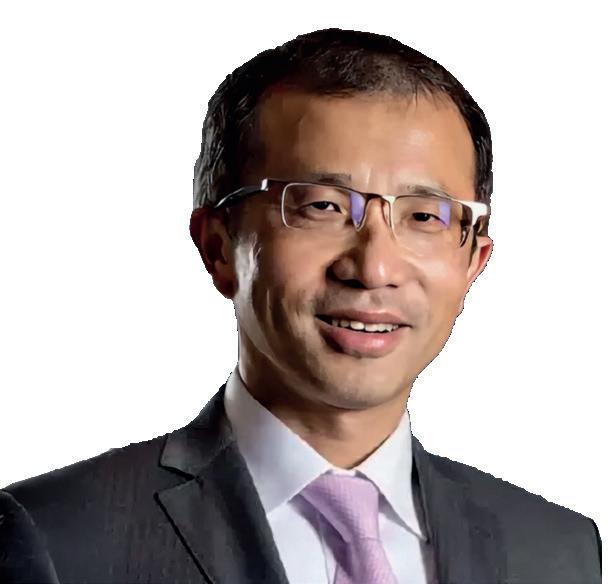
Kenneth Xiaofeng Feng CEO, MGM China
One of the longest-serving executives at the company, Kenneth Xiaofeng Feng, will now step into the role of CEO at MGM China Holdings. Since joining MGM Resorts International in 2001, Feng has held roles in several departments across finance, strategic planning, operations and development. He was also made VP for International Operations in 2007, SVP in 2009 and Executive VP of MGM International Operations from 2017. He first joined the MGM China board in 2018 as Non-Executive Director, before handling the roles of President, Strategy and CFO in 2020.
As CEO, Feng will lead MGM China for a fixed three-year term.
Feng will receive a gross fixed salary of US$1.5m in this role, along with any bonuses awarded by the company


CEO, PointsBet
Following its drawn-out acquisition by Mixi, PointsBet has appointed Andrew Catterall as Group CEO to lead the company into its new era. Catteral has been with PointsBet for almost four years, joining as CEO - Australia in 2022. He succeeds Sam Swanell, who will transition to a Senior Advisor role.
Prior to his time with PointsBet, Catterall was CEO Racing.com for almost five years, where he facilitated both domestic and international coverage for TV channels and wagering operators alike. Catterall was also COO of Beyond Boundaries Group, Chief Commercial and Strategy Officer for Racing Victoria and the General Manager of Strategy and Marketing for the Australian Football League.
Catterall graduated from the University of Melbourne with a Bachelor of Engineering in mechanical manufacturing
Non-Executive Director, The Star Entertainment
Don Pasquariello joins The Star Entertainment Group with over 40 years of experience behind him. After graduating from the University of Melbourne in 1983 with a Bachelor of Commerce, Accounting, Economics and Commercial Law, Pasquariello immediately joined the world of finance with his appointment at KPMG. After working at KPMG as a Partner for almost 29 years, Pasquariello would eventually join Deloitte Australia as the National Clients and Markets Leader for Assurance and Advisory.
Pasquariello joins The Star at a critical time for the company, where his expertise in corporate governance, risk management and regulatory compliance will be vital in navigating towards sustainable growth.
Throughout his career, Pasquariello has focused on clients in the construction and property development industry
South Korea’s land-based casino sector is getting bigger and bigger, and Jeju Dream Tower is relentless in its growth. With full-year results for 2025 to ponder, we see how close it is to toppling Paradise City as the most successful foreign-player-only resort in the country
Jeju Dream Tower opened in 2020 and has reported its results for the full year of 2025. This resort is dependent on tourism due to being foreign-player-only, and this year continued a trend of rapid growth in visitor numbers, also reflected in casino revenue.
Jeju table games / machines revenue split
Looking at foreign-player-only resorts in South Korea, Paradise City has been the most profitable in recent years, and its fortunes have been steadily moving in the right direction. The rate of Jeju Dream Tower’s growth in the past year, however, has seen some suggest it is on course to surpass its competitor. Growth figures for the full year of 2025 point to this being a distinct possibility, but for now Paradise holds onto top spot.
455,552
Tables are still very much king for visitors to the resort. And growth is concentrated in this sector. While machine sales are on the up, they are still a markedly small percentage of the casino’s overall revenue.


In June 2026, the Global Gaming Awards will celebrate a half-decade of recognizing the strongest performers throughout the Asia-Pacific region, including those with US verticals
On the week of the annual SiGMA Asia Summit in Manila, the Global Gaming Awards are once again honored to recognize the strongest industry performers across the previous 12 months, with the self-nomination window now open. The 2026 Global Gaming Awards will be independently adjudicated by KPMG US, ensuring votes for all categories remain fair, while winners are chosen by a panel of senior industry executives.
While the Asia-Pacific region brings forth many of gaming’s most inspiring developments, many operators or suppliers acknowledged at the event carry ties to the US and North America sectors as well. As part of the previous Global Gaming Awards in Manila, Light & Wonder took home the Casino Supplier of the Year honor, celebrating numerous accomplishments over the first half of 2025 and latter stages of the prior year.
Aristocrat represented an extremely close runner-up for the category, while International Game Technology (IGT) came third for its efforts throughout the previous 12 months.
The industry giant still walked away with the Casino Product of the Year award, however, following the success of its Big Fu Cash Bats title.
On December 3, IGT announced the official appointment of Hector Fernandez as its new CEO, following his original appointment nearly a year prior for the newly merged IGT and Everi Holdings entity. Former Interim IGT CEO Nick Khin transitioned into a strategic advisor role for the supplier’s leadership team and Board of Directors, while Fernandez will oversee the enterprise’s Gaming business.
The appointment marks the beginning of a new era for IGT following the transaction with Apollo Global Management, as Fernandez stated he will work with global team members to “define what’s next” for the supplier. Aristocrat also made personnel changes in the second half of 2025, naming Dylan Slaney as the next CEO of Aristocrat Interactive. Slaney represents yet another executive who has served for both Aristocrat and Light &
Wonder, which also includes current Light & Wonder CEO Matt Wilson.
Even with the flurry of leadership changes witnessed in the final months of 2025, suppliers across the globe prepare for what should be a defining 12-month period in gaming throughout the new year.
“Asia-Pacific stands out as one of the most dynamic and resilient gaming markets globally. Operators and suppliers across the region are continuously pushing boundaries, embracing new technologies and delivering world-class experiences,” Global Gaming Awards Event Manager Mariya Savova said.
“We are excited to reward the industry’s outstanding achievements at the fifth annual Global Gaming Awards event in Manila.”
On the operator side of US and Asia-Pacific similarities, MGM China also announced new leadership changes in December, as well as reported successful results for the third quarter of 2025. Kenneth Xiaofeng Feng will serve as the new CEO of MGM China Holdings on a fixed three-year term and has been part
of the MGM Resorts International family since 2001.
MGM also expanded its responsible gaming strategy across Macau on December 15, reinforcing its commitment to building a safe and healthy tourism environment while supporting the Government’s policy direction. The operator stated its latest initiatives form a portion of long-term framework which integrates education, industry training and community-based interventions.Throughout Q3 2025, MGM China operations increased revenue by 17% to $1.1bn, primarily attributed to an increase in main floor table games drop. The sector’s adjusted EBITDAR for Q3 2025 was $284m, increasing 20% and representing a quarterly high for MGM China, which also recorded an all-time high in market share at 15.5%. Potential competition for MGM China at the 2026 Global Gaming Awards in Manila could be Wynn Resorts’ Macau operations, as Wynn Palace generated a 22.2% operating revenue increase to $635.5m for Q3 2025. At Wynn Macau, revenue throughout Q3 2025 increased 3.9% to $365.5m, while adjusted property EBITDAR for the period grew 7.4% to nearly $108m.
Wynn Resorts North America COO Brian Gullbrants spoke on the competition in Macau as part of a Q3 2025 conference call, having said, “It’s hand-to-hand combat in Macau. We have a really clear view of how much incremental GGR market share we need to justify and fade an incremental percentage point reinvestment, so we’re monitoring that closely in real-time.
“We view margin as an outcome of aggressively driving revenues, profitably reinvesting customers and diligently managing costs. So we don’t manage to a specific margin per se, but what we’re constantly doing is looking at our reinvestment relative to revenue. Not market share, revenue.”
Wynn Resorts’ positive results in Macau come with little surprise, as the city’s gaming industry has reported strong results throughout 2025, with October gross gaming revenue (GGR) reaching $3.01bn and equating to a rise of 15.9% year-over-year. October represented Macau’s strongest monthly result for gaming revenue since pre-Covid-19 figures, and topped the previous monthly record for 2025 set in August, which was reported to be $2.8bn.
Despite ceasing operations of its short-lived digital arm after an internal review concluded the project was no longer “aligned with the company’s core long-term objectives,” Las Vegas Sands generated a 7.6% increase in revenue from Macau operations to $1.9bn. The operator’s Venetian Macao property reported a quarterly revenue of $692m, the highest of any facility in the region for Las Vegas Sands.
Moving forward, the operator stated it will continue to concentrate on the land-based enterprises currently residing in Macau and
Singapore. Given the positive gaming results witnessed throughout Macau in the final months of 2025, it’s certainly difficult to fault Las Vegas Sands, as the new year could forge even more opportunity for those conducting business in the region.
Staple categories of the Asia-Pacific awards include Casino Operator of the Year and Casino Supplier of the Year, awarded to Galaxy Entertainment Group and Light & Wonder, respectively, in 2025. These honors will be making their return to the 2026 stage along with Digital Operator of the Year and Digital Casino Supplier of the Year and Casino Product and Table Game Product of the Year.
Other awards that consistently witness heavy competition include Integrated Resort of the Year and Executive of the Year, two of the highest honors bestowed for Asia-Pacific
gaming entities. The 2025 Executive of the Year went to SJM Holdings Chairman & Executive Director Daisy Ho, following PAGCOR Chairman & CEO Alejandro H. Tengco’s honor the year prior. Galaxy Macau was able to secure the Integrated Resort of the Year award as part of the 2025 festivities, and reported a 20% increase for Q3 2025 net revenue to $1.3bn.
Coming off what was a thrilling Global Gaming Awards EMEA ceremony in Barcelona this January, the Asia-Pacific event is sure to continue the legacy of the most respected honor across the industry. Entities currently conducting business in the region can put themselves forward for the Global Gaming Awards Asia-Pacific 2026 by filling out the Shortlist nomination form on globalgamingawards.com.
Global

Gaming
Insider looks back at what Macau’s legacy from 2025 can mean for the year ahead, as well as its impact on surrounding jurisdictions in Southeast Asia
If 2024 was the year Asia’s gaming markets finally found their footing after the Covid-19 pandemic, 2025 was the year they learned how to walk faster. Nowhere was this more evident than in Macau, where the long-running satellite casino era reached a quiet conclusion.For decades, satellites had been a quirky feature of the city’s gaming map, scattered across neighborhoods and anchored by local business operators under concessionaire umbrellas. By the end of 2025, every last one had shut its doors.
Yet the surprise was not the disappearance, but the lack of disruption it caused. Operators absorbed the tables back into their portfolios, mass players simply redirected to larger integrated resorts and gaming revenue stayed remarkably steady. For all the nostalgia surrounding satellites, their closure was a reality check: the future of Macau is about concentrated scale, controlled product and platforms capable of delivering entertainment beyond the gaming floor.
Macau leaned into that future with confidence. With more than 40 million visitors and a calendar full of concerts, festivals, award shows and marquee sporting events, the city spent 2025 reinventing itself. Not dramatically and not overnight, but with the methodical consistency that suggests a strategic shift rather than a marketing season. Premium mass continued to anchor results, while non-gaming attractions showed their growing power to insulate the market from volatility. Even when shocks did appear – the Taipo fire in Hong Kong, weather disruptions or global economic pockets of weakness – the recovery was swift. Macau in 2025 felt less like a buoyed tourist hub and more like a maturing economy.
But consolidation was not only about resilience. It also forced Macau to confront
the limits of its own capacity. Hotel room supply remained tight with occupancy in the high-80s, prompting concerns about price inflation and visitor diversion to competing Asia markets. The World Cup cycle ahead for 2026 cast a small but noticeable shadow on gaming forecasts. Meanwhile, exchange-rate pressure, particularly the renminbi’s strength, pushed cost-sensitive travellers to re-evaluate regional destinations. Macau weathered these challenges, but they exposed how dependent the city remains on supply-side discipline and continuous reinvestment.
Across Asia, 2025 was characterised by a shift away from aggressive expansion narratives and toward regulatory sobriety. Japan took another cautious step back as policymakers wrestled with transparency, governance and public sentiment. Thailand’s high-profile debate over casino legalization ended abruptly when the parliamentary bill was barred, closing the door on what some had hoped would be Asia’s next IR frontier. The Philippines, in contrast, leaned into regulatory tightening. Manila’s operators continued to post strong results, but the focus moved from exuberant growth to compliance and risk frameworks.
The more subtle trend was the region’s preoccupation with online gambling. Governments from Vietnam to Indonesia expressed concern about cross-border platforms, unregulated operators and the intersection with fraud networks. Cambodia and Myanmar intensified enforcement, Myanmar especially launching demolition operations across Shwe Kokko and KK Park as part of a broader crackdown on scam and gambling compounds. These developments signaled Asia’s new regulatory language: enforcement, oversight and integrity over expansion at any cost.
Macau, interestingly, became the symbol of what a maturing gaming hub can look like. It embraced a measured tourism strategy, diversified its events ecosystem and leaned into closer integration with the Greater Bay Area. The city also rediscovered something intangible: the confidence to say no. No to over-reliance on any single market segment. No to legacy formats like satellites that no longer aligned with policy or growth priorities. No to the narrative that gaming alone defines the jurisdiction’s worth.
This confidence mattered, because 2025 was not only about stability. It was also a year of resetting expectations. Operators recalibrated investment cycles. Governments recalibrated regulatory ambition. Consumers across Asia recalibrated how, why and where they travel. The industry’s biggest takeaway was that growth – sustainable, long-term growth –needed new inputs.
Macau did not simply record decent numbers in 2025; it matured. It stepped into the postsatellite era with a more defined identity. It showed that a city can hold on to its gaming core while steadily broadening its offering. It embraced the reality that structural shifts are not temporary disruptions but markers of evolution.
As 2026 begins, the question is no longer whether Macau can return to pre-pandemic peaks. The better questions are whether it can continue expanding its non-gaming reach, whether the Greater Bay Area can deepen its visitor funnel, and whether regional competition will sharpen Macau’s creativity rather than erode its share.
If 2025 was the year the industry grew up, 2026 will be the year it decides what kind of adult it aims to be.
As 2026 progresses with high hopes, Global Gaming Insider assesses Thailand’s legislative near miss from last year
For a few months in 2025, Thailand looked poised to become Asia’s most intriguing new land-based gaming market. The fundamentals were all there: a vast domestic customer base already gambling abroad, a tourism brand that barely needs introduction and a government openly talking the language of integrated resorts, tax competitiveness and regulatory control. International operators circled politely, spreadsheets were sharpened and the phrase “entertainment complex” entered Thailand’s political lexicon with surprising confidence.
Then, just as quickly, it was over.
Thailand’s failed casino legalization effort will be remembered less as a rejection of gambling itself and more as a case study in how economic logic can be undone by political reality. On paper, the argument was compelling. Officials estimated that as much as 40bn baht a year was leaking out of the country as Thai nationals gambled in neighboring jurisdictions. Legal casinos, they argued, would repatriate that spend, create tens of thousands of jobs and give Thailand a new lever to compete with Singapore, the Philippines and Macau in the post-Covid tourism race…
But from the outset, the project carried a quiet contradiction. Casinos were framed as the engine that would make the broader entertainment complex model viable, yet policymakers seemed deeply uncomfortable admitting that fact. Gambling space was capped, marketing language was carefully sanitized and access for Thai nationals was progressively tightened to the point of near absurdity. By the end, locals faced eye-watering deposit requirements and entry fees that made the resorts feel less like national economic projects and more like exclusive enclaves.
This attempt to square the circle – to benefit from casinos without fully embracing them –left the policy exposed. Public support never crystallized. Polling consistently showed a majority opposed, and critics were quick to point out that a model built on restricting domestic participation raised awkward questions about who the casinos were really for. At the same time,

long-standing concerns about illegal gambling, money laundering and regulatory capacity resurfaced with familiar force.
Crucially, this wasn’t just an industry debate; it was a values debate. In Thailand, gambling still carries a strong moral stigma, reinforced by religious voices and civil society groups who view it less as entertainment and more as a social risk. Legalization therefore required a societal tradeoff: accept gambling as a regulated, taxable vice in exchange for economic gain. That compromise never achieved broad legitimacy, particularly as corruption scandals and ethical investigations eroded trust in the very institutions meant to oversee the system.
Politically, the bill proved just as fragile. While early parliamentary votes suggested overwhelming support, that consensus masked deep unease within the ruling coalition. Once internal opposition became public and coalition arithmetic shifted, the project’s foundations cracked quickly. The suspension of Prime Minister Paetongtarn Shinawatra and the withdrawal of a key coalition partner transformed a contentious bill into an existential risk. By July, withdrawal was less a tactical retreat than an admission that the Government no longer had the authority – or appetite – to push it through.
For the global gaming industry, Thailand’s near miss is instructive. Demand was never the issue. Nor was operator interest, tax competitiveness or long-term tourism potential. What ultimately sank the project was the absence of a clear, shared answer to a simple question: ‘what role should casinos play in Thai society?’ Until that question is resolved, any future attempt will face the same headwinds, no matter how polished the proposal.
The episode also underlines a broader truth about Asian market expansion. Liberalization is rarely linear, and it is never purely technocratic. Casinos sit at the intersection of revenue policy, social norms and political trust. When one of those pillars weakens, the whole structure becomes unstable. Thailand didn’t reject casinos because the numbers were wrong; it rejected them because the politics – and the public mood – refused to align.
That doesn’t mean the story is finished. The economic pressures that drove the initiative remain, and Thailand’s gambling dollars are still crossing borders every day. But 2025 has shown that when Thailand does eventually roll the dice again, success will depend less on modelling returns and more on winning the argument at home.
Eugene Ravdin, Seobrothers Head of PR and Global Gaming Insider contributor, gives us Asian iGaming markets through the eyes of an SEO affiliate
SEO-driven affiliates have been watching Asian iGaming markets for years. With huge populations, active players and growing economies, they seem full of promise. In Europe, competition is so tough that Asia feels almost like heaven.
At Seobrothers, we’ve spent several years working in Asia, mainly in betting with our MightyTips brand. We’ve made mistakes, learned the details and gained real experience. Here’s what we found out.
Asia’s biggest strength is its size. Countries like India, Pakistan and Bangladesh have audiences in the tens of millions, and interest in betting and gambling remains high. But you can’t succeed without localization –and that means more than just translating the user interface and communication. You need to know which sports and which markets
are important. Payments are crucial. If the operator doesn’t offer local payment methods, you won’t get any conversions.
Design and branding are important, too. Generic templates that look the same everywhere don’t build trust with local audiences – and your conversion rates will drop.
Asia is not a homogeneous market. What players care about differs vastly within each country. In India, cricket is the focus. Kabaddi is important in Bangladesh. In Southeast Asia, people follow European football, badminton or local martial arts.
If you push the wrong things, you won’t get any response. Bonuses, promotions and content all need to match what each audience wants. Generic solutions will only waste your budget.
Traffic volume is important everywhere but, in Asia, it can decide your success. In some places, especially India, player value is very low. Deposits are small, so you need to make money through large numbers. Those who can manage high volumes succeed here.
However, in Malaysia and Thailand, there are fewer first-time depositors, but they spend more – so you can earn more with less traffic. That said, you’d want to focus on scale in any case.
Partnership models in Asia are similar to those in Europe. Listing fees and RevShare work well for us. Hybrid models are less common in countries with low player value but, overall, the logic remains the same. The KPIs are also familiar: FTDs, retention and play frequency. Operators want players to stay and return. There are no special metrics unique to Asia.
The Asian region is not a closed group. Having a reputation and history here can help, but it is not a must. Operators care most about results. If you can show success in other regions, you will be in demand.
Red flags in negotiations are the same everywhere: unrealistic promises, lack of transparency, unclear contract terms, payment problems, questionable brand reputation, and frequent rule changes. This applies in both Asia and Europe.
PAYMENTS ARE MAKE-OR-BREAK
Payment methods in Asia are not just important; they are critical. Each country has its own preferred payment options that players rely on. Easypaisa and JazzCash are the top 2 in Pakistan. Mobile UPI services rule in India. Go for bKash and Nagad in Bangladesh, and for Touch ‘n Go in Malaysia. In Thailand, PromptPay and TrueMoney are the biggest. No local payment methods? Consider that market dead for you.
Pakistan, India, Bangladesh: Tons of players, small deposits. Indian audiences especially love free bonuses. High value isn’t happening, so you work on volume.
Main sports: cricket, top football leagues, and kabaddi.
Malaysia and Thailand: Higher player value. Less volume, but bigger average check, so better profit in the end.
Main sports: Football is popular in both countries. Badminton hits in Malaysia, Muay Thai in Thailand.
Absolutely. Europe’s been overheated, and Asia is still developing and not oversaturated. There is a huge audience, growing interest in iGaming – and still room to dig.

Ron Mendelson, Founder & Managing Partner of Fast Offshore, outlines 2026’s biggest potential iGaming growth trends for the APAC region
The online gambling industry in the Asia-Pacific (APAC) region continues to demonstrate impressive momentum and growth as we move into 2026. For us at Fast Offshore, this is the region to watch over the next 12 months and beyond as it becomes one of the most lucrative and potential-filled opportunities we have seen in decades.
Southeast Asia’s iGaming market is on the up and, in particular, the casino gambling sector is projected to grow to at least $177bn by 2030 with an impressive CAGR (compound annual growth rate) of around 8.04%. Markets such as the Philippines, Vietnam, South Korea, Macau and Singapore remain central to this growth, and are supported by rising disposable incomes, tourism recovery, digital infrastructure improvements and the appeal of integrated resort models. Yet the region’s regulatory diversity requires operators to adopt flexible, compliant frameworks, such as in Anjouan or Nevis, to capture opportunities effectively. When it comes to trends to watch over the next 12 months, here are our tips for savvy entrepreneurs.
MOBILE GAMING
Mobile gaming stands out as one of the
most dynamic areas for growth. In Southeast Asia alone, mobile platforms commanded a 65.5% share in 2024, driven by widespread smartphone penetration, 5G rollout, and enhanced device performance. In 2026, pretty much everyone has access to a basic smartphone, and they look to it for all forms of entertainment. Things have changed quickly and the uptake of smartphones, including newer and more dynamic models, is also set to increase as we go through the year. This dynamic shift has transformed gaming into an accessible, on-the-go experience for clients from across the region, with high engagement across casual, social and real-money formats. The growing emphasis on mobile-first design by operators also supports frequent play sessions, freemium models, in-app monetization, and seamless integration of features like live streaming - all of which are of high interest to today’s players. Operators who are not ready to focus on mobile gaming in 2026 will find themselves losing out to those who are.
Chance-based gaming also offers substantial potential and is expected to expand at
a 20.7% CAGR through 2034. Simple, immediate formats such as slots, lotteries and quick-play options resonate widely with players across demographics, encouraging repeat play and returning players. Savvy operators will, however, look to include a combination of gambling options on their sites, including games of chance and games of skill. But offering both kinds of game can cause headaches with licensing, unless you have chosen a jurisdiction that offers a one-license-fits-all approach. For example, Anjouan offers such a model with no additional permits or paperwork required for different types of games. This license appeals mainly to startups and mediumsized operations who prioritise speed, flexibility and cost-saving, particularly in the early days. But Nevis, a recent entrant to the market, also offers a single license for all kinds of games. This is a tier-1 license, available at a competitive cost and providing all the benefits of a goldstandard license, but with the flexibility of a tier 2 or 3 model.
Live casinos have fundamentally reshaped

player expectations by delivering authentic, interactive experiences for clients and players through advanced real-time streaming. In 2026, any operator not offering a live casino, particularly in APAC, will lose valuable clientele. What was once confined to landbased venues is now accessible remotely, particularly valuable in APAC regions where physical casinos are limited or distant. Low-latency technology enables lifelike dealer interactions, game shows, and social elements, significantly boosting engagement and retention, even in locations where 5G may be sluggish.
Looking toward 2026, several streamingdriven trends are set to define iGaming progress in hosts, streamers, local personalities and celebrities into live sessions. This social approach applies effectively to live game shows, skill-based games, esports betting, and alternative formats, drawing in audiences through personality-driven content and community appeal.
• Social casino streaming: Low-stakes or non-cash alternatives replicate casino
atmospheres via live streams, virtual slots, and dealer games
• Micro-interaction gameplay: Elements such as micro-bets, instant bonuses, tipping, bet-behind options and interactive overlays keep sessions dynamic
• Hybrid gambling experiences: Combining live streams from physical tables with online access expands player pools without major infrastructure changes. This offers a dynamic blend of betting and entertainment to keep your APAC players happy
For any iGaming operator, being able to offer services to players in APAC, one of the most lucrative and fastest-growing markets in online gambling, is essential. To do so, though, while partnering with the best payment providers, game studios and other service providers, you need the right license. This will also help instill legitimacy with your players, something that is crucial in a booming and competitive sector. At Fast Offshore, we recommend either Anjouan
or Nevis, depending on your budget, time frame and needs. Both are legitimate licenses, but they both have different entry points, benefits and levels of recognition and reputation. Anjouan has over 1300 operators licensed in the last few years, and has the quickest and lowest-cost license on the market. Meanwhile, Nevis offers an agile set up process, with a sterling reputation and all the perks you would expect of a top-tier license.
Both jurisdictions enable operators to navigate APAC’s fragmented rules effectively, focusing on innovation rather than regulatory hurdles. As APAC’s online gaming sector matures, success will depend on embracing these trends responsibly; leveraging technology for better user experiences, prioritizing consumer safeguards, and selecting licensing pathways that ensure operational agility and regulatory alignment. The outlook remains highly positive for operators positioned to adapt and innovate in this dynamic landscape.
To find out more about operating in APAC, or the Nevis or Anjouan license, the team at Fast Offshore are waiting to hear from you.

The Chair and CEO of the Philippine Amusement and Gaming Corporation (PAGCOR), Alejandro Tengco, made the long trip from the Philippines to Barcelona for ICE 2026 –and took the time to speak to Global Gaming Insider at the show
Having just reiterated to an audience of ICEgoers PAGCOR’s long-term commitment to the decoupling of its revenue-generating operator arm and its regulatory remit, it was apt to begin our discussion on that topic.
“In the early part of my term as Chairman and CEO of PAGCOR, clearly one of the things that I saw was PAGCOR wearing two hats: that of a regulator and another as an operator. PAGCOR operates close to 40 casinos, so I thought this was not the right thing. I believe you cannot be both an operator and a regulator. So I pursued as such.”
Plans to this extent have been floating since 2023, with a target of late 2026 or early 2027. Before the sales can take place, the official remit of PAGCOR must be altered, meaning a rewriting of the PAGCOR charter. It seems this administrational hold up is soon to be unblocked.
“Part of the process of this decoupling is submitting and abiding by the rules of the Governance Commission for GovernmentOwned or Controlled Corporations (GCG).
So as of the fourth quarter of this year, we have submitted all the necessary requirements and we expect that maybe in the next quarter, a decision will be made. Once the decision is made to decouple, it will be endorsed to the office of the President who will, if he approves it, have to sign an executive order. And that will basically separate the functions of PAGCOR, wherein the operations aspect will be auctioned off or sold, and PAGCOR will remain to be just a regulatory company.”
Innovation is a watchword of events like ICE, but it is not universally positive; as the complexity of technology increases, the scale of its impact broadens, deepens and stretches in every direction. It is not a linear acceleration, and neither is it always clear whether fully white or black-market tech innovators are the ones at the cutting edge.
Whichever of those it is, it’s very rare for the regulatory authorities themselves to be ahead of the curve. In the Philippines, loosening the state’s grip on industry may initially increase public trust, but the growth of the private gambling
sector will also make the job of regulating it harder. Chairman Tengco appeared to be laying the groundwork for this reality and during his panel performance warned of discomfort to come. “Compliance over convenience.”
Stemming the black market is one part of trust and perception maintenance. And that trust will have taken a blow from the catastrophic POGO programme – a blow from which it is still recovering. But a regulator’s role is often thankless, and the sale of casinos could result in masses of job losses, which is not usually popular with the aforementioned masses.
“The first and biggest challenge is the labor force. We have a workforce of about 10,000,” he explained to Global Gaming Insider. “And the labor force of the operations group is the first one that will be affected. We will be selling the casinos and that would be about 5,000 or half of the workforce affected by the decoupling. So that is a major challenge I have to deal with. If there’s one thing I can tell you now, it’s that I will definitely protect the workers, meaning I’ll make sure their rights are protected and
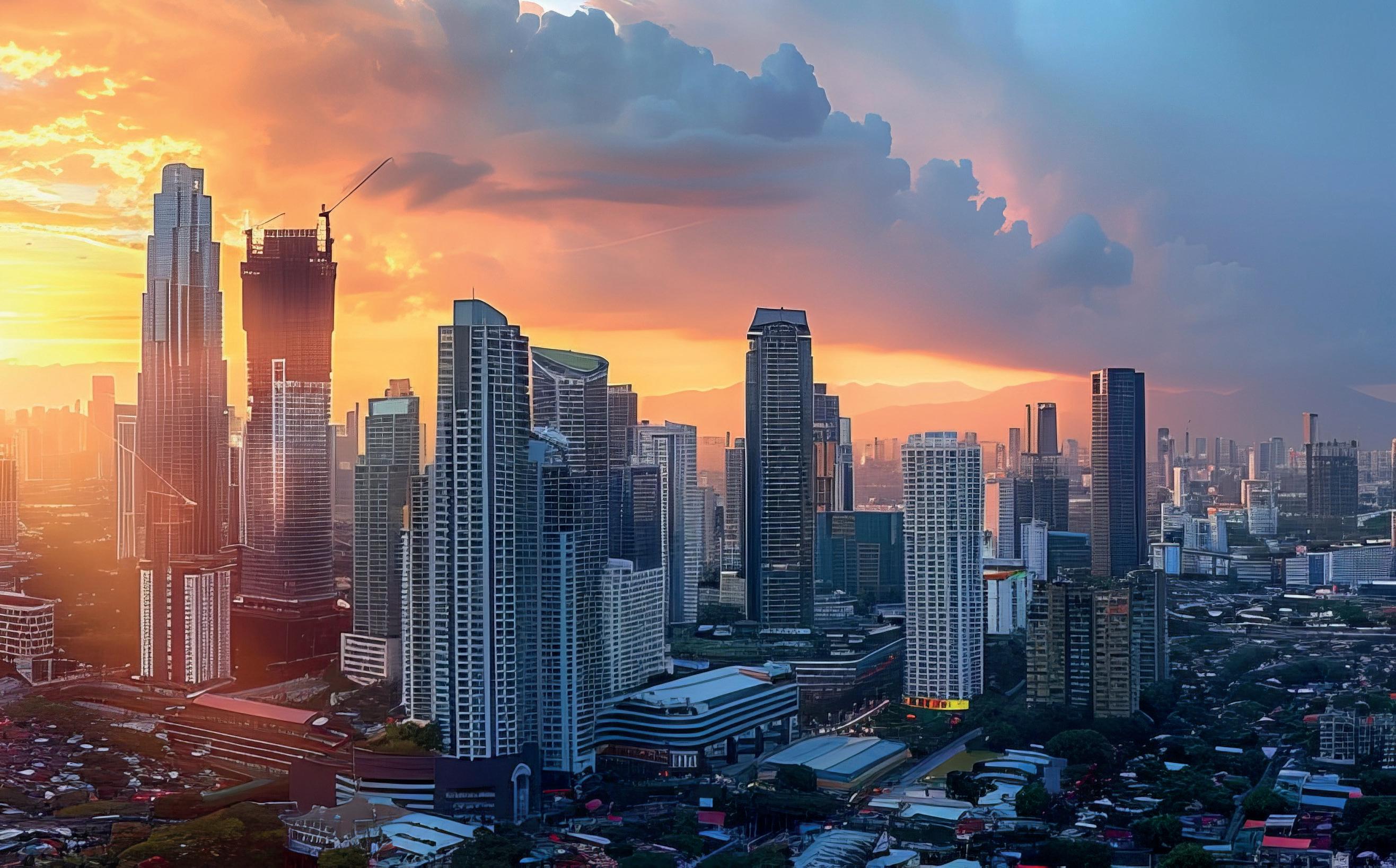
whatever compensation is needed in relation to their involuntary retirement would be. We will make sure all those who will be affected will get the proper compensation.”
This will surely be the most immediate discomfort PAGCOR faces, and though one Chairman Tengco is most keen to address – it will likely not be the last. It is interesting then that during these, the final days of PAGCOR operating with a dual function, the Chairman is still extremely active in trying to secure and reinforce iGaming revenues. The enforced delinking of e-wallets and gambling sites reduced those revenues by around 49% in August. We asked the Chairman whether this was a good example of compliance over convenience.
“Last August, when the decision by the Bangko Sentral of the Philippines was made, we were definitely affected by the delinking. Sales went down by as much as 40 to 45%. However, just like in anything, a gambler will always be a gambler. He will find means and ways to be able to gamble again. So, the numbers are slowly coming up and, at the same time, I am now putting together a position paper addressed to the Central Bank of the Philippines so that maybe we can review the delinking and, if possible, link these payment platforms again. It’s something that I’m currently studying, and I will make a recommendation to the Bangko Sentral at the soonest possible time. I’m not saying it will happen. I would like to be very careful on this. I am currently putting together a position paper.”
The broad challenges facing the soon-to-be decoupled PAGCOR are not unique, but the specificities of context in the Philippines will have afforded Chairman Tengco certain unique insights. This is the purpose of regulators attending summits like these: to share common lessons from disparate jurisdictions. The
notion of a borderless industry was a prevailing theme among many conversations at ICE, often appearing as justification for borderless, or at least ultra collaborative, regulatory movements. We asked the Chairman what the most important lesson he took from the event was and what he felt was the most valuable lesson he could impart on the world stage.
“Number one is clearly my belief that we have to all work together. Whether you are in North America, you are in South Africa, you are in the Caribbean. I would like to advocate that all the regulators sit down and have coffee and exchange whatever. And clearly number two – and I want to impart this to all of them – let us strengthen the responsible gaming side of the industry. Whether it is land-based or online gaming, this is what we really have to give emphasis to. Now is a good time to show
the world that we have responsible gaming initiatives and tools. Whether it is certain AI powered tools like self-exclusion, player monitoring of bets and deposits, gaming hotlines or rehabilitation centers. We all should give weight and time to the thought of strengthening responsible gaming.”
Almost as a full stop to that end, the Chairman pointed to another positive development in his own jurisdiction, the establishment of a responsible gaming hotline.
“We will have a new hotline for responsible gaming, and I am hoping that the responsible gaming call centre will be working by the latter part of the first quarter of this year. That is my goal. Maybe there will be a slide of one month or two, but definitely in the first half of this year, PAGCOR will have for the first time, a responsible gaming hotline.”
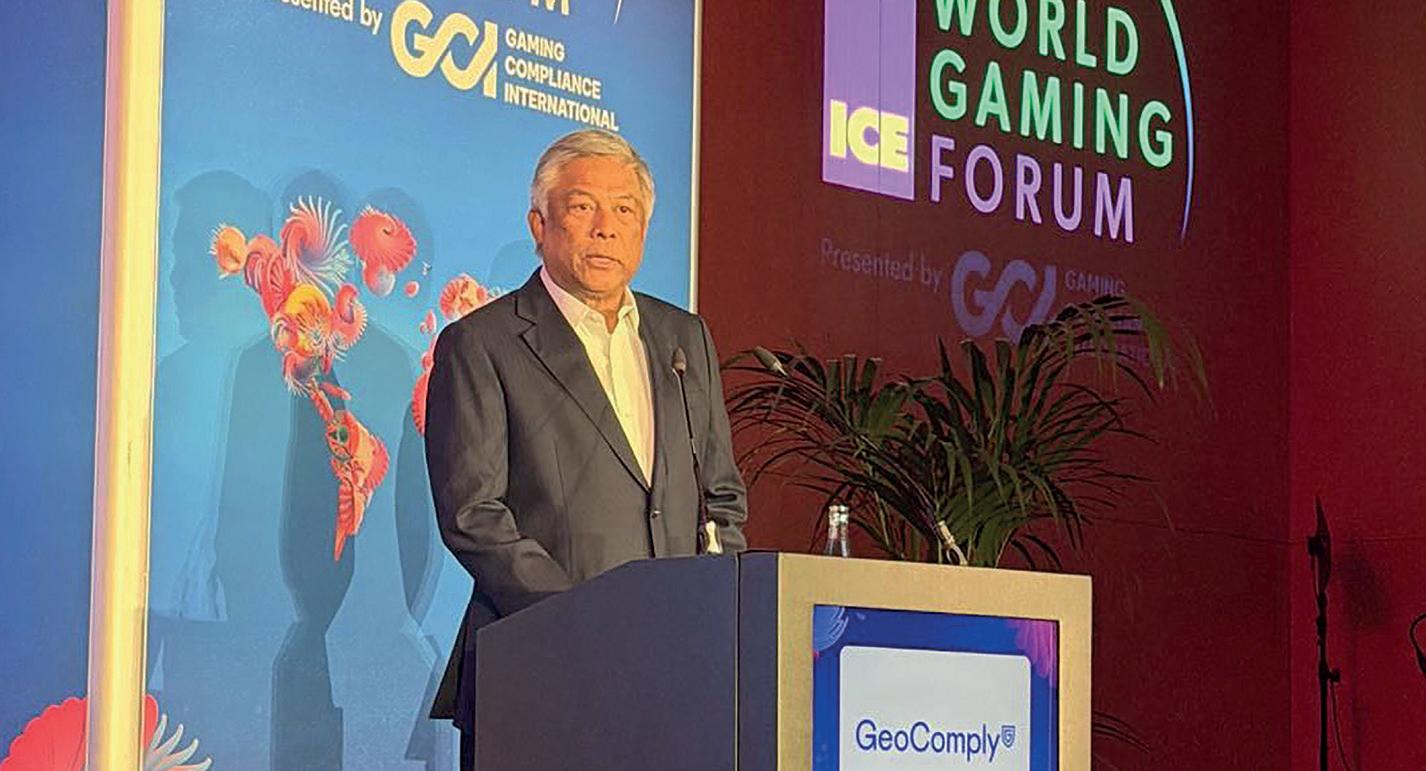
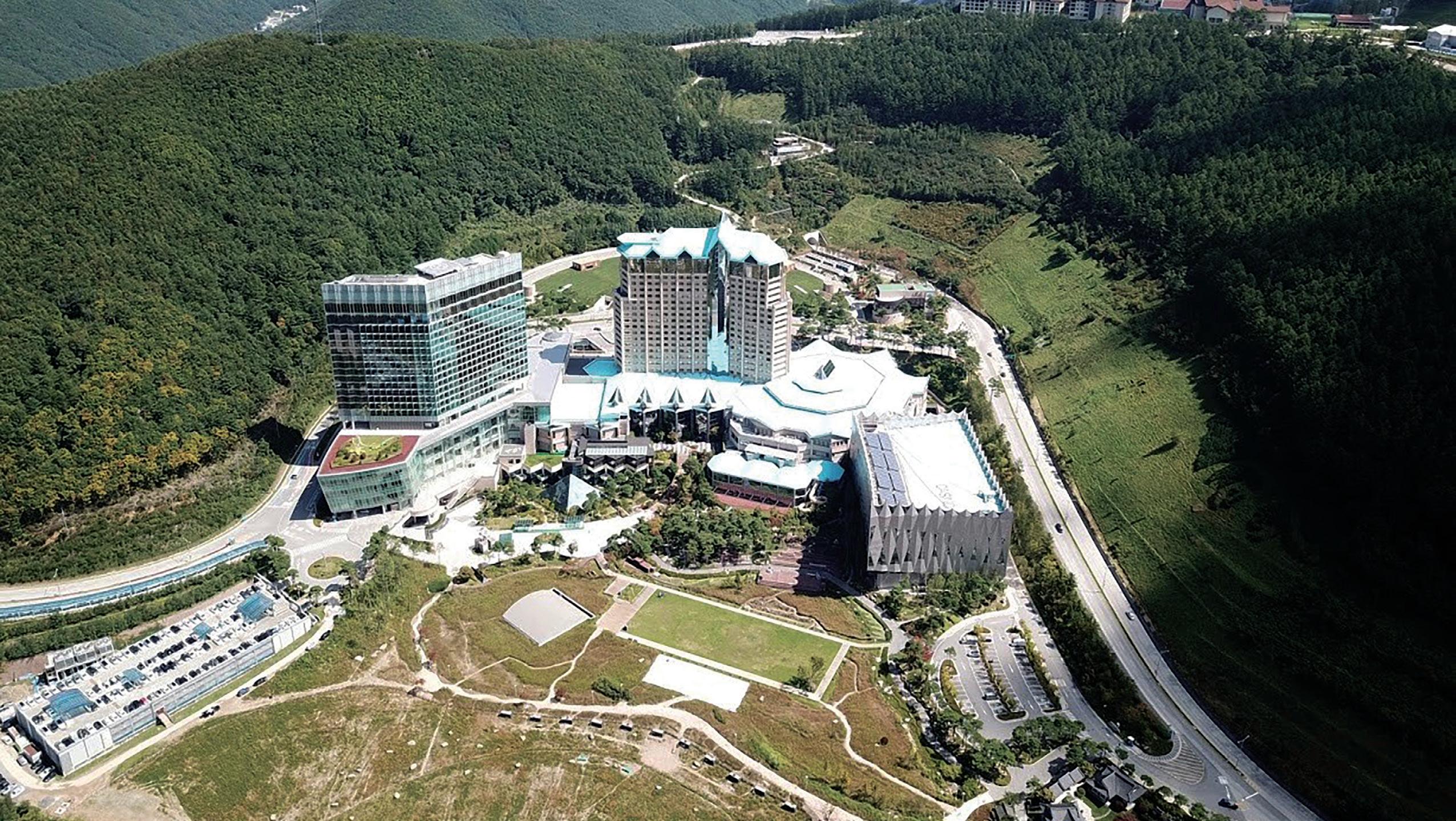
New integrated resorts have been announced across Asia, with some immediately changing hands and legacy properties closing. How is South Korea’s Kangwon Land planning to stay ahead of the curve?
Integrated casino resorts are big business. As a corporate model, they might not be anything new, but they are seeing a resurgence in popularity across Asia. Between Inspire Entertainment officially opening in March 2024 and MGM Osaka breaking ground in April 2025, operators are beginning to market these properties as all-in-one tourist destinations, rather than a quick flutter at your local casino. Kangwon Land, although known for being Korea’s only casino that allows citizens to play, refuses to be left behind in this resort rush.
Since first being established in 1998, Kangwon Land has already seen several iterations of itself. Over the past 27 years, a new hotel, condo, golf course, ski resort and water world have all been opened at the property located in the Gangwon Province highlands. Although they are new and exciting, non-gaming revenue at the property still only accounts for approximately 13%. Specifically, the hotel was responsible for 7% of non-gaming revenue in 2024, and condos brought in 3%, but the rest brought in 1% respectively. The remaining 87% can be attributed to the casino.
However, Kangwon Land is now committing to a KRW3tr (US$2.04bn) revamp of the property. Named the “K-HIT 1.0 Project,” the new resort has an estimated completion date of 2035 and will include a new domed entertainment venue, musical fountains, a K-Culture studio and three new
hotel towers. Executives believe this will attract 13 million visitors annually to the property and create KRW3.5tr in yearly revenue. The media venue will be used for concerts and other large-scale events in a similar way to Inspire’s Arena, which has already hosted some of Korea’s biggest musical acts and awards ceremonies since opening two years ago. Fans have traveled from all over the world to attend these shows, with many of them staying in Inspire’s accommodation and spending time in the adjoining facilities.
One small issue, though. Kangwon Land is a four-hour journey by shuttle bus from Incheon International Airport, while Inspire is 20 minutes. Additionally, travelers will have to spend six hours if coming from Busan or three hours from Dong Seoul. It is no surprise, then, that the resort is looking to market itself as an all-in-one resort. In addition to the golf course, ski resort and water world already mentioned, Kangwon Land also has plans for a spa resort, guided walks, night-sky observation talks and seven new sports facilities. Rather than encouraging fans to spend one or two days at the resort while catching their favourite artist in concert, Kangwon Land is banking on people making a full holiday out of the experience. And, when considering Kangwon Land is the only land-based casino welcoming locals, it would not be surprising if the operator is
targeting domestic holidaymakers alongside international ones.
The first two aspects of the revamp, the transportation links and the casino, are expected to be completed by 2028. The first will include an 846-meter-long cable car route, as well as 1,880 additional car parking spaces. This will encourage more people to make the trip, especially customers who may prefer driving rather than taking public transport.
As for the gaming section, the new casino building will have five levels, with two of these located underground for extra space. While having too many visitors is a hypothetical scenario most operators would dream of, Kangwon Land has been concerned that the casino floor has become cramped in recent years. By introducing an entirely new building, the operator hopes it will encourage players to explore everything the casino has to offer in a more relaxed, open atmosphere.
Ultimately, the revamp has the potential for powerful synergy between the different operations. More casino patrons will lead to an increase in revenue that can be used for marketing and resort upgrades, which will then lead to more visitors for both gaming and non-gaming ventures. Kangwon Land may be known primarly among keen casino players, but it is never too late to invest in diversification – especially when the competition is stronger than ever.


















































Need to know the latest products on the gaming market? Global Gaming Insider has you covered
SEESAW CRAPS: FEEL THE TILT, LIVE THE THRILL. THE HEART-POUNDING HYBRID WHERE DICE DEFY GRAVITY. Forget everything you know about electronic dice. LTGame doesn’t just animate the game – we SET IT IN MOTION. Introducing Seesaw Craps: where the physical swing of a real seesaw launches genuine dice into a world of digital brilliance. This isn’t just gaming; it’s kinetic artistry.
TOUCH. TILT. TRIUMPH.
This is where the magic happens. Feel the weight shift as you engage the seesaw. Hear the clatter of real dice on a physical surface. Watch as mechanical force and digital precision collide
in a breathtaking moment of chance. We’ve replaced passive watching with ACTIVE PLAY, delivering an unmatched tactile authenticity that pure screens can only dream of.
ENGINEERED FOR EXCITEMENT, DESIGNED FOR DOLLARS
Every curve of the cabinet, every pulse of light, every intuitive touch control is crafted for one purpose: total immersion. Players don’t just stay longer – they become part of the spectacle. This multi-sensory hold translates directly to what matters for you: increased dwell time and maximized revenue potential. Seesaw Craps isn’t just a machine; it’s a destination.
THE EDGE IN A CROWDED MARKET
In a sea of screens, be the sensation. Seesaw Craps taps into the timeless nerve of dice-rolling nostalgia, then electrifies it with a mechanical twist no one can ignore. It sparks conversations, draws crowds, and creates the memorable moments that turn visitors into regulars.
THE WORLD IS NEXT
With global certification underway, Seesaw Craps is poised to become the centerpiece of gaming floors worldwide. The future of hybrid entertainment is here, and it moves. Ready to turn your floor into the main attraction?
The next big move starts with Seesaw Craps.
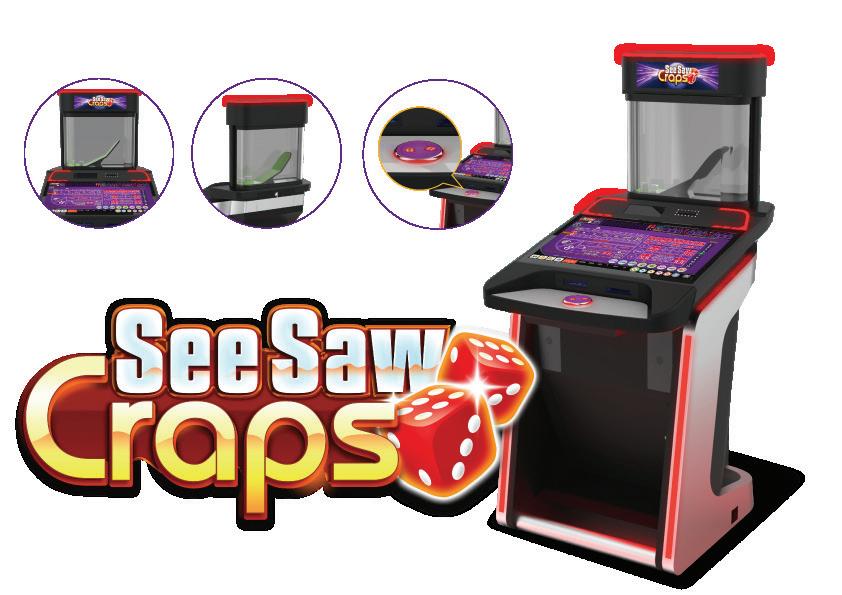


Global Gaming Insider takes a look at monthly stock prices from the opening day of the past six months, analysing August 2025 – January 2026. Here, we focus on global firms who are particular big hitters within Latin American markets
• Six-month high: September (15.26 EUR)
• Six-month low: November (13.77 EUR)
• Market capitalization: US$2.86bn (As of 9 January 2026)
• Six-month high: August (162.53 SEK)
• Six-month low: January (135 SEK)
• Market capitalization: US$2.04bn (As of 9 January 2026)
• Six-month high: August (7.30 EUR)
• Six-month low: November (5.25 EUR)
• Market capitalization: US$354.8m (As of 9 January 2026)
• Six-month high: August (4.00 USD)
• Six-month low: January (2.11 USD)
• Market capitalization: US$57m (As of 9 January 2026)
Between changing regulations and high-profile court cases, it has been a busy year for gambling in Latin America. Such a busy environment calls for careful executive decisions, which is why several appointments tell a unique story about what each company – and Board – wants to achieve
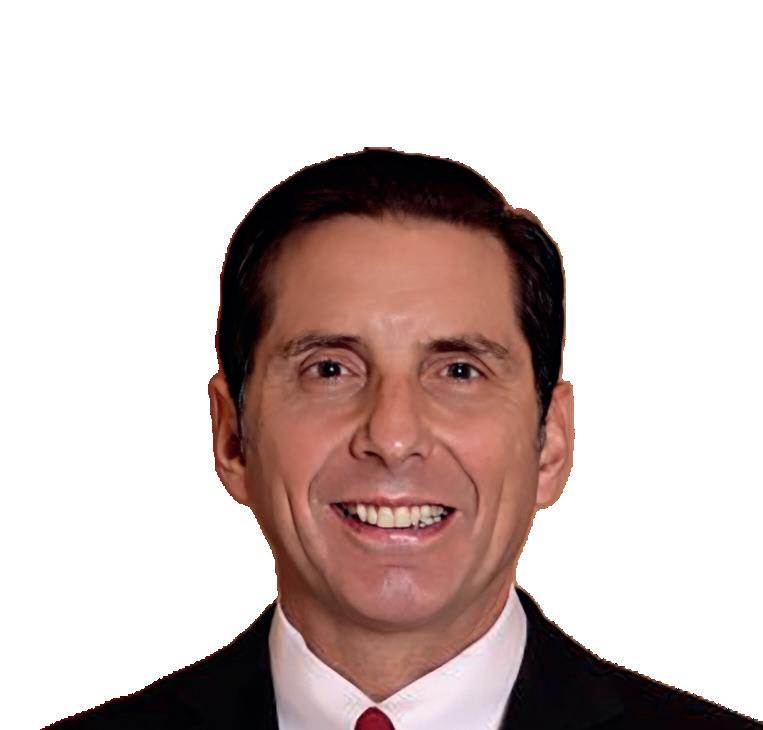

Eduardo Monte Chief Executive Officer (CEO), Flutter Brazil
As the Brazilian gambling ecosystem continues to evolve and develop, Flutter has handed the reins to Eduardo Monte. He will lead the company through the tumultuous waters of an emerging market, all while personally overseeing the growth of the Betnacional and Betfair Brasil brands.
Monte has over 20 years of experience in corporate finance, business management, mergers and acquisitions. Previous companies from his roster include Deloitte, Rio Bravo Investimentos and Hapvida Saúde. He joined the company in 2023, when Brazil began opening up to major international operators, and has been part of the company’s growing storyline ever since.
Monte completed the Executive Program, Mergers and Acquisitions from The Wharton School in 2011

André Boesing South LatAm Manager, OKTO
With almost two decades of international payments experience under his belt, André Boesing will take his next steps as the GM of South Latin America at OKTO. He will oversee operations in Argentina, Chile, Uruguay, Paraguay and Bolivia as the company continues its expansion across the different regions.
His previous work saw him expanding, acquiring and issuing solutions across Europe, Asia and Latin America, with a record of managing commercial growth in markets with developing regulatory environments. He has previously worked for the Royal Bank of Scotland in Spain, Kalixa Payments in Austria and Brazil, and most recently Phoenix Business Consulting also in Brazil.
Boesing is fluent in Portuguese, English, Spanish and has good knowledge of Dutch

Arildsson Chief Financial Office (CFO), Codere Online
Marcus Arildsson joins Codere Online as its new CFO with over 25 years of financial experience across investment banking, corporate finance and equity sectors. Over his extensive and fruitful career, Arildsson has managed over €14bn ($16.2bn) in M&A, IPO and other equity and debt financings for domestic and international clients.
At Codere Online, he will oversee all financial operations as the company continues to focus on Spain and Latin American operations. Arildsson will be responsible for driving growth across Codere’s operations, particularly as the company considers branching out into new markets. Arildsson replaces Oscar Iglesias, who is expected to join the board.
Arildsson volunteered at the Princess of Girona Foundation for two years, mentoring disadvantaged young people
At the tail end of 2025 the Sports Betting Alliance sued the City of Chicago over a new tax that would take a cut of revenues generated within city limits. Illinois already has high tax rates, but what would such a tax do, and is it really going to happen?
Highest sports betting tax rates in the US (mobile/retail)
These are the top-end tax rate in the states with the highest taxes on gambling in the US. Taxes are imposed in different ways, with sports betting in Illinois having a graduated system of between 20-40% depending on revenue. Adding the tax impact of the graduated per wager tax introduced last year puts another 10% on top in effect. If the City of Chicago then added its own mooted 10.25% levy, that would mean some of the biggest operators trading there would be lumbered with the highest tax rate in the country.
October 2025 tax take in states with highest rates ($m)
Of the states in which sports betting is legal, New York is predictably the biggest earner for state coffers. Thanks to enthusiasm and the highly concentrated population around New York City, the state manages to have the equal highest tax rate and by far the highest collection figures. Illinois is some way behind in second place for tax take. States like Nevada have big monthly handles but low taxes, so the collection doesn’t match up. New Jersey and Pennsylvania come closest to matching Illinois’ collection figures, with rates of 19.75% and 36% respectively.
Operator contributions to Illinois sport handle ($bn)
The SBA is made up of DraftKings, FanDuel, bet365, BetMGM and Fanatics Sportsbook. The group have suggested it may have to stop trading in Chicago if a temporary restraining order against the City of Chicago is not granted. The city’s new budget for 2026 includes $26.2m that it hopes will be brought in via this tax. This assumes $255.6m in yearly revenue. Some have called the accuracy of this estimate into question, but there’s no doubt that, without the five members of the SBA, the take would come nowhere near this.
The American Gaming Association is a regular Global Gaming Insider contributor. In this issue, Mike Vanaki , Director, Government Relations, discusses why state-regulated and Tribal gaming matters
The success of the legal gaming industry in the US rests on a clear and deliberate framework: state and Tribal regulation. That system – built over decades through legislation and enforcement – has created a legal marketplace that protects consumers, supports communities and holds operators accountable. As gaming continues to grow and evolve, preserving state and Tribal authority is not just important – it is essential.
State and Tribal regulators are closest to the communities they serve. They understand local priorities, economic realities and public expectations, and they are best positioned to oversee gaming in a way that balances growth with responsibility. This approach has allowed gaming to expand thoughtfully, under rules tailored to each jurisdiction rather than a one-size-fits-all mandate.
That oversight is rigorous and ongoing. Licensed operators must comply with strict







requirements covering age verification, geolocation, anti-money laundering controls, game integrity, as well as responsible gaming programs – which include employee training, consumer education and mechanisms that allow players to set limits on their play. Compliance is not a box to check – it is a continuous obligation.
Regulators audit operators, monitor activity in real time, and enforce the law when standards are not met. Nationwide, more than 8,000 state and Tribal regulators are responsible for ensuring the integrity of the legal gaming market and the safeguards they uphold are a key reason gaming has become a trusted, mainstream form of entertainment for millions of Americans.
This framework has delivered tangible results. In 2024, commercial gaming generated more than $72bn in revenue and nearly $16bn in state and local tax contributions. Those dollars support education, infrastructure, public safety and essential services in communities across the country. The industry also supports approximately 1.8 million American jobs, spanning gaming operations, hospitality, tourism, manufacturing and technology.
For Tribal nations, gaming revenue plays an especially vital role. Tribal gaming supports hundreds of thousands of jobs and serves as a primary economic engine for many Tribes, funding healthcare, education, housing, and cultural preservation. Tribal gaming represents sovereignty in action –governed by Tribal governments with support from federal partners and grounded in accountability to tribal communities.
The contrast with illegal or unregulated gaming could not be clearer. Illegal operators operate outside state and Tribal rules, offer no meaningful consumer protections and avoid oversight entirely. They do not verify age, do not provide responsible gaming tools, and do not answer to regulators. Many are based offshore,
beyond the reach of US enforcement, leaving consumers exposed to fraud and abuse with little to no recourse.
Illegal gaming also carries real consequences for states and Tribes. Americans wager hundreds of billions of dollars annually in illegal or unregulated markets, draining tens of billions in potential tax revenue from jurisdictions that rely on gaming to fund public priorities. When gaming activity moves outside established frameworks, communities lose resources – and consumers lose protection.
As new products and platforms mimicking gaming or claiming to be gaming emerge, the importance of state and Tribal authority only grows. Innovation works best within clear legal boundaries that preserve trust and accountability. Prediction markets offering sports event contracts are a perfect example as they clearly bypass state laws to offer sports bets – regardless of what they call it. When companies attempt to bypass established regulatory frameworks or exploit legal gray areas, it undermines consumer confidence and destabilizes the broader marketplace.
Protecting state-regulated and Tribal gaming is not about resisting change. It is about ensuring that change happens responsibly, under rules designed to protect the public and uphold integrity. Policymakers, regulators and industry leaders must continue working together to reinforce these frameworks, close loopholes that allow illegal activity to flourish, and ensure that all gaming operates under the same standards.
Legal gaming did not earn public trust overnight. It earned it through strong regulation, effective enforcement and a shared commitment to consumer protection. Preserving state and Tribal authority is the foundation of that trust –and the key to ensuring gaming continues to deliver economic and social benefits for years to come.
























From proven player favorites to bold new titles, our deep game portfolio delivers something for every floor and every player.
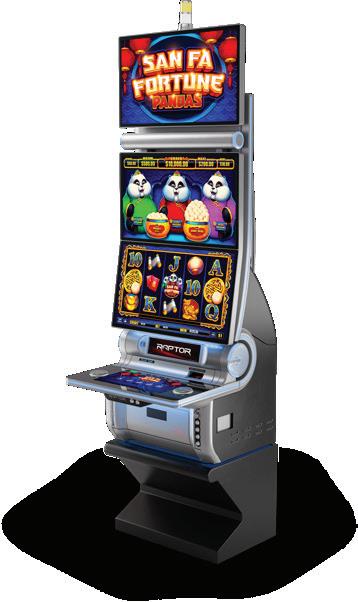
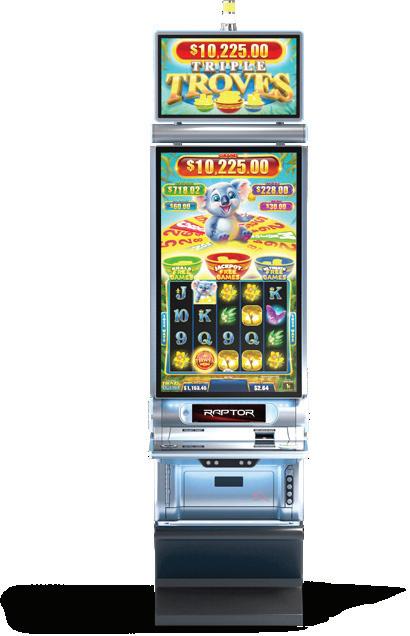
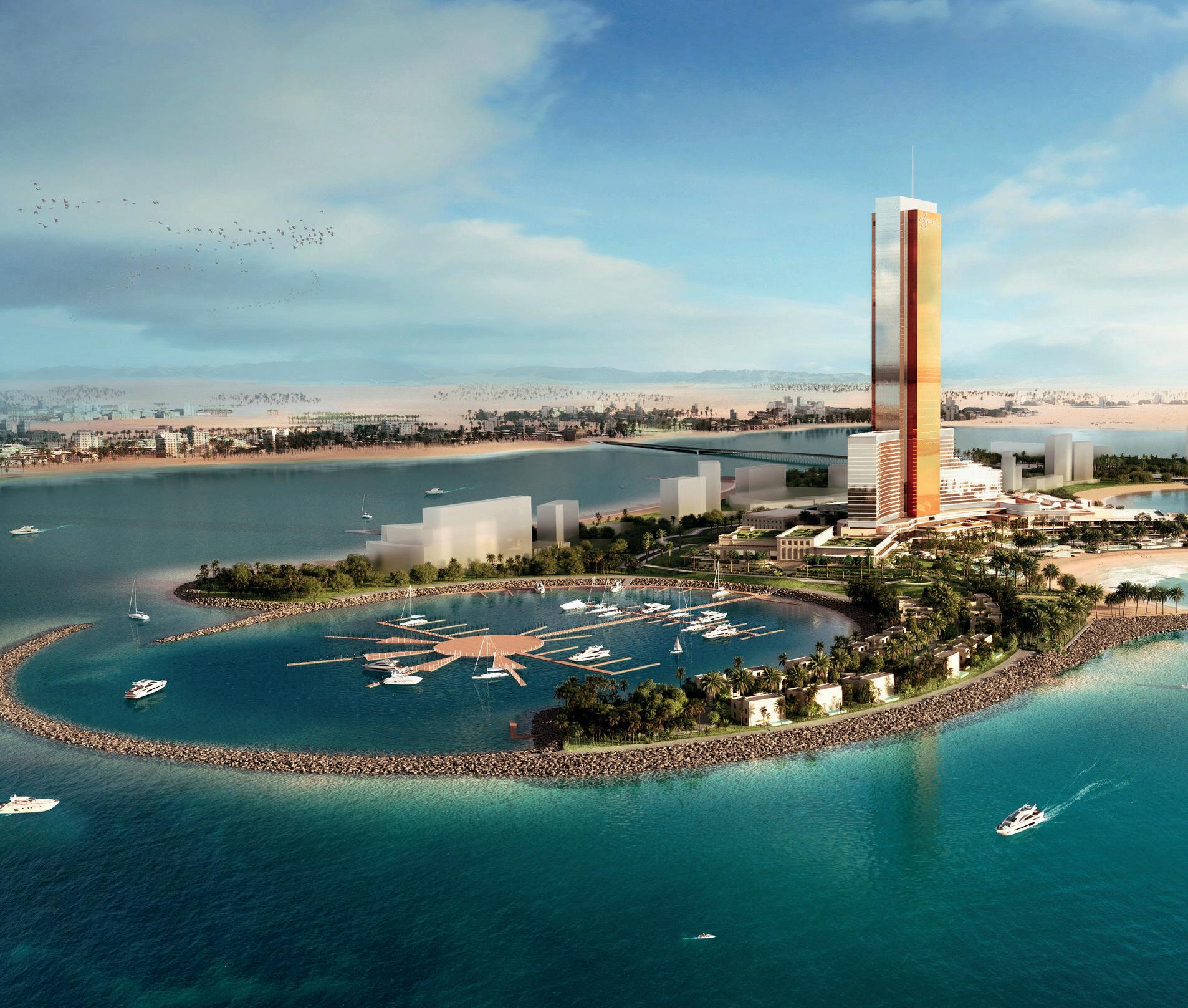
Oliver Lovat, Global Gaming Insider contributor and Denstone Group CEO, highlights the legacy of Steve Wynn. Shunned from the industry, his impact on Las Vegas’ architecture remains undeniable
The most eagerly anticipated event in the global gaming calendar is the opening of Wynn Al Marjan, the 1,500-room casino resort in Ras Al Khaimah in the UAE.
Sometime in early 2027, the resort will join the portfolio of Wynn and Encore in Las Vegas, Encore in Boston Harbor, Wynn and Encore in Macau, Wynn Palace in Cotai, and Wynn Mayfair, the private gaming club at the former home of Aspinall’s in London. What makes this particular resort so fascinating is that it
is the first casino resort in the Middle East and the first conceived by the company since the departure of its Founder, the most impactful casino developer in history.
In the 2025 Global Gaming Awards, Wynn Resorts was voted winner of the Land-Based Operator of the year, as it has done in four of the past five years. With Elaine Wynn passing in April 2025, this was the first time the company had won this acclaim without a Wynn directly involved.
THE FOUNDER AS THE BRAND
“I’m Steve Wynn and this is my new hotel, the only one I’ve ever signed my name to.”
Steve Wynn and his team had always struggled with brand names. The Golden Nugget was inherited from the casino he purchased on Fremont Street. It was transferred to Atlantic City, exported to Laughlin and The Golden Nugget Strip was the working name for The Mirage. The aborted Victoria Bay was inspired by the South African cove. Treasure Island owes

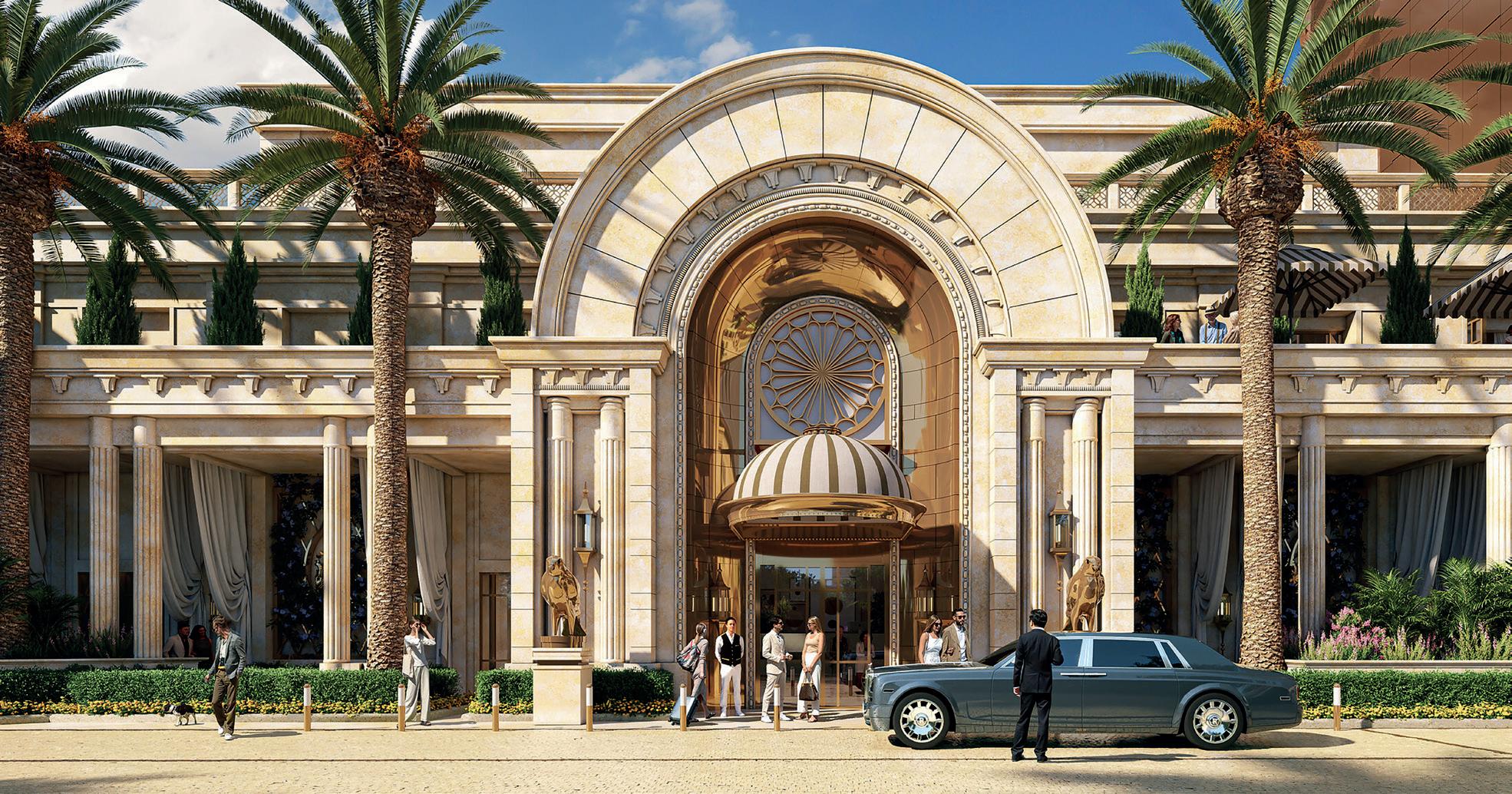

more to Scottish literature than Southern Nevada, Beau Rivage was the intended name for Bellagio, and Wynn itself was announced as Le Rêve, inspired by Picasso’s masterpiece.
Using the “Founder as The Brand” was not new to either hospitality or gaming companies, most notably in markets where the “Founders” were active in running the business.
Whether it be the McDonald brothers’ efficiency, Melinda Lou “Wendy” Thomas’ pigtails or Harland Sanders’ 11 spices and distinctive appearance, founders as brands have proved a highly effective strategy.
In Nevada’s casinos, founders Bill Harrah, Sam Boyd and Jack Binion all built eponymously named casinos across the nation, promising the “personal touch” in a non-differentiated environment, but it hadn’t been done in Las Vegas for decades, and not on The Strip. Hotel founders Conrad Hilton, John and Alice Marriott, and Hyatt Robert von Dehn lend their names to today’s global hospitality companies; which are far removed from their initial operations, but throughout the portfolio, are still relaying many of their hospitality values.
When selecting the founder as the brand, as we note, there are three primary rationales: recognition of brand via a person, use of a personal brand for pure differentiation purposes, or relaying the personal values of the founder to align with customer experience.
Steve Wynn wasn’t just the best-known casino operator in the world, with a track record of creating groundbreaking resorts, his identity was infused into the buildings, the brand, the operations, the interactions and the culture of the entire company.
The clarity of vision Wynn possessed was evident on April 28, 2005, opening night, when Wynn Las Vegas was the newest beneficiary of learnings and practices, some imported, but many developed primarily by leadership over decades. To this day, in Las Vegas, one cannot name a resort that has been built, opened and operated by anyone as successfully as Steve Wynn has done, on many occasions in a range of locations.
Before Steve Wynn became Steve Wynn,
there was Frank Sinatra.
From his first appearance at the Desert Inn in 1951 to his final appearance in 1994, Frank Sinatra and Las Vegas are timelessly aligned across all mediums. Live albums were recorded at The Sands, concerts from Caesars Palace were beamed to televisions across the nation, in cinemas, Ocean’s 11 built the mythology of the Rat Pack, and when Sinatra played live, his name was in bigger letters than the hotel brand that was the host.
It is no surprise that Wynn coaxed Sinatra from one of his multiple retirements to perform and advertise for The Golden Nugget in Atlantic City. Famously, Sinatra and Wynn showcased the property – with class and dignity, and towels! Sinatra personified the elegance that Wynn wanted to portray and project, even if, in truth, The Nuggets were a long way off from the real luxury that Wynn aspired to and would create in future projects.
Rather, his messaging was about aspiration. By hiring key people across the business, he would fill the gaps where he could translate from what, to why and
finally how, and inculcate those values throughout the organization. At the start was the hospitality mission; whether guests were worth a million dollars, or not, all were made to feel that they were. Employees were valued like family and career progress was based on ability rather than qualifications.
Even today’s longstanding corporate executives at Wynn will share how they started at the front desk or at valet. The Management Associate Program for training future executives was established at The Mirage and is now a key part of MGM’s training schedule, churning out dozens, if not hundreds of executives that dominate the industry. This was a culture-first enterprise that reinvented hospitality for Las Vegas, and subsequently the gaming industry in its entirety.
These initial graduates found homes in The Mirage, Golden Nugget, Treasure Island and Bellagio. Many left their well-paid jobs at the merged MGM-Mirage to join Wynn in opening his new resort.
Across employees, there were shared stories, experiences, rituals and values. One of the remarks made after the MGM-Mirage merger was that Mirage-trained employees would ask, “what would Steve want?” when faced with a challenge, rather than revert to the handbook that was provided.
The top-down approach was illustrated in perhaps the final commercial voiced by Steve Wynn before his departure; “There has to be the best place in the world to stay, why can’t it be here?” It was that pursuit of doing it better, more elegantly, that aligned the founder brand to the resort experience had
“The company exists in a workscape that reflects its Founder. In every corner at Wynn Resorts, Steve Wynn’s shadow is evident, even if his image is no longer seen”
by customers, not just in Las Vegas, but in Macau as well.
Each of his properties were unique. I have written in the past on the intricacies found in the placemaking, whether it be in Downtown, The Strip or Macau, however each of Steve Wynn’s iterations have generated millions of memories from generations of customers. By the time of his departure, the Wynn brand had garnered as much resonance as the Sinatra name held a generation before, absorbing many of the same qualities that Wynn had sought to acquire and interpret across the business.
Having a founder so aligned intimately with a brand holds problems as well as benefits.
When Steve Wynn was faced with allegations of personal misconduct, as the focal point of all verticals, the Founder’s image was intrinsically linked to the company he built. In theory, the more inseparable the founder is from the brand’s identity, the more vulnerable the brand becomes. In a textbook case of corporate crisis management, Wynn Resorts actively dissociated from Steve Wynn, who became shunned and punished by the industry, and in effect chased out of town.
Wynn Boston was hastily renamed Encore
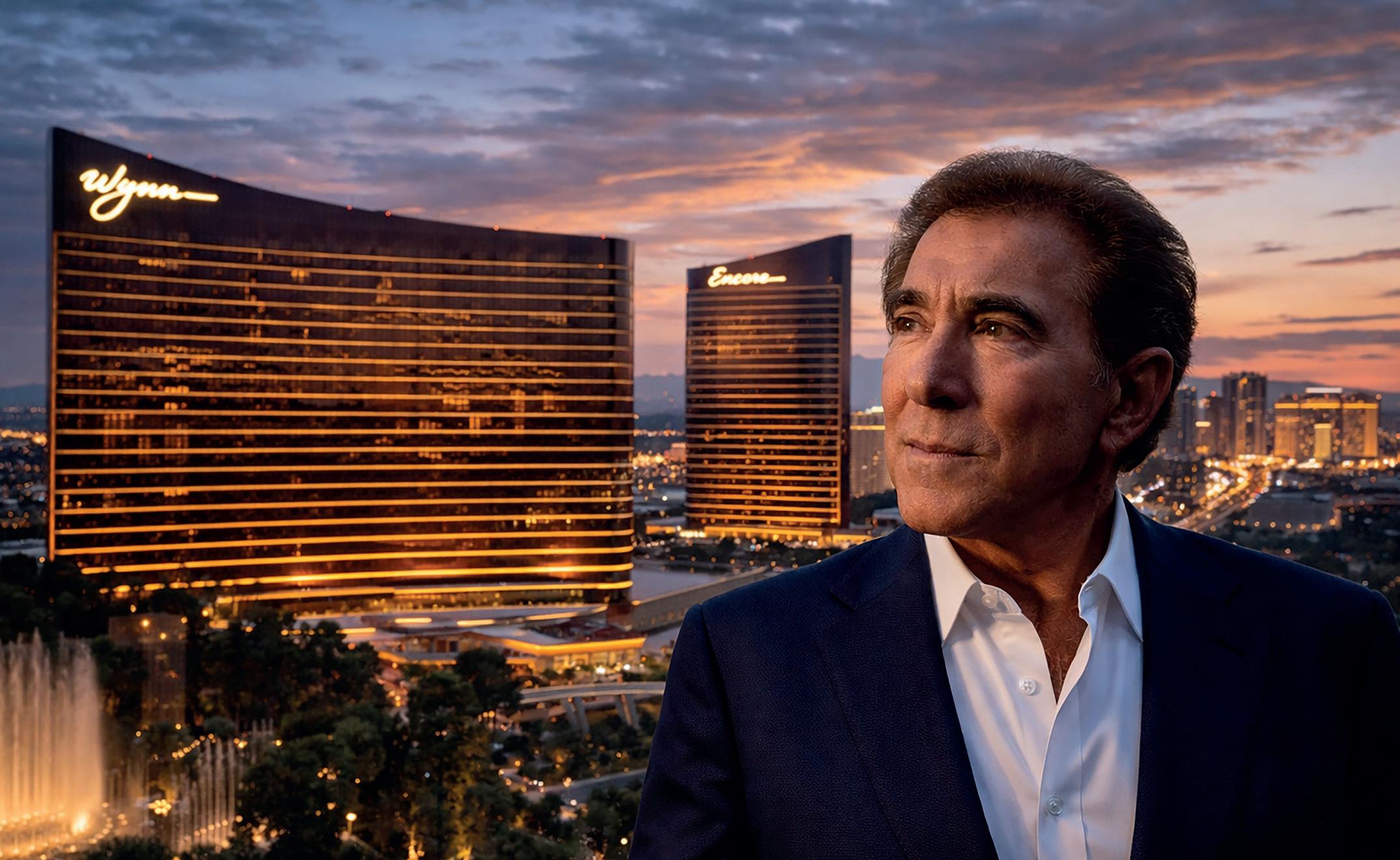
Boston Harbor, fearing the likely response of damaged brand credibility and distrust. It remains the only one without his name on it. There was anticipation of customers feeling anger, wanting to distance from the resort which had tried so hard to capture loyalty from a core demographic.
Not since Charlie Chaplin was forced out of Hollywood, and then the US entirely in 1952, has such a high-profile, successful figure been so traduced by an industry that they were so responsible for shaping.
Now, several years on, we can assess the outcomes.
Other than considering the feelings of Massachusetts’ regulators, the departure of the founder has had little – or indeed no –perceived damage to either the company, the brand, or indeed the reputation of Steve Wynn in the eyes of the customers.
This shouldn’t be a surprise. Research by Warwick Business School shows that the effects of scandals rarely impact a company’s long-term reputation, unless directly showing a failure of the core product.
Matt Maddox, who replaced Wynn as CEO, said to NBC in 2018, “This company is not about a man. Steve Wynn is not Wynn Resorts. Wynn Resorts is about the 25,000 employees that grow this company every day.”
This is true, to a point, but the company exists in a workscape that is a reflection of the Founder, and one that continues very much in the direction that was set out 50 years ago at The Golden Nugget. In every corner at Wynn Resorts, Steve Wynn’s shadow is evident, even if his image is no longer seen.
WYNNLESS RESORTS
It was said to me that when selecting a potential operator to be the first casino resort in the UAE, the rulers wanted Wynn, first and foremost. This is because of the brand positioning as set out by Steve Wynn 20 years ago, and that the leadership team is best placed to bring decades of hospitality planning, learning and culture to a new market with little record of success at this scale.
Undoubtedly, the company has not been damaged since Wynn’s departure, as financial success and accolades show, however a well-known property President shared with me that “It is easy to win Casino Operator of the Year when you are managing resorts designed by Steve Wynn.”
The most interesting aspect for us industry observers (and for investors), is what will a Wynn Resort be like without a Wynn involved? With many of the team that worked on development for decades now gone, will Wynn Al Marjan be able to deliver on the promises that were so intuitive to the Founder’s psychology,

with the intimacy, excitement, discovery, warmth, awe and engagement found in other Wynn properties? Or will this next iteration of the brand be positioned in the category of global luxury, which is nearly indistinguishable across brands?
This is a huge test for the company’s future.
There have been several creditable histories written about Las Vegas in recent years by those from outside the industry and a series of documentaries on the evolution of the city have aired. All concur that Las Vegas could – and probably would – have slid into irrelevance or shared the fate of Reno, Laughlin or even Atlantic City, if not for Steve Wynn.
At time of writing, Las Vegas is heading towards 40 million visitors, again, with near-record revenues across the verticals.
A total of 150,000 hotel rooms, Allegiant Stadium, F1, The Raiders, The Golden Knights, The Sphere… all part of the new narrative envisioned by Wynn 40 years ago.
But that is not all.
More recently, as casinos have gone global, hospitality development has reached a new scale; there is a greater and growing interest in the business understanding of this industry, the impact of placemaking and appreciation of culture heavy management philosophies. At the core of these fundamental developments was Steve Wynn.
For a generation, after visiting one of Wynn’s properties, it changed the way of thinking about what was possible and
encouraged many of us to work in this industry. We are all part of Steve Wynn’s legacy. As are the thousands of independent business operators inspired to create elevated hospitality projects across the globe. But, most importantly, millions of customers revered the experiences Wynn created. And they want more of it.
While some seek expedience in minimizing the impact Steve Wynn had to this city and industry, he remains “The Founder,” not just to the company that bears his name; his work remains the benchmark for the delivery of emotionally resonant experiences. This city and industry should be celebrating Steve Wynn far more than it does. I am frequently told, “it’s complicated”, yet more complicated cases do not face the same opprobrium.
In 1972, Charles Chaplin returned to America after 20 years of exile to receive an honorary Academy Award. Upon appearing on stage, the standing ovation he received remains the longest in The Oscars’ history.
Soon we will know if the company Steve Wynn created will use the Founder’s legacy bequeathed to shape the future of global hospitality development. What remains to be seen is, as Chaplin and Sinatra delivered a parting salute, will the audience get to see one final encore from Steve Wynn, one that isn’t in Boston? It is my view that it is again time to talk about Steve Wynn.
Oliver Lovat is the CEO of the Denstone Group. He advises on development and the strategic positioning of casino resorts.

KPMG US
Gaming Leader Rick
Arpin reviews the current state of prediction markets, and how the rapid growth of operators could frustrate not only regulators but consumers too
As recently as December, people were predicting for 2026, and then a series of things happened that no one could have thought of in those predictions. My view is that the pace is actually going to hamper the ultimate growth of prediction markets. Some of the stakeholders get pretty spooked when things happen so fast. I think there’ll be a quicker reaction to those things. In the early days of post-PASPA, it took us a couple of years to get aggravated or for the aggravation of every other advertisement on Sundays being for sports betting when I’m trying to watch an NFL game.
When will folks get fed up with just trying to watch this award show, where I don’t need this bar graph every time that says 74% of Americans think something or now it went down to 72%? I just don’t need that in my life. There is this divergence between a company in that space getting a very large valuation, which means there’s a belief that something can drive a significant amount of revenue, and yet juxtaposed against the casualness of ‘it’s just fun when I watch the award show and there are really no implications to that.’
Well, there are a lot of implications if there’s real money being earned. It’s not just for fun viewership necessarily if someone is doing that on purpose and making money off of it. There’s a weird dichotomy between the seriousness of investing in a company at a multibillion dollar valuation and the portrayal of it being just for fun.
But the reality of it has to come at some point. All that adds up to is it won’t be as smooth of a ride for these companies as they maybe think it will be. Whether some people call that backlash, it’s just the natural reactions to the events that transpire. If you get a $2bn evaluation or multibillion dollar valuation for your company, you feel like you need to generate revenue and that spurs certain activities, which people react to.
Even though there’s such interest here, just seeing it as often as they are might become excessive or could affect their activity as well. I think a lot of the manifestation in the sports betting cases we’ve seen, whether it was a
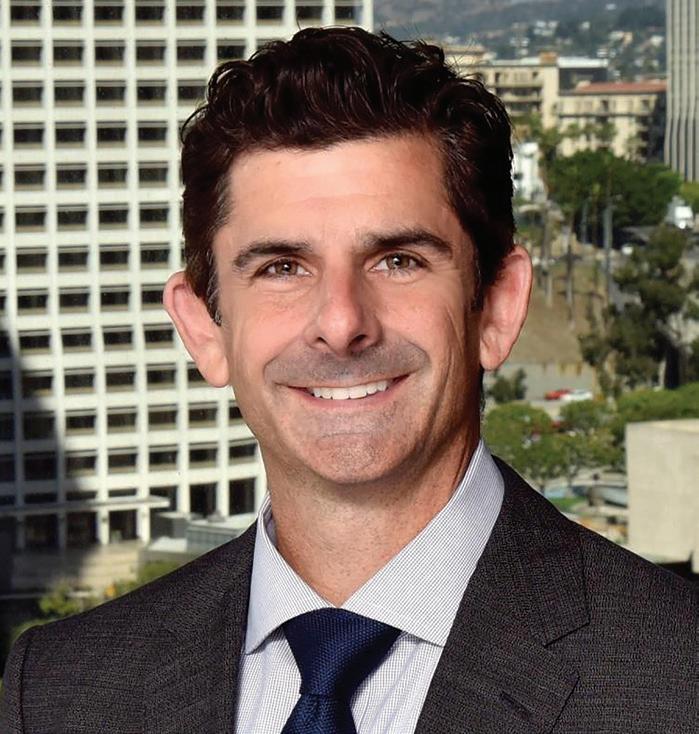
Rick Arpin
European expansion of online gaming, certainly post-PASPA here, is the public reacting in such a way that they get motivated to make a case of it. That then gets picked up by regulators and legislators.
There are still some people that call their state representatives or their congresspeople, and those voicemails get heard. If enough legislators and regulators see from their constituents that these things are of interest, they start to react or take action. The extra dimensions here are, if you call your state regulator, in this case it won’t do you any good because these aren’t regulated by the state. It’s just a sustainability issue.
We wrote two research papers post-Covid-19 which really focused on that issue of sustainability in more of an industry sense. I believe it was John Acres who recently said you can’t take every last dime from every last customer. Your customer has to be sustainable, so how you treat them in those moments is important. If your business thesis is to bet on anything, anywhere, anytime and for any amount, that’s not congruent with a sustainable customer.
We will inevitably hear stories of insider political trading, people who are throwing the game or purposely saying things in public forums because they know there’s a market that exists. We’ve seen this happen before. It feels inevitable it’ll happen again. The outcome of this will be a little different because, again, the dimensions and factors at play are different, but those linear sets of activities seem to happen every time. Here, they will most likely happen again.



IGT CEO Hector Fernandez speaks to Kirk Geller in Las Vegas, reviewing his year off from gaming and the supplier’s next strategic evolution – following its merger with Everi under Apollo Global Management
Having begun preparations to take over as IGT CEO in December, how have the early transition stages fared?
I have this counter, it’s been 43 days since I started, and that’s counting weekends. As you know, I had to sit out a year in between roles, so it was very important for me to hit the ground running. While I couldn’t compete, I spent a lot of time reading about the industry, continuing to keep myself educated. I read your publication a lot. Every day is very dynamic in this industry. As I started this journey, I didn’t really start from scratch, as you can imagine. I’ve spent the last seven years in gaming and I had a vision and a strategy of what I thought we could accomplish here, and what we could do here. It was funny, because in the very first town hall, I woke up that morning, went to the gym and I went straight to Durango on the first day of my non-compete. I presented my strategy to the team because no one at IGT had seen any of my slides. I did them all by myself. The strategy is very simple,
it’s really the five C’s. Culture, capabilities, content, commercialization and cash flow creation; in that order.
First of all, we have to make sure we have the right culture at IGT. We have to make sure we create a meritocracy, where people believe this is the greatest gaming company in the world. You could come here, work really hard, use your talents and then be rewarded for them. That’s a really important thing. I definitely don’t think we’re there yet. We still have a lot of work to do. Capabilities are really not just about making sure the talent that sits within these four walls are in the right roles, but also being honest with ourselves around what is the talent that we are missing? And how do we source that talent?
But if you don’t have the right culture, you’re not going to get the A players that want to be here. Content, obviously, it’s the lifeblood of what we do. If you don’t have great content, you’re not going to make it. I will say I’m very pleasantly surprised, the IGT team has done a really good job over the last
12 to 18 months. And ensuring that we have the right structure and culture to incentivize our studio leads and give them the creative freedom to really express themselves. On the commercial front, I just had lunch with a customer and asked, ‘how do we become the best supplier with the least friction to do business with?’ That’s not just about price. Obviously, customers always want to talk about price, but it’s about adding value. The last part is cash flow creation, which is ‘how do we become the most efficient organization so we can reinvest all that money in the first four Cs?’
I’m glad you brought up the noncompete, what did that time off provide from a personal perspective as much as professional?
The first month was kind of depressing, because I hadn’t taken any material time off ever since I started working. All of a sudden, you start to realize how much of your identity is intertwined with what you do for a living. After the first month, my wife said, ‘you really need to do
something because there’s 11 more months,’ and she made it very clear she was the CEO of our household... I was just a guest in that space. I stopped annoying her as much once I realized I worked for her. I did dishes, laundry, whatever she needed me to do. But then I did a few other things in the year off.
Number one, I got physically fit again. You can imagine these jobs are really demanding, and it’s easier to put off going to the gym or doing whatever. Number two, I grew hair. I‘ve shaved my head since I was 30, but my 15-year-old asked if I could grow hair, and I said ‘of course I can’... So I did. Number three, I spent time with my family and friends I hadn’t really spent quality time with. I took a one-on-one trip with my daughter, my son, my wife, my two sisters to Guatemala where I’m from. I even took my brotherin-laws on a one-on-one trip, or fouron-one I guess!
The last thing I did was use my brain. When you run a business, it’s sometimes really hard because it’s all very reactive. You walk in and have no idea what the day is going to look like. All of a sudden, I didn’t have that. I spent the time really thinking about the dynamics of the industry, the dynamics of IGT and everything that made IGT great 15 years ago. How they lost their way, where we stood from a competitive landscape. There’s seven pages of just handwritten free notes I took unencumbered by anyone’s opinion or stress. Every morning, I still look at those. It’s this weird freedom I’d never experienced to really dissect the fundamentals of the industry, without being accountable to deliver anything. I am very grateful to Apollo for allowing me to do that, because I do feel like if I had started working the next week or the next month, it would have just been a completely different experience.
How does your background in finance and gaming shape how you want to lead IGT? I always tell people, I am not the smartest person in the room, but I have the good fortune of working for great organizations. A lot of what I do in the strategy the team and I have defined is really leveraged on those experiences. I started my career in public accounting, and governance is a really important part of running a business. It’s not the fun part, but it’s the necessary part. It’s the part that gets you in trouble if you don’t do it right and I learned that early on. I then worked at Procter & Gamble, a direct-toconsumer business. I worked on Pampers, their most global brand. I learned a lot about how it isn’t the product you’re making, it’s about the product the consumer is consuming. In a weird way, with Pampers, your consumer might be the mom or dad,
but the actual end customer is the baby, who doesn’t have a voice in the equation. You can’t lose sight of that.
If you think about gaming, it’s very similar. My customer today is the casino operator, or the online operator, but the real consumer is the player. We could spend a whole day talking about the similarities between all of those industries, and obviously my prior employer and my first foray into gaming. I learned a lot, went through Covid-19, supply chain constraints, labor shortages. All of the different things and how to act and react was critical.I have a little book I keep of every boss I’ve ever had and all the things they did that I hated. Not the things I loved, but the things I hated. I pull that book out once in a while because it’s really important as you progress in your career to not lose sight of your lowest-level employee. That book is really helpful for me to stay grounded and make sure the decisions I make not only impact the business, but an individual and their families.
I’ve learned that when someone makes an employment decision to go somewhere else, they’re not leaving you. They’re actually doing what they believe is right for them and their families. Treating them respectfully, still continuing to have a relationship, even if they become a competitor to you, is something that’s incredibly critical. Sometimes this industry is not great at that. I think people take things personally, and it’s almost borderline that you’re a traitor. I don’t believe in that fundamentally. I just think that’s poor leadership.
Having spent six years with Aristocrat, what drew you to IGT and how do you feel the opportunities with this company differ from your prior role?
It was an interesting journey. It was the hardest career decision I’ve ever had to make, and I really agonized about it because of the people. There’s some great people there. There’s people that believed in my leadership, that stuck with me through some tough times, Covid-19 for example. I was an outsider from the industry. There are people that were willing to take the time and teach me the business. That was such a critical part of the success, really.
If you look at IGT and the history behind it, it’s kind of the parent to a lot of success in a weird way. If you look at the game designers or studio heads that are at other companies now, many of them started their career here at IGT and have since gone off and had fantastic careers elsewhere. Competition is really important.
I was with a casino customer for lunch today and, when I walked his floor, my pitch to him wasn’t ‘I want 80% of your floor.’ My pitch to him was, ‘you need diversity on this floor because your playerbase is diverse and I want to help you drive incremental value and growth in your own business.’ That doesn’t mean an 80% share, even though at one point IGT probably had greater than a 70% share. I think it becomes very dangerous when any one supplier becomes too dominant, because all of a sudden it’s no longer the casino’s floor, it’s the supplier’s floor.
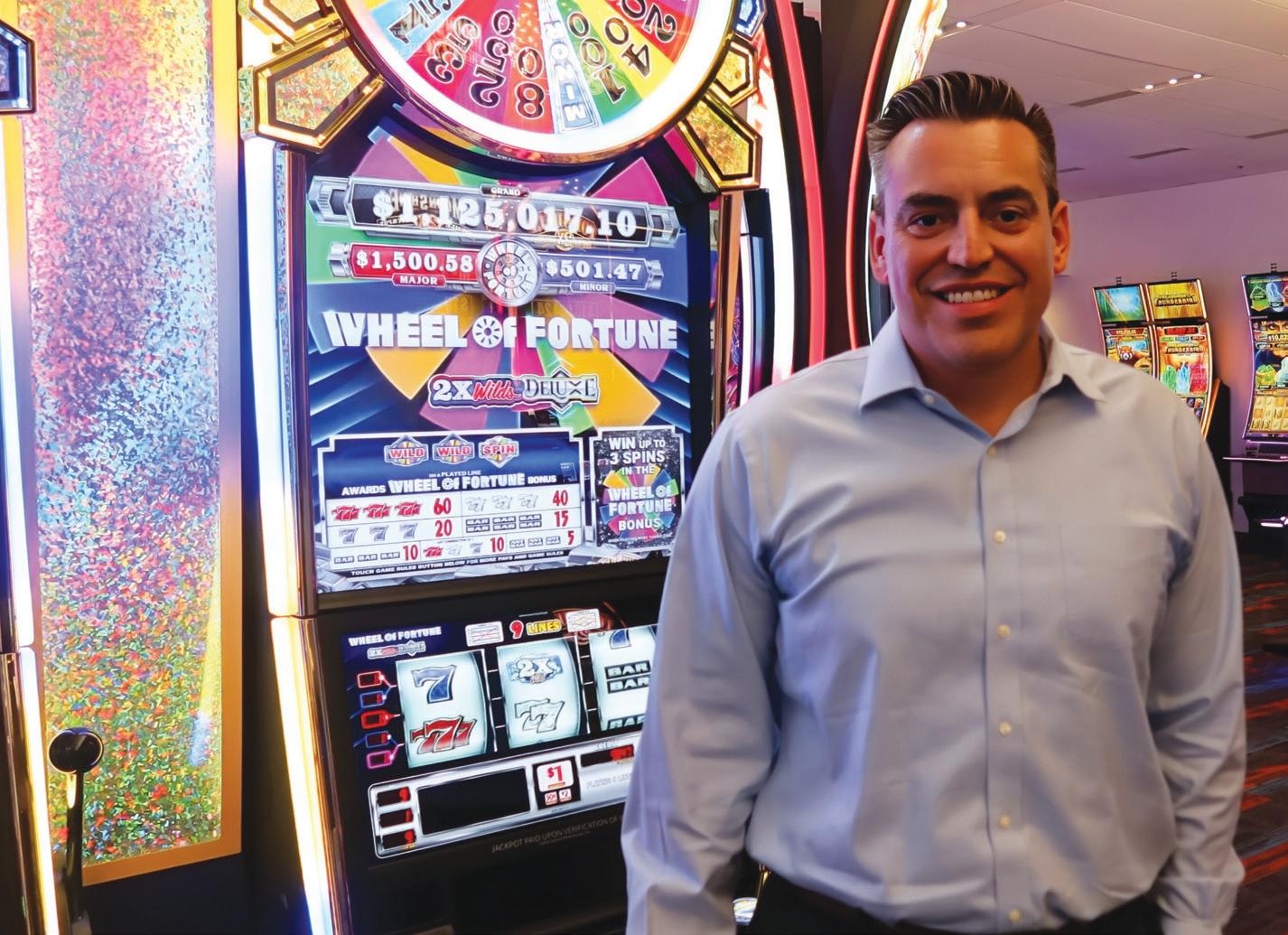
Keith Whyte , Safer Gambling Strategies Founder & President and regular Global Gaming Insider contributor, compares the licensing processes of trading and gaming. How could the two intersect to create a more sustainable framework?
Revisiting the gambling license: A consumercentered approach to responsibility and risk taking
In some ways gambling and trading have similar consumer protection frameworks, the Government regulates the operators, but it’s up to consumers to educate themselves about risks, randomness and negative outcomes. As gambling and financial risk-taking increasingly morph together, it may be time to revisit a provocative idea first advanced more than two decades ago: a gambling license.
THE ORIGINAL MODEST PROPOSAL
The concept originates with the late Dr. Bill Eadington, a pioneering gambling economist at the University of Nevada, Reno and a longtime board member of the National and Nevada Councils on Problem Gambling. In a 2003 paper on the social costs of gambling, Eadington proposed a system under which “individuals who wished to wager more than some minimal amount would need to register and receive a gambling license.”
In a 2012 article, Dr. Kahlil Philander and Dr. Doug Walker summarized the concept. “The rationale was straightforward. Because a disproportionate share of gambling-related social costs is attributable to a relatively small number of high-risk players, a licensing regime could function as a targeted harmreduction mechanism.”
The financial services sector has its own consumer protection mechanisms. In derivatives and futures markets, individuals who sell or advise on complex financial products must demonstrate baseline competency through licensing exams administered by the National Futures Association (NFA) and FINRA. The Series Three exam, for example, tests knowledge of market mechanics, product risk, customer
protections and regulatory compliance. The goal is not to eliminate risk-taking, but to ensure participants understand what they are doing and the rules governing the activity.
While these exams are designed for professionals, the logic is increasingly relevant to gambling-adjacent markets. In prediction markets and certain trading platforms, users functionally act as traders, assuming financial risk in environments that mirror wagering. Yet there is no comparable requirement that they demonstrate even minimal understanding of probability, volatility or loss exposure.
I suggest combining Eadington’s idea of an individual gambling license with the qualification process required of individuals in financial services, to create a license (or permit, certification or even certificate) for individuals who choose to participate in highly risky trading and gambling activities. Such a modernized gambling license could provide benefits across the financial risk-taking and gambling ecosystem.
At a minimum, it could ensure that consumers possess critical baseline knowledge before participating – covering topics such as randomness, house edge, loss-chasing and bankroll management. Completion could be facilitated by accredited third parties, creating competitive opportunities for NGOs and educational providers to deliver low-cost, accessible online programs.
From an operational standpoint, licensed players could more easily track spending across operators, verticals and even jurisdictions. Regulators and operators would benefit from improved KYC and AML processes by interacting with “known” players. Integration into existing player-tracking and responsible gambling monitoring systems would be technically feasible.
Implementation details would be critical. Licenses could be digital or physical; systems could be voluntary or mandatory. In a voluntary model, players and traders with a license might receive higher default limits or streamlined onboarding, reflecting their demonstrated understanding and potentially lower-risk profile. Data privacy and security would, of course, require rigorous safeguards.
This is not a finished blueprint, but a concept paper. As the lines between gambling and trading further blur, we have to develop new and better ways to educate and protect consumers. Licensing signals that an activity is serious, regulated and worthy of informed participation.
Ahead of the Super Bowl, Elliott Rapaport, Birches Health Founder & CEO and Global Gaming Insider contributor, calls for increased athlete protection
As the CEO of Birches Health, the largest national treatment provider specialized in gambling and other behavioral addictions, I spend my time at the intersection of sports, betting and human behavior. That vantage point makes one trend impossible to ignore: as sports betting continues to expand and become normalized, athletes are increasingly exposed to threats and harassment from angry bettors – and not enough has been done to protect them.
When a missed free throw, dropped pass or controversial call swings the outcome of a wager, frustration doesn’t always stay confined to a betting app or group chat. For a small but dangerous subset of bettors, including those experiencing gambling-related problems, losses can trigger rage, entitlement and a misplaced belief that an athlete or referee “owes” them for having made a mistake. The result has been a rise in direct messages, doxxing attempts, death
threats, and intimidation aimed at players and officials, including amateurs and college athletes who lack professional security or media training.
This is not merely a fringe issue. It is a public safety and mental health issue: one that reflects the darker side of an industry built on emotional engagement and financial risk. From an addiction science perspective, this behavior is not surprising. Gambling disorder is associated with impulsivity, distorted thinking and difficulty regulating emotions. Betting products are increasingly frictionless, heavily promoted and socially validated, so those distortions intensify. Athletes become convenient scapegoats for losses that are, in reality, part of the inherent risk of gambling.
There is both a moral and commercial obligation to address. Protecting athletes is not
anti-betting; it is pro-sustainability. First, betting operators must take the strongest possible stance on bettor conduct. As leagues penalize players for misconduct, all sportsbooks need to enforce zero-tolerance policies for threats and harassment. This includes permanent account bans, coordinated data-sharing among operators, and proactive monitoring of abusive behavior tied to betting outcomes.
Second, there must be formal reporting and escalation channels between leagues, law enforcement, and operators. Athletes should not be left to screenshot Instagram messages and hope someone takes them seriously. A standardized, well-funded system for reporting betting-related threats would dramatically improve response times and deterrence.
Third, education matters on both sides of the bet. Athletes should receive training on digital safety, privacy protection, and how betting-related abuse differs significantly from general fan criticism (and therefore needs to be treated differently). Bettors, meanwhile, should be consistently reminded – within apps and advertising – that outcomes are uncertain, losses are expected, and harassment of athletes is unacceptable and punishable. Maybe some scare tactics around the severe potential penalties for offenders would help as well.
Finally, and most critically, the industry must invest more aggressively in problem gambling identification and treatment access. Threats against athletes are often a downstream symptom of untreated addiction. Robust limits-setting tools and seamless referrals to treatment are not just responsible gaming features; they are harm prevention tools.
Sports betting is here to stay. The question is whether it will mature fast enough to protect the very individuals whose performances make it possible. Athletes should never have to fear for their (or their family’s) safety because someone lost a bet. If we fail to act, we risk normalizing a behavior that no healthy industry should tolerate – and that is a gamble none of us should take.

Kome Akpolo, Chief Legal Officer at the Arizona Lottery, writes for Global Gaming Insider about the importance and complexity of online compliance
Online commerce did not replace traditional models; it co-exists with them. Just as streaming didn’t eliminate theaters, digital channels have become a powerful revenue multiplier for sectors once strictly brick-and-mortar.
Gaming operators and state lotteries are following this trajectory. In jurisdictions authorizing iGaming or iLottery, the retail model remains fundamental – patrons still value the tactile energy of a live casino and the routine of purchasing lottery tickets at a convenience store. However, online platforms engage a different consumer: those who may never visit a physical retailer. By removing friction, digital channels generate significant new revenue – growth that demands close attention from regulators.
While this online gaming offers opportunity, it introduces entirely new exposure. Physical gaming environments have natural controls: surveillance cameras, on-site security and face-to-face interactions create immediate oversight. For lotteries, the prize claim process acts as a physical checkpoint for age validation and debt set-off reviews. Online gaming eliminates these safeguards.
In the digital realm, operators cannot rely on visual observation; they must assume bad actors are actively using tools to conceal their identity and location. Consequently, compliance must move upstream. Prior to the inception of play, operators must definitively identify who is playing, confirm where they are playing from, and establish their eligibility. This is not just an operational reality – it is a strict regulatory obligation.
Across jurisdictions, online compliance mandates three core regulatory requirements: Anti-Money Laundering (AML), Know Your Customer (KYC), and Geofencing. These mandates serve as the starting point for establishing a legally compliant operation.
Money laundering is the exploitation of the financial system to conceal the origins of illegally obtained money – such as proceeds from drug trafficking, fraud or terrorism –to make it appear legitimate. In the gaming sector, this process is operationalized when bad actors place illicit funds into the
ecosystem by purchasing chips or lottery tickets. They then obscure the audit trail by playing briefly before cashing out, ultimately accepting “clean” funds in the form of a casino payout or lottery check.
Given the inherent risk of exploitation by bad actors, federal law has established a rigorous regulatory framework for the gaming industry. Under the Bank Secrecy Act (BSA), casinos and qualifying gaming operators are explicitly defined as “financial institutions,” subjecting them to the same federal oversight as banks. This designation imposes strict regulatory obligations – most notably mandatory record-keeping and reporting of suspicious transactions – designed to deter money laundering and assist law enforcement. Failure to adhere to these requirements exposes operators to severe repercussions, ranging from substantial civil penalties to federal criminal prosecution.
State lotteries function under a parallel and equally rigorous compliance regime. While often distinct from private casinos, state agencies are bound by “integrity” statutes that impose analogous financial controls to prevent illicit use of the system. In Arizona, for example, the Lottery is statutorily mandated to maintain
the “security and integrity” of the operation and adhere to strict accounting standards that mirror federal safeguards.
Although online distribution represents a recent innovation in how gaming operators and state lotteries engage with customers, the statutory obligation for AML compliance remains absolute – it is as vital to the regulatory framework of online platforms as it is to traditional retail operations.
Another critical requirement for regulatory compliance is Know Your Customer (KYC), a fundamental mandate that governs every gaming operator and state lottery, regardless of venue. Whether in a physical facility or an online environment, operators are strictly prohibited from accepting a wager until they have definitively verified the player’s identity. The objective of this requirement is absolute: the operator must assure that the person on the other end of the internet connection is, in fact, who they claim to be.
This obligation is rooted in federal statutes like the USA PATRIOT Act, which compels financial institutions to implement a Customer Identification Program (CIP) to collect, verify and record identifying data such as name, address, date of birth and Social Security Number – prior to opening an account. These federal regulations are further operationalized by FinCEN rules, which mandate that gaming operators must maintain a compliance program that verifies this identity data to cross-reference against government watchlists for terrorist financing and money laundering. Furthermore, operators must navigate a complex web of local state regulations that layer additional compliance burdens on top of federal mandates. Failure to strictly comply with these statutes exposes the operator to severe repercussions, ranging from substantial civil penalties to federal criminal prosecution.
State lotteries operate under parallel statutory mandates that require rigorous verification at both the point of purchase and the point of prize redemption. In Arizona, for example, the Lottery is statutorily required to verify the age and identity of players to prevent sales to minors and prohibited persons. Additionally, prior to the disbursement of any significant funds, the Lottery must validate the claimant’s identity to ensure compliance with debt set-off laws and prize eligibility requirements.
While the legal obligation to verify identity is identical for both retail and online operators, the execution of that obligation differs fundamentally. In a retail setting, verification is often manual and visual – checking a physical driver’s license against the person standing at the counter. In the online ecosystem, however, this luxury of physical inspection does not exist; instead, operators must rely on
sophisticated online tools to achieve the same level of assurance through data.
A third critical requirement for regulatory compliance is Geofencing – the creation of a strict virtual boundary using data from GPS, Wi-Fi and cellular networks. Unlike retail gaming, where the physical walls of a casino or the state borders surrounding a convenience store provide inherent jurisdictional limits, the online world lacks natural borders. Consequently, online operators must manufacture these boundaries virtually. The primary function of geofencing is not merely to track a player’s location, but to actively enforce jurisdictional exclusivity by automatically blocking any attempt to wager from outside the authorized area.
This technological mandate is driven by strict federal prohibitions on interstate gambling. The Wire Act explicitly prohibits the transmission of wagers or betting information in interstate or foreign commerce. Similarly, federal lottery statutes prohibit the transmission or transportation of lottery tickets across state lines. Because the internet is borderless by default, a player in a restricted state could theoretically access a gaming platform in a legal jurisdiction instantly. Without robust geofencing, operators and state lotteries would risk immediate violation of these federal statutes.
To mitigate this risk, state regulations often prescribe the exact technical standards for these virtual fences. In Arizona, for example, event wagering operators are mandated to “dynamically monitor” player locations and block unauthorized access. Likewise, online lottery systems are statutorily required to restrict sales to established geographic limits. In this context, the software acts as the gatekeeper: if the system cannot definitively confirm the player is within state lines, the wager is rejected. As with AML and KYC protocols, failure to abide by these geolocation requirements creates exposure to substantial civil penalties and potential federal criminal prosecution.
The three regulatory requirements outlined above – Anti-Money Laundering (AML), Know Your Customer (KYC) and Geofencing –are not optional features; they are the nonnegotiable bedrock of any lawful online gaming operation. For gaming operators and state lotteries alike, these protocols must be fully operational before a single online wager is accepted. While compliance may appear burdensome, the alternative is far costlier. Failure to adhere to these standards creates immediate exposure to crippling civil penalties and federal criminal prosecution.
Recent enforcement actions serve as a stark warning. In 2024, the Financial Crimes Enforcement Network (FinCEN) assessed a $900,000 civil penalty against the Lake Elsinore Hotel & Casino for willful violations of the Bank Secrecy Act, specifically citing failures to file Suspicious Activity Reports (SARs) and maintain an effective compliance program. Similarly, state regulators across the country have levied millions of dollars in fines against various operators for compliance lapses, ranging from accepting prohibited wagers to failing to properly secure consumer data. These cases illustrate a clear reality: noncompliance can instantly transform a business venture intended for revenue generation into a financial and reputational liability.
To navigate this landscape, gaming operators and state lotteries cannot afford to be passive observers. They must embrace anticipatory compliance – a proactive strategy that looks beyond today’s rules to foresee tomorrow’s risks. This requires a commitment to staying ahead of bad actors who are constantly evolving their methods to circumvent online barriers. Operators can insulate themselves by mandating continual training for cybersecurity teams, conducting rigorous external audits, and empowering legal teams to review internal policies against emerging statutes. Furthermore, establishing clear processes for the denial of prize awards in cases of suspected fraud ensures that bad actors do not benefit from their deception. By taking these steps, operators ensure they remain engines of economic growth rather than inadvertent vehicles for criminality.
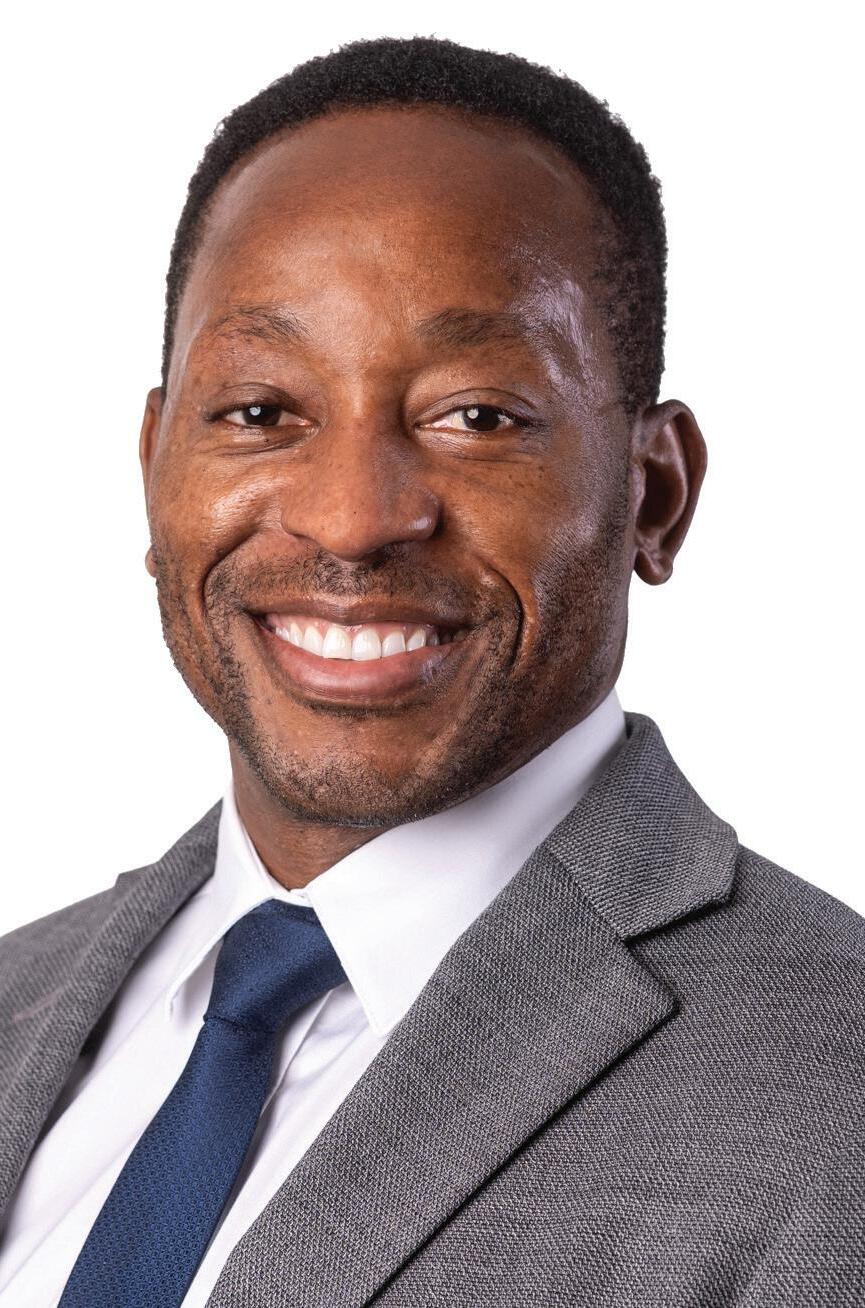
Lazarus Legal’s Edwin D Monzon, Managing Partner, and John Giammarella, Attorney, walk us through the evolution of online gaming within First Nations Territories in Canada
Over the last several decades, the gaming landscape in Canada has undergone a profound transformation, evolving from locally operated charitable gaming and land-based casinos into a sophisticated global online industry. For many First Nations, gaming has represented far more than entertainment. It has served as a vehicle for economic development, community reinvestment, jurisdictional assertion and the practical exercise of Indigenous sovereignty. The evolution of online gaming within First Nations territories reflects a broader story of self-determination, technological adaptation, regulatory innovation and strategic engagement with global markets.
Prior to the emergence of online gaming, many First Nations across Canada were already
engaged in gaming-related activities, particularly high-stakes bingo operations and, later, landbased casinos. These initiatives emerged in the late 1980s and 1990s against the backdrop of limited economic opportunities, chronic underfunding and ongoing jurisdictional disputes between First Nations, Provinces and the Federal Government.
While the Criminal Code of Canada assigns primary authority over gaming to provincial governments, First Nations increasingly asserted that gaming conducted on reserve lands fell within their inherent rights to self-government. This assertion was not merely theoretical. It was operationalized through the creation of community gaming laws, economic development corporations and regulatory bodies designed to ensure integrity, fairness and community benefit.
These early experiences with land-based gaming proved critical. They allowed First
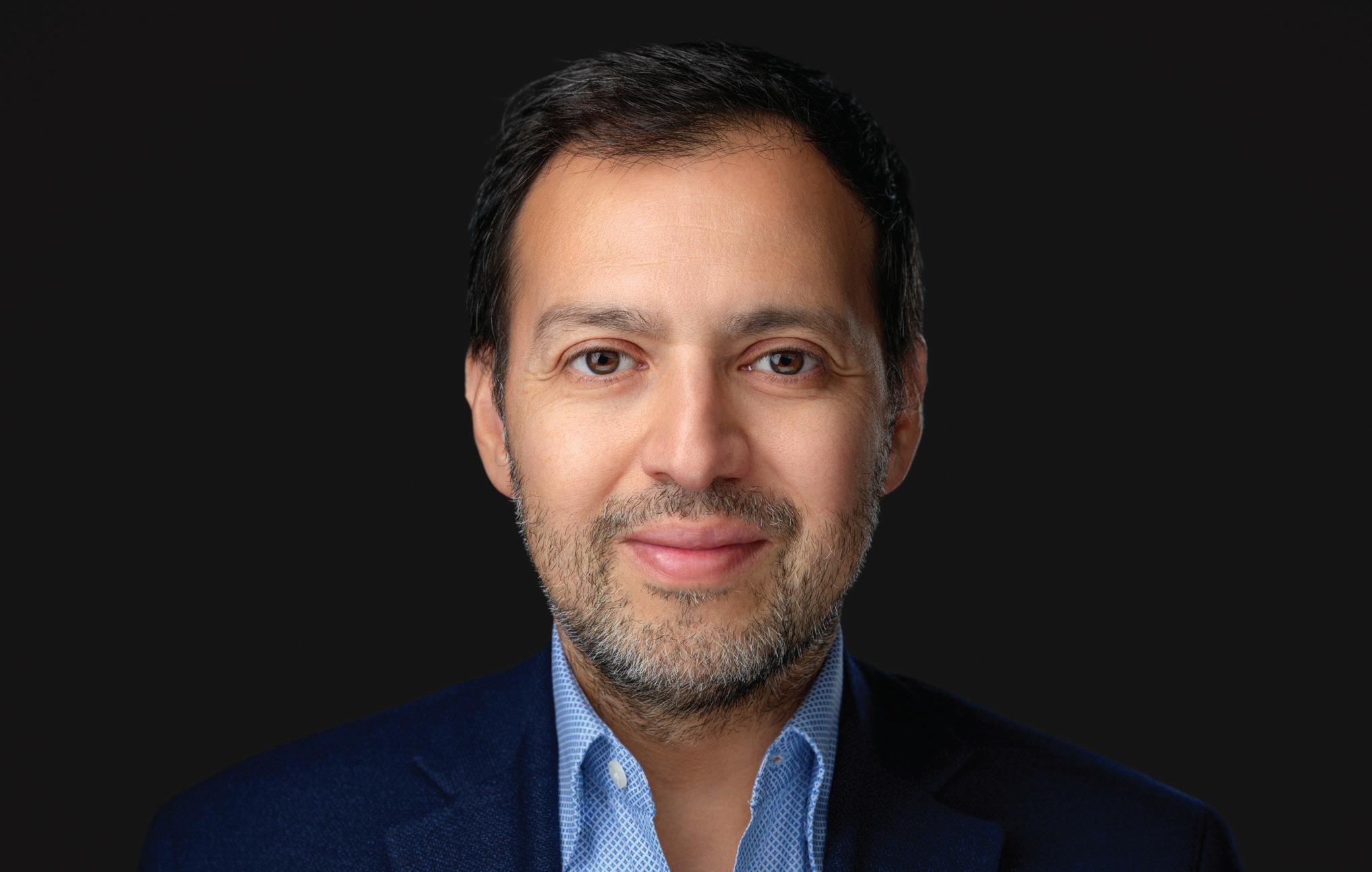
Nations to develop institutional capacity, governance expertise and commercial sophistication – foundations that would later enable a transition into the digital gaming environment.
The late 1990s marked a pivotal inflection point with the rapid growth of the internet and the emergence of online gaming platforms. At a time when most governments globally had yet to consider how online gambling should be regulated, certain First Nations recognized both the risks and the opportunities presented by this new digital frontier.
Rather than waiting for provincial or federal frameworks to materialize, some Indigenous governments moved proactively to assert jurisdiction over online gaming activities originating from their territories. This approach reflected a broader principle: technological change does not extinguish Indigenous jurisdiction; rather, it creates new domains in which that jurisdiction may be exercised.
The Mohawk Council of Kahnawake (MCK) stands as the earliest and most influential example of Indigenous leadership in online gaming regulation. In 1996, the Kahnawake Gaming Commission (KGC) was established, initially to regulate land-based gaming. By 1999, the Commission had enacted the Regulations Concerning Interactive Gaming, positioning Kahnawake as one of the first jurisdictions in the world to formally regulate online gaming.
Several factors distinguished the KGC model:
• Jurisdictional assertion: The regulatory framework was grounded in Mohawk law and governance, not delegated provincial authority
• Physical infrastructure: Gaming servers and data infrastructure were physically
located within Kahnawake, reinforcing the nexus between digital activity and territorial jurisdiction
• Comprehensive oversight: The KGC developed licensing, compliance, technical standards, dispute resolution and enforcement mechanisms comparable to –and in many cases predating – those of major international regulators
By the early 2000s, Kahnawake had become a global hub for online gaming. At its peak, an estimated 20% of the world’s leading online casinos operated under KGC licenses. This placed the Mohawk community at the center of the global iGaming ecosystem, generating employment, technical expertise and sustained community revenue. Importantly, Kahnawake demonstrated that Indigenous-led regulation could achieve international credibility while remaining rooted in community values and sovereignty.
Despite Kahnawake’s success, the broader Canadian regulatory environment for online gaming remained fragmented and uncertain for many years. Provinces expanded governmentrun online gaming platforms, while enforcement against offshore operators serving Canadians remained inconsistent. This ambiguity created space for First Nations jurisdictions to continue operating in parallel to provincial systems, particularly where gaming activity was clearly situated on Indigenous lands and regulated under Indigenous law.
During this period, technological advances reshaped the industry. Online gaming evolved from simple web-based casinos into complex ecosystems involving live dealer studios, mobile gaming, global payment processing, anti-money laundering controls and responsible gambling technologies. First Nations regulators that wished to remain competitive were required to continuously modernize their regulatory frameworks and technical standards.
Building on the path forged by Kahnawake, other First Nations have begun to develop their own online gaming regulatory regimes, reflecting distinct legal, cultural and strategic priorities. A leading contemporary example is the Tobique First Nation (Neqotkuk) in New Brunswick.
Tobique is a self-governing First Nation whose authority is grounded in Section 35(1) of the Constitution Act, 1982, which recognizes and affirms existing Aboriginal and treaty rights. By exercising this authority, Tobique has become the first Maliseet Nation to establish its own comprehensive gaming regulator.
The Tobique Gaming Commission (TGC)
was created to regulate both land-based and online gaming, including licensing, compliance and enforcement. Unlike earlier models, the TGC was designed from inception as a modern, globally competitive regulator, incorporating contemporary best practices from established international jurisdictions.
Key features of the TGC framework include:
• Full Indigenous jurisdiction over gaming activity originating from Tobique territory
• Delegated licensing expertise through the appointment of a sole third-party direct licensee, Differentia Licensing Advisory Group Limited (DLAG), authorized to recommend license issuance
• Industry-aligned regulation emphasizing proportional compliance, risk-based oversight and operational clarity
Tobique commenced online gaming licensing operations in late 2023, issuing its first license in March 2024. Its rapid emergence reflects a new phase in Indigenous online gaming: one characterized by deliberate regulatory design, global market positioning and integration with international compliance expectations.
The Constitution Act, 1982
Section 35(1) of the Constitution Act, 1982 recognizes and affirms existing Aboriginal and treaty rights. While the precise scope of these rights is not exhaustively defined, Canadian jurisprudence has consistently confirmed that Section 35 protects practices, customs and traditions integral to Indigenous societies; as well as evolving forms of self-government where supported by historical continuity and contemporary necessity.
In the gaming context, First Nations have increasingly articulated that the regulation of economic activity occurring on their lands –particularly when governed by Indigenous law and institutions – falls within the protected sphere of self-government. Online gaming, though technologically modern, is best understood as an evolution of earlier economic practices rather than a novel activity divorced from Indigenous jurisdiction. Courts have recognized that Aboriginal rights are not frozen in time and may adapt to modern conditions, including digital commerce.
Accordingly, First Nations gaming regulators such as the Kahnawake Gaming Commission and the Tobique Gaming Commission ground their authority not in delegated provincial power; but in inherent jurisdiction affirmed by Section 35(1), reinforced by community legislation and governance structures.
The Criminal Code of Canada assigns primary authority over gaming to the provinces under section 207, creating a longstanding tension between federal criminal law, provincial gaming monopolies and Indigenous assertions of jurisdiction. Provinces rely on section 207 to justify exclusive control over gaming conducted “in the province,” while First Nations argue that gaming conducted on reserve lands under Indigenous law is not provincial gaming but a distinct jurisdictional activity.
This tension is particularly pronounced in online gaming, where questions arise as to the legal status of gaming activity. First Nations regulators have consistently taken the position that where gaming servers, regulatory oversight, and operational control are
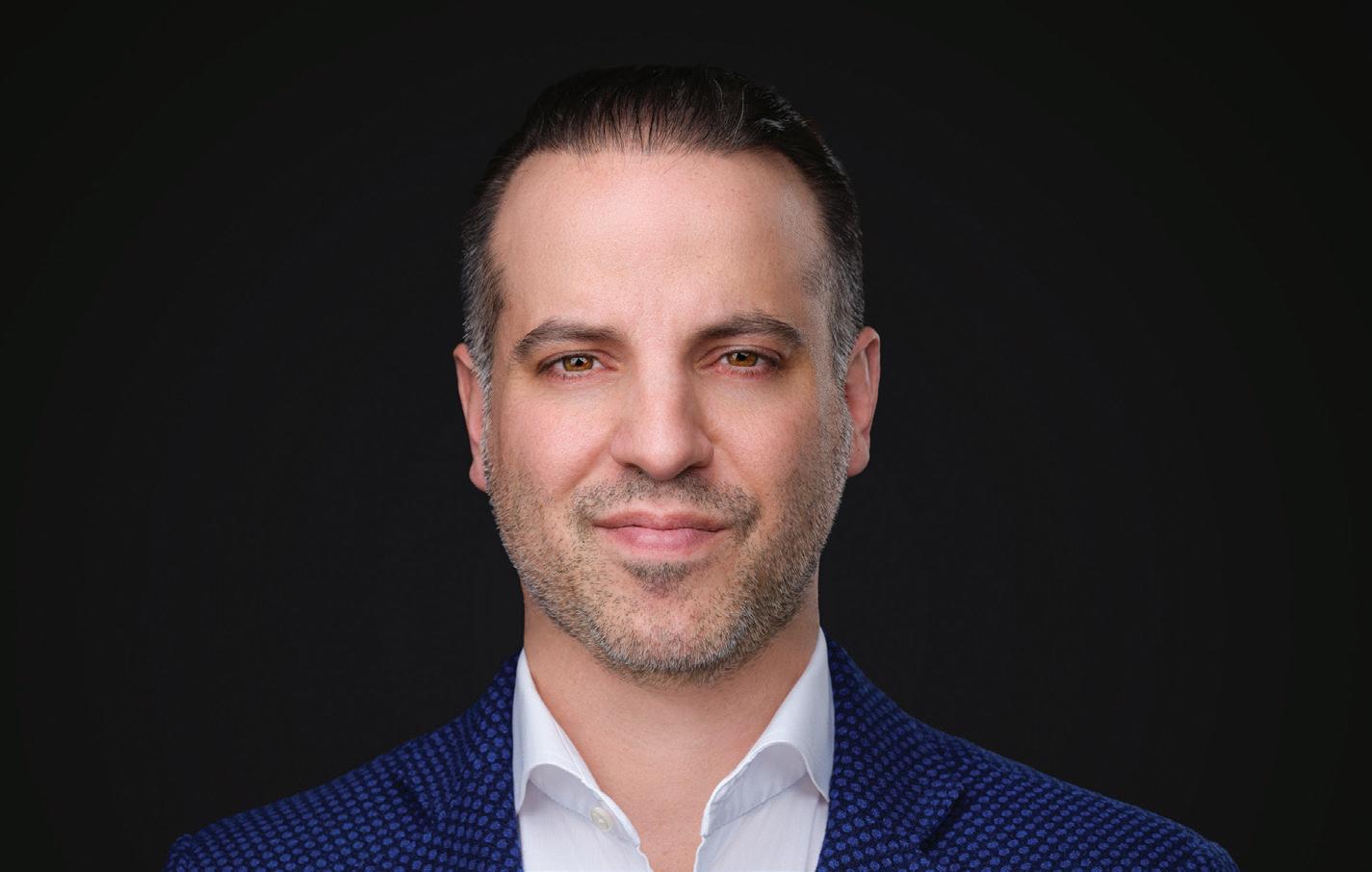
physically and legally situated on Indigenous territory, the gaming activity itself occurs within that jurisdiction. This position aligns with established principles in internet law that emphasize server location and regulatory control as determinative factors.
Canadian enforcement practice has historically reflected a degree of accommodation. While provinces have expanded their own online offerings, enforcement against First Nations–licensed operators, particularly those not actively targeting provincial monopolies, has been limited and inconsistent. This pragmatic reality has allowed Indigenous online gaming regimes to operate and mature alongside provincial systems.
Beyond strict jurisdictional analysis, Indigenous online gaming engages broader constitutional principles, including the Crown’s duty to consult and accommodate. Provincial expansion into online gaming without meaningful engagement with affected First Nations raises reconciliation concerns, particularly where such expansion directly competes with or undermines Indigenous economic initiatives. Against this backdrop, Indigenous-led online gaming regimes increasingly reflect not only legal assertion but reconciliation in practice – demonstrating how economic self-determination can coexist with regulatory integrity and public interest objectives.
Indigenous regulatory models (KGC and TGC) First Nations online gaming regimes are characterized by:
• governance rooted in Indigenous law and sovereignty rather than statutory delegation
• flexible, risk-based compliance frameworks designed in collaboration with industry
• direct accountability to the community rather than political cycles
• international market orientation, including licensing of offshore operators
These regimes emphasize proportional regulation, speed to market and global credibility, while maintaining strong player protection and integrity standards.
PROVINCIAL MODEL: IGAMING ONTARIO
iGaming Ontario (iGO), operating under the Alcohol and Gaming Commission of Ontario (AGCO), represents a fundamentally different regulatory approach. The provincial model is based on statutory authority under the Criminal Code, with Ontario acting as the conductand-manage entity for online gaming within the province.
Key characteristics of the iGO model include:
• a closed, province-centric market limited to Ontario players
• government-controlled platform participation agreements
• prescriptive compliance requirements and extensive reporting obligations
• higher operational and regulatory costs for operators
While iGO has succeeded in channeling players into a regulated market, it remains a government monopoly framework adapted for private participation, rather than a true licensing jurisdiction.
STRUCTURAL AND STRATEGIC
The contrast between Indigenous and provincial regimes is not merely administrative; it is structural:
• Jurisdictional basis: Indigenous regimes rely on inherent rights; provinces rely on delegated criminal law authority
• Market scope: First Nations regulators license globally; provincial regimes are territorially confined
• Regulatory philosophy: Indigenous models prioritize proportionality and innovation; provincial models emphasize control and risk aversion
• Economic impact: Indigenous gaming revenues flow directly to community development; provincial revenues are absorbed into general government funds.
These distinctions explain why many operators view Indigenous jurisdictions as complementary – or in some cases preferable –to provincial systems.
The evolution of online gaming within First Nations territories illustrates several broader trends:
• Digital sovereignty: Indigenous jurisdiction is not limited to physical activities but extends to digital commerce conducted from Indigenous lands
• Economic self-determination: Online gaming provides scalable, globally connected revenue streams that support community priorities without reliance on external funding
• Regulatory innovation: Indigenous regulators have often been faster and more adaptive than state authorities in responding to technological change
• Global integration: First Nations gaming jurisdictions now operate as credible participants in the international iGaming market
From early land-based gaming initiatives to globally recognized online licensing regimes, First Nations in Canada have played a foundational role in shaping the online gaming industry. Kahnawake demonstrated what was possible through early adoption and regulatory leadership. Tobique represents the next generation: purpose-built, modern and strategically positioned for global relevance.
Together, these jurisdictions show how Indigenous governance, when combined with innovation and technical expertise, can create sustainable digital economies. As online gaming continues to expand and evolve, First Nations territories are likely to remain at the forefront, setting standards, asserting sovereignty and redefining what effective regulation looks like in the digital age.

Alfredo Lazcano and Andrea Avedillo, Mexican Gaming Lawyers of the Lazcano Sámano law firm, discuss Mexico’s New IEPS landscape for betting and digital platforms
Mexico’s recent reform to the Special Tax on Production and Services Law (“IEPS Law”), which entered into force on January 1, 2026, marks a significant milestone in the evolution of its gaming and digital economy. Rather than merely adjusting tax rates or expanding the taxable base, the reform has effectively crystallized the existence of two distinct regulatory and tax regimes under which betting activities may lawfully operate in the country.
On the one hand, Mexico has long maintained a regulated framework for betting games and drawings, whether land-based or online, overseen by the Ministry of the Interior (“SEGOB”) pursuant to the Federal Law on Games and Drawings and its Regulations. On the other hand, the IEPS Law reform expressly incorporates betting and gaming activities offered through the internet or electronic means by digital platforms (“Digital Platforms”), bringing them squarely within the tax orbit of the Ministry of Finance and Public Credit (“SHCP”).
At first glance, this duality may appear to generate tension or even overlap. A closer legal analysis, however, reveals that both regimes are conceptually capable of coexisting in a coherent and harmonious manner, provided their respective scopes are properly understood.
The traditional gaming regime is grounded in a permit-based model. SEGOB is empowered to authorize, supervise, and regulate betting games and drawings, including remote betting centers, which must be operated by Mexican entities that satisfy specific legal and operational requirements. This framework reflects a classic public-law approach:
authorization first, operation second, under close regulatory oversight.
By contrast, the Digital Platform regime embedded in the IEPS Law responds to a different policy objective. It builds upon Mexico’s broader effort, initiated in 2019 with an amendment to the Value Added Tax Law, to tax digital services provided from abroad to Mexican residents. Under this model, now based on the IEPS Law, foreign platforms may offer betting and gaming with or without a physical presence in Mexico, subject primarily to tax registration, reporting and payment obligations.
From a theoretical legal standpoint, these constructs do not cancel each other out, rather, they regulate different legal statuses, even when the underlying activity – betting – is functionally similar. One regime is anchored in administrative authorization and public order considerations; the other is rooted in fiscal nexus and digital economy taxation.
That said, the true test of any legal reform lies not in its conceptual elegance but in its implementation. As for the reform’s entry into force, several practical questions naturally arise.
For example, while the IEPS Law enables Digital Platforms to offer betting services from abroad under a tax framework, the existing Gaming Regulations still contemplate that remote betting centers operate pursuant to permits granted to Mexican entities. This may raise questions about how the coordination between tax authorities and gaming regulators will work; however, it is something that, in our experience, tends to work very efficiently when the SHCP is involved due to its tax collection interests.
Importantly, the amendments to the Internal Regulations of the Ministry of the Interior, published on March 21, 2025, already point in that direction, granting the gaming authority (the General Directorate of Games and Drawings of SEGOB) powers to establish “control mechanisms and rules” for Digital Platforms. This demonstrates an evolving regulatory ecosystem, rather than a rigid or contradictory one.
One of the most relevant implications of the new landscape is that operators are no longer confined to a single regulatory path. Foreign betting operators may choose to operate as Digital Platforms under the IEPS Law, focusing
on tax compliance and digital service obligations. Moreover, under the Digital Platforms scheme, there is currently the flexibility to operate either without establishing a Mexican entity (which, by the way, will not constitute a permanent establishment for tax purposes), or by establishing one if it suits the business and operational interests of the applicants.
Alternatively, unless SEGOB determines otherwise, for now international operators may opt to pursue a traditional gaming permit, establishing a Mexican entity and complying with the full spectrum of Gaming Regulations.
Although these options share the same tax rate set forth in the IEPS Law, they are not mutually exclusive in principle, but they are legally distinct, each carrying its own compliance burdens, costs and strategic considerations. Understanding this distinction is essential for operators seeking to enter or expand within the Mexican market.
From a general perspective, the amendment to the IEPS Law should be read as part of Mexico’s gradual adaptation to a digitized betting market. The recognition of Digital Platforms as a taxable and regulated reality reflects the trends of borderless digitalization at a global level and aligns Mexico with other jurisdictions grappling with similar challenges.
From a practical point of view, Digital Platforms are based on a new robust legal framework, so inevitably their regulatory implementation will have to be built gradually by regulators and market participants. The stage is set for Mexico to continue shaping a balanced framework that safeguards public interests while fostering innovation and legal certainty.

Matt Strachan , CEO and Founder of Sakura Sports, discusses the nuanced influence of AI-led sponsorship within the regulated LatAm market and beyond
“ AI won’t save bad sponsorships – it’ll expose them ”
It’s fair to say, much like in every other walk of life, artificial intelligence has become the sports industry’s new obsession – the great hope for making everything faster, smarter, more efficient and more profitable.
But here’s the truth: AI won’t save sponsorship. It will expose it.
Across LatAm and South America, betting sponsorships are booming. Brazil’s regulatory changes have opened the floodgates. Other markets, from Mexico to Colombia to Peru, are following suit. Yet amid the excitement, too many brands are still doing the same old thing; buying exposure and calling it strategy.
For decades, sponsorship decisions have relied on instinct. ‘That club has reach.’ ‘That sport gets airtime.’ But gut feeling doesn’t guarantee a return on investment. Far from it. AI flips the script. It analyzes fan data, engagement trends, digital sentiment and even purchase behavior, to identify what really drives value. It reveals who the fans are, what they respond to and how sponsorship actually influences them.
In regions like LatAm and South America, where sports culture is rich, digital engagement is high and brand trust is fragile
– precision matters more than ever. The beauty (and danger) of AI is that it doesn’t just make sponsorships smarter; it makes them visible.
That’s why lazy sponsorships will be the first casualties of this new era. When everyone has access to the same data, it’s the creative strategy and authentic fan connection that make the difference. And no region better captures the collision of opportunity and accountability than LatAm and South America.
Brazil is the clearest proof-point. The market has moved from a grey, anyone-can -play environment to a formalized system where operators must prove they deserve to be there. Commercially, the opportunity is huge. H2 Gambling Capital estimates Brazil generated around BR24bn ($4.47bn) in online sports betting and iGaming GGR for 2024, with the regulated market projected to rise to roughly BR31bn in 2025 as licensing accelerates and enforcement against offshore operators increases.
This is exactly where AI becomes a spotlight. In a fast-formalizing market like Brazil, AI won’t just reveal weak sponsorship thinking – it will quantify it in front of regulators, rights-holders and fans. Brands will need to demonstrate that partnerships drive measurable outcomes: customer acquisition, retention, trust uplift and safer play. The winners won’t be the ones shouting the loudest; they’ll be the ones using AI to localize quickly, protect credibility and prove real impact beyond logo exposure.
Brazil’s new regulatory framework has
unlocked billions in potential revenue. Other countries will soon offer the same opportunity. The region is young, mobile-first and fan-obsessed – the perfect environment for innovation. But that same passion brings pressure. Fans here expect authenticity, innovation and respect – which means that brands can’t copy-paste European sponsorship models. They have to listen to the data, and to the audience, as customer acquisition is one thing – retention is another!
At Sakura Sports, we’ve seen AI used both brilliantly and badly. The difference isn’t in the tech; it’s the intent.

Matt Strachan
Need to know the latest products in the Americas region? Global Gaming Insider has you covered
AMUSE reflects Interblock’s ongoing commitment to advancing casino entertainment through innovation, thoughtful design and solutIons that support the industry’s long-term growth.
AMUSE represents the next step in Interblock’s commitment to advancing the gaming industry. It introduces a new category designed for players of legal age
Traditionally, casinos have centered around three core segments; slots, table games and ETGs. AMUSE is emerging as a fourth, built around entertainment-focused, RNG-driven titles that feel familiar, dynamic and intuitive. AMUSE broadens player appeal, opens new revenue channels and delivers a style of play that feels welcoming for those who may not choose a traditional slot or table game. Since debuting last year, Interblock has introduced more than a dozen titles under the Amuse category.
Operators are recognizing a growing interest in games that bridge entertainment
and wagering. AMUSE meets that demand. It appeals to players who may not engage with traditional categories but are drawn to interactive, accessible, or visually driven formats. With nearly 90% of Las Vegas Strip operators committed and interest expanding in global markets, AMUSE is proving to be an impactful way for casinos to diversify their offerings and increase engagement.
AMUSE reflects Interblock’s ongoing commitment to advancing casino entertainment through innovation and thoughtful design to provide solutions that support the industry’s long-term growth.
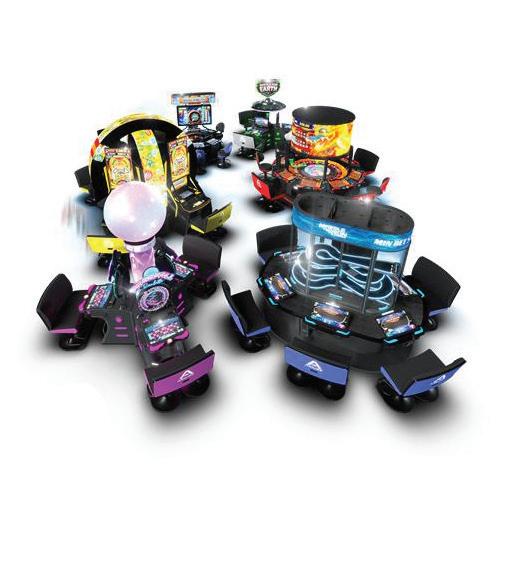
With its expanded pot system, enhanced bonuses, signature San Fa charm and debut on the Raptor 32 cabinet, San Fa Fortune offers a richer, more dynamic gaming experience.
San Fa Fortune expands the charm and excitement of the beloved San Fa series with a bold new twist, elevating gameplay from three pots to an action-packed five-pot experience. This latest installment builds on everything players already love about the franchise while introducing deeper strategy, richer bonuses and even more opportunities to win. By expanding the core mechanic, San Fa Fortune delivers heightened anticipation and a more rewarding sense of progression from the very first spin.
At the heart of the game are two additional pots that unlock unique kickers tied to each of the game’s three bonus rounds. These kickers dramatically enhance the bonus experience, adding unexpected surprises and meaningful
boosts that can transform a good bonus into a great one.
As players work to fill all five pots, the excitement steadily builds, creating bigger moments, stronger payouts and an ever-present feeling that something special is just one spin away. Each bonus round is further elevated by the expanded pot system, ensuring that no two bonus events play out the same way. The added variety keeps gameplay fresh and engaging, encouraging longer play sessions while rewarding players with dynamic outcomes and memorable wins.
This layered approach adds depth without sacrificing accessibility, making San Fa Fortune appealing to both seasoned players and newcomers to the series. Familiar, whimsical characters from the San Fa universe return to guide players through the experience, delivering the light-hearted personality and visual charm fans have come to expect.
San Fa Fortune also makes its debut on Ainsworth’s new Raptor 32 cabinet, pairing innovative gameplay with cutting-edge hardware. Featuring three 32-inch full HD monitors, immersive 5.1 premium sound and an expansive 18.5-inch button deck, the Raptor 32 is designed to maximize player comfort and engagement. Standing 85 inches tall, the cabinet is optimized for clear sightlines and perfectly suited for casino floors with lower ceiling clearance.
Paired with Pedestal, its seamlessly integrated base, the Raptor 32 delivers a modern, streamlined profile that enhances overall floor aesthetics.
With its expanded pot system, enhanced bonuses, signature San Fa charm and debut on the Raptor 32 cabinet, San Fa Fortune offers a richer, more dynamic gaming experience designed to captivate loyal fans while attracting new players to the franchise.
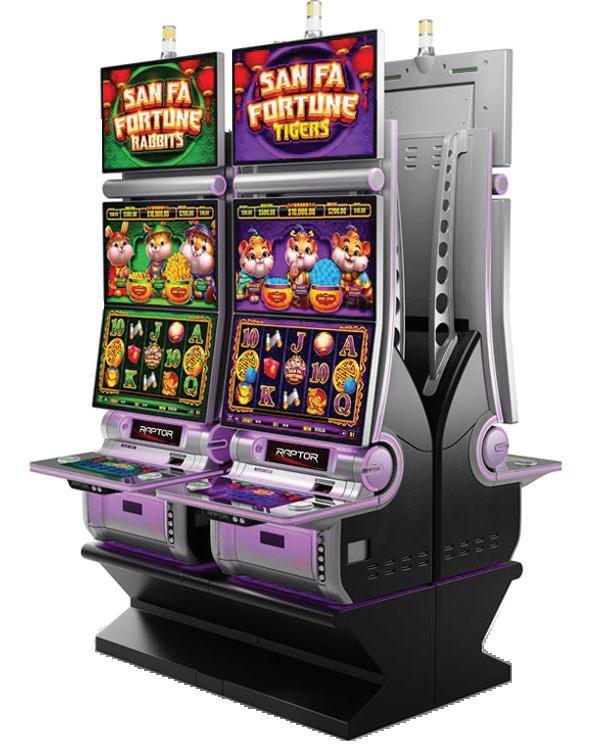
Global Gaming Awards: We review the EMEA 2026 ceremony

Movers & Shakers
SIGMA Preview: Looking ahead to South Africa
Facing Facts
Duncan Garvie: Why the UK is gambling with harm minimisation
Richard Williams: Reflecting on the UK’s black-market risk in 2026
Global Gaming Insider takes a look at supplier monthly stock prices from opening day of the past six months across the EMEA region, analysing August 2025 – January 2026
• Six-month high: August (863 SEK)
• Six-month low: January (624.20 SEK)
• Market capital: US$13.42bn (As of 9 January 2026)
• Six-month high: September (30.92 USD)
• Six-month low: December (21.94 USD)
• Market capital: US$6.2bn (As of 9 January 2026)
• Six-month high: September (408.50 GBp)
• Six-month low: November (255.50 GBp)
• Market capital: US$1.03bn (As of 9 January 2026)
• Six-month high: August (140.60 SEK)
• Six-month low: November (110.40 SEK)
• Market capital: US$390m (As of 9 January 2026)
As the gambling industry continues to mature in markets across Europe and Africa, companies are responsible for attracting and retaining the best talent to help them navigate the evolving landscape

Laurence Michel Chairman
Betway Africa
For over 20 years, Laurence Michel has worked at the helm of Betway Africa as its CEO. He will transition to the role of Chairman, where he will continue to lead the company from the Board of Directors. From this position, Michel will be responsible for navigating the ever-evolving regulatory landscape of the gambling sector.
Alongside his time with Betway Africa, Michel has welcomed in the new digital era for gambling. One of the last initiatives under his leadership as CEO saw the Betway Cares Foundation partner with the Ta Mphoza Kagiso Community Games Tournament - a homegrown initiative that uses football to take a stand against crime and drug abuse in the community.
He was also the CEO of Osiris Trading for 24 years, a software development company attached to the operator

Vasilena Mantsiou CFO Evoplay
After joining Evoplay in 2022 as its Senior Accountant and later its Head of the Accounting Department in 2024, Vasilena Mantsiou will enter 2026 as the company’s Chief Financial Officer. She will continue to guide Evoplay as it grows and explores new global markets, including the US, as Evoplay enters the North American lottery market.
Prior to Evoplay, Mantsiou had an extensive international career across several verticals. She took her first major steps joining the Secretary International Department of the Bulgarian Football Union, before honing her accounting and managerial skills in Cyprus.
Mantsiou can speak four languages: Bulgarian, English, Greek and Russian
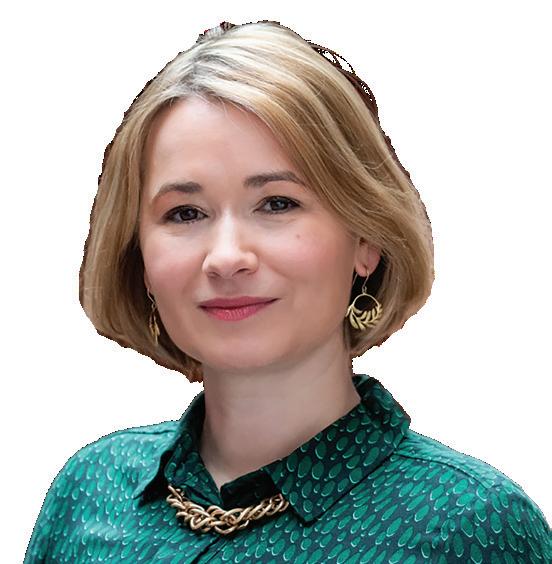
Emily Tofield CEO Ygam
Emily Tofield joins Ygam with over 20 years of experience managing companies across the government, not-for-profit and communication sectors. Some of her career highlights include being appointed as the Cross-Government Head of Media Relations, MoJ Director of Communications, Trustee for Porchlight and the Chair Designate for Girls’ Learning Trust. At Ygam, Tofield will draw on her knowledge to lead the charity as it continues to provide high-quality, inclusive, evidence-based and preventative education around gambling harms faced by children.
She is looking forward to working with the Ygam team to reach new partnerships and levels of impact in the years ahead.
Tofield was instrumental in creating the ICMDA Convoy Campaign that delivers medical aid to Ukraine
Allwyn has had six full reported quarters in charge of the National Lottery and it has overseen a mass technological upgrade in that time, but it hasn’t all been plain sailing
Lottery contributions to good causes (in £bn)
2019/2020 (Camelot)
2020/2021 (Camelot)
2021/2022 (Camelot)
2022/2023 (Camelot) 2023/2024 (Camelot/Allwyn) 2024/2025 (Allwyn)
Allwyn was awarded the fourth UK National Lottery licence in 2022, but officially took charge from February 2024. Allwyn was awarded the licence over stiff competition from the incumbent Camelot and other interested parties. But its proven ability to modernise lotteries on the continent and its commitment to big investment and a technological overhaul won round the commissioners. One significant promise was that over the course of the 10 years, Allwyn would contribute more than double the amount of money to good causes than Camelot had over the course of its last decade in charge. Now that it has been in charge for a full financial year, we can see how it’s getting on.
Contribution over 10-year period (£bn)
Allwyn’s contributions to good causes in its first full financial year did represent an improvement on Camelot’s recent efforts, though the figure is nowhere near being double... yet. While this looks like Allwyn’s efforts have fallen short of its promise, the costs of the technological overhaul, and delays caused by various legal challenges to its licence award have stymied progress which was always likely to be phased. The £38bn ($51.92bn) does still look ambitious, but Allwyn’s pledge has also been characterised as a commitment to increase funding over the course of the licence from £30m a week to £60m a week, which averages out to a slightly more modest pledge. Total sales (in £bn)
Ticket sales are the pivot on which Allwyn’s success depends and the most recent quarter was a disappointment in this regard. It has been reported that Allwyn’s technological overhaul has run over budget to £500m, a figure the company says it does not recognise. However, the previous quarter was clearly a step in the right direction. Certain issues arising from the upgrades may have delayed progress on product and sales, and Allwyn will has time to recover its upward trajectory.
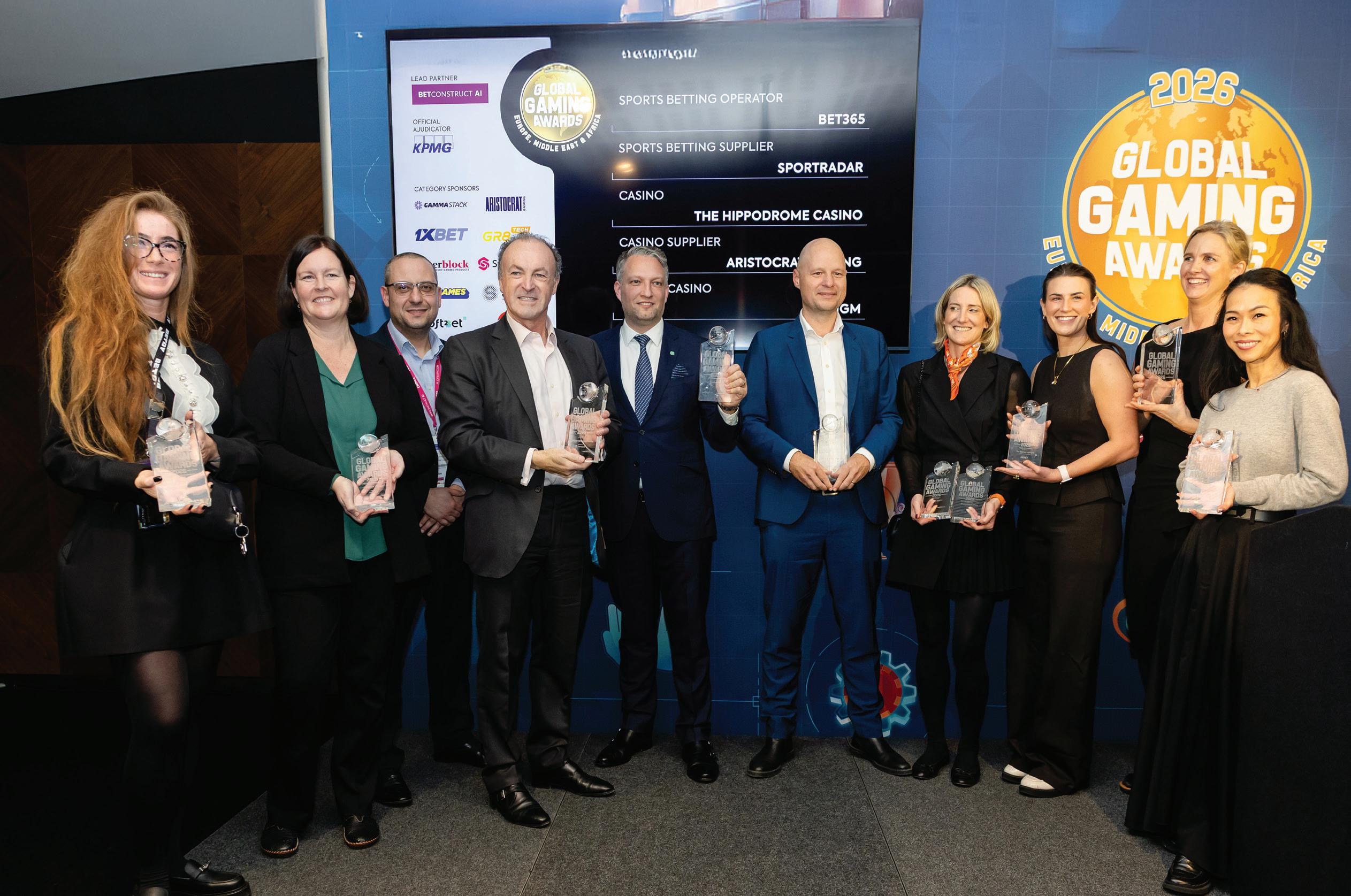
A warm atmosphere and some vibrant jazz solos set the tone for another hugely successful Global Gaming Awards EMEA 2026
Following months of anticipation, ICE Barcelona 2026 was underway and, with it, came a distinct feeling that a new cycle was beginning. Just over two weeks into 2026, the great and the good of our industry were celebrating the gambling New Year. But as Day One of ICE drew to its conclusion, it was time, once again, to recognise excellence from across Europe, the Middle East and Africa. Over the past 12 months, what decisive feats of innovation and leadership had really set the tone? The Global Gaming Awards EMEA 2026 Ceremony is where the very best and brightest that gambling has to offer are recognised as such, and where just to be nominated is an accolade out of the top drawer.
The scale of ICE is hard to wrap your head around in just three days and yet, upstairs at the Market Restaurant, right in the heart of the Fira Gran Via, many of the biggest execs in the business are suddenly corralled. And instead of being spread across the metropolislike conference halls, here they are, all together, sharing a joke and catching up over a glass of wine. It’s an extraordinary concentration of talent, but the tone of the evening is markedly warm and relaxed, coloured by the musical contributions of a jazz duo. As the esteemed attendees revived themselves from an intense day of networking and business, the hubbub became louder and busier – eventually the last notes of the saxophone died away and the guitar was put aside because the moment of truth had arrived.
“These are the most prestigious awards in gaming, the ones where the winners are chosen
by the leaders of our industry.” The words of Mariya Savova, Host and Event Manager of the Global Gaming Awards. As she welcomes the guests to their seats, she touches on some of the big stories of progress from the past year. Later on, prizes will be awarded across a wide range of sectors. Within iGaming, Savova notes the strides made in product personalisation, live casino and omnichannel engagement. On the land-based side, major refurbishments and reinvestments have invigorated the sector, while services and responsible gaming developments are set to be celebrated as well. Savova adds: “AI-driven security, payments and responsible technology have all moved firmly to the centre of operational strategy.”
Returning for another round of the Global Gaming Awards was Rick Arpin, who joined Savova on stage, representing global
accounting firm KPMG. His presence was the perfect opportunity to remind nominees of the sanctity of the adjudication process, which has been independently overseen by KPMG since the first edition of the event back in 2014.
While the 50-strong judging panel is made up of gaming executives from across EMEA, KPMG’s involvement as an independent adjudicator is a crucial step in establishing the trust that makes these the most coveted awards in the industry.
It helps explain the hush that descended as Arpin wrapped up his address and the first glass trophy made its way onto the stage. Before the announcement of Sports Betting Operator of the year, Savova reminded the congregation that: “Making it onto the Global Gaming Awards Shortlist is a significant achievement in itself. The competition is very strong, and every company and individual shortlisted should be extremely proud for all that they’ve accomplished over the past year.”
Onto the results themselves and the slick ceremony flew by once it got into gear. It was a good night indeed for bet365, which claimed that first trophy of the night and then returned to the stage with bet365 Partners later on for the Affiliate Programme of the Year Award.
The brand wasn’t the only double winner either, Pragmatic Play claimed the Online Casino Supplier of the Year Award and Online Slot of the Year directly afterwards – a good job someone was on hand to subtly ensure Irina Cornides wasn’t whisked straight off to her winner’s interview after collecting the first trophy.
Jesper Svensson was a busy man on the night as well, with the Betsson Group CEO first making his way up to the stage to receive the award for Social Responsibility on behalf of his company. Arpin first noted that this was his favourite category, saying: “Without all the work that everyone has done to promote social responsibility, we don’t have a sustainable industry.” Soon after, he amended this statement slightly to say that perhaps Executive of the Year was his number one. The list of nominees was stacked with talent and Arpin thanked them all for the work they’ve done advancing the industry, before inviting Svensson back for his second triumph of the night.
Innovation is as integral to the success of the gambling industry as excellence and, as you might expect, there were a couple of new awards handed out this year. For instance, Yevgen Krazhan of GR8 Tech presented Crash Game of the Year. Spribe’s phenomenal success
is still ascending, just like that little red plane, and it was no huge shock that it took home the crown on this occasion. And as Savova pointed out at the top, not all innovation is technological; there has been rejuvenation and creative ambition in the land-based sector as well. Two years on from the last time the Global Gaming Awards EMEA was held at the Hippodrome, it was a fantastic moment to see Simon Thomas, Executive Chairman of the famous London casino, go up and receive the trophy for Casino of the Year.
It was all smiles as the winners gathered on stage for a final group photo, presenting their resplendent Global Gaming Awards proudly to the cameras. The good nature of the event was a major takeaway, and not just between winners. There was recognition for all nominees and the runners up. Before the final award was presented, Arpin said: “I’m going to make an adjustment, this time we’re going to applaud for each one of them.” And it was a heartening


moment as Axel Hefer, CEO of Tipico, and George Daskalakis of Kaizen Gaming received their full portion of acclaim for coming third and second respectively. The runner-up spots are no token consolation prize; the competition is fierce and often an extremely close-run thing, so their presence in the top three indicates huge respect from their fellow professionals.
And so, still with two full days of the frenetically productive ICE conference to go, the Global Gaming Awards EMEA was over for another year. In 2027, it will be all to play for once again. But what a way to start 2026.
Global Gaming Insider would like to thank BetConstruct – the Lead Partner of the Global Gaming Awards, as well as all category sponsors – Soft2Bet, Aristocrat Gaming, Interblock Gaming, SPRIBE, GammaStack, 1xBet, GR8 Tech, SmartSoft, Upgames and EGT. We are also grateful to Clarion Gaming for giving the Awards a home at Fira Gran Via.

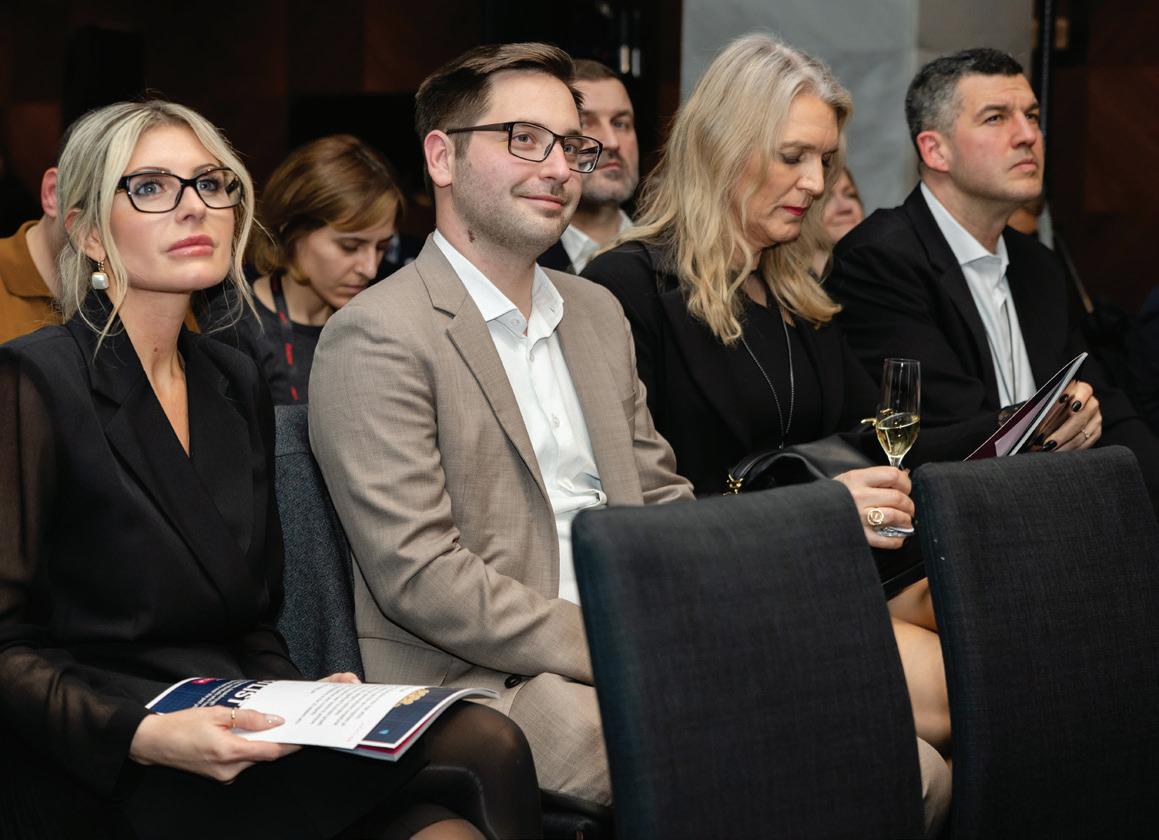

The continent’s premier gathering of iGaming innovation and expertise is back in Cape Town for the third year in a row
This March, the SiGMA Africa event returns to South Africa to celebrate and unite the continent’s burgeoning iGaming markets under one roof; in this case, the roof of the Grand Arena at GrandWest Casino and Entertainment World. From 3 March through to 6 March, colleagues and entrepreneurs from all around the world will gather in the Cape Town venue to share ideas, solutions and business cards.
More than 250 exhibitors are expected to make their way to the event, in the shadow of Table Mountain, and there’s plenty of good reasons for SiGMA Africa to be held there beyond the scenery. Despite its geographical position, South Africa is absolutely one of the central hubs of Africa’s iGaming activity. This is, in fact, the third occasion in a row that the conference will be hosted in the country, following on from the event’s debut in 2023,
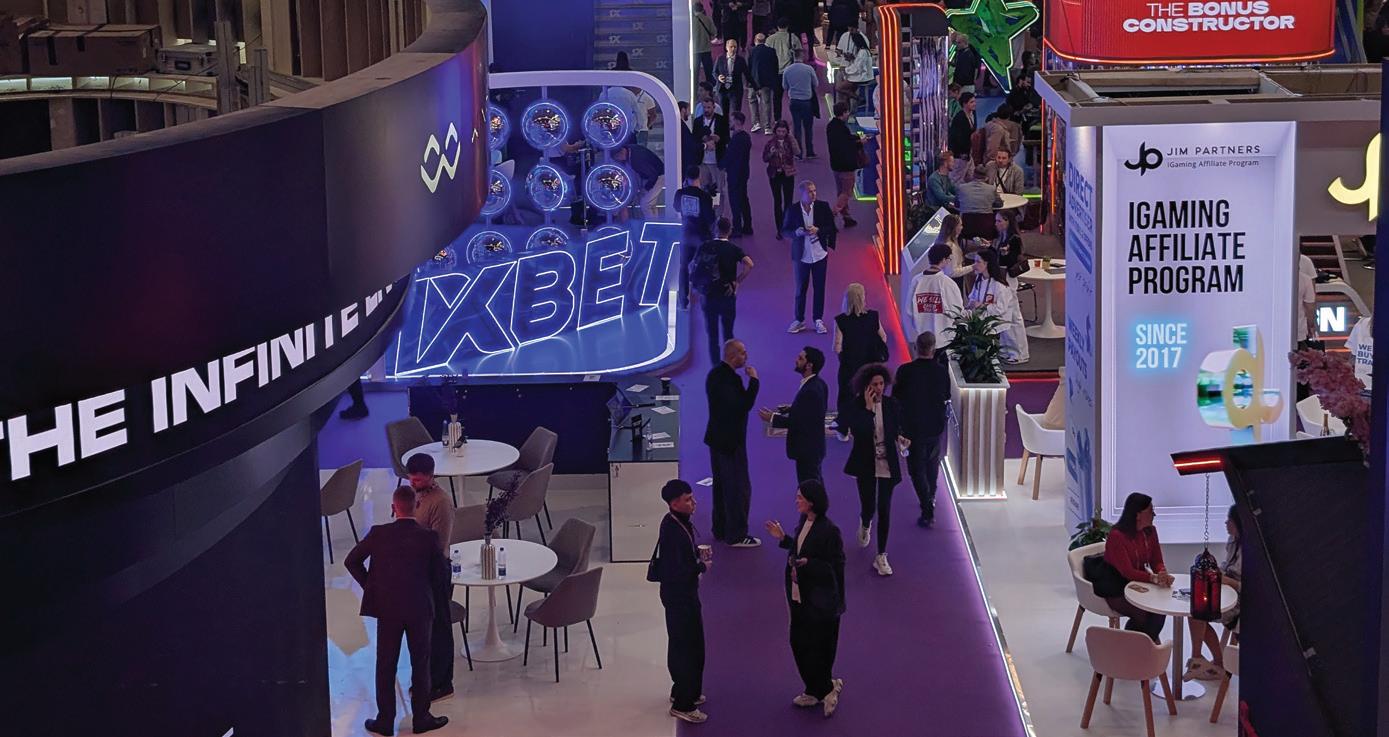
hosted in Kenya. But Africa’s southernmost country is far more than a pleasant meeting place, it’s a real industry force, with the likes of Betway and Hollywoodbets having big presences in the country.
Of course, as beautiful a setting as the host nation is, South Africa is not the whole story. The rest of Africa’s iGaming industry, both on the side of operators and regulators, has been evolving and growing with real intention in past years. For instance, in 2025, we saw the creation of the African iGaming Alliance (AIA), a trade movement spearheaded by the former head of Botswana’s gaming regulator, Peter Emolemo Kesitilwe, who will be one of the many esteemed speakers over the course of the week. Harmonisation of regulatory approach is one of the AIA’s central goals, and it will almost certainly be a hot topic of discussion in the conference hall.
Speaking of the venue... the multi-purpose complex just outside the centre of Cape Town is succeeding Emperors Palace in Johannesburg and the Trademark Hotel in Nairobi as the prestigious setting for SiGMA Africa. Known for being a thriving casino and arts venue, with its capacity of up to 7,000 people, the atmosphere in the Grand

Arena will be humming without being too crowded and stuffy for the attendees. There are plenty of options if you need to slip off for a networking lunch or dinners between panels, workshops and special events.
One of those very special events will be SiGMA Startup Pitch, which is making a triumphant return to spotlight Africa’s most promising startups. This is the front line of industry, and the part of the event where visitors can witness with their own eyes which direction iGaming innovation is going. There will be over 100 entrants hoping to catch the judges’ attention, with only the cream of the crop – just six – making it all the way to the last leg. Events like these are becoming increasingly common at major industry gatherings, and as entertaining and informative as they are, the significance of making it to the final stages can be huge for young businesspeople. Funding, strategic partnerships and the chance to connect with mentors and investors – there’s all to play for.
Across the four days, SiGMA Africa will deliver a packed schedule stuffed with thought leaders, innovators and policymakers from across the globe. While day one is a time for arrivals, registrations and settling in, there’ll still be plenty of activity at the GrandWest Complex with a welcome reception from 4pm through until 8pm open to all ticket holders.
Proceedings really get going the following day with some high-level discussions examining Africa’s regulatory landscape. Early on in the day’s programme, attendees will have the chance to hear from Robin Bennett, Head of Regulatory and Compliance at the Western Cape Gambling and Racing Board, before Kesitilwe gets the conversation on regional cooperation kickstarted.
There will be a lot of fine legal minds in attendance this year, the likes of Ngabe Franklin Njumbe, for example, and those working hard to establish functional gambling harms organisations like Ladipo Abiose Akolade, Founder of the Gamblepause Initiative.
This pair and many others will be featuring on regular panels as well as the odd fireside chat. The latter format lends attendees the chance to get a little more up close and personal with founders and veteran operators and hopefully gain some insights they might not have heard otherwise.
On 5 March, there are no holds barred. This is the last full day – all good things must come to an end after all – and the conference will draw to its crescendo with more investor roundtables, country-focused deep dives and a dedicated session on the future of esports and virtual gaming in Africa.
Other panels cover sports, payments, SEO, people and indeed, this is when SiGMA Pitch comes to a head as well. Affiliates are not neglected, with major Commercial
Directors like Sasha Boerma leading the way as to what models hold up and retain trust across African markets. And stick around for the keynote speech for the most up-to-date SEO tactics. Away from panels, though, the exhibition floor will be in full swing, with dynamic exhibitions everywhere you look, all showcasing cutting-edge gaming products, software and hardware.
And when it’s all over, the fun doesn’t stop. Networking lounges and evening events will give delegates the chance to forge new partnerships, keep the ideas flowing and enjoy a little fun and relaxation too.
The growth of the South African market and the wider African iGaming landscape is something to celebrate after all, as is the wit and innovation of all those at SiGMA Africa striving to build that market responsibly and with strong foundations.
Cape Town is a marvellous location for such a celebration, sandwiched between the ocean and the mountains. As delegates make their way from the complex each evening, they’ll find enjoy plenty of culture and local flavour. It’s a city full of energy and that energy can drive the spirit and connections on the exhibition floor.
Because that’s what SiGMA Africa is all about: connection. And as the sun sets over the Cape, you get the feeling this year’s edition is only the beginning of something much bigger for Africa’s iGaming future.

Garvie, BetBlocker
In the last few years, the UK authorities have pushed forwards with multiple systemic changes that promise to have a paradigm shifting impact on harm minimisation in the UK. And while the potential for improvements is there, risk also exists for the services delivering support in the UK.
It started with the shift away from the old RET funding system for harm minimisation work. The RET system was a flawed system. To start with, it was voluntary, leaving the industry to decide what appropriate levels of support for harm minimisation were. And while I’m not going to say the practice was widespread – with the majority of RET funding going to GambleAware to administer – the RET system did allow the industry the latitude to favour projects that were seen to align more closely with the values and objectives of the businesses. And oversight of how funding was spent was also far less robust than it should have been, resulting in big ticket projects that cost far more

than they should. So the RET system was far from perfect.
But while the RET system had problems, we shouldn’t forget its successes. The UK represented one of the best funded, and most diversely resourced sectors in the world. It delivered unparalleled quality and scope of support, and the RET system incubated a space that unquestionably came to be world leading. The RET system has been gone for a while now, yet many of the organisations that made it up are still considered thought leaders in the space. So while the RET system had its flaws, everything that follows is a testament to its success.
The introduction of the levy looks set to significantly improve oversight, with far stronger policies targeted at inhibiting industry influence. And, with its licence-mandated contributions, is intended to significantly increase the funding available to support harm minimisation efforts. These are big positives, but not without their own risks. There will be new and increased levels of bureaucracy. This will naturally slow the speed with which the system can respond to emerging challenges. And the structures required to administer the additional oversight will eat a substantial portion of any extra funding the system actually generates.
In effect, the shift from RET to levy gambles with a system that was already good in the hopes of creating one that is great.
But the gamble in the UK have not stopped with the switch from RET to levy. The implementation of a significant tax increase on the sector may have secondary implications for harm minimisation funding.
The impacts of taxation level changes are notoriously challenging to predict. What seems like a simple equation is subject to a range of human, market and societal forces, meaning that what may seem logical and straightforward can have unpredictable and potentially seismic consequences.
Those that have lobbied for, and implemented, this tax increase believe that substantial extra public funding can be raised while still allowing the legitimate industry to flourish. Advocates for the industry foresee the legal market shrinking significantly due to the increased tax, while the growth in the footprint of the black market accelerates.
It is beyond my limited knowledge to assert the realities of how the tax increase will actually impact the market. And I struggle to believe the voices on either side confidently asserting that they “know” what will happen. Time will tell. But the tax increase represents another significant gamble for the harm minimisation space. With the levy tied to licensee revenue, and the tax increase extremely unlikely to result in revenue rises, the levy funding pot can at best hope to remain the same, but risks dropping if sector revenues decrease. If this happens, the additional funding the levy promised to raise could slip through our hands like smoke.
So different policymakers within the system have made two huge changes. One that directly impacts how harm minimisation support in the UK is delivered. And one that will indirectly, but potentially significantly, impact the funding that is available to deliver that support.
The UK sector has put its chips down, and the wheel is spinning. We’re all hoping for a win. But it’s too early to say what the outcome will be.
Keystone Law Partner Richard Williams asks: when will the Gambling Commission gain its new powers against illegal operators – and how effective will these become?
When the Department for Culture, Media and Sport published its White Paper on gambling reform in April 2023, it highlighted the threat of the black market, estimating that it represented no more than 2.5% of all remote gambling in Great Britain. However, the threat of an increased black market was flagged and a commitment was made to introduce legislation to give the Gambling Commission new powers to disrupt illegal gambling, such as to obtain court orders requiring internet service providers and payment providers to block access to unlicensed websites.
In September 2024, Frontier Economics prepared a report for the Betting and Gaming Council, conservatively estimating that £2.7bn ($3.6bn) was staked annually on the black market in Britain (representing 2.1% of the £128bn staked with regulated online operators annually). The Report stated that younger gamblers were more likely to be aware of and to use black-market operators, with one in five 18–24-year-old gamblers using unlicensed operators or social media/messaging apps to gamble. The Report evidenced a much higher use of VPNs to gamble by younger respondents and stated that better bonuses, ease of setting up an account and anonymity were the major attractions of using unlicensed operators.
The gambling industry now fears that significant increases in remote gaming (21% to 40%) and remote betting duty (15% to

25%) introduced in the November 2025 Budget, alongside player protection and social responsibility measures that have already been introduced, will lead to an explosion in the black market. It appears inevitable that operators will have to reduce bonuses, alongside other expenses, to mitigate these increased taxes. Because bonuses have been shown to be a significant attraction of using the black market, a reduction in bonuses by regulated operators to maintain profitability will undoubtedly lead to British customers seeking out unlicensed websites.
There is already evidence that increasing remote gambling taxes drives customers toward the black market. In the Netherlands, remote gaming duty was increased from 34.2% to 37.8% of gross gaming revenue (GGR) on 1 January 2026, which is broadly similar to the new rate of remote gaming duty in the UK.
The Netherlands gambling regulator, the Kansspelautoriteit (KSA) has previously reported that increased gambling taxes had not resulted in an increase in tax revenue. In its most recent analysis of the market, the KSA reported that, while 94% of Dutch customers gamble legally, the percentage of total money gambled legally reduced from 51% at the end of 2025 to 49% at the beginning of 2025 (i.e. more than half of all Dutch online gambling spend was with unlicensed operators).
The KSA believes that this downward trend is due to individuals switching to illegal offerings, due to newly introduced player protection regulations. Action by the KSA to fine illegal operators has been largely unenforceable and ineffective.
Elsewhere in Europe, Norway, which operates a state gambling monopoly model, has had mixed results in restricting the black market. The Norwegian Gambling Authority (Lotteritilsynet) has had some success in website blocking, payment restrictions and advertising controls. In Spring 2025, it issued blocking orders against at least 57 offshore websites and there is evidence of reduced black-market gambling (revenue reduced
by 18% from 2023 to 2024) albeit with a significant illegal market still in existence.
In Britain, we are now nearly three years down the line from the White Paper. Despite proposals to introduce domain name, IP address and payment blocking measures in the Criminal Justice Bill and Crime and Policing Bill, new legislation is progressing slowly. At the Gambling Commission CEO Briefing in November 2025, figures were given for action the regulator had taken between April 2025 and October 2025 to tackle illegal gambling. Andrew Rhodes stated that, during this period, 188,297 URLs had been reported to search engines by the Commission and 10,419 blocked. In total, 504 websites had been taken down or geo-blocked; 659 websites were referred to search engines for delisting and 480 cease-anddesist letters were issued to advertisers and operators. While this is a commendable effort, action taken by regulators is often likened to “whack-a-mole,” with new websites popping up as soon as one is taken down.
The Gambling Commission was handed an extra £26m in the 2025 Budget over the next three years to “tackle the illegal market.” This is a relatively small amount, given the technical complexity and size of the task involved. This is particularly the case, as duty increases are likely to drive more highspending customers towards bonuses and incentives offered by black-market operators. It therefore remains to be seen whether forthcoming legislation, including domain and IP blocking measures will be effective, as many of the proposed powers relate to blocking of domain names and IP addresses which are registered or hosted in GB. For obvious reasons, illegal operators will ensure their operations are hosted overseas.
Time will tell whether Britain follows the Netherlands, with significant amounts of online gambling spend migrating to the black market. If this happens, the Government will have shot itself in the foot, as the anticipated increase in tax revenues will not materialise.

Bring Harmony and Intensity to the slot offer of your casino with the magic Lanterns of Fú!
Unpredictability, strong emotions and innovation define Lanterns of Fú, making it a desirable addition to any casino floor’s slot portfolio. Players can choose between Intensity (30 paylines, 50-credit bets) and Harmony (50 paylines, 75-credit bets) themes, both delivering a three-pot mechanic enhanced by a player-choice feature designed to engage and excite. At the heart of Lanterns of Fú is its bonus game, accessible by building up the Radiance, Strength and Fortune accumulators through lantern symbols or by using the Buy Bonus option. This new feature reflects modern player preferences, allowing players to place a higher bet and gain immediate access to the most thrilling and rewarding game mode.
Both bonus access methods ensure unpredictability, as players never know if they will trigger the bonus with one, two,
or three active lanterns. But that is not all about FBM’s latest slot creation. Each magic lantern brings a distinct effect to the reels:
. Radiance draws a value and shares it with all lanterns on the reels, adding a fresh twist to FBM accumulator mechanics
. Strength multiplies the values of all lanterns on the reels before awarding a numeric prize
. Fortune collects and accumulates the values from all available lanterns on the reels
By combining a player-driven feature with enhanced accumulator mechanics, Lanterns of Fú delivers an authentic Asian game experience, ready to elevate player attraction and retention levels in any land-based casino.
Compatible with various casino cabinets, Lanterns of Fú allows an easy installation in different floor layouts and is already available in the Mexican and US markets, with an EMEA launch on the horizon. Light up your slot portfolio with the magic of Lanterns of Fú!

MAR
3-5
GrandWest Casino
Cape Town, South Africa

SiGMA Africa is returning to the Grand Arena in Cape Town for the third year running. The market in South Africa is booming for online sports betting but, across the continent, rapid growth has transcended borders. Collaboration is key to get the industry moving in a unified direction, and that’s exactly what SiGMA Africa is for.
Networking: More than 250 exhibitors are expected in the Grand Arena. The multi-purpose venue has plenty of hospitality options to help you network long after you leave the conference room floor. There’ll be no shortage of inspiration with SiGMA Pitch giving a rich insight into what the next generation of innovation is going to look like.
sigma.world/summits/africa
MAR
9 -11

Sofitel Sydney Wentworth, Sydney, Australia
Regulating the Game 2026 shapes up to be a defining conference as speakers from Tabcorp, AUSTRAC and others come together to discuss the challenging Australian gaming market. This show will dive into the latest developments in compliance, crisis management and more, along with talks from high-profile executives across the industry and key insights into future regulatory changes.
Networking: Including its Pitch! event, dinners and awards, there are opportunities for innovators, compliance experts and other professionals to combine and forge crucial partnerships. Throughout the full conference programme and beyond, there is plenty of time for both formal and informal meetings.
regulatingthegame.com

MAR
3-5
SBC SUMMIT RIO
Riocentro, Rio De Janeiro

With the market now legalised and growing exponentially, SBC shines a light on the latest developments in the Brazilian sector. More than 15,000 visitors are expected to attend this year, alongside 6,000 operators and 250 speakers, including executives from EstrelaBet, Grupo Esportes Gaming Brasil, Superbet, the ANJL, Playtech and the IBJR, just to name a few.
Networking: Never one to keep an event low-key, SBC Rio is also home to several networking and party events, including the Affiliate Leader Summit, the Payment Expert Summit and the Infinity Rio party on the final day.

sbcevents.com/sbc-summit-rio/

MAR
16 -18
Shangri-La at the Fort, Manila, Philippines

Since the launch of the Asean Gaming Summit in 2017, this expo has welcomed thousands of attendees, along with hundreds of speakers and exhibitors. Last year saw keynote speakers such as Alejandro H. Tengco, Chairman and CEO of PAGCOR, take to the stage. Founders, executives and board members will all be present to champion the biggest developments in the Southeast Asian market.
Networking: As expected, delegates from major operators and companies will be attending the Asean Gaming Summit, including Kangwon Land, Melco, Okada Manila and Galaxy Entertainment Group. This makes it the perfect opportunity to explore the true potential of the Asian gaming sector.
aseangaming.com/


MAR
24-26
Cartagena de Indias Convention Center, Getsemaní, Colombia

It may not be the largest event by square metres in the list, but GAT Expo Cartagena offers an invaluable insight into the LatAm space, with a particular emphasis on the land-based sector. 2025’s event brought in 3,000 visitors, 70 exhibitors and 29 speakers across 42 countries. Expect talks on the latest market analysis, regulations and innovations made within the industry.
Networking: Three networking events are scheduled across the three days, each located somewhere different to allow attendees to see what each area has to offer. Smaller numbers mean a greater chance for longer, less disrupted conversations – making it ideal for those looking to get into the deeper details of a topic or partnership.
gatevents.net/gat-expo-cartagena

APR
6 - 9
Transamerica Expo Center, São Paulo, Brazil

The regulated LatAm region has seen rapid development, especially after the legalisation of online gaming in Brazil at the start of last year. Now, MEGA brings the conversation to Mexico’s iGaming market, focusing on football, regulation, emerging technology and more across a packed agenda of expert-led sessions and panels.
Networking: With a welcome fiesta on day one, and networking drinks on days two and three, opportunities to forge connections have been baked into the DNA of MEGA. With lawyers, industry consultants and experts in attendance, gaining and developing new industry knowledge should be a high priority.
sigma.world/summits/south-america
MAR
24 -27
Eko Convention Centre Lagos, Nigeria

Africa Gaming Expo (AGE) is the ultimate event for networking, business expansion and industry education on the continent. Leaders and experts will host a variety of keynotes, panels and strategic workshops on market forecasts, policies, investment opportunities and online payments. Last year’s event saw more than 7,300 visitors across three days, 132+ exhibitors and over 90 panellists, highlighting the growing demand for collaboration across Africa’s fast-evolving gaming sector.
Networking: The first night will feature an opening cocktail night, with key stakeholders, innovators, investors, operators, regulators and thought leaders from across Africa and around the world invited to take part.
ageafrique.org

APR
28 -30
The InterContinental Hotel, Malta
As one of the gambling powerhouses of Europe, it’s no wonder Malta houses one of the biggest expos for the industry. Over 2,000 operators, 1,000 affiliates, 100 exhibitors and 250 speakers are expected to descend upon the island, bringing around 6,000 industry professionals to this small European island for three days of meetings, insights, and high-level business opportunities. Last year, the event saw a 20% increase in attendee numbers and a 21.4% rise in company representation.
Networking: As with every SBC event, there will be multiple evening events and networking opportunities available, including the Opening Party on Tuesday, the Official Party on Wednesday and the Closing Party on Thursday.
sbcevents.com/sbc-summit-malta/

The ending of last year brought about many significant occasions for the gambling industry, transitioning into an already bustling 2026. Let’s look at some of the new beginnings, final bows and milestones our industry provided in images
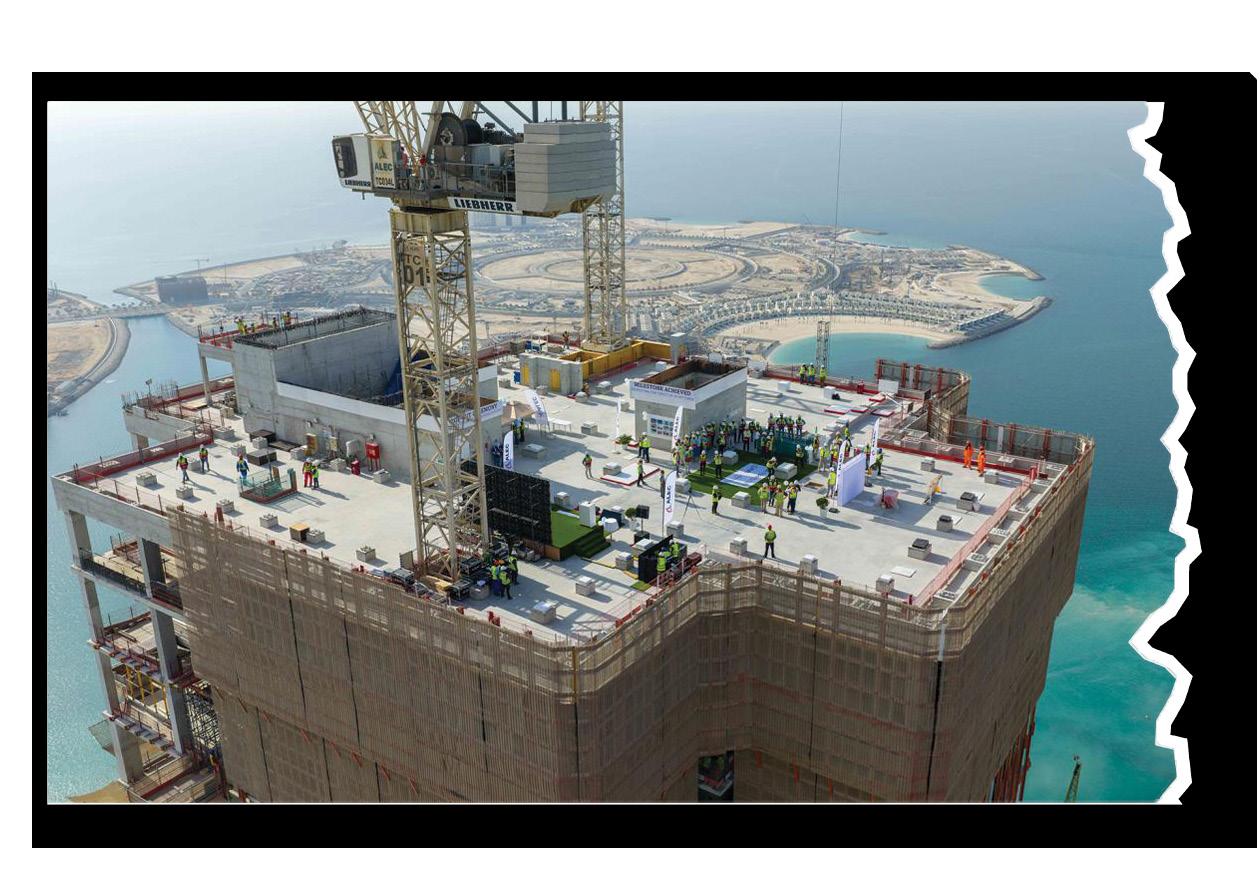
Workers celebrated as the structural element of the Wynn Al Marjan Island integrated resort tops out. The tower now dominates the skyline of Ras Al Khaimah, standing at 283 metres tall. Once the spire is installed in 2026, it will have a full architectural height of 352 metres
2025 spelled the end of almost all of Macau’s satellite casinos. The handful that remained open into the last knockings of the three-year transition period had until 31 December 2025 to close or be acquired by their parent licence-holder. SJM Holdings did eventually obtain Casino L’Arc and held a ceremony to welcome it into its official portfolio of properties
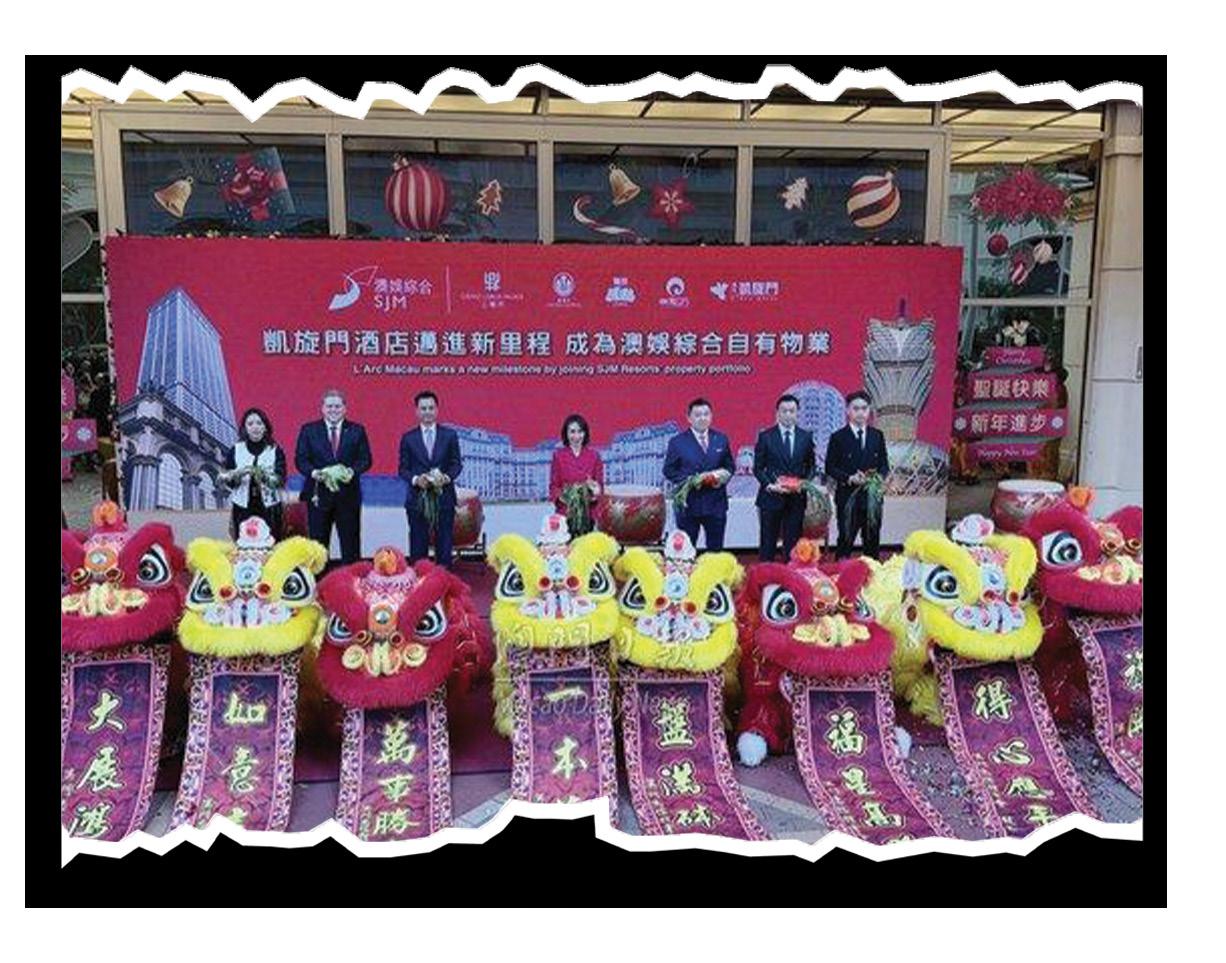




Police and lottery officials in Buenos Aires participated in Operation “Southern Diamond II.” Raids recovered cash, documents and other items related to illegal gambling operations, as the Buenos Aires Lottery attempts to protect and preserve the regulated market
Graton Resort & Casino in California played host to YouTube personality Scott Richter (The Big Jackpot) and the floor debut of a series of Bomberman slot games. Richter was the first to try out the new titles based on the 40+ years-old video game franchise from Konami Gaming
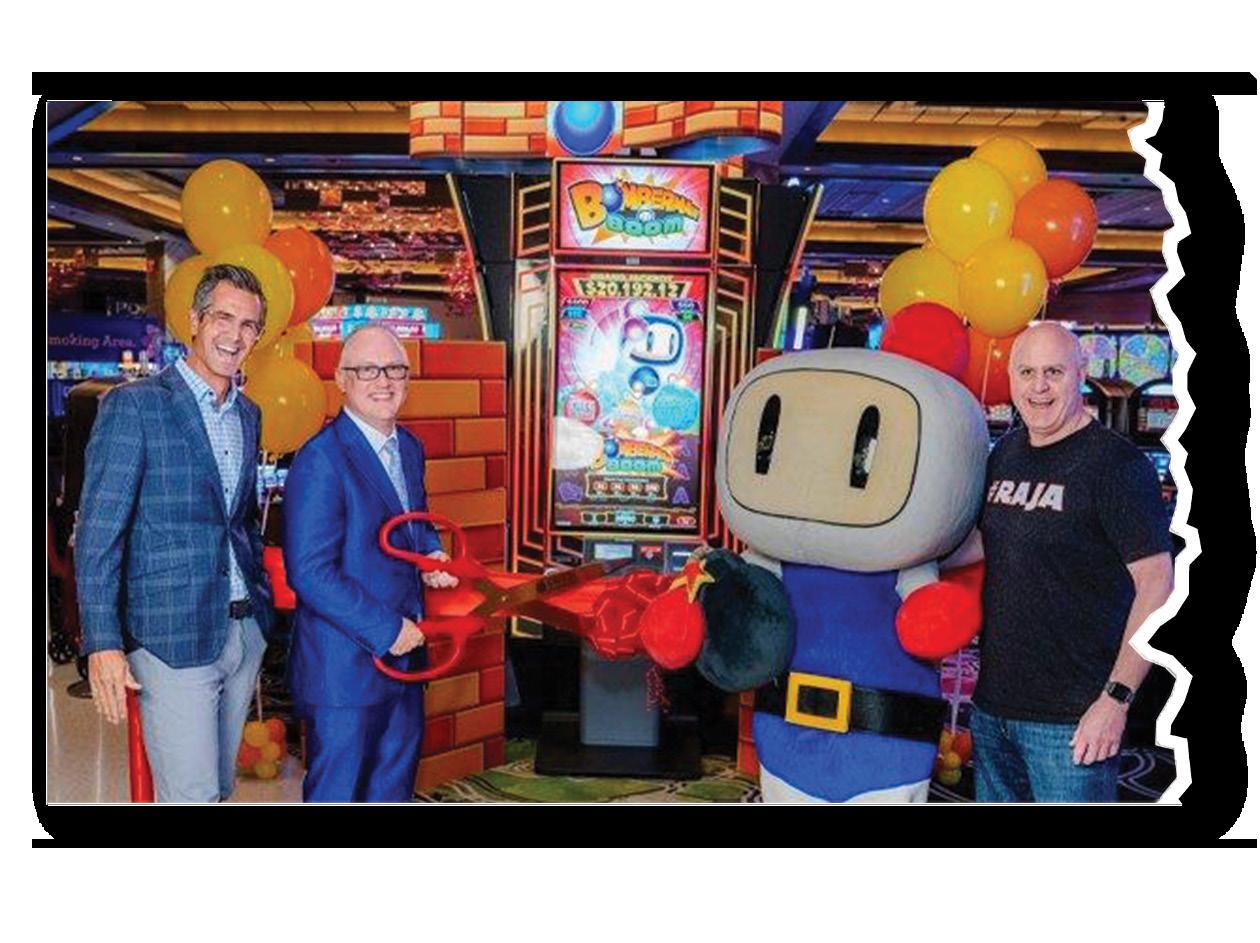



ICE Barcelona is a fully sensory experience with a melee of lights, sound and movement bringing our industry vividly to life – here are some of the sights that caught our eyes

Walking through a veil of illuminated dry ice into Hall 2 at the Fira GranVia
Footballing icons, Luís Figo and Alessandro Del Piero, speaking to a huge crowd at the Digitain stand
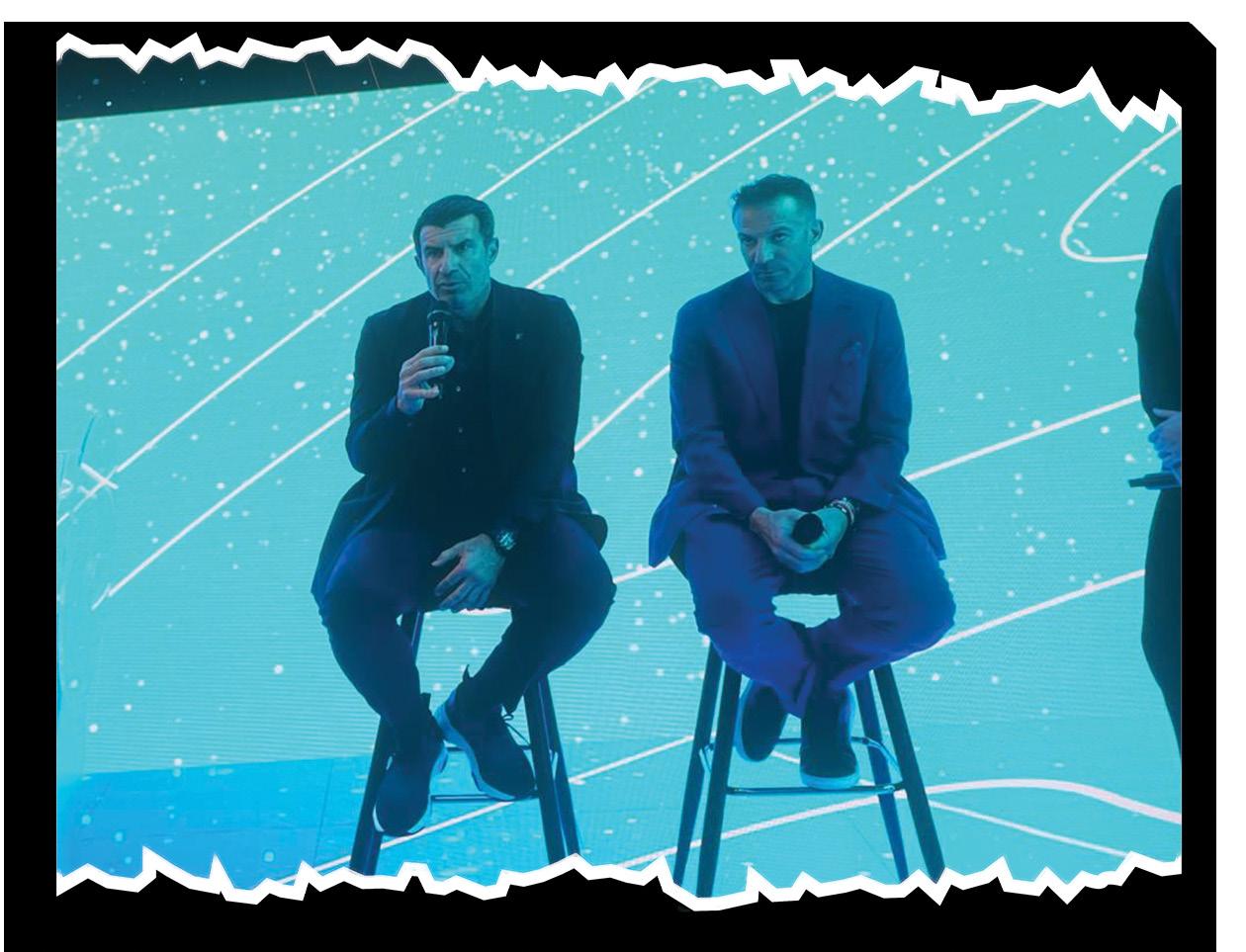

TWO rivals, ONE conference hall
Taking the high road between conference halls, this was a view from the bridge
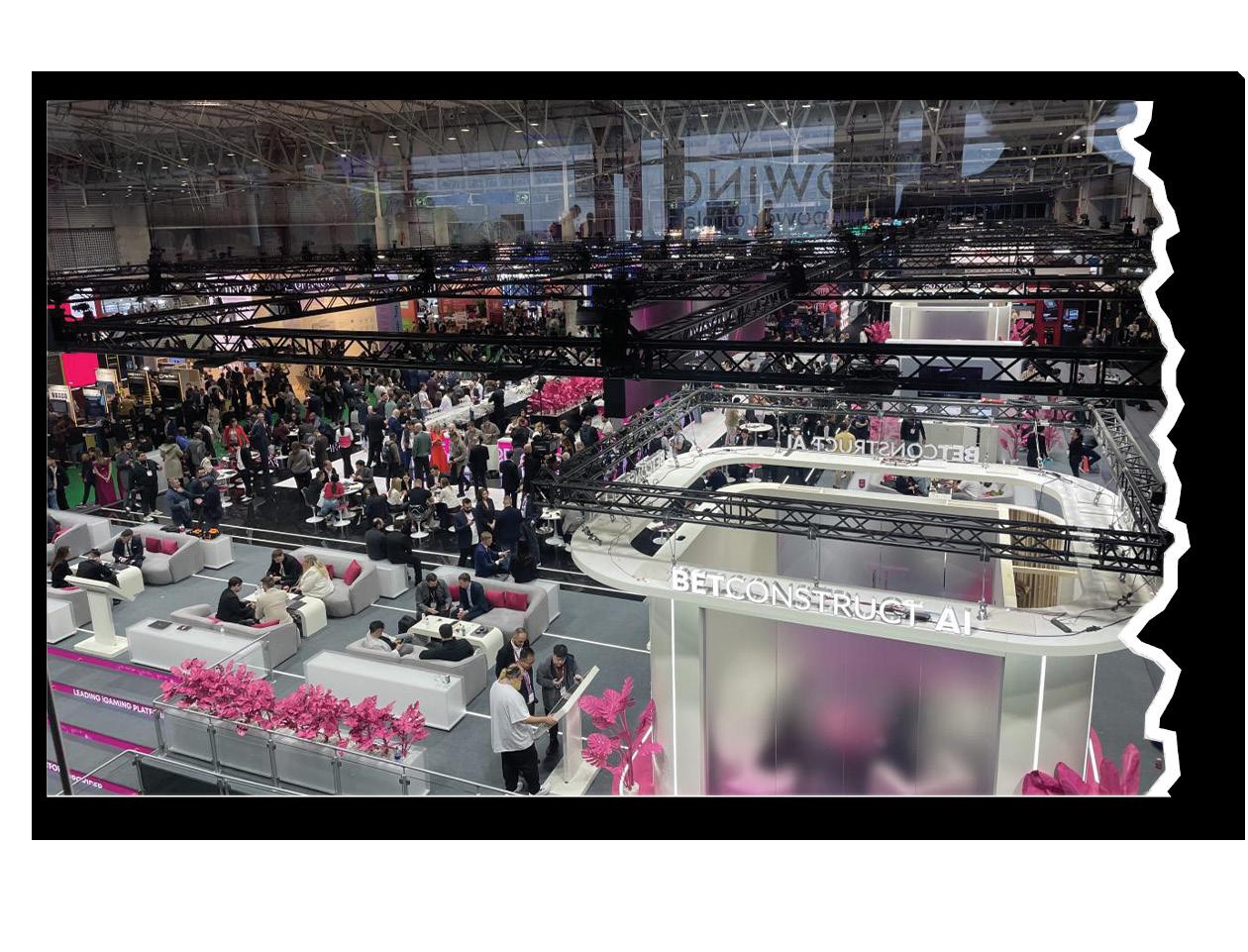
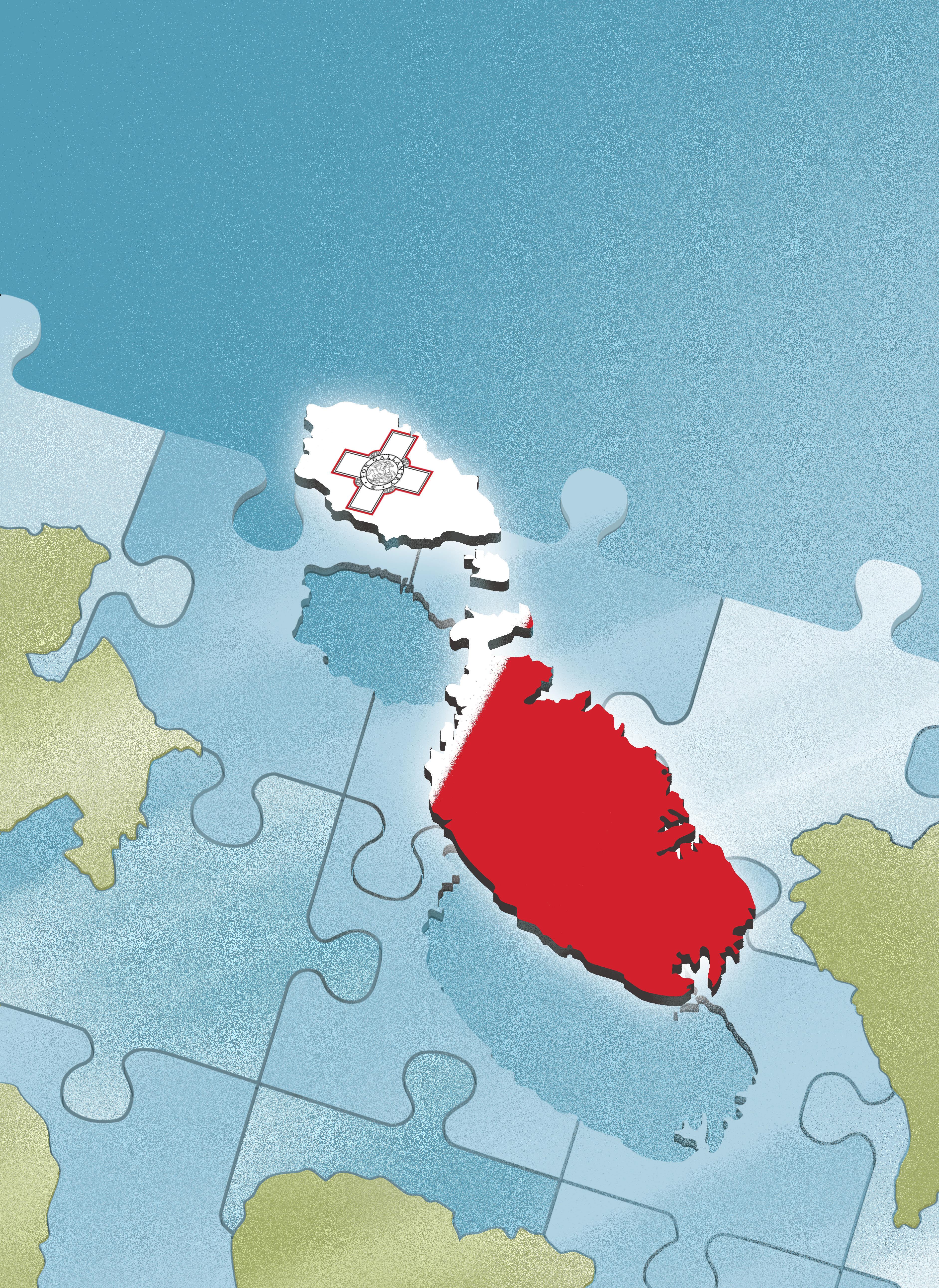

MGA CEO Charles Mizzi recaps the performance of Maltese gaming in 2025, and how failures to report suspicious betting activity remain a concern across the industry
WHAT WERE THE NOTABLE CHALLENGES FACED FOR 2025, AND HOW CAN THE MALTA GAMING AUTHORITY (MGA) COUNTERACT POTENTIAL HARM TOWARD CONSUMERS?
Throughout 2025, the MGA continued to operate within an evolving international landscape, where regulatory developments abroad bring ongoing challenges for the sector. In response, the Authority has maintained a focus on reinforcing clarity, consistency and robust oversight, including addressing emerging legal and operational developments that support a well-regulated and trusted market.
To safeguard players, the MGA ensures that licensees adhere to the Player Protection Directive and applies a risk-based, proactive approach. This includes targeted supervision, active enforcement against unlicensed activity and tools and initiatives that promote responsible gambling. These measures help identify and address risks early, protect players and maintain confidence in Malta’s licensed gaming market.
THE MGA BEGAN THIS YEAR BY ENHANCING ITS REGULATORY OVERSIGHT. HOW EFFECTIVE WAS THIS IN MINIMISING ILLEGAL GAMBLING IN MALTA?
The MGA’s enhanced regulatory oversight in 2025 has contributed to reinforcing market integrity and mitigating illegal gambling activity in Malta. By intensifying supervision of licensed operators through more data-driven and evidence-based monitoring, we have ensured greater adherence to Malta’s Gaming Act and other regulatory instruments, elevating compliance standards across the sector.
At the same time, we maintained active surveillance and enforcement against unlicensed entities, leveraging intelligence-sharing and targeted investigations to address illegal operations. Our approach is also shaped by the need to maintain balanced and proportionate regulation, which encourages operators to remain within the licensed ecosystem. This enables more effective oversight, strengthens player safeguards and reduces the risk of activity shifting towards unregulated markets. Taken together, these efforts reinforce trust in Malta’s gaming framework and support the integrity of the wider sector.
WHAT TYPE OF HARM COULD UNAUTHORISED URLS PRESENT IN MALTA, ESPECIALLY AS IGAMING CONTINUES TO EXPAND?
Unauthorised URLs pose significant risks to players and the integrity of Malta’s online gaming sector. Operating outside the regulatory framework, these sites lack essential safeguards such as responsible gaming measures, player fund protection and fair play standards, which exposes consumers to financial loss, fraud and misuse of personal data.
Beyond the risks to individual players, such platforms may facilitate money laundering and other criminal activity, threatening the credibility of Malta’s regulated market. As online gaming continues to expand, the presence of unauthorised URLs increases the potential for harm, particularly to vulnerable players, and can erode public confidence in licensed operators. This makes active monitoring and enforcement critical.
WERE THERE ANY CHALLENGES TO LAUNCHING THE MGA’S NEW AUDIT PROCEDURES, AND HOW CAN THE CHANGES HELP PROVIDE A SMOOTHER PROCESS?
The introduction of our updated audit procedures placed strong emphasis on clarity, consistency and collaboration. Audit Service Providers, approved by the MGA, play a pivotal role in conducting compliance audits and act as an extended arm of the Authority, consistently demonstrating receptiveness to the evolving needs of the audit process.
To support this transition, we held a series of one-to-one sessions with auditors, which strengthened understanding of procedures and fostered greater ownership and accountability. These collaborative efforts have significantly improved efficiency and transparency across audits. Looking ahead, we expect further enhancements driven by continuous feedback, reinforcing our commitment to a streamlined and robust compliance framework that supports both operators and the wider sector.
WITH THE MGA HAVING LAUNCHED ITS SELFASSESSMENT TOOL IN OCTOBER, IN WHAT WAYS HAS THE OFFERING GENERATED A POSITIVE IMPACT ON PROBLEM GAMBLING?
Our self-assessment tool, launched in October, has already contributed positively to efforts to address problem gambling. Based on the internationally recognised Problem Gambling Severity Index (PGSI), it offers players a simple and anonymous way to reflect on their gambling habits through nine targeted questions. By encouraging regular self-checks, the tool helps individuals identify early signs of risk and promotes self-awareness before issues escalate. Importantly, it goes beyond assessment by providing practical guidance, including suggestions such as setting deposit limits or activating self-exclusion, and directing users to support organisations like Sedqa, Caritas Malta and the Responsible Gaming Foundation. This proactive, user-centred approach empowers players to take control of their behaviour and strengthens early intervention within Malta’s wider responsible gambling framework.
HOW DOES THE MGA FORESEE RESPONSIBLE GAMING EFFORTS EXPANDING AS WE ENTER 2026, WHETHER FROM AN INDUSTRY PERSPECTIVE OR IN MALTA SPECIFICALLY?
As we enter 2026, our responsible gambling efforts will continue to build on the regulatory oversight priorities published last year, with general findings and best practices set for publication this year to offer clearer guidance to operators. These priorities, shaped by identified risk factors, compliance trends and player communication, are intended to help operators anticipate expectations and further strengthen their approach to player protection.
In keeping with our established practice, we will publish our updated priorities in the first quarter to ensure transparency and alignment across the sector. From an industry perspective, we expect continued investment in robust responsible gambling frameworks, enhanced
monitoring tools and more proactive interventions. Combined with the Authority’s guidance, these developments will support a culture of accountability and sustainability.
TELL US ABOUT YOUR REPORT INTO FOOTBALL BETTING INTEGRITY. WHAT CAN BE DONE SPECIFICALLY IN THIS AREA?
In our Thematic Review on Domestic Football Betting, the MGA emphasised that failures to report suspicious betting activity remain a concern, alongside weaknesses in monitoring systems and controls designed to prevent insider betting. The review also observed that betting activity on local competitions includes participation from both domestic and overseas accounts, which can add complexity to integrity oversight given the variety of markets and risk factors involved.
Licenced operators have implemented safeguards such as monitoring tools and cooperation mechanisms with sports governing bodies, which reflect ongoing efforts to manage these risks. Our findings underlined the importance of robust compliance frameworks, proactive reporting and effective detection tools. Integrity failures can lead to reputational harm and regulatory consequences, reinforcing the need for continued collaboration between licensees and the Authority to safeguard the fairness and credibility of sports betting.
WHAT HARMS COULD IMPACT PLAYERS IF LICENSEES UNDERESTIMATE THE IMPORTANCE OF CROSS-BORDER BETTING?
Monitoring cross-border betting is critically important for licensees, as international wagers bring complex integrity and compliance risks. Our Thematic Review on Domestic Football Betting highlighted that betting on Maltese football is not limited to local players; overseas activity adds layers of vulnerability, which may include potential match manipulation and insider betting. If disregarded, these risks can harm users through exposure to corrupt markets, unfair outcomes and a loss of trust in regulated platforms.
Beyond financial harm, unchecked cross-border betting can also facilitate criminal networks and compromise consumer protections, leaving players vulnerable to fraud and misuse of data. Effective monitoring, proactive reporting and close collaboration with international integrity bodies are essential to protect consumers, ensure fair play and uphold Malta’s reputation as a trusted jurisdiction.
Throughout 2025, the Authority continued to strengthen its regulatory approach, enhancing oversight and reinforcing the frameworks that support a well-regulated, resilient sector. Central to this work has been the publication of our refined supervisory strategy, which builds on our risk-based framework. This approach has allowed us to focus resources where they matter most, strengthen engagement with operators, and take a proactive stance on emerging risks, with particular emphasis on compliance, player protection and sports betting integrity.
Key milestones include the completion of the first-ever thematic review of the local football betting market, the second year of the voluntary ESG reporting recognising operators advancing responsible practices, updates to the Capital Requirements Policy and the launch of a self-assessment tool for safer gambling. Alongside these achievements, the Authority continued to enhance operational efficiency, becoming more responsive to market needs.
Our work also addressed complex legal and cross-border
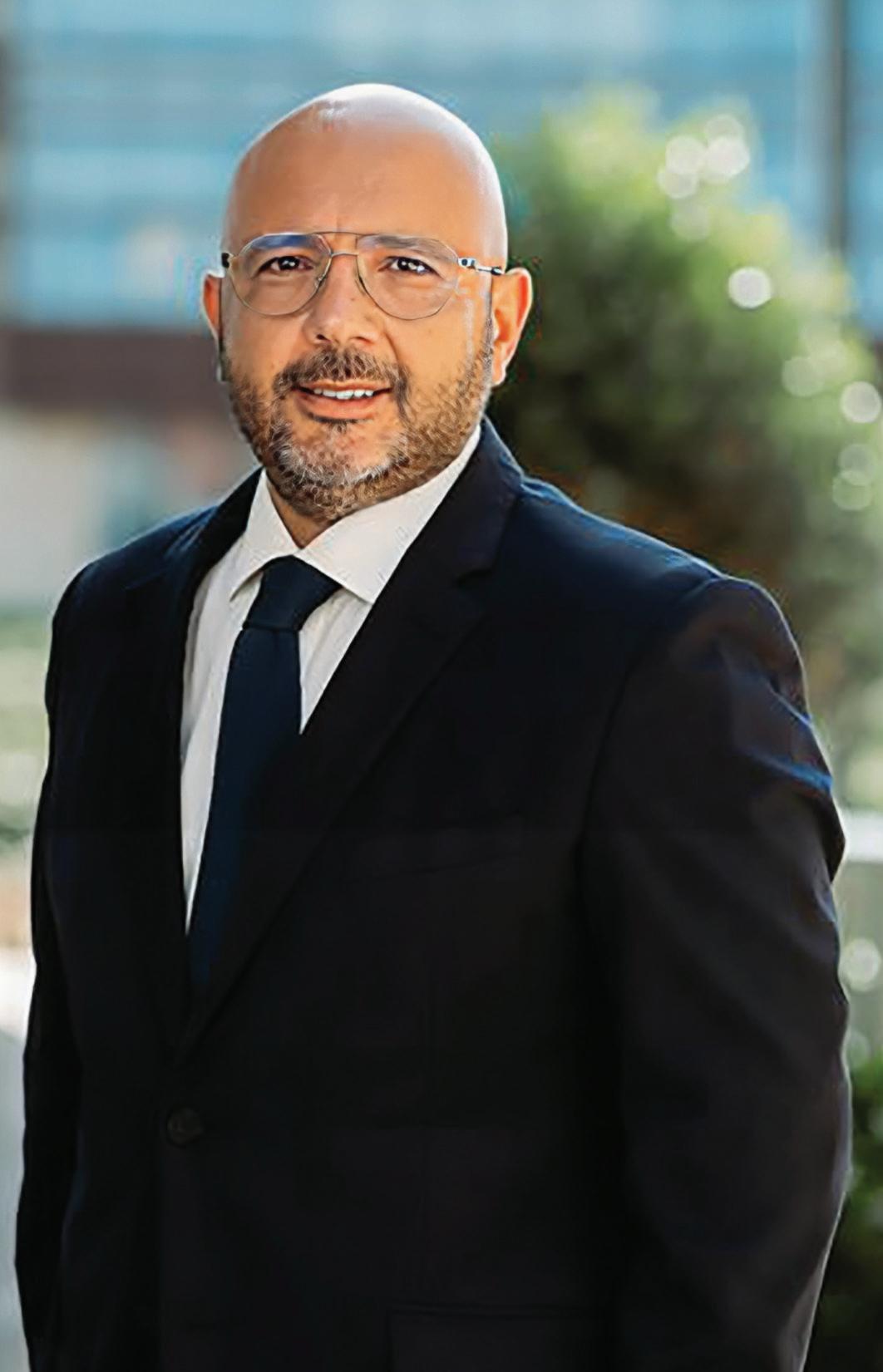
challenges, ensuring Malta’s licensed sector continues to operate with confidence and resilience.
Looking ahead to 2026, the MGA’s strategic goals remain centred on strengthening and enhancing our regulatory work, with a focus on robust oversight and responsible regulation.
We will continue to pursue smarter regulation that is risk-based, proactive and targeted, ensuring resources are directed where they can have the greatest impact. In line with this approach, the Authority is exploring how emerging technologies, including AI, can be harnessed responsibly to drive innovation while maintaining integrity across the sector.
This includes developing a voluntary AI Governance Framework to guide best practice and support responsible adoption across the industry. We will also place increased focus on our land-based sector, recognising the important role the sector plays within Malta’s broader gaming ecosystem. Collaboration with both online and land-based operators will remain key, enabling the sector to implement effective safeguards, anticipate regulatory expectations and adopt best practices in consumer protection.
CEO Paul Kavanagh explains where he believes iGaming’s future will lead and how the payments processing experience can directly impact the success generated by operators
As the iGaming sector continues to scale globally, the complexity of moving money efficiently across borders has become a defining operational challenge. While much attention is paid to player acquisition and front-end experience, it is increasingly the speed, reliability and governance of payments behind the scenes that determine how well operators can grow and sustain their businesses.
MiFinity has built its position in the industry by focusing on this operational reality. Licensed in both the UK and Malta and therefore closely connected to the island’s iGaming ecosystem, the company works with operators and B2B partners to simplify how funds move across markets and currencies.
“Payments are no longer a support function,” says Paul Kavanagh, CEO of MiFinity. “They directly impact player satisfaction, partner relationships and regulatory confidence. When payments don’t work well, growth slows very quickly.”
As a leading global payments provider specialising in solutions for the iGaming industry, MiFinity offers a broad range of services designed to support both growth and operational efficiency. These include its flagship MiFinity eWallet, developed specifically for iGaming players, alongside a suite of payment solutions tailored to the complex needs of international operators.
Beyond individual products, MiFinity works collaboratively across the iGaming ecosystem to support a sustainable, well-governed industry. By engaging closely with operators, platform providers and other stakeholders, the company focuses on delivering innovative payment solutions that balance performance with transparency, security and regulatory responsibility.
That balance between innovation and efficiency becomes particularly critical when operators need to move money out of the business. Player withdrawals, affiliate commissions and supplier payments often depend on fragmented banking relationships, slow international settlement processes and inconsistent pricing structures.
As operators expand beyond domestic banking networks, traditional cross-border transfers can introduce delays, FX costs and administrative overhead that impact both player experience and partner relationships.
“Payouts are where trust is either reinforced or lost,” says Kavanagh. “If players or partners experience delays, it reflects immediately on the operator.”
MiFinity’s PayAnyBank service was developed to address this problem, enabling operators and B2B companies to make fast, reliable payouts directly to bank accounts in local currencies across more than 120 countries.
The service supports both high- and low-volume payment flows, with per-transaction pricing and API connectivity that enables automated payouts. It is also widely used for B2B payments, such as affiliate commissions and supplier settlements, helping consolidate multiple payment processes into a single framework.
While PayAnyBank has become a core service for many clients, MiFinity continues to innovate across its wider payments offering, with a strong focus on enhancing the customer experience. Ongoing investment in the MiFinity eWallet has seen new features and functionality introduced to improve usability, security and speed, ensuring the product evolves in line with player expectations and operator requirements.
MiFinity has also focused on how those services are experienced within the cashier. Its iFrame technology allows operators to integrate MiFinity directly into their existing environment, creating a consistent, branded payment journey without redirecting users away from the platform.
“For operators, the cashier is where experience, conversion and compliance all intersect,” says Paul Kavanagh. “If that journey feels disjointed or unfamiliar, you see the impact immediately.”
That focus extends beyond the moment of payment. MiFinity takes a holistic view of the customer journey, from onboarding through to transaction processing and support, with an emphasis on transparency, security and reliability.
“Innovation in payments isn’t just about speed or coverage,” Kavanagh adds. “It’s about removing friction so operators can focus on growth while players feel confident at every stage.”
As the industry matures, payments are set to play an even more strategic role. Faster settlement, local currency processing and stronger integration between operators and payment providers are becoming expectations rather than differentiators.
For MiFinity, the focus remains on supporting sustainable growth across the ecosystem.
“The future of iGaming payments is about reliability and responsibility,” Kavanagh concludes. “Operators want partners who understand their pressures and can support growth without adding risk. That’s the role we aim to play.”

In the first half of 2025, Malta continued to drive revenue in a variety of different verticals, including casino gaming activities, fixed-odds betting and bingo/lottery style games. All data is sourced from the Malta Gaming Authority
Maltese gaming Gross Value Added 2022-2025 (€m)
Over the first six months of 2025, gambling and betting activities across Malta generated €714.4m ($839.1m), representing 6.5% of the country’s total gross value added (GVA), and in line with similar contributions recorded since 2022 by the Malta Gaming Authority (MGA).
For casino gaming, revenue increased 4% from the prior-year period, primarily driven by a higher average spend per visit, which rose 25% to €90.3m over the first six months of 2025. Nearly 95% of casino gaming revenue stemmed from casino games, including live betting, while 4.9% was generated from peer-to-peer bingo and poker, and the final 0.3% from fixed-odds betting.
Malta: Active online gaming accounts 2022-2025 (million)
Malta’s online gaming activity appeared to slow in the first half of 2025, as the number of total active accounts on platforms regulated by the Malta Gaming Authority was 7.5 million, a stark contrast from the 20.6 million seen over the first six months of 2024.
The MGA stated this was attributed to “evolving licensing strategies and regulatory changes implemented across multiple Jurisdictions” and “atypical or unexpected shifts in market behaviour.
Online slots and live casino accounted for 77.6% of the country’s total online gaming revenue, while sports betting and peer-to-peer betting generated 16.3% and 6% of the offering’s total revenue, respectively, over the first six months of 2025.
Malta has long been the hub for gambling in Europe. Many of the largest companies are headquartered here, meaning any changes in Malta are likely to ripple across the entire continent’s ecosystem

Steve Birch Outgoing CCO
Sky Betting & Gaming
Following the news that Sky Betting & Gaming would be relocating its headquarters from the UK to Malta, Steve Birch announced that he would not be following the operator and would instead be looking for new opportunities elsewhere.
In an emotional LinkedIn post, Birch thanked everyone at the company for helping, mentoring and supporting him over his 18-year tenure Sky Betting & Gaming. Birch joined in 2007 as a Market Analyst, before moving up the ranks to CEO in 2020. After Flutter Entertainment bought the company, Birch transitioned to CCO of Sky Betting & Gaming. Ben Reilly was appointed CCO of Flutter UKI last summer, as the parent company began the process of consolidating its brands.
Under Birch’s stewardship, employees were encouraged to take 16 hours of paid volunteering annually, and the company would match up to £500 raised for charity

David Mann CEO Playnetic
Just as 2025 was coming to a close, David Mann posted on social media that he would be “hanging up the Swintt hoodie for the last time.” Then, not even one full week into January, it was revealed that he was joining Playnetic as its new CEO. Playnetic first launched in 2024 and is set to focus on expanding into new regulated jurisdictions. Mann is perhaps most well-known as the first employee at Swintt, where he was later promoted to CCO in 2020 and finally CEO in 2022. He has even jokingly mused about David Flynn, Swintt Founder “handing me the screwdriver to build my desk and chair on day one.”
Prior to his stint at Swintt, Mann held roles in Wazdan, William Hill, Betway and Spigo.
Mann studied a degree in Journalism from the Robert Gordon University in Aberdeen

Ramona Petrina Chief of Staff
Booming Games
As Booming Games continues to grow, it has named Ramona Petrina as its new Chief of Staff to help scale its workforce and strengthen internal processes. Petrina first joined the company in November 2022 as Director of Human Resources and brings almost two decades of experience in the gaming and technology sectors.
As part of her talent retention strategy, Petrina develops self-development and self-growth opportunities for her staff, including mentorships, workshops, seminars and brainstorming sessions. To keep remote workers connected to the company, she organises interactive events and time to share monthly updates with the office team at least once a month. She also pushes for internal promotions and end-of-year bonuses.
Petrina manages over 40 different nationalities working at Booming Games, which she credits with bringing new ways of thinking and fresh creativity
No
distractions, no compromises: Darran Ingretolli analyses the rapid growth of iGaming over the years, as well as how the consultancy continues to help operators meet new industry standards

The global iGaming industry never stands still. Technology evolves at breakneck speed, markets shift overnight and regulatory frameworks are more fragmented than ever. As complications grow, our role remains simple: ensure that our clients receive the correct insights to make smart decisions and the necessary support to implement them.
At IGA Group, we provide advisory services that help operators
make commercially sound decisions, ensuring their core strategies are correct from day one and are fully supported throughout the business lifecycle.
We focus exclusively on iGaming. No distractions, no compromises –just practical, market-specific advice, comprehensive support and a strategic approach rooted in more than 15 years of hands-on industry experience.
Collectively, our team has decades of experience gained through previous employment within gaming companies and third-party software providers as well as various consultancy roles across jurisdictions, enabling us to deliver solutions that are strategically and commercially viable.
We absorb the complexities of global regulations and compliance, allowing clients to focus entirely on conversion and, because we understand every facet of their business, we are able to support clients more as an extension of their management team than as external advisors.
The decision to pursue a specific licence is the most crucial choice a business faces, and it must be governed by business logic first and foremost. We recognise that licensing choices must be strategic, avoiding costly over-regulation and establishing a commercially viable foundation for future expansion.
We support licensing across 15 key jurisdictions, and help clients identify the options that make the most commercial sense for their size, stage and growth ambitions. The result is a licensing strategy that prioritises time-to-market and sets the stage for long-term expansion.
Running a cross-border iGaming operation is complex, with fragmented advice leading to inefficiency, risk and missed opportunities. Faithful to our ‘one-stop-shop’ ethos, we offer an integrated approach, including corporate, regulatory and operational support across multiple jurisdictions within a single advisory framework.
From structuring for tax efficiency to company formation and management, from accounting to banking and compliance, we help clients build for growth.
We also provide modern financial solutions, including crypto and e-money wallet integration and leverage technology tools –such as AML risk monitoring and advanced KYC systems –to streamline client operations and strengthen compliance where needed.
While our perspective is global, our delivery is local.
Offices in Malta, Curaçao and Cyprus allow us to provide tailored, on-the-ground support. This ranges from relocation services and premium office facilities in Malta, to wealth preservation and management solutions via our Trust in Curaçao.
Our approach – combining licensing expertise, practical advisory and localised support – has earned us repeated recognition as a market leader.
At IGA Group, we focus on what matters most: helping industry stakeholders identify the strategic pathways that lead to profitable, sustainable businesses.

Betby has built its reputation as a Tier 1 B2B sportsbook supplier by doing something harder; identifying structural gaps in betting products and solving them at scale
Rather than describing that philosophy in abstract terms, Betby’s recent product roadmap offers clear, tangible examples of how it is applied in practice.
One of the clearest cases of this approach is Betby’s Bet Builder. While bet builders have become a standard feature across sportsbooks, most remain constrained by rigid combinability rules and limited market depth.
Betby identified this limitation early and chose to push the concept further. Its enhanced Bet Builder allows players not only to combine a wide range of in-match selections – from traditional outcomes to advanced statistical markets such as corners, throw-ins, VAR decisions and expected goals (xG) – but also to combine those selections across multiple matches and even different sports.
This cross-match and cross-sport combinability fundamentally changes how bettors construct wagers. Instead of being confined to a single event, players can build highly personalised bets that reflect broader strategies and preferences, creating their own betting narrative. Real-time odds recalculation ensures pricing remains accurate even for complex combinations, while support across all sports, including multiple esports disciplines, positions Betby’s Bet Builder as an engagement driver rather than a cosmetic feature.
Another structural gap Betby has addressed lies outside traditional sports altogether. As user behaviour increasingly mirrors on-demand digital entertainment, sportsbooks have struggled to offer compelling betting content during off-peak sporting hours.
Betby’s response was the development of its AI-based Entertainment Feed – an industryfirst solution designed to generate and manage betting markets around non-sporting events such as movies, TV series, games and breaking news. Instead of relying solely on manual market creation, the system uses artificial intelligence to generate, filter and price markets based on publicly available information, while maintaining trader oversight.
Recently, the feed evolved beyond marketgeneration. It now actively monitors live developments, updates odds dynamically, and automates settlements, transforming it from a novelty product into a scalable engagement layer. For operators, this opens the door to fully localised, highly responsive content that sits alongside traditional sports without competing for the same attention windows.
Betting tips provide the third example of Betby’s focus on underdeveloped sportsbook features. While tips are widely available across the industry, they are typically designed to direct bettors toward specific selections, often with little context or explanation. As a result, they function more as prompts than as tools for understanding.
Betby has taken a different approach. Its expanded Betting Tips solution is built around the idea that tips should help bettors make sense of markets rather than simply point them toward outcomes. Instead of telling users what to bet on, the system delivers data-driven insights that explain why certain markets may be relevant, allowing bettors to assess information and make their own decisions.
Betby’s Betting Tips solution now covers 40 sports and esports disciplines – the widest coverage in the industry – delivering tips for tens of thousands of events per month in more than 30 languages. Crucially, coverage is not fixed. Operators can request tips for any event, in any sport, tailored to their specific audience or regional preferences, often within a single business day.
Besides this, live tips for football remain a key differentiator. The ability to deliver timely, context-aware insights helps bettors understand market dynamics as they evolve, turning tips into an educational engagement layer that builds confidence and familiarity over time.
If betting tips and bet builders address engagement within existing structures, Betby’s chess product demonstrates its willingness to create entirely new ones.
Chess has long attracted betting interest, but irregular schedules and long inactive periods have historically limited its commercial viability. Instead of working around this constraint, Betby chose to eliminate it by launching the industry’s first 24/7 live chess content.
Built around structured chess engine tournaments and supported by a proprietary live betting model, the product delivers uninterrupted, high-quality content with a predictable seasonal framework. Developing live markets for chess required overcoming significant technical challenges, from modelling probabilities across nearinfinite move combinations to supporting meaningful in-play market depth.
The result is a continuous chess betting ecosystem that complements major global tournaments while remaining fully active outside official match hours, effectively transforming chess into an always-on vertical for the first time ever.
Taken together, these products follow a clear pattern: Betby innovates by identifying where sportsbook experiences break down – whether through limited combinability, inactive periods, static content, or inflexible tools – and rebuilding those areas with scalability and continuity in mind.
By expanding what bet builders can do, redefining tips as a live and ondemand layer, introducing AI-driven entertainment markets, and creating a 24/7 chess ecosystem, Betby is turning structural weaknesses into scalable product strengths.

As the ripples caused by the UK Budget turn into waves, and businesses brace themselves for impact, one operator has decided to change pools altogether. Global Gaming Insider’s Megan Elswyth looks into Sky Betting & Gaming’s decision to leave the UK for Malta
Britain is known for many things, but the stereotype of the stiff upper lip is one of the kinder ones. The cliché of being stoic, emotionally restrained and resilient during adversity has its roots in Victorian culture, but was reinforced in the wars that followed. Every time something rocked the country, the people of Britain were expected to suck it up and simply get on with it. So when the UK Budget dropped last autumn, while it proved to be an unpopular development, there was no dramatic uproar or reaction. Some companies published statements questioning how productive – or counterproductive – these new measures would be, but there was a pervasive feeling that everyone would get through it. Except for Sky Bet... which left the UK to re-establish its headquarters in Malta before the OBR could even leak its Autumn Budget documents.
Flutter had held internal meetings with employees back in June to explain the reasoning behind the move. The topic of taxes was not explicitly addressed in the meeting, but staff still described the issue as “the elephant in the room.” Malta could offer tax rates as low as 5% to the business, a fraction of the 25% expected in the UK for online sports betting and the 40% recently introduced for online casinos. This had the potential to translate into £55m ($74.21m) saved in tax payments to the UK each year. To Flutter, it was an obvious choice. Senior leadership would move from one small island to an even smaller one, and from 1 November last year, all day-to-day operations and marketing decisions for Sky Bet brands have been made from the new location in Malta, under the branch of a new company, SBG Sports Limited.
This was not necessarily a popular decision beyond the
boardroom. It came with hundreds of layoffs across UK offices, and customers accused Sky Betting & Gaming of profiting off UK customers while refusing to pay its full UK tax. However, the operator was willing to pay its taxes for 15 years (when the rates were reasonable). The company employed thousands of people in several British cities and kept many communities afloat. So was the onus on Flutter for leaving, or on the Government for not listening to the industry’s warnings?
Either way, this may not be the only company looking to relocate to Malta within the next few months. There have been some concerns that the archipelago has lost its pull in iGaming over the past couple of years, especially as globalisation continues to affect the industry. But that mindset did not account for the UK Government making Britain an increasingly hostile environment for gambling operators. Malta might not be a hot new jurisdiction, but it is exactly what executives might be looking for right now. It is familiar, safe and most of all – welcoming.
Perhaps this sort of action, which is so detrimental to the UK economy, is what is needed to create long-term change in the industry. A stiff upper lip is necessary to keep calm and carry on, but it does little to influence the world around it. The Government did not seem to heed the warnings, but it may understand the consequences if enough companies put themselves before the taxman. This industry is always looking for the next big disruptor. Well, not every disruption is going to be a popular one, but it may yet create a positive change for everyone else if politicians finally realise taxing gambling companies can leave for Malta if their home country no longer works for them.