19 mars au 9 mai 2026
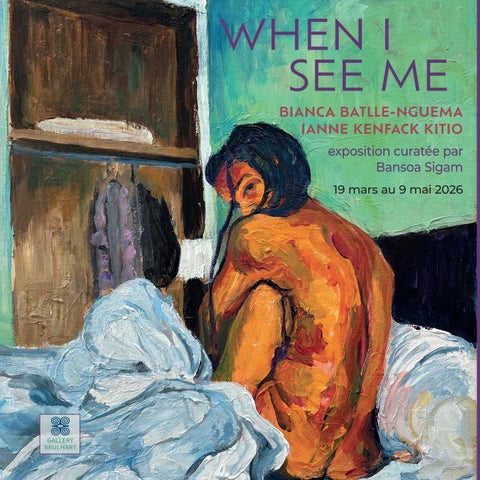
19 mars au 9 mai 2026
Curated by Bansoa Sigam
In this exhibition, the intimate work of painter Bianca Batlle-Nguema, alongside Ianne Kenfack Kitio’s photographic meditations, invite visitors on a journey inward: an invitation to truly see yourself. As we immerse ourselves in the images on the wall, our gaze should gradually come back to the Self.
Through this process of introspection, we encounter the wide range of emotions that emerge when we see ourselves represented, when we recognize ourselves in someone else, and most importantly, when we dare to face our own reflection.
What happens When I See Me?
It is in honour of the late Swiss-Cameroonian curator Koyo Kouoh and her posture on reclaiming our gaze, our presence and our existence as black people, especially with her exhibition When We See Us,that this exhibition is titled “When I See Me”. It asks what happens when we center our gaze on ourselves, as black women, as women of African descent, at the personal level. How does an introspecive and safe gaze look like on paintings and photographs, a gaze that acknowledges full being and complexity, that allows for rest, for joy and for celebration and the full spectrum of human emotions?
As the first black woman appointed curator of the Venice Biennale for its 61st edition in 2026, and whose work as curator and cultural institution founder and director has focused on reclaiming space, voice and gaze, Koyo Kouoh, who passed away on May 10th 2025, has left us with a shared vision: telling stories of Black agency and with art as a source of infinite possibility.
The heart of her curatorial practice and the guiding motto of the work many of us are doing is that “people matter more than things”. Not only are artists entangled with their artistic productions but their stories and lives are at the core of the art they produce. For this reason, as we engage with their work, we must remain attentive to the fact that in reality, we engage with a part of them, and we give a part of ourselves in the process.
The vulnerability which both Bianca Battle Nguema and Ianne Kenfack Kitio gift us in their paintings and photographs is a process of reclaiming the Self. They are conscious, particularly as women of African descent in European contexts, of the importance of Black women being portrayed, painted and photographed by Black women, and they had to reflect on questions of representation: How do I represent myself? How do I depict black female bodies as a black woman? What gaze, what perception do I have on my peers, on other women I encounter? How do I actually SEE me?
It is a different gaze to the one that oppresses, that scrutinizes, that objectifies; it is a gaze that recognises, that is sincere, accepting. Each artist, in her own unique way, gives the gaze a reparative intention, and invites us to grant ourselves permission to be seen, with lightness or with gravitas, and to recognize ourselves in the other. Their free and freeing gaze does not fragment but makes whole, it nurtures and does not extract, and allows us to reclaim our wholeness.
Both Bianca Batlle-Nguema and Ianne Kenfack Kitio use image-making as self-definition. Not only do they use self-portraiture as a way to claim and reclaim their identity, they also depict peers, cocreating with and recognising others in their work.
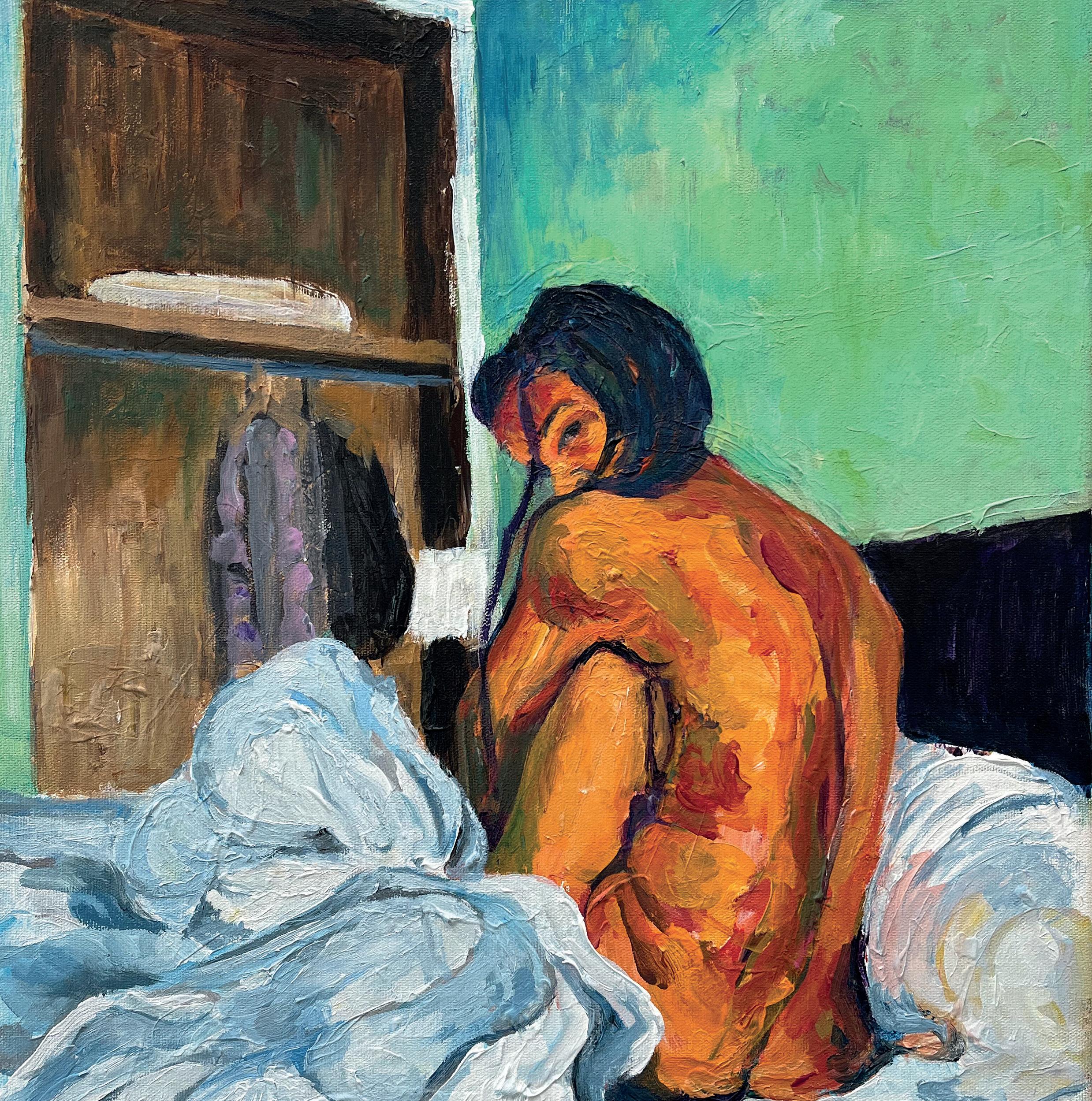
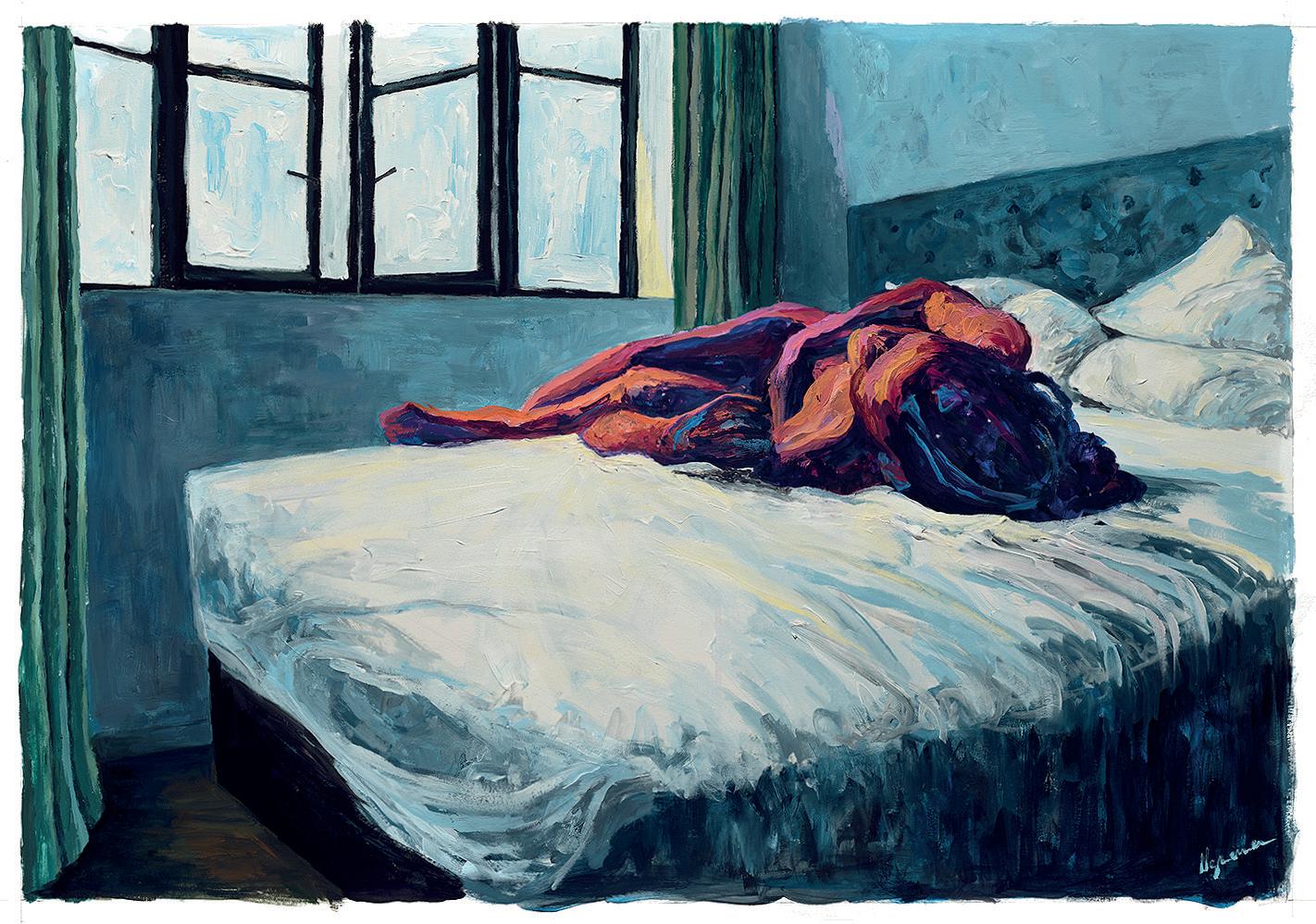
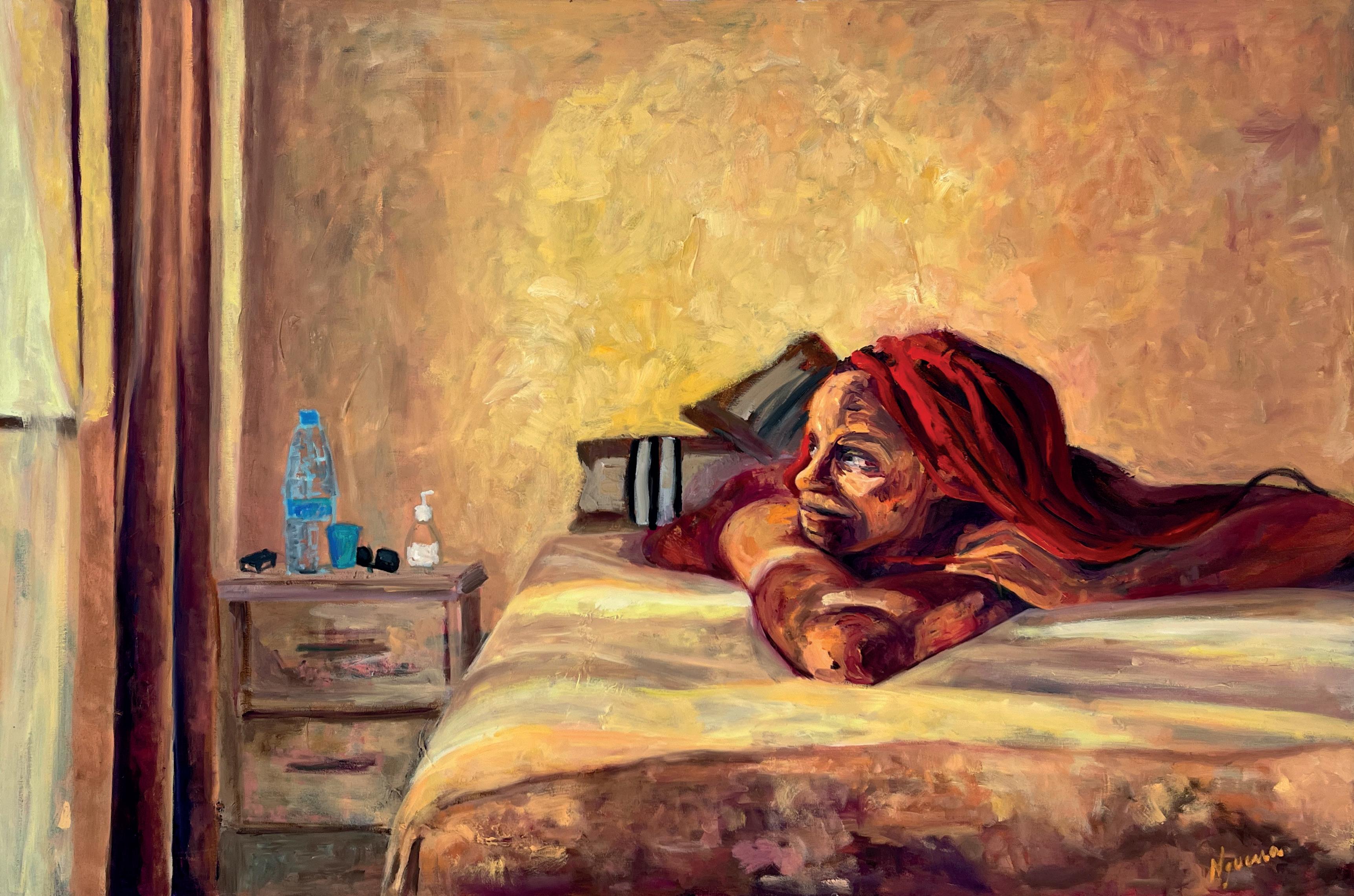
Central to Batlle-Nguema’s work here is the selfportrait, that she uses, layer by layer, pigment by
pigment, to better understand herself, archiving major life transformations. The intimate works presented in the exhibition speak with nuance and subtlety of self discovery, of turmoil, of emotional truth and of the state of serenity you achieve, when at last you truly see your own essence, In Stillness. Her paintings span a period of seven years from 2019 to 2025, during which she made a highly transformative journey of self-discovery in South Africa, embracing her full essence as a woman beyond prescribed roles, and processing the many emotions of this journey through her canvases.
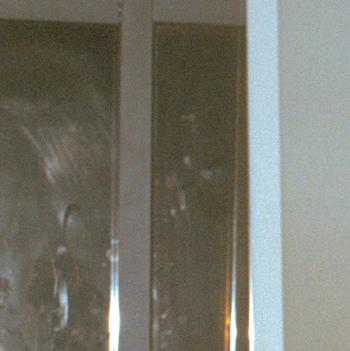
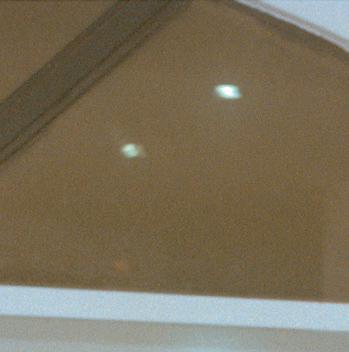
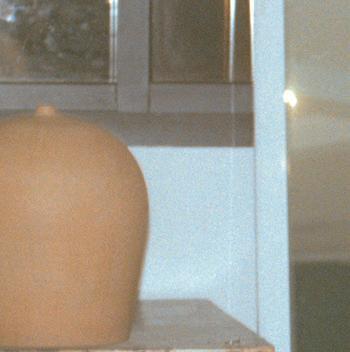
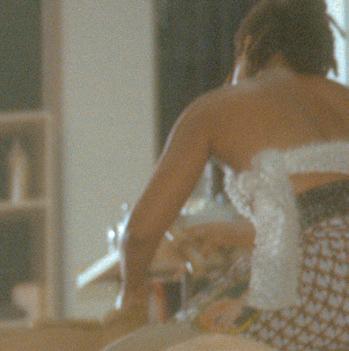
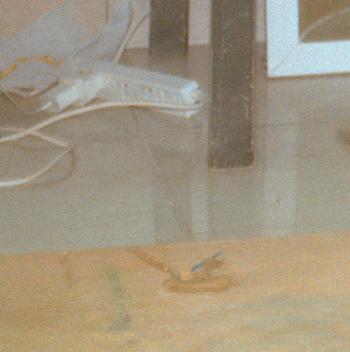
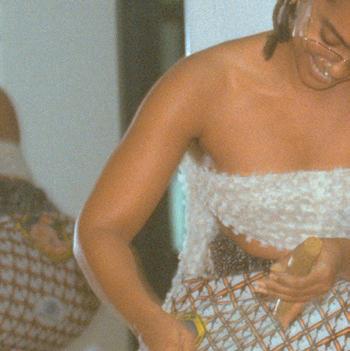
Ianne Kenfack Kitio, who uses self-portraits in some of her work to reclaim her own gaze, also depicts her peers, other women or men with whom she builds community. Such is the case for the photographs presented here, taken during an artistic residency in Côte d’Ivoire, and depicting artist Lyra Akissi Ouattara in the process of creation during her own artistic residency in 2024. The two artists built a special bond and their practice came to reflect their exchange.
By archiving her feeling of connection to contemporary youth, Ianne Kenfack Kitio gave life to a series that is at once tender, nostalgic and evocative. She works with light, outside views and a hybrid environment between living and working space, communicating a sense of the intimacy we are entering when engaging with her photographs. Through her lens, we are drawn into the mirror which plays such a central role in reflecting the self and the universes we create.
Curaté par Bansoa Sigam
Dans cette exposition, le travail intime de Bianca Batlle-Nguema et les méditations photographiques de Ianne Kenfack Kitio invitent le public à un voyage intérieur: une invitation à se regarder pleinement. À mesure que nous nous immergeons dans les images au mur, notre regard revient peu à peu vers nous-mêmes.
À travers ce processus d’introspection, nous sommes confrontées à toute une palette d’émotions qui émergent lorsque nous nous voyons, représentées, lorsque nous nous reconnaissons en l’autre, et surtout lorsque nous osons faire face à notre propre reflet.
Que se passe-t-il lorsque je me vois ?
When I See Me ?
C’est en hommage à la regrettée curatrice suissocamerounaise Koyo Kouoh et à sa posture consistant à nous réapproprier notre regard, notre présence et notre existence en tant que personnes noires, notamment à travers son exposition When We See Us, que cette exposition s’intitule When I See Me. La posture de recentrement implique de se demander que se passe-t-il lorsque nous centrons notre regard sur nous-mêmes, en tant que femmes noires, en tant qu’afrodescendantes, à une échelle intime et personnelle ? À quoi peut ressembler, dans la peinture et la photographie, un regard introspectif et sécurisant, un regard qui reconnaît l’être dans son entièreté et toute sa complexité, qui autorise le repos, la joie, la célébration, et toute la palette des émotions humaines ?
Première femme noire nommée curatrice de la Biennale de Venise pour sa 61e édition en 2026, et dont le travail au niveau des institutions culturelles s’est attaché à reconquérir l’espace, la voix et le regard, Koyo Kouoh, décédée le 10 mai 2025, nous laisse une vision commune : raconter des histoires d’agentivité noire et envisager l’art comme une source infinie de possibles.
Au cœur de sa pratique curatoriale, et comme principe guidant le travail de beaucoup d’entre nous, se trouve l’idée que, comme elle le formule : « les personnes comptent plus que les choses ». En effet, les artistes ne sont pas seulement liées à leurs productions artistiques : leurs histoires et leurs vies sont au cœur même de l’art qu’elles créent. Ainsi, lorsque nous entrons en relation avec leurs œuvres,
restons attentives au fait que nous rencontrons en réalité une part d’elles, et que, dans ce processus, nous offrons également une part de nous-mêmes.
La vulnérabilité que les artistes nous offrent dans leurs peintures et leurs photographies participe d’un processus de réappropriation de soi. Conscientes de l’importance de la dépiction de femmes noires par des femmes noires dans la peinture et la photographie, surtout en tant qu’afrodescendantes en Europe, elles ont dû se confronter à des questions telles que : Comment me représenter ? Quel regard, quelle perception ai-je, sur les autres femmes noires ? Au fond, comment est-ce que je me VOIS ?
Il s’agit d’un regard différent de celui qui opprime, qui scrute, qui objectifie. C’est un regard qui reconnaît, sincère, et bienveillant. A leur manière unique, les deux artistes donnent au regard une visée réparatrice et par leur posture elles nous invitent à s’autoriser à se voir entièrement, se voir avec légèreté, comme avec gravitas, mais aussi à se voir en l’autre. En fait, leur regard libre et libérateur rassemble plutôt qu’il ne fragmente, il nourrit plutôt qu’il n’extrait et nous permet de nous réaffirmer pleinement.
Les deux artistes utilisent la fabrication d’images comme une manière de se définir elles-mêmes. Non seulement elles ont recours à l’autoportrait pour affirmer et réaffirmer leur identité, mais elles représentent également leurs pairs, avec qui elles s’identifient et co-créent, comblant ainsi une lacune iconographique marquée.
Au cœur du travail de Batlle-Nguema présenté ici se trouve l’autoportrait, qu’elle utilise pour mieux se comprendre, couche par couche, pigment par
pigment, tout en archivant les transformations majeures de sa vie. Les œuvres intimes de l’exposition parlent avec nuance et subtilité de découverte de soi, de bouleversement intérieur, de vérité émotionnelle et de l’état de sérénité atteint lorsque l’on parvient enfin à voir sa propre essence, In Stillness. Ses peintures couvrent une période de sept ans, de 2019 à 2025, durant laquelle elle a entrepris l’un des voyages de découverte de soi les plus transformateurs de sa vie en Afrique du Sud, embrassant pleinement son essence de femme, au-delà des rôles prescrits, et laissant affleurer sur ses toiles les multiples émotions qui jalonnent ce chemin.
Kenfack Kitio, qui utilise également l’autoportrait dans plusieurs de ses œuvres pour reprendre possession de son propre regard, représente aussi d’autres personnes avec lesquelles elle fait communauté. C’est notamment le cas des photographies présentées ici, prises lors d’une de ses résidences artistique en Côte d’Ivoire en 2024 et qui centre l’artiste Lyra Akissi Ouattara, elle même dans son processus de création. Ces images cristalisent un moment de rencontre entre les deux artistes ayant développé un lien particulier et le dialogue dans leur pratique qui se reflétent l’une dans l’autre.
En archivant une jeunesse contemporaine à laquelle elle s’identifie, Kenfack Kitio a mis à jour cette série à la fois tendre, nostalgique et évocatrice. Son travail sur la lumière, la vue du large, et l’environnement hybride entre lieu de vie et espace de travail nous permet de saisir l’intimité dans laquelle nous pénétrons lorsque nous engageons notre regard avec ces photographies. À travers son objectif, nous sommes happé-es par le miroir, qui joue un rôle central dans la réflexion sur soi et sur les univers que nous créons.
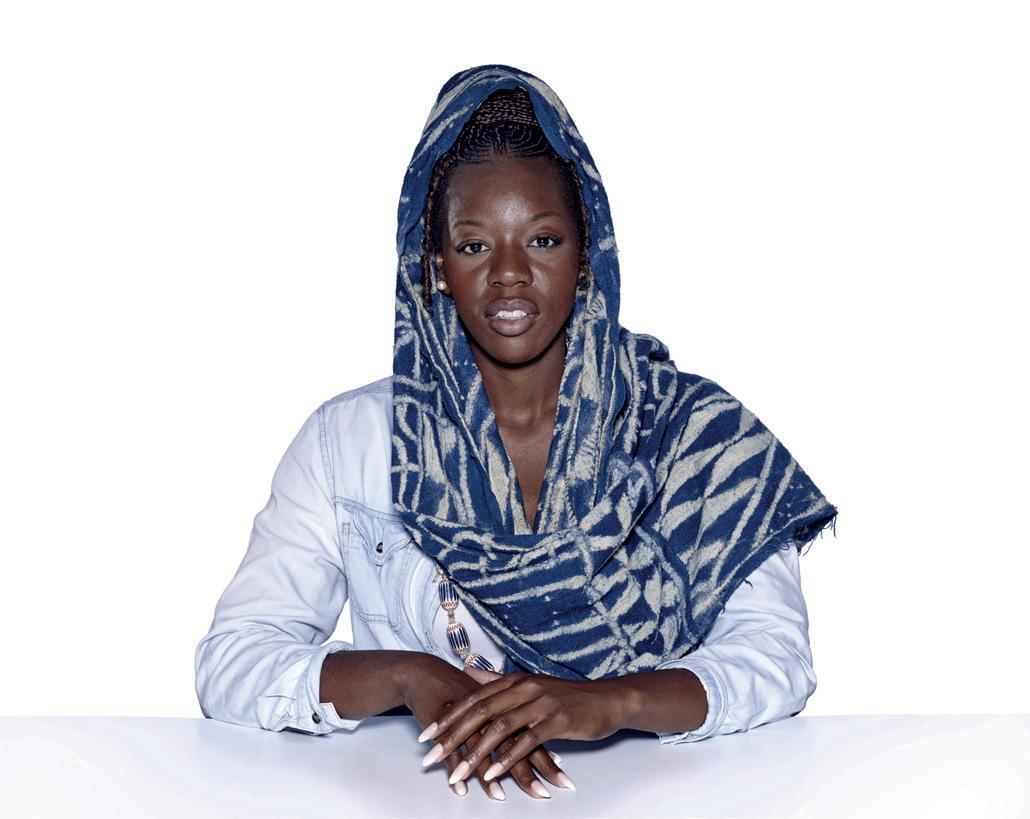
Bansoa Sigam is a Swiss-Cameroonian curator and researcher who situates her curatorial practice at the intersection of African and afro-diasporic art history, museology and cultural studies, to activate sensitive, critical, and plural narratives. Equipped with a rich interdisciplinary academic background, she has earned degrees from Boston University (BA), the University of Lausanne (MA) the University of Geneva (MAS, PhD), and the Technical University of Berlin (PhD), and she develops a committed curatorial practice, oriented toward what she calls Sheritage, silenced memories, and the forms of (im)material and visual storytelling that give them voice and visibility. Her first important joint curatorial project was at the Geneva Palais des Nations in 2013, and she pursued her curatorial journey several years at the direction of Sankofa collective, before joining the exhibition conception team of the MEG in 2017, collaborating on several museum exhibitions. In 2019 she founded Nwola Cultural Studio where she weaves bridges between contemporary art and ancestral philosophies, cosmogonies, and aesthetics. With an approach that is both rigorous and intuitive, Bansoa Sigam envisions the spaces she curates as realms of dialogue, connection, and fertile grounds for transformative reimagining and renewal.
Curatrice et chercheuse suisso-camerounaise, Bansoa Sigam situe sa pratique curatoriale à la croisée de l’histoire des arts d’Afrique et afro-diasporiques, de la muséologie, et des études culturelles pour activer des récits sensibles, critiques et pluriels. Diplômée de l’Université de Boston (BA), de l’Université de Lausanne (MA), de l’Université de Genève (MAS, PhD), et de l’Université Technique de Berlin (PhD), elle développe de façon interdisciplinaire une pratique engagée, tournée notamment vers les matrimoines et les mémoires silenciées, ainsi que les formes de narration, visuelles et (im)matérielles, qui les mobilisent et les visibilisent. Avec une première exposition d’envergure en cocuration au Palais des Nations de Genève en 2013, elle poursuit sa pratique au niveau associatif en dirigeant le collectif Sankofa plusieurs années avant de rejoindre l’équipe de conception d’exposition du MEG en 2017, collaborant à plusieurs expositions institutionnelles muséales. En 2019 elle fonde Nwola Cultural Studio et y tisse à travers ses projets des passerelles entre art contemporain et philosophies, cosmogonies et esthétiques ancestrales. Son approche curatoriale est à la fois rigoureuse et intuitive et s’incrit dans la création d’espaces qui sont d’abord des plateformes de dialogue et de reliance et des points d’ancrage pour le ressourcement et la réinvention.
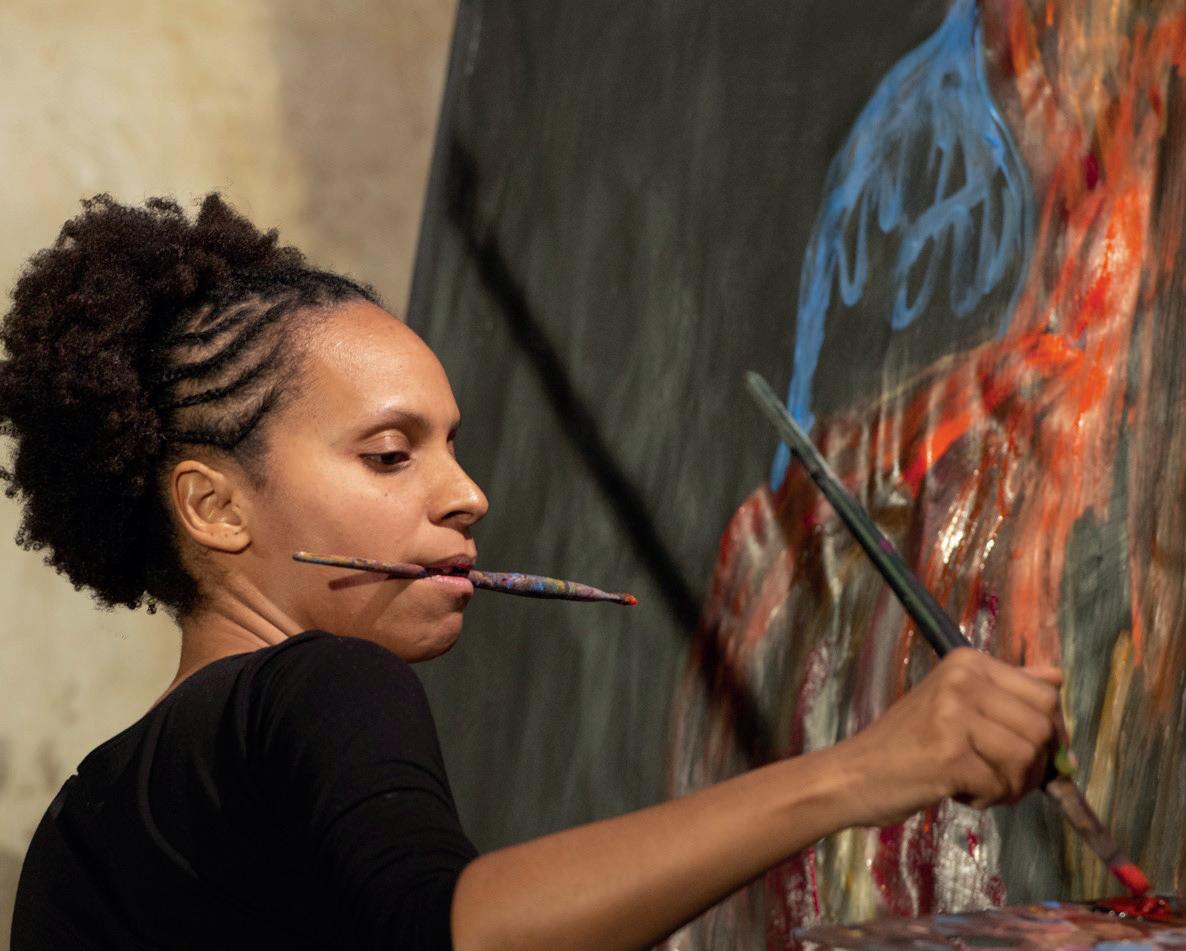
Bianca Batlle-Nguema (b. 1980, Spain) is a painter of Catalan and Equatoguinean heritage. One of the pioneering contemporary Spanish visual artists of African descent, her work has been presented internationally for the past two decades, in the United States, South Africa, and across Europe. In 2023, she received the prestigious International Minority Artists First Prize, awarded by the United Nations Office of the High Commissioner for Human Rights (OHCHR).
Her work emerges from an intimate search for identity and belonging. Her practice focuses on the representation of Afro-descendant women and the body as a space of memory, presence and emotional truth. Through painting, Batlle-Nguema transforms this search into image. Her pieces help her see herself, contemplate the shapes of her body, become aware of the colour of her skin, and deeply feel where her soul comes from. With every brushstroke, she honours her predecessors, their struggle and their extraordinary strength, contributing, in her own way, to a process of symbolic healing.
Bianca Batlle-Nguema (n. 1980, Espagne) Artiste peintre d’origine catalane et équatoguinéenne, elle figure parmi les premières artistes visuelles contemporaines espagnoles d’ascendance africaine. Son travail est présenté à l’international depuis deux décennies, aux États-Unis, en Afrique du Sud et à travers l’Europe. En 2023, elle reçoit le prestigieux premier Prix International des Artistes Minoritaires, décerné par le Bureau du Haut-Commissariat des Nations Unies aux droits de l’homme (OHCHR).
Son œuvre naît d’une quête intime d’identité et d’appartenance. Sa pratique s’intéresse à la représentation des femmes afro-descendantes et au corps comme espace de mémoire, de présence et de vérité émotionnelle. À travers la peinture, Batlle-Nguema transforme cette recherche en images. Ses œuvres lui permettent de se voir elle-même, de contempler les formes de son corps, de prendre conscience de la couleur de sa peau et de ressentir profondément les origines de son âme. À chaque coup de pinceau, elle rend hommage à celles venues avant elle, à leur lutte et à leur force extraordinaire, contribuant, à sa manière, à un processus de guérison symbolique.
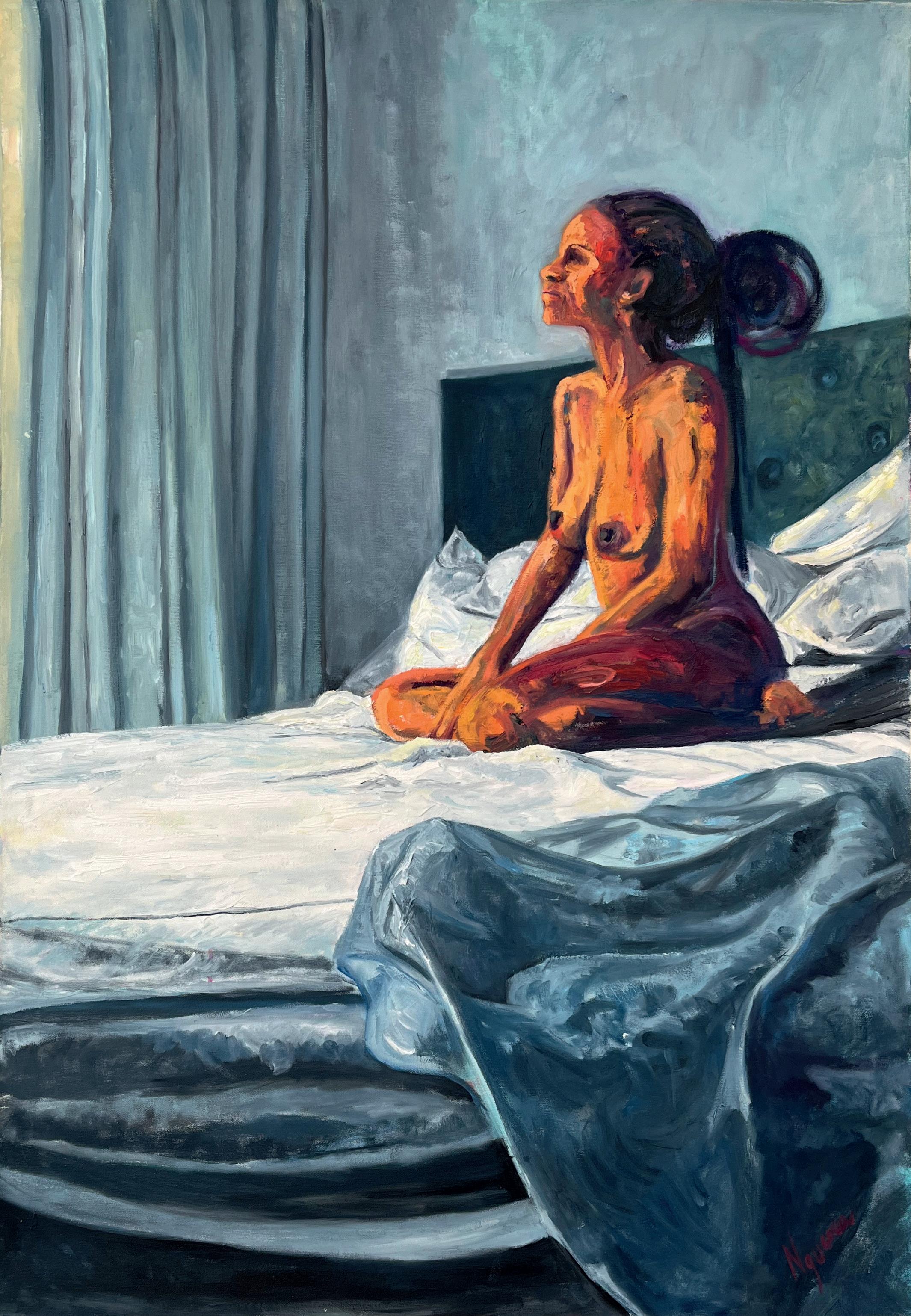
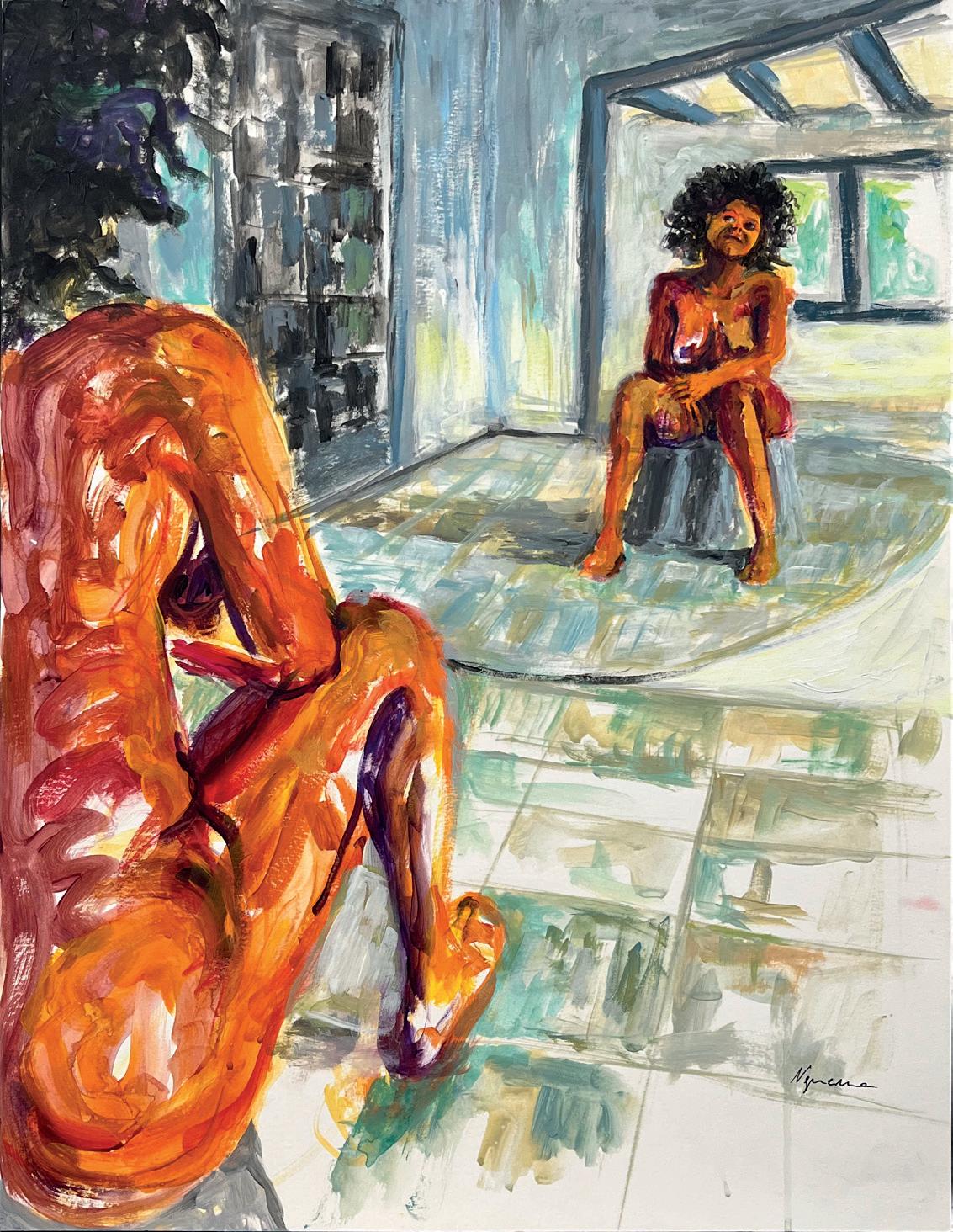
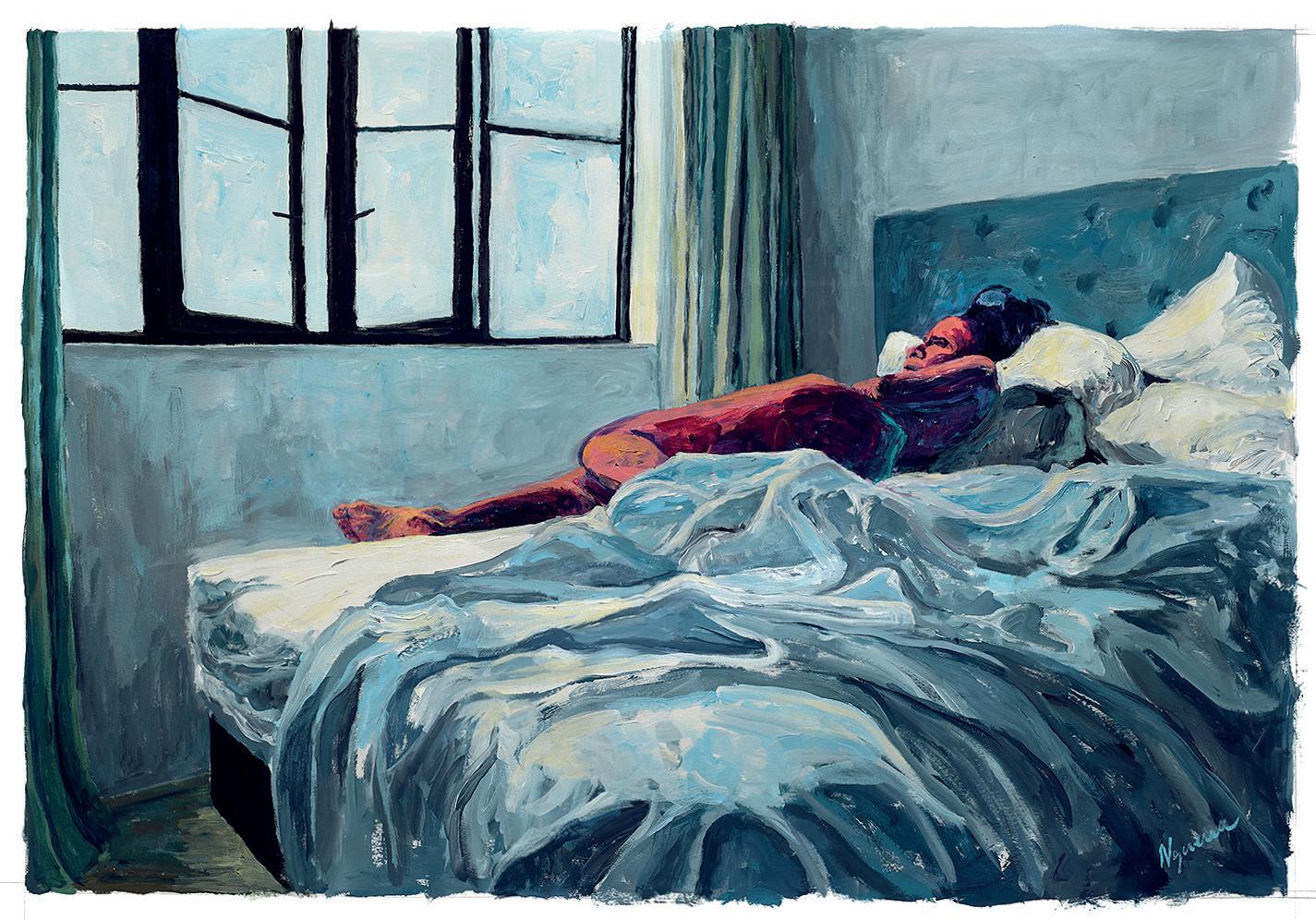
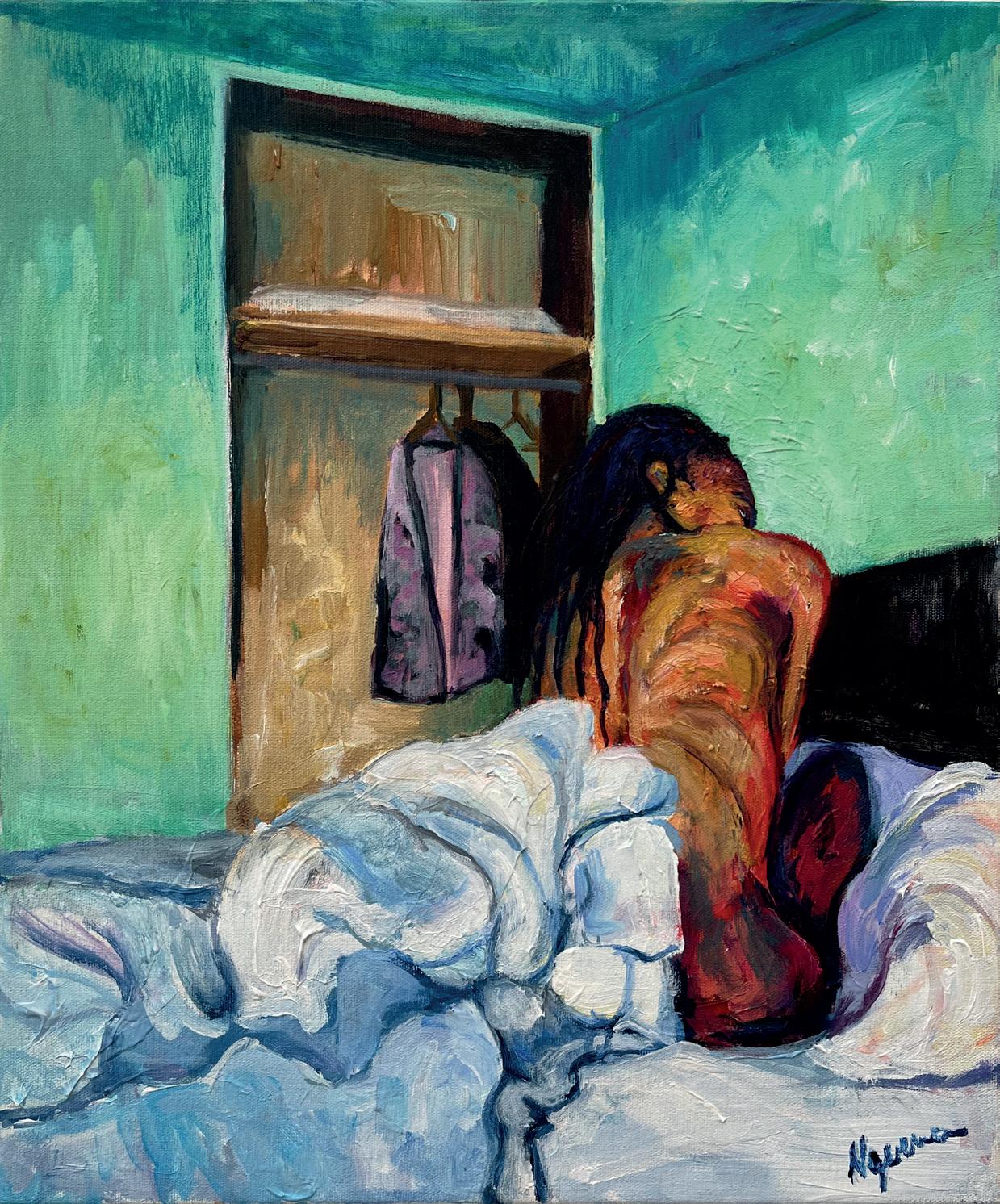
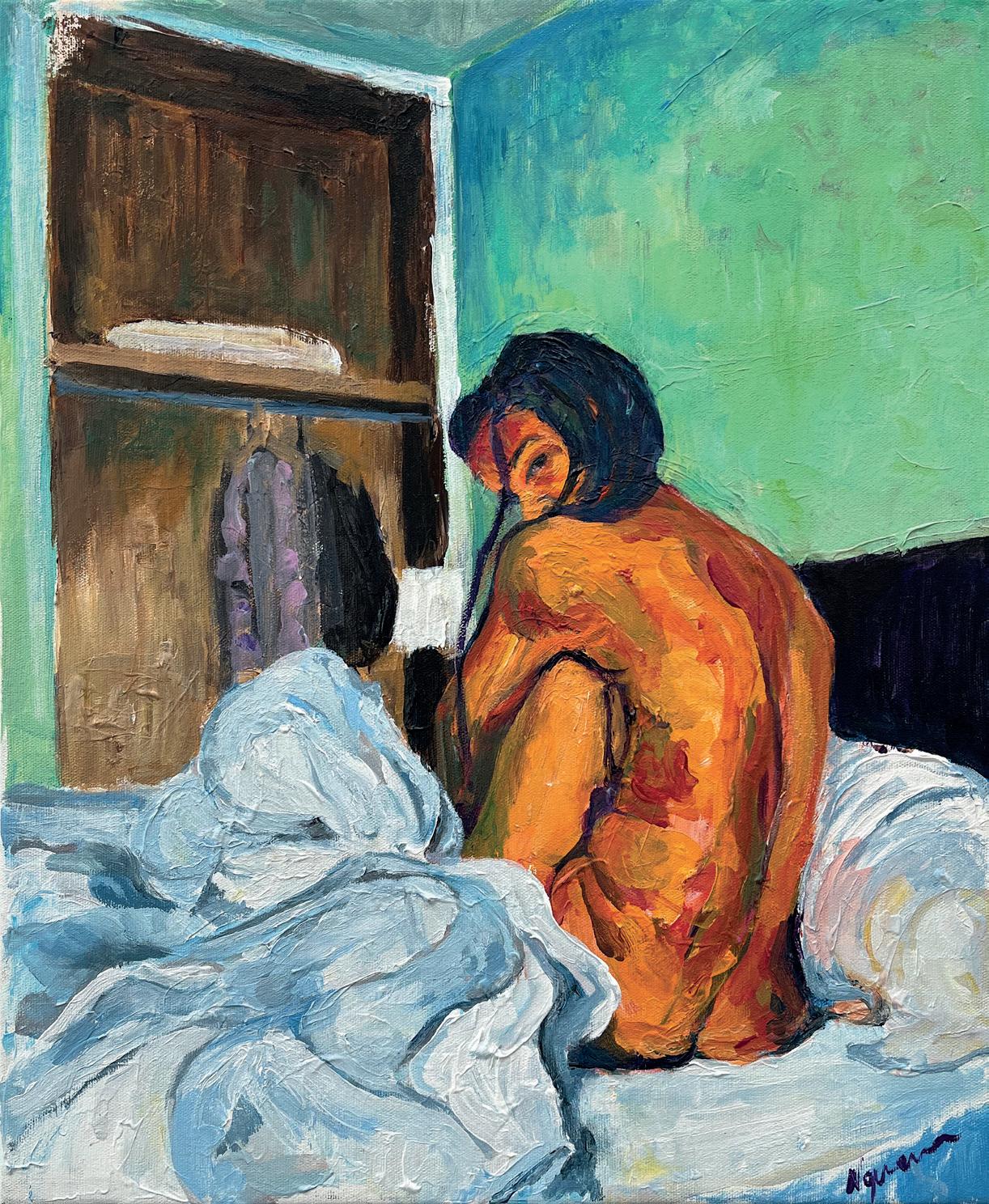
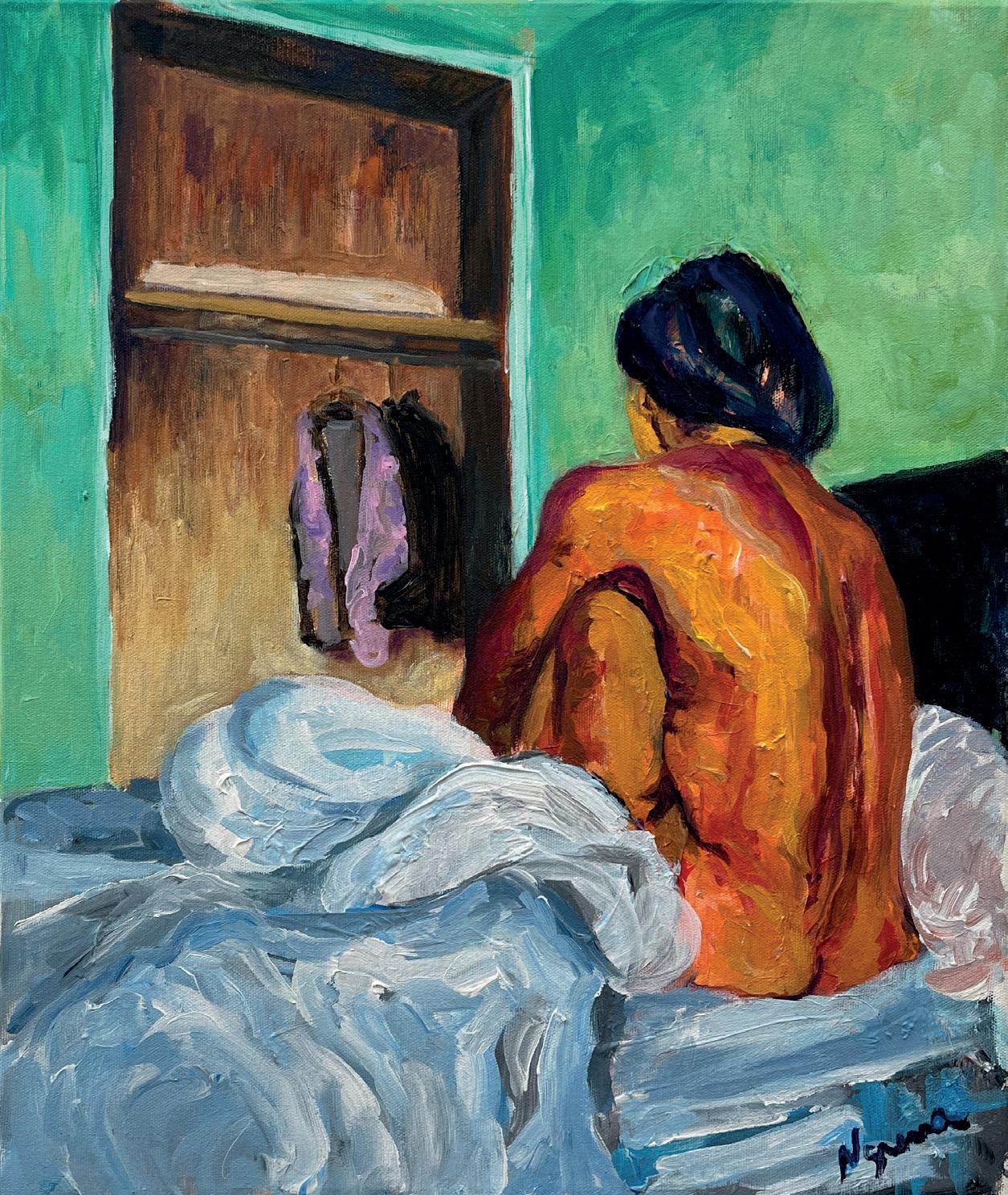
Triptych, each 46 x 38 cm
Acrylic on canvas
Acrylique sur toile
2025
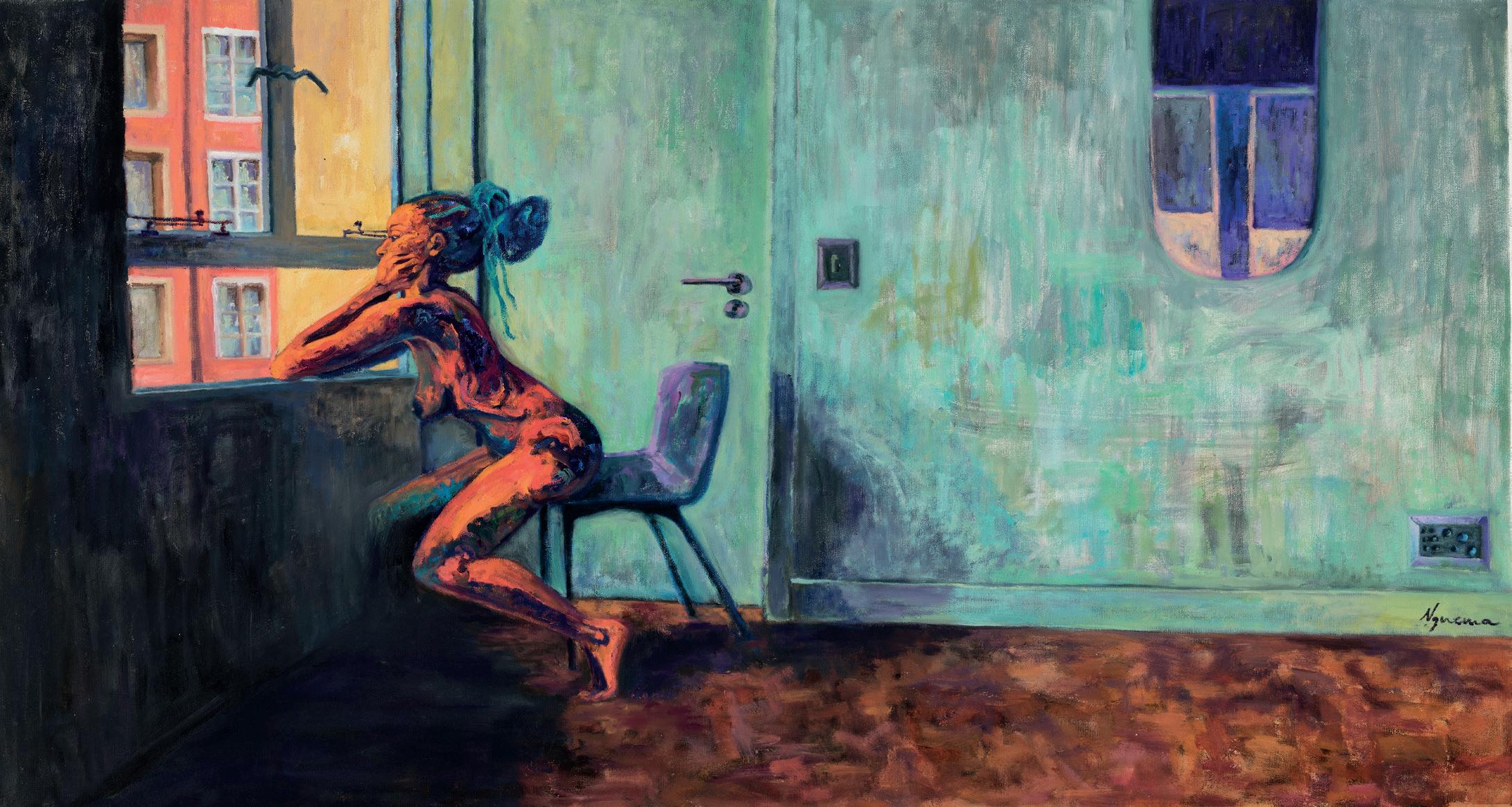
Mixed media on canvas
Technique mixte sur toile 2023
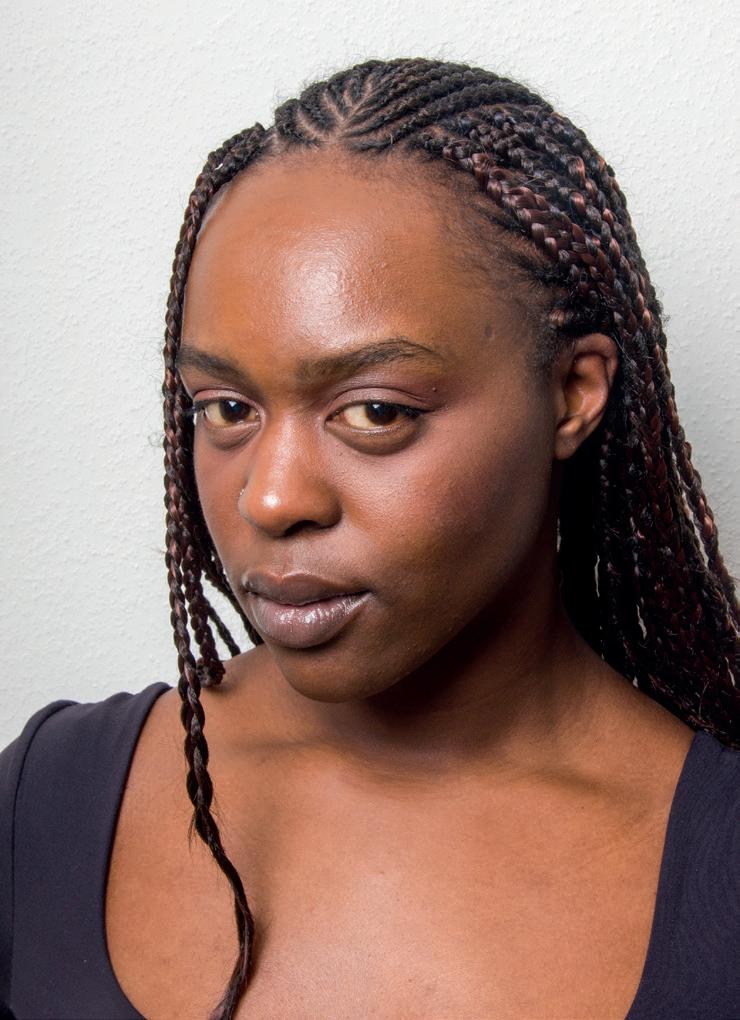
Ianne Kenfack Kitio (b. 1995, Netherlands) is a Swiss-Cameroonian visual artist and photographer based between Geneva and Abidjan. She began her photographic practice in 2015, driven by a strong desire to capture contemporary youth with authenticity, before pursuing formal studies in visual arts. A graduate of the Geneva University of Art and Design (HEAD) and the Zurich University of the Arts (ZHdK), she was awarded in 2025 the Kiefer Hablitzel Göhner Art Prize, the second prize of the Biel Photoforum, and her work was exhibited at Art Basel, Basel in the Swiss Art Awards section.
Grounded in research, her practice primarily interrogates the representation of Black bodies, with a particular focus on Black femininity. By combining her artistic vision with the language of fashion, she seeks to propose new visual narratives that challenge established norms while building a bridge between creativity, critique, and reflection. Constantly evolving, her work immerses viewers in cultural and historical contexts, acting as a mirror through which societal narratives can be questioned.
Ianne Kenfack Kitio (n. 1995, Pays-Bas) est une artiste visuelle suisso-camerounaise basée entre Genève et Abidjan. Elle entamme sa pratique photographique en 2015, portée par un désir ardent de capturer la jeunesse contemporaine avec authenticité, avant de suivre un cursus d’art visuel. Diplômée de la Haute Ecole d’Art de Genève (HEAD) et de la haute école des arts de Zurich (ZHdK ),elle est en 2025 lauréate du Prix Kiefer Hablitzel Göhner, du 2e prix Photoforum de Bienne et expose dans le cadre des Swiss Art Awards, à Art Basel, Bâle. Ancrée dans la recherche, son approche questionne principalement la représentation des corps noirs et en particulier de la féminité noire. En combinant sa vision artistique avec l’univers de la mode, elle cherche à proposer de nouvelles narrations visuelles, défiant les normes établies tout en construisant un pont entre créativité, critique et réflexion. Son travail en constante mutation nous plonge dans des contextes culturels et historiques, servant de miroir pour interroger les récits sociétaux.
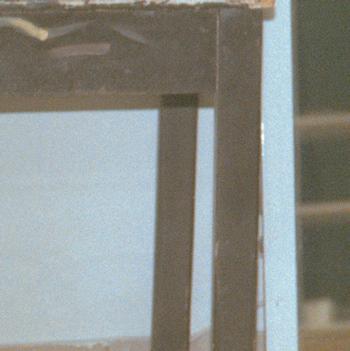
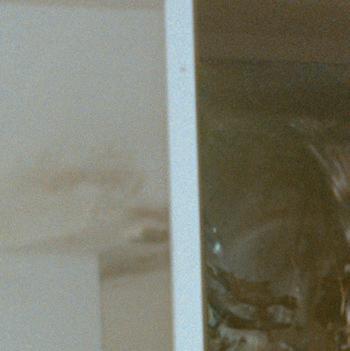
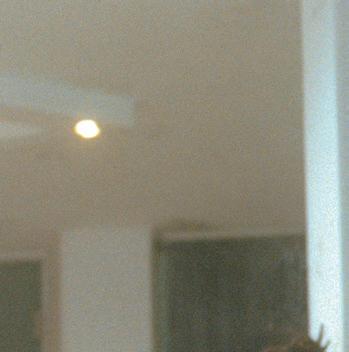

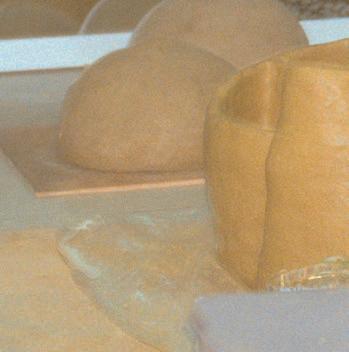
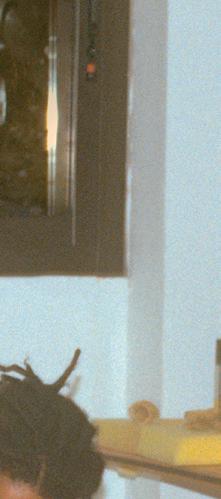
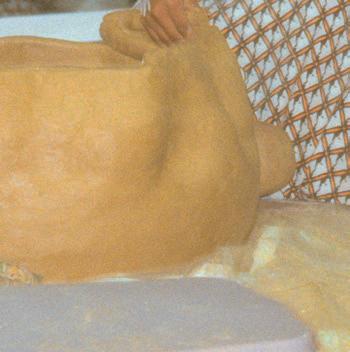
(A0) 1189 x 841 mm
Photograph on Fine Arts paper
Photographie sur papier Fine Arts 2024
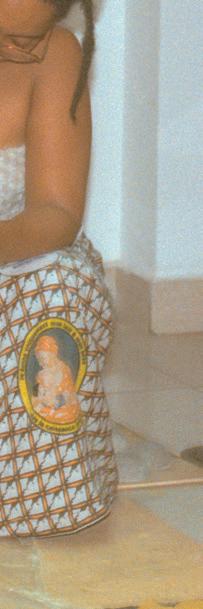
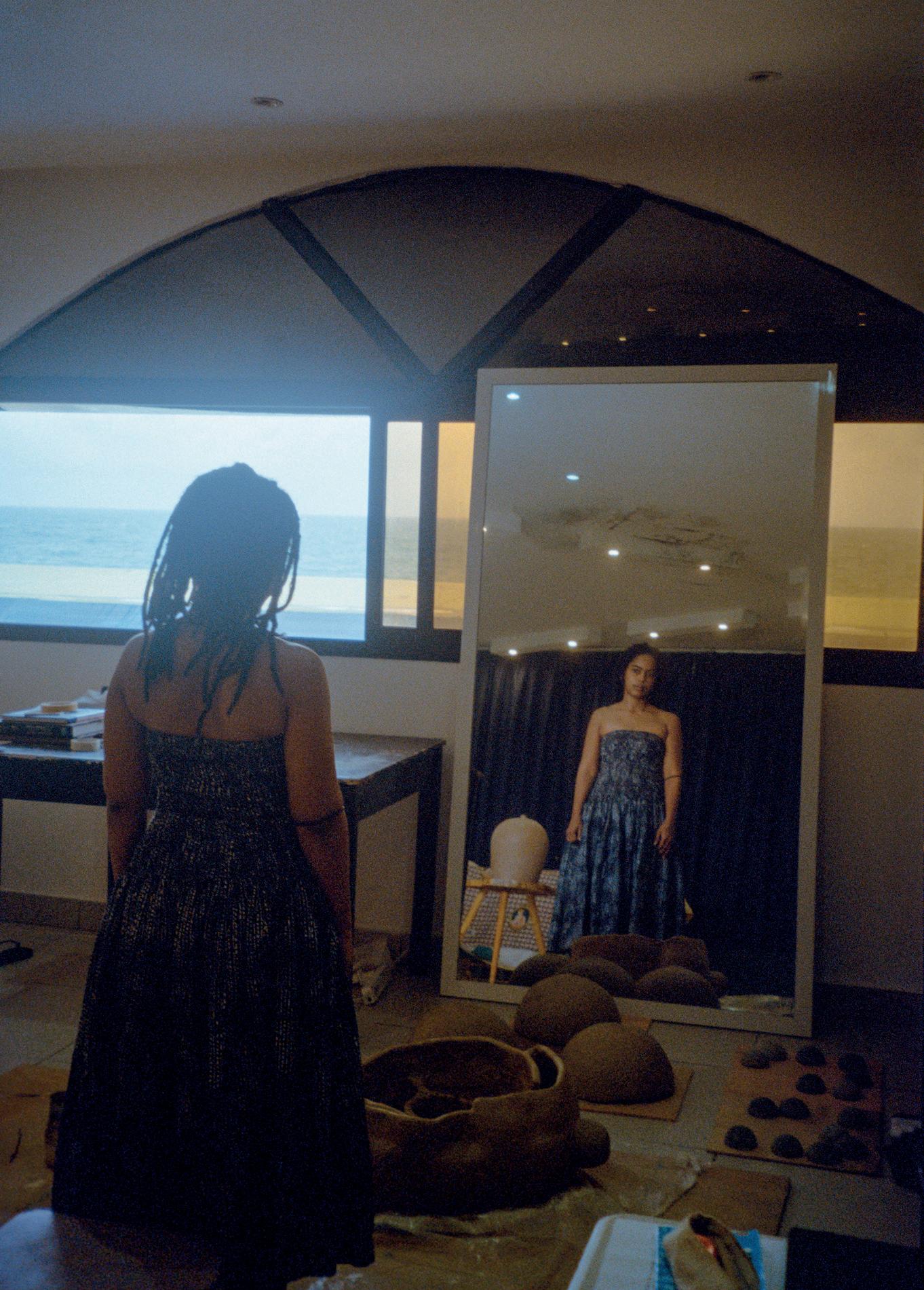
(A0) 1189 x 841 mm
Photograph on Fine Arts paper
Photographie sur papier Fine Arts 2024
Mirror Work Installation
Bansoa Sigam
Gallery Brulhart, 2026
The mirror installation is a space to experience fully the introspective journey of this exhibition, seeing yourself whole, like the artists have done in their work.
Look at yourself for at least one minute, seated as in Inside the Round Mirror of Bianca Batlle-Nguema, or standing up like Untitled II, Lyra Akissi Ouattara of Ianne Kenfack Kitio.
Look at yourself, breathe deeply, then See yourself.
Write an affirmation starting with: When I See Me, I am grateful because I am….
Complete the sentence or paragraph and repeat the affirmation three times looking deeply into your reflection in the mirror.
L’installation est un espace qui invite à vivre pleinement le voyage introspectif proposé par cette exposition, à se voir dans sa totalité, comme les artistes l’ont fait elles-mêmes dans leur travail.
Mettez-vous face au mirroir pendant au moins une minute : soit assis-e, comme dans Inside the Round Mirror, soit debout, comme dans la photographie Untitled II, Lyra Akissi Ouattara.
Observez-vous, respirez profondément, puis regardez-vous.
Ecrivez ensuite une affirmation commençant par : Quand je me vois, je suis reconnaissant-e car je suis…
Complétez la phrase, puis répétez cette affirmation trois fois dans le miroir, en plongeant profondément votre regard dans votre propre reflet.
Catalogue - conception et mise en page : Rosie Cook
BIANCA BATLLE-NGUEMA
IANNE KENFACK KITIO
exposition curatée par Bansoa Sigam
19 mars au 9 mai 2026
www.gallerybrulhart.ch - @gallerybrulhart
Rue des Vollandes 21 • 1207 Geneve
gallerybrulhart.ch