Erdener Str. 5a, 14193 Berlin, Germany june 6, 2026 16.00
preview / vorbesichtigung: 28.5. – 29.5.2026: 10.00 – 18.00, Rankestr. 24, 10789 Berlin, Germany 30.5. 2026: 10.00 – 16.00, 1.6. – 4.6.2026: 10.00 – 18.00, 5.6.2026: 10.00 – 15.00
In order to guarantee a smooth preview, we kindly ask you to register in advance by phone or e-mail.
Um einen reibungslosen Ablauf der Vorbesichtigung gewährleisten zu können, bitten wir Sie um eine vorherige Anmeldung per Telefon oder E-Mail.
contact / kontakt: jennifer@bassenge.com giovanni@bassenge.com
Tel.: +49 30 21 99 72 77
Fax: +49 30 21 99 71 05
bassenge foto-auktionen egbr
Online catalogues: www.bassenge.com
experten | specialists
Geschäftsführung | Management
David Bassenge +49 (0)30-893 80 29-17 david@bassenge.com
Graphik, Zeichnungen und Gemälde des 15.–19. Jh. Dr. Ruth Baljöhr – Leitung +49 (0)30-893 80 29-22 15th to 19th Century Prints, Drawings and Paintings r.baljoehr@bassenge.com
Eva Dalvai
+49 (0)30-893 80 29-80 e.dalvai@bassenge.com
Nadine Keul +49 (0)30-893 80 29-21 n.keul@bassenge.com
Harald Weinhold +49 (0)30-893 80 29-13 h.weinhold@bassenge.com
Moderne und Zeitgenössische Kunst
David Bassenge – Stv. Leitung +49 (0)30-893 80 29-17 Modern and Contemporary Art david@bassenge.com
Barbara Bögner (in Elternzeit) +49 (0)30-88 62 43 13 b.boegner@bassenge.com
Katharina Fünfgeld +49 (0)30-88 91 07 90 k.fuenfgeld@bassenge.com
Simone Herrmann +49 (0)30-88 91 07 93 s.herrmann@bassenge.com
Sonja von Oertzen +49 (0)30-88 91 07 91 s.v.oertzen@bassenge.com
Friederike Valentien +49 (0)30-88 91 07 92 f.valentien@bassenge.com
Laetitia Weisser +49 (0)30-88 91 07 94 l.weisser@bassenge.com
Photographie | Photography
Wertvolle Bücher und Handschriften
Rare Books and Manuscripts
Autographen | Autograph Letters
Verwaltung | Office
Logistik Management | Logistics
Repräsentanzen | Representatives
München
Rheinland
Jennifer Augustyniak – Leitung +49 (0)30-21 99 72 77 jennifer@bassenge.com
Giovanni Teeuwisse +49-(0)30-88 91 08 55 giovanni@bassenge.com
Dr. Markus Brandis – Leitung +49 (0)30-893 80 29-27
m.brandis@bassenge.com
Harald Damaschke +49 (0)30-893 80 29-24
h.damaschke@bassenge.com
Selma Elsayed +49 (0)30-893 80 29-24
s.sayed@bassenge.com
Josephine Faroqhi +49 (0)30-893 80 29-48
j.faroqhi@bassenge.com
Stephan Schurr +49 (0)30-893 80 29-15
s.schurr@bassenge.com
Naomi Schneider +49 (0)30-893 80 29-48
n.schneider@bassenge.com
Dr. Rainer Theobald +49 (0)30-4 06 17 42
r.theobald@bassenge.com
Jenny Neuendorf
+49 (0)30-893 80 29-33
j.neuendorf@bassenge.com
Ralph Schulz +49 (0)30-893 80 29-16
r.schulz@bassenge.com
Harald Weinhold
+49 (0)151-1202 2201 muenchen@bassenge.com
Dr. Mayme Francis Neher +49 (0)175-204 63 23 info@mayme-neher.de
19 th century photography
olympe aguado (1827–1894)
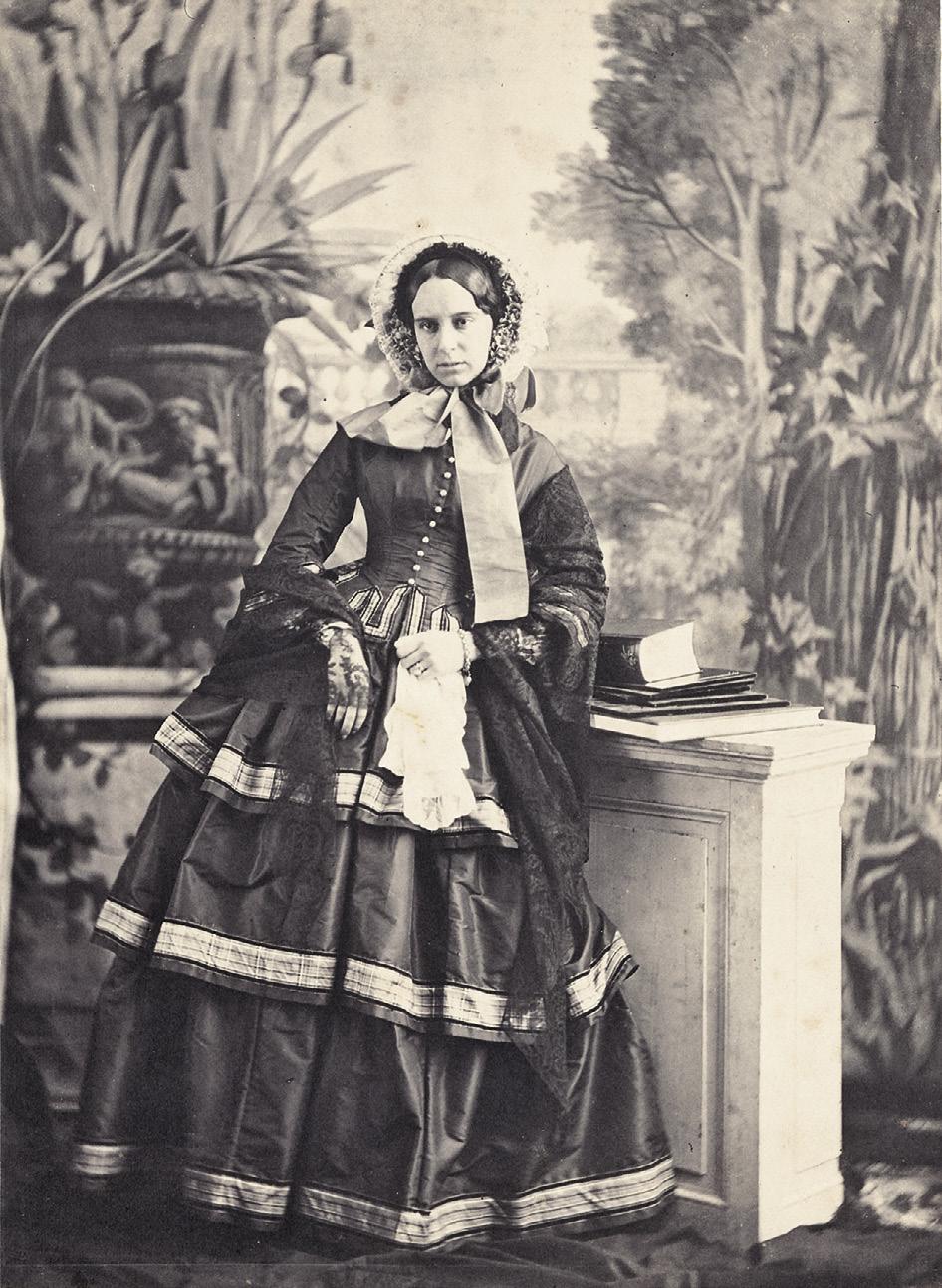
4001 S tudio portrait of a young woman. 1850s. Salted paper print, mounted to thin card. 22,5 x 16,5 cm (mount 37,5 x 30,5 cm). Annotated “par M. Aguado” in pencil in the lower margin of the mount.
1.500 €
Count Olympe-Clément-Auguste-Alexandre Aguado de las Marismas, was a Franco-Spanish photographer and socialite active primarily in the 1850s and 1860s, and among several early practitioners trained by Gustave Le Gray. Working from his studio on the Place Vendôme in Paris, he quickly moved beyond the daguerreotype, experimenting with paper negatives and collodion on glass, and became a founding member of the Société française de photographie in 1854. Born into a wealthy Spanish banking family, Aguado devoted considerable resources to photography, producing landscapes, portraits, and staged tableaux vivants that often playfully reflect the social conventions of the Second Empire.
Lit.: Sylvain Morand, ed. Olympe Aguado (1827-1894): Photographe. Strasbourg: Musées de Strasbourg, 1997.
olympe aguado
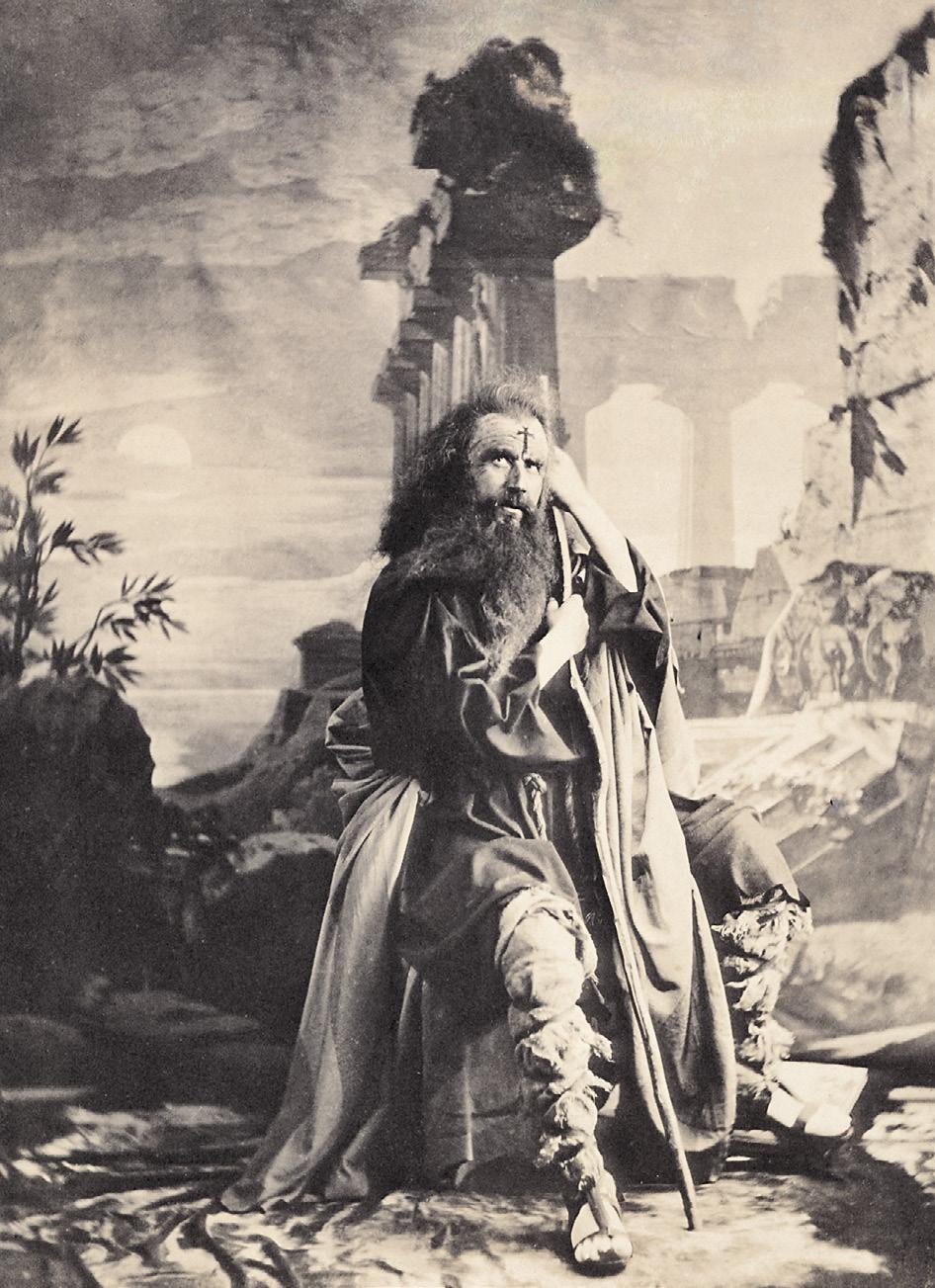
4002 Eugène Massol in the opera The Wandering Jew 1852. Salted paper print, mounted to card. 23,7 x 17,2 cm (mount 37,5 x 29,7 cm). Annotated “par M. Aguado” in pencil in the lower margin; publisher’s blindstamp “E B” with caduceus in the lower left corner.
1.200 €
This photograph depicts the baritone Eugène Massol in the role of Ashvérus in the opera The Wandering Jew
Lit.: Sylvain Morand, ed. Olympe Aguado (1827-1894): Photographe. Strasbourg: Musées de Strasbourg, 1997.
leopold ahrendts (1825–1870)
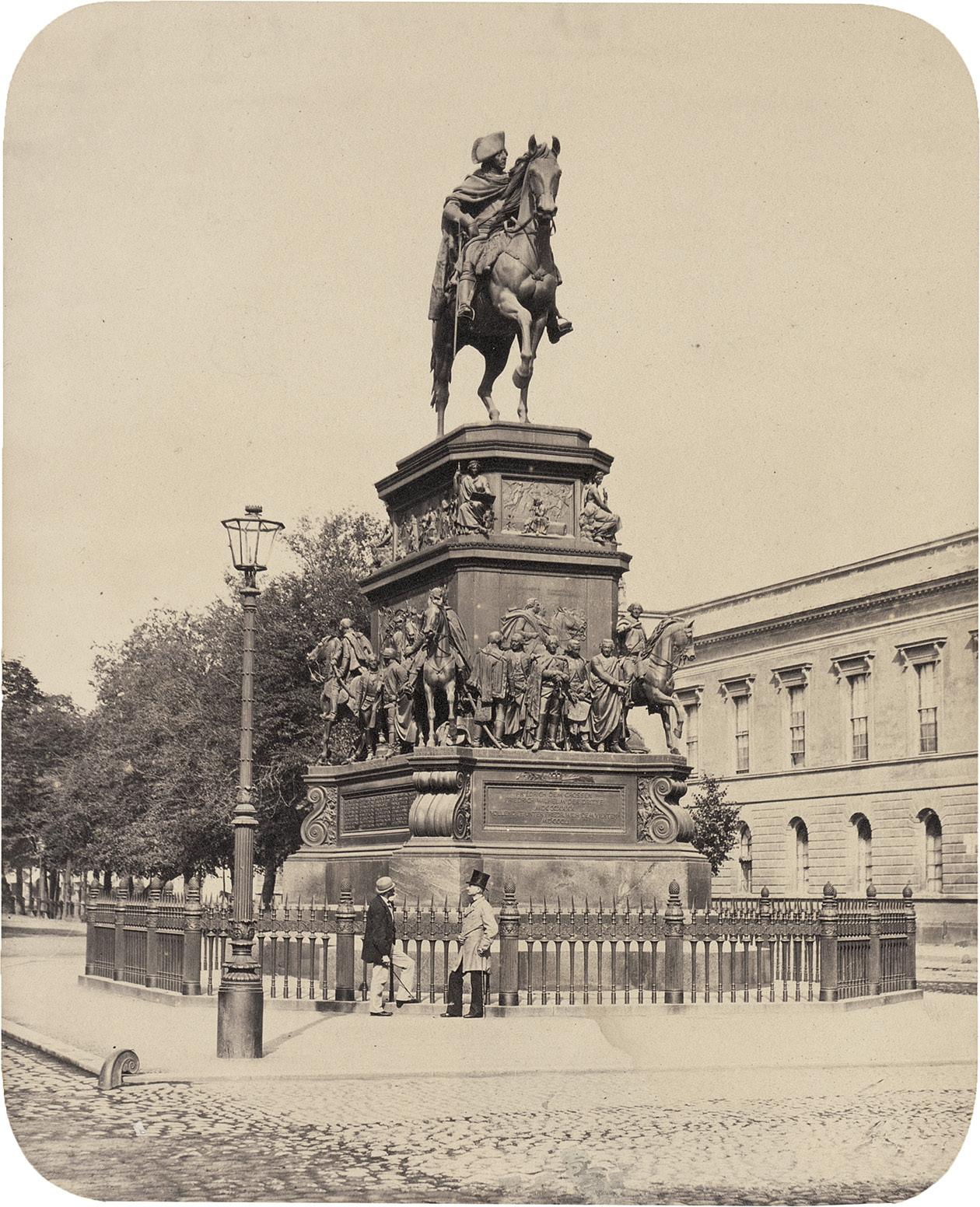
4003 Equestrian statue of Friedrich II / Kronprinzenpalais / Brandenburger Tor. 1860s. 3 albumen prints with rounded corners, mounted to card. Between 21,5 x 17,5 cm and 17 x 23 cm (mounts between 29,2 x 22,3 cm and 26,3 x 34,8 cm). Annotated in black ink below the image on the mounts.
1.200 €
Leopold Ahrendts began his artistic career as a painter and lithographer in Dessau, eventually transitioning to photography around the mid-19th century. His work as a photographer
included urban landscapes and architectural views of Berlin, reflecting a keen eye for composition and detail. His significant contributions to the field led to his participation in international photographic exhibitions and widespread recognition as an architectural photographer.
Lit.: Hendrik Berinson, Natalia Kazmierczak, and Ira Plein, eds. Leopold Ahrendts (1825-1870) und die Frühzeit der Photographie Berlin: Galerie Berinson, 2011, ill. pp. 17, 59 (variants).
Eberhard Mayer-Wegelin and Sigrid Schulze, eds. Berlin als Residenzstadt: Photographien von Leopold Ahrendts 1854-1870 Munich: Schirmer/Mosel, 2018, ill. pp. 111, 127.
leopold ahrendts
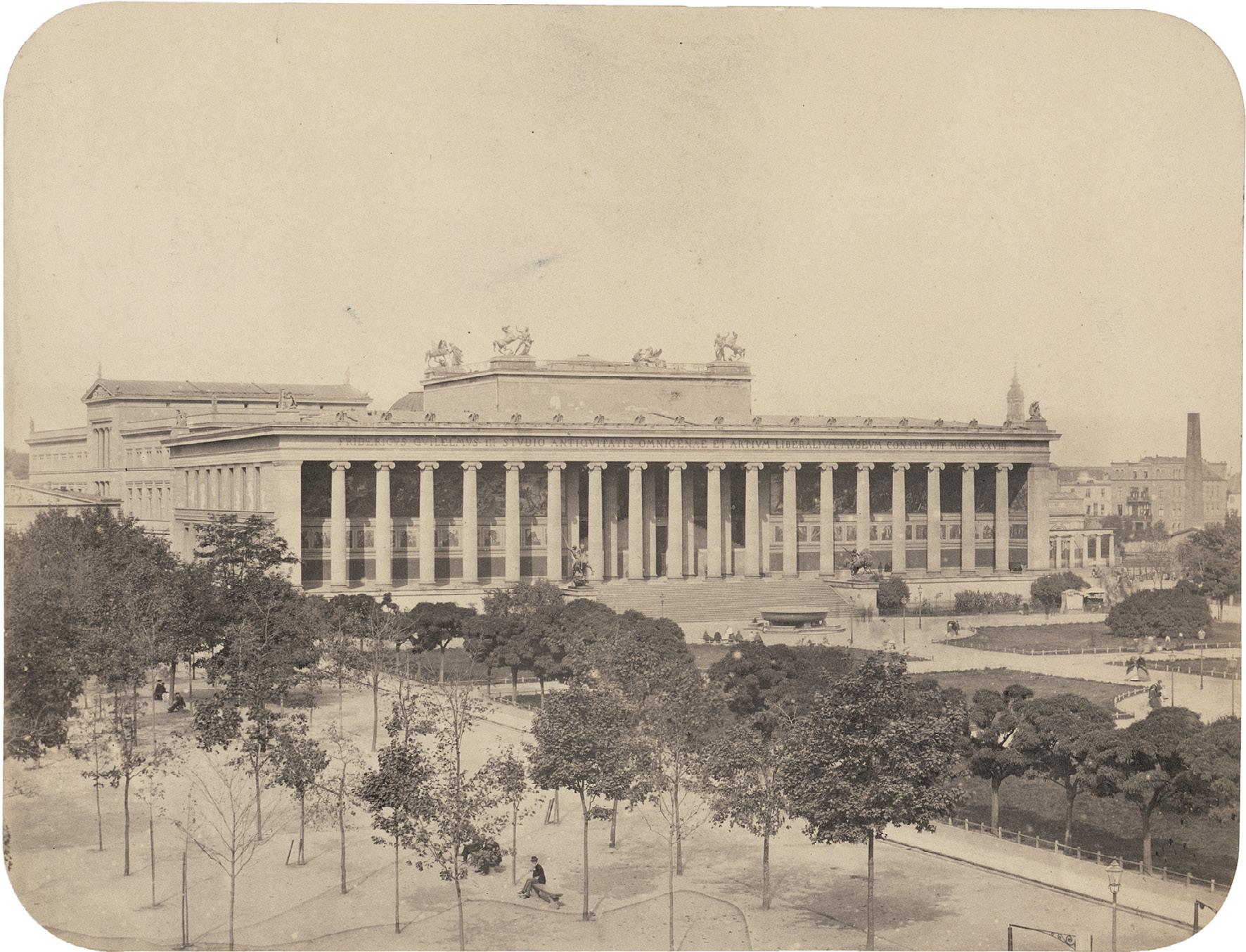
4004 Views of the Altes Museum, Berlin. 1860s. 2 albumen prints with rounded corners, mounted to card. 17,6 x 23 cm and 22,7 x 17,5 cm (mounts 23,5 x 34 cm and 28,2 x 23 cm). Annotated in black ink below the image on the mount.
900 €
This lot comprises a general view of the Altes Museum, likely taken from the roof of the Zeughaus, as well as a view of the sculpture Kämpfende Amazone by August Kiss (1802-1865) at the entrance of the museum.
Lit.: Hendrik Berinson, Natalia Kazmierczak, and Ira Plein, eds. Leopold Ahrendts (1825-1870) und die Frühzeit der Photographie Berlin: Galerie Berinson, 2011, ill. p. 19.
Lothar de Maizière and Antonius Jammers, eds. Bevor Berlin zur Weltstadt wurde: Die Residenz in Fotografien von Leopold Ahrendts. Berlin: Verlagshaus Braun, 2001, ill. pp. 56, 58 (variants). Eberhard Mayer-Wegelin and Sigrid Schulze, eds. Berlin als Residenzstadt: Photographien von Leopold Ahrendts 1854-1870 Munich: Schirmer/Mosel, 2018, ill. p. 90 (variant), 99.
algiers
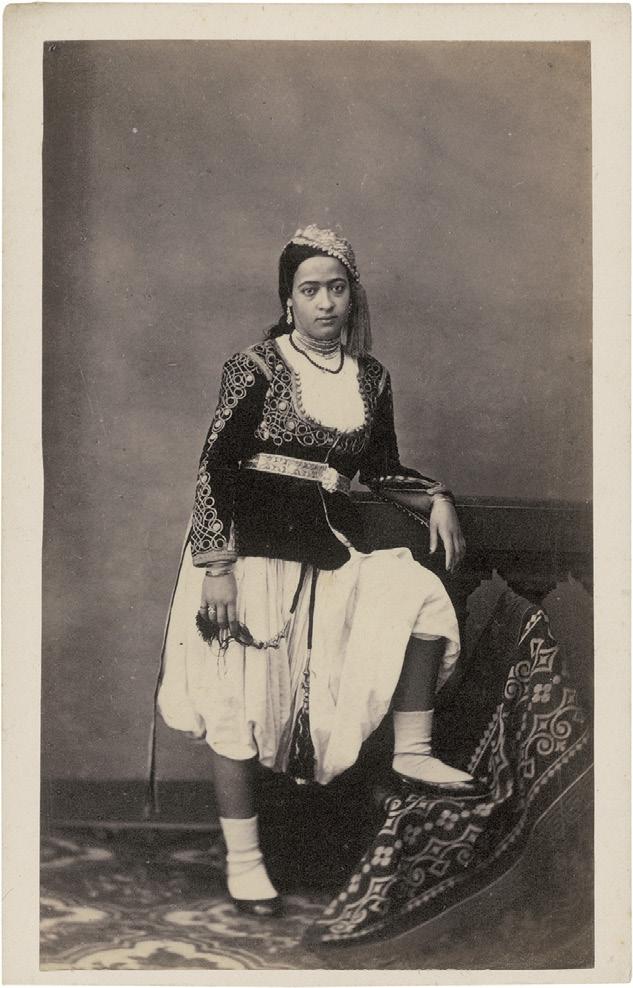
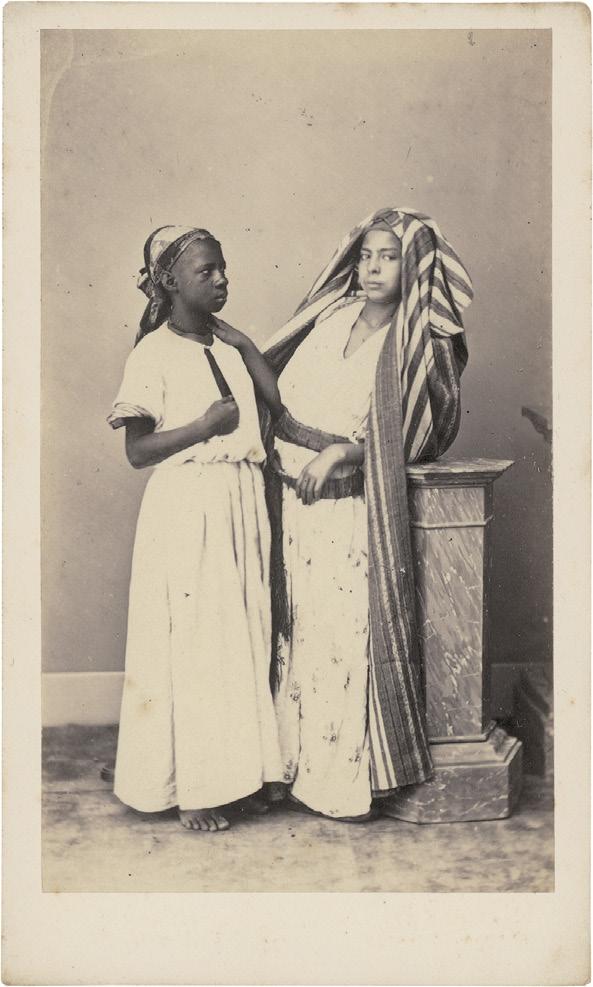
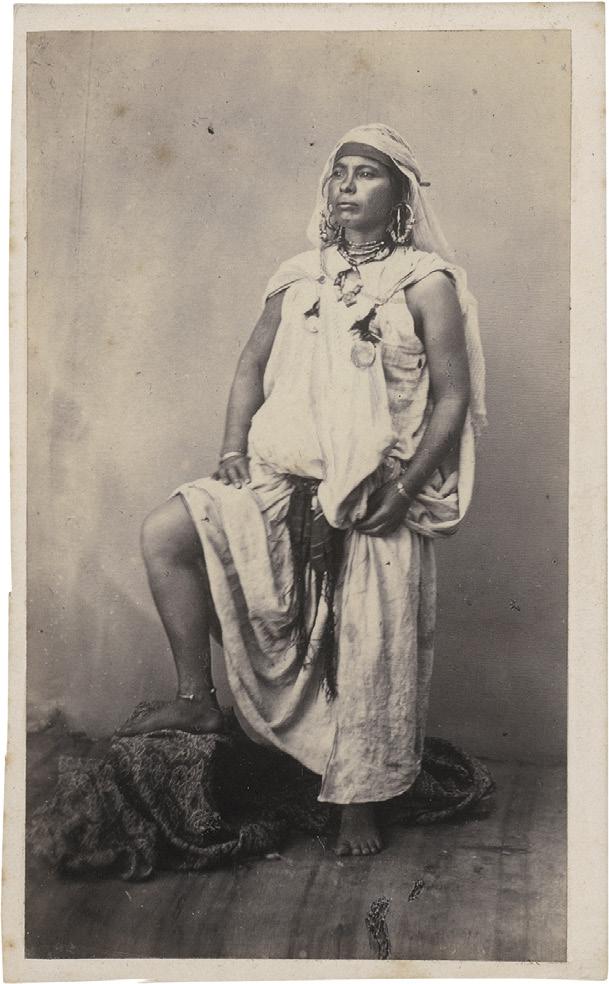
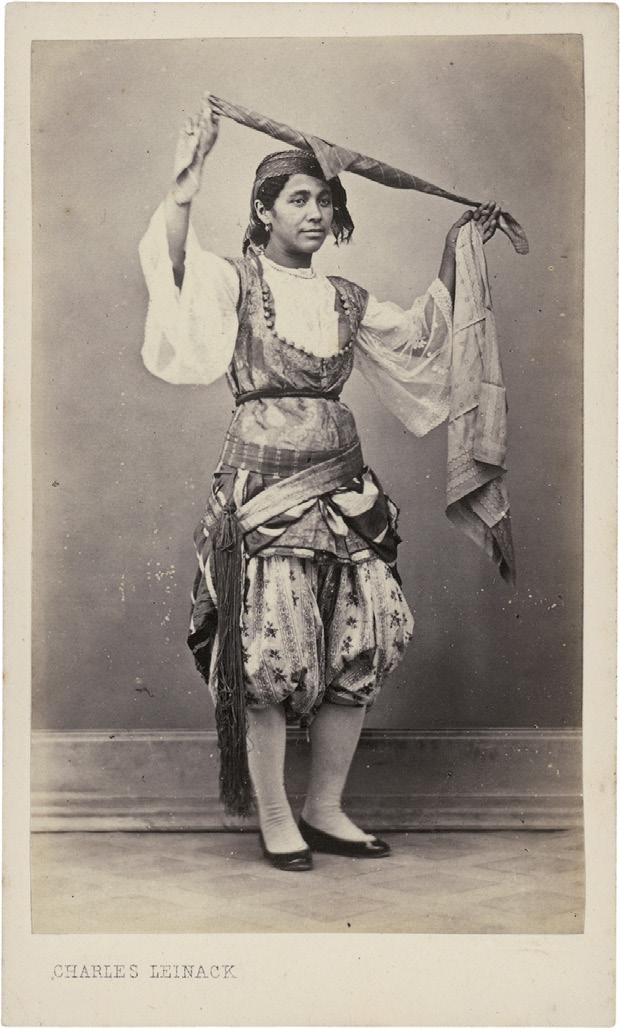
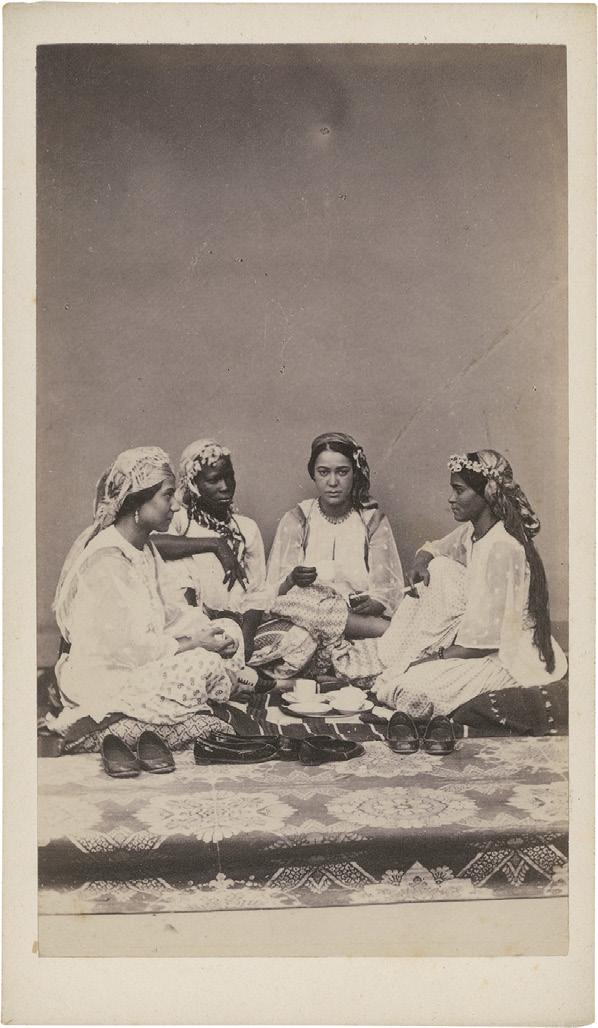
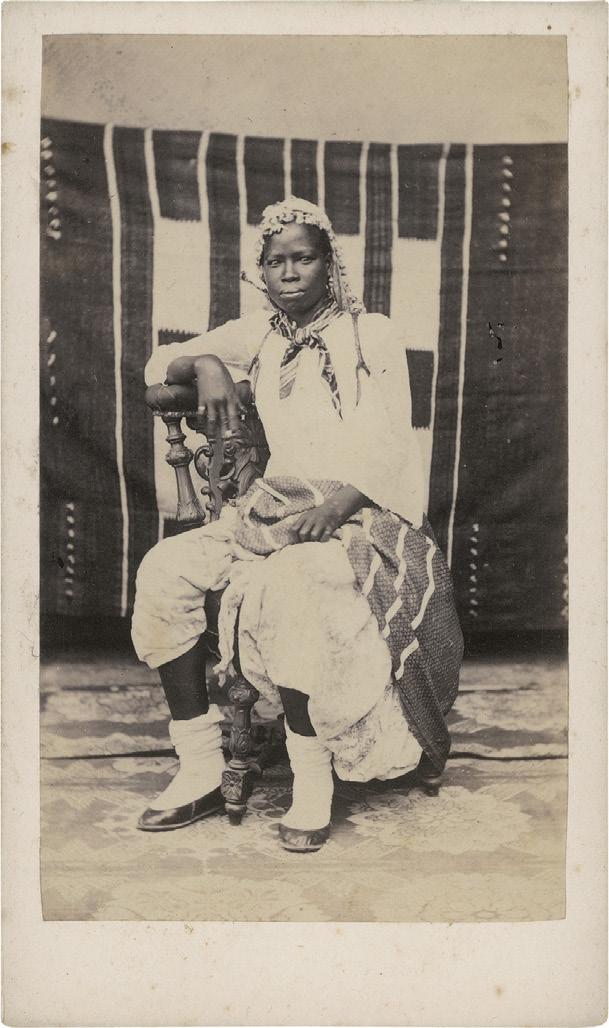
4005 Photographers: Alary & Geiser (active 1850s1880s), Adolphe Clavier (1821-1894 ), Charles Leinack (active 1850s-1860s), Photographie Saharienne (active 1860s), B.B. Photographie Orientale (1862-1890), Claude-Joseph Portier (1841-1910), Eugène Hilaire Richan (active 1855-1870s). Women of Algiers. 1860s1870s. 51 albumen prints, mounted to board. Each ca. 9,2 x 5,5 cm (mounts ca. 10,5 x 6,2 cm). Most with the photographer’s studio information printed on the verso.
1.000 €
This lot comprises a compelling group of 19th-century studio portraits depicting women from Algiers and surrounding regions, shown in elaborate traditional dress within staged interiors. The sitters - identified as Moorish, Jewish, Kabyle, Ouled Naïl, and sub-Saharan - appear alone or in small groups, their attire and poses emphasizing ethnographic “types” over individual identity. Produced for a European market, the photographs reflect the visual culture of colonial Algeria, combining ethnographic curiosity with the conventions of Orientalist studio photography.
fratelli alinari (est. 1852)
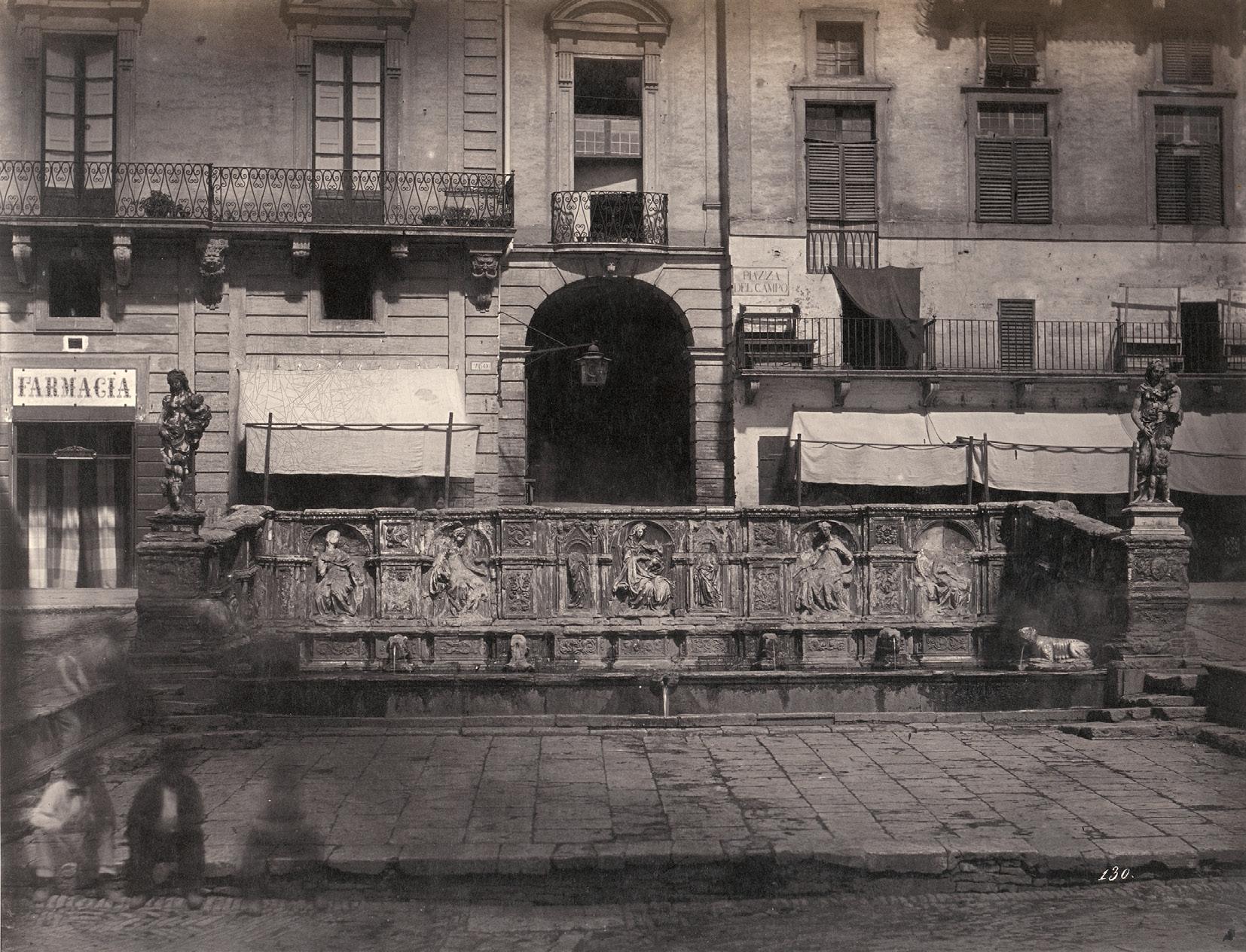
4006 Fonte Gaia, Piazza del Campo, Siena; Pisa Cathedral; Palazzo della Signoria, Perugia. 1850s. 3 large-format, lightly albumenized salted paper prints, mounted to board. 26 x 34 cm, 34 x 26 cm, and 31,5 x 41,8 cm (mounts 46 x 61,5 cm). Each with the photographer’s “Fratelli Alinari, Fotografi Firenze Presso Luigi Bardi” embossed stamp below the image on the mount; each with a negative number in the lower right; two annotated in ink below the image on the mount.
1.000 €
The Fratelli Alinari photography studio, established in 1852 in Florence, is among the world’s oldest photographic companies. Initially focused on portraiture, the studio soon expanded its repertoire to capture Italy‘s cultural heritage, architecture, and historical landmarks. The extensive archive of daguerreotypes, albumen prints, and glass negatives produced by Fratelli Alinari during this period has played a crucial role in preserving and documenting Italy‘s rich artistic and cultural history. A print of the Perugia image in this group is in the Manfred Heiting Collection at the Museum of Fine Arts, Houston.
ambrotypes
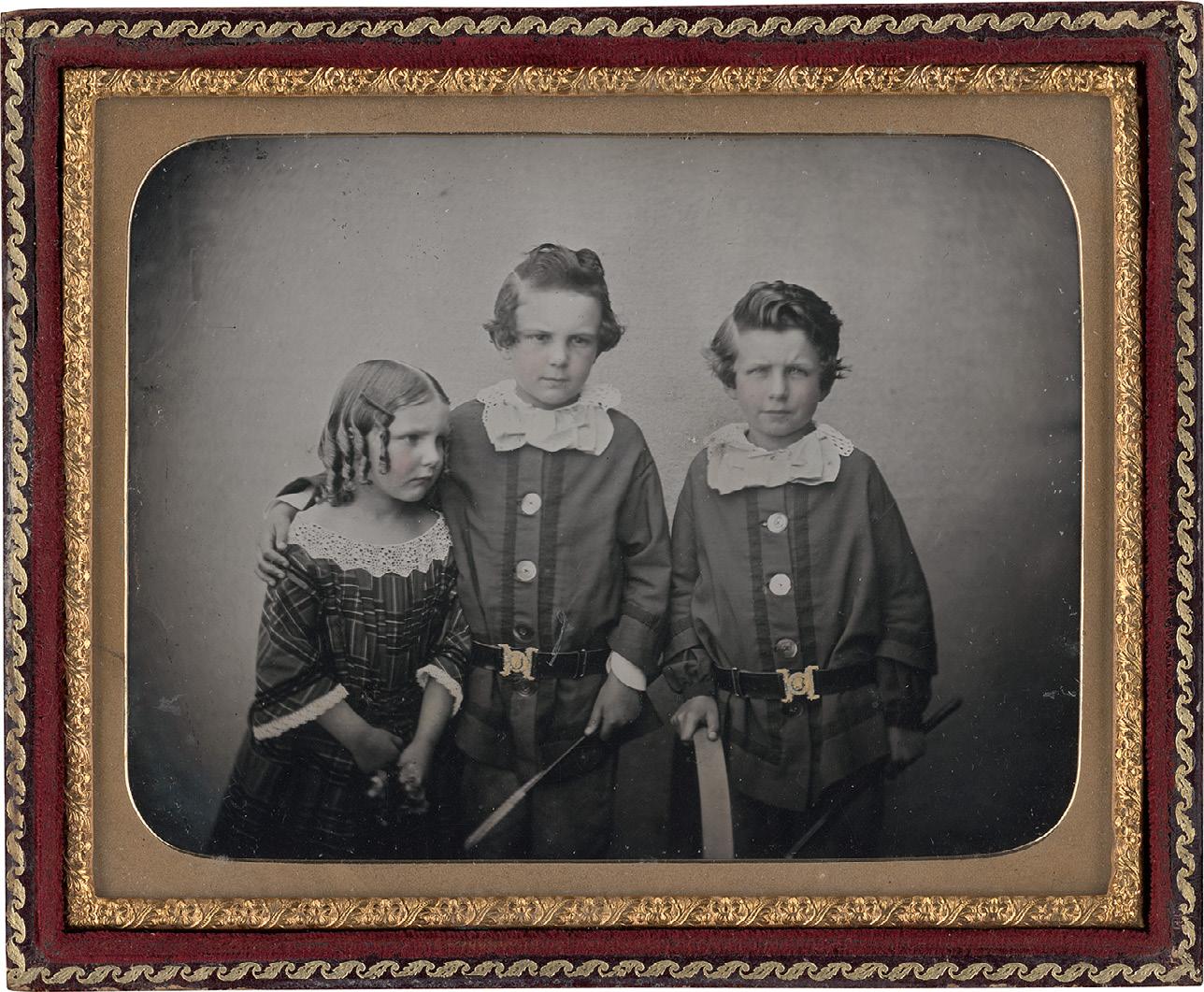
4007 Studio portrait of three children. 1860s. Handcolored ambrotype, housed in velvet-lined case with a gilt brass mat. 8,5 x 11,2 cm (case 11,5 x 14 cm).
400 €
This ambrotype presents a closely grouped studio portrait characteristic of mid-19th-century photography, in which gesture and coordinated dress emphasize familial bonds and the image’s sentimental function. The inclusion of small handheld props reflects contemporary studio practice, serving both compositional needs and the practical demands of longer exposure times. Produced using the wet-collodion process on glass, ambrotypes offered a more accessible alternative to the daguerreotype and were widely favored for family portraiture from the 1850s onward.
james anderson (Isaac Atkinson, 1813–1877)
4008 View of the Colosseum, Rome; Meta Sudans with Temple of Venus, Rome; Arch of Constantine, Rome. 1850s. 3 large-format albumen prints, mounted to card. 20 x 43 cm and 28 x 36 cm (mounts 45 x 59,5 cm). Each titled in ink below the image and 2 with partial „Spithöver“ blindstamp in lower right corner on the mount.
1.000 €
Born Isaac Atkinson in Blencarn, Cumberland, England, James Anderson initially studied painting in Paris before relocating to Rome in 1838, where he first worked as a sculptor. Around 1849, he turned to photography and established a studio in Rome, specializing in reproductions of works of art as well as views of Italian monuments and antiquities. His work gained wide recognition, particularly for his depictions of Rome, and he exhibited extensively throughout the 1860s. After his death, the studio was taken over by his son Domenico and remained in the family until the 1940s.
Lit.: Dorothea Ritter. Rom 1846-1870: James Anderson und die Maler-Fotografen, Sammlung Siegert. Bönningheim: Braus/ Wachter Verlag, 2005.
james anderson & tommaso cuccioni (Isaac Atkinson, 1813–1877, 1790–1864)
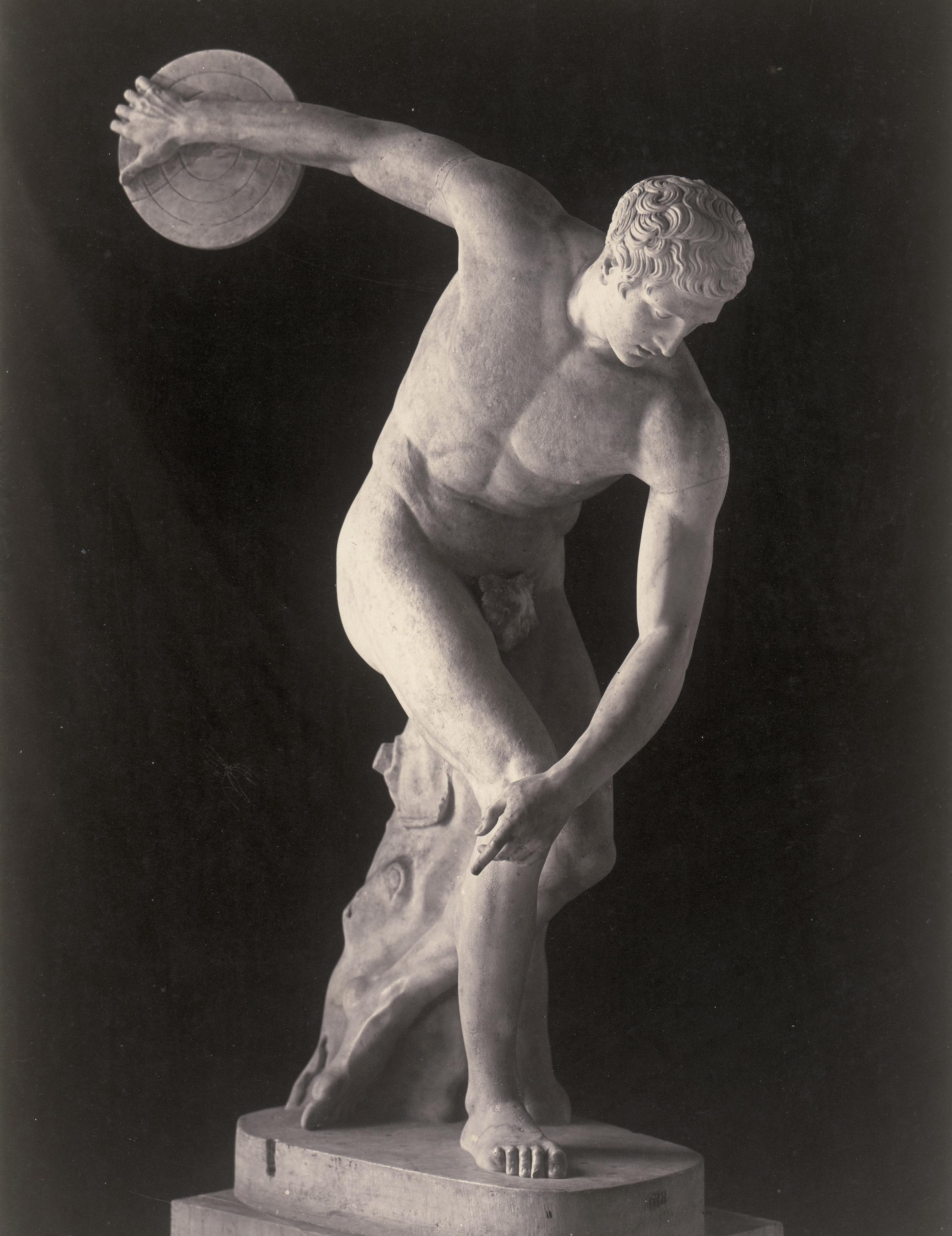
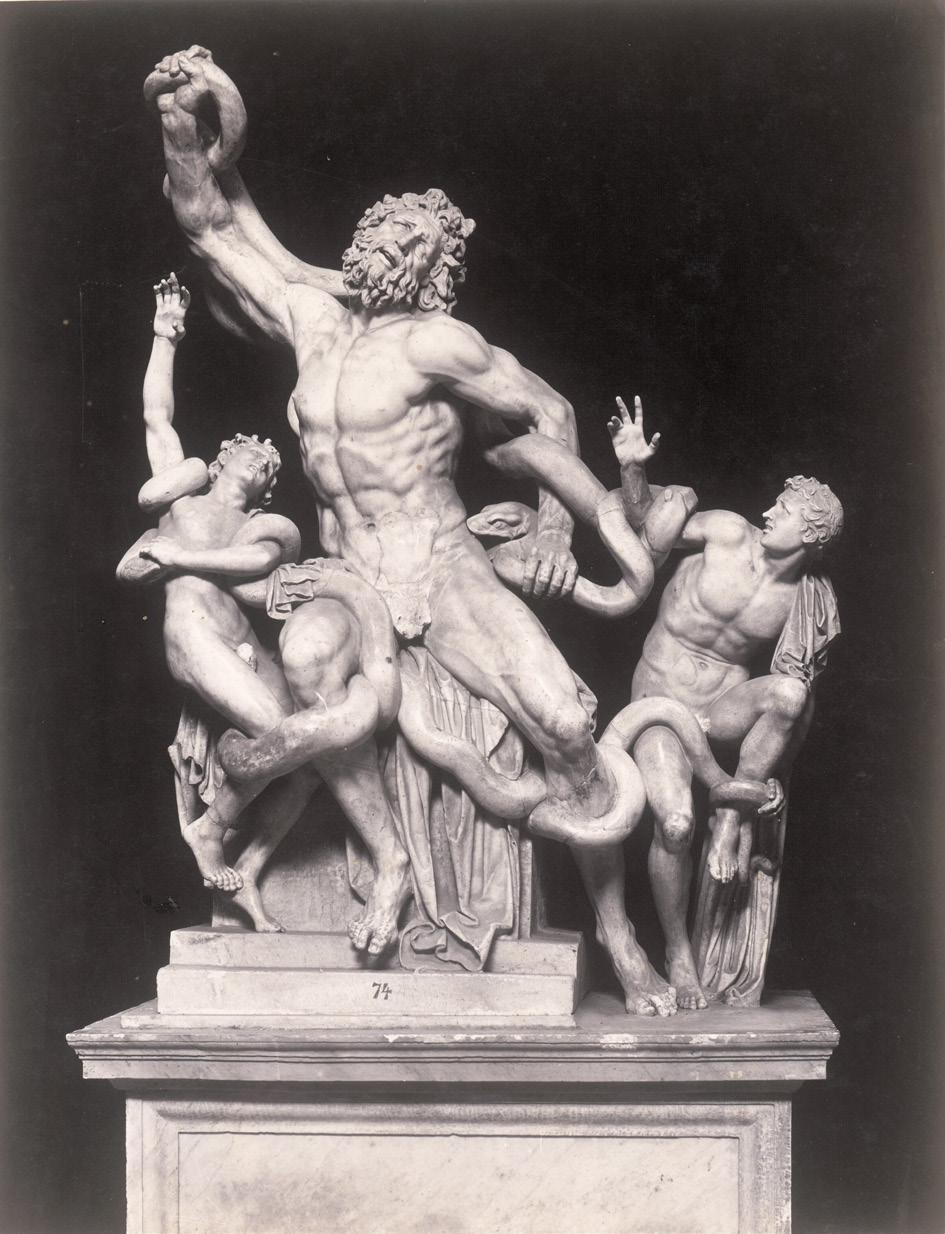
4009 Classical sculptures from the Vatican Museums, the Lateran Museum, Villa Ludovisi, and the Capitoline Museums: Apollo Belvedere, Meleager, Laocoön, Discobolus, Nike, Niobid, Marcus Aurelius, Sophocles, and Mars. 1855-1860. 9 large-format albumen prints, mounted to card. Each ca. 38,5 x 30 cm or reverse (mounts 64 x 48,5 cm or reverse). Each annotated in black ink below the image on the mount; most with the photographer’s or publisher’s stamp embossed in the margins of the mount.
1.200 €
James Anderson‘s rendition of sculpture is exceptional, likely due to his own experience as a sculptor. His images of sculpture far surpass other art reproductions of the time and stand out as individual works. The prints are gold-toned, giving them a rich, violet brown color that exceeds the quality of images found in travel albums of the time.
james anderson & tommaso cuccioni
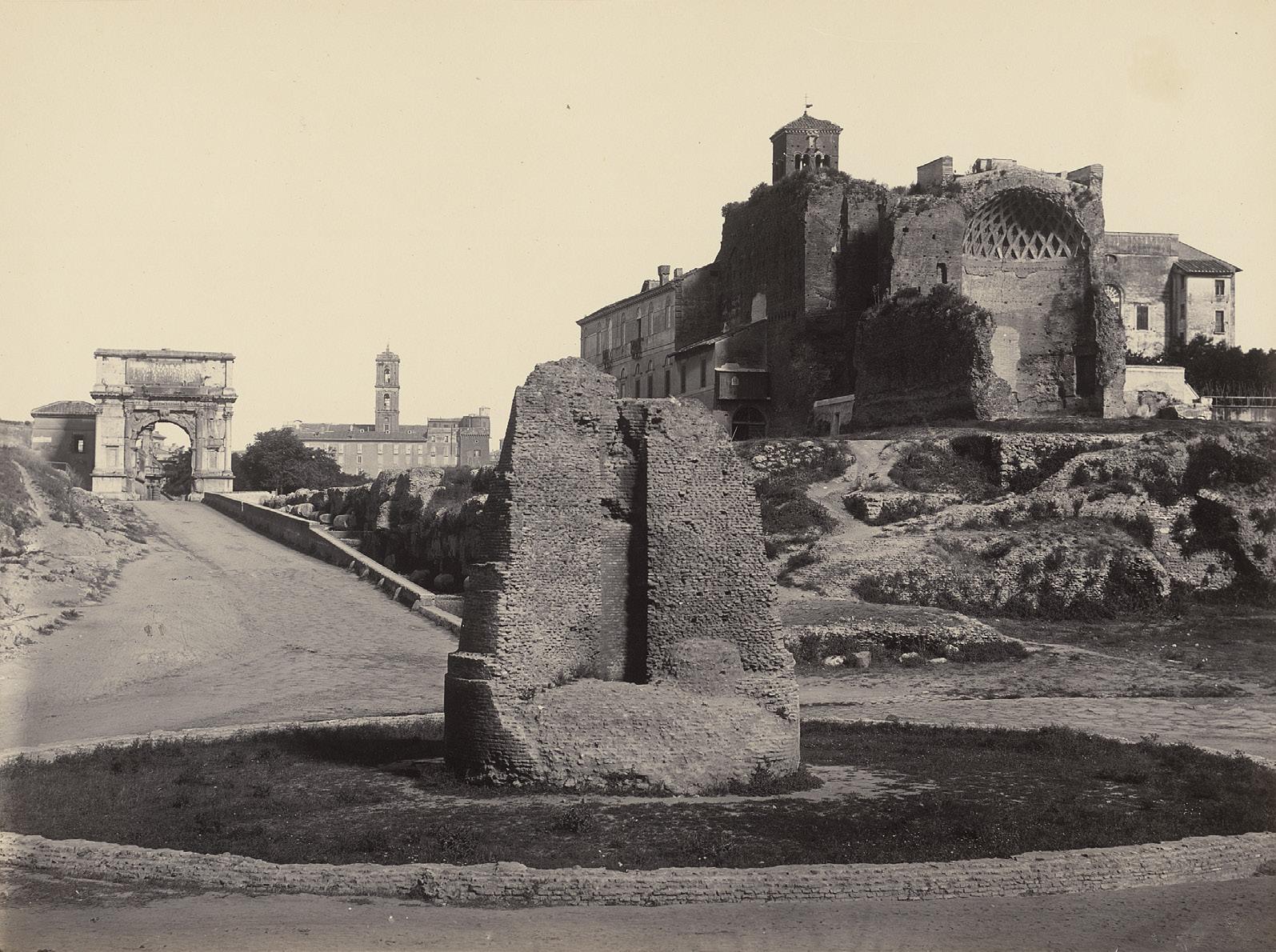
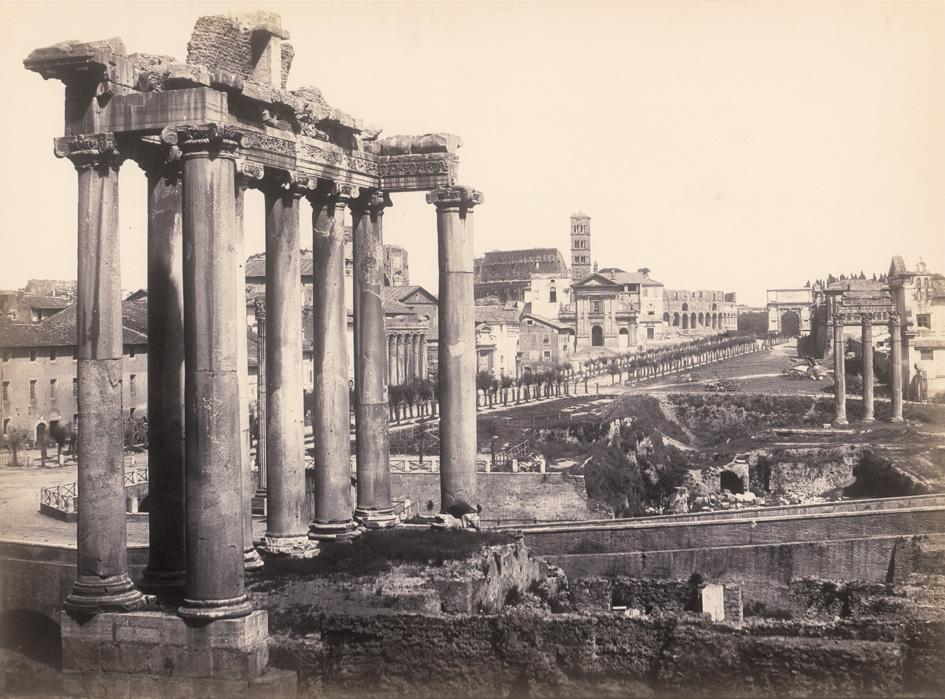
4010 Views of the Forum Romanum, the Arches of Titus and Septimius Severus, the Campidoglio, and the Villa Medici. 1855-1860. 6 large-format albumen prints, mounted to card. Each between 39,5 x 30,5 cm and 33 x 46,5 cm (mounts 64 x 49 cm or reverse). All but one annotated in black ink below the image on the mount; most with the photographer’s or publisher’s stamp embossed in the margins of the mount.
1.500 €
Tommaso Cuccioni was active in Rome from ca. 1830 as a lithographer and print publisher, with a studio on the centrally located Via dei Condotti, a popular destination for affluent English tourists. Embracing photography in 1852, he began producing large-format views of Roman landmarks, offering a new and highly effective form of visual souvenir. Few of these early prints survive and such large-formats are rare
Lit.: Dorothea Ritter. Rom 1846-1870: James Anderson und die Maler-Fotografen, Sammlung Siegert. Bönningheim: Braus/ Wachter Verlag, 2005, ill. pp. 140-141.
james anderson & tommaso cuccioni
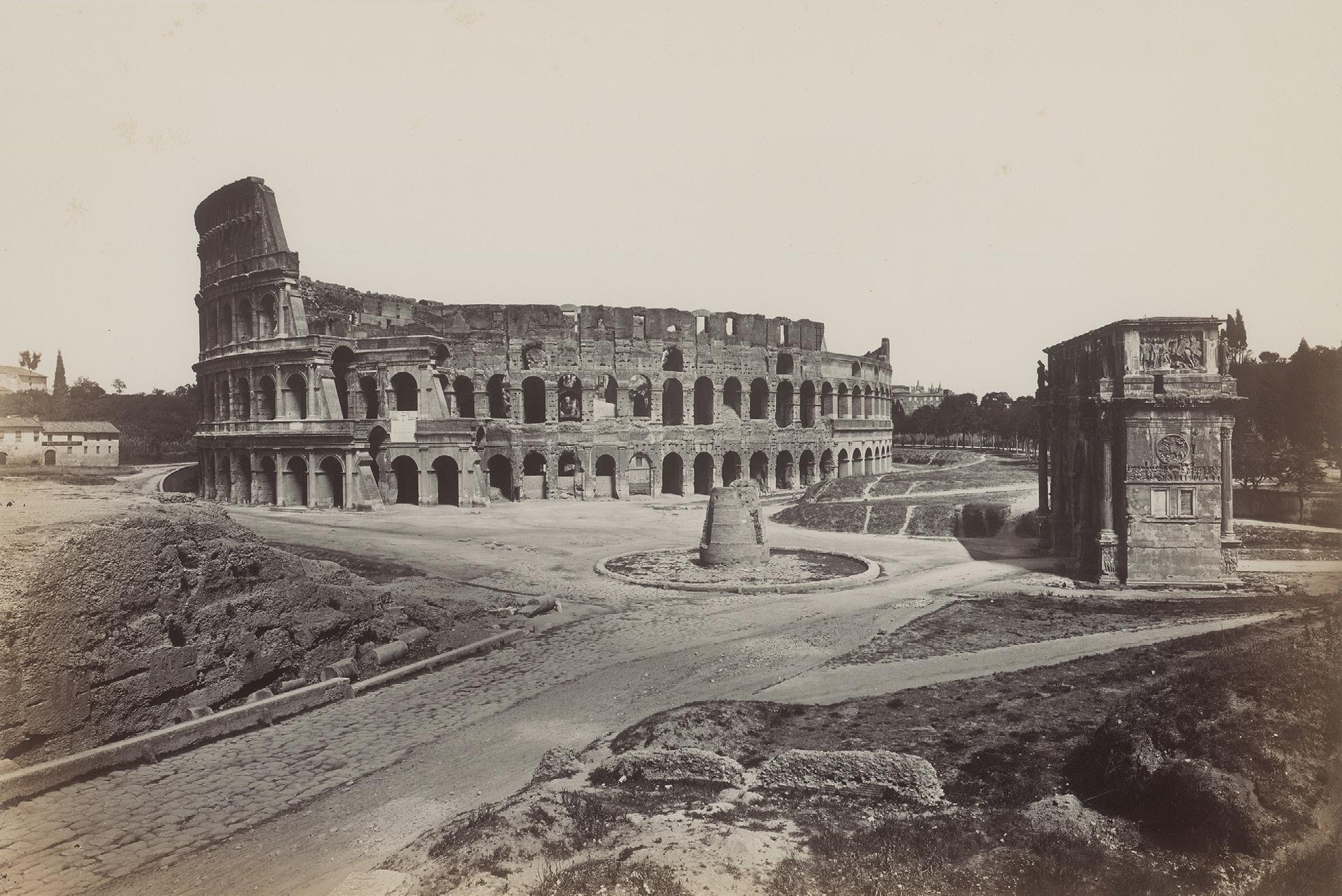
4011 Views of the Colosseum, the Arch of Constantine, the Arch of Drusus, the Temple of Vesta, the Temple of Vespasian, and the Piazza di Monte Cavallo. 1857-early 1860s. 6 large-format albumen prints, mounted to card. Each between 30 x 41 cm and 36 x 53,5 cm or reverse (mounts 49 x 64 cm or reverse). All but one annotated in black ink below the image on the mount; most with the photographer’s or publisher’s stamp embossed in the margins of the mount.
1.200 €
Lit.: Dorothea Ritter. Rom 1846-1870: James Anderson und die Maler-Fotografen, Sammlung Siegert. Bönningheim: Braus/ Wachter Verlag, 2005, ill. p. 47 (Arch of Drusus, attributed to James Anderson).
james anderson & unknown (Isaac Atkinson, 1813–1877)
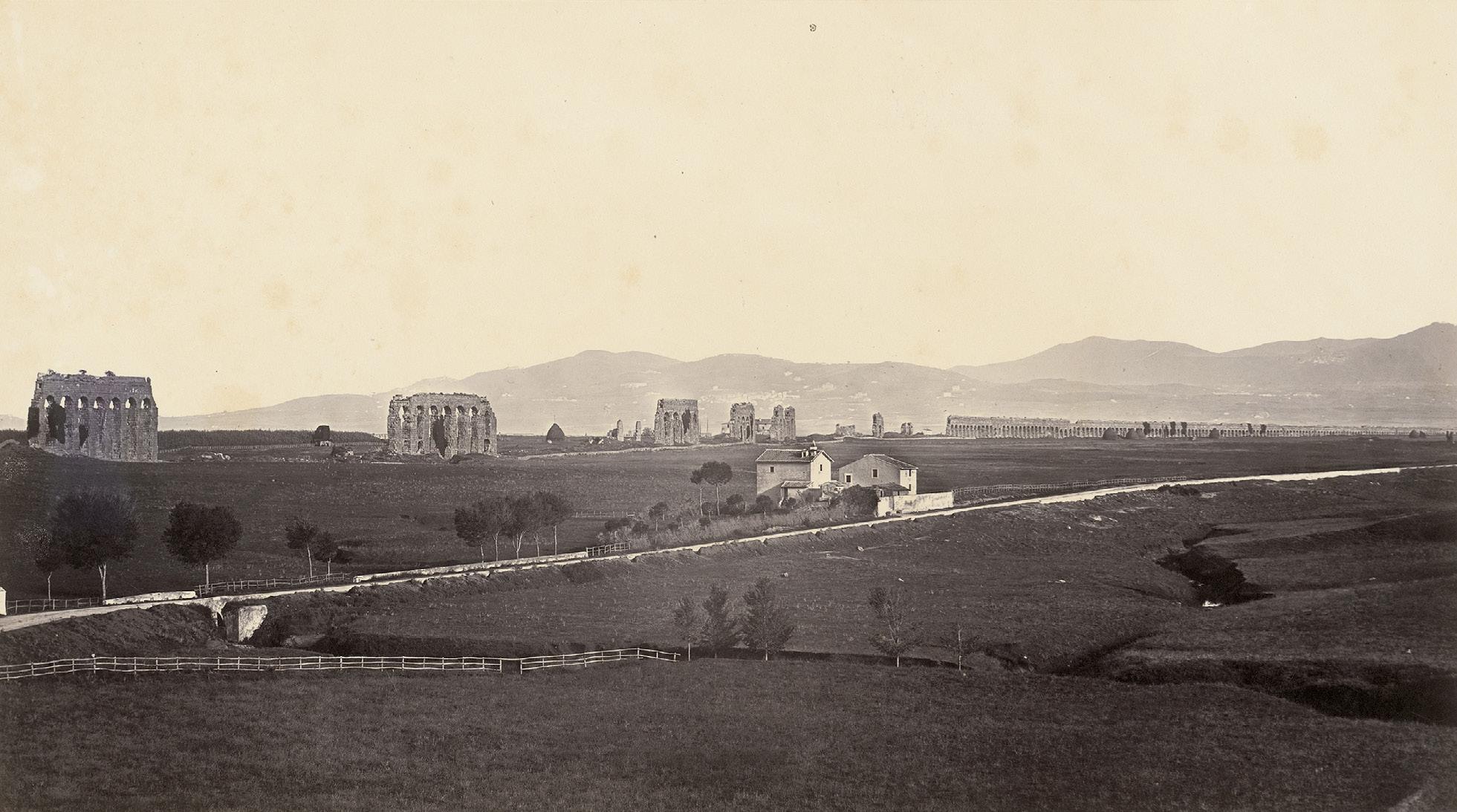
4012 Panoramic view of Roman Campagna to the Alban Hills; Views of Tivoli and San Benedetto convent, Subiaco. Late 1850s. 1 Large-format albumen panorama and 2 albumen prints, mounted to card. 23 x 41 cm and 17 x 24 cm (mounts 45 x 59,5 cm). Each annotated in ink below the image on the mount.
750 €
Lit.: Dorothea Ritter. Rom 1846-1870: James Anderson und die Maler-Fotografen, Sammlung Siegert. Bönningheim: Braus/ Wachter Verlag, 2005, compare ill. p. 87 (similar image of Campagna).
ottomar anschütz (1846–1907)
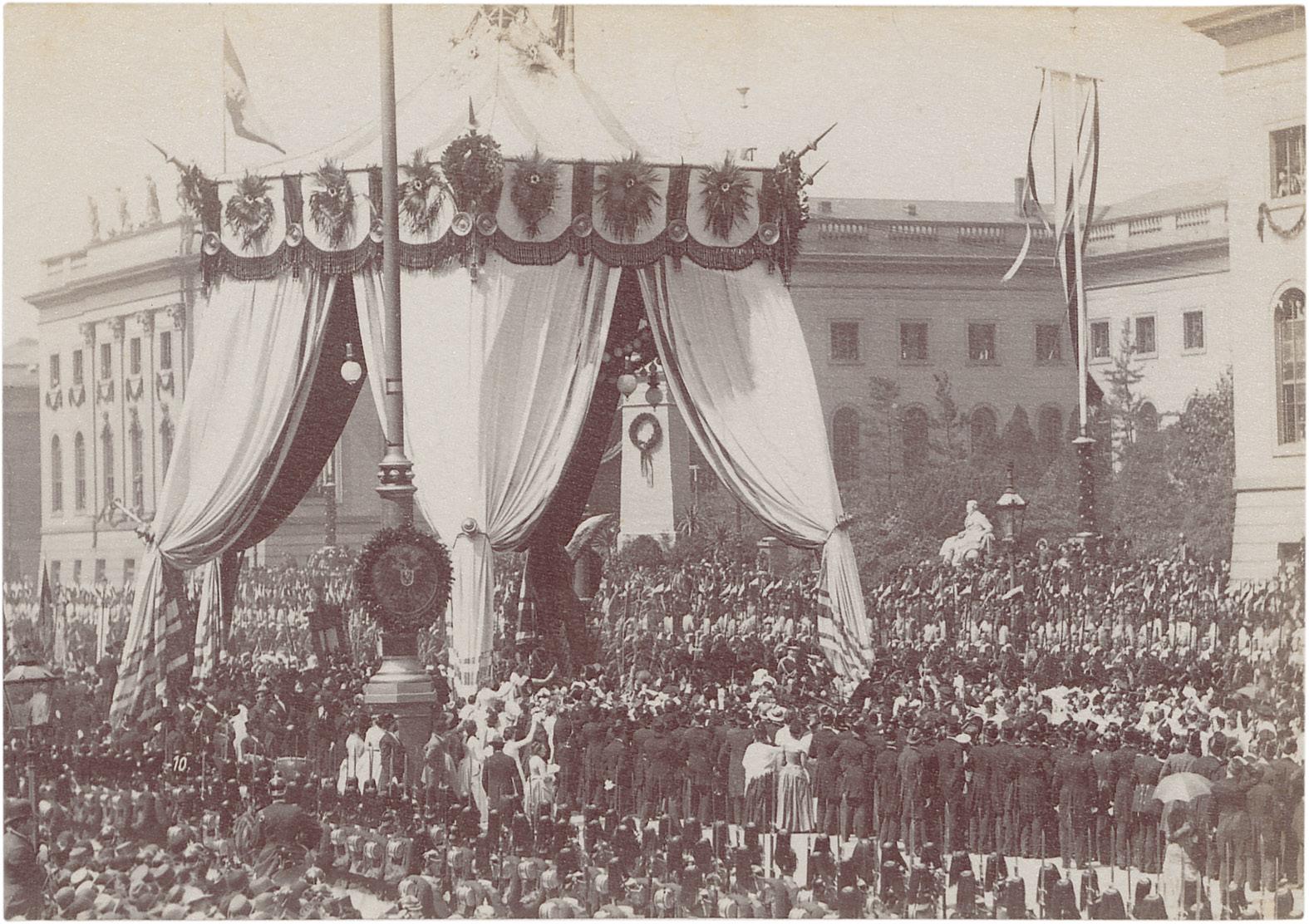
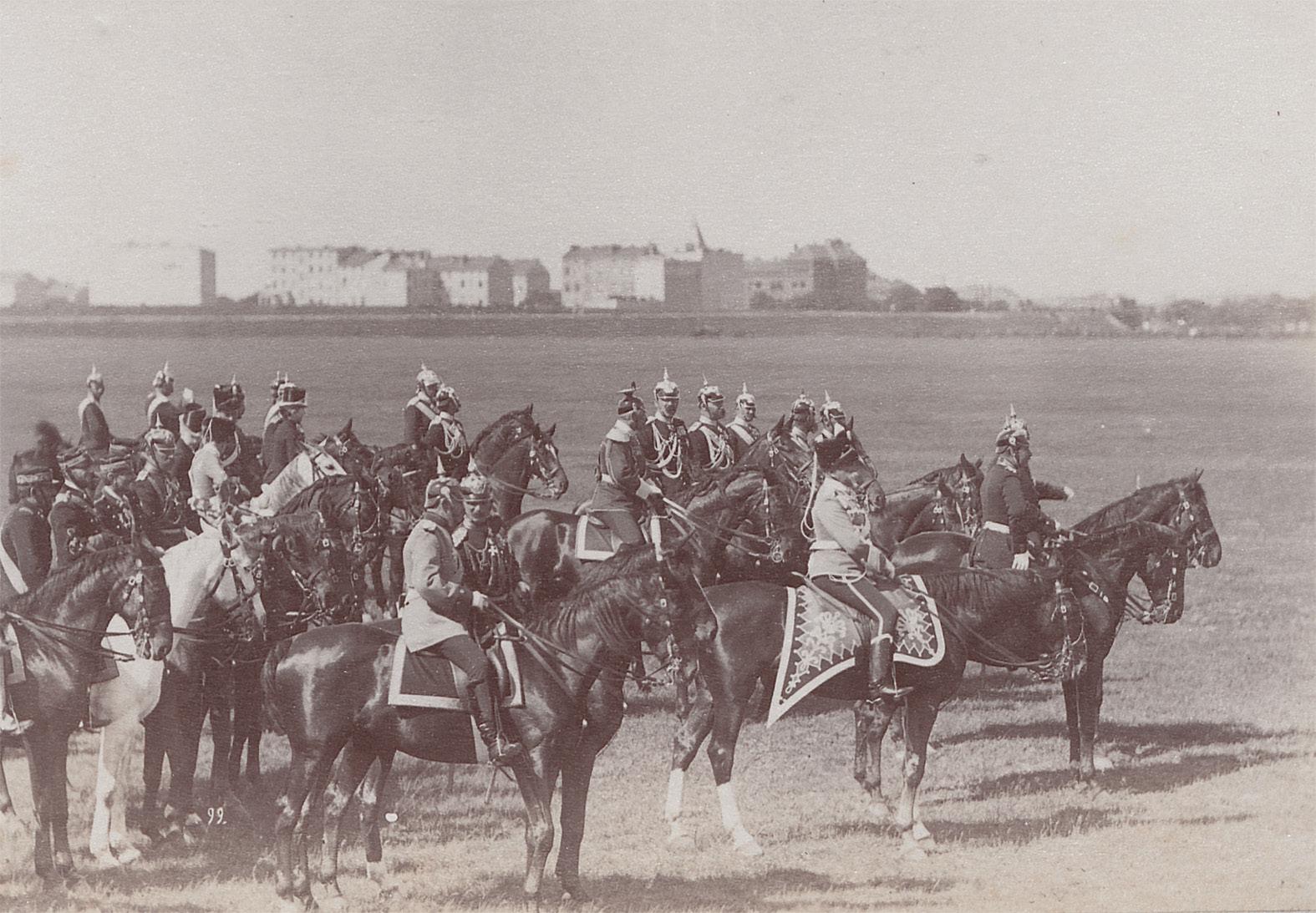
4013 Album documenting the Imperial Military Maneuvers at Müncheberg and the state visit of Umberto I to Berlin with Kaiser Wilhelm II. 1888-1889. 118 albumen prints, mounted to album pages. Each ca. 10,2 x 14,4 cm (mounts 22 x 32,5 cm). Each with the photographer’s blind stamp in the lower right corner. Presented in half-leather album.
1.500 €
This album brings together views of the Imperial Maneuvers at Müncheberg (1888) and the state visit of King Umberto I of Italy to Berlin. The military photographs depict infantry, cavalry, and artillery in formation, maneuvers, and live-fire exercises. In contrast, the Berlin scenes record ceremonial receptions with elaborate decorations and large crowds. Together, the images provide a concise visual record of late 19th-century military display and imperial spectacle.
australia
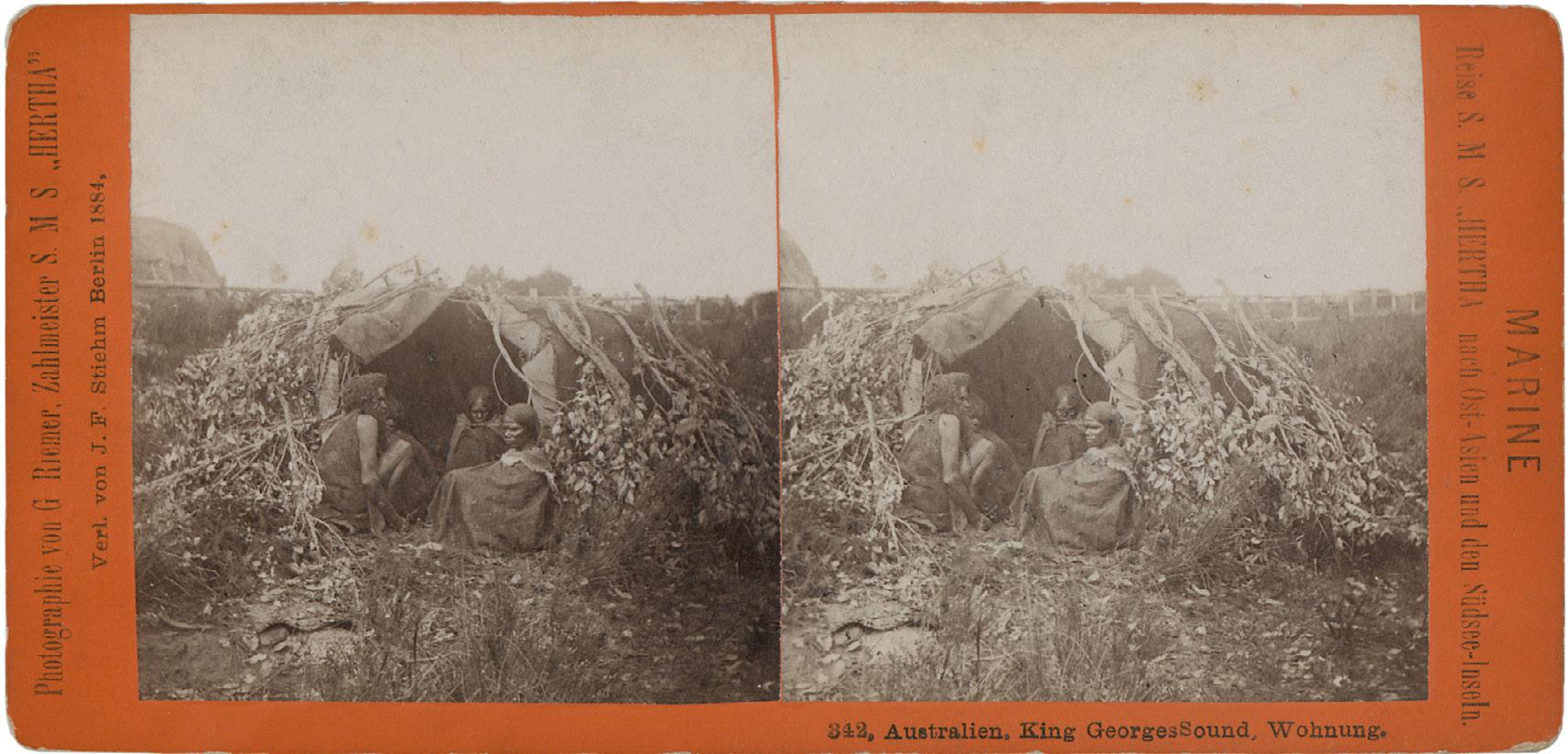
4014 Photographer: Gustav Adolph Riemer (18421899). Aboriginal habitation. 1876. Stereoscopic albumen print, mounted to card. Each 7,8 x 7,8 cm (mount ca. 8,5 x 17,8 cm). Printed caption along the recto margin: “Photographie von G. Riemer, Zahlmeister S. M. S. ‘Hertha’. Verl. von J. F. Stiehm, Berlin 1884 / 342. Australien, King Georges Sound / Marine Reise S. M. S. ‘Hertha’ nach Ost-Asien und den SüdseeInseln.” Numbered “56” in pencil on the verso. 600 €
Gustav Adolph Riemer was a German naval officer who served as a purser in the Prussian and later Imperial German Navy. He developed photography as a largely self-taught practice alongside his military career. Between 1874-1877 he took part in the world voyage of SMS Hertha, during which he produced an extensive body of photographs across East Asia, Micronesia, Australia, and the South Seas - many of them among the earlies t visual records of these regions and their inhabitants.
édouard baldus (1813–1889)
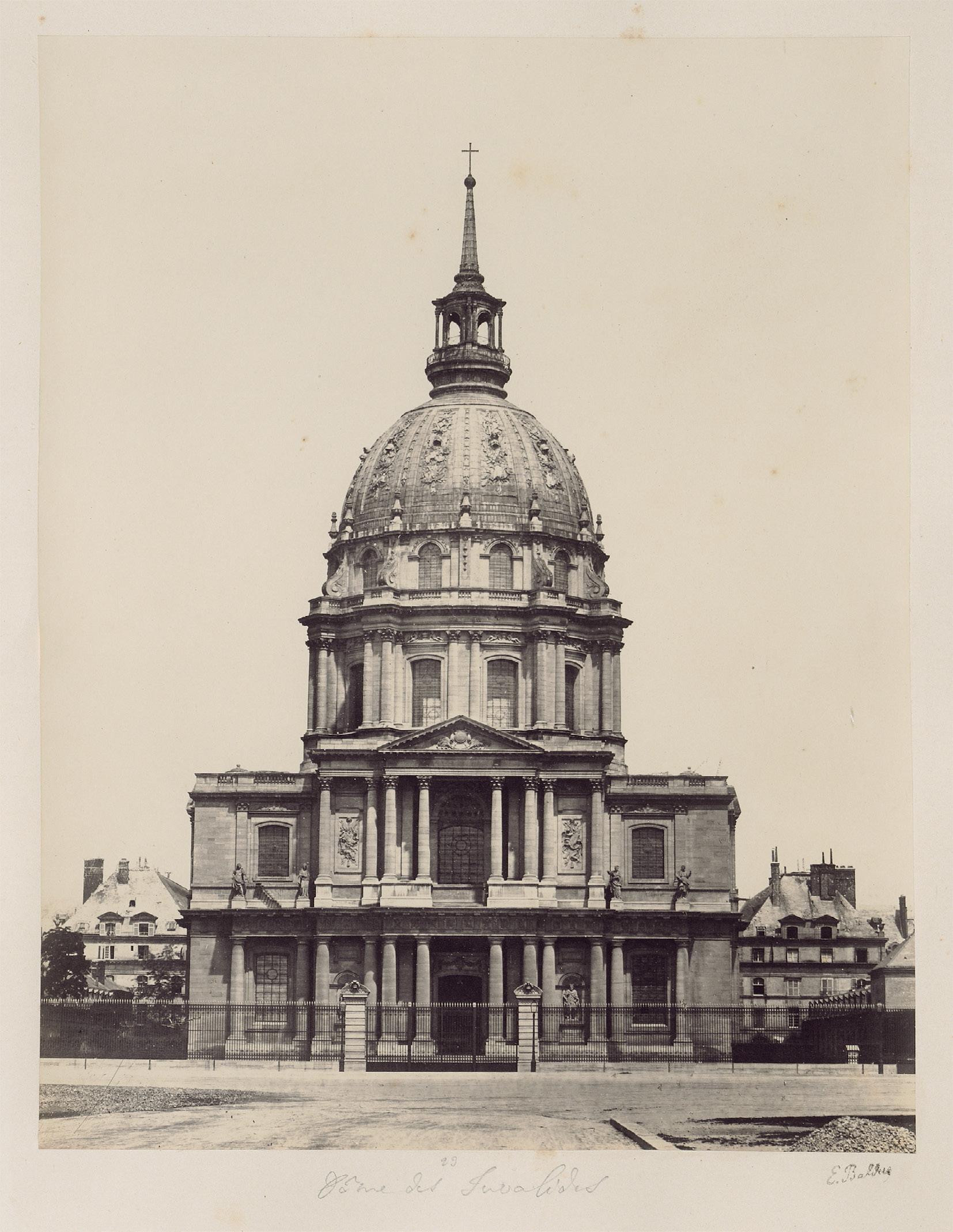
4015 Views of Paris. 1850s. 7 albumen prints, mounted to card. Each ca. 27 x 21 cm or reverse (mount s ca. 43,5 x 33,5 cm or reverse). Each with the photographer’s “E. Baldus” stamp below the image on the mount.
1.500 €
Édouard Baldus was a key practitioner of early architectural photography in France known for his meticulously detailed views that combine documentary precision with carefully structured compositions. This lot comprises views of the SainteChapelle, La Trinité, Saint-Étienne-du-Mont, Assemblée nationale (Corps législatif), Saint-Augustin, Dôme des Invalides, and the Louvre seen from the Rue de Rivoli.
édouard baldus
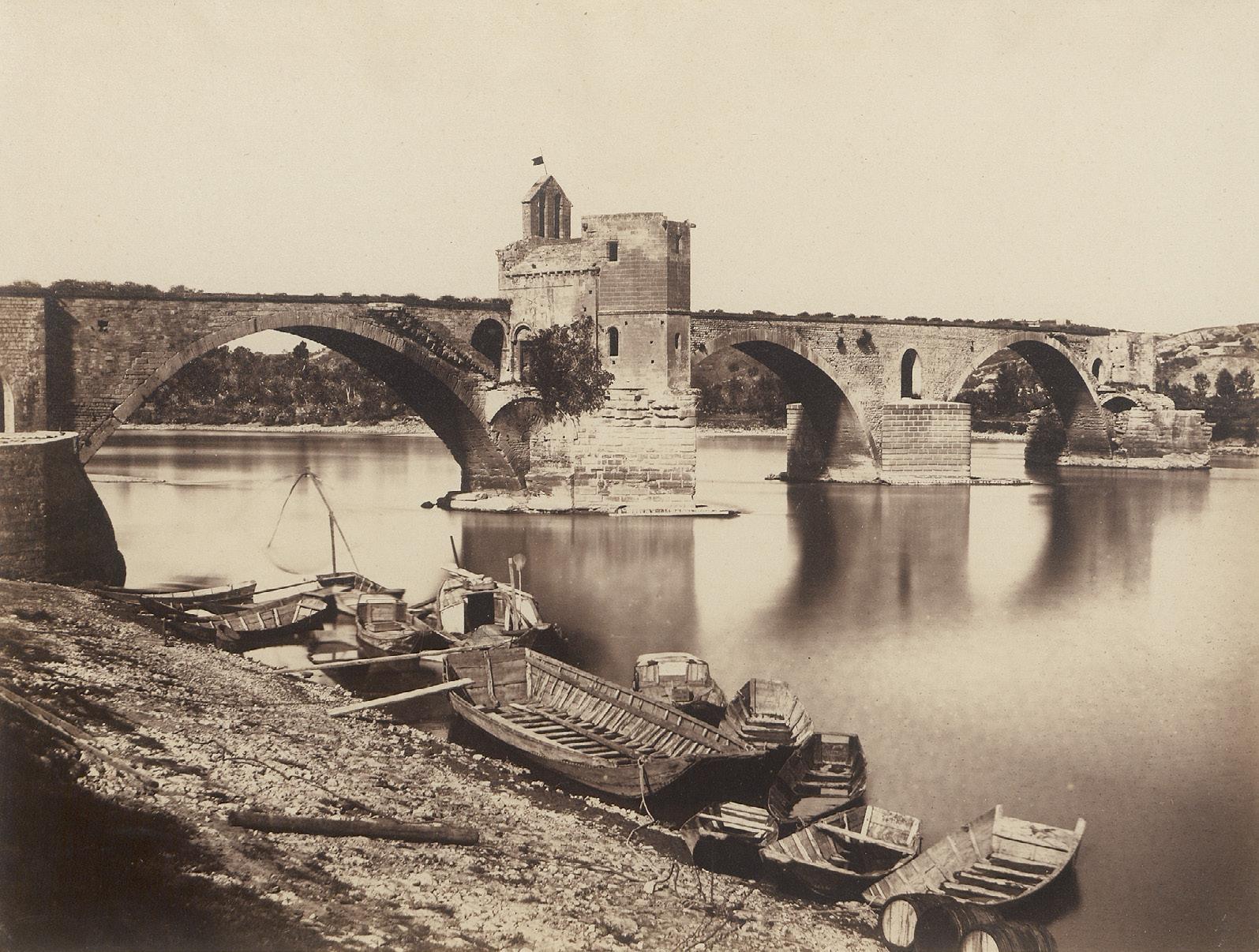
4016 P ont Saint-Bénézet, Avignon. Ca. 1861. Albumen print, mounted to card. 21,2 x 28 cm (mount ca. 28,7 x 35 cm). Titled “Arles (Pont de St Benézé)” (sic); annotated “Avignon” in pencil and stamped “E. Baldus” in black ink below the image on the mount.
800 €
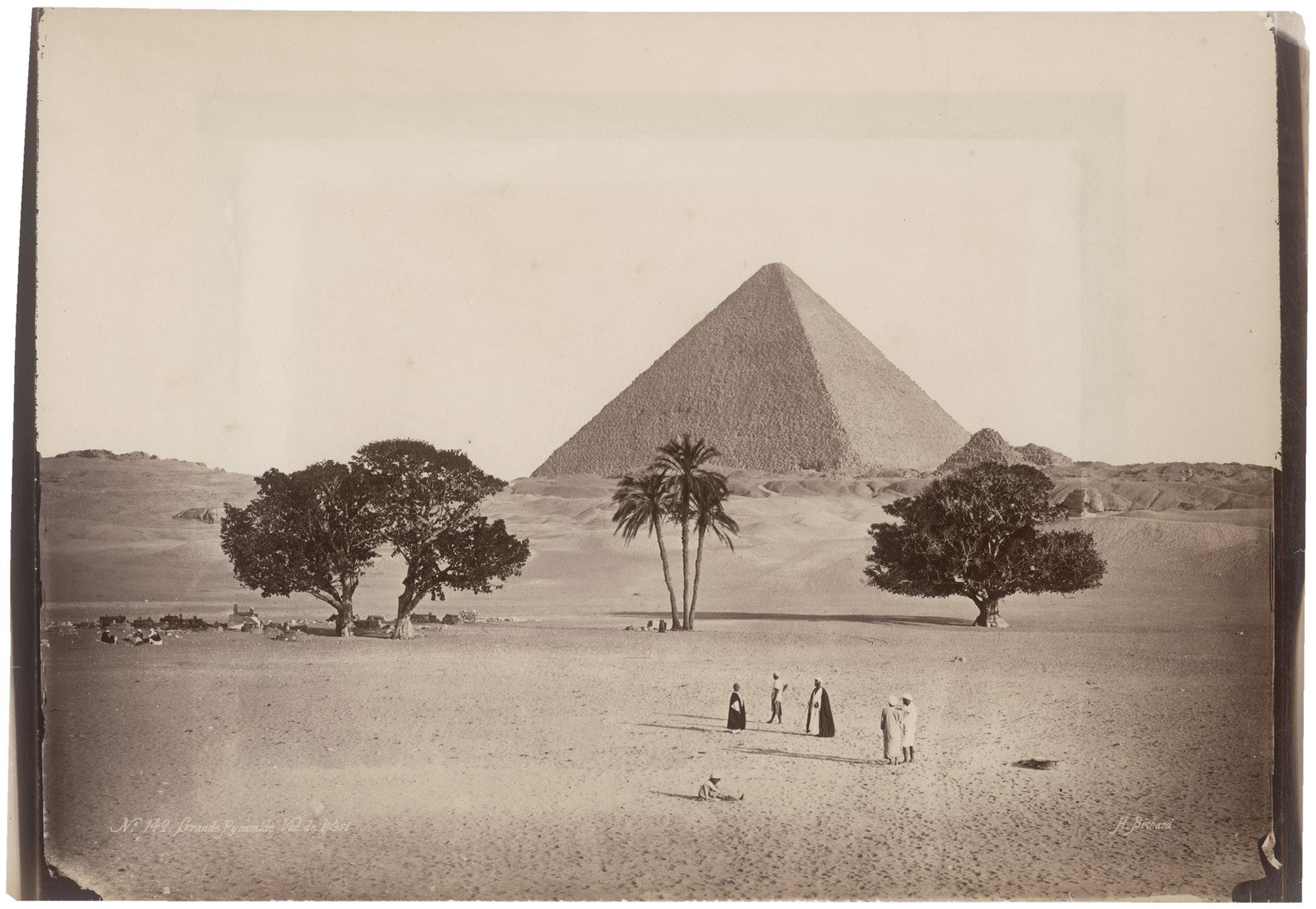
émile béchard (active 1869–1890)
4017 Grande Pyramide vue de l‘Est. 1870s. Albumen print. 28,8 x 42 cm. With the photographer‘s signature in the negative in lower right corner, as well as numbered and titled in the negative in lower left corner.
600 €
Émile Béchard produced some of the most evocative photographs of Egypt in the late 19th century. Unlike the large, highly commercial studios of Pascal Sébah, Félix Bonfils, Hippolyte Arnoux, and the Zangaki Brothers, Béchard’s practice was comparatively short-lived resulting in a more limited and consequently scarcer body of work. His photographs are distinguishe d by a restrained compositional elegance and quiet attention to light, scale, and atmosphere, lending his views of monuments and landscapes a contemplative quality that sets them apart from the more standardized tourist views of the period.
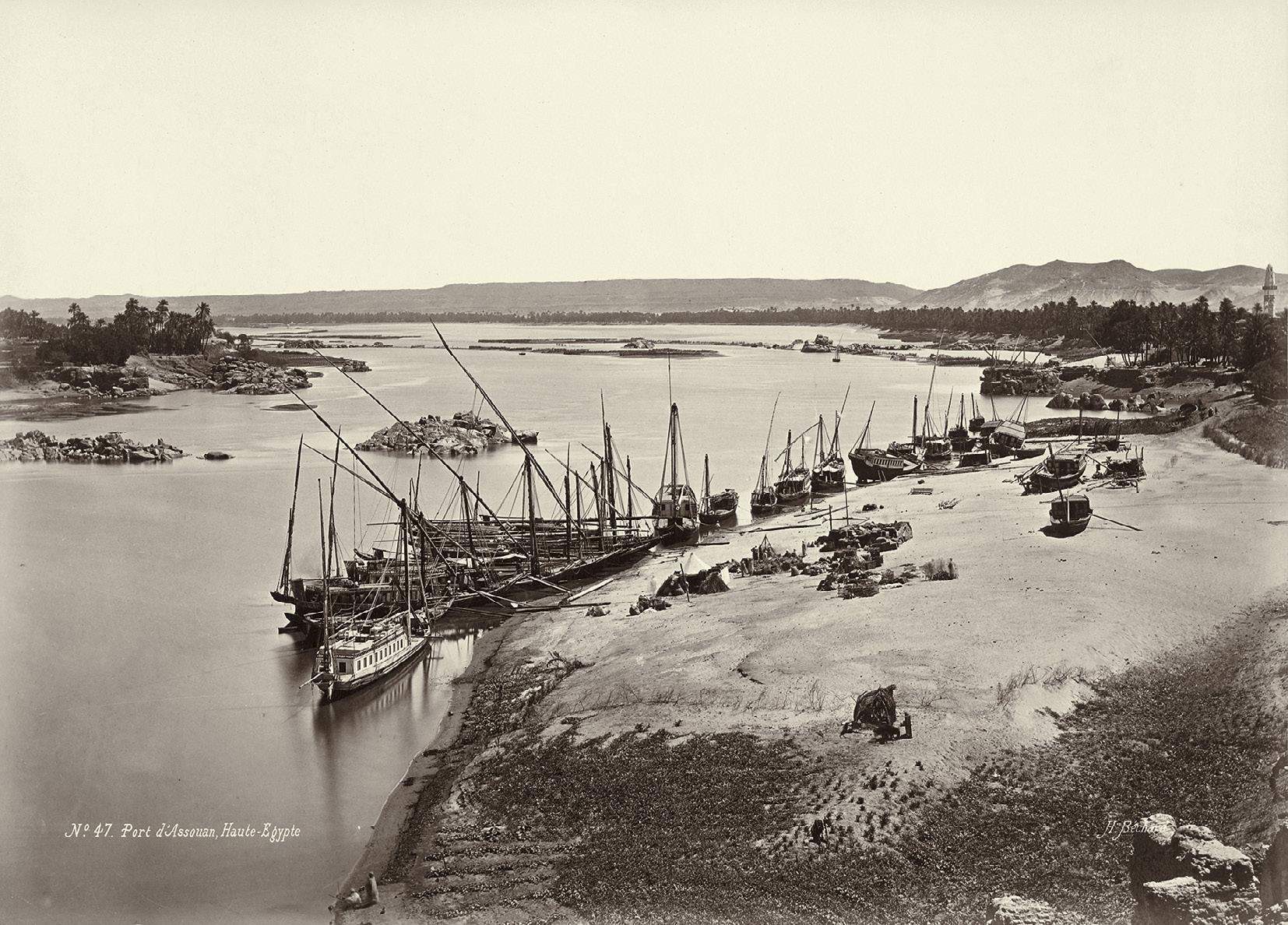
émile béchard
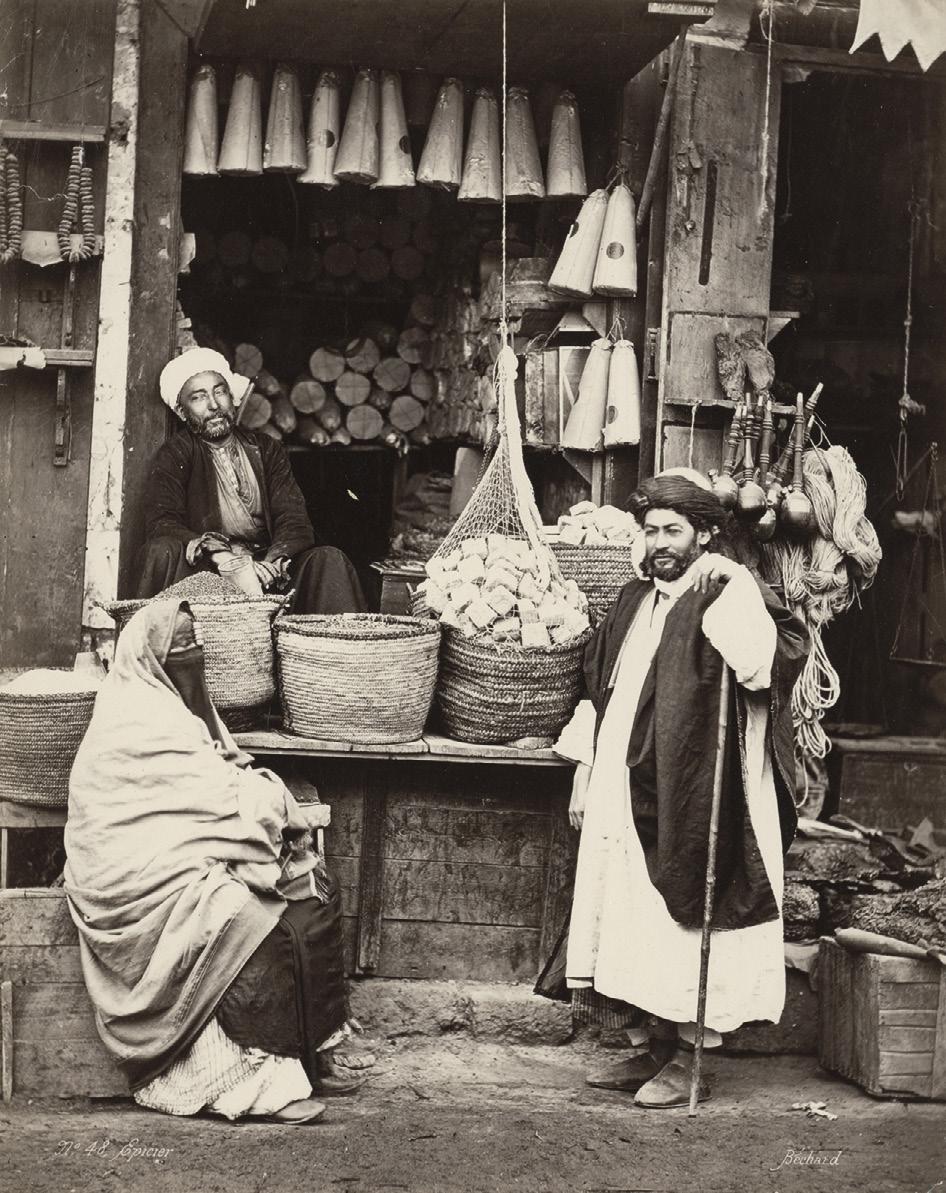
4018 Market and street scenes in Cairo, Thèbes and Port d‘Assouan. Mid-1870s. 5 albumen prints, mounted to card. Circa 27 x 21,5 cm and reverse. Each with photographer‘s name in lower right corner, as well as numbered and titled in lower right/left in the negative, collector‘s stamp „P. Reinhart-Sulzer, Winterthur“ in lower right corner on the mount.
800 €
The images in this group include an Arabian café, a market spice seller, women washing laundry, Thèbes and Port d‘Assouan. Lit.: Ken Jacobson. Odalisques and Arabesques: Orientalist Photography 1839-1925. London: Quaritch, 2007, see pp. 210-212.
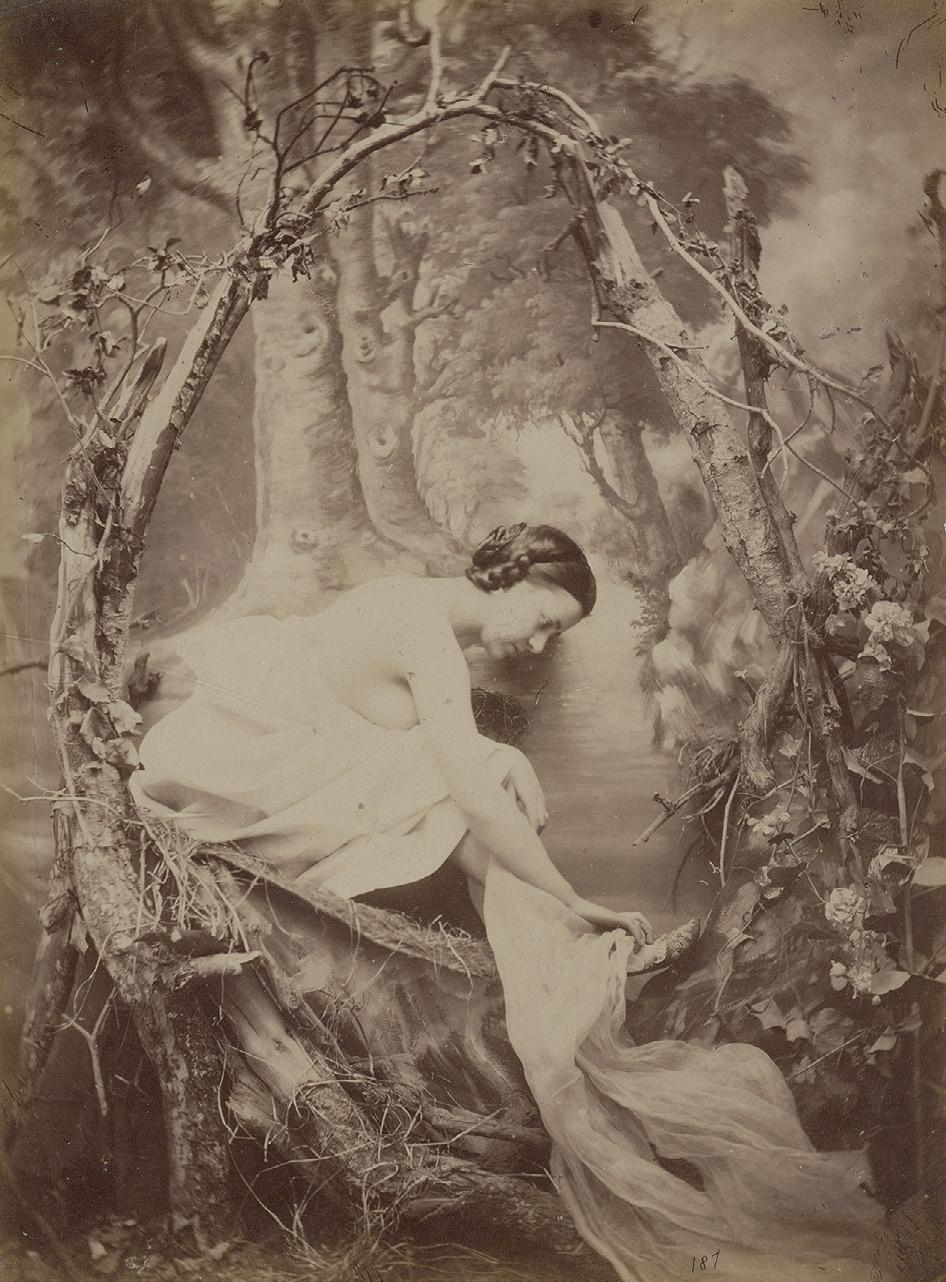
auguste belloc
4020 Female nude. 1850s. Albumen print. 20,2 x 14,8 cm. With number „187“ etched into the negative in the lower margin.
800 €
auguste belloc (1800–1867)
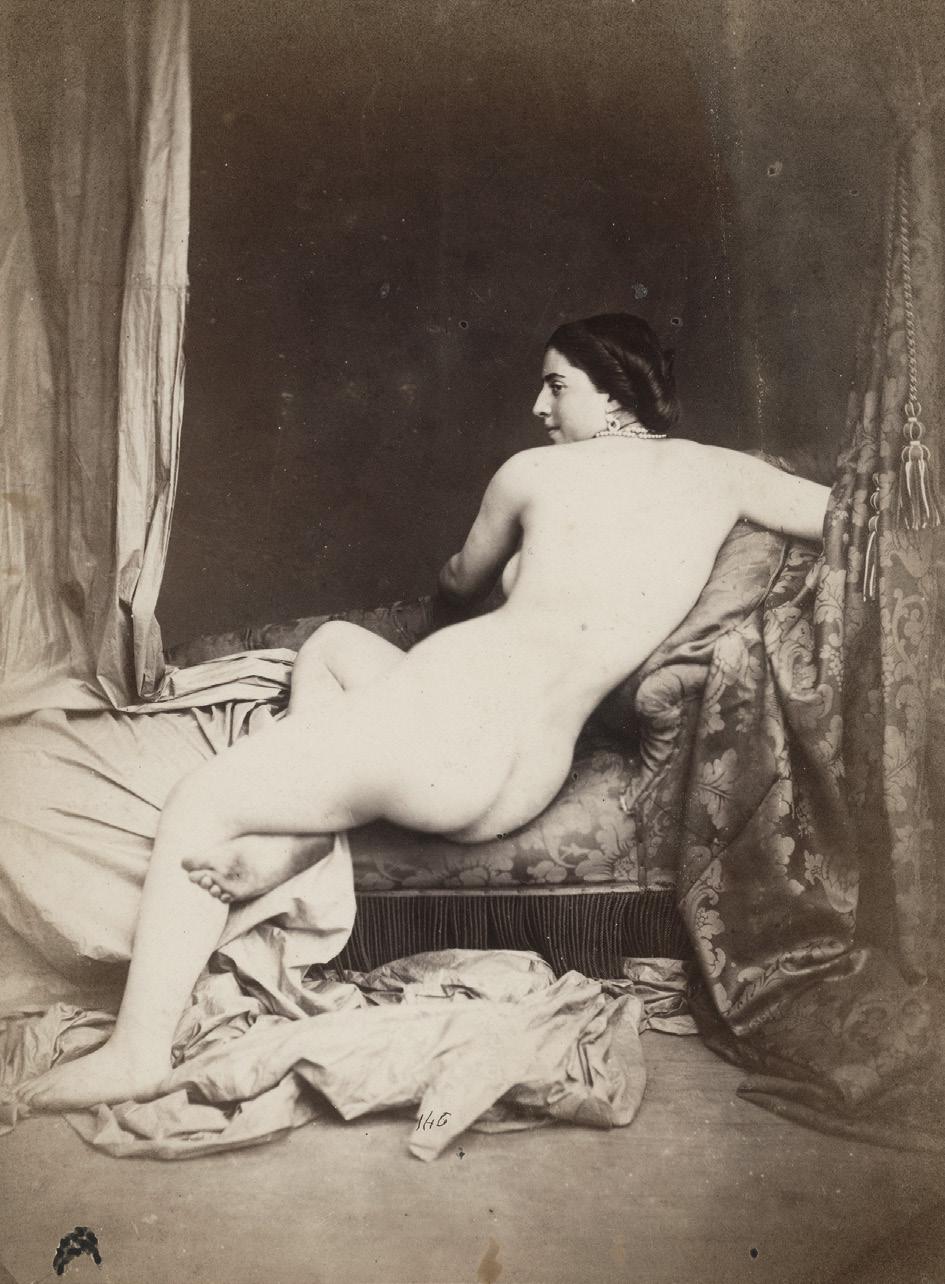
4019 Reclining Nude. Circa 1855. Albumen print, mounted to board. 19,9 x 14,7 cm (mount 21,3 x 16 cm). With the number “146” etched into the negative in the lower margin.
1.000 €
Auguste Belloc, initially trained as a painter of miniatures and watercolors, turned to photography in the early 1850s, where he distinguished himself in daguerreotype practice and contributed to early experiments in color stereoscopy. He later became known for his carefully staged nude studies, which combine academic tradition with photographic precision. His work is now held in major public collections, including the Museum of Modern Art, the Metropolitan Museum of Art, the Musée d’Orsay, and the Museum of Fine Arts Boston.
bisson frères
(Louis Auguste, 1814–1876 & August Rosalie, 1826–1900)
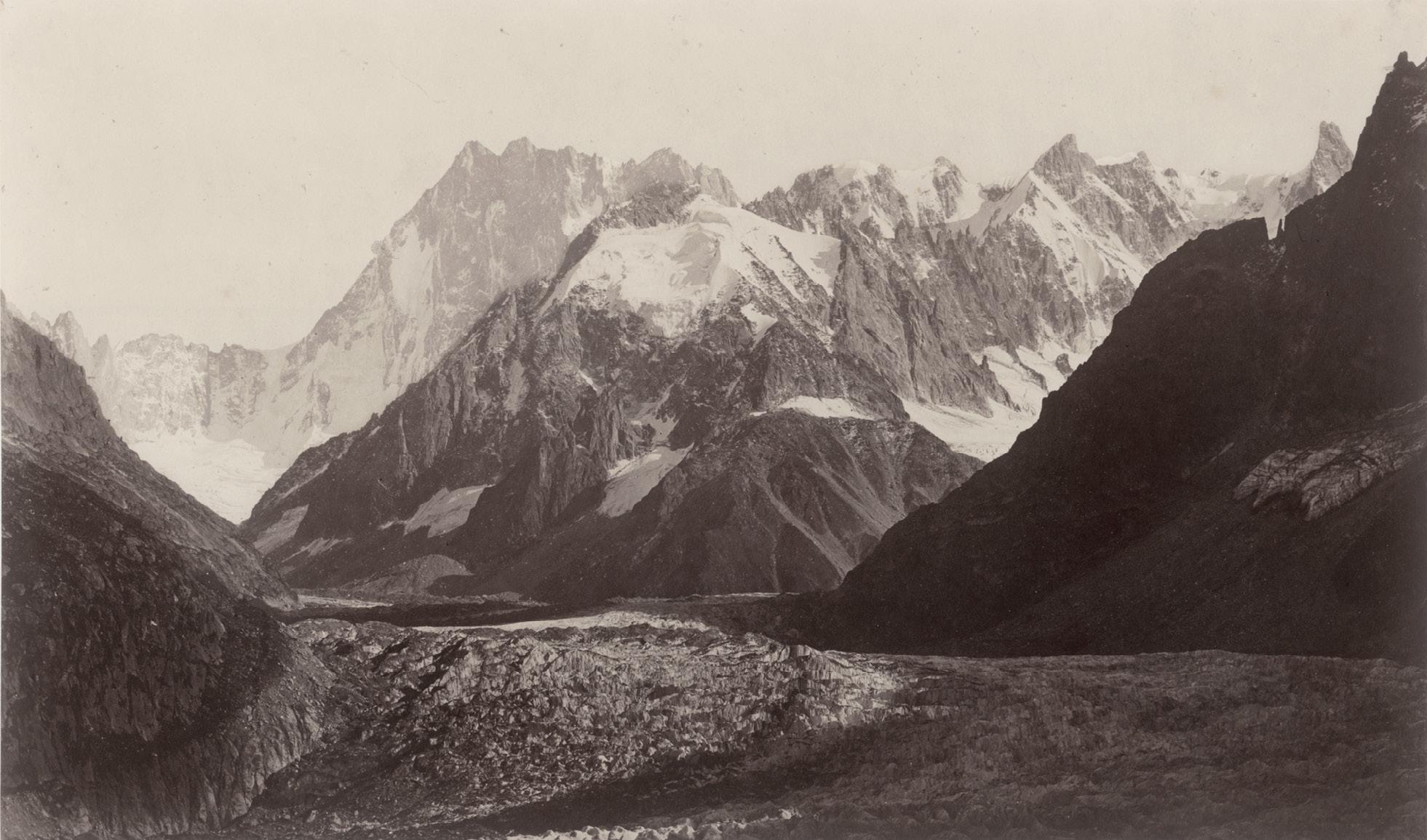
4021 View of the Mer de Glace glacier, Mont Blanc massif. 1860. Large-format albumen print, mounted to card. 23,4 x 39,5 cm (mount 40,6 x 55,5 cm). With the photographers‘ studio stamp in red ink below the image on the mount.
1.200 €
This photograph belongs to the celebrated Alpine campaign undertaken by Bisson Frères in the late 1850s and early 1860s, among the earliest sustained efforts to photograph the high Alps at extreme altitude. Depicting the Mer de Glace glacier framed by the jagged peaks of the Mont Blanc massif, the image emphasizes the vast scale and geological drama of the glacial landscape. Characteristic of the Bissons’ work, it combines topographical precision with a Romantic sensibility, playing a key role in establishing mountain photography as both scientific record and aesthetic expression.

georg böttger (1821–1902)
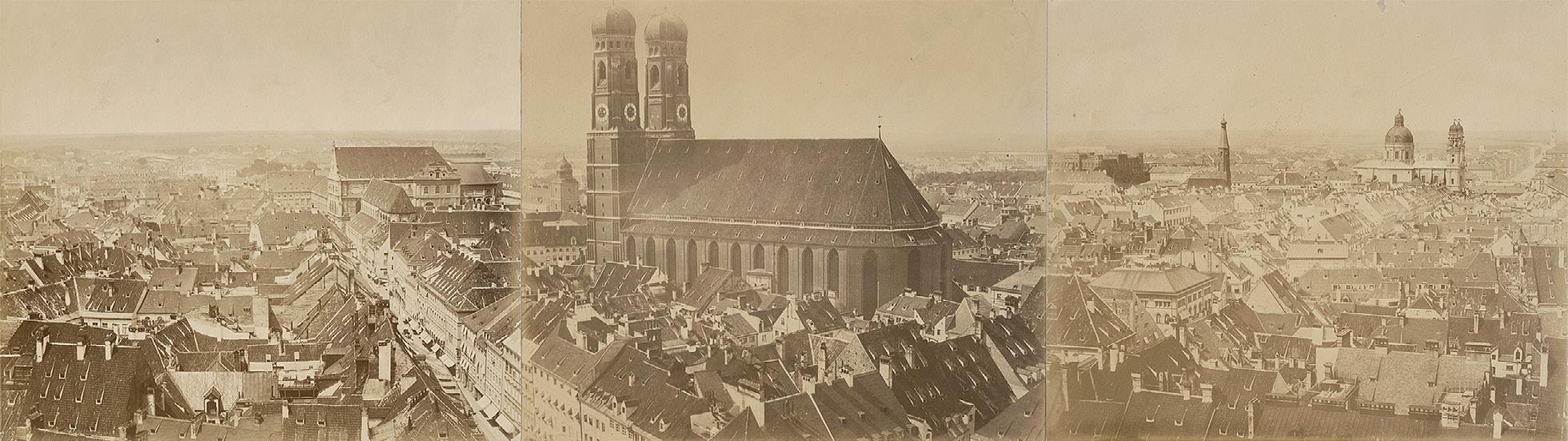
4022 Panorama von München. 1858. 11 albumen prints, mounted to linen-backed cards as a leporello. Each ca. 34 x 40 cm (overall ca. 34 x 440 cm). The middle 3 prints with “Panorama der K. Haupt- und ResidenzStadt München. Aufgenommen in der Vogelperspective vom Sct. Petersthurme aus, zur Zeit des 700 jährigen Jubilaeums 1858” printed below the image on the mount. Loose in a full-leather folder with embossed decorative ornament and gilt-stamped title “Panorama von München” on the front cover.
6.000 €
This panorama of Munich, composed of eleven large-format albumen prints joined to form a 360-degree view of the city, is among the most technically ambitious photographic achievements of German 19th-century photography. Taken in 1858 from the St. Petersturm, it depicts the city in panoramic detail, providing a broad view of Munich. Extending over four meters when fully assembled, the panorama’s scale and the precision of its alignment represent a notable technical achievement of the period. Only one other example of this panorama is known, preserved at the Stadtmuseum Munich. Its rarity and scale, combined with its technical sophistication, underscore its significance as a landmark of 19th-century German photographic history.

georg böttger
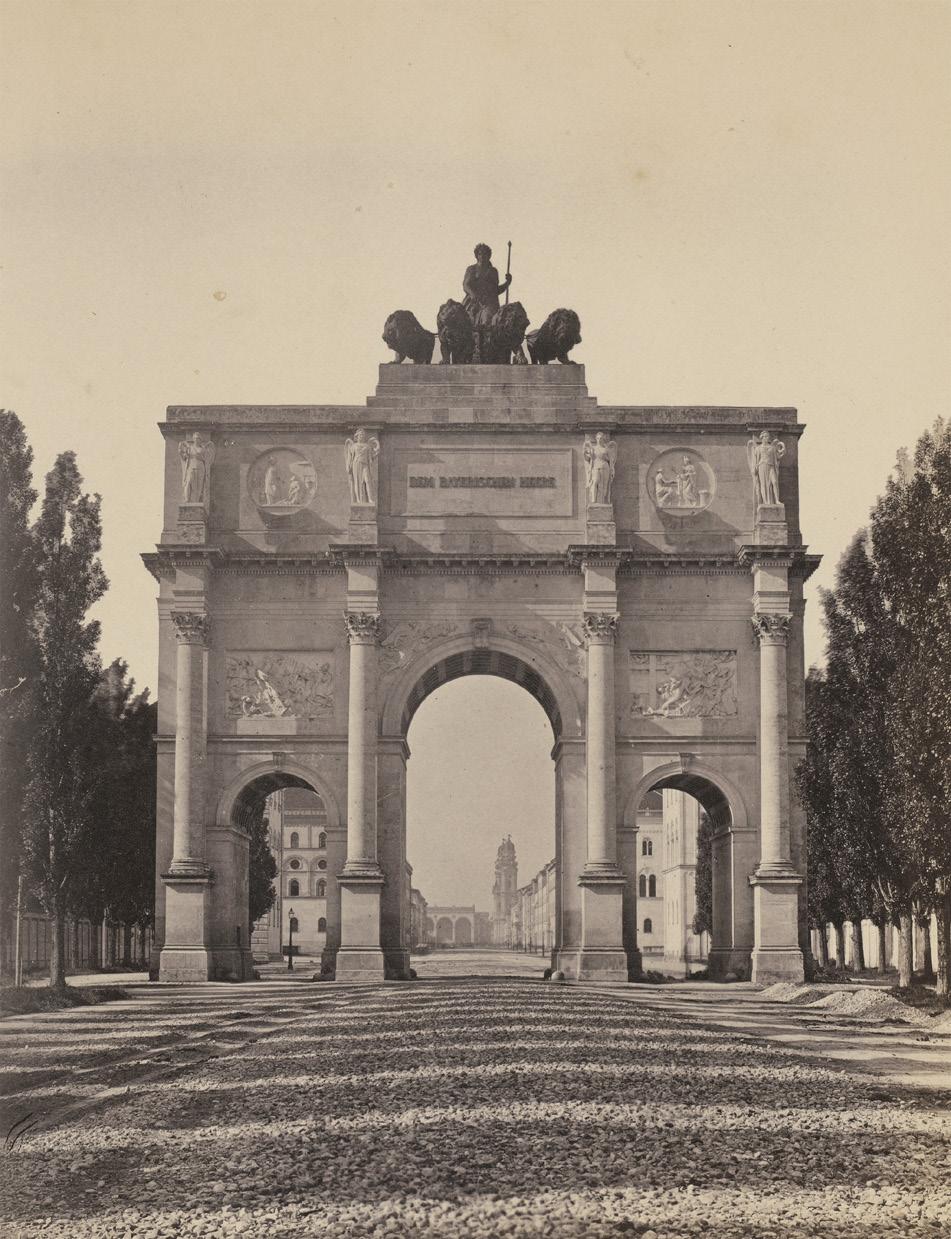
4023 Early views of Munich: General view with Maximilianstrasse / Siegesthor. 1850s. 2 albumen prints, mounted to board. 15 x 22,5 cm and 20,3 x 16 cm. Each with photographer‘s name and title printed below/above image on the mount.
750 €
Georg Böttger‘s attractive views of German cities such as Munich, Regensburg and Nuremberg as well as German monuments are among the rare examples of early German 19th century photography.
roland bonaparte (1858–1924)
4024 Kalmouks (from the series “Collection Anthropologique du Prince Roland Bonaparte”). 1883. 19 albumen prints, mounted to board. Each between ca. 14,5 x 9,8 and 11,5 x 17,5 cm or reverse (mounts ca. 24 x 18 cm or reverse). Each mount with number stamp and numbered in black ink in the upper left corner; “Collection Prince Roland Bonaparte” blindstamp embossed in the lower right corner of the mount, and the series title stamped below the image on the mount. Presented in original blue portfolio with decorative framing and gilt-embossed title, together with a loose table of contents.
1.000 €
Roland Bonaparte assembled the Collection Anthropologique du Prince Roland Bonaparte in the late 1880s as part of a largescale project to systematically photograph ethnic groups from around the world. Produced in collaboration with scientific institutions such as the Société d’Anthropologie de Paris, the series follows contemporary anthropometric conventions, presenting subjects in standardized frontal and profile poses against neutral backgrounds, often with stamped identifiers. Although depicting non-European populations, many photographs were taken
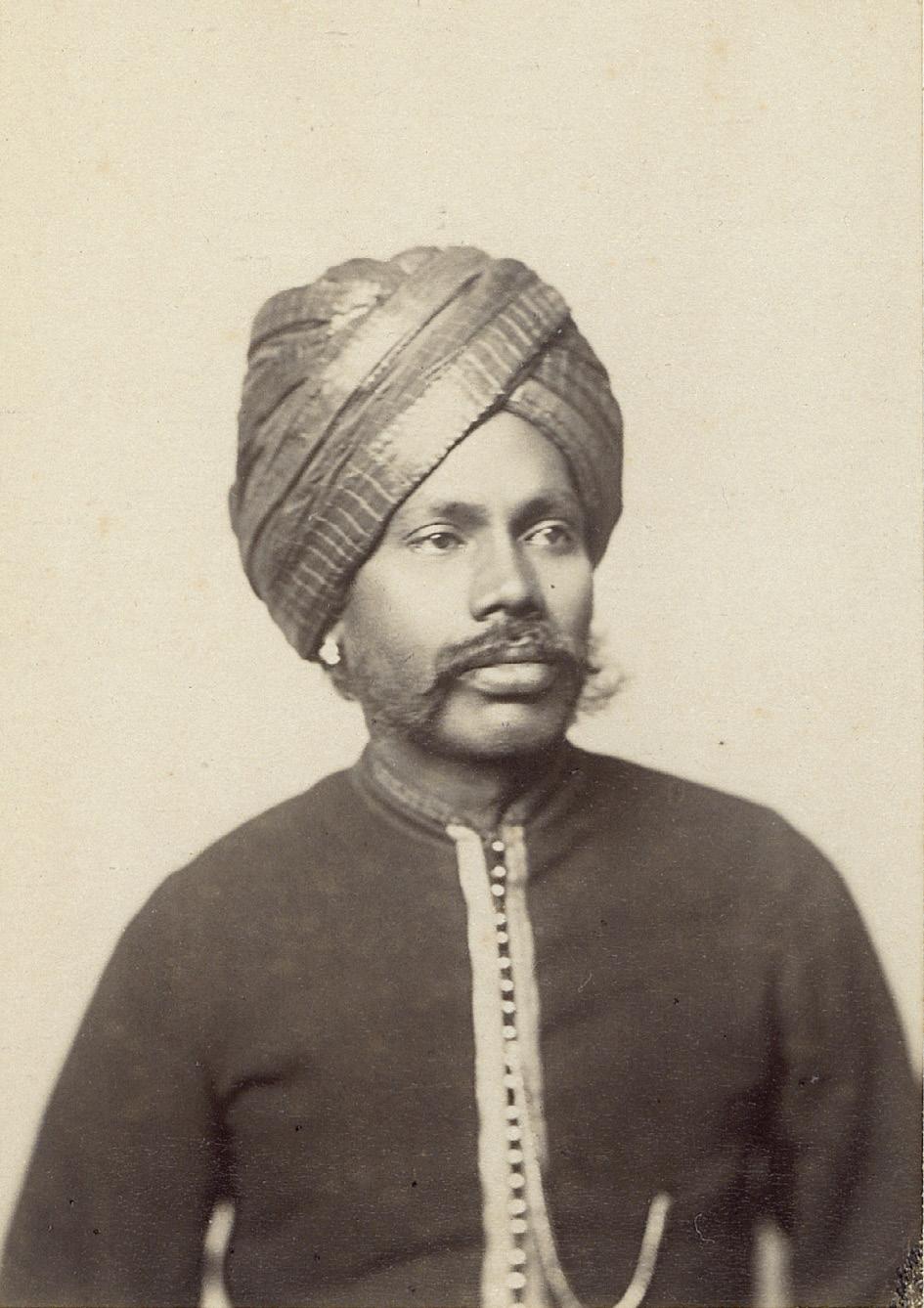
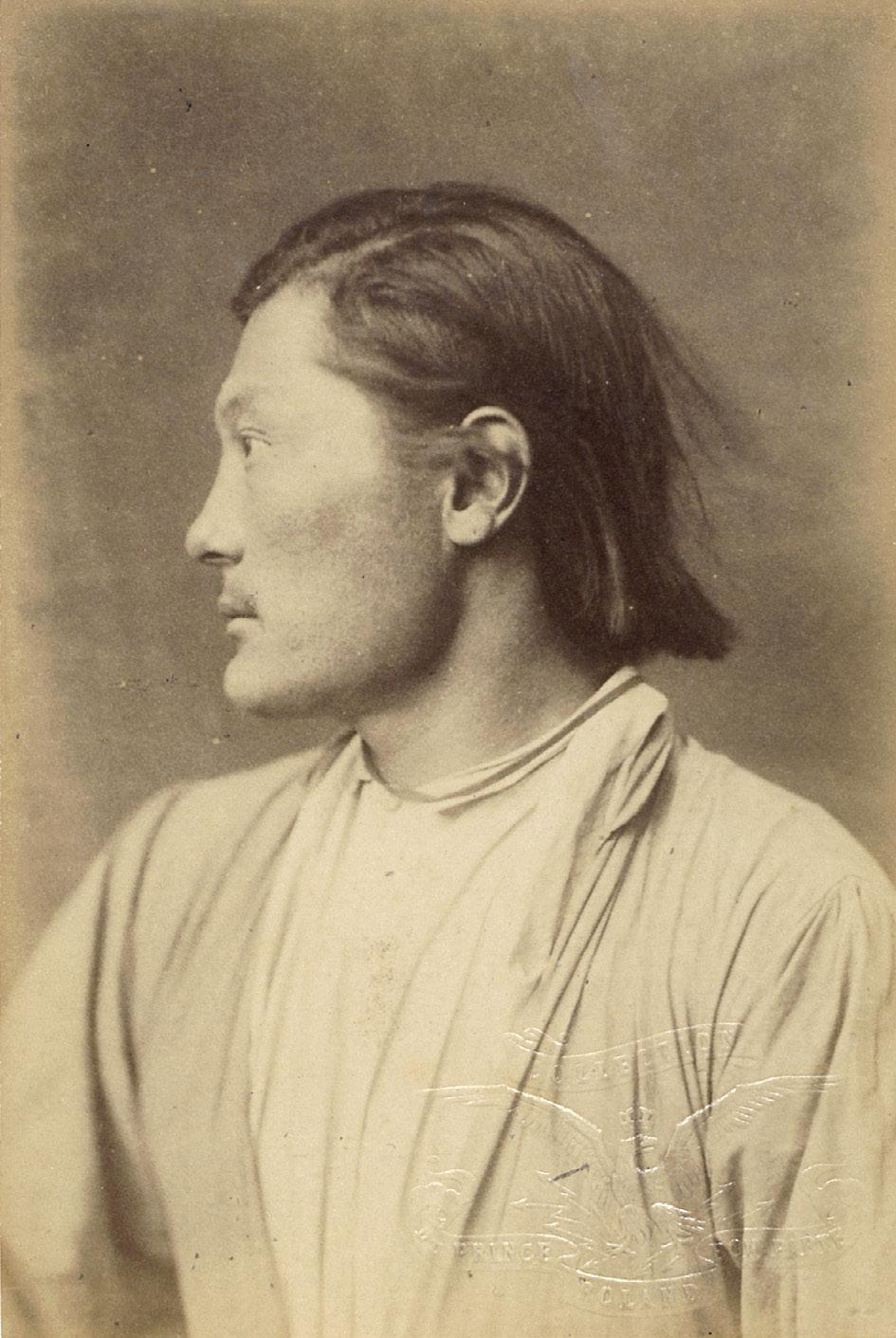
in Europe in the context of ethnographic exhibitions rather than in the subjects’ places of origin. The present group focuses on members of the Kalmyk (Oirat Mongol) population of southern Russia, emphasizing physiognomy, dress, and bodily typologies in line with the classificatory aims of late 19th-century anthropology.
4025 Hindous (from the series “Collection Anthropologique du Prince Roland Bonaparte”). 1883. 9 albumen prints, mounted to board. Each between ca. 14,8 x 9,8 and 20 x 14,4 cm (mounts ca. 31,5 x 40,8 cm). Each mount with number stamp and numbered in black ink in the upper right corner; the series title stamped below the image on the mount. Presented in original green portfolio with decorative framing and gilt-embossed title, together with a loose table of contents.
800 €
This series records named individuals identified as Hindu domestic servants, with each sitter listed by age and occupation in the accompanying table of contents.
roland bonaparte
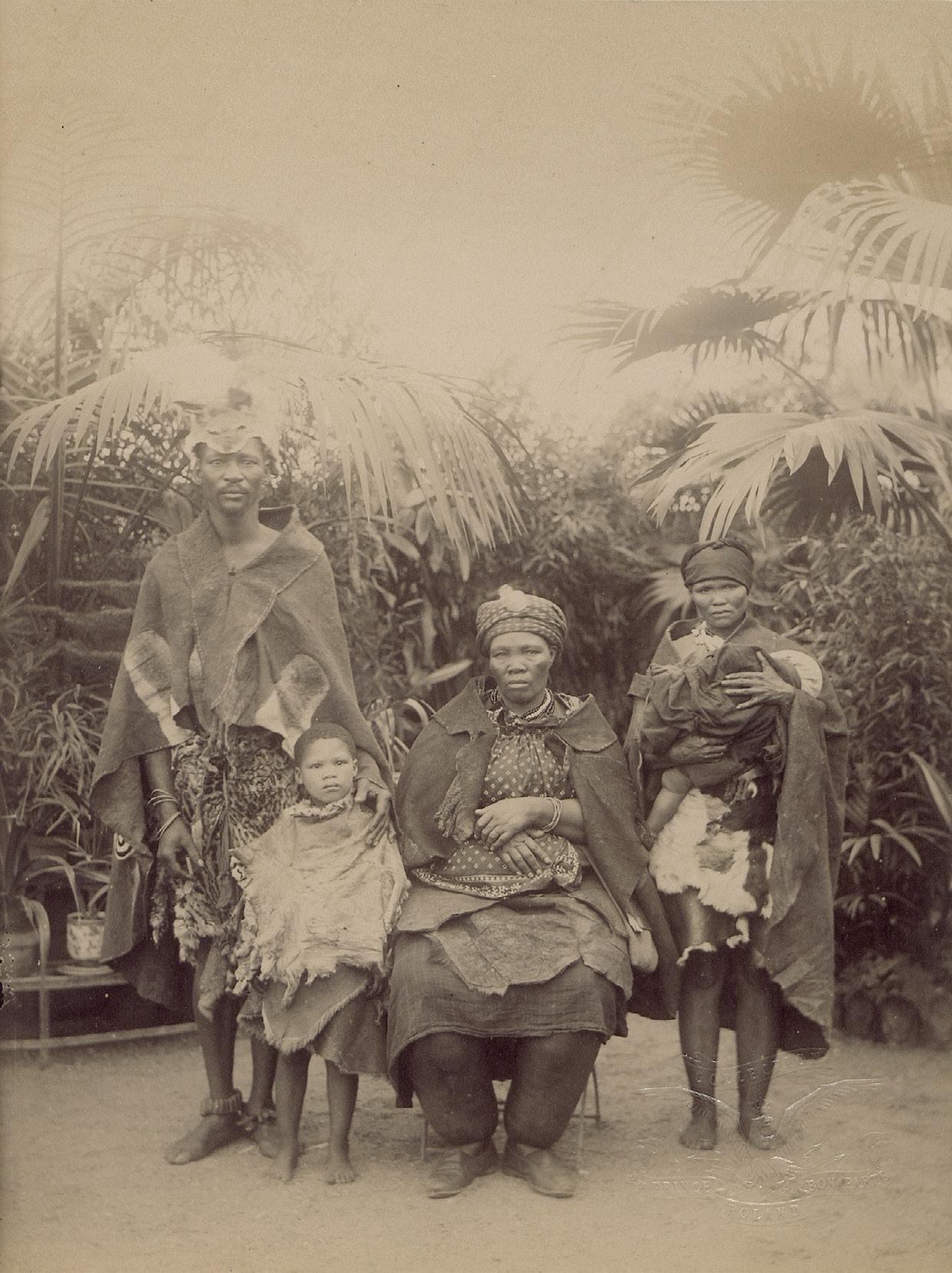
4026 Hottentots (from the series “Collection Anthropologique du Prince Roland Bonaparte”). 1883. 30 albumen prints, mounted to board. Each between ca. 19,5 x 9,5 and 23 x 17,5 cm or reverse (mounts ca. 31,5 x 41 cm or reverse). Each mount with number stamp in black ink in the upper left corner; “Collection Prince Roland Bonaparte” blindstamp embossed in the lower margin of the mount, and the series title stamped below the image on the mount. Presented in original turquoise portfolio with decorative framing and gilt-embossed title.
1.000 €
The photographs in this series depict men and women labeled “Hottentots,” a now-obsolete and derogatory term historically applied to Khoikhoi and related Khoisan-speaking peoples of southern Africa. Presented in standardized frontal, profile, and rear views, the images follow contemporary anthropometric conventions and reflect the racialized classificatory frameworks through which human bodies were recorded and interpreted in late 19th-century European anthropology.
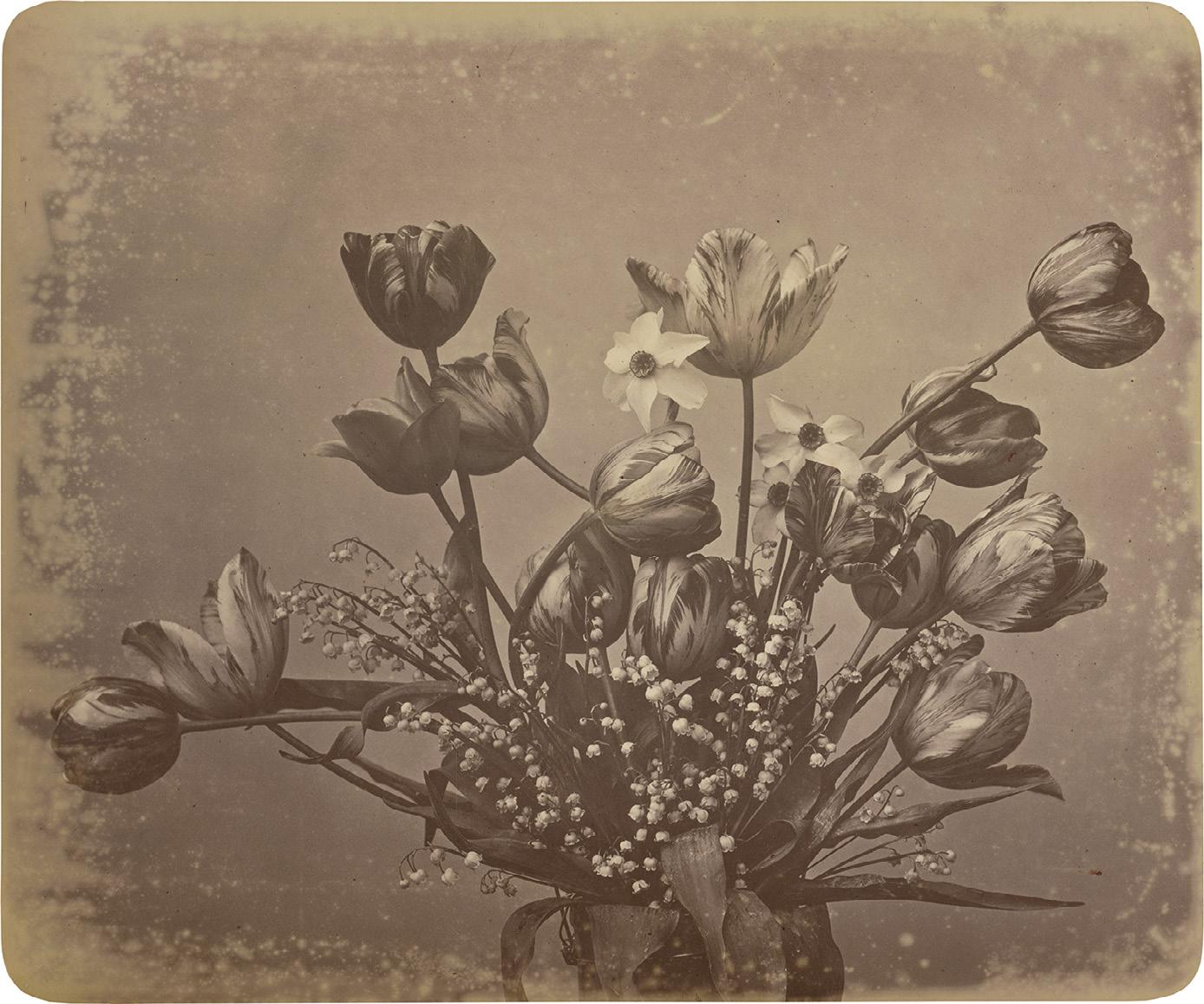
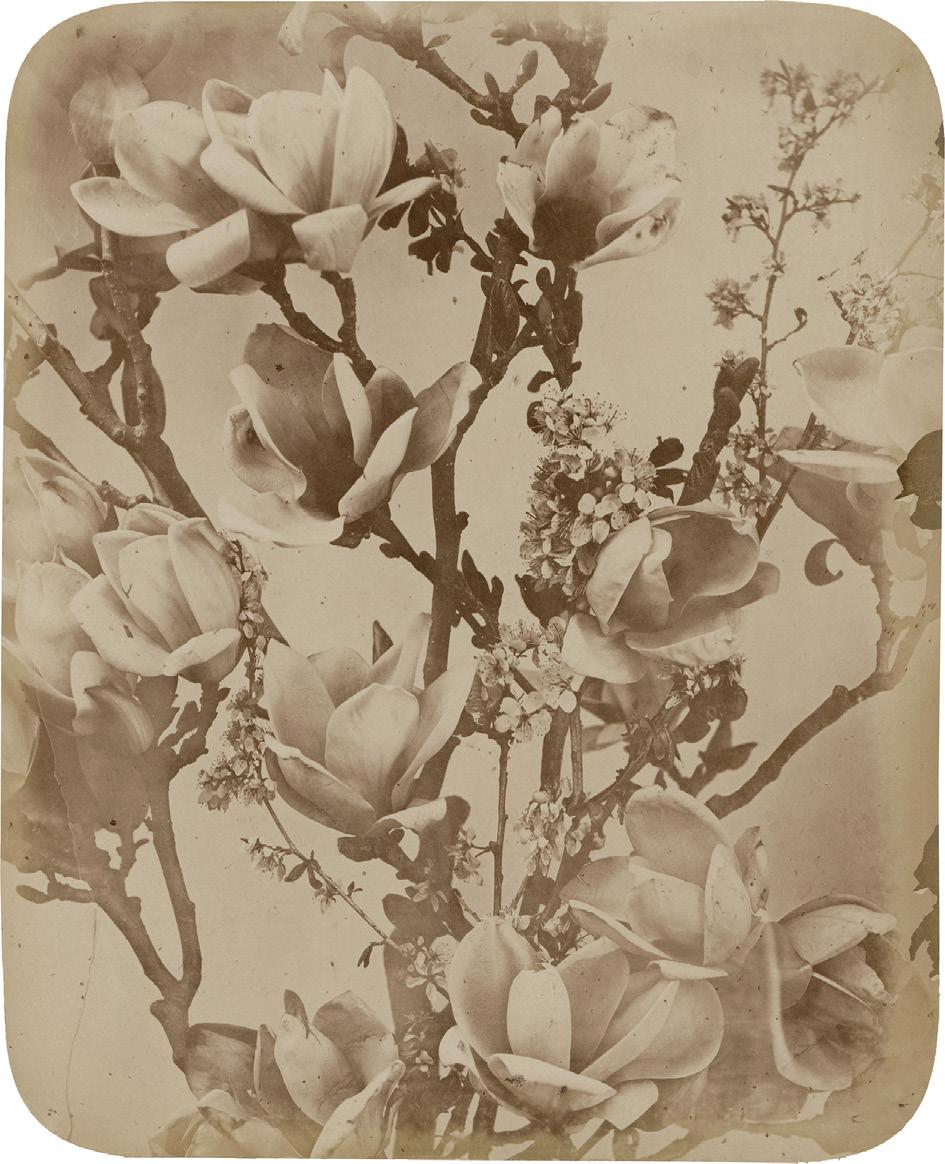
4027 Flower study. Ca. 1855. Varnished salted paper print, mounted to card. 37 x 44,5 cm (mount 45 x 54,5 cm).
750 €
Originally trained as a textile designer, Adolphe Braun turned to photography in 1853, initially producing detailed studies of flowers for his publication Fleurs photographiées, conceived as source material for wallpaper and fabric designs. The project was an immediate success, earning Braun a medal at the 1855 Exposition Universelle in Paris, and an album of the photographs was presented to Empress Eugénie. By the early 1860s, Braun had expanded his practice to include topographical views throughout Europe and, soon after, large-scale photographic reproductions of works of art, establishing his firm as one of the most important and prolific photographic publishing enterprises of the 19th century.
4028 Magnolia. Ca. 1855. Varnished salted paper print, mounted to card. 28 x 22,8 cm (mount 38,4 x 29,4 cm). Framed under glass in wooden frame.
600 €
braun et cie. (active 1847–1928)
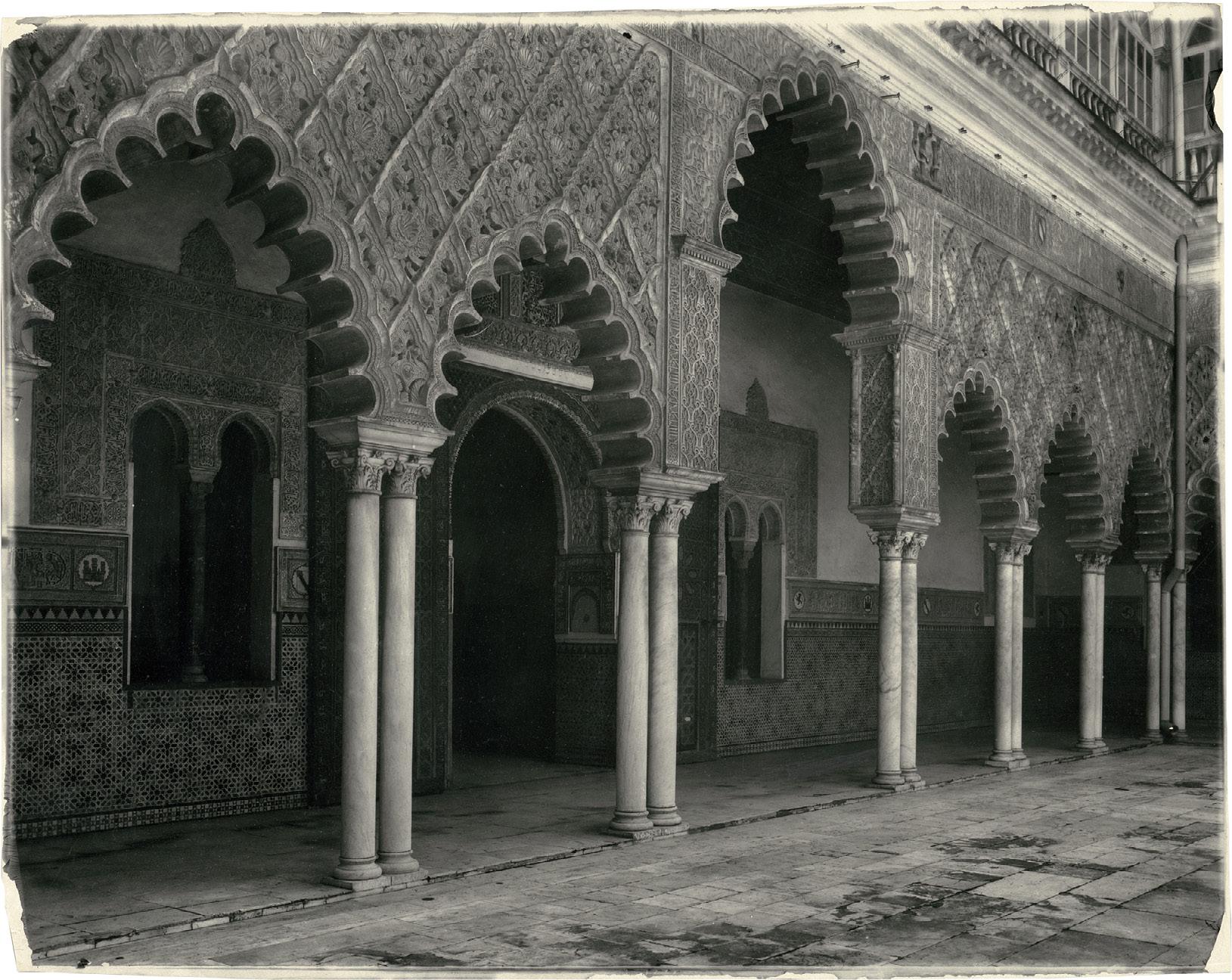
4029 View of the Alcázar, Sevilla. Circa 1890. Mammoth-plate carbon print. 38 x 48 cm.
1.200 €
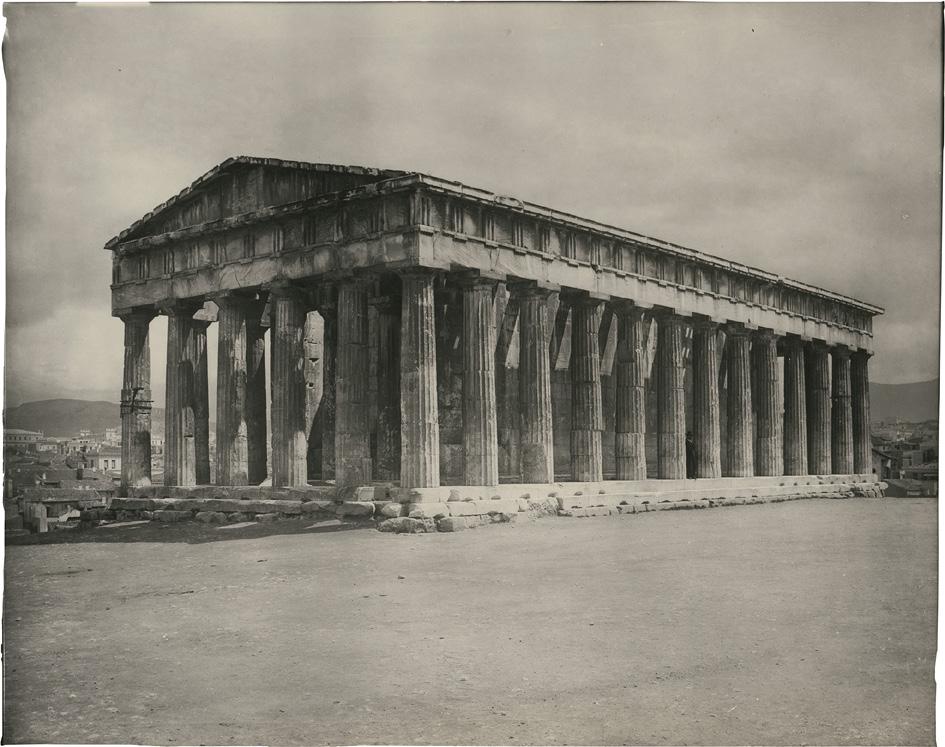
Following the death of Adolphe Braun in 1877, the firm of Braun et Cie developed into one of Europe’s leading art-photography publishers, working closely with major institutions to documen t paintings, sculpture, and architecture. Its photographs were produced in standardized formats for use in museum catalogues, educational albums, and scholarly study, significantly broadening access to works of art. Renowned for the exceptional quality and stability of its carbon prints, the firm also issued stereoscopic and panoramic views, reflecting a highly systematic and technically advanced approach to photographic production and distribution.
4030 View of the Parthenon. Circa 1890. Mammothplate carbon print. 38 x 48 cm.
1.200 €
british royal family
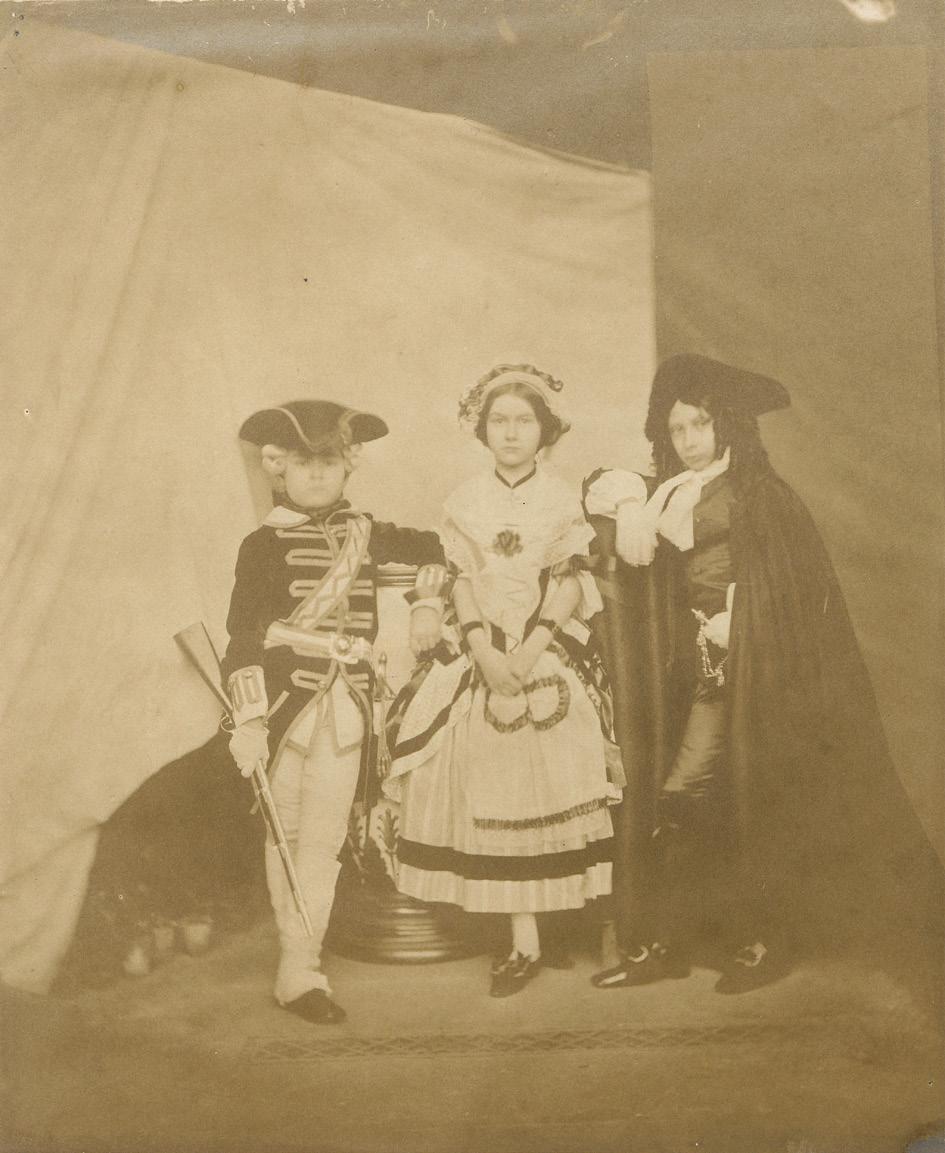
4031 Photographer: Roger Fenton (1819-1869). Les deux Petits Savoyards / Princesses Victoria and Alice wearing riding habits. January, 1854. 3 albumen prints, 2 mounted to board. 25,7 x 21 cm, 20 x 16,2 cm and 20,5 x 16,5 cm. Annotated in ink below the image on the mount.
1.000 €
These charming and rare images depict the British royal children Princess Helena and Princess Louise in fur-trimmed coats, as well as Albert Van de Weyer, Victoria Van de Weyer, and Prince Albert Edward (later King Edward VII) in costume for the play Les deux Petits Savoyards. The group also includes a portrait of Princesses Victoria and Alice wearing riding habits. Prints of these images are held in the Royal Collection Trust.
4032 Photographer: Roger Fenton (1819-1869). Prince Alfred and the Prince of Wales with Mr. Gibbs / Prince Alfred and the Prince of Wales with Dr. Ernst Becker / Prince Alfred with violin. February 1-8, 1854. 3 albumen prints, 2 mounted to board. 19 x 16,8 cm, 20,8 x 17,2 cm and 20,5 x 13,3 cm. Annotated in ink below the image on the mount.
1.000 €
Prints of these images are in the Royal Collection Trust.
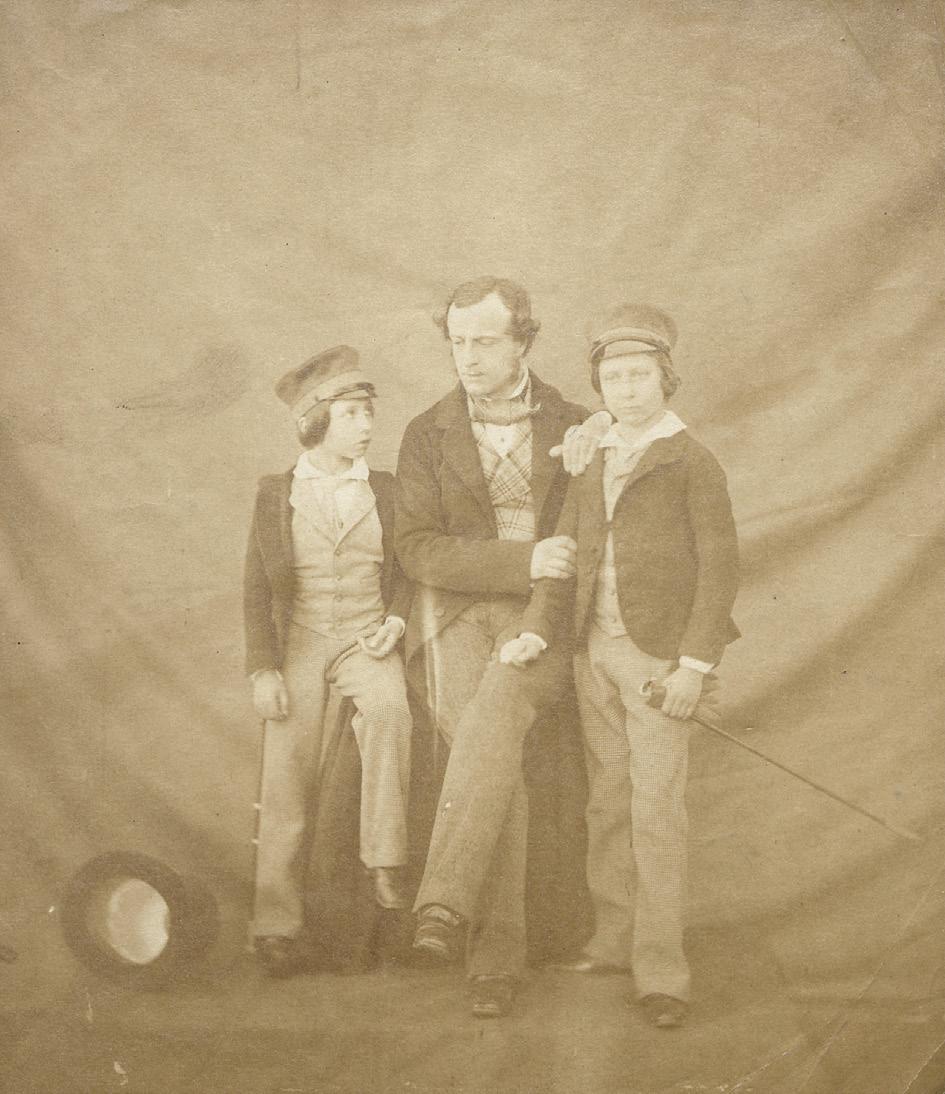
4033 Photographer: John Jabez Edwin Mayall (18131901). Portraits of Albert Edward, Prince of Wales, later King Edward VII (1841-1910). 1857, 1858, and ca.1860. 3 albumen prints, 2 top arched and mounted to board. Each circa 26 x 20,5 cm.
1.000 €
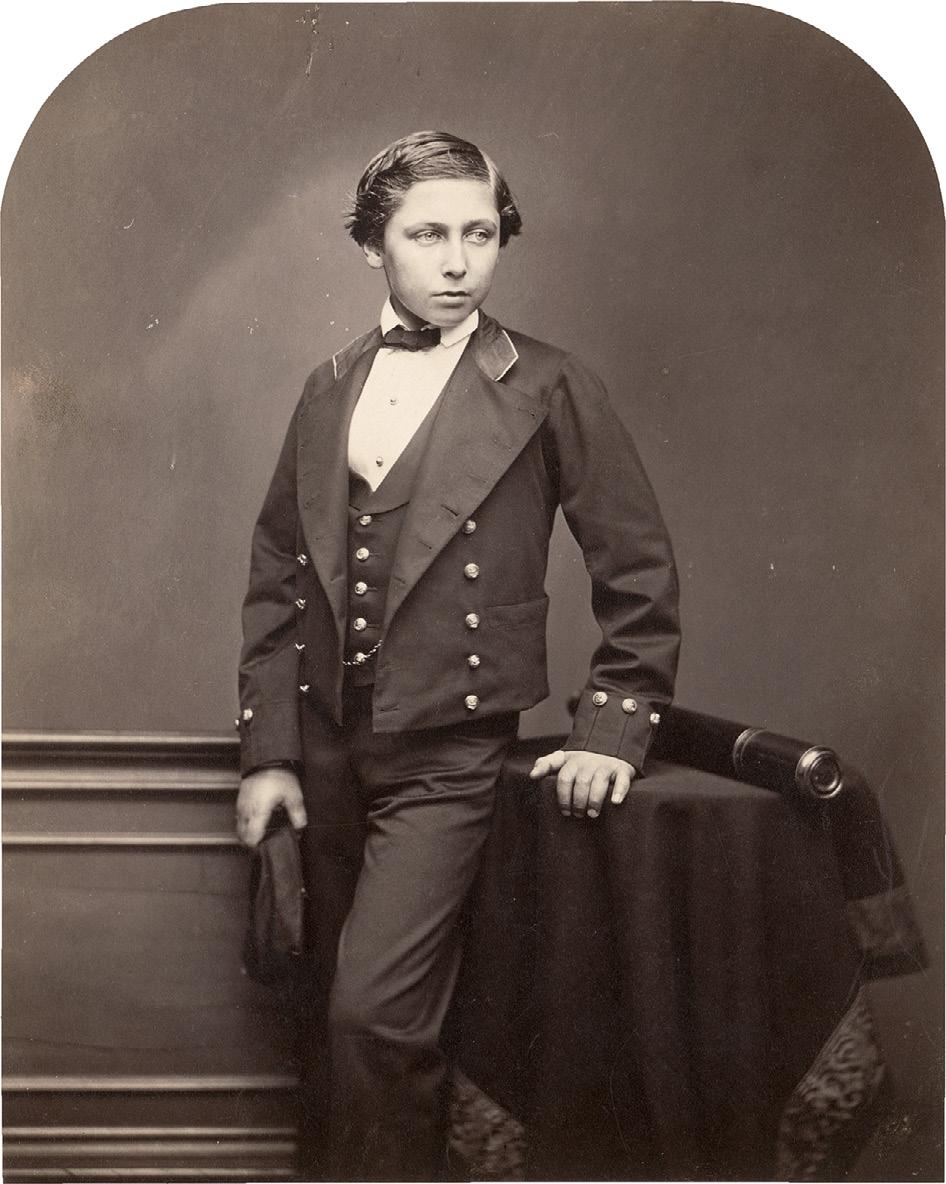
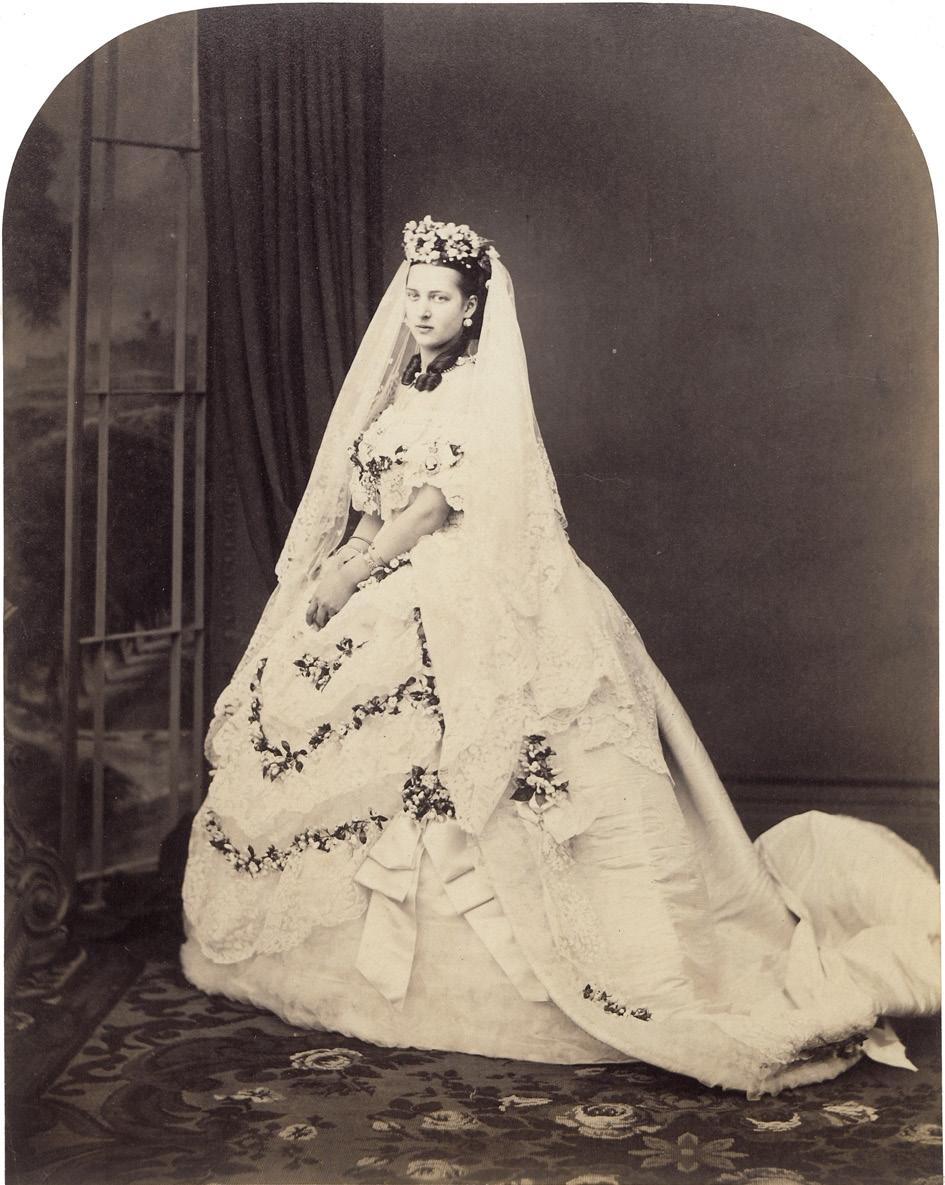
4034 Photographer: John Jabez Edwin Mayall (18131901). Princess Alexandra of Denmark in her wedding dress. 10th March, 1863. Albumen print, top arched and mounted to board. 26 x 20,5 cm. Annotated in ink below the image on the mount.
800 €
british royal family
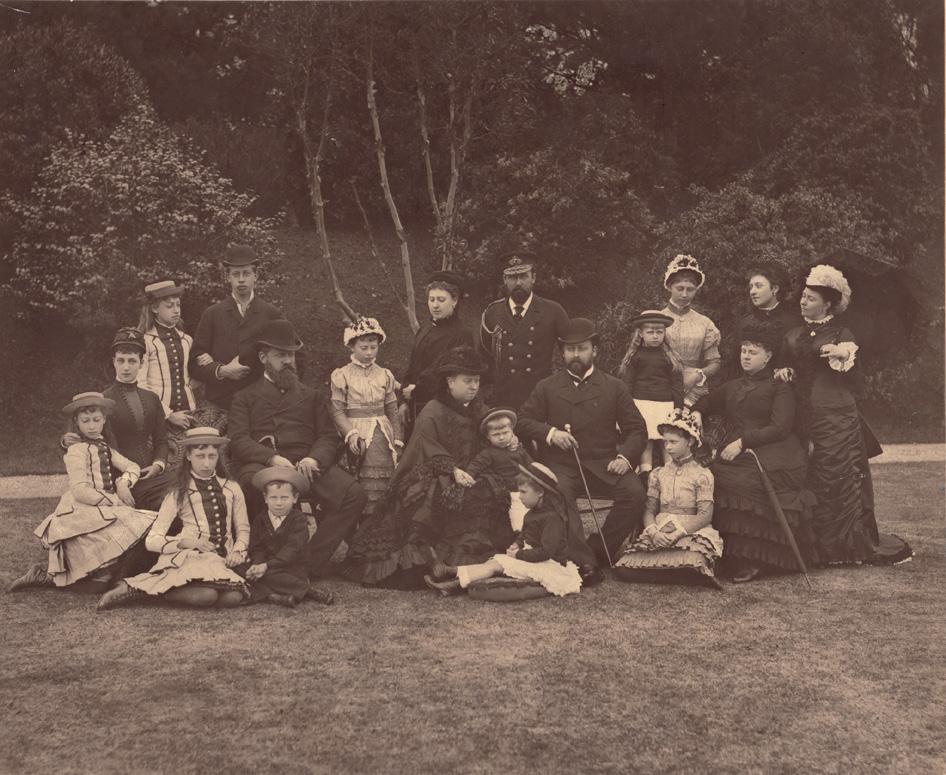
4035 Photographer: Cornelius Jabez Hughes (18191884). Queen Victoria and Royalty at Osborne, August 11, 1881. Albumen print, mounted to board. 19,7 x 23,8 cm. Photographer‘s name printed and sitter‘s names annotated in ink below the image on the mount.
500 €
Born in England in 1819, Hughes began his photographic career in 1847 as an assistant in the studio of J.J.E. Mayall in London. After briefly working in Glasgow, he returned to London in 1855 to assume ownership of Mayall‘s studio. Hughes later built his own studio on the Isle of Wight, where he often photographed Queen Victoria. Toward the end of his life he teamed up with his assistant, Gustav Mullins, to form a new partnership, Hughes & Mullins. Hughes was popular both as a portrait photographer and as a writer on the subject of photography.
burma
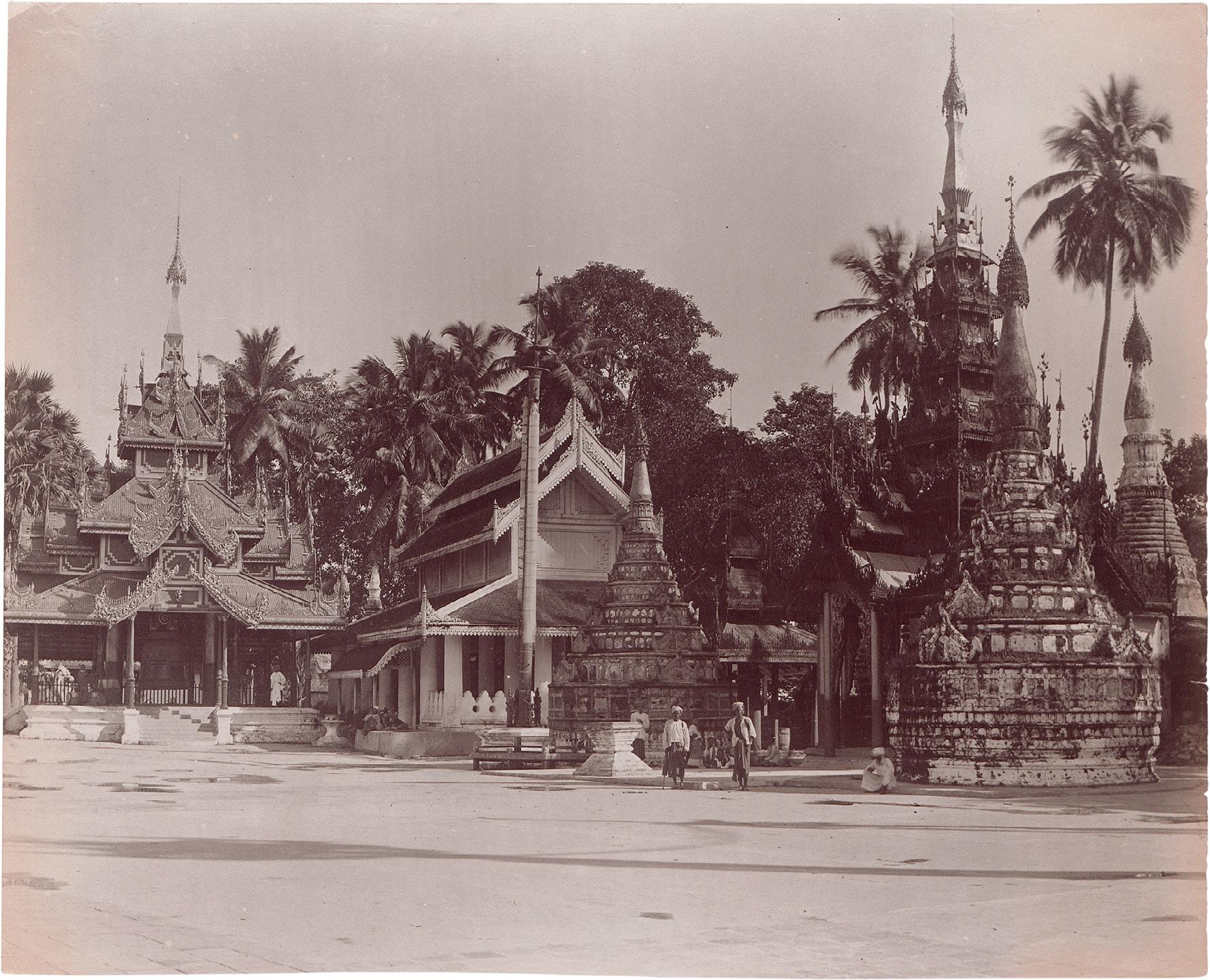
4036 Photographers: Felice Beato (1832-1909), Philip Adolphe Klier (1845-1911), and others. Views of Rangoon. Late 1880s-early 1890s. 30 albumen prints, mounted to album pages. Each ca. 21,5 x 27,5 cm or reverse (mounts ca. 30 x 40 cm). Each annotated in blue ink below the image on the mount. Bound in green half-leather album with gilt tooling and giltornamented endpapers.
1.200 €
The album presents views of Rangoon and its surroundings, including temple complexes with multi-tiered pagodas, monasteries, and devotional scenes with monks and pilgrims. Other photographs depict urban and commercial life, such as market scenes, river transport on the Irrawaddy, and elephants hauling timber. Ethnographic portraits and group scenes of Burmese families and townspeople further illustrate local dress and everyday life, including a large group portrait posed before a traditional raised wooden residence.
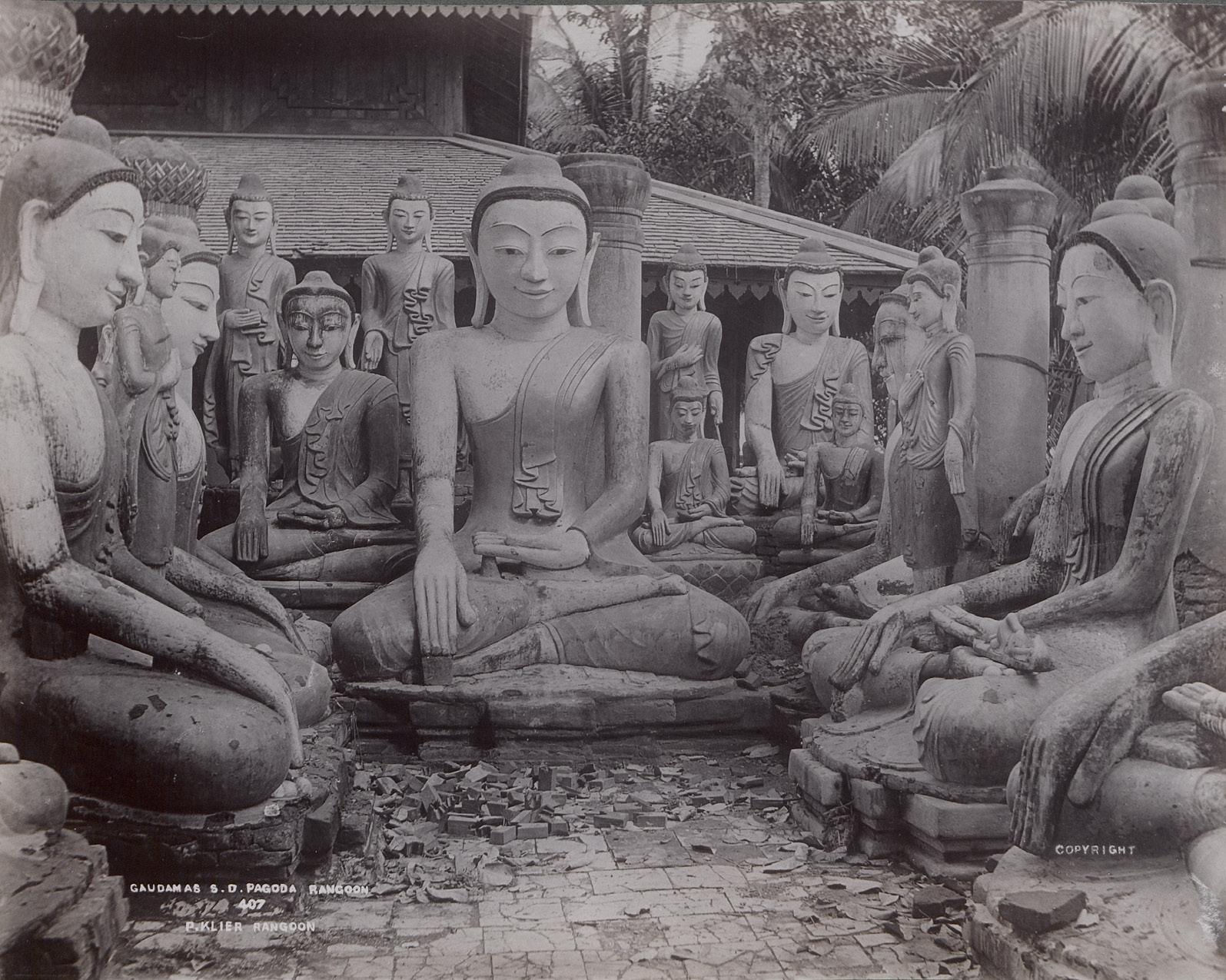
4037 Photographer: Philip Adolphe Klier (1845-1911). Views of Rangoon. 1880s. 12 albumen prints (1 duplicate), most mounted to board. Each between 19,5 x 26,5 cm and 20,5 x 26,8 cm or reverse (mounts between 27 x 34 cm and 29,5 x 40,5 cm or reverse). Each signed, titled, and numbered in the negative in the lower margin.
600 €
This lot comprises a range of views of Rangoon, including landscape scenes in the Cantonment Gardens with ponds, bridges, garden pavilions, and surrounding trees, as well as the Shwedagon Pagoda and its precincts, showing terraces, stairways, stupas, and shrine buildings, with groups of monks and laypeople visible within the temple complex.
wilhelm busch (1832–1906)
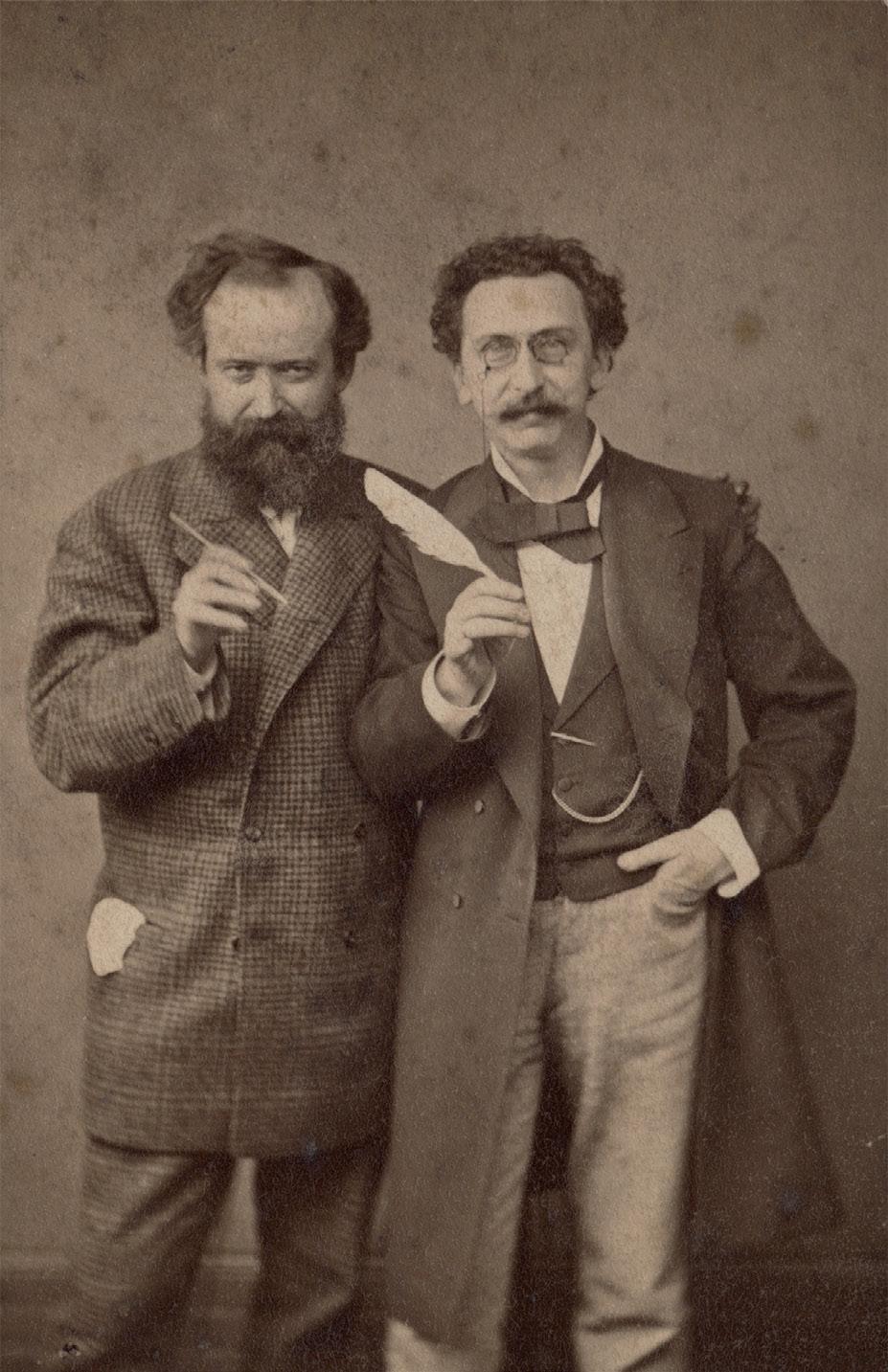
4038 Photographer: Ernst Hanfstaengel (1840-1897). Wilhelm Busch and Paul Lindau. 1877. Albumen print on carte-de-visite mount. Annotated in pencil on mount verso.
600 €
Wilhelm Busch and Paul Lindau became acquainted in Munich after 1873 through the artists’ society “Allotria,” whose members included Franz von Lenbach, Friedrich August von Kaulbach, Lorenz Gedon, and Hermann Levi. Lindau, who held Busch in particularly high esteem, sought a closer personal and artistic relationship. A prominent editor, playwright, and theater director, Lindau achieved success in the 1870s with his stage works - most notably Maria und Magdalena - and later reached a wide readership with his “Berlin” novel cycle (1886-88) and travel writings. The present image originates from the same photographic sitting that also produced the circular composition The Three Graces, depicting Lenbach, Busch, and Lindau together.
ceylon
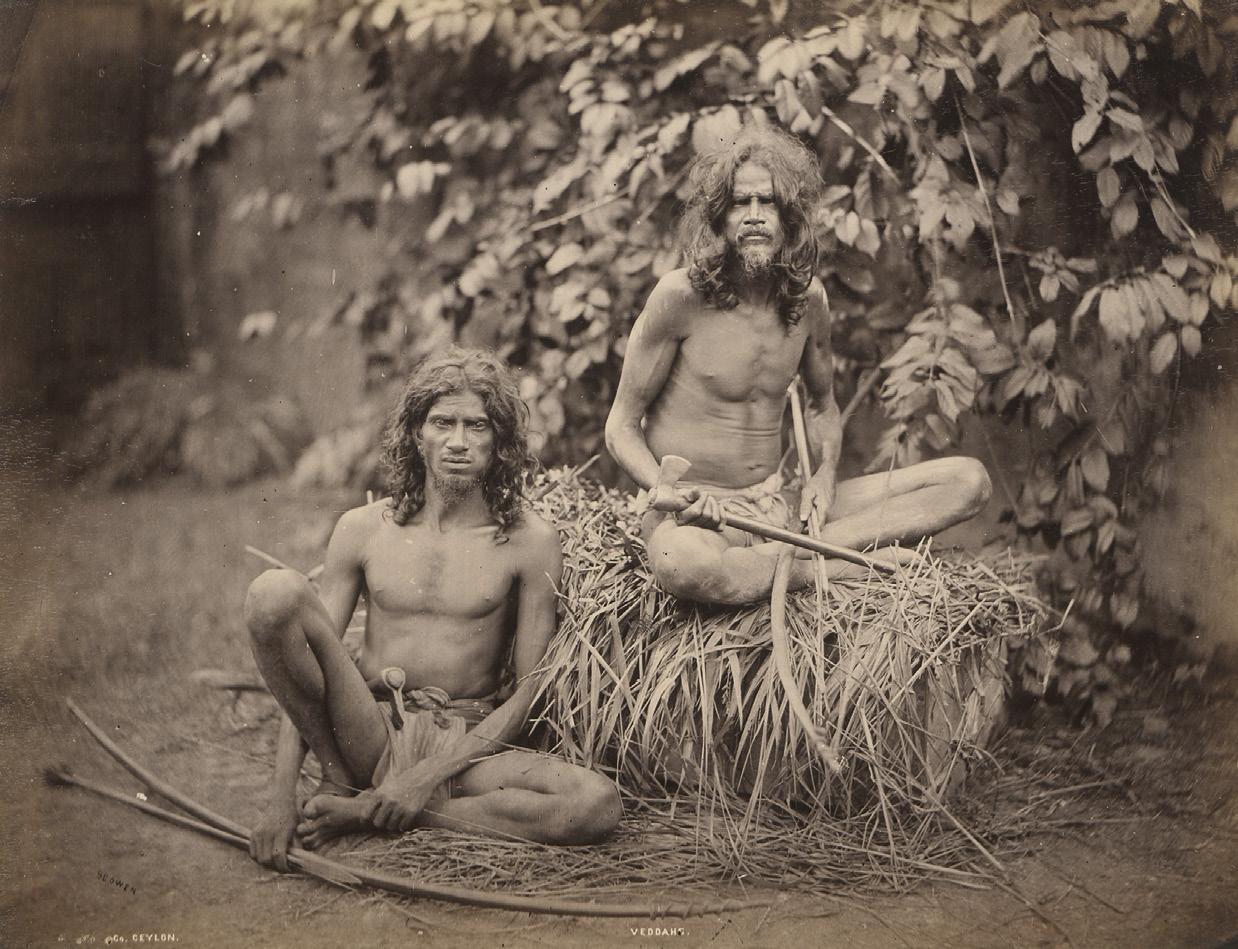
4039 Photographers: Scowen & Co. (active 18711890). People and landscapes of Ceylon. 1880s. 4 albumen prints, mounted to board. Each ca. 21 x 28 cm (mounts ca. 28 x 33 cm). Each numbered and titled in the negative in lower right corner.
500 €
This lot comprises late-19th-century photographs from colonial Ceylon (Sri Lanka), including a staged portrait of Vedda men, street scenes in Colombo (Colpetty and Maradana), and a view of the Dalada Maligawa (Temple of the Tooth) in Kandy.
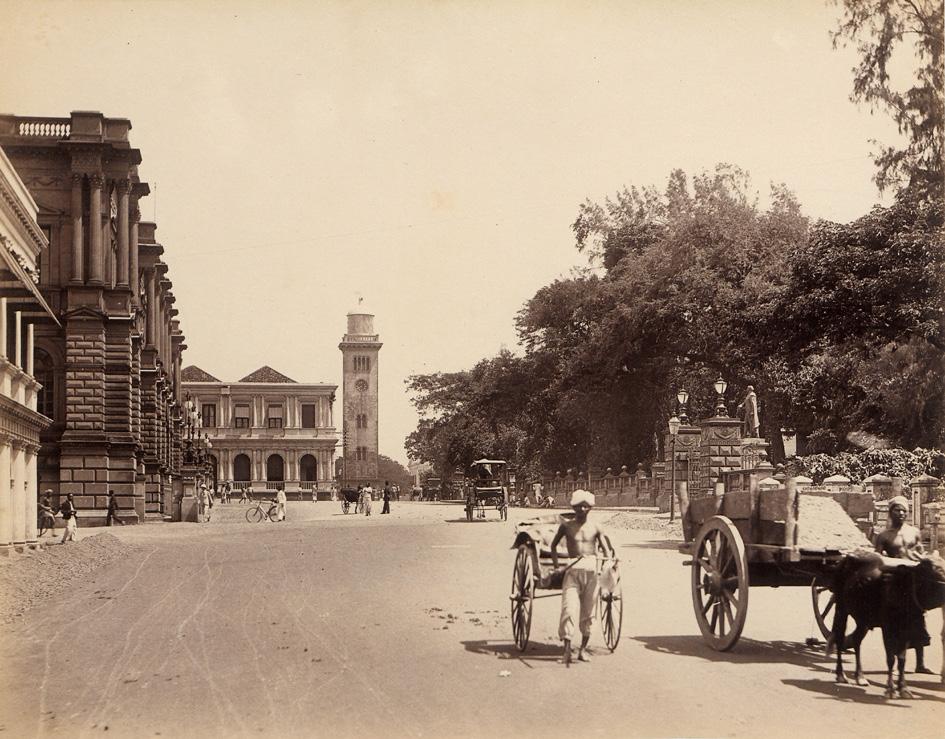
4040 Photographers: Scowen & Co. (1871-1890) and unknown. Views of Ceylon. 1880s-1890s. 9 albumen and 4 collodion prints, mounted to board. Each between 20 x 26 cm and 20,5 x 28 cm (mounts between 25 x 30,5 cm and 28,5 x 36 cm). Some numbered and titled in the negative in lower margin.
750 €
This selection of photographs presents urban and coastal scenes from late 19th-century Ceylon, focusing on Colombo and Galle. The images depict markets, village streets, coastal infrastructure, and landmarks such as the Colombo Lighthouse, Gordon Gardens, and the Port of Colombo. Colonial buildings appear alongside palm-lined roads, bullock carts, street vendors, and early electric trams, offering a layered view of a society shaped by local traditions and British colonial influence.
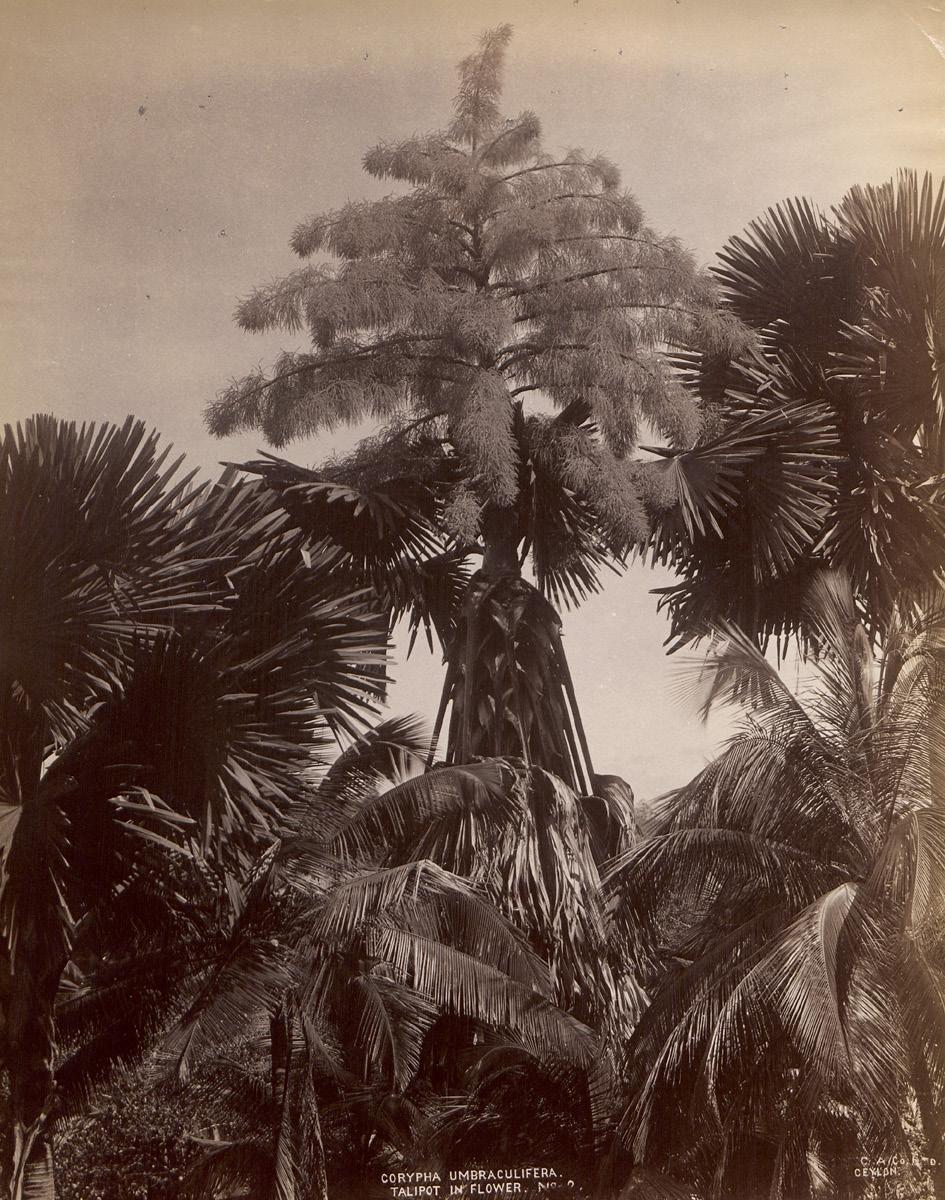
4041 Photographer: Colombo Apothecaries Company (active 1883-late 1920s). Botanical studies. 1880s. 6 albumen prints. Each ca. 28 x 21 cm. Most signed and captioned in the negative in lower margin as well as some with „Apothecaries & Co. - PhotographersColombo, Ceylon“ blind stamp in lower right corner; annotations in pencil as well as „Dr. Arthur Berger“ collection stamp on the verso.
300 €
This collection comprises botanical photographs produced by C. A. & Co., also known as the Colombo Apothecaries Company, a mercantile firm established in Colombo, Ceylon in 1883, by W.M. Smith and James Smith Finlay. The company expanded into photography by the early 1890s. They acquired the negatives of Charles T. Scowen & Co. and relocated their studio to Kandy with its favorable climate for photographic work. Provenance: Estate of Dr. Arthur Berger
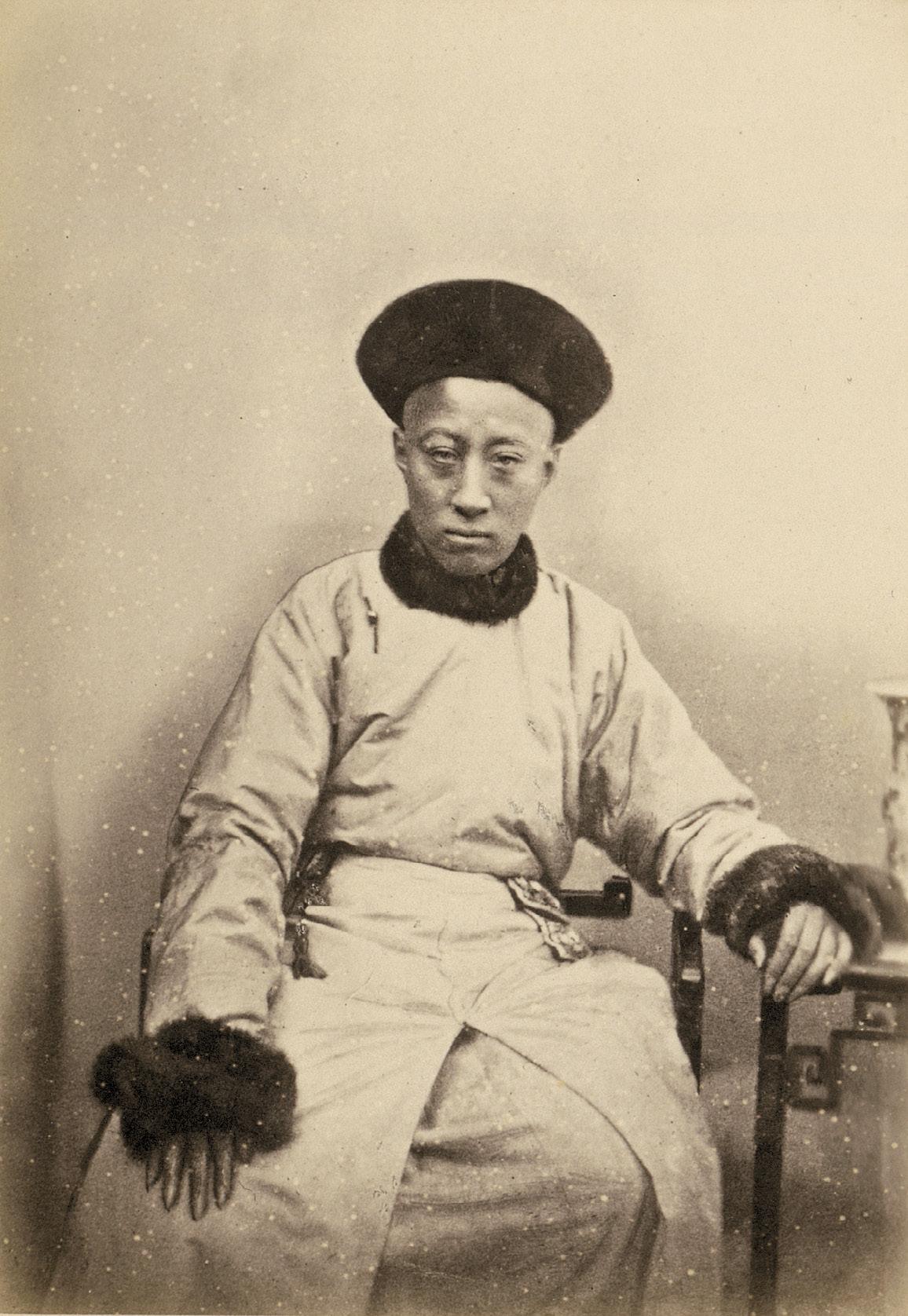
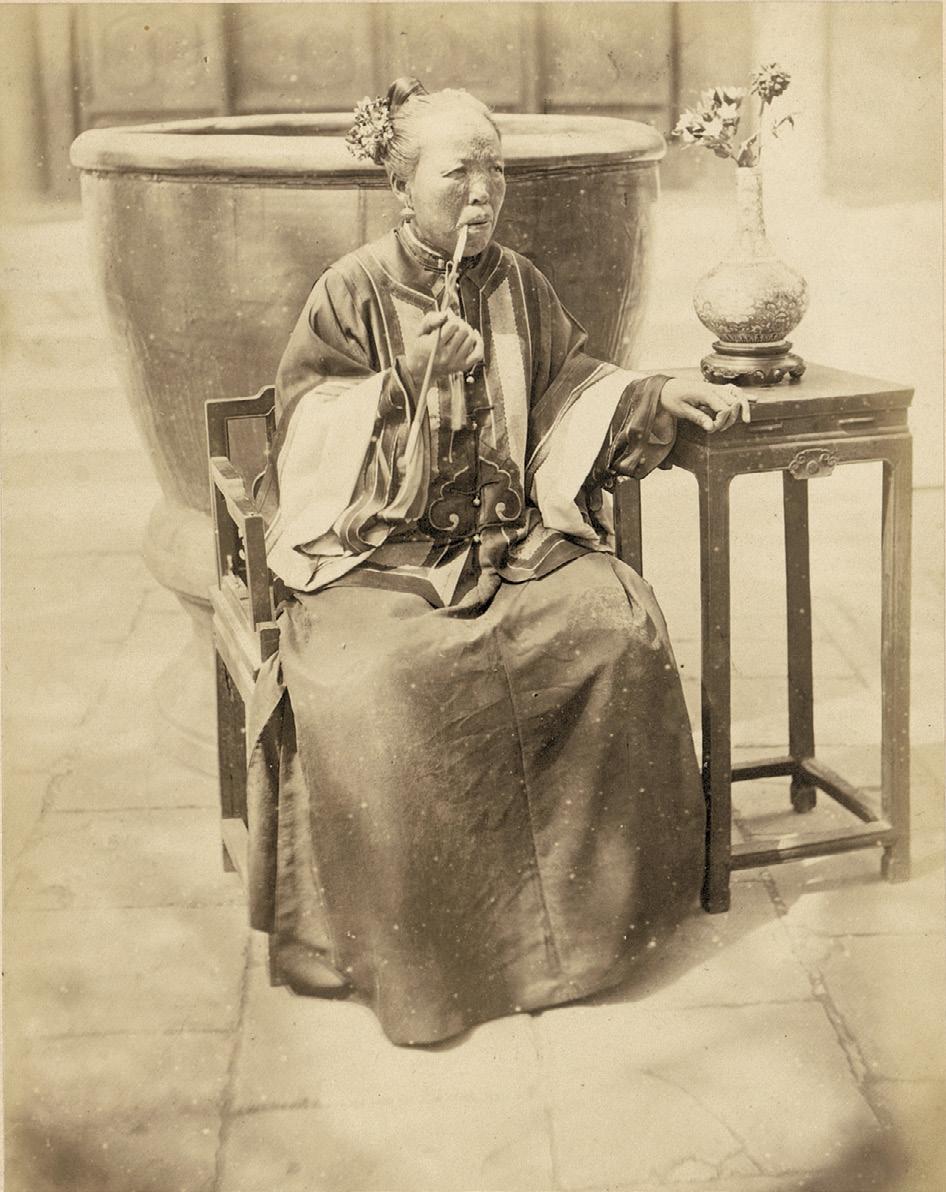
4042 Photographer: Georges Auguste Morache (18371906). Portraits of high-ranking Chinese imperial officials and views of Peking and its surroundings. 1863-1866. 27 albumen prints, mounted to board. Each ca. 16,5 x 21 cm and smaller (mounts 44 x 34 cm). Each signed by the photographer in red ink below the image in the lower right corner of the mount; most extensively annotated in German in black ink, and each with title and explanatory text by the photographer in red ink on mount verso. Loose in a contemporary half-linen card portfolio.
€
Photographs by the amateur photographer Dr. Georges Auguste Morache are among the earliest known photographic views and portraits of people in Beijing and remain extremely rare. Morache had no commercial ambitions as a photographer; his work appears to have been driven primarily by personal curiosity and by the technical challenges of photography, which was still in an early stage of development during his stay in China. He organized his photographs into thematic groups, which he later presented as gifts to family members and close acquain tances. Among the thirteen portrait photographs in this group, the images of high-ranking officials and dignitaries - identified by name and rank in inscriptions on the verso annotated by Moracheare of particular significance. These include portraits of Ouen-
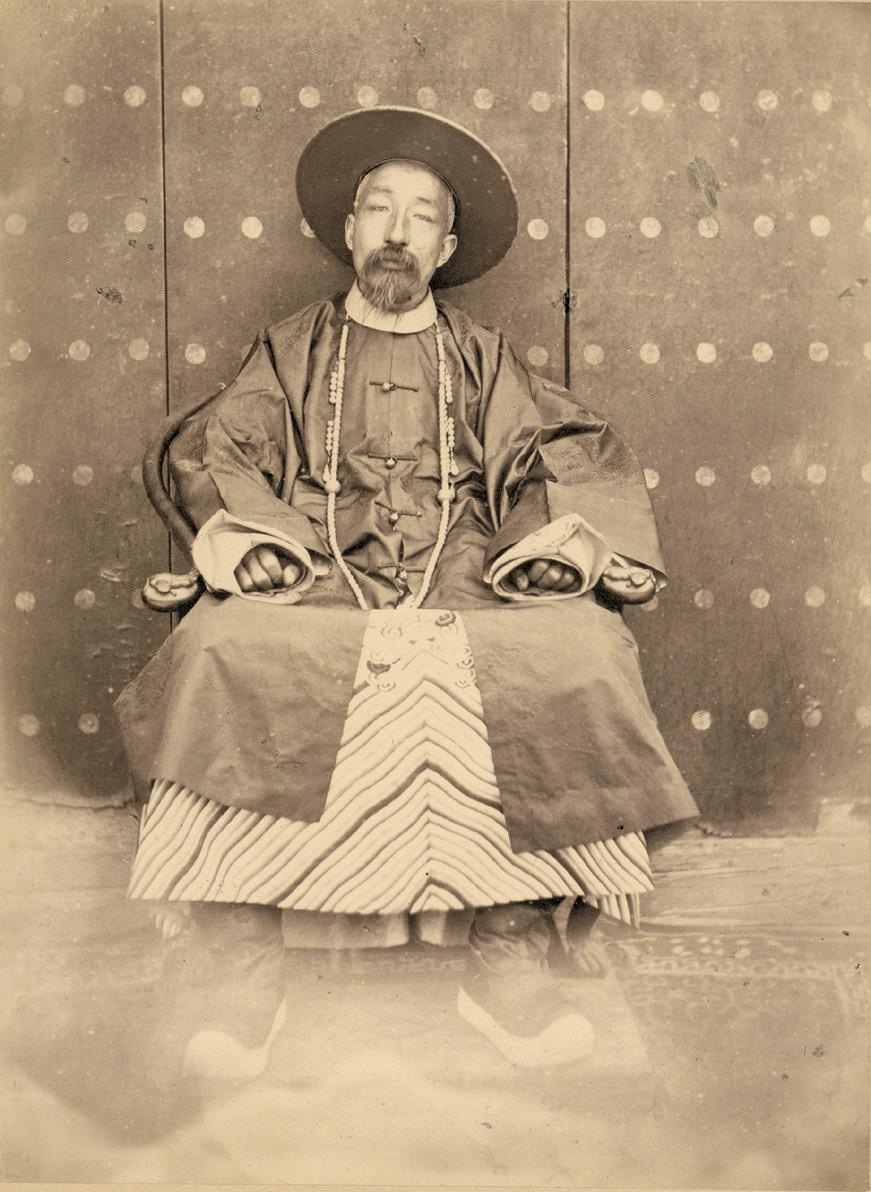
Siang (?), Foreign Minister and Vice-President of the Imperial Council; the Finance Minister and a member of the Imperial Council; the Korean ambassador; a high-ranking Buddhist monk; and several other civilian and military figures. The most widely known image is Morache’s portrait of Prince Gong, who emerged as one of the most influential figures at the Qing court in the aftermath of the Second Opium War.
Today there are only a small number of extant photographs by Morache which are dispersed among museums and private collections. Notably, examples are held in the Stephan Loewentheil
Historical Photography of China Collection in New York. A further album, titled Vues de Pékin 1865-67 and comprising 29 photographs signed on the title page, is preserved at the Toyo Bunko (Oriental Library) in Tokyo, formerly part of the George Morrison Collection. The Musée du quai Branly in Paris also holds Morache photographs, and an additional bound album of approximately forty prints resides in a private British collection. The present group therefore constitutes a fifth surviving portfolio. Unlike the photographs in the aforementioned collections, each image here bears Morache’s signature on the front of the mount, possibly intended to distinguish his work from that of other photographers active in Beijing at the time.
Dr. Morache studied surgery at the naval medical school in
Brest, continued his medical training in Strasbourg, and later attended the prestigious Val-de-Grâce military hospital in Paris. His professional standing led to his appointment as a medical officer at the French legation in Beijing. In 1863 he traveled to China accompanied by his wife and his mother, Pauline Morache, who maintained close contact with diplomatic and intellectual circles in the city and closely observed local cultural and political life. Pauline Morache recorded her impressions and experiences extensively in German on the versos of the large mount s accompanying the photographs, suggesting a German cultural background. She was acquainted with the Countess of StolbergStolberg, who introduced her to the family of Friedrich Viktor Strauss (later Viktor von Strauss und Torney), a prominent Protestant theologian, religious historian, and translator, best known for producing the first German translation of the Tao Te King. It is therefore highly plausible that the inscriptions on the mounts were written with Strauss in mind as their intended reader.
Lit.: Édouard de Saint-Ours. The Photography of Dr. Georges Auguste Morache (18371908): A Selection from the Stephan Loewentheil Historical Photography of China Collection (exhibition catalogue). London, 2016.
Provenance: Descendants of Viktor von Strauß und Torney (1809-1899)
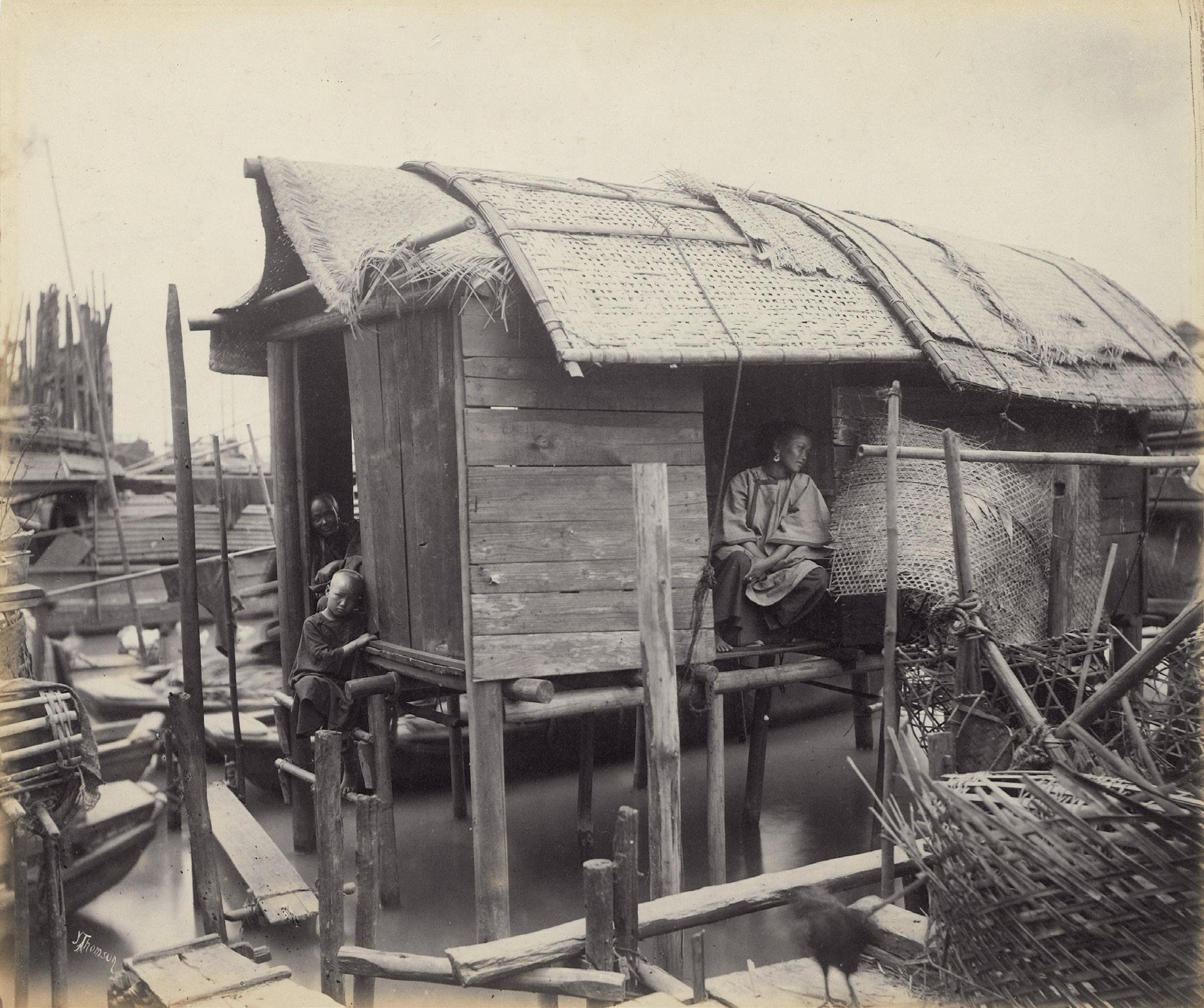
4043 Photographer: John Thomson (1837-1921). Creek Life, Pearl River. 1869-70. Albumen print, mounted to original board. 23,5 x 28 cm (mount ca. 30 x 40 cm). Signed in lower left in the negative, titled in ink and pencil in German below the image on the mount.
1.500 €
A major figure of nineteenth century photography, John Thomson spent ten years in the Far East, the last four of which were in China. He was a prolific writer and skillfully marketed his own work, which was reproduced in many periodicals and books of the time. His vivid portrayal of the people and landscapes of China in the late 1860s and early 1870s is undoubtedly among the finest bodies of work on this subject.
Lit.: Terry Bennett. History of Photography in China: Western Photographers 1861-1879. London: Quaritch 2010, ill. p. 229.
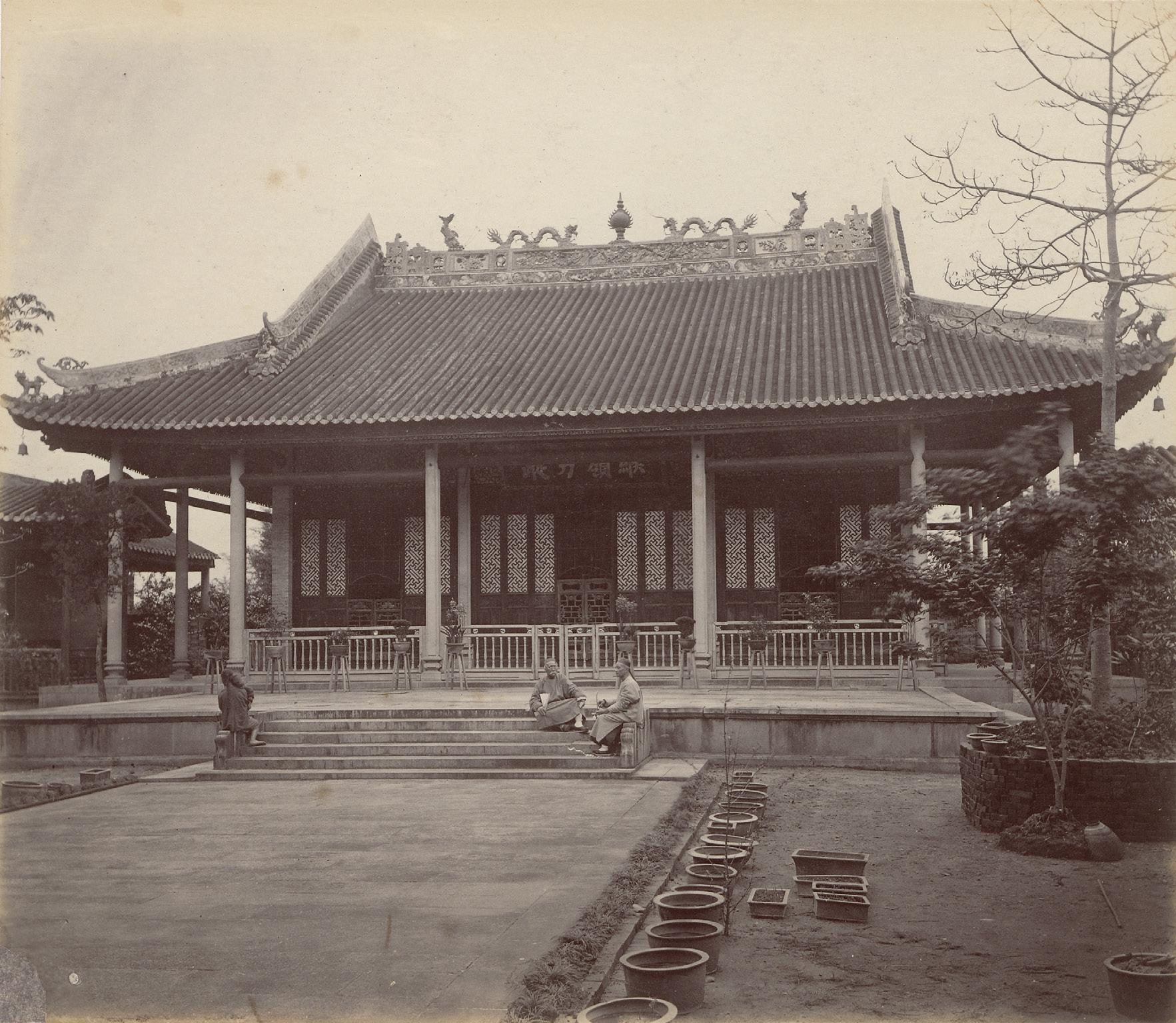
4044 Photographer: John Thomson (attributed to, 1837-1921). Temple, Canton. 1869. Albumen print, mounted to original board. 23,3 x 27 cm (mount ca. 30 x 40 cm). Titled in ink/pencil in German below the image on the mount.
1.500 €
A print of this image is in the collection of the Metropolitan Museum of Art, New York.
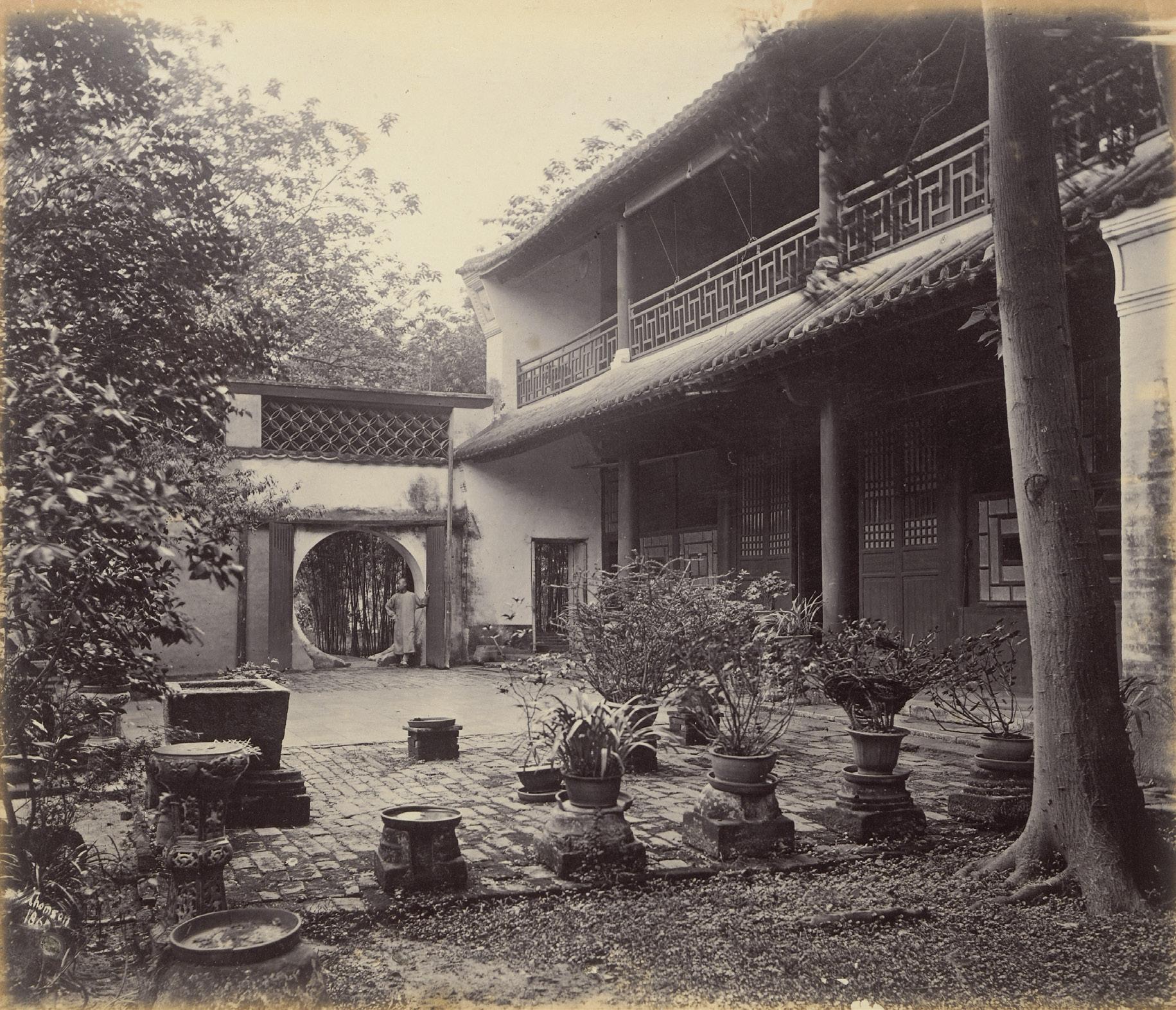
4045 Photographer: John Thomson (1837-1921). Garden in Canton. 1868. Albumen print, mounted to original board. 23,3 x 27,3 cm (mount ca. 30 x 40 cm). Signed and dated in the lower left of the negative; titled in German in ink below the image on the mount; annotated in pencil on mount verso.
1.500 €
Lit.: Terry Bennett. History of Photography in China: Western Photographers 1861-1879. London: Quaritch 2010, ill. p. 221.
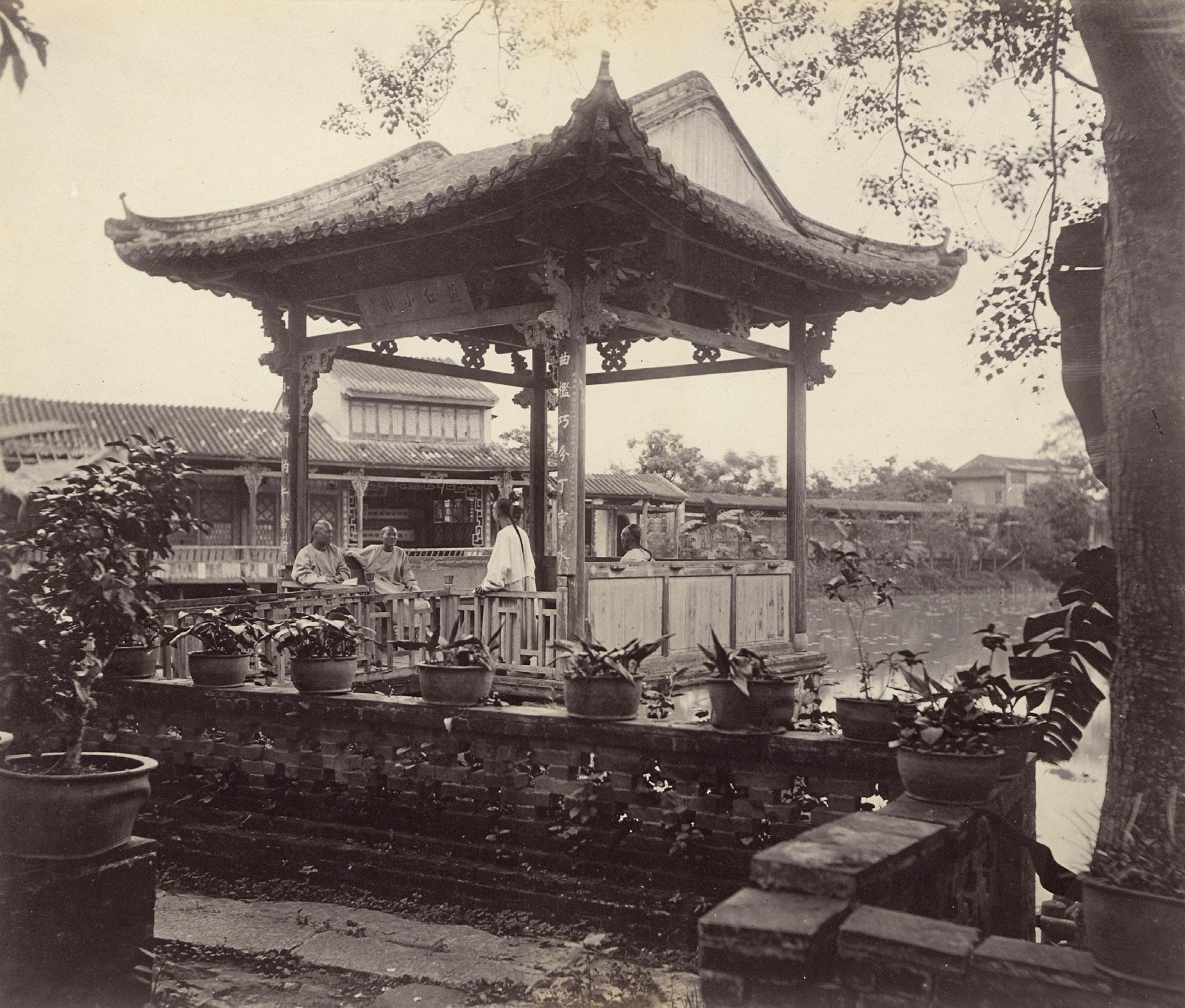
4046 Photographer: John Thomson (1837-1921). Pavilion in Puntingqua’s Garden, Canton. 1869. Albumen print, mounted to original board. 23,5 x 27,8 cm (mount ca. 30 x 40 cm). Titled in German in ink and pencil below the image on the mount.
1.500 €
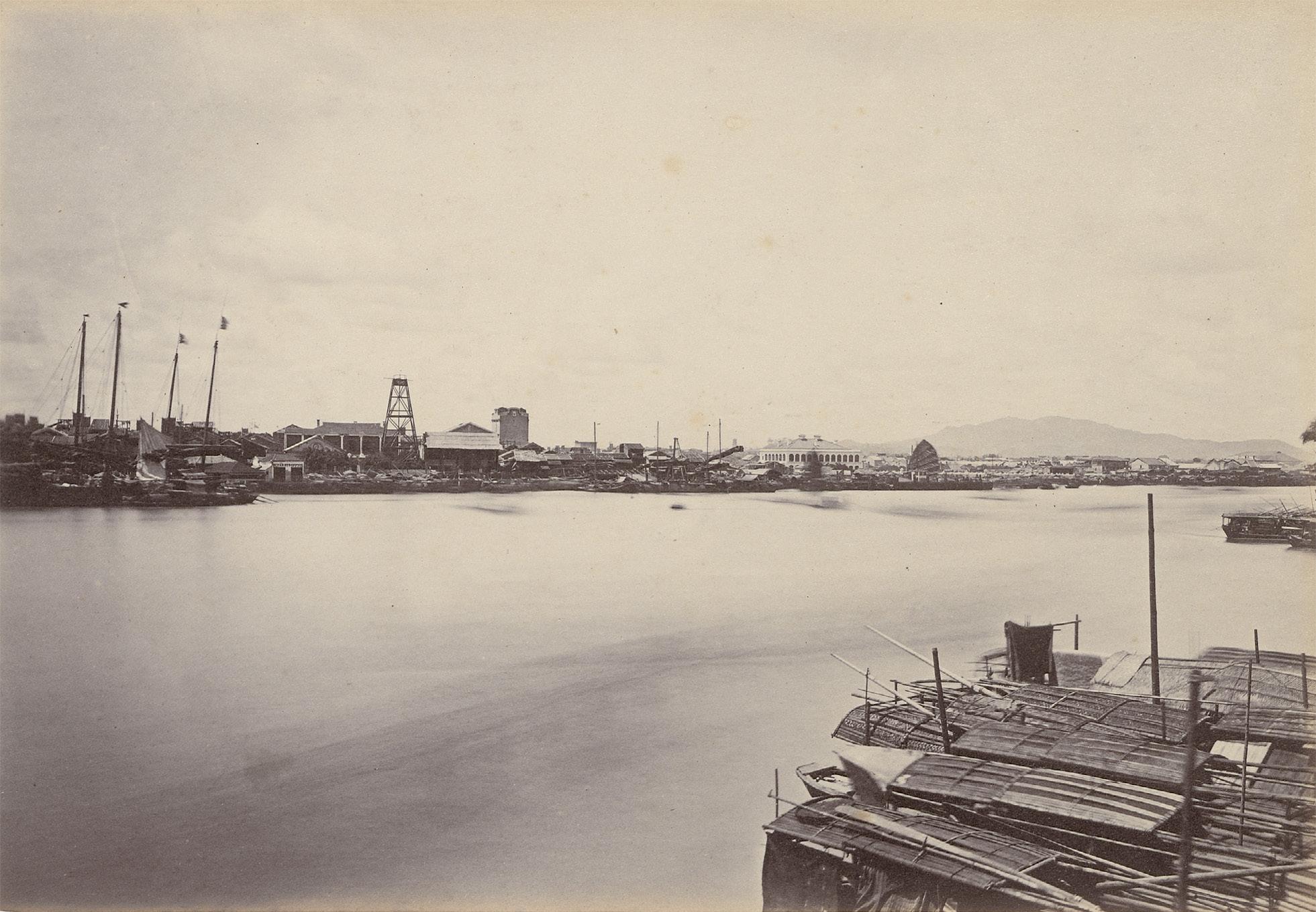
4047 Photographer: John Thomson (1837-1921). Pearl River, Canton . 1869. Albumen print, mounted to original board. 18 x 26,1 cm (mount ca. 30 x 40 cm). Titled in ink/pencil in German below the image on the mount.
1.500 €
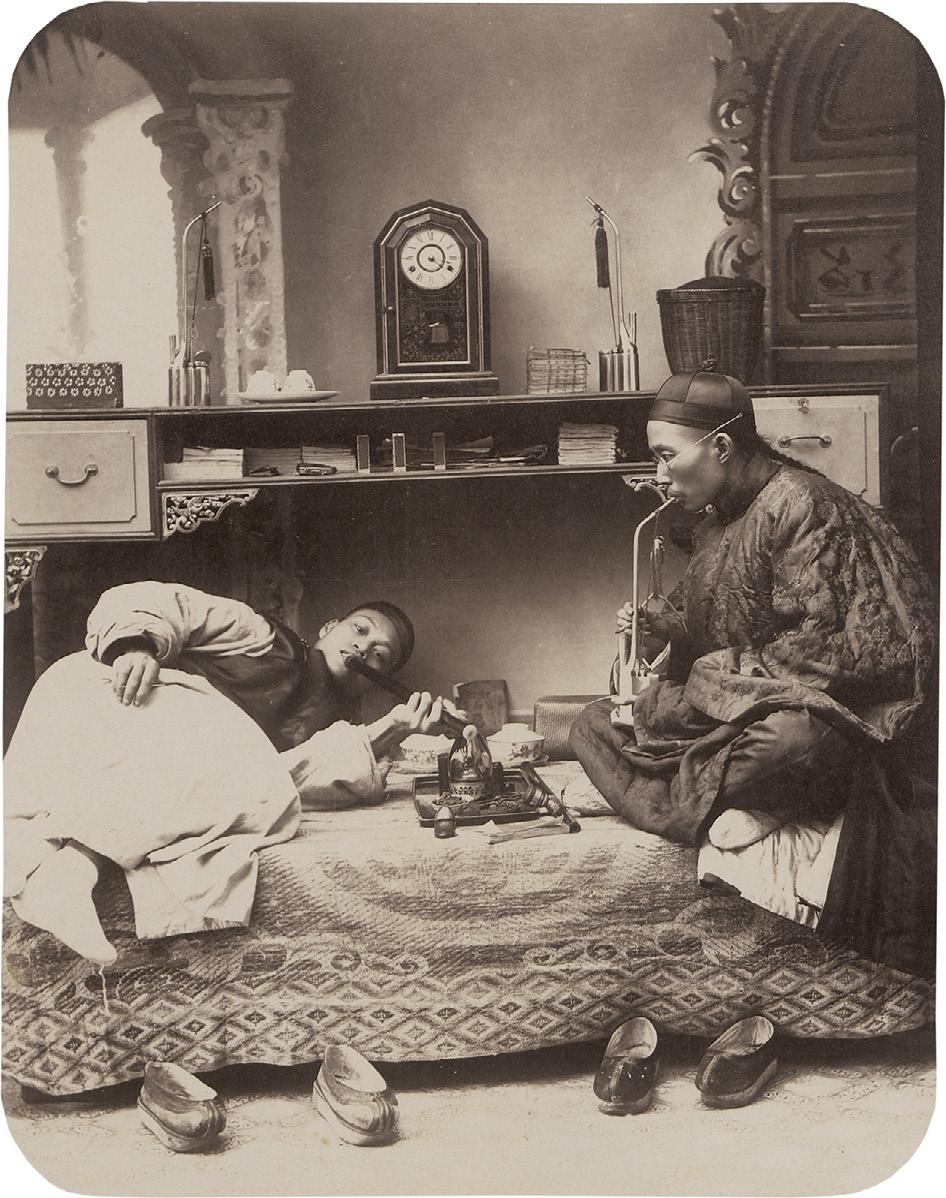
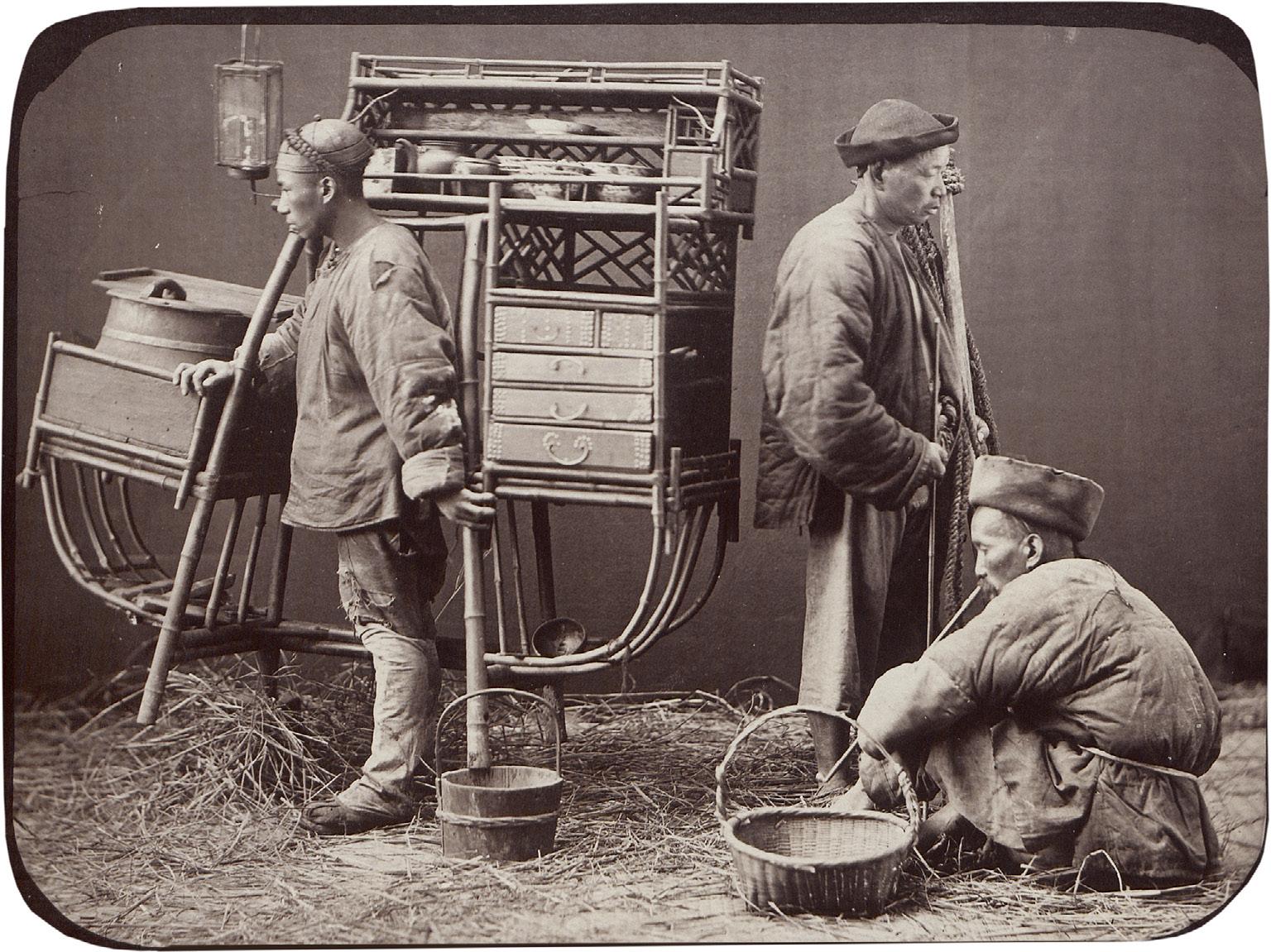
4048 Photographers: William Saunders (1832-1892), Lai Afong (1839-1890), Pun Lun Studio (active 18641907), Sze Yuen Ming & Co. (active 1892-1920s) and others. Scenes of daily life in Qing-Dinasty China. 1880s-1890s. 12 albumen prints, mounted to board. Each ca. 26 x 19 cm or reverse. Some annotated in pencil below the image on the mount.
600 €
This group of photographs offers a richly detailed view of social, domestic, and professional life in late Qing dynasty China. Several images depict opium-smoking scenes in carefully ar-
ranged interiors, with lacquered furniture and ceramics underscoring both the ritualized nature of the practice and its staged presentation. Others show men at leisure - playing games, dining, or posing in formal dress - as well as figures in professional or performative roles, including opera actors and a street porter with his rickshaw. A particularly striking image of a man wearing a punishment cangue provides rare visual evidence of contemporary penal practices.
china
4049 Photographer: William Saunders (1832-1892).
Views of Shanghai. 1880s. 6 albumen prints (one duplicate), one mounted to board. Between 19, x 24,5 cm and 21 x 26 cm.
600 €
This group of photographs includes a studio portrait of Chinese opera performers and genre scenes of everyday life in and around Shanghai, showing rickshaw transport, street vendors, and scenes of rural and peri-urban labor. One view depicts the Huxinting Tea House (also known as the City Tea House), here shown within its surrounding waterways and timber structures.
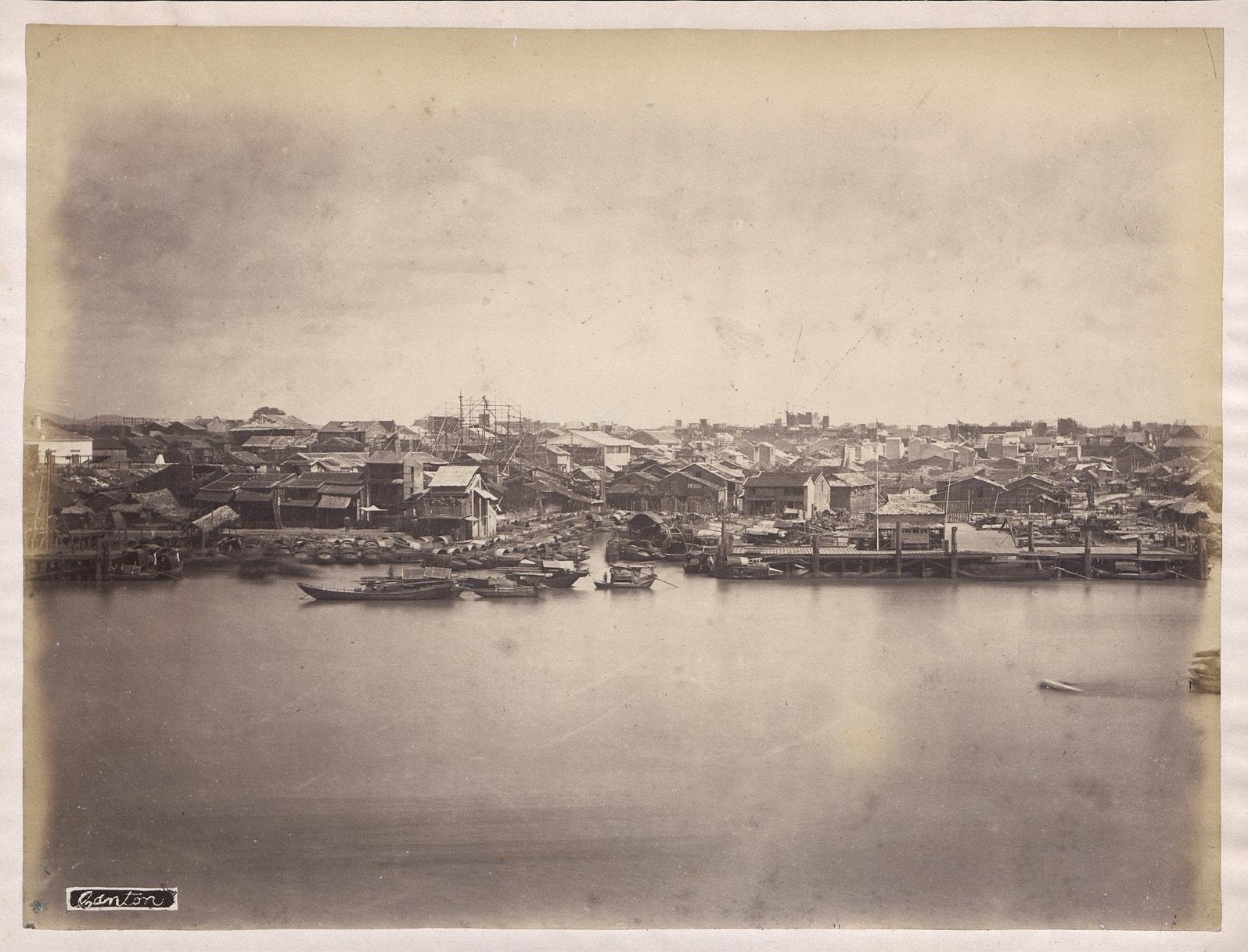
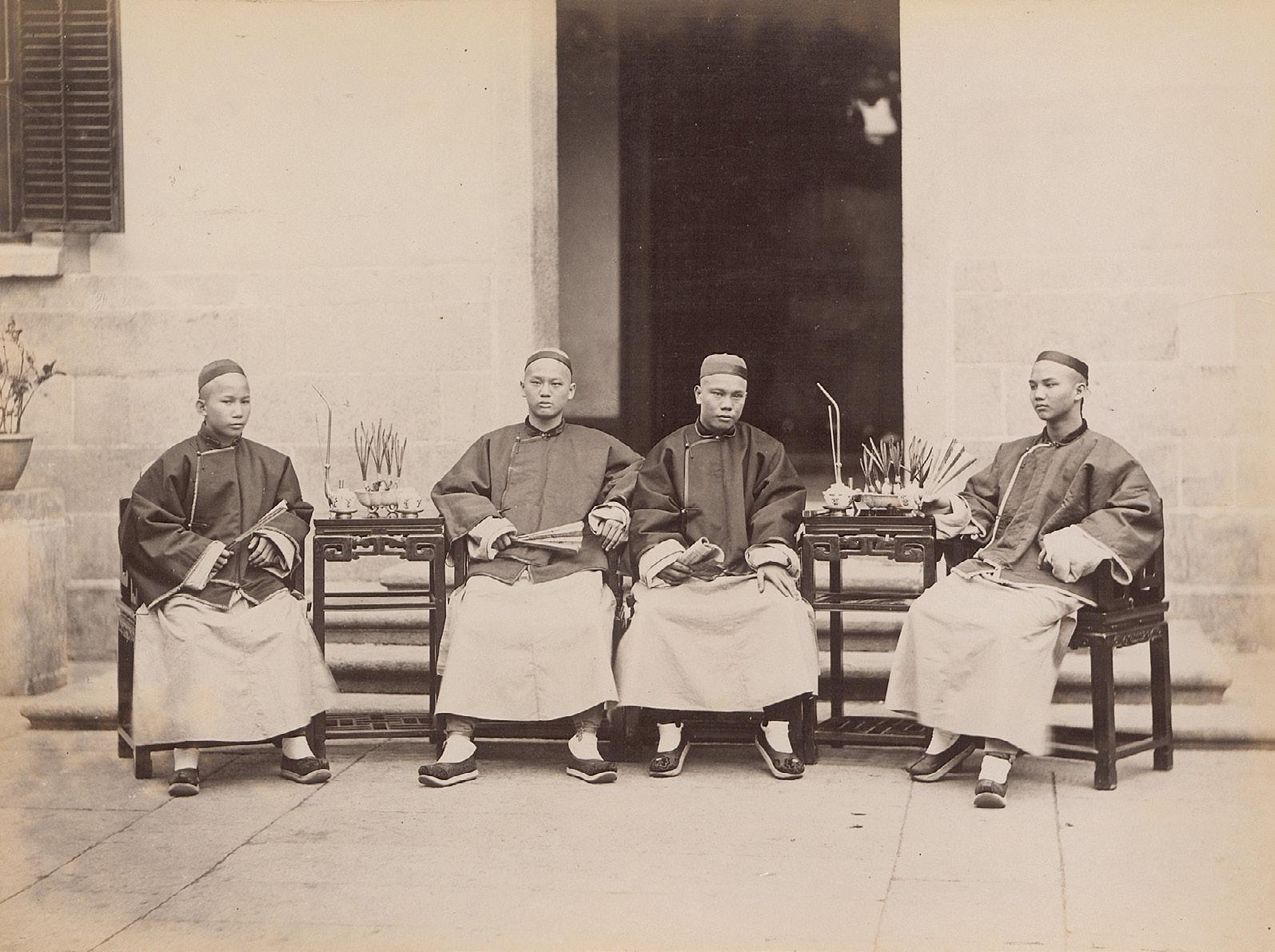
4050 Photographers: Lai Afong (1839-1890) and others. Views of Canton. 1880s-90s. 11 albumen print s, some mounted to card or board. Each between 18,5 x 24,5 cm and 20,5 x 28 cm. Some titled in the negative in lower margin of print.
800 €
This group of albumen prints presents views of South China in the late 19th century, centered on Canton (Guangzhou) and the Pearl River, with riverfront panoramas, harbors crowded with sampans and steamers, and temple architecture including ceremonial gateways. The selection also extends beyond Canton to well-known coastal and pilgrimage sites, including a Buddhist monastery at Puto Island (near Ningbo) and a sweeping harbor view likely made in Hong Kong.
4051 Photographers: Lai Afong (1839-1890), William Pryor Floyd (1834-1900), Herbert Elgar Hobson (18441922), and others. Views of Shanghai, Hong Kong, Canton, and Macao. 1880s. 12 albumen prints, mounted to board. Each ca. 21 x 28 cm (mounts ca. 31 x 27 cm). Most annotated in black ink below the image on the mount.
1.000 €
This selection of photographs comprises views of Shanghai, Hong Kong, Canton (Guangzhou), and Macao, alongside some portraits - among them office workers in traditional Chinese dress and palanquin bearers. Also included are a two-part panorama of the Shamian (Shameen) settlement in Canton, as well as views of the Pazhou (Pachao) Pagoda and the Hoi Tong (Hainan) Temple in Canton.
civil war
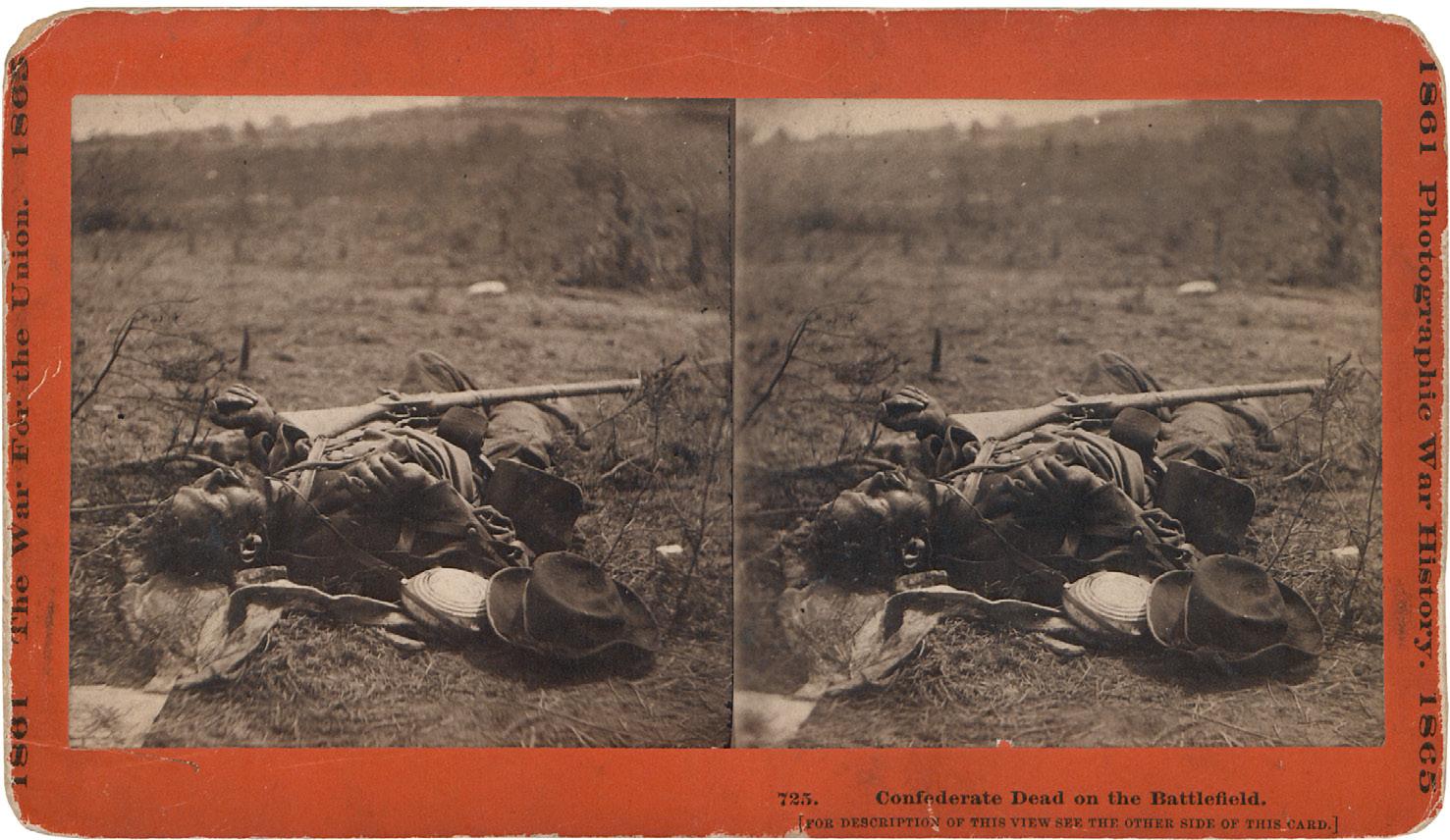
4052 Photographer: Timothy O‘Sullivan (1840-1882). Deceased soldiers on the battlefield after Gettysburg. 1863. 2 albumen stereoviews, mounted to orange cardstock. Each ca. 7,8 x 16 cm (mounts ca. 10 x 17,7 cm). Numbered and titled “Confederate Dead on the Battlefield” / “Union Dead at Gettysburg” below the image on the mounts; publisher’s information printed on the verso of the mounts.
500 €
These two stark battlefield views record the aftermath of the fighting at Gettysburg, shifting the focus from combat to its human toll. One image shows a fallen Confederate soldier lying supine in sparse terrain, his rifle and personal effects arranged beside him, while the other presents a broader scene of Union dead scattered in rows along a fence at the edge of a wooded area. Issued as part of the „Photographic War History, 1861-1865“ series, these stereoviews exemplify the unflinching documentary character of Civil War photography, using the stereoscope to confront viewers with the physical realities of war with striking immediacy.
constantinople
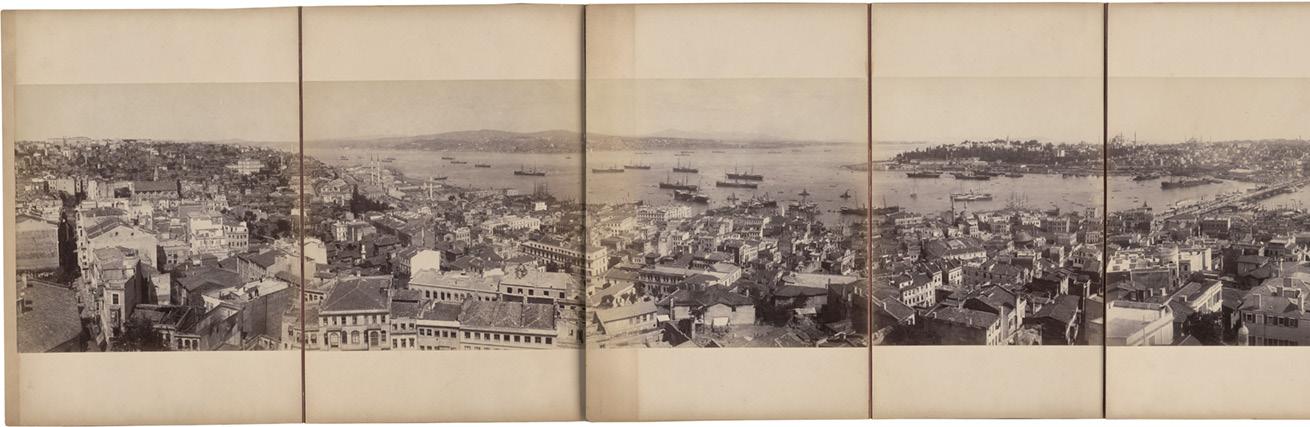
4053 Photographer: Guillaume Berggren (1835-1920). Panorama of Constantinople. 1870s. Panorama consisting of 9 albumen prints, mounted to boards as leporello. Each between 19 x 16,5 and 19 x 20 cm (entire size: 29,5 x 184,5 cm).
1.200 €
Taken from an elevated vantage point in Galata, likely at or near the Galata Tower, this panoramic view presents a sweeping survey of Constantinople’s historic waterfront. The Bosporus shoreline and the Golden Horn frame the densely layered cityscape of the Historic Peninsula, with major monuments - including the Topkapi Palace, Hagia Sophia, Süleymaniye Mosque, Yeni Cami, Nuruosmaniye Mosque, and the Beyazit Tower - clearly articulated within the broader urban fabric.

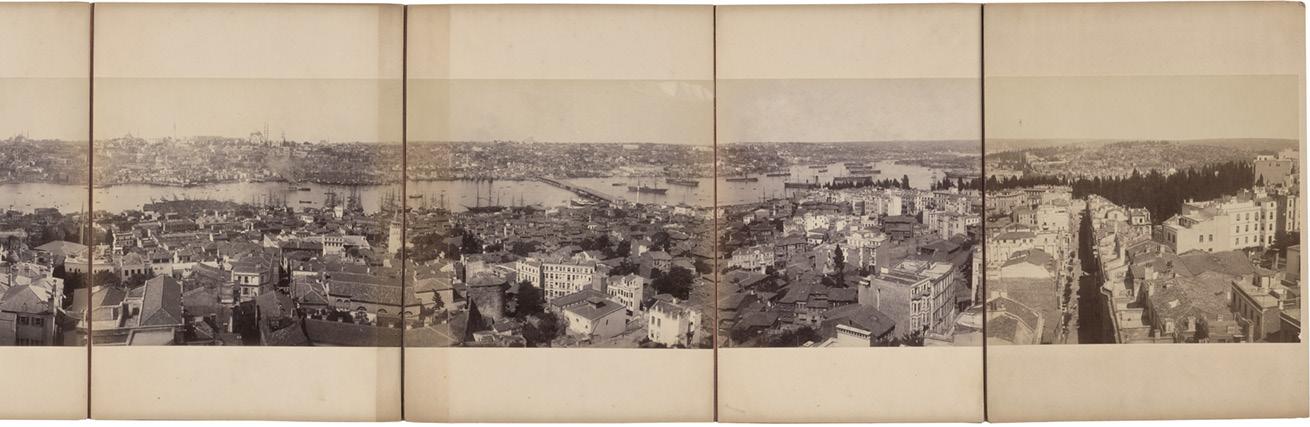
4054 Photographer: Pascal Sébah (1823-1886). Panorama of Constantinople from the Galata Tower. 1870s. Panorama consisting of 8 albumen prints, mounted to board as leporello. Each circa 26,5 x 32,5 cm (entire size: 30 x 263 cm). Presented in original red canvas album with gilt-stamped ornamentation and title.
1.500 €
A large and complete panoramic view photographed from the Galata Tower, surveying Constantinople across the Golden Horn and the Bosporus toward the Asian shore of Üsküdar. The continuous sequence encompasses the Galata Bridge and Yeni Cami in the foreground and the Historic Peninsula beyond, with the Hagia Sophia, Topkapi Palace complex, Süleymaniye Mosque, and the clearly visible Beyazit Tower set within dense residential quarters and busy harbor traffic, offering a comprehensive view of the late Ottoman capital.

constantinople
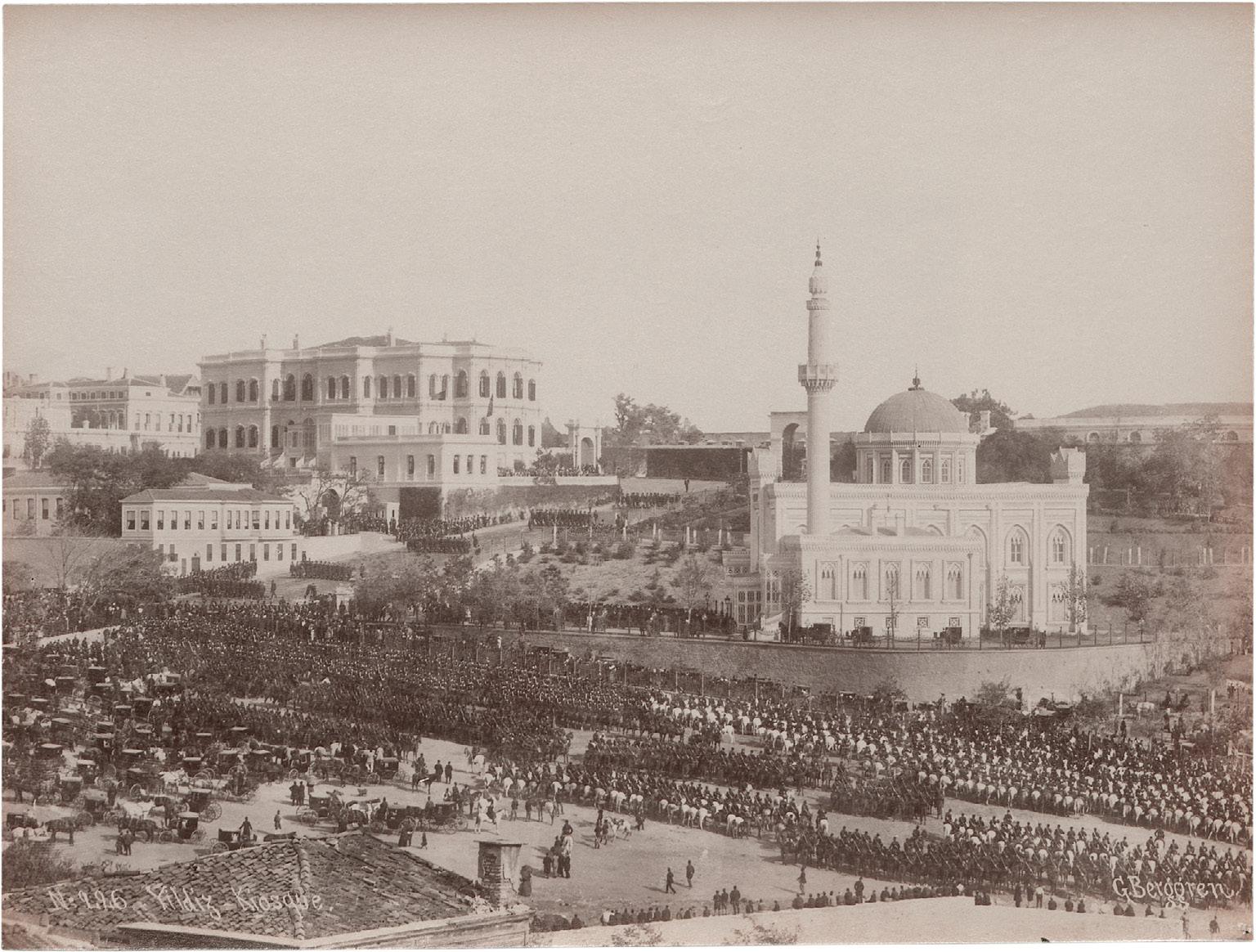
4055 Photographers: Guillaume Berggren (1835-1920), Basile Kargopoulo (1826-1886), and others. Views of Constantinople. 1880s-1890s. 5 albumen prints. Each ca. 20,5 x 26,5 cm. Annotated and/or stamped in black ink on the verso; some signed, numbered and titled in the negative in lower margin.
500 €
This lot brings together several views of Constantinople, including the Galata (Karaköy) Bridge and sweeping prospects over the Bosphorus, alongside key monuments such as the Sultan Ahmed Mosque and the gate of Dolmabahçe Palace, as well as a vivid crowd scene depicting Friday prayer in front of the Yyldyz Hamidiye Mosque.
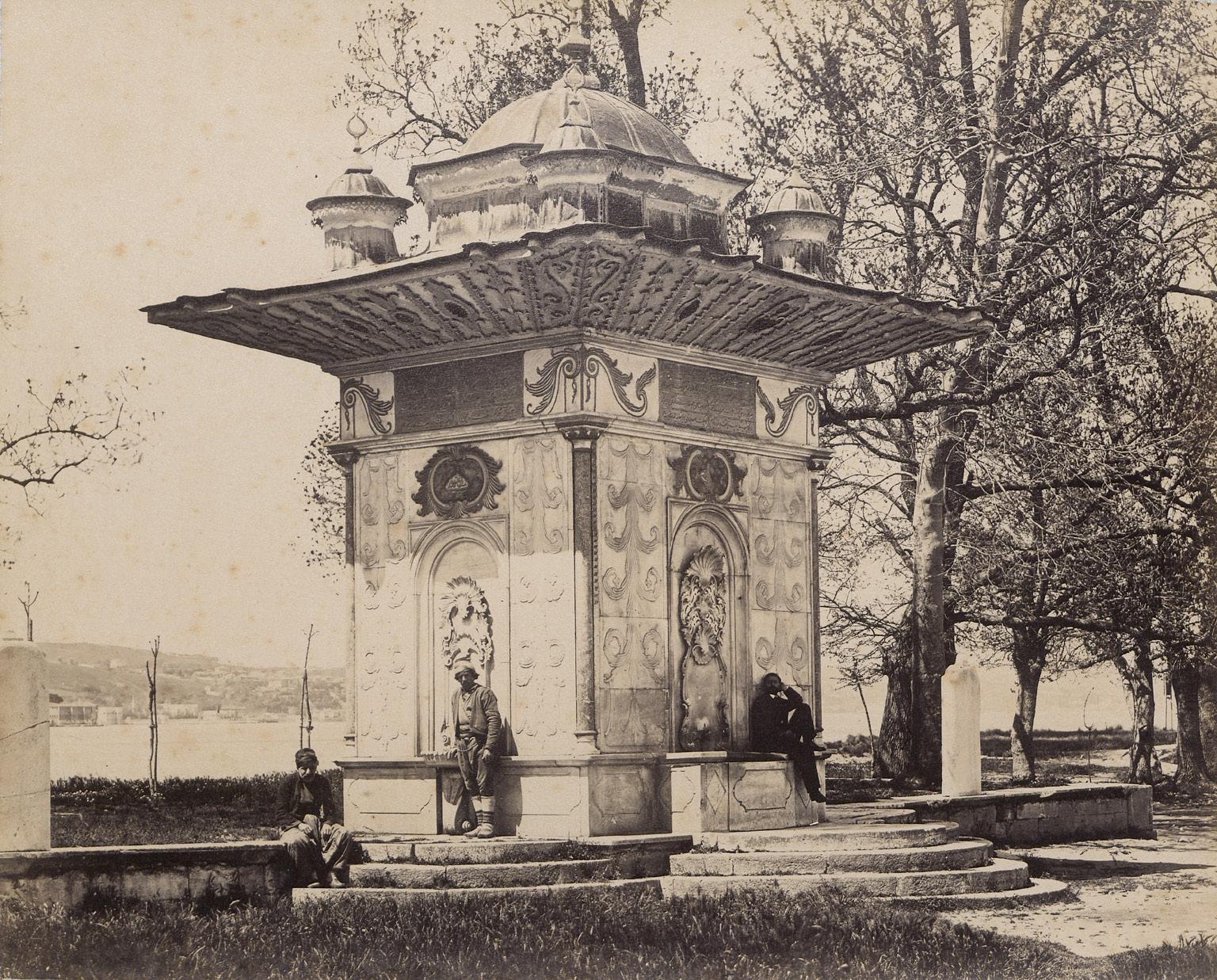
4056 Photographers: Sébah & Joaillier (active 18841908), Guillaume Berggren (1835-1920), and others. Views of Constantinople. 1880s-1890s. 8 albumen prints, mounted to board. Each ca. 21,8 x 27 cm (mounts ca. 29 x 33,4 cm). Most titled, numbered, and signed in the negative in the lower margin.
600 €
This group comprises views of Constantinople, including the Mihrisah Valide Sultan Fountain, the Küçüksu Pavilion, the waterfront of Büyükdere along the Bosphorus, views of the strait itself, Karacaahmet Cemetery, and scenes from an Istanbul bazaar. One photograph depicts the historic cityscape of Smyrna (modern-day Izmir).
cornwall
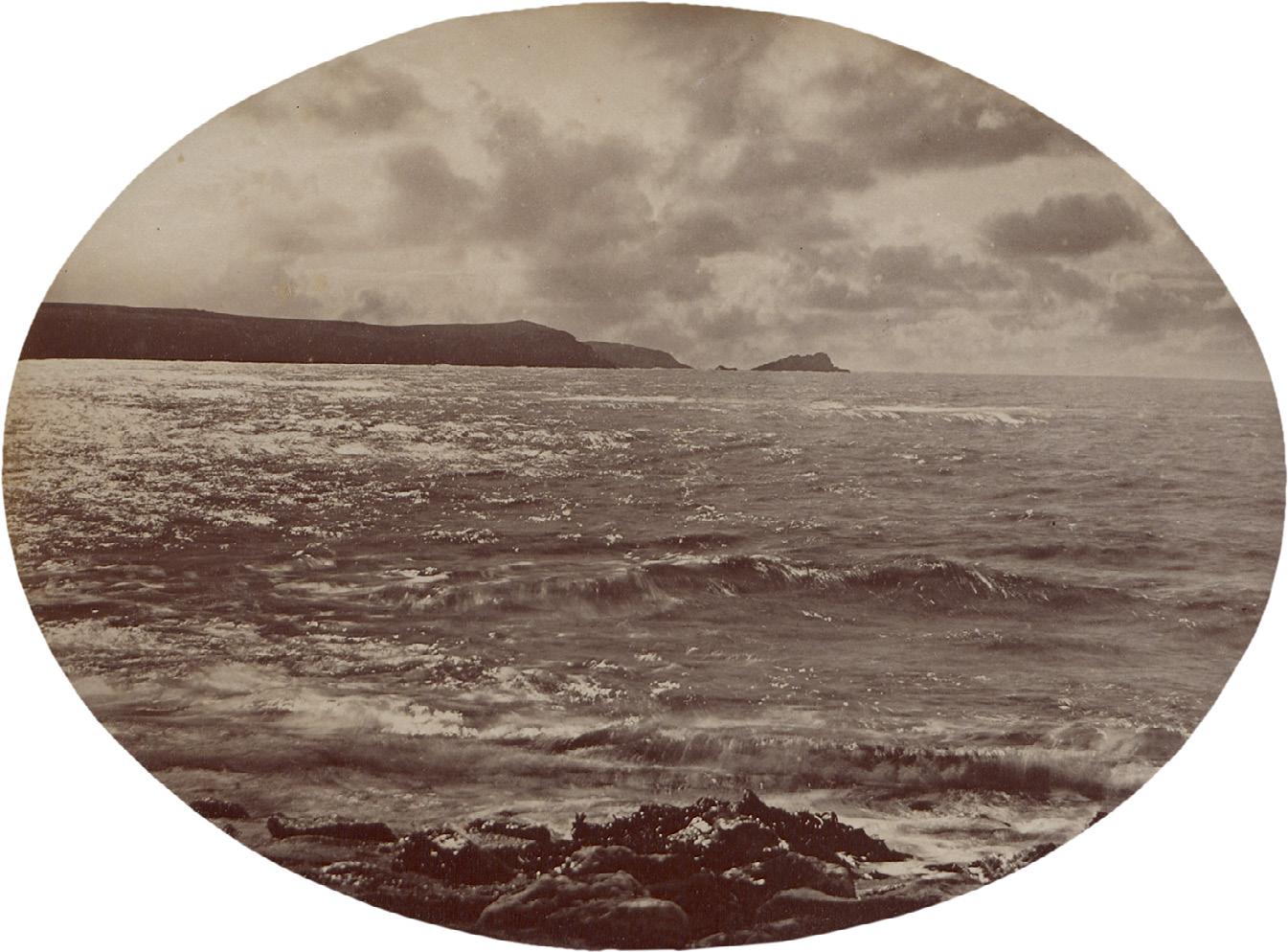
4057 Photographer unknown. Early views of Cornwall. 1860s. 3 oval-trimmed albumen prints, one mounted to card. Each ca. 14,5 x 19 cm (mount ca. 26,5 x 36 cm). Two prints annotated in pencil on the verso.
600 €
This small group comprises coastal views around Newquay, Cornwall, including Fistral Bay and the Towan Head area. The photographs emphasize expansive horizons, animated skies, and the shifting play of light across sea and surf. Their atmospheric quality moves beyond straightforward topographical record, aligning instead with the pictorial language of mid-19thcentury seascape photography.
léon crémiere & erwin hanfstaengl (1831–1913, 1837–1905)
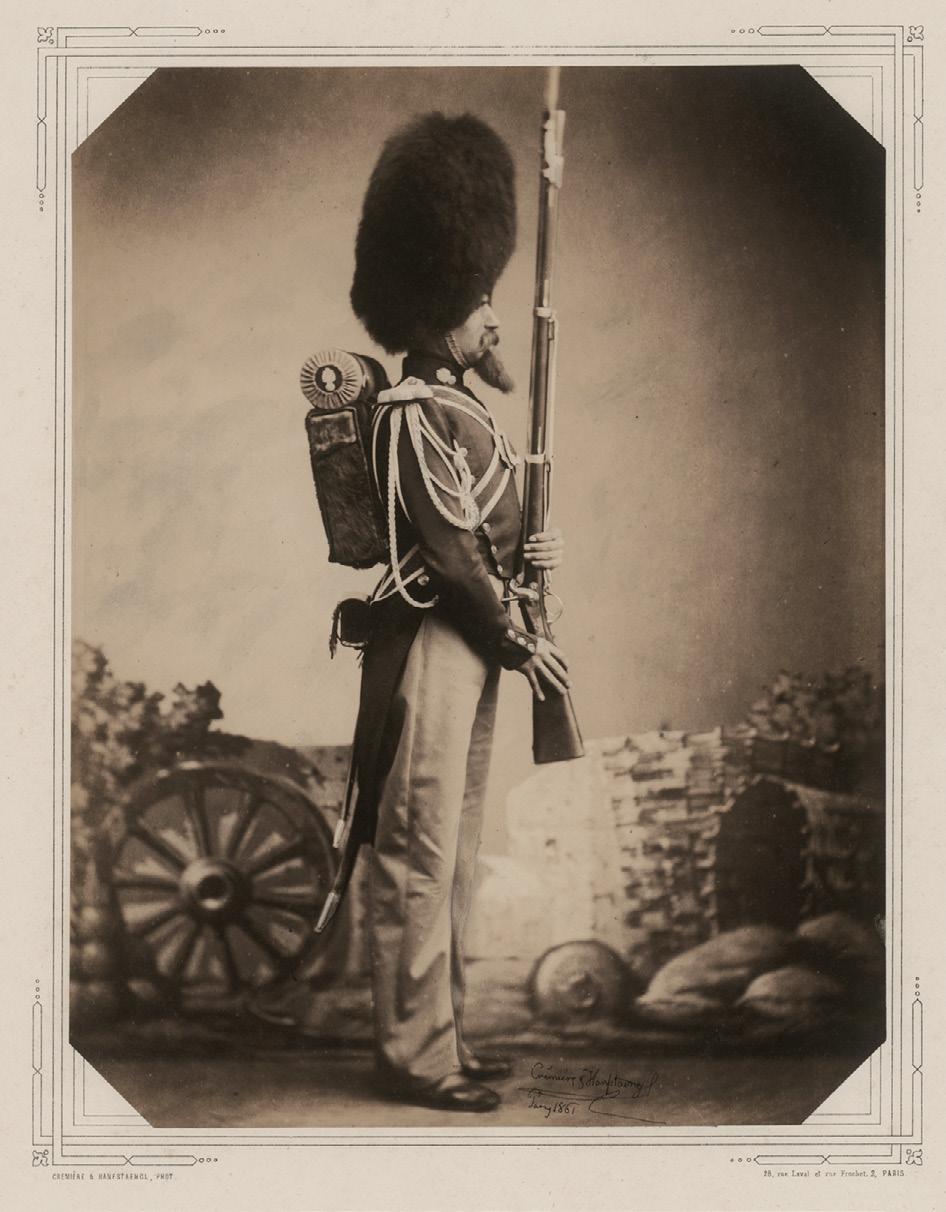
4058 Grenadier of the Imperial Guard. 1861. Albumen print, mounted to original card with printed ornamental border. 25 x 19,2 (mount 42,6 x 30,5 cm). Signed „Crémiere & Hanfstaengl Paris 1861“ in the negative in lower margin of print. With the photographer’s studio imprint “Crémière & Hanfstaengl, Phot.” and address “28, rue Laval et rue Frochot, 2, Paris” printed below the image on the mount.
1.200 €
This photograph was produced during the short-lived Paris collaboration of Léon Crémière and Erwin Hanfstaengl in the early 1860s, when they operated a joint portrait studio at rue Laval. Combining Crémière’s courtly connections and experience in portraiture with Hanfstaengl’s technical training, their partnership favored carefully staged, formal images suited to official and elite clientele. The depiction of an Imperial Guard grenadier reflects this approach, presenting the soldier as an emblematic figure within the visual culture of the Second Empire.
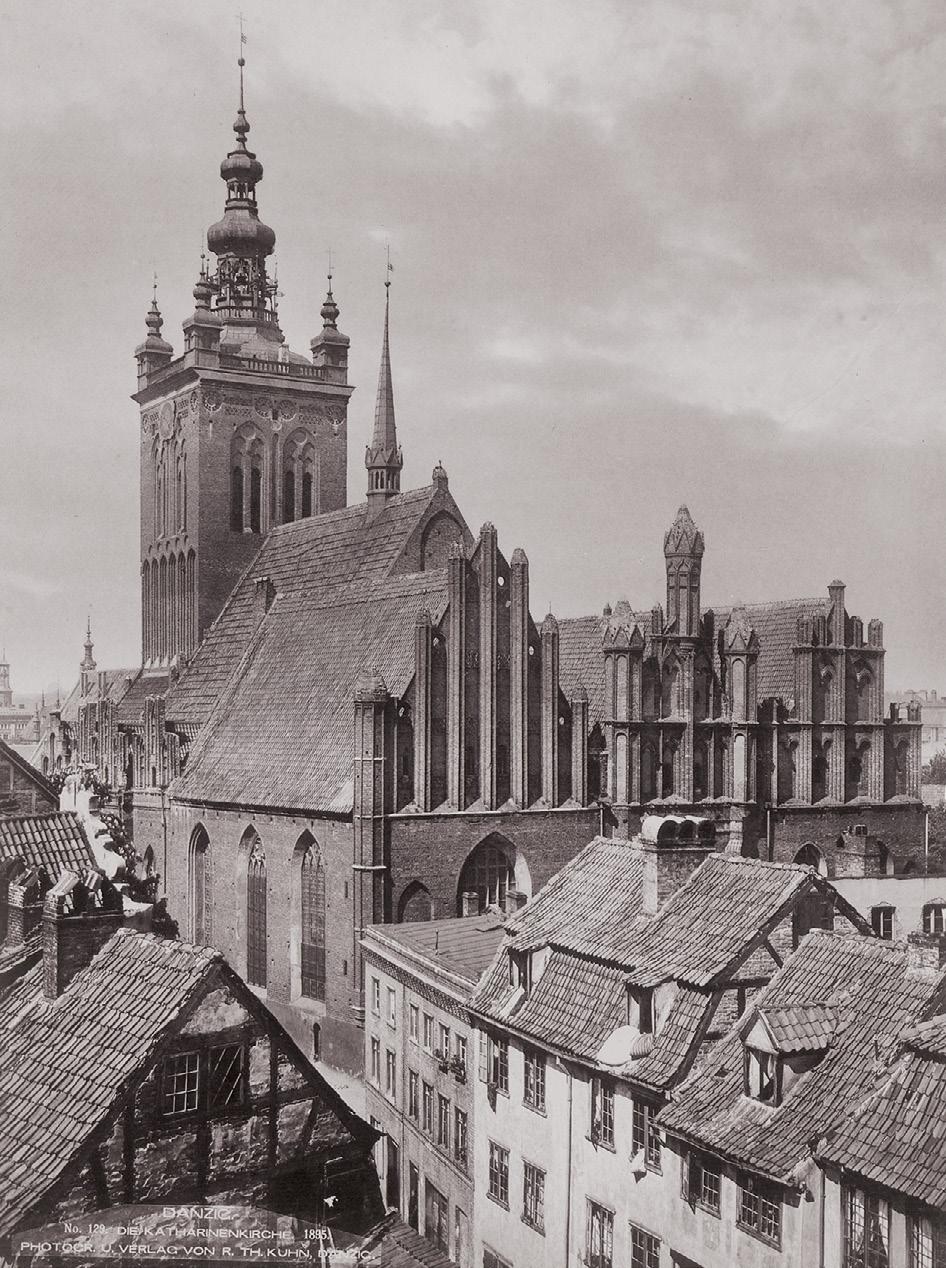
4059 Photographer: Rudolph Theodor Kuhn (18421900). Views of Danzig. 1895. 7 collotypes, mounted to board. Each ca. 27 x 20 cm or reverse (mounts 39,5 x 32,5 cm or reverse). Most numbered, titled, and dated, as well as bearing the photographer’s copyright information in the negative in the lower left corner.
750 €
The views in this lot include the Marienkirche (St. Mary’s Church), panoramic views of the city from the fortifications and the Bischofsberg, the Stockturm and Hauptwache, the interior of the Artushof (Court of Arthur), as well as street views of Frauengasse and Jopengasse.
deutsch-ostafrika
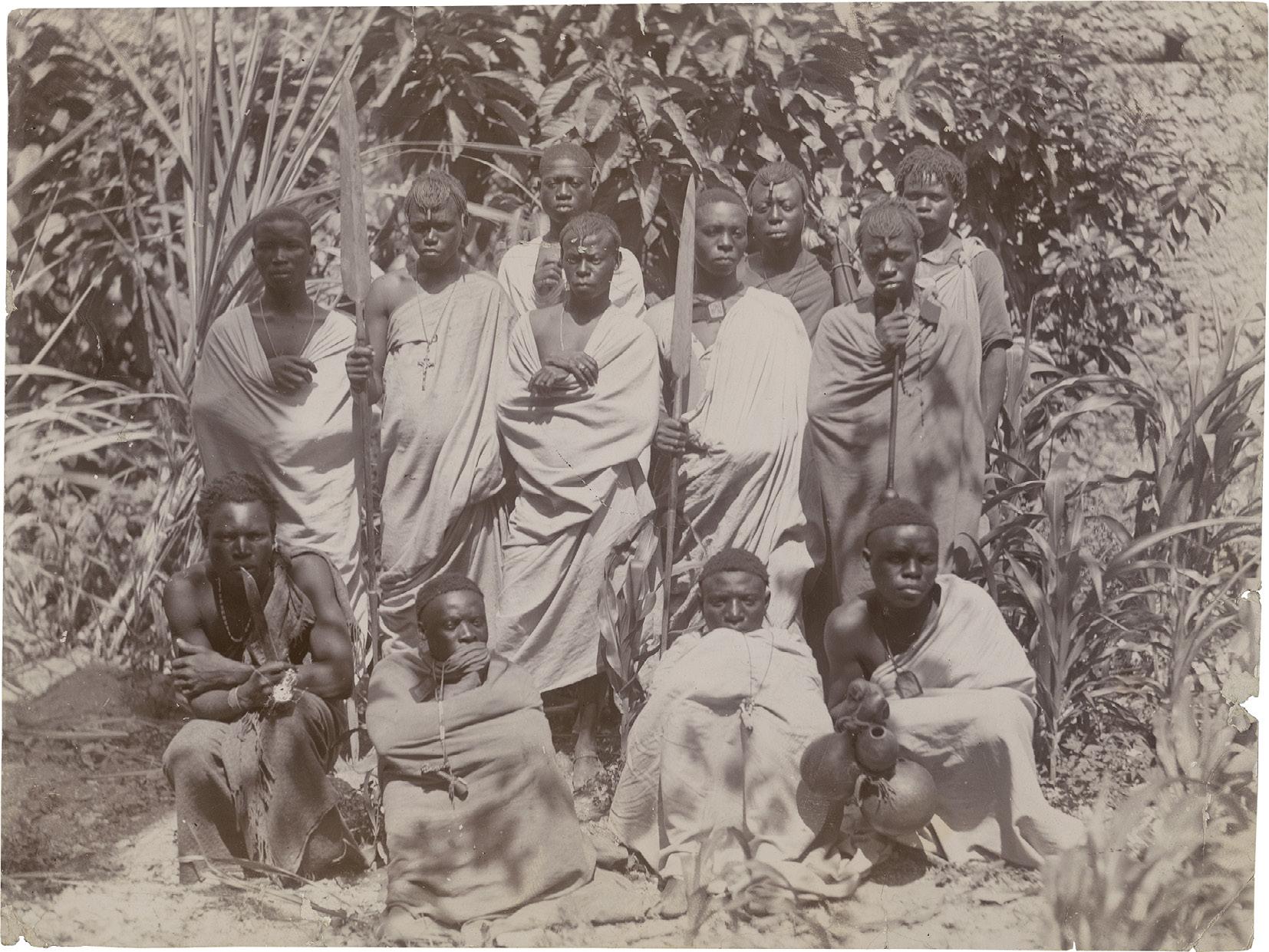
4060 Photographer unknown. Inhabitants of various African regions, most of „Deutsch-Ostafrika“. Circa 1890s-1915. 45 albumen and collodion prints. Various sizes between 10 x 14 cm and 17 x 24 cm.
800 €
This group of photographs presents portraits of men and women from various regions of Africa, the majority originating from what was then known as Deutsch-Ostafrika (present-day Tanzania and surrounding areas). The images include group portraits in traditional dress, often posed with tools, weapons, or ceremonial adornment, alongside scenes of village life with thatched dwellings and communal gatherings. Other photographs document the colonial presence more directly, including uniformed troops assembled in formation, European officials in domestic settings attended by local servants, and staged compositions juxtaposing colonial and indigenous subjects.
louis-pierre-théophile dubois de nehaut (1799–1872)
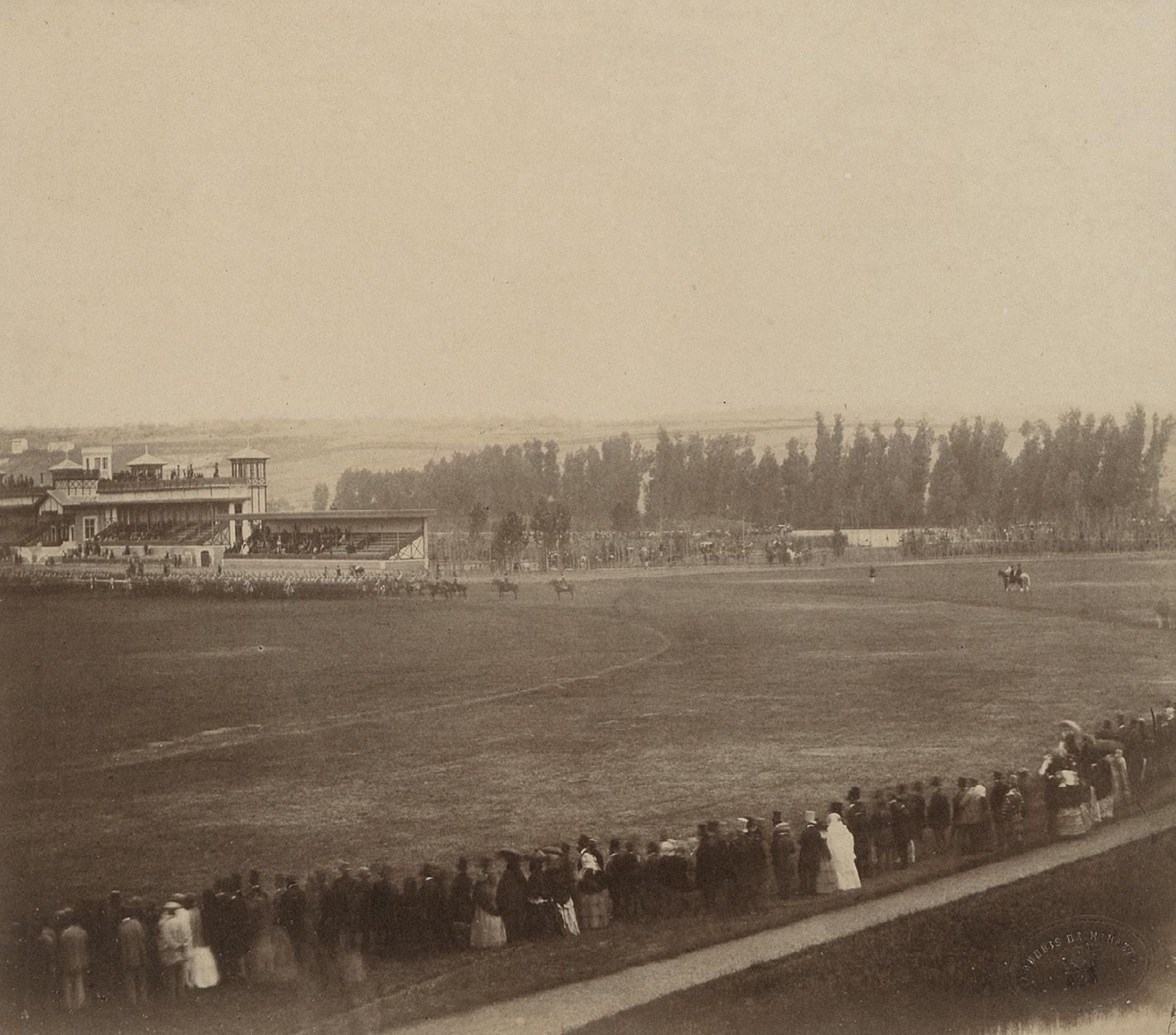
4061 Military exercise at the Longchamp Hippodrome, Bois de Bologne. 1857. Albumen print, mounted to card. 19,1 x 21,7 cm (mount 32,6 x 48,5 cm). Annotated „On fait sortir les curieux du terrain de maneuvres“ in black ink below the image on the mount; photographer’s blindstamp in lower left corner of the print and below the image on the mount.
1.200 €
Chevalier Louis Pierre Dubois de Nehaut exemplifies the mid19th-century amateur photographer, whose work reflects the early technical and aesthetic advances of the medium. Originally a magistrate in Lille, he settled in Brussels in 1851, where he pursued photography with an interest in movement, shifting light, and elevated viewpoints. The present photograph belongs to a series documenting the grand military review of the Imperial Guard held in June 1857 in the Bois de Boulogne on the occasion of the visit of the King of Bavaria. Taken on the Plaine de Longchamp, it captures the intersection of military spectacle and public leisure, with crowds gathered along the edges of the field as the terrain is cleared for maneuvers.
maxime du camp (1822–1894)
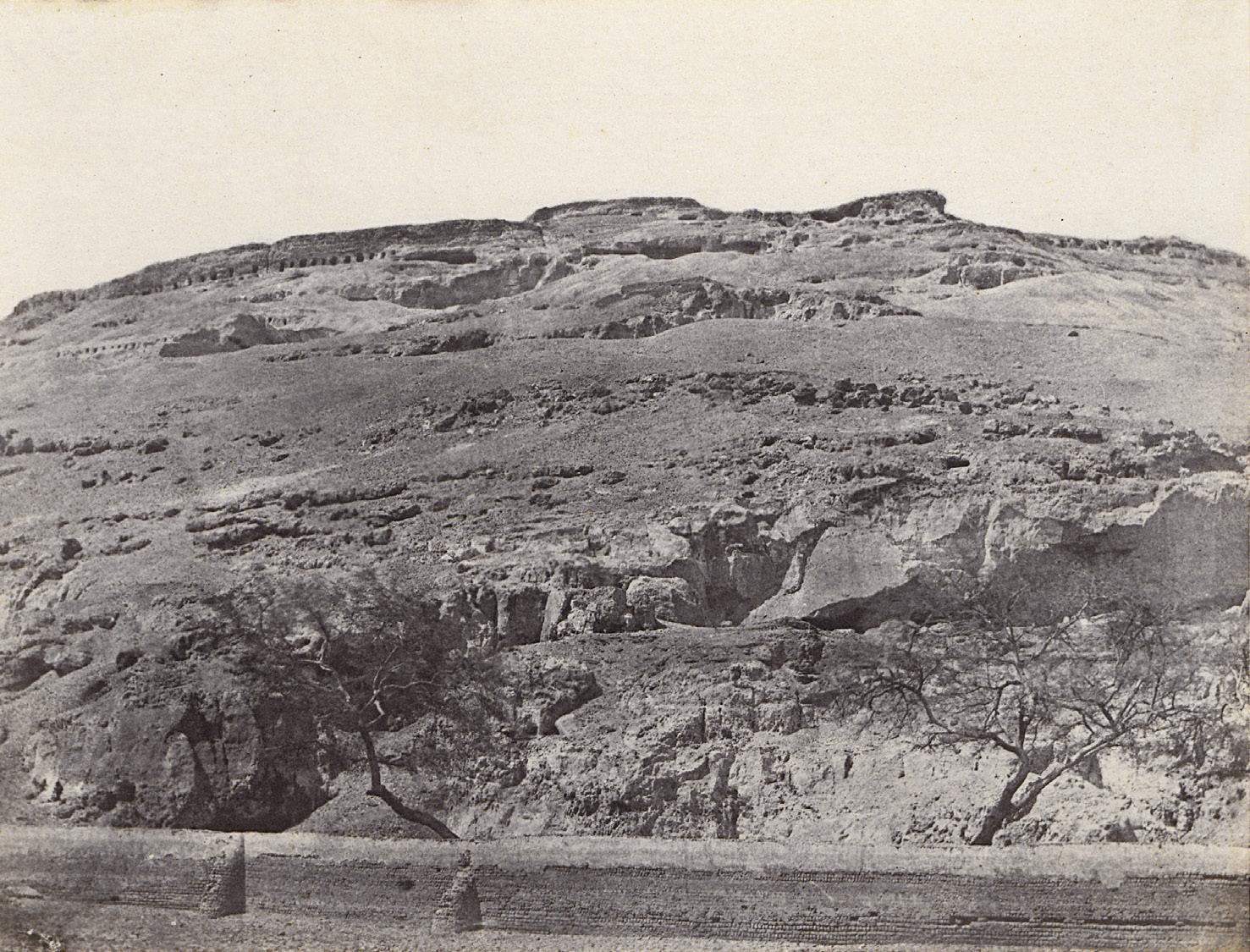
4062 Nécropole de Lycopolis ; Vue générale d‘Esneh 1850. 2 salted paper prints (Blanquard-Evrard process). 16 x 21,2 cm and 14,4 x 21,5 cm (mounts ca 31 x 45 cm). Each mounted to original card with title, photographer‘s and publisher‘s name printed above/below the image on the mount. Plate numbers 12 and 64.
1.200 €
Maxime du Camp produced some of the earliest systematic photographic views of Egypt’s ancient monuments along the Nile, focusing on temples, tombs, and archaeological sites from Upper Egypt to Nubia. His images are characterized by carefully structured compositions that emphasize the scale and isolation of these ruins within the surrounding landscape. Working with early paper processes under demanding conditions, he used photography as a tool of documentation, creating images that balance topographical precision with a restrained, almost austere aesthetic.
Lit.: Bodo von Dewitz and Karin Schuller-Procopovici, eds. Die Reise zum Nil: 1849-1850. Göttingen: Steidl, 1997, ill. p. 76, 137.
egypt
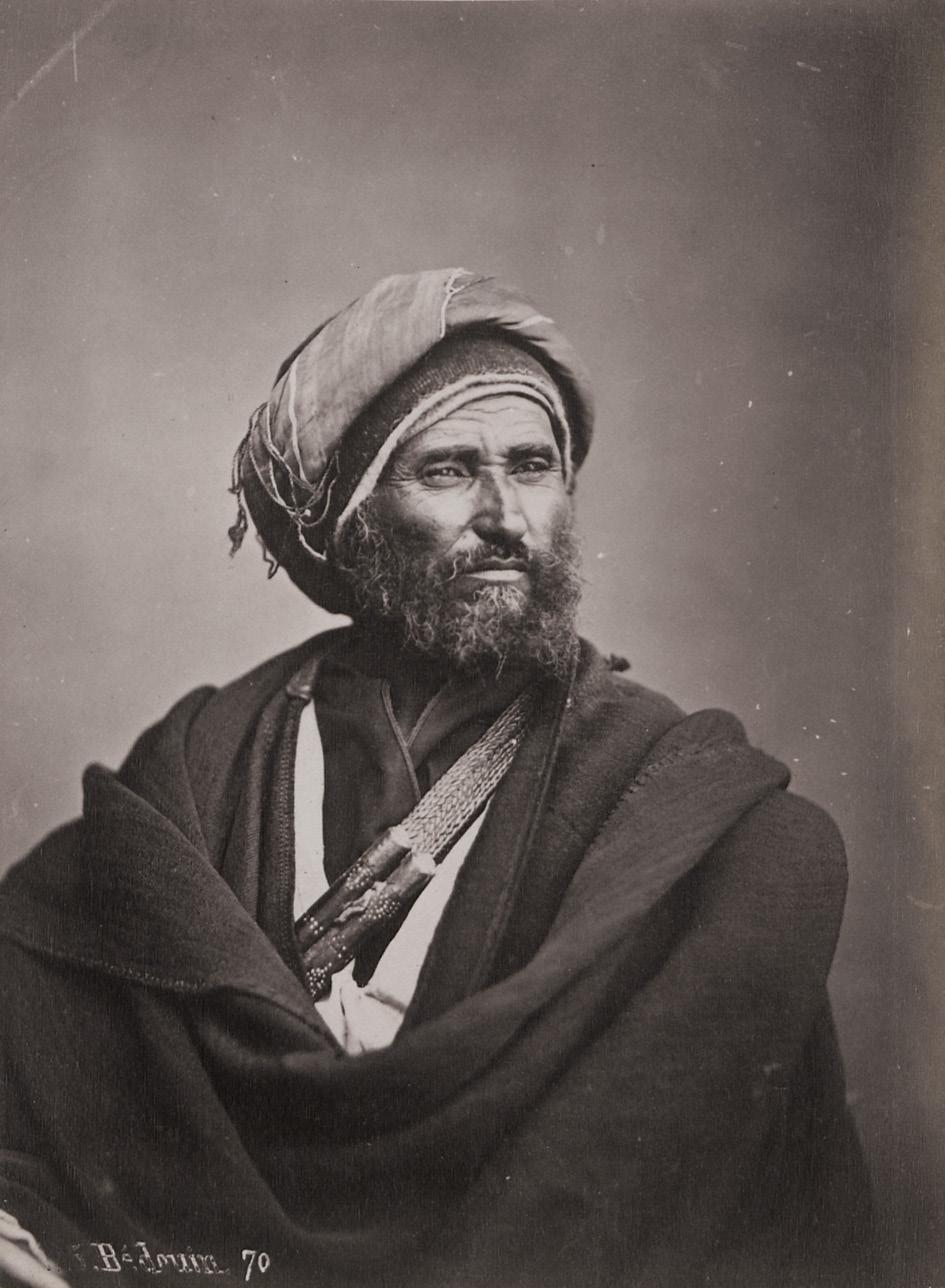
4063 Photographers: Hippolyte Arnoux (active 1860-1891), Félix Bonfils (1831-1885), Gabriel Lekegian (1853-1920), Pascal Sébah (1823-1886), Zangaki brother s (active 1860-1890s), and others. People of Egypt. 1870s1880s. 43 albumen prints, mounted to board. Each between ca. 14,5 x 10,2 cm and 27,2 x 21,2 cm (mounts ca. 31,7 x 24 cm). Most numbered, titled, and signed in the negative in the lower margin.
800 €
This extensive group comprises studio portraits, staged outdoor compositions, and street scenes depicting men, women, and children presented as ethnographic “types” from Egypt, including dancers and musicians, water sellers, market vendors, craftsmen, donkey riders, Bedouins, camel drivers, shoe shiners, and sakkas along the Nile, as well as architectural views and interior scenes. The photographs originate primarily from Egypt and the eastern Mediterranean and reflect the visual conventions developed by commercial studios serving the European tourist and export market at the time.
elbing
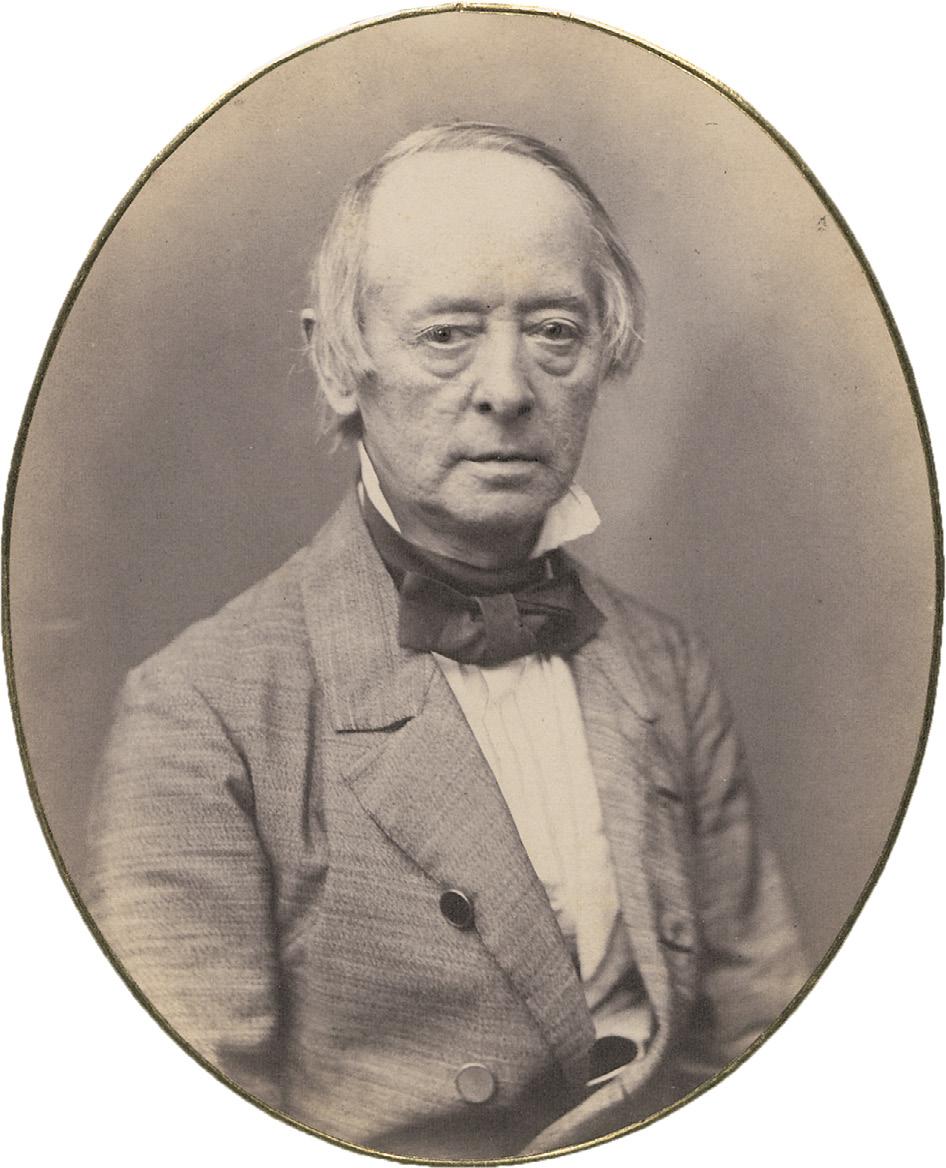
4064 Commemorative portrait album for Dr. W. Hertzberg, Elbing. 1858. 13 mostly oval salted paper prints, mounted to gilt-edged album pages with decorative frame lines. Each ca. 14,5 x 11,5 cm (mounts ca. 22 x 29 cm). Bound in contemporary red velvet album with gilt-stamped decorations and title.
600 €
This elaborately decorated commemorative album, dedicated to Dr. W. Hertzberg, Director der höheren Bürgerschule in Elbing, features a hand-drawn and handwritten title page and contains a compelling group of formal teacher portraits. At the beginning of the album is a particularly rare early view of Elbing, likely among the earliest known photographic representations of the town.
dimitri ivanovich ermakov (1846–1916)
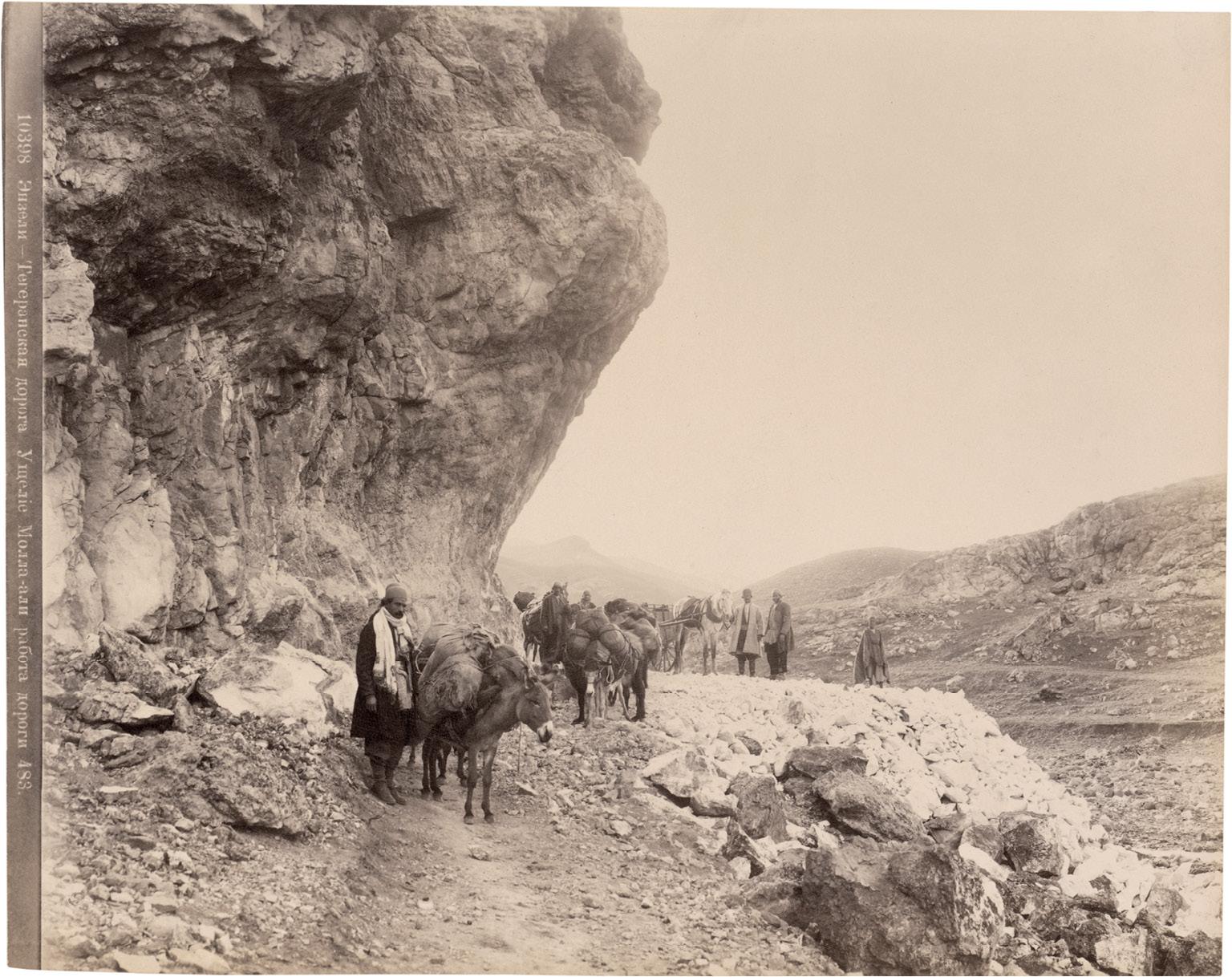
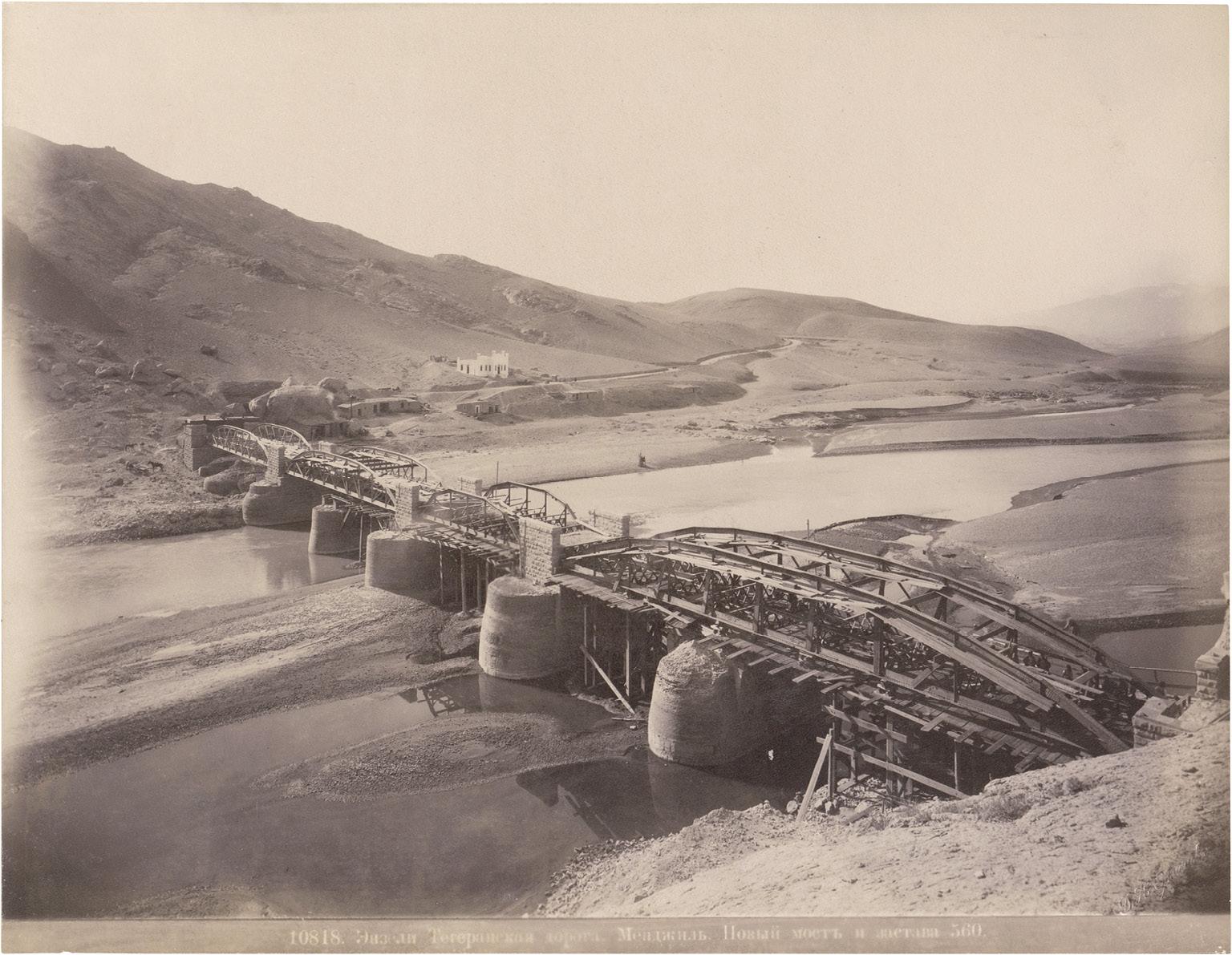
4065 Album documenting the construction of the Enzeli-Tehran Road. 1880s. 70 albumen prints, mounted to album pages. Each between 21,5 x 27 cm and 22,2 x 28,5 cm (mounts 49,5 x 33 cm). Each with the photographer’s embossed signature stamp in the lower right corner of the prints and numbered and titled in the negative in lower margin. Bound in red halfleather album with gilt-stamped title on the cover.
4.000 €
This album documents the construction and development of the Enzeli-Tehran road, a strategically important route linking the Caspian Sea to the Persian capital. The images capture dramatic landscapes, engineering works, and settlements along the route, including bridges, mountain passes, and caravan traffic. Built under Russian auspices in the late 19th century, the road served both commercial and military purposes within the broader context of imperial expansion in northern Persia. Widely regarded as one of the foremost documentarians of the Caucasus and adjacent regions, Ermakov traveled extensively across Georgia, Armenia, and Persia; his legacy is preserved by the National Museum of Georgia, which holds a significant collection of his negatives.
roger fenton (1819–1869)
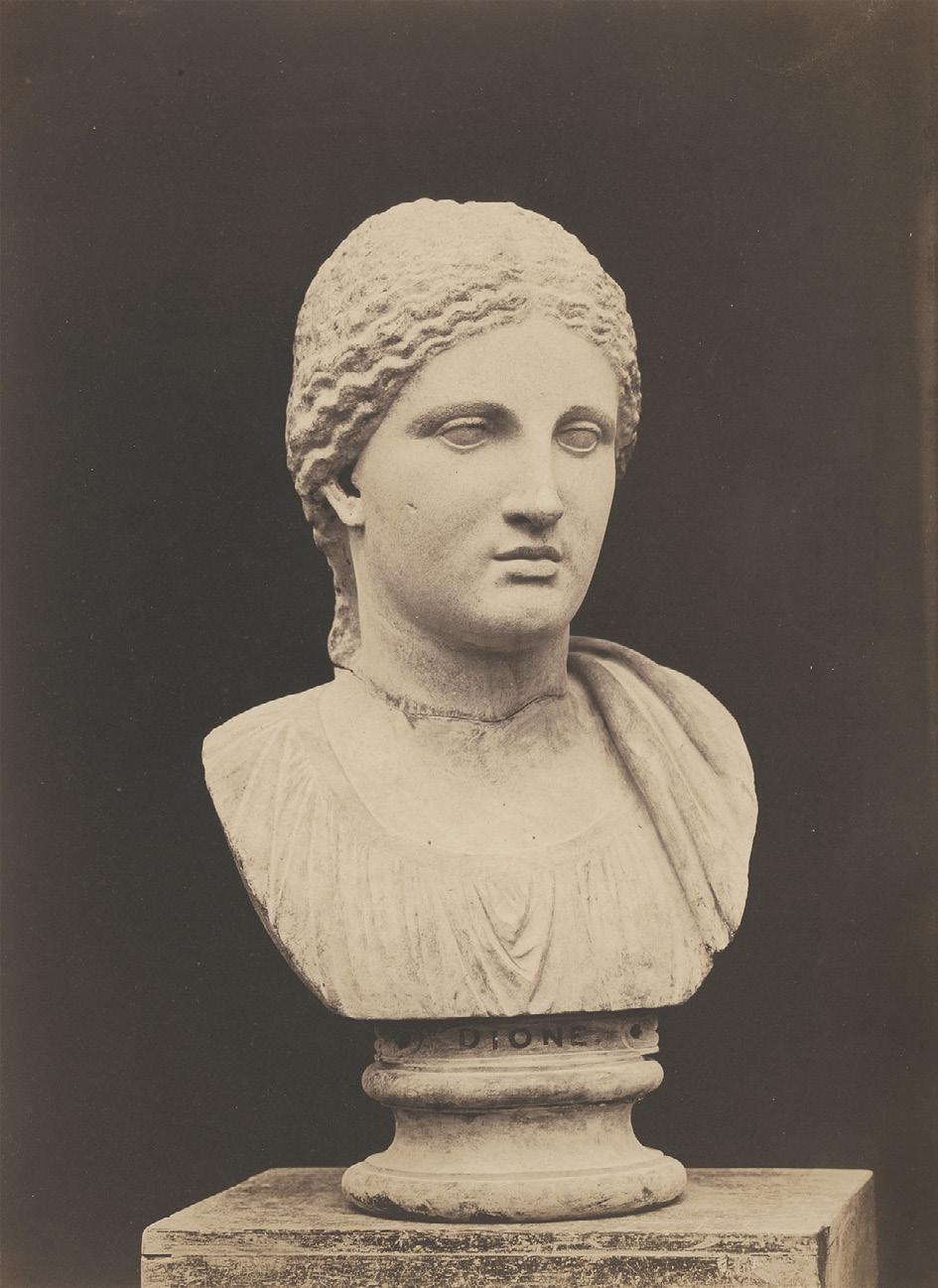
4066 Bust of Dione at the British Museum. 1857. Salted paper print, mounted to original card. 32,5 x 24 cm (mount 58,3 x 41,8 cm). Printed annotations below the image on the mount.
600 €
In 1853, Roger Fenton was commissioned by the British Museum to photograph works from its collection, leading him to produce a series of images after classical sculpture in an open-air studio set up on the museum’s roof. Although unpaid, the project allowed Fenton to sell the prints independently, positioning these photographs within an emerging market for reproductions of canonical artworks and as tools for artistic study. The present image depicts Dione, a figure from Greek mythology often identified as a consort of Zeus and, in some traditions, the mother of Aphrodite.
charles-paul furne (1824–1875)
4067 Douarnenez, vue prise de la baie. Ca 1857. Albumen print, mounted to card. 20,4 x 27,2 cm (mount 34,6 x 46 cm). With the photographer’s blindstamp below the image on the mount and negative number inscribed in pencil. Annotated in pencil in lower left corner of the mount.
1.800 €
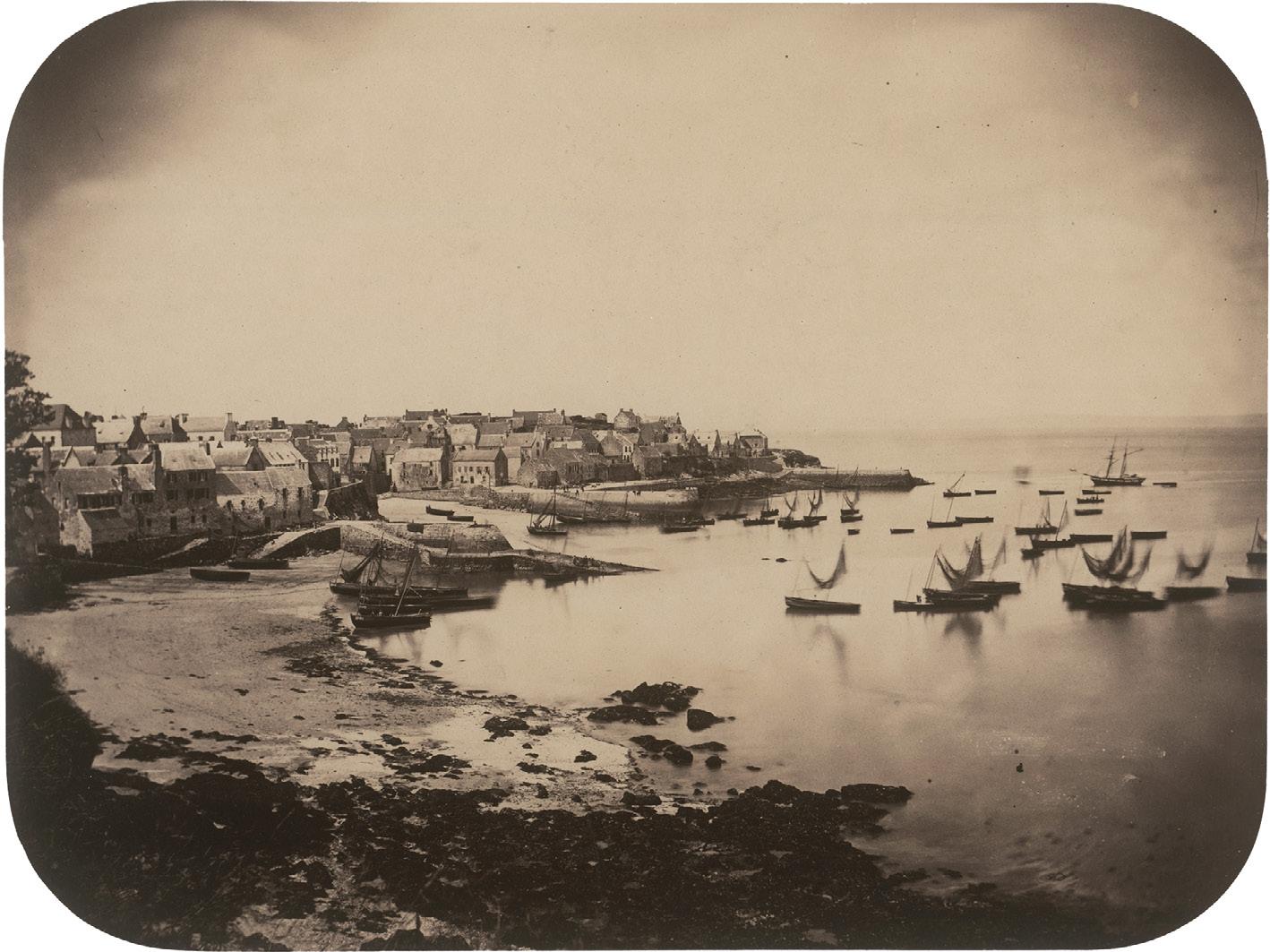
Charles Paul Furne was a French photographer and publisher active in the 1850s, working within the Furne family firm on early photographic surveys of France. His activities ranged from landscape views and urban surveys to large-scale publishing ventures, including a sustained photographic survey of Brittany undertaken in 1857-1858 with Henri Alexis Omer Tournier. While Furne’s work is less widely known today than that of contemporaries such as Édouard Baldus and Gustave Le Gray, it remains significant for its contribution to the development of early French landscape photography.
vincenzo galdi (1871–1961)
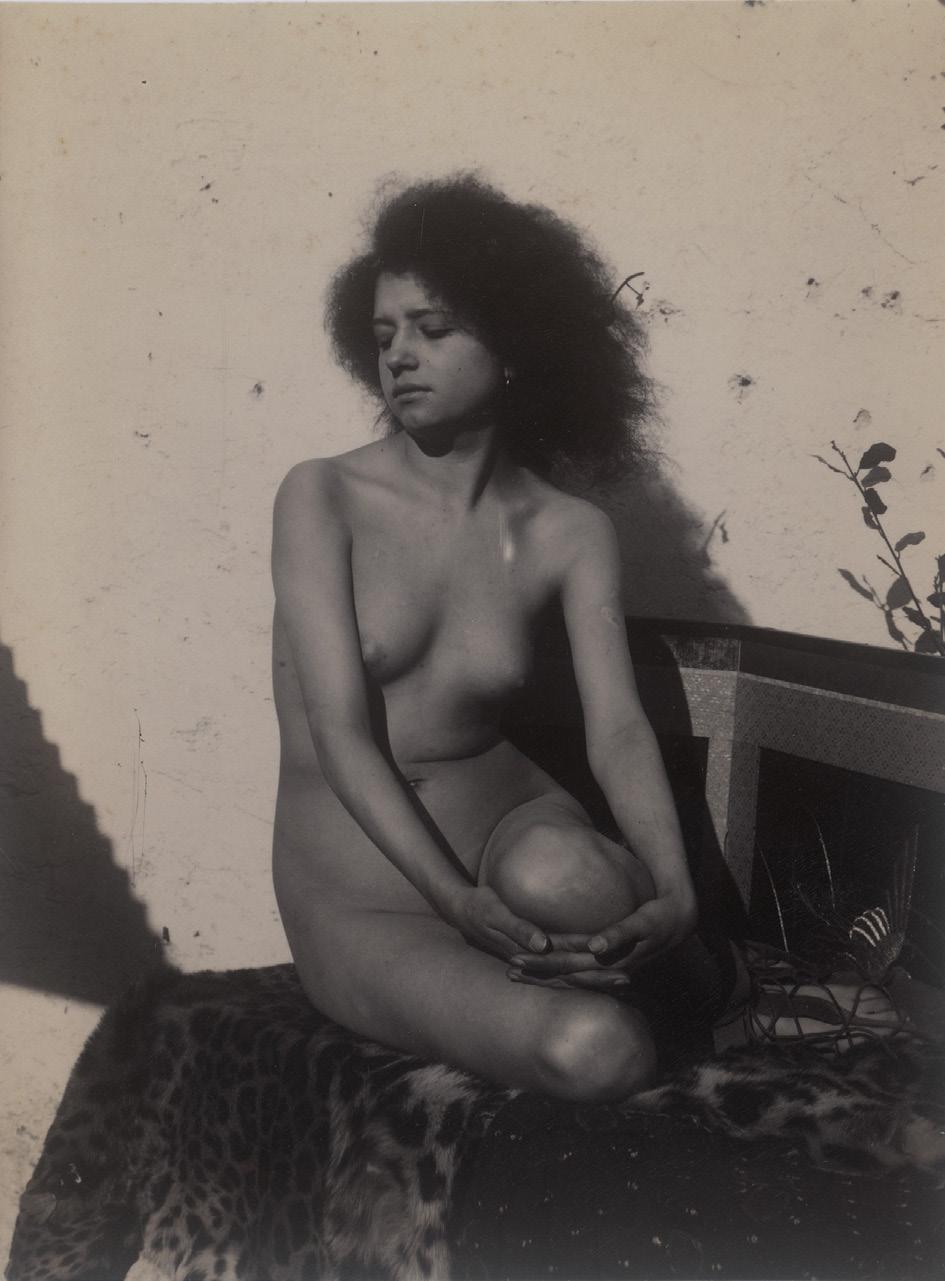
4068 Female nude. Circa 1900. Albumen print. 22,2 x 16,5 cm. Photographer‘s „Via Campania lett: B Roma“ studio stamp and number „974“ in pencil on the verso.
750 €
Vincenzo Galdi was an Italian photographer and protégé of Wilhelm von Plüschow, known for his contributions to 19thcentury nude photography. Having first appeared as a model in his mentor’s work, he soon established himself as a prolific and distinctive practitioner in Naples and later in Rome, developing a practice characterized by a direct and often unconventional approach to the genre.
vincenzo galdi
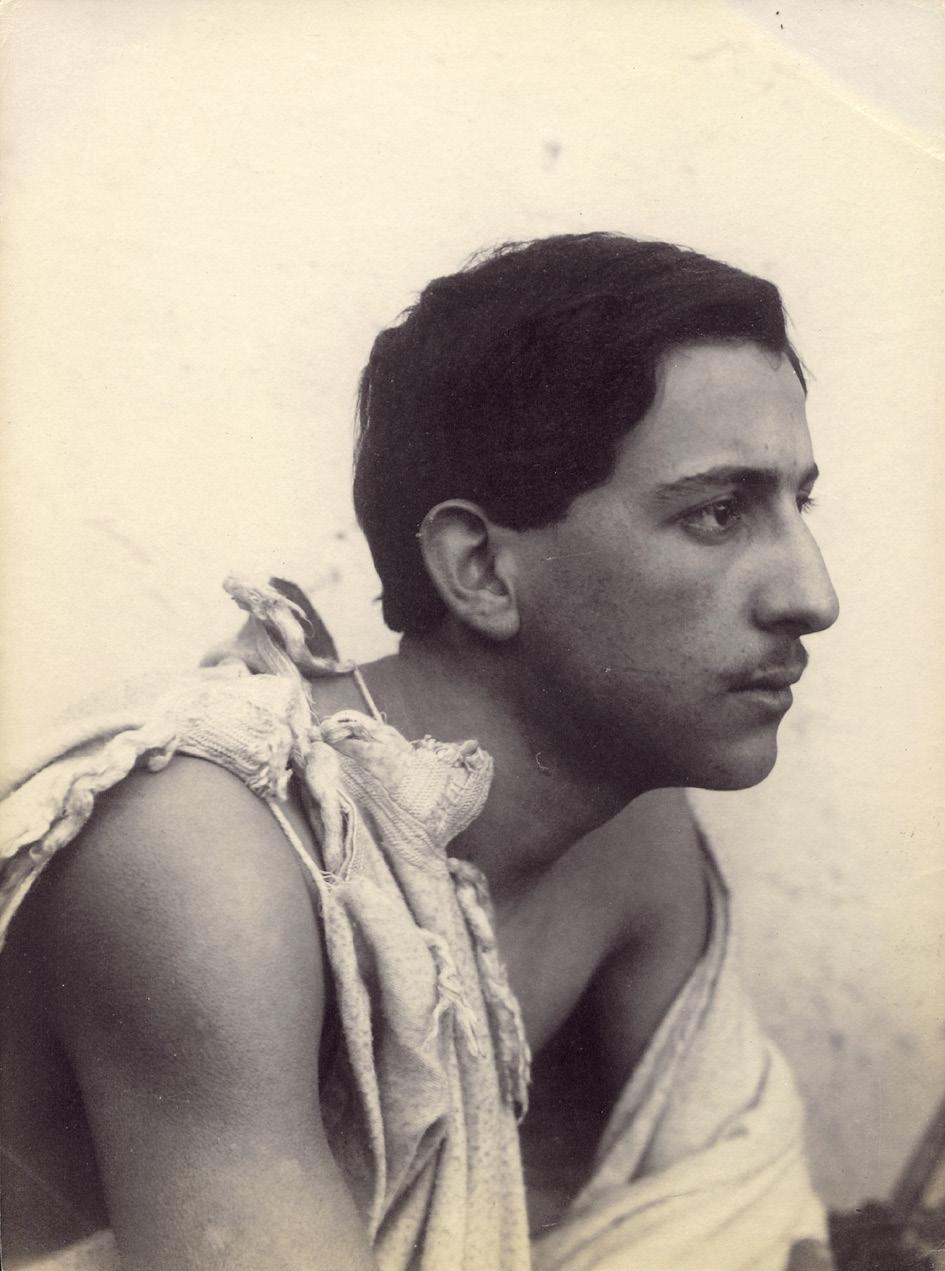
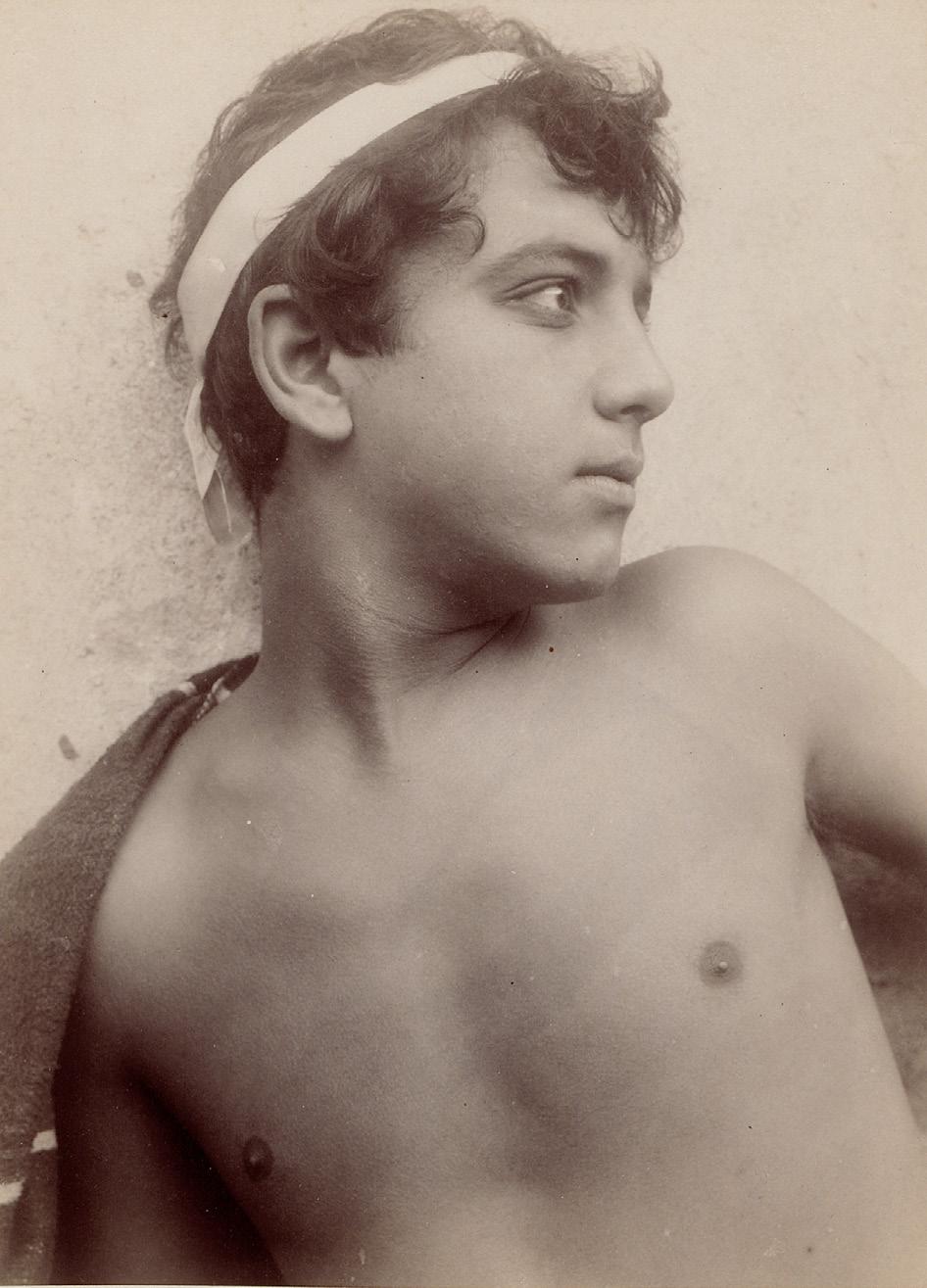
4069 Portrait of a youth in Roman tunic. Circa 1900. Albumen print. 22,3 x 16,6 cm. Photographer’s “Via Sardegna 55, Roma” stamp and number “1156” in pencil, as well as annotations in ballpoint pen on the verso.
1.000 €
wilhelm von gloeden (1856–1931)
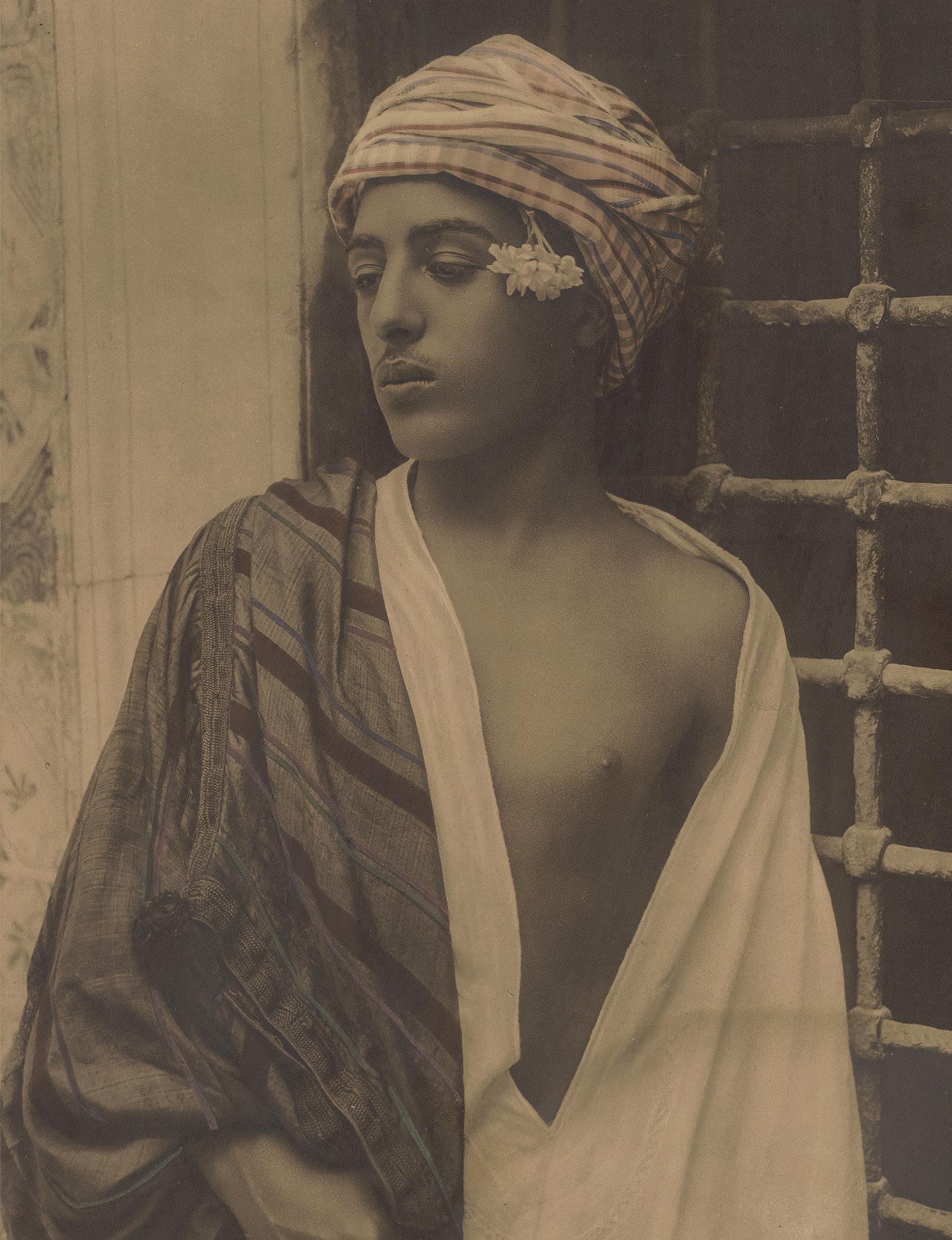
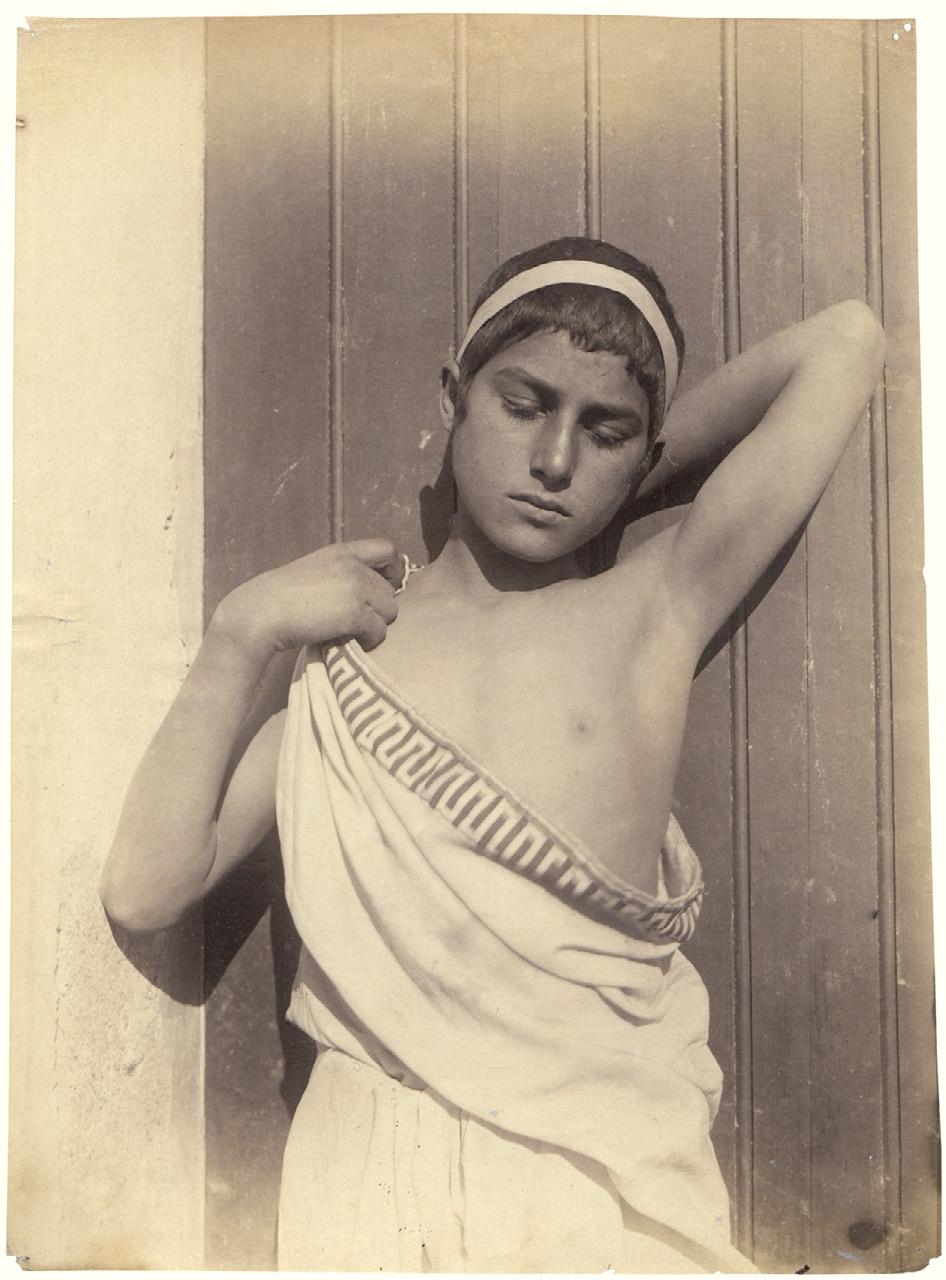
4070 Young boy with headband. 1890s. Albumen print, mounted to board. 22,5 x 16.2 cm (mount 35,5 x 28 cm).
1.200 €
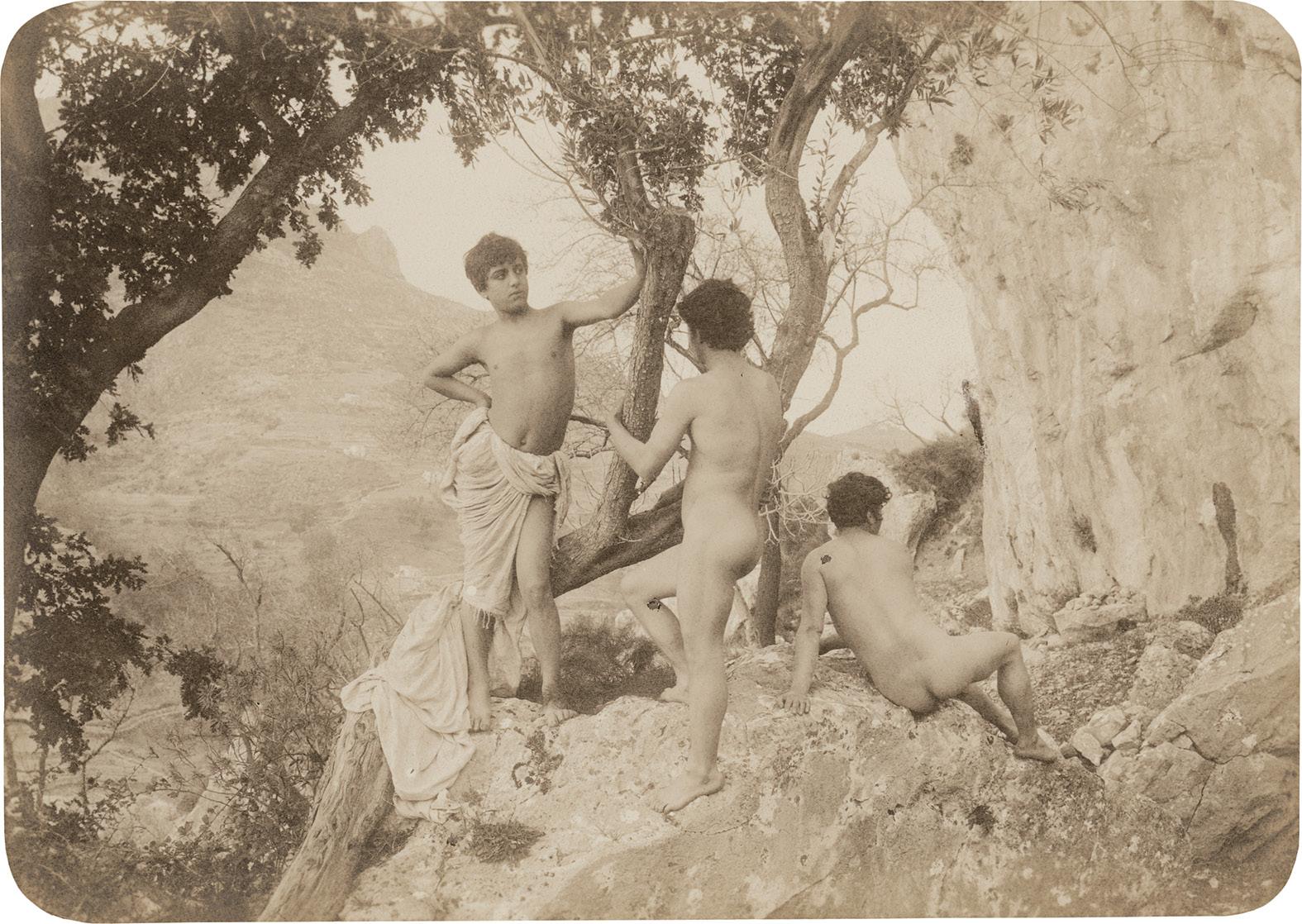
Wilhelm von Gloeden is best known for his idealized photographs of nude Sicilian youths, staged in classical poses and settings around Taormina. Drawing on Greco-Roman aesthetics and pastoral themes, his work blends homoeroticism, ethnographic curiosity, and pictorial elegance, contributing to early discourses on photography as both fine art and social document.
Lit.: Italo Zannier. Wilhelm von Gloeden Fotografie: Nudi, Paesaggi, Scene di Genere. Florence: Alinari, 2008. ill. p. 133 (images from same sitting).
wilhelm von gloeden
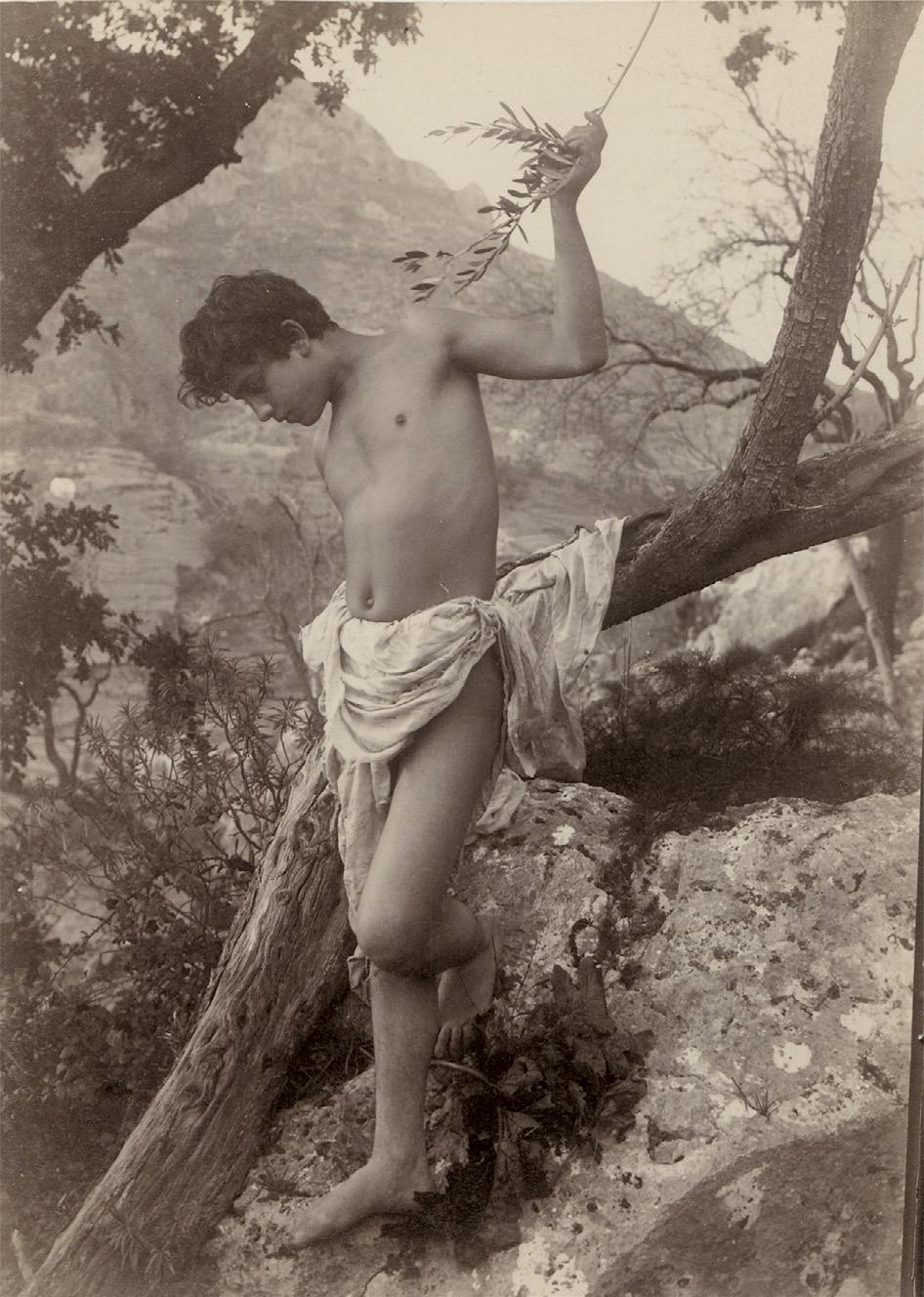
4071 Young boy leaning on tree branch. 1900. Albumen print, mounted to board. 23 x 16,5 cm (mount 35,4 x 28 cm).
1.200 €
Lit.: Italo Zannier. Wilhelm von Gloeden Fotografie: Nudi, Paesaggi, Scene di Genere. Florence: Alinari, 2008. ill. p. 114 (variant).
wilhelm von gloeden
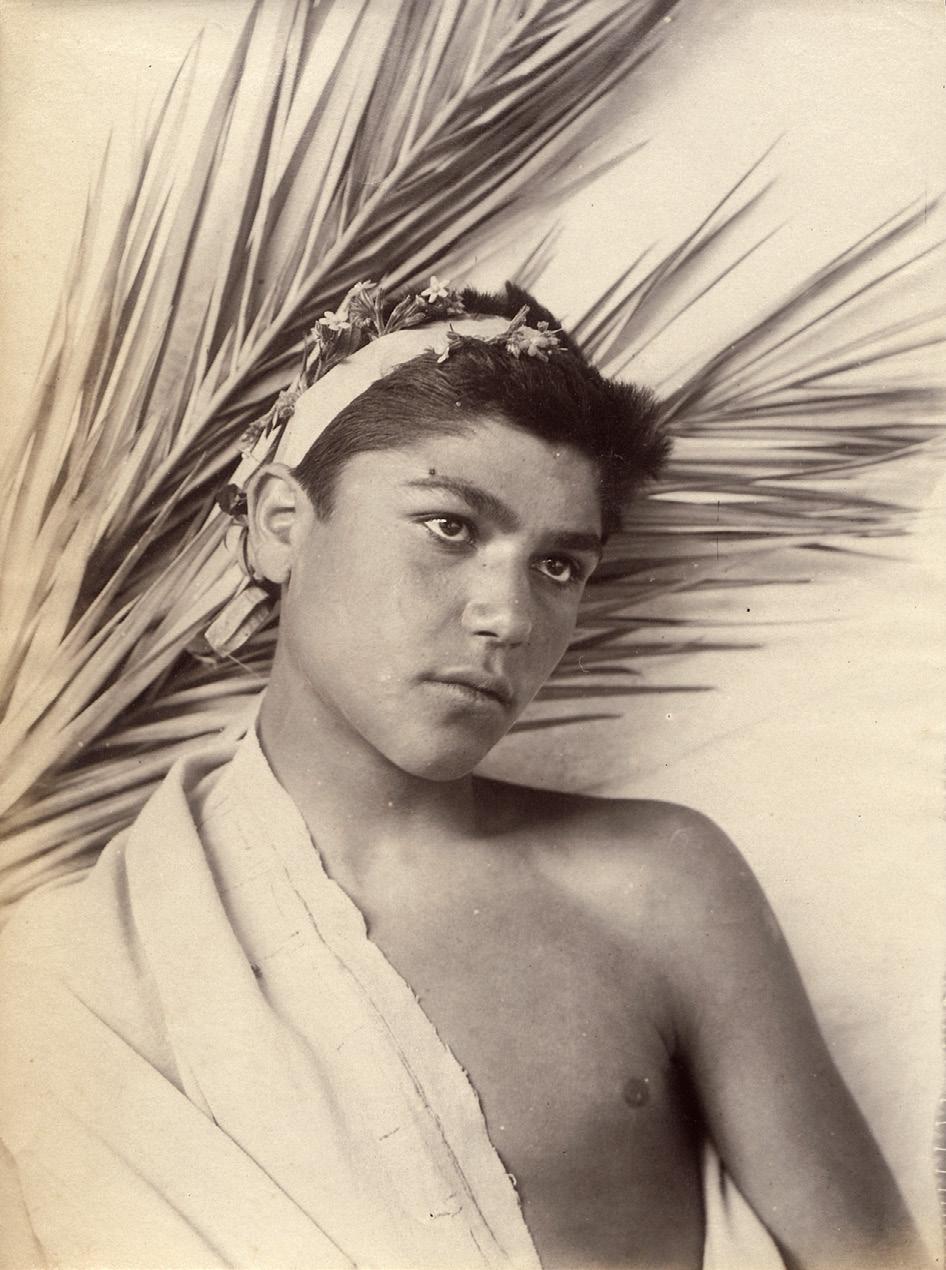
4072 Youth with headband. 1890s. Albumen print. 23 x 17,2 cm. Numbered “191” and annotated “Taormina” in pencil on the verso, as well as a partially visible copyright stamp.
1.000 €
wilhelm von gloeden
4073 Young boy in toga with headband. 1890s. 2 albumen prints. Each ca. 23 x 16,8 cm. Photographer‘s „Taormina Sicilia“ studio stamp and/or annotated in pencil on the verso.
1.200 €
wilhelm von gloeden
4074* Three male nudes in Arcadian scene. Circa 1900. Salted paper print, mounted to board. 15,2 x 21,4 cm (mount 31 x 37,5 cm). Framed under glass in wooden frame.
1.200 €
wilhelm von gloeden
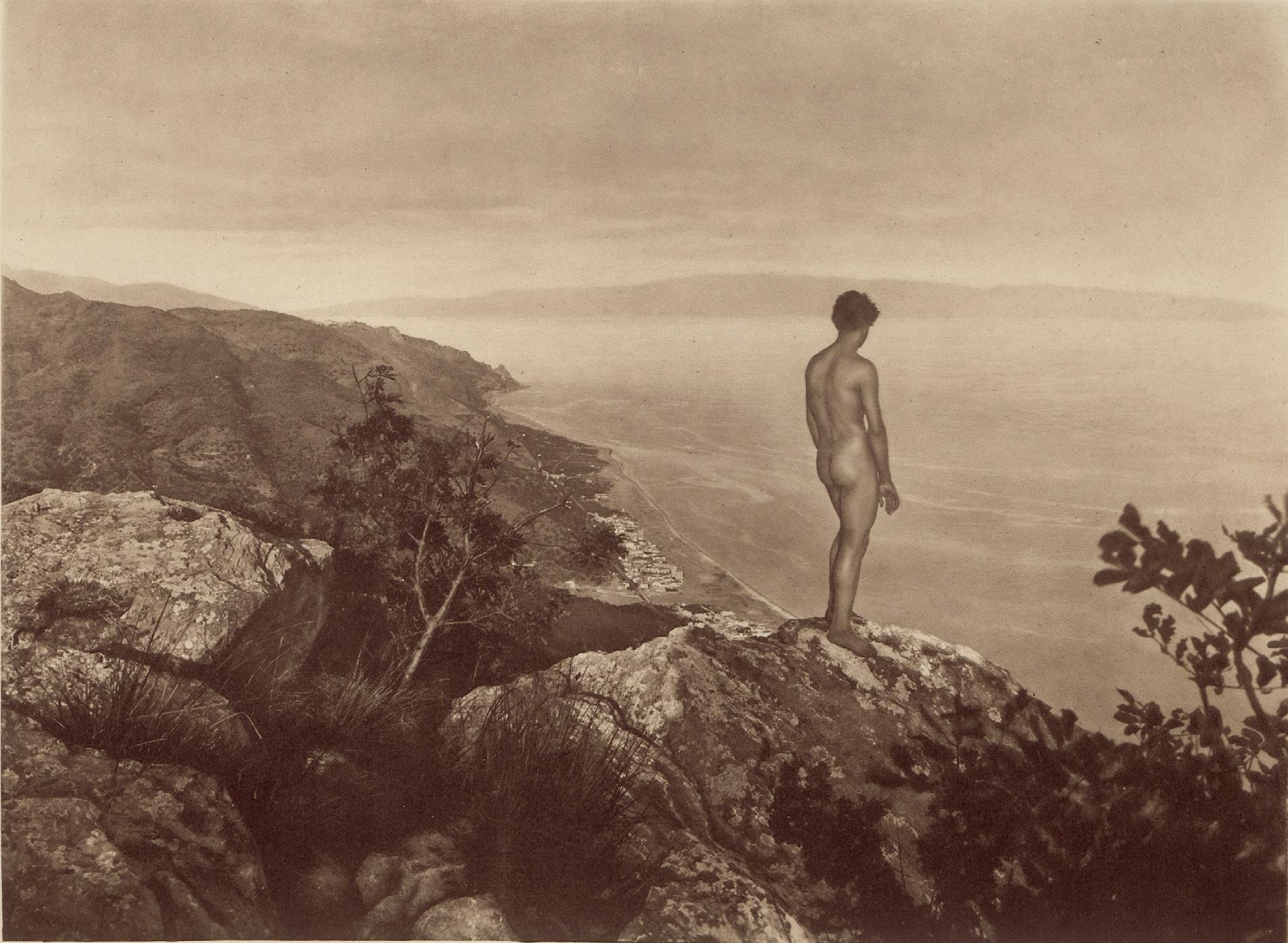
4075 Elegie. Circa 1900. Large-format photogravure on strong vellum paper, mounted to board. 26 x 32,7 cm (mount 33,3 x 38,5 cm). Signed by the photographer in pencil and title printed in the lower margin.
1.500 €
This atmospheric work Elegie by Wilhelm von Gloeden was taken during the same period as Cain, one of von Gloeden’s most iconic and widely reproduced works. Here the photographer also employs a sitter in a contemplative pose with allegorical weight. Blending classical references with fin-de-siècle symbolism, the image exemplifies the photographer’s refined use of natural light, idealized male form, and mythic undertones that helped shape his enduring legacy in art photography.
Lit.: Volker Janssen (ed.) . Wilhelm von Gloeden, Wilhelm von Plüschow, Vincenzo Galdi: Italienische Jünglings-Photographien um 1900. Berlin: Janssen, 1991, ill. p. 32.
Italo Zannier (ed.), Wilhelm von Gloeden, Fotografie: Nudi. Paesaggi. Scene di Genere, Florence: Alinari, 2008, ill. p. 78.

4076 Photographer unknown. Panorama of Hong Kong Bay. 1880s. Panorama consisting of 4 linen-backed albumen prints, mounted on one side to board as leporello. Each ca. 19 x 26 cm (entire size: 19 x 108,5 cm).
1.500 €
This panorama presents a view over Hong Kong Bay taken from a high vantage point, likely Victoria Peak, looking across the harbor toward Kowloon.
japan
4077 Photographers: Baron Raimund von StillfriedRathenitz (1839-1911), Adolfo Farsari (1841-1898), Kusakabe Kimbei (1841-1934), Kozaburo Tamamura (1856-1923?), Kazumasa Ogawa (1860-1929), and other s. People and landscapes of Japan. 1860s-1890s. 34 albumen prints, mounted to board. Each between 26 x 20,5 cm and 27,3 x 21,3 cm or reverse (mounts between 26 x 32 cm and 30,5 x 37,8 cm or reverse). Some captioned and numbered in the negative in lower margin.
600 €
This group of photographs presents a rich array of genre scenes and occupational portraits - including of geishas, samurai, actors, artisans, priests, street vendors, and sedan chair bearer s – alongside numerous landscape views of Tokyo, Hakone, Nikko, Kyoto, Futamatagawa, and Nagasaki.
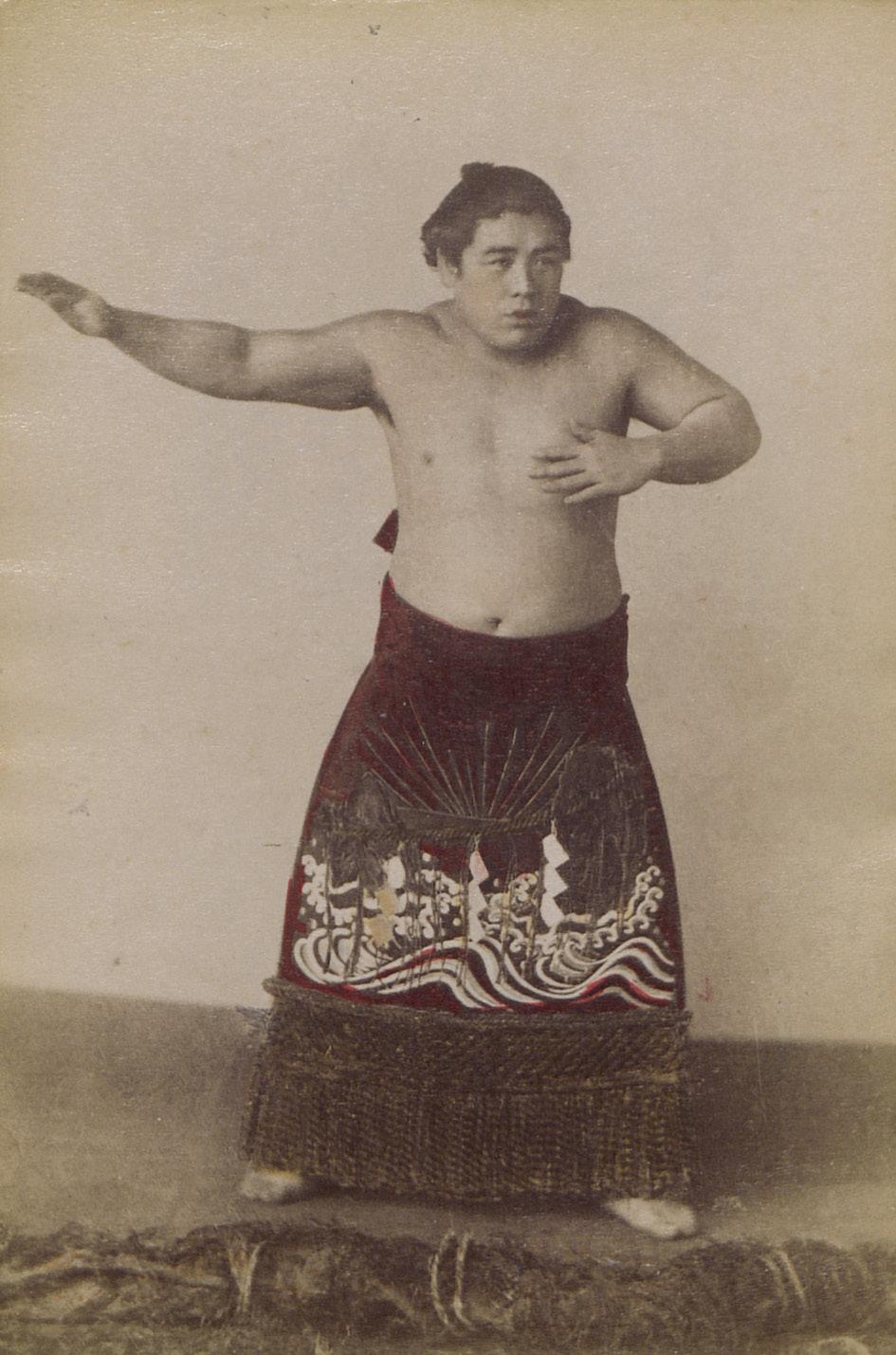
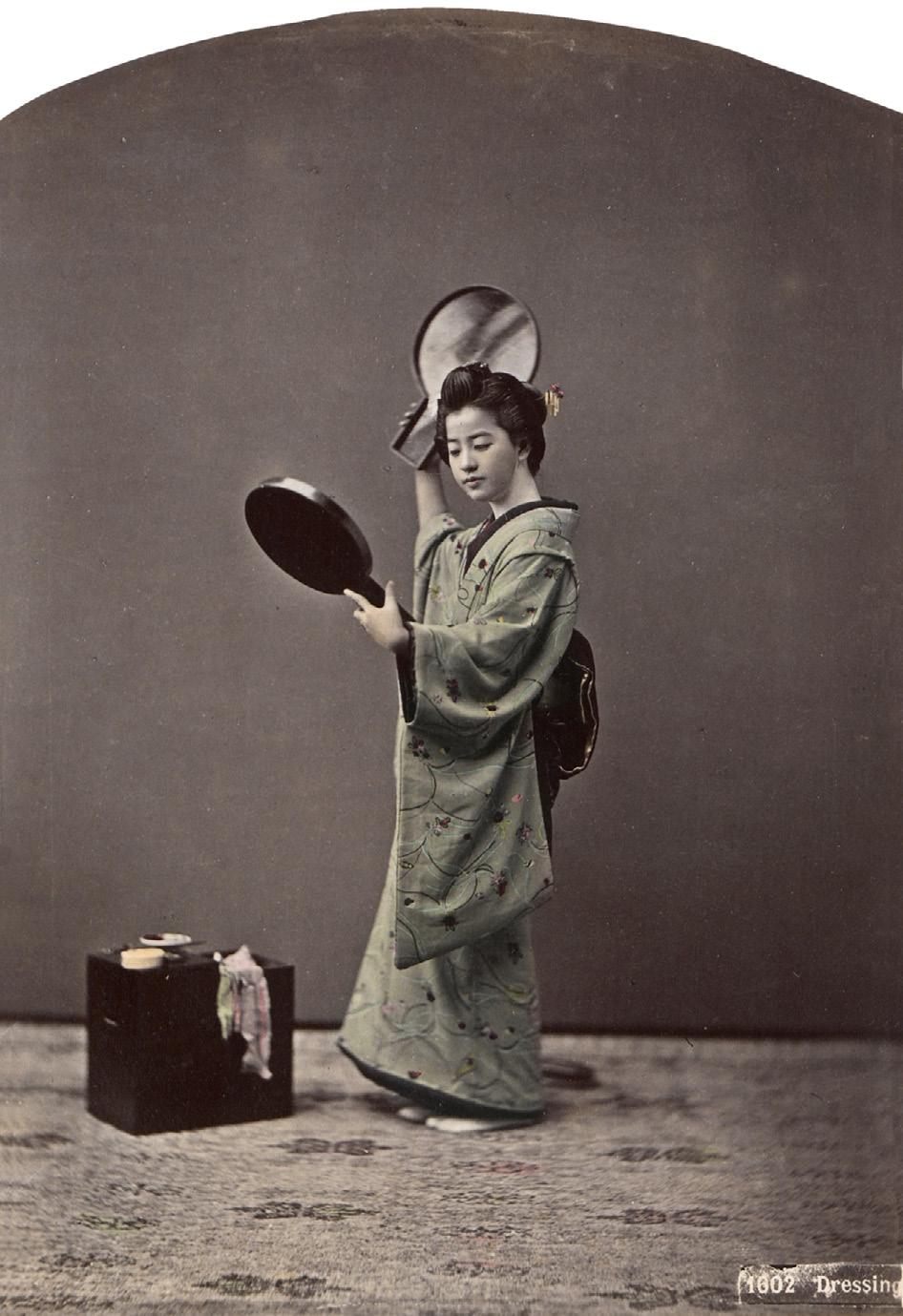
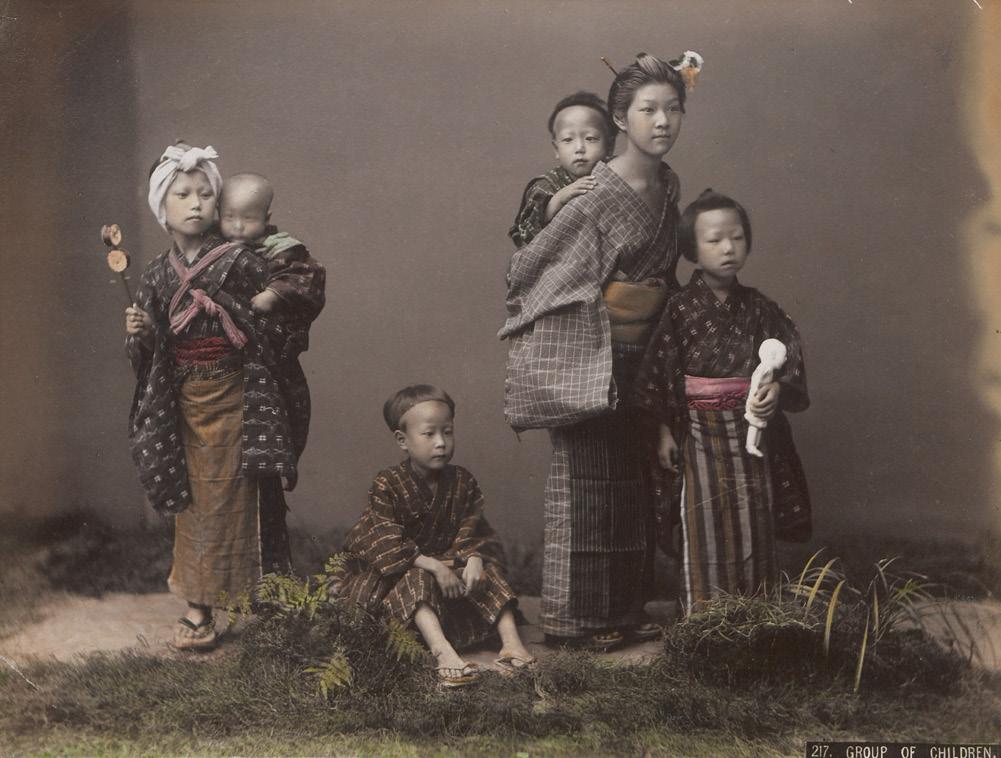
4078 Photographers: Adolfo Farsari (1841-1898) and unknown. Japanese portraits. 1880s-1890s. 12 handcolored albumen prints. Each ca. 13,2 x 9 cm or reverse. Some numbered and titled in the negative in the lowe r margin; most annotated and dated in blue ink on the verso.
500 €
The group comprises staged studio and outdoor genre portraits of Japanese men and women in traditional dress, including several portraits of geishas, a sumo wrestler, a kabuki actor holding a sword, a porter carrying a shrine, sedan chair bearers, and various domestic scenes.
japan
4079 Photographer: Kusakabe Kimbei (1841-1932) and others. Selected genre scenes. 1880s-1890s. 3 hand-colored albumen prints, 2 mounted to board/ mat. Between 12 x 28,8 cm and 20 x 25,5 cm (mounts between 22 x 39,5 cm and 33 x 39,3 cm). 1 with number and title in the negative in lower right edge.
400 €
In 1885, Kusakabe Kimbei - formerly an assistant and colorist for Felice Beato - acquired Beato’s Yokohama studio from Baron Raimund von Stillfried-Rathenicz, who had purchased it in 1877. From 1885-1910, Kimbei emerged as one of Japan’s leading commercial photographers and played a pivotal role in shaping the visual identity of Meiji-era Japan, contributing significantly to the early history of photography in the country.
4080 Photographer unknown. Selected images of Japan. Circa 1900. 9 albumen prints (8 hand-colored), mounted to both sides of board. Circa 18,8 x 24 cm and reverse.
400 €
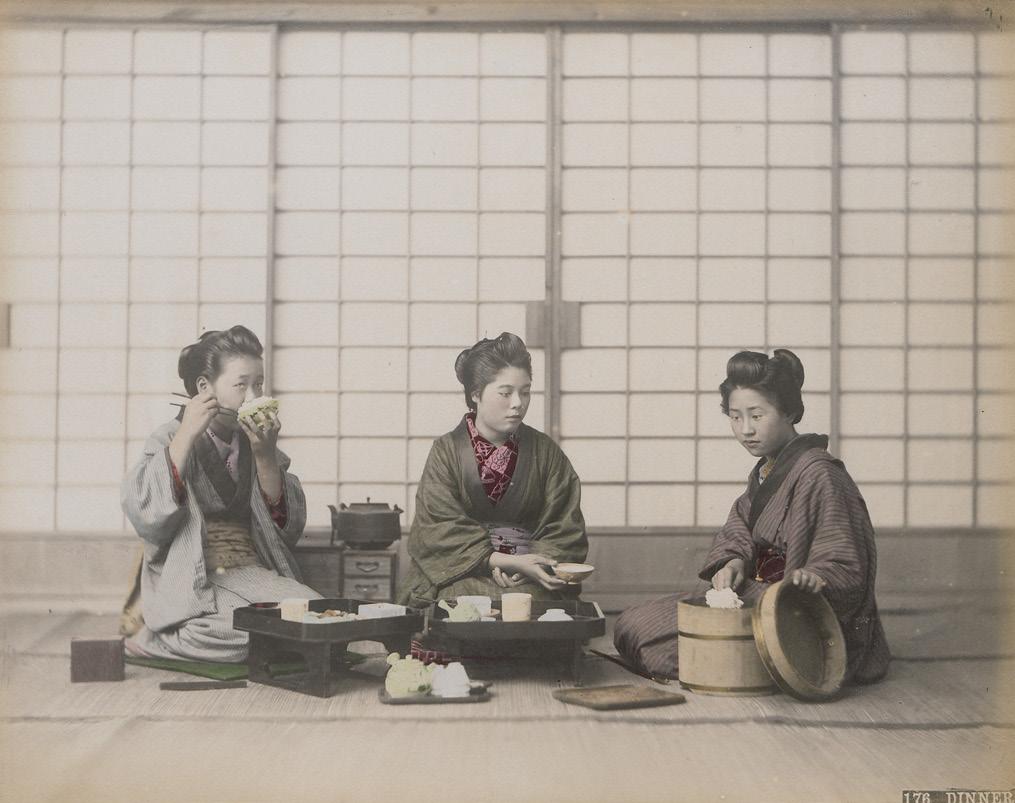
Several images depict the harvesting of tea plantations, while others show wrestlers, women dining, and the bustling harbor of Hankou, China.
java
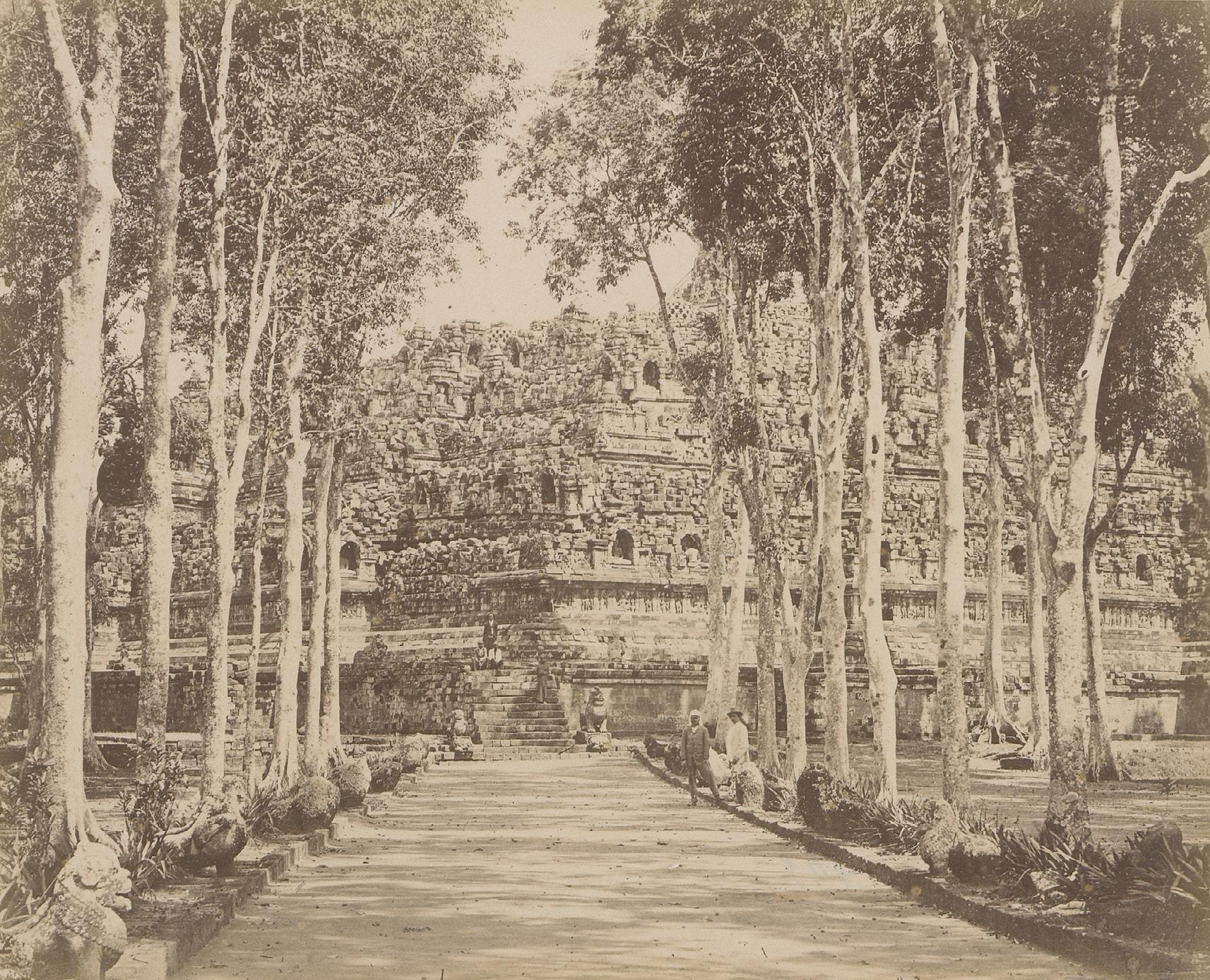
4081 Photographer: Isidore van Kinsbergen (18211905). Views of Borobudur temple, Java. 1873. 3 albumen prints, mounted to card or board. Between 24,3 x 35,3 cm and 27,7 x 34 cm or reverse (mounts between 28,8 x 40 cm and 32,7 x 43 cm).
600 €
These photographs belong to the seminal corpus produced by Isidore van Kinsbergen in Java between 1863 and 1867, commissioned by the Batavian Society of Arts and Sciences to document Hindu-Buddhist monuments, and later extended through his 1873 campaign at Borobudur. For many European audiences, images from the series “Oudheden van Java” provided a first encounter with Buddhist art, particularly through widely circulated views of Borobudur.
Lit.: Gerda Theuns-de Boer and Saskia Asser. Isidore van Kinsbergen (18211905): Photo Pioneer and Theatre Maker in the Dutch East Indies. Zaltbommel: Uitgeverij Aprilis, 2005, ill. p. 271.
4082 Photographers: Woodbury & Page (active 18571908). Views of Java and Batavia. 1860s-1870s. 50 albumen and collodion prints, mounted to card. Each ca. 17,7 x 24 cm or reverse (mounts 27 x 37 cm or reverse). Each annotated in black ink below the image on the mount. Presented in a contemporary half-leather clamshell box with marbled endpapers.
1.500 €
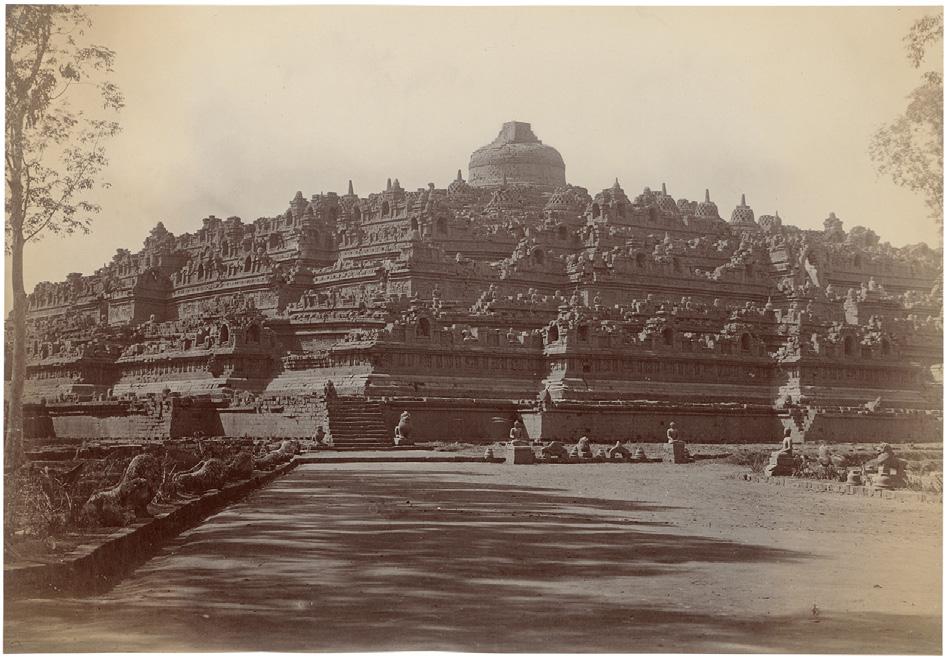
This album presents a structured visual survey of Batavia and its wider colonial environment, encompassing administrative sites such as the Stadthuis, the Paleis van Daendels, and Koningsplein, alongside private residences such as that of Ambrosius van Delden. It extends beyond the capital to Buitenzorg and its Botanical Garden, as well as to the volcanic landscapes of Mount Salak and significant cultural monuments such as Borobudur. These varied sites are situated within the geographic and institutional networks of nineteenth-century Dutch colonial presence in Java.
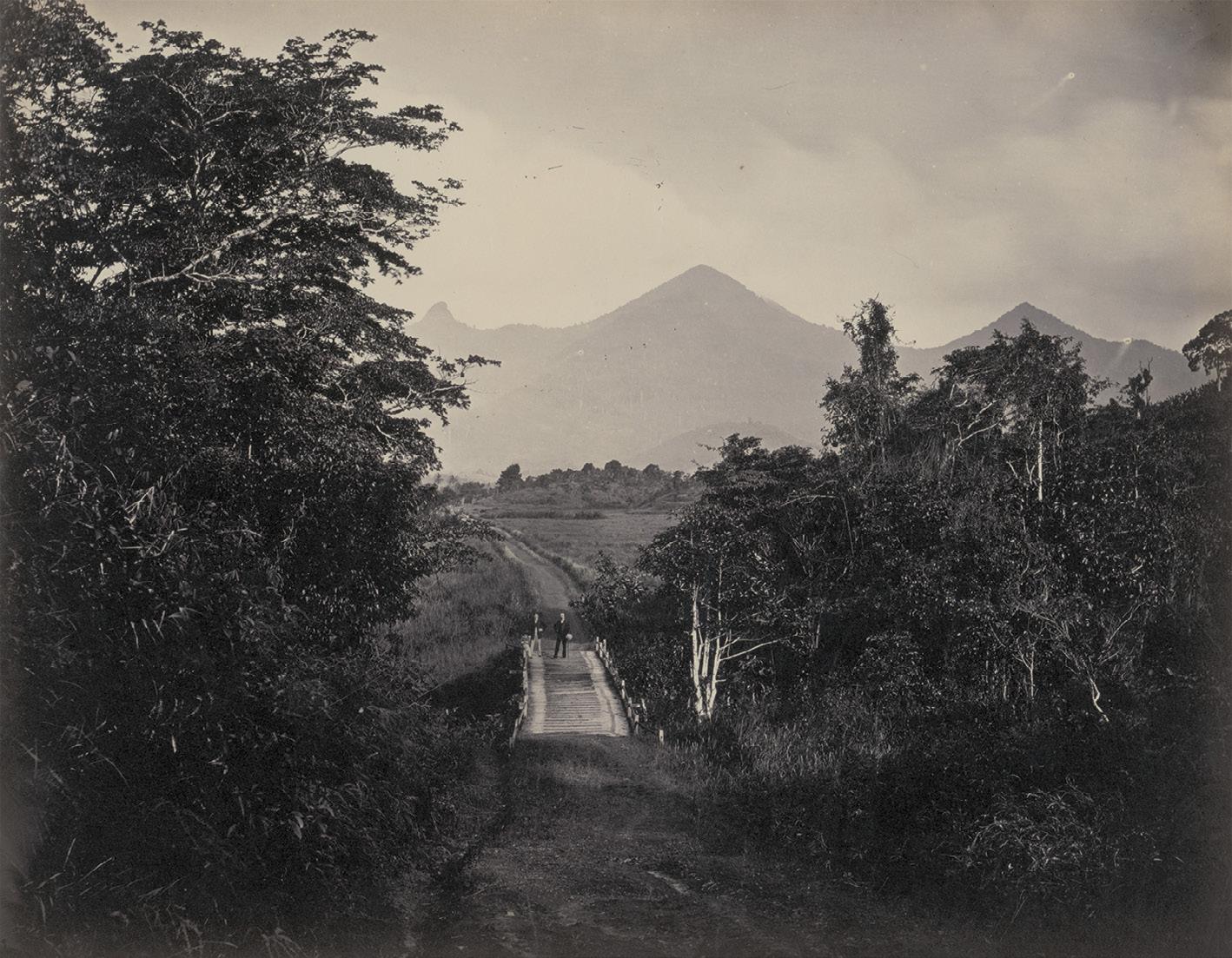
4083 Photographers: Woodbury & Page (active 18571908). Views of Java. 1880s. 12 albumen prints, mounted to board. Each ca. 19 x 24 cm (mounts ca. 30,7 x 40 cm). Annotated in black ink below the image on the mount; most with the photographer’s studio stamp embossed in the lower right corner.
1.000 €
This lot comprises a group of views from Java, ranging from Batavia and nearby Buitenzorg (Bogor) to the Preanger Highlands, Cianjur (Tjandjoer), and the Mount Bromo region, including volcanic landscapes and the ruins of Mendut Temple. The group is complemented by genre and portrait studies depicting local dress and everyday activities, such as batik production and sarong weaving, offering a multifaceted view of life in the Dutch East Indies.
kerguelen islands
4084 Photographer: Hermann Bobzin (1832-1881).
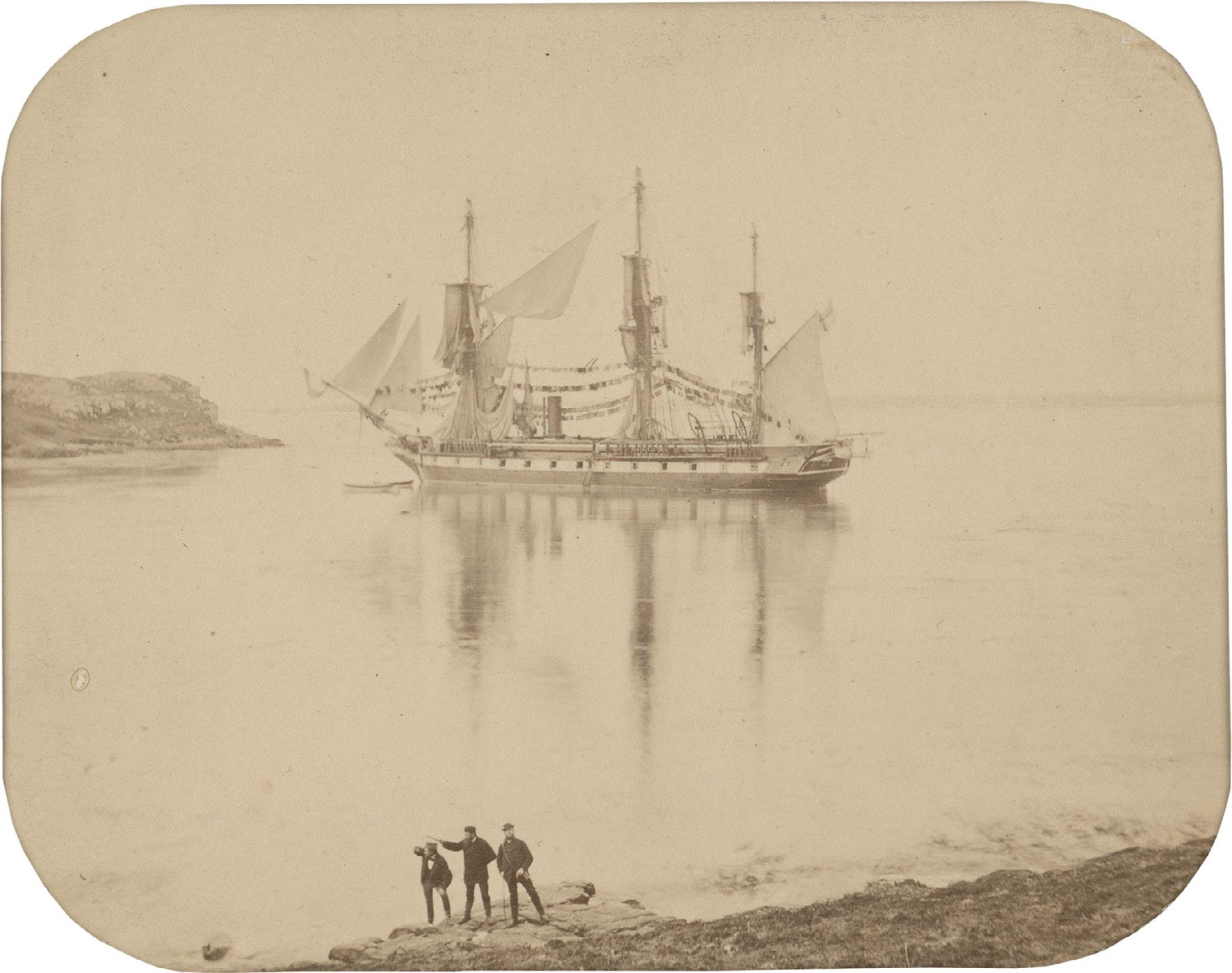
Expedition to the Kerguelen Islands aboard the S.M.S. Gazelle. 1874. 64 albumen prints, mounted to card. Each between 11 x 13,5 cm and 11 x 15,5 cm (mounts between 15,3 x 15,5 cm and 23,6 x 30,3 cm). Each annotated in blue ink below the image on the mount. Presented in original grey canvas portfolio with leather spine, embossed ornamentation, and gilt-embossed title on the front cover: “Photographische Aufnahmen der Deutschen Expedition nach der Kerguelen Insel zur Beobachtung des Vorübergangs der Venus vor der Sonnenscheibe am 9. December 1874,” together with several maps and nautical charts.
1.800 €
This group of photographs documents the German scientific expedition to the Kerguelen Islands in 1874, organized to observe the transit of Venus on 9 December. The images depict expedition members and officers of the naval corvette S.M.S. Gazelle, which transported the party to the subantarctic archipelago, shown at leisure, exploring, and hunting. Further views record temporary encampments - including crew housing, observation platforms, and a portable photographic darkroom alongside the stark rocky landscape and the island’s flora and fauna.
dimitrios konstantinou (active 1858–1860s)
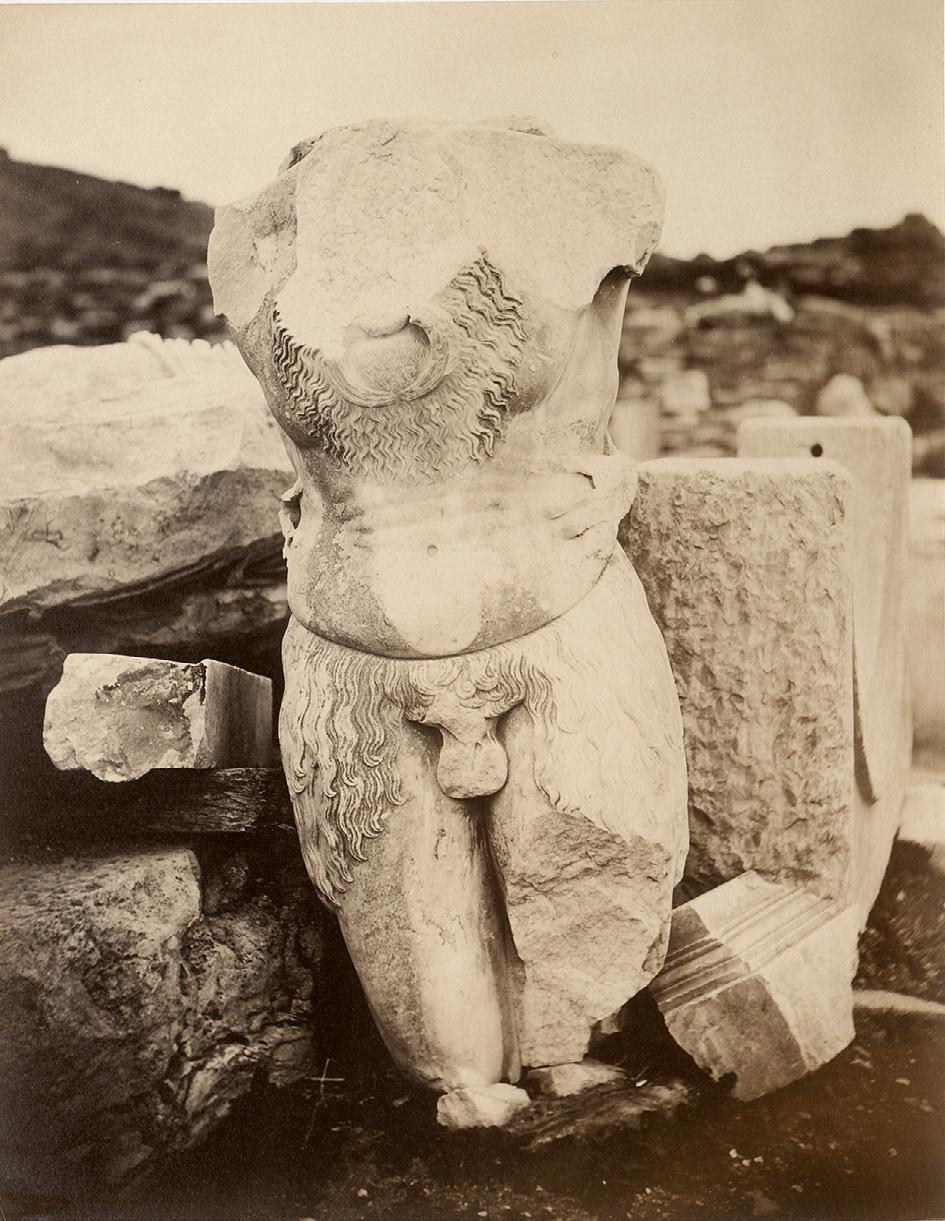
4085 Sculptural fragments from the Acropolis. 1860s 6 albumen prints, mounted to board. Each between 20 x 26 cm and 27 x 38,5 cm or reverse (mounts between 23,5 x 31 cm and 32 x 47,5 cm or reverse).
1.200 €
A rare group of early photographs documenting sculptural fragments from the Acropolis shortly after their excavation. The images include the Moschophoros (Calf-Bearer) and the Kritios Boy, both shown in their fragmentary state following exhumation, as well as representations of Dionysos and a Dionysiac relief (now in the collection of the Louvre). Several plates depict sections of the Parthenon frieze, including processional figures and horsemen.
dimitrios konstantinou & petros moraites (active 1858–1860s and 1832–1898)
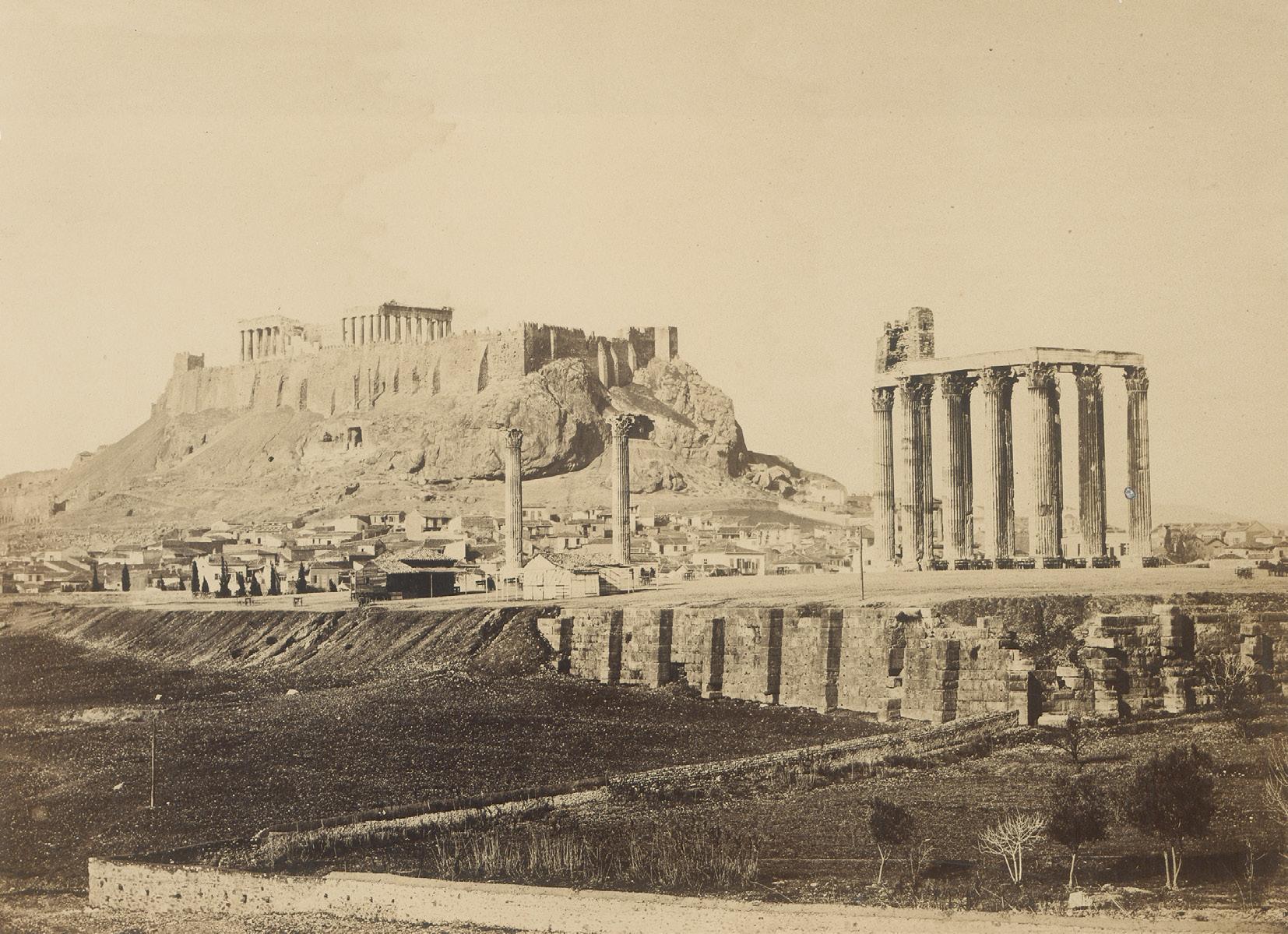
4086 Views of the Acropolis. 1860s. 6 albumen prints, mounted to board. Each between ca. 24 x 32 cm and 27 x 38 cm or reverse (mounts 32,5 x 42,5 cm or reverse ). Most signed in the negative in lower margin.
1.200 €
The photographs in this lot include panoramic views of the Acropolis hill with the Parthenon, the Propylaea, and the Temple of Athena Nike, as well as the Odeon of Herodes Atticus at its southern slope. Closer studies focus on architectural and
sculptural details, notably sections of the Parthenon frieze and other relief fragments, forming a coherent early photographic record of the Acropolis and its classical remains.
Lit.: Dorothea Ritter. Im Lichte des Helios: Griechenland und frühe Photographien aus der Sammlung Siegert. Berlin: Umschau/ Braus, 1999, ill. p. 64; Claire L. Lyons, John K. Papadopoulos, Lindsey S. Stewart, and Andrew Szegedy-Maszak, eds. Antiquity & Photography: Early Views of Ancient Mediterranean Sites. London: Thames & Hudson, 2005, ill. p. 122.
georg koppmann (1842–1909)
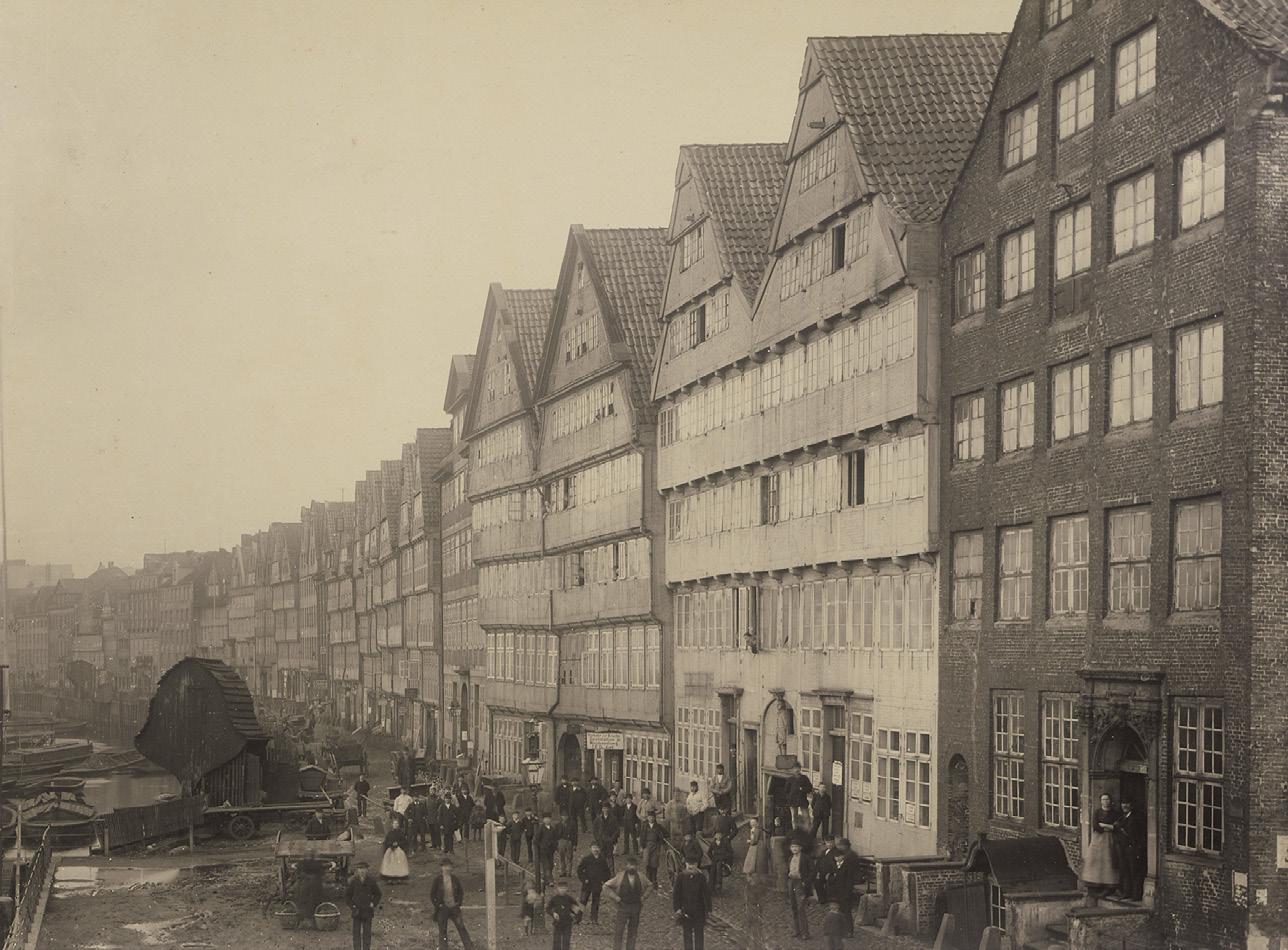
4087 Views of Hamburg. 1905. 7 large-format albumen prints, mounted to board. Each ca. 23,5 x 31,7 cm (mounts ca. 32 x 40 cm). Each embossed below the image on the mount with the photographer’s name “Photograph G. Koppmann & Co. Hamburg” and dated “1905.” 800 €
Georg Koppmann ranks among the foremost photographers documenting Hamburg’s urban landscape in the second half of the 19th century. Renowned for his precise large-format views, Koppmann systematically recorded the city’s streets, waterways, and architecture at a moment of rapid modernization. Lit.: Will Keller. Hamburg in frühen Photographien, 1848-1888: Sammlung Bokelberg. Hamburg: Verlag der Sammlung Bokelberg, 1980.
robert macpherson (1814–1872)
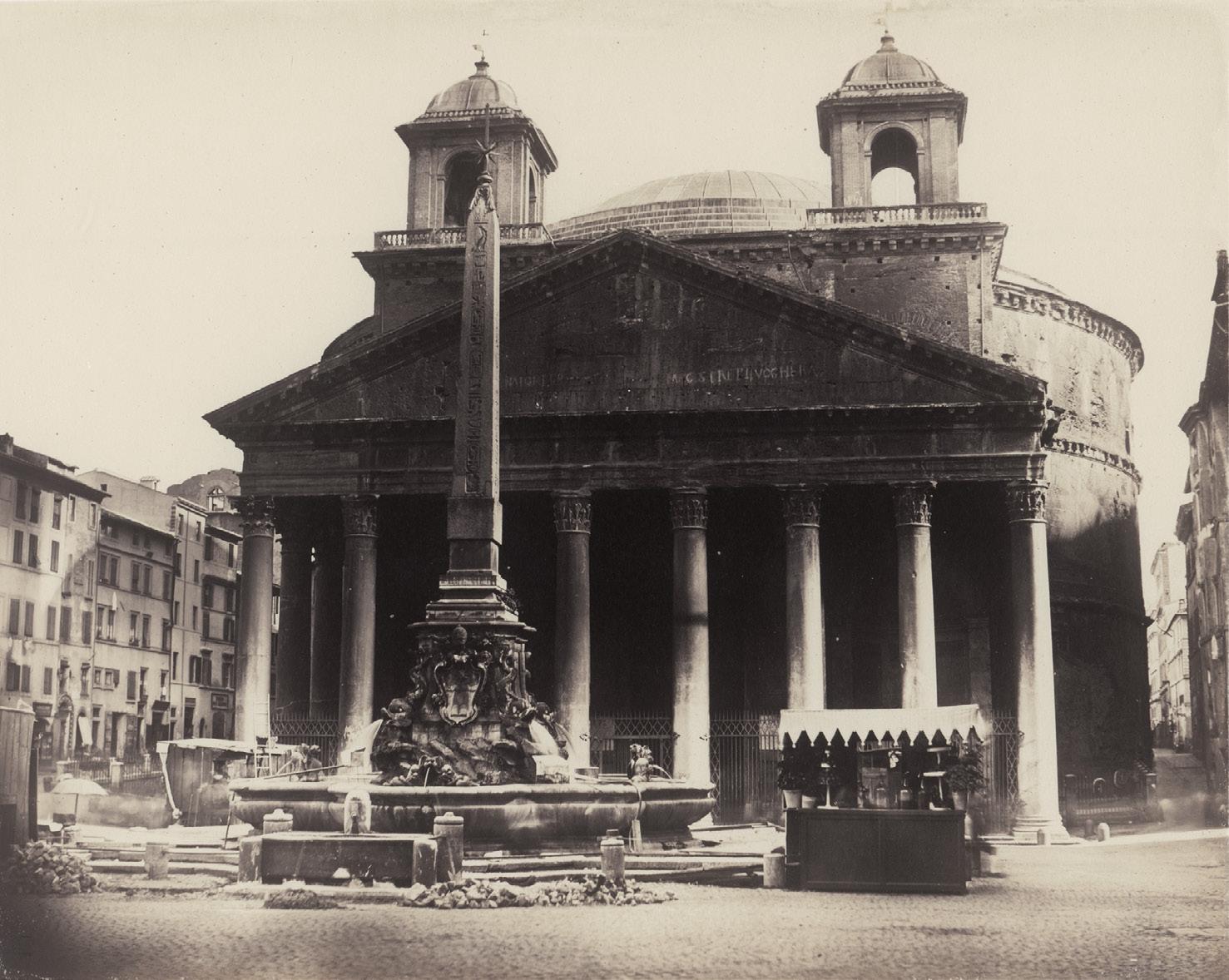
4088 View of the Pantheon from the Piazza della Rotonda. Ca. 1860. Large-format gold-toned albumen print, mounted to card. 29 x 36 cm (mount 47,5 x 61,7 cm). Annotated in pencil in the lower right corner; with the photographer’s blindstamp in the lower margin of the mount and the negative number “237” inscribed in pencil.
800 €
Robert Macpherson was one of the leading photographers active in Rome in the mid-19th century, known for his views of ancient ruins and Renaissance monuments. A Scottish artist by training, he settled in Rome in the early 1850s and established a successful practice, working first with paper negatives and later with the albumen process. His photographs are distinguished by their clarity, rich tonal range, and carefully structured compositions, emphasizing architectural form. Produced for scholars, artists, and Grand Tour travelers, his prints were widely collected and often issued with printed captions and numbering, reflecting a systematic approach to documenting Rome’s monuments.
carl michel (1843–1930)
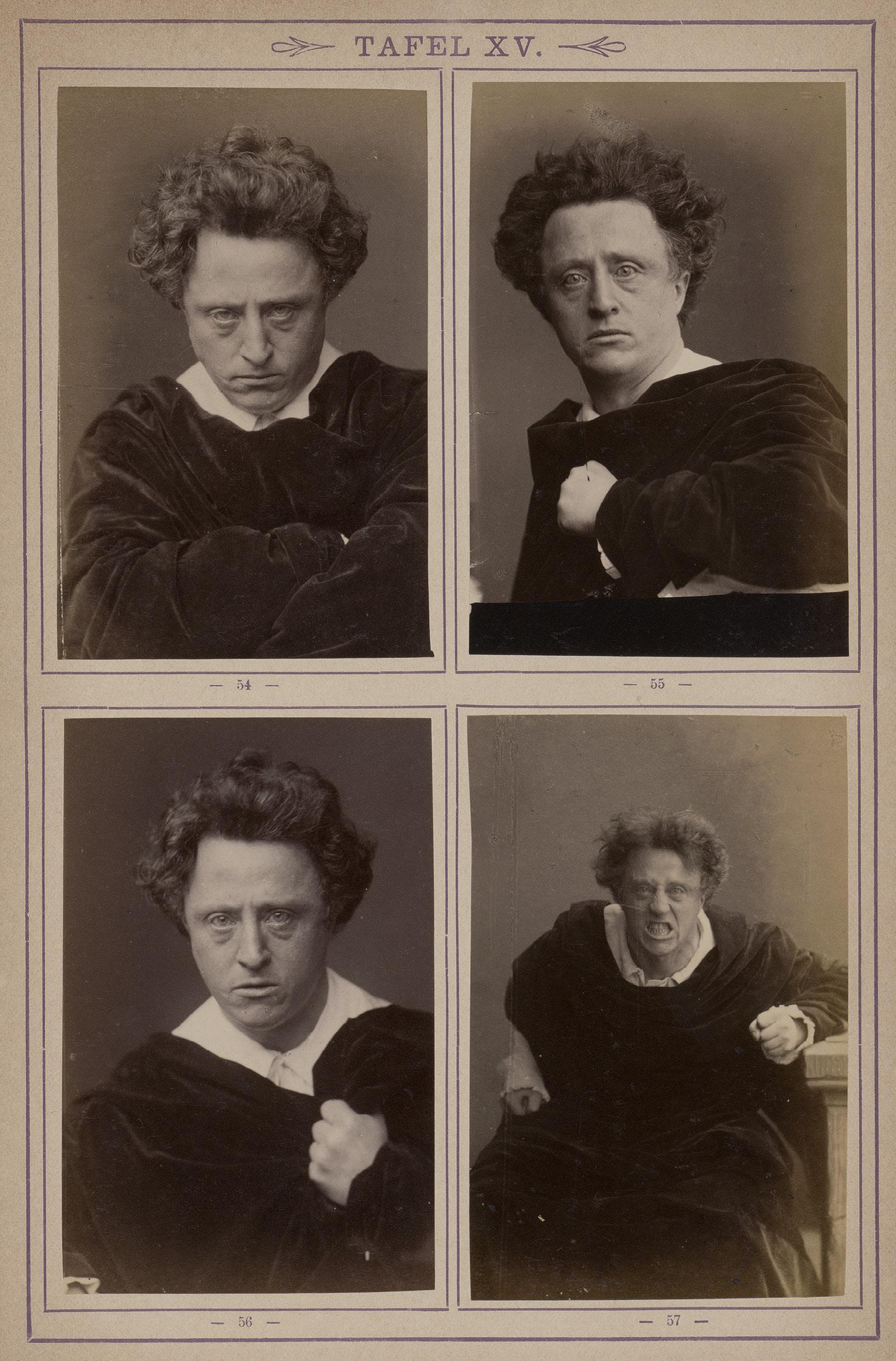
4089 Die Gebärdensprache dargestellt für Schauspieler sowie für Maler und Bildhauer. Vol. I Text & Vol. II Text brochure with plate titles and 94 cartes de visite photos mounted to 25 plates. 25 x 18 cm. 2 contemporary brown canvas volumes with gilt-stamped cover. Cologne, M. DuMont-Schauberg, 1886.
2.000 €
Carl (Karl) Michel studied medicine and established a successful medical practice in Cologne, while pursuing an interest in classical theater and occasionally appearing in smaller roles. In 1892, having secured a stable financial foundation, he decided to devote himself entirely to acting, a transition that also led to the publication of the present work. In addition to extensive text on acting exercises in volume I, the second volume includes 94 photographic images showing Michel in a variety of poses, facial expressions, and dramatic gestures.
moscow
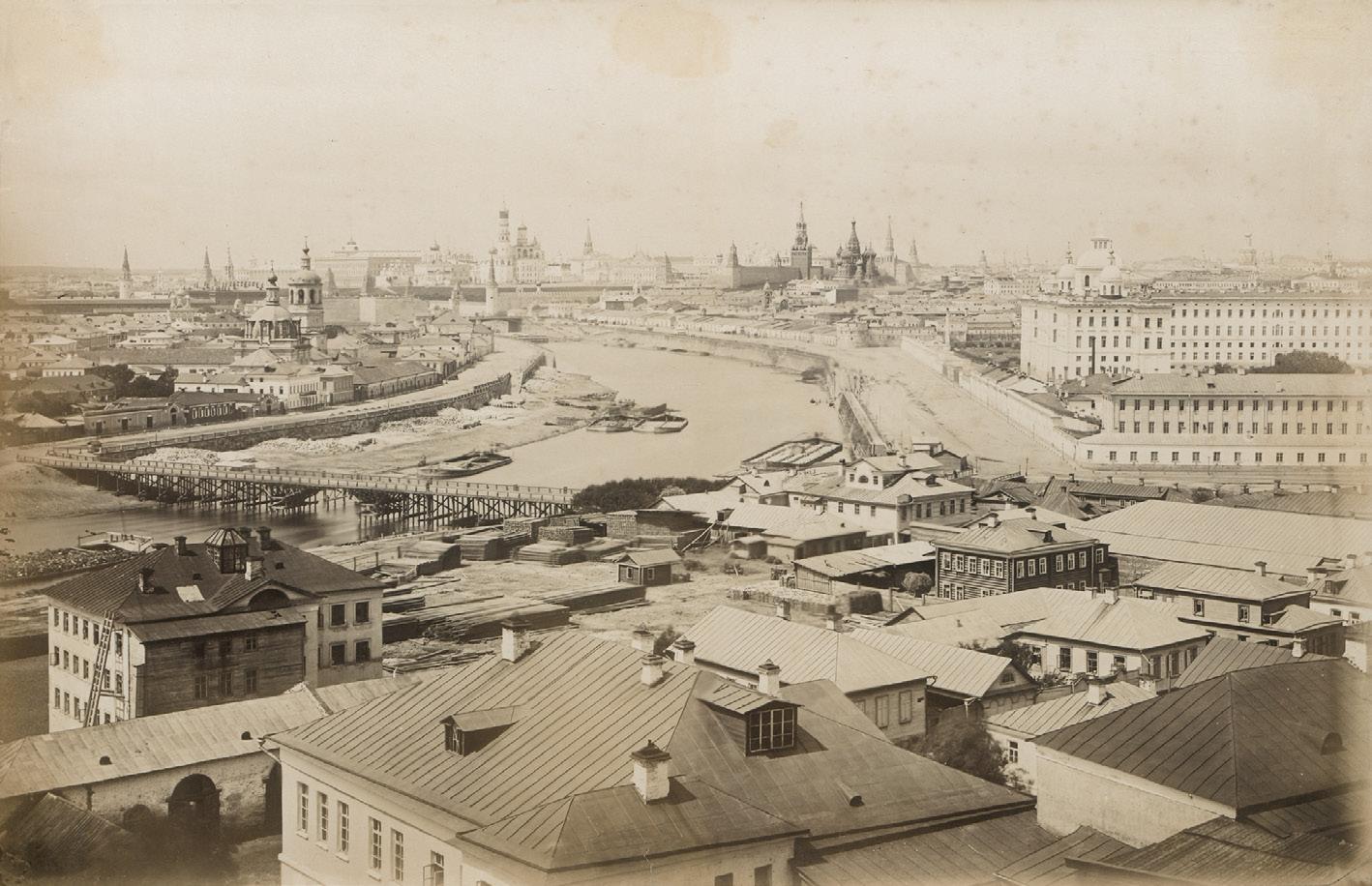
4090 Photographer unknown. View of Moscow. 1870s. Albumen print, mounted to board. 28 x 43,5 cm.
1.000 €
This photograph presents a panoramic view of Moscow in the 1870s, taken from Vshivaya Hill and overlooking the Moskva River and the lower Yauza district. In the foreground, the wooden Ustinsky Bridge spans the river, while barges, warehouses, and tightly packed residential buildings emphasize the city’s pre-industrial riverside economy. – With: Two mounted albumen prints of Emperor Alexander III and Empress Maria Feodorovna of Russia.
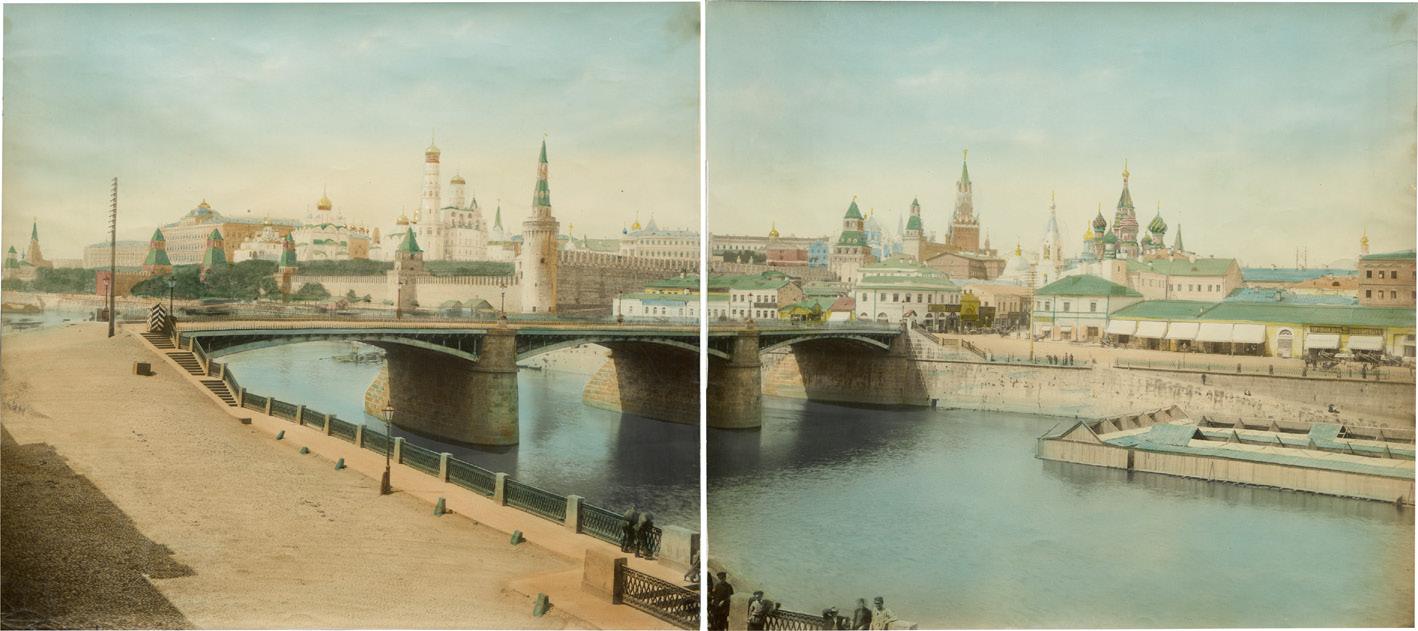
4091 Photographer: Joseph Daziaro (1831-1892), attributed to. Large panoramic view of Moscow. 1880s. Hand-colored, two-part panoramic albumen print. 39 x 87 cm.
600 €
Active as a publisher and photographer in Moscow and St. Petersburg, the Italian-born Joseph (Giuseppe) Daziaro was among the leading producers of photographic views in mid-19th-century Russia. Originally a lithographic publishing house, the firm expanded into photography in the 1850s-60s, issuing albums and views aimed at travelers and collectors. The present two-part panorama offers a sweeping view across central Moscow from an elevated vantage point, encompassing landmarks such as the Kremlin walls, the Cathedral of Christ the Savior, and numerous church domes.
nadar
(Gaspard Félix Tournachon, 1820–1910)
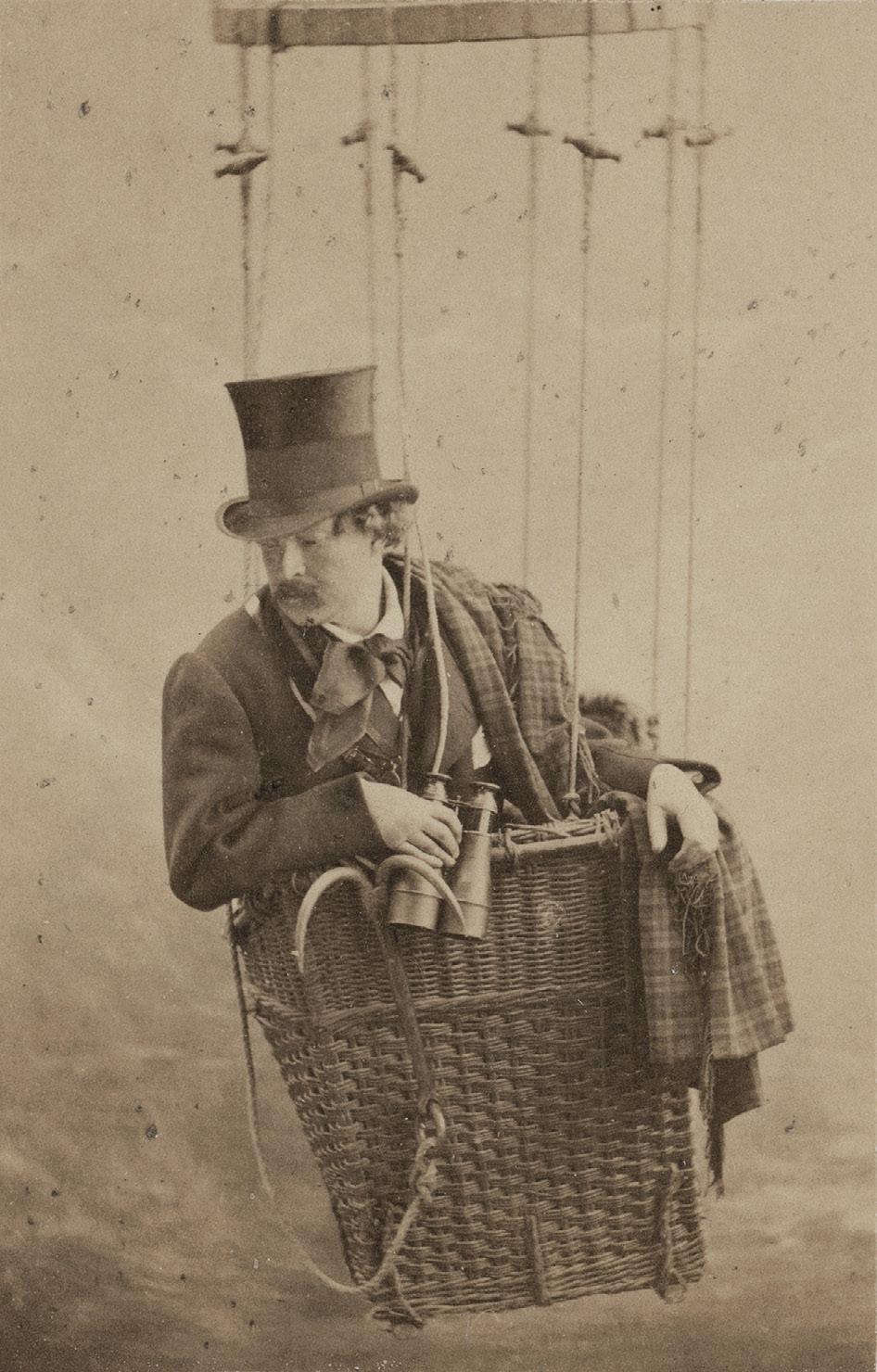
4092 Portraits by and of Nadar. 1855-1863. 4 albumen prints on carte-de-visite mounts with decorative borders. Each ca. 8,5 x 5,5 cm (mounts 10,2 x 6,2 cm). Photographer’s initials embossed on the mount in the lower left corner; with the photographer’s “35 Boulevard des Capucines” studio information printed in red ink on the verso.
400 €
This group comprises four carte-de-visite portraits issued by the studio of Nadar. Two photographs show self-portraits of Nadar seated in a suspended balloon basket, a playful studio staging alluding to his fascination with aeronautics and his pioneering experiments in aerial photography. Another photograph is a studio portrait of Alexandre Dumas in a composed half-length pose, while the fourth depicts George Sand, reproduced after a daguerreotype by Pierre-Ambroise Richebourg.
nadar
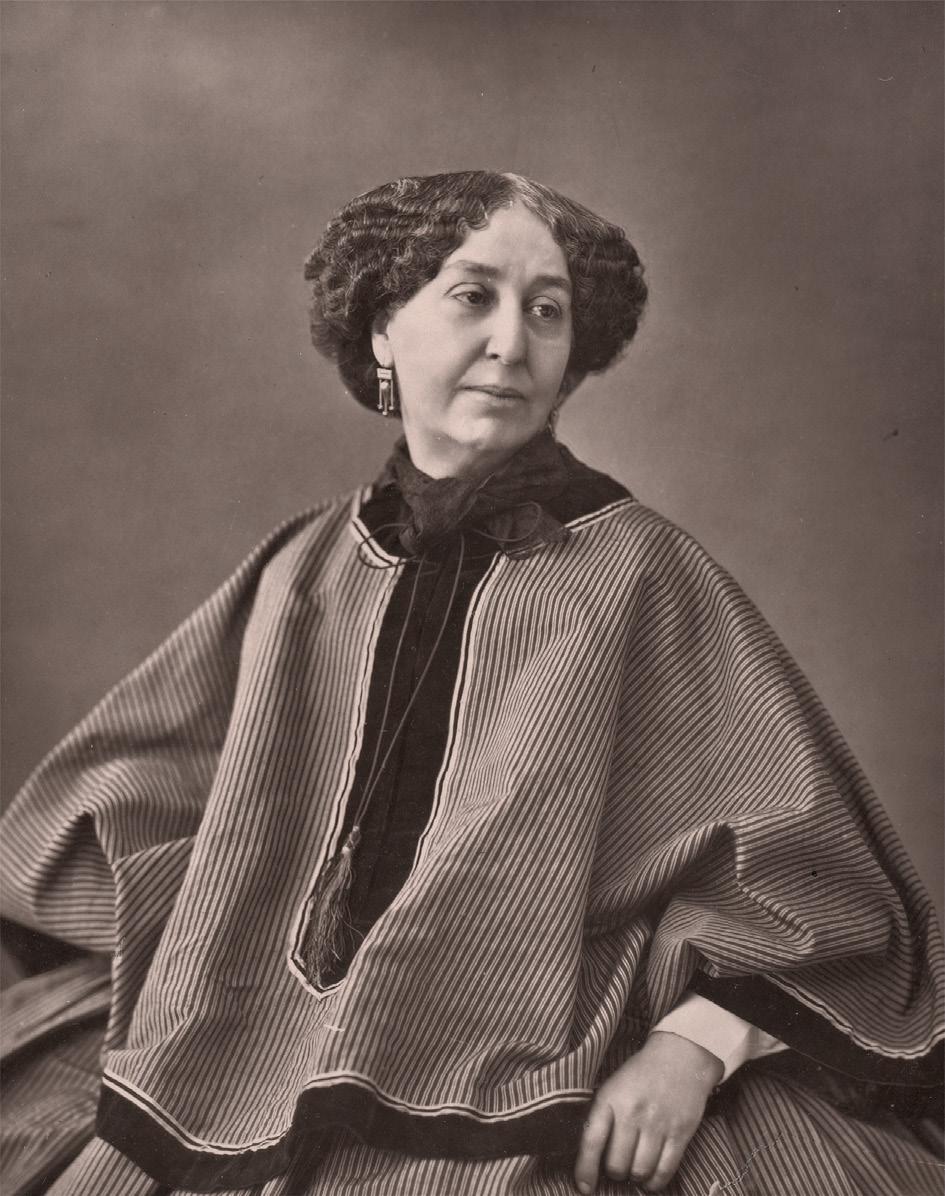
4093 Portrait of George Sand. 1864. Woodburytype, printed before 1876, mounted to card with decorative border. 23,7 x 19 cm (mount 34,5 x 26,3 cm). „Galerie Contemporaine, 126, boulevard de Magenta“, „Phot. Goubil et Ce“ and „Cliché Nadar, rue d‘Anjou-St-Honoré, 51“ copyright stamp in lower margin of the mount.
600 €
Nadar’s mid-19th-century portraits of George Sand convey the writer’s commanding intellect and unconventional persona with remarkable sensitivity. Rendered with quiet assurance, she appears with a distinctive, androgynous elegance that reflects both her literary authority and her defiance of social norms. Through restrained composition and subtle lighting, Nadar focuses on her steady gaze and introspective expression, achieving the psychological depth that defines his finest work. – With: With a portrait of Émile Zola by Étienne Carjat (18281906) from the same series.
nadar
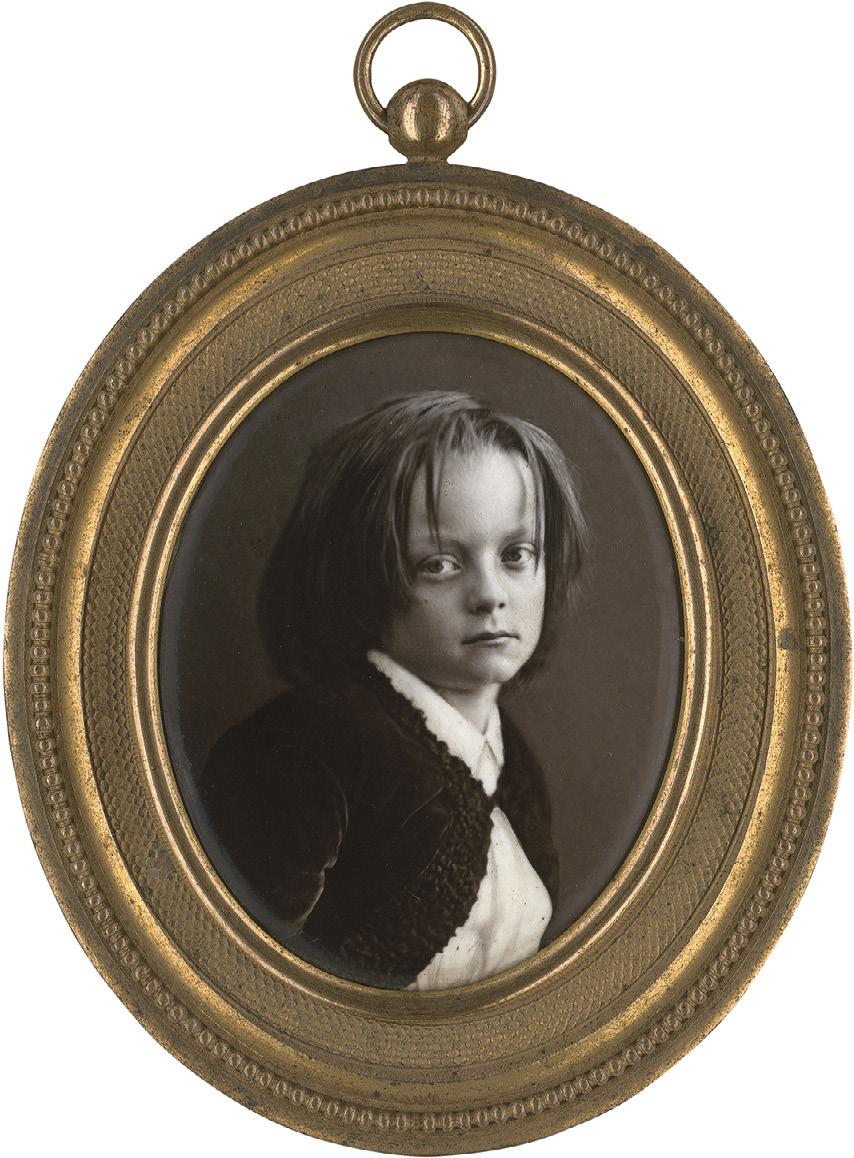
4094 Portrait of Paul Nadar. 1868. Photographic miniature on enamel (Procédé Deroche), in a brass frame. 5,5 x 4,5 cm (frame 8 x 7 cm). Signed “Nadar,” dated “1868,” and annotated “procédé Deroche” in ink on the verso.
3.000 €
Portraits of his son Paul occupy a special place within Nadar’s oeuvre, combining the technical refinement of his studio practice with a rare sense of intimacy. Here, the young sitter - who would later succeed his father - appears with a softness and immediacy that departs from more formal portrait conventions, revealing Nadar’s sensitivity to expression and character. Executed using the procédé Deroche, developed around 1860, the image is transferred onto enamel, resulting in a highly durable and finely detailed miniature. Such works were relatively uncommon and often intended as cherished keepsakes, making the present portrait both a demonstration of Nadar’s technical versatility and a personal memento of his only son. Provenance: From the collection of Gérard Lévy; Millon, Paris, 20 December 2016, lot 19.
paul nadar (1856–1939)
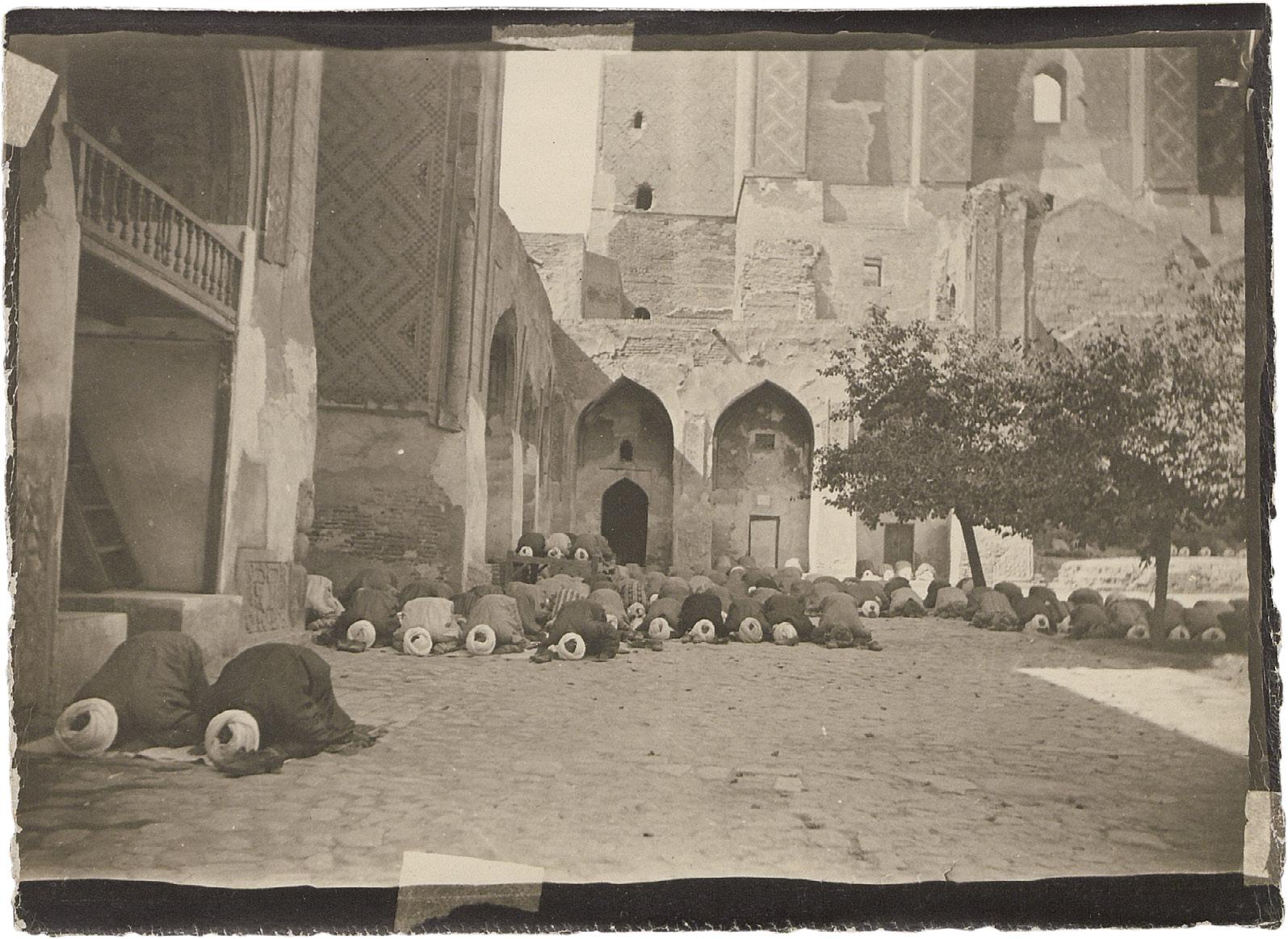
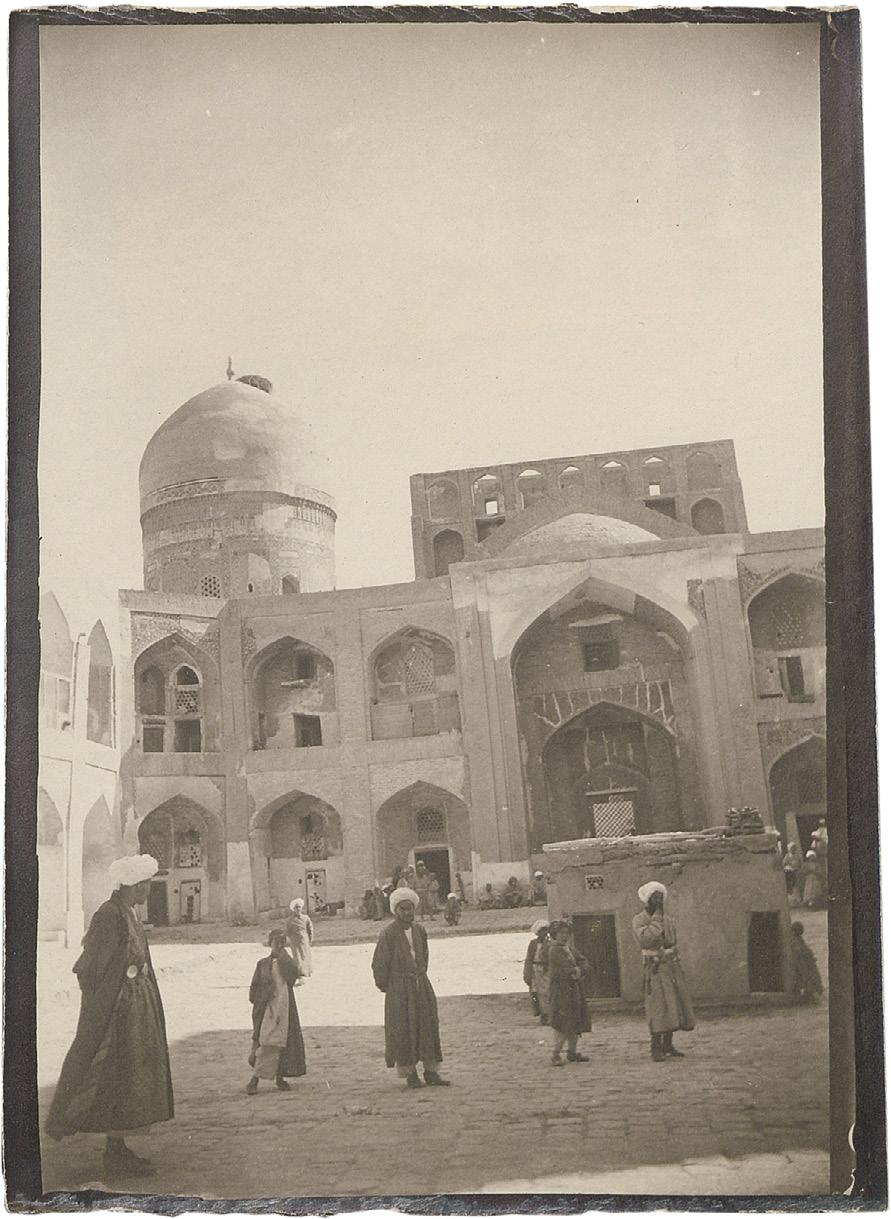
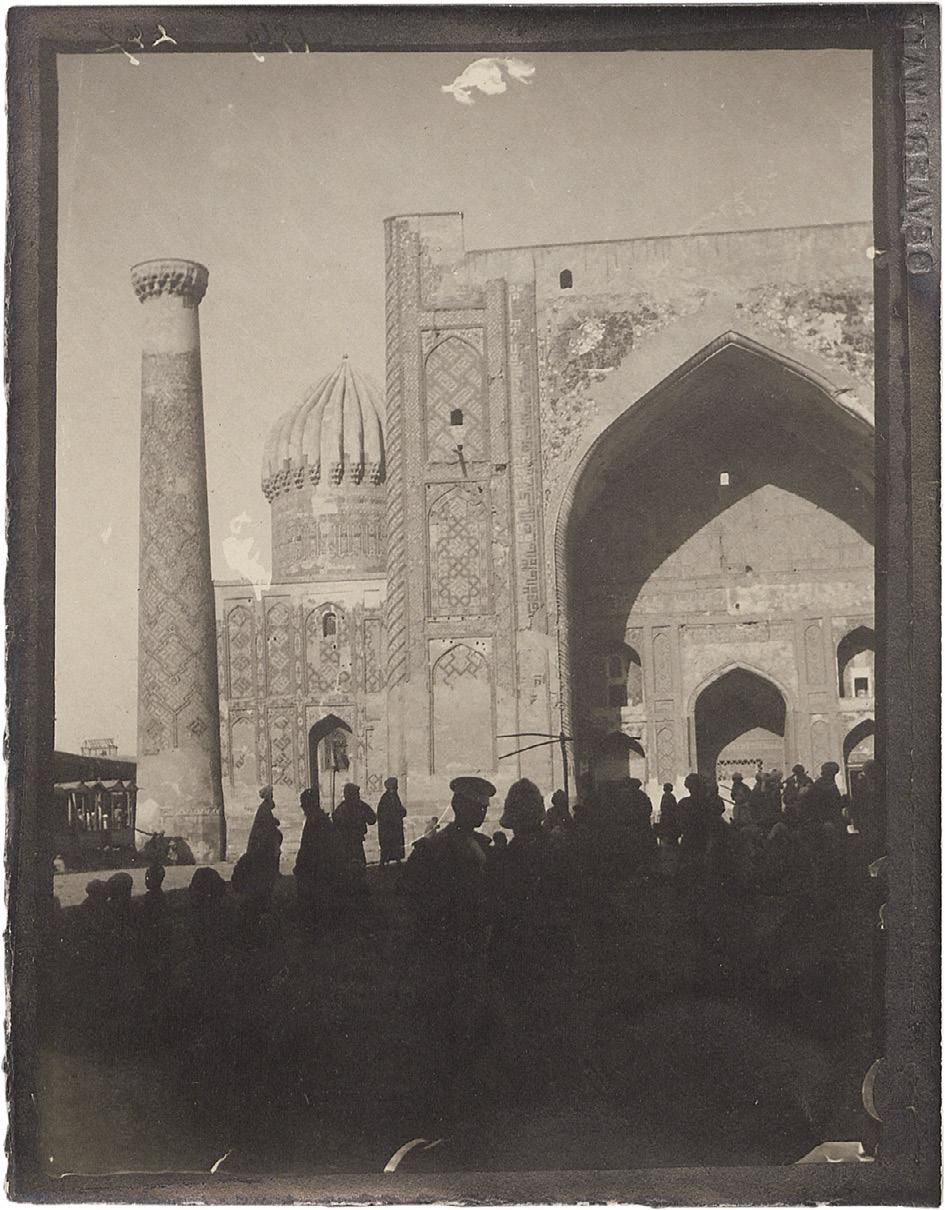
4095 Views of Turkestan. 1890. 55 gelatin silver prints. Each ca. 16,2 x 12,4 cm or reverse. Some annotated in pencil on the verso; a few numbered in the negative in the lower margin.
5.000 €
These photographs form part of Paul Nadar’s work from his 1890 journey through Turkestan, undertaken in connection with the Tashkent Exhibition and the promotion of the TransCaspian railway, completed by the Russian Army between 18861888. Traveling across Samarkand, the Caucasus, and Central Asia, he produced an extensive visual record of the region, reportedly comprising around 1,800 images that include landscapes, architectural monuments, portraits, and scenes of daily life. The expedition also served to demonstrate the capabilities of new photographic technologies, particularly the newly developed Kodak Eastman Film and the Nadar Détective box camera, which allowed him to capture spontaneous, unposed moments. Upon his return to Paris, Nadar actively promoted this work through lectures, publications, and exhibitions, including presentations at the Société de Géographie as well as displays at several World’s Fairs until 1896, contributing to contemporary European perceptions of Central Asia.
nature printing
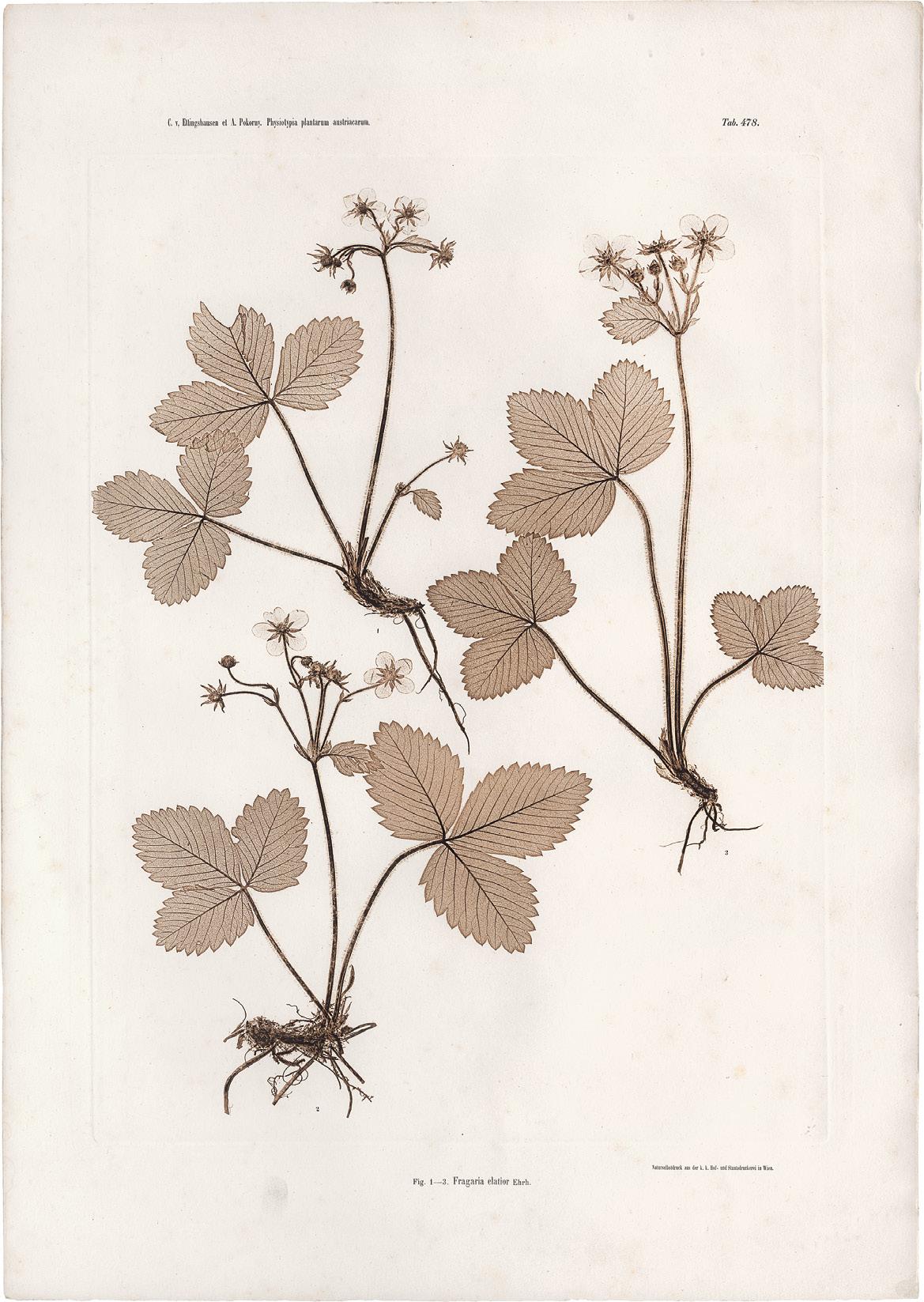
4096 Photographers: Constantin von Ettingshausen (1826-1897) and Alois Pokorny (1836-1886). Plant studies 1855-56. 10 nature prints (Naturselbstdrucke) on heavy paper. Each ca. 58 x 41 cm. From the publication Physi otypia plantarum austriacarum: Der Naturselbstdruck in seiner Anwendung auf die Gefässpflanzen des österreichischen Kaiserstaates, mit besonderer Berücksichtigung der Nervation in den Flächenorganen der Pflanzen Vienna: K.K. Hof- und Staatsdruckerei, 1855-56. 1.200 €
Constantin von Ettingshausen and Alois Pokorny, two leading Austrian botanists of the nineteenth century, employed the technique of nature printing (Naturselbstdruck) to document the flora of the Austro-Hungarian Empire with exceptional pre cision. In this process, actual plant specimens were pressed into soft lead plates to create printing matrices, allowing even the finest details, such as venation and surface texture, to be transferred with remarkable fidelity. Ettingshausen and Pokorny’s work represents one of the most accomplished applications of nature printing in the nineteenth century, bridging the disciplines of botany, printmaking, and early reproductive technology.
norway travel album
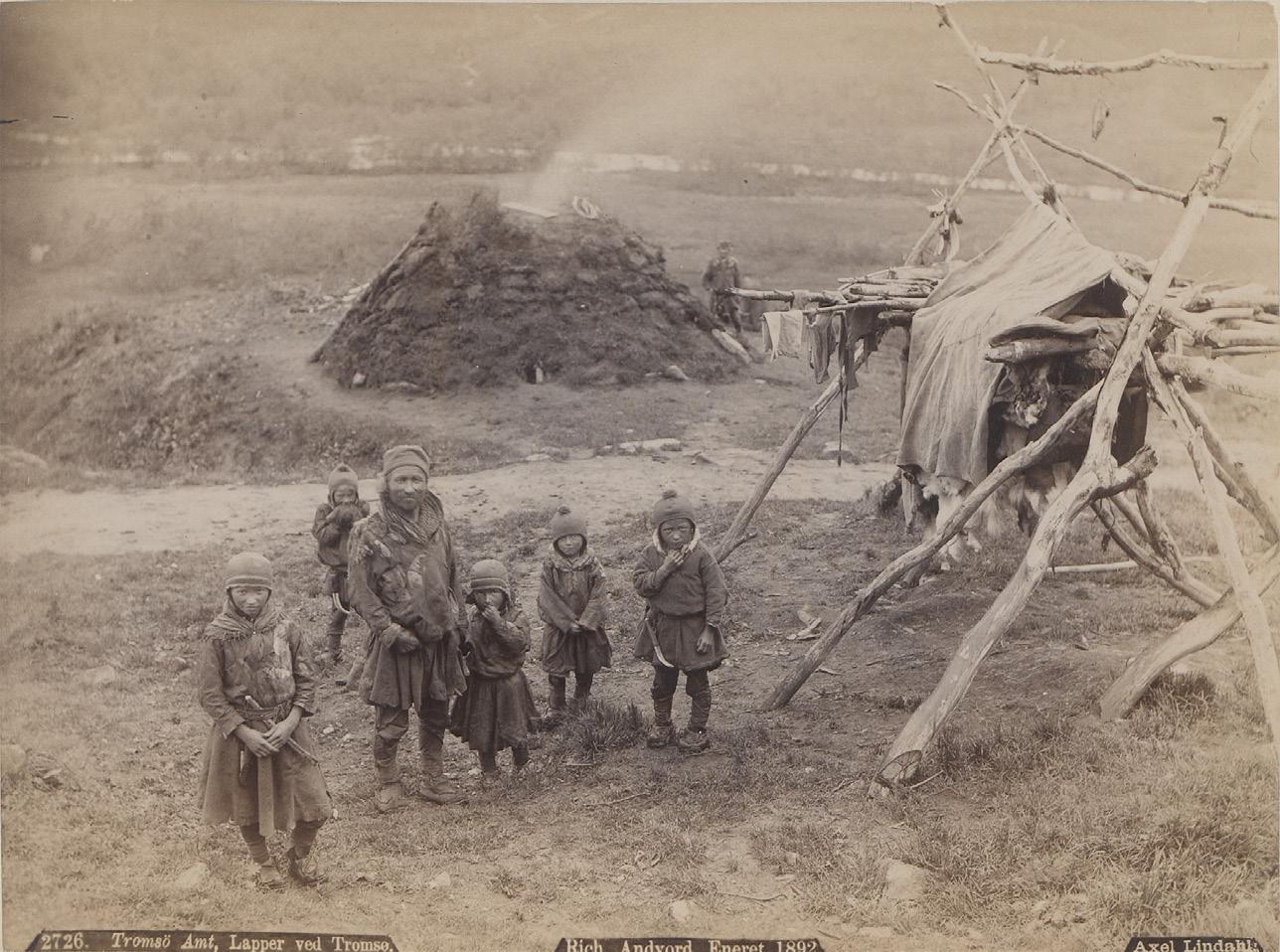
4097 Photographers: Axel Lindahl (1841-1906), James Valentine (1815-1880), Knud Knudsen (1832-1915), and unknown. Travel album with views of Norway and Spitzbergen. 1880s-1890s. 33 albumen prints, collodion paper prints and collotypes, mounted to album boards Most ca. 17 x 23 cm, some smaller. Most with the photo grapher’s name or initials, title, and number in the lower edge of the negative. Bound in a half-leather album with gilt-stamped title „Reise nach Spitzbergen“ on the front cover.
750 €
This attractive album contains views of Norway showing cities, harbor scenes, dramatic landscapes with waterfalls and valleys. The views show Tromsö, Romsdal (glacier), Naes, Varden in Molde, Hardangerfjord, Botnan (Rogaland), Lower Leerfos waterfall, Tokedalen, Telemark, Dalen and others. Also includes three family portraits of Sami people and their dwellings.
ottoman empire
4098 Photographers: Félix Bonfils (1821-1885), Tancrède Dumas (1830-1905), and others. Ethnic group s of the Ottoman Empire. 1870s. 8 albumen prints, mounted to board. Each between ca. 13,8 x 10 cm and 22 x 16,4 cm or reverse (mounts ca. 40,5 x 30,5 cm or reverse). Most numbered and titled in the negative along the lower edge.
600 €
This group of photographs presents a series of ethnographic studio portraits depicting men and women from across the late Ottoman empire, including western Anatolia, Greater Syria, and Palestine. Shown in traditional dress, the sitters range from Zeybek fighters and Bedouin figures to Levantine villagers and veiled women, with costumes, weapons, and domestic attributes carefully staged to convey regional identity.
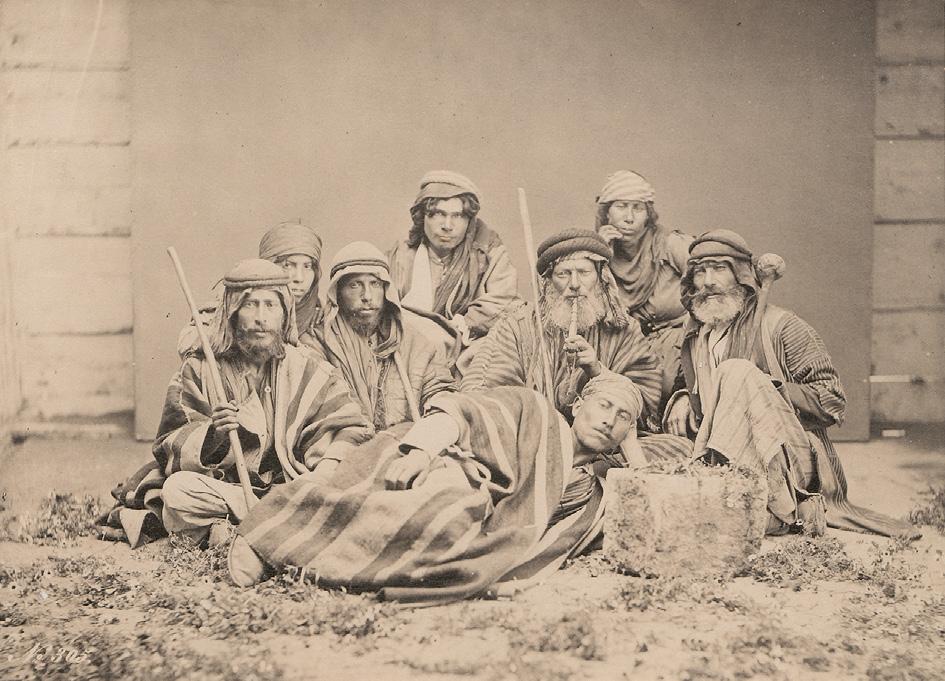
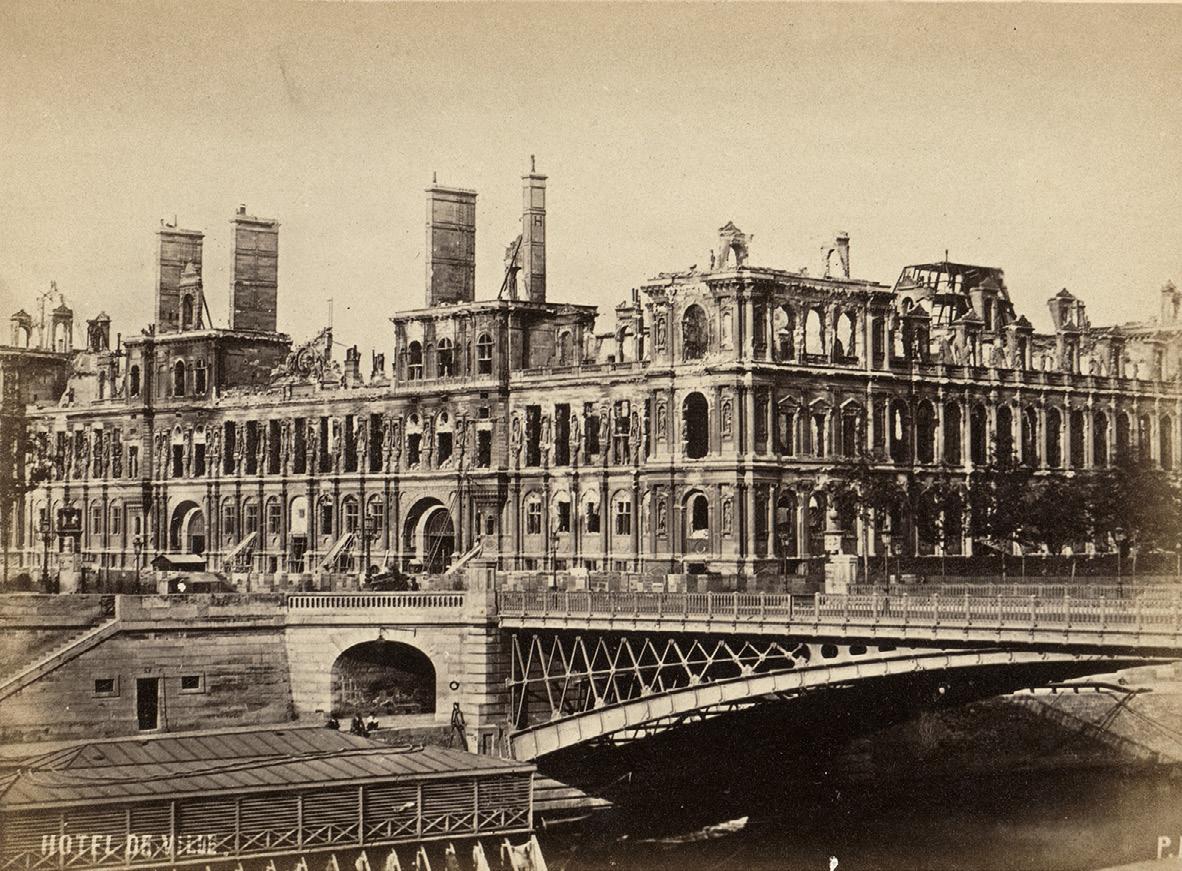
paris commune
4099 Photographer: P. Loubère (life dates unknown). Album Photographique des Ruines de Paris: Collection de tous les monuments et édifices incendiés et détruits par la Commune de Paris. 1871. 21 albumen prints, mounte d to album pages. Each ca. 9,5 x 12,7 cm (mounts 21,2 x 26,8 cm). Each titled in the negative in the lower left margin. Presented in a red canvas album with giltstamped title and decorative elements.
900 €
This album presents a systematic photographic survey of the destruction in Paris following the suppression of the Commune in May 1871, including major sites such as the Hôtel de Ville, the Tuileries, the Palais de Justice, and the Place Vendôme with its toppled column. The views range from monumental façades to detailed scenes of devastation, recording gutted interiors, skeletal structures, and debris-filled streets, sometimes animated by figures and carts. Together, the images articulate both the urban and military dimensions of the conflict, underscoring the scale and immediacy of the destruction. The album also includes a composite plate of oval portrait medallions depicting leading figures of the Commune.
photochromes
4100 Views of the United States. 1890s-early 1900s. 78 photochromes, mounted to gilt-edged album pages. Each 17,5 x 22,7 cm or reverse (mounts 27,5 x 35 cm).
Numbered, titled, and with copyright information in the lower margin. Bound in a full leather album with a gilt-embossed decorative border.
1.000 €
This album of photochromes presents views of San Francisco and the Bay Area, numerous sites in Yellowstone National Park, and scenes from Chicago, Niagara Falls, and New York. It also includes a portrait of Native Americans and views of railway transportation, offering a broad visual survey of the United States at the turn of the twentieth century.
photochromes
4101 Views of Tunisia and Algeria. 1890s-early 1900s. 100 photochromes, mounted to album pages. Each 16,4 x 22 cm or reverse (mounts 27 x 34 cm). Numbered , titled, and with copyright information in the lower margin. Bound in two full-leather albums with giltembossed titles and gilt tooling.
1.000 €
This album presents views of major cities in Tunisia and Algeria, including Tunis, Kairouan, Constantine, Biskra, Sidi Okba, and Algiers, alongside numerous portraits depicting a range of ethnic groups.
porto
4102 Photographer unknown. View of Vila Nova de Gaia, seen from Porto. Circa 1870. Albumen print, mounted to board. 25,2 x 40,2 cm (mount ca. 33,2 x 45,2 cm).
600 €
This panoramic view shows Vila Nova de Gaia as seen from Porto, with the Dom Luís I bridge spanning the Douro River in the foreground, and riverside houses and boats lining the quay.
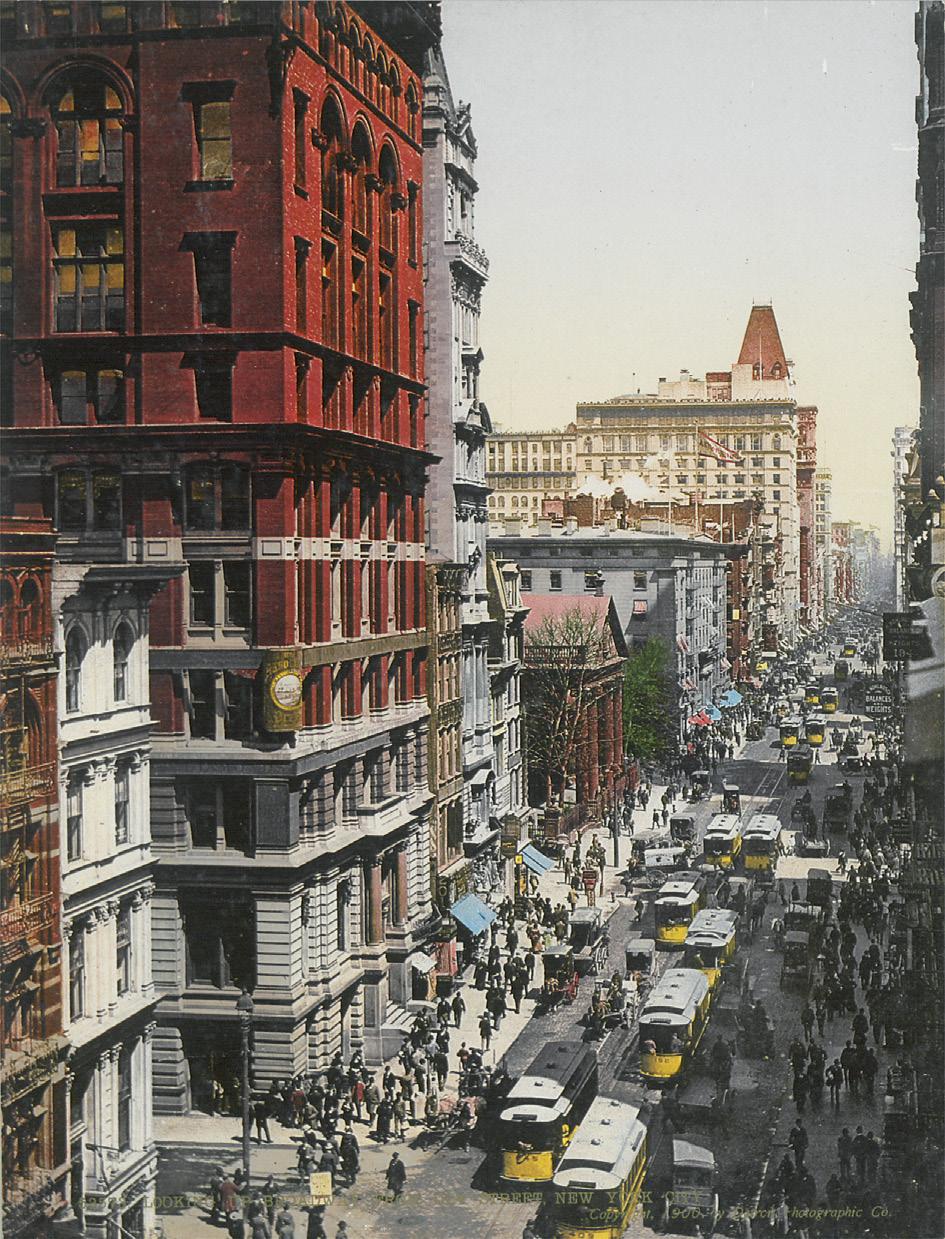
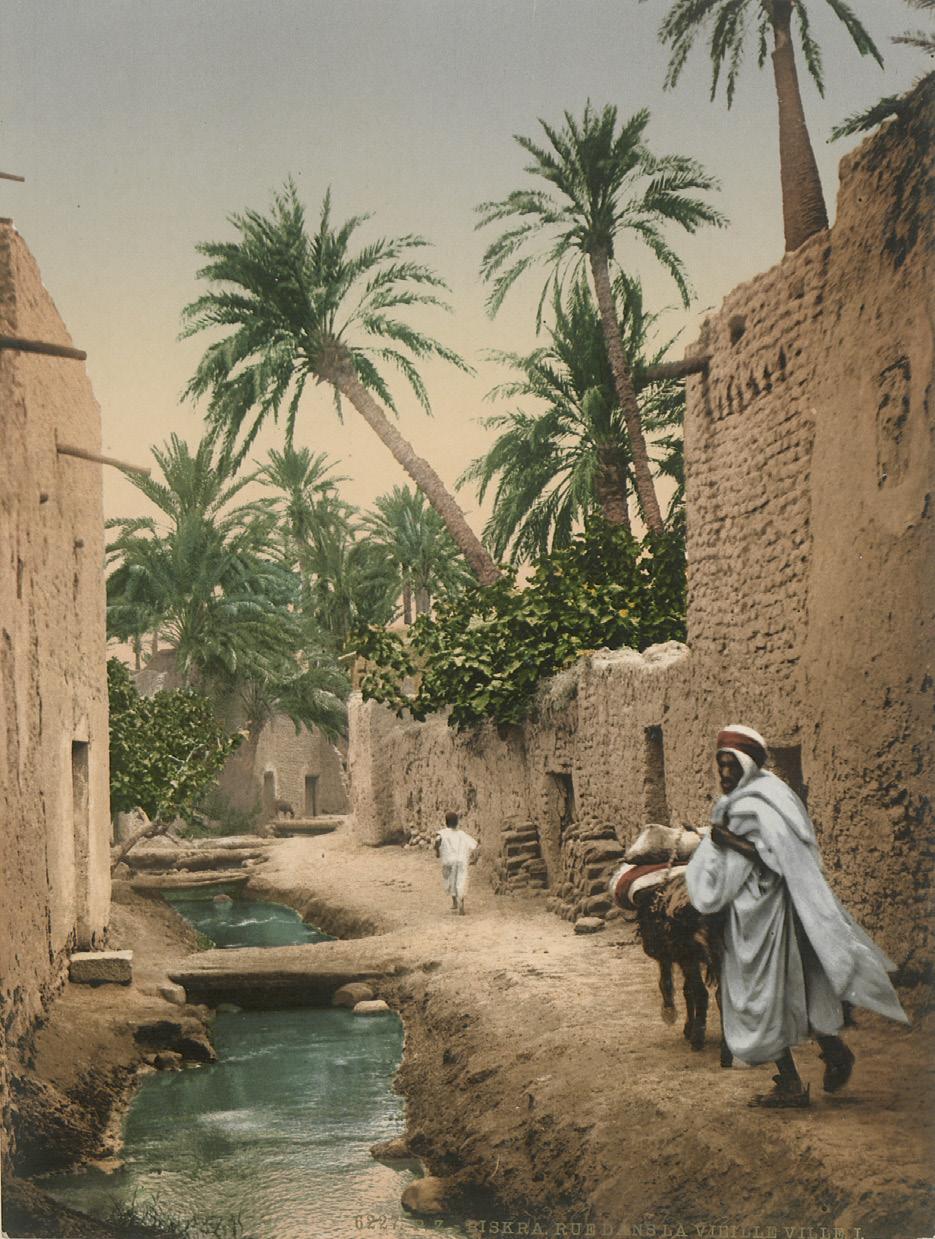
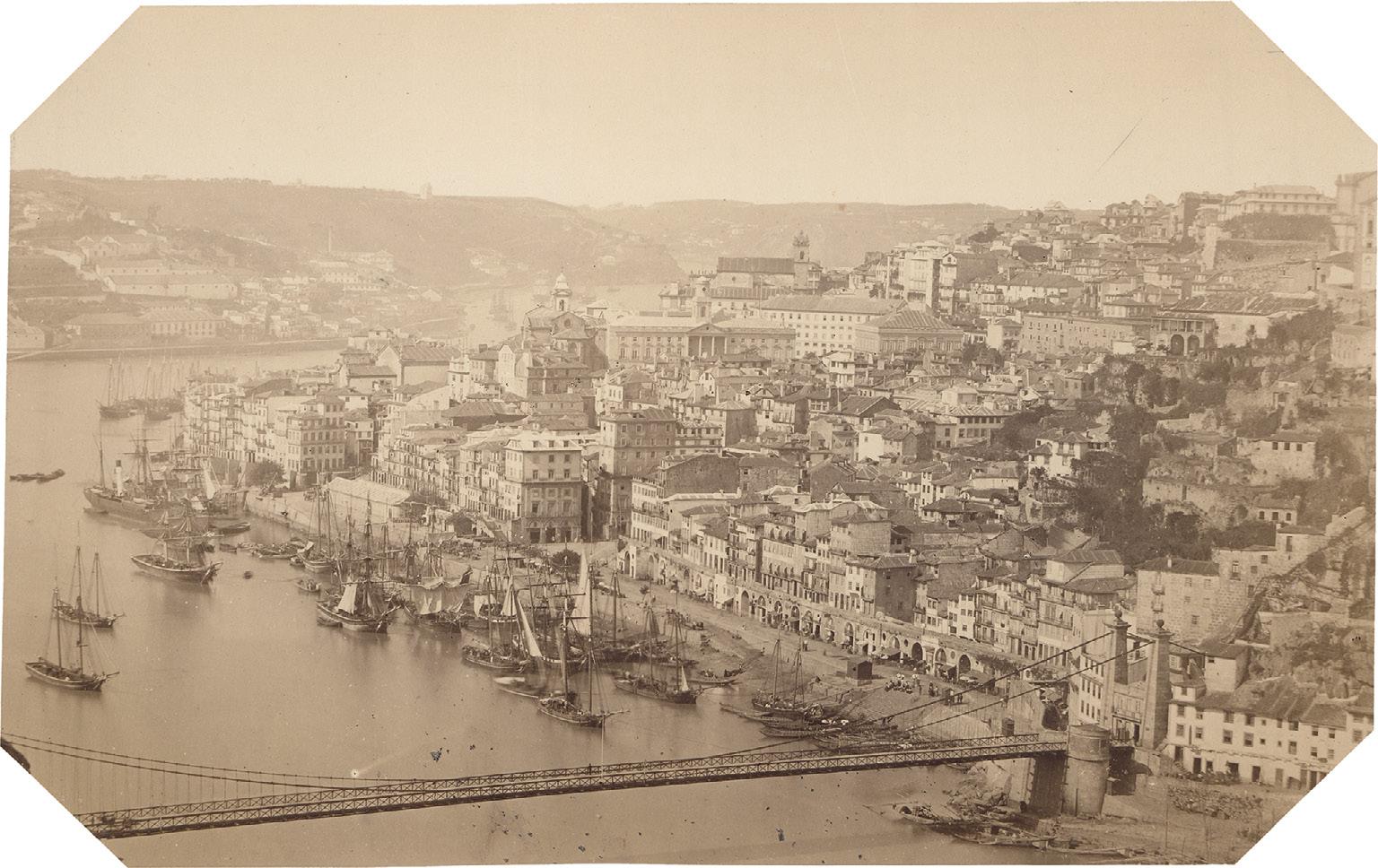
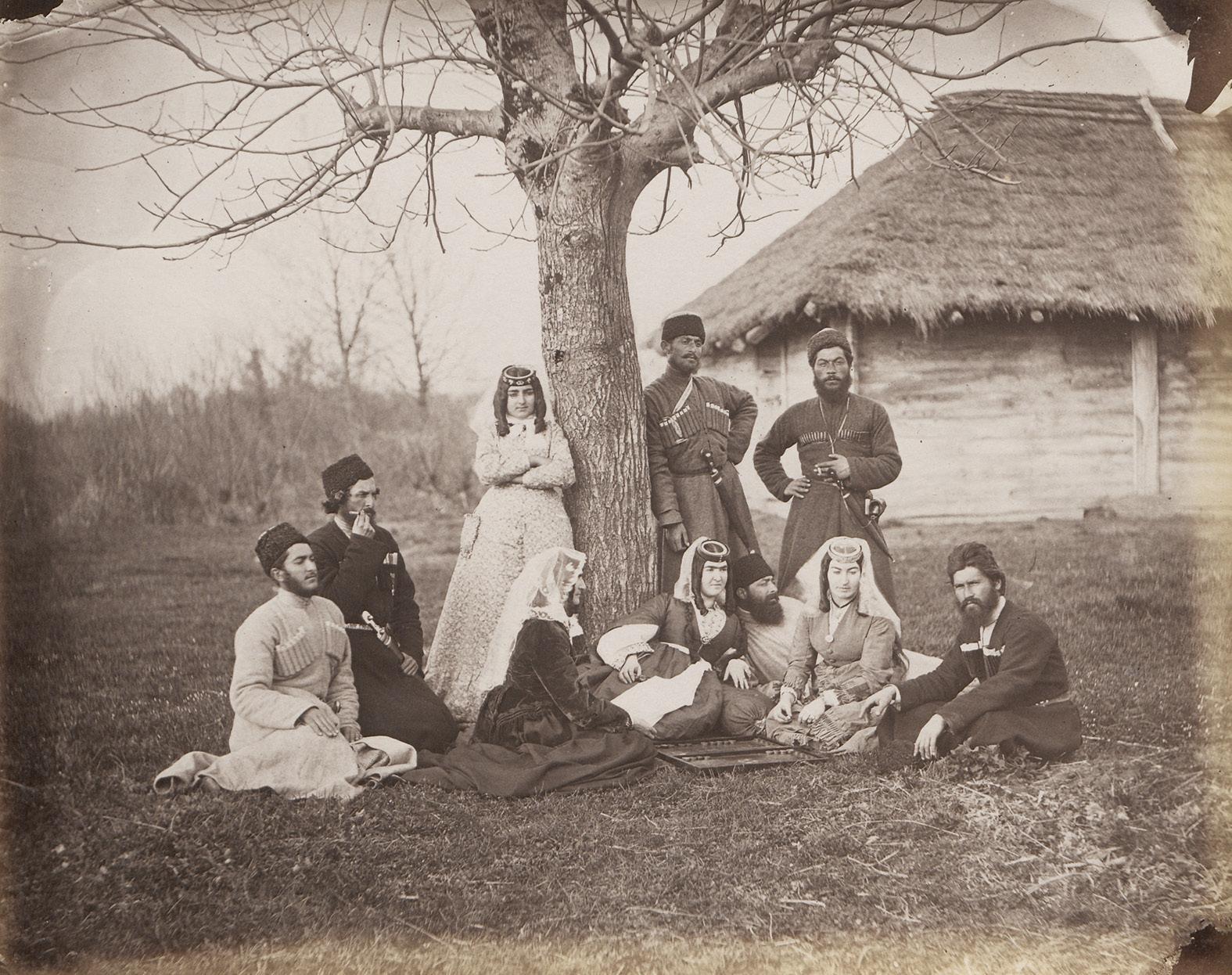
ivan petrovic raoult (active 1870–1884)
4103 Peoples of Georgia and the Caucasus Region. Circa 1878. 14 albumen prints. Each ca. 24 x 20 cm or reverse. Each numbered, titled, and dated by another hand in pencil on the verso.
3.000 €
Jean Raoult (Ivan Petrovich Raoult), a French-born photographer active in the Russian Empire, operated a studio in Odessa from the 1860s to the 1880s and produced extensive ethnographic studies across its diverse regions. In the late 1870s he published the album Collection de types des Peuples de Russie, Roumanie et Bulgarie, comprising over 200 images, and later assembled albums on the landscapes, peoples, and antiquities of the Caucasus, Crimea, and the Volga region. His practice combined artistic, scientific, and documentary aims, encompassing mili-
tary campaigns during the Russo-Turkish War (1877-78) and expeditions with Prof. N. P. Kondakov (1879-82) through the Caucasus, Georgia, Armenia, Mount Athos, and Palestine in search of early Christian antiquities. Working largely in staged outdoor settings, Raoult emphasized costume, weaponry, and posture to construct typological images aligned with contemporary ethnographic and imperial frameworks. The present group reflects this approach, depicting Georgian and Caucasian subjects in compositions ranging from formal portraits of armed men to more informal scenes of villagers, musicians, laborers, and women in traditional dress. Awarded prizes at the Paris Geographic Exhibition (1875) and the Exposition Universelle (1878), his photographs remain a vivid record of the Russian Empire’s cultural diversity in the late 19th century.
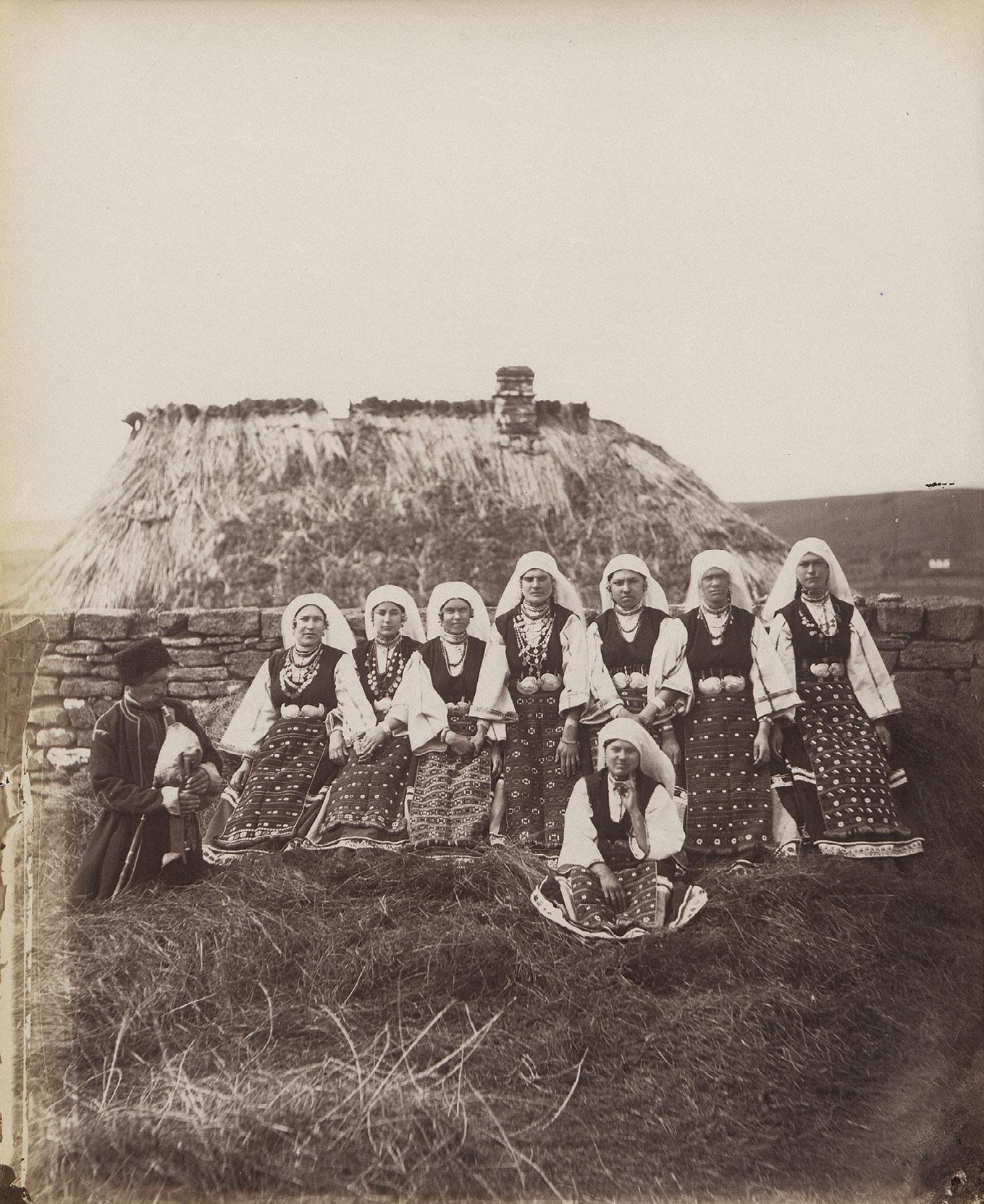
4104 Peoples of Ukraine. Circa 1878. 24 albumen prints. Each between 20,5 x 15,5 cm and 24 x 20 cm or reverse. Each numbered, titled, and dated by another hand in pencil on the verso.
4.000 €
The photographs depict a range of rural populations from the Ukrainian territories of the Russian Empire, including peasants, Cossack-type figures, and village elders, as well as individuals of Tatar origin from the southern steppe regions. The group
reveals a variety of regional “types,” from Central and Eastern populations in heavy sheepskin coats and fur hats to figures in steppe-influenced attire, including striped robes and turbanlike headwear, suggestive of Black Sea or Crimean Tatar traditions. Differences in costume - particularly embroidered garments and women’s dress - further point to Central and Western Ukrainian traditions, highlighting the ethnic and cultural diversity of both Slavic and Turkic communities in the late 19th century.
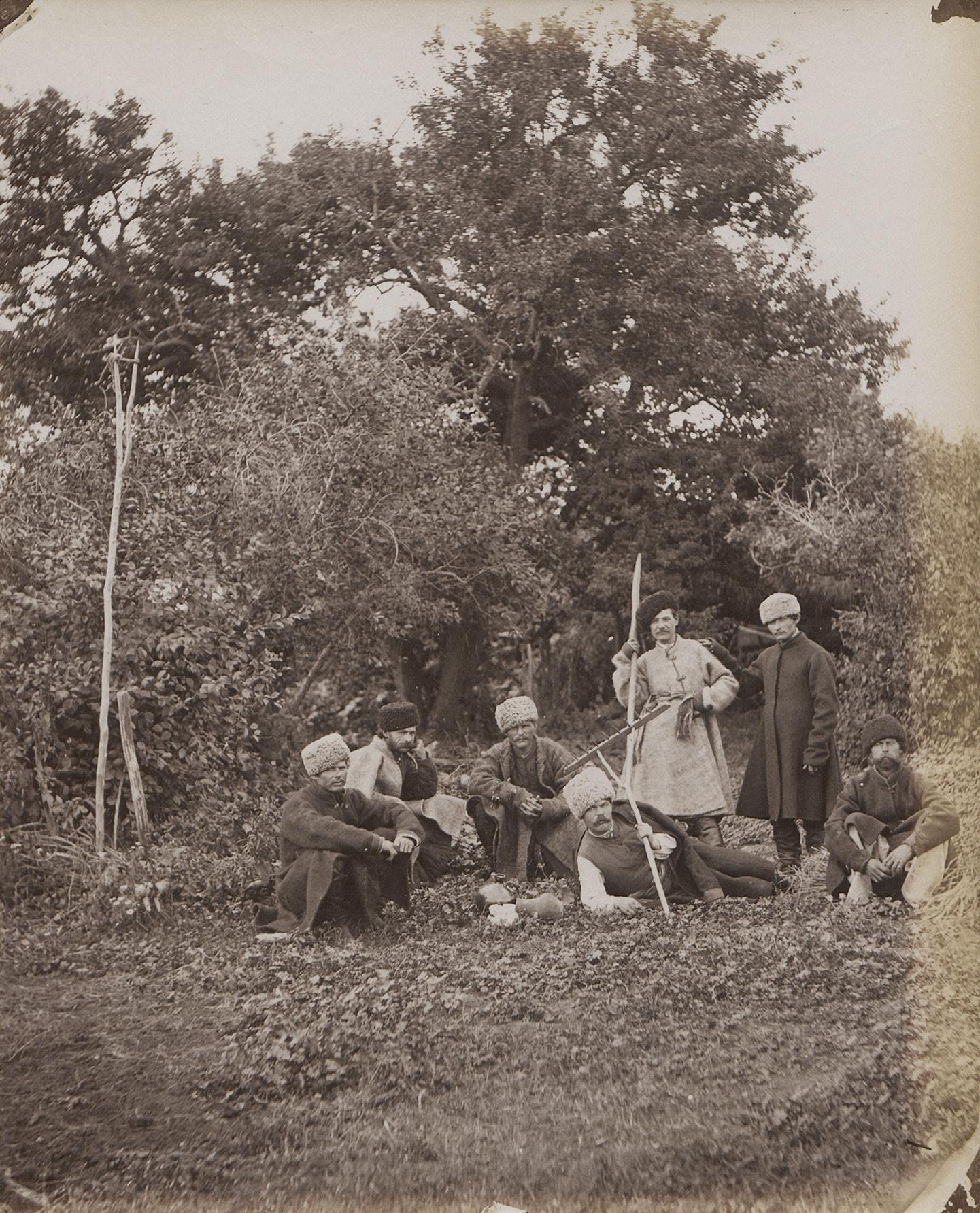
4105 Rural Communities of the Central Russian Empire. Circa 1878. 17 albumen prints. Each between ca. 22 x 17 cm and 24,5 x 20 cm or reverse. Each numbered, titled, and dated by another hand in pencil on the verso.
3.000 €
The photographs depict rural communities across central and southwestern provinces of the Russian Empire, including Tula, Orel, Kursk, Tambov, Simbirsk, and Poltava. While some images present posed ethnographic “types,” others situate their subjects within everyday village life, showing men and women resting, gathering, or engaged in seasonal agricultural labor. Traditional costume and vernacular architecture, particularly log-built houses and thatched roofs, firmly locate the scenes within late 19th-century East Slavic peasant culture.
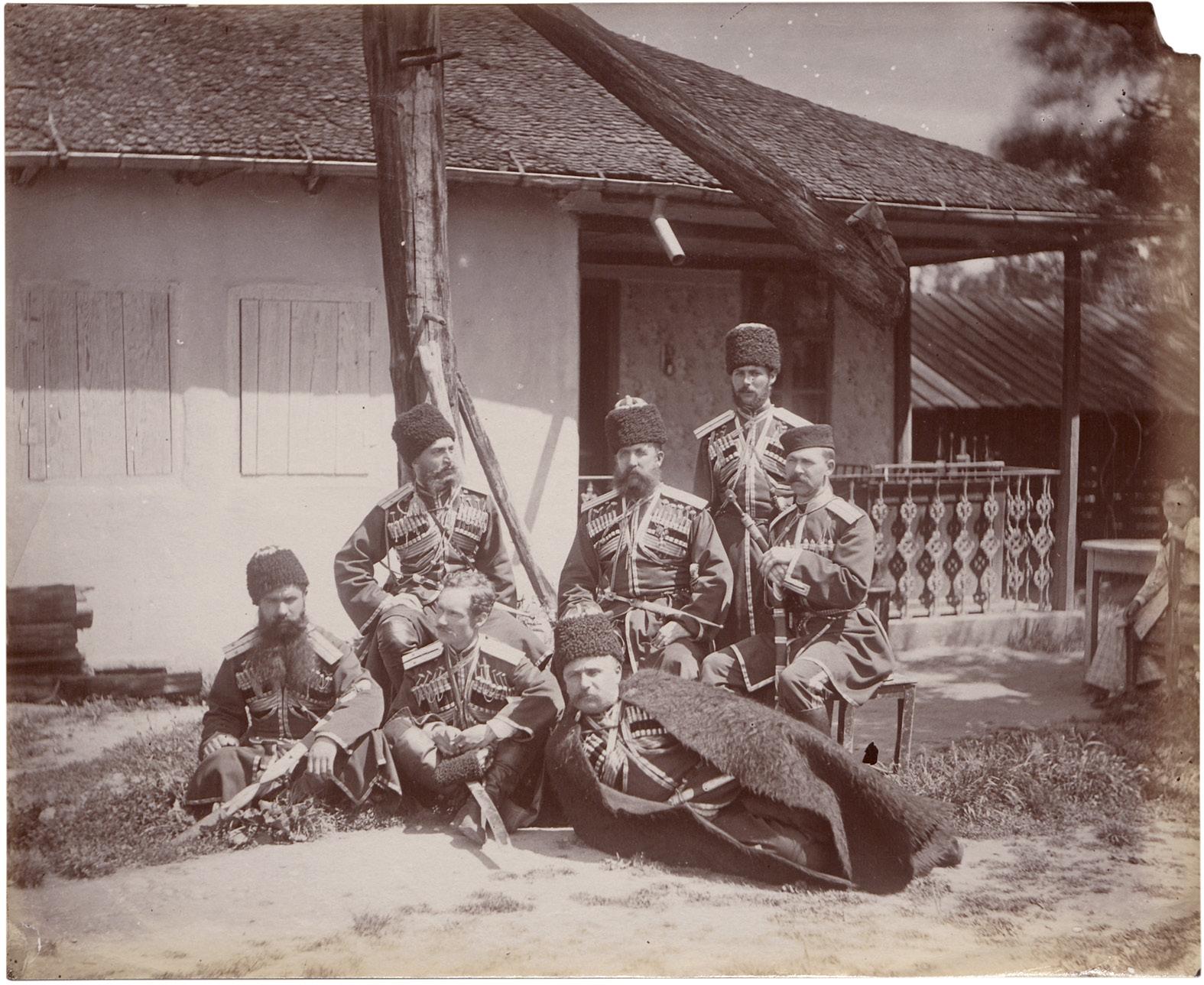
4106 Armed forces of the Russian Empire. Circa 1878. 24 albumen prints. Each circa 24 x 20 cm or reverse. Each numbered, titled, and dated by another hand in pencil on the verso.
4.000 €
The photographs depict military and paramilitary figures from the Russian Empire’s southern frontier, including Caucasian Cossack officers and rank-and-file soldiers, as well as locally recruited mountaineers and irregular auxiliaries of Circassian type. Together, they reflect the diversity of imperial forces in the Caucasus, combining formal Cossack units with indigenous warrior traditions integrated into Russian service.
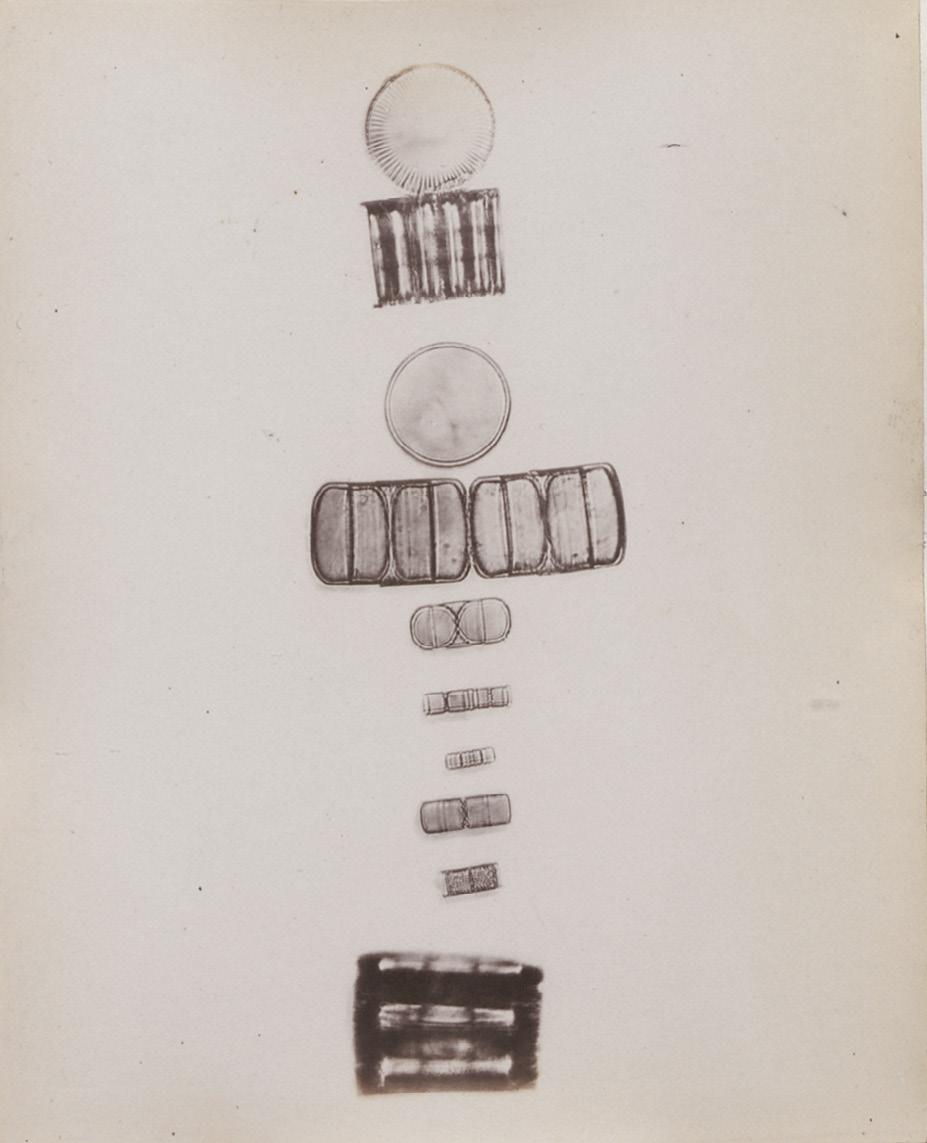
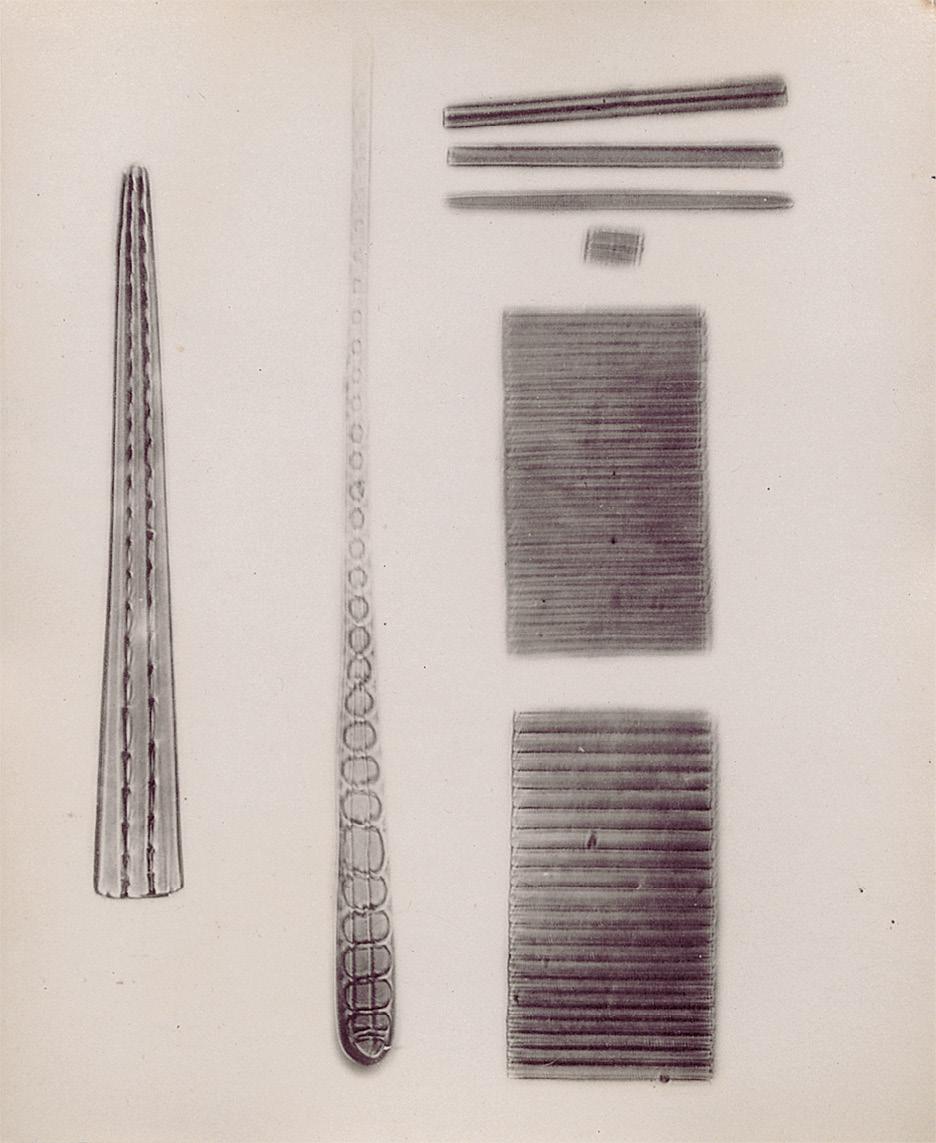
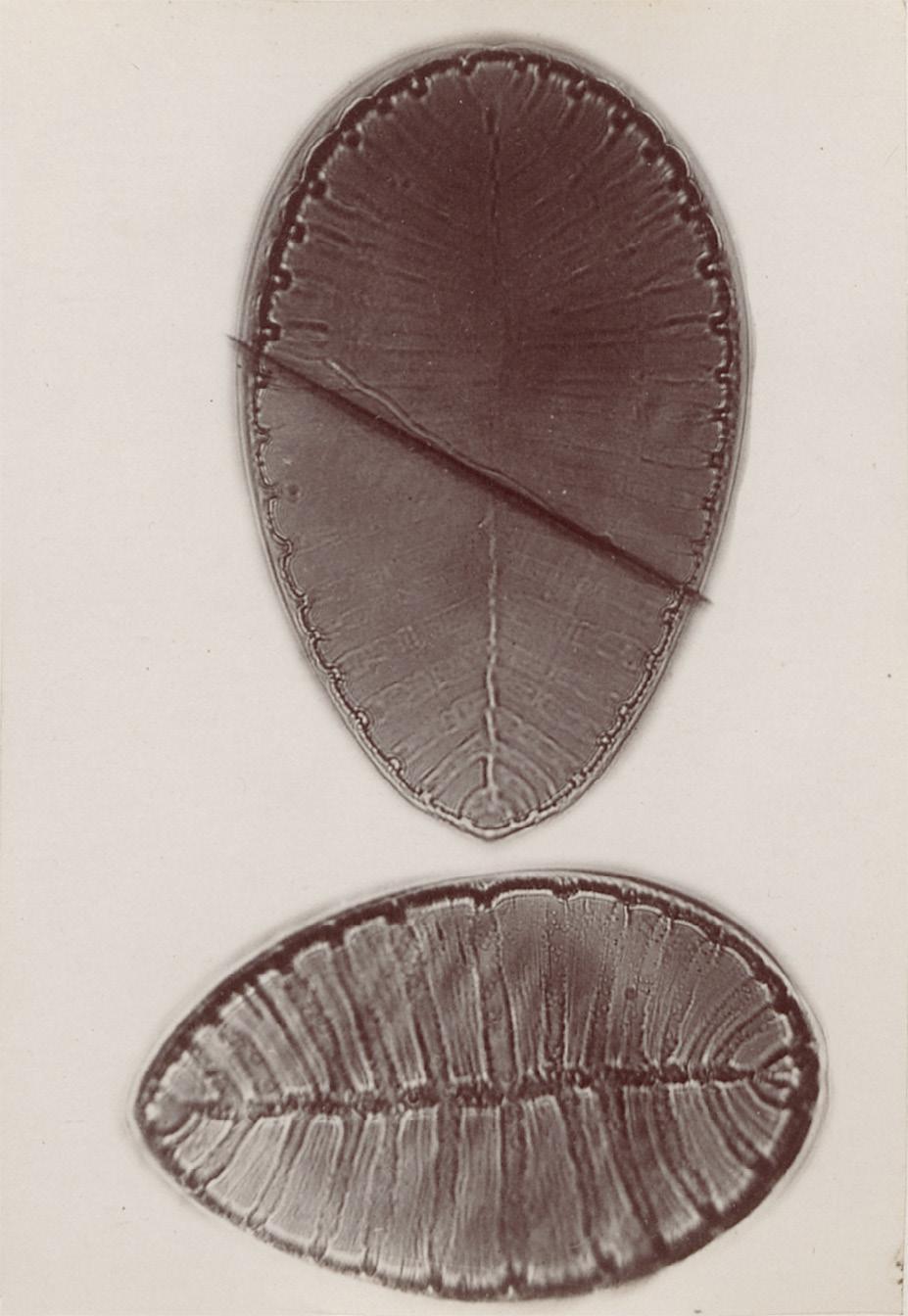
john thomas redmayne (1847–1880)
4107 Micro-photographs from the Diatomaceae. 20,5 x 16 cm. 59 l. and 65 albumen prints (59 mounted on plates), circa 12,5 x 10 cm. Original green gilt stamped cloth, marbled endpapers. Bolton, n.d., ca. 1876. 3.000 €
First and only edition of a privately printed album of microphotographs illustrating various genera of microalgae, inscribed by the author to a microscope manufacturer; exceedingly rare John T. Redmayne, a surgeon and physician, developed a specialized interest in microscopy, focusing on the collection and photographic documentation of diatoms. Among the more accomplished microphotographers of his time, he was also a founding member of the Bolton Microscopical Society, which supported his work. Published at his own expense in 1876, the album was not commercially distributed but circulated selectively as gifts or in exchange for scientific materials. This copy is inscribed to Thomas Armstrong of Armstrong & Brother Microscopes, Manchester, and includes an additional photograph of Trichina spiralis, signed by Armstrong and the photographer “J. G. Johnson,” as well as six further microphotographs preserved in a small envelope mounted to a text leaf, four depicting insects. Only one institutional copy is recorded (University of Victoria, B.C.), underscoring the publication’s rarity.
rhine
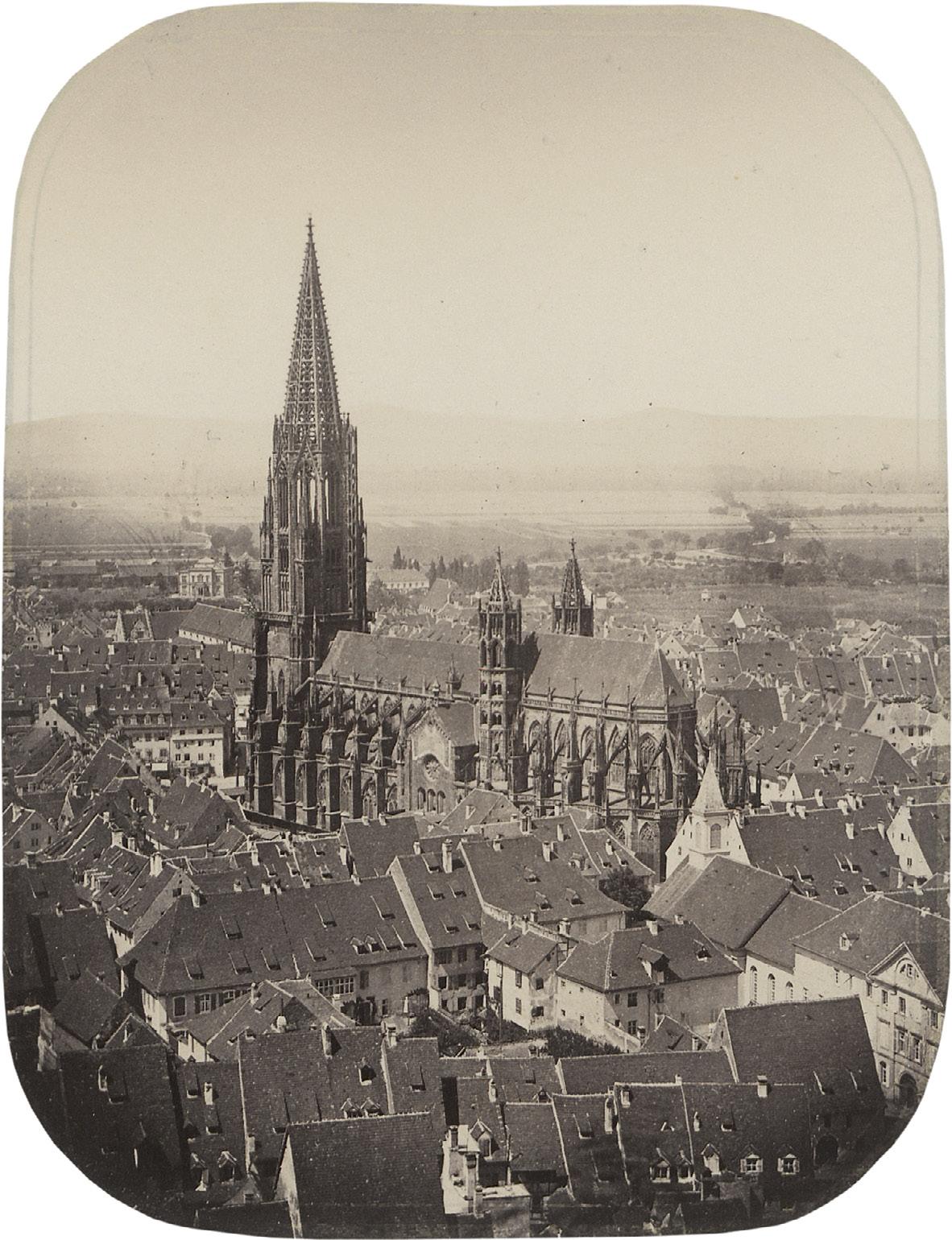
4108 Photographers: Carl Heinrich Jacobi (18241897) and Gottfried Theodor Hase (active ca. 18181888). Early views along the Rhine River. 1850s-1860s. 4 rounded albumen prints, mounted to card with ruled borders. Each between 12 x 16 cm and 15,5 x 20,5 cm or reverse (mounts ca. 23 x 30 cm). All with printed photographer credit and place name below the image on the mount; some annotated in black ink on mount verso.
800 €
Carl Heinrich Jacobi worked as a photographer and publisher in Bad Kreuznach and the Middle Rhine region, producing composed topographical views of towns, river landscapes, and spa resorts. His work belongs to the tradition of commercially distributed Rhine photography, issued in albums and portfolios for tourism and the growing market for photographic souvenirs. Gottfried Theodor Hase, trained as a painter before turning to photography, is regarded as Freiburg im Breisgau’s first professional photographer. From the early 1860s onward, he documented the city’s medieval architecture and urban fabric with a clear, descriptive approach.
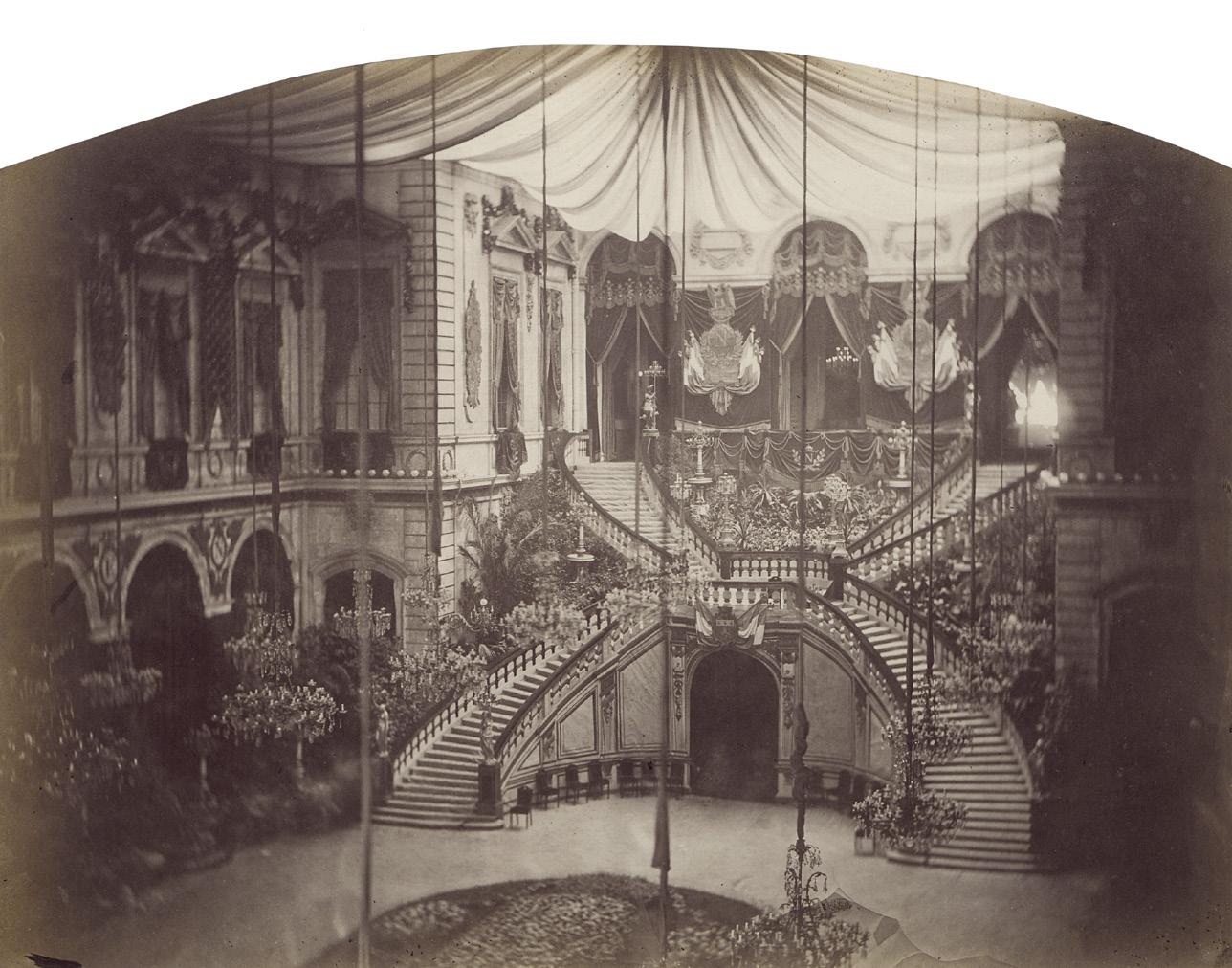
pierre ambroise richebourg (1810–1875)
4109 Views of Lyon on the occasion of Napoleon III and Empress Eugénie’s visit. 1860s. 9 albumen prints, mounted to card. Each between 21,5 x 28,7 cm and 29,7 x 22,5 cm (mounts 39,5 x 32,5 cm or reverse). With photographer’s blindstamp below the image on the mounts. 1.800 €
Pierre Ambroise Richebourg was a Paris-based photographer who specialized in the systematic documentation of architecture, interiors, and official events, contributing to the visual representation of the Second French Empire. The photographs presented here belong to the album Souvenir du séjour de Leurs Majestés Impériales à Lyon, produced on the occasion of the visi t of Napoleon III and Empress Eugenie to Lyon in August 1860. The majority of the images depict the interiors of the Hôtel de Ville de Lyon prepared for the imperial visit, while one photograph records a large military review held in honor of the occasion.
james robertson (1813–1888)
4110 Views of Constantinople. 1850s-1860s. 3 albumenized salted paper prints and 1 salted paper print, mounted to card. Each ca. 24,2 x 28,2 cm (mounts 50 x 65 cm). Each annotated in pencil in the lower margin of the mount; one photograph numbered and titled in the negative in the lower left corner; one photograph with the photographer’s signature in the lower margin, partially cut off.
4.000 €
A Scottish engraver by training, Robertson served as chief engraver to the Imperial Ottoman Mint before turning to photography in the early 1850s. His photographs combine a precise architectural sensibility with a documentary interest in the urban fabric and daily life of the Ottoman capital. They are among the earliest systematic photographic records of the city. The views in this lot include the Galata Tower, the Fountain of Sultan Ahmed III, sections of the Theodosian walls, and the tomb of Sultan Suleiman.
james robertson
4111 Interior of the Redan / View of an Abandoned Russian Battery / View of Sebastopol. 1855-1856. 3 salte d paper prints, mounted to boards. Each ca. 23,5 x 29 cm (mounts 46 x 57 cm). With handwritten captions in pencil on the lower margin.
1.500 €
Taken by James Robertson during the Crimean War, these photographs depict key scenes from the Siege of Sevastopol, including the interior of the Redan, an abandoned Russian battery, and a general view of the city. Captured in the immediate aftermath of battle, they reveal shattered fortifications, debrisstrewn terrain, and the desolate remnants of military infrastructure. As early examples of war photography, these images serve not only as historical documents of a pivotal conflict, but also as powerful visual testaments to photography’s role in recording the realities of modern warfare.
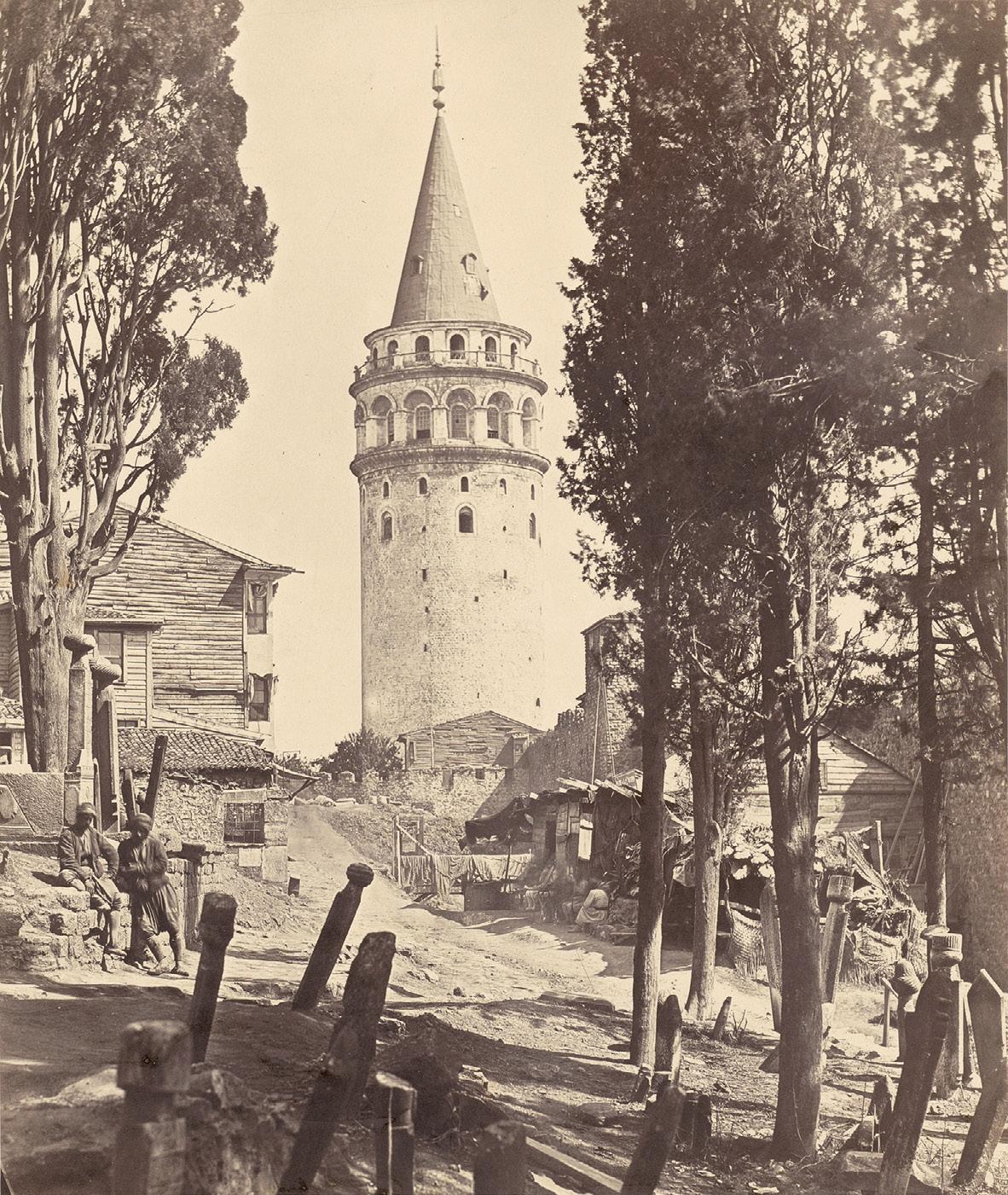
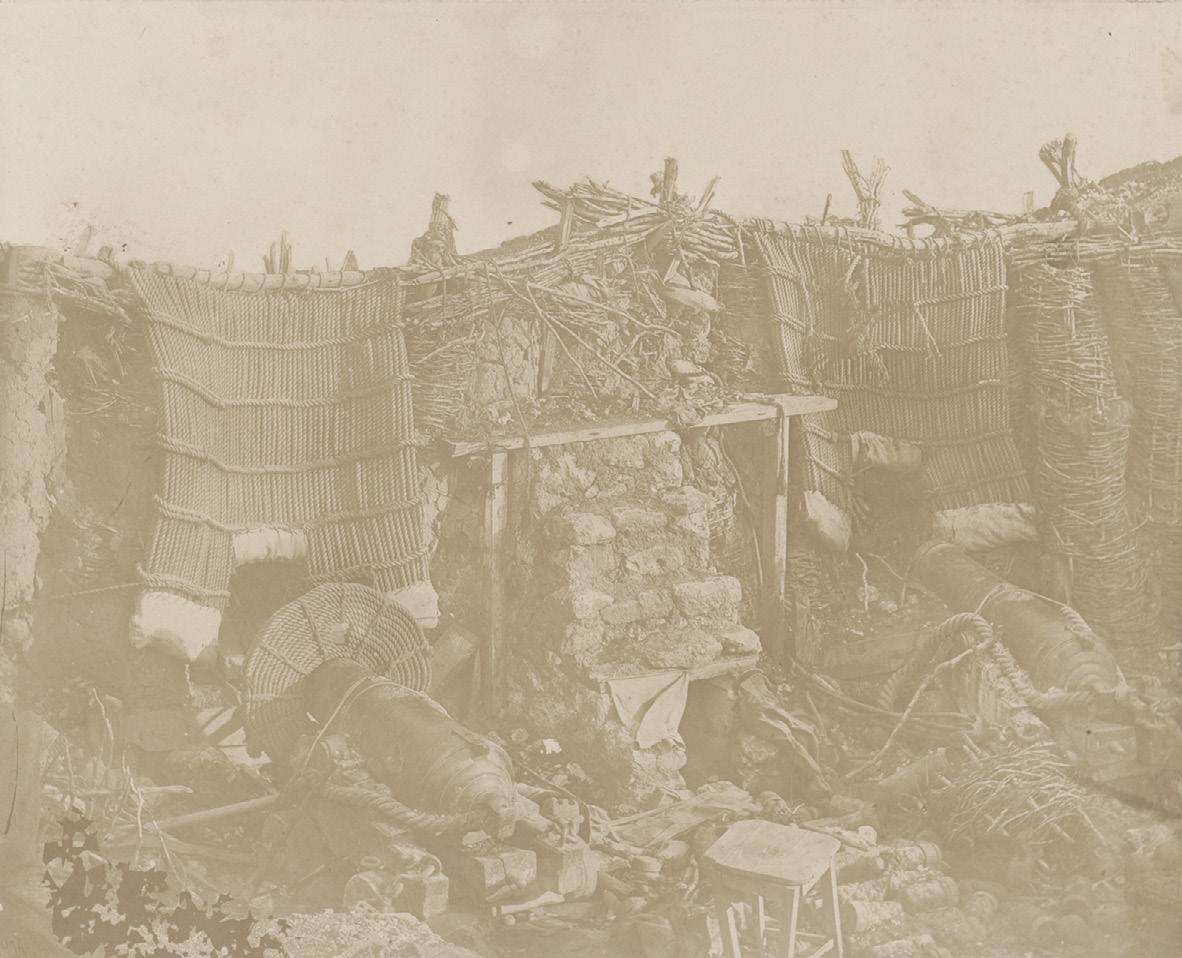
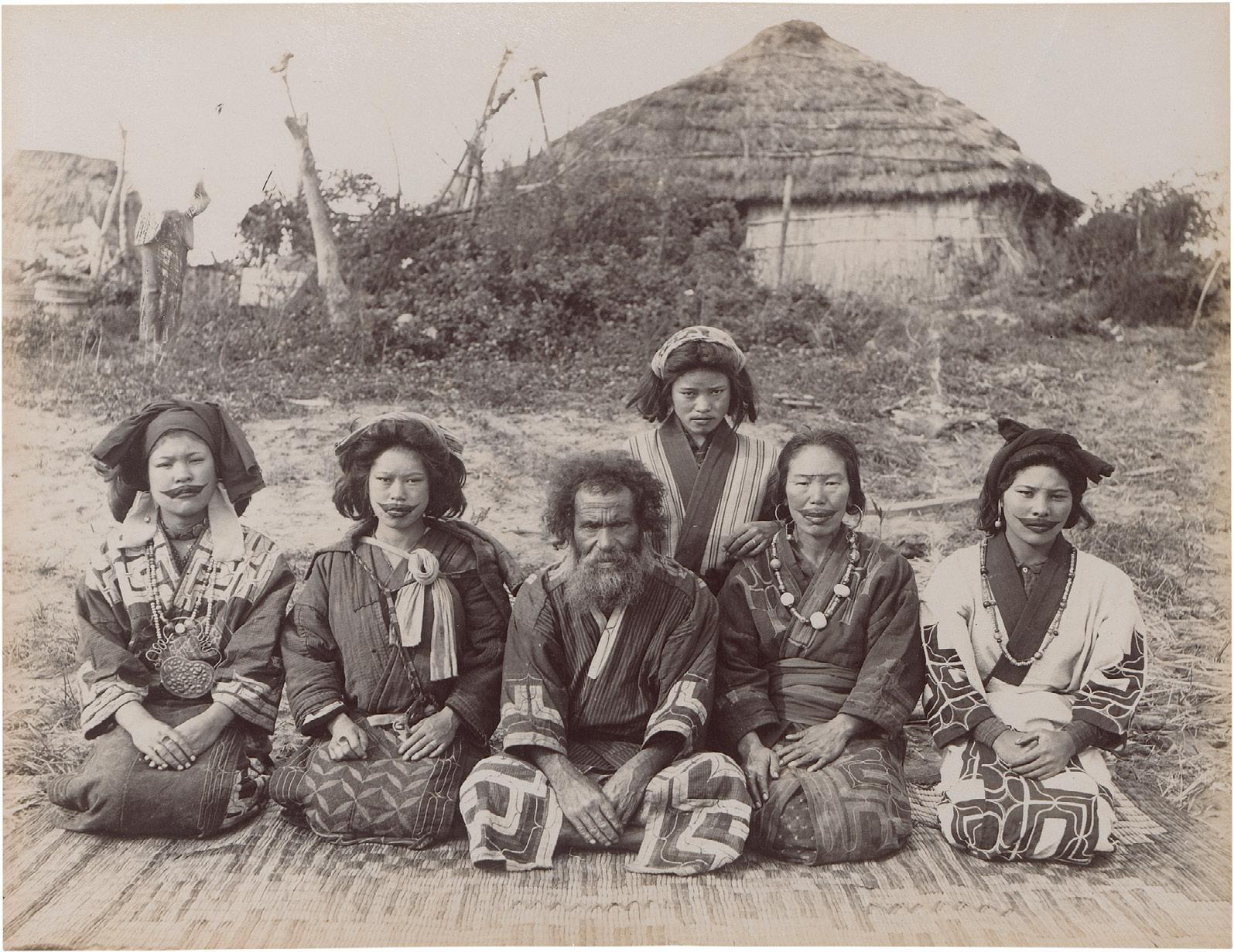
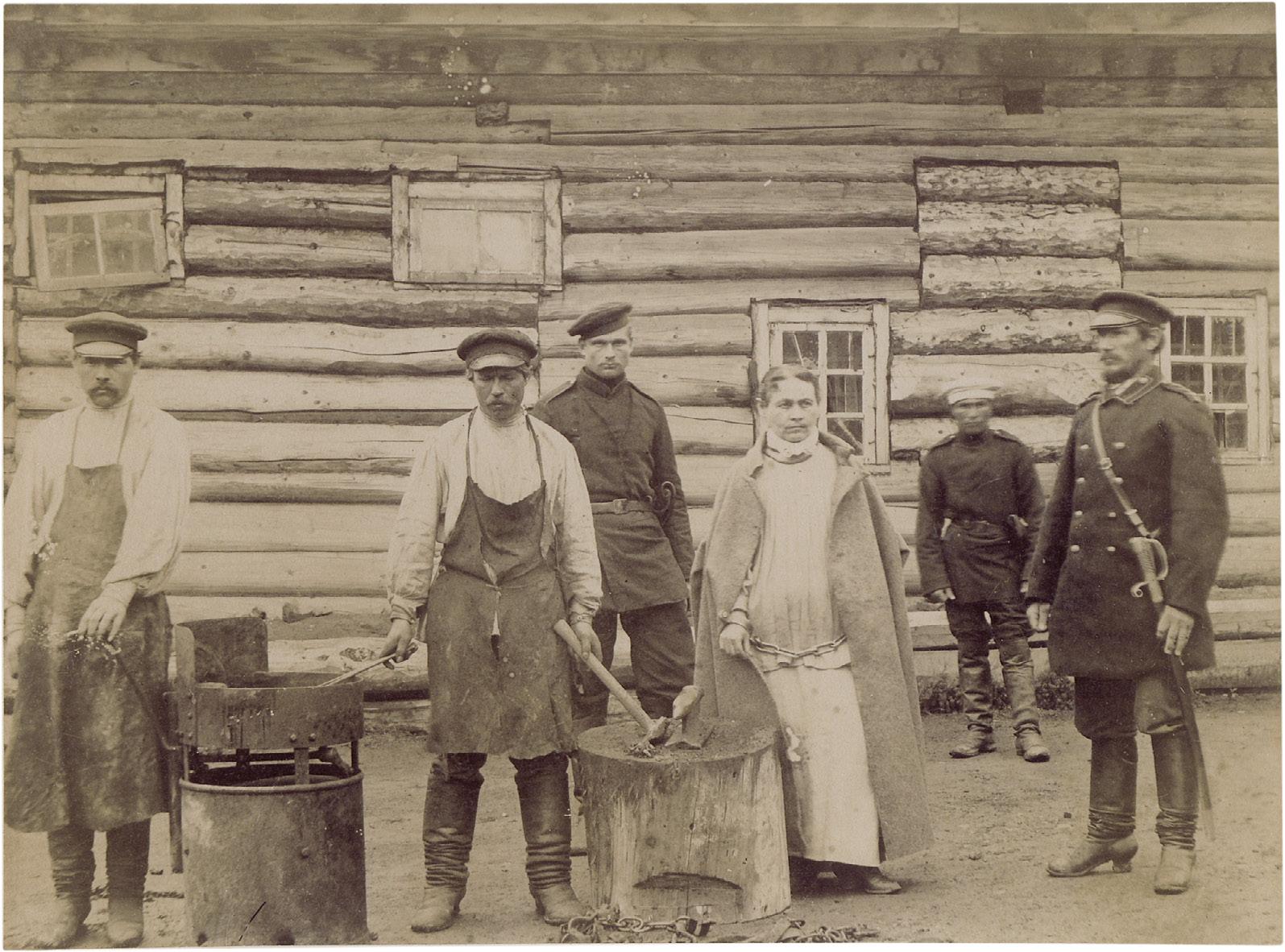
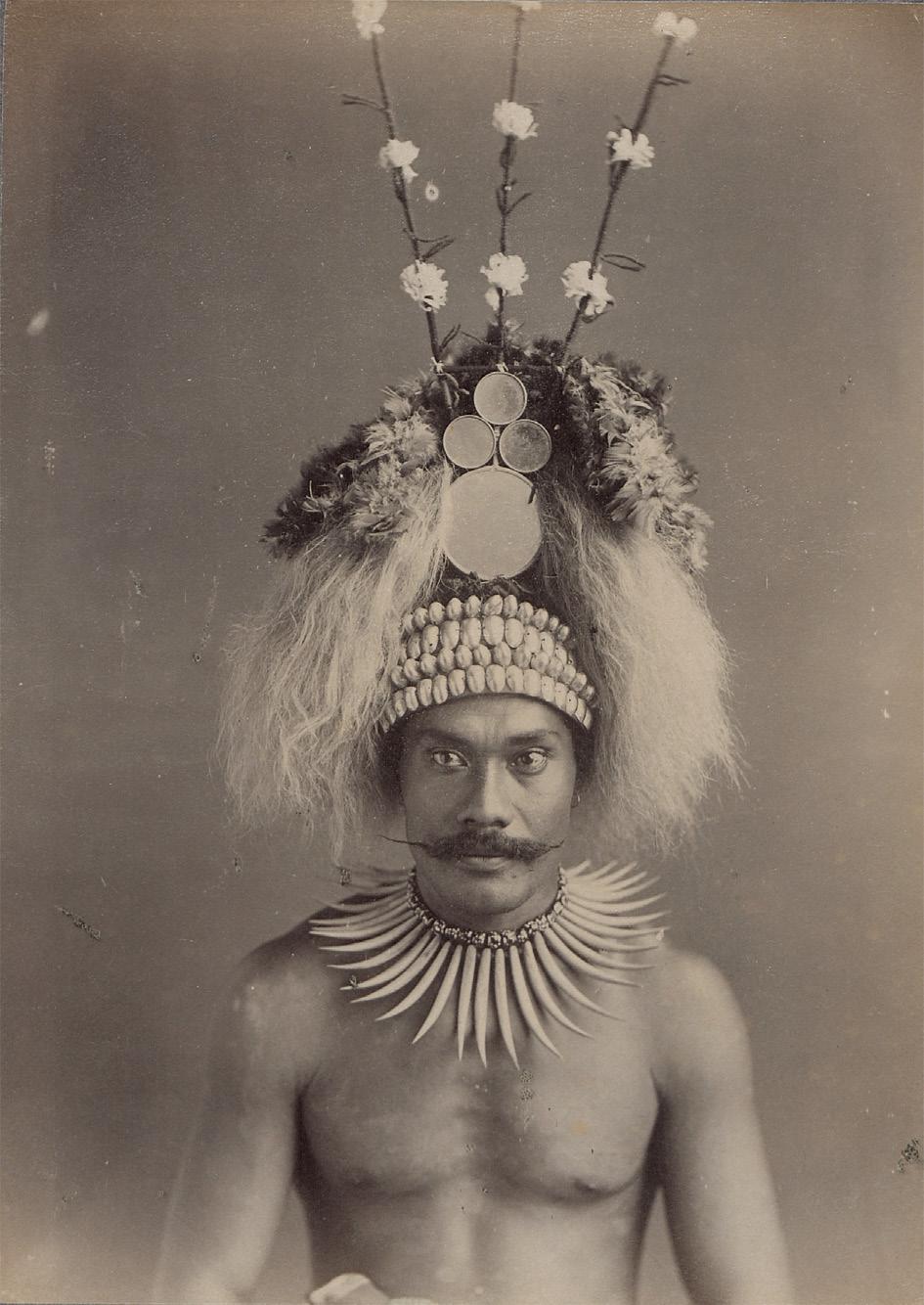
sakhalin
4112 Photographers: Kenzo Tamoto (1832-1912), Ivan Nikolaevich Krasnov (life dates unknown), and unknown. Views of Northern Japan and Sakhalin. 1870s-1890s. 25 albumen prints, mounted to album pages. Each between 9,3 x 13,2 cm and 20 x 26 cm (pages 26 x 34 cm). Bound in a black canvas album with leather spine and decorative enpapers.
1.500 €
This album documents indigenous communities and settlements in northern Japan and Sakhalin in the late 19th century. Numerous photographs depict Ainu villages with their characteristic thatched houses (chise), alongside scenes of daily life such as weaving, gathering seaweed, and carrying firewood. Several images likely represent Nivkh (historically referred to as Gilyak) inhabitants of Sakhalin, identifiable by distinctive dress and ornament, underscoring the region’s ethnographic diversity. The album also includes two photographs of Russian penal colonies on Sakhalin, one of which depicts the infamous Russian thief Sofia Blyuvshtein (“Sonya Golden Hand”) in shackles during her imprisonment on the island, where she was later visited by Anton Chekhov.
4113 Photographer: Thomas Andrew (1855-1939). Views from Samoa. Late 1890s-early 1900s. 38 albumen prints, mounted to board. Each between ca. 20 x 14,5 cm and 18 x 24 cm (mounts ca. 29 x 37,5 cm). Some prints dated, numbered, and signed in the negative in the lower margin.
1.000 €
The photographs offer a broad survey of Samoan life, combining posed studio portraits with outdoor scenes and staged genre subjects. Men and women appear in ceremonial dressfeathered headdresses, shell and tooth necklaces, and woven ornaments - alongside images of village interiors, ritual performances, dance scenes, and communal activities such as processions and feasts. Produced by Thomas Andrew, who lived and worked in Samoa from 1891 to 1939, the group reflects his sustained engagement with local society and forms part of a larger body of work documenting the islands’ landscapes, people, and cultural life during the colonial period.
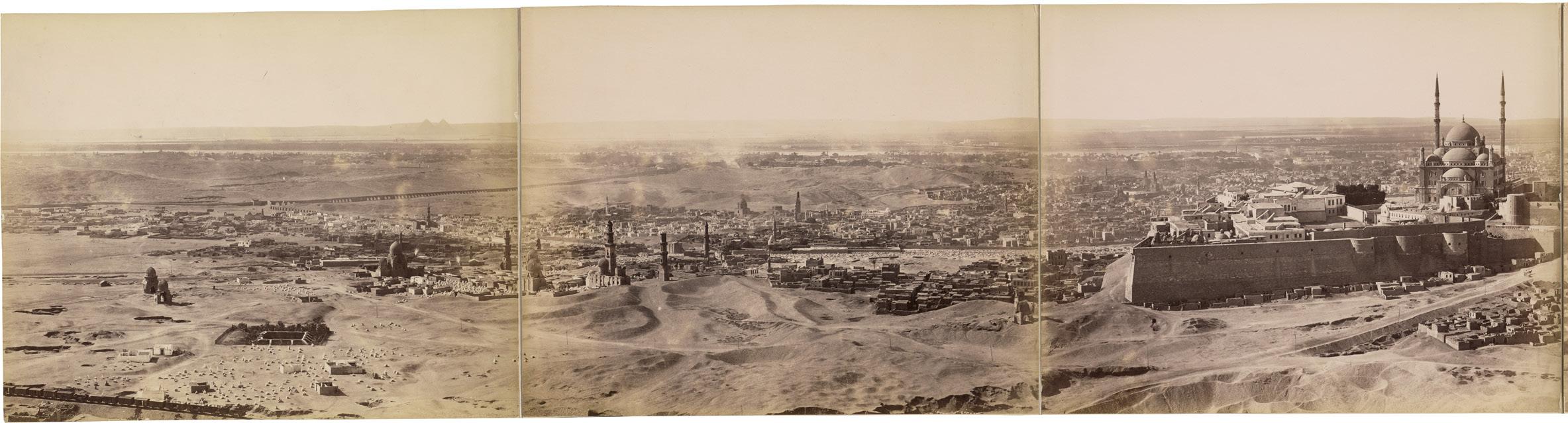
pascal sébah (1823–1886)
4114 (Attributed to). Panorama of Cairo. 1870s. Panorama consisting of 6 albumen prints, mounted to boards as leporello. 25 x 30,5 cm (entire size ca. 25 x 182 cm). Housed in a modern slipcase with marbled paper cover.
1.500 €
This six-part panorama of Cairo, attributed to Pascal Sébah, depicts a sweeping view of the city’s historical and architectural landmarks, including such sites as the Muhammad Ali Mosque, the Cairo Citadel, the aqueduct, the northern cemetery, and the mosques of Sultan Hassan and al-Rifa’i among others.
jean (j.p.) sébah, paul dittrich and others (1874–18947, 1868–1939)
4115 People and monuments of Egypt. 1880s/90s. 37 albumen prints and 1 salted paper print. Each between ca. 21 x 27 cm and 28 x 22 cm. Most with photographer’s name, title, and number in the negative along the lower edge; 22 mounted to board, 16 inserted in slits in paper leaves; titles annotated in white crayon below the image on the mounts.
800 €
The Austrian photographer Paul Dittrich established a studio in Ottoman Egypt in 1894, where he also worked as a court photographer. Jean Sébah, son of Pascal Sébah, entered into partnership with the Istanbul photographer Policarpe Joaillier in 1888 at the age of 16. This larger group of Egyptian views includes Luxor, the interior of the El-Azhar Mosque, and Karnak, among others.
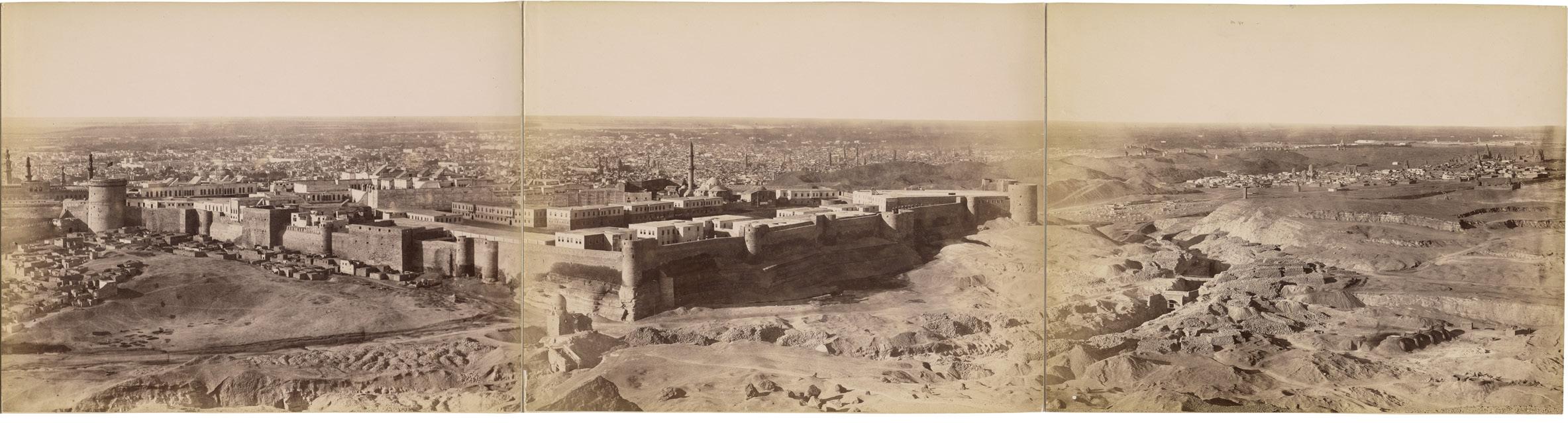
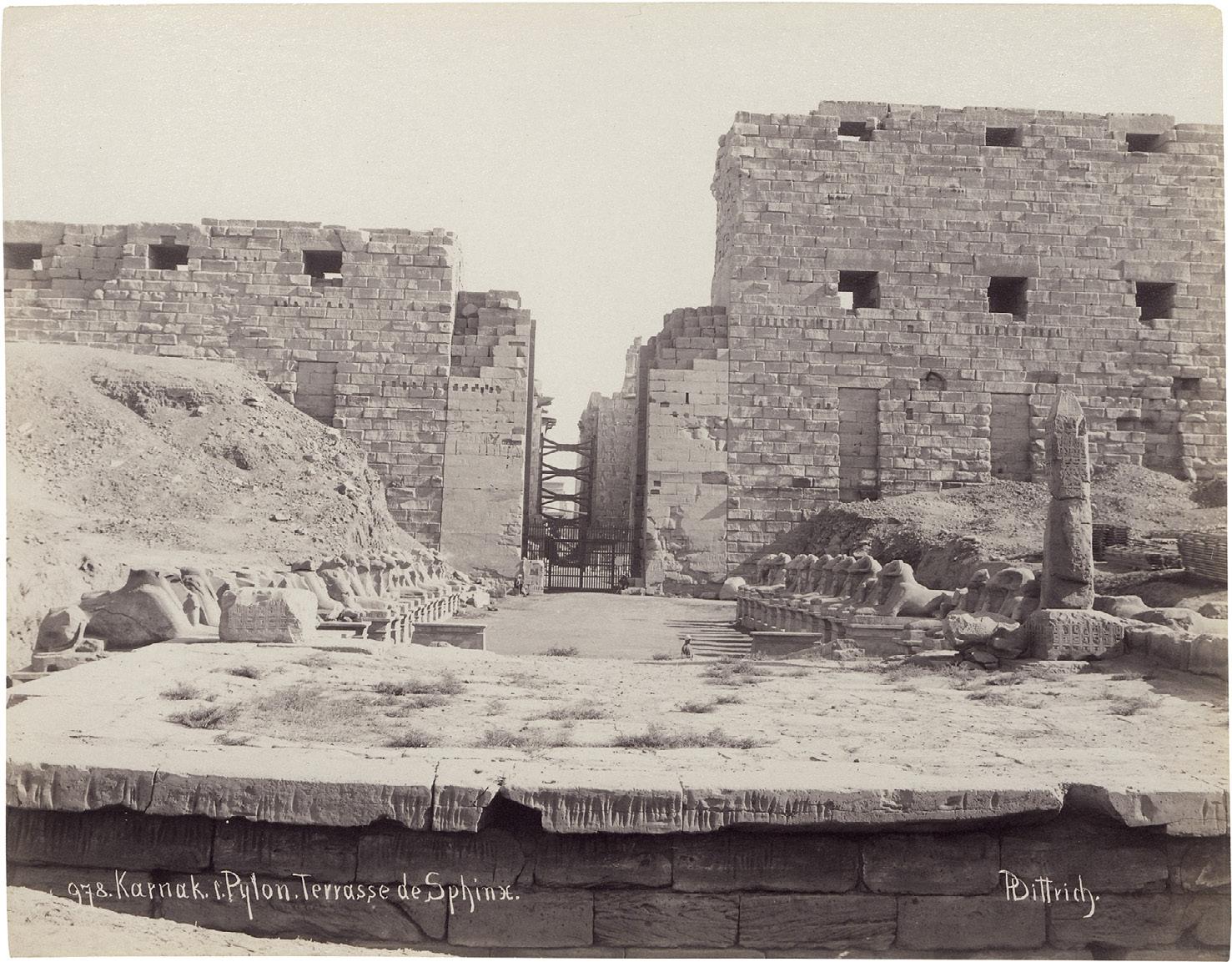
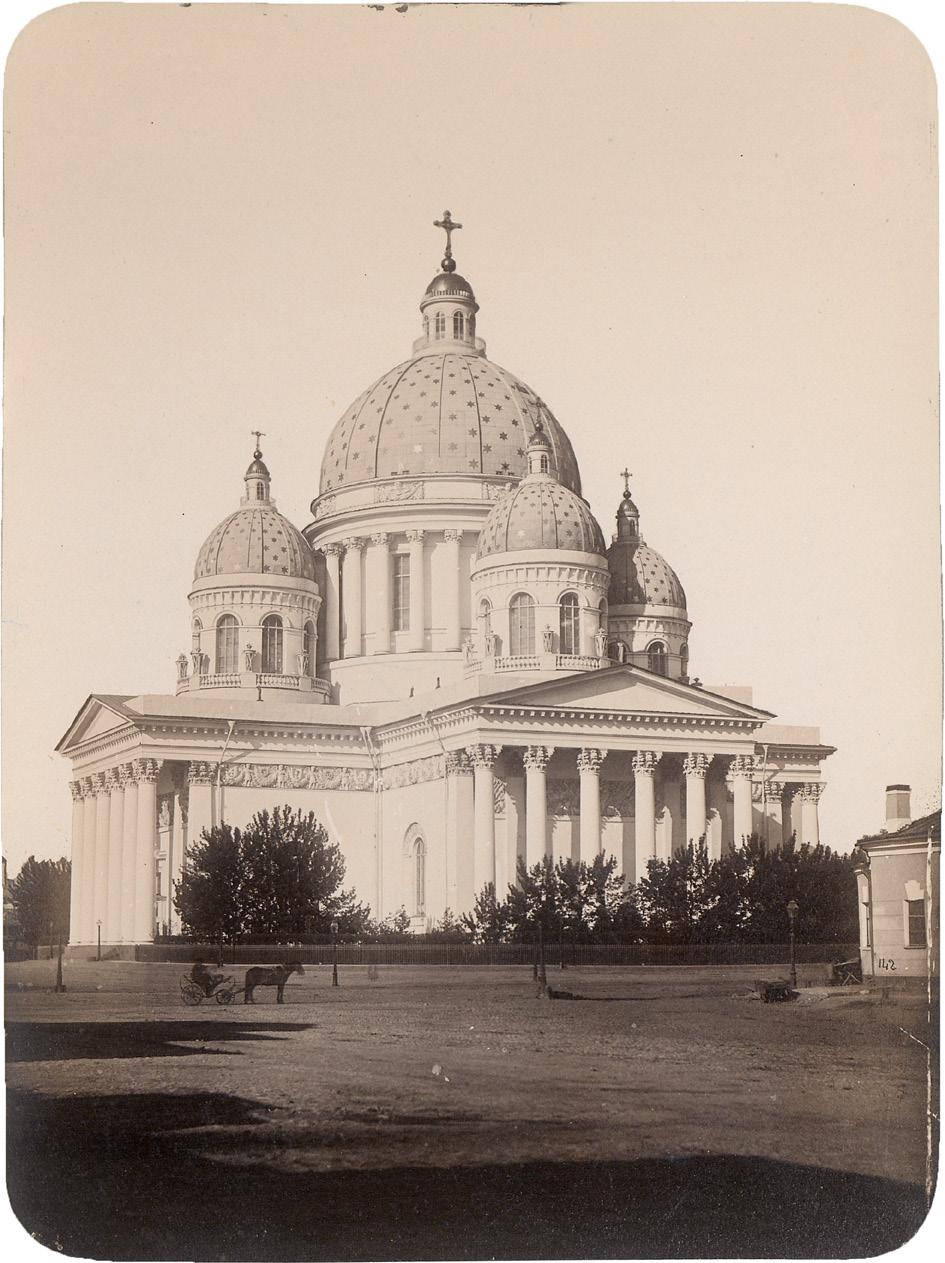
st. petersburg
4116 Photographer: E. Huard (active 1850-1866). View s of St. Petersburg. 1860s. 11 albumen prints, mounted to board. Each ca. 17 x 23 cm or reverse (mounts ca. 31 x 42 cm or reverse). Some signed and numbered in the negative.
1.200 €
Taken by the prolific yet lesser-known photographer E. Huard, this lot offers an extensive photographic survey of Saint Peter sburg in the early 1860s, encompassing many of its principal imperial landmarks, including Saint Isaac’s Cathedral, the Winter Palace, Smolny Monastery, the Monument to Nicholas I, the Bronze Horseman, and the Alexander Column. Additional views show Konnogvardeysky Boulevard, the Nikolaevsky Bridge, and Nevsky Prospekt, depicted both as a bustling urban artery animated by horse-drawn traffic and crowds and as the setting for a grand military parade with cavalry, infantry, and spectators lining the avenue.
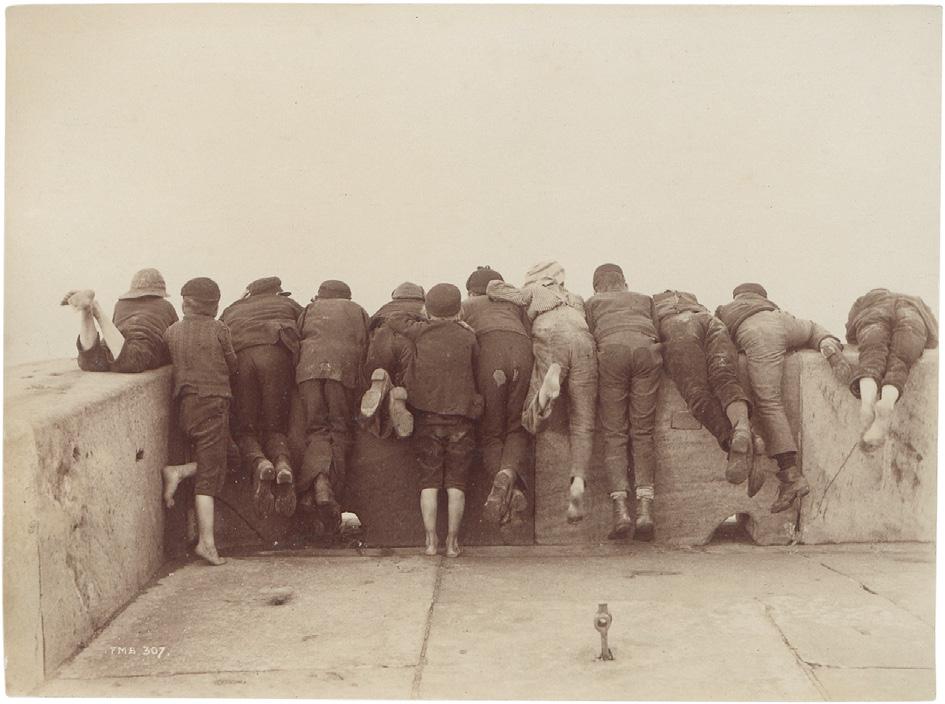
frank meadow sutcliffe (1853–1941)
4117 Excitement. 1888. Albumen print, mounted to card. 14,7 x 20 cm (mount 29,8 x 21,5 cm). Signed and numbered in the negative in lower left corner. With another albumen print of the port of Whitby mounted to the verso.
800 €
This photograph is among the most characteristic works by Frank Meadow Sutcliffe, made in Whitby in the 1880s. Closely associated with the British pictorial movement, Sutcliffe developed a practice of staging scenes drawn from everyday coastal life, often using local children to create compositions that appear spontaneous yet are carefully constructed. The work exemplifies the late 19th-century shift toward photography as a more expressive and narrative medium.
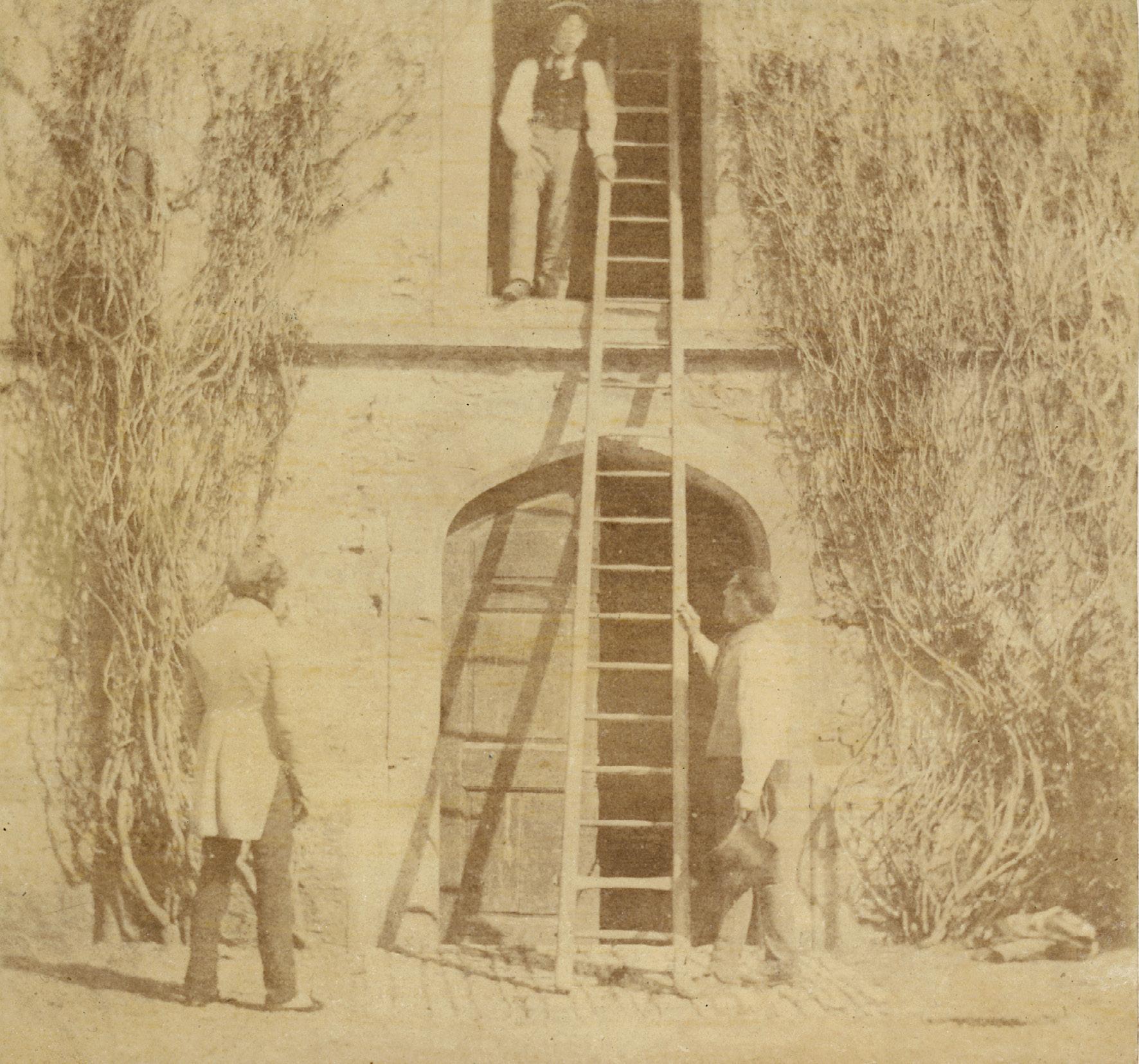
henry fox talbot (1800–1877)
4118 The Ladder from „The Pencil of Nature“, plate XIV. 1844. Varnished salted paper print, mounted to board. 16,8 x 18 cm (mount ca. 23,4 x 30,5 cm). With an ink outline around the image; original paper label on the verso reading “PATENT TALBOTYPE or SUN PICTURES,” numbered “14” in ink, and annotated in ink: “At Lacock Abbey, Wilts.”
2.000 €
A central figure in the invention of photography, Henry Fox Talbot developed the negative-positive process and understood
photography as both a scientific and artistic medium, laying the groundwork for all later photographic reproduction. This print of The Ladder was most likely varnished by Talbot himself; as noted by Larry Schaaf, such varnishing was uncommon and undertaken only briefly as part of early experiments to improve the permanence of photographic prints. With only three other varnished examples known, the present work constitutes an important and rare document in the early history of photography. Lit.: Larry J. Schaaf. The Photographic Art of William Henry Fox Talbot. Princeton: Princeton University Press, 2000, see pp. 200-201.
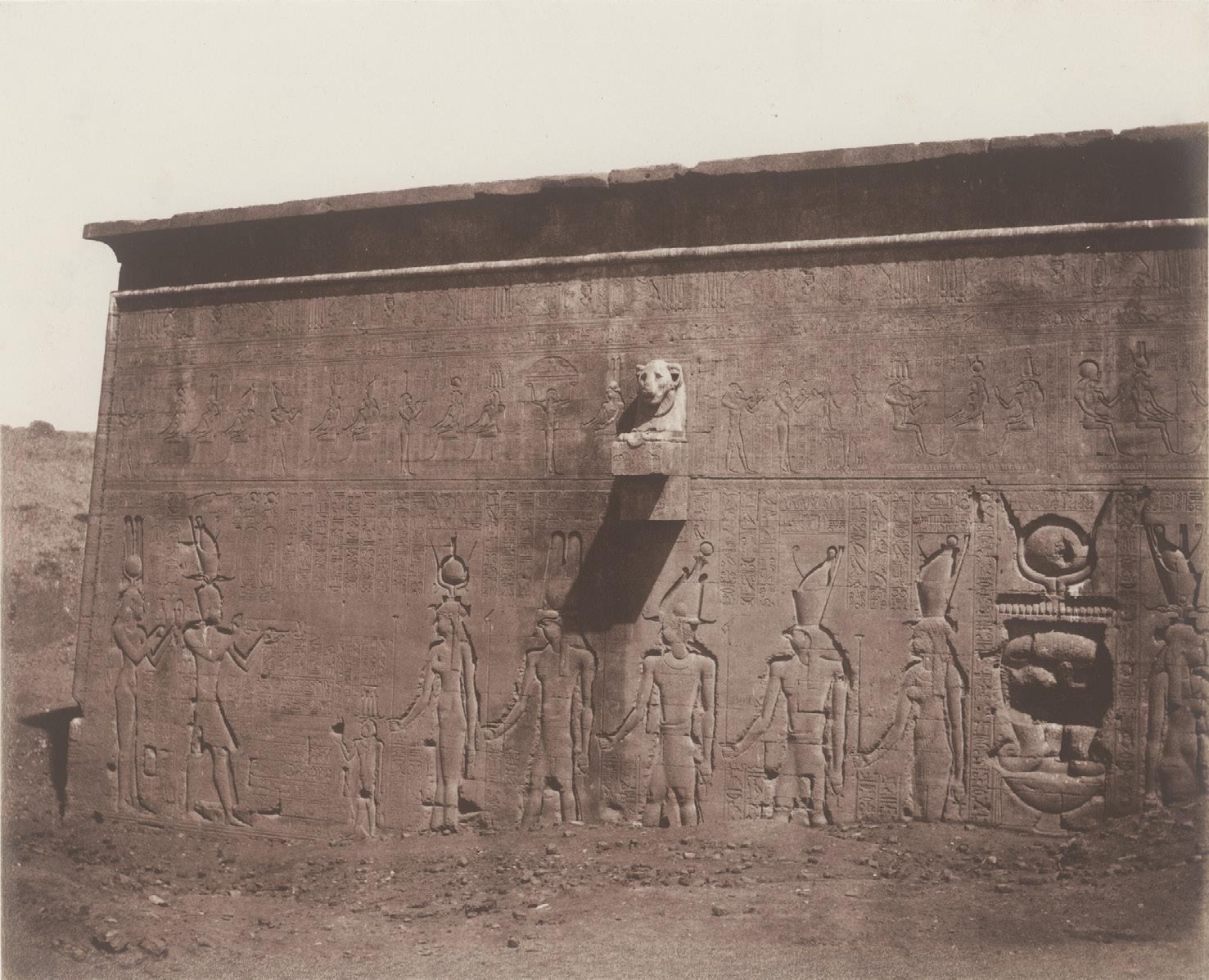
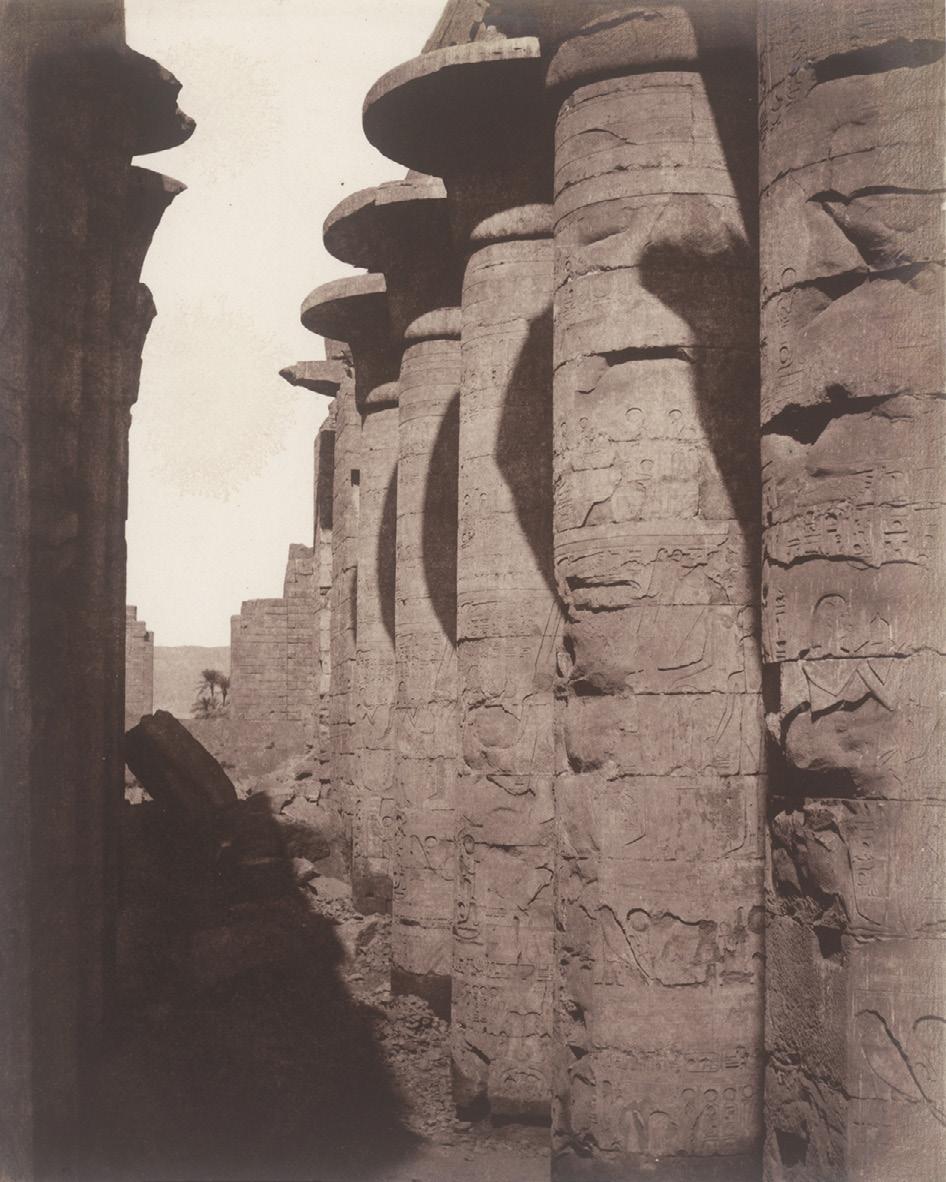
félix teynard (1817–1892)
4119 Dendérah (Tentyris), Temple d’Athôr – Face postérieure (plate 24, “Égypte et Nubie”). 1851-52. Salted paper print, printed 1853-54, mounted on the original album page. 25,2 x 31 cm (mount 39,5 x 50,5 cm). Title, plate number, and publisher’s imprint printed below the image on the mount.
1.200 €
Félix Teynard, an engineer and self-taught photographer, traveled through Egypt between late 1851-1852 with the aim of producing photographic views of architectural monuments to supplement the engravings published following the Napoleonic expeditions (1809-1829). Working with a large-format camera, he used the waxed paper negative process popularized by Gustave Le Gray, enabling him to achieve exceptional detail under difficult conditions. Around 160 photographs from this journey were published in Égypte et Nubie: sites et monuments les plus intéressants pour l’étude de l’art et de l’histoire, of which only about a dozen complete copies survive. Teynard’s photographs were met with considerable critical acclaim and were exhibited at the Exposition Universelle in Paris in 1855.
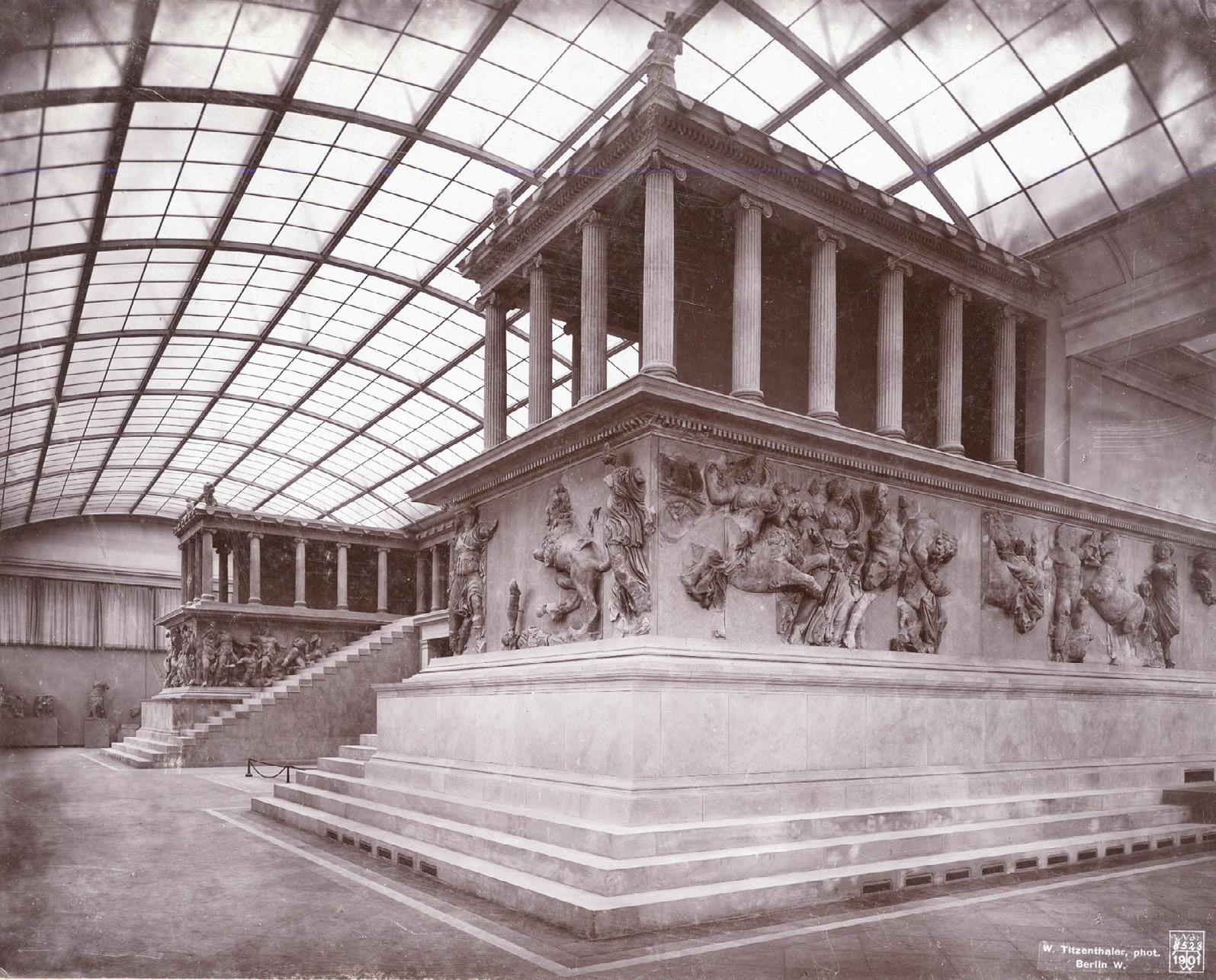
4120 Karnak (Thèbes). Palais Salle hypostyle Colonnade centrale, vue du point J (plate 89, Égypte et Nubie). 1851-52. Salted paper print, printed 1853-54, mounted on the original album page. 30,6 x 25,6 cm (mount 50,5 x 39,5 cm). With the title, plate number, and publisher’s imprint printed below the image on the mount.
1.200 €
titzenthaler (1869–1937)
4121 The Pergamon Altar in Berlin. 1901-02. 6 collodion paper prints, mounted to board. Each between 18,7 x 27,8 cm and 22,8 x 27,8 cm or reverse (mounts between 21,3 x 30,3 cm and 25,6 x 31,4 cm or reverse). With the photographer‘s logo, name and negative number in the negative in lower right or left corner. 500 €
This lot includes some unusual views of the Pergamon Altar in Berlin before its final placement in the Pergamon Museum.
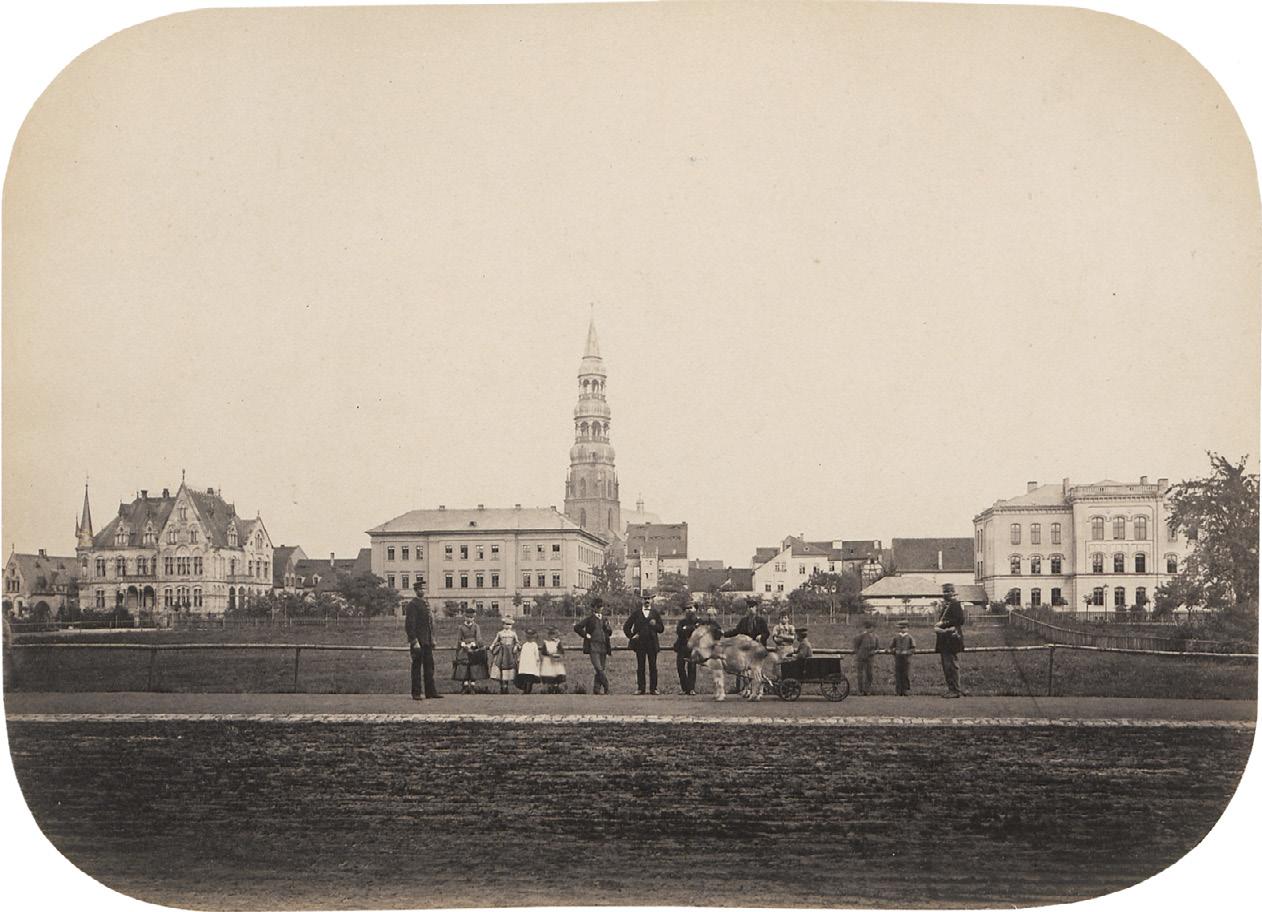
x-ray photography
4122 Photographer: Coxeter. X-ray of a forearm and hand. 1897. Vintage collodion print, mounted to original board. 15 x 24 cm. Signed and dated in ink in lowe r right within the image.
750 €
This early radiographic image captures the skeletal structure of a forearm and hand with inserted screws, exemplifying the fas cination with X-ray technology following its discovery by Wilhelm Röntgen in 1895. Likely produced for scientific or medical demonstration, the print emphasizes the translucency of flesh and
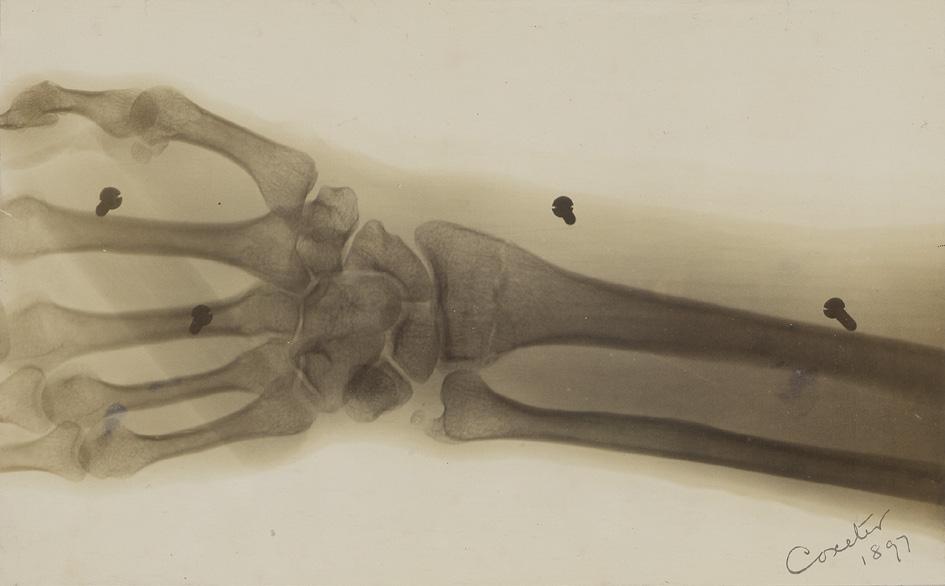
the opacity of metal in striking contrast, lending it a distinct aesthetic quality. Unlike most X-ray prints of the time, this example is signed and dated in ink. The signature most likely refers to the English company of the same name, Coxeter & Son, originally founded in 1836 as a manufacturer of medical instruments and later adapting its production to X-ray apparatus in response to growing demand in the late 1890s.
zwickau
4123 Views of Zwickau. 1870s. 12 albumen prints, mounted to cards. Each 11,3 x 15,8 cm (mounts 21,6 x 29,5 cm). Each with printed caption “Zwickau und Umgebung,” copyright information, and numbered and annotated in pencil below the image on the mount. Presented in the original green canvas portfolio with gilt-embossed title and decorative borders.
500 €
A cohesive group of 19th-century topographical photographs depicting Zwickau and its surroundings, combining views of prominent civic buildings, historic landmarks, and residential architecture with river landscapes and urban panoramas. The series presents both the city’s medieval heritage - such as the Gothic Gewandhaus - and its rapid late 19th-century development through Gründerzeit public and private buildings, reflecting Zwickau’s growing economic importance.
20 th century & contemporary photography
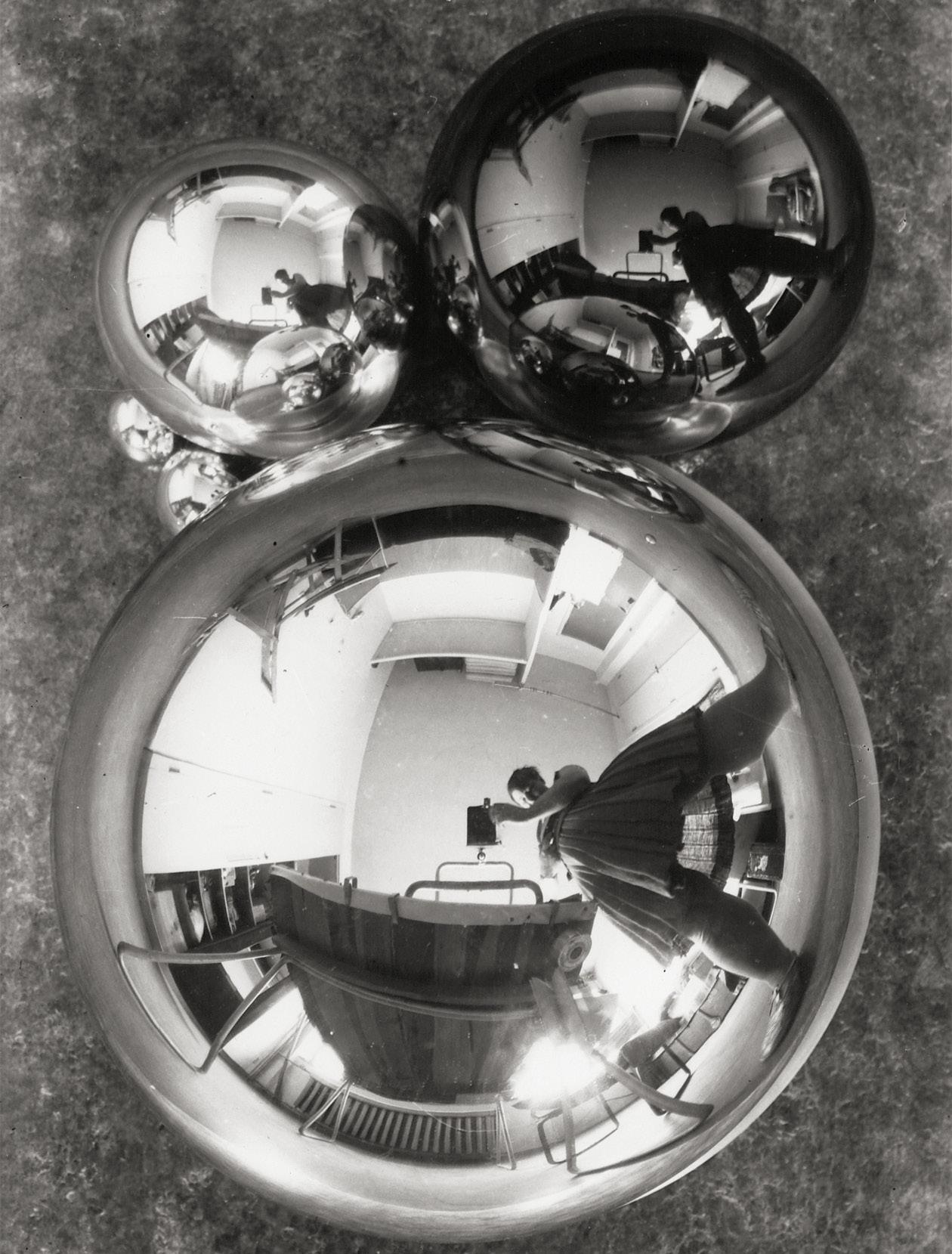
4124 Photographer unknown. Advertising photo for biscuits. 1920s/1930s. Vintage gelatin silver print. 24 x 17,8 cm.
750 €
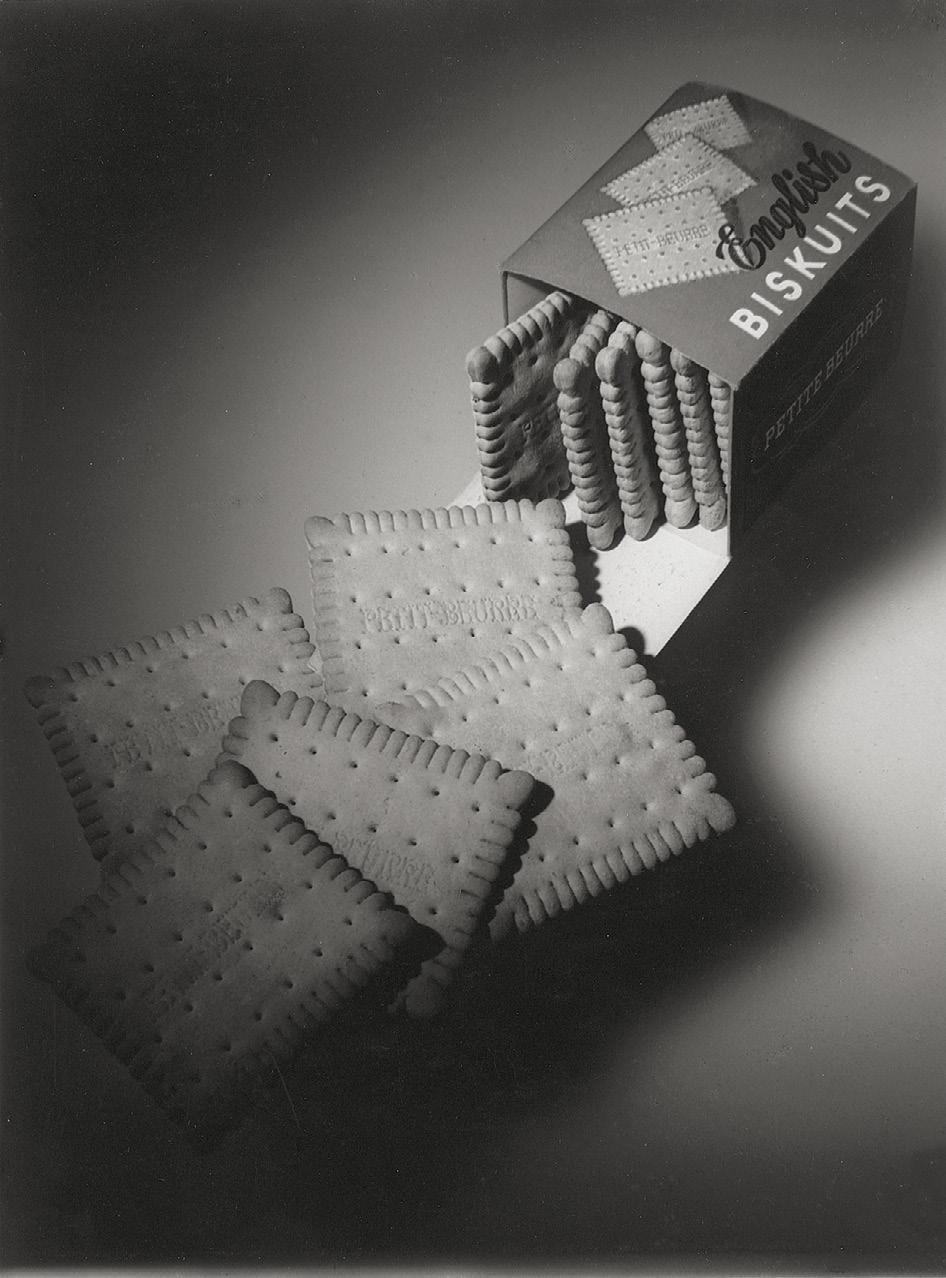
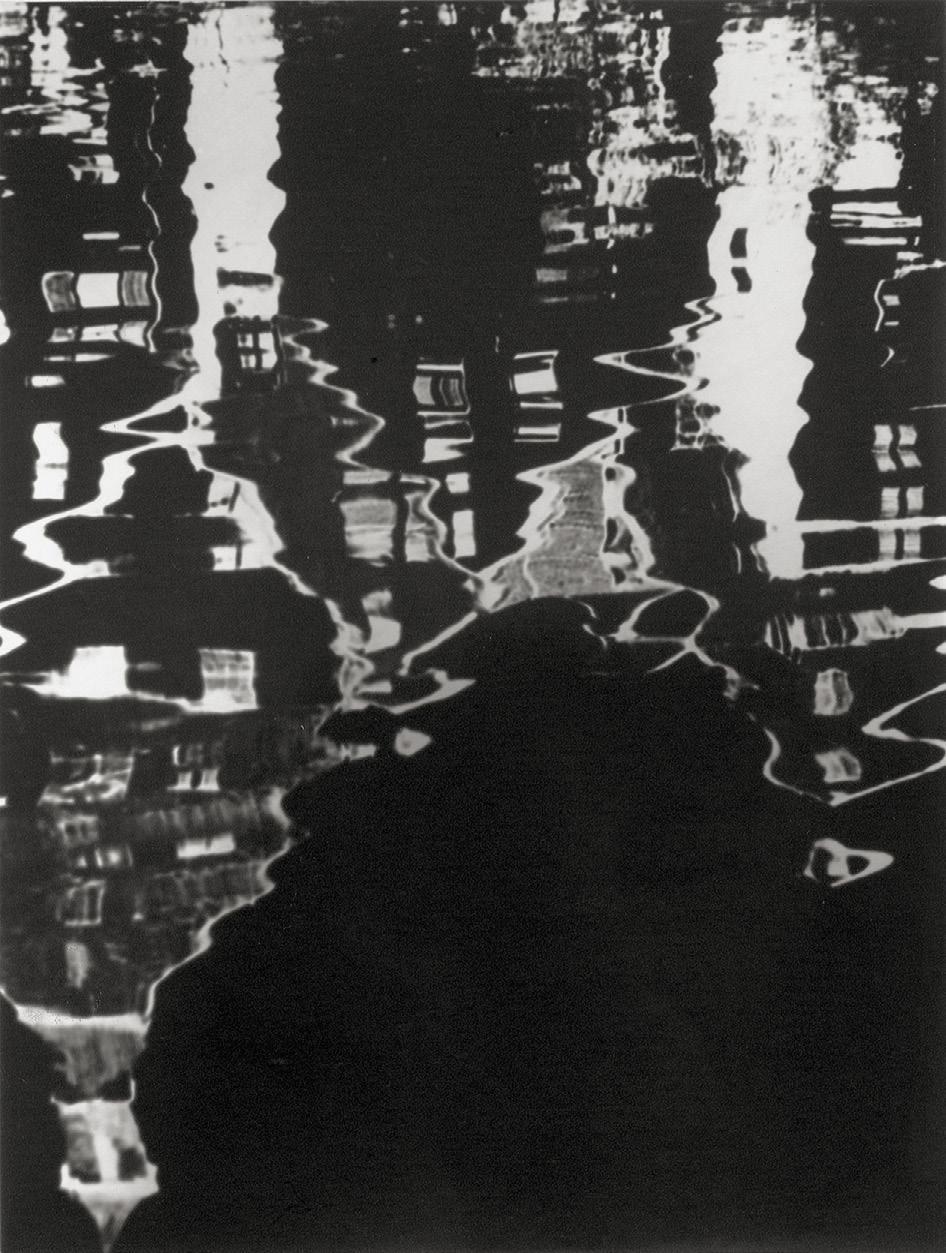
erich angenendt (1894–1962)
4125 Spiegelung, Rathaus Besigheim . Ca. 1955. Vintage gelatin silver print, mounted to board. 26,7 x 20,2 cm. Photographer‘s stamp on mount verso.
600 €
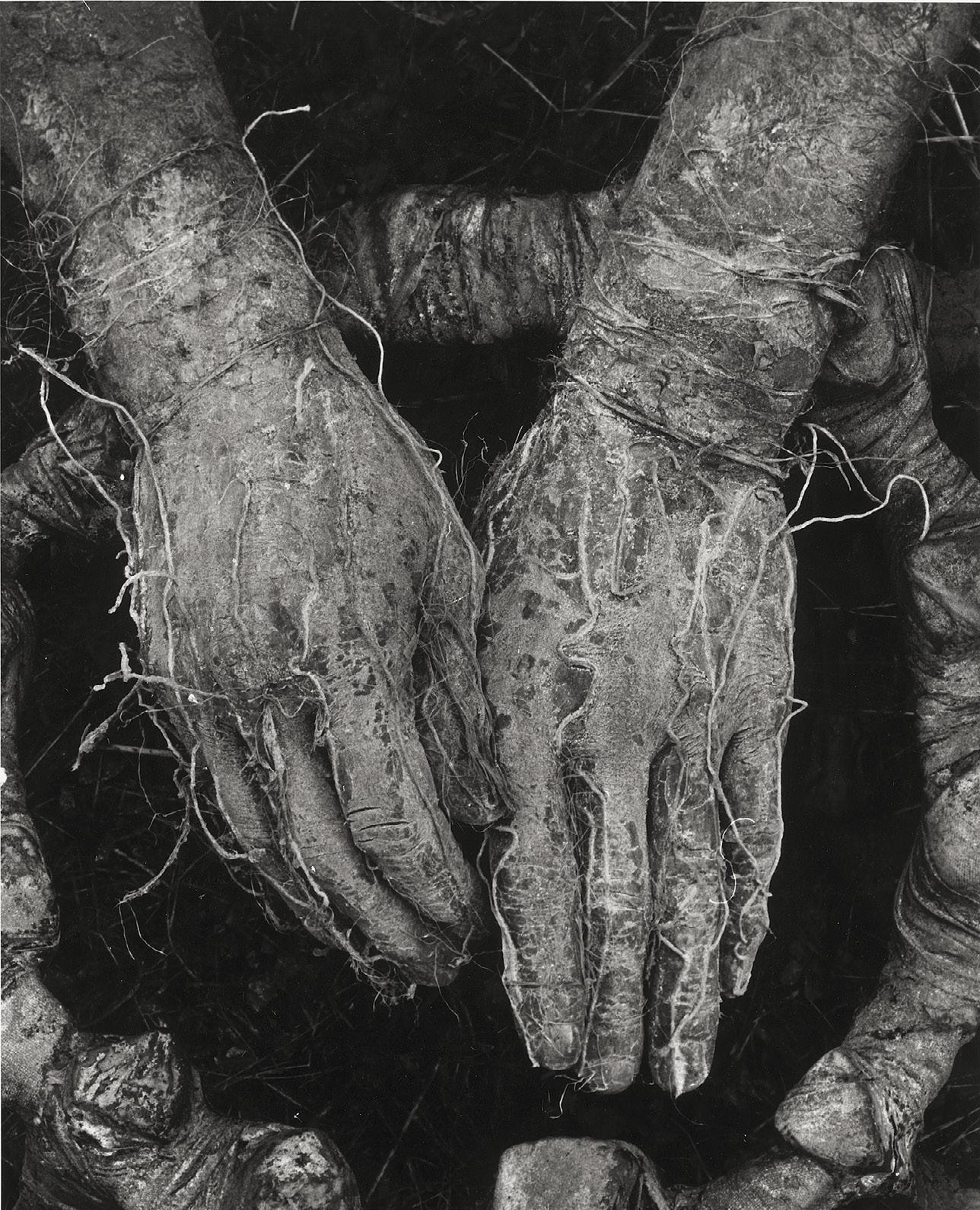
dieter appelt (b. 1935)
4126 Vergrasung der Hände No. 2 from the „Erinnerungsspur“ series. 1977-79. Large-format gelatin silver print on Agfa paper, printed later. 49,3 x 39,8 cm. Signed, titled, dated, dedicated and editioned „e.a.“ by the photographer in pencil as well as „Kicken Pauseback“ label on the verso.
2.000 €
Born in 1935 in Niemegk, Germany, Dieter Appelt‘s artistic development did not encompass photography until later in his
artistic career. In 1954, he enrolled at the Mendelssohn Bartholdy Akademie in Leipzig to study music and vocal studies. As of 1964 , he studied photography at the University of the Arts in Berlin. While pursuing a career as a professional singer in the 1970s, he also began to receive attention for his photography, painting, and sculpture, which became notable through his use of monumental sequences and tableaux compositions. By employing long exposure times, multiple exposures, shadow and mirror compositions, in his images Appelt explored themes such as memory, time, transience, life, death, and recurrence.
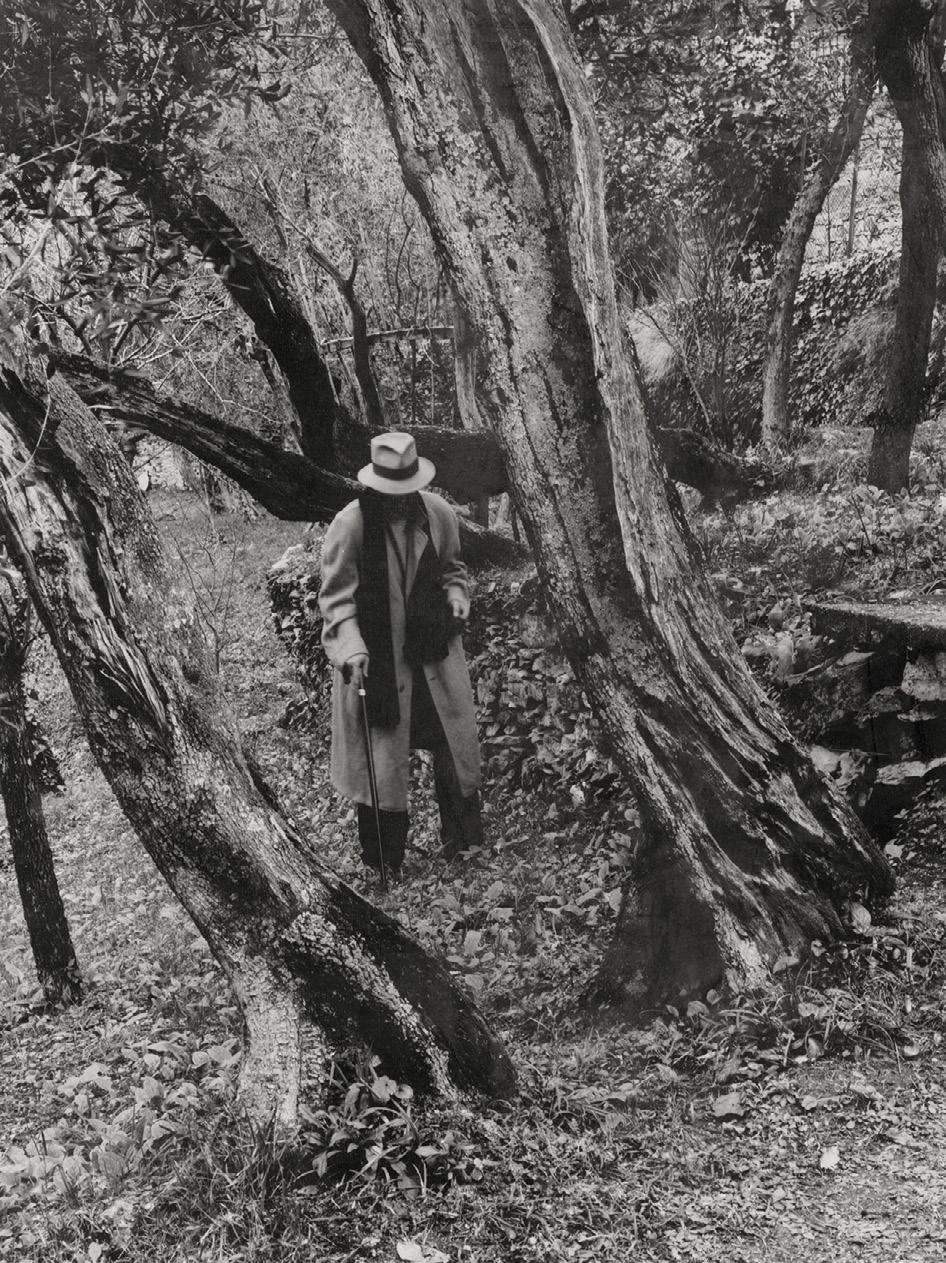
dieter appelt
4127 From the „Ezra Pound“ sequence. 1982. Largeformat gelatin silver print on Agfa paper, printed later. 39,7 x 30,5 cm. Signed, titled, and dedicated by the photographer in ink as well as copyright stamp, therein annotated „Probe“and dated „1982“ on the verso.
900 €
dieter appelt
4128 Untitled. 1990. Large-format gelatin silver print on Agfa paper, printed later. 40,3 x 30,2 cm. Signed, dedicated by the photographer in pencil as well as copyright stamp, therein editioned „e.a.“ on the verso.
900 €
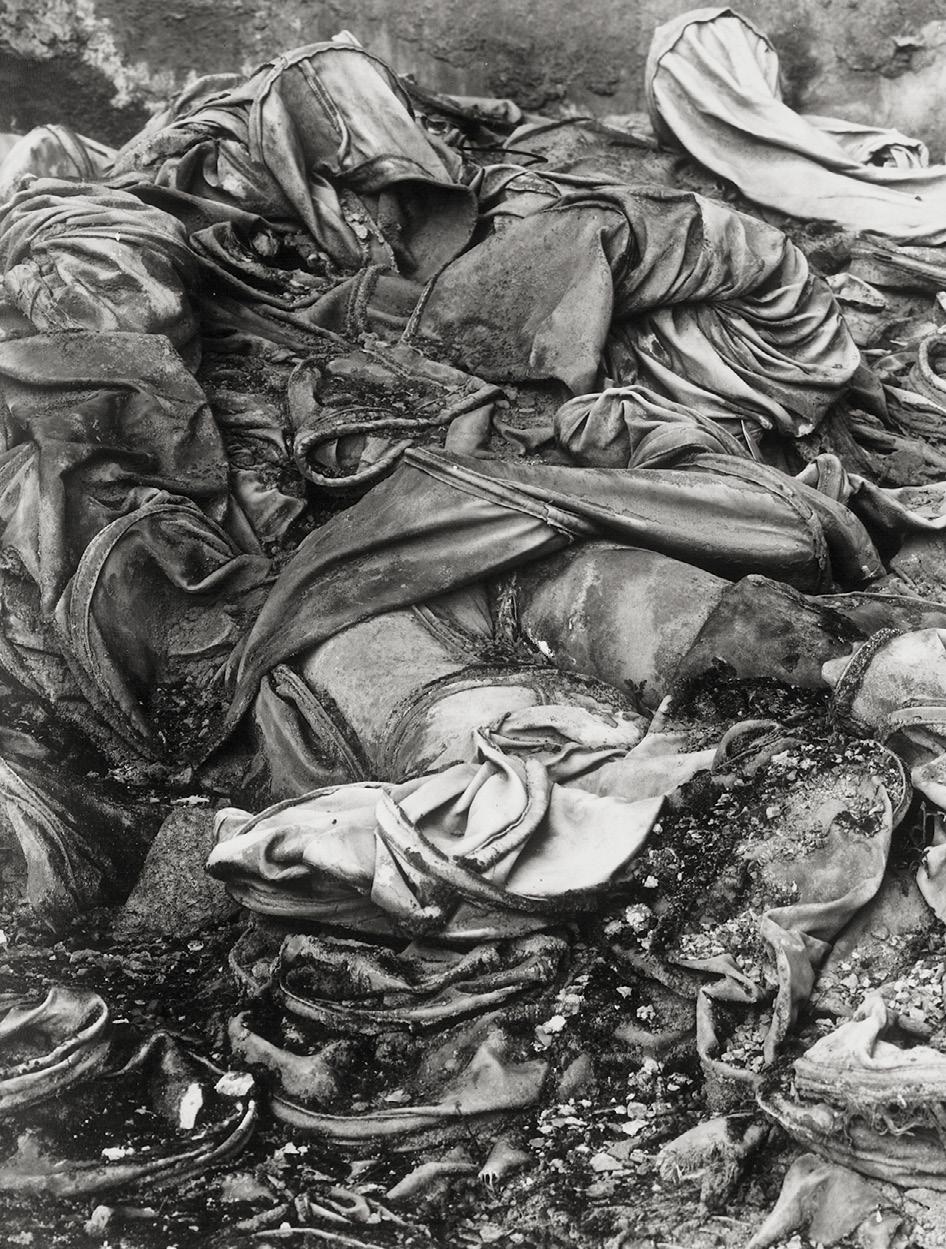
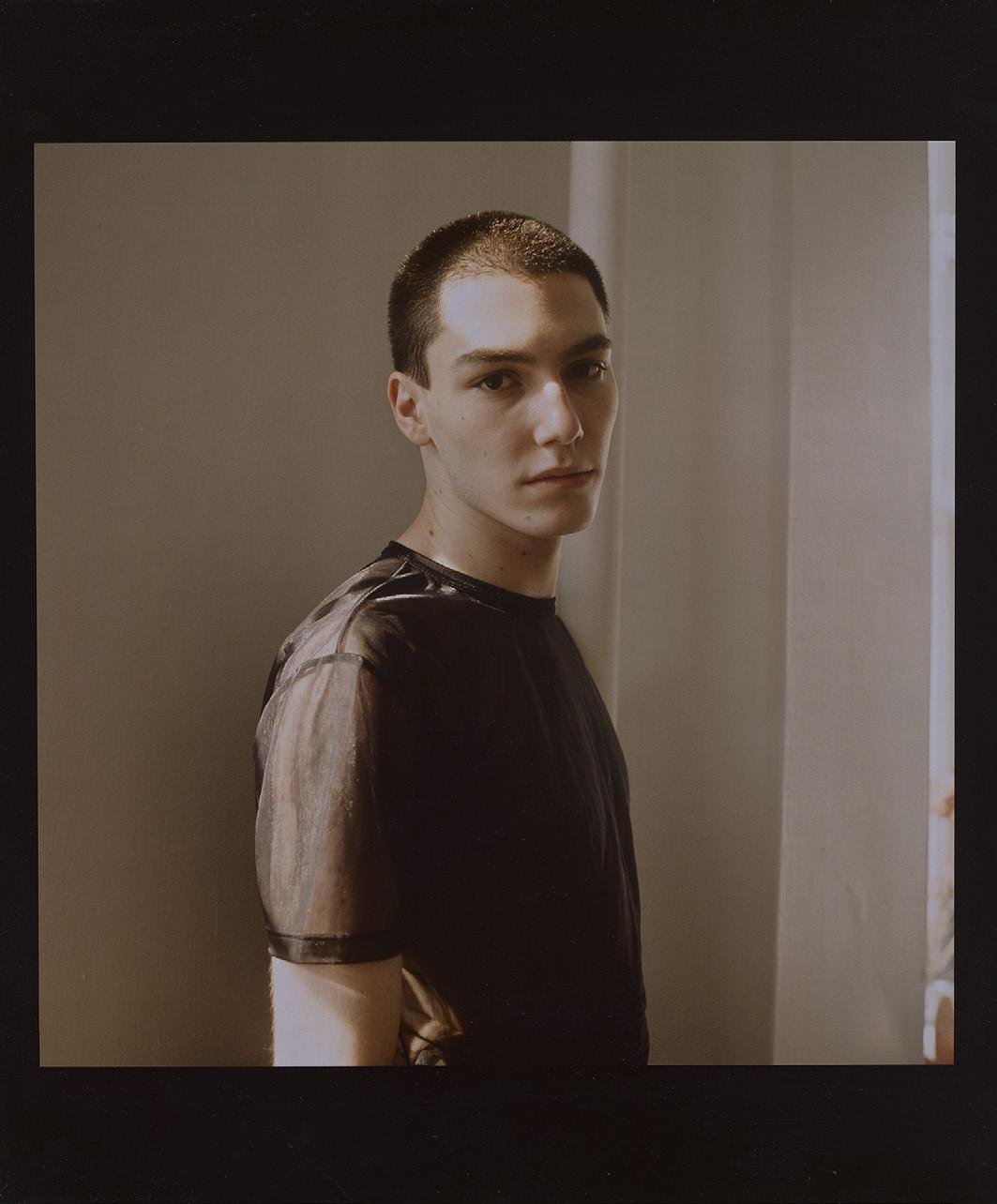
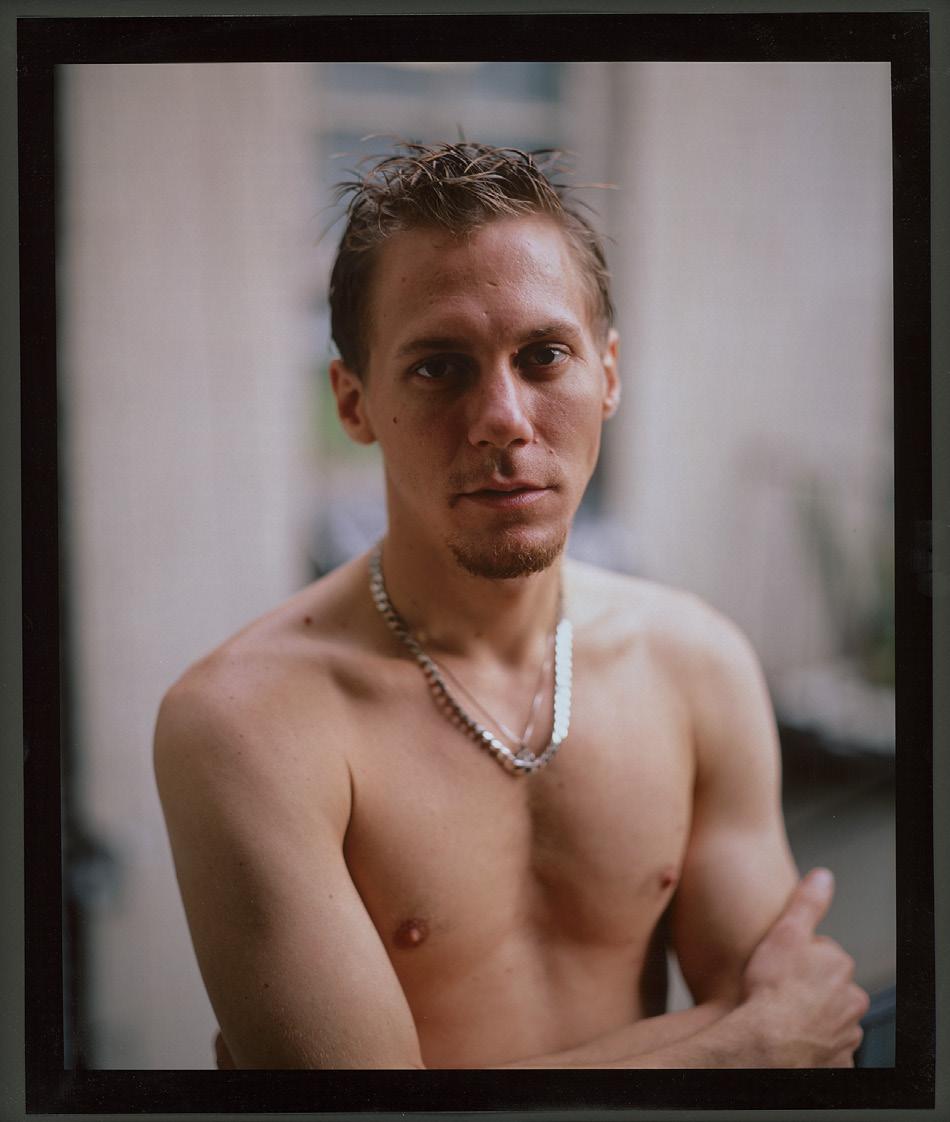
david armstrong (1954–2014)
4129* Boris, NYC. 1997. Chromogenic print, hingemounted to board. 61 x 50,5 cm (mount 66 x 56 cm). Signed, titled, dated and editioned „2/5“ in pencil on the verso. Framed under glass in wooden frame.
1.500 €
David Armstrong was an American photographer associated with the Boston School of photography, known for his intimate, emotionally resonant portraiture. Emerging in the late 1970s, alongside his close friend Nan Goldin, he developed a distinctive style defined by natural light, shallow focus, and a quiet, contemplative mood. His portraits - often of friends, lovers, and fellow artists - evoke a strong sense of trust and vulnerability, capturing fleeting expressions and introspective moments.
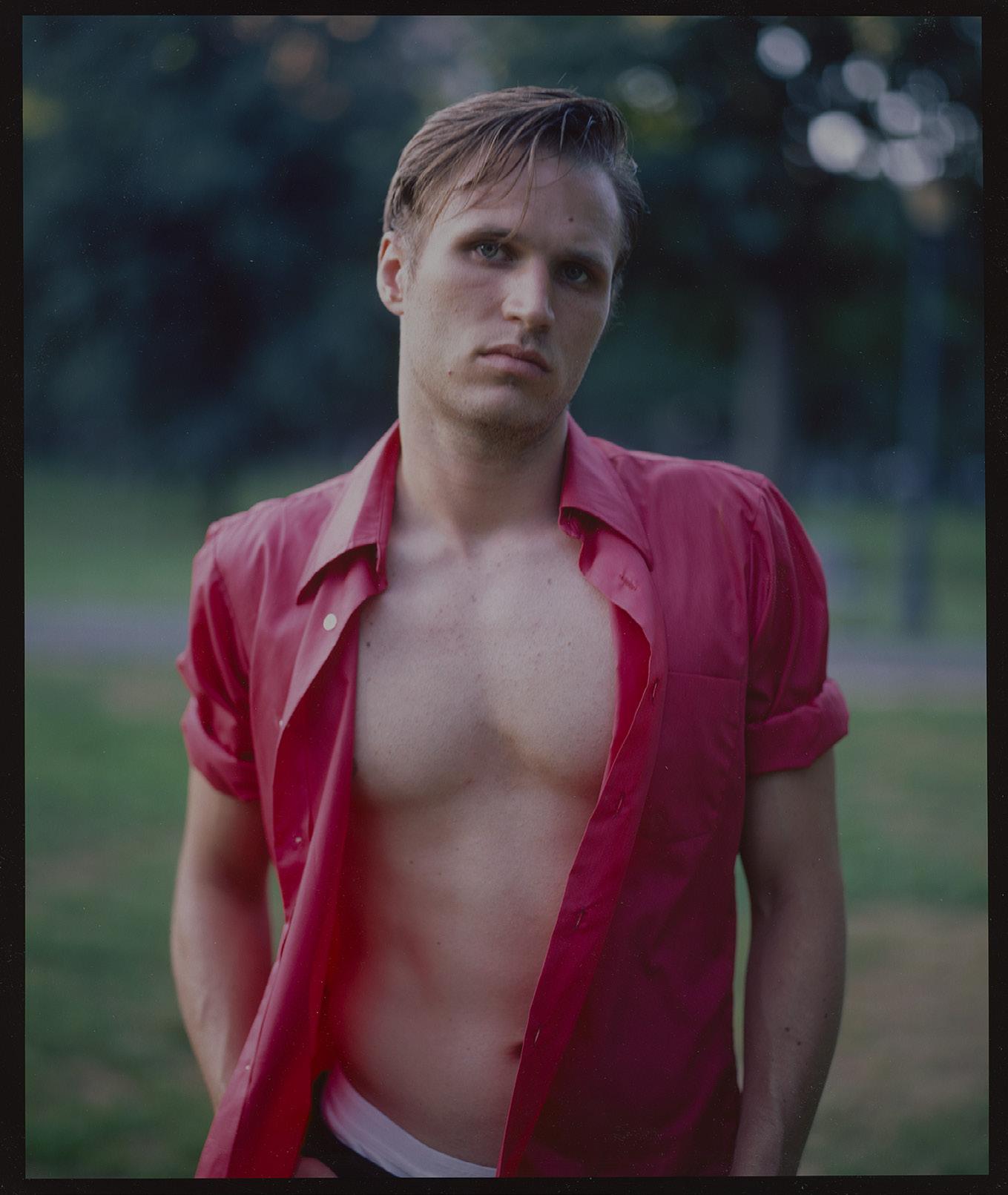
david armstrong
4130* Sean at the Bowery, NYC. 1997. Chromogenic print, hinge-mounted to board. 61 x 50,5 cm (mount 66 x 56 cm). Signed, titled, dated and editioned „3/5“ in pencil on the verso. Framed under glass in wooden frame.
1.500 €
4131* Andrew, New Haven Green . 1997. Chromogenic print, hinge-mounted to board. 61 x 50,5 cm (mount 66 x 56 cm). Signed, titled, dated and editioned „3/5“ in pencil on the verso. Framed under glass in wooden frame.
1.500 €
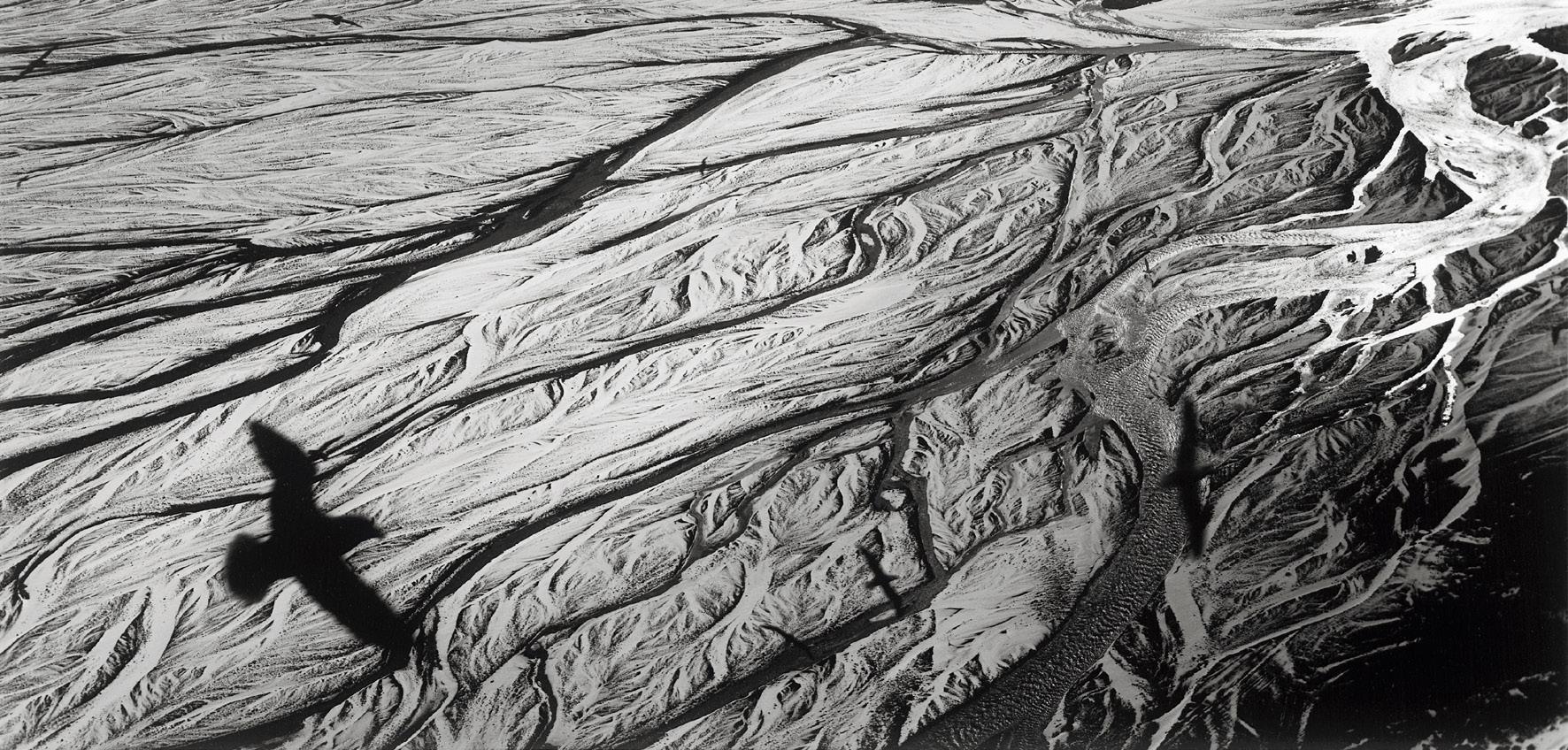
4132 Photographers: Maurice-Louis Branger (18781950), Agence Rol (active 1904-1937). Early aviation and aeronautical experiments in France. Ca. 1908-1913. 13 gelatin silver press photographs. Each ca. 12,7 x 18 cm. With press-agency copyright stamps, including “Copyright - Reproduction interdite / M. Rol, 4, rue Richer, Paris IXe” and “Copyright / M. Branger, 5, rue Cambon , Paris,” as well as annotated in blue ink on the verso.
500 €
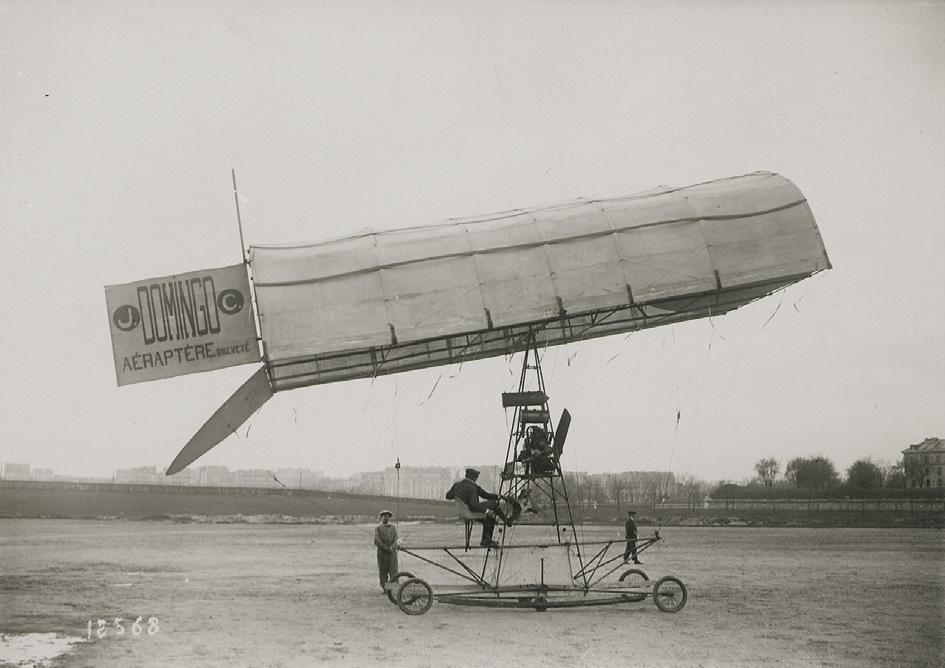
These photographs place French aviation at a moment when scientific research and public spectacle still overlapped, tracing the shift from tethered man-lifting kites to powered aircraft presented before large crowds as signs of technological progress. The images show early box-like biplanes, experimental seaplanes tested on open water, and unconventional designs such as Jérôme Donnet’s circular-wing Donnet Aéraptère, photographed during ground and taxi tests at Suresnes shortly before the First World War. Together, they document a period of intense experimentation, when multiple approaches to flight coexisted before aviation assumed a more standardized form.
ragnar axelsson
(b. 1958)
4133 Myrdalssandur, Iceland. 1996. Gelatin silver print. 20 x 42 cm (sheet 25,2 x 47,4 cm). Signed and titled by the photographer in pencil on the verso.
600 €
Ragnar Axelsson has spent decades traveling throughout the Arctic, developing a powerful body of documentary work focused on life in extreme environments. Widely published in outlets such as Life, National Geographic, Stern, and Time, his photographs are noted for their stark visual intensity and human depth. His work documents communities in Iceland and the broader Arctic whose traditional ways of life are increasingly threatened by climate change.
max baur (1898–1988)
4134 Cyclamen (multiple exposure). 1930s. Vintage gelatin silver print, mounted to black card. 12 x 8,5 cm (sheet 14,5 x 10,4 cm, mount 21 x 18 cm). Photographer‘s label below the image on the mount.
750 €
The German photographer Max Baur is known for his contribution to the New Objectivity movement in the early 20th century. His photography primarily focused on industrial subjects, architecture, and urban landscapes, characterized by precise composition and sharp lines. Baur also created exquisite flower still life photographs, displaying his versatility and artistic depth. – With: 2 negatives of a cyclamen image, likely by Max Baur. Lit.: Stephan Steins, ed. Max Baur im Geist des Bauhaus: Fotografien 1925-1960. Zurich: Stemmle, 2001, ill. p. 70 (variant).
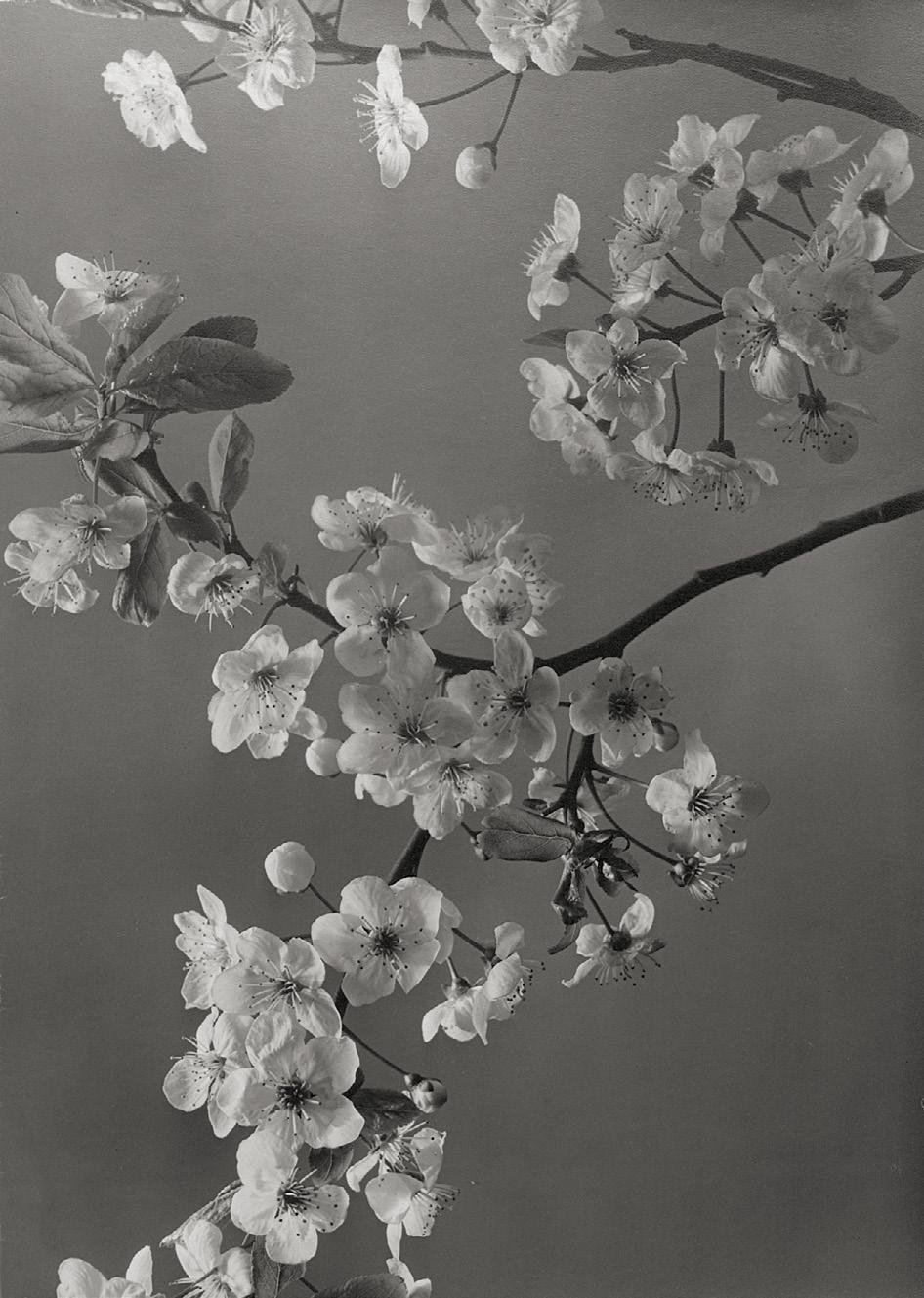
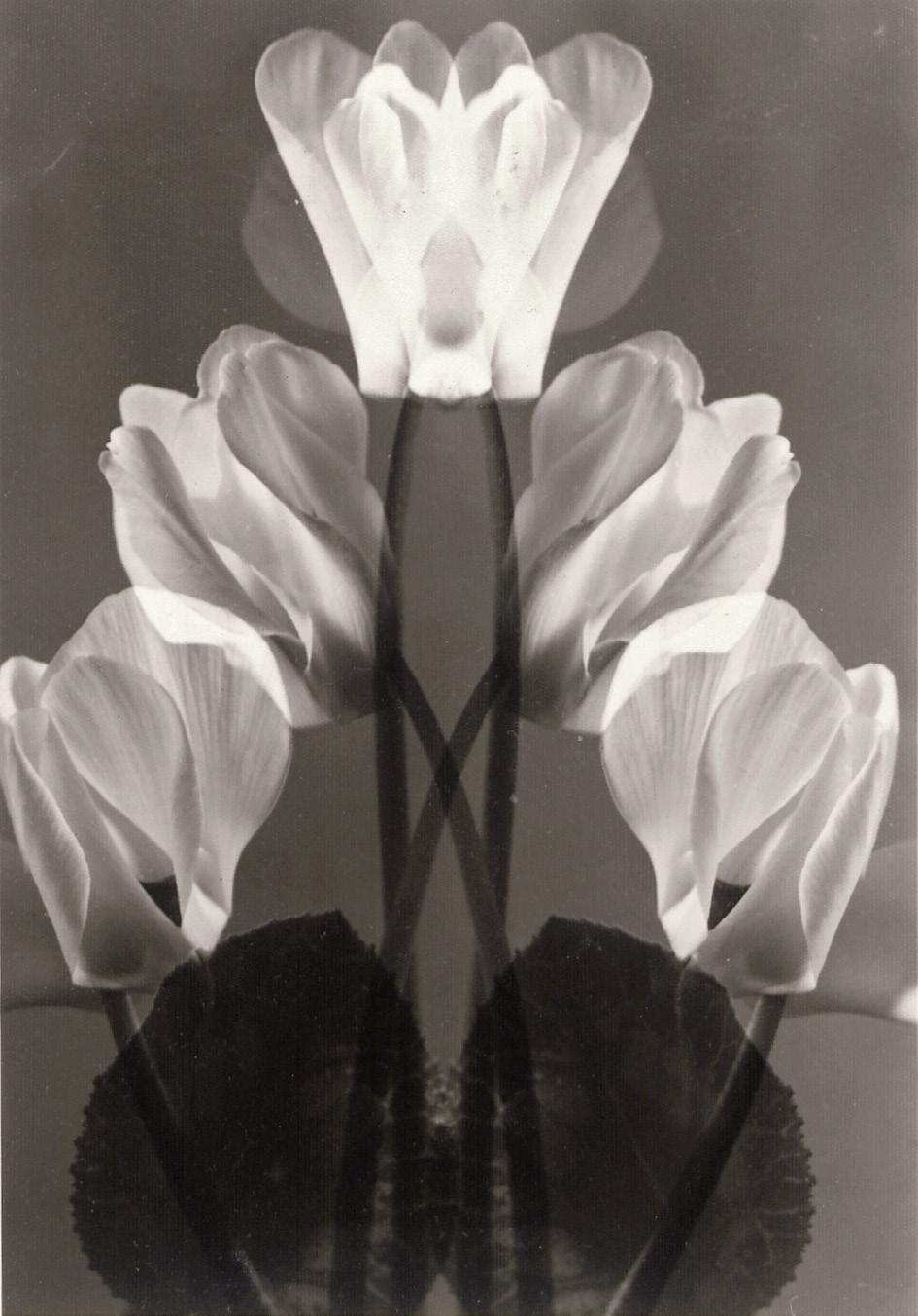
4135 Cherry blossoms. 1940s. Vintage gelatin silver print on doubleweight ivory paper. 30 x 21,6 cm. Photographer‘s copyright stamp on the verso,
500 €
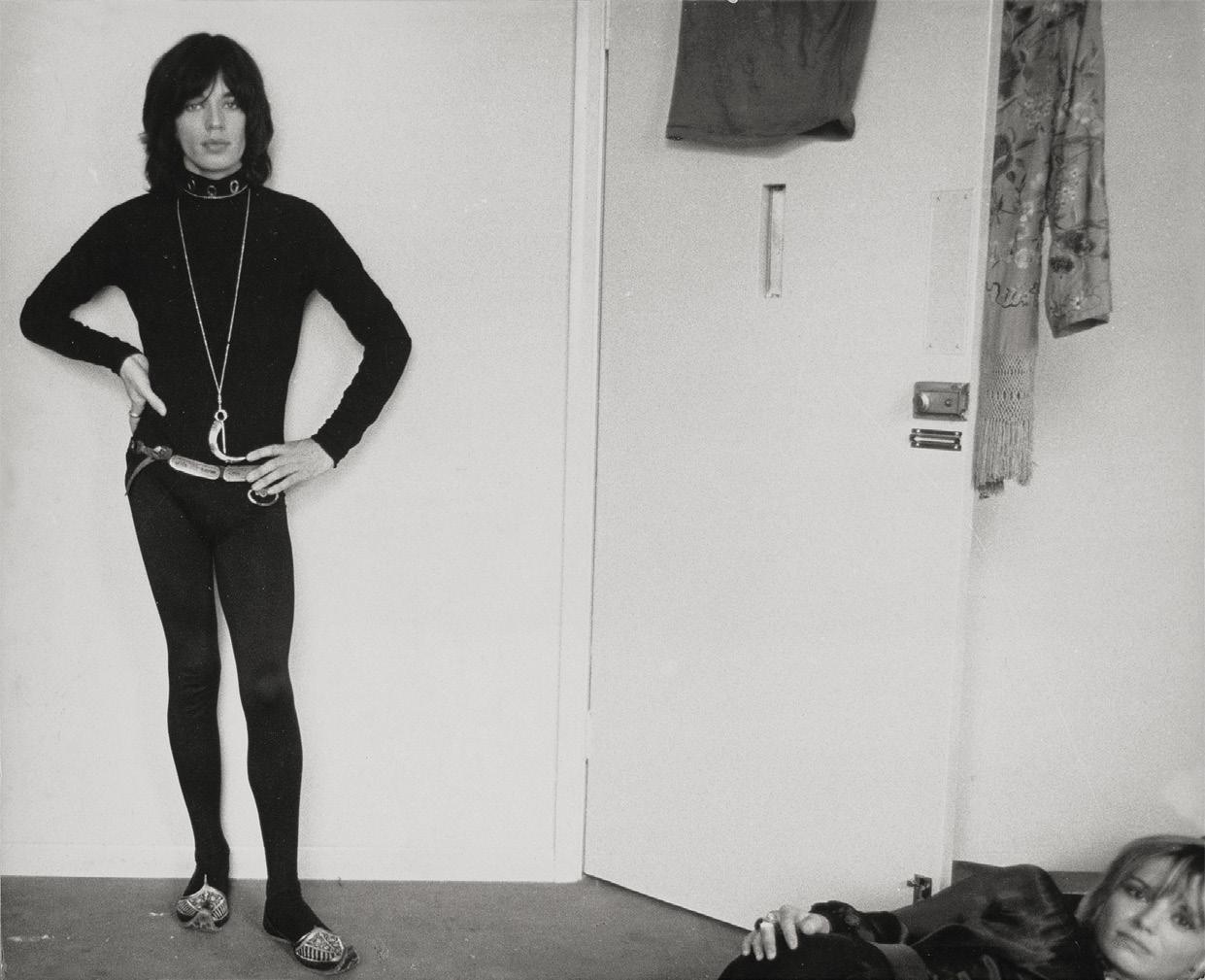
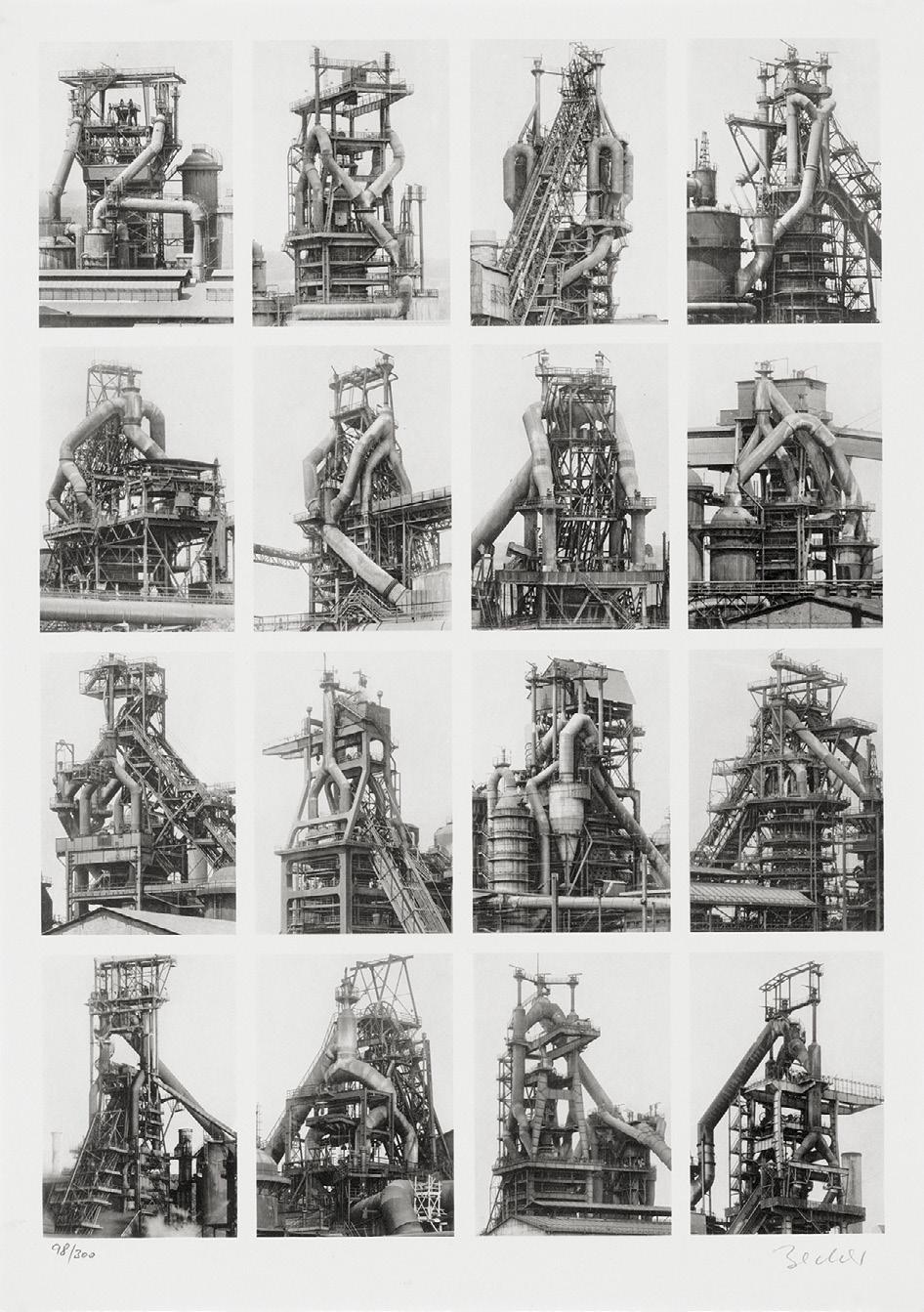
cecil beaton (1904–1980)
4136 Mick Jagger with Anita Pallenberg in the film Performance. 1968. Vintage gelatin silver print. 23,2 x 28,3 cm. 2 agency stamps and label with typed press text on the verso.
600 €
Known for his glamorous celebrity portraits, Cecil Beaton also photographed on film sets. This image shows a very young Mick Jagger in his first screen role in Performance. Shot in 1968 but released only in 1970, the film was initially withheld by Warner Bros. due to its sexual content and graphic violence. Though it received mixed reviews at the time, it has since been reassessed as a highly influential and innovative work of the 1970s, featuring one of the most notable screen performances by a rock musician.
bernd and hilla becher (1931–2007, 1934–2015)
4137 Hochöfen (Blast Furnaces). 1971. Collotype. 45 x 32 cm. Signed and numbered „98/300“ by the photographers in pencil in lower margin, number notation in pencil on the verso.
900 €
Bernd and Hilla Becher, the influential German conceptual artis ts and photographers, collaborated throughout their careers to document industrial architecture with remarkable precision and consistency. They are best known for their extensive typo -
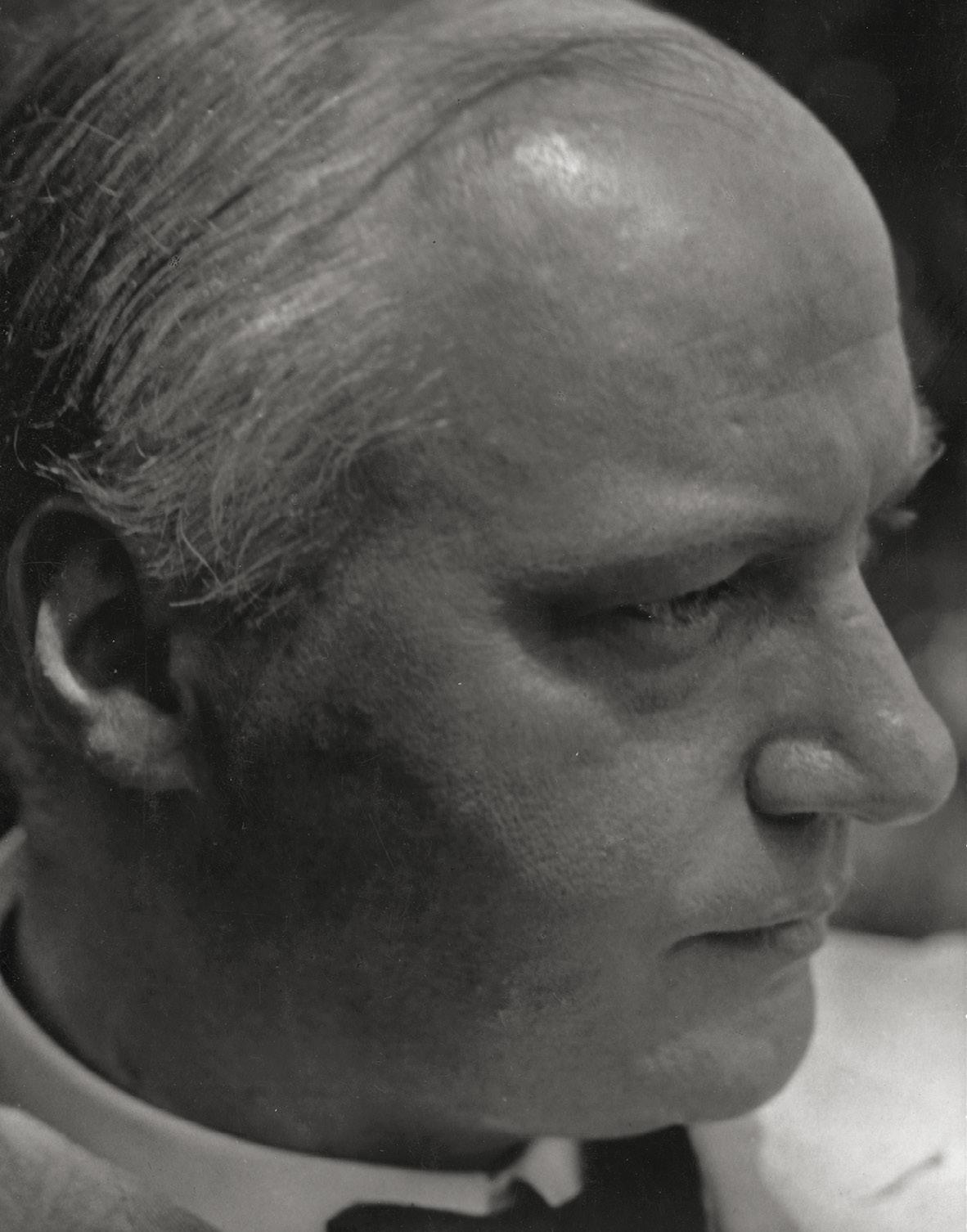
logies of structures such as water towers, blast furnaces, and framework houses, often presented in grids to highlight formal similarities and regional variations. Their work, characterized b y its objective style and conceptual rigor, significantly influenced the development of contemporary photography and led to the founding of the Düsseldorf School of Photography, shaping the practices of subsequent generations of photographers.
aenne biermann
(1898–1933)
4138 Portrait of Martin Engels, Gera. Ca. 1928. Vintage ferrotyped gelatin silver print, mounted to board. 22,5 x 17,8 cm. Signed and annotated „Gera“ by the photographer in pencil below the image on the mount ; photographer‘s „d.w.b“ stamp, therein numbered twic e in pencil on the verso.
1.000 €
Aenne Biermann was a self-taught photographer whose work, though developed independently of the European avant-garde, aligns closely with the formal clarity and experimental spirit of modernism. Today, several of her images are regarded as icons of New Vision photography, and her work was included in the landmark Film und Foto exhibition in Stuttgart. Following her early death, much of her oeuvre was confiscated under National Socialism, and many prints and negatives remain lost. The present photograph, sent by Biermann to her friend Martin Engels, constitutes a rare and personal document within her oeuvre. Gertrud and Martin Engels, progressive educators and long-time neighbors of the Biermanns in Gera, were part of her close circle. Biermann frequently photographed the Engels family - particularly the children - and such images are now held in major international collections.
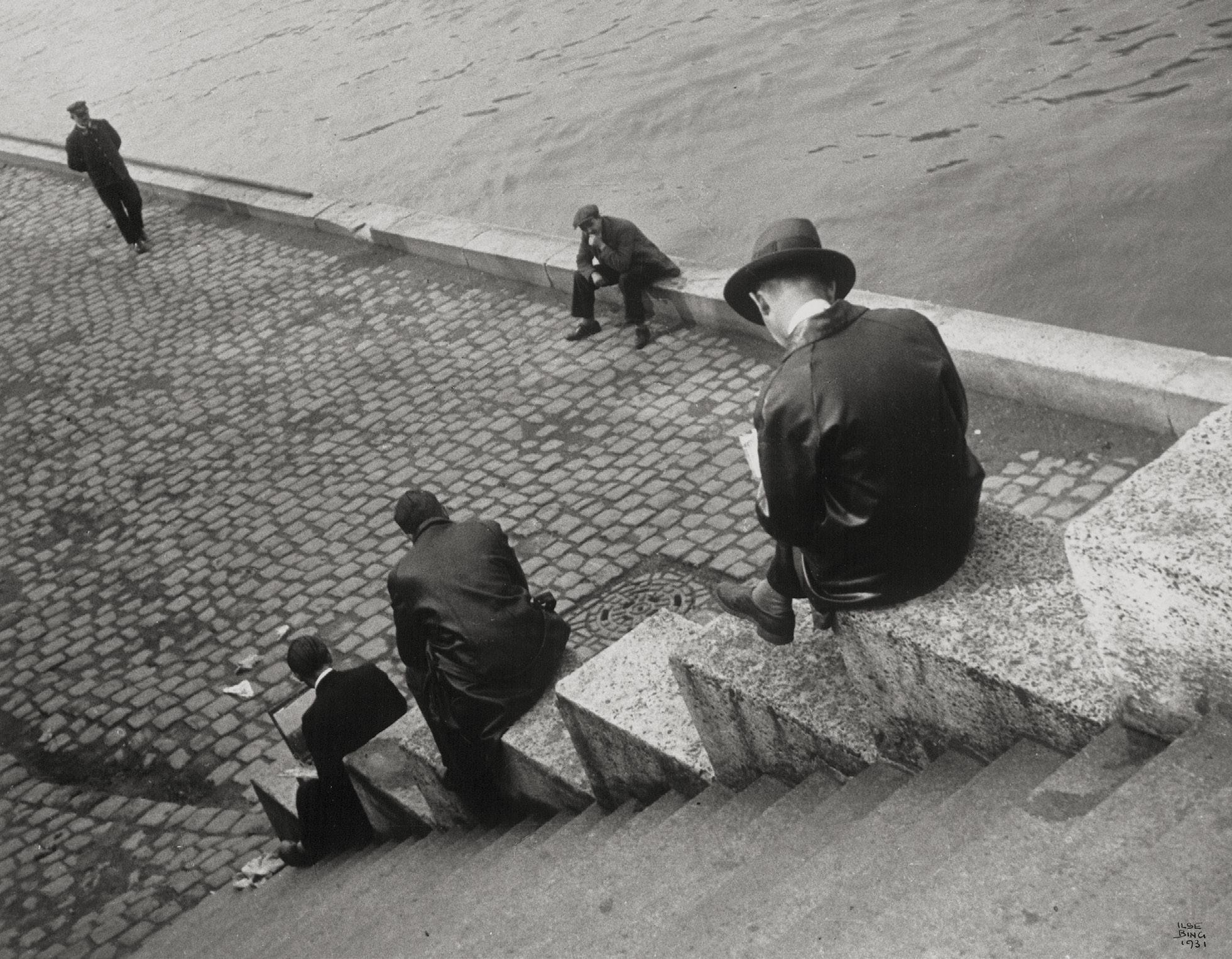
ilse bing (1899–1998)
4139 Three Men on Seine Steps. 1931. Gelatin silver print, printed later, mounted to original board. 26,5 x 34 cm. Signed and dated by the photographer in black ink in the lower right; signed, titled, and dated in ink and pencil on mount verso.
4.000 €
Ilse Bing‘s move from her birth city Frankfurt to the avantgarde and surrealist scene in Paris marked the start of the most notable period of her career. She produced images in the
fields of photojournalism, architectural photography, advertising and fashion, and her work was published in magazines such as Le Monde Illustrée, Harper‘s Bazaar and Vogue. In 1931, Bing‘s work was exhibited in both France and Germany. Her rapid success as a photographer, and her position as the only professional in Paris to use an advanced Leica camera, earned her the title „Queen of the Leica“, coined by the critic and photographer Emmanuel Sougez, whom she met in 1931. Lit.: Larisa Dryansky and Edwynn Houk. Ilse Bing. Photography Through the Looking Glass. New York: Abrams, 2006, ill. p. 125.
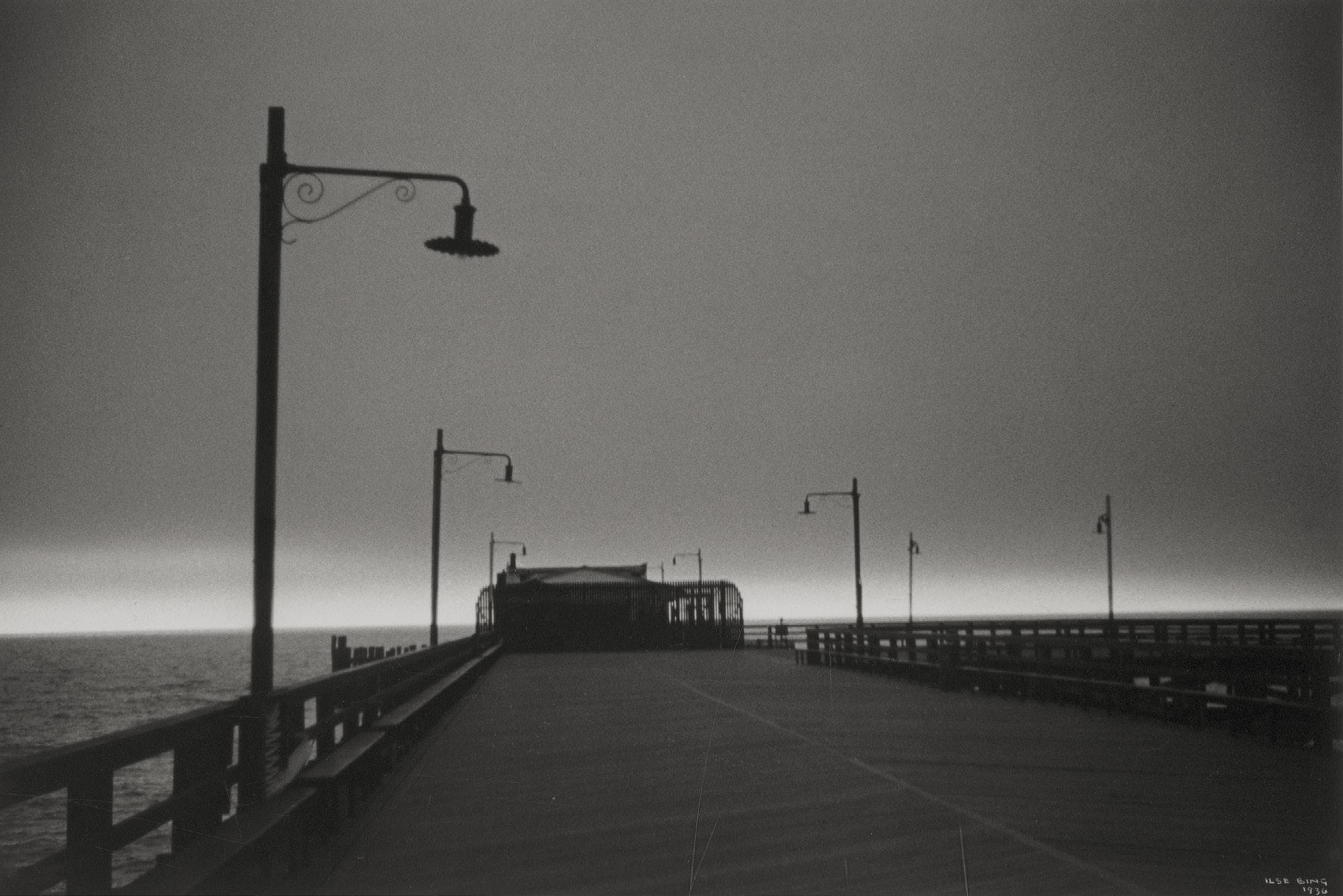
ilse bing
4140 Pier, New York. 1936. Vintage gelatin silver print on Agfa-Brovira paper, mounted in corners to original board. 19 x 28 cm. Signed and dated by the photographer in white ink in lower right.
2.000 €
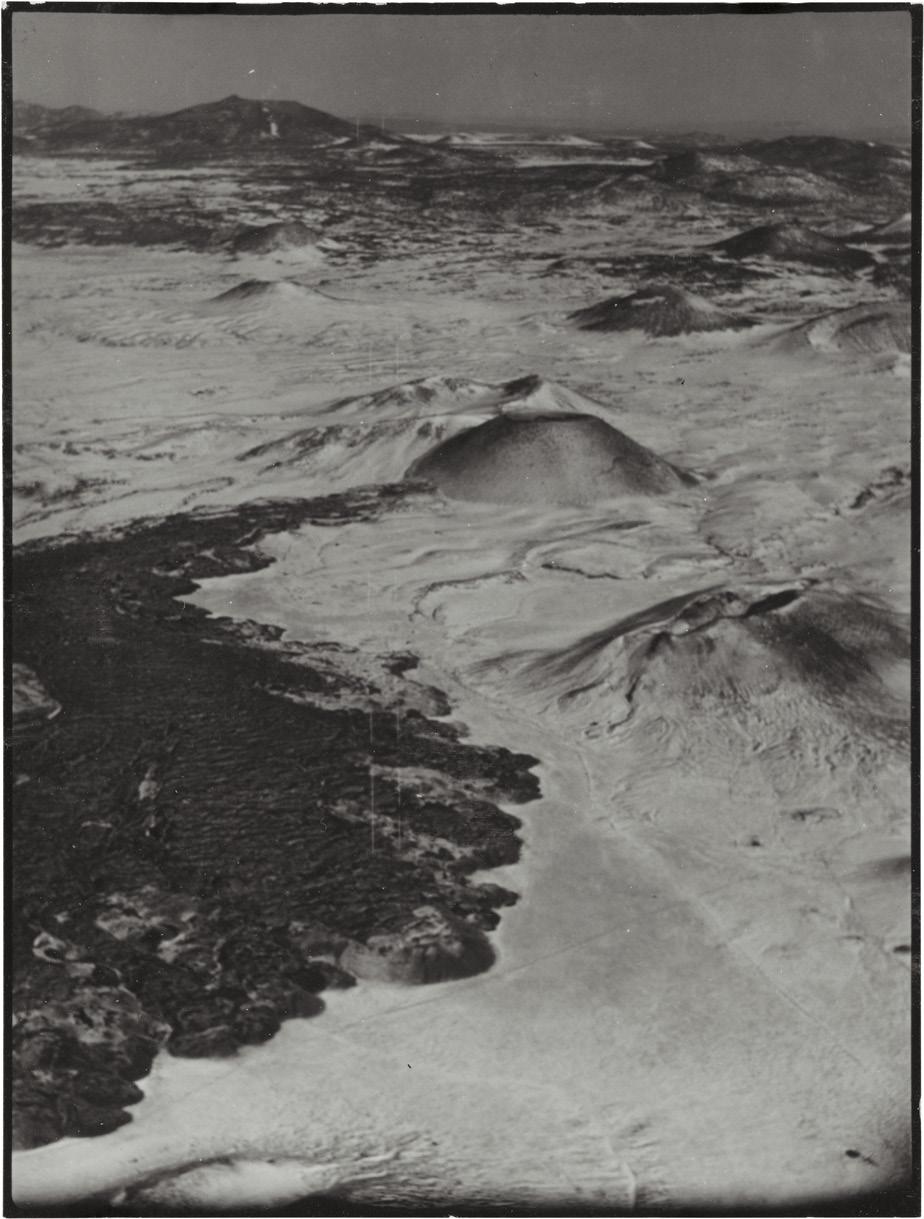
margaret bourke-white (1904–1971)
4141 Aerial landscapes. 1930s. 5 gelatin silver prints. Each 10,3 x 7,8 cm or reverse. With the photographer’s “A Margaret Bourke-White Photograph” stamp, as well as numbered in pencil on the verso.
1.500 €
These small-format prints by Margaret Bourke-White belong to a significant phase of her work in the 1930s, when she pioneered aerial photography as a modern visual language. Shot from aircraft, they transform natural landscapes into graphic compositions of light, shadow, and texture, emphasizing abstraction over topographical description. Rather than simple records, these images reflect her broader modernist approach, using elevated viewpoints to reveal underlying structures and patterns, and situating her among the earliest photographers to fully exploit the camera’s ability to reimagine the world from above.
marianne brandt (1893–1983)
4142 Bauhausfotos portfolio. 1927-1931. 10 gelatin silver prints, printed 1993, hinge-mounted in mats. Each ca. 23,5 x 17,5 cm. Each photograph with portfolio stamp on the verso, therein numbered “23” (of 30). Presented in original canvas clamshell box with text and colophon sheet. Sabine Hartmann and Karsten Hitz (eds.) for Bauhaus-Archiv GmbH, Berlin, 1993.
2.200 €
The portfolio brings together key photographs by Marianne Brandt from her Bauhaus period, reflecting her experimental engagement with reflection, material, and self-representation. Several works - including Selbstportrait in der Kugel gespiegelt, Das Atelier in der Kugel I - II, and Selbstportrait mit Schmuck zum Metallischen Fest - explore the artist’s image through mirrored
surfaces and spherical distortions, dissolving the boundary between subject and object. Complementary still lifes, such as Spiegelungen (Stilleben aus Metall und Glas) and Stilleben in der Metallwerkstatt, emphasize the interplay of light, texture, and industrial materials, while Bauhausbühne I - II document performative aspects of the Bauhaus stage. The group is completed by Selbstportrait, Doppelbelichtung, in which Brandt uses photographic superimposition to further destabilize a fixed sense of identity. Together, the works exemplify the innovative spirit of Bauhaus photography, combining formal experimentation with a probing exploration of perception and modern subjectivity.
Lit.: Marianne Brandt. Fotografien am Bauhaus. Ostfildern-Ruit: Hatje Cantz, 2003, ill. pp. 45, 47, 49, 51, 55, 57, 71, 82, 83 and front cover.
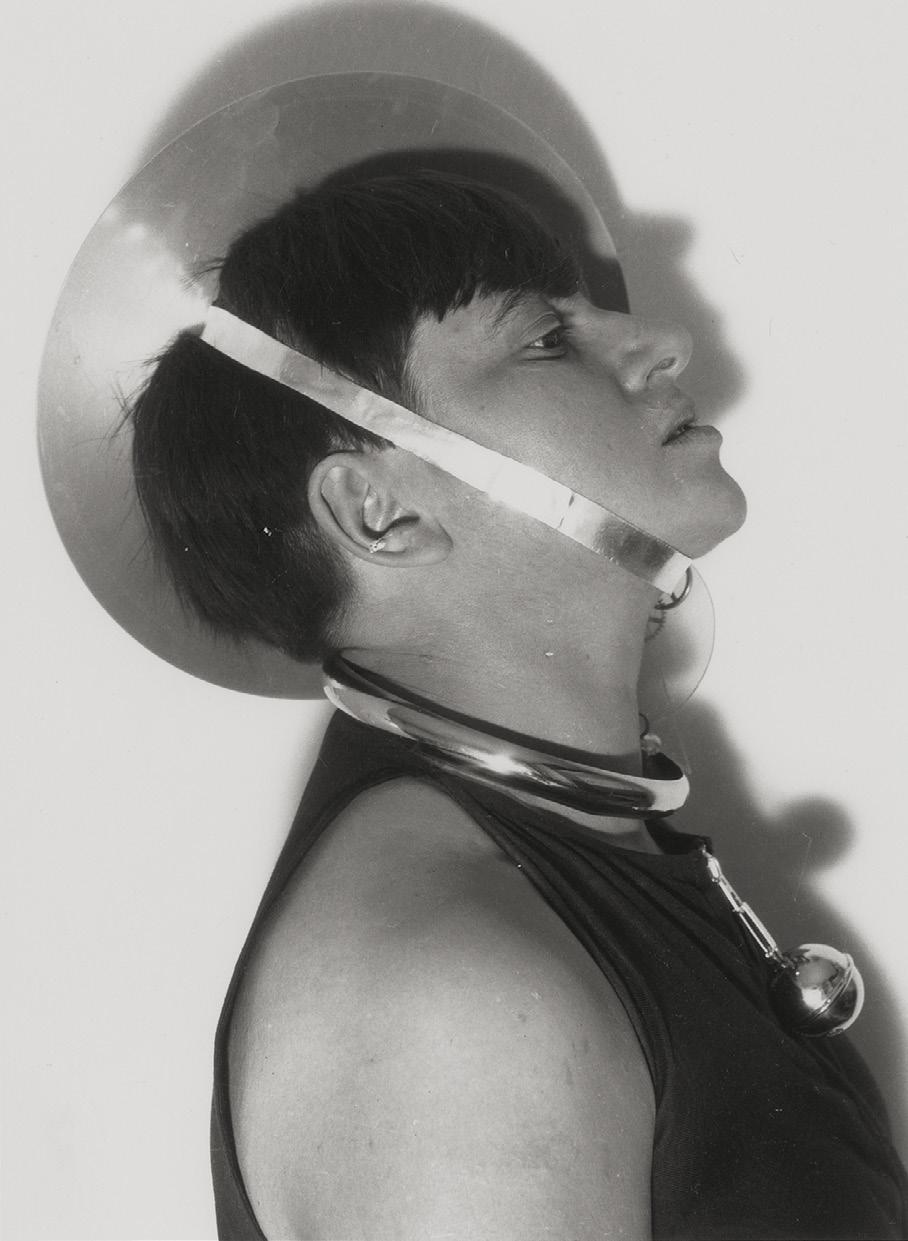
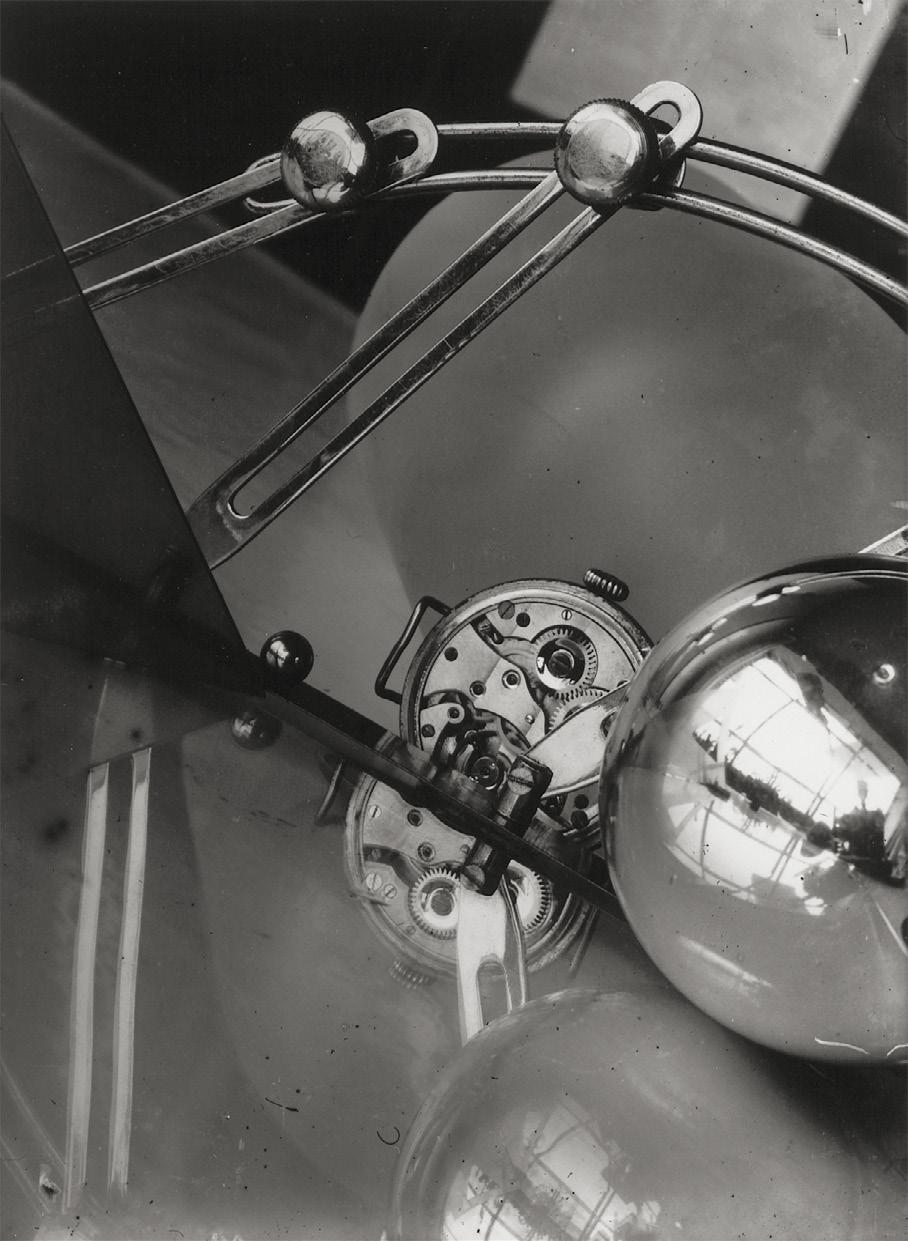
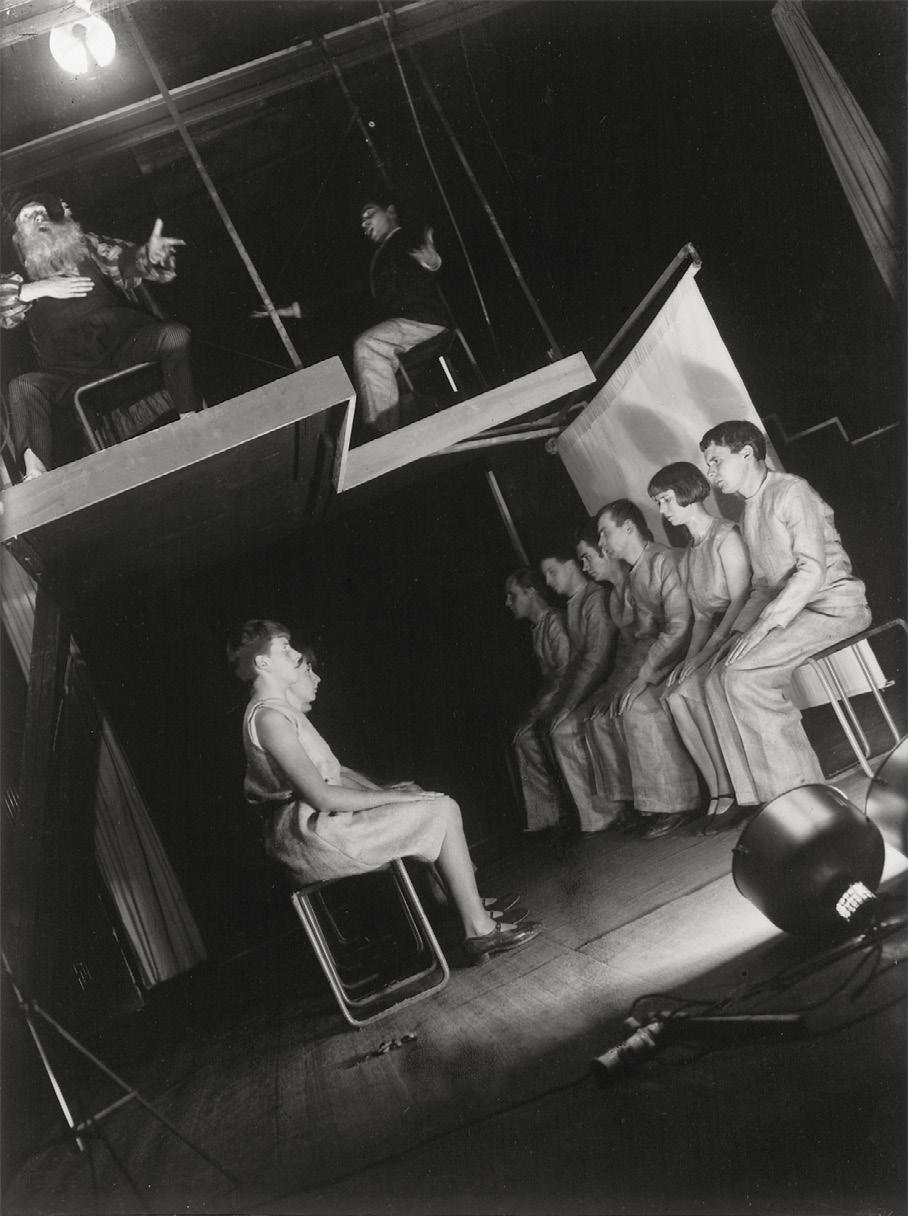
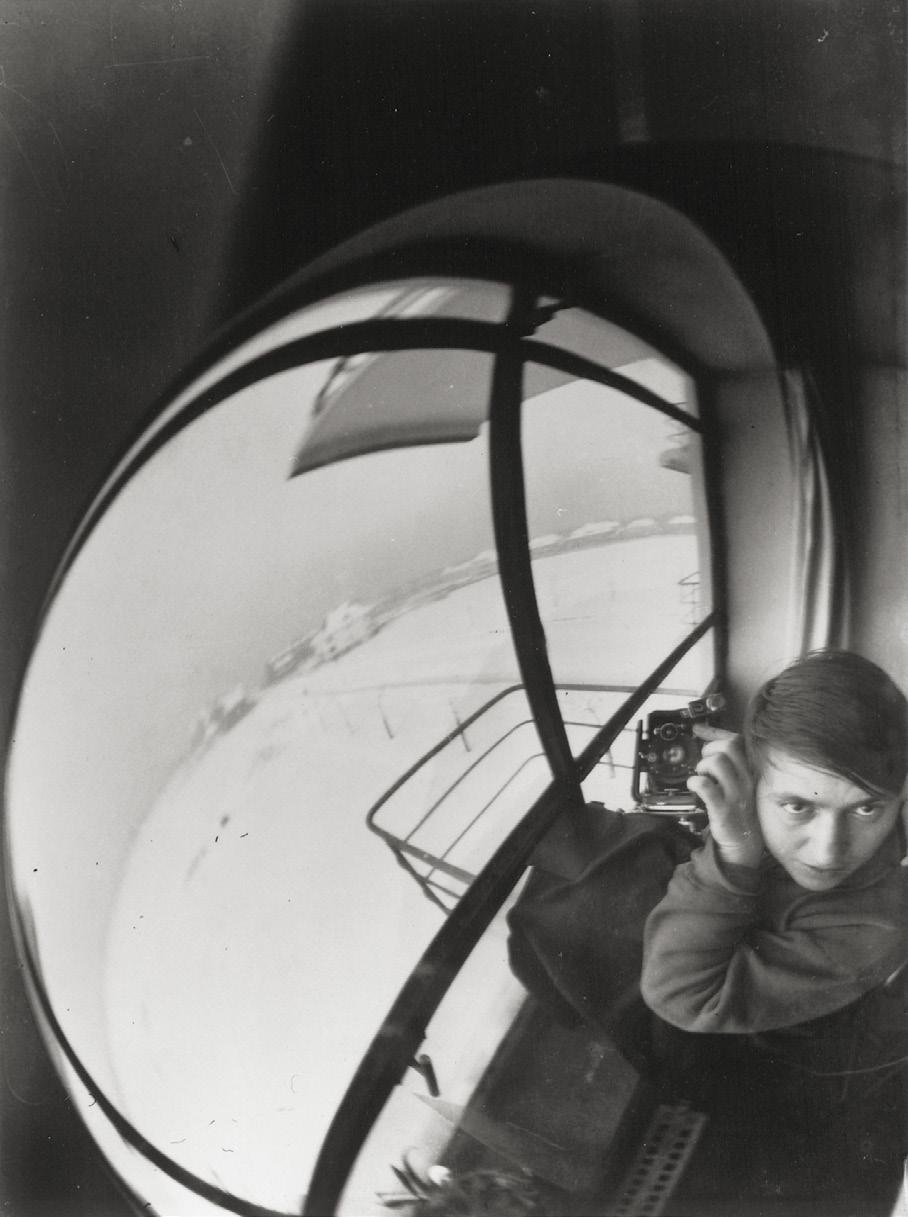
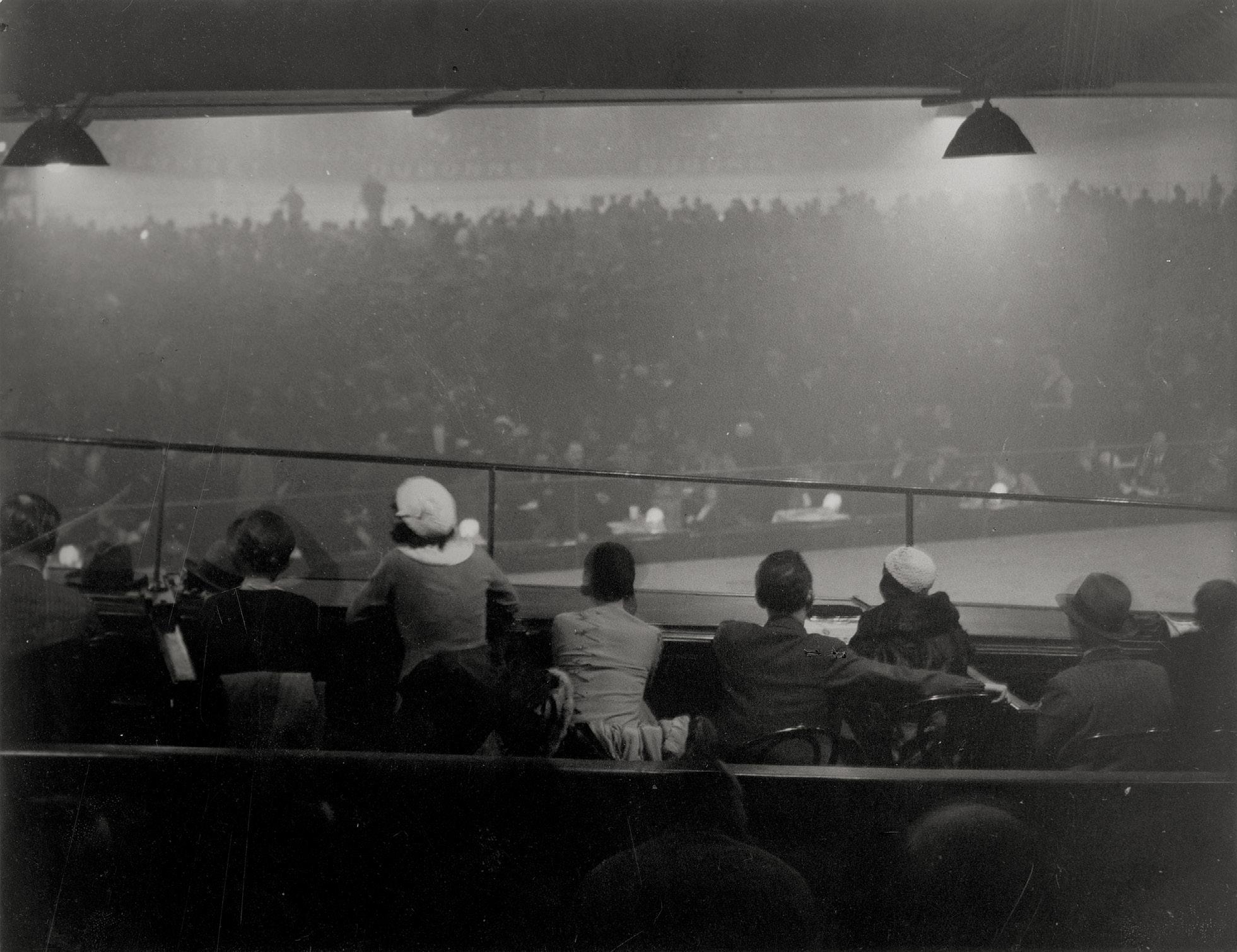
brassaï (Gyula Halász, 1899–1984)
4143 Six-Day cycle race at the Vélodrome d’Hiver. 1931-33. Vintage ferrotyped gelatin silver print, hingemounted along the upper edge to mat. 23,6 x 27,5 cm. Photographer’s “Photo Brassaï, Copyright by Gyula Halász, 74, rue de la Glacière, Paris (13e)” stamp and number in pencil on the verso.
3.000 €
At the age of 25, Brassaï settled in Paris, where he quickly immersed himself in the city’s cultural milieu, forming close connections with figures such as Pablo Picasso, Salvador Dalí,
and Henri Matisse, while engaging with the Surrealist movement and city life at night. His photographs have since become iconic, ranging from enigmatic night views of the French capital – often shrouded in fog or drenched in rain – to portraits of celebrities and ordinary people, as well as scenes of cafés, dance halls, and graffiti on Parisian walls.
Describing himself as a “creator of images,” Brassaï sought to capture fleeting moments of light within darkness, revealing a poetic dimension in everyday life. His explorations led him to document the “secret” Paris of bars, cabarets, and brothels, portraying those on the margins of society with the same immediacy and dignity as members of the cultural elite.
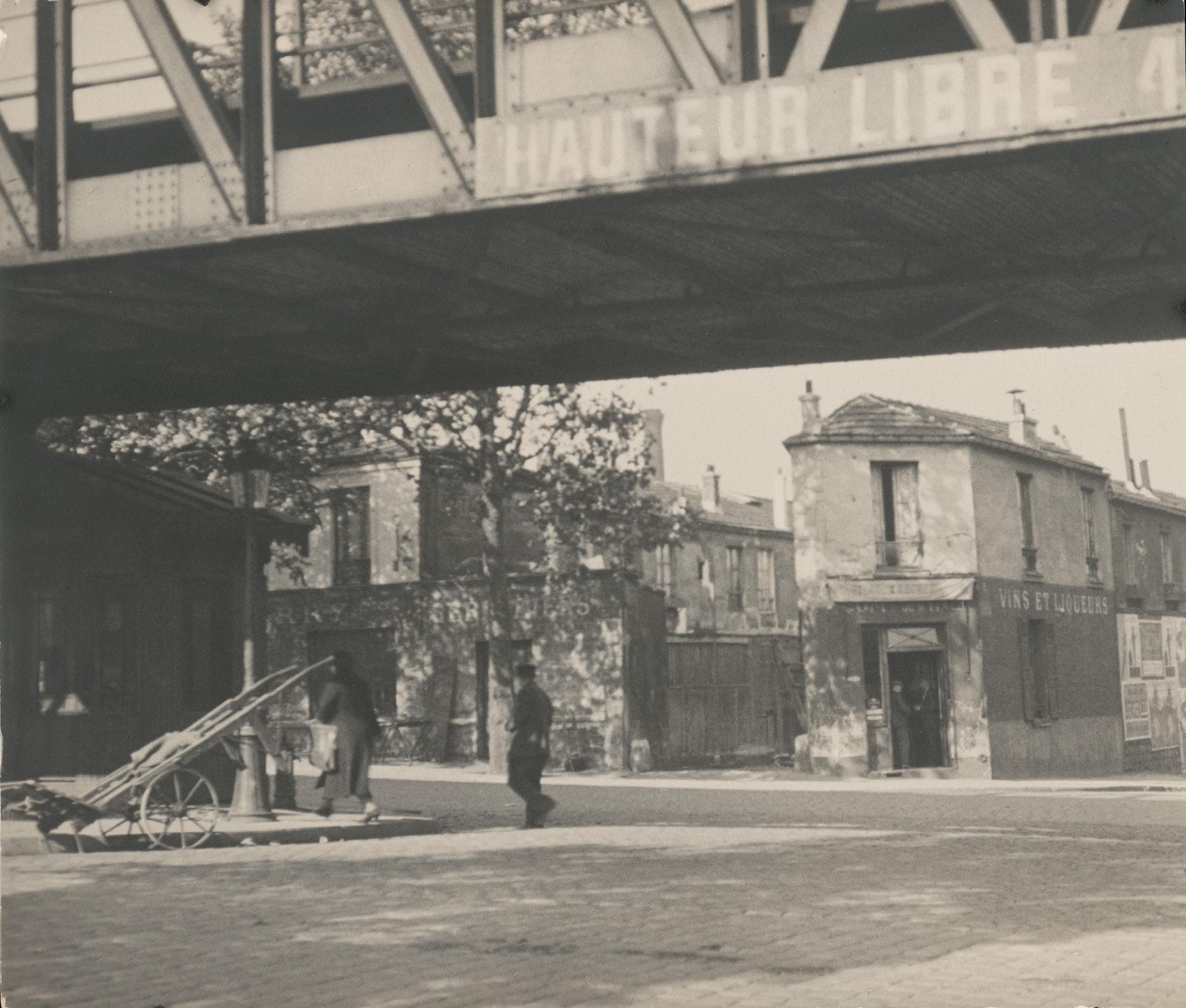
josef breitenbach (1896–1984)
4144 Paris, Boulevard de la Gare. 1935. Vintage gelatin silver print on chamois paper. 23,8 x 28 cm. Annotated and dated in pencil on the verso.
1.200 €
Josef Breitenbach was a self-taught photographer who turned to the medium in the early 1930s, opening his first studio in Munich in 1932, where he focused on press and studio work. Following the rise of National Socialism, he was forced to emigrate in 1933, first to Paris, where he continued his practice until 1941, and subsequently to New York. There, he established a third studio and remained active as a photographer until his death in 1984.
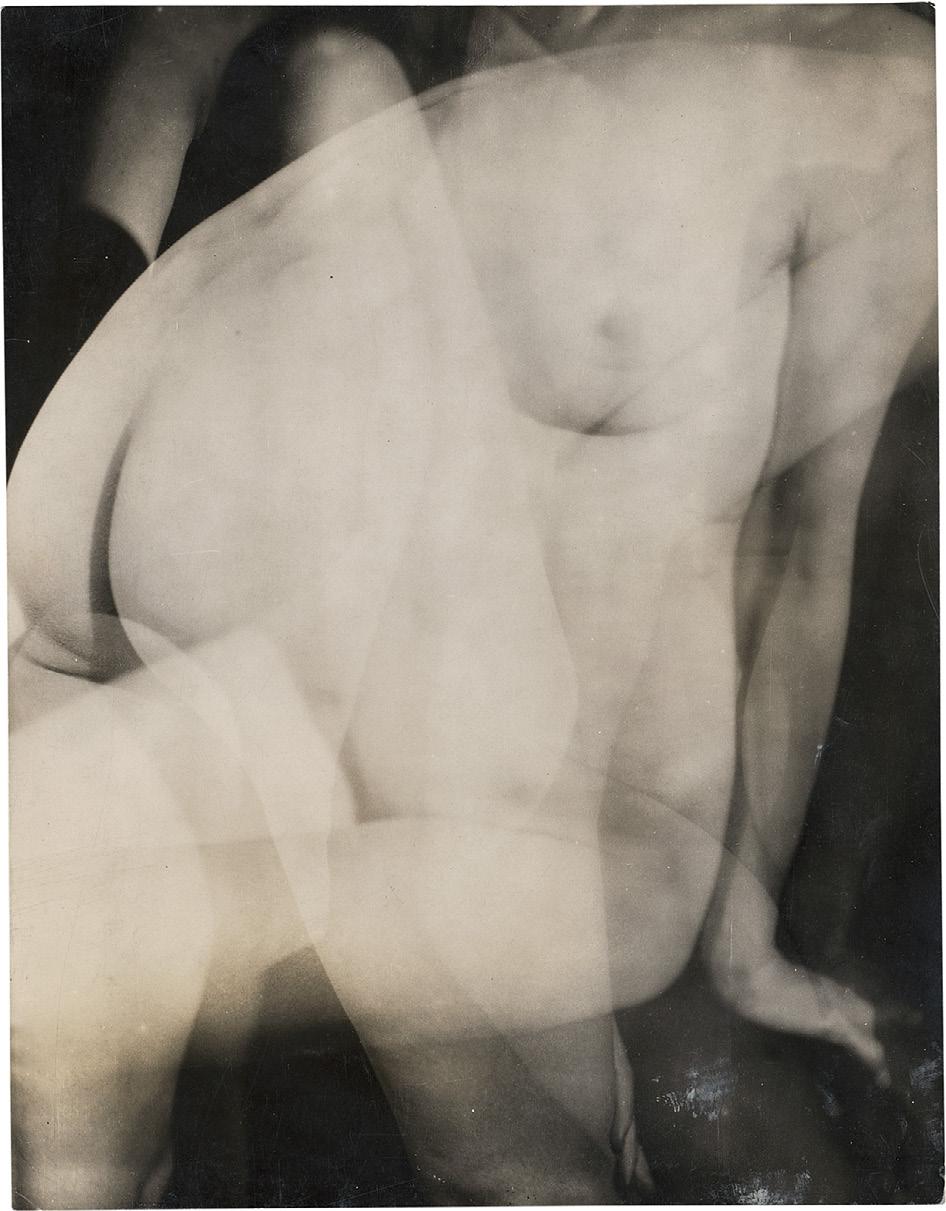
francis joseph bruguière (1879–1945)
4145 Experiment (multiple exposure). Ca. 1926. Vintage gelatin silver print on doubleweight paper. 23,8 x 18,3 cm.
2.000 €
Both an artist and a photographer, Francis Bruguière studied under Frank Eugene and was acquainted with Alfred Stieglitz. Between 1919-1927 he had a studio in New York while taking portraits for Harper‘s Bazaar, Vanity Fair and Vogue. In 1928, Bruguière moved his studio to London. In the same year he had a solo exhibition in Herbert Walden‘s avant-garde gallery Der Sturm in Berlin. He remained in London until 1937.
Lit.: James Enyeart. Francis Bruguière: His Photographs and his Life. New York: Knopf, 1977, ill. plate 28.
francis joseph bruguière
4146 Portrait study, Cynthia Fuller (multiple exposure). 1929. Vintage gelatin silver print on doubleweight paper, mounted to mat. 23,8 x 18,6 cm.
900 €
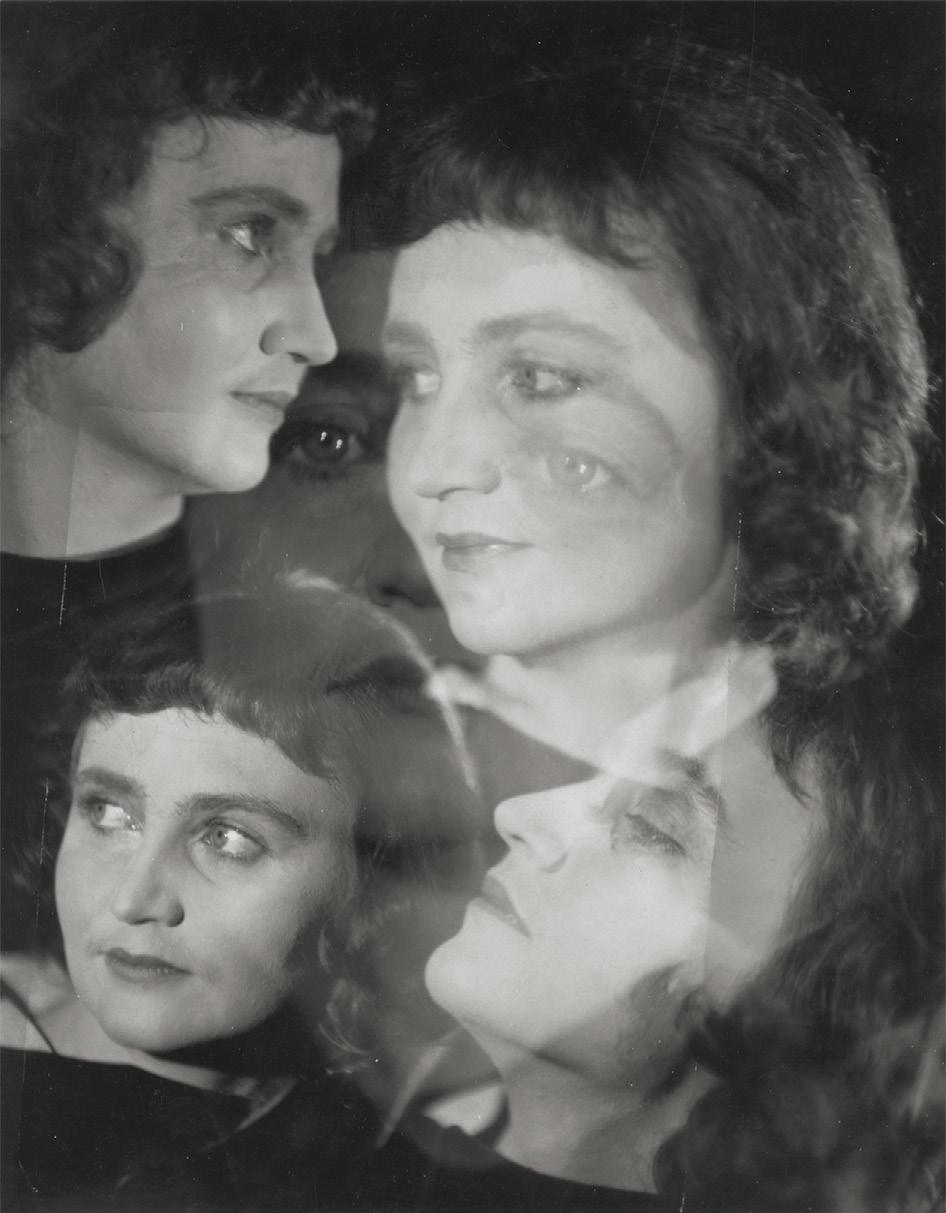
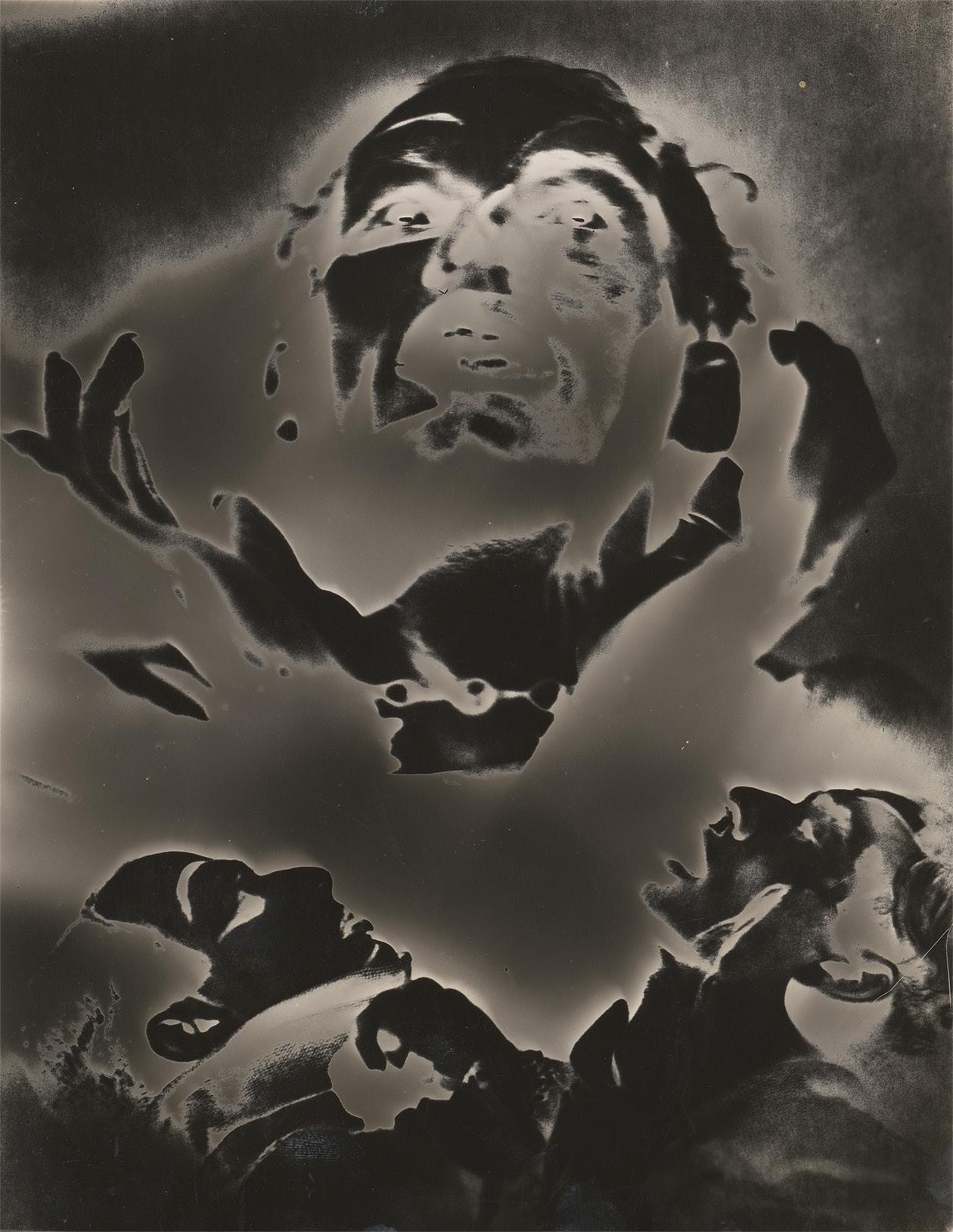
4147 Solarization of a negative from The Way Ca. 1936-40. Vintage gelatin silver print on doubleweight paper. 25,2 x 20,2 cm.
2.000 €
Lit.: James Enyeart. Francis Bruguière: His Photographs and his Life. New York: Knopf, 1977, ill. plate 100 (variant).
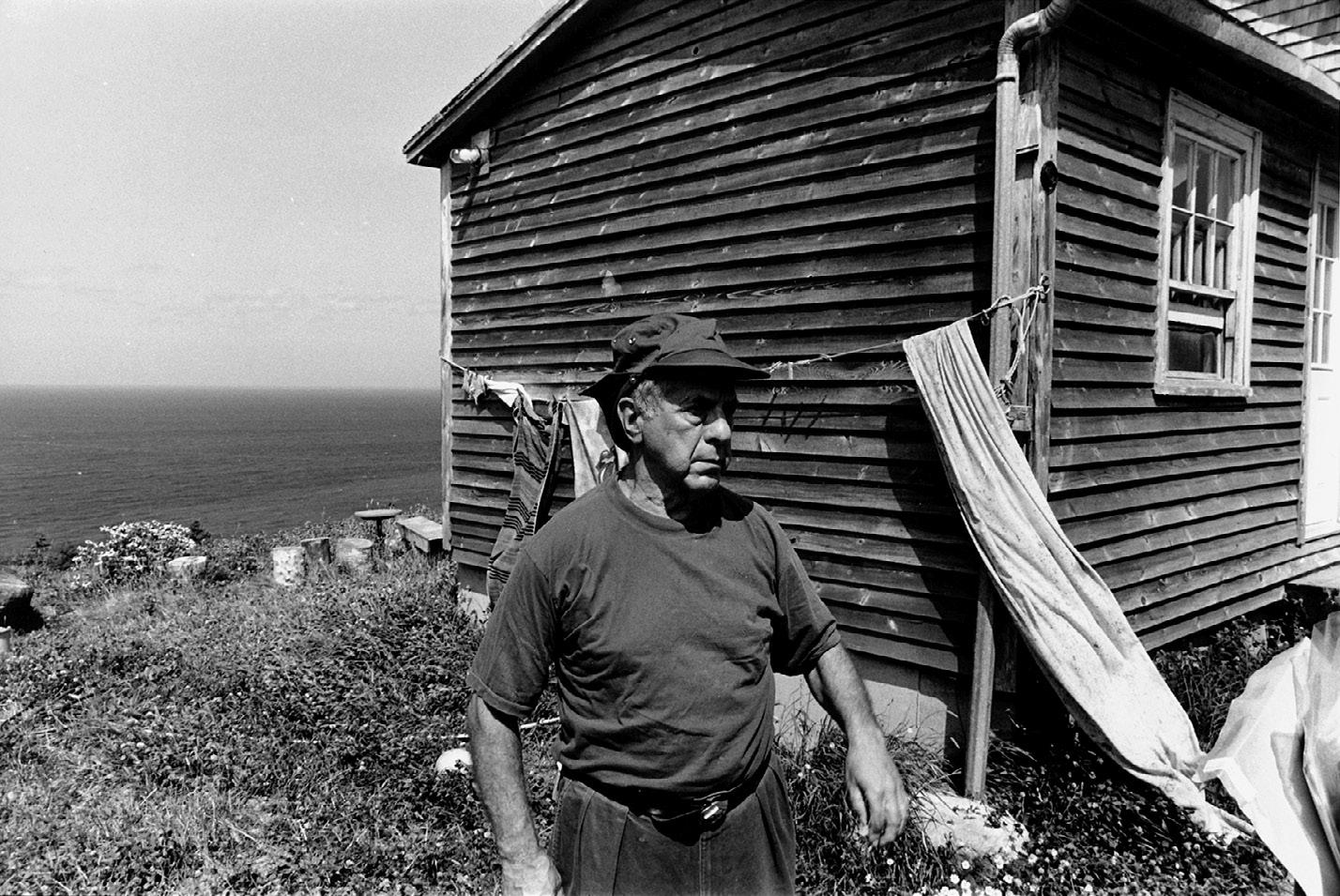
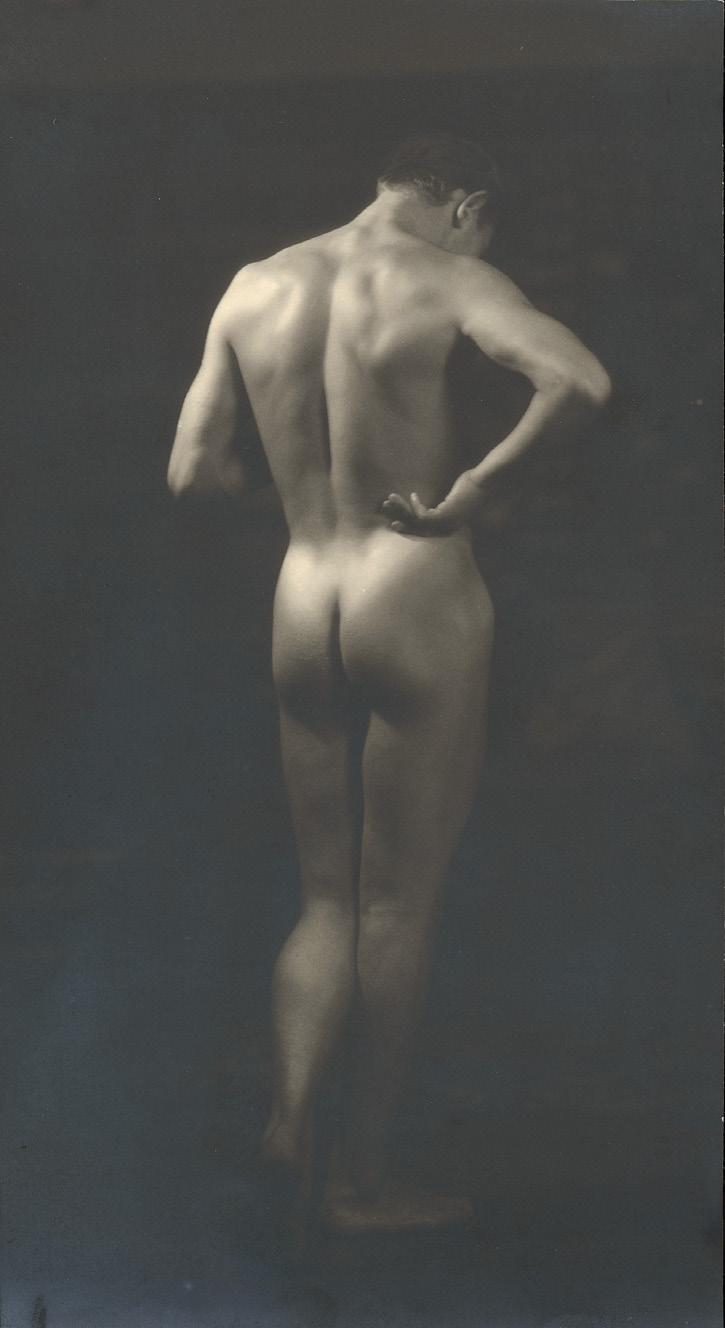
norbert bunge (1941–2024)
4148 Robert Frank, Cape Breton. 1998. Gelatin silver print, printed later. 21,2 x 32 cm (sheet 27,5 x 35,5 cm). Signed, titled and dated by the photographer in pencil, as well as photographer‘s copyright stamp on the verso.
600 €
During his long career as a cameraman and photographer, Norbert Bunge developed close connections with a wide range of photographers. Among them was the otherwise reclusive Robert Frank, whom he met and photographed. Lit.: Mathias Bertram, ed. Norbert Bunge: Fotografien. Leipzig: Lehmstedt 2017, ill. p. 124.
will burgdorf (1905–1945)
4149 Male nude. Early 1930s. Vintage warm-toned gelatin silver print. 20 x 11 cm. Photographer‘s stamp on the verso.
600 €
Will Burgdorf began his career as a photographer in 1930, and by 1931, had established a studio at Lister Platz in Hanover. He specialized in portraiture and expressively posed nudes, often depicting his sitters with closed eyes, lending his images a distinctive sense of inward contemplation. With the outbreak of the Second World War, Burgdorf’s career came to an abrupt end, and he was reported missing in 1945.
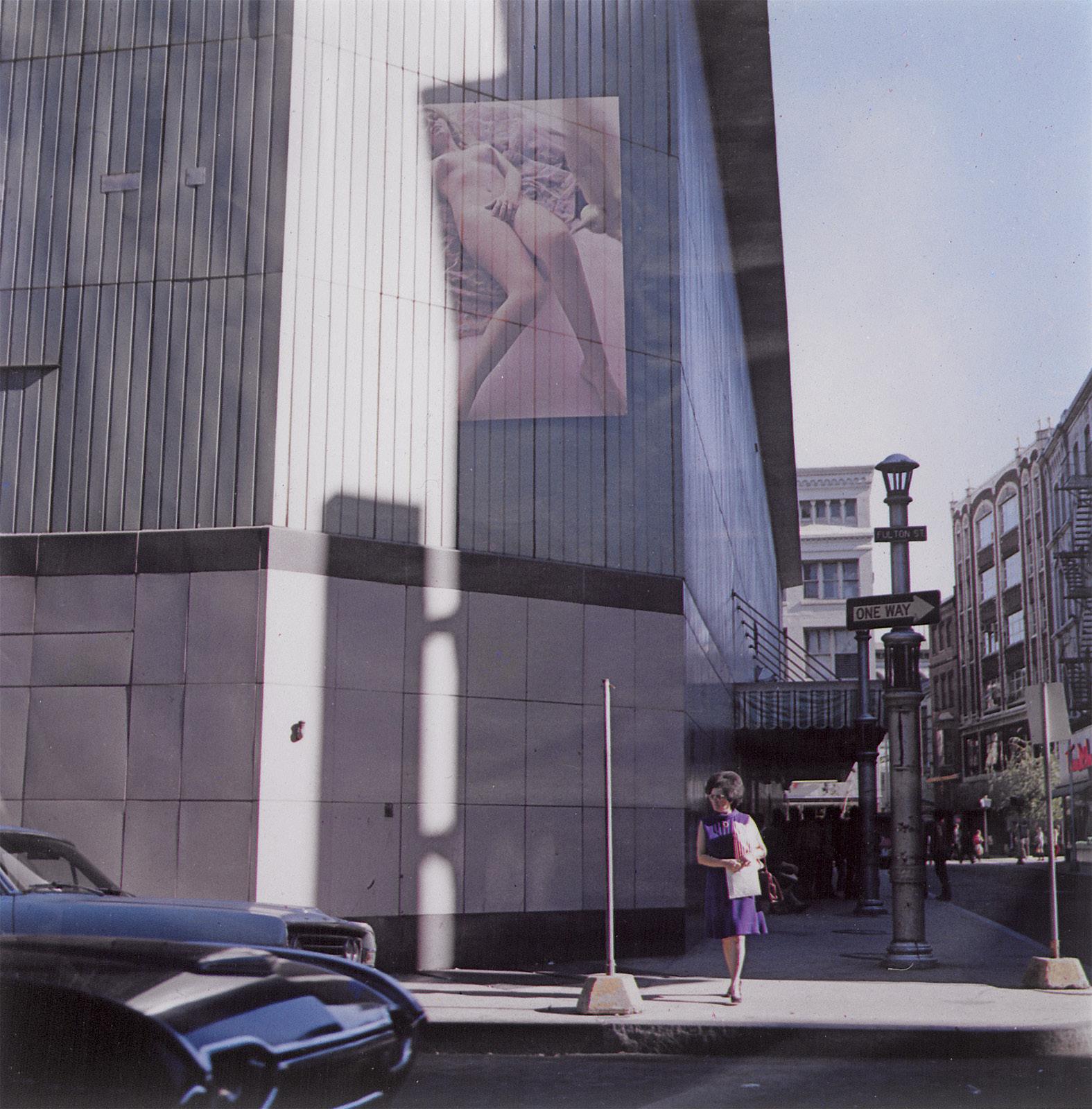
callahan (1912–1999)
4150 Nude on Building, Providence. 1970. Dye transfer print, printed 1980s. 18,5 x 18,2 cm (sheet 23,7 x 20,9 cm). Signed by the photographer in pencil in lower margin. 2.000 €
Harry Callahan’s color photographs, produced in the later years of his career, are widely celebrated for their vivid, introspective, and often abstract qualities. Exploring a wide range of subjects - from landscapes and cityscapes to portraiture - Callahan used color to add a new dimension of depth and emotional resonance, further enriching his already distinguished body of work.
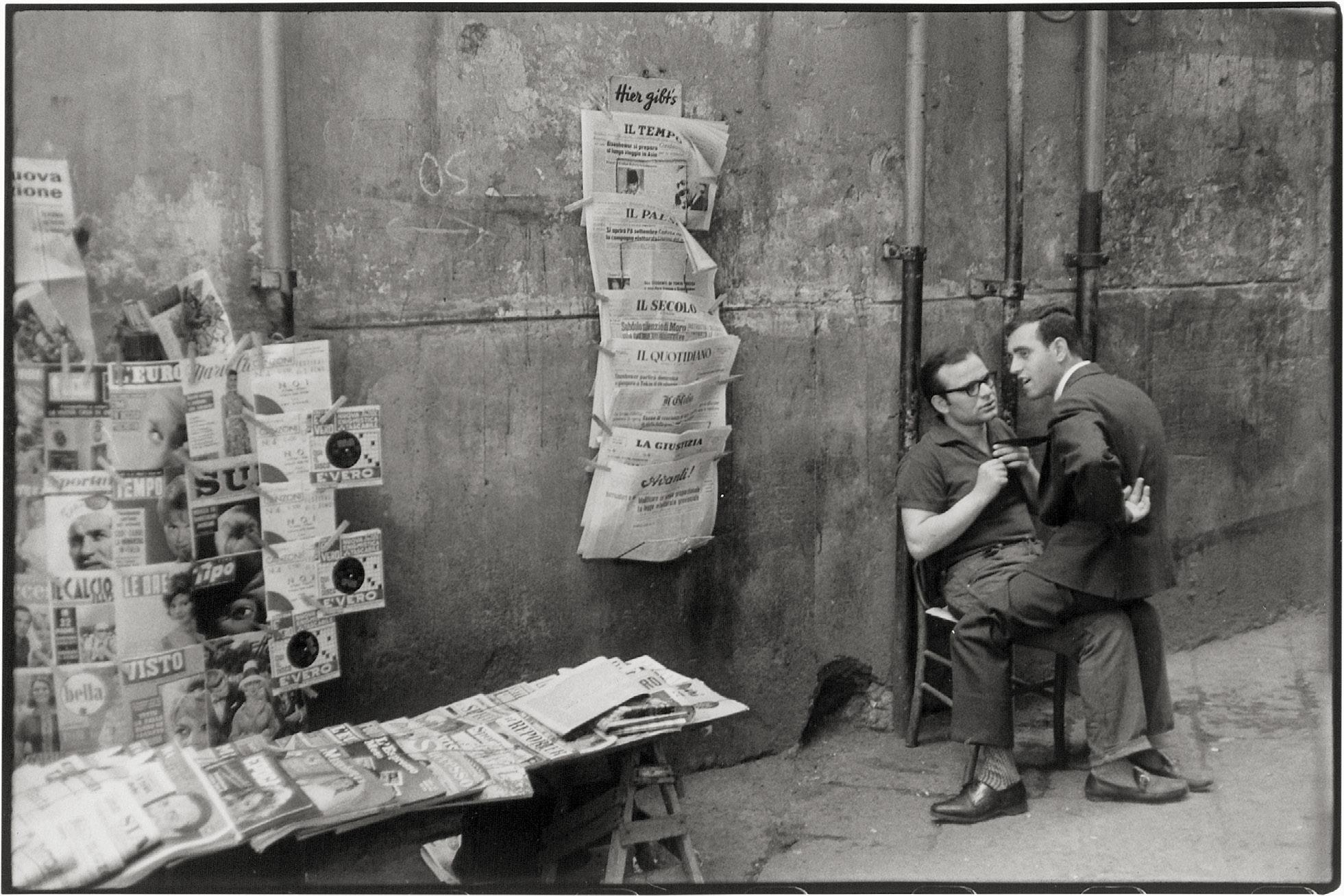
henri cartier-bresson (1908–2004)
4151 Naples, Italy. 1960. Vintage gelatin silver print. 25,5 x 16,8 cm. Monogrammed „H.C.B.“ in pencil in lower margin; photographer‘s reproduction limitation stamp, annotated and layout marks in ink/pencil as well as „Manchete“ magazine stamp and text excerpt label on the verso.
2.500 €
Henri Cartier-Bresson is best known for his pioneering role in modern photojournalism and as a co-founder of the Magnum Photos agency. Renowned for his concept of the “decisive moment,” he possessed a rare ability to capture fleeting, unposed situations with clarity and precision, rendering his subjects natural and often unaware of the camera. His photographs are distinguished by their formal simplicity and quiet immediacy. A print of this image is held in the collection of the Museum of Modern Art, New York.
jewgeni chaldej (1916–1997)
4152 Planes over the Reichstag, Berlin. April 1945. Gelatin silver print, printed early 1990s. 30 x 40 cm. Signed by the photographer in pencil on the verso.
750 €
Jewgeni Chaldej, a Soviet photojournalist, is renowned for his photographs documenting the capture of Berlin by Soviet troops on May 2, 1945, marking the end of World War II in Europe. His images, particularly the iconic scene of the Soviet flag being raised on the Reichstag building, have become crucial visual records of this historic moment.
Lit.: Ernst Volland and Heinz Krimmer, eds. Von Moskau nach Berlin: Bilder des russischen Fotografen Jewgeni Chaldej. Berlin: Parthas 1999, ill. p. 70.
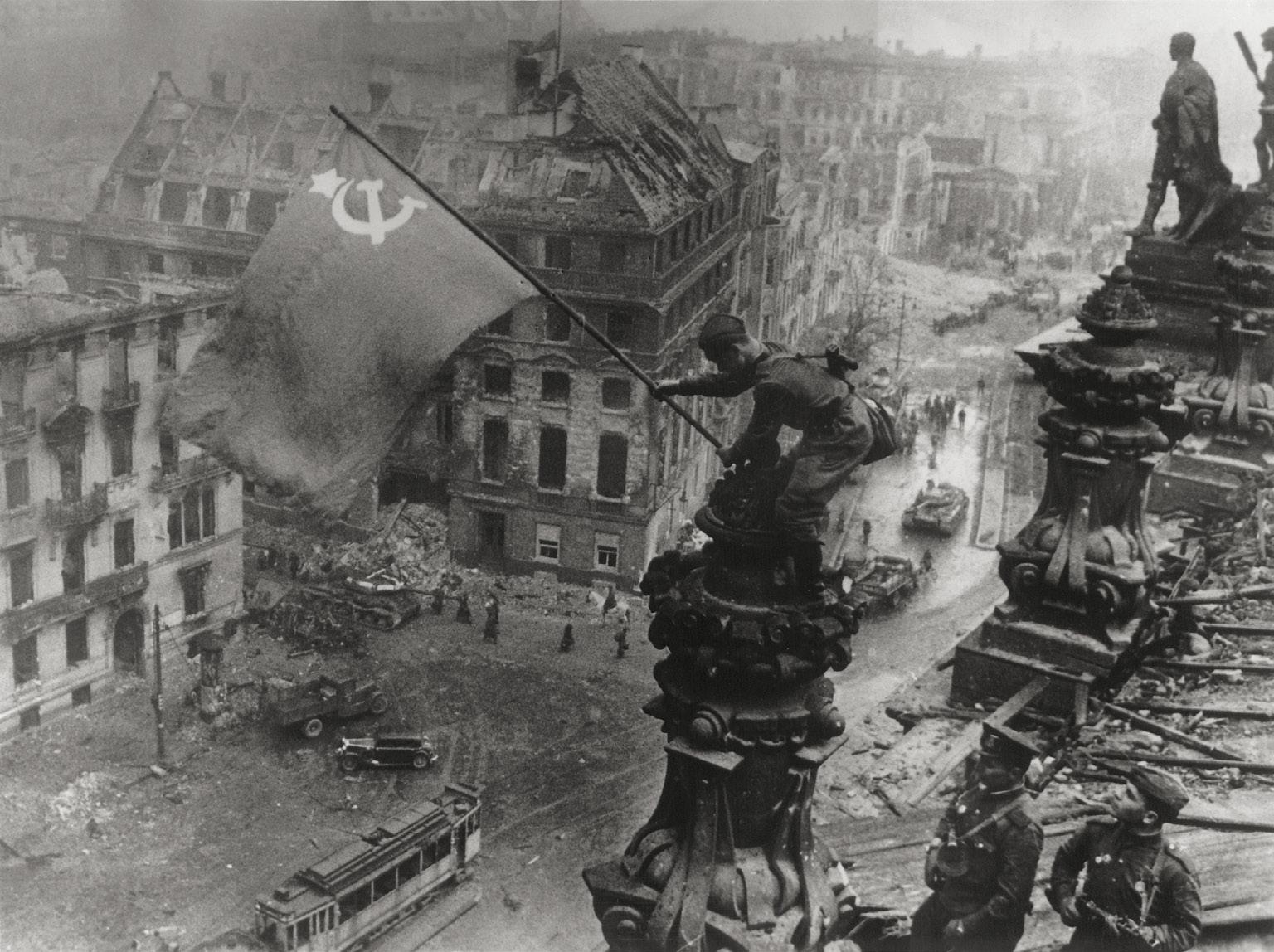
jewgeni chaldej
4153 Atop the Berlin Reichstag, May 2, 1945 . Gelatin silver print, printed later. 22,8 x 30,3 cm. Signed by the photographer and annotated by another hand in pencil on the verso.
1.000 €
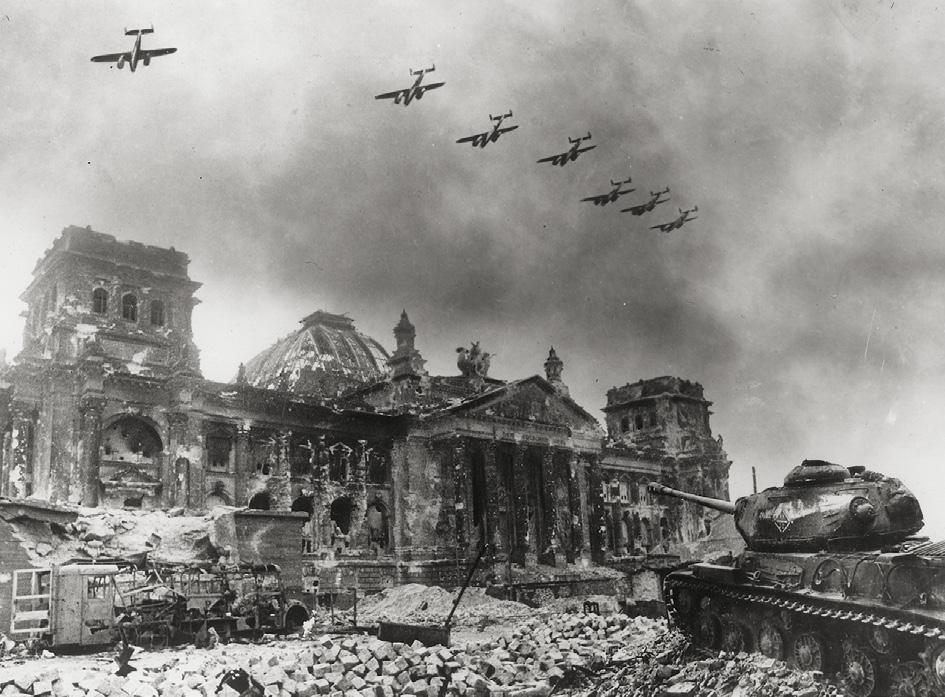
A compelling document of this historic moment, later recounted by the photographer himself: „Early in the morning on May 2, 1945, I entered it (the Reichstag). I was surrounded by horrendous noise, Russians and Germans were all shouting in horrible confusion ... A pleasant young soldier came up to me. I had a red flag in my hand. He said, ‚Lieutenant, davai, let‘s hurry up and climb onto the roof with the flag‘ ... We started out, but all the stairs were badly damaged. When we finally got up the Reichstag was on fire. ...We found a long pole. I spent lots of time trying out different compositions. I took one picture from the left, but that wasn‘t any good. I wanted Berlin to be clearly visible in the picture. Then I said, ‚Boys, go and stand over there and raise the flag ... then try over there‘. There were three of them. One was from the Ukraine, the other from Machatshkala in Dagestan and the third was a Russian. ... I shot a whole roll of film, 36 shots.“ (cited in Volland/Krimmer, p. 151).
Lit.: Ernst Volland and Heinz Krimmer, eds. Von Moskau nach Berlin: Bilder des russischen Fotografen Jewgeni Chaldej. Berlin: Parthas 1999, ill. pp. 65-67 (images from the same series).
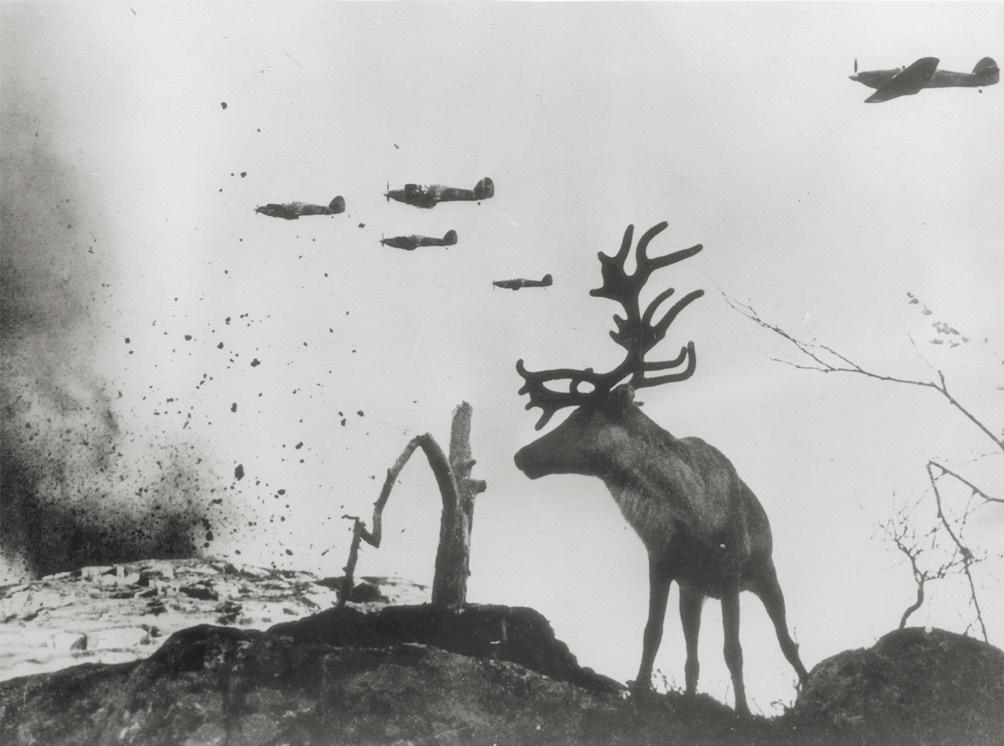
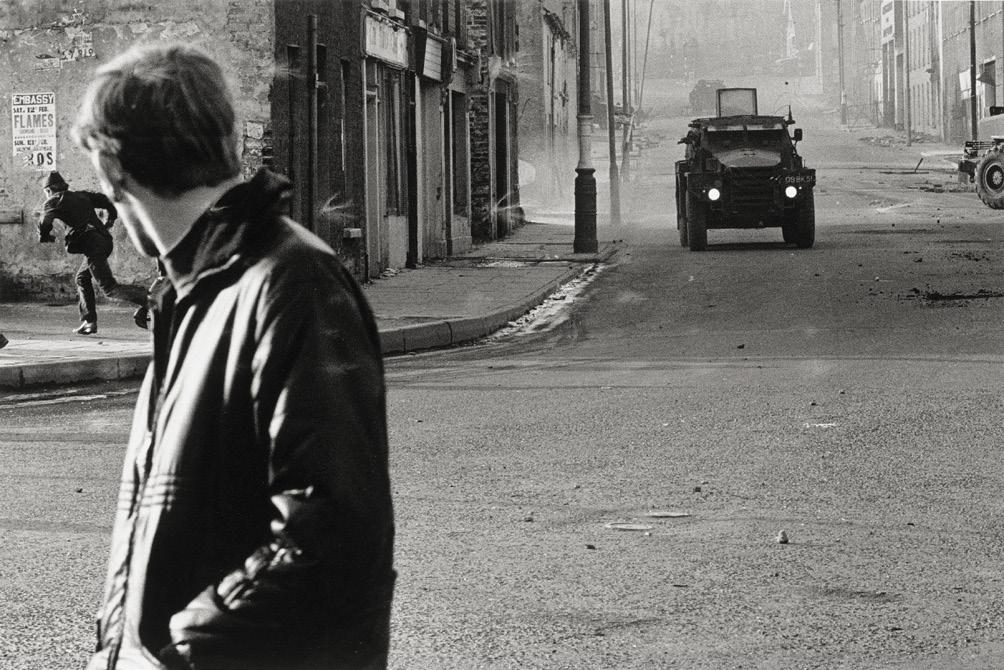
jewgeni chaldej
4154 Yascha the Reindeer, September 1941. Gelatin silver print, printed later. 29,8 x 39,5 cm. Signed by the photographer in pencil on the verso.
750 €
Lit.: Ernst Volland and Heinz Krimmer, eds. Jewgeni Chaldej: Der bedeutende Augenblick. Leipzig: Neuer Europa Verlag 2008, ill. pp. 48-49.
henning christoph (b. 1944)
4155 Bloody Sunday, Corner of William Street and Rosville Street, Londonderry, January 30, 1972. Gelatin silver print on Agfa paper, printed 2000. 31 x 46,3 cm (sheet 39,8 x 49,8 cm). Title label below image in margin; signed, dedicated and dated by the photographer in pencil on the verso.
750 €
Henning Christoph, born near Leipzig in 1944, emigrated to the United States with his family in 1950. He studied journalism and anthropology at the University of Maryland and worked as a photographer for Gannett Newspapers in New York before returning to Germany in 1967 to study under Otto Steinert at the Folkwang School in Essen. Since 1969, he has worked as a freelance photojournalist for international publications including Life, Time, Newsweek, The New York Times, Le Figaro, Geo, and Stern. His socially engaged reportages address subjects ranging from the relationship between people and technology to marginalized communities, migrant workers, and religious life; he has received numerous honors, including six World Press Photo awards.
Lit.: Henning Christoph and Shawn Christoph. Irland - Irrland: Reportagen aus dem nordirischen Bürgerkrieg. Trier: Spee 1978.
robert
cottingham (b. 1935)
4156 Railroad Crossing. 1984. Cibachrome print, printed 1985, mounted in photo corners in the origina l mat. 19,7 x 19,7 cm (sheet 25,4 x 20,3 cm). Signed, titled, dated, and editioned “4/25” by the photographer in ink on the verso; signed, dated, titled, and numbered by the photographer in pencil on the mat cover.
900 €
Robert Cottingham is known for his paintings and prints depicting the urban American landscape, with a particular focus on building façades, neon signage, movie marquees, railroad heralds, and storefronts. Although often associated with Photorealism, Cottingham has consistently rejected the label, positioning himself instead within a broader tradition of American realism, alongside artists such as Stuart Davis, Charles Demuth, Edward Hopper, and Charles Sheeler. Beginning in the late 1960s, he incorporated photography into his working process as a tool for observation and composition, while maintaining a primary interest in the subject matter itself - often described as Americana.
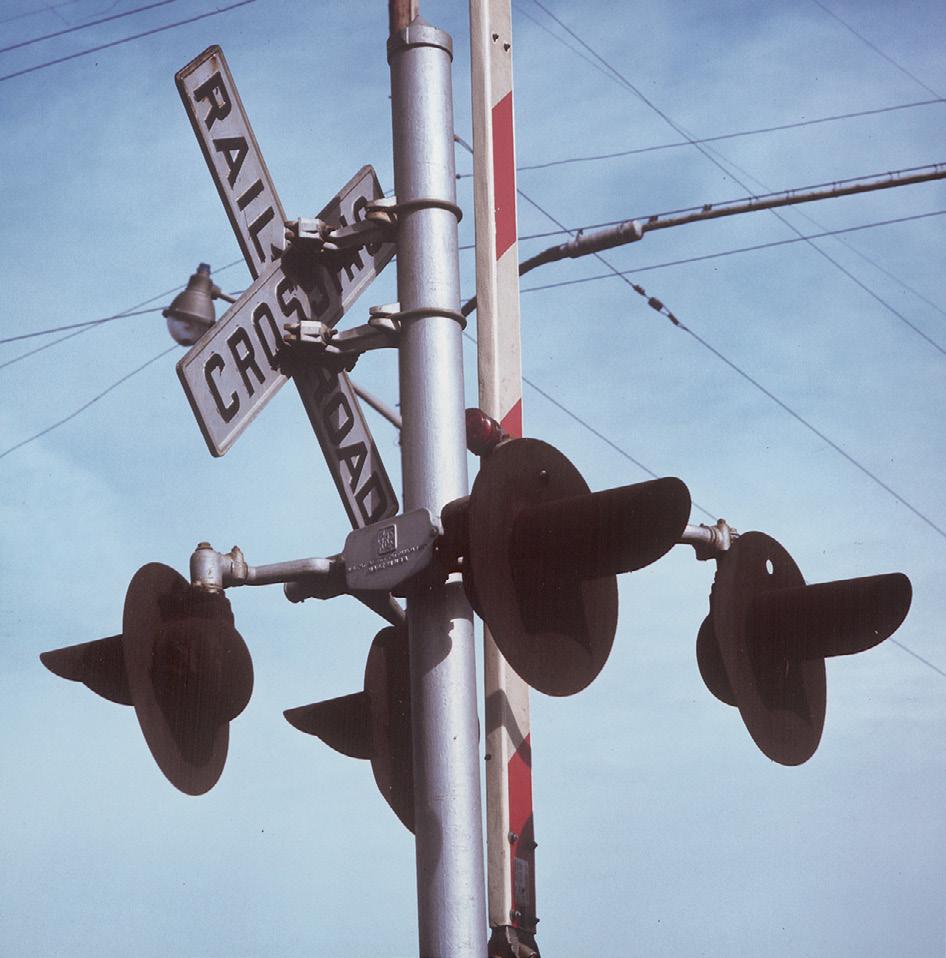
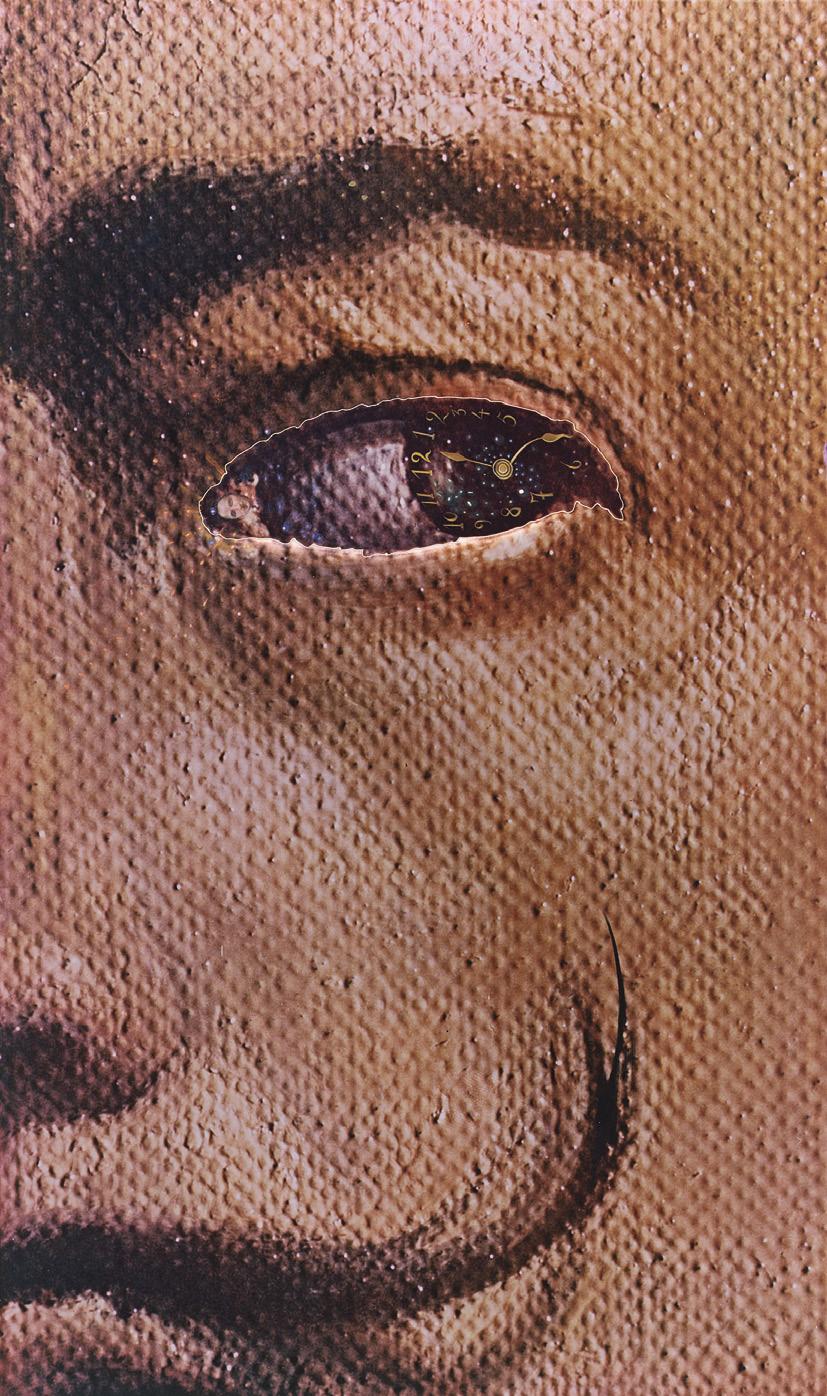
salvador dalí & robert descharnes (1904–1989, 1926–2014)
4157 Surrealist photographic collages. 1962-1975. 4 dye transfer collages with applied elements, printed before 1989. 40 x 26,8 cm (sheets 59,8 x 45 cm) and 40,2 x 26,6 cm (sheets 60,8 x 51,2 cm). Signed and numbered “45/90” by the photographer in blue felt-tip pen in the lower margin and signed by Salvador Dalí in blue felt-tip pen in the lower right corner.
1.000 €
These collages were created in collaboration between the Spanish Surrealist Salvador Dalí and his secretary and close associate Robert Descharnes (1926-2014). Beyond managing Dalí’s intellectual property, Descharnes played a key role in documenting and interpreting the artist’s work, notably through publications such as The World of Salvador Dalí (1975), which features one of these collages on its cover. The group includes images of Gala Dalí, a tribute to Guillaume Apollinaire, and Dalí’s Venus de Cullero Lit.: Robert Descharnes, Gilles Neret. Salvador Dali 1904-1989: Das Malerische Werk. Cologne: Taschen, 1993, ill. p. 731.
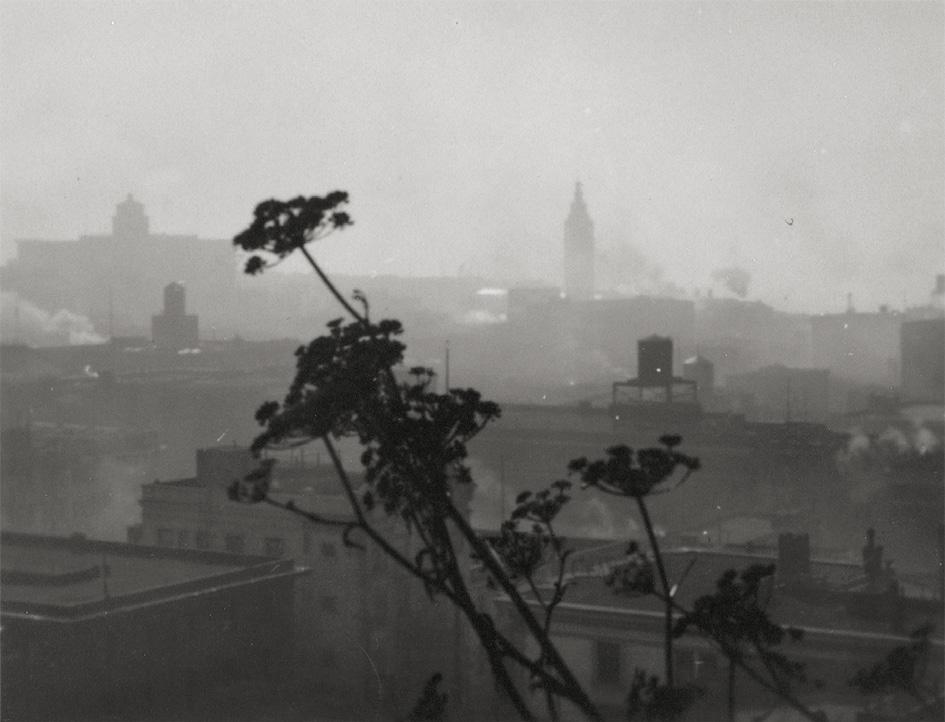
william e. dassonville (1879–1957)
4158 San Francisco skyline with Eucalyptus trees (# 318). Ca. 1925. Vintage gelatin silver print on Charcoal Black paper, matted. 8,8 x 11,4 cm (sheet 17 x 20,4 cm). Annotated “318” in ink in the lower margin; annotated in pencil on the verso.
800 €
William Dassonville, a photographer and trained chemist, was known for producing his own photographic papers and emulsions in pursuit of specific aesthetic effects. A one-time neighbor of Ansel Adams, he developed the distinctive “Charcoal Black” paper, valued for its rich tonal depth and used by Adams until 1933.
Lit.: Peter E. Palmquist. William E. Dassonville: California Photographer (1879-1957). Nevada City: Carl Mautz Publishing, 1999, ill. p. 65 (similar image).
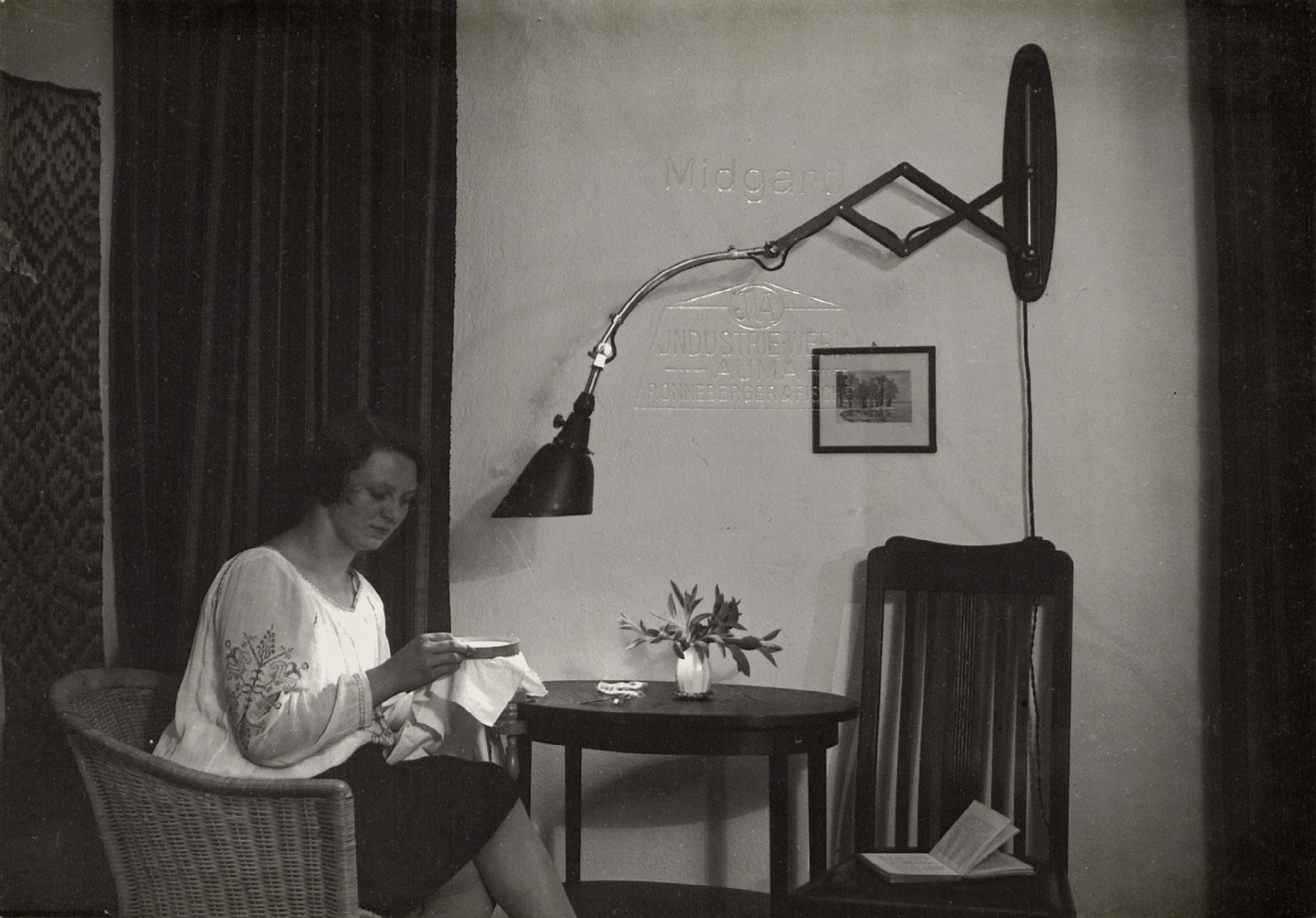
design/midgard lenklampen
4159 Presentation album of Midgard Lenklampen 1920s. 25 vintage gelatin silver prints, mounted to album pages. Various sizes between ca. 12 x 17 cm and 8 x 11 cm and larger (mounts 18 x 25,5 cm). Photographs with “Midgard” and “IWA” blind stamps, some with numbers in ink on the image; company labels affixed above or below each photograph and annotations in ink below the images on the mounts. Bound with string.
800 €
Attractive album presenting the various models of Midgard adjustable wall lamps, along with suggested applications and interior settings. Characterized by their functional clarity and articulated joints, the designs closely reflect the principles of Bauhaus modernism.
thomas demand (b. 1964)
4160 Untitled (Detail of Studio Stage Background for the Show “Was bin ich?”). 1997. Chromogenic print on Fujicolor Crystal Archive paper, printed 2001. 39 x 60 cm. Signed and editioned “AP IV” by the photographer in felt-tip pen on the verso.
1.500 €
Thomas Demand is known for constructing life-sized models from paper and cardboard, which he then photographs. These meticulously crafted replicas of everyday interiors produce images that appear uncannily real while subtly undermining their own authenticity. His work engages with themes of representation, memory, and perception, questioning the reliability of images in an increasingly mediated world. The present print is one of ten produced but never distributed, intended for the unrealized portfolio westwärts on the occasion of an exhibition at the Kunstmuseum Bonn. The project, which was to include works by DAAD scholarship holders Franz Ackermann, Karin Sander, Anke Doberauer, and Heiner Schilling, was abandoned when Schilling did not contribute. Untitled (Detail of Studio), 1997, is based on a photograph of a 1970s television set used for the German game show Was bin ich?, hosted by Robert Lembcke.
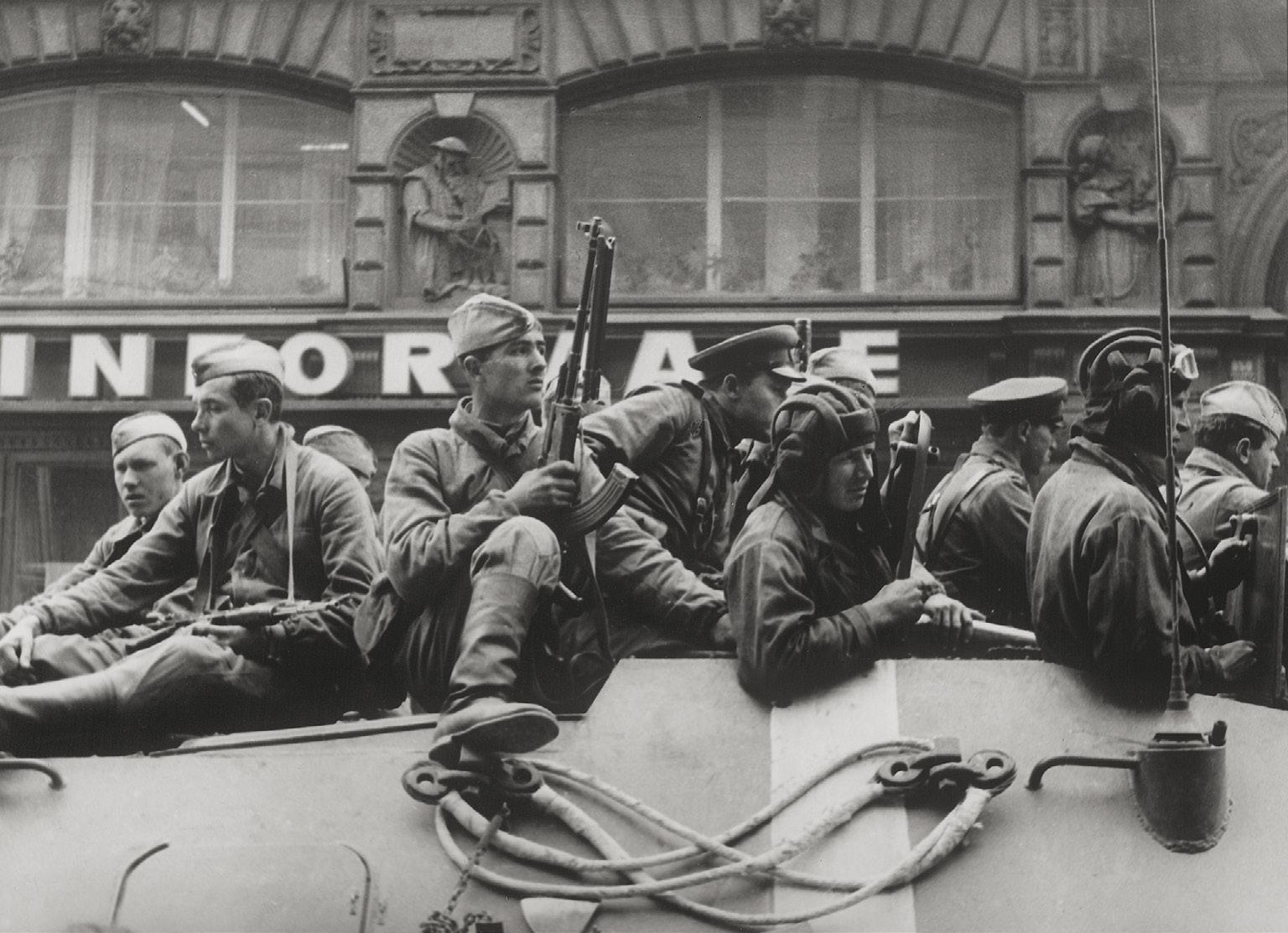
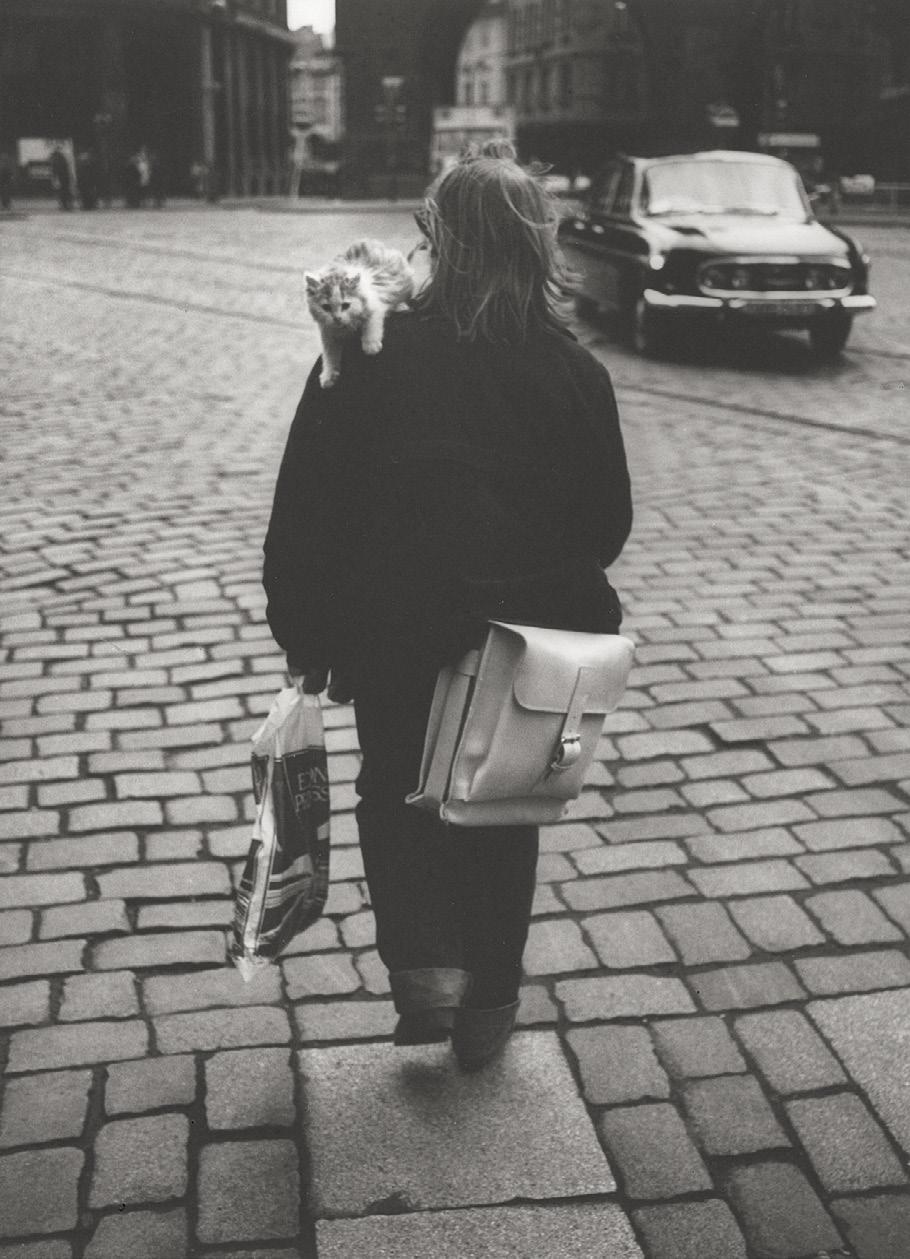
frantisek dostál (1938–2022)
4161 Prague, 21.8.1968. Gelatin silver print, printed 1980s. 27,7 x 37,5 cm. Signed, titled and dated by the photographer in pencil on the verso.
400 €
Frantisek Dostál was a Czech journalist and documentary photographer based in Prague. He studied at the School of Mechanical Engineering from 1953-1957 and took up photography as an amateur in 1960. His work was first published in 1964 in the weekly magazine Kvìty, marking the beginning of a long and active photographic career. Dostál participated regularly in photographic salons, and his images were widely published in magazines and newspapers. Over the course of his career, he authored more than 15 books and exhibited internationally, gaining recognition for his keen observational approach to everyday life.
4162 Prague. 1978. Vintage gelatin silver print. 37 x 27 cm. Signed by the photographer in ballpoint pen on the verso.
400 €
hugo erfurth (1874–1948)
4163 Portrait of the artist Käthe Kollwitz (18671945). 1925. Cropped reproduction gelatin silver print, printed 1960s. 29,5 x 21 cm. Photographer‘s blindstamp on original print visible in lower right.
900 €
A print of this image is in the collection of the Städel Museum, Frankfurt and the Museum für Kunst & Gewerbe, Hamburg.
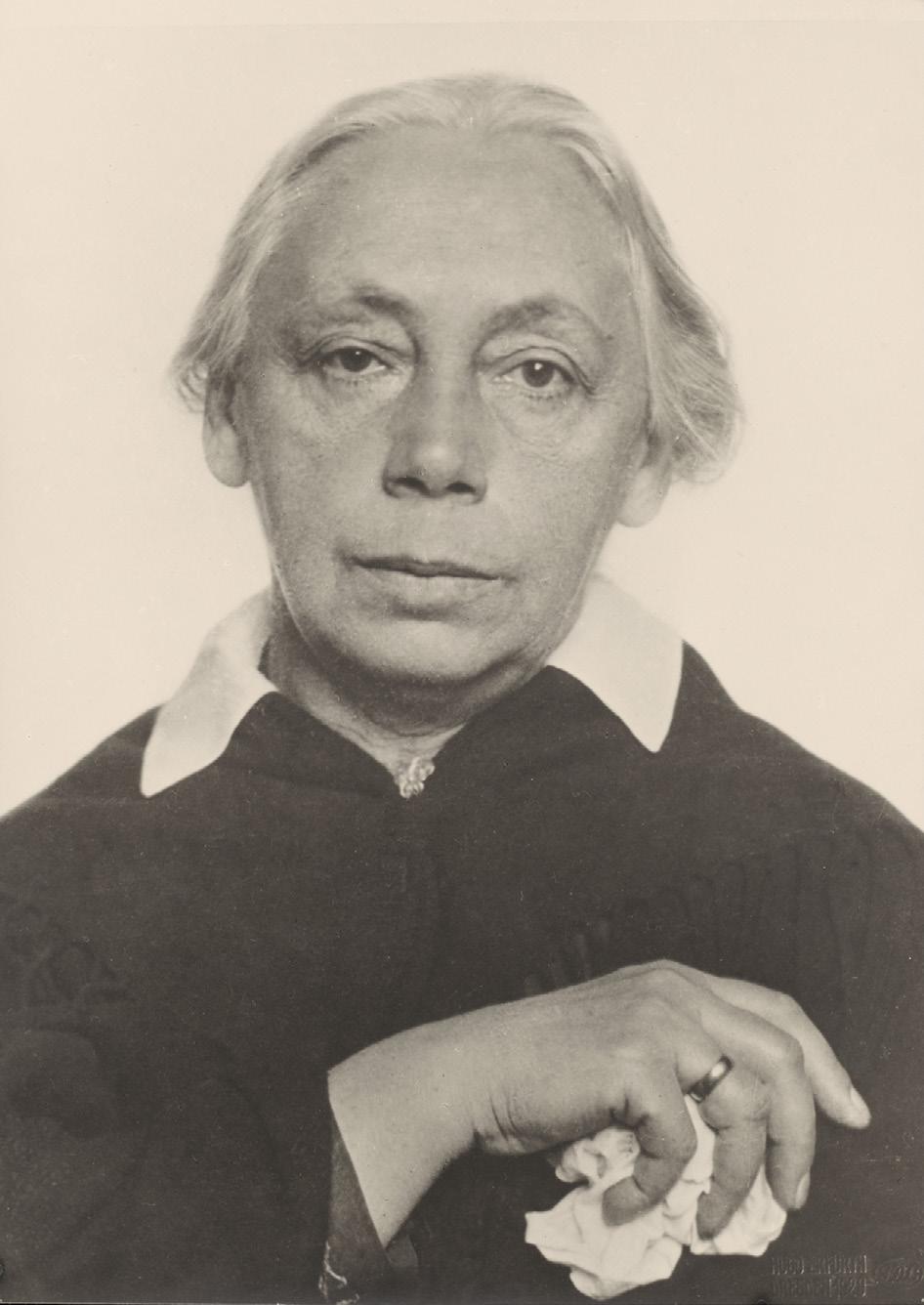
4163
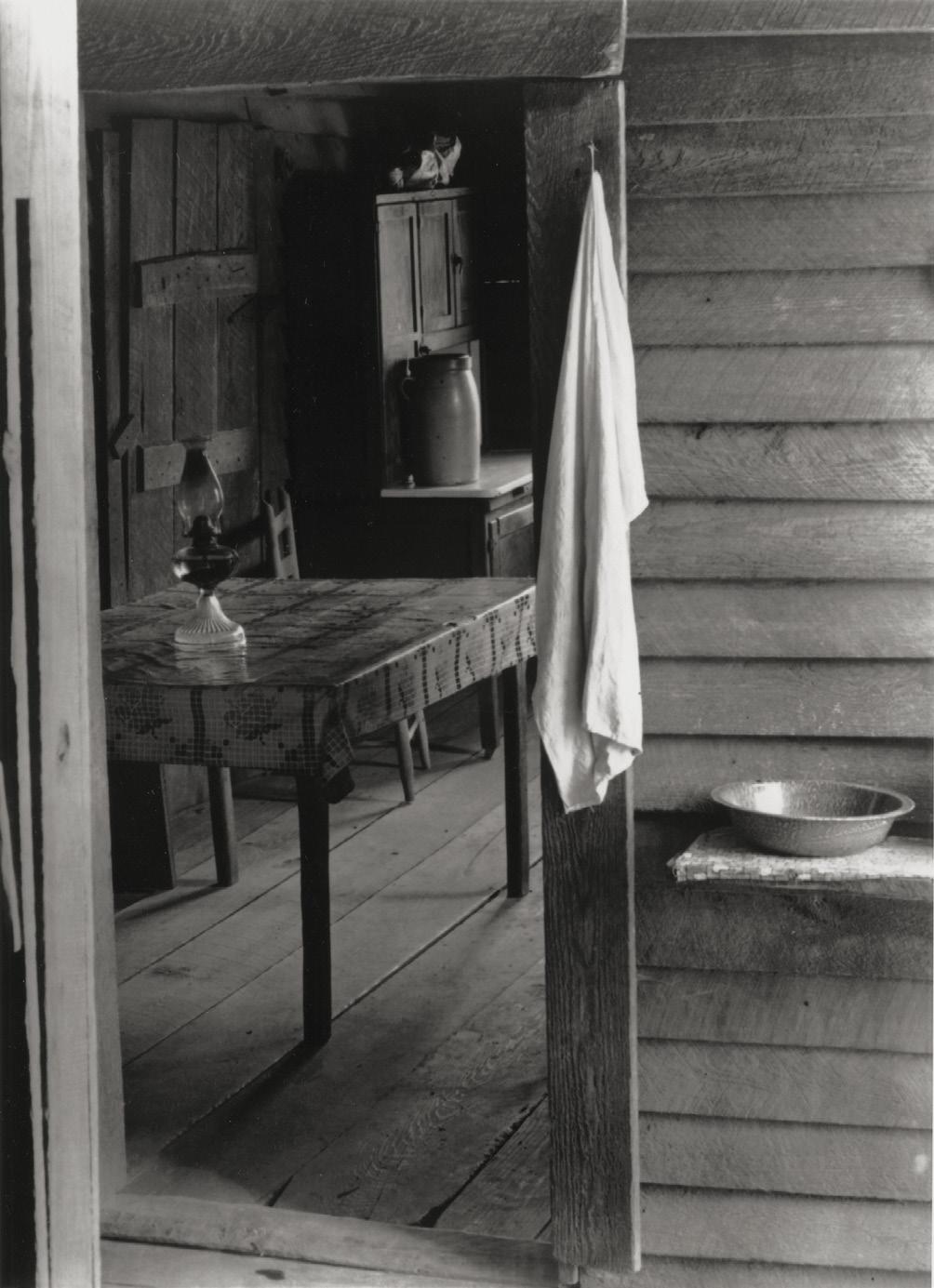
walker evans (1903–1975)
4164 Farmer‘s Kitchen, Hale County, Alabama. 1936. Gelatin silver print, printed later from the original negative by Brian Graham. 40 x 28,8 cm (sheet 42,2 x 31,1 cm). Annotated by another hand in pencil as well as „Walker Evans - Gelatin silver print from the original negative“ stamp on the verso.
900 €
Walker Evans’ work for the Farm Security Administration (FSA) was instrumental in shaping the visual record of rural America during the Great Depression. His photographs captured the stark realities faced by individuals and communities, portraying economic hardship and social dislocation with clarity and empathy. Working alongside other FSA photographers, Evans helped create an enduring documentary archive that not only heightened public awareness but also established documentary photography as a powerful medium for social insight and historical record.
Lit.: John T. Hill. Walker Evans: Lyric Documentary. Göttingen: Steidl, 2006, ill. p. 182.
John T. Hill and Gilles Mora. Walker Evans: Der unstillbare Blick Munich: Schirmer/Mosel, 1993, ill. p. 206.
4165 Citizen in Downtown Havana. 1933. Gelatin silver print, printed 1988 from the original negative by Brian Graham. 28 x 15,2 cm (sheet 30 x 23,6 cm). Annotated in pencil by another hand, as well as with “Walker Evans Gelatin silver print from the original negative” stamp and authentication label on the verso.
2.000 €
Lit.: John T. Hill and Gilles Mora. Walker Evans: Der unstillbare Blick. Munich: Schirmer/Mosel, 1993, ill. p. 85.
Maria Morris Hambourg et al. Walker Evans. New York: Metropolitan Museum of Art, 2000, ill. pl. 38.
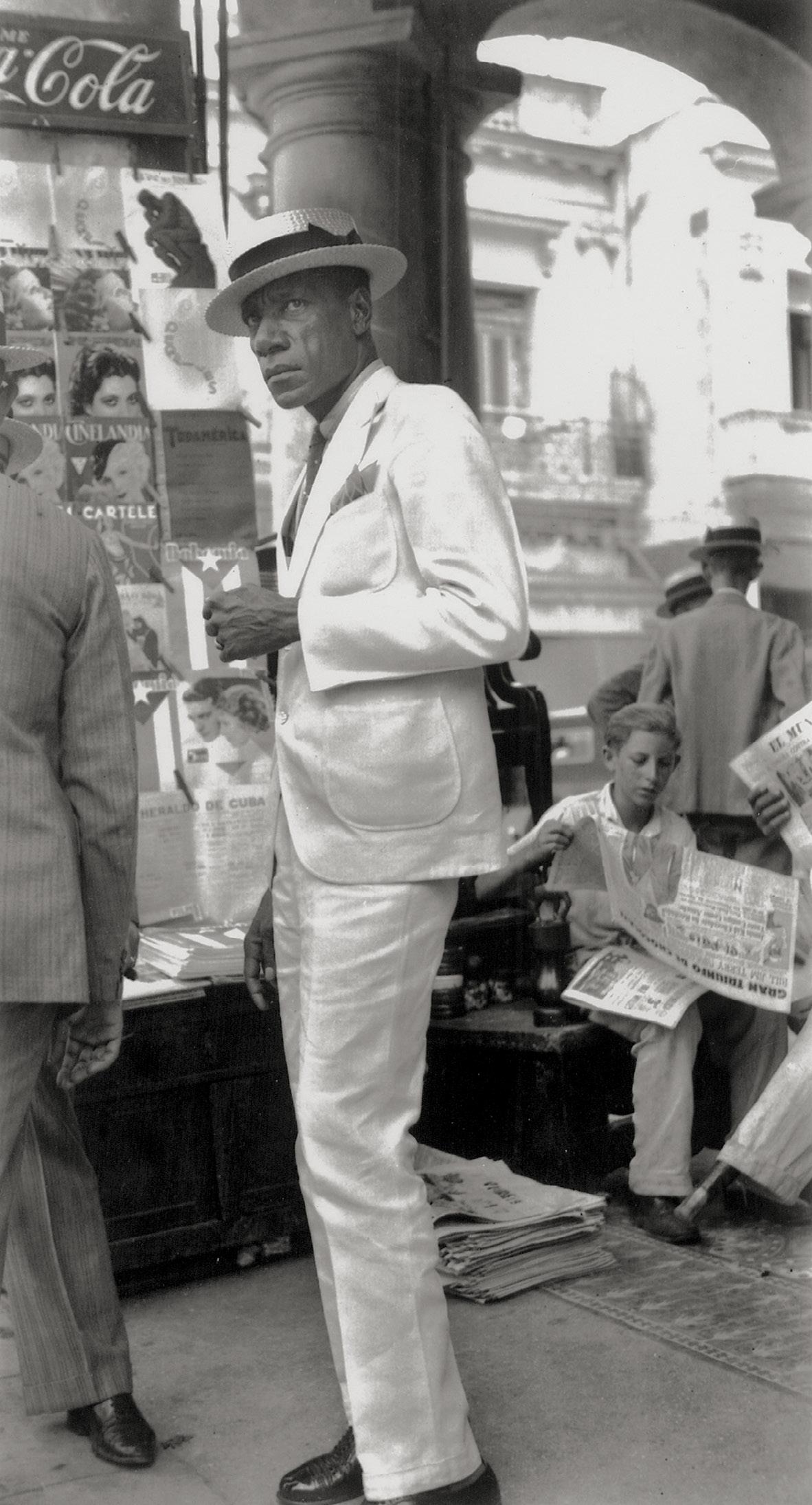
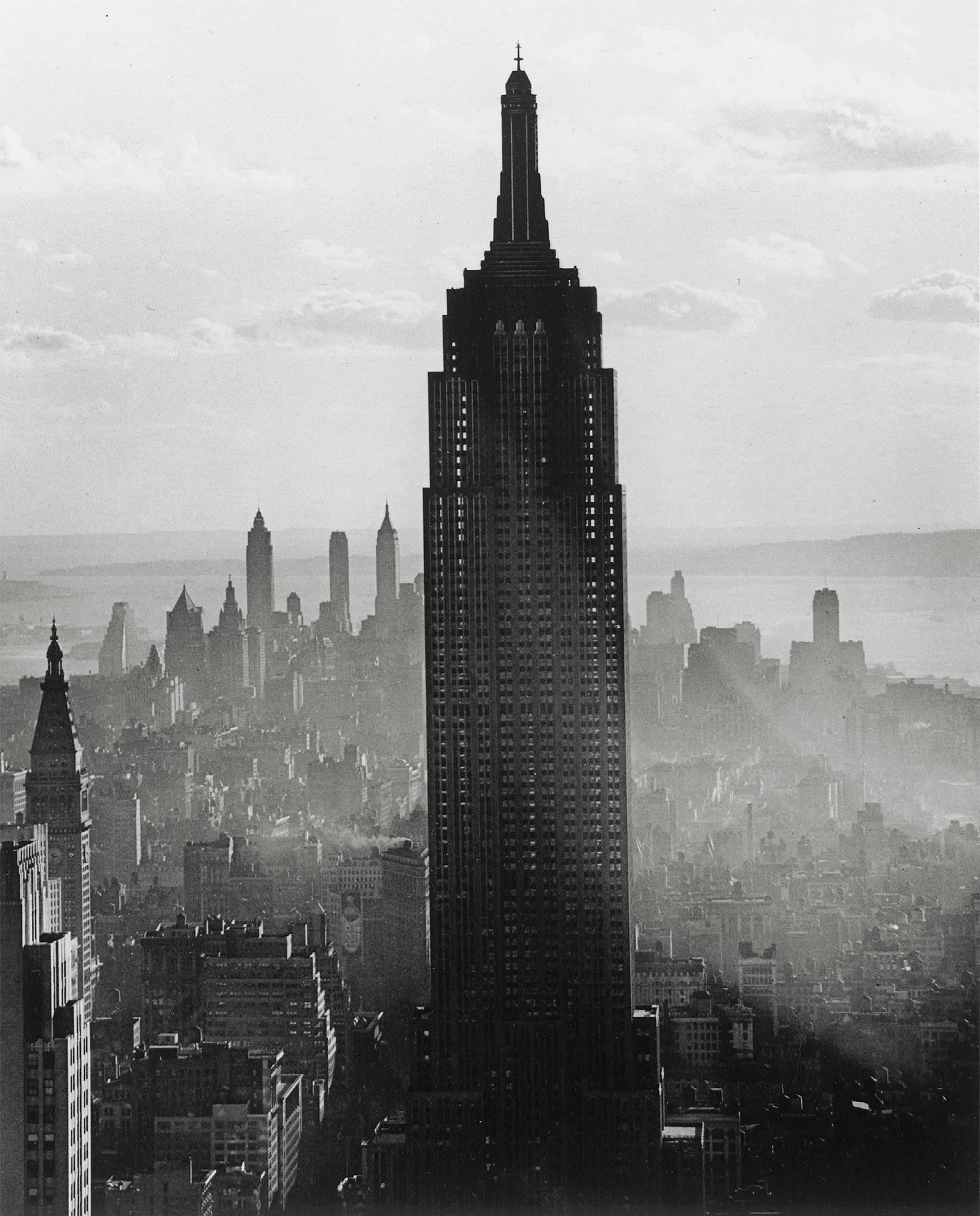
andreas feininger (1906–1999)
4166 Empire State Building, New York. 1940. Gelatin silver print, printed later, mounted in mat. 29,5 x 23,7 cm (sheet 35,5 x 27,5 cm). Signed by the photographer in ink in lower right margin.
2.200 €
After leaving school at age 16 in 1922, Andreas Feininger enrolled at the Bauhaus, before he shifted his focus to architecture, studying first at the Staatliche Bauschule Weimar, and later
at the Bauschule Zerbst. While in Zerbst, he developed a growing interest in photography, guided in part by Bauhaus teacher and neighbor László Moholy-Nagy. In 1936, Feininger abandoned architecture to pursue photography full-time, relocating to Sweden, and later immigrating to the United States in 1939. He went on to work as a staff photographer for Life magazine from 1943-1962, and became widely known for his photographic manuals, including The Complete Photographer
andreas feininger
4167 New York und Chicago in den Vierziger Jahren. 1940-41. 6 gelatin silver prints, printed later from the original negatives. Each ca. 24,5 x 19 cm (sheet 30 x 24 cm). Each with Griffelkunst edition stamp on the verso. Presented in original half-canvas folder with illustrated text brochure.
600 €
Lit.: Andreas Feininger. New York in the Forties. New York: Dover Publications, 1978.
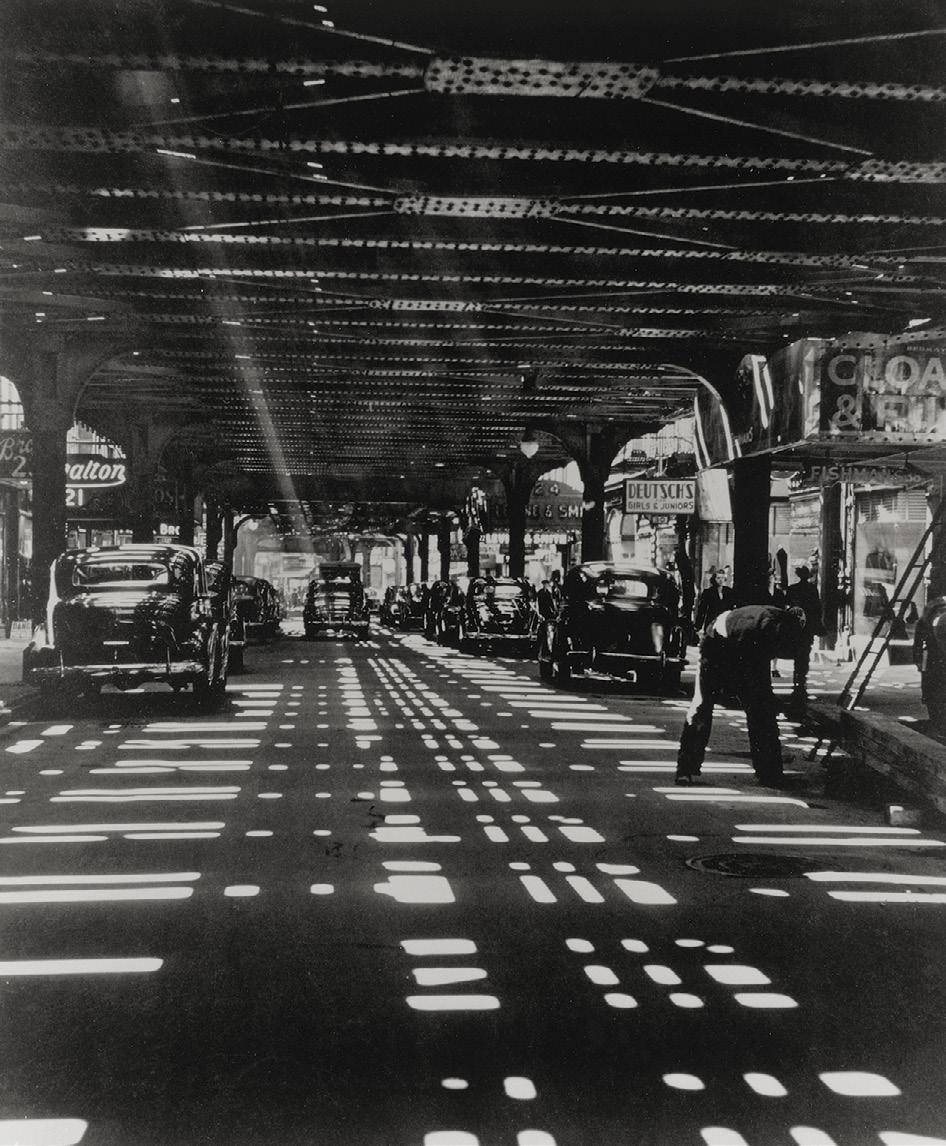
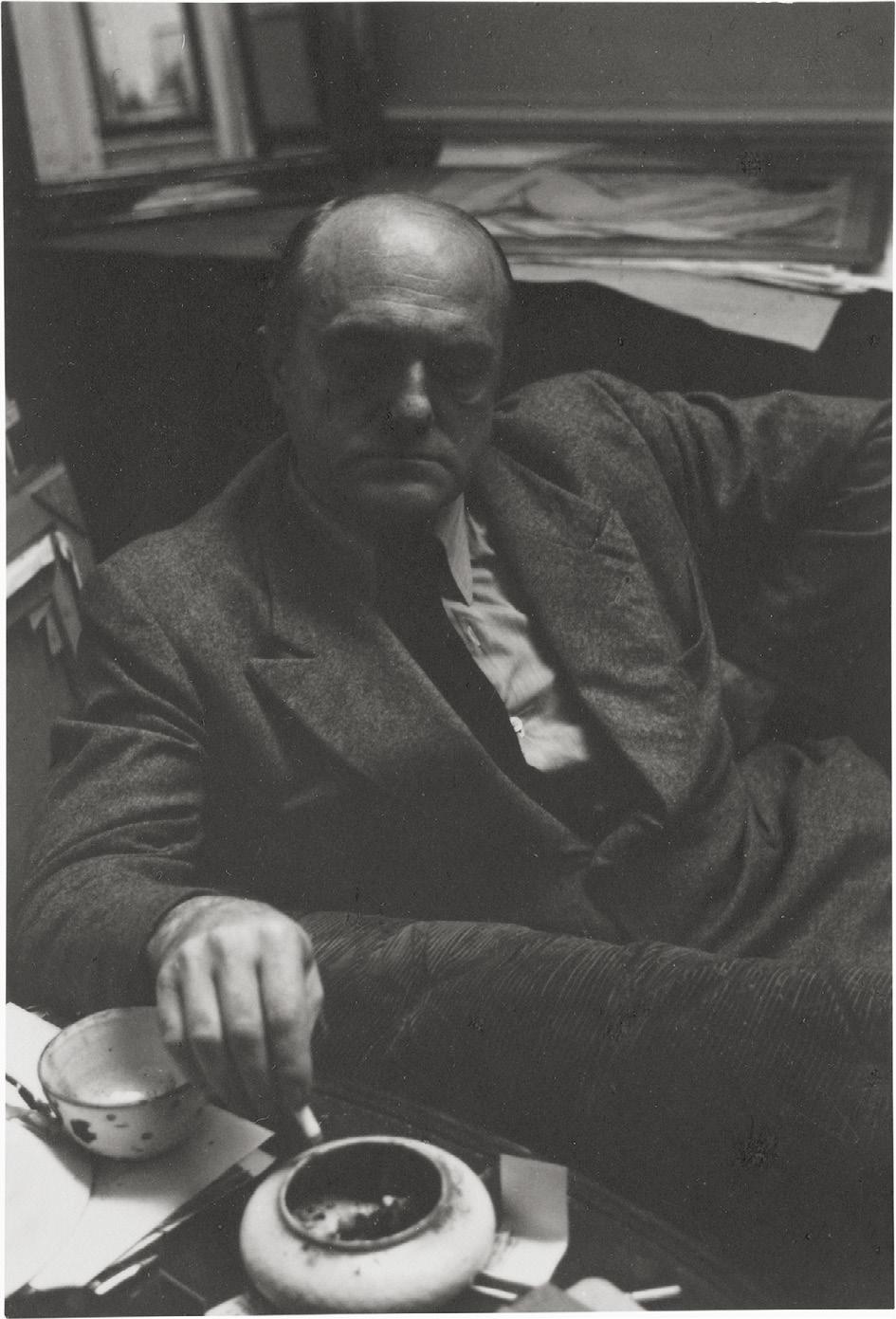
helga fietz (Helga Franke 1907–1958)
4168 The artist Max Beckmann (1884-1950) in his studio, Amsterdam. 1938. Vintage gelatin silver print on Gravura paper, mounted along the upper edge to original cream-colored card. 11,5 x 7,7 cm. Photographer’s stamp on the verso.
1.200 €
Best known for her iconic portraits of Max Beckmann, Helga Fietz also photographed numerous other artists throughout her career. In addition to portraiture, she developed a particular affinity for the horses of Iceland, a subject she returned to often and which featured prominently in several published volumes of her work.
Lit.: Carla Schulz-Hoffmann and Judith C. Weiss, eds. Max Beckmann: Retrospektive. Munich: Städtische Galerie im Lenbachhaus, 1984.
film photography
4169 Photographer: Friedrich Hermann Emil Kiesel (1877-1943). The actress Anna May Wong (1905–1961). Circa 1928. Vintage ferrotyped gelatin silver print. 22,6 x 17 cm. Photographer‘s studio reproduction limitation stamp on the verso.
750 €
In 1928, Anna May Wong traveled to Berlin in pursuit of more progressive film roles, hoping to escape the stereotyped casting that had defined her career in Hollywood. During this period, she also worked in London and Paris, where critics and audiences responded to her with notable enthusiasm. When Wong returned to the United States in 1930, she did so with an expanded artistic profile and growing international acclaim.
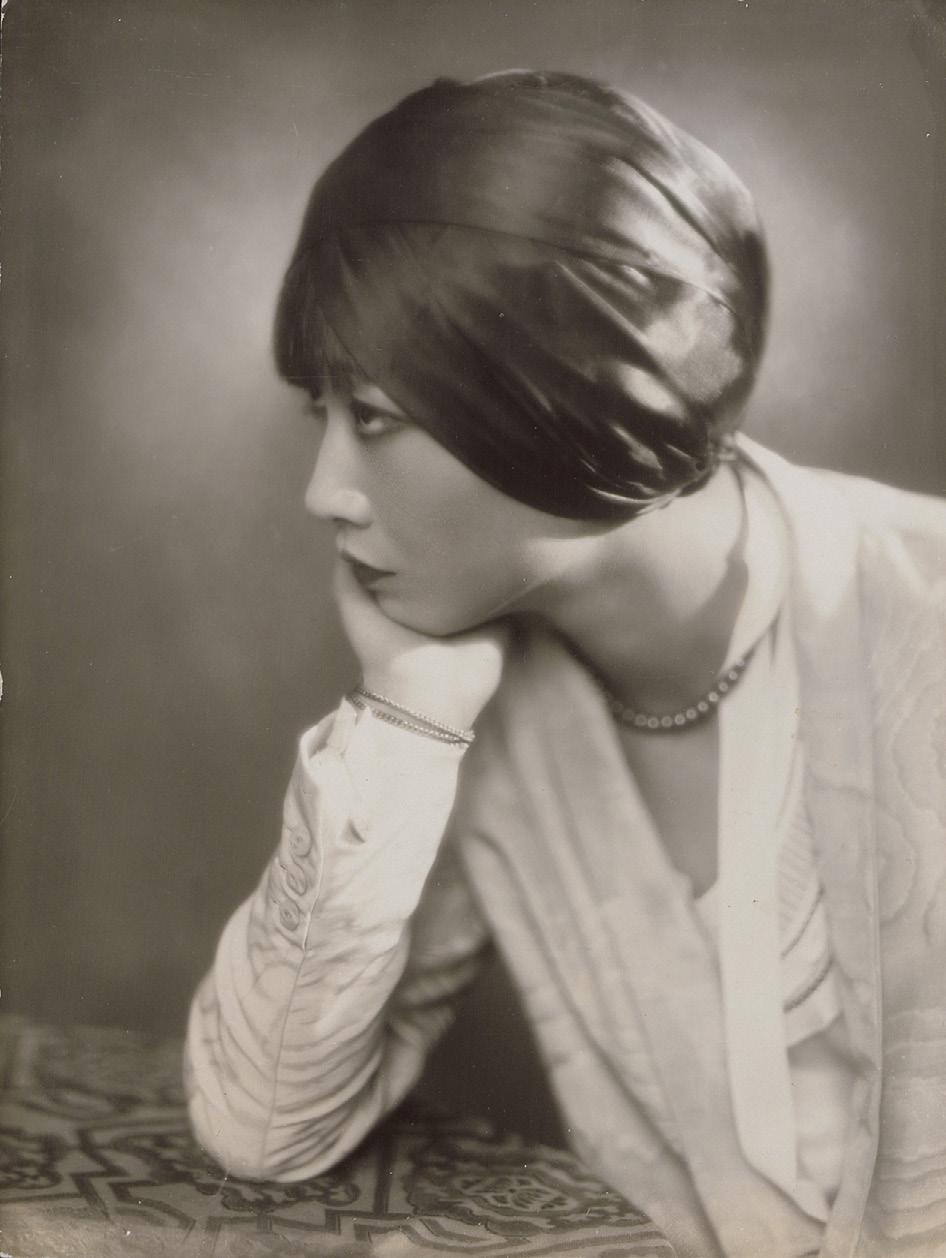
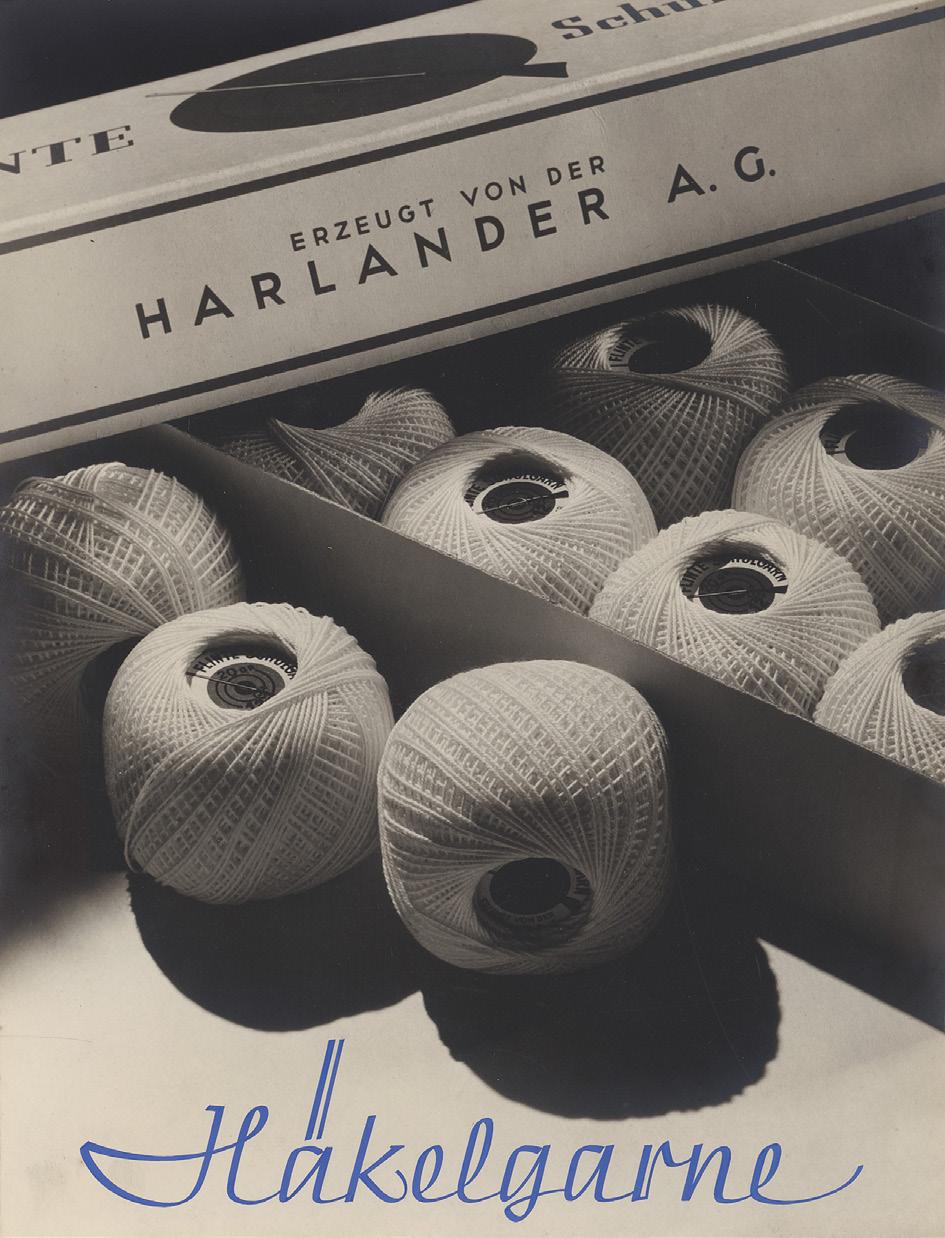
hans finsler (1891–1972)
4170 (attributed to). Advertising photograph for yarn. 1930s. Vintage gelatin silver print on ivory paper, mounted to board. 29,5 x 22,5 cm (mount 34,8 x 32,3 cm).
“Häkelgarne” hand-painted in blue in the lower portion of print.
1.000 €
Hans Finsler was born in Heilbronn, Germany. He studied architecture in Stuttgart and Munich, followed by art history in Munich, Berlin, and Halle, a background that informed the formal clarity of his photographic work. In 1922, he began teaching at the Burg Giebichenstein Kunstgewerbeschule near Halle, where he led an influential photography class. His work gained wider recognition with his participation in the landmark Film und Foto exhibition in Stuttgart, where he exhibited 37 photographs. In 1932, he relocated to Zurich, where he continued his career.
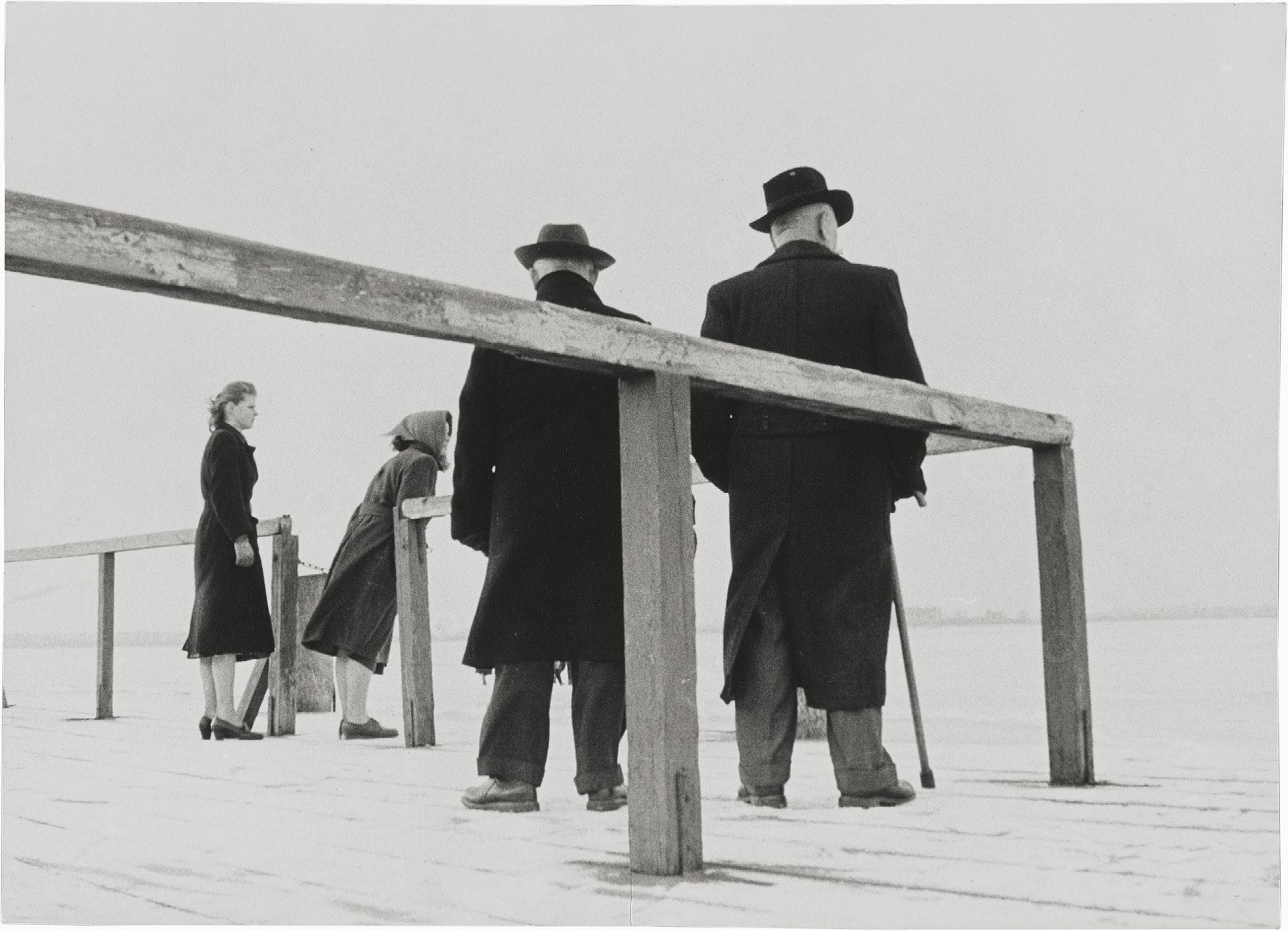
arno fischer (1927–2011)
4171 Müritz-DDR. 1956. Gelatin silver print, printed 1980s. 28 x 38,8 cm. Signed in ink and stamped by the photographer on the verso.
1.000 €
Arno Fischer’s documentary photographs of East and West Berlin from the 1950s-1960s offer a nuanced view of the city during a period of division and transformation. Marked by observational clarity and a sensitivity to everyday life, they capture both the challenges and resilience of its inhabitants and function as both historical records and autonomous works of art. One of Fischer’s most iconic images, this print bears an older letter stamp on the verso indicating an earlier print date. Lit.: Elke aus dem Moore and Matthias Flügge, eds. Arno Fischer: Fotografie (exhibition catalog). Ostfildern: Hatje Cantz, 2009, ill. p. 65.
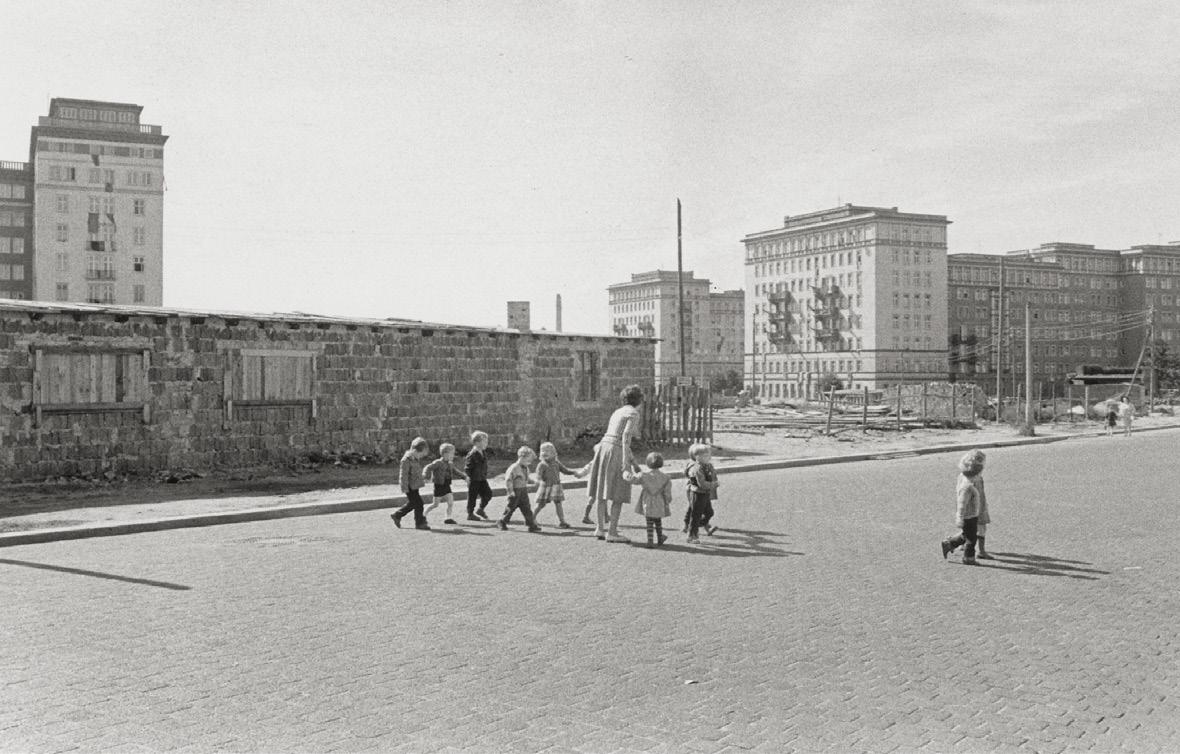
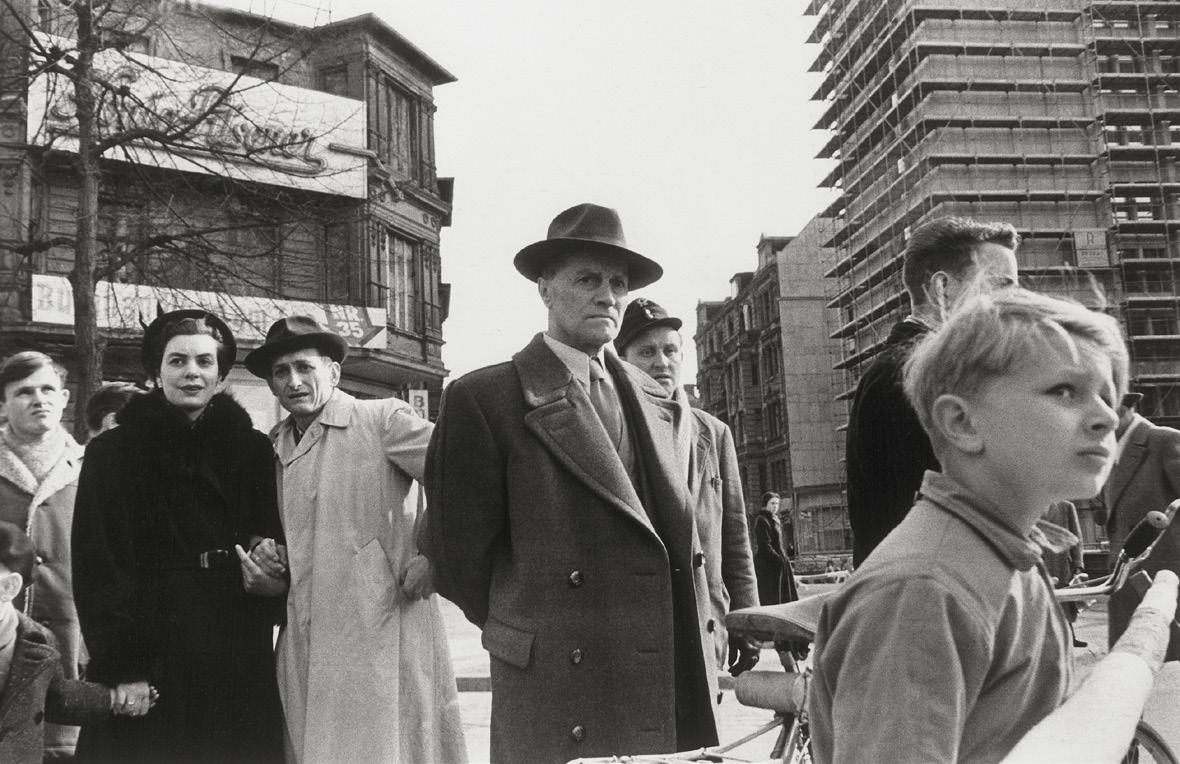
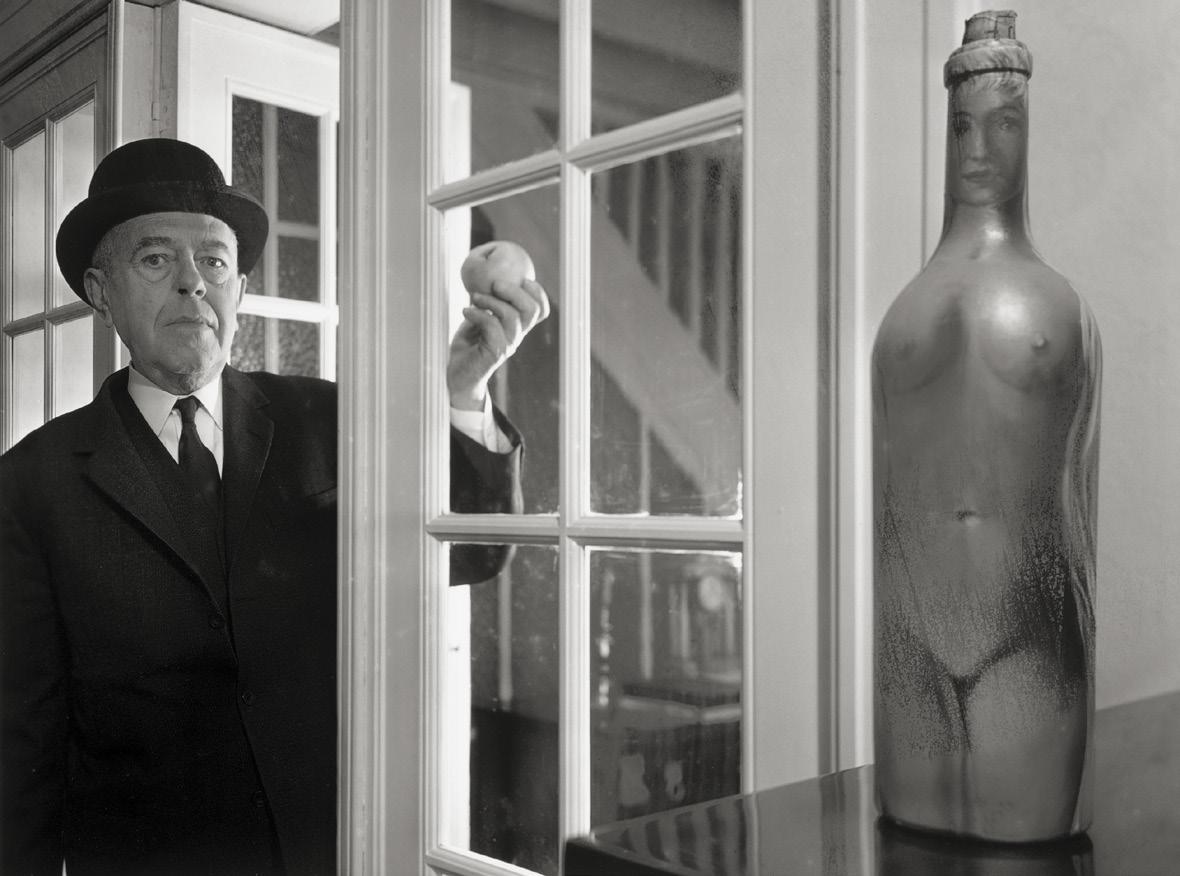
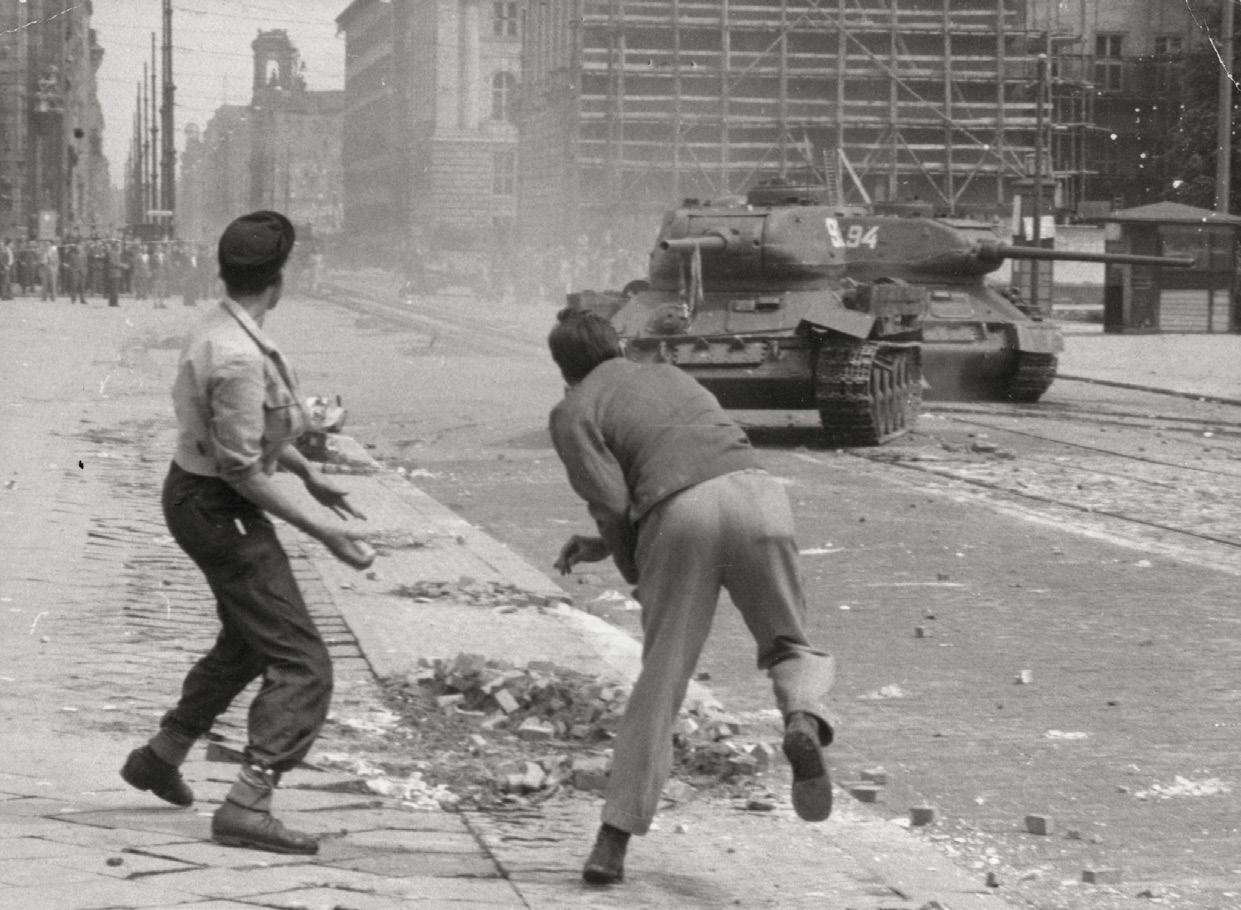
arno fischer
4172 Ost Berlin, Friedrichshain . 1956. Gelatin silver print, printed later. 16,8 x 26 cm (sheet 21,8 x 29,2 cm). Signed, annotated and dated by the photographer in pencil as well as „Edition argus fotokunst“ stamp, therein numbered „3/10“ on the verso.
900 €
Lit.: Elke aus dem Moore and Matthias Flügge, eds. Arno Fischer: Fotografie (exhibition catalog). Ostfildern: Hatje Cantz, 2009, ill. p. 49.
4173 West Berlin . 1957. Gelatin silver print, printed later. 16,8 x 26 cm (sheet 22,3 x 29,3 cm). Signed, annotated and dated by the photographer in pencil as well as „Edition argus fotokunst“ stamp, therein numbered „3/10“ on the verso.
900 €
Lit.: Elke aus dem Moore and Matthias Flügge, eds. Arno Fischer: Fotografie (exhibition catalog). Ostfildern: Hatje Cantz, 2009, ill. p. 40.
daniel frasnay (1928–2019)
4174 René Magritte at his home in Brussels. 1967. Gelatin silver print, printed later. 29 x 38 cm (sheet 30,5 x 40,5 cm). Annotated extensively in French and signed by the photographer in ink on the verso.
750 €
Daniel Frasnay began working as an assistant to portrait photographer Roger Carlet at age 16. In the early 1950s, his career as a photographer of Parisian nightlife flourished, and he became resident photographer at the Lido nightclub, documenting revues, ballet, and theater performances. From 1953 onward, he worked as a freelance photojournalist for major agencies and magazines, where his portraits of well-known artists were widely published.
gdr uprising june 17, 1953
4175 Distributor: Max Schirner agency Uprising East Berlin, Leipziger Straße and Potsdamer Platz. June 17, 1953. 1 vintage ferrotyped gelatin silver press print and 1 ferrotyped gelatin silver print, printed 1983. Each ca. 17 x 22 cm. One print with magazine archive stamp, therein annotated in ink and one with press text printed on the verso.
600 €
The uprising of 1953 in East Germany began with a strike by East Berlin construction workers on June 16 and escalated into a widespread revolt against the GDR government the following day. In Berlin, the protests were violently suppressed by Soviet tanks and the Volkspolizei, yet unrest continued, with demonstrations in more than 500 towns and villages.
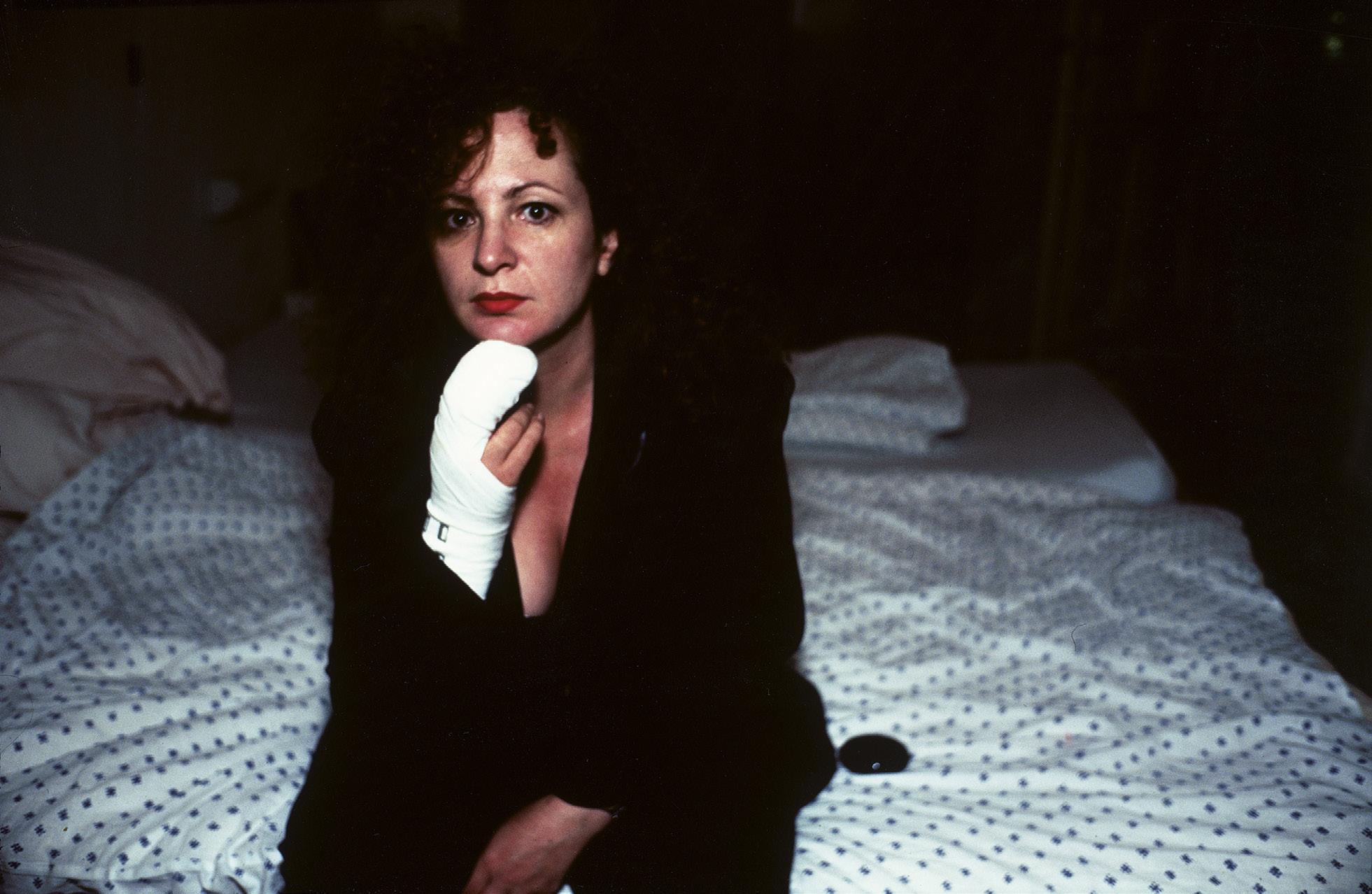
4176 Self-portrait after finger operation, Berlin. 1991. Cibachrome print. 46 x 61,5 cm. Signed, titled, dated, and dedicated “For my sweet Mr Remy” in black marker on the verso.
3.000 €
The American photographer Nan Goldin is known for her deeply personal and raw visual narratives that delve into themes of love, gender, domesticity, and sexuality. Her seminal work, The Ballad of Sexual Dependency (1986), is a poignant documentation of her “chosen family,” capturing the post-punk and gay subcultures of New York City during the late 1970s and into the early 1990s. Goldin’s style is characterized by an informal, snapshot aesthetic, often portraying private moments in intimate settings such as cluttered kitchens, downtown bars, and disheveled beds. Her adept use of color accentuates the emotional essence of each moment. Beyond her photographic endeavors, Goldin has been an active voice in art and activism, addressing critical issues such as the HIV/AIDS epidemic and the opioid crisis. She currently resides and works between New York City, Berlin, and Paris.
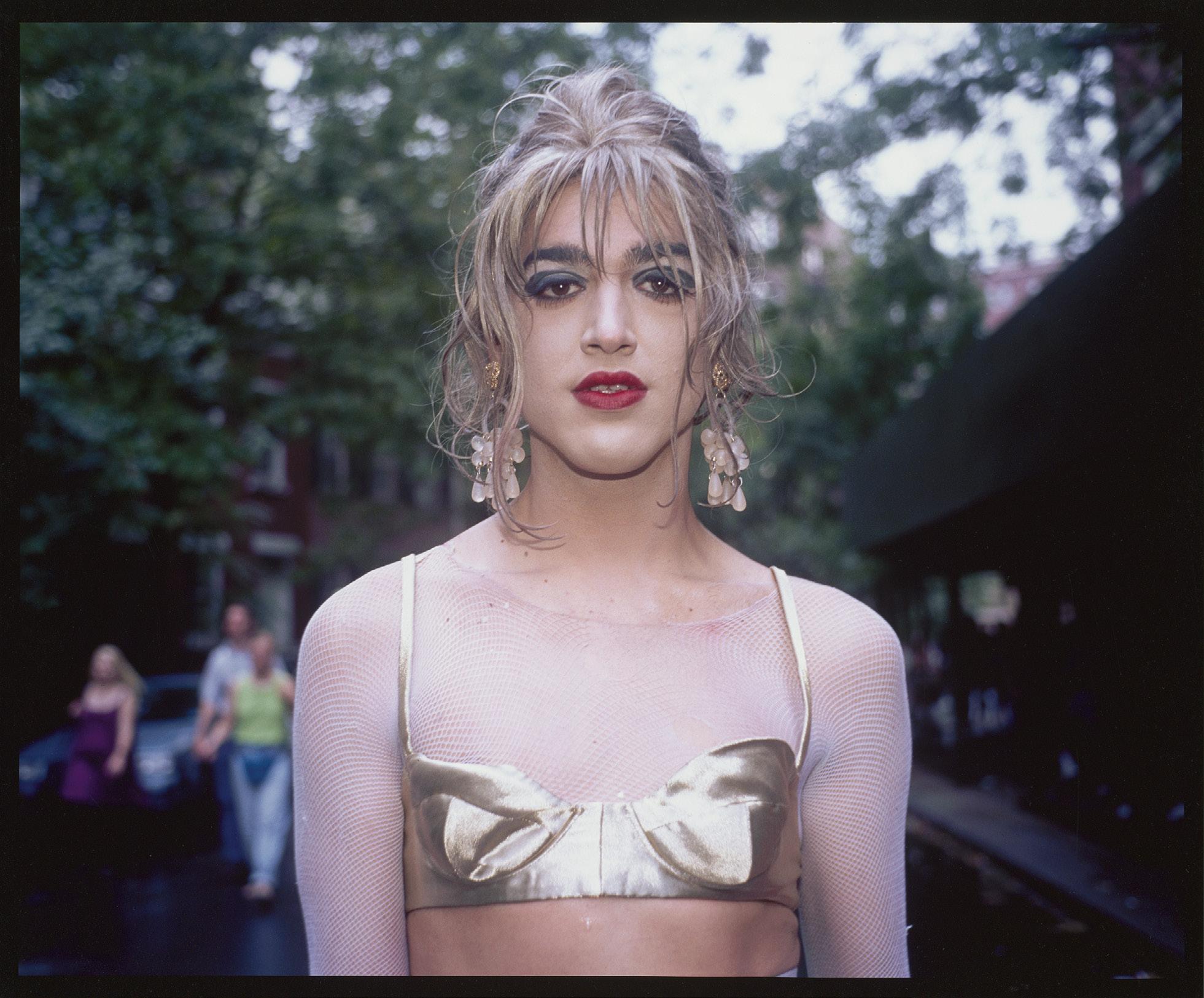
4177 Jimmy Paulette after the Parade, New York. 1991. Cibachrome print, printed 1990s. 50,7 x 61 cm. Signed by the photographer in felt-tip pen on the verso. 2.500 €
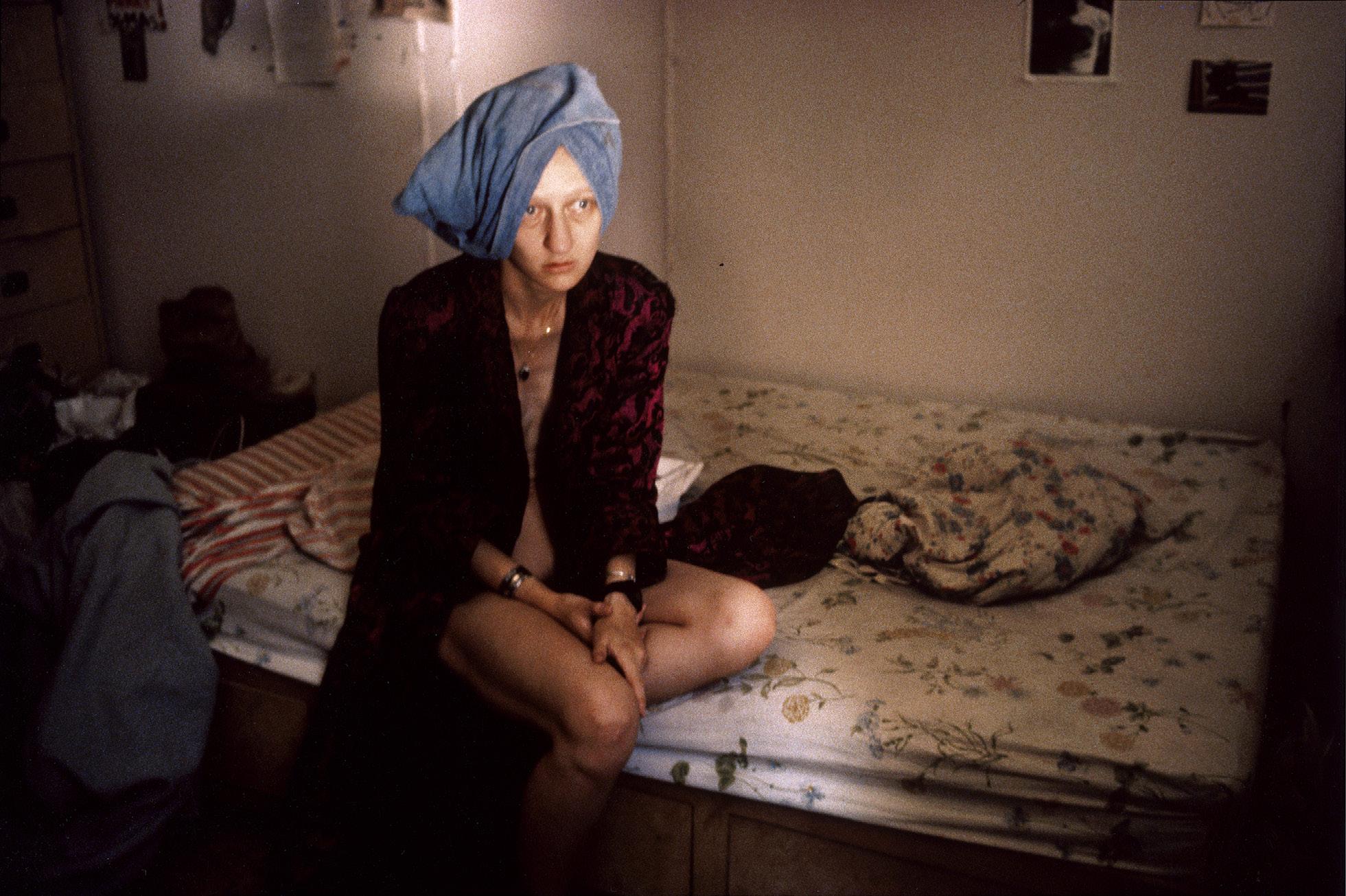
4178 Suzanne on her bed. 1983. Cibachrome print.
50,8 x 61 cm. Signed and dedicated “Für Gudrun mit meine bessen” in black marker on the verso.
3.000 €
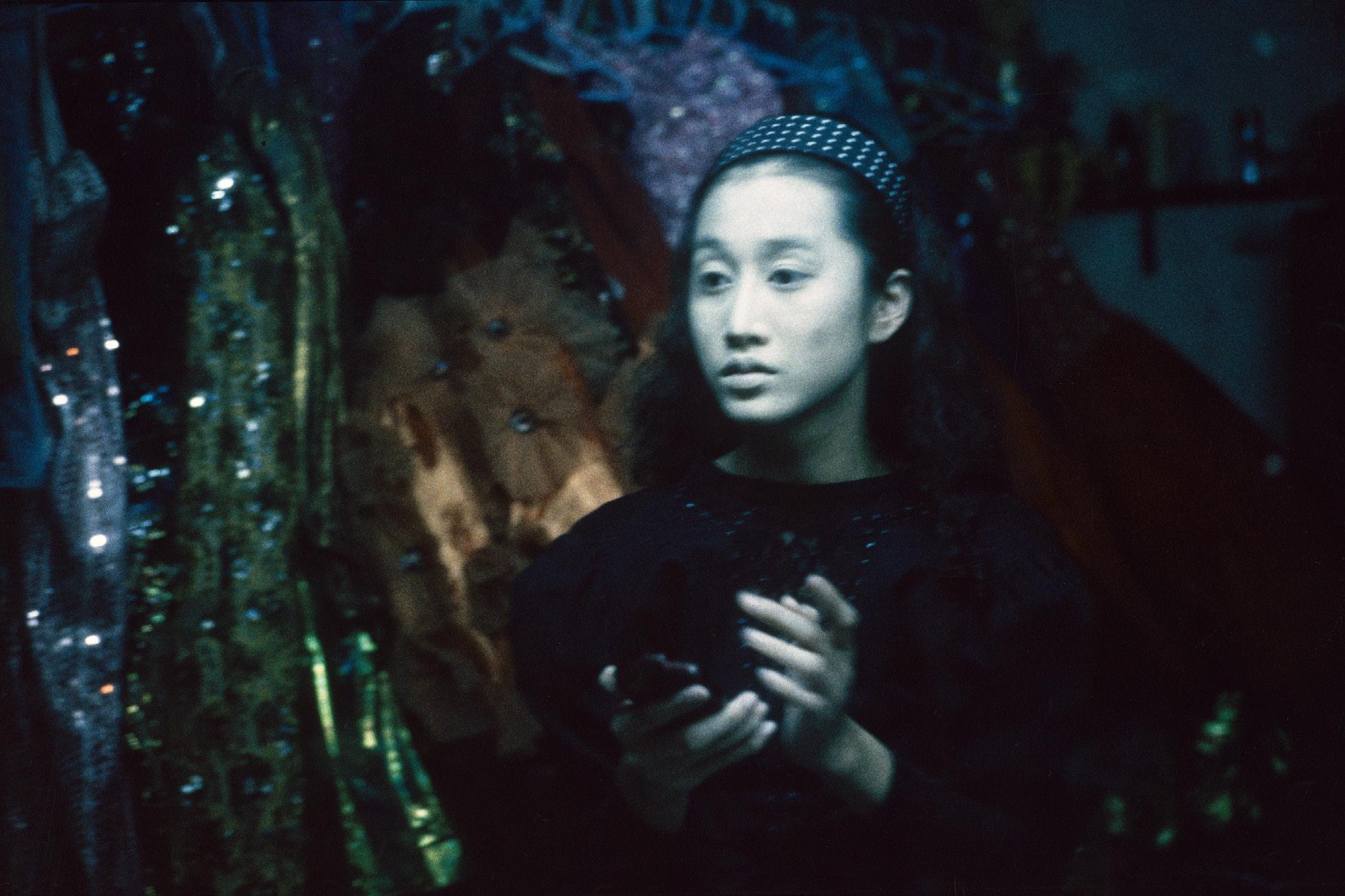
4179 Yogo in the mirror, Bangkok. 1992. Chromogenic print. 50,5 x 69 cm. Signed, titled, dated, and dedicated “Fur Gudrun mit meine bessen” in black marker on the verso.
4.000 €
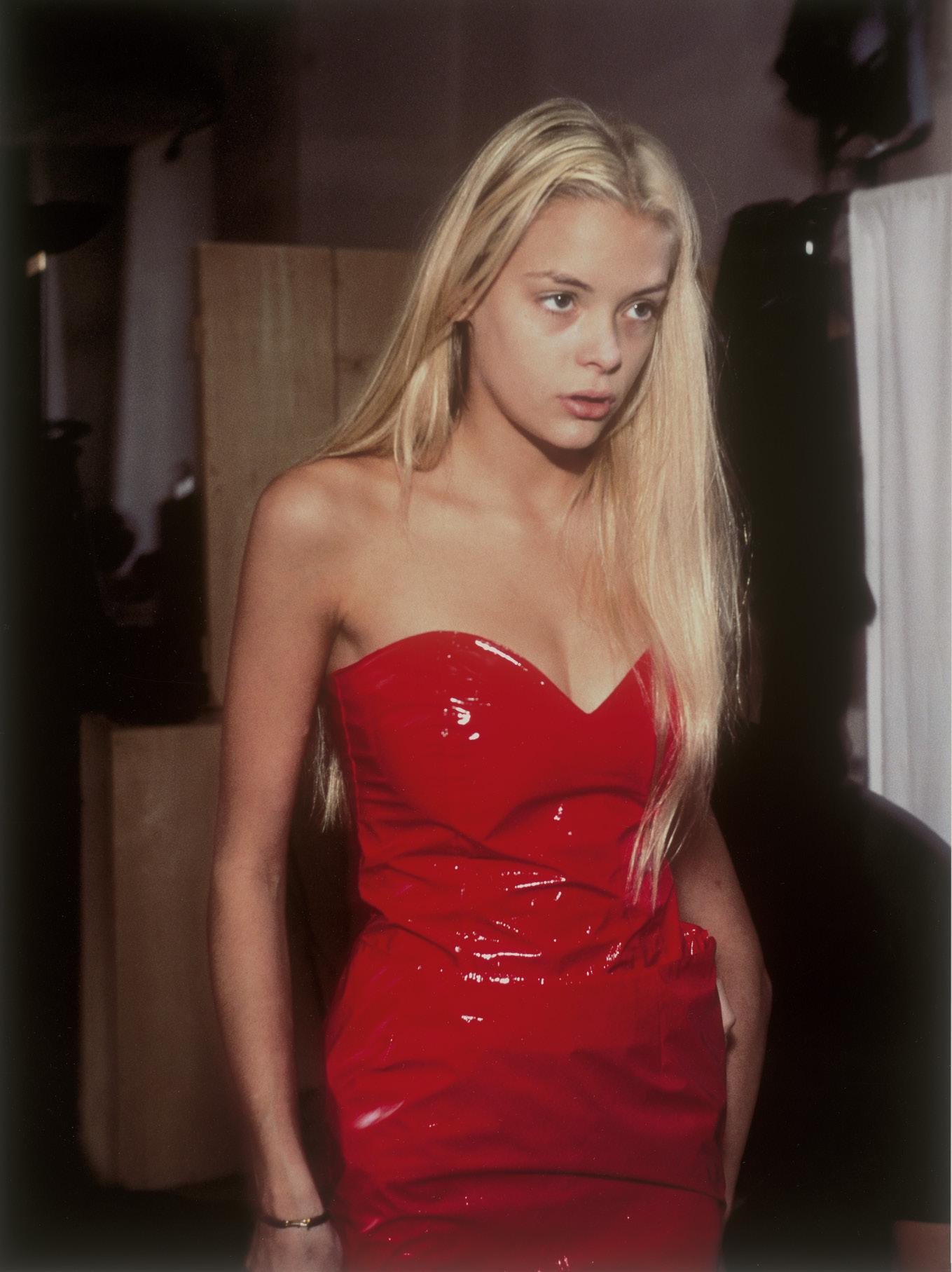
4180* James at a Jean Colonna fitting, Paris. 1995. Cibachrome print. 60,5 x 45,2 cm. Signed and editioned „AP I“ by the photographer in felt-tip pen on the verso. Framed under glass in wooden frame.
2.500 €
Nan Goldin’s „James King: Supermodel“ series offers a raw, intimate portrayal of teenage model Jaime (James) King, who rose to prominence in the mid-1990s - a transitional moment
between the height of the supermodel era and the rise of the so-called “heroin chic” aesthetic. At just sixteen, King was thrust into a fashion world marked by unattainable beauty ideals, the fetishization of youth, and the glamorization of drug culture. Goldin’s photographs avoid mythologizing this milieu; instead, they lay bare its emotional and psychological costs, capturing moments of vulnerability, fatigue, and the loss of innocence. This particular image of James King formed part of Goldin’s 1995 body of work on the model, though it was not included in the final portfolio of the same name.
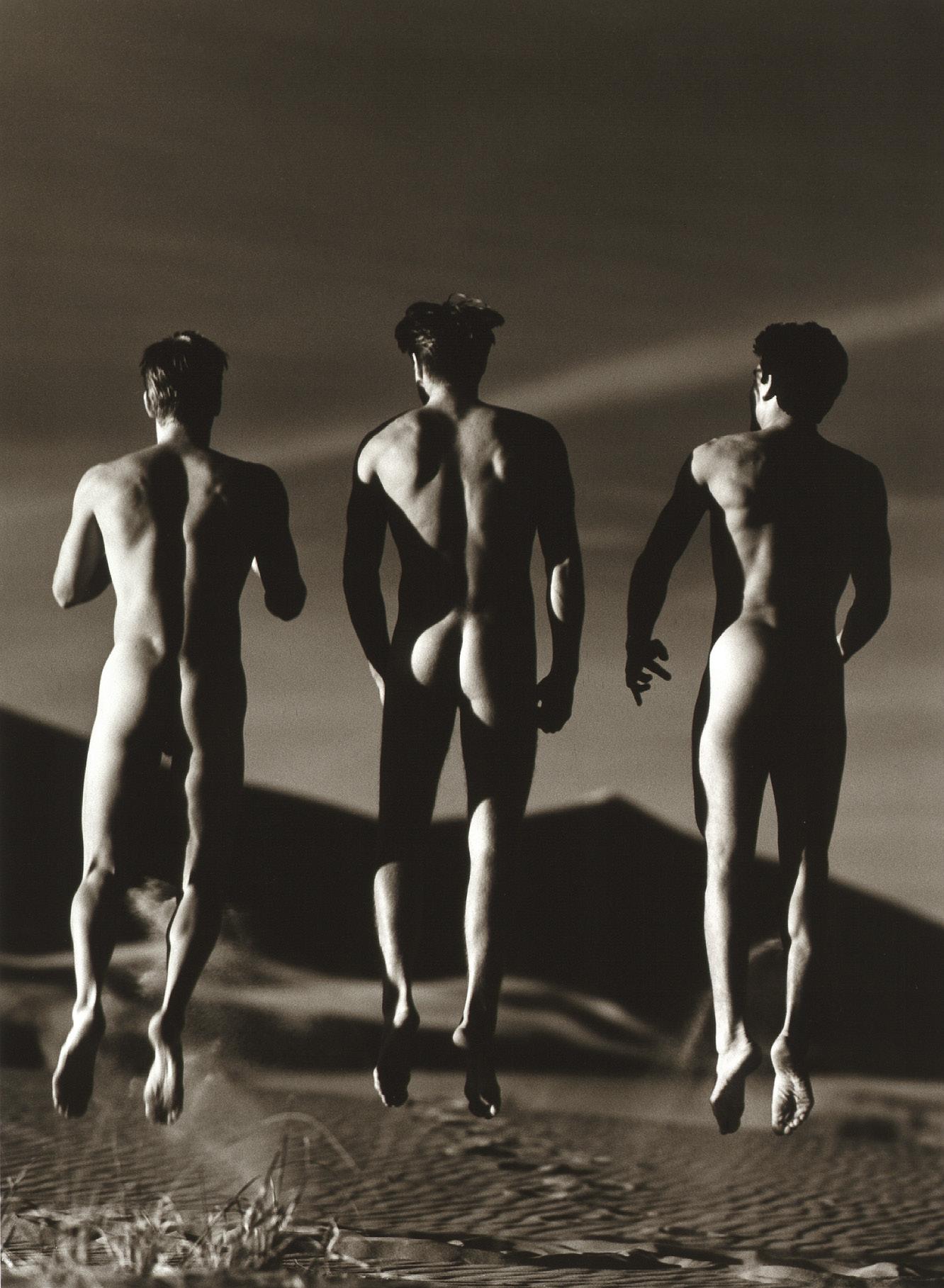
greg gorman (b. 1949)
4181 Three Boys Jumping. 1991. Vintage sepia-toned gelatin silver print. 48,2 x 35,5 cm (sheet 50,2 x 40,8 cm).
Photographer‘s stamp, therein signed, editioned „1/25“ and dated as well as number notation in pencil on the verso.
900 €
Greg Gorman is best known for his striking black-and-white portrait photography, capturing celebrities, artists, and cultural figures with a refined sense of drama and intimacy. His work is characterized by meticulous lighting, strong contrasts, and a timeless elegance that reveals both the glamour and vulnerability of his subjects. Beyond Hollywood portraiture, Gorman has also explored the male nude with a bold and sensual aesthetic, establishing his reputation in both commercial and fine art photography.
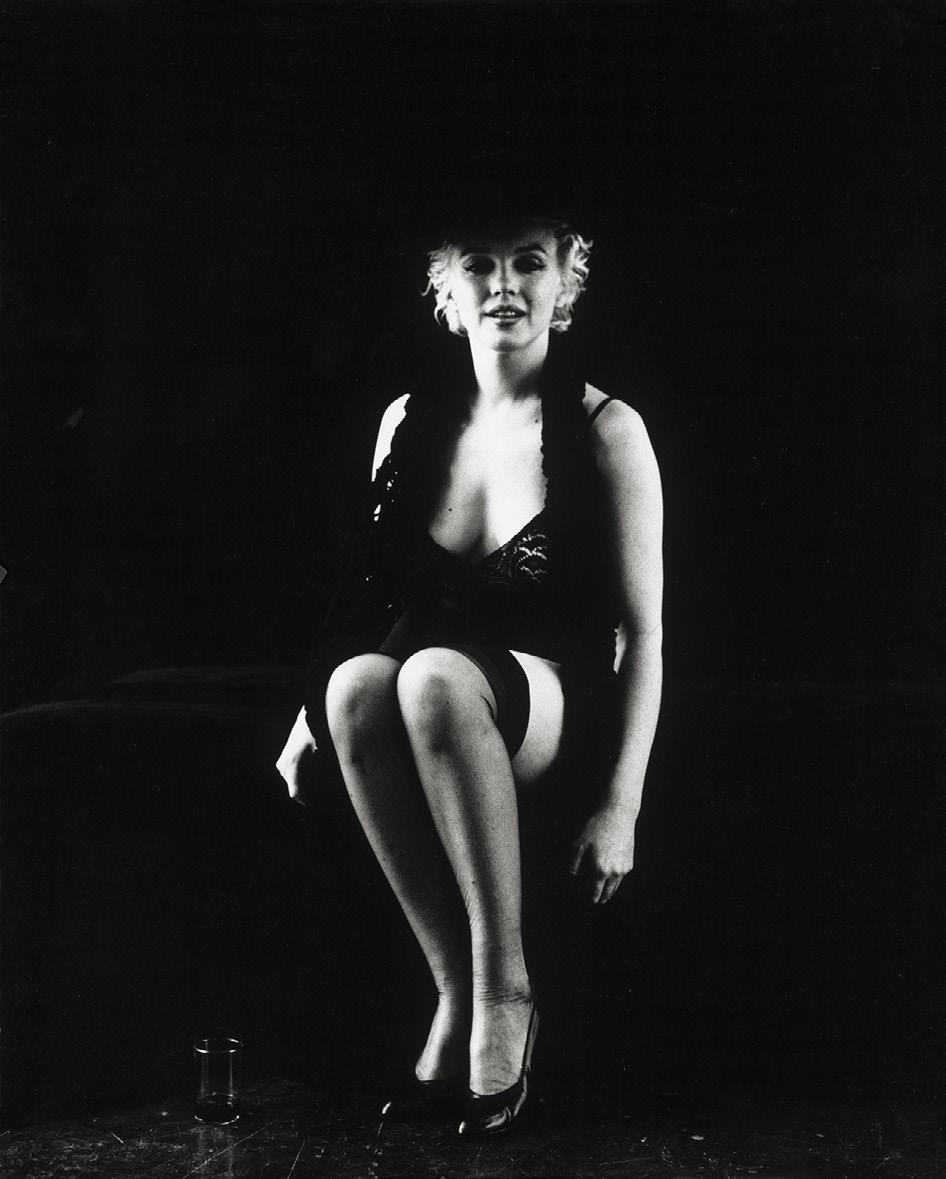
milton h. greene (1922–1985)
4182 Marilyn Monroe (from the „Black Sitting“). 1956. Large-format gelatin silver print, printed 1978. 50,3 x 40,2 cm. Photographer‘s „Authentic Original Photograph by: Milton H. Greene“ stamp, therein signed and dated by the photographer in ink on the verso.
1.200 €
Milton H. Greene rose to prominence as a fashion photographer in the 1940s and 1950s, with work featured in Harper’s Bazaar and Vogue. He went on to photograph some of the most iconic figures of the era, including Elizabeth Taylor, Frank Sinatra, Audrey Hepburn, Grace Kelly, Ava Gardner, Sammy Davis Jr., Catherine Deneuve, Marlene Dietrich, and Judy Garland. His close professional relationship with Marilyn Monroe led to the founding of Marilyn Monroe Productions, a bold move to give her greater control over her career. Greene and Monroe collaborated on more than 50 photo sessions, including the celebrated „Black Sitting“, from which the photograph offered here originates.
Lit.: Joshua Greene, ed. Milton‘s Marilyn. Munich: Schirmer/ Mosel, 1998, ill. p. 158 ff. (images from the same sitting).
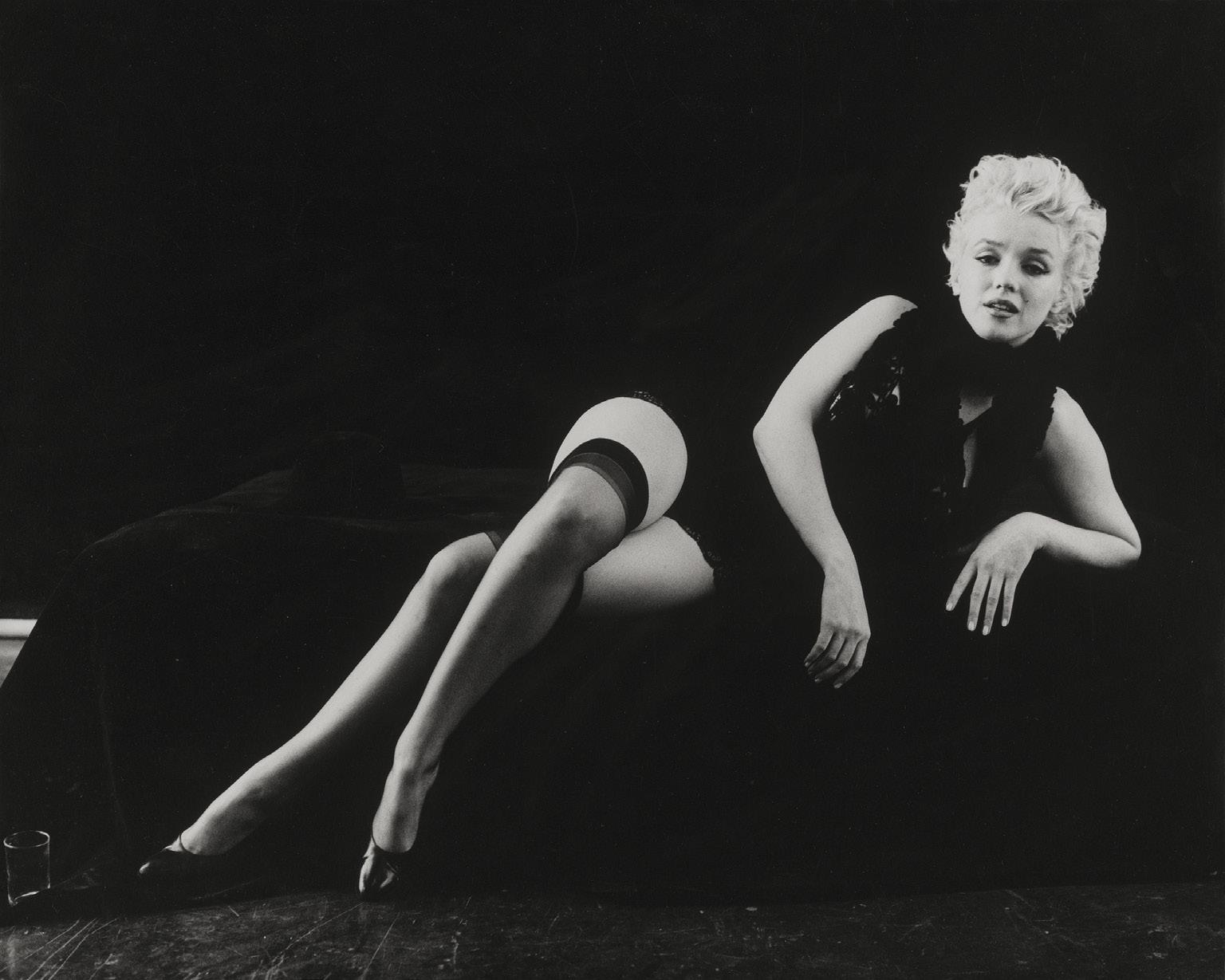
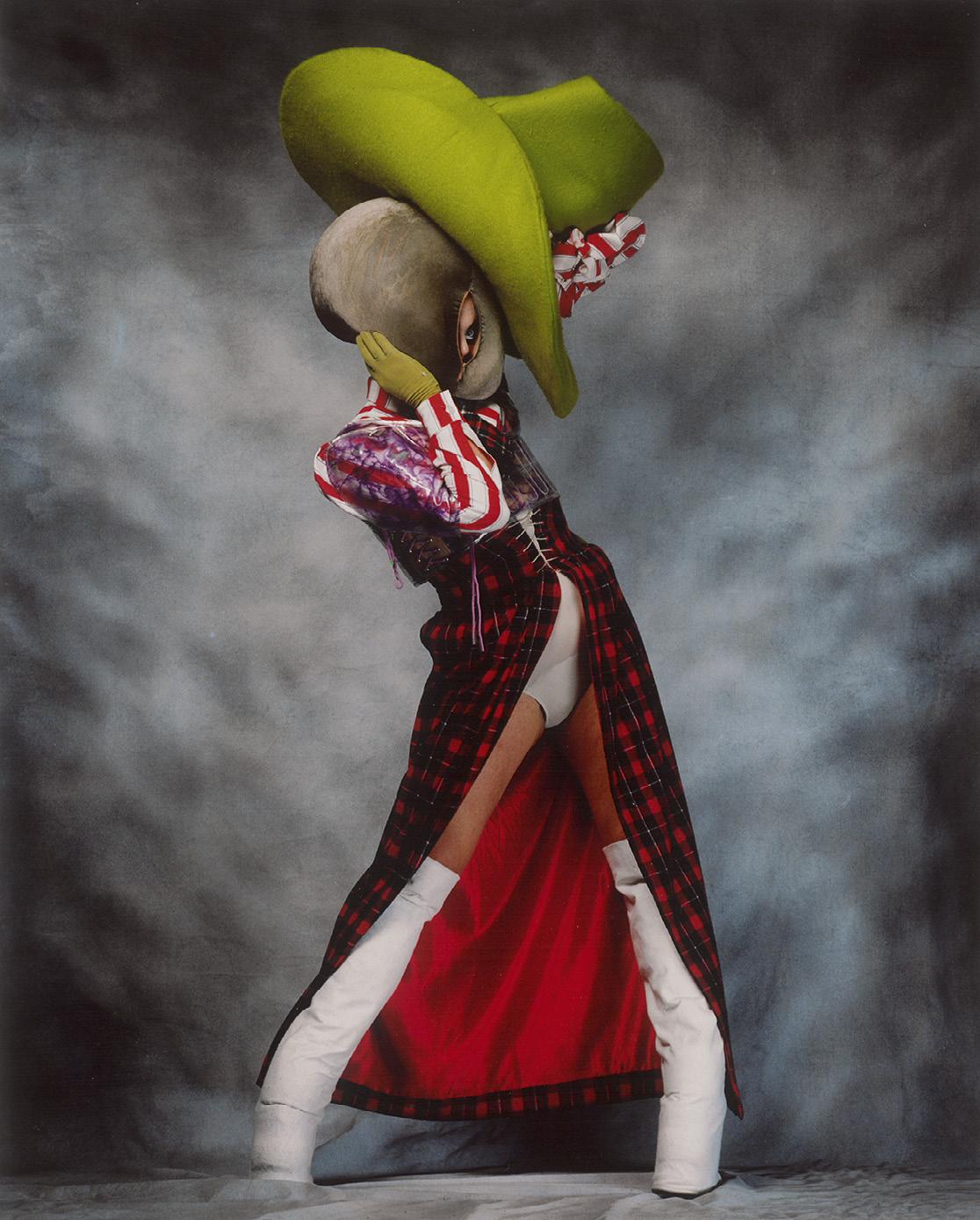
4183 Marilyn Monroe (from the „Black Sitting“). 1956. Large-format gelatin silver print, printed 1978. 40,3 x 50,5 cm. Photographer‘s „Authentic Original Photograph by: Milton H. Greene“ stamp, therein signed and dated by the photographer in ink on the verso.
1.200 €
Lit.: Joshua Greene, ed. Milton‘s Marilyn. Munich: Schirmer/ Mosel, 1998, ill. p. 158 ff. (images from the same sitting).
fergus greer (b. 1961)
4184 Leigh Bowery: Season VI, Look 31. March 1992. Digital color print on Fuji Crystal Archive paper. 37 x 30,2 cm. With loose typed print label, signed by the photographer in ink and editioned „2/10“.
1.200 €
Fergus Greer began his career in 1987 as a studio assistant, working with photographers such as Richard Avedon before becoming studio manager and assistant to Terence Donovan. In 1988 he met the performance artist Leigh Bowery, initiating a close collaboration that lasted until Bowery’s death in 1994. During this period, Greer also established himself through commercial and editorial commissions, contributing to publications including The Sunday Times Magazine, Vanity Fair, Fortune, The New York Times Magazine, and The New Yorker. In 1997, he relocated to Los Angeles, further expanding his international reputation as a portrait photographer. His sitters range from royalty and artists to actors, musicians, politicians, and athletes. His work has been recognized with two solo exhibitions at the National Portrait Gallery in London (2001 and 2006), which also holds a significant group of his portraits.
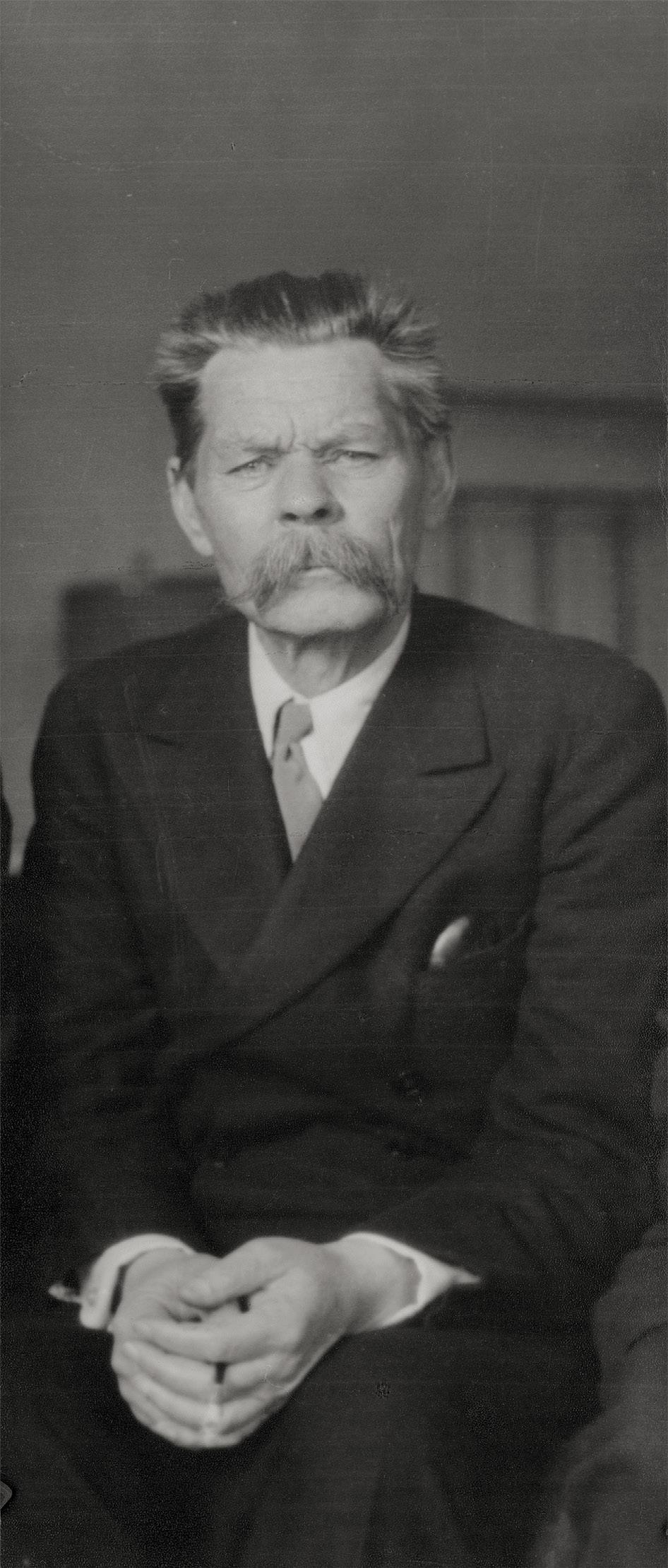
alexander grinberg (1885–1979)
4185 Portrait of Maxim Gorky. 1928/29. Vintage gelatin silver print. 27,7 x 11,8 cm. Signed and annotated by the photographer in ink and annotated by another hand in pencil on the verso.
600 €
Maxim Gorky (born Alexei Maximovich Peshkov) was a central figure in Russian and Soviet literature and a committed advocate of socialist ideals. Nominated five times for the Nobel Prize in Literature, he rose to prominence through works shaped by his early years of hardship and extensive travels across the Russian Empire, during which he held a wide range of jobs. These formative experiences informed his literary voice and subject matter. Gorky maintained close ties with leading contemporaries such as Leo Tolstoy and Anton Chekhov, both of whom he later reflected upon in his memoirs.
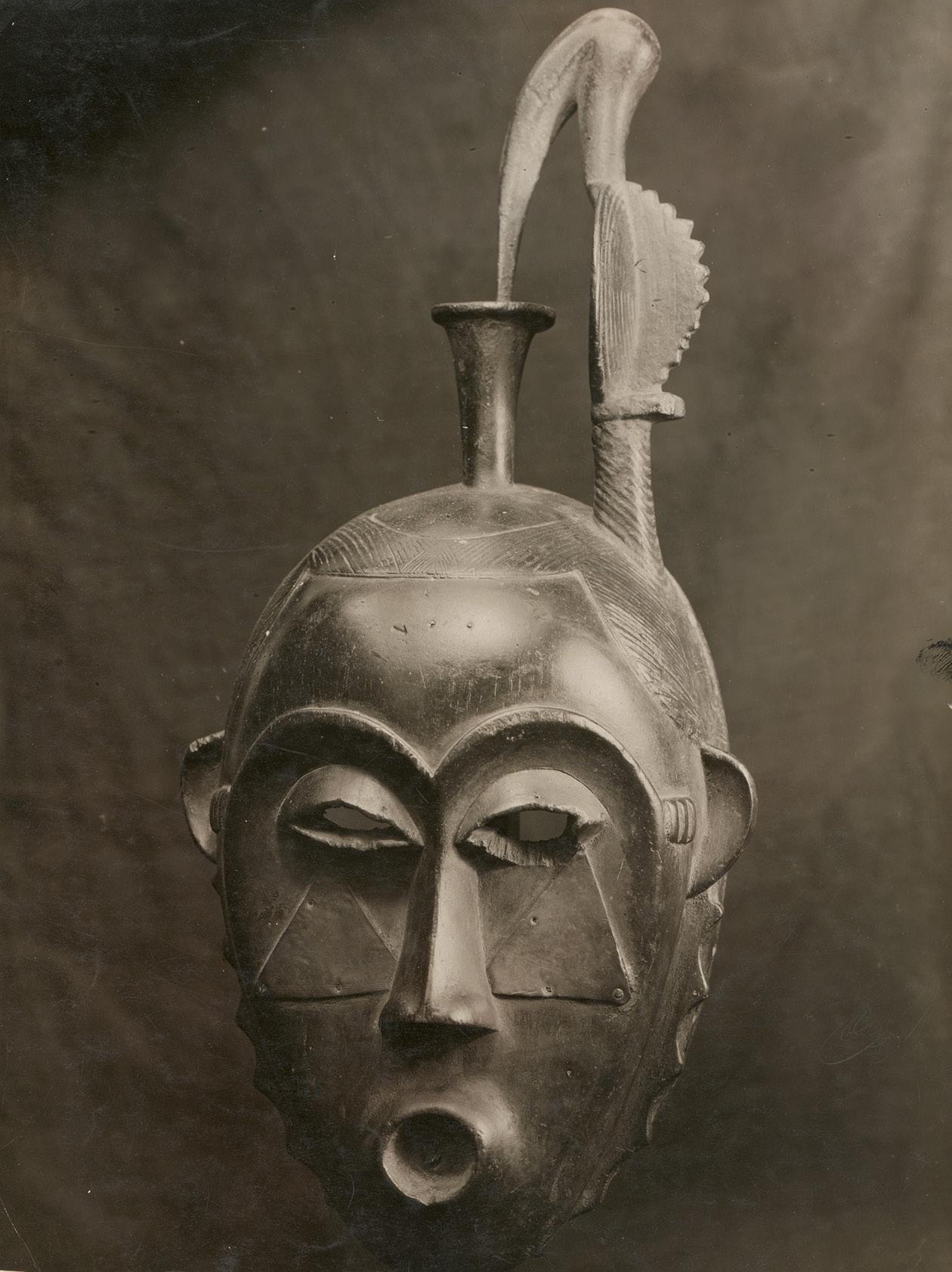
4186
paul guillaume (1891–1934)
4186 A frican Mask, Ivory Coast. 1929. Vintage gelatin silver print on chamois paper. 28,6 x 21,5 cm. Annotated in French and with layout notes in pencil on the verso.
1.200 €
Paul Guillaume was among a generation of dealers who embraced Cubism shortly before the First World War. He opened his first gallery in February 1914 at 6, rue de Miromesnil in Paris, promoting artists such as Giorgio de Chirico, André Derain, Jacques Lipchitz, Henri Matisse, Amedeo Modigliani, Francis
Picabia, and Chaïm Soutine. After the exile of Daniel-Henry Kahnweiler during the war, he emerged as a key figure in the Cubist market. He later moved to 59, rue La Boétie and developed a strong interest in African sculpture, which he both collected and promoted, organizing exhibitions, lending works internationally, and publishing on the subject. Photographers such as Man Ray documented pieces from his collection. The present photograph, depicting an African mask formerly in Guillaume’s collection, was likely used for publication in La Sculpture nègre primitive by Paul Guillaume and Thomas Munro (Paris: G. Crès et Cie., 1929, pl. 6; photographer not credited).
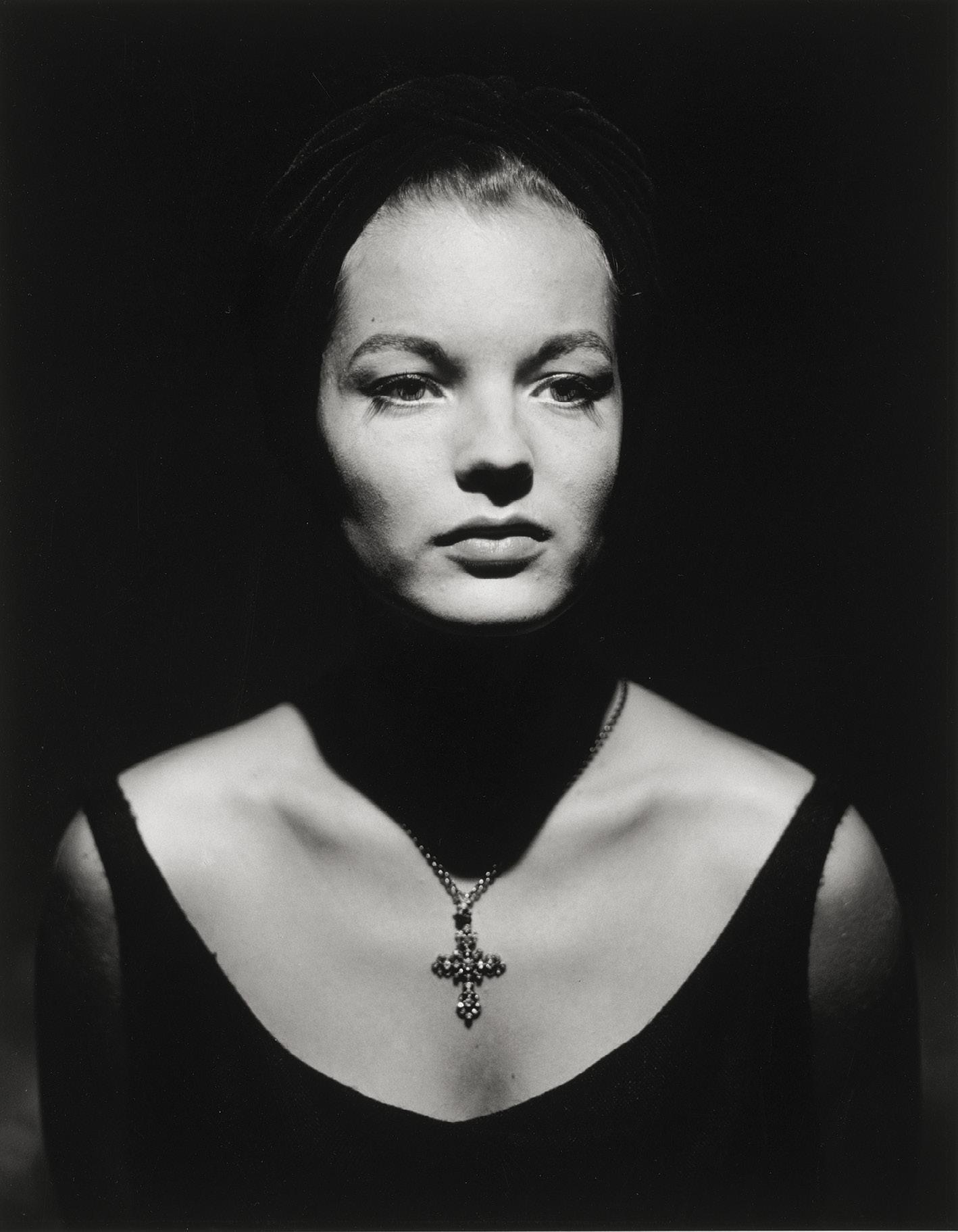
f.c. gundlach (1926–2021)
4187 Romy mit Kreuz, Hamburg. 1962. Gelatin silver print, printed 1980s. 39 x 30,2 cm (sheet 50,3 x 40 cm).
Signed, titled and dated by the photographer in pencil on the verso.
1.200 €
Spanning several decades, the career of F.C. Gundlach is a testament to his exceptional sense of composition, mastery of light, and an unwavering commitment to elegance. His work reflects
the essence of post-war Germany, including its evolv ing fashion and culture, effectively bridging the realms of photography and art. Gundlach‘s iconic fashion images and portraits of celebritie s have left an enduring mark on the industry, establishing him as a respected and influential figure in the realm of photography. Lit.: Published in: Film und Frau, no. 11, 1962, ill. p. 10 (“Die andere Romy Schneider”).
Klaus Honnef and Hans-Michael Koetzle, eds. F.C. Gundlach: Das fotografische Werk. Göttingen: Steidl, 2008, ill. p. 270.
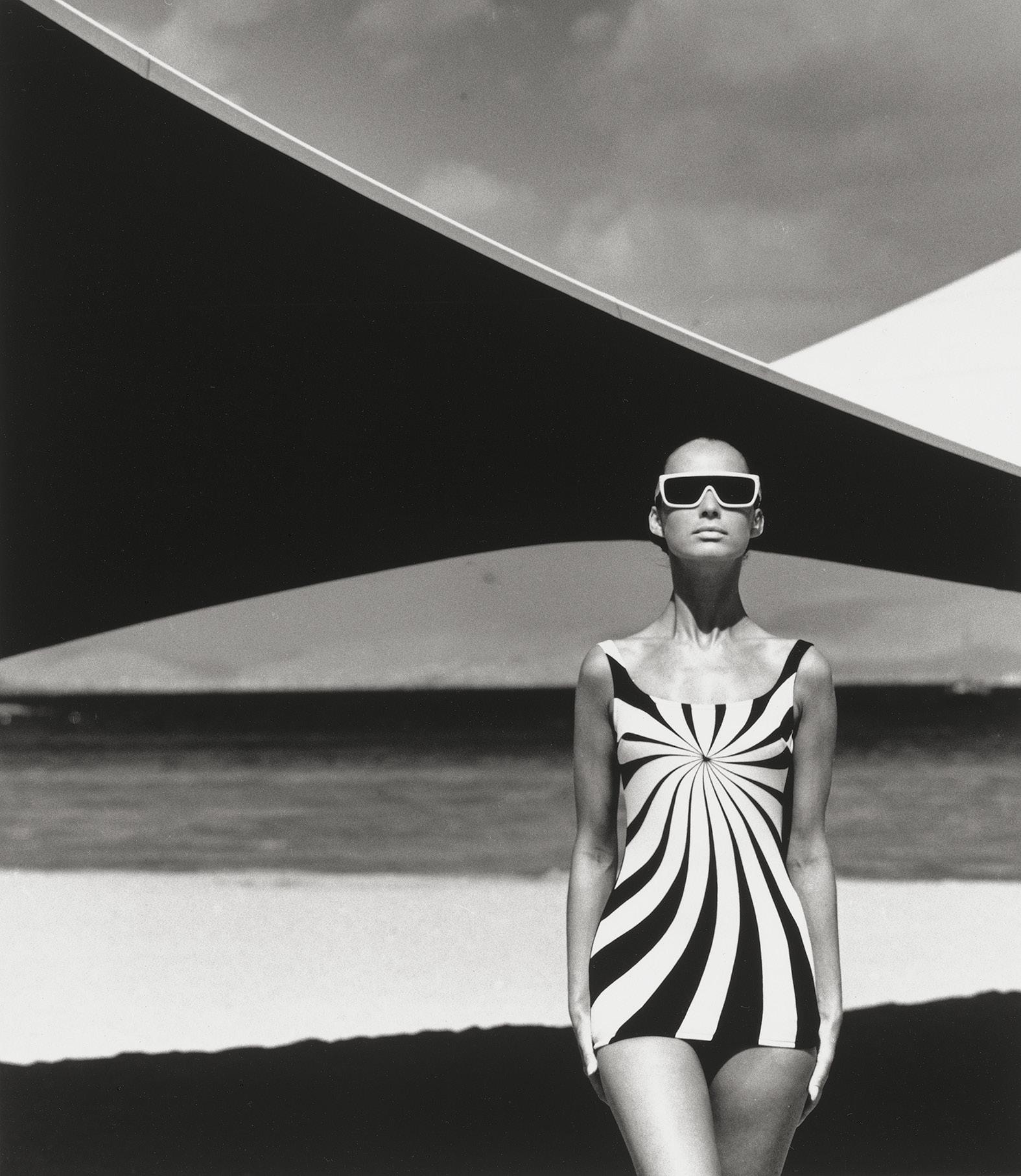
4188 Op-Art Design, Athen, Brigitte Bauer. 1966. Gelatin silver print. 35,4 x 30,7 cm (sheet 50,5 x 40,5 cm). Signed, titled and dated in pencil on the verso. 2.000 €
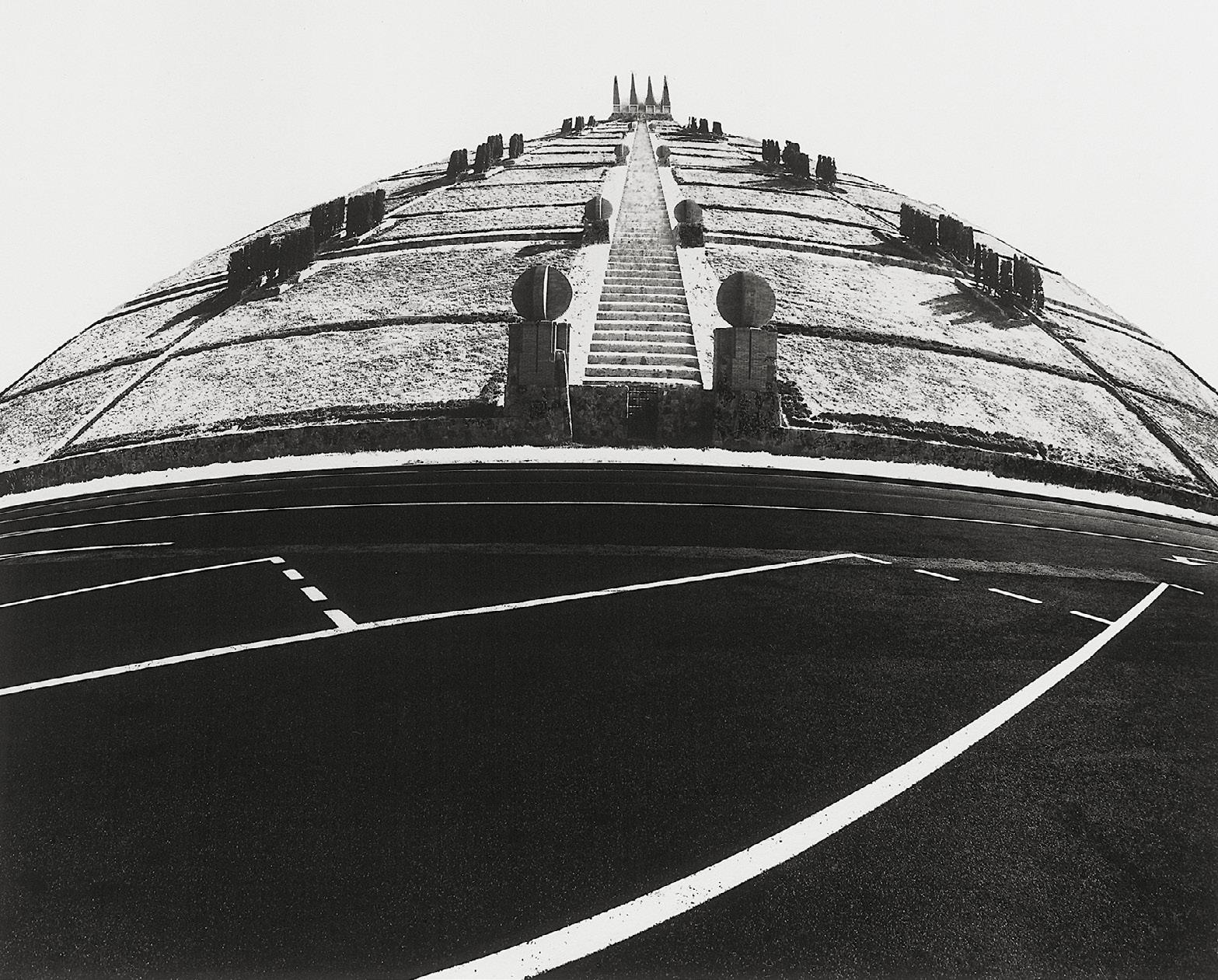
robert häusser (1924–2013)
4189 Störung. 1971. Archival pigment print, printed later. 30 x 39,5 cm (sheet 40 x 50 cm). Signed, titled, dated and editioned „I/V“ by the photographer in pencil in lower margin.
900 €
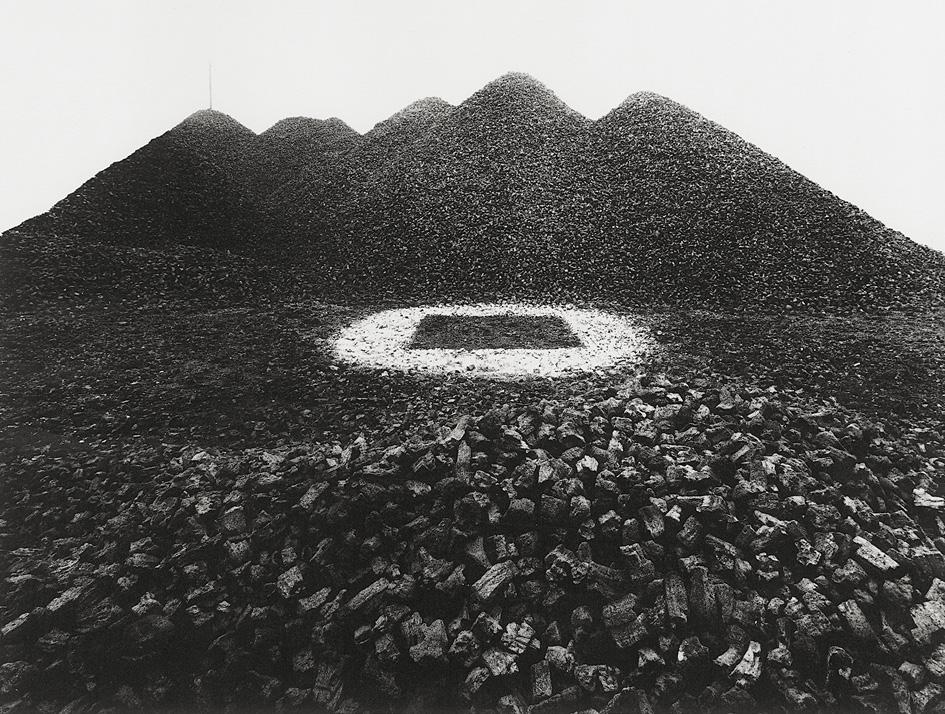
Throughout his career, Robert Häusser consistently showed an extraordinary talent for capturing the quintessence of his subjects, whether they were people, landscapes, or still lifes. His photography is marked by a pervasive sense of timelessness, achieved through a particular dedication to detail and a keen eye for composition.
Lit.: Robert Häusser. Photographische Bilder: Werkübersicht der Jahre 1941-1987 (exhibition catalog). Stuttgart 1988, ill. p. 99.
4190 Unwirkliche Landschaft. 1980. Archival pigment print, printed later. 30 x 37 cm (sheet 40 x 50 cm). Signed, titled, dated and editioned „II/V“ by the photographer in pencil in lower margin.
900 €
Lit.: Robert Häusser. Photographische Bilder: Werkübersicht der Jahre 1941-1987 (exhibition catalog). Stuttgart 1988, ill. p. 91.
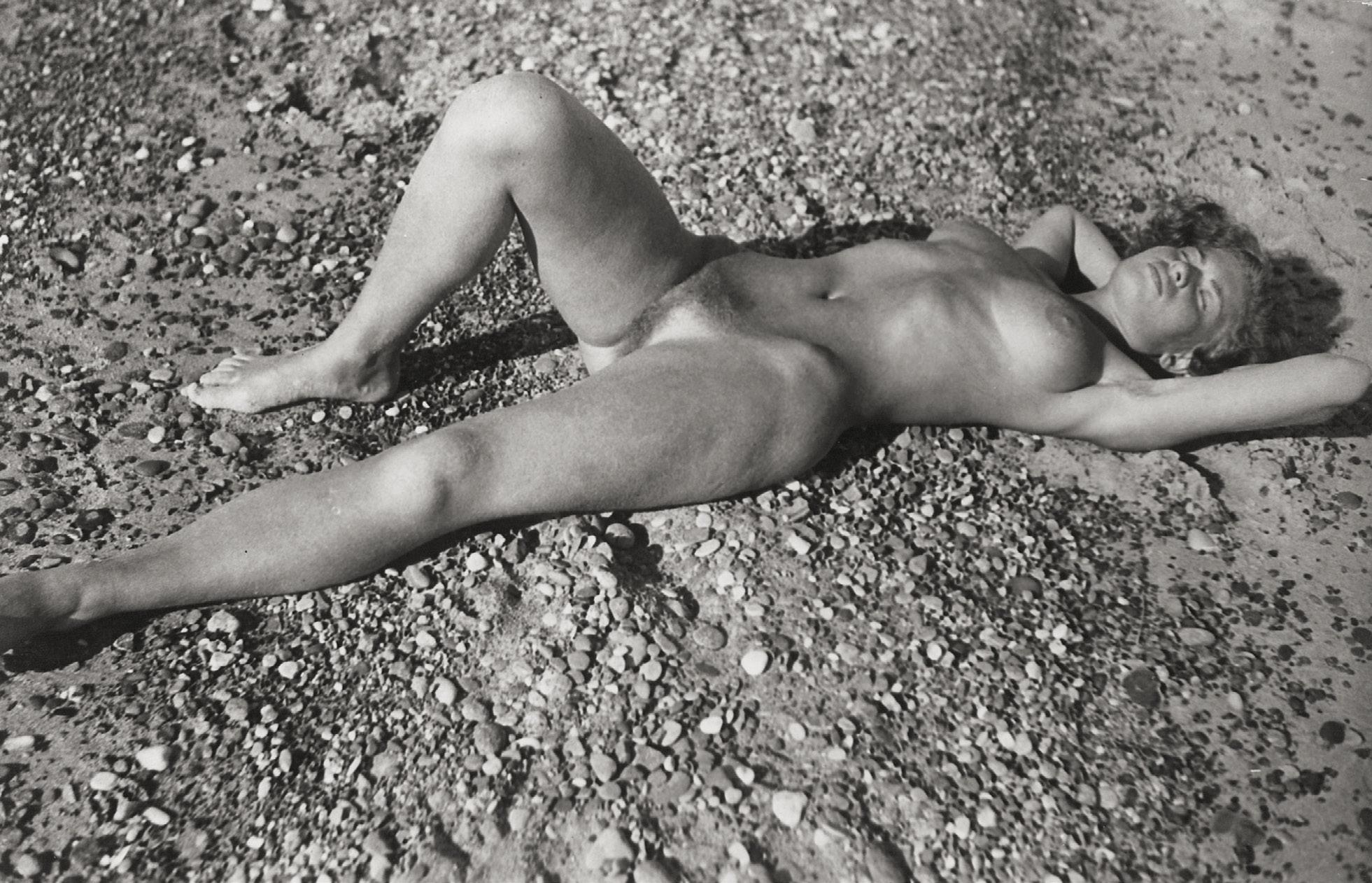
4191 Female nude on rocky beach. 1930/31. Vintage gelatin silver print, tipped to original card and hingemounted to mat. 15,3 x 23,8 cm (mount 25 x 27,5 cm). Signed by the photographer in pencil below the image on mount recto.
1.800 €
Raoul Hausmann’s nude photographs from the late 1920s-early 1930s, mark a shift from his Dada practice toward a more lyrical and experimental engagement with the human body. Often set in natural coastal landscapes, his figures are integrated into their surroundings, emphasizing movement, light, and texture rather than idealized form. Through unconventional cropping and a sense of immediacy, these works reflect the broader currents of New Vision photography while retaining a distinctly personal and exploratory character.
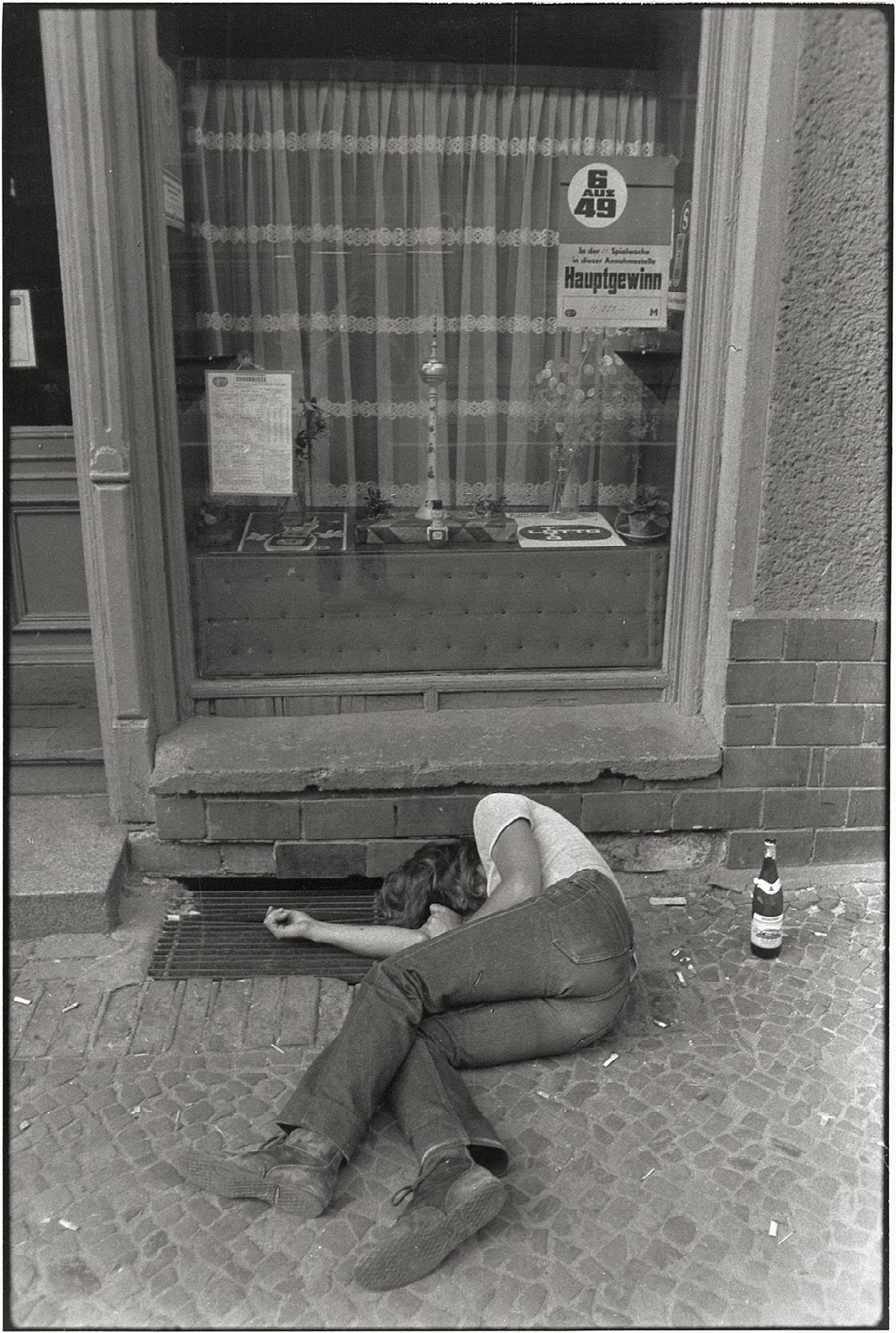
harald hauswald (b. 1954)
4192 Berlin, Eberswalder Str. 1982. Vintage gelatin silver print. 29,4 x 19,8 cm. Signed, titled, and dated by the photographer in pencil in the lower margin.
750 €
Harald Hauswald’s photographic practice is defined by a direct and unembellished documentary approach, through which he recorded everyday life in the GDR from the late 1970s onward. Moving through East Berlin as both participant and observer, he captured scenes of daily routine, youth culture, and urban decay, revealing the tensions between official ideology and lived reality.
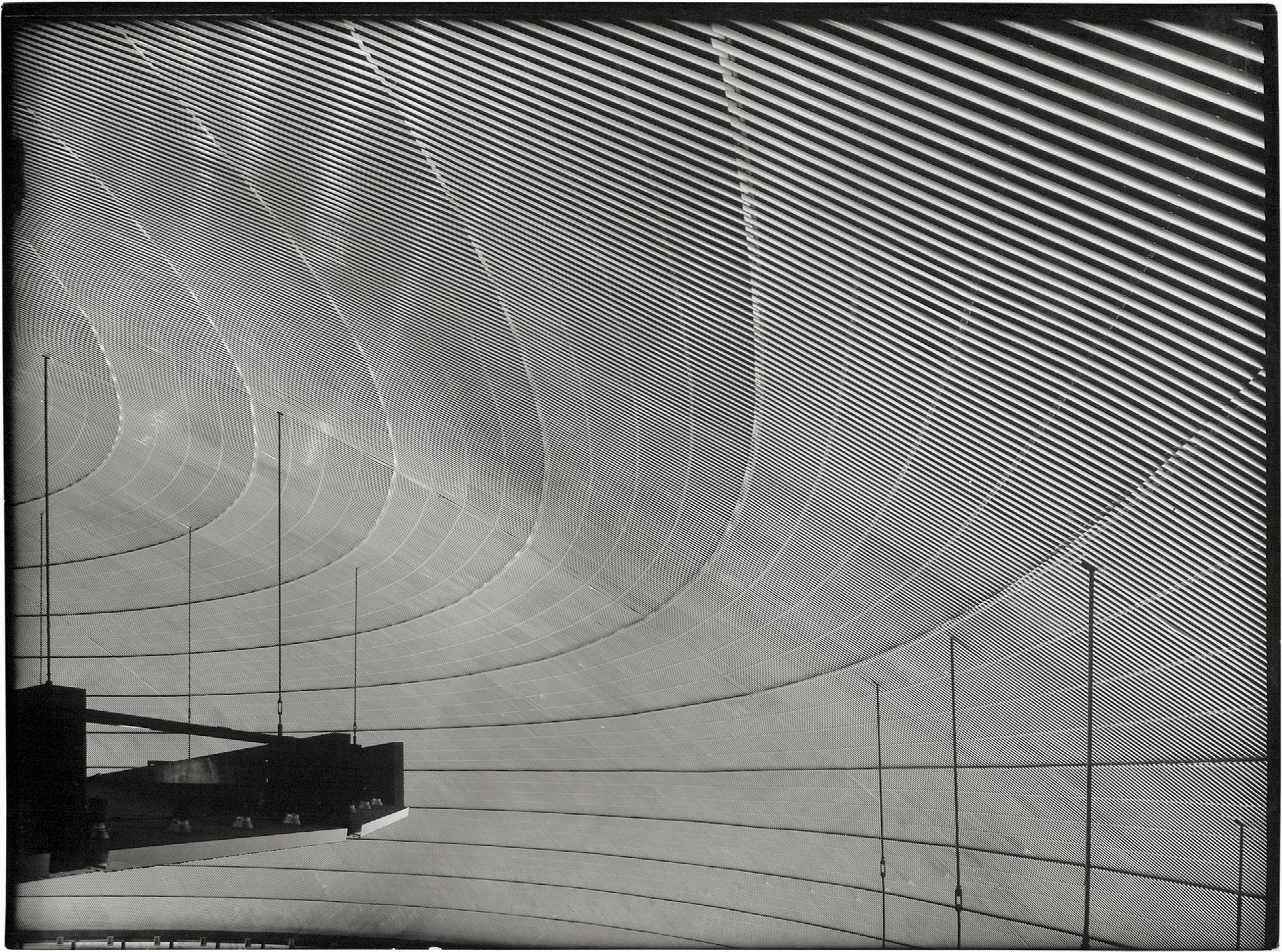
heinrich heidersberger (1906–2006)
4193 Feierabendhalle Farbwerke Hoechst, Frankfurt. 1963. Vintage ferroytped gelatin silver print on AgfaPortriga paper. 18 x 24,2 cm. Photographer‘s stamp and annotated in pencil on the verso.
1.200 €
The German photographer Heinrich Heidersberger is best known for his architectural and industrial images, which helped shape the visual language of postwar modernism in West Germany. His work is characterized by precise, graphic compositions and a strong sense of form, while his experimental practice – most notably the abstract “rhythmograms” – reveals a parallel interest in movement and light.
Lit.: Bernd Rodrian and Benjamin Heidersberger, eds. Heinrich Heidersberger: Architekturphotographie 1952–72. Göttingen: Steidl, 2000, ill. p. 53.
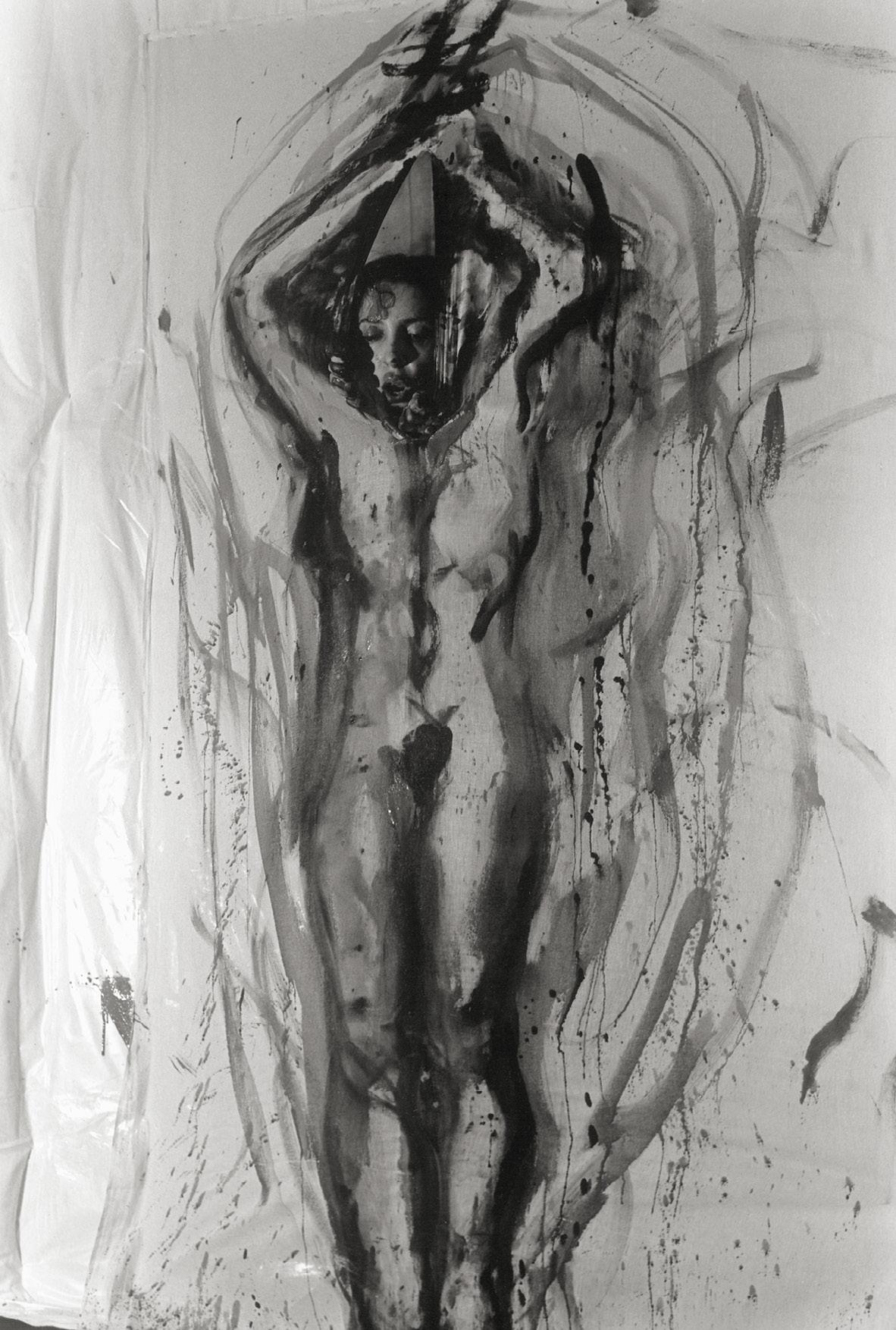
barbara heinisch (b. 1944)
4194 Photographer: Hans W. Mende (b. 1948). Aktion mit Evelyn Steiger, February 1981. 4 vintage gelatin silver prints, printed 1986. Each circa 39,8 x 29,8 cm. Each signed, annotated and dated by the artist on the verso.
800 €
Barbara Heinisch is a transdisciplinary German process painter whose work combines painting and performance, often in
collaboration with artists from dance and music. Trained at the Kunstakademie Düsseldorf under Joseph Beuys and later at the Hochschule der Künste Berlin as a master student of Karl Horst Hödicke, she developed a practice merging expressive figuration with gestural traces of movement. From the mid1970s, she began staging performative painting actions, marking a decisive shift in her work, including early “self-discovery” actions (1975), Blindportrait (1976), and her first fully develope d transdisciplinary process paintings in 1977.
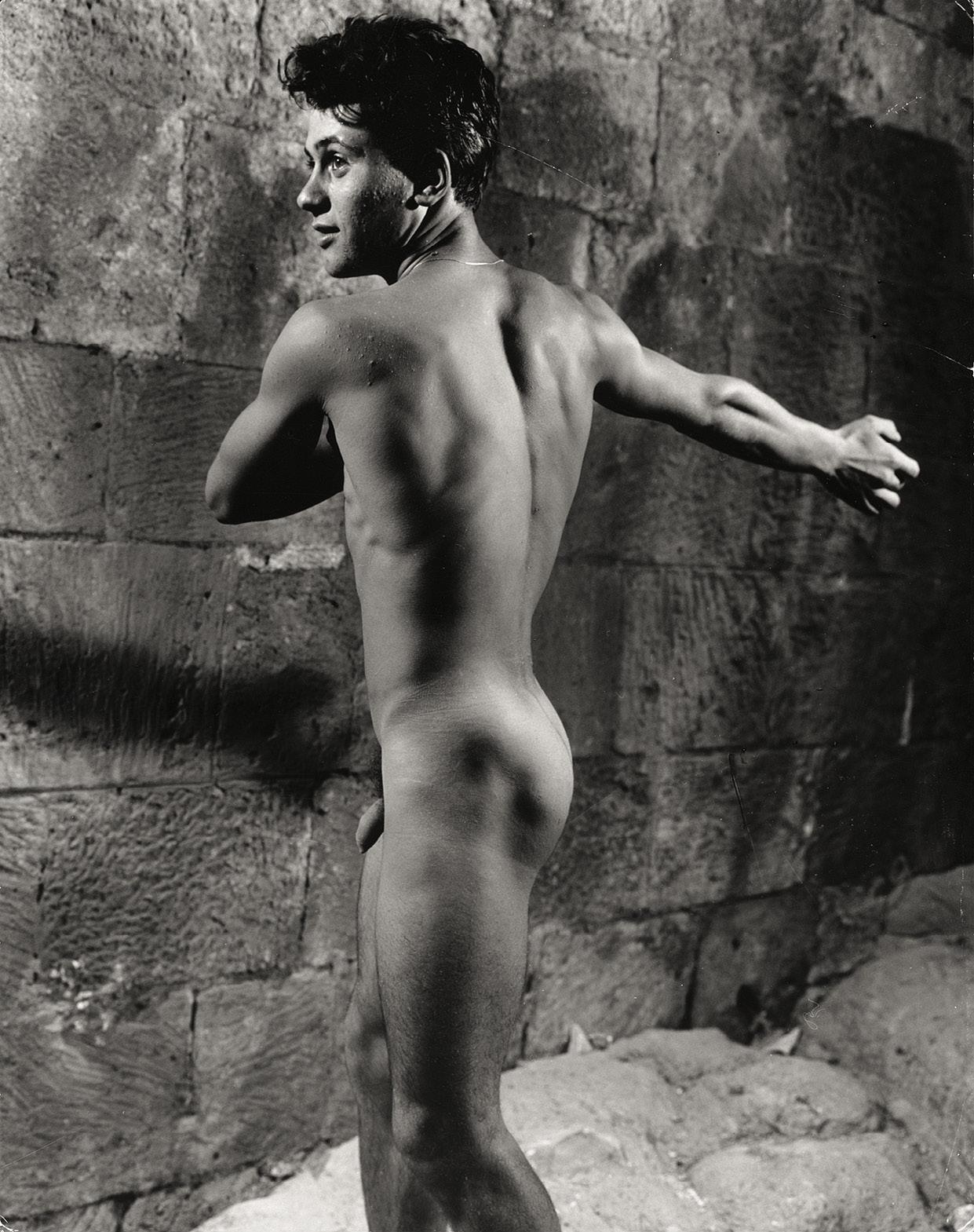
4195 Young male nude with outstretched arm. 1950s. Vintage ferrrotyped gelatin silver print on Leonar paper. 30,2 x 24 cm. Photographer‘s copyright/ studio label on the verso.
1.000 €
After returning from Soviet captivity in 1947, the German photographer and art historian Konrad Helbig devoted his work to the study and photographic documentation of Mediterranean cultures. While best known for his architectural and travel photography, he also produced intimate studies of young male nudes, often in Sicily. These photographs, situated within the tradition of Wilhelm von Gloeden and Guglielmo Plüschow, were revealed only after his death.
Lit.: Wolfgang von Wangenheim, ed. Konrad Helbig: Ragazzi Heidelberg: Braus, 2000.
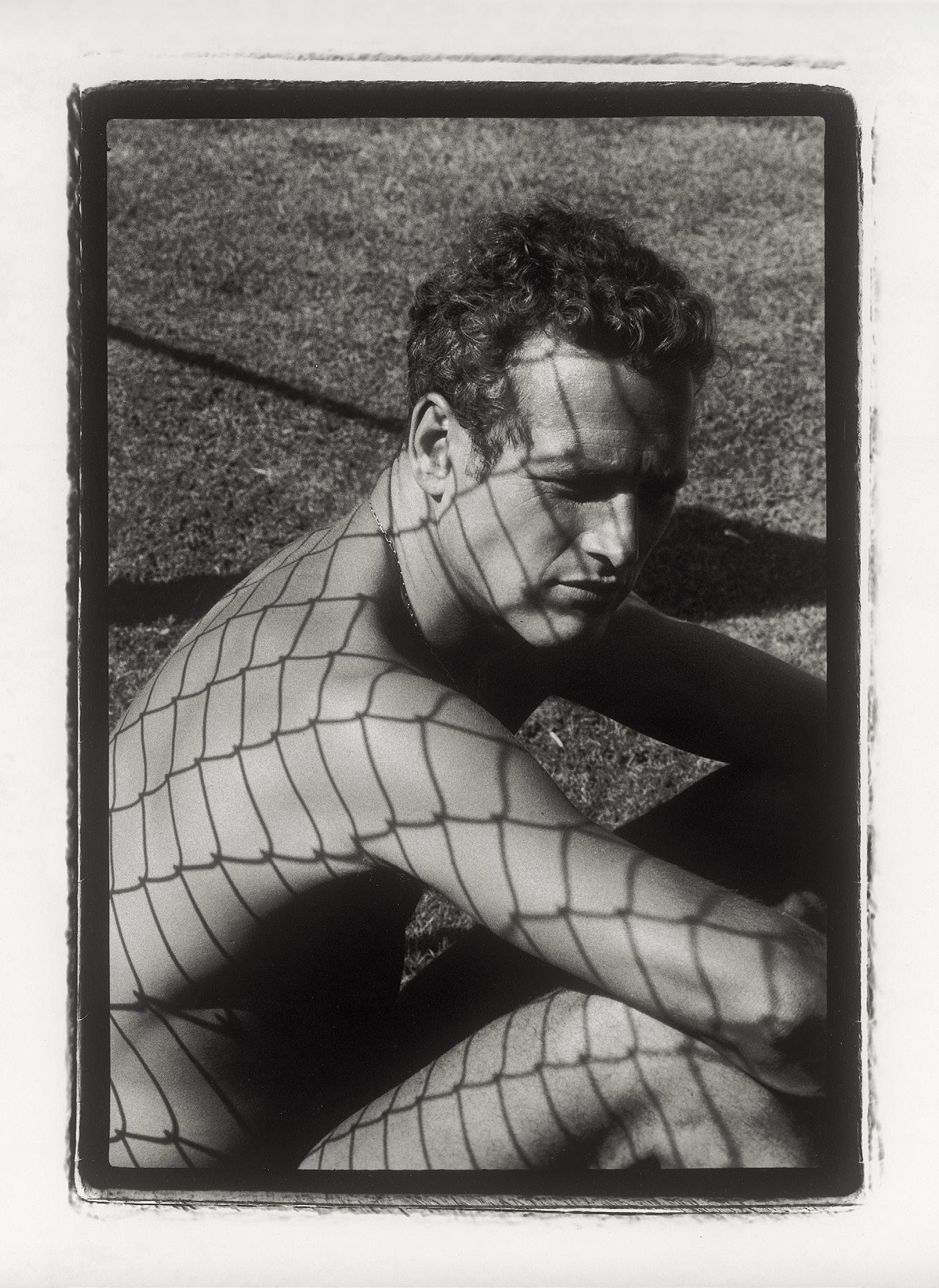
dennis hopper (1936–2000)
4196 Paul Newman. 1961. Gelatin silver print, printed later. 42 x 30 cm (sheet 50,8 x 40,7 cm). Signed, dated, and editioned “3/10” in pencil on the verso; with gallery label attached to the frame verso. Framed under glass in wooden frame.
3.000 €
Dennis Hopper is celebrated not only as an actor and filmmaker but also as a sharp-eyed chronicler of American counterculture. His portraits capture friends, artists, and cultural icons amid fleeting moments with cinematic intensity. Hopper’s photographs distill the spirit of a turbulent era through raw composition, quiet spontaneity, and a deep connection to his subjects. Provenance: Acquired by the present owner from Galerie Thaddäus Ropac
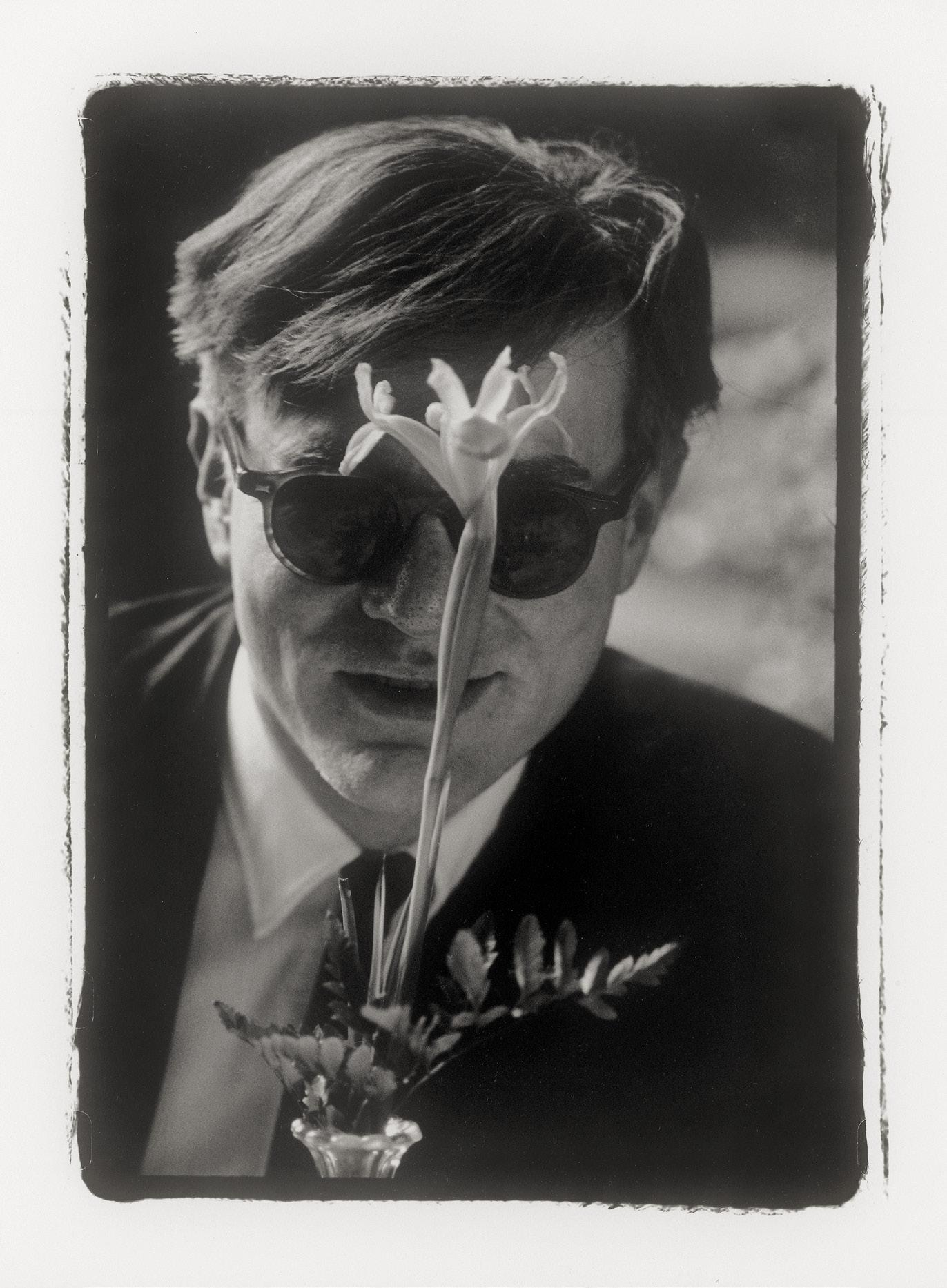
4197 Andy Warhol. 1963. Gelatin silver print, printed later. 39 x 28 cm (sheet 50,8 x 40,7 cm). Signed, dated, and editioned “4/10” in pencil on the verso; with gallery label attached to the frame verso. Framed under glass in wooden frame.
4.000 €
Provenance: Acquired by the present owner from Galerie Thaddäus Ropac
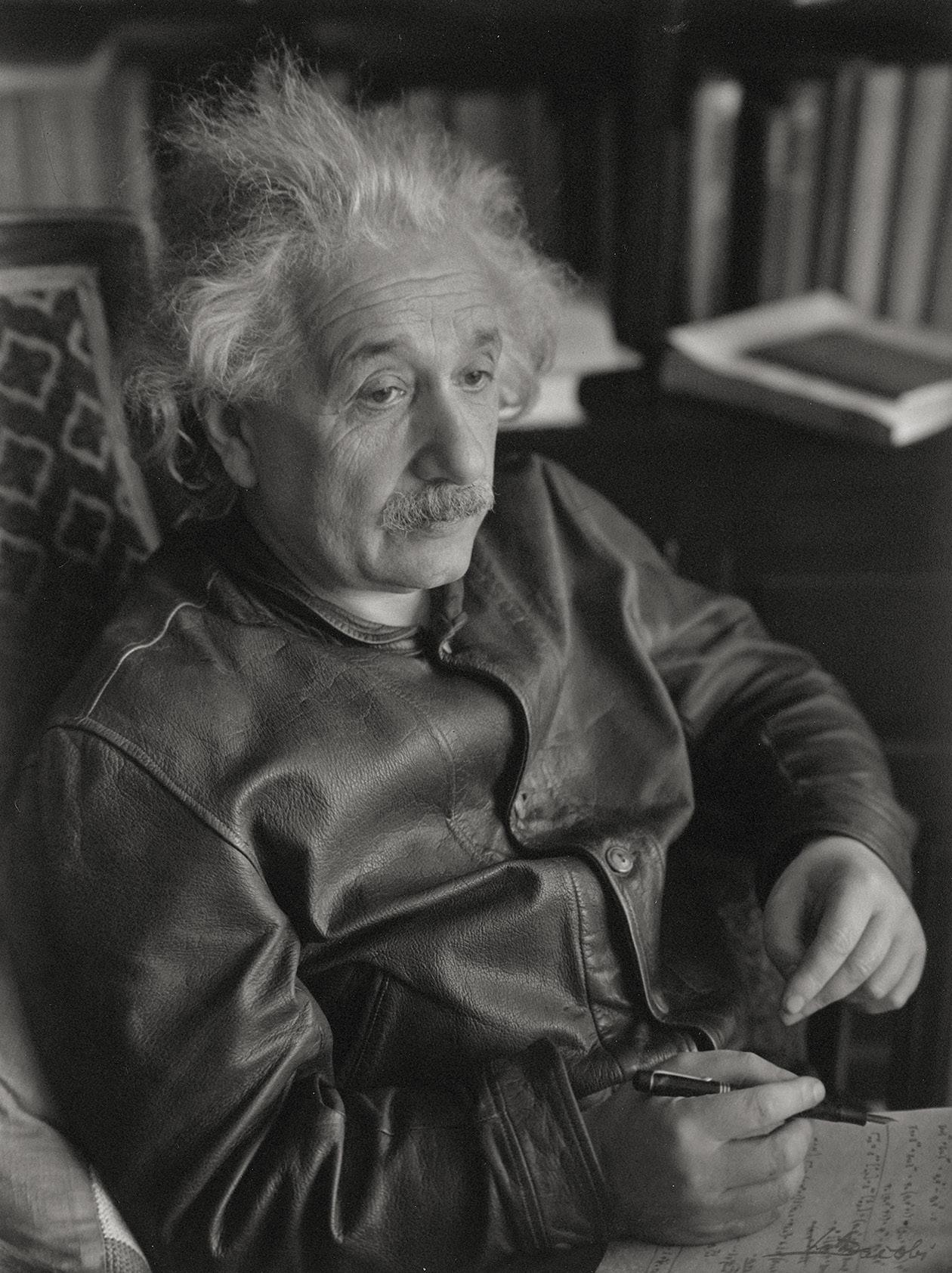
pierre imans (active 1896–1940)
4198 Mannequin for the Salon des Artistes Décorateurs. 1930. Gelatin silver print, mounted to card. 21,8 x 16,8 cm (mount 30,7 x 26,8 cm). Red ink stamp “Pierre Imans Mannequins d’Art Paris” in upper right corner of the print; “Salon des Artistes Décorateurs 1930” printed below the image on the mount; printed caption on mount verso.
600 €
Pierre Imans’s mannequins epitomize the modernist spirit of interwar Paris, when display design embraced new materials, streamlined forms, and a distinctly contemporary aesthetic. Trained in the tradition of wax mannequins, he moved toward new materials and more abstracted figures characterized by elongated proportions, stylized anatomy, and poised, theatrical gestures. The present mannequin reflects this later phase, combining restrained modeling with classical references: the pose and the arrow in the raised hand evoke Diana (Artemis), linking modern display design to a longer sculptural tradition while adapting it to the functional demands of the 1930s.
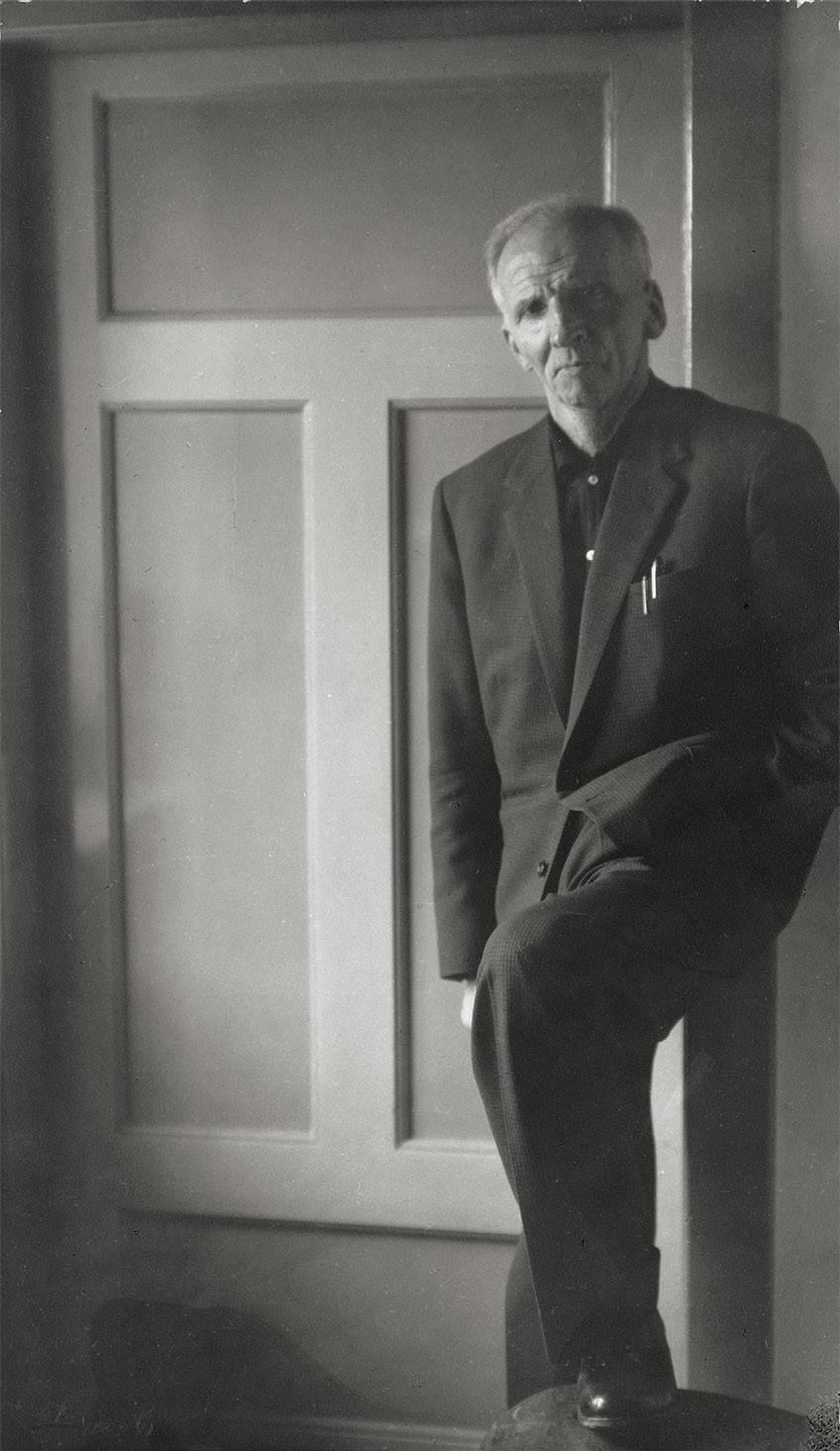
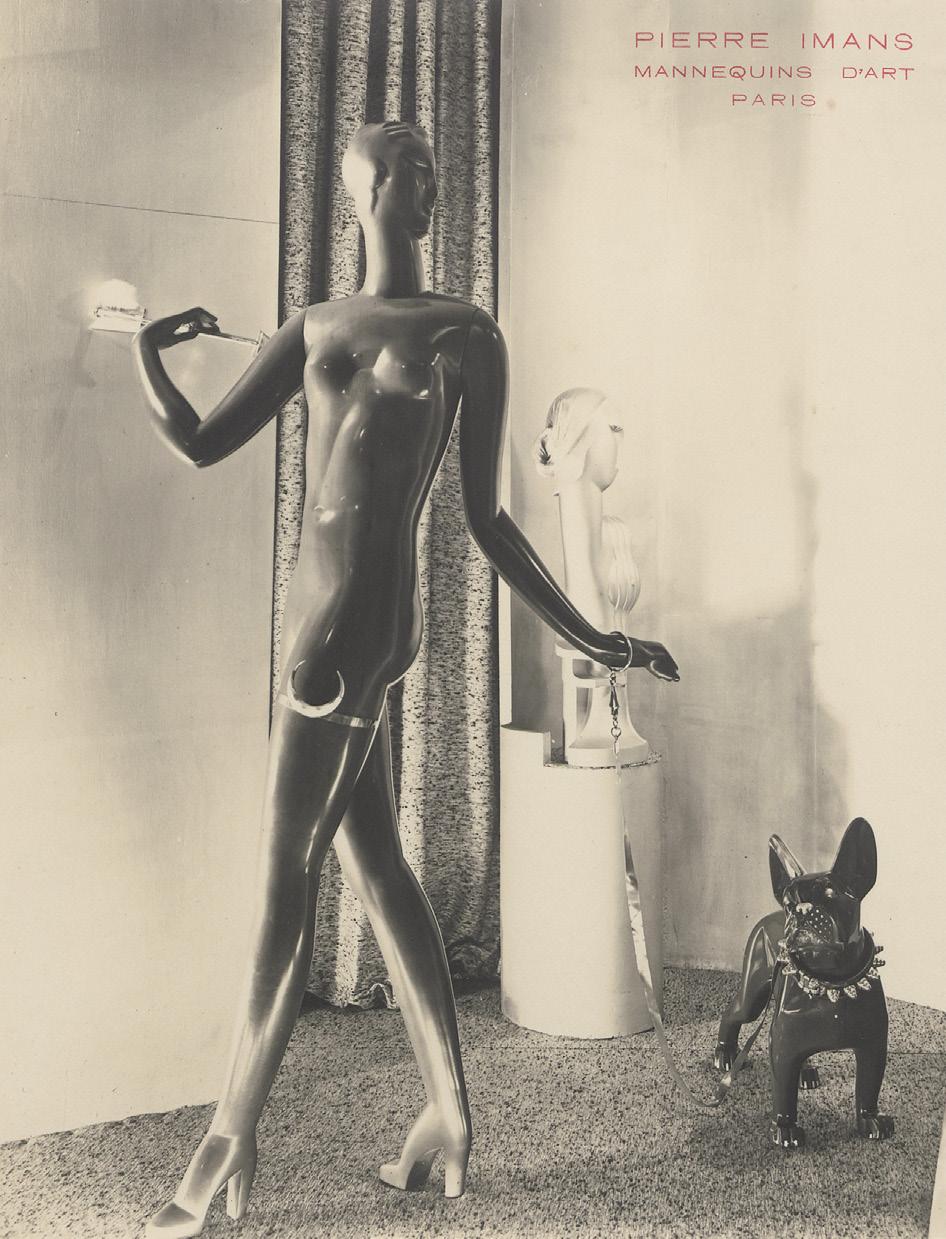
lotte jacobi (1896–1990)
4199 Portrait of Albert Renger-Patzsch. 1963. Vintage gelatin silver print. 24,5 x 14,2 cm. Signed by the photographer in pencil in lower left corner; annotated in pencil on the verso.
1.200 €
Lotte Jacobi is renowned for her intimate and engaging portraits, utilizing dramatic lighting and composition to capture the true essence of her subjects. This intriguing portrait of the German photographer Albert Renger-Patzsch shows a masterful approach to lighting and composition. Jacobi‘s fusion of artistic vision and technical prowess has established her as a significant and celebrated figure in the history of photography.
4200 Albert Einstein, Princeton, New Jersey. 1938. Gelatin silver print, printed 1940s-50s. 25 x 20,1 cm. Signed by the photographer in pencil in the lower right.
2.500 €
Lit.: Marion Beckers and Elisabeth Moortgat. Atelier Lotte Jacobi: Berlin, New York. Berlin: Nicolai Verlag, 1997, ill. p. 157.
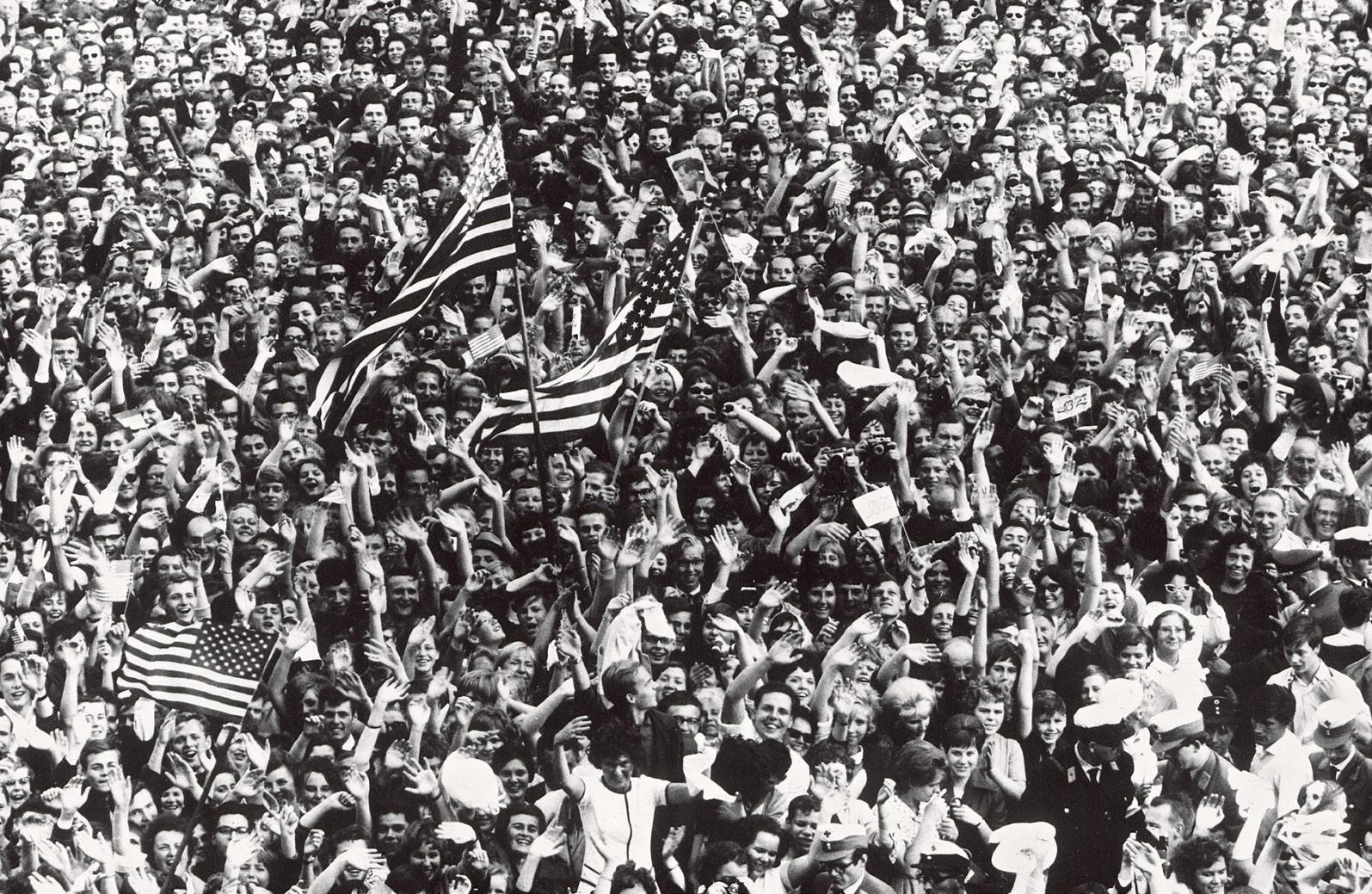
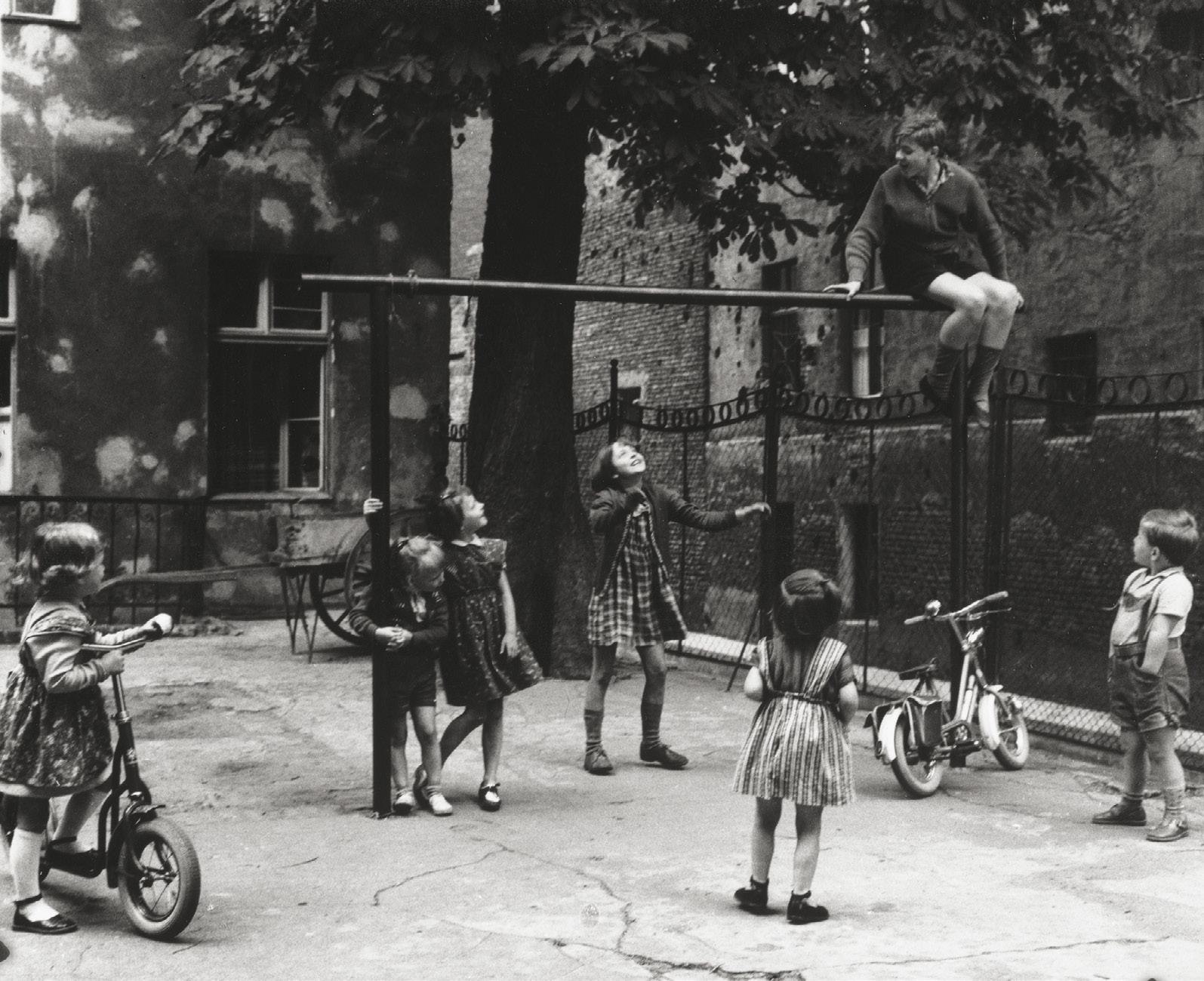
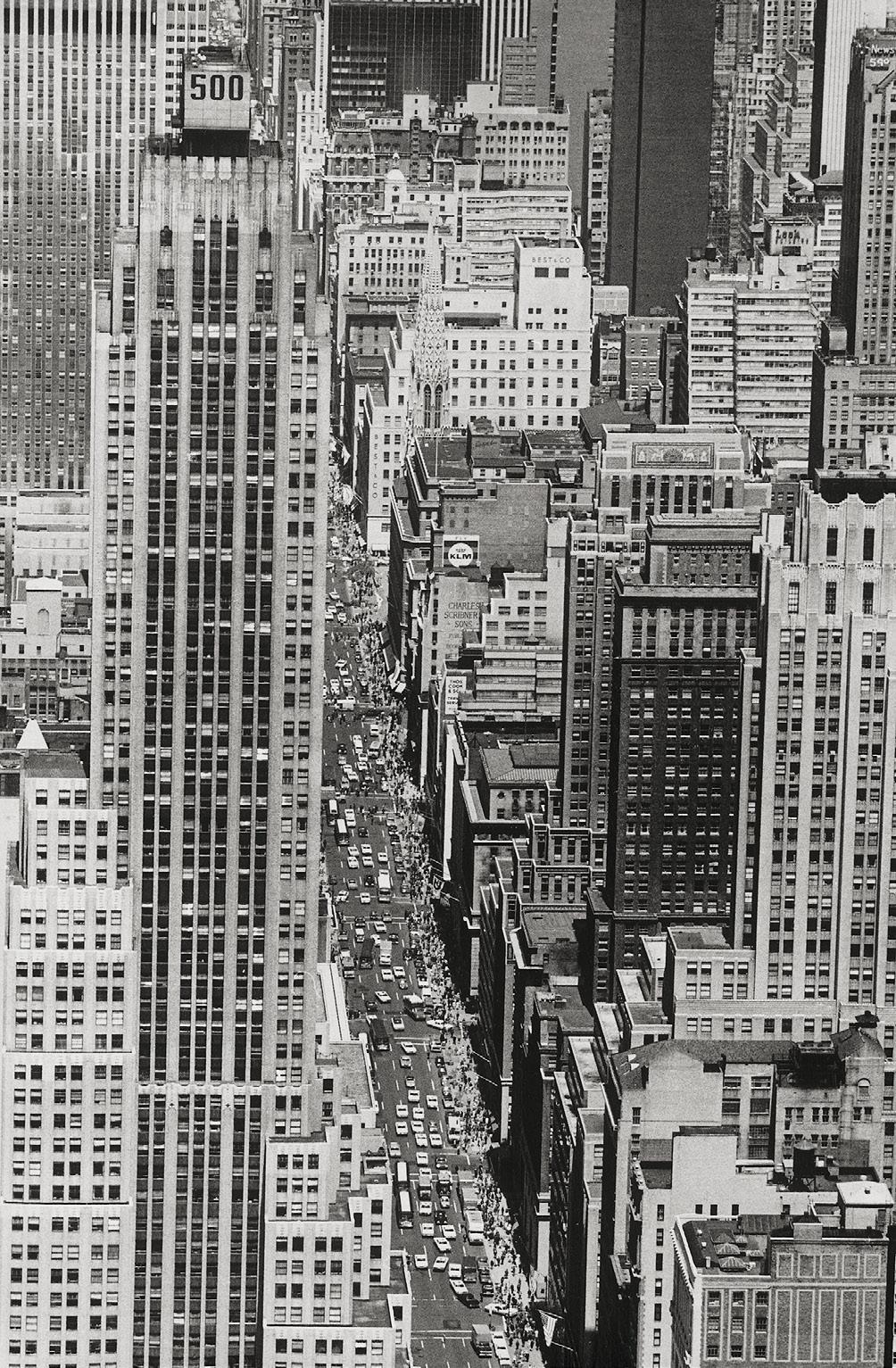
max jacoby (1919–2009)
4201 Jubelnde Menschen beim Berlin-Besuch des USPräsidenten John F. Kennedy. 1963. Gelatin silver print, printed later. 19,5 x 30 cm. Photographer‘s stamp and annotated in pencil on the verso.
1.000 €
In 1937, Jewish photographer Max Jacoby fled Germany for Argentina, where he started working as a camera assistant to Georges Friedmann. Alongside other émigré photographers, he co-founded the group “La Carpeta de los Diez.” Returning to Berlin in 1957, he worked as a freelance photographer, portraying workers, artists, beggars, and politicians, and documenting political events and everyday life in the divided city. His photographs of John F. Kennedy’s 1963 visit to Berlin rank among the most poignant images of the occasion; Jacoby himself titled this image “The People’s Heart.” Lit.: Angelika Gause, ed. Der Fotograf Max Jacoby : Bilder der 60er und 70er Jahre, Koblenz: Görres, 2003.
4202 Children playing in back courtyard, Berlin. 1960s. Gelatin silver print, printed later. 24 x 29,2 cm. Photographer‘s stamp and annotated in pencil on the verso.
900 €
4203 New York. 1974. Vintage large-format gelatin silver print on Agfa paper. 39,7 x 26,5 cm. Signed, titled and dated by the photographer in pencil and photographer‘s/copyright stamp on the verso.
900 €
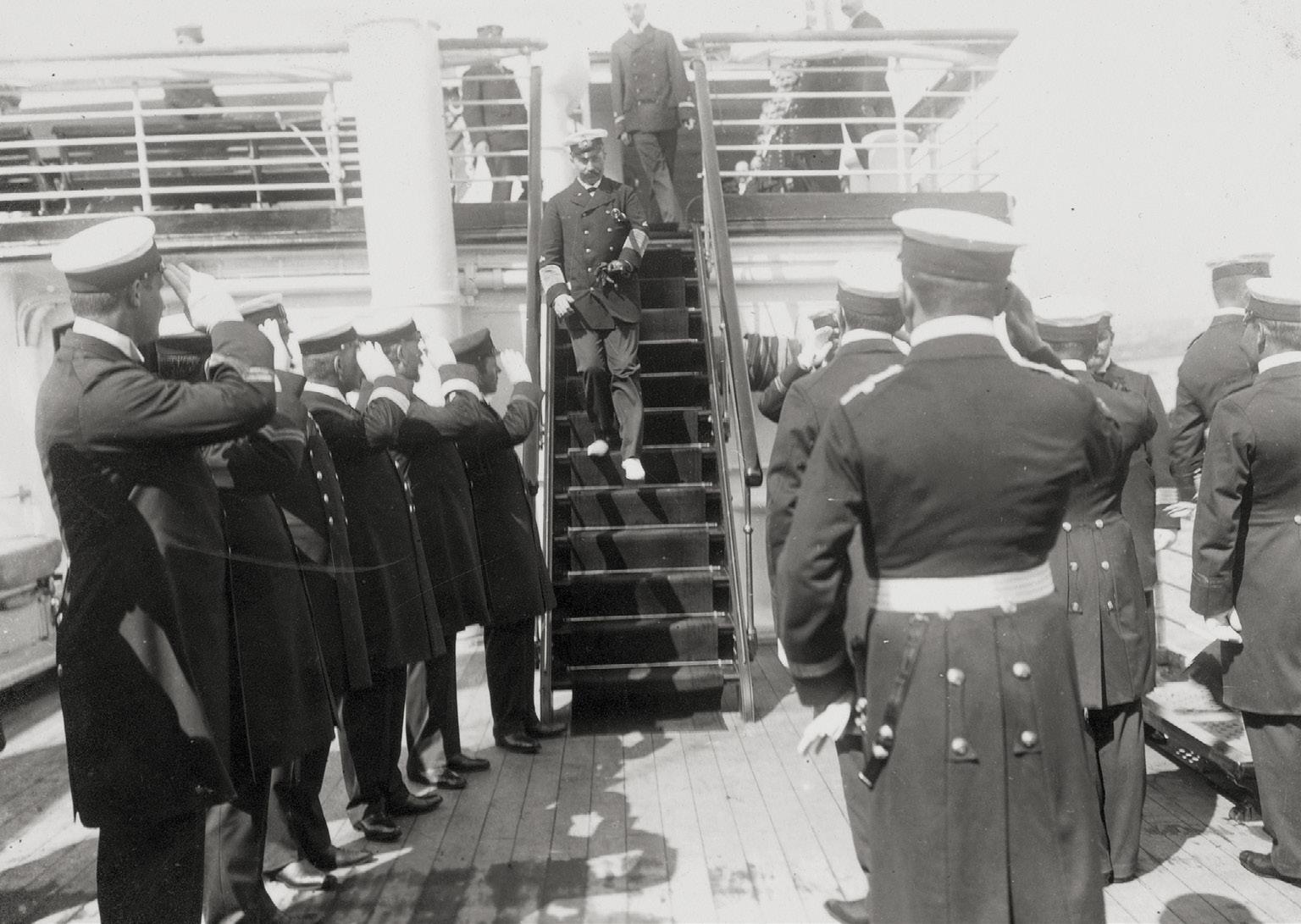
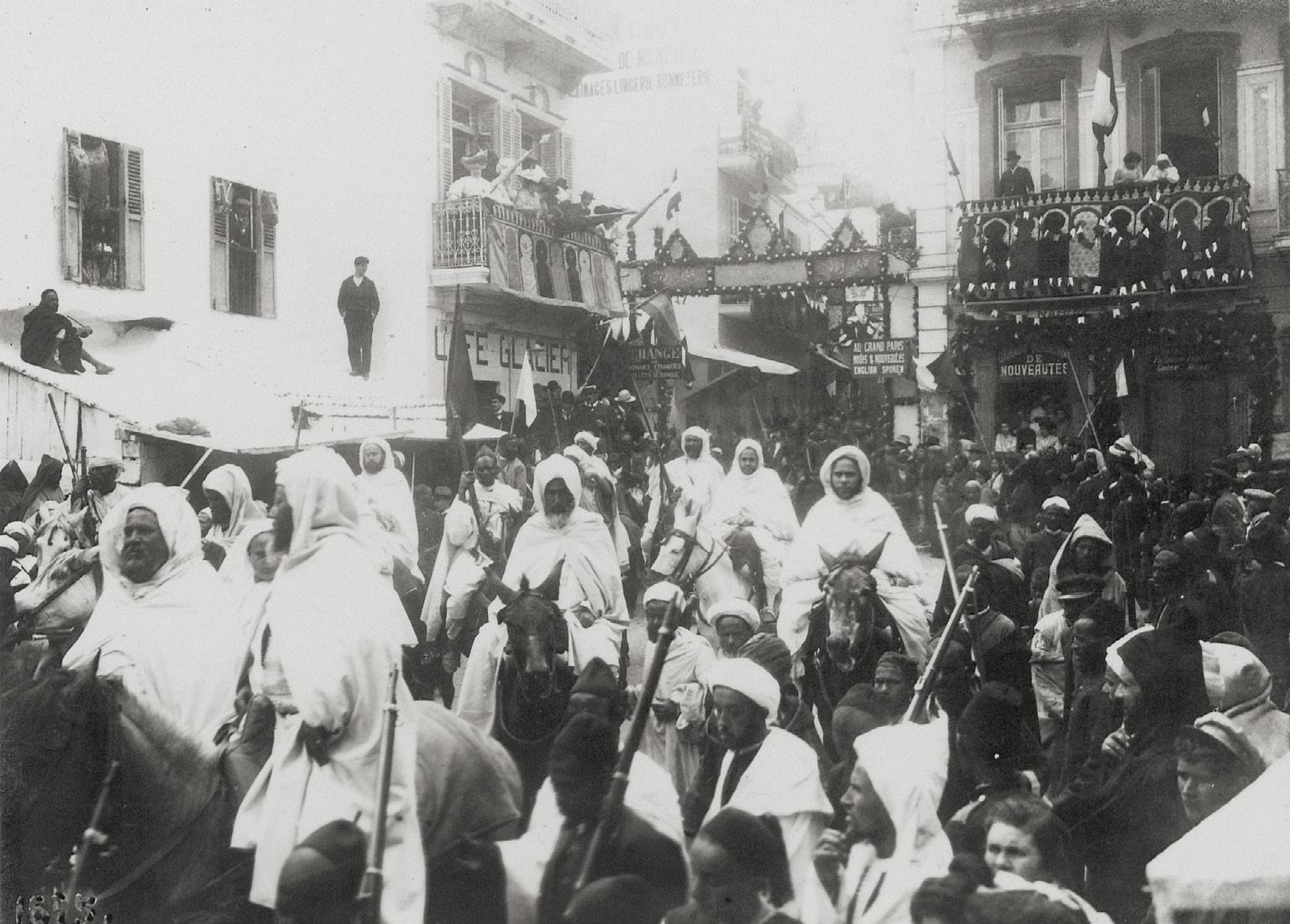
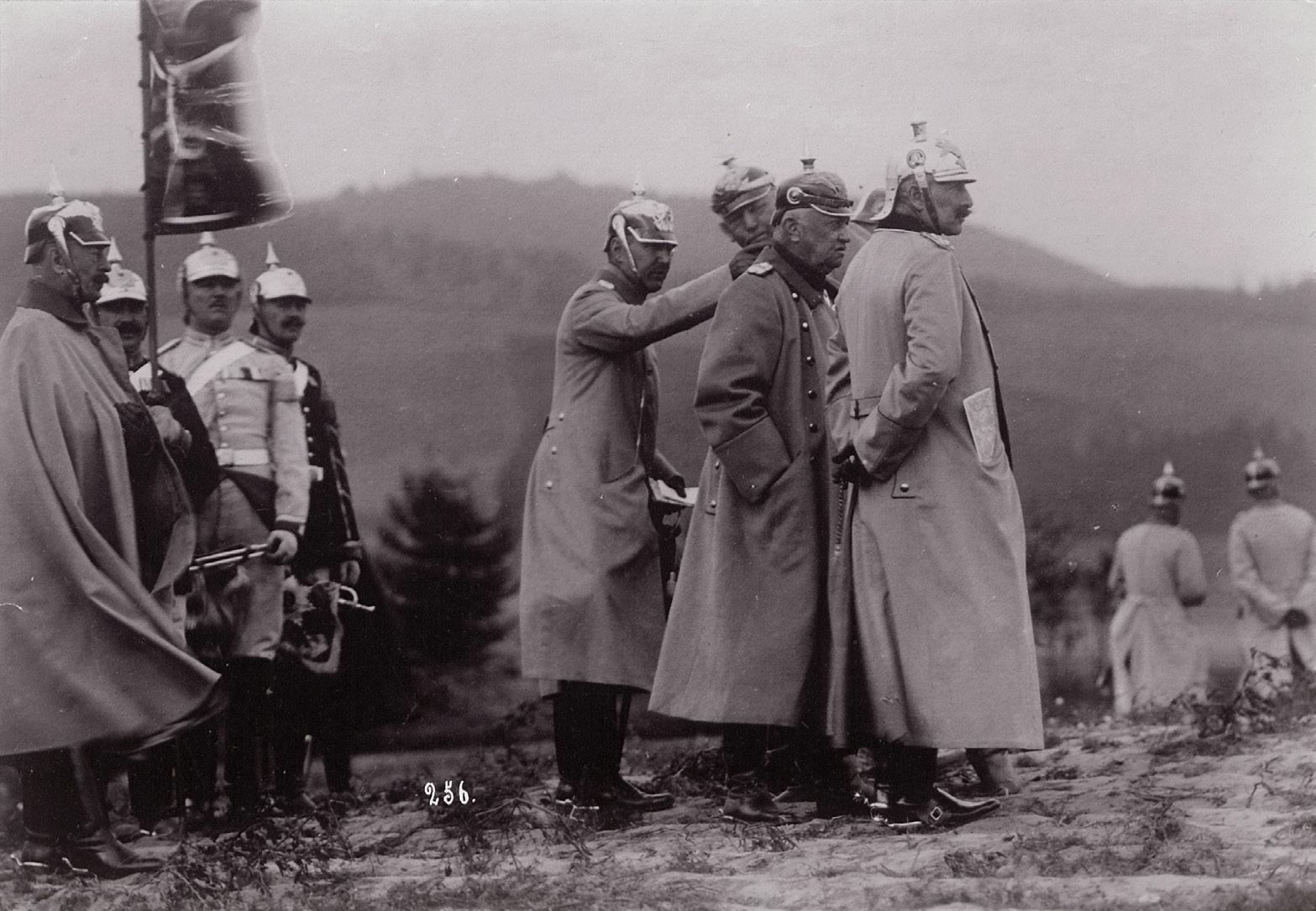
kaiser wilhelm ii in morocco
4204* Souvenir album of Kaiser Wilhelm II’s Mediterranean trip. 1905-1906. Ca. 112 vintage gelatin silver prints, mounted to album boards. 103 prints ca. 13 x 18 cm and 9 prints ca. 17 x 24 cm. Each annotated in ink below the image on the mount. Bound in a contemporary half-leather album with gilt-stamped title “Meine Kaiserreise 1905” on the front cover.
900 €
This album documents the imperial entourage around Wilhelm II during his Mediterranean journey aboard the SMS Hamburg and other accompanying ships such as the Hohenzollern. The journey, which took place in 1905-1906, included stops in Portugal, Morocco, Gibraltar, Italy, and Greece. Particularly noteworthy is the imperial visit to Tangier, where Wilhelm II went ashore to meet Sultan Abd el-Aziz and rode in on horseback. This event led to a serious international crisis between the European powers – especially between France and the German Empire – later known as the “First Moroccan Crisis.”
kaisermanöver 1913
4205 Photographer : Eugen Jacobi (active 1883–1916) and Oskar Tellgmann (1857-1936). Kaisermanöver 1913. 4 vintage collodion prints and 3 vintage gelatin silver prints, 4 mounted in mat. Each circa 15,5 x 22 cm Each with number in the negative in lower portion and 1 with photographer‘s blindstamp in lower right corner; 2 with photographer‘s stamp (Jacobi) and all annotated in pencil on the verso.
600 €
The photographs offered here are interesting examples of early journalistic photography with several unposed regimental scenes in the midst of the Imperial Maneuver of 1913. This was the last Kaisermanöver to take place due to the onset of WWI in 1914.
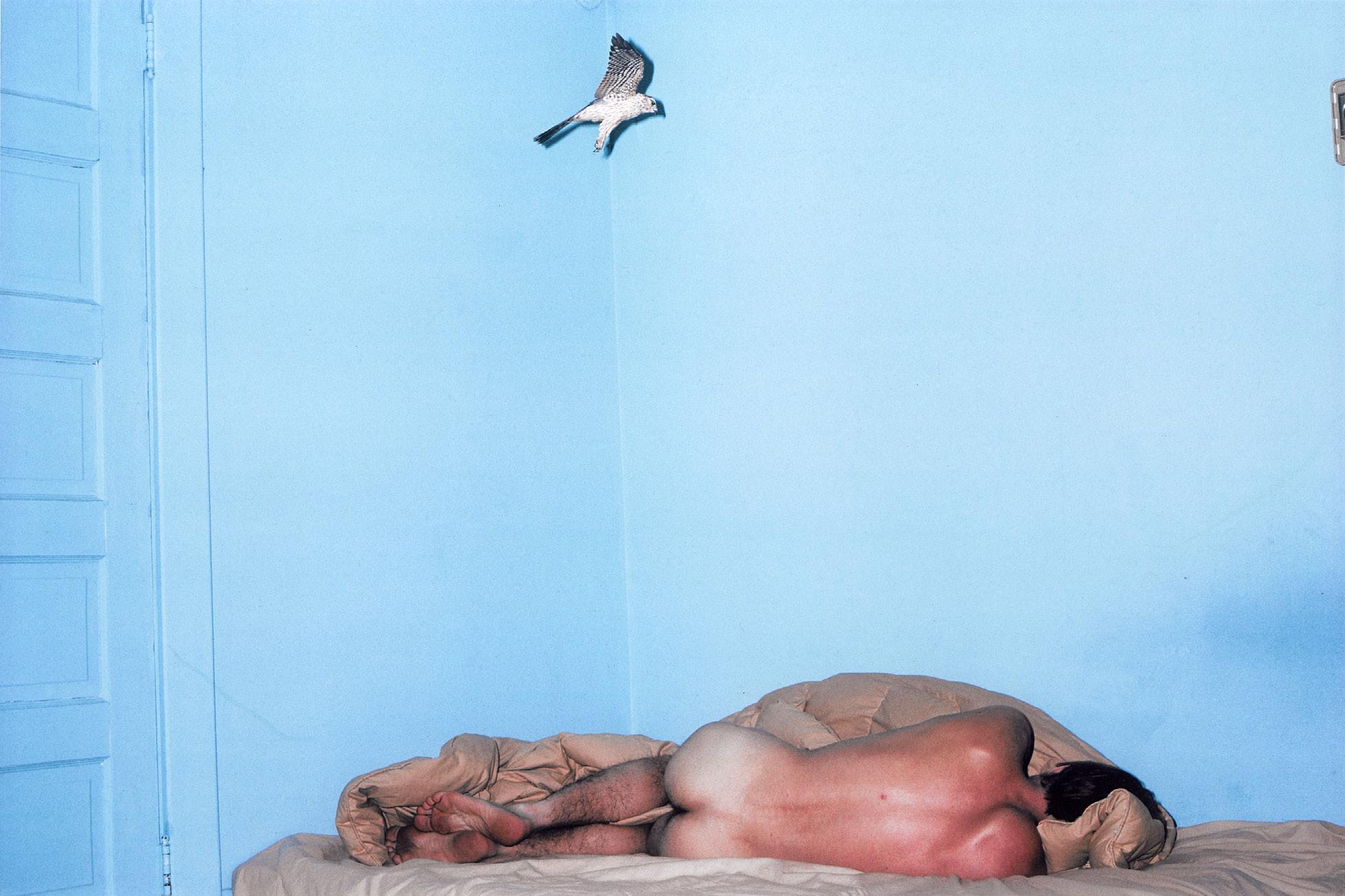
dan kane (b. 1954)
4206* Doug II. 1981. Archival pigment print. 24 x 36 cm (sheet 28,5 x 43 cm). Signed, titled and dated by the photographer in pencil on the verso.
900 €
Dan Kane‘s commitment to analog photography is an underlying current in his body of work. His exploration of the male human form as a terrain of shapes and contours is present throughout his work. Living in Berlin since 1983, Kane found many of his models there. The present image was taken in Ithaca, New York, a few years before he moved to Berlin. A print of this image is in the collection of the South Dakota Art Museum. Lit.: Over a Hundred Thousand Images Later: Dan Kane, a Retrospective (exhibition catalogue). Brookings: South Dakota Art Museum, 2025, ill. p. 58.
4207 Claudio. 2013. Solarized selenium toned gelatin silver print. 16,5 x 21,4 cm (sheet 20 x 25,1 cm). Signed, titled, dated, editioned „2/5“ and copyrighted by the photographer in pencil on the verso.
750 €
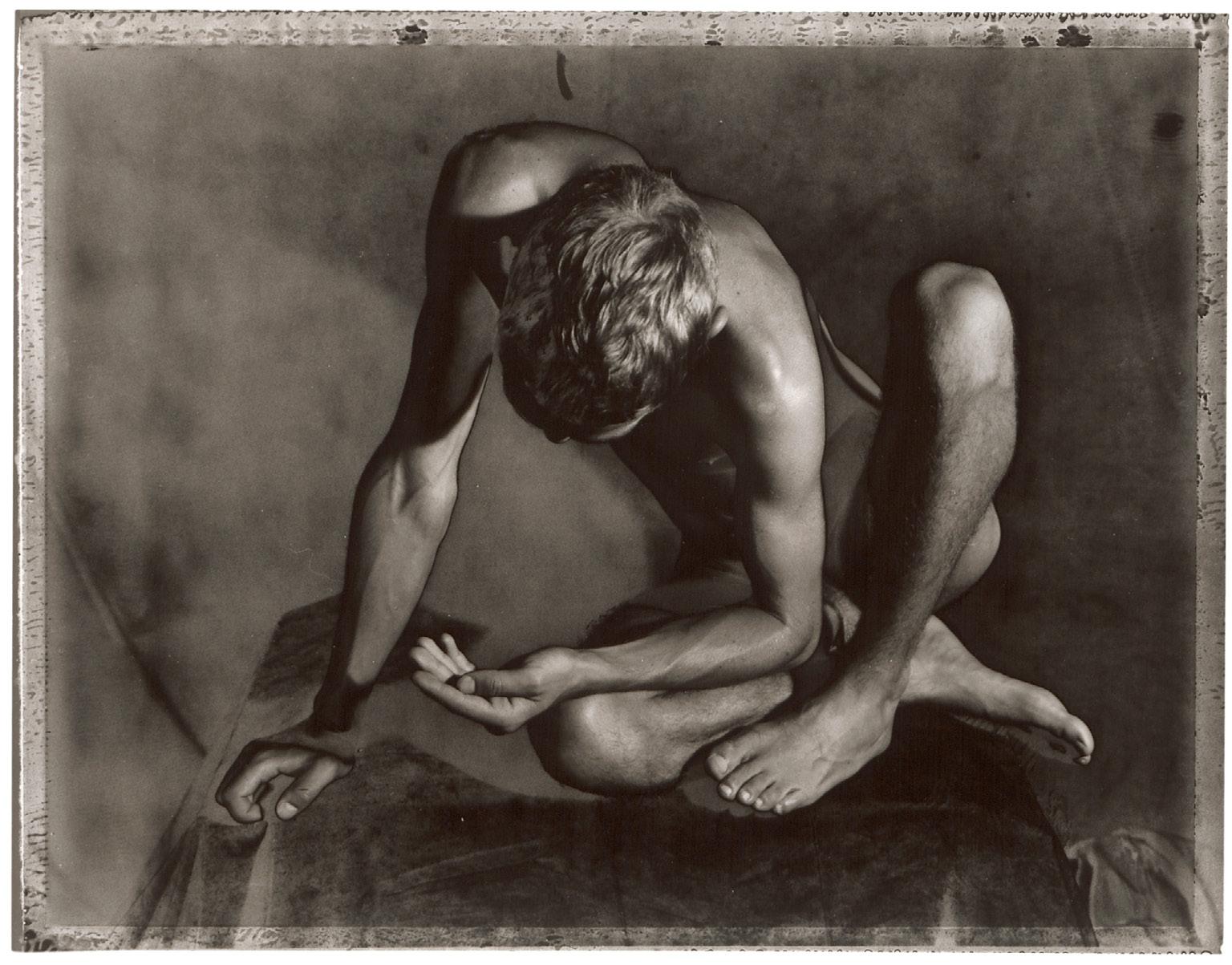
willy kessels (1898–1974)
4208 Microphone. 1932. Vintage gelatin silver print, hinge-mounted in upper edge to mat. 24,8 x 16,8 cm. Photographer‘s blindstamp in lower right; photographer‘s stamp and annotated in pencil on the verso.
750 €
Willy Kessels attended the École des Beaux-Arts in Ghent before moving to Brussels, where he worked as a sculptor and architectural draftsman in the 1920s. He began his photographic career in 1929, embracing the medium as a modern form of visual expression. The high point of his production falls in the 1920s-1930s, and his photomontages, aerial views, dynamic angles, and use of light exemplify the modern movement in Belgian photography at the time. His refined nude studies also form a significant part of his oeuvre.
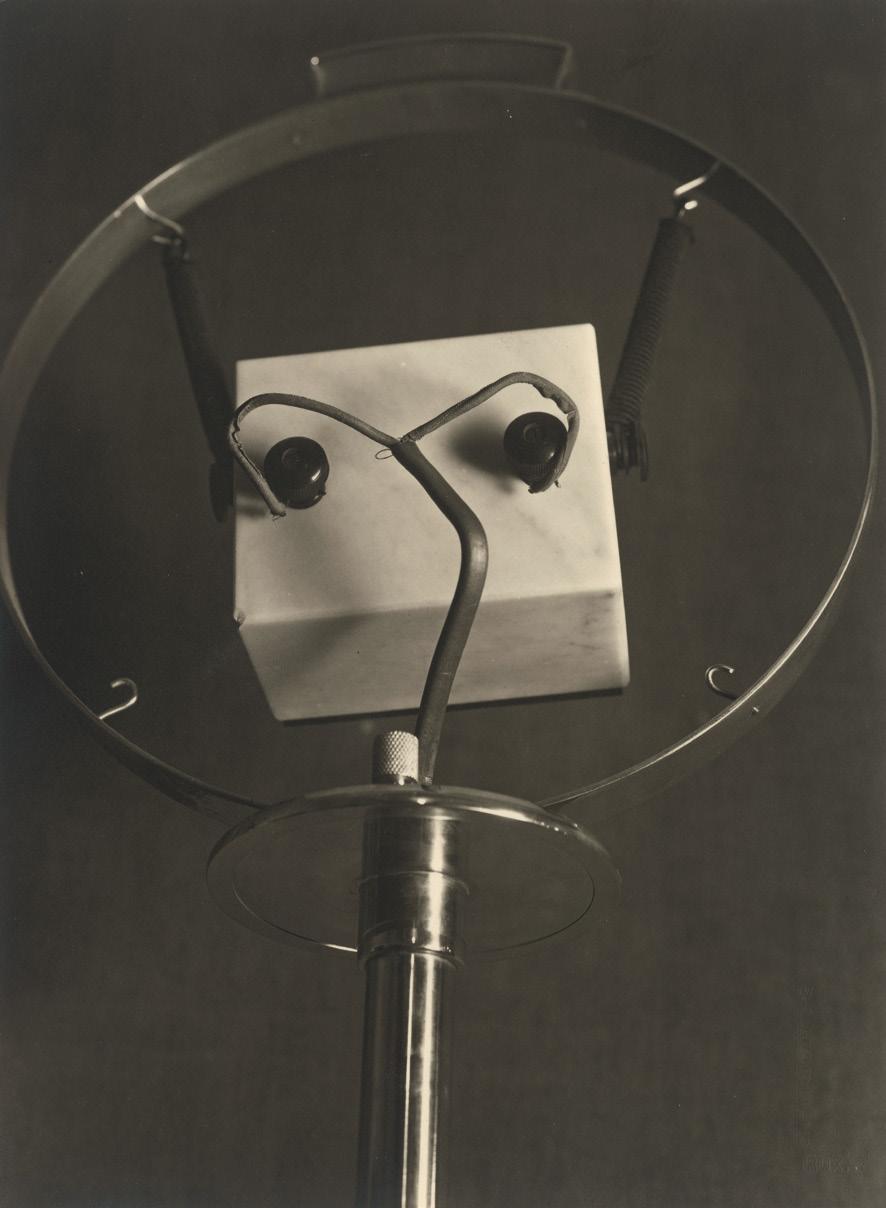
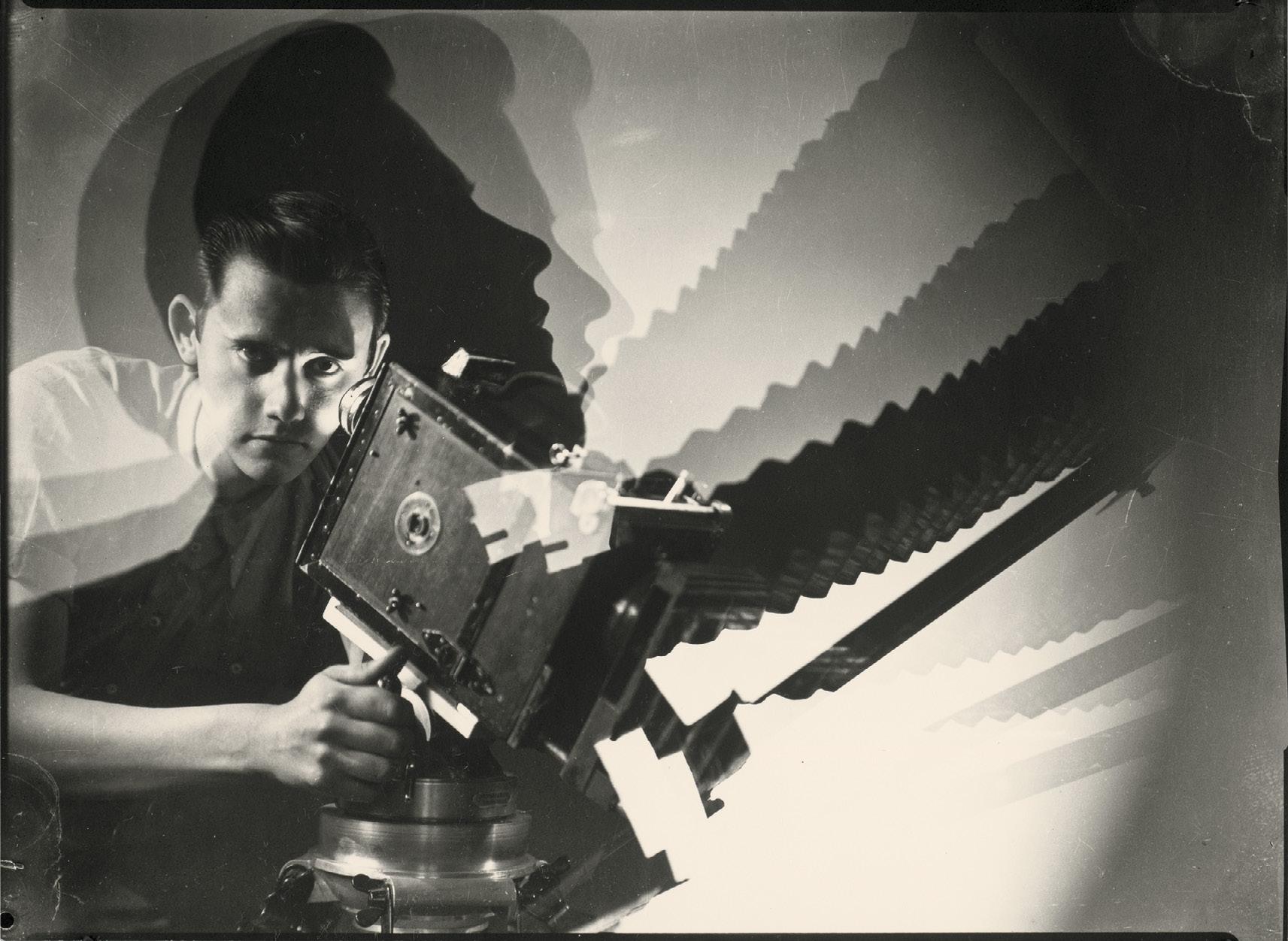
edmund kesting (1892–1970)
4209 Kameramann (Konstantin Kesting with camera). 1948. Gelatin silver print, printed later. 21,8 x 29,7 cm. Photographer‘s stamp, signed by Gerda Kesting and annotated in pencil on the verso.
600 €
The German photographer, painter, and professor Edmund Kesting is associated with Expressionism and New Vision photography, his work bridging avant-garde experimentation and formal abstraction. From the 1920s onward, he employed techniques such as multiple exposure, photograms, and solarization to produce dynamic portraits, nudes, and abstract compositions. After 1945, he continued this experimental approach with camera-less processes and what he termed “chemical painting.” Lit.: Edmund Kesting. Ein Maler sieht durch‘s Objektiv. Halle: Fotokino, 1958, ill. plate 62.
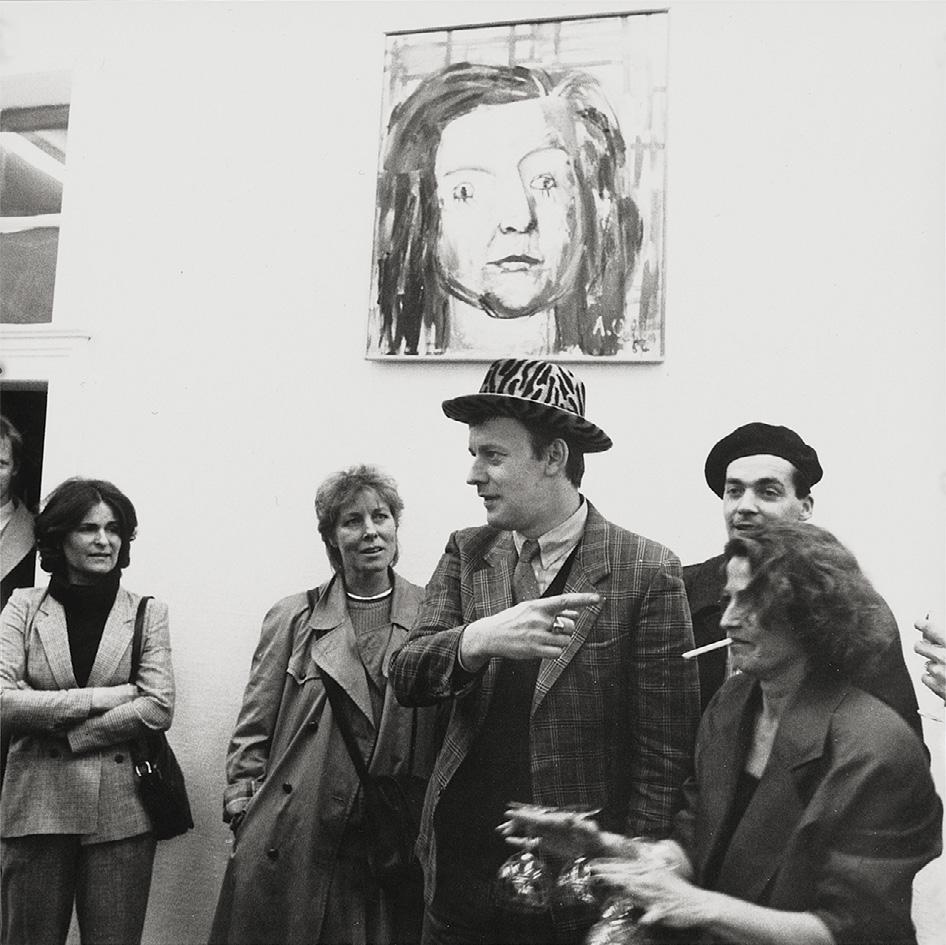
martin kippenberger (1953–1997)
4210 Photographer: Rainer Fichel (1946-2010).
Martin Kippenberger at an exhibition opening. 1984. Vintage gelatin silver print on Agfa paper. 25,3 x 25,2 cm. Photographer’s stamp, annotated, and signed by the photographer in pencil on the verso.
900 €
Martin Kippenberger studied at the Hamburg Academy of Fine Arts from 1972 to 1976, where he was strongly influenced by the work of Sigmar Polke. In 1978 he moved to Berlin, where he co-founded “Kippenberger’s Büro” with Gisela Capitain to support emerging artists, while also serving as business director of the influential venue SO36. Throughout the 1980s, Kippenberger gained increasing recognition through exhibitions in Germany and abroad, culminating in his participation in the Venice Biennale in 1988 and documenta X. Associated with the “Neue Wilde” movement, his work is marked by irreverence, wit, and a critical engagement with artistic and social conventions; he died prematurely in 1997 as a consequence of his excessdriven lifestyle.
4211* Biergarten. 1929-32. Vintage ferrotyped gelatin silver print on ivory paper, hinge-mounted along upper edge to mount. 24,3 x 18 cm. Photographer’s “Foto H. Koch Halle/S” stamp on the verso.
900 €
Heinrich Koch studied mural painting at the Bauhaus in Weimar and Dessau between 1922-1928, before working as an interior designer in Halle an der Saale until 1929. From 1930, he studied photography at Burg Giebichenstein under Hans Finsler, becoming his assistant and, in 1932, his successor. The photography class was closed in 1933 by the National Socialists, forcing Koch to emigrate to Prague, where he tragically died in a car accident in 1934.
Lit.: T. O. Immisch and Gunnar Lüsch, eds. Heinrich Koch: Photographien (1929-1934). Halle: Mitteldeutscher Verlag, 2002.
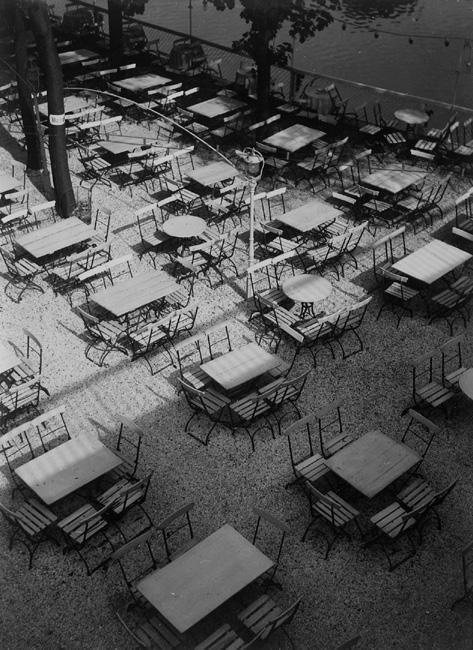
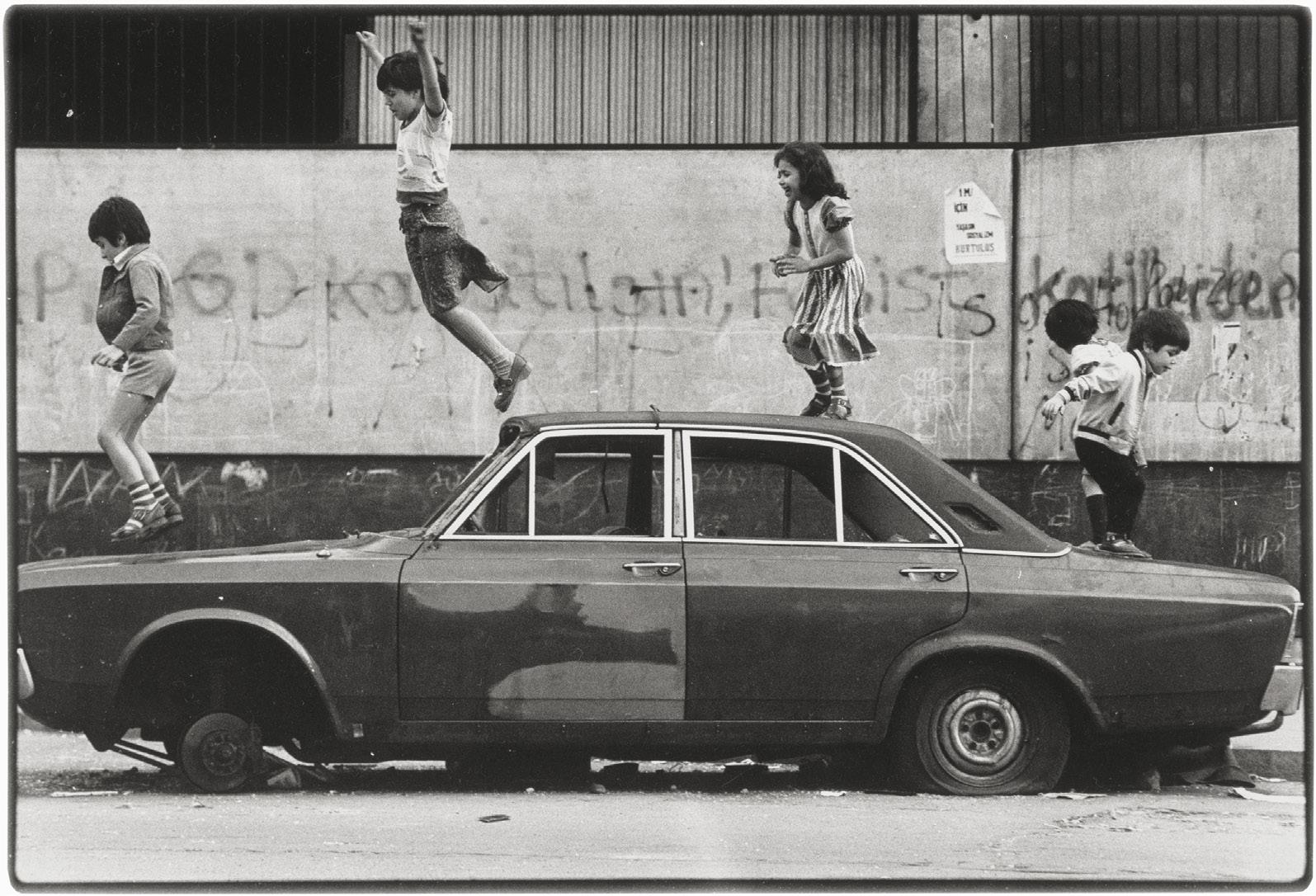
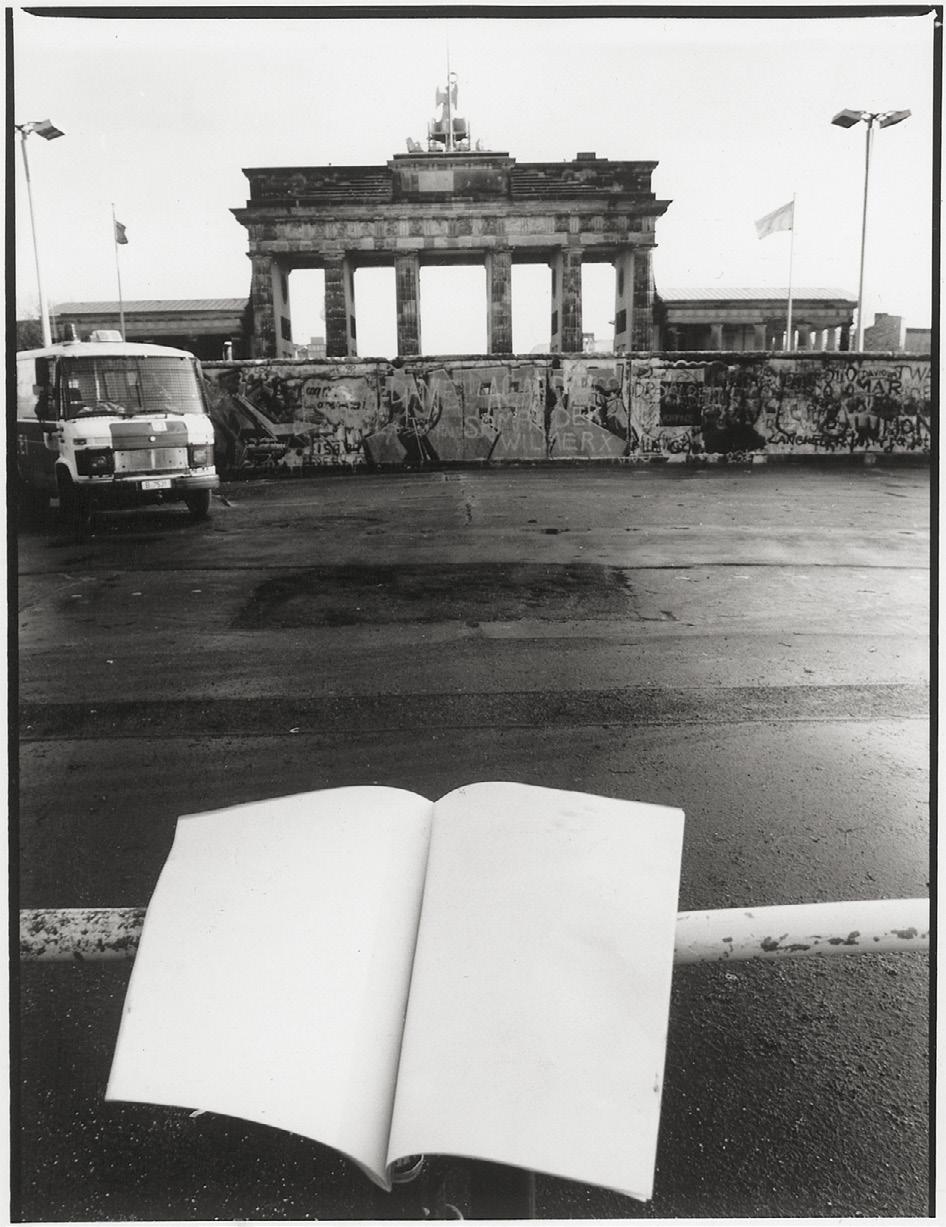
wolfgang krolow (1950–2019)
4212 Kreuzberg, Berlin. 1980. Vintage gelatin silver print on Agfa paper. 28 x 40,2 cm. Signed, titled and dated by the photographer in pencil on the verso.
750 €
In 1972, Wolfgang Krolow moved to Berlin, where he studied visual communication at the Berlin University of the Arts, specializing in photography and graphic design. From an early stage he devoted himself to socially critical photography. He photographically captured everyday cultural and social life in Berlin as well as the political conflicts during the height of the squatter movement and later during the fall of the Berlin Wall. Lit.: Sigrid Heger, Andeas Homann and Rainer Wendling, eds. Kreuzberg die Welt: Fotografien von Wolfgang Krolow. Berlin: Assoziation-A, 2025, ill. pp. 118-119.
4213 B randenburg Gate. 1980s. Vintage gelatin silver print. 23,8 x 18 cm. Photographer‘s stamp on the verso.
500 €
(1897–1985)
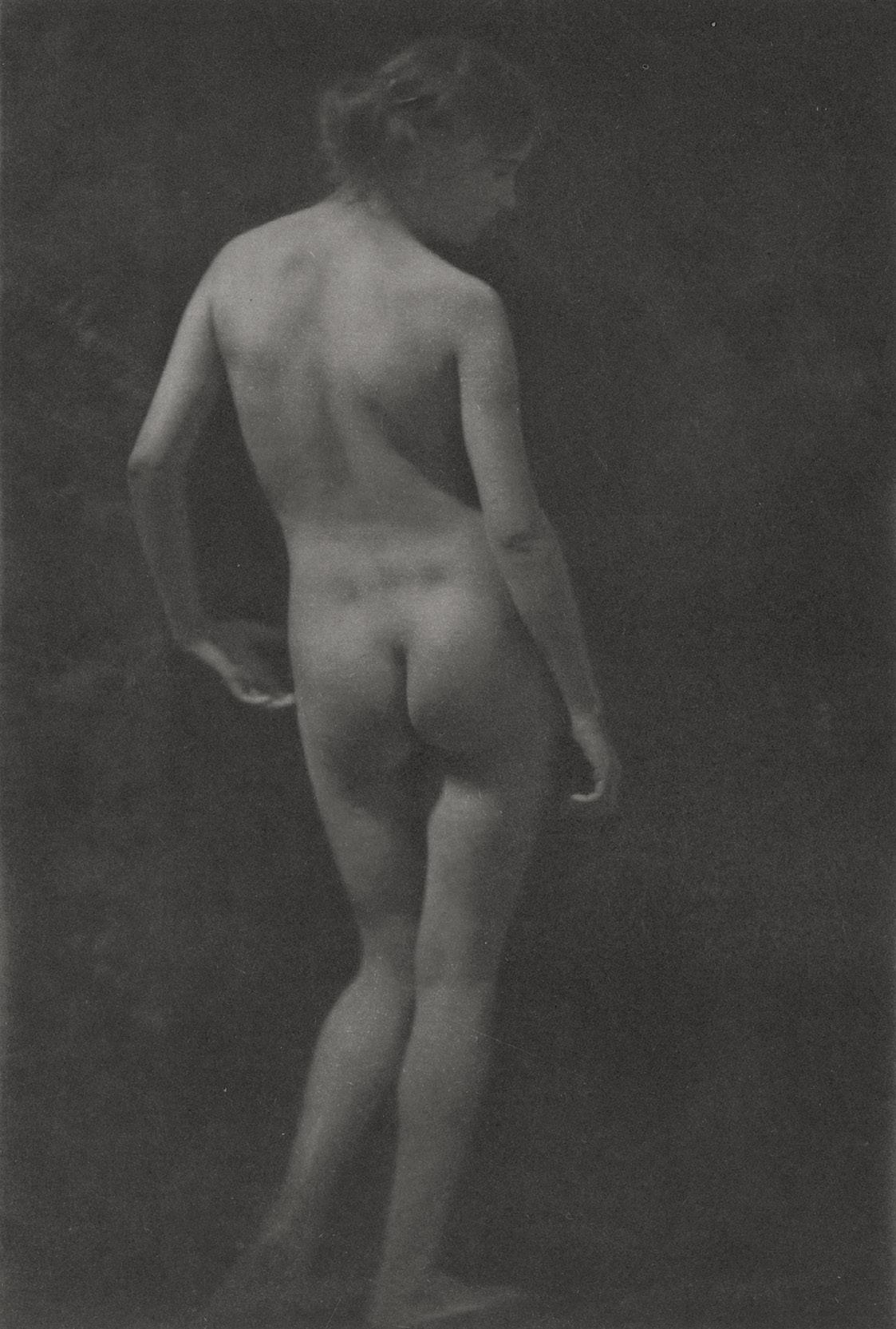
4214 Der Akt. Zwanzig photographische Aufnahmen weiblicher Körper nach der Natur. 20 l. with photos as hand-pulled photogravures on Japan. 41 x 30,5 cm. Original cream-colored boards with mounted photogravure. Dachau, Einhorn-Verlag, 1918.
2.000 €
802 Photo Books, p. 111; Heidtmann 11127; Koetzle 215. First edition of Germaine Krull’s first publication, issued when she was only 21, shortly after opening her studio in Munich in 1917.
Forced to leave the city in 1920 due to her political activism, she went on to work internationally, including in the Soviet Union, Amsterdam, Paris, Brazil, Africa, and Bangkok. One of the most influential women photographers of the interwar period, she is represented here alongside works by József Pécsi (4 photographs) and Wanda von Debschitz-Kunowski (9 photographs), with 7 photographs by Krull herself. The photogravures (hand-pressed copper engravings) and the 2 text leaves are printed on thin Japan paper and mounted to cardboard sheets.
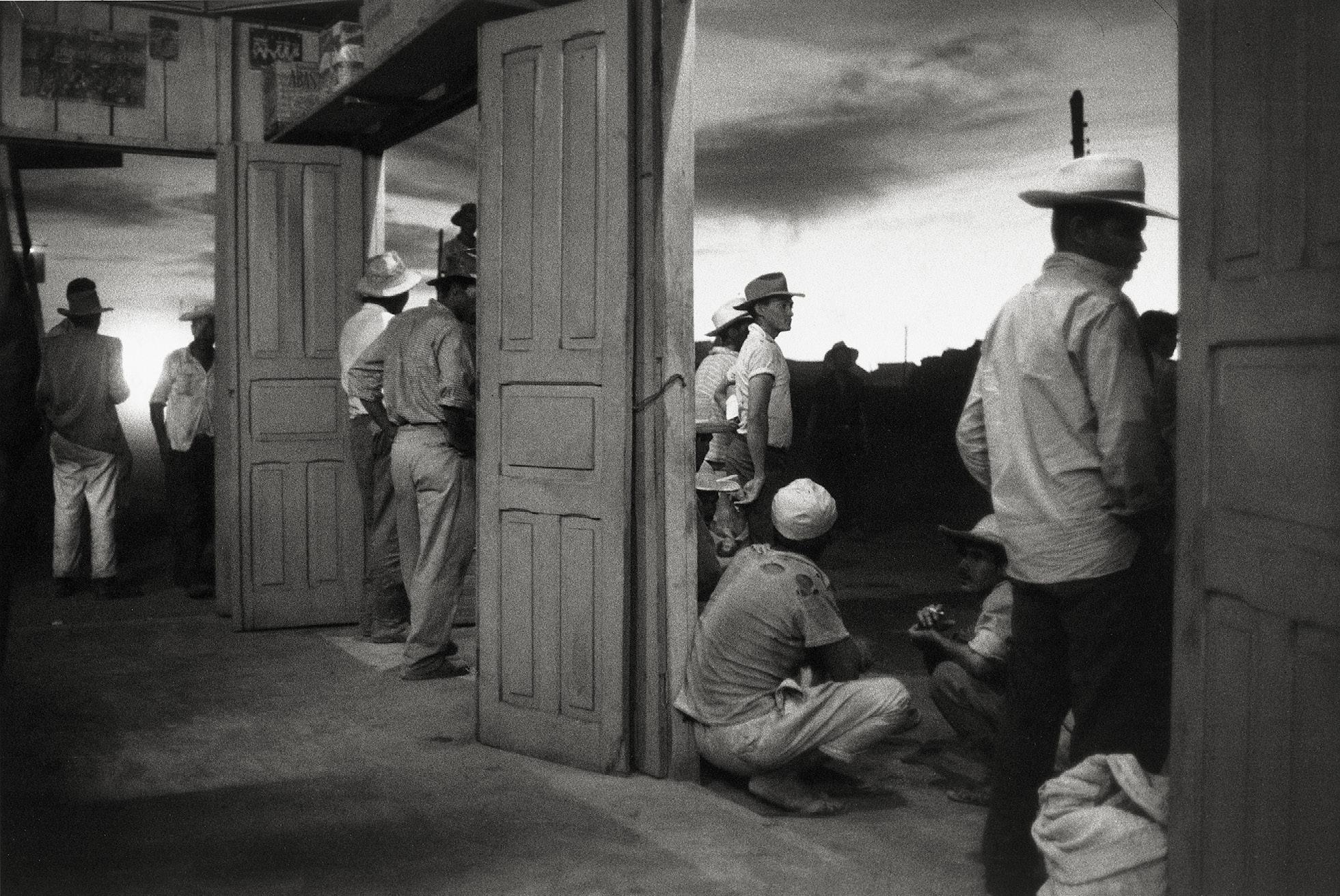
robert lebeck (1929–2014)
4215 B rasilia im Bau. 1958. Gelatin silver print, printed later. 38,5 x 57,6 cm (sheet 50 x 60 cm). Signed, titled, and dated by the photographer in ink, and with 2 photographer’s stamps on the verso.
1.500 €
Robert Lebeck was among the most influential German photojournalists of the postwar period, whose work spans several decades and subjects ranging from politics and culture to everyday life. Known for his acute sense of timing and narrative clarity, he captured both pivotal historical moments and intimate portraits of leading figures. His photographs combine documentary precision with a strong visual instinct, establishing him as a key figure in European photojournalism.
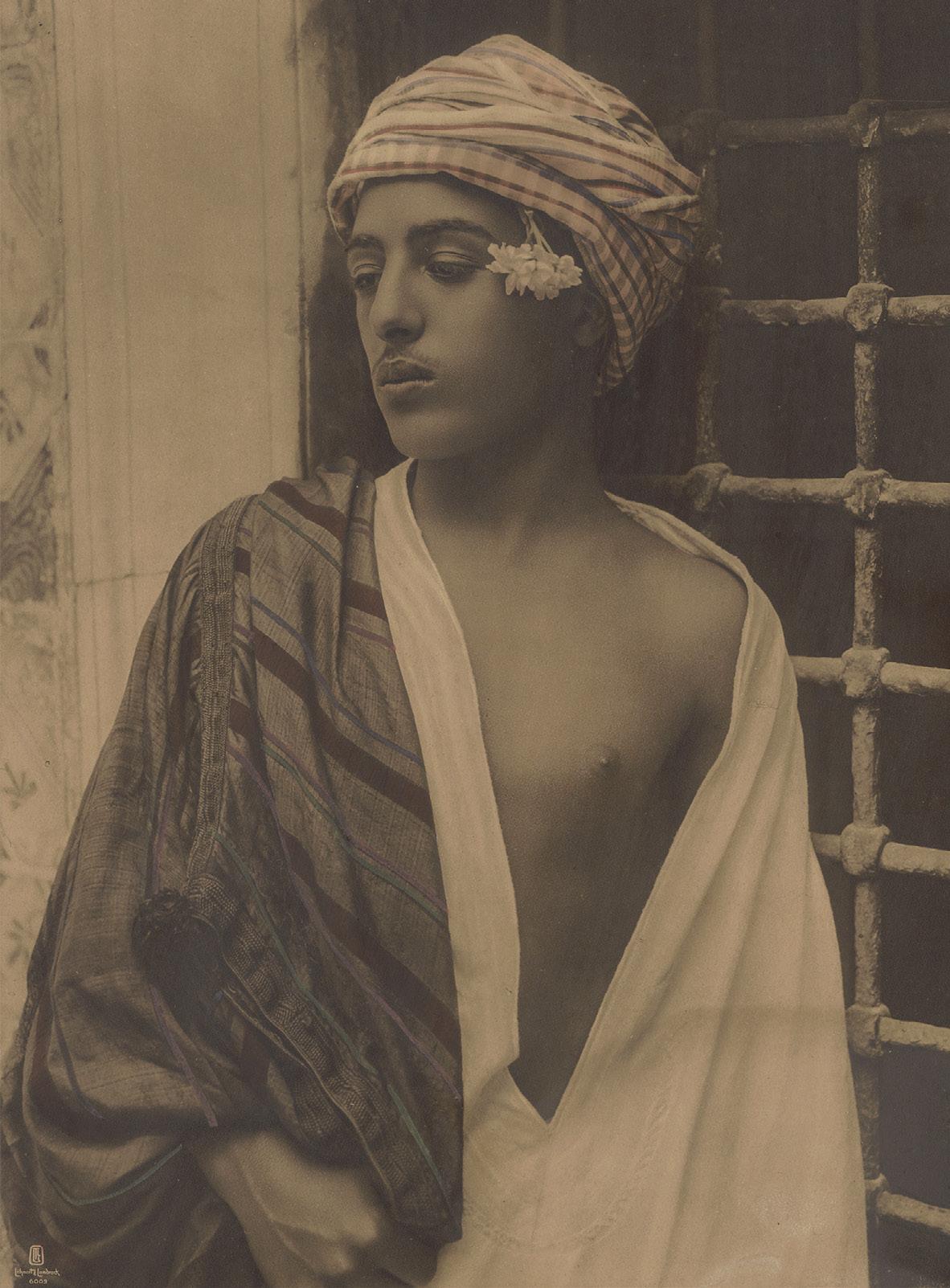
lehnert & landrock
(Rudolf Franz 1878–1948, Ernst Heinrich 1878–1966)
4216 Portrait of an Arabian youth. Ca. 1910. Handcolored photogravure. 38,5 x 29 cm. Photographer’s logo and number “6009” in the negative in the lower left corner. Framed under glass in wooden frame.
800 €
Lehnert & Landrock were among the most accomplished photo graphic studios working in North Africa in the early 20th century, celebrated for their refined studio portraits and atmospheric views of Tunisia and Egypt. Their work is characterized by technical precision, careful staging, and a painterly sensitivity to light, costume, and setting. Produced primarily for a European audience, these images reflect the period’s fascination with North African culture, and have come to define the studio’s lasting appeal within the tradition of Orientalist photography.
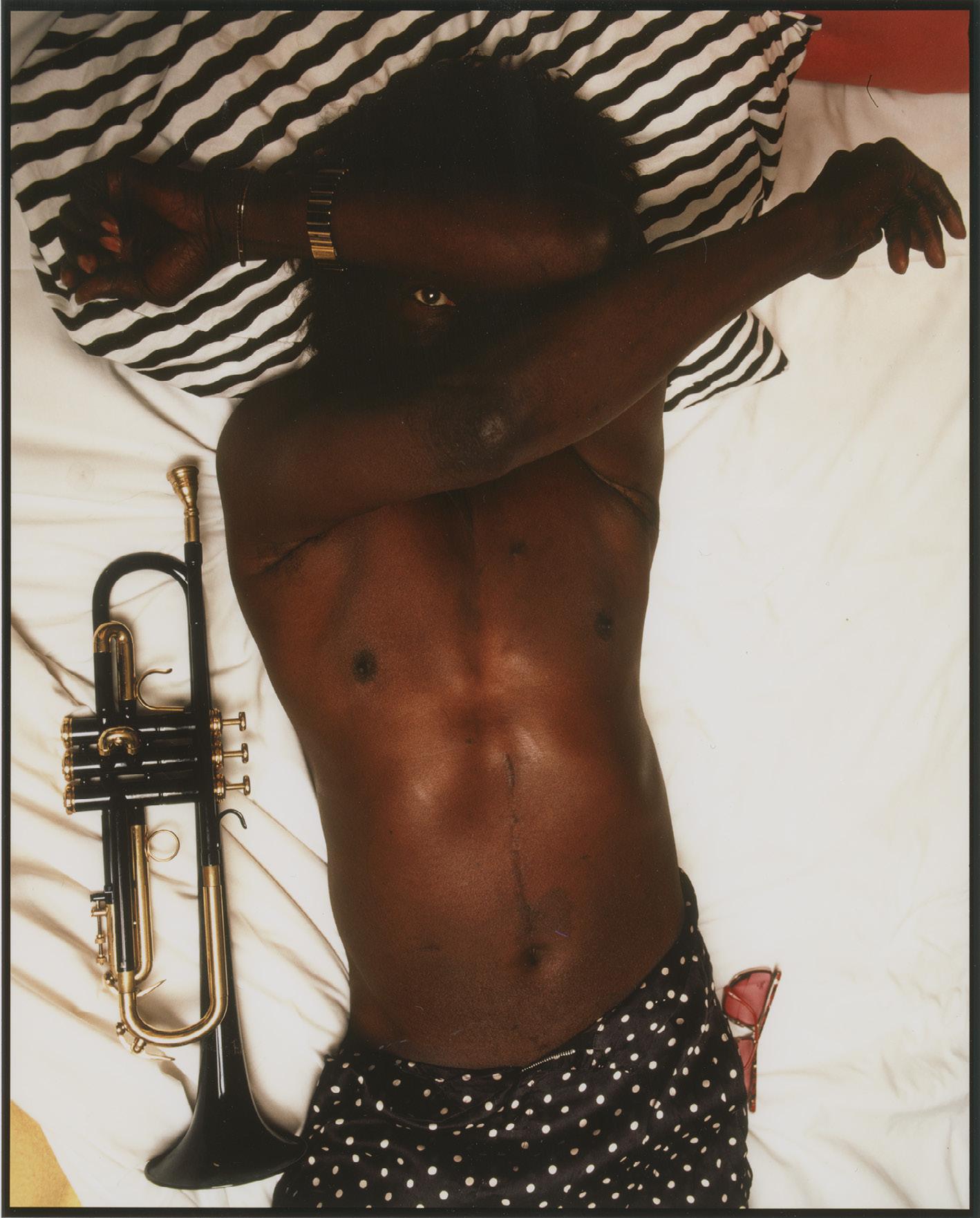
annie leibovitz (b. 1949)
4217* Miles Davis, New York. 1989. Cibachrome print. 36,9 x 29,8 cm (sheet 50,6 x 40,6 cm). Signed, titled, dated, and annotated “a.p. 6” by the photographer in black marker in the lower margin. From an edition of 40.
6.000 €
The American photographer Annie Leibovitz is one of the most influential portraitists of our time. Her breakthrough came
when she joined Rolling Stone magazine as a photographer in 1973, eventually serving as its chief photographer until 1981. In the following years, Leibovitz, known for her media-shy demeanor, rose to international acclaim for her iconic portraits of numerous music legends. Alongside staged portraits such as Queen Elizabeth II, and notable nudes, including those of Demi Moore, Whoopi Goldberg, and Marina Ambramovic, Leibovitz expanded her repertoire to include reportage and advertising photography.
Lit.: Annie Leibovitz. Photographien 1970-1990. Munich: Schirmer/Mosel, 1991, ill. p. 190.
herbert list (1903–1975)
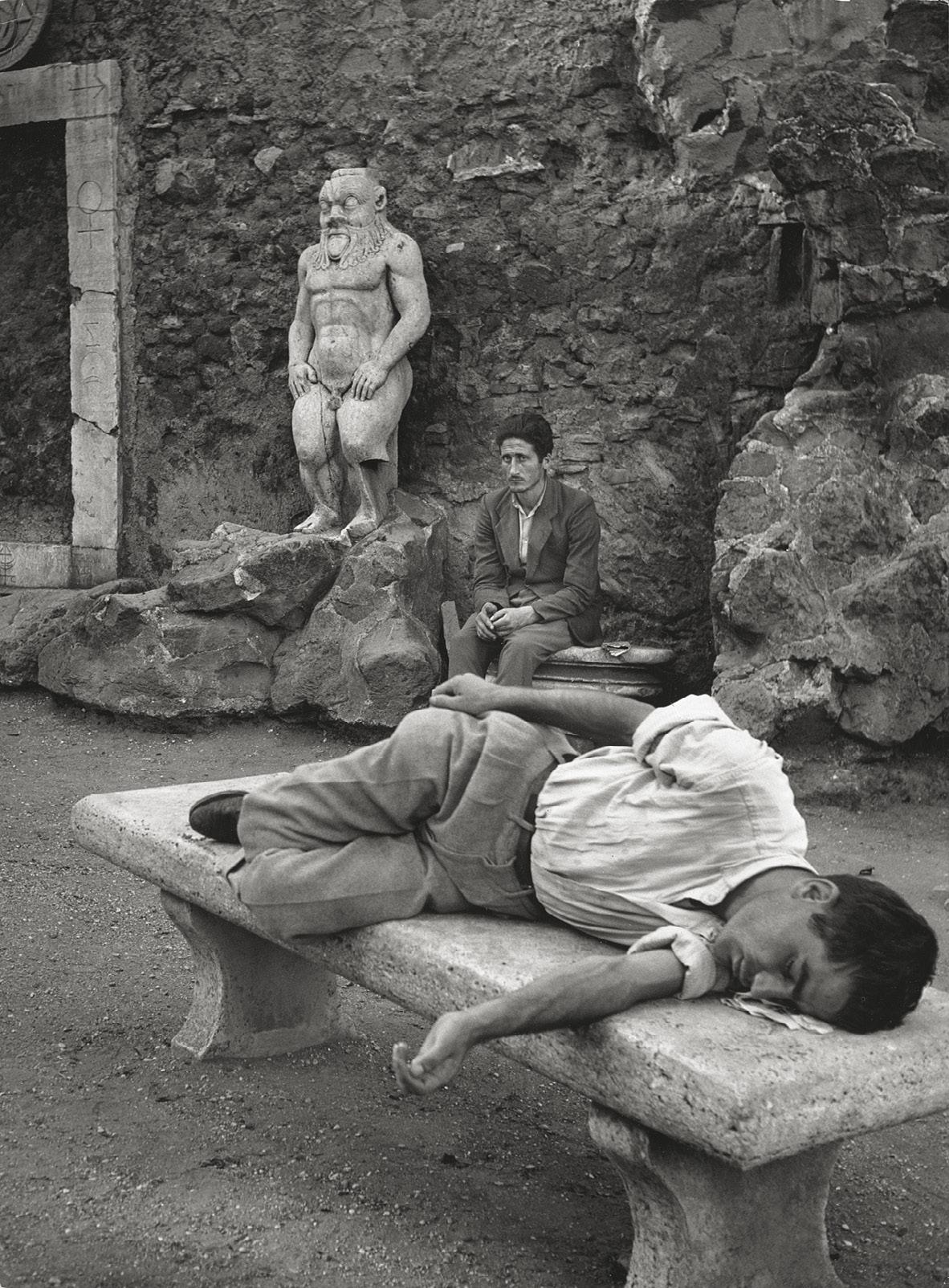
4218 Die Verzauberten - an der Porta Magica. 1949. Vintage ferrotyped gelatin silver print on doubleweight Agfa-Brovira paper. 29,5 x 21,8 cm. Photographer‘s/copyright stamps and annotated in pencil on the verso.
1.500 €
The German photographer Herbert List was a major figure in 20th-century photography, known for his refined visual language that combined classical aesthetics with the modernist sensibilities of his time. Deeply influenced by his background
in art history and his exposure to Surrealism and the Bauhaus movement, List created images that often imbued everyday subjects with a dreamlike or metaphysical quality. His work spans still lifes, architectural studies, and portraits - many of which reflect a quiet, contemplative mood, displaying a fascination with form, light and shadow. A print of this image is in the collection of the Münchner Stadtmuseum.
Lit.: Max Scheler, ed. Herbert List: Italien. Munich: Schirmer/ Mosel, 1995, plate 28 (variant).
Max Scheler and Matthias Harder, eds. Herbert List: The Monograph. Munich: Schirmer/Mosel, 2000, ill. p. 273 (variant).
herbert list
4219 Caracalla Baths, Rome 1950s. Vintage ferrotyped gelatin silver print on doubleweight AgfaBrovira paper. 30 x 23,5 cm. Photographer‘s/copyright stamp on the verso.
1.500 €
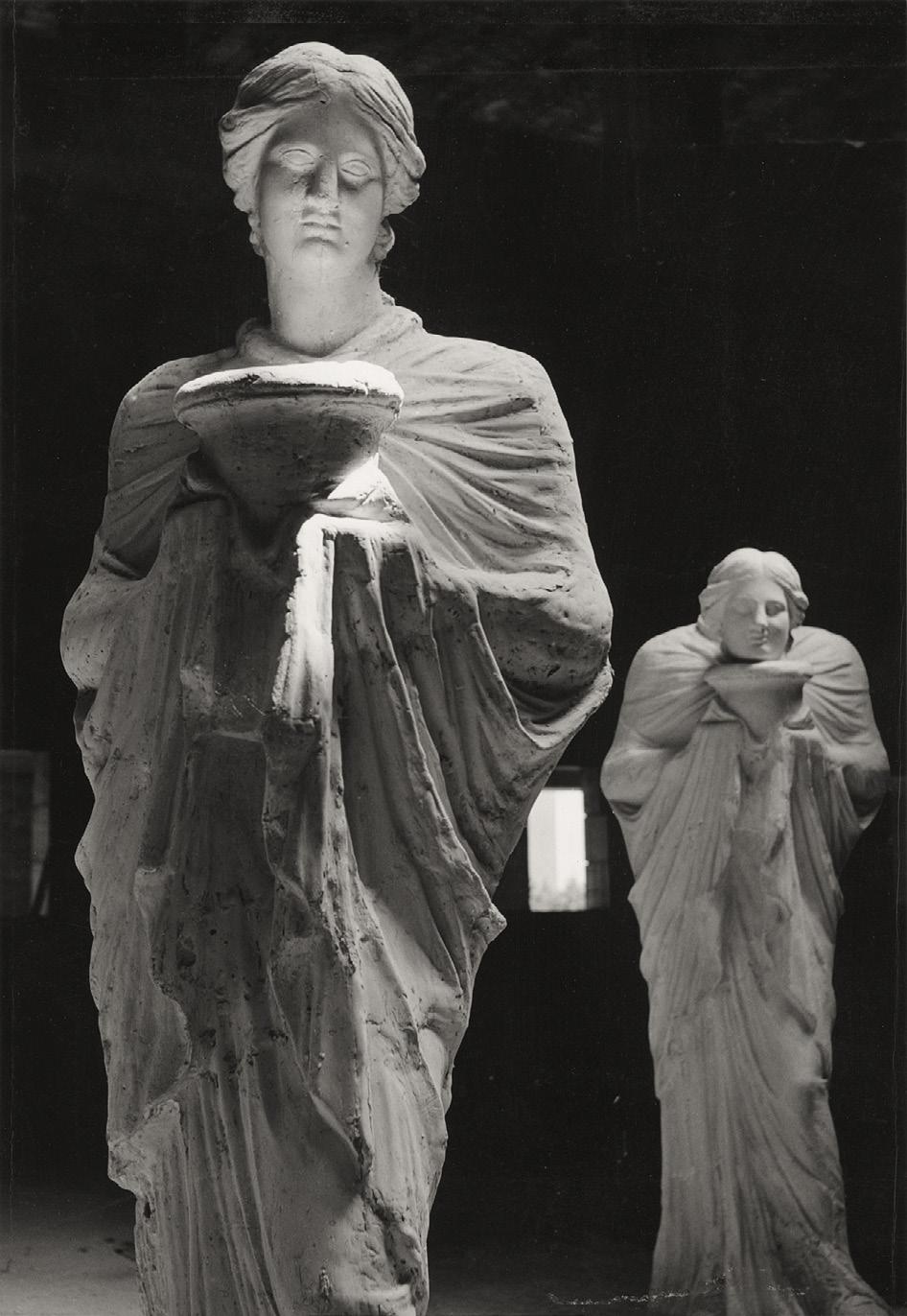
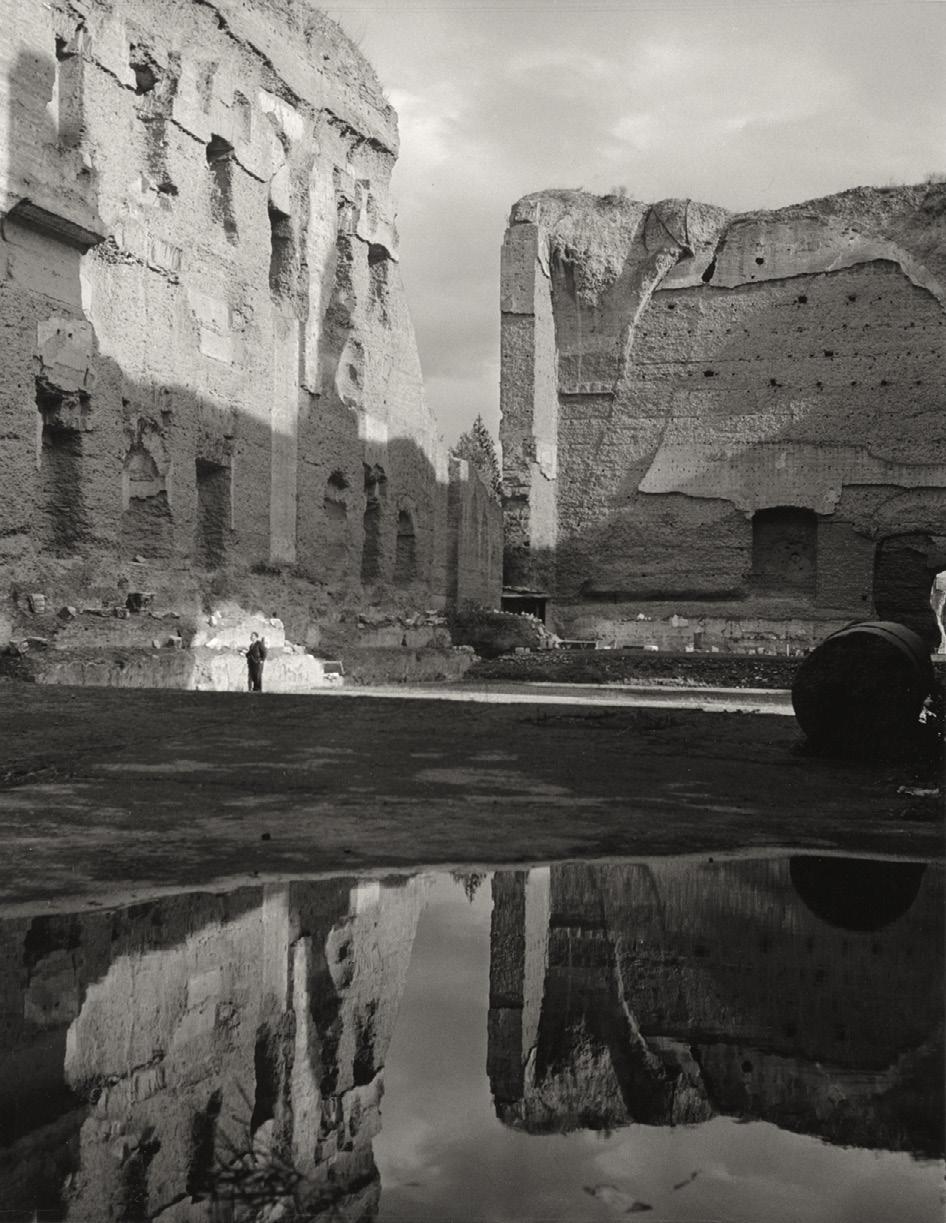
herbert list
4220 Ancient Greek sculpture; Capitoline Museum, Rome. 1950s. Vintage ferrotyped gelatin silver print on doubleweight Agfa-Brovira paper. 29,2 x 20,2 cm. Photographer‘s estate stamp, therein number in pencil on the verso.
1.000 €
ulrich mack (1934–2024)
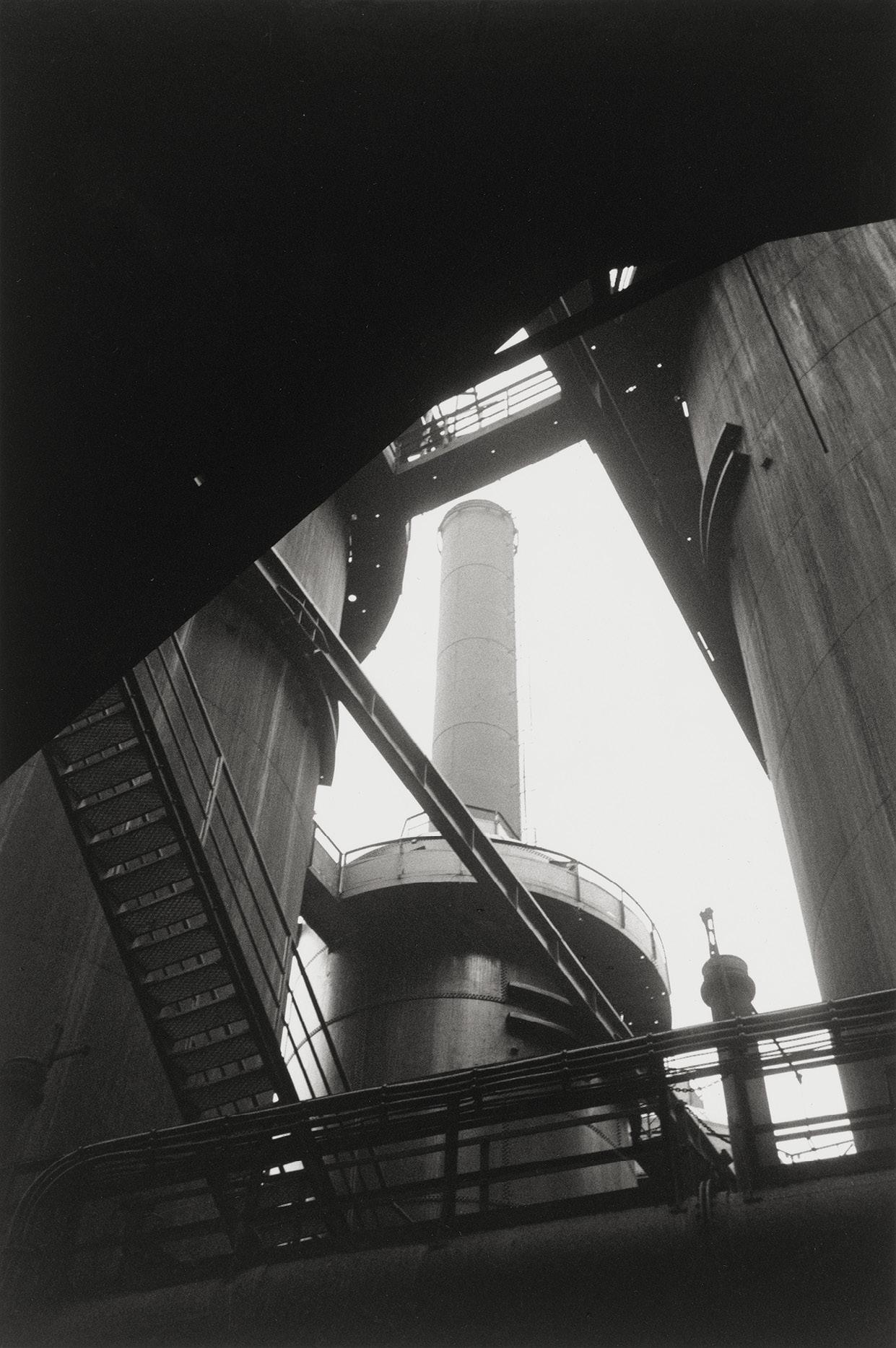
4221 Ruhrgebiet. 1959. Gelatin silver print, printed 1986. 30 x 20 cm (sheet 40,2 x 30,5 cm). Photographer‘s blind stamp in lower margin; signed and titled by the photographer in pencil, as well as photographer‘s/copyright stamp and reproduction limitation stamp on the verso.
1.000 €
The German photographer Ulrich Mack was known for his work in photojournalism, portraiture, and landscape photography, gaining recognition in the 1960s through magazines such as twen, Quick, and Stern. His practice ranges from reportage and incisive portraits to contemplative landscape series and longterm documentary projects, characterized by a strong sense of composition and clarity.
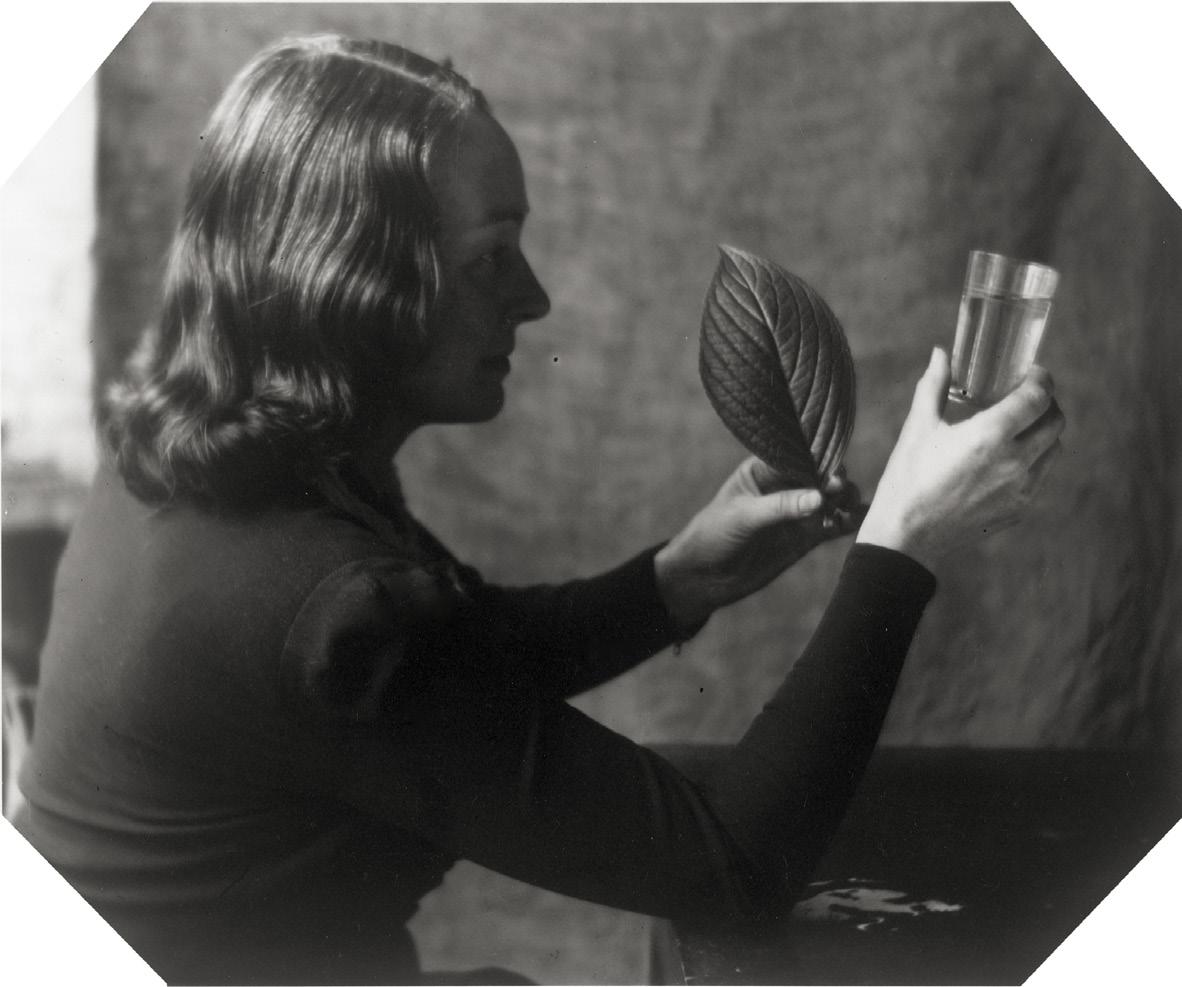
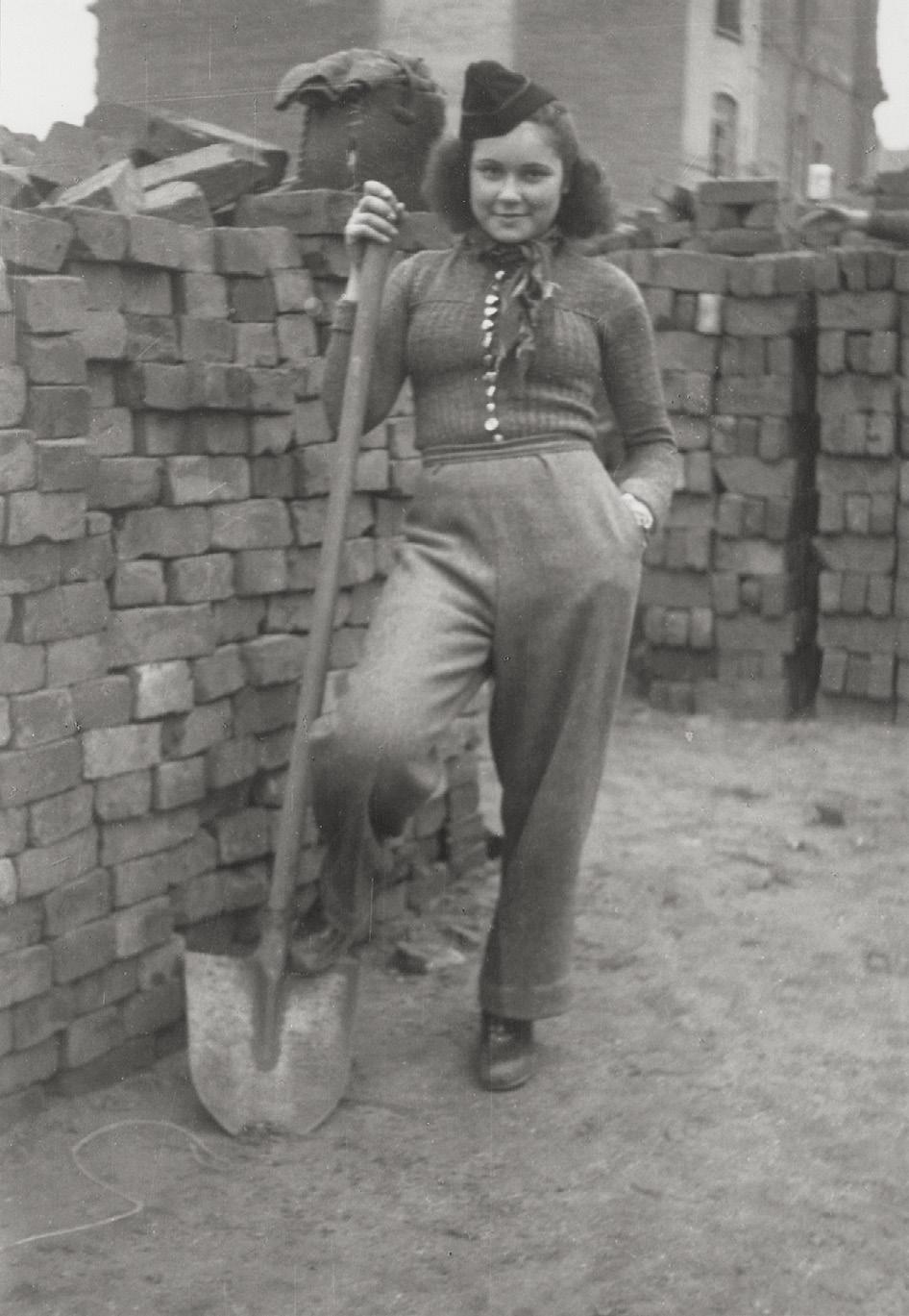
rené magritte (1898–1967)
4222 Königin Semiramis, Brüssel, 1947 (Georgette Magritte); Belohnte Tugend, Brüssel, 1934. 2 gelatin silver prints, printed 1984. Each ca. 20 x 24 cm (sheet 30,5 x 40,3 cm). Each with “Georgette Magritte Nachlaß” Griffelkunst stamp on the verso.
500 €
René Magritte’s photography, produced mainly between the late 1920s and 1950s, extends his Surrealist practice through staged, playful scenes that echo the logic of his paintings. Rather than functioning as documentary records, these images explore themes of illusion, identity, and visual paradox, often serving as experiments and source material within his broader artistic work.
karl-heinz mai (1920–1964)
4223 „Trümmerfrauen“, Leipzig. 1949. 3 gelatin silver prints, printed 1997, 1 mounted to card. Each circa 23 x 16 cm. 1 signed, annotated and editioned in pencil on mount; 2 with printed archive/exhibition paper label affixed to the verso.
500 €
Karl Heinz May was a German photographer active in the postwar period, known for his documentary and reportorial images of everyday life. His work is characterized by a direct, observational approach, capturing social realities with clarity and an understated sense of composition.
man ray (Emmanuel Radnitzky, 1890–1976)
4224 Le violon d’Ingres (1924), Group photo of the DADA group (ca. 1922), Self-Portrait (1932), Erotique voilée (1933), Juliet (1945) . 5 gelatin silver prints, printed 1991. Each circa 23,8 x 18 cm (sheets 30,2 x 24,2 cm). Each with “Griffelkunst” and “ADAGP Man Ray Trust” copyright stamps on the verso.
600 €
Man Ray was a central figure of Dada and Surrealism, whose photography pushed the medium toward experimentation and abstraction. Through techniques such as solarization and his cameraless “rayographs,” he explored chance, transformation, and the interplay between object and image, redefining photography as a creative and conceptual practice. The present lot comprises later prints of some of his most important photographs.
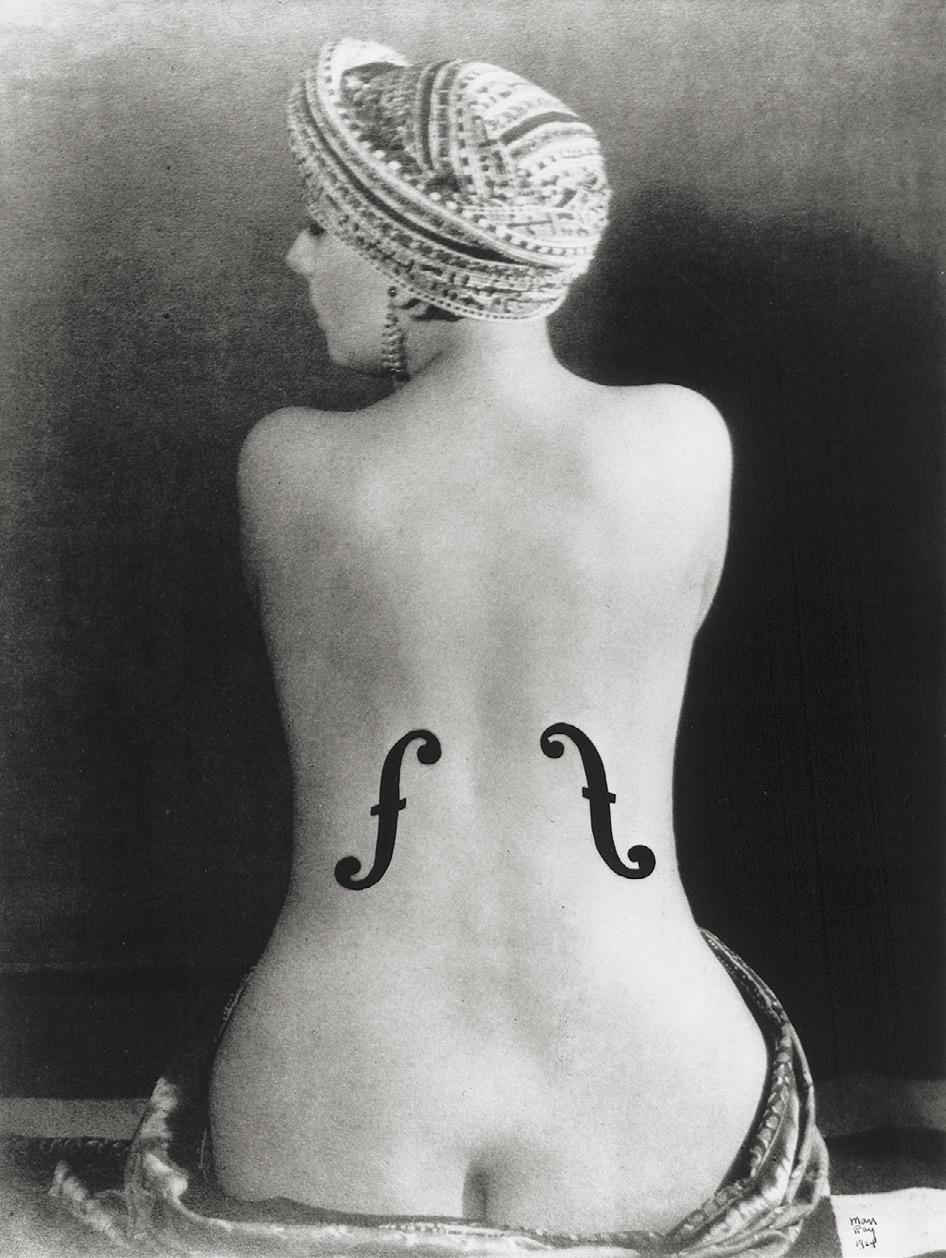
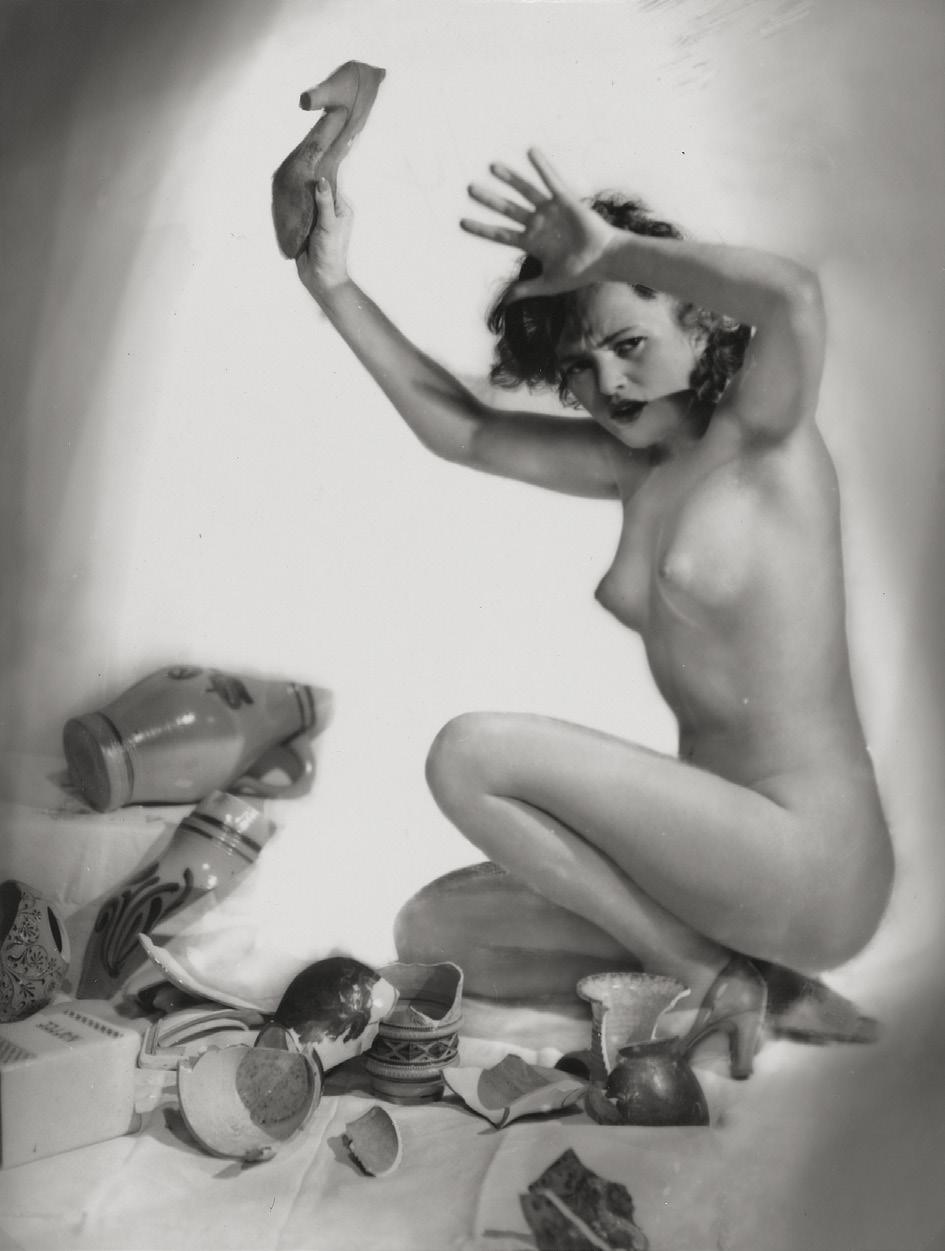
manassé
(Olga & Adorjan von Wlassics, 1896–1969, 1893–1946)
4225* Gebrochene Versprechen . Circa 1930. Vintage gelatin silver print, hinge-mounted to mat. 21,2 x 16,2 cm (mount 49,8 x 40). Photographer‘s „Foto Wlassics Wien“ copyright stamp on the verso. Framed under glass in wooden frame.
600 €
Studio Manassé was a prominent Viennese photographic studio active during the 1920s and early 1930s, founded by Olga Spolarits and Adolf Manassé. Renowned for its fashion photography, portraits, and stylized nude studies, the studio developed a highly polished visual language characterized by sharp lighting, theatrical staging, and an Art Deco-influenced modernity. Its work exemplifies the close connection between avant-garde aesthetics and commercial photography in interwar Vienna. 4225
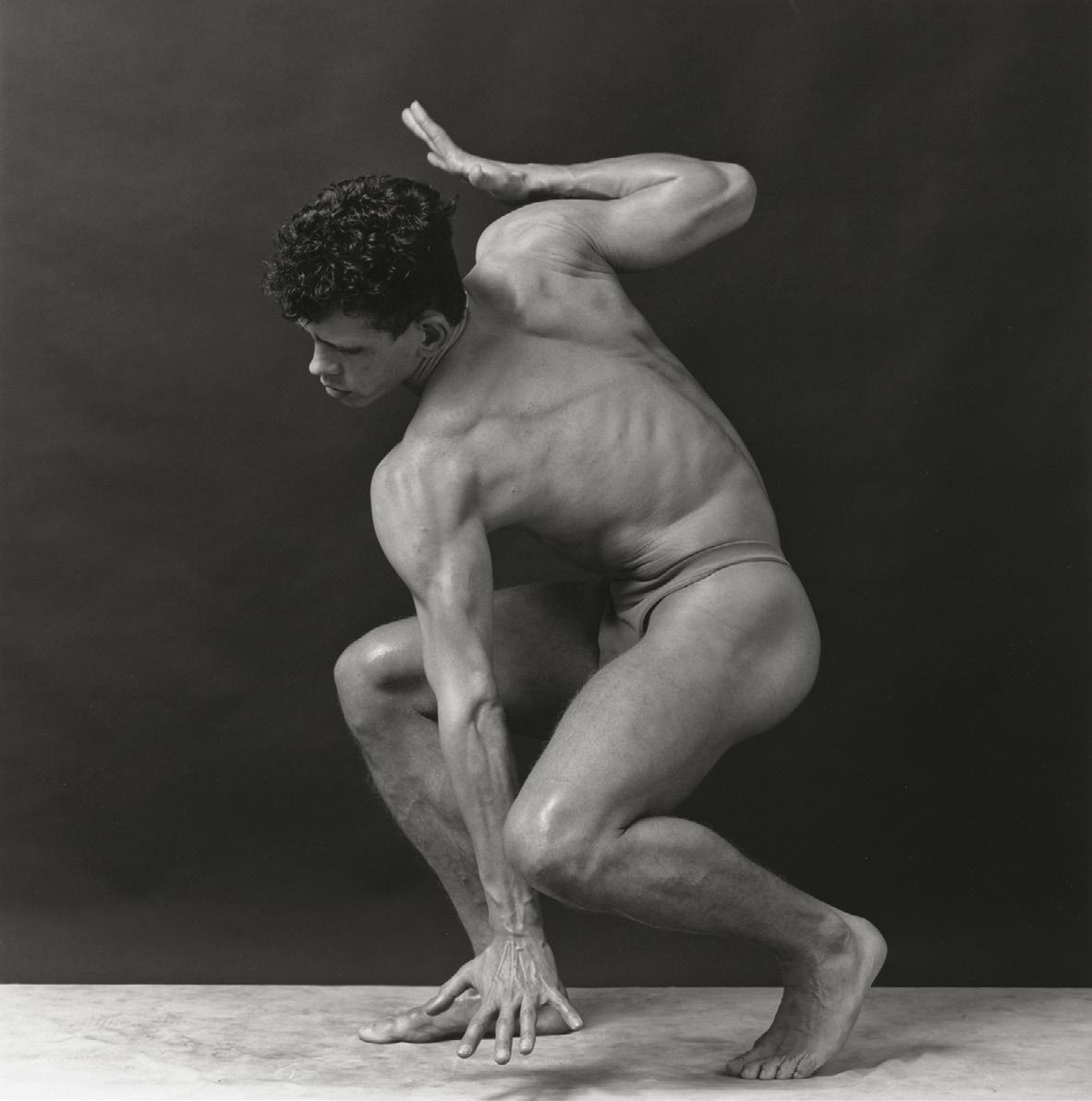
hans van manen (b. 1932)
4226 Improvisation II, Rob van Woerkom / Gr. Plié, Guilherme Botelho. 1985/1984. 2 vintage gelatin silver prints, flush-mounted to board. Each 37 x 37 cm (mounts 42,8 x 38,7 cm). Each signed, titled, and editioned “5/10” and “3/10” in pencil on the mount verso.
800 €
Hans van Manen is internationally recognized as one of the leading figures of contemporary ballet. Alongside his distinguished career as a dancer and choreographer, he has also developed a notable practice in photography, with his work published in book form and exhibited internationally.
will mcbride (1931–2015)
4227 Barbara in unserem Bett, Berlin . 1959. Gelatin silver print, printed 2005. 35 x 52 cm (sheet 50,7 x 60,5 cm). Signed, titled and dated by the photographer in pencil on the verso.
1.200 €
The American-German photographer Will McBride is celebrated for his candid and empathetic documentary work. From the start of his career, he focused on unvarnished depictions of youth, sexuality, and identity, offering a glimpse into the cultural and societal shifts of the postwar era. With a compassionate eye and deep trust in his subjects, McBride created photographs that remain striking for their honesty, intimacy, and emotional depth.
4228 Evi und Lapper tanzen beim Kremserfahrt vorm Trödelhändler Kurt Mühlenhaupt. 1959. Gelatin silver print, printed 1990s. 22,5 x 33 cm (sheet 26,5 x 40,3 cm). Signed, titled and dated by the photographer in pencil as well as photographer‘s stamp on the verso.
900 €
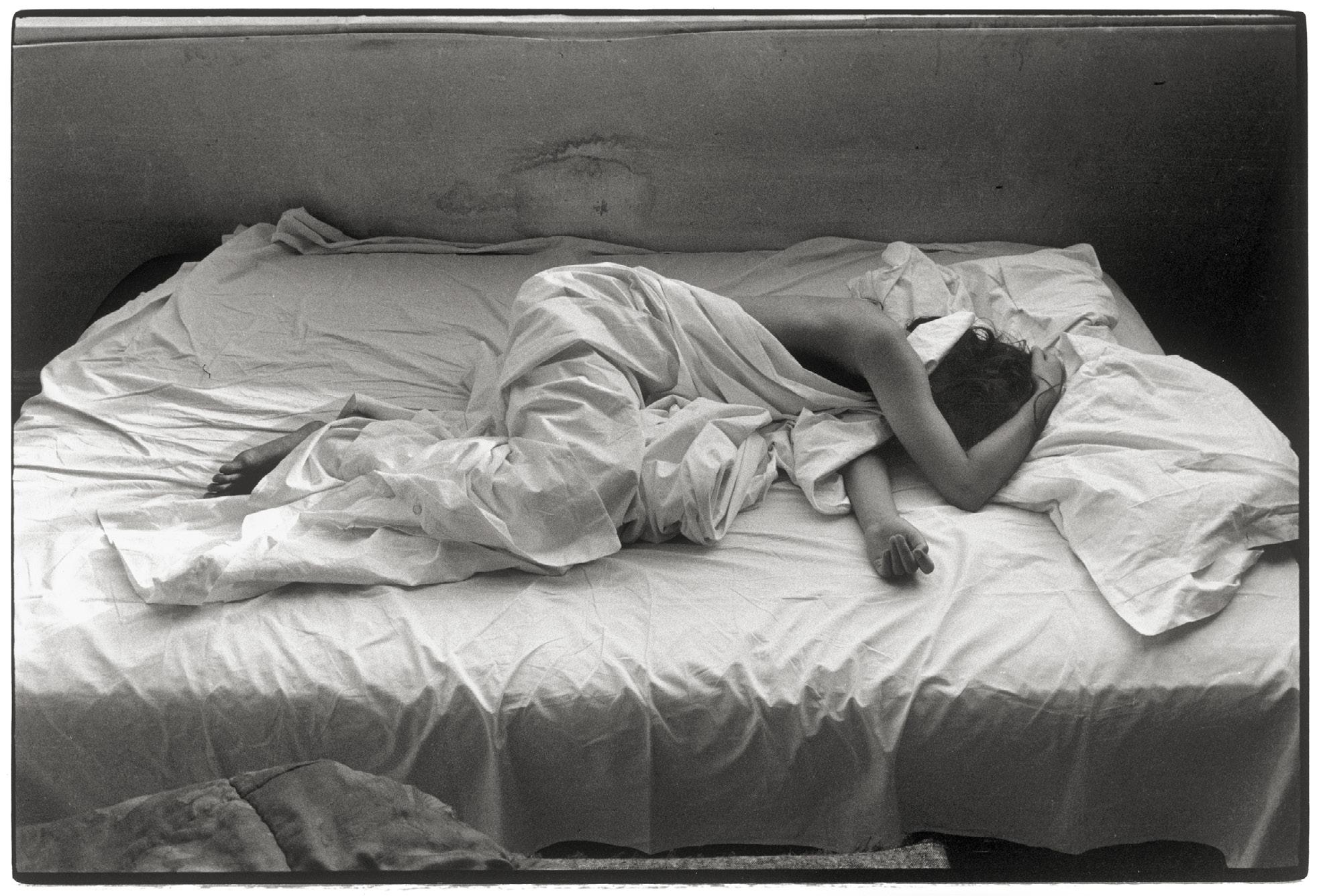
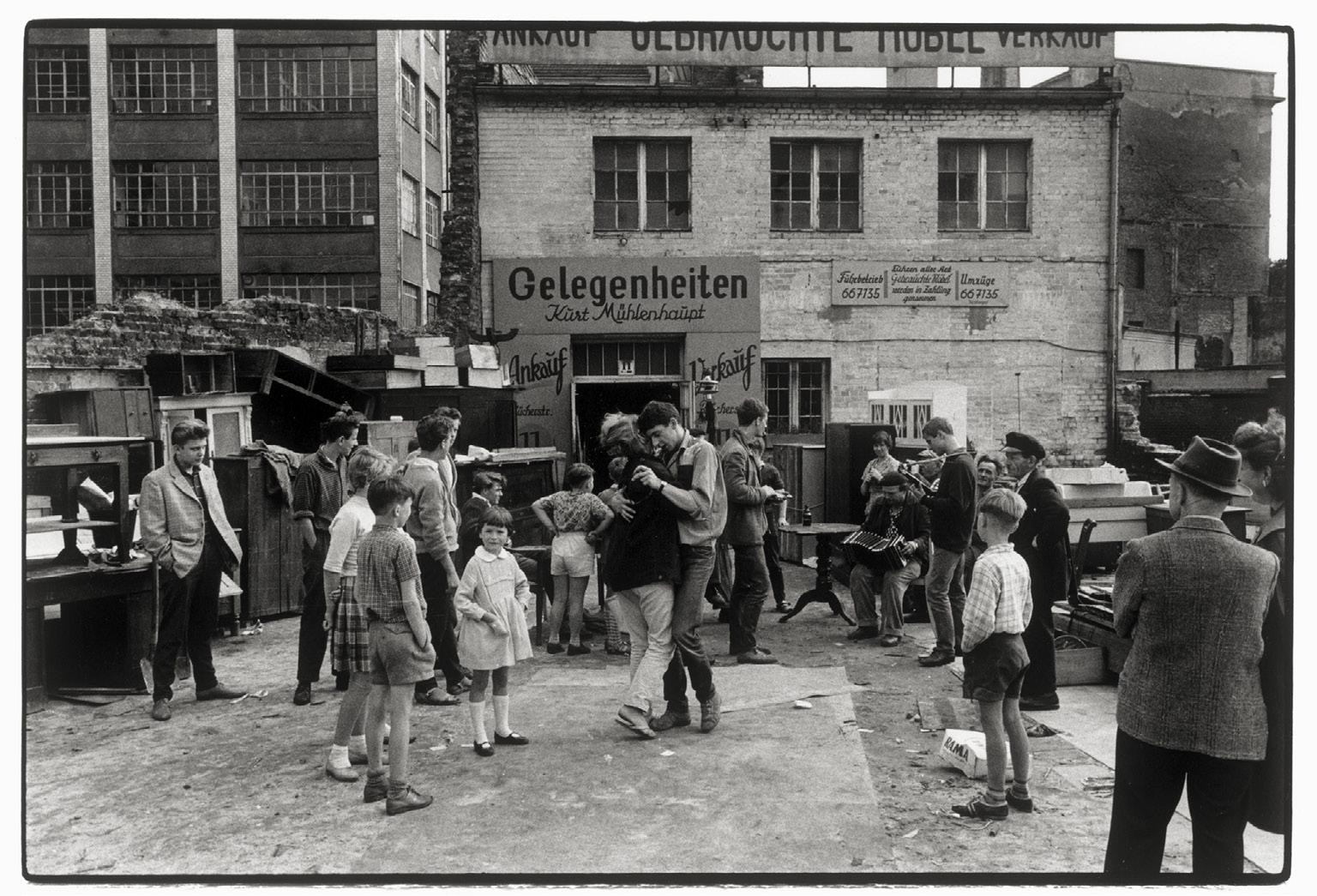
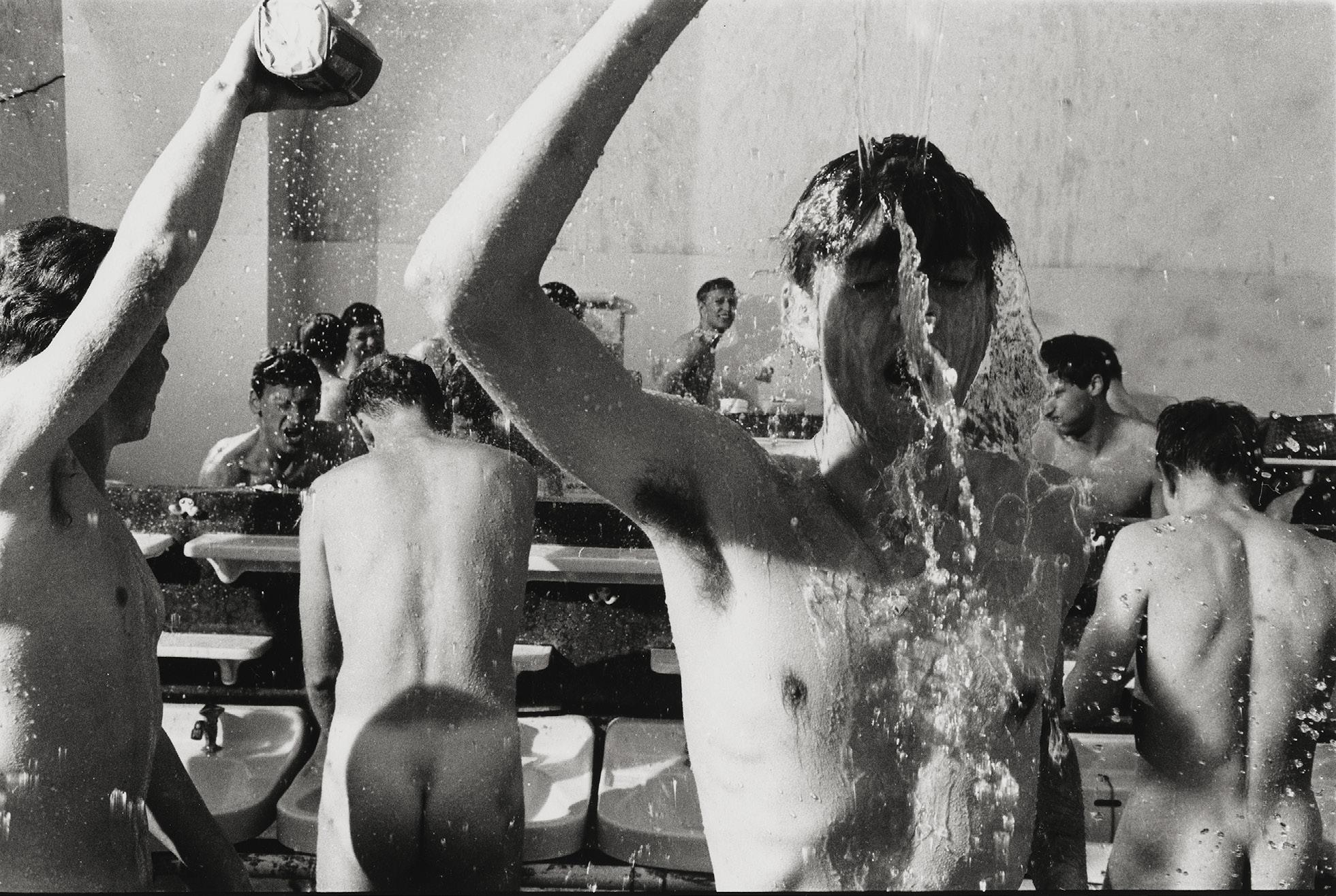
will mcbride
4229 Schüler schmeißen Wasser beim Waschen, Schloß Schule Salem . 1963. Gelatin silver print, printed 1990. 36 x 53,5 cm (sheet 50,5 x 60,5 cm). Signed, annotated, dated and numbered „4/12“ by the photographer in pencil and collection stamp on the verso.
2.200 €
Provenance: Directly from the photographer to the present owner.
will mcbride
4230 Schüler waschen sich, Schule Schloss Salem . 1963. Gelatin silver print, printed 1990. 53,5 x 36 cm (sheet 60,5 x 50,5 cm). Signed, titled, dated and editioned „1/12“ by the photographer in pencil and collector‘s stamp on the verso.
2.200 €
Provenance: Directly from the photographer to the present owner
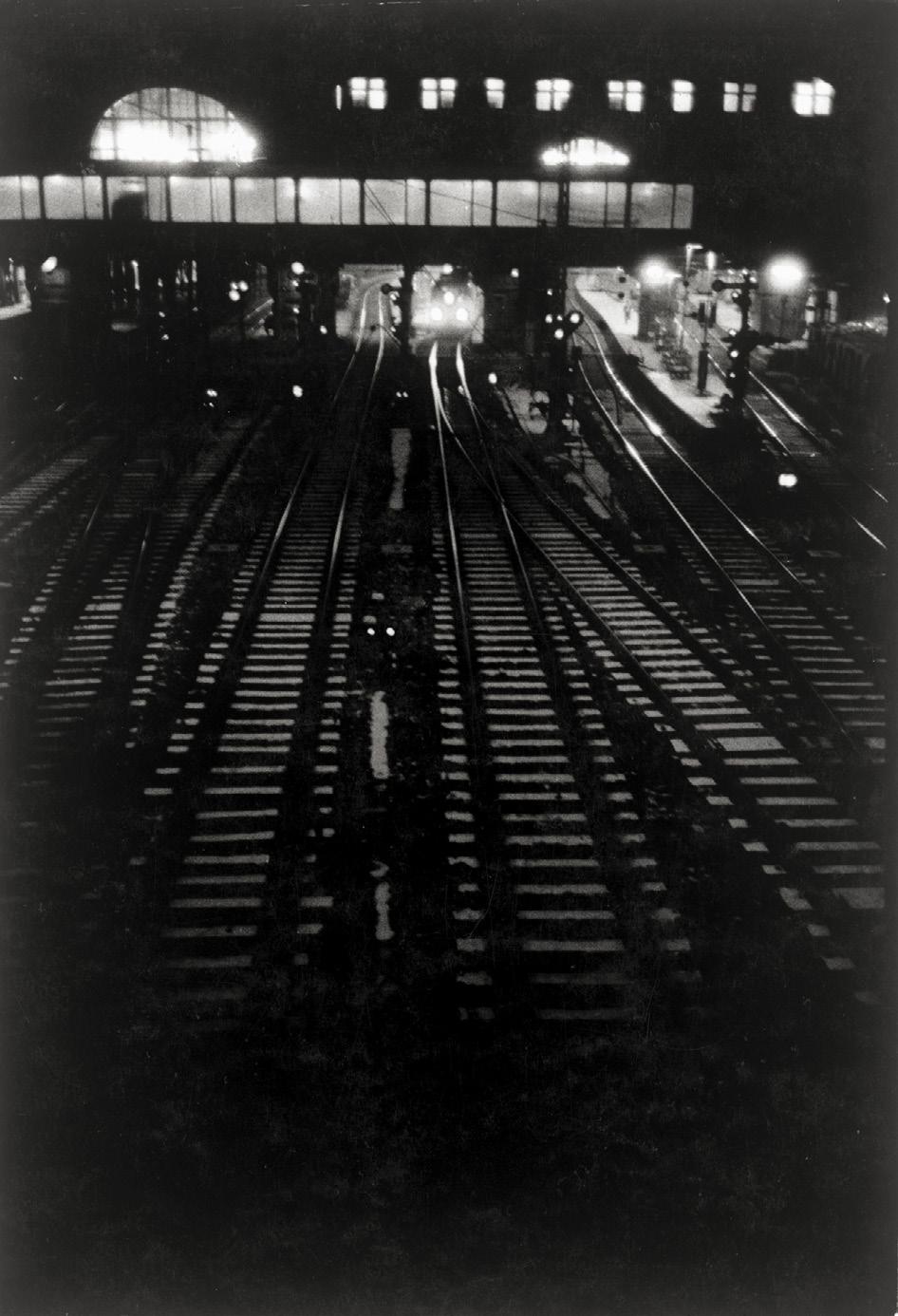
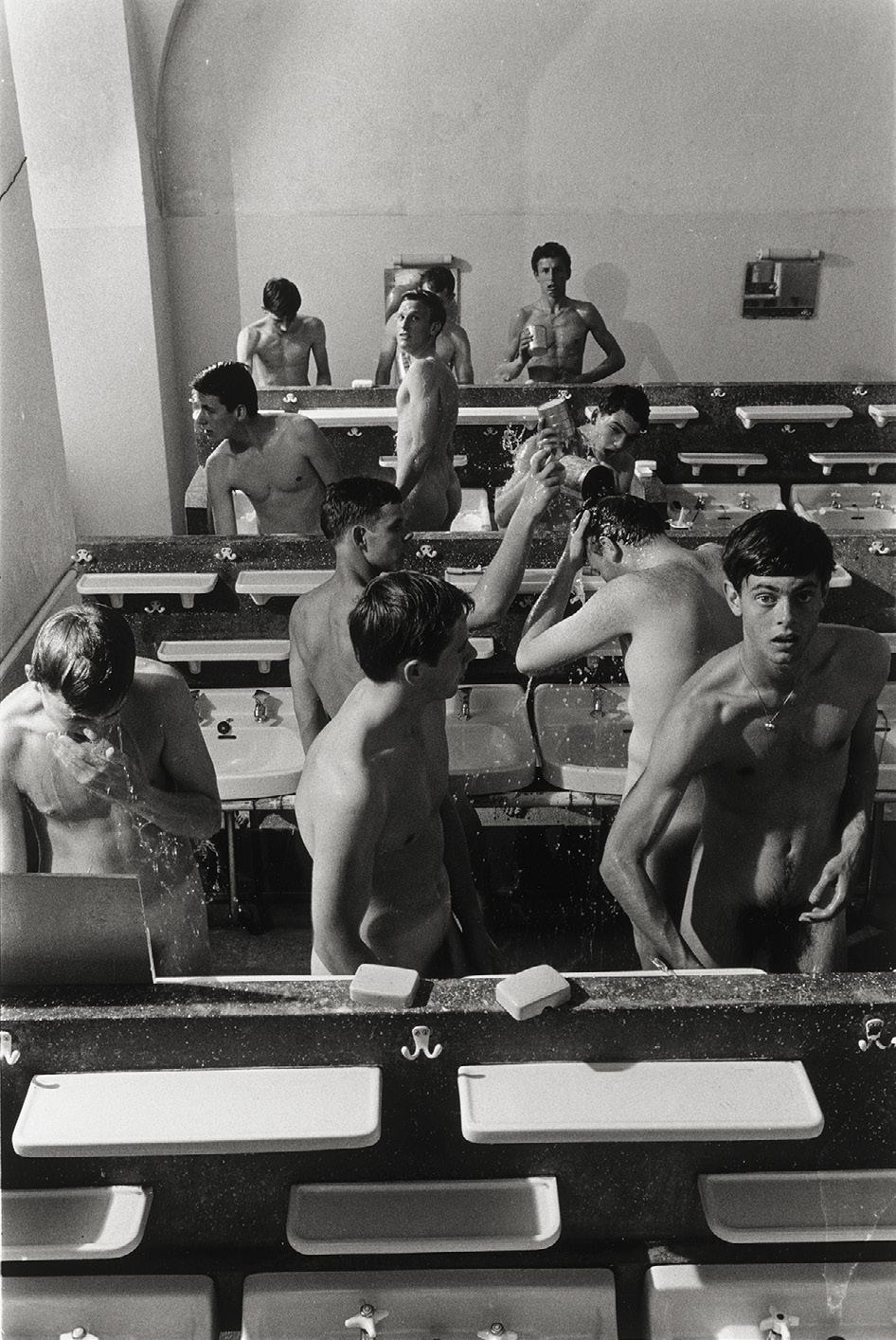
will mcbride
4231 Hamburg. 1974. Gelatin silver print, printed 1990s, mounted to board. 39,2 x 26,3 cm (mount 60,5 x 50 cm). Signed, titled, and dated by the photographer in pencil below the image on the mount. Hingemounted in mat.
1.000 €
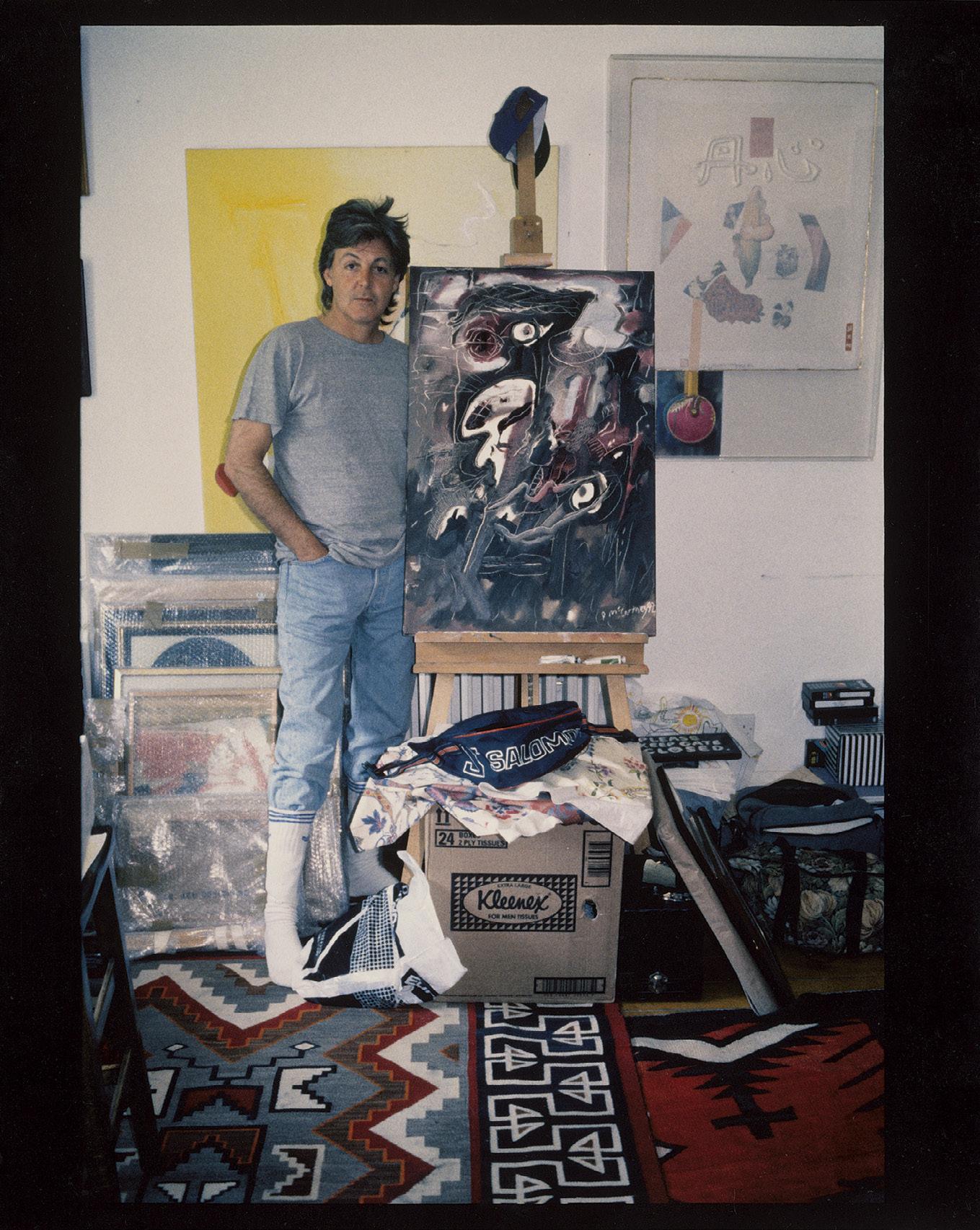
linda mccartney (1941–1998)
4232 Paul with Easel . 1998. Chromogenic print on Fujichrome Professional paper. 25,3 x 20 cm. Printed copyright/estate label on the verso.
1.000 €
Linda McCartney achieved her breakthrough while working as an editorial assistant at Town & Country, when her candid photographs of a Rolling Stones promotional event were published as her first magazine commission. This led to further assignments, including work at the Fillmore East in New York, where she photographed musicians such as B.B. King, Janis Joplin, Jimi
Hendrix, and members of The Who. Throughout her career, she worked across a wide range of subjects, from music and celebrity portraiture to family life, landscapes, and interiors. A particularly personal strand of her work centers on her husband Paul McCartney, often depicted in intimate, informal settings and at work as a painter. The present image, made toward the end of her life, belongs to this later phase. Her photographs are now held in major public collections, including the National Portrait Gallery.
Provenance: Private German collecton
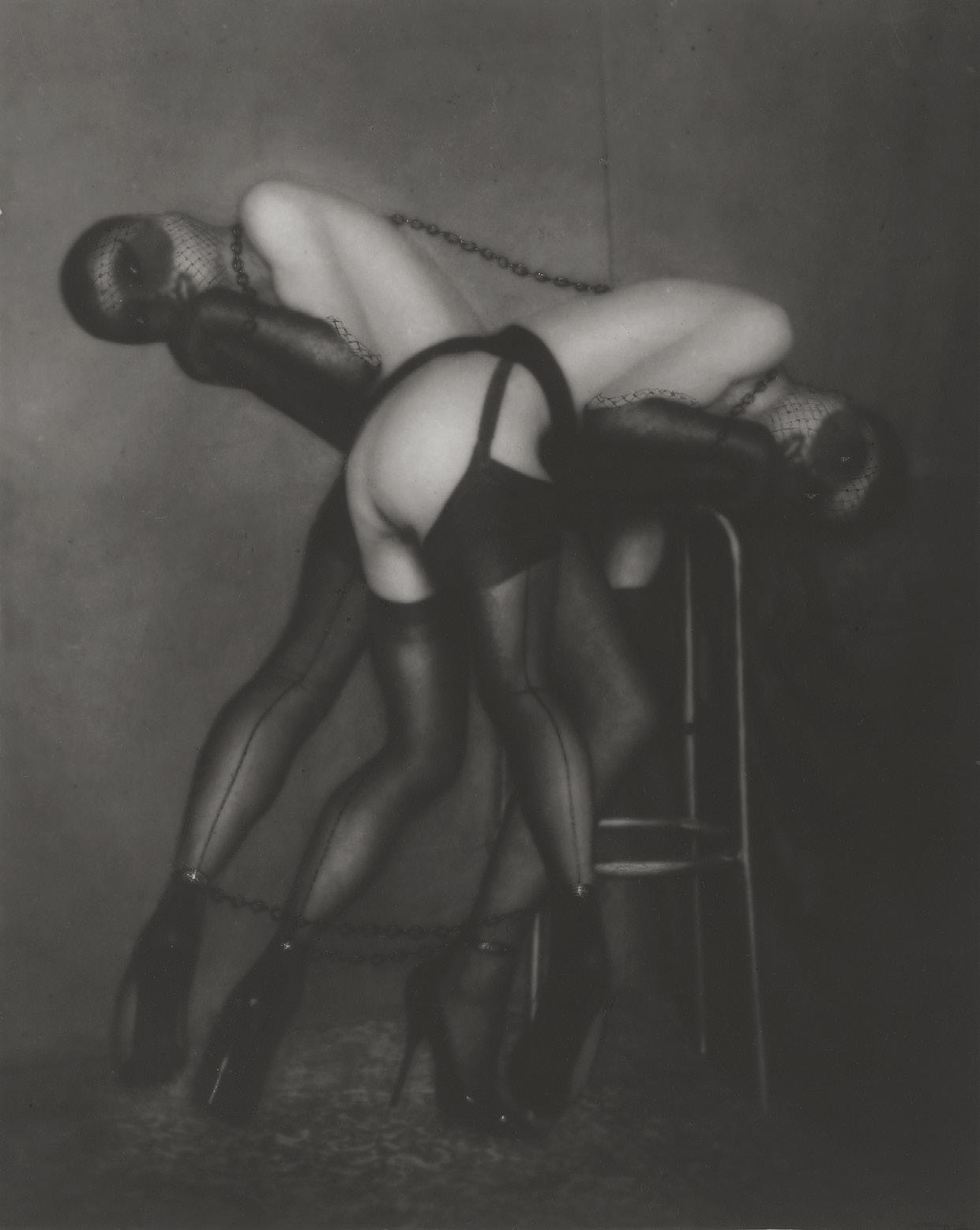
pierre molinier (1900–1976)
4233* Pantomime céleste. 1968. Vintage gelatin silver print, mounted to board. 13,5 x 11,7 cm (mount 36 x 31,5 cm). Titled in pencil on the verso, „Hanel Koeck Collection“ stamp. Framed under glass in wooden frame. 2.000 €
Pierre Molinier developed a highly personal body of work centered on staged self-portraits and photomontages, using his own body as both subject and material. Closely aligned with Surrealism, his practice explores fetishism, gender ambiguity, and erotic desire through fragmentation, repetition, and theatrical mise-en-scène. Working largely outside institutional frameworks, Molinier blurred the boundary between artist and model, anticipating later developments in body art and performancebased photography.
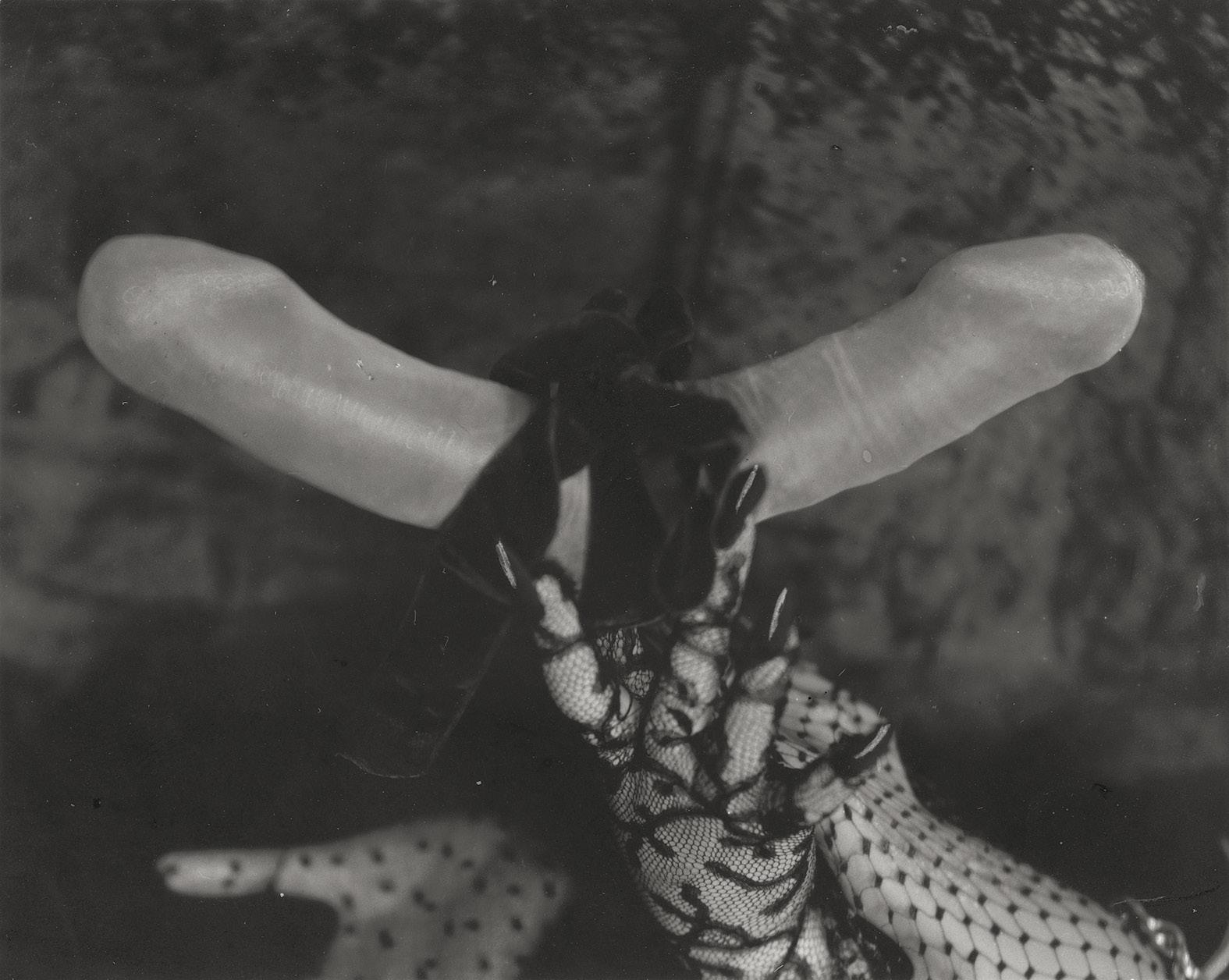
4234* Godemiche fétiche. 1970. Vintage gelatin silver print, mounted to board. 8,8 x 11,2 cm (mount 30,6 x 32,2 cm). Titled in pencil on the verso, „Hanel Koeck Collection“ stamp. Framed under glass in wooden frame.
1.200 €
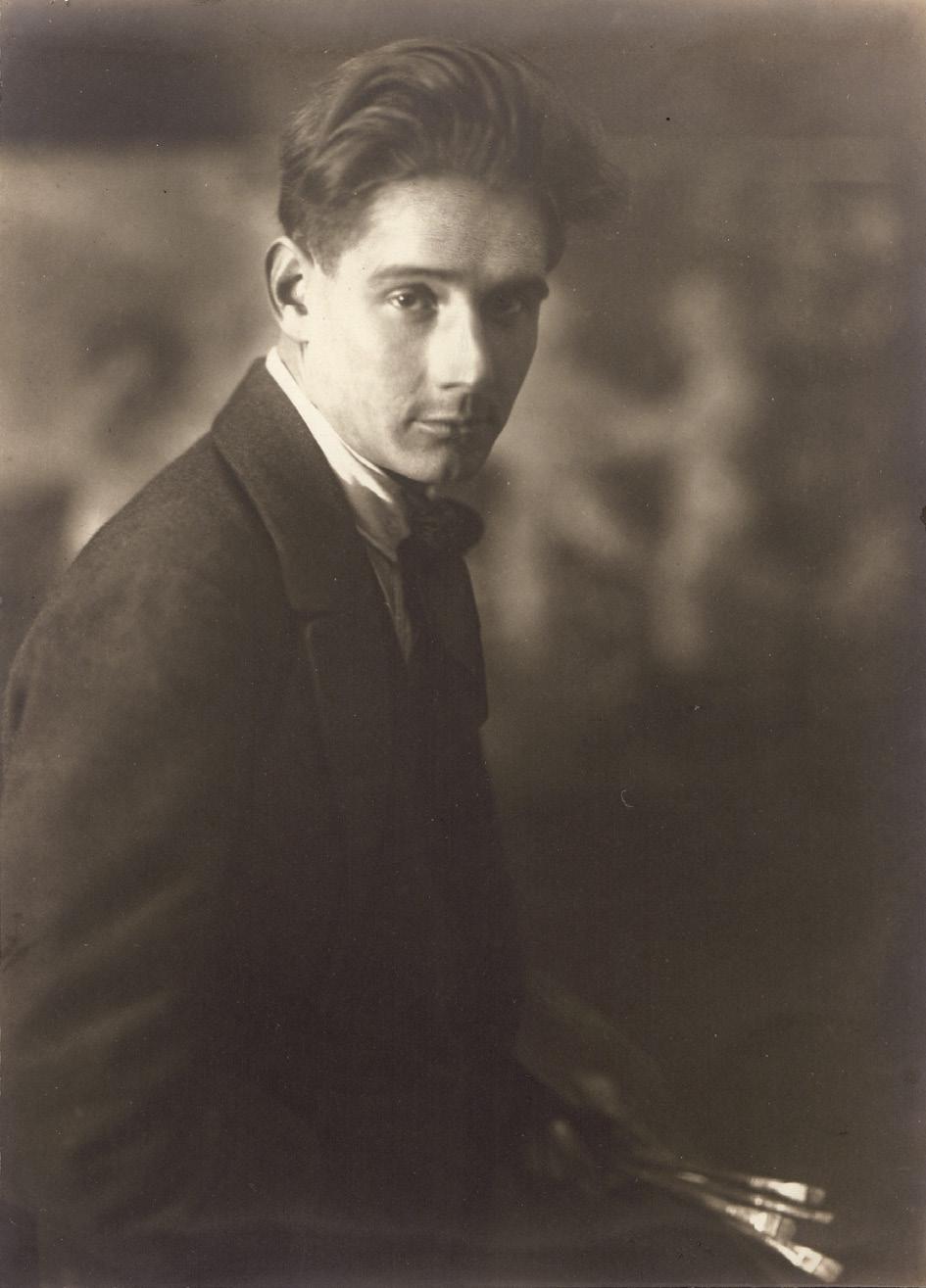
lászló moholy-nagy (1895–1946)
4235 Rothenburg ob der Taube. 1930/31. Gelatin silver print, printed 1990s. 24,2 x 17,5 cm (sheet 39,2 x 29,5 cm). „Laszlo Moholy-Nagy - griffelkunst“ stamp on the verso.
400 €
László Moholy-Nagy moved from Budapest to Berlin in 1920 with his wife, the artist Lucia Moholy. In 1923 he joined the Bauhaus in Weimar, where he initially co-taught the foundation course before becoming head of the metal workshop. Photography soon became central to his practice. Introduced to the medium by Lucia Moholy, he embraced experimental techniques to articulate the dynamism of modern urban life and developed the concept of a “New Vision,” aligned with broader modernist ideas of perception in the postwar era.
Lit.: Jeanine Fiedler, ed. Moholy Album: Perspektivwechsel auf den Fotostrecken der Moderne. László Moholy-Nagys schwarzweißfotografische Arbeiten 1924-1937. Göttingen: Steidl, 2018, ill. p. 141.
4236 Photographer unknown. Portrait of the artist Wilhelm Morgner. Circa 1910. Vintage sepia-toned gelatin silver print. 22 x 16 cm.
750 €
In 1908, on the advice of Otto Modersohn, Wilhelm Morgner moved to Worpswede, where he studied with Georg Tappert, who introduced him to modern art and encouraged plein air painting; the two remained in close contact. After returning to Soest in 1909, Morgner established a studio and began exhibiting, and in 1910 he traveled to Berlin for further study with Tappert. His growing reputation led to publications in Der Sturm and Die Aktion, and participation in major exhibitions, including the Neue Secession in Berlin, the Blauer Reiter in Munich, and the Sonderbund in Cologne. Drafted in 1913, he was sent to the Western Front at the outbreak of the First World War and was killed near Langemark in Flanders in 1917 at the age of 26.
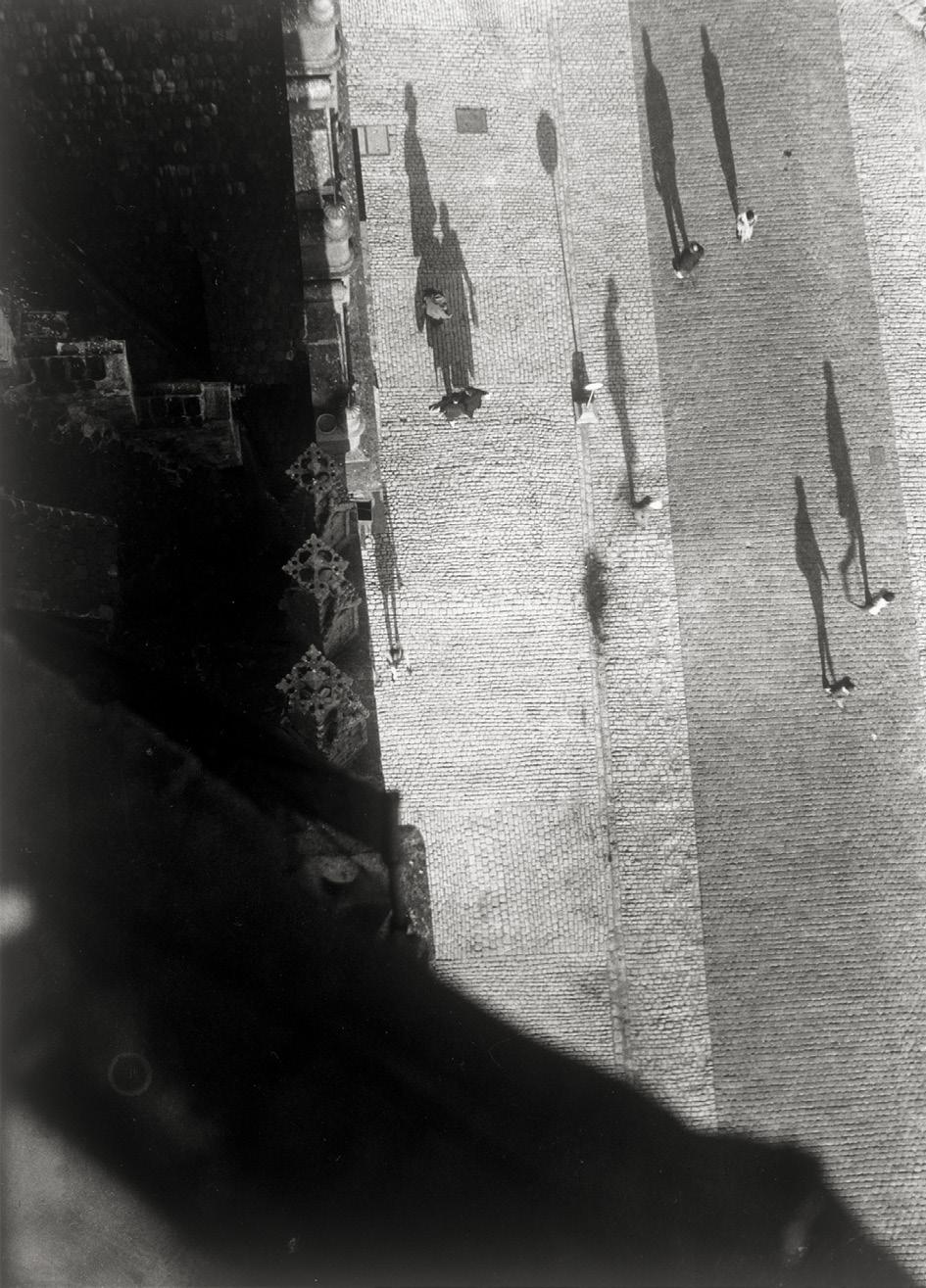
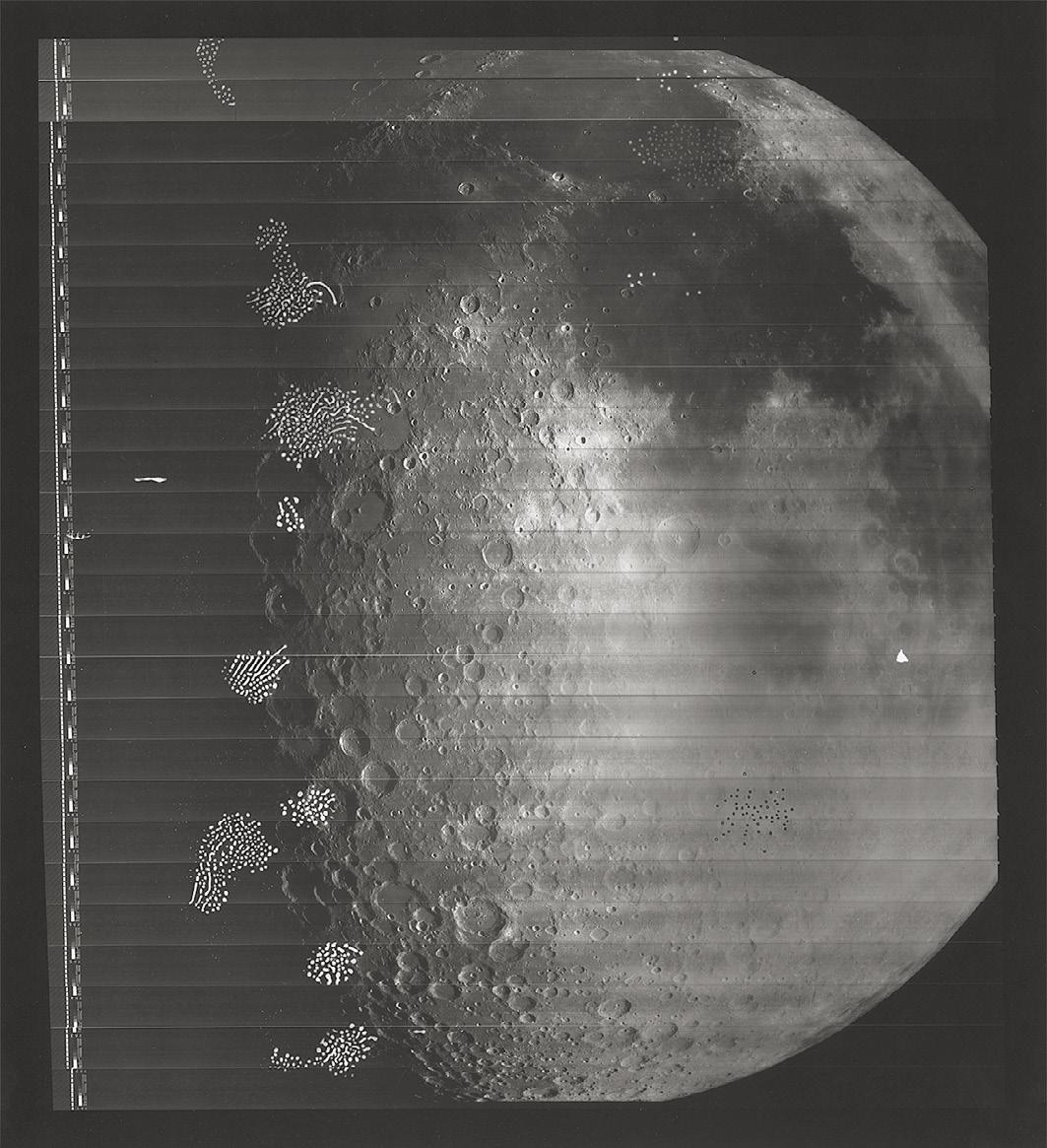
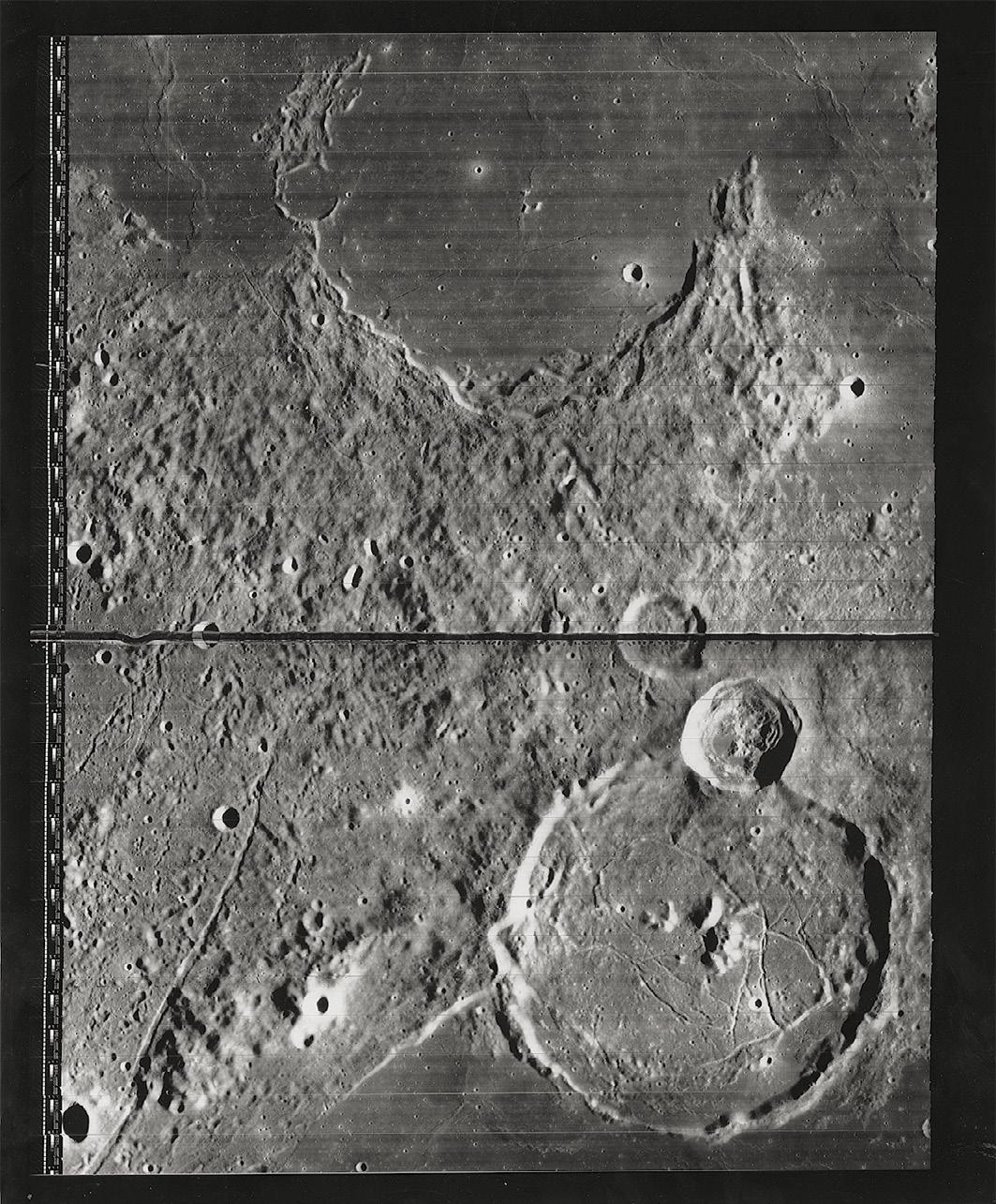
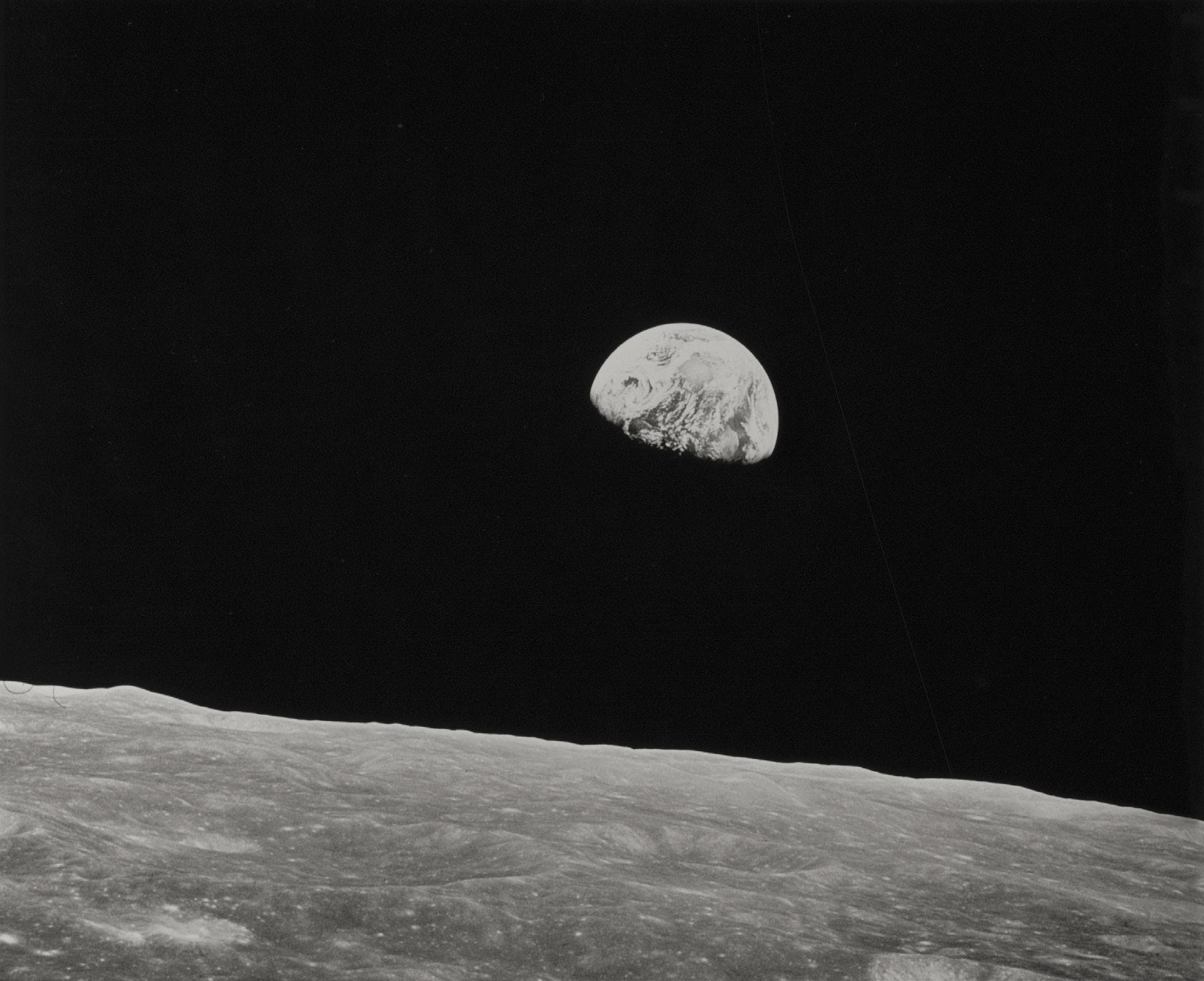
4237 Lunar surface taken by Lunar Orbiter IV. 1967. Vintage gelatin silver print on RC paper. 61 x 51 cm. „NASA-LRC“ and „IV-89M“ in lower margin.
750 €
The whole Moon first seen from a perspective different from Earth, May 1967. Lunar Orbiter IV was the first of the five Lunar Orbiters to fly in a polar rather than a near equatorial orbit. After the success of the first three missions in mapping the near side equatorial region of the Moon to very high resolution, NASA decided to use the fourth orbiter to map the entire Moon at moderate resolution.
4238 Lunar surface taken by Lunar Orbiter IV. 1967. Vintage ferrotyped gelatin silver print. 61 x 51 cm. „NASA-LRC“ and „IV-143H2“ in lower margin.
750 €
4239 Photographer: William Anders (1933-2024). Earthrise from Apollo 8. December 24, 1968. Vintage gelatin silver print. 20,3 x 25,2 cm. NASA press text printed on the verso.
1.000 €
This celebrated image shows a black and white version of planet Earth rising above the bleached lunar horizon. The crew had completed three lunar orbits before emerging from the far side and witnessing this sight, surely one of the most astounding ever photographed. Anders stated „I was immediately almost overcome by the thought that here we came all this way to the Moon, and yet the most significant thing we‘re seeing is our own home planet, the Earth.“
Lit.: Ron Schick and Julia Van Haaften. The View from Space: American Astronaut Photography 1962-1972. New York: Clarkson Potter, 1988, ill. p. 98 (in color).
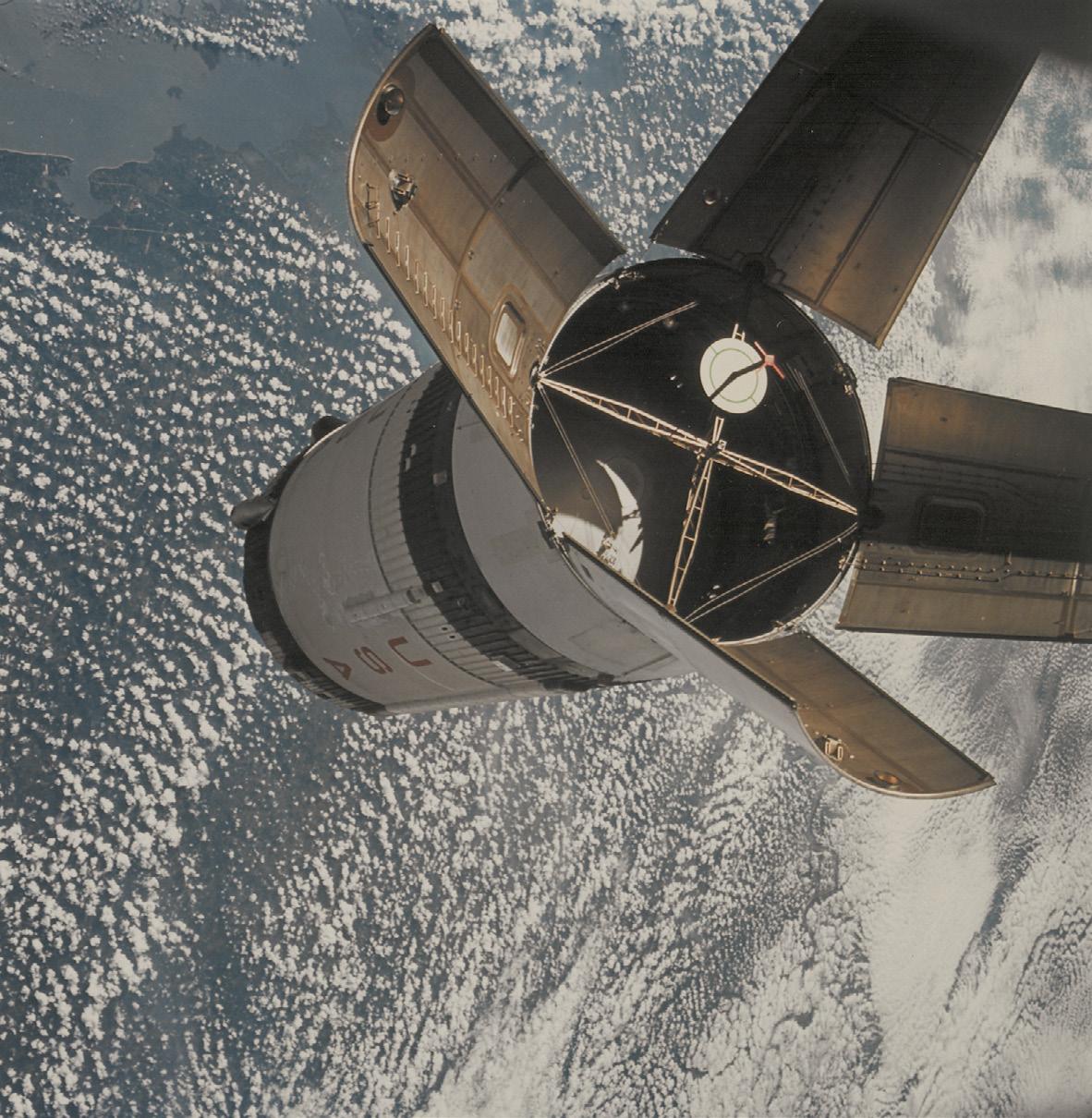
nasa
4240 The extended Saturn IVB stage as photographed from Apollo 7. Oct. 11,1968. Vintage chromogenic print 18 x 18 cm (sheet 20,2 x 25,1 cm). Red „AS7-3-1541“ number in upper left in margin; „A Kodak Paper“ watermark on the verso.
750 €
4241 Photographer: Neil Armstrong (1930-2012).
Edwin „Buzz“ Aldrin with Neil Armstrong and LM Eagle reflected in his gold-plated visor, Apollo 11. 1969. Vintage chromogenic color print on Kodak paper. 24 x 19,2 cm (sheet 25,2 x 20,4 cm). „65834-69“ number stamp and „A Kodak Paper“ watermark on the verso.
1.200 €
This is the most famous image of Edwin “Buzz” Aldrin on the Moon, taken by Neil Armstrong after the Apollo 11 landing. Armstrong’s reflection, together with the Lunar Module Eagle,
is visible in Aldrin’s visor during their 2.5 hours on the lunar surface. The photograph was published on the covers of Life and National Geographic in August and December 1969. Lit.: Andrew Chaikin. Space: A History of Space Exploration in Photographs. London: Easton Press, n.d., ill. p. 95.
Neil Pearson, ed. Apollo VII-XVII. Kempen: teNeues, 2018, ill. p. 125.
4242 Photographer: Neil Armstrong (1930-2012).
Buzz Aldrin standing beside the U.S. flag, Apollo 11, July 1969. Vintage chromogenic print. 20 x 25 cm. „A Kodak Paper“ watermark on the verso.
750 €
Because the moon lacks any atmosphere the flag was stiffened with wire for this photograph so that it would appear to be fluttering in the breeze.
Lit.: Terry Hope. Spacecam: Photographing the Final Frontier from Apollo to Hubble. Hove: Rotovision, 2005, ill. p. 22.
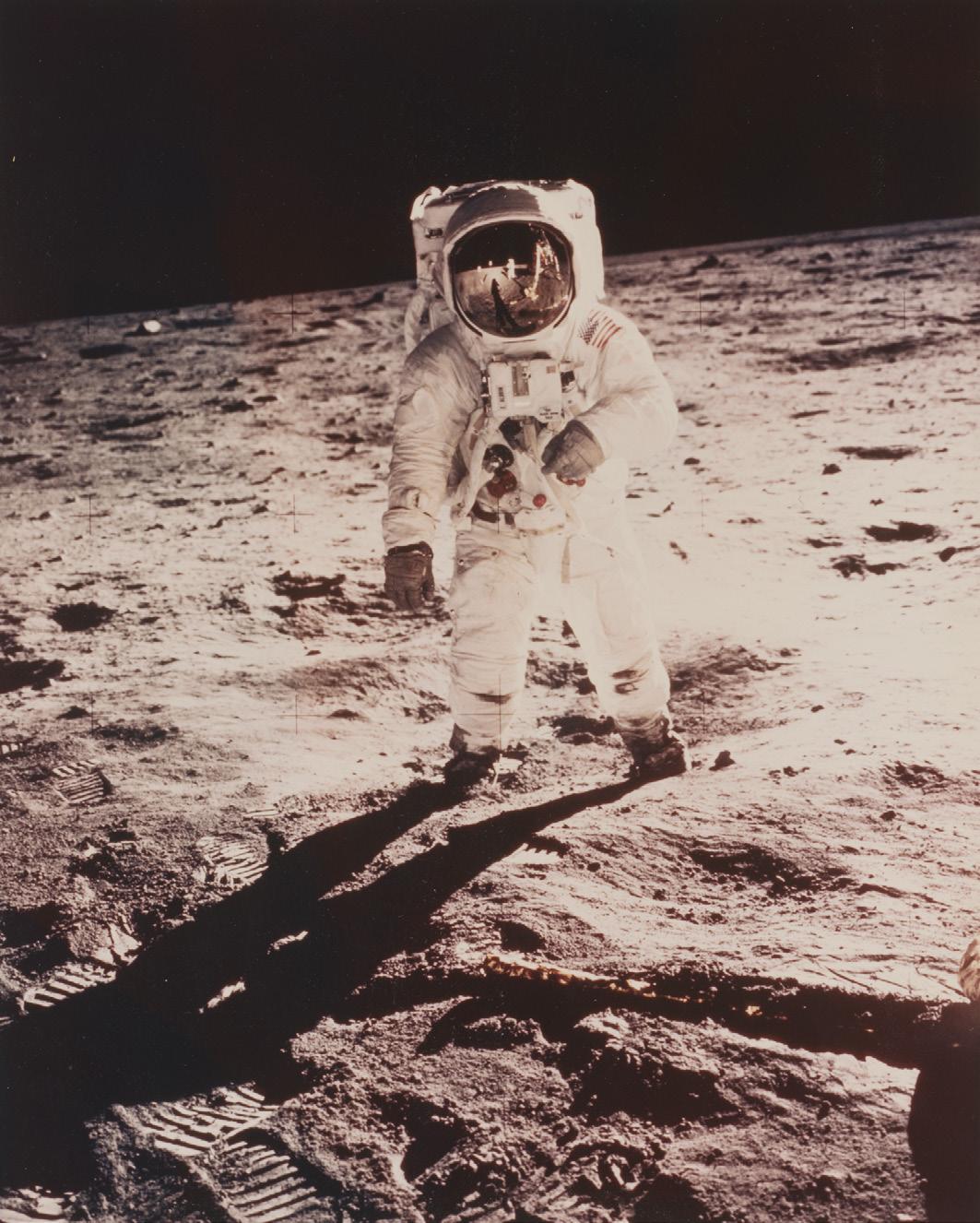
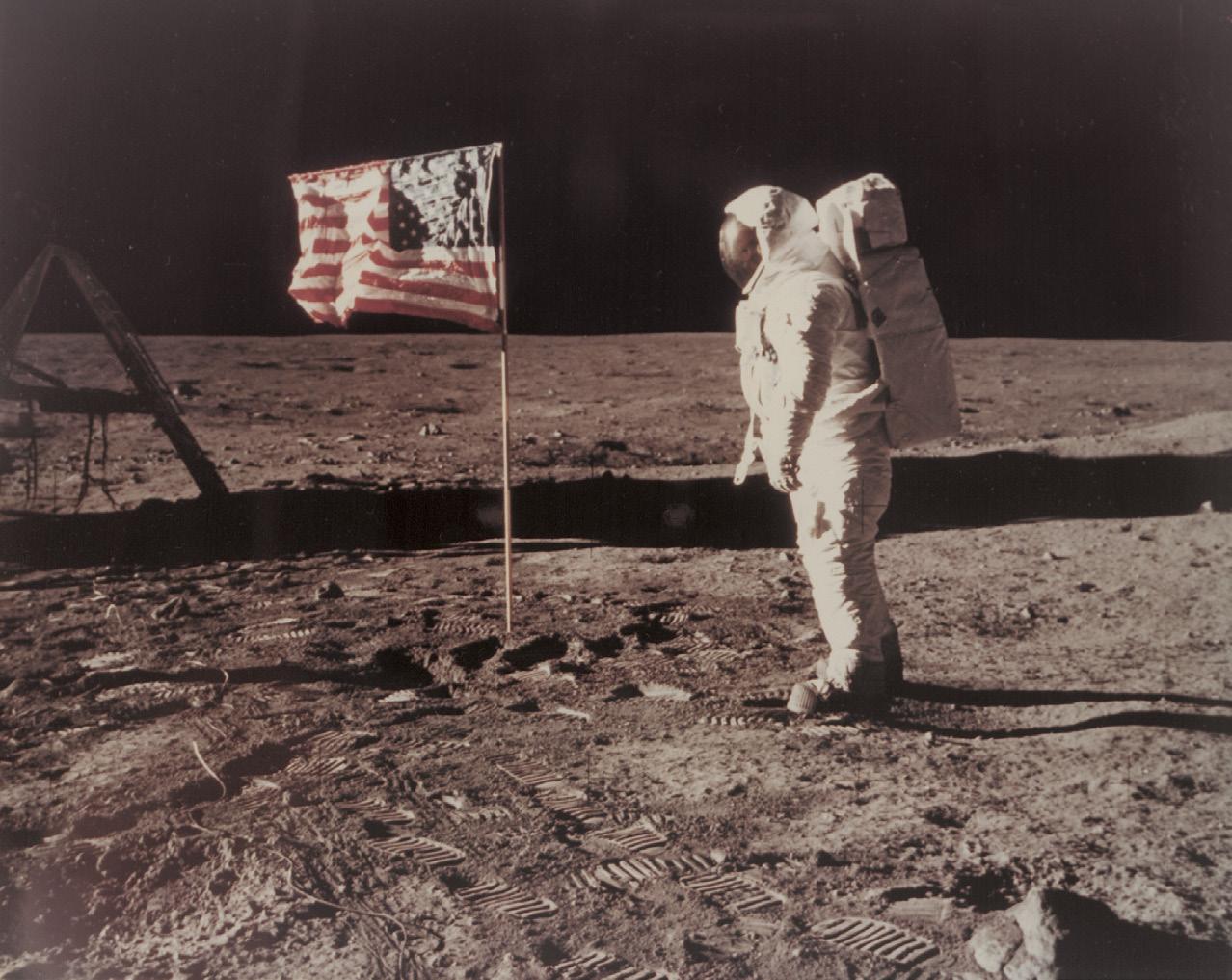
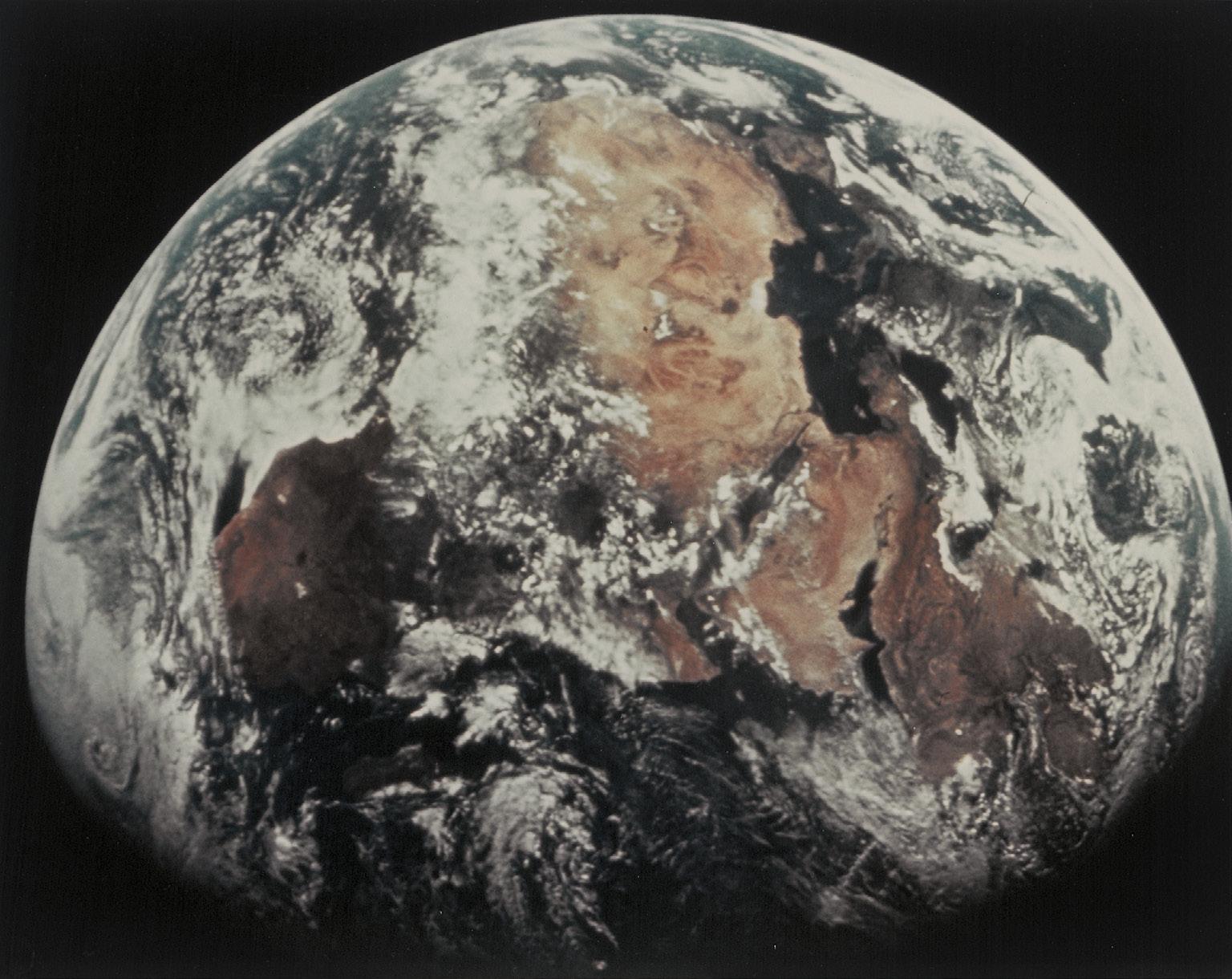
4243 Earth as seen by Apollo 11. July 1969. Vintage chromogenic print on RC paper. 20,2 x 25,5 cm. „A Kodak Paper“ watermark on the verso.
750 €
4244 View of Modular Equipment Transporter on the lunar surface taken from inside the Lunar Module, Apollo 14. Feb. 6, 1971. Vintage chromogenic print. 18,5 x 17,8 cm (sheet 20,5 x 25 cm). Red „AS14-66-9340“ number in upper left in margin; purple NASA logo and press text as well as „A Kodak Paper“ watermark on the verso.
750 €
Lit.: Neil Pearson, ed. Apollo VII-XVII. Kempen: teNeues, 2018, ill. p. 182.
4245 Photographer: John Young (1930-2018). Charles Duke at the rim of Plum Crater, Apollo 16. April 1972. Vintage chromogenic print on glossy Kodak RC paper. 20 x 25,5 cm. Purple NASA logo and press text on the verso.
750 €
Lit.: Terry Hope. Spacecam: Photographing the Final Frontier from Apollo to Hubble. Hove: Rotovision, 2005, ill. p. 27.
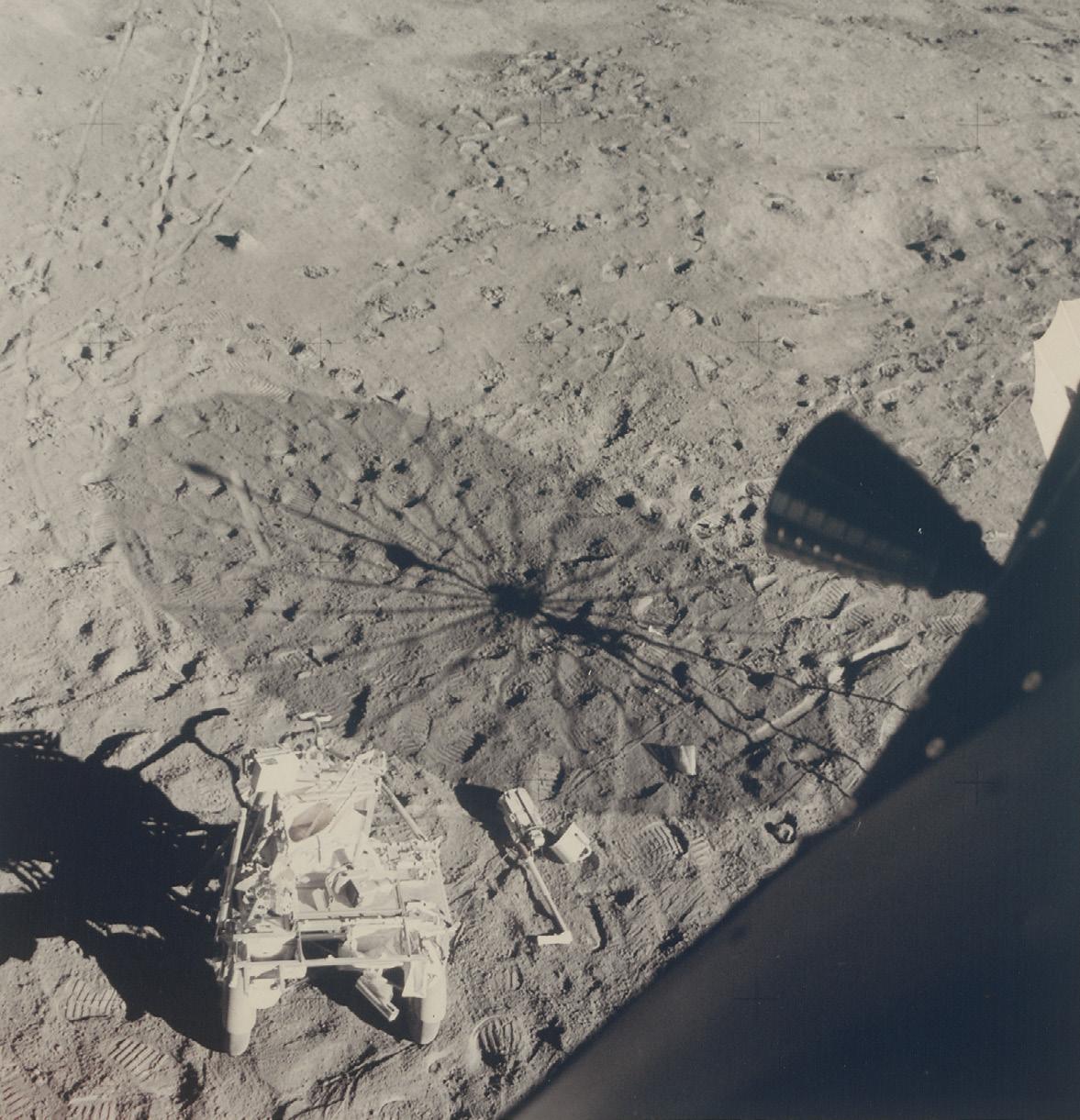
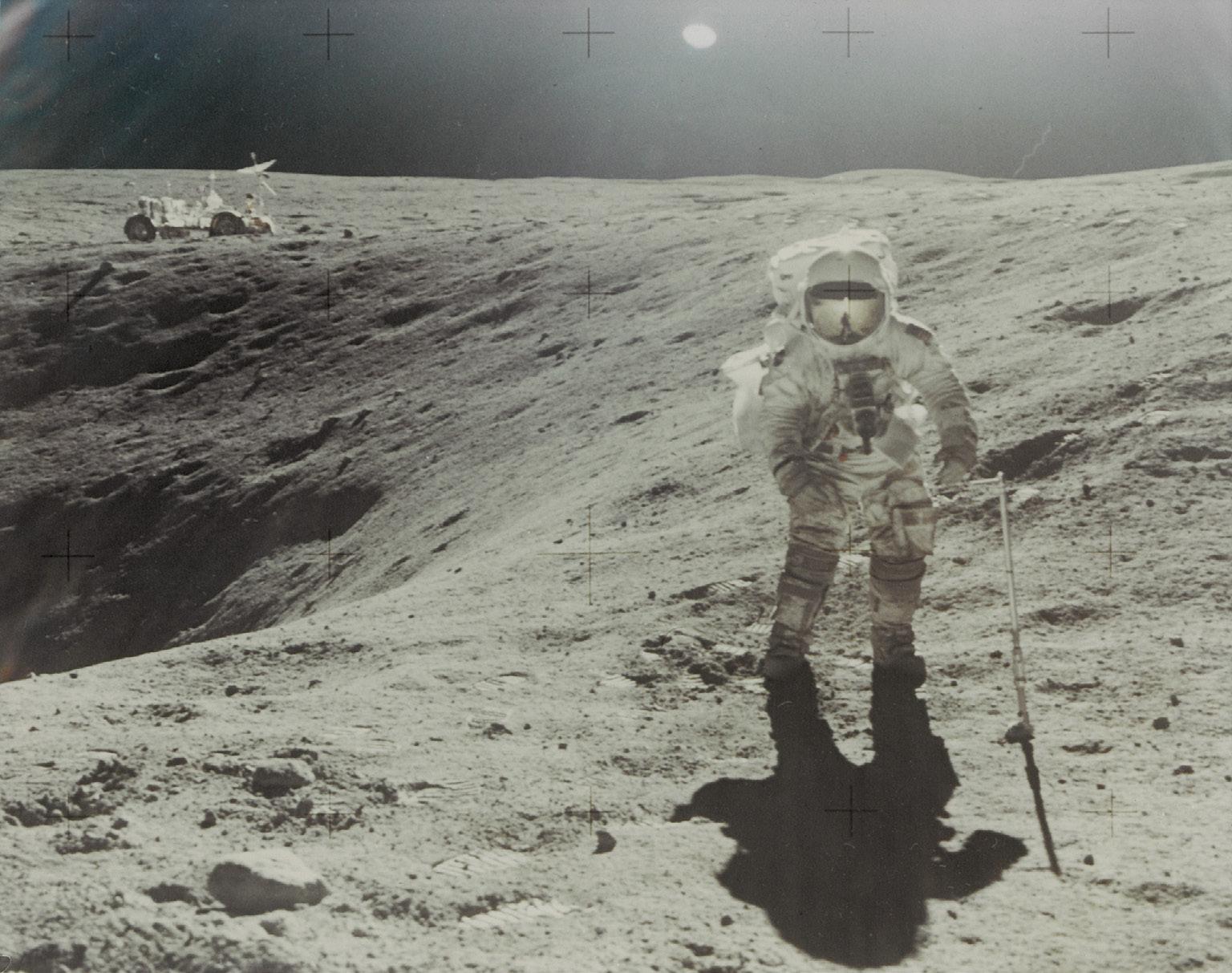
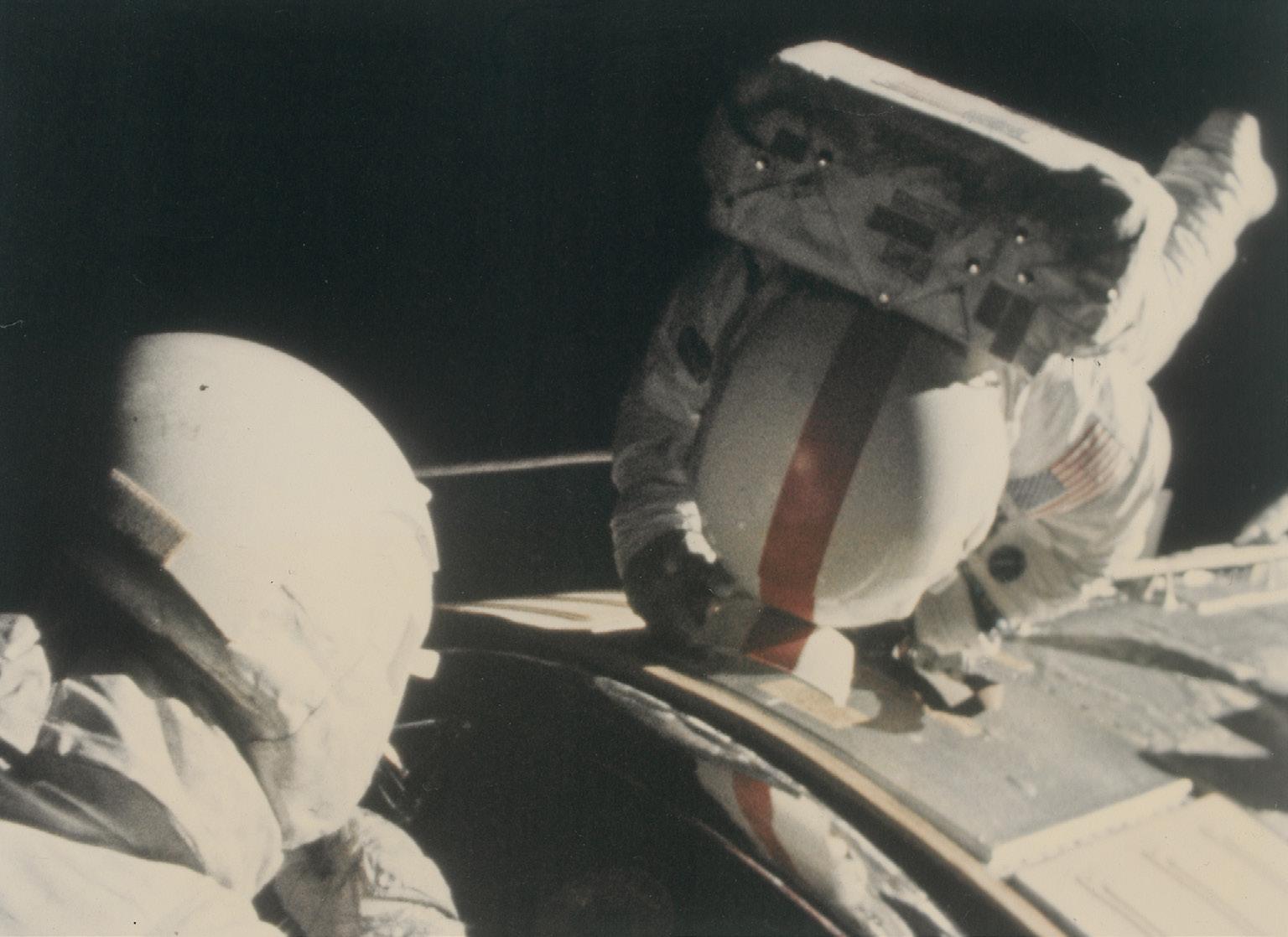
4246 Astronaut Thomas K. Mattingly II, command module pilot, performs an extravehicular activity (EVA) during the Apollo 16 trans-Earth coast, Apollo 16 April 25, 1972. Vintage chromogenic print. 17,5 x 24 cm (sheet 20,2 x 25,1 cm). Red „S-72-37001“ number in upper left in margin; „A Kodak Paper“ watermark on the verso.
600 €
Astronaut Thomas K. Mattingly II is assisted by astronaut Charles M. Duke Jr., the lunar module pilot, during an extravehicular activity. Mattingly is inspecting the Service Module’s SIM bay and retrieving film from the mapping and panoramic cameras.
4247 Photographer: John Young (1930-2018). Charles Duke, Lunar Grand Prix at Descartes Base, EVA 1, Apollo 16. April 1972. Vintage large-format chromogenic print on Kodak paper. 26,2 x 34 cm. „A Kodak Paper “ watermark on the verso.
900 €
In this image, the Lunar Rover is being tested by astronaut John Young during the Grand Prix run at the end of the first EVA at the Descartes landing site. Young is driving toward the Lunar Module, testing how the vehicle handles in the Moon’s one-sixth gravity, with dust clearly visible being thrown up by the wheels.
4248 Photographer: Charles Duke (b. 1935). John Young beyond LM Orion and Rover at Descartes Base, Apollo 16. April 1972. Vintage chromogenic print. 18 x 18 cm (sheet 20,2 x 25,2 cm). Red „AS16-107-17436“ number in upper left in margin; „A Kodak Paper“ watermark on the verso.
750 €
An excellent view of the Lunar Module Orion and the Lunar Roving Vehicle, photographed by astronaut Charles M. Duke Jr., lunar module pilot, during the first Apollo 16 extravehicular activity (EVA-1) at the Descartes landing site. Astronaut John W. Young, commander, can be seen directly behind the LRV. The lunar surface feature in the left background is Stone Mountain.
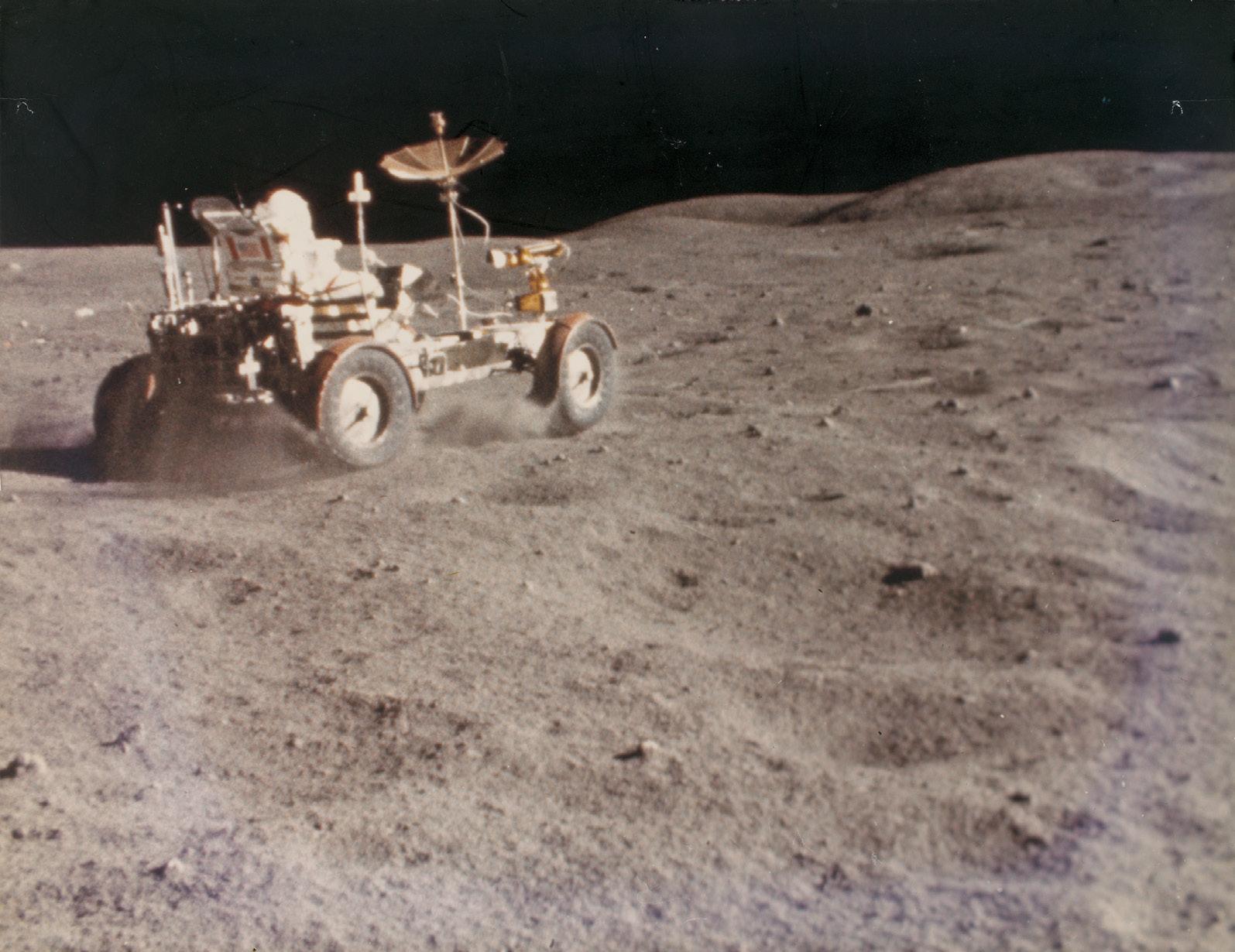
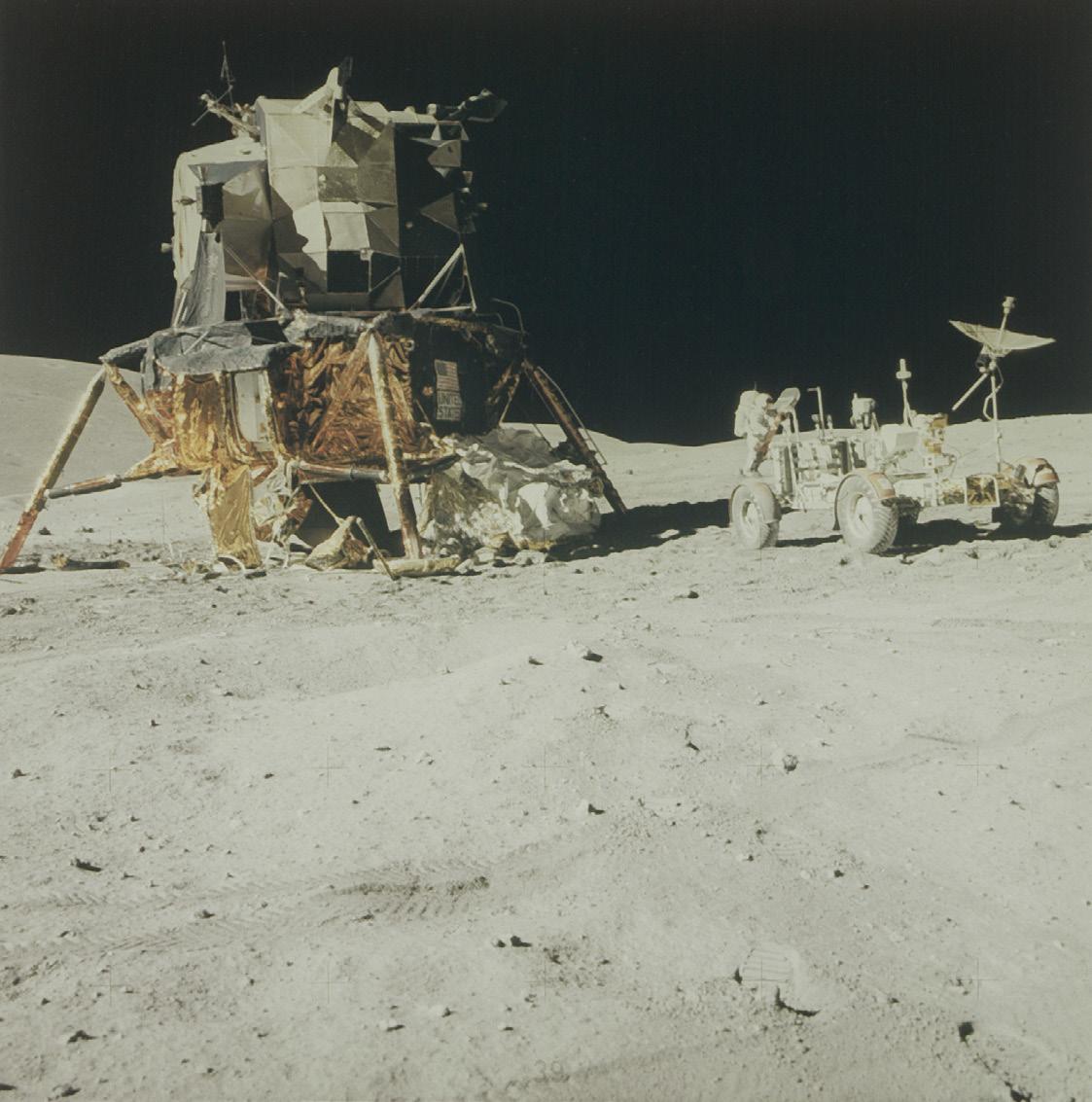
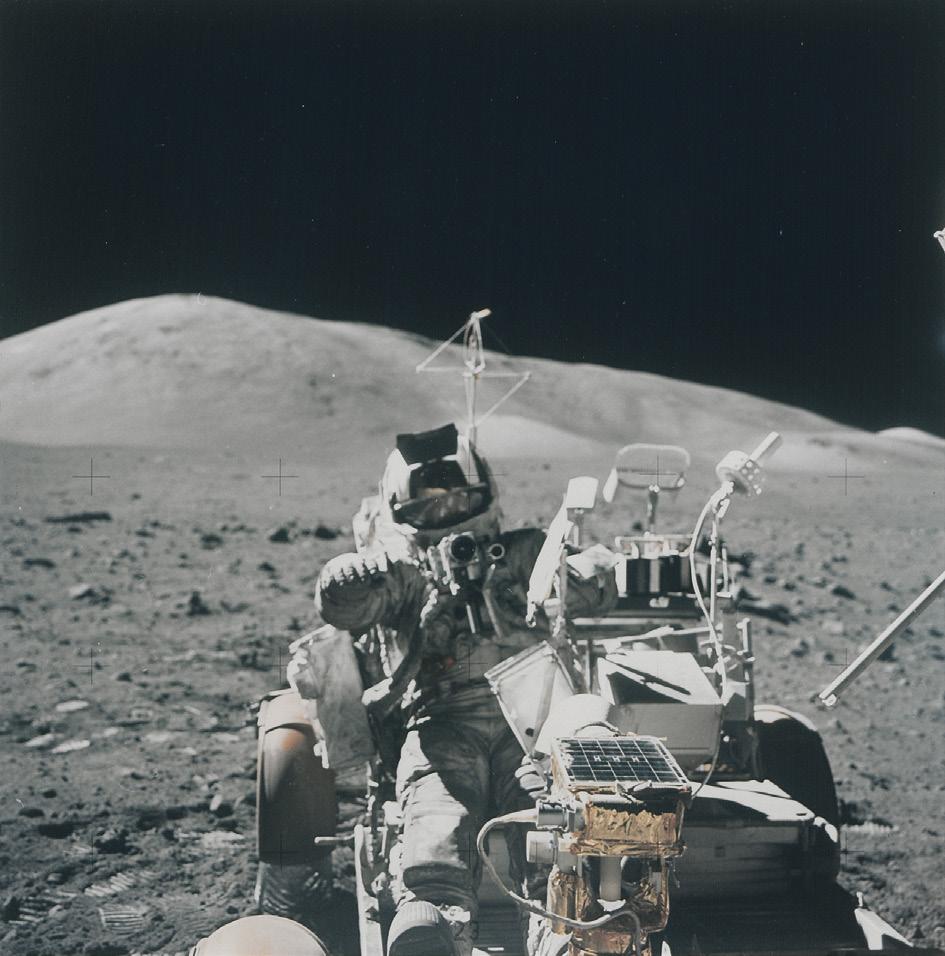
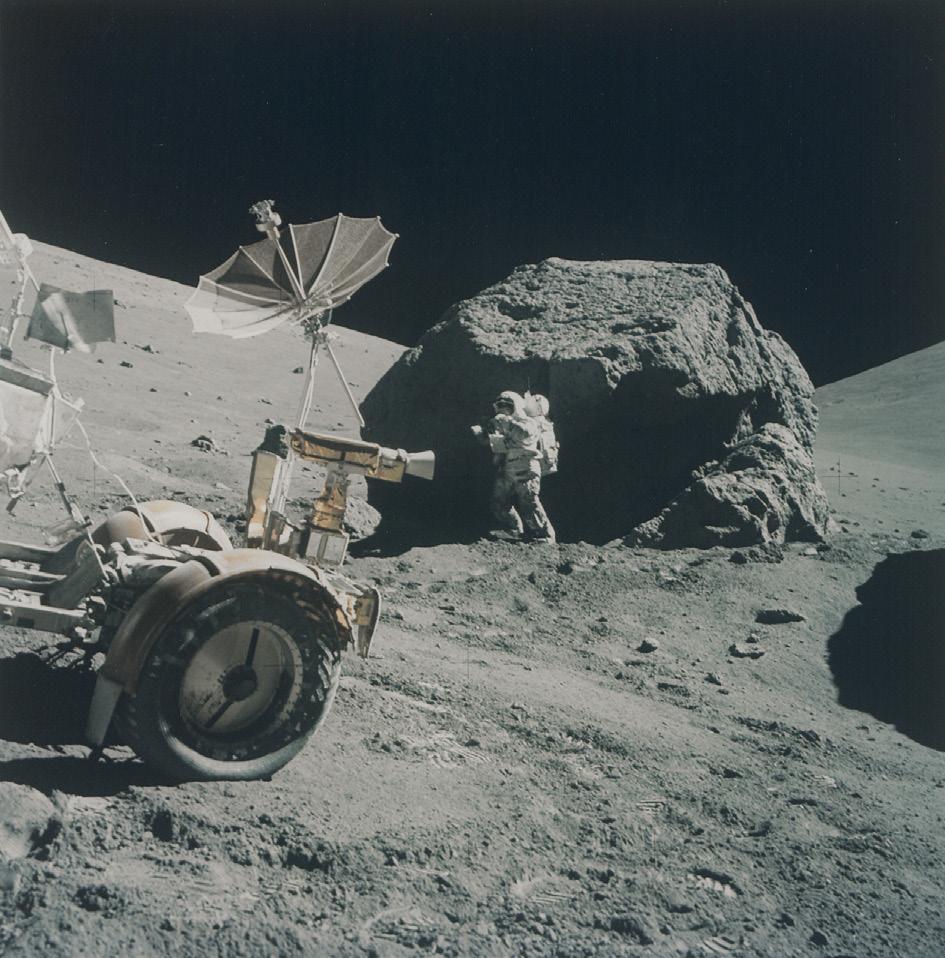
nasa
4249 Photographer: Eugene A. Cernan (1932-2017).
Harrison Schmitt in the LRV, Apollo 17. Dec. 11, 1972. Vintage chromogenic print. 18 x 18 cm (sheet 20,2 x 25,1 cm). Red „AS17-134-20454“ number in upper left in margin; „A Kodak Paper“ watermark on the verso.
750 €
The image shows Harrison Schmitt seated in the Lunar Roving Vehicle at Station 9 (Van Serg Crater) during the third Apollo 17 extravehicular activity at the Taurus-Littrow landing site. It was taken by astronaut Eugene A. Cernan, Commander. Schmitt, Lunar Module Pilot and Cernan explored the moon while astronaut Ronald E. Evans, Command Module Pilot, remained with the Command and Service Modules in lunar orbit.
Lit.: Neil Pearson, ed. Apollo VII-XVII. Kempen: te Neues, 2018, ill. p. 267 (variant).
4250 Photographer: Eugene A. Cernan (1932-2017). Harrison Schmitt at Station 6 (base of North Massif) during the third Apollo 17 extravehicular activity (EVA-3). Apollo 17. Dec. 11, 1972. Vintage chromogenic print. 18 x 18 cm (sheet 20,2 x 25,1 cm). Red „AS17-14622294“ number in upper left in margin; „A Kodak Paper “ watermark on the verso.
750 €
Scientist-astronaut Harrison H. Schmitt is photographed standing next to a large split boulder at Station 6 (base of North Massif) during the third Apollo 17 extravehicular activity (EVA3) at the Taurus-Littrow landing site on the Moon. The Lunar Roving Vehicle (LRV) can be seen in the left foreground.
4251 Apollo Soyuz Test Project ASTP. July 15-24,1975. Vintage chromogenic print on RC paper. 18 x 18 cm (sheet 20,2 x 25 cm). Red NASA number „AST-2-093“ in upper left in margin; „A Kodak Paper“ watermark and purple printed NASA text on the verso.
500 €
4252 Astronaut Bruce McCandless floating untethered in space during the STS-41B mission, Challenger. Feb. 7, 1984. Vintage chromogenic print on RC paper. 19 x 19 cm (sheet 20,2 x 25 cm). „This Paper Manufactured by Kodak“ watermark on the verso.
750 €
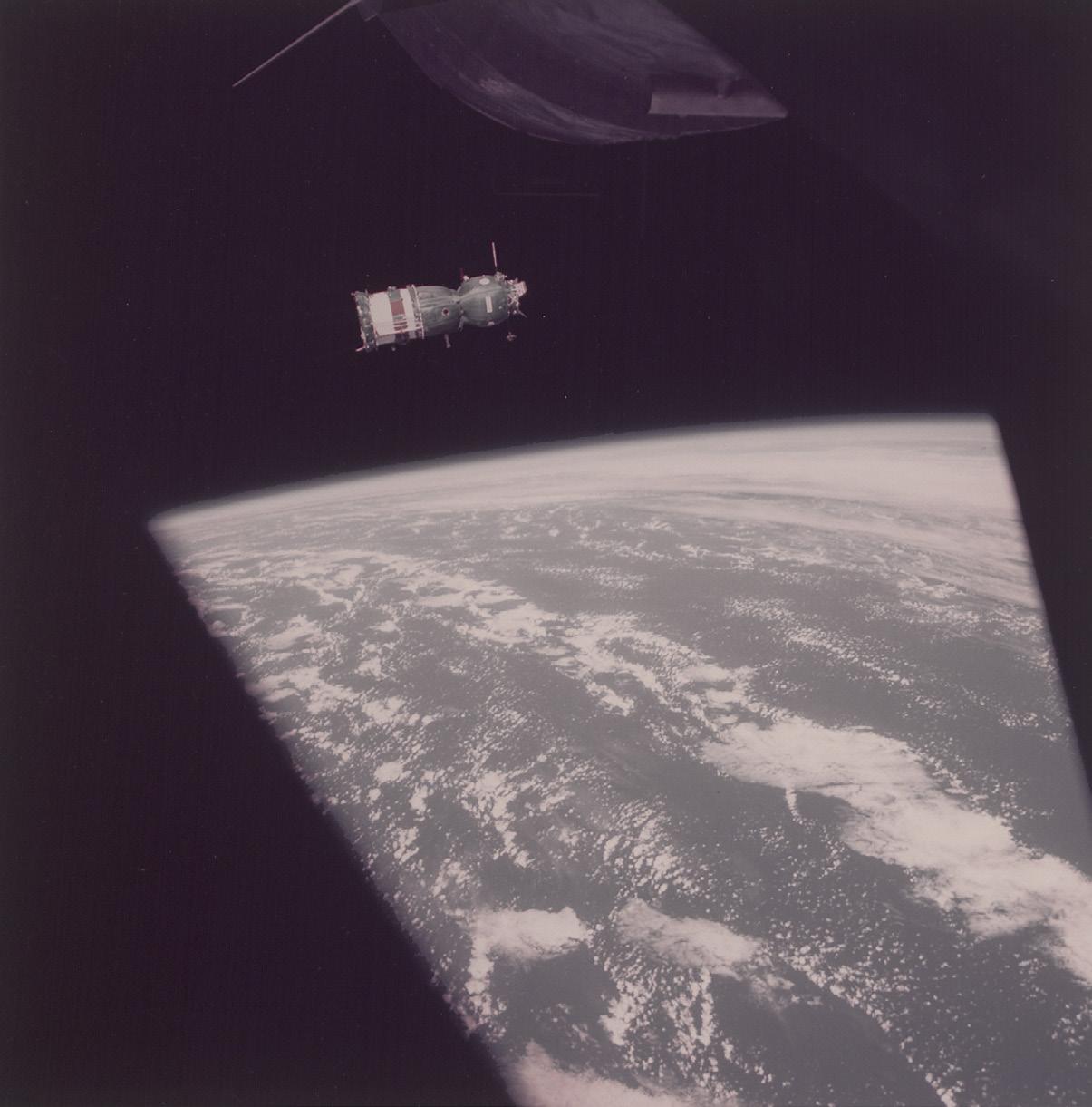
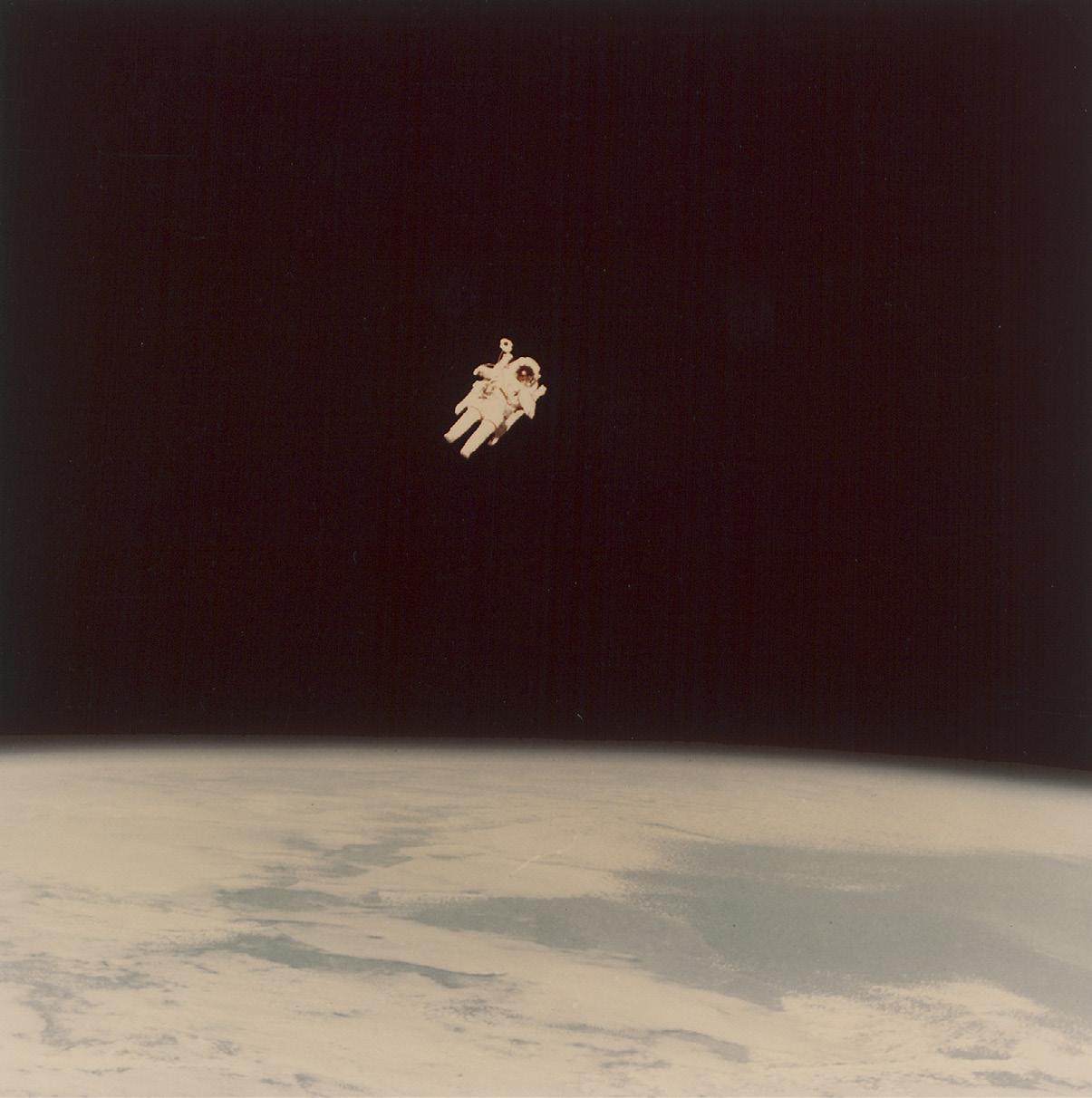
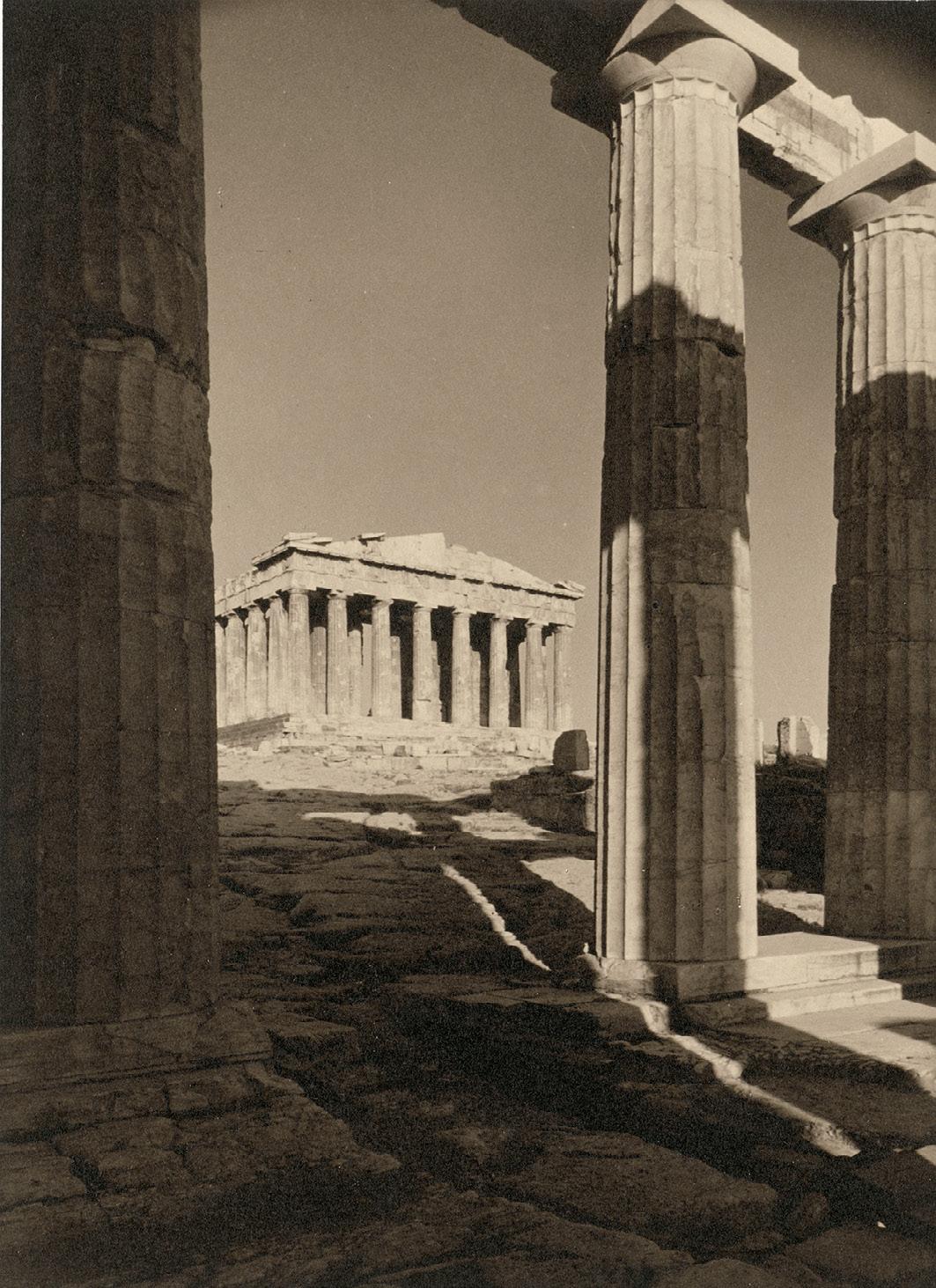
nelly
(Elli Souyoultzoglou, 1899–1998)
4253 The Acropolis, general view of the Parthenon. 1930. Vintage brown-toned gelatin silver print, mounted to board. 21,6 x 15,7 cm. Signed by the photographer in ink in lower right on the mount. Mounted in mat.
750 €
The Greek photographer Elli Souyoultzoglou, who worked under the name Nelly, trained in Dresden under Hugo Erfurth and Franz Fiedler. She returned to Athens in 1924 and, in 1925, began photographing Greek refugees from Asia Minor. In 1926, she exhibited bromoil prints from this series in her studio under the title “The Sorrows of the Refugees.” She also produced numerous images of the Acropolis and the Parthenon. Lit.: Matthias Harder. Nelly: Dresden, Athens, New York. Munich: Prestel, 2001, see plates 35-36 (similar images).
pictorialism
4254 Photographer: Carlo Baravalle (1888-1958). Fishing in Harbor; Harbor. 1920s. 2 vintage gelatin silver prints, mounted to original boards. Each ca. 29,5 x 39,5 cm. Each signed by the photographer in pencil below the image on the mount; each with exhibition label (1929/1933) and annotated in pencil on mount verso.
750 €
Carlo Baravalle was an Italian lawyer, photographer, and civic figure based in Volpedo. Trained in law and active as a criminal defense attorney, he combined his professional career with wideranging interests, including photography and horticulture in the Curone and Grue valleys. A key figure in Italian pictorialist photography, he co-founded the Gruppo Piemontese per la Fotografia Artistica in 1921 with Stefano Bricarelli and Achille Bologna, and in 1924 helped relocate the journal Il corriere fotografico from Milan to Turin. He also served as mayor of Volpedo from 1914-1920, reflecting his strong engagement in local civic life.
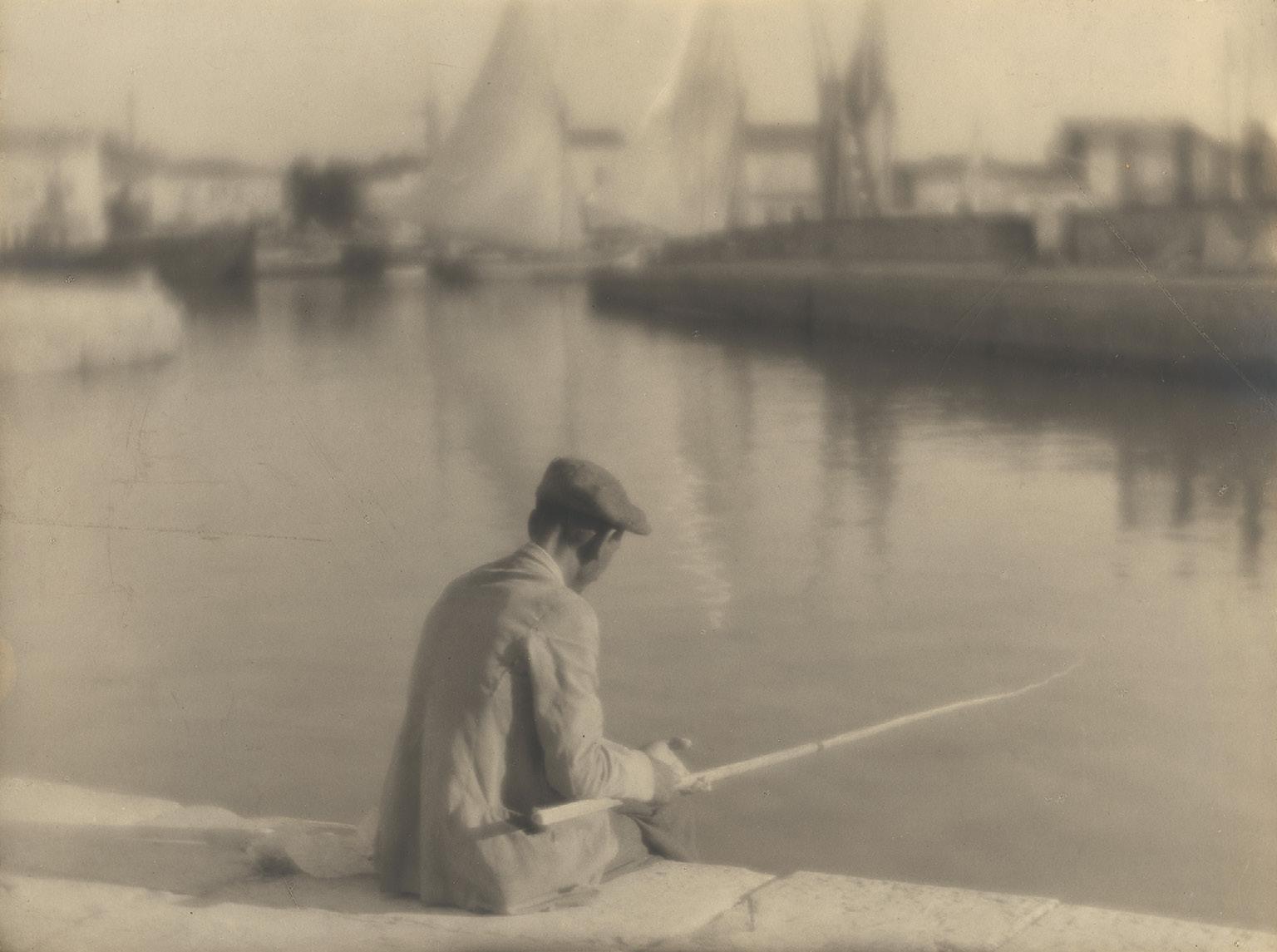
pictorialism
4255 Photographers: Will Cadby (1866-1937) and unknown. Child Study; Portrait of a Woman. Ca. 1910. 1 vintage gelatin silver print and 1 carbon print, both mounted to original paper/board. Each ca. 21 x 16 cm. 1 signed by the photographer in pencil in the lower left; 1 with an annotated label; each annotated “MatthiesMasuren Halle” in pencil on the mount verso.
800 €
Will Cadby began photographing in 1891 and quickly gained recognition, exhibiting from 1893 at venues such as the London Photographic Salon, the Photographic Society, and the Bristol International. He and his wife, Carine Cadby, both showed work at the 1894 London Salon and later collaborated on a series of children’s books illustrated with his photographs.
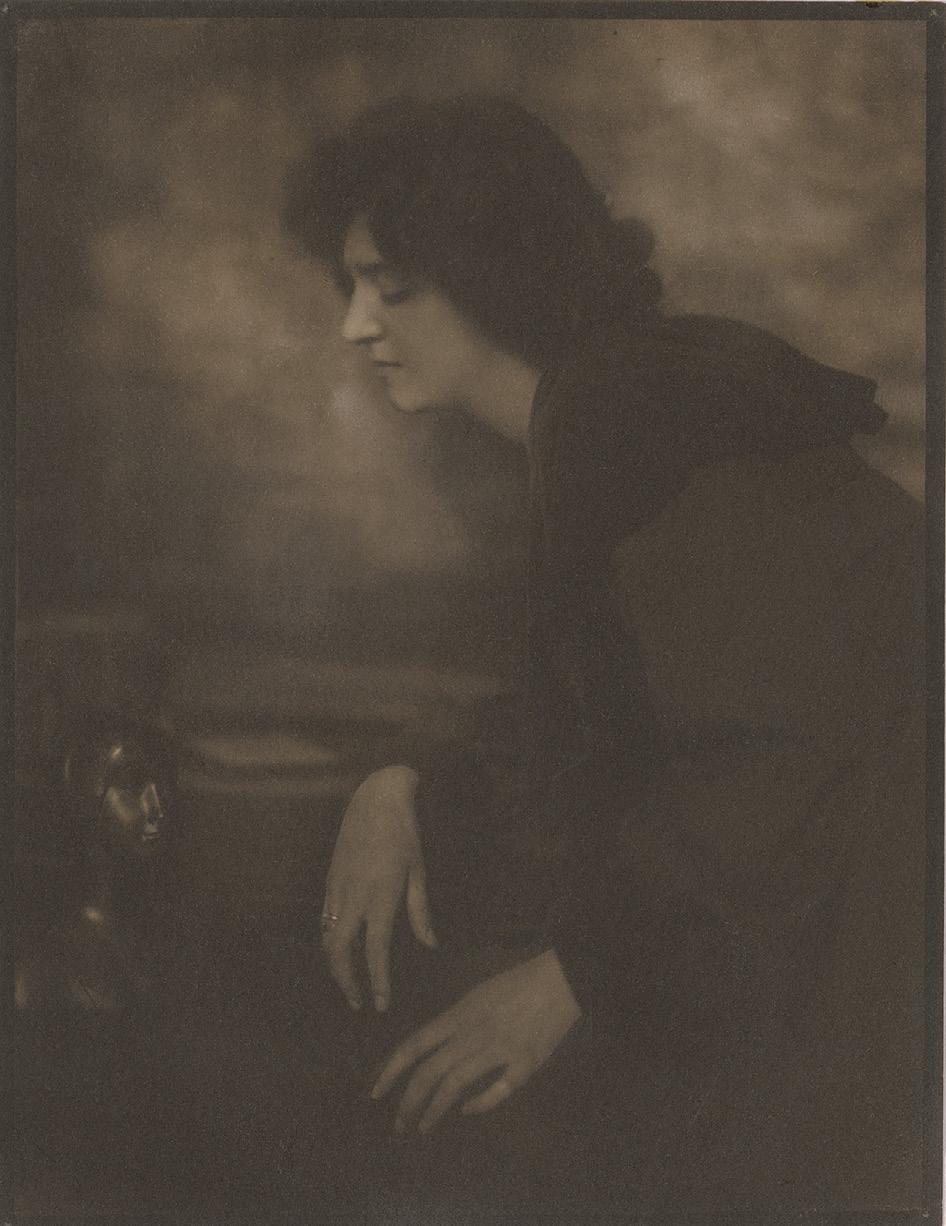
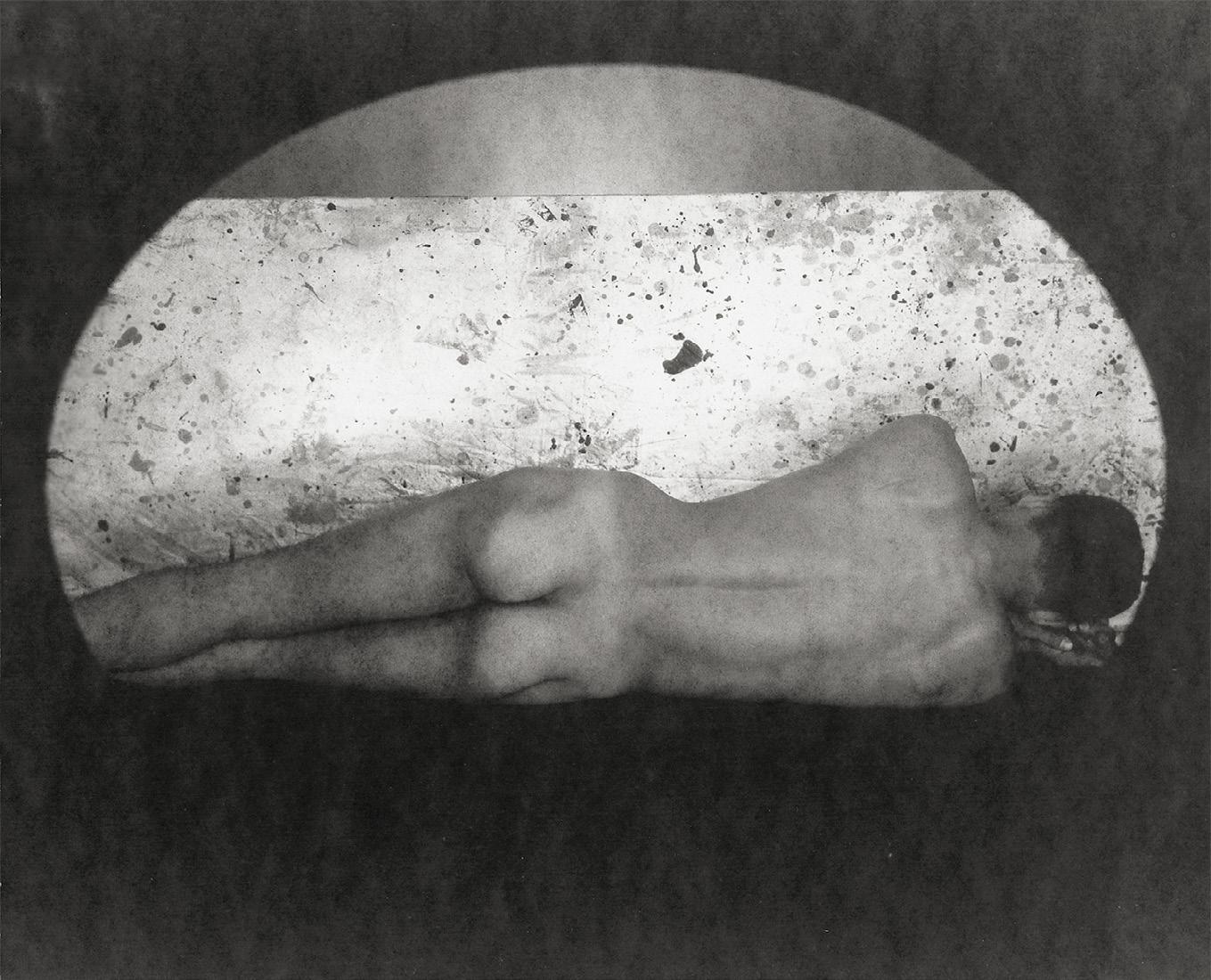
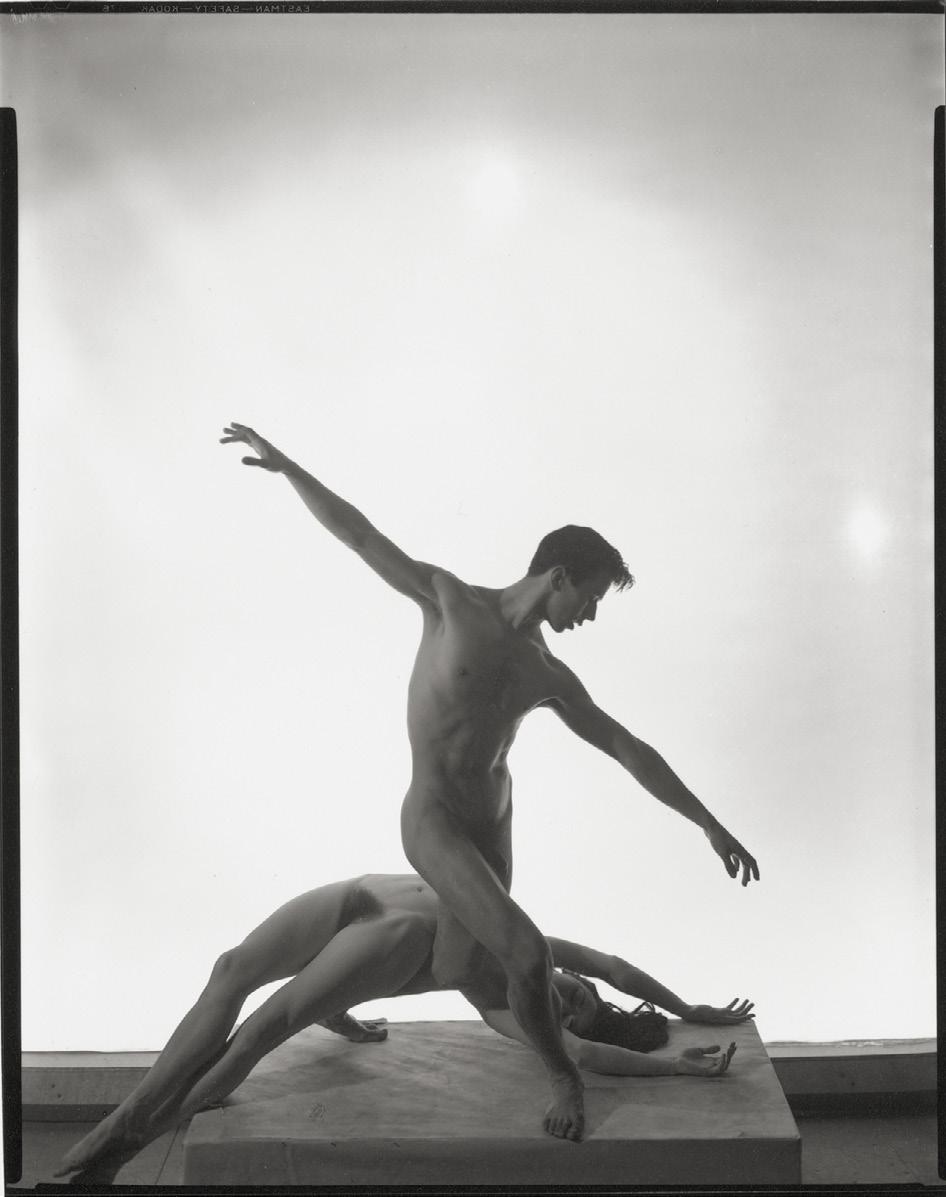
george platt lynes (1907–1955)
4256 Reclining male nude against wall in oval. Circa 1949. Vintage gelatin silver print. 19 x 23,4 cm. Annotated in pencil on the verso. Framed under glass in silver frame.
1.200 €
George Platt Lynes is widely regarded as one of the leading photographers of the 20th century. While he achieved commercial success in fashion and portrait photography in New York, his artistic legacy is defined above all by his refined and often highly stylized studies of the male nude, produced from the 1930s until his death in 1955. Working in carefully staged studio settings, Lynes employed inventive lighting, precise posing, and controlled cropping to articulate both the physical form and the psychological presence of his subjects, resulting in images of striking formal elegance and intimacy.
4257 The Dancers Marie-Jeanne & Nicholas Magallanes; Orpheus, Ballet Scene. 1941; 1950. 2 gelatin silve r prints, printed 2000/2005. 27,5 x 22,4 cm and 22 x 27,3 cm. Each with the photographer’s estate studio stamp, therein annotated in pencil and editioned “2/25” and “1/25” on the verso.
1.200 €
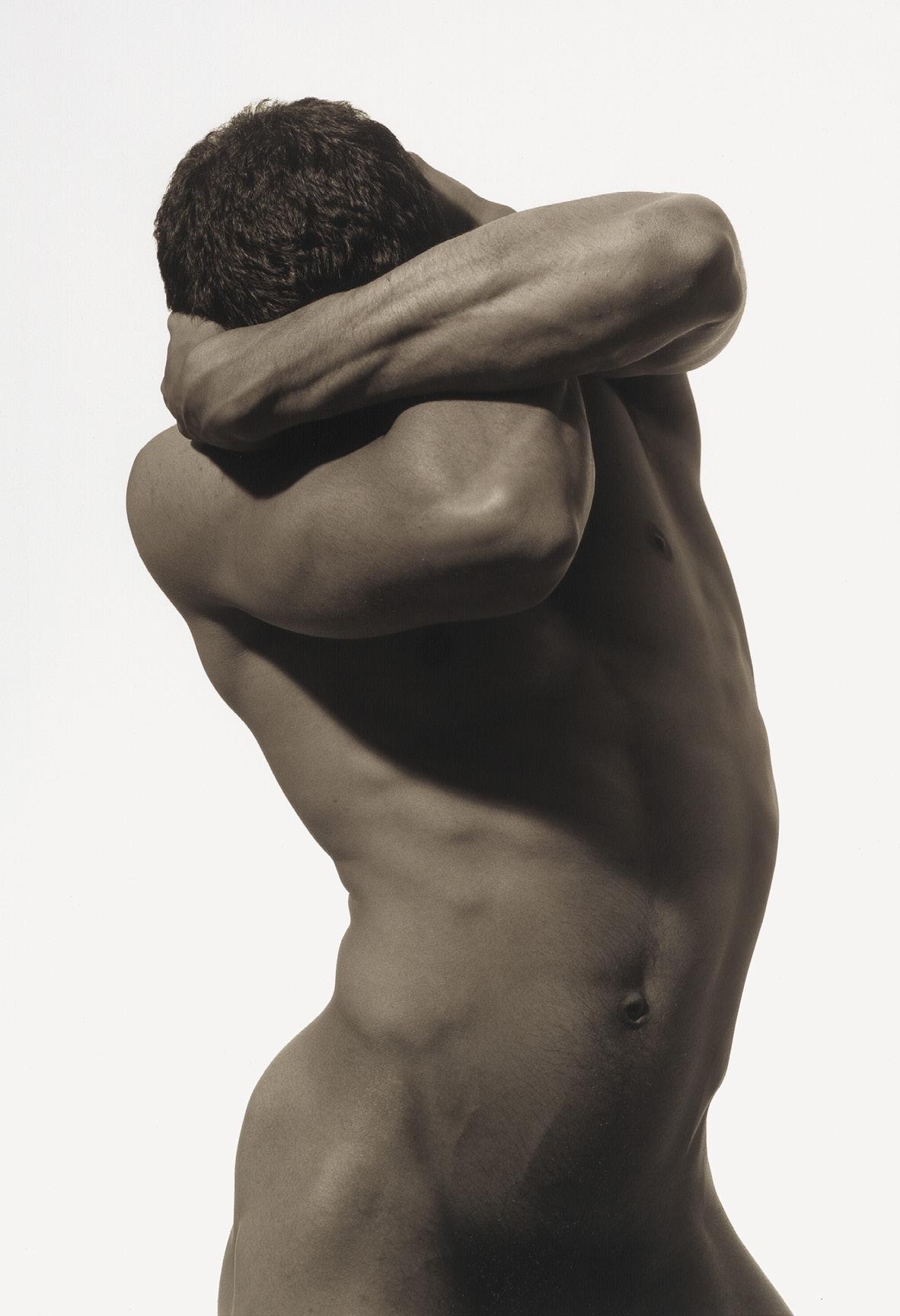
len prince (b. 1953)
4258 Eduardo Pos. No. 1. 1991. Toned gelatin silver print. 60,5 x 50,5 cm. Photographer‘s/copyright blindstamp in lower right corner, signed, titled, dated and numbered „1/10“ by the photographer in pencil on the verso.
1.000 €
In 1972 Len Prince moved to New York City and began photographing professionally. His work, which was published in such magazines as Interview, Vanity Fair and InStyle, includes celebrity portraiture, fashion, nudes, still life and cityscapes. He often depicts his models in dynamic poses or employs expressive close-ups, giving his work an exceptional energy.
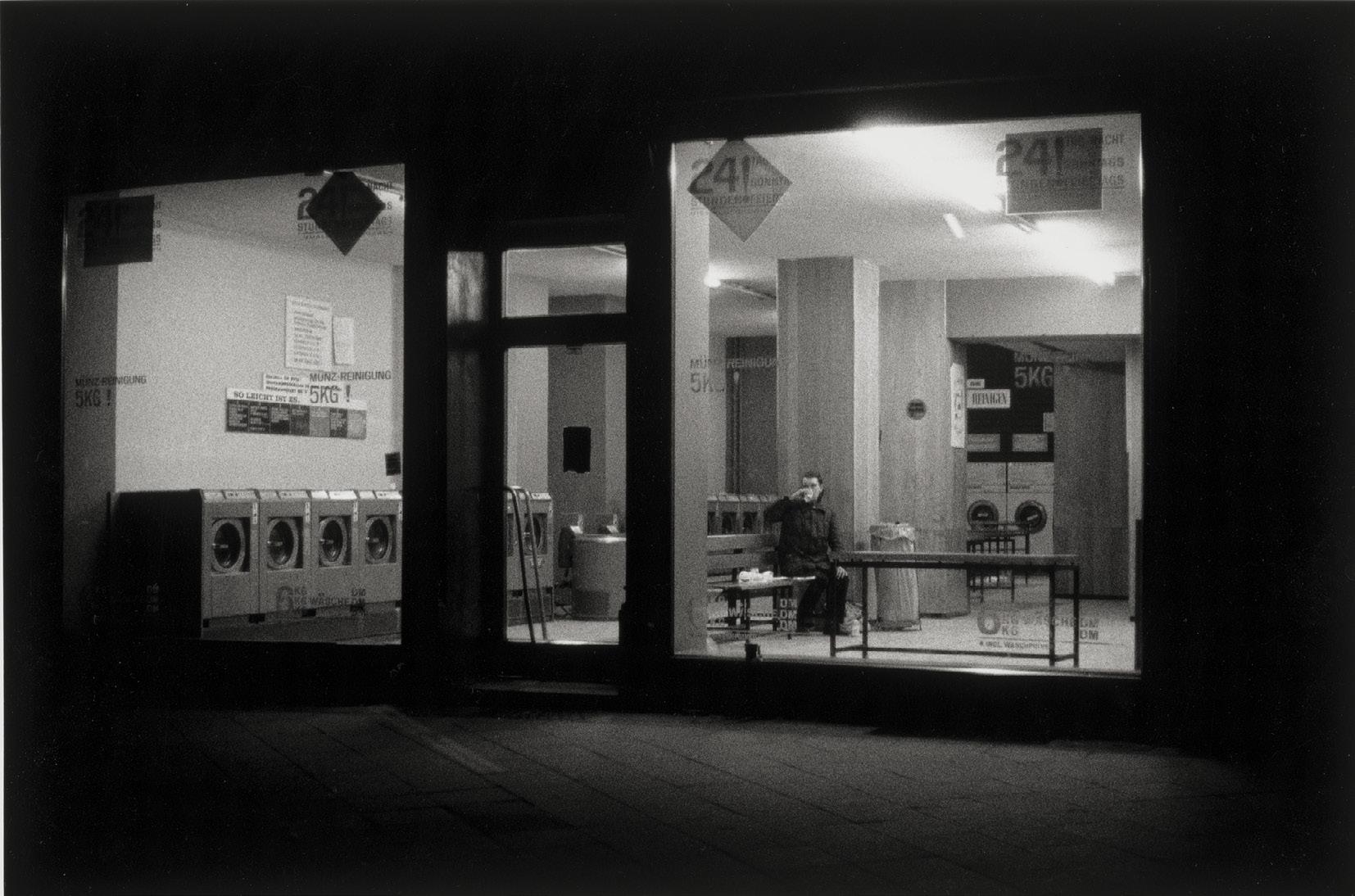
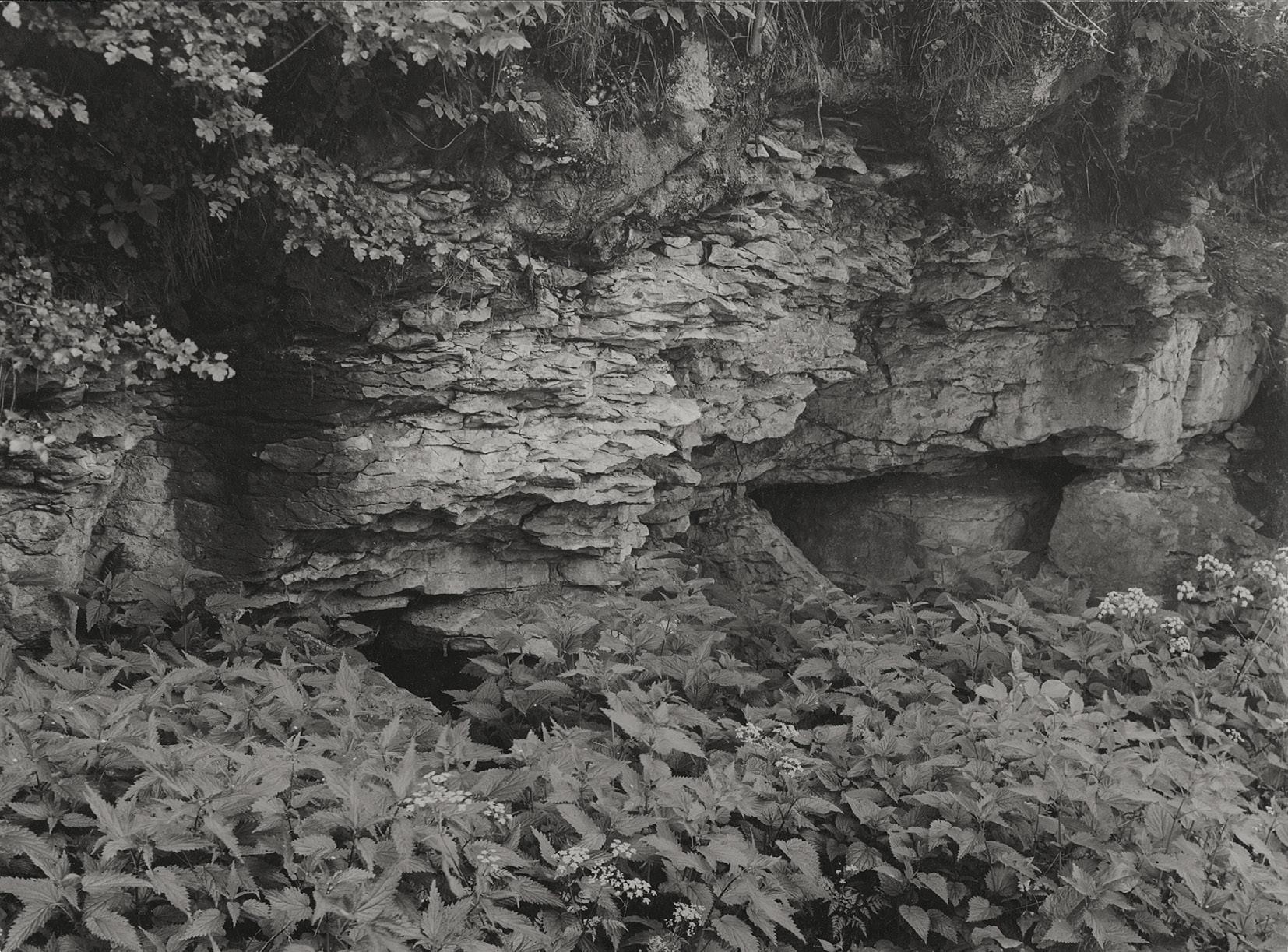
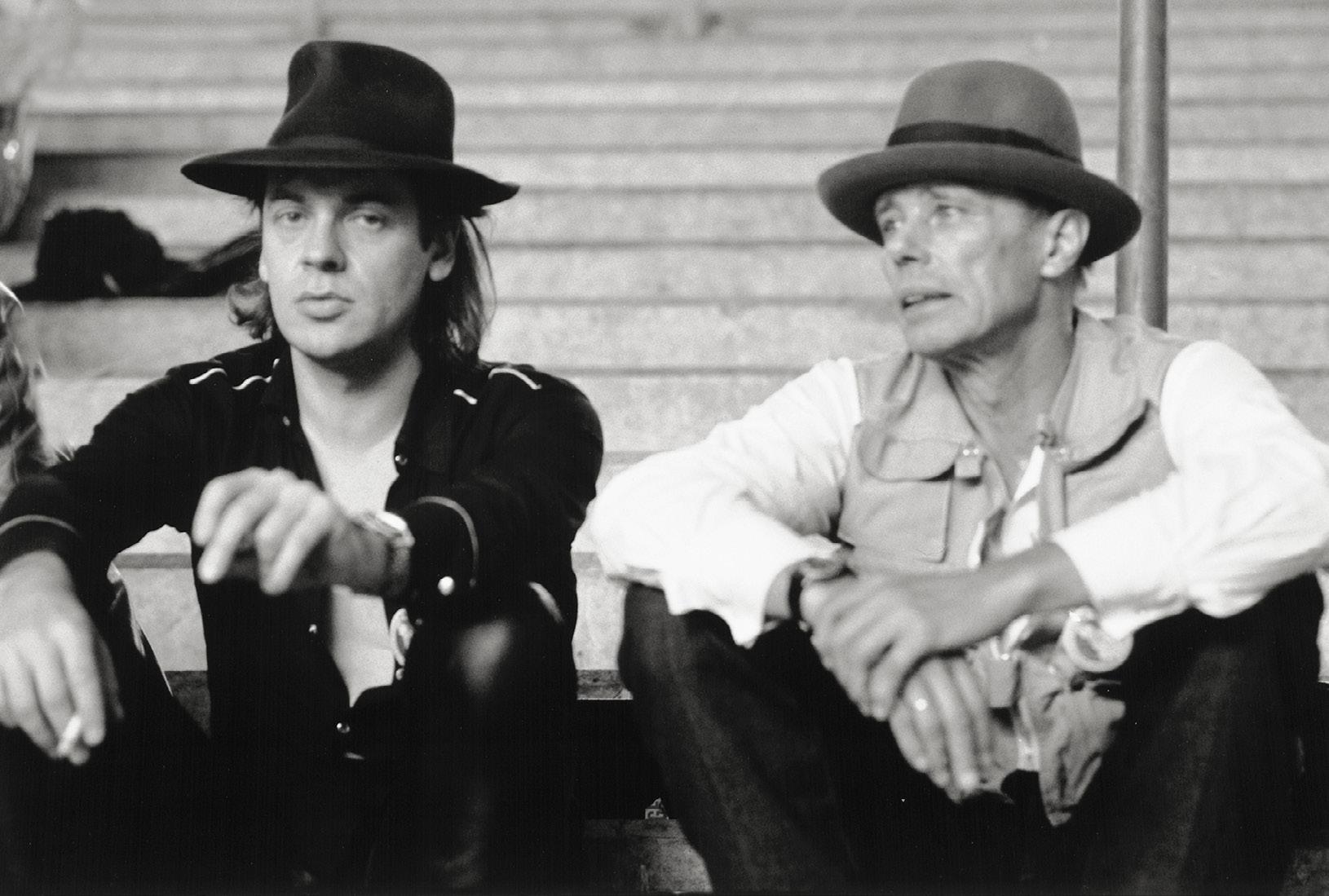
nelly rau-häring (b. 1947)
4259 Berlin, Kreuzberg, Bergmannstrasse. 1983. Gelatin silver print, printed later. 25 x 37,5 cm (sheet 29 x 39,5 cm). Signed, titled and dated by the photographer in pencil and photographer‘s/copyright stamp on the verso.
750 €
For over four decades, Nelly Rau-Häring roamed the streets of Berlin with her camera. Born in Basel, she moved to the city in 1965 to study photography at the Lette Verein. Her work traversed both West and East Berlin, capturing everyday life through expressive portraits, shopfronts, and architectural panoramas. In addition to her street photography, she gained recognition for her press and advertising work, published in magazines such as Du and Die Horen. From 1992-1995, she taught at the Hochschule der Künste (Academy of the Arts) in Berlin.
albert renger-patzsch (1897–1966)
4260* Verwitterte Kreide. Ca. 1950. Vintage gelatin silver print on Agfa-Brovira paper. 16,5 x 22,4 cm. Photographer‘s „Renger-Patzsch, Wamel-Dorf über Soest I. W“ studio stamp as well as titled in pencil on the verso.
1.000 €
Albert Renger-Patzsch was a central figure of New Objectivity photography in Germany, known for his precise, unsentimental approach in depicting the material world. His work focuses on plants, industrial structures, landscapes, and everyday objects, rendered with sharp detail and an emphasis on form, texture, and clarity.
karin rocholl
4261 Udo Lindenberg and Joseph Beuys, Bochum. 1982. Gelatin silver print, printed 2025. 30 x 45 cm (sheet 40 x 50,3 cm). Signed, copyrighted, dated, titled and editioned „14/24“ by the photographer in pencil on the verso.
900 €
The photojournalist Karin Rocholl is well-known for her extensive portfolio of portraits featuring cultural figures. Her ability to establish a close rapport with her subjects often enables her to capture elusive and prominent individuals in a more authentic and unguarded moment. A significant portion of her work has been published in the pages of Stern magazine. Lit.: Karin Rocholl. Prominente im Porträt: Der zweite Blick Munich: Knesebeck, 2013.
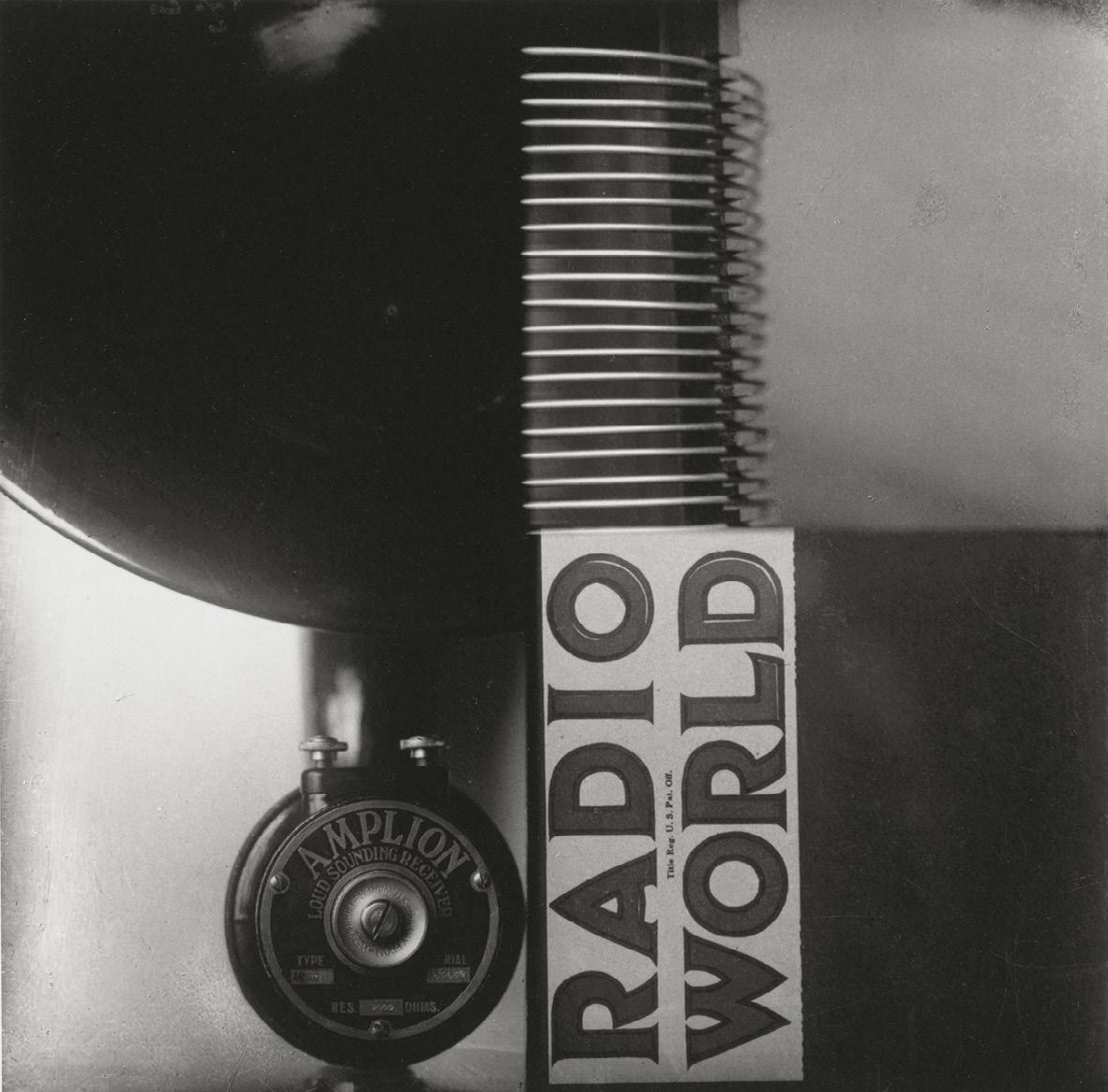
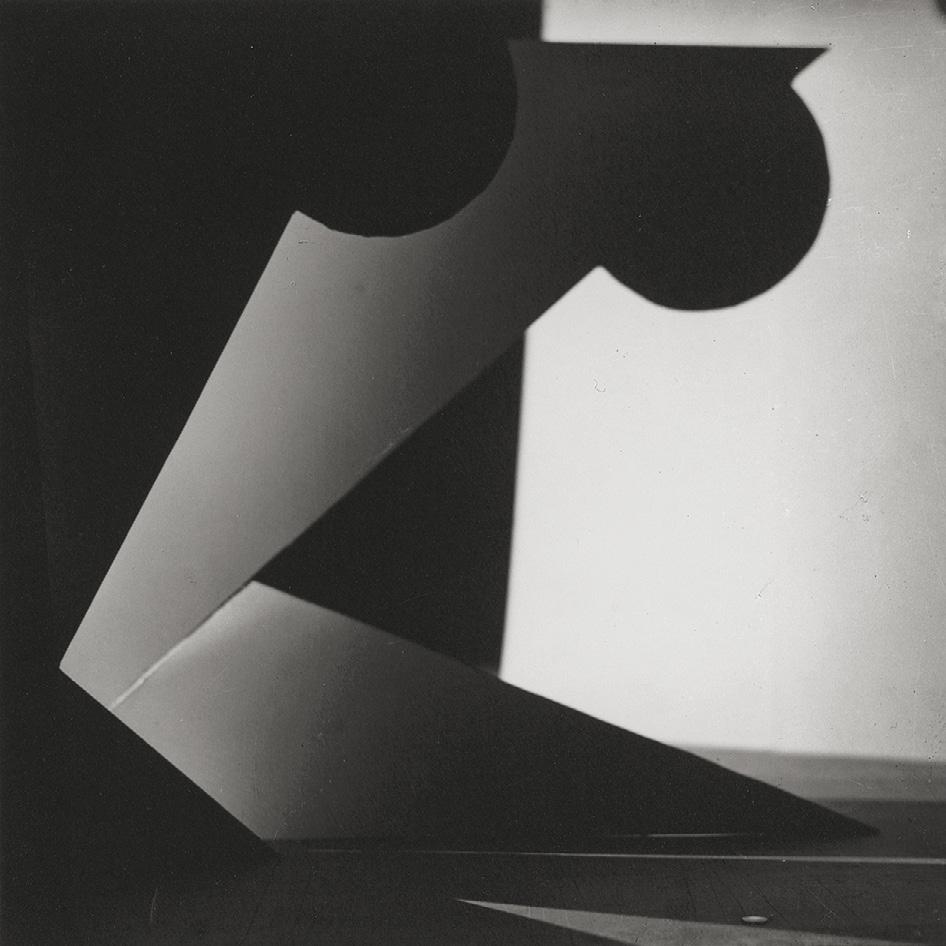
jaroslav rössler (1902–1990)
4262 Jaroslav Rössler. 10 Photographs 1923-1930, Portfolio 4 10 gelatin silver prints, printed 1982 from the original negatives under the supervision of the photographer, mounted in photo corners in mats. Each ca. 24 x 23,4 cm (mounts 35,5 x 28 cm). Each signed by the photographer in pencil in the lower margin; each with portfolio stamp on the verso, therein numbered “23” (of 30). Presented in the original canvas clamshell box with text and colophon sheet. Rudolf Kicken Gallery, Cologne, 1982.
4.000 €
Jaroslav Rössler studied under the photographer Frantisek Drtikol in Prague from 1917-21, later working in his studio. In the late 1920s and early 1930s Rössler lived and worked in Paris, the period during which the images in the present portfolio were made.
The titles include: Cardboard Construction in Light and Shadows ; Shapes in Light and Shadows ; Enigmatic Relief in Cardboard ; Still Life with Bowl ; Light Well ; Eifel Tower; Telephone Cables ; January 25, Paris, 1927 ; Radio World and Glass Reflections
Lit.: Josef Moucha, ed. Jaroslav Rössler: Abstract Photography 1923-1978. Chrudim: Galerie Art, 2005, ill. pp. 20, 23.
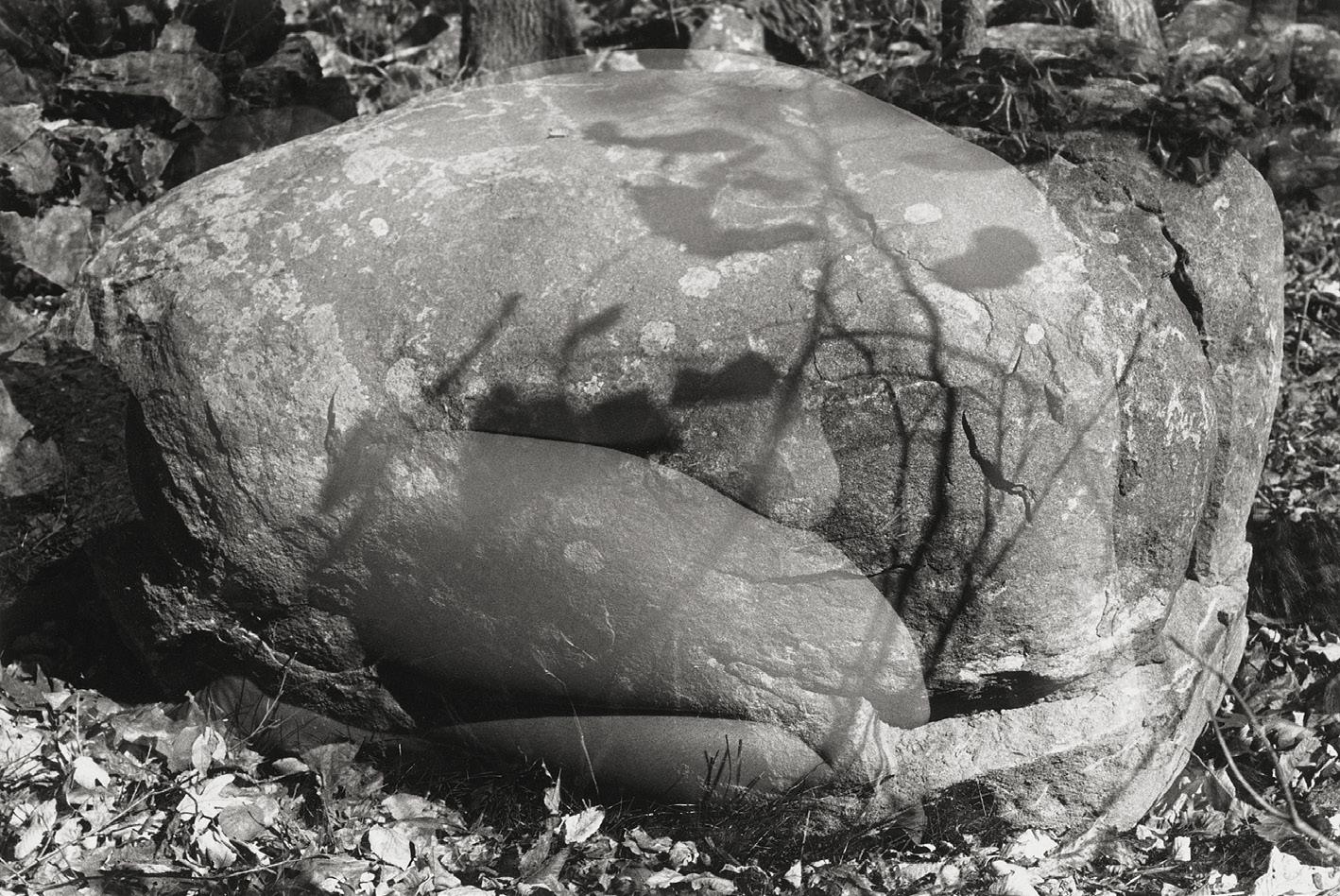
ernestine ruben (b. 1931)
4263 Nude with rock (double exposure). 1982. Gelatin silver print on Agfa paper. 31 x 46,5 cm (sheet 40,2 x 50,2 cm). Signed and editioned „4/15“ by the photographer in ink on the verso.
900 €
Before photography became Ernestine Ruben’s main interest, completely different areas of art, especially dance and sculpture, shaped her life and work. Her photographic work shows clear traces of this. By means of reduction and minimalization, Ernestine Ruben finds her individual form of expression, which ranges from simple representation to total abstraction. Often only a second glance is able to unravel her composition of forms, her play with light and shadow of movement and countermovement, of the human and the natural. Her work has been exhibited and collected extensively in Europe and Asia as well as the United States.
4264 Choke. 1987. Gelatin silver print, mounted to overmat. 35,2 x 27,5 cm. Signed, editioned „3/15“ by the photographer in ink and number in pencil on the verso.
900 €
Lit.: Jean-Luc Monterosso, Dirk Bennett, and Ann Morris. Ernestine Ruben: Photographien-Photographs-Photographies Schaffhausen: Stemmle, 1989, ill. p. 17.
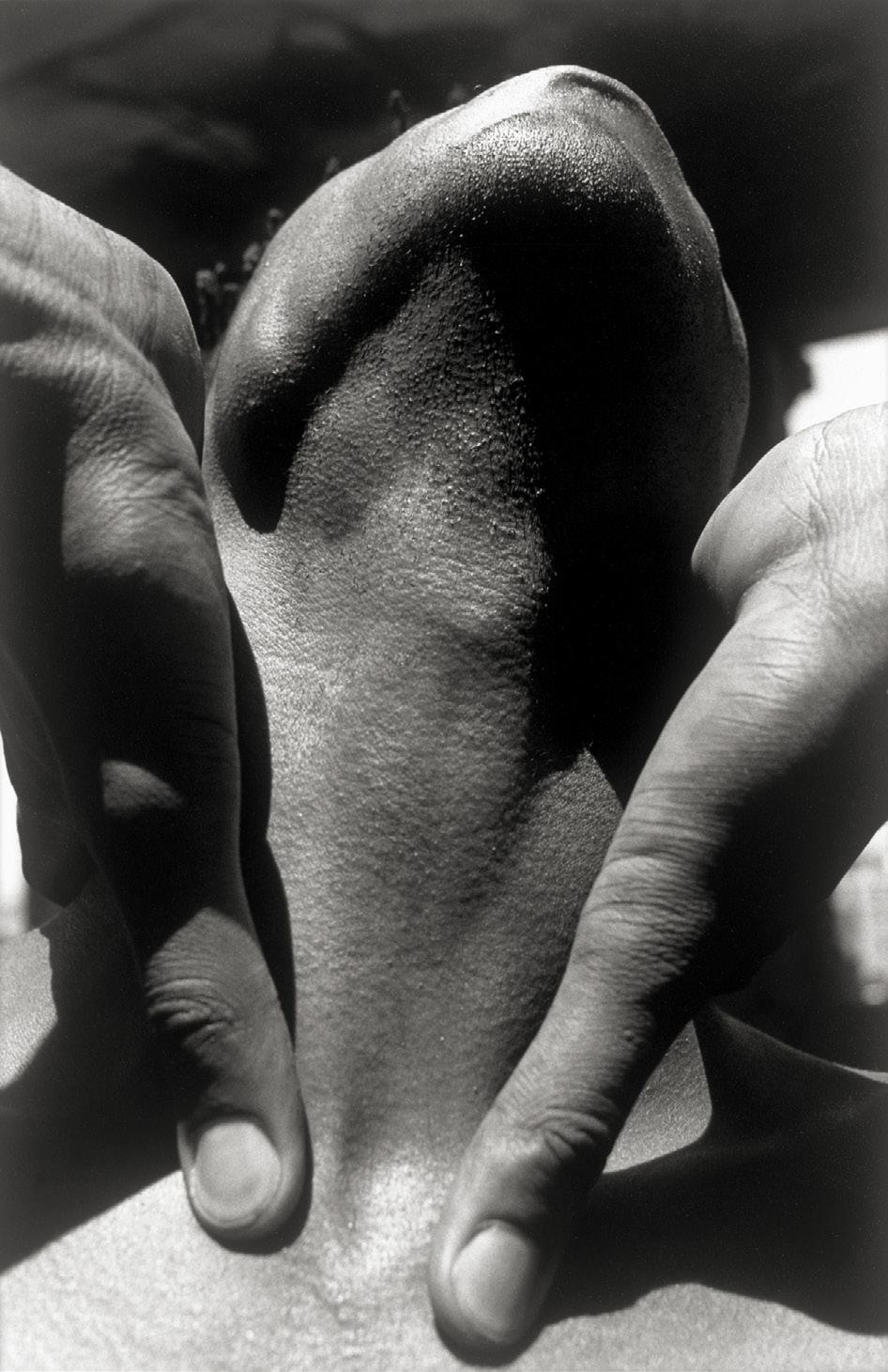
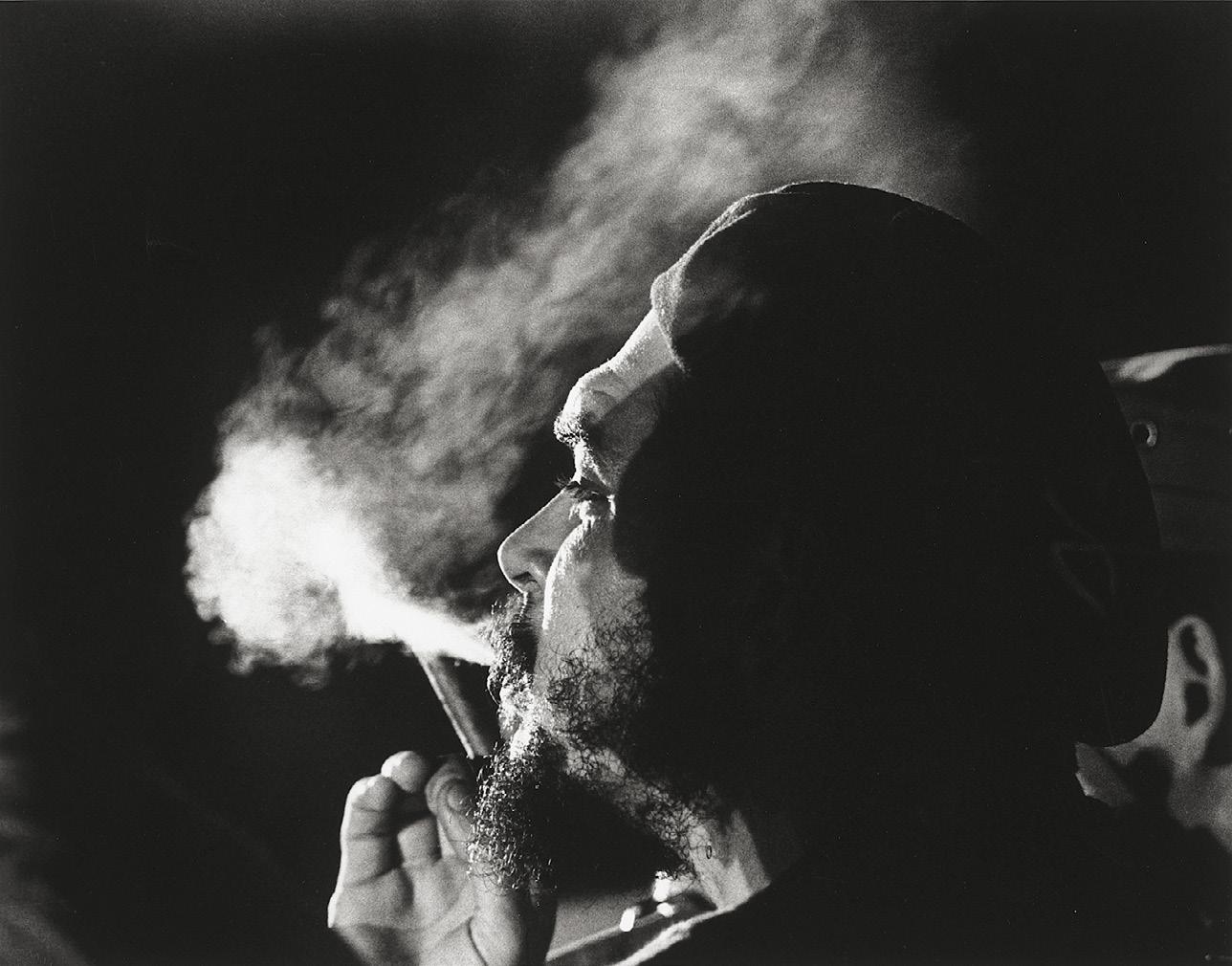
osvaldo salas (1914–1992)
4265 Che Guevara with cigar. 1963. Gelatin silver print, printed later. 37 x 47,2 cm (sheet 43,8 x 54 cm).
Signed and dated by Roberto Salas in the lower margin; with “Salas, Cuba” and “Salas, Habana Cuba” copyright stamps embossed in the lower margin.
600 €
pentti sammallahti (b. 1950)
4266* S olovki, White Sea, Russia. 1992. Pigment print on heavy vellum paper. 25 x 54,5 cm (sheet 48 x 77,5 cm).
Signed, dated and annotated as artist proof by the photographer in pencil in lower margin. Framed unde r plexiglass in wooden frame.
2.200 €
The photographs of Pentti Sammallahti are imbued with the cool, subdued light of his native Finland. He began photogra -
phing at the age of eleven, influenced by his grandmother, a Swedish-born reportage photographer, and went on to develop a deeply personal visual language. His black-and-white images are marked by a quiet, almost timeless stillness, observing the coexistence of nature and human presence without imposing judgment or conflict; animals - especially dogs - recur as subtle protagonists within these landscapes. Blending documentary sensitivity with a poetic sensibility, Sammallahti’s work has influenced a generation of photographers and earned the admiration of Henri Cartier-Bresson, who included him among his one hundred favorite photographers for the inaugural exhibition of the Fondation Henri CartierBresson in Paris.
4267 Cilento, Italy (Dog and tire pile) 1999. Vintage gelatin silver print. 12,7 x 20,3 cm (sheet 19,1 x 27,5 cm).
Signed and dated by the photographer in pencil in the margin lower right.
1.000 €
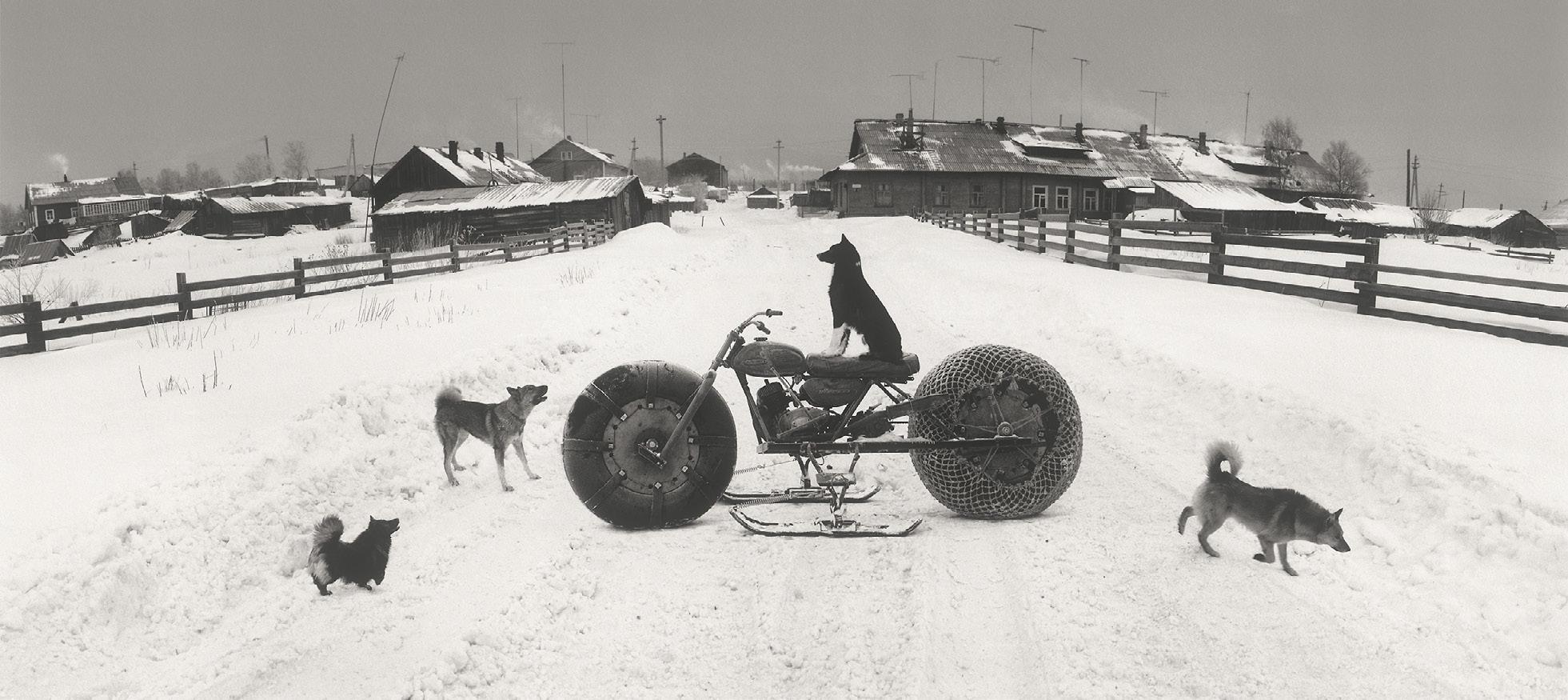
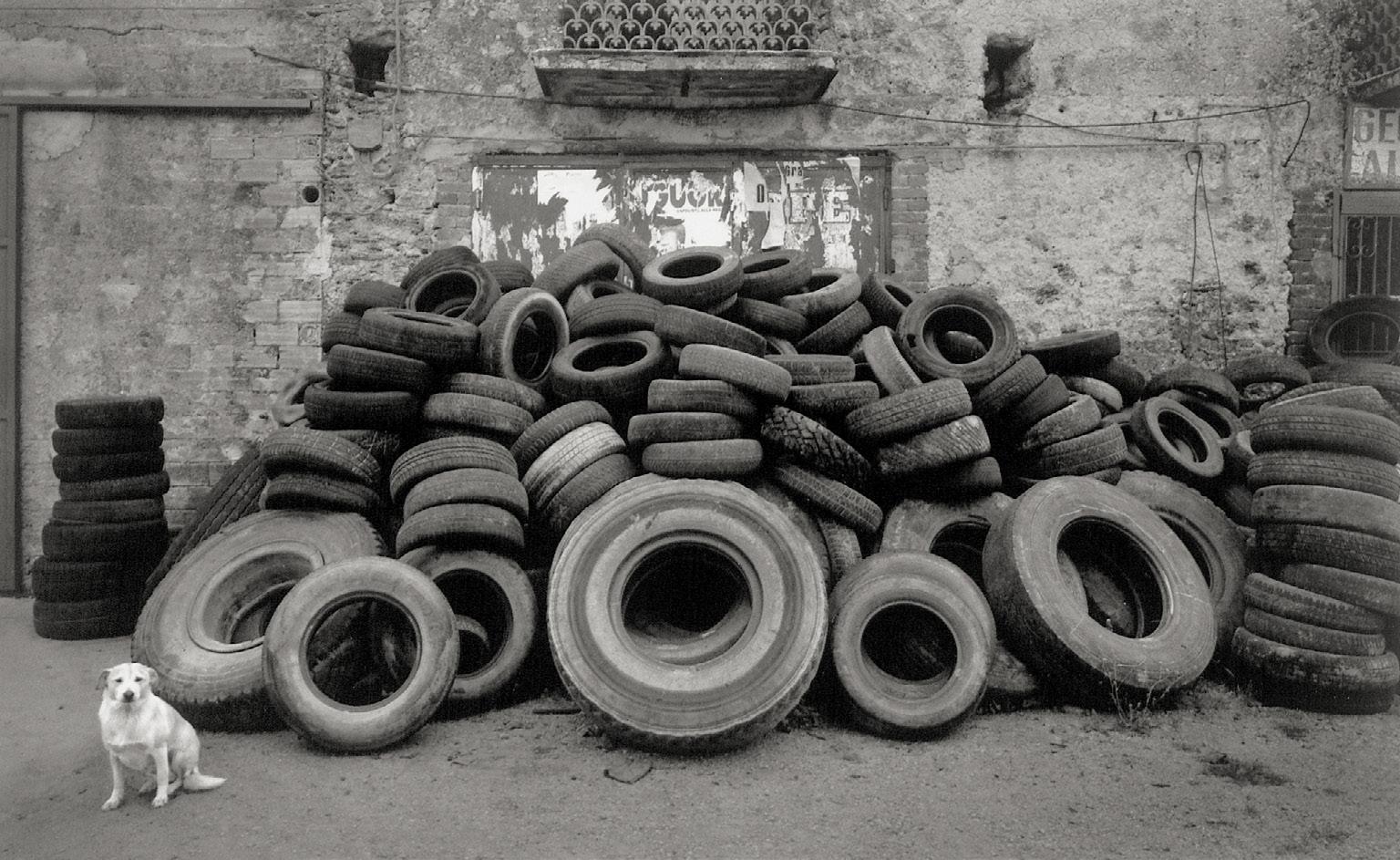
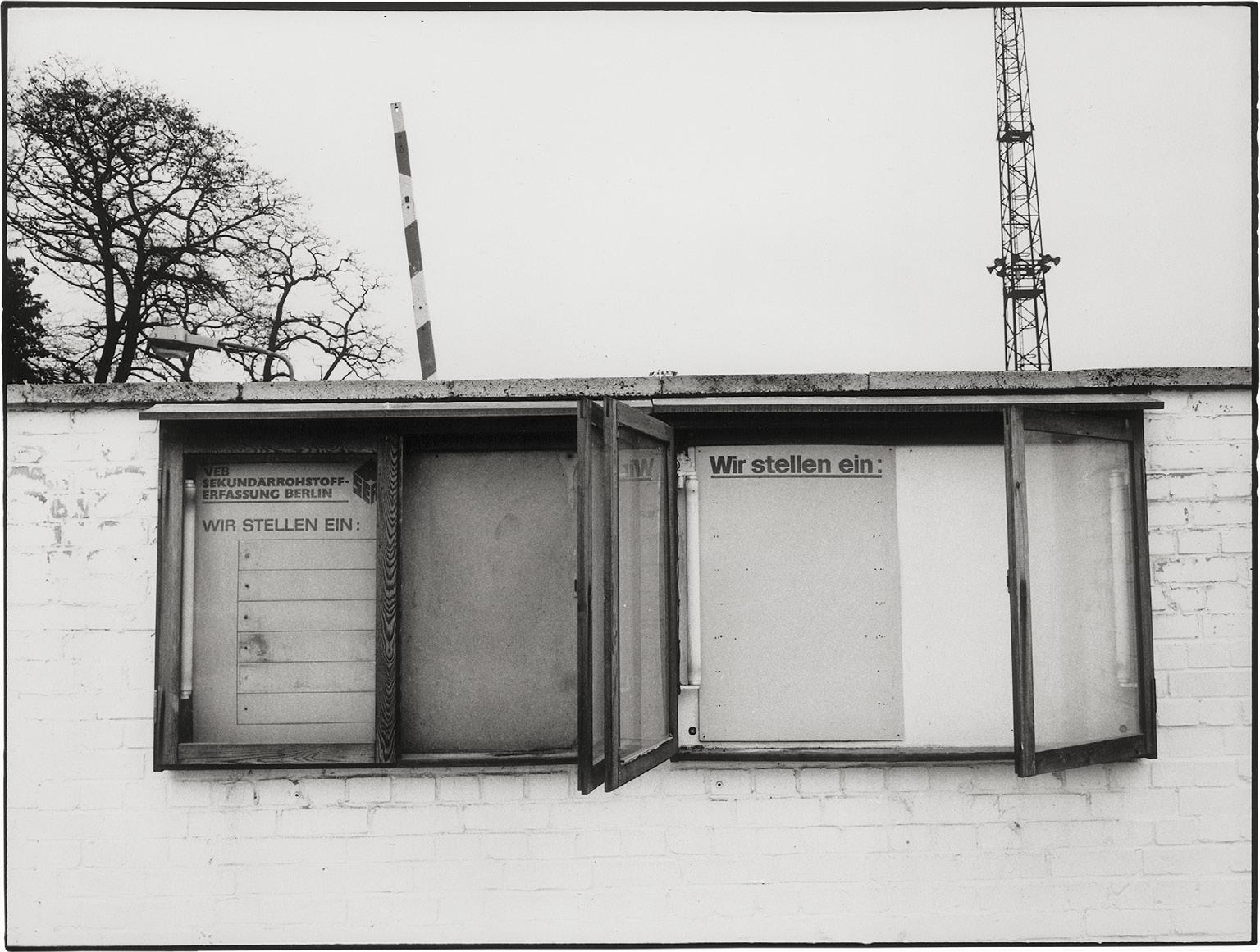
rainer maria schopp (1950–1997)
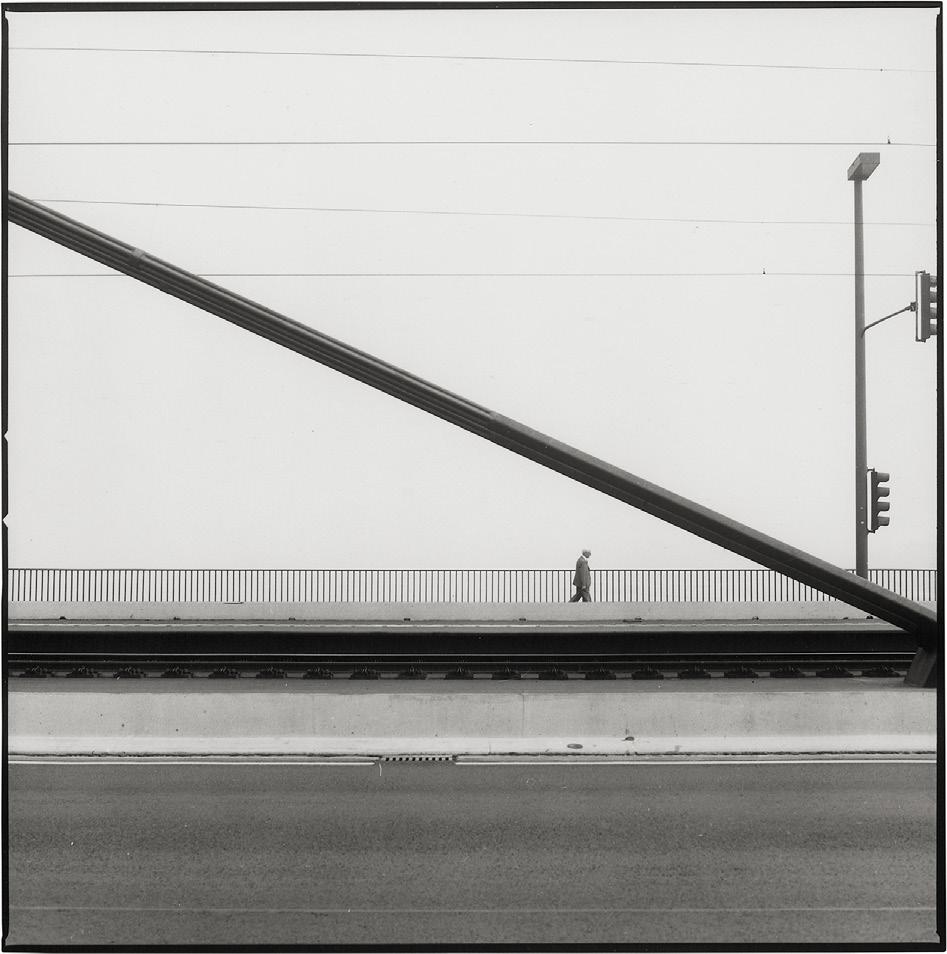
4268 Düsseldorf/Rheinbrücke. 1982. Vintage gelatin silver print. 28 x 28 cm. Photographer‘s stamp, therein titled and dated in ink on the verso.
500 €
Rainer Maria Schopp captured life in Berlin, across Europe, and in the United States through often poetic and quietly observational images. He studied graphic design at the Hochschule der Künste Berlin from 1969-74, and from 1976 worked as a freelance photographer. In 1978, he joined the printing workshop of the Berufsverband Bildender Künstler (BBK) at the Künstlerhaus Bethanien; his promising career was cut short by his tragic death at the age of 47.
Lit.: Galerie Mönch Berlin, ed. Rainer Maria Schopp: Seitenblicke (exhibition catalogue). Berlin, 2020, ill. p. 5.
4269 Berlin, Mahlsdorf, Pfingsten . 1991. Vintage gelatin silver print. 33,7 x 44,3 cm. Photographer‘s stamp, therein titled and dated in ink, number in pencil and gallery label on the verso.
500 €
Lit.: Galerie Mönch Berlin, ed. Rainer Maria Schopp: Seitenblicke (exhibition catalog). Berlin, 2020, ill. p. 4.
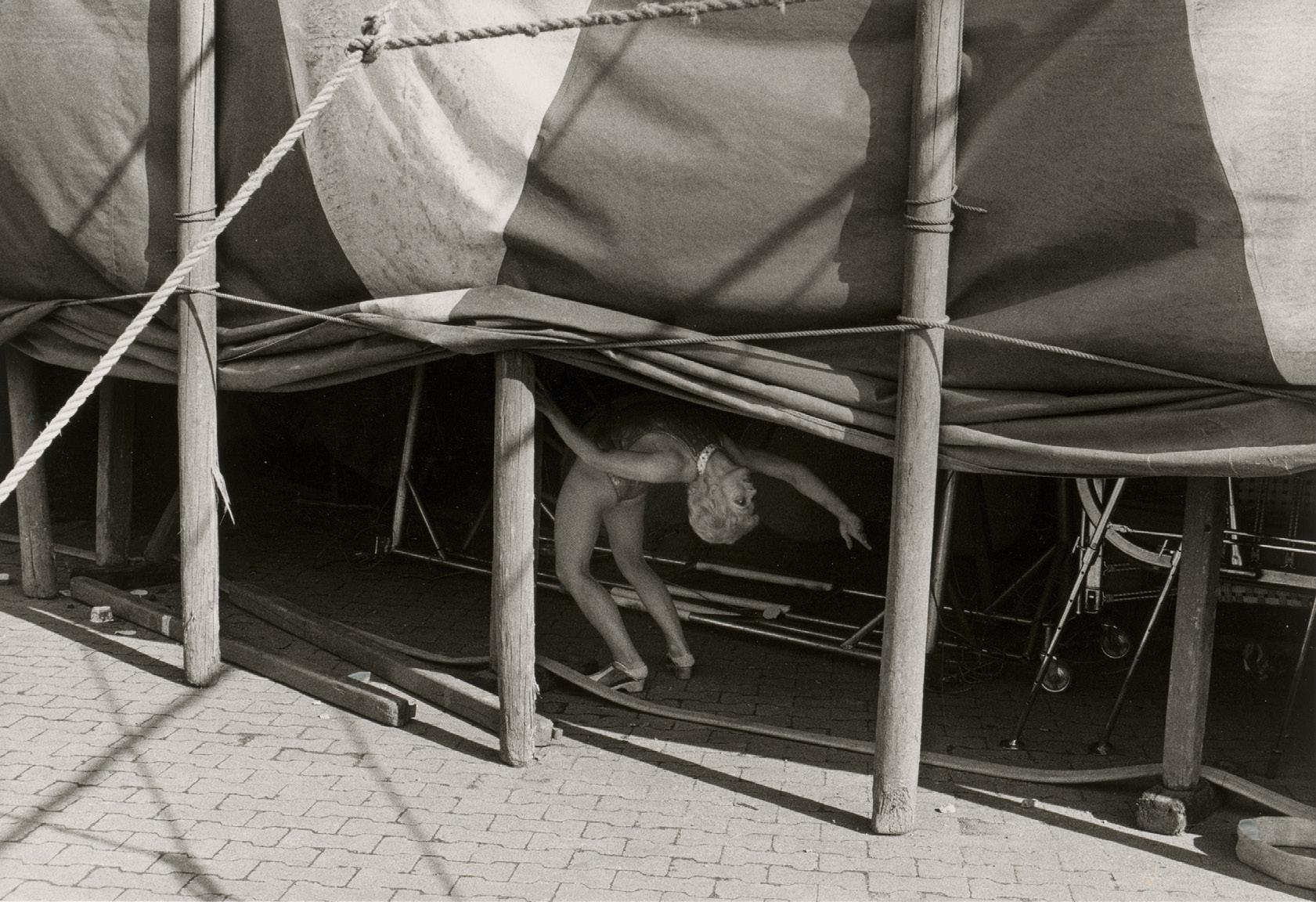
wilhelm schürmann (b. 1946)
4270 Aachen. 1975. Vintage gelatin silver print on Agfa paper. 21,5 x 31,5 cm (sheet 29,2 x 38,2 cm). Signed, titled and dated by the photographer as well as layout notes in pencil and photographer‘s stamp on the verso.
1.200 €
Born in Dortmund, Wilhelm Schürmann initially studied chemistry while practicing photography, to which he soon devoted himself professionally. From the 1970s, he held teaching positions and, in 1981, was appointed professor at RWTH Aachen University; between 1973-1977 he co-directed the Lichttropfen Gallery in Aachen with Rudolf Kicken. Working within the tradition of European and American street photography, his images incorporate elements of contemporary pop culture - everyday graphics, wallpaper, postcards, and fashion - as pictures within the picture. Often organized in open series, his work reflects an engaged view of society, foregrounding the coexistence of contradictions.
4271 Dornumersiel .1976. Vintage gelatin silver print on Agfa paper. 28,7 x 23,5 cm (sheet 38,5 x 29,5 cm). Signed, titled and dated by the photographer in pencil on the verso.
1.200 €
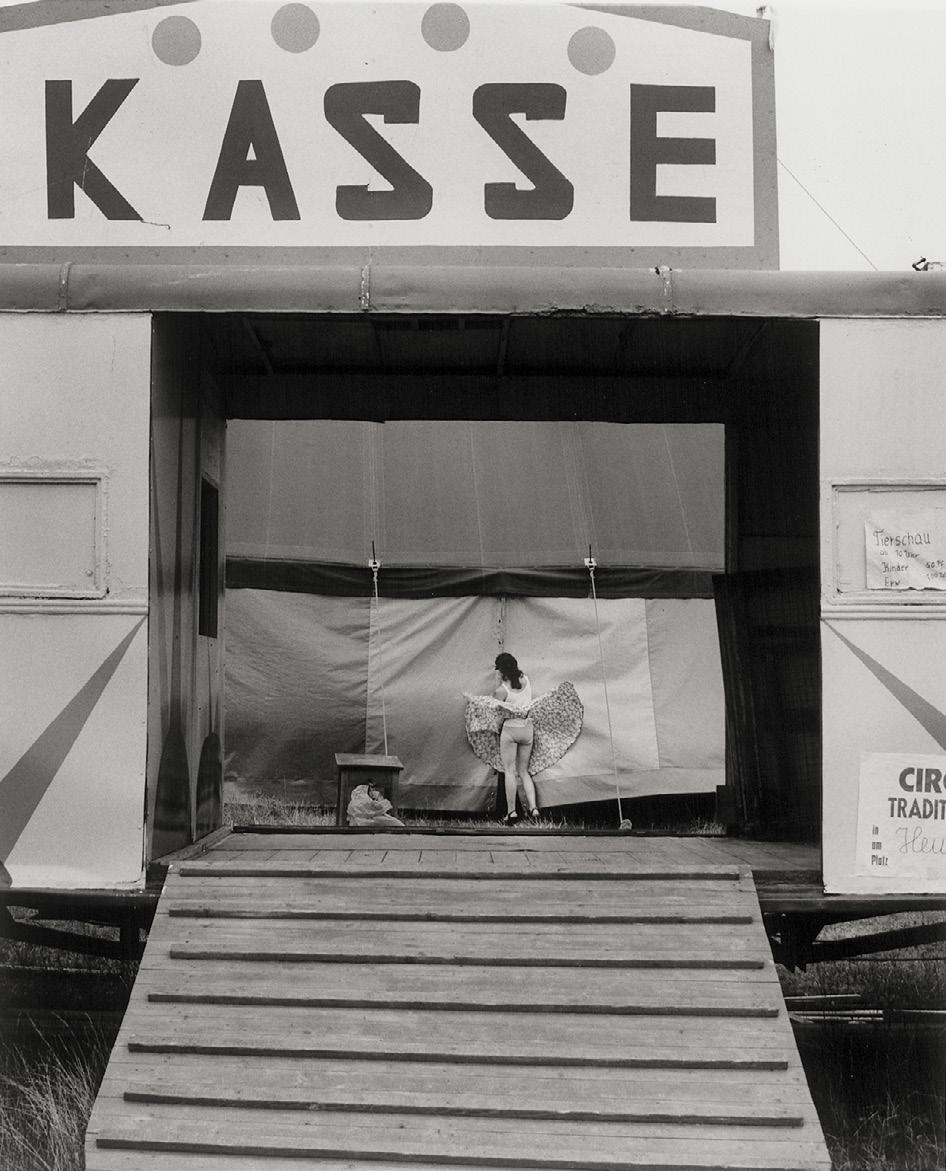
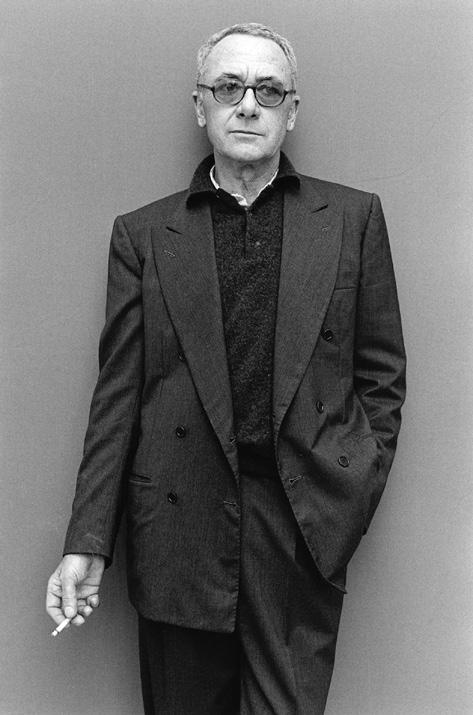
dieter schwerdtle (1952–2009)
4272 The artist Gerhard Richter. 1991. Gelatin silver print, printed later. 27,2 x 18 cm (sheet 30,6 x 20,8 cm). Signed by the photographer in pencil as well as photog rapher‘s stamp and edition stamp on the verso.
600 €
friedrich seidenstücker (1882–1966)
4273* Lachmöwe. 1930s. Vintage gelatin silver print on Agfa-Brovira paper. 17,9 x 13 cm. Photographer‘s studio stamp as well as annotated in pencil on the verso.
500 €
Friedrich Seidenstücker is best known for his animal photography, particularly images made at the Berlin Zoological Garden in the 1920s-1930s. Rather than presenting animals as spectacle, he approached them with a sculptural sensibility, emphasizing form, posture, and physical presence through careful observation and restrained composition. His work reflects both his training as a sculptor and the New Objectivity ethos, treating animals as autonomous subjects within a modern photographic framework.
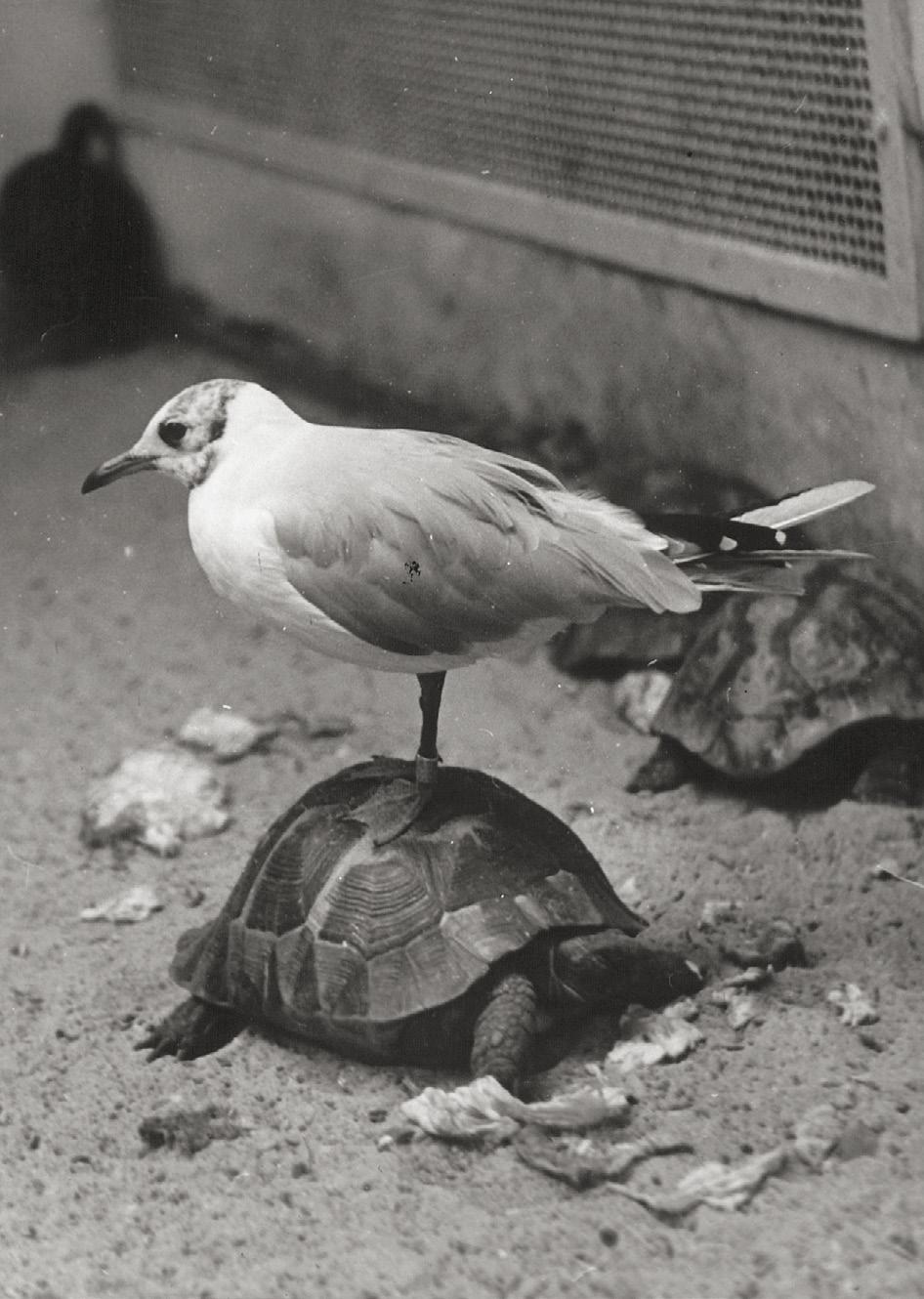
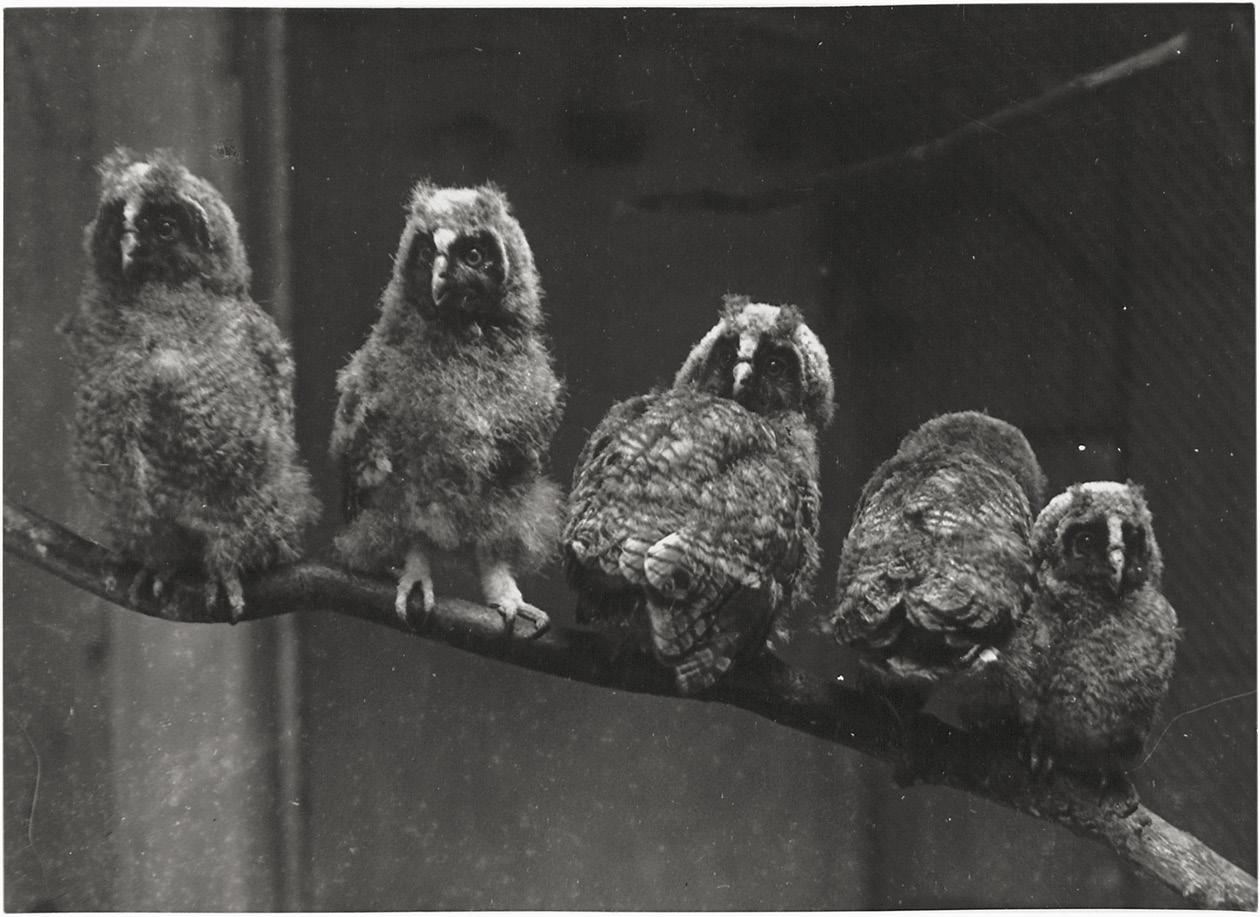
friedrich seidenstücker
4274* Waldohreulen. 1930s. Vintage gelatin silver print on Agfa-Brovira paper. 12,8 x 17,6 cm. Photographer‘s studio stamp as well as annotated in pencil on verso.
500 €
4275 Zoo-Photographien. 1927-1955. 6 gelatin silver prints, printed 2019 from the original negatives. Each ca. 24,2 x 17,7 cm (sheet 30 x 23,5 cm) and reverse. Each with printed Griffelkunst edition text on the verso. Presented in original half-canvas folder with illustrated text brochure.
600 €
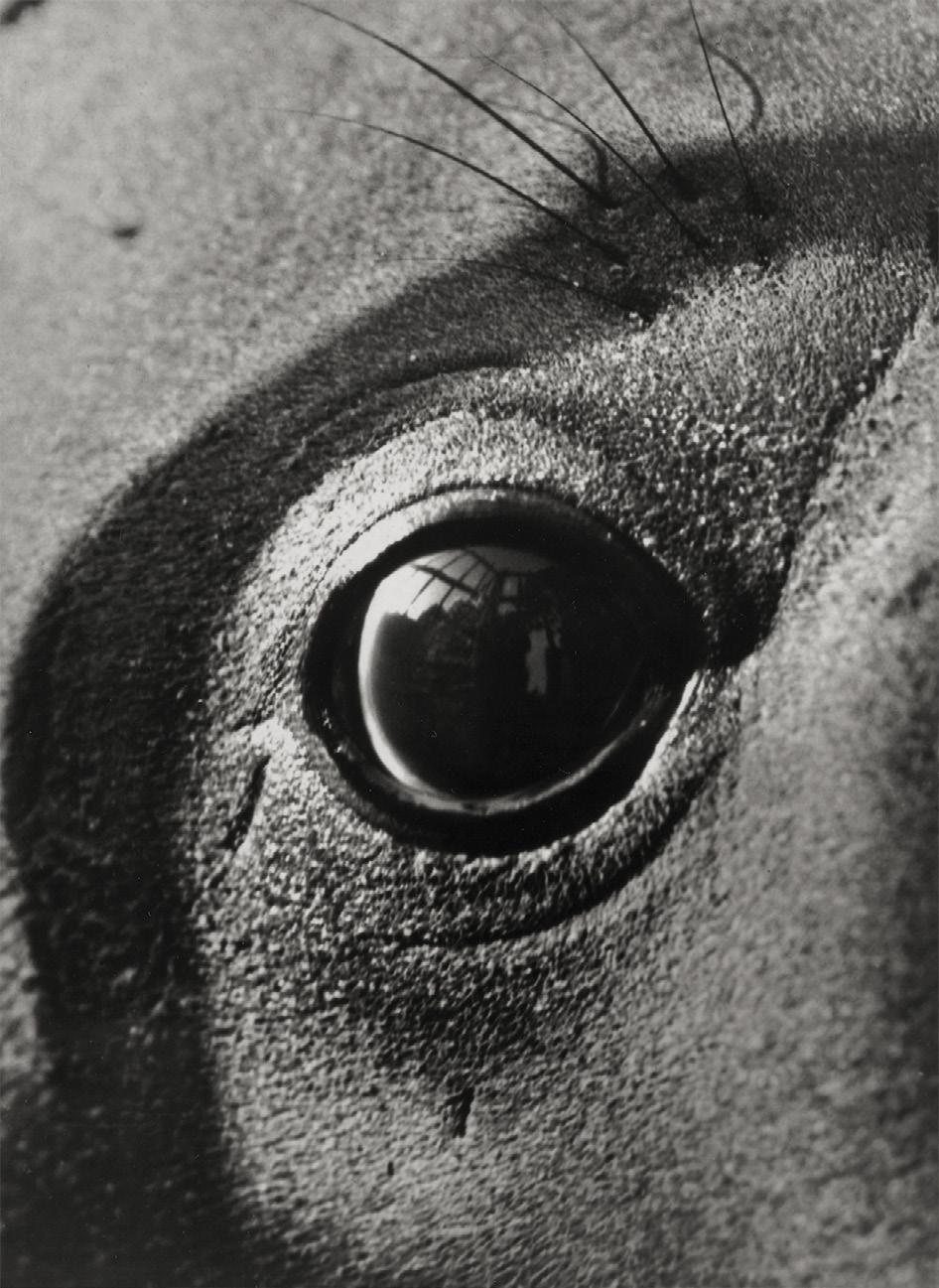
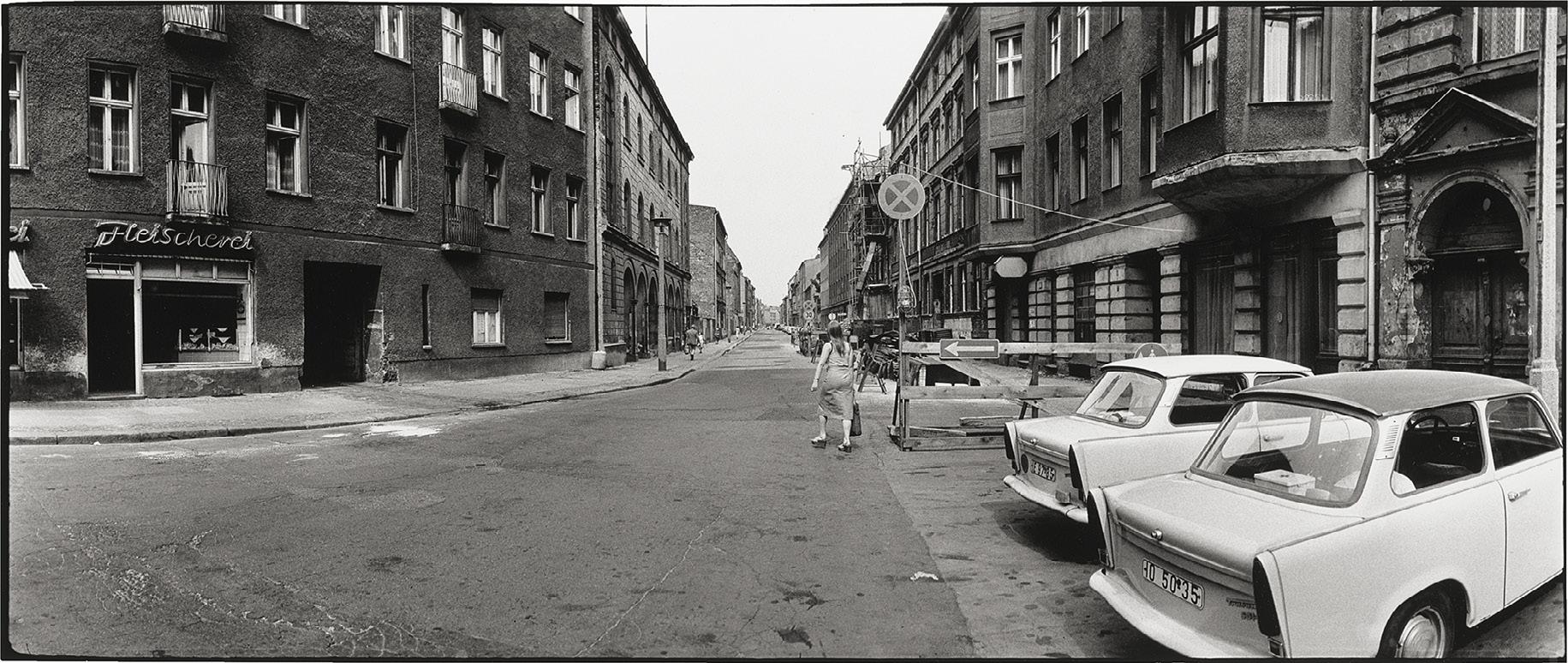
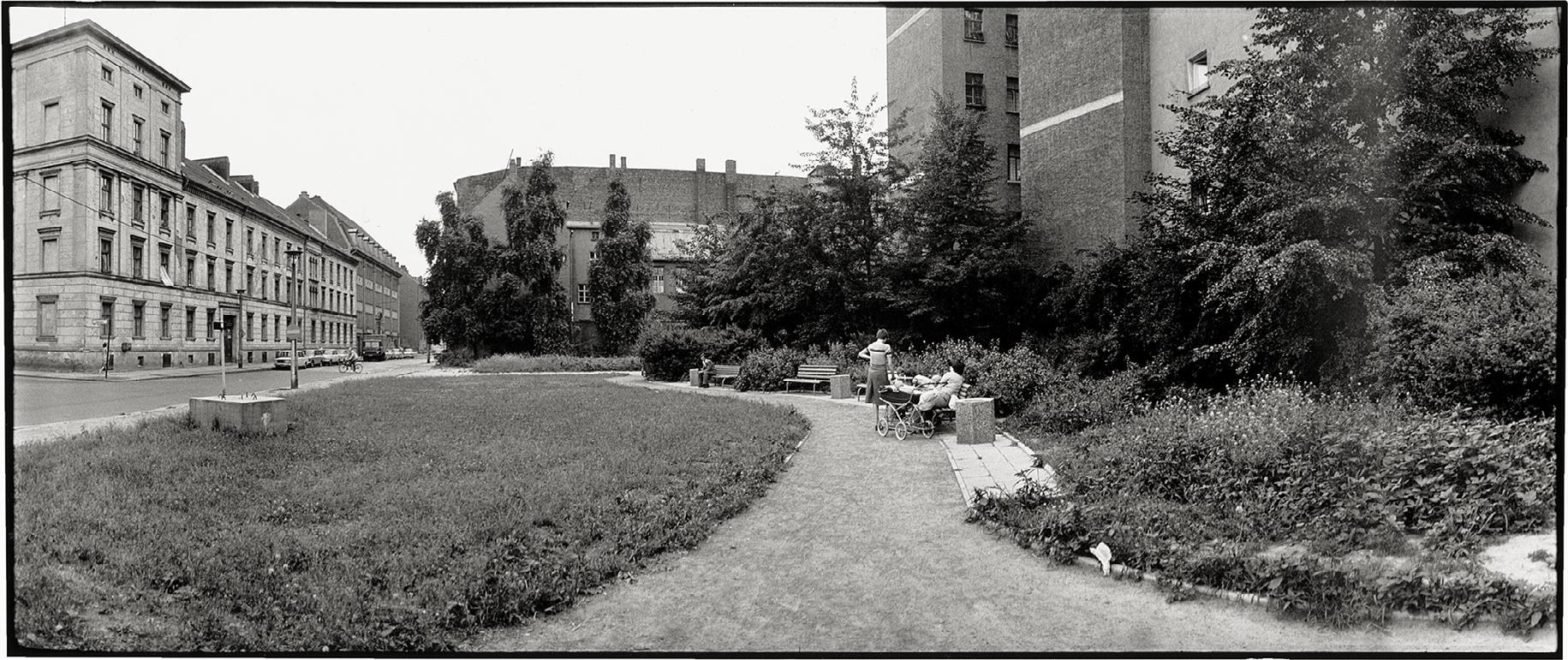
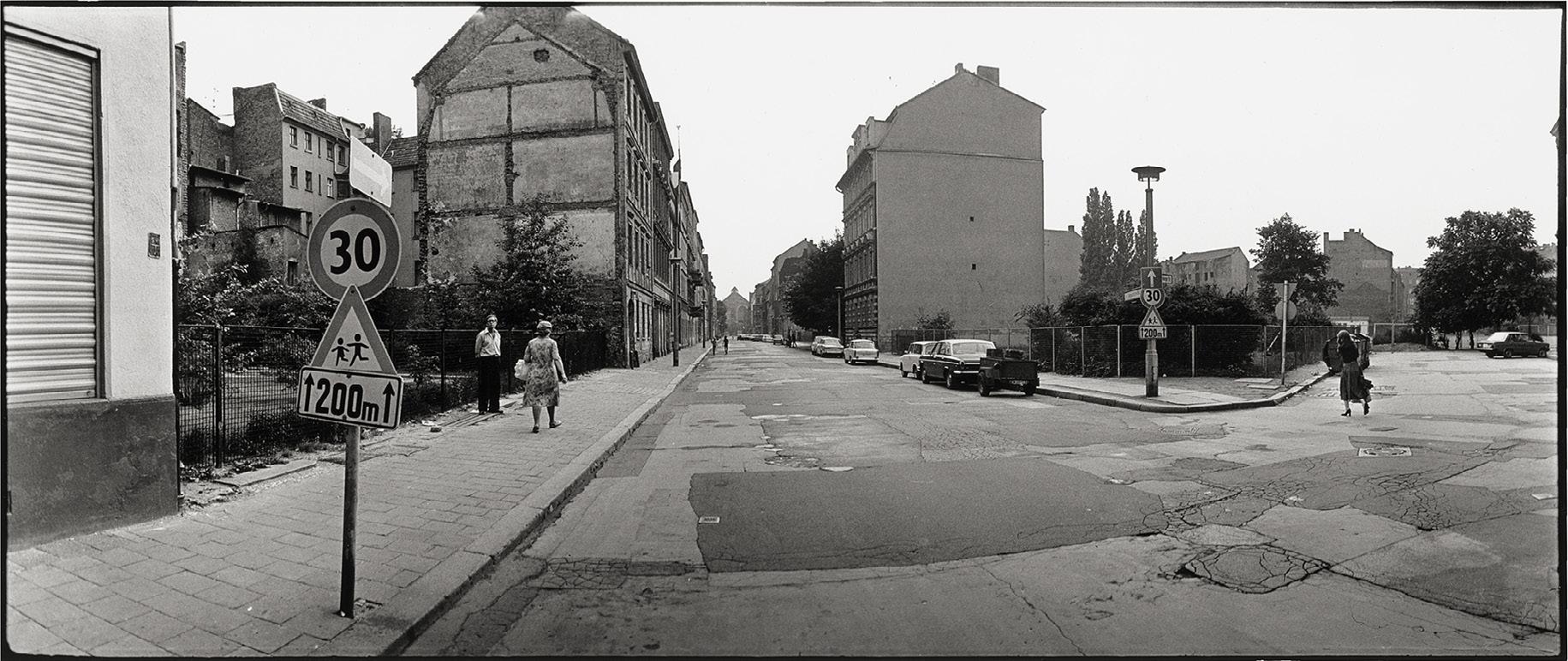
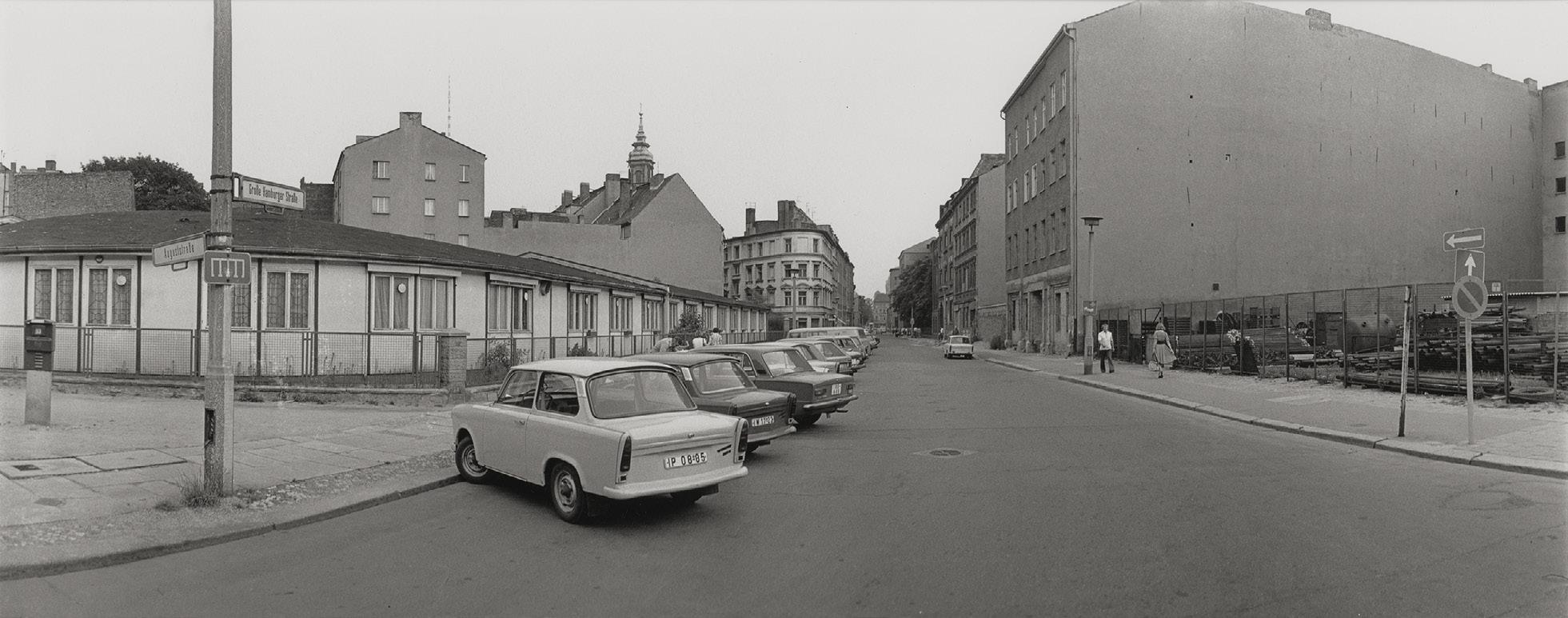
hans martin sewcz (b. 1955)
4276* Berliner Tor, Berlin / Linienstraße am Koppenplatz, Berlin / Auguststraße, Berlin . 1979. 3 panoramic gelatin silver prints, printed 2005-2007. Each circa 24 x 57 cm and 24 x 57 cm (sheet 33 x 60,5 cm). Each signed, titled, and dated by the photographer in pencil as well as with photographer‘s stamp on the verso.
1.500 €
Hans Martin Sewcz studied at the Academy of Visual Arts in Leipzig and is best known for his photographic exploration of East Germany and other former Eastern Bloc countries. His work has been widely exhibited and is held in major public and private collections, including the Berlinische Galerie, the Deutsches Historisches Museum, the Institut für Moderne Kunst in Nuremberg, and the Deutsche Bank Collection in Frankfurt am Main. Lit.: Marc Barbey, ed. Hans Martin Sewcz: Berlin-Mitte, Mai 1979 Berlin: Collection Regard, 2011, ill. pp. 10-11, 28-29 and 32.
4277 Große Hamburger Straße, Berlin . 1979. Panoramic gelatin silver print, printed 2005-2007. Circa 24 x 56,5 cm (sheet 32 x 61 cm). Signed, titled, dated and editioned „E.A.“ by the photographer in pencil on the verso. Framed under plexiglass in wooden frame.
600 €
Lit.: Marc Barbey, ed. Hans Martin Sewcz: Berlin-Mitte, Mai 1979. Berlin: Collection Regard, 2011, ill. p. 15.
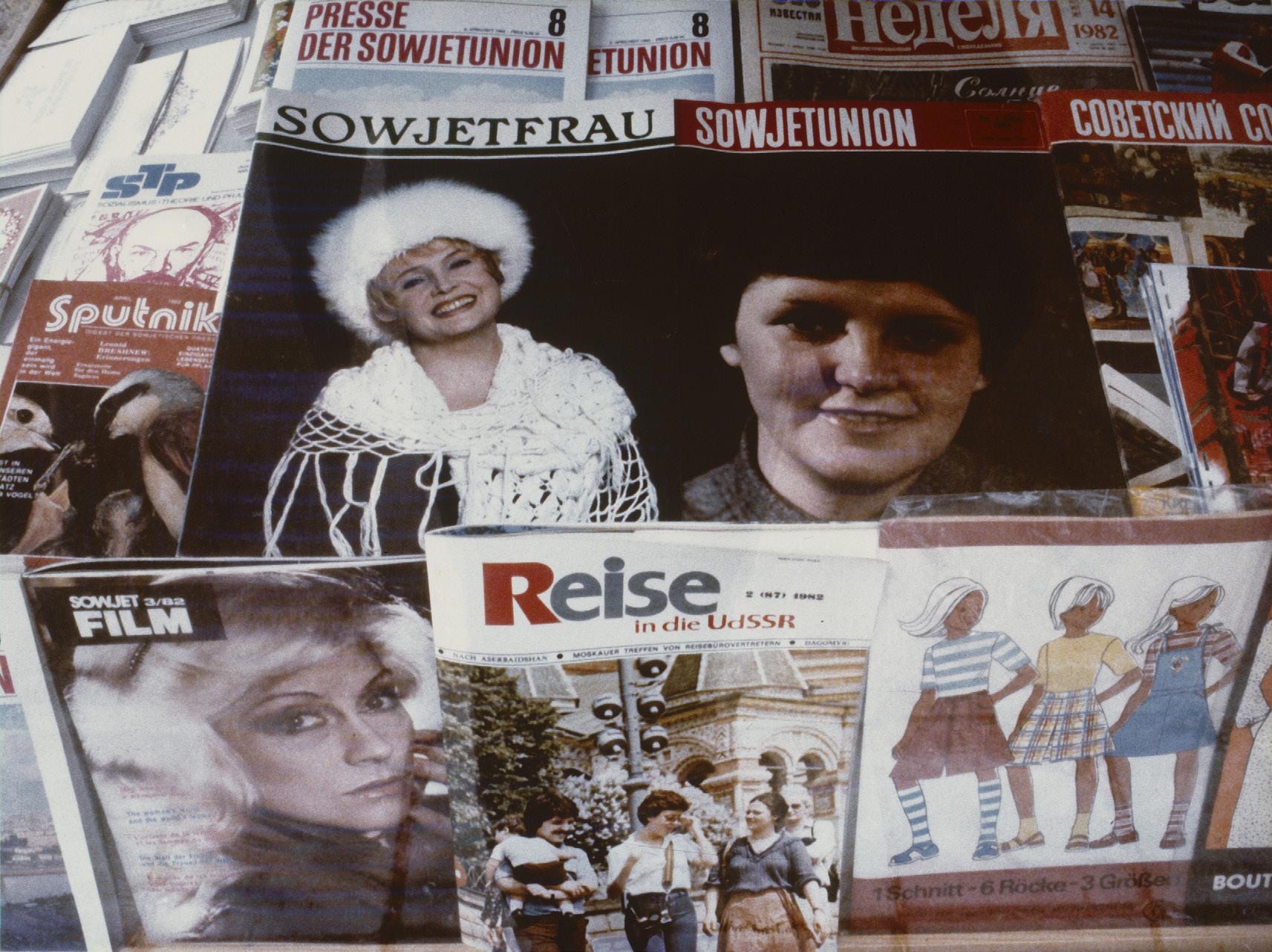
4278 Zeitungskiosk, Ost-Berlin, (Newsstand East Berlin). 1981. Cibrachrome print, printed 1990s. 30 x 40,8 cm. Signed, titled, dated and editioned „E.A.“ by the photographer in ink on the verso.
750 €
In the 1980s, Hans Martin Sewcz‘s photography frequently focused on documenting the commercial displays of department stores and small businesses in the GDR, offering valuable insight into the commercial visual culture under communist rule. The present print is an example of that period.
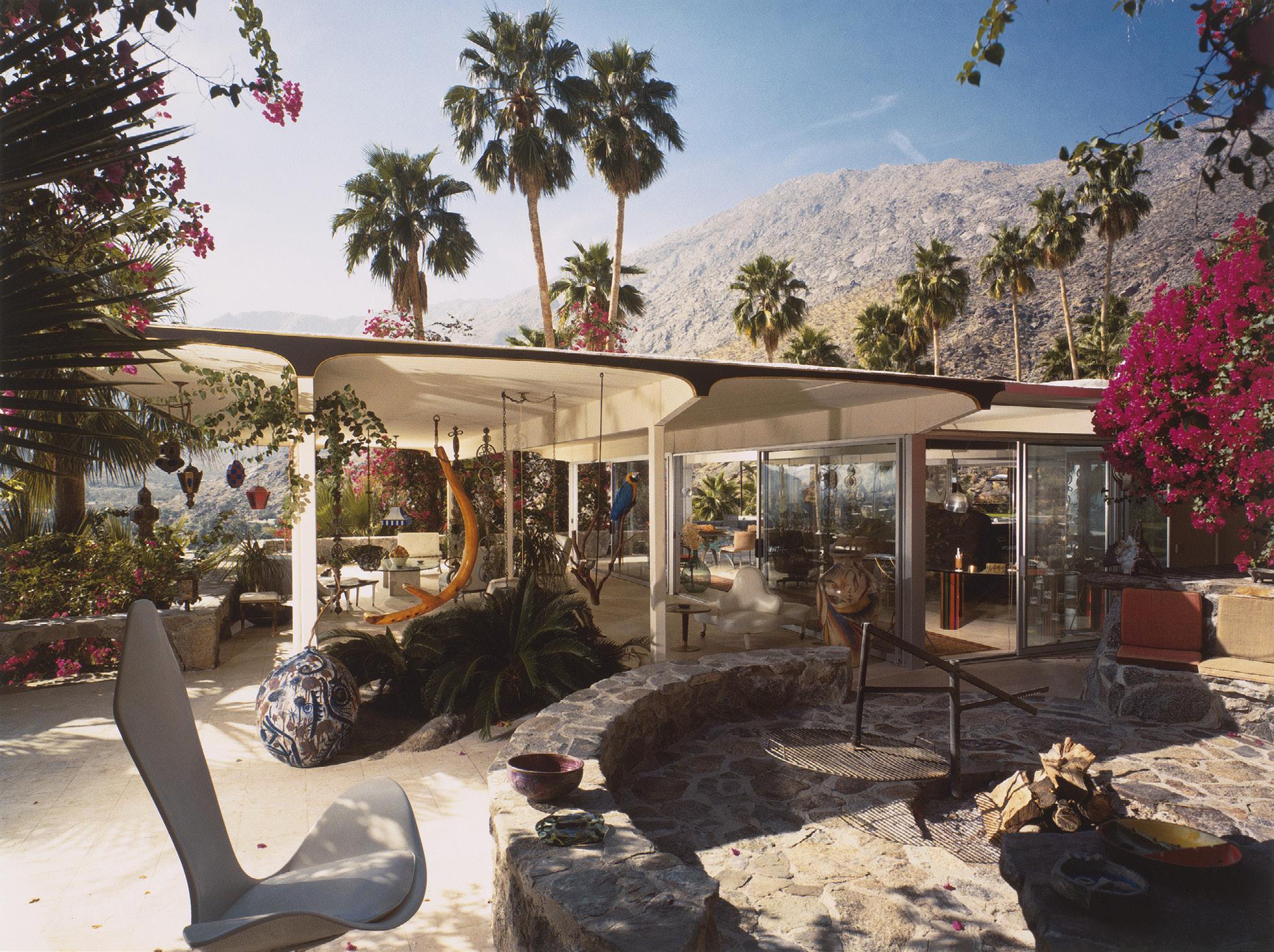
julius shulman (1910–2009)
4279* William Burgess House, Palm Springs, California. 1984. Chromogenic print on Kodak Professional Digital paper, printed later. 31 x 41,5 cm (sheet 40,5 x 50,5 cm). Signed by the photographer in felt-tip pen on the verso.
1.200 €
Julius Shulman was a central figure in architectural photography, renowned for his ability to convey both the aesthetic clarity and lived experience of mid-century modern design through precise composition and masterful use of natural light. His images played a decisive role in shaping and popularizing modernist architecture, particularly in Southern California.
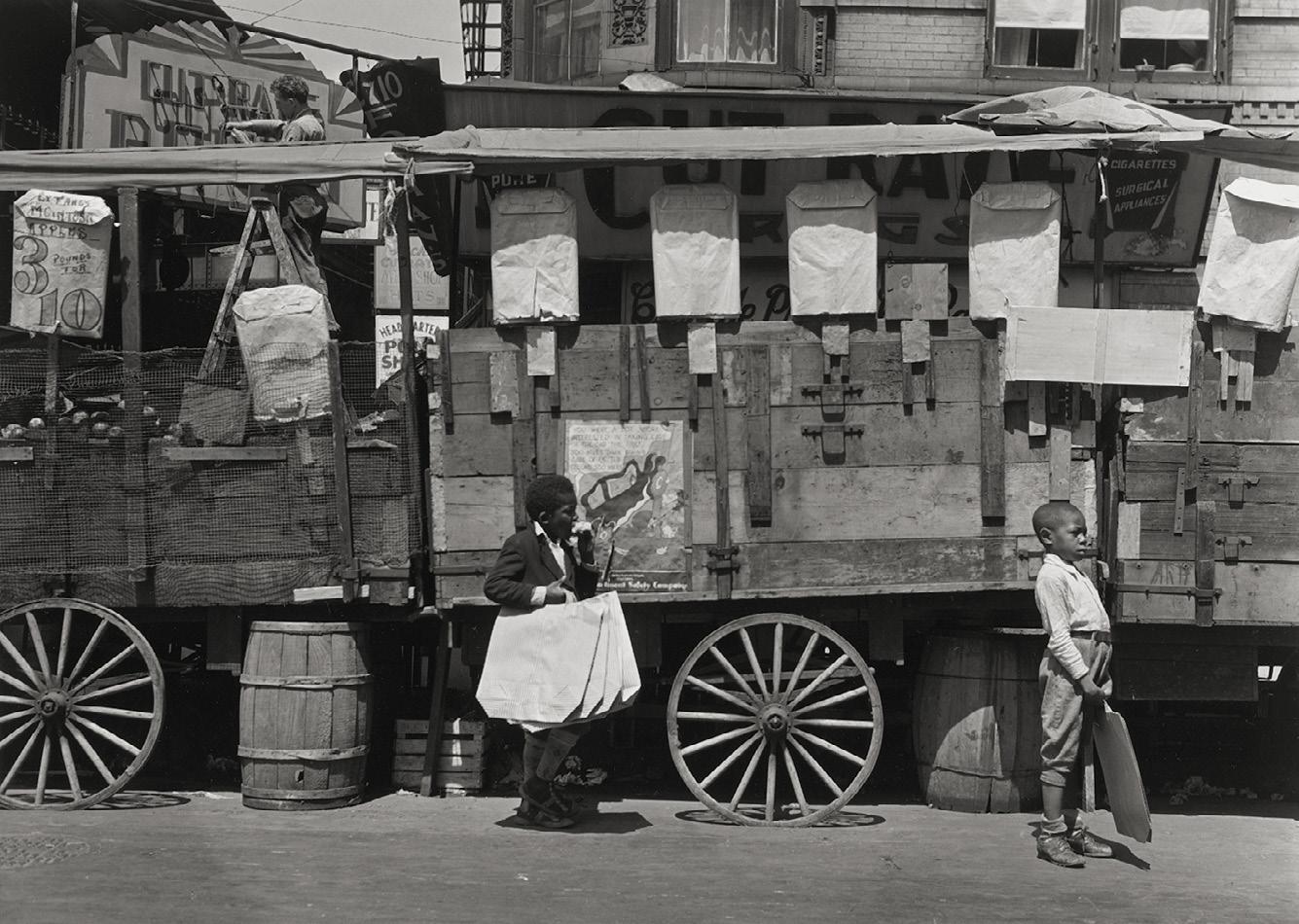
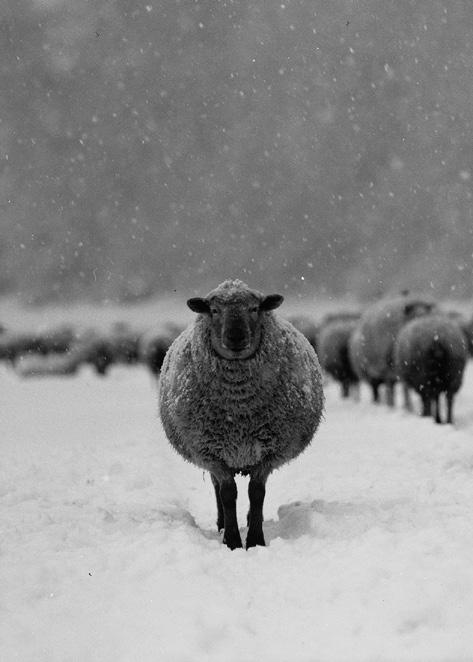
aaron siskind (1903–1991)
4280 Harlem. 1935. Gelatin silver print, printed later, mounted to board. 27,7 x 35,5 cm. Signed in black ink below the image on the mount; annotated “Harlem 1935, Street Scene 3” in pencil on the verso.
1.200 €
Made during his early involvement with the Photo League, this work reflects Aaron Siskind’s engagement with socially grounded photography in 1930s Harlem, before his later turn toward abstraction. Rather than isolating a single subject, the image articulates a broader visual field in which everyday urban life is structured through layered planes, signage, and repeated forms, anticipating the formal concerns that would come to define his postwar practice.
walter sittig (b. 1935)
4281 Schaf, Hann. Münden . 1966. Gelatin silver print, printed 1990s. 37,5 x 27 cm (sheet 40,5 x 30,2 cm). Signed and dated by the photographer in pencil on the verso.
1.000 €
Walter Sittig was an internationally renowned animal photographer, known for his keen eye for capturing decisive and often unexpected moments. His photographs were widely published in magazines and newspapers across 36 countries, including leading German titles such as Stern, Quick, Die Welt, and Frankfurter Rundschau
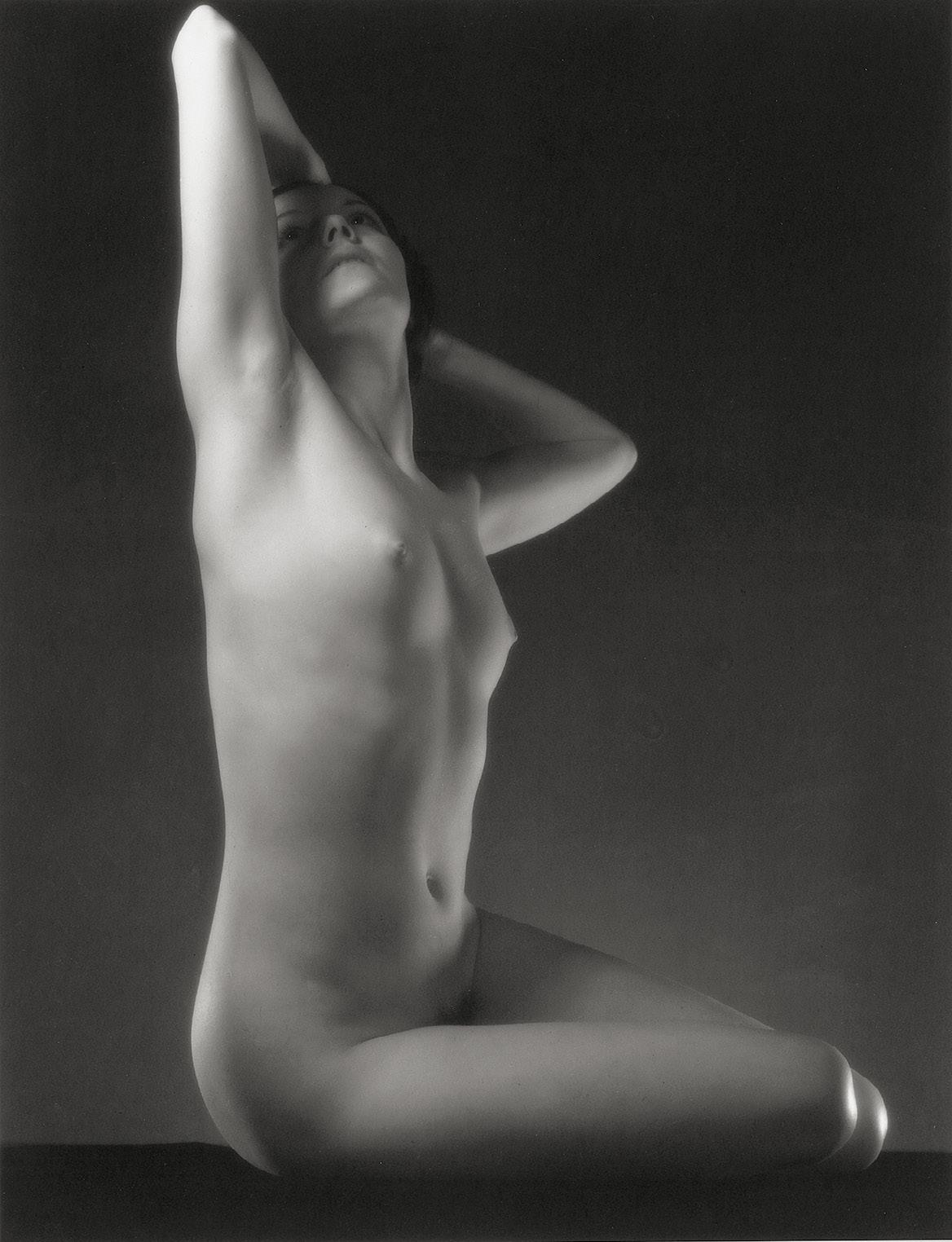
edward steichen (1879–1973)
4282 Selected images from the portfolio: Steichen: In the Studio, Twelve Photographs. 1932-33 3 gelatin silver prints, printed 1984-85 from the original negatives by George Tice, flush-mounted to archival portfolio boards. Each between ca. 34 x 26 cm and 24 x 19 cm (mounts 50,5 x 40,5 cm). Each with portfolio label, therein signed by George Tice and Joanna Steichen in ink on mount verso.
2.000 €
Edward Steichen was one of the leading portrait photographers of his time, known for his refined lighting and ability to convey both glamour and psychological presence in his depictions of prominent figures. This group includes the following images: Miss Sousa (1933); Joan Crawford (1932); and Marlene Dietrich, New York (1932). 4282
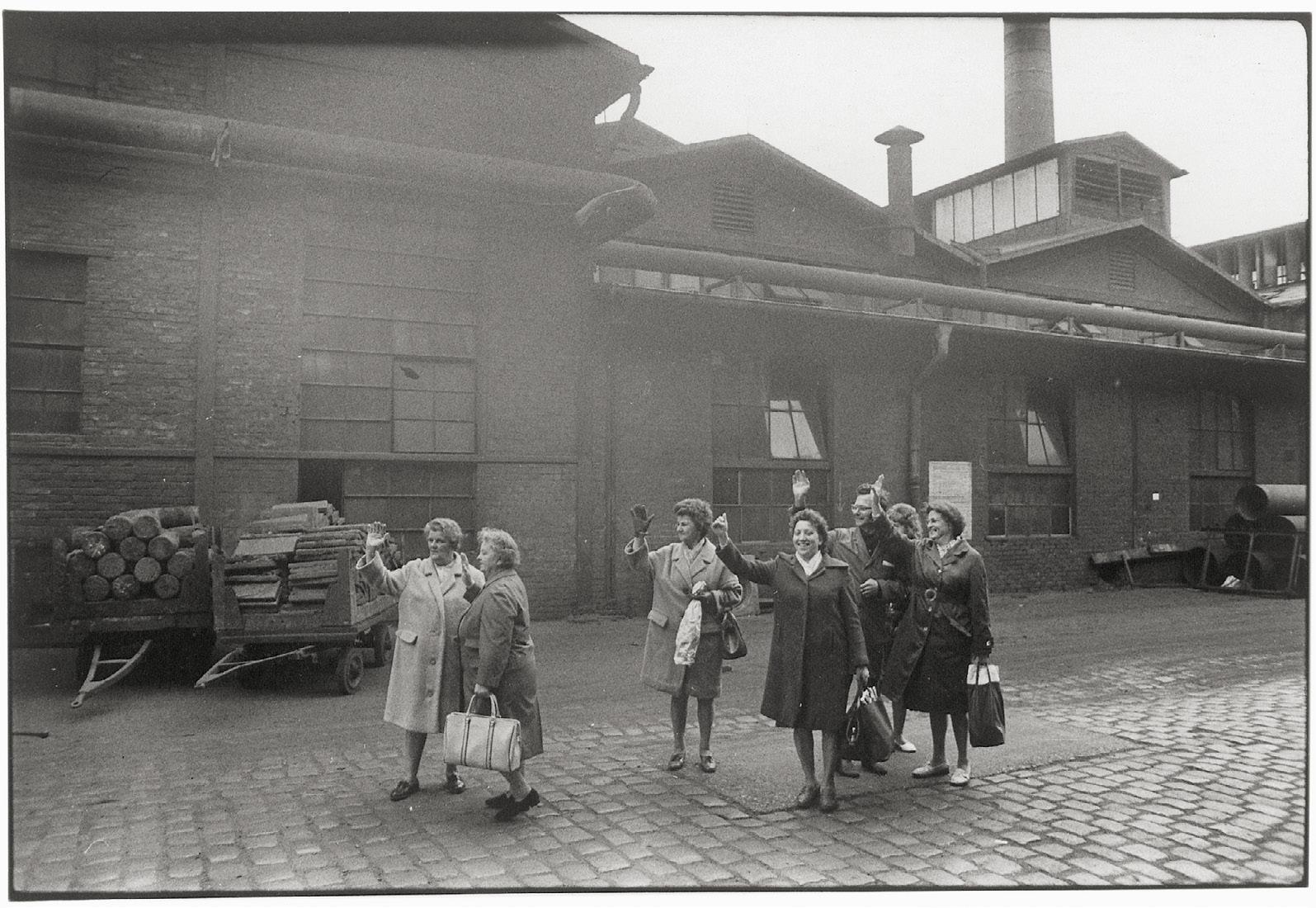
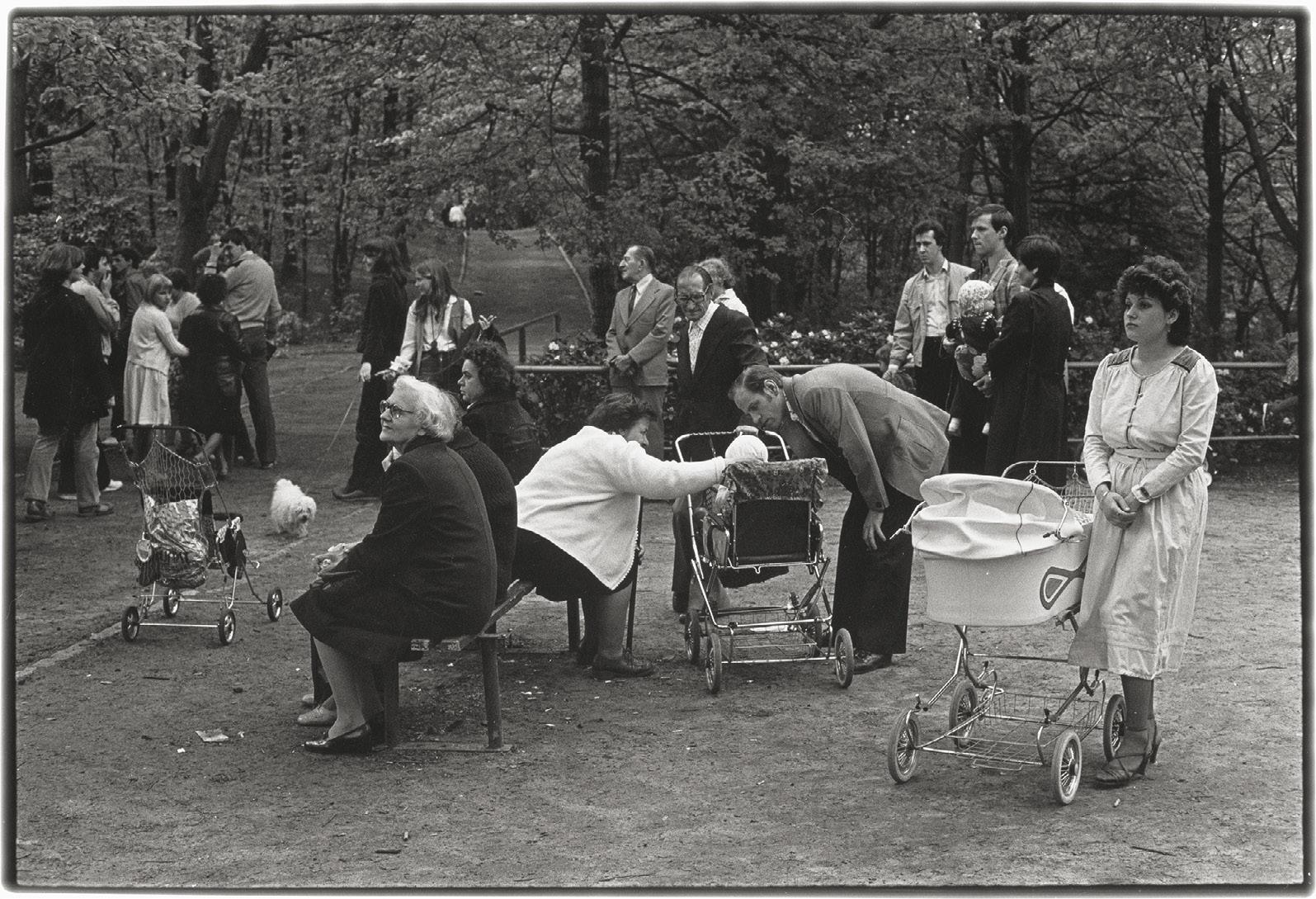
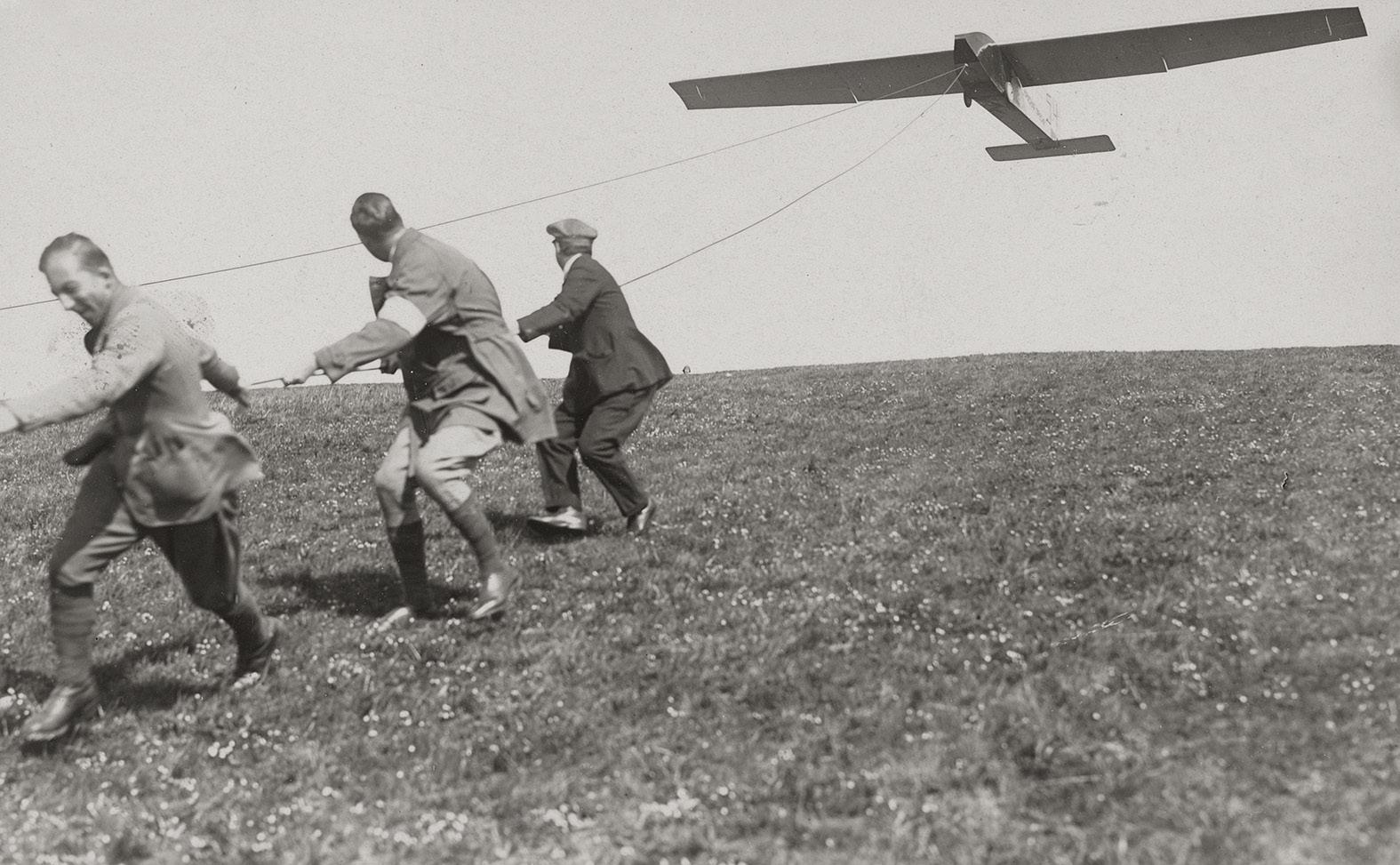
uwe steinberg (1942–1983)
4283 Abschied Elfriede Schielski . 1971. Gelatin silver print, printed later. 16 x 24 cm (sheet 23,7 x 29,7 cm). Titled and dated in pencil, with photographer‘s stamp on the verso.
600 €
Uwe Steinberg, an exceptional photographer and chronicler of his time, skillfully navigated beyond the confines of official perspectives to capture the authentic essence of individuals. He harnessed photography as an autonomous medium, even within the constraints of a socialist context. Steinberg‘s extensive body of work, spanning various themes such as labor, daily life in the German Democratic Republic, and portraits of youth, serves as a testament to his discerning choice of subjects and his mastery of composition techniques.
4284 Am Friedrichshain, Ost-Berlin . 1980. Gelatin silver print, printed later. 30,2 x 44,5 cm (sheet 32,5 x 47 cm). Titled and dated in pencil, with photographer‘s stamps and gallery stamp on the verso.
750 €
alex stöcker (1896–1962)
4285 S cenes from the Rhön Glider Competition. 1920s. 11 vintage gelatin silver print on strong chamois paper. Each ca. 8,8 x 14,4 cm. Photographer‘s copyright stamp and numbered in pencil the verso.
1.000 €
Alexander Stöcker, a versatile German photographer, was known for his diverse portfolio encompassing aviation, sports, and early 20th-century history, particularly his meticulous documentation of the groundbreaking 1930 Rhön Glider Competition, a pivotal event that spurred significant advancements in aviation and gliding.
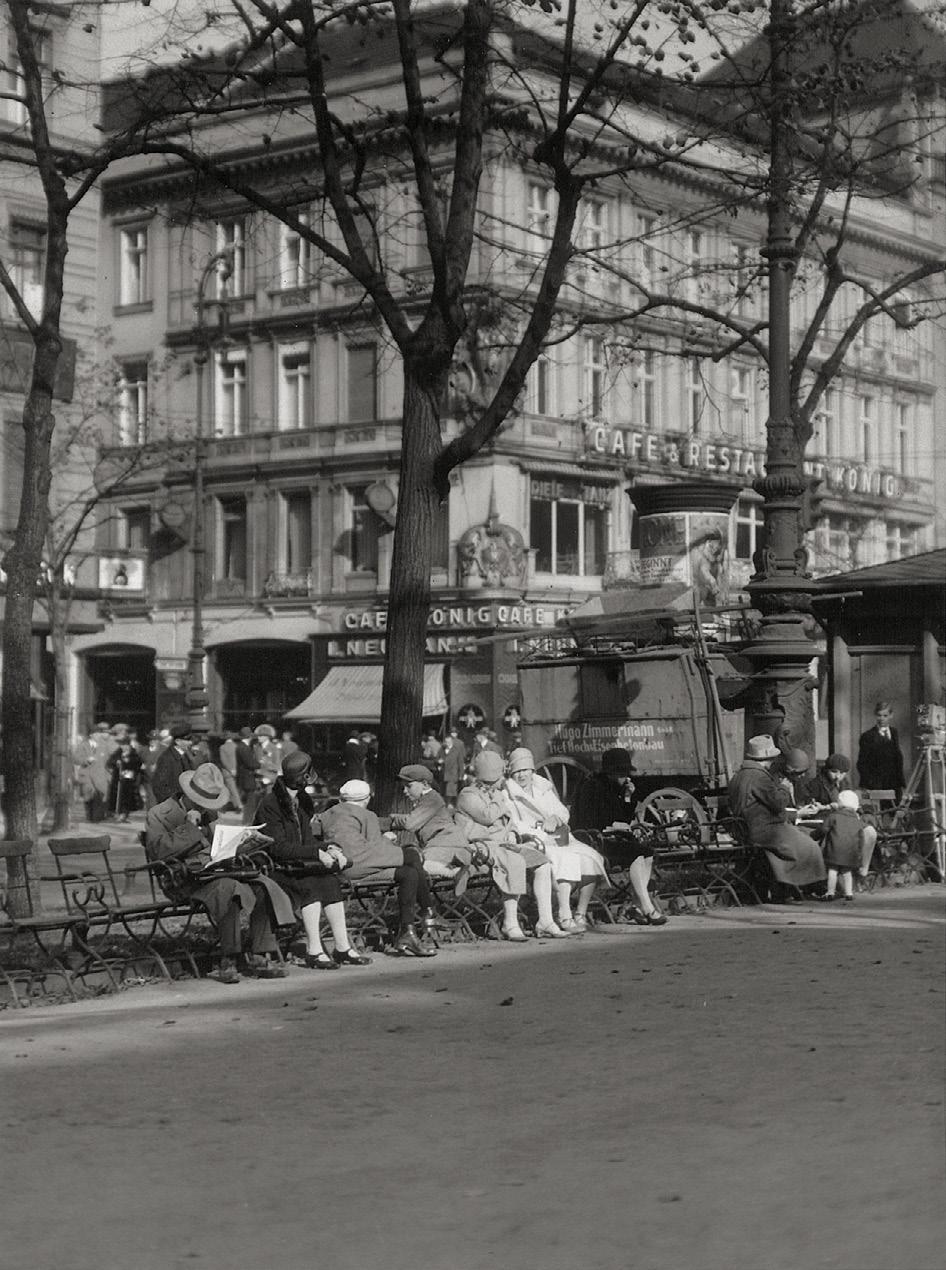
sasha and cami stone (Aleksandr Serge Steinsapir 1895–1940, Wilhelmine Camille Schammelhout 1892–1975)
4286 Berlin, Unter den Linden. 1928. Vintage gelatin silver print on ivory paper. 23,5 x 17,8 cm. Photographer‘s copyright stamps (Berlin and Brussels) as well as numbered and annotated in pencil and red ink on the verso.
800 €
Sasha and Cami Stone were key figures in Berlin’s dynamic photographic culture of the 1920s and early 1930s, celebrated for their modernist approach that merged architectural, commercial, and fine art photography. Their studio served as a hub for avant-garde visual expression in Weimar Berlin, reflecting the era’s embrace of functionalism, technological progress, and a bold new photographic aesthetic. With the rise of National Socialism, the Stones emigrated to Brussels, where they continued their creative work in exile.
carl strüwe (1898–1988)
4287 Image from the series „Formen des Mikrokosmus“: Bau einer Urpflanze (Meersalge Ballia) . 1930. Vintage gelatin silver print on Agfa-Brovira paper. 16,4 x 12,7 cm. Photographer‘s/copyright stamp on the verso.
750 €
Carl Strüwe is best known for his pioneering work in microphotography from the late 1920s-1950s, culminating in the publication of Formen des Mikrokosmos in 1955. His refined and often delicate images of plant and insect structures reveal an otherwise invisible world, combining scientific observation with a striking sense of form and abstraction.
Lit.: Carl Strüwe. Formen des Mikrokosmos: Gestalt und Gestaltung einer Bilderwelt. Munich: Prestel 1955, ill. p. 23.
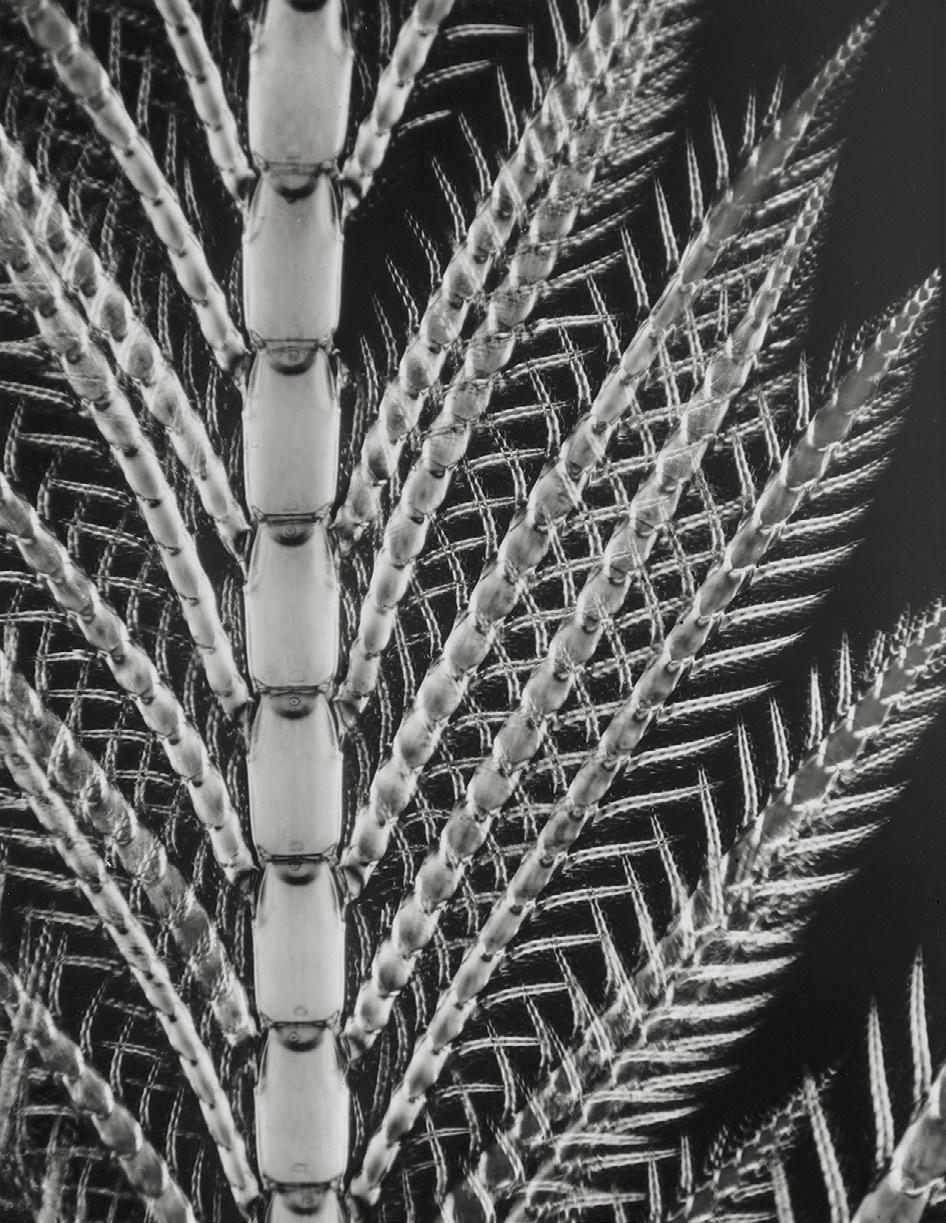
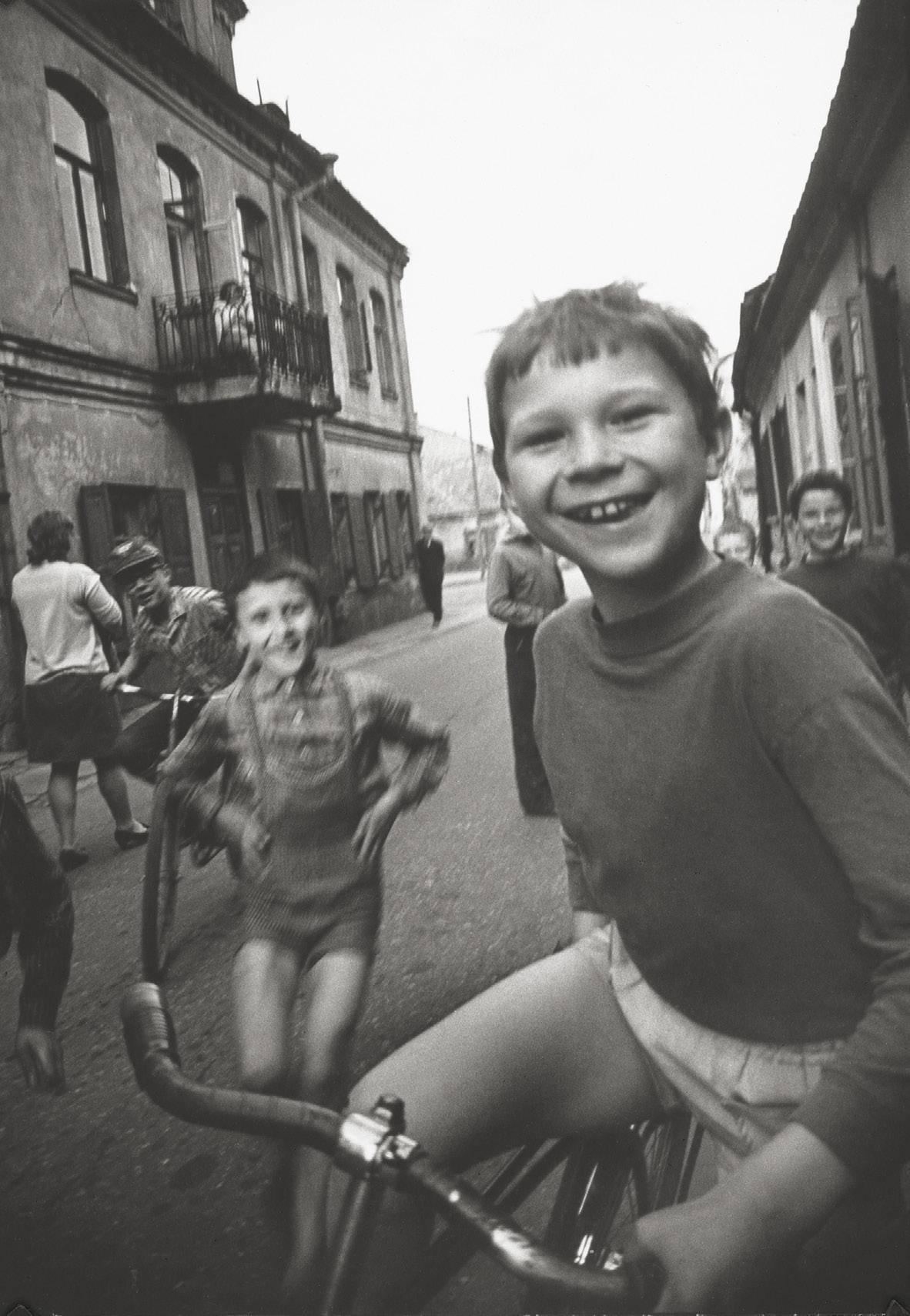
4288
antanas sutkus (b. 1939)
4288 Boy from the Old Town, Vilnius, Lithuania. 1970. Vintage, large-format matte gelatin silver print. 39,7 x 29,8 cm. Signed and dated by the photographer in pencil as well as label with title on the verso.
600 €
Antanas Sutkus was a founding member of the „Association of Lithuanian Photographers“ in 1960. He joined the „International Federation of Photographic Art“ under UNESCO in 1976. His poetic black-and-white images often reflect a deep connection to the Lithuanian village of his youth, capturing a sense of nostalgia and a way of life now largely gone.
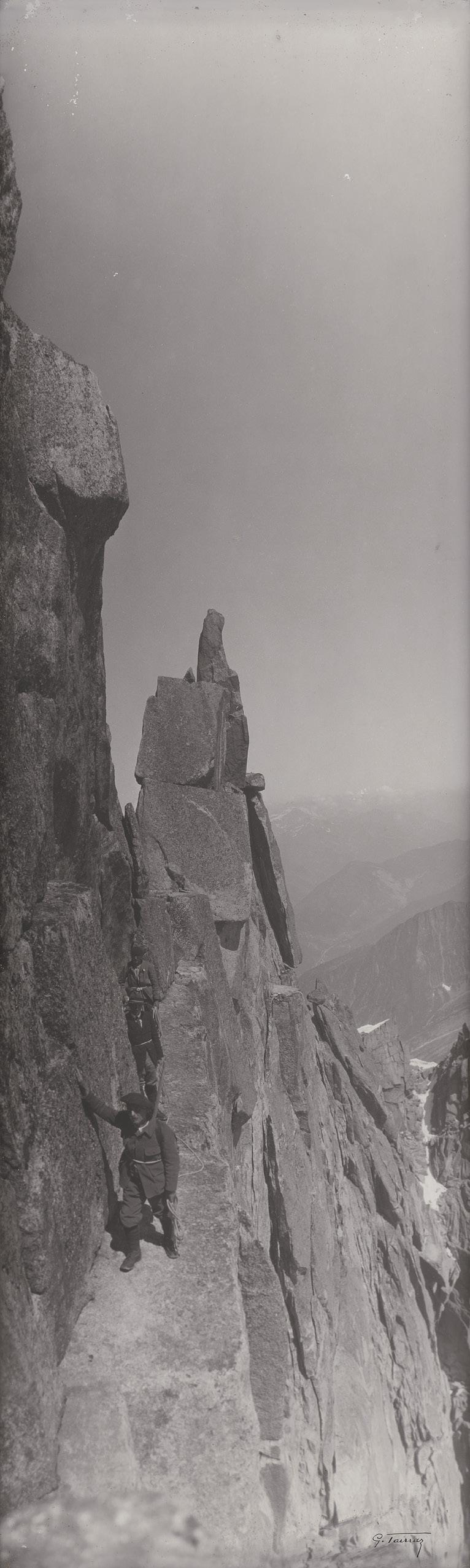
georges tairraz (1868–1924)
4289 Mountaineers at the summit of Aiguille du Grépon (Rateau de Chèvres), near the Mont Blanc massif. Ca. 1910. 2 vintage gelatin silver prints. Each ca. 69 x 21 cm. 1 signed by the photographer in ink in the lower right corner. Each framed under glass in contemporary wooden frame.
1.500 €
The Tairraz family of Chamonix brought forth several generations of Alpine photographers. In 1857 Joseph Tairraz began taking daguerrotypes and produced the first photographs at the summit of Mont Blanc in 1860. He provided tourists and mountaineers with souvenir portraits and mountain views. His son Georges, who was an apprentice to Pierre Petit in Paris, took over the studio circa 1882, which was then called „Tairraz Alpine Photographic Studio“. The studio continued throughout the 20th century.
Lit.: Georges Tairraz. Le Massif du Mont-Blanc: Photographies de Georges Tairraz. Paris: Arthaud, 1947.
georges tairraz ii (1900–1975)
4290 Mont Blanc massif (Aiguille Verte/Les Drus). 1960s. Vintage gelatin silver print. 39,5 x 29,5 cm. Photographer‘s stamp on the verso.
750 €
4291 Mountaineers at the summit of Mont Blanc. 1960s. Vintage gelatin silver print. 23,8 x 29,8 cm. Photographer‘s stamp on the verso.
750 €
4292 Aiguille du Midi gondola with Mont Blanc in the background. 1960s. Vintage gelatin silver print. 29,7 x 23,5 cm. Photographer‘s stamp on the verso.
750 €
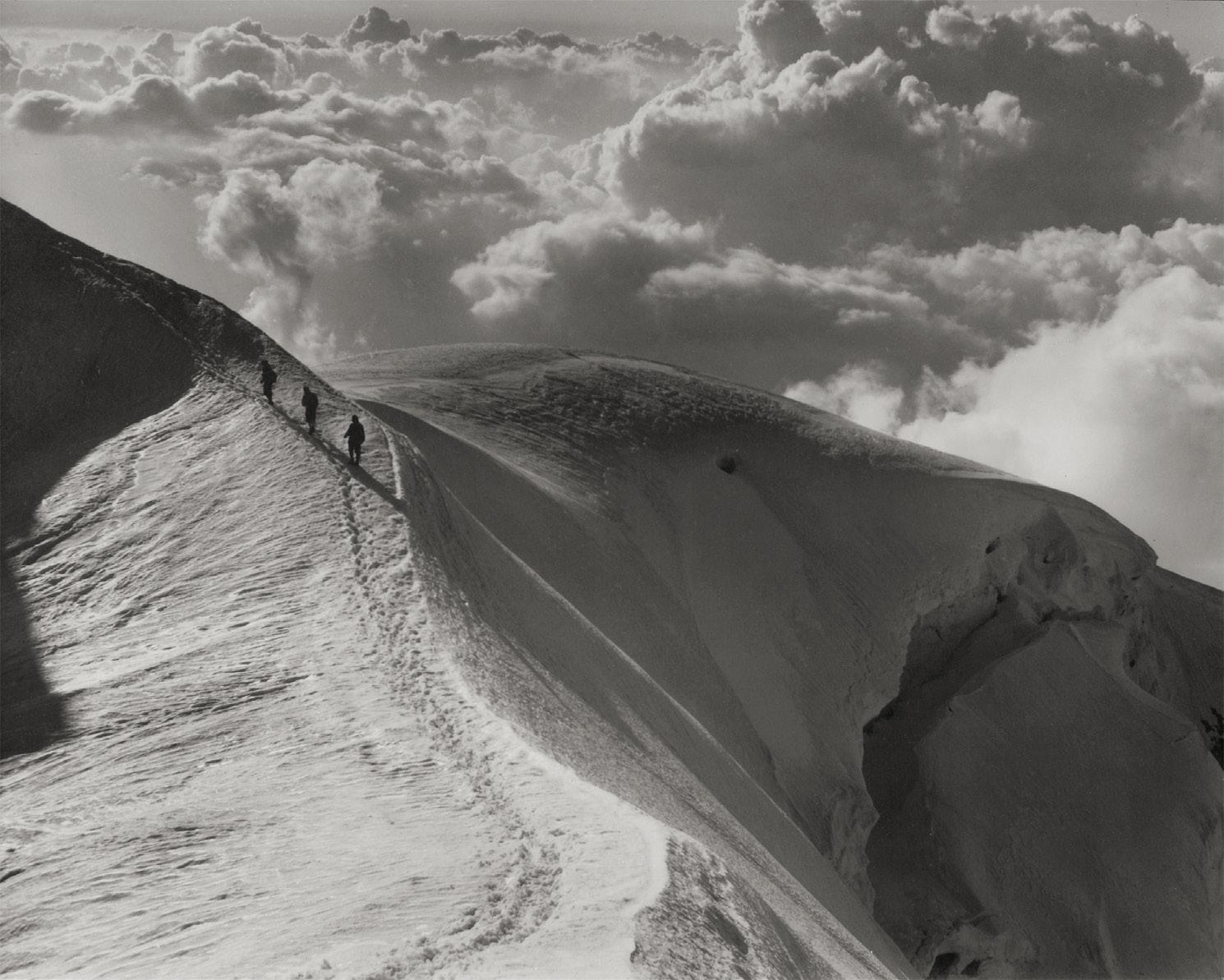
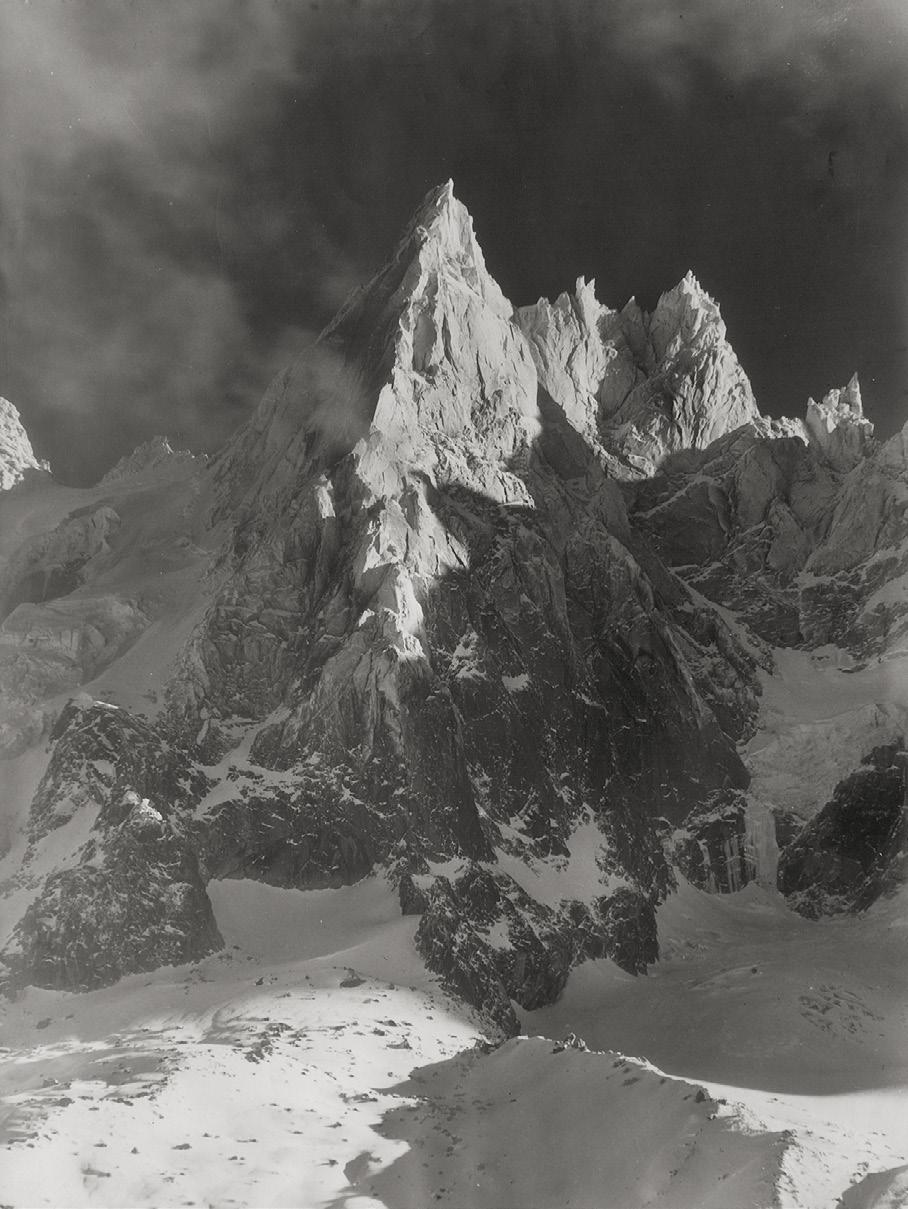
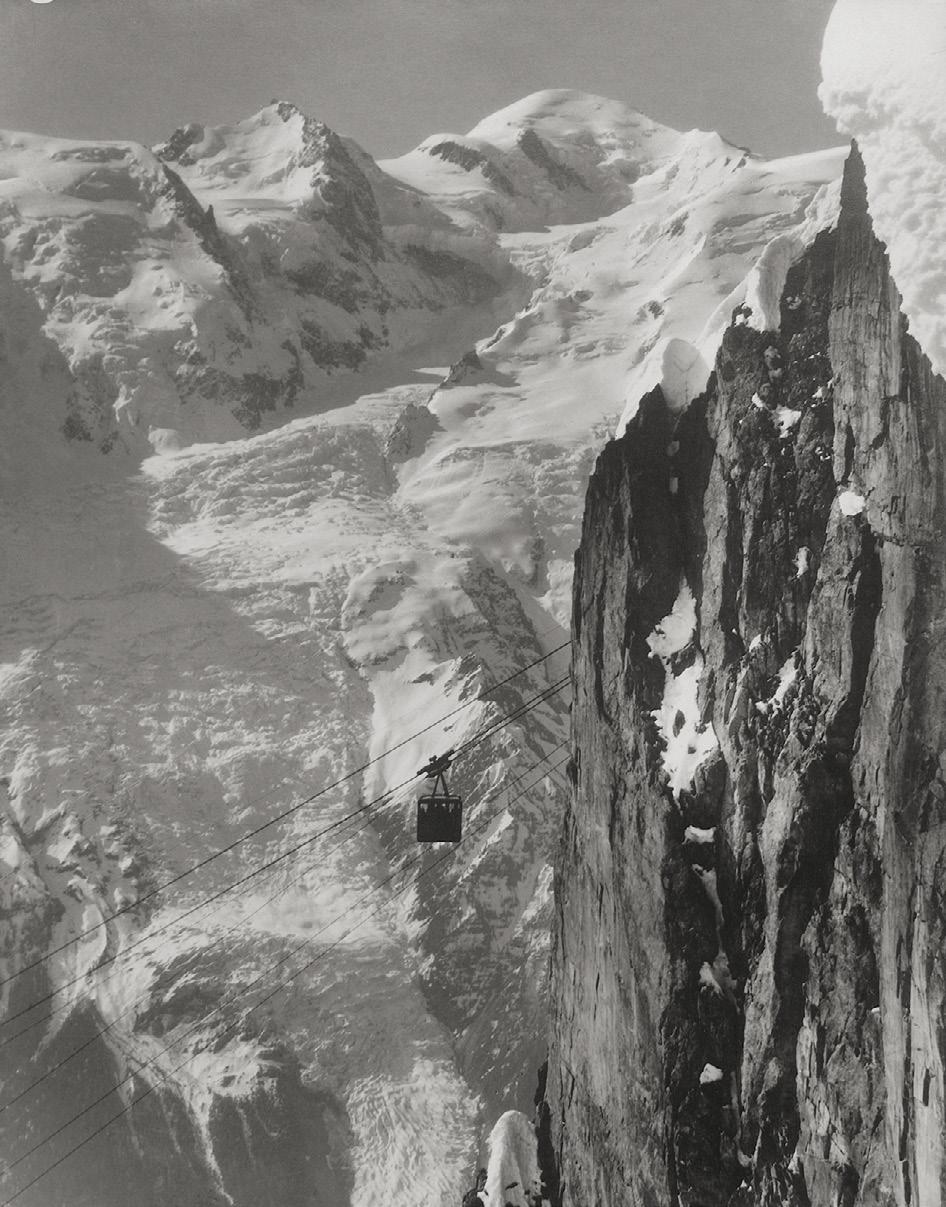
elsa thiemann (1910–1981)
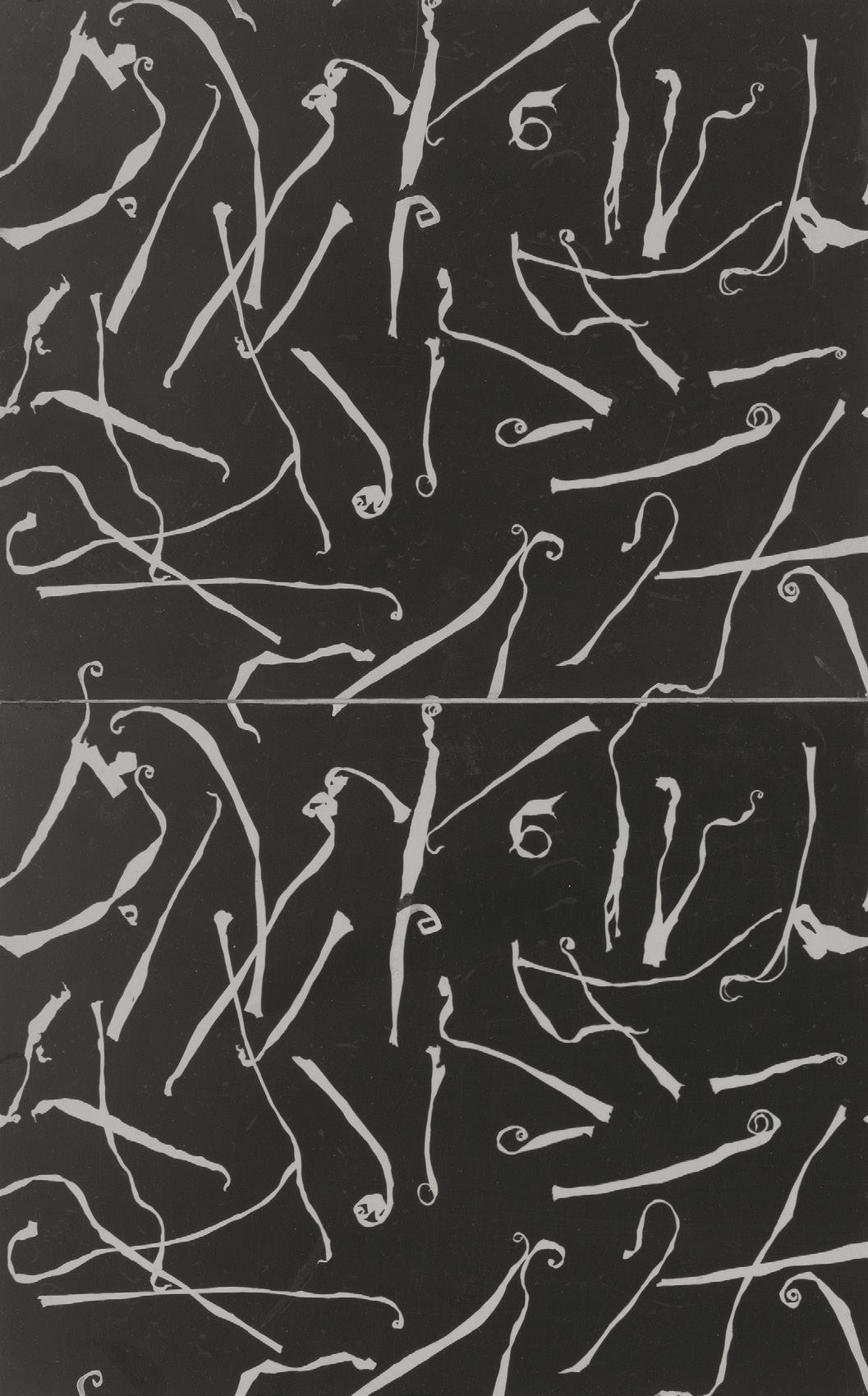
4293 Design for wallpaper. 1930-31. Unique collage consisting of 2 vintage ferrotyped gelatin silver prints with added hand-painting, mounted to board. 32 x 20 cm. Photographer’s estate stamp on mount verso.
2.000 €
Between 1929-1931, Elsa Thiemann‘s formative years at the Bauhaus in Dessau were marked by influential teachers like Josef Albers, Joost Schmidt, and, notably, Walter Peterhans, who guided her in photography. Her artistic development was strongly shaped by the New Objectivity movement and an emphasis on
advertising photography in her Bauhaus education, instilling in her a deep appreciation for structure and innovative composition. In 1930 she met her future husband, the painter Hans Thiemann. After completing her studies, she returned to Berlin in 1931, where she worked as a freelance press photographer until 1960, when she moved to Hamburg following her husband’s appointment as professor at the Hochschule für Bildende Künste. Lit.: Annemarie Jaeggi and Margot Schmidt (eds.). Elsa Thiemann: Fotografin. Bauhaus und Berlin. Berlin: Kupfergraben 2004, see pp. 18-27.
Provenance: From the estate of the photographer
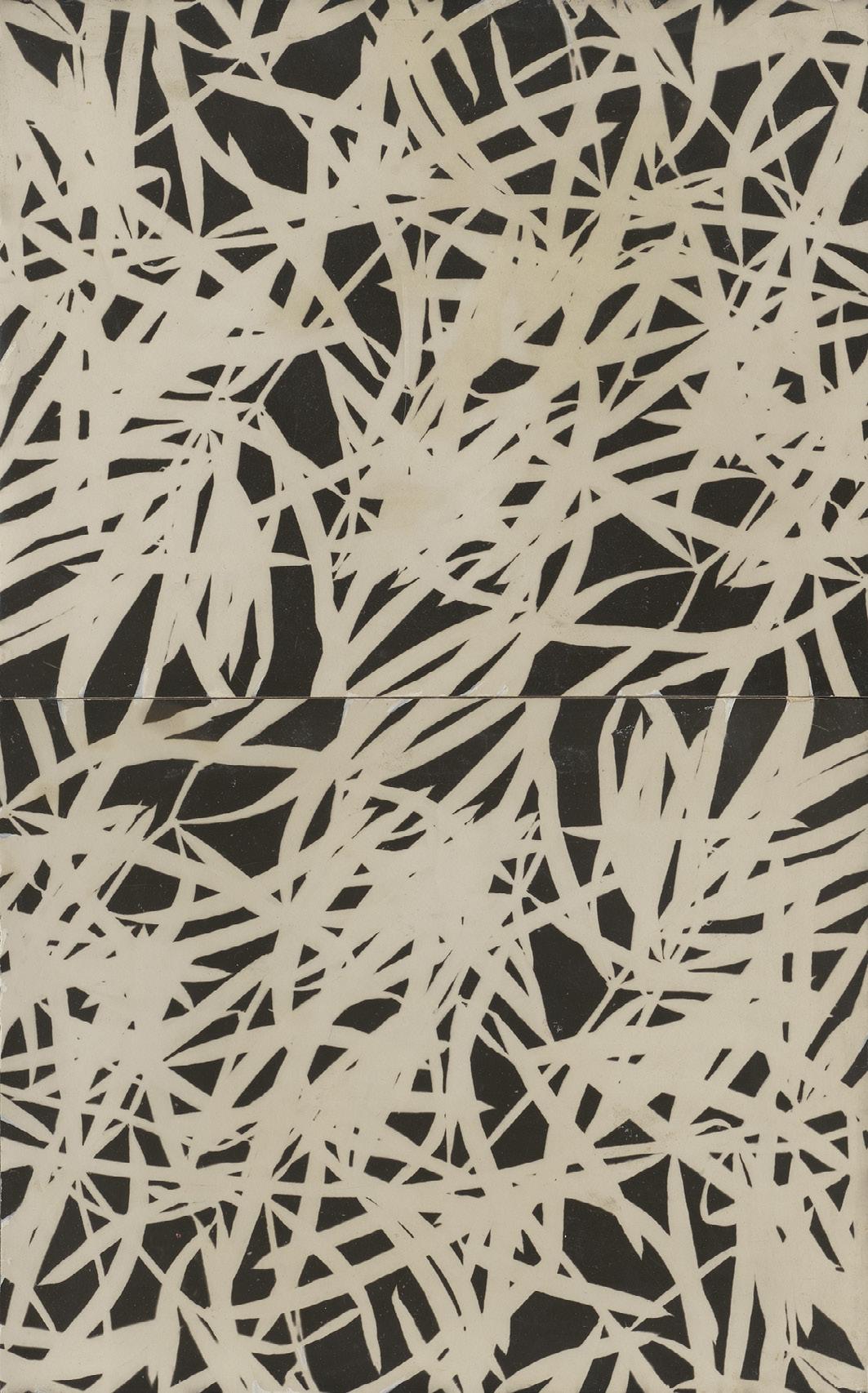
4294
4294 Design for wallpaper. 1930-31. 2 unique collages, one consisting of 2 and one of 4 vintage gelatin silver prints; one collage with individual prints mounted to board and joined with paper tape, the other taped together along the edges with paper tape. Circa 32 x 20 cm. Each with the photographer’s estate stamp on mount verso.
2.000 €
Lit.: Annemarie Jaeggi and Margot Schmidt, eds. Elsa Thiemann: Fotografin. Bauhaus und Berlin. Berlin: Kupfergraben, 2004, ill. pp. 1827.
Provenance: From the estate of the photographer
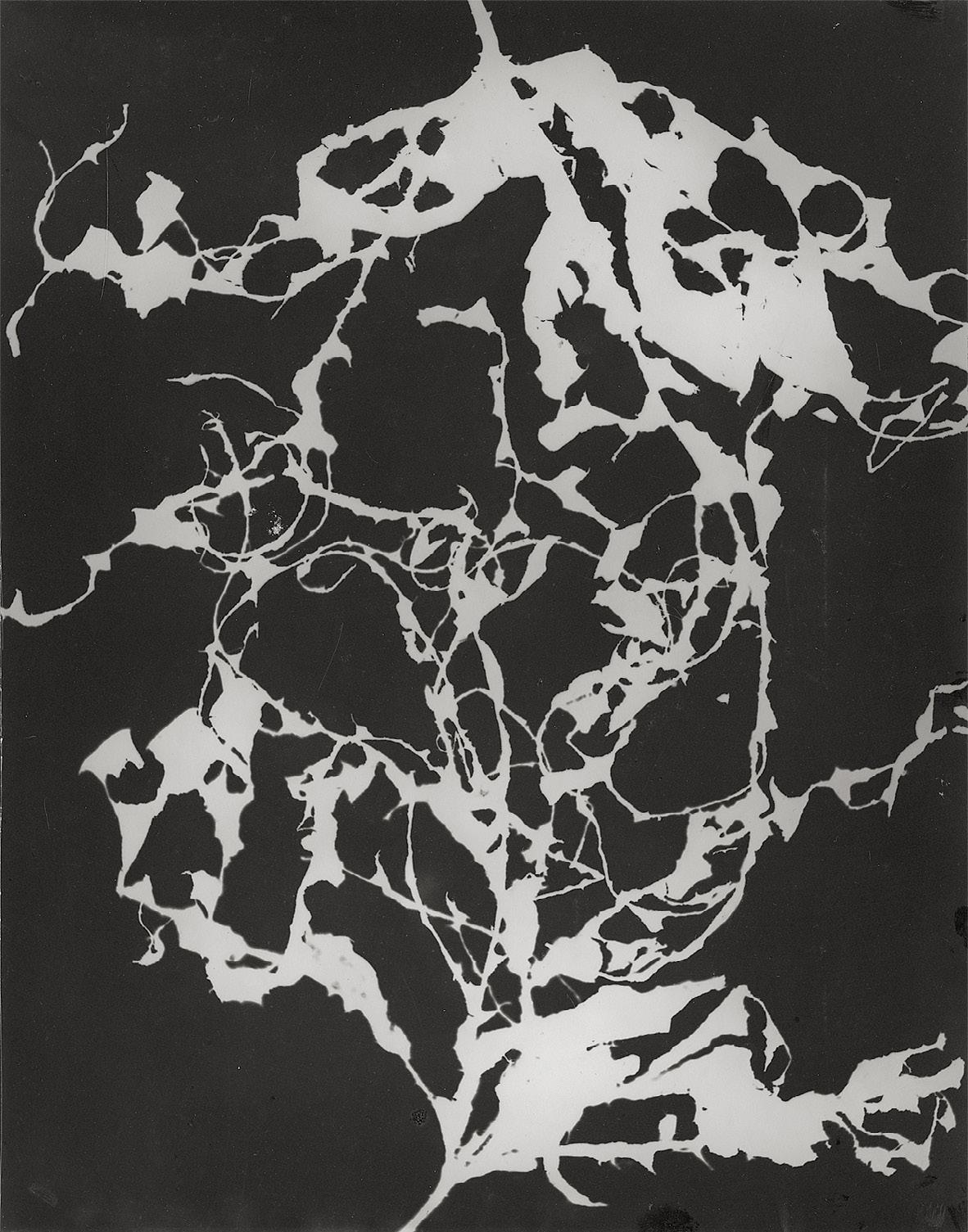
4295 Structural study. 1930s. Vintage gelatin silver print on chamois Agfa-Brovira paper. 29,5 x 23,2 cm. Photographer‘s estate stamp on the verso.
1.500 €
Provenance: From the estate of the photographer
herbert tobias (1924–1982)
4296 Dick in front of the Window, Hotel Naumur, Rue Delambre, Paris Montparnasse. 1952. Gelatin silver print, printed later. 34,4 x 34,4 cm (sheet 50 x 40 cm). Signed, titled and dated by the photographer in pencil in lower margin.
900 €
Herbert Tobias is known for his psychologically charged portraiture, shaped by influences from dance, Surrealism, and theatrical staging. Emerging in postwar Berlin, he photographed figures from artistic and queer subcultures, often exploring themes of identity, performance, and gender through stylized, collaborative portraits.
Lit.: Herbert Tobias. Photographien. Berlin: Fröhlich & Kaufmann, 1985, ill. p. 51.
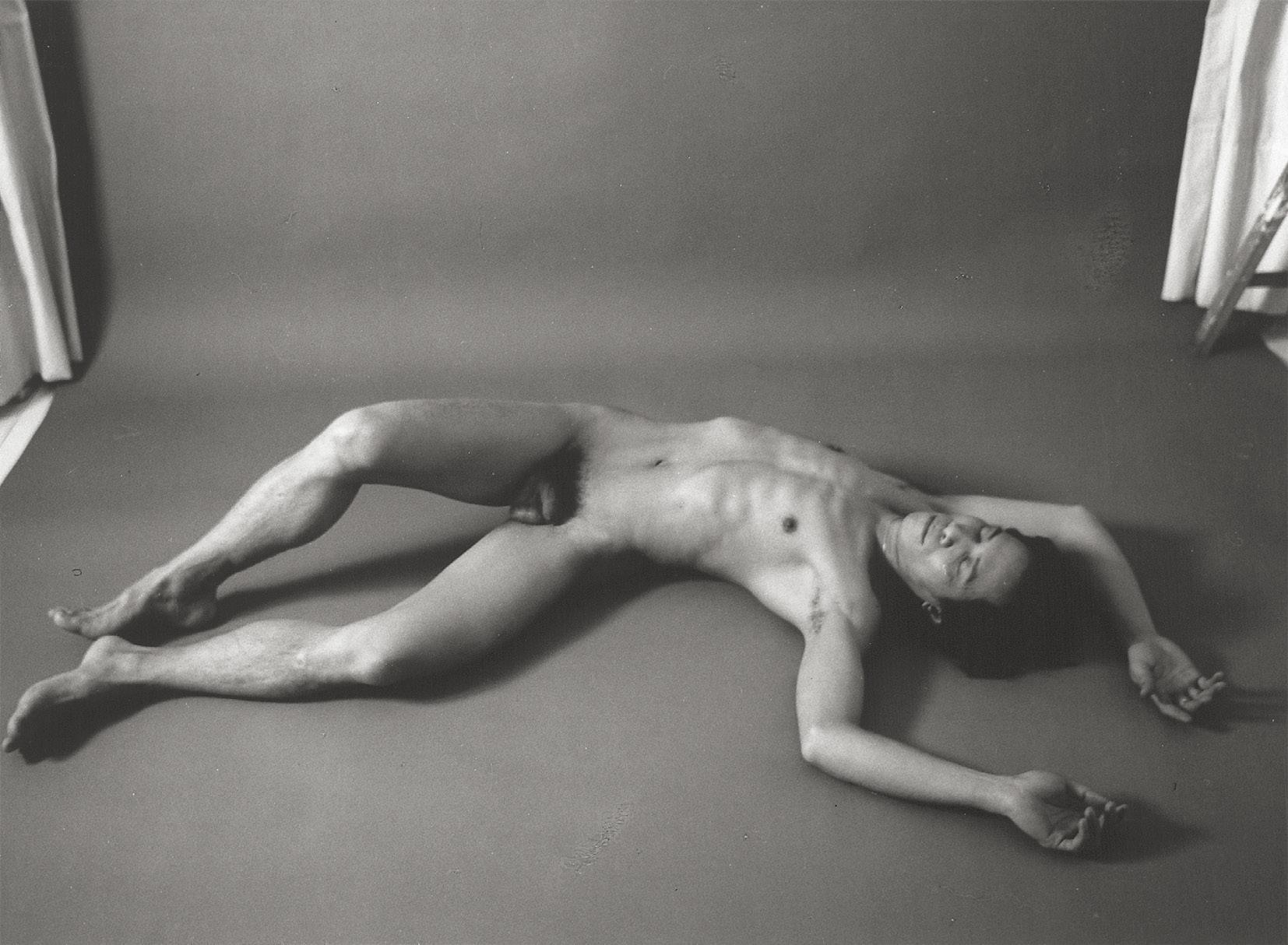
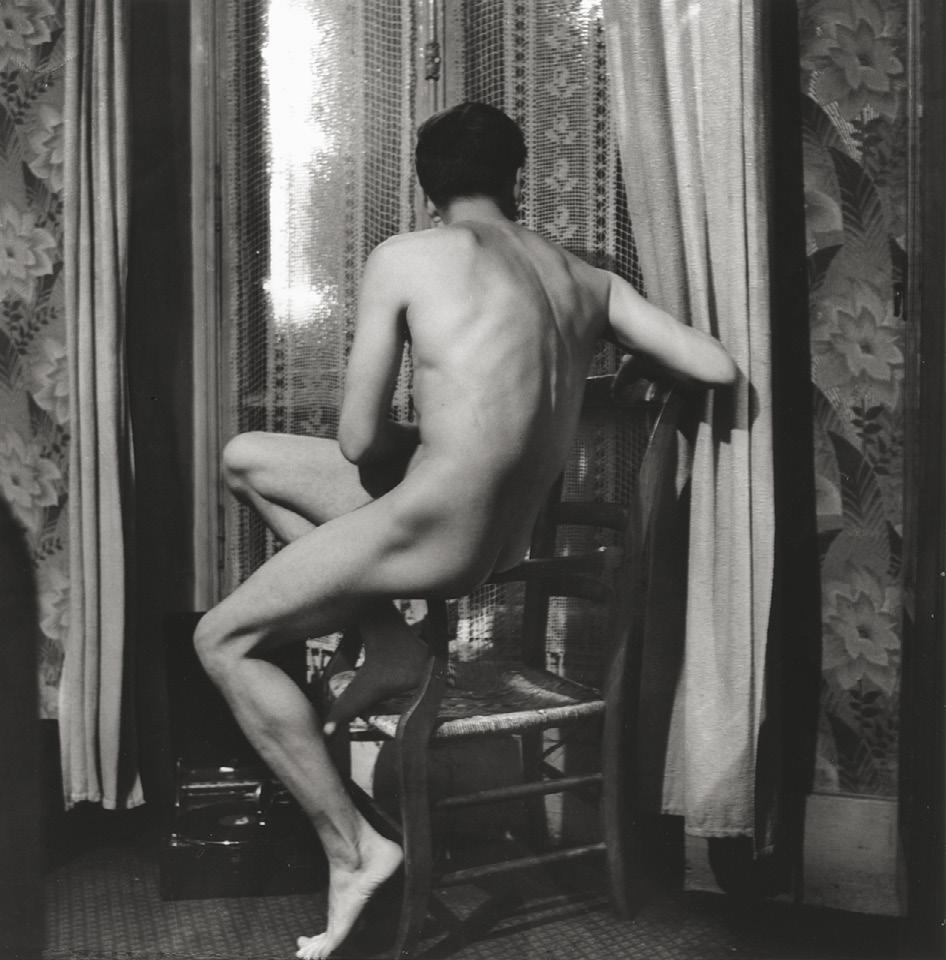
herbert tobias
4297 Arthur Umboh. 1980. Portfolio of 16 gelatin silver prints. Each 40 x 30,5 cm. Each signed, titled, and dated by the photographer in pencil below the image in the margin; “Herbert Tobias succession binoche” stamp on the verso. Presented in a golden folder. Dedication in felt-tip on the inside flap: “Für Pali with love, Weihnachten 1980 von Tobias.”
1.000 €
Portfolio with nudes and a few portraits of Arthur Umboh in various poses.
Lit.: Bernhard Albers, ed. Herbert Tobias: Fotografien aus der Sammlung Pali Meller Marcovicz. Aachen: Rimbaud, 1996, several ill. (unpaginated).
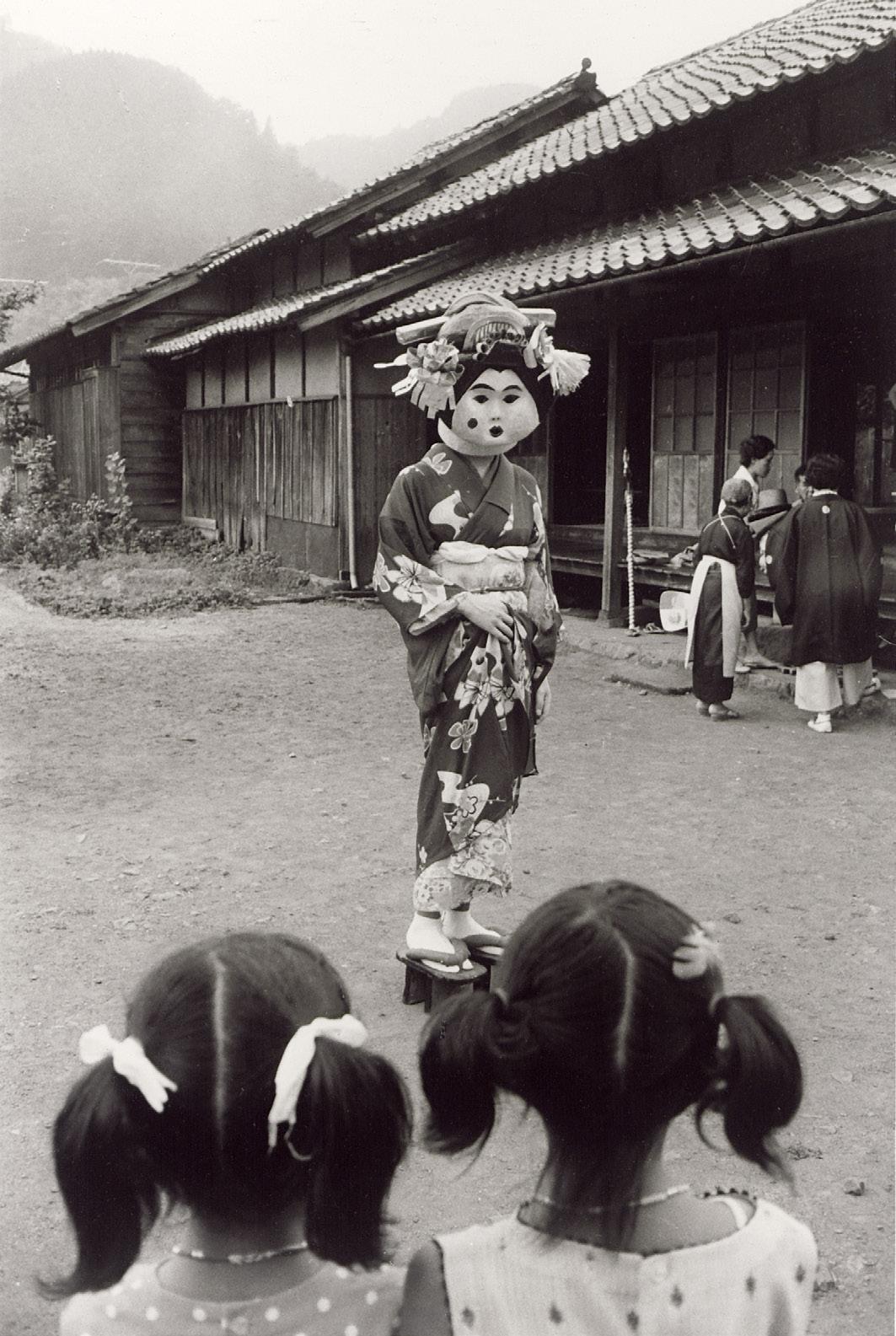
shoji ueda (1913–2000)
4298* Untitled. 1960. Gelatin silver print on RC paper, printed later. 21 x 14 cm (sheet 25,2 x 20 cm). Signed by the photographer in ink and dated „1960“ on the verso.
1.500 €
The Japanese photographer Shoji Ueda developed a distinctive and poetic photographic language. Working in his native Tottori, he repeatedly used the local sand dunes as a stage, transforming their stark terrain into subtly surreal, almost otherworldly landscapes. His spare, meticulously composed images - often featuring solitary figures or everyday objects set against the vast expanse - evoke a quiet, contemplative atmosphere, emphasizing the delicate interplay between human presence and the natural environment.
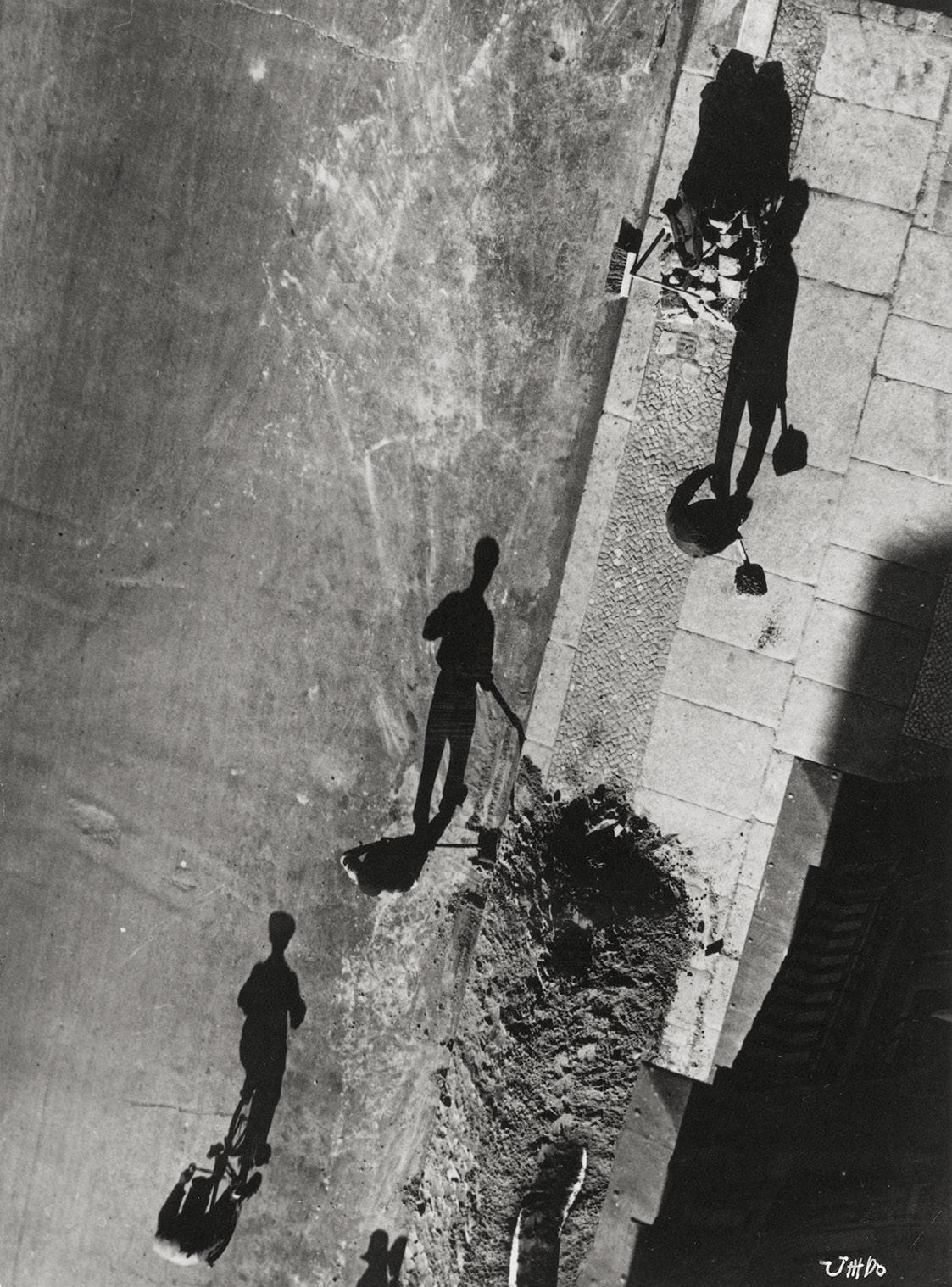
umbo (Otto Umbehr, 1902–1980)
4299 Schattenwunder. 1928. Gelatin silver print, printed ca. 1975. 28 x 20,5 cm (sheet 35,2 x 27,8 cm). Signed by the photographer in white ink in the lower right corner; portfolio/copyright stamp, therein numbered „32/50“ in ink on the verso. From the UMBO Portfolio: 10 Photographien 1927-1930, Galerie Rudolf Kicken, Cologne, 1980.
900 €
Otto Umbehr, known as UMBO, was a key figure in early 20thcentury avant-garde and modernist photography. The photograph offered here ranks among his most iconic series of street scenes taken from an aerial perspective. Only a few vintage prints of these works are known to exist, and in the mid- to late 1970s UMBO produced a small edition both with Galerie Rudolf Kicken and later with the Kestner Gesellschaft.
Lit.: Herbert Molderings. Umbo : Otto Umbehr 1902-1980. Düsseldorf: Richter 1995, ill. plate 53.
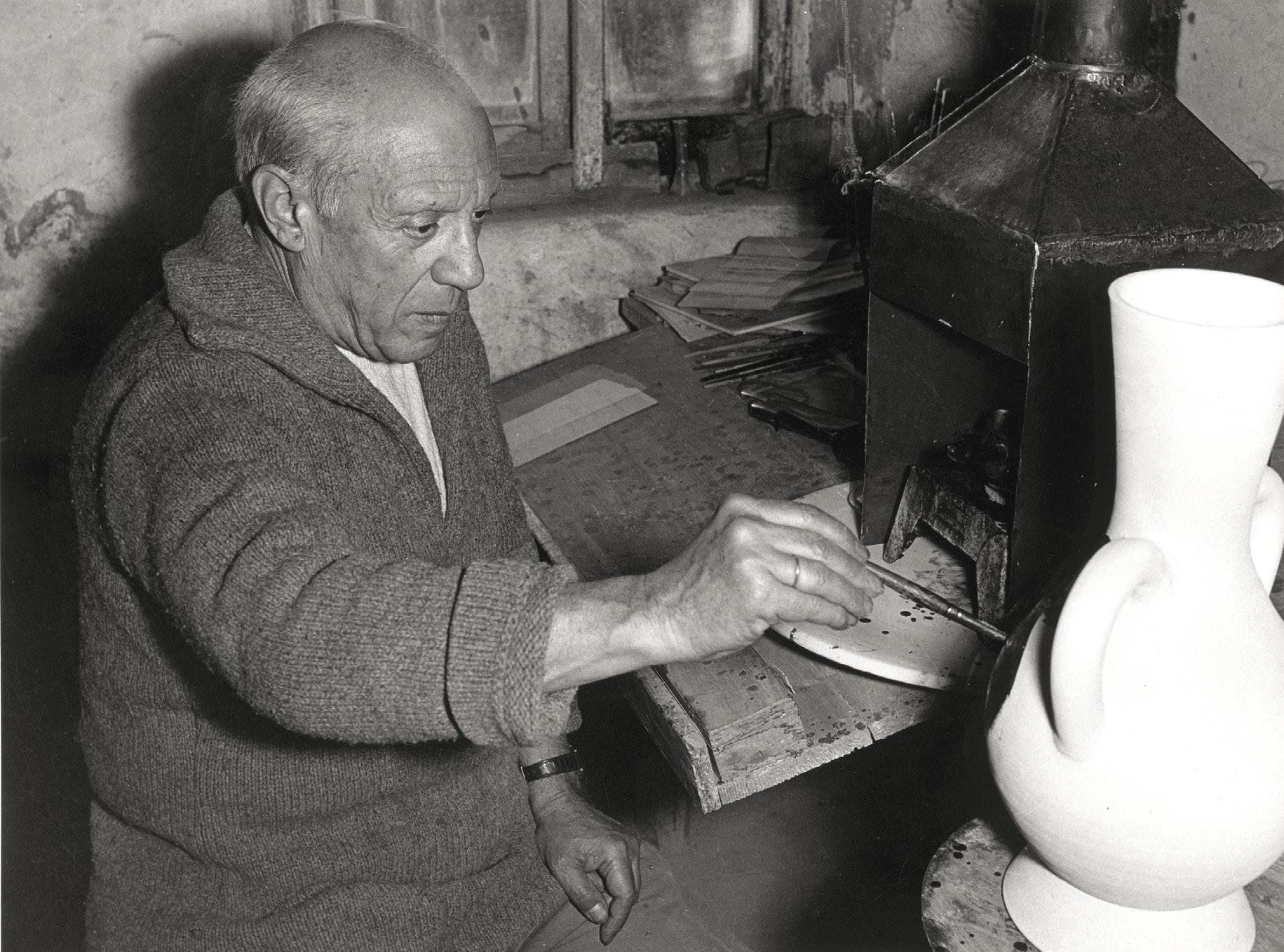
andré villers (1930–2016)
4300* Pablo Picasso in Madoura, Vallauris. 1954. Gelatin silver print, printed later. 30,2 x 40,2 cm.
Signed by the photographer in ink in lower margin; signed titled and dated by the photographer on the verso.
1.800 €
André Villers made this portrait of Pablo Picasso in 1954 at the Madoura workshop in Vallauris, where Picasso was deeply engaged in ceramics. Reflecting their close relationship, the image favors an informal, intimate approach over conventional studio portraiture. Villers’ use of natural light and an unforced composition situates Picasso within his working environment, capturing a moment of creative maturity with a sense of immediacy and quiet presence.
walter vogel (b. 1932)
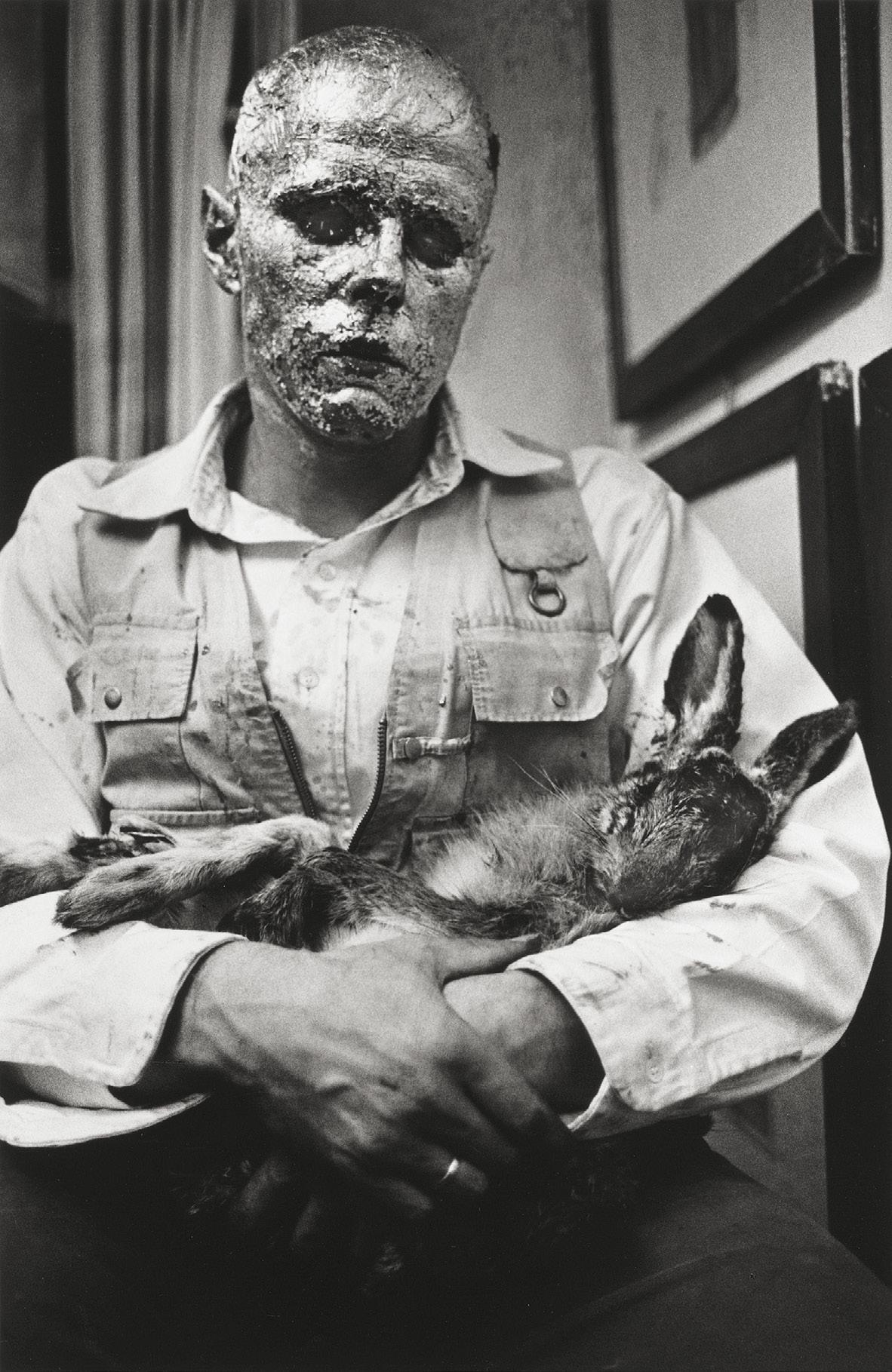
4301 Joseph Beuys. 1965. Gelatin silver print, printed 2015. 47,7 x 31 cm (sheet 51,2 x 40,5 cm). Signed, titled and dated in black ink in lower margin; annotated, dated and editioned „1/3“ by the photographer in ink on the verso.
1.200 €
This photograph by Walter Vogel shows Joseph Beuys during his performance „Wie man dem toten Hasen die Bilder erklärt“ (How to Explain Pictures to a Dead Hare) at the Galerie Schmela in Düsseldorf, 1965.
Lit.: Walter Vogel. Werkverzeichnis 1950-2010. Düsseldorf, 2009, ill. p. 26.
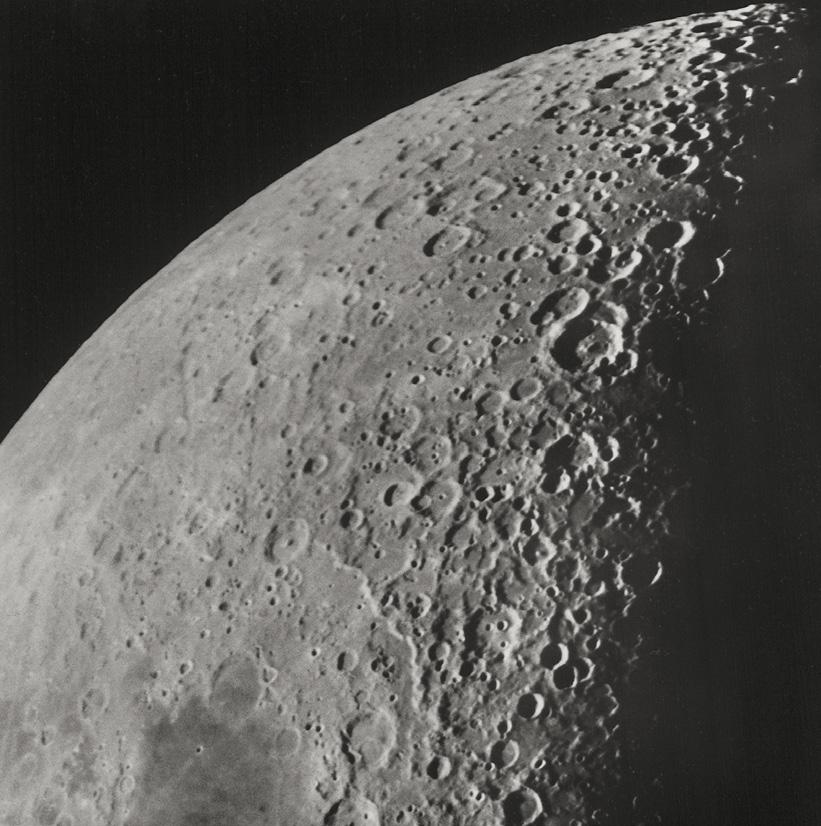
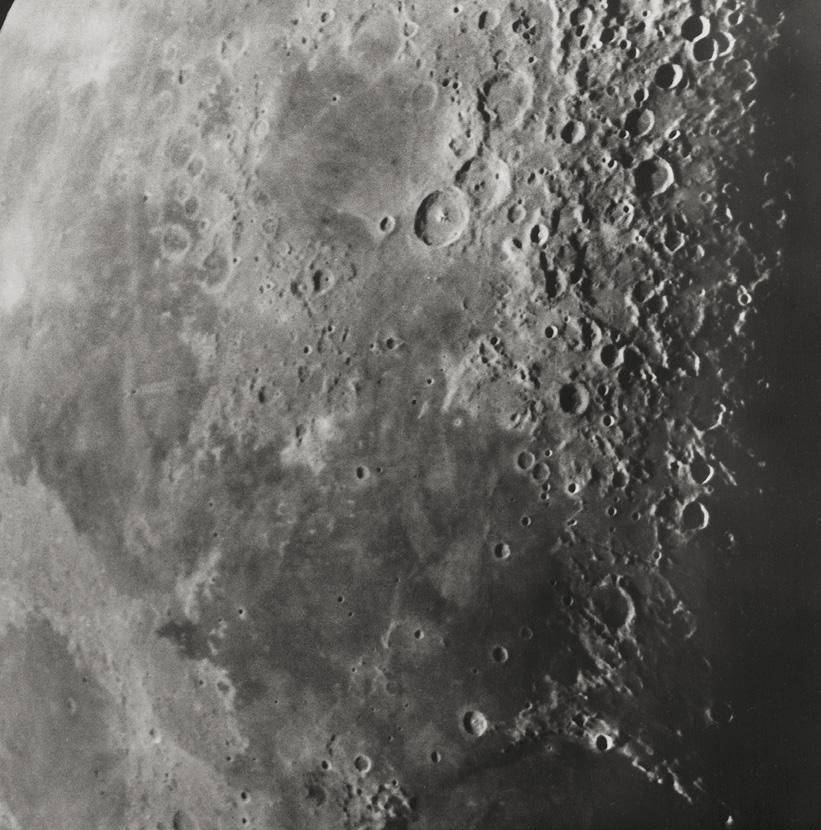
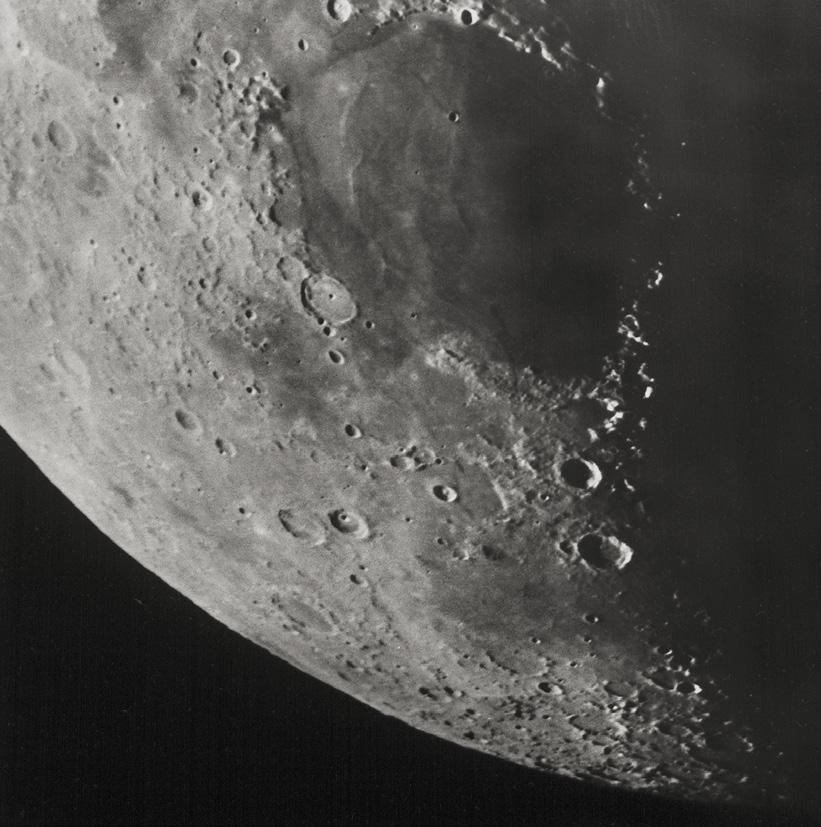
adolf & hans giebler voigt (active 1950s – early 2000s)
4302 Surface of the Moon. 1964-1968. 30 vintage gelatin silver prints. Each 21 x 21 cm. Each with detailed information on the photograph’s date, moon phase, and location printed on label on the verso.
900 €
The collaborative lunar photography project by Adolf Voigt and Hans Giebler represents a significant contribution to astronomical imaging during the height of the space race. Using the 12-inch Bamberg-Refractor telescope at the Wilhelm Foerster Observatory, they captured detailed images of the moon’s surface with a custom-built camera, meticulously documenting its various phases.Their systematic approach, of recording the moon across a full lunation and annotating each image with detailed observational data, resulted in a comprehensive visual record that later formed the basis of the Berliner Mondatlas The combination of scientific rigor with photographic clarity, render these images not only as important tools for observation, but also reflect the broader cultural fascination with lunar exploration in the years leading up to the Apollo missions.
ernst volland (b. 1946)
4303 WB 1 (from the series „Eingebrannte Bilder“). 1999. Gelatin silver print. 30 x 40 cm. Signed and dated by the photographer in pencil on the verso.
750 €
Since the 1990s, Ernst Volland has focused on the artistic reinterpretation of historical photographs and iconic images from contemporary history. His series „Eingebrannte Bilder“ (Branded Images), developed over several years and exhibited at the German Historical Museum in Berlin, transforms familiar photographs embedded in Germany’s collective memory. By deliberately blurring and distorting these images, Volland challenges viewers to confront their visual assumptions, turning once recognizable scenes into enigmatic visual puzzles.
ernst volland
4304 H & S (from the series ‚Eingebrannte Bilder‘). 2000. 2 gelatin silver prints. 38,6 x 25,3 cm (sheet 40,6 x 30,2 cm). Each signed, titled and dated by the photographer in pencil on the verso.
900 €
Lit.: Ernst Volland . Eingebrannte Bilder: Plakate, Cartoons, Buntstiftbilder, Fakes, Dokumente. Berlin: Hirnkost, 2018, ill. p. 49.
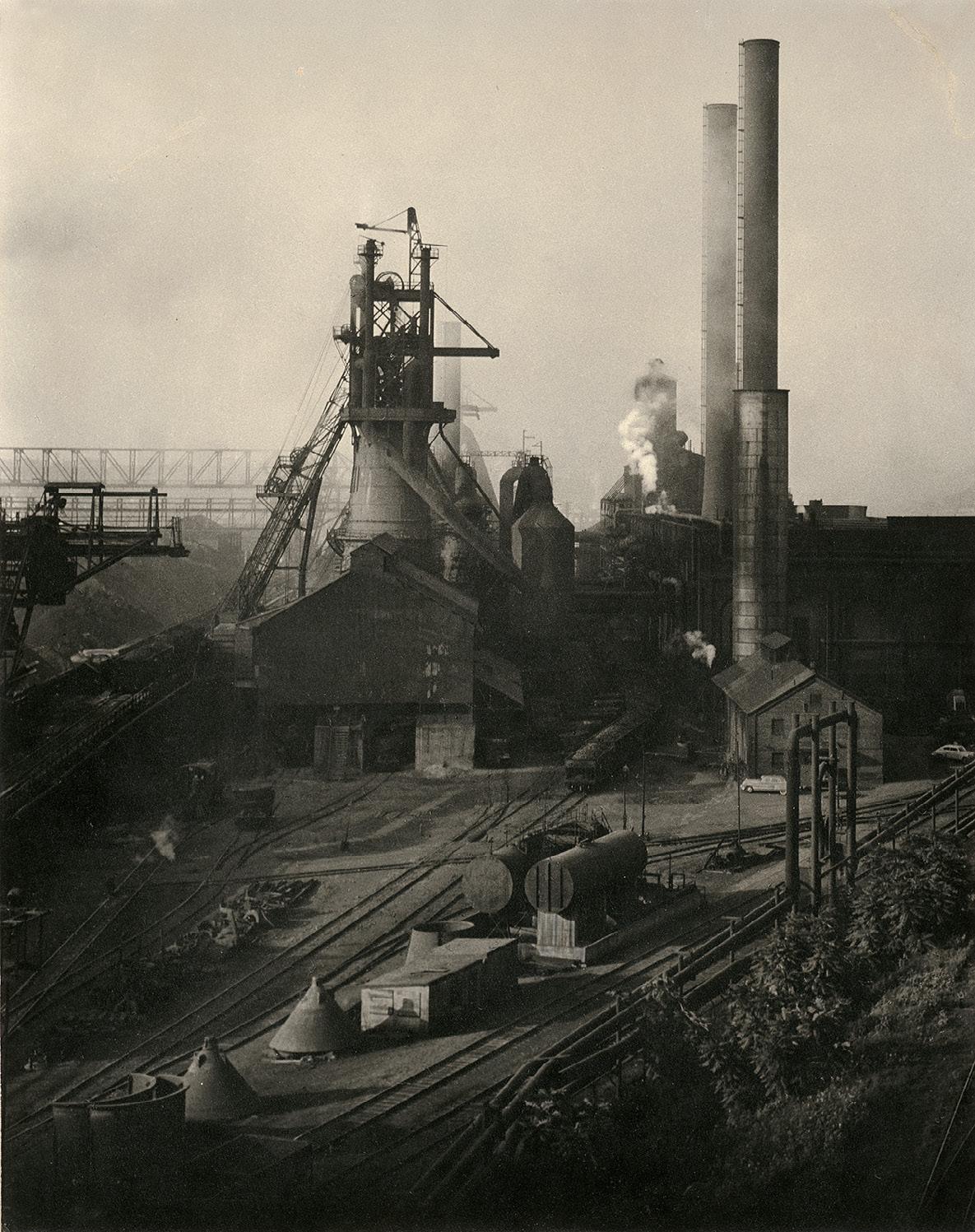
doris martha weber (1898–1984)
4305 Cuyahoga Furnaces (Cleveland, Ohio). Late 1940s. Vintage large-format gelatin silver print, mounted to board. 48,8 x 39 cm. Signed and titled by the photographer in pencil below the image on the mount; annotated in ink and 4 exhibition stamps on mount verso.
750 €
In 1953 Doris Martha Weber was awarded the „Stuyvesant Peabody Memorial Award for the Greatest Service to Pictorial Photography“ by the Photographic Society of America. Five of her industrial images are in the collection of the Smithsonian Institute. Her atmospheric work is exemplary of 1940s American industrial photography.
Provenance: The estate of the photographer
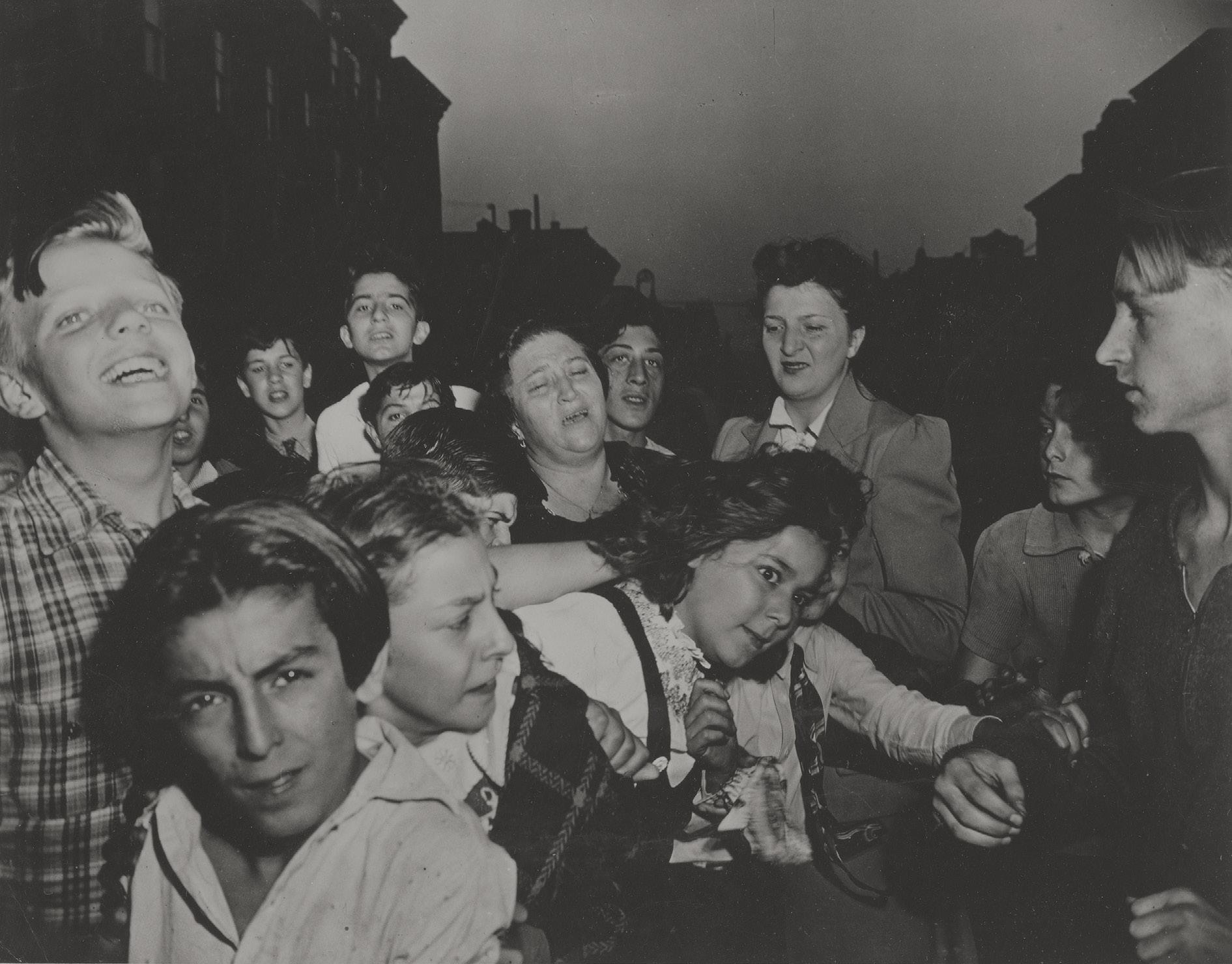
weegee (Arthur Fellig, 1899–1968)
4306 Brooklyn School Children See Gambler Murdered in Street. 1941. Vintage ferrotyped gelatin silver print, hinge-mounted to overmat. 20,5 x 25,2 cm. Photographer’s stamp, 2 Museum of Modern Art labels/ stamps pertaining to the Prints from the Photography Collection exhibition, August 6-24, 1952, and annotated in pencil on the verso. Framed under glass in wooden frame.
2.500 €
Weegee, born Arthur Fellig, was a prolific photojournalist known for his stark, unflinching images of crime scenes, urban life, and street culture in 1930s and 1940s New York City. Often arriving at scenes before the police, thanks to his self-installed police radio, he captured raw, flash-lit photographs that combined documentary immediacy with a gritty, noir aesthetic. His work not only defined an era of tabloid photography but also offered a visceral portrait of the city’s underbelly, blending sensationalism with a distinct visual style.
Lit.: Weegee (Arthur Fellig). Weegee’s New York: Reportagen eines legendären Photographen 1935-1960. Munich: Schirmer/ Mosel, 2000, ill. p. 177 (there titled Their First Murder and dated ca. 1936).
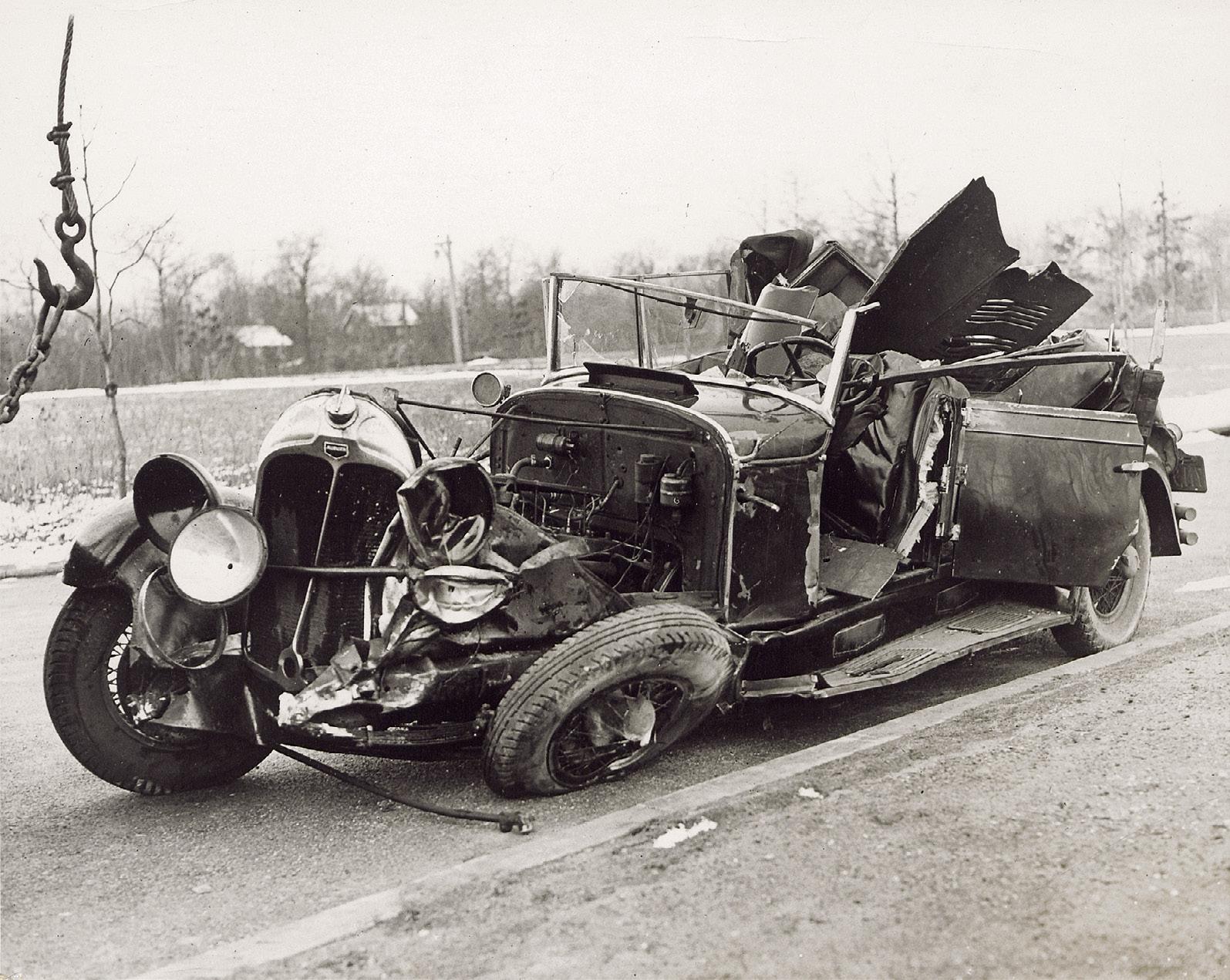
4307* Car wreck. 1930s. Gelatin silver press print. 18 x 22,8 cm. Annotated in black ink on the verso; with “Arthur Fellig, 5 Centre Market Place, New York City” copyright stamp (partly obscured by later agency label).
400 €
In his early work of the mid to late 1930s, Weegee repeatedly turned his camera toward the aftermath of car crashes, treating them as both news events and stark urban tableaux. Photographed with harsh flash - often at night and within minutes of the incident - these images capture twisted metal, shattered glass, and the raw immediacy of catastrophe with an almost forensic clarity.
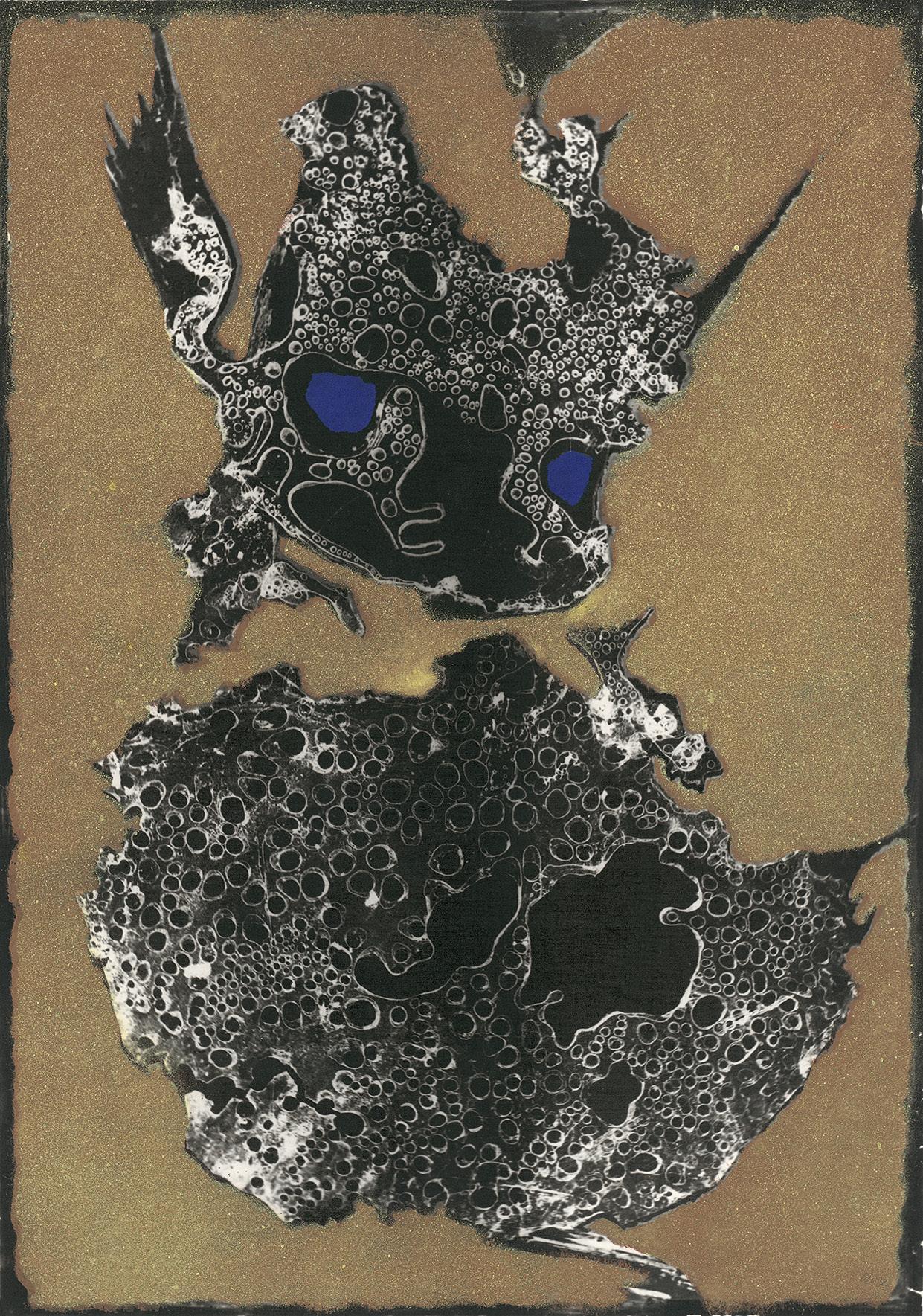
kurt wendlandt (1917–1998)
4308 Zersprengte Form (hand-colored Lichtgraphik). 1972. Unique vintage large-format gelatin silver print on photo canvas, mounted to board. 58 x 41 cm (mount 65 x 49,6 cm). Signed, titled, and dated by the photographer in pencil in the lower margin.
1.200 €
Kurt Wendlandt was a multifaceted artist – active in painting, printmaking, photography, writing and illustration – who emerged as a highly creative figure in postwar West Germany.
After studying at the State Academy of the Arts from 1937 to 1943, his practice was briefly interrupted by a war injury, but he resumed his artistic work after World War II. In 1958, he began experimenting with transparent materials, leading to his first Lichtgraphiken. His close friendship with Heinz Hajek-Halke placed both artists at the forefront of Berlin’s avant-garde Lichtgraphik movement in the 1960s. Though his work remained largely outside the commercial art world, Wendlandt’s light graphics and other creations are now held in numerous public and private collections.
Provenance: The estate of Kurt Wendlandt
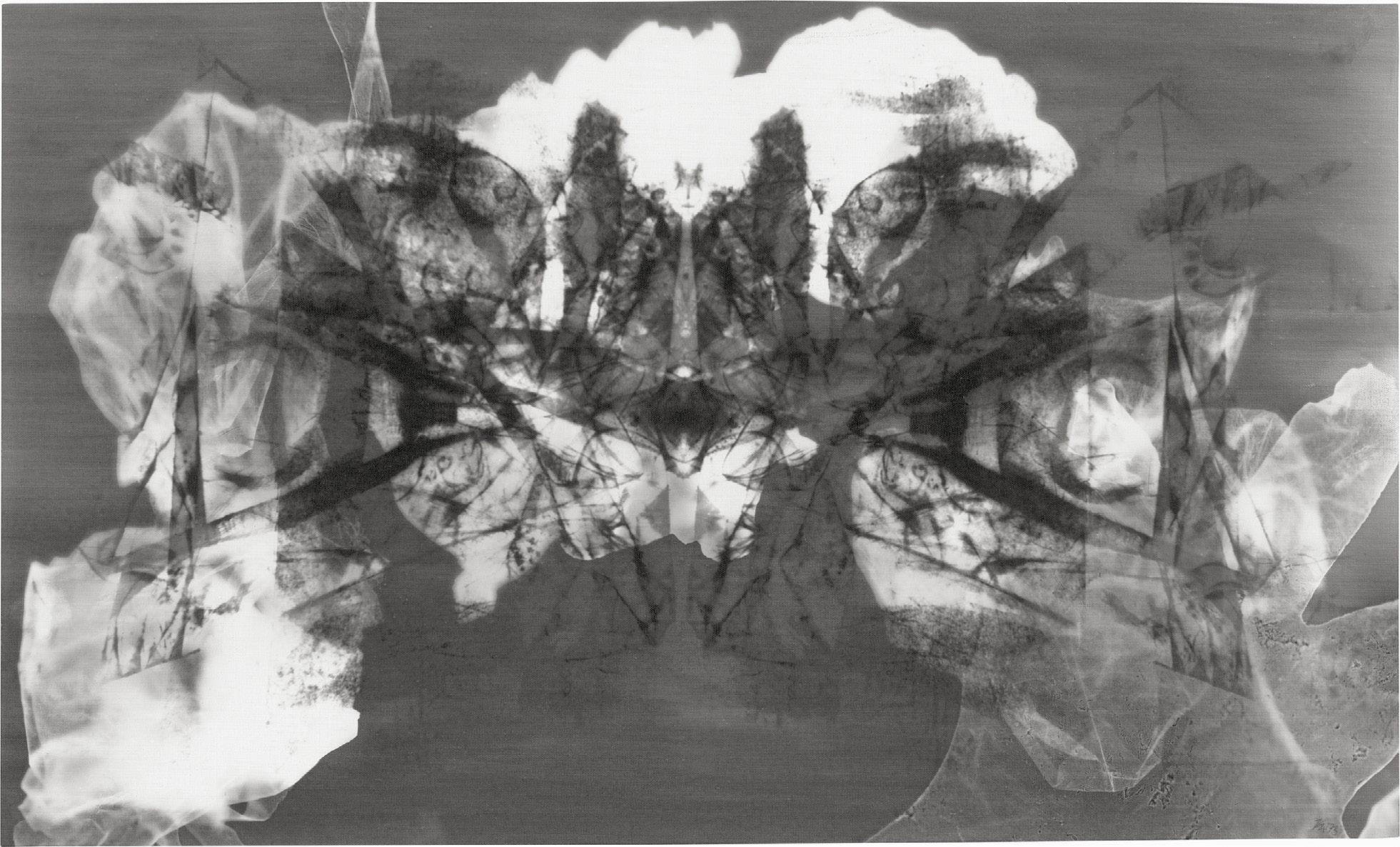
wendlandt
4309 Erscheinung II (Lichtgraphik, Solarization). 1973. Unique vintage large-format gelatin silver print on photo canvas, mounted to board. 58 x 41 cm (mount 50 x 54,7 cm). Signed and titled by the photographer in pencil below the image on the mount.
Provenance: The estate of Kurt Wendlandt
1.200 €
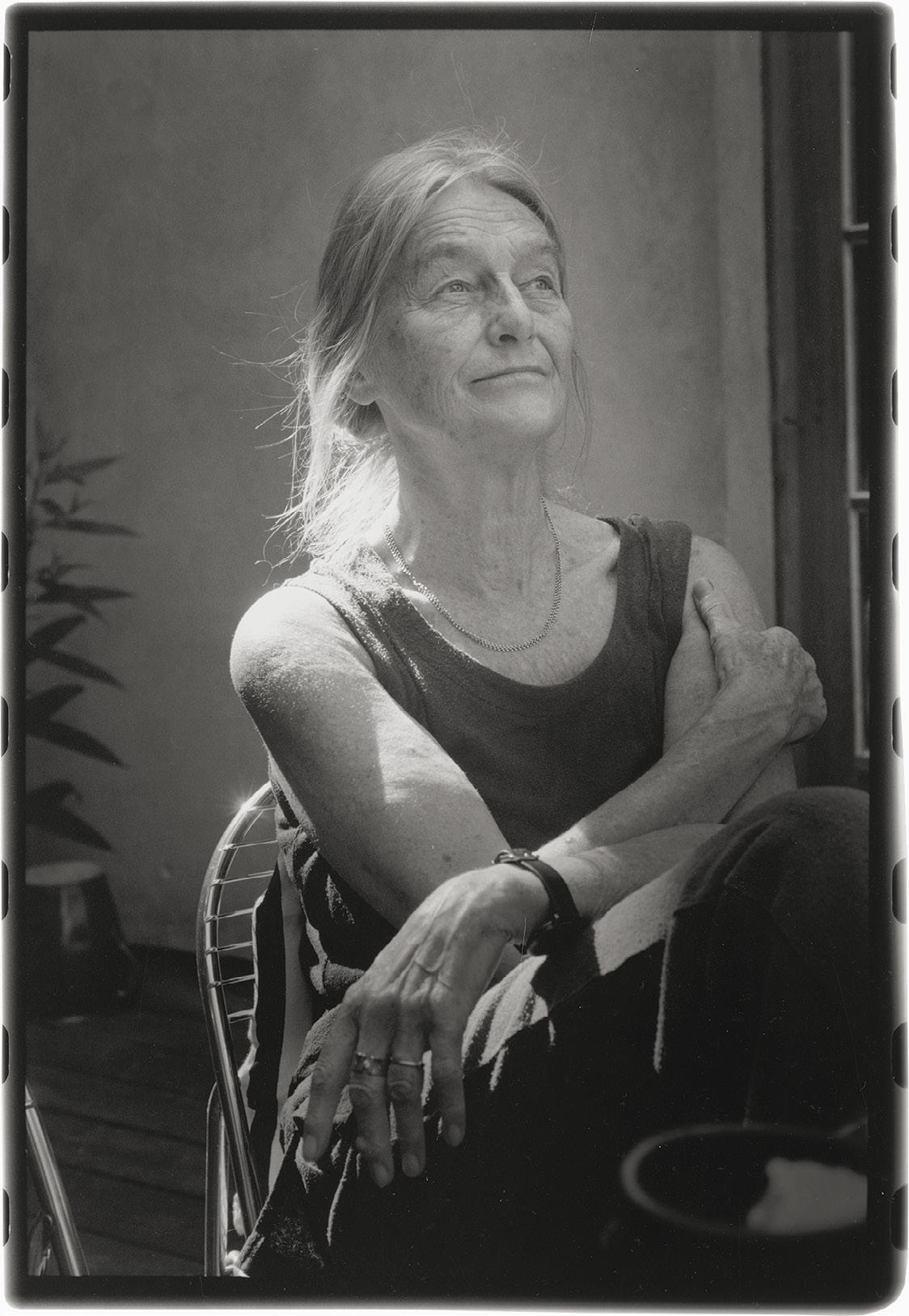
wenzel (b. 1958)
4310 Evelyn Richter in Neukirch . 2000. Gelatin silver print on RC paper. 22,8 x 16 cm (sheet 27,8 x 21 cm). Signed, titled and dated by the photographer in pencil on the verso.
600 €
Marion Wenzel, a graduate of the prestigious East German Academy of Fine Arts Leipzig, has dedicated much of her photographic practice to capturing the profound transformations in the landscape, caused by coal mining in southern Leipzig since the early 1980s. In the present portrait she captures the photographer Evelyn Richter whose work played a formative role in GDR photography.
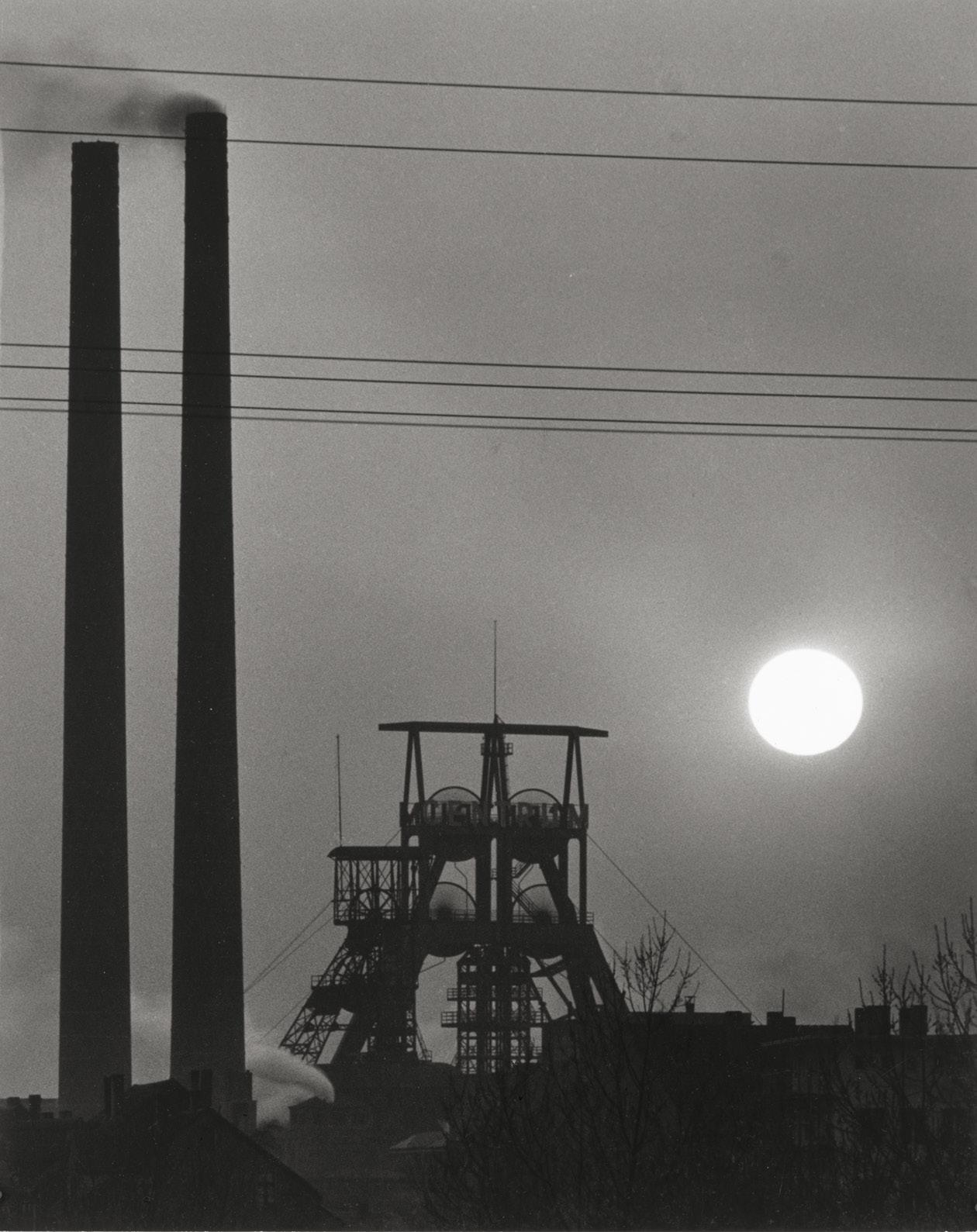
4311 Ruhrkohle (Zeche im Ruhrgebiet). 1950s. Vintage ferrotyped gelatin silver print on Agfa paper, hingemounted along the upper edge to mat. 28,8 x 23 cm. Photographer’s stamp and annotated in marker/pencil on the verso.
800 €
Ludwig Windstosser is best known for his precise and visually refined photographs of architecture and the built environment. His work focuses on structural form, material, and spatial relationships, often isolating details to emphasize clarity and composition. Combining documentary intent with a strong formal sensibility, his images offer a considered view of architectural space in Germany and beyond.
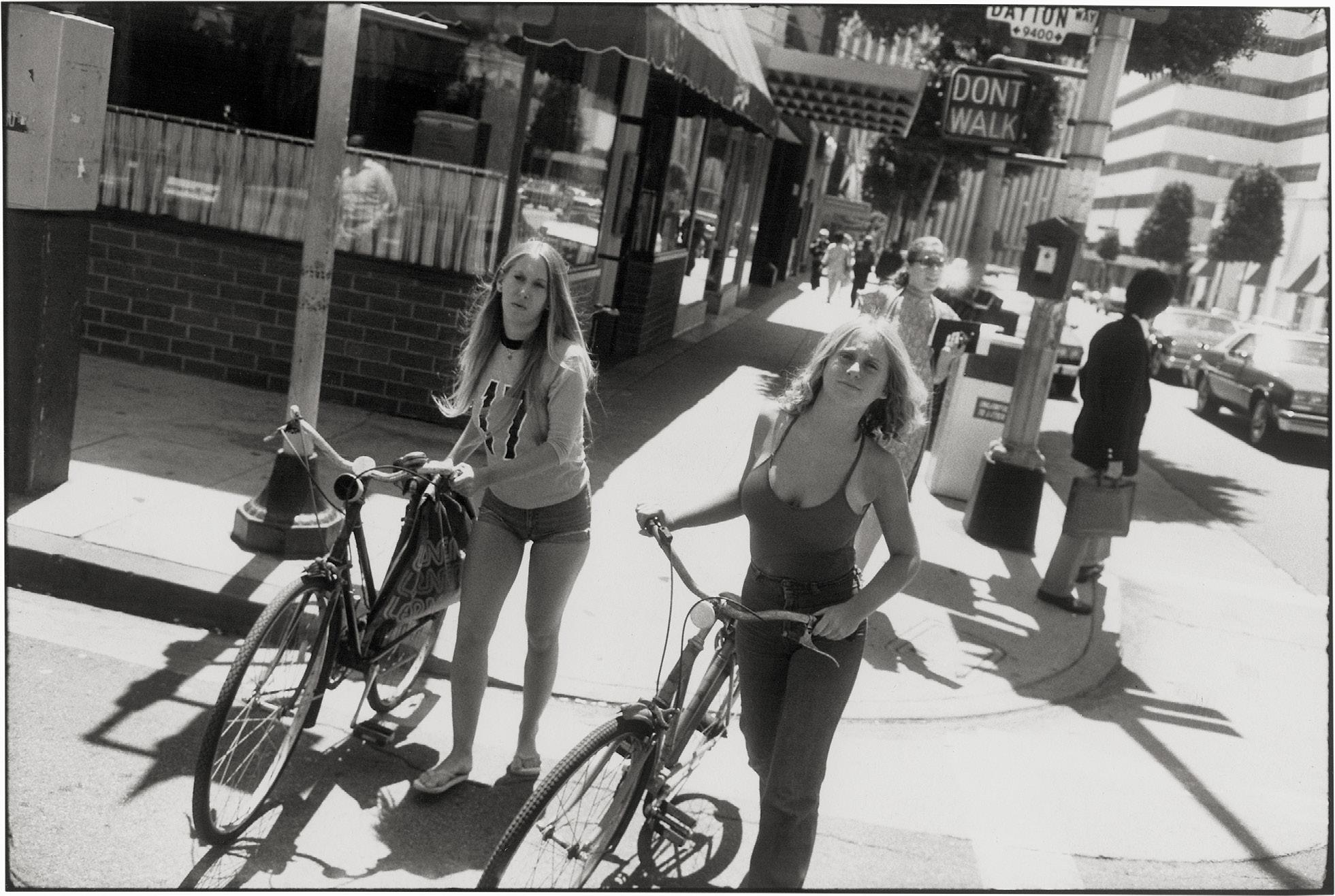
garry winogrand (1928–1984)
4312* Beverly Hills, California from the series „Women are Better Than Men. Not Only Have They Survived, They Do Prevail“. 1980. Gelatin silver print, printed 1982. 22,5 x 33,5 cm (sheet 28 x 35,5 cm). Signed by the photographer in pencil on the verso. From the portfolio of the same title, D.E.P. Editions Inc., New York 1982. Edition of 75.
1.200 €
Garry Winogrand’s „Women Are Better Than Men. Not Only Have They Survived, They Do Prevail“ is a series taken between 1969-1980, demonstrating his mastery of candid street photography and his focus on the evolving roles of women during a transformative era in American culture. The series celebrates women’s individuality, aligning with its evocative title that suggests a commentary on gender dynamics. It remains a compelling document of its time, reflecting both Winogrand’s artistic vision and the evolving discourse on gender and society in the late 20th century. A print of this image is in the Whitney Museum of American Art, New York.
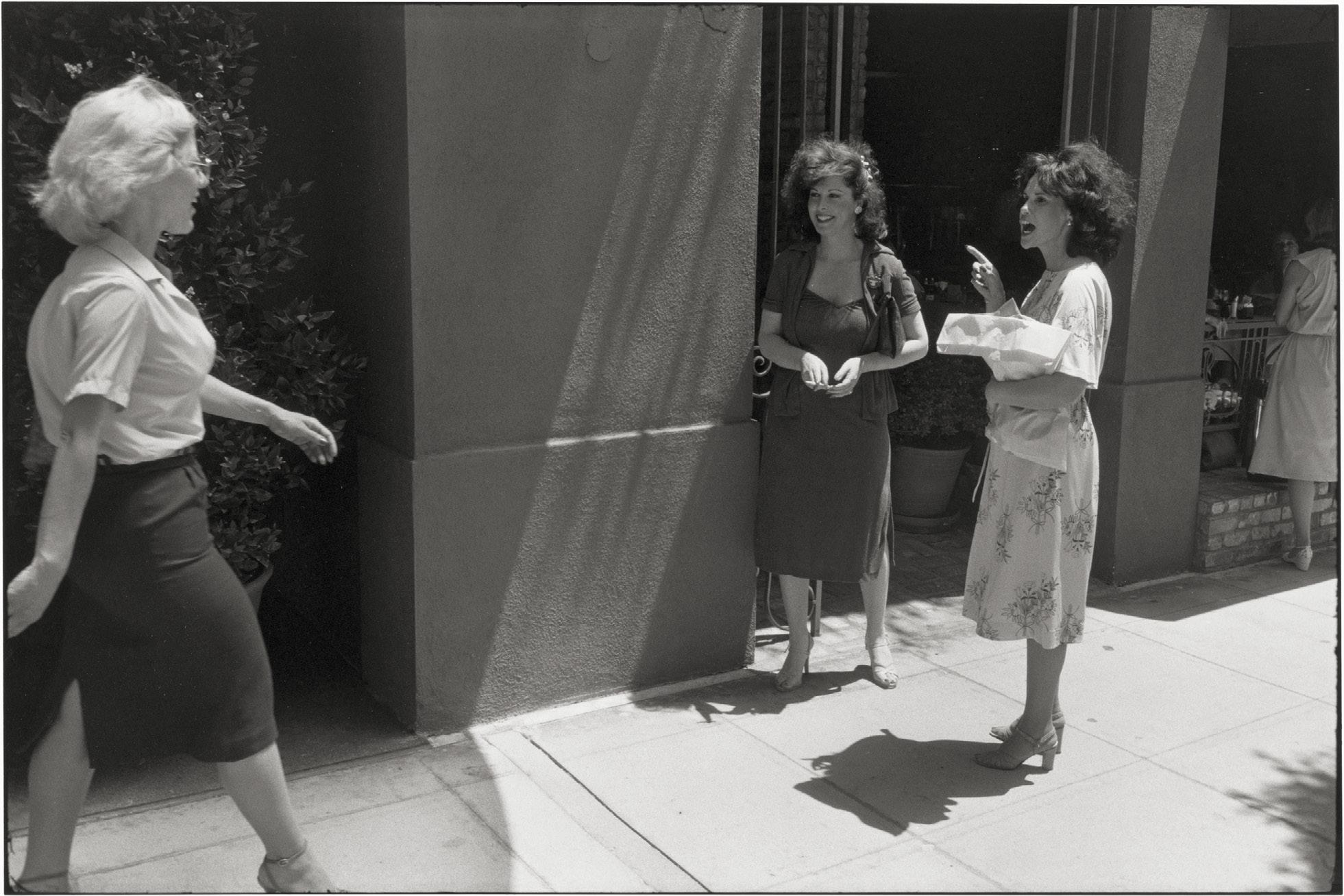
4313* Beverly Hills, California from the series „Women are Better Than Men. Not Only Have They Survived, They Do Prevail“. 1980. Gelatin silver print, printed 1982. 22,5 x 33,5 cm (sheet size 28 x 35,5 cm). Signed by the photographer in pencil on the verso. From the portfolio of the same title, D.E.P. Editions Inc., New York 1982. Edition of 75.
1.200 €
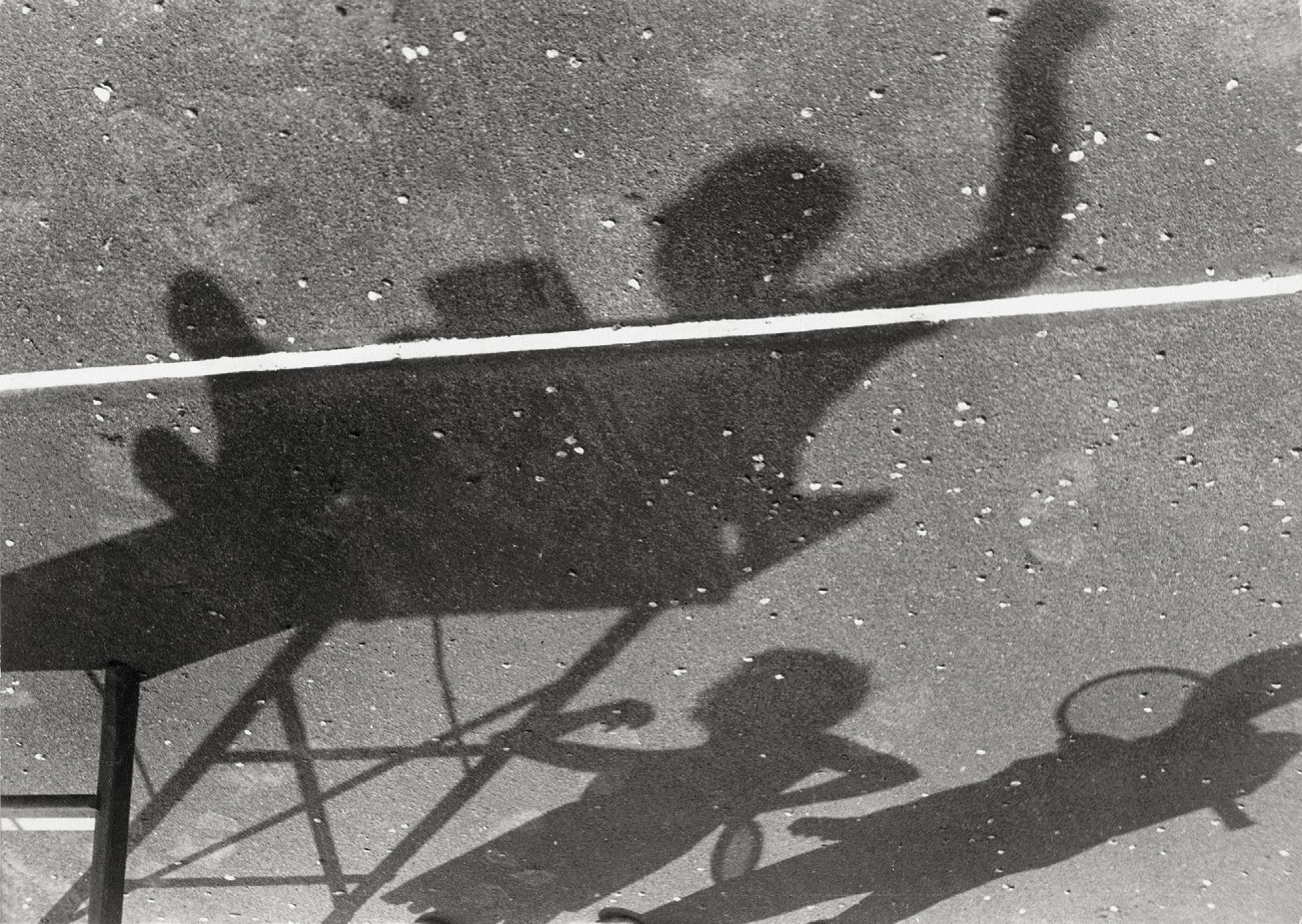
dr. paul wolff (1887–1951)
4314 Im Schatten des Umpires. 1929. Vintage ferrotyped gelatin silver print. 17,4 x 24,2 cm. Photographer‘s „Frankfurt am Main“ stamp and „Schostal“ label on the verso. Hinge-mounted along upper edge to mat. 2.000 €
The German photographer Dr. Paul Wolff is renowned for his pioneering role in advancing modern photographic techniques, particularly in the use of the Leica camera. A master of lighting and composition, he contributed to defining the aesthetics of 20th-century photography through both his portraits and dynamic reportage. His innovative vision and technical expertise left a lasting impact on the development of modern photography.
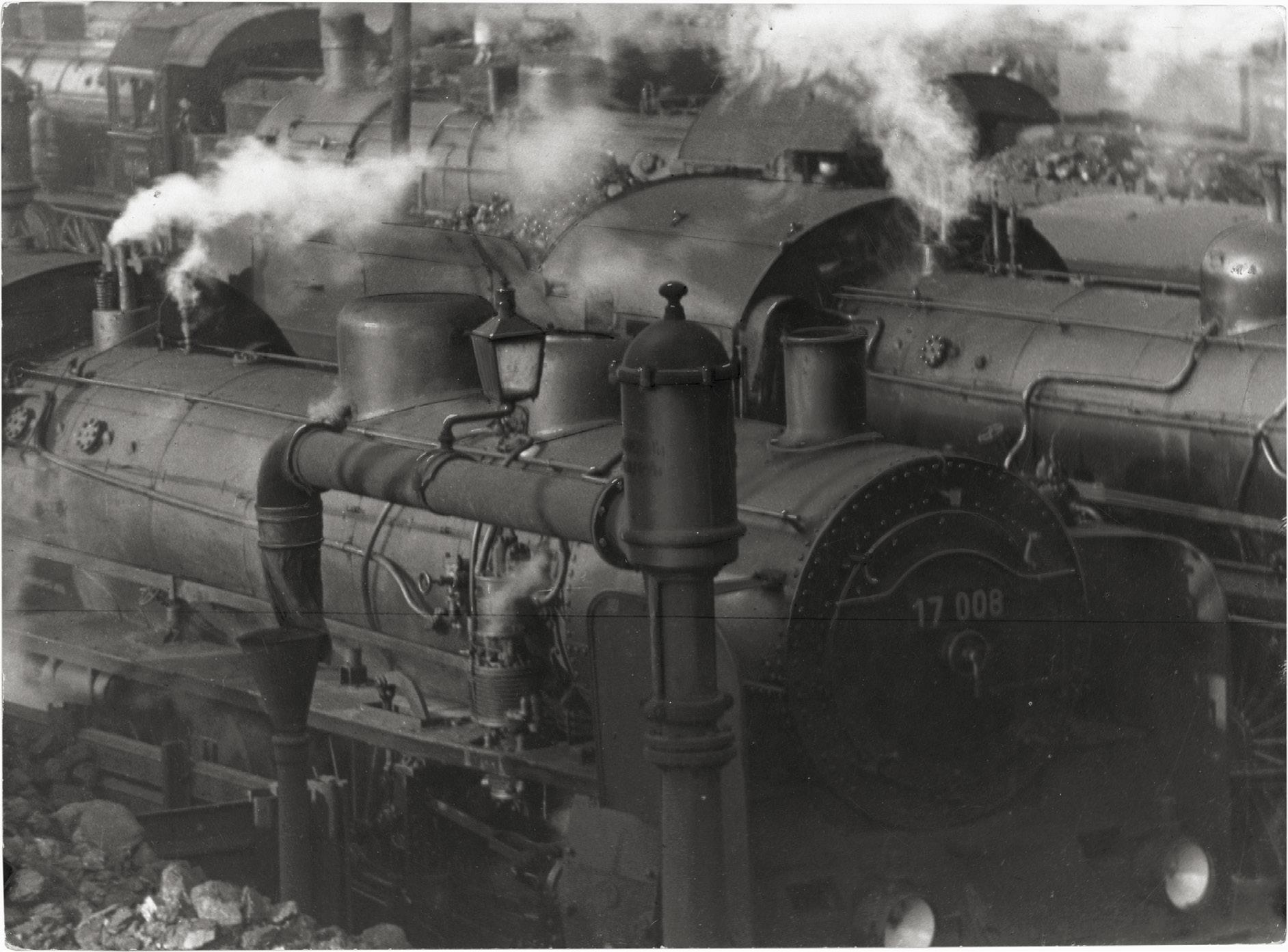
dr. paul wolff
4315 Locomotives at Frankfurt main train station. 1929. Vintage ferrotyped gelatin silver print. 17,5 x 23,9 cm. Photographer‘s „Frankfurt am Main“ stamp and „Wiener Photo-Kurier“ stamp on the verso. 1.500 €
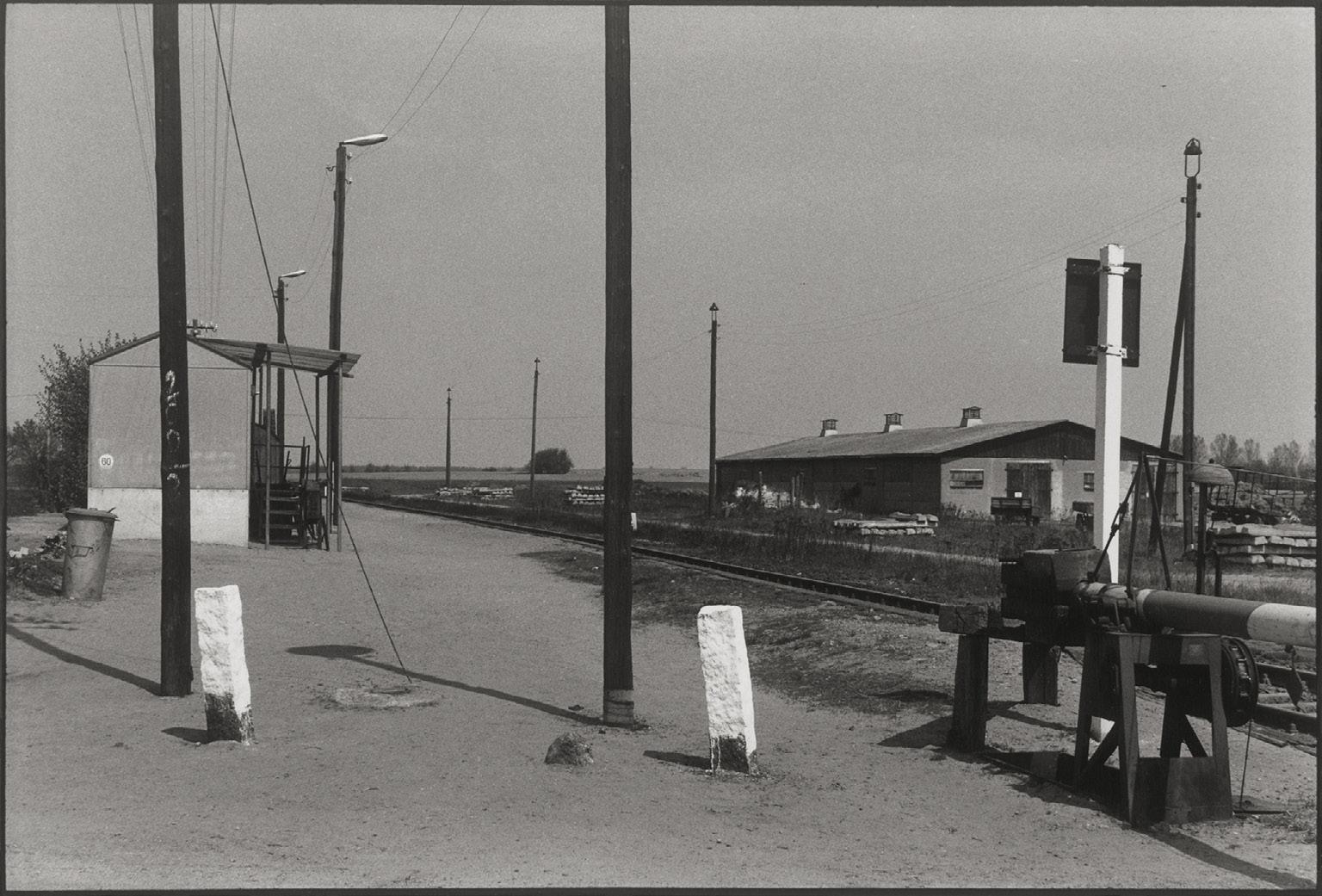
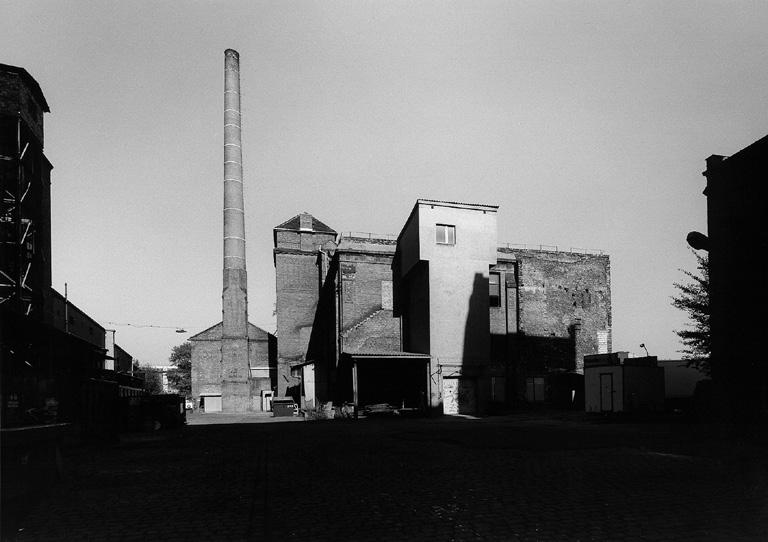
ulrich wüst (b. 1949)
4316 DV Bahnhof von Wendisch-Priborn in Mecklenburg / Building front 1980. 2 vintage gelatin silver prints. 24 x 36 cm (sheet 28,2 x 39 cm). Each signed, 1 titled, dated, and dedicated by the photographer in pencil in the lower margin.
800 €
Ulrich Wüst visually captured the urban landscapes and architectural motifs of the former GDR with exceptional detail and nuance. His photographs, characterized by stark compositions and muted tones, serve as poignant reflections on the built environment and societal dynamics of East Germany during the Cold War era. Wüst‘s work offers a compelling visual narrative, referencing the complexities of history, memory, and social transformation within the urban fabric of the former GDR.
4317 Berlin Mitte, Köpenicker Straße. 1995. Vintage large-format gelatin silver print. 32,5 x 46 cm (sheet 37,8 x 49 cm). Signed, titled and dated by the photographer in pencil on the verso.
800 €
gasho yamamura (1939–1987)
4318 Selected images. 1978. 4 vintage gelatin silver prints on Agfa paper, mounted in photo corners to black paper. Each ca. 27 x 18 cm (mounts ca. 30,2 x 23,8 cm). Each signed, and two dated, by the photographer in pencil below the image on the mount.
900 €
The Japanese photographer Gasho Yamamura developed a distinctive and highly poetic photographic language, often using extreme viewpoints and unconventional framing to produce images of striking, sometimes surreal intensity. His career was sadly cut short when he took his own life at the age of 47.
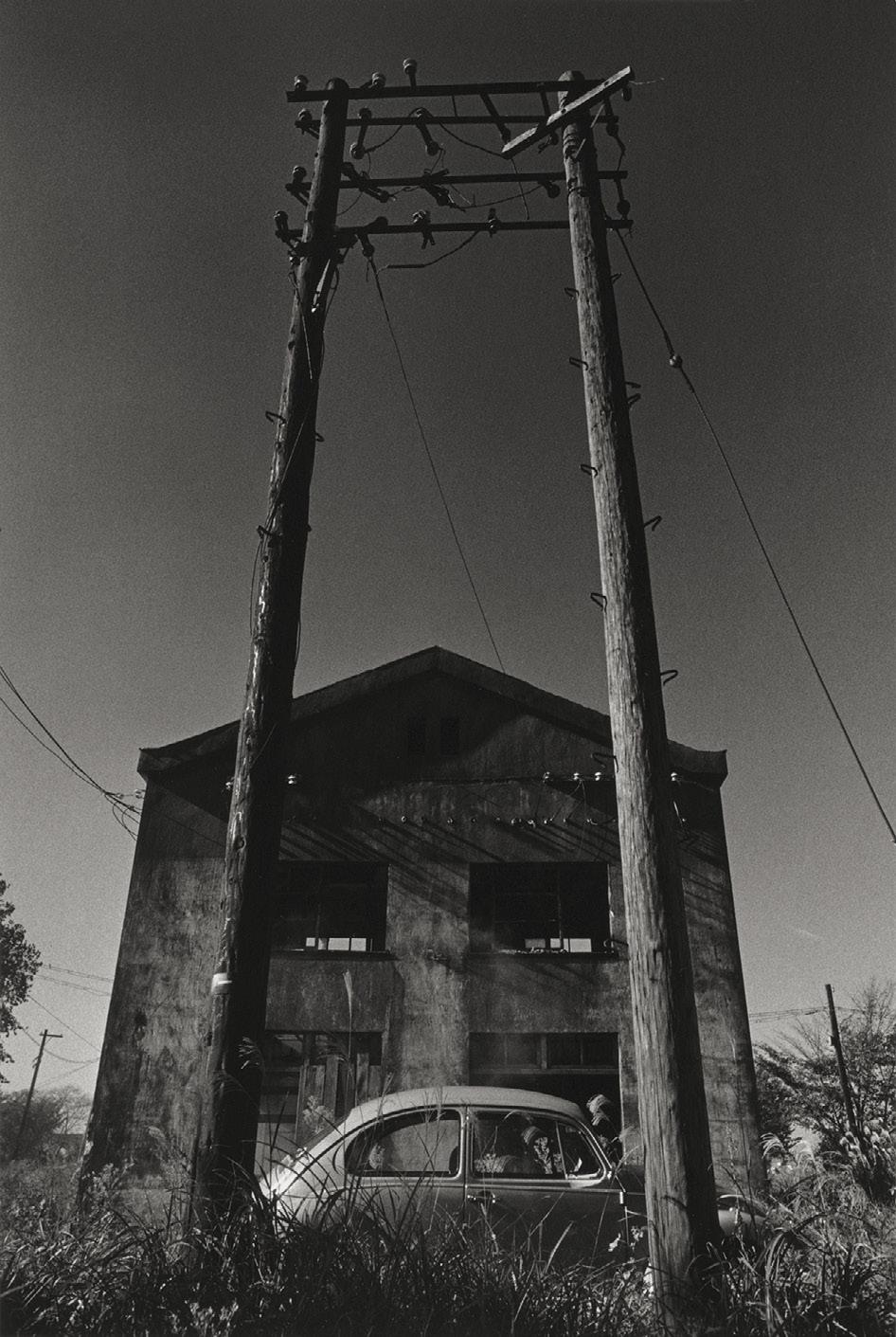
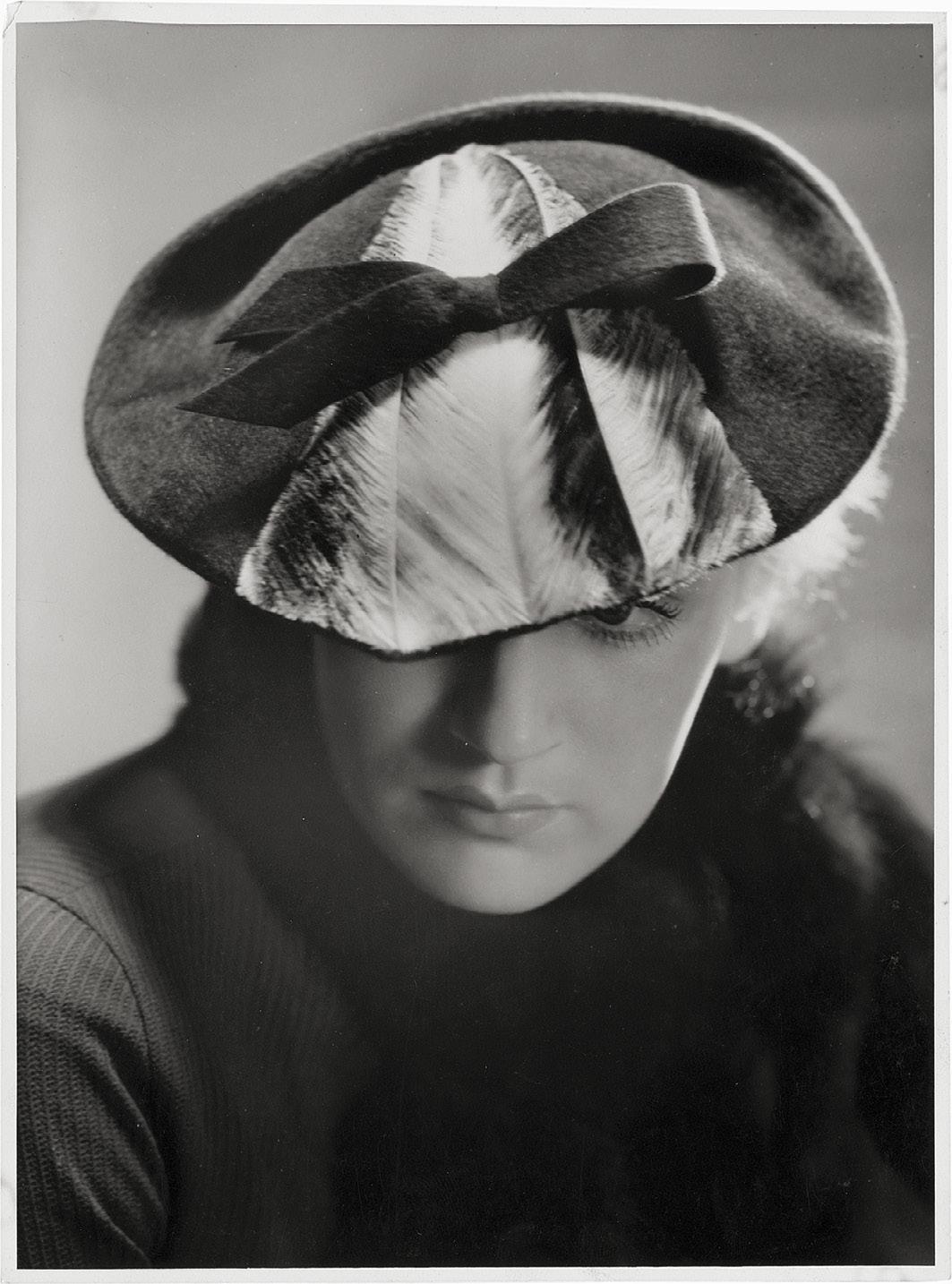
yva (Else Neuländer, 1900–1942)
4319 Hat fashion (Herpich). 1930s. Vintage ferrotyped gelatin silver print. 23,8 x 17,8 cm. Photographer‘s copyright stamp and „Schostal“ agency label on the verso.
750 €
Yva (Else Neuländer-Simon) was one of the most successful fashion and commercial photographers in Germany during the interwar period. She opened her studio in Berlin in 1925, and collaborated with Heinz Hajek-Halke. Her work appeared in leading illustrated magazines such as Die Dame, Uhu, Elegante Welt, and the Berliner Illustrierte Zeitung, as well as in the landmark exhibition Film und Foto in Stuttgart in 1929. As a Jewish photographer, she was forced to close her studio in 1938, and was no longer permitted to work. In 1942, she and her husband were arrested and deported to a concentration camp, where she was murdered.
hartmut zickmantel (1917–2012)
4320 Industrial images (including 1 solarized print). 1960s. 5 vintage ferrotyped gelatin silver prints on Agfa-Brovira and Agfa-Brovira-Rapid paper. Each ca. 30 x 23 cm. 3 with photographer’s stamp and 1 annotated by the photographer in pencil on the verso.
750 €
Hartmut Zickmantel served as a photography lecturer at the Cologne Werkkunstschulen. The photographs in this group were likely taken in the 1960s as part of his commissioned work for DEMAG AG (formerly Jünkerather Gewerkschaft) in Jünkerath, located in the Eifel region.
günther zint (b. 1941 )
4321 Demonstration, Berlin. 1968. Vintage ferrotyped gelatin silver print on doubleweight paper. 30 x 39,7 cm Signed by the photographer in felt-tip pen on the verso. 500 €
Günter Zint began his career in 1959 with an internship at the German Press Agency (DPA) in Frankfurt am Main, where he trained as a photojournalist and editor. He subsequently worked as a reporter for Quick and twen, spending time in Sweden and England before returning to Germany in 1964, and settling in Hamburg. From 1967 to 1971, he worked as a staff photographer for Der Spiegel, later continuing as a freelance photojournalist. Zint became particularly known for his photographs of musicians and bands at the Star-Club in Hamburg during the 1960s, capturing the energy of the emerging rock scene.
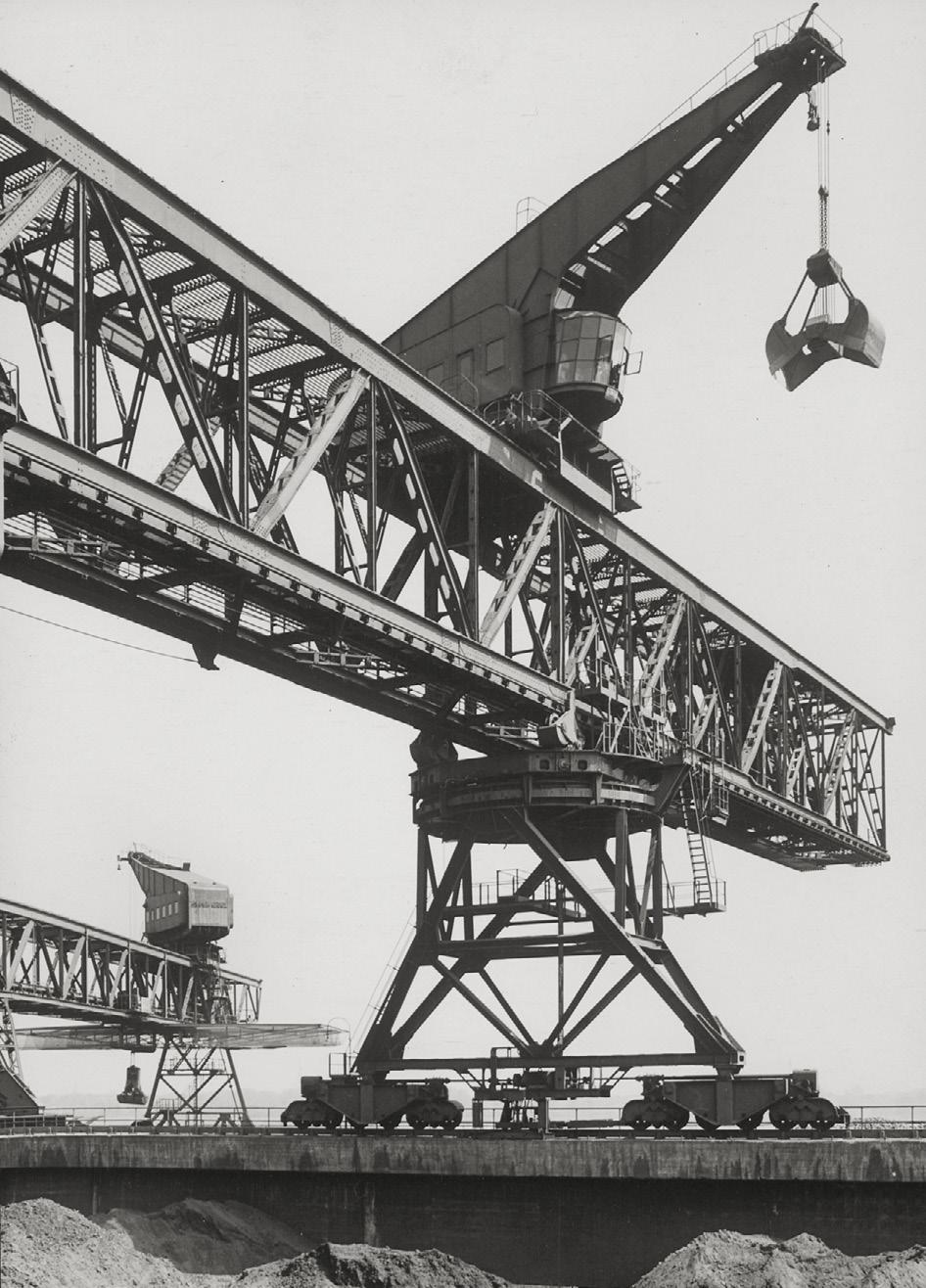
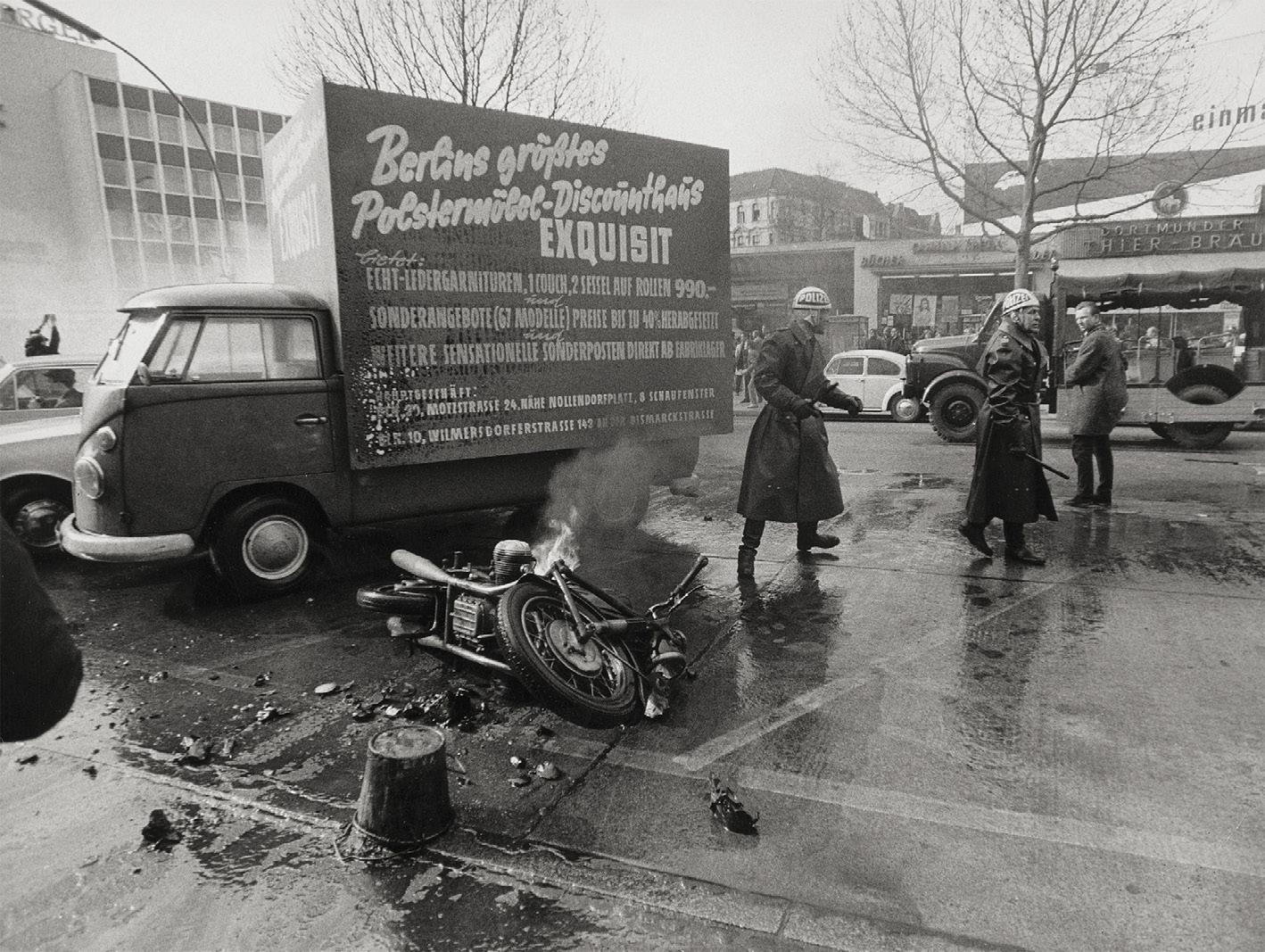
A
Advertising Photography 4124
Aguado, Olympe 4001-02
Ahrendts, Leopold 4003-04
Algiers 4005
Alinari, Fratelli 4006
Ambrotypes 4007
Anderson, James 4008
James Anderson and Tommaso Cuccioni 4009-11
Anderson, James and Unknown 4012
Angenendt, Erich 4125
Anschütz, Ottomar 4013
Appelt, Dieter 4126-28
Armstrong, David 4129-31
Australia 4014
Aviation 4132
Axelsson, Ragnar 4133
B
Baldus, Édouard 4015-16
Baur, Max 4134-35
Beaton, Cecil 4136
Béchard, Émile 4017-18
Becher, Bernd and Hilla 4137
Belloc, Auguste 4019-20
Biermann, Aenne 4138
Bing, Ilse 4139-40
Bisson frères 4021
Bonaparte, Roland 4024-26
Böttger, Georg 4022-23
Bourke-White, Margaret 4141
Brandt, Marianne 4142
Brassaï 4143
Braun, Adolphe 4027-28
Braun et Cie. 4029-30
Breitenbach, Josef 4144
British Royal Family 4031-35
Bruguière, Francis Joseph 4145-47
Bunge, Norbert 4148
Burgdorf, Will 4149
Burma 4036-37
Busch, Wilhelm 4038
C
Callahan, Harry 4150
Cartier-Bresson, Henri 4151
Ceylon 4039-41
Chaldej, Jewgeni 4152-54
China 4042-51
Christoph, Henning 4155
Civil War 4052
Constantinople 4053-56
Cornwall 4057
Cottingham, Robert 4156
Crémiere, Léon and Erwin Hanfstaengl 4058
D
Dalí, Salvador and Robert Descharnes 4157
Danzig 4059
Dassonville, William E. 4158
Demand, Thomas 4159
Design/Midgard Lenklampen 4160
Deutsch-Ostafrika 4060
Dostál, Frantisek 4161-62
Du Camp, Maxime 4062
Dubois de Nehaut, Louis-PierreThéophile 4061
E
Egypt 4063
Elbing 4064
Erfurth, Hugo 4163
Ermakov, Dimitri Ivanovich 4065
Evans, Walker 4164-65
F
Feininger, Andreas 4166-67
Fenton, Roger 4066
Fietz, Helga 4168
Film Photography 4169
Finsler, Hans 4170
Fischer, Arno 4171-73
Frasnay, Daniel 4174
Furne, Charles-Paul 4067
G
Galdi, Vincenzo 4068-69
GDR Uprising June 17, 1953 4175
Gloeden, Wilhelm von 4070-75
Goldin, Nan 4176-80
Gorman, Greg 4181
Greene, Milton H. 4182-83
Greer, Fergus 4184
Grinberg, Alexander 4185
Guillaume, Paul 4186
Gundlach, F.C. 4187-88
H
Hausmann, Raoul 4191
Häusser, Robert 4189-90
Hauswald, Harald 4192
Heidersberger, Heinrich 4193
Heinisch, Barbara 4194
Helbig, Konrad 4195
Hong Kong 4076
Hopper, Dennis 4196-97
I J
Imans, Pierre 4198
Jacobi, Lotte 4199-4200
Jacoby, Max 4201-03
Japan 4077-80
Java 4081-83
K
Kaiser Wilhelm II in Morocco 4204
Kaisermanöver 1913 4205
Kane, Dan 4206-07
Kerguelen Islands 4084
Kessels, Willy 4208
Kesting, Edmund 4209
Kippenberger, Martin 4210
Koch, Heinrich 4211
Konstantinou, Dimitrios 4085-86
Koppmann, Georg 4087
Krolow, Wolfgang 4212-13
Krull, Germaine 4214
L
Lebeck, Robert 4215
Lehnert & Landrock 4216
Leibovitz, Annie 4217
List, Herbert 4218-20
M
Mack, Ulrich 4221
MacPherson, Robert 4088
Magritte, René 4222
Mai, Karl-Heinz 4223
Man Ray 4224
Manassé 4225
Manen, Hans van 4226
McBride, Will 4227-31
McCartney, Linda 4232
Michel, Carl 4089
Moholy-Nagy, László 4235
Molinier, Pierre 4233-34
Morgner, Wilhelm 4236
Moscow 4090-91
N
Nadar 4092-94
Nadar, Paul 4095
NASA 4237-52
Nature Printing 4096
Nelly 4253
Norway Travel Album 4097
O P
Ottoman Empire 4098
Paris Commune 4099
Photochromes 4100-01
Pictorialism 4254-55
Platt Lynes, George 4256-57
Porto 4102
Prince, Len 4258
R
Raoult, Ivan Petrovic 4103-06
Rau-Häring, Nelly 4259
Redmayne, John Thomas 4107
Renger-Patzsch, Albert 4260
Rhine 4108
Richebourg, Pierre Ambroise 4109
Robertson, James 4110-11
Rocholl, Karin 4261
Rössler, Jaroslav 4262
Ruben, Ernestine 4263-64
S
Sakhalin 4112
Salas, Osvaldo 4265
Sammallahti, Pentti 4266-67
Samoa 4113
Schopp, Rainer Maria 4268-69
Schürmann, Wilhelm 4270-71
Schwerdtle, Dieter 4272
Sébah, Jean (J.P.), Paul Dittrich and others 4115
Sébah, Pascal 4114
Seidenstücker, Friedrich 4273-75
Sewcz, Hans Martin 4276-78
Shulman, Julius 4279
Siskind, Aaron 4280
Sittig, Walter 4281
St. Petersburg 4116
Steichen, Edward 4282
Steinberg, Uwe 4283-84
Stöcker, Alex 4285
Stone, Sasha and Cami 4286
Strüwe, Carl 4287
Sutcliffe, Frank Meadow 4117
Sutkus, Antanas 4288
T
Tairraz, Georges 4289
Tairraz II, Georges 4290-92
Talbot, William Henry Fox 4118
Teynard, Félix 4119-20
Thiemann, Elsa 4293-95
Titzenthaler, Waldemar 4121
Tobias, Herbert 4296-97
U
Ueda, Shoji 4298
Umbo 4299
V Villers, André 4300
Vogel, Walter 4301
Voigt, Adolf & Hans Giebler 4302
Volland, Ernst 4303-04
W Weber, Doris Martha 4305
Weegee 4306-07
Wendlandt, Kurt 4308-09
Wenzel, Marion 4310
Windstosser, Ludwig 4311
Winogrand, Garry 4312-13
Wolff, Dr. Paul 4314-15
Wüst, Ulrich 4316-17
X Y Z
X-Ray Photography 4122
Yamamura, Gasho 4318
Yva 4319
Zickmantel, Hartmut 4320
Zint, Günther 4321
Zwickau 4123
photographic processes fotografische verfahren
albumen print
ambrotype
bromoil print
carbon print
chromogenic print
cibachrome print
collodion paper print
collotype print
contact print
cyanotype
daguerreotype
dye transfer print
gelatin silver print
gum dichromate
offset Lithography
photogram
photogravure
pigment print
platinum print
polaroid
rotogravure
salted paper print
tintype
woodburytype
Albuminabzug
Ambrotypie
Bromöldruck
Kohledruck
Farbabzug
Cibachrome-Abzug
Kollodiumpapierabzug
Lichtdruck
Kontaktabzug
Cyanotypie
Daguerreotypie
Dye-Transfer-Abzug
Silbergelatineabzug
Gummidruck
Offsetlithografie
Fotogramm
Photogravüre
Pigmentdruck
Platinabzug
Polaroid
Rotogravüre
Salzpapierabzug
Ferrotypie
Woodburytypie
technical terms fachbegriffe
annotated / by another hand
bezeichnet / von fremder Hand attached / mounted befestigt / montiert
ball-point pen
blind stamp
card / card stock
Kugelschreiber
Prägestempel
Karton / Untersatzkarton colored koloriert
copyright stamp
Copyrightstempel corner Ecke
crayon
Farbstift dated datiert edge Kante edition Auflage
felt-tip pen
Filzstift ferrotyped hochglänzend framed gerahmt hinge-mounted
Scharniermontage illustration / plate
Abbildung ink Tinte inscribed beschriftet
label Etikett
left / right margin linker / rechter Rand mat / matted
Passepartout / unter Passepartout mounted aufgezogen numbered / editioned nummeriert
pencil
Bleistift
photographer’s stamp Fotografenstempel printed later späterer Abzug
RC-paper
PE-Papier signed signiert stamp / stamped Stempel / gestempelt tipped to mount auf die Unterlage geheftet titled betitelt toned getont upper / lower margin oberer / unterer Rand