

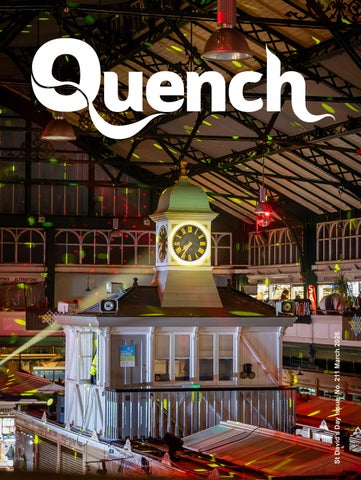
Welcome to the St David’s Day issue! Last year, I felt very inspired by Katie’s women day special edition and thought to carry on this brilliant tradition, nothing better than a St David’s Day issue!
This issue is the shortest that you’ll see at Quench this year but is short of meaningful and significant stories. After Country, I was worried about this issue being repetitive but they are so different from one another. This issue celebrates Welsh traditions and the emotional foundations of what it means to be Welsh for students. We explore local and international perspectives to nurture all opinions of St David’s Day.
St David’s Day to me didn’t mean too much when I was in first year but I now understand that it’s such an important part of people’s lives here and especially those who are Welsh. Wales is such a beautiful and diverse country with landscapes you’d think are from the other side of the world. With our Country and St David’s issues, I hope you can explore Wales and its culture and landscapes.
I hope you readers can celebrate this special day even in the simplest way by having a Welsh cake!
Dydd Gŵyl Dewi Hapus!
Surprise! We are back with a special edition to mark the ‘Welshest’ day in the calendar. This issue features a wide range of articles, from what to wear, to the traditional and contemporary celebrations occurring across Cardiff.
Moving to Cardiff for university, I have developed a huge appreciation for all things Welsh; rugby, the food and the people, to name a few! I like to think that after nearly three years living in the capital, I’ve done a fair bit of uniquely Welsh things. I’ve climbed Pen Y Fan (who hasn’t?), explored the Gower Peninsula, tried Cardiff Bakestones (many times), been to a concert in the castle grounds and watched a Six Nations game in the Principality Stadium. However, as my final term of university approaches, I am well aware there is still so much to see and do! So, what better way to make a start on a Welsh bucket list than attending St David’s Day celebrations in the heart of Welsh culture.
St David’s Day is a lovely way to celebrate the country that we live in, learn about its history and indulge in the finest products that Wales has to offer. There are so many opportunities available on the 1st March to get out and explore Welsh culture and I hope that this issue will provide you with some inspiration and a few bucket list additions for your time in the ‘Diff.
Happy St David’s Day everyone and welcome to our special edition which celebrates and pays homage to this fantastic day! As students living in the Welsh capitol, St David’s Day should hold an unwavering importance as it allows us to appreciate the wonderful culture, history and heritage of the place that we call home - whether that be temporarily or permanently.
This issue is so important because it sheds light on the incredible culture that is at the very heart of our magazine. We always aim to put Wales, and most notably Cardiff, at the core of our publication and there is no better time than St David’s day to truly showcase this. We wanted to give appreciation to our Welsh readers to honour their identity and roots, whilst also extending this edition to our non-Welsh audience to emphasise the significance of this celebration and how everybody can get involved in the festivities and awareness. We hope that you feel represented, intrigued and informed.
From how to style yourself this St David’s Day, to what it means to Cardiff students, this issue has something for everyone and is full of beautifully written articles from our section editors themselves! Whether you’re celebrating in style decked out in red and green, indulging in some freshly baked Welsh cakes or even just flicking through this issue to mark the day, we hope that you enjoy yourselves and feel the importance of this celebration.
Hwyl am nawr!

































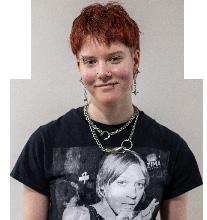









More than a daffodil: What St David’s Day means to students
Colled Cymunedau Gwledig Cymru (Lost communities in rural Wales)
& Drink
St David’s Day Pub Golf Film & TV
The Heritage of Welsh Identity in Film Travel
How Cardiff Market’s iconic Welsh Cake Stand made it Big in Japan
Understanding Wales Through an International Perspective 10-11 12-13 16-17 18-19 20-23
From Red Lipstick to Bare Face: How Students can style themselves for St David’s Day
On March 1st, Wales wakes up a little bit prouder and greener. If you are a student in Cardiff you might find yourself suddenly rummaging through your wardrobe for anything remotely red before your 9am lecture (truly celebrating in style of course). It’s St David’s Day, the annual celebration of Wales’ patron saint and the one day of the year where wearing a leek is not only socially acceptable but actively encouraged!
St David’s Day is all about celebrating Welsh culture, heritage and language. It’s about pride. It’s about community. It’s about identity. It’s the daffodil pinned on the front of your coat and the slightly chaotic parade going on in town. It’s hearing more Welsh spoken around you than usual and feeling, even if it is just for a day, that everyone is connected by something other than just university coursework deadlines and Facebook Overheard posts.
Historically, the day honours St David, the patron saint of Wales who is known for performing miracles, founding religious communities and advising his followers to ‘do the little things’. But beyond celebrating David himself and his achievements, the day has also become a way to honour Wales as a whole. For some of you, this day has been significant since primary school: Eisteddfods, traditional dress, practicing Welsh songs that you may only half know the words to. For others, especially if you moved here for uni, it might still feel like an unfamiliar, yet warmly embraced celebration that returns each year with enthusiasm.
In a city like Cardiff, where students make up such a large part of the population, the day takes on its own personality. That’s what this piece will explore, as we ask students whether St David’s day has retained its core values in a city that is dominated by student life. Or, has it been gently nudged towards commercialism, pub deals and 2-for-1 cocktails named something vaguely Welsh?
So, before we hear from both Welsh and non-Welsh students about what this day really means to them, whether it’s about language, identity or just a good excuse to get everyone together, we’re starting here.
Because in a city full of students from all corners of the world, St David’s Day isn’t just about the past; it’s about how we celebrate it now.
And despite it not necessarily being an official bank holiday, you shouldn’t let that get in the way and stop you from celebrating!
We spoke to both Welsh and non-Welsh students about what St David’s Day really means to them, and whether they feel Cardiff University does enough to celebrate the country’s diverse history or whether it has just become like any other day, an excuse for a night out or a reason to eat an un-godly amount of Welsh cakes.
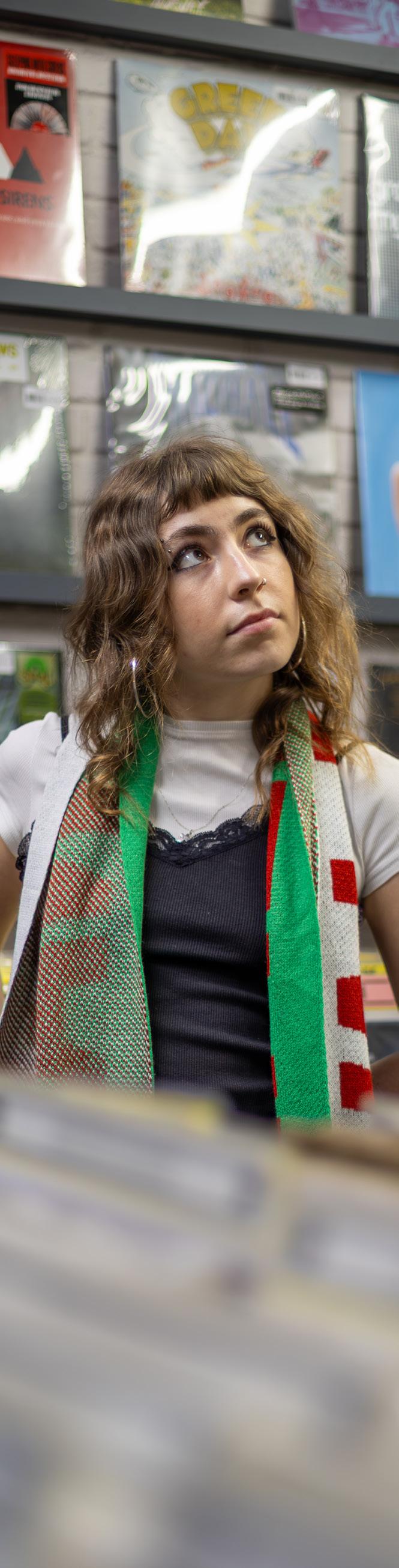
Ella, a Cardiff Uni student from Wrexham, shares her thoughts on what St David’s Day means to her.
1.What does St David’s Day mean to you?
‘St David’s day to me in is a celebration of Welsh culture and voices. It makes me reflect and appreciate the pride I hold in relation to my nation, my friends and my family.’
2.Did you grow up celebrating it? If so, how?
‘Yes! I did grow up celebrating St David’s day. Especially in primary school, I would dress up as a Welsh girl with the traditional dress and bonnet. We would also sing Welsh songs, bake Welsh cakes and do Welsh folk dances together. I remember it being a day we all looked forward to as it was solely dedicated to Welsh traditions and activities.’
3.Do you think national pride feels different/is stronger in Wales compared to other parts of the UK e.g. Scottish or Irish national pride?
‘National pride in Wales is so so strong. The sense of national identity, pride and love for the country is beyond words. Welsh people see being Welsh as a privilege as we are such a small nation and I feel it is important we keep Welsh culture alive, which is particularly important on St David’s Day.’
4.Do you feel pressure to ‘perform Welshness’ on St David’s Day?
‘I don’t think I feel pressure to perform on St David’s Day, but there are certain things I will do because it is St David’s Day. For example, I will probably buy some daffodils and bake some Welsh cakes for my house. For me it’s not a performance but a personal experience and expression of pride.’
5. Do you think St David’s Day encourages people to engage with Welsh culture?
‘Yes definitely! St David’s Day gives everyone a chance to go that extra mile and get involved with this shared love for Welsh culture and I hope that will always be the case, especially with younger generations.’
6. Do you think Welsh traditions feel authentic or commercialised?
For me, Welsh culture isn’t something that could even be commercialised, authenticity is at the heart of our traditions.
7. Do you think Cardiff University does enough to celebrate Welsh culture and St David’s Day?
‘I feel like when we get older it does become harder to engage with some of the traditions that we did as children. However, as the leading Welsh University and the capital of Wales, I feel there is an argument that the university could do more regarding St David’s Day to encourage those who aren’t from Wales to learn more about Welsh culture. That way everyone has to chance experience St David’s Day in Wales, as it is so special!’
Tilda, a Cardiff Uni student from the Midlands, discusses how she views St David’s Day as a student not originally from Wales.
1. What does St David’s Day mean to you?
‘I have to admit I don’t know much about St David’s Day, but I know that it’s the national day for Wales. I always enjoy being in Wales and around Welsh people when they’re celebrating because they’re always so patriotic and enthusiastic, they clearly love their country!’
2. Do you think national pride feels different/is stronger in Wales compared to other parts of the UK?
‘It definitely feels like something special, especially in terms of sporting events. I think that the Welsh are so passionate, but I also think that the Irish and the Scottish are passionate as well.’
3. Do you think St David’s Day encourages people to engage with Welsh culture?
‘100%. Especially when stores in town participate. Places such as the Welsh cake stores always do something, and there’s always lots of flags and merchandise around. There’s so many Welsh heritage stores in town, way more than I see anywhere else. I think it’s something really special.
4. Has St David’s Day made you more interested in Welsh culture?
‘Yeah, since I’ve been studying here I’ve started learning Welsh on Duolingo!’
5. Do you think Welsh traditions feel authentic or commercialised?
‘I think that they are authentic, but I think that they need more representation, like traditional Welsh outfits, dances, songs that I wouldn’t necessarily know about. I know that they exist, but I think they’ve been buried’.
6. Do you think students treat it as a cultural day or just another night out?
‘No, I wouldn’t say that students not from Wales typically care about it. I’d definitely say the students love Cardiff and love Wales, but I wouldn’t say that there’s enough awareness about St David’s Day and what it means.’
7. Do you think Cardiff University does enough to celebrate Welsh culture and St David’s Day?
‘I think they could do more. They speak about it a bit around the time, but considering how much they post on social media they could definitely dedicate a few more posts to it. Maybe The Taf could do something special with food?! It’s not that they ignore it, but they could definitely do more.’
Words by: Emily Gillbard
Design by: Jemima Lake
Wrth i ni ddathlu ein cenedl, ein hiaith a’n diwylliant ar Ddydd Gŵyl Dewi, mae’n werth cofio bod y pethau hyn wedi eu gwreiddio o fewn ein cymunedau, ein tir a’n hanes. Mae’n ddiwrnod i gofio am ardaloedd a chymunedau sydd wedi diflannu o’n tirwedd. Rhannau o Gymru nad yw pawb yn ymwybodol ohonynt, ond sydd dal i fyw yng nghof y genedl. Dim ond cipolwg o hanes dwy ardal caiff eu nodi yma - mae mwy ar gael i wylio yn rhan o gyfres Vanished Wales ar ITV Cymru.
As we celebrate our nation, our language and our culture, it’s worth remembering that these things are rooted within our communities, our land and history.
It is a day to remember the areas and communities that have disappeared from our landscape. Parts of Wales that not everyone is aware of, yet still live on in the memory of our nation.
This article offers only a glimpse into the history of two areas - with more available to watch as part of the series Vanished Wales on ITV Cymru.
Yn 1955, cafodd pobl Capel Celyn - pentref Cymraeg ger y Bala, yng Ngwynedd - wybod fod eu cwm, Tryweryn, wedi’i ddewis fel safle ar gyfer argae a fyddai’n cyflenwi dŵr i ddinas Lerpwl. Roedd hyn yn golygu dinistrio cymuned a oedd wedi bod yn gartref i genedlaethau o deuluoedd Cymreig, y tir wedi’i weithio gan ddwylo eu cyndeidiau - eu mamiaith wedi’i wreiddio yn y pridd.
Am bron i ddegawd bu cynnwrf, a gorymdeithiwyd y pentrefwyr a’u cefnogwyr drwy strydoedd Lerpwl, gan ddadlau y dylai cenedl gael yr hawl i amddiffyn ei thir ei hun. Er i 35 allan o 36 aelod seneddol Cymru wrthwynebu’r cynllun, cafodd Deddf Corfforaeth Lerpwl ei basio yn San Steffan yn 1957. Doedd gwrthsafiad y Cymry ddim yn ddigon i atal y datblygiadau a oedd eisoes ar waith.
Yn 1965, cafodd y cwm ei foddi. Gorfodwyd 75 o bobl i adael eu cartrefi. Lle safai cymuned unwaith, dim ond arwyneb llonydd Llyn Celyn oedd ar ôl.
Mae hanes Tryweryn yn glwyf parhaol yng nghydwybod y genedl. Daeth boddi’r cwm yn symbol o ddiffyg pŵer - o benderfyniad a wnaeth yr ochr arall i Glawdd Offa. Nid cofeb yn unig yw’r ymadrodd Cofiwch Dryweryn, ond atgof bod cwm wedi’i golli. Rhybudd tawel y byddai anghofio yn golygu gadael i lonyddwch gymryd lle’r brotest a saf ynghynt.
In 1955, the people of Capel Celyn - a small, Welsh-speaking village near Bala in Gwynedd - were told that their valley, Tryweryn, had been chosen as the site of a new reservoir by Liverpool City Council, to provide water for the city of Liverpool. This meant destroying a community that had been home to generations of Welsh families, the land shaped by the hands of fathers and grandfathers before them, and their mother tongue rooted into the soil.
For almost a decade, the villagers fought. They marched through the streets of Liverpool, arguing that a nation should have the right to protect its own land. 35 of Wales’s 36 MPs opposed the scheme, yet their resistance could not halt the developments already in motion. The project was ultimately authorised through the Liverpool Corporation Act 1957, passed at Westminster despite the depth of Welsh opposition.
For almost a decade, the villagers fought. They marched through the streets of Liverpool, arguing that a nation should have the right to protect its own land. 35 of Wales’s 36 MPs opposed the scheme, yet their resistance could not halt the developments already in motion. The project was ultimately authorised through the Liverpool Corporation Act 1957, passed at Westminster despite the depth of Welsh opposition.
In 1965, the valley was flooded.
75 people were forced to leave their homes, and doors were closed for the final time. The chapel - the beating heart of the village - was swallowed as the reservoir filled. Where a community once stood, only the surface of Llyn Celyn remained.
Yet Wales did not forget.
The drowning of Tryweryn became more than the loss of one valley; it became a wound in the Welsh national consciousness. A symbol of powerlessness, of a decision made elsewhere, imposed without consent. The phrase Cofiwch Dryweryn (Remember Tryweryn) now painted across the country, is more than a memorial. It is an insistence - a reminder that beneath the calm waters of Llyn Celyn, lies a story of a lost community. A warning that forgetting would mean allowing silence to settle where protest once stood.
Geiriau gan: Lili Ray
Mynydd Epynt
Rhwng Bannau Brycheiniog a Mynyddoedd Cambria saif
Mynydd Epynt. Tir garw a helaeth, ond yn dir llawn atgofion. Ar un adeg roedd yma gymuned Gymraeg bywiog, lle’r oedd ffermio, cymuned a diwylliant yn plethu’n naturiol â’i gilydd.
Yn ystod yr Ail Ryfel Byd newidiodd popeth. Ym 1940, gorfodwyd teuluoedd i adael eu cartrefi pan orchmynnodd y wladwriaeth feddiannu’r tir i greu maes hyfforddi milwrol. Cafodd dros bum deg o deuluoedd eu dadleoli, gan chwalu cymuned a oedd wedi bod yn rhan annatod o’r ardal ers cenedlaethau. Diflannodd ysgolion a chapeli, syrthiodd tai’n adfeilion, a daeth distawrwydd i gymryd lle sŵn bywyd. Heddiw, wrth yrru drwy Sir Powys, gwêl y geiriau ‘Cofiwch Epynt’ yn glir fel galwad o’r gorffennol - nid arwydd yn unig, ond atgof byw. Ar hyd y ffordd mae’r tir yn ymestyn yn dawel dan awyr lydan y canolbarth.
Ond nid tir gwag mohono.
Dyma dir sydd wedi’i gau, ei ffinio a’i feddiannu. Tir milwrol lle mae mynediad yn gyfyngedig, a lle mae distawrwydd yn cuddio’r gorffennol. O dan y pridd a’r glaswellt mae olion traed bywyd: lle safai tai, lle canai emynau a lle tyfodd y plant i fyny ar aelwydydd Cymraeg a oedd wedi gwreiddio’n ddwfn yn y mynydd ei hun.
Mae’r gwynt sy’n chwythu dros yr Epynt heddiw yn cario mwy na sŵn hyfforddiant milwrol; mae’n cario atgofion o golled a gwydnwch. Bron dros nos, diflannodd cymuned gyfan. Ond ni ddiflannodd o’r cof.
Between the Bannau Brycheiniog and Mynyddoedd Cambria stands Mynydd Epynt. A rugged and expansive landscape, yet one filled with memories. Once, a vibrant Welsh-speaking community, where farming, community and culture naturally intertwined. Everything changed during the Second World War. In 1940, families were forced to leave their homes when the state ordered the land to be requisitioned to create military training ground. Over fifty families were displaced, shattering a community that had been an integral part of the area for generations. School and chapels disappeared, houses fell into ruin and silence replaced the sound of everyday life.
Today, driving through Powys the words ‘Cofiwch Epynt’ (Remember Epynt) stand out clearly - a call from the past, not just a sign but a living memory. Along the road, the land stretches quietly beneath the wide Mid Wales sky.
But not vacant land.
This is land that has been closed, fenced off and occupied. A military landscape where access is restricted, and where silence conceals the echoes of the past. Beneath the soil and the grass lie footprints of life: where houses once stood, where hymns were sung and where children grew up in Welsh-speaking homes, rooted deeply in the mountains.
The wind that blows across Epynt today carries more than the sound of military training: it carries memories of loss and resilience. Almost overnight, an entire community vanished. But not from memory.
Geiriau gan: Erin Davies Dylunwyd gan: Sophie Walbank
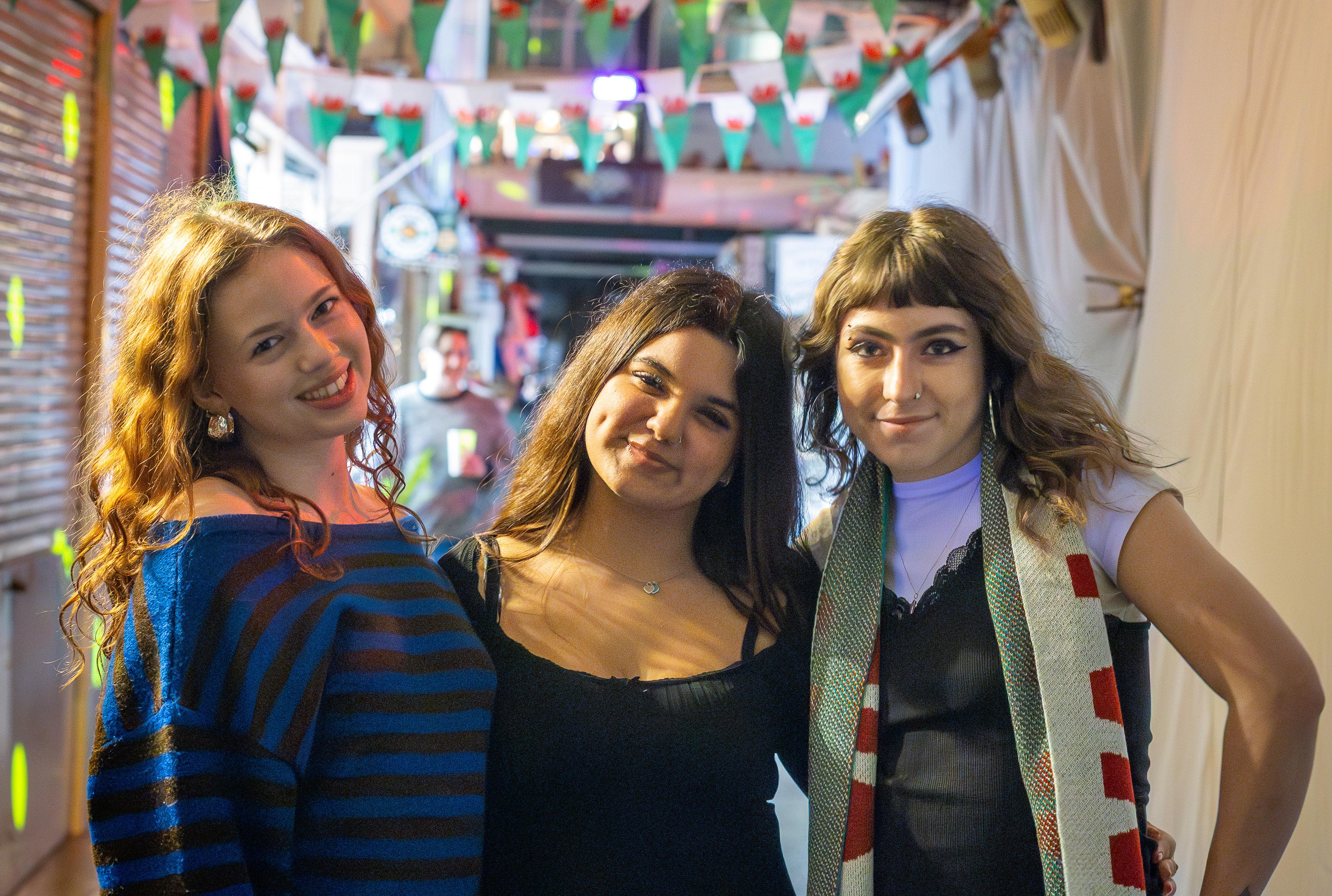
”With St David’s Day here, what better way to celebrate the occasion than with pub golf?!”
Whether you are an experienced pub golfer or perhaps this is something you’ve never done before, we have sorted you a route and some challenges along the way which guarantee chaos and a humorous night out. In honour of St David’s Day, we have included a few locally sourced Welsh drinks to celebrate the occasion properly. All that’s left to do is make the group chat and plan the teams. To make it even more fun, why not dress up for the occasion? Go for classic- coloured visors (shout out to the Joke Shop if you need some), or alternatively, why not fully embrace the spirit of St David’s Day by dressing up in Welsh-inspired outfits!
Rules
• Spilled drink +2 points
• Not participating +5 points
• Fall over +2 points
Drink: Drink of your choice
Par: 2
Challenge: No first names allowed! This one sounds easy, but trust us, it’s a challenge not to slip up. Start thinking of those nicknames to guarantee a giggle and to set the hilarious and competitive tone for the rest of the night. +2 points for every first name used.
Drink: Guinness
Par: 4
Challenge: Split the G! Nominate two people from your team who must work together to split the G on the pint of Guinness. The drink’s level should be brought down to the exact middle of the G in the Guinness logo on the pint glass, each taking one large sip.
For everyone else, complete your pint in par 4 and cheer on your teammates. Closest pair gets -3 points, furthest away gets +3 points.
Drink: Barry Island Gin and mixer of your choice
Par: 1
Challenge: No phones. We don’t want there to be a single phone in sight, so power off that device and enjoy being present in the chaos that is pub golf! +3 points for every pickup.
Drink: Gwynt Y Ddraig Black Dragon Cider
Par: 2
Challenge: No swearing. At this point, you’re a couple drinksdown but that is no excuse to start swearing at this hole. Enjoy your locally brewed cider and avoid any bad language! +1 point for every swear word.
Drink: Shot of your choice
Par: 1
Challenge: Cannot speak to the bartender. Get creative with this one, because you certainly can’t talk to order your drink. +2 points if you speak.
Drink: Glass of Wine
Par: 2
Challenge: Feed your teammate. For this hole you cannot pick up your own drink, so find a teammate and help each other. Make sure not to spill each other’s drinks or that’s a penalty.
Drink: Spirit + mixer of your choice
Par: 2
Challenge: We want to see your best team photos! Grab your team and get creative, then share the photos in your group chat and vote for your favourite. We’d love to see how you got on so post the winning photo on your Instagram story and make sure to tag @Quenchmagcardiff! The best photo gets +5 points.
Words by: Jasmine Mitchell
Design by: Melody Cox
Dial-a-ride: “a tender pertrait of community”
Finding Welsh films and series proved more challenging than I expected when I searched for ways to celebrate St David’s Day. Having never really explored Welsh media before, one short documentary stood out: Dial-a-ride. It follows a community bus that helps elderly passengers travel across the Brecon Beacons and South Wales.
What starts as a story about transport soon becomes a tender portrait of community and memory, woven through the Welsh landscape. The film offers a window into the relationships between the Welsh passengers and bus driver, transforming everyday journeys into reflections on life and belonging in Welsh communities.
Moments of Welsh heritage shine throughout, from the breath taking shots of the beautiful Brecon Beacons to the heartfelt retelling of the elderly passengers’ lives. Each passing mountain view feels like a shared journey through time. One passenger, Ryan, speaks about ‘The Medium’, a space between the spirit world and our world, where he connects with his late wife. Through their ‘mind to mind’ connection, it has allowed for love to transcend death and is a fitting metaphor for how memory keeps the past alive.
The documentary invites viewers into a genuine connection with these elderly passengers as we share their joys, regrets and humour. Near the end, the bus driver reflects on the sadness of funerals, yet instead of delving into the sadness, an elderly woman comments ‘there’s no point about being miserable about it’. What follows is a joyful montage of laughter and happy sentimental music, affirming life’s lightness even in the face of mortality.
Ultimately, the documentary shows that unity and memory is what drives us and it’s something that we can all learn. Whether it’s complimenting a stranger or volunteering at charities, Dial-a-ride proved that there’s nothing stronger than community and memories and that spirit of togetherness is the truest expression of Welsh identity.
Words by: Monique Anne Yabut
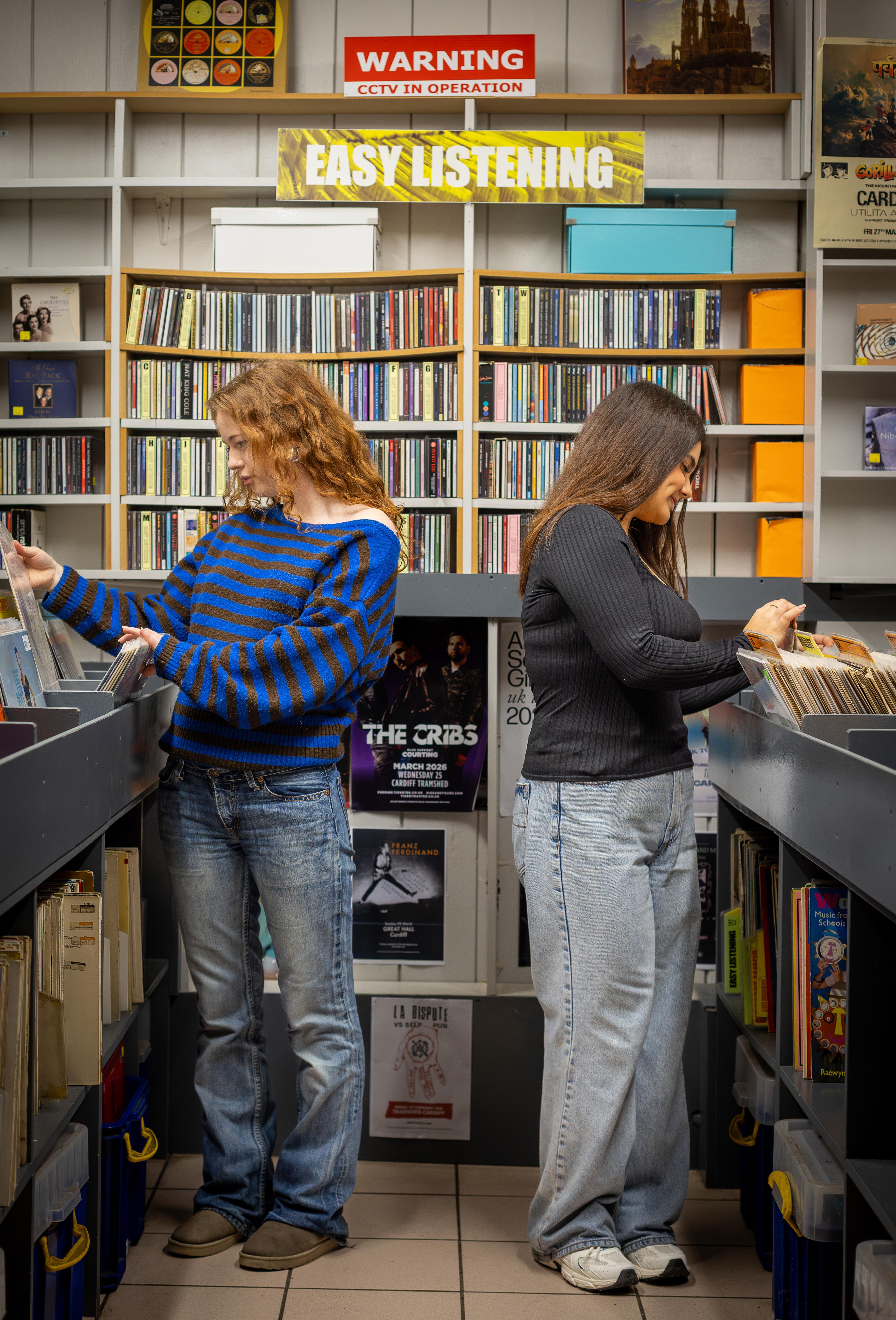
As somebody who is Welsh, I have always felt as though our country had a beautiful, welcoming nature to it. Whenever I go to a cafe, shop, or even bump into somebody on the street, I find myself having a happy, giggly conversation. It is something so noticeable that many of my university friends comment on the friendliness of the Welsh community in comparison to those they encounter at home. It is a unique feature that I am proud to say is part of my identity. As it is something of such beauty, I always feel proud when I see representations of this distinct Welsh feature in TV shows and films. When Monique presented the idea of the Dial-ARide short film, I was not sure what to expect. I had seen the little buses potter around my village but wondered why one would create a short film about those who chose to use them. Yet I was completely infatuated by the beautiful documentary and found myself continuously smiling as the short film introduced each character and their unique stories.
“The strong sense of belonging in each Welsh community”
Particularly, I was drawn to the relationship that Lyndon, the driver of the bus, has with each of his passengers. His humble nature, and the way in which he cares for each member and tells the crew about their backstories representsthe powerful, caring identity of the Welsh. This is beautifully shown within his individual care of each passenger. From commending veteran Mr Rossiter for his war hero stories, to admiring the youthful, chatty essence of the glamourousgroup of ladies we are introduced to. Lyndon perfectly encapsulates the beautiful, caring heritage of Welsh identity.
Specifically, the short film’s acknowledgement of the bus’ diverse passengers encapsulates the strong sense of belonging in each Welsh community. Something that I found was significant within the introduction of Ceri, who slowly began to find comfort in the transportation of the Dial-A-Ride after a traumatic experience. It represents a place of solace for all passengers, a place where they can chat and gossip. I am sure that both you and me could find a comfortable seat on that little bus.
Words by: Lydia Guy Design by: Niko Davey
Welsh cakes have taken Tokyo by storm, with customers in Mitsukoshi mall forming giant queues to get a taste of the Welsh delicacy. This is thanks to the emergence of the British Food Fair in Mitsukoshi Mall, Japan. They sell a wide variety of British baked goods, with Welsh cakes being one of the most popular!
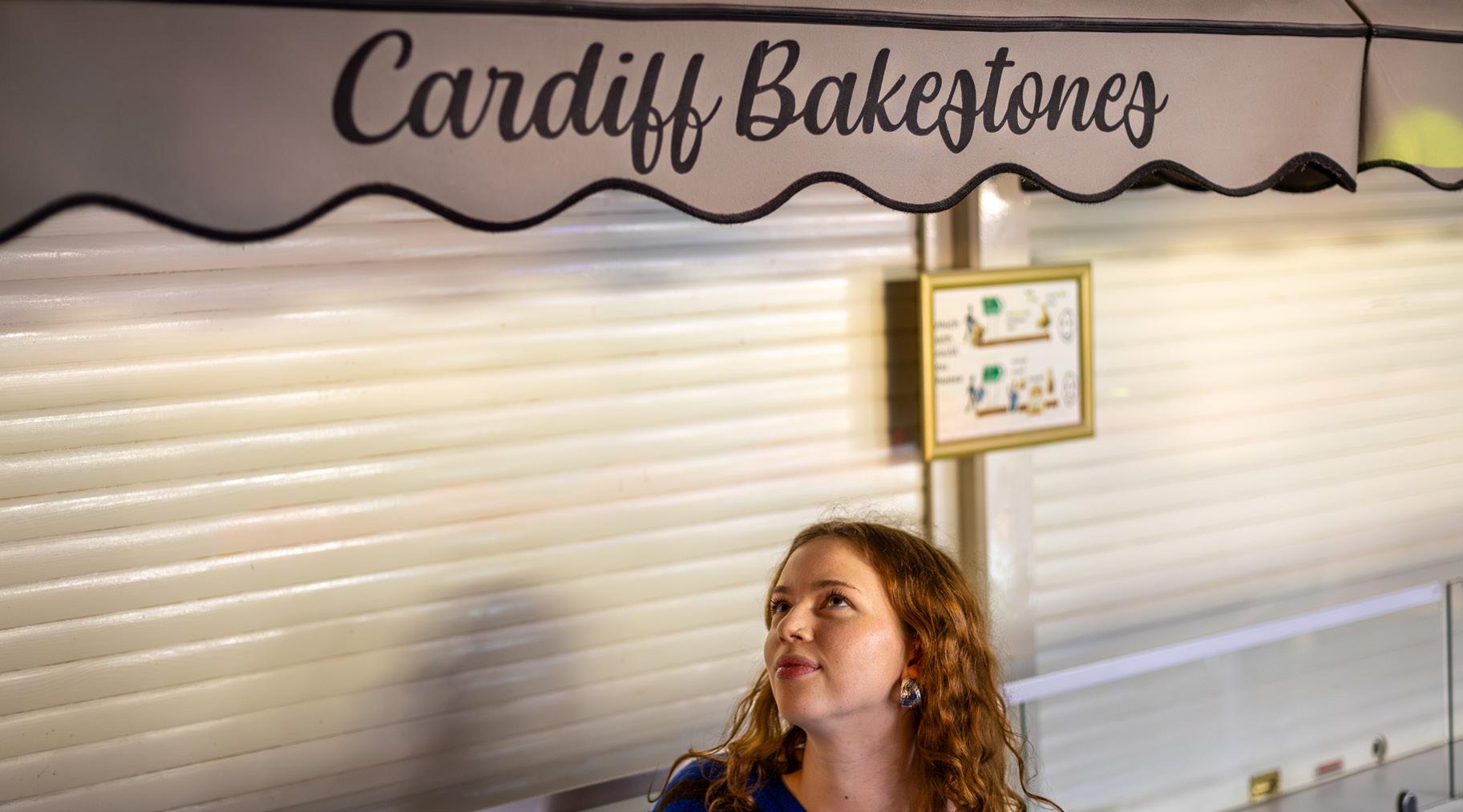
If you have ever been to Cardiff Market, then you have probably seen the queues around everyone’s favourite Welsh cake stand, Cardiff Bakestones – and probably tried one yourself! I was lucky enough to speak to Gaynor, the co-founder of Bakestones, who was flown out to Tokyo to make Welsh cakes for their twice annual fair. She taught Japanese bakers’ traditional Welsh cake-making techniques, as well as selling them in the market herself. I spoke to her about her experience running the business, as well as her time in Japan.
Q: Can you tell me a bit about how your business started?
A: My husband and I started our business in Pontypridd Indoor Market around 25 years ago, as my husband wanted his own business after being made redundant from several factory jobs. We then expanded our business across South Wales to Merthyr Tydfil, Aberdare, Caerphilly and Bridgend. My husband and I are now retired, but our son and daughter have taken over running our business in Cardiff and Trago Mills Merthyr.
Q: What is the most popular type of Welsh cake that you sell?
A: Our most popular Welsh cake is the traditional currant, followed by chocolate chip.
Q: What is your favourite type?
A: My favourite is traditional, although I also love lemon and jam splits!
Q: Do you get more sales towards St David’s Day?
A: St David’s Day is our busiest day, and we get lots of pre orders from schools and businesses. We organise a night shift the day before to ensure everyone gets their order!
Q: What other days are busy for Bakestones?
A: The Six Nations rugby days are also very busy, and a wonderful atmosphere is created on these days. It is great to see fans come into the market to get their warm Welsh cakes before going to the stadium to watch the match.
Q: Do you get a lot of tourists at your stalls in Wales?
A: Yes, definitely. Social media has played a big part in spreading the word. Visiting our stall in Cardiff Market is always advised by travel companies, to sample the best Welsh cakes!
Q: How did your trip to Japan come about?
A: We were invited to Japan in 2024 by Mitsukoshi to their British Food Fair, which goes on for a week twice yearly. It really was a wonderful experience for us and working with the Japanese staff there was fantastic.
Q: How were your Welsh cakes received in Mitsukoshi mall?
A: The Japanese customers really loved our Welsh cakes, and we received a warm welcome and an excellent response. There were long queues but luckily the customers did not mind queuing!
Q: Why do you think Welsh cakes have become such a popular thing in Japan?
A: Welsh cakes and other baked goods have become super popular in Japan due to the British Food Fair. The customers also loved scones and shortbread!
Q: What was your favourite thing about the trip?
A: The best thing about the trip was meeting and working with the staff. They have a great work ethic and loved baking with us!
Words by: Molly Derrick
Design by: Charlotte Hardie-Watts
For many international students, Wales is a place that introduces the lilt of accents, the common use of “alright?” and the infamous Welsh cakes. Chanel, a Malaysian student studying in Cardiff, offers a fresh lens on what ‘Welshness’ feels like from the outside looking in. In conversation with her, I was able to understand Wales through an international perspective.
Q: What aspect of Welsh culture stood out to you when you first arrived?
A: I think the way the Welsh care about their games so much really stands out to me, how everyone will take their time off and either spend time with their friends and family to watch the games together, especially rugby. It’s such a sweet thing to see. Although it does get too crowded in town sometimes, which can be very overstimulating.
Q: Have you learned any Welsh words or phrases that you enjoy using?
A: No, I haven’t, but I do remember having to write a lot of “gwaith dosbarth” (class work) back in high school (yes, I’m still an international student, I just travelled back and forth).
Q: What symbols of Welsh identity (dragons, daffodils, leeks, flags) stand out to you the most?
A: I love the dragon identity. Whenever you see a red dragon, even if it isn’t the specific Welsh dragon, you would know it’s a Welsh thing. I think what stands out is that in my Chinese culture, a dragon means a lot too. It symbolises luck, happiness, and the people around us. Same goes for the dragon of Wales, it represents sovereignty and strength. It just symbolises how strong a community can be if we just work together, positively.
Q: How welcoming have you found the Cardiff University community?
A: Actually, it’s pretty welcoming. People here have always been helpful, even the locals. But I still think Cardiff’s core is a little weird sometimes, because please tell me why there was randomly a pony in the middle of town? But yeah, overall, it’s a very fun community to be in. Chanel’s experience reminds us of the importance of multiculturalism; not only do we learn more about a culture outside our own background, but you also get to spot the little parallels between your own culture and a new one. That makes the human connection feel even more special.
Words by: Kani Abdullah Design by: Melody Cox
The Welsh Love Spoon tradition goes back generations–centuries even. In the 1600s, love spoons were a symbol of a man’s true affection towards a woman. If he gifted her a love spoon and she accepted, then they would get married. It would also prove to the father-in-law that the man was dedicated and skilful enough as he would have made the spoon by hand.
Intricately carved out of wood, love spoons are still given as tokens of affection to loved ones today and each one has its own specific significance. From wedding days to the birth of a child, love spoons have special meaning that are kept as keepsakes for generations to come. Each love spoon is individually carved and created so you will never find ones that are entirely the same. This makes them extra special and thoughtful as a gift.
Thank you to the Castle Welsh Crafts here in Cardiff for having a chat with us and giving us an insight into the history of the Love Spoon! Located opposite Cardiff Castle, the shop has been open for almost 50 years and is home to the largest love spoon ever made if you would like to check it out!
This St David’s Day, why not gift a loved one a love spoon to show them what they mean to you!
Weddings:
When a loved one gets married, it’s so important to commemorate it with a gift. A love spoon with bells would be a cute keepsake, reminding the couple of their love and the day that they were married.
Anniversaries:
With personalised carving, you can have a love spoon that reflects how long a couple has been together. 10 years? 25? You can add these numbers to the spoon to make it even more special.
Newborns:
When a friend or family member has a baby, it is a sweet idea to gift the child a love spoon for them to look back on when they are older. You can do this when they are born or you can gift one as a christening present or for their first birthday.
Birthdays:
Love spoons can be given as birthday presents by partners, family members and friends. With each one holding a special and unique meaning, a love spoon is a perfect gift to show your love for the people close to you. You can personalise the design and add the age too! So why not celebrate a loved one’s birthday with such a meaningful gift?
Friendship:
Love spoons that symbolise friendship often feature designs with interlocking hearts or symbols of connection such as chains or knots. These symbols represent eternal friendship and connection, a lovely way to show a close friend how much they mean to you.
Good Luck:
This is typically given to a newly engaged couple to wish them a happy time together. They often feature symbols representing luck such as a horseshoe or a four-leaf clover. Others feature hearts and knots symbolising eternal love.
Bells = Weddings
Stork = Babies
Celtic knot = Everlasting love
Dragon = Protection
Daffodil or flowers = Affection or growing love
Lauren: I really like the dragon symbol on a love spoon. The design is so intricately done and I like the fact that it is a symbol of protection and strength.
Lucy: I love the four-leaf clover design on a love spoon. The design is simple but symbolic. I like the symbol of strength and hope it represents.

Lauren: I would give one to my mum as a gift to say thank you for everything that she does for me and our family. She always gives such thoughtful gifts so I would love to gift her one to show my love for her.
Lucy: I would love to give one to my grandparents. My grandad is Welsh and my grandma spent a few years of her life in Wales so I think it would be a lovely gift to say thank you for all that they do for my family.
Lauren: I think it’s such a heartfelt and thoughtful tradition. The world needs more declarations of love and affection and I think giving a love spoon is a perfect way to show what someone means to you.
Lucy: I think it’s such a thoughtful and meaningful tradition. It’s a loving way to show someone close to you how much they mean to you and something that they can keep forever.
Words by: Lauren Hazeldine and Lucy Moore
Design by: Emily Allbutt
I grew up in West Wales, went to a Welsh comprehensive school, and to be quite honest I spent most of my teenage years rolling my eyes at the sound of my own first language.
Welsh was compulsory. Welsh in the classroom, Welsh in assemblies, Welsh in the corridors if a teacher was within earshot. It felt less like a cultural inheritance and more like homework that never ended. When you’re 14 and chronically online, trying to emulate American YouTubers like Emma Chamberlain, a language spoken by just over half a million people doesn’t exactly scream social capital. It felt provincial and small. Embarrassing, even.
To be honest, I thought Welsh was cringe.
It wasn’t that I didn’t understand its history. We were taught about Tryweryn, about the erasure of language, about resistance and revival. But when something is embedded into your everyday life, it can lose its mystique. Bilingualism wasn’t a party trick; it was just Tuesday. I took it for granted in the way you take for granted the hills in the distance or the rain on the bus window. It was just there.
When I moved from West Wales to Cardiff University, I carried that embarrassment with me.
It wasn’t a dramatic relocation, still Wales, still home, but culturally it felt different. I swapped a small, predominantly Welsh-speaking town for the capital’s polish: nightlife, politics, internships, and a sea of carefully neutral English accents. In freshers’ week introductions, when someone asked where I was from, I’d say my hometown and watch it land blankly. I don’t actually live near Tenby, but I’d often refer to it anyway; it was easier than explaining somewhere unfamiliar.
The next question was almost always the same: “So do you speak Welsh?”
In first year, I answered cautiously. Yes, but. Yes, obviously. Yes, it’s not that deep. I framed it like an accessory rather than a foundation. Back home, I’d been embarrassed by how Welsh my life felt. At university, especially in predominantly English circles, I became hyper-aware of how Welsh I seemed.
The thing is, I don’t even have a particularly strong Welsh accent. Not the exaggerated, musical version people parody. Mine is relatively soft. But in certain spaces, even subtle difference registers. A vowel held a fraction too long. An intonation that rises slightly at the end of a sentence. Comments followed, small, offhand: “You sound so Welsh when you say that.”
In Wales, my voice had been neutral. At university, it felt marked.
In first year, I softened it further. Slowed down. Repeated myself before anyone asked. I didn’t stop speaking Welsh, but I stopped leading with it. I let English, a certain kind of English, do the heavy lifting. Somewhere along the way, I’d internalised the idea that English was the baseline and Welsh was supplementary. Decorative. Optional.
By second year, I started noticing the contradiction. The very thing I’d tried to minimise was the thing people found interesting. Friends introduced me as “the one who speaks Welsh.” In seminars on identity and postcolonialism, I realised I had lived experience of linguistic politics that others only encountered in theory. I understood instinctively that there is no such thing as a “neutral” accent, only the accent closest to power.
Being bilingual isn’t just about vocabulary. It’s about perspective. It’s about knowing that reality can be described in more than one way, and that neither version is inherently superior.
By third year, something has settled into place;
“I’m proud of being Welsh.”
Not in a loud, flag-waving way, but in the quiet, assured way you carry something that’s yours. I don’t rush to smooth out my vowels anymore. I don’t introduce my bilingualism with a disclaimer. When someone asks if I speak Welsh, I say yes plainly, without shrinking it to make it more digestible. Pride, I’ve realised, doesn’t have to be performative to be powerful.
What I once dismissed as small now feels substantial. Welsh has survived centuries of marginalisation and still threads through classrooms, kitchens, group chats. The fact that I was made to speak it in school isn’t parochial, it’s proof of endurance. A living language is rarely convenient; that’s part of its vitality.
At the start of university, I wanted to be neutral, to blur slightly at the edges. Now, I understand that neutrality is often just proximity to dominance. My accent, my language, my specificity, they’re not obstacles to polish away.
“They’re texture.”
I’m still navigating spaces where my voice registers as different. But difference no longer feels like deficiency. It feels like depth. And for the first time, that feels entirely like something to be proud of.
Words by: Maya Jacob
Design by: Molly James
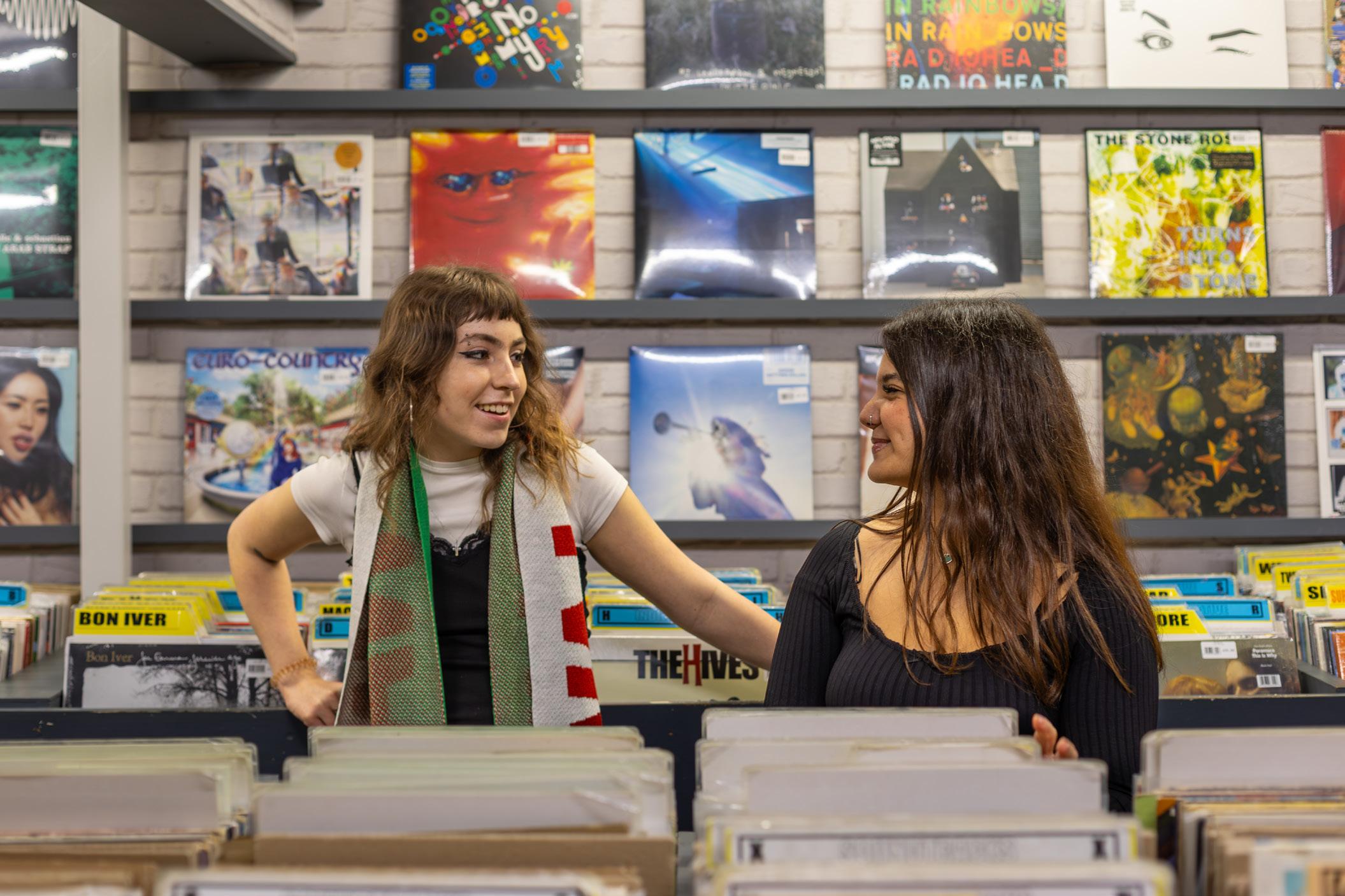
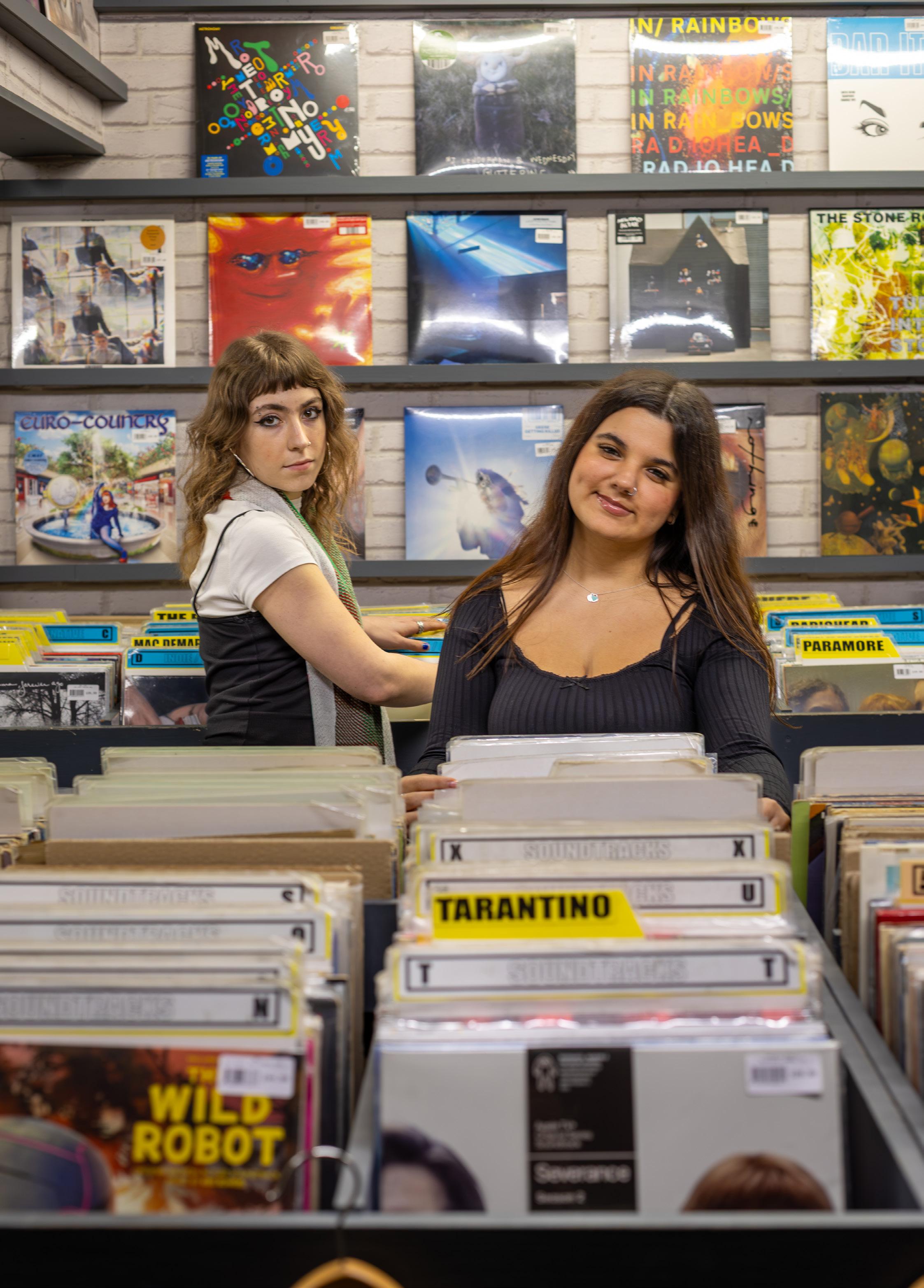
What comes to mind when you think of Welsh music? Is it Hen Wlad Fy Nhadau, the revered national anthem sung at rugby games, or is it Stereophonics, Super Furry Animals and other artists that have pushed the culture? Thinking about ‘Welsh music’ inspires a flurry of nostalgia, heritage and national pride that is so perpetually linked to what it means to be Welsh. Known as the ‘Land of Song,’ the relationship between Wales and music runs deep. So, for this St David’s Day we thought we would look back at the history behind Welsh anthems and shine a spotlight on how musicians from Wales are continually honouring the country with their work.
To look back and uncover the roots of much of today’s Welsh music, traditional hymns are a good place to start. In Celtic traditions, playing instruments and singing were a way to bring communities together; to bond and herald their poetry. It’s easy to draw parallels between these origins and music in Wales today. Even with the staggering amount of independent music labels operating in the city, the enthusiasm for music to champion community is still observable.
There are many traditions that preserve the nation’s musical history, but few do so to the same scale and with such dedication as The National Eisteddfod of Wales - a festival taking place every summer. It successfully ties together the many creative aspects worth championing in Wales, like Welsh language literature and music. The importance of tradition for Wales is nothing short of heartening - identities forged here are intertwined with hymns and folk songs as a musical backbone.
The modern landscape of Welsh music reflects a confident cultural revival, where contemporary sound coexists with its heritage. Folk songs and hymns remain central to national identity, while a new generation of artists and audiences are redefining what “Welsh music” sounds and looks like in the now.
Cool Cymru; a cultural moment for Welsh music in the 1990s. The movement was Wales’ answer to the Britpop boom during the 1990’s, showing a surge of Welsh pride in music, media and youth culture. For many Welsh artists, (Super Furry Animals, Manic Street Preachers and Catatonia to name a few) Cool Cymru put them on the mainstream charts. It made people stop and think maybe Wales isn’t culturally peripheral but creatively influential.
You’ve heard of K-Pop and Latin Pop. Bilingual music is on the rise and Welsh language is no exception to this. Yet, let’s make one thing clear; Welsh speaking is not a genre. From Welsh Hip-Hop acts such as Mr Phormula to post-punk indie-rock act Adwaith and folk group Calan, Welsh language music is a spectrum of different sounds with immense potential. Such acts have created an entry point for Welsh and non-Welsh listeners to learn and engage with the language. With this in mind, these artists work to preserve and build Welsh language and push national identity among younger generations forward.
While national success stories are incredibly important, the foundations remain firmly in its grassroot venues. South Wales spaces like Clwb Ifor Bach, Le Pub and The Bunkhouse nurture and champion Welsh language artists in its local scenes.
With streaming and online media placing these artists and these venues at our fingertips, Welsh language tracks can be bought to international audiences. Today’s playlists blend choral hymns with contemporary sounds, proving Wales’s musical heritage is for everyone.
Words By: Ruby Davis and Emma Howe
Design By: Sophie Walbank




At Cardiff University, St David’s Day is more than just a typical day in the year — it’s a day where many people across campus and the wider city don red, green and white. On 1st March, lecture halls, libraries and student houses across Cardiff take on the festive spirit, as students proudly honour Wales’ patron saint, Saint David. For many living in the city, showing Welsh pride is all about community and identity - what better way to do that than through bold Welsh iconography? These simple fashion choices become powerful symbols of heritage, unity and belonging, especially at a university so deeply rooted in Welsh culture.
Wearing a Welsh rugby jersey on St David’s Day can be a sure and easy way to show your Welsh pride! The iconic red instantly connects students across campus, whether you are heading to a lecture or a pub in the evening with friends. It is a tribute not only to the national sport, but to the widely regarded symbol of Wales. Styled casually with jeans and trainers (or layered under a jacket for unpredictable March weather) the jersey turns everyday student life into a celebration, as it’s both festive and practical.
Everyone loves a slick back, ponytail or oversized headband. If you want to get involved and celebrate the holiday without buying new clothes, a red, green or yellow scrunchie or hair accessory is super affordable and understated. You can easily wear these to both lectures and the pub, instantly making a basic outfit feel celebratory and intentional! Something even more fun would be a ribbon or a cute colourful hat — small details that show you’re taking part without going all in on a full costume. It’s an easy nod to celebrations connected to Wales while still dressing like yourself!
Of course, dressing in red is the best way to show your support for the day - but if you don’t have anything suitable, makeup provides another low-commitment way to acknowledge the holiday through colour rather than clothing. You can go bold — a lot of celebrations involve face paint or even a dragon on the cheek, but it doesn’t have to be dramatic! Even a soft red lip feels wearable for daytime yet adds to your Welsh pride. A touch of green eyeliner, a rosy blush, or glossy red nails can subtly tie everything together. These small choices let you participate in traditions associated with St David’s Day while keeping your usual routine intact.
For a subtler, yet equally meaningful touch, daffodil earrings are a St David’s Day essential. The daffodil, one of Wales’ most recognisable emblems, blooms just in time for 1st March, making it the perfect accessory for a casual night out or even a full day of classes. This jewellery option can add an effortless, patriotic touch to any look - both traditional Welsh dress and modern outfits. The versatility that this offers is so practical for student life, making it an easy and viable option for this St David’s Day.
Celebrating the holiday as students is an amazing thing to be involved in. Get your red tops and jerseys out, or add subtle touches through beauty and accessories this St David’s Day. It’s quick, affordable and easy to incorporate into your day. Whether you are going out or not, you don’t need a whole new outfit to join in!
Words by: Blessing Ajiloseda & Lily Portch
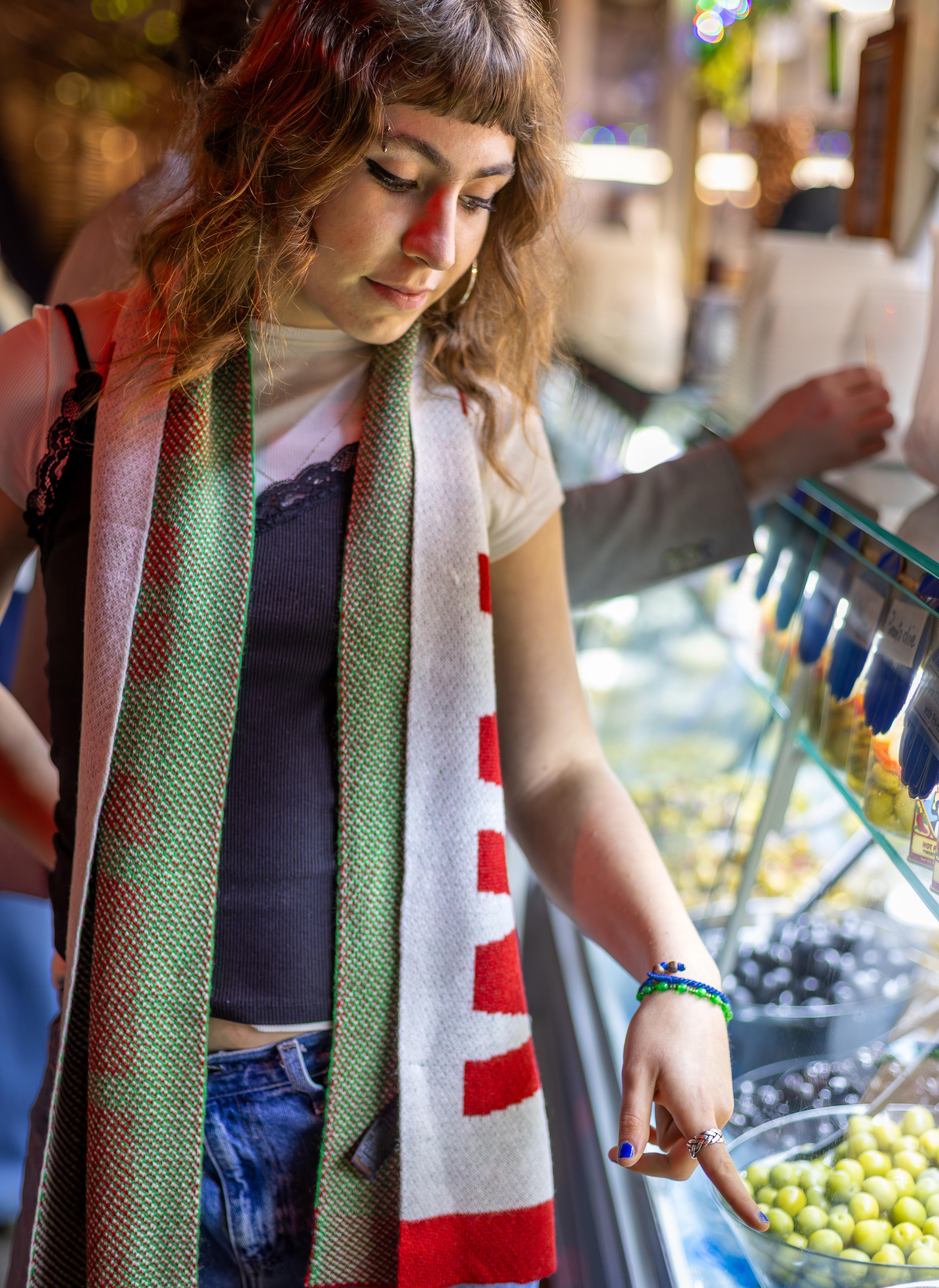
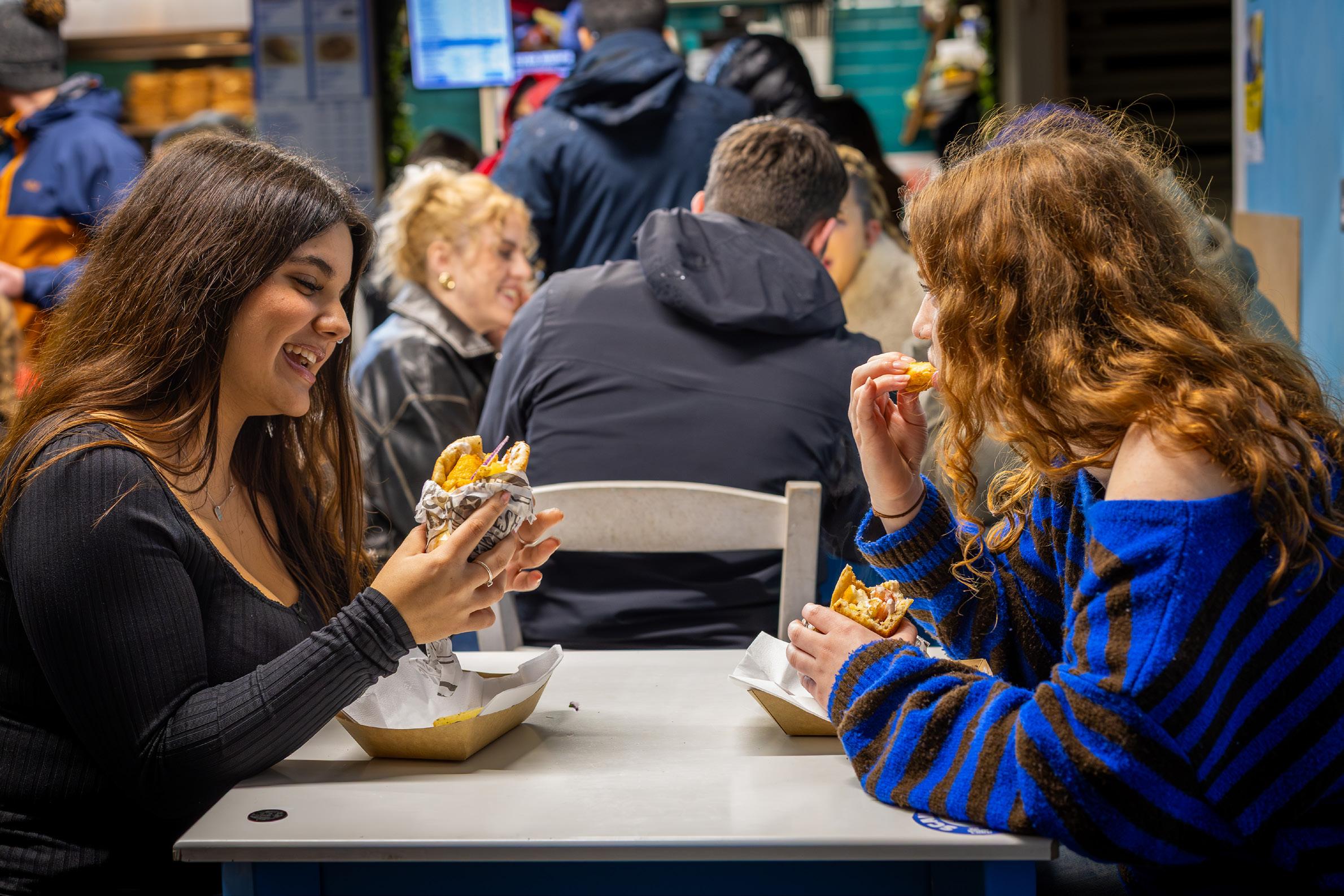
How to celebrate St David’s Day on a student budget
St David’s Day is coming up - but what is there to do in Cardiff, especially on a student budget?
Well, you’re in luck! This article is going to give you plenty of inspiration for St David’s Day! Let’s talk about how you can be celebrating on the 1st of March, no matter if you’re honouring your Welsh heritage or simply joining in on the fun!
One of the best things you can do on St David’s Day is to indulge in some traditional welsh food!
The Welsh cake is a firm favourite, especially with the range of flavours you can find at Cardiff Bakestones in Cardiff Market or at the Fabulous Welshcake store in Castle Arcade.
You could even have a go at making your own Welsh cakes with friends! The Cardiff Townhouse is celebrating St David’s Day in style with a Welsh cake making masterclass on the day. All you need to bring is 100g of your chosen dry ingredients to personalise your Welsh cakes. You’ll be able to take home with you 12-15 Welsh cakes to enjoy or share (sharing is optional of course).
If you fancy something more savoury though, plenty of cafes around Cardiff serve a Welsh Rarebit. It’s some crusty toast, with a thick, cheesy, cooked sauce poured on top, if you haven’t heard of it. Sounds like a dream!
Another way of celebrating the day is by getting outside and getting involved in the festivities. It will be hard to miss the national St David’s Day Parade in Cardiff! Flags and banners will be in the sky, alongside the sound of the national anthem being sung by the masses. During the parade, you’ll see food stalls, plenty of music and sport events to celebrate Welsh culture and its accompanying traditions.
You could also get involved in the Bute Park St David’s Day Run where you can run a 5k, 10k or even a half marathon. This enthusiastic event features chip timing, medals and refreshments so if you’re an outdoorsy person who loves a run, this would be the perfect way to celebrate the holiday.
If you’re looking for a simpler way to celebrate St David’s Day, then wearing a daffodil or leek is an easy way to connect with the Welsh identity and honour its symbols. Especially if you don’t fancy wearing a full traditional Welsh outfit (not to say you can’t do that too)! This fun and lighthearted tradition is sure to spark conversation and perhaps will lead to learning more about Welsh culture than you did before.
4. make a day of it!
Whether you’ll eat a bunch of Welsh cakes, go out running in the city or dress up in traditional welsh outfits, remember to have fun! Enjoy discovering the diversity and vibrancy of Wales and its culture.
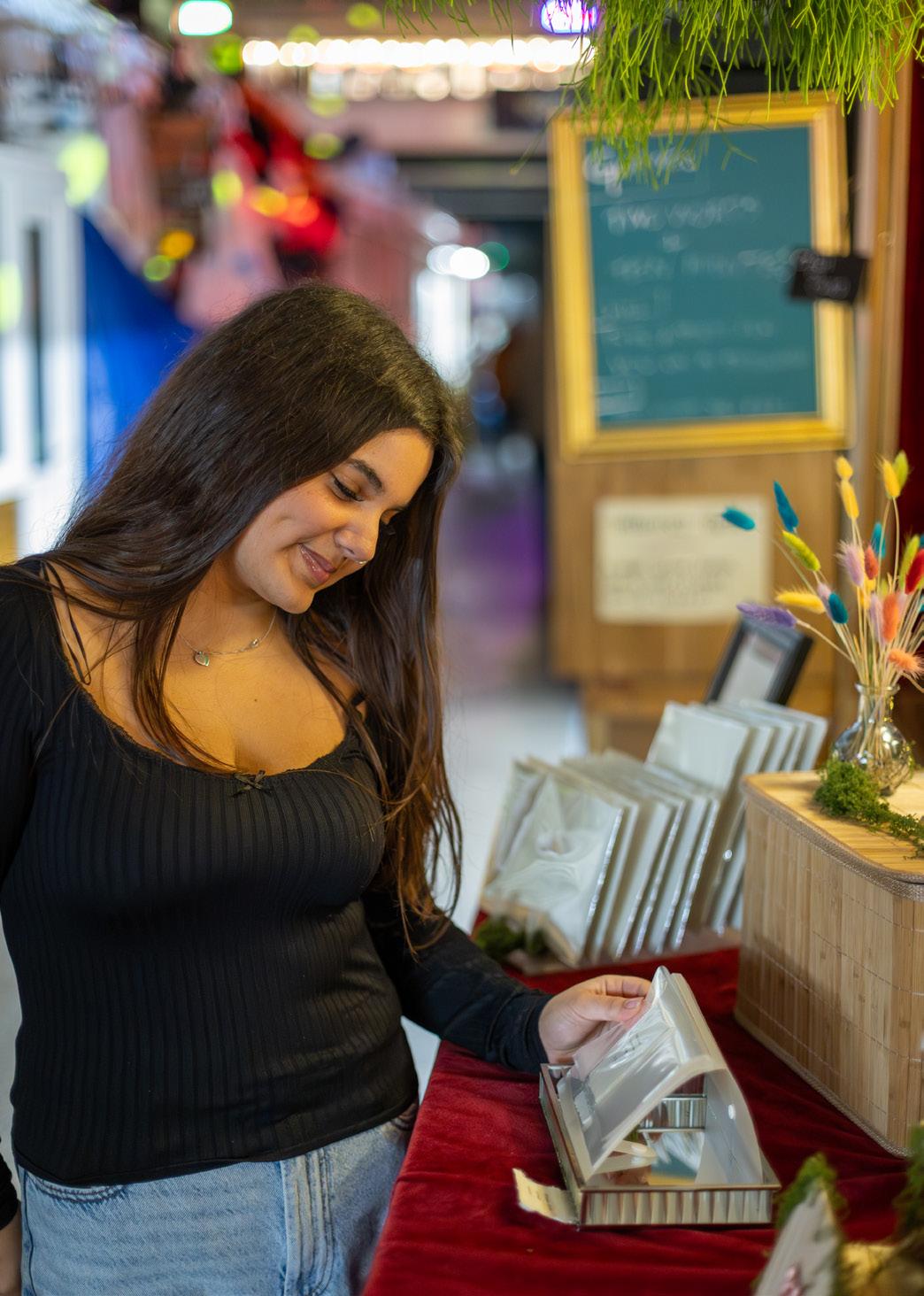
Every year on the first of March, St David’s Day turned my Welsh primary school into a festival of colour, pride and imagination. It was one of the dates on the school calendar we all looked forward to as a celebration of everything that made us proudly Welsh. The excitement began days in advance, as teachers reminded us to come in our traditional outfits. The girls wore their red shawls, tall black hats and white aprons; the boys came in flat caps or bright yellow sunflower hats, waving Welsh flags. Even the classrooms smelled faintly of daffodils and leeks that our parents pinned to our clothes that morning.
“Welsh Folklore, that rich and mysterious treasure chest of legends”
St David’s Day wasn’t just about the parade or the singing assemblies that filled the hall with the sound of ‘Hen Wlad Fy Nhadau’. It was also a day devoted to creativity and literature. It was a chance for us to write, draw and imagine Wales as our little minds saw it. The highlight for me was always the creative writing projects. Our teachers encouraged us to base our work on Welsh folklore, that rich and mysterious treasure chest of legends and heroes that shapes so much of our identity. For weeks leading up to the celebration, our classroom transformed into a workshop of storytellers, poets and creative artists.
I still remember my friends and me sharing what we were writing about. Some chose legends of dragons or the story of Gelert, Prince Llywelyn’s faithful dog. Others wanted to think creatively and write their own poem describing the Welsh landscape. I decided to write about the tragic love story of Rhys and Meinir, a legend from Nant Gwrtheyrn that stayed with me long after I first heard it.
Rhys and Meinir’s story was one of love, loss and the power of folklore to make you feel something timeless. As I rewrote it in my own words, I imagined their wedding day on that misty mountainside and the heartbreak that came when Meinir vanished as she took part in a hide-and-seek game, only to be found years later hidden inside a tree.
“Folklore
As a child, I felt there was something hauntingly beautiful in the way nature became part of their story. The most memorable part for me was how Rhys searched for Meiner for years and found her body in a tree, realising she’d fallen and been trapped. He lay next to her, unable to get out and died peacefully next to the love of his life. It touched me how grief and devotion could echo through the Welsh woods for centuries. Writing that story made me realise how folklore bridges past and present, turning ancient voices into whispers we can still hear if we listen closely enough.
Around me, my classmates poured their hearts into their ideas. I remember one of my friends writing a poem about the powerful red dragon of Wales, comparing it to the fierce pride the Welsh feel for their country. Our school slowly transformed into a gallery of Welshness, each piece of work was laid on tables in the very long corridor we had, with each piece of work telling its own small story about who we were and where we came from.
My sister, who was in the younger class next door, had her own St David’s Day project. While we wrote about legends, she focused on drawing what Wales meant to her. She worked on a huge cardboard poster, made from a used pizza box, drawing the Welsh football team, with Gareth Bale, his ponytail flying, and Aaron Ramsey cheering beside him. It was a tribute to modern Welsh heroes who, in their way, carried the same spirit of pride and resilience that filled our old stories.
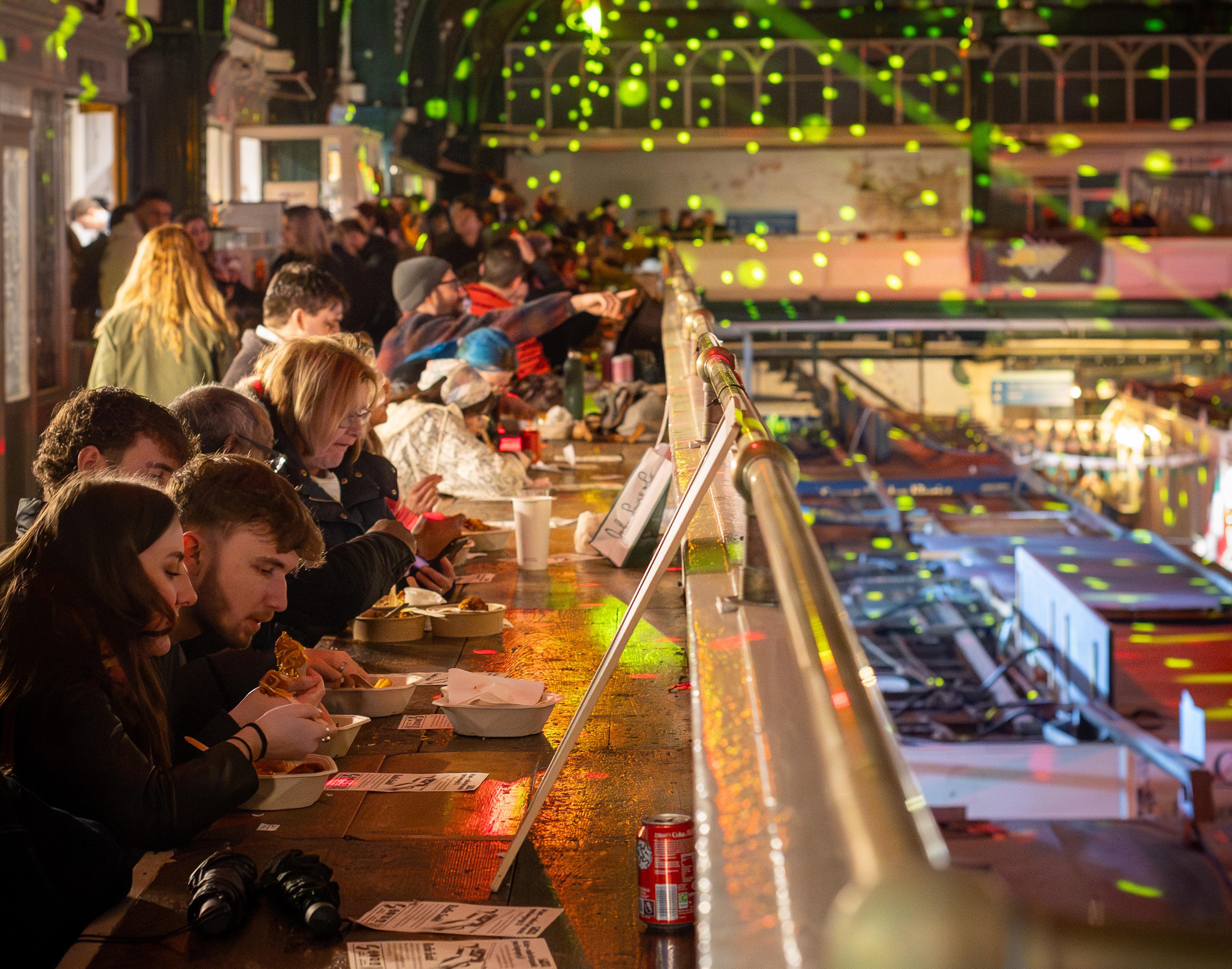
“Those St David’s Days weren’t just school events; they were lessons in belonging”
The school gathered in the hall as the St David’s Day assembly lasted throughout the day, with all classes cancelled. The air was thick with the smell of freshly baked Welsh cakes, which our teacher had brought in. The winning pupils read their poems aloud and their essays after receiving their certificates.
Looking back now, those St David’s Days weren’t just school events; they were lessons in belonging. As a Pakistani girl who was born in Wales, I felt connected to my Pakistani heritage through celebrating our cultural events like Independence Day and Eid, but I also felt a strong sense of belonging to my Welsh community. I also learned not just to celebrate Wales but to interpret it through creativity. Whether through words, drawings or daffodil crafts, we discovered that culture lives when you make it your own. Every story we wrote, and every line of poetry we read out loud, was another way of saying: ‘This is who we are.’ Perhaps, this is the real meaning of celebrating St David’s Day – keeping the stories and spirit of Wales alive through the voices of its children.
Words by: Alicia Tariq
Design by: Emily Allbutt
@Braidssbymabel
I have been passionate about hair throughout my life and have been doing my own hair and hair for my friends for many years, but since realising that a lot of black people don’t have a local braider and don’t know who to go to for advice about hair and scalp health, I decided to create a space where men and women can come for braiding, cornrows and extensions, but also for tips on how to achieve your hair goals and keep your hair and scalp healthy.


Ques is a student-first discovery and community platform built to make university life easier, more social, and more connected to what’s happening on campus and across the city. It began as a response to a simple problem: even in a city full of opportunities, students especially those new to the area,often end up going to the same places because they don’t know what else is out there. Ques evolved from a basic hub for finding local deals and events into a two-sided platform serving both students and venues, focusing on measurable value rather than vague “promotion.” As it grew, the business shifted away from flat monthly pricing toward performance-based monetisation (charging only when offers are actually redeemed), and more recently it’s been developing AI-driven features to make discovery more personalised for students and marketing easier, faster, and more scalable for partners.
Design by: Charlotte Hardie-Watts
Cewch i fwynhau pice ar y maen