Meet the Editors
As the new year approached and the thought of my final semester of University in Wales crept in, I thought about how I began my journey in Cardiff and how it is soon ending. Spending the past three years here has been a whirlwind of emotions. There are certainly some joyous memories I keep from living here and some other, more difficult ones. One thing I know, Wales is a beautiful country. The landscapes, beaches and mountains are severely underrated. This issue theme came to me as a way to bring some Welsh countryside and culture to light. We often seek things that seem unattainable but sometimes they are right under our noses! I feel like Wales has so much to offer in terms of countryside treats and traditions and hope that this issue brings some sense of belonging to those navigating their own culture and living in someplace new, like myself. This issue is not about being proud or only allowing ourselves to belong to one place. It is about appreciating the small things around us and coexisting together as a community of people. I began my Quench journey with POP, followed by Costume. I imagined the peak of each person and what that looked like, followed by a disguise of the self. Country puts these ideas to question and asks, can we simply exist and belong together?
At the time of the release of this issue, my birthday will not be long away. I am turning 21 this year. I often remember being younger and thinking of how I couldn’t wait to be this age (and also having my own washing machine, bizarrely). I am so proud of the work I have achieved for Quench and what lies ahead. Putting a small piece of yourself into something that has been there before your birth and, hopefully, past your death is a complicated feeling. I want to make Quench my own but need to also keep the legacy that has been growing since 2003. Country accompanies me in this new year. It reminds us of where we started. I grew up in the country and hope to keep going there. Country is not a place but a feeling.
I wanted to conclude this letter with a quote from The Lord of the Rings. I couldn’t find the perfect one, so I am ending this by encouraging you, readers, to think of the Fellowship of the Ring while reading this issue!
- Charlotte, Editor-in-Chief
Issue 210 and we are back with COUNTRY!! This theme is so versatile and has been so much fun coming up with the wonderful articles and their gorgeous designs.
Being a Welsh magazine, we of course wanted to pay homage to the beautiful country of Wales. We have articles featuring some great places to buy local in Cardiff, and I was lucky enough to interview Warren Carr - a baker based in Radyr (see extended edition online)! We have really tried to encompass all that country can mean to our student readers, from what to wear on trips to the races to a guide for getting out of Cardiff city centre and into the countryside.
Having just turned February, this theme is so apt for this time of year, being all about renewal and refreshment, so having some homemade meal inspo, to some leisure time activities is a great place to start. Cottage-core can seem so out of reach for students, only relating to those who leave their term-time accommodation and return to their rural lives in breaks.
Well, I hope this makes cottage-core more accessible for everyone - you don’t need to look outside your window and see a range of farm animals to provide you with that wholesome, homely vibe. We’ve done our research and this issue can hopefully provide you with some inspiration to ditch the city girl aesthetic for a weekend and be your true country self!
Diolch a mwynhewch, -Molly, Deputy Editor
Welcome to Quench’s first issue of 2026 which explores all things country! We’ve taken a refreshing detour away from the city and into the rolling hills of the Welsh countryside. As a girl who’s grown up in the countryside, this issue feels very close to home and highlights the serenity of being immersed in nature and the sense of connection that it provides.
Aside from the wonderful capital city that we study in, Wales has so much to offer in its beautiful landscapes. This issue was an absolute delight to put together and showcases the importance and versatility of Wales’ rurality: from folk love stories to Hollywood blockbuster movies, the Welsh countryside is the backdrop to a plethora of amazing things.
On page 46, you’ll find your February/March horoscopes, a fun new addition for this issue. If you’re looking for some guidance and direction in the new year, look no further as they have you sorted!
This edition should feel rustic, pastoral, idyllic and most of all, refreshing! We hope that you enjoy reading this just as much as we enjoyed putting it all together. Take a break from your studies and dip into our snippet of rural escapism.
-Jemima, Deputy Editor
Meet The Team

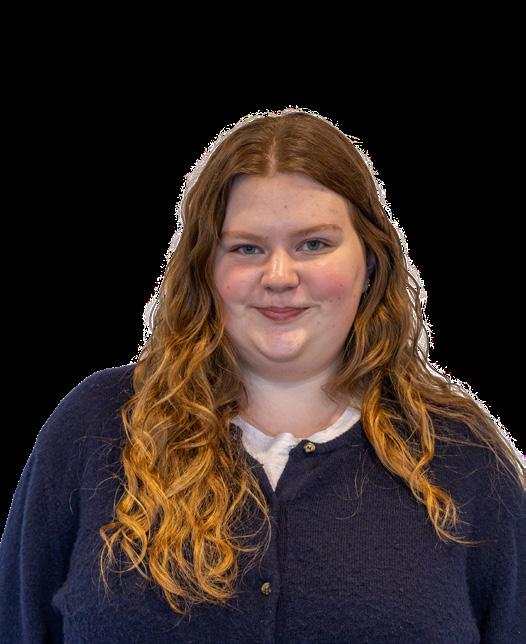








Charlotte Hardie-Watts Editor-In Chief
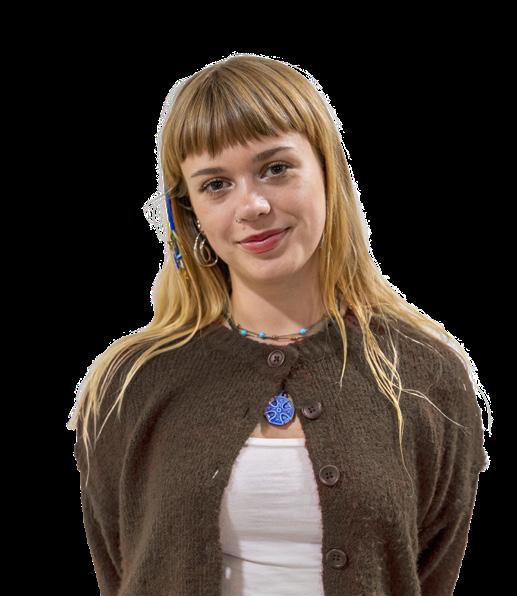
Molly James Deputy Editor
Jemima Lake Deputy Editor
Ola Rzeszut Features
Jessica Scurlock Features
Lily Portch Blessing Ajiloseda Fashion
Victoria Deviana-Wedge Culture
Emily Gillbard Culture
Monique Yabut Film & TV
Lydia Guy Film & TV












Kani Abdullah Travel
Molly Derrick Travel
Erin Davies Clebar
Lili Ray Clebar
Lucy Moore Love
Lauren Hazeldine
Kitty Connolly Literature
Alicia Tariq Literature
Eiriana Zhou Food & Drink
Ruby Davis Music
Emma Howe Music
Jessica Fotheringham Beyond
Maya Jacob Columnist
Seren Ward Social Secretary
Jasmine Mitchell Food & Drink





Sophie Walbank Head of Design
Emily Allbutt Page Designer
Niko Davey Page Designer
Adriana Coulter Page Designer
Melody Cox Page Designer
Kas Bayat Photographer
Eve Harris Photographer
Lucy Bremner Illustrator
Jahdai Headley Illustrator








Erica Russell Head of Social Media
Mia Bikova Instagram
Meagan Griffiths X
Martha Spencer Instagram
Deryn Whitehouse TikTok
Alyssia Hampson Copy Editor
Priyanka Seepaul Copy Editor
Kyle Adam Copy Editor
Lydia Byrne Copy Editor
Hollywood in Wales: Welsh countryside in blockbuster productions
In the second season of HBO/Sky Atlantic’s House of the Dragon, the Welsh countryside plays a key part in bringing Westeros to life, standing in for everything from sweeping mountainous landscapes to the grandest of castles home to the noblest Westerosi families.
Notably, Yr Eifl (Trefor) Quarry has been used to portray the exterior scenes of Dragonstone Castle, the seat of Emma D’Arcy’s Queen Rhaenyra Targaryen. Similarly, Dinorwig Quarry was moulded into the cursed castle Harrenhal, where Matt Smith’s Prince Daemon Targaryen faced off against hauntings and horrors. Additionally, Ogwen Valley in Snowdonia National Park was the setting for a scene featuring a band of horse riders. Anglesey has also appeared prominently, with Porth y Cwch’s beautiful views creating pathos as a major character’s body washed up, and Beaumaris and Penmon have starred in dramatic battle sequences. The striking, awe-inspiring nature of these locations ensures they serve as perfect backdrops for the grandiose fantasy epic.
Executive Producer Kevin de la Noy complimented Wales’ “stunning scenery,” saying “thank you, Wales!”. Perhaps, then, we haven’t seen the last of Wales in the series. After all, is there anywhere more fitting to film House of the Dragon than in the country of the dragon?
Words by: Isaak Hewitt
As a curious movie fanatic, I remember when I decided to study in Cardiff and searched for movies that were shot in Wales. Surprisingly, it just so happened that one of the most memorable scenes from Harry Potter was filmed here in the North.
Freshwater West in Wales was used for dramatic beach scenes in Harry Potter and the Deathly Hallows. The Shell cottage was constructed and used as Bill and Fleur’s safe house, but it also became the setting for Dobby’s death. The touching scene shows Harry burying the free elf along with his friends and honoring his sacrifice and loyalty. Dobby’s death represented the death of innocence, and is a very important scene for the movie, with the setting playing a big role in what makes the scene so powerful.
The surroundings were in a way a reflection of what the characters and viewers were feeling, with the gloomy beach and weather symbolising sadness and grief. Although a tragic scene, it was portrayed beautifully. Dobby’s body was reflected in the sand whilst being carried, the gray colours and harsh winds harmonised with his cold body. The sound of the waves and tears muffled the silence and emptiness of the beach. The peaceful surroundings created a calming death, fulfilling the beloved character’s wishes. With Dobby’s last words being “such a beautiful place, to be with friends”, finalising the emotional but perfect goodbye in the most fitting place.
Words by: Sofia Simaan Cantuaria
There is an authenticity to film locations, especially those set amidst striking landscapes, that is not achievable in a studio. Whilst it may be argued that discovering these locations can act to underwhelm or demystify, I find it to be quite the contrary. Moreover, when these film locations are accessible to the viewer, there lies an opportunity to experience a snapshot of the film itself.
In particular, an image of Henrhyd Falls comes to mind, the site of the iconic Batcave in Christopher Nolan’s The Dark Knight Rises (2012). Situated in the Brecon Beacons National Park, the 90ft waterfall, standing as the tallest in southern Wales, captures the breathtaking atmosphere of the iconic film setting. I have been to the falls and must admit that the white, cascading veil of water, set amidst the dark rocks and vibrant moss, is quite a spectacle.
The wild, unruly Welsh landscape reflects Christian Bale’s raw and untamed performance, lending further to Nolan’s incredible film. Thus, the discovery of this film location by no means surprised me; it felt appropriate that such a powerful setting should feature not just at the end of the film, but of the franchise in its entirety.
Words by: Harry Youlten
Design by: Adriana Coulter
Welsh Fairytales:
Rhys and Meinir
Growing up, I read a vast array of tales depicting love and magic. Tales that fuelled my vivid imagination. Ones that kept me up at night, dreaming of the possibilities of the world. From books like The Magic Faraway Tree to medieval legends, any story that contained a fantasy world was a hit. Even now, I find myself drawn to romance or fantasy books. ‘Romantasy’ if you will. They offer an escape from the real world into a land of adventure and fun. Something that will leave you feeling positive and content. A source of happiness.
Having the opportunity to study in the capital of Wales, a country that feels magical itself, has instilled a curiosity in me for their tales of folklore and adventure. Holidays to the Welsh countryside growing up offered a magical insight into the land, daytrips visiting castles and coastlines that all seemed to hold their own stories. So, what tales of courtship and magic can be found in Welsh fairytales themselves?
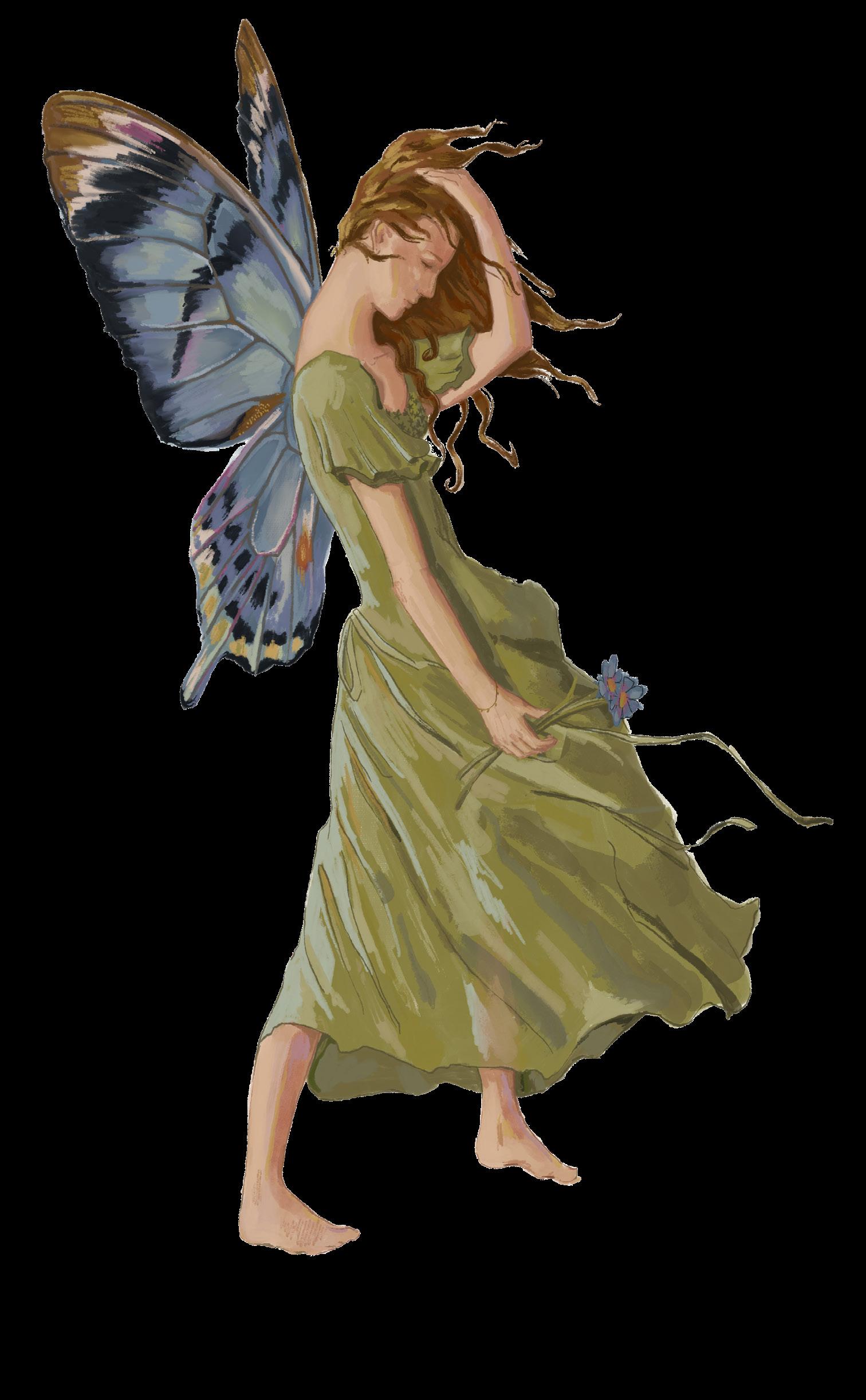
There are a few folklore tales that have stuck with me. In particular, there is the tale of Rhys and Meinir. A tale of tragic love. A wedding day game of hide and seek that leads to a devastating truth. Rhys and Meinir were childhood friends turned lovers, who bonded while playing by a hollow tree in the Nant Gwrtheyrn valley. Before their wedding, there was a tradition in their village where the bride would go and hide, and it was a quest to find her before the ceremony.
And so, Meinir goes to hide in her wedding dress from her party. But she ultimately hides too well. Rhys cannot find her and the party tries to help him. They search and search, but they cannot find her anywhere and they give up. Years later, Rhys is travelling across the valley and shelters under their childhood oak tree.
Lightning strikes, the trunk is broken and inside is a skeleton in a wedding dress. He dies on the spot. This tale shows the power of Rhys’ love, a love that defies even death. In his heart he never stopped looking for his lost bride.
Despite the tragedy, the tale is still beautiful and a powerful display of love. And even to this day, there are tales of a ghostly couple walking hand in hand across the valley. Reunited for eternity in death. A legend that has carried over centuries. Tales like this are what brings magic to folklore and storytelling. Our ancestors might have heard this tale and now, we do too, connecting us all together through the power of love
Words by: Lauren Hazeldine
Design by: Jemima Lake
Its Love Stories
The story of Santes Dwynwen, the Welsh patron saint of lovers, is one of the most beautiful yet heartbreaking tales. I was taught the story in school for Welsh Valentine’s Day (Dydd Santes Dwynwen). Since then, the tragic tale of Dwynwen and Maelon has stuck with me as a favourite.
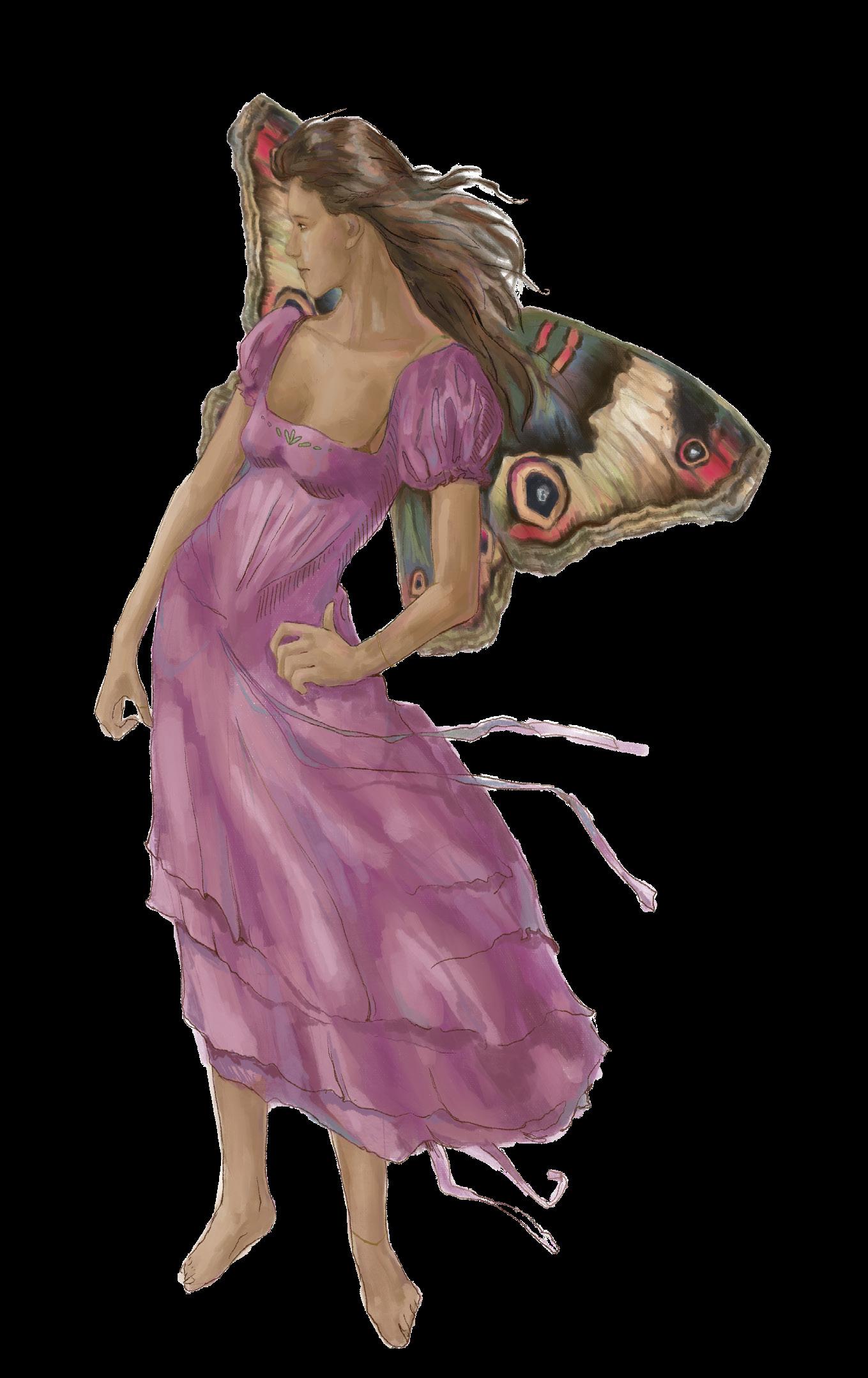
Santes Dwynwen was a princess, daughter of King Brychan Brycheiniog. She was in love with the prince Maelon, from a different Welsh kingdom. Maelon had asked Dwynwen’s father for her hand, but he refused, having arranged a different marriage for Dwynwen. aelon grew angry at her, and so she ran away heartbroken. She met a spirit who told her Maelon would never bother her again, having been turned into ice. The spirit granted her three wishes. So, she wished for Maelon to be thawed, to never fall in love again, and to protect true love in her name. She then devoted her life as a nun, setting up churches all across Wales to pro- tect lovers. Ynys Llanddwyn, and finally Anglesey where she passed.
Following her death, the well Ffynnon Dwynwen was built in her name. This well is said to be home to sacred fish predicting the future of lovers through their movements. When the well occasionally boils up, those witnessing will be lucky in love. Dwynwen’s dedication to love has been cherished by those in Llanddwyn, with locals continuing to celebrate her life and story. Pilgrims also still venture to the island in her name!
There’s a lot that can be learned from Dwynwen’s story. Personally, I feel it emphasises the lengths we find ourselves willing to go to protect and honour true love. Whether it be romantic, platonic, familial or self-love. Dwynwen’s devotion and her vow to never love again stemmed from this love she had for herself and others. Her story shows how powerful love is and how it makes us stronger. Dwynwen also wanted others to be happy in love, something she couldn’t achieve. The story also subtly preaches selflessness through Dwynwen’s devotion to looking out for others across the country, as well as thawing Maelon despite her heartbreak.
Dwynwen’s story has been so influential for Wales, such as its prominence in Llanddwyn, and beyond. Every year, celebrations for Dydd Santes Dwynwen increase. It’s now taught in schools and celebrated all throughout Wales! One of the most prominent ways to show affection on this day is through love spoons. Traditionally, this would involve engraving one’s name on a small wooden spoon, with intricate designs, usually shaped like a heart. Nowadays it’s much more convenient to buy one, but the sentiment remains. Especially as more and more gift shops now sell love spoons.
In short, the story highlights the strength and beauty of love and selflessness. It’s a favourite tale and a source of pride for many, with countless celebrations of all kinds throughout the country!
Words by: Mia Kate Petts
Dwynwen and Maelon
The Beauty of the Welsh Language
To love a language is to believe it’s worth saving. ” “
Love can appear in many forms. Maybe it’s a cwtch from your friends and family after a long day or in those deep late-night conversations with your housemates. It can also appear in that inexplicable pull of a place you didn’t realise you loved so much until you left. In Wales, love is alive in the Welsh language. Yet, despite its beauty, the Welsh language has spent centuries fighting to survive.
The Welsh Language evolved during the Anglo-Saxon period and thrived during medieval times. However, following Henry VIII’s Act of Union in 1536, its use was banned, and its official status was removed. In 1870, English was made the sole language of education. Welsh was eradicated from the school system and during the 19th century, signs were hung around the necks of children who spoke the language :The Welsh Not. Today, more than a quarter of the population of Cymru can speak Welsh. The language is the only Celtic language that is not considered endangered.
The Welsh Language Act of 1967 allowed Welsh to be used in courts. Radio Cymru launched in 1977, and Welsh TV channel S4C launched in 1982. The language has survived many decades and fought many battles to stay alive. Now it’s our turn to show our love for it.
Welsh isn’t just a means of communication. It’s a language of feeling. Take the word hiraeth, which has no English translation. It is described as a bittersweet longing for home, a place, a person or time that is distant or perhaps no longer in existence. It’s a feeling of love, nostalgia and grief. A beautiful word for such a charming concept. Living away from home can be hard, so when you’re missing home or missing a sense of comfort at university, take a moment to consider this beautiful phrase. I, for one, feel at home in daily routines and morning rituals. I strive for a sense of calm in those quiet mornings and yearn for them when they are gone. In moments with friends that fill my heart with a warm, fuzzy feeling. When laughter fills the room, I find myself too yearning for these moments when they are gone. Take a moment to think about your own feelings of hiraeth in the fleeting, everyday comforts, or when you’re on the train back home from Cardiff at the end of term.
Another term, cariad, is a Welsh term of endearment meaning ‘love’ or ‘darling’. I firstly think about the song ‘Cariad’ by the Royston Club, detailing the messy aftermath of a breakup. It captures conflicting feelings of trying to let go while still feeling deeply in love. The lyrics are relatable to many, and can all be captured in the beautiful word of cariad. The band from Wrexham wrote this song as an homage to their Welsh roots. They tie the song’s emotional message to a strong sense of identity.
To see how Welsh enamours itself with Cardiff University students, I asked a few of my friends which Welsh words they knew. They all immediately said cwtch. “It just sounds so much better than hug, it’s so catchy”, one of them mentioned. If you haven’t heard it before, which I highly doubt if you go to Cardiff Uni, cwtch means cuddle or hug. You’ll often hear your mates saying give me a cwtch, or see it displayed on boards in local coffee shops or clubs in Cardiff.
Speaking to my friend Ella, she describes how she wants to continue learning Welsh and reignite her passion for the language. Ella, a JOMEC student, grew up in Pembrokeshire and learnt Welsh in primary school through to her A-Levels. Whilst not being a fluent speaker, Ella wants to continue learning the language throughout university. “I love my home, and I want to honour that by continuing to learn as much as I can. I think it’s really important”.
To love a language is to believe it’s worth saving. I, for one, believe that Welsh doesn’t just describe love, it embodies it. In every cwtch, cariad and quiet moment of hiraeth, the language reminds us that love is unconditional. It is all around us in the words we hear and the stories that we tell.
Words by: Lucy Moore
Design by: Charlotte Hardie-Watts
In every cwtch, cariad and quiet moment of hiraeth, the language reminds us that love is unconditional. “ ”
The Races
The races have long been associated with money, class and spectacle, but in recent years, they’ve also become an unexpected stage for student fashion. The Welsh countryside is temporarily transformed into a rural runway: the perfect opportunity to flaunt your immaculate style and taste. Race day offers a form of escapism from the not-so-glamorous realities of university life, allowing students a peek behind the velvet curtain into the cushy, natural habitat of the high society attendees of Ascot. Chepstow student races are more relaxed. However, no harsh dress code means more freedom to experiment with different silhouettes and ‘off the moment’ pieces. The result is a beautifully eclectic blend of class, echoing the elegance of Ascot, with a touch of casual flair. It can be difficult to stand out between the vibrant explosion of fur, florals, trenches and tartan, so here is a basic guide to your quintessential races wardrobe.
Coats:
The centrepiece of the outfit – it can heavily de fine the aesthetic of your entire look. Trench es, fur coats and leather jackets are popular choices. If your coat is destined to become a wardrobe staple beyond race day, a cheeky investment might feel justified. If so, Damson Madder and Hemi Blurr offer stunning piec es guaranteed to generate compliments. For those searching for a budget friendly option, Vinted is a great option – search for brands such as Karen Millen and COS.
Accessories:
For jewellery, hit charity shops to find unique pieces such as pendants or brooches. Con sidering wearing a scarf? It can be the per fect way to add impact, if the rest of your out fit is basic or monotone.
Creativity over consumption:
Formulate an outfit with what you already own. This can be an extremely satisfying process and sustainable at the same time. Remember to give that lonely piece gathering dust at the back of your wardrobe an outing. You can also truly have fun with friends and swap items – they might style something in a new way that never occurred to you before.
Words by: Sisily Cardwell
As a Welsh university student at Chepstow, you see a lot of outfits that resemble what I like to call a ‘farmer-chic’ style. This glamourised country look is perfect for the Welsh races, so let’s see what these staples are and where you can find them for your next race day. Vinted is a great place to find your race outfits so I’ll be recommending some terms that you can search to get the cheapest, most sustainable looks. Firstly, a sturdy pair of boots can be seen on nearly every girl attending the races, often leather, but wellies are starting to become ‘it’ too. Try looking for brands such as Faith, or Hunter, for some weather-proof, kick-ass boots.
Next, a quirky, oversized jacket is perfect to add some character and warmth to your outfit - it is Wales after all, so wrapping up is essential! We see a lot of fun styles at the races: a mix of fur, tweed, dogtooth and leather jackets are all perfect for that bit of extra flair. On Vinted, try searching ‘Afghan jacket’ or ‘tweed blazer’.
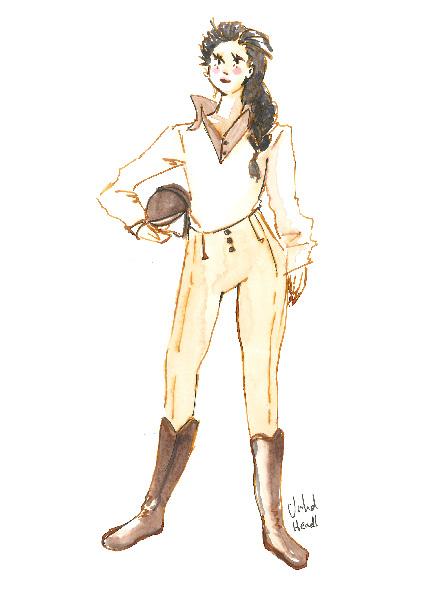
Lastly, a fun top paired with a mini skirt is always classic and this can make your country style look more elegant. Lacy blouses and button-down shirts seem to be a top choice for the races, and Vinted is always stocked with these. It’s also worth mentioning that accessories are a must for the races. Flatcaps, skinny scarves and a funky belt can elevate your look. They might even get you featured on Invade’s socials if you
Mia Rutherford
What would you wear?
Wales is surrounded by easy access to the races, with the likes of Chepstow and Cheltenham being a staple of the university experience. A big part of the appeal is the unusual opportunity to dress up and get out of jeans and hoodies for once. There are many different ways to style a race day appropriate outfit, depending on your style, either going for a classic countryside tartan look, a whimsical boho style or the more timeless blazer and boots.
My personal preference would definitely lean more towards a combination of the country classic and boho. A sure winner is a fur coat, which can be found in many locations across Cardiff. Places like Hobos Vintage and The Thrift in Cathays can provide unique vintage options and are typically more affordable on a student budget. Urban Outfitters and Zara can cater to modern styles, with cropped or hooded jackets that would be easy to incorporate into your student wardrobe afterwards. Either way, a fur jacket is sure to keep you cosy in the Welsh weather, whilst maintaining the glamour and fun of the races.
Another essential element of a race outfit has to be footwear. Boots are by far the most popular choice and can be more practical for longevi ty. With a long day of betting and dancing ahead, it is key to be comfortable. In corporating the horse riding elements into your own outfit can be done easily with a pair of cowboy boots, frequently spotted in many different styles in shops like Bershka and Stradivar
Accessories are
the best way to jazz up your usual wardrobe into race ready outfits on a budget. Baker boy hats or flat caps can be found in almost any char- ity shop on Albany road, along with patterned scarves, handbags and statement jewellery, all found in the same spot.
Words by: Millie Jack
HOW WELSH RURAL FEMININITY IS SHAPING CONTEMPORARY FASHION
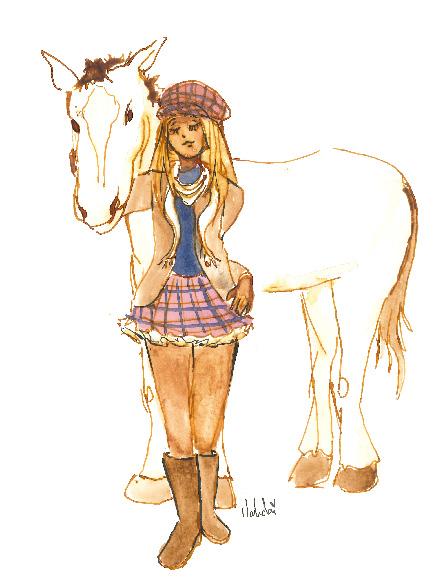
The countryside aesthetic has been prominent in fashion for several decades, with contemporary brands considering specific themes associated with it. The notion of pairing worn-down boots with matching knitwear and overcoats inspired by the rustic farm lifestyle and idyllic natural surroundings is becoming a popular trend and a source of inspiration and nostalgia. It’s a trend that contains nuances depending on the region, where rural inspirations are not always attributed with the same notion of beauty.
The ‘English cottagecore’ trend has become the main face of the country aesthetic. The whimsical, romanticised soft colour palette and attire are what we often associate with the country lifestyle. But the recent emergence of ‘Welsh rural femininity’ offers a more rugged and tough style, where looks are designed based on practicality and realism. High street fashion brands and designers are beginning to shift towards this realistic interpretation, which has helped the rise in popularity of the ‘farm girl’ lifestyle as opposed to ‘cottagecore’.
The trends that we see determine the modern day aesthetic of global fashion are more often than not driven by social media. TikTok and Pinterest are the main causal influences that popularise aesthetics. The ‘English cottagecore’ aesthetic emerged as a romanticised lifestyle derived from the pastoralism of Ancient Greece and 18th century French aristocracy. The fashion of floral dresses, lace prints, pastel colours and airy silhouettes frames a soft image of femininity, and further glamorises the lifestyle of a housewife through this rurality.
The more recently popular ‘Welsh farm girl’ aesthetic conjures a de-glamourised image of the rural country lifestyle, illustrating practicality over performativity. The fashion associated with this aesthetic is primarily local to Wales, with influences from mid-19th century rural costumes such as flannel petticoats and open-fronted nightgowns. A great influence on the couture of this aesthetic was heiress Augusta Hall, who was more commonly known as the patriarchal figure, Lady Llanover. Her contributions arose through encouraging her social circle to wear distinctly local versions of the Welsh national dress and support local textiles industries, promoting Wales’ national identity and stance in the fashion world.
The culture and fashion differences between the two aesthetics can be seen strikingly through the fabrics, with the ‘Welsh farm girl’ aesthetic primarily using wool and waxed cottons, which are used to make thick knitted sweaters and fleeces that are paired with waterproof fabrics to tackle the weather. Though these pieces don’t seem visually appealing, their intent is focused on functionality and durability. Unlike the ‘English cottagecore’ colours of pastel and soft tones, the Welsh aesthetic uses earthy tones of dark greens, browns and reds, which mirror the colours of nature in the Welsh countryside.
The aesthetic still aims to target rural femininity but rather than romanticise the lightness and fragility like ‘cottagecore’, the Welsh aesthetic attempts to create chic and elegant couture that is functional and practical at the same time. Sisters and Seekers is a notable brand that exhibits how this aesthetic has filtered its way into high street and high-end fashion. Founded in North Wales, the brand sells country-themed attire such as knitwear, fleeces and rural-inspired basics to support the collaboration of Wales’ natural landscape and feminine couture.
The ultimate appeal of the countryside aesthetic, both from an English and Welsh perspective, is its depiction of rural femininity through ideals that follow the ‘tradwife’ trope and romanticises ‘cottagecore’ domesticity. It is interesting to see how the Welsh aesthetic provides a grounded alternative to rural femininity that reframes the notion that beauty can be derived from practicality and realism as well.
Words by: Sabina Singh
Design by: Adriana Coulter
It’s been a freezing winter, and if you’re like me you prefer to avoid the cold. All I want to do is get somewhere warm and stay there whilst the dark evenings pass me by. But this can lead to the winter months feeling like a drawn-outhibernation, and if you get the January blues, then braving the icy wind to meet your friends is worth the battle. Back at home my family love going to our local pubs. They can walk in and always see someone they know, and have a local performer weave their songs into their catchups. It’s a comforting ritual and is something I love continuing with my friends. Going back to university in January, I was mistaken in thinking that I wouldn’t find this cosy atmosphere in the city that defrosts my social battery.
As it happens, Cardiff harbours quietly familiar local taverns willing to satisfy the country pub itch. “ “
There’s a duality with live music. Long will there be the massive arena-filling (slightly overpriced) concerts that you look forward to for weeks and withstand stagnant lines for. It’s an experience worth having and looking back on. Yet the intimacy of the low-lit, warm lounge with a singer subtly enchanting the room certainly still has its place in live performance. It nurses the ambiance sometimes so delicately that the evening is softly supported and not overpowered. It’s important to mention that a lot of these folk nights are free entry, they also seemingly pop up randomly. I often stumble upon these small performances rather than planning to go to them when out with a friend. It’s spontaneous and welcomed. I think that’s part of Cardiff’s charm; it’s a city that doesn’t make you try too hard to feel at home.
Fireplaces and Folk: The Cottage,
These performances show that there’s power in being understated. Accompanied by the crackle of a fireplace and the musings of a small crowd, indie nights are uplifting the independent music scene in the city. A guitar and a singer, the combination that finds itself in many of Cardiff’s bars, always makes my nights with my friends feel more special. Like I’ve said, I find that these experiences are more often accidentally found rather than planned for. Whilst this is a part of the appeal when you get to spontaneously find a cute pub with a great singer, it’s useful to know a few places that you can check out for a similar atmosphere
“I think that’s part of Cardiff’s charm”
Words by: Ruby Davis Design by: Jemima Lake
Somewhere that I only discovered late last year is The Cottage in the city centre. Everything about it was like stepping back in time. What made me want to go inside were the pub’s ornate crossed windows and antique lanterns which gave the entrance a beguiling charm. The traditional decor continuedinside with gilded photo frames on the walls and candles on every table. I was instantly warmed and welcomed by the plush chairs and cosy floral paintings. And yes, they have student offers and regularly show live music.
Pubs like this are a great way to see a live performance in a low-pressureatmosphere. Come and go as you please, listen or chat, no need to spend too much money; seeing local bands tailor to whatever chilled evening you’relooking for. Not only does this make a folk night student friendly, but they’re simultaneously friendly to the people who aren’t used to going to gigs. Cardiff and independent music venues have an intertwined and mutually sustaining relationship. When you’re far from home and in need of a catch up with your friends, I can think of no other more reassuring or comforting way to unwind than watching a folk singer in a country-style pub.
You don’t need to love indie or folk music to appreciate the intimacy and sincerity the performers offer during their songs. The city gives the option ofmusic both lively and laidback, and it’s nice to switch it up now and again.
Rockfield Studios: How Rural Recording Is Shaping Music Making
COMPLETE IMMERSION“
Basement studios, fluorescent control rooms and the hum of fast urban life; the British music industry has insisted that creativity lies in cities. Post pandemic lifestyle has certainly proven the opposite, as artists are swapping studios for converted barns, cottages and countryside retreats. This rural recording revolution feels fresh. Yet, in one South Wales studio, history was being made decades ago within the natural landscapes of South Wales in Rockfield Studios. Whilst an unassuming site for musical greatness, the former Welsh farm remains an influential location for global music history.
Founded in the early 1960s by brothers Kingsley and Charles Ward, Rockfield Studios originally began as a shire horse breeding centre and livestock farm with 500 pigs and a herd of dairy cows before undergoing its major transformation. Located in the picturesque Wye Valley in Monmouthshire, far from any major city, the studio offered a unique sellingpoint: complete immersion. As one of the world’s first studios to provide accommodation to its star-studded clientele, distractions, time limits and pressures are completely cut off.
The isolation became central to Rockfield’s reputation. Black Sabbath formed there while writing their self-titled debut album, establishing the groundwork for heavy metal. Led Zeppelin recorded parts of the iconic Stairway to Heaven behind the barn doors, and even Queen’s monumental hit Bohemian Rhapsody was crafted in The Quadrangle section of the farm. In the 70s and 80s, Shakin Stevens, Robert Plant, Iggy Pop, Simple Minds and The Stone Roses were just some of the star-studded names that resided in this Area of Outstanding Beauty.
“A Big Brother house with tunes” is how Liam Gallagher described it. In true Gallagher fashion, he captures its extreme communal atmosphere that can only emerge when bands are left alone together for weeks at a time. An experience that we can only imagine was intense at times.
But, when Coldplay rocked up to record their debut album Parachutes, having only recorded in London and failed, rural Monmouthshire marked a shift not just in location, but in mindset. Frontman Chris Martin has openly spoken of the city’s distracting “smog” and the contrasting clarity of the countryside. Being able to see the stars in an unpolluted night sky is what sparked the first line of their hit Yellow, a song defined by its lack of restraint.
Psychologists found that natural environments restore attention and are the perfect conditions for creative risk taking. Cities on the other hand? Mental overload. It’s little surprisethat poets, painters and creatives alike have historically thrived in nature.
As Chris Martin puts it, this “musical Hogwarts” allows musicians to work at their own pace. Within its rolling hills and country charm with only the sound of occasional neighs of horses, creativity comes easily. Yellow is a testament to a sound that resonates with the South Wales countryside and beyond.
What once made Rockfield unusual now feels strikingly contemporary. Yes, the move is partly practical. Barns, sheds and spare rooms allow greater artist control over the decades. This has been made possible by the advancements in home recording technologies and professional quality production outside of major studio locations.
Yet, it is also cultural. Where the industry once celebrated excess and exhaustion of its artists, squeezing rock stars for everything they’re worth, Gen-Z and TikTok culture praises boundaries and dismisses burnout. Wellbeing is at the heart of this departure from exploitative studios. One only needs to look at a case like Britney Spears, a story only now being seen through the lens of mental illness, exposing how little freedom pop stars have over their lives and their work.
Britney’s case is extreme. But against that backdrop, the thought of working in a barn, farmhouse or remote studio is a move away from being treated like another cog in the machine.
In light of this, Rockfield feels less like a relic, but a remarkably current, artist centred environment. Long before mental health entered the sphere of the music industry, Rockfield gave artists a creative life and is now being reimagined by the artists of today. The Welsh countryside offers a kind of quiet that changes how music is made. Away from cities and industry insight. At Rockfield, this environment has supported global acts and Welsh artists alike, from Manic Street Preachers and Super Furry Animals to Stereophonics. Each has graced its Farm halls and has coincided with some of their most exploratory work.
Rockfield’s legacy places Wales firmly within global music history as a point of origin. Whilst our culture obsesses over speed and visibility, nestled in a quiet corner of the UK is a space that reminds us that stepping back can move music forward.
Words by: Emma Howe
Design by: Niko Davey
Haven’t peaked yet?
A beginner’s guide to Welsh mountains
Hiking is gaining a lot of attention on social media at the moment (at least on my Instagram) and rightly so! It’s one of the most affordable ways to be in nature, and with so many great walks near campus, what’s your excuse? You don’t need all the fancy gear; warm, weatherproof clothing and a good pair of shoes will suffice, as long as you bring enough snacks and water.
Most people start with Pen Y Fan, a gateway hike, if you will. With it being just over an hour drive away from campus, it’s a super accessible hike to start with. If you don’t have access to a car, a great option would be to join the hiking society which often offers transport. You could also get the train to Abergavenny and catch the T4 bus to the Storey Arms, located at the start of the hike. The hike itself is relatively easy, taking around 3-4 hours with a moderate incline and the views are totally worth it! From my experience, this is a hike you can do pretty casually, it doesn’t require any fancy equipment or even walking boots: you could definitely get away with doing it in a sturdy pair of trainers.
Difficulty: 2/5 Accessibility: 3/5 Views: 4/5
“
Another great walk, close by to Pen Y Fan is Fan Y Big, which is about an hour drive north of campus. It is harder to get there via public transport; the nearest station, Ebbw Vale Town, requires an additional taxi afterwards to get to the base. Though it isn’t as high as Pen Y Fan, it is often considered more technical; the final push to the summit, and many ridges along the way, are steeper. This shouldn’t put you off though! With a good pace and lots of snacks to keep you going, this is still a very accessible hike for beginners.
Difficulty: 3/5 Accessibility: 2/5 Views: 4/5
Snowdon is ideal for a weekend in nature to escape from uni work ”
I couldn’t mention Wales’ best mountains without discussing Yr Wyddfa (Snowdon) - renowned as one of the UK’s best hikes. People hike it to fundraise, complete extreme sports challenges, and sometimes just for fun! It’s a bit more difficult to get there (making the views even rarer). It’s roughly a four-hour drive away, making the hike more of an overnight stay rather than a day trip. However, you can get the train to Bangor and get a bus to Llanberis if you don’t have access to a car. There are lots of affordable youth hostels you can stay at on Snowdon’s base, making the hike itself run much smoother. Another great thing about Snowdon is the choice of routes; Llanberis path is the easiest choice, making it perfect for beginners, whilst the Pyg Track and Miners’ Track are more scenic but slightly harder. For those looking for more of a challenge, the Watkin Path is considered much higher in difficulty. Snowdon is ideal for a weekend in nature to escape from uni work,with a great variety of nearby pubs and gorgeous scenery.
Difficulty: 3-5/5 Accessibility: 2/5 Views: 5/5
Now there’s no excuse not to get out there and enjoy Wales’ luscious scenery; with suitable clothing, snacks and lots of signposted route markers, you are well prepared for your next adventure.
Words by: Molly Derrick
Design by: Molly James
Rural Places Where Culture Hasn’t Changed
There is truly something special about entering a rural town where time has hit the snooze button. Unique cultural heritage and local identity. These qualities still exist in rural places such as Gwaun Valley (Wales), Sámi communities (Norway, Sweden, and Denmark), Berber villages in the Atlas Mountains (Morocco), Quechua communities (Peru/Bolivia), Samoan villages (Oceania), and Ladakh (India). These communities are important because heritage is not just found in museums but in hidden villages that still exist. Also, there is nothing more beautiful than cultural diversity!
Everything seems to have slowed down in the Gwaun Valley in rural Wales. Pubs that are stuck in the Victorian era, stone cottages, traditional inns, twisty roads and deep rivers, these are the things that make Gwaun Valley special. Interestingly, the community celebrates New Year’s Day thirteen days later! They are one of the few remaining groups that continues to follow the old Julian calendar, which is named after Julius Caesar. The community felt cheated and refused to switch to the Gregorian calendar in 1752 because it dropped eleven days. So, they follow the Julian calendar for its Hen Galan (Old New Year) which has now become a cultural identity.
Way before the Vikings, it was the Sámi people that lived in the Scandinavian countries. Sámi people populated northernmost counties, a region that was traditionally known as Sápmi (Lapland) in Norway. Finnmark Plateau is the homeland of the Sámi people. There the Sámi language is still spoken, age-old crafts are made, and a wilderness that seemsuntouched makes it truly a cultural landscape that is simultaneously traditional and modern.
In the Atlas Mountains of Morocco lie Berber villages. These Amazigh communities are indigenous to Morrocco and have lived in North Africa for over four-thousand years. Imlil, a small village that’s nestled in the High Atlas Mountains is know for Mount Toubkal which is North Africa’s highest peak. Imlil’s Berber traditions include rich handicrafts that is seen in their terraced farming, mud-brick homes and pottery. With communal mint tea rituals, a deep connection to nature, and vibrant festivals like Almond Blossom festivals, Berber villages are rural indigenous communities that are very much still alive.
In the mountainous villages outside of Cusco, Peru, Quechua speaking communities reside. In the Huilloc village, weaving is part of their culture where families come together to chatand create textile patterns. Quechua textiles honour Pachamma (Mother Earth) which is an ancient Andean spirituality. These patterns represent traditional myths and pre-Incan concepts of space, time and earth.
These traditional villages offer glimpses of the past, where rural places have frozen in time.
Words by: Kani Abdullah
Design by: Melody Cox
“Our Earth is rich in culture, both traditional and modern.”
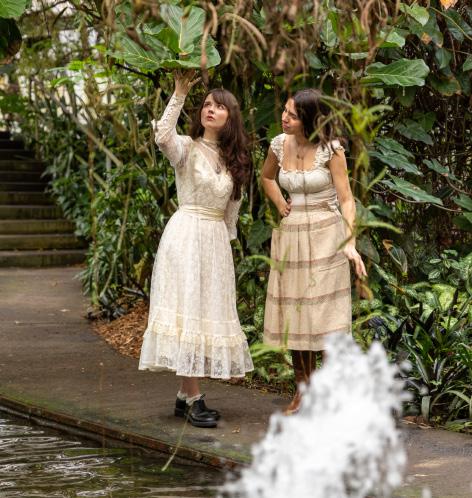
Escape to the Hills Escape to the Hills
University life can often feel like a cycle of deadlines, house parties and nights spent staring at your laptop screen. While Cardiff offers plenty of excitement, sometimes the best way to reset isn’t another coffee or a Netflix break, but stepping away entirely into the Welsh countryside.
One of the reasons I picked Cardiff was its proximity to the beauty of Wales. Hop on a bus, and in just over an hour you can be wild swimming in Lady Falls or wowed by the Bannau Brycheiniog national park (or the Brecon beacons to English speakers)!
“Even half a day away can feel like a mini adventure”
While the scenery is the obvious draw, it’s incredible what a bit of distance from the (not so bright) lights of Cardiff can bring. Even if you’re simply going for a walk or convincing yourself you’re the kind of person who kayaks, climbs or cycles. Either way, the great outdoors is a refreshing change of pace and scenery.
January consists of too many essays, too little money and an alarming lack of sunlight. However, January can also be a great time to get outdoors; it typically doesn’t rain as much, and the cold mornings are perfect for frosty winter walks free from the doom of the ASSL. One of the best things about Cardiff is how easy it is to escape the city. With student train fares and cheap bus tickets, you don’t need a car or a healthy bank balance to get somewhere lovely. Even half a day away can feel like a mini adventure - swapping busy streets for quiet beaches or misty hills without too much planning.
“Swapping busy streets for quiet beaches”
One of the first times I did this was right after a four pm lecture. After a long week, I stepped out of JOMEC feeling tired, stressed and convinced my brain had stopped working. But one excited phone call from a friend later, I went home, reluctantly grabbed my swimsuit and hopped on the train to Jackson’s Bay near Barry Island. While Barry might not be the most beautiful place in Wales (sorry Gavin and Stacey lovers), just by walking around the corner you are met with a lovely beach with a charming little cove. We went for a dip in the freezing cold water and grabbed some chips before heading back. It didn’t get rid of my stress by any means, but it sure made my deadlines feel a little less dramatic.
So maybe the answer isn’t another night in the library. Maybe it’s a train ticket, a brisk walk, or the acceptance that even though you may still be behind on essays, you’re a little bit happier having inhaled the Welsh country air.
Words by: Niamh Shaw
Why the Welsh Countryside Calls to Students
The life of a university student is a continuous cycle of academic pressures and stress. But students are defeating these intense emotions by adventuring into the Welsh countryside, providing an environment to escape the noise of the city and recharge both mentally and physically. The countryside has become the new alternative for coffee breaks and clubbing, becoming students’ escape from university and urban life. Students are trading lecture halls and the library for culture and greenery, with a trip up Pen Y Fan with flatmates imbedded within student culture.
“A refreshing change of pace”
The countryside is appealing for many students due to its affordable and accessible nature, offering a refreshing change of pace from everyday routines. Trips are highly affordable with accessible free trails, cheap accommodation, and various landscapes and towns to explore, all within a student budget. But rural Wales offers more than just scenic views, it provides numerous benefits for mental wellbeing. The outdoors is known to reduce stress and anxiety - emotions that are commonly associated with university life. But did you know it can also enhance your academic performance? Something I’m sure all students can benefit from. Engaging in outdoor activities is known for improving concentration and sharpening memory, so a trip to the countryside during exam season offers many perks that students should begin to embrace.
If you’re unsure where to begin, the university is a good starting point, offering many societies that can help you begin to explore. Hiking and kayaking regularly organise trips, with the hiking society running trips every weekend during term time, providing the perfect opportunity to embark on that trip you’ve been thinking about. If you prefer to explore independently or want to take a well needed bonding trip with your flatmates, there are some popular student destinations to consider. Pen Y Fan, Snowden and Berwyn Mountains are popular hiking trails across Wales, or if you prefer historic rural towns, make sure to travel up to North Wales.
“There is no better option if you want to immerse yourself in the country’s culture”
Students are going beyond just hiking and exploring the Welsh mountains and are adventuring into charming Welsh villages. Beddgelert and Betws-Y-Coed offer students the opportunity to become more connected to Wales’ culture. Offering a stroll through picturesque, cobblestone streets, chances to support local businesses and opportunities to learn Welsh and old folk lore tales, there is not better option if you want to immerse yourself in the country’s culture. Although, remember, you don’t have to travel far to reap the benefits of the countryside, with many of these places being right on Cardiff’s doorstep!
Words by: Leah Davies
Design by: Emily Allbutt
Off to the Races
1,2,3,4... are we counting bets placed, drinks consumed or how many times someone’s already said “I’m just going to pace myself today?”
Because at student race days, the line between sporting event and a social experiment gets very blurry, very quickly. Every academic year, the races roll around and become the biggest event in the student calendar. Bigger than society socials. Bigger than group chats that have been active since Freshers but never actually meet. Sometimes even bigger than deadline stress. Whether it’s Chepstow, Cheltenham or whichever muddy field is closest with a functioning bar, students turn up in their masses armed with tiny handbags, questionable shoes and the unshaken belief that this will be the day that they win big.
But what is it about the races that has students, for once, willingly waking up early, squeezing onto coaches with strangers and spending £7 on a warm cider?
Firstly, it’s the novelty. You’re dressing up and technically attending a sporting event which makes the day feel vaguely respectable, even if you can’t name a single horse. There’s something exciting about pretending you understand odds, nodding thoughtfully at the betting board and saying things like ‘I’ve got a good feeling about this one’, almost as if that feeling isn’t entirely based on the horse having a funny name or even sharing a name with your ex. I mean doesn’t betting £2 on ‘Sir Gallopsalot’ feel like complete financial strategy to you?
Race days are one of those rare events where all students collectively agree to let loose whilst still pretending there’s some dignity involved. Tiny handbags hold tiny bottles of prosecco, shoes are questioned by mud more than by fashion critics. Every coach journey includes a crash course in fast friendship making, oversharing and questionable karaoke skills. By the time you arrive, you already know someone’s life story, drink order and worst situationship.
And let’s address the elephant (or horse) in the room: Are students actually watching the races?
Sometimes. Briefly. When everyone suddenly remembers why they’re there. There’s a roar from the crowd and for about thirty seconds, everyone is genuinely invested. People scream encouragement at a horse they learned the name of six minutes ago, purely because winning £10 suddenly means Live Lounge entry is ‘basically free’. Then it’s back to the bar, checking betting slips and dramatically declaring the entire sport ‘rigged’ because your £2 bet didn’t turn into £200.
However, beneath the chaos there’s an important ethical conversation to be had. Horse racing has long faced criticism around animal welfare particularly regarding injuries, training practices and the pressure placed upon horses for entertainment and profit. For many students, race days can feel detached from these realities with the focus firmly on drinking, socialising and betting rather than the animals. While some racecourses promote welfare initiatives and regulations, questions remain about how ethical the sport truly is and whether student participation unintentionally normalises harmful practices. It’s a reminder that even the most light-hearted student traditions can carry more serious implications and that it’s worth being aware of what’s happening beyond the bar queue.
By the next morning, wallets are lighter and voices may or may not be gone. However the memories seem to stick, photos resurface and stories get exaggerated. There’s always one friend that insists that they almost won big despite all evidence proving contrary. And, despite swearing ‘never again’ most students will be back next year with the same optimism and worse footwear.
Race days are more than just sporting events. They remind us why in a world full of essays, part-time jobs and broken promises to start revision early, students will always find a way to show up early, dress up poorly, cheer for a horse they can’t pronounce and somehow survive it all with a smile (or at least a hangover).
So when someone asks ‘Are we counting bets placed or drinks consumed?’ At the races the answer is usually both. Especially for Cardiff race days, the answer is obvious: we’re counting the days until someone suggests going again.
The races aren’t just an event, they’re a rite of passage. And really, isn’t that the perfect kind of chaos for a student year?
Words by: Victoria Deviana-Wedge
Design by: Adriana Coulter
Outdoor Opportunities in Cardiff
Cardiff has so many fun outdoor activities to take part in: from long walks in Bute Park to sitting in Roath watching the ducks swimming around in the lake, there is something for everyone!
One of my personal favourite outdoor spots is the Secret Garden Café in Bute, especially in autumn, it’s the perfect place to grab a coffee with friends and then go on a walk. Or, alternatively, sit on the benches by the café surrounded by gorgeous greenery.
Another incredible outdoor spot to utilise near Cardiff is Barry Island! It is crazy to me that we have so many beaches right on our doorstep. Barry Island Beach is only a 30-minute train ride away, and gives you the full seaside town experience, as well as being the iconic location associated with Gavin and Stacey
As well as all its incredible outdoor spaces, Cardiff Uni also has an Equestrian society, which givesyou a different way to experience the outdoors. Cardiff University Equestrian Club makes horseriding accessible, affordable and welcoming for every student, whether you are a complete beginner or a seasoned competitor
From chatting to Emily, Captain of Equestrian Club, she gave a brief overview of what they offer to Cardiff students:
We offer discounted lessons, hacks and chances to compete in BUCS and Welsh Equestrian Varsity. Alongside the riding, members can enjoy a year full of themed socials, sober socials, black-tie balls and trips to major events like Badminton Horse Trials and our Summer Tour abroad! We also partake in volunteering with the RDA (Riding for the Disabled Association) every Thursday at Cardiff riding school as an optional activity open to both members and non-members of our club. Our beginner lessons are held at Cardiff Riding School, which is by Llanrumney Playing Fields, (short walk from Taly). Follow our Instagram page @cardiffuniequestrian_ or dm us for any questions.
Katie, President of Equestrian Club also explained why joining is a great idea.
“My name is Katie and I am President of Cardiff University Equestrian club. I have been in the club ever since my first year of university, so almost 3 years now! Joining this club has not only allowed me to continue my love of riding throughout university but has also provided me with the most amazing network of friends. Joining university can be such a daunting experience but CUEC quickly became a new family away from home to me. Through being on committee for the past 2 years now, I aim to ensure every student who joins our club feels included and has the power to also experience what I have. My favourite reoccurring event throughout the years has to be Equestrian Welsh Varsity. Even when I wasn’t competing, having the experience of helping out with the horses’ care, as well as the smooth running of the competition day, not only improved my skill set but also gave me the sense of so much pride to be a part of such an amazing community and support network.’
So, if you already have a love for horses, or want to start something new as a 2026 resolution, Cardiff Uni Equestrian club could be the perfect place to start!
Nonetheless, get outside and enjoy the fresh air, even if its just going on a 20-minute walk to get a coffee at the Secret Garden Café.
Words by: Maddie Hack
Design by: Melody Cox
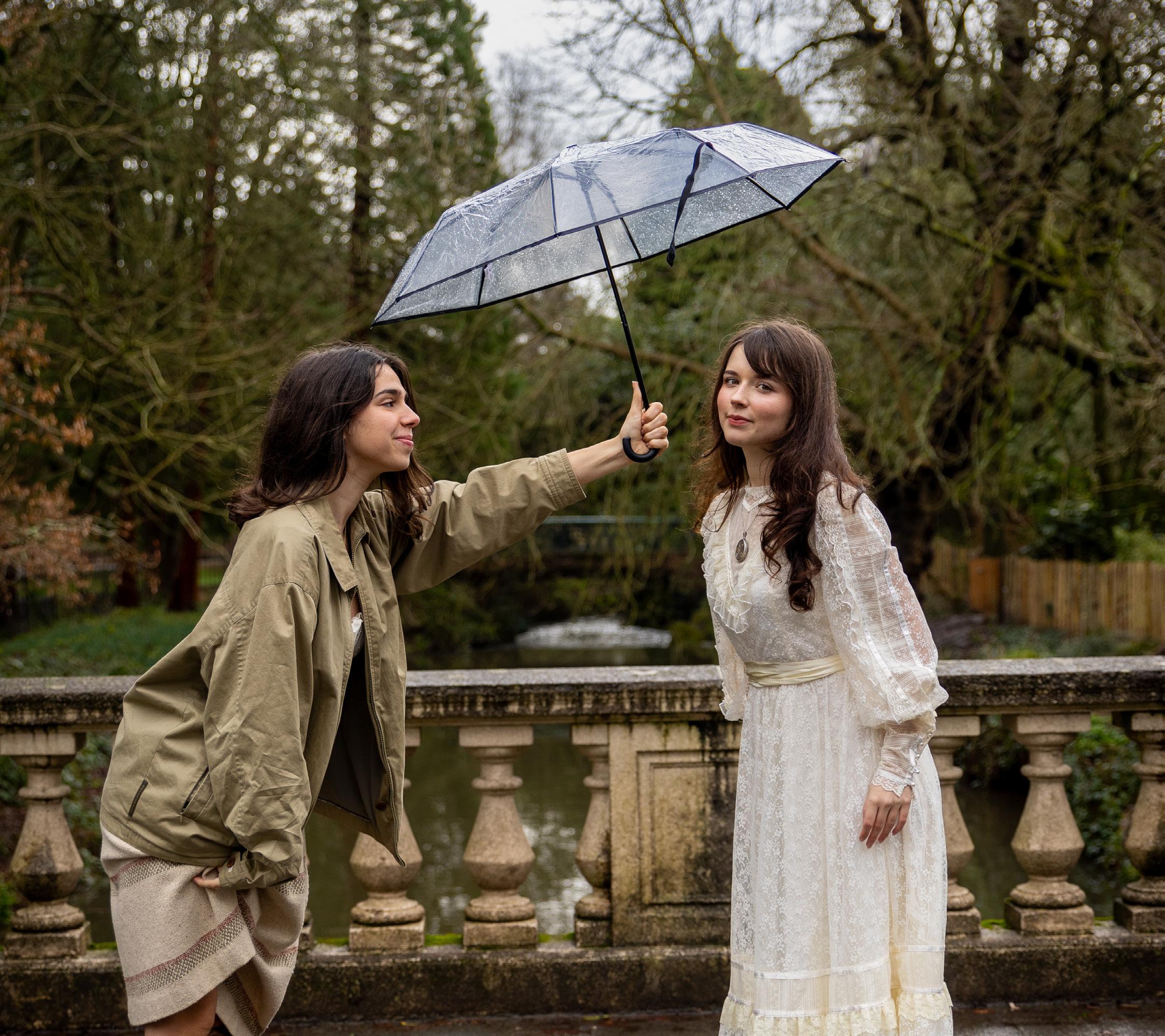
Groundwork Wales: Sustainable Volunteering For Students
f you’re a university student who’s interested in the environment or working in the sustainability sector, then a great place to start is building up your experience as a volunteer for Groundwork Wales!
Groundwork Wales is a charity that aims to create a greener future for all, with the opportunity to volunteer and actively build up your work experience while having fun along the way.
olunteering is open to everyone, regardless of your age and background, and there are a variety of opportunities on offer. Just being outdoors improves your health and wellbeing by engaging in outdoor activities and environmental action.
Interviewing Nicole, Director of Business and Marketing at Groundwork Wales, you can clearly see the benefit that volunteering outdoors has on individuals.
What opportunities do you have for students, and do they need any experience?
No prior experience is needed! Whether it’s a couple of sessions or more long-term volunteering, at Groundwork Wales, we can tailor the experience to the person. If there’s a society, group of friends, or just you, we have the flexibility to plan what you would like to do.
We don’t just offer outdoor skills; there are opportunities in our office too, such as research to support our bidding, fundraising, data, marketing, and more. Even if you want to learn basic admin skills, photography, or filming, just contact us via email or our social media.
If you study an Earth Science degree, your previous experience of data and mapping skills can transfer into volunteering with us. We also have fundraising opportunities to support our programmes, such as “Wellies in the Woods”, to work with pre-schoolers who are disadvantaged, and provide clothing and equipment so that they can participate.
If we don’t have a project running that’s of interest, we can link students up to local community-based organisations that we work with if someone is interested in a certain environmental or community project, particularly out in the field in the spring and summer time.
How can volunteering with Groundwork help students’ future job prospects?
You get a reference and workplace skills to put on your CV if you haven’t got much work experience already. If you do earth sciences, it gives you field experience and the practicality of developing outdoor field skills. It also creates more practical applications in research and marketing.
If you want to work in the environmental workplace, you will have experience working in the community with people from a wide range of backgrounds. Our short and long-term volunteering opportunities help participants build social skills, confidence, and self-esteem. Participants can also gain Agored Cymru-accredited training to enhance their CVs and employability.
What’s the most rewarding project that you’ve worked on recently?
Our Healthy Rivers Project and Routes 2 Life workshops run activities such as food growing and preservation, countryside, horticultural, and conservation skills. R2L aims to support the well-being of local people, combat food poverty, and conserve the local environment.
The Healthy Rivers Project includes activities such a River Care Days, Education workshops in local schools, and training of community volunteers. Just being outdoors improves your health and wellbeing!
Words by: Jessica Scurlock
Design by: Niko Davey
Stephen, R2L Volunteer:
“I get a real sense of achievement from the programme. Working with other volunteers, we see what we have done as the year progresses.”
Chris, Healthy Rivers Volunteer:
“It was great to learn how important the river was for others -not only for those interested in biodiversity, but also for those who appreciate the river as a tranquil place to spend free time.”
Describe volunteering at Groundwork Wales in 3 words: Fun, Friendly, and Rewarding.
“Just being outdoors improves your health and wellbeing!”
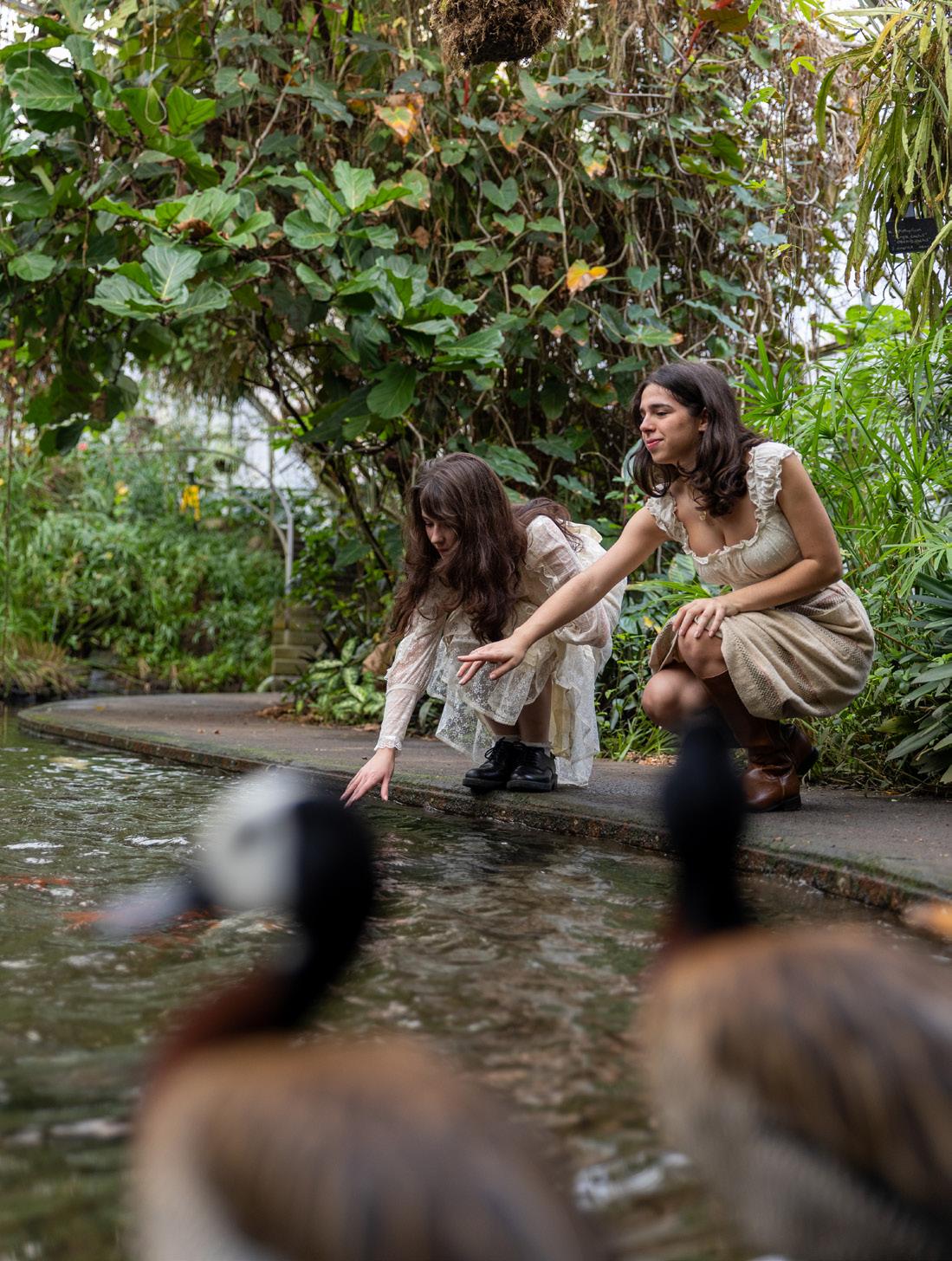
Ha N D M A d E
Rituals of a Childhood
During my childhood, I grew up moving around west Wales: Cardigan, Cilgerran, Newcastle Emlyn, Meidrim. The kind of places where childhood happens largely outdoors, whether you plan for it or not. I’m an only child, which now I love, but then, I hated it, mostly because it meant there was no one else to absorb the long afternoons with me.
Because of this, I spent most of my early years outside, alone or with my dog. I trapped grasshoppers in glasses just to watch them jump, a pastime that feels questionable in retrospect. I’d climb the big tree outside of my house, getting stuck countless times, or go down the river with my childhood dog, Ruby, and laugh when she’d immediately run back out again, soaked and unimpressed. My favourite activity, though, was pressing flowers into books outside in the garden. Don’t get me wrong, my mum hated it, mostly because I picked every flower she’d carefully planted and flattened them into books like it was a perfectly reasonable thing to do.
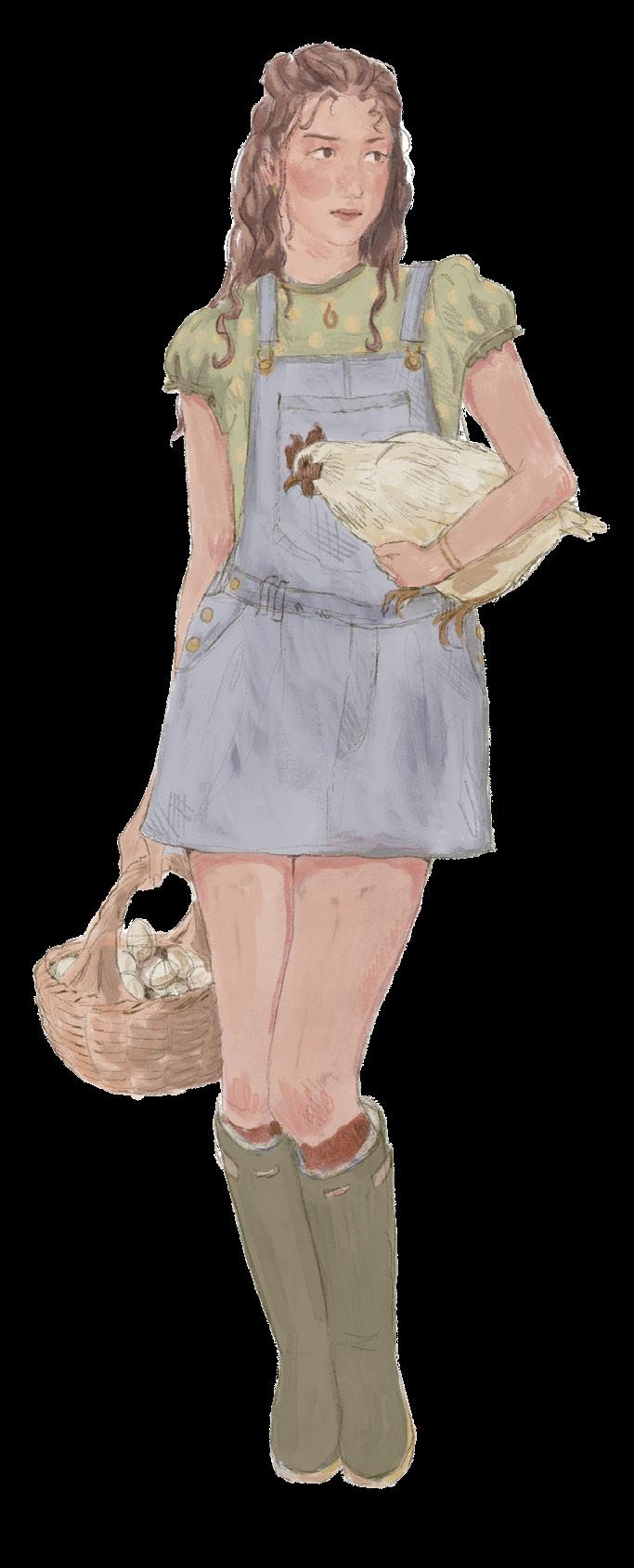
Another favourite was visiting my godparents and gathering eggs from their chickens, a task I took very seriously. Every Saturday morning, I did the same job and felt quite accomplished before the day as I knew it had properly started. I found a sense of comfort in that predictability, in being responsible for something tangible. That ritual ended quite abruptly when a fox got to the chickens, an event that felt deeply unfair to 5-year-old me.
When you’re a child and time lasts far too long, these activities were how I made the day feel manageable. They broke the hours into smaller parts. Morning meant one thing, afternoon another. Nothing special. Just enough to stop the day from feeling endless. It’s quite amusing to look back at this universal childhood view of time, because now it feels as if my days aren’t long enough.
As I moved into adolescence, that same need for independence shifted shape. I began walking around my village just to feel like I was going somewhere, even if I wasn’t. There was no phone signal, no real destination either, but leaving the house felt important. Like a rehearsal for a future life that would now involve trains, plans, and actual places to be.
In the summers, I moved even further into the Welsh countryside, closer to the Pembrokeshire coast. I learned how to surf in Australia on a family holiday - pretty iconic. But it was in Wales that it became more of a habit rather than a novelty. The thick wetsuits I struggled to put on and the freezing cold water filled with jellyfish rarely made things easy, but I suppose it taught me a new form of patience.
Upon reflection, so much of my childhood was about making something out of nothing. When you grow up without siblings and constant stimulation, you develop small ways of filling time that don’t rely on distraction. Now, I use my phone to pass the time. I’m constantly scrolling, as if silence needs managing. My attention span feels shorter, more fragmented, and I now find myself missing my past ability to find smaller rituals that once filled entire afternoons. They didn’t demand focus, just time.
So this year, one of my quieter New Year’s resolutions is to relearn the importance of these slower rituals. To replace doom scrolling with something slower, as a way of making room for the kind of creativity that once came so easily when the days seemed longer and my hands were busy with natural things, rather than my phone.
I would definitely call myself more of a city girl now. I like the busyness of cities, the slight feeling of anonymity, the cafes. But, I’m grateful that a childhood spent in the countryside taught me how to entertain myself, and how not to panic in my own company; a skill that’s incredibly valuable as I begin to live independently in my 20s.
Growing up in the countryside taught me how to be completely alone without feeling lonely. Pressing flowers, climbing trees, gathering eggs. None of which felt particularly meaningful at the time, they’re not nostalgic moments so much as practical ones. These were ways of moving through the day.
In a culture that treats busyness as a personality trait, knowing the importance of how to sit comfortably with yourself feels increasingly rare. Even if you’re physically alone, scrolling through TikTok, listening to your favourite influencers as background noise doesn’t leave you entirely alone. Solitude is now harder to come by than it used to be, but growing up in the countryside taught me how to be alone without feeling bored or restless, a skill I’m trying to bring back.
“making something out of nothing”
Words by: Maya Jacob Design by: Niko Davey
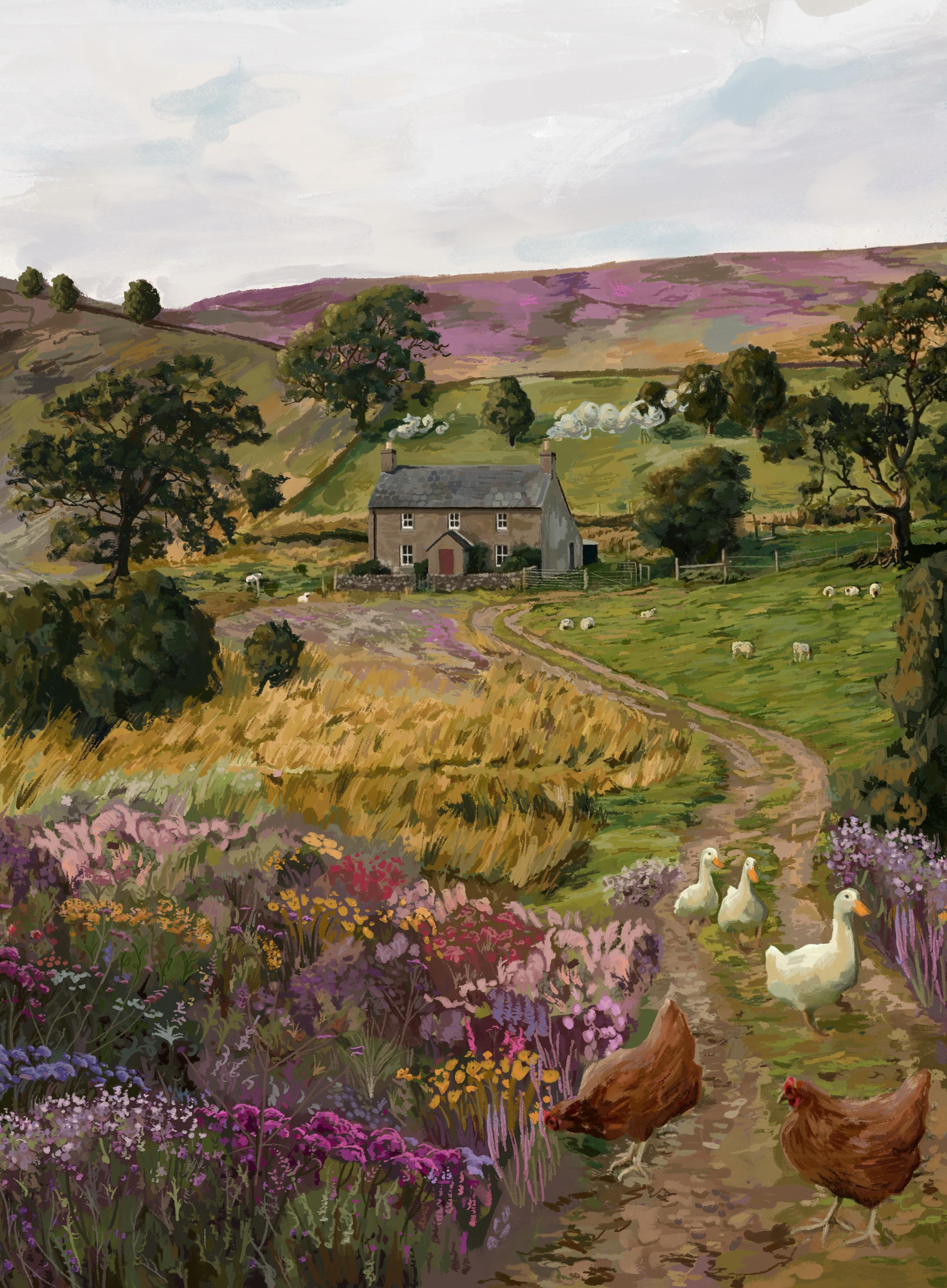
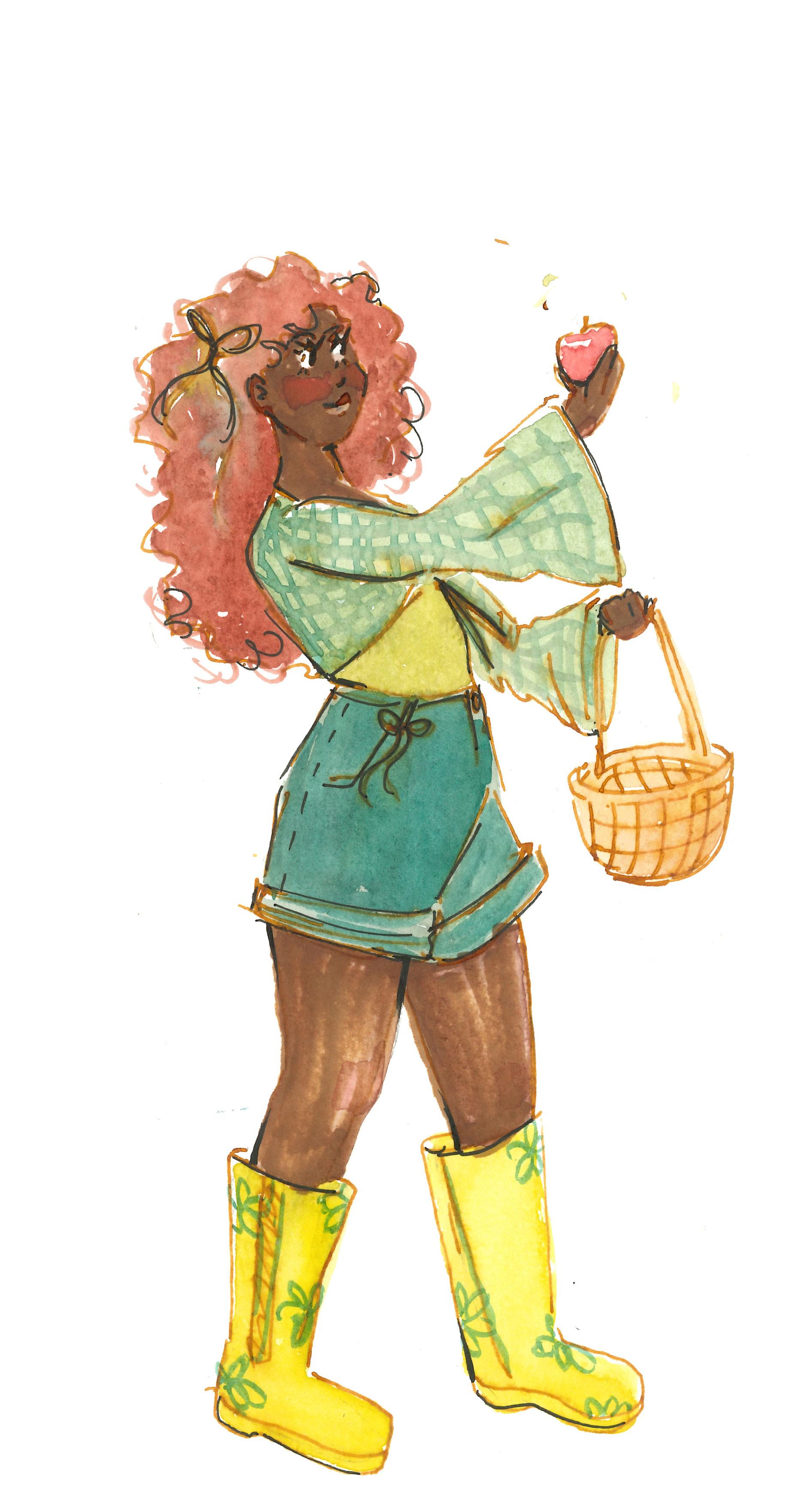
The Fields that Feed Us: A guide to farm shops
Caesars Arms
Tuesday to Saturday 9:30am-4pm
Creigiau, Cardiff
If you’re craving an escape from the city and a taste of the Welsh countryside, the Caesar Arms Farm Shop is well worth the short journey from Cardiff. Tucked away in Creigiau, this family-run farm shop and brasserie sits on a working farm and offers a thoughtful selection of locally sourced and homegrown produce.
The farm shop boasts shelves lined with organically grown fruit and vegetables harvested from the gardens, honey collected from the site’s own beehives, daily bread deliveries from local bakers, and a range of local artisanal pantry goods. The shop also has a butcher’s counter, with responsibly reared Welsh meat cut and prepared on site, alongside a fresh seafood section—making it an ideal place for a once-in-a-while grocery shop.
Whilst it can be a bit pricier than supermarket food, the freshness, seasonality, and shorter food miles make it feel worthwhile as an occasional treat. You can think of it as a cute way to romanticize your shopping errands with the added perk that you are directly supporting local producers and farmers rather than large conglomerate
On top of this, visiting this farm shop can easily be turned into a small day trip, combining food shopping with a chance to experience the countryside and farm life. After browsing the shop, you can settle into their award-winning brasserie for a delicious lunch or coffee, made from all the same locally sourced, fresh produce that’s available in their shop. In warmer months, they offer an al fresco dining area for you to sit outside and watch the countryside go by as you enjoy
Beyond food, Caesar Arms is also a small rural community hub, regularly hosting pop-ups with local businesses, offering products from woodcraft and ceramics to artisan food and handmade skincare. A visit here is about more than food shopping or dining—it’s about supporting independent producers, reconnecting with slowness and the countryside, and enjoying the quiet luxury of fresh produce and handmade goods that is all too often stripped away from us in modern,
Eiriana Zhou
PPugh’s Garden Centre
Open: Monday to Saturday 9am-5:30pm, Sunday 10:30am4:30pm
Location: Morganstown, Radyr
Pugh’s Garden Centre is another perfect stop if you’re after a place to stock up on good, wholesome Welsh ingredients and reconnect with the countryside. They have two family-run garden centres, and the one located right at the edge of Cardiff is perfectly accessible to students.
Located in the garden centre itself, Pugh’s Food Hall is a hidden gem, with shelves packed with fresh fruit and veg, local cheeses, breads, milk, and even some homemade frozen meals if you’re not in the mood to cook. Everything is completely grounded in the Welsh countryside, with products from nearby farms and artisans.
The café at Pugh’s is equally inviting, with rustic, homecooked meals for breakfast and lunch, and curated afternoon tea platters offering homemade baked goods and locally-sourced sweet treats.
The garden centre is also perfect for a browse through, where you can buy some cute plants and decorations for your uni home or just have a look around the garden furniture and add bits to your imaginary wish list for future home décor! For anyone who enjoys a little hands-on experience, the centre also runs monthly gardening events and workshops to help connect you to countryside living.
So, a visit to Pugh’s is perfect for your next day trip where you can grab some fresh farm foods to stock up on, eat a home-cooked, locally-sourced meal, and enjoy all the otheractivities and nature that the garden centre has to offer!
Words
by:
Ankita Sridhar
Pontcanna Market
Open: Every Saturday 10am-2pm and Sunday 10am-4pm (*Farmers market every Saturday from 10am-1:30pm)
Location: Kings Road Yard, Pontcanna
If you are looking for quality ingredients and the perfect weekend activity, Pontcanna Market is the place for you. With its farmers market every Saturday, the charming, cosy yet vibrant courtyard hosts stalls offering a variety of fresh, locally sourced produce.
As a student I find the selection of genuinely good produce from supermarkets limited and expensive, with aisles dominated by highly processed options. Knowing the importance of eating healthily and the positive impacts of organic food, I find Pontcanna Market to be the perfect solution. It is locally sourced, meaning it is fresher and always within season directly helping your health and wellbeing as well as supporting local farmers. Buying this way also reduces food waste, because unlike supermarkets, you’re not pressured to buy those stupidly oversized bags of potatoes or carrots which, let’s face it, rarely get fully used.
Why not make a day of it? Grab a sourdough pizza or a hot coffee as you settle in as you enjoy the sound of busking which adds to the lively atmosphere and overall charm of the setting. Take time to mooch around the artisan stalls, where everything from handmade jewellery to vintage unique home decor and kitchenware can be found, real gems you didn’t know you were looking for but suddenly can’t leave behind. Best of all, it’s within walking distance of student areas, so there really is no excuse not to go.
So, message the group chat, put it in your calendar and try out Pontcanna Market, you won’t regret it.
Words
by: Jasmine Mitchell
Design by: Sophie Walbank
Two Classic Dishes from Rural Wales
Rooted in history
and rich in flavour, these two dishes offer a true taste of Wales.
Originating in the Welsh county of Glamorgan after the Second World War, thesevegetarian sausages remain popular in Wales and it’s easy to understand why! Their croquette-style of a crispy exterior and a soft, cheesy, leek-filled middle makes it both comforting and delicious. Offering a true taste of Welsh tradition, Glamorgansausages make a great meat alternative or a hearty side dish.
Serves 4 (or 6 as a side)
Ingredients:
- 50g unsalted butter
- 2 large leeks, finely sliced
- 400g soft white breadcrumbs, finely textured
- 2 tsp thyme leaves
- 4 large eggs, yolks and whites separated
- 400g Caerphilly cheese or strong mature cheddar, finely grated
- 1 heaped tbsp wholegrain or Dijon mustard (or 2 tsp English mustard)
- Plain flour, for coating
- Vegetable oil
Method:
1. Melt the butter in a large pan and place over a medium heat, then add the sliced leeks and a pinch of salt. Cook for 8-10 minutes, stirring occasionally.
2. Into a large bowl, combine the breadcrumbs, thyme, egg yolks, grated cheese and mustard. Season with black pepper before pouring in the leeks and any butter left over in the pan. Mix thoroughly until thick.
3. Shape the mixture into sausage-like rolls (dampen your hands with water if too sticky). Place them on a lined tray and leave to chill in the fridge for 30minutes.
4. Meanwhile, whisk the egg whites with a pinch of salt until frothy. Place the flour on one plate and the remaining breadcrumbs on another.
Glamorgan Sausages Lamb Cawl
5. Dust each chilled sausage lightly in the flour, then dip into the egg whites before rolling in the breadcrumbs to coat evenly.
6. Heat the oven to 180°C (160°C fan).
7. Heat the oil in a non-stick frying pan over a medium-high heat and fry the sausages in batches, turning until golden and crisp (4-6 minutes). Transfer to a baking tray and bake for 10 minutes.
Words by: Jasmine Mitchell
Design by: Melody Cox
There is something deeply grounding about cawl. Born of hill farming andcountryside gardens, it is one of those dishes people cooked simply because it was what the land had to give. Today, it symbolises Wales in all its rugged natural beauty—lamb from the grassy uplands and root vegetables pulled fresh from the soil.It is a dish that rewards patience, its slow simmer filling the kitchen with a quiet warmth that brings rural Wales to you. To make cawl is to slow down, cook with intention, and reconnect with nature and tradition.
Serves 4-5
Ingredients
- 600g Welsh lamb shoulder, on the bone
- 1 onion, roughly chopped
- 2 leeks, sliced
- 2 carrots, chopped
- 2 parsnips, chopped
- 2 potatoes, chopped
- Butter
- Salt and pepper
- Parsley, to serve
Method:
1. Brown the lamb in some butter in a large pot. Add the onion and cook until soft.
2. Pour in enough water to cover the meat, season lightly with salt and simmer for 2-3 hours until the lamb is tender. Remove the meat from the bone and chop up the meat before adding both bone and meat back into the stock. Add more water to the stock when and if needed.
3. Add the carrots, parsnips and potatoes into the stock and simmer for 40 minutes. Add the leek and simmer for another 20 minutes.
4. Season with salt and pepper and serve with chopped parsley and some rustic bread.
Words by: Eiriana Zhou
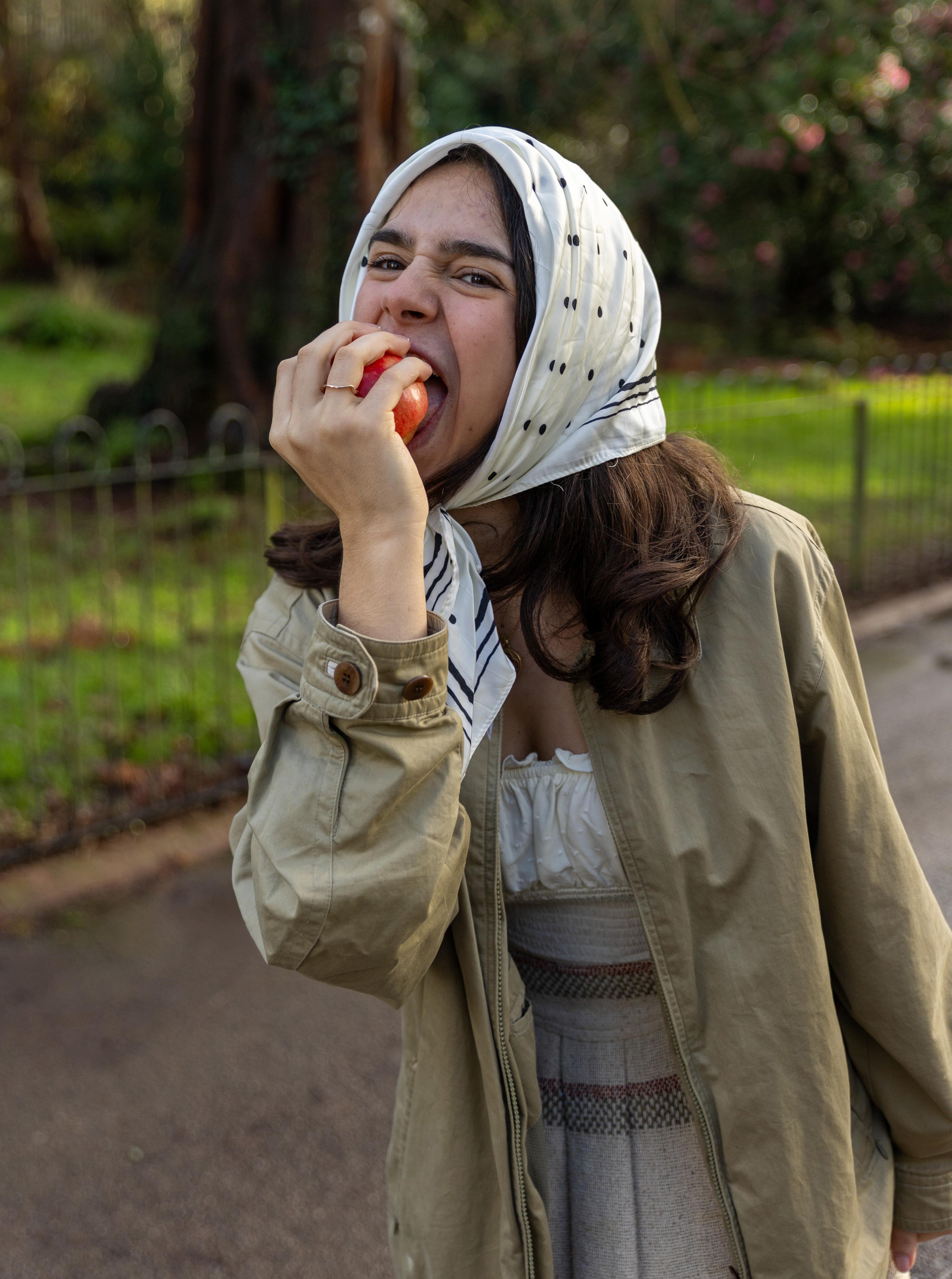
Aberystwyth: Wales’ First UNESCO City of Literature
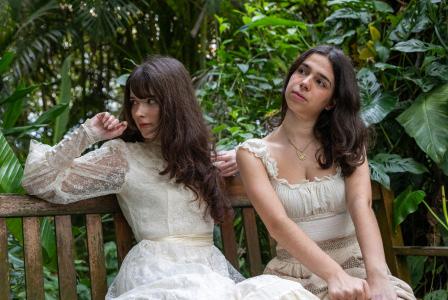
Dubbed ‘the land of song’, Wales’ impact on literature is well known from a diverse range of literary figures from Dylan Thomas to Roald Dahl, having made an undoubtedly significant contribution to the cultural landscape we see today.
For UNESCO (the United Nations’ Cultural and Educational Committee), Aberystwyth encapsulates what it is to be a ‘city of literature’, making it the first in Wales, joining over 50 cities, from Barcelona and Dublin to Jakarta and Seattle.
Situated on the west coast of Wales, Aberystwyth is arguably the nation’s centre of literary and cultural institutions, despite only having a population of around 14,000. It is home to a variety of publishers, as well as the National Library and Books Council of Wales, while also hosting a number of cultural events, such as festivals, lectures and theatres, which connect the country’s diverse literary backgrounds in its coastal heart of creativity. Historically, Aberystwyth, Ceredigion, was the first Welsh town to employ a Town Poet, responsible for creating poems that reflect the experiences of their community, which conveys the human condition through emotion and creativity. The first book to be printed in Welsh, Yny lhyvyr hwnn (In this book) by Sir John Price of Brecon, is also held in the National Library in Aberystwyth.
I had the pleasure of interviewing Aberystwyth’s very own student paper, The Mouth of the Ystwyth, to get a sense of how students in the town have responded to this recognition, and how this could inspire students in Wales and beyond.
What do you think this means for Wales and Aberyst-
wyth in terms of putting the nation and town on a glob al stage?
This is a spectacular development for Aberystwyth and Wales. No one really knows much about Wales outside the UK, and even within the UK, many people don’t know places here other than Cardiff. This is a wonderful chance for the country to become more visible and get more recognition! We are hopeful that people will appreciate the history and beauty of it.
Would you say that students in Wales and Aberystwyth read for pleasure?
Definitely! As anywhere, there are, of course, some people for whom reading isn’t quite their thing, but Aberystwyth and Wales both have a large population of students who read for fun in a variety of genres. We have many book-centred societies and a wide range of bookshops, from new to second-hand to antique!
What is the literary scene like for students in Aberystwyth? Would you say this targets young adults?
I’d say the literary scene is quite diverse here -- we have books of all genres and people of all ages interested in them. As Aberystwyth is predominantly a student town, I would say that the literary scene is dominated by students and anyone else associated with the university, but there is a broad range of ages that are included in those categories.
How do you think this recognition will inspire younger people to engage more with literature and reading?
I hope that this will inspire younger people to try to get into reading -- we believe that there is a book out there for anyone! Hopefully, this award will also bring more readers and writersto visit Aberystwyth, which will inspire even more people to engage with the literary scene.
Councillor Emlyn Jones, the Mayor of Aberystwyth, noted the importance of this recognition in his message to the city:
“It’s fantastic that Aberystwyth Ceredigion has been awarded this status, putting our country on a worldwide stage and celebrating our distinctive cultural and literary heritage. Literature is for everyone, and we’ve now joined a global network of cities that have creativity rooted in their local communities to create a more inclusive, resilient and sustainable future. Literature and creativity help make Aberystwyth Ceredigion an amazing place to live, work, study and visit, and we believe that being Wales’ first City of Literature will be a catalyst for further growth in the creative industries, benefit local businesses and help more people to discover us and our many stories. This designation belongs to everyone in Aberystwyth, Ceredigion, and there are so many opportunities to take part and share ideas – this is just the first step.”
Aberystwyth, Credigion’s poetry festival, running annually, represented the cultural uniqueness of the region through 2025’s theme ‘Home and Identity’, with a strong emphasis on the Welsh ‘Hiraeth’. This has no direct translation to Eng-
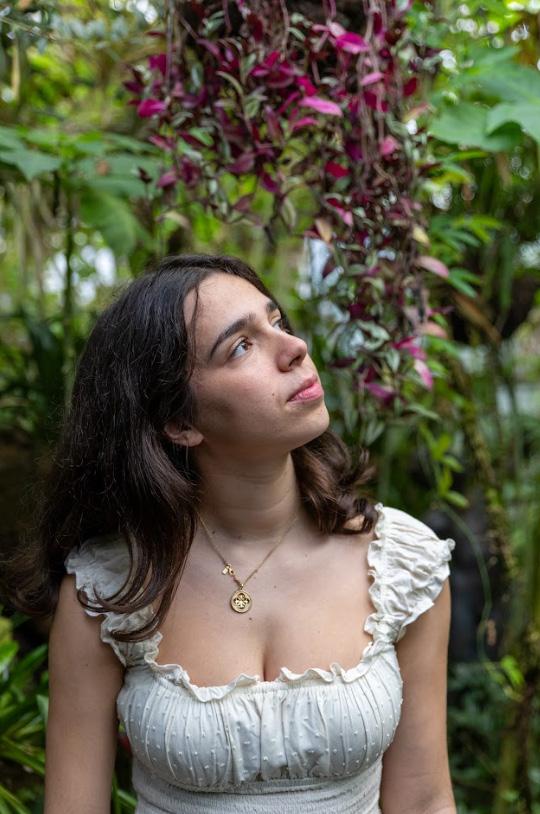
lish, but fosters a deep longing for home, with a sense of something lost. This perfectly captures what UNESCO looks for nwhen recognising a City of Literature, such as important libraries and cultural institutions, while searching for places that capture the culture of their region.
As the first area in Wales to be recognised by the UNESCO Creative City network, the significance of the designation announced today goes beyond Aberystwyth and the county of Ceredigion and on to a national and global stage”- Professor Mererid Hopwood, of the Department of Welsh and Celtic Studies at Aberystwyth University and a member of the Dinas Llen partnership.
UNESCO representatives sent the following message to the town:
“Llongyfarchiadau / Congratulations to Aberystwyth Ceredigion on becoming Wales’ first UNESCO Creative City and City of Literature! This mark of global recognition shines a light on the vibrancy and strength of Wales’s bilingual literary culture, and its contribution to creativity nationally & internationally. As part of the UNESCO Creative Cities Network, Aberystwyth, Ceredigion, joins a community that promotes inclusion, sustainability and innovation through culture and creativity. It demonstrates how local and international efforts can prioritise literature, helping to strengthen Wales and the UK’s cultural influence and their voice on the world stage.”
Words by: Maddie Hobbs
Design by: Melody Cox
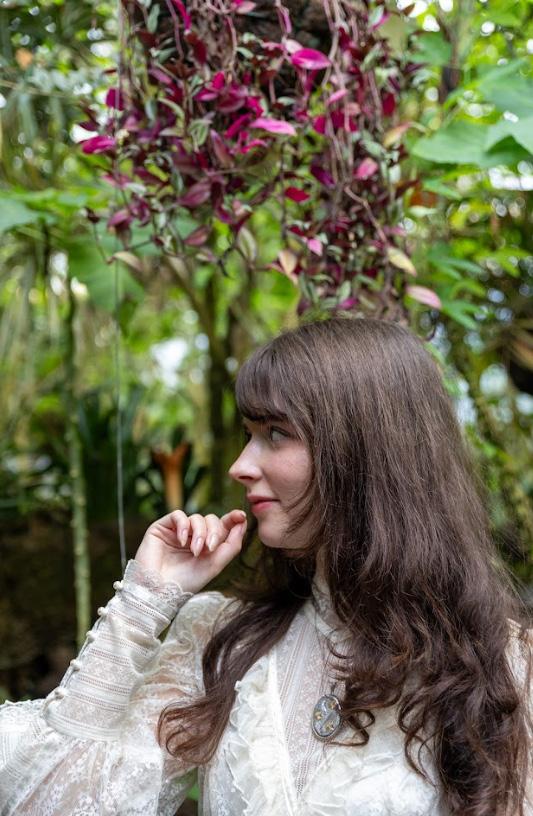
Merlin’s Beard! The Legacy of Welsh Legends in Modern Literature
Merlin, the famous wizard of King Arthur’s court, is one of the most recognisable names in literature. In the tales of King Arthur, Merlin often exists as a magician, prophet and wise mentor. Merlin’s earliest origins lie in the Welsh bard Myrddin Wyllt, who appeared in Welsh poems, not as a wizard but as a nature-loving prophet. A cleric named Geoffrey of Monmouth later combined this Welsh figure with the historical war leader Ambrosius Aurelianus. Geoffrey took stories about Ambrosius, including his prophetic encounter with King Vortigern about dragons, and created the figure ‘Myrddin Emrys’, who we now know as Merlin the wizard. Geoffrey popularised Myrddin Emrys by giving him supernatural powers such as prophecy, shapeshifting and sorcery. Today, Merlin is an internationally recognised literary figure whose vast influence and presence can be seen across films, TV shows, books and even computer games. Films and TV shows, such as BBC’s Merlin and Disney’s The Sword in the Stone have particularly allowed a new generation to discover Merlin’s mysticism and power. Merlin’s enduring appeal ultimately comes from his position as the quintessential wise and powerful wizard, whose medieval origins and air of mystery make him all the more compelling.
Words by: Soanna Khan
There are many claims to the origin of the dragon as a symbol of Wales, tracing back to as early as 820 AD in a book written by historian Nennius. Geoffrey of Monmouth claimed in the 12th century that the dragon was linked to the Arthurian legends, evidencing Arthur Pendragon’s surname as meaning ‘dragon’s head’. Welsh kings of Aberffraw are said to have adopted it as a symbol of power after the Romans withdrew from Britain in the 6th century. Although not a Welsh creation, there is no denying the importance of the dragon to Wales and the impact the nation has had on popularising the creature. Dragons are now a staple in the Fantasy genre, from classics such as J.R.R Tolkien’s The Hobbit to the instant hit that is Rebecca Yarros’ Fourth Wingseries. Samantha Shannon’s The Priory of the Orange Tree is another great example of how legends influence modern-day writing, with Shannon describing it as a ‘feminist retelling of Saint George and the Dragon’. Through these authors taking inspiration from mythology, whether Welsh or not, they are introducing these creatures and tales to a new generation, ensuring their legacy and impact continue for years to come.
Words by: Kitty Connolly
The Dragon
Howl’s Moving Castle by Diana Wynne Jones is inspired by Welsh landscapes, language and a quiet thread of Welsh myth. The novel reveals the identity of the wizard Howl as Howell Jenkins from Wales, and that his magical world connects directly to a modern Welsh town. The book moves between a fairytale kingdom and a version of contemporary Wales, echoing the way Welsh folklore often overlaps the modern world and alongside a normal village life.
Although the book does not make direct reference to Mabinogion tales, the novel’s main character, Howl, is a Welshman with the full name Howell Jenkins. The landscapes and the castle in the movie are inspired by Wales letting the viewer experience the country and its rich countryside landscapes. It’s inspired by the atmosphere and the doors between worlds that recall passages to Annwn (the Welsh Otherworld), and Howl’s character fits the tradition of powerful enchanters and shape-shifters found in Welsh legends. Jones grew up partly in Wales and drew on the cadence of Welsh speech and the feel of its towns and coastline, highlighting how her world building in the story acts as a subtle homage to the country that shaped her imagination.
Studio Ghibli’s Japanese anime adaptation of Howl’s Moving Castle, directed by Hayao Miyazaki, retains the core twist that Howl’s origins lie in Wales, but it weaves this into a broader anti-war, pacifist vision. The 2004 movie has no mention of Wales but its Welsh features are all present with its small cottages on the hills, herds of sheep and the historical castles on the stone-built towns. That lingering link to Wales keeps a trace of the novel’s original cultural grounding, even as the adaptation reinterprets the story for a global audience.
Words by: Alicia Tariq Design by: Charlotte Hardie-Watts
Brethyn Cymreig
Mewn byd sy’n symud yn gynyddol tuag at ffasiwn gyflym, cynhyrchu torfol a chadwyni cyflenwi bydeang, mae diddordeb newydd yn tyfu mewn crefftau traddodiadol, araf a chynaliadwy. Yng Nghymru, mae’r newid hwn yn sbarduno adfywiad tawel ond pwerus mewn traddodiadau tecstilau megis gwehyddu, cwiltio a gweithio gyda gwlân. Y crefftau yma sydd wedi siapio bywyd gwledig a hunaniaeth ddiwylliannol y wlad ers canrifoedd. Nid fel atgofion o’r gorffennol yn unig yw’r rhain bellach, ond ymateb cyfoes i bryderon am gynaliadwyedd, traddodiad a gwerth.
Dychwelyd I Le Cyfarwydd
Roedd ymweld ag Amgueddfa Wlân Cymru yn brofiad personol i mi. Fel plentyn, byddwn yn dod yma gyda’r ysgol leol, a oedd yn daith gyfarwydd â bron arferol. Roedd dychwelyd fel oedolyn, yn deimlad gwahanol drwy lygaid gwahanol. Nid oedd y peiriannau’n perthyn i hanes ar baneli yn unig, ond yn dystiolaeth o sgil, llafur a chreadigrwydd pobl go iawn a fu’n byw ac yn gweithio yma.
Fel merch leol i Dre-fach Felindre, mae’r hanes yn atgof bod gwlân unwaith yn ganolog i economi’r gymuned. Gyda 250 o ffatrïoedd gwlân yn y gorllewin, a 25 ohonynt yma yng nghyffiniau Dre-fach Felindre, a oedd yn brif gyflogwyr yr ardal tan y 1980au. Roedd y melinau yn fwy na llefydd gwaith, ond yn siapio trefn y dydd, yn cynnal busnesau lleol, ac yn rhoi hunaniaeth i’r ardal.
Yn ystod y Rhyfel Byd Cyntaf, daeth y sgiliau hyn yn hanfodol, gyda ffactrïoedd y pentref ar waith bedair awr ar hugain y dydd er mwyn dal i fyny gyda archebion brethyn lifrai’r milwyr. Pan ddirywiodd y diwydiant, gadawodd fylchau, nid yn unig mewn cyflogaeth, ond mewn closrwydd cymunedol hefyd.
Yr hyn a darodd fwyaf oedd y syniad mai’r gwerth mwyaf oedd yn gysylltiedig â’r Diwydiant Gwlân yng Nghymru oedd y bobl. Y dwylo a ddysgodd patrymau, sut i addasu’r peiriannau, a drosglwyddodd wybodaeth o un genhedlaeth i’r llall. Erbyn heddiw, mae’r amgueddfa’n teimlo fel pont sy’n gwarchod y sgiliau hynny, ond hefyd yn annog ni i feddwl sut allant fyw eto mewn ffyrdd newydd, cynaliadwy ac ystyrlon.
Gwrthwynebiad tawel i or-gynhyrchu
Mewn oes o or-gynhyrchu, mae gwlân yn ein hatgoffa bod deunyddiau yn medru para, bod y grefft yn gallu bod yn ddi-ddosbarth ar gyfer y cyfoethog a’r tlawd, ac y gall y gwrthrych fod yn ddefnyddiol ac yn drysor ar yr un pryd.
Am gyfnod roedd brethyn Cymreig yn anweledig, wedi iddo bron diflannu yn ystod y 20fed ganrif, wrth i felinau mawr tu allan i Gymru gystadlu â chynhyrchu lleol. Heddiw, mae’n dychwelyd mewn ffyrdd chyfarwydd, wedi’i daflu dros gadair mewn cylchgrawn cartref, ar wely gwesty, neu fel darn mewn cartref modern.
Mewn byd sy’n chwilio am atebion cynaliadwy, yn hytrach na bod yn dueddiad poblogaidd, mae brethyn Cymreig yn wrthwynebiad i’r arferiad diwylliannol o brynu a gwaredu. Efallai i lawer mae’r darn o frethyn Cymreig eisoes wedi’i wehyddu gennym ers canrifoedd, ond ewn drôr gwaelod cwpwrdd yn aros i gael i’w ailddefnyddio eto.
Mae brethyn Cymreig yn profi nad yw diwylliant yn rhywbeth sydd wedi’i gloi mewn amgueddfa, ond rhywbeth sy’n newid, addasu ac yn dychwelyd, gan ddathlu’r gorffennol a’i ddefnyddio fel ysbrydoliaeth at y dyfodol.
Geiriau gan: Erin Davies
Dyluniad gan: Emily Allbutt
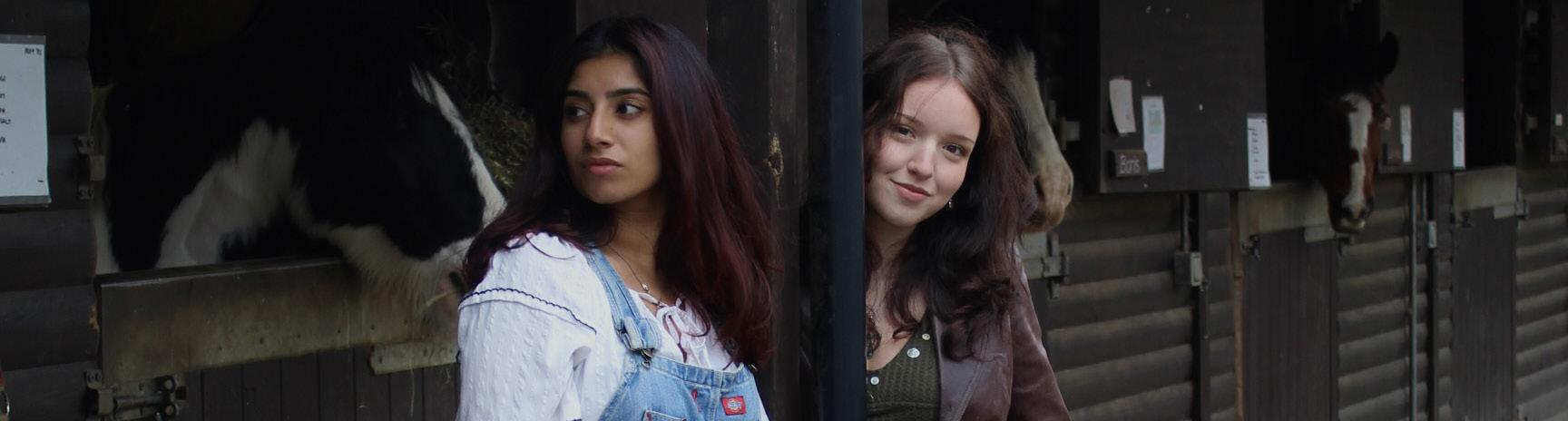
Elidyr Glyn
ar gymuned,
“Dwi fel arfer yn dechra’ hefo’r alaw,” meddai Elidyr Glyn, “ma’r geiria’ yn dod wedyn.”
Mae’n fan cychwyn syml, sy’n adlewyrchu caneuon Bwncath. Cerddoriaeth sy’n teimlo cyn egluro, gan adael i’r gwrandäwr ddarganfod yr ystyr ei hun. Dydy’r caneuon ddim yn hunangofiannol o reidrwydd chwaith. “Dwi ddim yn meddwl bod ‘na brofiada’ penodol yn ysbrydoli’r caneuon. Mae o fwy i neud hefo’r neges dwi isho gyfleu a ma’r geiria’ yn llifo o hyna.”
“Llawer o ddylanwadau Cymraeg a Saesneg. Bob dim wedi dylanwadu arna’ i masiwr, ond fedraim deud sut...” meddai am ddylanwadau cerddorol, cyn ychwanegu’n gyflym “dwi’n trio peidio â meddwl gormod am ddylanwadau a gadael i betha’ ddod yn naturiol.”
Mae’r awydd hwnnw i greu’n onest yn amlwg hefyd yn ei ddewis i ganu’n Gymraeg. “Dwi ddim yn meddwl bod sgwennu yn y Gymraeg yn fy nghyfyngu o gwbl,” meddai. “Ma’n gneud synnwyr i fi - ma’n hollol naturiol gan bo’ fi’n siarad Cymraeg, dwi’n ‘sgwennu’n Gymraeg.”
Adra, lle a’r syniad o berthyn
“Ma’ adra i fi yn gymysgedd o lefydd,” meddai Elidyr. Cafodd ei fagu’n Waunfawr a wedyn ardal Llanllyfni, Dyffryn Nantlle - felly’n lleol i Gaernarfon, a Bangor yn dynodi ei gyfnod prifysgol. “Ma’r llefydd yma’n meddwl lot i fi.”
Pan y gofynnais pa mor bwysig ydi’r syniad o le iddo, mae’n egluro: “Dwi’n meddwl bod lle yn ddylanwad cryf arna’ i ond, nid y lle ei hun sy’n bwysig. Cymuned sy’n bwysig. Dydi o ddyn yn un lle penodol achos nid un adeilad ydi adra o reidrwydd.”
Yn ôl Elidyr, mae’r syniad o ddewis rhwng aros neu adael adref yn gallu bod yn gymhleth. “Ma’ hi’n bosib teimlo’n gartrefol ym mhob man ti’n mynd. Ond er hynny, yn y hir dymor, creaduriaid cymdeithasol yda ni a ma bod yn rhan o gymdeithas yn bwysig, mewn byd sydd fwyfwy ynysig er gwaetha’ y cyfrynga’ cymdeithasol.”
Serch hynny, mae’n cydnabod bod y tensiwn hwnnw’n bodoli, yn enwedig i bobl ifanc. “Ma’ lot yn penderfynu mynd i’r brifysgol, a Caerdydd yn ddewis poblogaidd.” Mae’r cwestiwn - aros i ffwrdd neu i ddod adra - yn un personol iawn. “Ma’r penderfyniad fyny yn llwyr i’r unigolyn.”
Mae gobaith hefyd yn y ffordd mae’n siarad am ddychwelyd. “Yn amlwg, ma ‘na lawer o gyfleoedd i bobl ifanc mewn ardaloedd dinesig, mi fuasai hefyd yn braf gweld pobl ifanc yn dod ‘nôl i’w cymunedau yn y pendraw, hefo’r sgilia’ a’r profiada’ ma nhw wedi gael yn y brifysgol.”
I dref fel Caernarfon ac ardaloedd eraill yng Ngwynedd, “bysa hynny’n werthfawr iawn.”
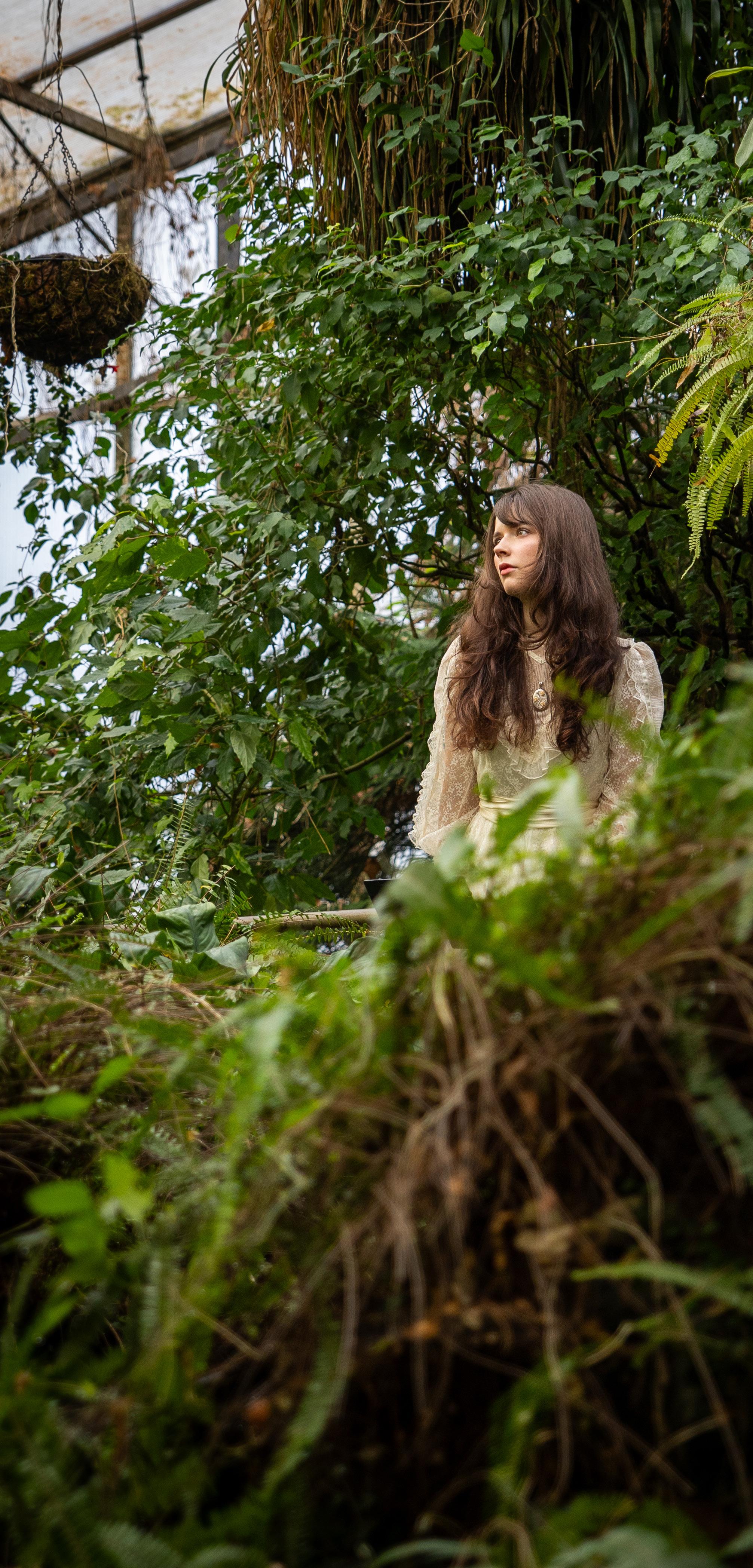
cerddoriaeth a
bod yn ifanc
Pwysau a phrysurdeb bywyd
Mae’r un sensitifrwydd yn amlwg pan mae’r sgwrs yn troi at iechyd meddwl a phwysau bywyd bob dydd. “Ma’ prysurdeb bywyd yn rhywbeth sy’n amlwg iawn y dyddia’ yma,”meddai.
“Ma ‘na bwysa’ arnom ni i wneud hyn neu’r llall, gan fod pawb arall yn gneud hefyd. Mae’n hawdd meddwl bod angen chwilio yn allanol am betha’ i’n gneud ni’n hapus, pan mewn gwirionedd ella does dim angen. Ma’ cofio hynny yn gallu lleihau pwysa’ ar y meddwl.”
Gair o gyngor
“Mae o’n grêt os wyt ti’n gwybod yn union beth wyt ti eisiau ei wneud,” meddai. “Ond os nad wyt ti - gad i betha’ ddisgyn i’w lle. Os bod hynny’n golygu gweithio am ‘chydig fisoedd neu deithio’r byd, ma’ hynny’n iawn.”
Petai’n rhoi cyngor i’w hun yn 18 oed, mae’n gwenu: “Dwi’m yn siŵr iawn be fyswn i’n ddeud. Dwi ddim yn meddwl bysa deud rwbath rŵan yn newid llawar, achos er
Ar y llwyfan
“Mae o’n grêt,” meddai, wrth ddisgrifio’r teimlad o gael miloedd yn canu’n ôl i ganeuon poblogaidd fel Allwedd a Curiad y Dydd. Ond nid y llwyfannau mawr yn unig sy’n aros yn y cof. “Dwi’n mwynhau pob gig - ma ‘na rwbath grêt am gig fawr mewn gŵyl, ond ma’ cael gneud gigs llai mewn tafarndai yn wych hefyd.”
Eleni, ar daith hefo Ysgol Syr Hugh Owen, cafodd gyfle i berfformio ym Mhatagonia. Gofynnais am ei gysylltiad â’r Wladfa, “mi oeddan ni’n byw yno fel teulu am tua tri mis pan o’n i’n blentyn,” meddai. Roedd ei fam yn gweithio fel athrawes gelf yng Ngholeg Camwy, yn
y Gaiman. “Nes i lot o ffrindia’ yna, rhai ohonynt dwi wedi ail-gysylltu hefo’n ddiweddar. Mi nes i rannu’r llwyfan hefo un ohonynt pan oeddwn i’n nol, sef Kevin Handley, mi oedd o’n chwarae’r piano a’n canu hefo fi.”
2026
Wrth edrych ymlaen at y flwyddyn newydd, mae’r cynlluniau’n syml. ”Mi fydda i’n mynd nôl i Batagonia, hefo’r band tro ‘ma ym mis Tachwedd. Ma’ ‘na wastad gigs dros yr haf dani’n edrych ‘mlaen atynt...Edrych ‘mlaen fwya’ i gario ‘mlaen gneud be ‘da ni’n gneud.”
Efallai mai dyna sy’n diffinio cerddoriaeth Elidyr Glyn, dim brys i gyrraedd rhywle penodol a dim esboniad gorfodol - jyst caneuon sy’n datblygu o alaw, lle a phobl.
Geiriau gan: Lili Ray
Dyluniad gan: Molly James
From music undergrad to marketing assistant
Interview with Amelia Lee
Amelia Lee graduated from Cardiff University in 2025 after completing a BA in Music with a year abroad in New Hampshire. She grew up in Llanelli, south-west Wales, and is currently a marketing assistant at the Wales Millennium Centre.
Can you tell me a little bit about your job?
So far, it’s a six-month fixed-term contract and it’s a marketing assistant job. I’m kind of looking at their advertising. So, their digital advertising, their print ads, where they decide to advertise the shows and events at the Millennium Centre, getting in touch with producers to chase them for different types of ads and cast announcements or cast changes, or things like that. I’m still quite new.
Can you tell me a little bit more about the work you did at the Green Man Festival and the experiences you had at uni that have helped you land this job?
Yeah, so I got the Green Man internship through Cardiff Uni. They have lots of different positions, and I had the guest list and accreditation role, which focused on liaising with artists and their management teams and ensuring they received the correct accreditation.
I’ve done like two shifts at Clwb Ifor Bach, which is looking at artist liaison work, so just being like a point of contact to them when they come in. I haven’t done much of that yet. I’m hoping in the new year I’ll manage to get some more shifts with them. Sŵn Festival, which is in Cardiff every year. I volunteered for two years there.
So, I think those types of roles have probably helped me get this position with the Millennium Centre, but I’ve also worked front of house at the Millennium Centre for three years doing customer assistance. My aim is just to get as much experience in the Welsh music scene as possible.
What was working at Green Man like?
The internship was about two months. The first month was in London working in their office, and doing all the preparations for the festival. We were the first ones on site, and we were actually camping for a month. How nice. Quite a challenge. But I’ve had some experience with my family, because we used to go camping, like every year when I was younger.
What does being Welsh mean to you?
I feel like I’m passionate about being Welsh. And I think it’s grown with me all the time. I’m keen to fully learn the Welsh language, because I can only do bits and bobs, which is frustrating, but they’re offering free Welsh lessons in my new job, so I think I’m going to take part in that.
I think it got stronger for me when I went to the University of New Hampshire in America because I met so many people from lots of different countries, and I really enjoyed sharing about Welsh culture and Welsh heritage and all different things I’m passionate about, like Welsh music.
In what ways would you say being Welsh has affected your sense of style and your sense of self?
I’d say Llanelli is near the coast. So, I’m used to always going to the beach, always trying to dress practically, which sounds stupid, but I’m always wearing jumpers and fleeces and easy shoes to put on. And I think I probably get a lot of inspiration from my family as well. I love the way my mother and even my grandmother dress. We all kind of share clothes.

Where are some of your favourite places in Wales?
I really like a beach called Mwnt Beach, which is not too far from Cardigan in West Wales. It’s just a really nice beach, and there’s a little church on the hill, but it’s very far removed from everything. Growing up, we used to go camping in Llangennith, which was always really nice. I also love Pembrey Country Park, with acres and acres of land, and hiking in the Brecon Beacons with family
Do you think you’ll ever leave Wales, or do you think you’d be happy to live in Wales your whole life?
I think that since doing my year abroad, I have wanted to go abroad more and live abroad more. So, I would like to do that at some point, maybe for a master’s or something.
Would you encourage other Cardiff University students to do a year abroad?
Yeah, I’d 100% encourage it. I think, before going to uni, I wouldn’t say I was a homebird, but I never really knew what it was outside of my hometown and then coming to Cardiff, obviously, it is a city, and there is a lot going on. But then it wasn’t too far away from my home, either. It was a good opportunity for me to just see what it was like to be completely by myself, in a new culture. I loved it, and I’d encourage anyone to do it.
I was worried when I was there, I’d get a bit anxious. But you just build bonds with people when you’re there. Like, I’ve made such good friends that I chat to every day from all around the world, and they become your base and they become your little family.
I think working with lots of different teams all the time. So constant ly working with different people makes you quite adaptable and versatile. Even though I am quite nervous when I’m starting a new job, I feel like that’s got a bit easier because I’m slowly getting used to working with different people all the time. So that’s the main skill I’ve taken away.
Words By: Jess Fotheringham
Design
By: Sophie Walbank
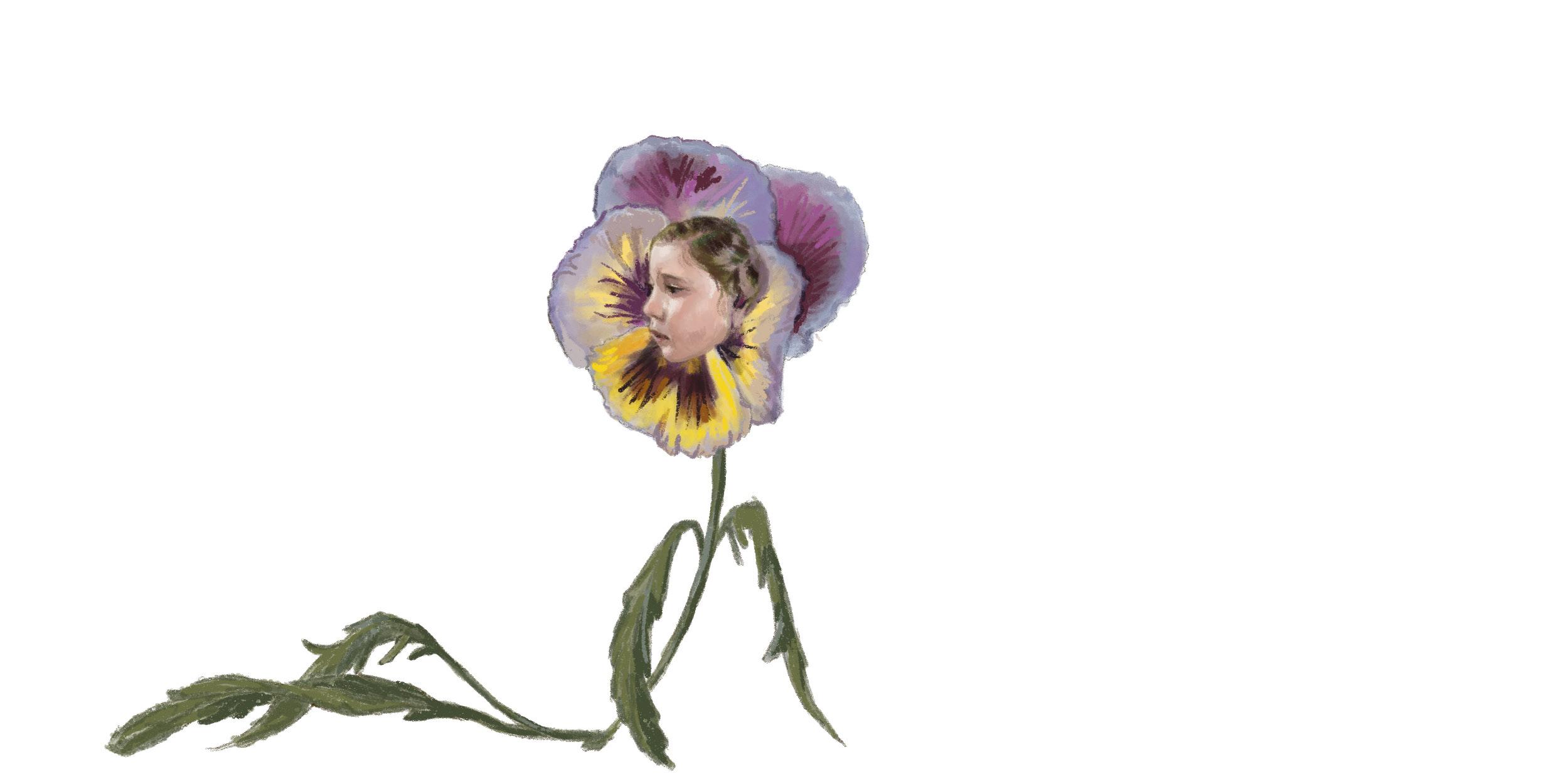
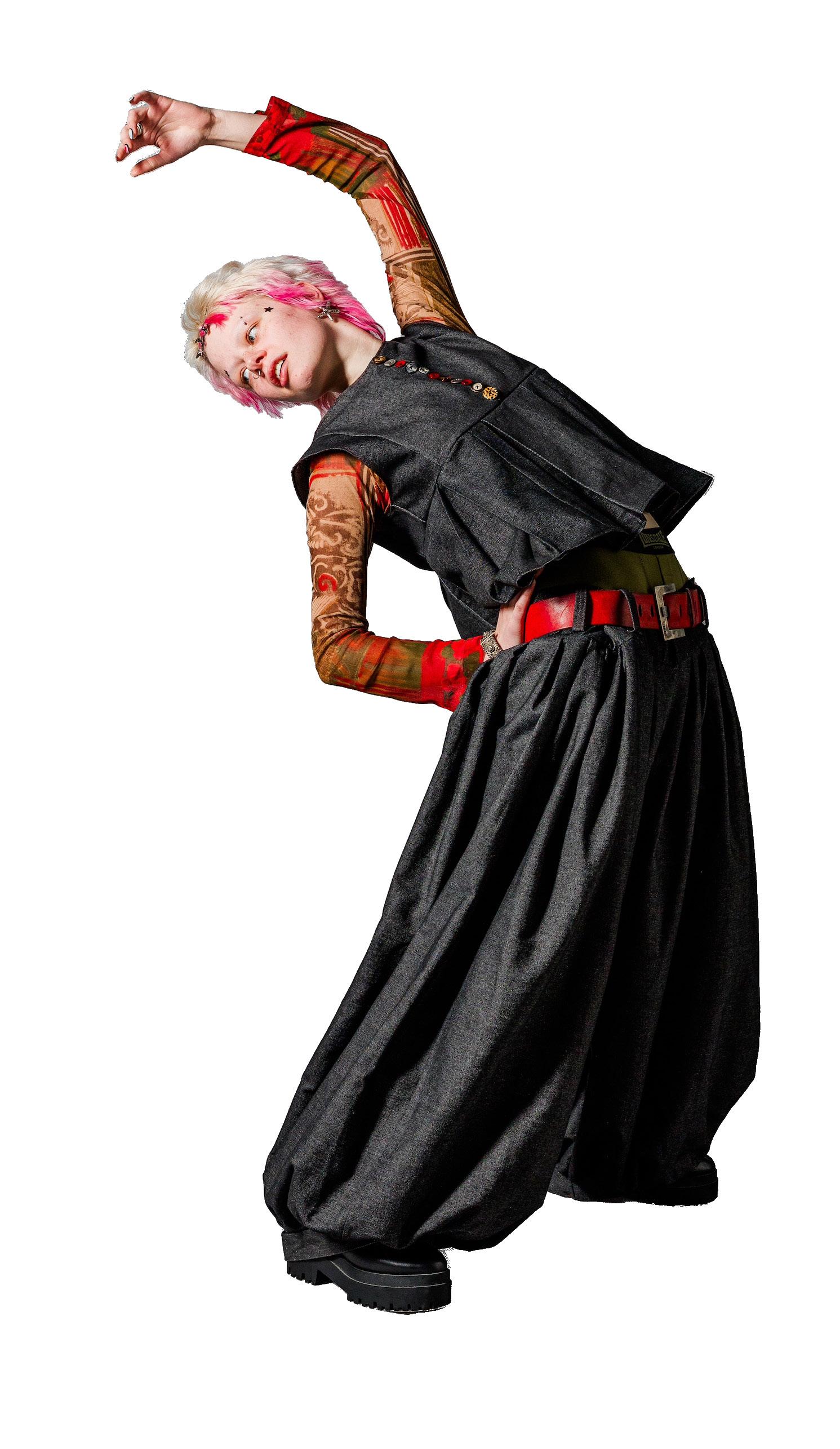
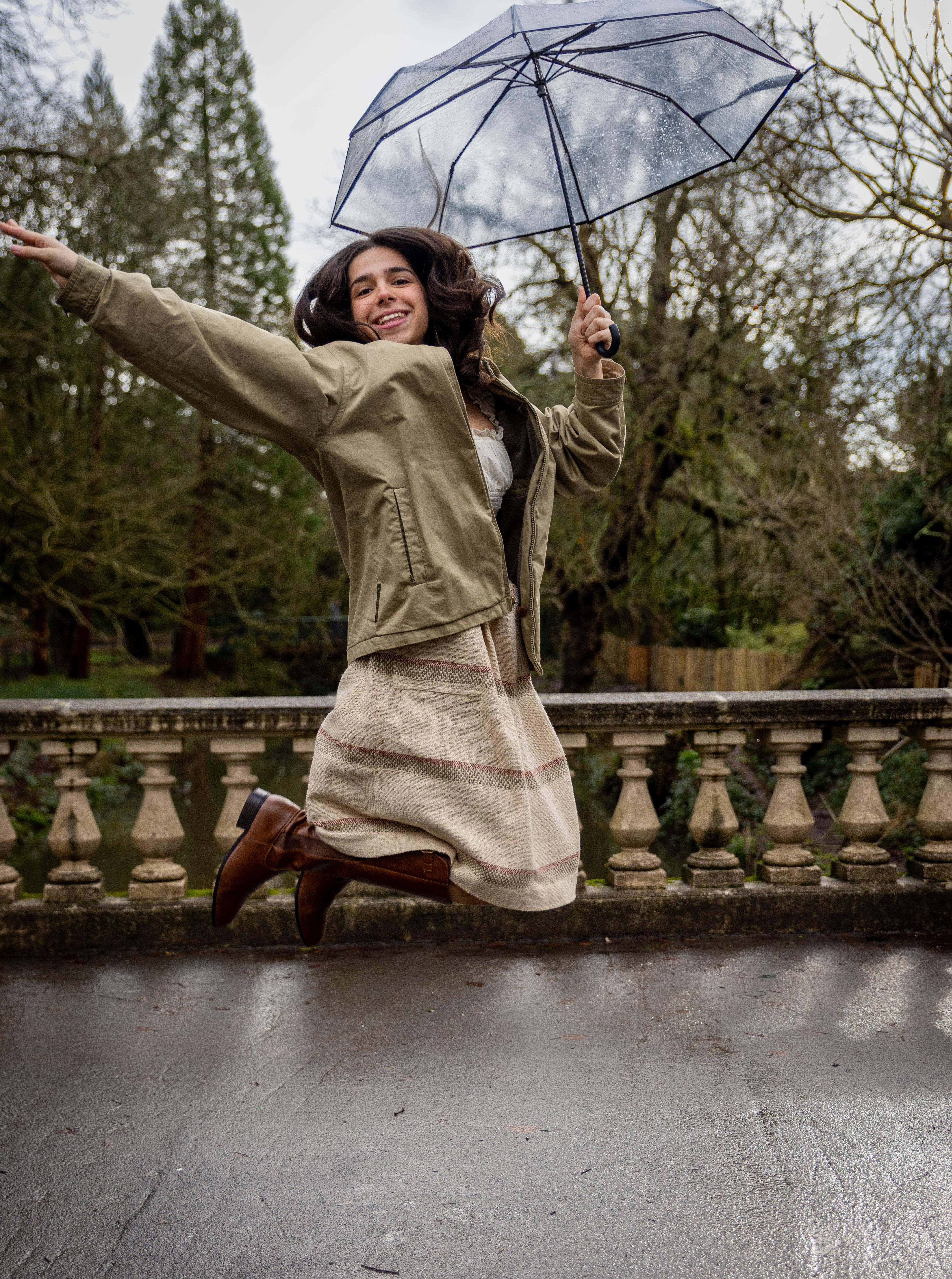
Designs
Quench Shops Special Edition
What made you want to start your own fashion brand?
My best friend and muse. Their tenfold of creativity and artistic expression inspired me to convey mine through design.
What pieces do you create?
Garments such as tops and co-ords, as well as bags. But mainly focusing on trousers.
What would you say is the aesthetic of Eve Designs?
Chaos, individualistic and silly.
How does being based in Wales shape your brand’s identity?
I can draw inspiration and references from the charm of the country as a whole. As well as the closeness of the creative scene in Cardiff which helps to uplift my identity within the pre-existing hub for innovation.
What makes you unique in the fashion scene in Cardiff?
My passion for repurposing of textiles and the reuse of vintage buttons to create character and uniqueness to each piece.
Is there a particular piece or moment you’re proud
My 8-piece collection based upon the lifestyle and artistic nature of my muse as a person and their family home.
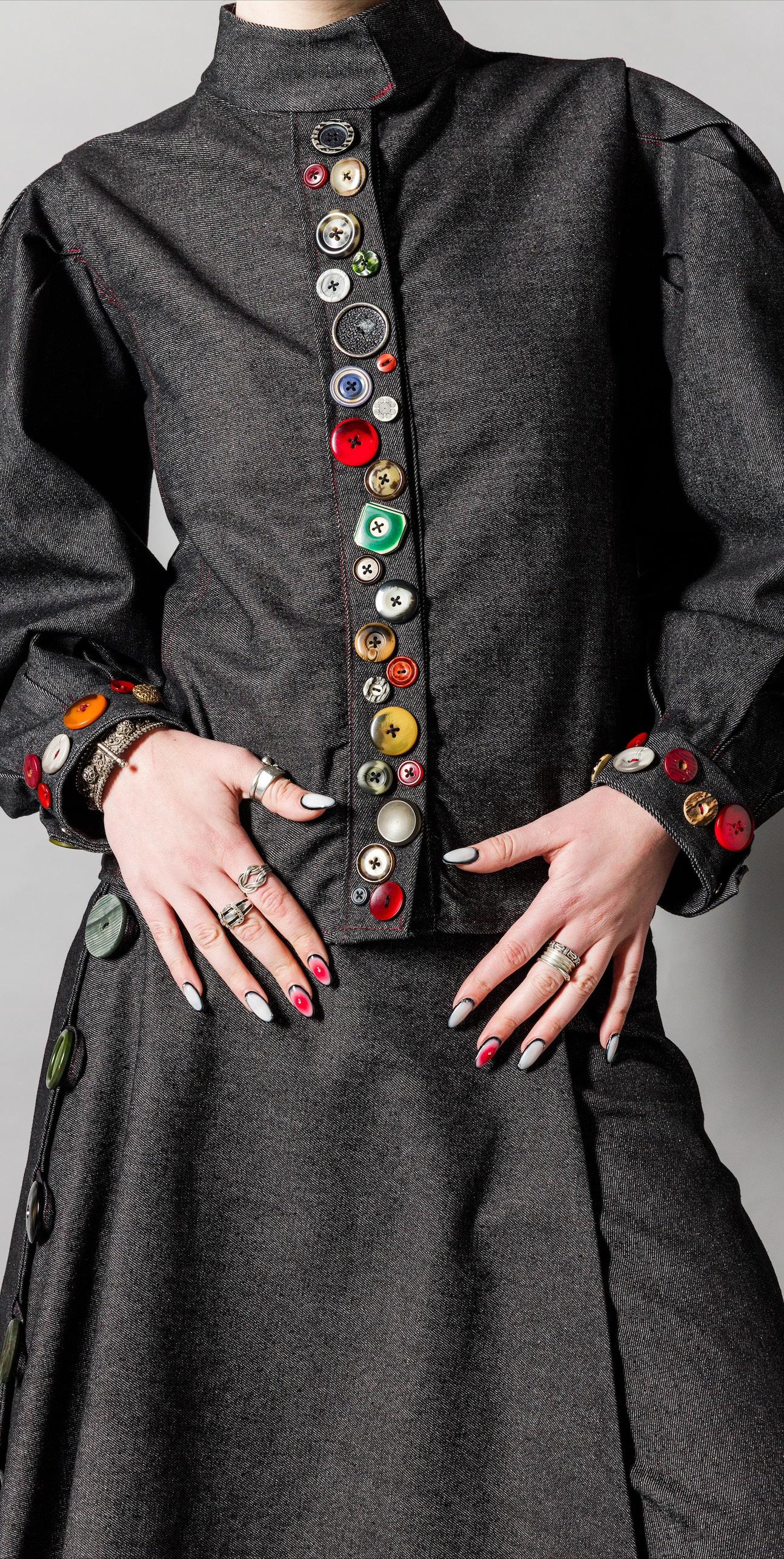
What are some of the challenges of hand making your own pieces?
Getting used to trial and error and coming to the realisation that there is beauty in the imperfect. Especially as many brands use manufacturers for their pieces whereas I am acting as both designer and manufacturer.
Where can we buy your pieces?
At pop-up’s or via direct message on my brand page.
Do you have any business advice for someone looking to start their fashion brand ?
Find your niche and pour your heart into it, but most importantly, take your time.
Interview and Design by: Charlotte
Hardie-Watts
Horoscope
February & March 2026
Aries
For you, Feb and March are about finding new beginnings and discarding emotional baggage that has been dragging you down. This is a time for both reflection and change. Don’t be afraid to move on from people and situations that no longer bring you happiness. Go your own way and create your own desire path.
Cancer
Let your curiosity guide you over the next couple of months and who knows what you will discover? You do not always need to be practical, so why not let creativity take hold? Self-doubt holds no authority over you now, explore your beliefs and feelings to ignite an emotional expansion.
Libra
It’s time to run it back and re-check your values - are you aligning with them? Consider what you deserve and what will help you to enhance your self-worth and confidence. Introspection is key for you in the next two months. Trade those post-Yolo kebabs for a mug of peppermint tea to refresh your mind!
Capricorn
Valentine’s Day isn’t the only time you’ll be channelling your loving side this month. Feb is all about friendship and connecting with those around you. A compassionate heart will be important in Feb and March so you can invest in relationships that bring out the best in you. Swap your solo study seshes for a study buddy: it’s time for togetherness!
Taurus
This Feb and March should bring you stability and security. Look inward upon yourself to both deepen and strengthen your relationship with your emotions and desires. Get in touch with your heart under the assurance that nothing around you needs to change if you don’t want it to. Your favourite playlist stays on repeat for a reason!
Leo
Don’t shy away from vulnerability and connection as they hold more power than you let yourself take account for. It’s time to tap into your vulnerable side and to take a break from letting your desire for control to dictate your decisions and emotions. Remember that control does not always equate to strength.
Scorpio
It’s reset time! Feb and March are all about you and your success. Sit back and identify your goals and plan how you wish to follow your pursuits. Consider what you want to get out of yourself and prepare those goals for action. Your 9am lecture attendance will be off the charts.
Aquarius
We’re over half-way through Aquarius season, so your visibility is high. It’s time to put yourself out there and to flaunt your ambitions and achievements. Nourish your mind and channel some self-confidence to promote an academic glow-up. Let yourself recieve the recognition that you deserve; become a BNOC for your assertive academic prowess.
Gemini
Things are getting real for you in Feb and March! Quit day-dreaming and pay attention to the world around you - you’re not going to want to miss it! Speak up and don’t find discomfort in having your voice heard. Don’t be afraid to speak with conviction and don’t let pride get the better of you. Speak up in those seminars and share your ideas!
Virgo
This is your time to welcome big ideas and important conversations. You’re in your growth era so let yourself embrace it! Put your desire for perfection on the backburner and lead with an open mind and heart. It’s time to say goodbye to the silent zone in the ASSL and get some serious talking going!
Sagittarius
Slow and steady wins the race - Feb is the time to re-charge yourself before you leap into a productivity centred March. Establish healthy routines that work for you and give yourself a well-deserved breather after the whirlwind of post-Christmas deadlines.
Pisces
Pisces season is on the horizon: Feburary and March are YOUR months. Get ready to flaunt the real you and to welcome new perspectives that are coming into view. Take your season as an opportunity to embrace the unknown and to showcase your adaptability. Let yourself grow with the new tides. Why not join a new society?
What Country Aesthetic Are You?
How do you spend a weekend?
Park run at 9am on a Saturday In bed
Is this a regular commitment?
Do you stick to your New Year’s resolutions?
Are you curing a hangover?
Are you a week-in, week-out YOLO-er?
Do you still make your Thursday 9am?
Is a resolution more likely to be a wardrobe declutter or healthier diet?
Shopping with friends
Are you hitting up the charity shops?
Catching up on the latest Love Island or reading a book? Do you treat the pub as a catwalk?
Soup or a tea to heal you?
Is your preferred accessory a chunky scarf or a dainty bag?
The Holiday Cottage-core
Cosying up with a warm drink and a good book is your MO. Christmas-time waits for you! Embrace the peace and take joy in doing nothing - you’re only a student (who misses their 9ams) once...
Races Day
Chic
Social, stylish and chaotic (in the best way)! You’re committed to looking your best whenever, wherever. Campus and the countryside is your catwalk. You’d rock an Afghan coat and some knee-high boots...
Homegrown Goddess
You’re committed to doing the best things for your health. What’s good for the body is good for the soul and I promise making that Thursday 9am is good for the soul - your body may not thank you though...
Twixtmas Country Walk
Touching some grass is a yearly tradition for you, ideally after a roast and a few too many pints! You like to be productive and prepared -a good chunky scarf is always the best accessory...
An Interview with Warren Carr The Face of Highs and Loaves, Cardiff
Being introduced to the breads of Europe as a student, Carr’s eyes were opened up to the endless possibilities of bread! Fast-forward 40-odd years and the self-taught baker hosts workshops from his home in Cardiff. I was lucky enough to be invited along to his workshop to find out his inspiration for this homemade business (and most importantly what his favourite bread is)!
Carr’s love for bread began as a university student. Studying French and German allowed him many opportunities to travel around Europe. It was there he discovered all the different kinds of baked goods the world had to offer, ones so different from what we had back in the UK in the 80s. It was only until around 15 years ago that he thought it’d be nice to make the food that he’s enjoyed for so long! Carr was quick to disregard any predetermined opinions on the breadmaking process. He says that not only can it be easy, it provides both physical and mental benefits as well as being cost-effective!
I was keen to tap into his knowledge of European breads from his travels and find out if he had a favourite country due to its delicacies. The answer was, “Honestly, no, they’re all so different!” Austria has its sweet cakes and Germany has its Pumpernickel, for example. “I just enjoyed exploring all of these varieties. I wouldn’t say I have a favourite”.
Local doesn’t always mean artisan ‘
’
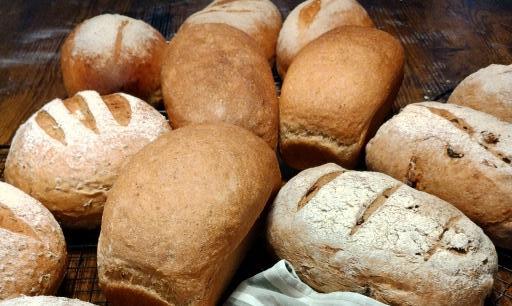
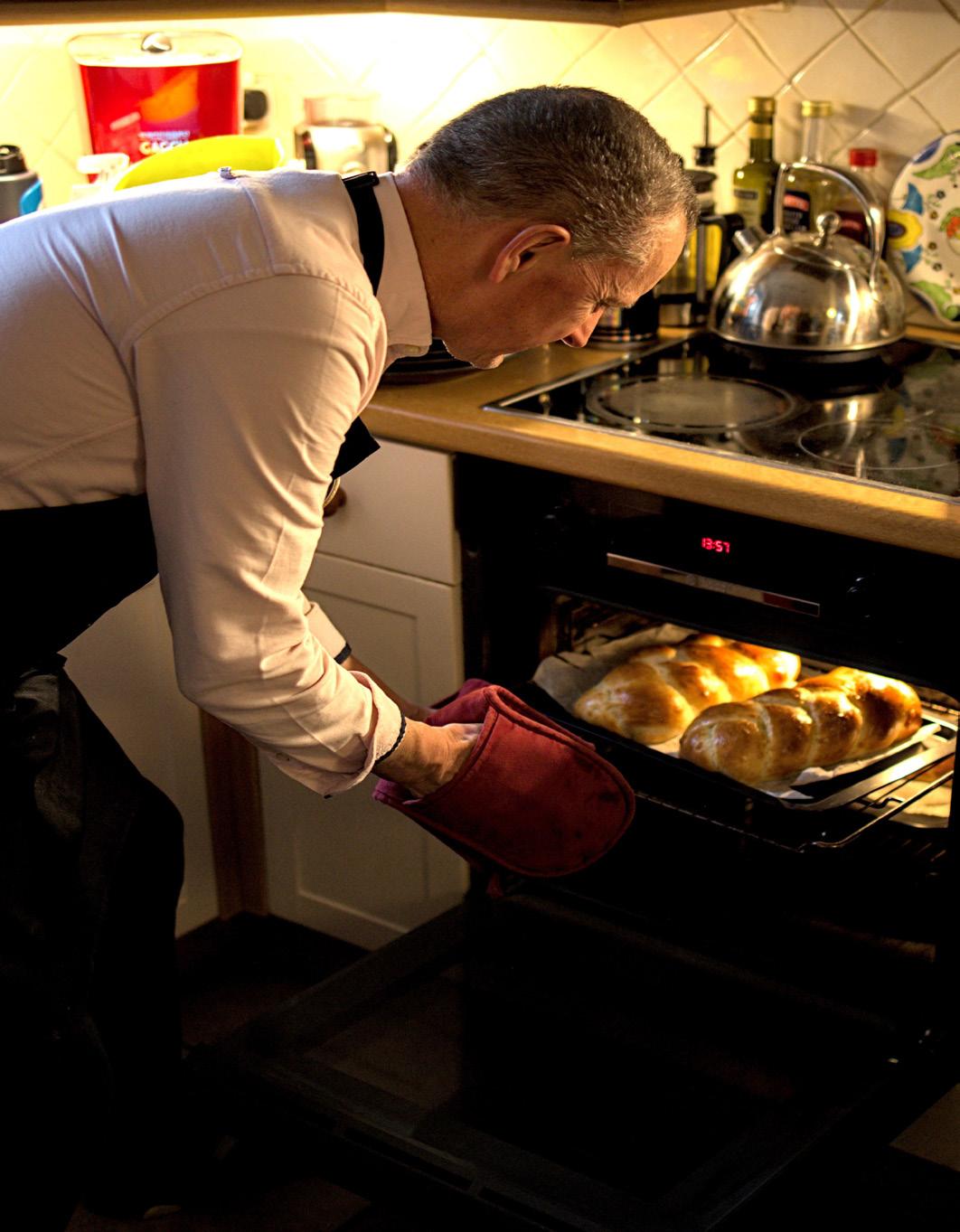
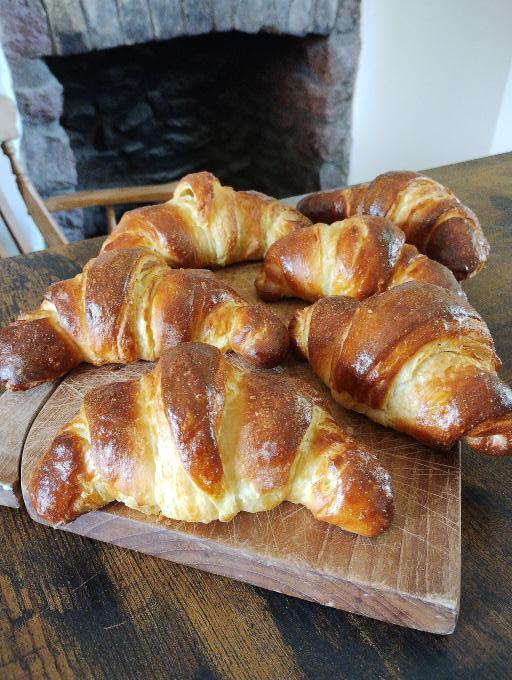
So what led Carr to set up his workshop in Cardiff, you may be wondering? Aside from it being such a traditional practice, it’s a lovely thing to share with people. The way Carr sees it is, it’s nice to tap into the heritage of bread. It used to be such a common undertaking and it’s great to be able to resurrect it as a pastime. Knowing how viral banana bread became during the pandemic, when people had nothing to do but bake, I had to agree that the lack of free time today definitely hinders people from carrying this hobby on. Carr’s mission for his workshops is to show how easy and quick it can be, in such a fast-paced age. “Breadmaking is a very natural, easy and wholesome process.”
Being such a natural endeavour, I asked Carr how he feels about using local ingredients for his bakes. “Local doesn’t always mean artisan”, he quickly affirms. “Local can be ingredients from your nearest supermarket; if you happen to live near a flour mill, then great, but if you don’t, then it’s not necessary!” You don’t have to be buying the most expensive ‘artisan’ flour; you can go cost-effective, and it’s often from the UK too. This seems to be a significant point Carr had to make, as sourdough starters are currently trending online and flour prices have been rising for the last few years. Breadmaking can be seen as quite an expensive process, but chatting to Carr made it clear that it doesn’t have to be!
So, back to picking favourites. I couldn’t interview a baker and not ask what his favourite bread is, but it turns out he doesn’t have one! “I love all kinds of bread, but it really depends on what I’m eating and when”. This seems to be a fair point, as you wouldn’t have a brioche with dinner or meats! Carr goes on to explain that the variety of types just makes it impossible to have a favourite and so, bread ceases to be a commodity.
As a self-titled Welshman, I had to find out what his favourite Welsh delicacy is, as Wales is known for so many great baked goods! Surprising to say, a baked dish was not his favourite! Instead, the hearty Cawl dish took top spot, a real winter warmer. Nevertheless, the fresh and salty Laverbread came in second, a true representation of local Welsh food.
Carr has no plans to develop the business into a full-time job, instead keeping it lowkey for those who are truly interested in learning how to make bread, but looking into the future I wondered what breads he feels are underrated and could become the next ‘sourdough starter’. “A very simple, white cottage loaf”. A breakfast classic for sure, so what preserve would he choose to top it? “Strawberry jam”. Well it couldn’t get more homemade and country than that!
Interview and Design by: Molly James
Photographs courtesy of: Warren Carr and Dafydd Stephenson
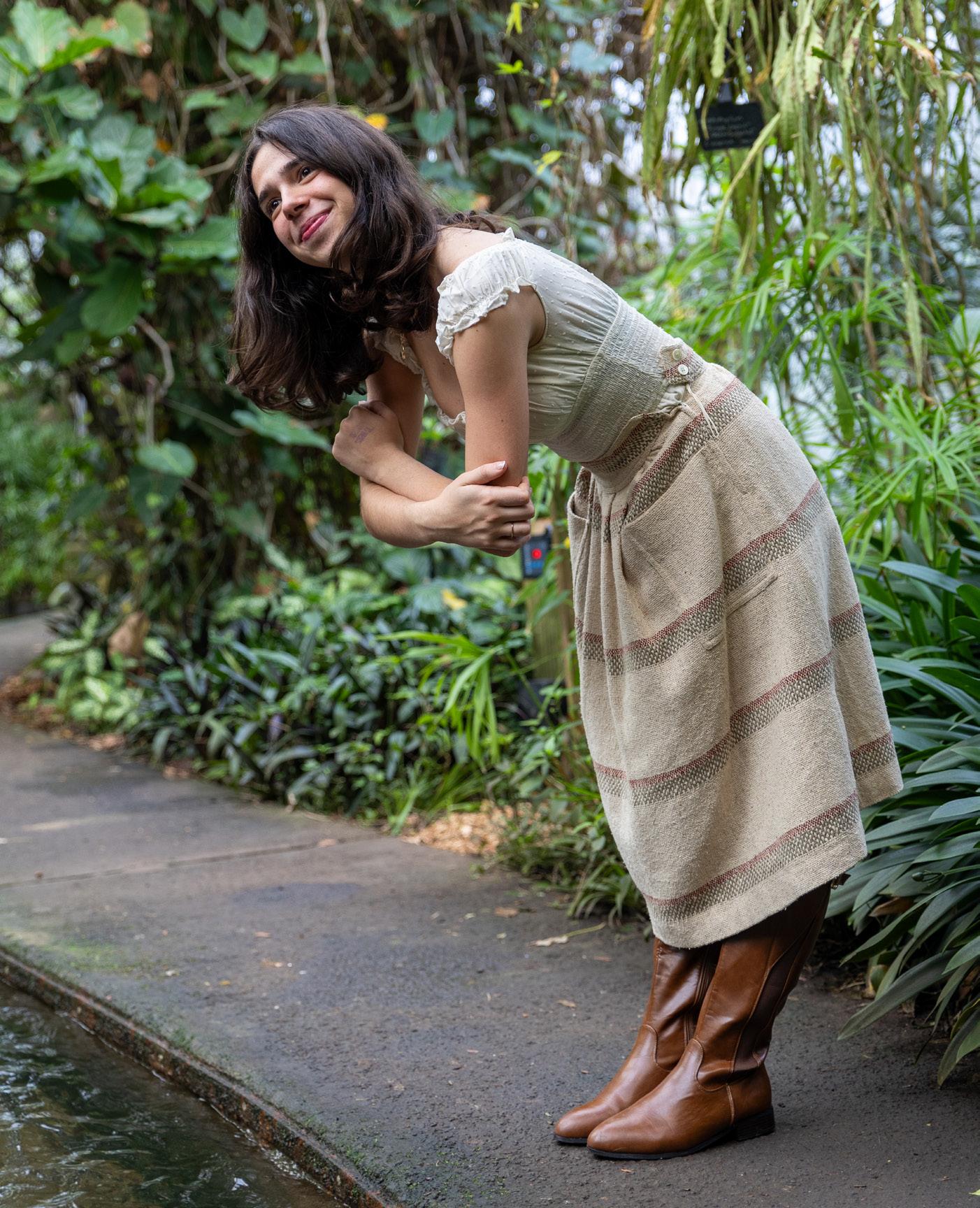
Mae’r glaswellt bob amser yn wyrddach yng Nghymru